
Plush Manufacturer for E-commerce & DTC Brands
Ewin Toys helps online-first brands develop plush products built for fast launches, strong visual identity and repeatable replenishment. With 20+ years of plush manufacturing experience, our team supports product development, sample refinement, SKU planning and production coordination so growing collections can move from launch testing to larger repeat orders with better consistency and inventory control.
- 60+ Development Specialists
- MOQ 500 pcs
- Multi-SKU Launch Support
- Custom E-commerce Packaging
- Repeat-Order Production Planning
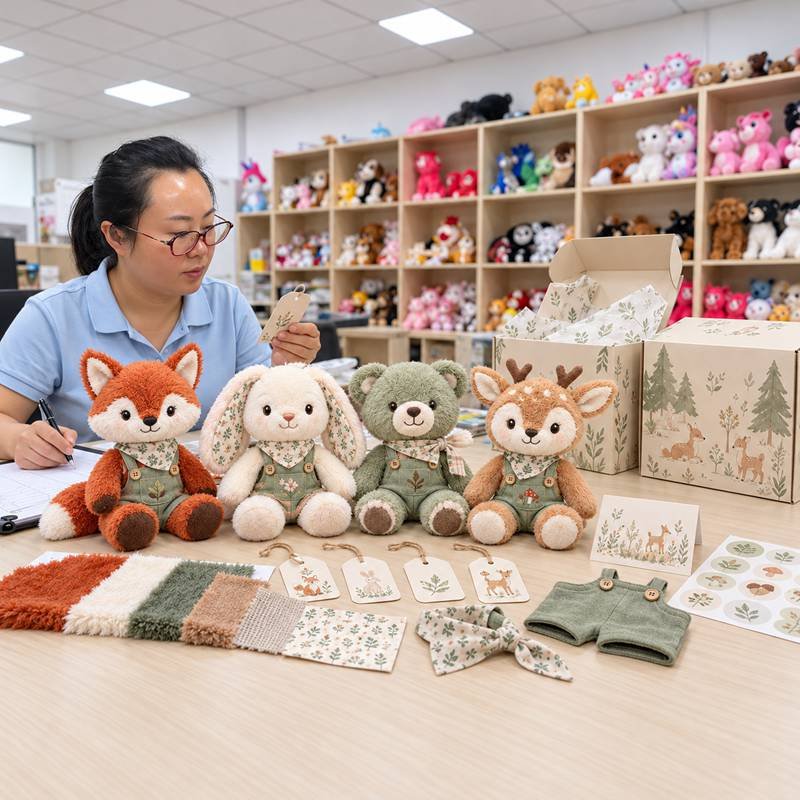
What Growing DTC Brands Need From Plush Manufacturing
Brand Fidelity First
Launch Timing Control
Channel-Ready Packaging
Repeatable Reorders
E-commerce Brand Programs We Are Built to Support
Established DTC Brands
Shopify Growth Brands
IP-Led Consumer Brands
Omnichannel Brands
Multi-SKU Collections
Alternative Source Programs
Plush Product Formats for Online Brand Collections
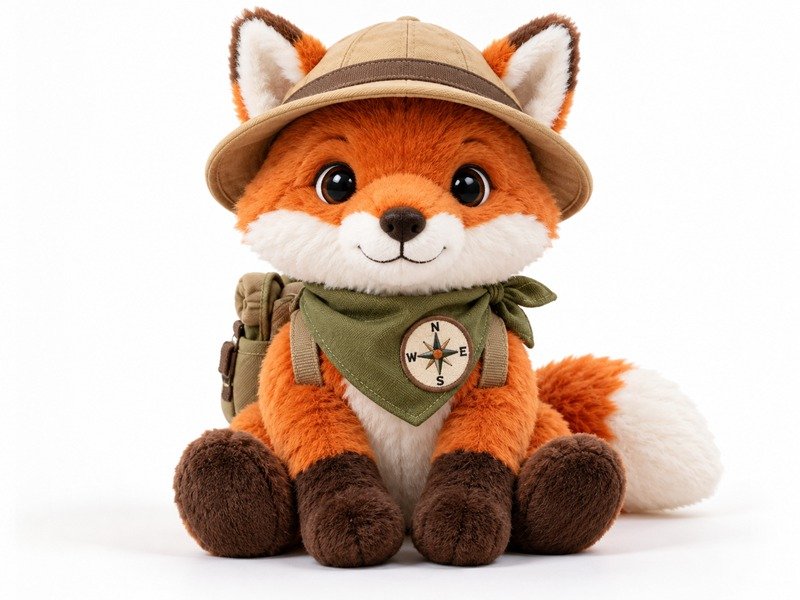
Character Plush

Mascot Plush

Collectible Plush

Plush Keychains

Mini Plush

Blind Box Plush

Weighted Plush

Plush Pillows

Plush Bags

Interactive Plush

Seasonal Plush Drops

Plush Gift Sets
Turn Brand Assets Into a Manufacturable Plush Specification
Start With Available Brand Files
Define Size Around Selling Use
Protect Character Recognition
Literal copying of a flat drawing rarely produces a convincing three-dimensional plush. Head width, muzzle depth, eye spacing, brow position, ear angle, limb length, body fullness, and stuffing all change the visual reading of the character. Long pile can hide small embroidery; elastic fabric can widen a face; thick seams can distort miniature features. Ewin separates recognizable character DNA from details that can be simplified, then maps key features to pattern pieces, fabric zones, embroidery, appliqué, printed areas, and accessories before the sample is approved. Character review should also consider how the product appears from front, side, back, seated, hanging, or compressed in packaging. A face that works in one studio photo can still lose identity after filling or transport. Marked artwork, key-point comparison, controlled color references, and revision notes give pattern makers and decorators concrete targets instead of subjective instructions such as “make it cuter” or “make it more like the drawing.”
Build the Manufacturing Definition
The approved product must be more than a photograph. Pattern version, material specification, color reference, pile direction, embroidery file, accessory position, filling requirement, labels, packaging, barcode data, and critical quality points should connect to the SKU BOM and released sample. Ewin uses Golden Sample, BOM freeze, released pattern, current artwork, and packaging revisions as the production basis. This reduces a common scale-up problem: the factory remembering how a sample looked without having a controlled definition for reproducing it months later. A useful manufacturing specification also records where variation is acceptable. Soft goods naturally move within tolerances, so teams need to know which features are visually critical and which dimensions can vary without changing the product experience. Reorder preparation then starts by comparing the new requirement with the frozen definition, identifying only the changes that need review rather than rebuilding the whole product from scattered emails and old sample photos.
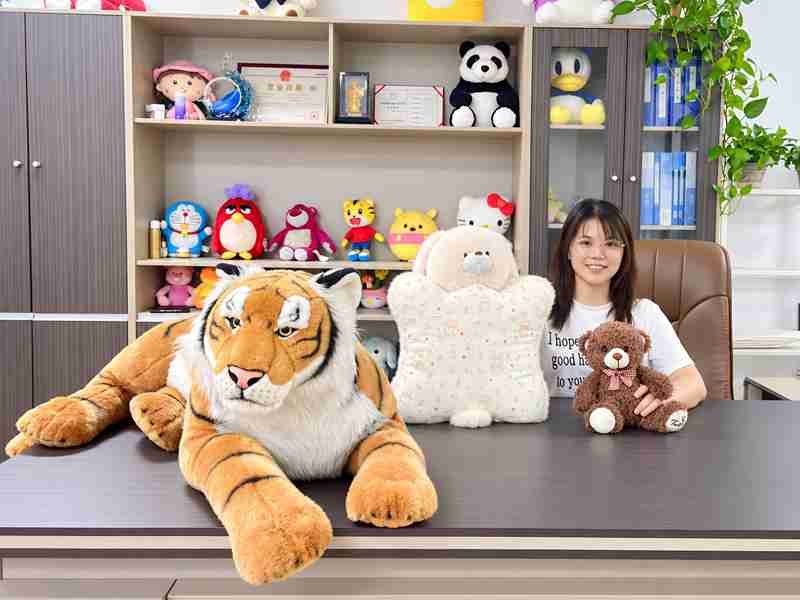
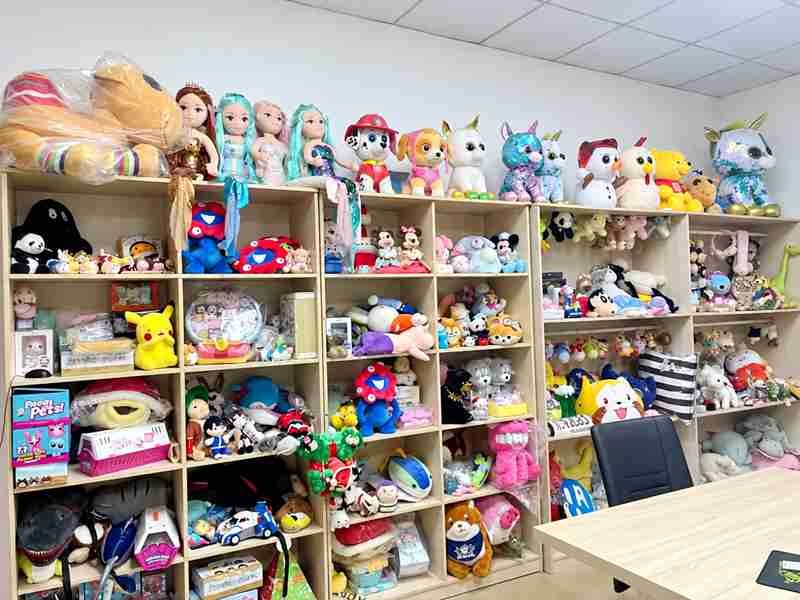
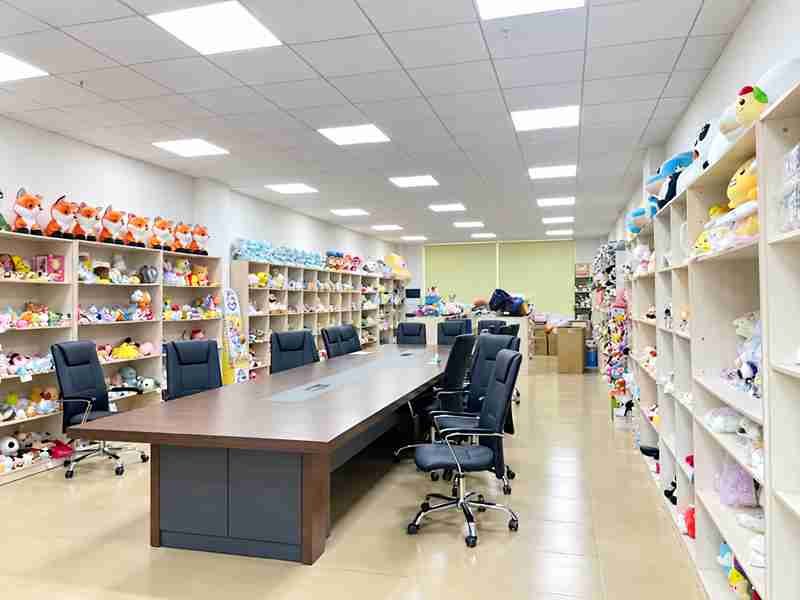
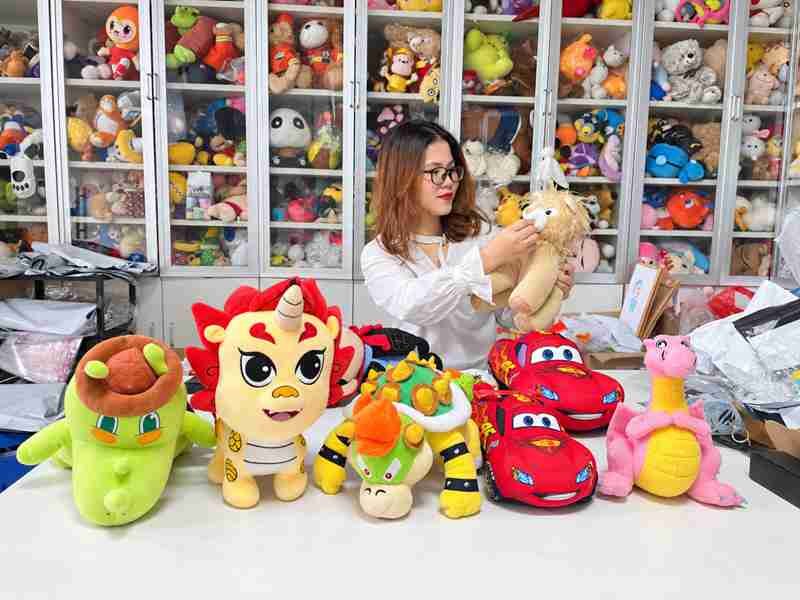
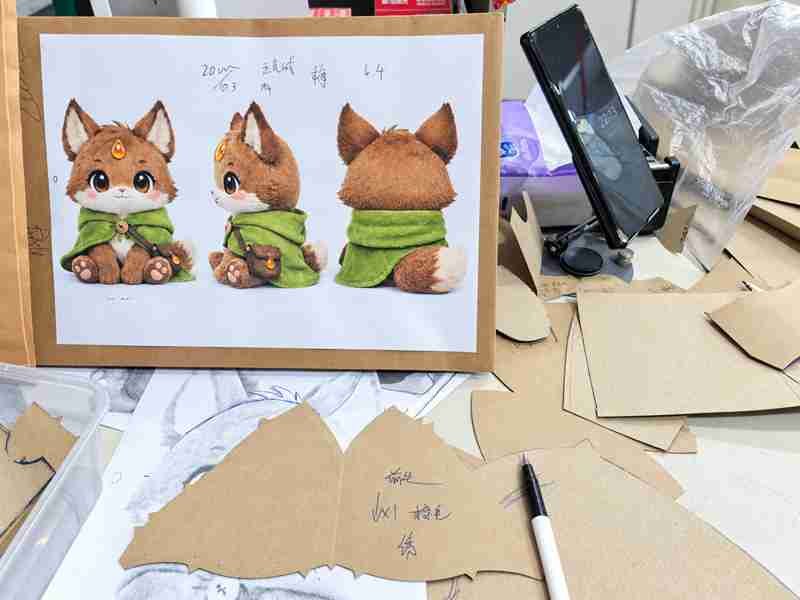
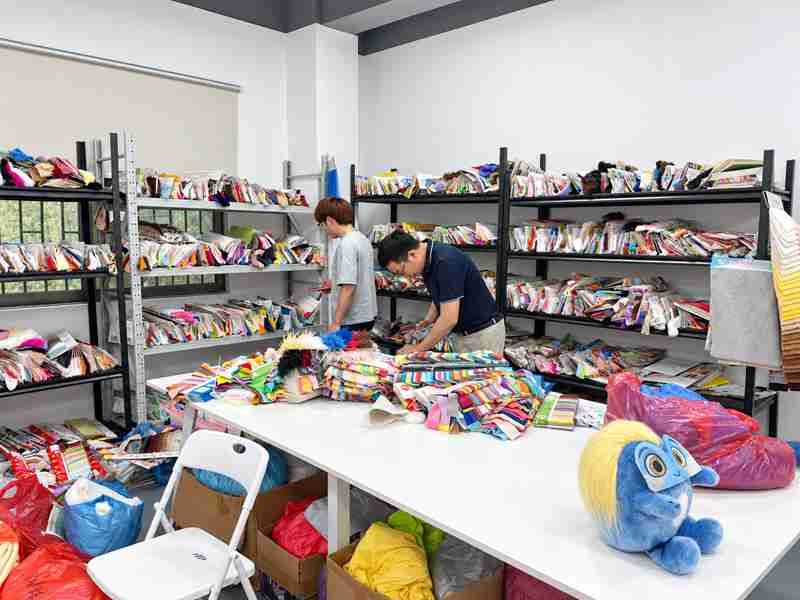
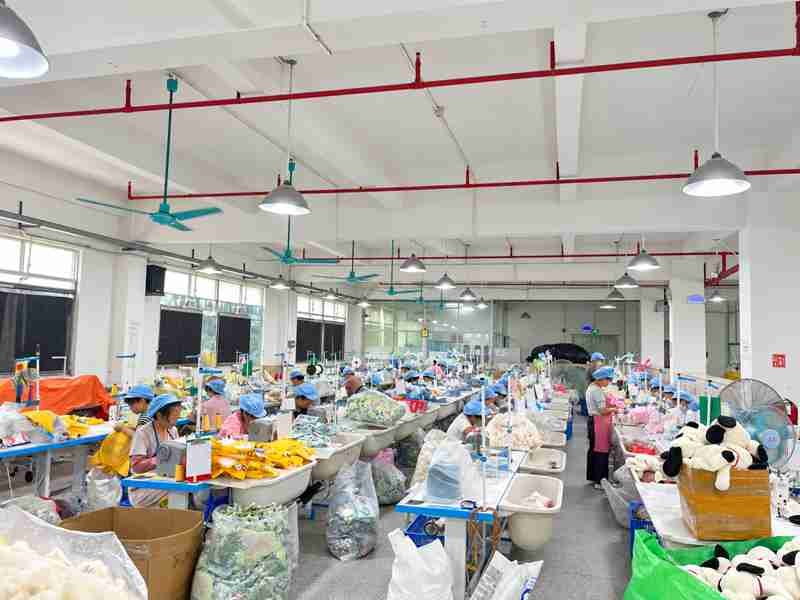
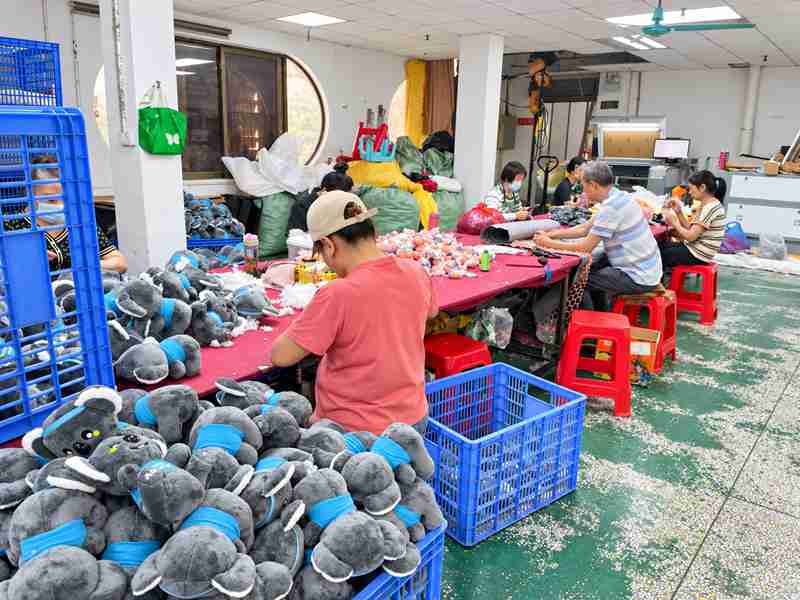
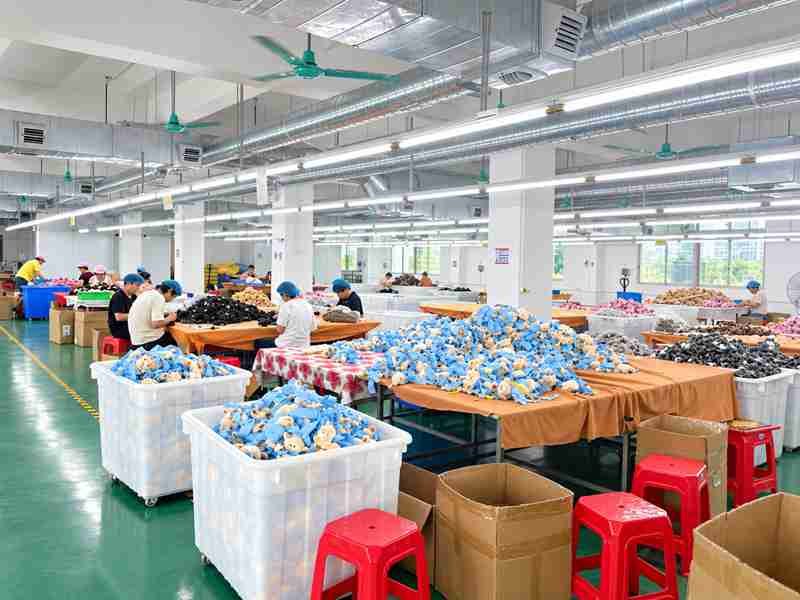
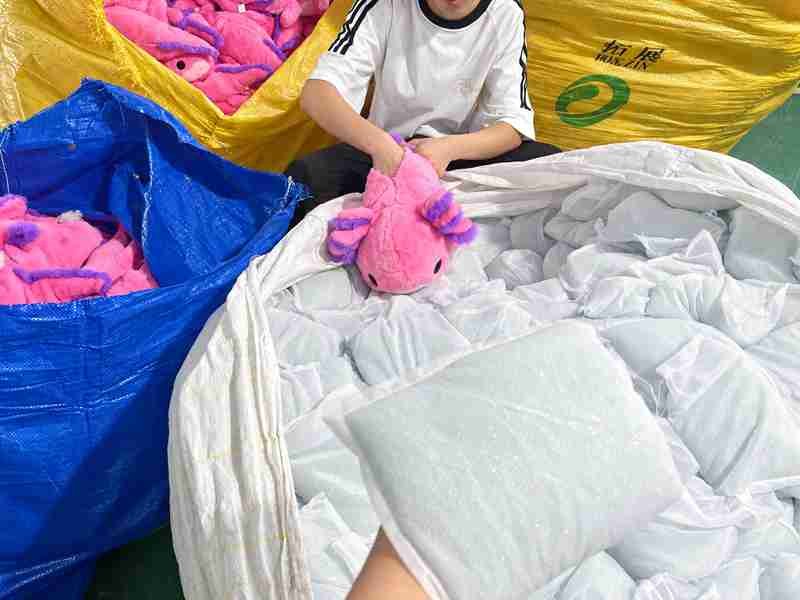
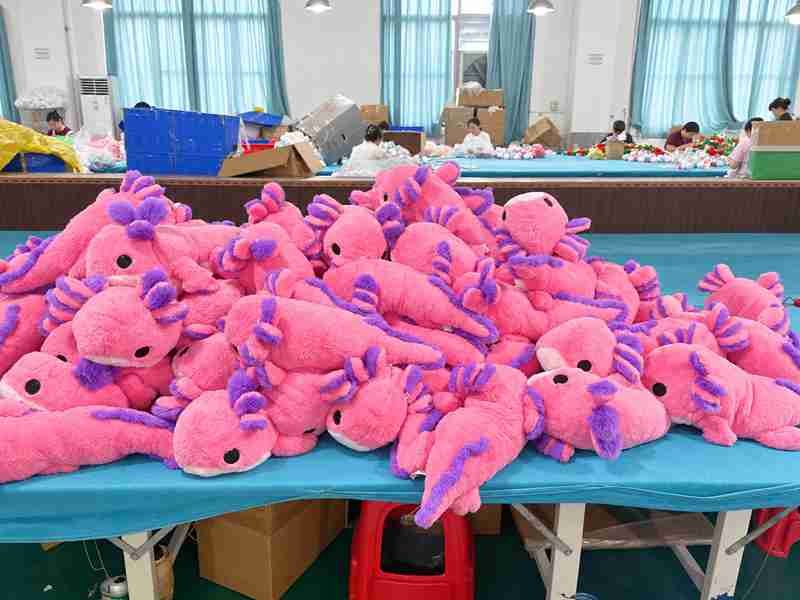
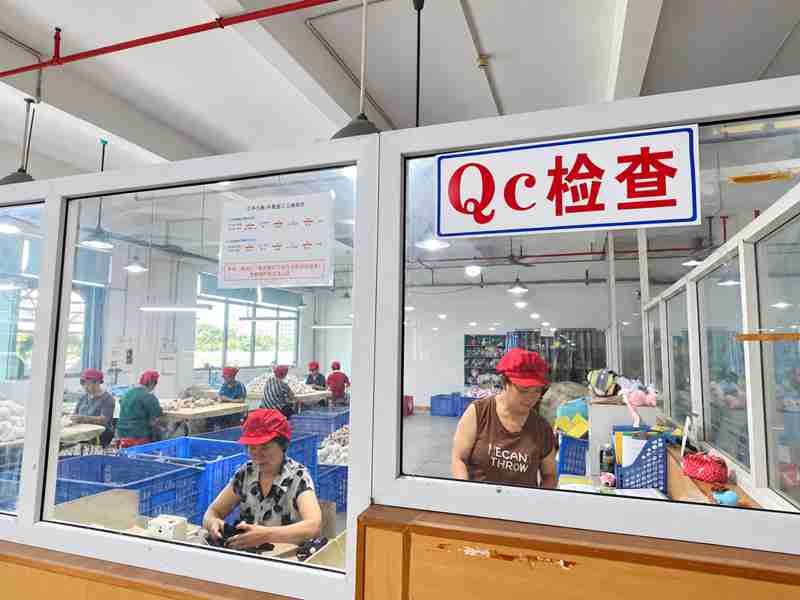
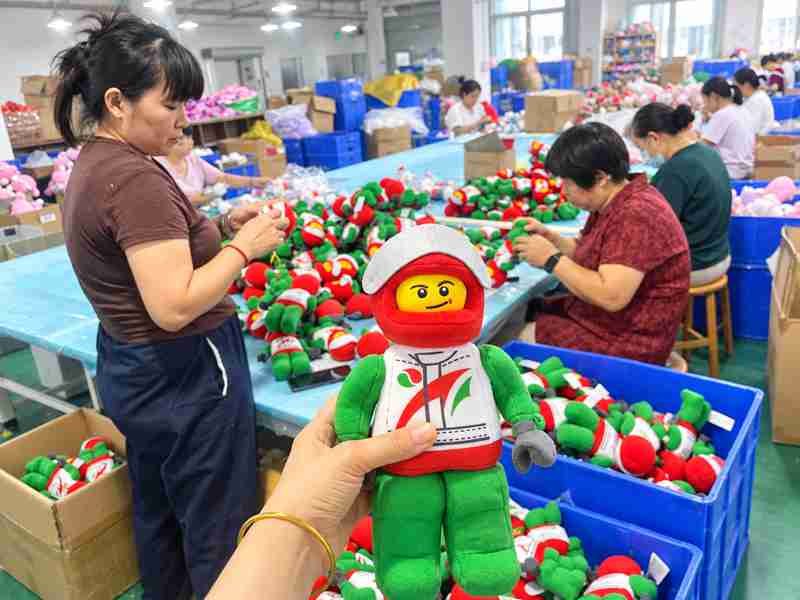
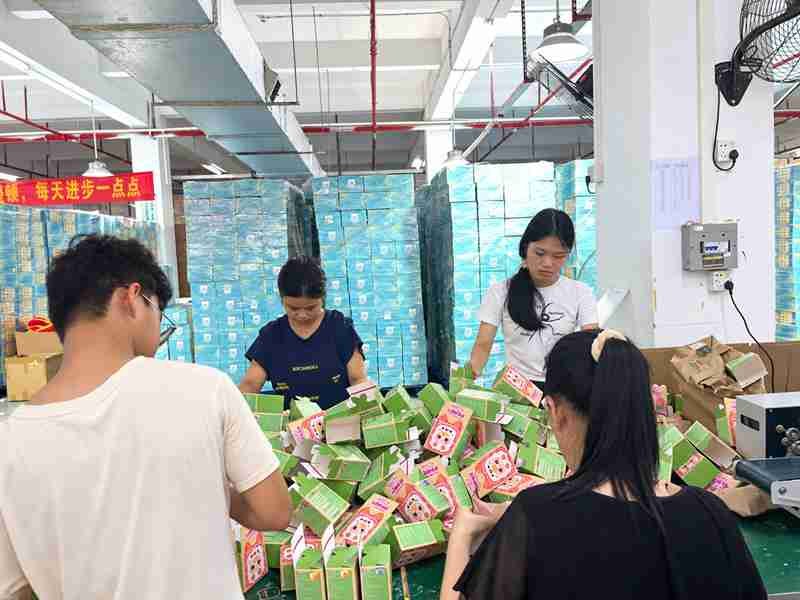
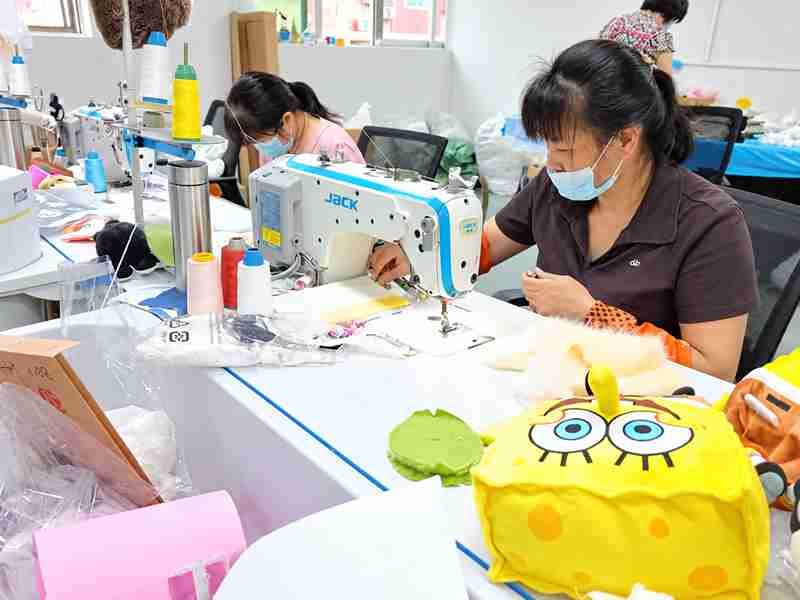
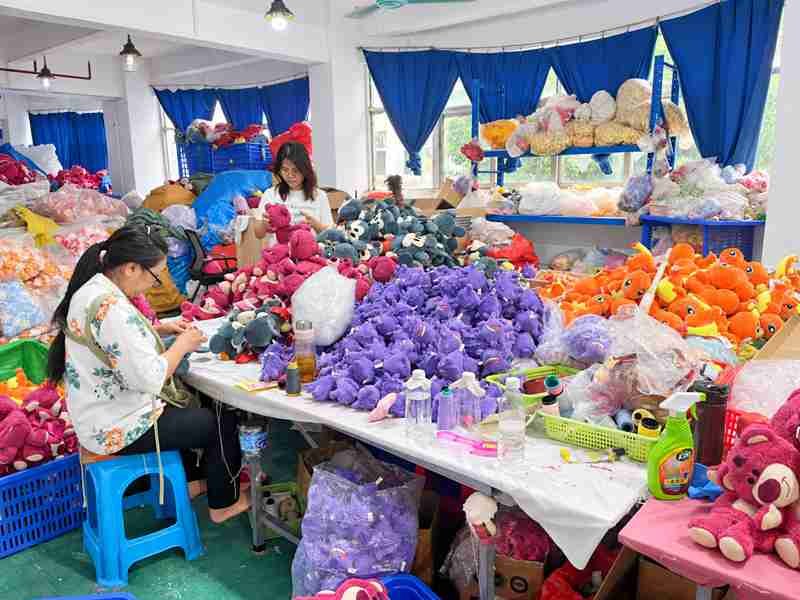
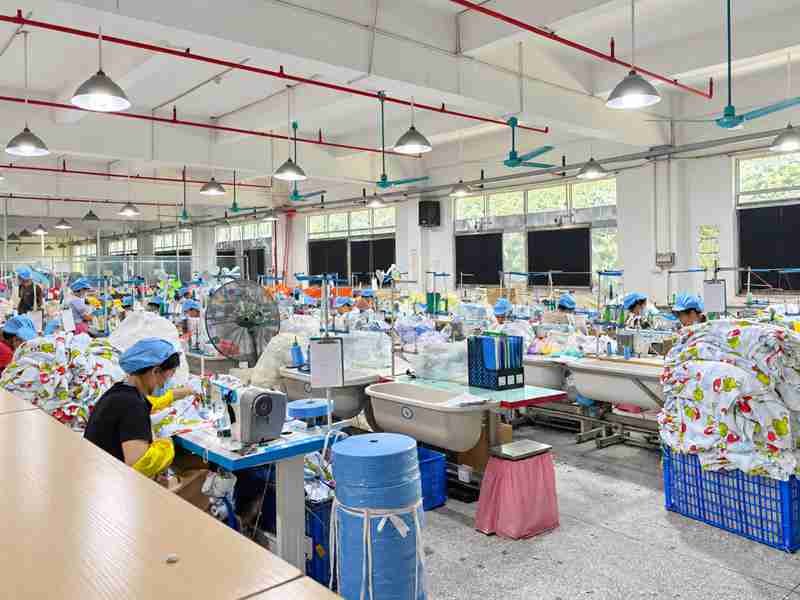
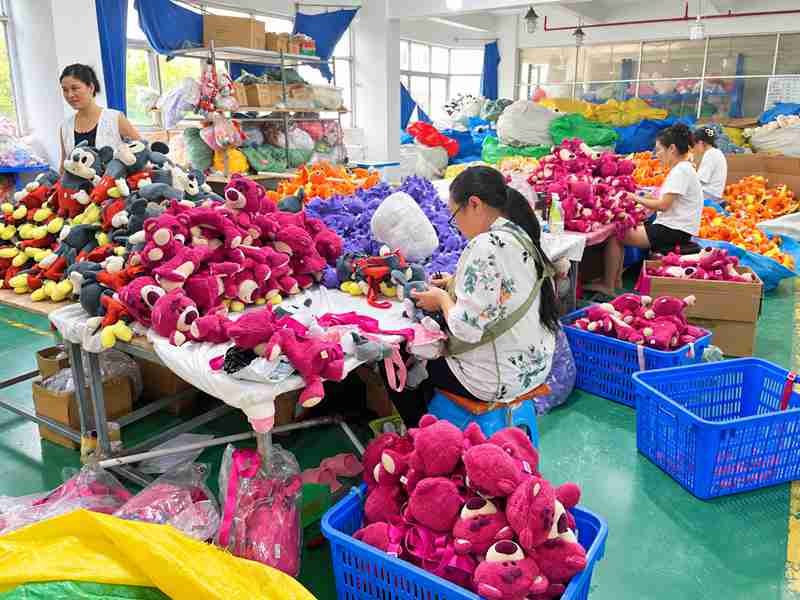
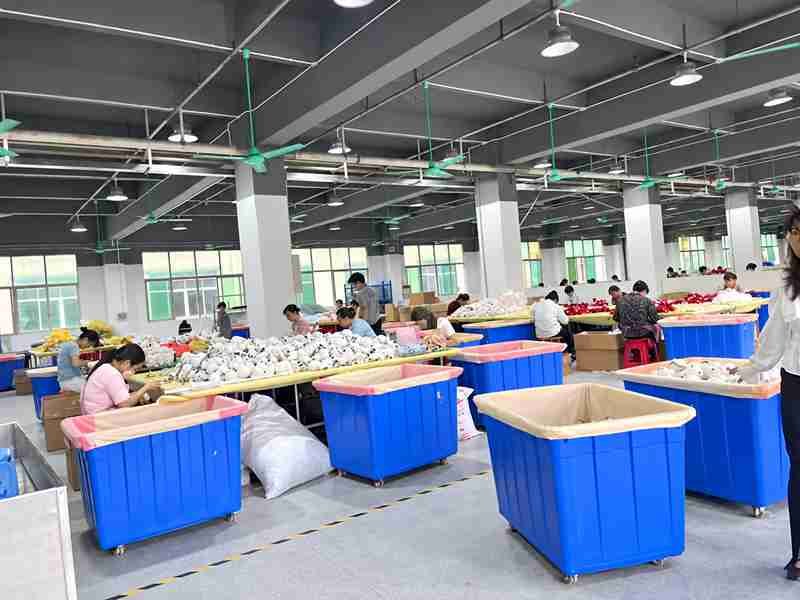
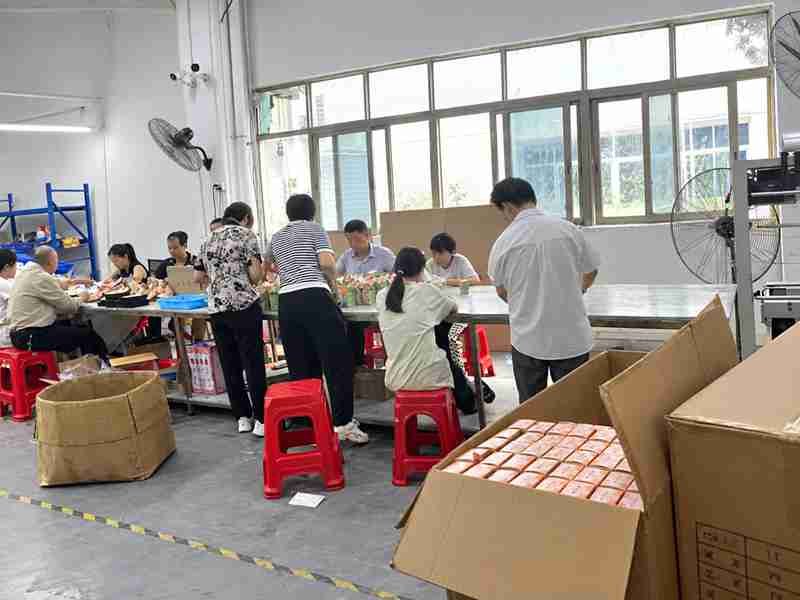
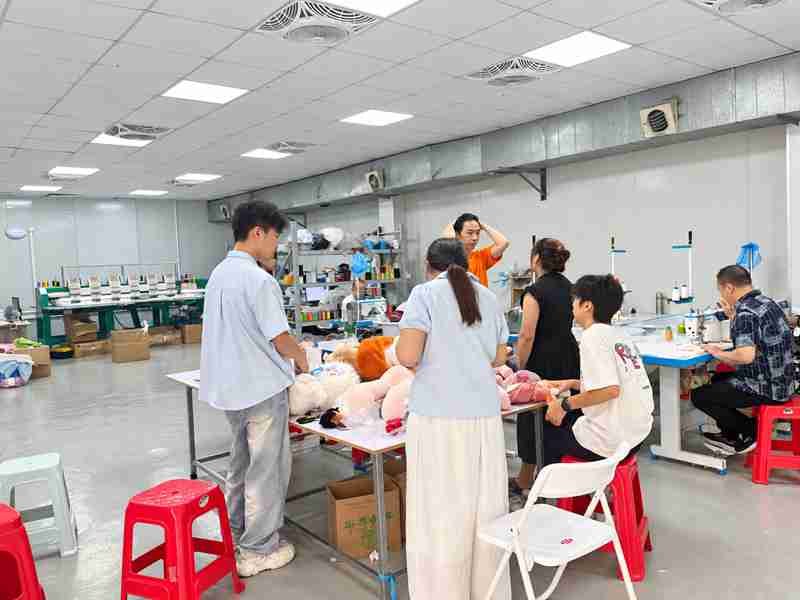
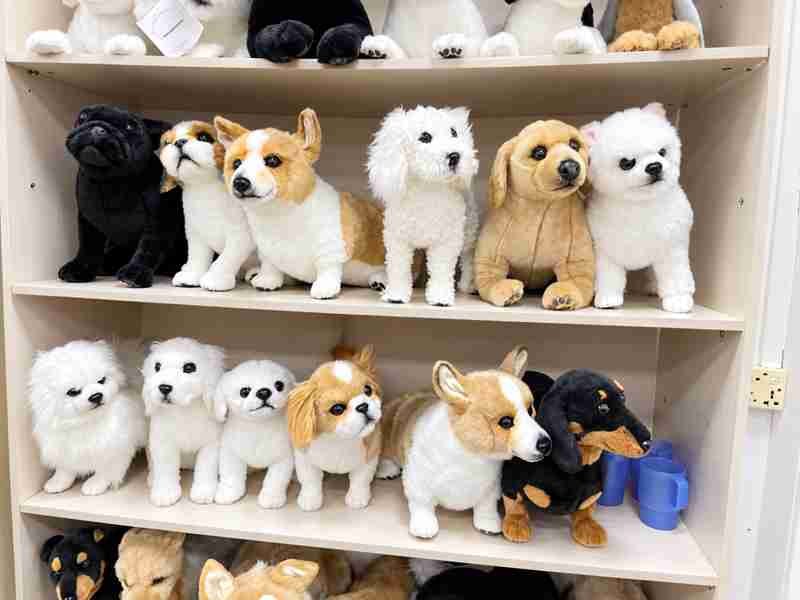
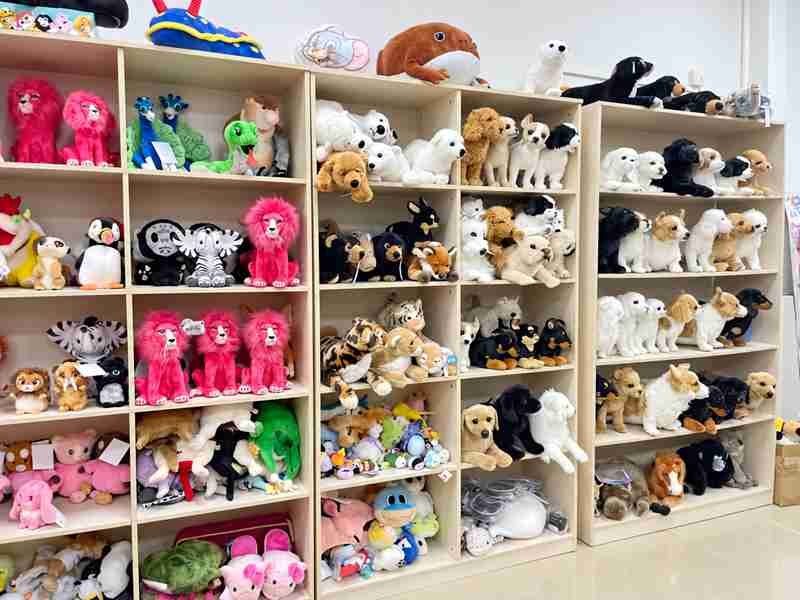
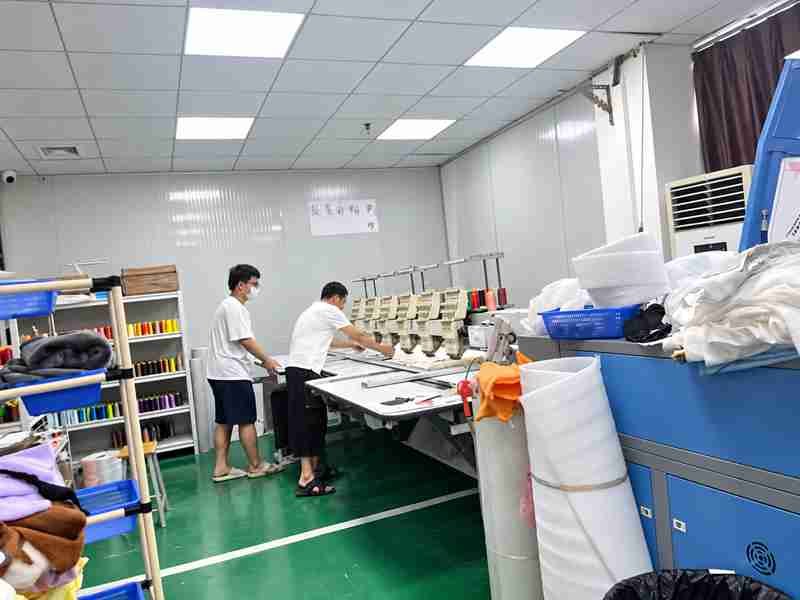
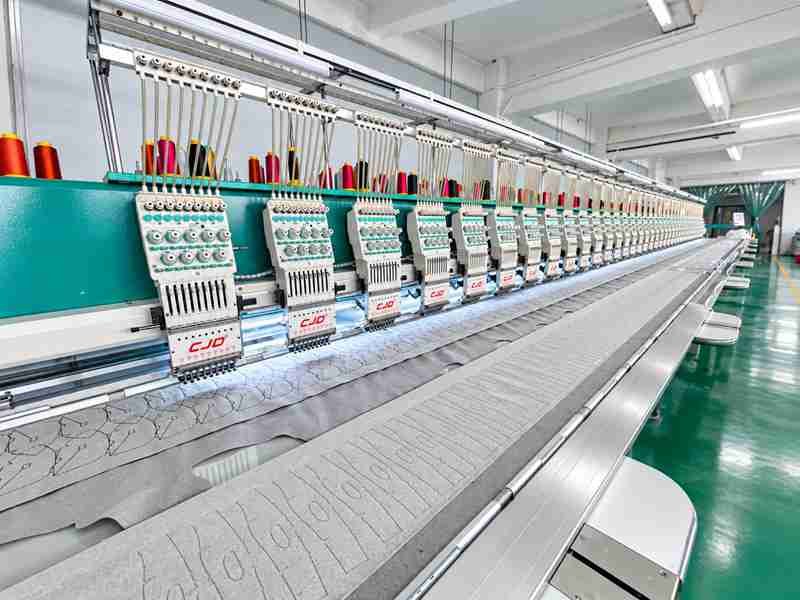
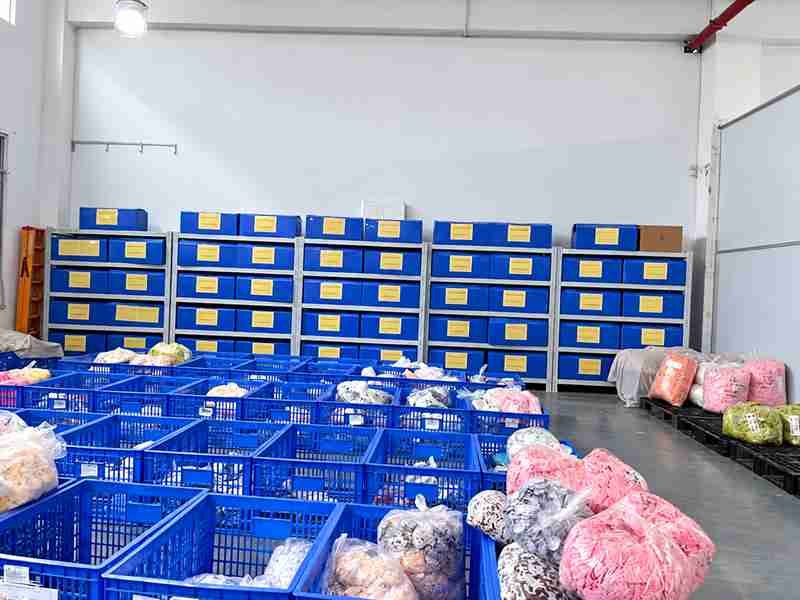
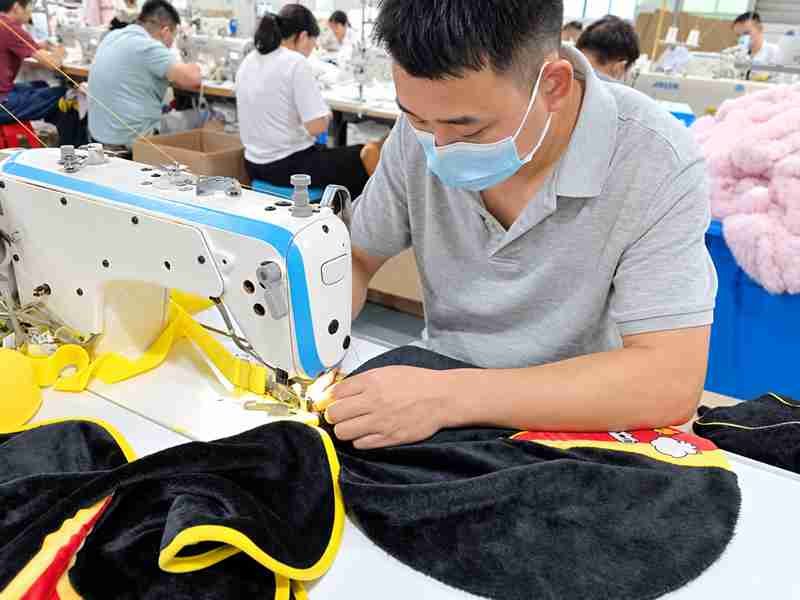
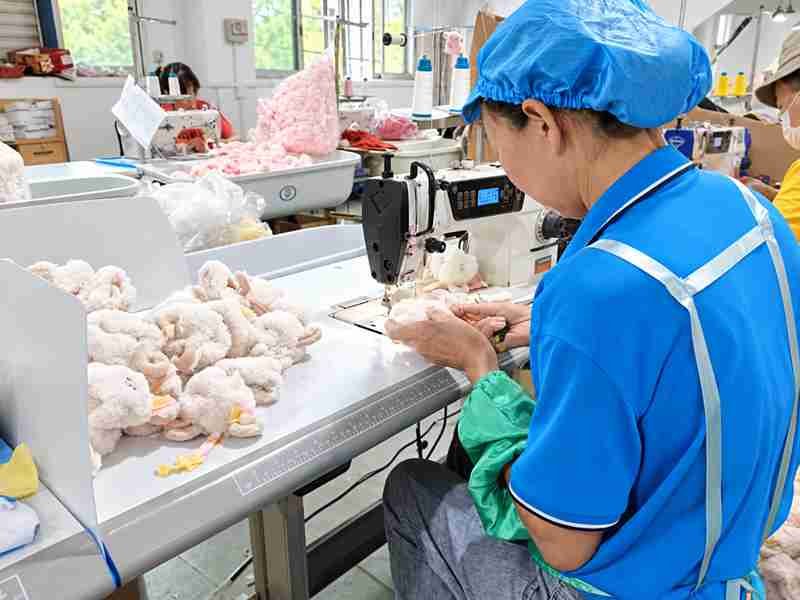
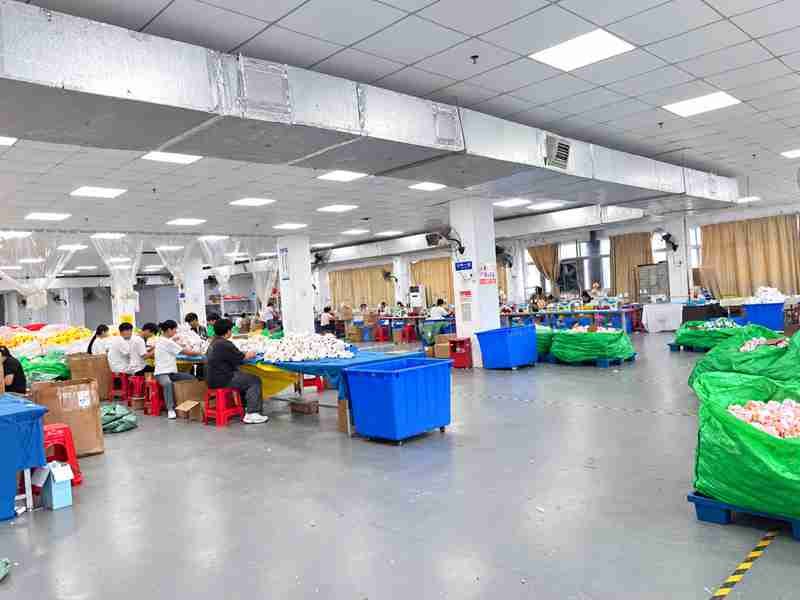
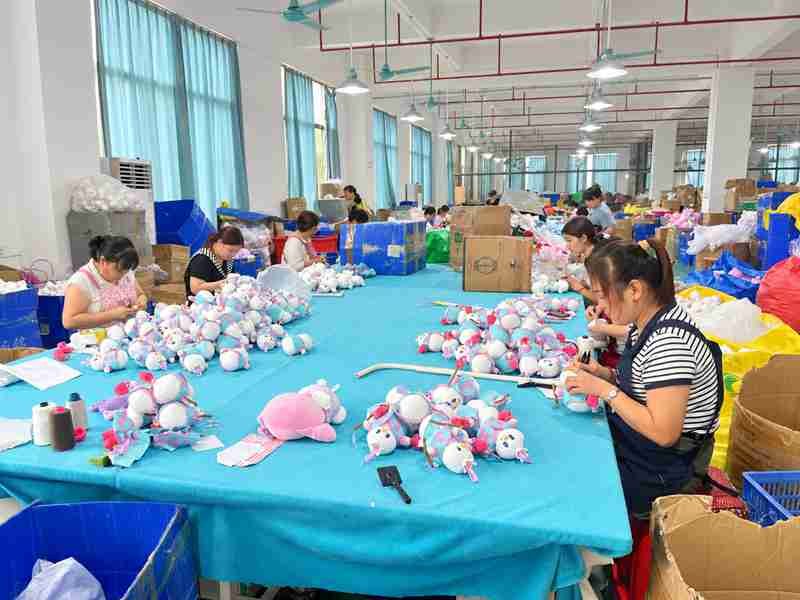
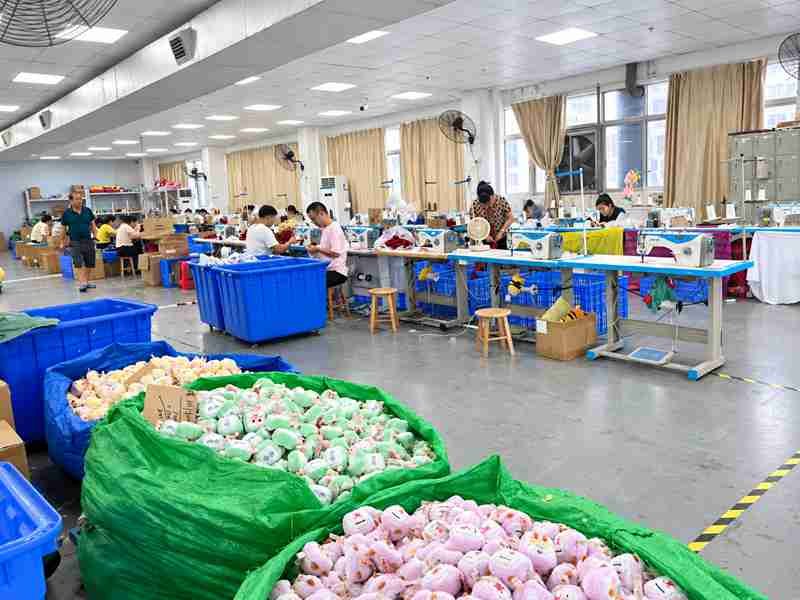
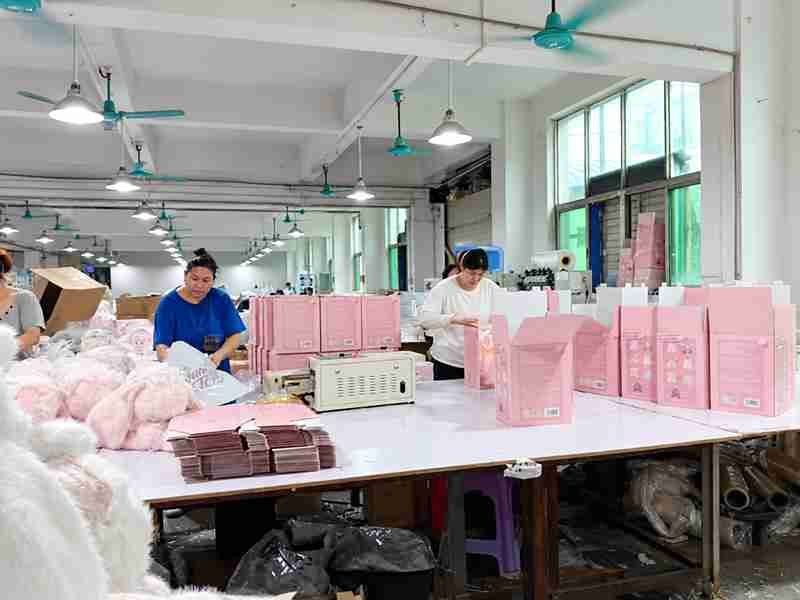
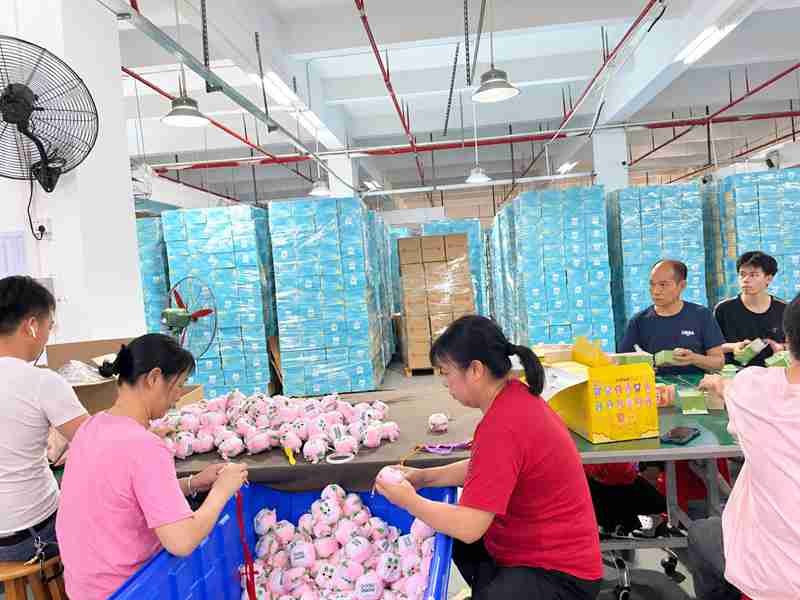
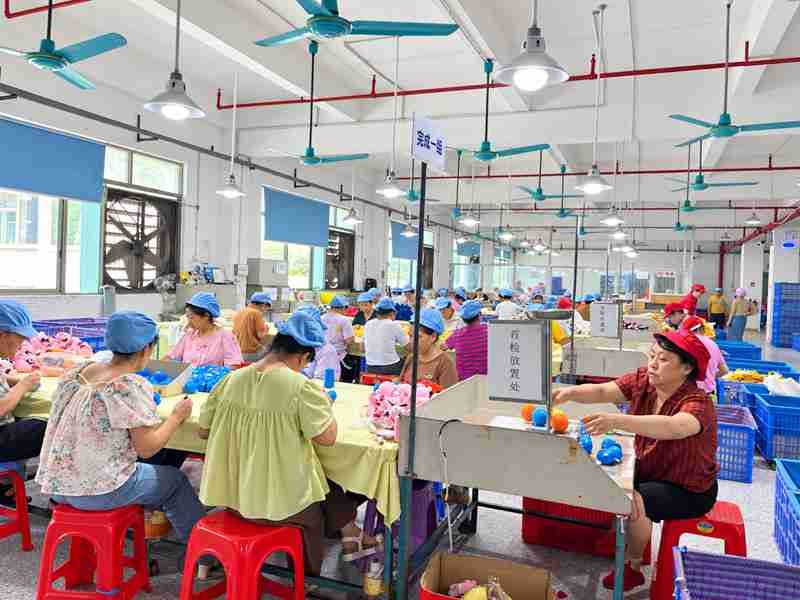
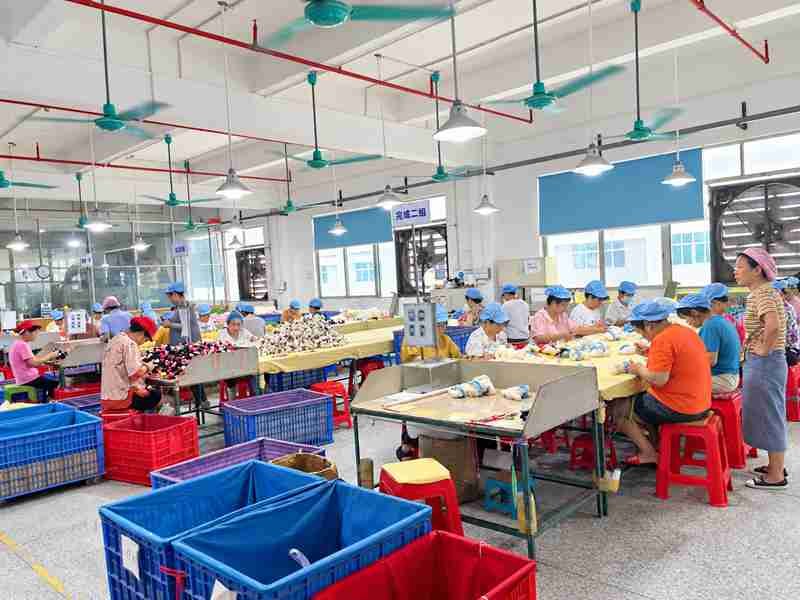
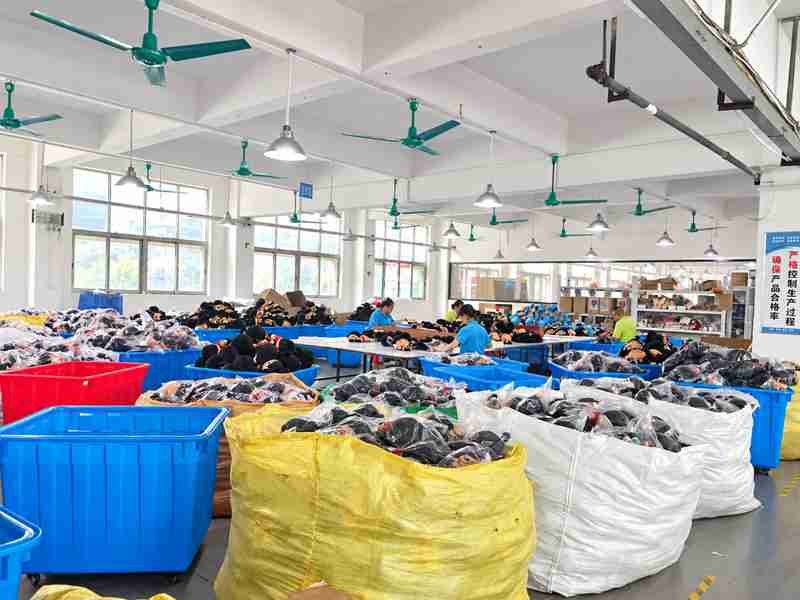
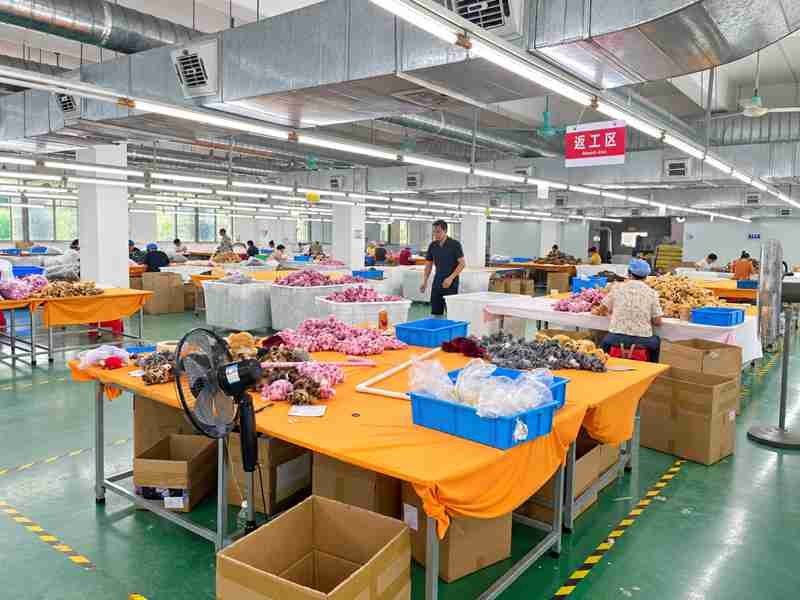
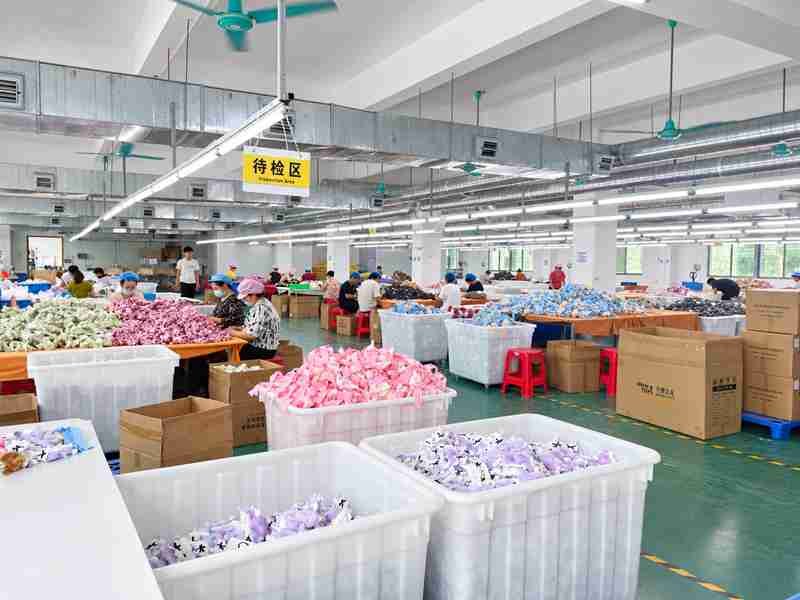
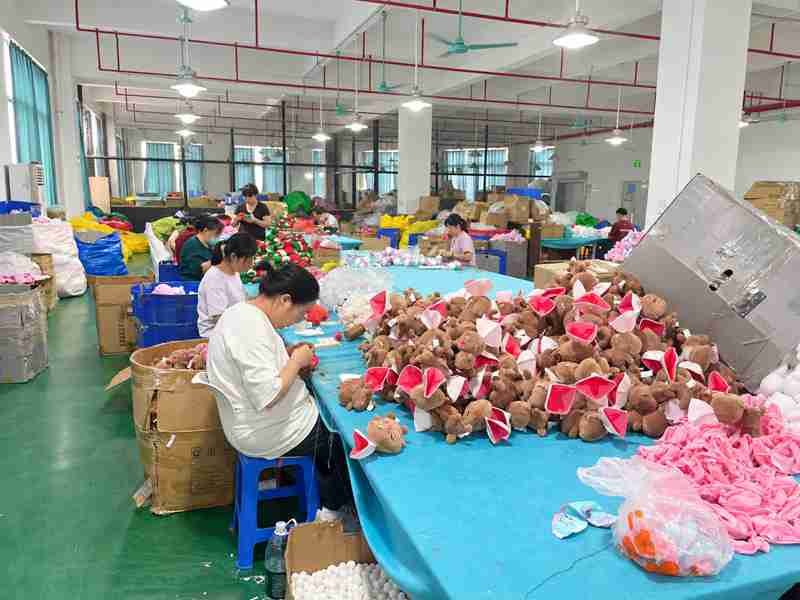
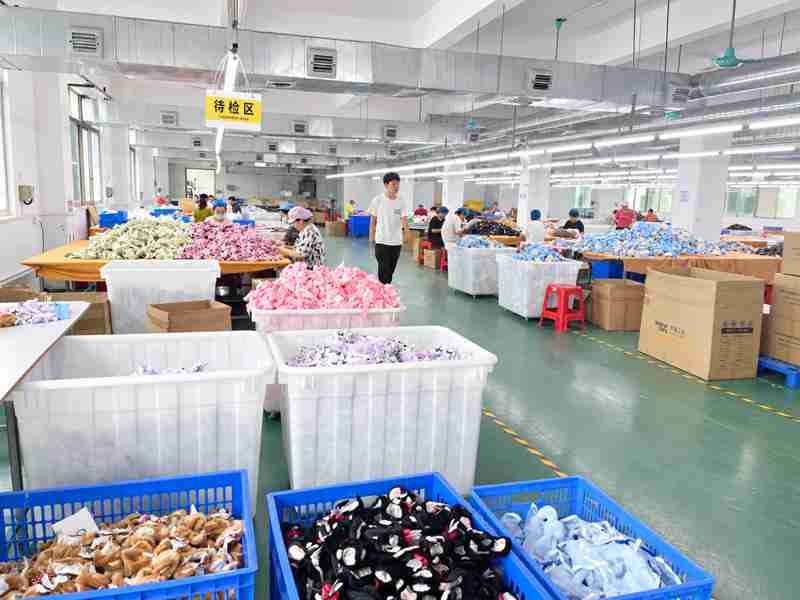
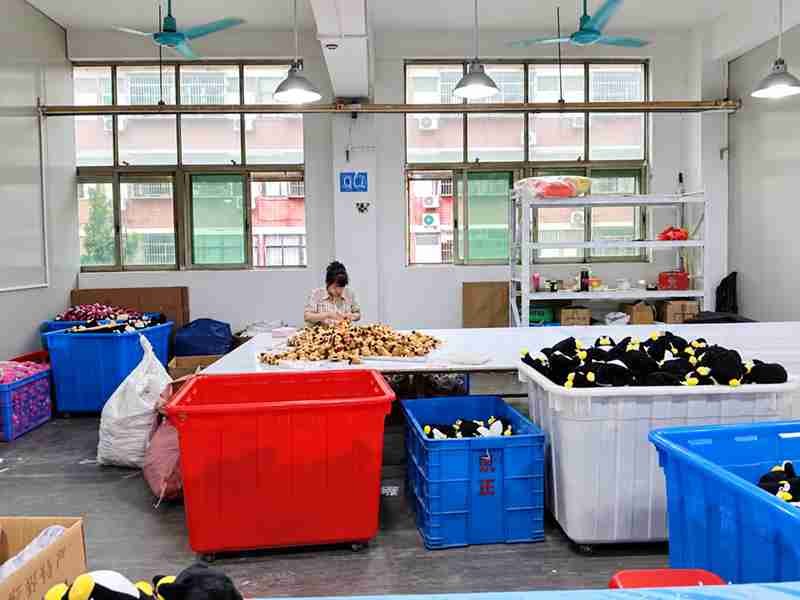
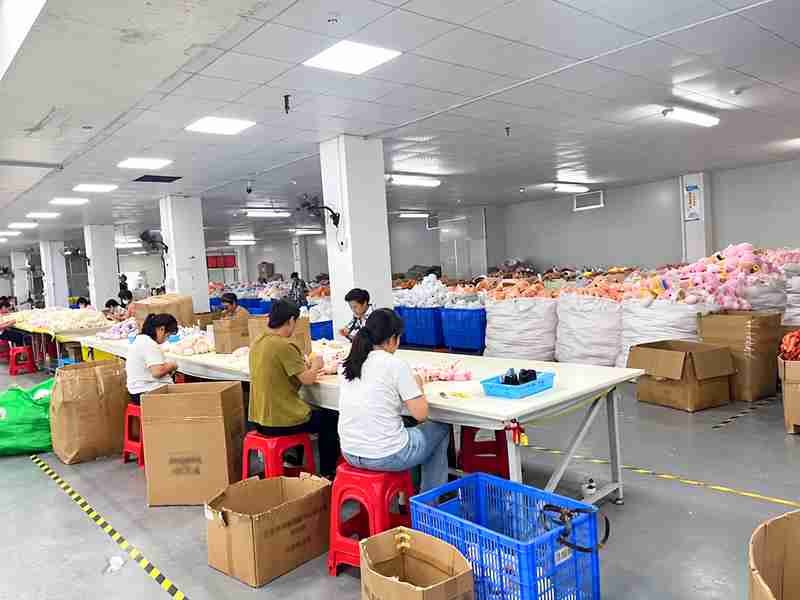
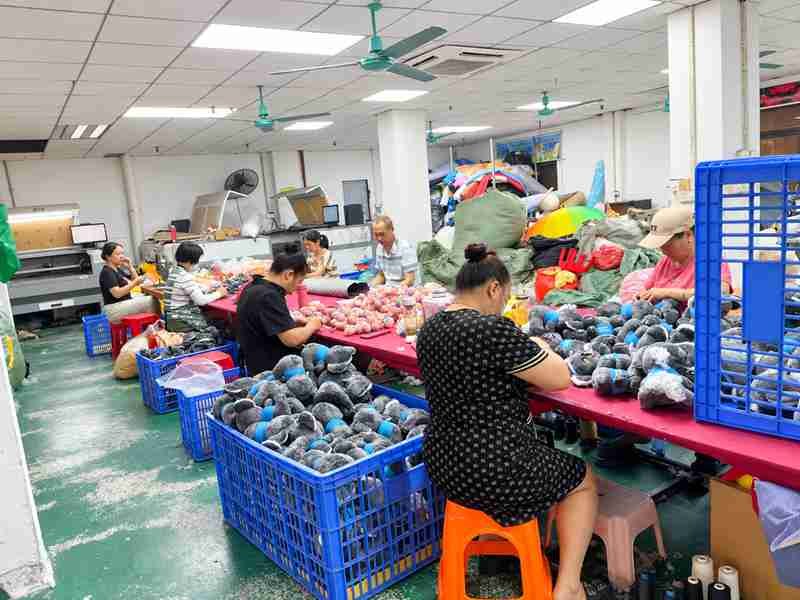
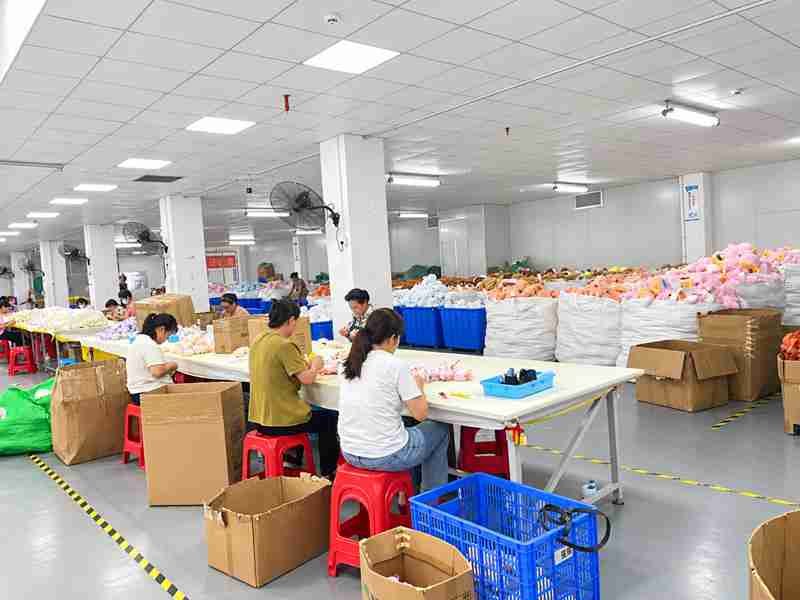
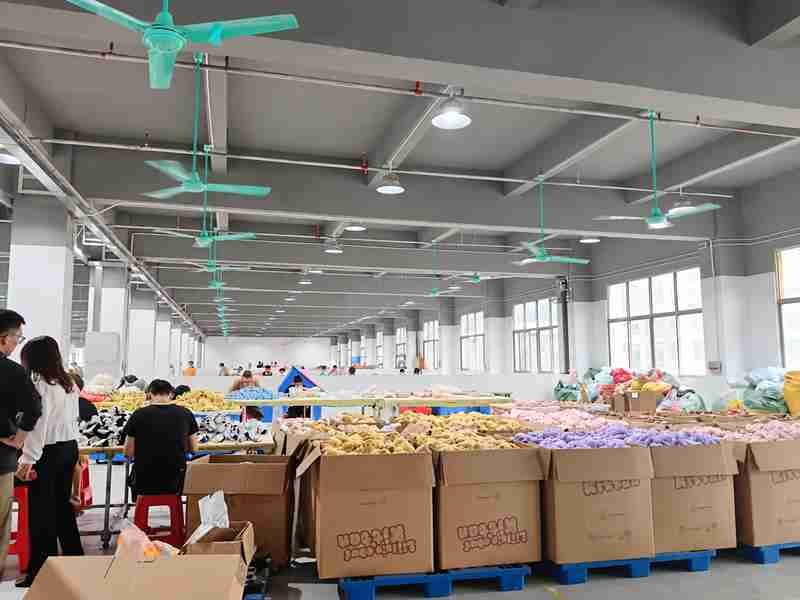
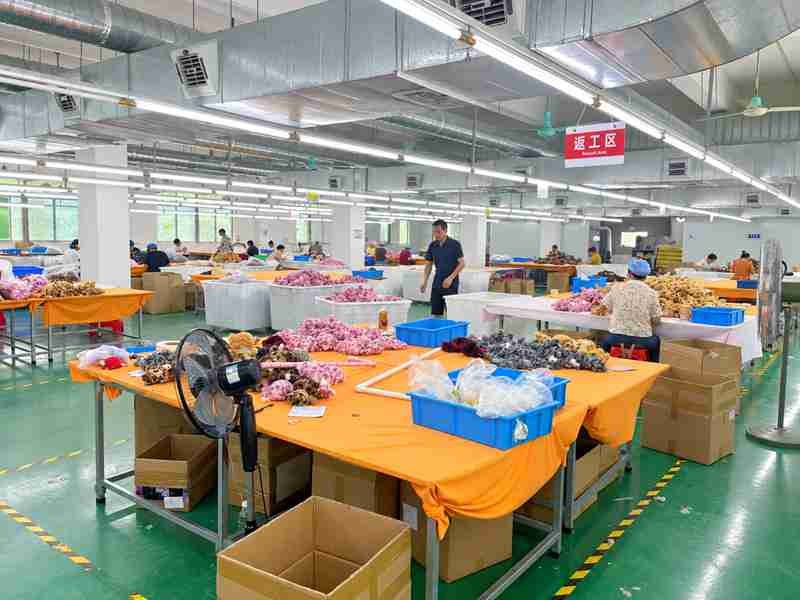
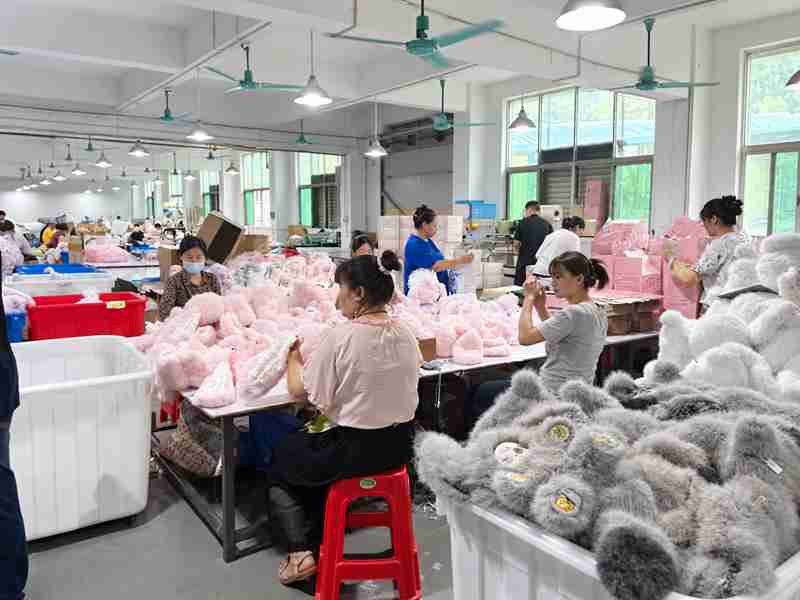
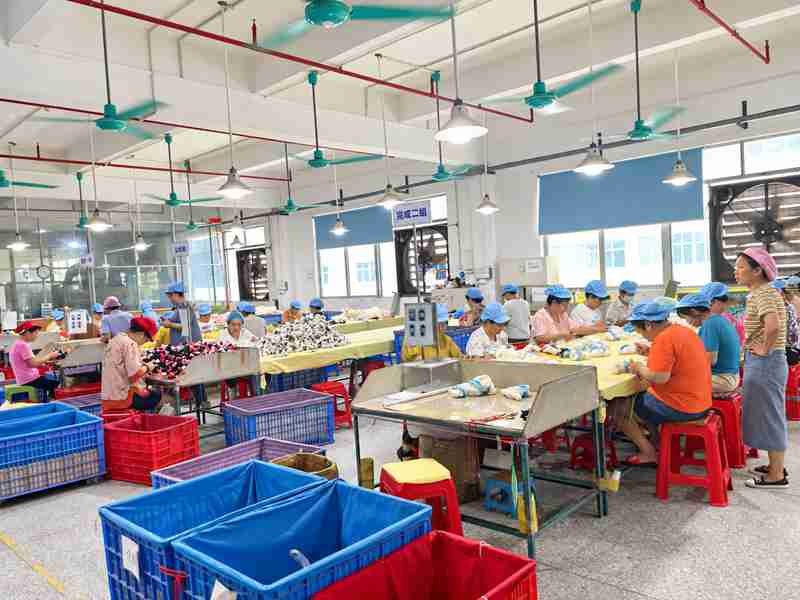
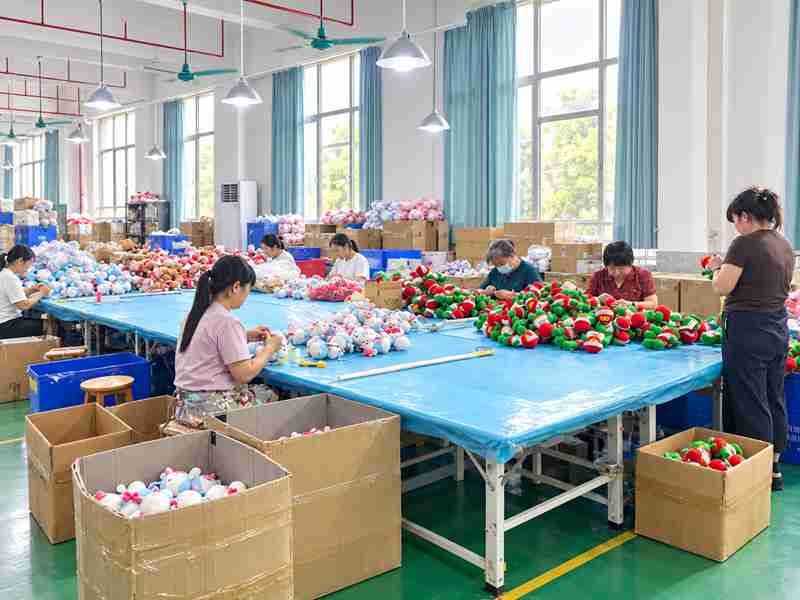
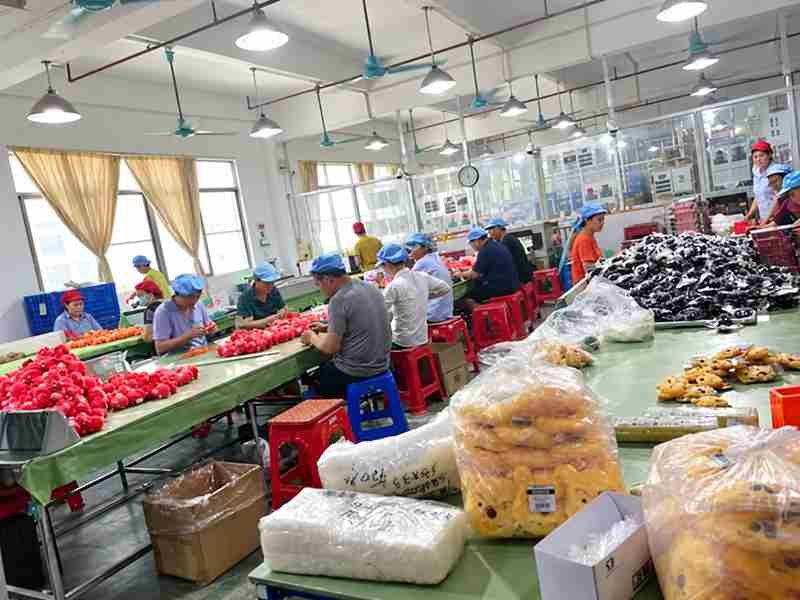
From Prototype to Production: Our Real Plush Factory Show
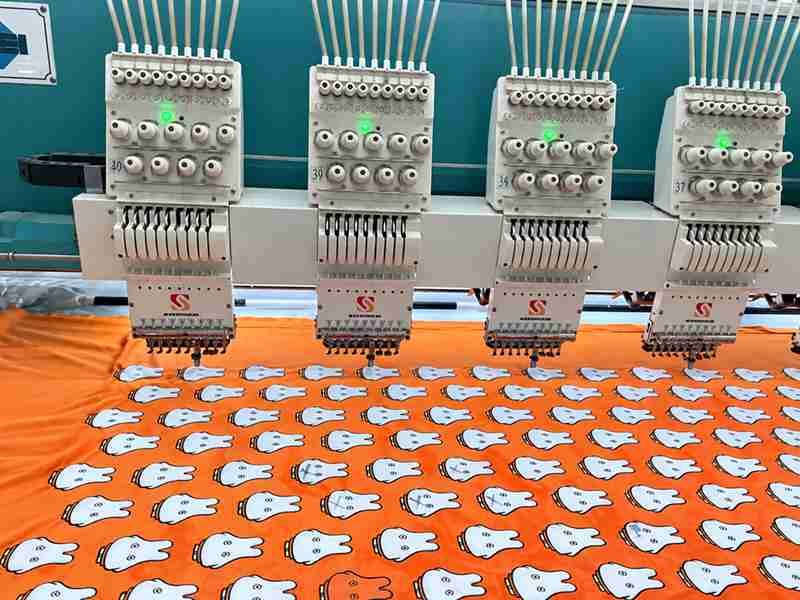
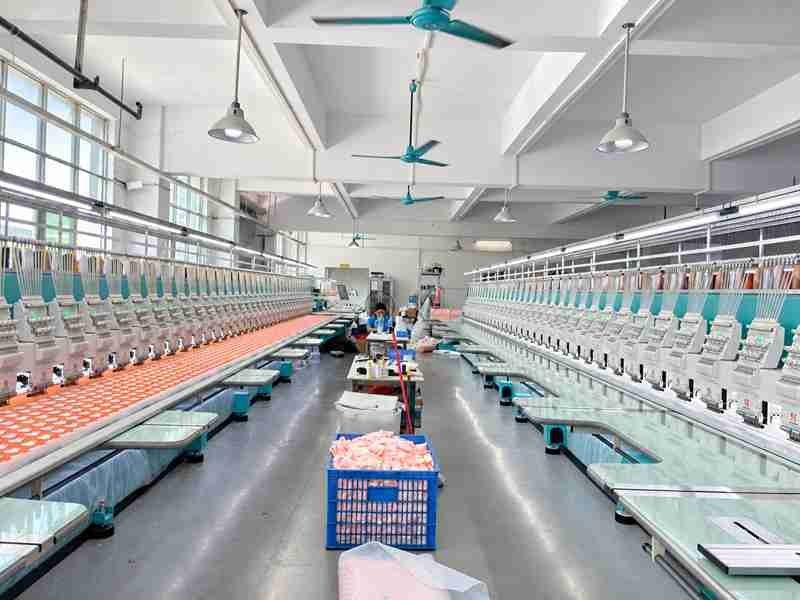
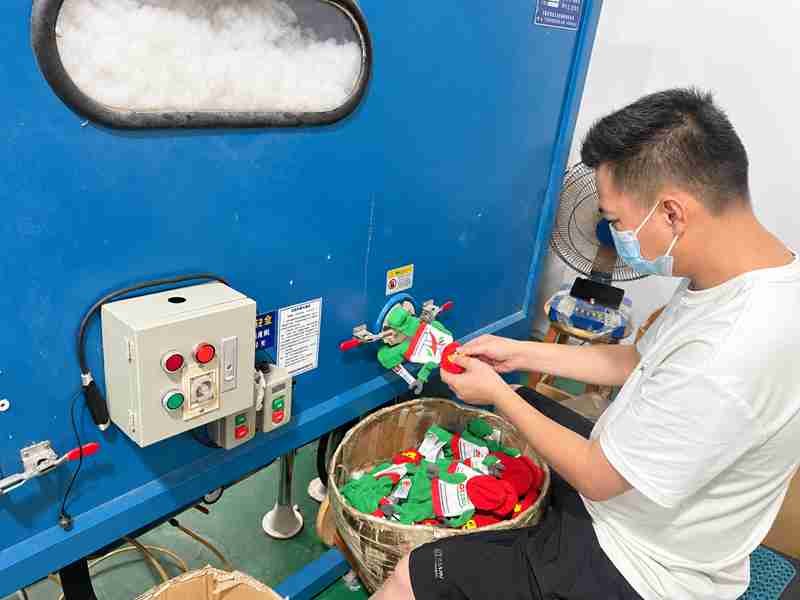
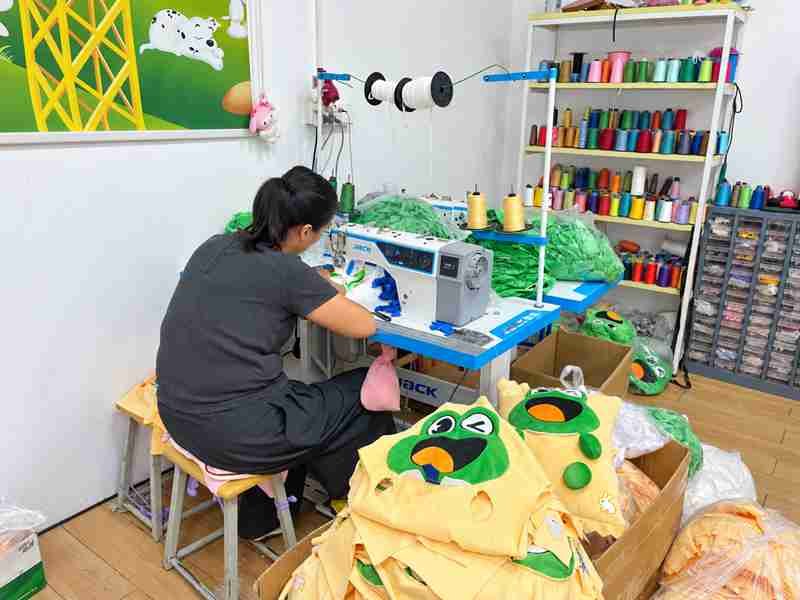
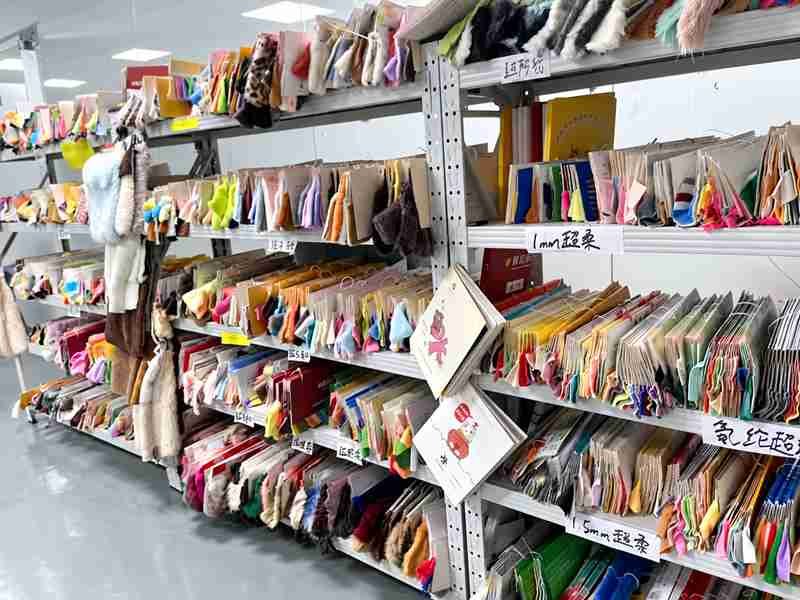
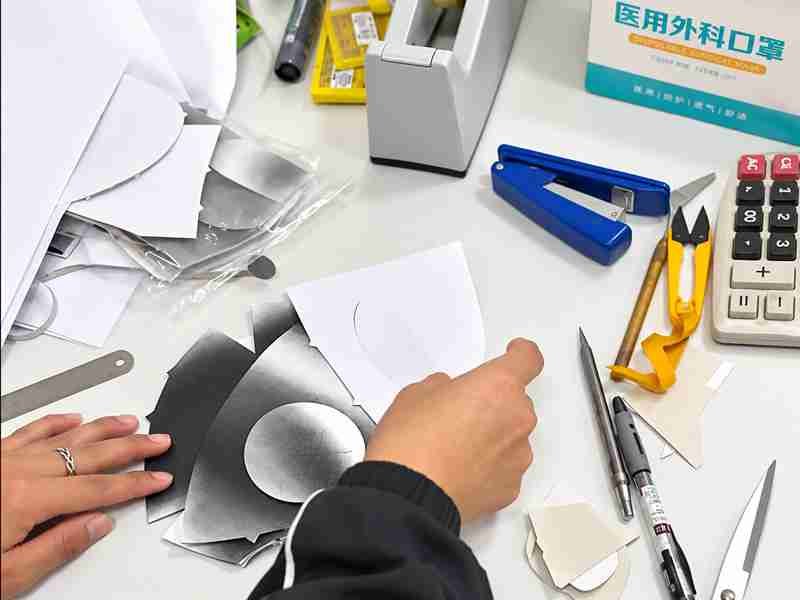
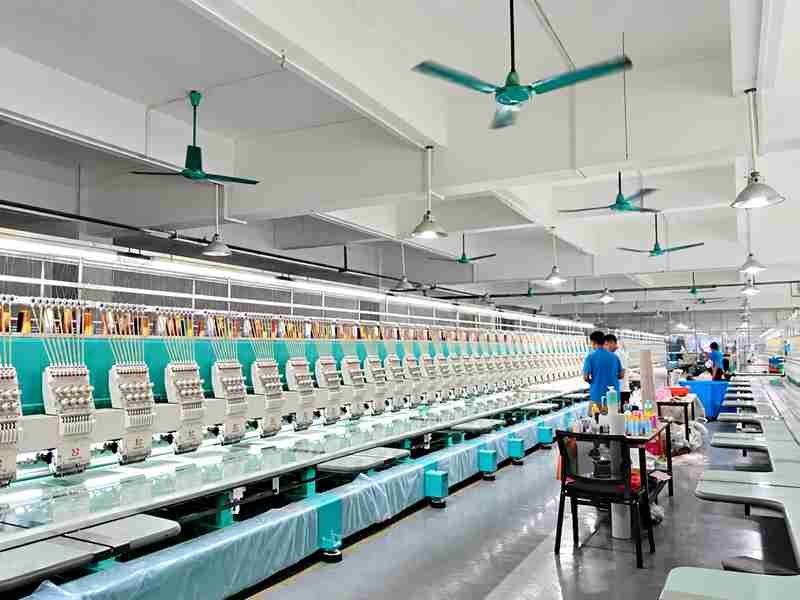
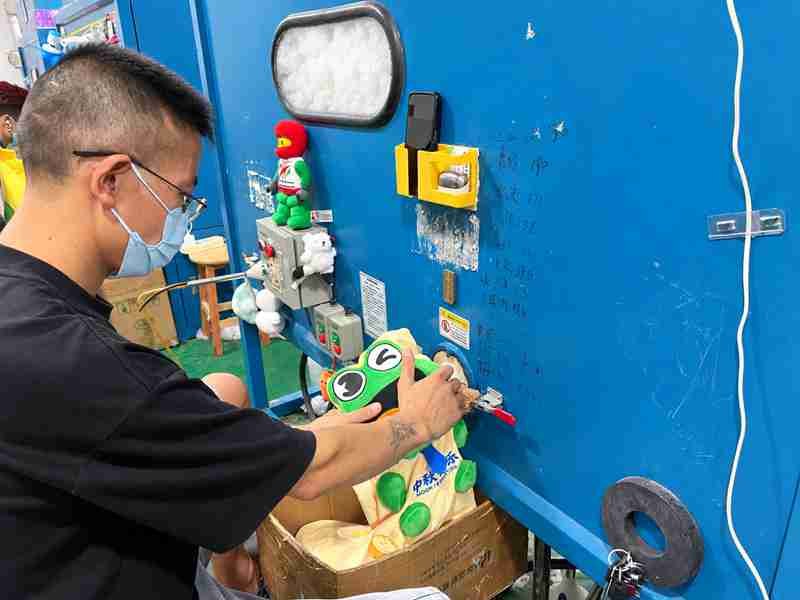
At Ewintoys, every plush project follows a structured development and production process, from initial design review and pattern making to sampling, mass production, quality inspection, and final delivery. Our real factory images provide a transparent view of how ideas are transformed into high-quality plush products through professional craftsmanship, engineering control, and careful production management.




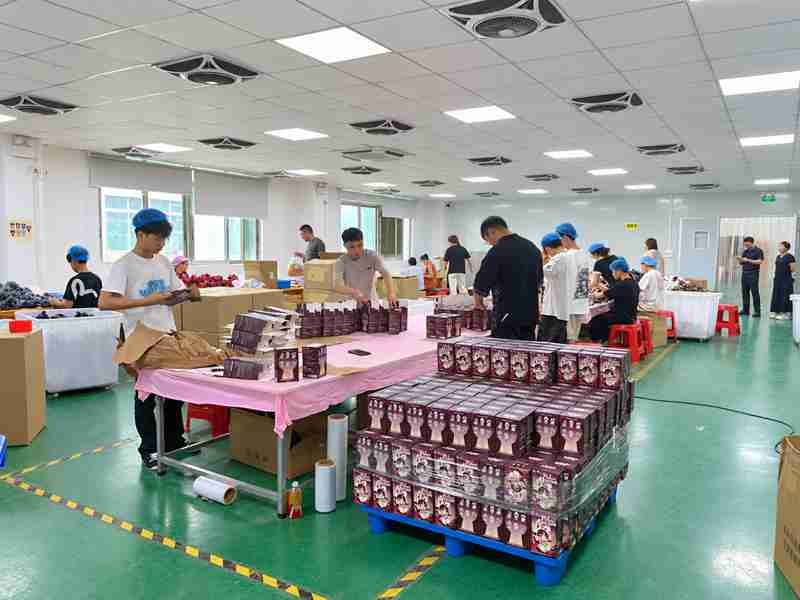

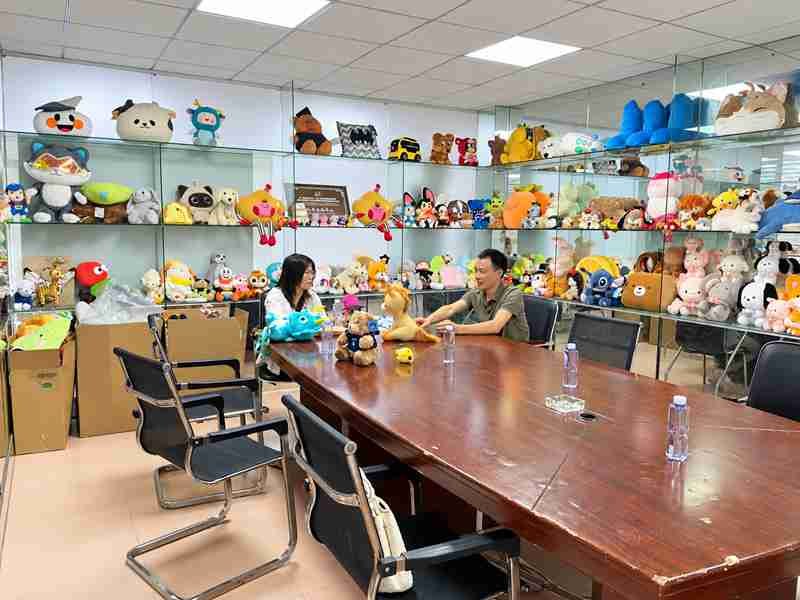
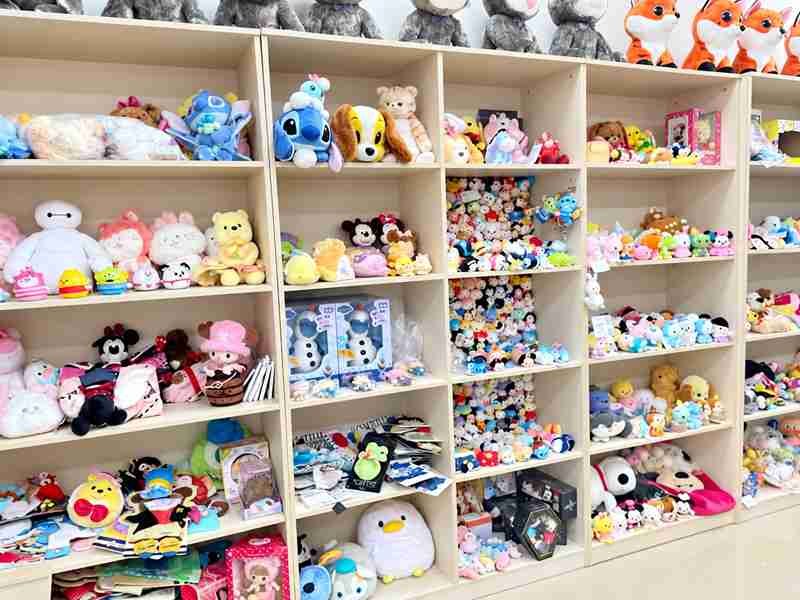
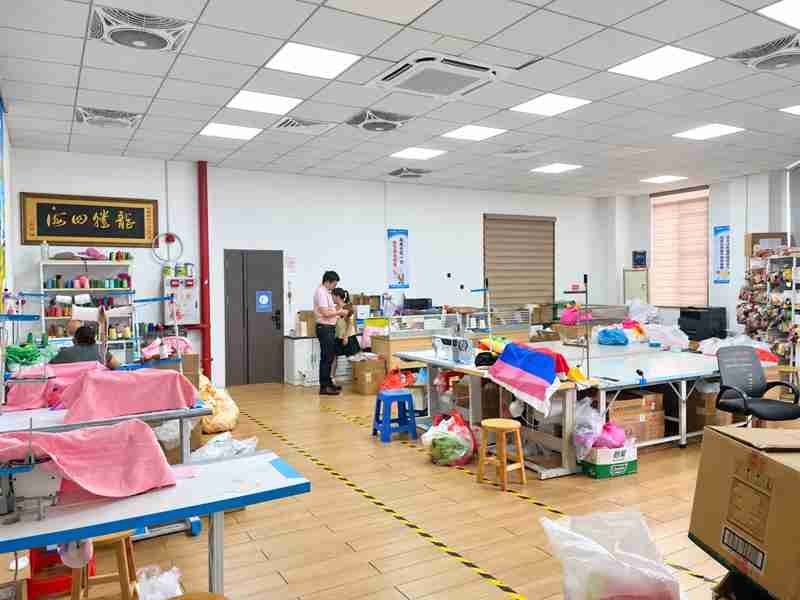

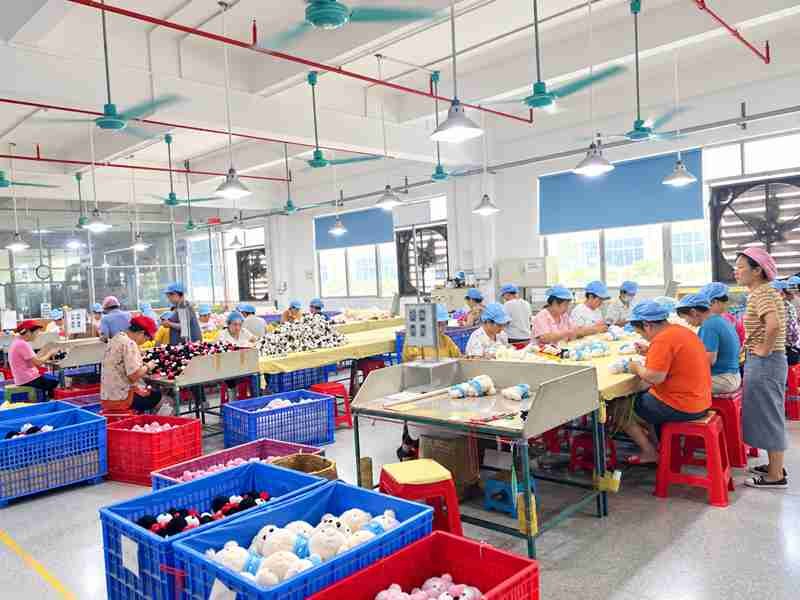
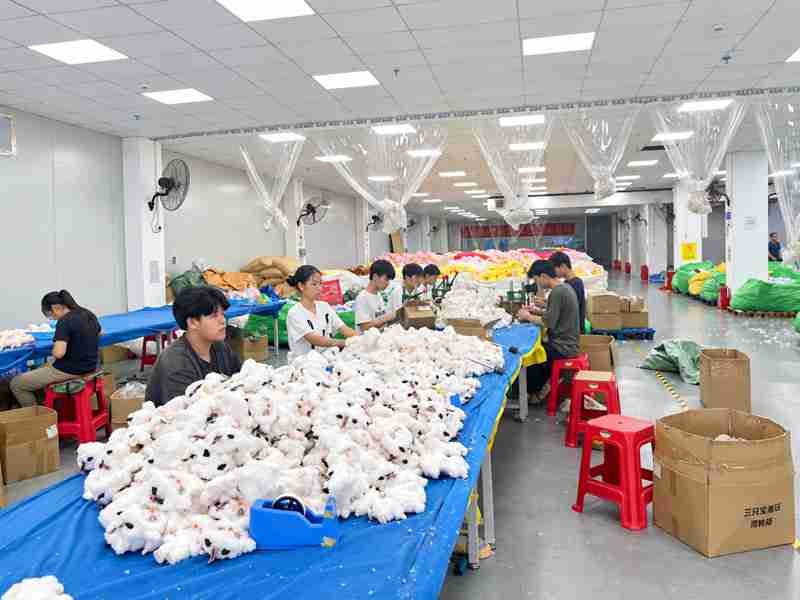
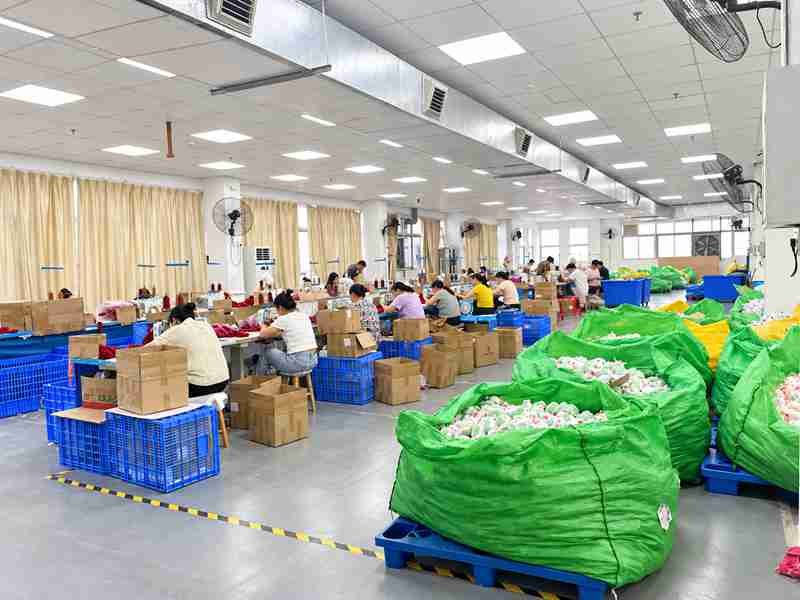
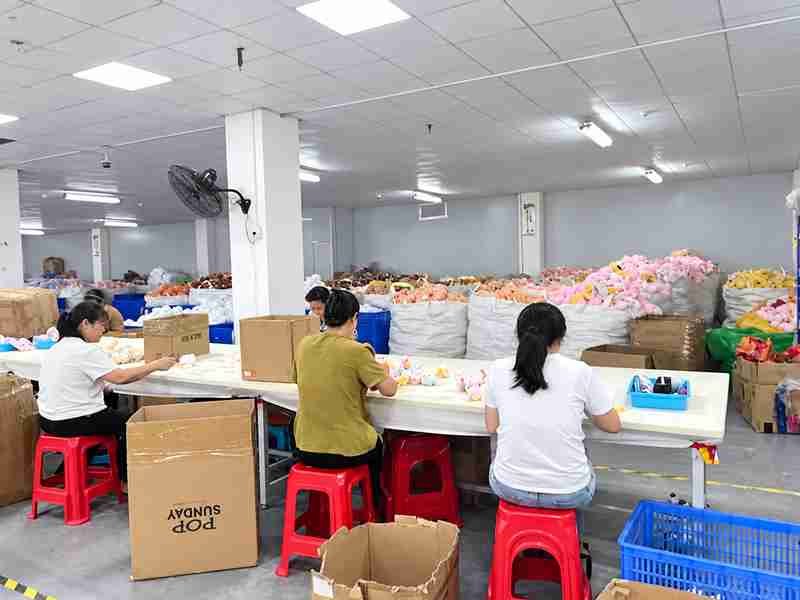







Pattern Making and Sample Development Before Production Release
Pattern Architecture Shapes the Product
Material and Pile Direction Are Mapped
Prototype Timing Follows Complexity
Revisions Must Converge Toward Approval
Fabric and Filling Choices That Protect Product Positioning
Minky Short Plush
Velboa
Crystal Super Soft
PV Plush
Sherpa and Teddy Boa
Faux Fur
Stretch Plush
Filling Systems
Trims and Sewn Brand Details for Finished SKUs
Small trims often carry legal, brand, care, and identification information, so position, material, text version, attachment method, and durability must be controlled.

Woven Brand Labels
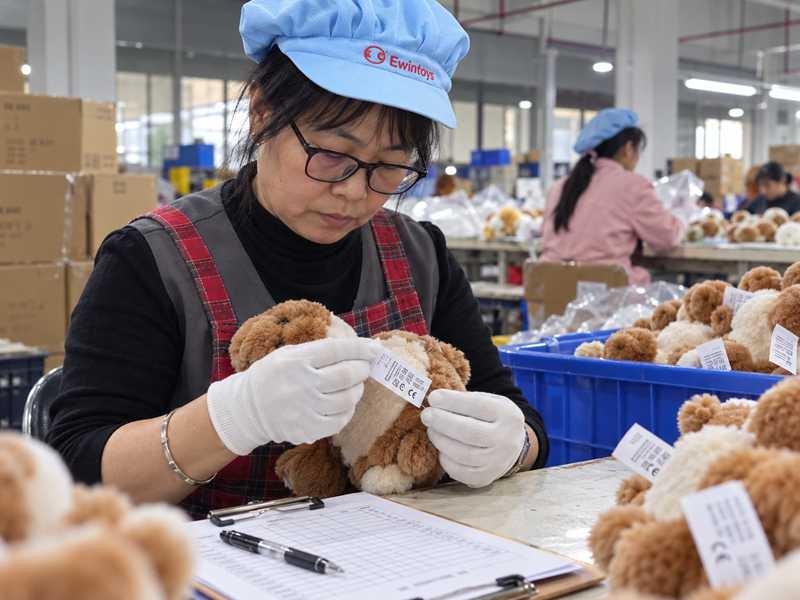
Printed Care Labels

Hangtags

Hook-and-Loop Details

Elastic and Webbing

Felt and Support Pieces
Accessories and Components Engineered Around Real Product Use

Keychain Hardware

Clothing and Costumes

Plastic and PVC Parts

Sound and Light Modules

Magnets and Internal Inserts

Gift-Set Components
Logo and Decoration Techniques for Brand Recognition

Flat Embroidery

Appliqué Embroidery
Appliqué uses cut fabric pieces secured by stitching to create larger color areas, layered graphics, ears, patches, or costume details. It can reduce excessive stitch density while adding texture. Fabric fraying, edge treatment, registration, seam bulk, backing, and repeated positioning need control so every production piece presents the same shape.
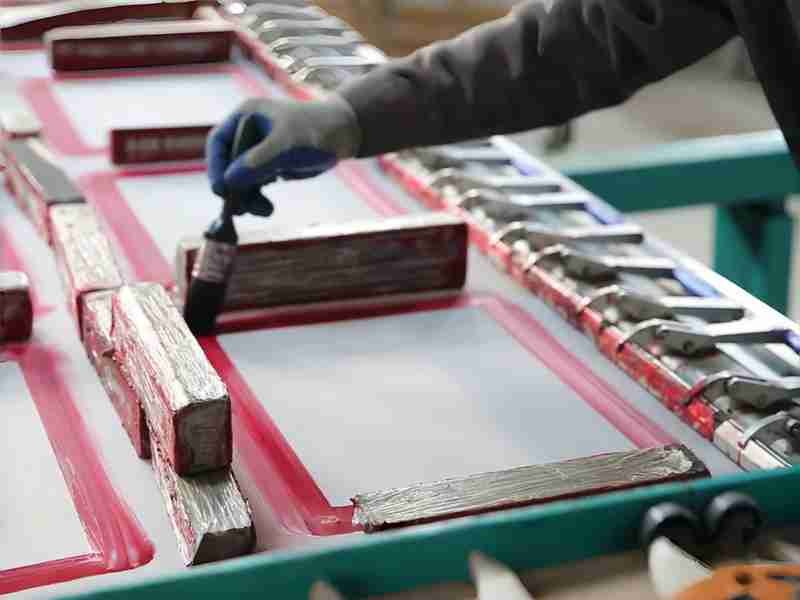
Screen Printing

Digital Printing

Heat Transfer

Woven Patches

Silicone or Rubber Marks

Mixed-Technique Details
Control the Sample Before You Release the Bulk Order
V1 Establishes Structure
Revisions Close Defined Gaps
Golden Sample Becomes Reference
Production Release Freezes Inputs
DTC Plush Launch Readiness Before Mass Production
Use one release check across product, channel, packaging, compliance, production, and delivery so unresolved details do not surface after stock is manufactured.
| Decision Area | Information to Freeze | Manufacturing Impact | Launch Risk if Missed |
|---|---|---|---|
| Product Definition | Size, pose, materials, decoration, filling, accessories | Pattern, BOM, work sequence | Product differs from approved concept |
| SKU Identity | Design ID, colorway, size, version | Cutting, sorting, packing | Wrong character or color shipped |
| Packaging | Polybag, box, hangtag, label, insert | Packaging procurement and pack-out | Repacking, damaged presentation, delay |
| Barcode Data | UPC/EAN, customer-supplied FNSKU or GTIN, placement | Label printing and scan checks | Listing or warehouse receiving errors |
| Target Market | Market, age grade, applicable product risks | Material, component, label, test planning | Testing or release delay |
| Launch Date | Approval, material-ready, production, shipping milestones | Capacity and material planning | Campaign stock arrives late |
| Reorder Basis | Golden, BOM, pattern, artwork, packaging version | Repeat production setup | Next batch drifts from first order |
Cost and MOQ Engineering for Healthier Inventory Decisions
Start With a Comparable Specification
MOQ Comes From Several Constraints
Protect Character DNA During Cost-Down
Cost engineering should remove expense that consumers do not value before cutting details that define the product. Options can include reducing unnecessary panels, simplifying hidden construction, adjusting embroidery stitch count, selecting an equivalent approved fabric, changing filling weight within the approved handfeel, simplifying clothing, standardizing accessories, or redesigning packaging. Ewin can compare Premium, Standard, and Cost-Optimized directions when appropriate, making the trade-off visible rather than treating negotiation as a blind percentage reduction. A strong cost-down proposal explains the visual or functional effect of each change. Shortening pile may improve embroidery clarity while lowering material cost; removing a hidden lining may save labor without altering appearance; replacing a complex shoe with embroidered feet may change the brand expression too much and should be rejected. The objective is not the lowest possible factory price, but a product economics structure that preserves the reasons someone will buy the SKU in the first place.
Freeze Cost With the Approved Definition
Indicative pricing at concept stage can change as material, pattern, accessory, packaging, test, and revision decisions become clearer. A mature commercial path moves from early feasibility toward an approved-sample quotation and frozen BOM. Material changes, new packaging, extra decoration, quantity shifts, or a new destination can trigger a price review. Linking cost to the released product definition reduces disputes and helps purchasing teams understand why a reorder should remain stable or why a revised SKU costs differently. Cost freeze also supports internal planning for margins and launch budgets. If a brand requests a late change, the project team can review not only unit-price impact but also new sampling, material lead time, testing, packaging inventory, and production-slot effects. Clear change triggers are particularly valuable for DTC collections because creative updates often continue close to launch; commercial consequences need to be visible before the change is accepted.
Packaging Built for E-commerce Presentation and Fulfillment

Protective Polybags

Hangtag Systems

Sewn Label Sets

Gift and Color Boxes

Belly Bands and Sleeves

Barcode and Labeling

Compression Options

Master Carton Pack-Out
Keep Multi-SKU Programs Under One Controlled System
Design ID Control
Sample Version Control
BOM and Material Control
Packaging and Barcode Mapping
Test and Market Mapping
Production and Shipment Status
Manufacturing Details That Protect the Approved Product Definition
Cutting Starts With Released Patterns
Decoration Is Checked Before Sewing
Sewing Controls Shape and Strength
Filling and Shaping Finish the Geometry
Packaging Is Part of Production
Quality Control Focused on E-commerce Failure Points
Incoming Material Control
In-Process Checks
Appearance and Measurement
Physical Risk Checks
Packaging and Barcode Checks
CAPA and Traceability
Certificates, Compliance & Quality Assurance
Ewintoys follows structured quality and compliance practices for custom plush production. We hold relevant certifications and support additional testing, inspection, and compliance documentation based on specific product requirements and destination markets, helping brands meet different international standards with confidence.






















Compliance Planning by Market, Age, and Product Construction
| Market / Program | Development Inputs to Confirm | Typical Risk Areas | Release Approach |
|---|---|---|---|
| United States | Age grade, use, materials, accessories, packaging, retailer needs | Small parts, mechanical/physical hazards, materials, labels | Review applicable ASTM F963/CPSIA-related requirements and arrange suitable testing for the approved version |
| European Union | Age grade, product function, materials, components, packaging | EN 71 scope, chemical/material considerations, small parts, labeling | Build the test plan around the final construction and applicable EU requirements before bulk release |
| Collector / Adult Positioning | Intended use, labeling, distribution channel, actual product features | Detachable parts, magnets, rigid accessories, foreseeable use | Do not assume adult positioning removes every product or market obligation; review the real construction and destination |
| Multi-Market Programs | Countries, age grades, SKU differences, label languages, packaging versions | One SKU version being treated as equivalent to another | Map reports, labels, warnings, packaging, and product versions to each destination before shipment |
| Retailer-Specific Programs | Retailer manual, test scope, packaging guide, barcode rules | Requirements beyond baseline regulation | Integrate retailer specifications into development, sample approval, testing, packaging, and pre-shipment checks |
E-commerce Plush Program Scenarios
United States Character Brand
Germany Lifestyle Collection
Australia Multi-Format Launch
Scale From Launch Stock to Repeat Multi-SKU Supply
Reorder Delta Review
Forecast Material Earlier
Add SKUs Without Losing Control
Plan Capacity Around Complexity
Frequently Asked Questions for E-commerce Plush Programs
Yes. Projects can begin from sketches, 2D artwork, character sheets, 3D renders, reference products, AI concepts, or physical samples. Missing manufacturing information is converted into size, pattern, material, decoration, filling, packaging, and approval decisions during development.
Send artwork or reference files, target size, quantity per SKU, target market, intended age group, desired launch date, packaging direction, sales channels, and any special material, accessory, testing, barcode, or delivery requirements already known.
Timing depends on complexity, material readiness, custom components, and revision scope. Internal planning references may range around 5-7 working days for standard structures, 7-12 for character/IP work, and 10-20 for complex functional projects before additional revisions.
No. Fabric, custom color, hardware, molded parts, packaging, SKU count, and production setup all influence feasible quantity. Ewin reviews quantity per SKU together with the full program so shared materials or packaging can be considered where appropriate.
Bulk release should connect the Golden Sample with the frozen BOM, released pattern, current artwork, packaging version, and defined quality points. Incoming, in-process, final, packaging, and pre-shipment checks then reference the controlled product definition.
Ewin can coordinate unit packaging, hangtags, sewn labels, gift boxes, customer-supplied FNSKU or GTIN labels, barcode placement, scan checks, master-carton pack-out, and compression options according to the approved channel and project requirements.
Yes. Multi-SKU programs can use SKU-level control for Design ID, sample version, BOM, packaging, barcode, testing, production, and shipment status. Shared materials and components can be coordinated without losing the identity of each individual SKU.
Ewin can plan product development and third-party testing around target market, age grade, materials, components, labels, and final construction. Exact applicable requirements and any pass statement must relate to the specific approved SKU and report scope.
Yes. Existing samples, patterns where available, tech packs, material references, packaging files, and known issues can be reviewed. Ewin first identifies what can be retained, what needs revalidation, and which risks should be corrected before releasing a new source.
Compare the new order with the previous Golden Sample, BOM, artwork, material, packaging, barcode, testing, and CAPA history. Confirm any changed quantity, destination, label, component, or launch date before the production plan is released.
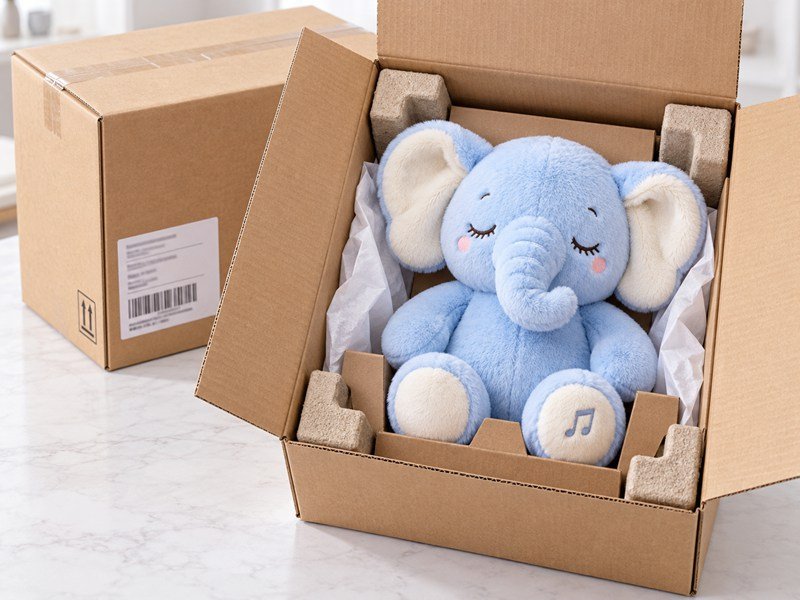


Send Your DTC Plush Project for Manufacturing Review
- Artwork, character sheet, 3D render, reference product, or current sample photos
- Target size and quantity per SKU
- Target market and intended age group
- Preferred materials, decoration, accessories, or handfeel
- Packaging, barcode, marketplace, 3PL, or retail requirements
- Launch date, destination, and any planned repeat or multi-SKU program