Stuffed Animal Accessories Library for Better Product Detailing
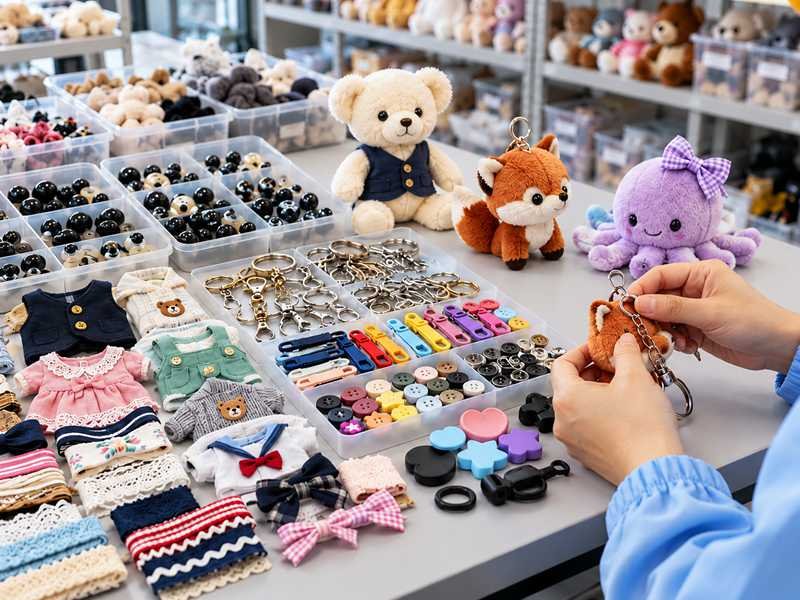
Choose accessories that fit your character design, target age, durability needs and production budget before sampling. Ewin Toys helps brands evaluate visual impact, attachment method and manufacturability so decorative details do not become later-stage sourcing or safety problems.
60+ Product Development Team | Plastic Eyes & Noses | Keyrings & Chains | Zippers & Buttons | Magnets & Bells | EVA / PVC / Silicone Parts | Garments & Trims | Attachment & Safety Review
Accessories Change More Than the Finished Appearance
Appearance and Character Identity
Structure and Attachment
Function and User Interaction
Sound modules, LEDs, switches, sensors, removable clothing, magnetic accessories, and other interactive parts change how the product is assembled and used. Cavity size, access, orientation, padding, wiring, user reach, retention, and packaging may all need adjustment. Functional components should be reviewed while the shell and pattern can still be changed.
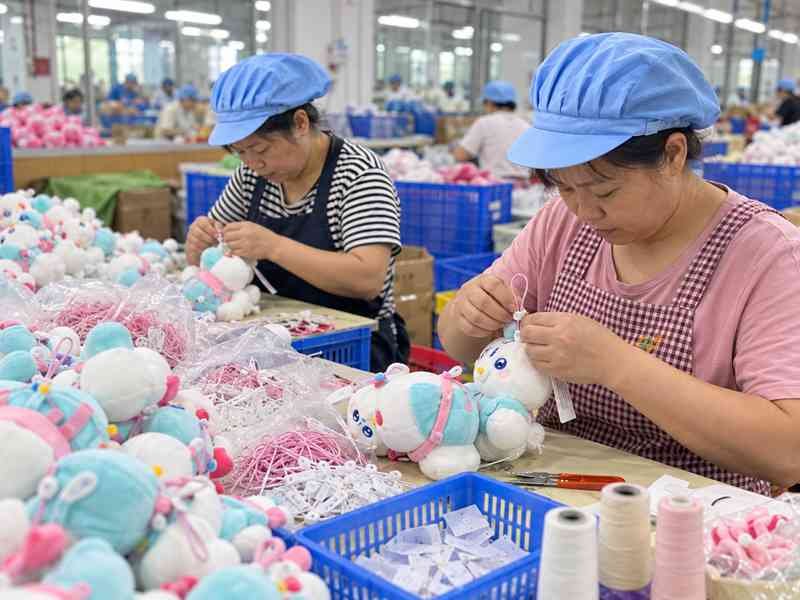
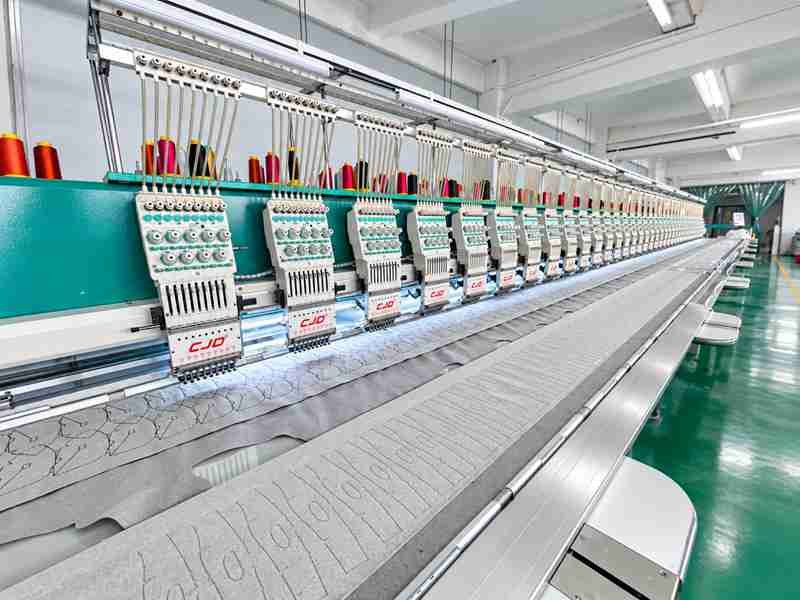
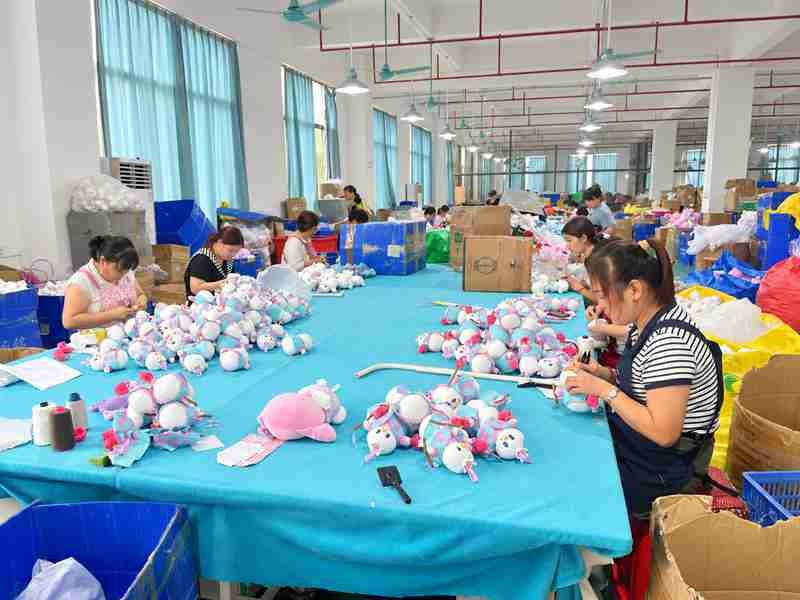
From Prototype to Production: Our Real Plush Factory Show
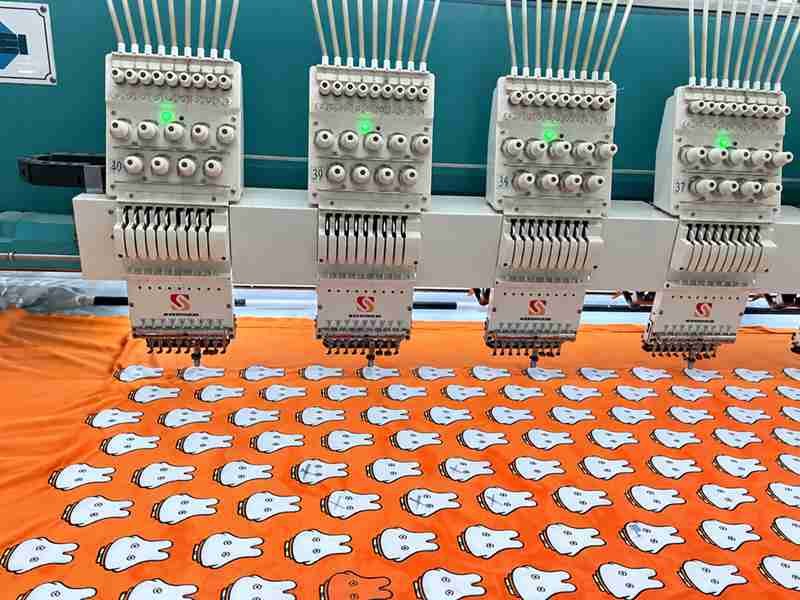
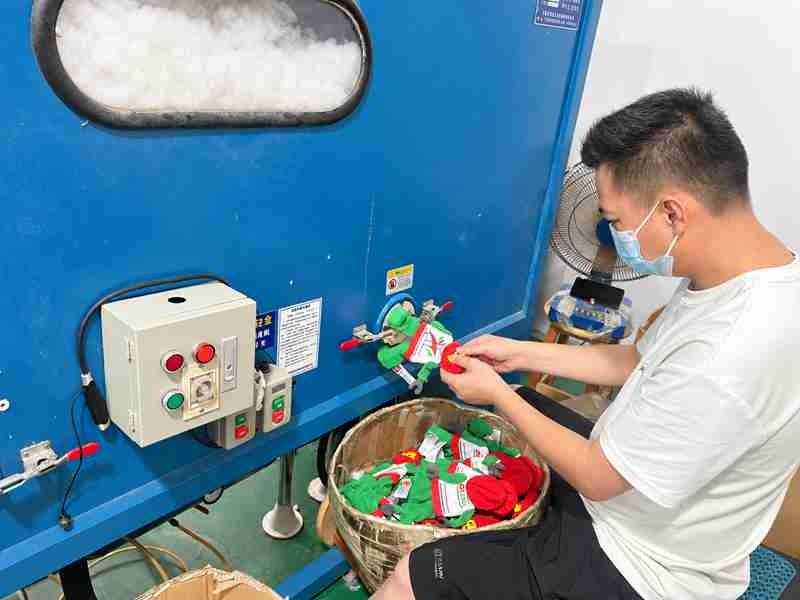
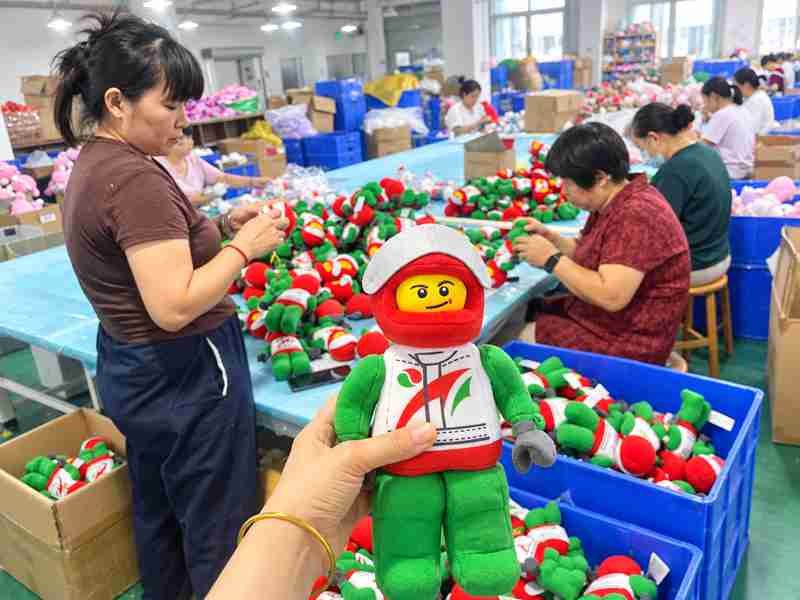
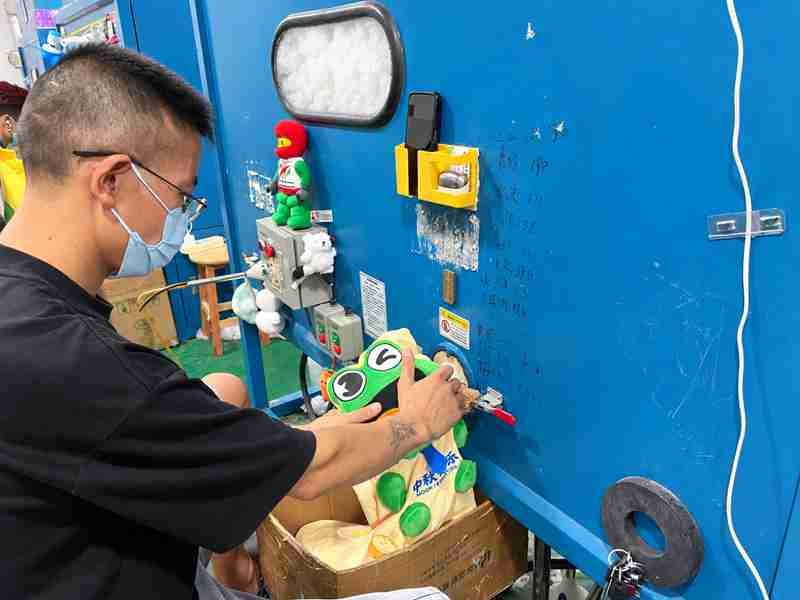
At Ewintoys, every plush project follows a structured development and production process, from initial design review and pattern making to sampling, mass production, quality inspection, and final delivery. Our real factory images provide a transparent view of how ideas are transformed into high-quality plush products through professional craftsmanship, engineering control, and careful production management.







































































Move Accessories From Concept to Controlled Production Parts
Define the Accessory Before Asking for a Quote
Start with the role the component must perform. A plastic eye may need to reproduce a highlight and expression. A lobster clasp may need to support a bag charm. A magnet may need to connect two hands. A speaker may need an opening that remains visually hidden. Ewin reviews the product artwork, intended use, target market, age grade where relevant, finished size, quantity direction, and surrounding construction before treating a catalog part as the right solution.
A useful accessory brief includes material, size, color, finish, weight, required function, location, removable or fixed status, expected load, and any visual reference. A name such as “12 mm plastic eye” is still incomplete without shape, backing, position, fixing, and surrounding head construction.
Prove the Soft-Hard Interface in a Physical Sample
After candidate parts are shortlisted, the component needs to work inside the actual plush. Sample development checks fit, orientation, attachment, access, balance, surface pressure, retention, and whether the part changes the silhouette or handfeel. A keyring anchor may need reinforcement. A molded foot may need pattern changes around its interface. A magnet may need a dedicated internal pocket and polarity map.
Functional pieces also need operational review. Buttons must remain reachable after stuffing. Speakers and microphones may require controlled openings. Removable accessories need fit and retention without becoming difficult to use. Problems found at sample stage are cheaper to correct than after tooling or bulk component purchasing is committed.
Freeze the Approved Part Into Production References
Once the product and component are approved, the accessory should become a controlled part rather than a loose physical sample. Part ID, material, dimensions, color, finish, weight where relevant, supplier route, fixing method, position, orientation, installation note, sample revision, and inspection points can be tied to the BOM and Golden Sample.
Bulk purchasing and assembly then work from the same released identity. Incoming inspection confirms the correct part arrived. Production verifies the correct SKU receives the correct component and orientation. If the part, tooling, supplier, finish, dimensions, magnet grade, or module revision changes, the affected product should return through change review before the replacement is accepted.
Accessories Vary With the Plush Product Type
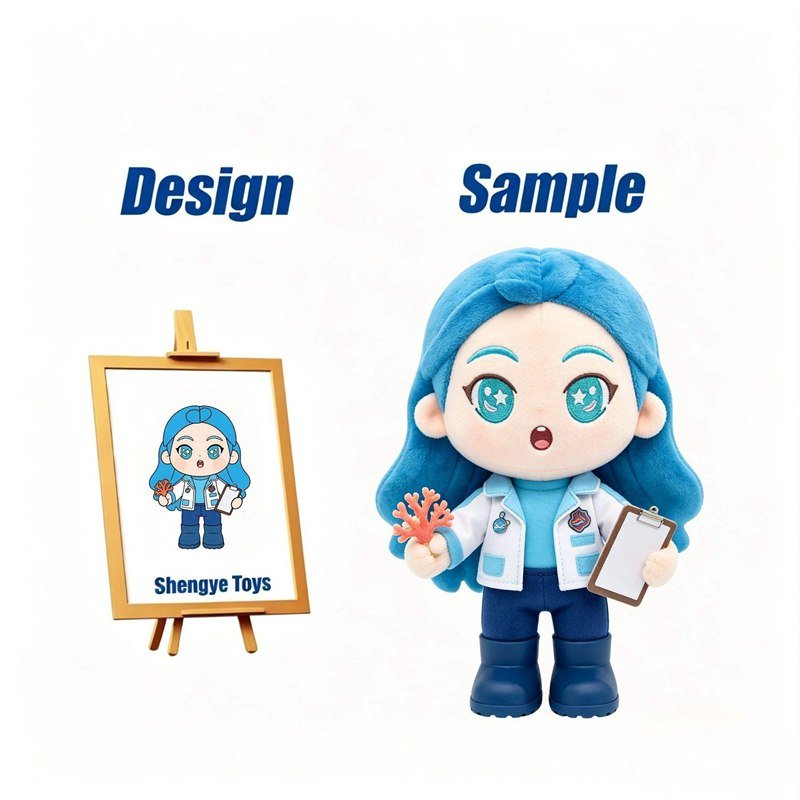
Mascot Plush
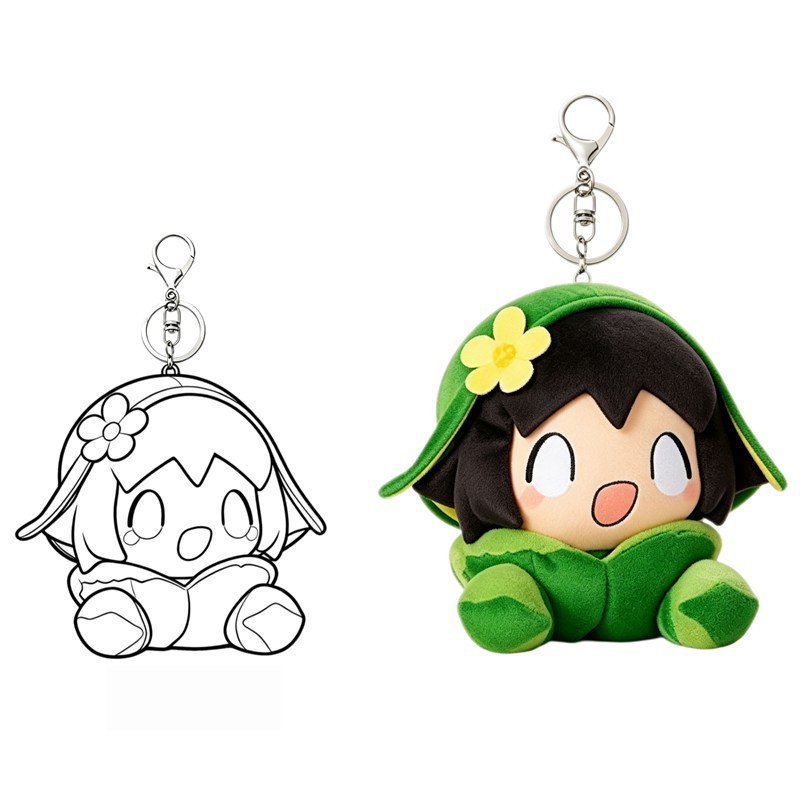
Character IP Plush
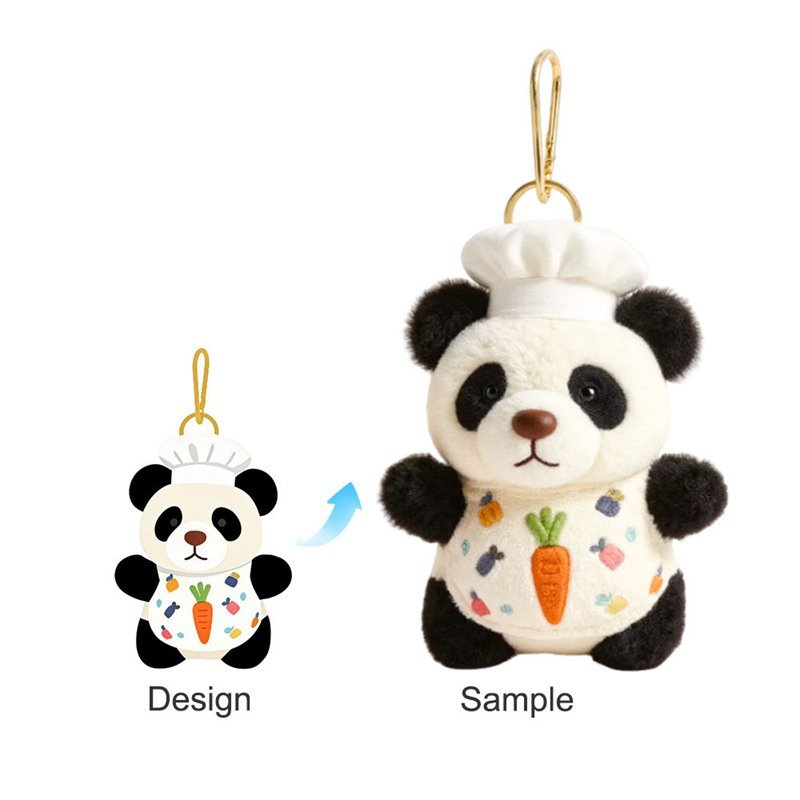
Plush Keychains
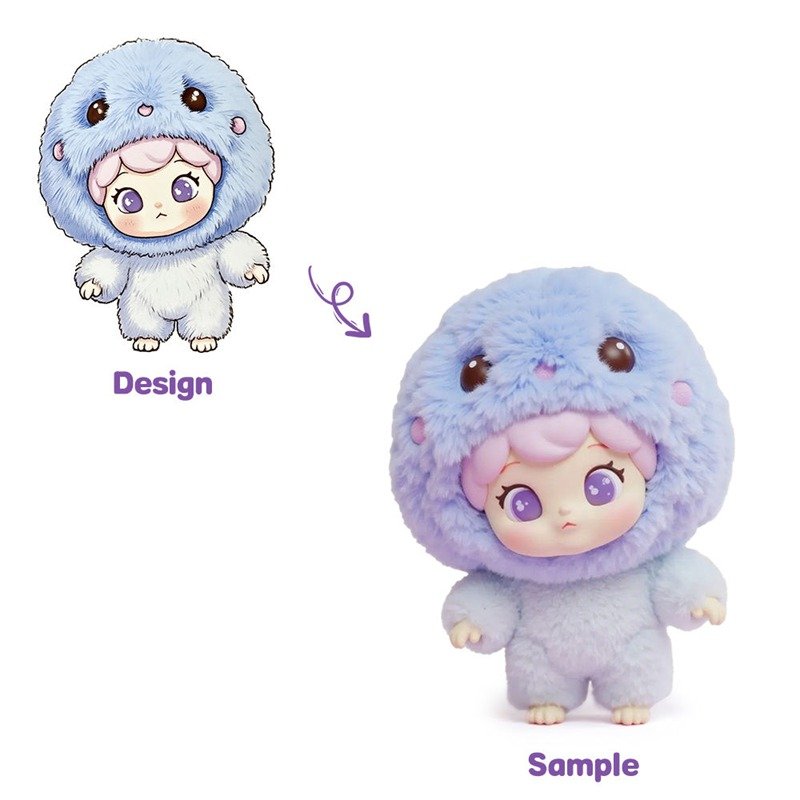
Collectible Plush
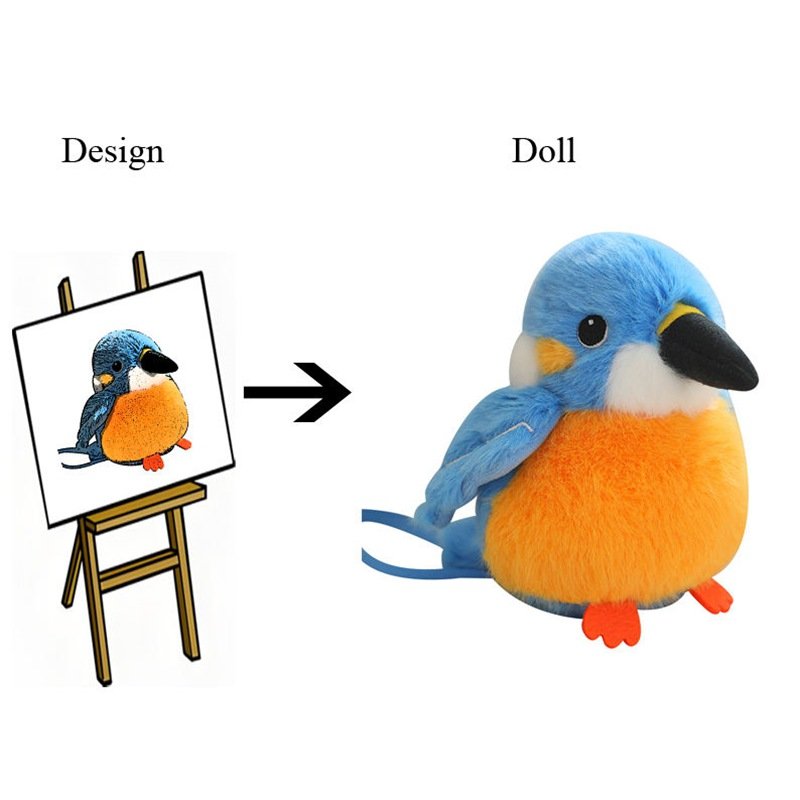
Magnetic Plush
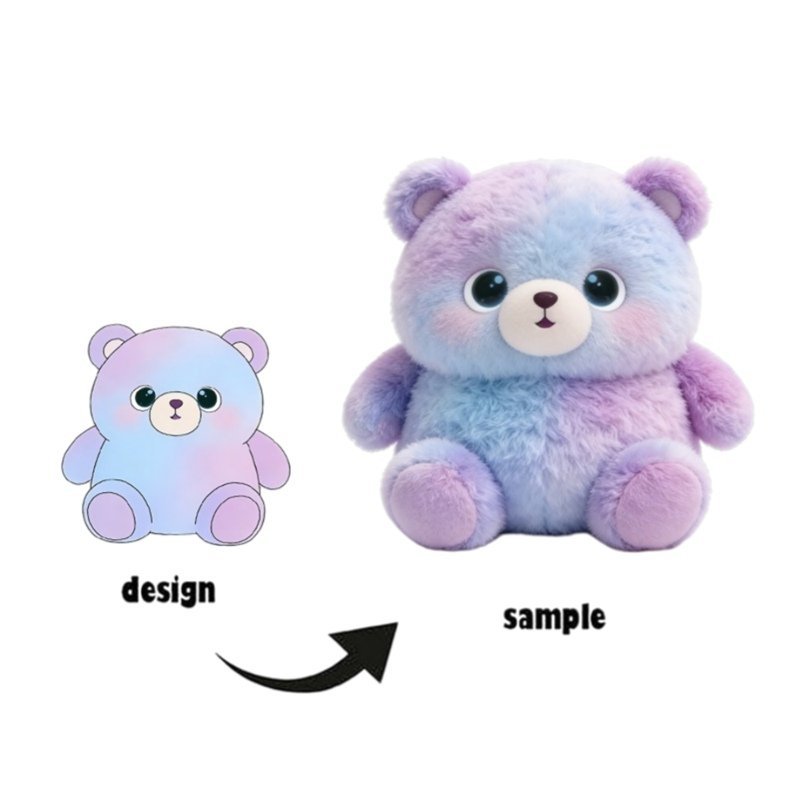
Electronic AI Plush
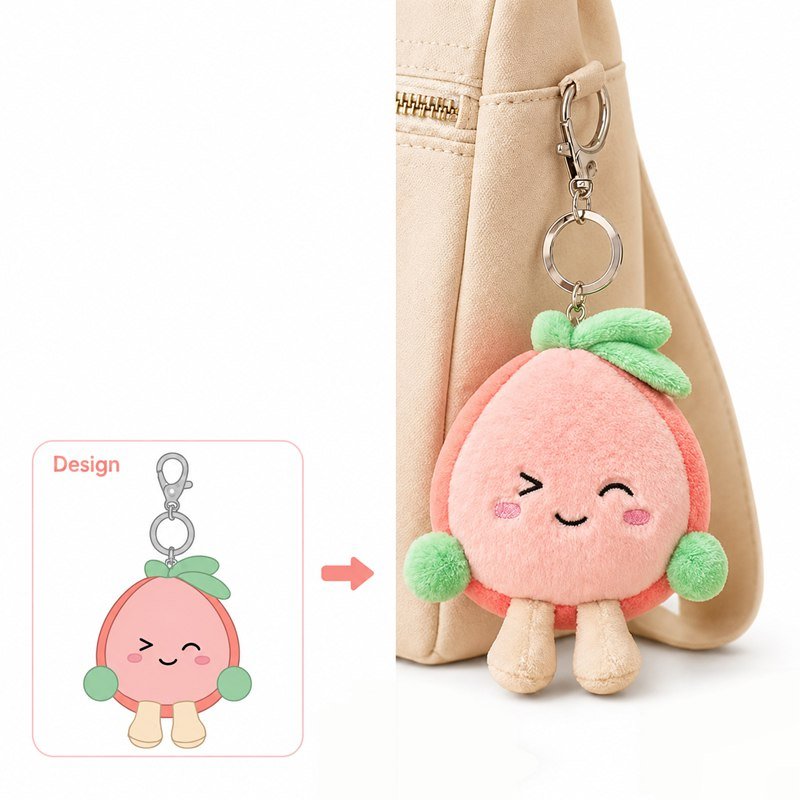
Bag Charms

Weighted Plush
Different Teams Need Different Accessory Evidence
Global Brand Teams
IP Owners
Licensing Teams
Toy Companies
Collectible Brands
Fashion Lifestyle Brands
Technology Teams
Multi-SKU Programs
Facial Components Need Precise Size, Position, and Retention
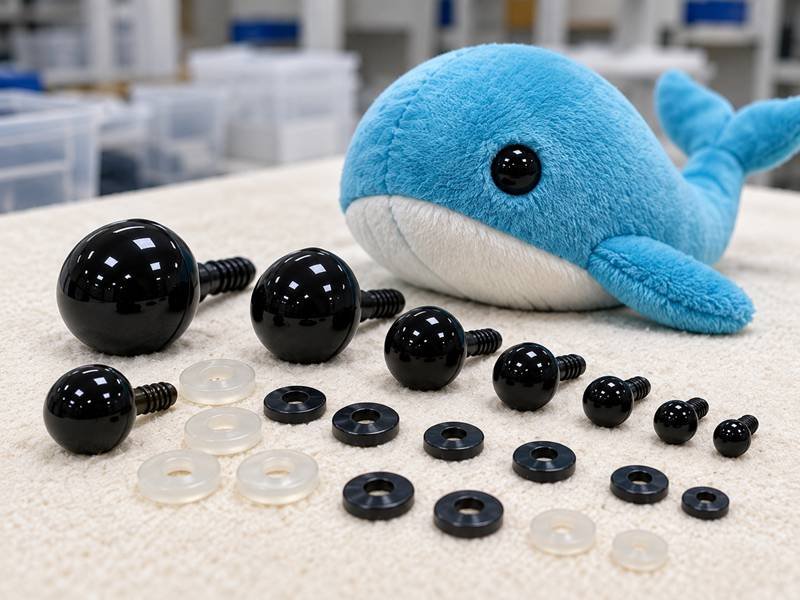
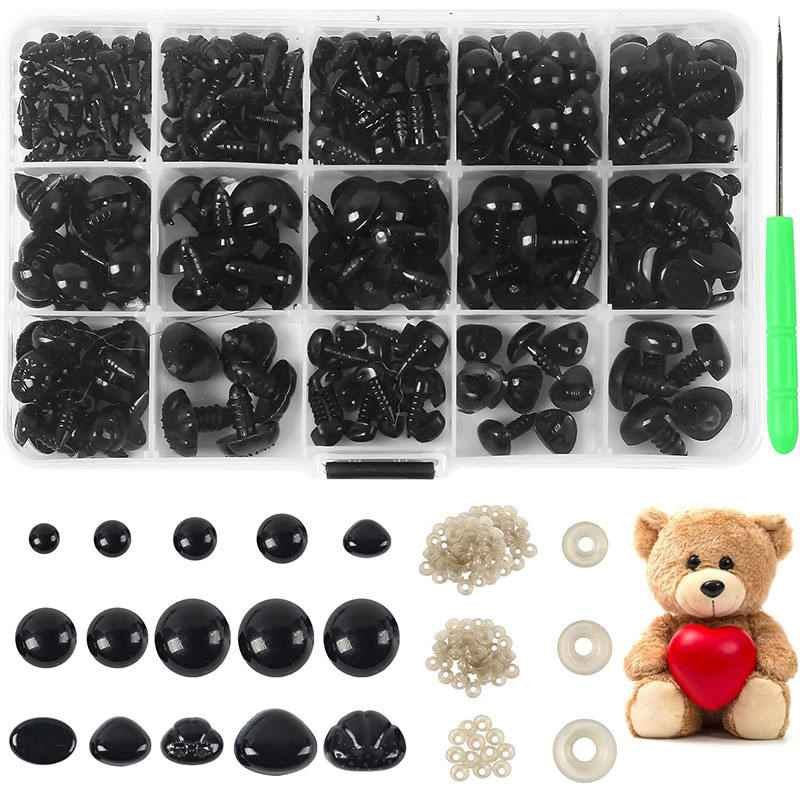
Plastic Eyes

Plastic Noses

Molded Eye Details

Molded Face Parts

Embroidered Alternatives

Placement References
Facial position should be controlled by more than visual judgment during assembly. Approved pattern references, placement marks, component spacing, Golden Sample comparison, and first-piece checks help keep expression stable across repeated production.
Choose Hardware Around Load, Finish, and Attachment

Split Rings

Key Rings

Ball Chains

Lobster Clasps

Carabiner Clips

Hooks and Clips

Phone Loops

Attachment Rings
Metal Components Need Finish and Edge Control

Buckles
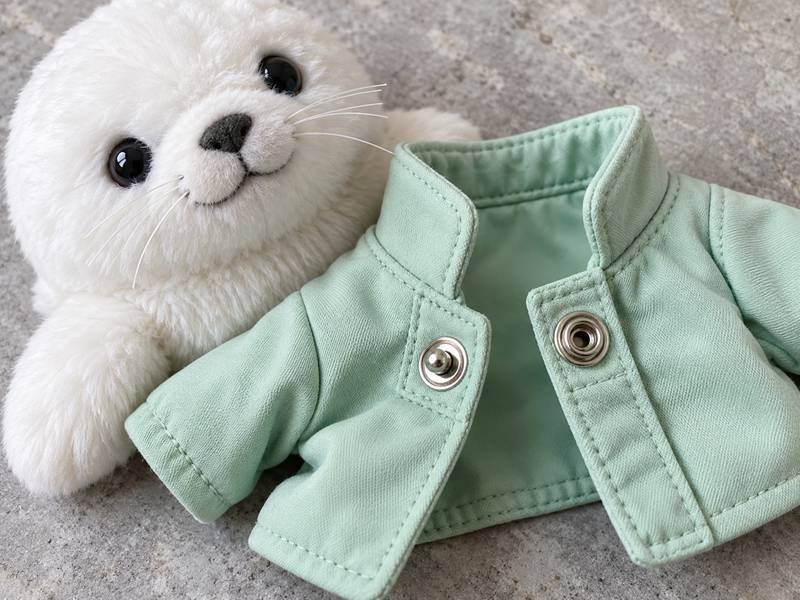
Snaps
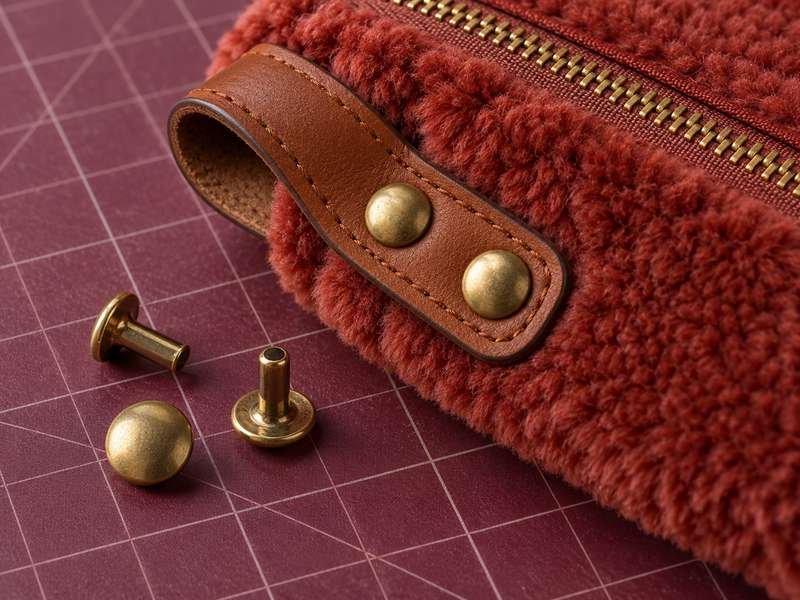
Rivets

Bells
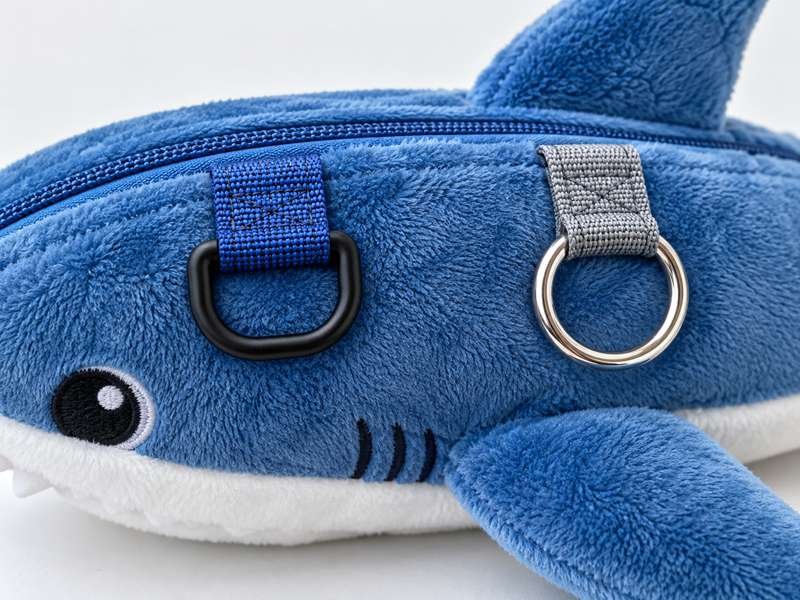
D-Rings O-Rings
D-rings and O-rings create connection points for straps, hooks, or removable pieces. Dimensions, wire thickness, finish, opening, load direction, and reinforcement route should remain tied to the correct SKU.
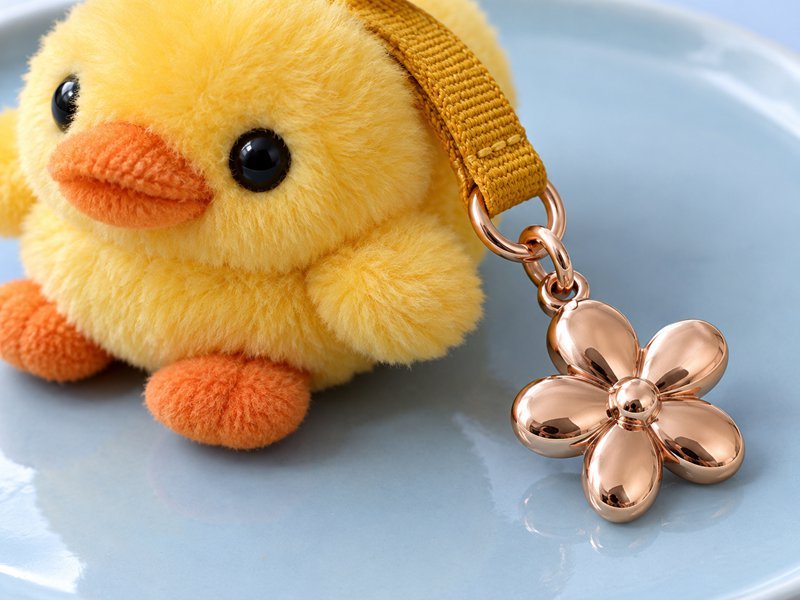
Decorative Metal Parts
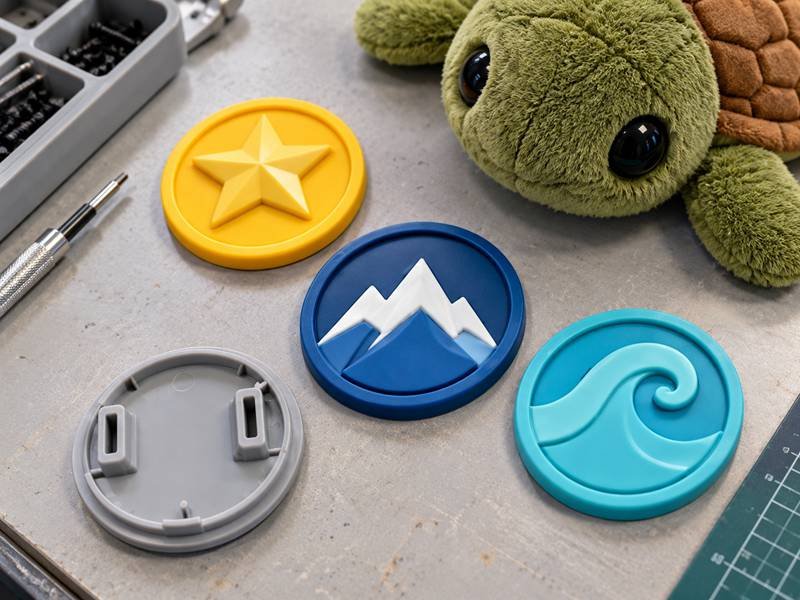
Molded Parts Extend Plush Beyond Textile Construction
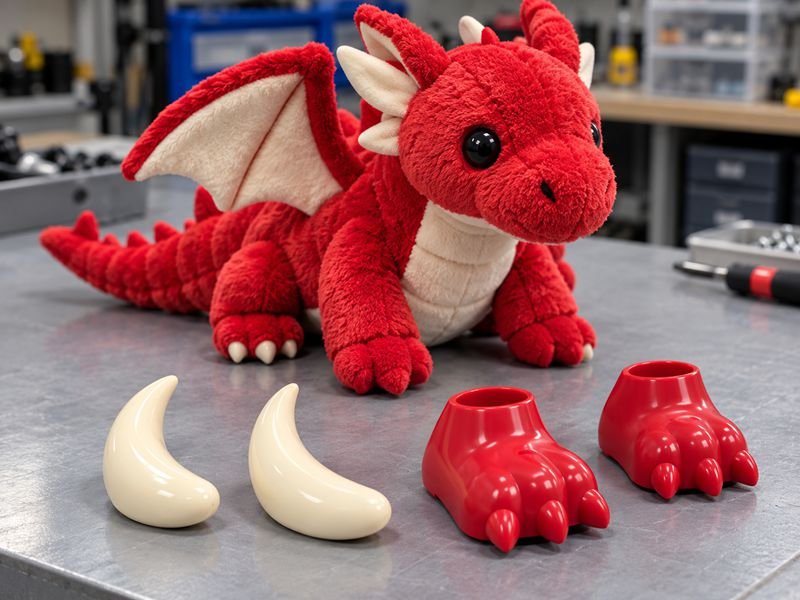
PVC Components
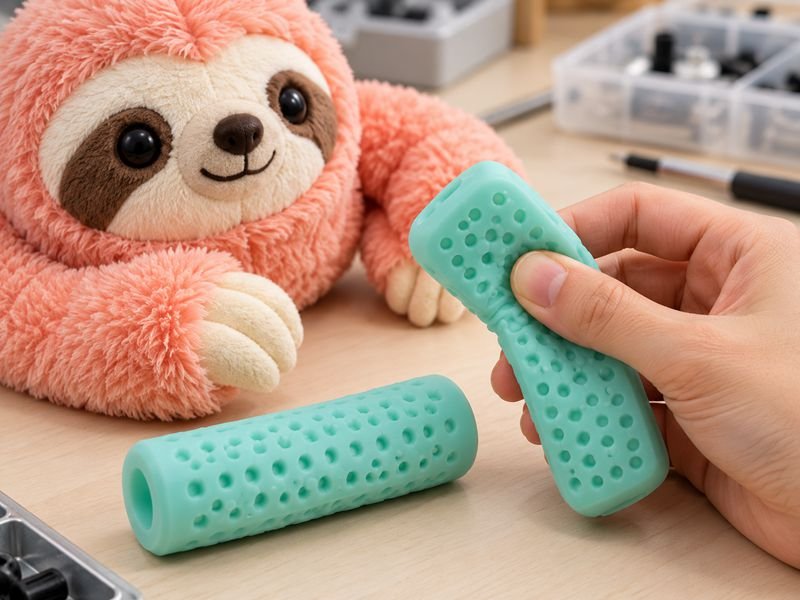
Silicone Components
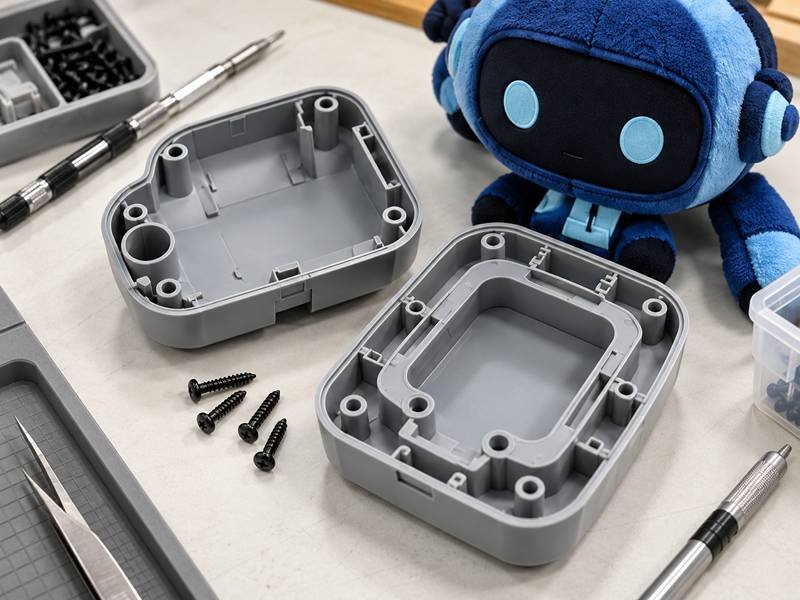
ABS Parts
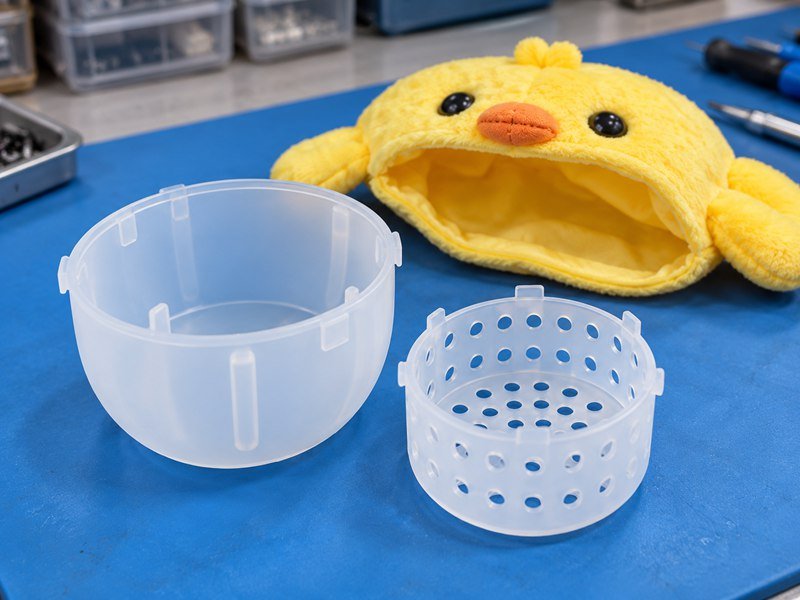
PP Parts
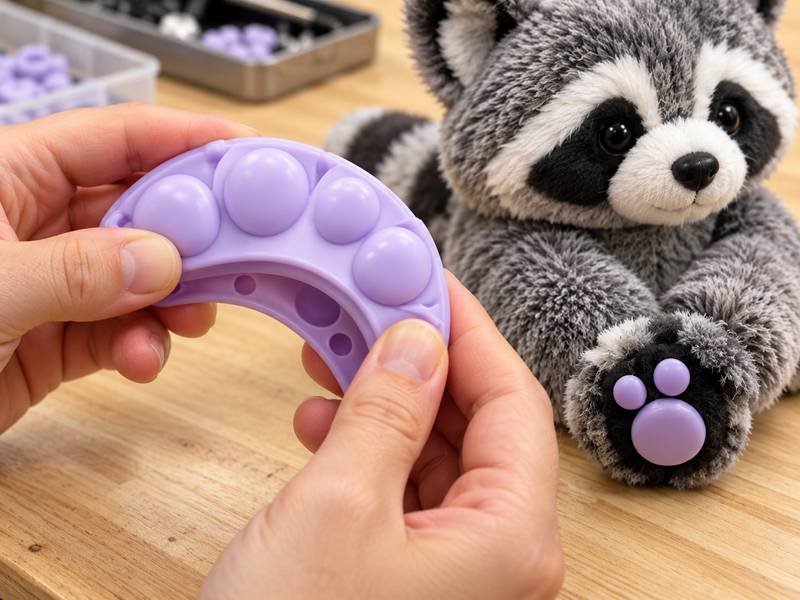
TPE Parts
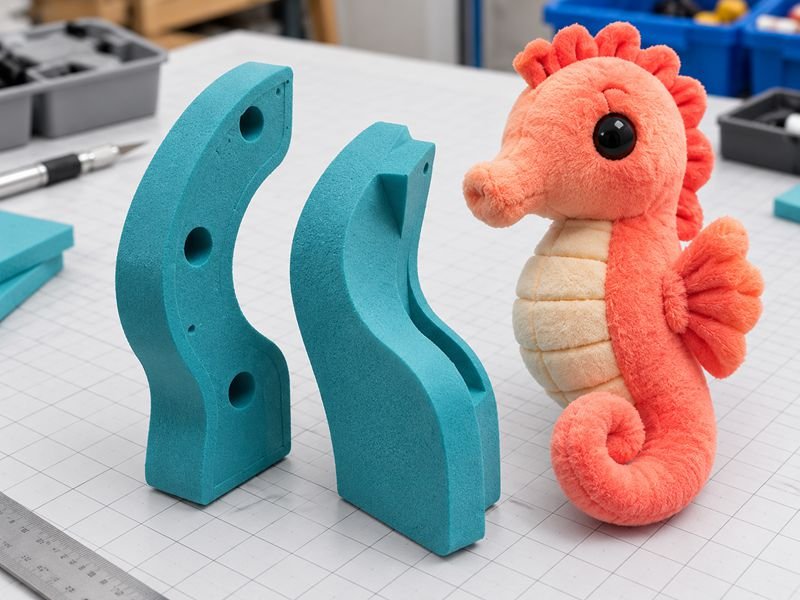
EVA Parts
Molded Badges

Props Shoes Housings
Magnetic Plush Needs Position, Polarity, and Retention Control
Map the Interaction Before Finalizing the Pattern
Magnetic hands, feet, accessories, shoulder products, bases, or paired characters need a clear interaction map before the shell is frozen. Ewin reviews which surfaces must meet, required orientation, surrounding fabric thickness, internal spacing, and the volume available for a protected magnet pocket.
Polarity should be documented rather than left to operator memory. A product can look completely correct while failing its intended function because one magnet was reversed. Where several magnets are used, each location needs an identity that can be checked during assembly.
Magnet position can also affect pose. A part placed too far from the intended contact surface may create weak interaction, while a part placed too close to the surface may create an obvious hard point.
Retain the Magnet Inside a Controlled Internal Structure
The magnet should not float freely inside fiberfill. Internal pockets, stitched compartments, protective layers, or other controlled retention methods can keep the part in the intended location and prevent migration toward seams or corners.
The surrounding construction needs enough reinforcement to tolerate repeated magnetic pulling without tearing the shell or opening the retention pocket. Product thickness, filling density, seam routes, and adjacent components may change the effective interaction strength, so the final judgment should use a finished sample rather than a bare magnet test.
Applicable target-market and age-grade considerations should also be reviewed before the magnetic construction becomes final.
Check Polarity and Function During Assembly and QC
Bulk assembly needs an error-proofing method for magnet identity and polarity. Marking, orientation fixtures, mapped work instructions, first-piece checks, and functional interaction tests can help prevent reversed or misplaced components.
QC should verify more than attraction. Position, symmetry, retention, surrounding handfeel, interaction alignment, and visible deformation can all matter. Multi-SKU programs need especially clear magnet maps when several characters share similar construction but use different polarity or placement.
If the magnet grade, supplier, size, coating, location, or retention method changes later, the new configuration should return through product and safety impact review before use.
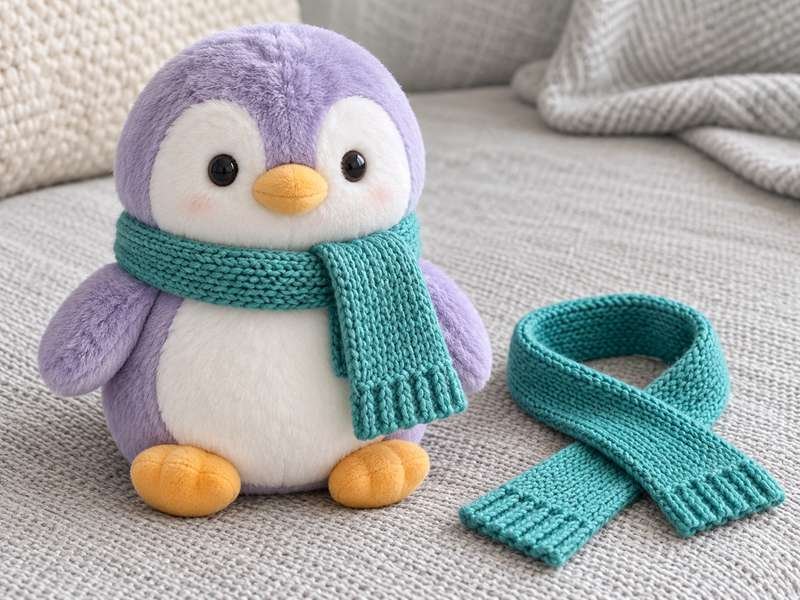
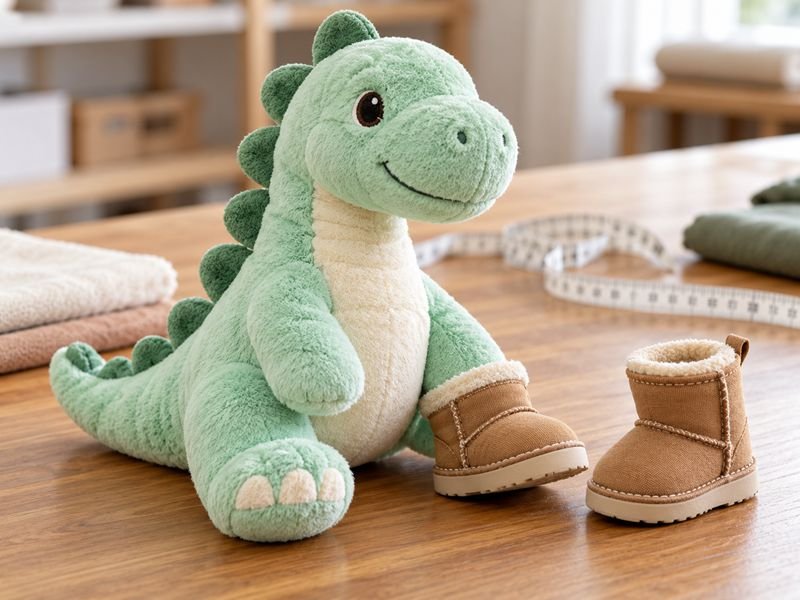
Removable Accessories Need Fit, Retention, and Usage Logic

Hats and Headwear

Clothing

Bags and Carried Items
Scarves and Soft Props
Shoes and Footwear

Character Props
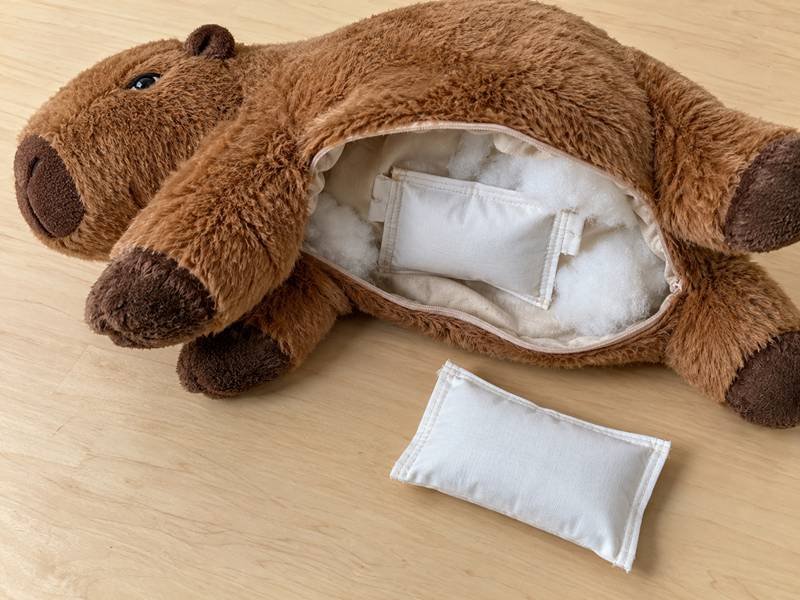
Internal Components Control Weight, Balance, and Product Shape
Weighted Inner Bags
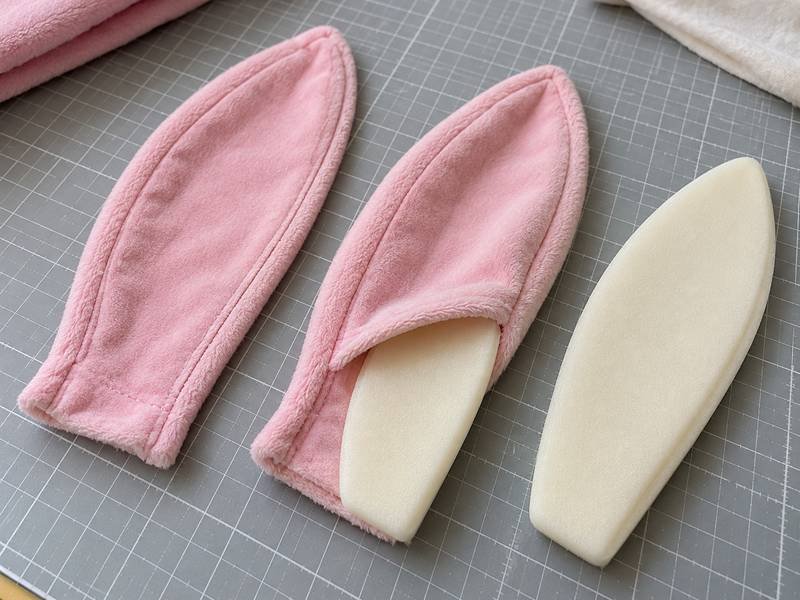
Foam Inserts
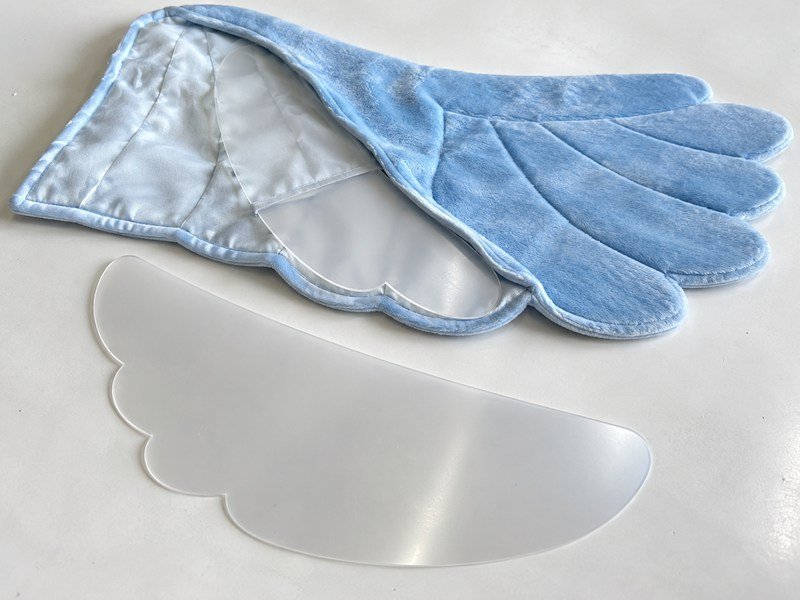
Plastic Support Sheets

Structural Supports
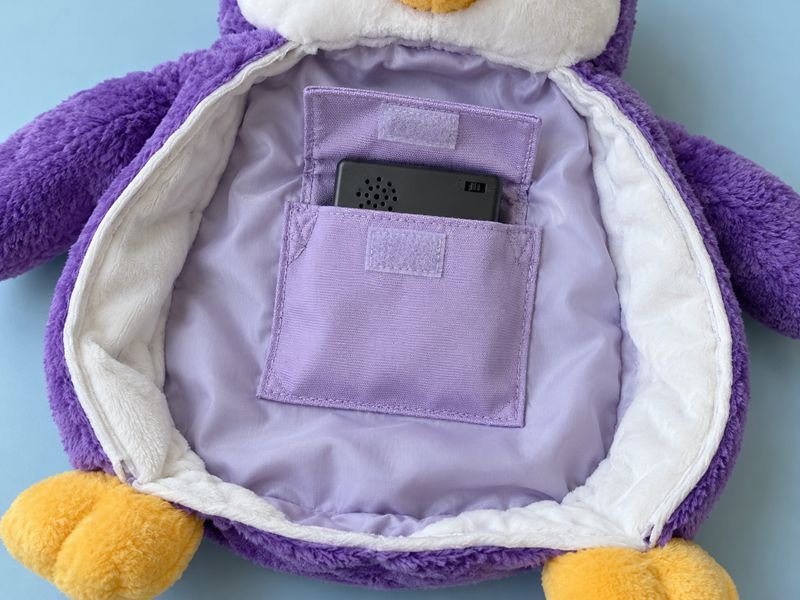
Internal Pockets
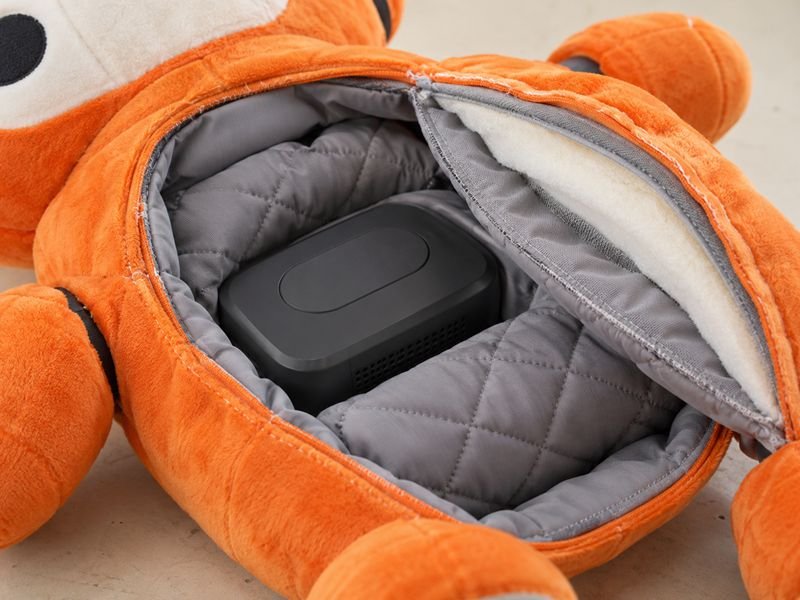
Protective Layers
Electronic Modules Need a Defined Soft-Goods Architecture
Integrate the Physical Module Into the Plush Product
Ewin can engineer the plush around sound modules, recording units, speakers, LEDs, switches, touch points, sensors, microphones, buttons, or other approved electronic components. Soft-goods work can include cavity geometry, padding, speaker or microphone openings, cable routes, module position, retention, service access, garment clearance, and filling zones.
The module should not simply be inserted after the exterior sample is finished. Head or torso volume, seam lines, opening size, internal pockets, zipper placement, hook-and-loop access, and surrounding filling may need to change so the hardware sits securely without distorting the character or creating obvious hard areas.
A physical engineering sample should prove access, fit, function, and handfeel before the exterior product is treated as final.
Keep Technology Responsibility and Module Revision Explicit
Ewin’s core role is plush product development and manufacturing. Electronics, PCB design, firmware, wireless systems, mobile applications, AI models, connectivity, or cloud services may remain with the brand or an approved technology partner unless a separate scope is confirmed.
The physical module still needs a controlled identity. Revision, dimensions, connector positions, switch location, battery access, speaker or microphone geometry, and installation orientation can affect the plush pattern. A hardware revision therefore cannot be treated as invisible to the soft product.
When a technology partner updates the module, Ewin can review the soft-goods impact and update cavities, access, protection, or assembly instructions where required.
Build Function Checks Into Sampling and Production
Sampling should verify the module after it is installed in the finished plush, not only on a workbench. Useful checks may include sound output, light visibility, switch access, sensor response, button feel, charging or battery access where relevant, module movement, cable protection, and exterior deformation.
Bulk production also needs a defined function-check point and current module revision. Similar-looking hardware should not be mixed between SKUs or revisions. Packaging must protect the module and avoid pressing switches, bending connectors, crushing speaker openings, or concentrating pressure against the outer fabric.
Where applicable, electronic and battery compliance responsibilities should be reviewed alongside the plush safety route before commercial release.
Define Every Accessory With a Complete Component Record
A controlled component needs enough information for sourcing, sampling, assembly, inspection, reorders, and change review to use the same part definition.
| Component Field | What It Controls | Example of Why It Matters |
|---|---|---|
| Part ID | Unique component identity | Prevents similar parts from being substituted informally |
| Component Name | Shared team reference | Keeps sourcing, engineering, QC, and assembly aligned |
| Material | Physical and compliance route | PVC, silicone, metal, ABS, magnet, foam, or module type can change risk |
| Size / Dimensions | Fit and scale | A nominal eye size alone does not define profile, stem, or backing |
| Weight | Balance and handling | Heavy props or hardware can pull a small plush out of pose |
| Color | Character and SKU identity | Similar characters may use different approved colors |
| Finish / Plating | Appearance and durability | Metal finish can affect scratches, corrosion, and visual match |
| Orientation | Assembly direction | Clips, magnets, switches, and molded parts can fail when reversed |
| Fixing Method | Retention | Sewing, pocketing, washer, screw, clip, adhesive, or molded interface changes strength |
| Position | Product geometry | Eye spacing or magnet position directly changes appearance or function |
| Supplier Route | Repeat sourcing | Reorders need the same controlled source or an approved change |
| SKU Mapping | Multi-SKU control | Stops a similar part from entering the wrong character |
| Sample Status | Approval | Shows whether the part was tested in a physical product |
| Change Status | Production release | Prevents an unreviewed replacement from reaching assembly |
Engineer the Interface Between Hard Parts and Soft Plush
Carry Load Into Reinforced Soft Structure
A metal ring, clasp, handle, strap, rigid prop, or heavy accessory should not rely on a small patch of unsupported plush fabric. Ewin reviews where the load enters the product, which seam or reinforcement can carry it, and whether webbing, backing material, folded fabric, internal tape, additional stitch routes, or a wider anchor is needed.
The attachment should also preserve the intended silhouette. Excess reinforcement can create a stiff lump, while too little support can stretch the body or open a seam. Sampling needs to reproduce expected handling on the finished construction rather than testing hardware in isolation.
For keychains and bag charms, concentrated hanging force is especially important because a small plush body leaves limited reinforcement area.
Control Geometry Where Molded Parts Meet Fabric
Rigid and molded parts introduce dimensions that do not stretch like fabric. A PVC foot, molded face, plastic housing, shoe, or badge may require controlled seam allowance, opening geometry, backing clearance, or attachment holes around its interface.
Tolerance should account for both the hard part and the sewn shell. If either component changes, the fit can become loose, distorted, or impossible to assemble. Hard edges also need enough radius, padding, or placement control to avoid cutting, rubbing, or creating visible pressure through the plush surface.
Tool drawings and physical samples should stay synchronized so the tooling revision matches the current pattern and BOM.
Protect the Surface Around Hardware and Modules
Hard parts can damage surrounding soft materials during assembly, transport, or consumer handling. Chains can scratch embroidered faces. Molded components can flatten long pile. Module housings can leave pressure marks. Metal edges can catch fabric or clothing.
Ewin reviews contact points, protective sleeves, internal padding, part orientation, packaging position, and available clearance before release. Packaging is part of the interface decision because a component that looks acceptable on the worktable may create damage once compressed inside a retail box or shipping carton.
The approved solution should protect both function and the intended tactile quality of the plush.
Sample Development Proves the Accessory Inside the Product
Start With Component Trials When the Risk Is Localized
A full V1 is not always the most efficient first step. When the main uncertainty is a magnet pocket, keyring anchor, plastic eye, molded badge, clasp, PVC foot, speaker opening, or similar component interface, Ewin can use local trials or engineering samples to resolve the risk before rebuilding the whole product.
The trial can compare part size, finish, attachment, reinforcement, position, polarity, tolerance, or surrounding fabric behavior. For hardware, the team can check scratching and load transfer. For molded parts, fit and edge conditions matter. For electronic parts, cavity and access can be proven early.
Local validation reduces the chance that an otherwise acceptable V1 must be remade because one component route was still unresolved.
Integrate the Approved Direction Into V1 and Revision Samples
The chosen component then enters the complete plush sample, where appearance and function can be reviewed with final proportions, materials, filling, clothing, and packaging direction. A part that looked correct in isolation may sit too deep after stuffing, pull a limb off-center, interfere with clothing, or feel too hard through the shell.
Revision comments should identify accessory changes clearly: part ID, size, color, finish, position, fixing, interface, and reason for change. If the component changes the pattern, reinforcement, cavity, or packaging, the related files should move together.
Each major revision should remain identifiable so the team knows which physical product contains which component version.
Freeze the Component With Golden Sample and BOM
Final approval should connect the accessory to a Golden Sample, current BOM, installation reference, position, fixing method, and relevant QC points. A loose sample drawer is not enough because visually similar eyes, rings, molded parts, or modules can be mixed later.
The Golden product shows how the part should look and interact in the finished item, while written data supports sourcing and inspection. Production should know what component is released, where it belongs, how it is installed, and what must be checked before the line starts.
Reorders begin from the frozen reference plus a delta review so any supplier, tooling, finish, size, module, or hardware change is identified before production.
Accessory Safety Depends on the Finished Product Context
Review Detachment and Small-Part Risk Early
Eyes, noses, magnets, buttons, bells, clips, molded props, electronic covers, and removable accessories can create detachment or small-part concerns depending on age grade, size, accessibility, and intended use. The right solution may be stronger retention, a different component, a redesigned interface, or a soft decorative process.
Ewin can bring attachment and accessibility questions into development before the final sample is frozen. The evaluation should use the finished construction because backing, fabric stretch, stuffing pressure, seam location, and surrounding geometry affect how a part behaves under use.
A component specification does not replace finished-product testing or market-specific requirements.
Check Mechanical and Surface Risks Around Hard Parts
Metal and molded parts may introduce sharp edges, points, pinch areas, concentrated loads, or hard contact. Edge radius, plating, opening direction, attachment, pull behavior, torque where relevant, and access should be reviewed against the product design.
Magnets and heavy inserts also need secure internal containment. A rigid part that remains safely enclosed in one construction may become accessible after a pattern or seam change, so safety review should follow the actual released version.
Internal verification can identify obvious mechanical risks before formal third-party testing where applicable, but internal checks should not be presented as a substitute for required laboratory evidence.
Add Functional and Electronic Requirements Where Applicable
Electronic modules, batteries, LEDs, sensors, speakers, switches, and other powered elements can add requirements beyond standard plush construction. Access, enclosure, wiring, heat, hard points, user interaction, battery route, and target-market obligations should be identified before the final product is released.
Ewin can coordinate the soft-goods construction and physical integration while the responsible technology party manages electronics, firmware, app, cloud, or other specialist scope unless otherwise agreed.
Compliance claims should remain tied to the tested product, module, market, and report scope. One approved component should not be used as blanket proof for every finished plush configuration.
Certificates, Compliance & Quality Assurance
Ewintoys follows structured quality and compliance practices for custom plush production. We hold relevant certifications and support additional testing, inspection, and compliance documentation based on specific product requirements and destination markets, helping brands meet different international standards with confidence.
























Incoming Inspection Protects the Approved Component Definition
Confirm Identity Before Visual Similarity
Incoming component control begins with the released Part ID, purchase reference, supplier route, SKU mapping, and approved sample or drawing. Two black clips or two clear plastic eyes can look nearly identical while using different dimensions, springs, stems, backing, or finish.
Receiving and IQC should therefore verify the correct item rather than relying on appearance alone. Where several SKUs share similar parts, storage identity and separation become especially important. Lot or batch information can be retained where the component or program requires traceability.
If a supplier substitutes a material, plating, magnet grade, molded resin, electronic revision, or attachment feature, the replacement should not be released solely because it looks close to the previous part.
Inspect Critical Dimensions, Finish, and Function
The incoming inspection plan should focus on characteristics that affect the finished product. Eyes may require size, shape, color, stem, and backing checks. Hardware may require dimensions, plating, opening, edge condition, and function. Molded parts may need color, tolerance, surface finish, and fit. Magnets may require identity, orientation route, coating, and dimensional checks.
Electronic modules can require revision identity and basic function verification before assembly. Weighted bags or structural inserts can require weight, dimensions, seam condition, or containment checks.
Inspection depth should follow product risk and component criticality rather than forcing one generic checklist onto every accessory.
Quarantine Exceptions Before They Reach the Line
Nonconforming accessories should remain separate from released production stock until the issue is reviewed. Mixed finishes, damaged plating, incorrect eye size, reversed preassembled hardware, out-of-tolerance molded parts, wrong module revisions, or damaged weighted bags can create costly line stoppages or hidden quality failures if they enter normal material flow.
The disposition may involve sorting, rework, supplier replacement, engineering review, or controlled acceptance when the change is documented and approved. Production should not decide an unapproved substitution informally because the component “looks acceptable.”
The goal is to protect the approved product definition before assembly begins.
Assembly Control Prevents Wrong Parts and Wrong Orientation
Match the Right Component to the Right SKU
Multi-SKU programs often contain parts that look similar: two eye sizes, two black clasps, several magnet grades, nearly identical molded badges, or different module revisions in the same product family. Assembly materials should therefore remain tied to SKU, BOM, component kit, and work instruction.
Line changeover should clear old parts before the next SKU begins. First-piece confirmation can check the component against the Golden Sample, part reference, and installation instruction before volume assembly continues.
Clear identity is more reliable than asking operators to recognize a subtle dimensional or finish difference from memory.
Control Position, Direction, and Polarity During Installation
Many component errors are orientation errors rather than sourcing errors. Lobster clasps can face the wrong direction. Molded parts can be left-right specific. Switches can sit under the wrong fabric zone. Magnets can be reversed. Eyes can drift and change expression.
Placement marks, fixtures, polarity references, templates, visual standards, and in-process checks can reduce those risks. The control method should match the component. A magnet may need polarity verification, while a molded prop may need a seating and orientation check.
The approved sample should remain available as a visual reference, but critical orientation should also exist in written or illustrated production information.
Verify Function Before the Product Leaves Assembly
A component can be installed securely and still fail to work. Clips should open correctly. Magnetic parts should interact as intended. Sound or light modules should function after stuffing and closing. Removable accessories should fit and stay attached. Weighted inserts should remain in the intended zone.
Functional checks should occur at a stage where correction is still possible. Waiting until final packing makes rework more disruptive and increases the chance that hidden assembly problems reach finished inventory.
The check record can be tied to SKU, production batch, or project requirements where traceability is important.
Packaging Must Protect Both Plush and Attached Components
Prevent Scratches and Abrasion
Prevent Pressure Marks
Keep Removable Pieces Organized
Hats, props, clothing, cards, straps, and loose accessories should remain associated with the correct sellable unit. Bags, trays, ties, inserts, compartments, or defined packing positions can help prevent missing pieces and keep the opening experience orderly.
Keep Multi-SKU Accessory Mapping Visible Through Production
| SKU Control Field | Shared Part Example | SKU-Specific Example | Why It Matters |
|---|---|---|---|
| Eye Part | Same base eye across several characters | Different diameter or color | Prevents expression changes |
| Keychain Hardware | Common split ring | Different clasp finish | Controls function and appearance |
| Magnet | Shared grade | Different polarity or position | Protects intended interaction |
| Molded Part | Same resin family | Character-specific tooling | Keeps tooling and SKU identity aligned |
| Clothing Accessory | Shared closure | Character-specific garment | Stops cross-SKU packing errors |
| Electronic Module | Common speaker platform | Different module revision | Prevents incompatible hardware use |
| Weighted Insert | Shared media | Different mass and location | Maintains pose and balance |
| Packaging Protection | Shared sleeve material | Different component orientation | Prevents surface damage by SKU |
| Sample Status | Common program stage | V1, Revision, Golden by SKU | Shows what is actually approved |
| Change Status | Shared supplier review | One SKU affected by change | Prevents unnecessary or missed revalidation |
Frequently Asked Questions
Ewin can review eyes, noses, metal hardware, molded parts, magnets, removable clothing, props, weighted inserts, internal supports, sound, light, sensor, and other approved modules.
Yes. Size, shape, material, color, backing, position, fixing, target age, quantity, and surrounding head construction are reviewed before a component is approved for production.
Split rings, ball chains, lobster clasps, carabiners, hooks, loops, and related hardware can be reviewed around size, finish, opening, load path, reinforcement, and product scale.
Yes. Ewin can review tooling, material, hardness, tolerance, finish, color, weight, edge condition, attachment, soft-hard interface, and packaging impact for molded product components.
Yes, when position, polarity, retention, surrounding construction, interaction, applicable safety requirements, and assembly controls are validated through the actual product development route.
Yes. Clothing, hats, bags, shoes, props, and other detachable pieces can be developed with fit, retention, closure, repeated handling, loss risk, packaging, and age-grade considerations.
Ewin can engineer the plush shell, cavity, access, padding, openings, retention, and assembly around approved modules. Electronics, firmware, apps, or cloud scope may remain with specialists.
Fixing can use reinforced stitching, internal pockets, washers, screws, clips, molded interfaces, textile anchors, or other approved routes. The method depends on load, material, structure, and safety.
Sampling can review fit, position, orientation, fixing, strength, interaction, comfort, surface pressure, packaging, and function. Applicable regulatory or third-party testing follows the finished product and market scope.
Part IDs, BOMs, drawings or references, supplier route, incoming inspection, Golden Sample, work instructions, first-piece checks, and SKU mapping keep approved accessory identity connected to production.
Send Your Plush Accessory Requirements for Engineering Review