Plush Toy Fabric Library for Smarter Material Selection
Compare fabrics by handfeel, pile height, GSM, stretch, color performance and end-use before sampling. Ewin Toys helps brands match fabric characteristics to character appearance, durability, target cost and production requirements, reducing material changes later in development.
Minky / Velboa / Short Plush / Faux Fur / Sherpa | Custom Color Matching | Fabric Swatch Support | Pile Height & GSM Control | rPET Options | Dye-Lot Consistency | 60+ Product Development Team
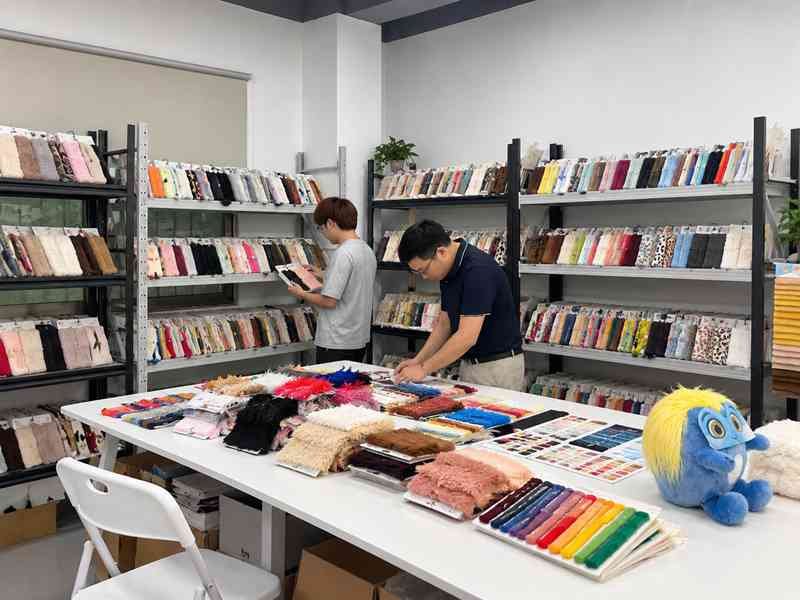
Fabric Choice Changes More Than Surface Softness
Visual Character Result
Engineering Behavior
Commercial Performance
Move From Artwork to an Approved Fabric Specification
Start With the Product Before Naming the Fabric
Ewin begins with the character artwork, target size, product type, desired handfeel, visual texture, sales channel, logo or decoration method, functional areas, packaging route, and target market. A 5-12 cm mini plush usually needs stronger detail visibility than a large display plush, while realistic animals may need longer pile and controlled nap direction. Lifestyle products can add linings, PU, mesh, stretch knits, or reinforcement fabrics that a standard body-fabric swatch cannot cover.
Candidate fabrics are compared against pattern complexity, seam access, embroidery visibility, print suitability, filling response, hardware contact, pack pressure, and repeat sourcing. The objective is to narrow the fabric direction before a complete sample locks an unsuitable surface into the design.
Prove the Fabric With Swatches and Targeted Trials
A swatch can confirm color, pile, texture, thickness, and handfeel, but production suitability needs more evidence. Targeted trials can check embroidery stabilization, print appearance, cutting behavior, stretch, nap, seam formation, edge treatment, turning, brushing, heat response, adhesion, and recovery after packing.
When fabric direction remains open, a swatch or process trial can be reviewed before a full V1 is rebuilt. The physical sample then shows how the fabric behaves on the actual geometry, because the same textile may look different on a round head, narrow limb, fitted garment, long ear, or small accessory panel.
Freeze the Approved Fabric Into Production Data
After approval, the fabric should receive a controlled identity rather than remain described as “soft pink Minky” or “short plush.” Ewin can record Material ID, name, composition, GSM, pile or thickness, color, nap direction, supplier route, applicable SKU, and sample revision.
The Golden Sample provides the physical appearance reference while BOM and material records carry the definition into purchasing, IQC, cutting, sewing, QC, and reorders. A later change in supplier, color lot, GSM, pile, backing, stretch, coating, or finish enters change review before the replacement becomes a production input.
Product Type Changes the Right Fabric Direction
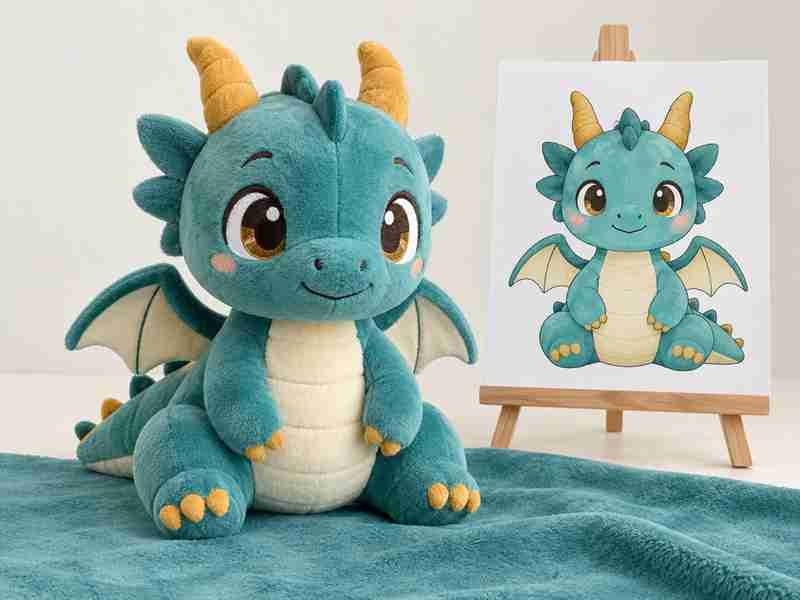
Character IP Plush
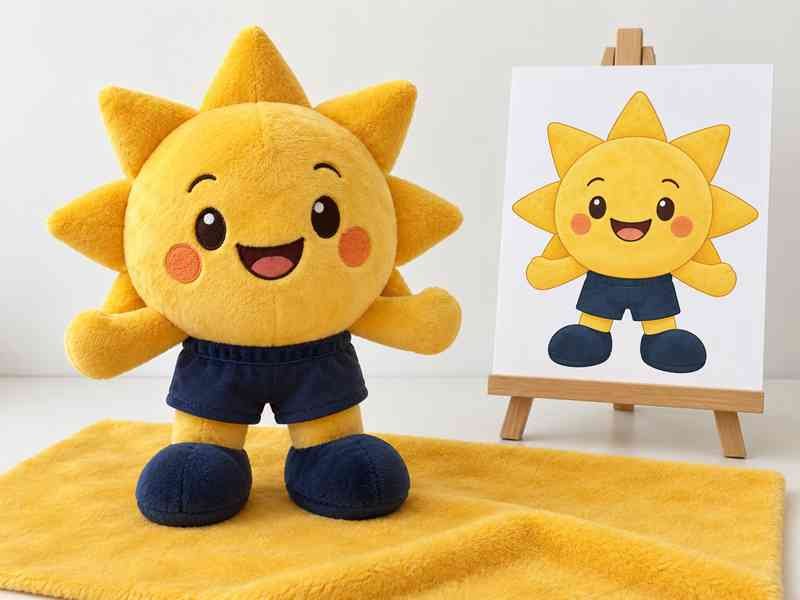
Mascot Plush
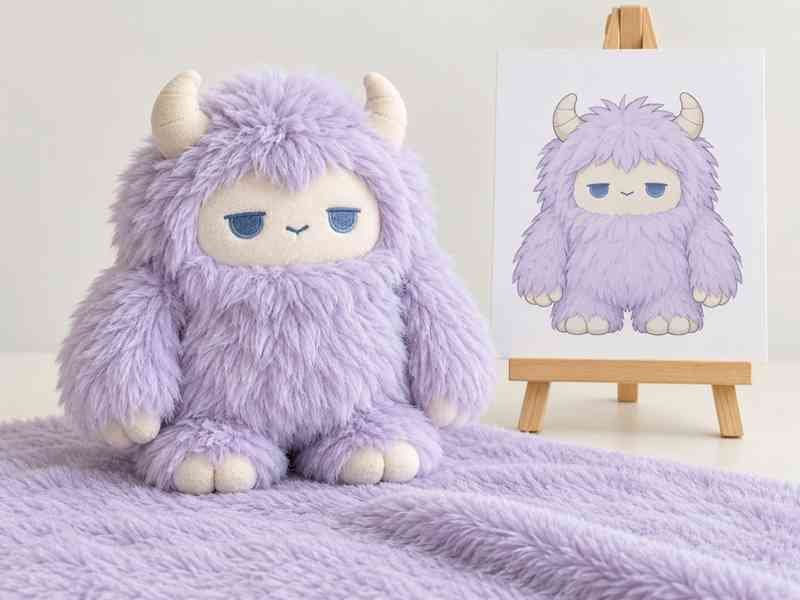
Collectible Plush
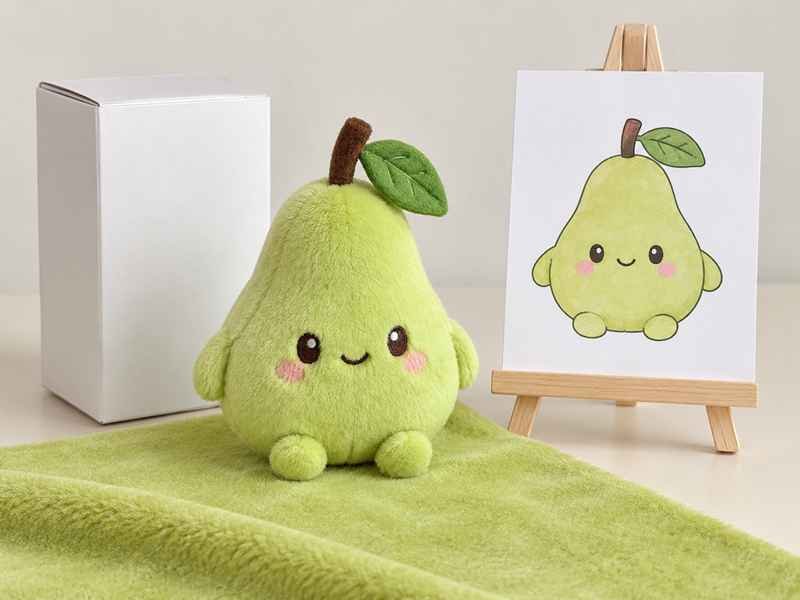
Mini Blind Box Plush
Mini plush commonly falls around 5-12 cm. Long pile can hide facial details and small seam geometry, so short or controlled surfaces often receive earlier consideration. Exact selection still depends on character style and required tactile effect.
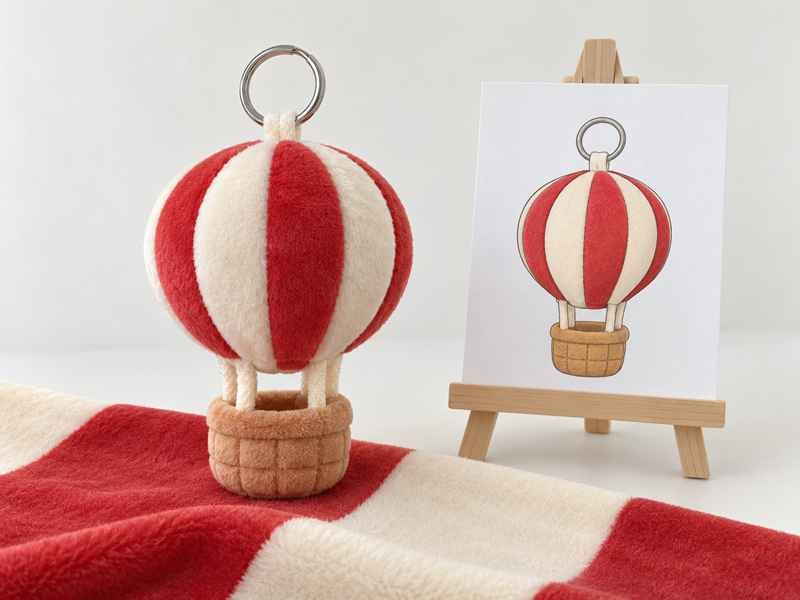
Plush Keychains
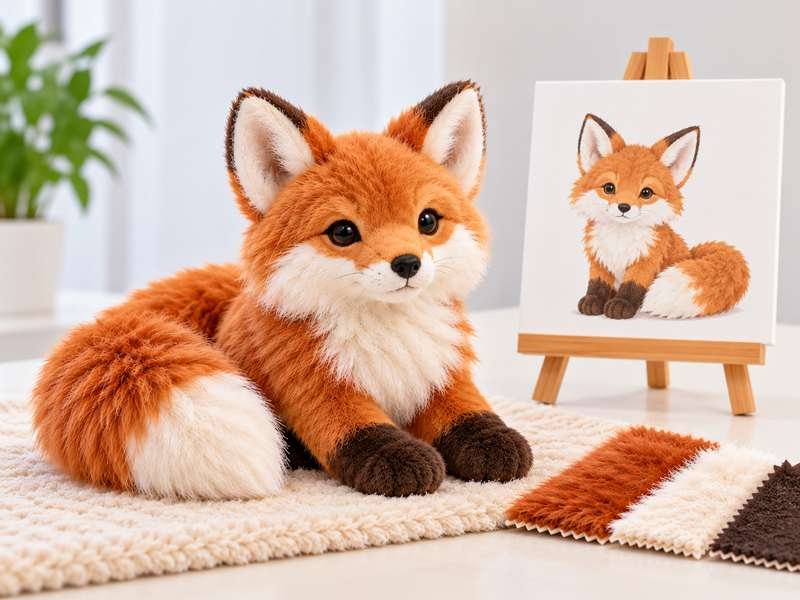
Realistic Animal Plush
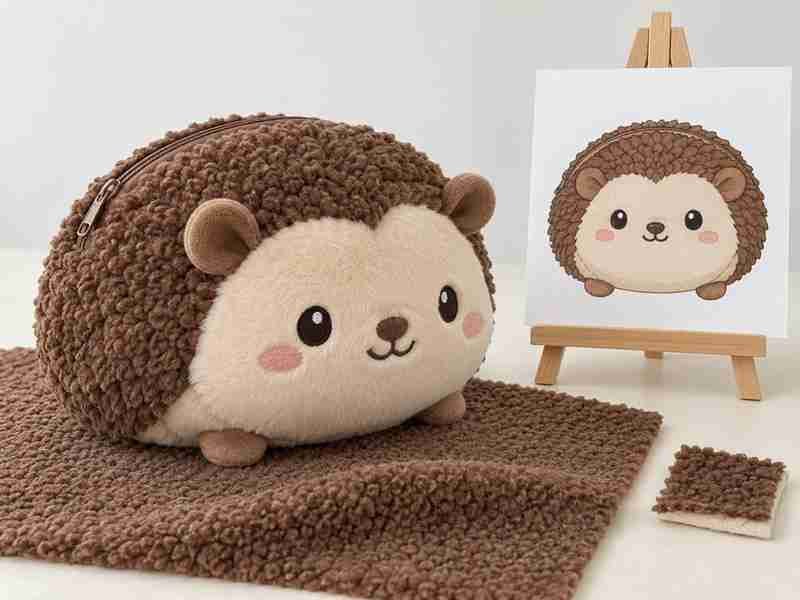
Lifestyle Plush
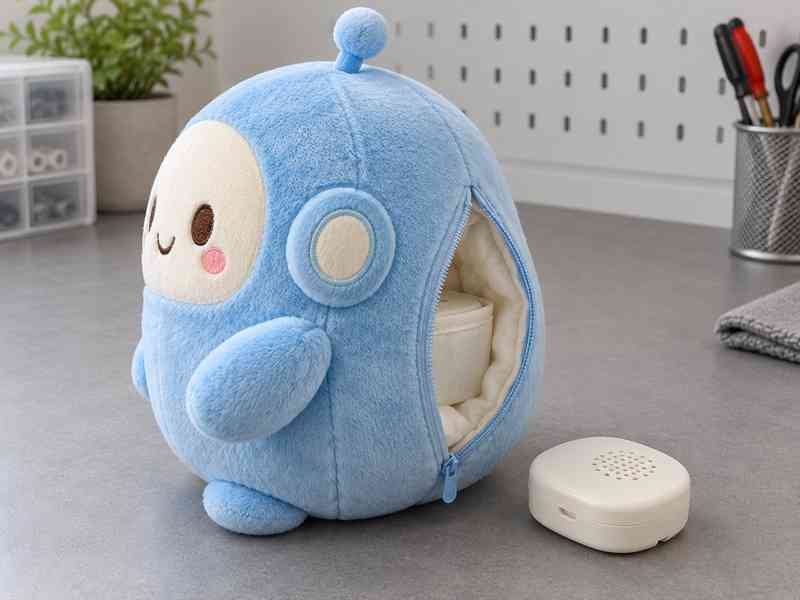
Electronic Functional Plush
Different Commercial Teams Need Different Fabric Evidence
Global Brand Teams
IP Owners
Licensing Teams
Toy Companies
Collectible Brands
Retail Private Label
Game Entertainment Teams
Multi-SKU Programs
Core Short-Pile Fabrics Support Detail and Shape Control
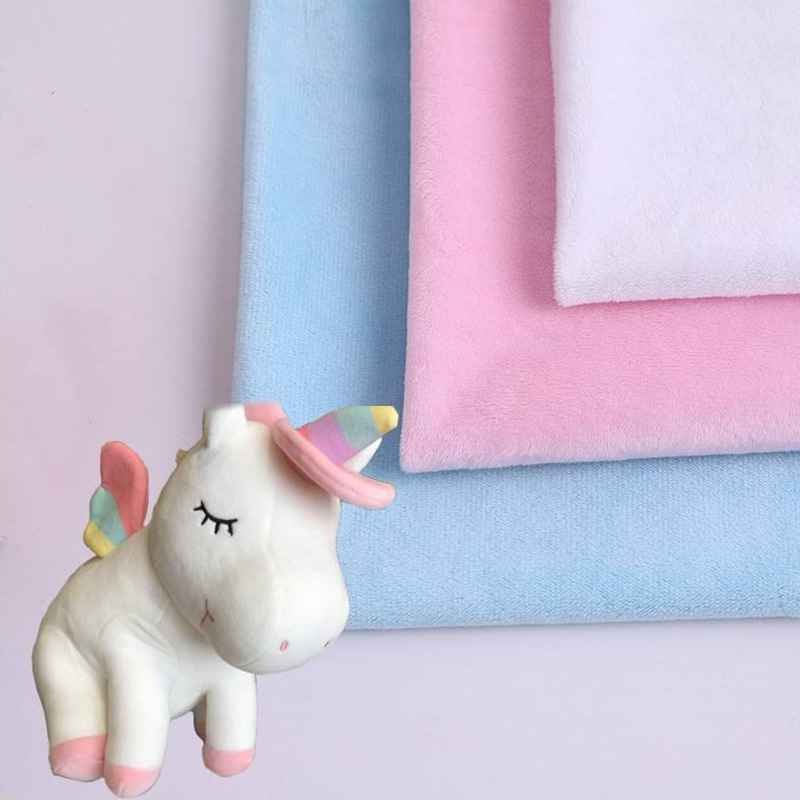
Minky
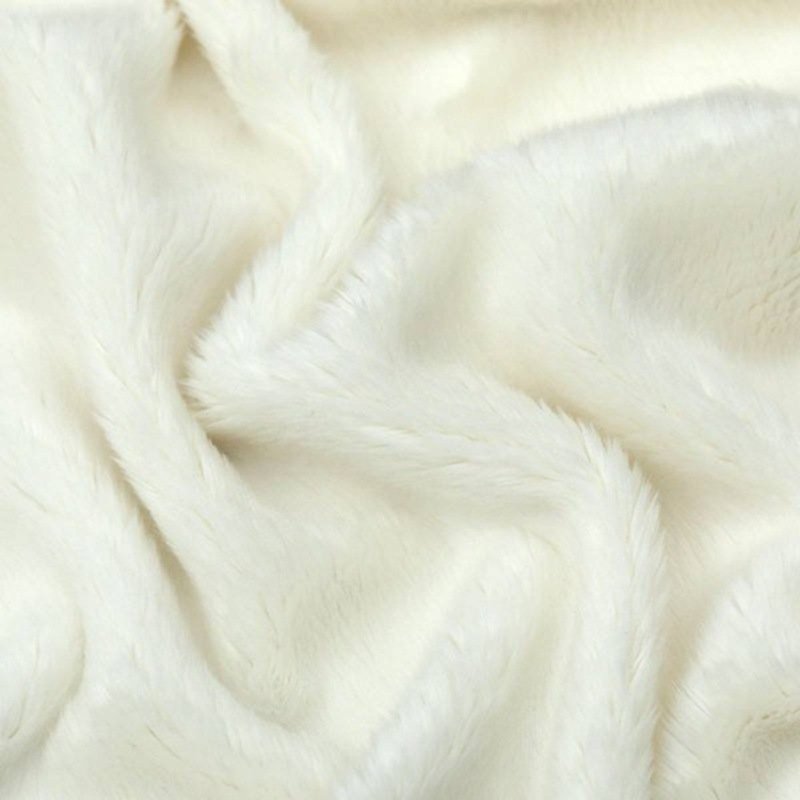
Velboa
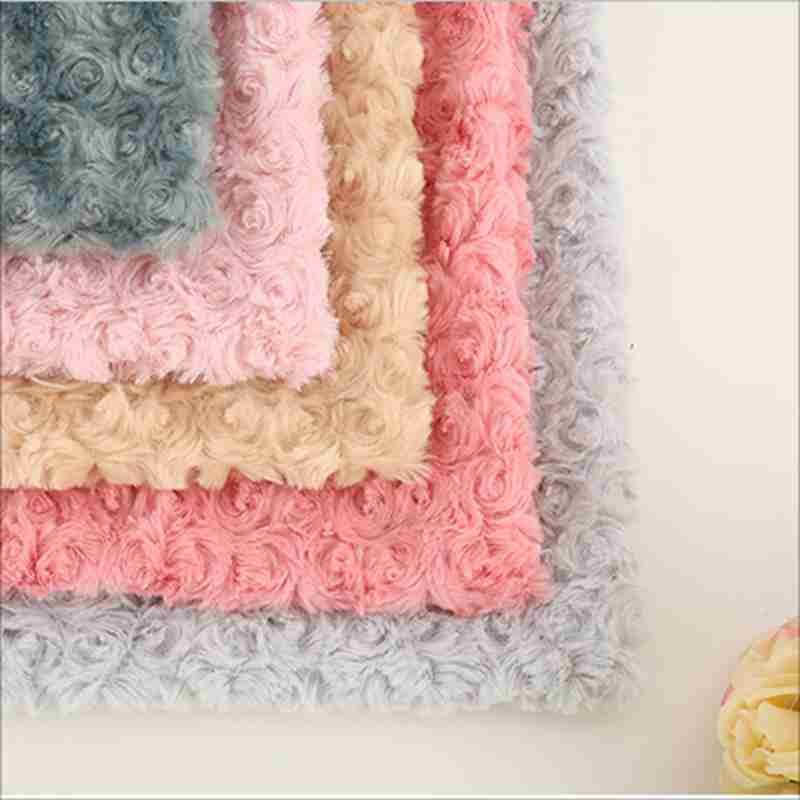
PV Plush
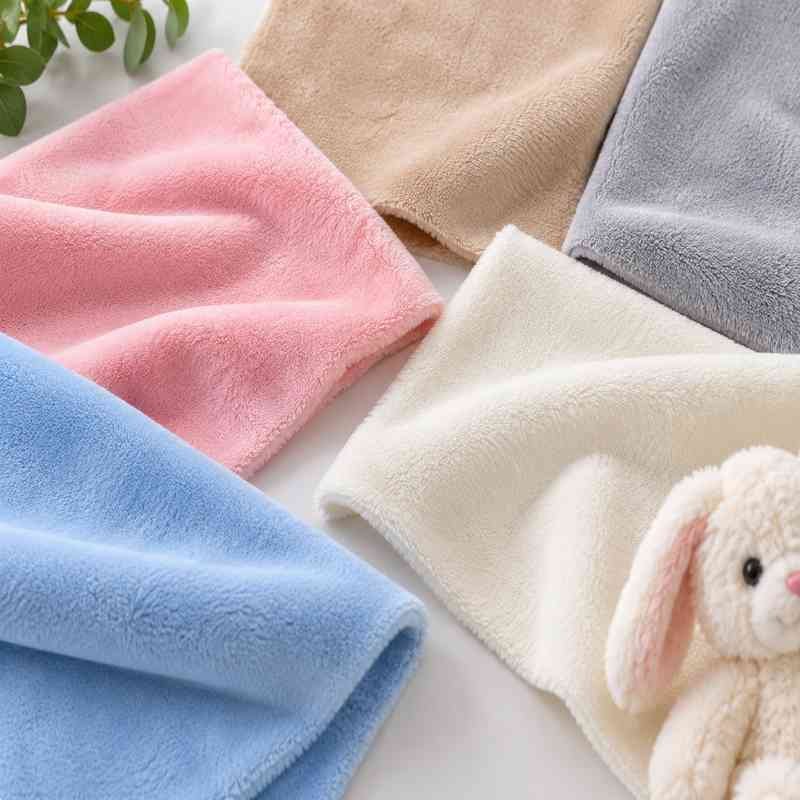
Short Plush
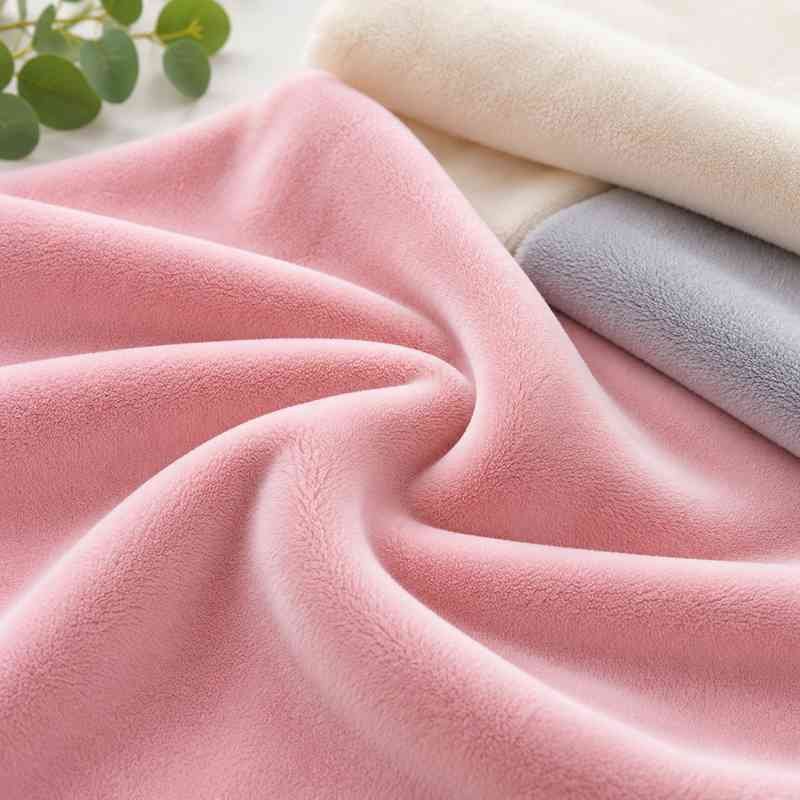
Fine Micro Plush
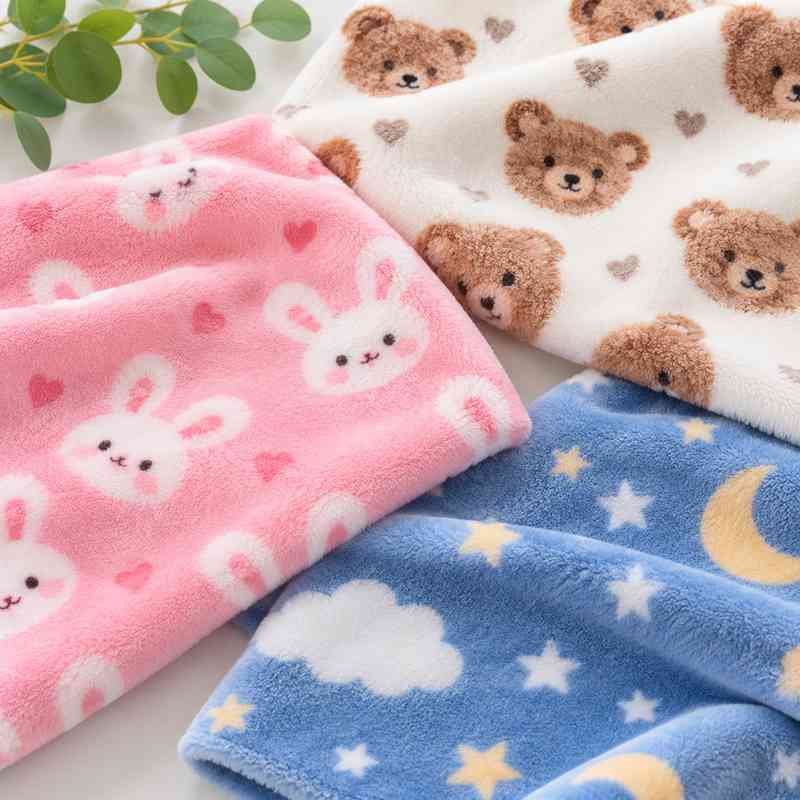
Printed Short Plush
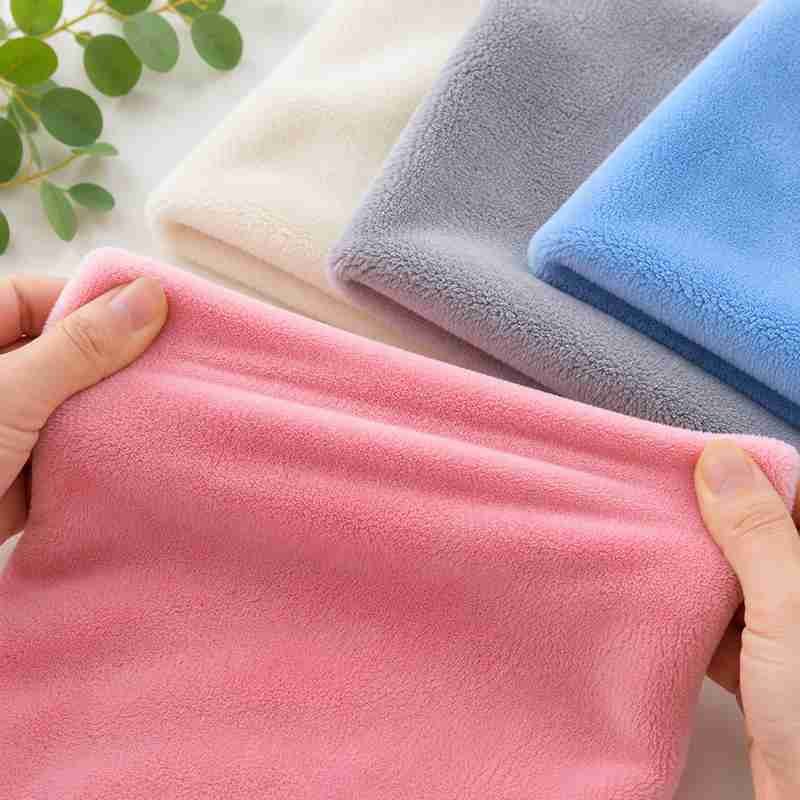
Low-Stretch Plush
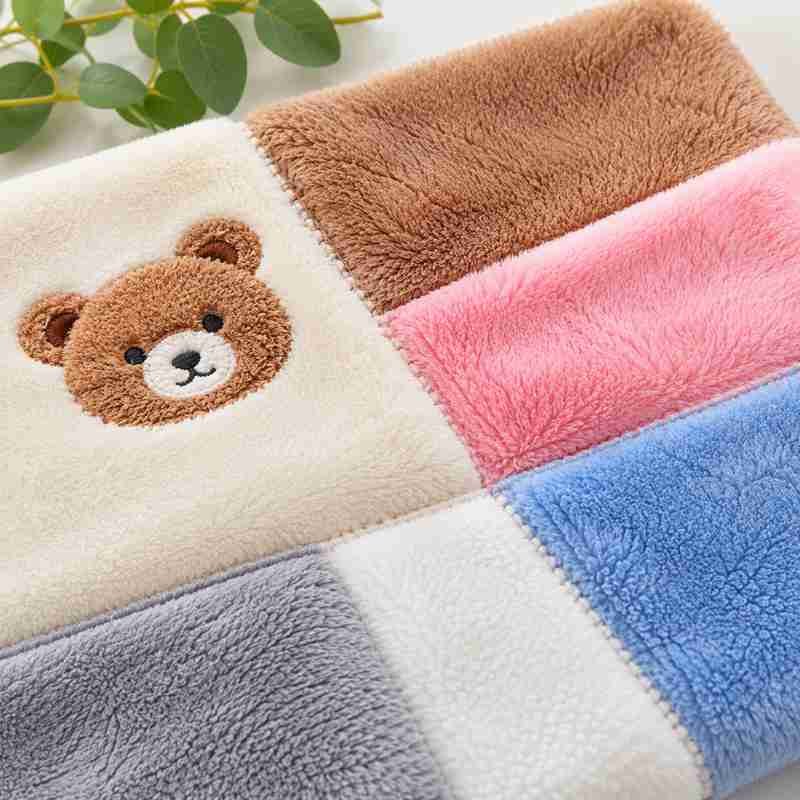
Mixed Short-Pile Panels
Long-Pile Fabrics Build Fur, Hair, and Texture Volume
Longer pile can create strong realism and softness, but it increases the need for nap mapping, trimming, brushing, and seam cleanup.
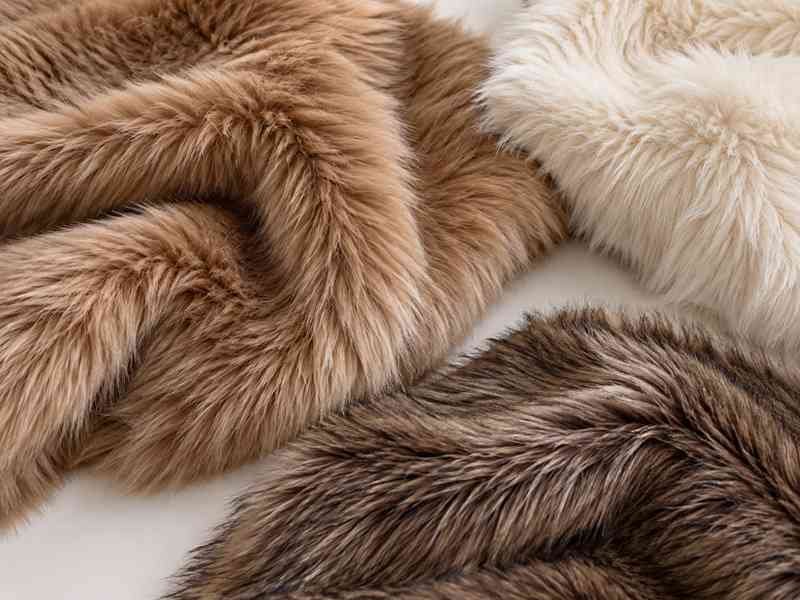
Faux Fur
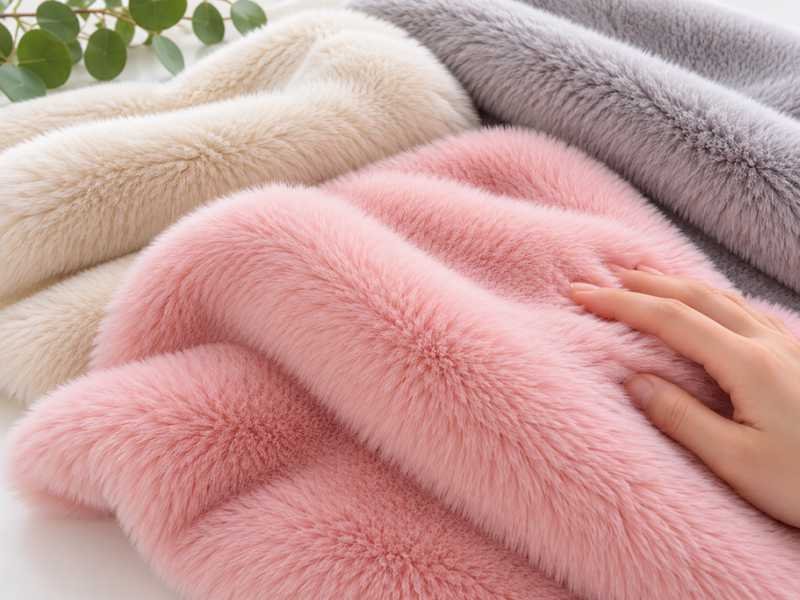
Rabbit-Style Plush
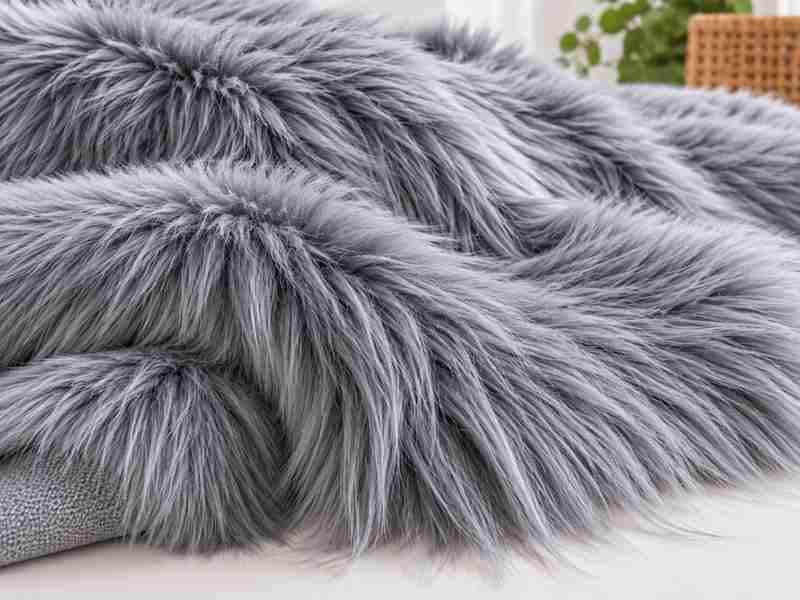
Long-Pile Plush
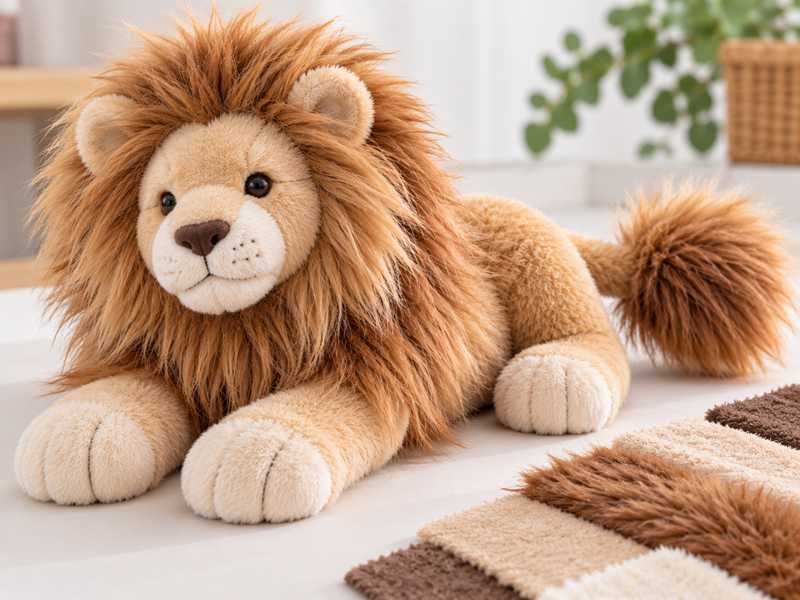
Mixed Pile Lengths
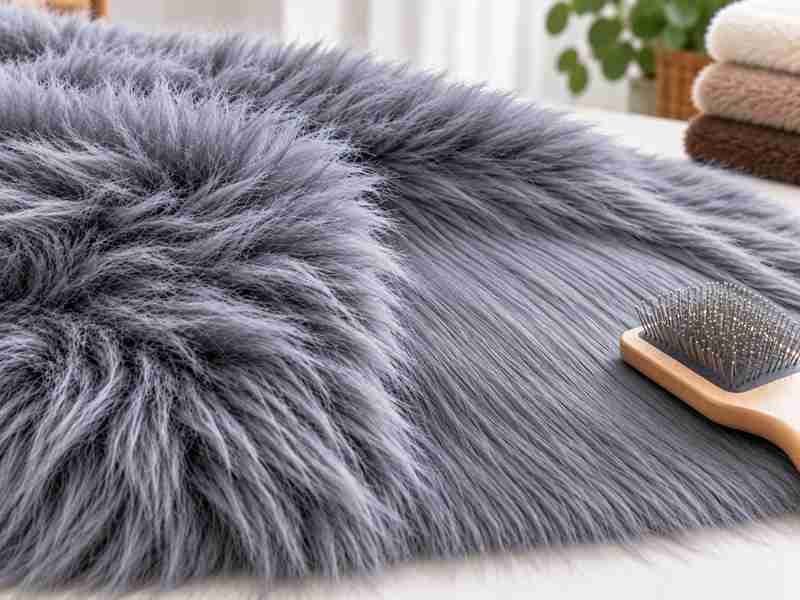
Directional Fur
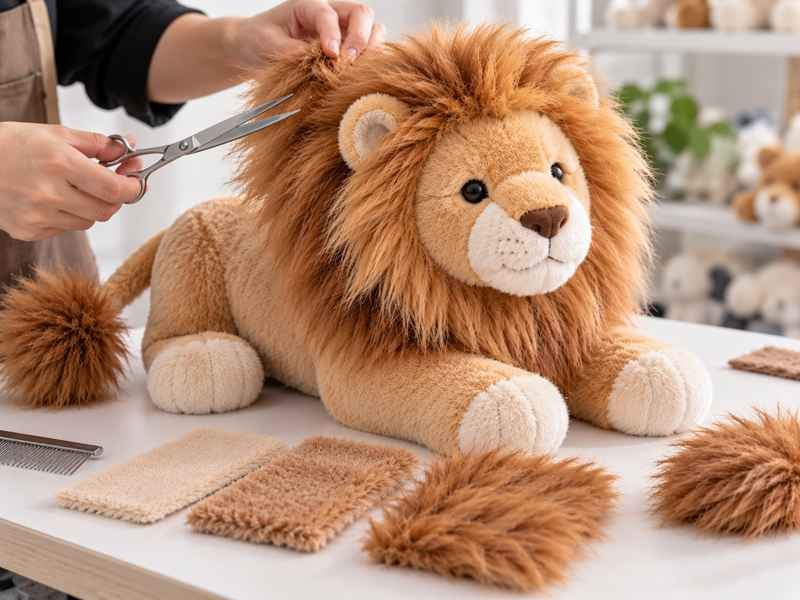
Groomed Fur Zones
Textured Fabrics Add Tactile Contrast Beyond Standard Plush
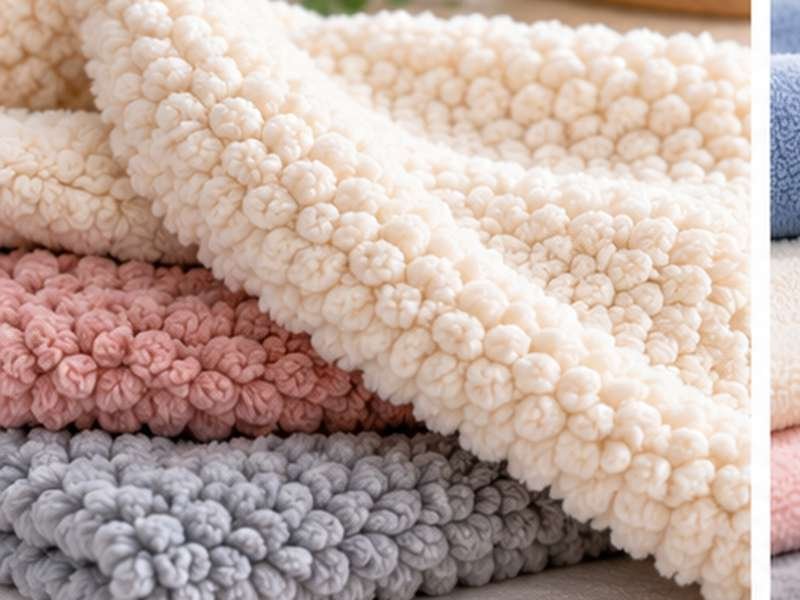
Sherpa
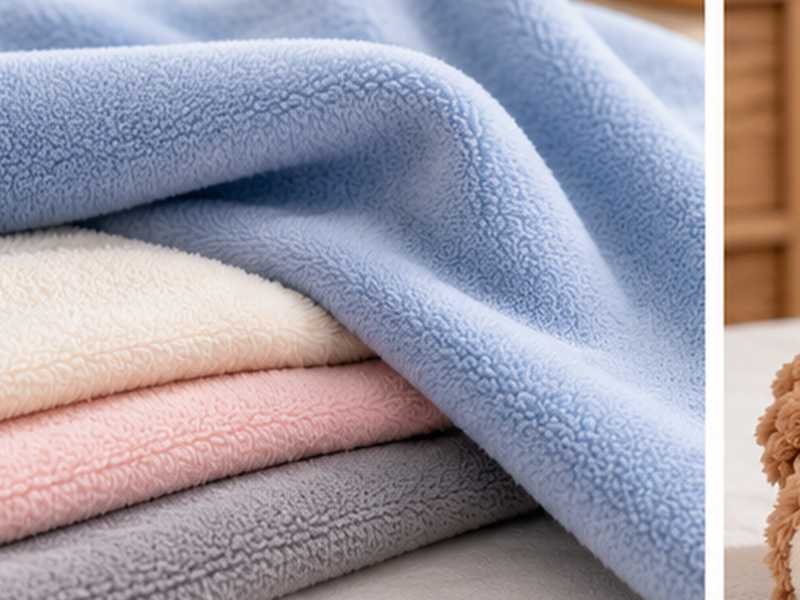
Fleece
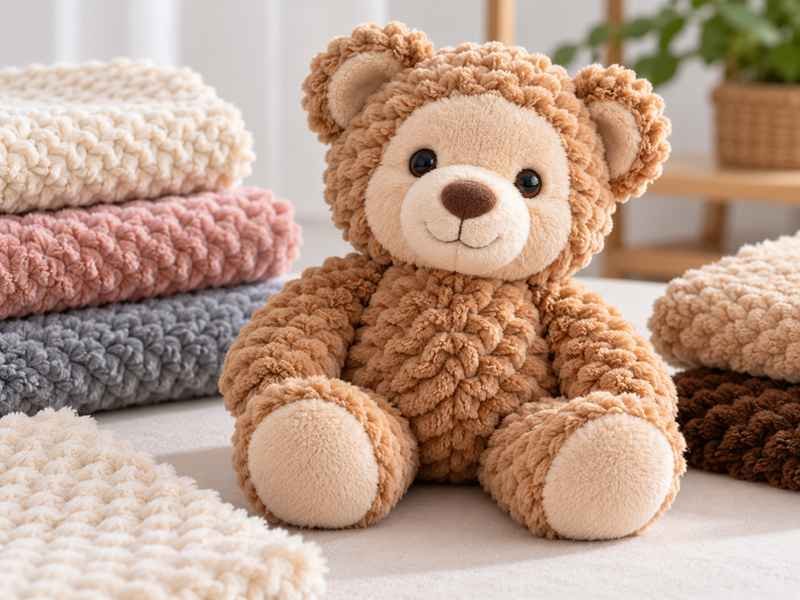
Textured Plush
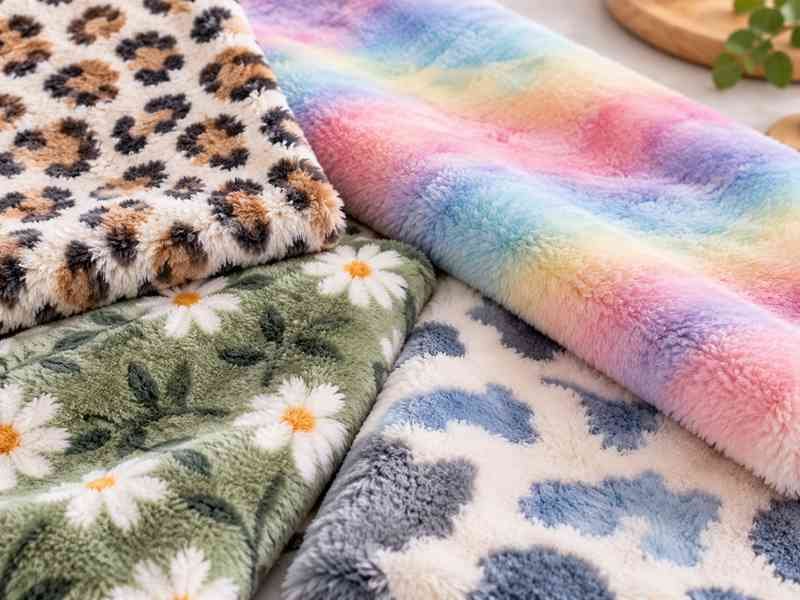
Printed Texture
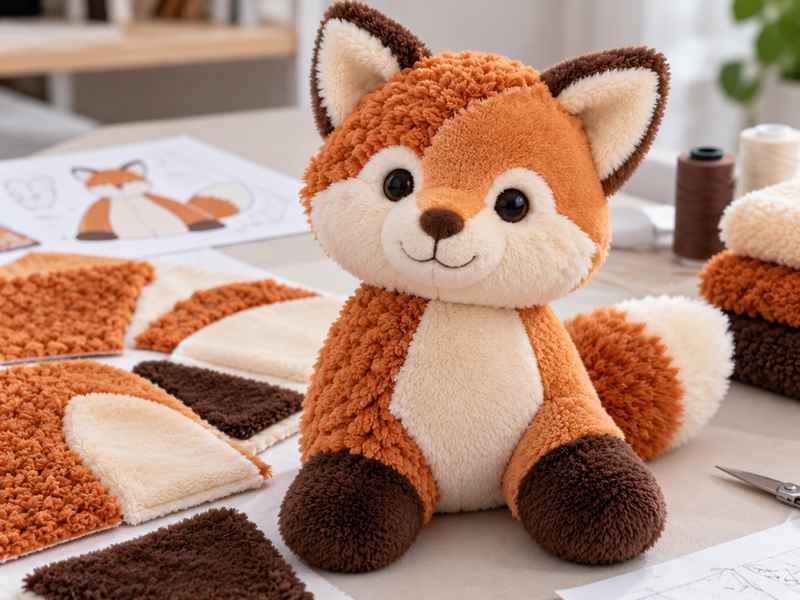
Mixed Texture Construction
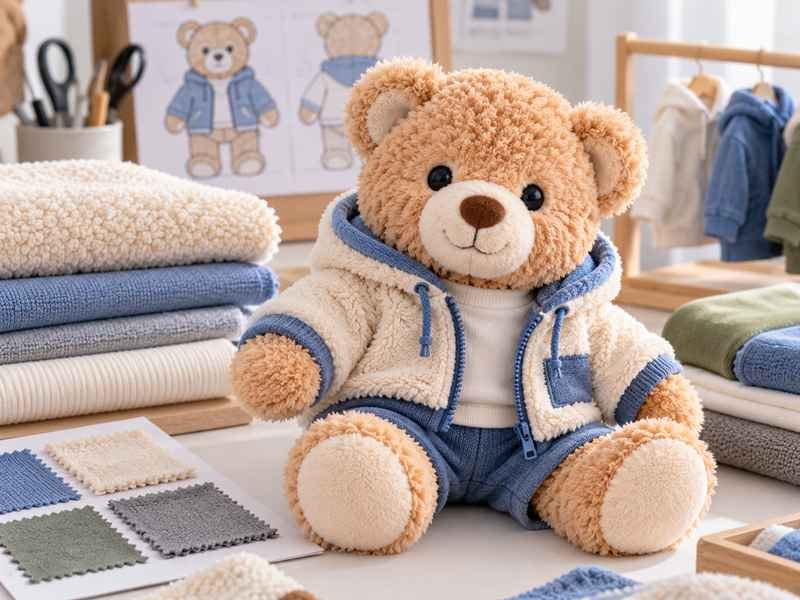
Garment Fabrics
Specialty Fabrics Support Structure, Function, and Product Access
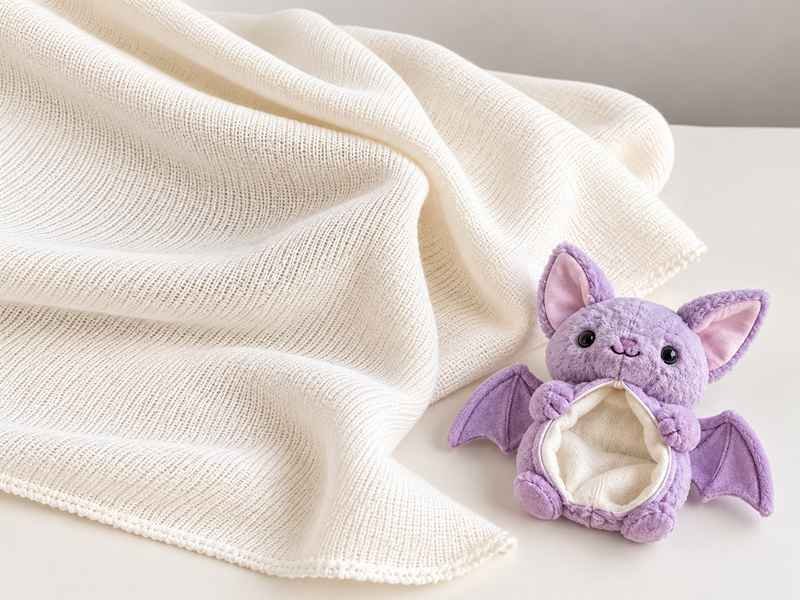
Tricot
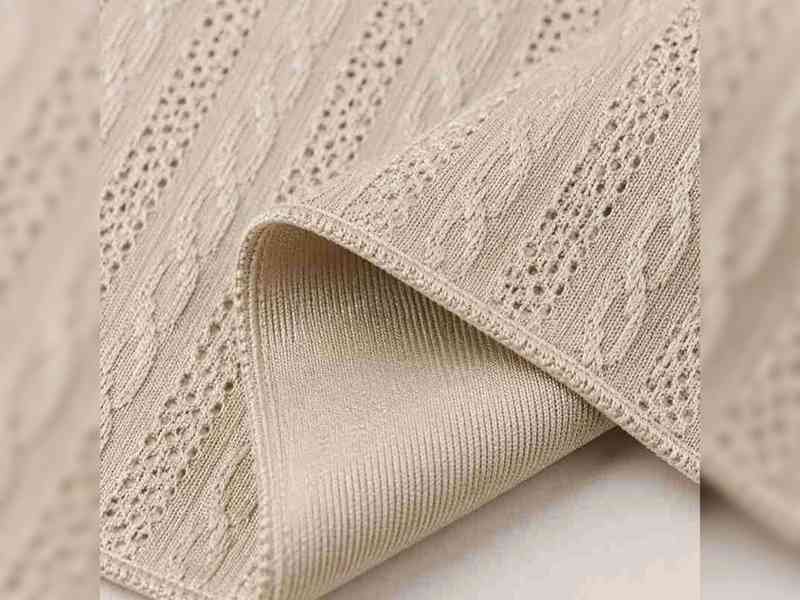
Jersey Knit
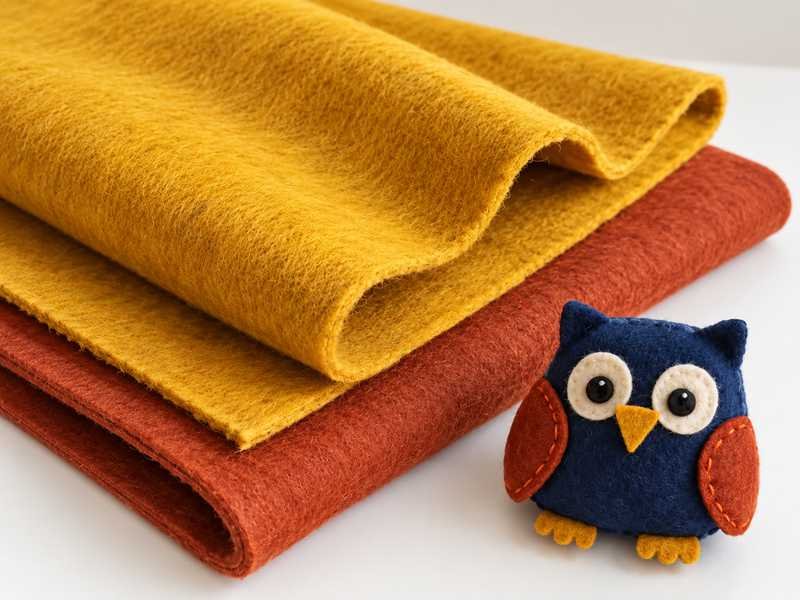
Felt
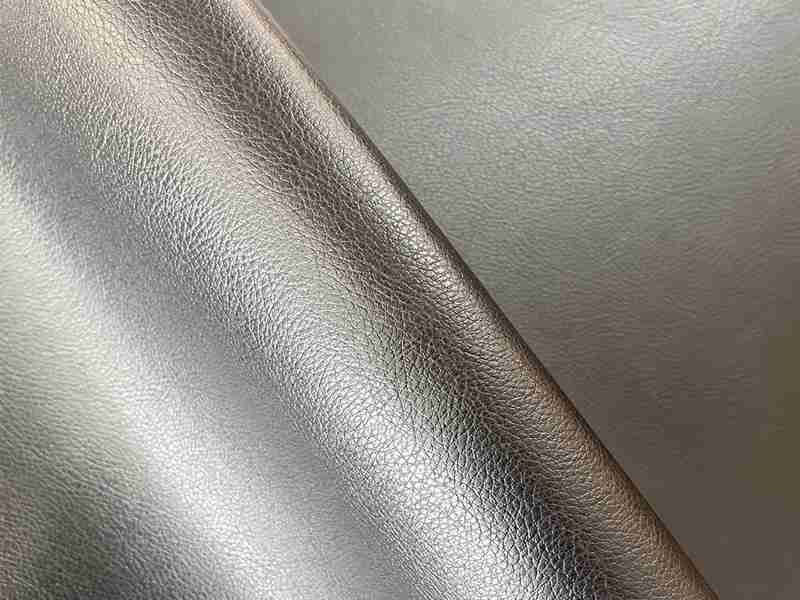
PU Surface
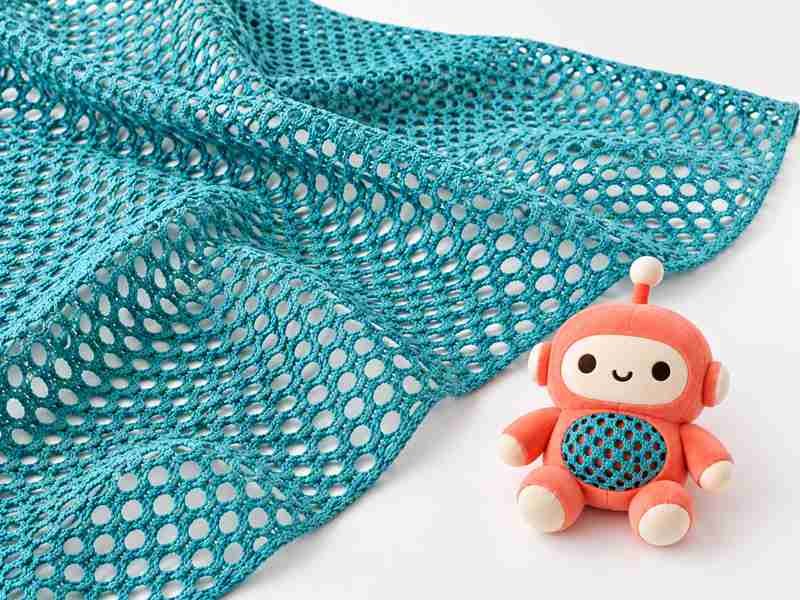
Mesh
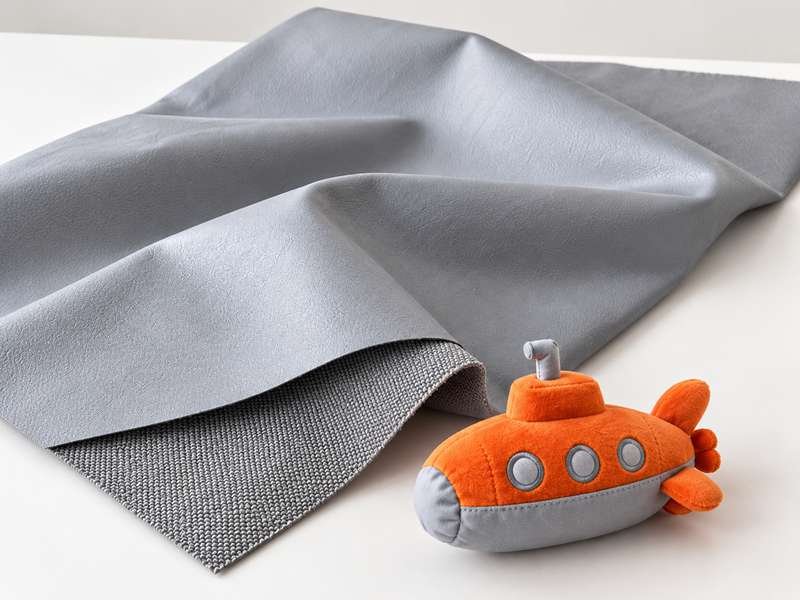
Coated Fabric
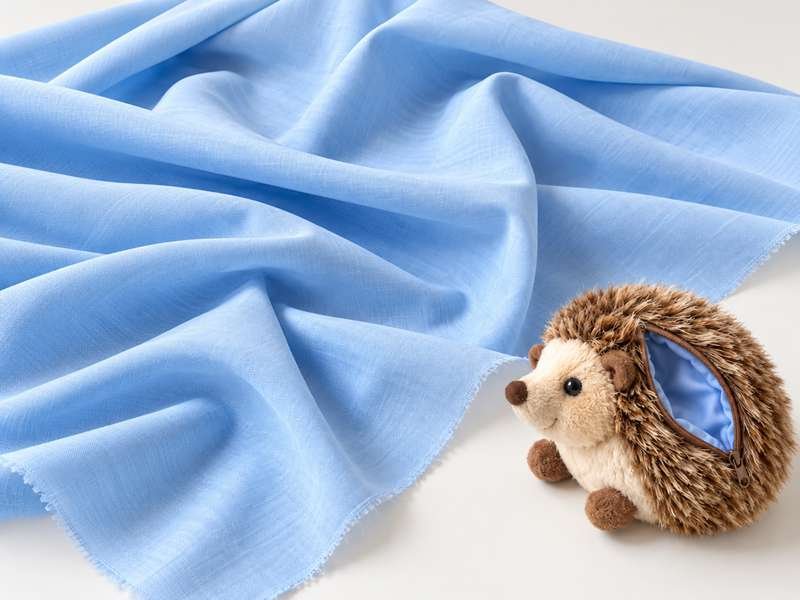
Lining Fabric
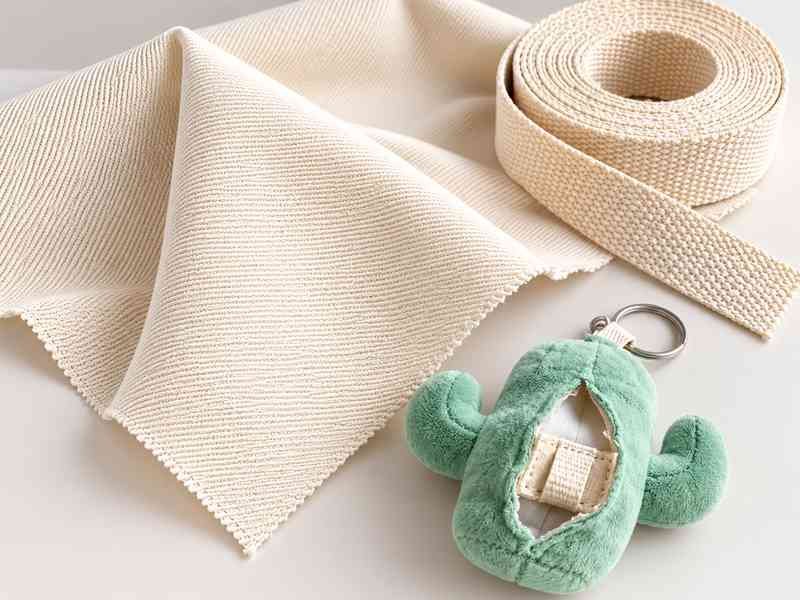
Reinforcement Textile
Read Fabric Properties Before Comparing Fabric Names
A useful fabric specification explains measurable behavior, not only trade names or a photograph of a swatch.
| Fabric Property | What It Controls in Plush Development |
| Composition | Handfeel, durability, processing, sourcing, and compliance review |
| GSM | Fabric mass, density perception, drape, bulk, and cost |
| Pile Height | Texture, silhouette, embroidery visibility, trimming, and grooming |
| Pile Density | Coverage, softness, seam hiding, and visual fullness |
| Thickness | Seam bulk, turning, edge build, clothing fit, and packing |
| Stretch Direction | Pattern dimensions, face placement, embroidery stability, and garment fit |
| Nap Direction | Shade, sheen, fur flow, cutting orientation, and character appearance |
| Backing | Stability, stretch, needle response, cutting, and seam behavior |
| Surface Finish | Sheen, tactile effect, print or heat compatibility, and pack marks |
| Recovery | Shape and pile recovery after handling or compression |
| Color | Character fidelity, series consistency, and approval control |
| Supplier Route | Repeat sourcing, reorders, and change-control visibility |
Pile Height Changes Character Detail and Product Scale
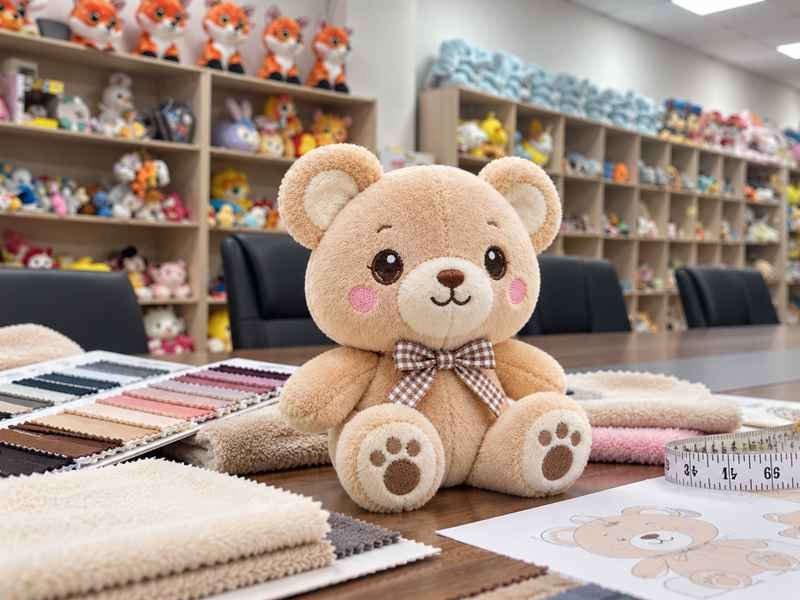
Shorter Pile Protects Small Visual Features
Shorter pile can keep embroidered eyes, mouths, logos, small color blocks, seam lines, and miniature proportions easier to read. The benefit becomes more important as product size decreases. A 5-12 cm mini plush has far less room for pile to sit around the face than a 30-40 cm display item.
Short pile does not automatically mean a better product. Density, stretch, backing, sheen, and handfeel still affect the result. A dense short surface can feel rich, while a weak backing or excessive stretch can still distort the head or move embroidery after stuffing. Ewin therefore reviews pile together with the pattern, decoration scale, filling, and finished product size.
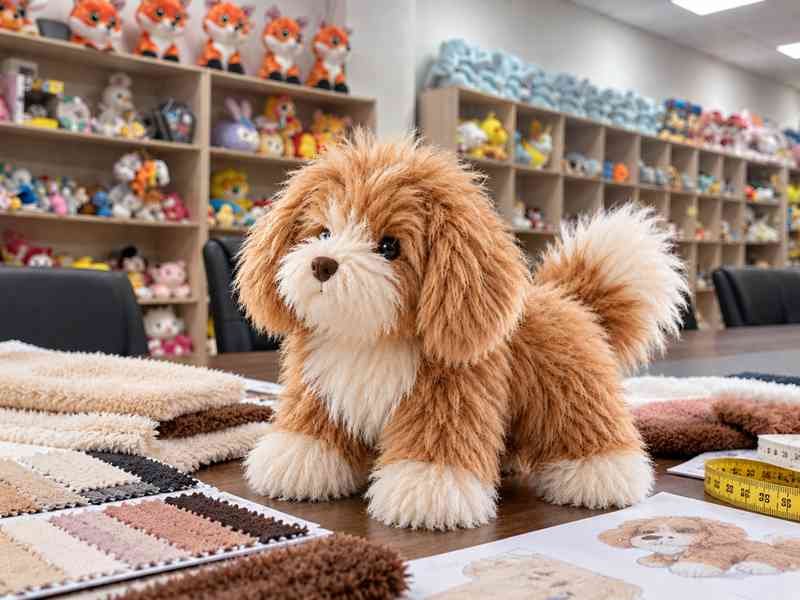
Longer Pile Adds Volume but Can Hide Engineering Detail
Longer pile creates softness, realism, fur flow, hair, and a larger visual volume. Commercial plush and faux-fur textiles in the wider market can span roughly 10 mm to 80 mm pile, although actual Ewin project options depend on confirmed supplier specifications and required color or construction.
As pile grows, cutting direction, seam brushing, trimming, embroidery visibility, and final grooming become more important. Long pile can also make a small part appear thicker than its pattern geometry suggests. Development should evaluate the actual physical sample rather than estimating finished scale from a flat fabric swatch.
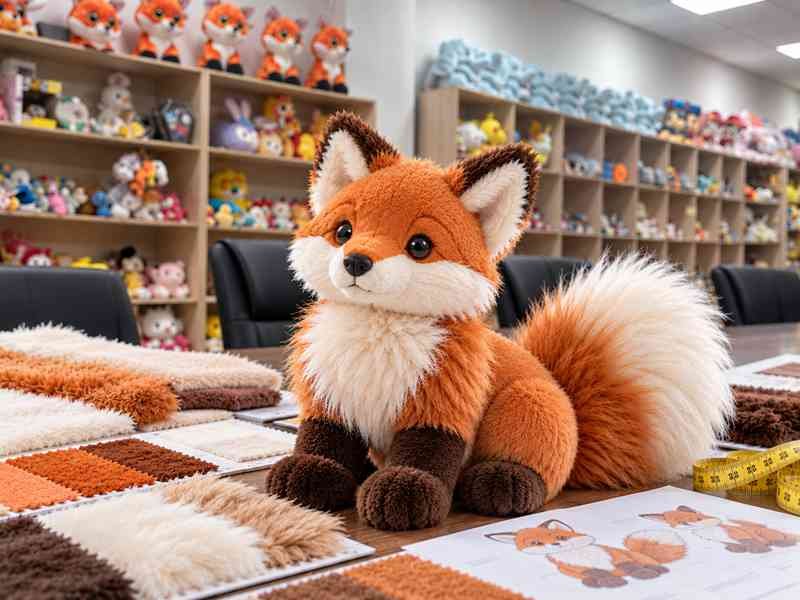
Mixed Pile Can Build a Controlled Texture Hierarchy
Many character products work better with more than one pile height. A short facial surface can preserve expression while longer hair, ears, chest fur, tail, or costume trim creates depth. The useful question is where texture should change and how the seam between materials should disappear or remain visible.
The material map should identify each fabric by product zone so purchasing, cutting, sewing, grooming, and QC do not rely on memory. Mixed pile also affects packaging because longer hair or fur may need more space, brushing, or recovery time after compression. The approved sample should therefore prove both visual hierarchy and manufacturing repeatability.
Nap Direction Must Follow Pattern and Cutting Control
Mark Nap Before Pattern Layout Begins
Directional plush should have a defined nap arrow before nesting or cutting. The arrow can follow natural fur flow, hair direction, limb orientation, or another approved visual requirement. Left and right pattern pieces may need mirrored geometry while still keeping the same directional flow.
Without a controlled nap reference, two panels cut from the same fabric can appear to be different colors under normal lighting. Character hair can stand upward on one side and downward on the other. Ears, tails, paws, or face panels can also reflect light differently. The pattern therefore needs enough directional information for cutting teams to reproduce the approved sample rather than simply maximize fabric yield.
Check Nap Around Symmetry and Character Landmarks
Use Bulk Fabric Efficiently Without Sacrificing Direction
Fabric utilization matters, but directional surfaces limit how freely patterns can rotate on the marker. Turning one piece 180 degrees may improve yield while producing a visible shade or fur-flow mismatch in the finished plush. Material planning should therefore balance nap control with marker efficiency and product cost. The effect becomes larger on products with many panels, large tails, wings, hair pieces, or multi-size programs. If a fabric route changes later, nap appearance should be rechecked because a new pile structure or finish may behave differently under the same cutting orientation.
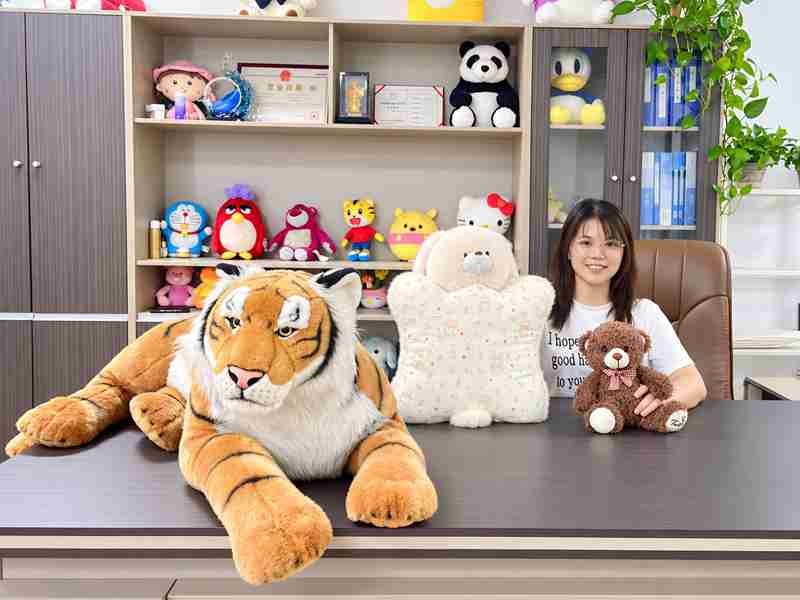
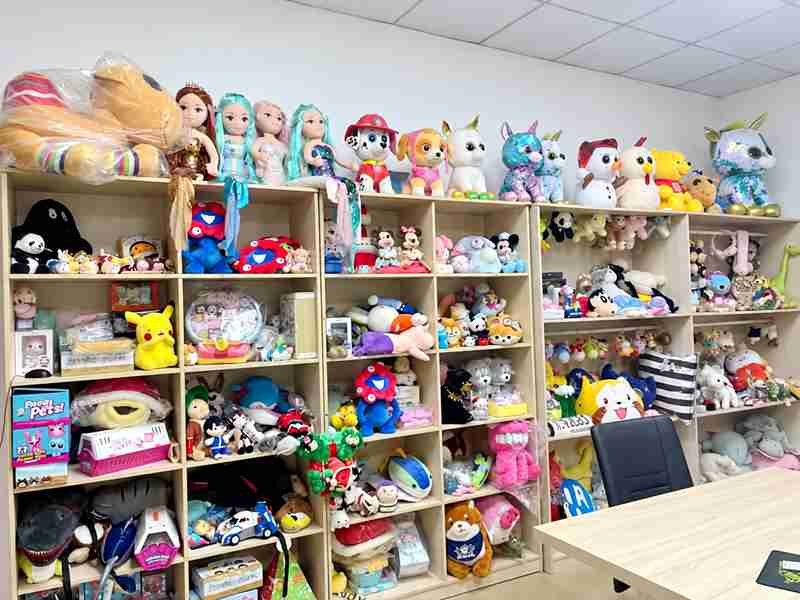
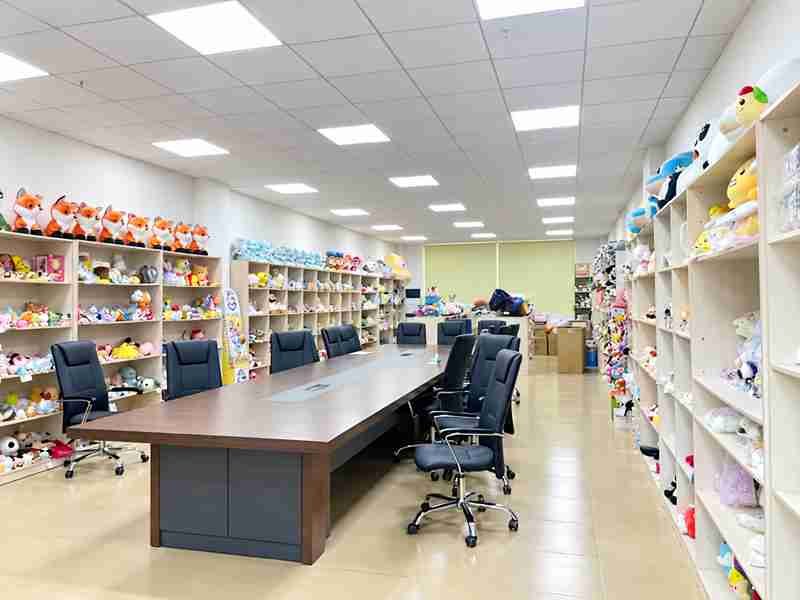
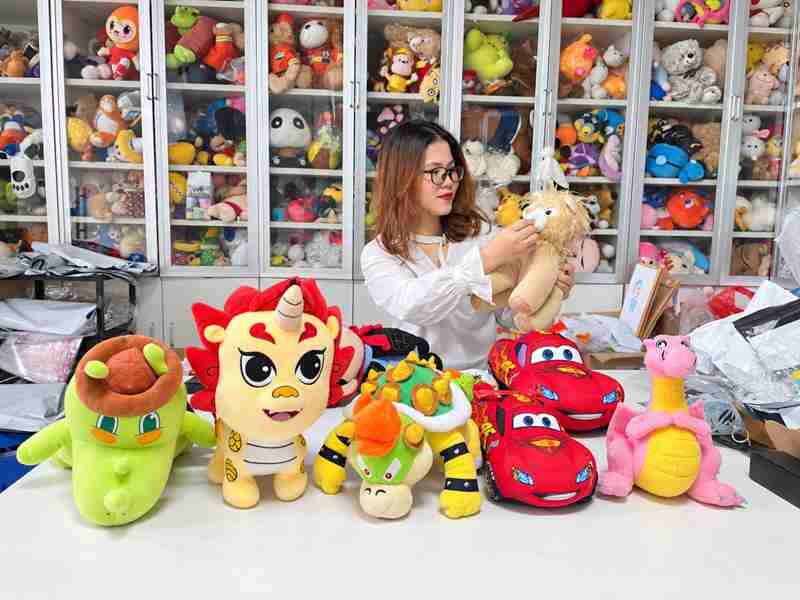
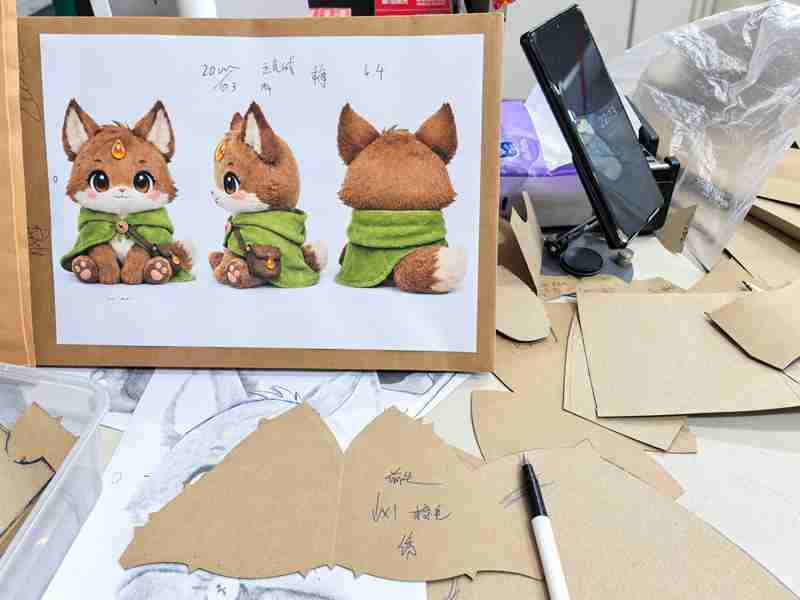
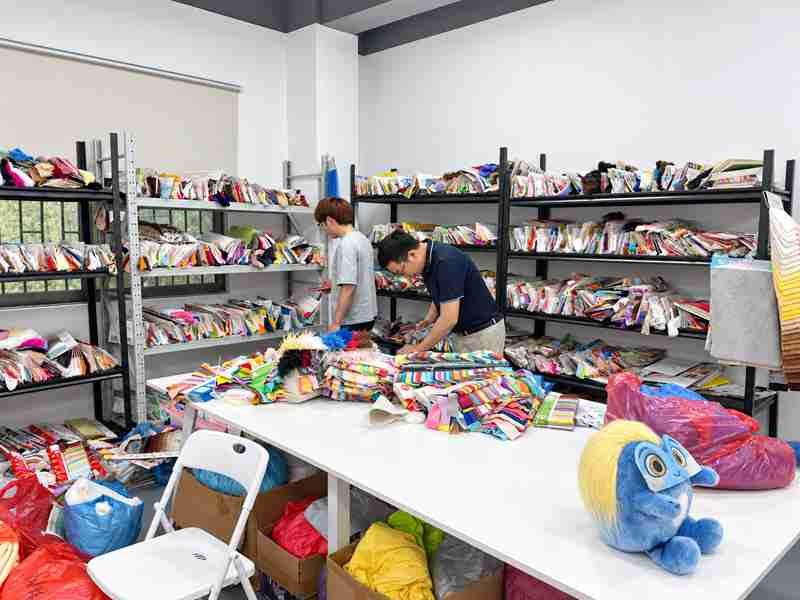
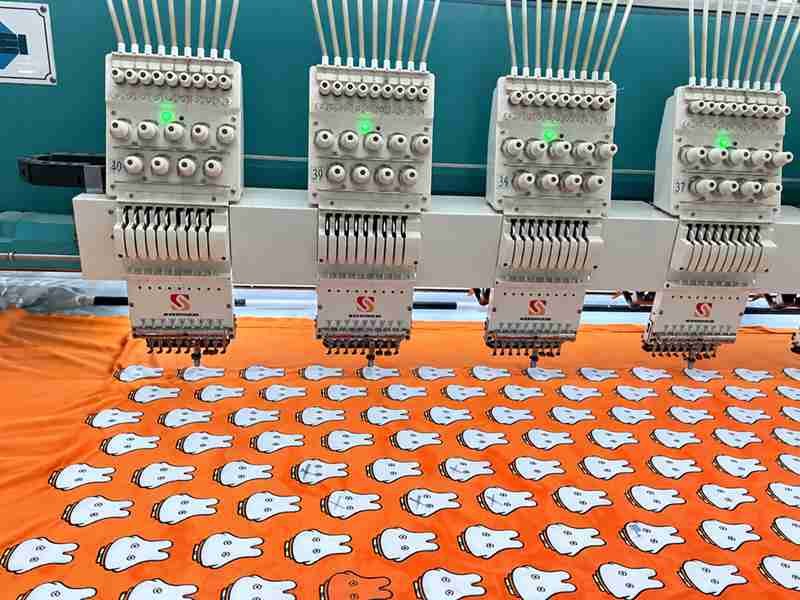
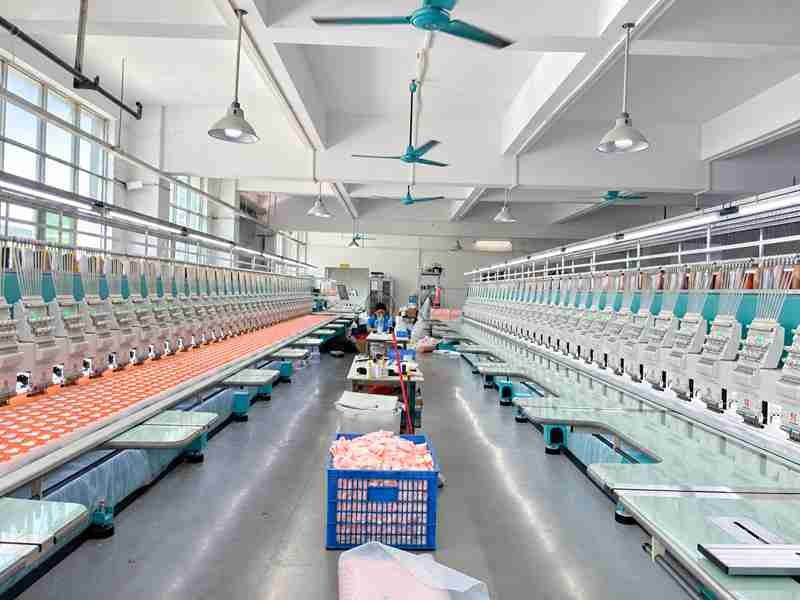
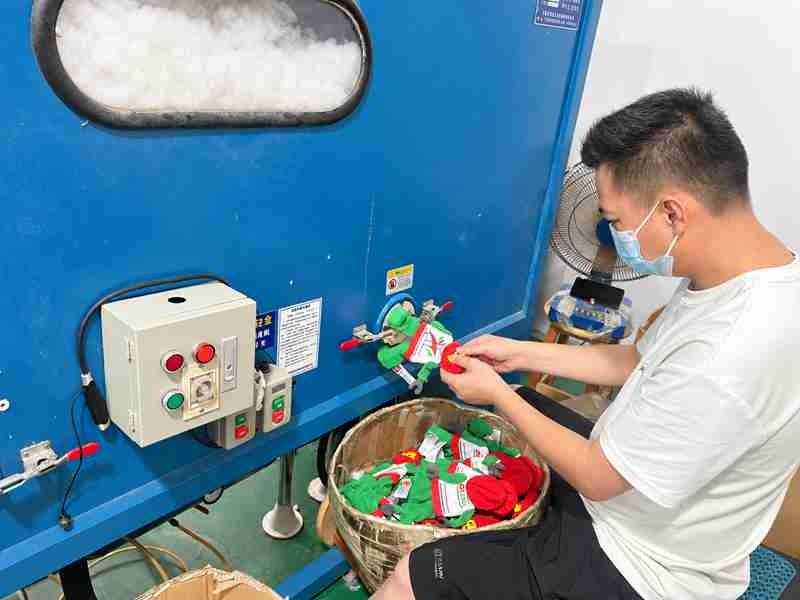
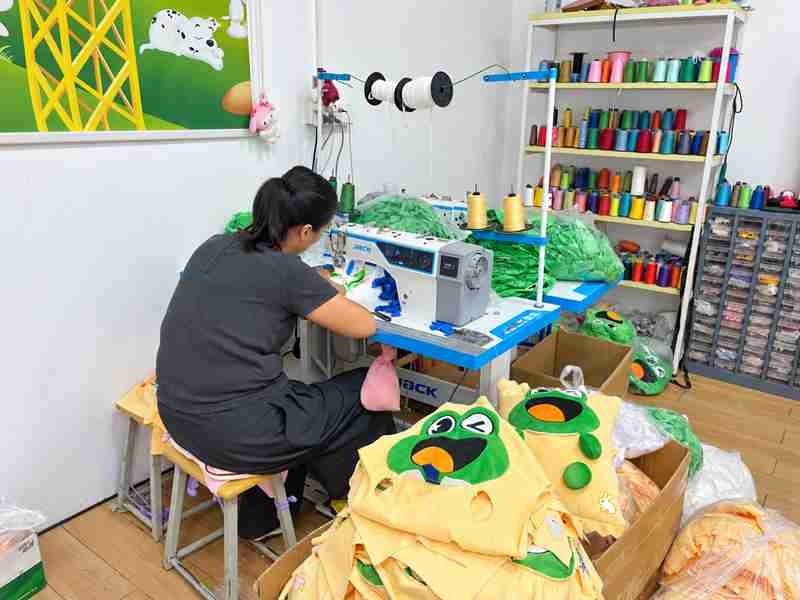
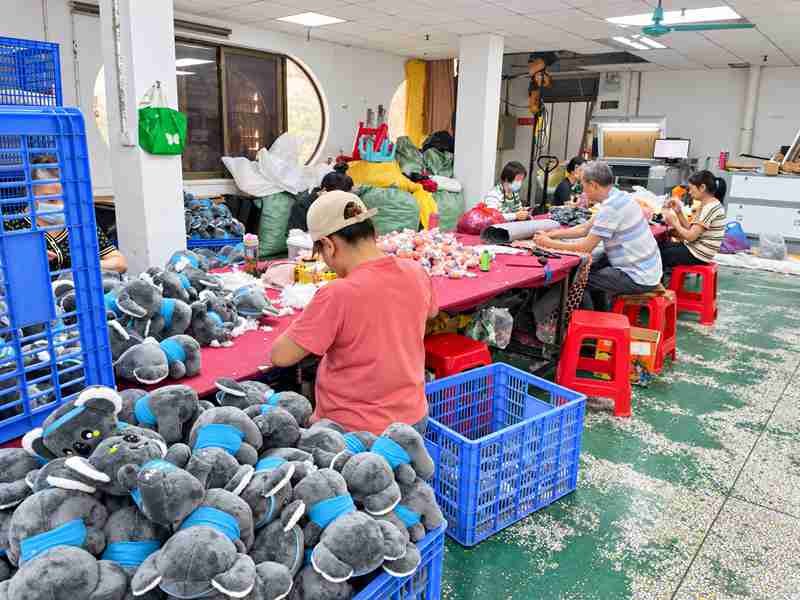
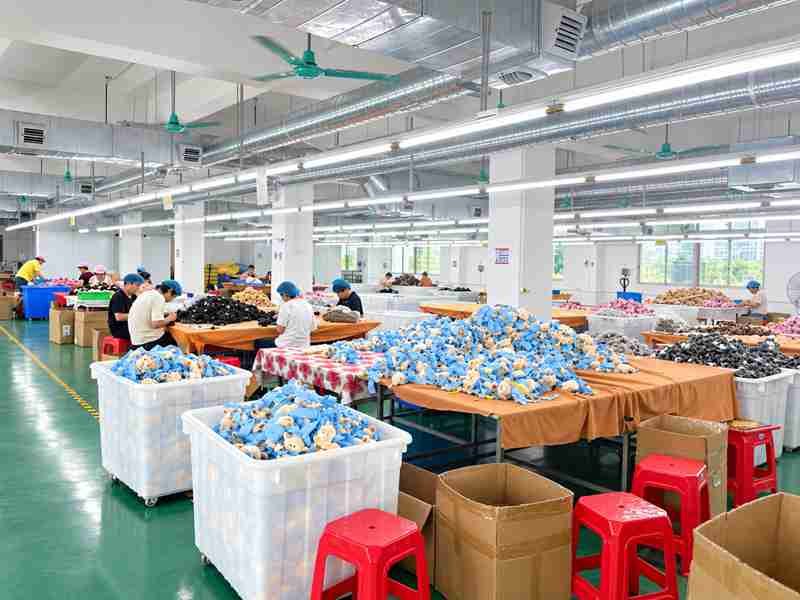
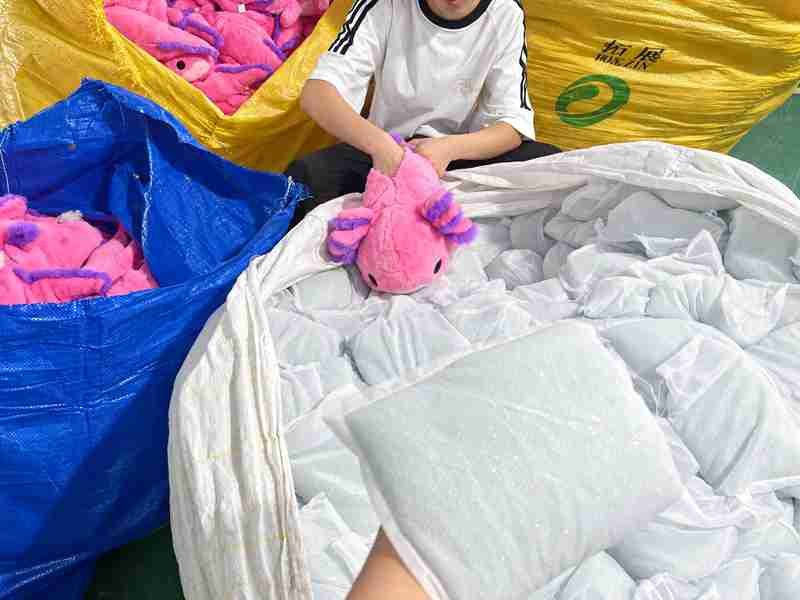
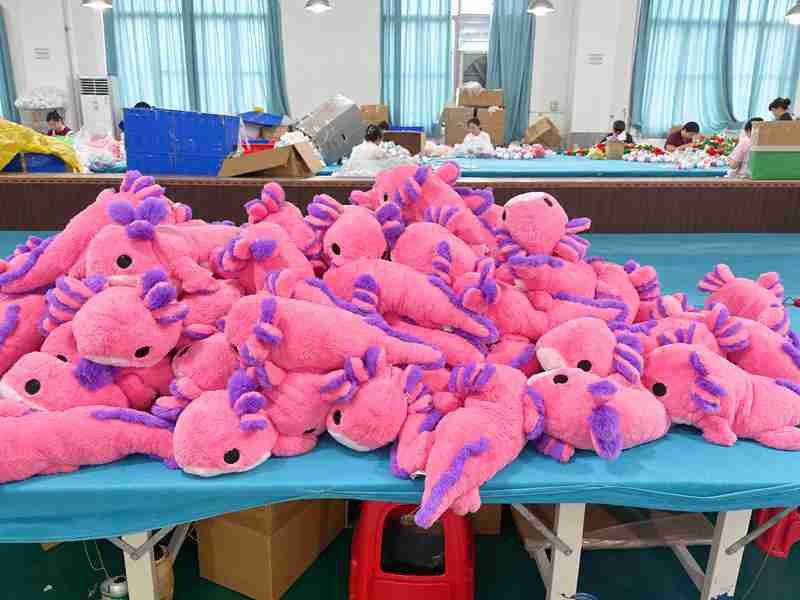
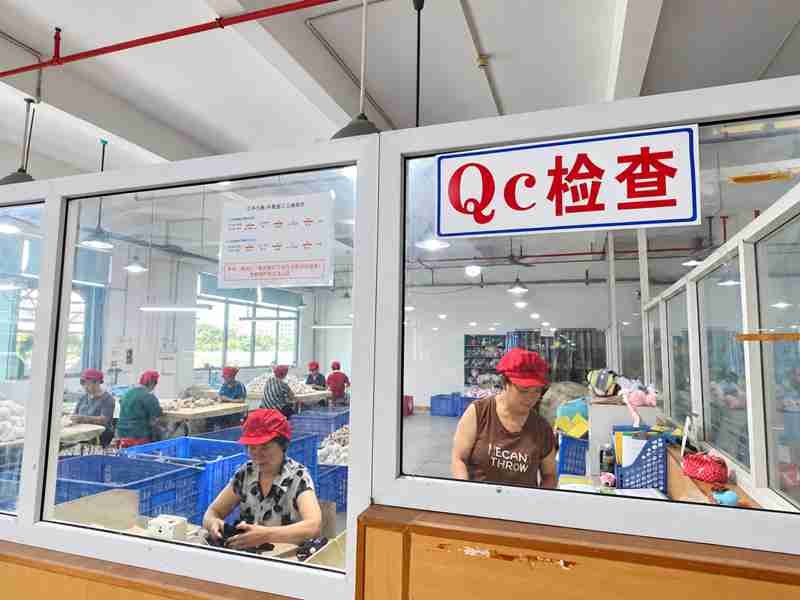
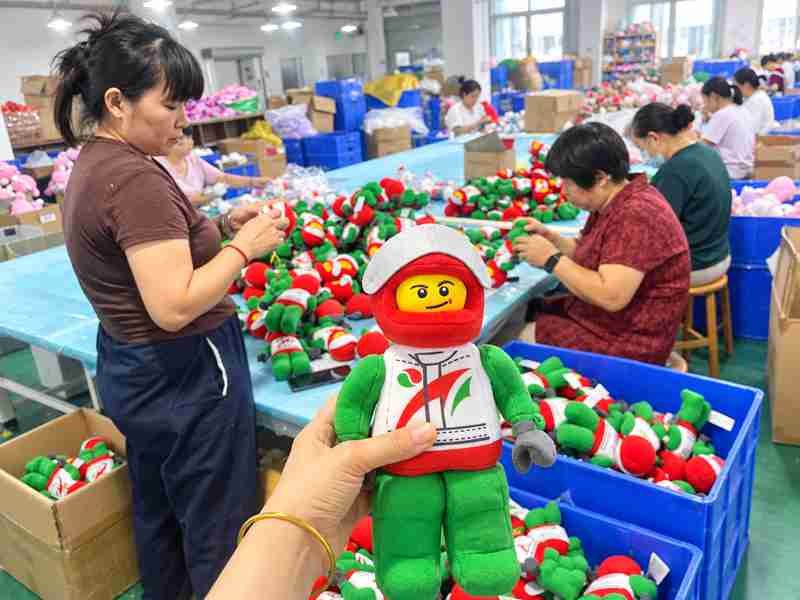
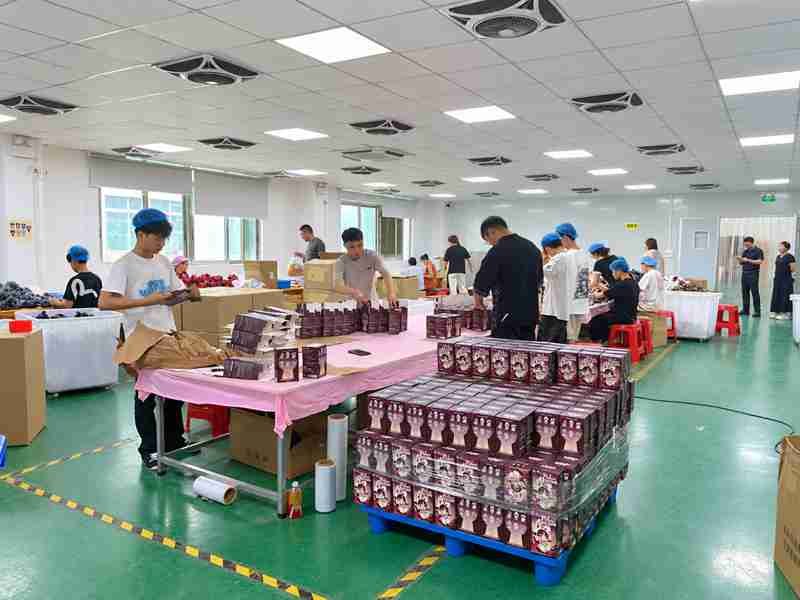
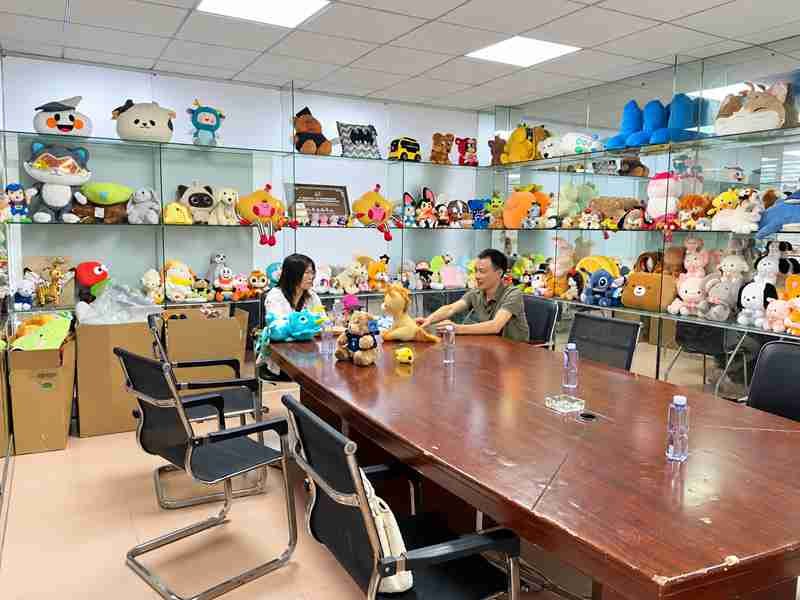
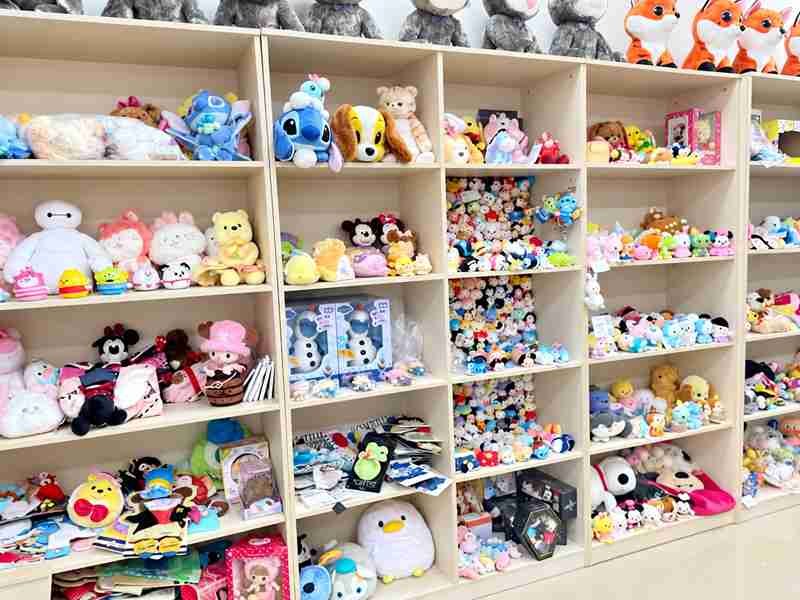
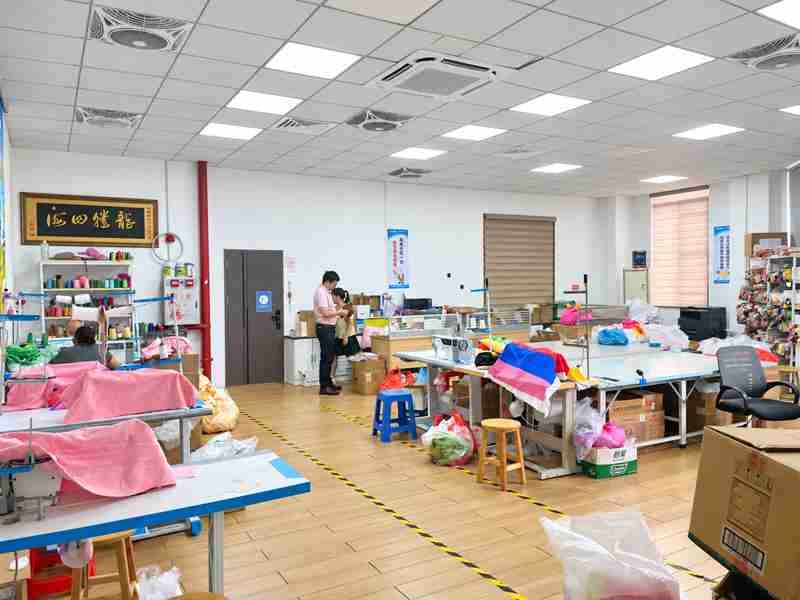
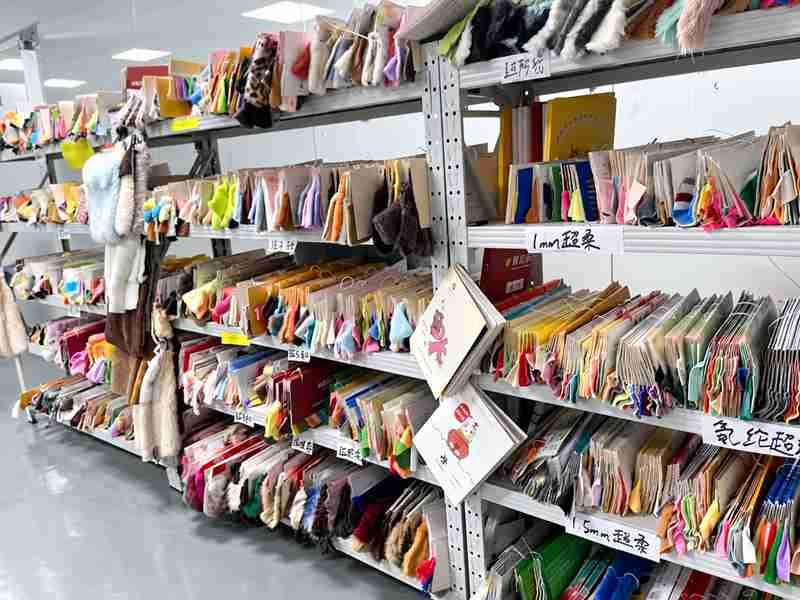
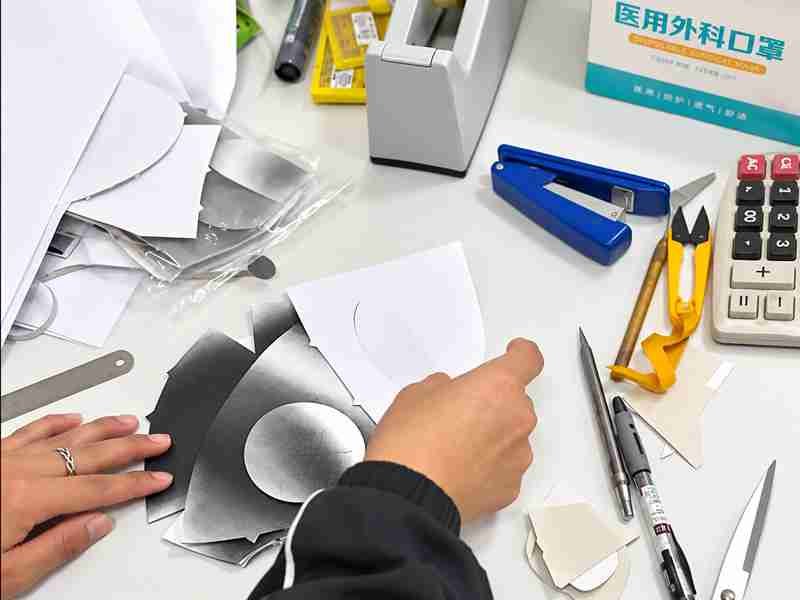
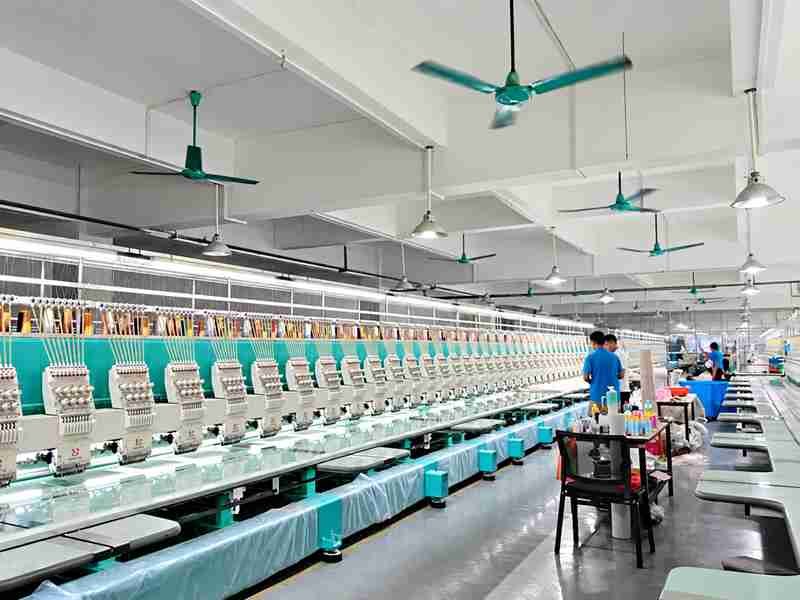
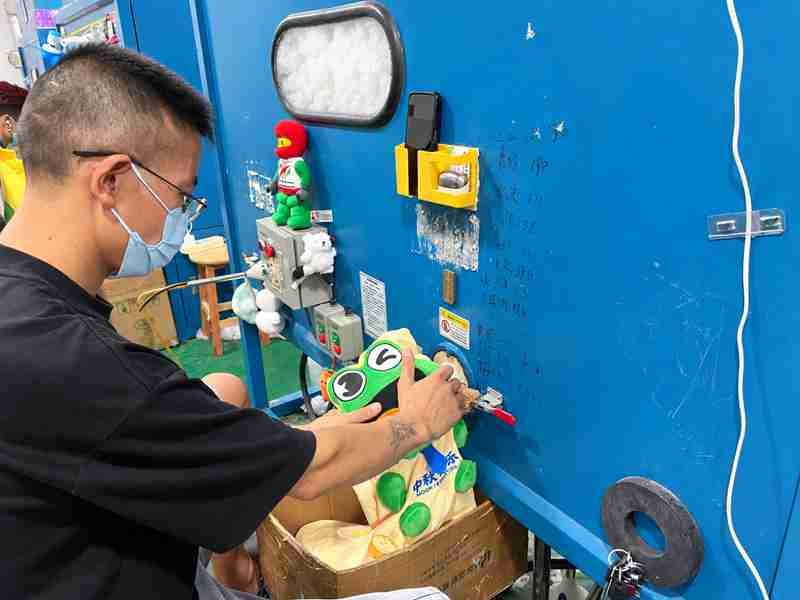
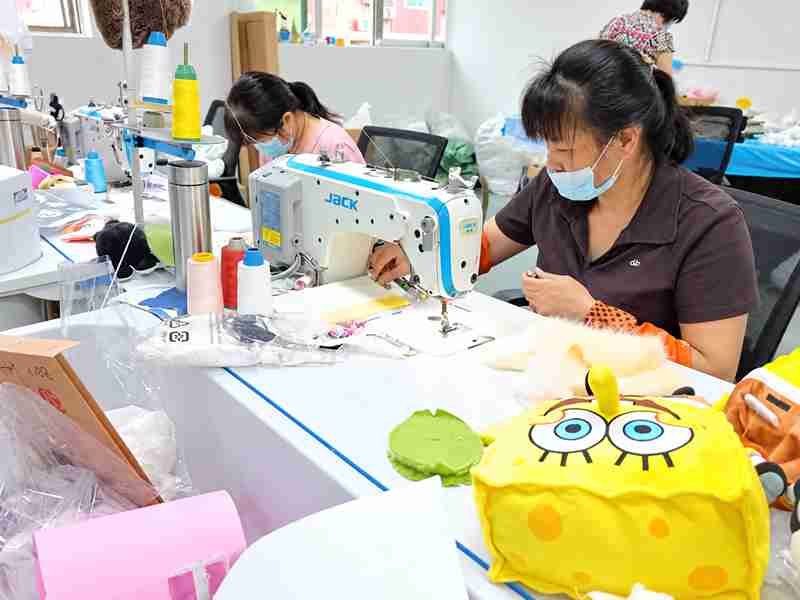
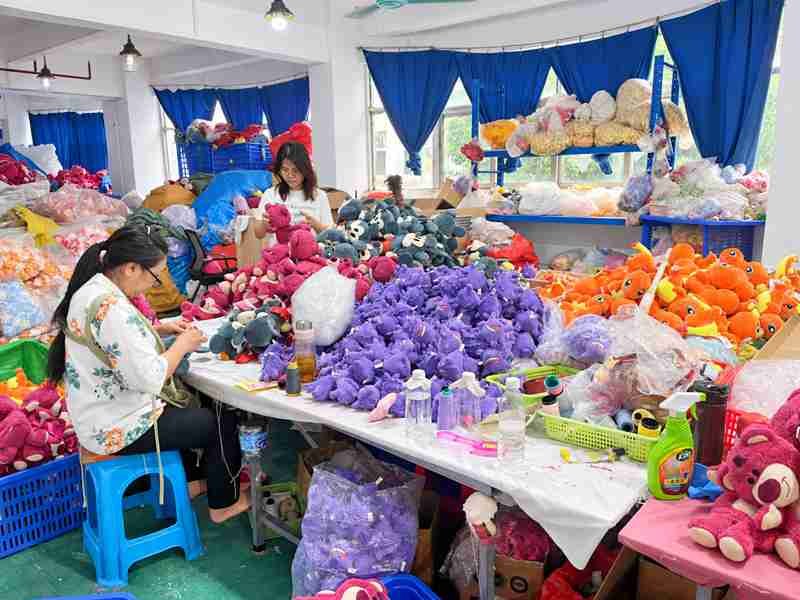
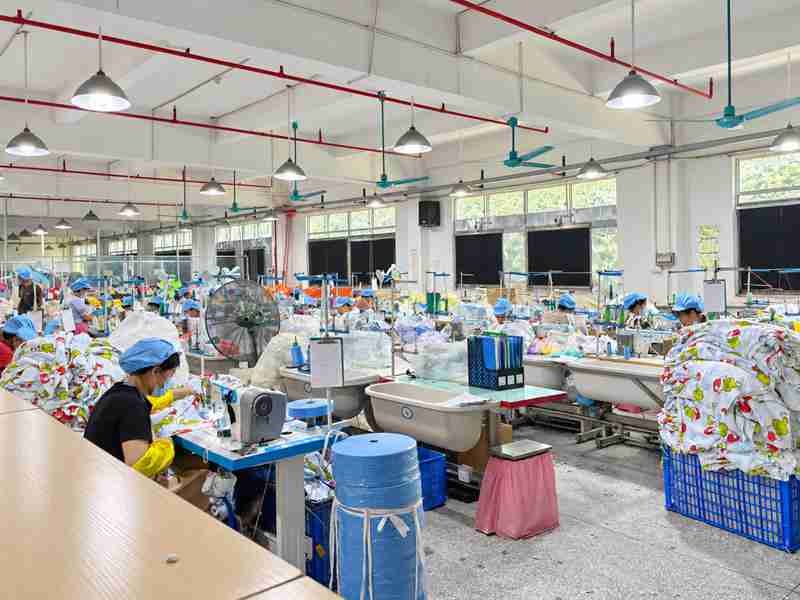
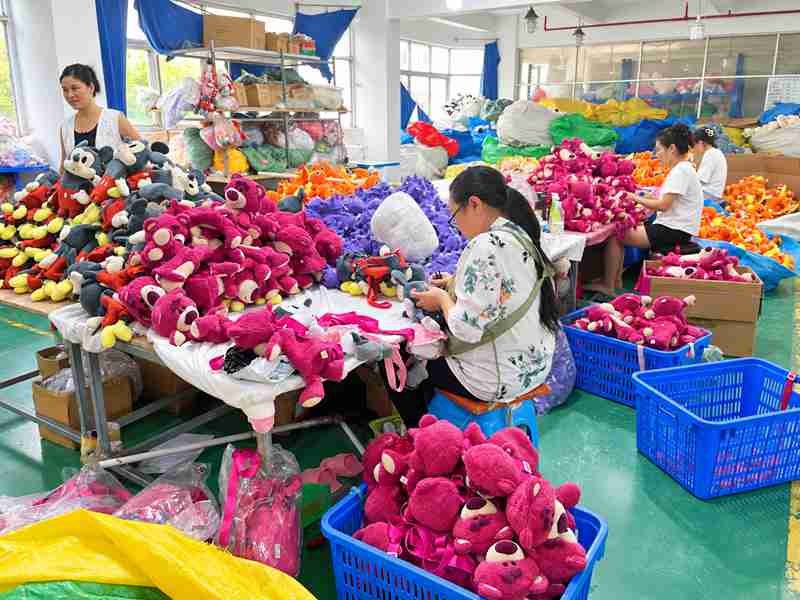
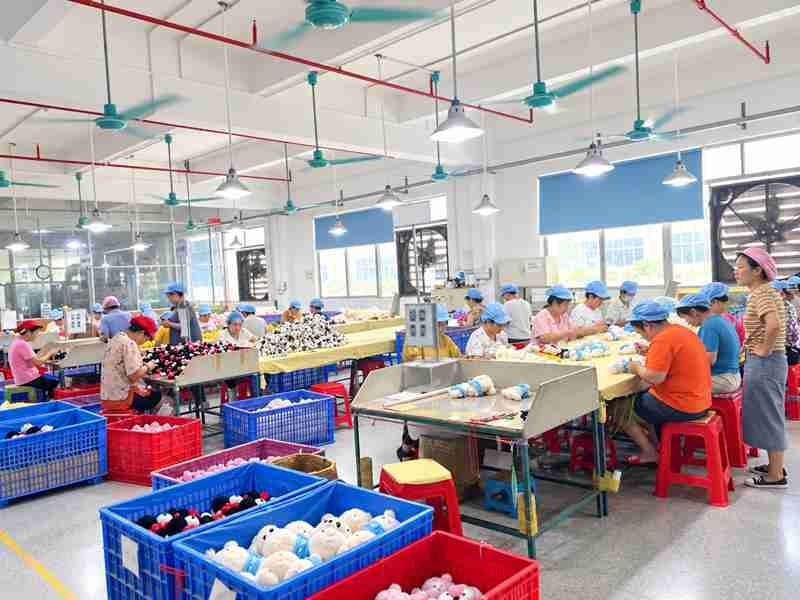
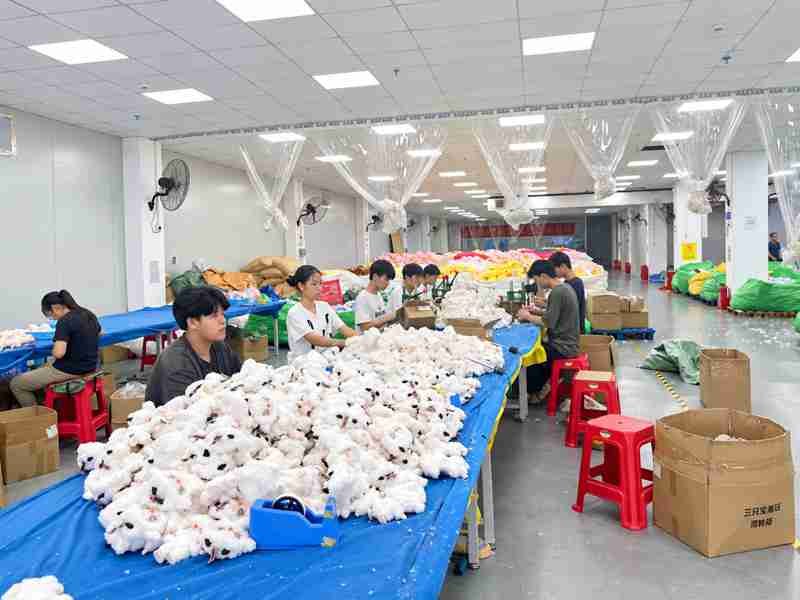
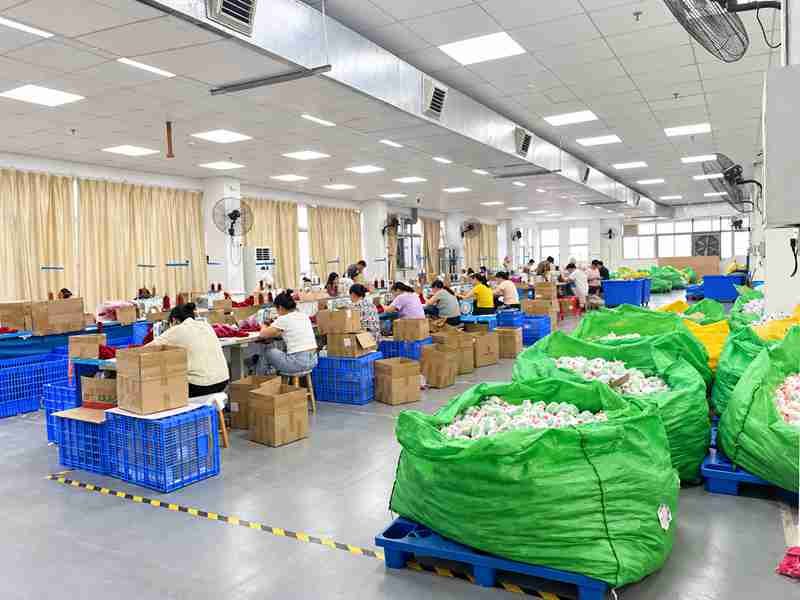
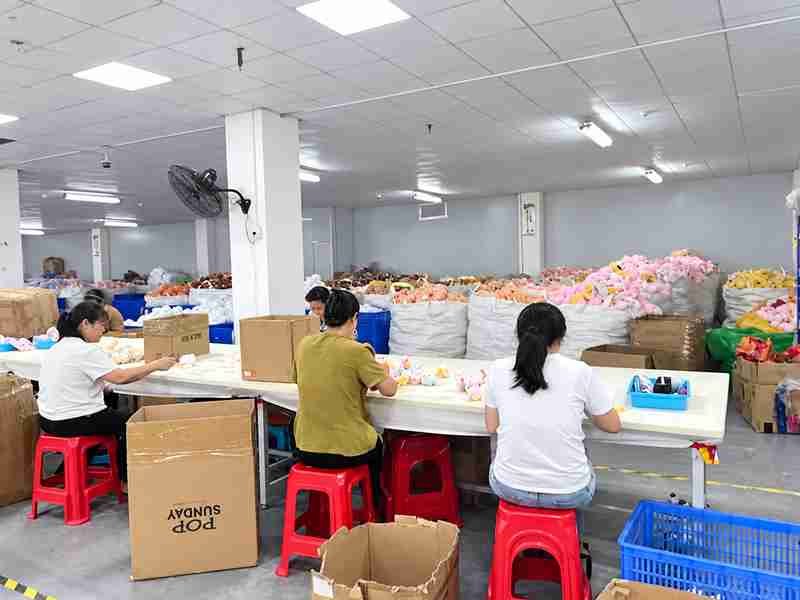
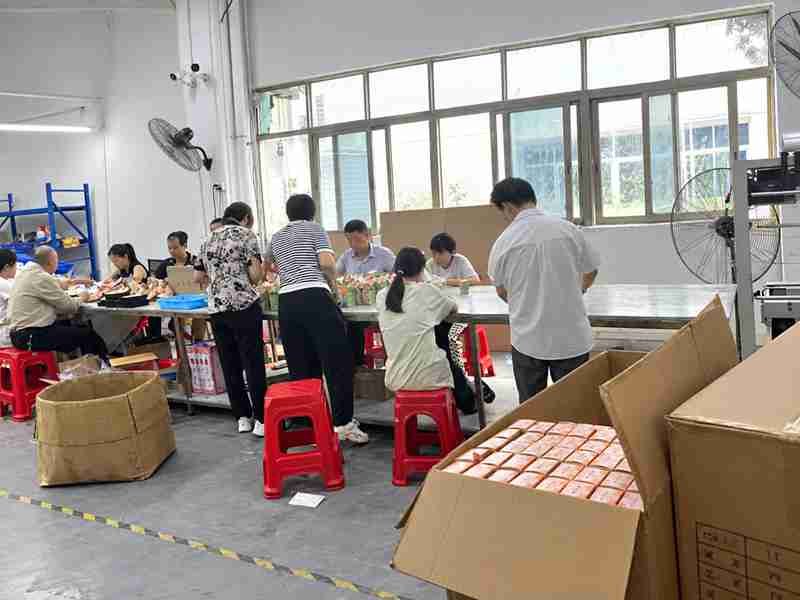
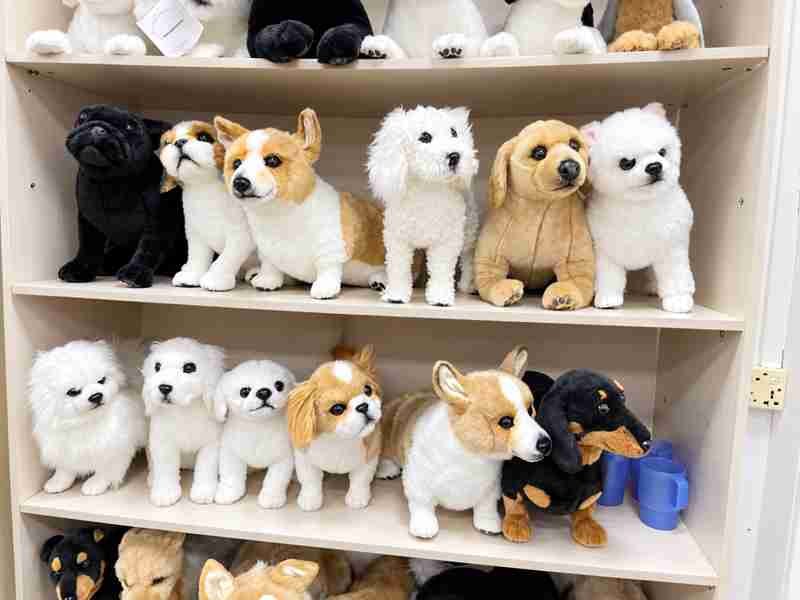
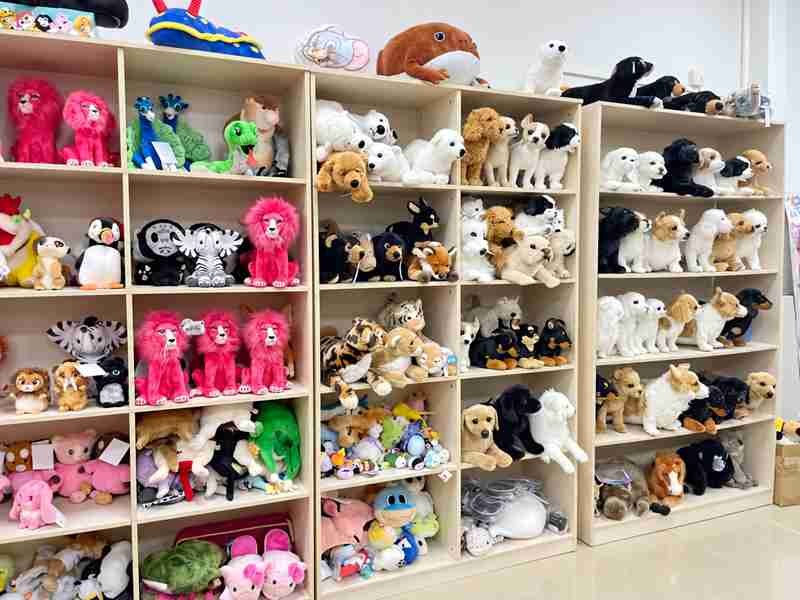
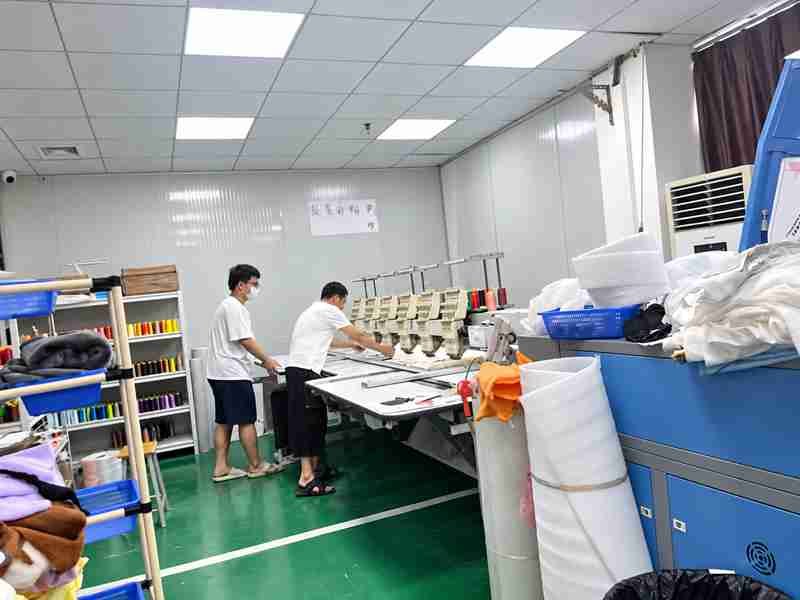
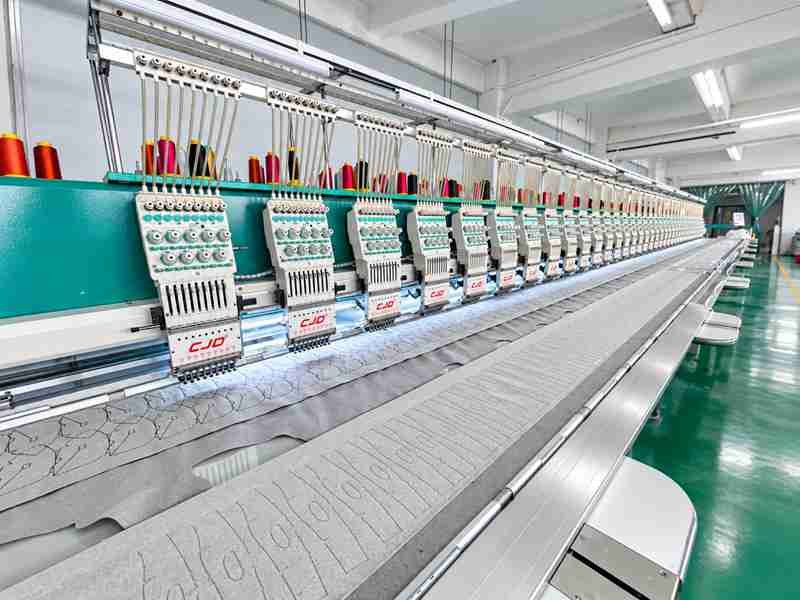
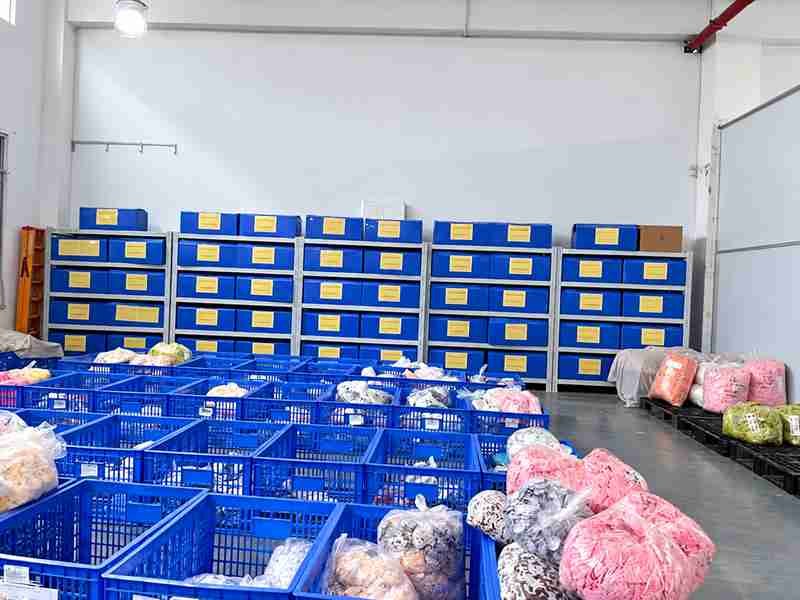
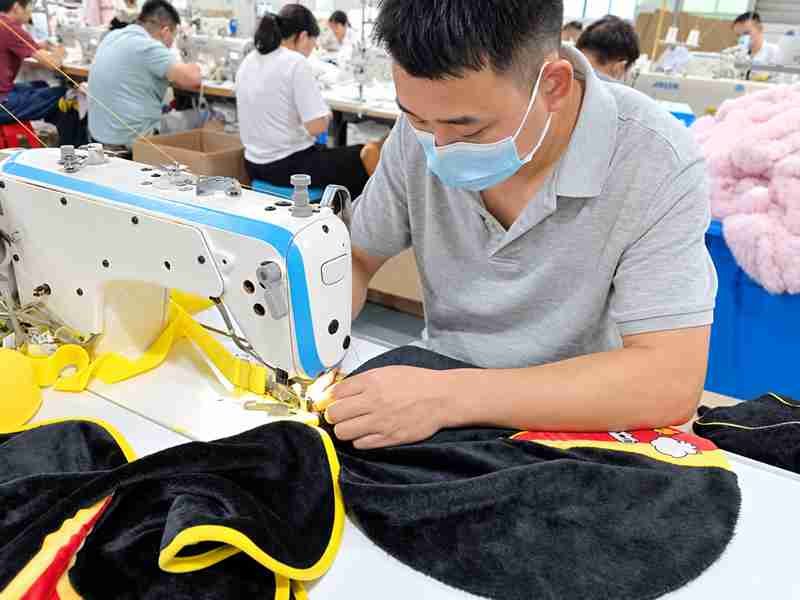
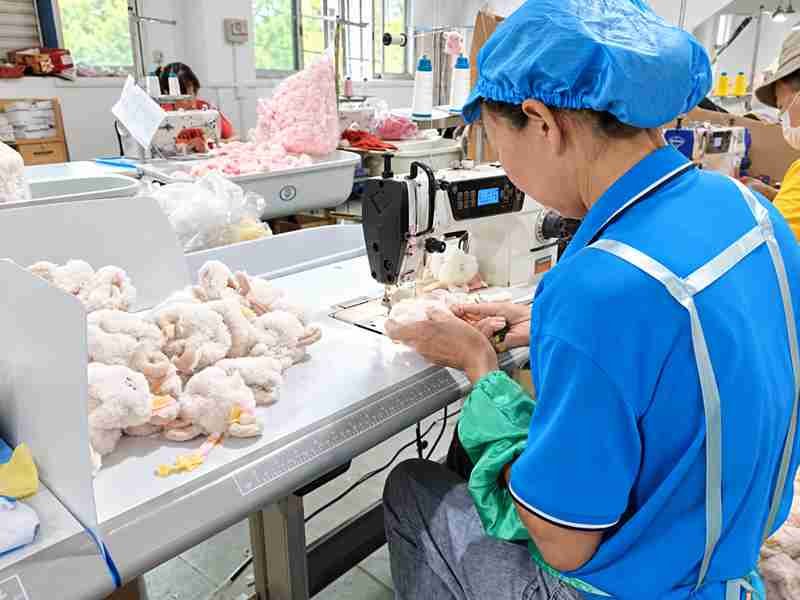
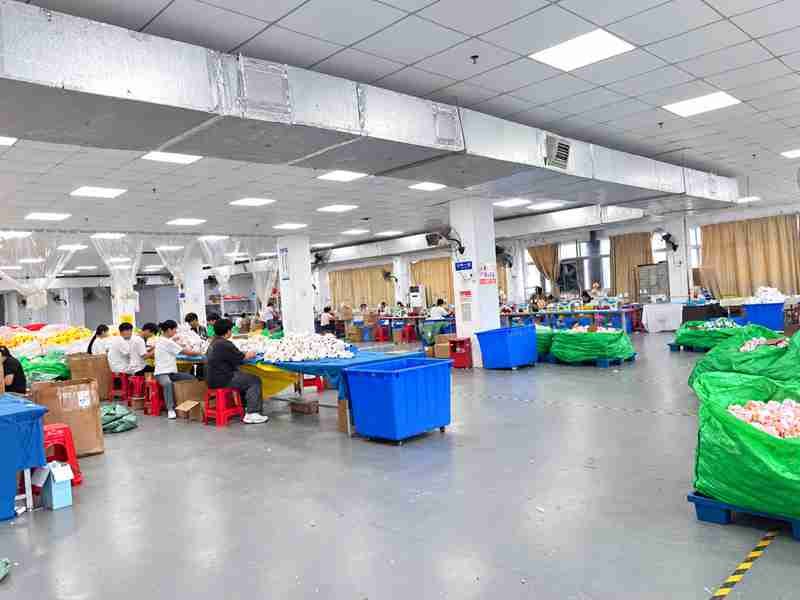
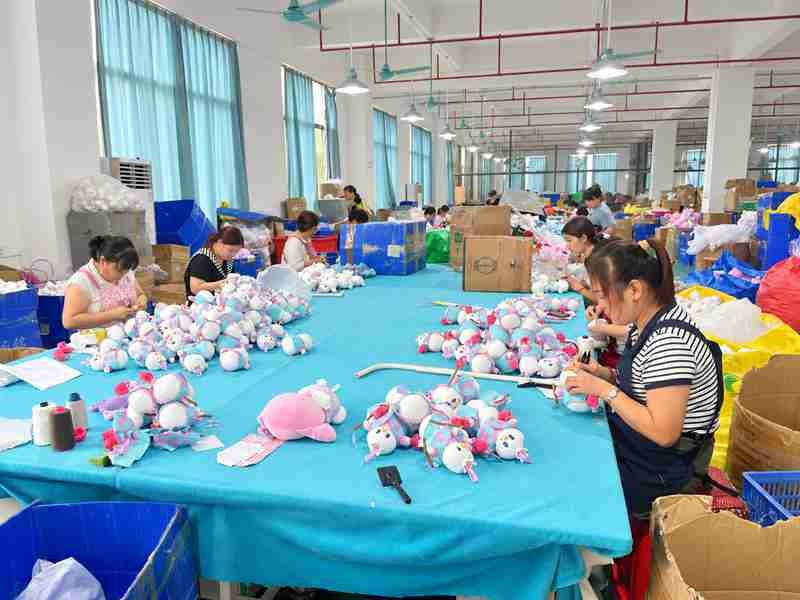
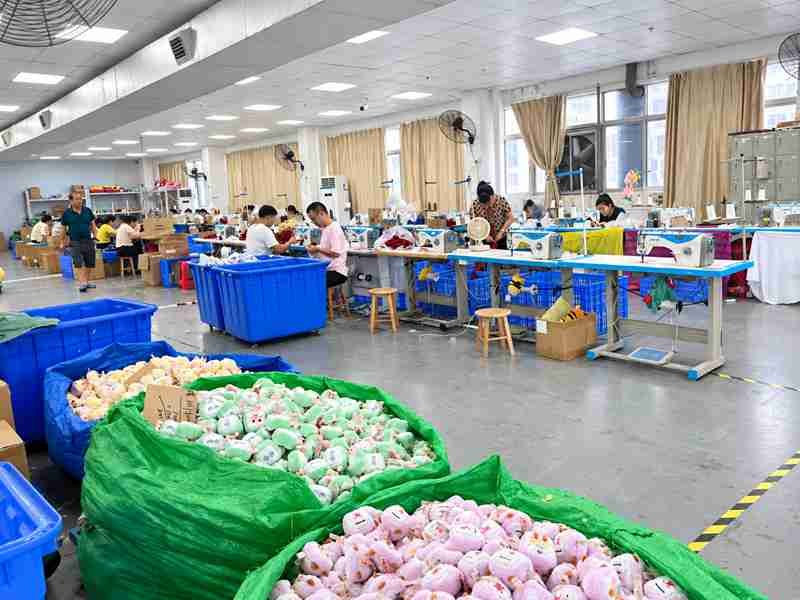
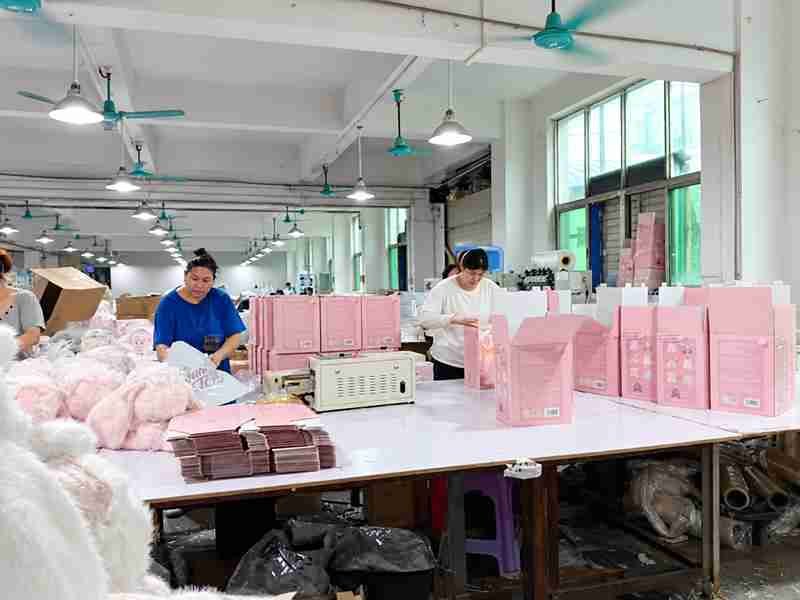
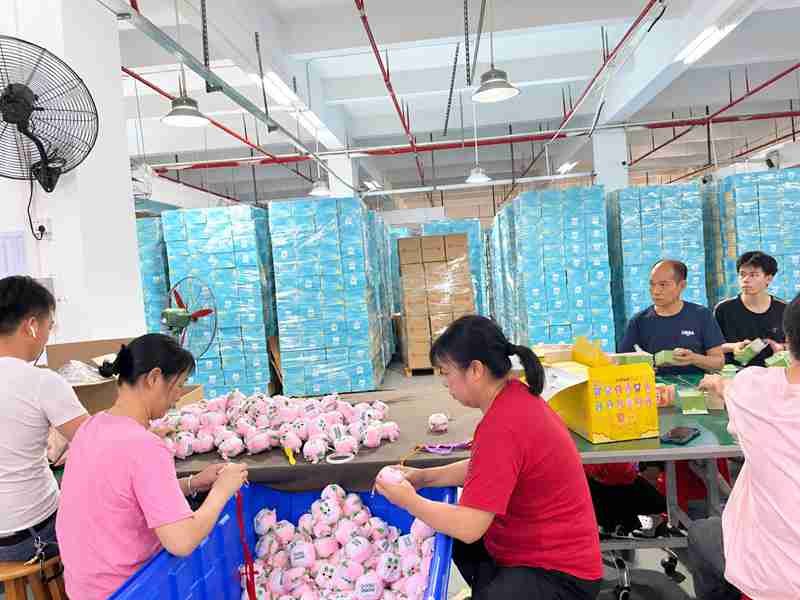
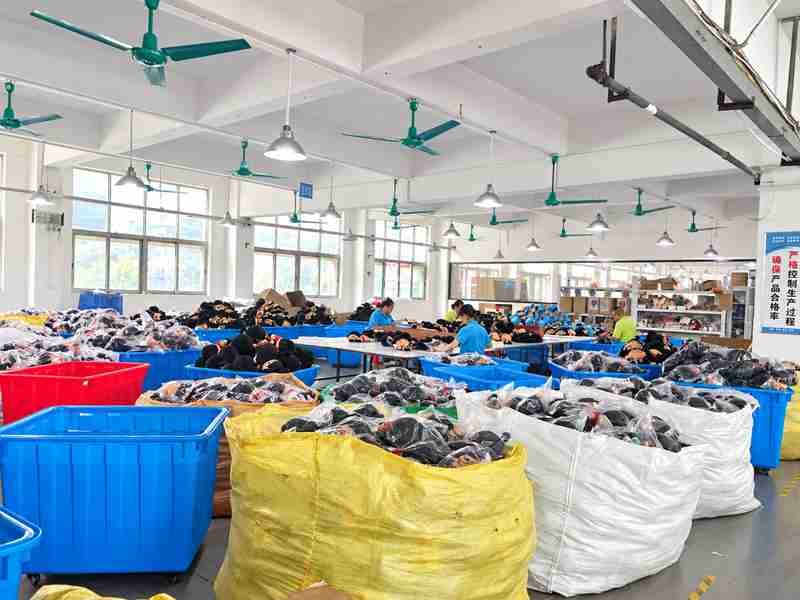
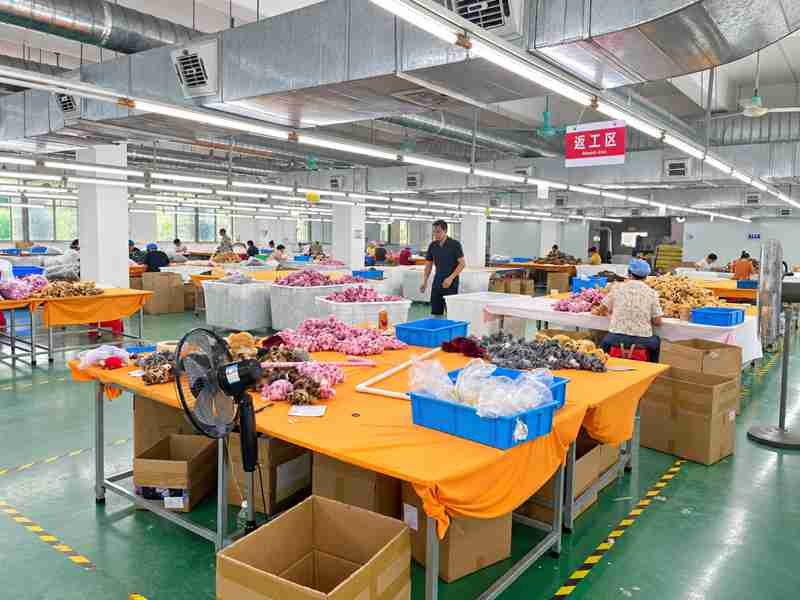
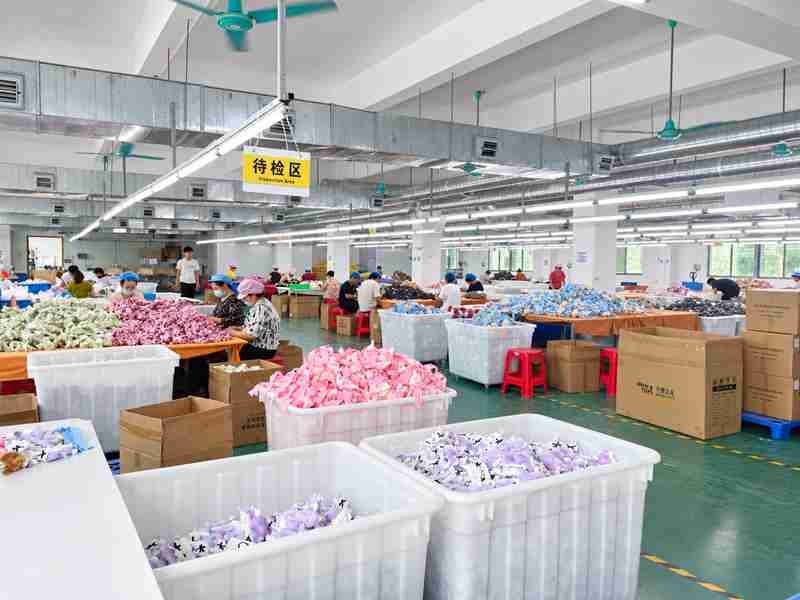
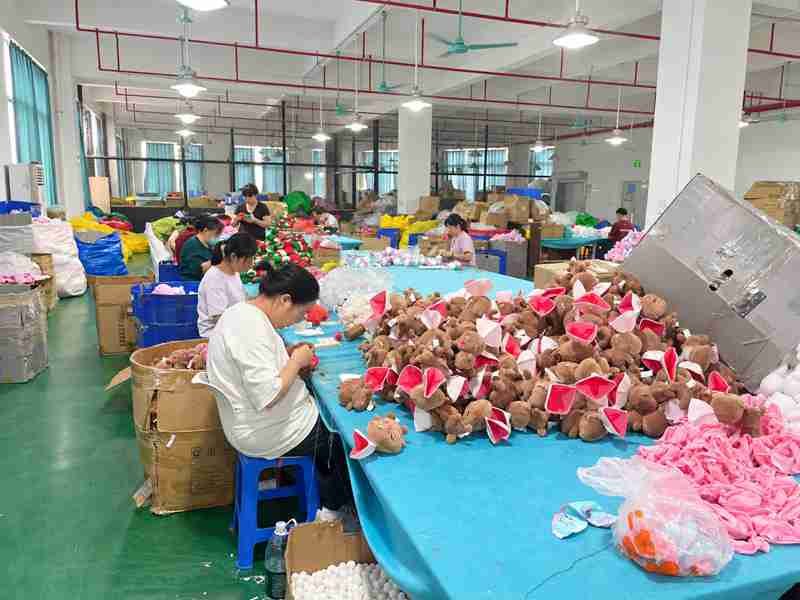
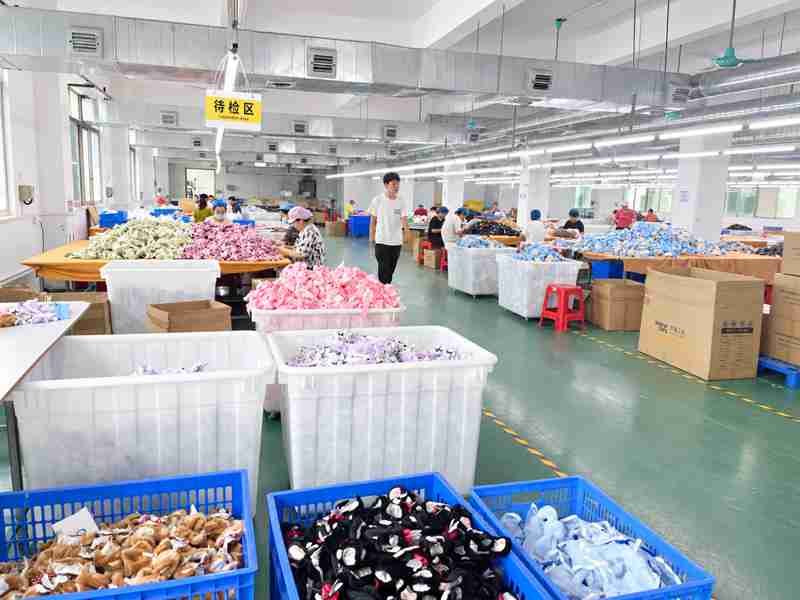
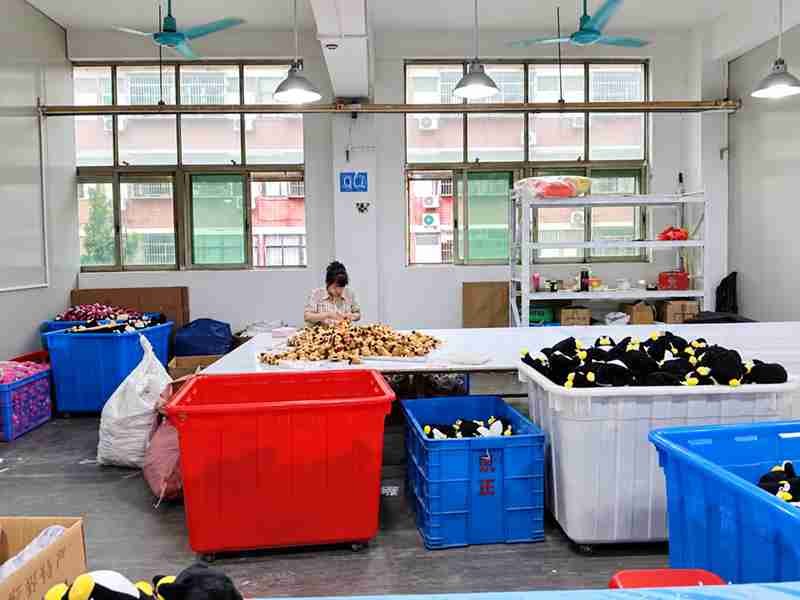
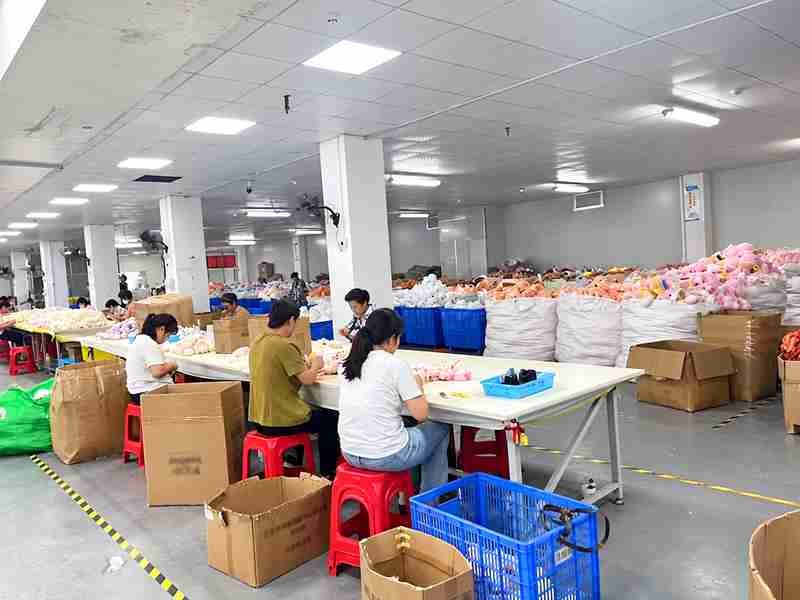
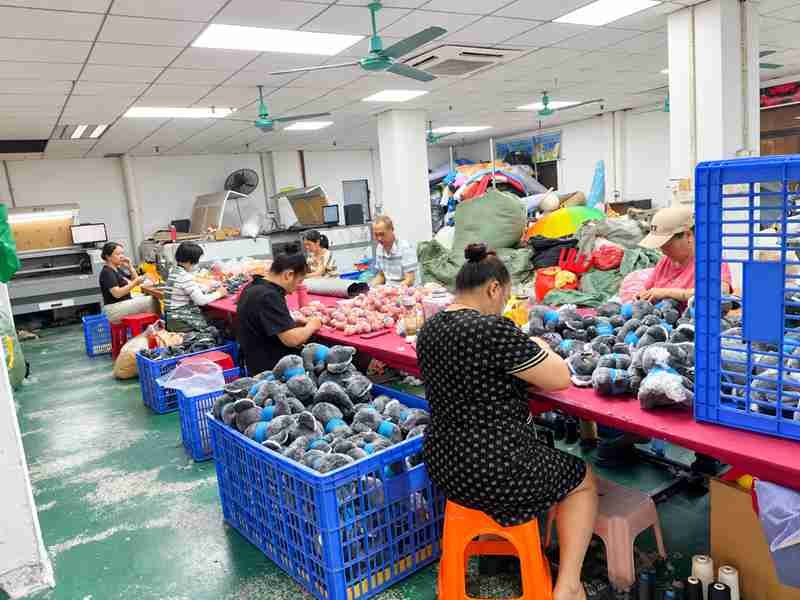
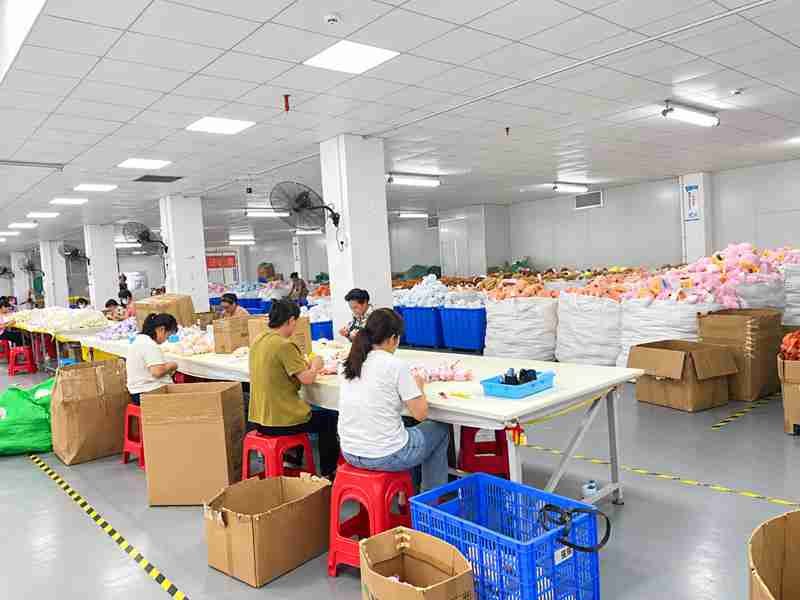
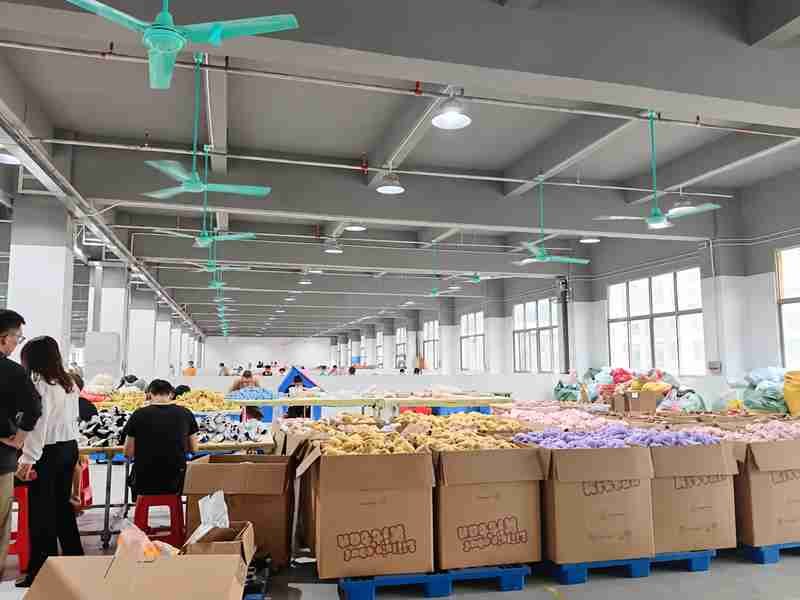
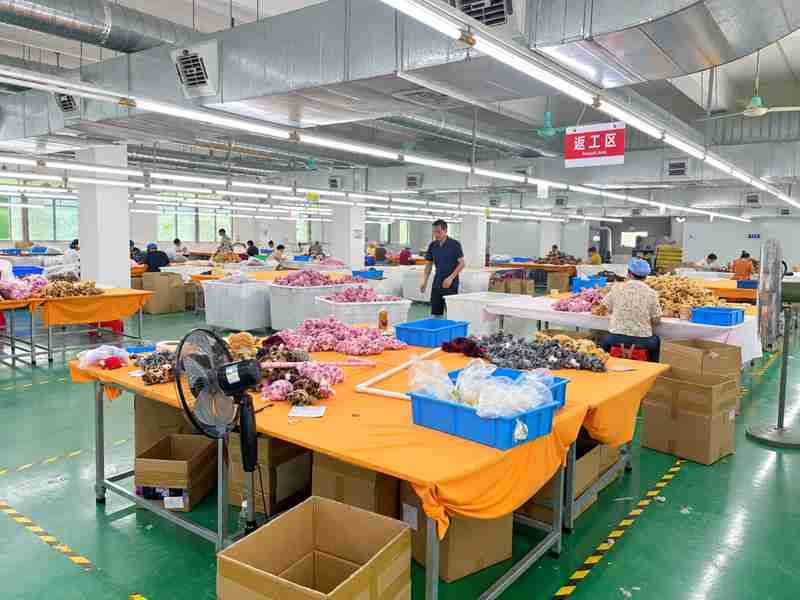
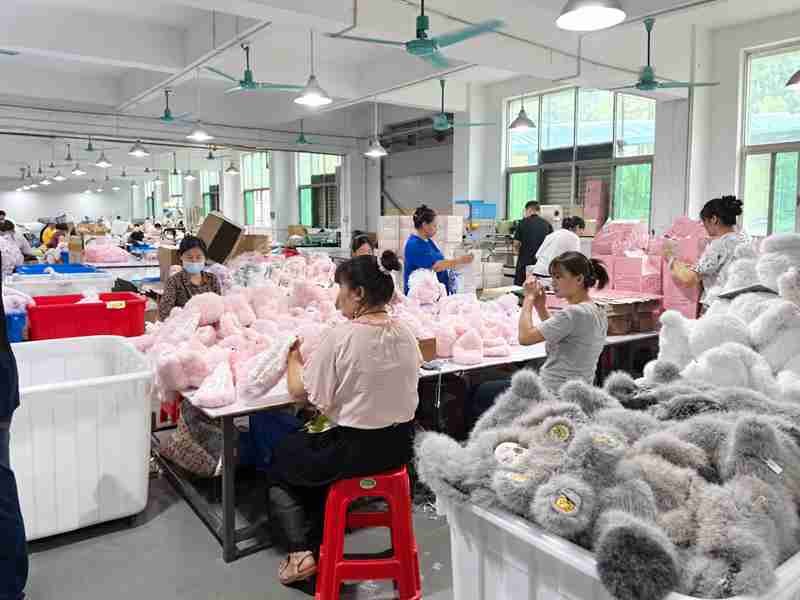
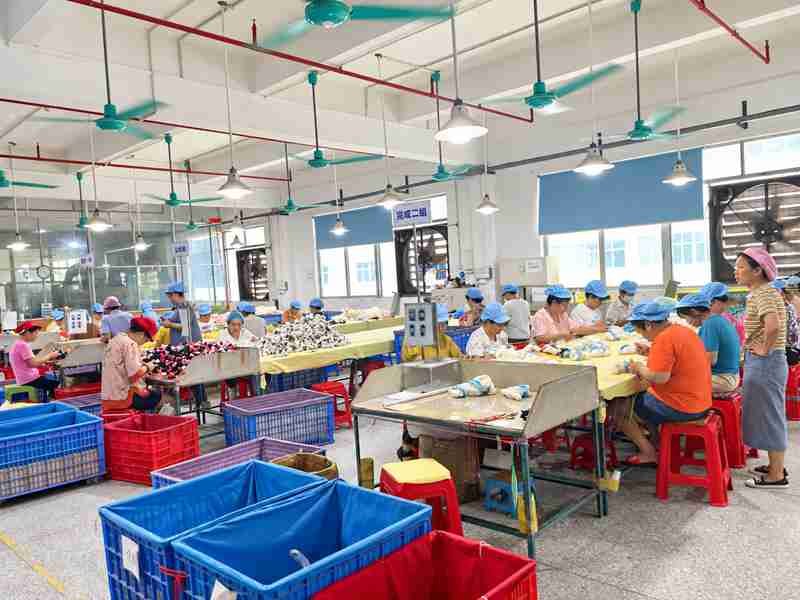
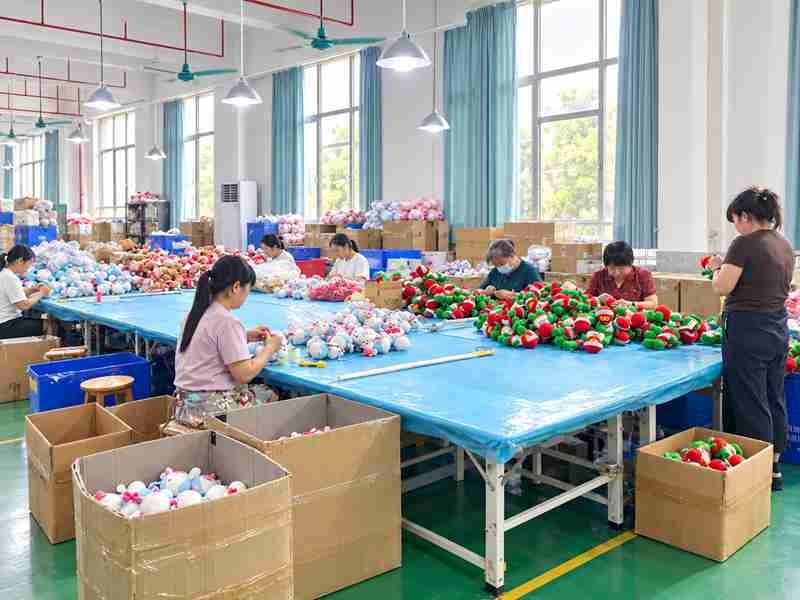
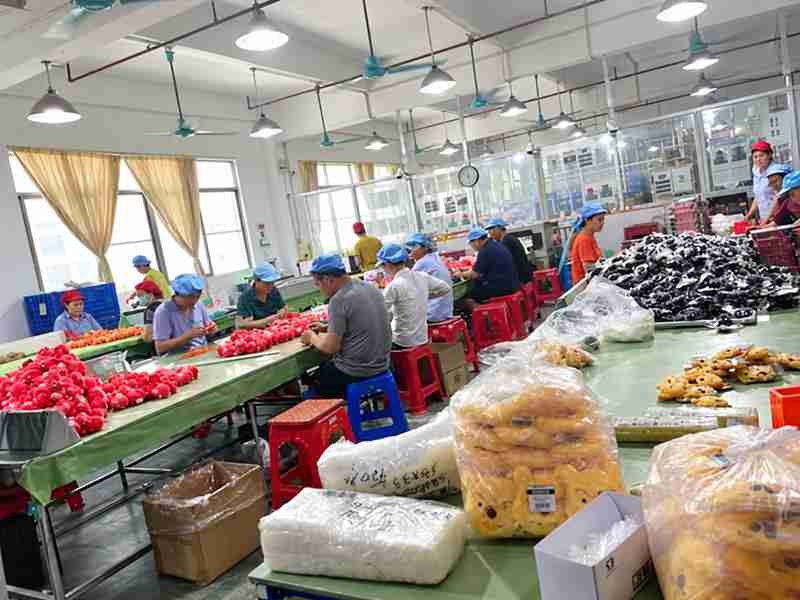
From Prototype to Production: Our Real Plush Factory Show
At Ewintoys, every plush project follows a structured development and production process, from initial design review and pattern making to sampling, mass production, quality inspection, and final delivery. Our real factory images provide a transparent view of how ideas are transformed into high-quality plush products through professional craftsmanship, engineering control, and careful production management.



















Match Decoration Processes to the Actual Fabric Surface
| Fabric Direction | Embroidery | Printing | Appliqué | Heat Transfer | Main Development Concern |
|---|---|---|---|---|---|
| Minky | Strong with stabilization | Route-dependent | Good | Trial required | Stretch and pile compression |
| Velboa | Strong | Often suitable | Good | Trial required | Nap and surface direction |
| Short Plush | Strong | Route-dependent | Good | Trial required | Pile visibility around graphics |
| Faux Fur | Limited for fine detail | Limited | Good for layered areas | Usually secondary | Long pile can hide decoration |
| Rabbit-Style Plush | Detail needs trial | Limited | Possible | Trial required | Dense surface and heat sensitivity |
| Sherpa | Better for larger details | Limited | Good | Needs trial | Irregular texture hides fine lines |
| Fleece | Good | Good routes available | Good | Possible | Stretch and distortion |
| Jersey Knit | Needs stabilization | Good routes available | Possible | Possible | Stretch and dimensional change |
| Felt | Strong | Suitable routes vary | Excellent | Possible | Thickness and edge behavior |
| PU Surface | Process-specific | Process-specific | Used as panel | Heat-sensitive | Surface damage and cracking |
Use Product Requirements to Narrow the Fabric Shortlist
| Product Type | Main Fabric Priority | Likely Starting Direction | Fabric Risk to Review |
|---|---|---|---|
| 5-12 cm Mini Plush | Detail clarity | Short plush, Velboa, fine Minky | Pile hides facial details |
| Character IP Plush | Fidelity plus softness | Minky, short plush, Velboa, mixed surfaces | Stretch changes proportion |
| Mascot Plush | Brand color and shape | Stable short-to-medium surfaces | Color and logo visibility |
| Collectible Plush | Premium tactile result | Minky, rabbit-style, mixed premium textures | Surface variation and packing marks |
| Realistic Animal | Fur realism | Faux fur, long pile, mixed lengths | Nap and grooming consistency |
| Keychain Bag Charm | Compact detail | Short plush, Velboa, fine surface | Hardware anchor and seam bulk |
| Plush Pillow | Softness and recovery | Minky, fleece, suitable plush | Compression recovery |
| Plush Bag Pouch | Surface plus structure | Plush surface with lining or reinforcement | Stretch and load-bearing seams |
| Functional Plush | Shell plus access zones | Plush surface with lining, mesh, specialty textiles | Module access and heat exposure |
Certificates, Compliance & Quality Assurance
Ewintoys follows structured quality and compliance practices for custom plush production. We hold relevant certifications and support additional testing, inspection, and compliance documentation based on specific product requirements and destination markets, helping brands meet different international standards with confidence.
























Color Approval Should Follow the Real Fabric Surface
Compare Color on the Intended Fabric, Not on Paper Alone
Treat Custom Color as a Development Decision
Control Dye Lots During Bulk Production and Reorders
An approved swatch does not guarantee every later fabric lot will look identical. Incoming checks should compare color lot, surface, GSM or thickness where relevant, pile, nap, and the approved reference before material enters cutting. For multi-SKU programs, one fabric lot may feed several characters, so a visible material identity helps trace any variation. Reorders also deserve a delta review because supplier route, dye lot, backing, finish, or available stock may have changed since the previous run. Any meaningful difference should be reviewed before it quietly becomes the new production standard.
Sample Development Proves Fabric on the Real Plush
Start With Swatches When Fabric Direction Is Still Open
Early swatches can compare color, handfeel, pile height, density, thickness, stretch, nap, backing, and surface finish without spending a full sample round on every option. If embroidery, printing, heat, adhesion, or brushing is uncertain, a targeted process test can narrow the shortlist further.
Swatch review is especially useful when a character has several textures or when a licensed color must be resolved before pattern work continues. The result should not be a loose pile of approved-looking pieces. Each selected swatch should remain identifiable by material reference and project use so the next sample uses the exact option that was approved.
Use V1 and Revisions to Judge Fabric in Three Dimensions
V1 shows effects a flat swatch cannot prove: facial volume, seam visibility, pile direction, body proportion, garment fit, embroidery readability, filling response, hardware contact, and final tactile balance. Later revisions can close issues such as fabric stretching around the face, long pile hiding details, Sherpa creating excess seam bulk, or PU changing the stiffness of a paw.
Revision records should identify which fabric or process changed and which sample version contains the new decision. If several fabrics are being compared, photography and marked comments can make approval clearer than informal messages such as “use the softer one.”
Freeze the Fabric With Golden Sample and BOM
A fabric reaches production status when the approved physical result aligns with Golden Sample, BOM, released pattern, decoration files, measurements, filling, labels, packaging, and required control records. Golden provides the visual and tactile benchmark while Material ID carries the fabric definition into purchasing and IQC.
If fabric changes after Golden approval, Ewin reviews the impact on appearance, pattern, decoration, testing, packaging, and approved scope before release. A material substitution may need a targeted comparison or a new sample when the change affects a visible or functional product feature. Production should never rely on an unrecorded replacement chosen only because it looks similar.
Bulk Fabric Control Protects the Approved Sample Result
Confirm Fabric Identity Before Production Use
A bulk roll should be identifiable by the approved material route rather than a generic name such as “white plush” or “soft Minky.” Incoming records can connect Material ID, supplier route, color lot, SKU use, and other required specifications to the purchase and production plan.
The exact checks depend on the fabric and product. Common review points can include color, GSM, thickness, pile, surface, stretch, nap, backing, width, defects, or visible finish. The purpose is not to create unnecessary testing for every roll. The purpose is to detect a material difference before hundreds or thousands of cut panels make the problem expensive to correct.
Compare Bulk Lots Against Approved References
Bulk fabric should be compared with the approved swatch, sample, Golden reference, or defined specification according to the project control plan. Color variation, pile direction, surface shine, density, backing, or stretch can make finished products look different even when the supplier uses the same trade name.
Material release becomes especially important for character families and multi-SKU programs where one shared fabric appears across several products. A nonconforming lot can then be isolated before it spreads across several SKUs. Approved lots should enter cutting under the correct product identity and current revision.
Keep Fabric Traceability Useful for Reorders and Investigation
Fabric control has value after shipment as well. If a later quality issue involves shade, stretch, pile loss, surface marks, or seam behavior, material identity and lot records make it easier to investigate the affected scope instead of treating every production run as the same.
For reorders, Ewin can begin with the previous Golden and material data, then review changes in supplier, color lot, fabric construction, packaging, market requirement, or product version. The goal is repeatable product appearance, not blind reuse of an old material name when the physical input has changed.
Fabric Changes Need Product-Level Impact Review
A replacement fabric can alter appearance, sewing, decoration, testing, packaging, and cost even when the color looks similar.
Fabric Change | Possible Product Impact | Typical Review Need |
Supplier Route | Handfeel, chemistry, color, repeatability | Compare against approved reference |
Composition | Performance, compliance scope, heat behavior | Technical and compliance review |
GSM | Weight, density, cost, drape, seam bulk | Material comparison and sample if material |
Pile Height | Silhouette, detail visibility, grooming | Visual and engineering review |
Pile Density | Coverage, seam hiding, softness | Physical comparison |
Stretch | Pattern dimensions, face shape, embroidery | Pattern and sample review |
Backing | Cutting, seam formation, stability | Sewing and construction check |
Color | Character or brand accuracy | Swatch or color approval |
Surface Finish | Sheen, tactile feel, printing, pack marks | Appearance and process check |
Nap Behavior | Shade, cutting direction, fur flow | Pattern and cutting review |
Coating | Heat, cracking, adhesion, needle marks | Process and wear trial |
Frequently Asked Questions
There is no single best fabric. Finished size, character detail, handfeel, pile, stretch, decoration, target market, packaging, and production route determine the strongest option.
Minky generally emphasizes softer handfeel, while Velboa often provides a shorter, cleaner surface. Exact behavior depends on GSM, pile, stretch, backing, finish, and supplier construction.