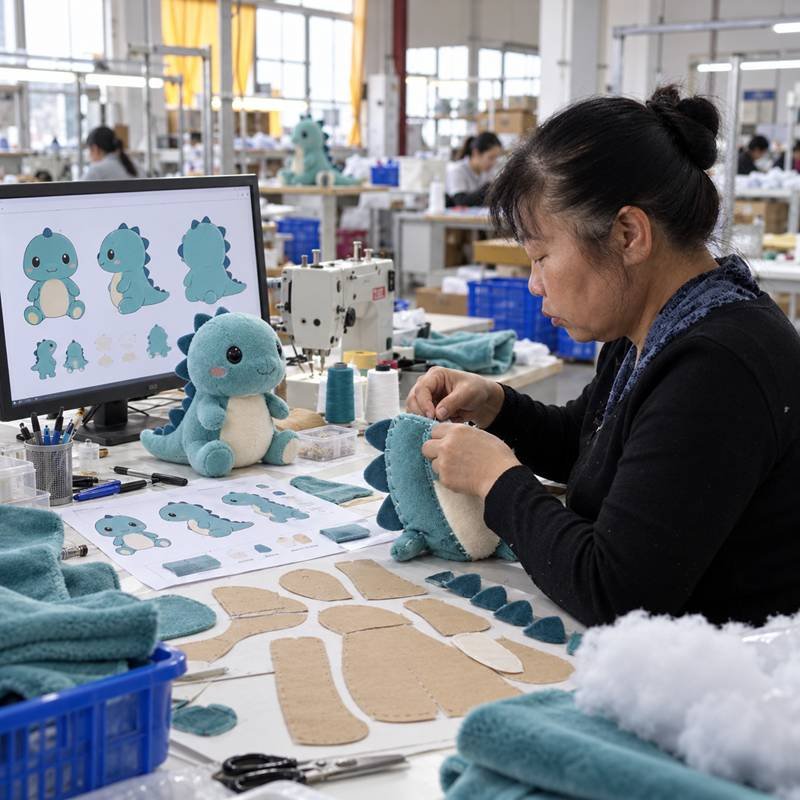
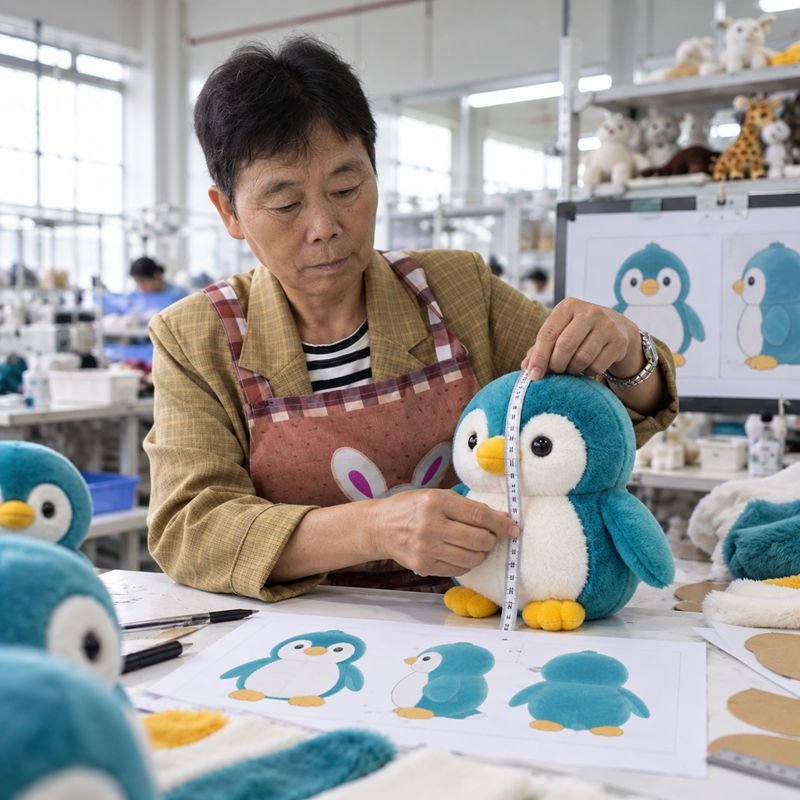
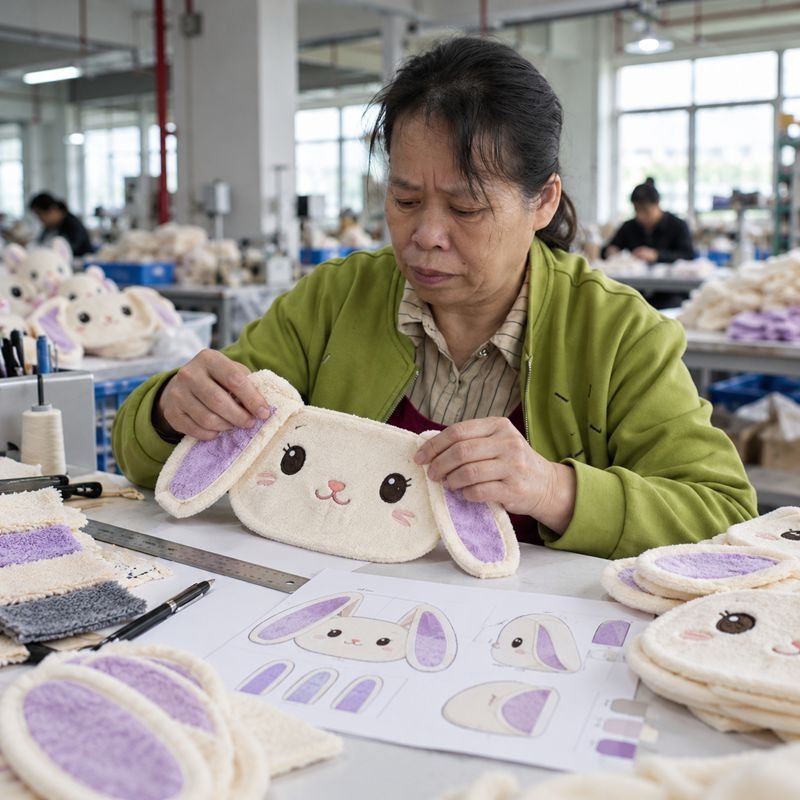
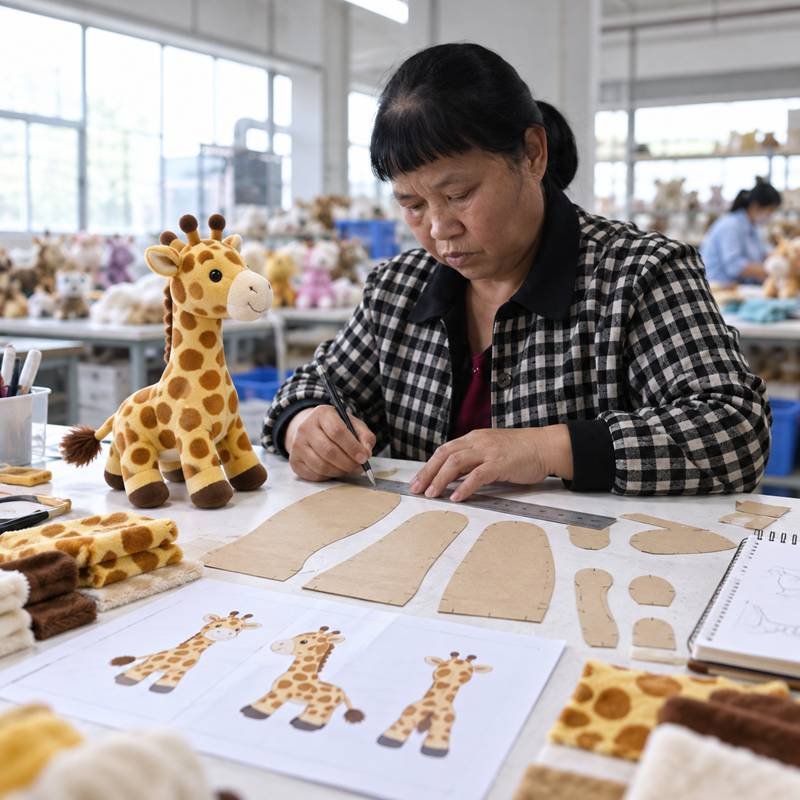
A Trusted China Plush Partner for Global Brands !

Custom Plush Resources For Product Development And Manufacturing

Make better sourcing decisions before sampling and production begin. Ewin Toys shares practical guidance for brands, IP owners and buying teams on the technical and commercial factors that affect plush development, cost, quality and launch readiness.

60+ Product Development Team | Material & Filling Guides | Pattern & Sampling Knowledge | Manufacturing & QC Insights | Safety & Compliance References | Packaging & Logistics Guidance | OEM / ODM Buying Tips | Multi-SKU Program Planning
Start With The Decision You Need To Make

Choose the point closest to your current project. Each resource route helps define the information needed before the next development or sourcing step.

I Have An Idea

Start with product type, intended use, approximate size, target market and quantity. A finished technical specification is not required at concept stage. The first goal is deciding what the plush must look like, do and cost before detailed pattern, material or component work begins.

I Have Artwork

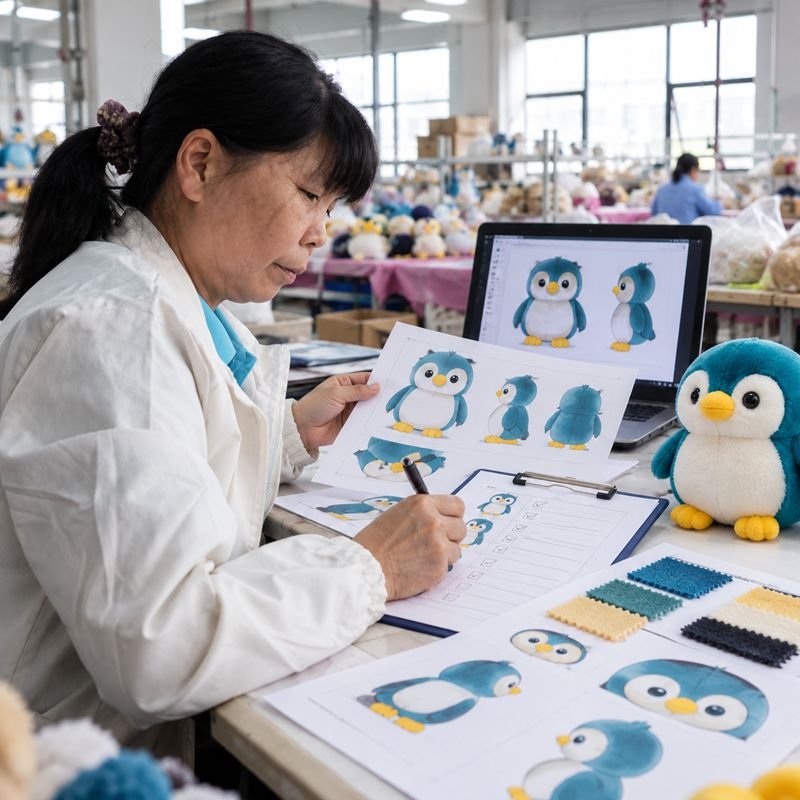
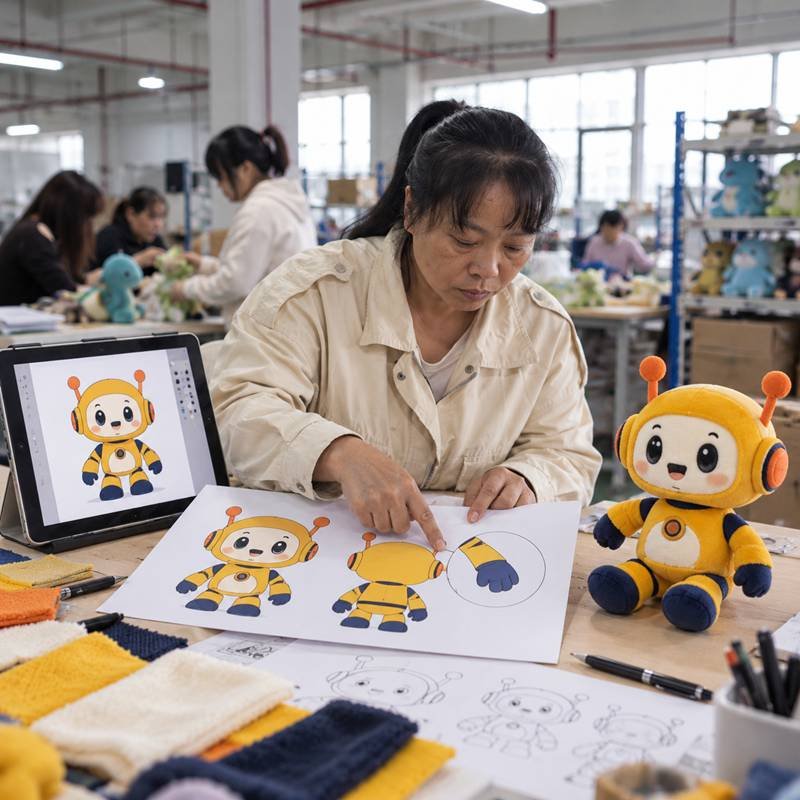
Use artwork-preparation and character-engineering resources to identify front, side and back information, important proportions, facial features, color standards, clothing and accessories. Better visual inputs reduce interpretation during pattern development and make prototype comments much easier to control.

I Need A Prototype

Review sample types, development inputs, revision methods and approval points before paying for repeated samples. A prototype should answer defined questions about appearance, material, structure or function rather than simply produce one attractive plush with no production specification behind it.

I Need A Manufacturer

Use supplier-evaluation resources to compare development capability, sampling, materials, manufacturing, quality control, compliance support, packaging and delivery. Factory size alone does not show whether a supplier can reliably convert an approved sample into repeatable production across the required quantity and SKU mix.

I Need Cost Guidance

Review how size, fabric, embroidery, printing, filling, accessories, electronics, packaging, SKU count and order quantity affect unit economics. Clear cost drivers make quotation comparisons more useful and show where optimization is possible without removing important character or brand details.

I Am Production Ready

Move into Golden Sample, frozen BOM, released pattern, QC criteria, packaging artwork and production-release resources. Production should begin from approved and controlled specifications rather than scattered email comments, an old sample version or informal material references.

Follow The Custom Plush Project From Idea To Delivery

A successful program moves through controlled decisions. Use the resources below to understand what should be approved before the project advances.

Define The Product

Clarify product type, application, finished size, target market, age grade, quantity, budget direction and launch timing. Character artwork or reference samples are then reviewed against manufacturing limits so major conflicts are identified before patterns, materials or quotations become too detailed.

Engineer The Design

Artwork becomes dimensions, proportions, pattern pieces, seam locations, decoration files, accessory positions and structural decisions. Character fidelity, stability and production repeatability are considered together. Complex soft-hard or electronic products also require controlled interface dimensions before the sample construction is finalized.

Develop The Prototype

Materials, patterns, embroidery, printing, filling and components come together in physical samples. Character/IP sample planning is commonly around 7–12 working days, while complex or functional projects may require around 10–20 working days depending on structure, electronics and special processes.

Approve And Freeze

Revision comments are closed before the approved condition is converted into Golden Sample, BOM, released pattern, decoration files, filling references and packaging specifications. Version control matters because a visually approved sample is not enough when different materials, components or artwork revisions remain in circulation.

Manufacture And Inspect

Cutting, decoration, sewing, stuffing, assembly, finishing and packaging follow released specifications. Quality checks compare production against approved visual, dimensional, material and functional criteria at suitable stages instead of waiting until finished cartons are already packed.

Pack Deliver Reorder

Unit packaging, labels, barcode data, carton configuration, destination and shipping requirements are aligned before dispatch. Repeat orders should reference the approved product version and review any material, artwork, packaging or compliance changes before production is released again.

RFQ And Manufacturer Selection Resources

Prepare clearer inquiries and compare suppliers using product, engineering, quality and commercial information instead of relying only on the lowest quoted unit price.

Custom Plush RFQ Checklist

Build an inquiry around product type, size, quantity, artwork, materials, accessories, packaging, target market and required date. A structured RFQ reduces missing assumptions and makes quotations from different manufacturers easier to compare.

Project Brief Template

Organize character references, must-keep details, expected use, quality level, SKU count and launch schedule in one development brief. A clear starting document prevents key instructions from being scattered across email, chat and unrelated artwork files.

Manufacturer Evaluation Guide

Check whether a factory can support pattern engineering, sampling, material sourcing, production, QC, compliance coordination and packaging for the actual product category. Evaluate the full sample-to-bulk route rather than judging from showroom products alone.

Pre-Sampling Question List

Confirm sample purpose, expected materials, artwork version, revision rules, estimated timing and what the sample will validate before development begins. Clear questions reduce repeated sampling caused by undefined expectations.

Quotation Comparison Guide

Compare quotations using the same size, materials, decoration, accessories, filling, packaging and quantity assumptions. A lower unit price is difficult to evaluate when suppliers have quoted different constructions or excluded major project requirements.

Supplier Verification Checklist

Review company identity, development resources, manufacturing scope, QC process, sample controls and supporting documentation relevant to the project. Request evidence that matches the claim instead of collecting unrelated certificates or factory photographs.

Character Artwork And Product Development Guides

Turn drawings and reference images into information a pattern maker and development team can use without losing the important features of the original character. 
Artwork Requirements
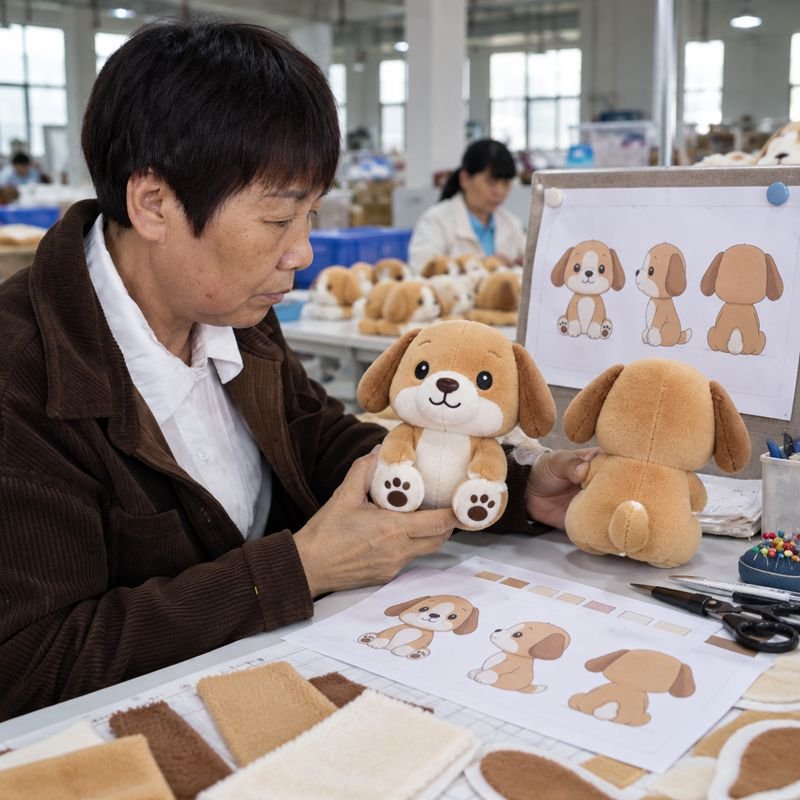
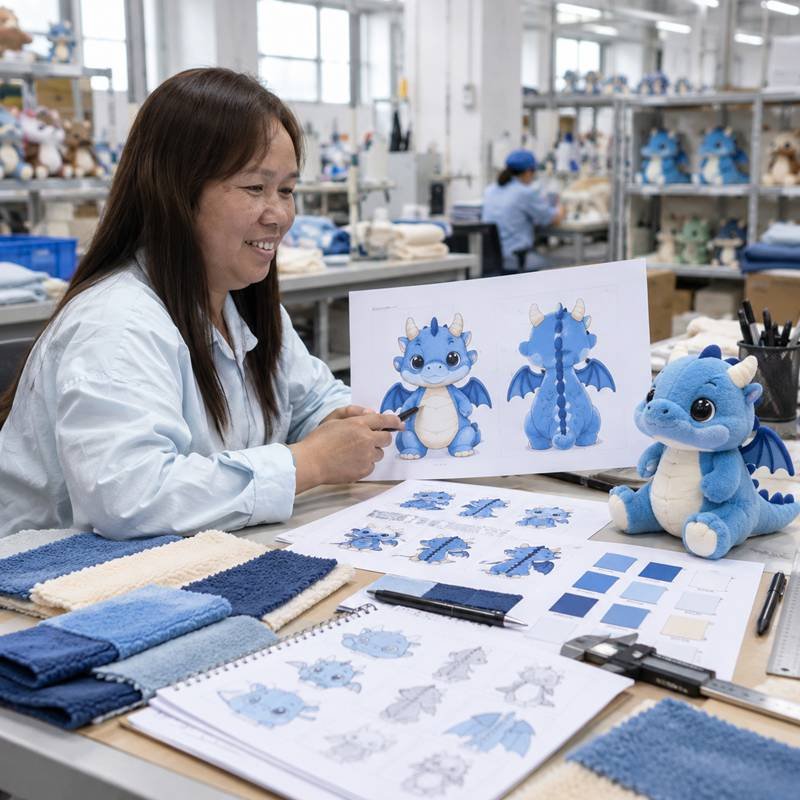
Learn which views, dimensions, color references and detail notes help translate two-dimensional artwork into a three-dimensional plush. Strong artwork inputs reduce guesswork around hidden sides, body depth, accessories and construction.

Character View Guide

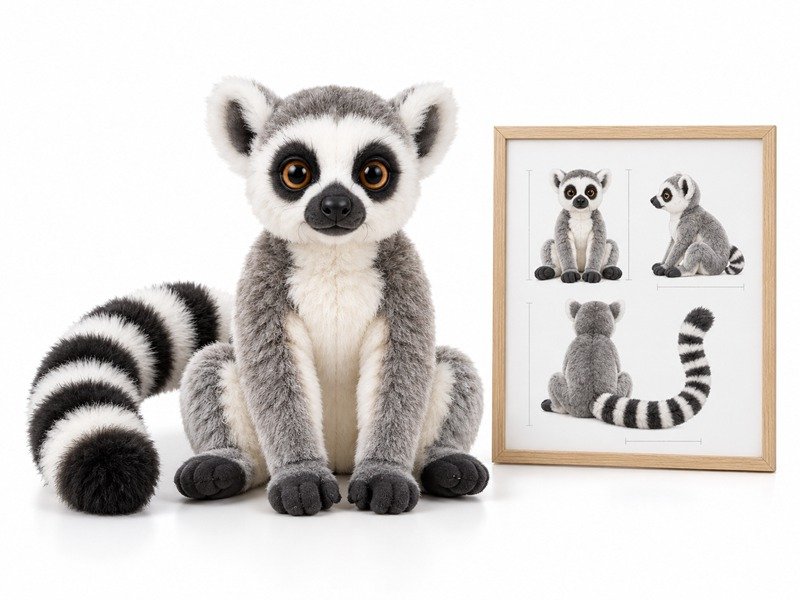
Front artwork alone rarely defines head depth, tail position, body thickness or side profiles. Use front, side and back references where possible and mark character features that must remain consistent during development.

Artwork To Plush

Follow the conversion from character analysis to proportion decisions, pattern development, material selection, decoration, filling and sample revision. The guide explains why attractive illustrations cannot always be copied stitch-for-stitch.

Character Proportion Guide

Review head-to-body ratio, width, depth, limb size and silhouette before pattern approval. Small proportion changes can affect recognition far more than adding extra decoration after the shape is already wrong.

Facial Fidelity Guide

Use eye spacing, eye height, mouth position, muzzle size, eyebrow angle and facial embroidery coordinates as controlled reference points. Character identity often depends on these relationships more than general softness or fabric quality.

Pattern Engineering Basics

Understand how curved forms are divided into sewable fabric pieces and why dart position, seam location, grain, pile direction and stuffing allowance influence the final shape after a flat pattern becomes a filled object.

Artwork Review Checklist

Check missing views, unclear dimensions, conflicting colors, tiny details, unsupported accessories and overly sharp forms before sampling. Identifying design questions early is faster than discovering them after fabric has already been cut.

AI Artwork Preparation

AI-generated concepts can start development, but inconsistent hands, hidden surfaces, impossible accessories and conflicting side views need clarification. Convert the selected concept into controlled references before treating it as production artwork.

Plush Types And Size Planning Resources

Choose a product form before locking materials and cost. Many gift, retail and IP plush programs fall around 10–40 cm, but function and detail determine the best size. 
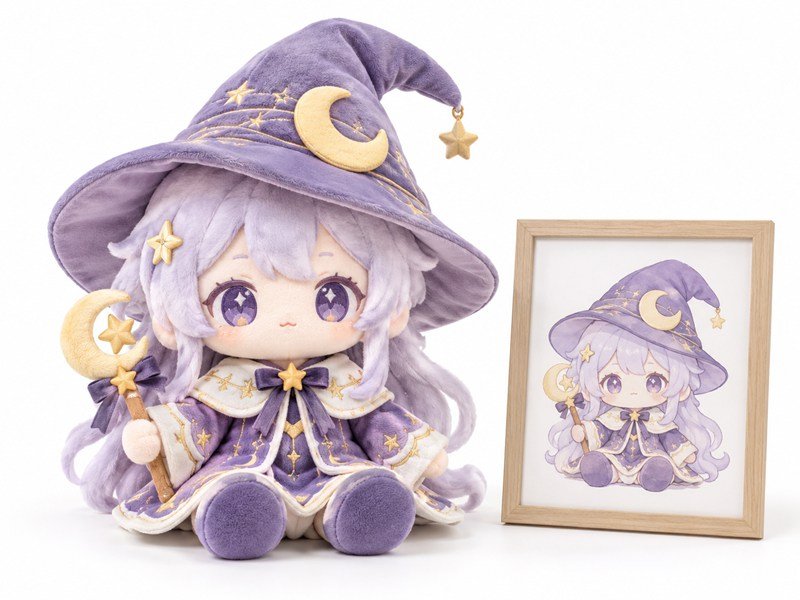
Character Plush Guide

Learn how recognizable characters are translated into soft construction while protecting proportions, expression, colors, clothing and signature details through pattern development, sampling and bulk production.

Mascot Plush Guide

Plan branded mascots around logo visibility, official colors, uniforms, event timing and distribution. The guide helps connect recognizable brand features with a structure suitable for repeatable manufacturing.

Animal Plush Guide

Review species proportions, fur direction, muzzle construction, ears, tails, horns and realistic or stylized material choices. Different animal forms create very different pattern and stuffing requirements.

Collectible Plush Guide

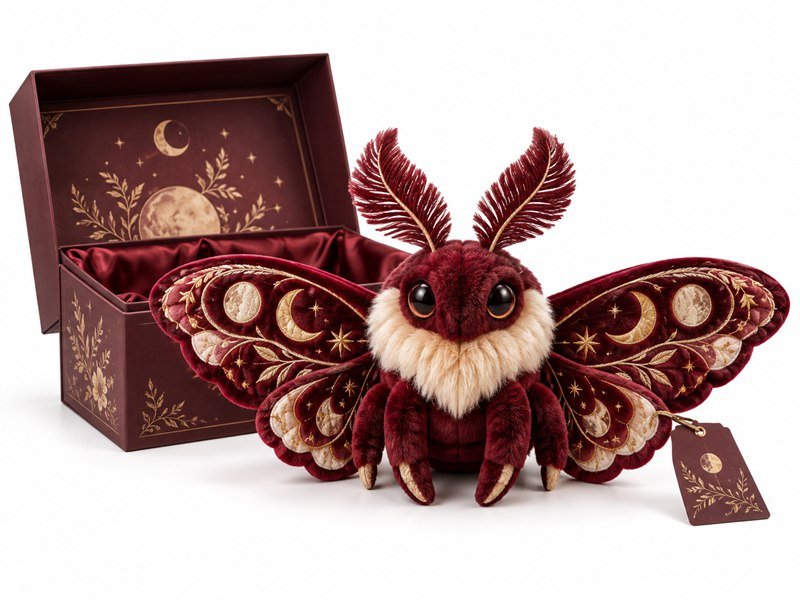
Explore premium materials, detailed decoration, accessories, series consistency and display packaging for collector-focused programs. Appearance tolerances are usually more demanding than for simple promotional plush.

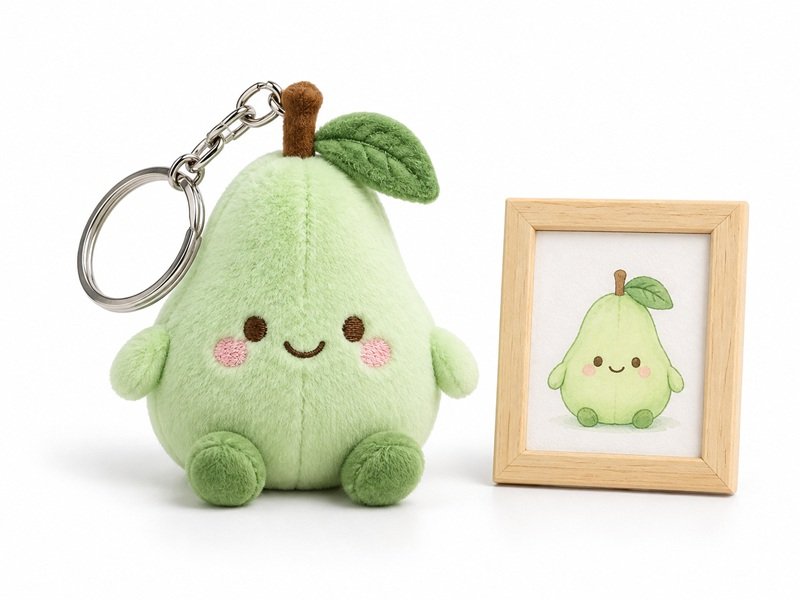
Plush Keychain Guide

Small products require simplified features, secure attachment points and careful embroidery scaling. Miniature construction often increases handwork even though the finished product uses less fabric and filling.

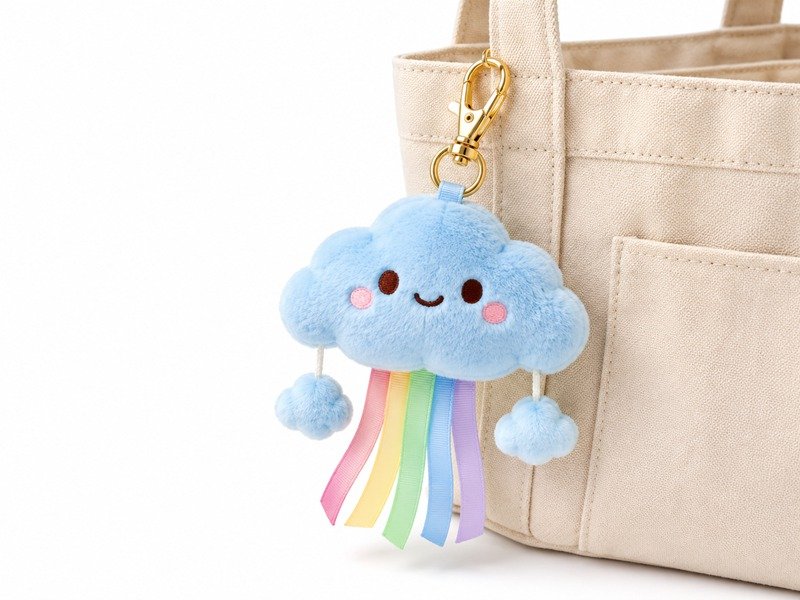
Plush Bag Charm Guide

Combine character proportions with premium fabric, metal hardware, hanging orientation and fashion presentation. Hardware weight and connection position influence how the charm faces when attached to a bag.

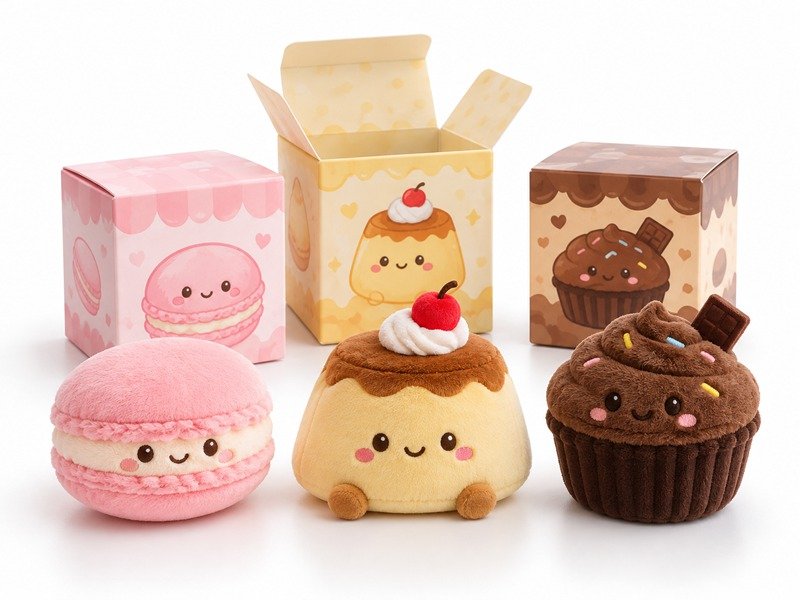
Blind Box Plush Guide

Plan multiple characters around consistent size, shared materials, packaging structure, assortment and SKU identification. Series-level control matters as much as the development of each individual design.

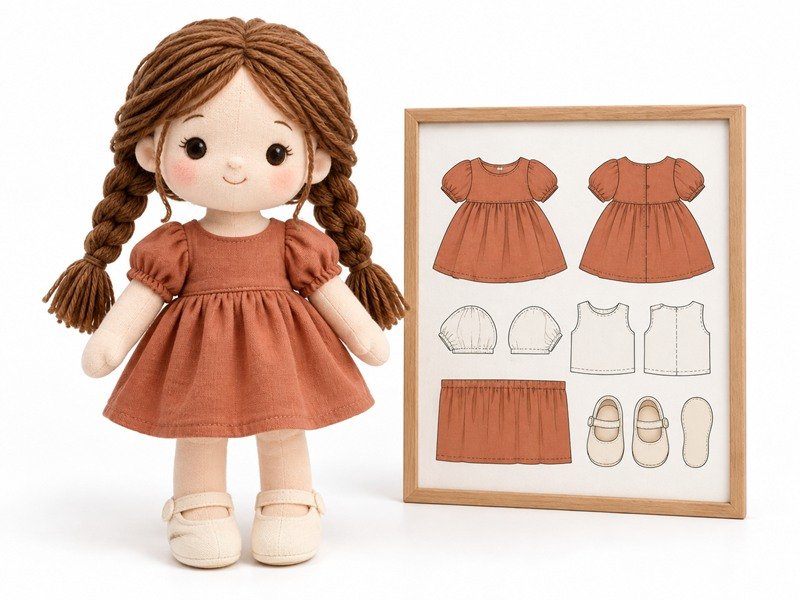
Plush Doll Guide

Review facial embroidery, hair, clothing, shoes, removable outfits and miniature accessories. Layered garments can create multiple material and component minimums even when the plush body remains simple.

Electronic Plush Guide

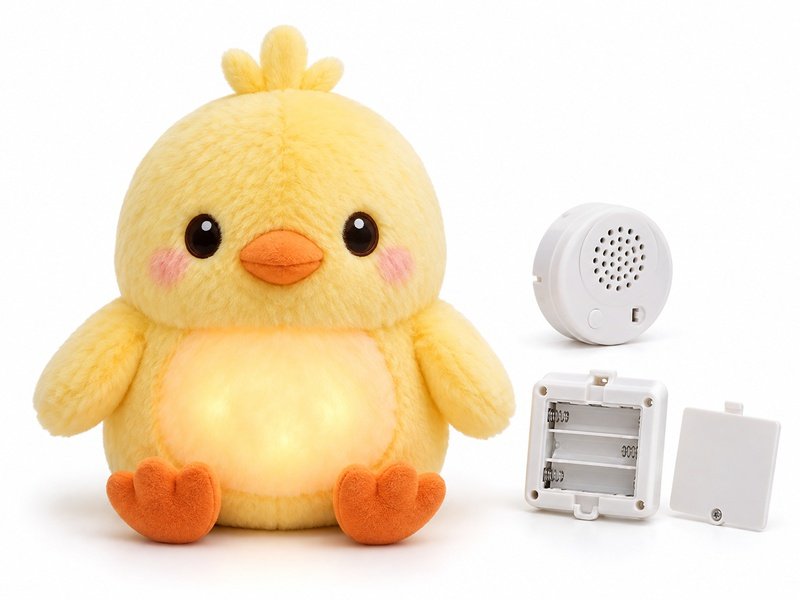
Understand how sound, light, sensors, movement or other functions change cavity design, battery access, assembly, testing and compliance planning compared with conventional stuffed toys.

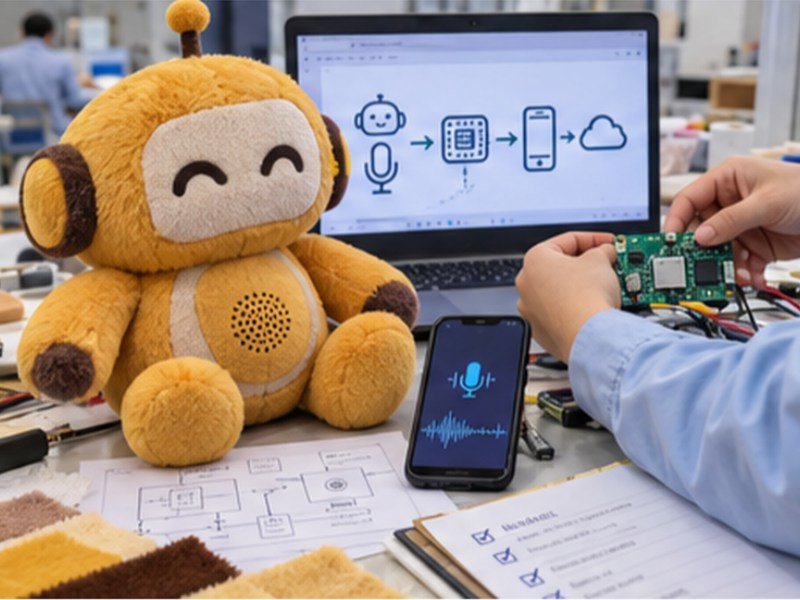
AI Plush Guide

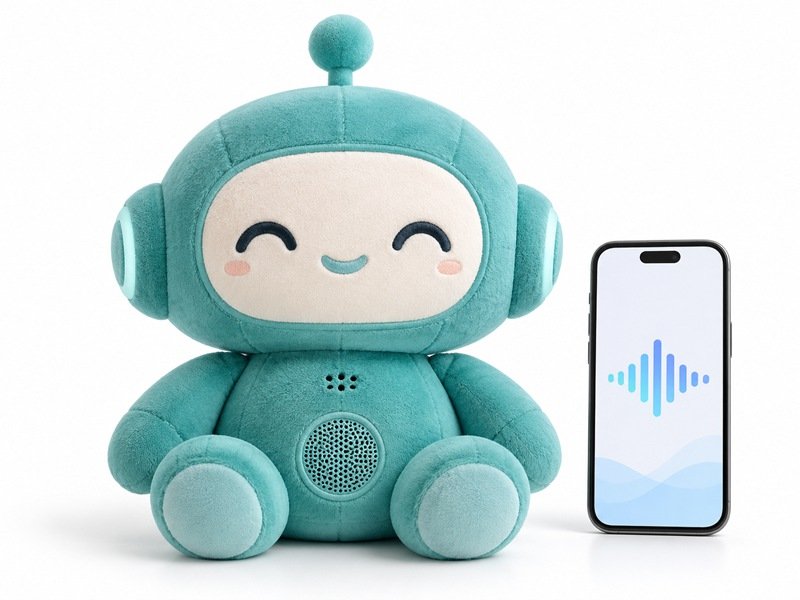
Learn where plush shell development ends and electronics, firmware, App and cloud responsibilities begin. Clear interface ownership helps prevent software and soft-goods development from blocking one another.

Plush Pillow Guide

Review larger soft forms, filling distribution, recovery after compression and decorative options for character heads, cushions and body pillows where comfort and shipping volume both matter.

Hybrid Plush Guide

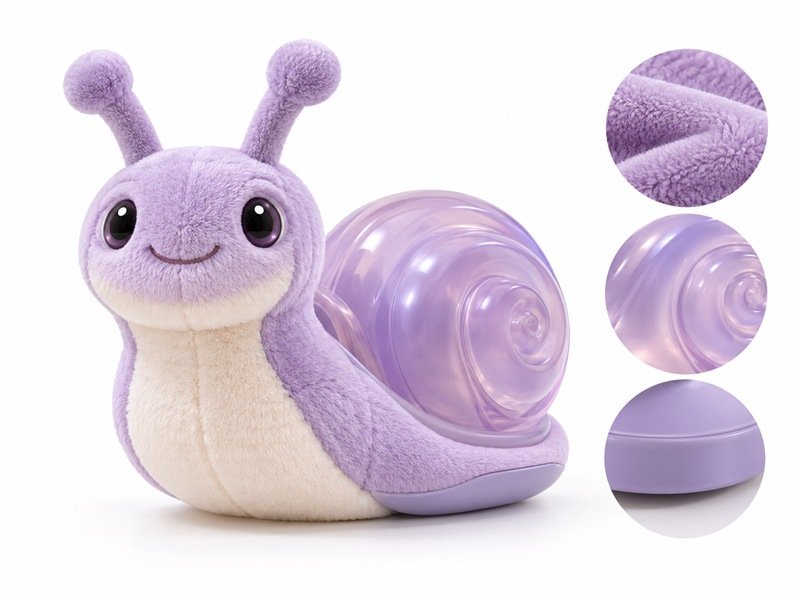
Explore combinations of plush with PVC, silicone, plastic, vinyl or metal parts. Soft-hard interfaces require attention to attachment strength, edges, weight, tolerances and packaging protection.

Plush Fabric And Filling Selection Guides

Select materials by character appearance, handfeel, pile length, decoration compatibility, structure, MOQ and approval requirements rather than choosing a fabric name alone. 
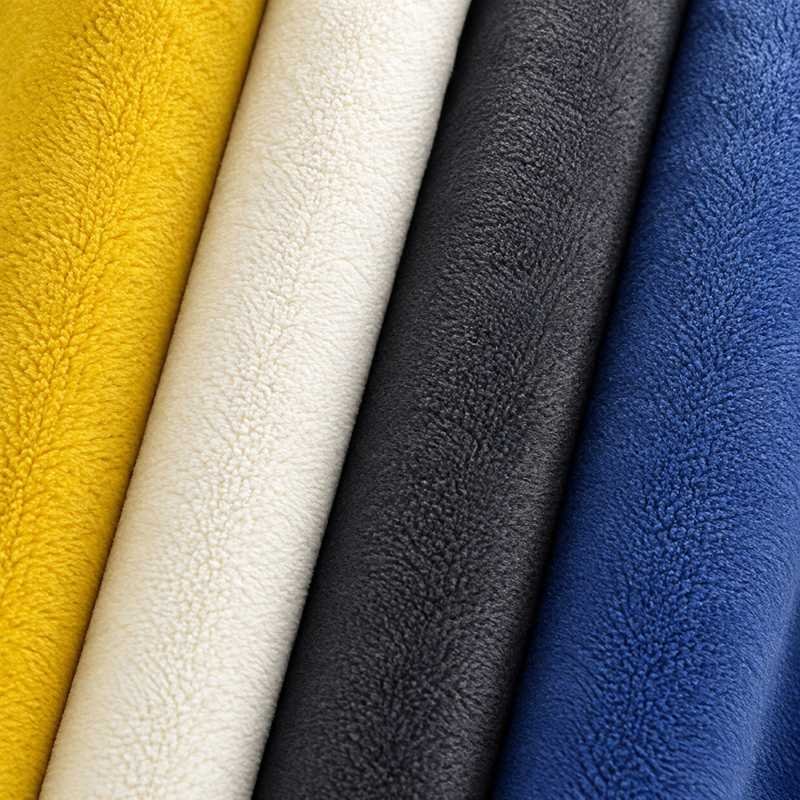
Fabric Selection Guide
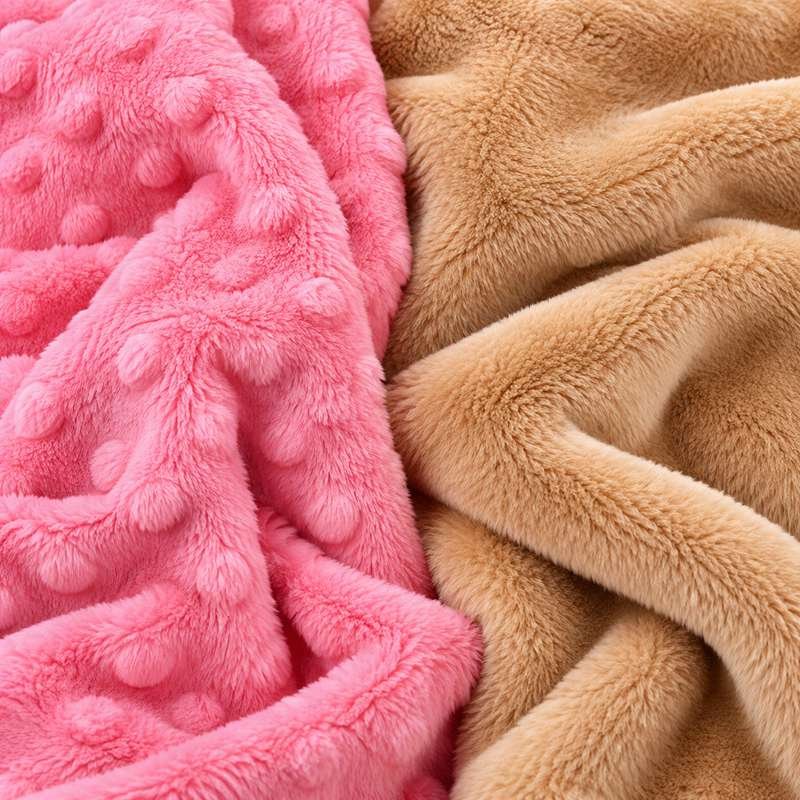
Compare fabric according to body area, face detail, hair, clothing, softness, stretch, pile direction and decoration. Material decisions should be approved on physical samples and recorded in the production BOM.

Minky Vs Velboa

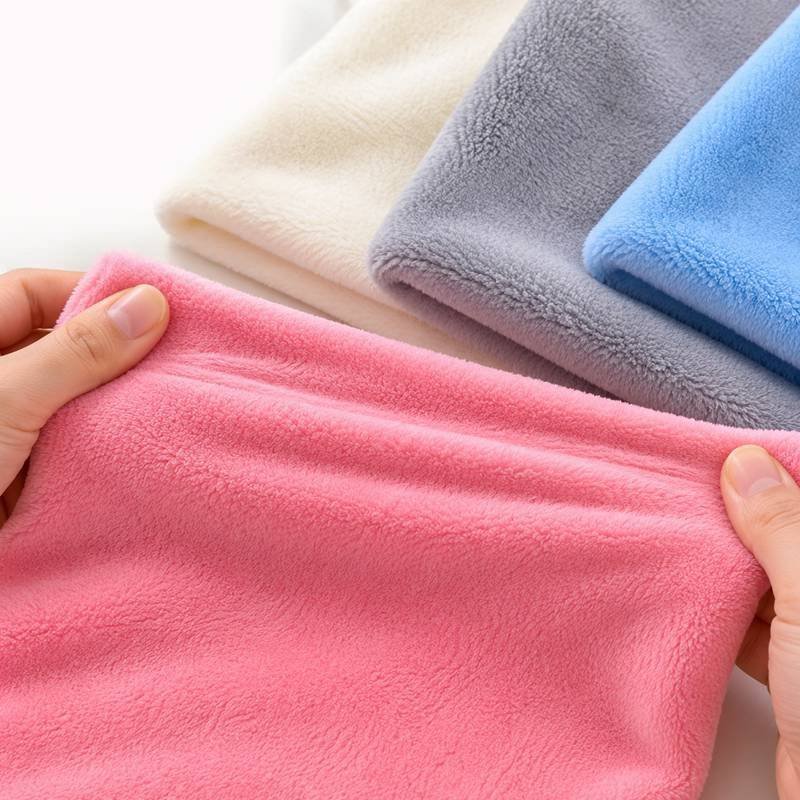
Compare surface feel, pile, stretch, embroidery behavior, shape control and typical applications. The better option depends on the product area and required appearance rather than one fabric being universally superior.

Short Vs Long Pile

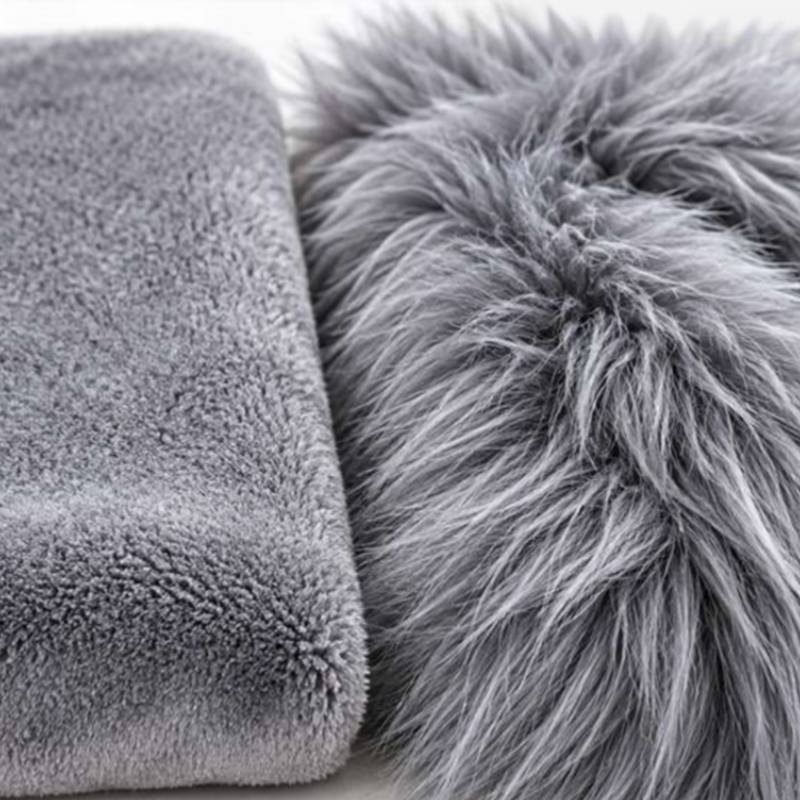
Short pile keeps embroidery and small features readable. Long pile adds texture and premium animal effects but requires stronger control of hair direction, seam clearing, trimming and packaging recovery.
Ewin toys 3-4 Faux Fur Guide material

Faux Fur Guide

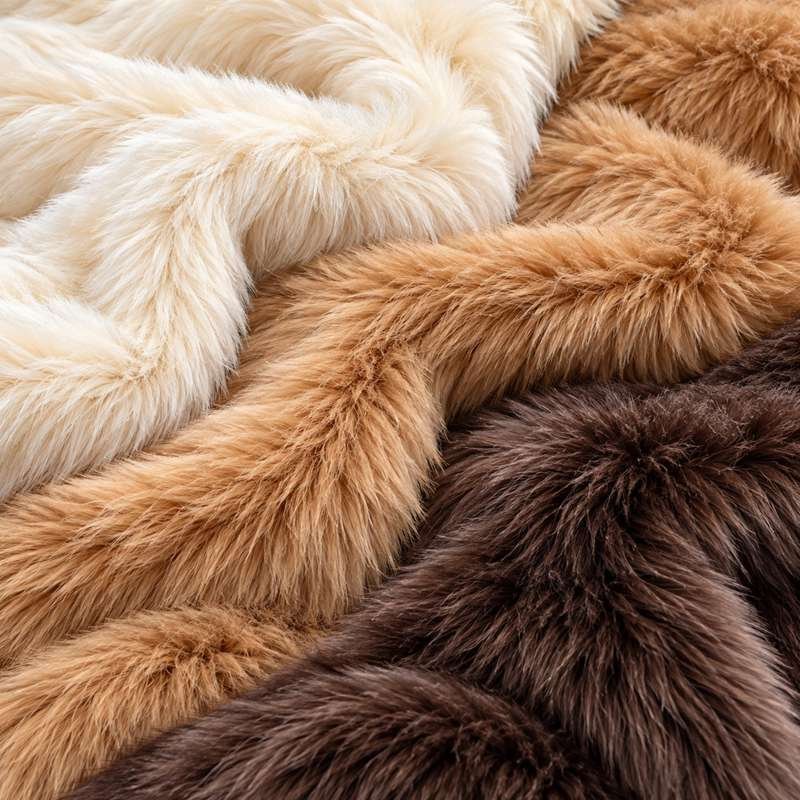
Use faux fur for realistic animals, monsters and premium characters where pile length and texture matter. Review nap direction, shedding, seam trapping, embroidery limitations and compression before bulk approval.

Stretch Fabric Guide

Stretch plush can wrap rounded heads and complex shapes but may change dimensions around embroidery, seams or internal structures. Pattern direction and sewing tension should remain controlled between sample and production.

Recycled Material Guide

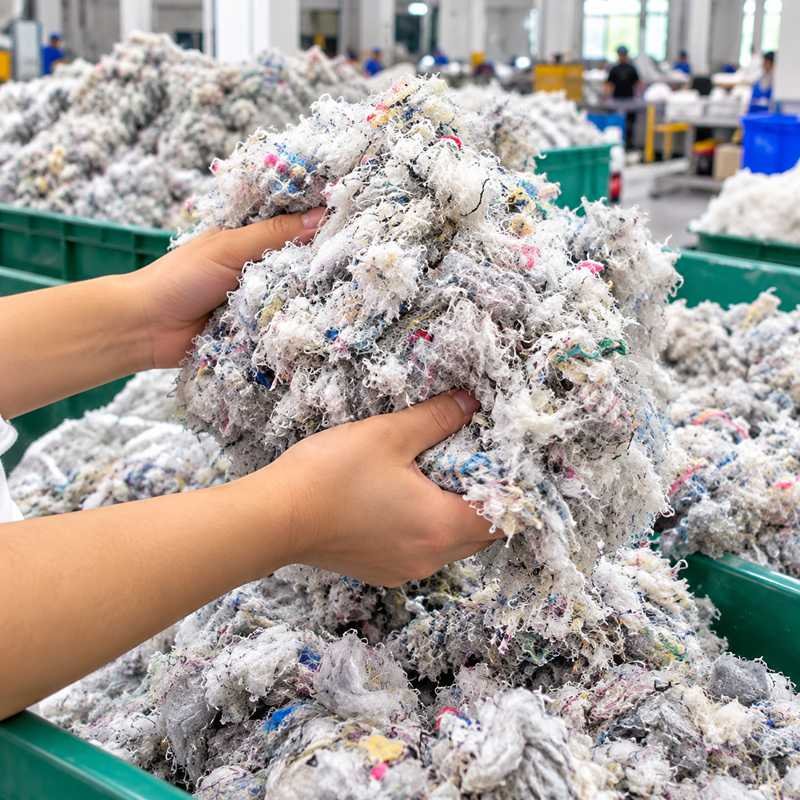
Review recycled textile options alongside required handfeel, color, availability, documentation and product performance. Material sustainability claims should match actual supplier and certification evidence for the selected production material.

Filling Options

Compare standard fiber filling, firmer shaping zones and special internal structures according to posture, softness and product function. Filling should be specified by approved appearance and controlled weight references.

Filling And Shape

Learn why identical patterns can look different when filling quantity and distribution change. Faces, limbs, seated bodies and rounded shapes often need separate filling zones rather than one uniform stuffing instruction.

Decoration Logo And Component Selection Resources

Choose decoration and accessories by fabric compatibility, scale, visual result, safety and production consistency. Small design details often create large manufacturing differences. 

Embroidery Guide

Review thread color, stitch density, backing, pile control, final size and placement. Embroidery is widely used for facial details and logos, but overly dense areas can become stiff or disappear in long pile.

Embroidery Vs Printing

Compare durability, texture, detail, gradients, setup and fabric compatibility before selecting a process. The right method depends on artwork style and the surface receiving the decoration.

Appliqué Guide

Use layered fabric shapes for large color blocks, patches, eyes, clothing details and dimensional effects. Edge finish, material thickness and attachment method should remain consistent with the approved sample.

Printing Method Guide

Compare screen, digital and transfer processes for logos, gradients, full-surface artwork and garment panels. Base fabric, pile, heat sensitivity and required color result determine the suitable printing route.

Plush Eye Options

Review embroidered, plastic, silicone and other eye constructions according to visual style, age grade, attachment method and scale. Small products often benefit from embroidery when hard components become difficult to secure.

Hardware Selection Guide

Evaluate keyrings, lobster clasps, chains, O-rings, badges and other metal components by size, finish, weight, attachment point and required mechanical performance before decorative appearance alone.

Clothing Accessories Guide

Plan miniature garments, hats, shoes, bows, straps and removable items around fabric thickness, sewing allowance, attachment and intended age grade. Small fashion components often add considerable manual assembly.

Labels Hangtags Branding

Coordinate sewn labels, care labels, copyright information, hangtags, QR codes and retail information with the approved SKU and packaging version. Branding elements should not interfere with seams or product presentation.

Sampling Prototype And Approval Resources

Sampling should progressively answer design and manufacturing questions. Use controlled versions so appearance changes, material decisions and production specifications do not become mixed.

Sample Development Process

Follow design review, pattern development, material preparation, prototype sewing, evaluation and revision. Character/IP samples may be planned around 7–12 working days when materials and requirements are reasonably clear, while more complex constructions may require additional development time.

Prototype Sample

Use a prototype to validate shape, proportions, construction and key materials before treating every detail as final. Early samples are development tools, so comments should identify specific changes rather than simply approve or reject the entire piece.

Sample Revision Guide

Separate comments into proportion, pattern, material, decoration, filling, accessories and packaging. Local revisions may take only several working days, while major structural changes can require new pattern work and a new sample version.

Sample Review Checklist

Compare the sample against artwork and agreed dimensions using the same review points every round. Photograph important angles, record measurements and identify must-fix issues separately from optional improvements so revisions can converge instead of expanding endlessly.

Golden Sample Guide

The Golden Sample becomes the approved physical reference for production appearance and construction. It should align with released pattern, BOM, decoration files, accessories, filling references and packaging instead of existing as an isolated sample with undocumented materials.

BOM Freeze Guide

A frozen BOM records the approved material, color, fabric properties, decoration, components, filling, labels and packaging needed to reproduce the final sample. Changes after freeze require controlled review because substitutions can affect appearance, cost, safety or delivery.

Cost MOQ And Lead Time Planning Guides

Understand what drives commercial feasibility before negotiating only the unit price. Quantity, materials, structure, and packaging can change economics in very different ways. 

Custom Plush Cost Guide

Review major cost drivers including size, fabric grade, pattern complexity, embroidery, printing, filling, garments, accessories, electronics, packaging and testing. Clear cost structure helps identify which features can change and which character details should remain protected.

MOQ Planning Guide

Around 500 pcs/style can serve as an early commercial evaluation point for conventional custom plush. Effective MOQ can rise when custom fabric dyeing, electronics, molded parts, specialized accessories, printed packaging or multiple low-volume SKUs create separate supply requirements.

Sample Cost Guide

Sample charges reflect development work, materials, pattern making, decoration setup, component sourcing and repeated assembly rather than the value of one finished plush. Complex characters and functional products require more engineering work before a stable specification exists.

Material MOQ Guide

Stock materials can reduce early sourcing constraints, while custom colors, special textures and unique trims may have separate minimum purchases. Material MOQ should be checked before committing to many colors or small individual SKU quantities.

Production Lead Time

Manufacturing schedules depend on material readiness, SKU count, decoration load, handwork, packaging and the production window. Work backward from the required launch or delivery date instead of assuming every custom plush follows one fixed production duration.

Cost Optimization Guide

Reduce cost by reviewing material grades, pattern complexity, embroidery area, accessories, filling, packaging and shared components across a series. Avoid removing the visual features responsible for character recognition merely to reach a lower unit price.

Production And Plush Quality Control Resources

Move from approved sample to consistent bulk production by controlling specifications, materials, processes and revisions at the points where errors can still be corrected.

Manufacturing Process Guide

Follow material preparation, cutting, embroidery or printing, sewing, stuffing, assembly, finishing, inspection and packaging. Each stage receives information from the released product definition rather than reconstructing requirements from photographs.

Sample To Bulk

Learn how Golden Sample, frozen BOM, pattern, artwork, filling references and packaging revisions become production controls. Scaling requires more than asking operators to copy the sample by eye.

Plush QC Checklist

Review dimensions, symmetry, facial placement, seams, fabric direction, filling, accessories, decoration, cleanliness, labels and packaging according to product-specific criteria before shipment.

Common Plush Defects

Identify causes behind distorted faces, uneven filling, open seams, trapped fur, embroidery shifts, color mismatch, loose accessories and packaging deformation. Prevention is usually cheaper than sorting finished inventory.

Facial Alignment Control

Use pattern reference points, embroidery coordinates, templates and approved samples to maintain eye, mouth, eyebrow and muzzle position across production instead of relying on visual estimation.

Filling Consistency

Control filling amount and distribution by body zone so shape, softness and posture remain closer to the approved sample. Overfilling and underfilling can both alter the character silhouette.

AQL And Inspection

Understand how inspection sampling, defect categories and product-specific acceptance criteria can be used for bulk quality review. Critical safety issues should not be treated the same way as minor cosmetic differences.

Traceability And CAPA

Keep material, component, production and inspection information linked well enough to investigate problems. Corrective action should identify root cause, containment and prevention rather than only repairing visible defective pieces.

Safety Testing And Compliance Planning Resources

Define market, age grade, product construction and special components before testing. Compliance decisions made during design are usually easier than corrections after production.

Plush Safety Guide

Review small parts, seams, accessible edges, cords, hard accessories, flammability, chemicals and labeling according to the finished product and intended user. Testing requirements change when the construction changes.

ASTM F963 Resources

Use ASTM F963 planning resources for U.S. toy projects where applicable. Product age grading, physical construction and components determine which test areas need attention before final third-party testing.

CPSIA Resources

Review applicable U.S. requirements involving materials, regulated substances, tracking information and children’s products. Final documentation should correspond to the actual production materials and finished SKU.

EN 71 Resources

Plan European toy safety around the final product, intended age and market. Mechanical, physical, flammability and chemical considerations should influence material and component selection before bulk manufacturing.

Electronic Plush Safety

Sound, light, battery, sensor and motor products add electrical and functional considerations beyond conventional stuffed toys. Battery access, wiring, hard edges, heat and product misuse should be considered during structure development.

Target Market Checklist

Record destination, age group, retailer requirements, materials, hard parts, batteries, electronics and packaging before creating the test plan. Third-party laboratories can then test the correct finished configuration instead of an outdated sample.

Packaging Retail And Delivery Resources

Plan packaging around sales channel, product recovery, labels, barcode data, carton efficiency and destination instead of selecting a box only after production is finished. 

Plush Packaging Guide

Compare polybags, header cards, color boxes, gift boxes, window boxes, blind boxes and display solutions by product protection, retail presentation, cost and shipping volume.

Polybag Vs Box

Use simple bagging where appropriate for cost and logistics, or structured boxes where presentation and product protection justify additional material, printing and freight volume.

Retail Ready Packaging

Coordinate hangtags, care information, warning labels, customer-approved barcode data, display format and carton markings against the retailer specification before mass pack-out begins.

E-Commerce Packaging

Balance product protection, packaging recovery, barcode placement, shipment cube and opening experience for direct-to-consumer or marketplace programs rather than copying retail shelf packaging unchanged.

Barcode Label Guide

Understand the difference between printing approved barcode data and owning the identification number. Label size, quiet zone, print quality and placement affect scanability during warehouse and retail handling.

Carton And CBM Guide

Calculate unit pack-out, carton dimensions and transport volume before final production where freight cost matters. Large soft products can require packaging recovery checks when compression is considered.

EXW FOB DDP Guide

Understand how trade terms allocate delivery responsibilities and costs. The correct quotation should state the applicable named place or port and match the actual shipping route.

Shipping Method Guide

Compare express, air, sea and other available delivery routes according to volume, urgency, destination and landed-cost priorities. Launch-driven programs may also consider split shipments when project planning allows.

Electronic Smart And AI Plush Development Resources
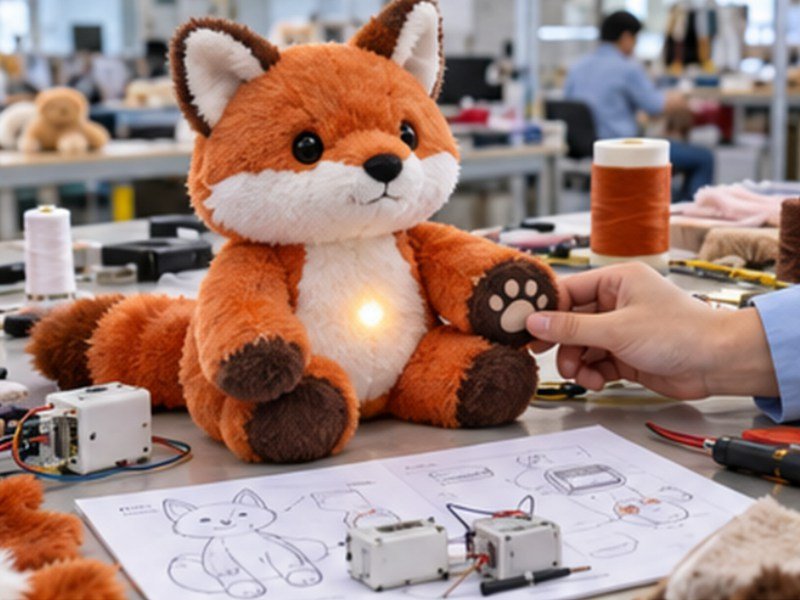
Functional plush combines a soft product with hardware, power, controls and sometimes wireless or software systems. Clear engineering ownership should be established before sampling.

Electronic Plush Guide

Break the product into input, control, output, power, plush structure and safety requirements. Sound, LEDs, sensors and movement each change internal space, assembly and validation needs.

Sound Plush Guide

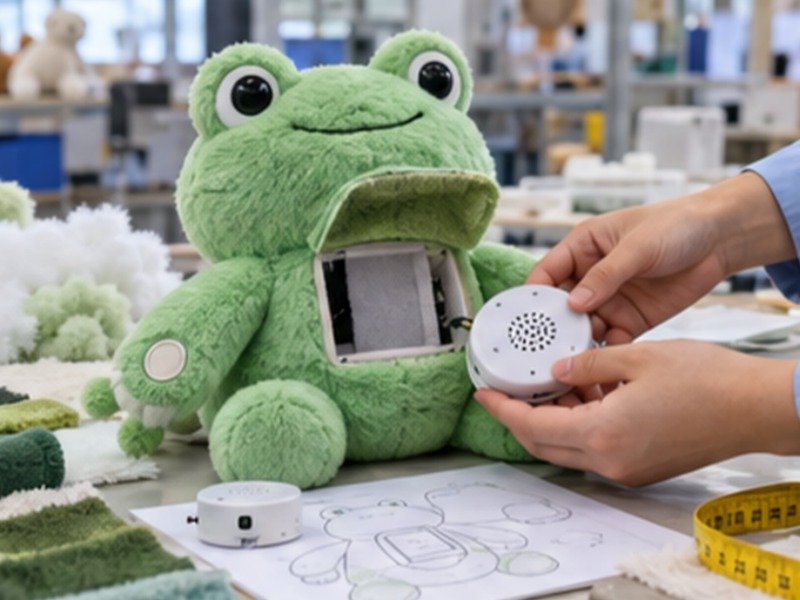
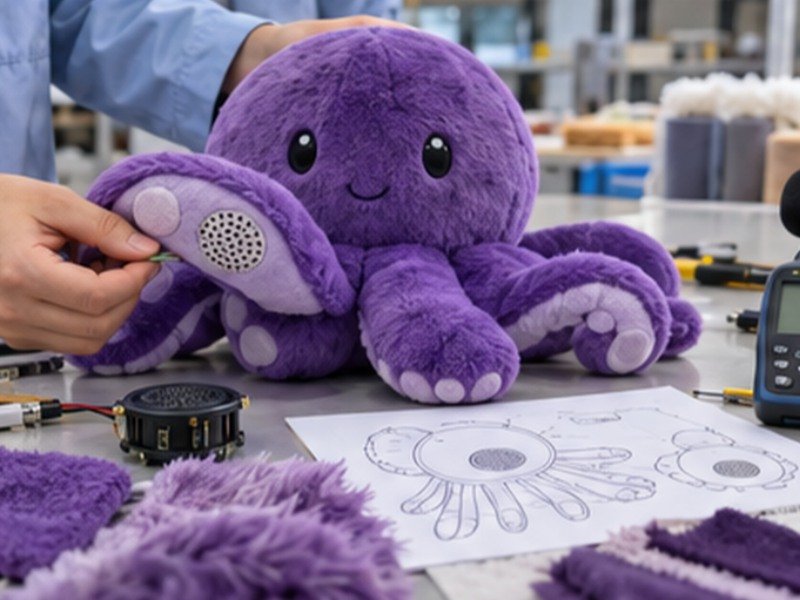
Plan sound-module cavity, trigger point, speaker position, filling clearance and battery access before sewing. Soft materials can reduce audio clarity when the sound path is not considered.

Speaker Placement Guide

Review speaker direction, fabric, acoustic opening and nearby filling. A speaker hidden behind dense pile or uncontrolled stuffing may sound different after final assembly.

Battery Compartment Guide

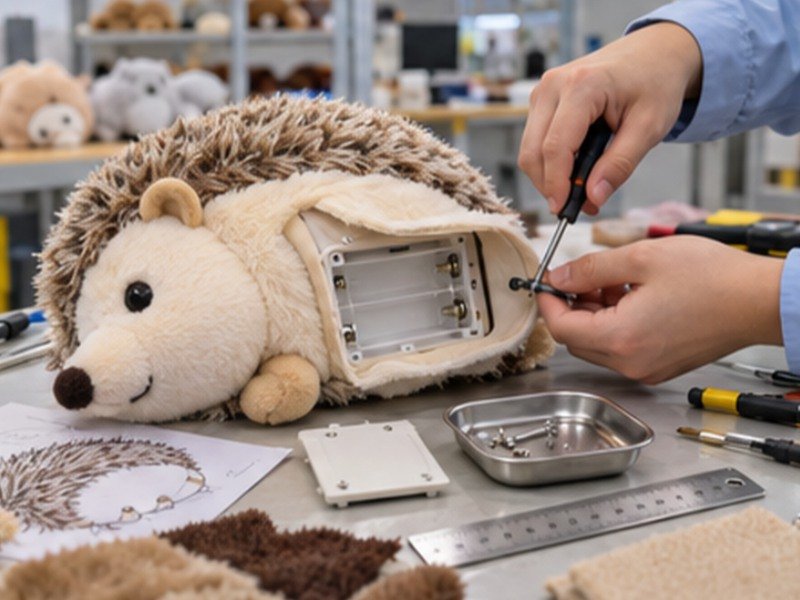
Coordinate battery type, enclosure, access, screws, charging method, wiring and surrounding soft construction. Power architecture affects both usability and product safety.

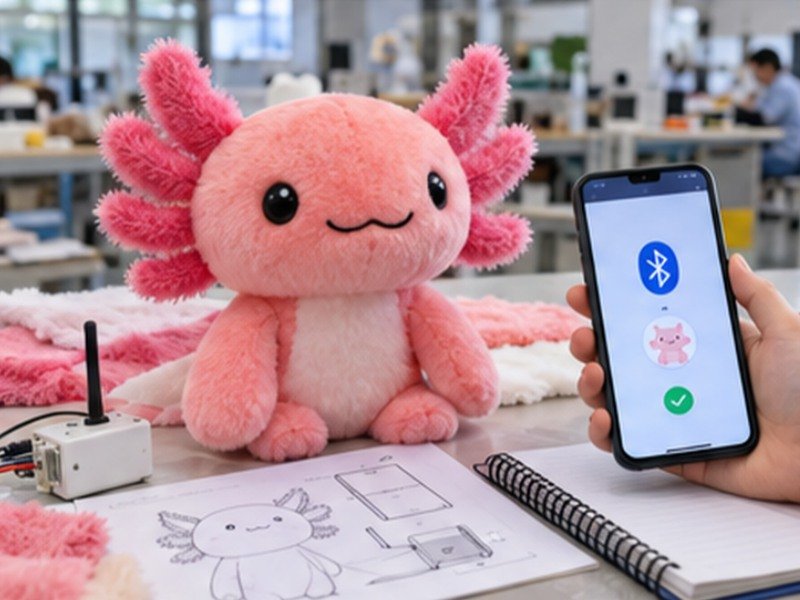
Bluetooth Plush Guide

Define module dimensions, antenna keep-out requirements, speaker, battery, App ownership and functional test criteria. Ewin focuses on plush structure and manufacturing integration around the released electronics.

AI Plush Integration Guide

Separate plush-shell responsibilities from PCB, wireless, firmware, App and cloud technology. Interface lists and version control help the soft-goods and technology teams move together without confusing ownership.

Troubleshooting Guides And Engineering Case Methods

Use recurring plush problems to trace likely causes before repeating the same defect in another sample, production run or supplier transfer.

Artwork Looks Different

Compare silhouette, head-to-body ratio, facial coordinates, depth and stuffing before blaming fabric alone. A recognizable drawing can lose character identity when three-dimensional proportions are interpreted incorrectly.

Face Looks Asymmetrical

Check pattern symmetry, embroidery coordinates, sewing alignment, stuffing pressure and final shaping. Small facial shifts can become highly visible on simple character designs.

Embroidery Disappears

Long pile can cover small stitches and narrow lettering. Consider pile control, larger embroidery, shorter fabric areas, appliqué or alternative decoration rather than increasing density without testing.

Shape Changes In Bulk

Review filling weight, distribution, seam operation, pattern version and material stretch. One carefully hand-shaped sample does not automatically define a repeatable production method.

Accessories Become Loose

Investigate attachment construction, reinforcement, component geometry and assembly method before increasing glue or adding cosmetic stitching. The correct solution depends on the accessory and intended product use.

Packaging Deforms Plush

Review compression direction, recovery behavior, carton loading and vulnerable ears, tails or accessories. Lower freight volume has limited value when the product arrives with damaged presentation.

Project Tools Checklists And Planning Worksheets

Use structured tools to prepare better specifications, compare options and review approvals before important information becomes buried in email threads or chat histories.

RFQ Checklist

Collect product type, artwork, size, quantity, target market, materials, decoration, accessories, packaging and delivery information before asking manufacturers for comparable quotations.

Sample Review Checklist

Record proportions, dimensions, face, materials, embroidery, filling, accessories and function by sample version so each revision closes defined issues rather than restarting discussion.

Material Selection Sheet

Compare body, face, hair and clothing fabrics by handfeel, pile, stretch, color, decoration compatibility, MOQ and expected use before final approval.

Size Planning Sheet

Connect finished size to character detail, intended use, packaging, freight volume and target retail position instead of selecting centimeters without commercial context.

Supplier Scorecard

Compare development, sample quality, manufacturing, communication, compliance support, packaging, commercial clarity and scalability using the same criteria across shortlisted manufacturers.

QC Checklist

Create product-specific inspection points for dimensions, appearance, stitching, decoration, filling, accessories, function, labels and packaging against approved references.

Packaging Brief

Record sales channel, packaging type, barcode or label input, presentation needs, carton requirements, destination and launch timing before requesting packaging quotations.

Timeline Planner

Work backward from the required in-hand or launch date through delivery, production, testing, packaging, approval, revision and sampling so schedule risks become visible earlier.

Frequently Asked Questions

Start with Artwork Requirements, Character Proportion and Artwork-to-Plush resources. Add an approximate finished size, quantity, market and target date before requesting a development review.
No. Projects can begin from sketches, character sheets, renders, references or physical samples. More complete inputs simply reduce assumptions during quotation and prototype development.
Use the RFQ Checklist first, followed by Size, Material, MOQ and Packaging resources when those decisions already affect your project.
Compare both suppliers against identical specifications, then review development process, sample quality, manufacturing controls, QC, compliance support, packaging capability and commercial assumptions.
Choose a material direction before detailed sampling, then approve the actual physical fabric used for the final sample and record the released material specification in the BOM.
Production should follow an approved sample supported by current pattern, BOM, decoration files, filling references and packaging specifications rather than visual approval alone.
An existing sample can serve as a reference for proportions, materials, construction and problem diagnosis. Final manufacturing specifications still need to be rebuilt and approved for the new production route.
Start when target market, age grade and product configuration are known. Early review helps materials, accessories, batteries or hard components follow an appropriate development and testing path.

Turn Your Research Into A Manufacturable Plush Project

Once the product direction is clear, send the available artwork, reference sample, specification or project brief to Ewin Toys for review. A complete tech pack is helpful but not required at the first discussion.
For a faster technical and commercial assessment, include:

  • Product type and intended finished size
  • Artwork, character sheet or reference photos
  • Quantity per design or SKU
  • Target market and intended age grade
  • Material, decoration or accessory preferences
  • Packaging or retail requirements
  • Required launch or delivery date
  • Existing sample, BOM or specification when available

Start Your Custom Plush Project

We will contact you within 24 Hours, please pay attention to the email with the suffix“@ewintoys.com”. 

# Confidential project? NDA requirements can be discussed before sensitive files are shared.