Factory Tour — See How Your Plush Products Are Really Made
Visit Ewin Toys and see the complete workflow behind reliable plush production—from product development and material preparation to sewing, assembly, inspection and final packing. A factory tour gives buyers direct visibility into process control, team capability and production readiness before placing larger or more complex programs.
95,000+ m² Manufacturing System | 1,900+ Workforce | 60+ Product Development Team | 1,200+ Sewing Team | 100+ Quality Personnel | 150+ Packaging Team
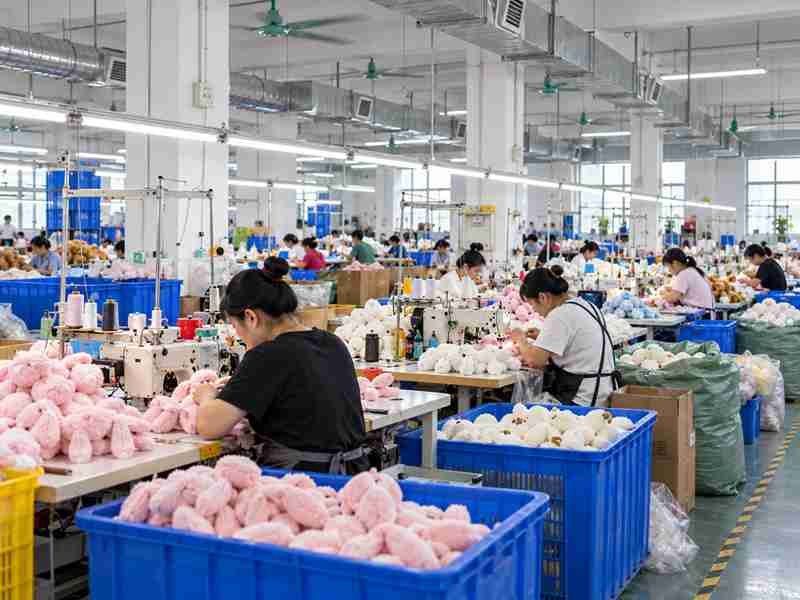
Verify the Controls Behind the Factory Operation
Development Capability
Material Control
Production Control
Quality Control
Multi-SKU Control
Shipment Readiness
Product Types to Review During Your Factory Tour
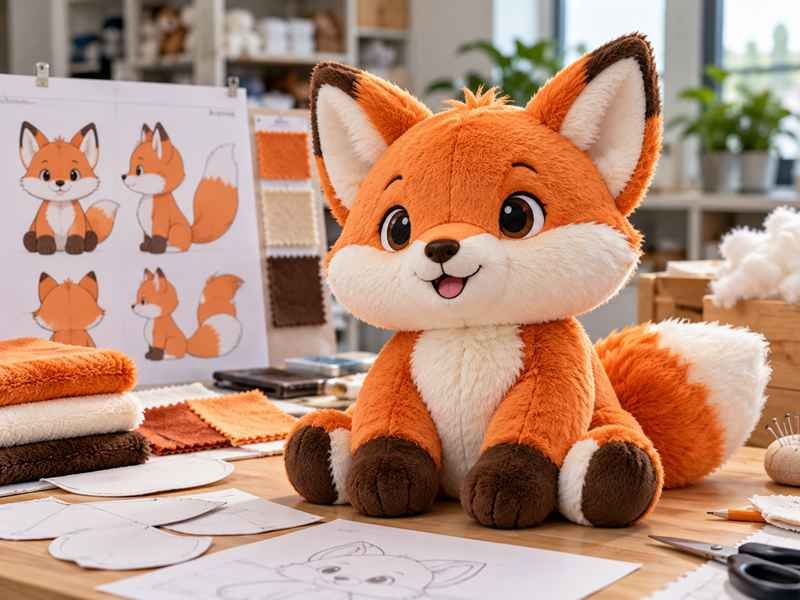
Character & Mascot Plush
- Tour focus: pattern, sample revisions, shaping, Golden Sample.
- Best for: branded IP, mascots, teams, venues, and entertainment programs.
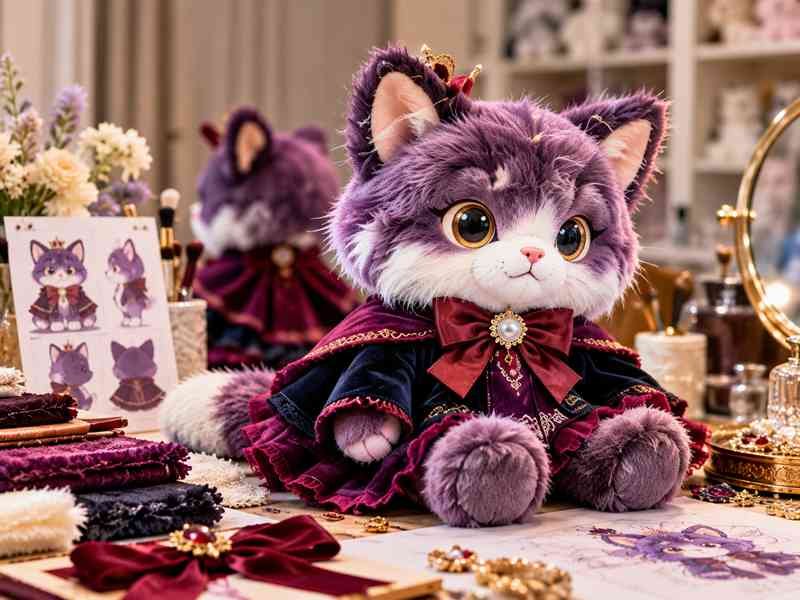
Collectible Plush
- Tour focus: material approval, skilled handwork, finish, packaging.
- Best for: designer, kidult, limited-edition, and premium collections.
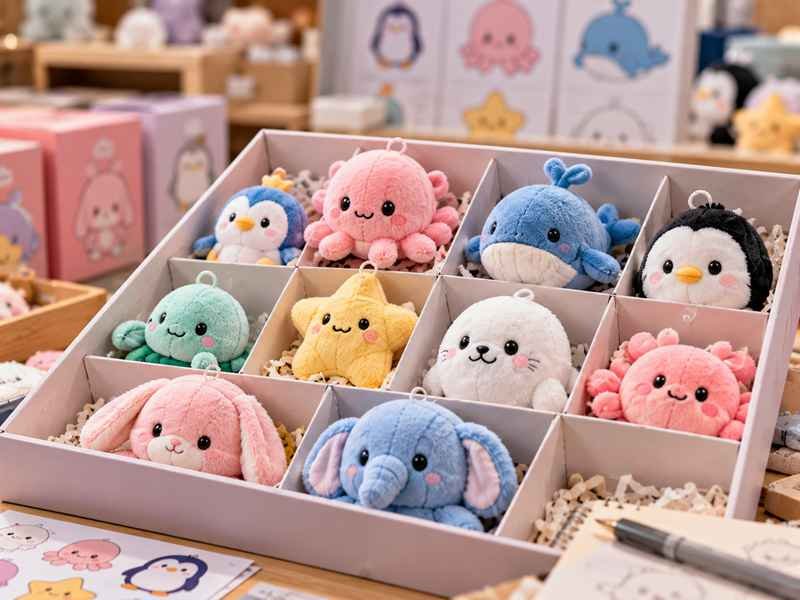
Mini & Blind Box Plush
- Tour focus: small-part sewing, decoration, SKU separation.
- Best for: blind boxes, blind bags, mini series, and collectible drops.
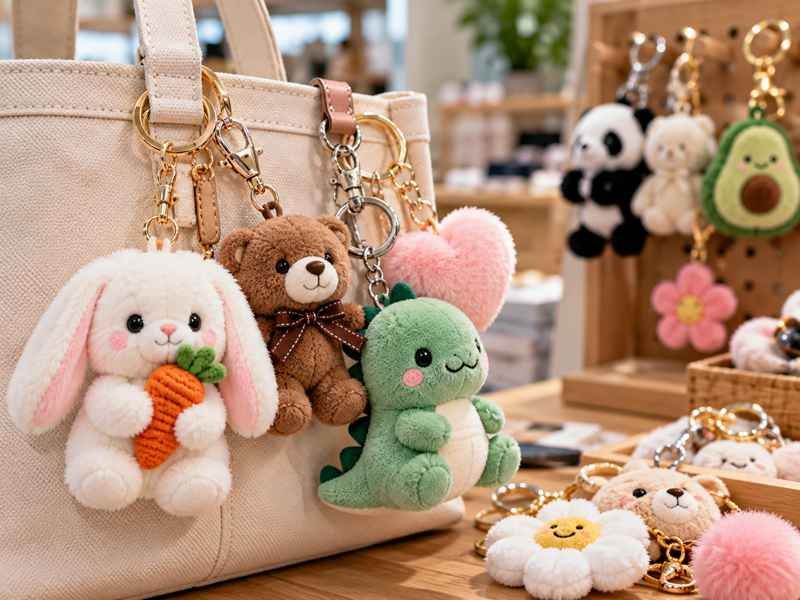
Keychains & Bag Charms
- Tour focus: hardware, attachment, compact assembly, packaging.
- Best for: fashion, gifts, licensed accessories, and lifestyle programs.
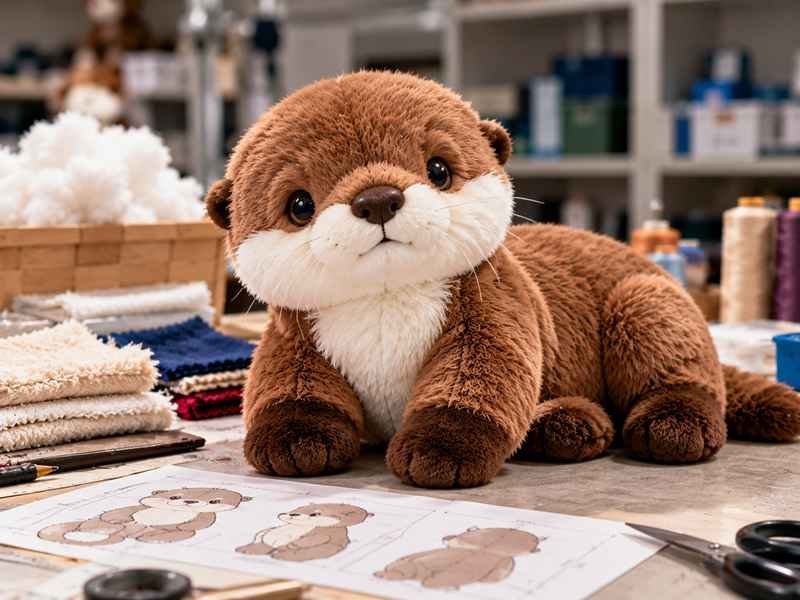
Standard Custom Plush
- Tour focus: repeatability, line control, filling, finished appearance.
- Best for: retail, gifting, corporate, promotional, and private-label programs.
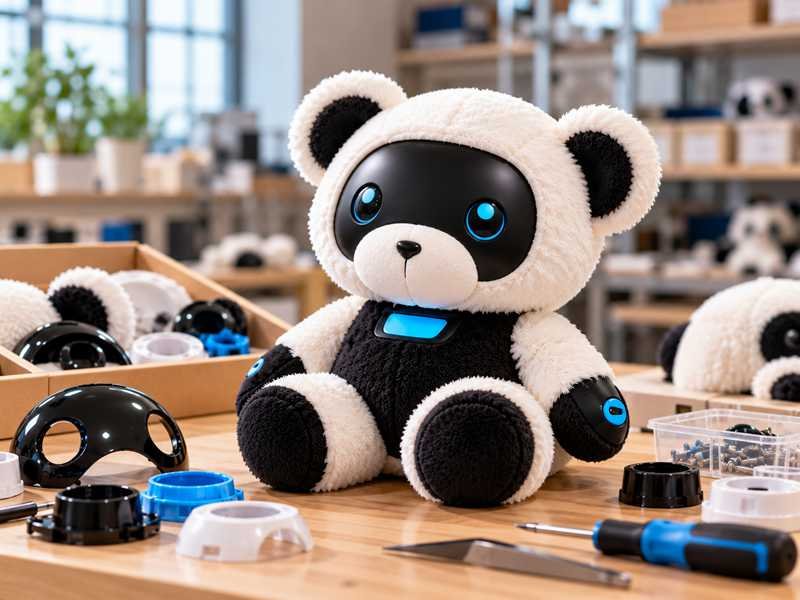
Hybrid Plush Products
- Tour focus: component interface, assembly, fit, protection.
- Best for: stylized characters, collectibles, and functional hybrids.

Electronic & AI Plush
- Tour focus: cavity, module assembly, revision sync, physical protection.
- Best for: interactive, sound, light, and AI-enabled plush programs.
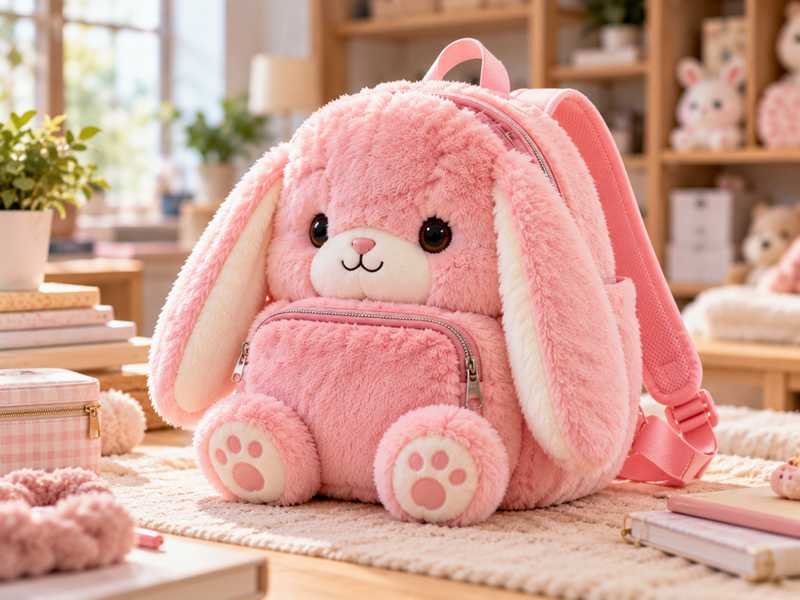
Lifestyle Plush Merchandise
- Tour focus: functional construction plus visual consistency.
- Best for: merchandise, retail, IP, and lifestyle collections.
Tour Priorities for Different Commercial Teams
Global Brand Teams
- Priority areas: development, materials, production release, packaging.
- Verify: approved reference, current version, change history, reorder control.
IP Owners
- Priority areas: development center, sample control, IP handling.
- Verify: approval trail, access control, sample identity, production reference.
Licensing Companies
- Priority areas: project records, samples, packaging, SKU control.
- Verify: revision status, approval evidence, legal copy, release package.
Toy Companies
- Priority areas: development, production, QC, capacity review.
- Verify: product-specific route, CTQs, line readiness, scale-up plan.
Collectible Brands
- Priority areas: materials, sample center, handwork, finishing, packaging.
- Verify: approved material, handwork reference, finish criteria, series control.
Retail & Private Label
- Priority areas: QC, packaging, warehouse, shipment release.
- Verify: SKU, barcode, case pack, carton marks, release status.
Merchandise Agencies
- Priority areas: project control, sample center, production status, packing.
- Verify: owner, revision, milestone, launch date, file separation.
Technology & AI Teams
- Priority areas: development, assembly, QC, packaging.
- Verify: module version, cavity, installation, access, protection, function.
Follow the Factory Route From Development to Release
Product Development
Material Warehouse
Cutting
Decoration
Sewing & Assembly
Quality Control
Packaging & Warehouse
Project Review
Verify Fabrics Beyond the Warehouse Shelf
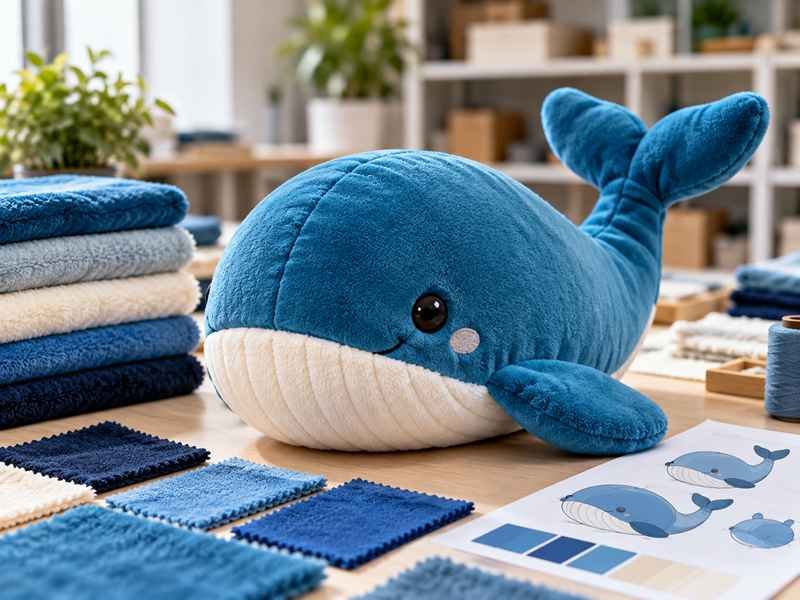
Short-Pile Plush
- Verify: approved swatch versus warehouse material.
- Watch: different suppliers using the same generic fabric name.

Medium-Pile Plush
- Verify: lot, density, nap, bulk color consistency.
- Watch: surface changes that alter the approved character appearance.

Sherpa & Teddy
- Verify: texture, thickness, approved detail result.
- Watch: small features becoming visually buried after material changes.

Faux Fur & Long Pile
- Verify: pile length, direction, grooming, approved finish.
- Watch: mismatched sheen, trapped fur, hidden facial details.
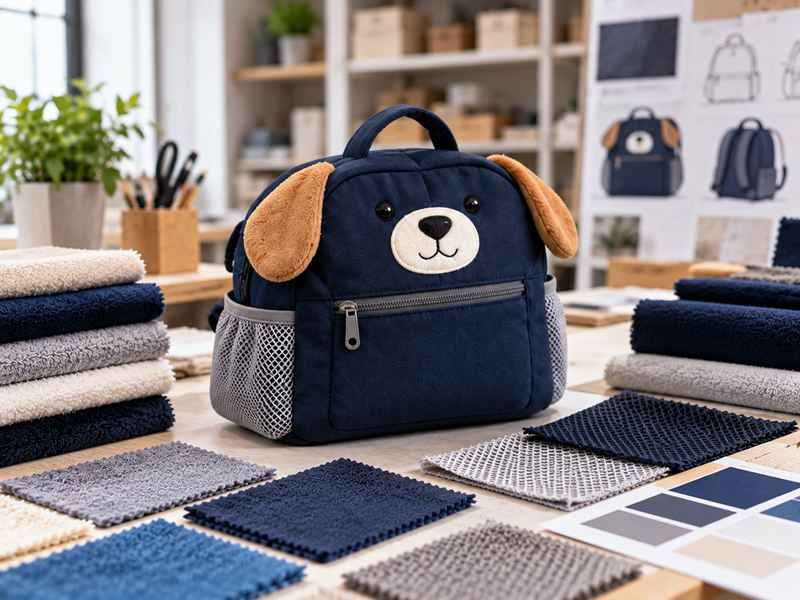
Flat & Structural Fabrics
- Verify: material identity, use location, thickness, stretch.
- Watch: substitutes that change fit, stiffness, or decoration behavior.

Recycled Material Routes
- Verify: source, batch, specification, evidence scope.
- Watch: sustainability claims that are broader than the available documentation.
Supporting Materials Should Be Visible and Controlled
Linings & Interlinings
- Review material identity, thickness or GSM, stretch, stiffness, color, and use location. A lining or reinforcement should be linked to a defined product function instead of being replaced by a visually similar material without review.
- Verify: specification and use location.
- Ask: how substitutions are approved before production use.
Sewing Threads
- Check thread size, color, structural role, and use location. Visible seams or topstitching may need both strength and appearance approval, while internal structural seams may follow a different requirement.
- Verify: thread color and construction requirement.
- Ask: how exposed and hidden thread specifications are separated.
Embroidery Threads
- Review thread color or code, program version, backing, density, scale, and placement against the approved sample. Facial expression can change when thread or program settings are altered even if the artwork file appears unchanged.
- Verify: program and thread version.
- Ask: how first-piece embroidery is approved.
Labels & Wash Labels
- Inspect brand labels, care labels, composition labels, warnings, or traceability labels by artwork revision, dimensions, material, language, and sewing position. Old label files should not remain active after a revision is released.
- Verify: current artwork and SKU mapping.
- Ask: how obsolete labels are segregated or blocked.
Ribbons & Elastic
- Review width, color, stretch, recovery, construction, fixing method, and use location for ribbons, elastic, hook-and-loop, webbing, or cords. Small specification changes can affect clothing fit, closure, hanging, or repeated assembly.
- Verify: dimension, color, stretch, attachment.
- Ask: how stretch-sensitive trims are checked by lot.
Hangtags & Consumables
- Hangtags, tag strings, tapes, adhesives, heat-melt materials, and similar items should follow approved artwork, material, size, application, and SKU mapping when they affect branding or assembly. Final packing should not depend on unverified miscellaneous stock.
- Verify: specification and packaging revision.
- Ask: how consumables with visible impact are controlled.
Components Should Have More Than a Sample Drawer
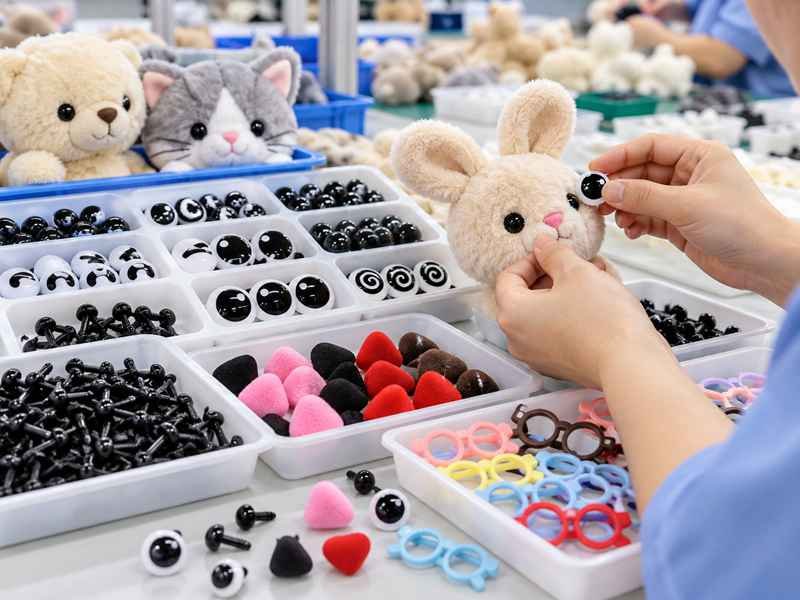
Eyes & Noses
- Verify: part ID, position, fixing, approved reference.
- Ask: what pull or small-part checks apply to the project.
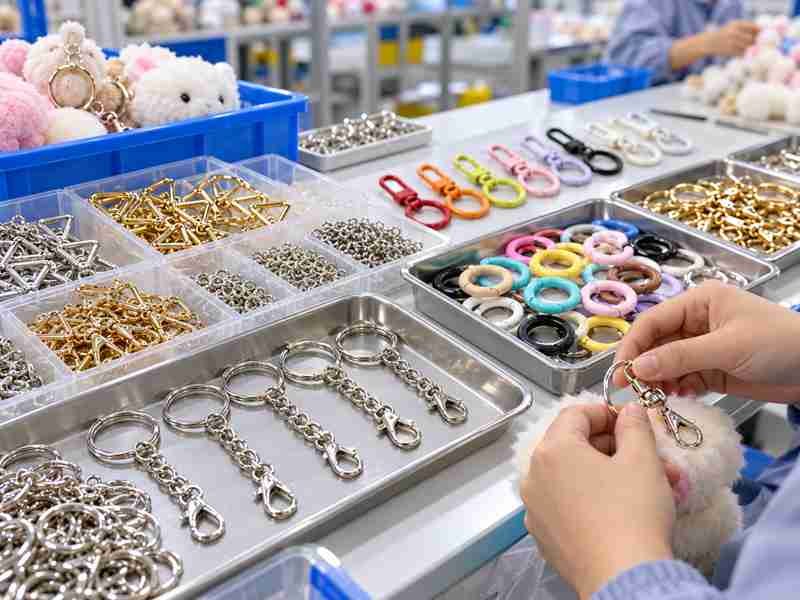
Metal Hardware
- Verify: material, finish, dimensions, fixing.
- Ask: how strength and scratch risk are reviewed.
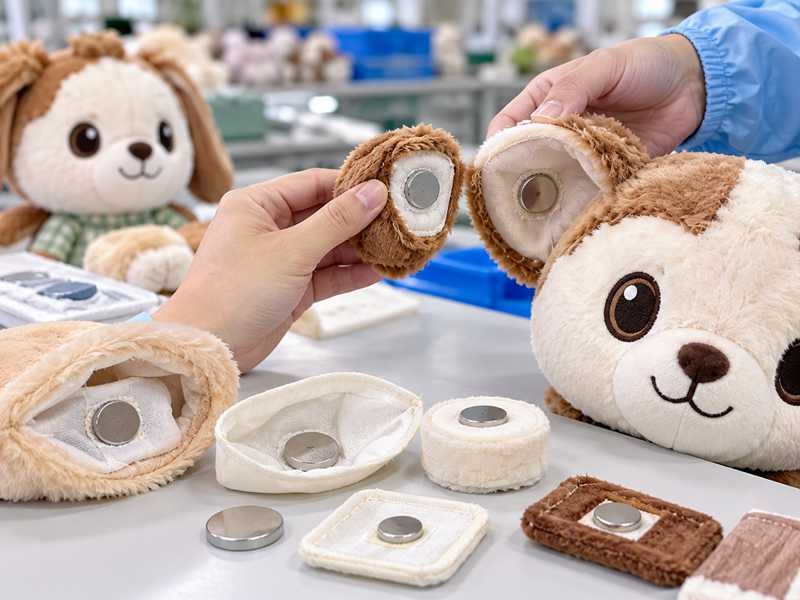
Magnets
- Verify: magnet identity, map, polarity, retention.
- Ask: how functional checks are performed during assembly.
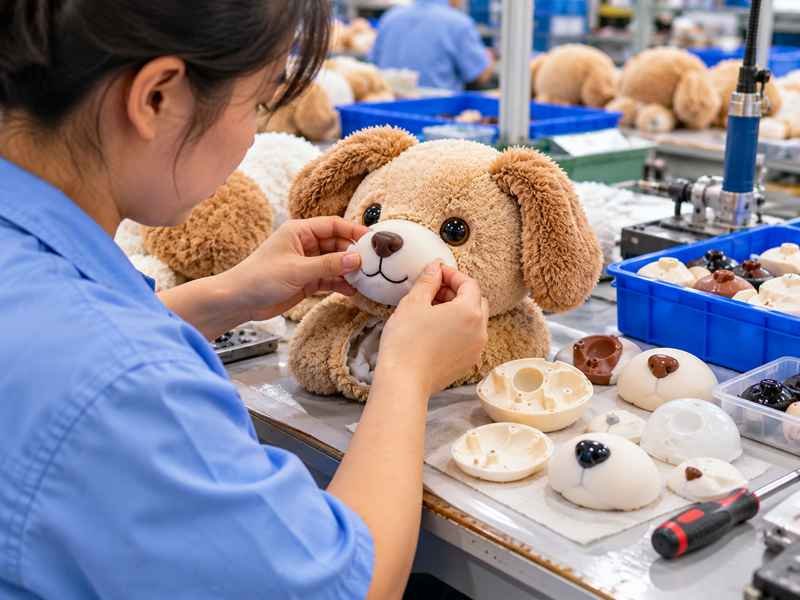
Molded Components
- Verify: drawing or part reference, tolerance, interface.
- Ask: what happens when tooling or part dimensions change.
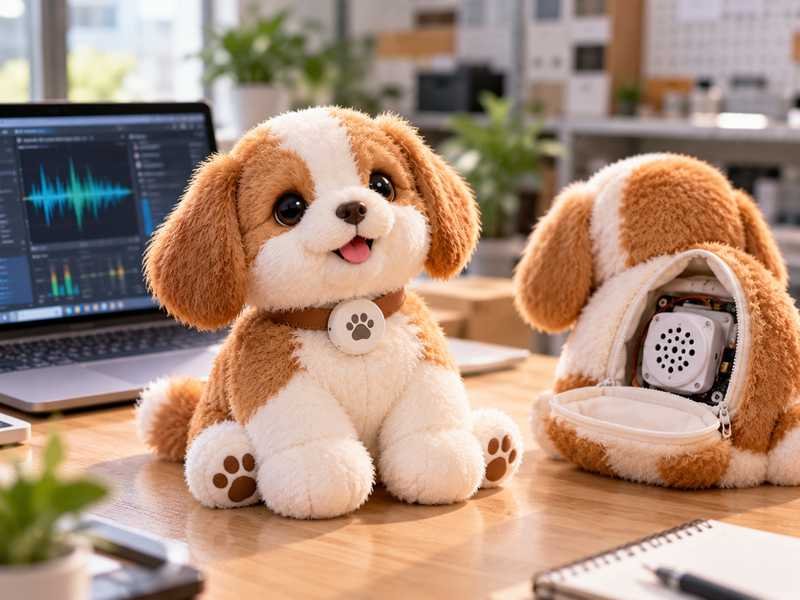
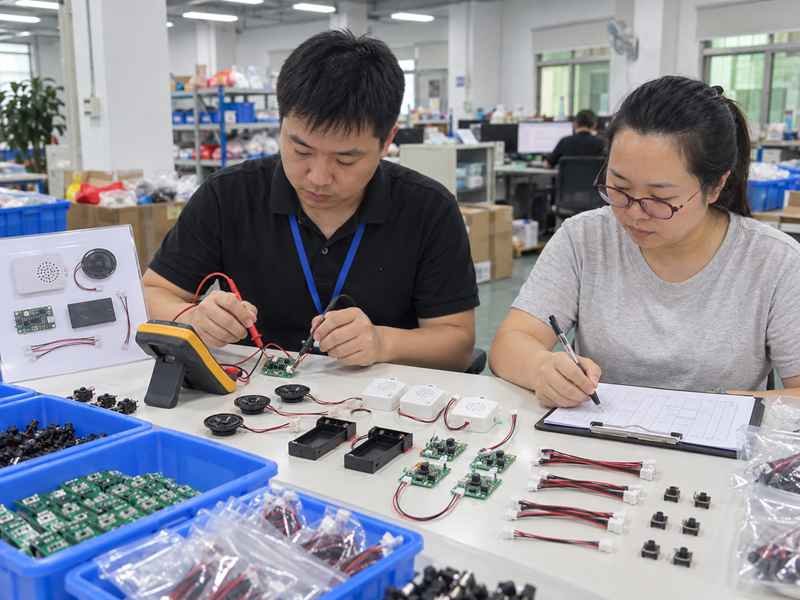
Electronic Modules
- Verify: module revision and installation method.
- Ask: how soft-goods files are updated after hardware changes.
Filling & Inserts
- Verify: material, weight, zone, firmness.
- Ask: how filling consistency is maintained between operators.
Start the Tour Where New Products Are Developed
Review the Product Brief Before the Pattern
A useful development review starts with what the product must achieve. Ewin can receive hand sketches, 2D artwork, character sheets, 3D renders, reference products, AI-generated concepts, or physical samples, then identify what is fixed and what still needs engineering.
What to see: Artwork, character views, requirement notes, target size, target market, expected quantity, packaging direction, launch timing, and the development objective for the current sample.
What to verify: The team should be able to point out recognition features, unclear side profiles, construction assumptions, component interfaces, and other open questions before pattern work begins.
Why it matters: When the project brief is weak, the sample room is forced to make design decisions without approval. A clear brief reduces avoidable sample rounds and gives later teams a traceable reason for the selected structure.
Review Pattern Engineering and Structural Decisions
Pattern engineering converts visual intent into panels, curves, seams, openings, nap direction, and three-dimensional volume. Structure engineering handles balance, support, cavities, hard components, magnets, electronics, clothing, weighted inserts, and other features that cannot be solved by surface artwork alone.
What to see: Pattern pieces, panel markings, seam routes, openings, directional arrows, trial structures, component cavities, and sample notes connected to the current SKU.
What to verify: Ask how pattern revisions are identified, how old versions are blocked, and how a visually approved structure is checked for cutting, sewing, turning, filling, assembly, inspection, and packaging feasibility.
Why it matters: A beautiful one-off sample is not enough. The pattern must also create a structure that operators can reproduce consistently once the order moves beyond the sample room.
Review Sample Making, Revision, and Internal QC
Prototype, V1, revision, material, testing, PP, and Golden samples should have different purposes. During the tour, compare sample labels or records and ask what question each version was intended to close.
What to see: Prototype samples, revision samples, measurement notes, material approvals, embroidery or print trials, accessory changes, sample QC comments, and approval status where confidentiality permits.
What to verify: A later sample should show what changed from the previous version, while already approved points remain stable. The team should be able to explain whether a change affected pattern, material, dimension, decoration, filling, component, cost, or timing.
Why it matters: Controlled revisions prevent rejected features from returning and help external approval focus on real design choices instead of basic execution errors that could have been caught internally.
Review the Handoff From Development Into Production
The strongest part of a development center is not the number of samples it can sew. It is whether approved decisions become usable production information. Before bulk release, Ewin connects the physical reference with BOM, pattern, artwork, measurements, filling, accessories, labels, packaging, and applicable QC requirements.
What to see: Golden Sample identification, Frozen BOM, released pattern, final embroidery or print program, measurement specification, filling reference, component notes, packaging specification, and approval evidence where appropriate.
What to verify: Ask whether sourcing, production, QC, packaging, and later reorder teams all refer to the same SKU revision. Check how a post-approval change is reviewed and released.
Why it matters: Development only creates commercial value when the factory can reproduce what was approved without relying on memory, photographs, or a verbal explanation from the sample maker.
Verify Golden Sample, BOM, and Version Control
Identify the Golden Sample Clearly
A Golden Sample should be more than the best-looking sample in the room. It needs a clear identity that connects the physical product to project, SKU, source revision, approval, pattern revision, BOM revision, artwork version, market, and controlled status.
What to see: A Golden Sample identification card or equivalent record, Factory Golden Sample, QC reference where used, and physical storage that prevents the sample from being confused with V1, test, sales, or obsolete samples.
What to verify: Ask which physical sample production uses, which one QC uses, and how teams know the reference is still current after a reorder or approved change.
Why it matters: If the factory cannot prove which sample is the approved reference, later arguments about bulk mismatch become subjective. Clear Golden Sample identity makes the approved physical standard visible to production and quality teams.
Match the Golden Sample to the Frozen BOM
The physical sample cannot reveal every material code, thread, filling weight, component, label, or packaging decision. The Frozen BOM carries those hidden details and should describe the same product represented by the Golden Sample.
What to see: Main and secondary fabrics, lining, thread, embroidery thread, accessories, filling, labels, hangtags, packaging, and other controlled fields connected to the current BOM revision.
What to verify: Ask how BOM status moves from DRAFT to CONTROLLED to FROZEN, how supplier specifications are identified, and whether unrecorded substitutions are blocked after freeze.
Why it matters: Sample-to-bulk problems often begin when sourcing replaces an approved material with something described as “similar.” A frozen BOM turns sample approval into a purchasing and production standard instead of a visual suggestion.
Check Released Files and Post-Approval Changes
The production release package should connect Golden Sample and Frozen BOM with released pattern, artwork, embroidery or print programs, measurements, filling, components, labels, packaging, and approval evidence. Old files need an obsolete status or another control that prevents accidental reuse.
What to see: Pattern revision list, current artwork, measurements, work or installation notes, packaging version, and any approved ECR/ECO-style change record where relevant.
What to verify: Ask what happens when a fabric, accessory, label, electronic module, packaging item, or construction detail changes after approval. A controlled change should identify the affected SKU, required revalidation, updated files, and new release.
Why it matters: Version control protects later orders from silent product drift and makes the factory’s manufacturing instructions auditable instead of dependent on individual memory.
Check Cutting and Decoration Before Sewing Hides Errors
Released Pattern
Nap Direction
Bundle Identity
Embroidery Program
Color & Thread
First-Piece Approval
Review Sewing, Filling, Assembly, and Final Appearance

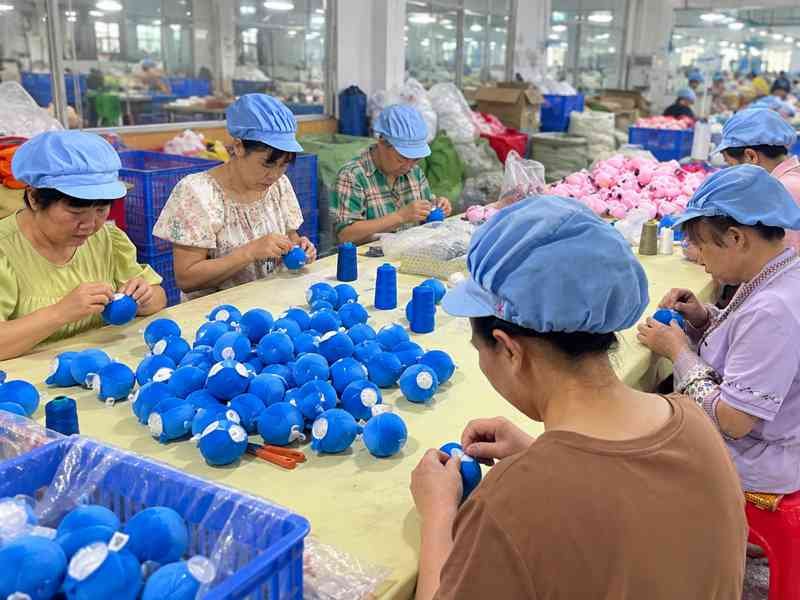
Sewing
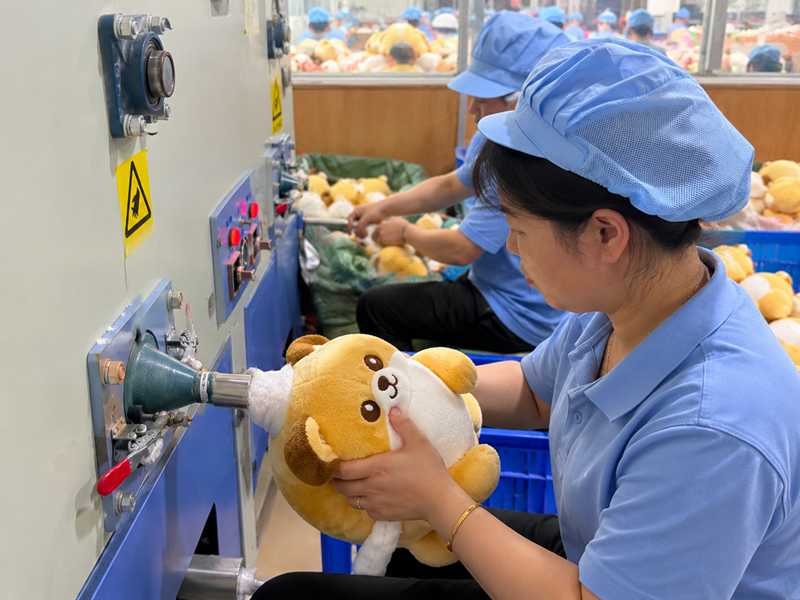
Stuffing
Shaping
Closing
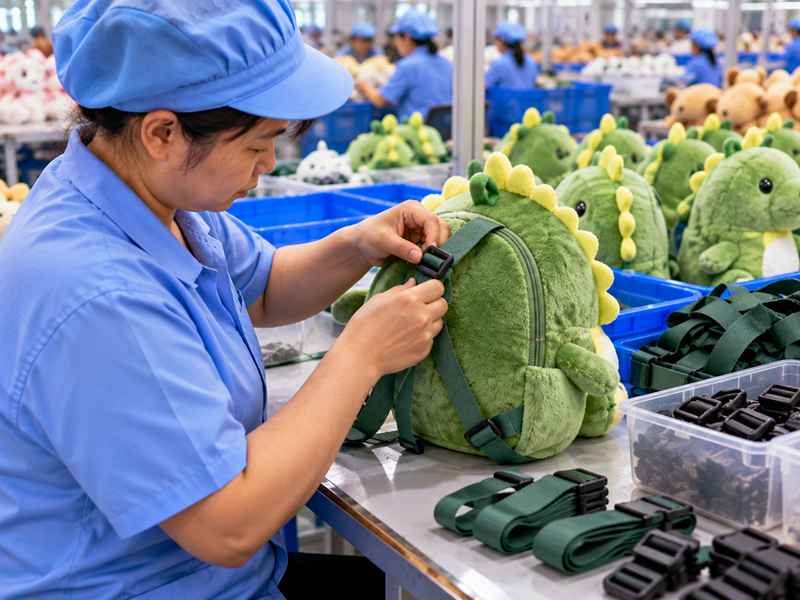
Component Assembly
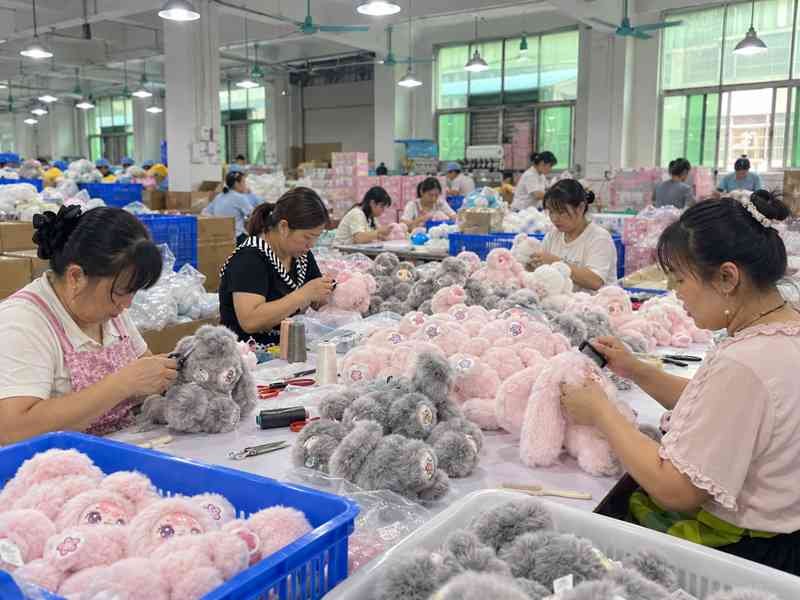
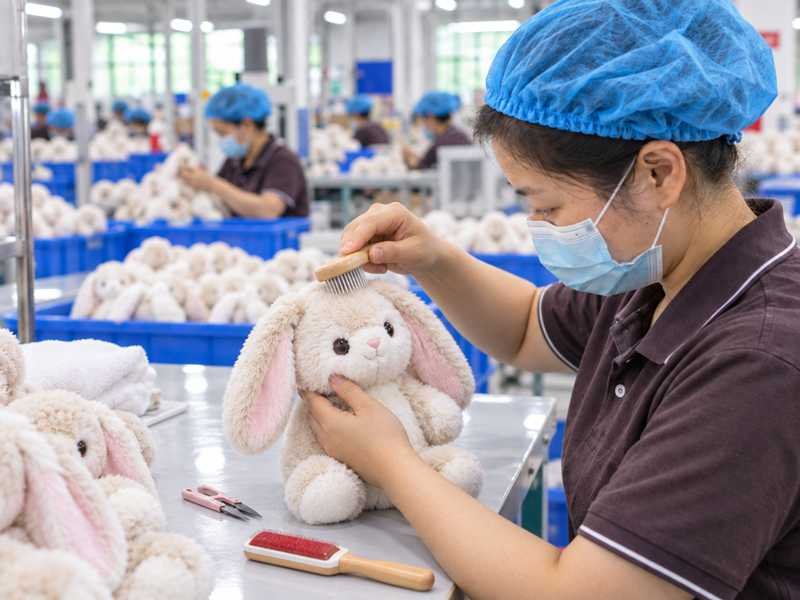
Finishing & Grooming
Trace Bulk Production From Release to Pack-Out
Production Release
Material Issue
Cutting
Decoration
Sewing & Assembly
IPQC & Finishing
Final Inspection
Pack-Out Release
Certificates, Compliance & Quality Assurance
Ewintoys follows structured quality and compliance practices for custom plush production. We hold relevant certifications and support additional testing, inspection, and compliance documentation based on specific product requirements and destination markets, helping brands meet different international standards with confidence.
























Verify Quality at the Stage Where Risk Appears
IQC - Incoming Control
- Verify: approved material reference and lot identity.
- Ask: what blocks an incorrect input from reaching production.
IPQC - Process Control
- Verify: current pattern, process, Golden/QC reference.
- Ask: how repeated process defects are escalated.
FQC - Finished Control
- Verify: current Golden/QC reference and inspection criteria.
- Ask: how recurring defects enter corrective action.
OQC - Outgoing Release
- Verify: packaging and shipment release records.
- Ask: how mixed-SKU or wrong-label errors are prevented.
Inspect the Factory's Physical Quality Checks
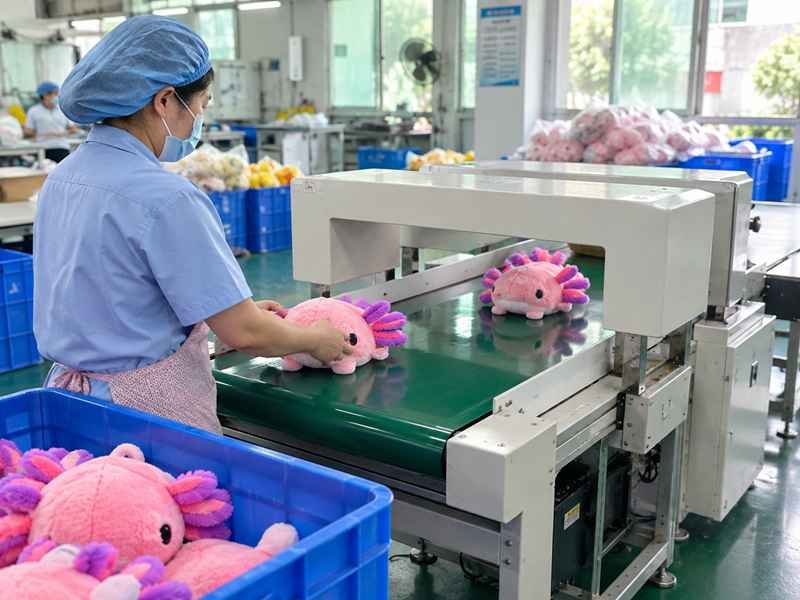
Needle & Metal Control
- Verify: calibration and exception handling.
- Boundary: internal process control, not a substitute for unrelated regulatory testing.
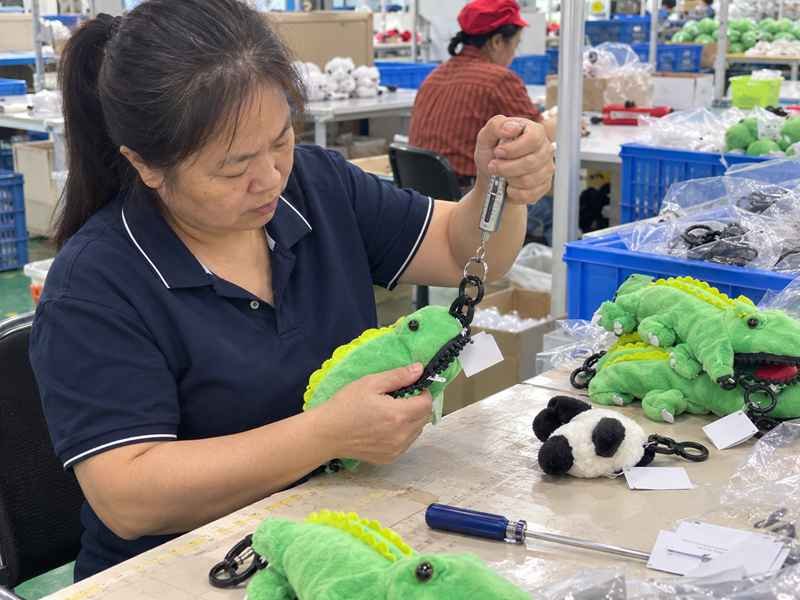
Pull & Torque
- Verify: fixture, method, record, affected component.
- Boundary: requirement depends on the actual SKU and target market.
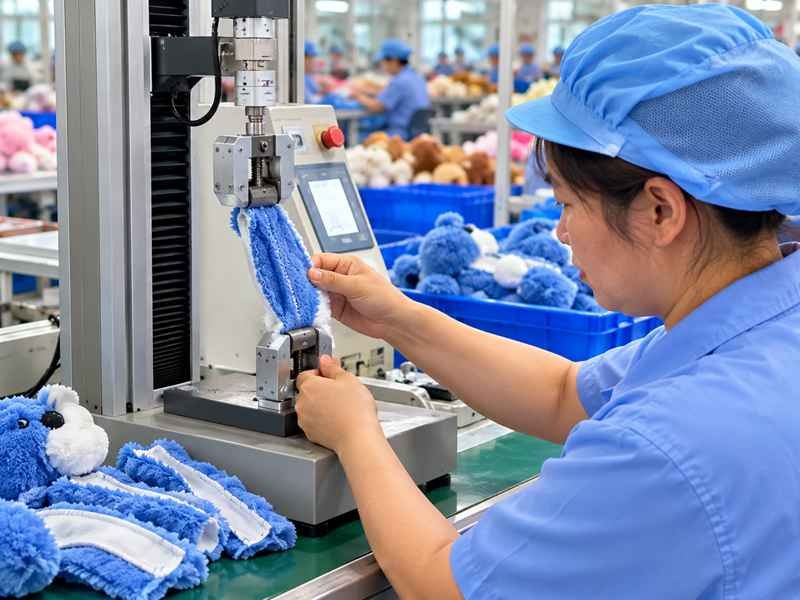
Seam & Tensile
- Verify: test setup and root-cause use.
- Boundary: internal verification supports, but does not replace, applicable formal testing.
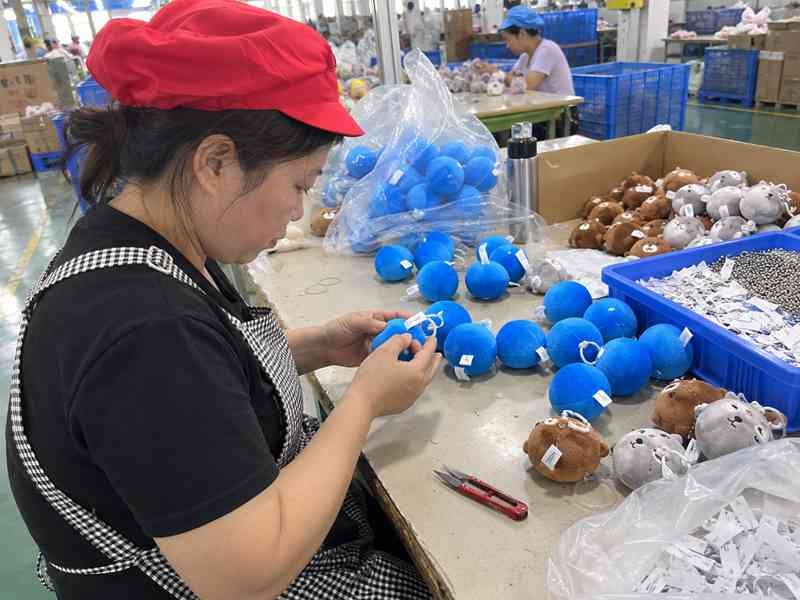
Small Parts & Sharp Points
- Verify: sample identity and applicable tool.
- Boundary: final formal requirements depend on market and age classification.
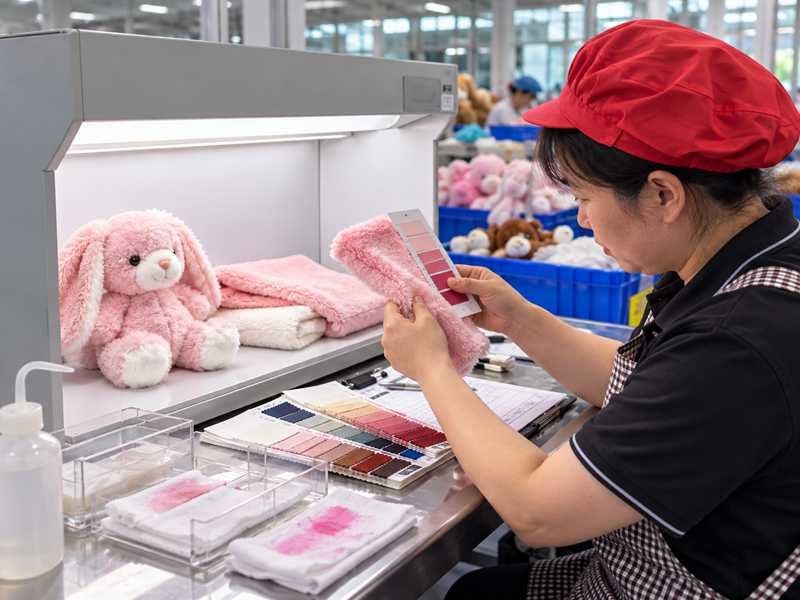
Color & Colorfastness
- Verify: approved color reference and lot comparison.
- Boundary: appearance and process control are product-specific.
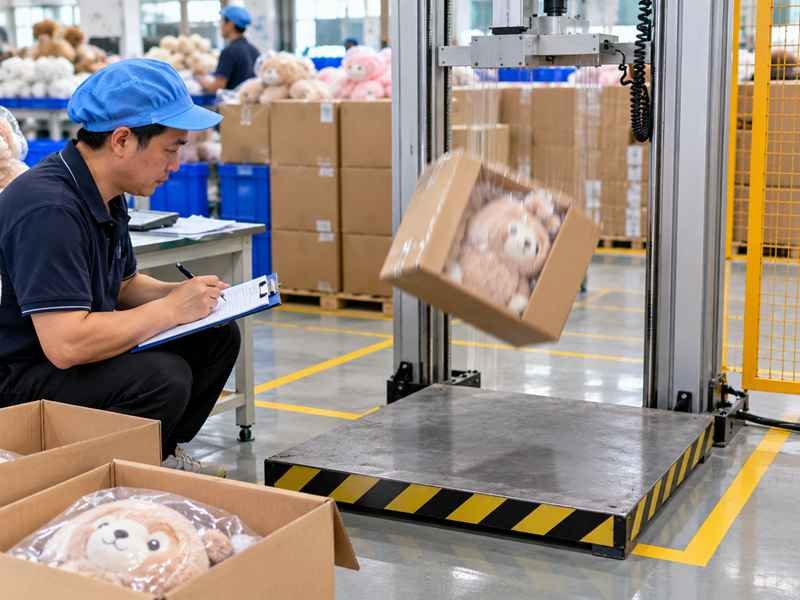
Drop & Compression
- Verify: test purpose and product version.
- Boundary: formal requirements remain dependent on the applicable standard and market.
Follow Finished Products Into Packaging and Warehouse Release
Unit Packaging
Retail Packaging
E-Commerce Packaging
Barcode & Labels
Warehouse Staging
Shipment Release
Evidence to Review During a Factory Tour
Bring a verification checklist so observations can be converted into a supplier decision instead of remaining a collection of factory photos.
| Tour Area | Evidence to Review | What It Helps Confirm |
|---|---|---|
| Product Development | Artwork, pattern, sample versions, revision notes | Whether Ewin can convert creative input into controlled development. |
| Material Control | Material ID, approved swatch, BOM, lot or incoming record | Whether bulk inputs remain tied to the approved sample. |
| Components | Part ID, material, size, fixing, installation note | Whether accessories are specified instead of chosen by appearance. |
| Golden Sample | Golden ID, approval reference, pattern/BOM revisions | Whether the approved physical standard is identifiable. |
| Production Release | Frozen BOM, released pattern, artwork, measurements, packaging | Whether line teams receive one current product definition. |
| Work in Progress | SKU/bundle identity, first-piece approval, process records | Whether manufacturing stays tied to the correct version. |
| Quality Control | IQC/IPQC/FQC/OQC records, defect records, QC references | Whether quality is managed through several stages. |
| Physical Checks | Needle, pull, seam, color, small-part, compression records where applicable | Whether factory pre-checks are linked to the product and risk. |
| CAPA & Traceability | Issue record, root cause, corrective action, verification, batch links | Whether recurring problems can be closed and affected scope identified. |
| Packaging | Approved pack, barcode/label file, carton configuration | Whether the sellable unit matches the correct SKU and channel. |
| Warehouse | PO/SKU staging, carton count, release status | Whether finished goods remain separated before shipment. |
| Multi-SKU Program | SKU tracker, sample/BOM/pack/test/production/shipment status | Whether large collections can be controlled without version confusion. |
Build the Tour Around Your Team's Responsibility
Sourcing Manager
- Spend more time: materials, production, capacity, warehouse.
- Bring: current spec, forecast, supplier concerns, commercial assumptions.
Product Manager
- Spend more time: development center, Golden/BOM, production release.
- Bring: brief, timeline, sample comments, open product decisions.
Designer
- Spend more time: development, fabrics, decoration, shaping.
- Bring: artwork, key visual points, approved color or material references.
Licensing Manager
- Spend more time: development records, sample control, packaging, access rules.
- Bring: approval workflow, confidentiality expectations, character guide.
Quality Manager
- Spend more time: production gates, QC lab, records, outgoing release.
- Bring: QC checklist, defect history, current supplier problem.
Supply Chain Manager
- Spend more time: production status, packaging, warehouse, project review.
- Bring: SKU matrix, forecast, launch date, destination plan.
Choose an On-Site or Live Video Factory Tour
Visit Ewin On Site for Direct Supplier Qualification
An on-site factory tour is useful when sourcing, product, licensing, quality, or supply-chain teams need to combine factory verification with direct project discussion. The route can follow development, materials, manufacturing, QC, packaging, warehouse, and the specific process relevant to the proposed product.
Before the visit: Share company information, roles attending, product type, project stage, approximate SKU count, main verification questions, and preferred timing. If an active product is involved, send artwork, sample photos, specifications, or a current supplier issue in advance.
During the visit: Compare what is visible on the floor with the project records, sample references, material controls, and quality gates used to manage production.
After the visit: Use the findings to define development actions, open evidence requests, commercial assumptions, or the next RFQ and sampling step rather than treating the tour as a standalone hospitality event.
Use a Live Video Tour When Travel Is Not Practical
A live video factory tour can provide real-time verification without relying only on prerecorded promotional footage. The route can be agreed beforehand so the call spends time on the development center, material warehouse, cutting, sewing, QC, packaging, or another area directly related to the project.
Before the call: Send a short checklist of areas, processes, samples, or records you want to see. A project-specific route is more useful than asking to “show the whole factory” in one continuous walk.
During the call: Ask the host to connect visible work with current patterns, sample identities, material references, inspection points, or packaging status where confidentiality permits.
After the call: Record unanswered questions and request supporting documents or a focused follow-up session when a live walk cannot show enough detail to close the qualification point.
Turn the Tour Into a Review of Your Own Product
The strongest factory tour uses your own project as the reference. A brand can bring a current sample, character file, SKU list, quality complaint, packaging requirement, cost concern, or supplier-failure case and follow the related manufacturing controls through Ewin’s operation.
For a new product: Review what development inputs are available, what still needs engineering, and which sample stage should come first.
For a supplier transfer: Identify what can be retained from the current specification, what needs revalidation, and which risks should not be carried into the new source.
For a multi-SKU program: Review how design ID, sample revision, BOM, packaging, testing, production wave, and shipment status would be organized.
Result: The tour becomes an actionable manufacturing assessment tied to the proposed commercial program, not a generic demonstration of factory activity.
Protect Confidential Projects During Every Visit
Factory transparency must coexist with IP protection. Unreleased artwork, branded samples, confidential project files, production information, photography-restricted areas, or sensitive technology programs may not be open for unrestricted viewing or recording during a visit.
Access control: A tour can follow the agreed route while sensitive projects remain segregated or covered. Visitors should not expect permission to photograph every client sample, workstation document, or production area.
Project discussion: Information related to your own project can be reviewed with the appropriate team and within the agreed confidentiality scope.
Why it matters: A factory that exposes another brand’s unreleased IP for marketing convenience would create the same risk for your program. Reasonable restrictions can therefore be evidence of responsible confidentiality rather than a lack of transparency.