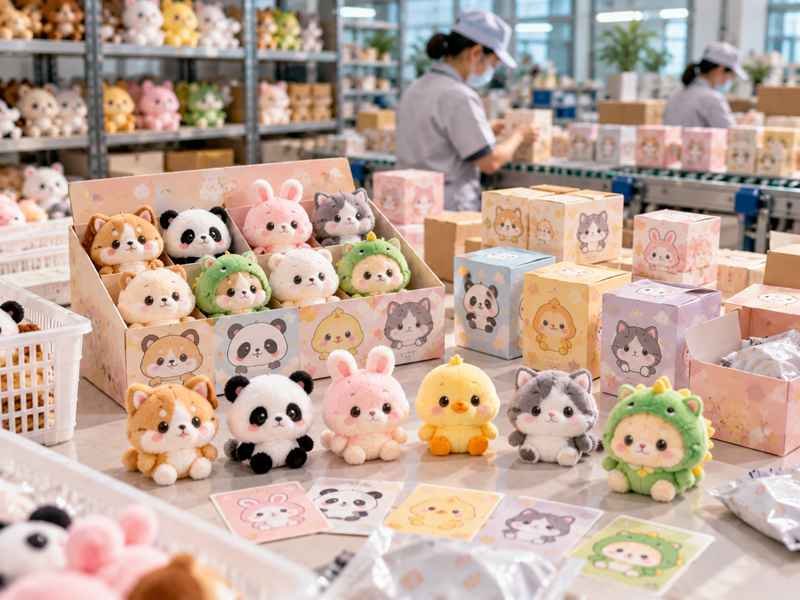
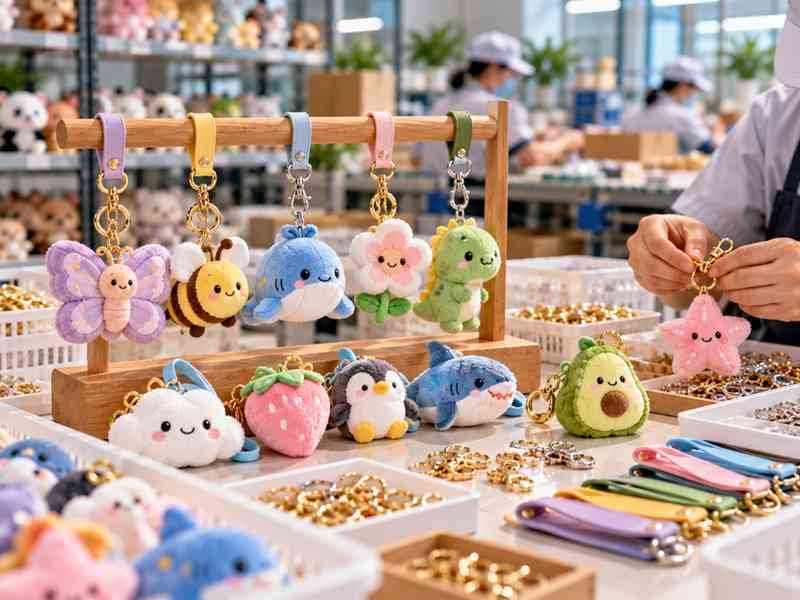
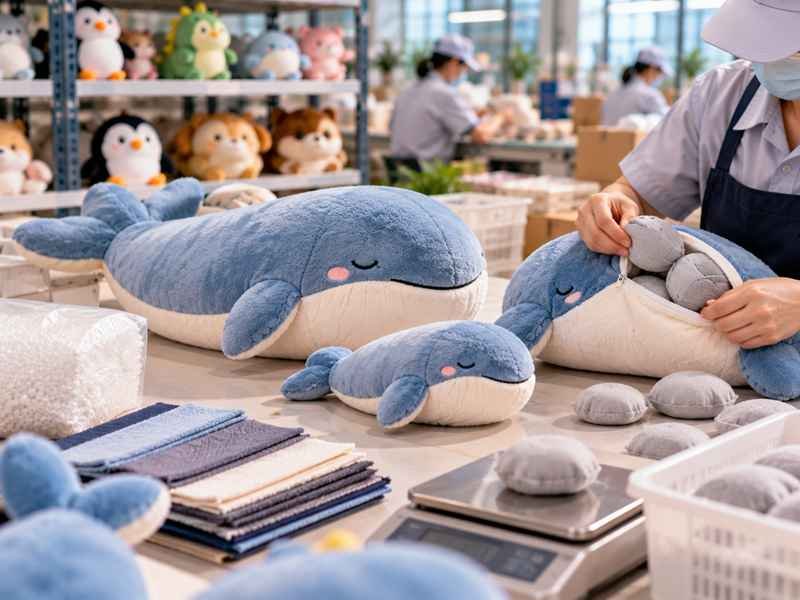
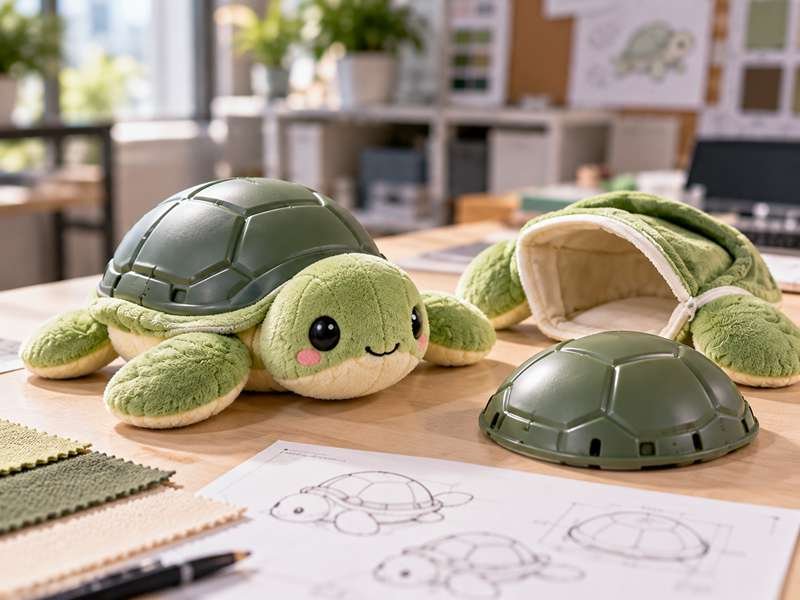
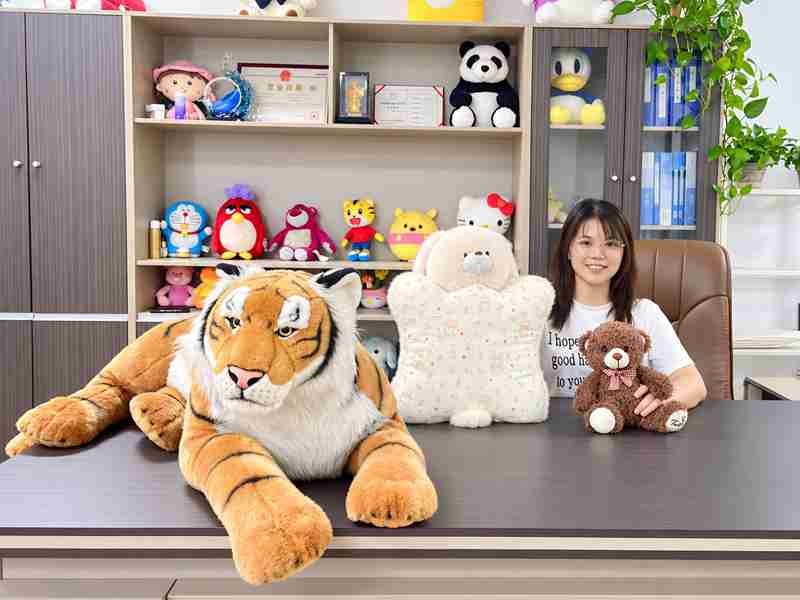
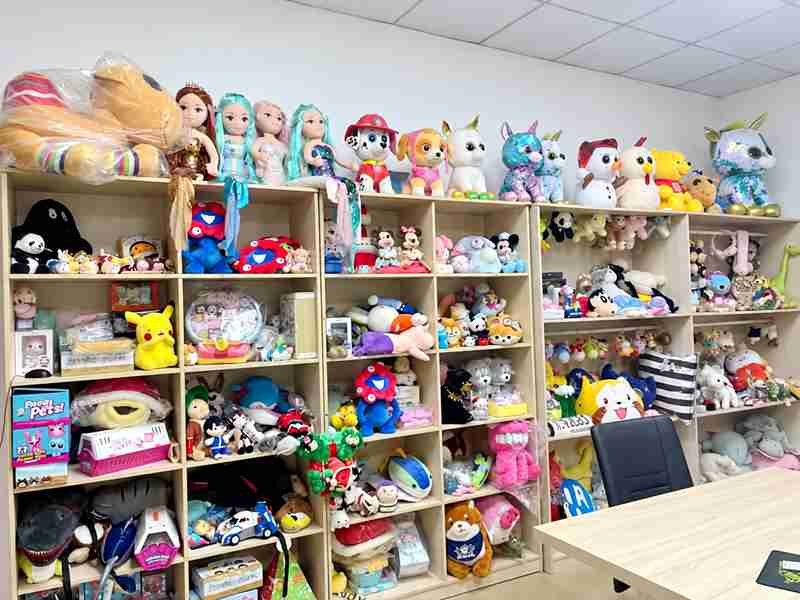
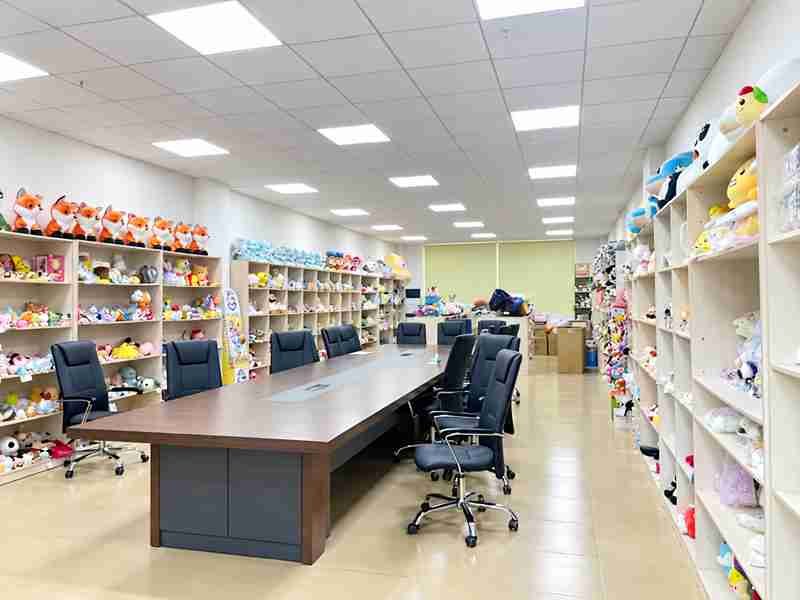
A Trusted China Plush Partner for Global Brands !

Custom Plush Solutions for Brands, IP & Retail Programs

Build the right plush program for your product, market and sales channel. Ewin Toys supports everything from a single hero character to multi-SKU collections, helping buyers align product format, development complexity, compliance needs, packaging and production strategy before launch.

60+ Product Development Team | Character & IP Programs | Collectible & Blind Box Solutions | Retail & E-commerce Programs | Functional & Electronic Plush | 95,000+ m² Manufacturing System | Multi-SKU Production Support

Start With the Route Your Program Needs Now

Choose the situation closest to your current stage before deciding which development, manufacturing, or program controls should be combined.

Launching a New Plush Product

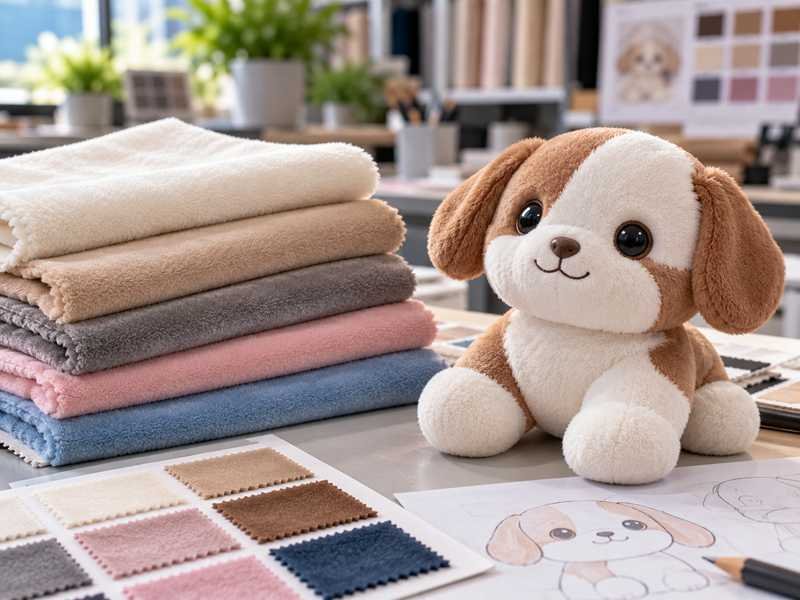
Start here when artwork, an IP concept, moodboard, sketch, or early product brief exists but size, pattern, materials, decoration, filling, accessories, packaging, or production details still need definition. Ewin can route the project through Custom Development or ODM work before manufacturing assumptions are frozen too early.

Moving an Approved Product Into Production

Use an OEM route when a Golden Sample, mature physical sample, Tech Pack, specification, or approved design already exists. Ewin focuses on manufacturability, sourcing, released production references, quality controls, packaging, and scale-up without reopening decisions the brand has already approved unless a risk requires review.

Building a Multi-SKU Collection

Character families, blind-box ranges, seasonal collections, colorways, sizes, or several merchandise formats need shared program rules plus separate SKU identity. Ewin can coordinate sample revisions, BOMs, artwork, components, packaging, barcode data, testing status, production waves, and shipment records without treating every item as an unrelated order.

Entering Retail or a New Market

Retail expansion can add labels, barcodes, unit packaging, carton rules, testing, retailer manuals, inspection requirements, and fixed commercial dates. Ewin can review product and channel requirements together so late packaging or compliance changes do not force avoidable sample, production, or delivery rework.

Changing or Adding a Manufacturer

Supplier-transfer and second-source programs should begin with the approved product, existing sample, current specification, known defects, must-keep details, packaging, testing history, and delivery problems. Ewin can identify what should be retained, revalidated, corrected, or rebuilt before a replacement manufacturing route is released.

Adding Functional Features

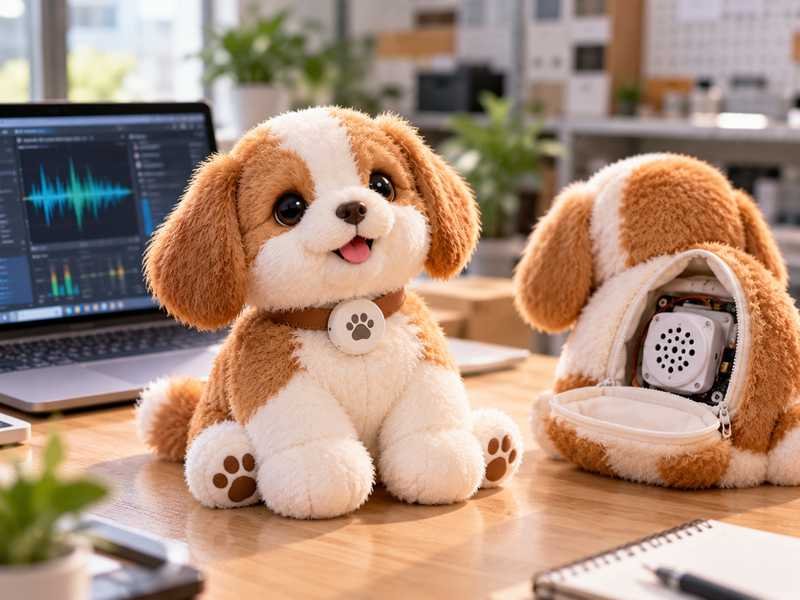
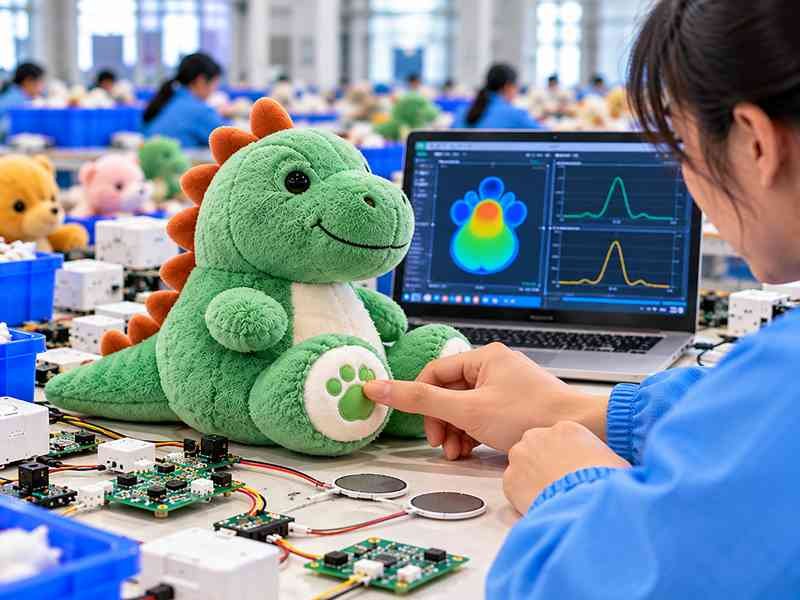
Magnetic interaction, sound, recording, LED lighting, sensors, movement, or approved smart modules change more than one component. Ewin can connect the feature with plush-shell structure, cavity geometry, access, padding, filling, attachment, assembly, packaging, testing, and production controls before the function reaches bulk manufacturing.

Scaling a Proven Product

Products moving from an initial commercial run into repeat manufacturing need more than a larger purchase order. Material readiness, process load, quality coverage, packaging workload, version control, and shipment planning should be reviewed against the current approved product before volume or SKU count increases.

Managing a Long-Term Program

Annual or seasonal pipelines can combine OEM, ODM, source transfer, new product development, multi-SKU releases, compliance, packaging updates, replenishment, and cost reviews. Enterprise program governance keeps product records, forecast visibility, quality actions, production waves, delivery, and reorders connected under one account structure.

Solutions for Different Brand and Program Teams

Different organizations need different approval routes, evidence, commercial controls, and manufacturing priorities from the same plush partner.

IP Owners & Licensees

Licensed products depend on recognizable proportions, facial placement, colors, clothing, signature details, confidentiality, approval history, and controlled use of current artwork. Ewin can connect character engineering, sample revisions, Golden Sample approval, BOM control, packaging artwork, compliance, and production release so licensed details stay tied to the approved version.

Toy & Collectible Brands

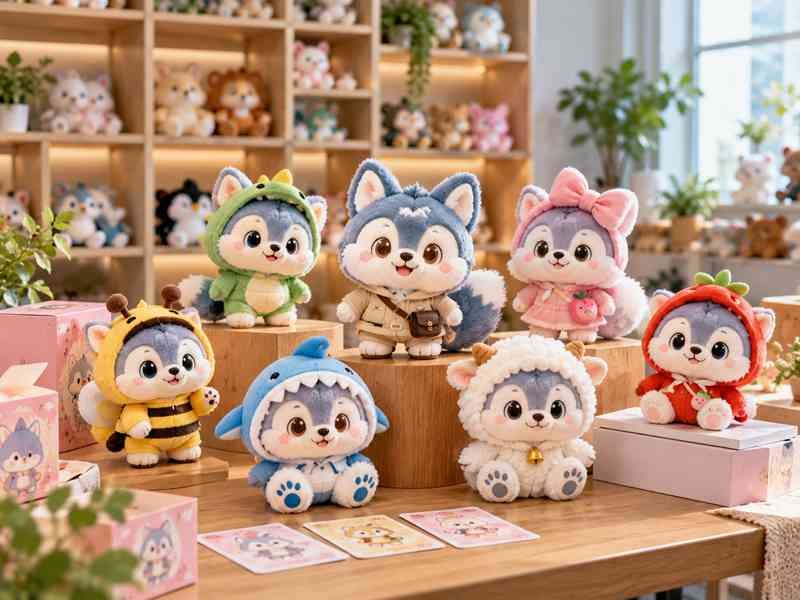
Toy and collectible programs often balance visual differentiation with repeatable series language. Ewin can support premium and mixed fabrics, detailed decoration, molded parts, props, mini formats, blind-box ranges, special packaging, edition control, and multi-SKU scale-up while protecting the separate identity of each character or release.

Game & Entertainment Teams

Game, animation, film, and entertainment merchandise can involve complex costumes, hair, weapons or props, embroidery, several characters, strict launch timing, and several approval layers. Ewin can coordinate fidelity review, sampling, accessories, packaging, SKU separation, production waves, and delivery preparation around the controlling IP reference.

Retail & Private Label Programs

Retail programs need product design, target cost, labels, barcodes, unit packaging, carton configuration, compliance, inspection, and replenishment considered together. Ewin can bring retailer and market requirements into development early enough for product, testing, pack-out, and delivery decisions to remain aligned before bulk release.

DTC & E-Commerce Brands

Direct-to-consumer and marketplace programs often need distinctive product detail without creating excessive inventory or packaging risk. Ewin can support development, pilot learning, product photography readiness, packaging recovery, unit labels, carton planning, repeat-order control, and scale-up while keeping product and pack revisions synchronized.

Technology & AI Toy Teams

Technology teams may bring PCB assemblies, microphones, speakers, sensors, battery systems, wireless hardware, firmware, apps, or AI architecture. Ewin focuses on the plush product around the technology: shell, cavity, access, padding, filling, module retention, assembly, physical validation, packaging, and repeatable manufacturing.

Promotional & Merchandise Programs

Campaign programs often work backward from a fixed event, launch, season, brand color, logo, quantity, distribution route, and pack-out need. Ewin can combine mascot or character development, decoration, sampling, branded packaging, bulk manufacturing, carton planning, and consolidated delivery without losing sight of the commercial date.

Enterprise & Strategic Programs

Long-term programs benefit from one coordinated structure across annual pipelines, several SKUs, several markets, OEM and ODM work, supplier transfer, quality governance, forecast planning, packaging, delivery, and replenishment. Ewin can keep shared standards visible while each SKU retains its own approval and production identity.

Trusted by Global Brands and IP Owners

Trusted by brands, IP owners, and creative teams worldwide. Ewintoys helps transform original ideas and characters into high-quality plush products through professional development, manufacturing, and quality control.


Choose the Solution Around the Risk to Control

A manufacturing route becomes clearer when the most expensive failure is identified before the next sample, purchase order, or launch decision.

Character Fidelity Risk

Use a fidelity-led route when face shape, proportions, colors, hair, clothing, embroidery, or signature accessories determine whether the product is recognizable. Pattern engineering, material behavior, stuffing, revision records, and Golden approval should protect the character before production scales.

Cost & Commercial Fit

Use a cost-led route when retail margin, target cost, SKU count, packaging, decoration, material choice, and handwork need balancing. Ewin can separate cost drivers and compare controlled alternatives without silently changing approved appearance, safety, or channel requirements.

Multi-SKU Complexity

Use a program-control route when several characters, sizes, colors, package versions, barcodes, or launch waves move at once. SKU IDs, revisions, BOMs, packaging matrices, testing status, and release gates reduce the risk of correct work being applied to the wrong item.

Supplier Transfer Risk

Use a transfer route when the current source has quality drift, missed delivery, weak communication, sample-to-bulk mismatch, or capacity pressure. The starting point is the approved product and known failure history, not a blind re-quote that may reproduce the same problem.

Retail Readiness Risk

Use a retail-led route when the product must meet unit-pack, label, barcode, display, carton, test, inspection, 3PL, or set-date requirements. Commercial requirements should influence product and packaging decisions before the final sample is treated as production-ready.

Functional Integration Risk

Use a function-led route when magnets, sound, lighting, sensors, motors, batteries, or smart modules change the internal architecture. Cavity, access, wiring, padding, filling, controls, physical testing, and packaging need to be reviewed as one finished-product system.

Choose the Cooperation Model That Fits Your Starting Point

The right model depends on how much product definition is already approved and which decisions still need engineering before production.

Cooperation ModelBest Starting PointMain Ewin RoleTypical Next Gate
Custom DevelopmentArtwork, IP concept, sketch, early briefClose product-definition gaps across size, structure, materials, decoration, filling, accessories, packaging, and manufacturing routeEngineering sample
ODM DevelopmentConcept or incomplete product definitionCo-develop product architecture, pattern, materials, functions, prototype, commercial feasibility, and production definitionApproved Golden Sample
OEM ManufacturingMature sample, Tech Pack, specification, Golden SampleDFM, sourcing, BOM alignment, production release, QC, packaging, and controlled manufacturingFirst-off / bulk release
Supplier TransferExisting product and current sourceCompare approved product with current issues, rebuild or validate production route, preserve must-keep detailsRevalidated sample / source approval
Multi-SKU ProgramCharacter family, collection, several SKUsShared program standards plus SKU-level revision, BOM, packaging, testing, production, and shipment controlSKU readiness matrix
Enterprise ProgramAnnual pipeline, repeat launches, strategic supply needAccount governance, forecast visibility, development priorities, quality review, production waves, delivery, and reorder controlProgram review

Match the Solution to the Plush Product Architecture

Product format changes the material, engineering, sampling, quality, packaging, and commercial controls needed for a successful program.

Character & IP Plush

Character plush needs controlled face shape, proportions, colors, hair, clothing, embroidery, signature accessories, and approval history. The solution usually combines character interpretation, pattern engineering, physical sampling, revision control, Golden approval, BOM release, packaging, and production checks around the approved visual source.

Mascot Plush

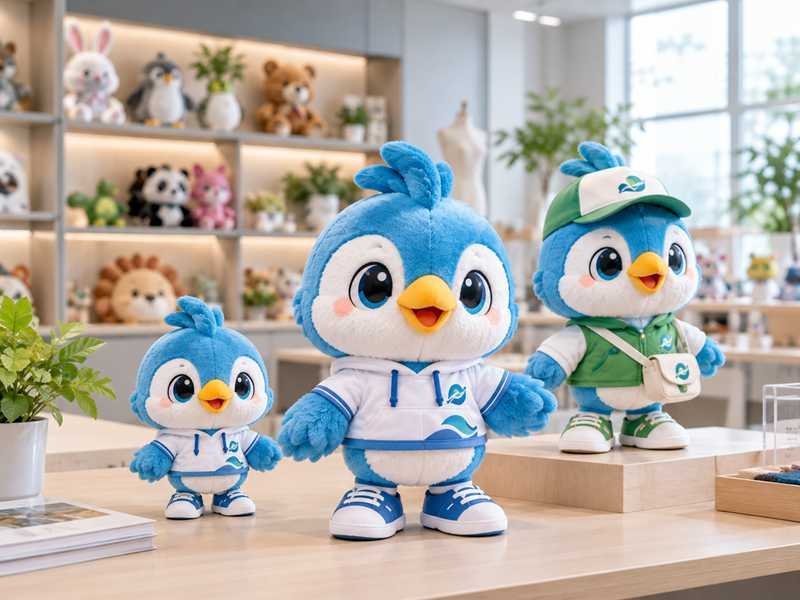
Mascots for sports, universities, venues, corporate programs, and campaigns need recognizable silhouette, colors, logos, clothing, pose, and repeat-run consistency. Development should protect the approved mascot language while allowing size, packaging, event timing, and merchandise format to fit the commercial use.
Ewintoys 02-03 Collectible Plush

Collectible Plush

Collectibles may combine premium fabrics, mixed textures, embroidery, clothing, molded parts, props, edition details, and special packaging. The solution must control visual approval, handfeel, surface condition, SKU identity, pack-out, and repeat manufacturing because display quality can matter as much as basic construction.
Ewintoys 02-04 Blind Box & Mini Plush

Blind Box & Mini Plush

Small products compress character detail into limited space. A 5-12 cm mini plush may need shorter pile, lower seam bulk, compact embroidery, stable accessory placement, and tighter SKU separation than a larger character. Assortment, hidden-edition logic, packaging, barcode identity, and production control should be planned together.

Plush Keychains & Bag Charms

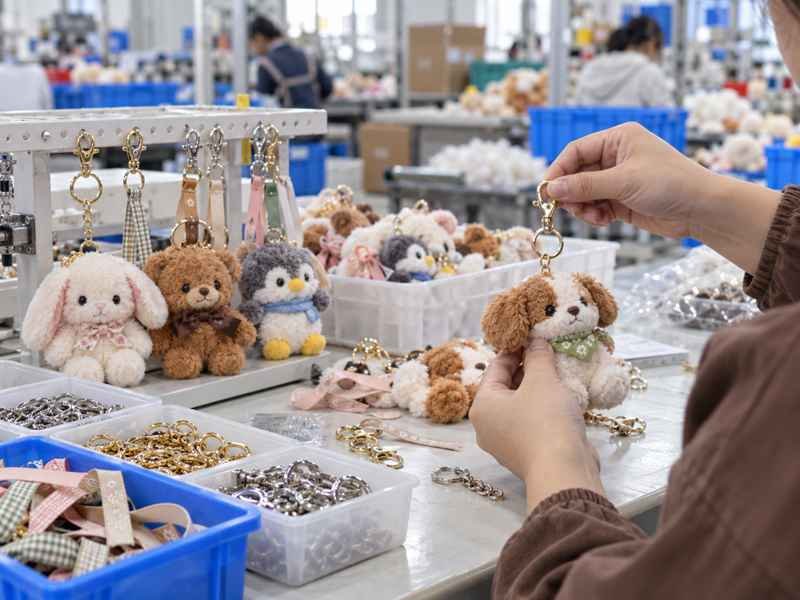
Keychains and bag charms combine compact character engineering with hardware and load transfer. Split rings, chains, lobster clasps, clips, cords, or fashion hardware affect anchor reinforcement, surface protection, safety review, packaging, and SKU identity. The solution should validate both appearance and attachment inside the finished product.

Weighted Plush

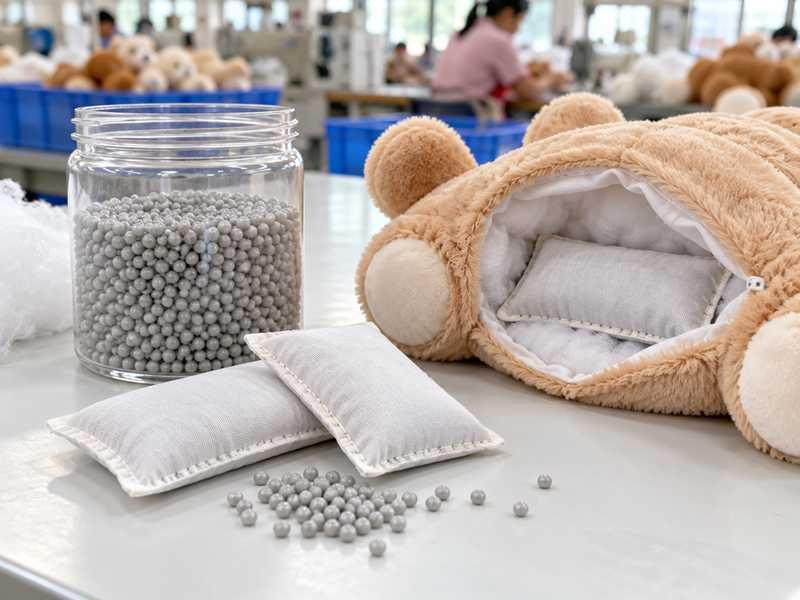
Weighted products need defined fiber, weighted media, inner bags or compartments, target mass, position, seam protection, center of gravity, surrounding filling, and finished-product compliance review. The weighting system should remain a controlled internal construction rather than loose material added near the end of production.

Hybrid Soft-Hard Plush

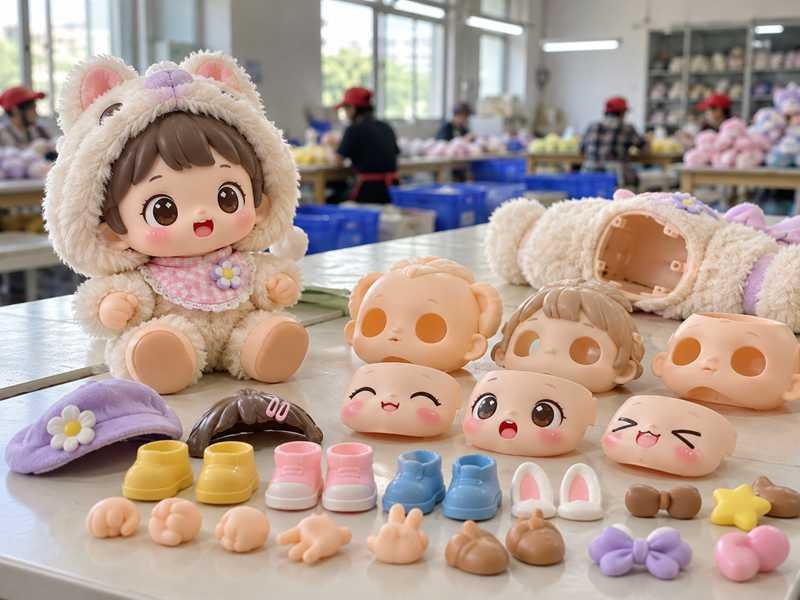
PVC, silicone, plastic, molded faces, hard feet, badges, props, or structural parts introduce tooling, tolerance, attachment, edge condition, weight, and packaging pressure. The solution connects Part ID, fixing method, soft-hard interface, physical sample, production assembly, and pack protection with the plush structure.
Ewintoys 02-08 Electronic & AI-Enabled Plush

Electronic & AI-Enabled Plush

Interactive products may add sound, light, sensors, speakers, microphones, batteries, wireless modules, motors, or partner-provided smart technology. Ewin controls plush-shell architecture, cavities, access, padding, filling, assembly, physical testing, and manufacturing while digital ownership and software responsibilities remain explicitly assigned.

Select Fabrics Around the Finished Product Result

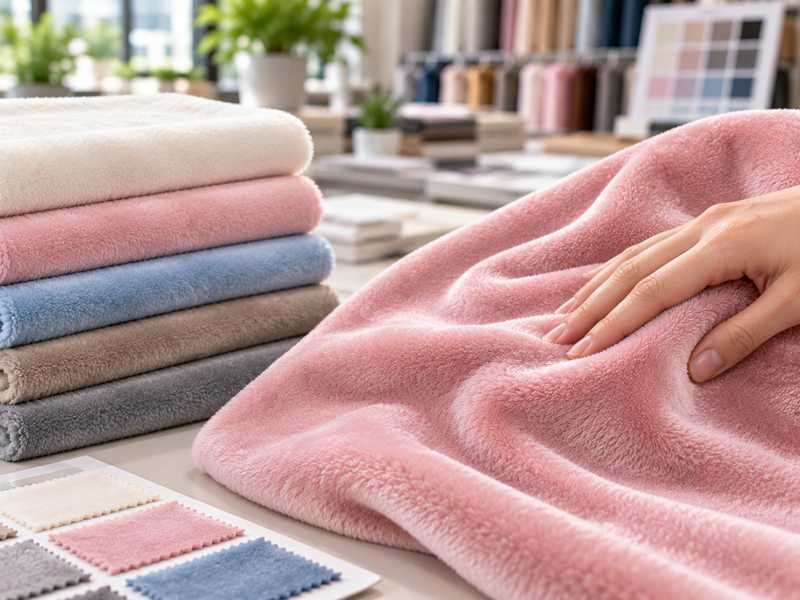
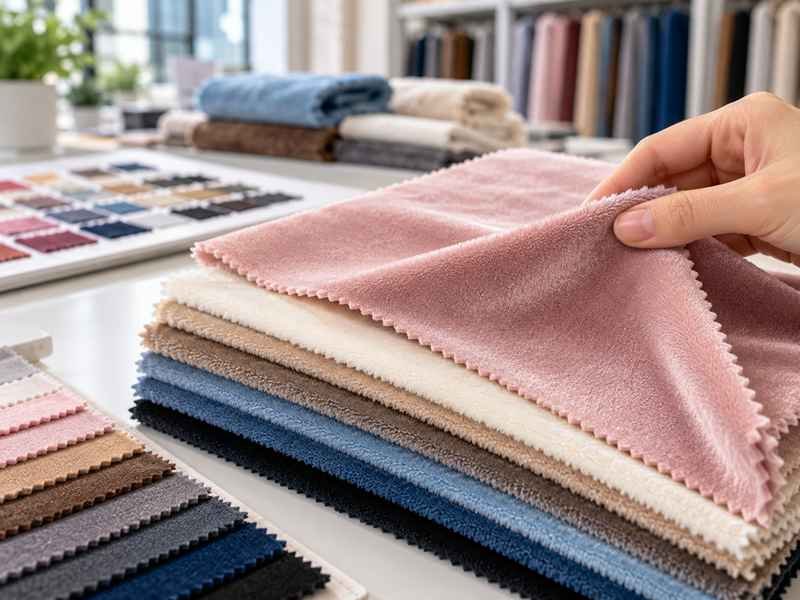
Fabric choice should support scale, character detail, handfeel, decoration, structure, pack recovery, and repeat sourcing rather than rely on a fabric name alone.

Minky

Minky can support soft character surfaces where premium handfeel and a clean visual finish matter. Selection should still consider pile, GSM, stretch, backing, color, embroidery behavior, sample scale, and supplier route because different grades can behave differently in sewing, stuffing, packaging, and repeat production.

Velboa

Velboa offers a short, controlled surface useful for clean contours, visible embroidery, printing, mini products, and character areas where long pile would hide detail. Color, nap, surface, backing, stretch behavior, and decoration compatibility should remain tied to the approved material record.

Short Plush

Short-pile plush helps protect facial detail, small pattern blocks, and compact shapes on character plush, mini products, and keychains. The useful specification includes pile, density, direction, handfeel, color, backing, and approved supplier route rather than the generic phrase “short plush.”

PV Plush

PV Plush can support soft, dense surfaces on stuffed animals, character bodies, and lifestyle products where volume and handfeel matter. Product size, seam geometry, filling pressure, decoration visibility, and packaging recovery should be checked on the intended construction before the fabric is treated as approved.
64-4Ewin toys Faux Fur

Faux Fur

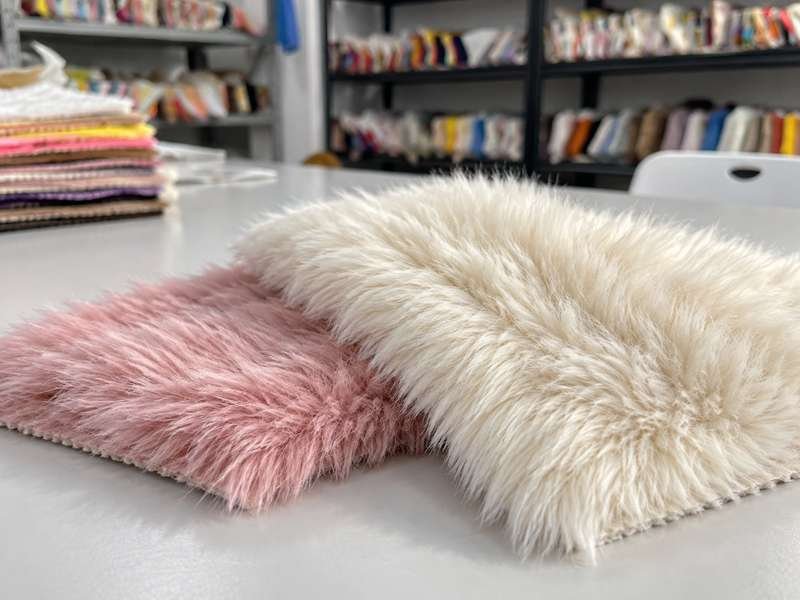
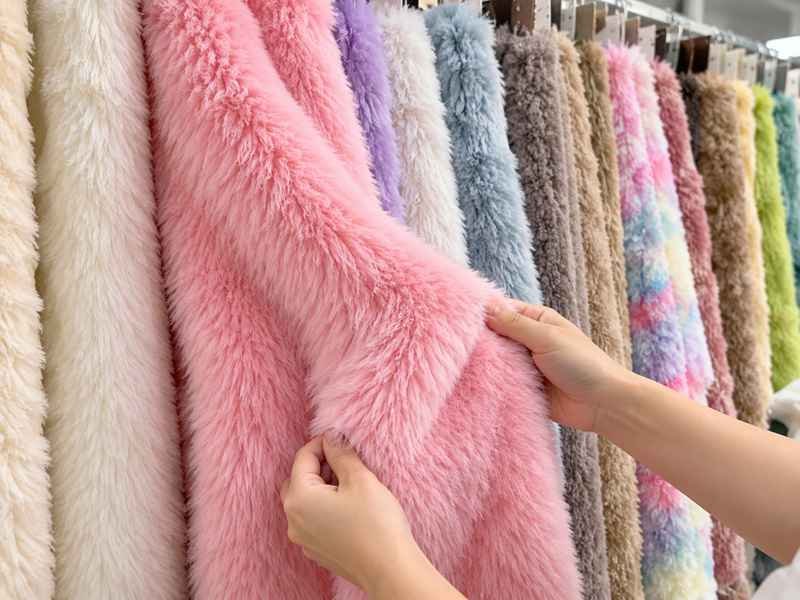
Faux fur can create realistic animals, hair zones, tails, costume details, and premium texture. Long or directional pile changes cutting, nap control, seam visibility, embroidery readability, grooming, and packaging. Pattern and cutting instructions should preserve the approved direction and finished silhouette.
73-3Ewin toys Faux Fur & Rabbit-Style Plush

Rabbit-Style Plush

Dense rabbit-style plush can create a smooth, premium surface with strong tactile appeal. The solution should review pile density, color appearance, heat sensitivity, decoration visibility, seam bulk, brushing, and packaging marks because a visually rich surface can also hide fine detail or show pressure differently.

Sherpa

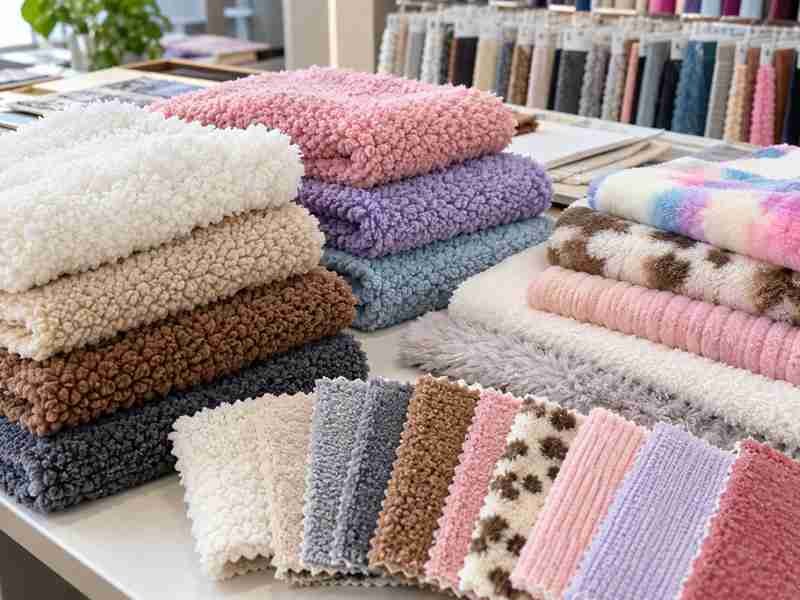
Sherpa creates a textured, cozy surface useful for lifestyle products, character accents, clothing, or selected body zones. Texture can hide small embroidery and make seam alignment less visually obvious, so decoration scale, backing, thickness, edge treatment, and sample appearance should be validated together.

Fleece & Specialty Fabrics

Fleece, jersey, tricot, felt, PU, mesh, lining, reinforcement textiles, and other specialty materials can support garments, structural zones, access panels, functional areas, or mixed-material products. Selection should begin with the product function, sewing behavior, stretch, decoration, safety, and approved visual result.

Build Trims, Decoration, and Logo Work Into the Product

Threads, linings, closures, labels, and decoration affect construction, visual identity, durability, cost, and production control from the sample stage onward.
Ewintoys 04-01 Sewing & Embroidery Thread

Sewing & Embroidery Thread

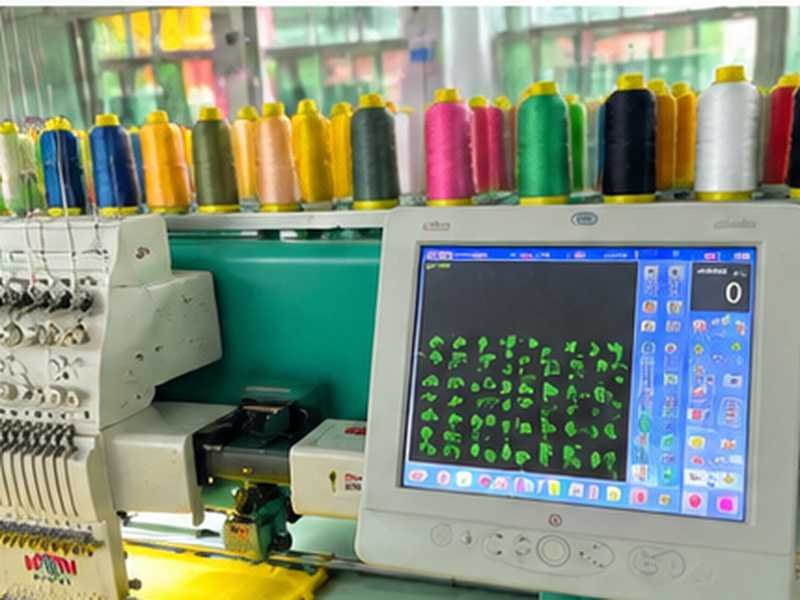
Thread choice influences seam performance, decoration color, surface appearance, and repeat production. Sewing and embroidery threads should be connected to the intended fabric, stitch route, artwork, color reference, and approved sample rather than selected independently after the body material has already been fixed.

Linings & Reinforcement

Linings, reinforcement textiles, support tapes, and internal layers can protect module cavities, hardware anchors, weighted zones, bags, pockets, and high-stress areas. The correct route depends on load, flexibility, thickness, sewing access, handfeel, and whether the internal layer changes the outer silhouette or pack recovery.

Webbing, Elastic & Closures

Webbing, elastic, zippers, hook-and-loop, loops, and closures can support removable clothing, pouches, electronic access, bags, or interactive features. Width, strength, flexibility, color, position, and fixing method should be approved with the finished construction because small closure changes can alter access and seam load.

Embroidery

Embroidery can define faces, logos, text, symbols, and garment details without adding a hard component. Stitch density, scale, thread color, backing, pile, artwork revision, and placement need to be proven on the intended material. Small text or facial lines may require simplification when product size becomes compact.
06-4 Ewin toys Heat Transfer

Printing, Heat Transfer & Applique

Screen printing, digital printing, heat transfer, and applique can support color blocks, graphics, clothing, labels, or surface detail where embroidery is not the best route. Process selection depends on fabric surface, stretch, heat sensitivity, artwork size, durability, handfeel, and the visual result approved during sampling.
06-5 Ewin toys Patch Label Toys for Authors & Book Characters (2)

Labels, Patches & Brand Marks

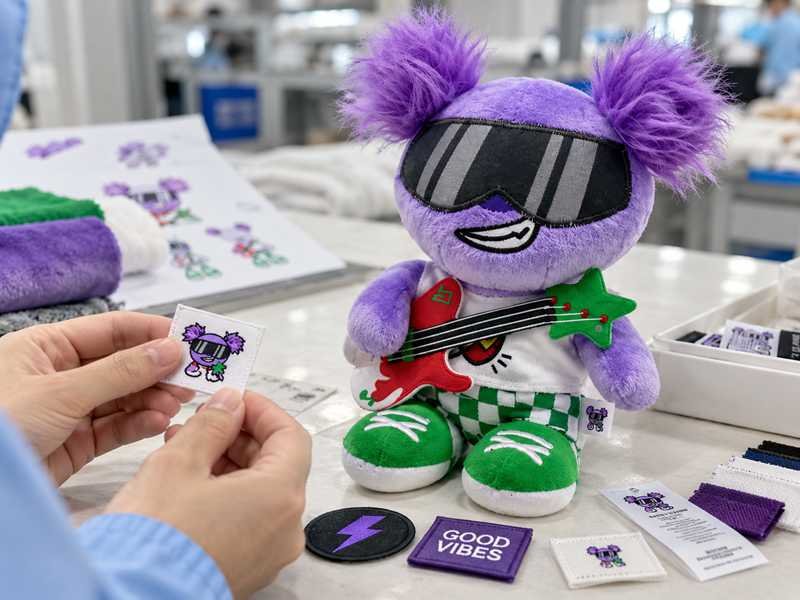
Woven labels, printed labels, patches, hangtags, badges, and other brand marks should serve both identity and commercial use. Size, legal copy, placement, attachment, market requirements, packaging interaction, and artwork revision need to stay connected to the correct SKU through sampling, production, and repeat orders.

Control Accessories as Product Components, Not Add-Ons

Hard parts, hardware, magnets, removable items, and structural components affect appearance, safety, attachment, assembly, packaging, and SKU identity.
65-1Ewin toys Plastic Eyes Noses

Plastic Eyes & Noses

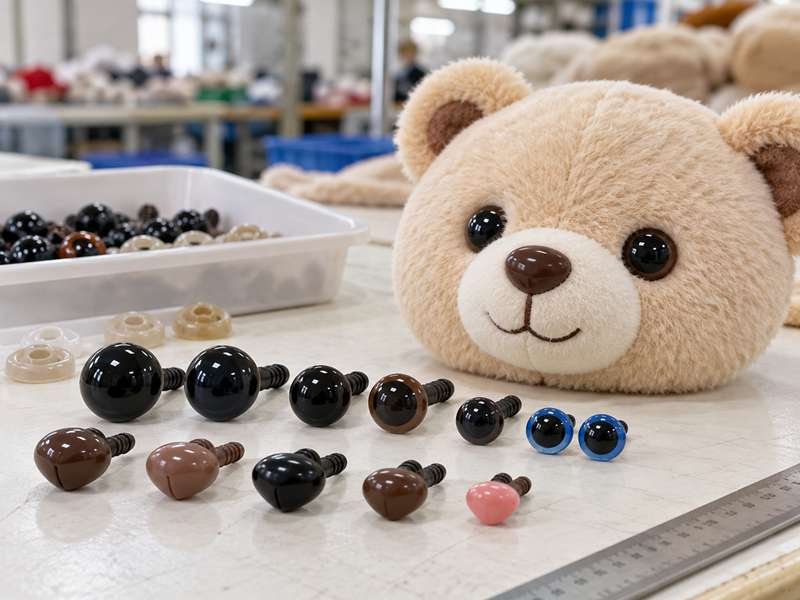
Eyes and noses need more than nominal size. Shape, material, color, profile, backing, position, fixing method, age-grade relevance, and approved appearance should be connected to the correct SKU and sample revision so bulk assembly does not rely on visually similar loose parts.
32-4Ewin toys Keychains & Bag Charms

Key Rings, Chains & Clips

Split rings, ball chains, lobster clasps, carabiners, hooks, loops, and other hanging hardware need controlled dimensions, finish, opening direction, attachment point, load path, surface protection, and packaging position. Hardware choice should be proven together with the plush anchor rather than as a separate catalog decision.
Ewintoys 05-03 General Metal Hardware

General Metal Hardware

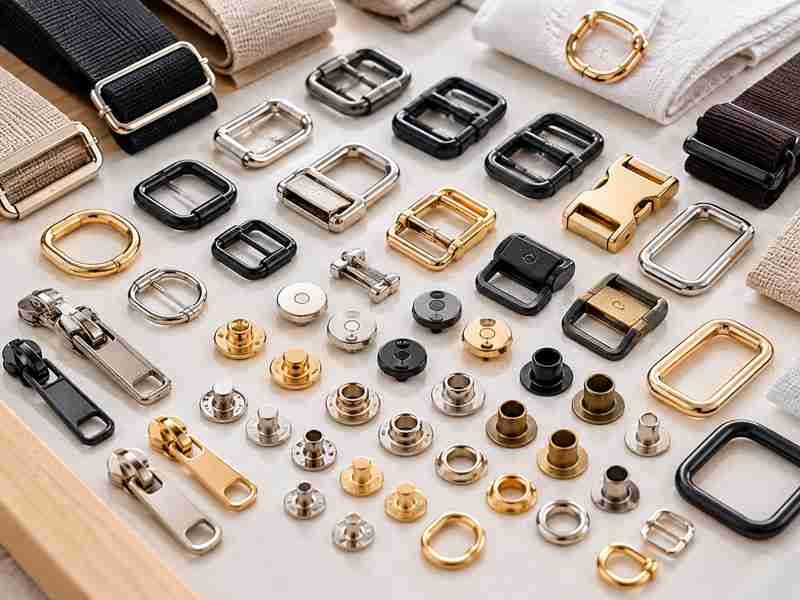
Buckles, snaps, rivets, bells, D-rings, O-rings, zipper pullers, and decorative metal parts can introduce sharp-edge, plating, corrosion, weight, scratch, and seam-load considerations. The solution should define Part ID, finish, fixing, orientation, and physical-product checks before bulk assembly begins.
65-5Ewin toys PVC Silicone Parts

PVC, Silicone & Molded Parts

PVC, silicone, ABS, PP, TPE, EVA, molded badges, props, shoes, horns, housings, or face parts introduce tooling, tolerance, hardness, surface finish, edge geometry, weight, and attachment decisions. Soft-hard interface review during sampling helps prevent fit problems from reaching production tooling or bulk assembly.
65-4Ewin toys Magnets

Magnetic Components

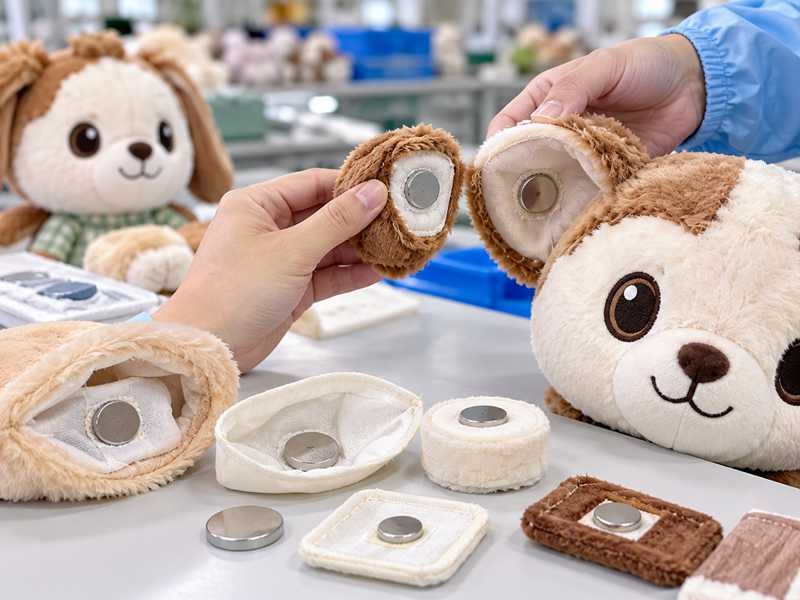
Magnetic hands, feet, accessories, bases, or wearable interactions depend on magnet identity, position, polarity, retention, surrounding structure, and finished-product safety. A reversed or displaced magnet can make an otherwise correct plush fail functionally, so polarity and installation need visible assembly controls.
65-8Ewin toys Removable Accessories

Removable Clothing & Props

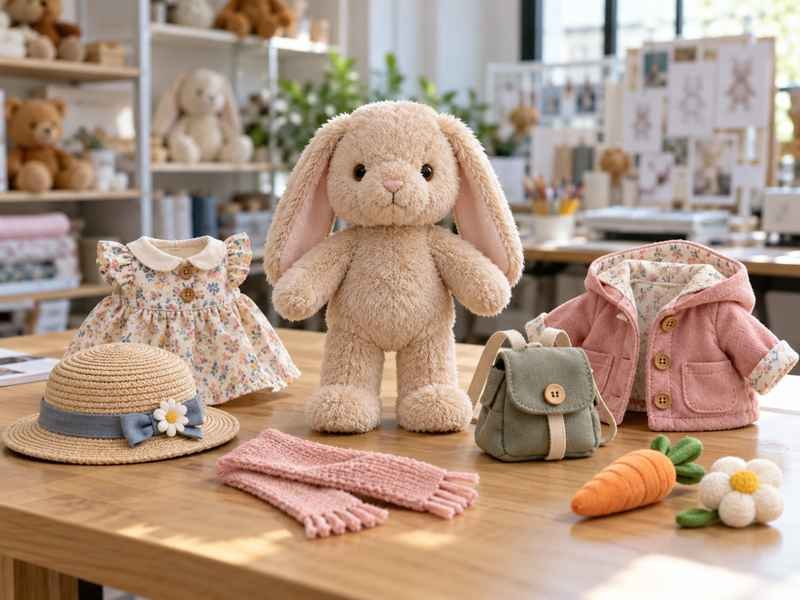
Hats, clothes, bags, scarves, shoes, weapons, tools, or other detachable character items need fit, retention, ease of removal, loss risk, small-part review, packaging position, and interaction with the main plush. The approved accessory version should remain linked to the correct character and package.
65-6Ewin toys Weighted Inserts

Weighted & Structural Inserts

Weighted inner bags, foam inserts, EVA supports, plastic sheets, pockets, or other internal pieces can control mass, posture, structure, or component protection. Position, containment, closure, support, surrounding fiber, and outer-shell effect need to be approved together rather than treated as invisible internal details.
Electronic Modules​

Module Housings & Protective Layers

Electronic or functional products may need internal housings, pockets, mesh, padding, protective layers, or service openings around a module. The component route should keep hard points away from the outer surface while preserving access, acoustics, sensor response, filling balance, and assembly repeatability.

Integrate Functional Modules Around the Plush Architecture

Function should be engineered into the product structure before sampling proves fit, access, user interaction, packaging, and production repeatability.
76-1Ewin toys Sound Playback

Sound Playback Modules

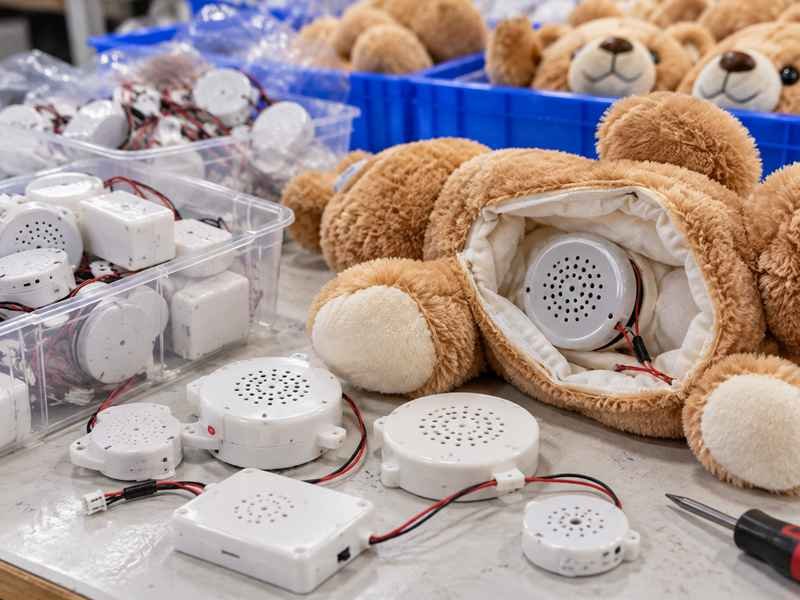
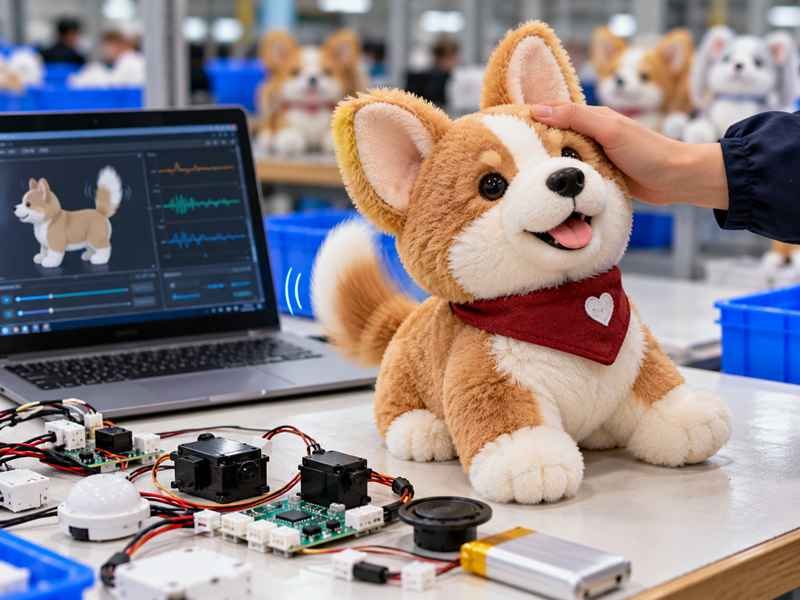
Pre-recorded sound, character phrases, music, or effects need speaker position, acoustic path, trigger method, module retention, padding, and battery architecture considered together. A module that works on a bench can sound weak inside a filled plush if the speaker area, fabric layers, or surrounding fiber are not controlled.
Sound And Light Modules

Recording & Voice Modules

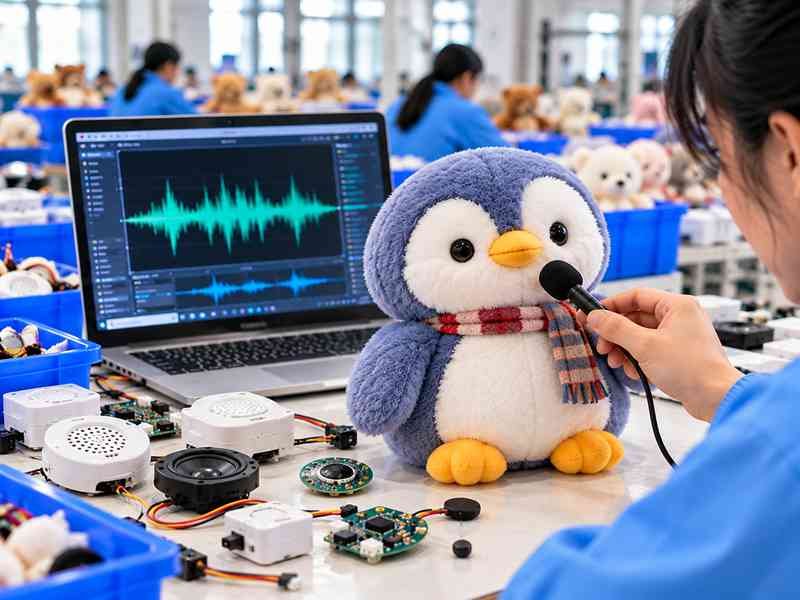
Record-and-playback or microphone-enabled products add input position, access, speaker placement, control logic, cavity space, and user interaction requirements. Ewin can engineer the soft product around an approved module while electronic performance, firmware, and digital content remain with the responsible technology party where applicable.

LED & Light Modules

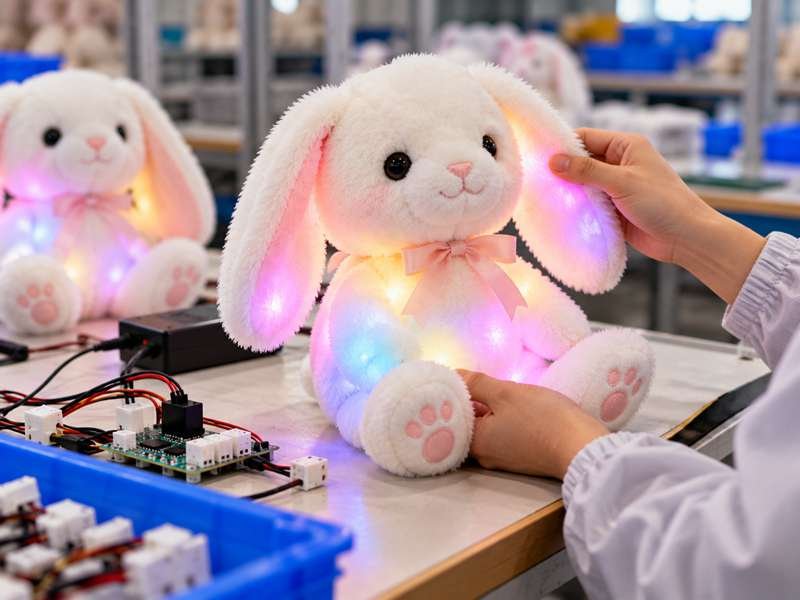
LED zones can sit behind fabric, eyes, badges, hearts, accessories, or other visual areas. Fabric thickness, diffusion, heat, wire route, module position, battery load, and package pressure affect the result. Light visibility should be checked in the finished sample, not only on the bare electronic assembly.

Touch, Pressure & Sensor Modules

Touch, pressure, motion, or other approved sensors require a clear interaction zone through soft fabric and filling. Sensor position, padding thickness, shell stretch, movement, wiring, retention, and calibration assumptions need to remain aligned with the partner-provided hardware so the finished plush responds consistently.
76-5Ewin toys Motion & Motor Modules

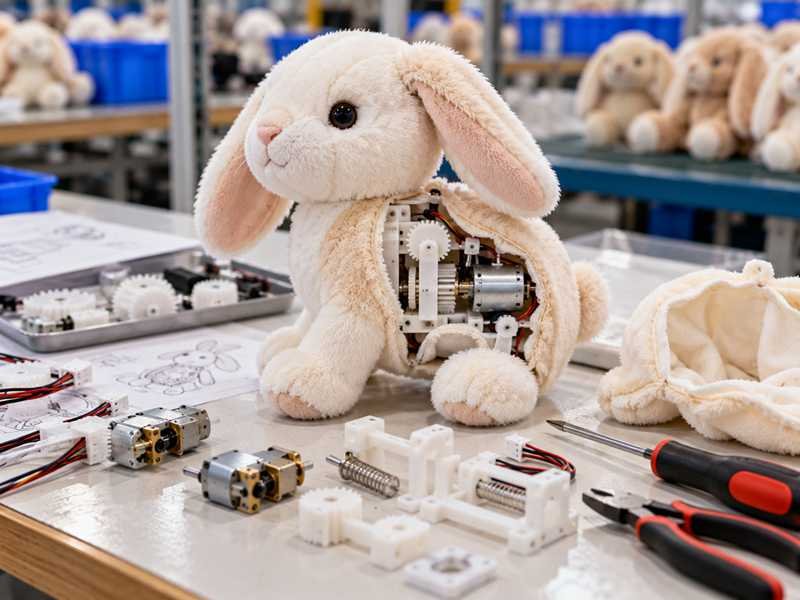
Motor & Movement Modules

Simple movement or vibration can add clearance, mechanical support, noise, battery demand, moving-part protection, and fabric-interference risks. Ewin can review the plush cavity, reinforcement, access, filling, and assembly around an approved movement system before the function is released for repeat manufacturing.
76-6Ewin toys Smart & AI Module Integration

Smart & AI Module Integration

AI-enabled plush may combine microphones, speakers, sensors, batteries, wireless hardware, and partner-provided smart modules. Ewin manages plush-shell development, cavities, access, padding, filling, assembly, physical-product testing, and manufacturing. Firmware, apps, AI models, cloud services, and connectivity ownership remain explicitly assigned to the responsible party.

Use Sample Development to Close the Highest-Risk Decisions

Sampling should turn visual and commercial intent into an approved product definition that can move into repeatable manufacturing.

Define the Product Before Chasing Sample Speed

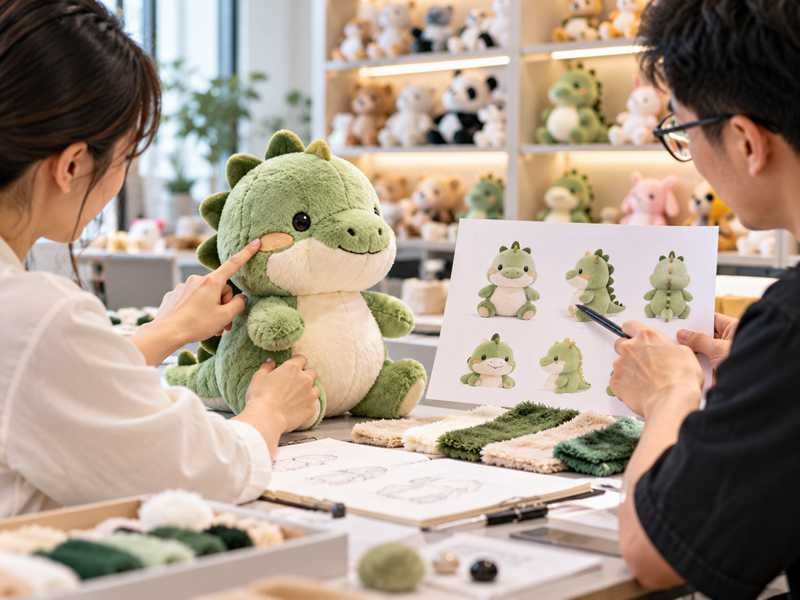
A strong first sample begins with the decisions that can change structure, cost, compliance, or approval later: finished size, pose, fabric, pile, color, filling, decoration, clothing, accessories, functional zones, packaging direction, market, and any non-negotiable character features. Ewin can start from a sketch, 2D artwork, character sheet, 3D render, existing sample, Tech Pack, or written brief, but incomplete inputs should be identified before the sample is treated as a production promise. A compact 5-12 cm character may require different fabric, embroidery, seam, and accessory decisions from a larger display plush even when the artwork is identical. Clear sample objectives reduce revision caused by hidden assumptions and help the team judge whether a change belongs to design interpretation, engineering, materials, cost, function, or commercial requirements.

Use V1 and Revisions to Prove the Finished Construction

V1 should prove more than whether a plush is visually attractive. Review face shape, body proportion, pattern balance, handfeel, filling, embroidery readability, material transitions, accessory fit, functional zones, module access, clothing, and packaging interaction where relevant. Revision notes should identify the issue, proposed change, affected files or components, and what the next sample must prove. For licensed products, the controlling artwork or character guide should remain visible throughout revision so improvements do not create new deviations elsewhere. For functional or hybrid products, hard parts, magnets, sound, light, sensors, or weighted inserts need to be tested inside the real plush structure because fit and behavior can change after sewing and filling. The goal is not to accumulate sample rounds; the goal is to close defined risks with each revision.

Freeze the Approved Result Into Production References

A strong solution does not end with “sample approved.” The Golden Sample should be connected to a frozen BOM, released pattern, current decoration artwork, material and component records, filling requirements, packaging version, testing status, and QC references. If a product includes several SKUs, every item keeps its own approval boundary even when materials or construction are shared. Any later substitution in fabric, supplier, hardware, magnet, filling, module, decoration, or packaging should enter impact review before production release. Some changes may only require a document update; others may need a new swatch, targeted process trial, comparison sample, compliance review, or renewed approval. By converting approval into controlled records, Ewin can carry the physical sample into manufacturing without relying on memory, informal photos, or outdated email instructions.

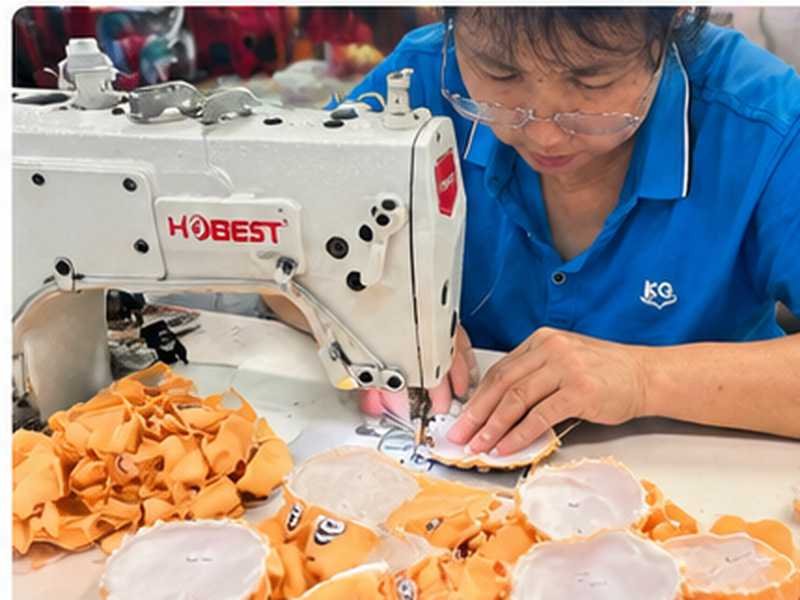
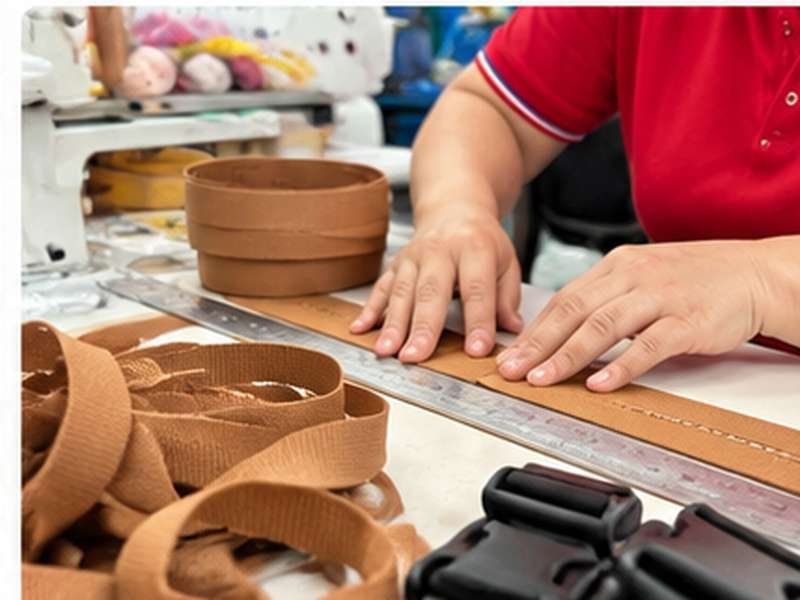
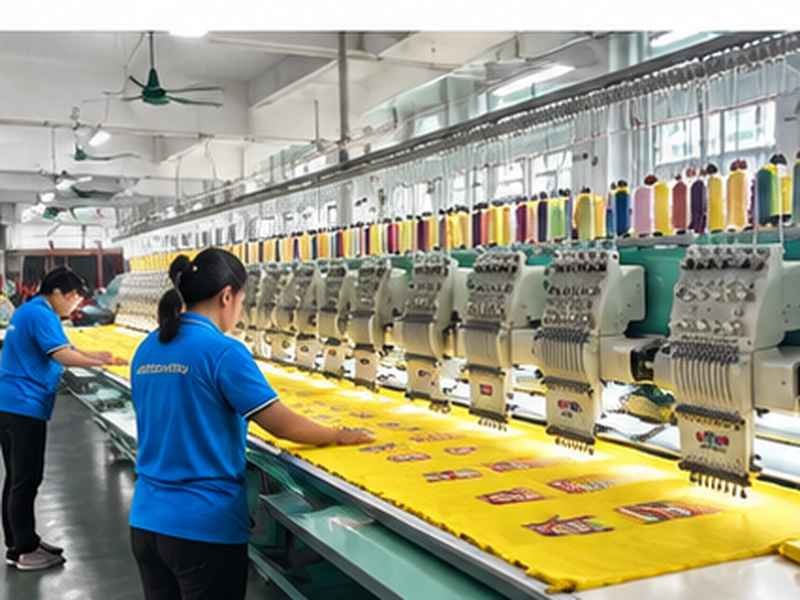
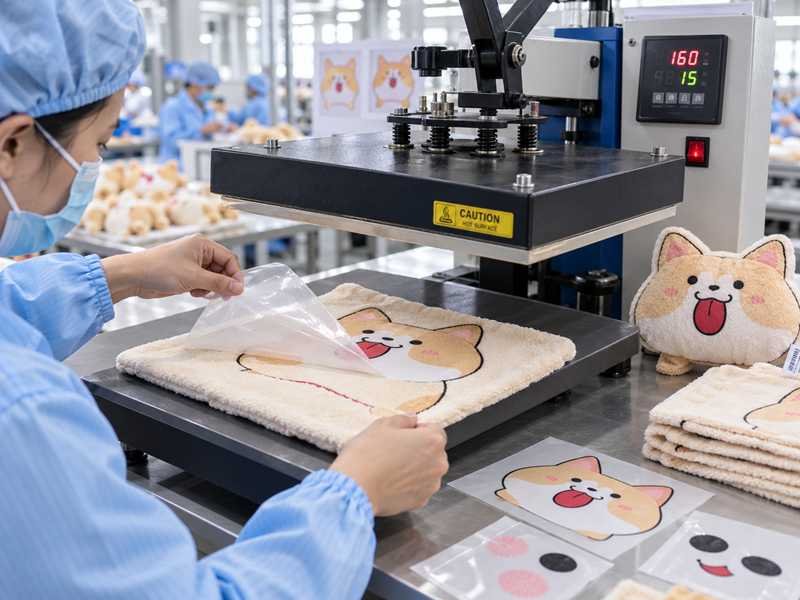
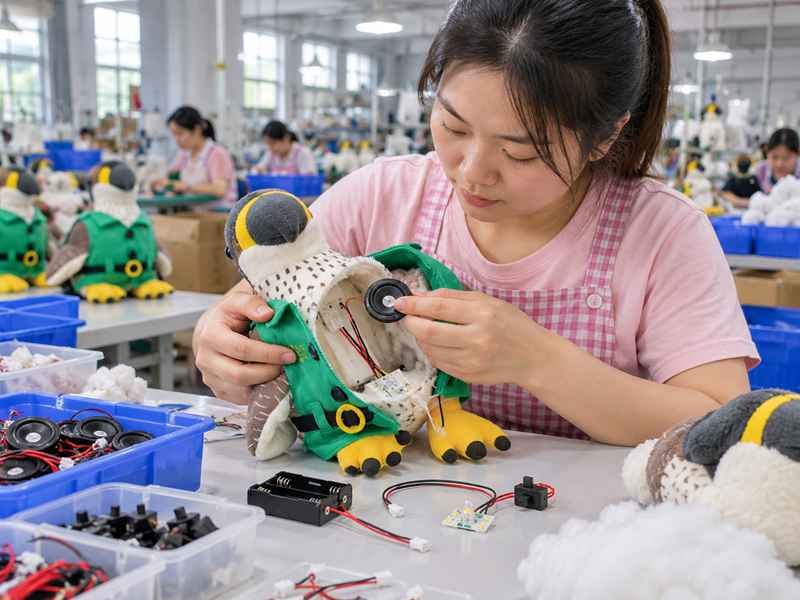
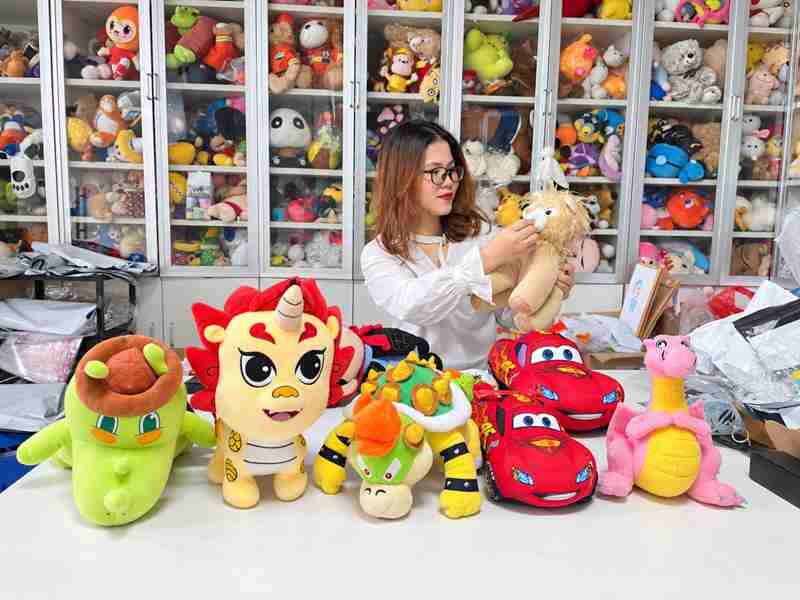
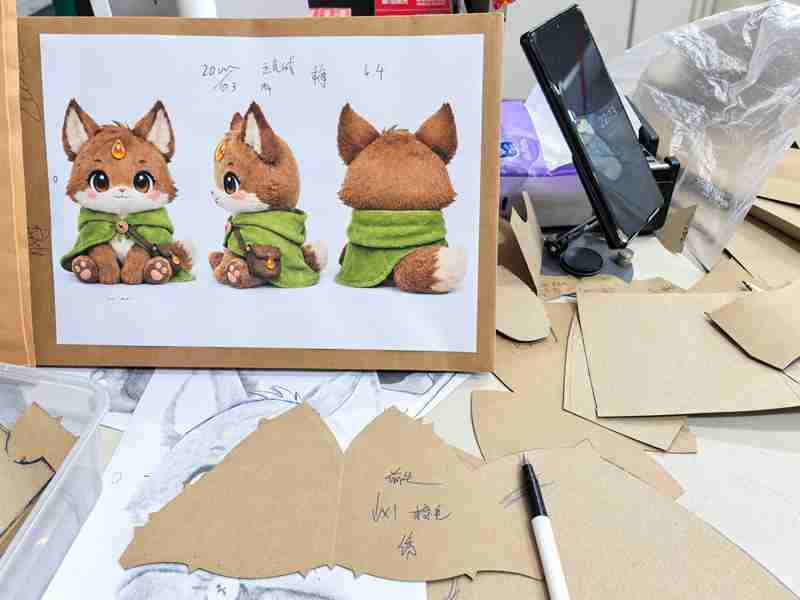
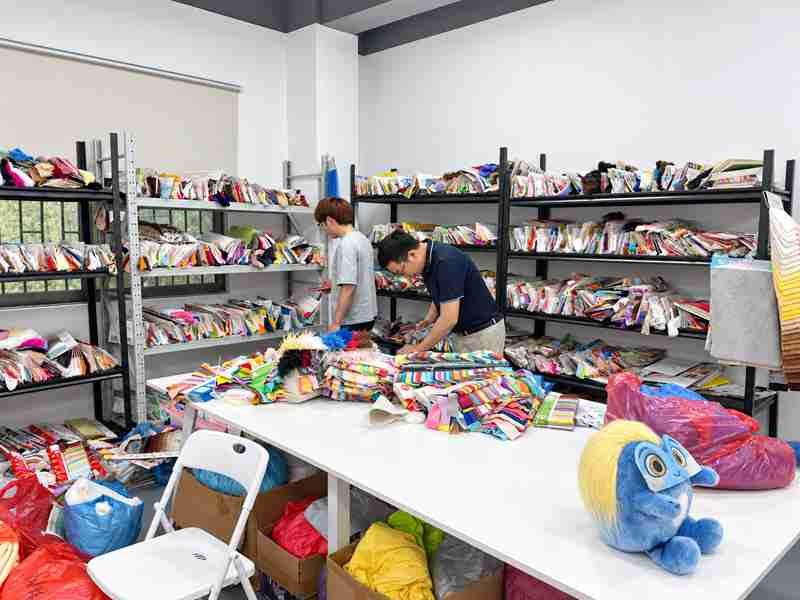
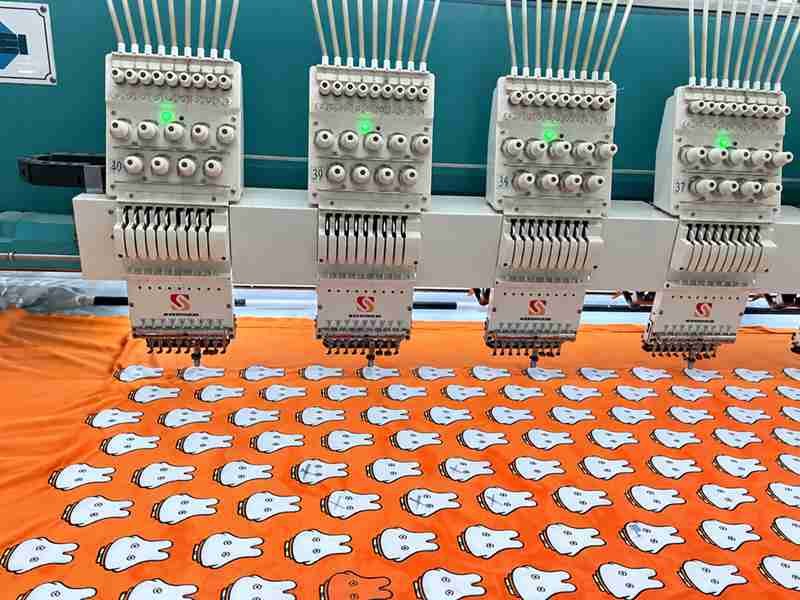
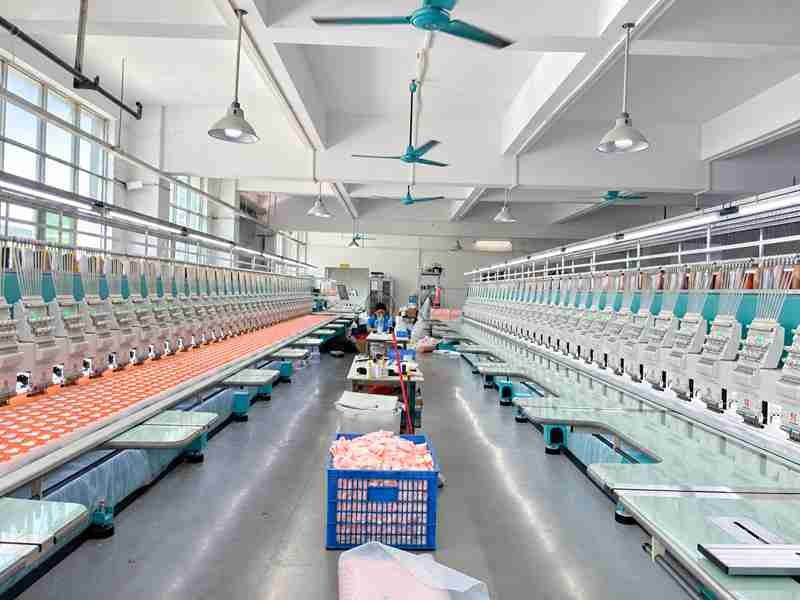
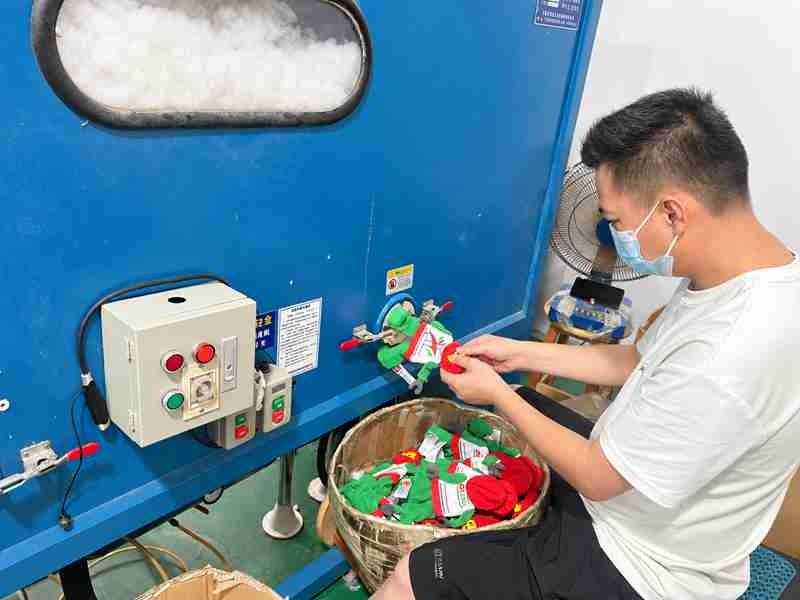
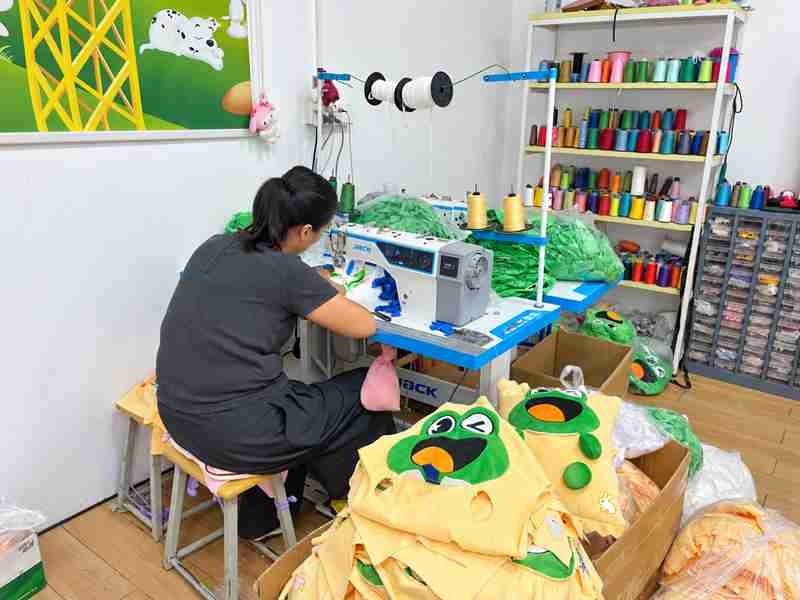
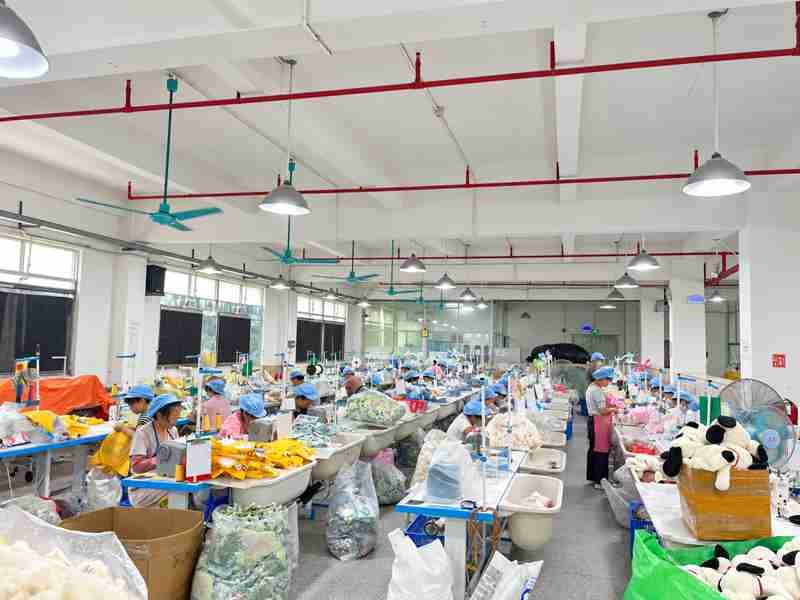
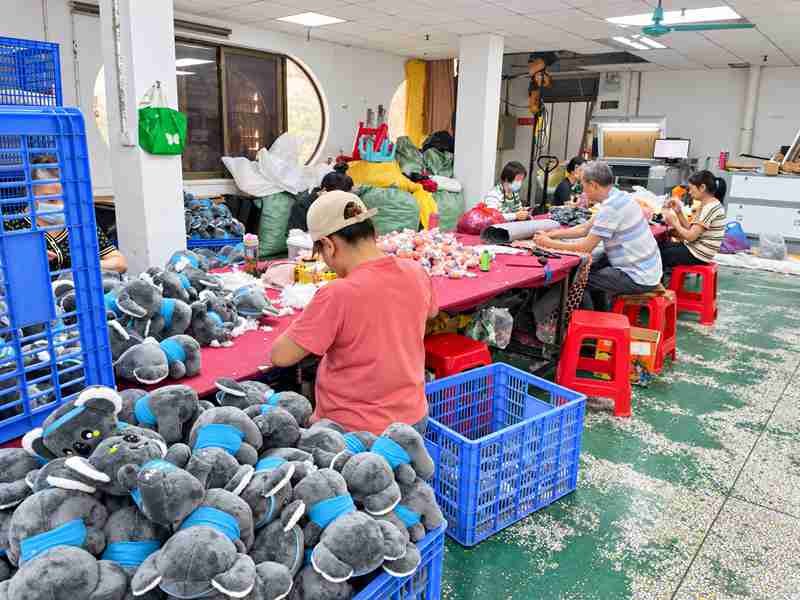
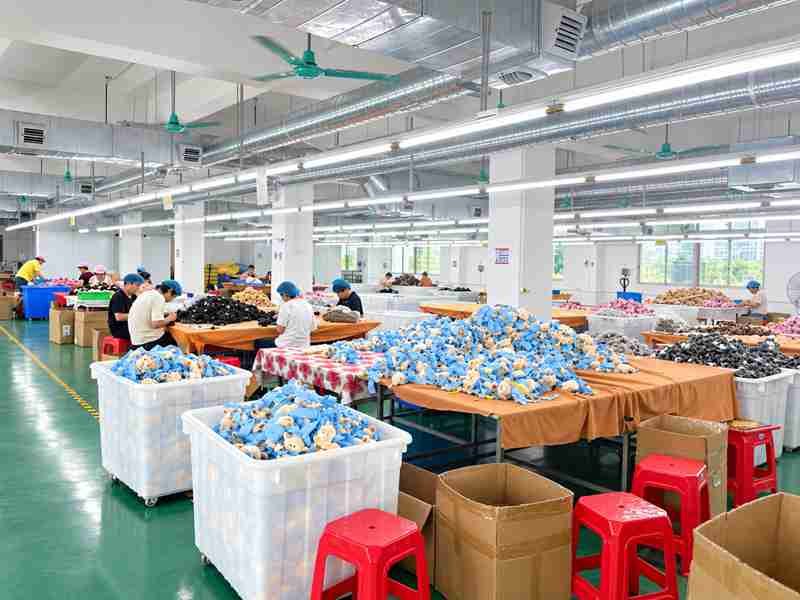
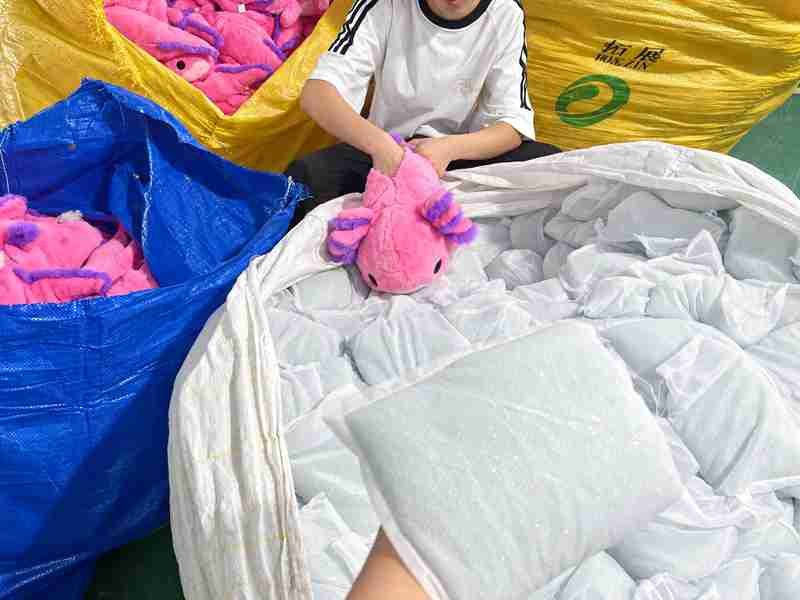
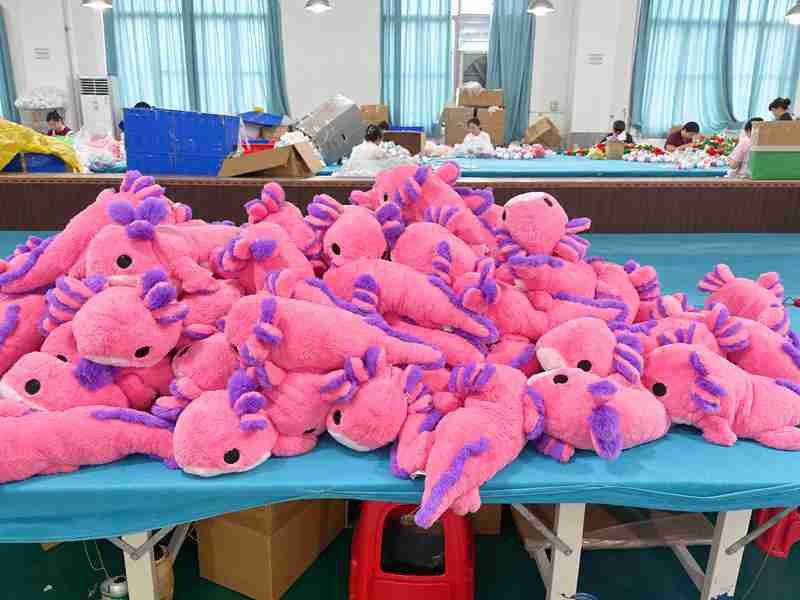
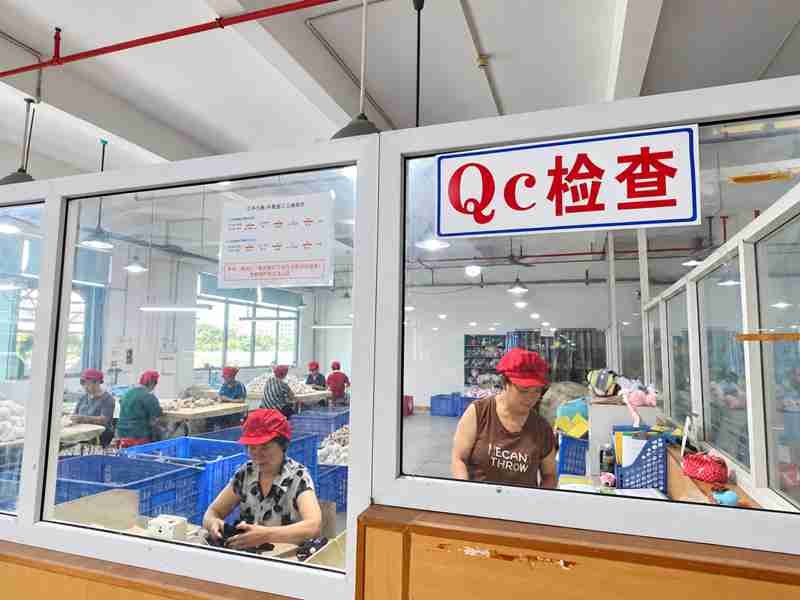
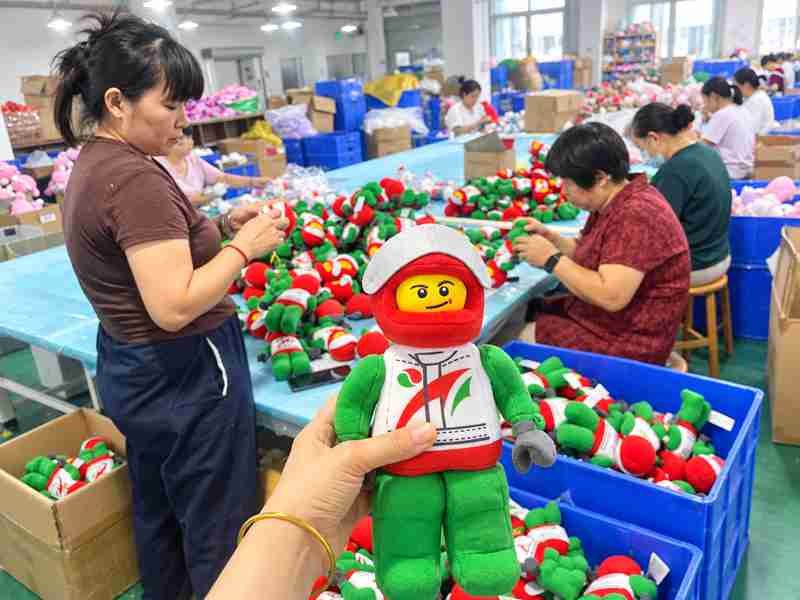
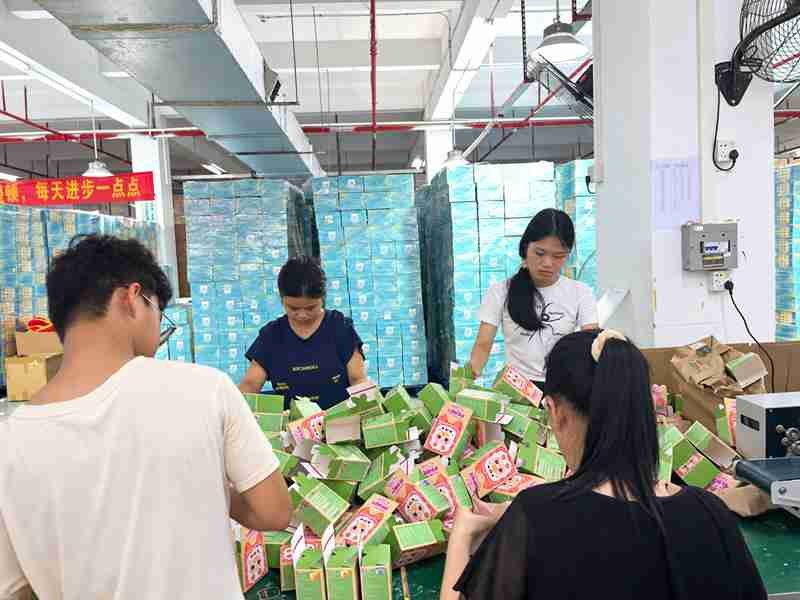
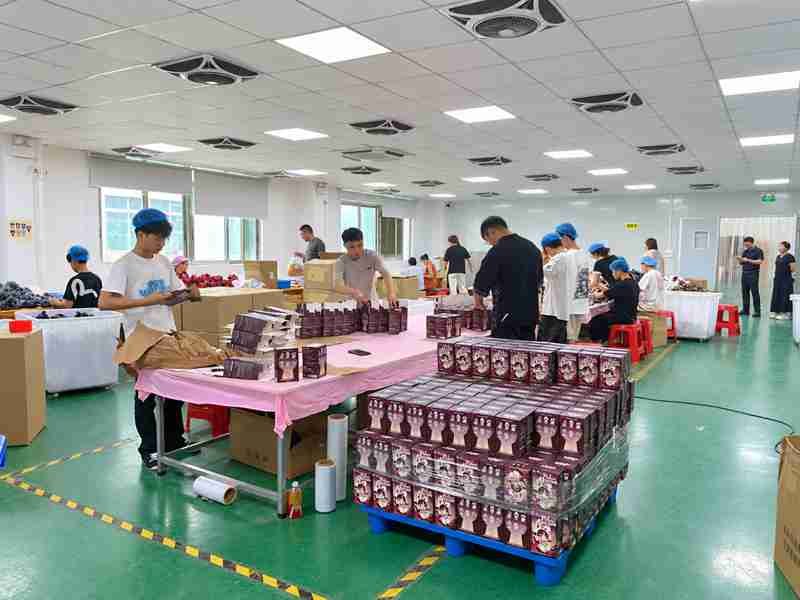
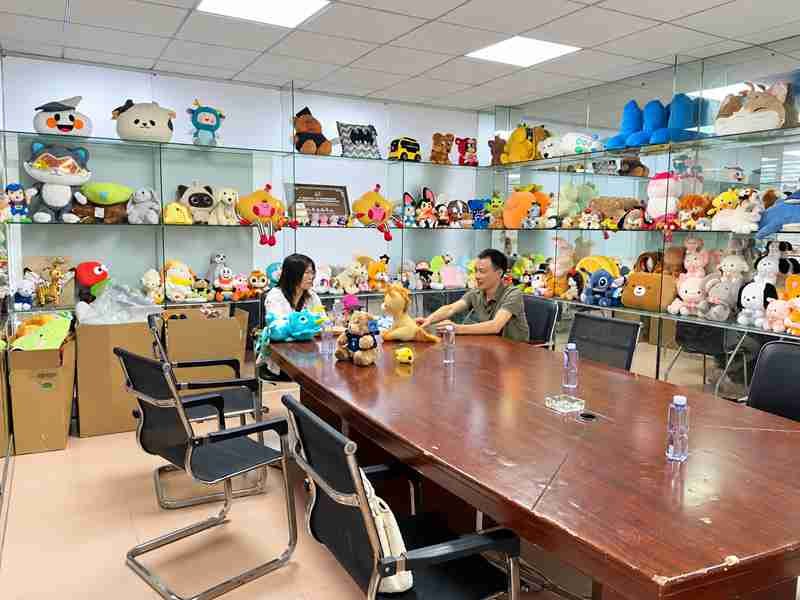
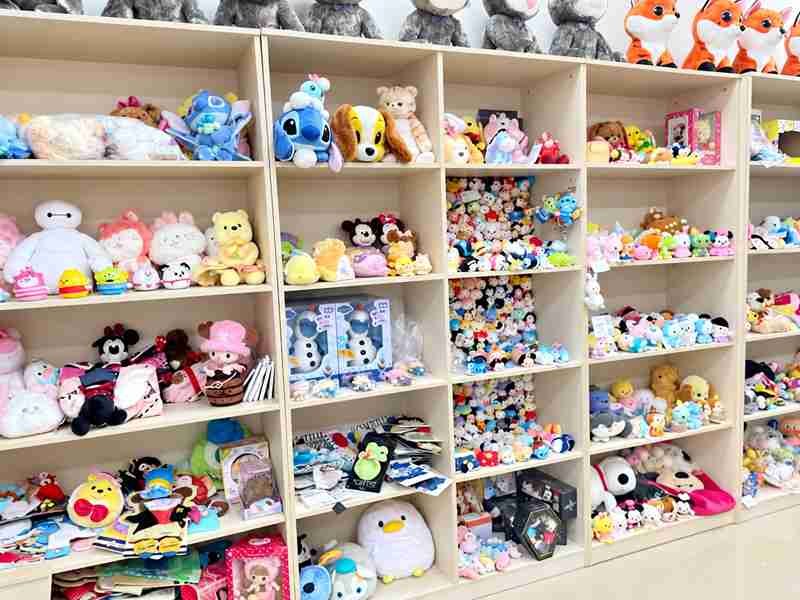
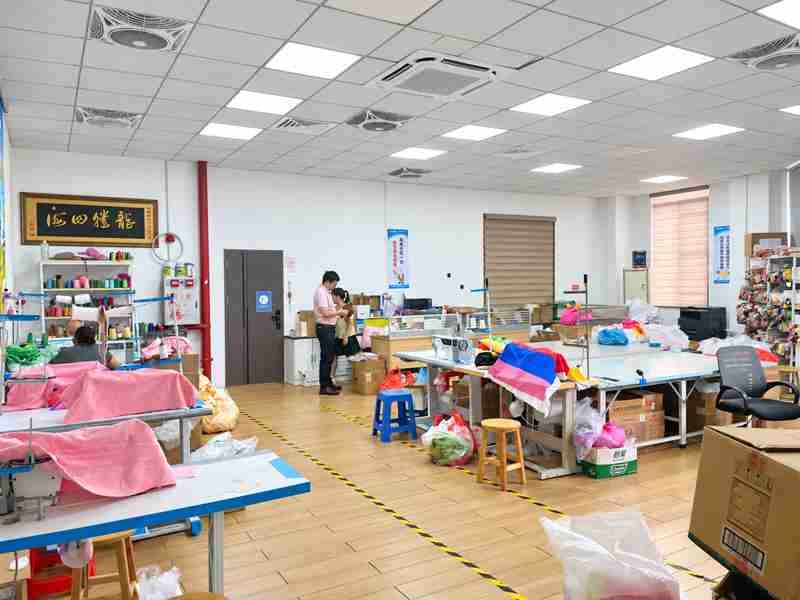
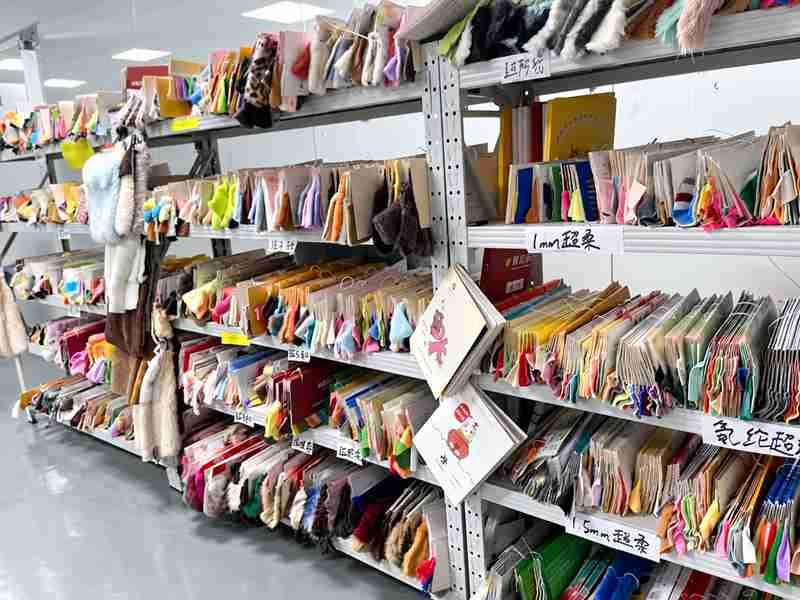
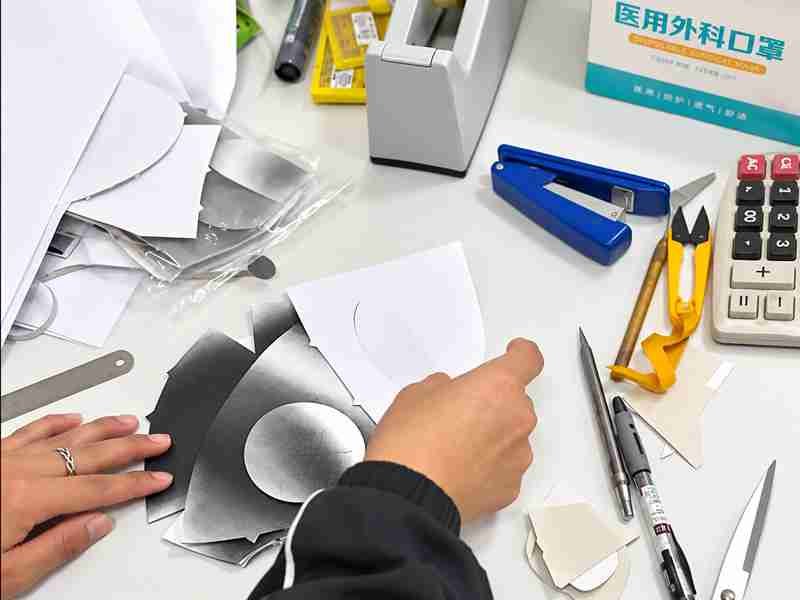
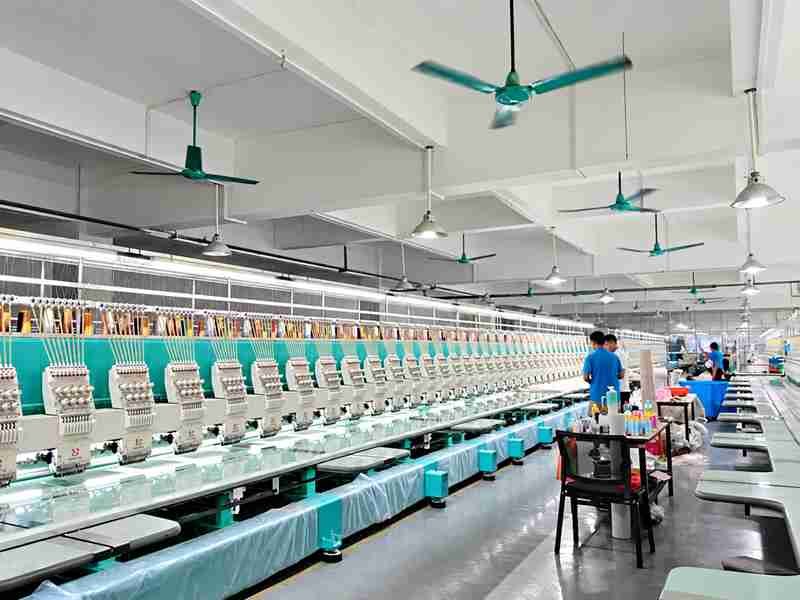
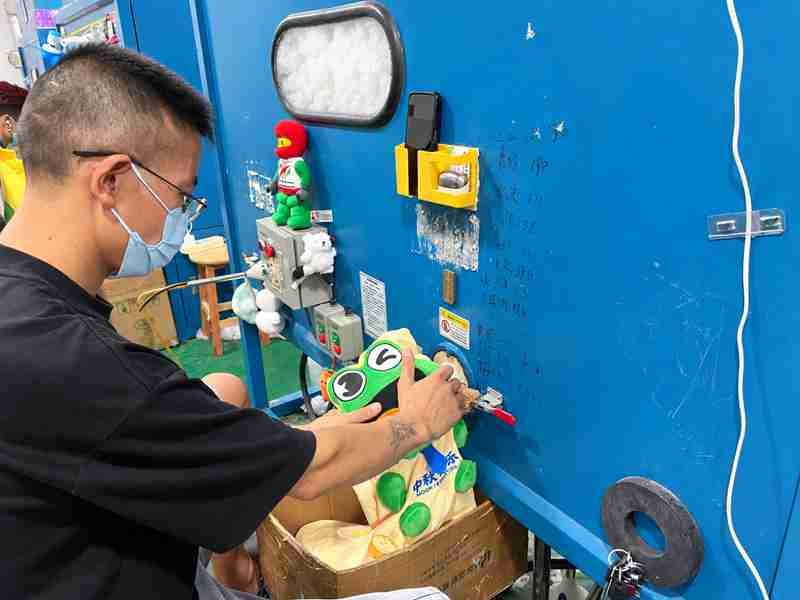
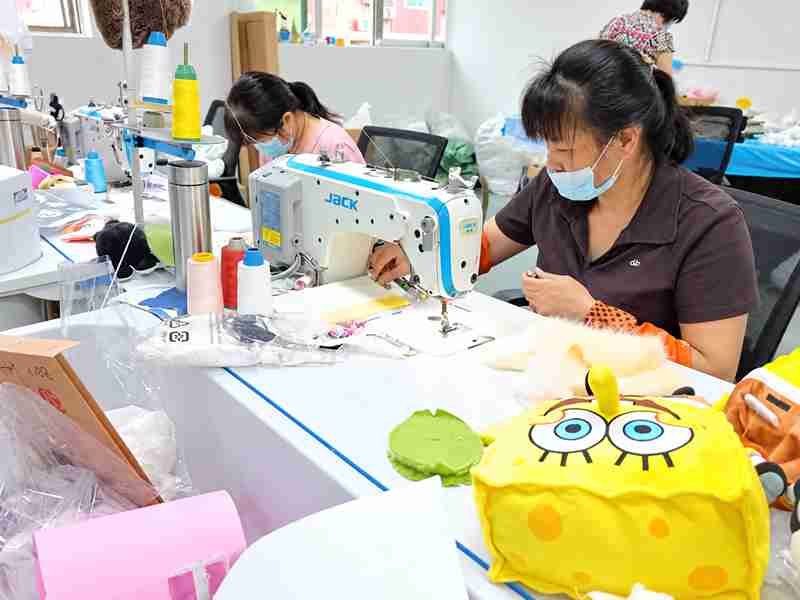
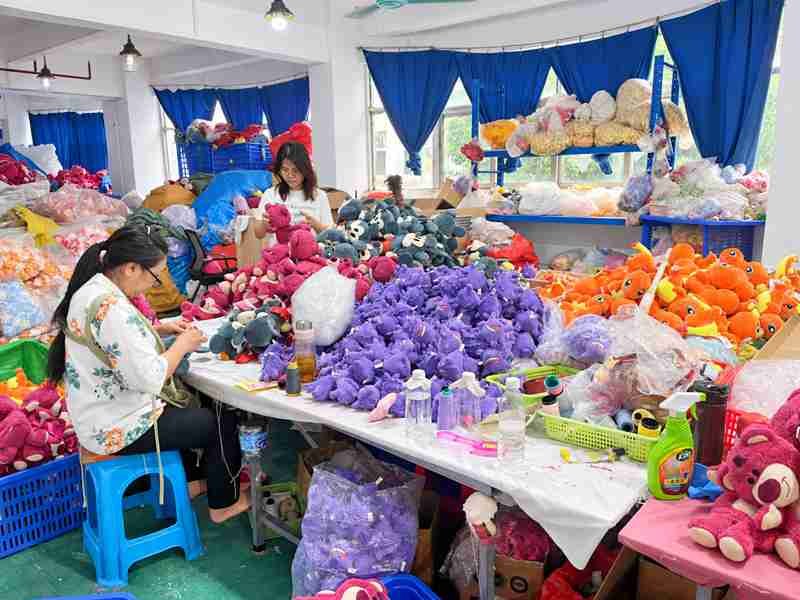
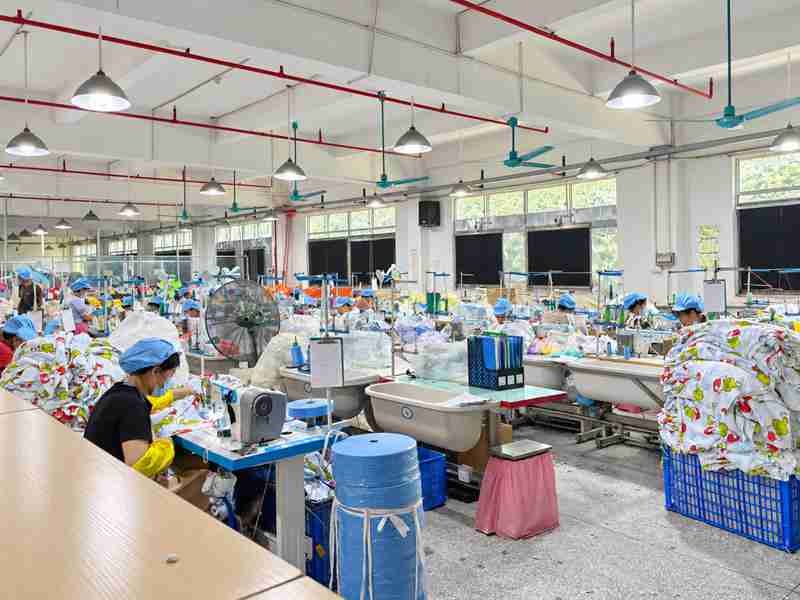
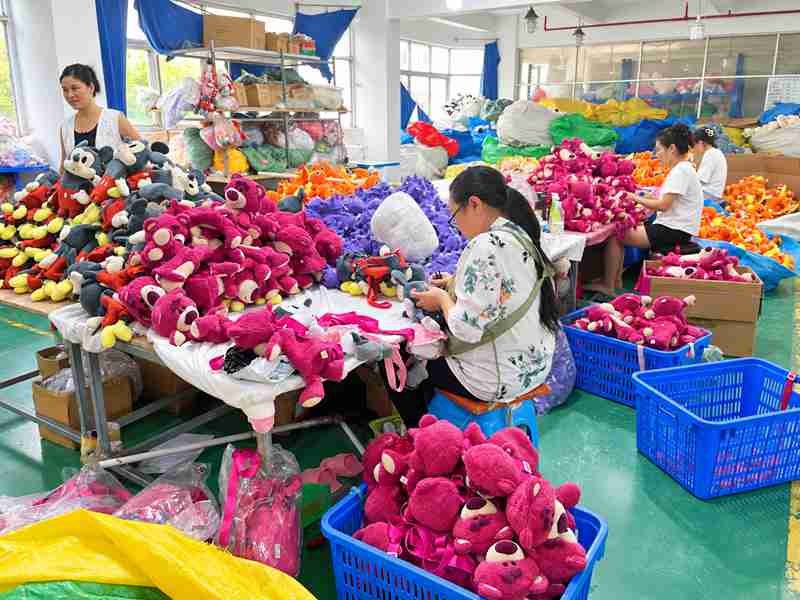
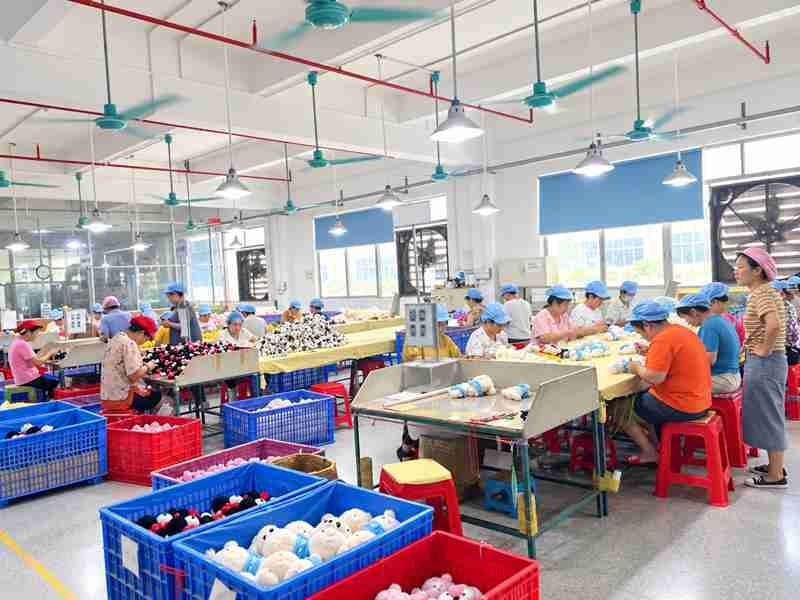
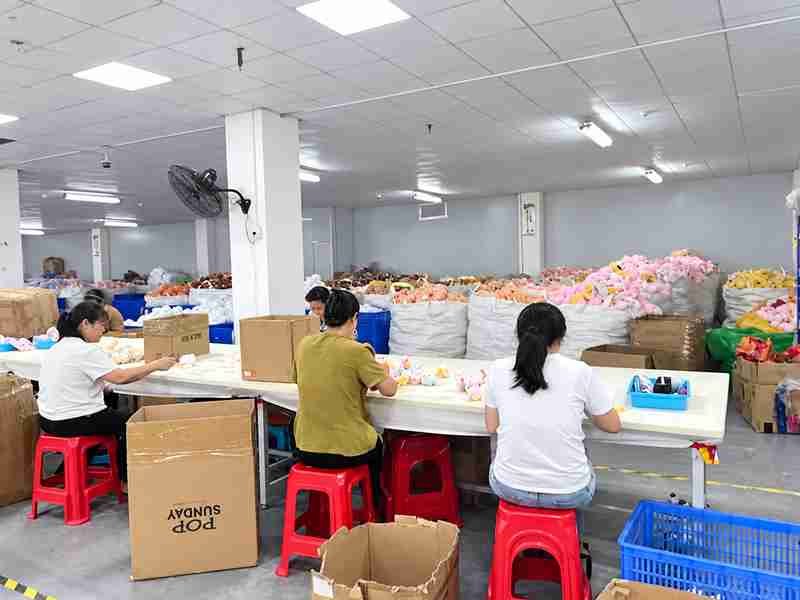
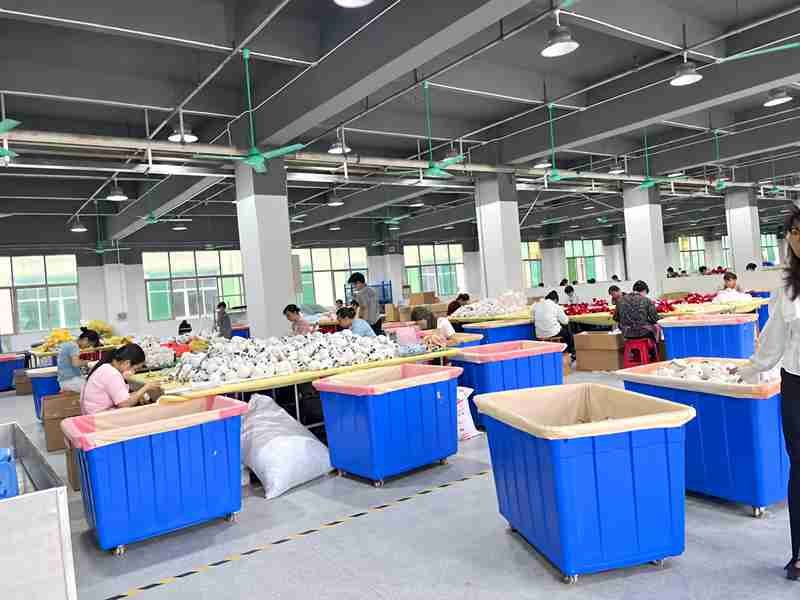
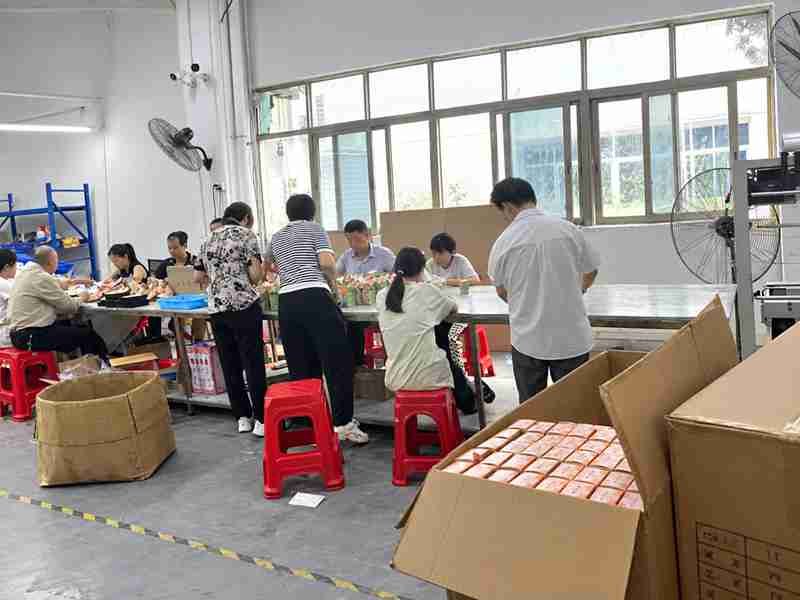
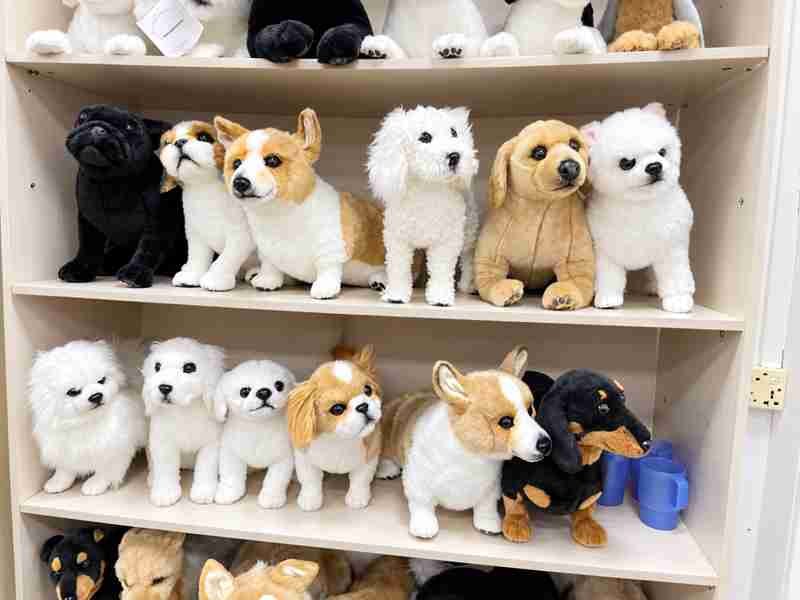
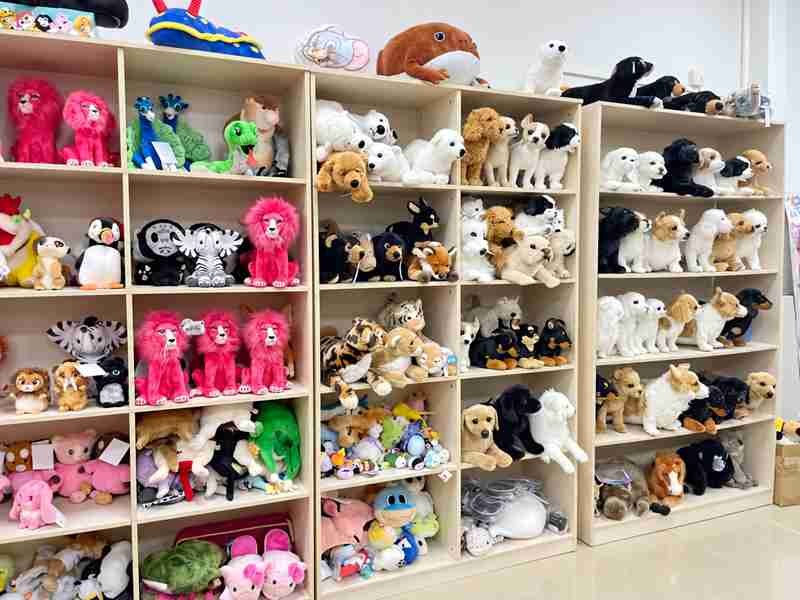
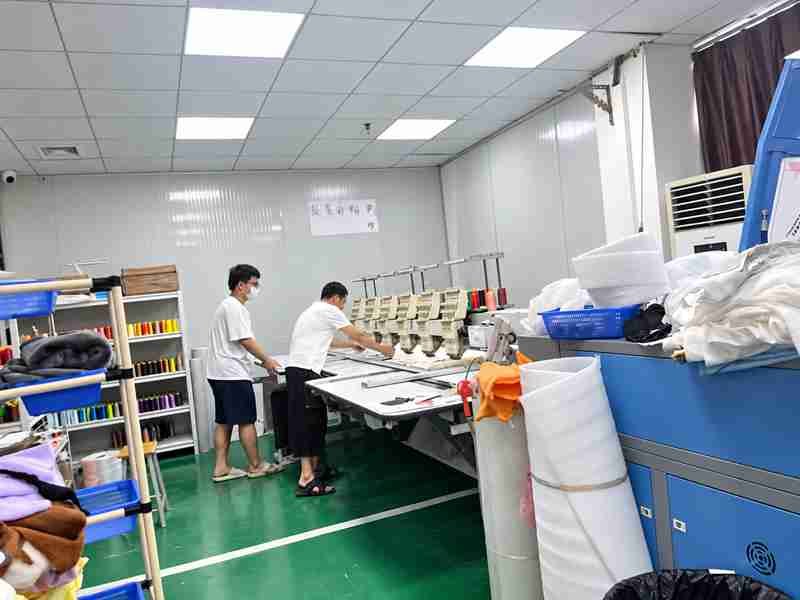
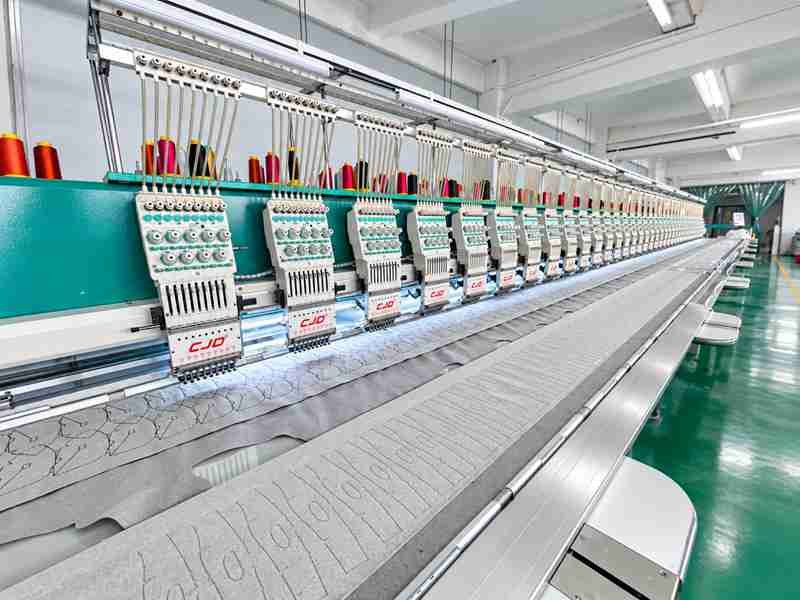
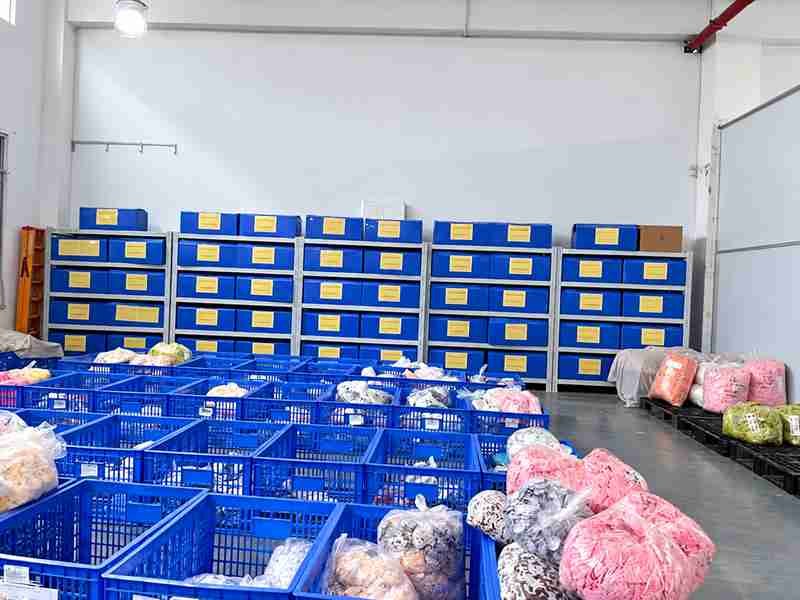
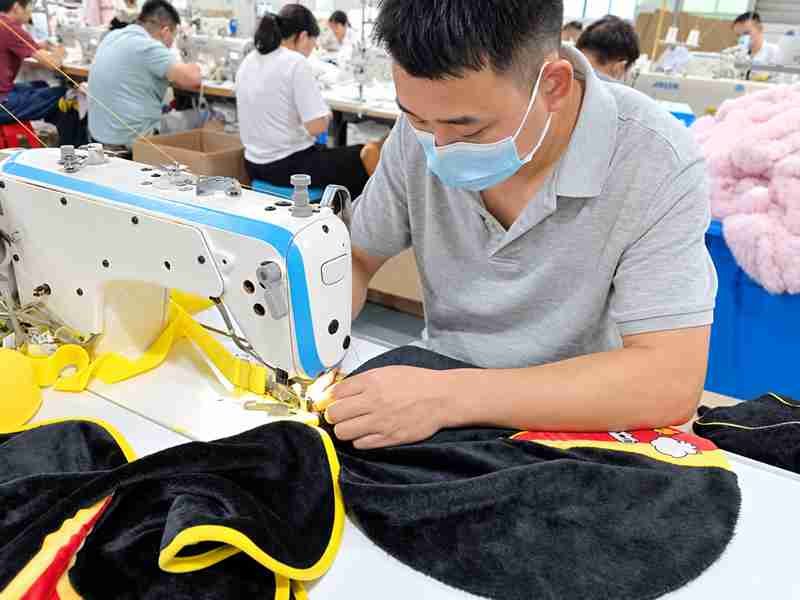
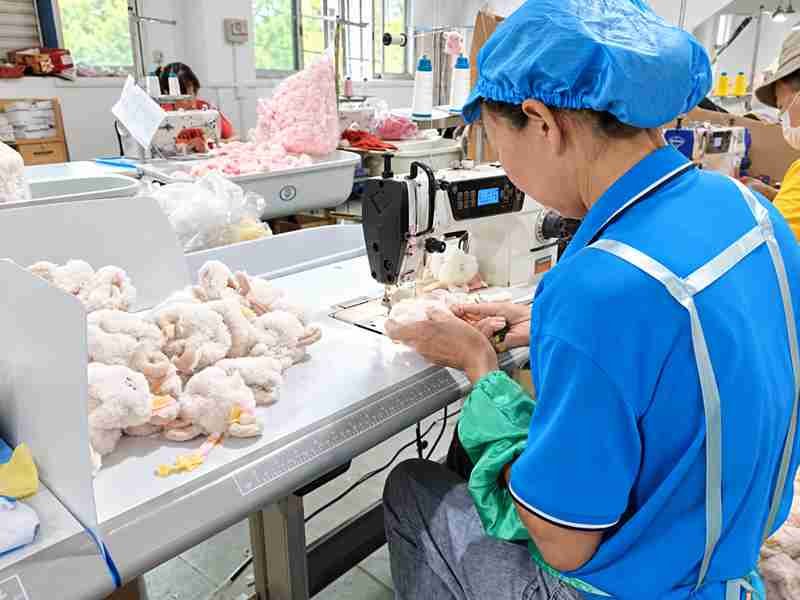
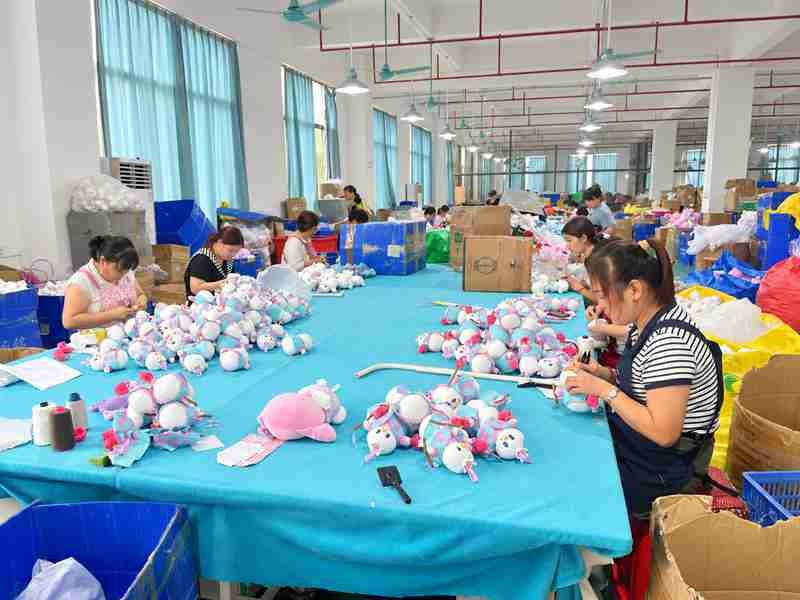
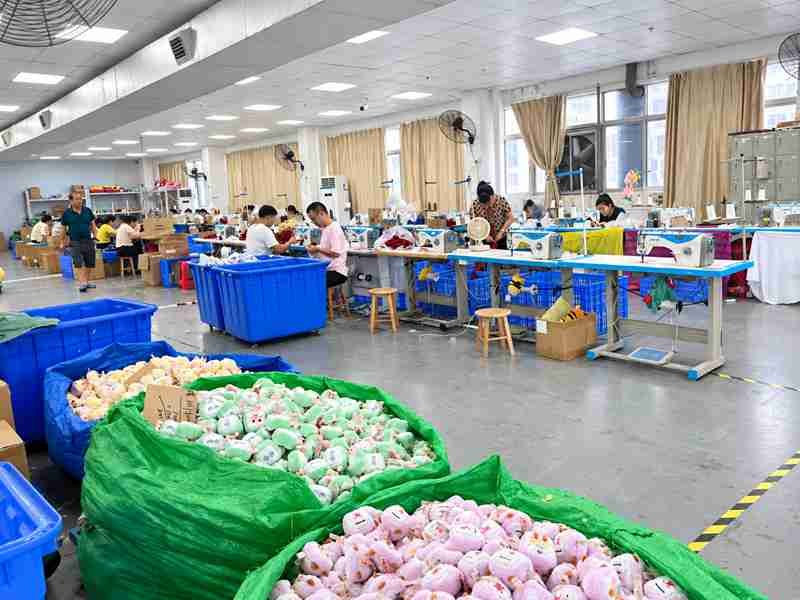
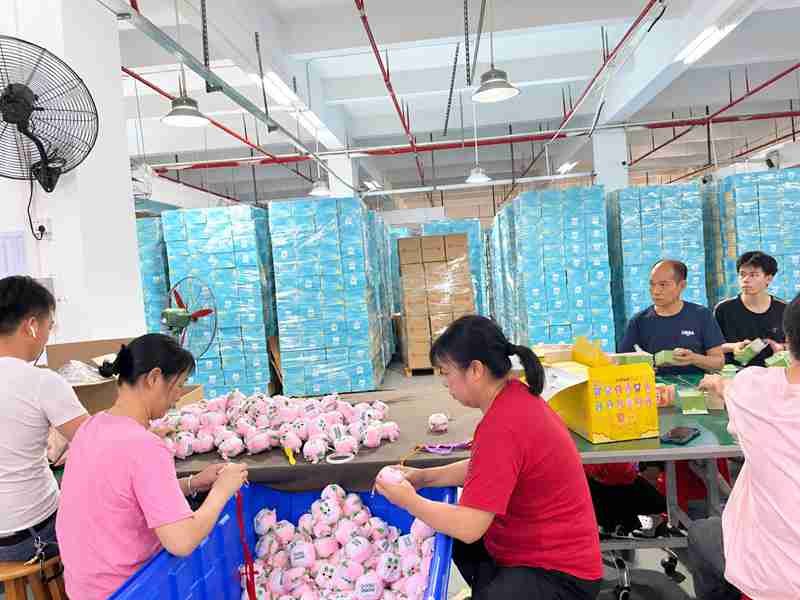
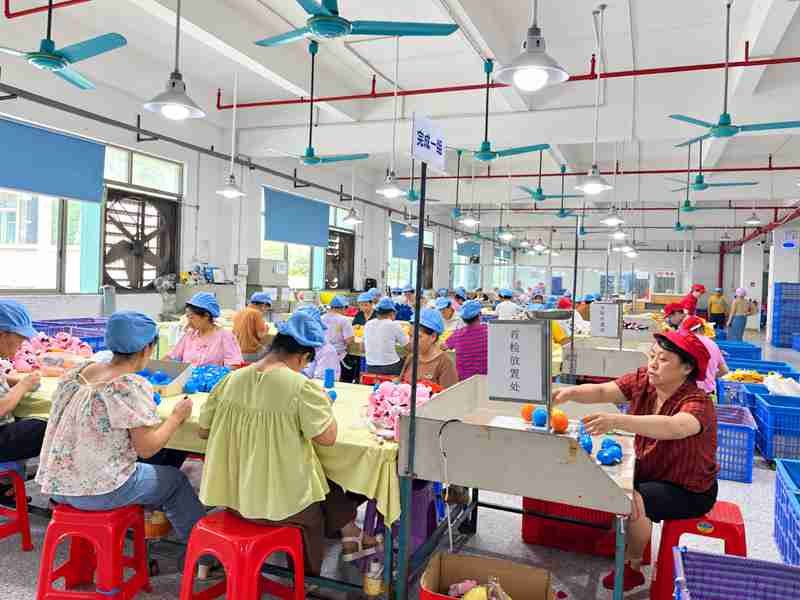
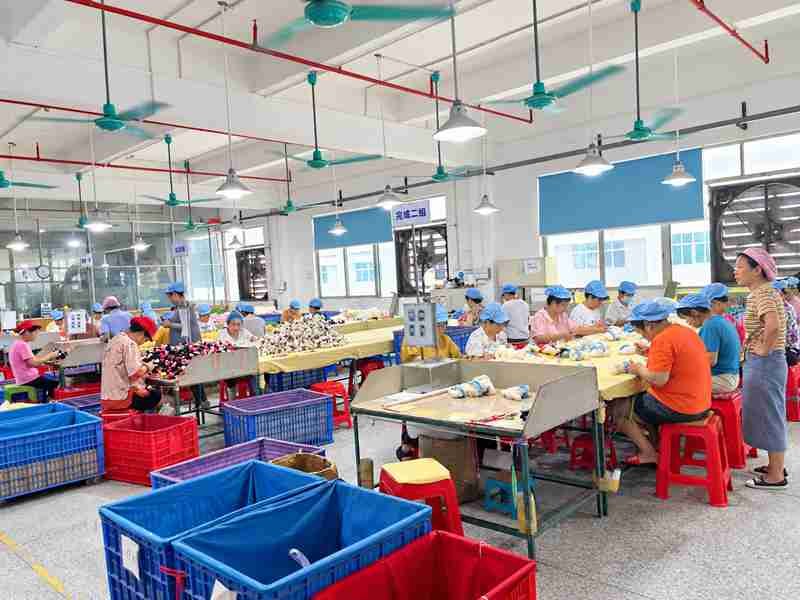
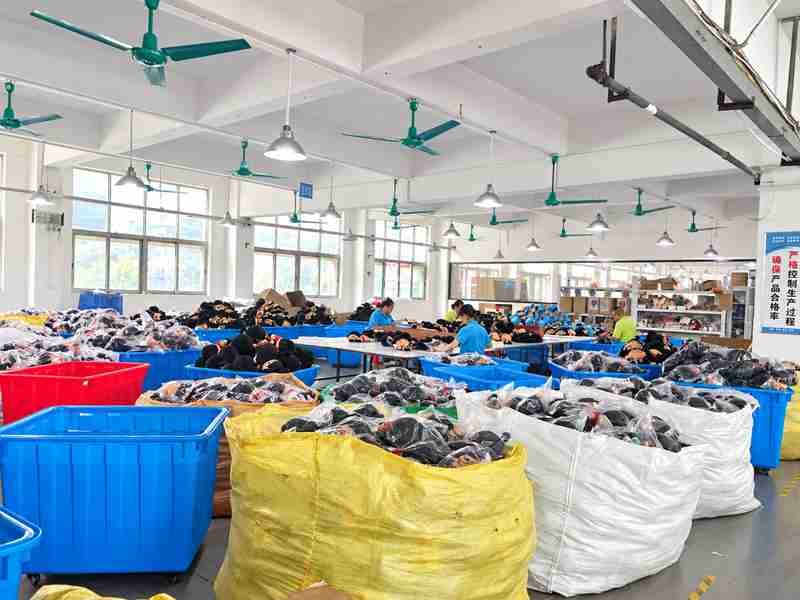
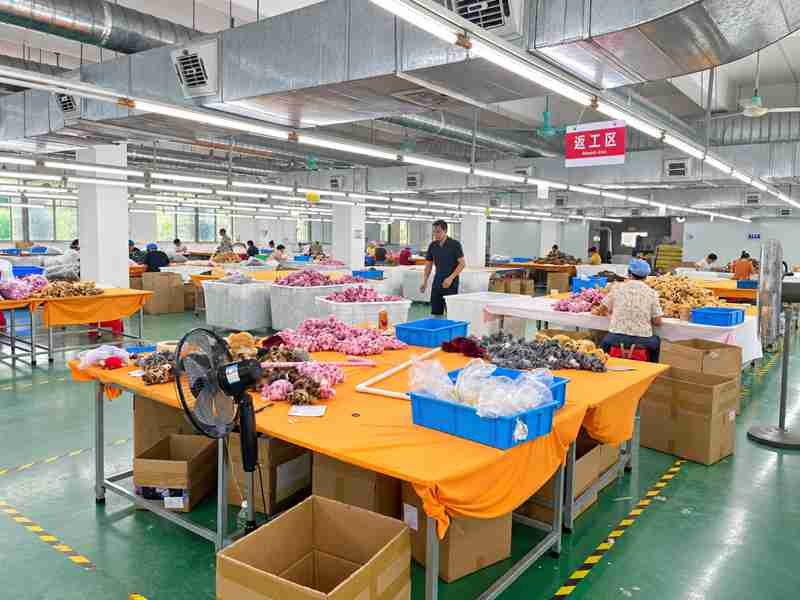
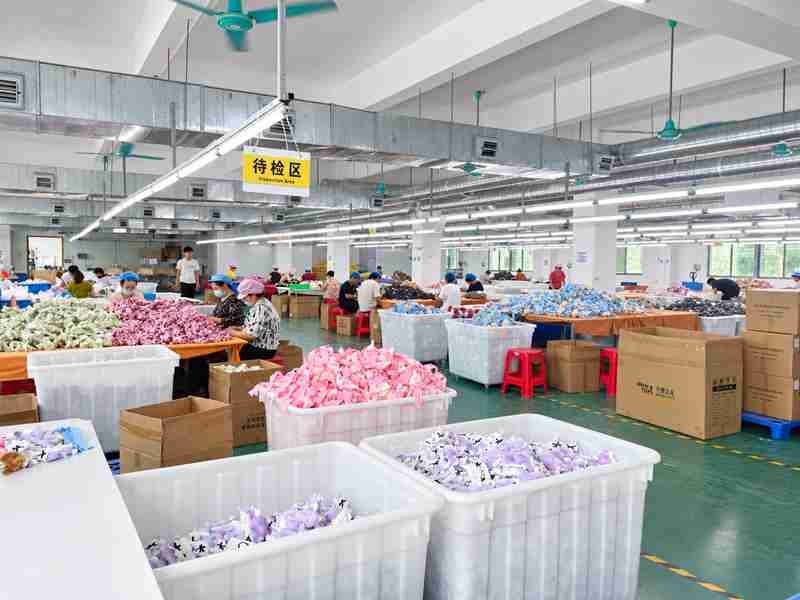
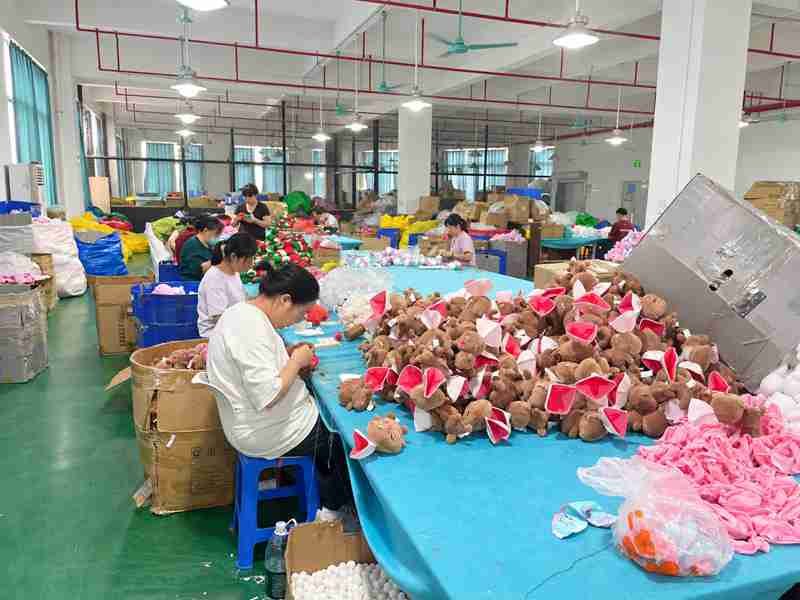
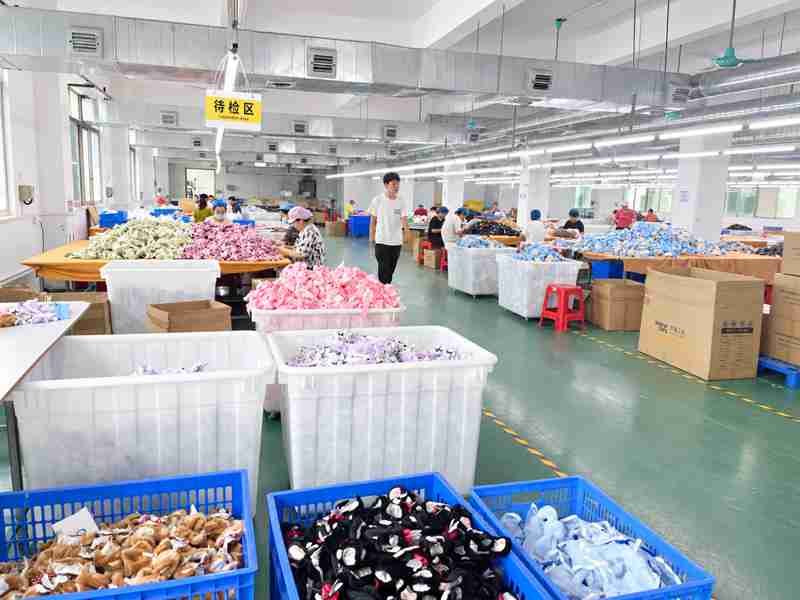
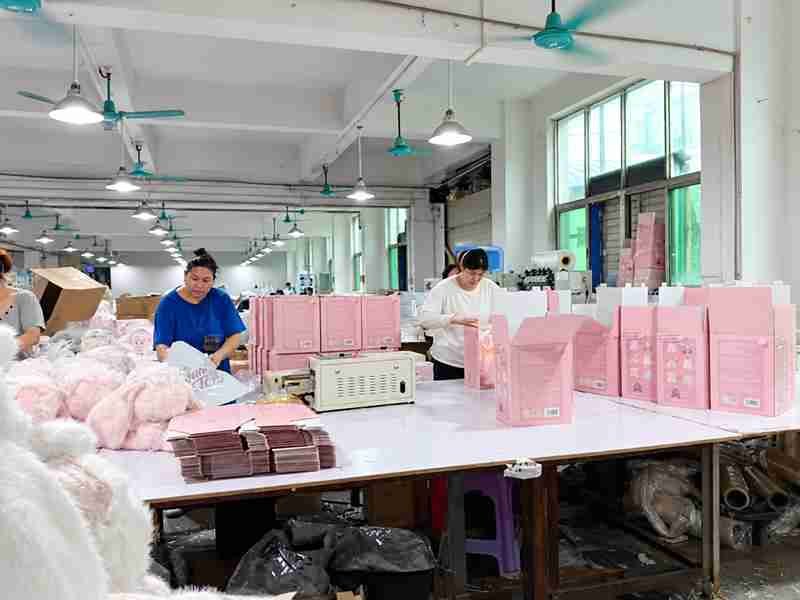
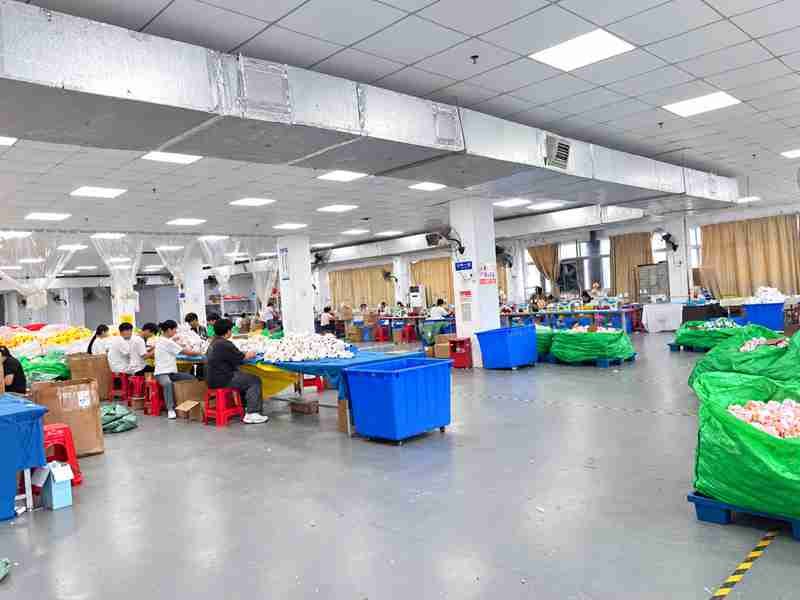
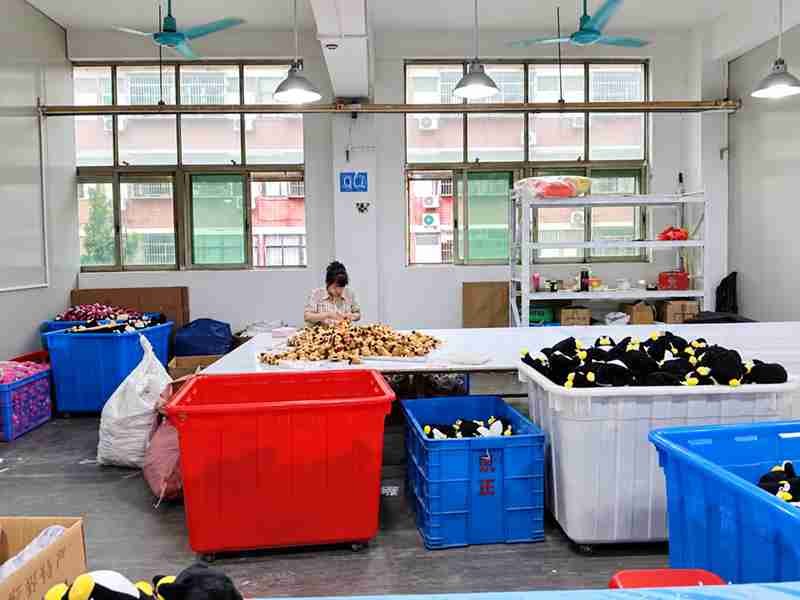
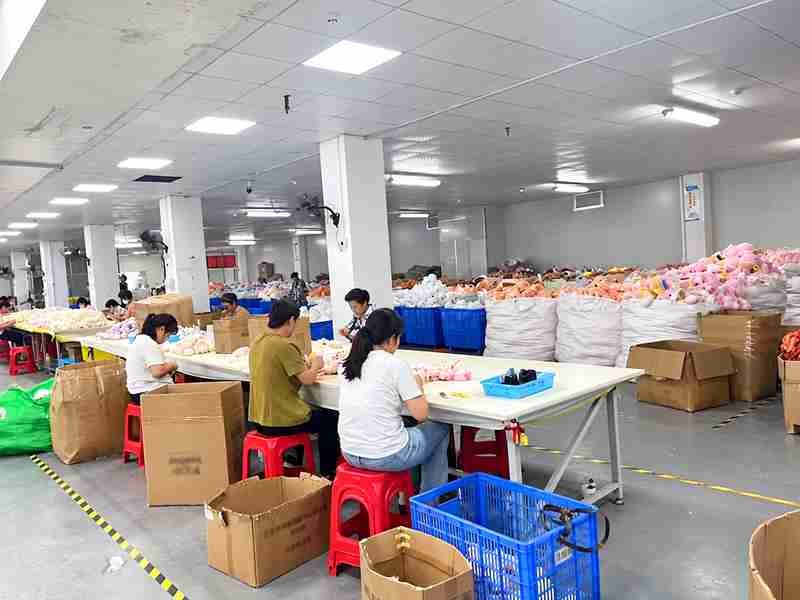
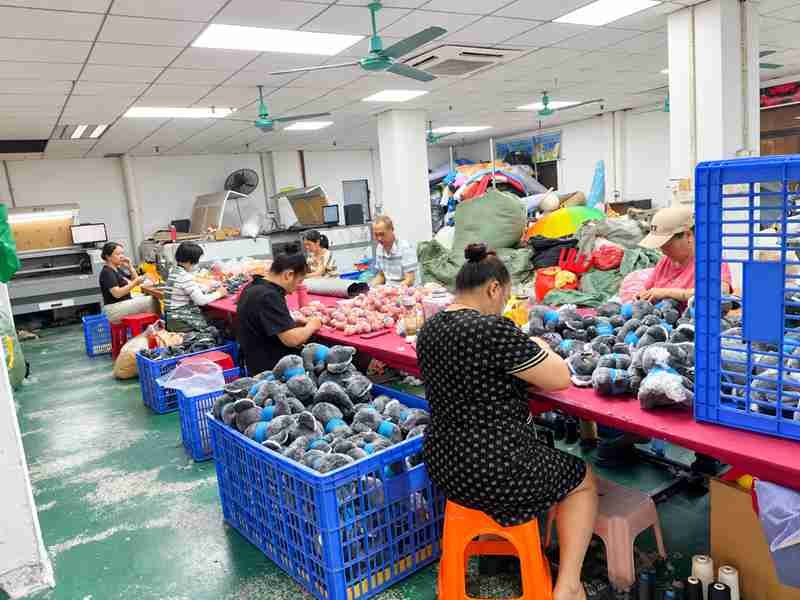
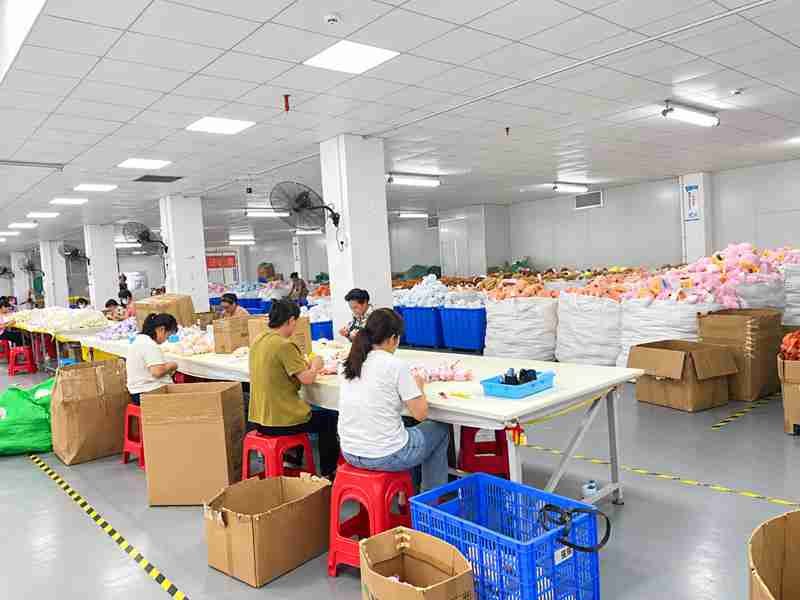
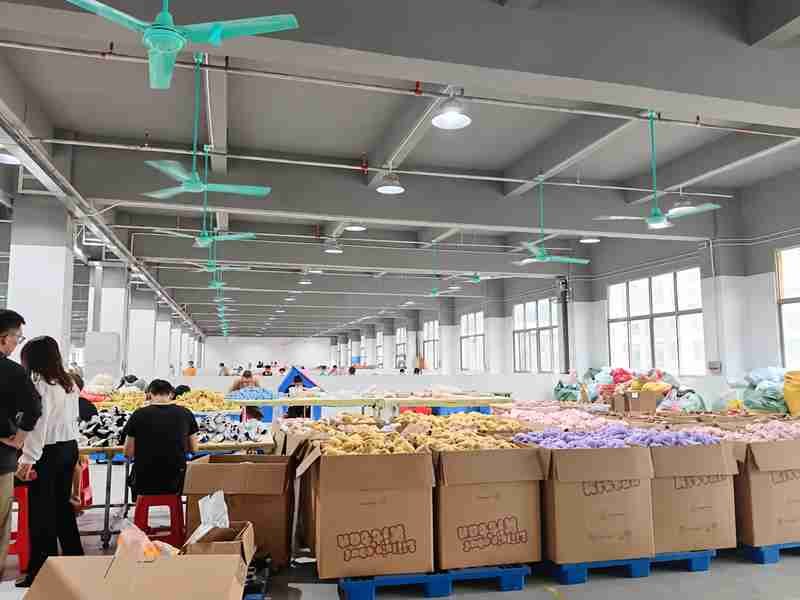
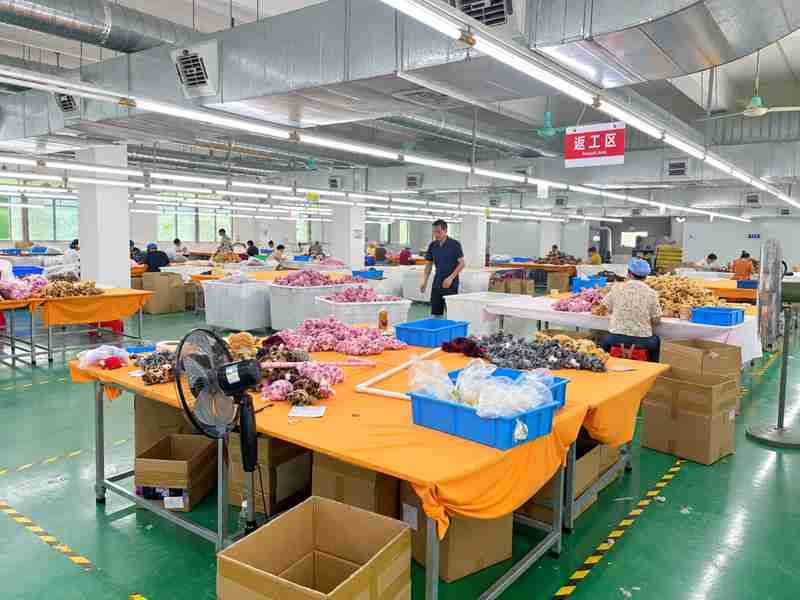
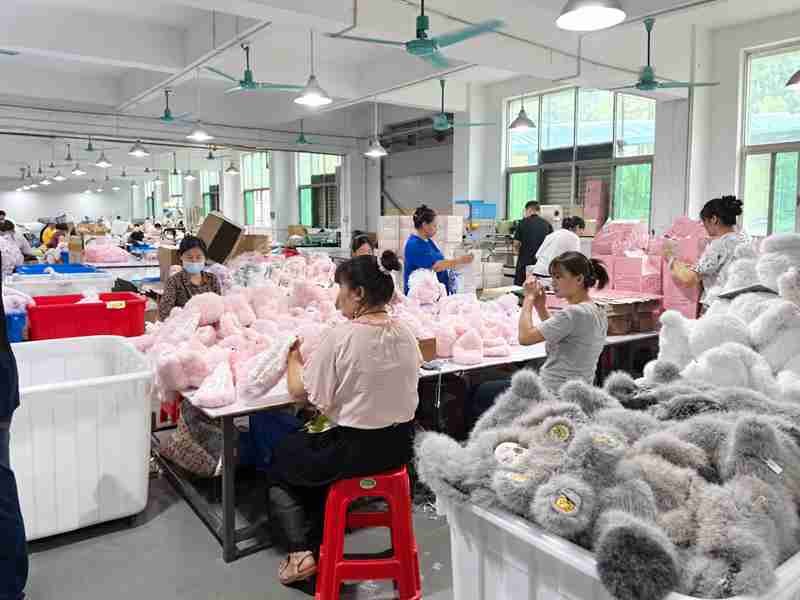
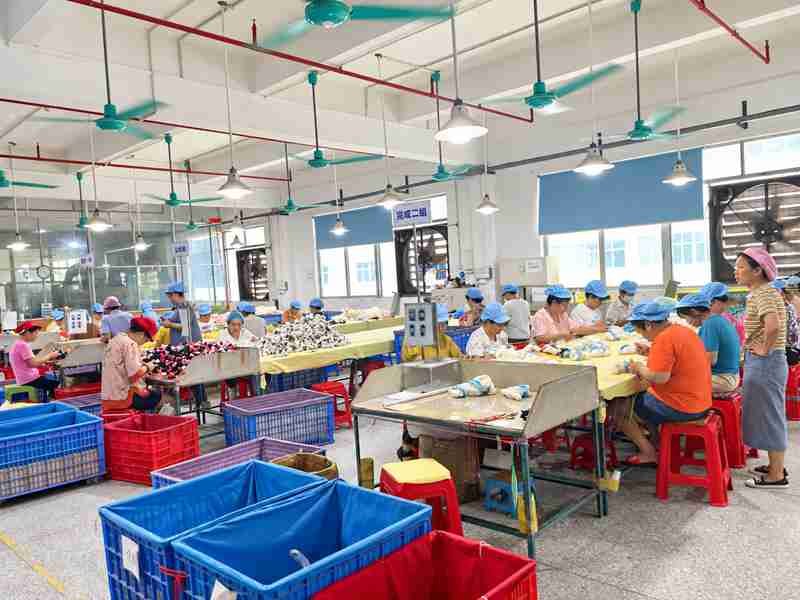
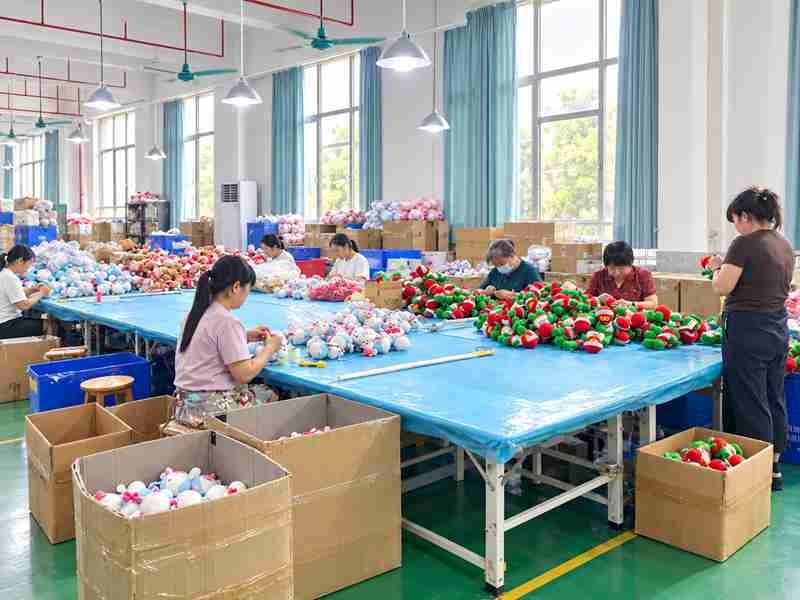
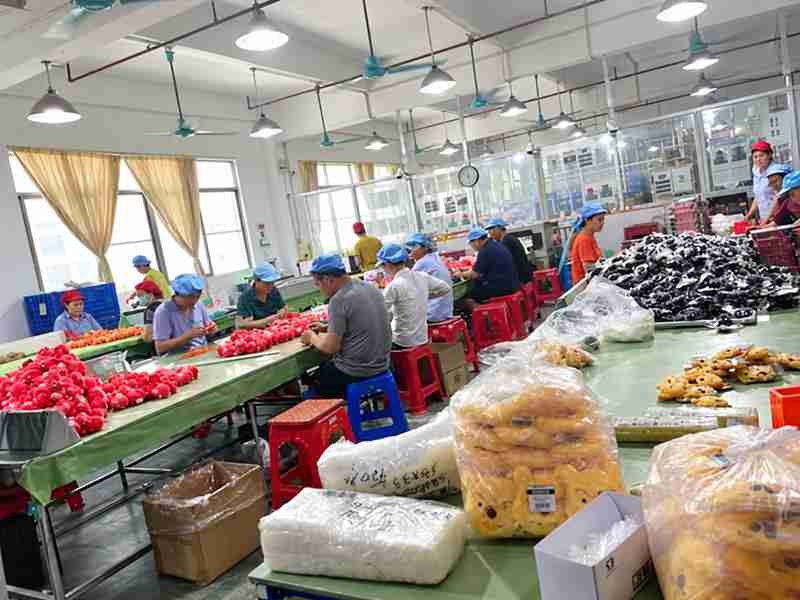
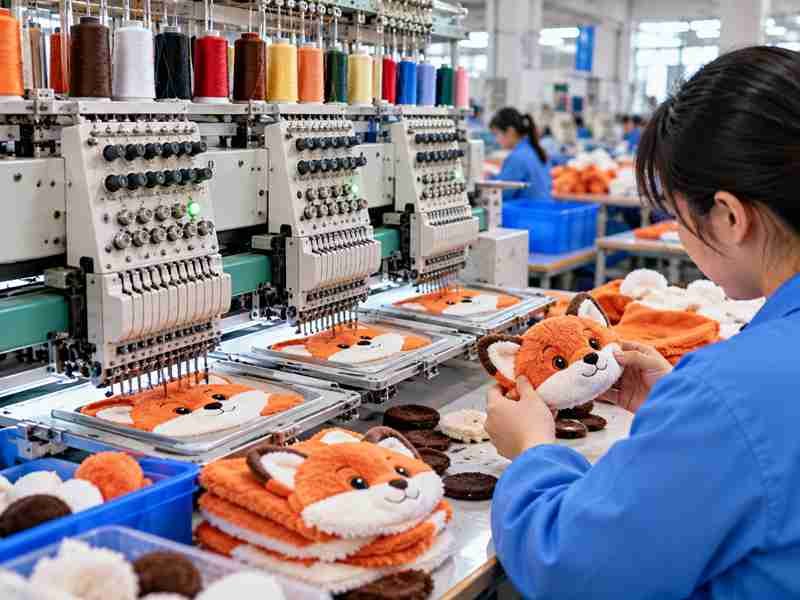
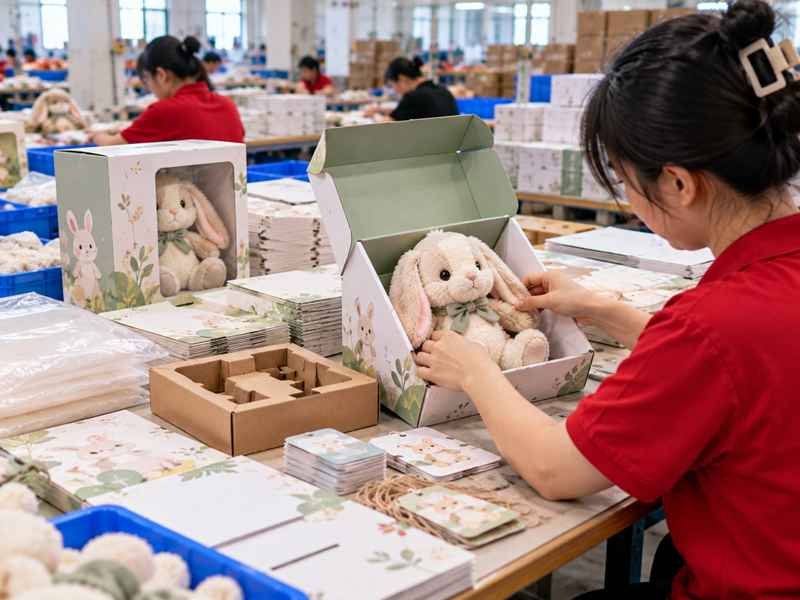
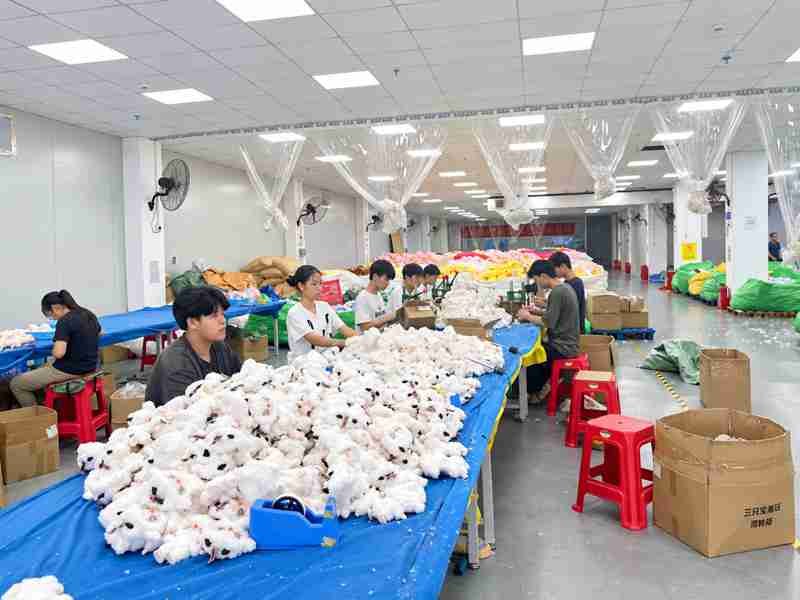
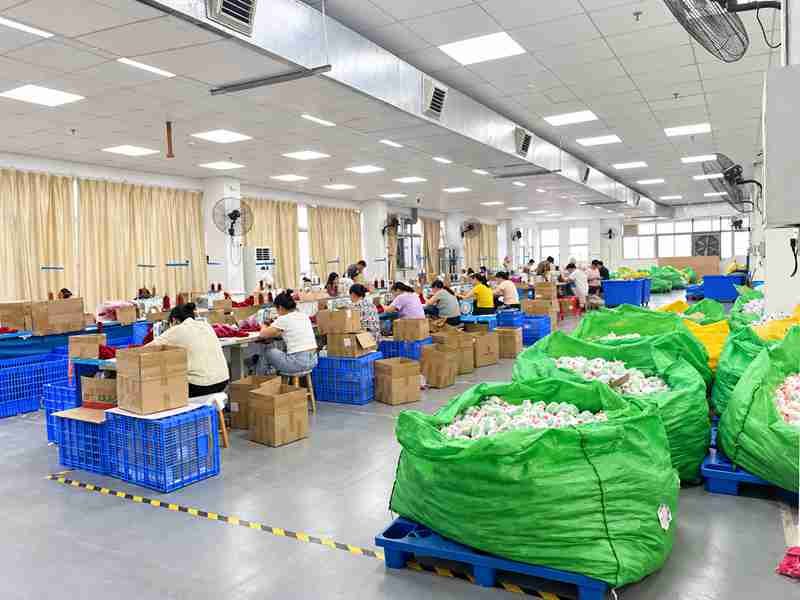
From Prototype to Production: Our Real Plush Factory Show

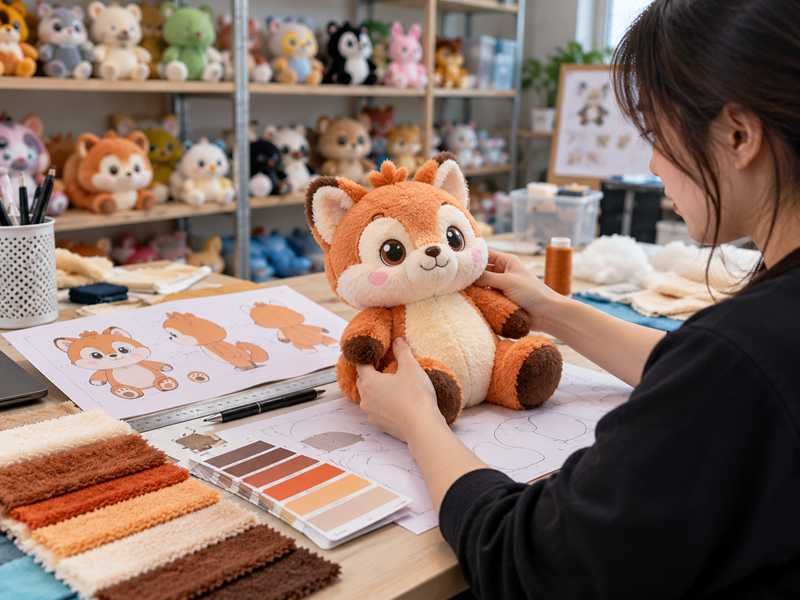
At Ewintoys, every plush project follows a structured development and production process, from initial design review and pattern making to sampling, mass production, quality inspection, and final delivery. Our real factory images provide a transparent view of how ideas are transformed into high-quality plush products through professional craftsmanship, engineering control, and careful production management.

Release Production From One Controlled Product Definition

Approved physical, material, commercial, and quality references should point to the same SKU revision before bulk manufacturing begins.

Controlled Item

What It Defines

Release Question

Golden Sample

Approved appearance, shape, handfeel, detail

Is the current physical reference approved for production?

Frozen BOM

Materials, components, trims, filling, labels

Does every item match the approved specification and supplier route?

Released Pattern

Panel geometry, seam construction, orientation

Is production using the current pattern revision?

Decoration Artwork

Embroidery, print, applique, patches, labels

Is the correct artwork version, size, placement, and color being used?

Material IDs

Fabric, lining, reinforcement, filling

Are incoming lots tied to the approved material record?

Part / Module IDs

Hardware, molded parts, magnets, electronics

Are the correct part and revision mapped to the correct SKU?

Filling Specification

Total and zone result, weighted or support inserts

Will shape, firmness, balance, and function match the approved sample?

Packaging Specification

Unit pack, labels, barcode, display, carton

Is the correct commercial version mapped to the product?

Testing Status

Market and product evidence

Does available evidence cover the current construction and target market?

QC Plan

CTQs, inspection gates, acceptance references

Can inspectors compare bulk against the same approved definition?


Scale an Approved Solution Into Controlled Mass Production

Bulk manufacturing should reproduce the approved product definition through clear release gates, first-piece confirmation, in-process control, and final shipment checks.

Start Bulk Only From Released Inputs

Production should begin from the current Golden Sample, BOM, released pattern, decoration files, material and component specifications, filling references, packaging version, and project-specific QC plan. Material readiness and incoming checks need to confirm the right fabric, color, pile, hardware, molded parts, magnets, labels, filling, or modules before line work multiplies an error. For multi-SKU programs, kitting, product identity, bundle control, line-clearance rules, and visible revision status reduce cross-SKU mixing. Mature OEM products can move through release more directly, while ODM or newly developed products may need additional pre-production confirmation before the same information is handed to cutting, decoration, sewing, stuffing, assembly, QC, and packaging teams. The objective is one manufacturing definition, not several departments interpreting old samples or separate email threads differently.

Use First-Off and In-Process Checks Before Defects Multiply

A first-off or early-production confirmation can compare appearance, measurements, fabric, decoration, seam construction, filling, accessory position, function, labels, and packaging against the released references before larger quantities move through the line. IPQC should focus on the failure modes most likely to become expensive when repeated: face placement, nap direction, wrong panels, seam alignment, embroidery position, filling distribution, reversed magnet polarity, weak hardware anchors, wrong module revision, or cross-SKU mix-up. The inspection route should follow the product architecture rather than apply the same checklist mechanically to every item. A simple character plush and an electronic plush do not carry the same CTQs. Keeping inspection tied to the approved sample, BOM, work instructions, and product-specific risk helps the line correct drift close to the process where it begins.

Release Finished Goods With Product and Pack Identity Intact

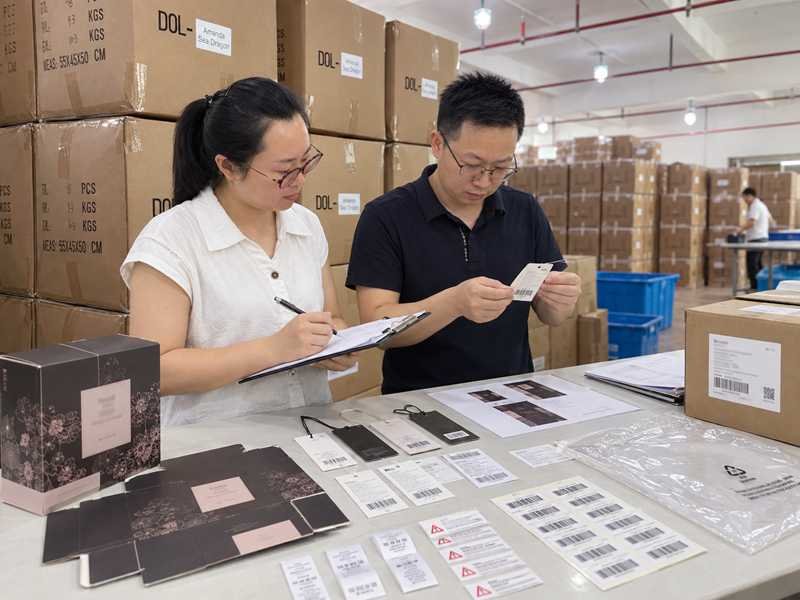
FQC and outgoing release should confirm the finished product against the approved character, shape, handfeel, component, function, and packaging references before shipment. A visually correct plush can still fail commercially if the wrong barcode, label, pack version, carton identity, accessory, module, or destination data is applied. Packaging QC and OQC therefore need to extend beyond sewing quality into unit-pack condition, barcode or label checks, carton quantity, carton marks, protection, compression recovery where applicable, and shipment documentation. For split releases or multi-SKU programs, product identity should remain visible from final inspection through warehouse and forwarder handoff. Mass production is complete only when the approved product and its correct commercial identity leave the manufacturing system together. 

Certificates, Compliance & Quality Assurance

Ewintoys follows structured quality and compliance practices for custom plush production. We hold relevant certifications and support additional testing, inspection, and compliance documentation based on specific product requirements and destination markets, helping brands meet different international standards with confidence.

Build Quality, Testing, and Compliance Into the Route

Quality and compliance decisions should follow product risk, target market, age grade, materials, components, functions, and the current approved revision.

Use Quality Gates From Incoming Material to Shipment Release

Quality control can include IQC, IPQC, FQC, and OQC, but the value comes from connecting each gate to the correct product risk. IQC can confirm material identity, color, pile, hardware, molded parts, filling, modules, or packaging inputs before use. IPQC catches process drift in cutting, decoration, sewing, stuffing, assembly, and functional integration. FQC compares the finished product against Golden and product-specific CTQs, while OQC confirms pack-out and shipment readiness. Ewin’s quality organization supports these control stages across complex plush programs. The strongest QC route does not rely on final inspection to discover every issue. It uses approved references, traceability, first-piece checks, defect records, and CAPA where recurring or serious problems need containment, root-cause analysis, corrective action, prevention, and effectiveness review.

Map Compliance to the Finished Product and Target Market

A plush product should not be labeled generically “compliant” without defining the market, age grade, product classification, materials, components, and tested construction. U.S., EU, UK, Canada, Australia, Japan, Korea, and other markets can involve different requirements or documentation. Weighted media, magnets, hard parts, accessible components, batteries, electronics, labels, or coatings can change the risk and testing route. Ewin can help map product information, material records, component details, sample stage, packaging, and third-party testing needs to the intended market. One component certificate does not automatically cover the finished plush, and one SKU report does not automatically cover every variant. Evidence should stay tied to the product and revision it actually represents.

Review Product Changes Before Reusing Old Evidence

After approval, a change in fabric supplier, composition, GSM, pile, color, coating, filling, hardware, magnet, molded part, module, battery access, pattern, decoration, or packaging can affect appearance, production, safety, or report relevance. Change control should identify affected SKUs, what changed, whether the physical product changed, whether a new sample is needed, and whether existing test evidence still represents the updated construction. For related SKU families, some evidence may be grouped when materials, construction, components, market, age grade, and laboratory rationale support the scope, but equivalence should be demonstrated rather than assumed. Keeping Golden, BOM, reports, QC plan, and released production records aligned prevents a product from silently drifting away from the evidence used to approve it.

Carry Brand Identity From Product Detail Into Packaging

Logo execution and packaging should be planned with the product, channel, compliance, handling, and delivery route rather than added after bulk manufacturing begins.

Select Logo and Brand Processes Around the Material

Embroidery, screen printing, digital printing, heat transfer, applique, woven labels, printed labels, patches, PVC or silicone badges, hangtags, and other brand marks can all express identity in different ways. The correct route depends on fabric pile, stretch, heat sensitivity, detail size, color, softness, durability, placement, and product scale. A small embroidered word that works on short plush may disappear into long faux fur, while a heat process may be unsuitable for a heat-sensitive surface. Ewin can validate logo scale, process, color, placement, backing, and visual result during sampling, then keep the approved artwork and process tied to the correct SKU and production release. Brand execution should remain consistent through reorders, not be reinterpreted by each production run.

Design Unit Packaging Around the Actual Plush Construction

Packaging options can include polybags, belly bands, backing cards, gift boxes, window boxes, blind boxes, displays, PDQ, compression routes, and other project-specific structures. The choice should consider plush size, pile, hard accessories, removable props, weighted inserts, electronic modules, retail presentation, e-commerce protection, barcode placement, legal copy, and unpacking experience. A rigid accessory can scratch or mark soft fabric; a long-pile product can lose visual presentation under pressure; an electronic product can be accidentally activated or stressed in the wrong pack orientation. Ewin can connect packaging trials with the finished Golden product so pack design protects the approved appearance rather than creating a new deformation or function problem after manufacturing is complete.
Master Carton​

Build Retail, E-Commerce, and 3PL Data Into Pack-Out

Commercial delivery may require SKU barcodes, FNSKU, retailer labels, legal copy, hangtags, case packs, PDQ, master-carton marks, destination labels, assortment data, and appointed 3PL receiving rules. These details should map to the correct product and packaging revision before line pack-out begins. Scan checks, SKU matrices, line clearance, packaging references, carton counts, and pre-shipment review reduce wrong-code and wrong-pack errors across larger collections. Ewin can prepare packaging and carton execution around retail, marketplace, warehouse, or distribution requirements while keeping product identity visible through final release. The correct plush entering the wrong unit pack is still a commercial failure, so packaging control belongs inside the manufacturing solution rather than outside it.

Extend the Solution Through Delivery, Reorders, and Scale-Up

Long-term value comes from preserving the approved product while demand, markets, packaging, quantities, and program complexity continue to change.

Keep Shipment Identity Connected to the Approved Product

Delivery planning should keep SKU, quantity, packaging version, carton identity, destination, and release status connected from the warehouse through forwarder or appointed 3PL handoff. Multi-SKU programs may ship in waves when commercial planning allows, but split release should not blur which product revision or pack version belongs to each destination. Ewin can coordinate carton organization, pack lists, pre-shipment checks, consolidation, and project-based delivery preparation around the approved commercial plan. If a program serves several channels or regions, the product may remain physically similar while labels, packaging, barcode, market evidence, or carton data differ. These differences need visible control so the right finished goods enter the right route after production.

Use Delta Review Before Every Repeat Order

A reorder should not begin by copying the prior purchase order without review. Compare the current request with the previous Golden Sample, BOM, released artwork, material route, component revision, filling, packaging, barcode, market, compliance evidence, and QC references. Changes in supplier availability, color, packaging copy, accessories, market, or functional modules can make an old production record incomplete even when the product name has not changed. Ewin can reuse approved information where nothing changed and isolate only the delta requiring new action. This preserves development work already completed while preventing obsolete artwork, expired pack data, unapproved substitutions, or old component revisions from quietly returning to production.

Use Forecast Visibility to Prepare Without Treating Estimates as Orders

Rolling 3-, 6-, and 12-month visibility can help identify likely material demand, packaging workload, process bottlenecks, launch waves, long-lead components, and production pressure before purchase orders arrive. Forecast information supports planning; confirmed product readiness, quantity, commercial release, and agreed timing still determine actual manufacturing allocation. For growing programs, Ewin can also review whether shared materials, packaging formats, process standards, or production sequencing can improve continuity without flattening SKU-specific requirements. Scale-up should preserve the product definition and quality standard already approved while adapting the supply route to higher volume, more variants, additional markets, or more frequent replenishment.

Frequently Asked Questions

Custom Development or ODM usually fits when size, structure, pattern, materials, decoration, functions, sampling, cost, or packaging still need engineering before production can be defined.
OEM fits a mature product with an approved sample, Tech Pack, specification, or Golden reference where Ewin should focus on manufacturability, sourcing, QC, packaging, and controlled bulk production.
Yes. Ewin can review the current sample, specification, known defects, materials, packaging, quality history, compliance, and must-keep details before rebuilding or validating a replacement manufacturing route.
Yes. Character plush, collectibles, minis, keychains, weighted products, hybrid items, and electronic plush can share one program structure while each SKU keeps its own approved files and release identity.
Yes, when equivalence is clear. Shared materials can improve continuity, but Material ID, supplier route, color, part revision, testing status, and affected SKU mapping still need control.

Yes. Ewin can coordinate approved unit packaging, labels, barcodes, displays, FNSKU where required, carton configuration, multi-SKU pack-out, and project-specific retail or 3PL preparation.
Yes. Ewin can engineer plush shells, cavities, access, padding, filling, module retention, assembly, and physical validation around approved electronics while software and digital ownership remain separately defined.
Changes are reviewed against the Golden Sample, BOM, pattern, artwork, materials, components, packaging, compliance evidence, QC plan, affected SKUs, cost, and production timing before release.
Yes. Reorders use the prior approved references plus a delta review of materials, artwork, components, packaging, market requirements, compliance status, quantities, and delivery needs before production release.

Send Your Program for the Right Manufacturing Route

Share enough information for Ewin to understand both the product and the commercial program behind it. Useful inputs include your company, organization type, product type, artwork or reference, finished size, quantity by SKU, SKU count, target market, sales channel, current development stage, existing sample or supplier, fabric direction, trims, accessories, functional features, logo requirements, packaging, compliance needs, launch timing, destination, and the main problem you want to solve. Upload a character guide, Tech Pack, Golden or reference sample photos, BOM, retailer manual, packaging file, defect photos, SKU matrix, or forecast when available. Ewin can then route the project toward Custom Development, ODM, OEM, Supplier Transfer, Multi-SKU, or Enterprise support before a detailed quotation or production commitment is made.
Start Your Custom Plush Project

We will contact you within 24 Hours, please pay attention to the email with the suffix“@ewintoys.com”. 

# Confidential project? NDA requirements can be discussed before sensitive files are shared.