IP Protection & Confidentiality for Unreleased Plush Projects
Protect unreleased characters, artwork and licensed assets throughout development and production. Ewin Toys applies confidentiality controls from project intake onward, helping brands reduce the risk of unauthorized exposure, sample leakage or unapproved production before launch.
NDA Support | Project ID Control | Restricted File Access | Controlled Photography | Secure Sample Storage | Supplier NDA | Sample Disposal | No Unauthorized Production or Overruns
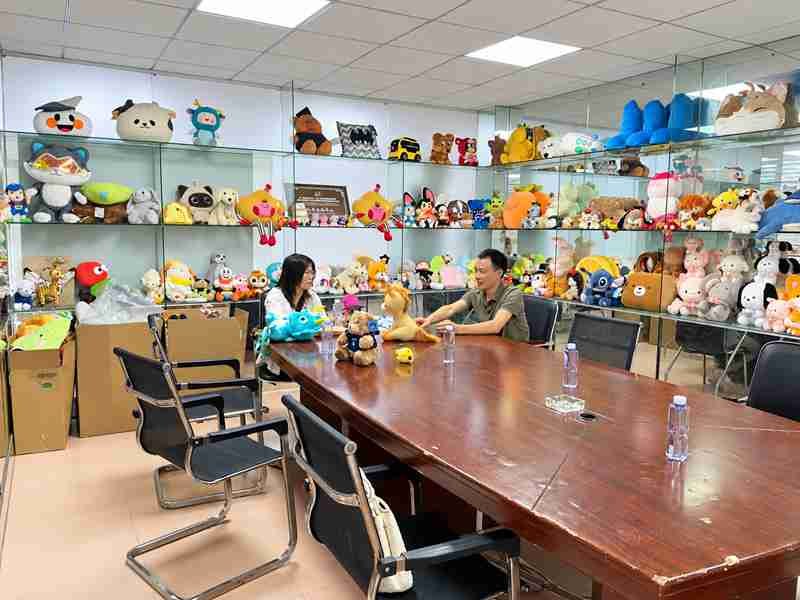
Protect More Than the Character Artwork
Character Artwork
- Main risk: pre-launch visual leakage.
- Control focus: named access, controlled sharing, project identity.
Engineering Files
- Main risk: unauthorized technical reuse.
- Control focus: revision access, controlled storage, limited export.
Development Samples
- Main risk: physical sample loss or display.
- Control focus: custody, storage, release status.
Brand Assets
- Main risk: collaboration disclosure.
- Control focus: minimum disclosure and version control.
Commercial Information
- Main risk: commercial intelligence leakage.
- Control focus: role-based access and restricted circulation.
Technical Assets
Electronic and AI plush may add module drawings, cavity dimensions, wiring routes, hardware samples, interface specifications, functional requirements, and technology-partner information. Plush manufacturing teams need enough technical data to build and inspect the product, but unrelated departments or suppliers do not need the complete technology package.
- Main risk: technical architecture exposure.
- Control focus: interface-only disclosure where possible.
Product Type Changes the Confidentiality Exposure

Licensed Character Plush
- Protect: master art, approval files, licensed packaging.
- Higher-risk stage: sampling and pre-launch approvals.
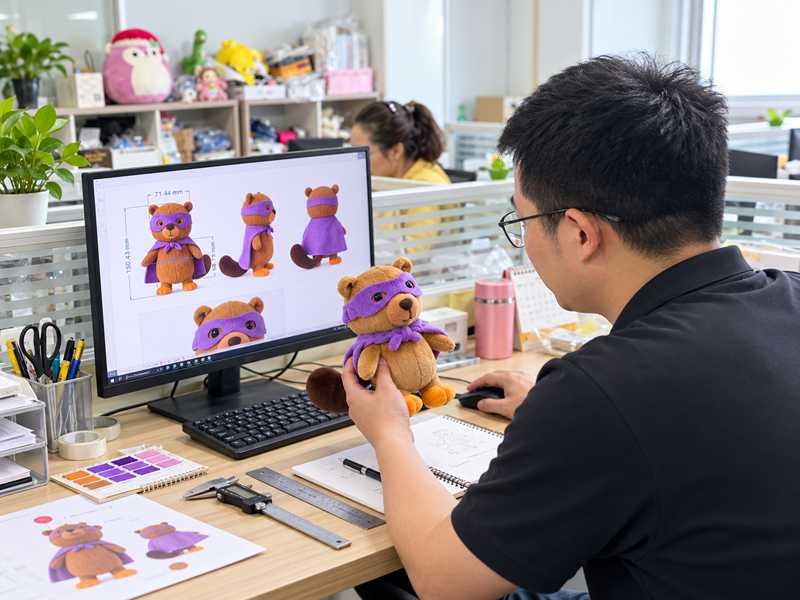
Game & Animation Plush
- Protect: unreleased characters, launch assets, update timing.
- Higher-risk stage: pre-release sample and campaign production.
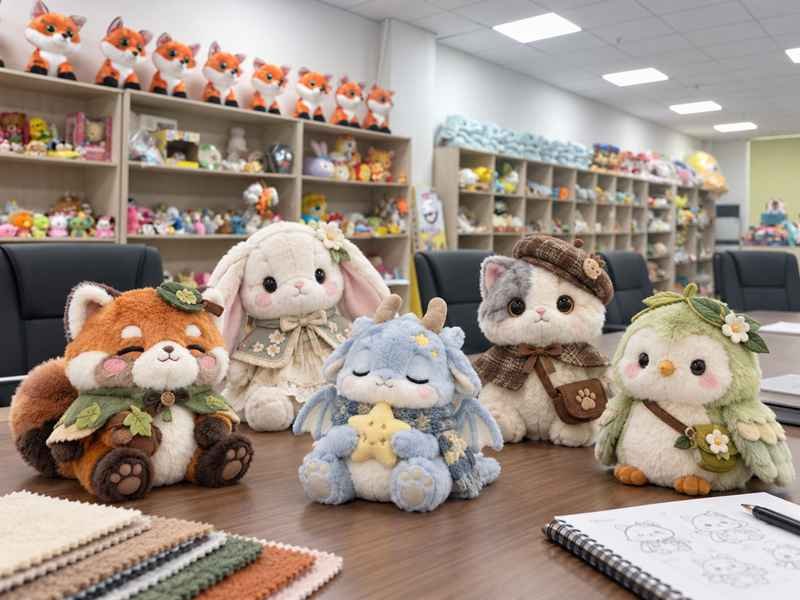
Collectible Plush
- Protect: series lineup, secret SKU, edition details.
- Higher-risk stage: multi-SKU development and pack-out.
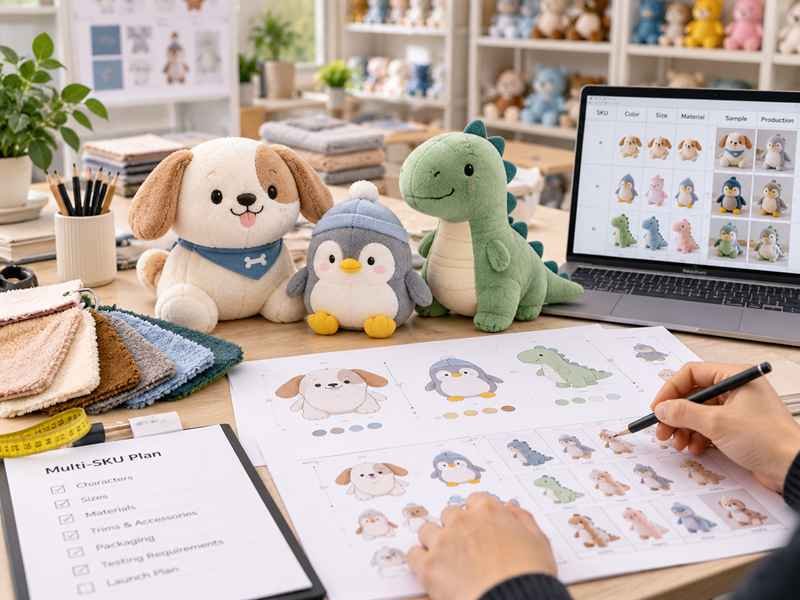
Artist & Designer Plush
- Protect: original art, prototype, collaboration concept.
- Higher-risk stage: artwork-to-pattern translation.

Mascot Plush
- Protect: campaign, logo use, launch timing.
- Higher-risk stage: branded sample and packaging approval.
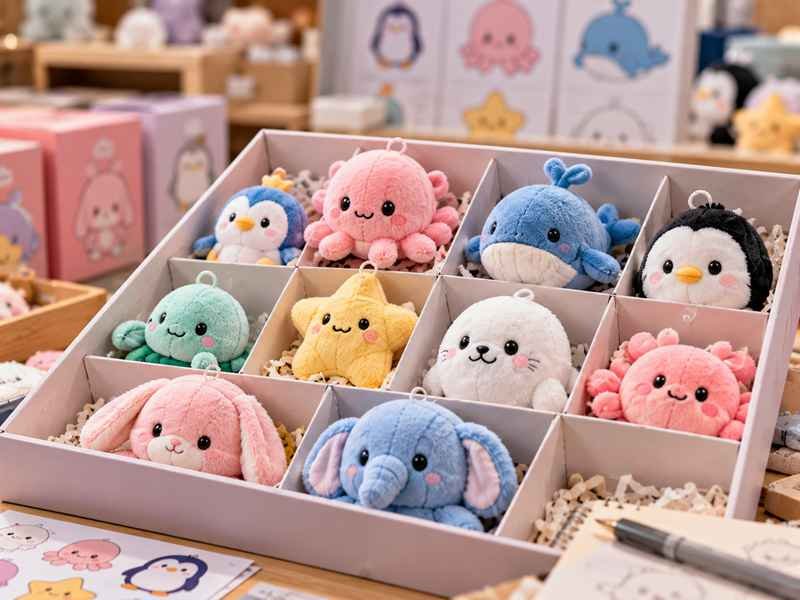
Blind Box Plush
- Protect: secret variants, assortment logic, box artwork.
- Higher-risk stage: packaging and assortment preparation.

Electronic & AI Plush
- Protect: hardware interface, module revision, technical assets.
- Higher-risk stage: engineering and integration samples.

Lifestyle IP Merchandise
- Protect: category expansion, designs, packaging families.
- Higher-risk stage: parallel multi-product development.
Different Organizations Protect Different IP Assets
IP Owners
- Priority: master assets and pre-launch secrecy.
- Useful inputs: NDA terms, approved access list, release rules.
Licensing Companies
- Priority: authorization scope and approval integrity.
- Useful inputs: license scope, approval route, release conditions.
Film & Animation Studios
- Priority: launch secrecy and controlled visual exposure.
- Useful inputs: embargo date, photo rules, restricted assets.
Game Companies
- Priority: unreleased content and timing.
- Useful inputs: codename, launch window, approved file package.
Global Brands
- Priority: collaboration details and commercial plans.
- Useful inputs: disclosure rules, launch calendar, supplier boundaries.
Collectible Brands
- Priority: edition control and no unauthorized surplus.
- Useful inputs: SKU matrix, quantity approval, disposal rules.
Artists & Designers
- Priority: original work and public-release permission.
- Useful inputs: ownership confirmation, NDA, portfolio rules.
Technology Teams
- Priority: technical interface and partner confidentiality.
- Useful inputs: hardware revision, permitted disclosure, data boundary.

Confidentiality Does Not Create Manufacturing Rights
An NDA Protects Information, Not Ownership
A nondisclosure agreement defines how confidential information may be received, used, shared, retained, returned, or destroyed. It can protect unreleased artwork and commercial information, but signing an NDA does not prove that the party submitting a character owns the copyright, trademark, merchandising rights, or permission to manufacture it.
For Ewin, the safe starting point is to treat ownership and confidentiality as parallel checks. The project can remain private while the requesting party confirms its legal or contractual authority to develop the product. This prevents a confidentiality workflow from being misused as a route to copy another party’s protected character secretly.
Commercial value: Rights clarity protects the brand, Ewin, downstream suppliers, and distribution partners from avoidable infringement risk before sampling and tooling costs accumulate.
Confirm the Authority to Develop
A project may be initiated by the IP owner, licensee, authorized agency, merchandise company, retailer, or another party acting under a valid agreement. The exact proof needed depends on the project and commercial relationship, but the development brief should identify who owns or controls the manufacturing authorization.
Relevant inputs can include the company identity, role in the project, licensed territory, product category, authorization window, approval contact, or other evidence requested for the specific program. Ewin does not need to publish those documents publicly; the purpose is to establish a responsible development path.
When a physical reference product is provided, the development objective should also be clear: authorized reproduction, redesign, size change, cost engineering, or another permitted use. A reference sample alone should not be treated as proof of ownership.
Do Not Treat Copying as Custom Development
Requests to reproduce a well-known character, logo, branded mascot, collectible, or licensed product without authorization create a different risk from ordinary confidential product development. A manufacturer seeking long-term brand relationships should not promise production merely because the artwork can be technically copied.
A better workflow is to pause the protected design, clarify rights, and continue only after the requesting party can establish an appropriate development basis. Generic inspiration can still be translated into a new original design when the brief is changed sufficiently, but confidential manufacturing should never be presented as a way to hide unauthorized copying.
Brand value: Clear rights boundaries make NDA protection more credible because the confidentiality system supports legitimate IP programs instead of shielding infringement.
Ownership Boundaries Continue Through Production
Authorization should remain connected to the approved product, territory, quantity, category, and project duration where those limits are part of the commercial arrangement. A license for one product or market should not automatically be interpreted as unlimited permission to create other merchandise, extra units, or public marketing assets.
Production release should therefore rely on the approved project definition and quantity, while new categories, significant redesigns, additional markets, or later promotional use can be reviewed against the relevant rights and approval route. Supplier access should also be limited to performing Ewin’s approved manufacturing task, not gaining any independent right to reuse the IP.
Commercial value: Rights control continues after the NDA signature and helps prevent scope expansion from becoming an unauthorized product or marketing decision.
Four Information Levels Set the Default Access
A simple classification model helps teams decide what can be shared, who needs access, and which projects require stronger physical and digital controls.
| Level | Meaning | Typical Content | Default Handling |
|---|---|---|---|
| C0 Public | Already public and approved for use | Launched product images, official public character assets, approved marketing materials | Can be used externally only within the authorization granted by the rights holder. |
| C1 Internal | Ewin operating information | General templates, public material references, non-project internal resources | Role-based internal access; not intended for uncontrolled external distribution. |
| C2 Customer Confidential | Commercially sensitive project information | BOM, quotation, unreleased packaging, forecasts, launch plan, retail information | Limited to the project team and necessary commercial, purchasing, QA, or operational roles. |
| C3 Restricted IP | Unreleased or highly sensitive licensed assets | Character master art, 3D files, movie/game launch assets, prototypes, secret variants | Named-user access, restricted sample handling, no default photography or display, tighter supplier disclosure. |
Turn the NDA Into an Operating Workflow
Sign Before Sensitive Artwork When Needed
For sensitive launches, the NDA can be completed before full master artwork, prototypes, technical files, or commercially sensitive packaging are shared. The first exchange can contain only enough information to identify the parties, project category, confidentiality need, and the material required to prepare or review the agreement.
Pre-RFQ protection reduces the common pressure to upload unreleased assets simply to obtain an initial manufacturing discussion. After execution, the sensitive project files can enter the defined access route instead of being circulated through ordinary email chains without a clear confidentiality status.
What to confirm: contracting entities, confidentiality term, permitted purpose, permitted recipients, exclusions, return or destruction requirements, governing contractual language where applicable, and any special restrictions on photography, suppliers, visitors, or marketing.
Convert Terms Into a Confidentiality Brief
The project team should not be expected to interpret a legal agreement line by line during daily manufacturing. Key obligations can be converted into a Project Confidentiality Brief that tells operational teams what is restricted and what actions require approval.
The brief can identify classification level, named or permitted roles, project code, file-sharing rules, photography status, sample-storage requirements, supplier-disclosure limits, production-quantity restrictions, marketing-release status, retention period, and close-out obligations. Sensitive legal or commercial details that are unnecessary for production do not need to be copied into every operational document.
Manufacturing value: The NDA stops being an archived PDF and becomes an executable set of project controls that engineering, purchasing, QA, sample-room, production, and marketing teams can understand.
Flow Confidentiality Into External Work
Some plush programs need external support for specialized materials, embroidery, printing, molded parts, electronics, testing, or qualified production resources. When outside parties are necessary, confidentiality obligations should follow the work rather than disappear at the Ewin boundary.
The project can use Supplier NDA, confidentiality clauses, purchase-order terms, project codes, restricted file packages, and approval rules for further subcontracting. The supplier should receive only the information required to perform its task. For example, an embroidery processor may need one local artwork file and placement data, not a complete character bible or launch plan.
Commercial value: Flow-down control protects the IP where disclosure is operationally necessary while reducing how much confidential information leaves the core project team.
Close the NDA at Project End
Project completion should trigger more than shipment confirmation. File access, samples, supplier copies, photographs, tooling, patterns, reports, and retained manufacturing records may each have different return, retention, or destruction rules under the contract and quality needs.
A close-out checklist can confirm what must remain for legal, quality, compliance, or reorder purposes; what must be returned; what must be destroyed; which access permissions should be removed; and which suppliers must confirm deletion or return. Marketing assets should remain blocked unless a separate public-release approval exists.
Commercial value: The confidentiality lifecycle ends deliberately rather than allowing old project folders, obsolete supplier files, or physical samples to remain accessible indefinitely after the active team has moved on.
Project Codes Reduce Unnecessary IP Exposure
Use a Neutral Project Identity
For high-sensitivity work, a neutral code such as EW-C3-2609-017 can be used on sample tags, BOMs, supplier orders, internal photographs, cabinet locations, production records, and disposal documents. The code lets the factory route work accurately without repeating the unreleased character or launch name across visible operational areas.
The mapping between the code and the real IP identity can remain inside the central project record with access limited to authorized management and project roles. Production staff still know which SKU and revision to manufacture, but they do not need every commercial detail behind the program.
Value: Even a project name can reveal an upcoming movie, game update, collaboration, or character. Coding reduces that unnecessary exposure while preserving traceability.
Give Access by Role, Not Convenience
Access should follow the information required to perform the assigned task. Sales may need approved visual and commercial milestones; engineering needs character, measurements, patterns, and technical files; purchasing needs material and component specifications; QA needs Golden Sample, BOM, risks, labels, and test information.
External suppliers should normally see only the local file or specification required for their process. Marketing should see only assets that have written release status. Team members leaving the project or changing roles should no longer retain access simply because they once received the file.
Value: Need-to-know access lowers the number of unnecessary copies and creates clearer responsibility if a file is sent, updated, photographed, or removed.
Keep Revision and Access Control Together
Confidentiality fails when the wrong file reaches the right person as easily as when a secret file reaches the wrong person. Artwork, patterns, BOMs, embroidery programs, packaging, and labels therefore need both access control and revision control.
A controlled project record should identify the current revision, owner, approval status, and who is authorized to receive it. Obsolete files should not remain mixed with released files inside uncontrolled chat threads or personal folders. When a revision changes, downstream teams should receive the new version through the approved channel and know what older copy is no longer valid.
Value: File control protects secrecy and manufacturing accuracy at the same time, especially for multi-SKU licensed programs with many approvals.
Keep the Real IP Name Off Public Work Areas
Workshop boards, visitor routes, temporary cartons, supplier labels, personal notes, and exposed printouts can reveal an unreleased project even when the central digital files are controlled. Sensitive projects should avoid displaying the real IP name where the manufacturing task can be completed with a project code and SKU reference.
Paper patterns and printouts can also use code-based identification and controlled disposal. External cartons or supplier deliveries should not advertise a confidential collaboration before launch unless the project specifically requires the real name.
Value: Physical confidentiality prevents simple visual disclosure that sophisticated digital security cannot solve, especially in areas visited by multiple teams, logistics providers, or factory guests.
Control Files by Purpose and Revision

Master Artwork
- Control: named access and approved source revision.
- Avoid: forwarding full character masters for routine purchasing tasks.

Pattern Files
- Control: pattern revision, project code, controlled storage.
- Avoid: unmanaged paper copies or personal USB transfer.
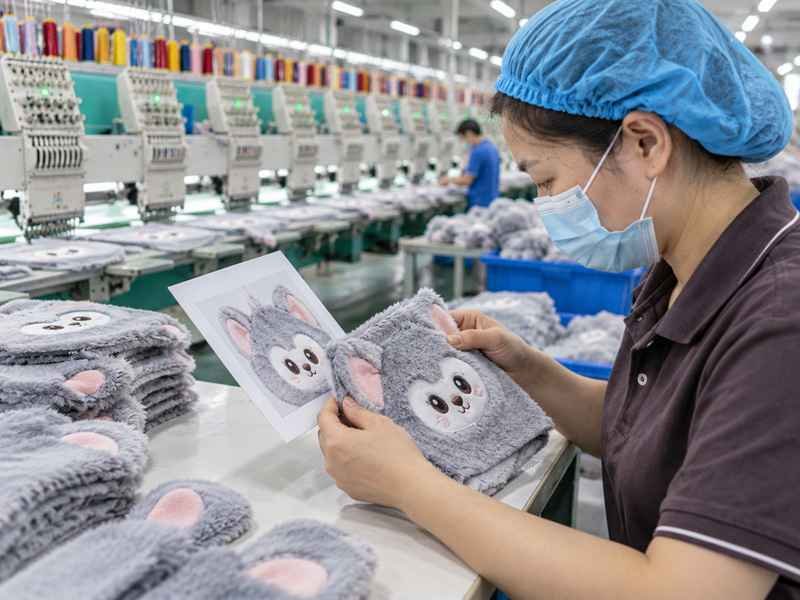
Embroidery & Print
- Control: cropped task file, revision, supplier confidentiality.
- Avoid: sending unrelated character or packaging assets.

BOM & Tech Pack
- Control: role-based fields and revision status.
- Avoid: sharing complete commercial data for one local process.

Packaging Artwork
- Control: artwork revision and market release status.
- Avoid: using pre-launch packaging in showroom or marketing samples.
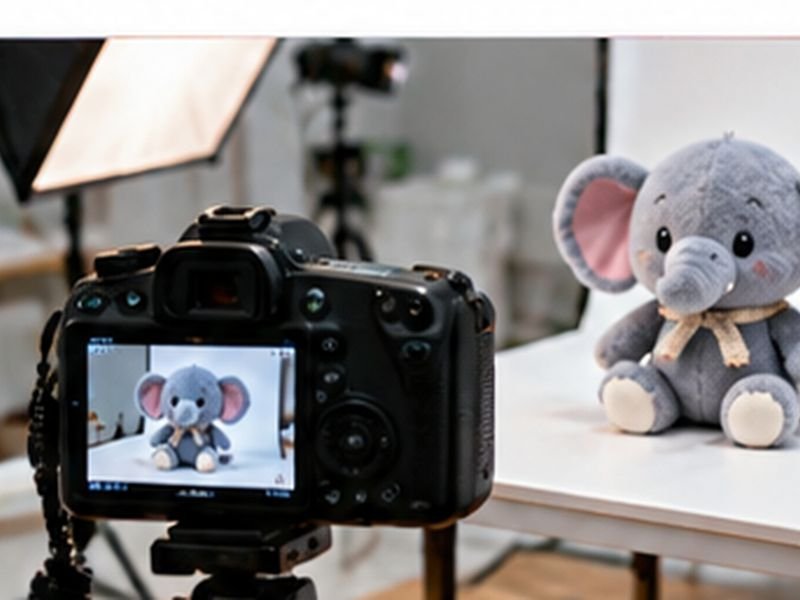
Photos & Videos
Review photos, factory updates, inspection images, and shipment evidence can unintentionally capture another confidential sample, background board, label, or client logo. Approved devices, framing, project coding, and controlled transfer reduce the risk.
- Control: permitted subject, device, account, storage, release status.
- Avoid: personal-phone storage or uncontrolled social sharing.
Protect Confidentiality Through Sample Development
Protect Artwork From the First Intake
A confidential project can start with hand sketches, 2D artwork, character sheets, 3D renders, AI-generated concepts, reference samples, or a Tech Pack. The minimum technical review does not always require the entire IP library. Ewin can begin with the information needed to assess feasibility while the NDA and access route are completed for more sensitive files.
Intake record: Assign the project code, classification level, primary owner, received files, revision, permitted users, and any special restrictions on photography or supplier disclosure.
Rights check: Confirm that the requesting party owns or has authorization to develop the design before treating confidentiality as permission to reproduce it.
Development value: The project’s confidentiality rules are established before patterns, embroidery files, prototypes, and supplier requests create additional copies of the original artwork.
Limit Sample-Room Access to Needed Assets
Pattern engineers and sample technicians may need the complete appearance and construction information, making the sample room one of the highest-exposure stages. Access should be based on the assigned project rather than allowing every technician to browse unrelated confidential characters.
Operational package: Character reference, size, pattern revision, material direction, decoration files, component instructions, and sample objective can be grouped under the project code. Commercial forecasts, licensing contracts, retailer plans, and unrelated source files do not need to travel with the sewing task.
Physical control: Printed patterns, character sheets, material cards, and unfinished samples should return to the designated project location after review instead of remaining on open worktables or in personal storage.
Development value: Restricting access preserves confidentiality without depriving the sample team of the technical information required to create an accurate prototype.
Control Photos Used for Sample Approval
Remote sample review often needs detailed photographs or video, but the review asset itself becomes confidential data. Sensitive projects should use a designated device or account, capture only the approved project, avoid other client work in the background, and attach project code or date information where useful for traceability.
Photo purpose: Record proportion, face, material, color, detail, measurement, revision, or approval question – not create a reusable marketing image by default.
Distribution: Send through the agreed review channel to authorized recipients and archive only the versions needed for project, quality, or approval evidence.
Release boundary: A photo sent to the client for V2 approval is not automatically cleared for website, social media, trade-show, or sales-presentation use.
Development value: Sample visibility is created for approval without turning pre-launch product imagery into uncontrolled content.
Store Each Sample by Stage and Status
Prototype, V1, V2, test, PP, Golden, archive, rejected, and disposal-pending samples should not become one open sample shelf. A controlled sample record can identify project code, sample stage, quantity, owner, date, location, release status, and intended retention or disposal route.
Check-out: When a sample leaves storage for review, testing, photography, packaging, or another approved purpose, record who took it, when, why, and when it is expected back or what final disposition is authorized.
Display rule: Confidential samples should not enter the showroom, normal factory-tour path, trade show, public website, or sales portfolio without written release approval.
Development value: Sample custody protects the physical IP through every revision while also preserving clear evidence of which version is current.
Treat Photography as Controlled Project Data
Sample Review
- Allowed purpose: technical review and approval.
- Not automatic: website, social, portfolio, or sales use.
Production Updates
- Allowed purpose: status visibility and quality evidence.
- Control: project code, date, approved recipient, restricted background.
Factory Visitors
- Allowed purpose: verify Ewin capability without exposing another brand’s IP.
- Control: planned route, no-photo areas, host supervision.
Employee Devices
- Allowed purpose: only approved company/project tools.
- Control: no personal storage or forwarding for restricted assets.
Website & Social
- Allowed purpose: written-approved public use.
- Control: customer release record tied to the asset.
Trade Shows & Portfolios
Showroom, trade-show, sales deck, and portfolio samples can remain visible for months after active production. Only assets cleared for that type of external display should be included; confidential or launch-sensitive samples stay outside the presentation route.
- Allowed purpose: approved reference or case study.
- Control: public-release status and display scope.
External Suppliers Should See Only What They Need
Apply Confidentiality Before Files Leave Ewin
When an external processor or supplier is necessary, the confidentiality obligation should be established before sensitive files, components, or physical samples are released. Depending on the program, the control can include a Supplier NDA, confidentiality clause, purchase-order condition, approved subcontracting rule, or another written obligation aligned with the main project.
The supplier package should identify the task, project code, permitted use, return or deletion expectation, and whether further subcontracting is prohibited or requires approval. A supplier that receives data only for one manufacturing step does not gain permission to retain, advertise, reuse, or show the IP independently.
Commercial value: Confidentiality follows the work into the supply chain instead of ending at Ewin’s internal boundary.
Use Minimum Disclosure by Process
The strongest supplier-control strategy is not sending every supplier the full project under NDA. It is sending less information in the first place. A fabric mill may need color, composition, GSM, pile, and quantity; it does not necessarily need the character name. An embroidery processor may need a cropped file, thread colors, dimensions, placement, and backing – not the complete style guide.
A molded-component supplier can receive the part drawing, material, color, tolerance, finish, and project code while unrelated packaging and commercial information remain hidden. Electronics suppliers can receive interface and module specifications required for integration without the full campaign or artwork package.
Commercial value: Minimum disclosure reduces the number of people who ever possess the full confidential picture.
Control Supplier Copies and Revisions
Supplier files should carry the correct project code and revision so the external party cannot confuse obsolete and current artwork. When a file is replaced, the supplier should know which previous copy is no longer authorized for production and whether deletion or return confirmation is required.
Physical samples, print plates, embroidery programs, molds, fixtures, and test pieces can also carry confidentiality obligations. Contract close-out or supplier change should define what remains for legitimate reorder support and what must be returned, deleted, or destroyed.
Commercial value: Supplier confidentiality works together with version control, preventing both unauthorized disclosure and accidental manufacture from an old confidential file.
Review Further Subcontracting Before It Happens
An approved first-tier supplier should not automatically pass confidential work to another processor simply because capacity is tight. Further subcontracting can create a new disclosure path that the brand, licensing team, and Ewin never evaluated.
For sensitive projects, the supplier terms can restrict sub-subcontracting or require prior approval. Where an additional process is needed, the same minimum-disclosure and confidentiality rules can be applied to the new party before material or files move.
Commercial value: The project retains visibility over where sensitive information and samples travel, especially for embroidery, printing, tooling, electronics, testing, or backup production operations that may involve specialized outside resources.
Certificates, Compliance & Quality Assurance
Ewintoys follows structured quality and compliance practices for custom plush production. We hold relevant certifications and support additional testing, inspection, and compliance documentation based on specific product requirements and destination markets, helping brands meet different international standards with confidence.
























Add Physical Controls for Restricted Projects
Named People
- Control: named-user access.
- Purpose: reduce unnecessary internal exposure.
Restricted Place
- Control: access signage, physical restriction, supervised entry.
- Purpose: prevent casual viewing or removal.
Controlled Device
- Control: approved device and transfer path.
- Purpose: make access and deletion easier to manage.
Controlled Paper
- Control: coded printouts and disposal.
- Purpose: protect physical records after use.
Sample Inventory
- Control: sample register and restricted storage.
- Purpose: protect physical IP and revision identity.
Supplier Handoff
Materials, local files, samples, and parts leaving the restricted route should be packaged under project code and minimum-disclosure rules. The receiving supplier should know the confidentiality status before the handoff.
- Control: approved supplier, task scope, confidentiality terms.
- Purpose: preserve restrictions outside the core project area.
Control Confidentiality During Mass Production
Release Only the Approved Quantity and Version
Bulk production should start from the approved Golden Sample, Frozen BOM, released pattern, current artwork, packaging, and authorized production quantity. Confidentiality and production control meet at the same point: making the wrong revision or an unapproved quantity creates both commercial and IP risk.
Quantity planning should distinguish ordered goods, approved production allowance where contractually permitted, samples, testing units, quality references, replacements, and other non-sale units. These categories should not become an excuse to create unrestricted sellable surplus.
Version planning matters equally. An old character face, unreleased variant, rejected accessory, or obsolete packaging should remain blocked even if the factory has the technical ability and leftover materials to produce it.
Brand value: Production remains tied to the authorized commercial program rather than the factory’s independent ability to reproduce the design.
Prevent Unauthorized Overruns
No Unauthorized Overruns means the approved manufacturing relationship does not create a right to make additional sellable products for factory retention, employee distribution, unofficial channels, or third-party resale. Quantity control should be part of the production release, not an informal promise after the order ships.
Work orders, material issue, packaging issue, output reconciliation, sample allocations, rejects, rework, and shipment quantities can support a clearer view of where finished and unfinished units went. For limited editions or highly sensitive launches, tighter reconciliation can be agreed based on the project risk.
The purpose is not to claim zero possible variance in every manufacturing step; it is to ensure that extra, defective, or retained units remain under controlled disposition and do not become unauthorized commercial inventory.
Control Rejects, Rework, and Surplus Materials
Defective products and rework pieces often carry the same recognizable character IP as saleable goods. A failed seam or color defect does not make the item safe to place in ordinary waste, staff areas, showroom bins, or informal resale channels.
Rejected units can be segregated and assigned a rework, test, archive, return, or destruction status. Scrap panels containing recognizable embroidery, printed faces, logos, or secret packaging can also require controlled destruction. Surplus labels, boxes, hangtags, and character-specific accessories deserve similar review because they can support counterfeit or unofficial assembly if they leave control.
Brand value: The confidential product remains protected even when it does not pass quality inspection.
Keep Production Visibility Confidential
Brands may need photos, video, live inspections, or factory updates to verify progress without traveling. Visibility should be designed to show the client’s production while protecting other confidential programs, background labels, quantity information, internal records, and unrelated factory work.
A production update can identify the project code, milestone, approved SKU, date, process, and issue under review without revealing information outside the permitted scope. Visitors or third-party inspectors can be routed to the relevant area while restricted projects remain outside the normal viewing path.
Brand value: Transparency and confidentiality do not need to compete. The project team can receive useful production evidence without turning the factory floor into a public content source.
Treat Sample Storage as Chain of Custody
Sample Identity
- Control: one sample identity per stage/revision.
- Value: prevents obsolete or confidential samples from being reused casually.
Check-In
- Control: inventory entry and assigned location.
- Value: establishes custody before the sample moves again.
Restricted Location
- Control: physical restriction and access rule.
- Value: reduces casual viewing, photography, and removal.
Check-Out
- Control: who / when / purpose / return.
- Value: creates a clear temporary-custody record.
Return & Status
- Control: status update after every movement.
- Value: keeps physical custody aligned with project revision control.
Retention Decision
- Control: defined retain / return / destroy status.
- Value: limits unnecessary long-term physical exposure.
Control What Happens to Samples, Scrap, and Tooling
Destroy Rejected and Obsolete Samples Deliberately
Rejected prototypes, obsolete revisions, failed PP samples, damaged units, and expired display samples should have an approved disposition rather than becoming informal keepsakes or warehouse leftovers. Depending on the agreement, the route may be return to the brand, controlled archive, technical retention, or irreversible destruction.
For destruction, recognizable character features can be cut, dismantled, shredded, or otherwise made non-recoverable according to the approved method. Sensitive projects can keep quantity, date, photo or video, and witness information when evidence of disposal is required.
Commercial value: A rejected product is still an IP asset. Controlled disposal prevents low-quality, outdated, or secret versions from reaching secondary markets where they could damage the brand before or after launch.
Control Production Scrap and Leftover Components
Cut panels, embroidered faces, printed logos, hangtags, secret-edition inserts, character clothing, molded parts, and packaging waste can be recognizable or reusable even when they never became finished goods. Ordinary waste handling may therefore be unsuitable for sensitive material.
The project can identify which scrap needs destruction, which generic material can return to normal inventory, and which branded component must be counted or reconciled before disposal. Character-specific labels, boxes, and accessories deserve particular attention because they can support unofficial assembly outside the approved production process.
Commercial value: Confidentiality protects the components of the product, not only completed plush units.
Define the Future of Tooling and Production Files
Molds, print plates, embroidery programs, patterns, cutting data, fixtures, and production templates may remain useful for approved reorders but also make future unauthorized reproduction easier. Their disposition should follow the contract, licensing period, ownership arrangement, and expected reorder plan.
Possible outcomes include controlled retention for the program, return, restricted archive, deletion, disabling, or destruction. If the brand requests a return or destruction action, Ewin can connect it to the close-out checklist and retain appropriate evidence of completion.
Commercial value: The end of one purchase order does not silently create permanent manufacturing rights for the factory or suppliers.
Set Rules for Third-Party and Lab Samples
Testing laboratories, packaging vendors, photography partners, electronics suppliers, or other approved external parties may receive physical samples. Before shipment, the project should define whether the sample will be returned, retained under a legal or technical requirement, destroyed after testing, or stored for a specified period.
Sample identity should follow the project code and revision, and external parties should not gain marketing or display rights simply because they received a sample for a technical purpose. Where destruction confirmation is required, the expectation should be established before the sample leaves Ewin.
Commercial value: Physical confidentiality remains intact even when the product temporarily moves outside the factory for legitimate testing or development work.
Public Use Requires a Separate Release Decision
Website
- Control: asset-level or project-level release status.
- Avoid: using confidential work to prove confidentiality capability.
Social Media
- Control: marketing-approved source folder.
- Avoid: personal-phone or behind-the-scenes posts from restricted work.
Trade Shows
- Control: show-specific release decision.
- Avoid: assuming an approved production sample is an approved display sample.
Sales Presentations
- Control: presentation-use scope.
- Avoid: sending reusable confidential photos to unrelated prospects.
Factory Tours
- Control: planned route and no-photo areas.
- Avoid: exposing another brand to prove manufacturing capability.
Portfolio & Case Study
A case study can be useful after launch, but public status alone does not automatically authorize Ewin to claim the relationship or disclose internal development details. The case-study scope should follow the brand’s release and contractual permissions.
- Control: approved name, images, facts, timing, channel.
- Avoid: expanding one permission into unlimited marketing use.
Retain Only What the Project Still Needs
| File / Asset Type | Why It May Be Retained | Access During Retention | Close-Out / End-of-Life |
|---|---|---|---|
| Master Artwork / Character Assets | Approved reorder, licensed development, controlled reference | C3 named users or designated project roles | Retain only within contract/license/traceability need; return or controlled deletion when required. |
| Pattern / Engineering Files | Reorder, repair, technical traceability, approved size extension | Engineering and authorized production roles | Controlled archive, return, deletion, or destruction according to project terms. |
| BOM / Tech Pack | Sourcing, quality, production, reorder delta review | Project, purchasing, QA, engineering as needed | Retain under business/quality rules; remove obsolete personal copies and unnecessary access. |
| Test / Compliance Records | Legal, client, market, quality, product traceability | QA/compliance and authorized project roles | Keep for required legal/client period and bind to product/model/version. |
| Photos / Videos | Sample approval, quality evidence, production traceability | Authorized project folders; marketing separated | Delete non-required copies; marketing versions require separate release status. |
| Supplier Files | Execute specialized process or approved reorder | Named supplier/task recipients | Recover, delete, or retain only what is needed for continuing approved supply; obtain confirmation when required. |
| Physical Samples | Golden reference, testing, archive, quality, reorder | Restricted sample handling by status | Return, controlled archive, or destruction under the approved retention plan. |
Confidentiality Incidents Need a Defined Response
Detect and Contain the Exposure Quickly
Possible incidents include an email sent to the wrong recipient, a file link with excessive permissions, an unauthorized photograph, a missing sample, a supplier disclosure, an obsolete confidential file reused, or a product posted publicly before release. The first response should stop further spread rather than debate responsibility while the asset remains accessible.
Containment can include revoking a link, removing permissions, requesting deletion, taking down public content, isolating samples, holding supplier work, securing affected devices, stopping photography, or pausing production where the exposure is connected to the wrong version or unauthorized quantity.
Risk value: Fast containment limits how many people, files, samples, or commercial channels become involved before the investigation is complete.
Assess What Was Exposed and Who Received It
After containment, the project team should identify which client, product, revision, file, sample, photograph, supplier, or production quantity was involved. The assessment should distinguish information that was already public from unreleased C2/C3 material and determine whether copying, forwarding, downloading, physical removal, or external publication occurred.
Useful evidence can include access logs, project records, email recipients, file version, watermark, photo metadata, sample check-out records, supplier correspondence, production documents, and marketing release status. The team should also determine whether the incident affects contractual rights, launch plans, licensing obligations, or other market actions.
Risk value: A precise scope avoids under-reacting to a serious release or over-reacting to information that was already authorized for public use.
Notify and Correct Under the Agreed Rules
Client notification should follow the NDA, contract, legal requirements, and internal management decision rather than being improvised by an individual employee. The communication should state the known facts, containment actions, current scope, open questions, and next steps without hiding the issue or speculating beyond available evidence.
Corrective actions can include deleting or recovering files, changing permissions, replacing links, revising supplier terms, isolating production, changing visitor routes, relabeling samples, retraining named roles, or updating marketing-release controls. If a wrong version or unauthorized production event is involved, the project may also need production and quality containment.
Risk value: The response restores control over the current incident and creates a documented path to closure.
Prevent the Same Failure From Returning
Incident closure should include a root-cause review of why the disclosure happened and why the existing control did not stop it. The answer should go beyond “someone made a mistake” and identify the system weakness in access, training, template, supplier flow-down, photo handling, sample custody, retention, visitor control, or project close-out.
Preventive actions can revise access lists, sharing defaults, project-code rules, watermark templates, no-photo controls, supplier packages, sample check-out requirements, disposal records, release approvals, or training. A later project can then reuse the improved control rather than repeating the same exposure under a different character name.
Risk value: Confidentiality becomes a learning system, not only a contractual promise.
Verify Confidentiality Before Supplier Approval
| Control Area | Evidence a Qualified Team Can Review | What It Helps Confirm |
|---|---|---|
| NDA | Executed NDA workflow, entity check, confidentiality brief template | Sensitive files can be protected before full artwork review and translated into project rules. |
| Information Classification | C0-C3 classification logic and project classification record | Different information receives different default handling instead of one generic “confidential” label. |
| Access | Authorized-role or named-user list, access-revocation process | Files and samples are limited by project need and can be withdrawn at close-out. |
| Project Identity | Project-code example and coded sample/document workflow | Real IP names do not need to appear throughout visible manufacturing areas. |
| Sample Custody | Sample tag, check-in/out record, restricted-storage process | Prototype and Golden samples remain traceable through review, testing, archive, and disposal. |
| Photography | No-photo rules, review-photo workflow, marketing release status | Technical photos do not automatically become public marketing content. |
| Supplier Flow-Down | Supplier NDA/confidentiality clause, minimum-disclosure package | External processors receive limited information under continuing confidentiality obligations. |
| Production Quantity | Approved work order, sample allocation, reject/surplus disposition logic | Confidential manufacturing does not create a right to make or retain unauthorized sellable overruns. |
| Disposal | Destruction/return checklist or anonymized record | Obsolete samples, scrap, tooling, and supplier files have a controlled end-of-life route. |
| Close-Out | Retention schedule, deletion/return record, access-revocation checklist | Confidentiality continues after shipment and does not leave indefinite uncontrolled copies. |
Frequently Asked Questions
Yes. Sensitive projects can arrange an NDA before full unreleased artwork or technical files are submitted, allowing confidentiality terms and the initial project-handling route to be agreed first.
Ewin can review a client-provided NDA through the appropriate commercial process. The final terms should identify the correct contracting entities, permitted use, disclosure limits, retention, return, and destruction obligations.
Access can be limited by project role and sensitivity. Engineering may need full visual references, while purchasing or external suppliers can receive only the specifications or local files required for their tasks.
Confidential samples can use project-coded identification, restricted storage, stage and quantity records, and check-in/check-out control so prototypes, PP, Golden, test, and archive samples remain traceable.
Not by default. Minimum disclosure means a supplier receives only what its process requires, such as a fabric specification or local embroidery file, with confidentiality flow-down where sensitive information is necessary.
Restricted projects can be excluded from normal visitor routes, and no-photo controls can be used for sensitive areas. Factory-tour photography should never expose another client’s unreleased IP.
Not without appropriate release. Technical approval or manufacturing access does not automatically create marketing permission for website, social media, trade shows, portfolios, or case studies.
Rejected samples, branded scrap, obsolete packaging, and other recognizable IP can be returned, controlled, archived, or irreversibly destroyed according to the agreed project and retention rules.
Production is released against the approved SKU, revision, and quantity. Surplus, rejects, samples, rework, and non-sale units remain under controlled disposition rather than becoming unauthorized sellable inventory.
Retention depends on contract, license term, compliance, quality, and reorder needs. Unnecessary access and copies can be removed, while required records remain under the appropriate restricted retention route.