Plush Toy Safety Testing Standards for Global Markets
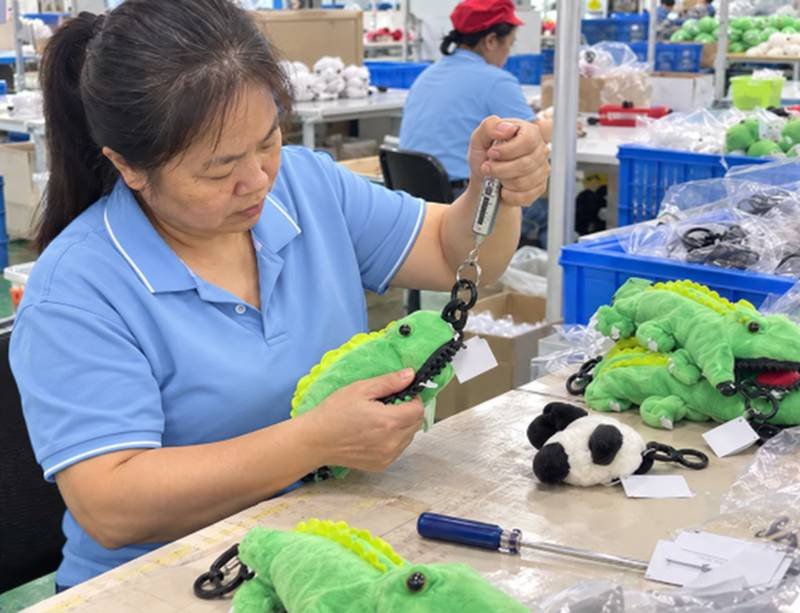
Reduce compliance risk before production by identifying safety requirements early. Ewin Toys helps brands align product design, materials, age grading and target-market requirements, with 100+ quality personnel supporting internal checks and third-party testing preparation.
ASTM F963 / CPSIA Support | EN 71 / REACH Review | Small Parts & Pull/Torque Testing | Flammability Checks | Chemical & Material Testing | Label & Warning Review | SGS / Intertek / TÜV / BV Coordination
Know Which Compliance Evidence You Are Reviewing
Law & Regulation
Safety Standard
Test Report
Conformity Document
Mark & Label
Brand Protocol
Product Design Changes the Required Safety Test Scope
Baby & Toddler Plush
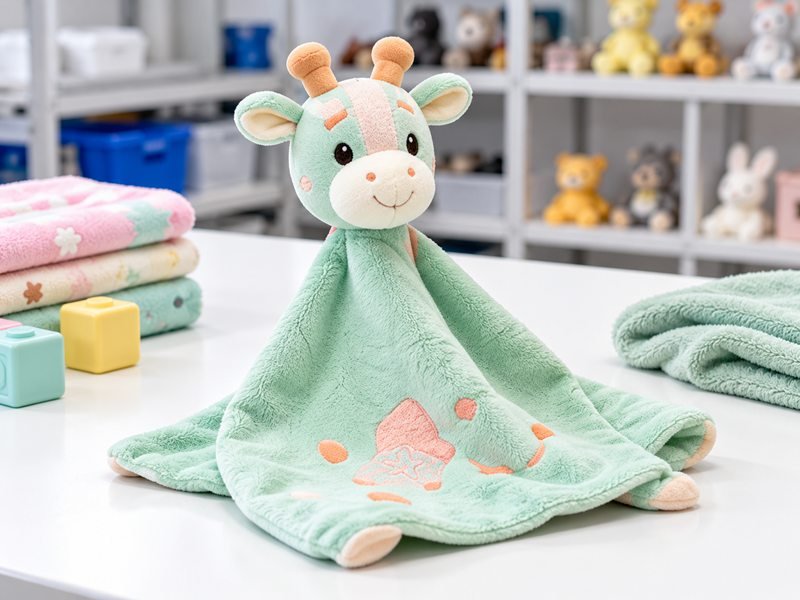
Products genuinely intended for children under 36 months require stronger attention to detachable parts, accessible components, foreseeable use and abuse, labels, age classification, and market-specific infant or toddler rules. A “3+” label should not be used to avoid requirements when the actual design and marketing target younger children.
- Key triggers: under-3 classification, small parts, attachments.
- Planning point: age evidence should be established early.
Standard Plush
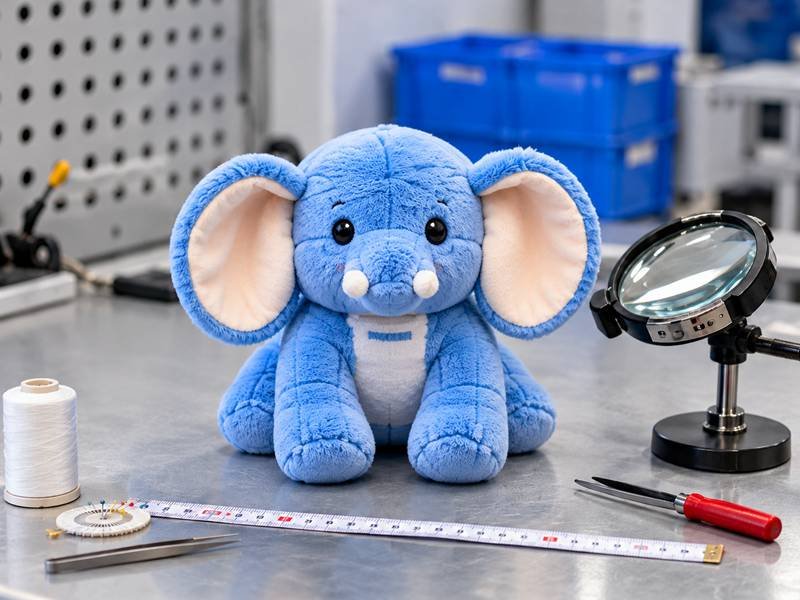
- Key triggers: age grade, attachments, filling, fabric, decoration.
- Planning point: do not copy one previous test scope automatically.
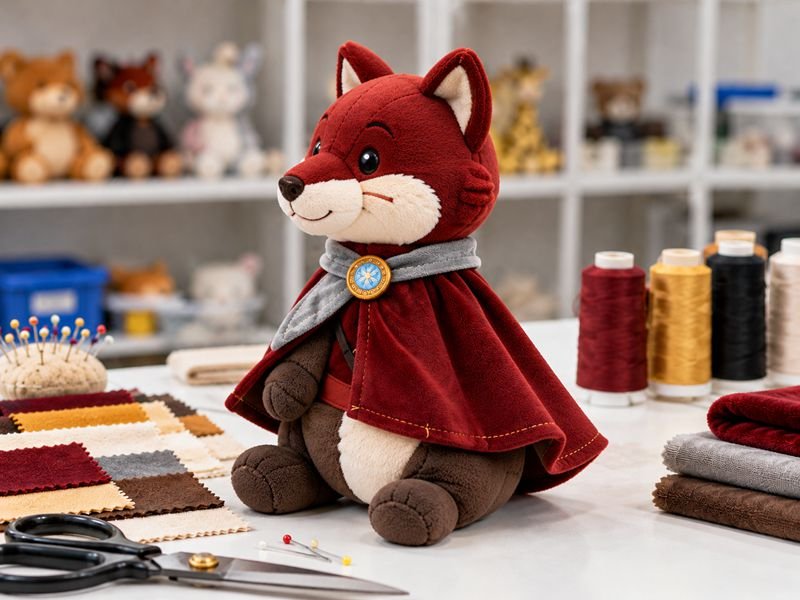
Character Plush
- Key triggers: clothing, coatings, accessories, print.
- Planning point: test the released character construction, not an obsolete sample.
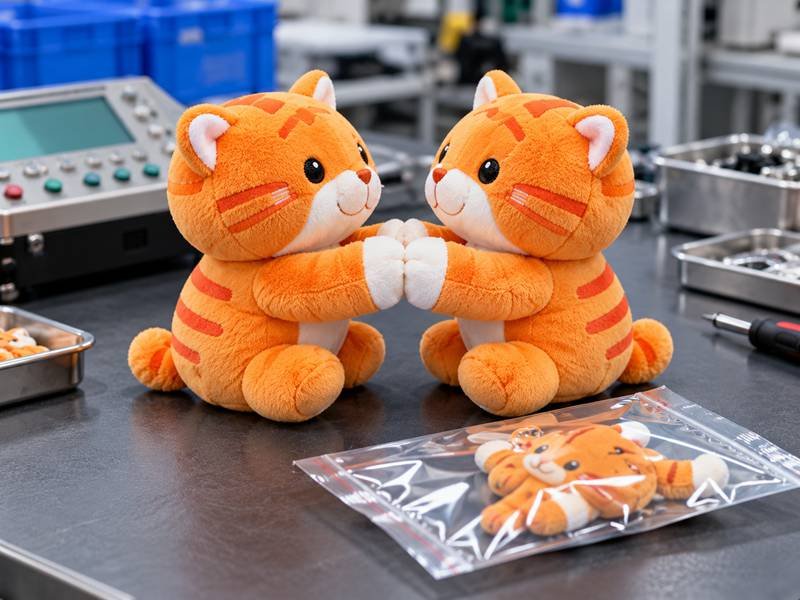
Magnetic Plush
Magnetic hands, feet, accessories, bases, or wearable structures require review of magnet size, retention, accessibility after foreseeable abuse, internal containment, polarity, and product classification. Small high-powered magnets can create significant hazards, so the design and fixing method should be reviewed before the sample and test plan are frozen.
- Key triggers: magnet size, retention, accessibility.
- Planning point: validate the magnet assembly, not only the plush shell.
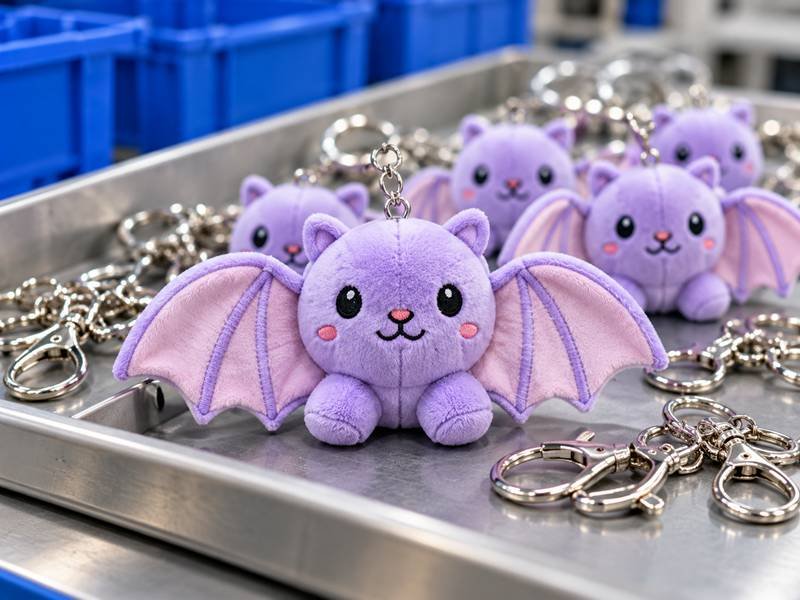
Keychains & Charms
- Key triggers: metal hardware, attachment, classification.
- Planning point: product positioning alone does not override actual use.
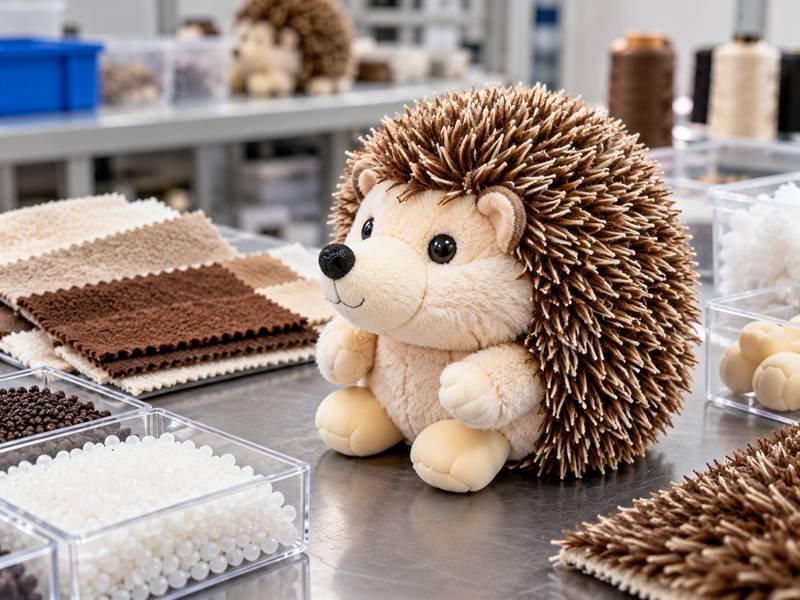
Hybrid Plush
- Key triggers: molded parts, coatings, mixed materials.
- Planning point: map each accessible component into the test scope.
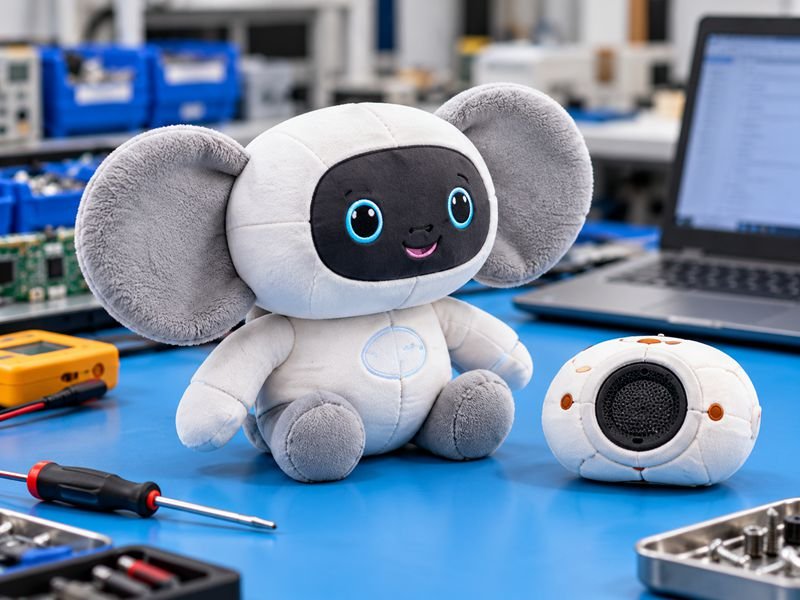
AI Plush
- Key triggers: electronics, battery, hardware changes, intended age.
- Planning point: define product and technical-party responsibilities before testing.
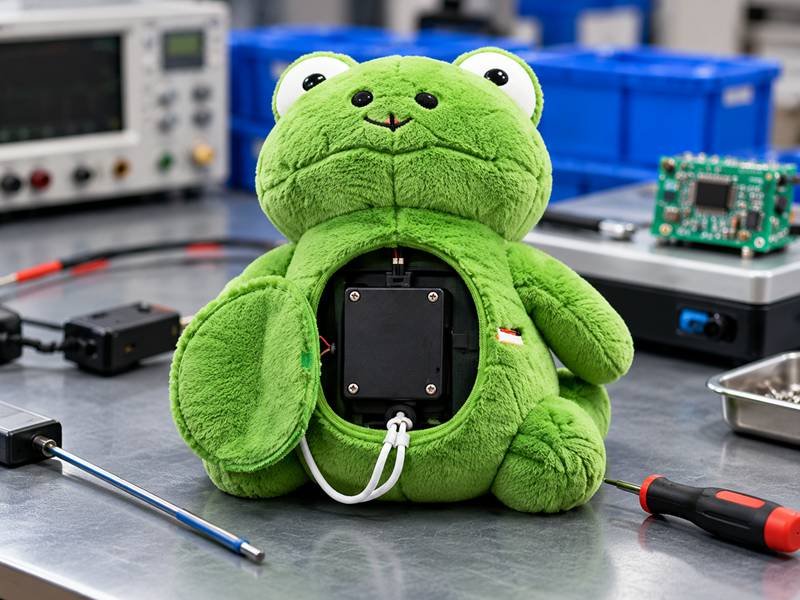
Electronic Plush
- Key triggers: battery, sound, light, wiring, module.
- Planning point: hardware revision must match the tested plush version.
Different Programs Need Different Compliance Evidence
Global Brand Programs
- Priority: multi-market requirement mapping.
- Useful inputs: market list, age grade, SKU matrix, brand RSL, launch calendar.
IP Owner Programs
- Priority: approval-to-test version control.
- Useful inputs: character guide, Golden Sample, BOM, revision history.
Licensing Programs
- Priority: responsibility and approval mapping.
- Useful inputs: market territories, approval workflow, label requirements, legal copy.
Toy Company Programs
- Priority: product-family and worst-case logic.
- Useful inputs: model families, material matrix, age grades, test history.

Collectible Programs
- Priority: classification before testing.
- Useful inputs: intended audience, marketing copy, channel, warnings, product function.
Retail & Private Label
Retailers frequently add restricted substances, barcode, labeling, packaging, documentation, and supplier protocols beyond legal minimums. Ewin can integrate those requirements into the same compliance matrix so third-party testing and packaging approval do not proceed on separate versions of the product.
- Priority: legal plus retailer protocol.
- Useful inputs: retailer manual, RSL, packaging guide, inspection protocol.
E-Commerce Programs
- Priority: production-representative evidence.
- Useful inputs: destination markets, listing requirements, final product data, packaging plan.
Technology & AI Programs
Technology programs add hardware suppliers, module revisions, electrical testing, software or cloud responsibilities, and battery requirements. The compliance plan should identify which party owns each technical input and what hardware change would make an earlier physical or regulatory test no longer representative.
- Priority: interface and responsibility control.
- Useful inputs: module revision, electrical specification, battery data, age grade, markets.
Market, Age, Use, and Components Come First
Target Market
Freeze the initial sales markets before final testing: USA, EU, Great Britain, Northern Ireland, Canada, Australia, New Zealand, Japan, Korea, or another destination. Adding a market late can require new testing, new labels, new documents, or packaging changes.
- Decide early: where the SKU will legally be supplied.
- Avoid: testing only one market and assuming global acceptance.
Product Classification
Define whether the item is a children’s toy, adult collectible, keychain, soft accessory, electronic toy, or another product type based on actual design, intended use, presentation, and local rules. Classification determines which framework starts the compliance review.
- Decide early: intended product function and category.
- Avoid: relying only on the product name used by sales.
Intended Age
Age grade influences small parts, foreseeable use and abuse, warning language, third-party testing, and market-entry routes. Under-3 products deserve special attention in several markets, including New Zealand and Japan.
- Decide early: evidence-based age grade.
- Avoid: applying “3+” merely to reduce the test scope.
Accessible Materials
Map what users can touch, mouth, pull, break, or access after foreseeable use. Fabrics, prints, coatings, soft plastic, metal, magnets, eyes, electronics, adhesives, and packaging materials may trigger different chemical or mechanical checks.
- Decide early: material and component exposure.
- Avoid: testing only the main plush fabric.
Product Functions
Magnets, lights, sound, recording, batteries, switches, sensors, removable modules, cords, wearable parts, or mechanical actions can add requirements beyond ordinary stuffed-animal construction.
- Decide early: every functional feature in the released version.
- Avoid: adding a function after testing without impact review.
Claims & Packaging
Age claims, warnings, market marks, importer details, care information, material statements, retail claims, and online descriptions can affect compliance responsibility. Packaging should be reviewed before print freeze, not after finished goods are waiting for shipment.
- Decide early: market-facing statements and responsible-party data.
- Avoid: treating labels as a final graphic-design task.
Major Plush Toy Safety Frameworks by Market
United States
- Core route: ASTM F963 + applicable CPSIA/CPSC rules.
- Key evidence: test reports, CPC support data, tracking-label information.
European Union
- Core route: toy-safety law + EN 71 + REACH as applicable.
- Key evidence: reports, technical file, EU DoC, CE information.
Great Britain
- Core route: GB toy regulations and designated/equivalent standards.
- Key evidence: declaration, technical file, appropriate mark.
Canada
- Core route: CCPSA + Toys Regulations + applicable chemical rules.
- Key evidence: market-specific testing, records, labels, bilingual content where applicable.
Australia
Australia applies product-safety requirements under Australian Consumer Law through category-specific mandatory standards and bans. Depending on the toy category, specified versions or clauses of AS/NZS ISO 8124, ISO 8124, EN 71, or ASTM F963 may form part of an accepted compliance route.
- Core route: applicable Australian mandatory standard by category.
- Key evidence: category-specific test evidence and supplier records.
New Zealand
- Core route: applicable NZ product-safety standard.
- Key evidence: age basis, test evidence, supplier compliance records.
Japan
- Core route: Child PSC for applicable under-3 toys.
- Key evidence: technical compliance, age basis, warnings, responsible-party data.
Korea
Korean toys fall under the Safety Confirmation framework for children’s products. Model family, BOM, material differences, representative worst-case samples, label information, and designated testing/inspection support the Safety Confirmation filing and KC marking process.
- Core route: children’s-product common safety standard + toy safety standard.
- Key evidence: test results, filing support, labeling and KC information.
United States ASTM F963 Requirements for Plush Toys
ASTM F963 Defines the Technical Toy Safety Route
ASTM F963-23 is the current mandatory U.S. toy-safety standard referenced by CPSC for applicable manufacturing dates from 20 April 2024. It is a technical standard, not a factory certificate. A plush project’s test scope is selected from the clauses that apply to the real product rather than treating every section as automatically relevant.
For plush products: Mechanical and physical risks usually deserve early review – small parts, attachments, seams, cords or straps, accessible components, stuffing, projections, and foreseeable abuse can all influence the test plan. Sound-producing or other functional features can trigger additional clauses.
Project action: Freeze intended age, product functions, accessible components, and manufacturing version before the laboratory sample is selected. Ewin can prepare the product information, BOM, representative sample, and construction details needed for laboratory review and production traceability.
Age Grade Changes the Applicable U.S. Test Scope
U.S. requirements depend heavily on intended age. Age affects small-parts evaluation, use-and-abuse testing, labeling, and whether children’s-product third-party testing rules apply. An age statement should be consistent with the product’s design, size, play pattern, marketing, packaging, and expected user – not chosen only to reduce compliance work.
Under 3: Detachable parts, eyes, noses, bells, hard components, magnets, accessories, and anything that could become accessible after abuse require especially careful review.
Older age groups: The product can still be a children’s toy and remain subject to ASTM F963 and applicable CPSIA/CPSC requirements even if under-3 restrictions differ.
Project action: Record the age-grade rationale in the compliance file before test samples are finalized. If marketing or product design later shifts the intended age, the original scope should be reviewed again rather than reused automatically.
Materials and Components Add Chemical and Physical Requirements
Plush construction can contain more than textile and fiberfill. Plastic eyes, coated metal, printed surfaces, PVC, PU, silicone, faux leather, magnets, electronics, paint, heat transfer, and decorative parts can change both chemical and mechanical testing needs.
Lead: Accessible children’s-product components are generally subject to the applicable CPSIA total lead limit of 100 ppm, while paint and similar surface coatings use a 90 ppm lead limit.
Phthalates: Regulated phthalates in applicable accessible plasticized components are limited at 0.1% per regulated substance under the relevant U.S. rules. Soft PVC, plasticized print systems, or similar materials therefore deserve material-specific review.
Project action: Build an accessible-material list from the BOM before testing. Laboratory samples should represent the released suppliers, colors, coatings, components, and construction that will be used in production whenever those differences affect coverage.
ASTM Evidence Must Stay Connected to Production
A passing ASTM report proves only the tested sample and scope. It does not automatically cover a later fabric supplier, new plastic eye, changed magnet, different print chemistry, larger hard component, or revised electronic module. Test evidence therefore needs a direct link to the version that production is authorized to make.
Traceability fields: Product/SKU, sample ID, revision, BOM revision, material or component scope, laboratory, standard edition, report number, issue date, test result, and change status should be identifiable where evidence is used externally.
Production release: Golden Sample and Frozen BOM should align with the tested configuration. When a post-test change occurs, the team should assess whether the earlier result remains representative or whether targeted review, additional testing, or a new sample is required.
CPSIA, CPSC Testing, and CPC Are Different Requirements
CPSIA and CPSC Rules Define the Children's Product Framework
CPSIA and related CPSC rules establish important obligations for children’s products, including applicable lead and phthalate restrictions, third-party testing, tracking information, and other product-specific requirements. ASTM F963 provides the technical toy-safety standard, but it is only one part of the U.S. compliance framework.
Children’s products: Toys primarily intended for children 12 and under can be subject to CPSC-accepted third-party laboratory testing for applicable children’s-product safety rules. Which rules apply depends on product type, age, accessible materials, and functions.
Manufacturer role: Ewin can review the construction, prepare representative samples, organize BOM and component information, and coordinate testing support. The scope should be defined before the final sample is frozen so the tested configuration remains relevant to production.
CPC Is a Legal Conformity Document, Not a Lab Report
A Children’s Product Certificate is issued by the legally responsible manufacturer or U.S. importer based on compliant test evidence for applicable children’s-product safety rules. For overseas-manufactured children’s products, the U.S. importer commonly carries the certificate responsibility. Ewin’s role is to provide traceable testing and product data that supports the responsible party’s CPC preparation.

Tracking Labels and Production Data Must Match the SKU
U.S. children’s products can require tracking information that helps identify the manufacturer or private labeler, production location and date, and batch or run information. Tracking-label execution should be planned together with the product and packaging rather than added after finished goods are packed.
Data alignment: Product ID, batch, date, label artwork, packaging revision, and manufacturing records should use the same released SKU identity. A label that refers to an obsolete revision or incorrect production batch weakens traceability even when the test report itself is valid.
Multi-SKU programs: Each character, size, color, or packaging version should be mapped carefully when the differences affect test scope or tracking information. Shared reports should only be used where the laboratory and responsible compliance team accept the grouping logic.
Certificates, Compliance & Quality Assurance
Ewintoys follows structured quality and compliance practices for custom plush production. We hold relevant certifications and support additional testing, inspection, and compliance documentation based on specific product requirements and destination markets, helping brands meet different international standards with confidence.
























European Union EN 71 Testing for Plush Toys
EN 71-1 Covers Mechanical and Physical Safety
Plush-specific examples: Eyes, noses, bells, keychain loops, magnets, decorative buttons, rigid props, clothing parts, internal bags, and electronic housings can all change the mechanical assessment. A secure component before testing may become a small part if it detaches after tension, torque, impact, or other applicable abuse.
Age grade: Requirements depend on intended user and product design; under-3 products generally deserve the most conservative review of detachable and accessible parts.
Ewin action: Define the product structure, component list, fixing methods, age grade, and Golden Sample before test release so the laboratory evaluates the production-representative configuration rather than an early sample with temporary parts.
EN 71-2 Covers Flammability Behaviour
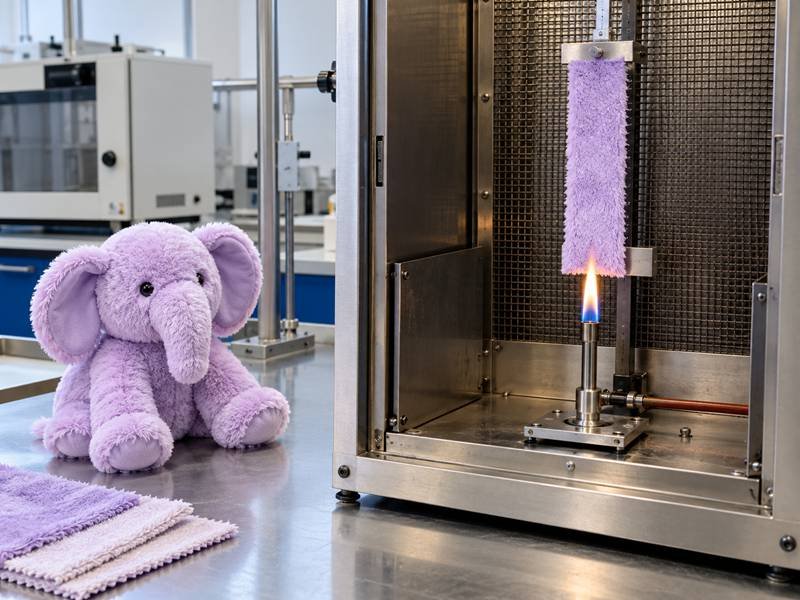
Material planning: Main fabric, secondary fabric, clothing, trims, and filling should be identified before the flammability sample is selected. Long-pile or hairy surfaces can deserve specific review because surface characteristics affect burning behaviour.
Production alignment: If the approved or tested fabric changes supplier, composition, pile construction, coating, or treatment, the compliance team should assess whether the original evidence still represents production.
Ewin action: Keep material IDs, supplier route, composition, GSM or pile information, and BOM revision connected to the test sample. Flammability is therefore treated as a material-and-product decision, not a one-time laboratory event.
EN 71-3 Covers Migration of Certain Elements
Material mapping: The compliance review should identify which materials are accessible and how colors, coatings, substrates, and suppliers differ. A single finished plush can contain many testable material portions, so a clear BOM reduces missed or duplicated sample preparation.
Worst-case selection: Dark colors, coatings, metallic finishes, printed systems, soft plastic, or other higher-risk materials may deserve representative testing depending on the laboratory’s grouping logic.
Ewin action: Prepare material specifications and test-sample mapping before shipment to the laboratory. The final report should remain connected to the tested material/color scope and current BOM rather than being described as a universal “EN71 certificate.”
Other EN 71 Parts Apply Only When Triggered
EN 71 contains additional parts for specific toy types and hazards. Ordinary sewn plush should not be described as automatically requiring every EN 71 part. The applicable scope changes when the product adds functions or categories such as activity features, chemical play materials, finger paints, electronic systems, or other specialized constructions.
Decision rule: Start from the actual product, target age, function, and hazard profile. Then identify the relevant EN 71 parts together with the EU legal framework and any horizontal chemical requirements.
Electronic plush: Electrical requirements may add standards such as EN IEC 62115 where applicable, while the normal mechanical, flammability, and chemical review still remains relevant.
Commercial value: A focused scope avoids unnecessary tests without under-testing real risks. Ewin can help prepare the SKU, BOM, sample, component list, and function description so the laboratory and compliance team have enough information to select the correct clauses.
REACH Requirements for Plush Materials and Components
Annex XVII Restrictions Need Material-Specific Review
REACH Annex XVII contains restrictions on substances and uses that can apply to materials found in plush products. The relevant restriction depends on what the material actually is – textile, soft plastic, coating, print, faux leather, metal finish, adhesive, or another chemical system – and how the product is used.
Project method: Map the BOM by material family and accessible use. Identify materials with higher chemical risk, supplier declarations, existing reports, and any brand Restricted Substances List requirements before deciding what needs new testing.
Why it matters: A generic supplier statement saying “REACH material” is not enough to prove every current restriction, every color, every product use, or every future Candidate List update.
Ewin action: Keep supplier route, material specification, color, report date, tested substance scope, and product version attached to the material record so sourcing changes can be reviewed before bulk use.
SVHC Candidate List Requires Current Information Management
The REACH Candidate List of Substances of Very High Concern changes over time. Product teams therefore need current supplier information and a review of applicable communication obligations rather than treating an old test report as permanent proof.
Material records: Supplier declaration, laboratory report, material composition information, date, and Candidate List context should be identifiable when used to support a compliance statement.
Multi-SKU value: Shared materials can be managed through a controlled material library so one valid current assessment may support several SKUs where the identical material and supplier route are genuinely used.
Change risk: A new supplier, new coating, new print chemistry, or different soft-plastic formulation can invalidate the assumption that previous chemical evidence still represents production.
Ewin action: Review current requirements again at the market gate and test gate, especially for long-running or reordered programs whose material evidence may be older than the latest regulatory or client list.
Brand RSL Requirements Can Be Stricter Than REACH Minimums
Global brands and retailers often apply their own Restricted Substances Lists, supplier manuals, or testing protocols in addition to EU legal requirements. A product can therefore satisfy one legal restriction yet still fail a client’s contractual chemical requirement if the project does not map both layers early.
Crosswalk: Compare REACH obligations, EN 71-3 where relevant, supplier declarations, and the client’s RSL by material group. Identify overlapping substances so one representative test strategy can cover common requirements where scientifically and contractually acceptable.
Documentation: Keep the brand protocol version, material scope, laboratory report, and supplier evidence attached to the SKU or shared material record.
Commercial value: Early RSL review prevents late material replacement after the plush appearance has already been approved. Ewin can incorporate client chemical requirements into material sourcing and test planning before design freeze rather than treating them as a final shipment check.
CE, EU DoC, and the Toy Safety Framework
CE Is a Product Conformity Mark, Not a Factory Certificate
CE marking indicates that the product is placed on the EU market under the applicable conformity framework. It should not be described as a certificate awarded to Ewin’s factory. The underlying work includes identifying applicable legislation and standards, building technical evidence, preparing the Declaration of Conformity, and ensuring the product and labeling match the assessed version.
For toys: In 2026, the Toy Safety Directive 2009/48/EC remains the main operational framework during the transition to the new Toy Safety Regulation, while REACH and other applicable horizontal rules continue to matter.
Evidence: EN 71 testing, material records, risk information, drawings or product description, labels, warnings, and other technical documents may form part of the technical file depending on the product.
Ewin role: Support product definition, sample preparation, BOM, testing coordination, label inputs, and traceability. The legally responsible economic operator remains responsible for the required EU market documentation and conformity actions.
EU Declaration of Conformity Connects Evidence to the Product
The EU Declaration of Conformity is a product-level legal document, separate from individual laboratory reports. It identifies the product and the legislation or standards used to support conformity, and it must remain consistent with the version actually placed on the market.
Version discipline: Product ID, model, BOM, test reports, artwork, warnings, and CE information should describe the same released configuration. If a critical material or component changes, the team should assess whether the declaration and supporting evidence still remain valid for the modified product.
Multi-market programs: An EU DoC should not be copied blindly into Great Britain, Northern Ireland, or other markets whose responsible-party and legal frameworks differ.
Ewin action: Maintain product and test records in a structured format so the brand or EU responsible party can prepare the DoC without reconstructing the development history after production is complete.
EU Toy Safety Rules Are in a Transition Period
Regulation (EU) 2025/2509 entered into force on 1 January 2026, with its main rules scheduled to apply from 1 August 2030. Until then, current projects need to manage the existing Toy Safety Directive framework while preparing data and processes for the future regulation.
Future readiness: The new system introduces stronger digital product information requirements, including a Digital Product Passport. Product identity, manufacturer or responsible-party data, standards, reports, warnings, material versions, and change history should therefore be structured now rather than stored only in disconnected emails.
Project impact: A plush launched before 2030 still needs current 2026 compliance under the applicable framework; future regulation should not be used as a reason to ignore today’s legal route.
Ewin action: Keep SKU, BOM, report, label, market, and change records ready for migration into a more digital conformity system as client programs extend toward 2030 and beyond.
Great Britain and Northern Ireland Need Separate Routes
Great Britain Uses the Toys Safety Regulations 2011
England, Scotland, and Wales follow the Toys (Safety) Regulations 2011. The technical route is closely related to EU toy-safety requirements, but project files should still be reviewed against the GB legal framework rather than assuming an EU test package automatically completes GB market entry.
Marking route: CE recognition in Great Britain has been continued, and products can use CE or UKCA under the applicable GB approach. The selected mark, declaration, standards, responsible-party information, and technical documentation should remain internally consistent.
Project action: Define GB as a separate market in the requirement matrix, identify which standards or equivalent route apply, and prepare the correct declaration and label information before packaging is frozen.
Ewin role: Support test samples, BOM, technical data, packaging inputs, and report-version control. Ewin should not describe itself as a “UKCA certified factory” because UKCA is a product marking route, not a general factory certification.
Northern Ireland Continues to Follow Relevant EU Rules
Northern Ireland follows relevant EU product rules through the Windsor Framework mechanism. CE therefore remains central for toy products placed on the NI market, and certain third-party conformity-assessment situations can involve CE together with UKNI.
Key difference: A Great Britain UKCA route should not be copied directly onto a Northern Ireland product. Market, responsible party, mark, declaration, and technical documentation need to reflect the NI framework.
Packaging planning: When one program serves both GB and NI, the compliance matrix should identify which artwork, importer or responsible-party information, declarations, and marks are shared and which must differ.
Ewin action: Keep GB and NI as separate market fields from quotation and sample planning onward. Doing so reduces late packaging changes and avoids the common mistake of treating “UK” as one set of labels and one conformity route.
Shared Testing Can Still Be Used Carefully
GB and EU/NI routes can share substantial technical content where the product and applicable standards align, but shared laboratory evidence does not remove the need to complete the correct market documents and labels for each legal route.
Requirement crosswalk: Compare mechanical, flammability, chemical, electrical, labeling, and documentation requirements before deciding which test samples can serve more than one market.
Evidence discipline: A shared report should identify the standards and version tested. The product version, BOM, and Golden Sample should remain the same across markets unless a controlled difference is documented.
Commercial value: Thoughtful cross-market planning can reduce unnecessary duplicate testing while still respecting the legal differences between GB, Northern Ireland, and the EU.
Ewin action: Support one test-sample strategy where appropriate, then separate the conformity documents, marks, responsible-party information, and packaging requirements by target market.
Canada Uses CCPSA and Toys Regulations
Canada's Core Toy Framework Is Market-Specific
The Canada Consumer Product Safety Act and Toys Regulations form the core legal route for children’s toys. The framework addresses multiple hazards, including mechanical, flammability, toxicological, electrical, thermal, and other product-specific risks. A product that passed an ASTM F963 test in the U.S. may still need Canadian review because the legal requirements, methods, documents, and labels are not identical.
Project action: Build a Canadian requirement checklist from the actual product construction and intended age. Identify small parts, cords, stuffing, hard components, magnets, electrical features, and other risks under the relevant Canadian provisions.
Evidence: Keep the Canadian test scope, report, BOM, sample revision, label artwork, and market data separate enough to show what supports the Canadian product.
Ewin role: Prepare product and material information, coordinate applicable testing, support label review, and keep the tested version linked to production. Avoid statements such as “ASTM passed, therefore Canada compliant.”
Lead and Phthalate Rules Need Material Mapping
Canadian chemical requirements can apply to specific materials and product categories. Under the applicable lead framework, accessible parts of children’s toys are generally subject to a 90 mg/kg total lead limit, while surface coatings have related lead and mercury restrictions. Phthalate rules focus particularly on soft vinyl in toys and child-care articles.
Material focus: Metal hardware, plastic parts, coatings, printed surfaces, soft PVC, faux leather, and other plasticized materials should be identified from the BOM before laboratory sample preparation.
Phthalate logic: Applicable restrictions include 0.1% limits for specified phthalates in relevant soft vinyl materials, with additional controls for certain phthalates in soft vinyl that can be mouthed by children under four.
Ewin action: Separate higher-risk plasticized or coated materials from ordinary textile when planning tests. Material-specific mapping reduces unnecessary testing while avoiding the mistake of assuming every textile and every soft plastic carries the same risk.
Canadian Labels and Language Need Early Review
Canadian projects can involve English/French bilingual information and product-specific labeling obligations. The exact requirement depends on the product, market role, warnings, consumer information, and the applicable legal provisions. Packaging should therefore be reviewed before print release rather than copied from a U.S. version.
Packaging data: Product identification, responsible-party details, warnings, age information, care or material information where applicable, and any retailer requirements should be confirmed for Canada.
Multi-market programs: A shared North American box can be possible only when the U.S. and Canadian requirements are deliberately mapped; it should not be assumed simply because the same plush is sold in both countries.
Ewin action: Add a Canada label checkpoint before packaging freeze and keep the approved artwork linked to the same SKU and compliance record as the test evidence.
Australia Uses Category-Specific Mandatory Toy Standards
Australian Consumer Law Creates Category-Based Requirements
Australia regulates consumer products under Australian Consumer Law, with mandatory safety standards and bans for specific toy categories and hazards. The applicable route can differ for toys intended for young children, products containing magnets, products involving lead or certain elements, and other defined categories.
Decision rule: Start by classifying the product and its risk features. Then identify the mandatory Australian standard or ban that applies to that category, including the exact referenced versions and clauses.
Plush examples: A standard sewn plush, a magnetic plush, and an electronic plush may use different compliance pathways even when all are sold as soft toys.
Ewin action: Build an Australia-specific requirement list before laboratory booking. Do not state “all toys comply with AS/NZS ISO 8124” unless the product’s mandatory route and evidence actually support that claim.
Several Technical Standards Can Be Accepted in Specific Routes
Australian mandatory standards can reference specified versions or clauses of AS/NZS ISO 8124, ISO 8124, EN 71, ASTM F963, or other technical standards depending on the regulated toy category. This means the standard name alone is not enough; the legal instrument determines which route is accepted.
Magnetic toys: Magnet requirements are a useful example because the Australian mandatory standard may recognize specified clauses from several international standards. The project’s magnet size, strength, retention, accessibility, and age classification still need to be matched to the correct legal route.
Evidence control: Laboratory reports should identify the exact standard edition or clause used and remain tied to the tested SKU, components, and construction.
Ewin action: Coordinate with the brand, importer, or laboratory to confirm the accepted technical path before samples are prepared, especially when one report is intended to support multiple countries.
Supplier Records Still Matter After Testing
A passing Australian test report is most useful when the production version remains the same as the assessed sample. Custom colors, magnets, molded parts, coatings, or material supplier changes can affect the evidence that supported the original route.
Production records: BOM revision, component specification, material lot, Golden Sample, packaging, and change status should remain connected to the Australian compliance file.
Import planning: Retailer or importer protocols can add documentation and labeling expectations beyond the mandatory product-safety standard itself.
Reorders: Long-running programs should review whether the mandatory standard, referenced technical version, product construction, or supplier materials have changed since the previous run.
Ewin action: Treat Australian compliance as a living product record rather than a one-time certificate. The goal is to keep test evidence representative of the product that is actually manufactured and supplied.
New Zealand Focuses Strongly on Under-Three Toys
The Current Mandatory Standard Focuses on Young Children
New Zealand’s Product Safety Standards (Children’s Toys) Regulations 2005 focus strongly on toys intended for children up to 36 months. The regulations currently reference specified clauses and amendments of AS/NZS ISO 8124.1:2002 for the covered mechanical and physical requirements.
Project action: Confirm whether the plush is genuinely designed or marketed for children under three. Product appearance, function, size, advertising, packaging, and likely user should support the age classification.
Typical plush risks: Small detachable parts, eyes, noses, bells, hard accessories, battery compartments, cords, and parts released after foreseeable use or abuse deserve careful review.
Ewin role: Prepare age-grade information, representative samples, BOM, component list, fixing methods, and packaging data so the applicable New Zealand requirements can be assessed before bulk release.
A "Not for Under 36 Months" Label Is Not a Shortcut
New Zealand enforcement guidance makes clear that a supplier should not rely on a “not suitable for children under 36 months” warning when the product is actually intended or obviously suitable for that age group. Age labeling should reflect the real product rather than be used as a compliance workaround.
Design review: Size, softness, visual theme, play pattern, accessories, and marketing channels can all influence whether a plush is likely to be regarded as a young-child toy.
Packaging review: Age statements and warnings should be approved before print freeze and remain consistent with product listings or advertising.
Commercial value: Honest age classification avoids a situation where a product is engineered to one standard but marketed in a way that triggers another.
Ewin action: Establish the age basis during product definition, not after testing has already been completed.
Shared AU/NZ Standards Do Not Mean Identical Legal Routes
Australia and New Zealand commonly reference AS/NZS ISO 8124 terminology, but the legal mechanisms, product categories, mandatory versions, and applicable clauses are not identical. A combined “AU/NZ” label in a specification should therefore be backed by a cross-market requirement review.
Shared evidence: Where the same test method and production version satisfy both markets, one representative sample or laboratory campaign may reduce duplication.
Market-specific evidence: Each country still needs the correct legal interpretation, labels, supplier responsibilities, and documentation for the applicable product category.
Change control: A later age-grade, component, battery compartment, or material change should be reviewed against both markets rather than only the standard name printed on the old report.
Ewin action: Maintain Australia and New Zealand as separate market fields even when common tests are intentionally shared.
Japan Child PSC Applies to Under-Three Toys
Child PSC Became Mandatory for Applicable Toys From 25 December 2025
Toys designed for children under 36 months entered Japan’s Child PSC regime from 25 December 2025. The Japanese manufacturer or importer responsible under the law must ensure the product meets the applicable technical requirements, use a reasonable age classification, provide required warnings, and apply the circular Child PSC mark where the regime applies.
Project action: Identify under-3 intent before design freeze. Small parts, detachable components, cords, battery access, hard pieces, and other mechanical risks should be addressed in product engineering rather than left for the laboratory to discover.
Label planning: Age and supervision warnings should be prepared in clear Japanese for products supplied to Japanese consumers.
Ewin role: Support design review, test-sample preparation, BOM, component information, physical pre-checks, and document data. The legally required Japanese filing or marking action remains with the appropriate domestic responsible party.
ST-2025 Can Support the Recognized Technical Route
Japan’s Ministry of Economy, Trade and Industry has recognized ST-2025 as a route that can support proof of relevant technical requirements associated with ISO 8124-1:2022 and ISO 8124-2:2023 in the specified context. ST is therefore useful technical evidence, but it should not be described as if an ST mark alone automatically replaces the Child PSC legal process.
Scope review: Confirm which product, age, construction, materials, and technical requirements the chosen test route covers.
Sample control: The laboratory sample should represent the released construction and materials. When a component, fabric, or structure changes after testing, assess whether the previous result still supports the current product.
Ewin action: Prepare the tested SKU, Golden Sample, BOM, label data, and change status as one record so the Japanese importer or other responsible party can use the evidence coherently.
Age Evidence Is Part of the Compliance File
Japan’s under-3 regime makes age classification a technical and legal issue rather than a marketing preference. Age rationale should consider product function, dimensions, child development stage, expected use, advertising, and comparable age-grading guidance.
Consistency: Packaging, e-commerce listings, catalogues, and product instructions should not communicate an age range that conflicts with the basis used for compliance testing.
Design impact: If the intended age moves from 3+ to under 3, small-parts, warnings, technical requirements, and Child PSC responsibilities can change substantially.
Program value: Recording the age basis early helps licensing, product, laboratory, and importer teams work from the same assumption.
Ewin action: Include age-grade evidence in the project compliance record and review any marketing change that could alter how the product is classified in Japan.
Korea Uses Safety Confirmation and KC Marking
Toys Fall Under the Safety Confirmation Framework
Under Korea’s Special Act on Safety of Children’s Products, toys are managed as Safety Confirmation products. Manufacturers or importers complete the required testing or inspection through the designated route, confirm conformity with the common children’s-product safety requirements and toy safety standard, complete the applicable filing, and use the required KC information.
Project action: Identify product category, intended age, model family, materials, colors, accessories, functions, and labels before the test samples are prepared.
Ewin role: Support the production-representative sample, BOM, material specifications, colorways, component data, label artwork, and technical information needed by the Korean responsible party and laboratory.
Boundary: KC is not a general Ewin factory certificate. The applicable product model and responsible market process need to be completed for the Korean release.
Model Family Definition Can Reduce or Expand the Test Plan
Multi-SKU collections often ask whether several colors, sizes, or characters can share one Korean model family. The answer depends on how differences in materials, structure, decoration, components, and function affect the applicable safety requirements and the designated body’s grouping rules.
Family planning: Map what is identical and what changes among SKUs – main fabric, colorway, print, coating, accessory, magnet, electronic module, size, or construction.
Worst-case strategy: Select the material or version with the highest relevant risk where representative testing is accepted, while keeping unsupported variants outside the claim.
Commercial value: Good model-family planning can avoid unnecessary duplicate work without stretching one report beyond its legitimate scope.
Ewin action: Build a SKU/material matrix before laboratory submission so test-family decisions are made with complete product information.
Label and Importer Information Should Be Ready Before Packaging Freeze
Korean projects need product and warning information aligned with the tested model and applicable KC/Safety Confirmation process. Importer or responsible-party data, age information, warnings, product identification, and other required label content should be reviewed before final packaging artwork is printed.
Traceability: Test sample, model family, BOM, report, filing status, and label version should remain connected to the same product record.
Change control: A later material, structure, component, or function change should be assessed for effect on the model family and Safety Confirmation evidence before bulk use.
Ewin action: Coordinate test-sample preparation and packaging data in parallel rather than waiting for final testing to finish before beginning label work. That approach reduces a common delay where the toy passes testing but the commercial pack is still not ready for Korea.
Plush Safety Testing Follows the Product Risk
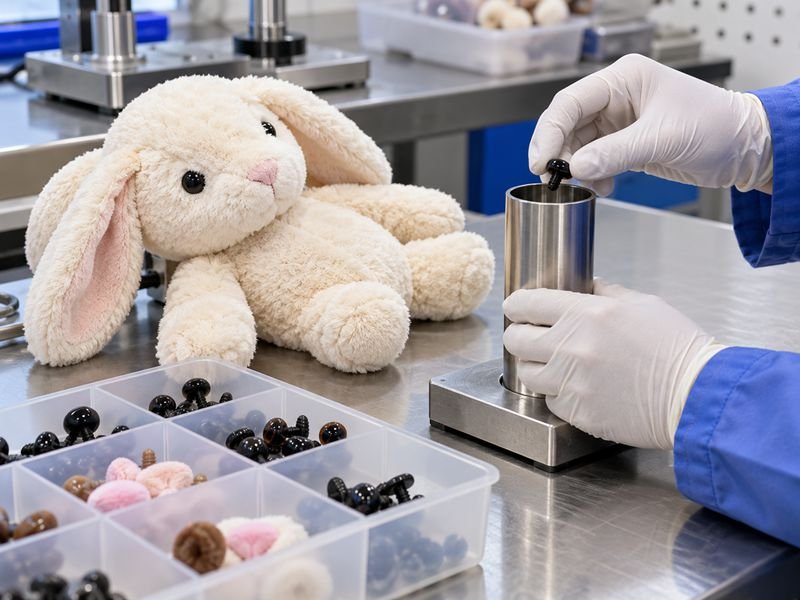
Mechanical Safety
- Typical evidence: use-and-abuse, small-parts, dimensional or attachment checks.
- Key input: intended age and released construction.
Flammability
- Typical evidence: applicable toy flammability testing.
- Key input: production-representative materials and treatments.
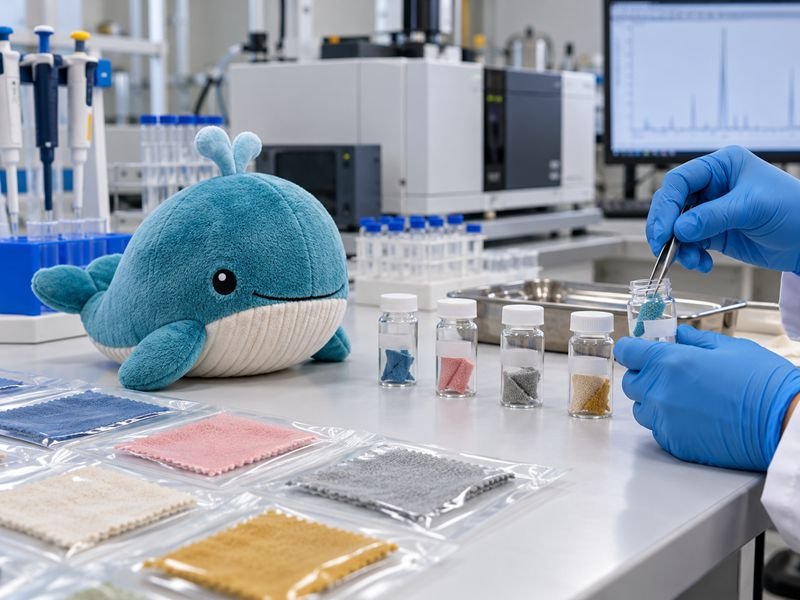
Chemical Safety
- Typical evidence: laboratory reports, supplier declarations, RSL assessment.
- Key input: accessible-material map tied to the BOM.
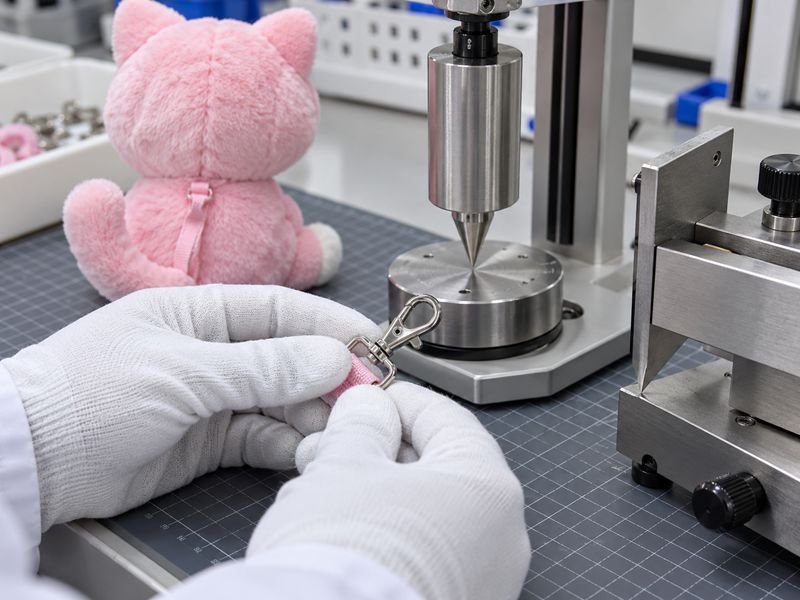
Sharp Points & Edges
- Typical evidence: applicable sharp-point/edge evaluation.
- Key input: component material, breakage mode, accessibility.
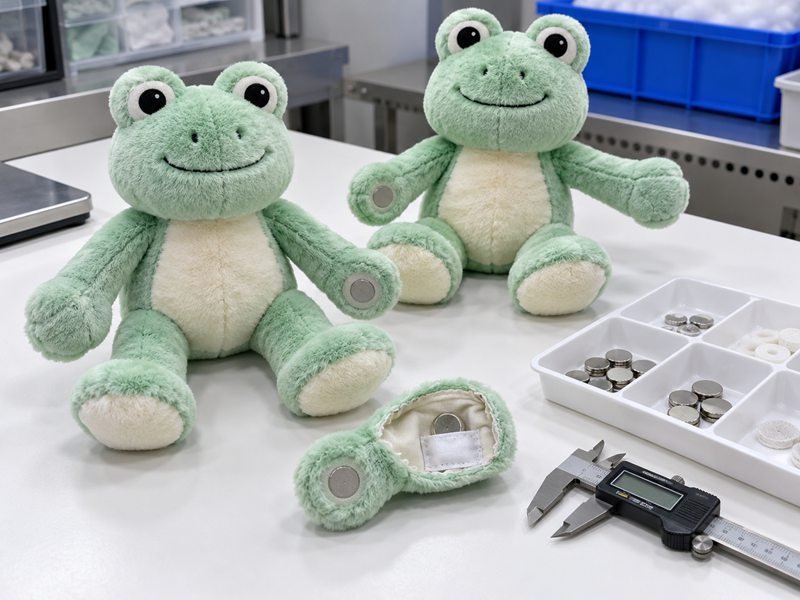
Magnet Safety
- Typical evidence: retention and market-specific magnet testing.
- Key input: magnet map, grade, dimensions, fixing method.
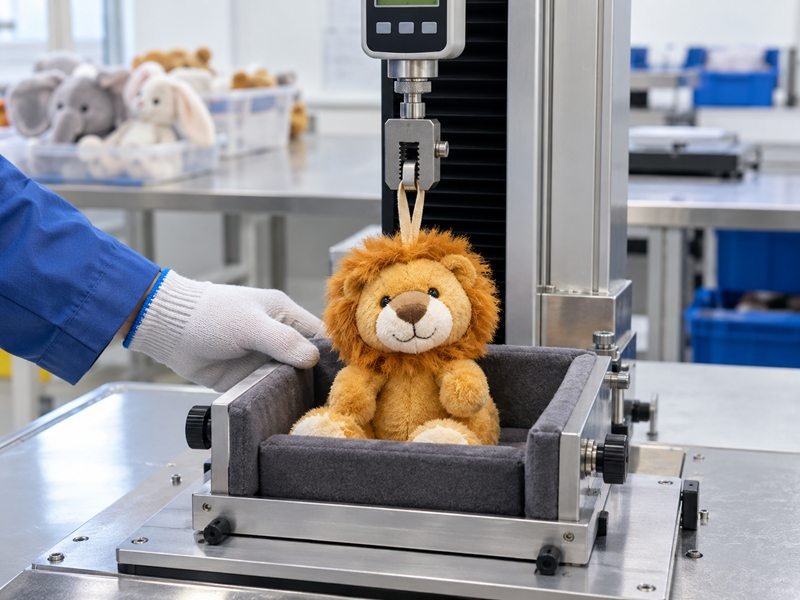
Attachment Strength
- Typical evidence: internal pre-checks and applicable formal tests.
- Key input: fixing method, substrate, age grade, component specification.
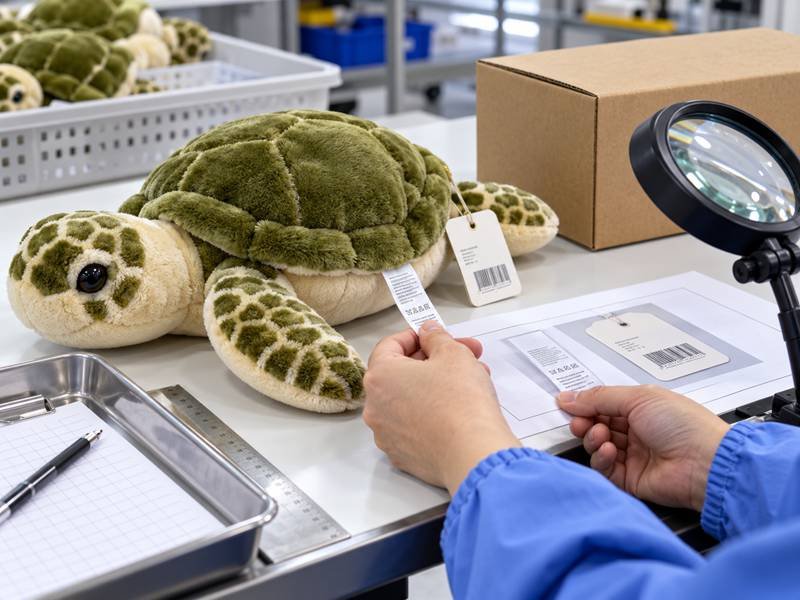
Labels & Warnings
- Typical evidence: approved artwork and compliance record.
- Key input: target market, product classification, responsible party.
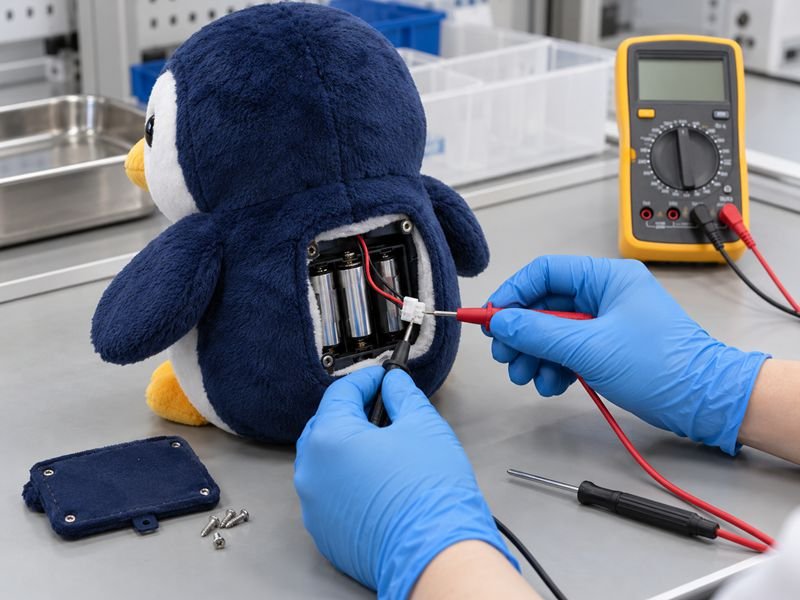
Electrical & Battery
- Typical evidence: applicable electrical and toy tests.
- Key input: hardware revision, battery type, wiring, accessible controls.
Build Compliance Into the Product Before Testing
Confirm Market and Age Before Pattern Freeze
The first compliance gate should confirm where the product will be sold, how it will be classified, and who it is intended for. Those decisions influence small-parts risk, use-and-abuse, warnings, chemical scope, electrical requirements, responsible-party data, and the test standards selected later.
Engineering impact: A plush intended for under-3 children may need different attachment design, battery access, cord construction, or removable-part strategy from a similar-looking 6+ collectible.
Commercial impact: Adding the U.S., EU, Japan, or another market after the product is already frozen can force new testing, packaging, labels, or even redesign.
Ewin action: Capture market list, intended age, product classification, functions, and key channel requirements in the project brief before major pattern and component decisions are locked. Compliance becomes an input to development rather than a question asked after the sample looks finished.
Review Materials Before BOM Freeze
Chemical and flammability risk often begins with material choice. Main fabric, secondary fabric, print, coating, soft plastic, faux leather, adhesive, metal finish, embroidery, filling, and packaging can carry different requirements across markets and brand protocols.
Material strategy: Identify higher-risk materials, available supplier declarations, existing reports, and brand RSL requirements while alternative materials are still possible.
Worst-case thinking: Dark colors, coatings, metallic finishes, soft PVC, or other higher-risk variants may be selected as representative laboratory samples where the applicable standard and laboratory grouping logic allow.
Production value: Once the tested material route is approved, the BOM and supplier information should remain controlled through mass production.
Ewin action: Connect Material ID, supplier route, composition, color, report scope, and BOM revision before design freeze so sourcing does not replace a compliant sample material with an unreviewed alternative later.
Review Components Before Accessory Freeze
Eyes, noses, bells, keyrings, magnets, molded parts, batteries, speakers, switches, and other components can trigger mechanical, chemical, electrical, small-part, magnet, or sharp-point requirements. Component selection therefore affects the test plan as much as fabric choice.
Design review: Check material, dimensions, fixing, accessibility, foreseeable detachment, edges, coatings, battery access, wiring, and interaction with the plush shell.
Testing strategy: Decide whether a component needs separate material testing, assembly-level pull or torque evaluation, magnet testing, electrical assessment, or inclusion in the finished-product sample.
Change risk: Replacing a component after a passing report can invalidate the assumption that the tested version still represents bulk production.
Ewin action: Keep Part ID, supplier, material, size, color, fixing method, installation note, and approved revision in the BOM so compliance evidence remains tied to the actual component used.
Freeze Labels and Packaging Before Commercial Release
Warnings, age statements, tracking labels, CE/UKCA/KC/PSC information, responsible-party details, legal copy, bilingual requirements, barcodes, and retailer information should be reviewed before final packaging print. Packaging is part of the compliance system, not a graphic layer added after testing.
Market matrix: Separate content that is common across markets from content that changes by country, responsible party, language, or legal framework.
Version control: Each packaging artwork should carry a revision and stay mapped to the correct SKU and market. Old legal copy should be blocked after approval of a new version.
Shipment value: OQC can then verify product, pack, barcode, mark, warning, and destination together before release.
Ewin action: Run label and packaging compliance review in parallel with testing so successful laboratory results do not lead to weeks of avoidable delay while commercial artwork is rebuilt.
Map Multi-Market Requirements Before Testing Begins
| Compliance Item | USA | European Union | Great Britain / NI | Canada | Australia / New Zealand | Japan | Korea |
| Core Legal Framework | CPSIA/CPSC rules; 16 CFR Part 1250 and other applicable rules | Toy Safety Directive 2009/48/EC in current transition; Regulation (EU) 2025/2509 for future main application; REACH | GB: Toys (Safety) Regulations 2011; NI: relevant EU/Windsor Framework route | CCPSA + Toys Regulations + applicable chemical regulations | AU: Australian Consumer Law mandatory standards by category; NZ: Children’s Toys product-safety regulations | Consumer Product Safety Act / Child PSC for applicable under-3 toys | Special Act on Safety of Children’s Products / Safety Confirmation |
| Common Technical Route | ASTM F963-23 | EN 71-1/-2/-3 and other applicable parts | GB designated/equivalent standards; NI EU route | Toys Regulations methods and applicable requirements | AS/NZS ISO 8124 / ISO 8124 / EN 71 / ASTM routes only where specified by local mandatory standard | Technical criteria via recognized route; ST-2025 can support specified ISO 8124-related requirements | Children’s Products Common Safety Standard + Toy Safety Standard |
| Chemical Focus | Lead, surface-coating lead, regulated phthalates, ASTM material hazards | EN 71-3 + REACH restrictions/SVHC + client RSL | Applicable GB/NI chemical route | Lead, phthalates, surface coatings and other Canadian requirements | Category-specific chemical requirements and mandatory standards | Product-specific chemical/material requirements within applicable route | Common safety and toy-standard chemical requirements |
| Main Market Document / Mark | CPC by responsible party; tracking information | EU DoC + CE; technical documentation | GB: appropriate DoC + CE/UKCA route; NI: CE and applicable NI rules | Compliance records and labels; no universal Canadian toy certificate | Supplier evidence under applicable mandatory standards | Child PSC mark and domestic responsible-party process where applicable | Safety Confirmation filing + KC mark |
| Age-Grade Sensitivity | Strong impact on small parts, use-and-abuse and third-party testing | Strong impact on toy requirements and warnings | Follows applicable GB/NI route | Product-specific age and hazard review | NZ especially sensitive to <=36 months; AU category-dependent | Under 3 triggers Child PSC regime | Model/age classification affects safety route and labels |
| Ewin Project Role | Test-sample/BOM support, lab coordination, CPC data support | Compliance-by-design, test/sample/technical-data support | Separate GB/NI market review, sample and document-data support | Canada-specific test and label support | Category/market requirement mapping and test support | Design/test/BOM/warning support for Japanese responsible party | Model-family, sample, BOM and label support for Korean responsible party |
Trusted by Global Brands and IP Owners
Trusted by brands, IP owners, and creative teams worldwide. Ewintoys helps transform original ideas and characters into high-quality plush products through professional development, manufacturing, and quality control.













Test Reports Must Trace Back to the Product Version
Identify Exactly Which Sample Was Tested
A laboratory report should be linked to a known Product or Model ID, Sample ID, revision, intended age, target market, and product configuration. “We tested this plush” is too broad when several V1, V2, PP, sales, or Golden samples may exist at the same time.
Sample choice: Production-representative PP or equivalent controlled samples are often more suitable than an early visual prototype when the test needs to support bulk manufacturing.
Worst-case logic: For model families or colorways, the selected sample should represent the highest relevant material or structural risk where accepted by the standard, laboratory, and responsible compliance team.
Record value: Sample ID allows the brand, laboratory, Ewin, and importer to discuss the same physical version if questions arise later.
Ewin action: Add test purpose and compliance status to sample records so test samples cannot be confused with samples created only for sales, photography, or character approval.
Lock the Tested Sample to the BOM and Materials
A report cannot prove materials that were not present in the tested sample. Main fabric, secondary fabric, coatings, prints, plastic, metal, magnets, electronics, filling, labels, and other relevant materials should therefore be tied to the tested BOM revision.
Color scope: Some laboratory strategies can group colors or select worst-case variants, but the grouping logic should be explicit rather than assumed internally.
Supplier scope: A new supplier using the same generic fabric name can still have a different composition, coating, colorant, or process. Supplier changes should be assessed before earlier chemical or flammability evidence is reused.
Production value: Frozen BOM turns compliance evidence into a sourcing control. Purchasing can see which material route the test actually covered.
Ewin action: Record BOM revision, material IDs, supplier routes, colorways, and component revisions as part of the Product Compliance Record used for test release and bulk authorization.
Keep Report Details Complete Enough for External Claims
When a specific product test result is communicated externally, the evidence should identify the Product/Model, target market, applicable standard or rule, laboratory, report number, issue date, scope, result, and change status. Broad statements that remove those limits create unnecessary legal and commercial risk.
Good claim structure: “Model ABC-123 was tested by [laboratory] to the applicable clauses of [standard], Report [number], issued [date].” The claim should also remain limited to the tested construction, material, and color scope.
Website discipline: General Ewin pages should primarily describe testing capability and compliance support unless a specific report has been verified and approved for publication.
Commercial value: Procurement teams can validate evidence quickly when report identity and product identity are already connected.
Ewin action: Treat report number and version mapping as structured data, not PDF files stored without context in an email folder.
Verify Bulk Still Matches the Tested Configuration
Testing can be completed correctly and still become irrelevant if the product changes before mass production. Material substitutions, new accessories, different magnets, revised batteries, structural changes, packaging warnings, age-grade changes, or new market claims all need an impact review.
No-change release: Confirm Golden Sample, Frozen BOM, released pattern, relevant components, and packaging still match the configuration supported by the report.
Changed release: Classify the change and decide whether existing evidence remains representative, targeted additional testing is sufficient, or a new full test sample is required.
Reorder review: Long-term programs should repeat the same comparison because standards, Candidate Lists, supplier materials, and product requirements can change over time.
Ewin action: Maintain Change Status as “No Change,” “Impact Assessed,” “Retest Required,” or “Retested” so compliance is a controlled production decision rather than a one-time laboratory milestone.
Compliance Work Has Clear Owners and Evidence Boundaries
Ewin Toys
- Owns: manufacturing-side data and controlled product definition.
- Does not replace: the market’s legally responsible issuer or authority.
Brand / Product Owner
- Owns: product decisions and internal compliance requirements.
- Critical input: market list, age strategy, claims, approval scope.
Importer / Responsible Party
- Owns: market-specific legal actions where assigned by law.
- Critical input: responsible-party identity and document route.
Testing Laboratory
- Owns: laboratory testing and report accuracy for the stated scope.
- Critical input: correct sample, BOM, standard edition, market objective.
Compliance / QA Team
- Owns: requirement interpretation and evidence sufficiency within assigned scope.
- Critical input: complete product facts and current regulatory sources.
Retailer / Marketplace
- Owns: channel-specific acceptance criteria.
- Critical input: current manual, protocol version, listing or packaging requirements.
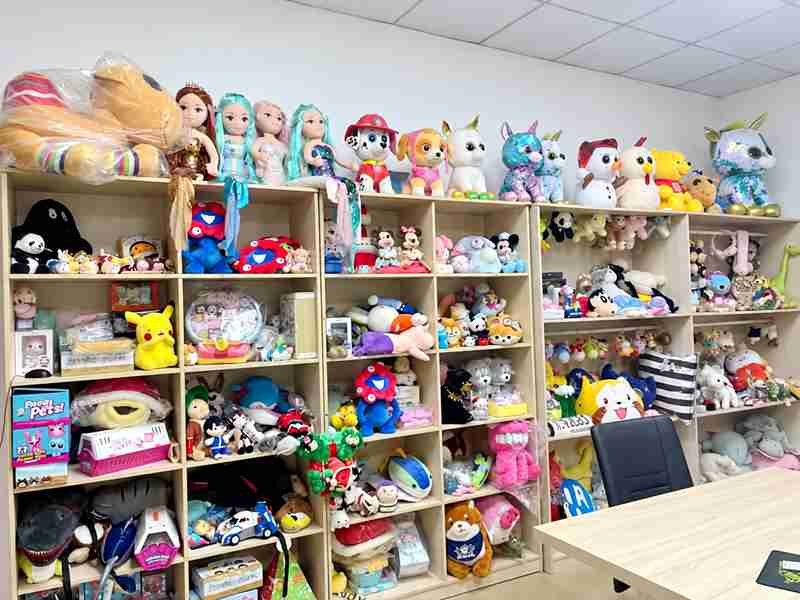
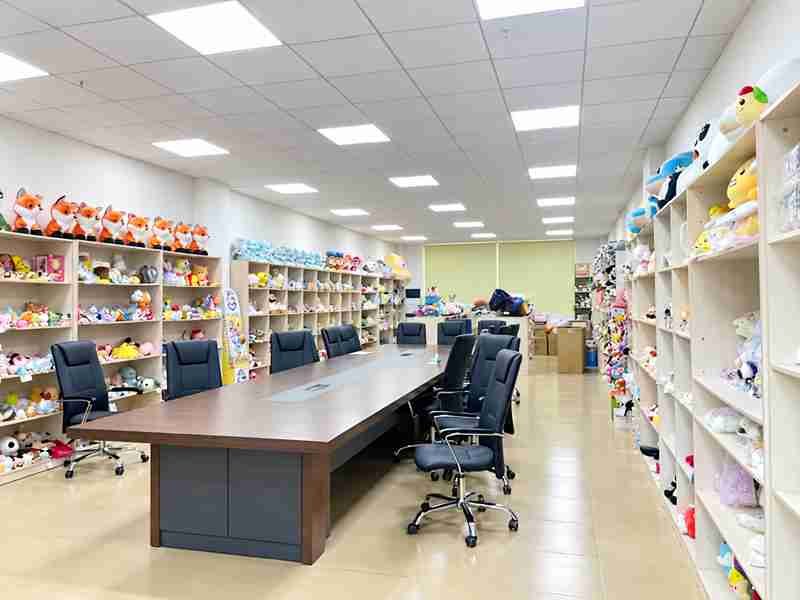
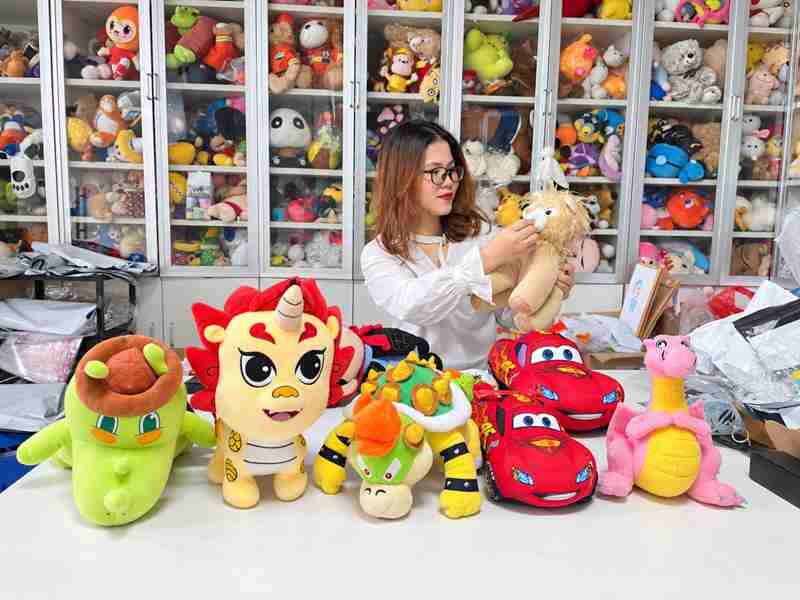
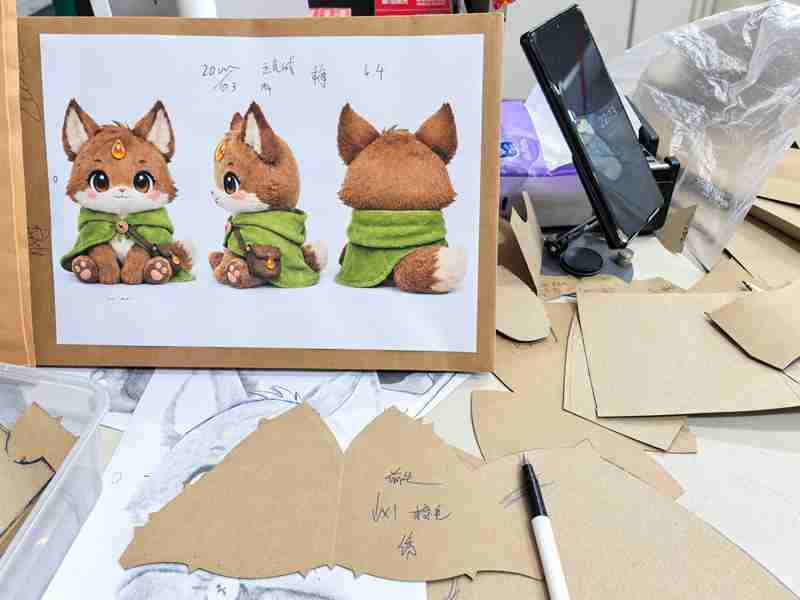
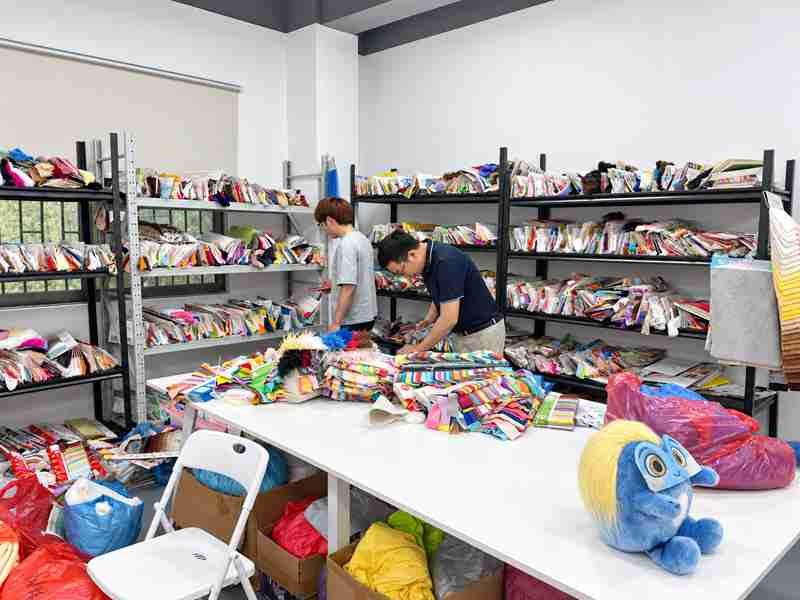
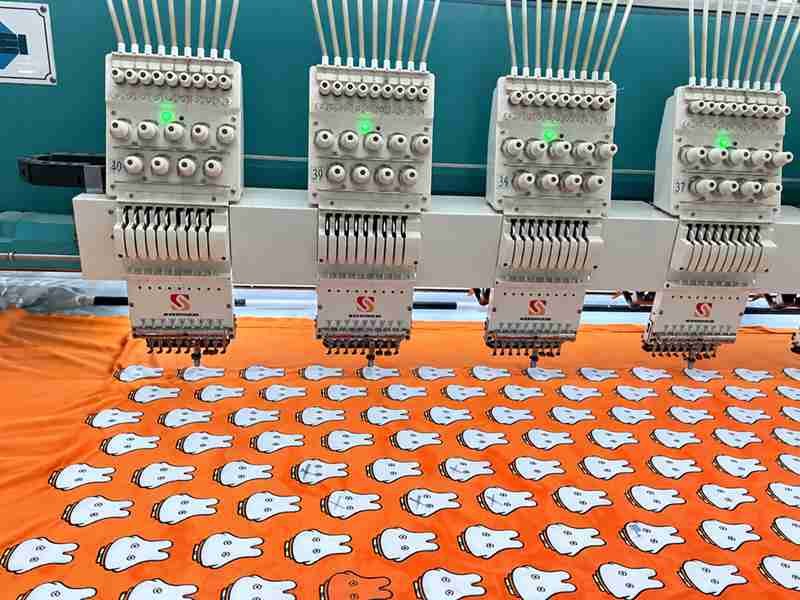
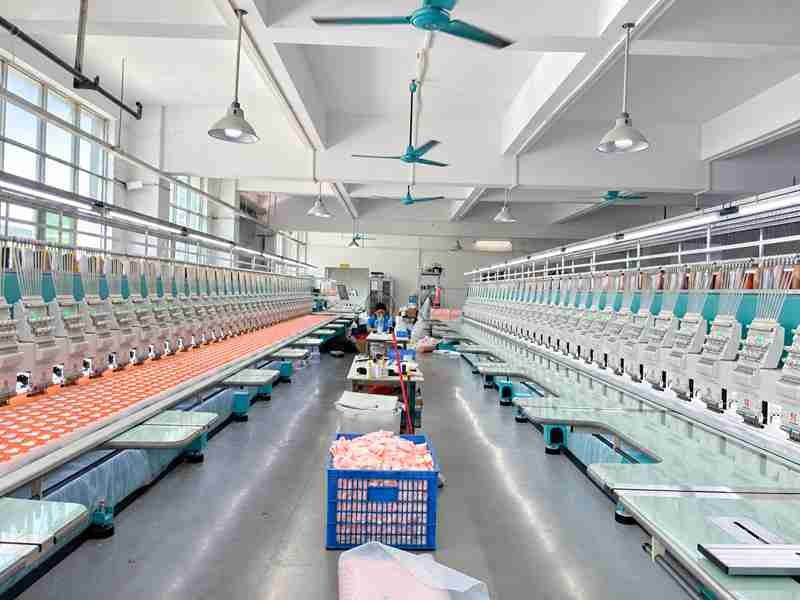
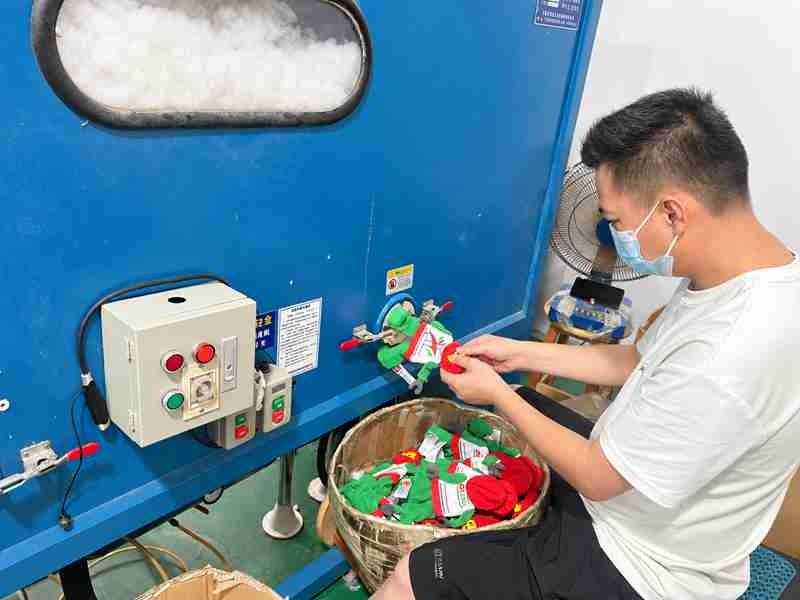
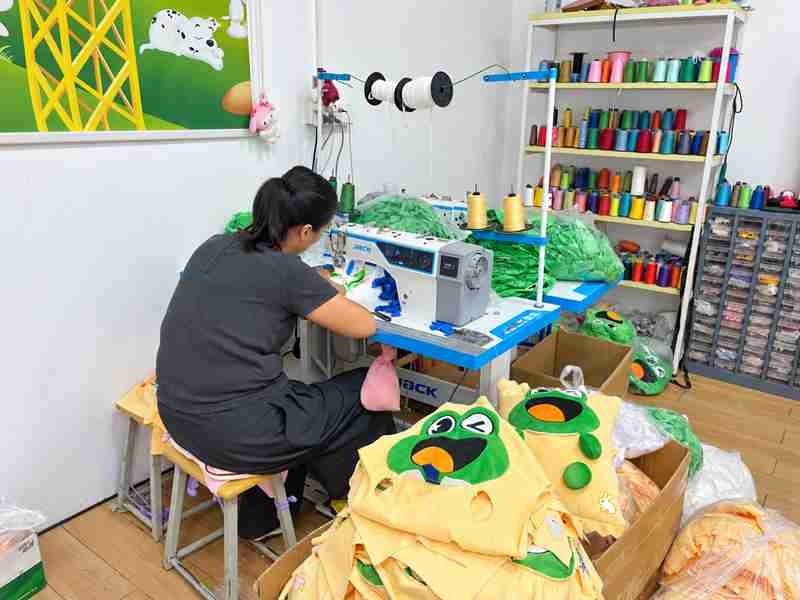
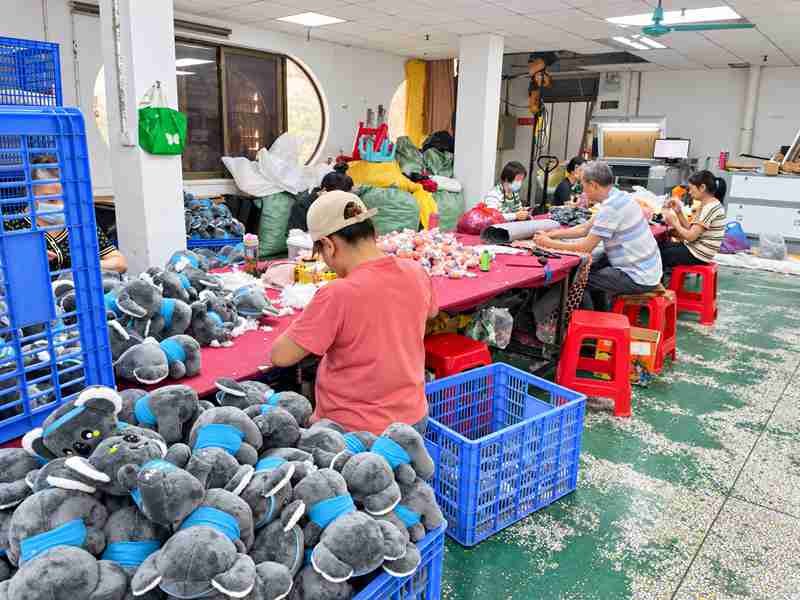
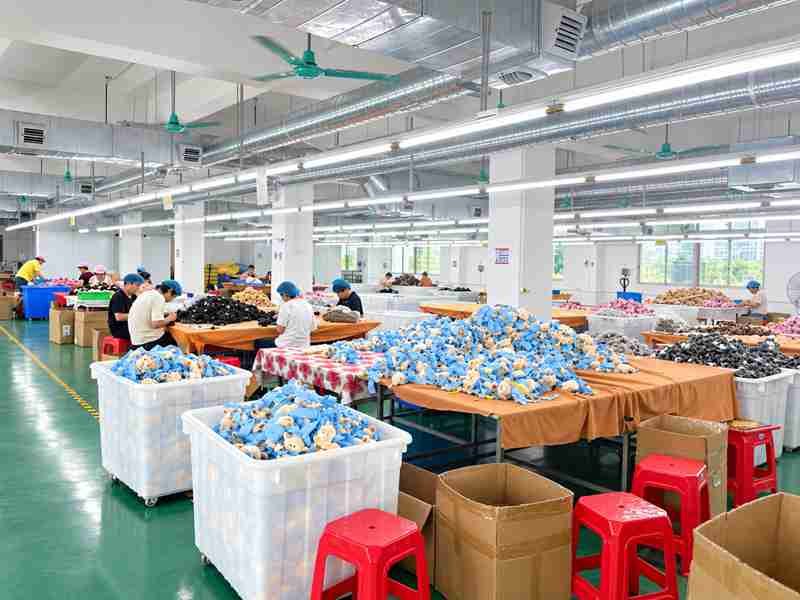
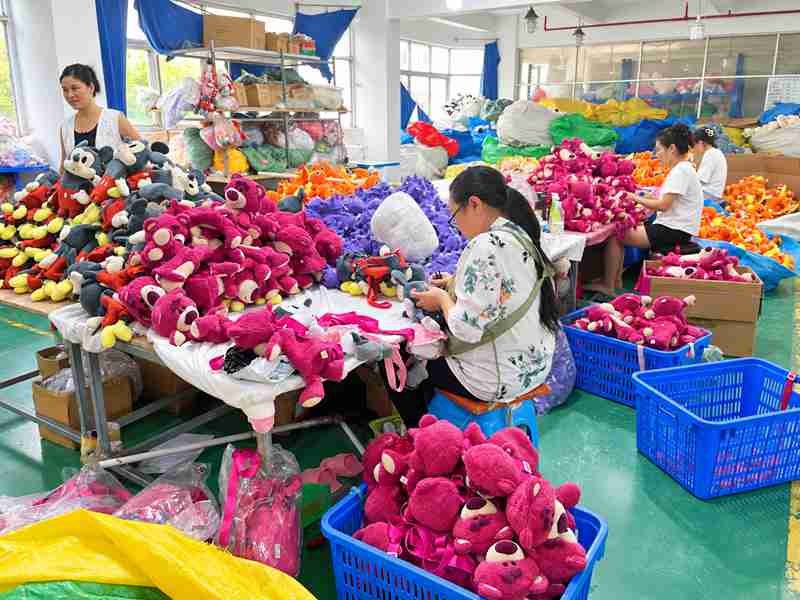
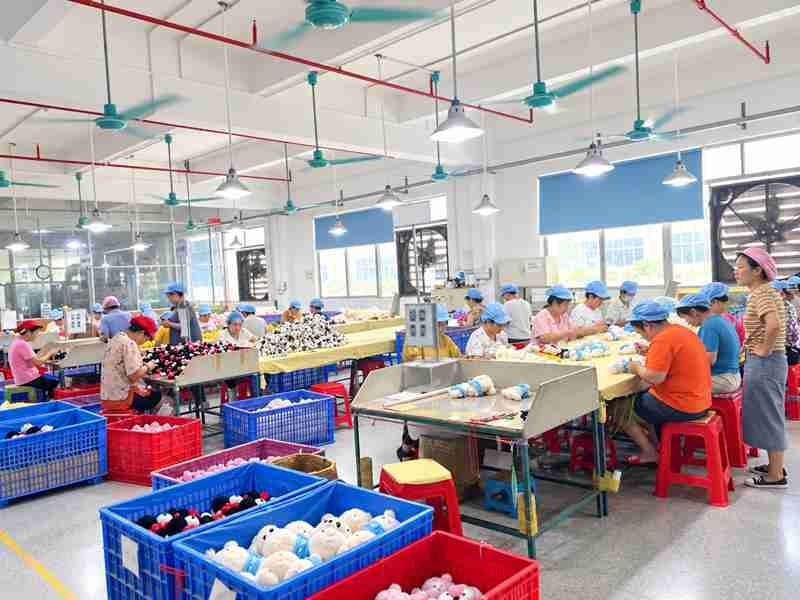
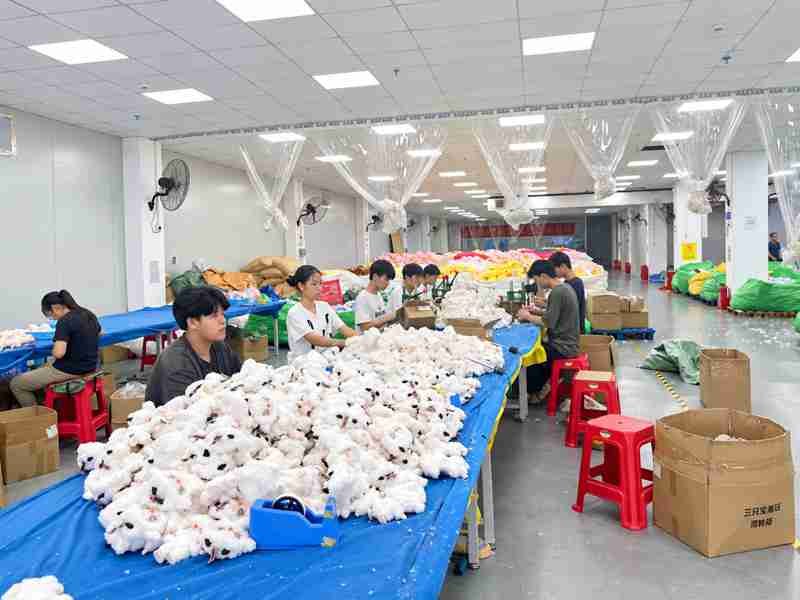
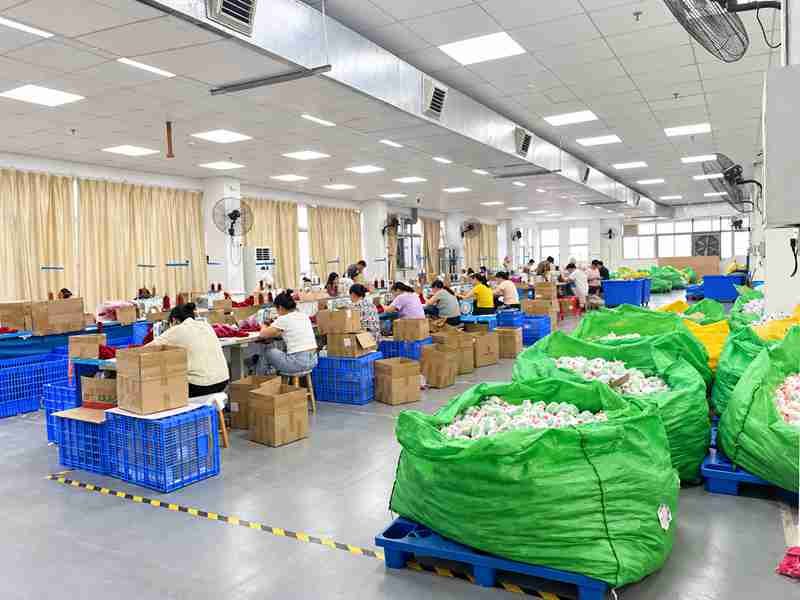
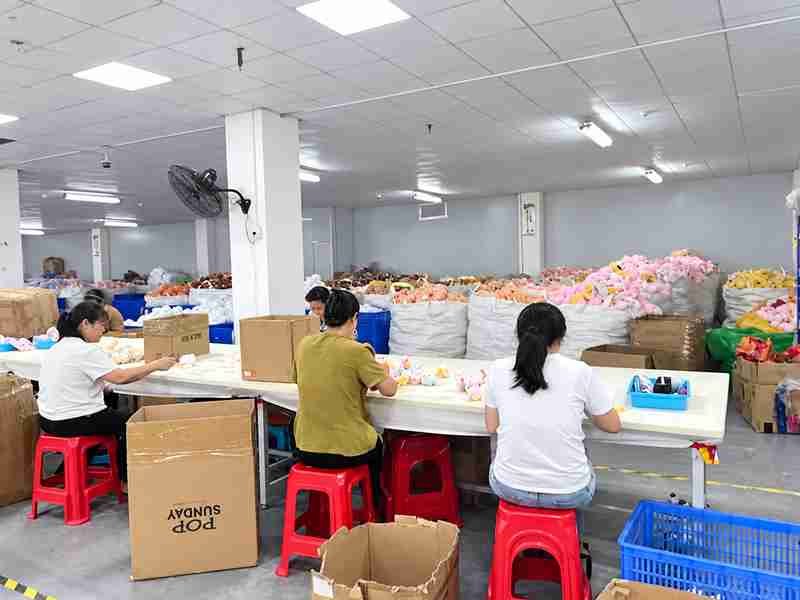
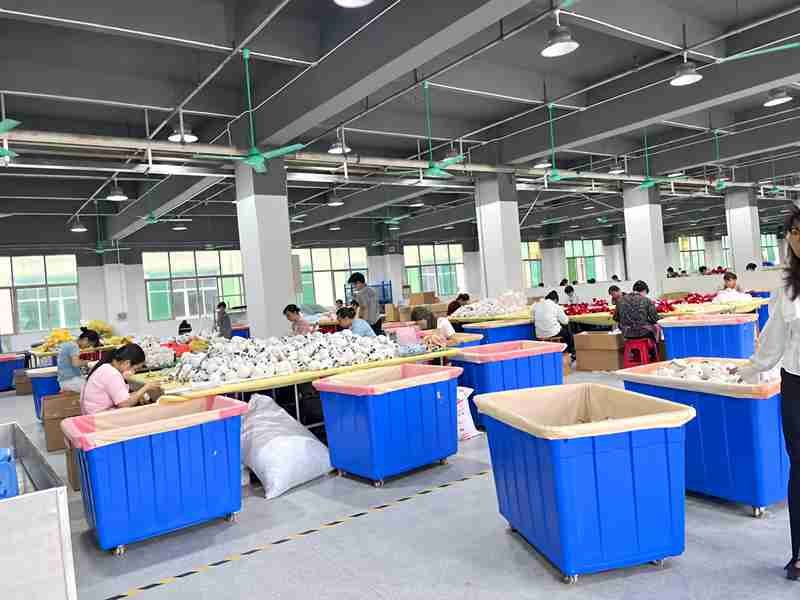
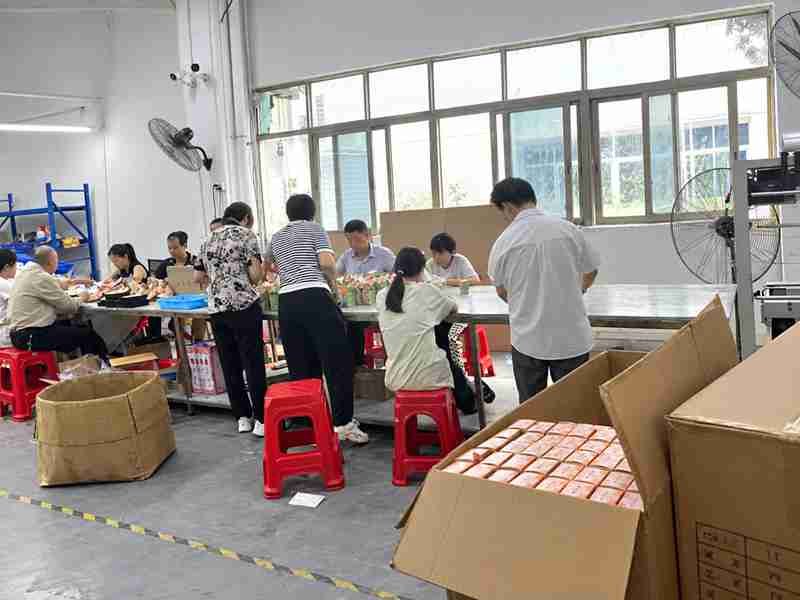
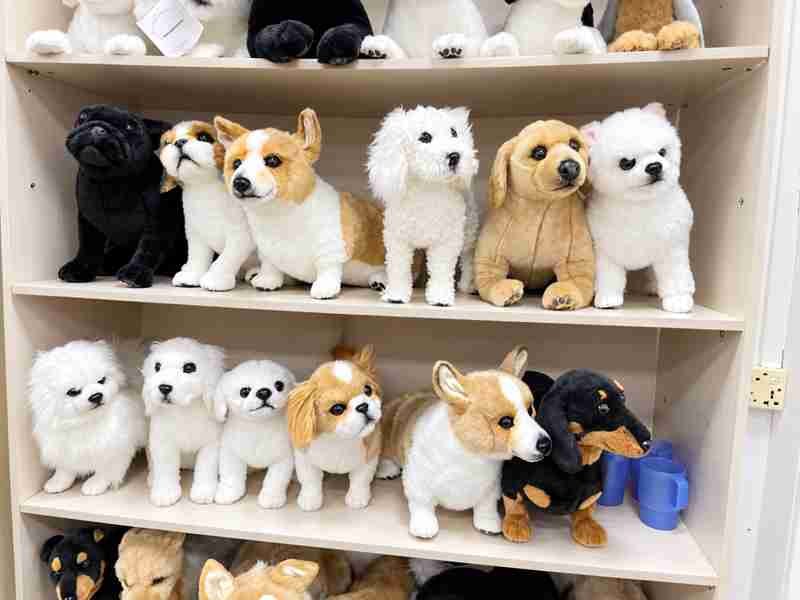
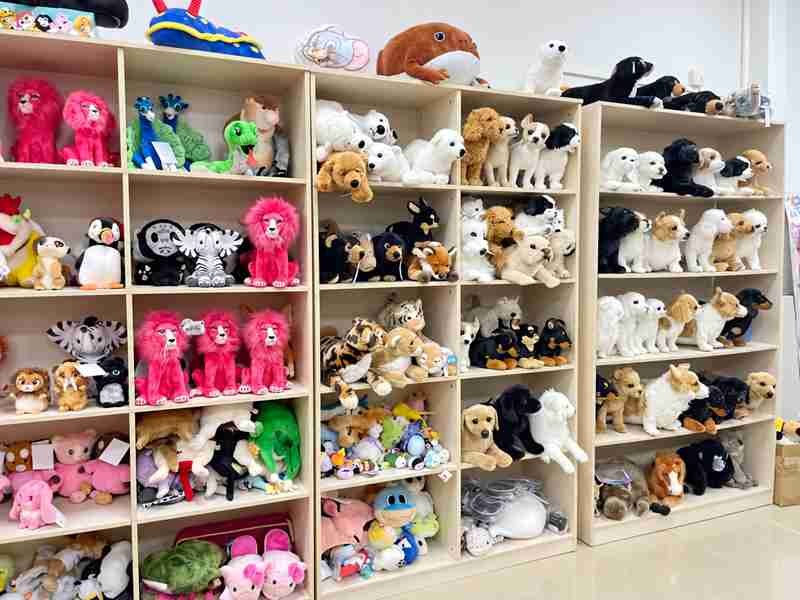
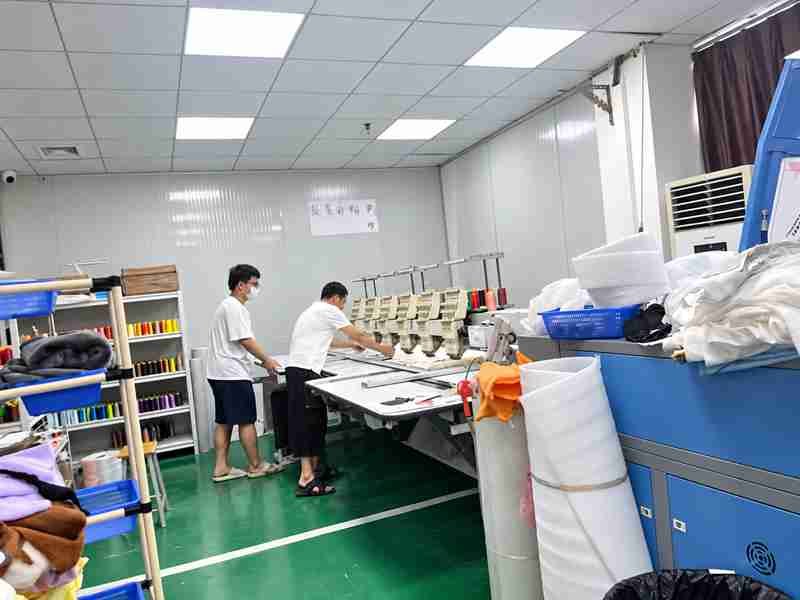
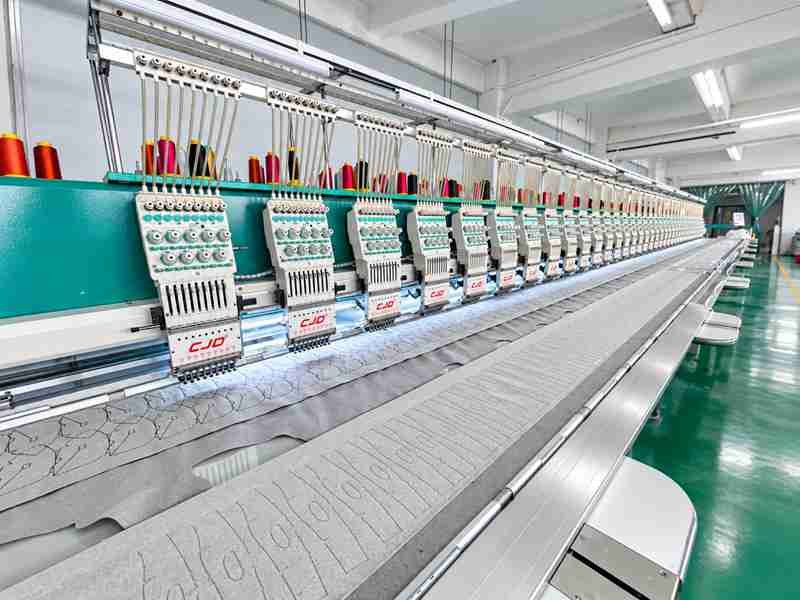
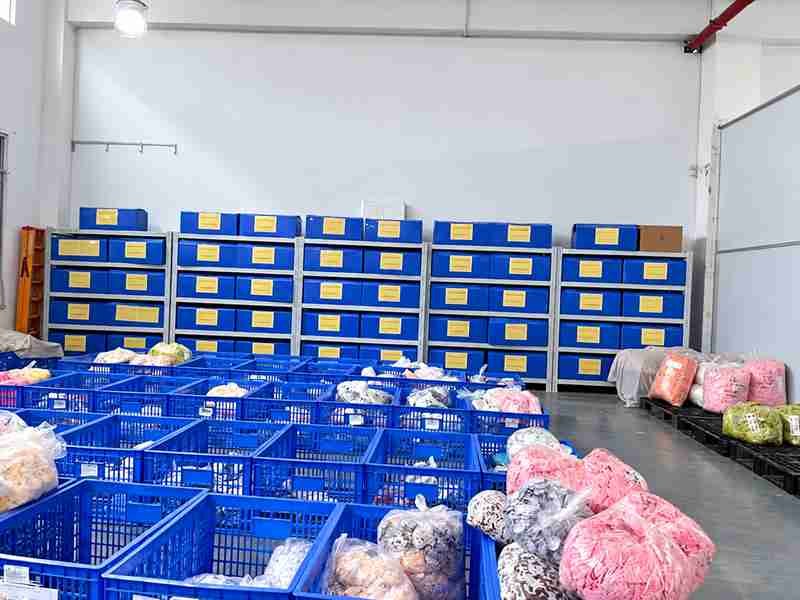
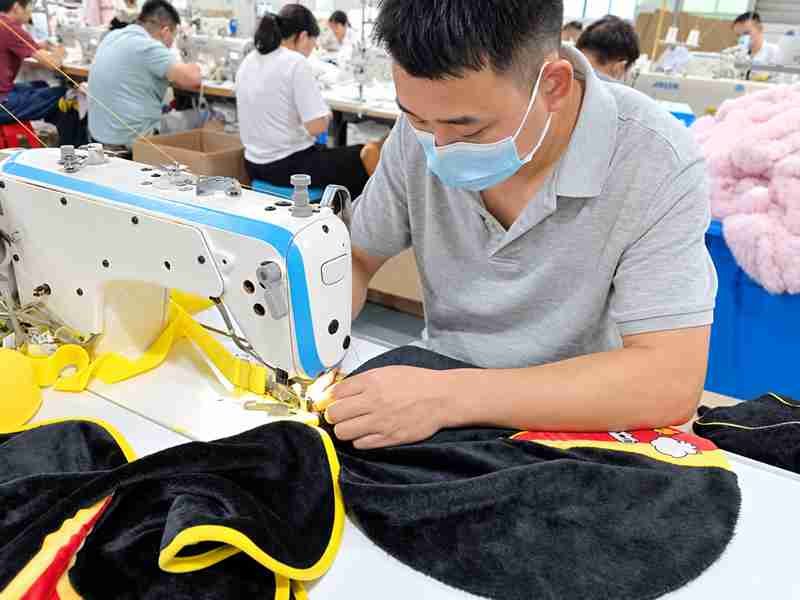
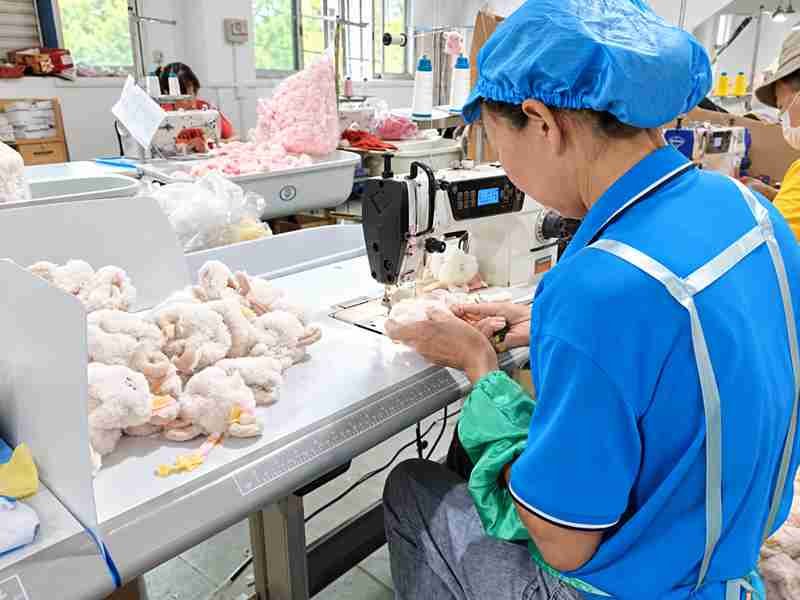
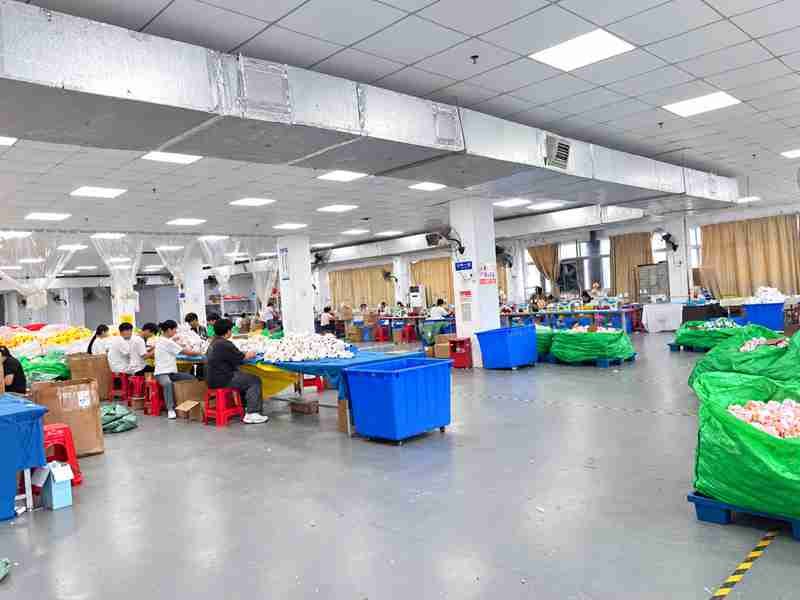
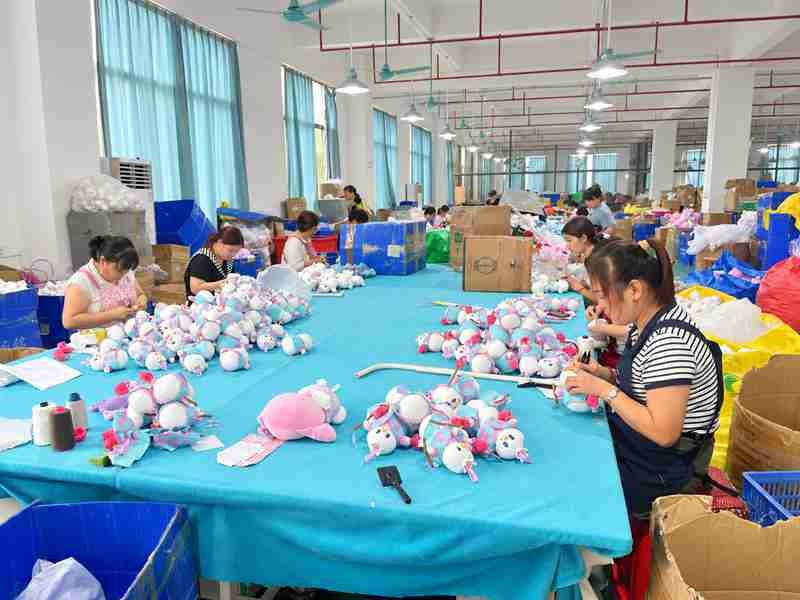
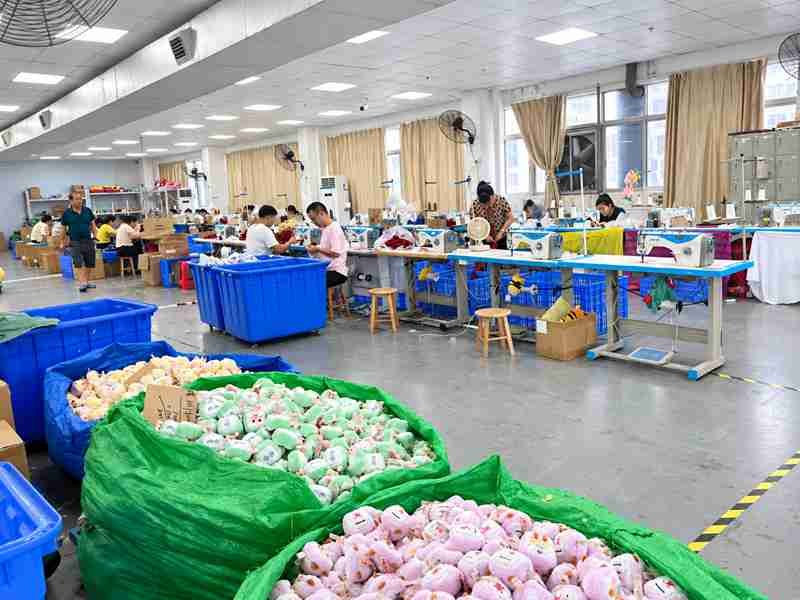
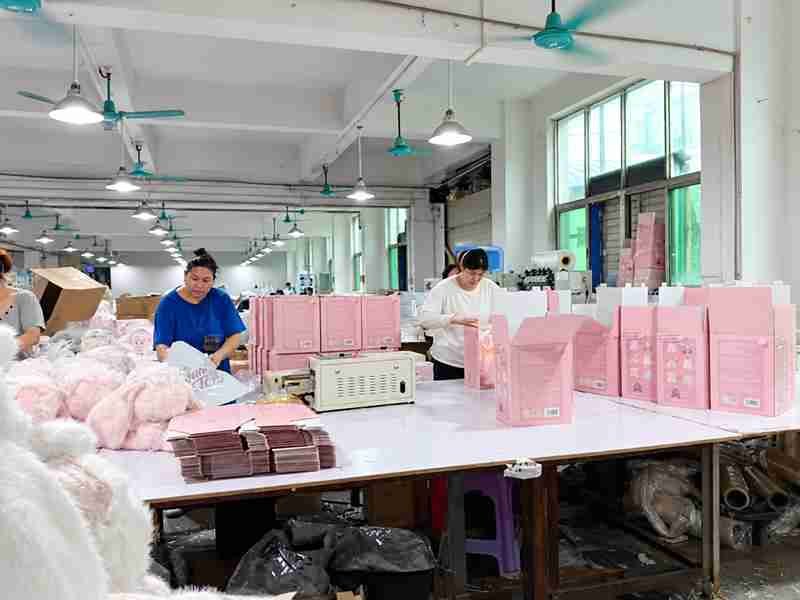
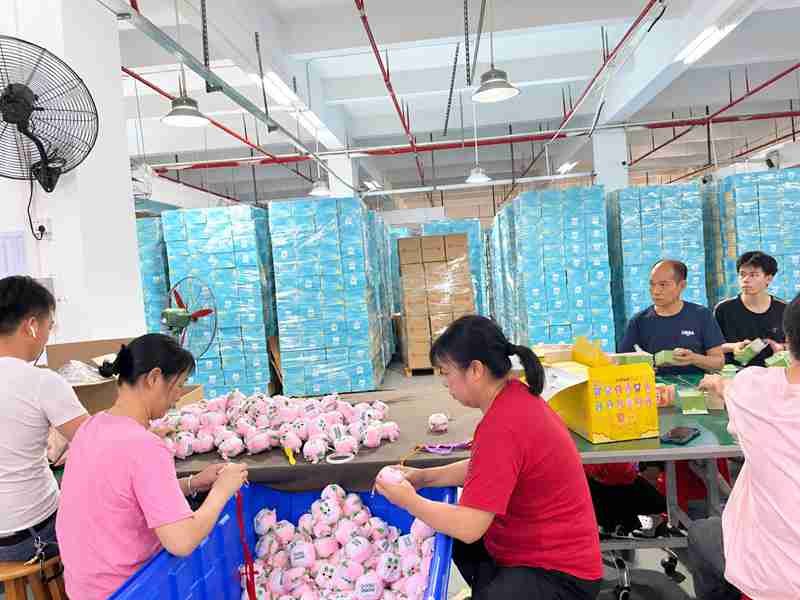
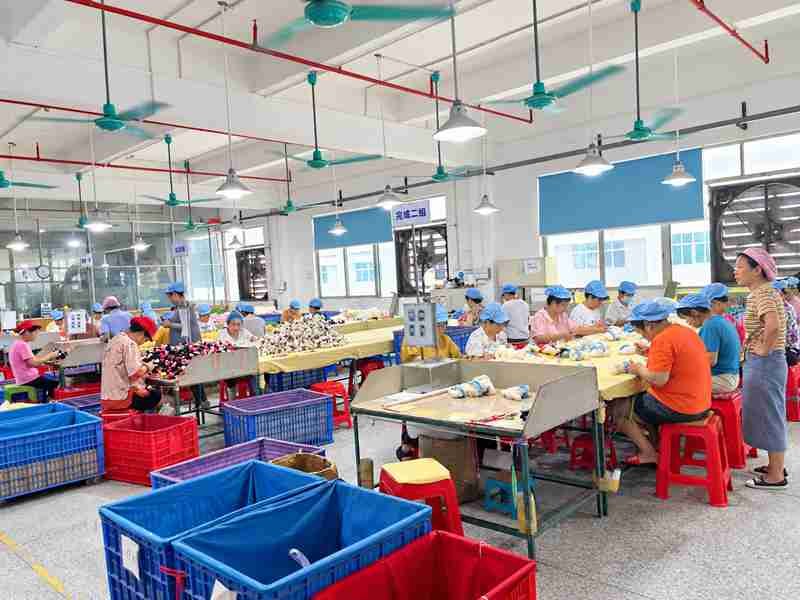
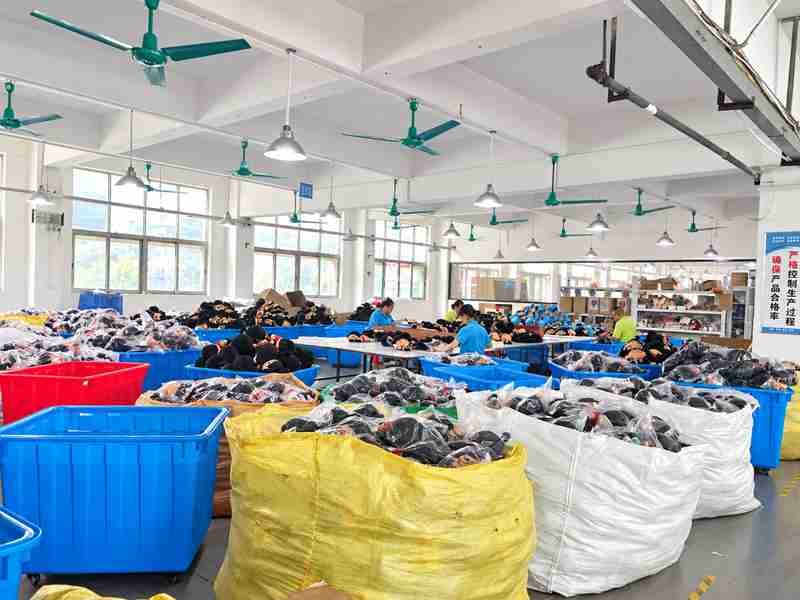
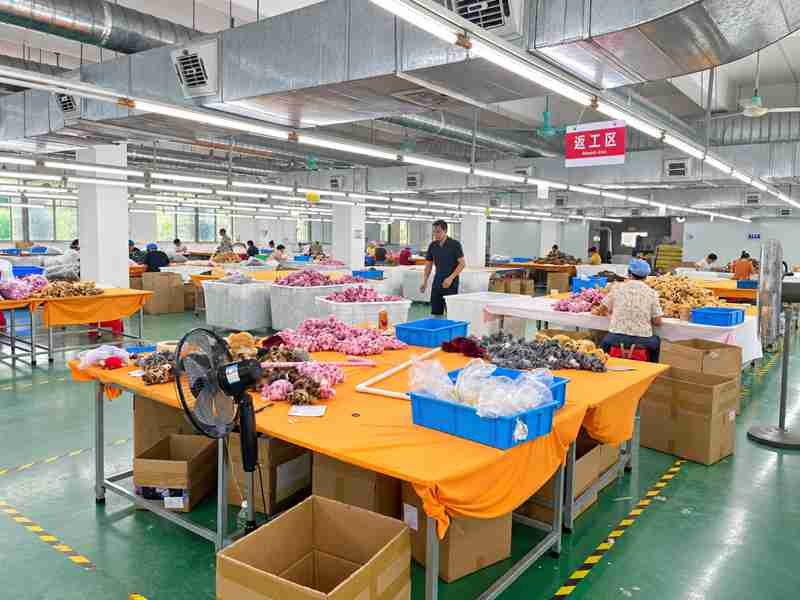
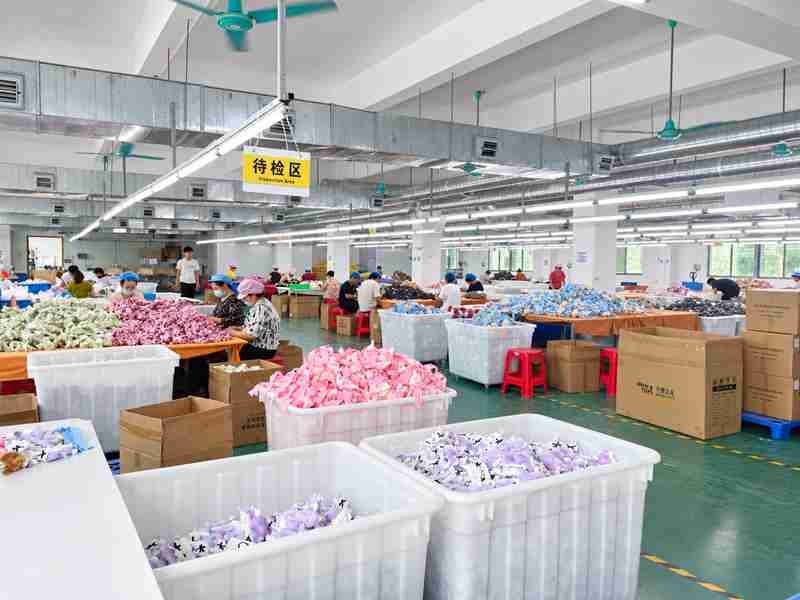
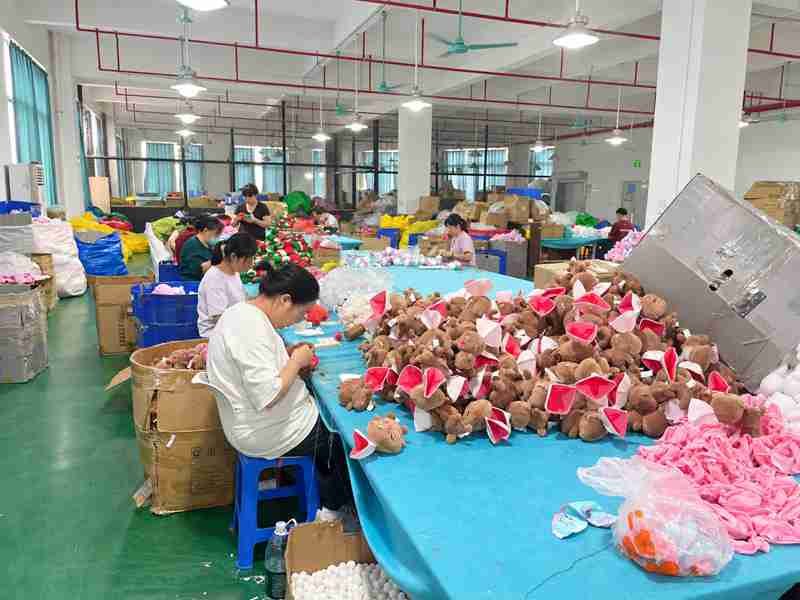
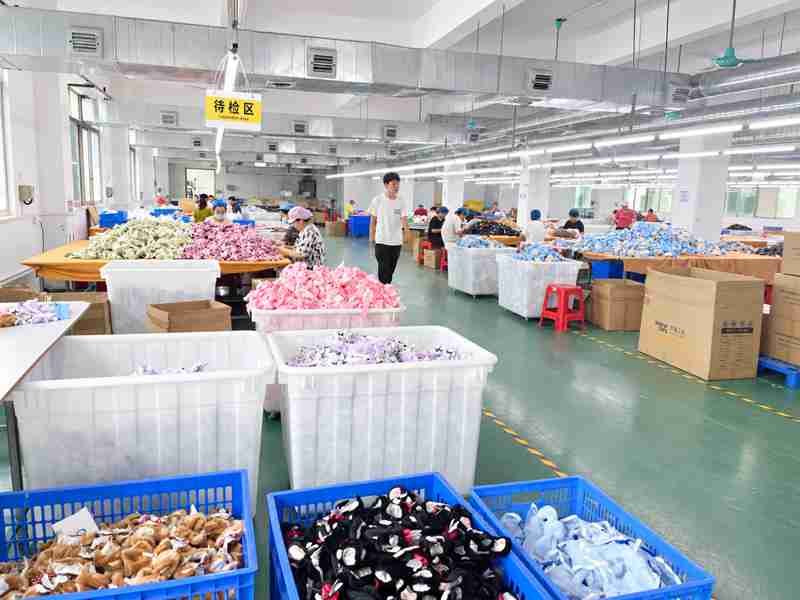
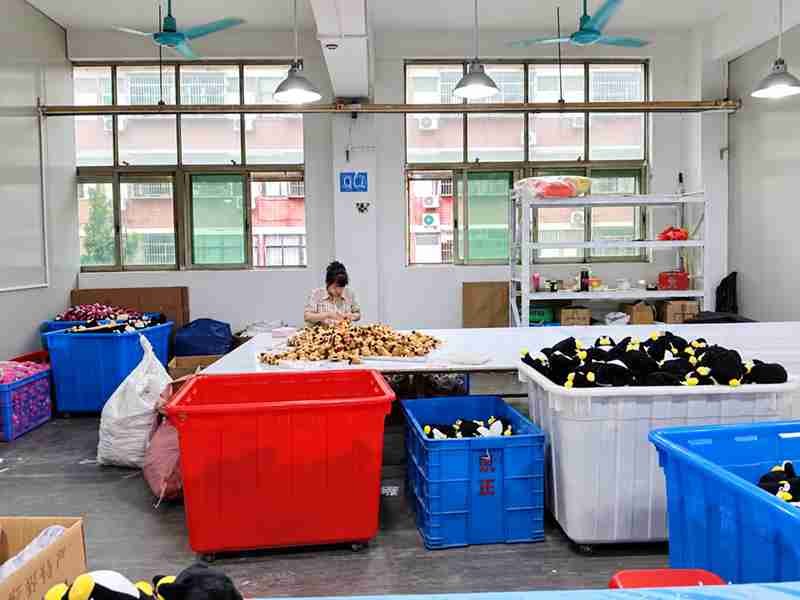
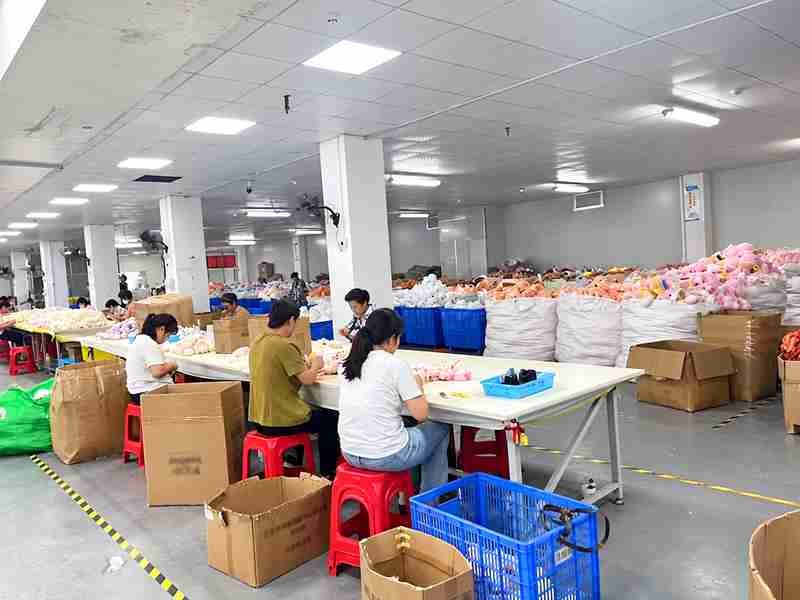
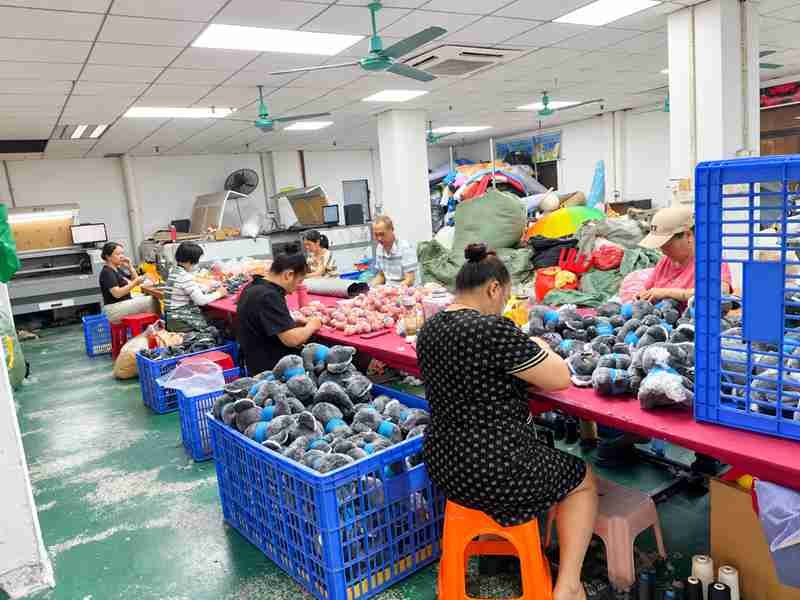
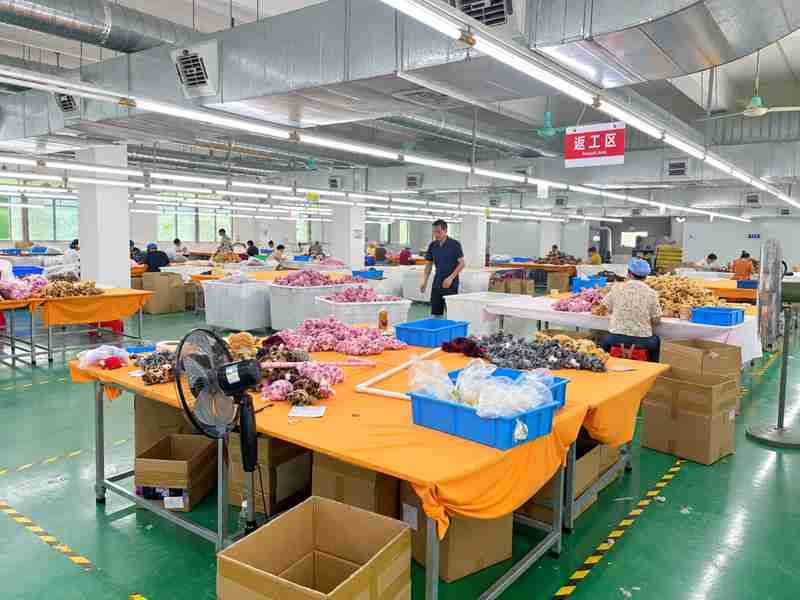
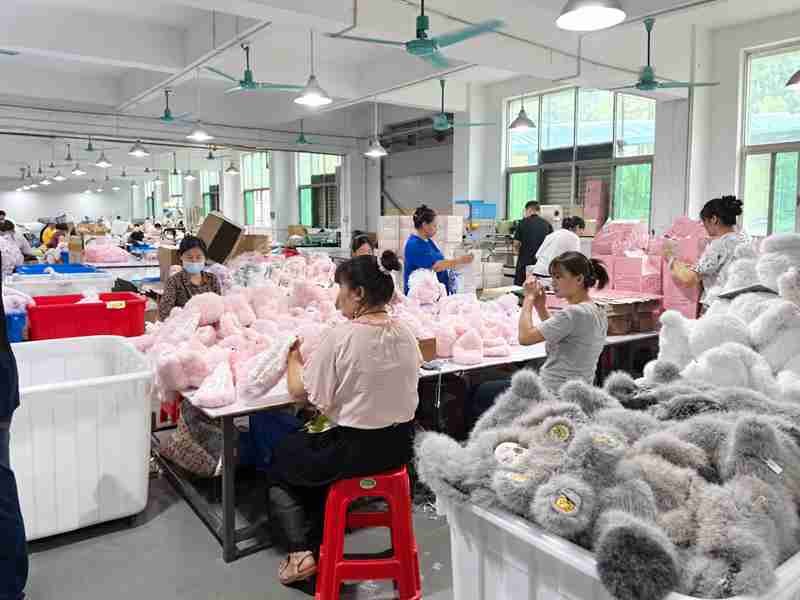
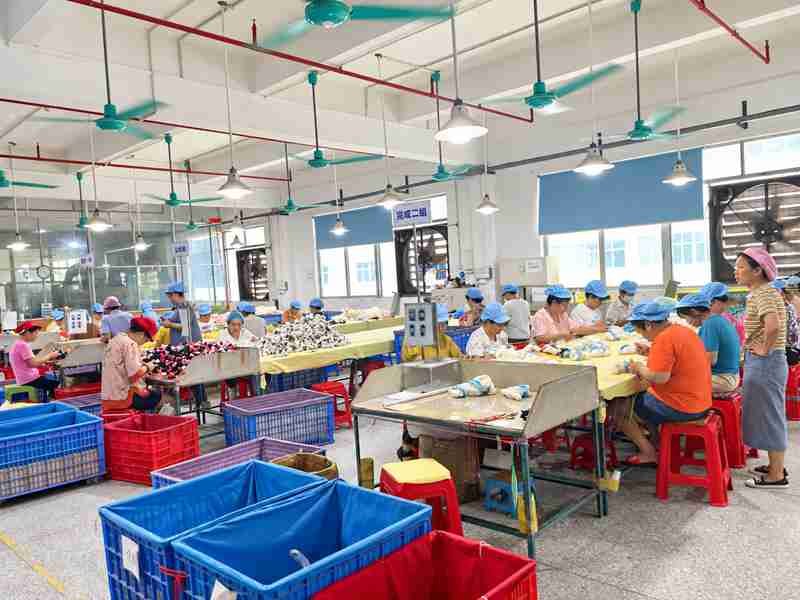
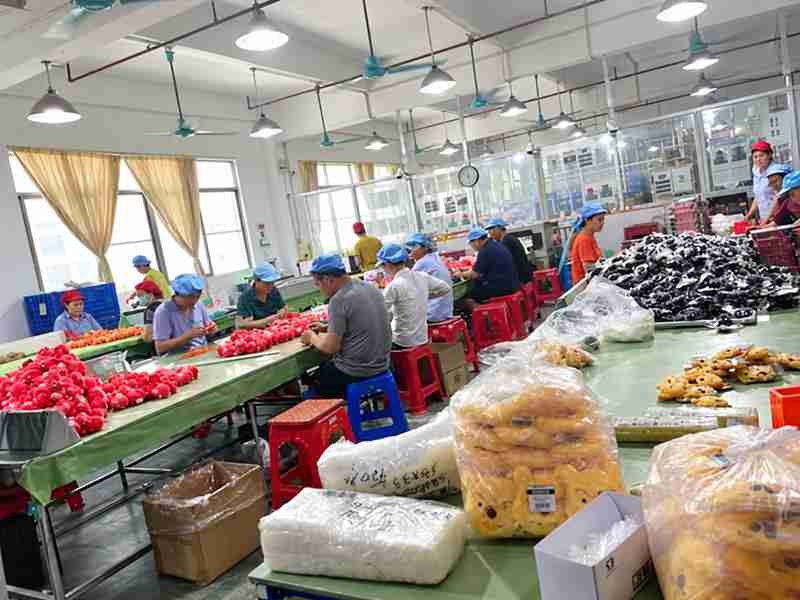
From Prototype to Production: Our Real Plush Factory Show
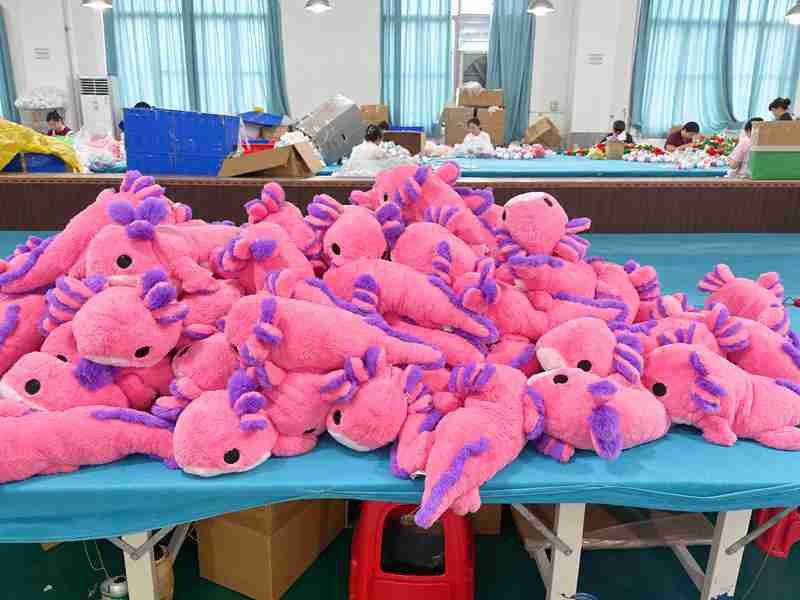
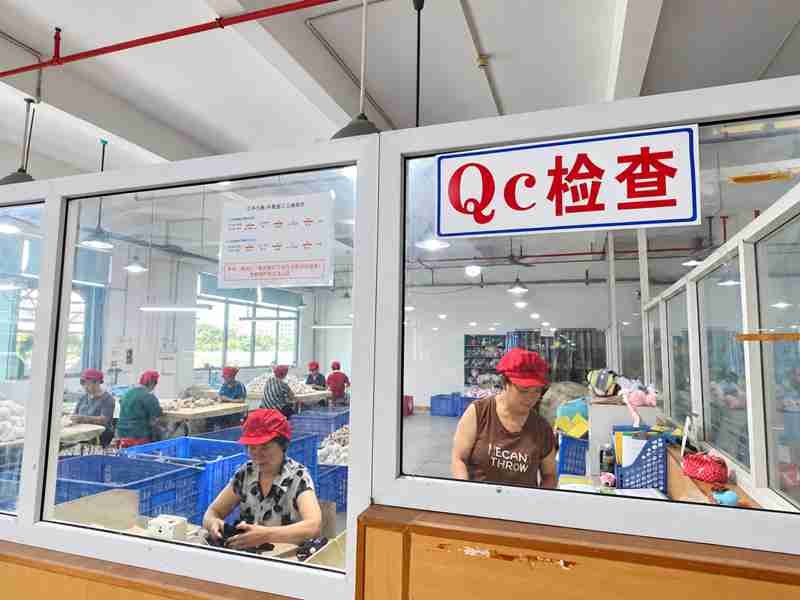
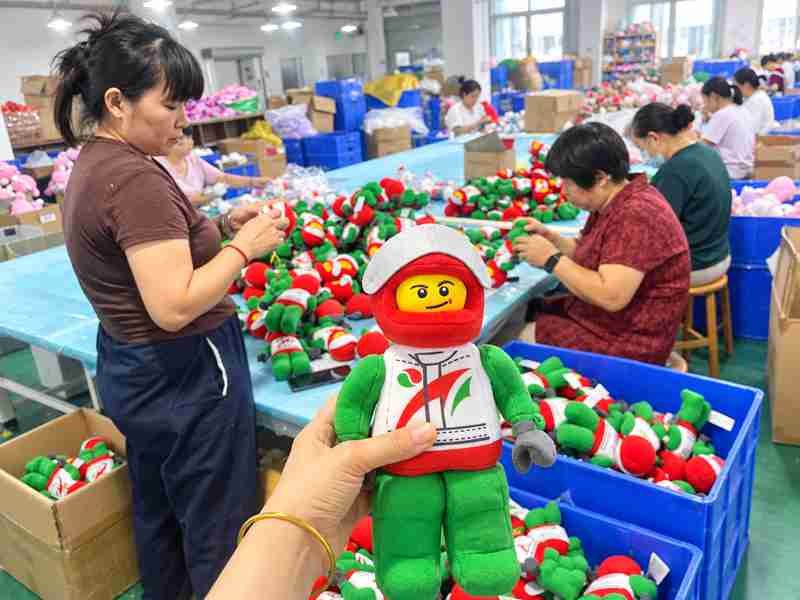
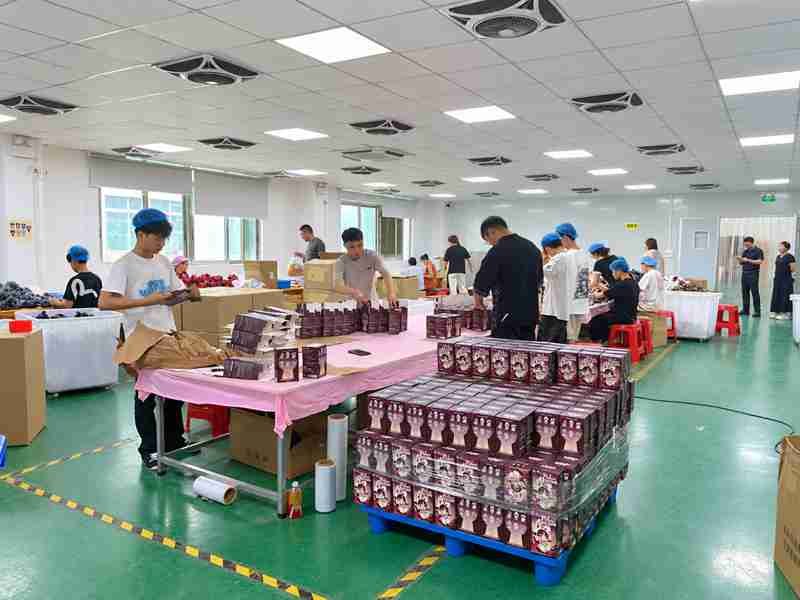
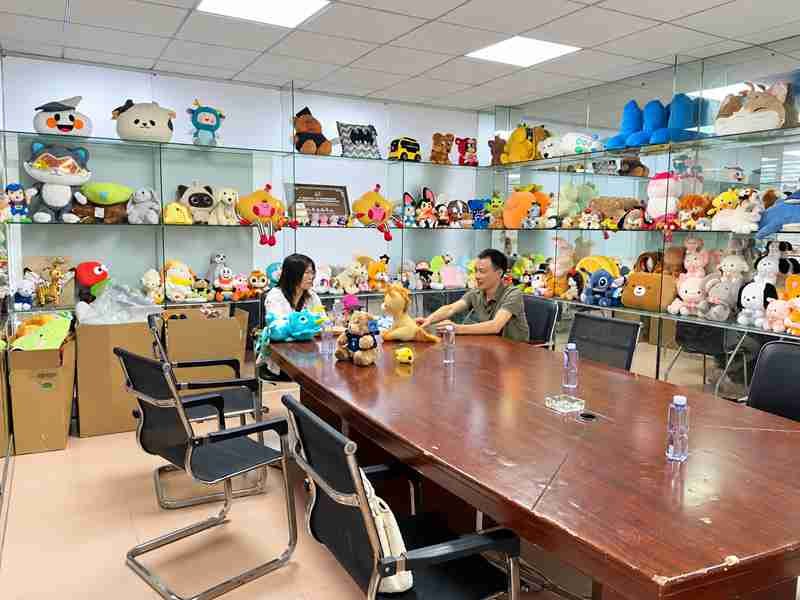
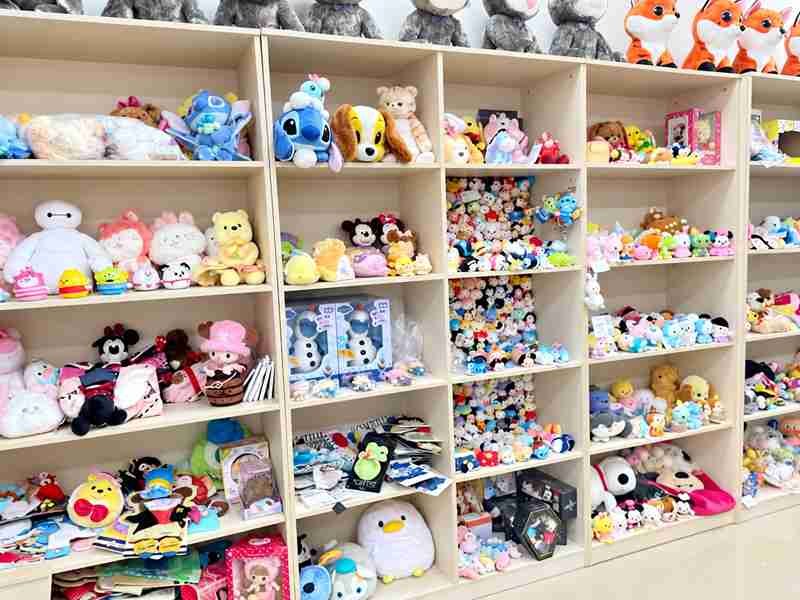
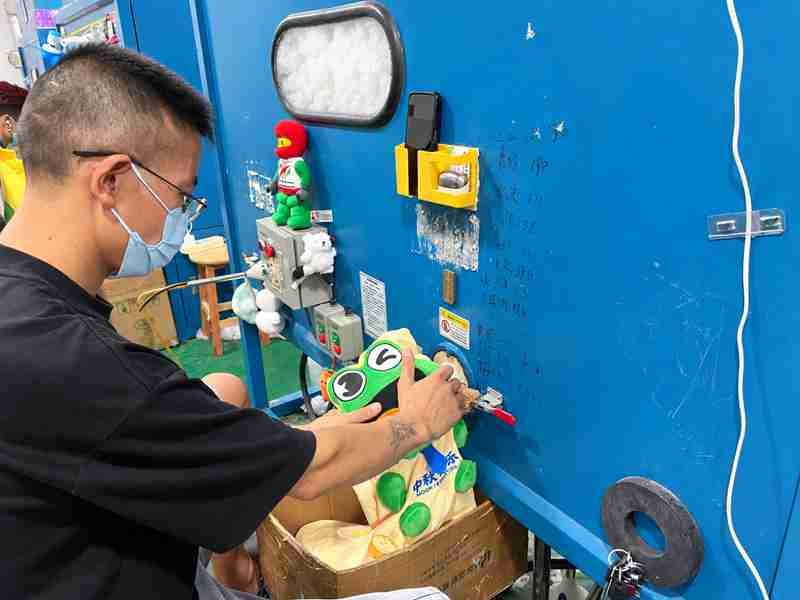
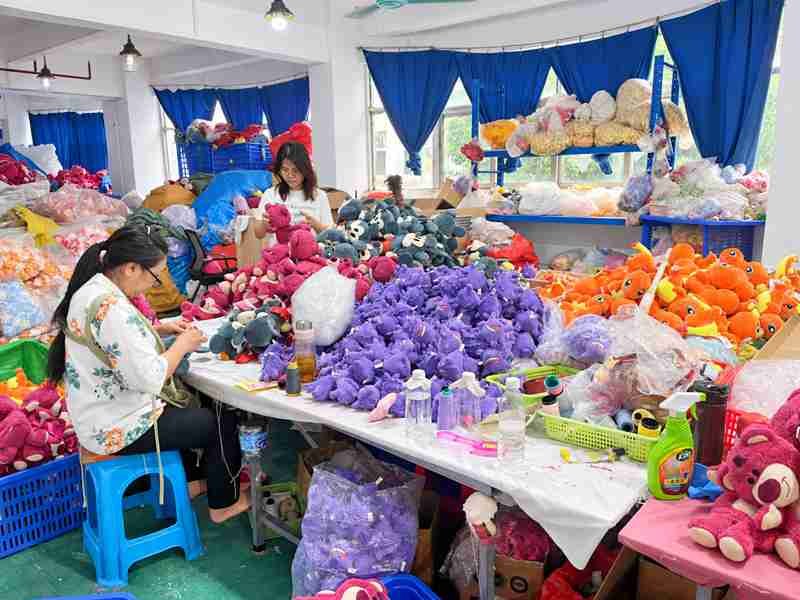
At Ewintoys, every plush project follows a structured development and production process, from initial design review and pattern making to sampling, mass production, quality inspection, and final delivery. Our real factory images provide a transparent view of how ideas are transformed into high-quality plush products through professional craftsmanship, engineering control, and careful production management.




























Product Changes Can Trigger Compliance Re-Evaluation
Material Changes Need More Than Visual Approval
Changing fabric supplier, pile construction, dye, coating, print chemistry, PU, PVC, soft plastic, adhesive, thread, or other material can affect chemical, flammability, appearance, and performance evidence. “Same color” or “same handfeel” does not prove the same compliance profile.
Impact questions: Is the material accessible? Did composition or supplier change? Does an existing report cover the new material or color? Does the change affect EN 71-3, REACH, CPSIA chemical rules, flammability, or a brand RSL?
Decision options: Reuse evidence with documented justification, run targeted material testing, submit a new representative sample, or reject the substitution.
Ewin action: Material change requests should identify old and new Material IDs, supplier, composition, color, affected SKUs, and applicable reports before purchasing uses the alternative in bulk production.
Component Changes Can Affect Several Safety Areas at Once
Replacing an eye, magnet, keyring, molded face, battery, speaker, switch, chain, or other component can change material chemistry, dimensions, detachment risk, small-parts status, sharp points, magnet safety, electrical function, or package warnings.
Impact questions: Is fixing different? Is the component larger, smaller, stronger, coated, plasticized, electronic, or accessible after foreseeable abuse? Does the existing test sample contain the new part?
Decision options: Engineering review, pull/torque or internal pre-check, targeted chemical or mechanical testing, electrical review, or full product retest depending on the risk.
Ewin action: Keep Part ID, material, dimensions, supplier, fixing method, and revision in the BOM. A substitute should become a controlled product change, not a purchasing decision made after testing.
Construction Changes Can Alter the Tested Risk Profile
Pattern revisions, seam changes, new openings, different stuffing, altered internal bags, relocated magnets, component cavities, reinforced loops, modified battery access, or clothing changes can affect mechanical performance and what becomes accessible after use-and-abuse testing.
Impact questions: Does the change alter attachment strength, small-parts release, sharp edges, battery access, filling containment, flammability exposure, or the ability to inspect the product?
Decision options: Internal engineering validation, PP sample review, targeted physical testing, laboratory consultation, or new formal testing where the change affects applicable safety clauses.
Ewin action: Major construction changes should update the pattern or engineering revision and be assessed against the compliance record before bulk release. Golden Sample, BOM, report status, and QC Plan must remain aligned with the approved new structure.
Market or Age Changes Can Create a New Compliance Route
A product developed for one market or age group may not be covered when the commercial plan changes. Moving from EU to USA, adding Japan under-3 sales, changing a 6+ toy to under 3, or repositioning an adult collectible as a children’s toy can trigger new standards, labels, documents, testing, or responsible-party obligations.
Impact questions: Which new law applies? Does the existing laboratory report use the required standard edition? Are age warnings and small-parts assumptions still valid? Does the product need CPC, CE/DoC, KC, Child PSC, or another market process?
Decision options: Requirement remapping, new test plan, new labels, new market documents, and possibly product redesign.
Ewin action: Treat target-market and age changes as formal compliance changes. Update the Market List, Age Grade, Applicable Requirements, Test Status, and Label Approval before the product is released for the new destination.
Plush Safety Frequently Asked Questions
It depends on target market, intended age, product classification, materials, components, functions, and current legal requirements. Ewin reviews those inputs before defining the testing route.
No. ASTM F963 is a toy safety technical standard. CPSIA and CPSC rules form the wider U.S. children’s-product regulatory framework that can add testing and documentation obligations.
The legally responsible manufacturer or U.S. importer issues the CPC based on applicable compliant test evidence. Ewin can provide test reports and product data for CPC preparation.
EN 71-1 addresses mechanical/physical safety, EN 71-2 flammability, and EN 71-3 migration of certain elements. Other EN 71 parts apply only when product functions trigger them.
No. REACH is an EU chemical regulatory framework. Material compliance may involve Annex XVII restrictions, SVHC information, supplier declarations, laboratory testing, and brand-specific Restricted Substances Lists.
No. CE is a product conformity mark. Laboratory reports can support the technical documentation, while the responsible economic operator completes the required conformity assessment and Declaration of Conformity.
Sometimes, where the laboratory and compliance strategy accept representative or worst-case grouping. Material, color, structure, component, and function differences must be reviewed before sharing evidence across SKUs.
Retesting or targeted review may be needed when supplier, composition, colorant, coating, soft plastic, print, or other material changes affect the original report’s representativeness or applicable requirements.
Yes. Ewin can support third-party laboratory coordination, sample preparation, BOM/material information, and report-version traceability according to the target market and project testing scope.
Send target markets, intended age, product type, size, artwork or sample, materials, components, magnets/electronics, SKU count, packaging, existing reports, retailer protocols, and target launch date.