
Custom Plush Manufacturing FAQ Club
Get clear answers before you commit to a custom plush project. Ewin Toys helps buyers understand the key decisions that affect development risk, budget, timing and production readiness—so you can evaluate your project with greater confidence before sampling or ordering.
MOQ & Quantity Planning | Sampling & Revisions | Artwork Requirements | Cost Drivers | OEM / ODM Workflow | Compliance Support | Packaging Options | Global Shipping
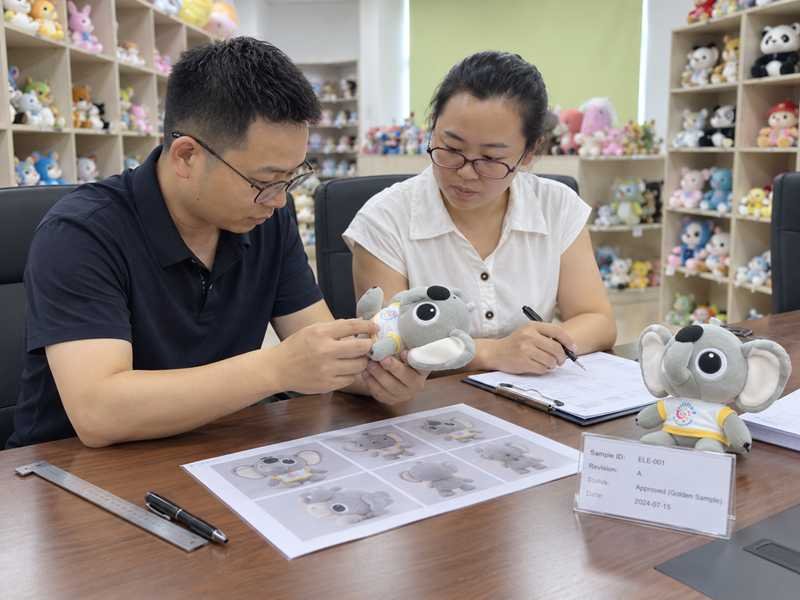
Is Ewin Toys the Right Manufacturing Partner for Your Program?
Ewin Toys is best suited to commercial plush programs that require more than basic cut-and-sew production. We work with brands and product teams that need character interpretation, pattern engineering, material and component development, structured sampling, controlled mass production, quality management, compliance coordination, branded packaging, multi-SKU execution, and reliable repeat manufacturing.
Projects That Fit Ewin Toys
Ewin Toys is well aligned with licensed character plush, mascot plush, game and entertainment merchandise, collectible plush, blind-box and mini plush, plush keychains and bag charms, weighted plush, hybrid soft-hard products, interactive plush, retail-ready collections, and multi-SKU programs.
The strongest fit is usually a project with original or properly authorized artwork, a clear commercial purpose, realistic production requirements, defined approval responsibilities, an identifiable target market, and the potential to progress from development into repeatable manufacturing.
Projects Outside Our Main Service Scope
Ewin Toys is not positioned as a one-piece personal gift service, stock-toy wholesaler, or ultra-low-cost promotional supplier focused only on the lowest unit price.
We do not support clearly unauthorized characters, counterfeit branded products, unlicensed logos, or commercial projects where the rights to supplied artwork or IP cannot be reasonably established. Very small personal orders, incomplete requests with insufficient project information, or programs unwilling to define product, quantity, market, approval, or manufacturing requirements may not be the right fit for Ewin Toys.
Trusted by Global Brands and IP Owners
Trusted by brands, IP owners, and creative teams worldwide. Ewintoys helps transform original ideas and characters into high-quality plush products through professional development, manufacturing, and quality control.








Browse Questions by Plush Project Topic
Choose the topic closest to your current decision and move directly to the relevant manufacturing questions.
About & Cooperation
Start here to understand Ewin Toys, manufacturing scope, confidentiality, project fit, OEM, ODM, supplier transfer, and the types of organizations supported.
Product & Design
Use this route for product categories, artwork, character fidelity, size, pattern engineering, IP files, development inputs, and design-to-manufacturing questions.
Materials & Components
Review fabric, trims, decoration, filling, eyes, hardware, magnets, molded parts, weighted systems, and how approved materials are controlled for bulk production.
Functional Plush
Find answers on sound, recording, light, sensors, motors, batteries, existing PCBs, wireless modules, AI-enabled plush, and soft-goods integration responsibilities.
Sampling & Orders
Use this route for V1, revisions, PP, Golden Sample, MOQ, quotation inputs, project timing, order changes, SKU planning, and production-readiness decisions.
Manufacturing & Quality
Review production release, Frozen BOM, first-piece confirmation, multi-SKU separation, IQC, IPQC, FQC, OQC, AQL, defect prevention, and CAPA.
Compliance & Packaging
Find answers about ASTM F963, CPSIA, EN 71, REACH, CE-related documentation, market testing, labels, retail packaging, barcodes, cartons, and compression risk.
Delivery & Programs
Use this route for international delivery, 3PL preparation, split shipment, carton identity, enterprise programs, forecast planning, reorders, supplier transfer, and long-term supply control.





Frequently Asked Question
Company & Factory Frequently Asked Questions
Is Ewin Toys a manufacturer or trading company?
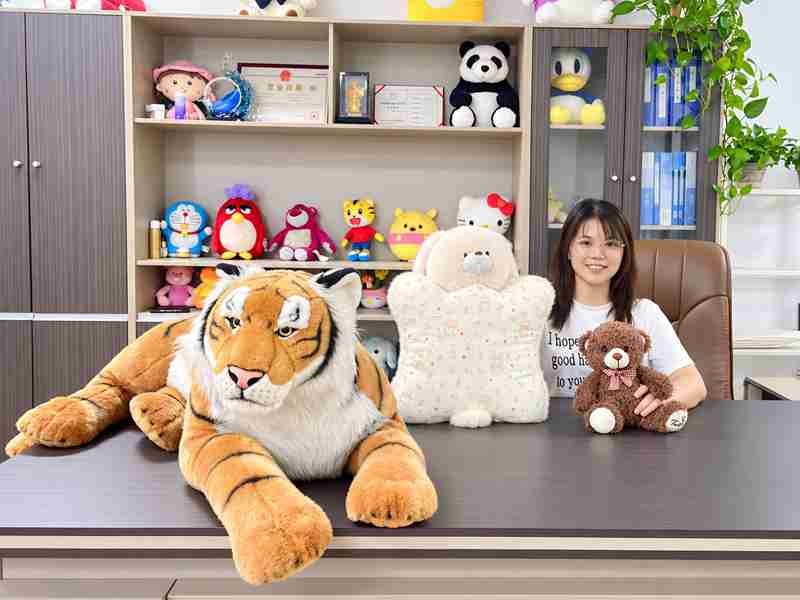
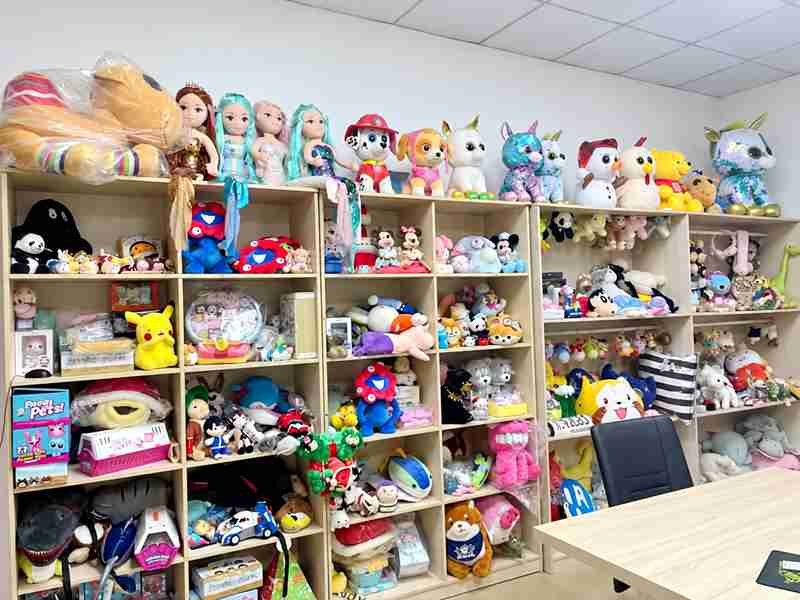
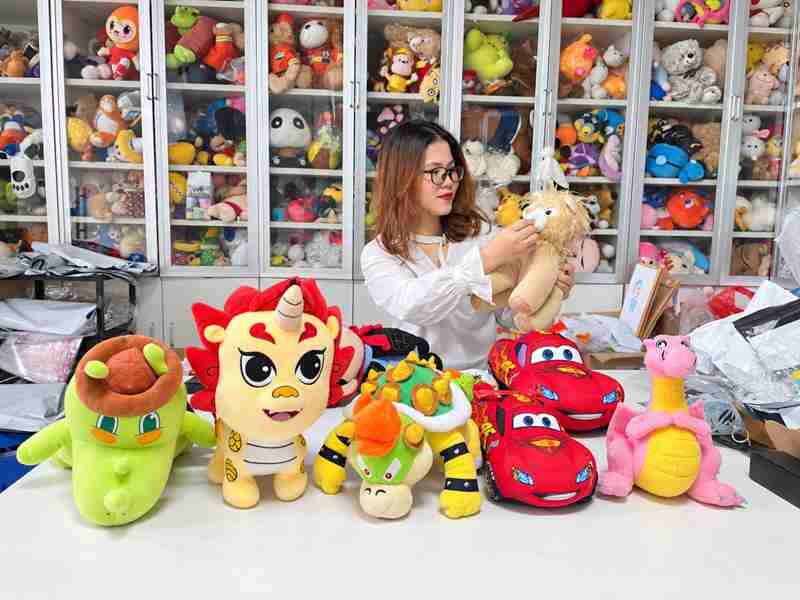
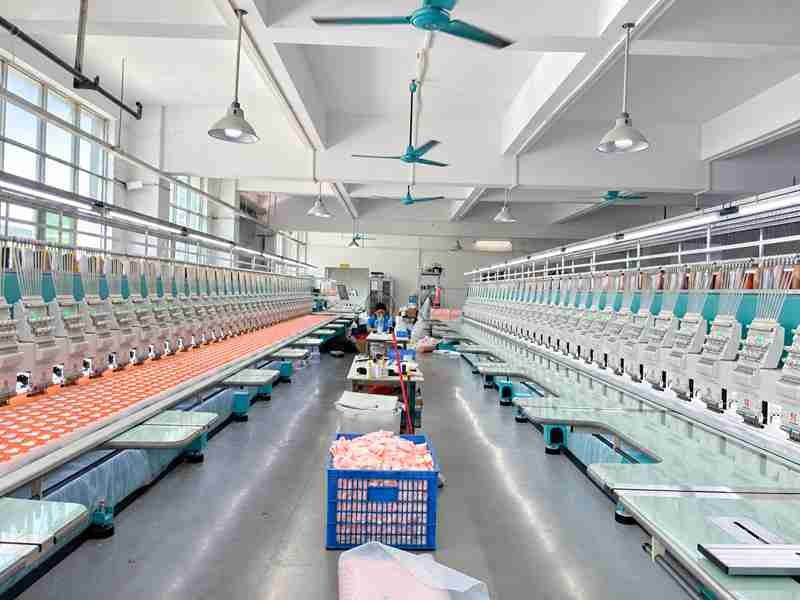
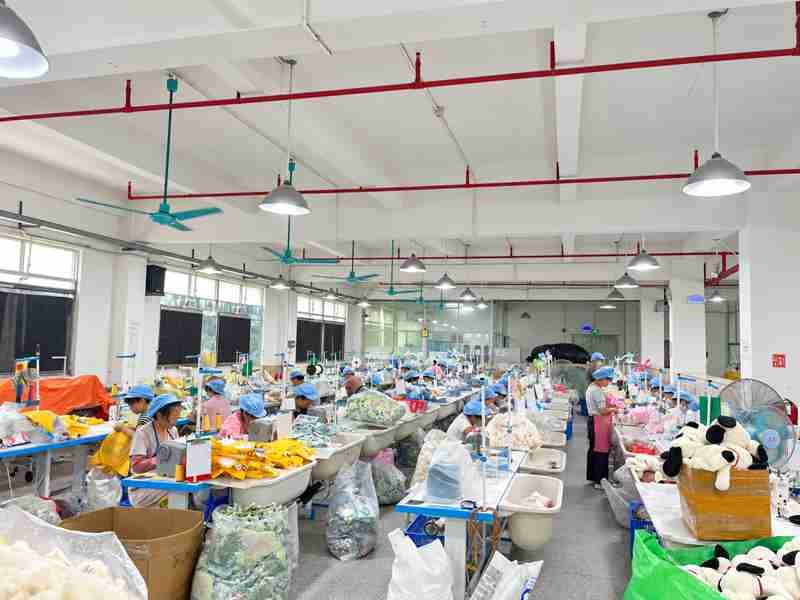
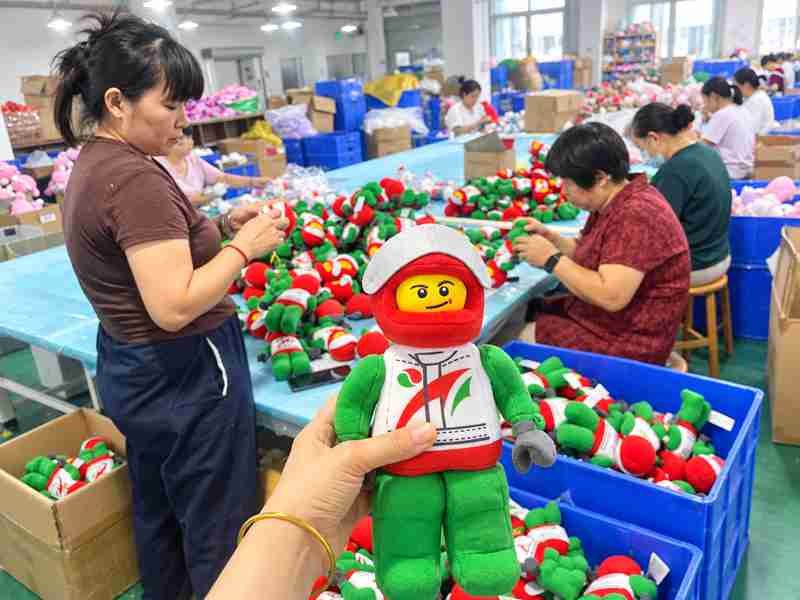
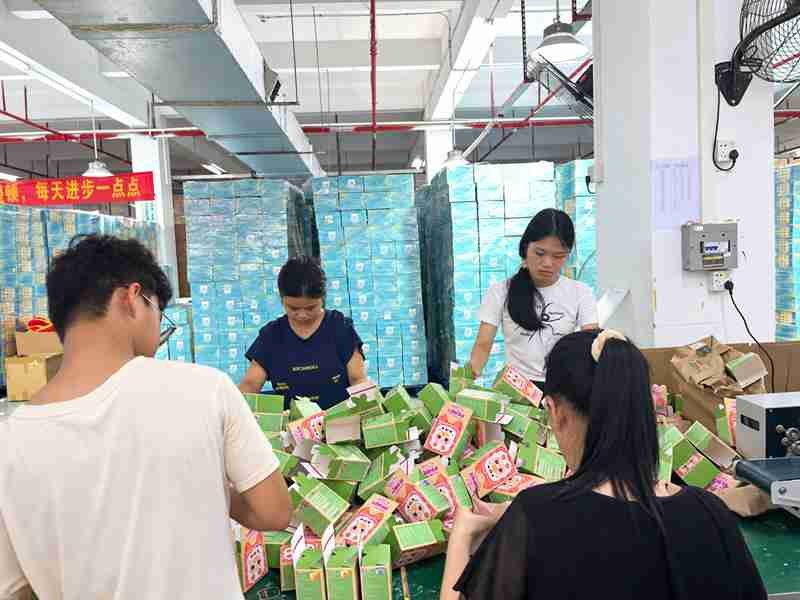
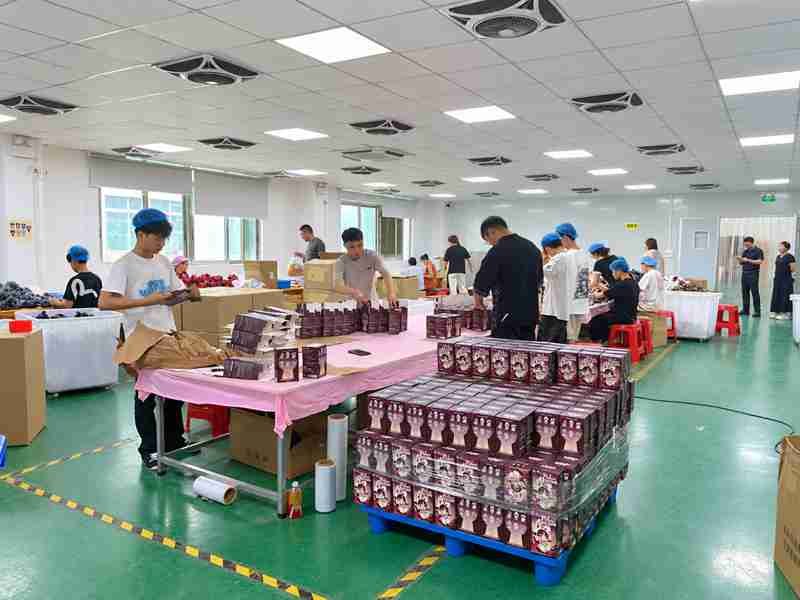
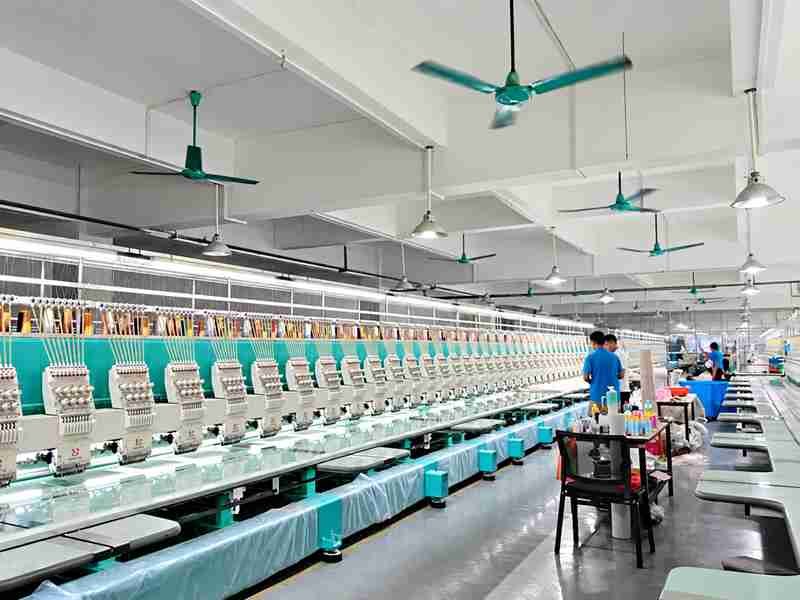
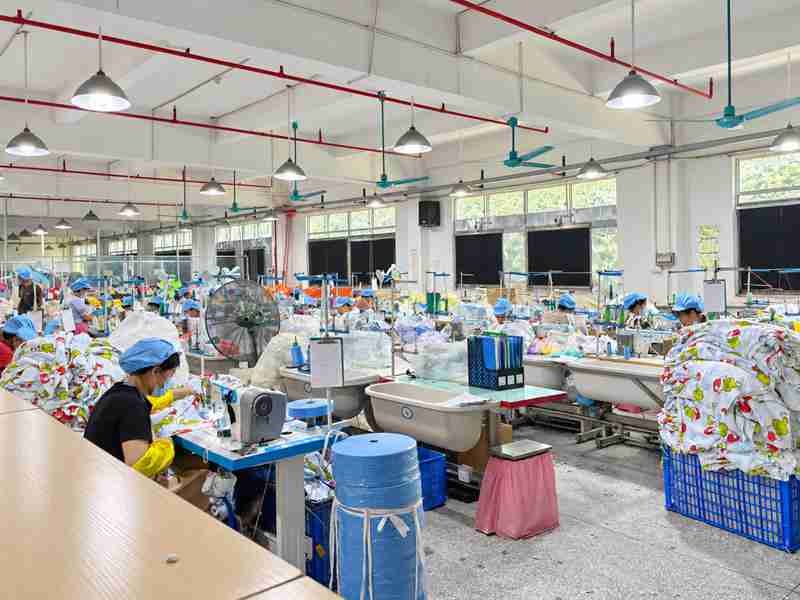
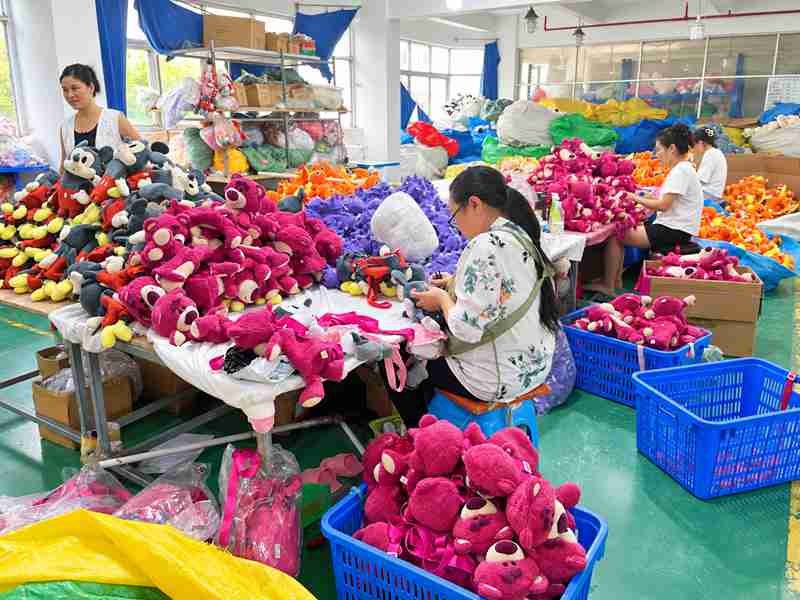
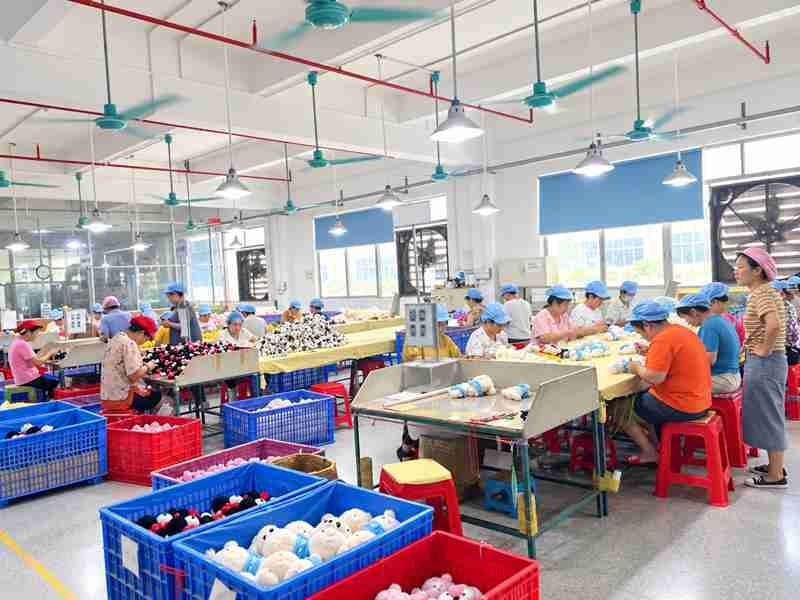
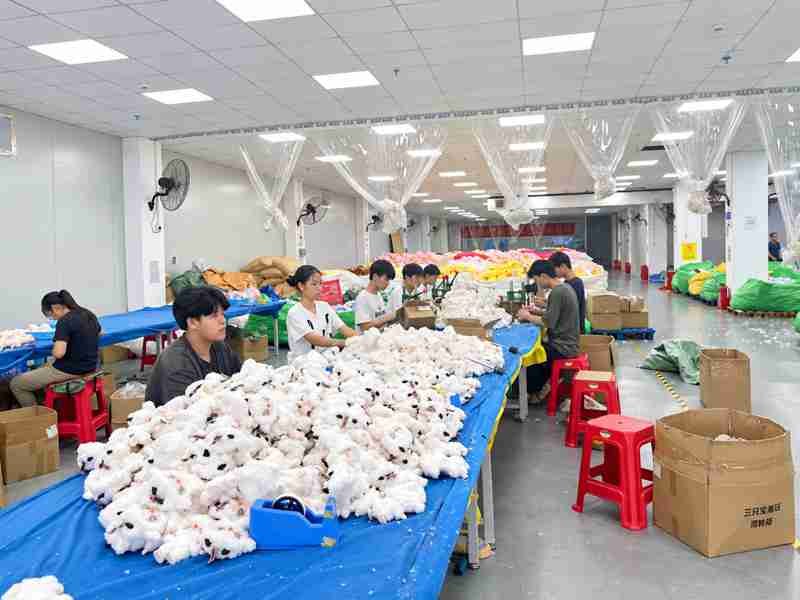
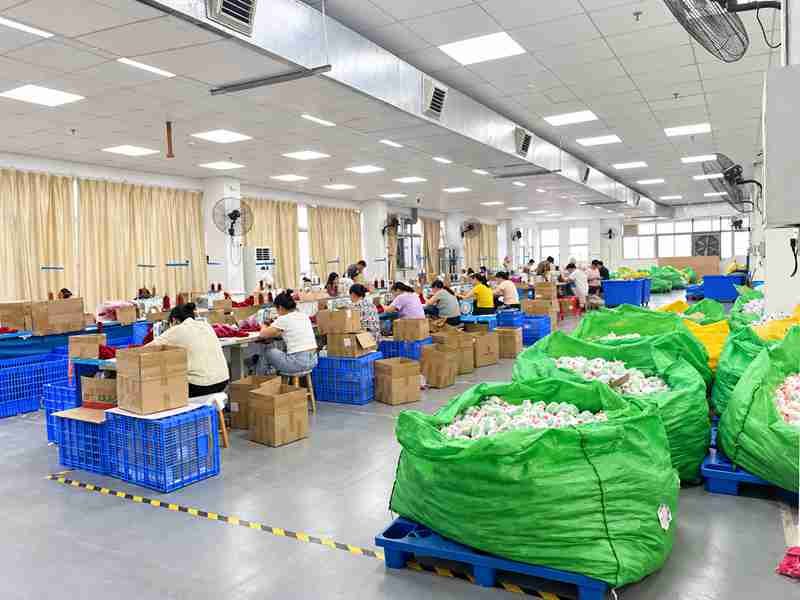
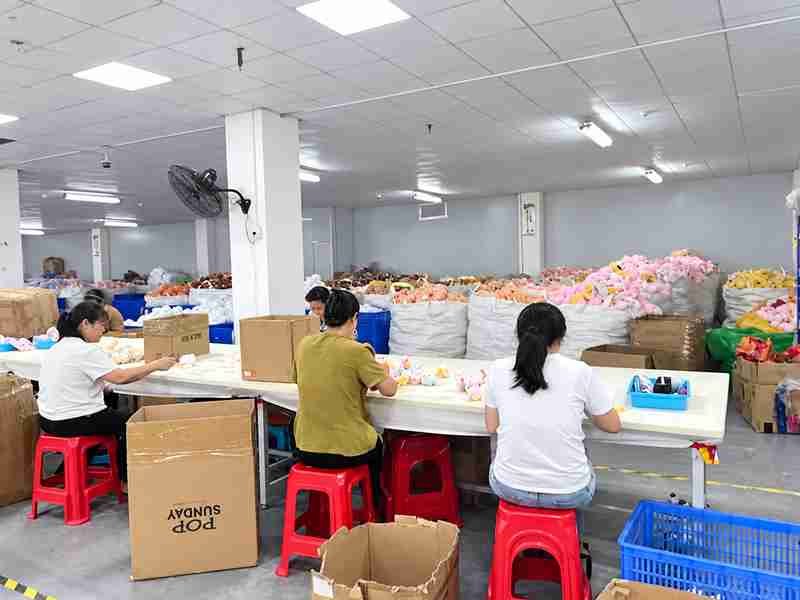
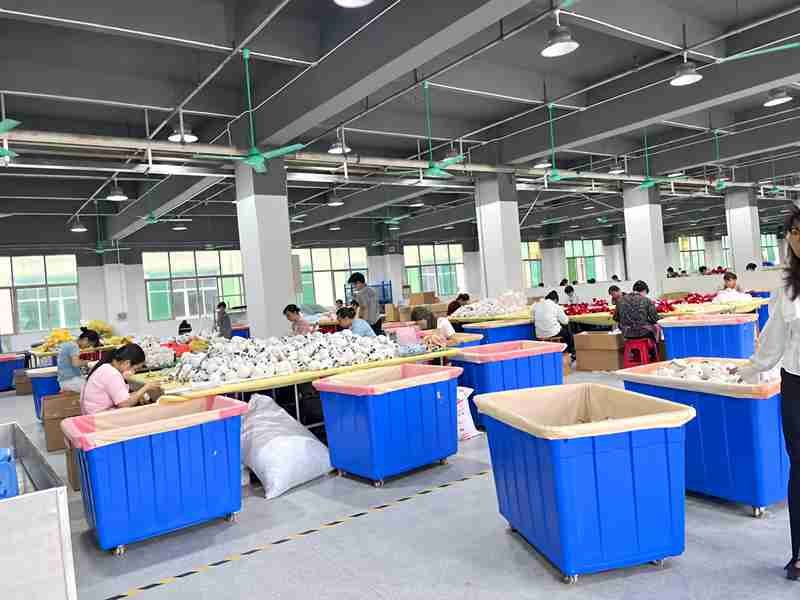
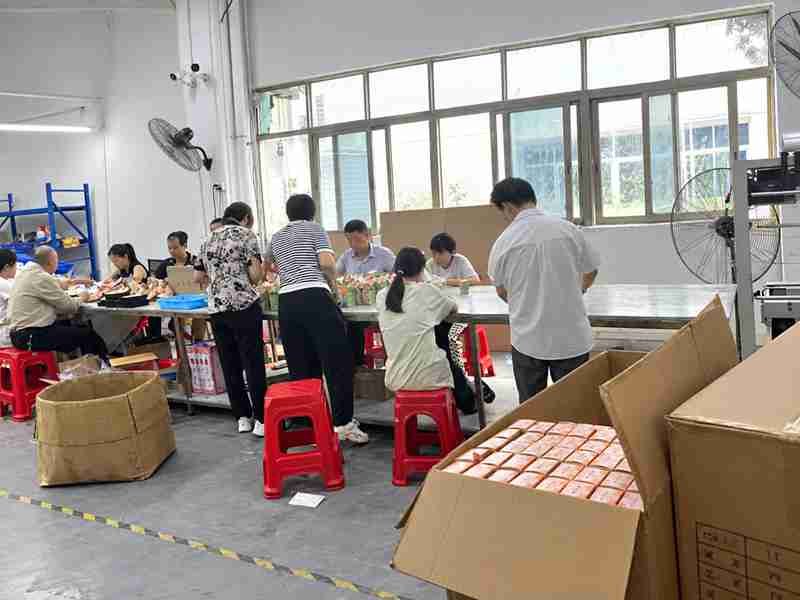
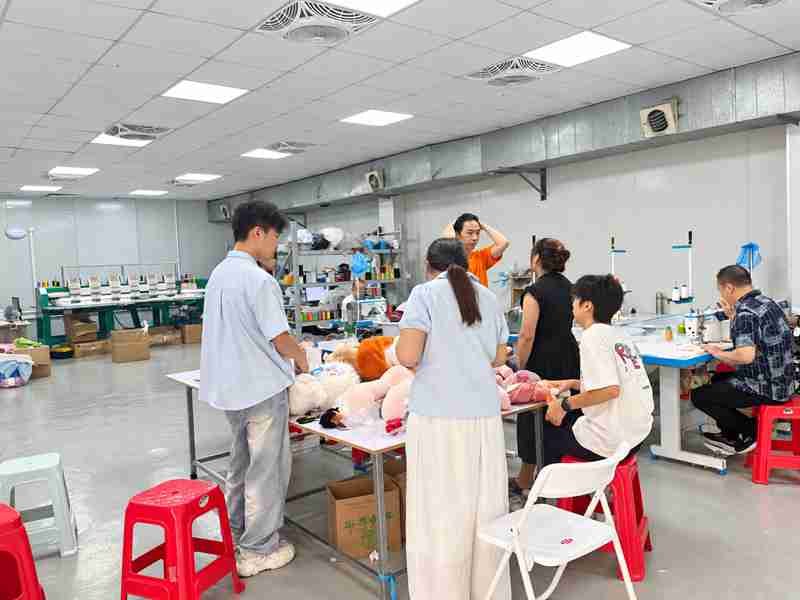
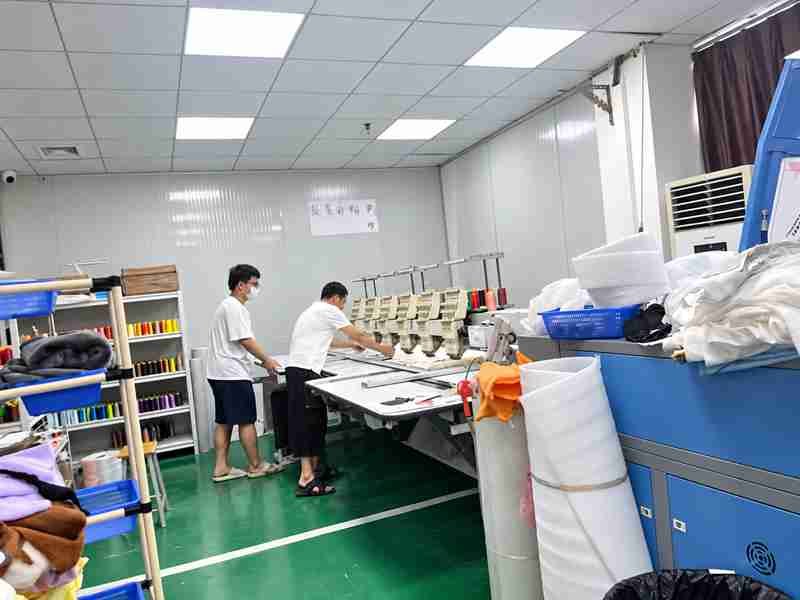
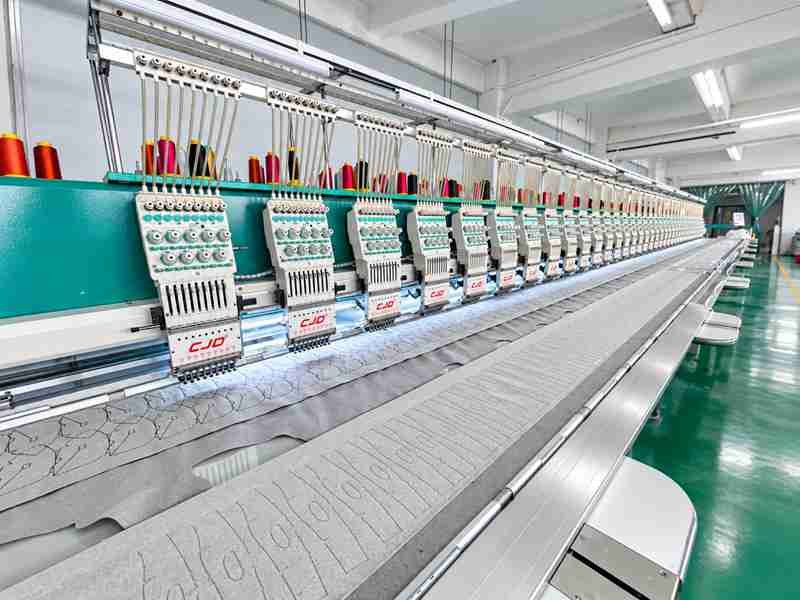
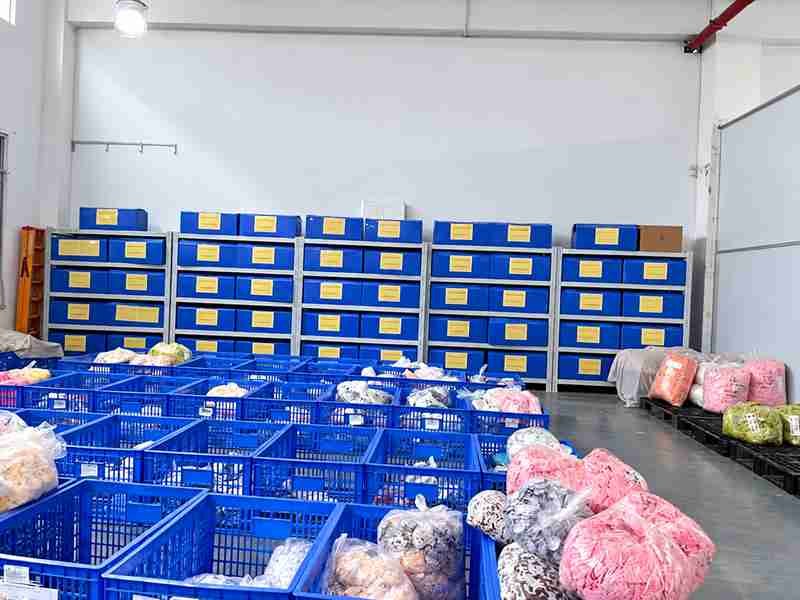
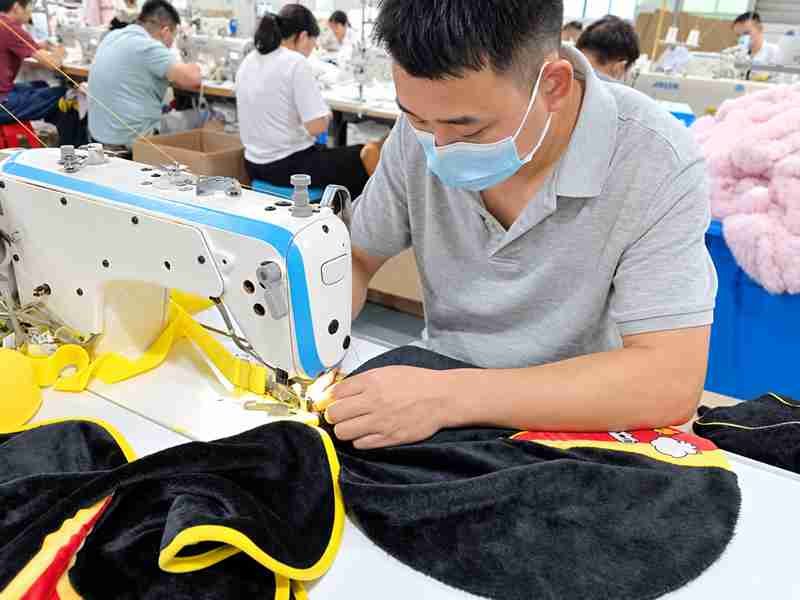
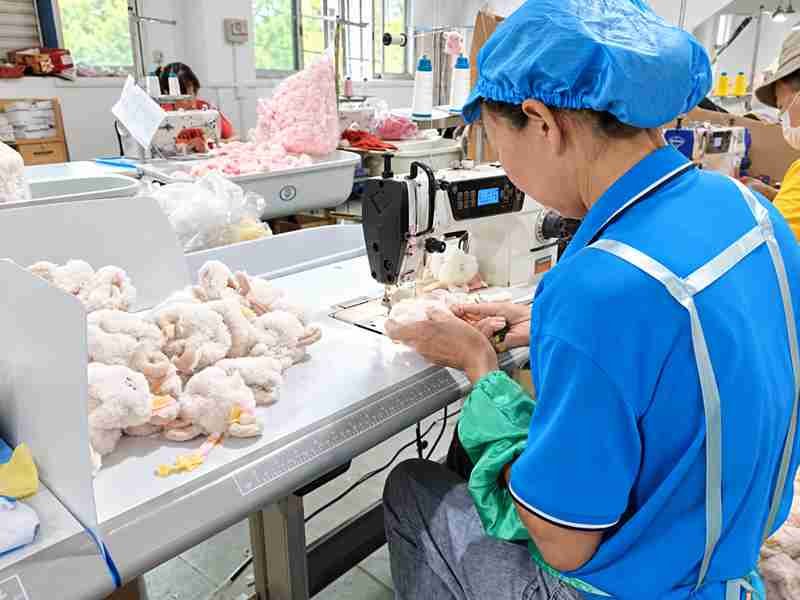
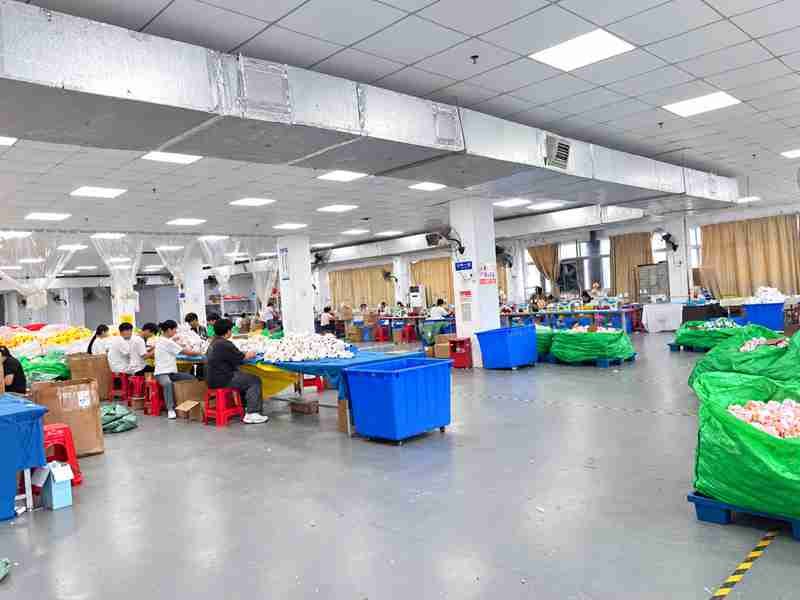
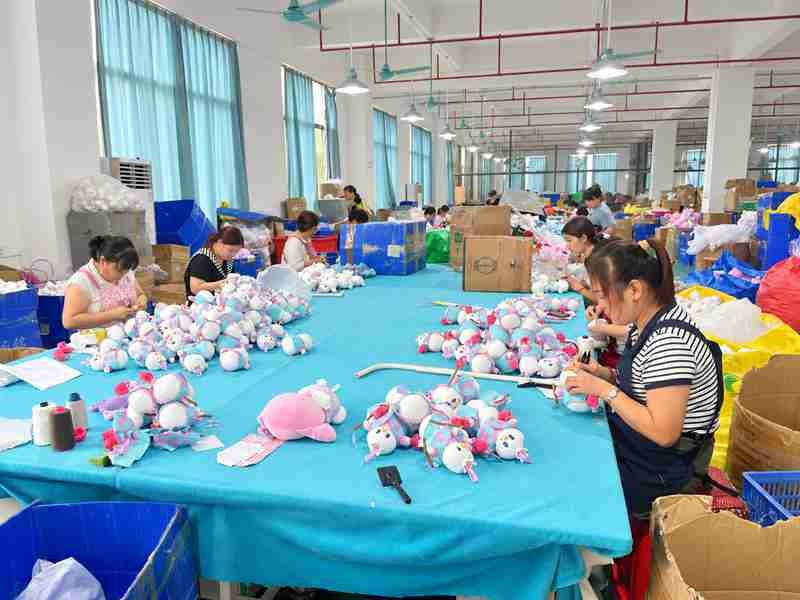
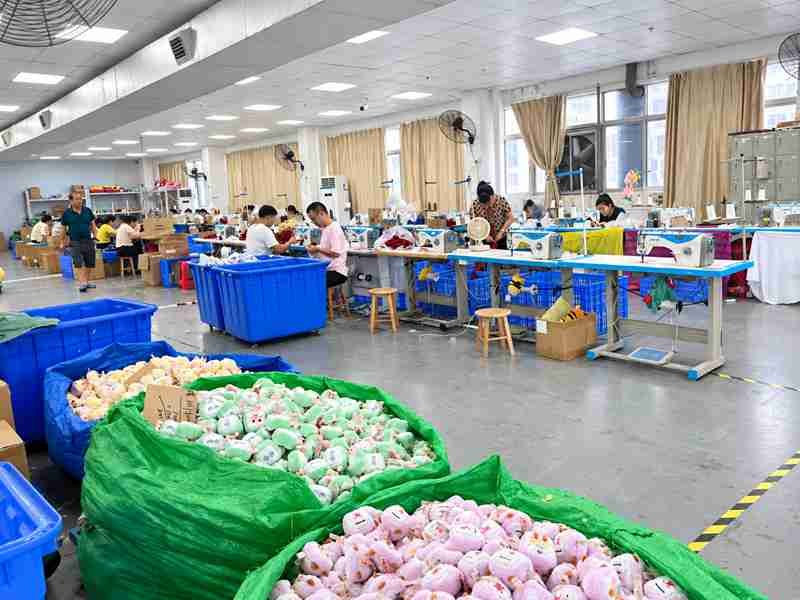
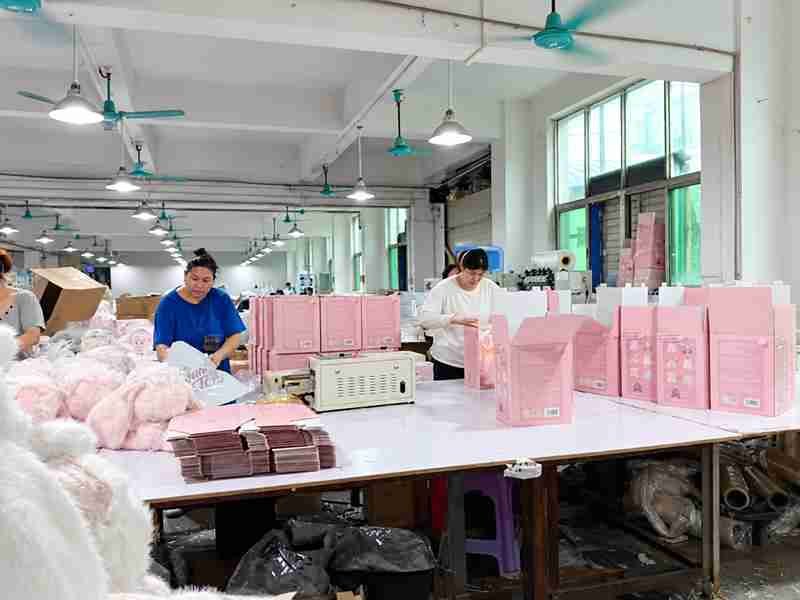
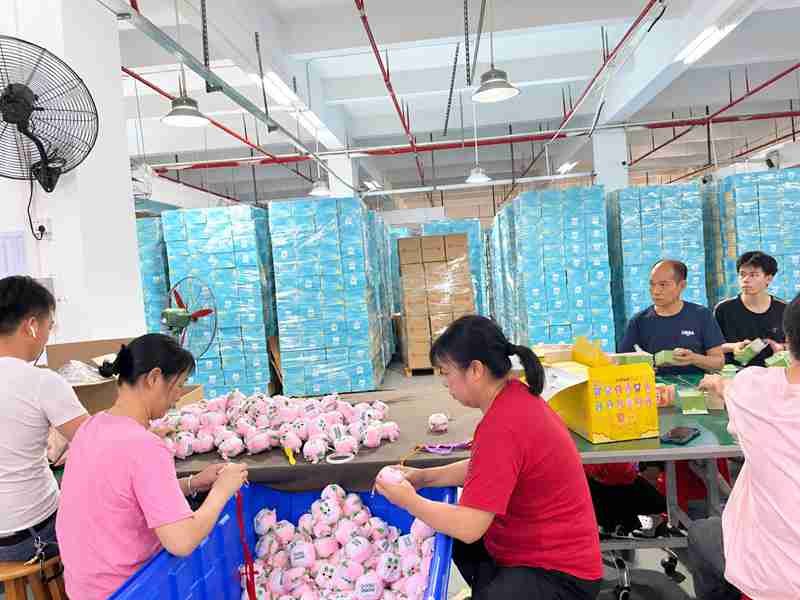
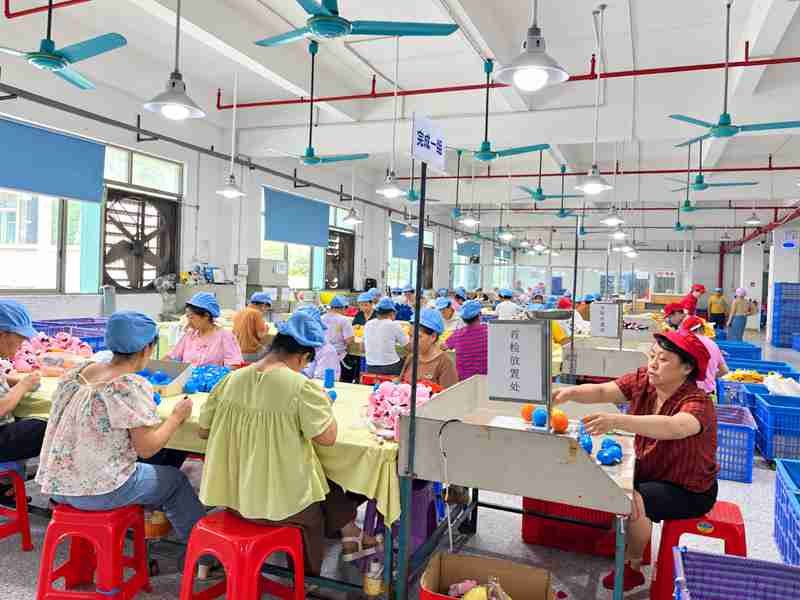
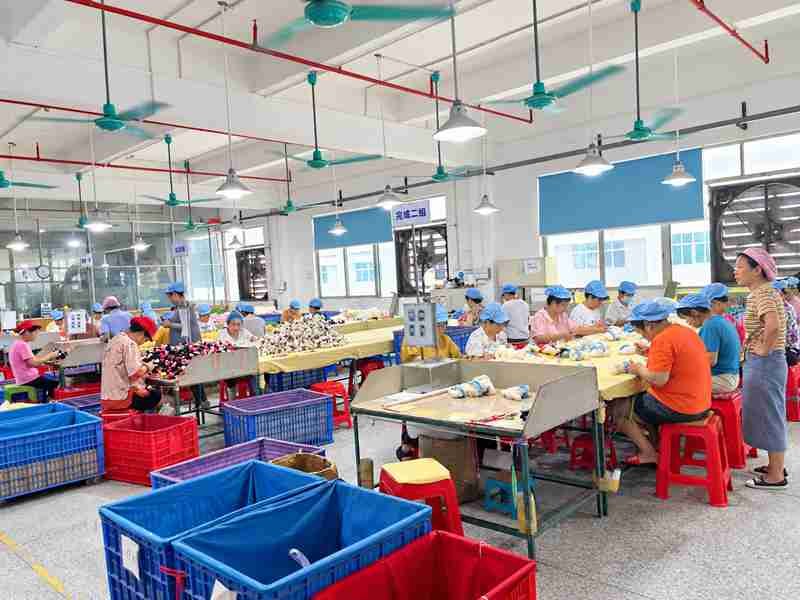
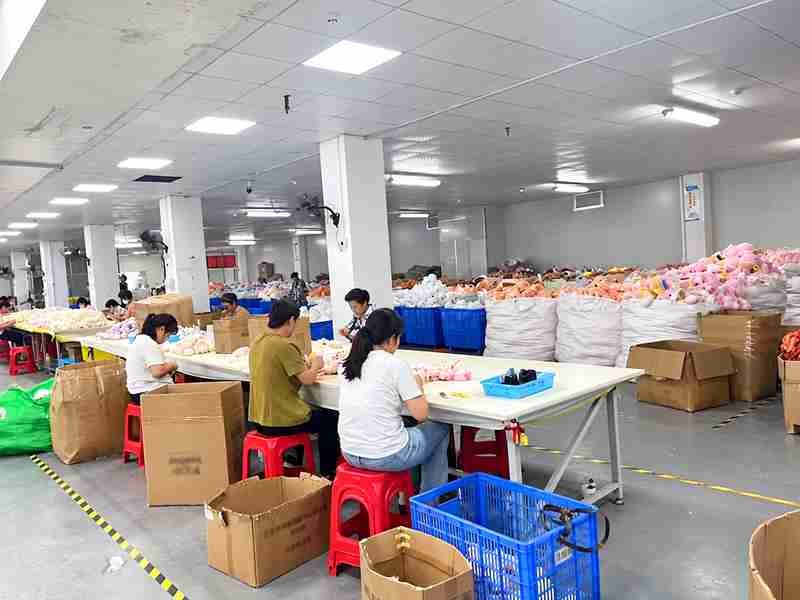
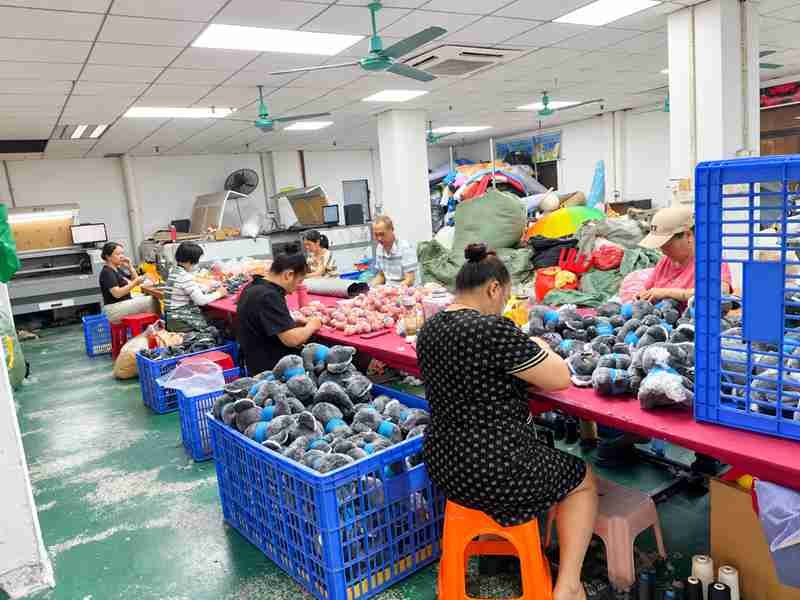
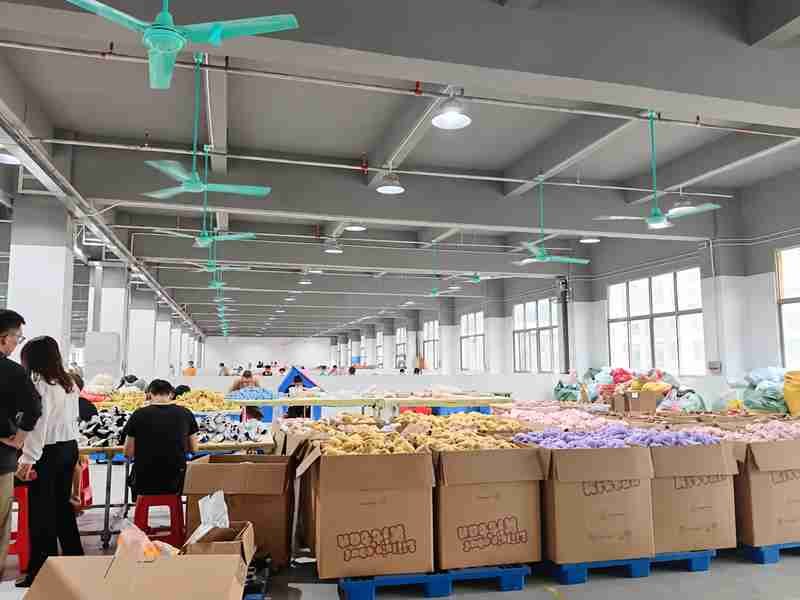
Ewin Toys operates as a plush product development and manufacturing company with integrated development, manufacturing, quality, packaging, warehousing, and delivery functions rather than acting as a pure trading intermediary.
How large is Ewin’s manufacturing system?
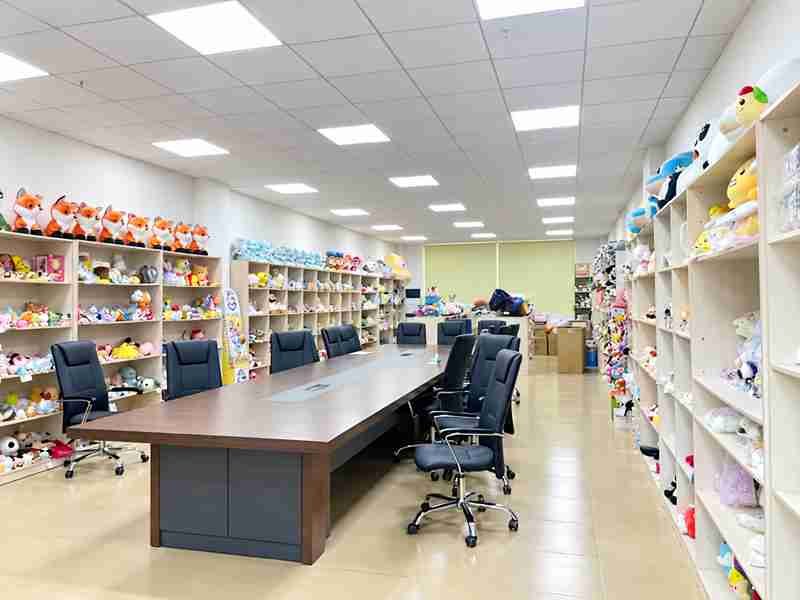
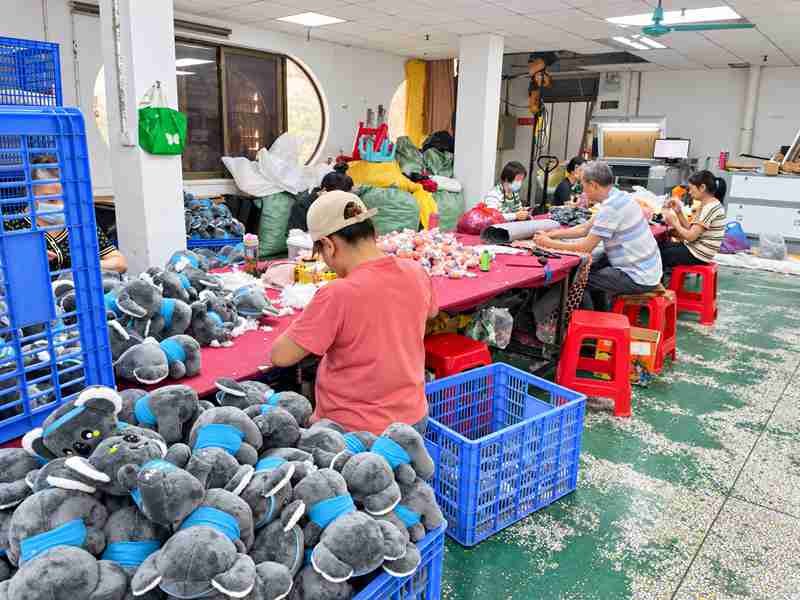
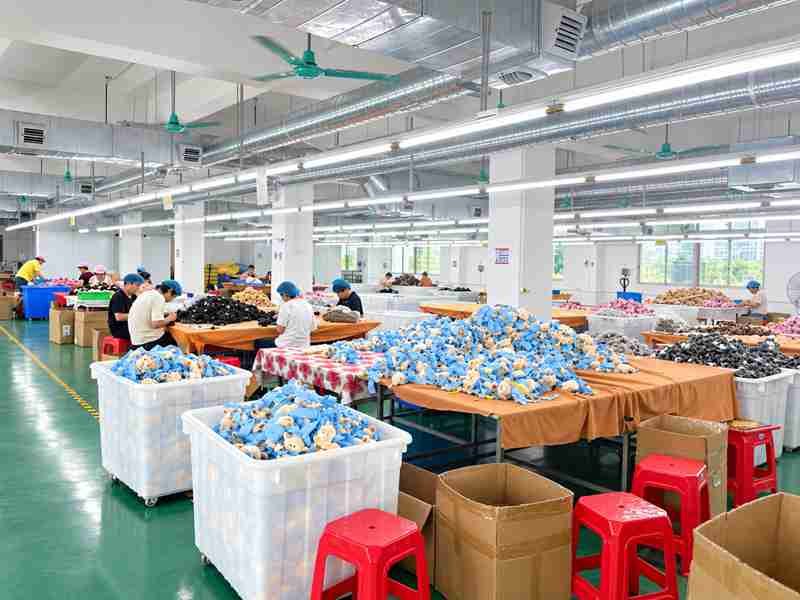
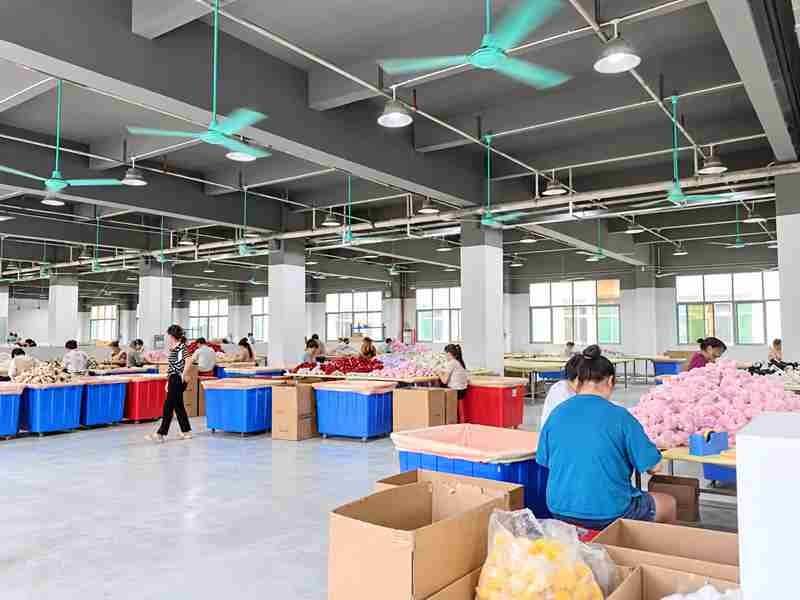
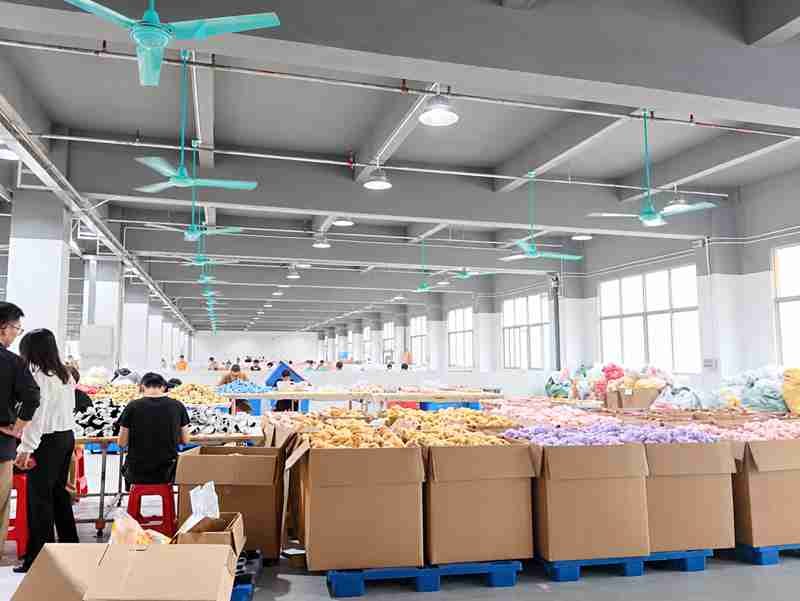
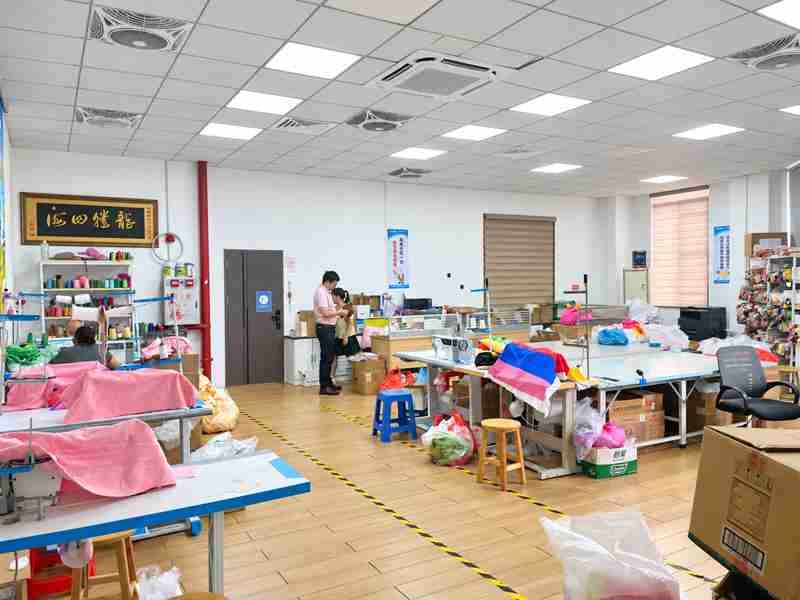
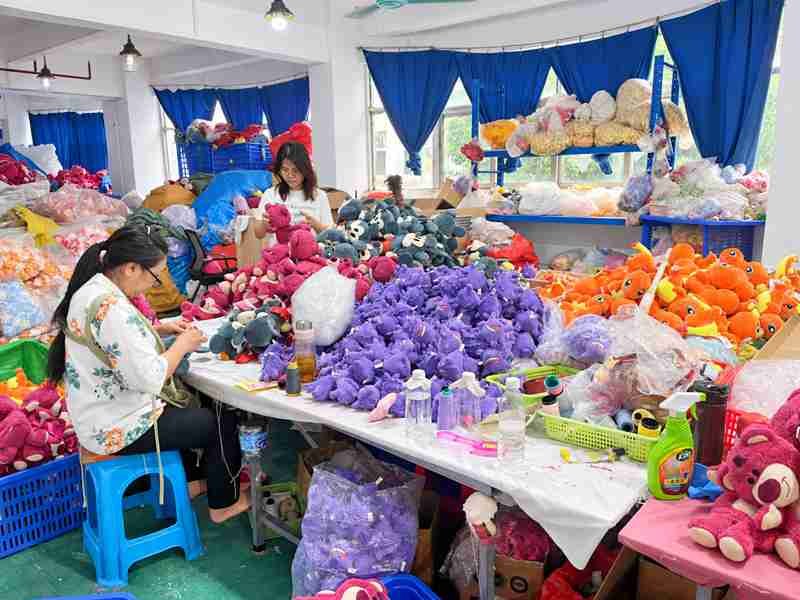
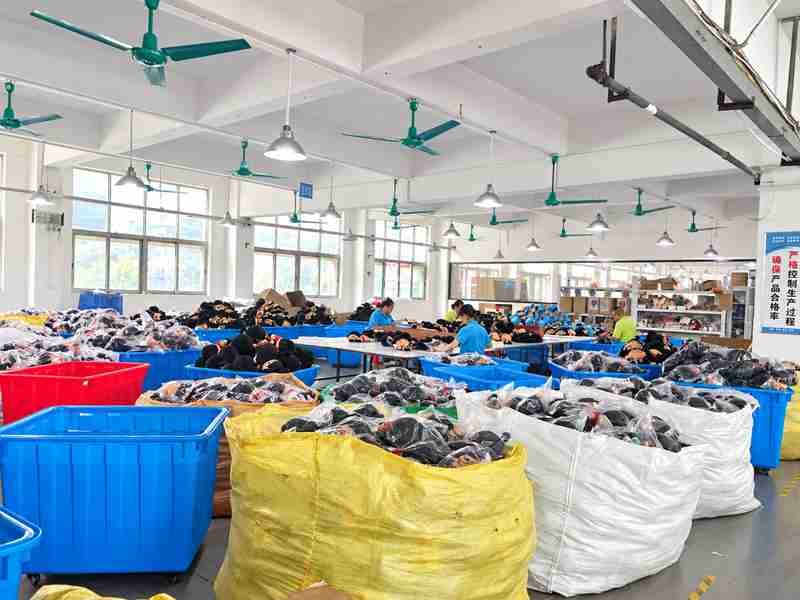
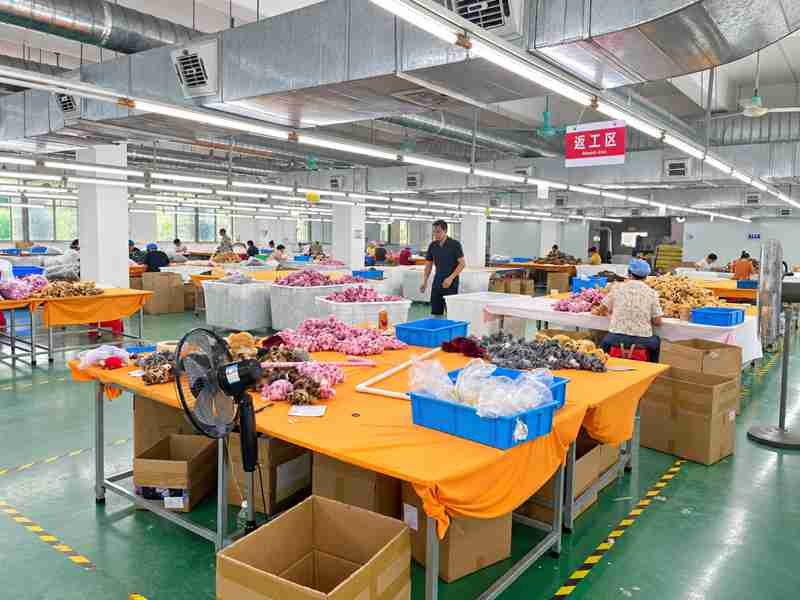
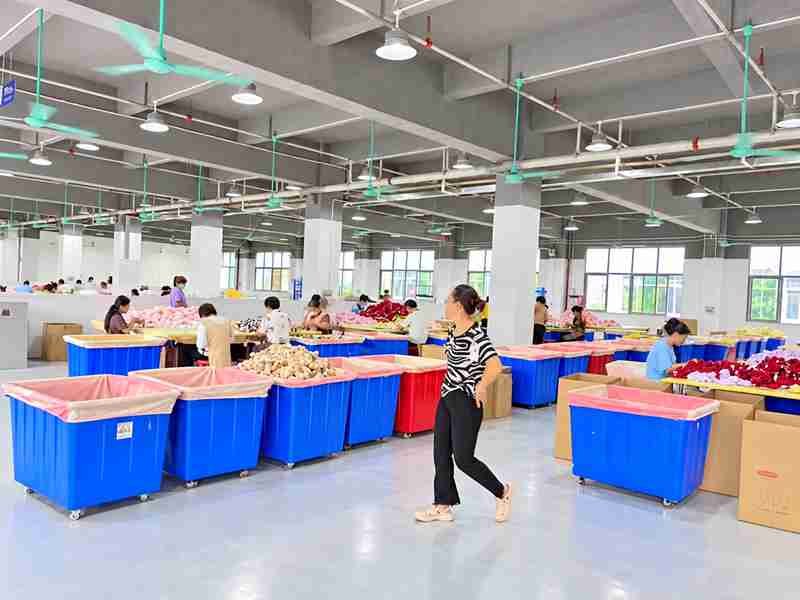
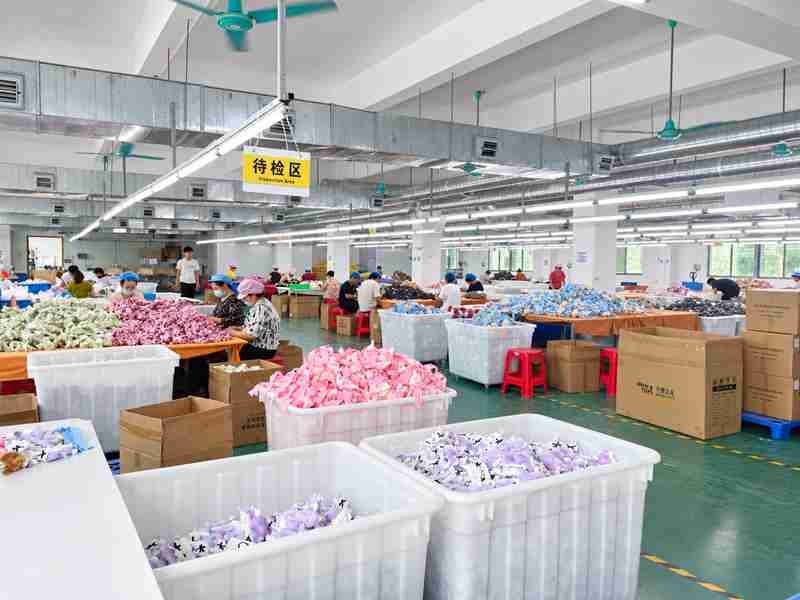
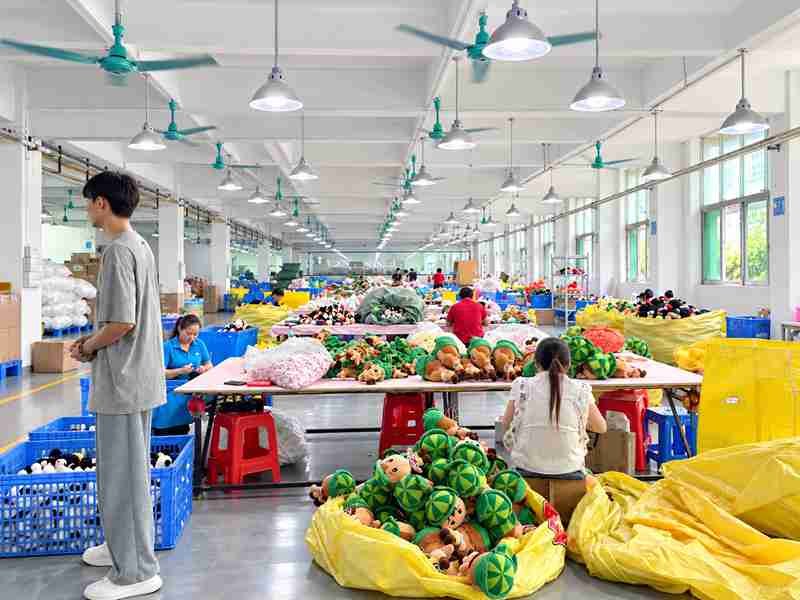
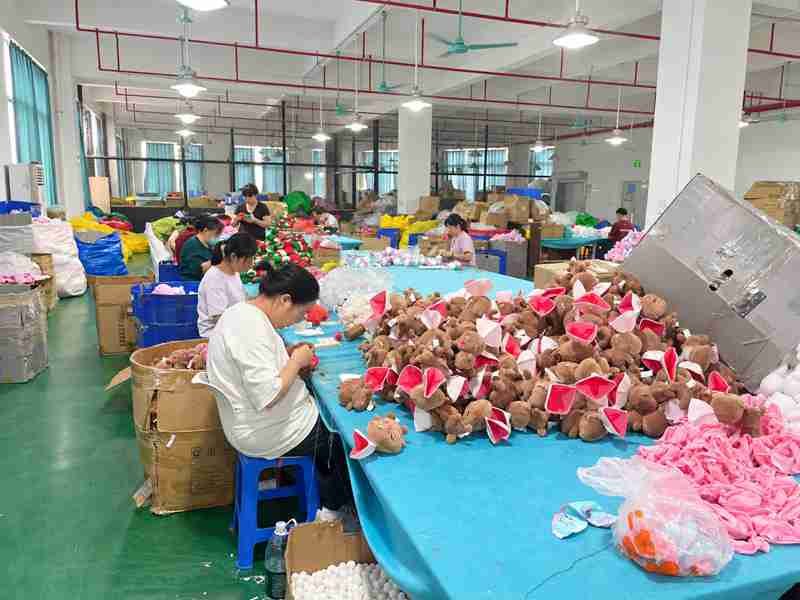
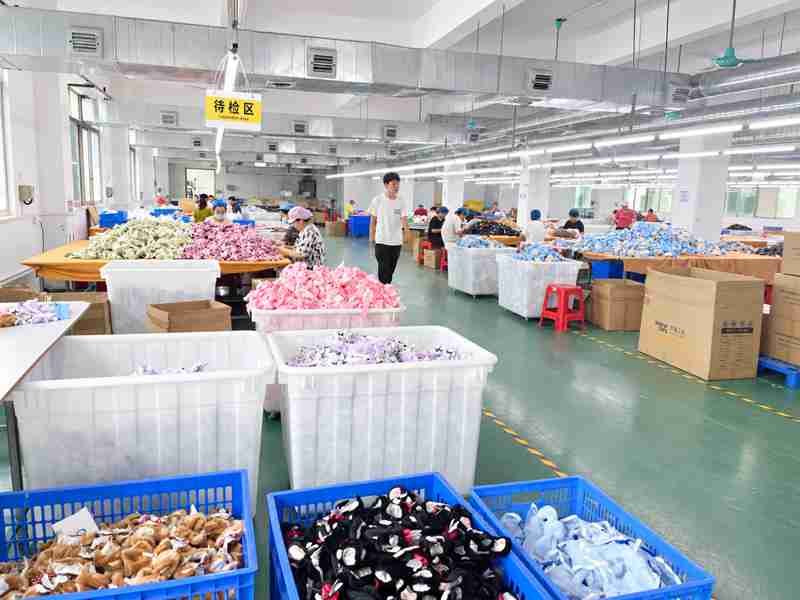
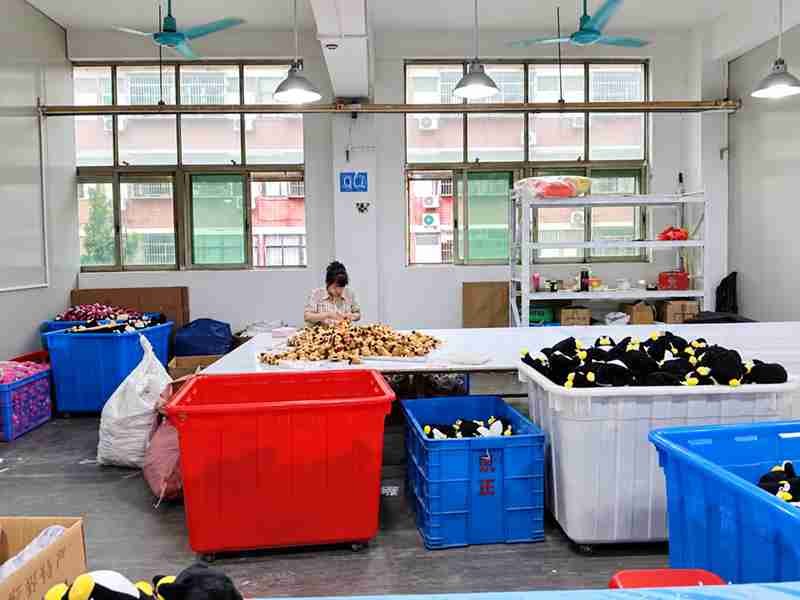
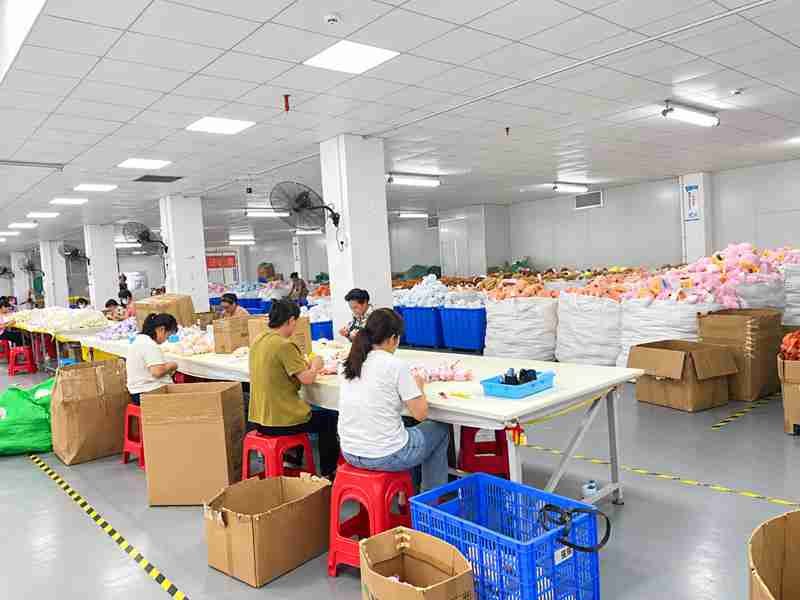
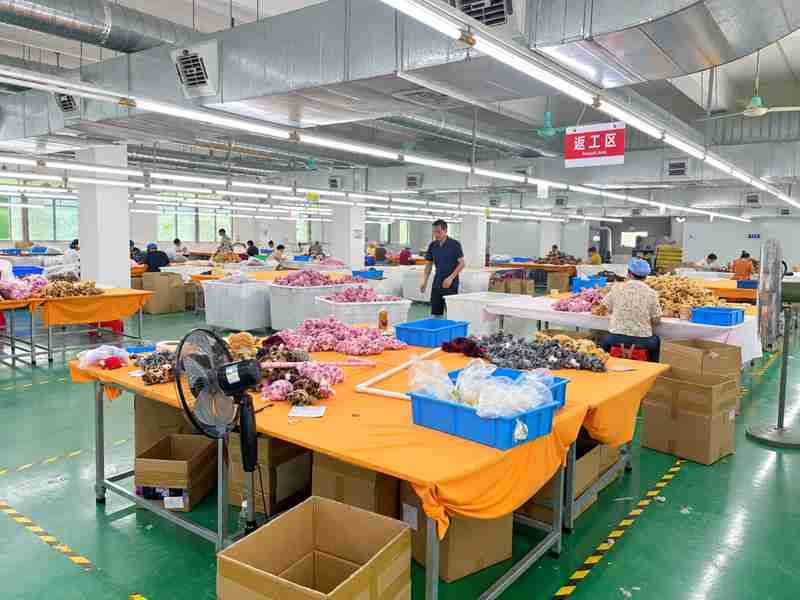
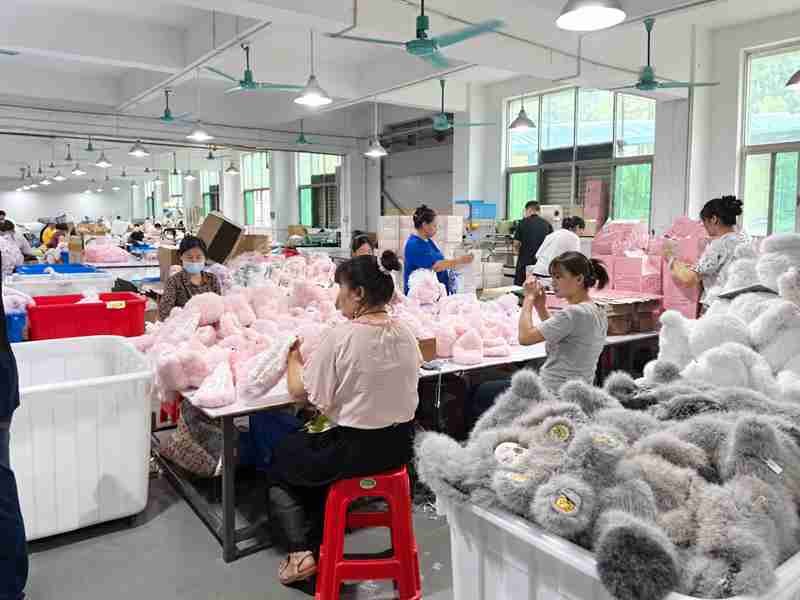
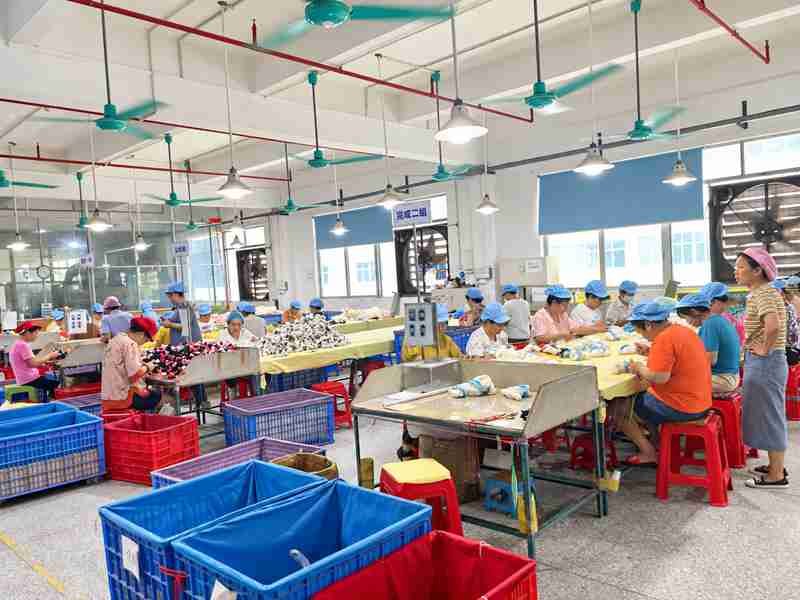
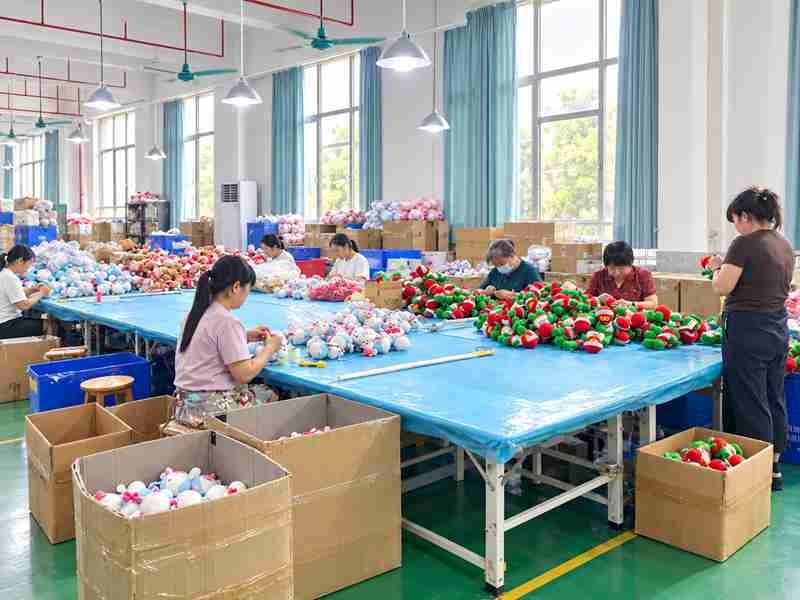
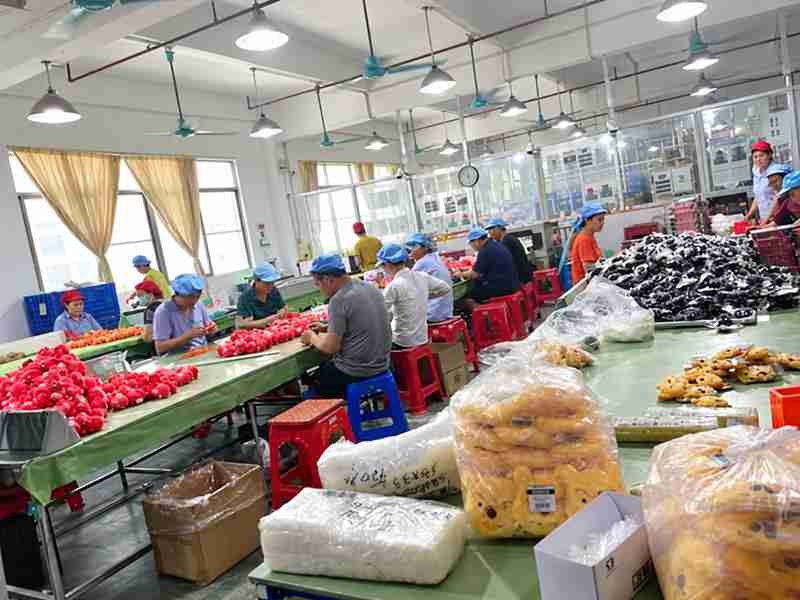
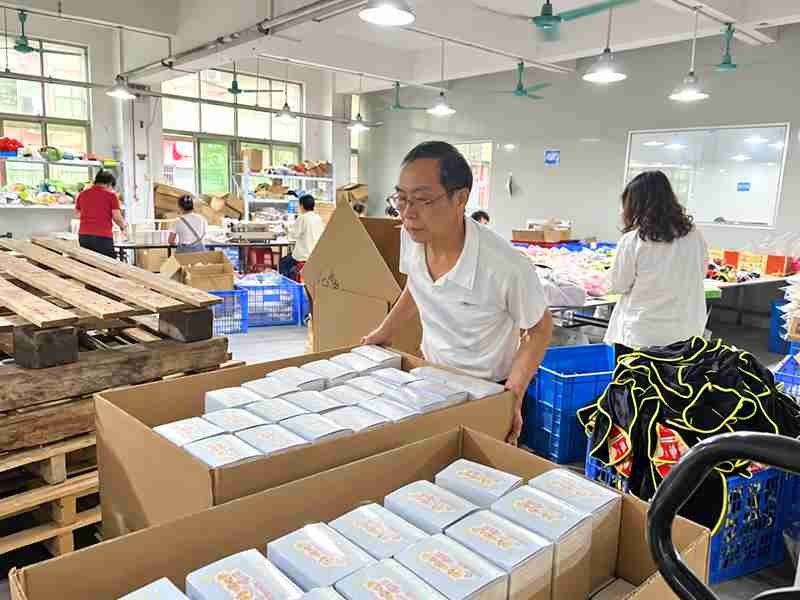
Ewin Toys combines a 95,000+ m² integrated manufacturing system with a 1,900+ workforce supporting development, production, quality control, packaging, warehousing, and delivery across complex plush programs.
Does Ewin have an in-house development team?
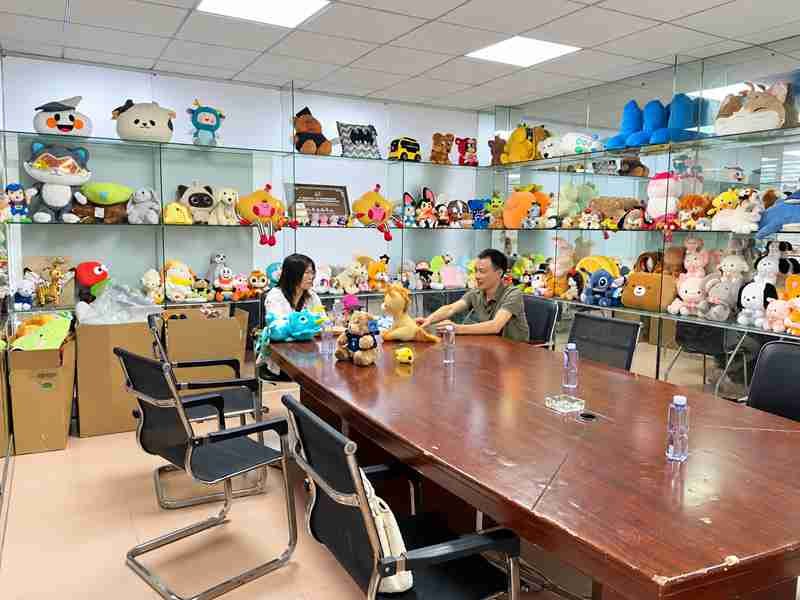
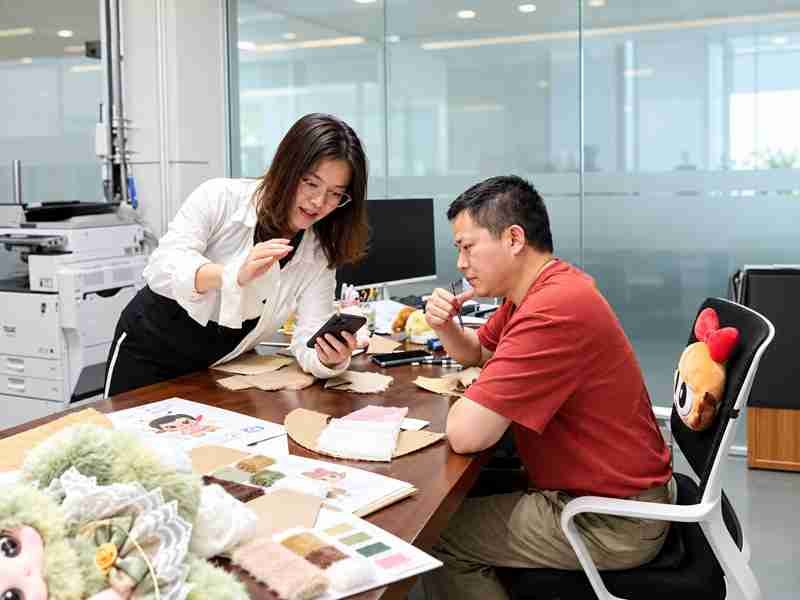
Yes. A 60+ person Plush Product Development Center supports product definition, pattern engineering, material selection, sampling, revisions, components, packaging, DFM, and production-readiness work.
Can Ewin support complex multi-SKU programs?
Yes. Program controls can connect SKU IDs, sample revisions, BOMs, artwork, materials, components, packaging, testing status, production waves, quality records, cartons, shipment identity, and reorder history.
How does Ewin protect confidential IP?
Project confidentiality can use NDA terms, controlled files, restricted sample access, photography rules, need-to-know disclosure, and authorization checks before any client IP or project evidence is used publicly.
Can brands review Ewin before placing an order?
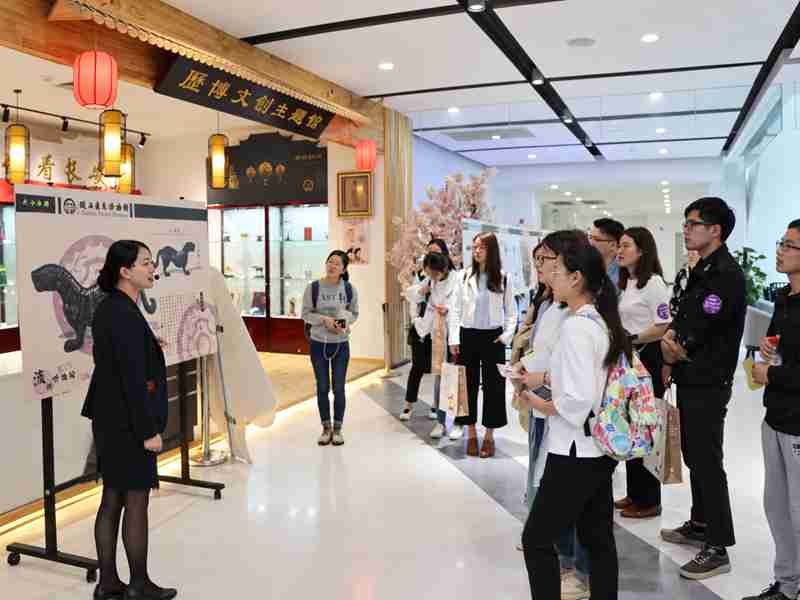
Yes. Supplier verification can include company information, capability review, relevant factory evidence, quality systems, project records, audit requirements, and commercial checks appropriate to the program and information available.
Can Ewin support repeat production?
Yes. Reorders can use the previous Golden Sample, Frozen BOM, released pattern, current artwork, packaging, testing evidence, and QC references, followed by a delta review of any change.
How do we start a project with Ewin?
Share company information, product type, artwork or reference, target size, quantity by SKU, market, packaging direction, launch timing, and available technical files so Ewin can review the right route.
Organizations & Cooperation Frequently Asked Questions
Does Ewin work with global consumer brands?
Yes. Ewin supports programs requiring product development, controlled approvals, material standards, compliance, production planning, quality governance, packaging, delivery, replenishment, and coordination across several products or markets.
Can Ewin work with IP owners and licensees?
Yes. Licensed programs can connect character fidelity, confidentiality, artwork control, sample approval, Golden references, compliance, packaging versions, and launch timing to the approved IP version.
Does Ewin support toy and collectible brands?
Yes. Ewin can support core plush, designer collections, blind-box lines, mini plush, limited editions, accessories, special packaging, and repeat collections with shared standards and SKU-level controls.
Can retailers develop private-label plush with Ewin?
Yes. Retail programs can include product definition, target cost review, labels, barcodes, retail packaging, compliance requirements, carton configuration, inspection, replenishment, and retailer-specific pack-out controls.
Can game and entertainment teams develop character plush?
Yes. Character programs can combine visual fidelity, costumes, embroidery, accessories, multi-SKU control, confidentiality, approval history, packaging, and launch timing for game, animation, film, or entertainment merchandise.
Can technology teams build AI-enabled plush with Ewin?
Yes. Ewin can engineer plush shells, cavities, access, padding, filling, module retention, assembly, and physical validation around approved electronics while software, firmware, AI, and cloud ownership remain separately defined.
What is the difference between OEM and ODM?
OEM starts from a mature approved product definition. ODM involves deeper product-development participation where size, structure, materials, pattern, decoration, function, sampling, cost, or packaging still need decisions.
Can Ewin support supplier-transfer or second-source projects?
Yes. Ewin can review an existing sample, specification, known defects, material route, packaging, compliance, quality history, and protected features before rebuilding and validating an alternative manufacturing route.
Product Types Frequently Asked Questions
What types of plush products can Ewin manufacture?
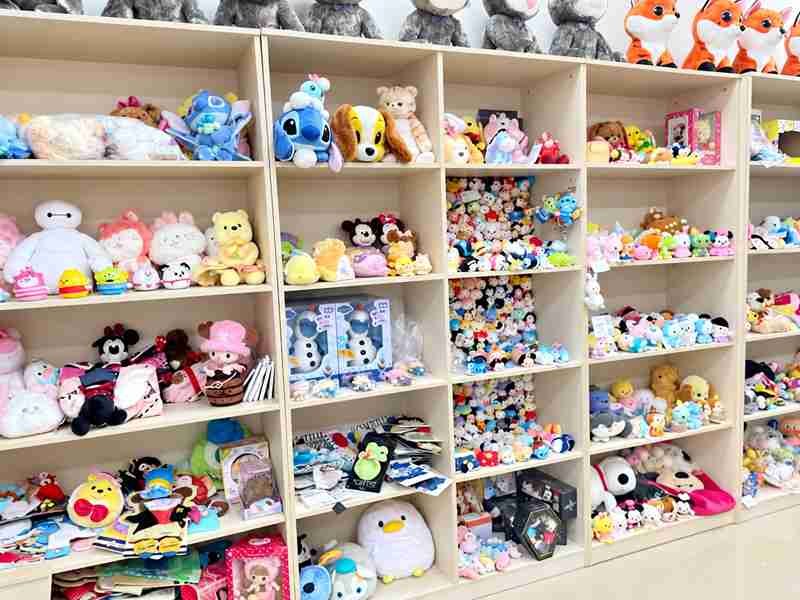
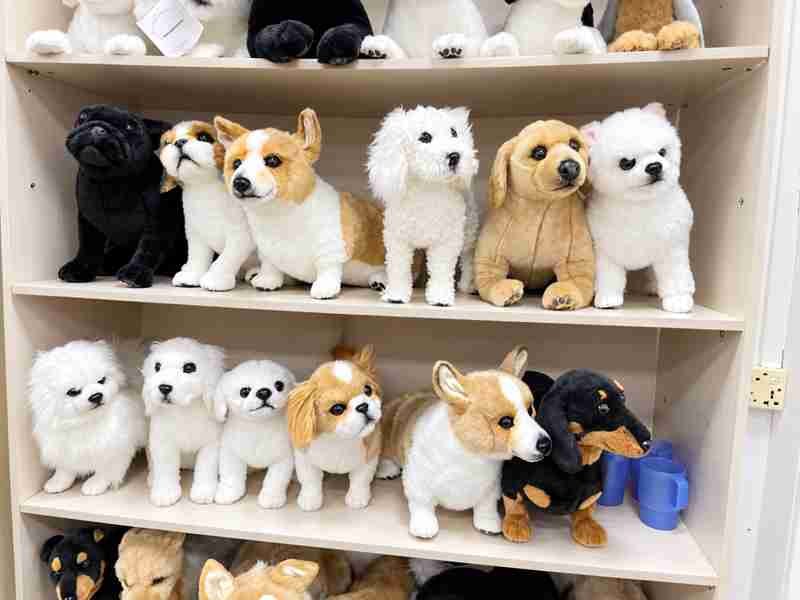
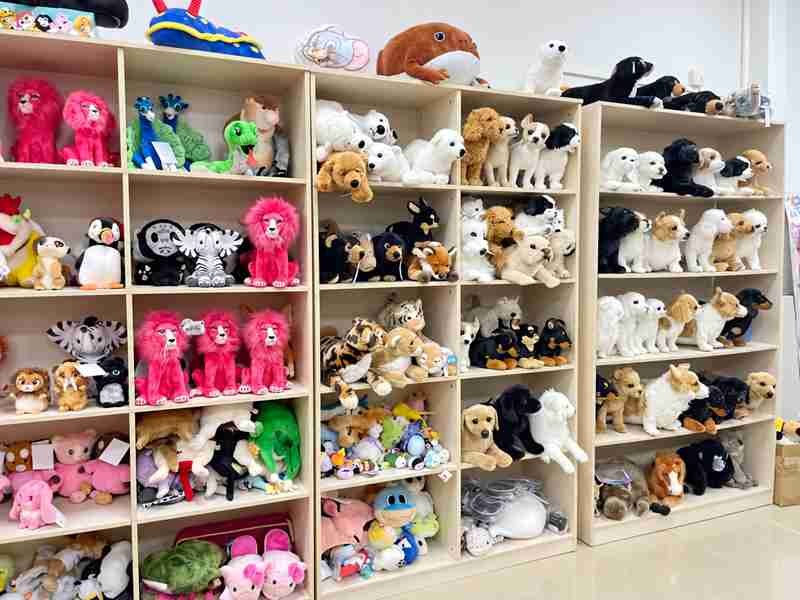
Ewin’s product system includes character plush, mascots, collectibles, blind-box and mini plush, keychains, bag charms, weighted plush, hybrid soft-hard products, electronic or AI-enabled plush, and lifestyle merchandise.
Can Ewin manufacture licensed character plush?
Yes. Character programs can begin from authorized artwork or approved references and move through fidelity review, pattern engineering, materials, decoration, sampling, Golden approval, manufacturing, packaging, and controlled release.
Can Ewin develop mascot plush?
Yes. Mascot development can control silhouette, colors, logos, clothing, pose, embroidery, accessories, packaging, and repeat-run consistency for sports, corporate, university, venue, or campaign programs.
Can Ewin make collectible and blind-box plush?
Yes. Collectible programs can combine premium fabrics, mixed textures, detailed decoration, mini-scale patterns, accessories, hidden assortment logic, edition control, SKU identity, special packaging, and controlled production separation.
Can Ewin make mini plush keychains?
Yes. Mini plush and keychains need compact pattern control, visible decoration, secure hardware anchors, low seam bulk, and careful proportion. Products around 5–12 cm require especially disciplined detail decisions.
Can Ewin manufacture weighted plush?
Yes. Weighted products can use defined fiber, weighted media, inner bags or compartments, target mass, placement, seam protection, center-of-gravity review, surrounding filling, and finished-product compliance assessment.
Can Ewin combine plush with molded parts?
Yes. Hybrid products can integrate PVC, silicone, plastic, molded faces, hard feet, badges, props, or structural components with controlled tooling, tolerance, attachment, surface protection, and soft-hard interfaces.
Can Ewin manufacture electronic or AI-enabled plush?
Yes. Interactive products can add sound, light, sensors, microphones, speakers, batteries, wireless or partner-provided smart modules while Ewin controls the plush architecture and manufacturing integration.
Design & Artwork Frequently Asked Questions
What files are useful to start a plush project?
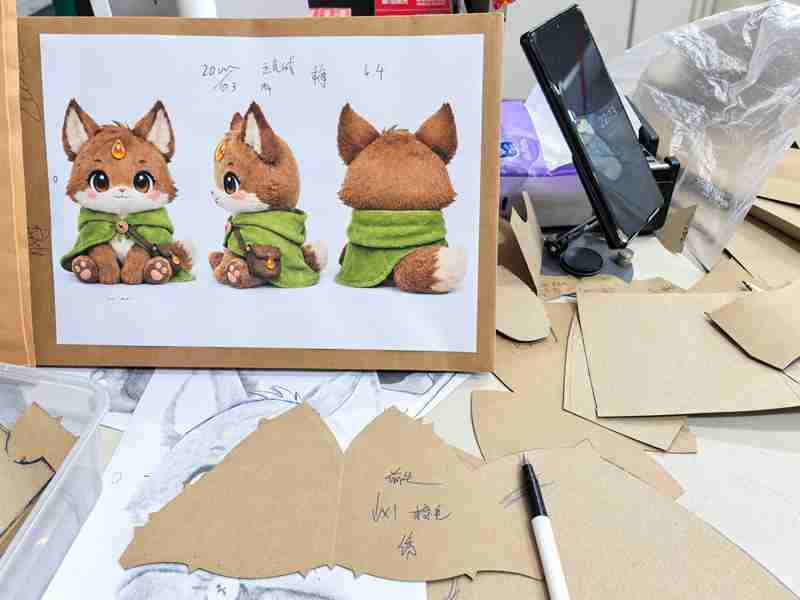
Useful inputs include sketches, 2D artwork, character sheets, 3D renders, moodboards, reference products, physical samples, Tech Packs, dimensions, Pantone references, packaging files, or a written product brief.
Can Ewin work from one illustration?
Yes, when the available view is sufficient to begin discussion. Missing side, back, proportion, material, or construction decisions may need clarification before the design can become a production-ready plush specification.
Can Ewin work from a rough sketch?
Yes. A rough sketch or early concept can enter custom development or ODM review, where size, pose, structure, materials, pattern, decoration, accessories, packaging, and manufacturing decisions are progressively defined.
Can Ewin reproduce an existing physical sample?
Yes. An existing sample can support OEM or supplier-transfer development, but Ewin still needs to define materials, pattern, decoration, components, filling, packaging, and production references before bulk release.
Do I need front, side, and back views?
Multiple views reduce interpretation risk, especially for character proportion, hair, tails, clothing, and asymmetrical features. Projects can still begin with fewer views when missing geometry is reviewed and approved during development.
Can Ewin create production patterns?
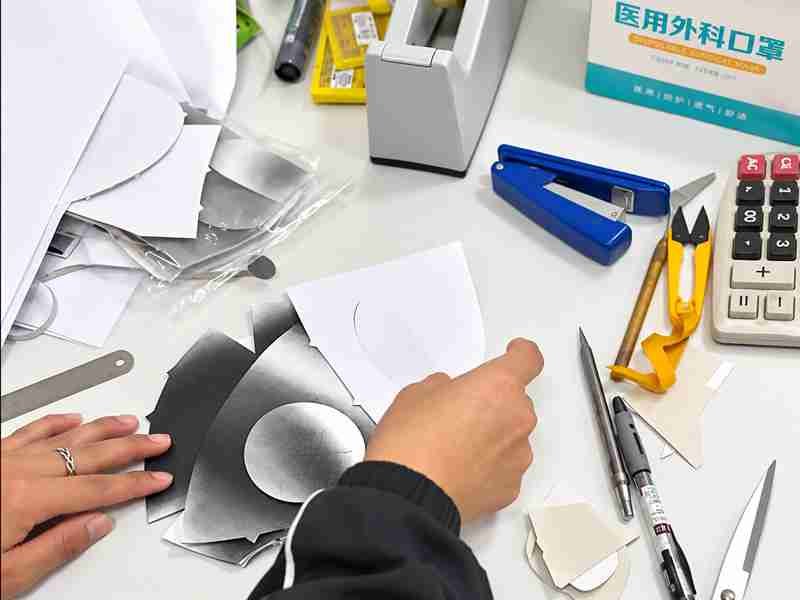
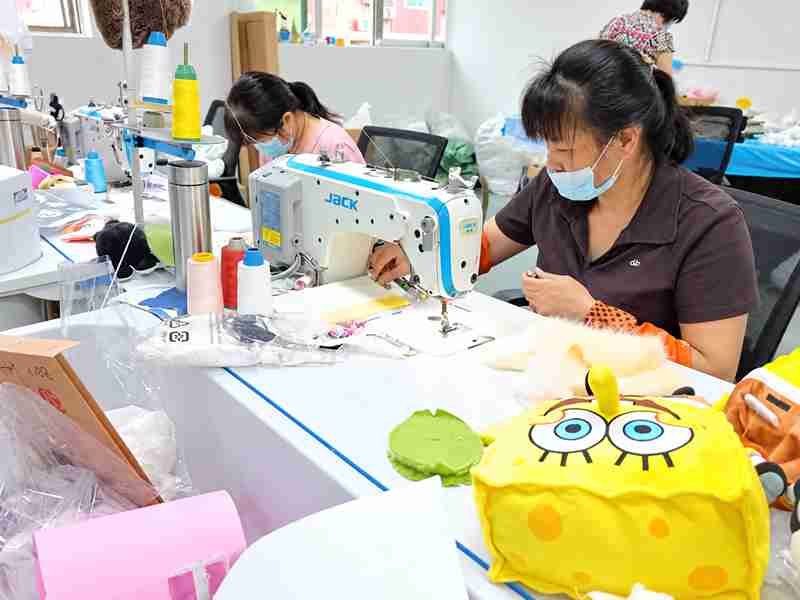
Yes. Pattern engineering converts visual artwork into sewable panels, seam logic, proportions, volume, feature placement, nap direction, and manufacturing references suitable for sampling and later production control.
How is character fidelity reviewed?
Fidelity review compares proportion, face, silhouette, feature placement, color, material, hair, clothing, decoration, pose, and accessories against the approved reference, then converts revision comments into specific product changes.
Who owns the artwork and IP?
Brand or IP ownership follows the authorized commercial and legal arrangement. ODM participation does not automatically transfer client IP to Ewin, and public use still requires appropriate permission.
Fabric Frequently Asked Questions
Which fabrics are commonly used for plush toys?
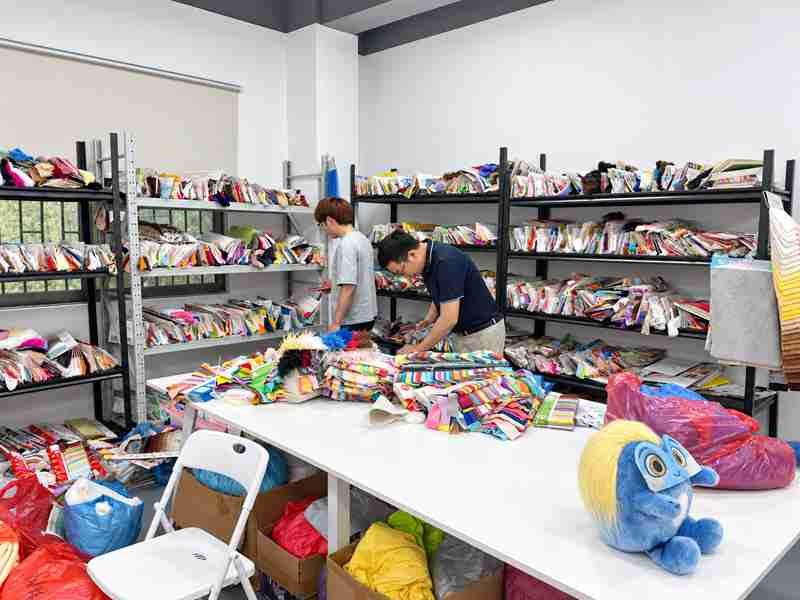
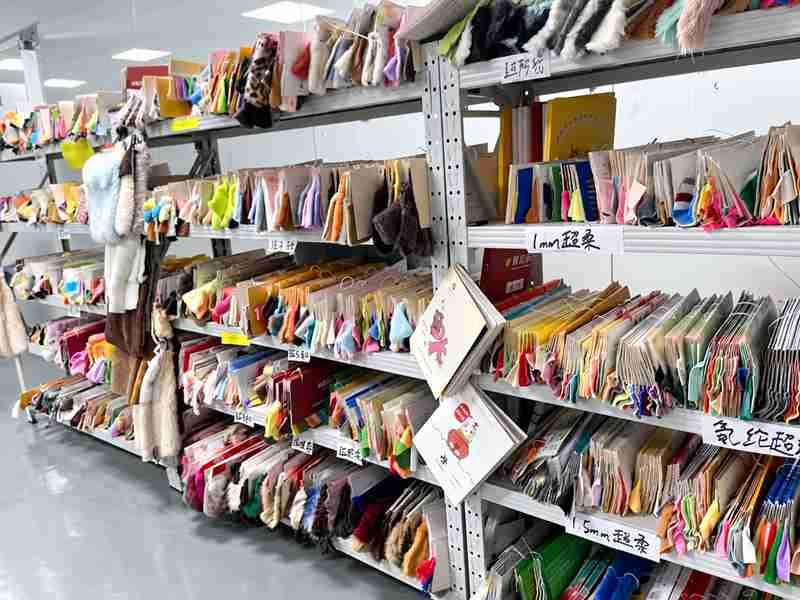
Common routes include Minky, Velboa, PV Plush, short plush, faux fur, rabbit-style plush, Sherpa, fleece, jersey, tricot, felt, PU, mesh, lining, and project-specific specialty textiles.
What is the difference between Minky and Velboa?
Minky is often selected for a softer premium handfeel, while Velboa can offer a shorter, cleaner surface. Exact performance still depends on pile, GSM, stretch, backing, finish, and supplier grade.
Which fabric works well for small character plush?
Shorter, controlled surfaces often protect facial and embroidery detail on small products. Fabric selection still depends on pattern scale, stretch, seam bulk, desired handfeel, decoration, and character style.
How does pile height affect plush appearance?
Pile height changes silhouette, edge clarity, embroidery visibility, color-block definition, seam appearance, and perceived scale. Longer pile can support fur effects while hiding small features on compact designs.
Why does nap direction matter?
Directional fabric changes shade, texture, silhouette, and grooming result when reversed. Nap should be marked in pattern and cutting instructions so approved surface direction stays consistent across matching panels.
Can Ewin match a Pantone color?
Pantone can guide color development, but final approval should use the real material because pile, sheen, texture, nap, and lighting change visual appearance. Custom color routes are project-specific.
Can several fabrics be used in one plush?
Yes. Mixed fabrics can create body, hair, clothing, paws, lining, accents, or functional zones. Thickness, stretch, seam transitions, decoration compatibility, color, and packaging behavior should be validated together.
How is bulk fabric matched to the approved sample?
Material ID, approved swatch, supplier route, color lot, GSM or thickness, pile, nap, backing, IQC records, Frozen BOM, Golden Sample, and change control connect bulk fabric with approval.
Trims & Decoration Frequently Asked Questions
What trims are used in plush manufacturing?
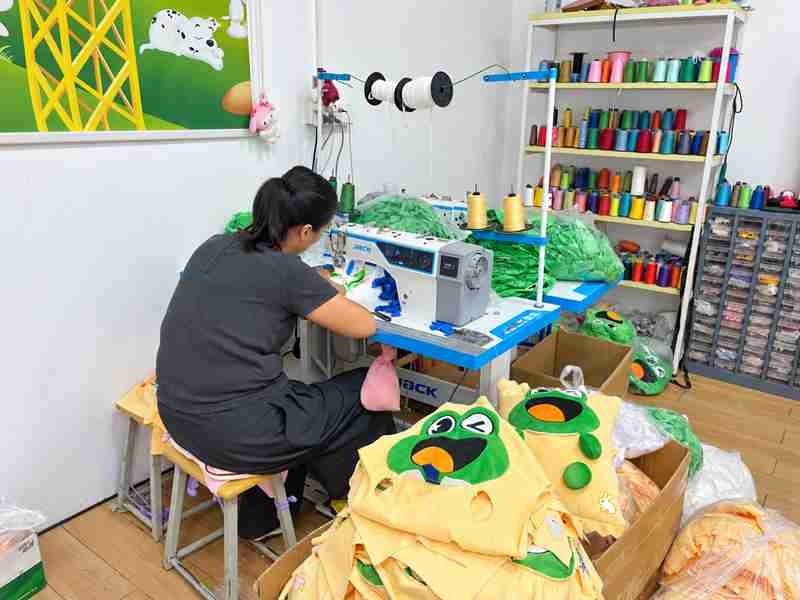
Project trims can include sewing thread, embroidery thread, linings, webbing, elastic, zippers, hook-and-loop, labels, reinforcement materials, cords, and other controlled textile or closure components.
How is embroidery thread selected?
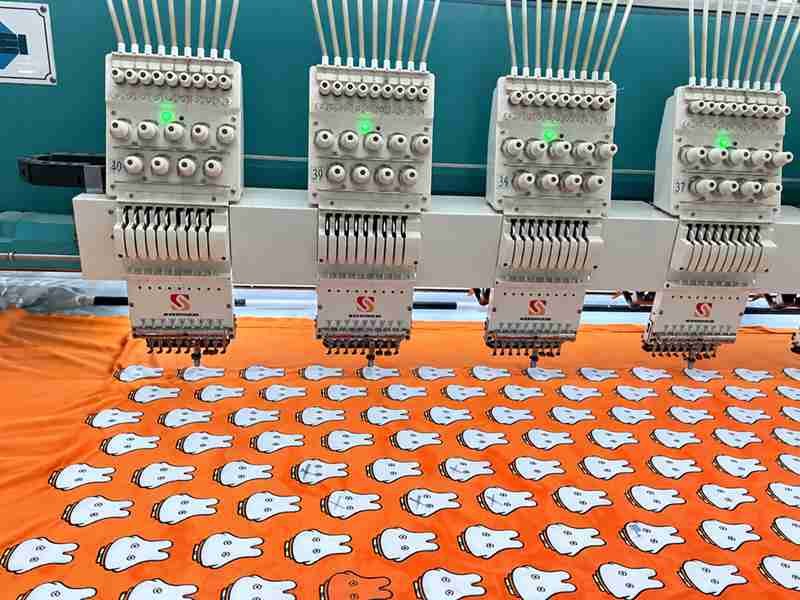
Thread color, sheen, thickness, stitch density, artwork scale, backing, fabric pile, and approved visual result all matter. Production should use the released embroidery file and approved thread reference.
Can plush products use internal lining?
Yes. Linings can support bags, clothing, module areas, weighted systems, clean interiors, or structural zones. Material, thickness, stretch, attachment, access, and interaction with outer fabric should be defined.
Can Ewin add zippers or hook-and-loop closures?
Yes, where the product design requires removable covers, module access, clothing, pockets, or functional openings. Closure type, position, reinforcement, user access, and safety implications should be reviewed.
Can logos be embroidered on plush products?
Yes. Embroidery can be used for logos, faces, symbols, and details when fabric, pile, size, stitch density, backing, placement, and desired surface result support the process.
When is printing better than embroidery?
Printing may suit gradients, larger graphic areas, fine color transitions, or surfaces where dense stitching would add stiffness. Process choice depends on fabric, artwork, durability, handfeel, and scale.
Can appliqué be used for character details?
Yes. Appliqué can create layered shapes, badges, patches, color areas, or dimensional details. Edge finish, material thickness, stitch route, alignment, softness, and wash or wear expectations should be reviewed.
How are trims and decoration controlled in production?
Approved trim IDs, thread colors, artwork revisions, embroidery or print files, placement references, BOM entries, first-piece checks, Golden comparison, and change control keep production aligned with approval.
Filling Frequently Asked Questions
What filling can Ewin review for plush toys?
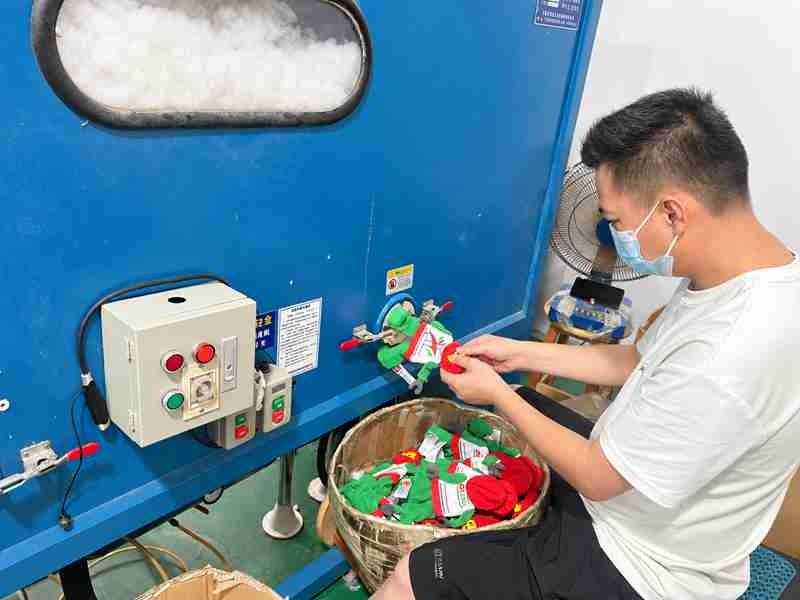
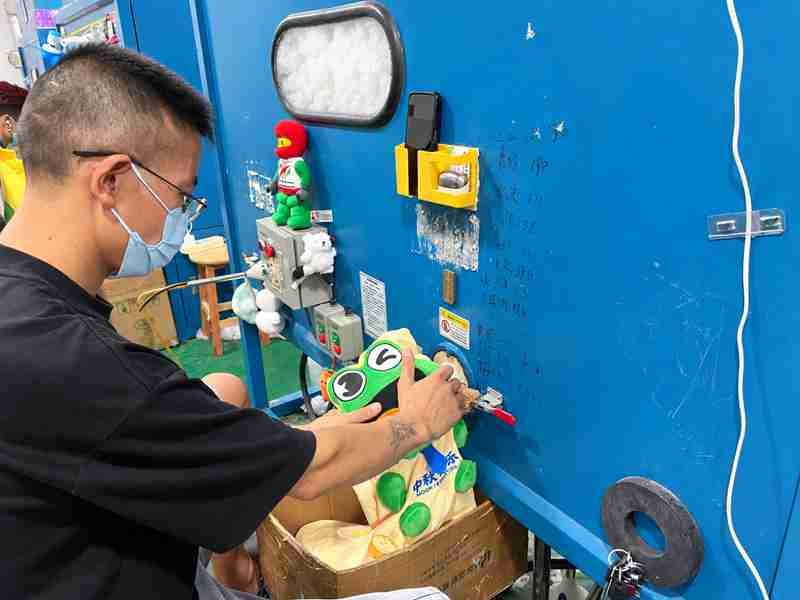
Ewin can review polyester fiber, recycled polyester filling, zoned fiber systems, weighted beads, bean-style particles, weighted inner bags, foam inserts, EVA structural pads, and mixed internal systems.
Can Ewin use recycled polyester filling?
Yes, where the selected supplier route and product requirements support it. Handfeel, loft, recovery, batch behavior, testing evidence, and approved material identity should remain tied to the project.
How do you make plush softer or firmer?
Firmness depends on fiber type, loft, total fill, zone distribution, cavity volume, fabric stretch, support inserts, and shaping. Ewin uses the physical sample and filling specification as approval references.
Can different body areas use different fill amounts?
Yes. Head, muzzle, body, arms, legs, feet, tail, and weighted zones can use different targets. Correct total product weight alone does not guarantee the intended shape or handfeel.
What is used inside weighted plush?
Weighted plush can use approved weighted beads or bean-style particles contained in dedicated inner bags or compartments, combined with surrounding fiber and controlled placement for balance, containment, and feel.
How are weighted materials kept from shifting?
Weight media should be contained, sealed, positioned, and retained within the intended internal area. Bag construction, compartment geometry, fixation, surrounding fiber, seam protection, and center of gravity need review.
Can foam or EVA inserts be used inside plush?
Yes. Foam inserts or EVA structural pads can support local shape, posture, pressure distribution, or internal architecture when the product needs more structure than fiber filling alone can provide.
How is bulk filling matched to sample approval?
Filling material, total and zone references, weighted inserts, support components, no-fill areas, Golden Sample, first-piece checks, weight controls, IPQC, shaping standards, and change records connect approval with bulk.
Accessories Frequently Asked Questions
What accessories can be added to stuffed animals?
Accessories can include plastic eyes and noses, key rings, chains, clips, hooks, bells, buckles, snaps, magnets, molded parts, clothing, props, weighted inserts, and project-specific components.
Can Ewin source custom plastic eyes and noses?
Yes, where the design and supplier route are feasible. Shape, material, color, size, backing, orientation, fixing method, safety risk, sample approval, and repeat sourcing should be defined.
Which hardware works for plush keychains?
Common directions include split rings, key rings, ball chains, lobster clasps, carabiners, hooks, and loops. Final choice depends on appearance, finish, load path, anchor design, and packaging.
Can Ewin integrate magnets into plush?
Yes. Magnetic products require defined magnet identity, position, polarity, internal retention, surrounding structure, interaction distance, assembly reference, safety review, and functional validation before bulk production.
Can Ewin develop PVC or silicone parts?
Yes. Molded components can be reviewed around material, tooling, dimensions, tolerance, hardness, color, surface finish, edge condition, weight, fixing method, soft-hard interface, packaging pressure, and sample approval.
Can clothing or props be removable?
Yes. Removable hats, garments, bags, shoes, or props can be developed when fit, retention, user access, loss risk, small-part risk, packaging position, and interaction with the plush are reviewed.
How are hard accessories attached to soft plush?
Attachment depends on part geometry, load, position, safety, and product structure. Ewin reviews fixing method, reinforcement, load path, backing, internal support, seam relationship, and finished surface feel.
Can an approved accessory be substituted later?
Yes, only through change review. Material, size, color, weight, finish, supplier, fixing method, function, compliance, packaging, and affected SKUs should be checked before a substitute is released.
Functional Module Frequently Asked Questions
What electronic modules can Ewin integrate?
Ewin can review sound playback, recording, speakers, microphones, LED lighting, touch or pressure sensing, motion sensing, switches, buttons, motors, batteries, wireless modules, and approved smart modules.
Can Ewin add sound playback to plush?
Yes. Sound integration should define module dimensions, speaker position, trigger method, cavity, padding, sound opening, battery route, retention, assembly, function checks, and the impact on finished shape.
Can plush record and replay voices?
Yes, when the selected recording module supports the required function. Microphone access, playback speaker, controls, battery, cavity, user interaction, retention, safety, and production testing need project-specific review.
Can LED lighting be added to plush?
Yes. LED integration needs light position, diffusion, fabric thickness, visibility, wire routing, module retention, power architecture, heat review, access, packaging pressure, and finished-product function checks.
Can touch or motion sensors be integrated?
Yes. Ewin can engineer the soft-goods interface around approved sensors, including sensing area, fabric layers, padding, position, cavity, wiring, retention, activation behavior, and assembly consistency.
Can Ewin build plush around our existing PCB?
Yes. Provide hardware dimensions, weight, connector positions, speaker or microphone locations, sensors, power system, cable routes, access needs, and revision information so the plush architecture can be engineered around it.
Can Ewin manufacture AI-enabled plush?
Yes. Ewin can handle plush shell engineering, cavities, access, padding, filling, module assembly, and physical integration while electronics, firmware, apps, AI models, wireless services, or cloud systems may remain with specialist teams.
How are electronic functions checked in production?
Checks can cover module revision, fit, retention, sound, microphone access, light visibility, sensor response, button feel, wiring protection, battery access, hard points, exterior deformation, and final pack condition.
Sampling Frequently Asked Questions
Can I order a sample before mass production?
Yes. Physical sampling is used to verify character shape, materials, decoration, filling, accessories, function, construction, packaging assumptions, and manufacturing feasibility before bulk production is released.
What should the first plush sample prove?
A first sample should expose proportion, face shape, volume, materials, decoration, seam logic, filling response, accessories, clothing, function, and unresolved design assumptions so revisions can target specific issues.
What is a V1 plush sample?
V1 is the first integrated physical version built from the current product definition. It is reviewed against artwork, dimensions, materials, construction, decoration, function, and known priorities rather than treated as final approval.
Can I revise the sample?
Yes. Revision stages can correct defined issues such as proportion, face, pattern, materials, color, decoration, clothing, accessories, filling, function, or packaging while keeping approved elements controlled.
How many sample rounds will a project need?
Revision count depends on input quality, complexity, material readiness, functions, approval layers, and unresolved risks. Ewin confirms the development route after reviewing the actual product instead of promising one universal count.
How long does sampling take?
Sampling timing depends on product complexity, material sourcing, custom components, decoration, electronic functions, revision scope, and approval response. Ewin confirms a realistic sample plan after reviewing the project inputs.
What is a Golden Sample?
A Golden Sample is the approved physical reference connected to the Frozen BOM, released pattern, current artwork, materials, components, filling, packaging, and QC requirements used to control production.
How does an approved sample move into bulk?
Production release should connect the Golden Sample with Frozen BOM, released pattern, approved artwork, material and component specifications, packaging, test status, QC references, and current production instructions.
MOQ, Cost & Quotation Frequently Asked Questions
What is Ewin’s minimum order quantity?
MOQ is reviewed against product structure, SKU split, material, components, decoration, packaging, manufacturing route, and commercial program. Ewin avoids one universal public number when project conditions materially change feasibility.
Does MOQ apply per SKU or per program?
It depends on materials, construction, color, components, packaging, and shared program inputs. Multi-SKU programs can sometimes share approved resources, but each SKU still needs a feasible production quantity and identity.
What information is needed for a quotation?
Provide product type, artwork or sample, finished size, quantity by SKU, material direction, decoration, filling, accessories, functions, packaging, target market, compliance needs, destination, and current development stage.
What affects custom plush pricing?
Cost is shaped by size, fabric, pattern complexity, panel count, decoration, filling, handwork, accessories, molded parts, electronic functions, quantity, SKU split, packaging, quality requirements, testing, and delivery assumptions.
Does finished size affect unit cost?
Yes. Size changes fabric usage, filling, panel geometry, embroidery scale, sewing access, accessories, packaging cube, and sometimes manufacturing method. Cost should be reviewed on the actual approved construction.
Do fabrics and decoration affect price?
Yes. Fabric grade, pile, custom color, printing, embroidery density, appliqué, clothing, labels, and specialty processes change material use, machine time, handwork, sourcing, sampling, and production complexity.
Can Ewin work toward a target cost?
Yes. Ewin can review changeable cost drivers and compare material, decoration, construction, packaging, or process options while protecting the character features, function, quality, compliance, and commercial requirements that cannot move.
Why can similar plush designs have different prices?
Two similar products may differ in fabric grade, dimensions, panel count, embroidery, clothing, accessories, hardware, filling, function, packaging, testing, SKU complexity, and handwork, creating different manufacturing costs.
Order & Project Management Frequently Asked Questions
How do I place a custom plush order?
Begin with project review and quotation, then close product definition, sample approval, commercial terms, materials, packaging, compliance inputs, and production-release requirements before bulk manufacturing enters the confirmed schedule.
What happens after a quotation is accepted?
The next route depends on project maturity. Work can continue through design clarification, sampling, revisions, material or component approval, Golden Sample, BOM freeze, packaging, testing, production release, and purchase confirmation.
When is a SKU ready for production?
A SKU is production-ready when required Golden approval, BOM, pattern, artwork, materials, components, filling, packaging, testing status, QC references, and commercial release conditions are closed for the current revision.
Can order quantities be split across several SKUs?
Yes, where material, process, packaging, and commercial feasibility support the split. Each SKU still needs its own quantity, identity, approved references, packaging data, and production status.
Can specifications change after order confirmation?
Changes can be reviewed, but cost, material availability, sample status, testing, tooling, packaging, production timing, and affected inventory may change. Revised information should be approved before the new version is released.
How are product revisions controlled?
Revision records should connect design ID, sample version, pattern, artwork, BOM, materials, components, packaging, compliance evidence, QC plan, cost impact, and production release so obsolete files do not return.
Can several products run under one program?
Yes. Multi-SKU and enterprise programs can share program standards while each item keeps its own pattern, BOM, artwork, sample history, unique components, packaging, test status, and release identity.
How are launch-critical samples prioritized?
Priority can consider launch impact, approval milestone, technical risk, unresolved inputs, and commercial timing. Priority scheduling should still preserve required engineering, quality, compliance, and approval steps.
Mass Production Frequently Asked Questions
What must be approved before bulk production starts?
Production should release from the current Golden Sample, Frozen BOM, released pattern, approved artwork, materials, components, filling references, packaging, testing status, QC requirements, quantity, and commercial approval.
How does the Golden Sample control production?
The Golden Sample provides a physical appearance and handfeel reference while the BOM, pattern, artwork, specifications, and QC criteria carry the measurable details needed to reproduce the approved result.
What is a Frozen BOM?
A Frozen BOM is the approved bill of materials linked to the current product revision. It identifies the released materials, components, trims, filling, packaging, and other controlled production inputs.
How are patterns released to production?
Released patterns should carry the approved geometry, panel identity, seam logic, feature placement, nap direction, and revision status needed for cutting and sewing, rather than relying on an earlier sample-room file.
How are materials prepared before production?
Bulk materials are purchased and released against approved IDs, supplier routes, colors, pile or thickness, trims, components, and quality requirements, then checked through incoming controls before entering production.
Can several SKUs enter production at different times?
Yes. Production can move in readiness waves after each SKU closes its required Golden, BOM, pattern, material, packaging, testing, QC, and commercial release gates.
What happens during first-piece confirmation?
First-piece confirmation checks current materials, artwork, construction, placement, accessories, filling, function, and visual result before repeated production multiplies an error across a larger quantity or several SKUs.
How are similar SKUs kept separated?
SKU coding, separated files, controlled kits or bundles, storage separation, line-clearance rules, work instructions, first-piece checks, packaging references, barcode controls, and carton identity reduce cross-SKU substitution risk.
Quality Control Frequently Asked Questions
What quality-control stages does Ewin use?
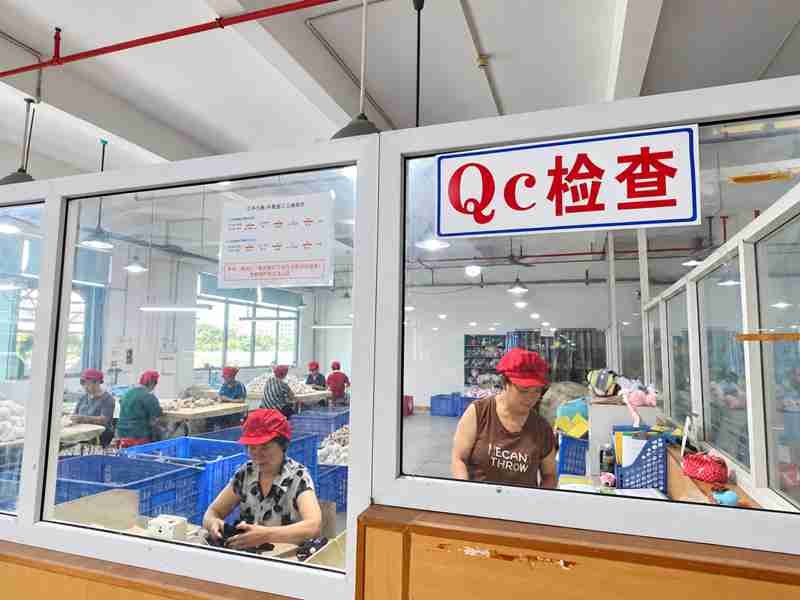
Quality control can include IQC, IPQC, FQC, and OQC, supported by Golden references, Frozen BOM, released files, defect-prevention points, traceability, packaging checks, and project-specific acceptance criteria.
What does IQC inspect?
IQC focuses on incoming fabrics, trims, filling, components, hardware, molded parts, modules, packaging materials, identity, color, dimensions, surface condition, function, and other project-specific incoming requirements.
What does IPQC inspect?
IPQC monitors process execution during cutting, decoration, sewing, assembly, stuffing, shaping, component installation, function, and packaging preparation so defects are contained before reaching finished goods.
What does FQC inspect?
FQC reviews finished product appearance, dimensions, character fidelity, seams, decoration, filling, accessories, function, cleanliness, labels, packaging readiness, and other product-specific criteria before outgoing release.
What is checked before shipment release?
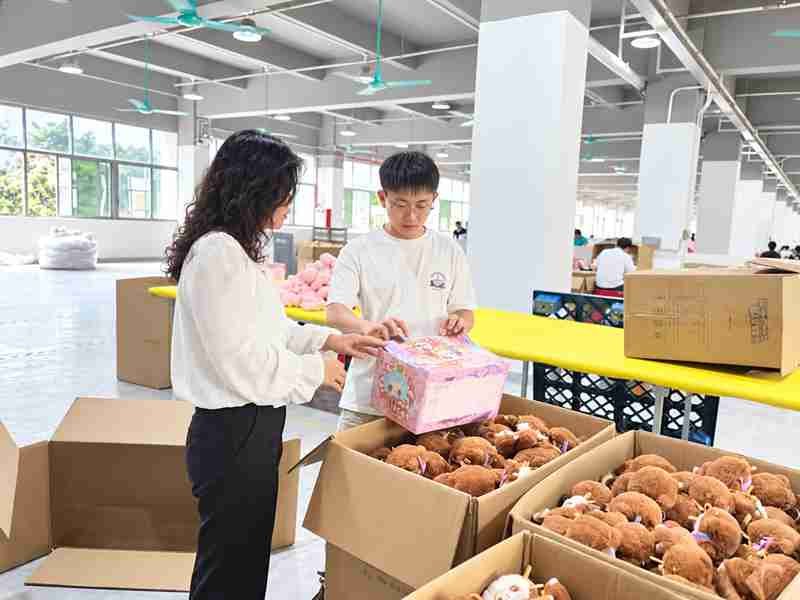
OQC can verify finished quantity, SKU identity, packaging version, barcode or label, carton data, appearance, selected quality criteria, shipment documentation, and consistency with the approved commercial release.
Does Ewin use AQL inspection?
AQL can be used where the inspection plan or client protocol calls for it. Sampling level, defect classes, acceptance criteria, product risk, and any retailer-specific requirements should be agreed for the project.
How is the Golden Sample used during QC?
Inspectors can compare approved appearance, proportion, handfeel, decoration, accessories, filling, and pack condition with the Golden reference while measurable requirements remain connected to drawings, BOM, specifications, and QC criteria.
What happens when a recurring quality issue appears?
Serious or repeating issues can enter CAPA using containment, root-cause analysis, corrective and preventive action, ownership, due dates, and effectiveness review so the same failure is not simply re-inspected later.
Testing & Compliance Frequently Asked Questions
Which safety standards apply to custom plush toys?
Requirements depend on target market, age grade, product classification, materials, components, and function. Routes may include ASTM F963 and CPSIA in the U.S., plus EN 71, REACH, and CE-related obligations in Europe.
Does every plush need ASTM F963 testing?
ASTM F963 applies to relevant U.S. toy products, but exact test scope depends on classification, age grade, materials, construction, components, and applicable regulatory requirements for the finished product.
What does EN 71 cover for plush toys?
EN 71 includes several toy-safety parts covering areas such as mechanical and physical properties, flammability, and migration of certain elements. Applicable scope depends on the finished product and market route.
What does CPSIA require for plush products?
U.S. children’s products may need applicable CPSIA-related controls, including material and chemical requirements, tracking information, and testing or certification obligations depending on product category, age grade, components, and current rules.
Is CE the same as a laboratory certificate?
No. CE marking reflects an applicable conformity route and manufacturer responsibility. Supporting test reports, technical documentation, declarations, product labeling, risk assessment, and other evidence may form part of compliance.
Can one test report cover several SKUs?
Sometimes. Grouping depends on materials, construction, components, age grade, target market, laboratory rationale, and report scope. Unique risks or meaningful differences can require separate testing or supporting evidence.
When can a product change require retesting?
Material, supplier, component, magnet, electronic module, construction, age grade, labeling, or other meaningful changes can affect the tested risk profile. Impact review should occur before relying on earlier evidence.
Can Ewin coordinate third-party testing?
Yes. Ewin can support project-specific test planning, sample preparation, document coordination, laboratory communication, report review, and production linkage while final compliance scope remains tied to the correct SKU and revision.
Packaging Frequently Asked Questions
What packaging options can Ewin support?
Packaging can include polybags, belly bands, hangtags, boxes, gift boxes, blind boxes, display formats, PDQ, compression options, labels, barcodes, master cartons, and shipment-ready pack-out depending on project needs.
Can Ewin develop retail packaging?
Yes. Retail packaging can be coordinated around product presentation, brand artwork, legal copy, barcode, SKU identity, carton configuration, display requirements, protection, pack-out method, and target-channel requirements.
Can Ewin support blind-box packaging?
Yes. Blind-box programs can require individual box identity, assortment logic, hidden editions, inserts, sealing, outer displays, barcodes, carton mapping, and strict SKU or character separation during pack-out.
Can products use gift boxes or display boxes?
Yes. Box style depends on product dimensions, presentation, protection, retail channel, opening experience, insert needs, accessories, compression tolerance, shipping cube, artwork, and carton efficiency.
Can Ewin add hangtags and sewn labels?
Yes. Hangtags, woven or printed labels, care labels, brand labels, legal copy, age information, and other identifiers can be reviewed against placement, market requirements, artwork, and pack-out.
Can barcodes be controlled by SKU?
Yes. Each barcode should map to the correct product and packaging version. SKU tables, scan checks, pack-out references, carton data, and line clearance reduce wrong-code application.
Can plush be compression packed?
Sometimes. Compression suitability depends on fabric, pile, filling, shape, hard components, electronics, weighted systems, packaging duration, and recovery behavior. Ewin validates the route on the actual finished product.
How are hard accessories protected during packing?
Metal, PVC, molded parts, electronics, and other hard elements may need position control, separators, wraps, inserts, or reduced pressure so they do not scratch, mark, flatten, or deform adjacent plush surfaces.
Delivery & Logistics Frequently Asked Questions
Can Ewin ship custom plush internationally?
Yes. Delivery planning can support international programs using project-specific shipment terms, destinations, packing data, commercial documents, appointed forwarders, 3PL requirements, and coordination after the finished goods are released.
Can one program ship to several destinations?
Yes. Destination planning can separate SKU, quantity, packaging version, carton identity, labels, documentation, and delivery wave so one production program can support different warehouses or market routes.
Can different SKUs ship at different times?
Yes, where the commercial plan allows split release. Shipment records should keep SKU, quantity, packaging version, carton identity, destination, and wave status clearly separated for each release.
Can Ewin prepare goods for an appointed 3PL?
Yes. Ewin can coordinate SKU identity, packaging, barcode or label requirements, carton organization, packing lists, receiving instructions, pre-shipment checks, and handoff information for an appointed 3PL.
Can shipments be consolidated?
Yes, when timing, destination, documentation, carton planning, SKU readiness, and commercial terms allow. Consolidation should not blur product identity, packaging version, quantity, or release status across items.
How are cartons identified by SKU?
Carton marks, SKU labels, quantity data, packaging version, destination information, carton numbering, scan references, or other agreed identifiers can connect each shipping carton to the correct commercial product.
How is delivery timing confirmed?
Delivery timing depends on product readiness, approved quantity, production completion, packaging, inspection, documentation, destination, shipping mode, forwarder schedule, and commercial terms. Ewin confirms timing against the actual release plan.
How is shipment linked to the approved product version?
Shipment release should connect SKU, Golden or approved reference, packaging version, barcode, carton data, QC status, packing list, destination, and current commercial release so obsolete versions do not ship.
Enterprise & Reorder Frequently Asked Questions
Can Ewin manage large multi-SKU plush programs?
Yes. Ewin can coordinate shared standards and SKU-specific control across artwork, sample revisions, patterns, BOMs, materials, components, packaging, barcodes, test status, production waves, QC, shipment, and reorders.
Can several SKUs share approved materials?
Yes. Shared fabrics or trims can improve continuity when Material ID, color, pile, supplier route, lot, testing status, approved sample reference, and affected SKU mapping remain controlled.
Can several SKUs share one pattern?
Yes, when geometry and construction genuinely match. Character-specific shape, size, materials, accessories, function, decoration, or pose differences can still require separate patterns or controlled variants.
Can testing be grouped across similar SKUs?
Sometimes. Grouping depends on materials, construction, components, market, age grade, laboratory rationale, and report scope. Individual risks can still require separate tests or additional evidence.
Can Ewin manage an annual product plan?
Yes. Enterprise support can review pipeline, development stage, forecasts, long-lead materials, sample priorities, production waves, quality history, compliance, packaging, replenishment, and next-product priorities under one account structure.
How does forecast-based planning work?
Forecasts provide early visibility for materials, process load, packaging, and likely production windows. Confirmed specifications, product readiness, quantity, commercial release, and timing still determine actual manufacturing allocation.
How are repeat orders controlled?
Reorders use previous Golden, BOM, released files, packaging, testing, and QC references, followed by a delta review of every material, component, artwork, packaging, market, quantity, or timing change.
Can Ewin support supplier-transfer programs?
Yes. A supplier-transfer program can start from an existing sample, specification, BOM, packaging, quality history, known problems, compliance evidence, and protected product features before the alternative route is validated.
Product Categories
- OEM Manufactureing
- ODM Manufactureing
- Private Label Plush Toys
- Sample Development
- Product Development
- Amazon FBA Service
Our Services
- OEM Manufactureing
- ODM Manufactureing
- Private Label Clothing
- Sample Development
- Product Development
- Amazon FBA Service
Our Solutions
- OEM Manufactureing
- ODM Manufactureing
- Private Label Clothing
- Sample Development
- Product Development
- Amazon FBA Service
Ask Ewin About Your Plush Project
If your question depends on a specific design, send the information needed for a project-level answer rather than relying on a generic rule. Useful inputs include company, product type, artwork or reference sample, finished size, quantity by SKU, SKU count, target market, age grade where relevant, preferred fabrics, filling, trims, accessories, electronic functions, packaging direction, compliance or retailer requirements, current sample stage, desired launch timing, destination, and any existing quality or sourcing problem. Ewin Toys can review the product definition, development route, material and component risks, sampling, quotation inputs, production readiness, testing, packaging, delivery, and the next useful step before commercial commitment.