Plush Toy Material Library for Smarter Product Decisions
Choose materials with greater confidence before sampling begins. Ewin Toys helps brands compare handfeel, pile length, weight, appearance and functional performance, making it easier to match material choices with product positioning, target cost and end-use requirements.
Short Plush / Minky / Velboa / Sherpa / Faux Fur | rPET Material Options | Filling & Interlining Choices | Color Matching | Trims & Accessories | Material Swatch Support | Compliance Review
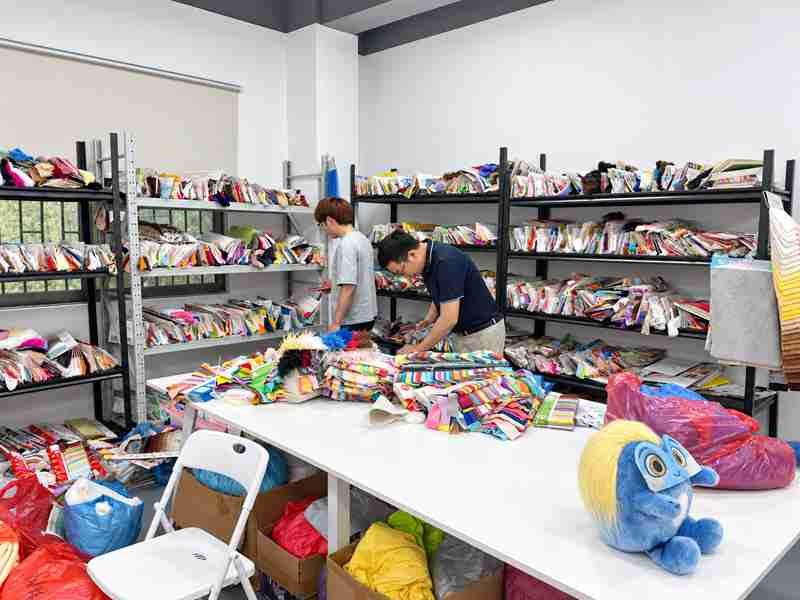
Material Choices Change the Finished Plush Product
Appearance and Character Fidelity
Structure and Manufacturing
Commercial Performance
Material grade influences cost, decoration route, testing scope, packaging pressure, shipping cube, and reorder consistency. Custom color, long pile, coated surfaces, molded parts, or weighted media can also add sourcing and approval steps. The useful decision is not “Which fabric feels best?” but “Which material system gives the required appearance and performance at the intended product size, channel, and production scale?”
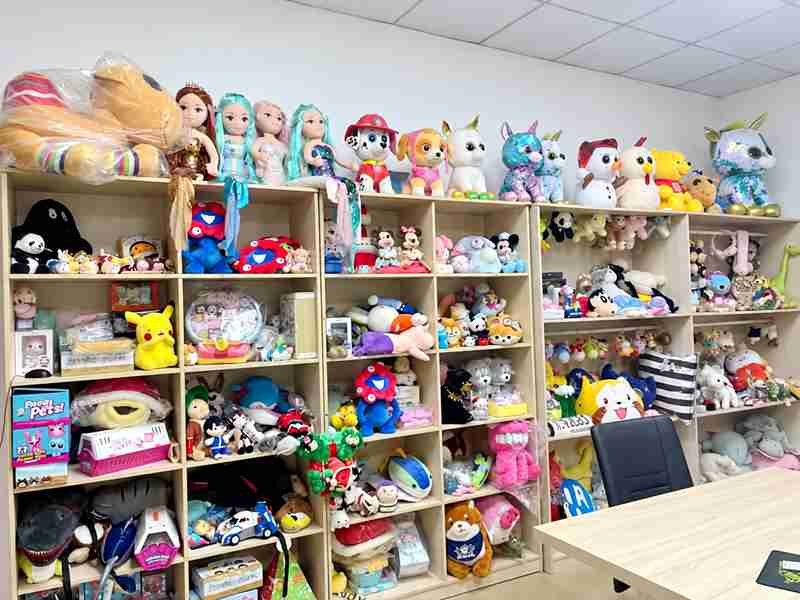
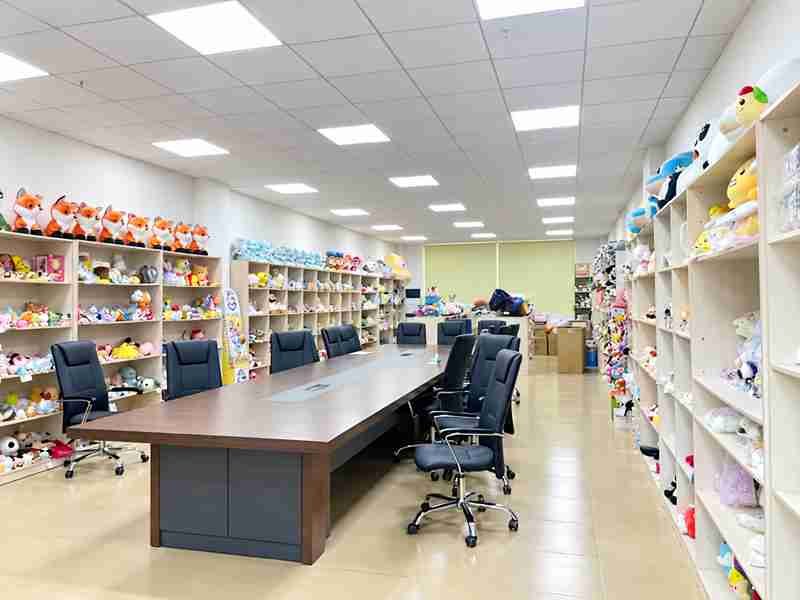
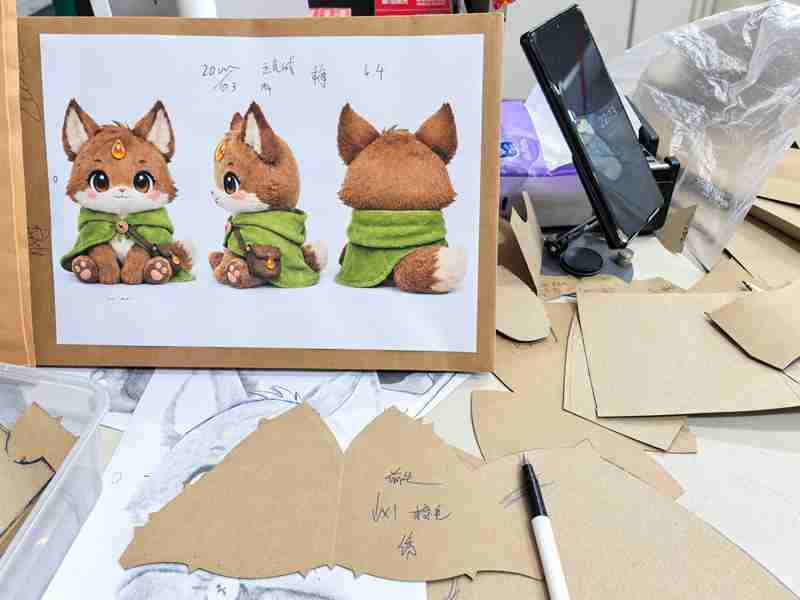
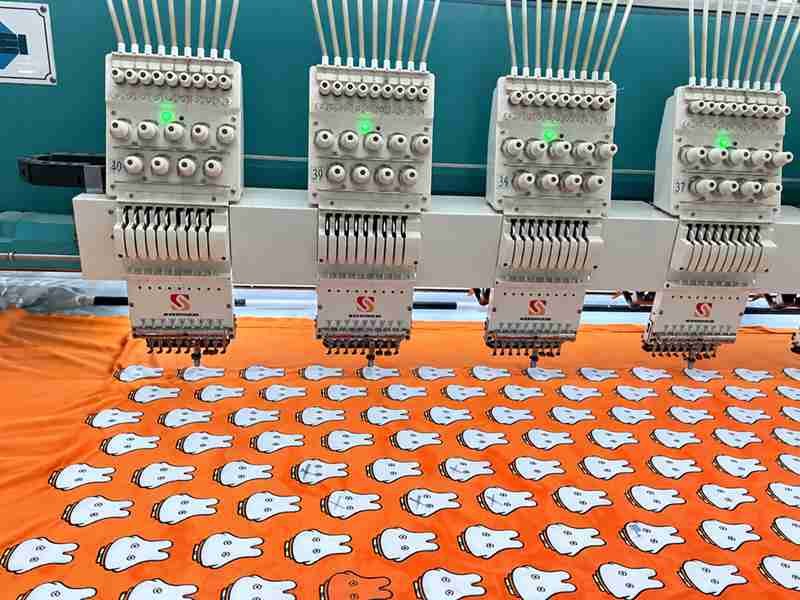
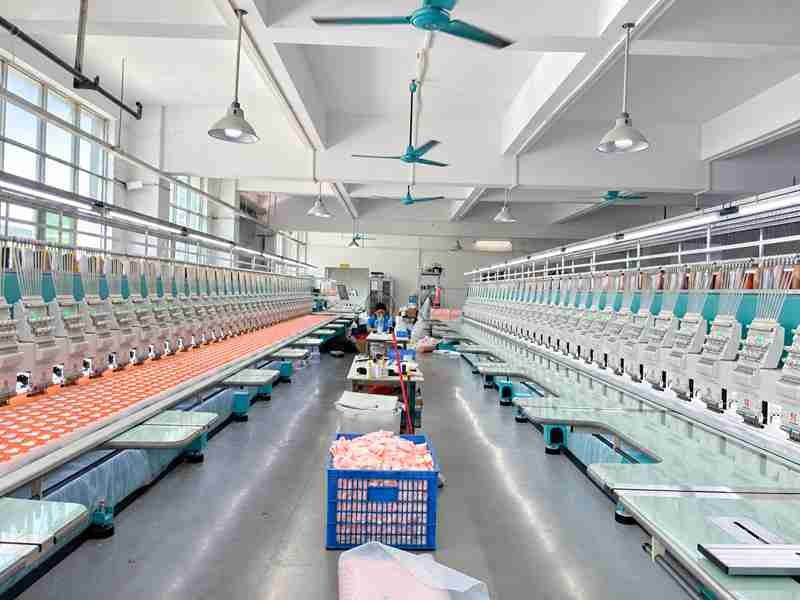
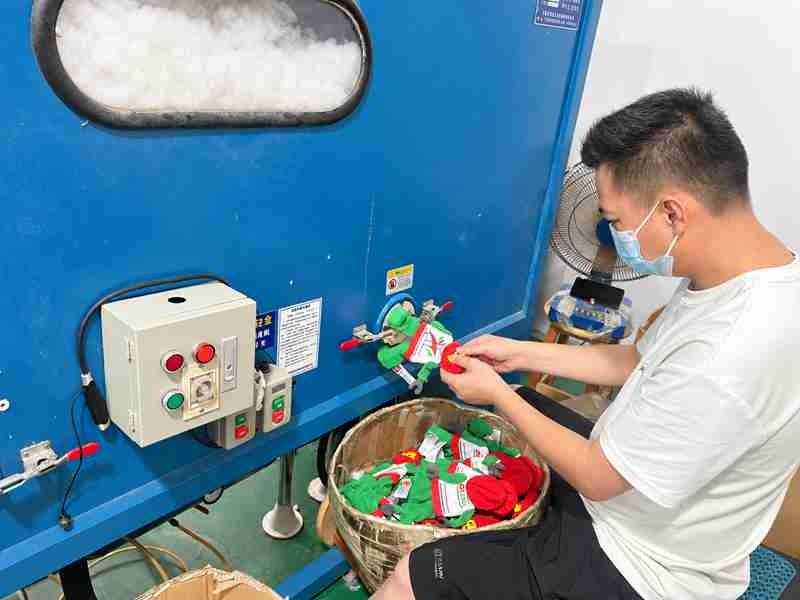
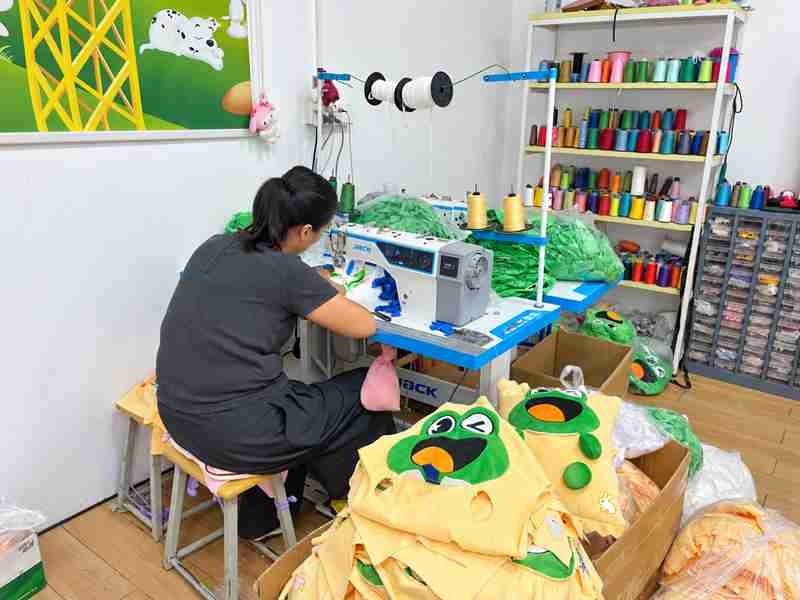
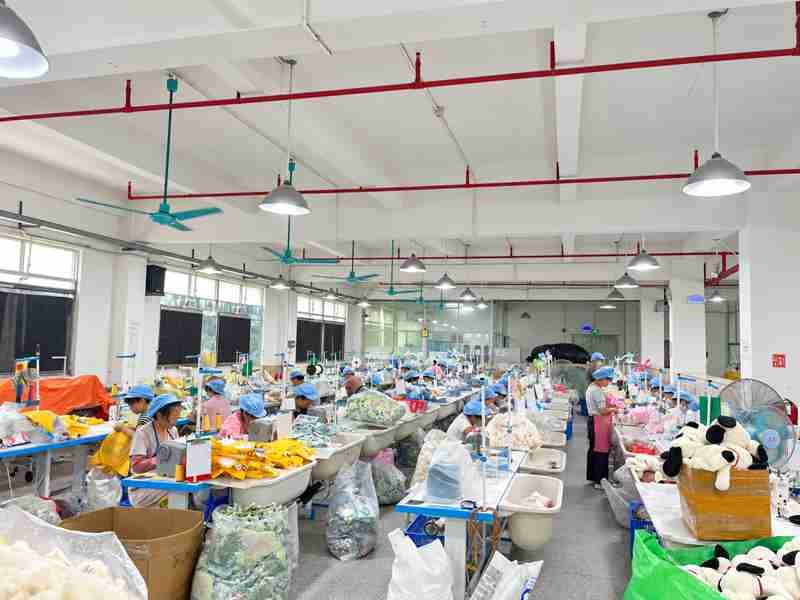
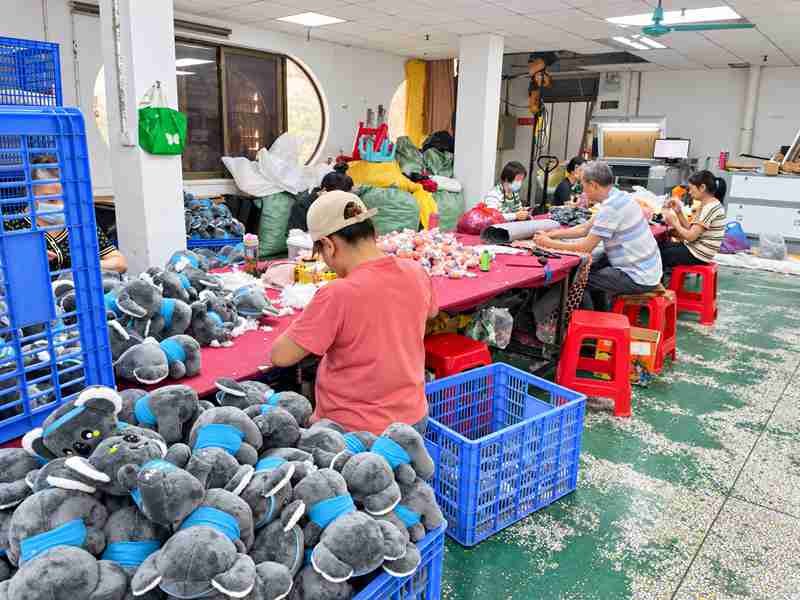
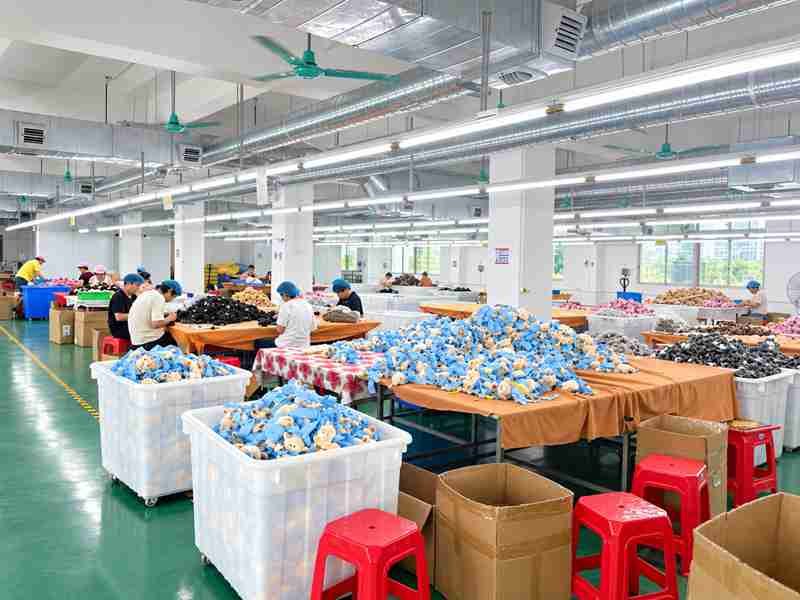
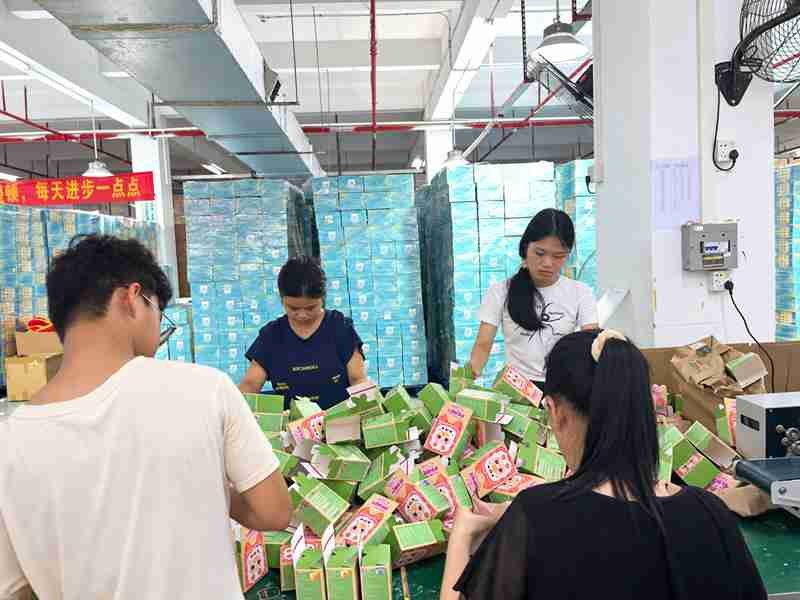
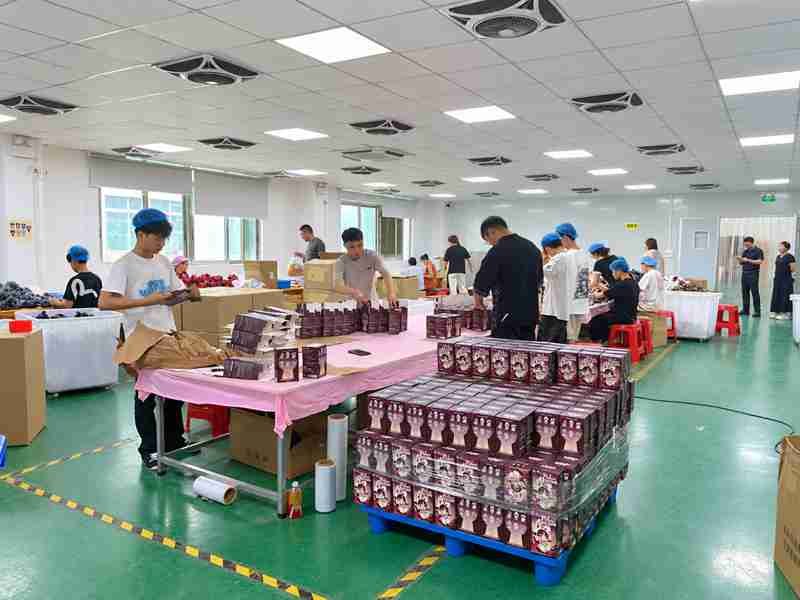
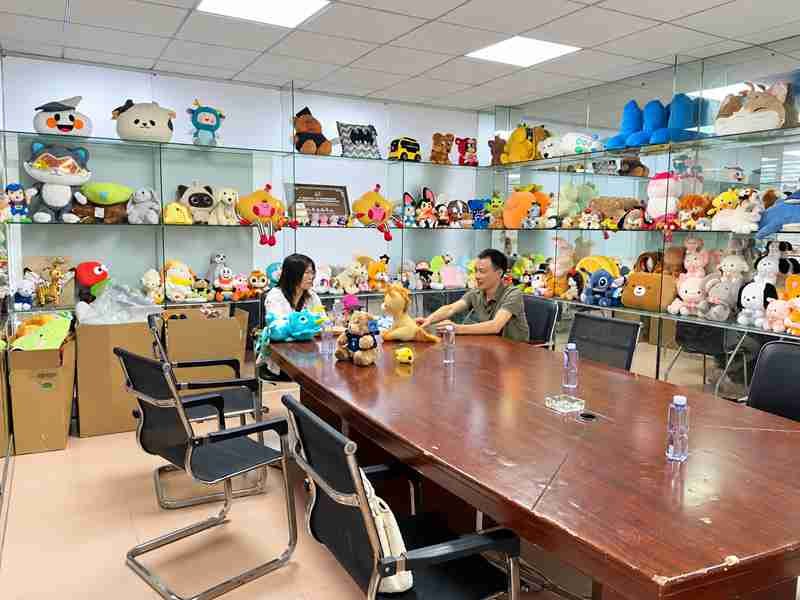
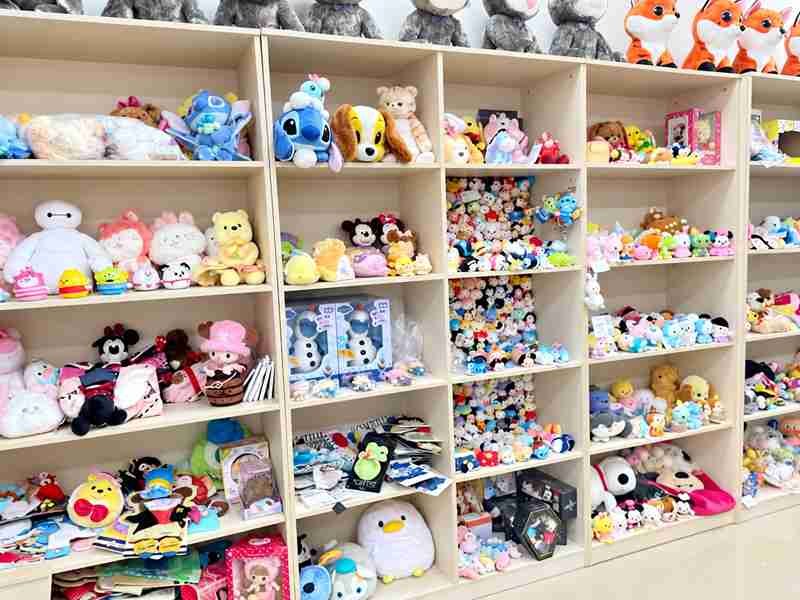
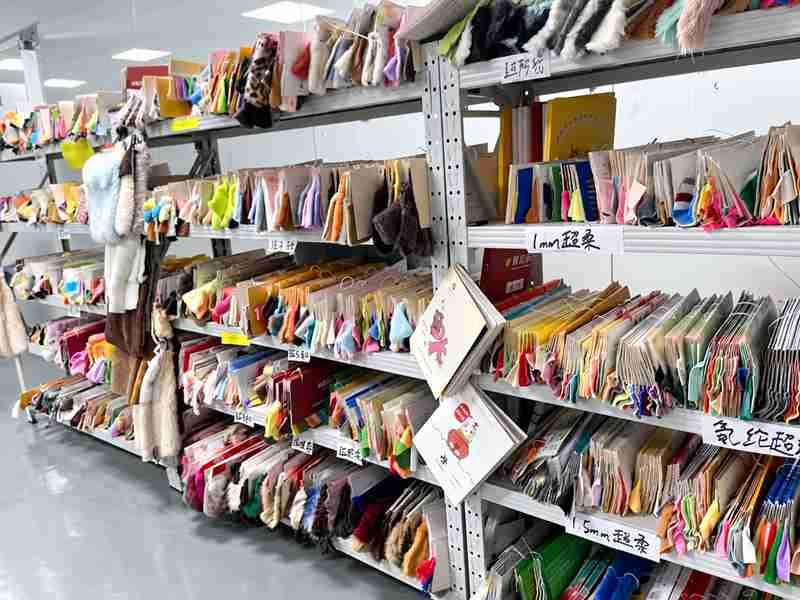
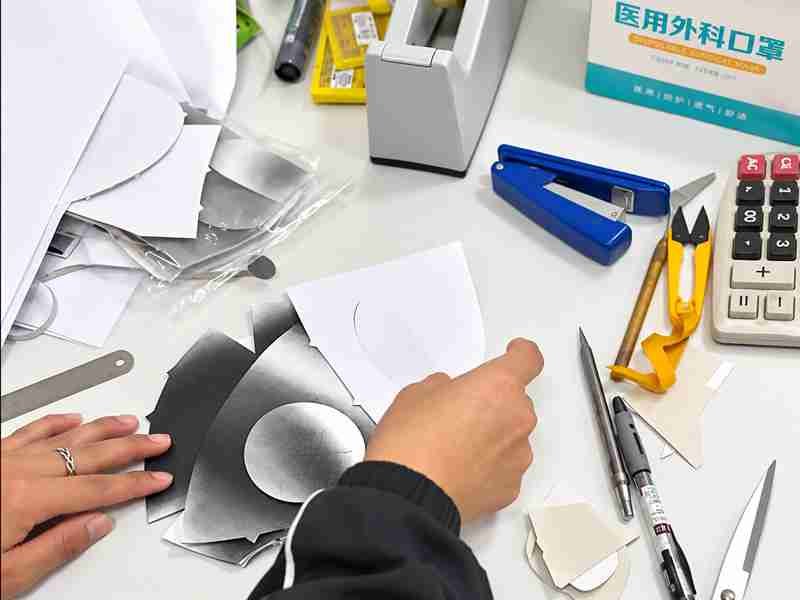
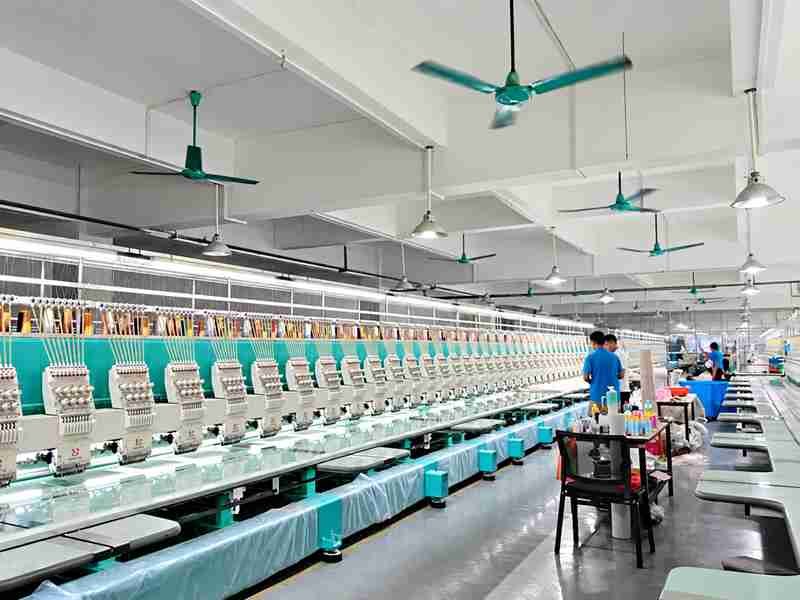
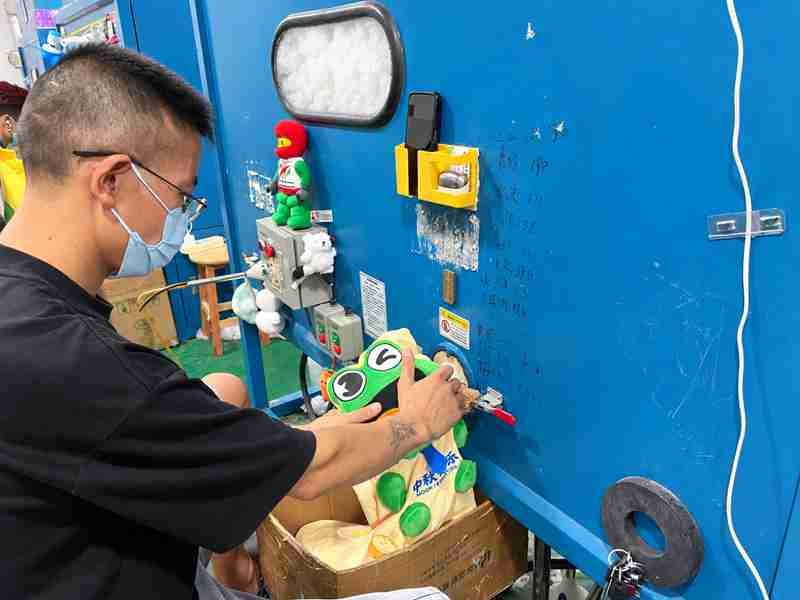
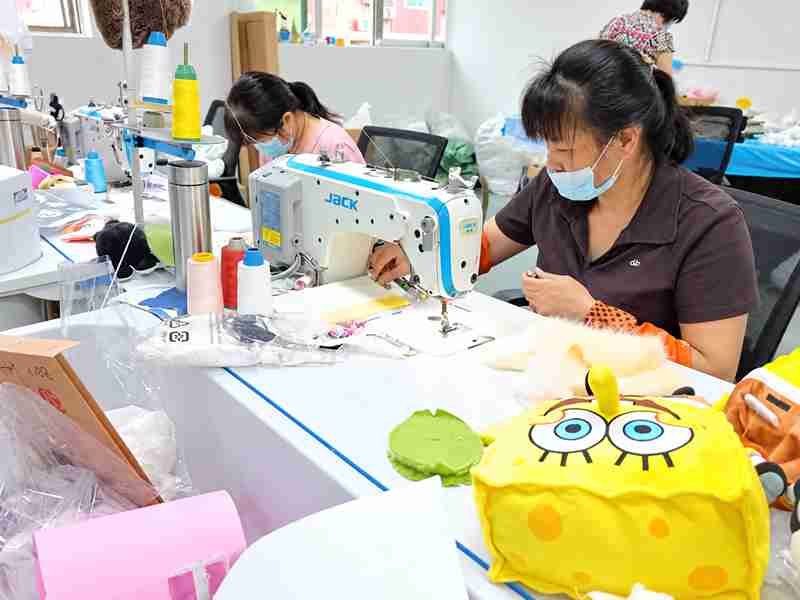
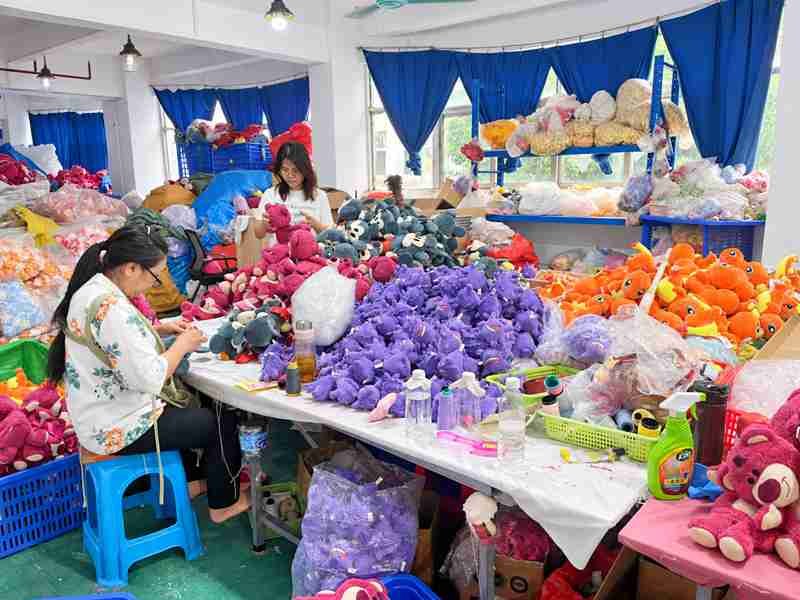
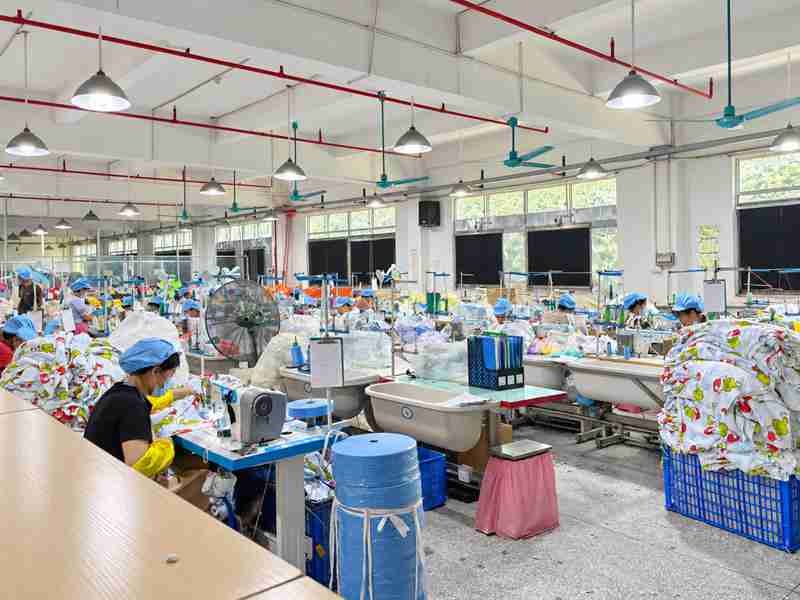
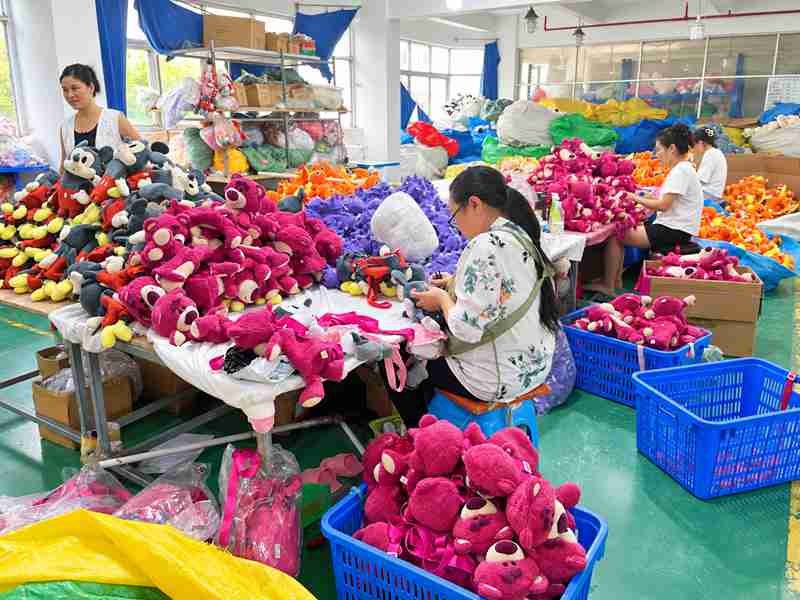
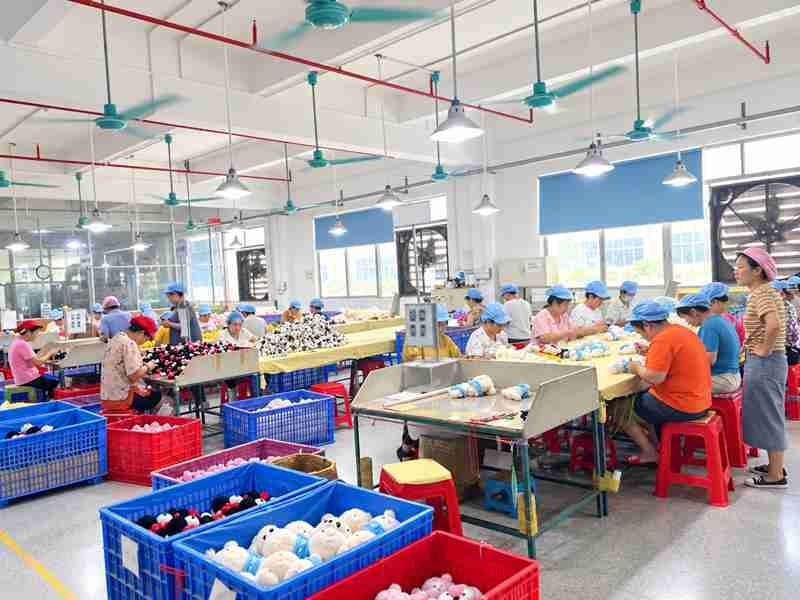
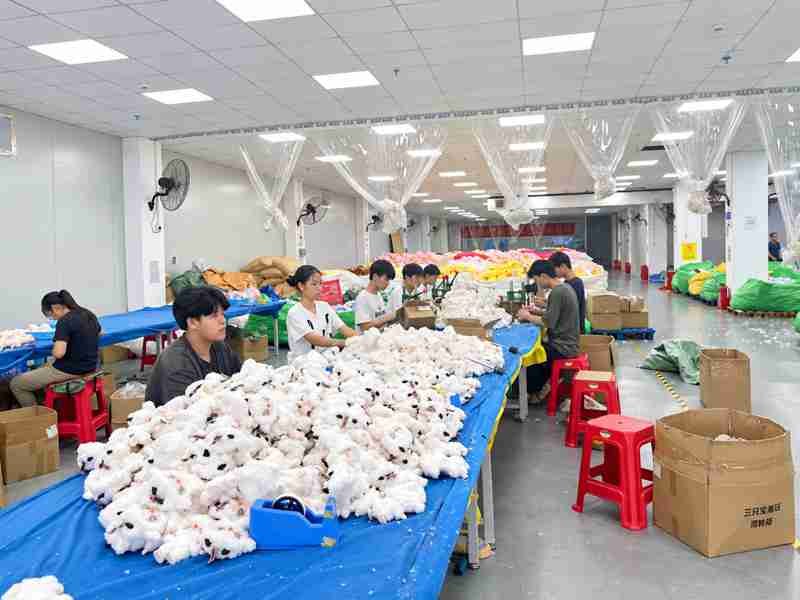
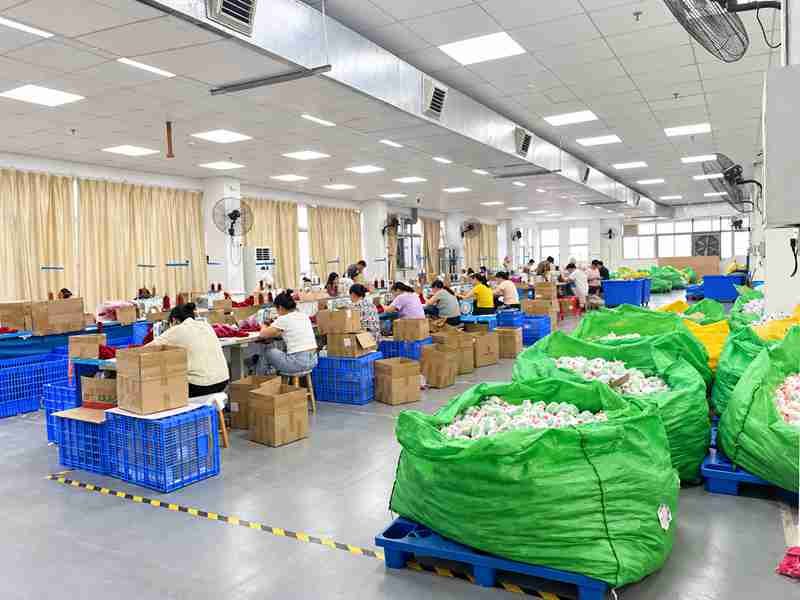
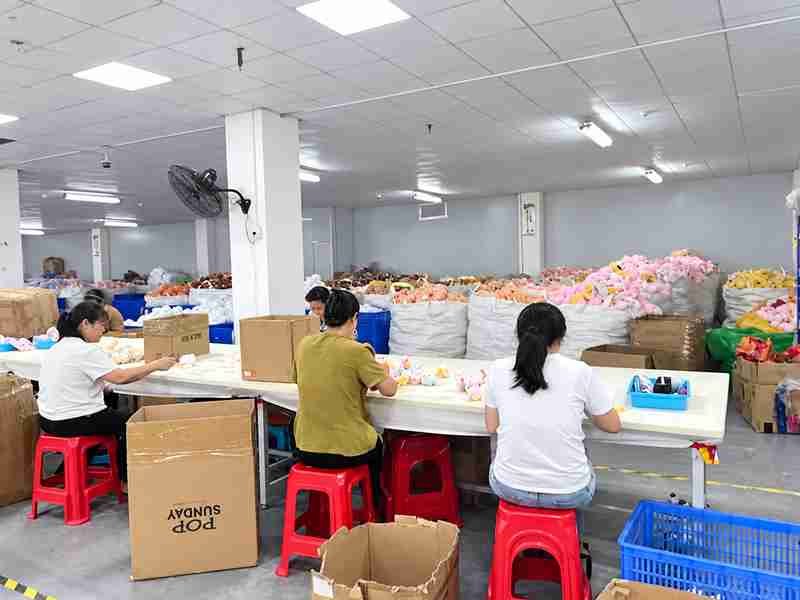
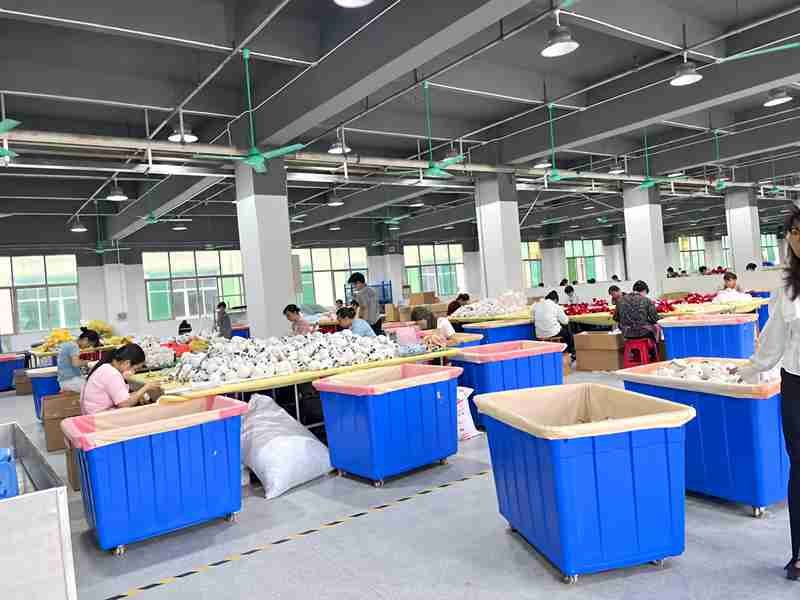
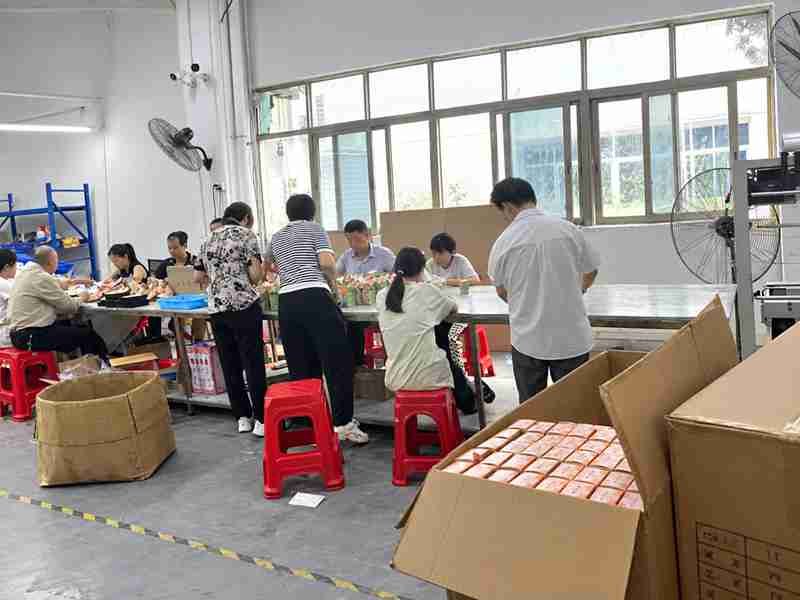
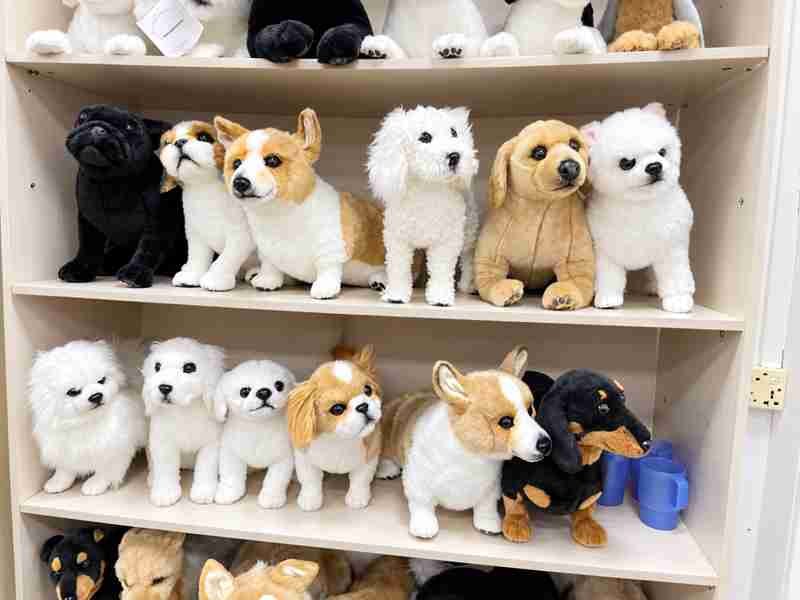
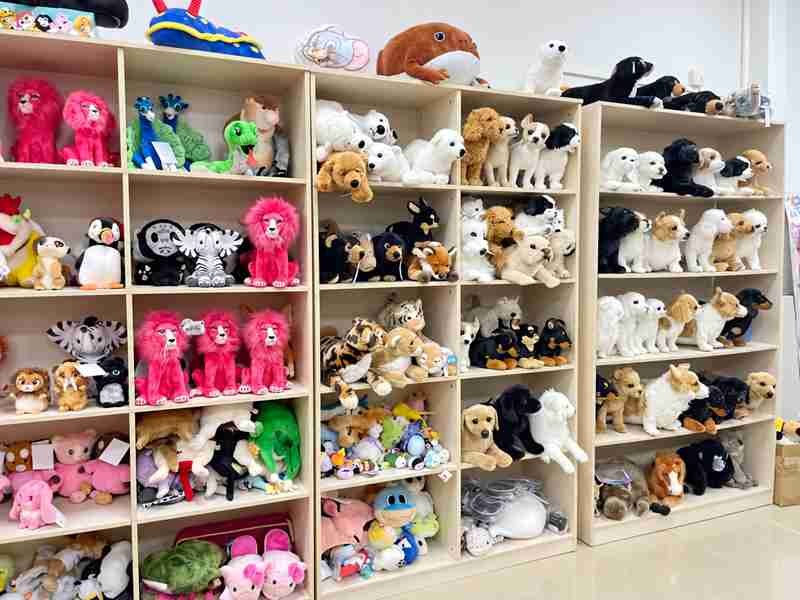
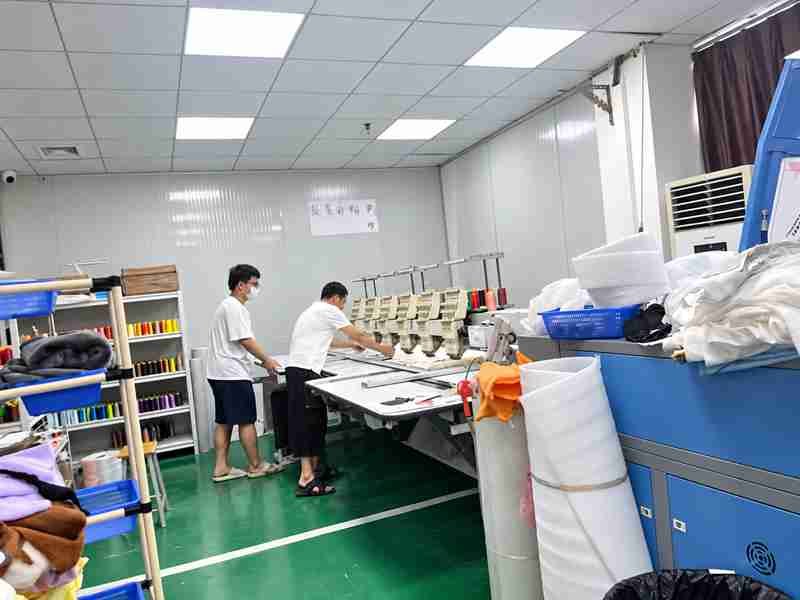
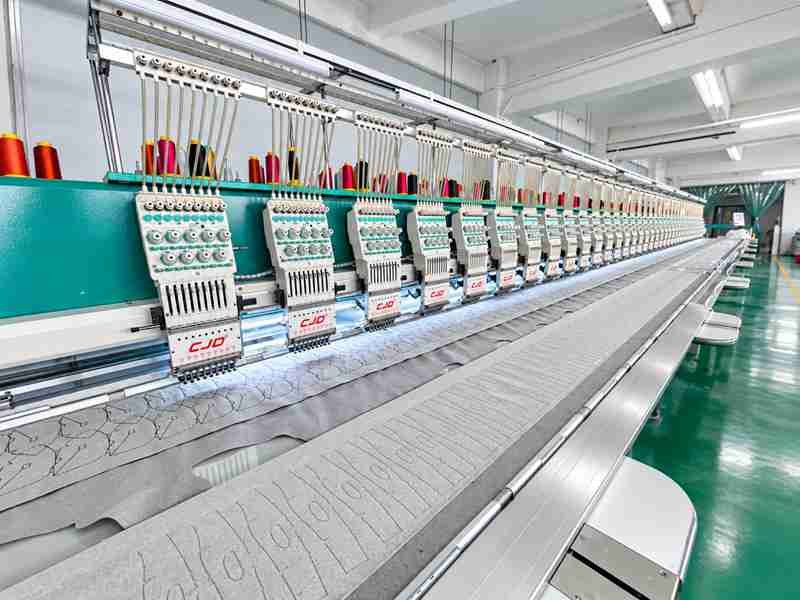
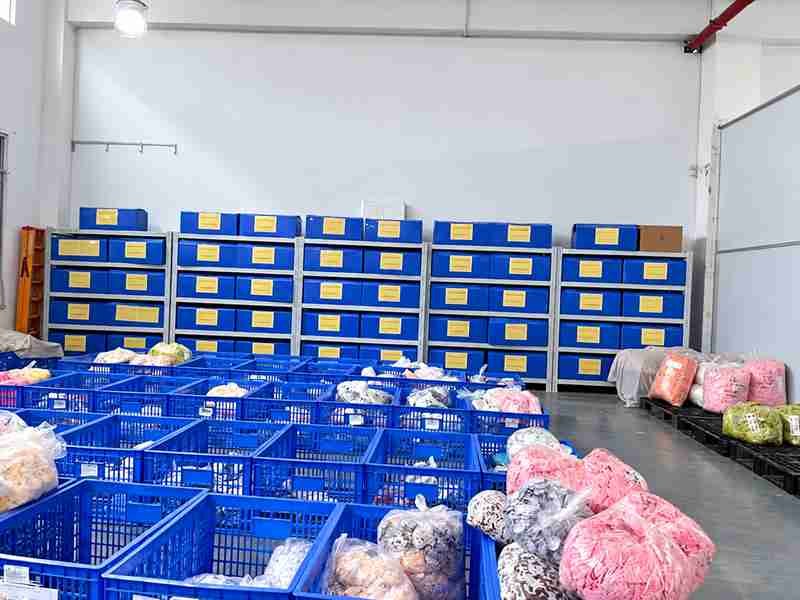
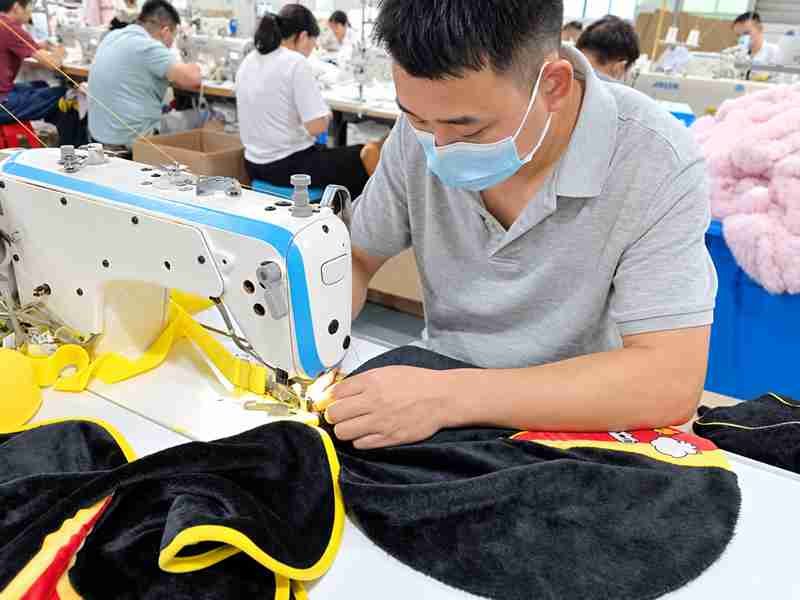
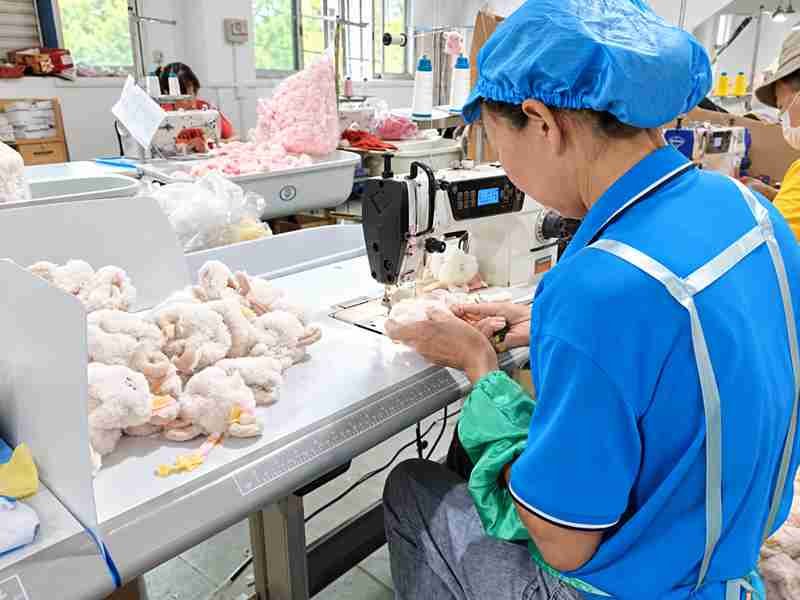
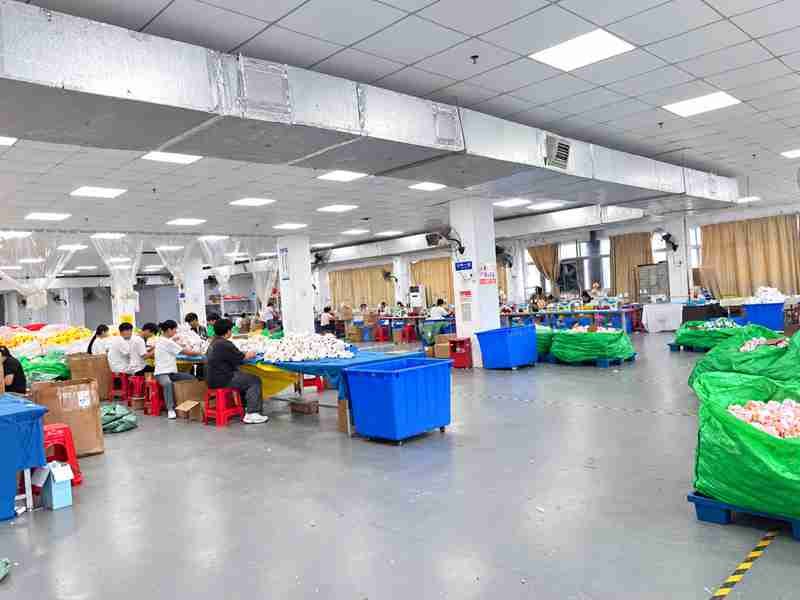
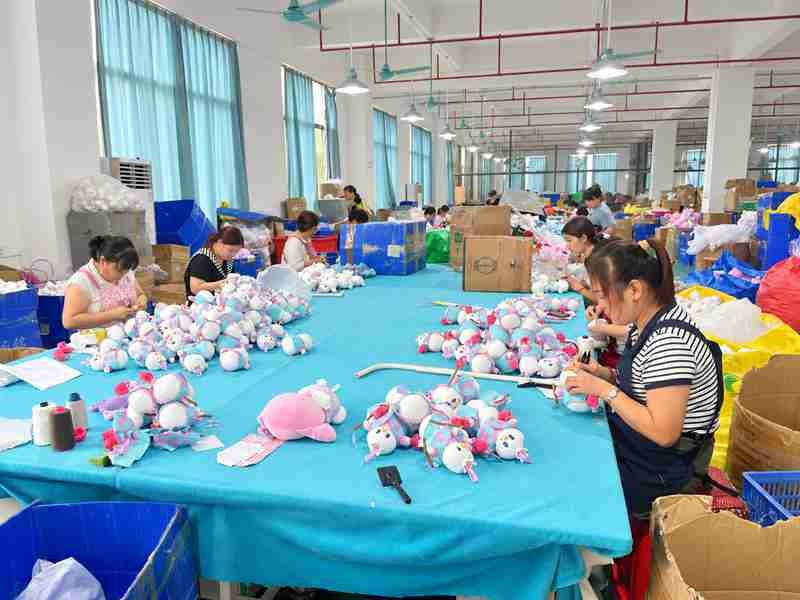
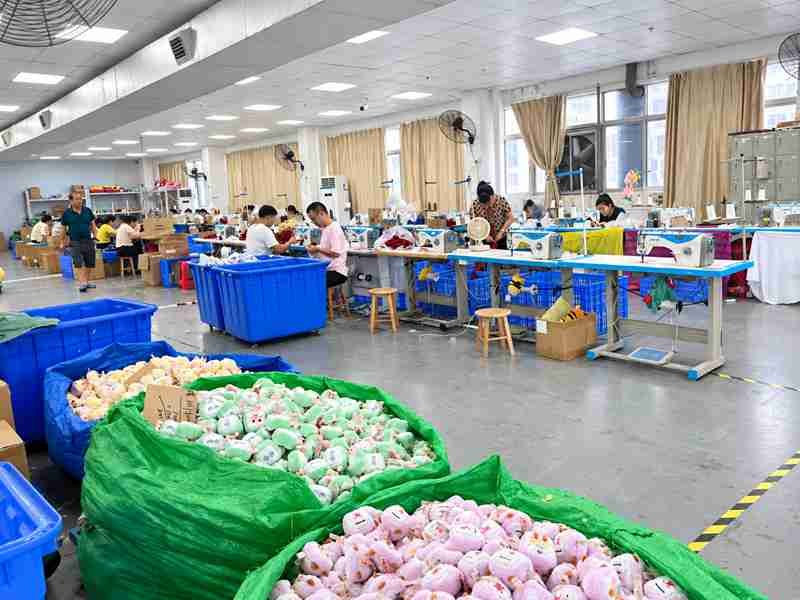
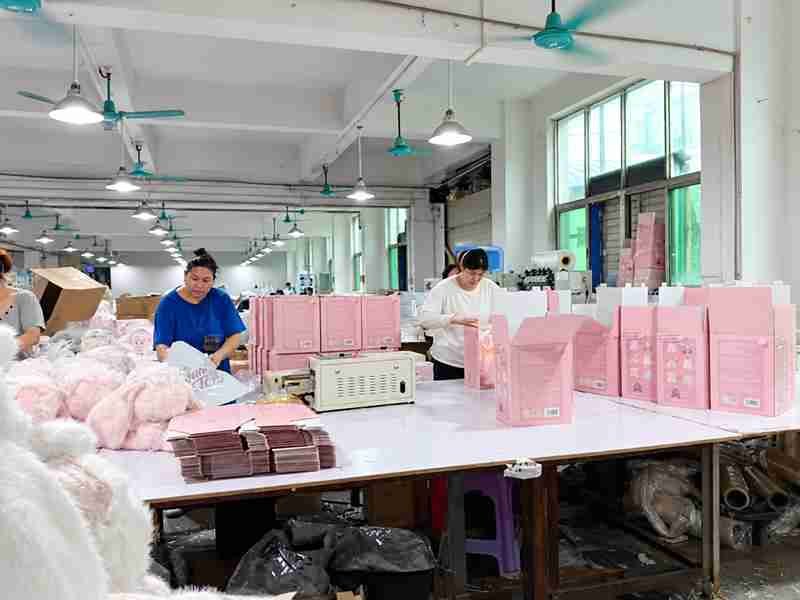
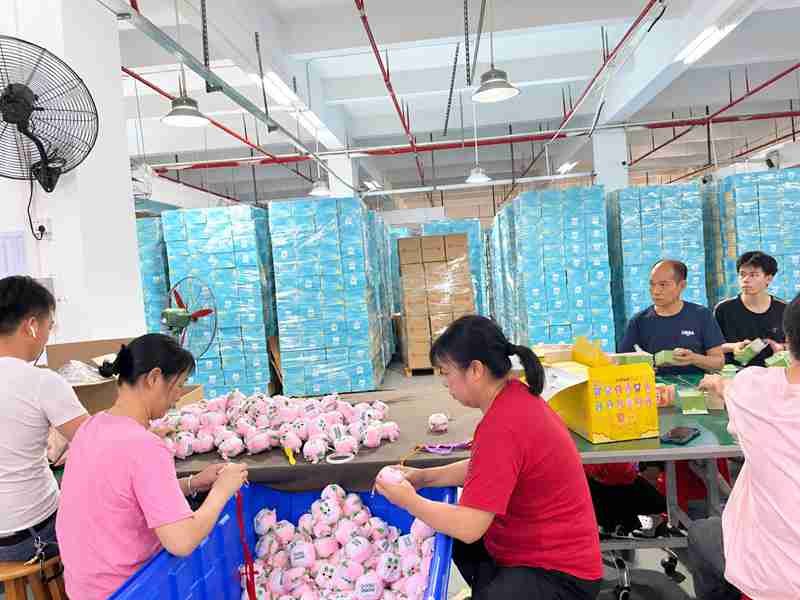
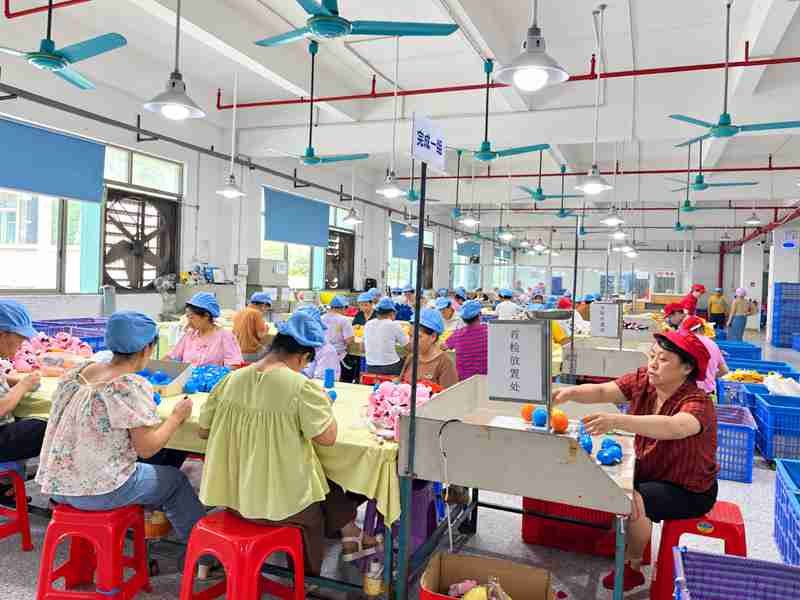
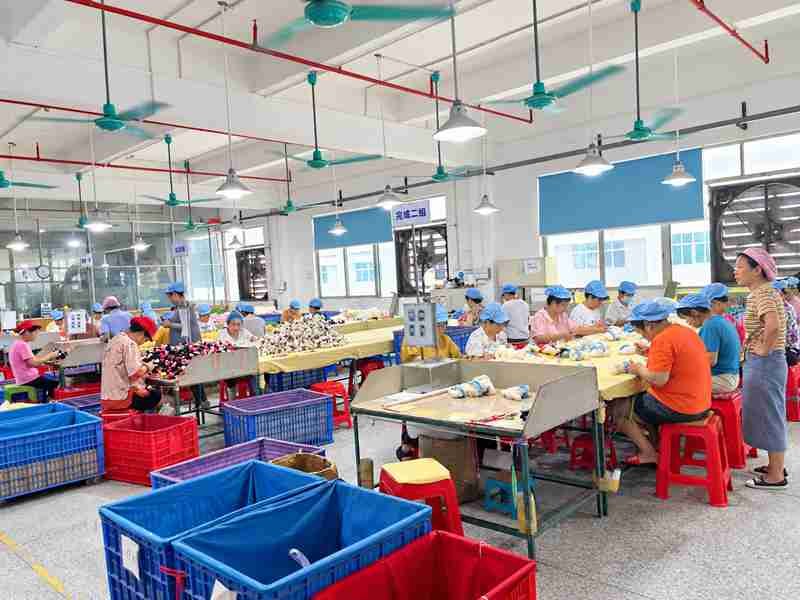
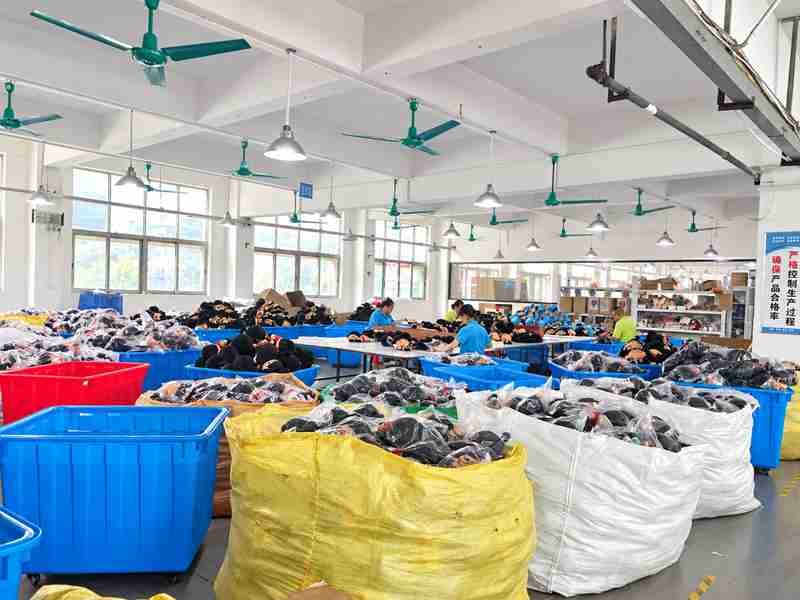
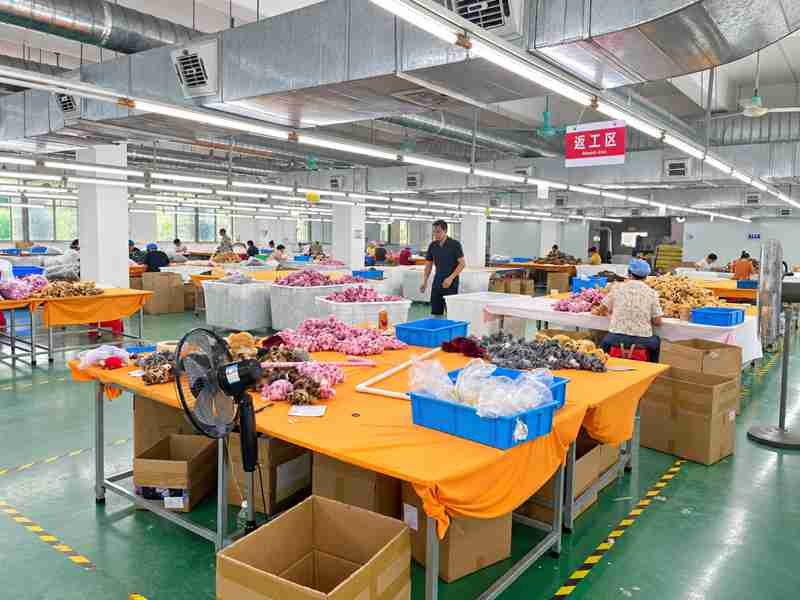
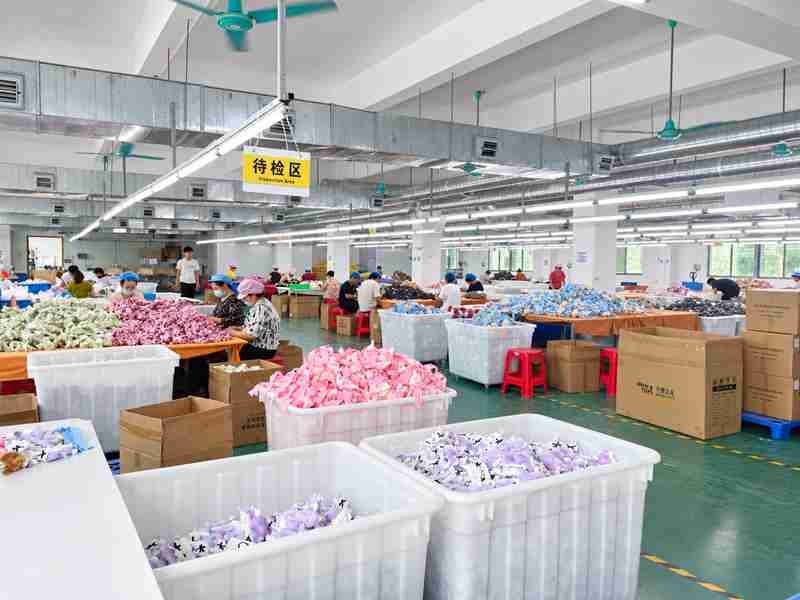
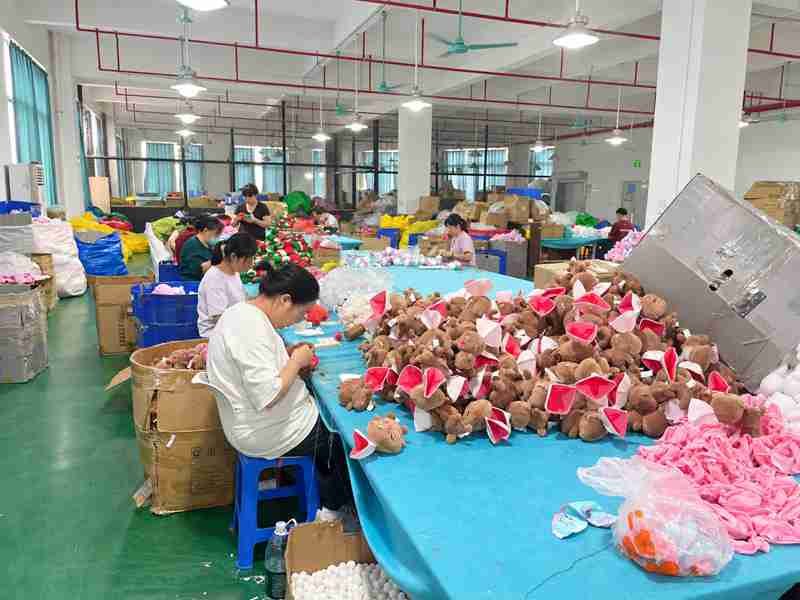
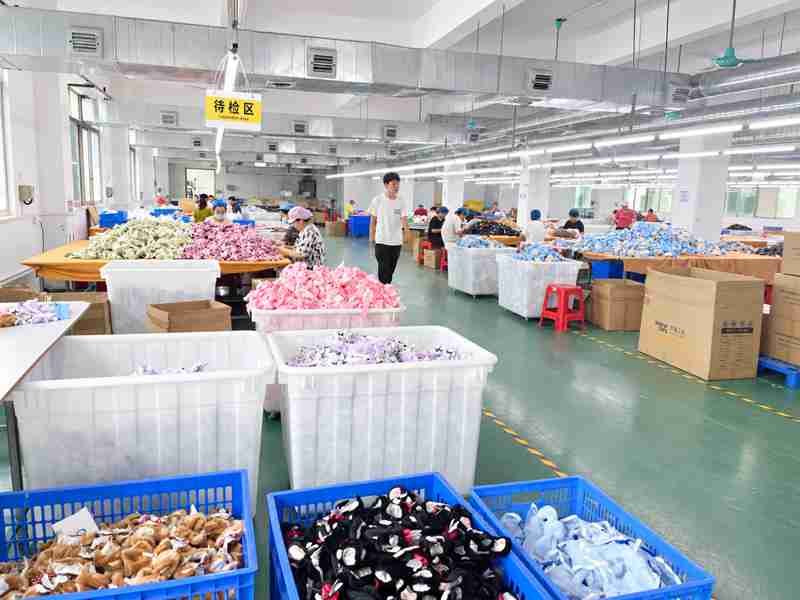
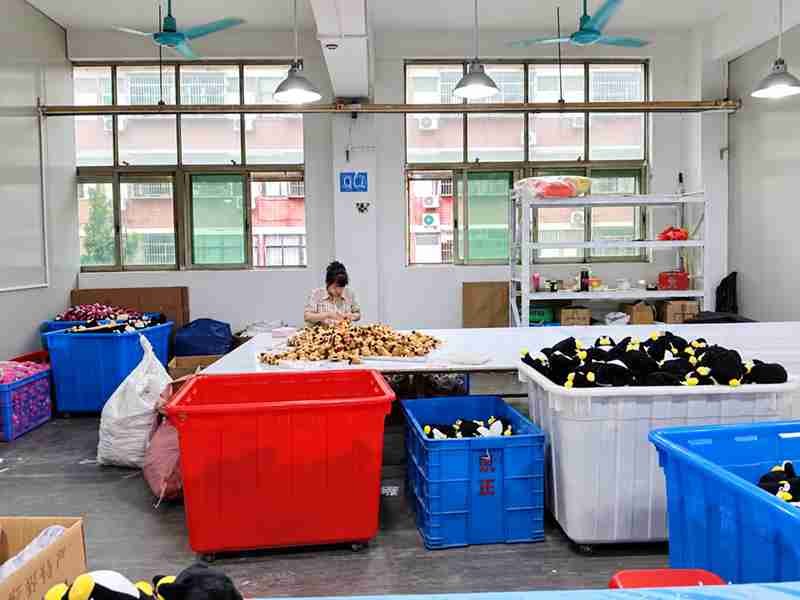
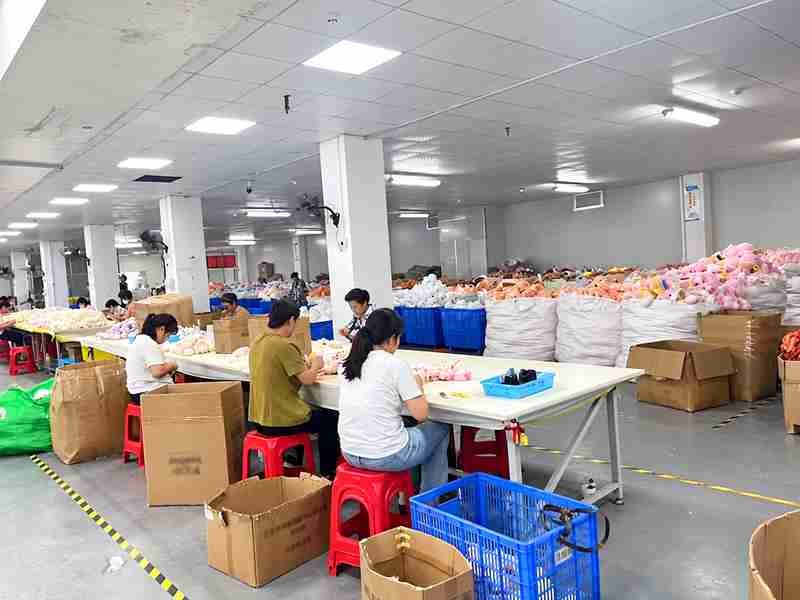
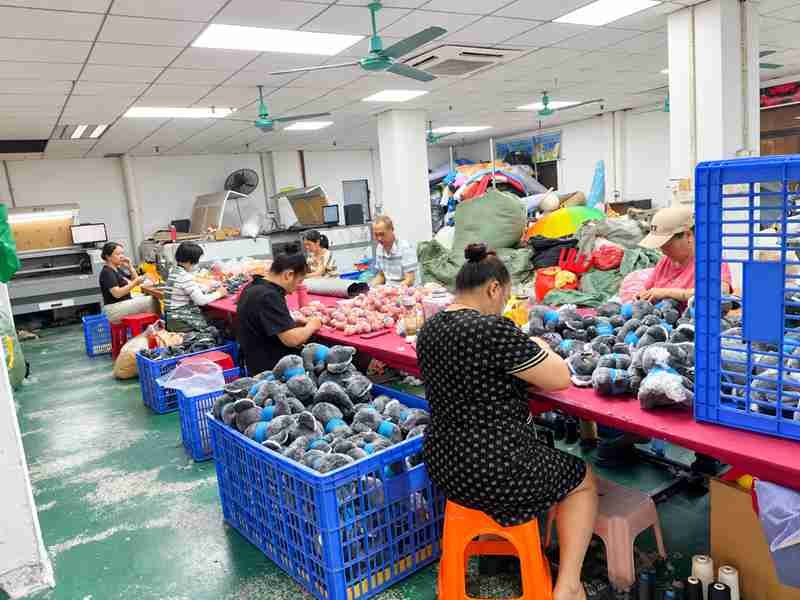
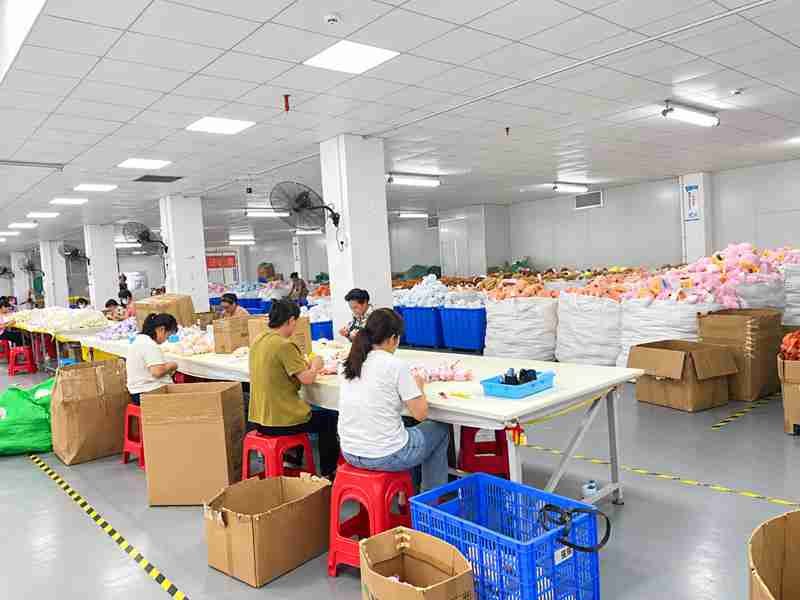
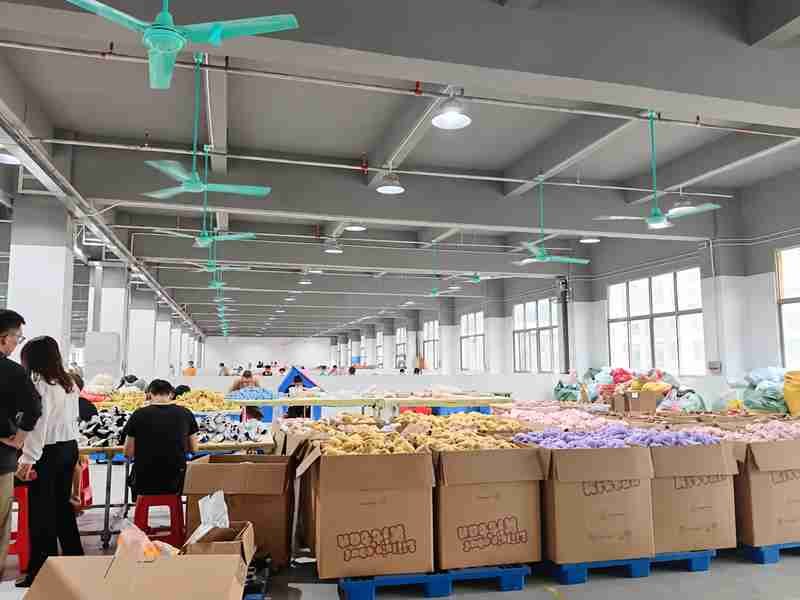
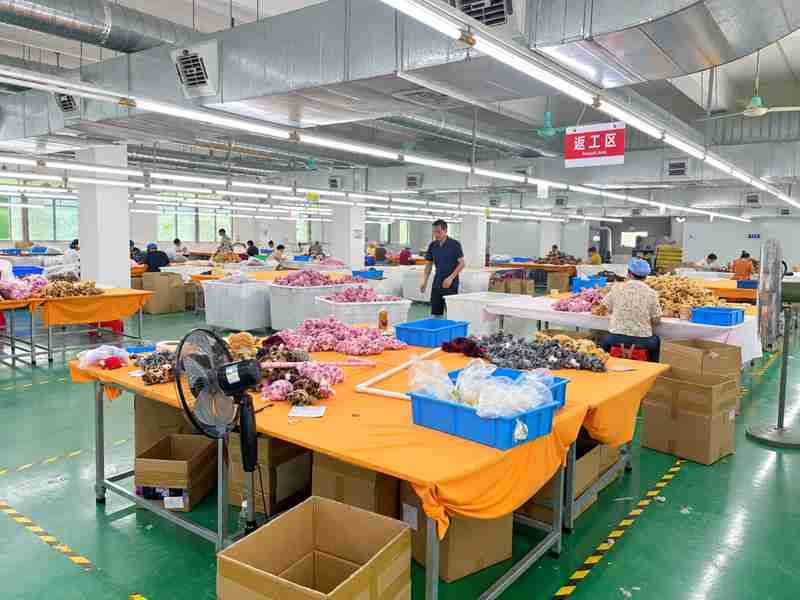
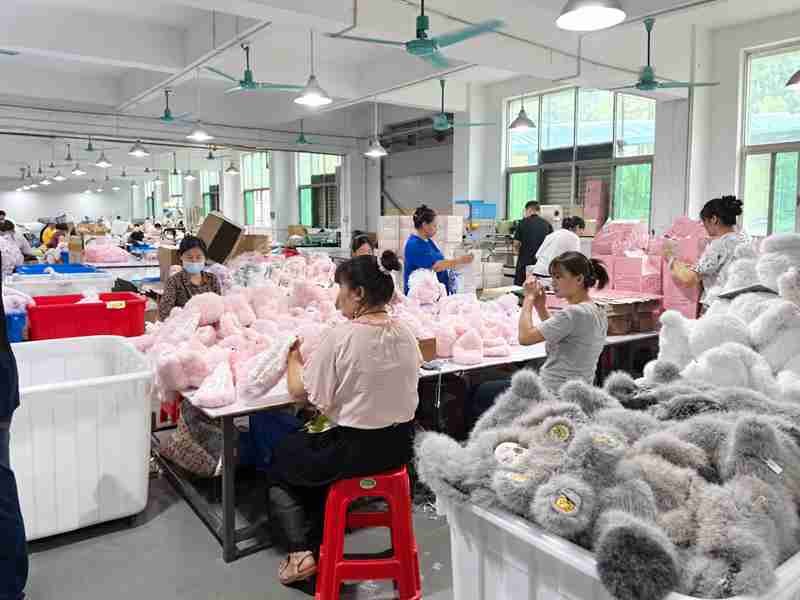
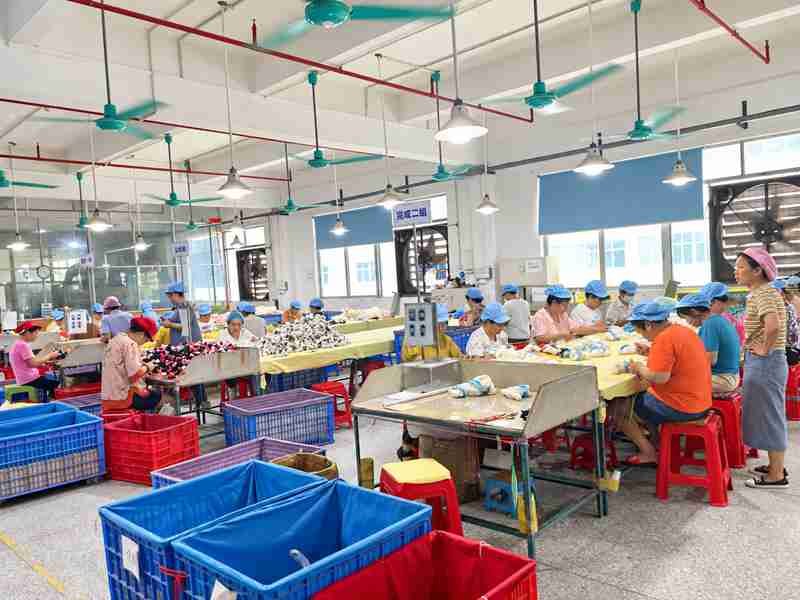
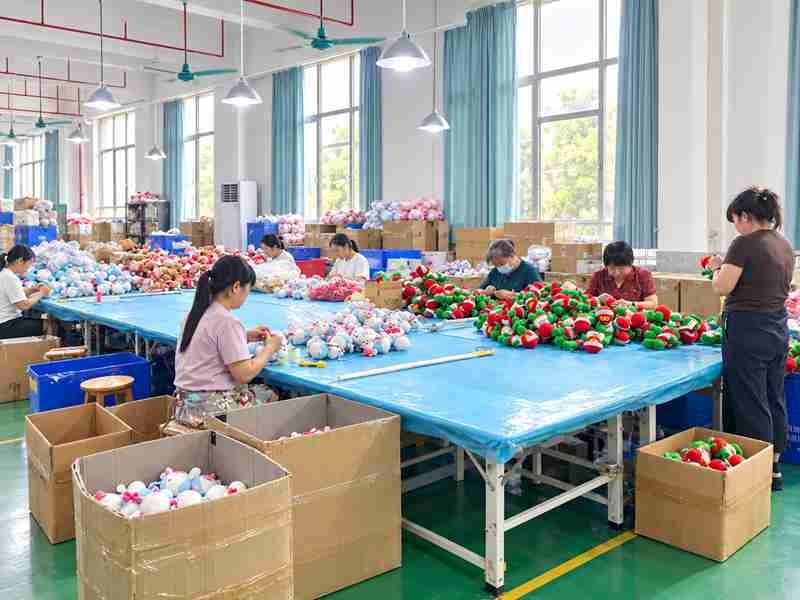
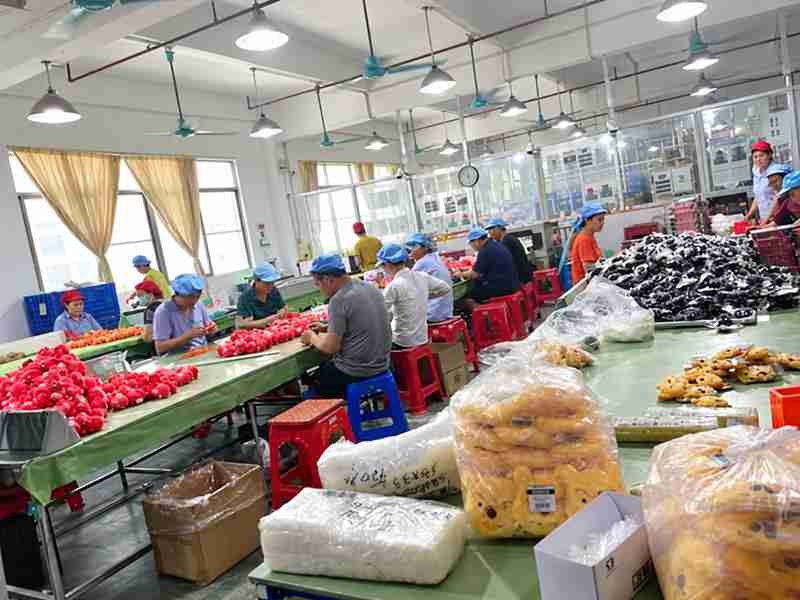
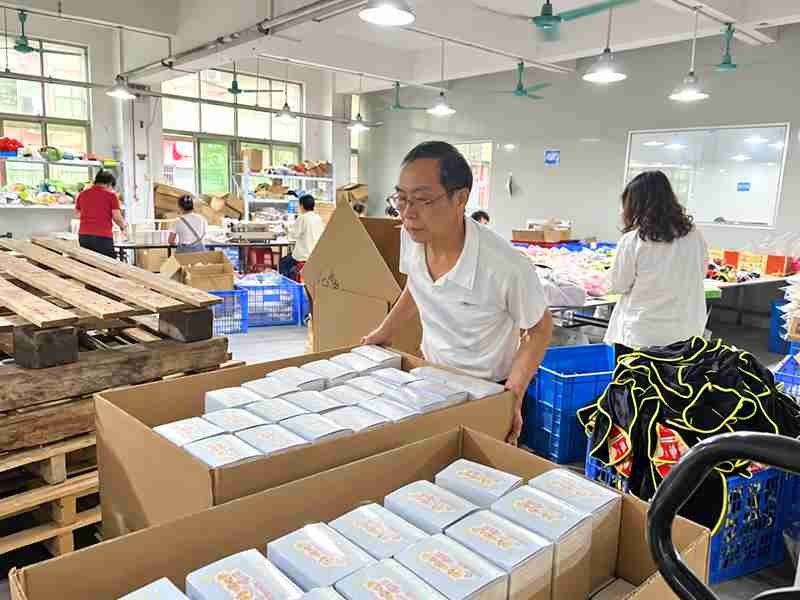
From Prototype to Production: Our Real Plush Factory Show
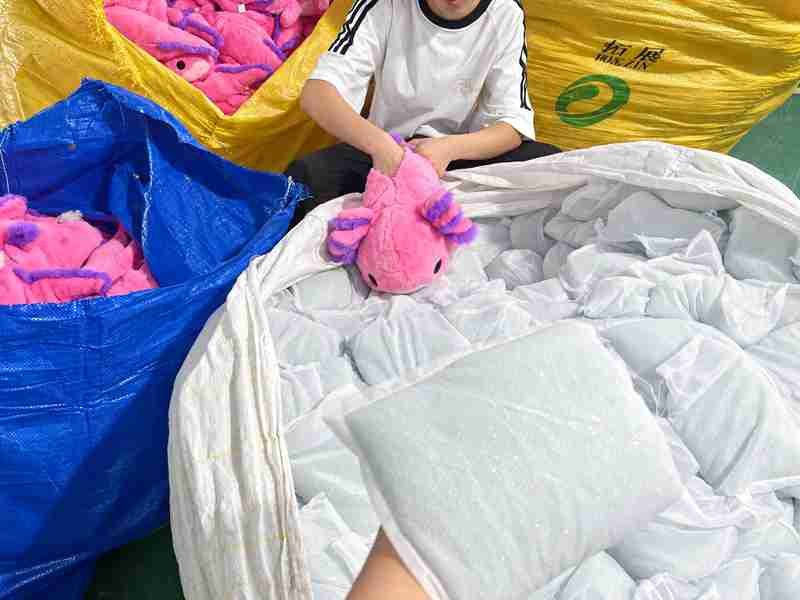
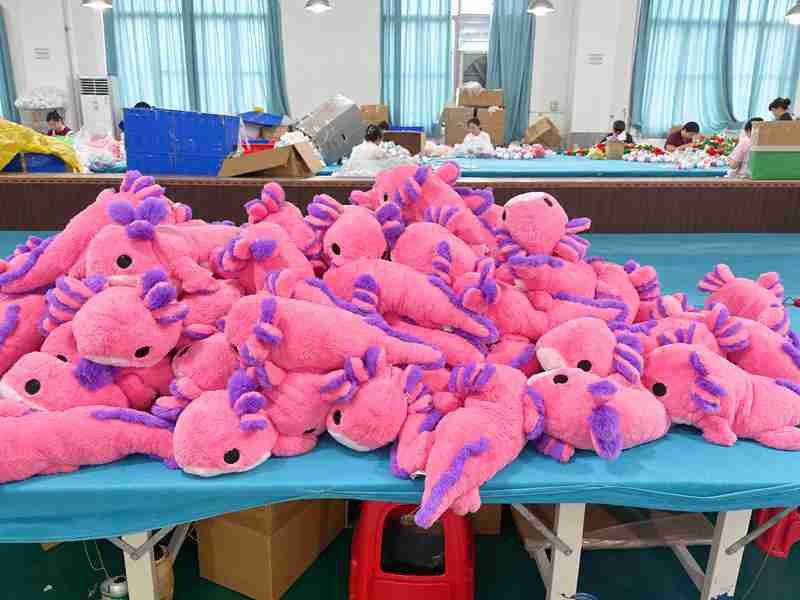
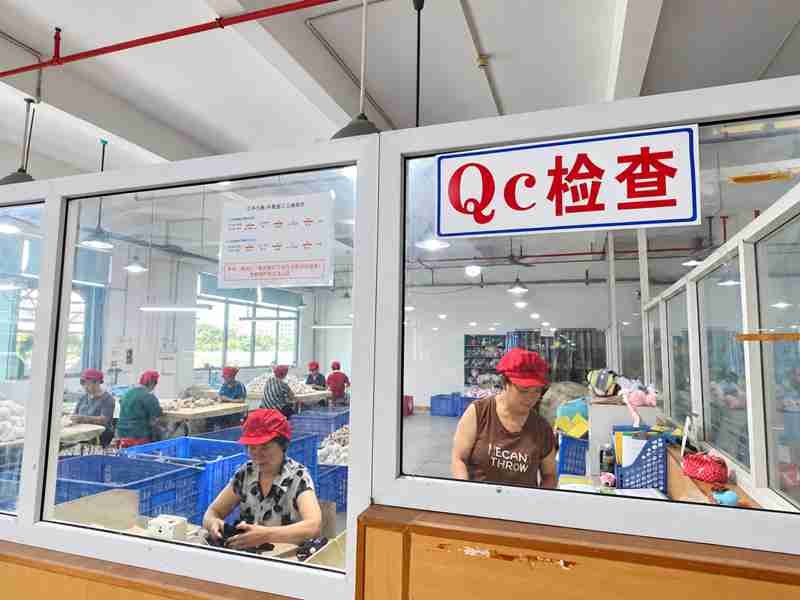
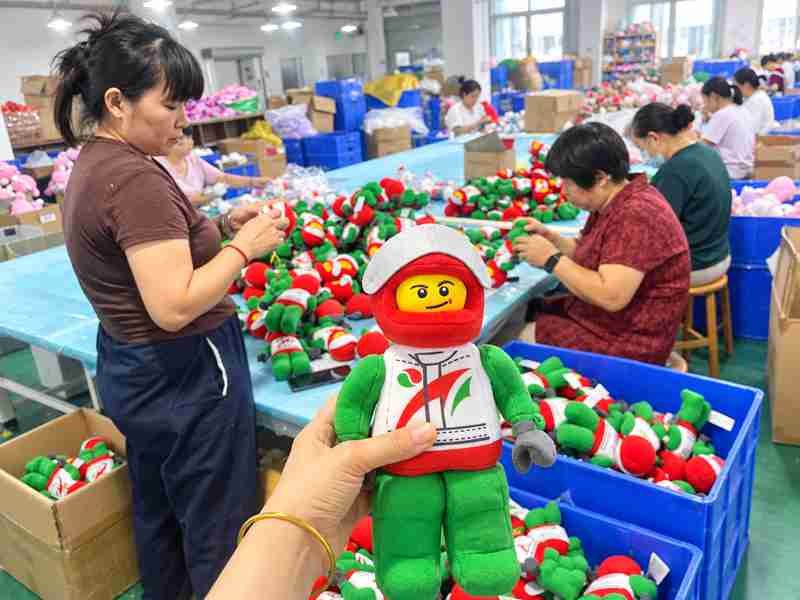
At Ewintoys, every plush project follows a structured development and production process, from initial design review and pattern making to sampling, mass production, quality inspection, and final delivery. Our real factory images provide a transparent view of how ideas are transformed into high-quality plush products through professional craftsmanship, engineering control, and careful production management.
















Move From Artwork to Approved Production Materials
Start With Product Requirements Before Selecting Fabric
The material review begins with artwork or a product brief, target size, product type, intended handfeel, visual priority, target market, decoration, accessories, function, packaging route, and commercial position. A mini collectible may need a short surface that keeps embroidery readable, while a realistic animal may depend on long pile and controlled nap direction. Weighted, electronic, magnetic, or bag-style products add internal materials and component interfaces that a basic body-fabric swatch cannot answer.
Ewin can compare candidate material directions against pattern complexity, seam access, filling, product weight, decoration method, expected handling, and packaging. The objective is to narrow the material system before a full sample is built, especially when one surface choice would force several downstream design changes.
Validate Materials Through Swatches and Physical Samples
A color card or swatch proves only part of the decision. Material trials can check pile direction, stretch, cutting behavior, seam formation, embroidery stabilization, printing, heat response, adhesion, turning, filling recovery, hardware contact, and how the surface looks after shaping. When fabric direction remains uncertain, a swatch or targeted material test can be reviewed before rebuilding a complete V1 sample.
The physical sample then confirms how the approved material behaves on the real character. V1 and later revisions can compare face shape, volume, texture, decoration visibility, handfeel, clothing fit, filling, accessories, and packaging response. Each approved change should remain tied to a defined sample revision instead of an informal “latest fabric” note.
Freeze the Material Into Golden, BOM, and Bulk Control
Material approval becomes useful for manufacturing when the selected input receives a controlled identity. Ewin can record Material ID, name, composition, GSM, pile height or thickness, color, nap direction, supplier route, and the SKU or product area where it is used. Decoration, filling, accessory, and packaging decisions remain linked to the same approved product definition.
The Golden Sample provides the physical appearance reference while the Frozen BOM and supporting material data carry the specification into purchasing, IQC, cutting, production, QC, and reorders. If supplier, color lot, GSM, pile, backing, coating, filling, or another material feature changes later, the change enters review before the replacement becomes a production standard.
Material Priorities Change With the Plush Product Type
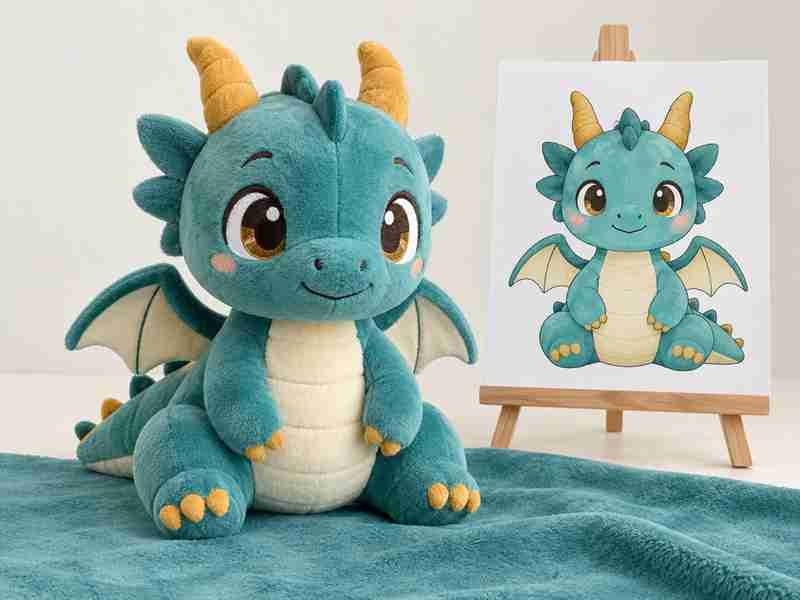
Character IP Plush

Mascot Plush
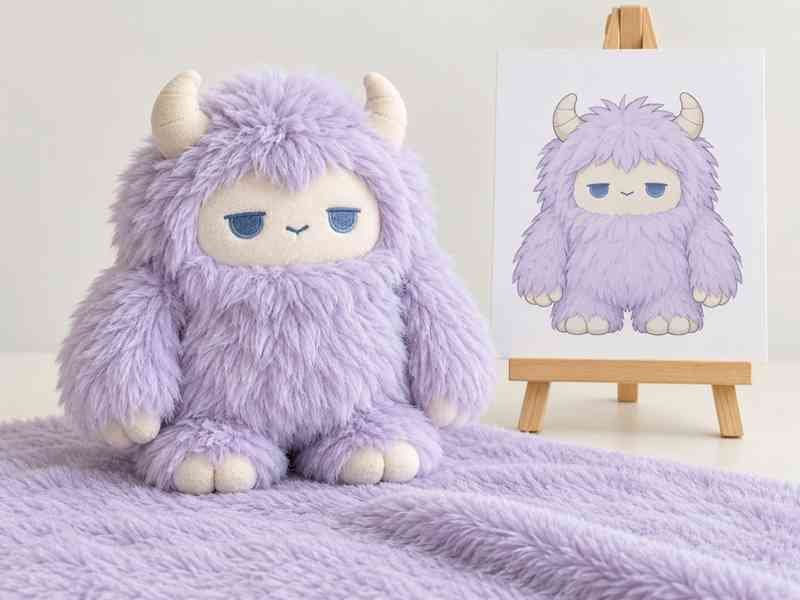
Collectible Plush
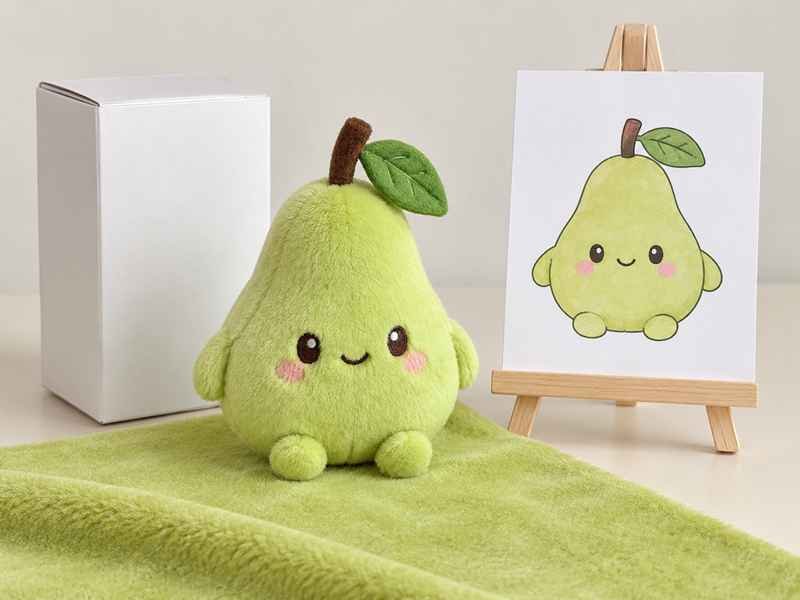
Mini Blind Box Plush
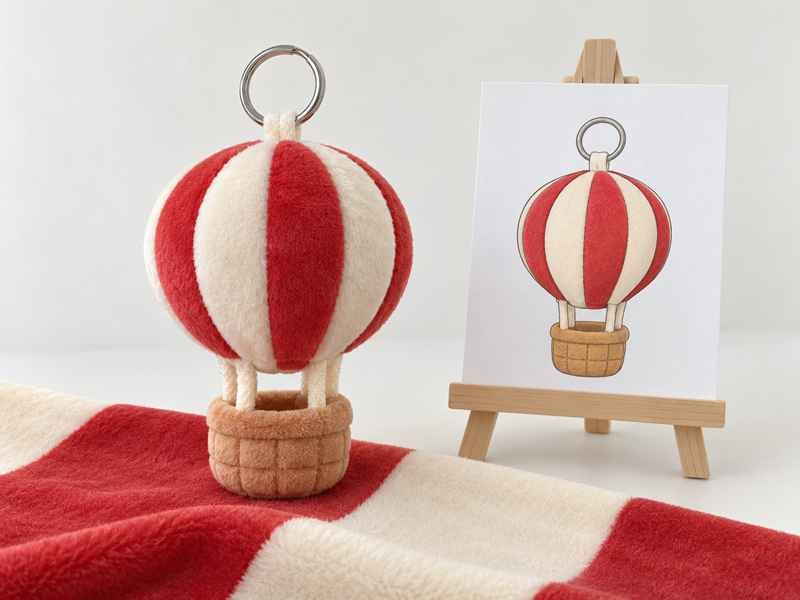
Plush Keychains
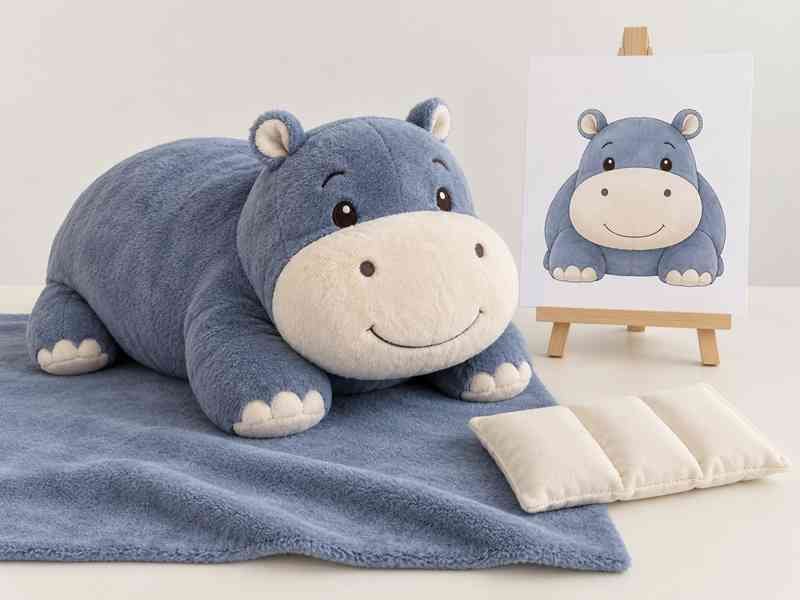
Weighted Plush
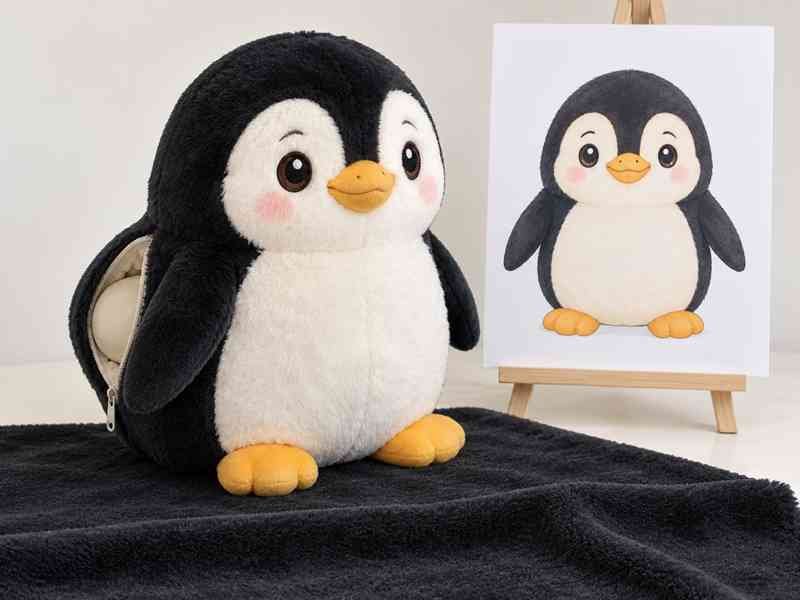
Electronic AI Plush
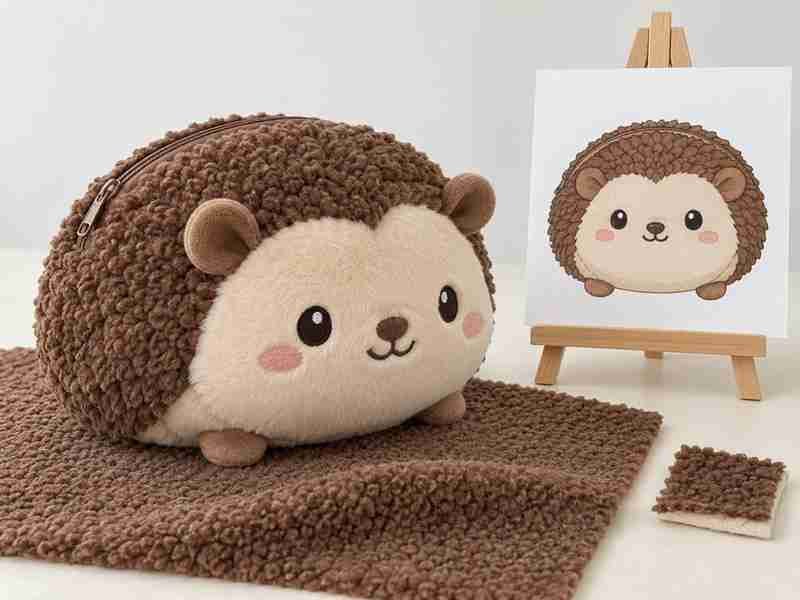
Lifestyle Plush
Different Brand Teams Use the Material Library Differently
Global Brand Teams
IP Owners
Licensing Teams
Toy Companies
Collectible Brands
Retail Private Label
Technology AI Teams
Multi-SKU Programs
Core Plush Fabrics Cover Different Surface and Structure Needs
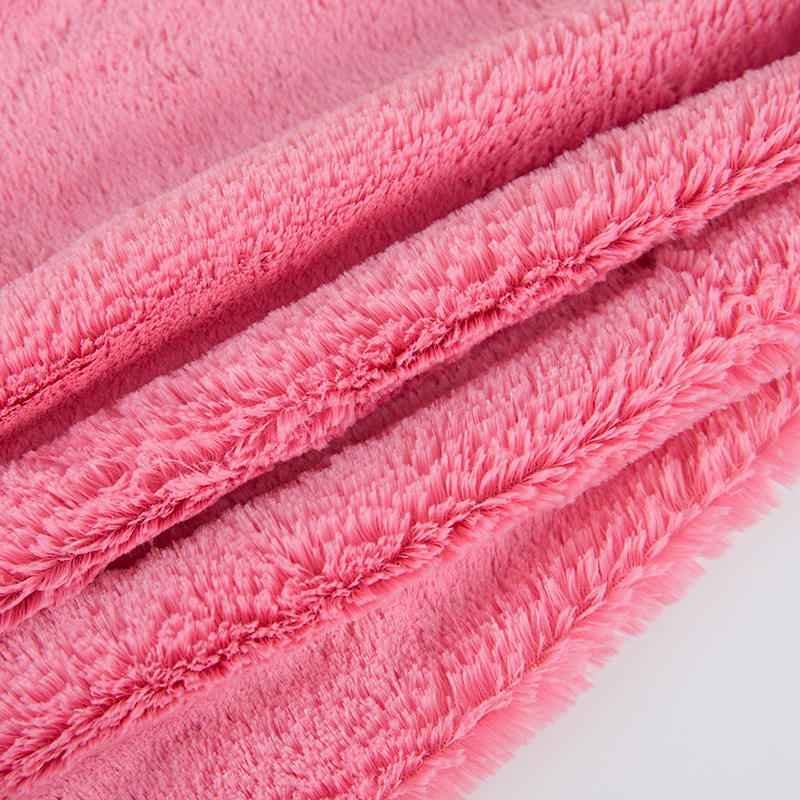
Minky
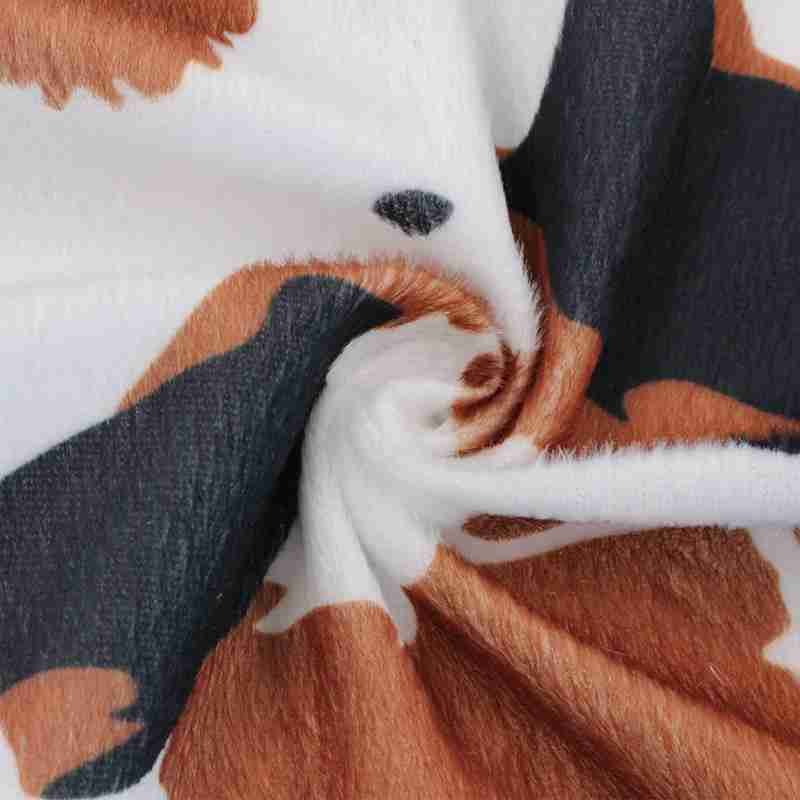
Velboa
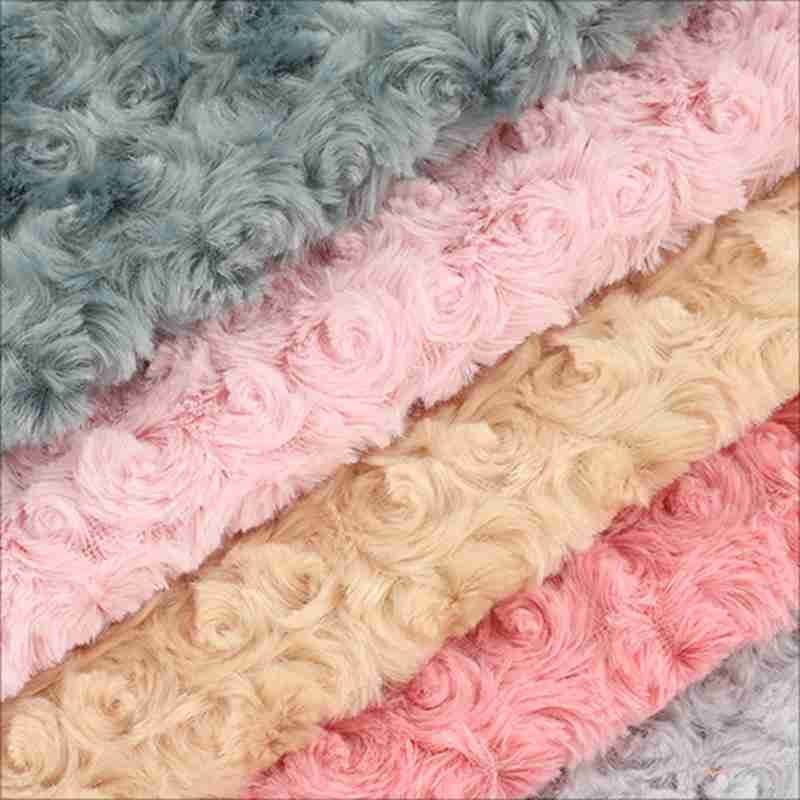
PV Plush

Short Plush

Fleece

Jersey Knit
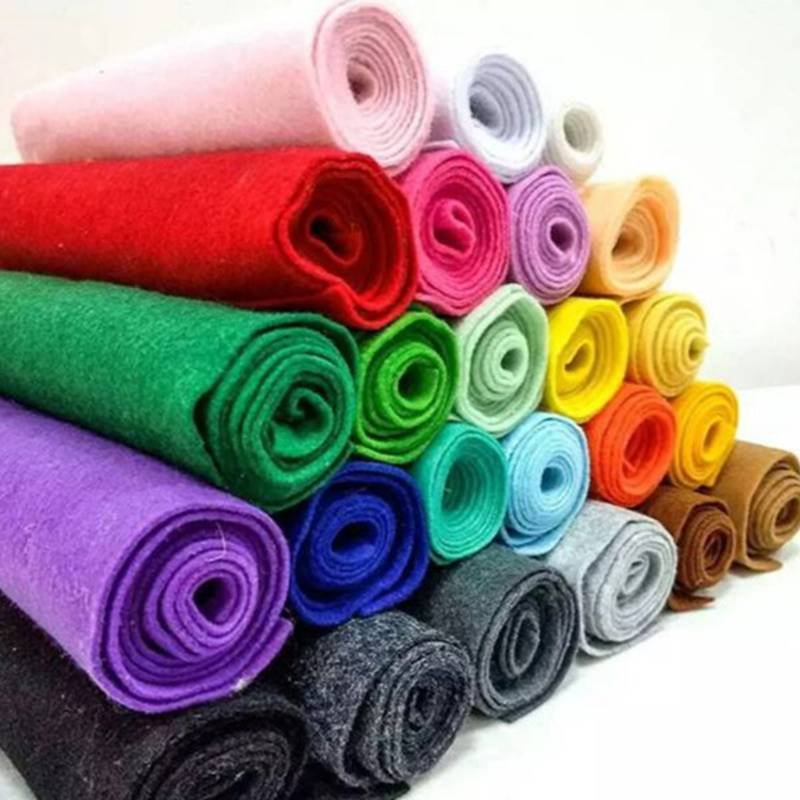
Felt

PU Surface
Long-Pile and Textured Fabrics Need Extra Engineering Control
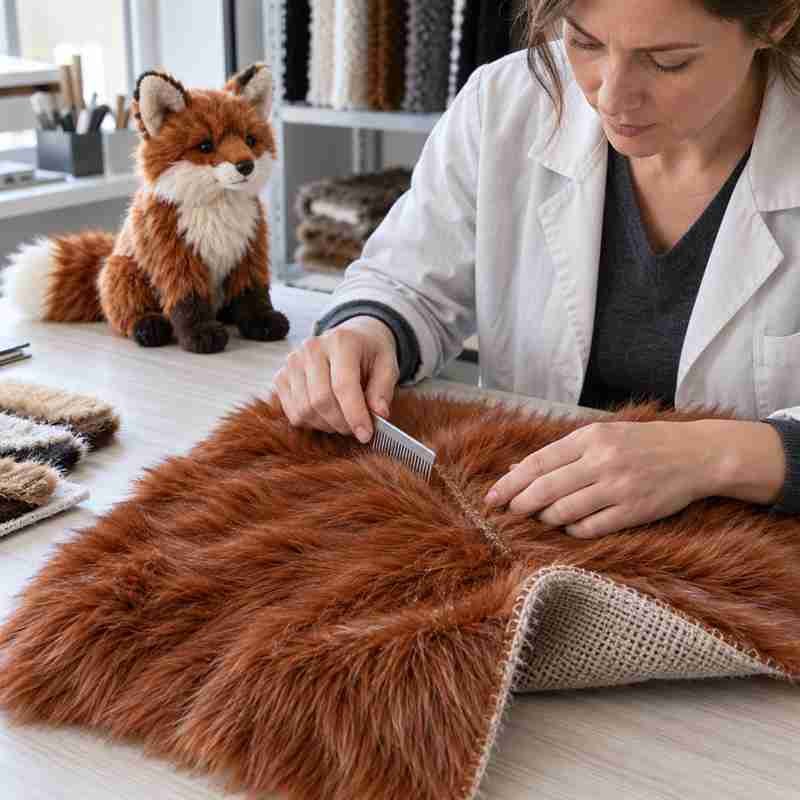
Faux Fur
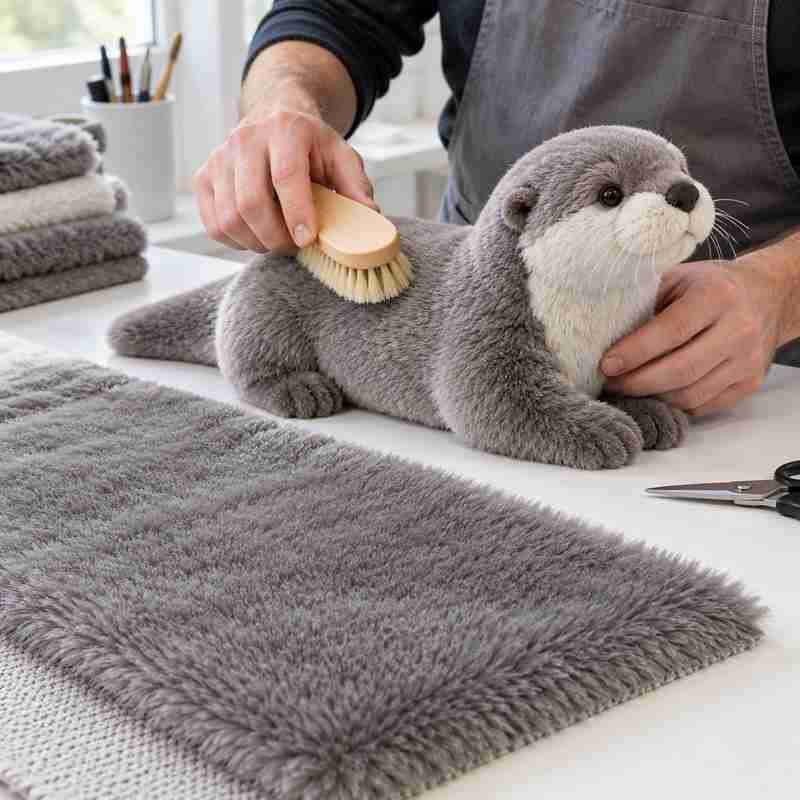
Rabbit-Style Plush
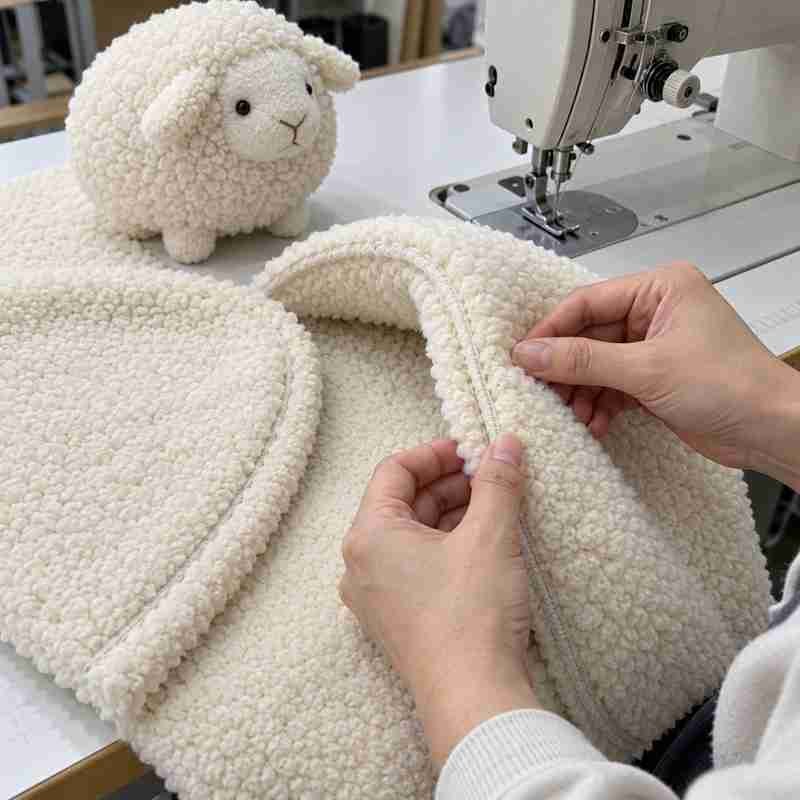
Sherpa
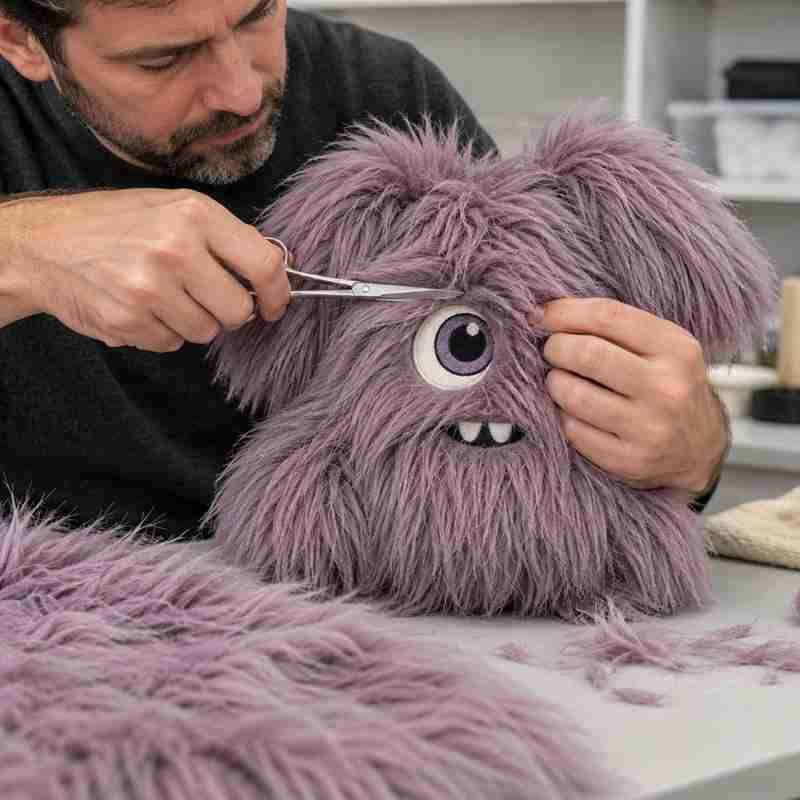
Long-Pile Plush
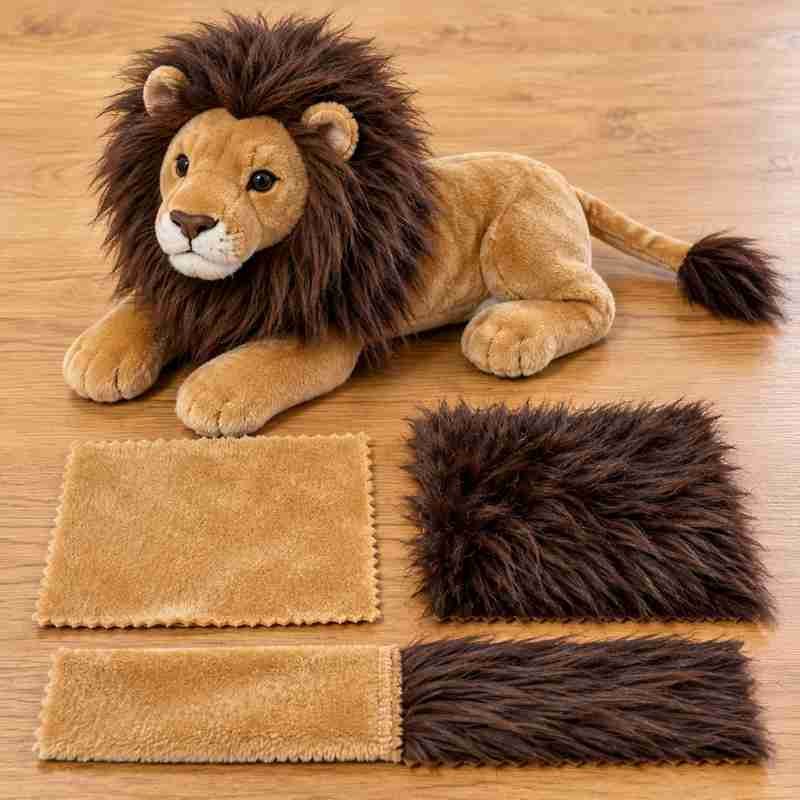
Mixed Pile Lengths
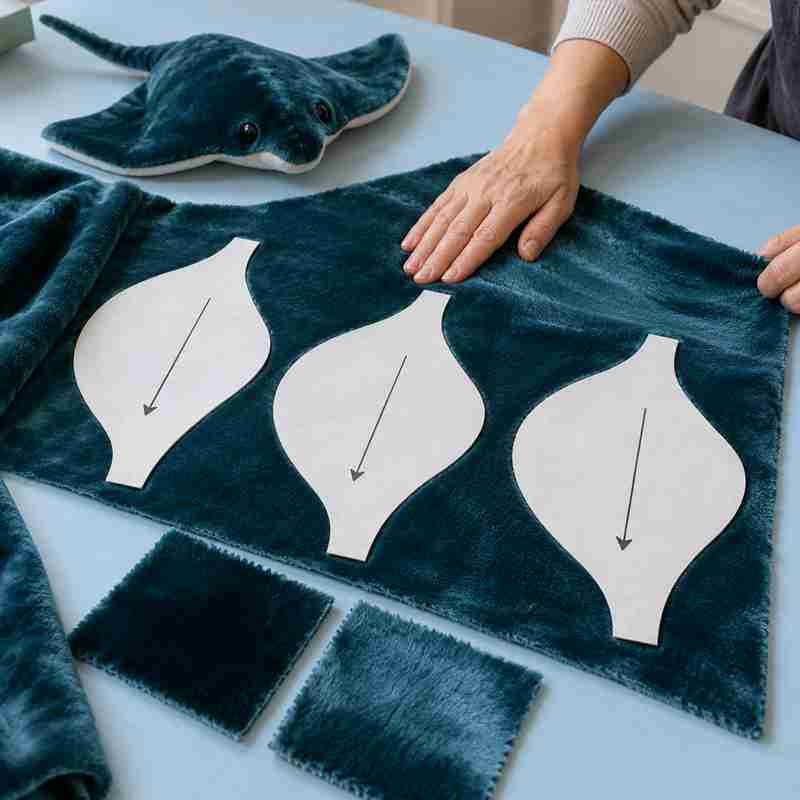
Directional Nap Surfaces
Directional fabrics must be marked and cut consistently. Reversing nap can change shade, shine, texture, and character expression even when the material code is identical. Pattern orientation therefore belongs in the material and cutting control route.
Structural and Specialty Materials Support Functional Plush Construction

Tricot

Jersey
Felt
PU

Mesh

Coated Fabrics

Lining Fabrics

Reinforcement Materials
Local reinforcement can support keychain anchors, straps, hardware, modules, magnets, or load-bearing seams. Material, size, position, stitch route, and surrounding fabric should be defined so concentrated force does not distort or tear the plush body.
Filling Materials Define Handfeel, Shape, Weight, and Balance
Filling is a controlled product input, not a vague instruction such as “medium PP cotton” or “soft fill.”
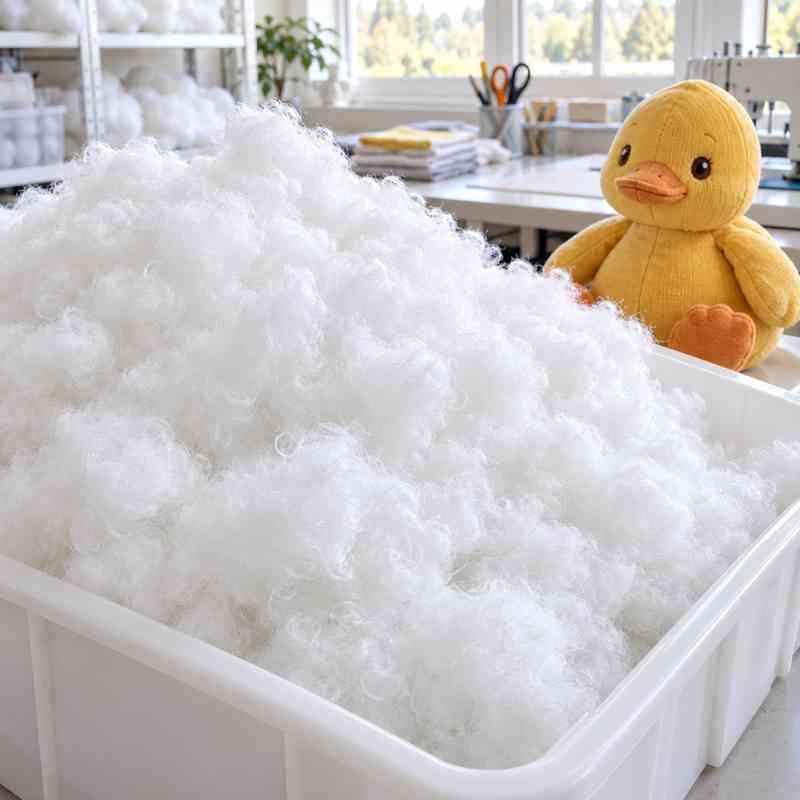
Polyester Fiber
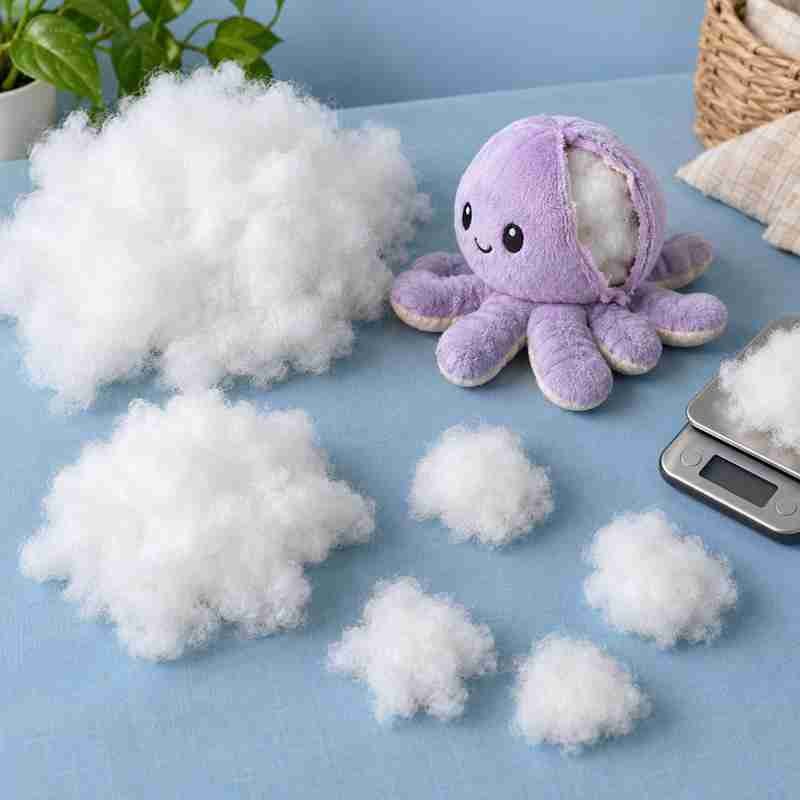
Zoned Fiber Filling
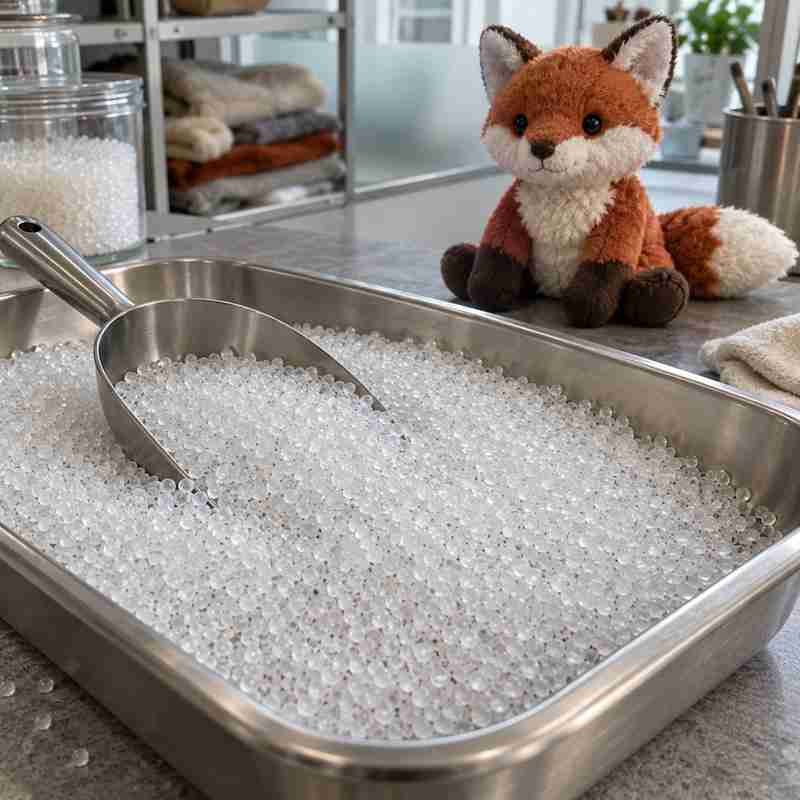
Weighted Beads
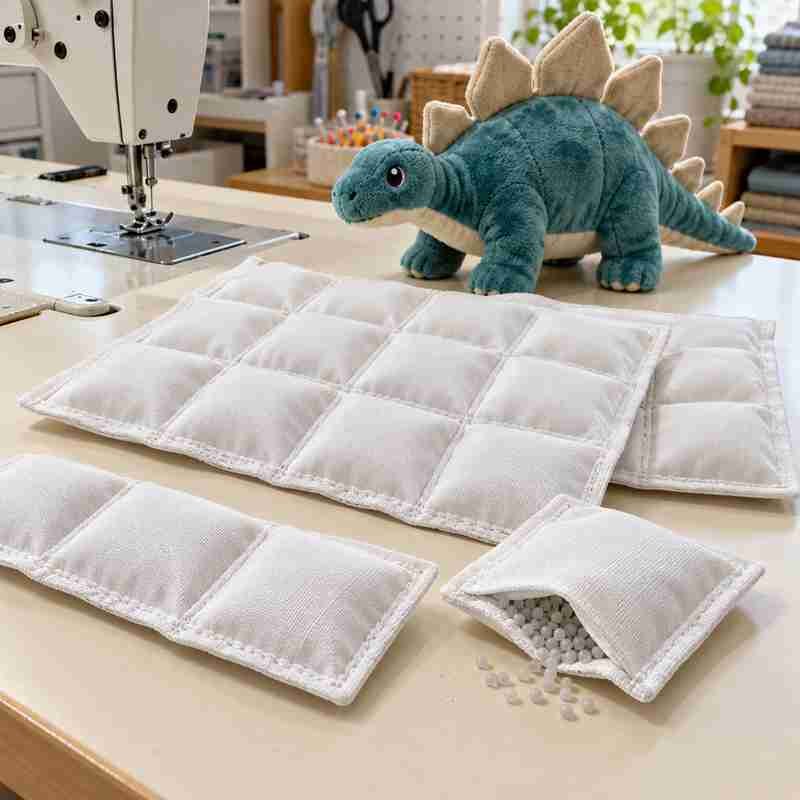
Weighted Inner Bags
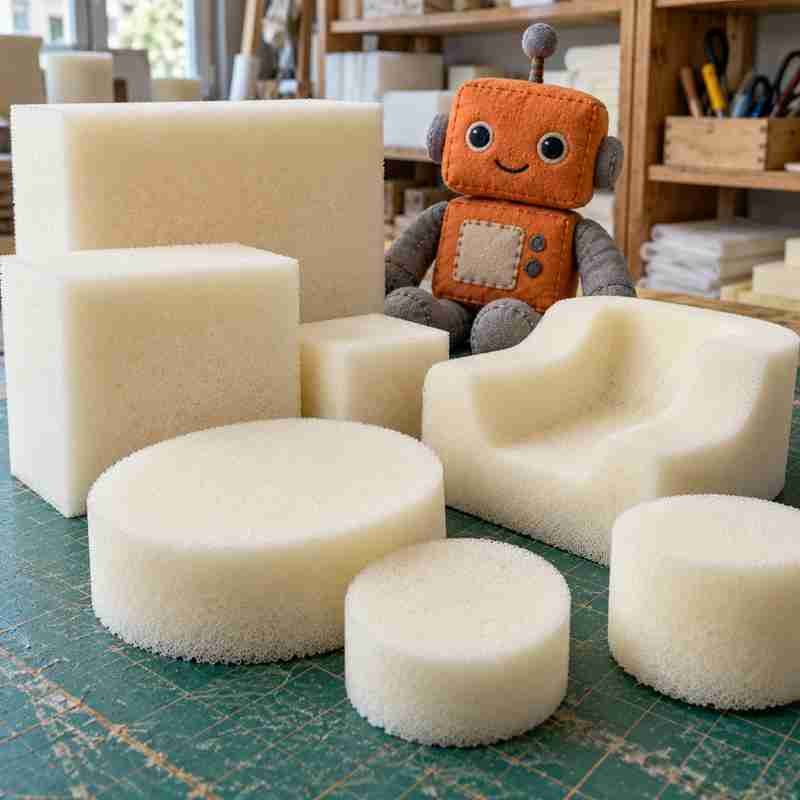
Foam Inserts
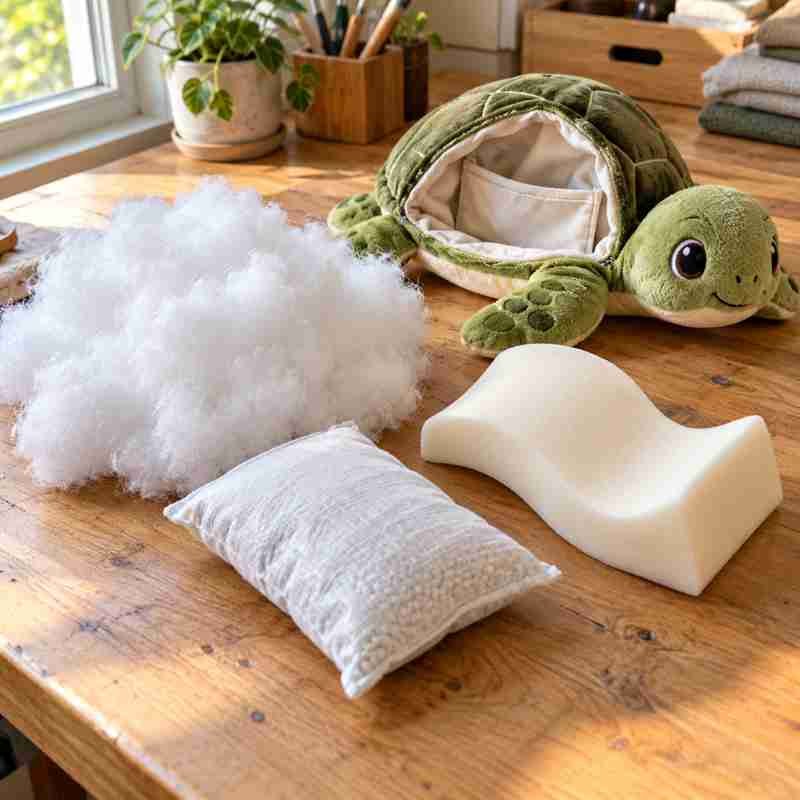
Mixed Filling Systems
Trims and Auxiliary Materials Control Hidden Product Performance
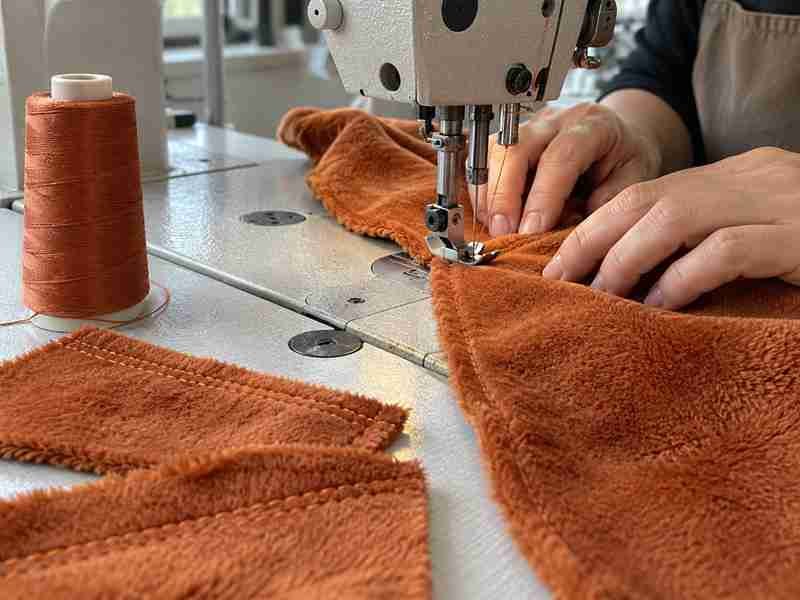
Sewing Thread
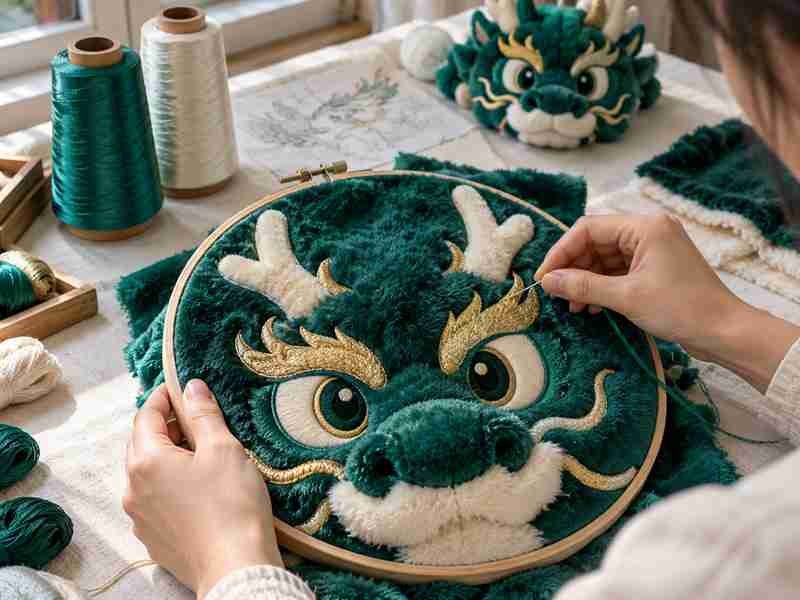
Embroidery Thread
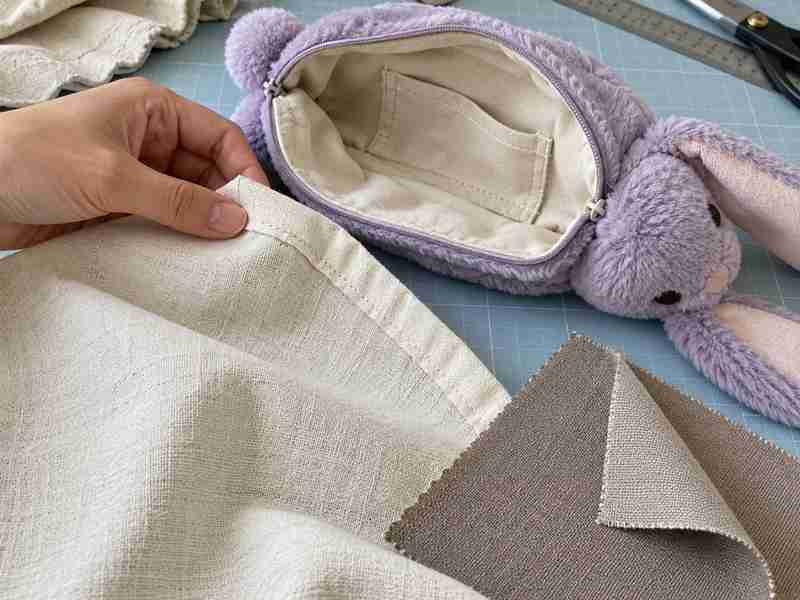
Lining Materials
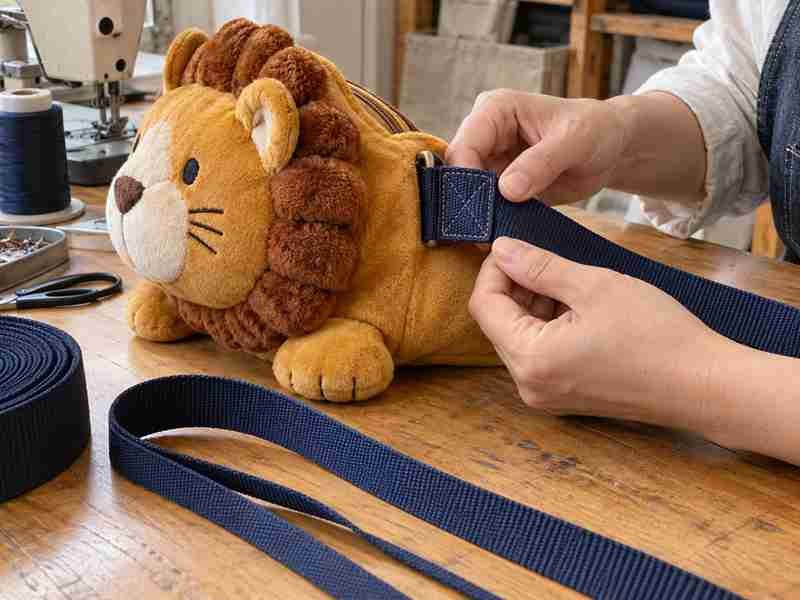
Webbing Straps
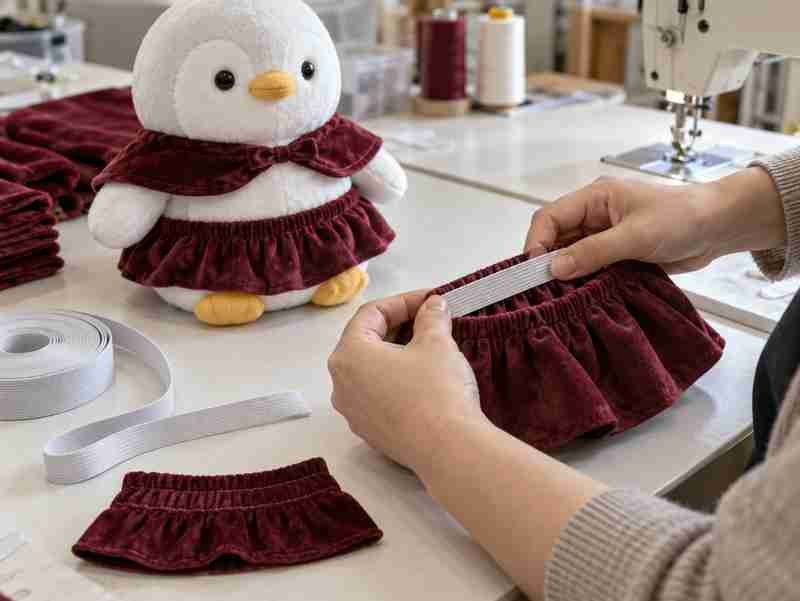
Elastic Closures
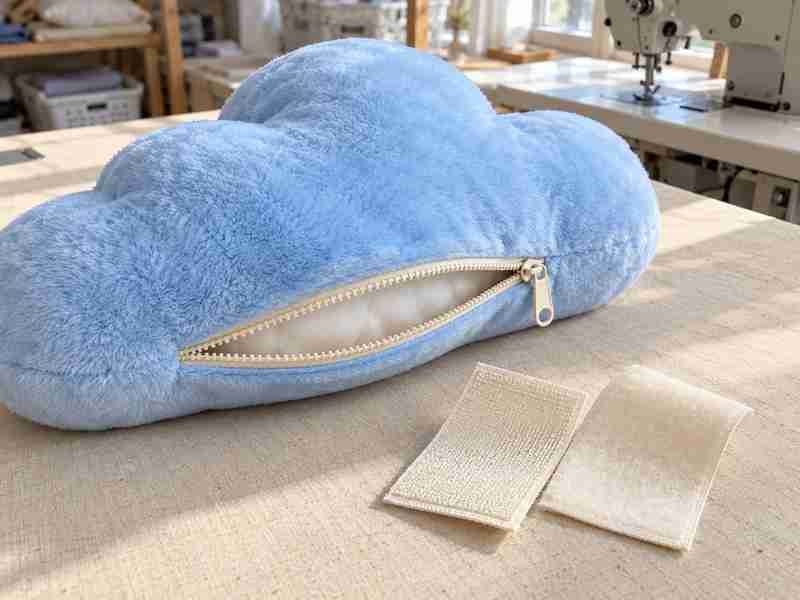
Zippers Hook Loop
Components and Hard Materials Need Defined Soft Interfaces
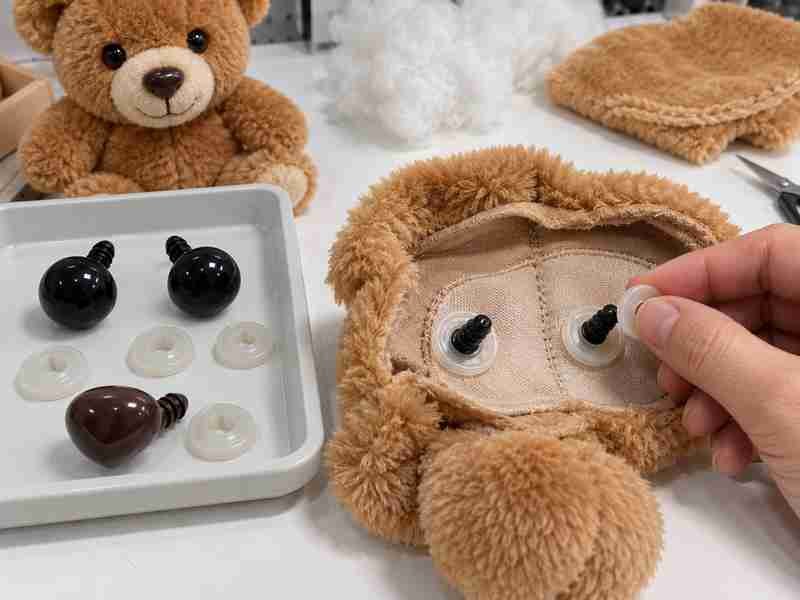
Plastic Eyes Noses
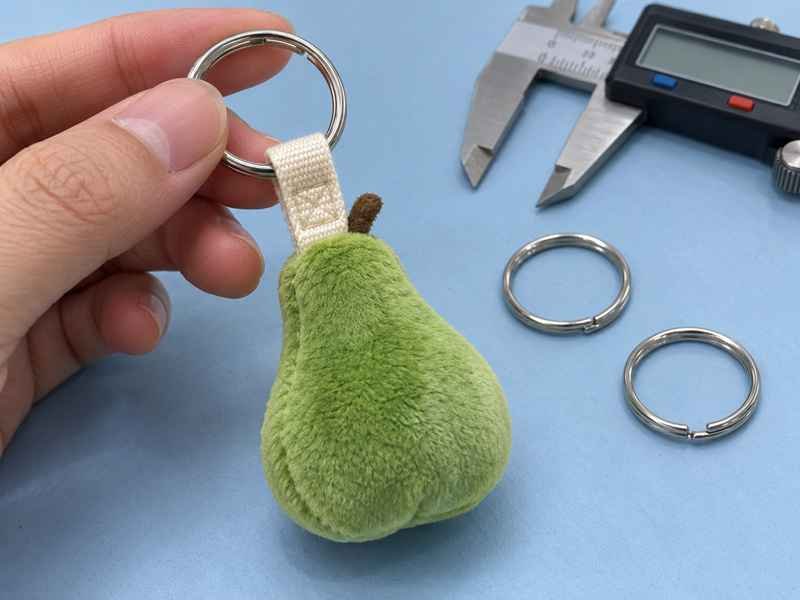
Key Rings
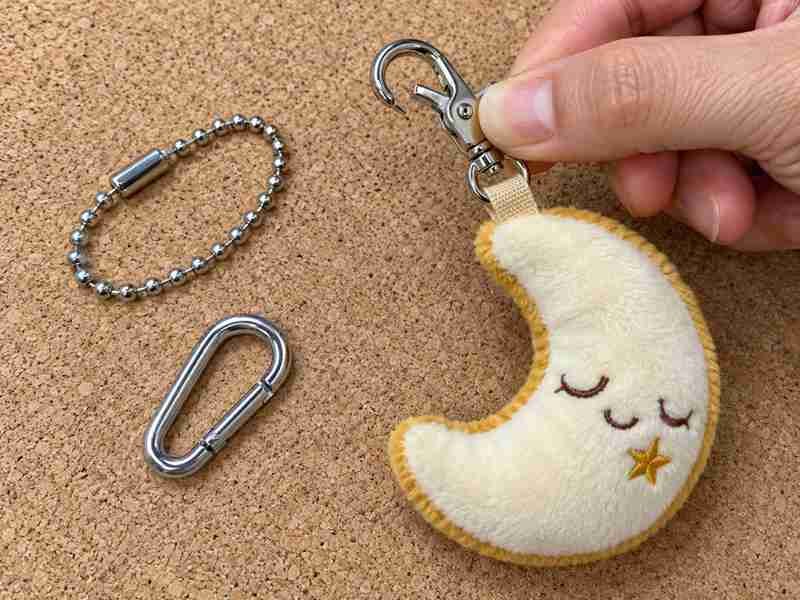
Chains Clasps Clips
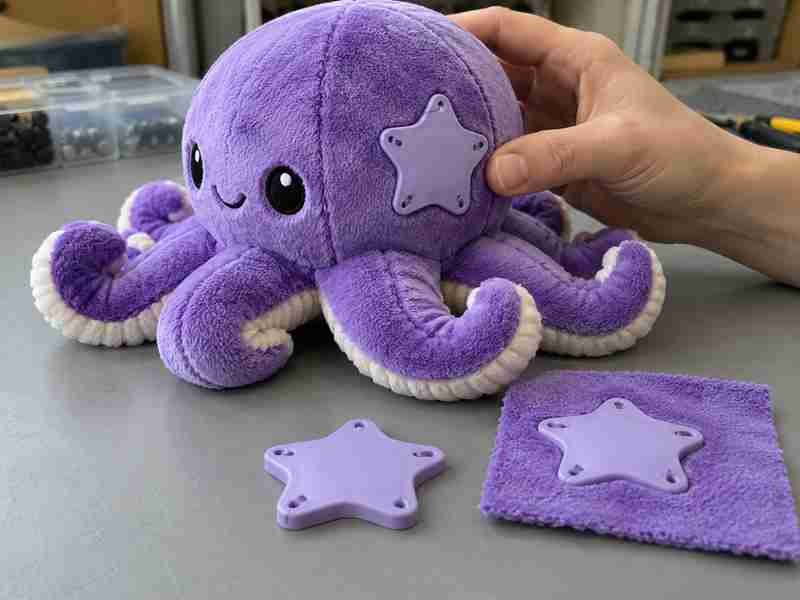
PVC Parts
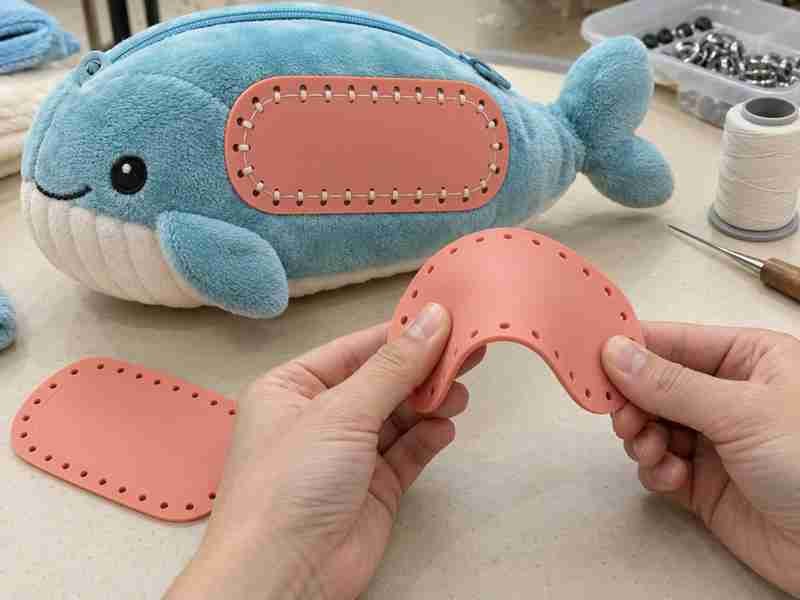
Silicone Parts
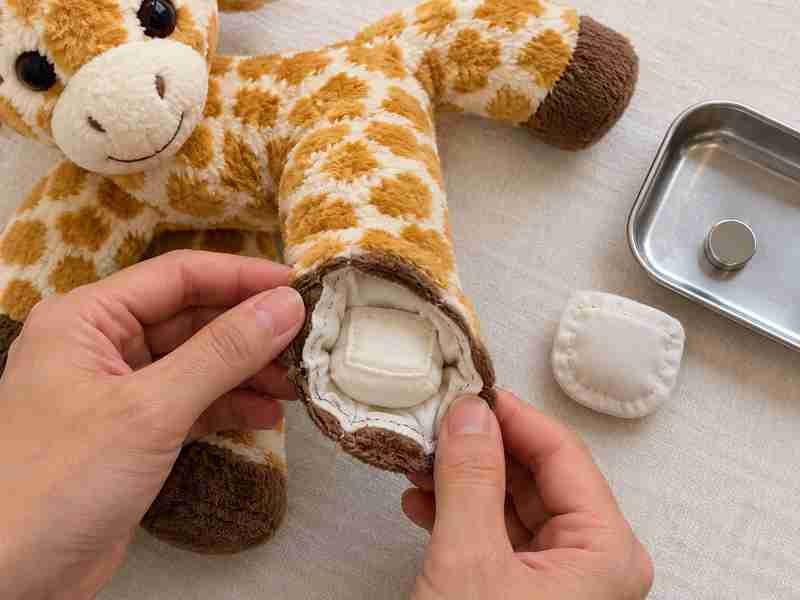
Magnets
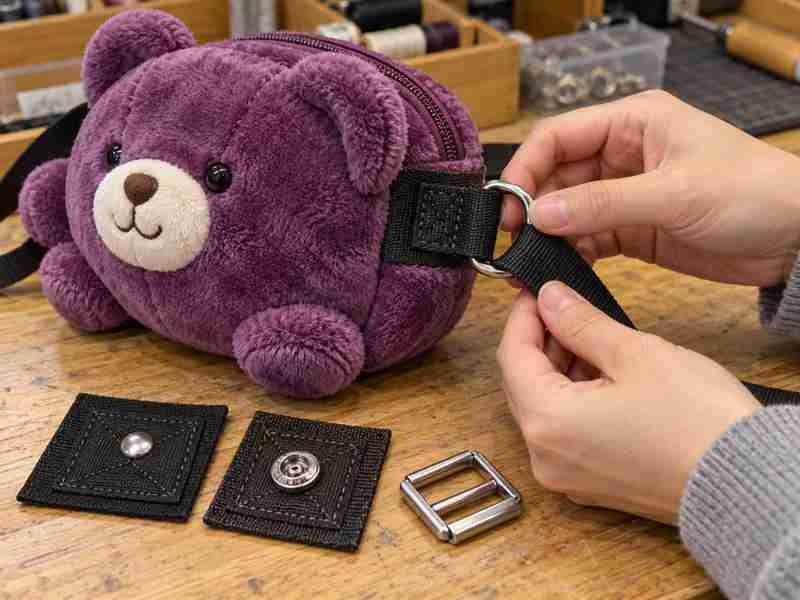
Metal Hardware

Electronic Modules
Match Decoration Methods to the Base Material
| Material Direction | Embroidery | Printing | Heat Transfer | Applique / Patch | Main Development Risk |
|---|---|---|---|---|---|
| Minky | Strong with stabilization | Route depends on surface | Review heat and pile | Good | Stretch, backing, stitch sink |
| Velboa | Strong | Often suitable | Often suitable after trial | Good | Nap direction, print clarity |
| PV / Short Plush | Good for suitable pile | Depends on pile and surface | Trial required | Good | Pile can soften fine detail |
| Faux Fur / Long Pile | Best for larger details | Limited for small graphics | Usually secondary route | Strong for layered detail | Pile hides artwork and seams |
| Fleece | Good | Suitable routes available | Review heat and stretch | Good | Distortion and edge bulk |
| Jersey / Stretch Knit | Needs stabilization | Suitable routes vary | Review stretch recovery | Possible | Graphic distortion after stretch |
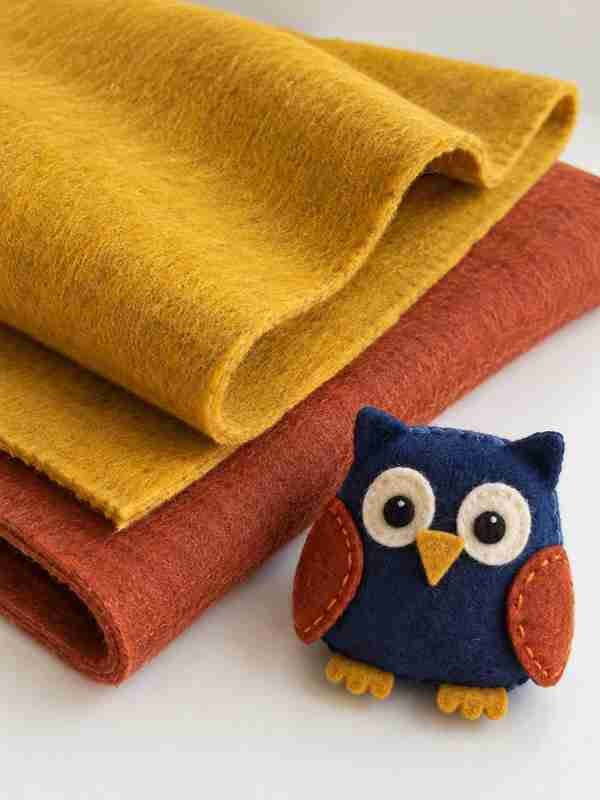
| Felt | Good for small graphics | Suitable depending on grade | Review heat | Strong | Stiffness and edge appearance |
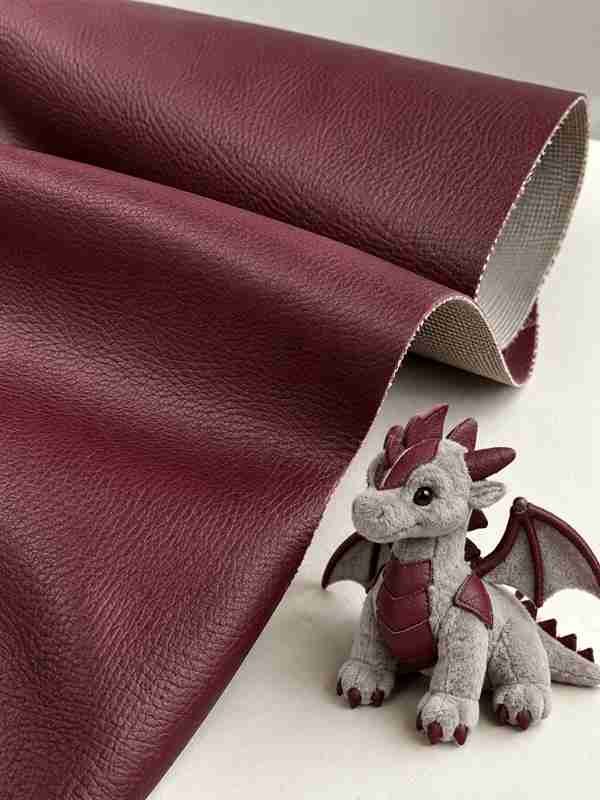
| PU / Coated Surface | Route depends on coating | Specialized routes | Heat-sensitive review | Used as panel or patch | Cracking, adhesion, needle marks |
Define Materials With Measurable Engineering Properties
| Property | What to Record | Why It Matters |
| Material ID | Controlled internal or project identifier | Prevents similar materials from being confused |
| Composition | Fiber or material composition | Supports sourcing, testing, and performance review |
| GSM | Fabric weight per area | Influences body, cost, thickness, and stability |
| Pile / Thickness | Pile height or material thickness | Changes detail visibility, seam bulk, and handfeel |
| Stretch | Direction and degree of stretch | Affects pattern size, face placement, and garment fit |
| Nap Direction | Required surface orientation | Controls shade, texture, and visual consistency |
| Backing | Knit, woven, coating, or supporting structure | Influences cutting, sewing, stretch, and stability |
| Color | Pantone, approved swatch, or controlled reference | Keeps shade approval tied to the material |
| Handfeel | Approved physical reference | Supports consistent sensory result across lots |
| Decoration Fit | Approved process and settings | Prevents embroidery, print, or heat-process mismatch |
| Supplier Route | Approved source or sourcing path | Supports lot control and change review |
| Product Use | SKU and part location | Shows exactly where the material belongs |
Select Materials Around the Product's Main Requirement
Material direction changes with product size, detail, function, hardware, filling, and the presentation expected after packaging.
| Product Type | Main Material Priority | Likely Material Direction | Filling / Internal Route | Main Material Risk |
| Mini / Blind Box Plush | Detail clarity | Short plush, Velboa, suitable Minky | Light controlled fiber | Long pile hides small features |
| Character Plush | Fidelity + handfeel | Minky, short plush, PV, mixed surfaces | Zoned fiber | Face distortion or color drift |
| Mascot Plush | Shape + brand color | Stable short or medium surfaces | Controlled fiber | Uniform, logo, and structure interaction |
| Realistic Animal | Texture + nap | Faux fur, long pile, mixed textures | Zoned fiber | Nap and trimming change appearance |
| Keychain / Bag Charm | Compact durability | Short stable surfaces | Light fill | Hardware anchor and pack abrasion |
| Weighted Plush | Softness + containment | Soft surface + lining | Fiber + weighted bag | Weight shift and seam loading |
| Lifestyle Plush | Function + structure | Plush + lining + PU / mesh / felt | Fiber or local support | Zipper, webbing, load, and shape |
| Electronic / AI Plush | Soft-hard integration | Suitable shell + lining / mesh | Zoned fill + cavity protection | Module access, padding, hard points |
Control Color and Custom Material Development Before Bulk
Match Color on the Real Material Surface
Pantone or digital artwork is useful for direction, but the final visual result changes with pile, fiber, sheen, nap direction, density, lighting, and neighboring colors. A shade that looks correct on paper can appear darker or lighter on Minky, Velboa, faux fur, PU, or printed fabric.
Ewin can review color through physical swatches and sample builds, then tie the approved result to Material ID, SKU, product area, and the relevant sample revision. For directional or high-pile surfaces, approval should consider the intended nap and viewing angle. Multi-SKU programs also need a clear rule for shared brand colors so one character does not drift into a slightly different shade because a similar fabric was sourced separately.
Treat Custom Dye or Print as a Development Step
Custom color, printed fabric, gradients, repeated motifs, or specialty finishes may require material preparation, supplier trials, artwork setup, color approval, and a physical sample before bulk ordering. The exact development route depends on material construction, print method, color complexity, quantity, and supplier availability, so Ewin should confirm timing and commercial requirements after reviewing the real project rather than promising one fixed route.
Printed or dyed materials also need alignment with pattern placement and decoration. A graphic can shift after cutting, stretch, sewing, or stuffing, while pile can soften printed edges. Testing the material inside the product prevents a successful flat swatch from becoming a poor finished plush.
Keep Color Lots Visible Through Reorders
Bulk consistency depends on knowing which material lot entered which production batch. IQC can review color lot, GSM or thickness, pile, appearance, and other defined properties against the approved reference before material is released to cutting.
Reorders should begin with a delta review. The team checks whether the supplier route, dye lot, color standard, material grade, backing, finish, or market requirement changed since the last production run. A visually similar replacement should not be accepted automatically when the original approval was tied to a different material route. Keeping the lot and change history visible protects series consistency and reduces surprises several seasons after the first launch.
Certificates, Compliance & Quality Assurance
Ewintoys follows structured quality and compliance practices for custom plush production. We hold relevant certifications and support additional testing, inspection, and compliance documentation based on specific product requirements and destination markets, helping brands meet different international standards with confidence.
























Sample Development Proves the Material Inside the Product
Use Swatches and Targeted Trials Before a Full V1
When material direction is uncertain, a smaller decision can be closed first. Ewin can review fabric swatches, color references, embroidery tests, printing trials, filling alternatives, component samples, heat response, stretch, seam behavior, or packaging contact before committing a full product sample.
The trial should answer a defined question. Does embroidery remain readable on the chosen pile? Does a long-pile surface recover after trimming? Does a PU panel crack around a curve? Does a weighted inner bag stay in position? Does a keychain anchor distort the surrounding fabric? Closing these questions early reduces the chance that a complete V1 must be rebuilt because the material system was never proven.
Confirm the Material System in V1 and Revisions
V1 should use target materials closely enough to judge the finished product rather than only the general shape. Review covers silhouette, face, pile direction, color, handfeel, embroidery or printing, garment fit, filling, component interfaces, accessories, and any functional zones.
Revision comments should identify the material change clearly. Instead of “use softer fabric,” a useful note can identify the affected body area, target handfeel, approved comparison swatch, pile or stretch requirement, and any connected pattern or decoration change. Each V1, V2, PP, or other sample remains identifiable by Project ID, SKU, sample type, revision, date, and status so material decisions do not disappear inside informal sample-room memory.
Freeze Golden Sample and Material Data Together
A Golden Sample is most useful when its materials are also frozen in the BOM and supporting records. The physical sample shows appearance and handfeel; the data records what the factory must purchase and inspect. Material ID, composition, GSM, pile or thickness, color, nap, supplier route, filling weight, accessory specification, and packaging version can all remain tied to the same approved product.
PP can verify that the frozen material and construction route works under intended production conditions where the program requires it. Production should not begin from a sample alone while the material source, color, filling, component, label, or packaging data is still unresolved.
Incoming Material Control Protects the Approved Sample
Confirm Material Identity Before Production Use
IQC begins by confirming that the delivered material matches the intended SKU and current BOM. Useful identity fields include Material ID, supplier route, color, color lot, composition or grade where applicable, GSM, pile or thickness, nap requirement, and quantity received.
The inspection depth should follow material risk. A highly visible face fabric, custom-dyed long pile, coated surface, weighted media, magnet, molded component, or hardware part may need different checks from a standard hidden lining. Incoming control does not replace formal regulatory testing, but it helps prevent an unapproved substitution or wrong lot from entering production simply because the material name looks similar.
Check the Properties That Can Change the Product
Color, GSM, pile, thickness, stretch, coating, handfeel, surface damage, contamination, component dimensions, hardware finish, and filling behavior can all affect the finished plush. The approved specification should define which checks matter for the material instead of using one generic inspection list for every input.
For visible fabrics, comparison with the approved swatch or Golden reference can identify shade or texture drift. For filling, weight and loft affect shape and handfeel. For components, size, color, backing, finish, polarity, hardness, or fixing features can determine whether the part works with the approved pattern and assembly route.
Keep Lots Traceable Into Production and Reorders
A useful material record connects the incoming lot to the SKU, production batch, and quality status. If a later color, seam, shedding, component, or filling issue appears, the team can investigate the affected material scope instead of treating every unit as identical.
Reorders should not assume the previous supplier route is unchanged. The team can compare current material source, lot, color, finish, composition, component revision, and packaging against the prior approved definition. When nothing meaningful changed, the previous standard remains useful. When a material changed, the impact is reviewed before production release.
Treat Material Changes as Controlled Engineering Decisions
A replacement may affect appearance, pattern, decoration, safety, testing, packaging, cost, and several dependent SKUs at once.
| Material Change | Possible Product Impact | Review Before Approval |
|---|---|---|
| Supplier Change | Handfeel, shade, backing, chemistry, lot behavior | Compare specification, swatch, documents, and sample need |
| GSM Change | Thickness, body, sewing, cost, recovery | Check pattern, seam bulk, appearance, filling response |
| Pile Height Change | Detail visibility, silhouette, embroidery, trimming | Review artwork visibility, nap, cutting, finishing |
| Stretch Change | Size, face placement, garment fit, volume | Recheck pattern orientation and assembled dimensions |
| Color / Dye Change | Visual fidelity, chemical scope, series consistency | Approve physical shade and affected evidence |
| Backing / Coating Change | Cutting, seamability, stiffness, heat response | Run targeted sewing or material trial |
| Filling Change | Weight, shape, handfeel, balance | Reconfirm fill weight, zones, posture, Golden appearance |
| Component Change | Fit, attachment, safety, balance, packaging | Review part ID, interface, fixing, testing, pack protection |
| Decoration Process Change | Appearance, stiffness, heat, durability | Reapprove artwork, base material, process settings |
| Packaging Material Change | Compression, moisture, abrasion, recovery | Run pack and recovery review where relevant |
Trusted by Global Brands and IP Owners
Trusted by brands, IP owners, and creative teams worldwide. Ewintoys helps transform original ideas and characters into high-quality plush products through professional development, manufacturing, and quality control.





























Packaging Must Respect the Material System
Protect Surface, Pile, and Decoration During Pack-Out
Minky, Velboa, faux fur, Sherpa, printed fabric, embroidery, PU surfaces, and delicate garments respond differently to pressure and abrasion. Long pile can flatten, structured hair can bend, white surfaces can show contamination quickly, and hard accessories can mark neighboring fabric.
Unit packaging should keep product surfaces clean while controlling contact between hardware, molded parts, magnets, electronic modules, clothing, and the plush body. Transparent packaging also makes loose fibers, dust, twisted tags, and poor arrangement visible immediately. The pack route should therefore be reviewed with the actual material system rather than selected only from carton cost or a generic plush format.
Validate Compression by Product Recovery
Compression can improve cube for suitable soft products, but long pile, rigid parts, structured ears, weighted inserts, electronics, premium costumes, or display-sensitive shapes may tolerate less pressure. Ewin treats compression as an option that requires product-specific recovery validation rather than a default packing promise.
A useful trial records the product before packing, pack method, orientation, compressed condition, opening result, and recovered appearance. Review can include facial volume, body contour, pile direction, handfeel, clothing, hardware, and any area affected by foam, weighted bags, or hard components. If recovery is poor, the solution may be lower compression, different orientation, additional protection, or another pack format.
Freeze the Approved Pack With the Material-Sensitive SKU
Once packaging is accepted, the approved unit pack, orientation, compression route, protective insert, carton count, and any required restoration step should remain linked to the SKU and packaging revision. A packaging change can alter the material result even when the plush construction itself did not change.
Multi-SKU programs need extra care because one character may use short Minky while another uses long faux fur, structured hair, metal hardware, or a weighted base. A universal pack-out rule can save labor while damaging the most sensitive SKU. Reorders should therefore confirm whether packaging material, compression, storage, or shipping conditions changed.