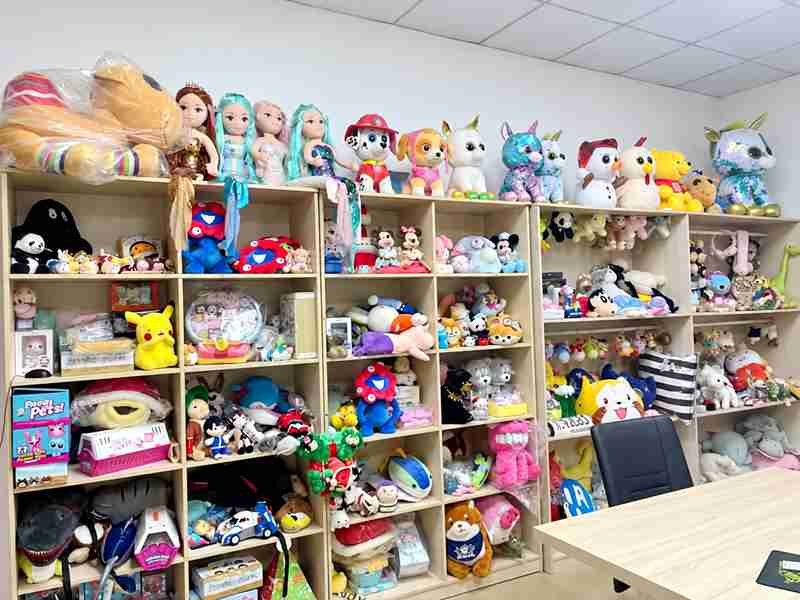
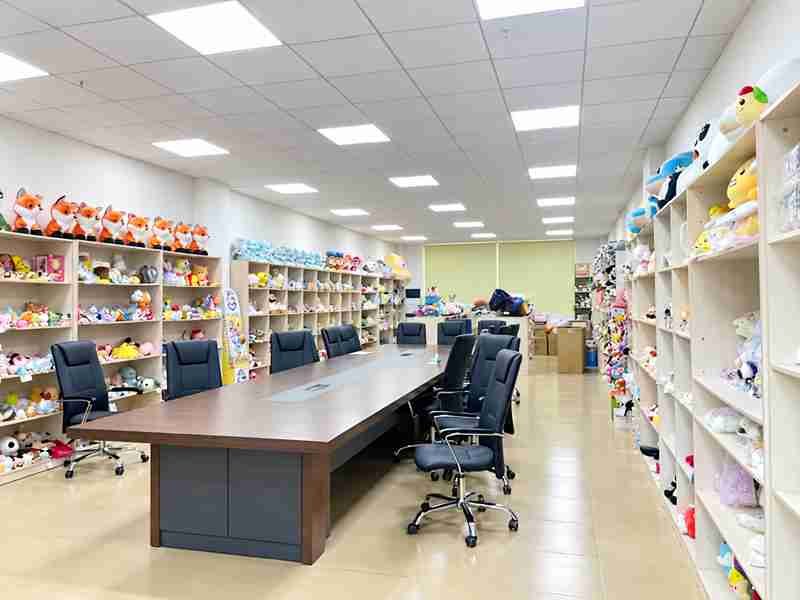
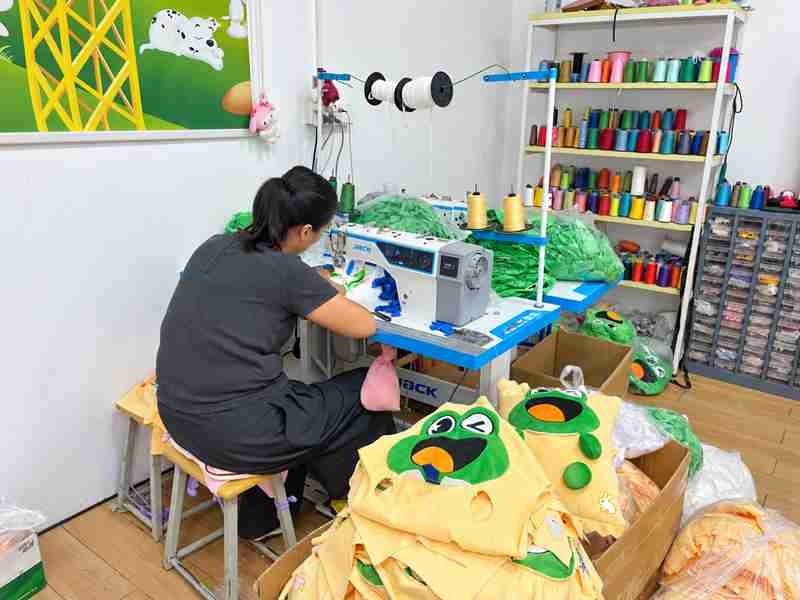
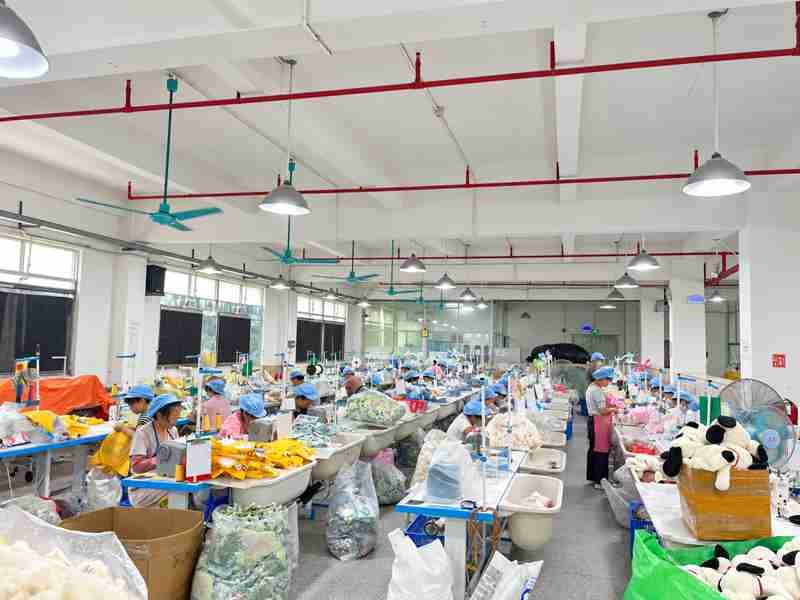
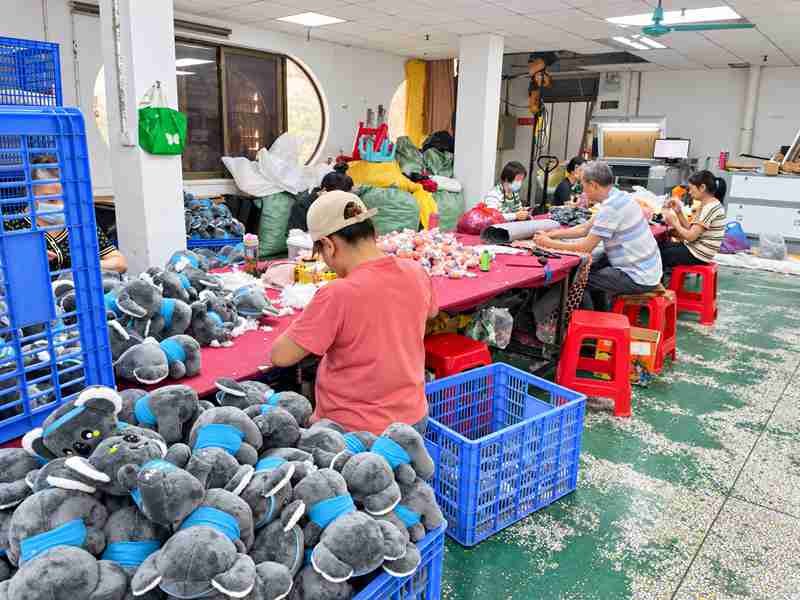
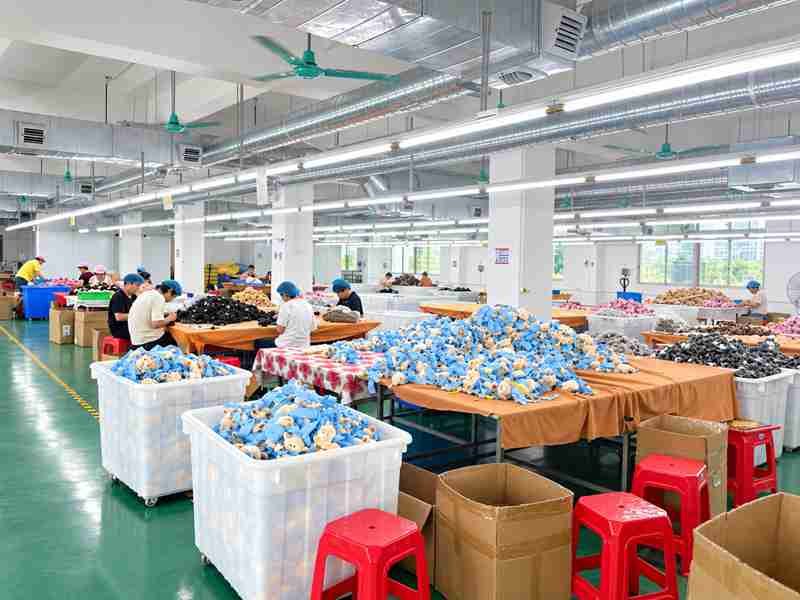
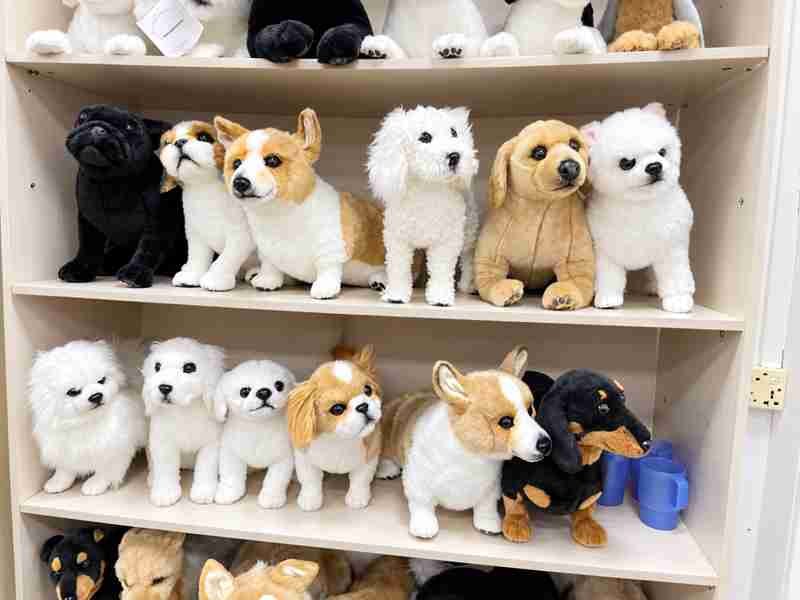
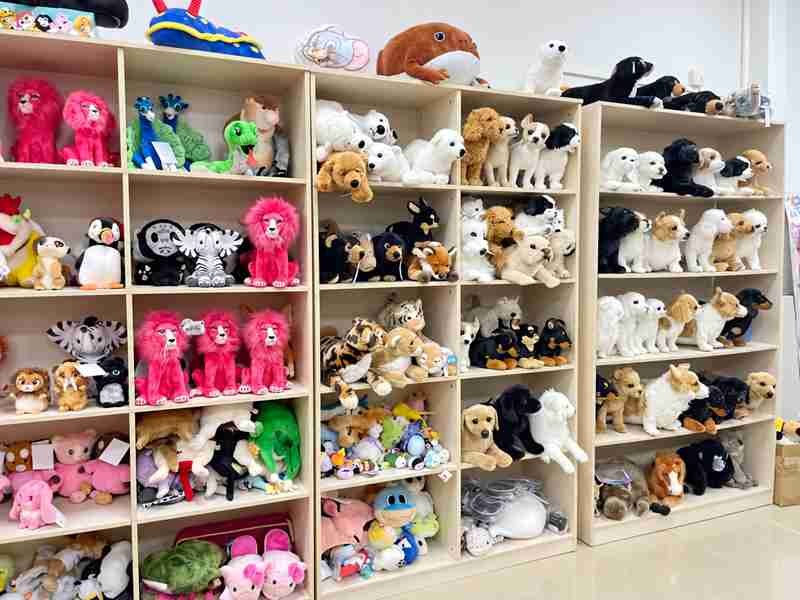
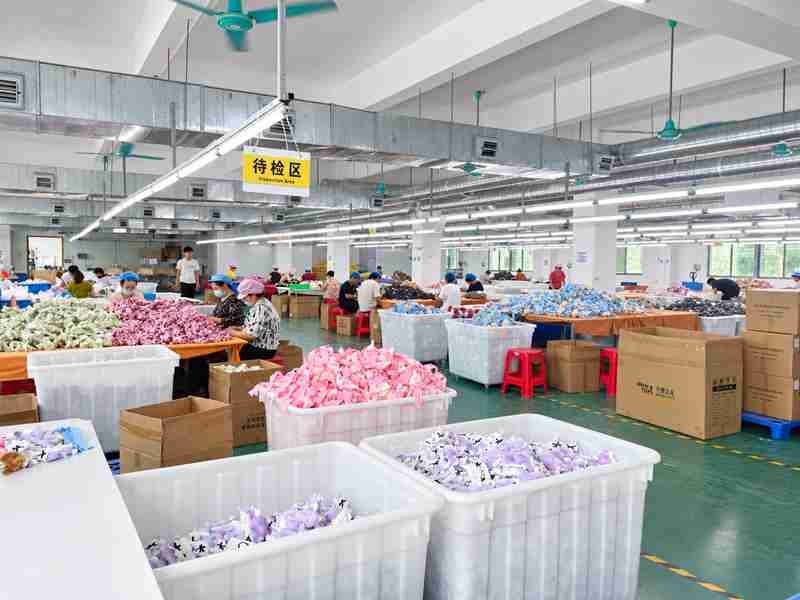
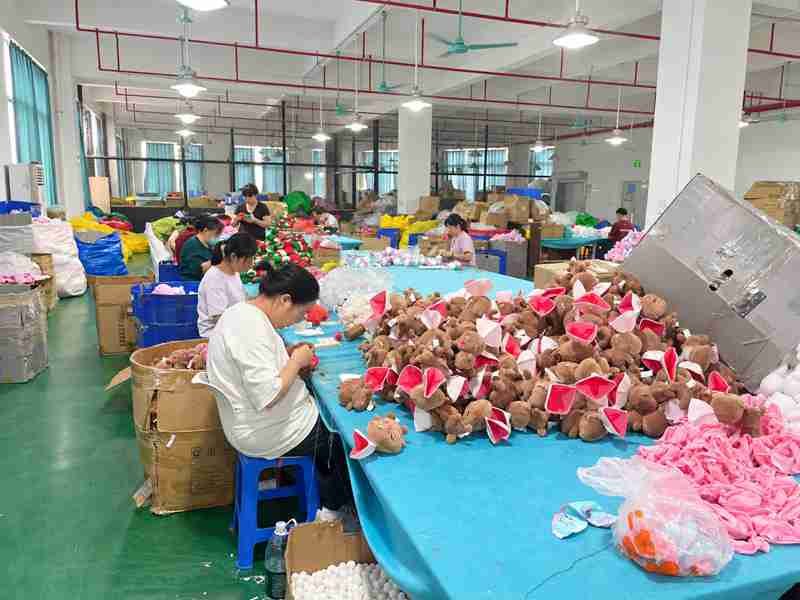
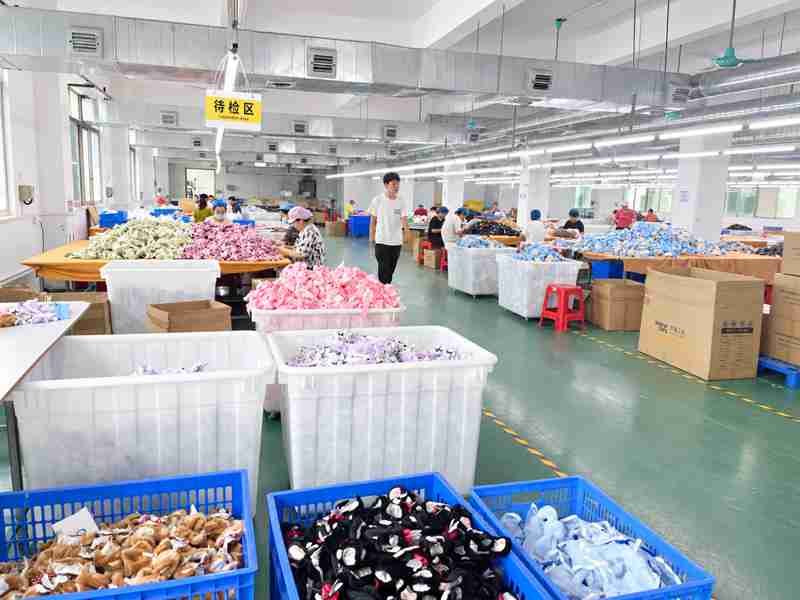
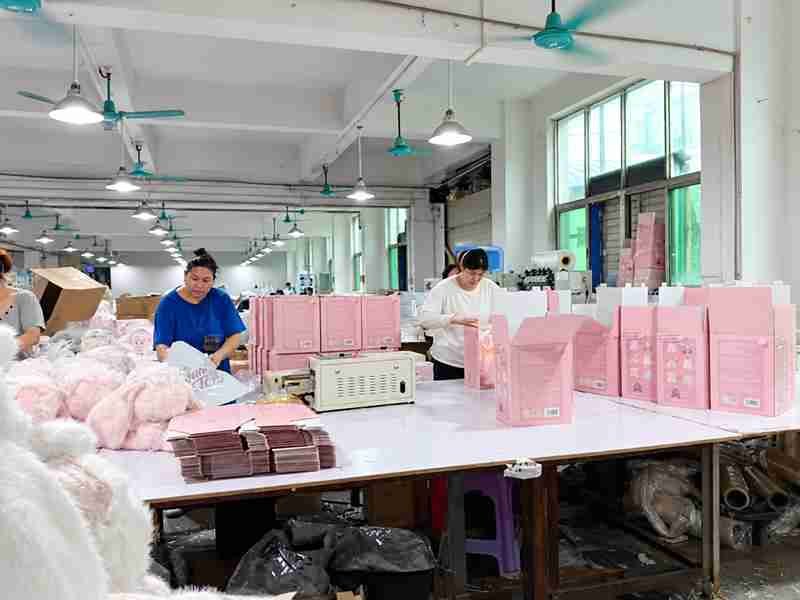
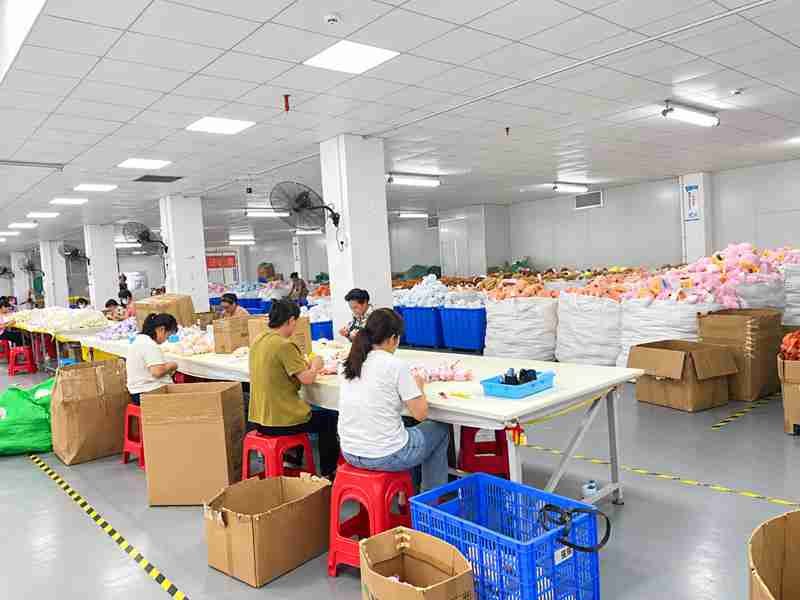
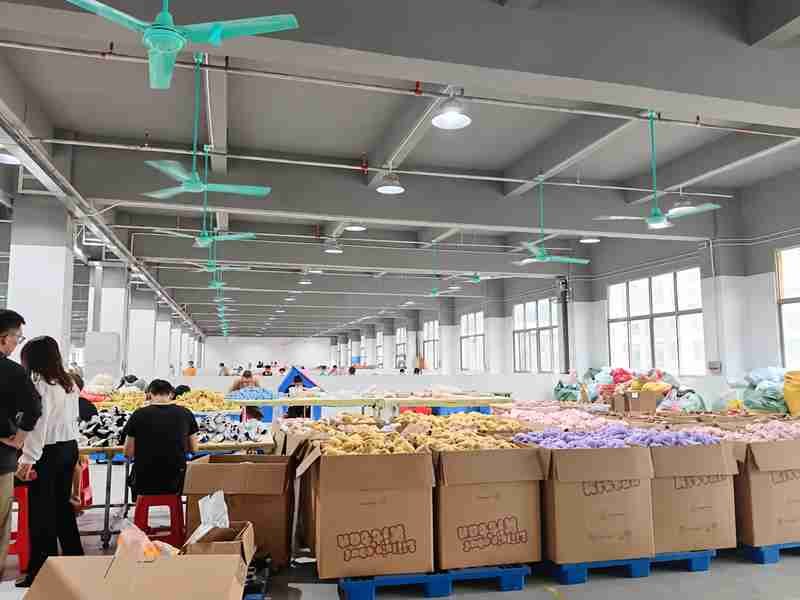
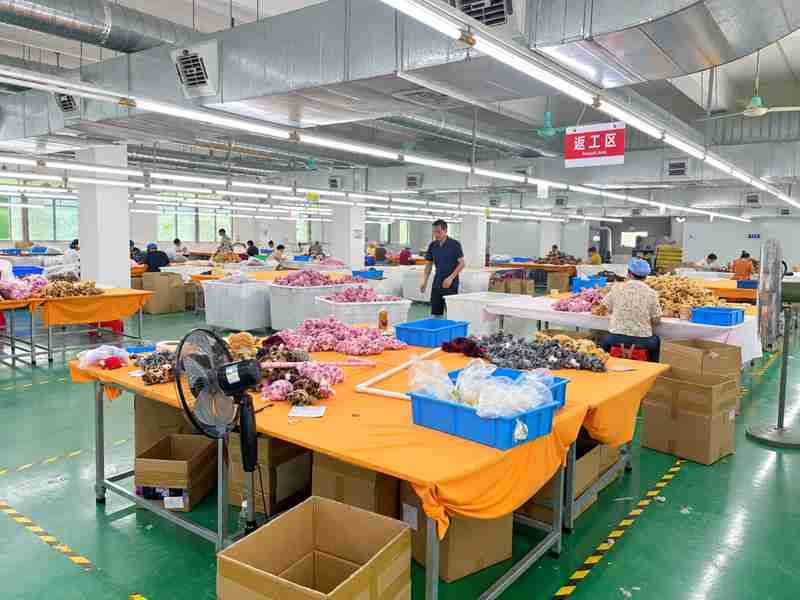
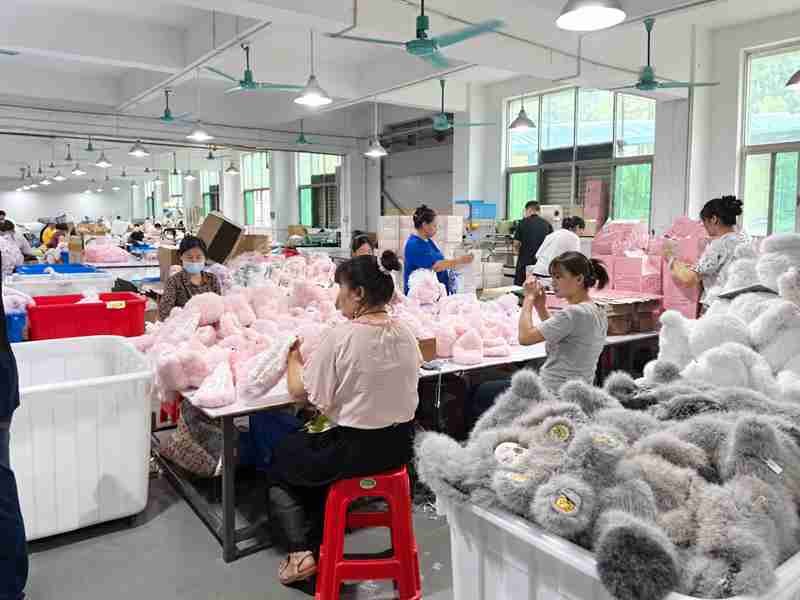
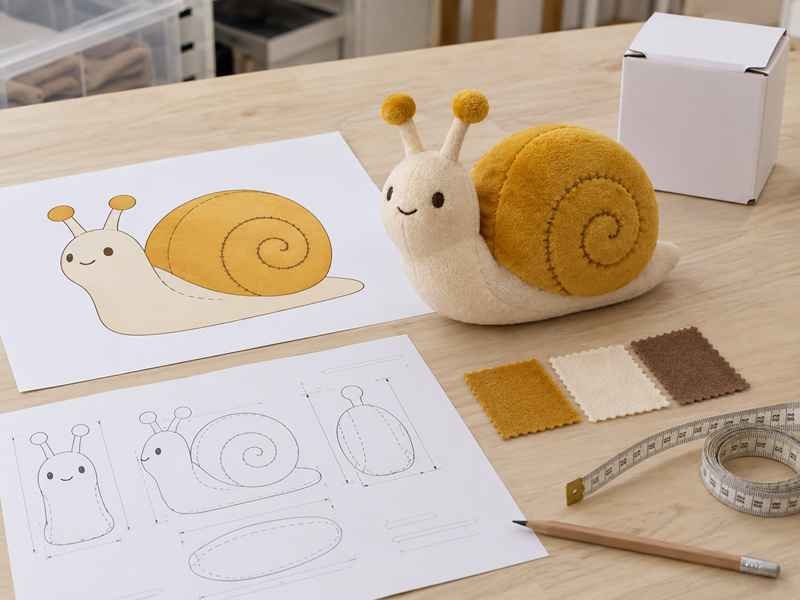
A Trusted China Plush Partner for Global Brands !

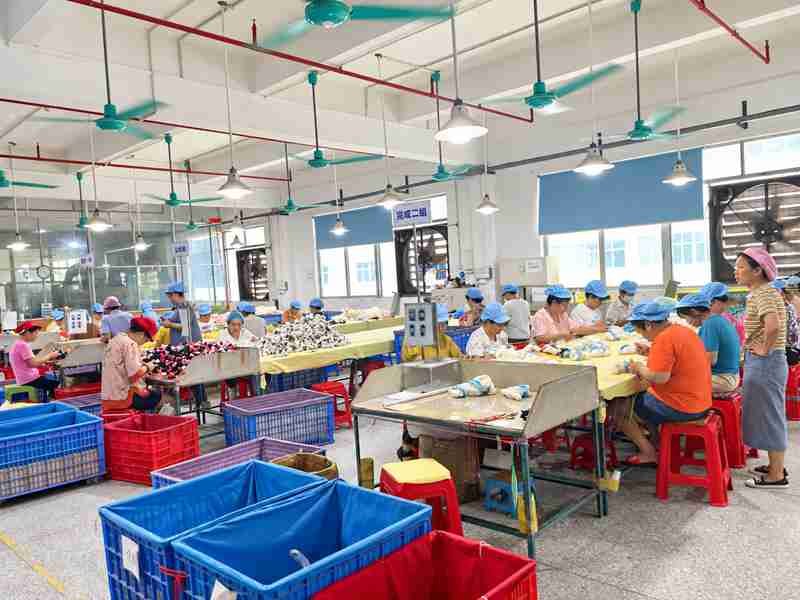
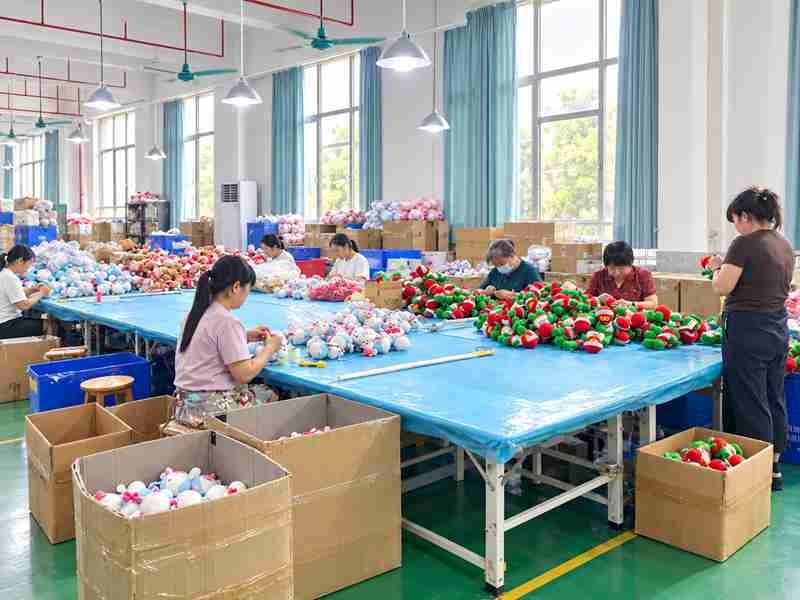
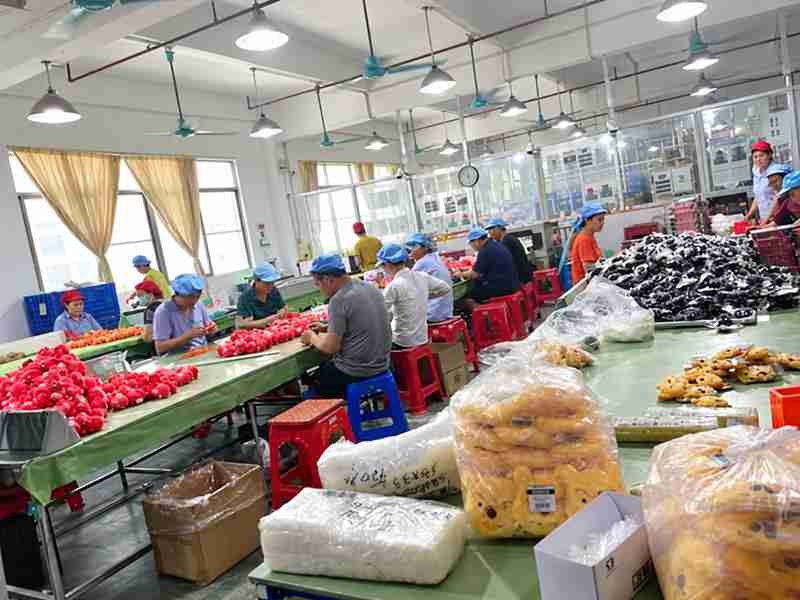
OEM Plush Manufacturing Built for Consistent Scale

Bring approved designs, specifications or reference samples into reliable bulk production with tighter control over construction, materials and finish. Ewin Toys helps brands move from confirmed product requirements to repeatable manufacturing with fewer production deviations and smoother order execution.

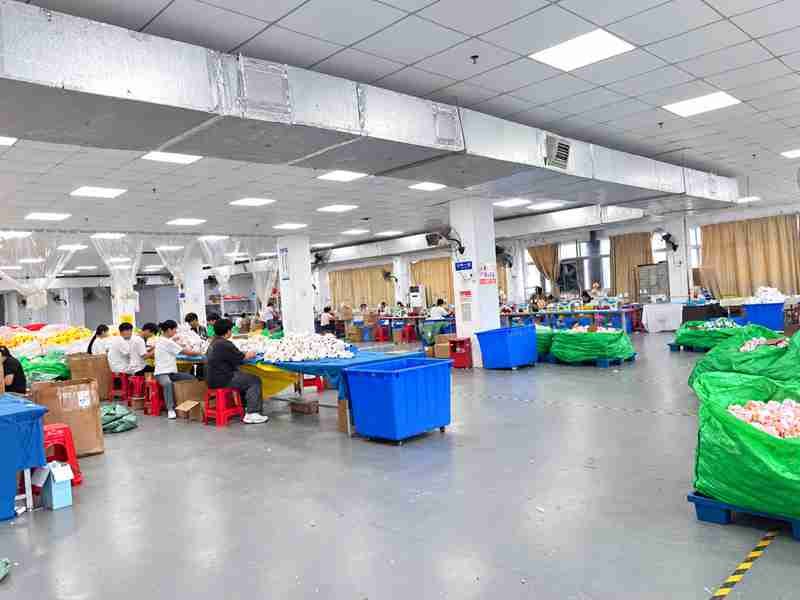
95,000+ m² Manufacturing System | 1,900+ Workforce | 1,200+ Sewing Team | 100+ Quality Personnel | Golden Sample & BOM Control | Multi-SKU Production | Retail & E-commerce Packaging

OEM Manufacturing Starts With an Approved Product Definition

OEM works best when the product direction is already confirmed and the factory is responsible for converting approved requirements into repeatable production.

Confirmed Design Input

OEM programs normally begin from approved artwork, a Tech Pack, an existing product, a physical reference, a confirmed sample, or another controlled specification. Ewin reviews whether the supplied information is complete enough for manufacturing before materials and production capacity are committed.

Manufacturing Feasibility Review

A confirmed design can still contain difficult seams, unstable materials, weak attachment points, expensive handwork, or packaging conflicts. Ewin reviews manufacturability, materials, construction, process access, cost drivers, QC points, and production risks before bulk release.

Controlled Production Output

OEM does not mean copying one sample by eye. Production should follow the approved Golden Sample, Frozen BOM, released pattern, current decoration files, component specifications, packaging version, and QC references so repeated batches reproduce the same product definition.

Keep OEM and Development Work Clearly Separated

The right project route depends on how complete the product definition is when Ewin receives the program.

Project RouteTypical Starting PointEwin ResponsibilityBest Fit
OEM ManufacturingApproved sample, Tech Pack, Golden Sample, controlled specificationsDFM review, sourcing, manufacturing setup, QC, packaging, deliveryMature brands with a defined product
Custom DevelopmentArtwork, reference sample, partial specificationsClose missing size, structure, material, decoration, pattern, and sampling decisionsProjects needing limited engineering support
ODM DevelopmentConcept, IP, character direction, early artworkParticipate in product definition, pattern, materials, samples, cost and manufacturing routePrograms needing deeper development input
Supplier TransferExisting product and current supplier referenceRebuild controlled specifications, identify risks, validate sample and production routeSecond-source and continuity programs

Move From Approved Requirements Into Controlled Bulk Production

OEM manufacturing works best when every approval becomes a production instruction and every late change enters a controlled review.

Review the Product Before Materials Are Committed

Ewin begins by checking the product definition against the planned manufacturing route. The review can cover finished size, character proportions, material specifications, pile direction, decoration, accessories, filling, clothing, labels, packaging, target market, quantity, SKU count, delivery requirement, and any client-specific quality or compliance protocol.

The purpose is not to redesign a mature product unnecessarily. The purpose is to identify differences between an approved concept and what production teams actually need. A Tech Pack may specify a fabric family but not pile height. A reference sample may show a metal clip without defining plating or fixing. A packaging drawing may not reflect the final stuffed dimensions. These gaps become expensive when discovered after material ordering.

Ewin records the points that require clarification before production files are released, protecting both the approved product and the commercial schedule.

Freeze the References the Factory Must Reproduce

Bulk production should begin from one controlled product definition. Depending on project maturity, the release package can include Golden Sample, Frozen BOM, released pattern, measurement specification, final embroidery or print files, material and component specifications, filling references, assembly instructions, labels, packaging artwork, carton requirements, and QC criteria.

Version identity matters because OEM programs often contain visually similar files from sample rounds, previous seasons, or another supplier. “Final,” “latest,” and informal email attachments are weak production controls. The approved revision should be identifiable by Project ID, SKU, document revision, and release status.

When a late material, accessory, artwork, size, or packaging change occurs, the affected references should be reviewed together. A change is not finished merely because purchasing found a substitute that looks similar.

Release Production With Process and Quality Gates Defined

Production planning turns the frozen product definition into material allocation, cutting, decoration, sewing, stuffing, assembly, finishing, inspection, packaging, and shipment preparation. The manufacturing route changes with product complexity, SKU mix, handwork content, functional components, and delivery window.

Quality controls should sit near the process that creates the risk. Pattern and nap errors belong at cutting. Eye and logo placement should be checked before decorated panels enter sewing. Seam alignment is easier to correct before stuffing. Filling weight and distribution need control before closing. Hardware, magnets, or modules require assembly checks. Packaging, labels, barcodes, assortment, and carton identity remain part of final commercial release.

The result is not simply “mass production.” It is controlled scale-up from the approved reference into repeatable finished goods.

OEM Plush Products for Different Commercial Programs
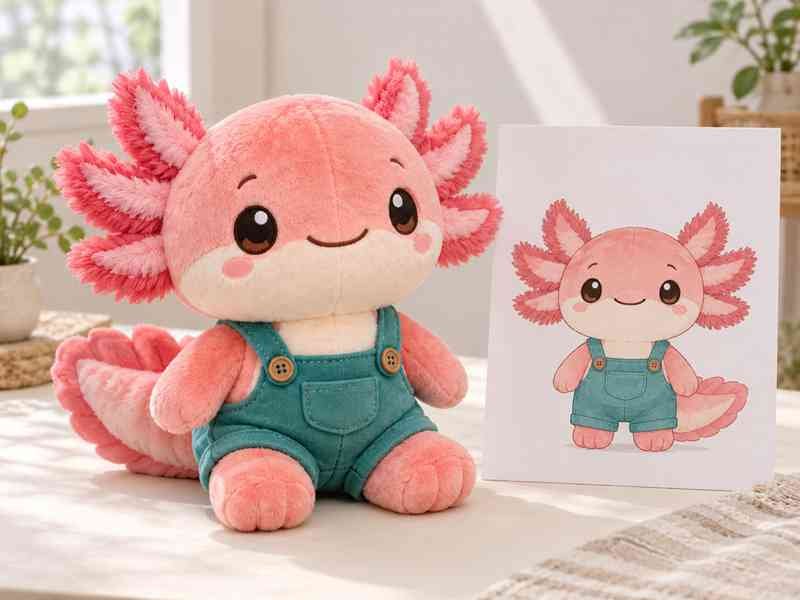
Different plush formats require different materials, assembly methods, inspection points, packaging routes, and production controls.
02-01 Character IP Plush Coral Axolotl Explorer Plush Sample-2

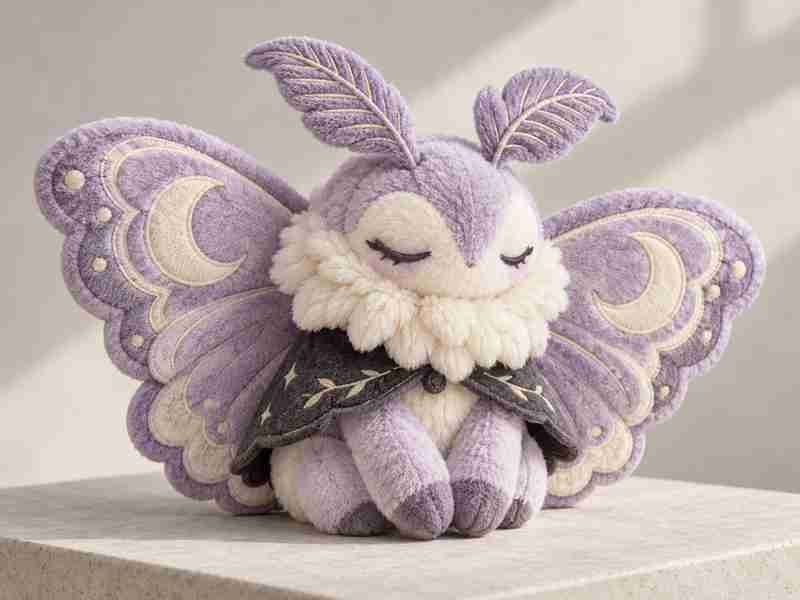
Character IP Plush

Licensed and branded characters depend on silhouette, face, expression, color, clothing, and signature details. OEM production should protect the approved character through controlled patterns, artwork versions, materials, sample references, and line-side QC.
02-02 Mascot Plush Mustard Lightning Bolt Mascot Plush-4

Mascot Plush

Mascots often combine a recognizable body shape with uniforms, logos, props, or event-specific details. Manufacturing focuses on repeat proportion, stable decoration, attachment strength, presentation, and packaging that preserves the intended brand identity.

Collectible Plush

Collectibles can use premium fabrics, layered hair, clothing, appliqué, patches, molded accessories, and display-oriented packaging. The production route should protect fine detail without creating uncontrolled handwork that varies between operators.

Blind Box Plush

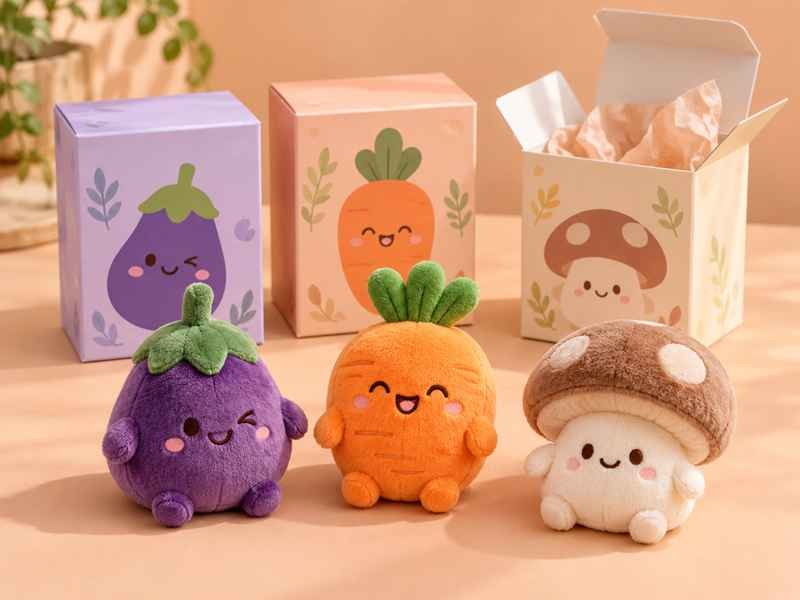
Blind-box and mini plush commonly work around 5-15 cm. Small scale increases sensitivity to facial embroidery, tiny panels, accessories, assortment, hidden-edition control, individual packaging, display cartons, and cross-SKU mix-ups.
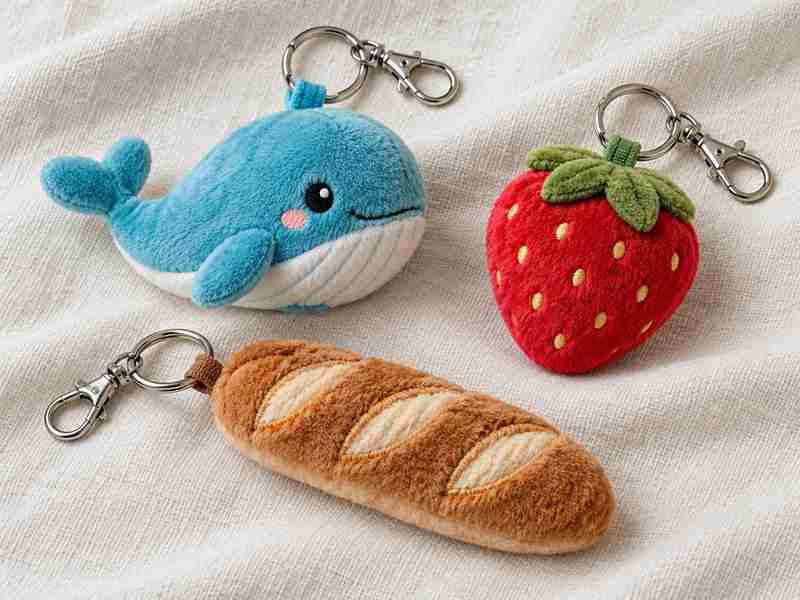
02-05 Plush Keychains Turquoise whale, strawberry, and baguette plush charms-7

Plush Keychains

Plush keychains commonly sit around 6-15 cm and combine soft bodies with rings, chains, loops, or lobster clasps. Hardware protection, reinforced anchors, small-unit labeling, barcode identity, and scratch prevention become important OEM controls.

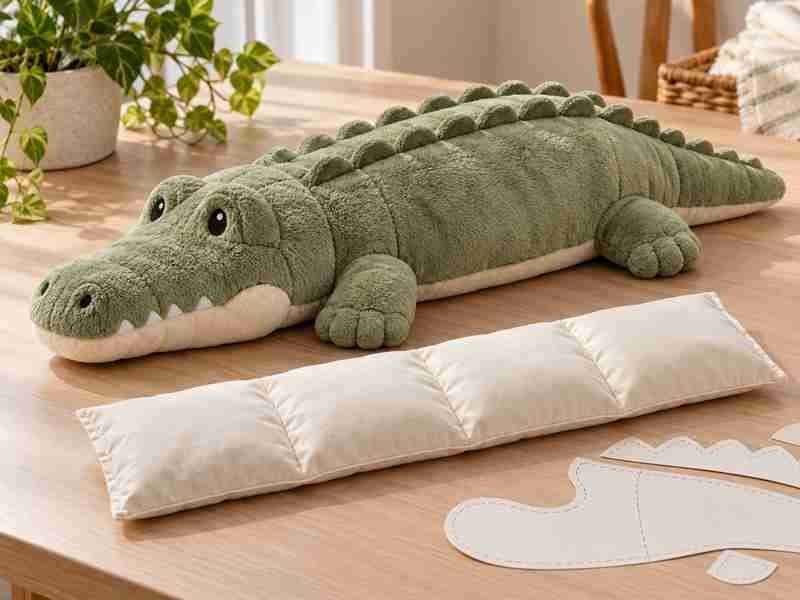
Weighted Plush

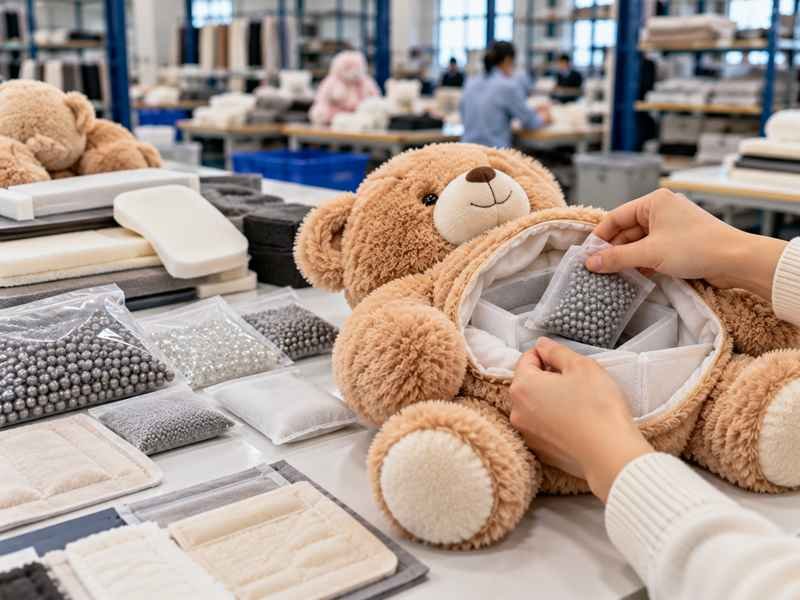
Weighted products combine outer plush construction with internal bags, controlled weight zones, seam loading, balance, and containment. OEM production should keep the weighted material in the intended position while preserving shape, handfeel, and packaging performance.

Lifestyle Plush

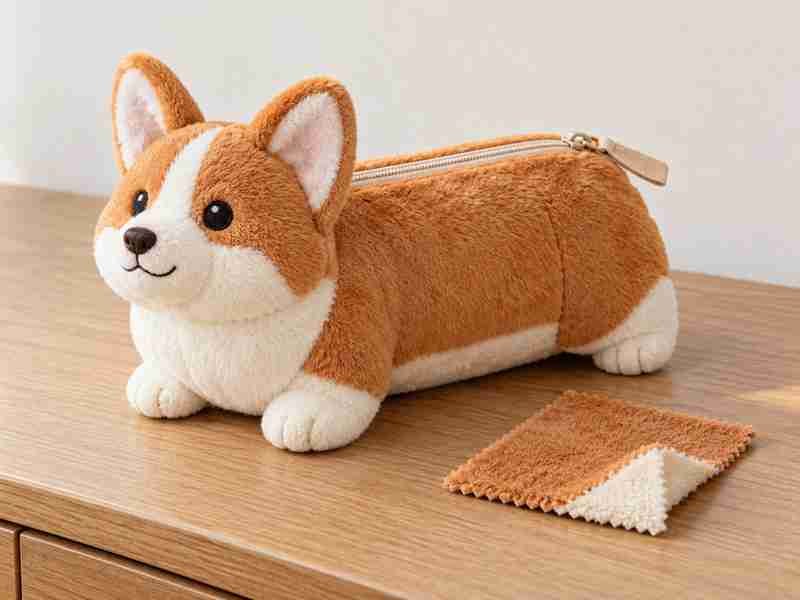
Pillows, pouches, bags, slippers, hats, and related soft merchandise combine character styling with functional construction. Zippers, linings, straps, load paths, handles, pockets, closures, and packaging need product-specific manufacturing controls.
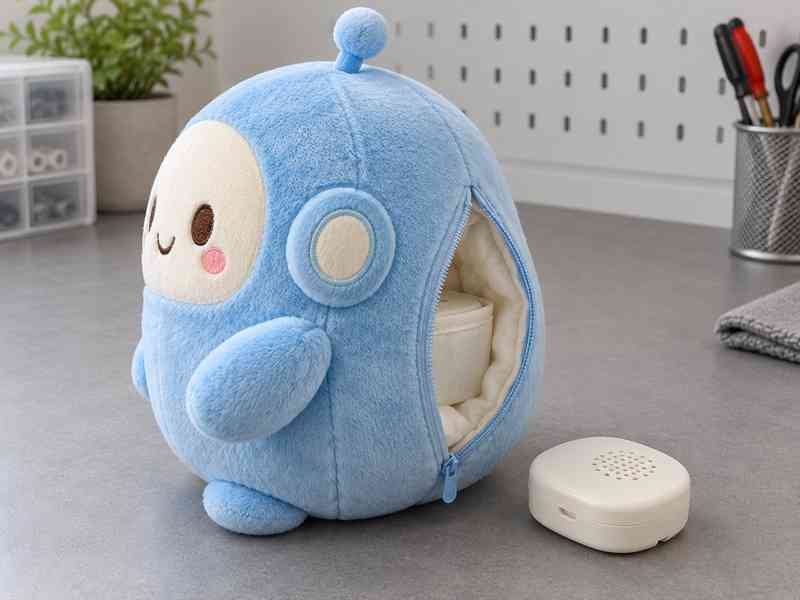
02-08 Electronic Functional Plush Sky Blue Robot Plush With Sound Module-10

Electronic Functional Plush

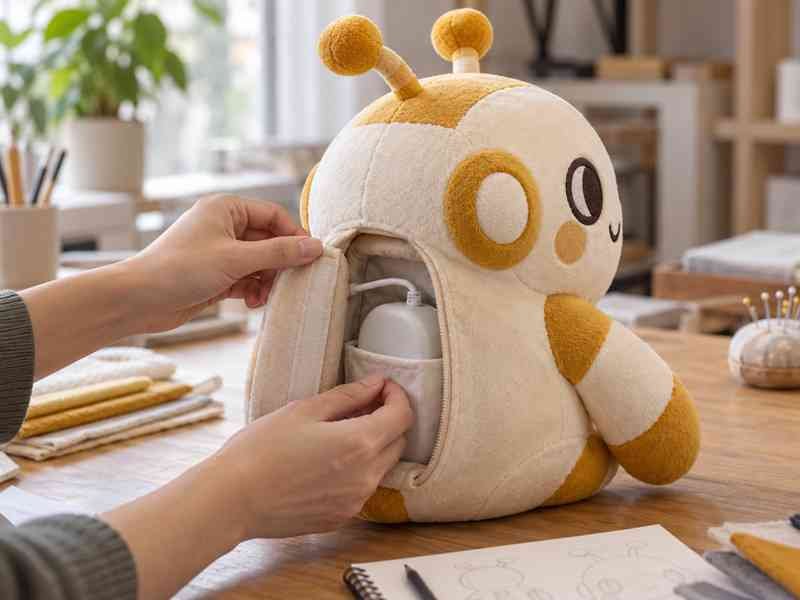
Sound, light, sensor, magnetic, or module-ready products need controlled cavities, padding, access, wiring paths, hard-part retention, and assembly order. Ewin manages the plush integration while specialist electronics or software responsibilities remain with the designated technical party.

OEM Support for Different Brand and Procurement Teams

Different organizations enter manufacturing with different approval structures, commercial risks, and expectations for evidence, repeatability, and delivery.

Global Brand Teams

Large brands need one approved product definition to survive sourcing, manufacturing, inspection, packaging, shipment, and reorder cycles. Ewin connects technical references with factory execution so visual and commercial requirements do not drift between departments.

IP Licensing Teams

Licensed programs depend on character fidelity, approval discipline, legal artwork, confidentiality, and controlled revisions. OEM production should keep the current character reference, product files, sample status, packaging, and market version aligned.

Toy Companies

Toy companies need reliable materials, repeat production, age-appropriate construction review, testing support, quality records, packaging, and long-term reorder control. Product complexity and target market shape the manufacturing and QC plan.

Collectible Brands

Collectible teams often manage character families, seasonal drops, limited editions, and premium details. Series consistency requires shared standards while every SKU retains its own artwork, pattern, materials, accessories, sample, and production identity.

Retail Private Label

Retail programs connect product design with margin, compliance, hangtags, barcodes, retail packaging, case pack, carton marks, distribution-center requirements, and replenishment. OEM planning should include channel requirements before the packing line is configured.

Entertainment Gaming

Game, film, animation, and entertainment programs often combine many characters with fixed launch dates. Version control, confidentiality, multi-SKU production separation, packaging, and release-wave planning help prevent late cross-SKU errors.

E-Commerce DTC Brands

Online programs need products built for unit packaging, parcel handling, stock identity, barcode execution, returns, and repeat replenishment. Manufacturing and packaging versions should stay connected as sales move from launch run into reorder cycles.

Enterprise Multi-SKU Programs

Collections with 30, 50, or 100 items need program-level control rather than isolated purchase orders. Ewin can coordinate design IDs, sample revisions, BOMs, packaging, barcodes, production status, shipment waves, and reorder references at SKU level.

Fabric Selection Must Match the Approved Product Result
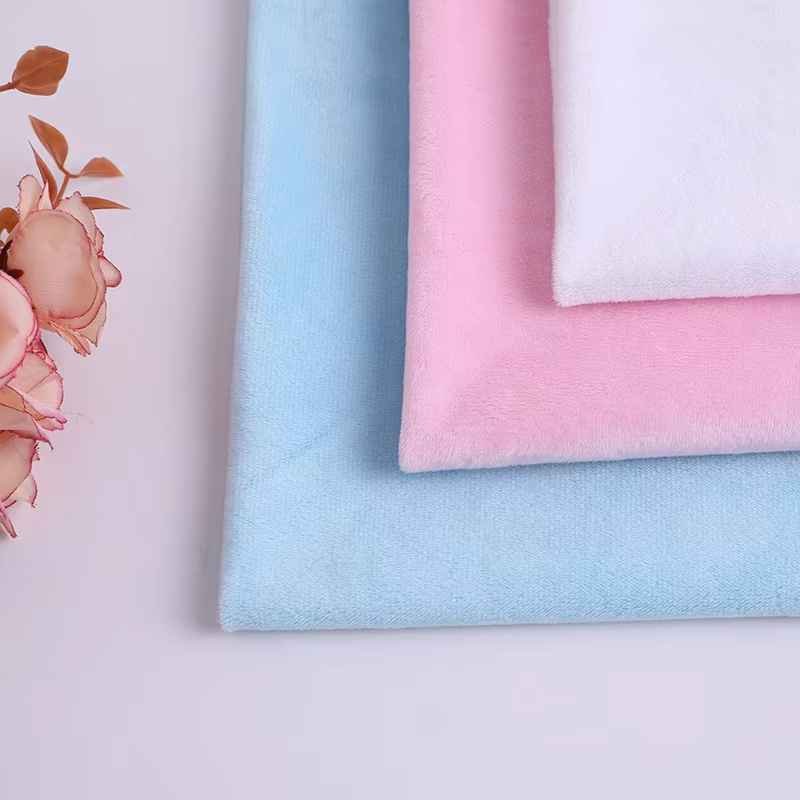
Pile, stretch, thickness, backing, color, handfeel, decoration behavior, and recovery can change the finished product even when the pattern stays unchanged.
Minky

Minky

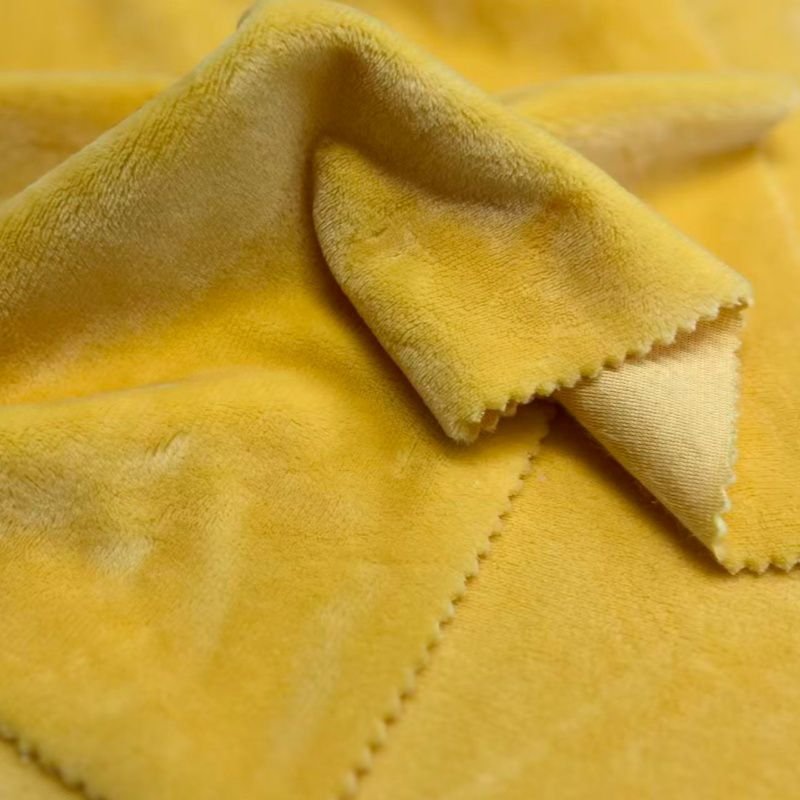
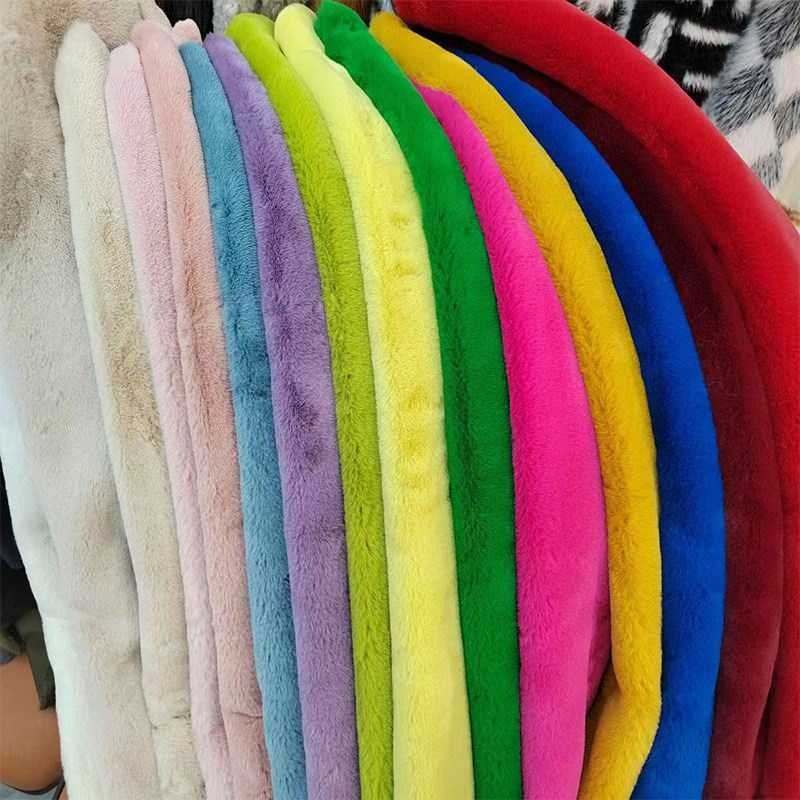
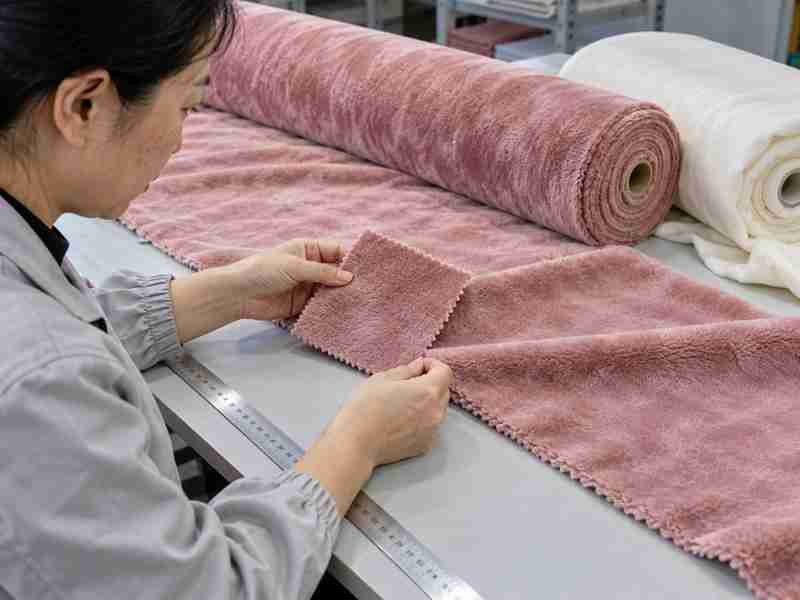
Short-pile Minky supports soft handfeel and clear facial detail. OEM control should define pile, stretch, GSM, color, nap, embroidery behavior, and approved surface appearance rather than purchasing any material sold under the same general name.
Ewin toys Velboa material (3)

Velboa

Velboa offers a flatter, short-pile surface suited to crisp character forms, embroidery, and printing. Thin constructions can reveal seam pressure or internal structure, so material weight and filling level need to match the approved sample.
Super Soft Plush

Super Soft Plush

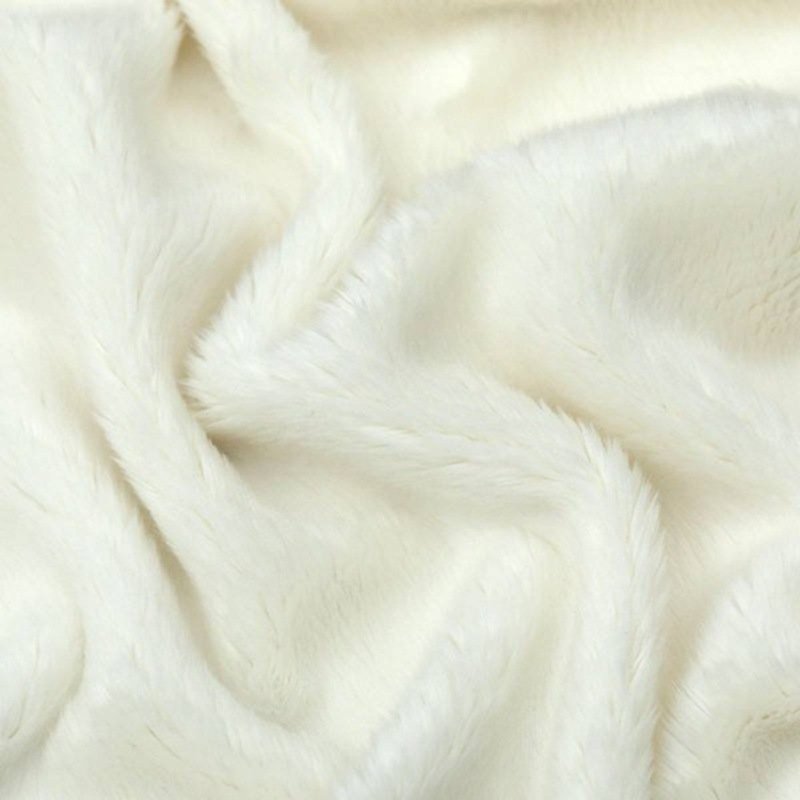
Fine super-soft fabrics provide premium touch but can stretch differently under filling. Material specification should protect pile, weight, color, handfeel, stretch behavior, embroidery compatibility, and the volume established during sample approval.
Faux Fur

Faux Fur

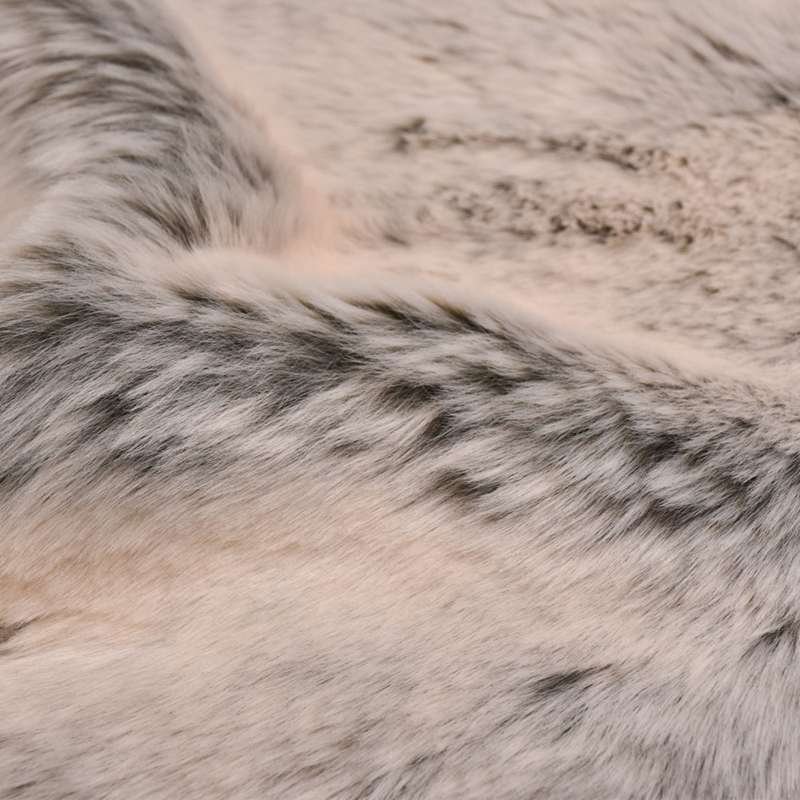
Long pile supports animal realism, hair, mane, and premium texture. OEM production needs nap-direction control, pile length, trimming, brushing, seam handling, decoration visibility, color consistency, and packaging recovery checks where compression is used.
Sherpa

Sherpa

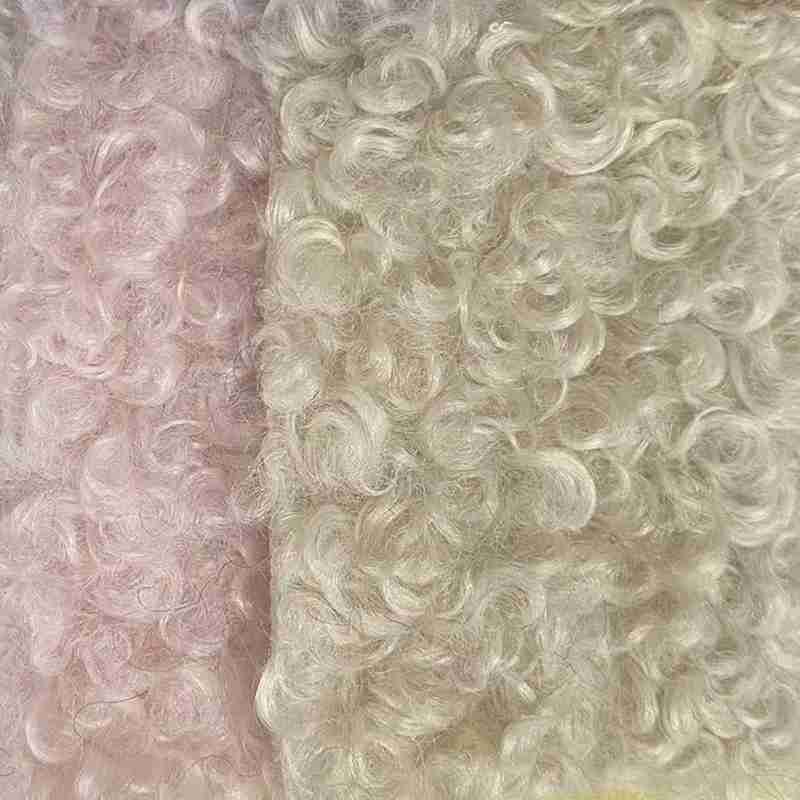
Sherpa creates a textured surface suitable for cozy character and lifestyle products. Thickness and irregular texture can affect small decoration, seam bulk, turning, edge definition, filling, and final silhouette, so the production material should match the approved reference.
Fleece

Fleece

Fleece can be used for bodies, garments, accessories, or lining. Stretch, thickness, print and embroidery behavior, edge finish, recovery, and seam performance should be validated on the actual construction rather than assumed from a swatch.
Stretch Fabrics

Stretch Fabrics

Jersey and other stretch knits support fitted garments and flexible panels. OEM specifications should define stretch direction, recovery, weight, color, decoration stabilization, and seam method so repeated units do not twist, sag, or distort graphics.
Specialty Surface Fabric​

Specialty Materials

PU, felt, tricot, mesh, coated fabric, foam-backed panels, and related surfaces can create paws, armor, clothing, accents, or functional zones. Heat response, stiffness, edge treatment, adhesion, wear, and soft-hard interfaces need separate production control.

Trims Influence Strength, Fit, Access, and Assembly

Supporting materials may look minor, but incorrect thread, lining, webbing, elastic, closure, or zipper choices can change both appearance and function.

Sewing Thread

Thread should be defined by color, material, thickness, strength, and intended seam. Structural seams may need stronger construction while visible fine seams should avoid pulling soft curved panels out of shape.

Linings

Linings can isolate filling, form internal bags, create pockets, reinforce clothing, or protect module cavities. Weight, stretch, opacity, seamability, thickness, and interaction with handfeel should match the approved product construction.

Webbing

Webbing appears in handles, straps, loops, and reinforced anchors. Width, thickness, edge feel, color, load path, sewing method, and hidden reinforcement should be controlled where concentrated force enters soft plush fabric.

Elastic

Elastic supports fitted garments, removable clothing, gathered areas, and flexible openings. Stretch ratio, recovery, width, color, seam method, and final fitted dimension matter more than a generic “elastic” description.

Hook and Loop

Hook-and-loop closures can support removable parts and access panels. Holding force, edge exposure, backing, scratching risk, pile interference, placement, and surrounding reinforcement should be defined before bulk production.

Zippers

Zippers may create pockets, removable covers, or module access. Tape width, teeth, puller, color, opening length, seam support, access, concealment, and hard-point protection need to match the approved OEM construction.

Components Need Defined Identity Before Assembly Begins
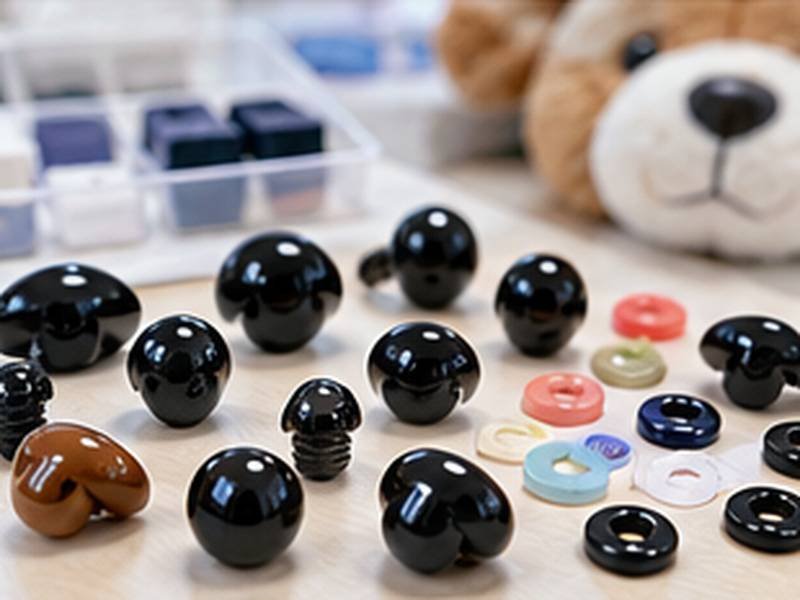
Hard parts and functional components should enter production with controlled material, dimensions, fixing, placement, safety, and inspection references.
Plastic

Plastic Eyes Noses

Plastic facial parts need defined material, size, color, stem or fixing, position, and age-grade review where applicable. Small changes in part size or placement can alter expression and attachment performance.
56-2Ewin toys Metal Hardware

Metal Hardware

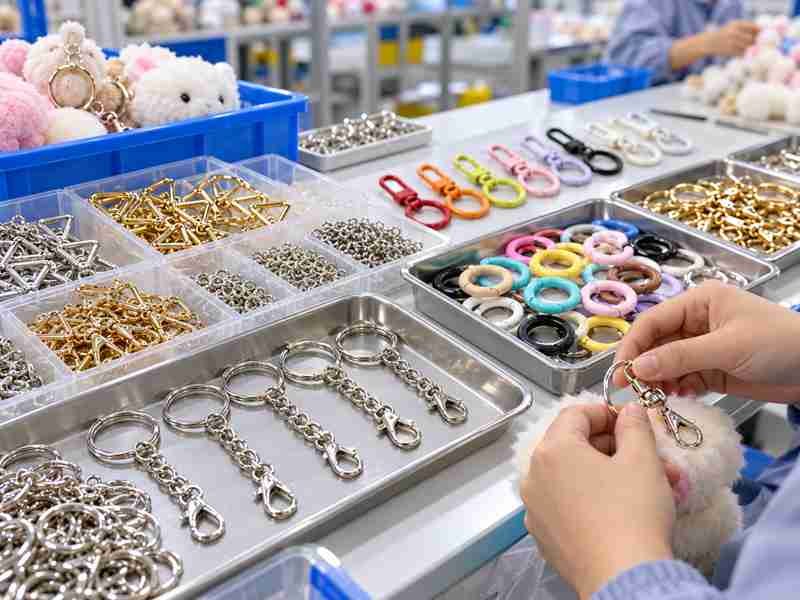
Keyrings, clips, chains, hooks, bells, screws, rivets, buckles, and snaps require defined dimensions, material, plating, opening direction, edge condition, fixing method, and protection from surface scratching.
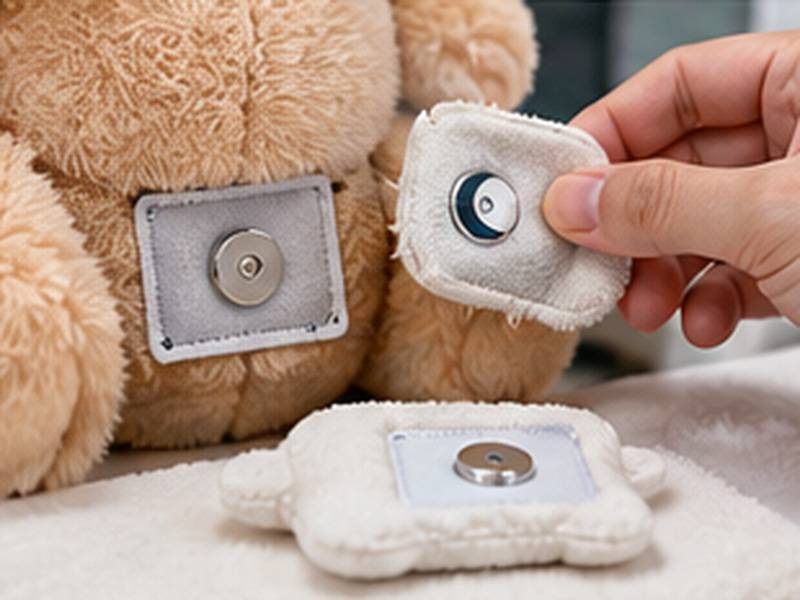
Magnets

Magnets

Magnetic hands, feet, accessories, bases, or wearable structures require controlled grade, polarity, position, spacing, retention, internal protection, and assembly reference. One reversed magnet can make a visually correct unit fail functionally.
PVC Silicone

PVC Silicone Parts

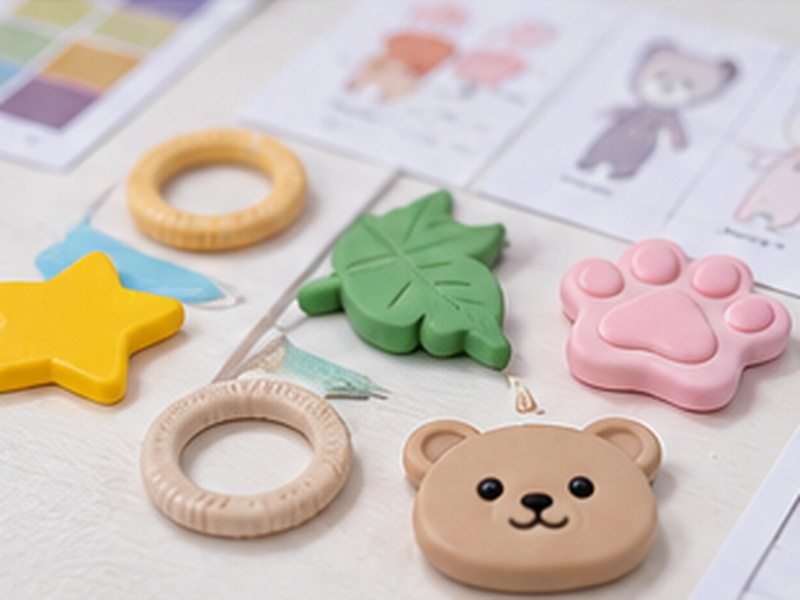
Molded faces, badges, feet, props, shoes, and accessories create soft-hard interfaces. Material, hardness, color, tolerance, tooling, edge radius, attachment, assembly access, and packaging pressure should be reviewed before release.
73-7Ewin toys Weighted Filling Systems

Weighted Inserts

Weighted bags need defined media, mass, compartment, location, containment, and support seams. Production should prevent migration into corners or local loading that changes the approved sitting or standing form.
Electronic

Electronic Modules

Speakers, switches, lights, sensors, batteries, and other modules need a controlled hardware revision, dimensions, cavity, orientation, wiring route, access, padding, retention, and function-check responsibility.
Removable Accessories

Removable Accessories

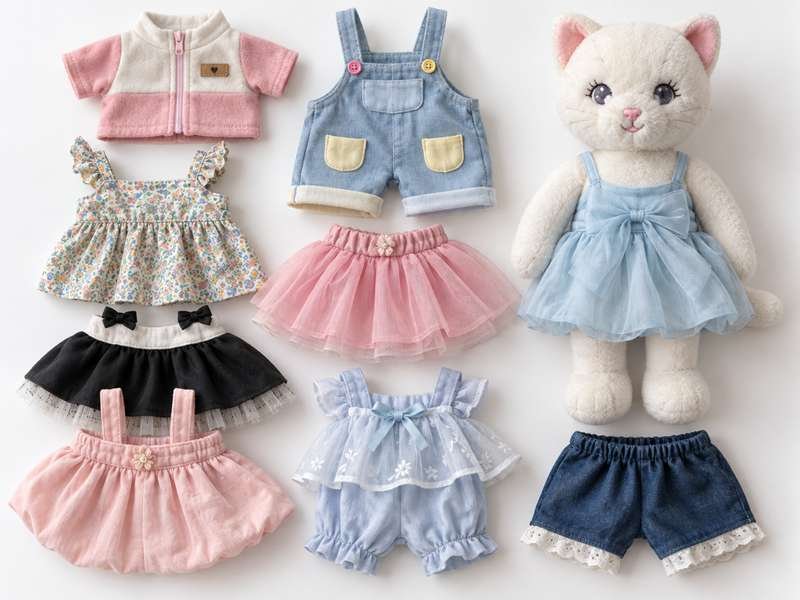
Clothing, hats, bags, props, and detachable pieces need defined attachment points, fit, size, color, material, fixing, and packaging. Removable items should remain complete without creating uncontrolled one-off hand fitting.
Internal Supports​

Internal Supports

Foam, plastic sheets, wire-free structural inserts, boards, or other supports can control pose, face, or product function. Material, dimensions, location, edge protection, and interaction with filling should be tied to the approved sample.

Logo and Decoration Must Become Production Data
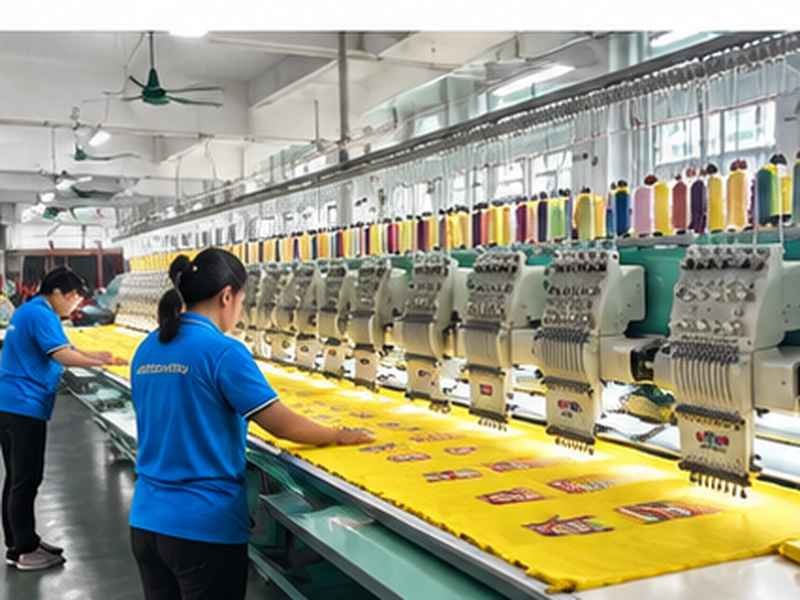
Brand graphics and character details need controlled size, color, placement, material compatibility, process, and approved revision before bulk production begins.

Embroidery

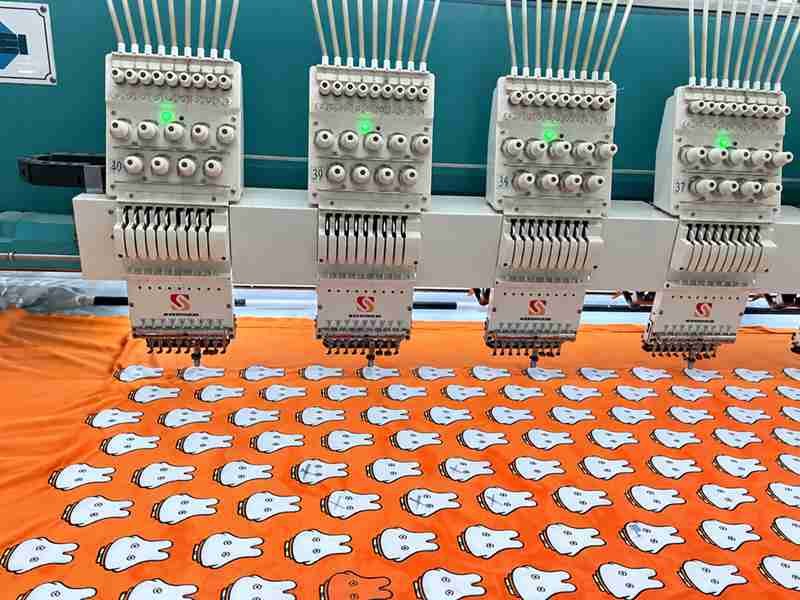
Embroidery suits facial features, logos, text, and garment detail on compatible fabrics. Production data should define final dimensions, thread colors, stitch program, backing, position, orientation, seam clearance, and the approved physical result.
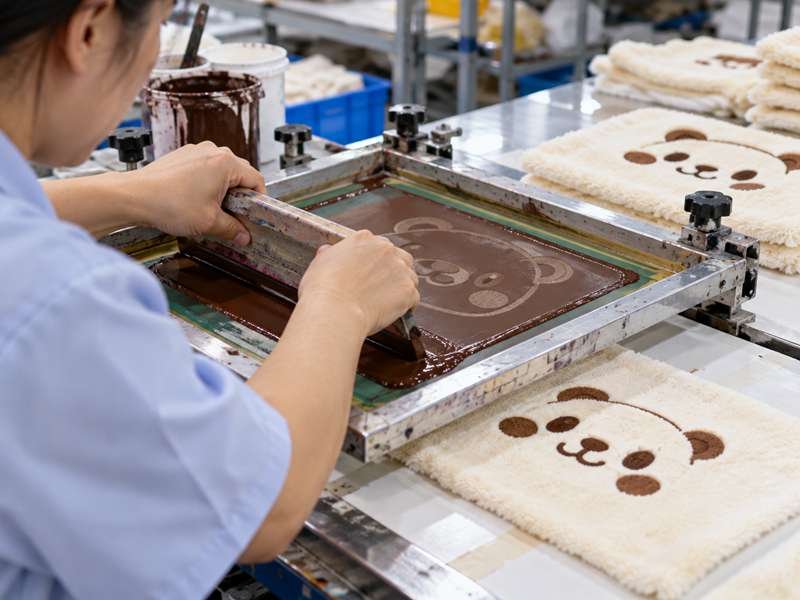
Screen Printing

Screen Printing

Screen printing works well for repeat graphics on suitable flat panels. Ink system, color, mesh/process settings, print position, curing, base fabric, stretch, seam relationship, and approved appearance should be standardized.
Ewintoys 08-03 Digital Printing Logo And Decoration 2

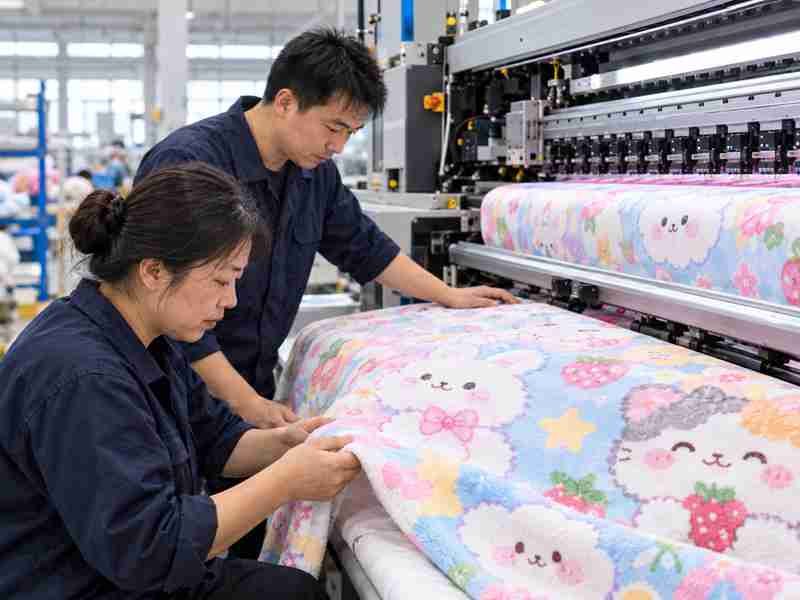
Digital Printing

Digital printing supports gradients, textures, and complex artwork. Print file, color target, substrate, orientation, scale, print-to-cut relationship, nap, and registration need to stay connected to the current product revision.
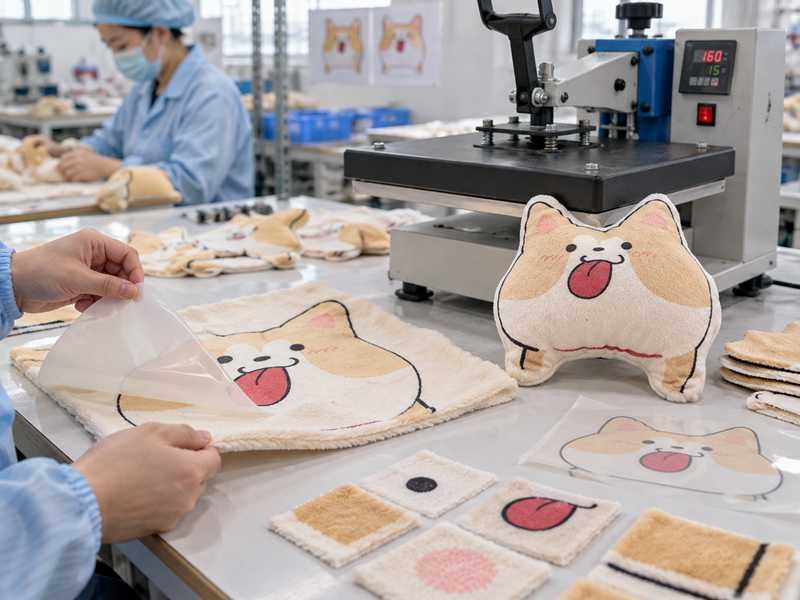
Heat Transfer

Heat Transfer

Heat transfer and DTF can support logos, text, and garment graphics. Temperature, pressure, time, film feel, substrate response, placement, seam clearance, flex, and edge behavior should be proven during sampling.
Ewintoys 08-05 Applique Logo And Decoration

Applique

Applique builds larger shapes, eye areas, patches, belly zones, stripes, and layered decoration without relying on dense stitches alone. Fabric, edge finish, placement, stitching, alignment, and pattern relationship should be controlled.
06-5 Ewin toys Patch Label Toys for Authors & Book Characters (2)

Woven Patch Label

Woven labels, embroidered patches, badges, and brand labels need approved artwork, size, color, edge finish, stiffness, attachment, placement, and SKU mapping so a small finishing component does not create a brand-identity error.

Filling and Internal Structure Define Shape and Handfeel
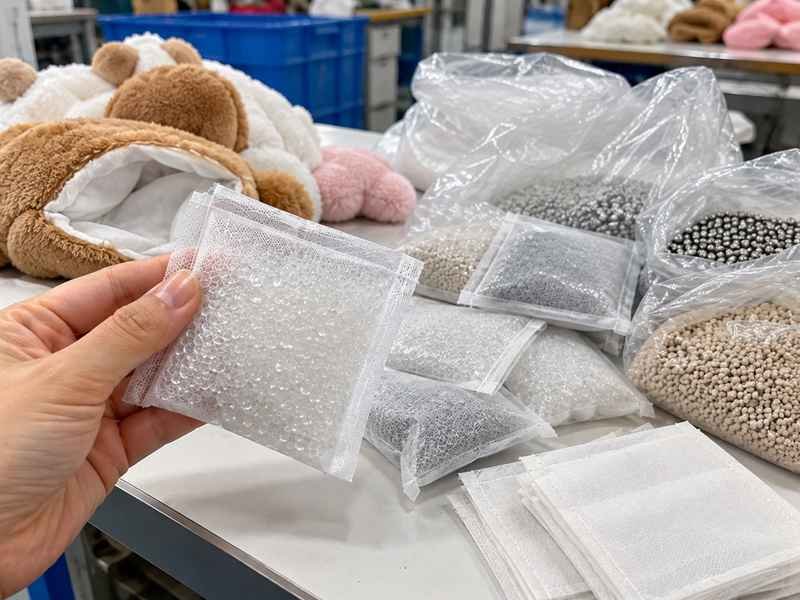
Approved filling is part of the product specification because material, weight, distribution, firmness, and containment change appearance, pose, balance, and recovery.
Polyester

Polyester Fiber

Standard fiber filling can create very different products depending on fiber type, weight, distribution, and packing density. OEM instructions should define target handfeel and shape against the Golden or QC reference instead of relying on operator judgment alone.
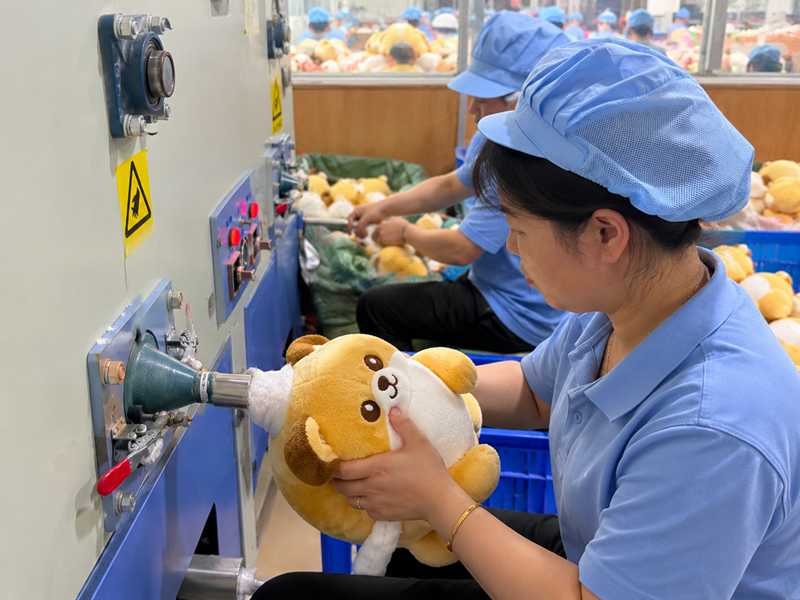
Filling Distribution
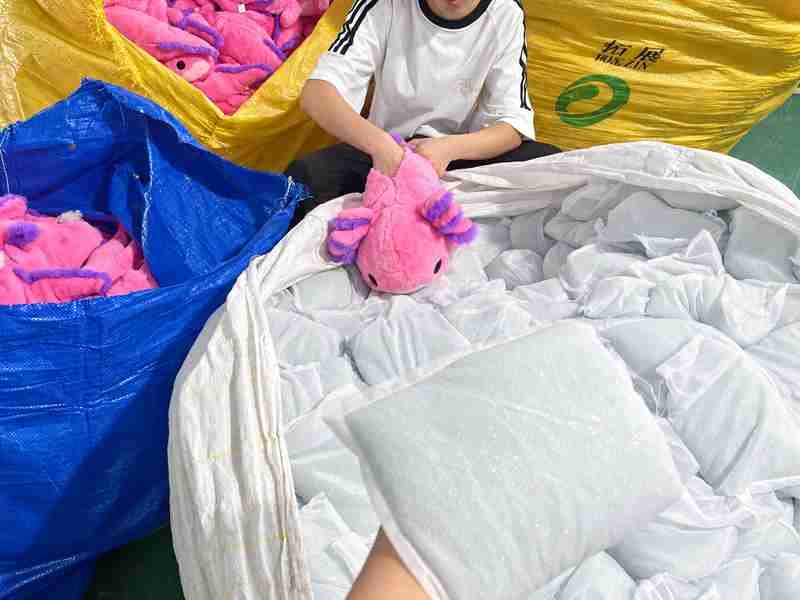
Filling Distribution

Head, muzzle, torso, limbs, tails, and other zones may require different distribution. Local overfilling can widen faces or distort seams, while underfilling can collapse pose and shape even when total product weight is correct.
Weighted

Weighted Media

Weighted beads or similar media need controlled mass, internal bag construction, containment, and placement. The weight should stay in the intended zone through handling, packing, and use rather than migrating into corners.

Internal Support

Foam, boards, linings, cavities, or structural inserts can support standing, sitting, electronics, or special functions. Their location and interaction with filling should be fixed before large-scale assembly begins.

Sample Development Must Prove the OEM Production Route

Sampling is complete only when the approved physical result can be translated into controlled files and repeated by the manufacturing system.

Build a Representative V1 From Intended Materials

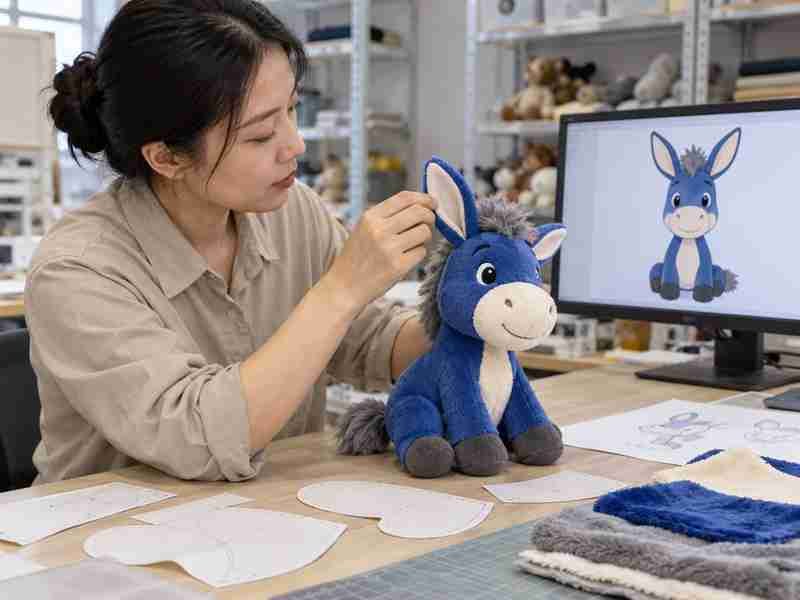
V1 should test more than visual resemblance. Ewin reviews pattern geometry, fabrics, pile direction, decoration, filling, accessories, clothing, component integration, workmanship, packaging direction, and whether the product can be manufactured repeatedly.

For a mature OEM project, the client may already provide a reference sample or Tech Pack. Sampling still has value because Ewin must prove that its own material sources, machines, operators, fixtures, component interfaces, and process route can reproduce the intended result. An existing supplier sample does not automatically function as an Ewin production instruction.

Where material colors, molded parts, hardware, packaging, or special functions are still open, separate material or component trials may be more efficient than rebuilding complete samples for every decision.

Close Revisions With Numbered Product Versions

Revision work should identify what changed and what linked effects require review. Moving the eyes may affect facial expression after stuffing. Changing fabric stretch may change head width. Repositioning hardware can change seam loading. A smaller size may need different embroidery and accessory scale rather than a simple reduction.

Ewin uses controlled sample versions so rejected details do not return later through an old pattern, decoration file, or material note. Prototype, V1, Revision, Testing, PP, and Golden Sample serve different purposes and should not be treated as interchangeable names for the same object.

The goal of each round is to close defined comments and reduce uncertainty, not to create endless subjective sampling.

Freeze Golden Sample and Manufacturing References

Customer approval, Golden Sample freeze, BOM freeze, and production release should be treated as separate control points. A visually approved sample is not automatically enough to start bulk production if material sources, packaging, pattern revision, decoration files, or QC references remain unresolved.

The Golden Sample becomes the controlled physical reference when it is linked to the Frozen BOM, released pattern, current artwork, measurements, filling, accessories, labels, packaging, and quality criteria. PP can then validate the intended production conditions before full release when the project requires it.

OEM scale-up is strongest when the factory reproduces a complete approved definition rather than trying to remember what made the sample look right.

Trusted by Global Brands and IP Owners

Trusted by brands, IP owners, and creative teams worldwide. Ewintoys helps transform original ideas and characters into high-quality plush products through professional development, manufacturing, and quality control.


Production Release Requires More Than Sample Approval

Before bulk starts, the factory needs the current physical reference and the current data package for the exact SKU being manufactured.

Release ItemProduction PurposeMain Risk Prevented
Golden / QC ReferencePhysical appearance, handfeel, workmanshipSample-to-bulk visual drift
Frozen BOMApproved fabrics, filling, trims, components, labelsUnapproved material or part substitutions
Released PatternCurrent panels, seam geometry, notches, napOld pattern entering cutting
Final Decoration FilesEmbroidery, print, appliqué, logo versionsWrong face, logo, color, or placement
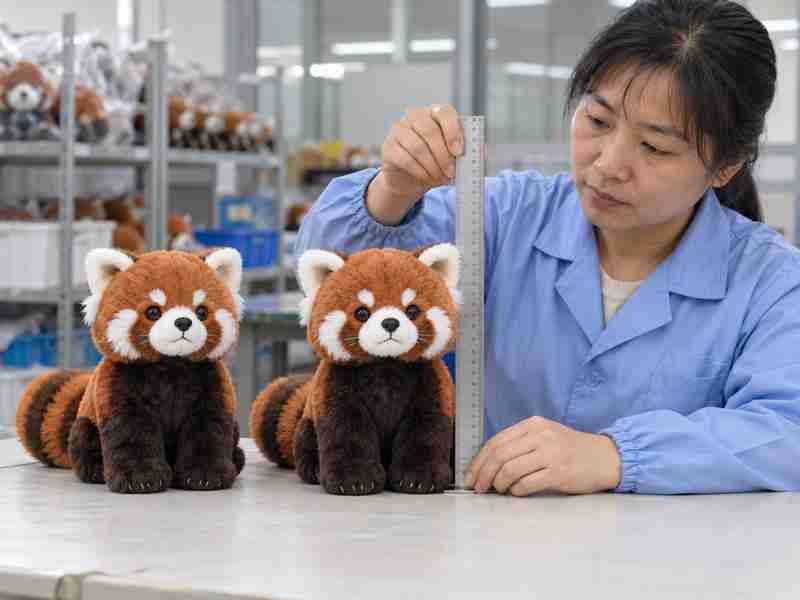
Measurement SpecificationSize and key dimensional referencesGradual size and proportion drift
Filling SpecificationMaterial, weight, zones, firmnessWrong handfeel, balance, or shape
Component SpecificationPart ID, size, color, fixing, orientationWrong hardware or weak assembly
Packaging SpecificationUnit pack, labels, barcode, case pack, cartonWrong market or commercial configuration
QC Plan / CTQsCritical checks and acceptance referencesUnclear inspection criteria
Production Release StatusFormal permission to manufacture current revisionPremature production from incomplete approval

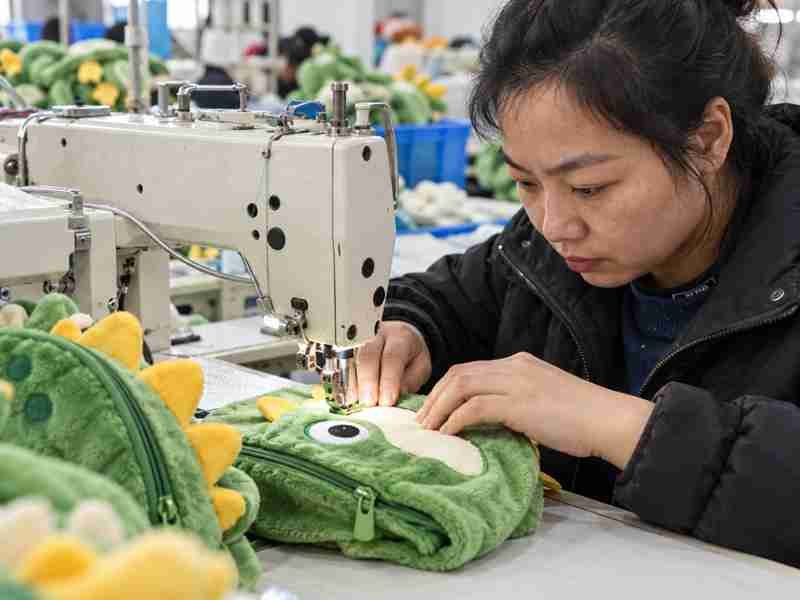
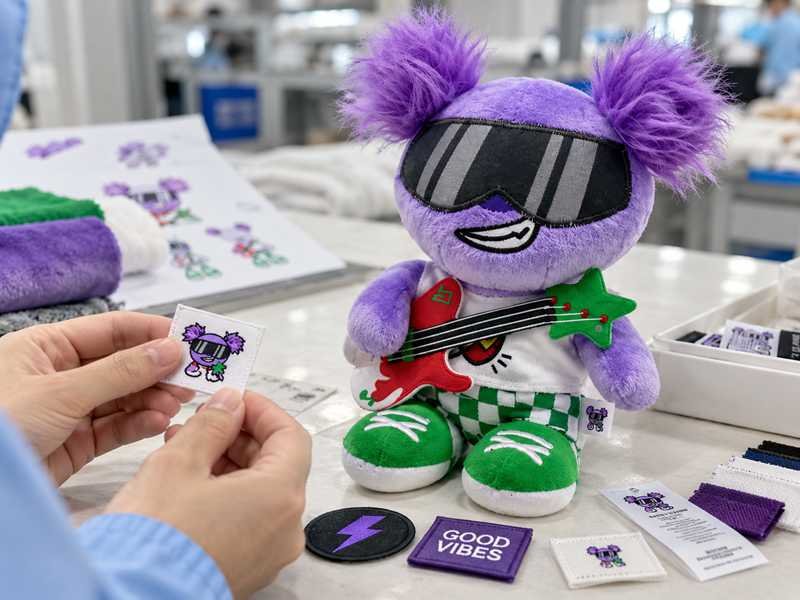
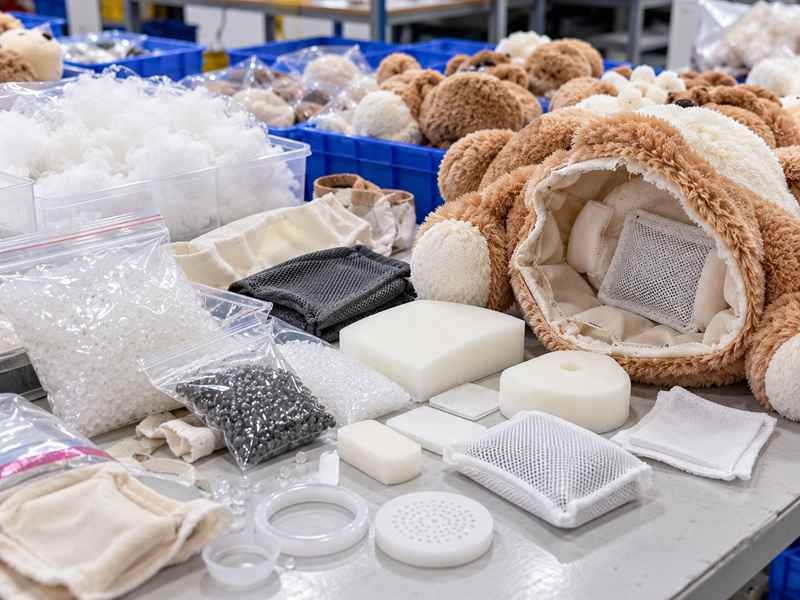
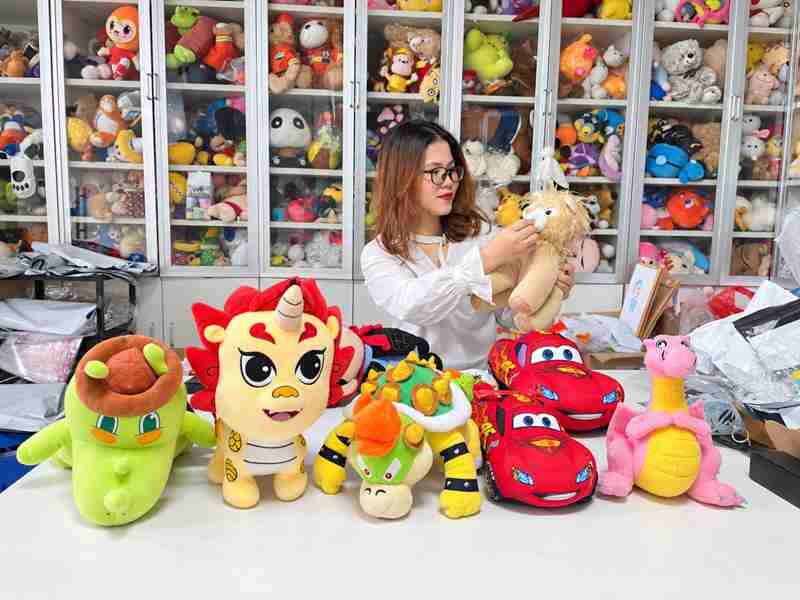
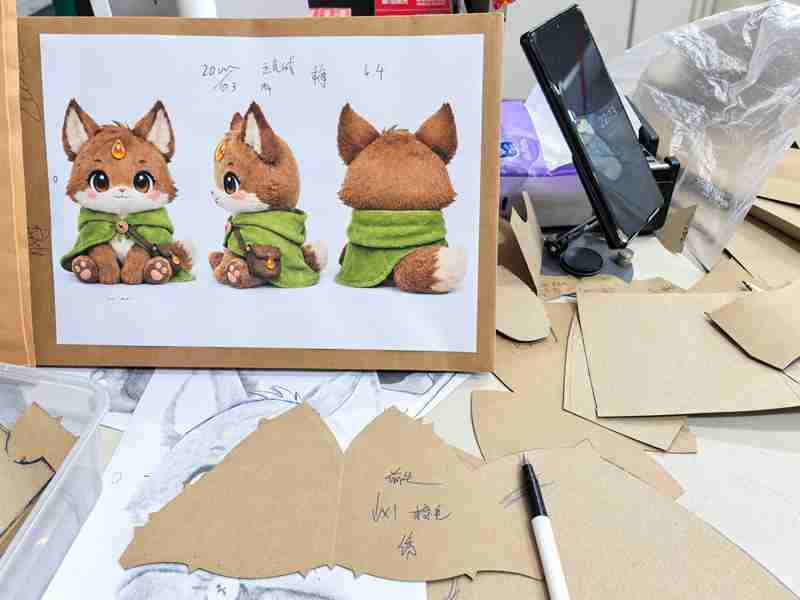
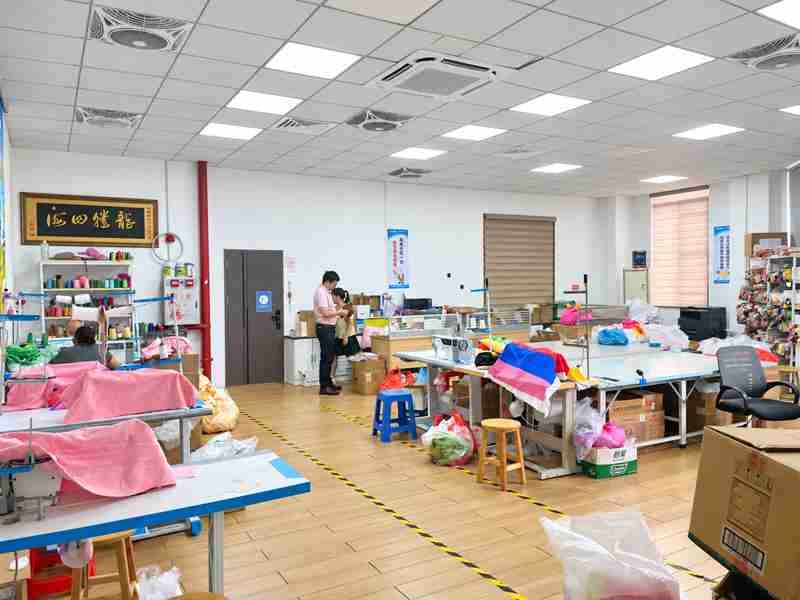
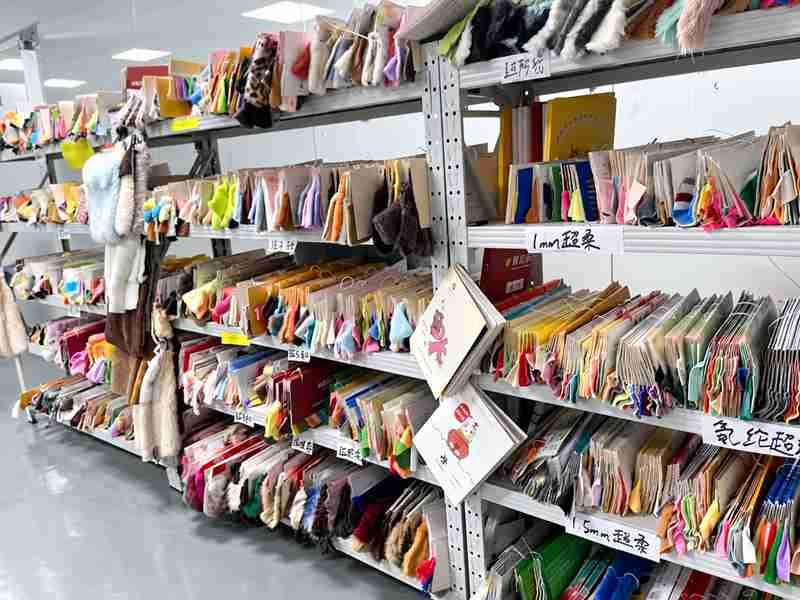
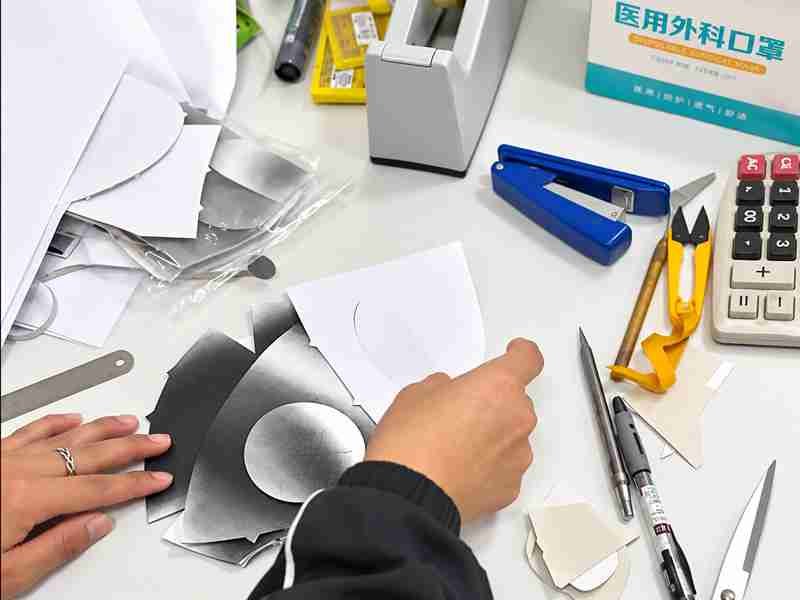
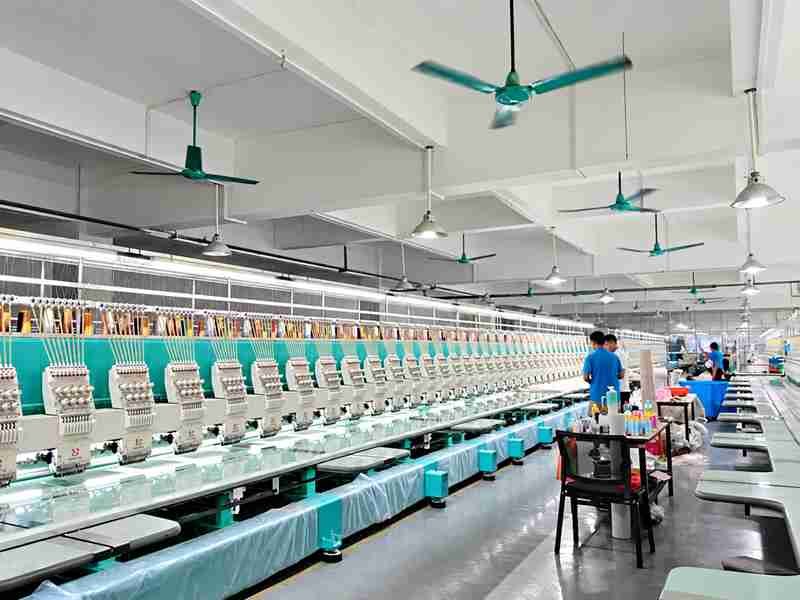
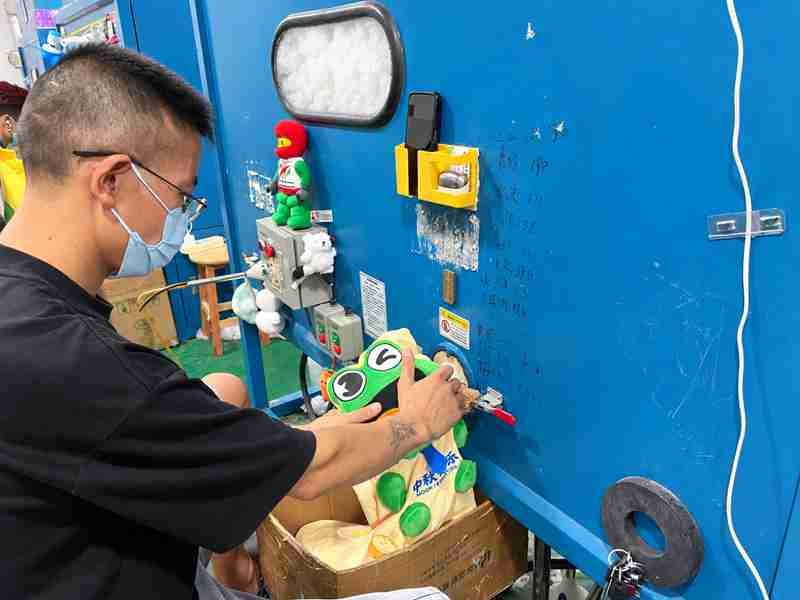
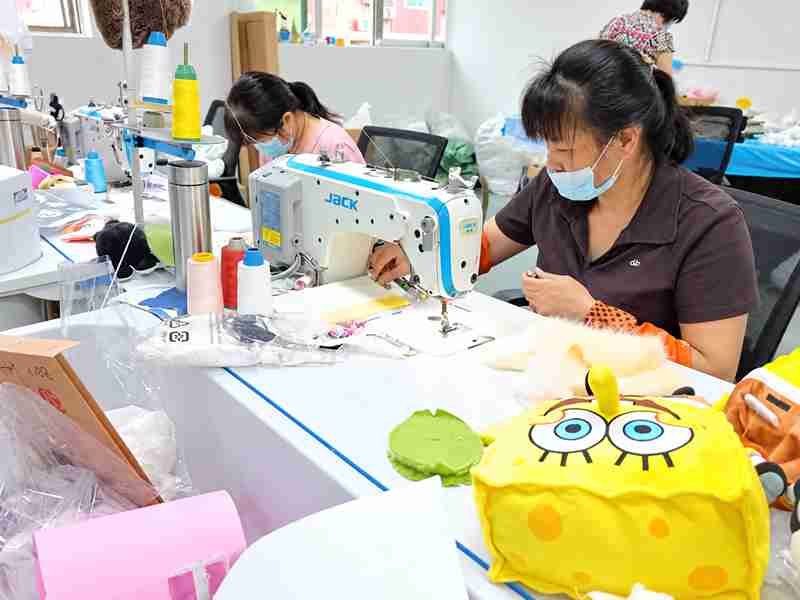
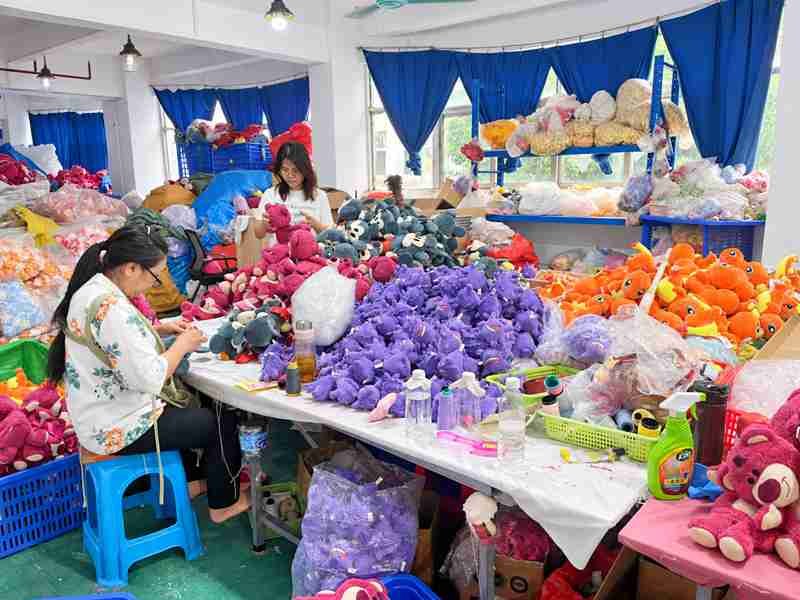
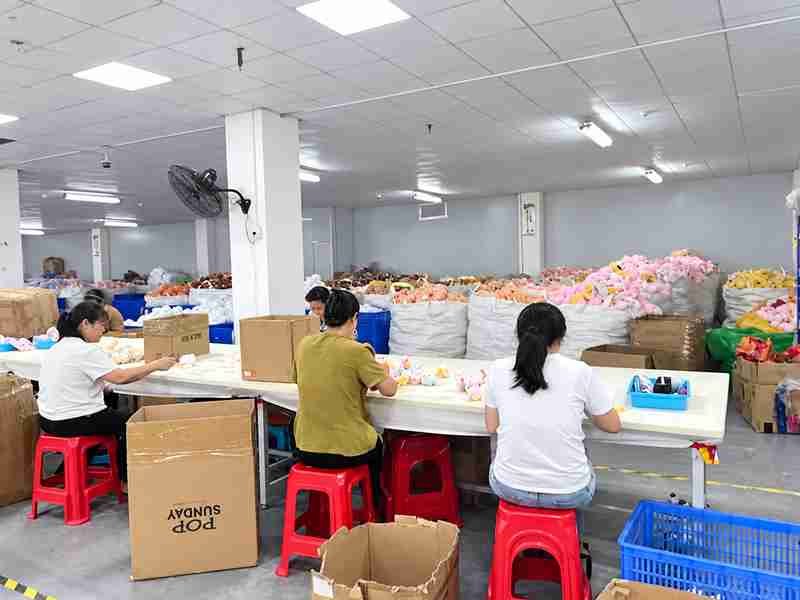
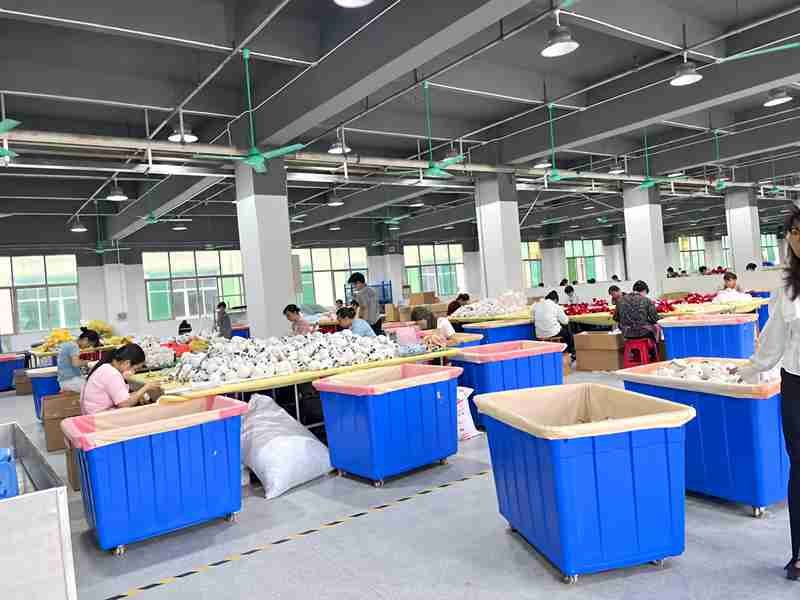
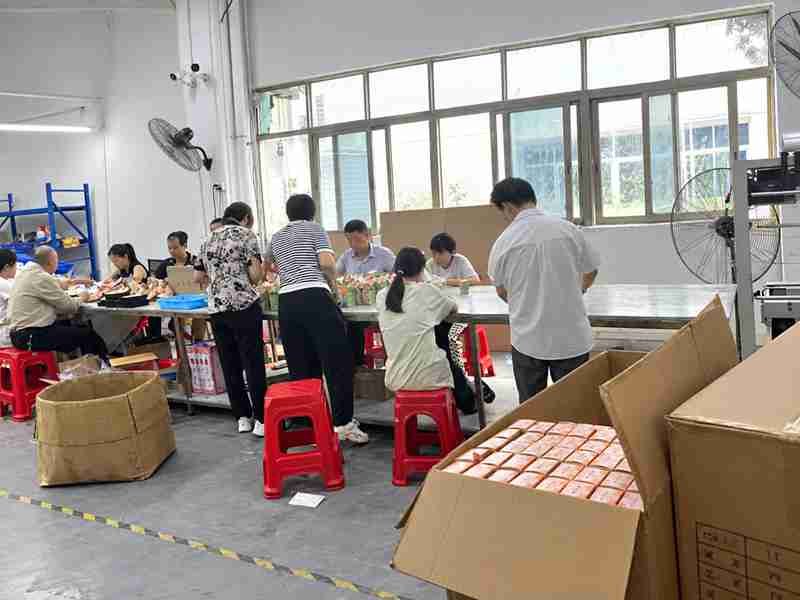
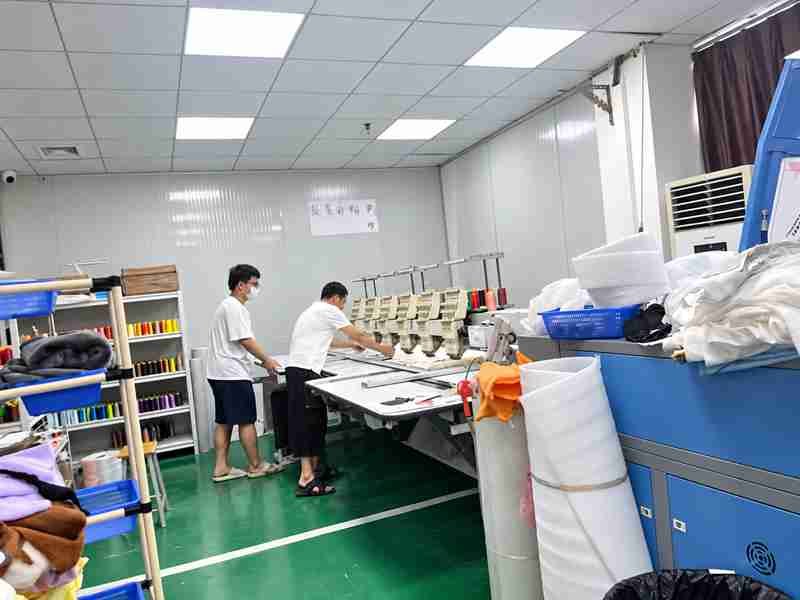
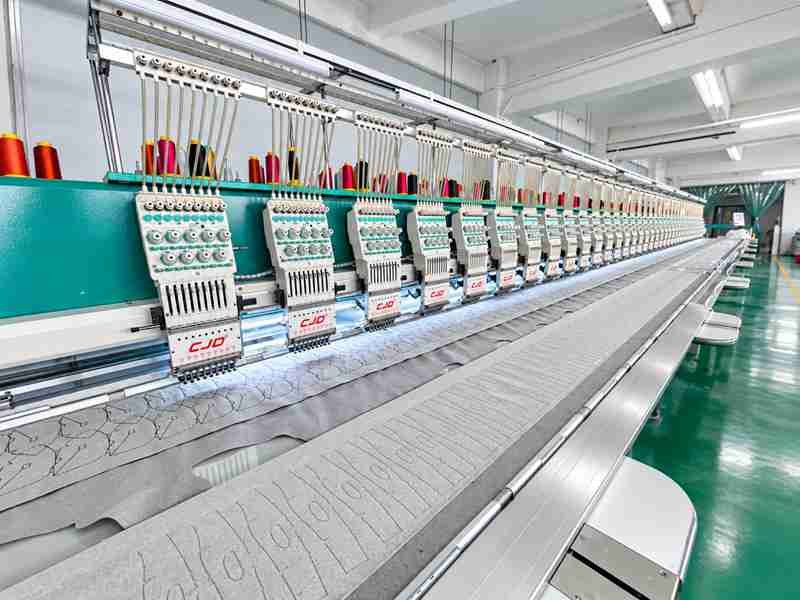
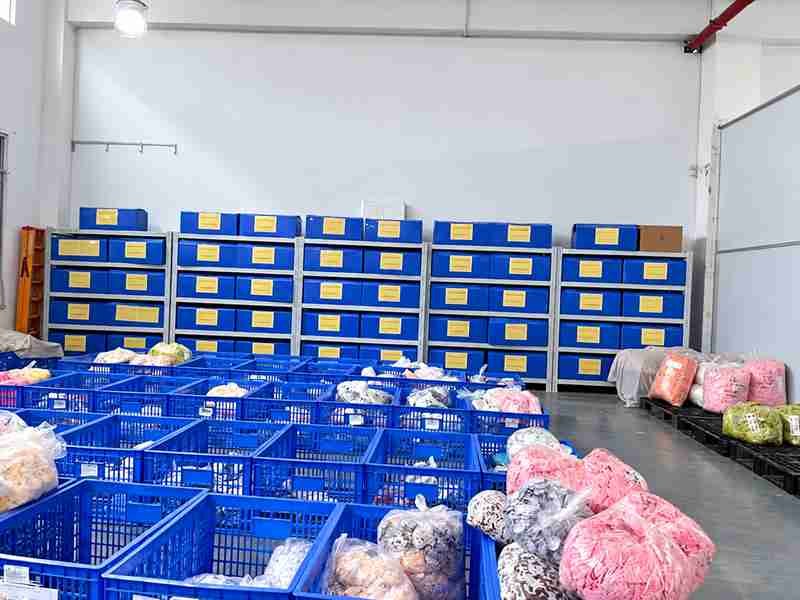
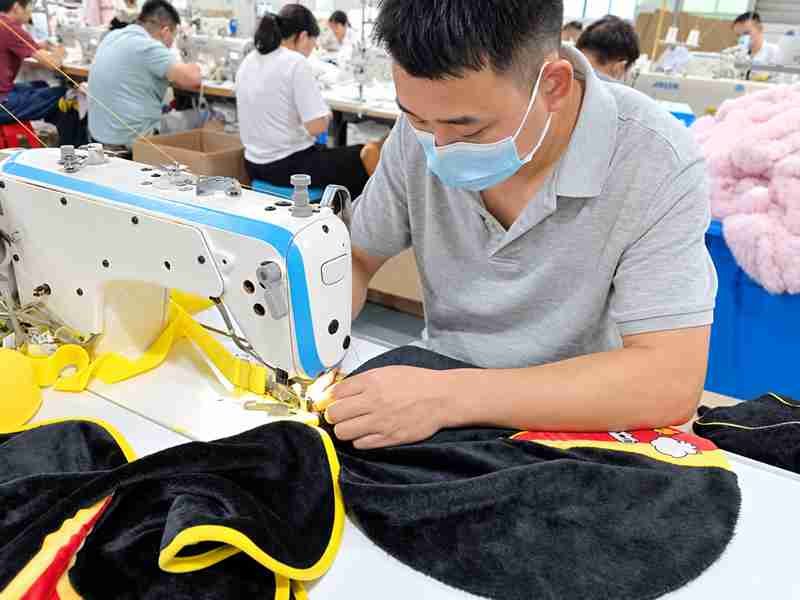
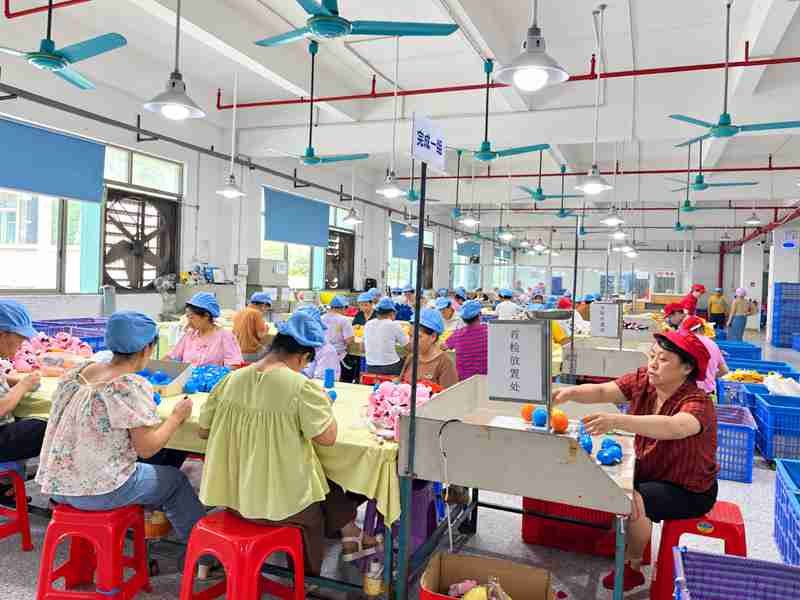
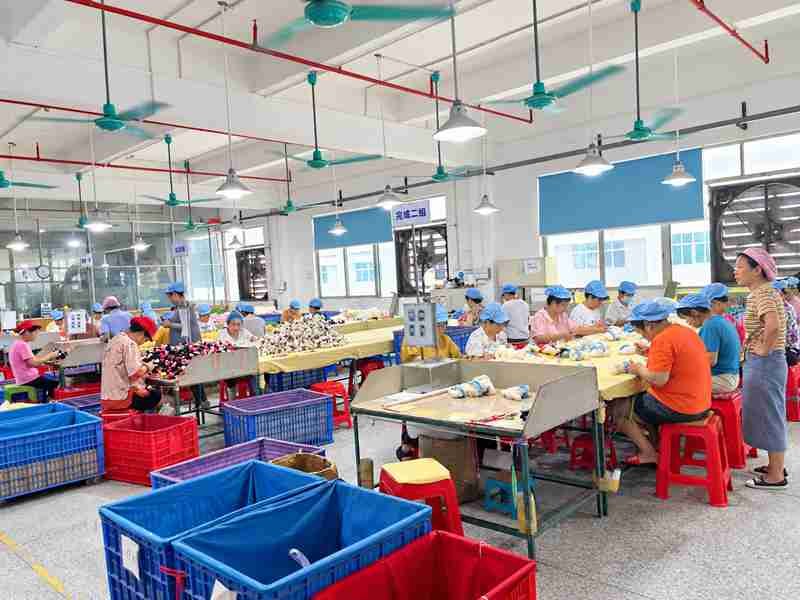
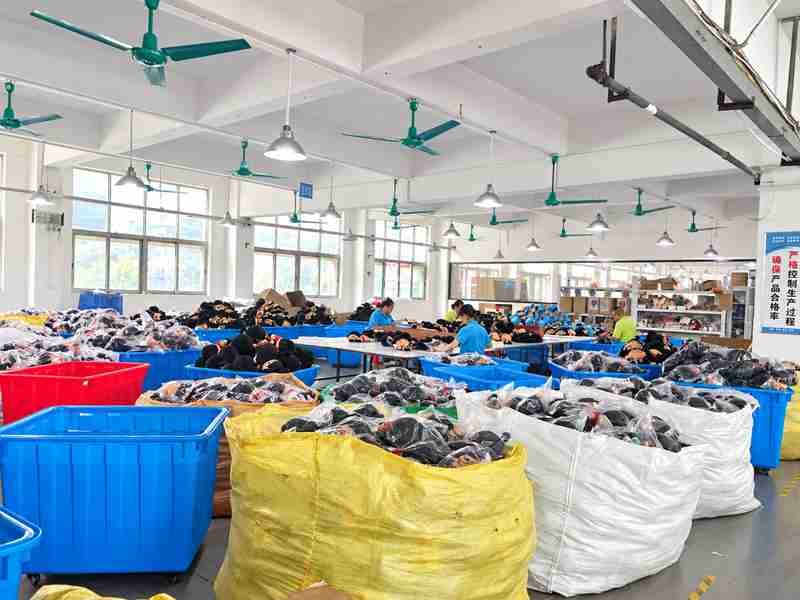
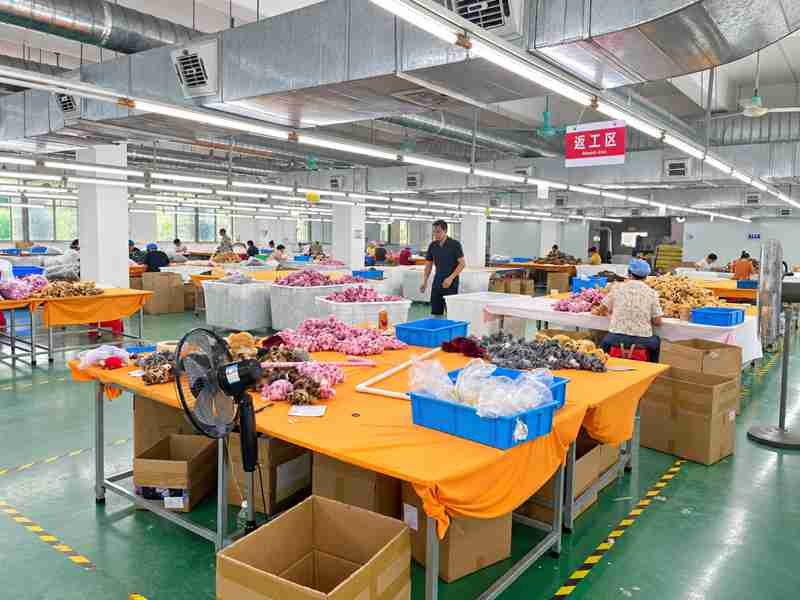
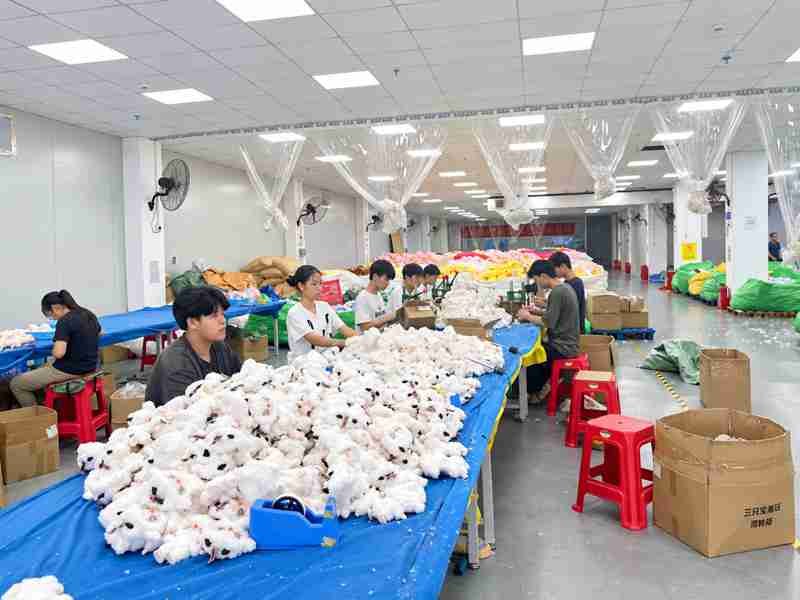
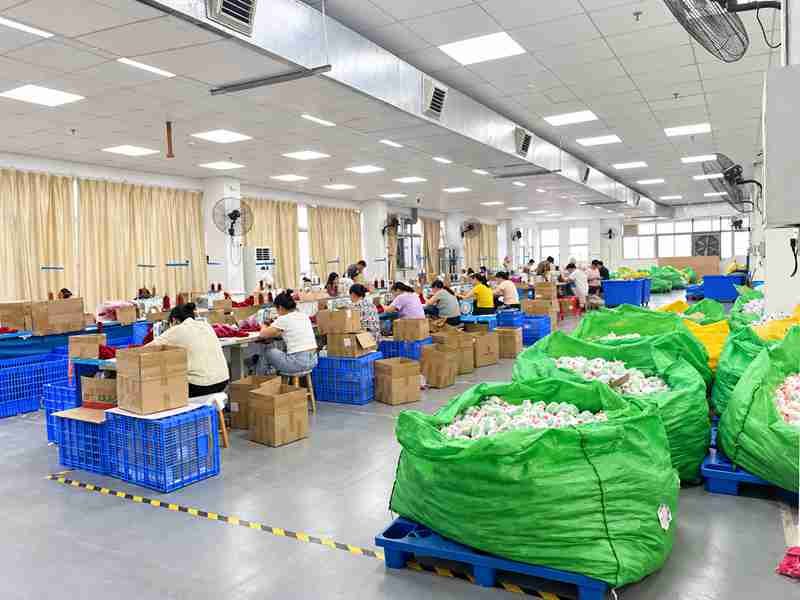
From Prototype to Production: Our Real Plush Factory Show

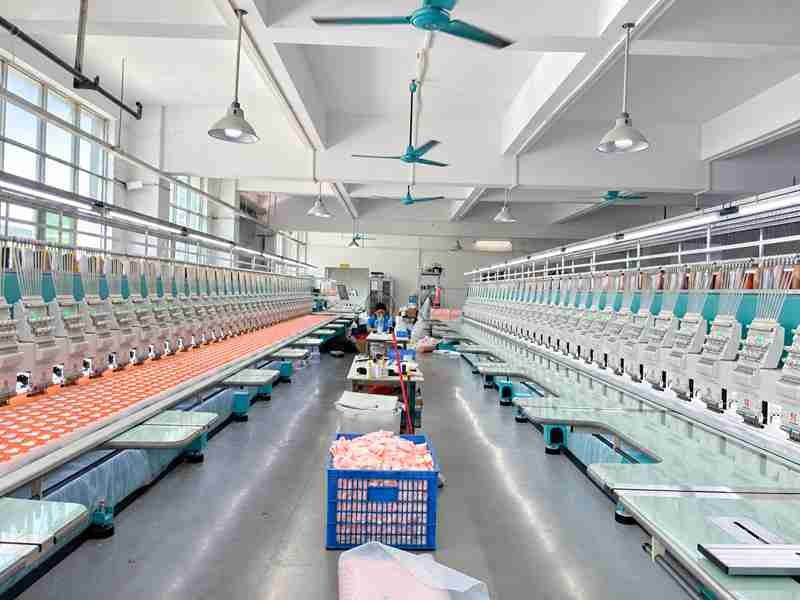
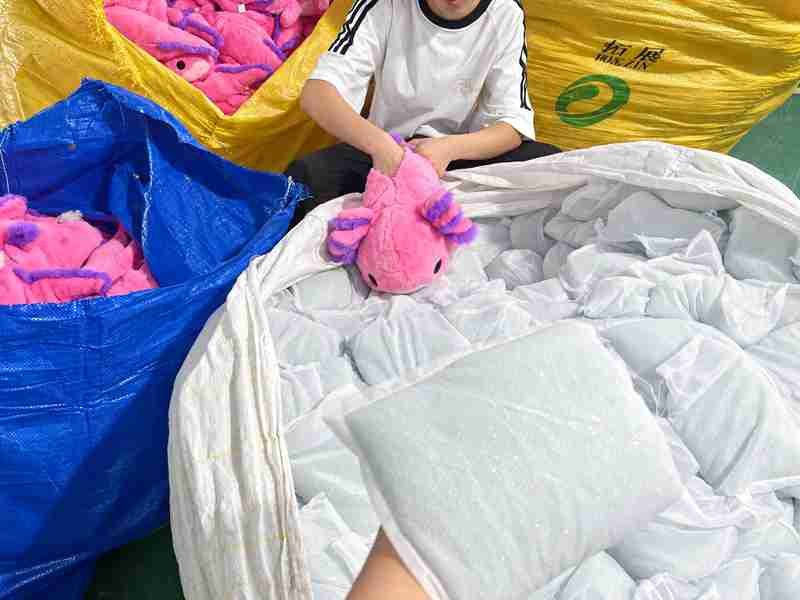
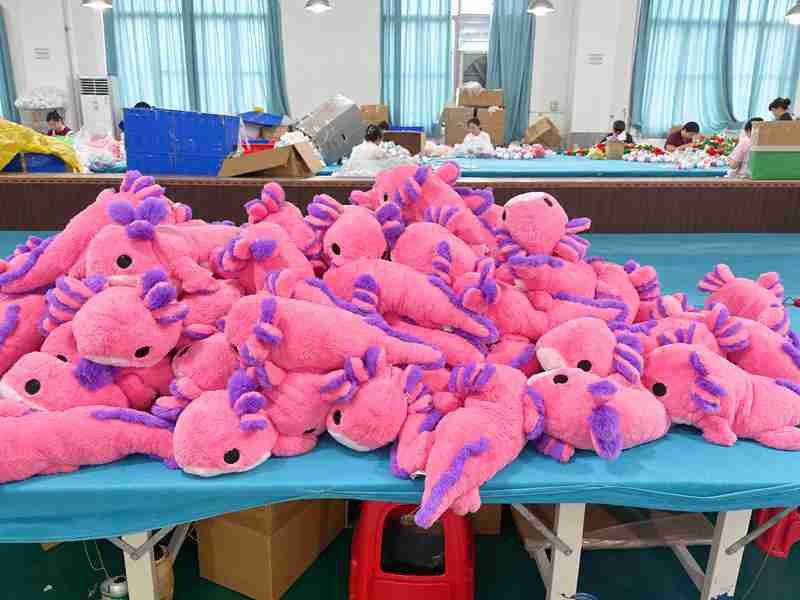
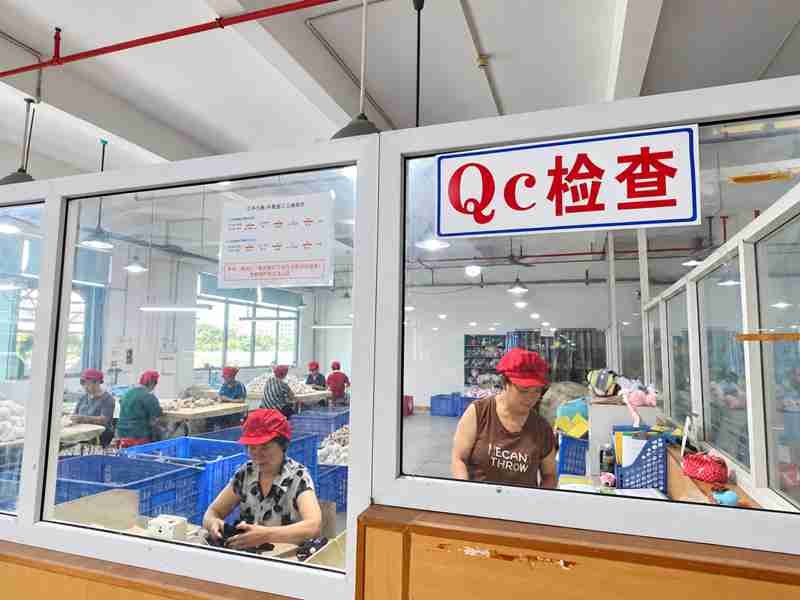
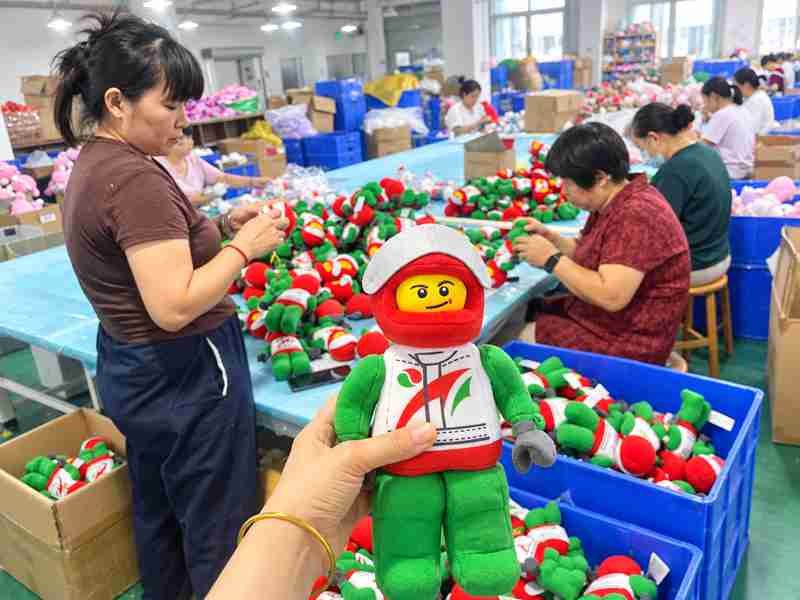
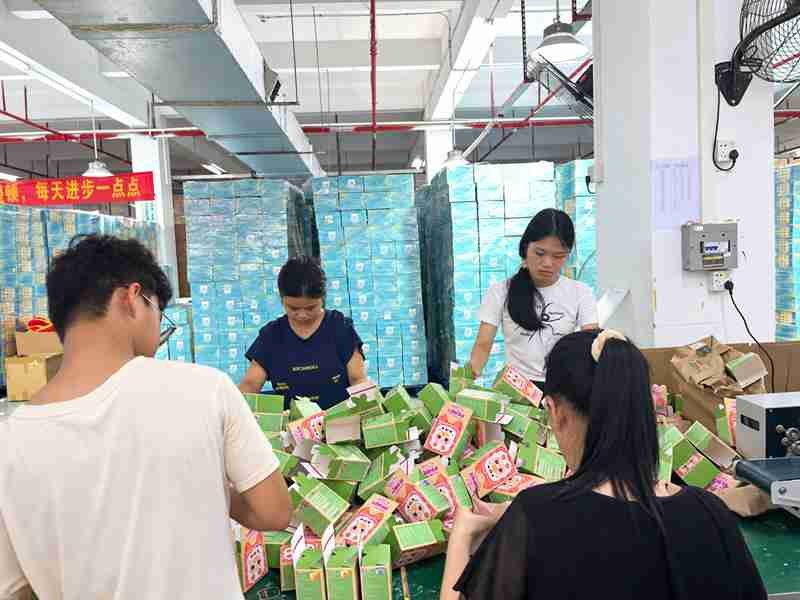
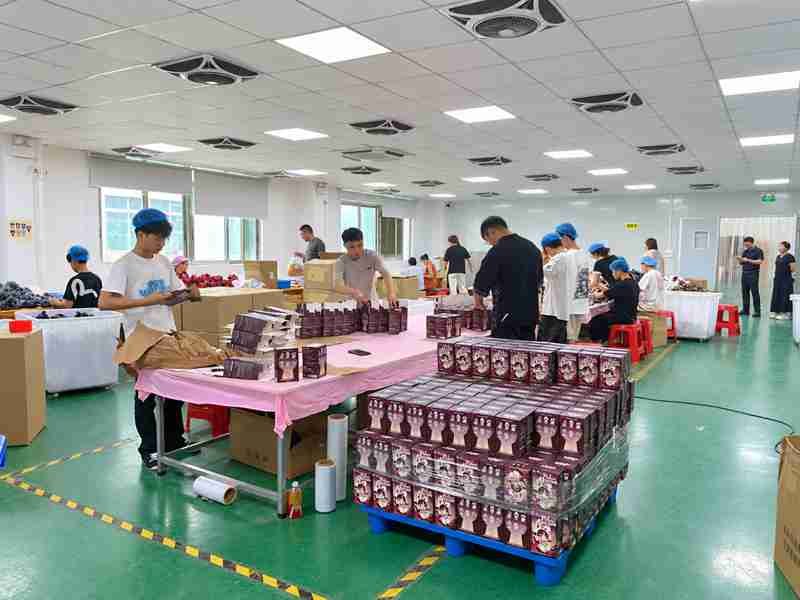
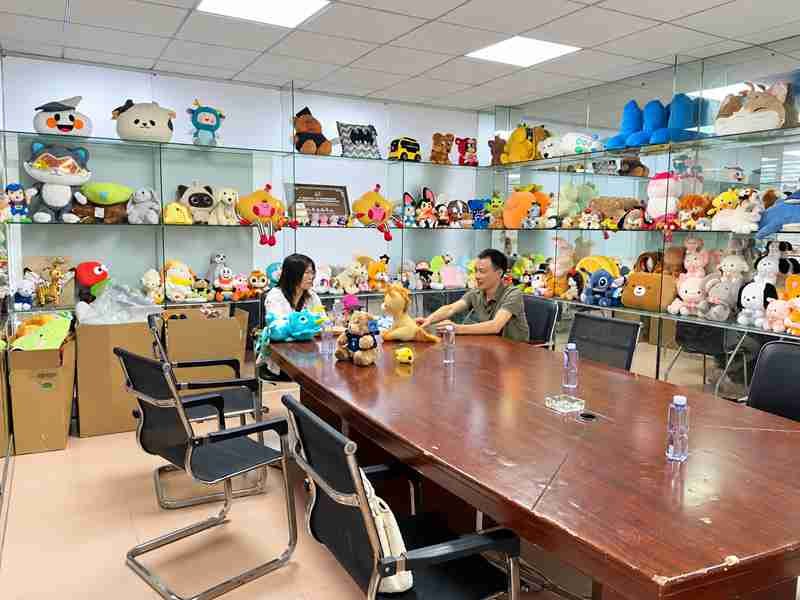
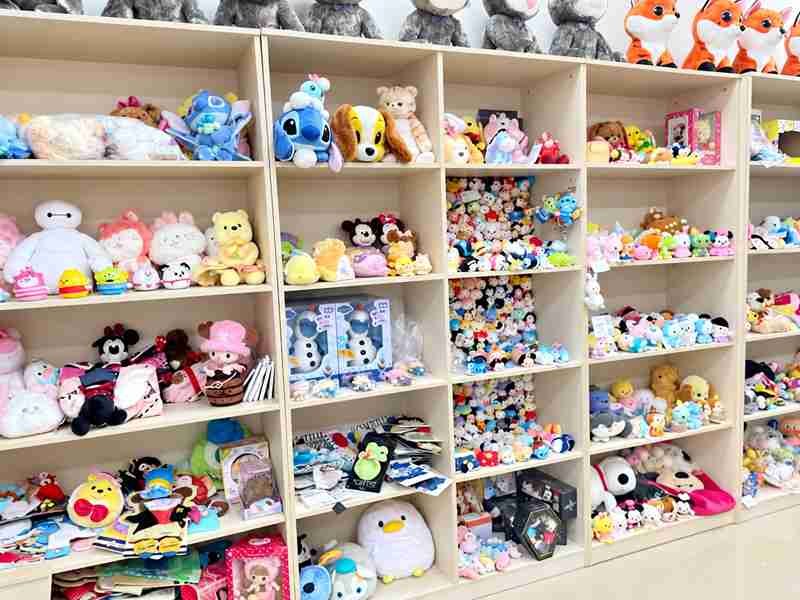
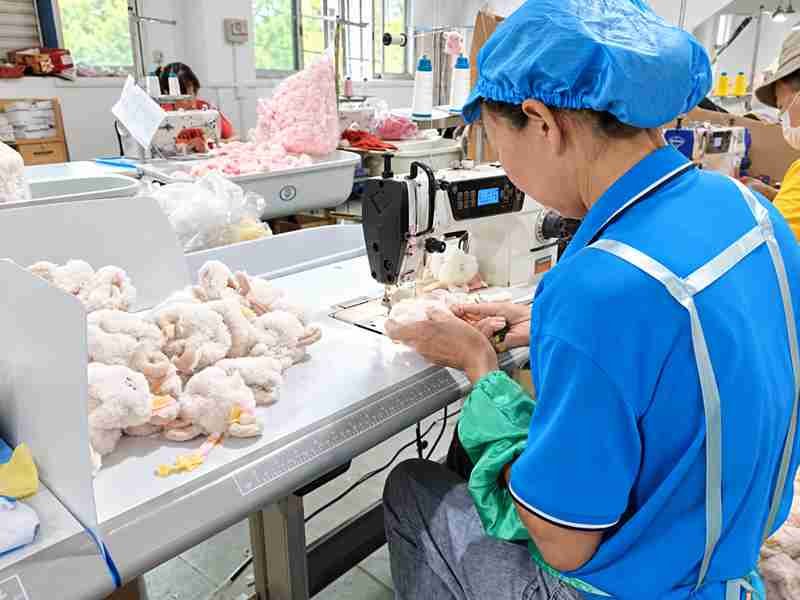
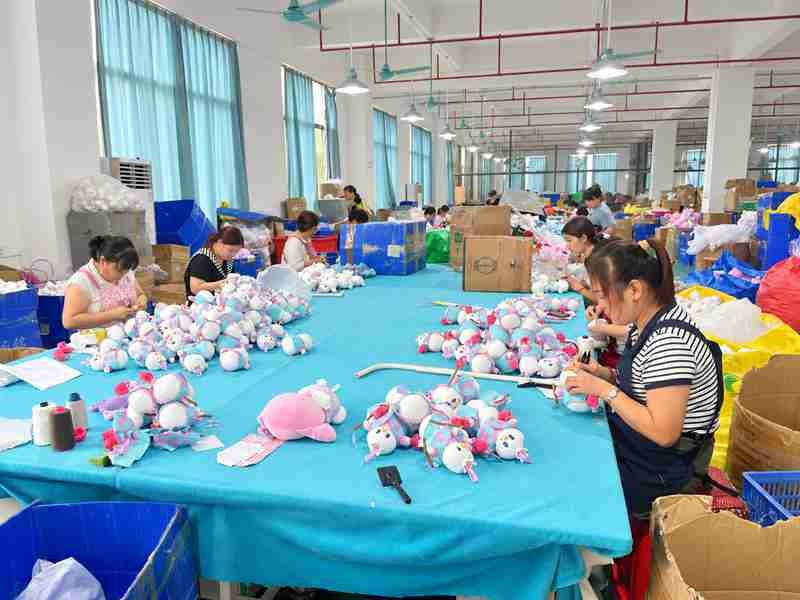
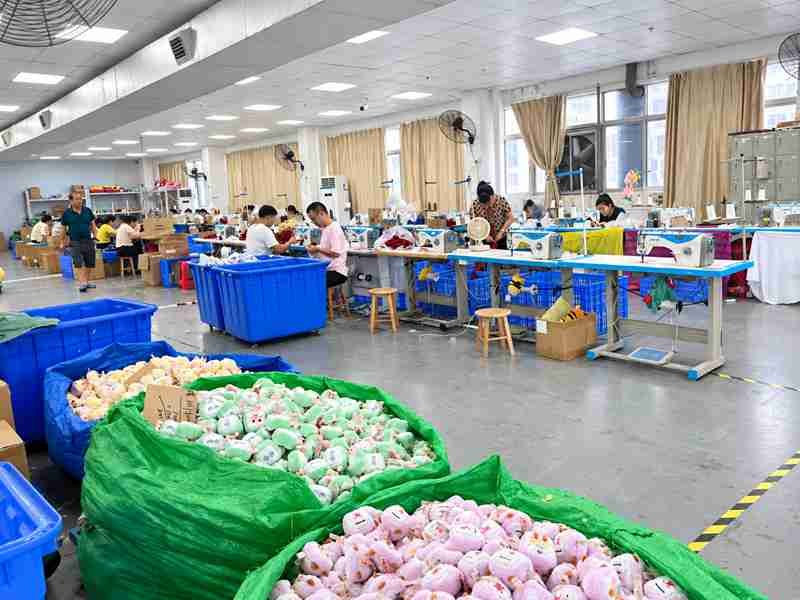
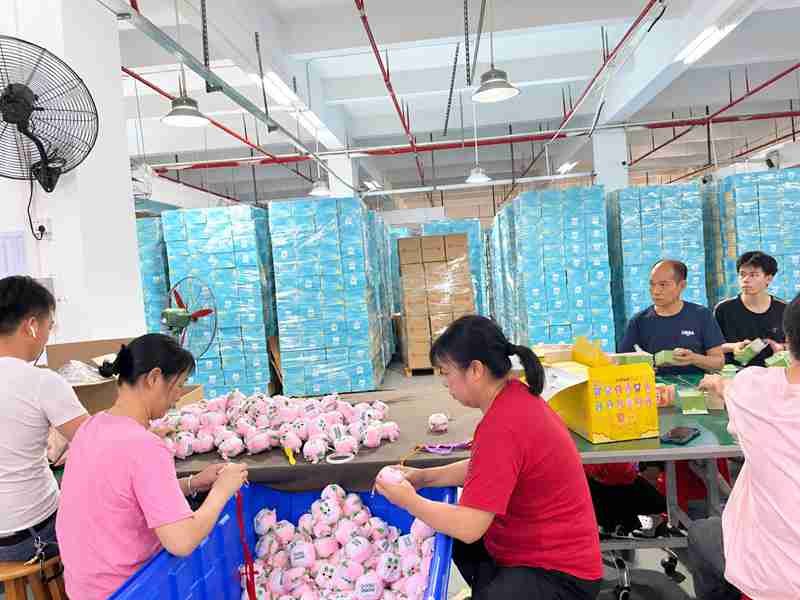
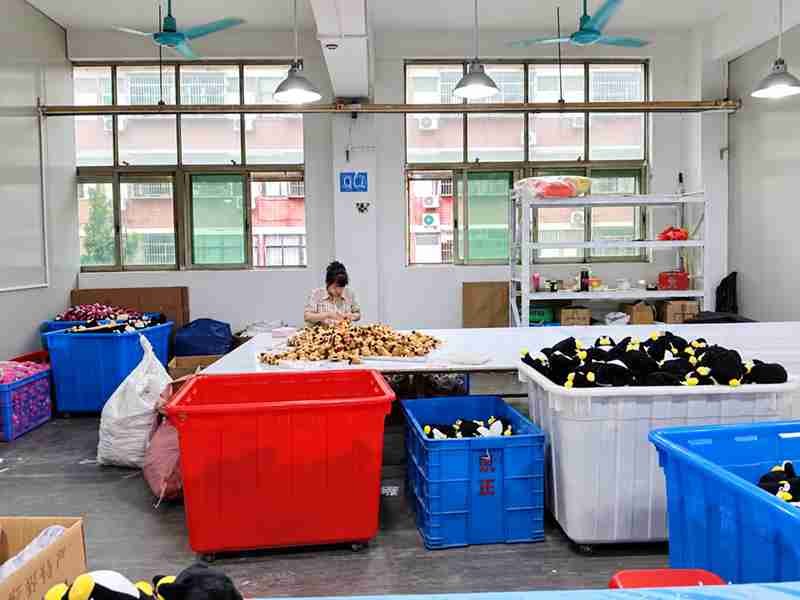
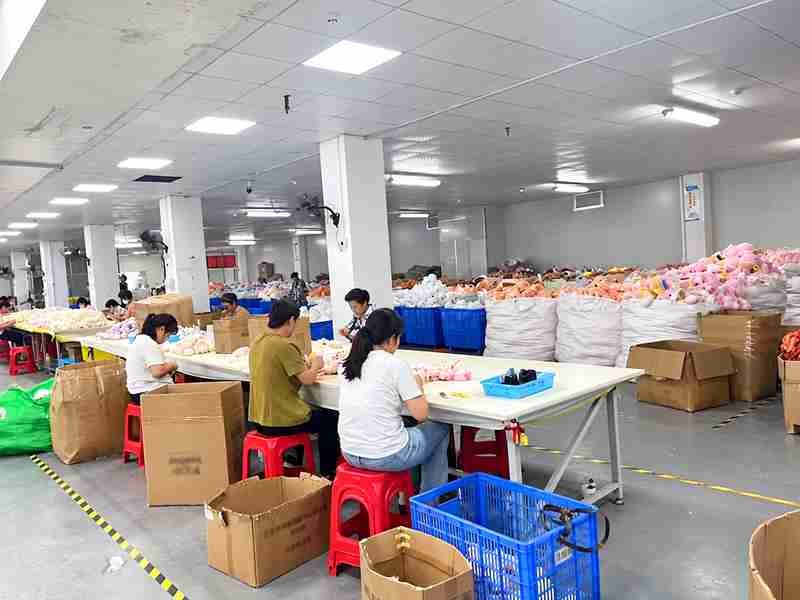
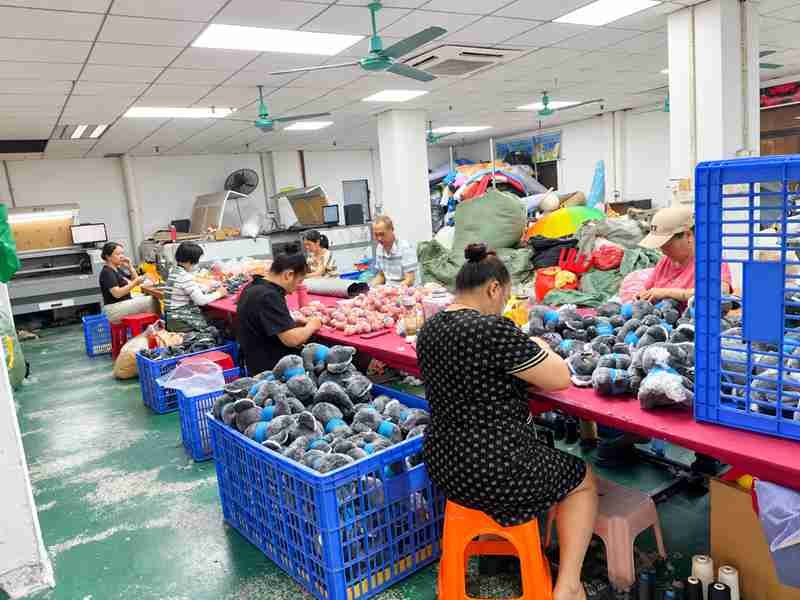
At Ewintoys, every plush project follows a structured development and production process, from initial design review and pattern making to sampling, mass production, quality inspection, and final delivery. Our real factory images provide a transparent view of how ideas are transformed into high-quality plush products through professional craftsmanship, engineering control, and careful production management.

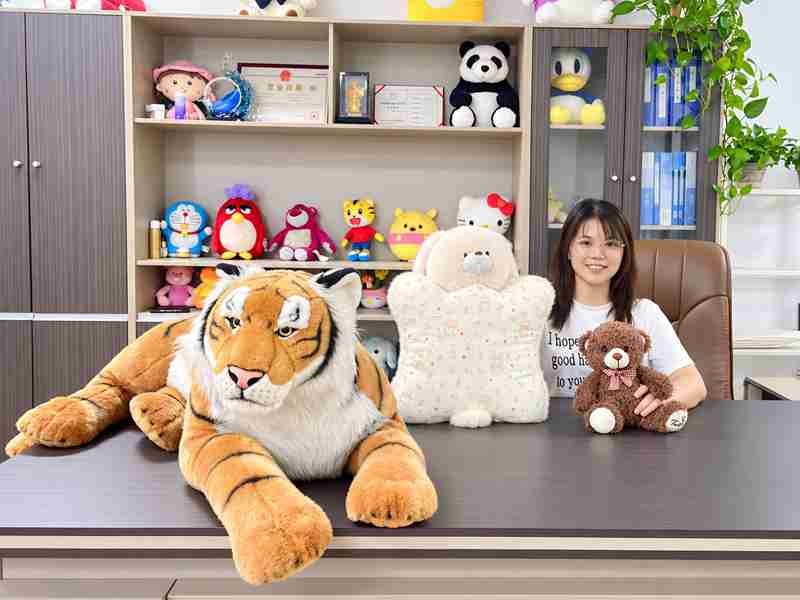
Bulk Manufacturing Follows the Approved Product Definition

Ewin connects material control, cutting, decoration, sewing, stuffing, assembly, finishing, QC, packaging, and shipment preparation under one manufacturing route.

Control the Front End Before Sewing Multiplies Errors

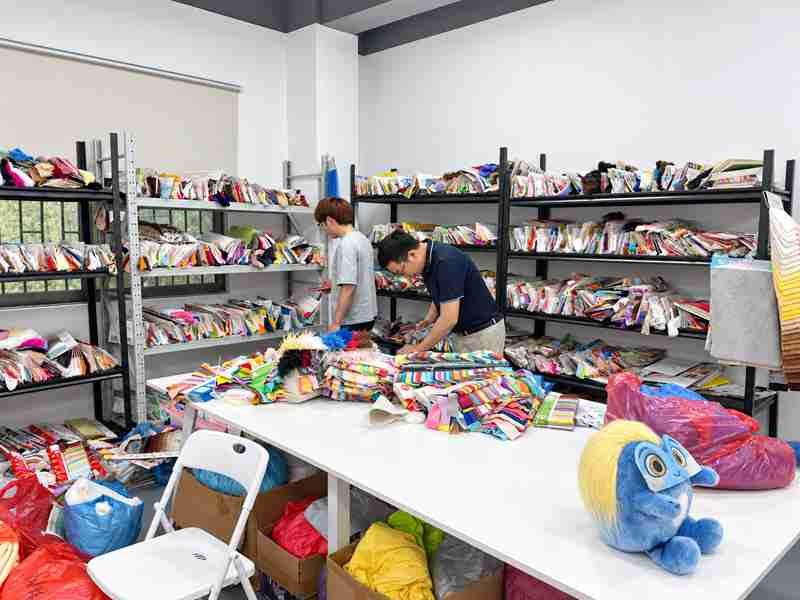
Incoming materials and components should be released against the Frozen BOM, approved swatches, specifications, supplier route, color lots, and project requirements before use. Cutting then works from the released pattern, correct fabric lot, nap direction, mirrored parts, marker logic, and bundle identity.

Decoration sits early enough in the route that wrong eyes, logos, garment graphics, or colors can affect many finished units if the error is not caught at first piece. Embroidery and print checks compare the current artwork or program, thread or ink, position, orientation, material, and physical result with the approved reference.

The value of front-end control is economic as well as visual. A wrong cut panel or decoration file should be stopped before sewing, stuffing, finishing, and packaging add more labor and materials to the defect.

Keep Sewing, Stuffing, and Assembly Repeatable at Scale

Sewing converts controlled panels into the product shell. IPQC can review seam alignment, panel matching, allowance, symmetry, openings, structural joins, and high-sensitivity character areas before the source of a defect becomes hidden inside the product.

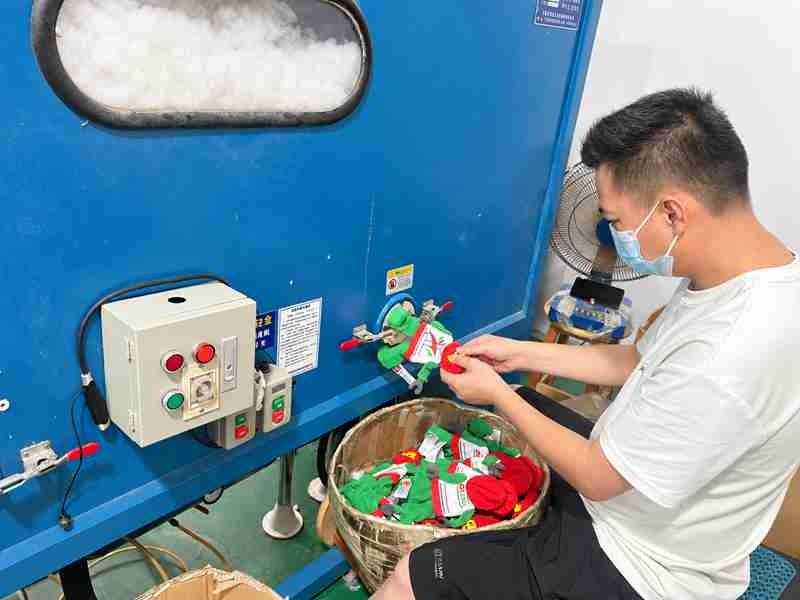
Stuffing controls more than total weight. Filling material, zone distribution, firmness, face contour, body volume, balance, and handfeel should be compared with the Golden or QC reference. Assembly then confirms the correct component, orientation, fixing, magnet polarity, hardware direction, clothing, accessory, or electronic module installation.

Complex products may need dedicated fixtures, work instructions, first-off approval, or stronger line separation between SKUs. Manufacturing scale should follow the real product complexity rather than assuming every plush can use one identical production route.

Finish, Inspect, Pack, and Release the Commercial SKU

Finishing shapes the final silhouette through grooming, local filling adjustment, clothing presentation, thread trimming, seam closing, cleaning, and appearance review. The product should look like the approved reference before it enters packaging, not rely on the packer to correct manufacturing defects.

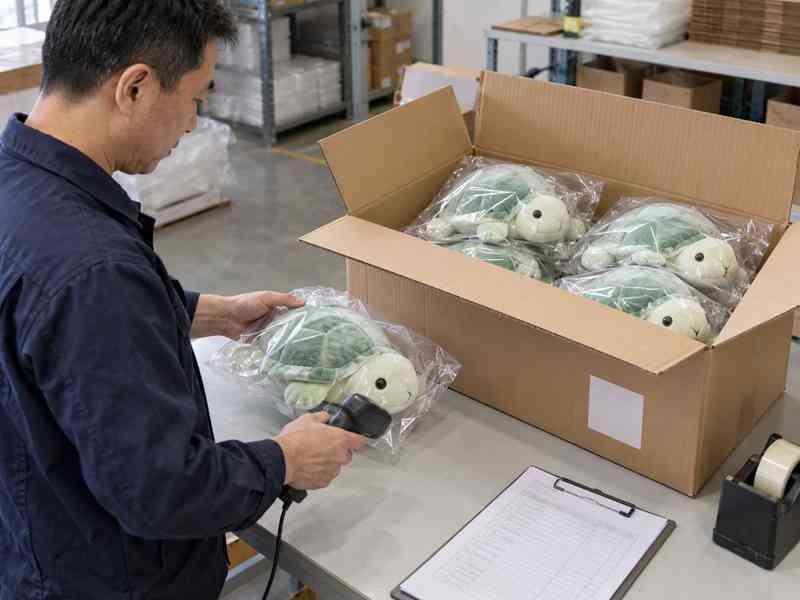
Packaging QC checks product-to-pack identity, labels, warning copy, barcode, insert, protection, assortment, case pack, carton marks, and the condition of the unit package. OQC then confirms SKU, packaging version, carton quantity, inspection status, destination, and final release information.

An OEM product is commercially complete only when the right physical plush, in the right approved packaging, reaches the right shipment configuration with traceable records.

Quality Gates Control Different Failure Points

IQC, IPQC, FQC, and OQC work at different stages so defects can be contained near the process that created them.

IQC

Incoming Quality Control checks approved fabrics, color lots, filling, trims, hard components, labels, and packaging against the Frozen BOM and specifications. Failed material should be held before it can become finished defects across a large production run.
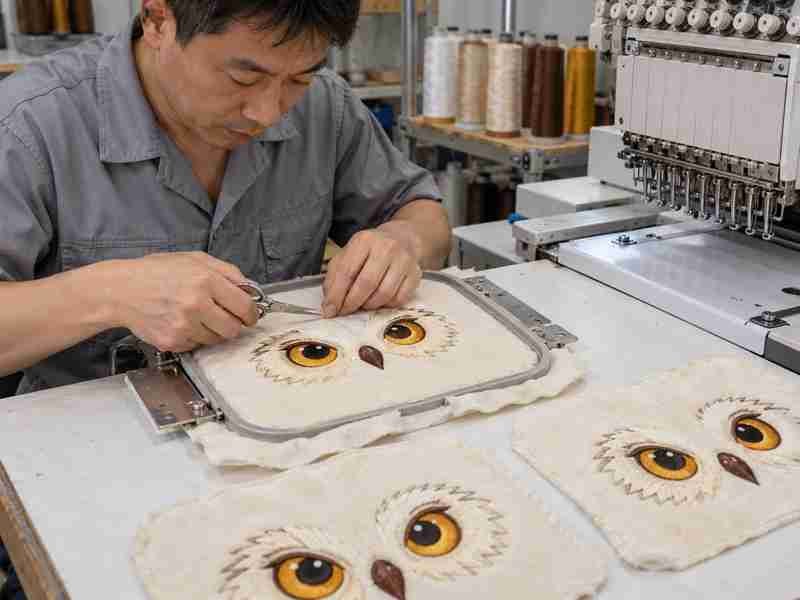
04-02 IPQC Quality Gates Control Technician trims thread on an embroidered owl panel-5

IPQC

In-Process Quality Control sits at cutting, embroidery, printing, sewing, stuffing, assembly, shaping, and packaging. Released patterns, work instructions, Golden references, artwork, and Critical-to-Quality points guide the process checks.

FQC

Finished Quality Control reviews completed plush for appearance, character fidelity, dimensions, workmanship, filling, attachments, function where applicable, labels, cleanliness, and overall presentation against the approved physical and documented references.

OQC

Outgoing Quality Control confirms the commercial shipment, including SKU, packaging version, carton marks, quantity, case pack, barcode or label requirements, inspection status, and destination. Correct products packed for the wrong market remain a quality failure.

Compliance Decisions Should Enter OEM Planning Early

Applicable safety and documentation requirements depend on target market, age grade, product classification, materials, components, functions, labels, and final construction.

Define Market and Age Grade

An OEM brief should state where the product will be sold and who is expected to use it. U.S., EU, UK, Canada, Australia/New Zealand, Japan, Korea, and retailer-specific programs can follow different testing, labeling, or documentation routes.

Map Product Risks

Small parts, hard components, cords, weighted media, magnets, electronic modules, attachments, flammability, and chemical-material questions should be reviewed before the production specification is frozen. Applicable testing is selected from the real product risk profile.

Keep Test Evidence Linked to Production

Third-party reports apply to the tested model, material, color, construction, and scope. If fabric, component, supplier, pattern, label, packaging, or function changes after testing, Ewin reviews whether the prior evidence still represents production.

Certificates, Compliance & Quality Assurance

Ewintoys follows structured quality and compliance practices for custom plush production. We hold relevant certifications and support additional testing, inspection, and compliance documentation based on specific product requirements and destination markets, helping brands meet different international standards with confidence.

Packaging Must Match the Product and Selling Channel

OEM packaging should protect the plush, carry the correct commercial identity, fit the channel, and remain controlled by SKU and revision.

Polybag Packaging

A polybag can provide efficient unit protection when size, seal, warnings, barcode placement, transparency, hardware isolation, and product recovery are suitable. The pack should not crush the face, trap pile, or create preventable deformation.

Belly Band

Belly bands keep most of the plush visible while carrying brand, product, or barcode information. Width, tension, artwork, SKU identity, and position should hold securely without covering signature character details or denting soft filling.

Color Gift Box

Printed boxes and gift boxes provide more protection and brand surface. Window, insert, product clearance, accessory retention, artwork, legal copy, barcode, pack-out labor, and carton cube should be validated with the real plush.

Blind Box Display

Blind-box programs connect inner protection, individual box, series artwork, assortment, hidden-edition control, display carton, PDQ, and master carton. Packaging identity must stay separate from the concealed consumer experience.

Compression Packaging

Bulky plush can be reviewed for vacuum or controlled compression when recovery is acceptable. Face shape, pile, clothing, accessories, hard components, label condition, packed dimensions, and opening presentation should be tested before approval.

Master Carton

Master cartons control units per carton, dimensions, net and gross weight, SKU or assortment identity, shipping marks, protection, and destination. Final data should reflect the packed product rather than an estimate from early development.
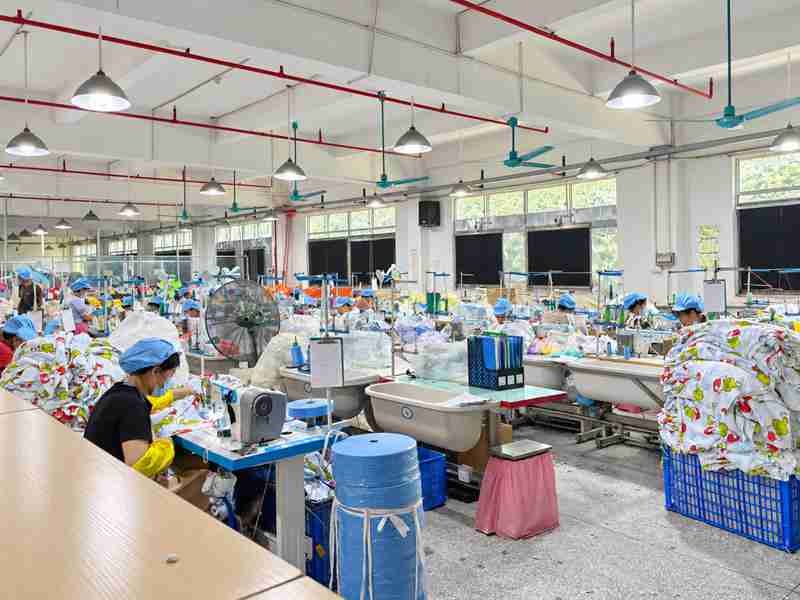
Multi-SKU OEM Programs Need Shared Rules and SKU Control

Large collections become easier to scale when common standards are reused deliberately while each SKU keeps its own product, file, packaging, and release identity.

Standardize the Right Shared Inputs

Character families may share base fabrics, filling, eye styles, thread systems, logo rules, packaging structures, inspection methods, or production processes. Shared standards can improve sourcing efficiency, visual consistency, and line planning when the items are genuinely equivalent.
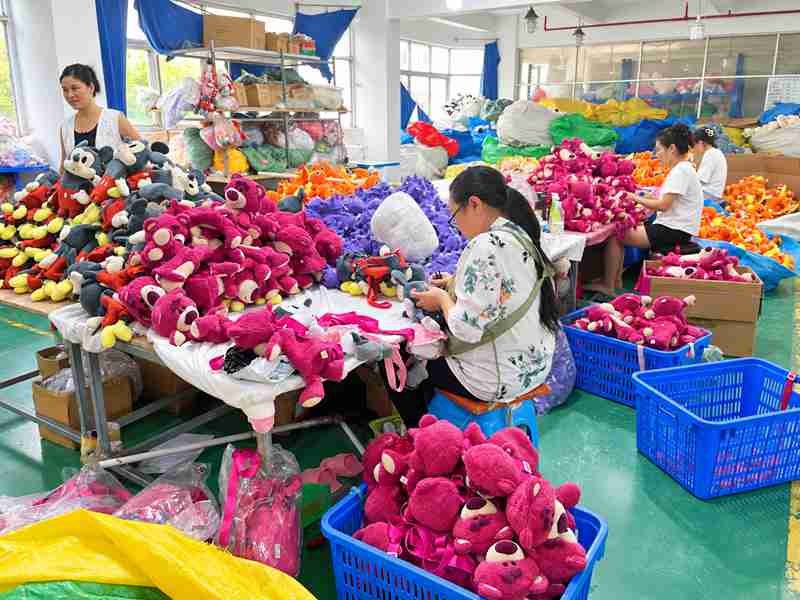
Ewin can organize common specifications at program level while keeping character-specific artwork, patterns, accessories, clothing, colors, sample revisions, and packaging separated. Standardization should reduce avoidable variation without forcing every SKU into the same construction.

A shared-material map also improves investigation. If several characters use the same fabric lot or hardware part, one issue can be traced across the affected SKUs instead of treating every product as unrelated.

Keep Every SKU Individually Identifiable Through Production

Multi-SKU risk often comes from files and materials that look almost identical. Embroidery programs, eye shapes, clothing pieces, accessories, labels, barcodes, and packaging can cross between characters if bundle and revision controls are weak.

Each SKU should retain its own Product ID, approved sample, BOM revision, pattern, artwork, component list, packaging version, barcode data, production status, QC status, and carton identity. Line clearance and separated bundles can reduce cross-SKU contamination during changeovers.

The same discipline supports phased launches. Completed SKUs can move toward pack-out and shipment while later items continue development, provided each release wave keeps its own packing list, carton data, and destination records.

Build Reorders From Approved History, Not From Memory

Repeat OEM orders should begin with the last approved Golden Sample, BOM, pattern, decoration, labels, packaging, and QC references. A delta review then identifies what changed in quantity, material source, color, component, artwork, target market, packaging, or destination.

Stable information can be reused, reducing unnecessary redevelopment. Changed information should be re-approved before production release. This prevents a supplier substitution, obsolete label, old barcode, or rejected sample detail from returning during a later season.
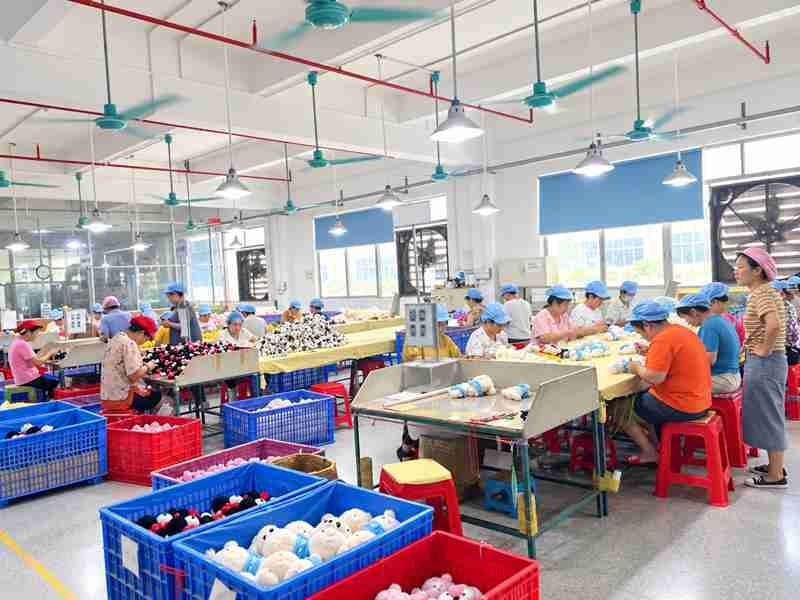
Long-term manufacturing value comes from preserving product knowledge across orders. The goal is to scale an approved definition, not recreate the product from photographs each time demand returns.

Frequently Asked Questions

OEM means manufacturing from a confirmed design, sample, specification, or technical package while providing necessary DFM, material, production, QC, packaging, and delivery review.

Yes. An existing sample can support OEM or supplier-transfer development. Ewin still needs to define materials, pattern, decoration, components, filling, packaging, and production references before bulk release.
Yes. A mature Tech Pack can shorten clarification, but Ewin reviews manufacturability, material availability, process access, component specifications, packaging, compliance needs, and missing production-control details before release.
Projects with incomplete size, pattern, material, structure, decoration, or sampling decisions can move into Custom Development or ODM support before returning to the OEM production route.
Golden Sample, Frozen BOM, released pattern, current decoration files, material and component specifications, filling references, packaging, and QC criteria connect the approved sample with production.
Yes. Multi-SKU programs can use SKU-level control across sample revisions, BOMs, patterns, artwork, components, packaging, barcodes, production status, QC records, carton identity, and shipment waves.
Yes. Fabrics, trims, molded parts, metal hardware, magnets, weighted inserts, clothing, and electronic-module integration can be reviewed against the approved product and manufacturing route.
Decoration routes include embroidery, screen printing, digital printing, heat transfer, appliqué, patches, and labels. Process selection depends on material, scale, softness, durability, and approved appearance.
Yes. Packaging can include polybags, belly bands, boxes, gift boxes, blind boxes, displays, PDQ, compression options, labels, barcode execution, master cartons, and shipment-ready pack-out.
Quality control can use IQC, IPQC, FQC, and OQC with Golden/QC references, Frozen BOM, released patterns, artwork, component specifications, packaging versions, and project-specific acceptance criteria.

Send Your OEM Plush Manufacturing Project

Share the product information needed to evaluate a controlled manufacturing route: company, product type, artwork or Tech Pack, existing sample, finished size, quantity by SKU, SKU count, target market, target age where applicable, fabric specification, trims, accessories, logo or decoration files, filling requirements, packaging, compliance or retailer protocol, requested ship date, destination, and current development stage. If the product is already approved, include the Golden or reference sample information and current BOM or specification. Ewin Toys can review manufacturability, material sourcing, sample validation, production release, QC, packaging, multi-SKU controls, and delivery requirements before confirming the OEM plan and quotation.

Start Your Custom Plush Project

We will contact you within 24 Hours, please pay attention to the email with the suffix“@ewintoys.com”. 

# Confidential project? NDA requirements can be discussed before sensitive files are shared.