Plush Sampling & Prototyping That Reduces Rework Before Production
Turn artwork, character concepts or reference samples into production-ready prototypes before committing to bulk orders. Ewin Toys helps buyers validate proportions, structure, materials, decoration and manufacturability early, reducing costly changes later.
60+ Product Development Team | 20+ Senior Pattern Specialists | Standard Samples Planned from 5–7 Working Days | V1 / V2 / V3 Revision Control | Golden Sample Approval | BOM & Pattern Release

Use Sampling to Resolve Risk Before Bulk Production
Validate the Product
A physical prototype reveals proportion, face shape, pose, structure, handfeel, clothing fit, accessory scale, and other details that drawings cannot fully prove. Problems discovered before bulk materials are ordered are usually easier to correct without disrupting launch plans.
Control the Revisions
Sampling creates a visible record of what changed and why. Numbered versions, marked comments, pattern revisions, material changes, and approval status keep one correction from being mixed with an older file or an already rejected product direction.
Prepare the Factory
An attractive sample is useful only when production can reproduce it. Sampling should end with controlled materials, released patterns, current decoration files, filling references, components, packaging, and quality criteria that the factory can execute repeatedly.
Start From the Product Information Already Available
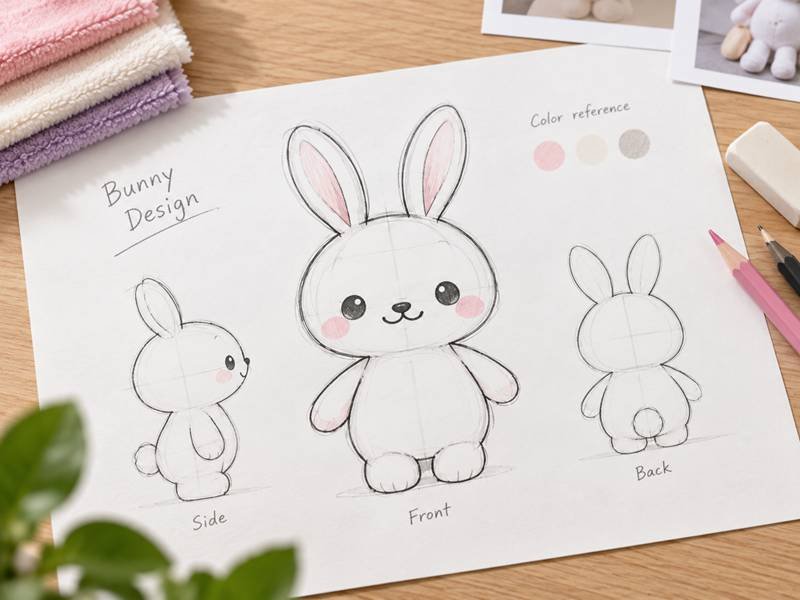
Hand Sketch
A sketch can establish character identity, pose, main proportions, and signature details. Ewin clarifies target size, use, quantity, market, and unresolved views before deciding whether a structural Prototype should come before a more complete V1 sample.
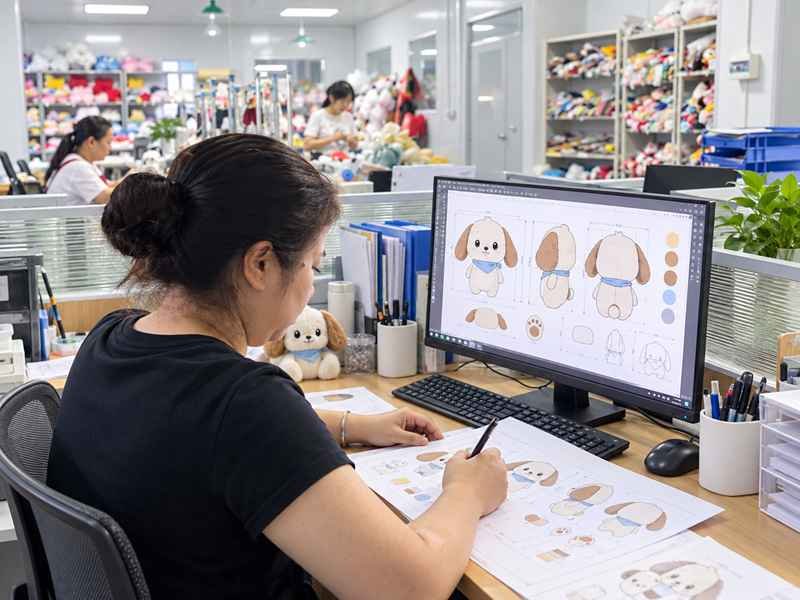
2D Artwork
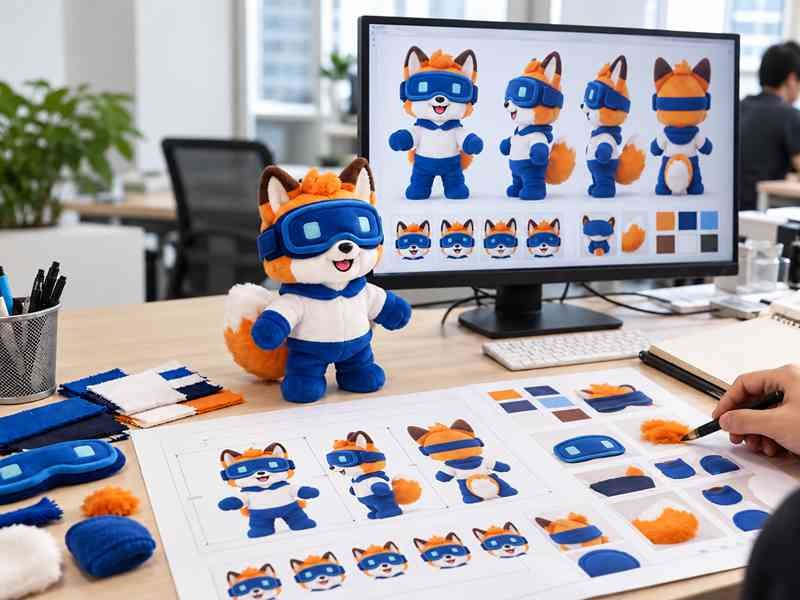
Character Sheet
Front, side, back, expression, color, clothing, and accessory references provide a stronger basis for V1 development. Clear character assets reduce interpretation and allow pattern, material, decoration, and sample review to focus on fidelity rather than basic geometry discovery.

3D Render
A 3D render helps communicate volume and proportion, but rigid digital shapes still need translation into soft panels, seams, filling, support, and attachment methods. Sampling verifies whether the intended three-dimensional look survives real fabric and gravity.
Existing Sample

Tech Pack BOM
Choose the Sample Type for the Decision Required
Each sample stage has a specific purpose; one sample should not be used as a substitute for a different approval or production gate.
Sample Type | Main Purpose | What It Should Validate | Production Authority |
Prototype | Explore feasibility and structure | Silhouette, volume, pose, basic construction, difficult features | No |
V1 Sample | First formal product translation | Overall fidelity, size, target materials, major processes, filling | No |
Revision Sample | Verify defined comments | Changed points plus connected effects | No |
Material Sample | Select material direction | Pile, texture, handfeel, stretch, color, process compatibility | No |
Color Sample | Approve visual color route | Shade, thread, print, substrate response | No |
Size Sample | Validate a size variation | Proportion, decoration scale, accessories, balance, packaging | No |
Testing Sample | Represent agreed test configuration | Physical, functional, or third-party testing requirements | No |
Sales Sample | Support an early commercial need | Appearance for presentation, with non-final status clearly marked | No |
PP Sample | Verify production readiness | Frozen materials, released processes, labels, packaging, line repeatability | Release condition |
Golden Sample | Define the approved physical product | Final appearance, handfeel, construction, component placement, finishing | Physical master reference |
Trusted by Global Brands and IP Owners
Trusted by brands, IP owners, and creative teams worldwide. Ewintoys helps transform original ideas and characters into high-quality plush products through professional development, manufacturing, and quality control.

























Move From Requirements to an Approved Sample System
Review Requirements and Set the Sample Objective
Before pattern work begins, Ewin reviews the available artwork, product size, intended pose, quantity, SKU count, target market, channel, launch timing, packaging direction, and any character or functional details that must not change. The goal is to decide what the next sample actually needs to prove.
A concept with unclear three-dimensional structure may need a Prototype first. A mature IP with complete front, side, and back references may move directly into V1. A supplier-transfer project may need a reproduction sample focused on current defects, material differences, or production consistency. A multi-size program may need one master size before secondary size samples are developed.
The review also identifies information gaps before they become sample-room assumptions. Missing side geometry, custom components, target handfeel, required logo process, detachable accessories, or retailer packaging requirements should be clarified early enough to influence the build.
A clear sample objective prevents every round from trying to solve every question at once.
Build the Sample Through Materials, Pattern, and Physical Processes
Once the route is agreed, candidate fabrics, colors, trims, accessories, decoration methods, filling, and structural components are connected to the pattern and sample build. The sample is produced through the relevant physical processes rather than treated as a visual mock-up detached from manufacturing reality.
Pattern work controls panel geometry, seams, openings, curves, and three-dimensional volume. Embroidery or printing establishes facial and brand detail. Sewing, stuffing, hand assembly, clothing, hard components, and finishing show how the product behaves as a complete object. Where a selected material or accessory is temporary, the deviation should be recorded so it is not mistaken for an approved production specification.
The sample route should also expose difficult operations. Small openings, long-pile faces, weighted inserts, magnets, hard parts, electronics cavities, garment layers, or premium finishing may need extra engineering before the appearance can be repeated efficiently.
Physical sampling turns assumptions into visible manufacturing decisions.
Review Internally, Collect Decisions, and Create the Next Controlled Version
Before a sample is sent for external approval, Ewin should review the version against the current artwork, dimensions, material direction, decoration, construction, filling, accessories, finishing, and the questions the sample was built to answer. Obvious execution errors should be corrected before they consume an external review round.
Comments are then converted into specific, executable changes. A request such as move the eyes 3 mm, shorten the ears, soften the body, change the zipper, or replace one fabric can be linked to the affected pattern, BOM, artwork, filling, component, or packaging information. A broader change to size, pose, structure, or function may require a new engineering review because it can affect several connected areas.
Each meaningful version should carry its own sample identity and approval status. Development moves forward when comments close, not simply when a newer sample exists.
This discipline creates a clean path from V1 toward approval, Golden Sample, and production readiness.
Product Types Need Different Prototype Priorities

Character IP Plush
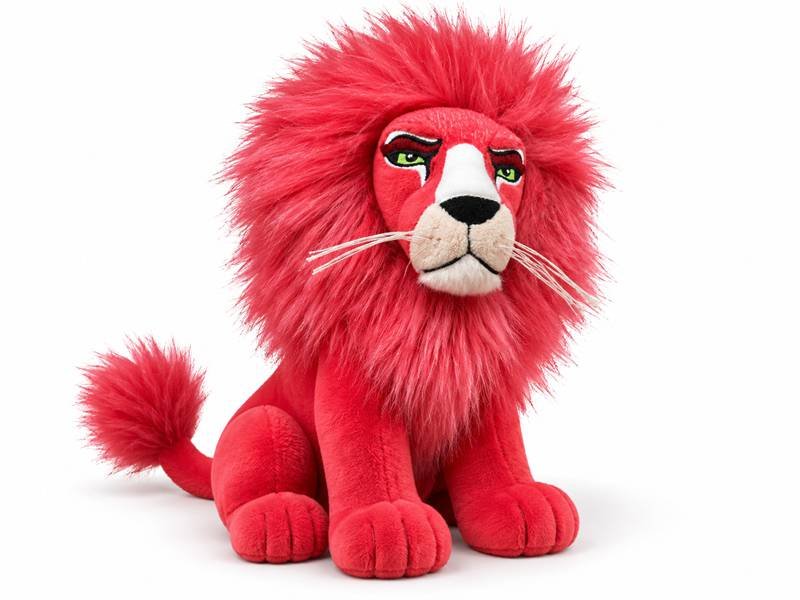
Mascot Plush
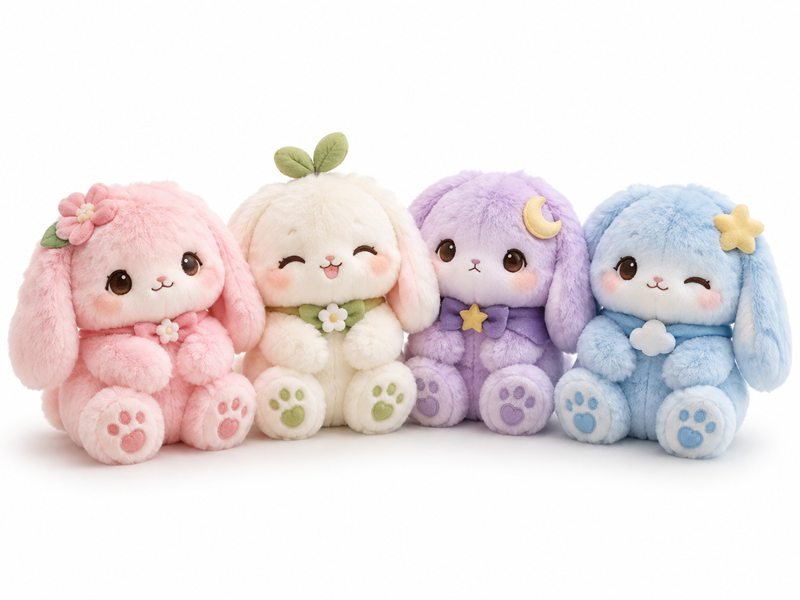
Collectible Plush
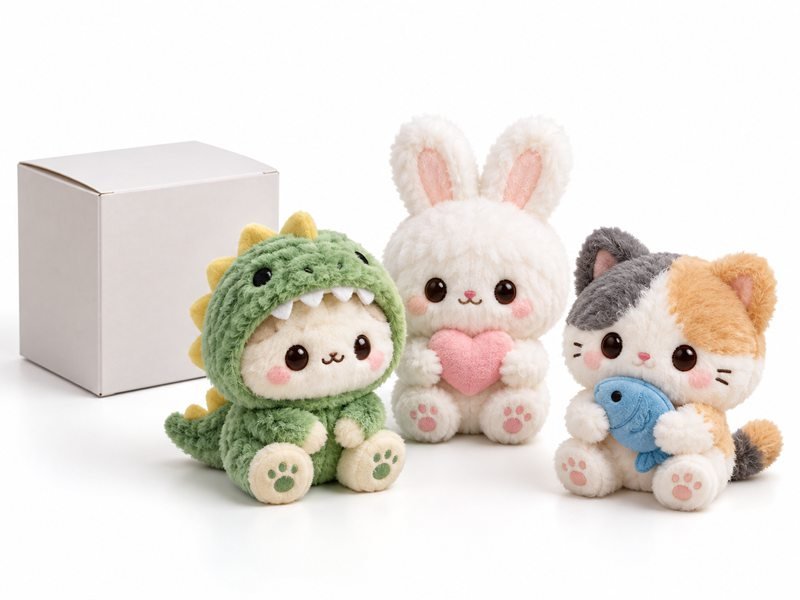
Blind Box Plush
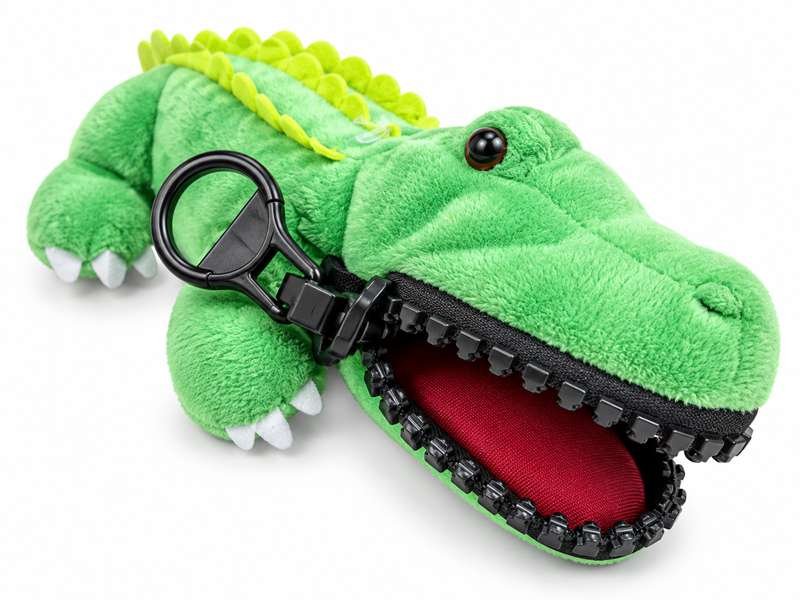
Plush Keychains
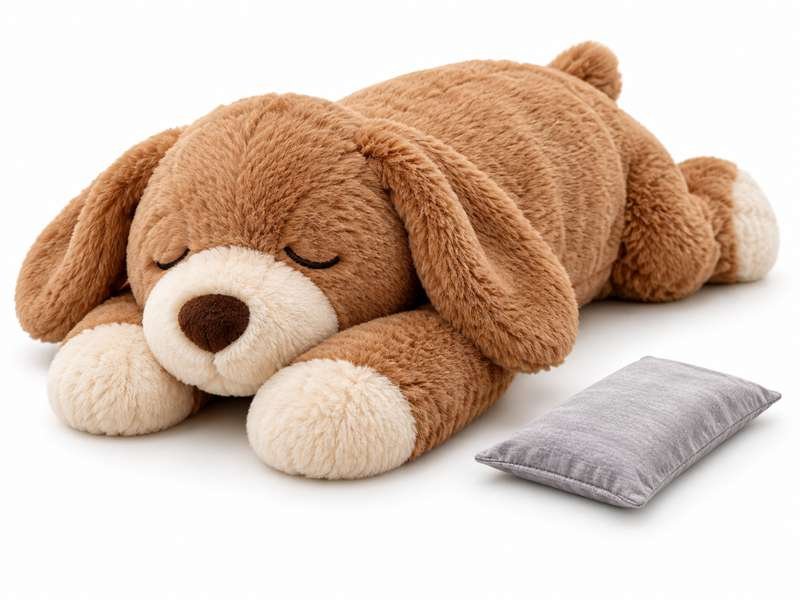
Weighted Plush
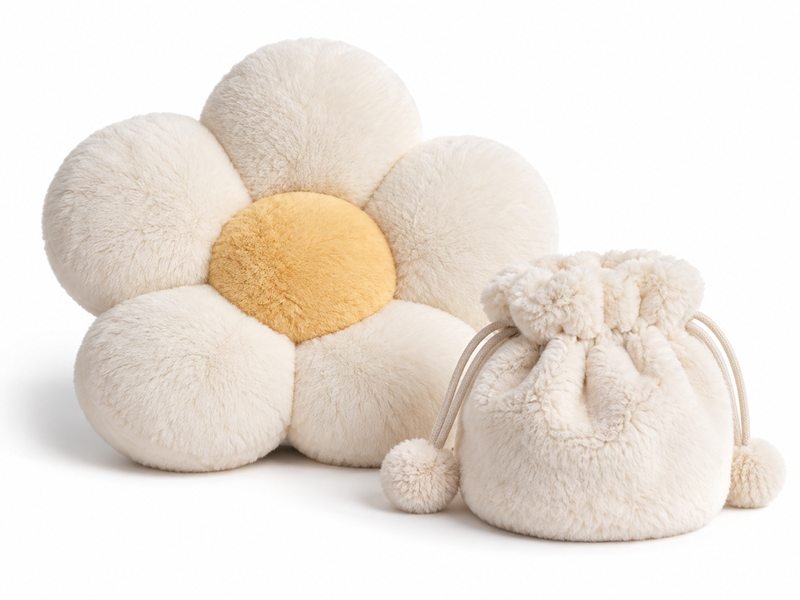
Lifestyle Plush
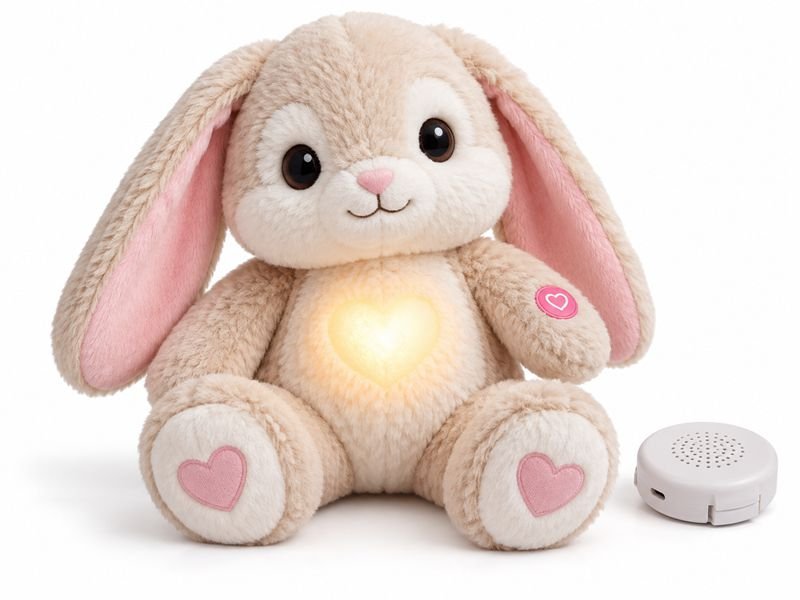
Electronic Functional Plush
Sampling Support for Different Commercial Product Teams
Global Brand Teams
IP Owners
Licensing Teams
Toy Brands
Collectible Brands
Game Animation Studios
Retail Programs
Second Source Programs
Fabric Samples Prevent Expensive Full-Product Rework
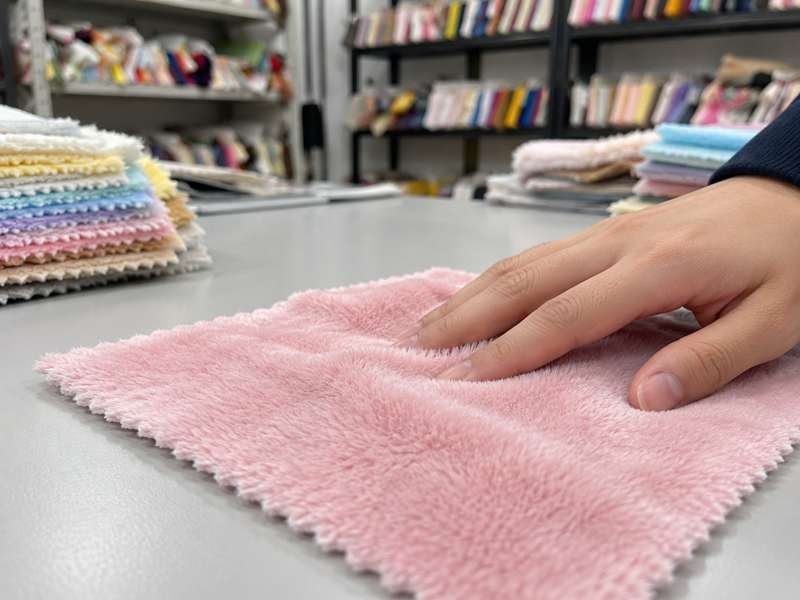
Minky
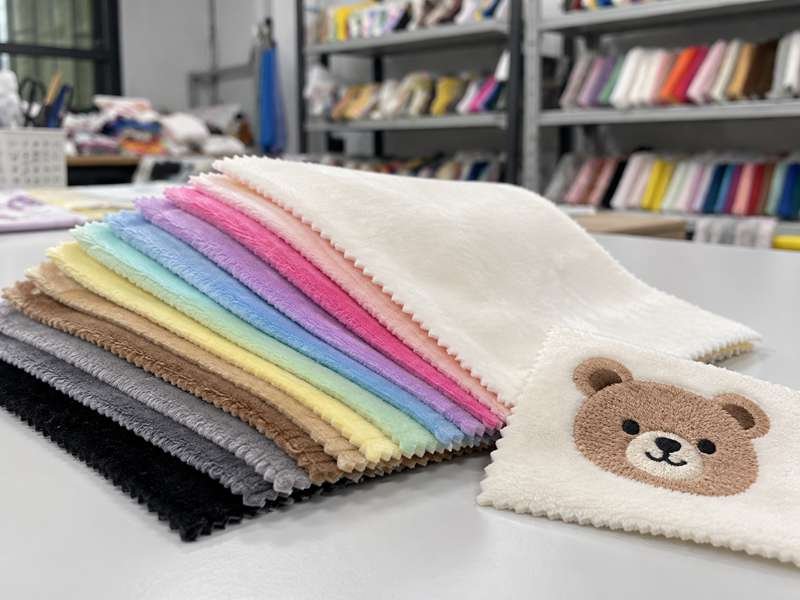
Velboa
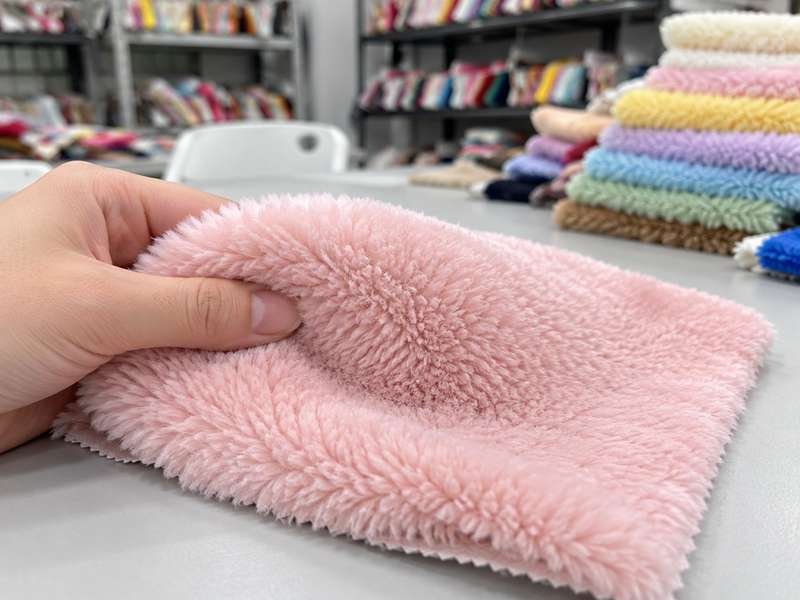
Super Soft Plush
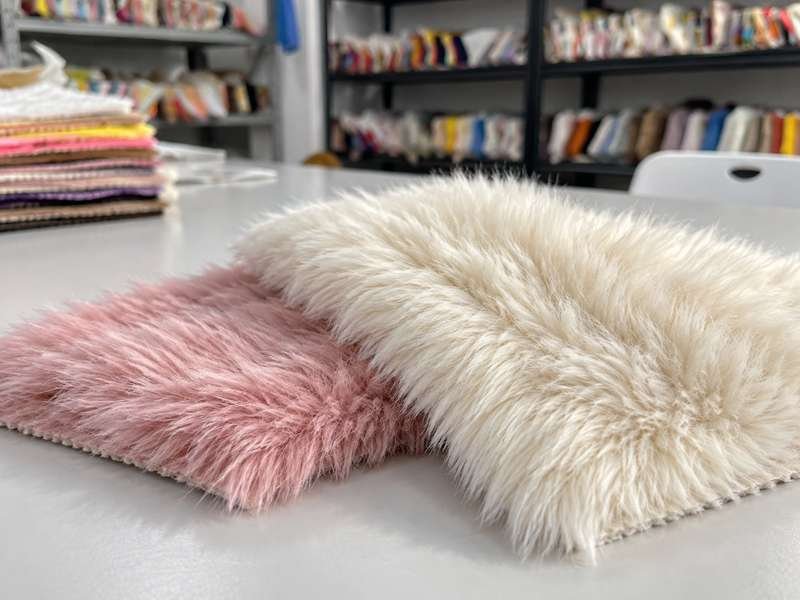
Faux Fur
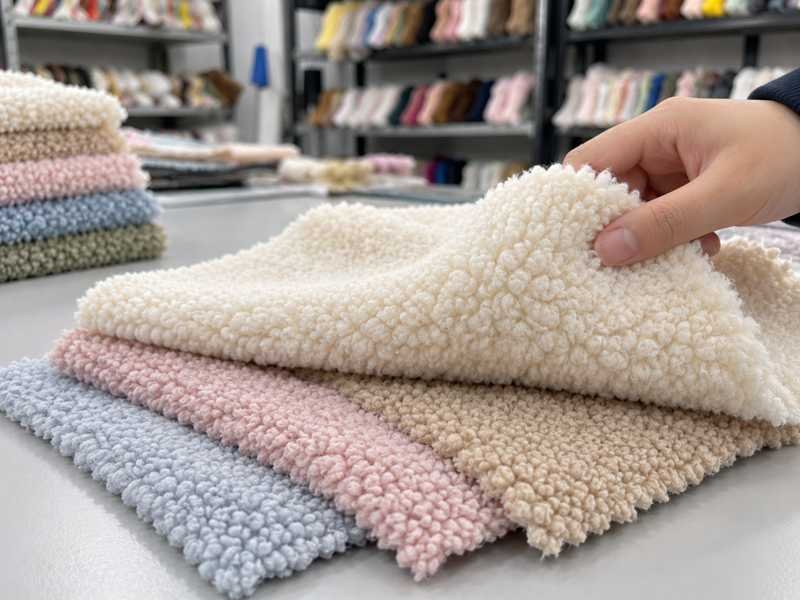
Sherpa
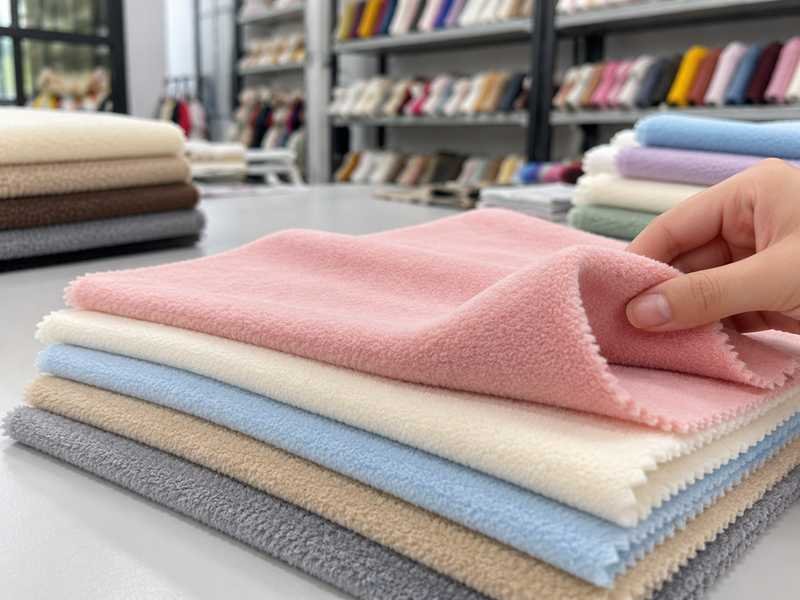
Fleece
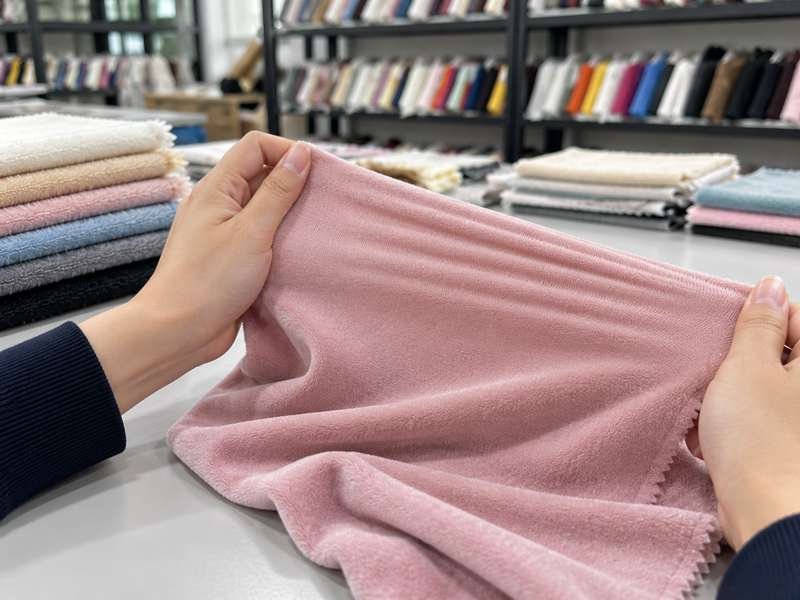
Stretch Fabric
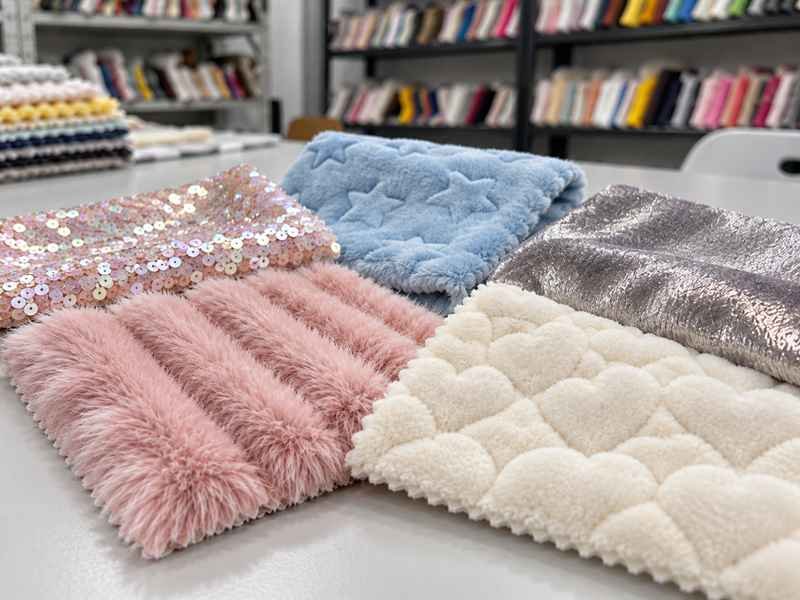
Specialty Surface
Trims Should Be Proven Inside the Sample Structure
Sewing Thread
Linings
Webbing
Elastic
Hook and Loop
Zippers
Zippers create removable covers, pockets, and module access. Sampling checks tape width, puller, opening length, seam support, hidden placement, access, and whether the zipper creates hard or bulky areas.
Accessories Need a Controlled Physical Interface
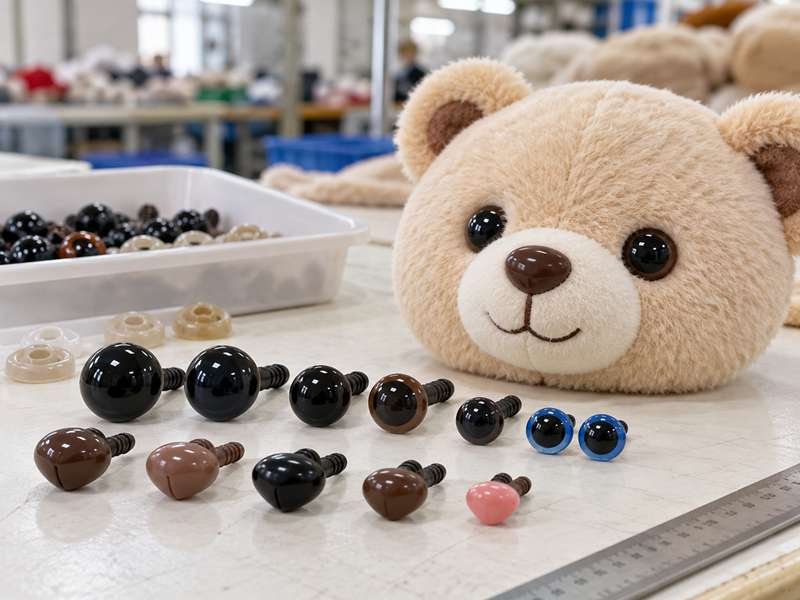
Plastic Eyes Noses
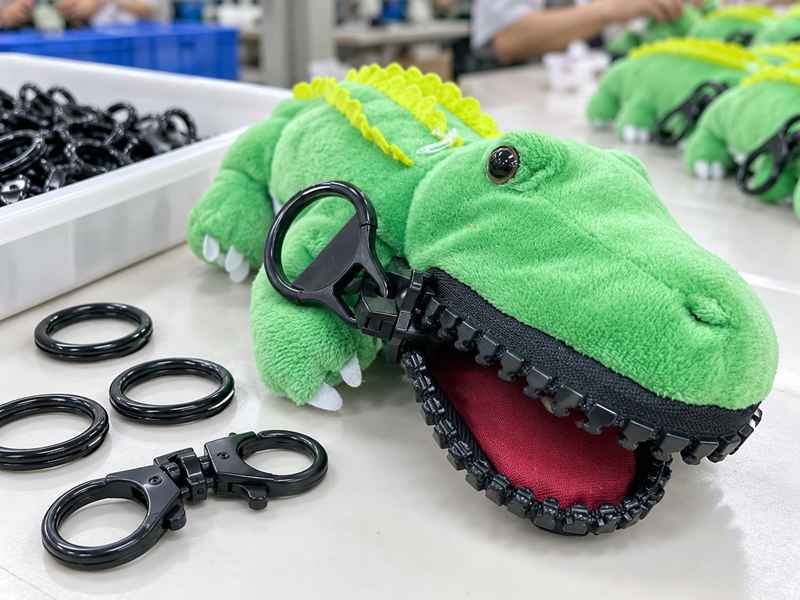
Keychain Hardware
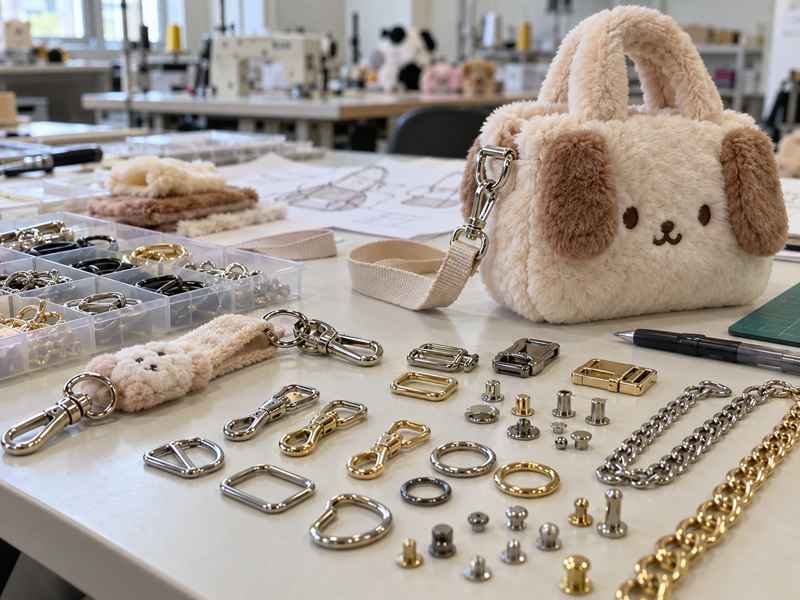
Metal Hardware
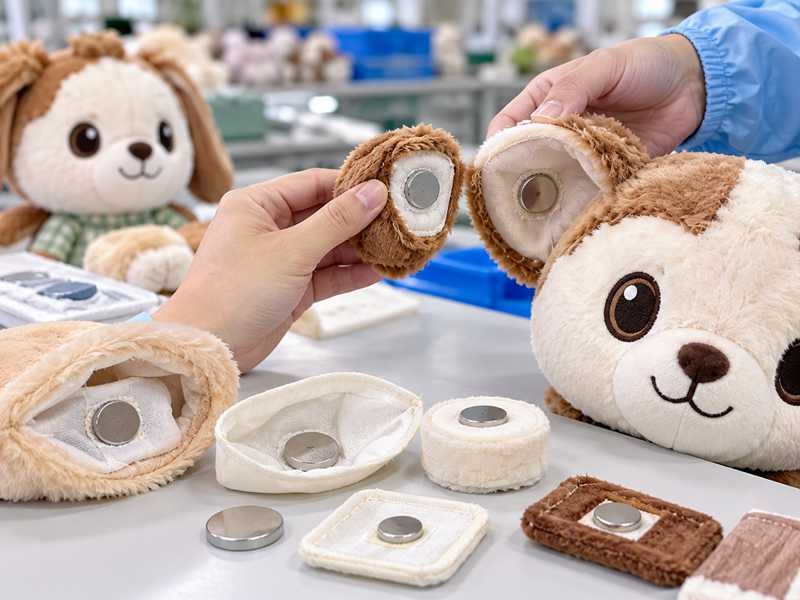
Magnets
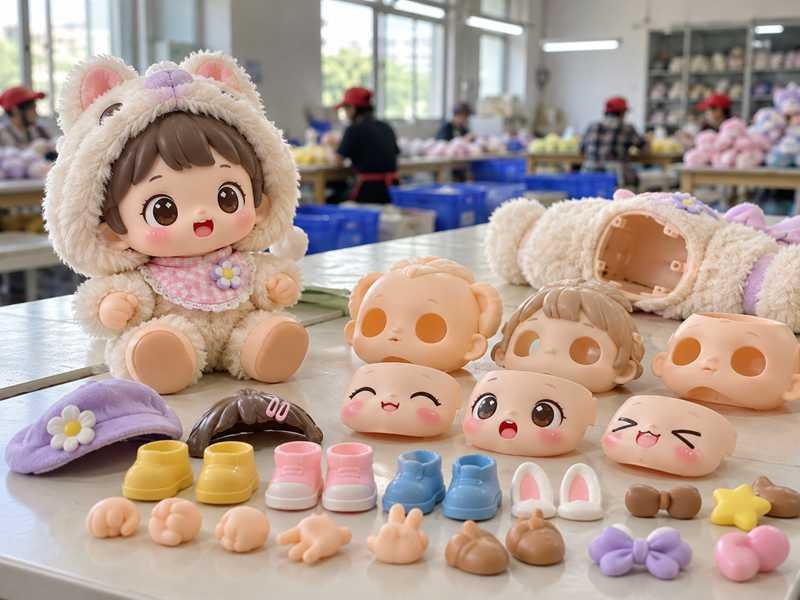
PVC Silicone Parts
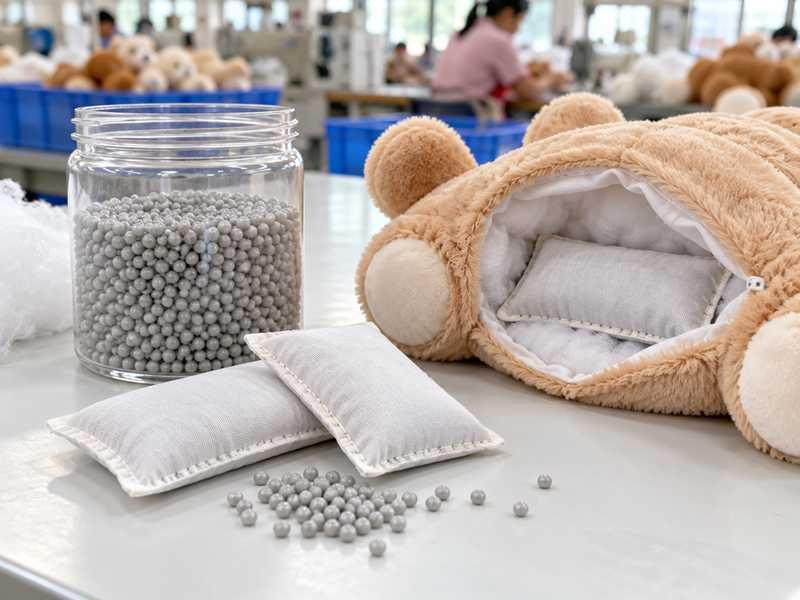
Weighted Inserts
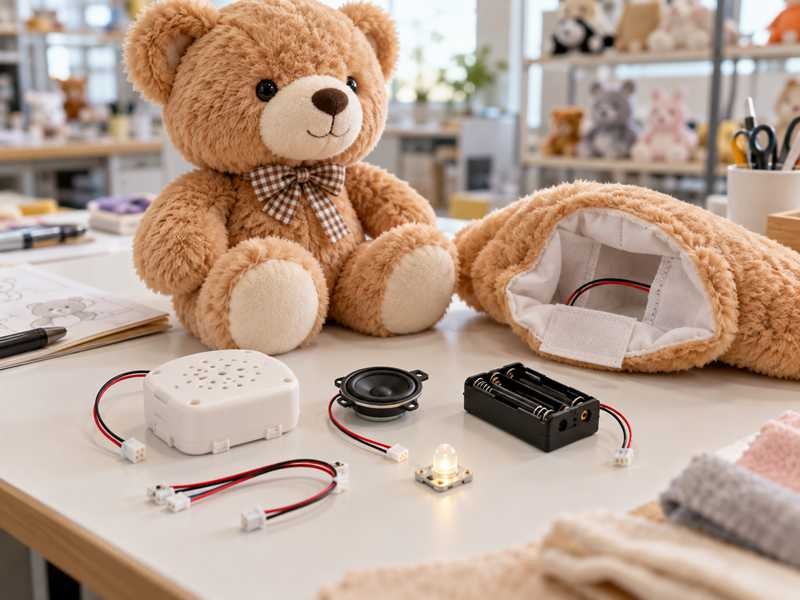
Electronic Modules
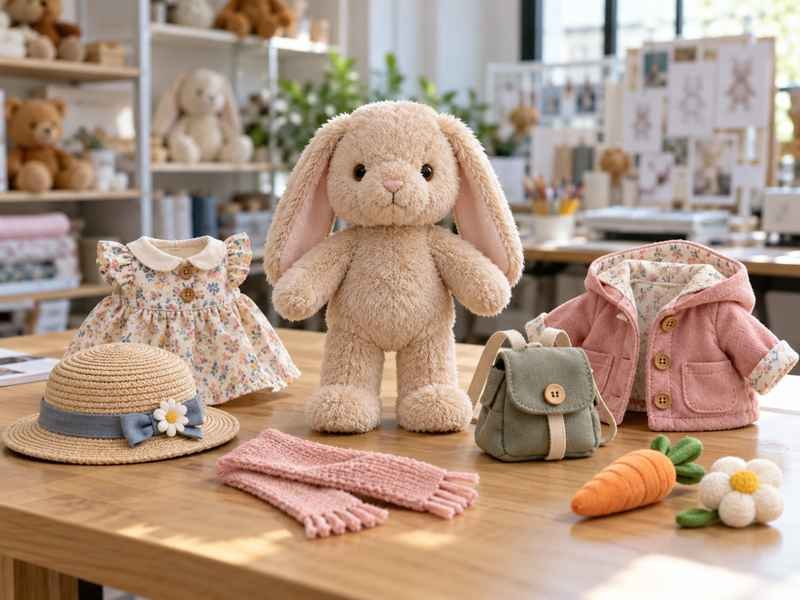
Removable Accessories
Decoration Samples Confirm the Real Finished Appearance
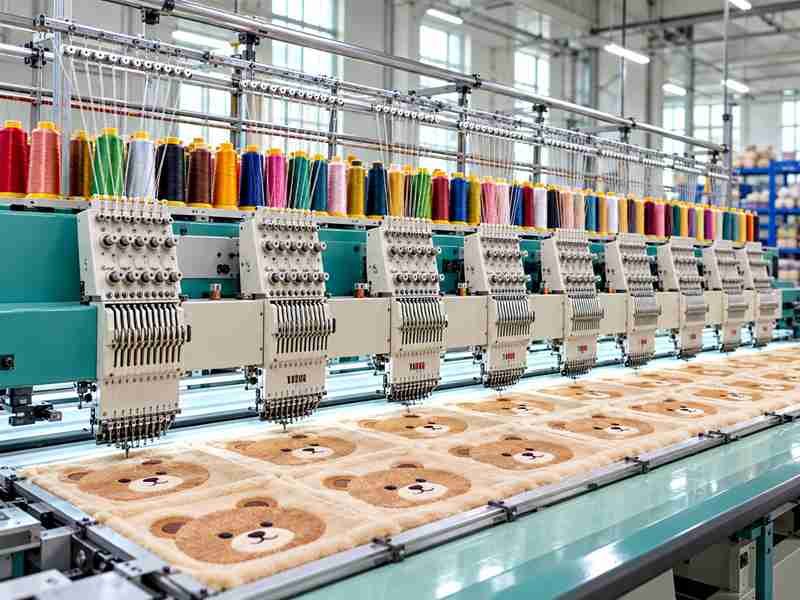
Embroidery
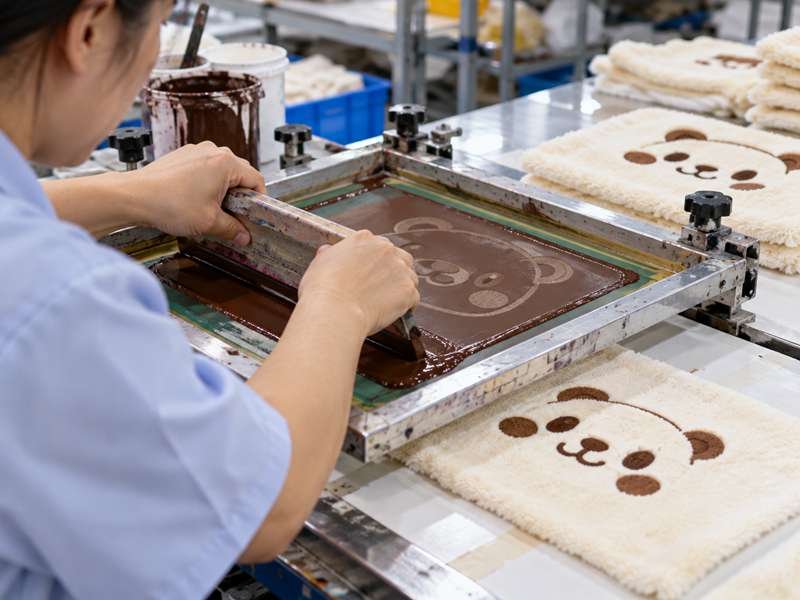
Screen Printing
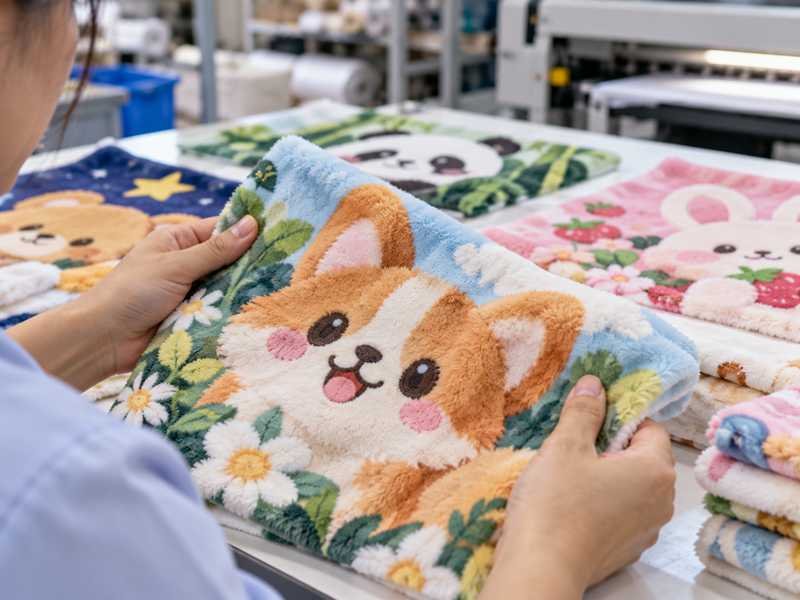
Digital Printing
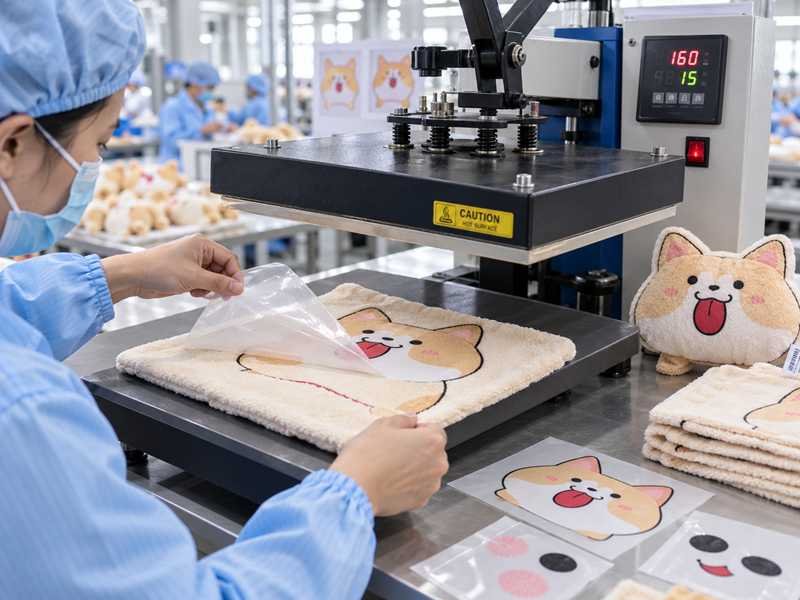
Heat Transfer DTF
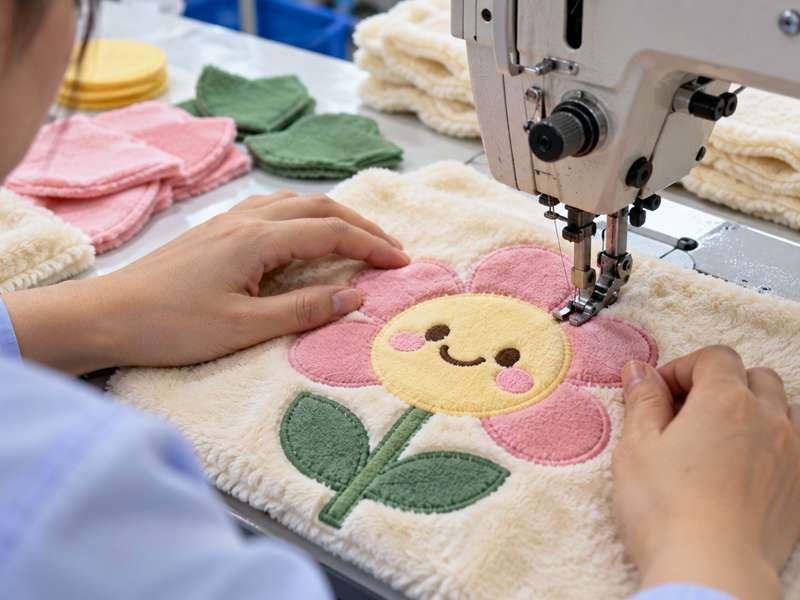
Applique
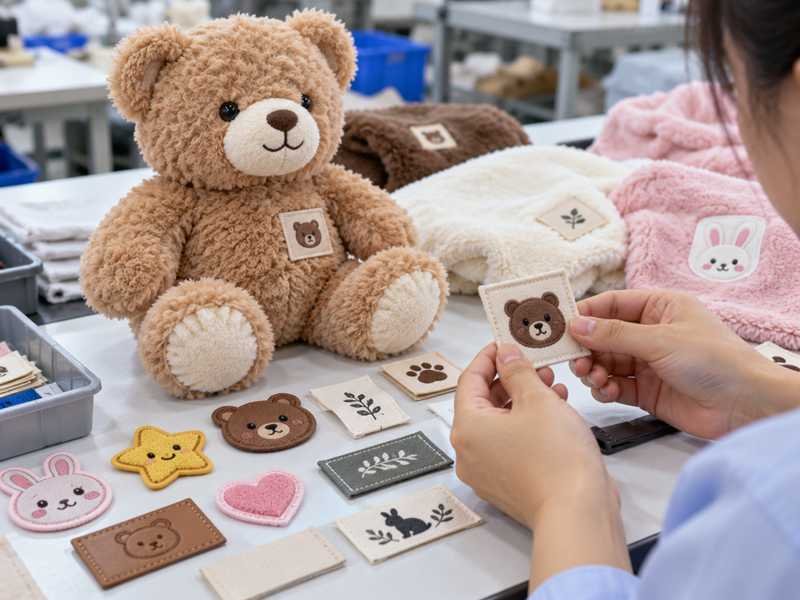
Patch Woven Label
Filling Samples Define Handfeel and Three-Dimensional Shape
Filling Weight
Distribution
Handfeel
Balance
Standing and seated posture depend on center of gravity, head mass, foot volume, weighted sections, and internal support. Sampling verifies whether the product remains stable before the posture is frozen.
Packaging Samples Should Follow the Product Development Stage
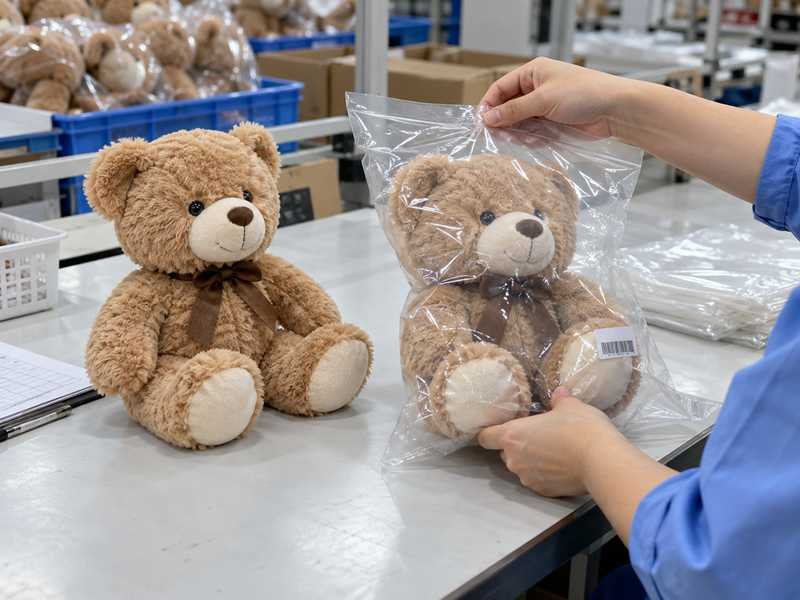
Polybag
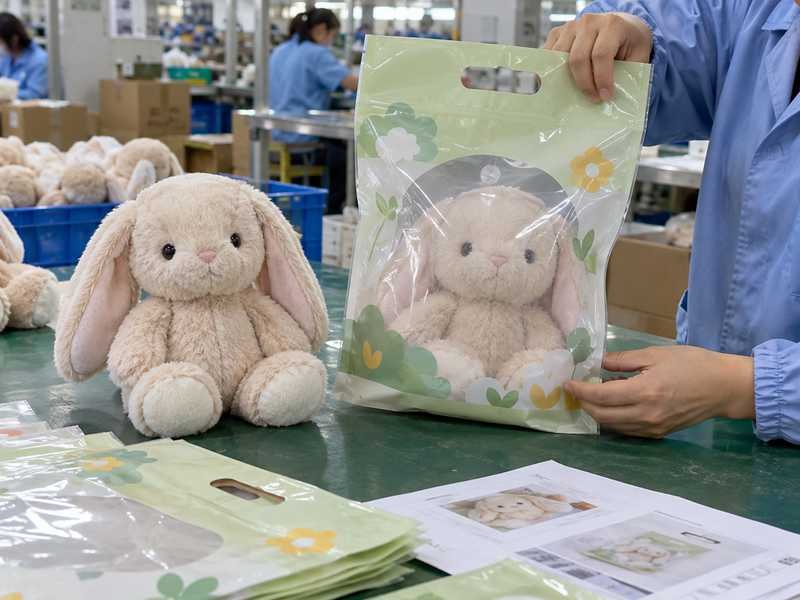
Printed Bag
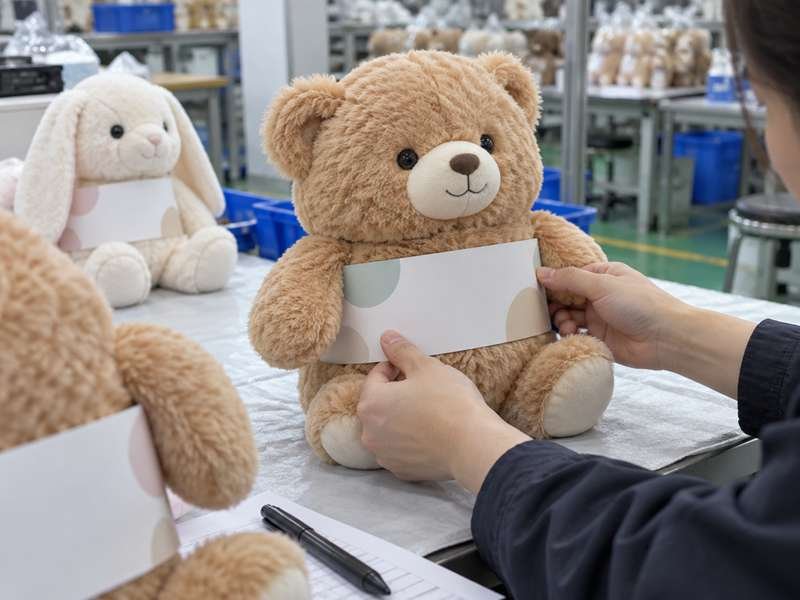
Belly Band
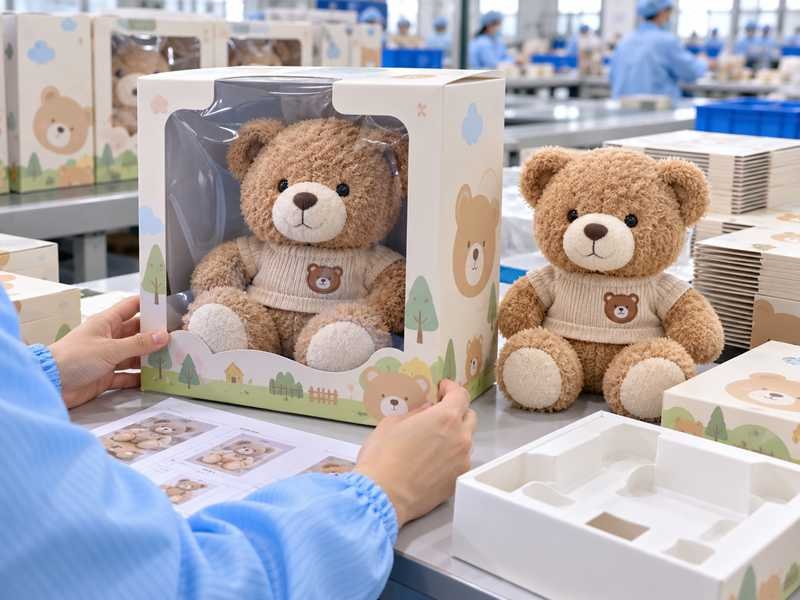
Color Box
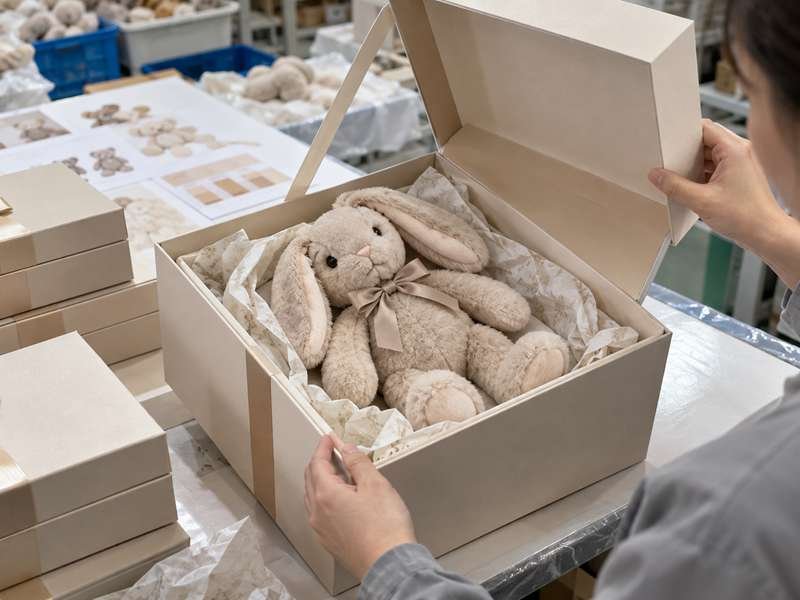
Gift Box
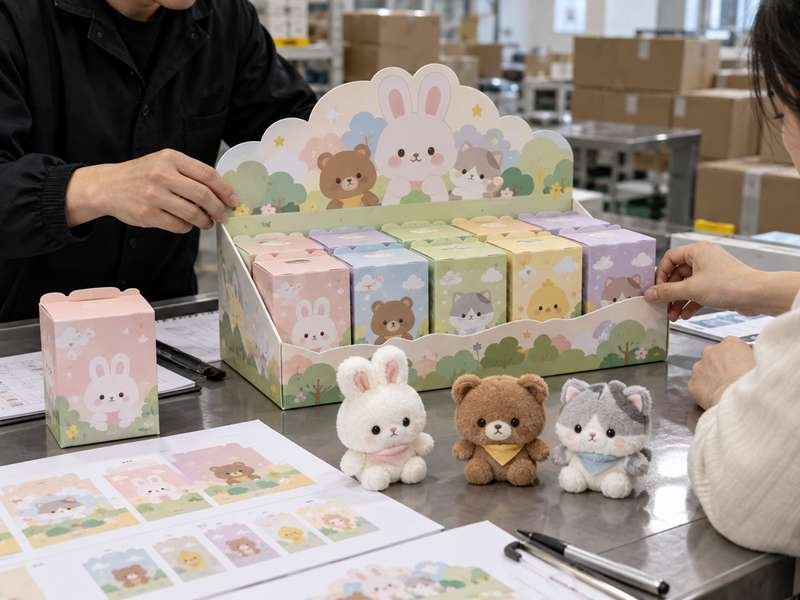
Blind Box Display
Sample Development Closes Different Questions at Each Stage
Prototype and V1 Establish Direction Without Pretending the Product Is Final
A Prototype explores concept feasibility, three-dimensional structure, silhouette, pose, balance, and difficult construction. Temporary fabrics, simplified decoration, or provisional internal methods can be acceptable when the purpose is documented and no one mistakes those choices for final production specifications.
V1 is the first formal product translation. Target fabrics, major colors, intended decoration, filling, principal accessories, clothing, and construction should be close enough for serious review. V1 is where the full product begins to reveal whether the visual concept, material behavior, and manufacturing route work together.
Internal sample QC should happen before either version is sent out. The sample room checks obvious execution issues against the current artwork and project brief so the external review can concentrate on real product decisions rather than missing parts, wrong materials, or preventable workmanship defects.
Neither Prototype nor V1 should authorize bulk production. Their purpose is to make uncertainty visible and correctable.
Revision and Testing Samples Verify Specific Decisions
A Revision Sample should answer a defined comment list. Changes can involve proportion, dimensions, pattern geometry, fabric, color, embroidery, print, filling, clothing, accessories, function, or packaging. Approved areas should remain stable unless the requested change creates a connected impact.
Clear versioning matters because one adjustment can affect several product systems. Moving an eye may require an embroidery-program update. Changing fabric stretch can alter pattern dimensions and filling. Enlarging a hard accessory can affect balance, reinforcement, packaging, and testing. Comments should therefore be converted into executable changes instead of broad instructions such as make it closer.
A Testing Sample serves another role. Its configuration should be representative of the structure, materials, attachment methods, filling, and components relevant to the agreed internal or third-party testing route. Any deviation from the final configuration should remain traceable.
Revision rounds should close defined questions rather than create uncontrolled design exploration.
PP and Golden Samples Convert Approval Into Manufacturing Readiness
The Golden Sample is the final approved physical representation of the product. Appearance, proportion, handfeel, filling, clothing, decoration, accessory placement, finishing, labels, and presentation should correspond to the approved data used by the factory.
A PP Sample then checks whether the frozen product definition can be reproduced under intended production conditions using final or production-intended materials, processes, labels, packaging, and quality references. If PP exposes an issue requiring a material, structure, artwork, or packaging change, the change should return through controlled approval rather than being corrected quietly on the line.
Golden Sample and PP therefore answer different questions. Golden defines what has been approved. PP verifies whether the production system is ready to reproduce that definition.
Bulk release should happen only after the physical reference, data freeze, and production-readiness conditions point to one current SKU revision.
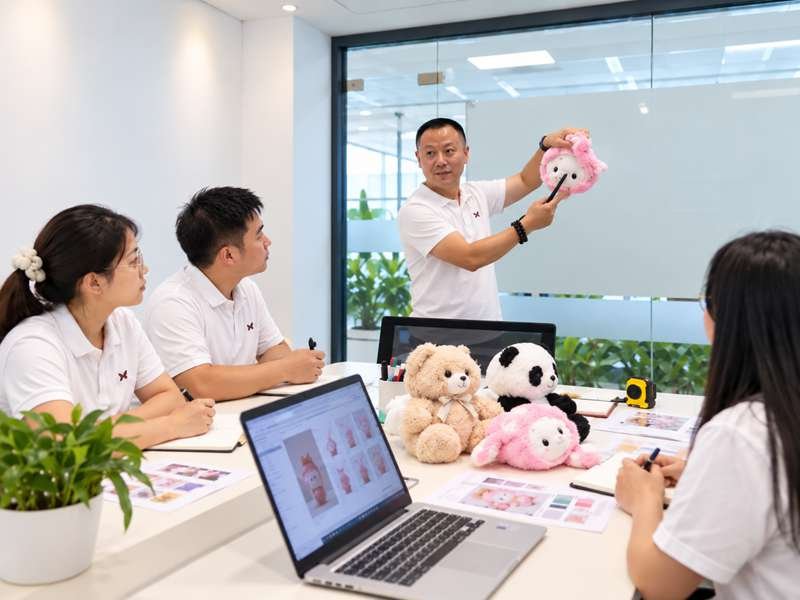
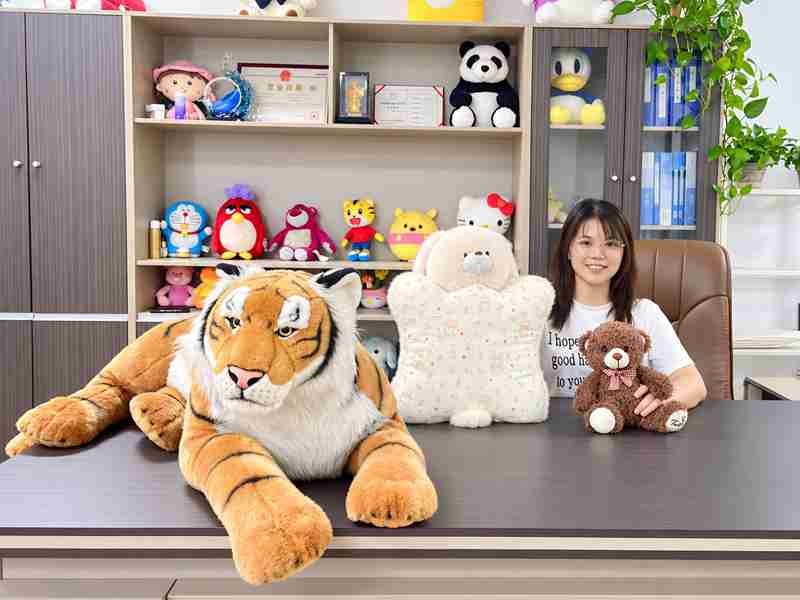
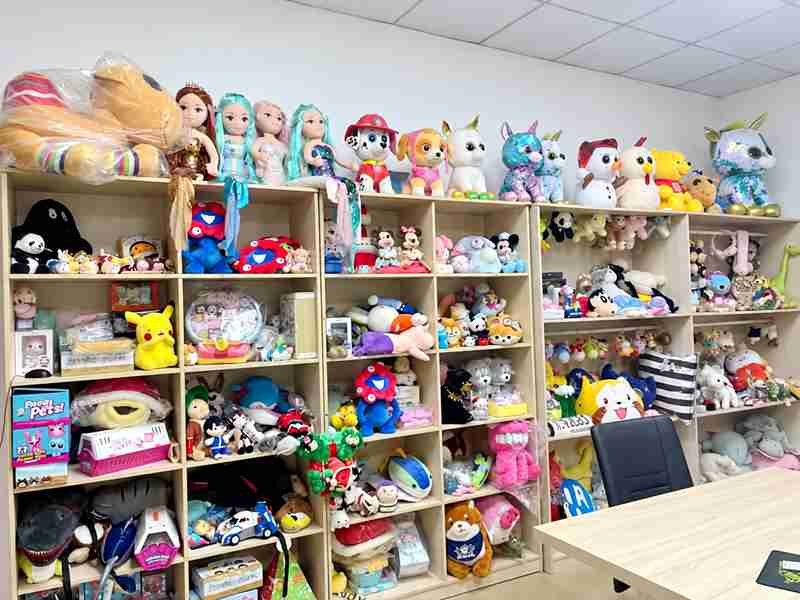
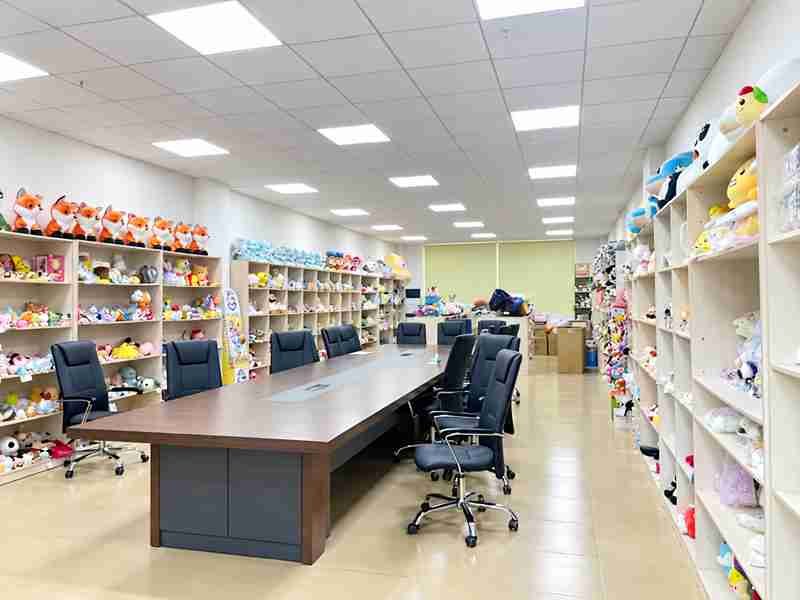
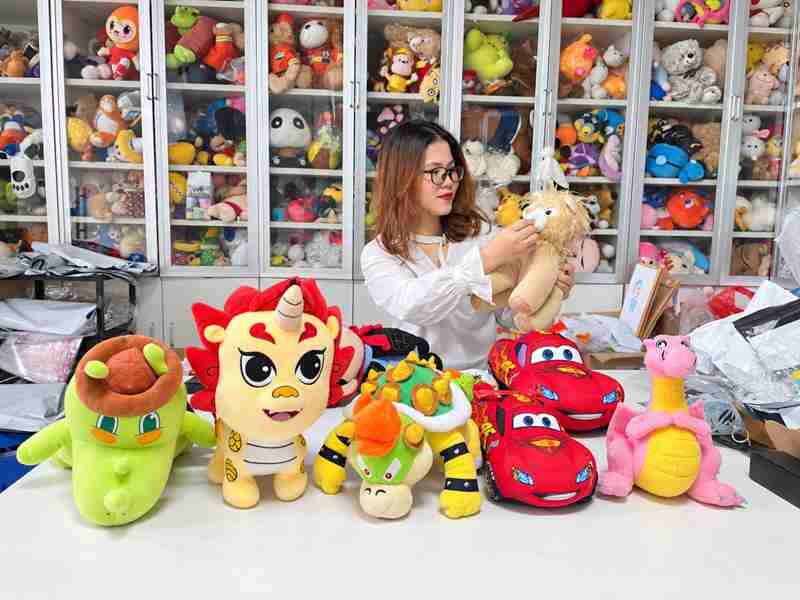
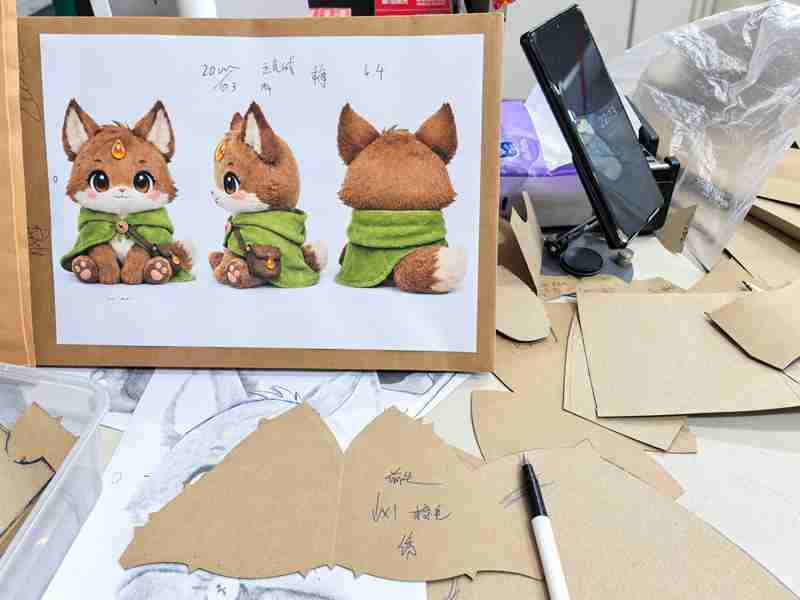
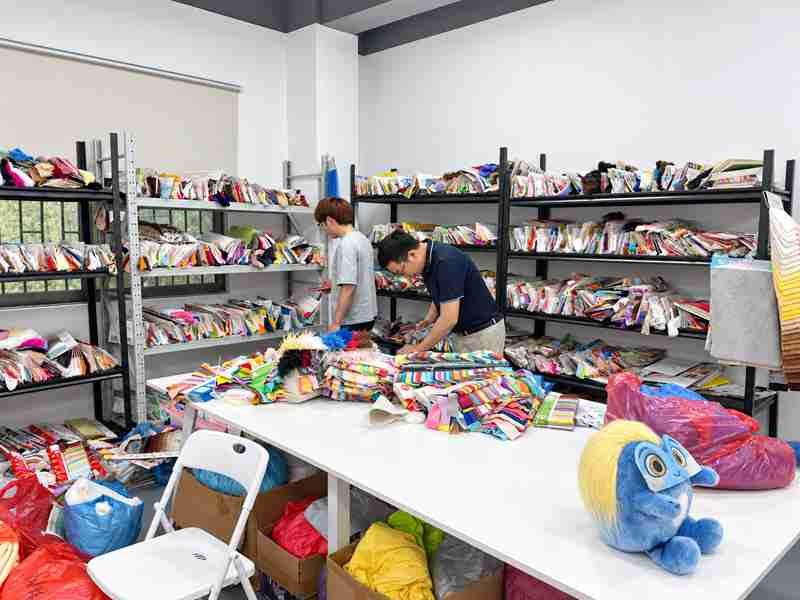
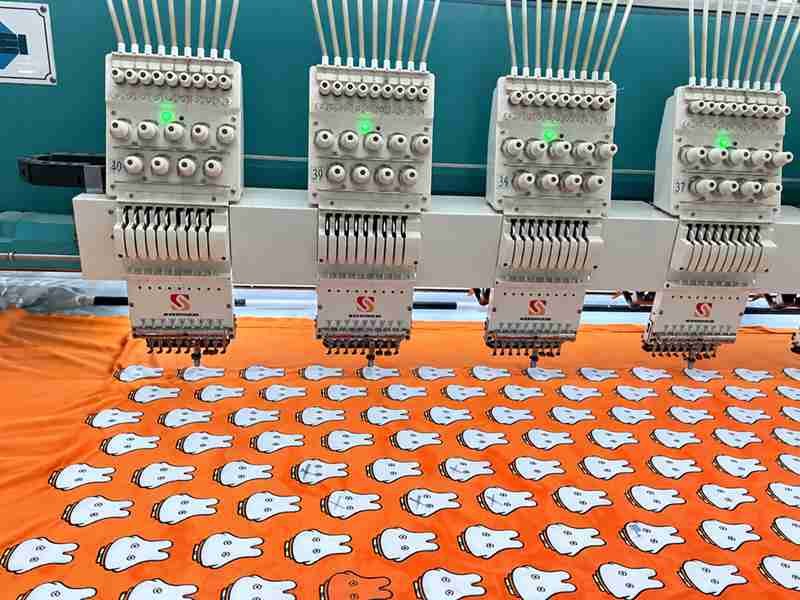
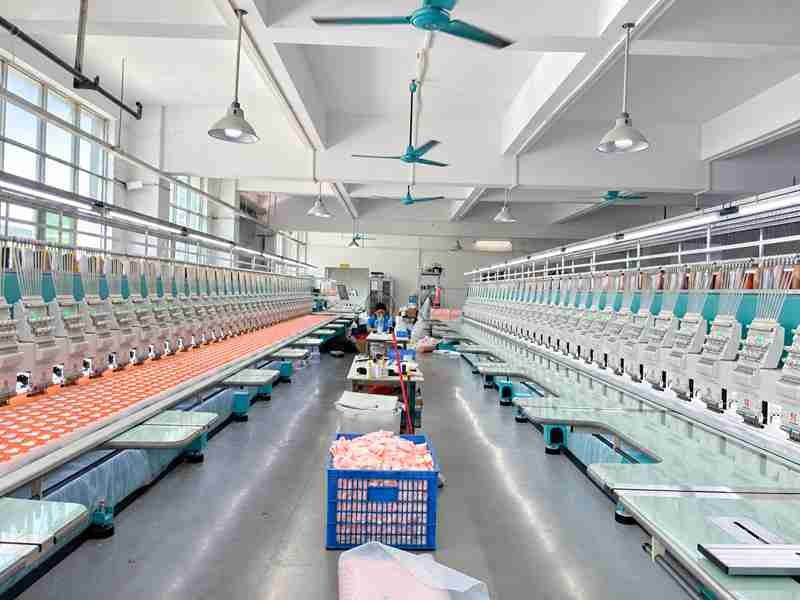
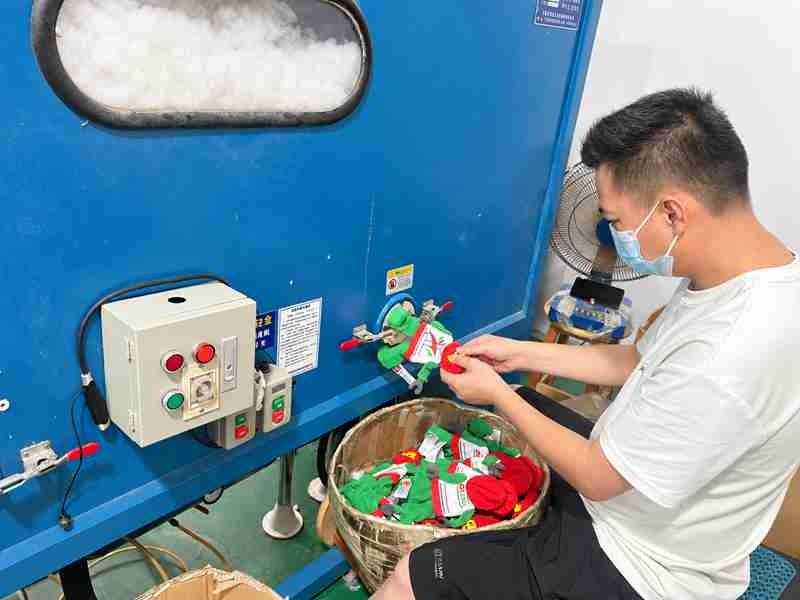
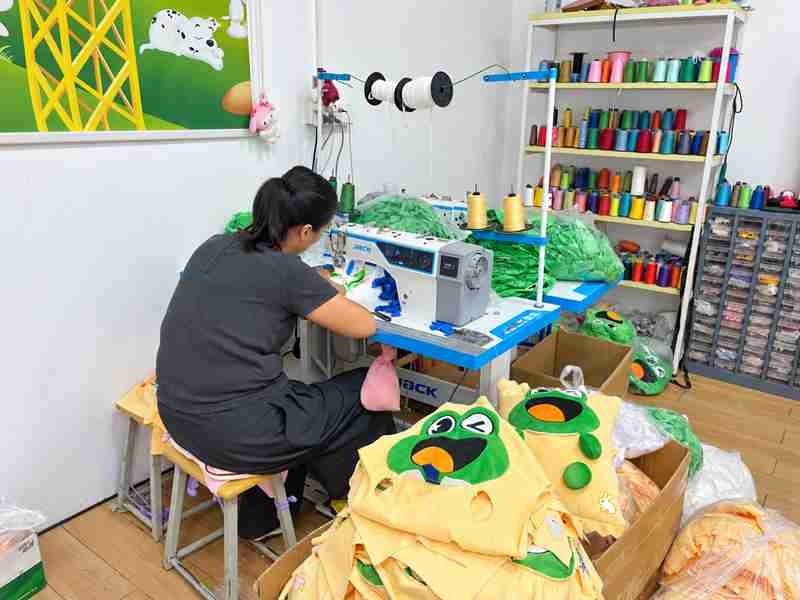
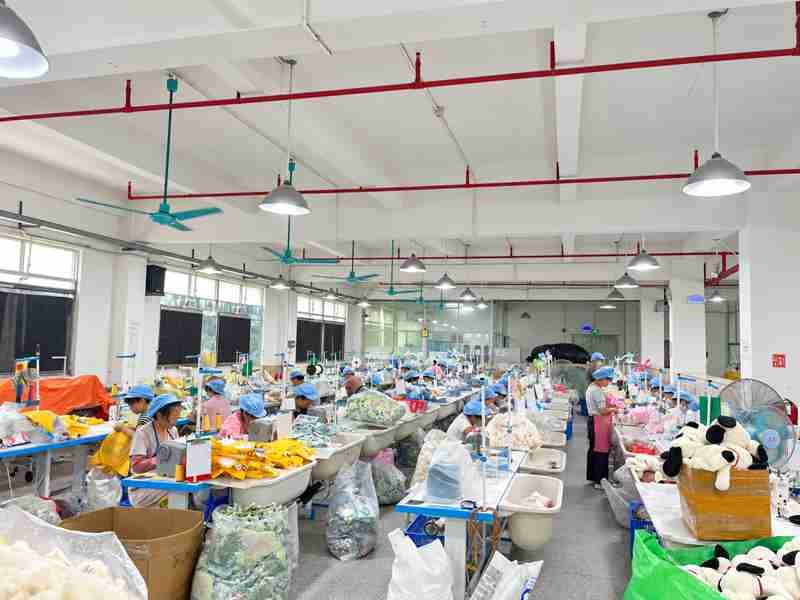
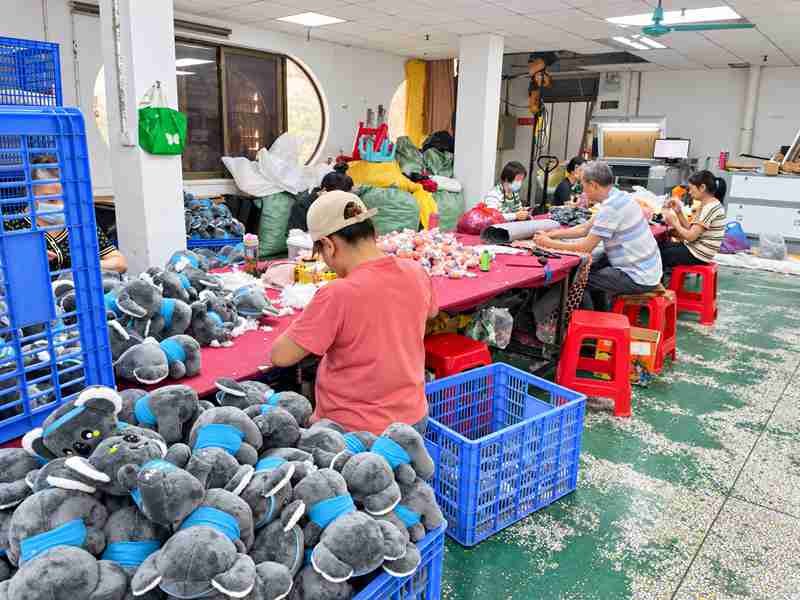
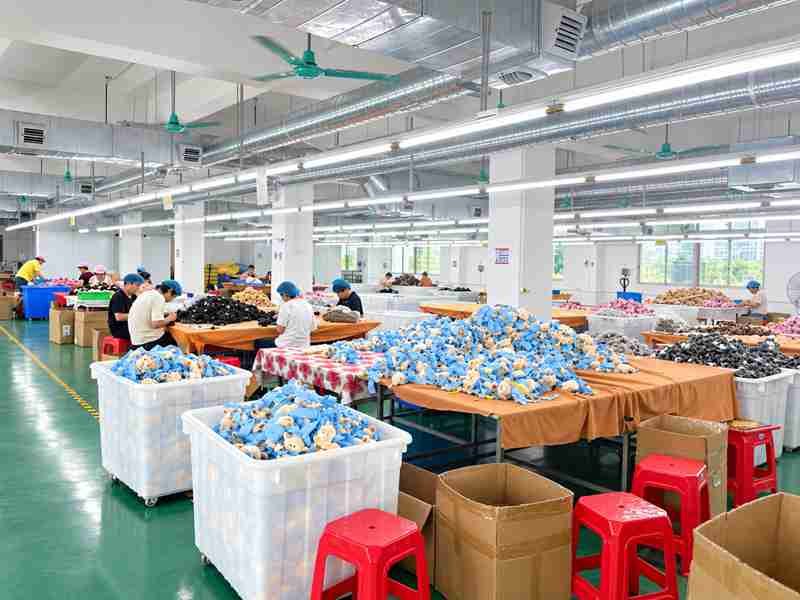
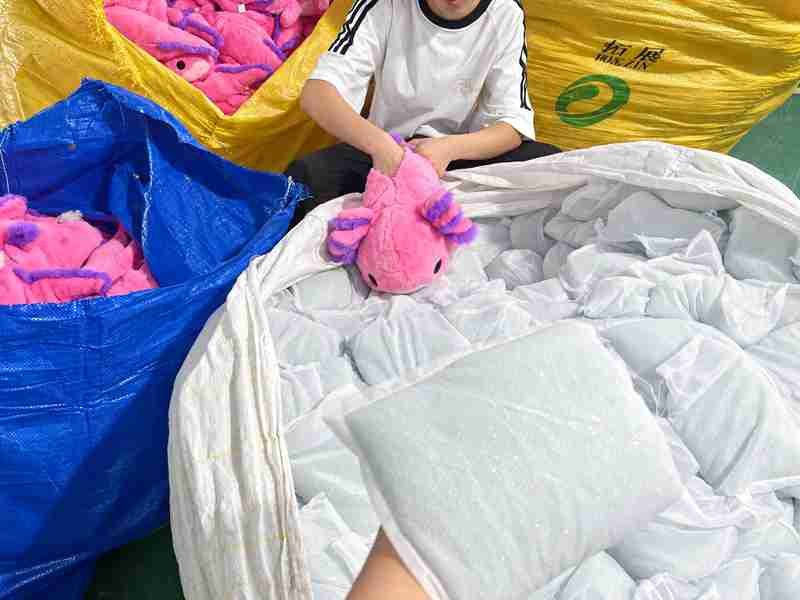
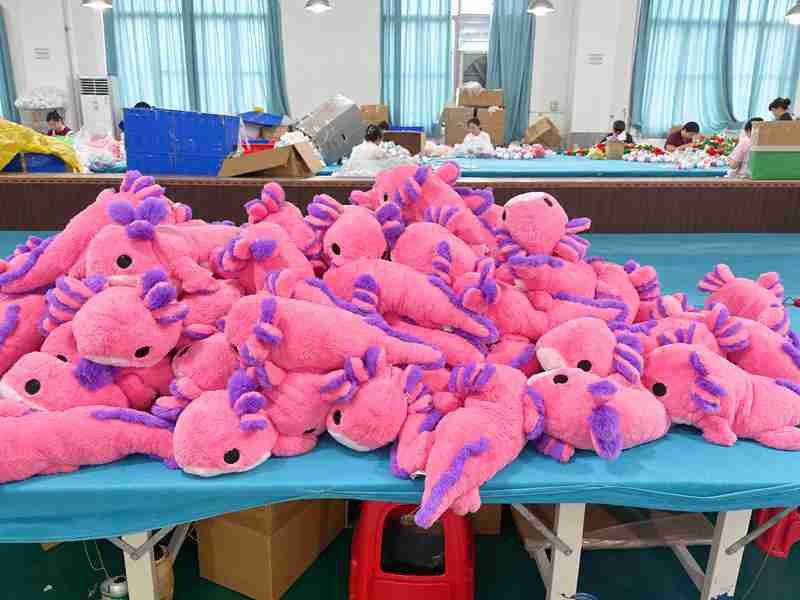
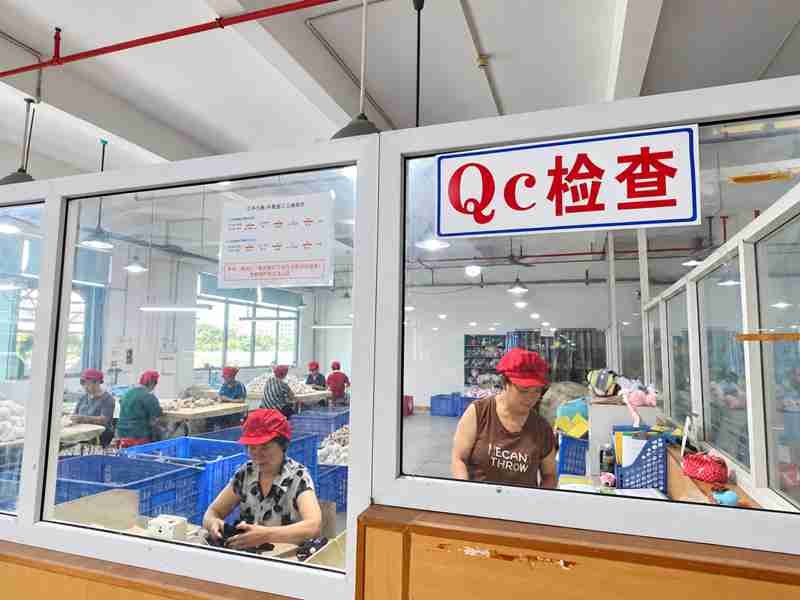
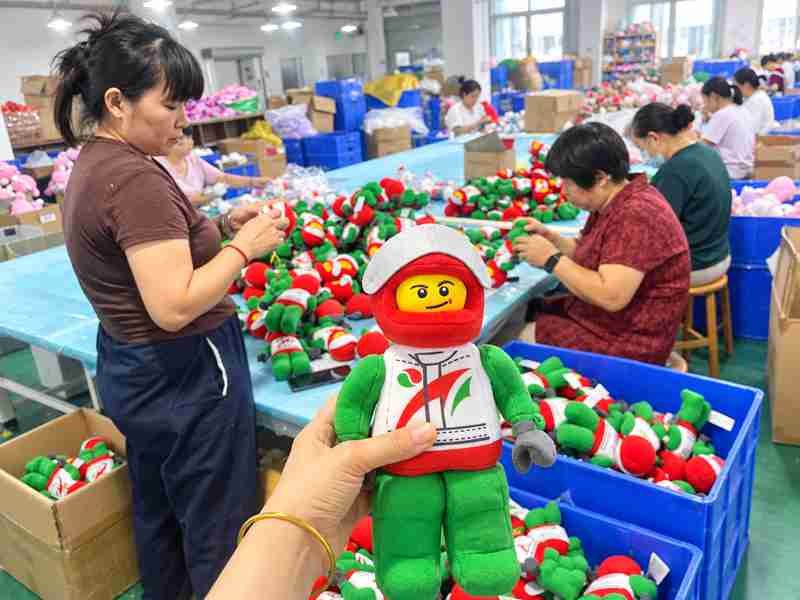
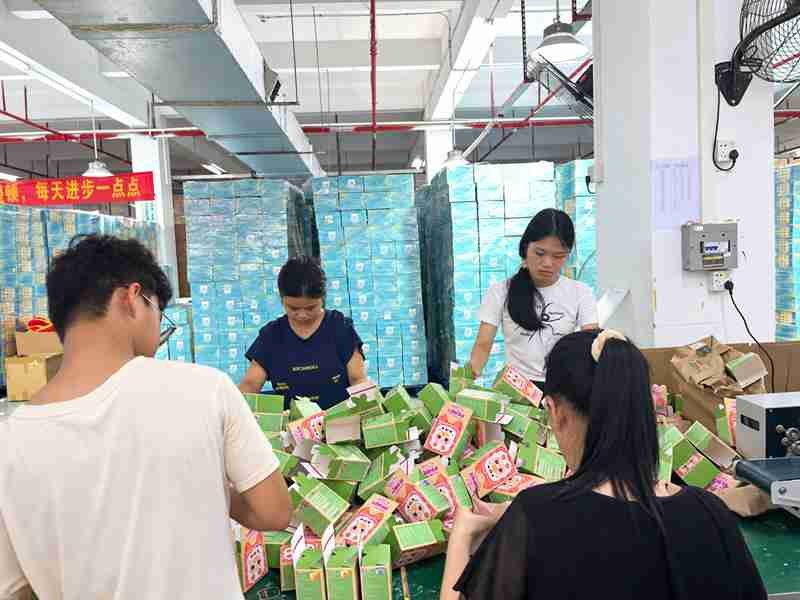
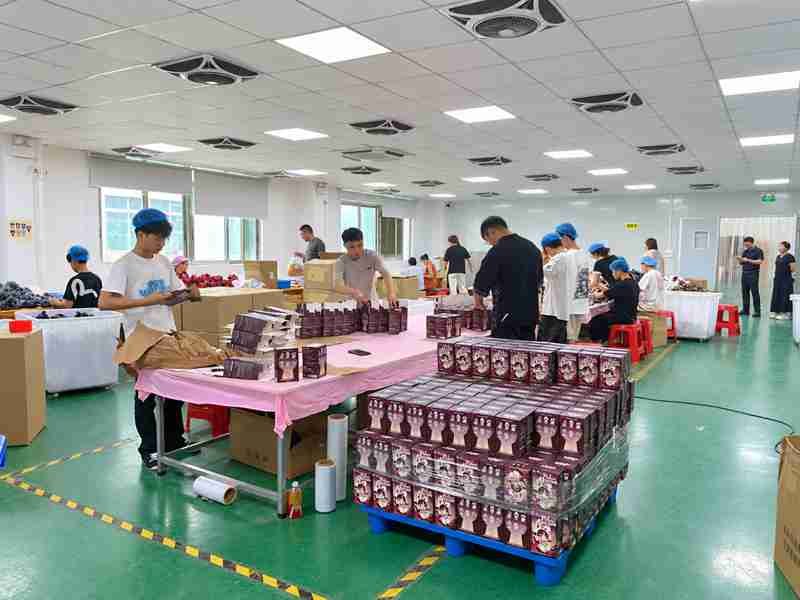
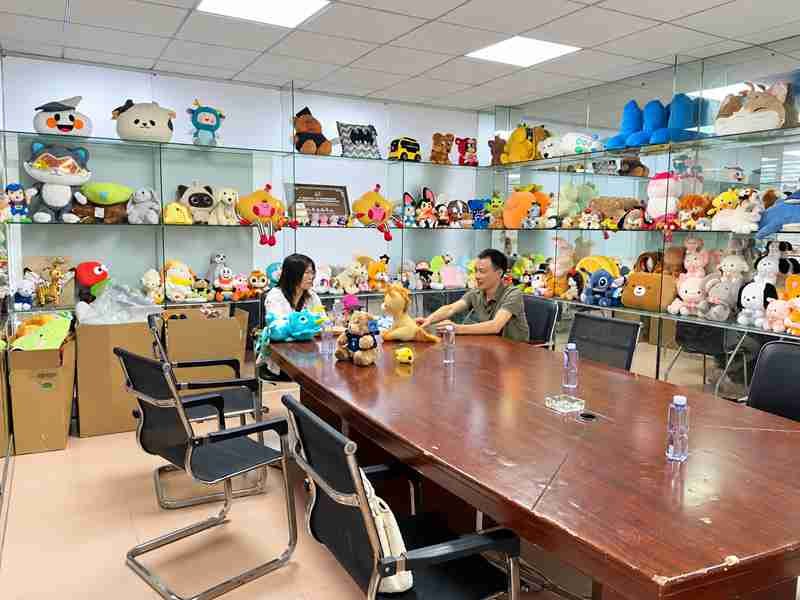
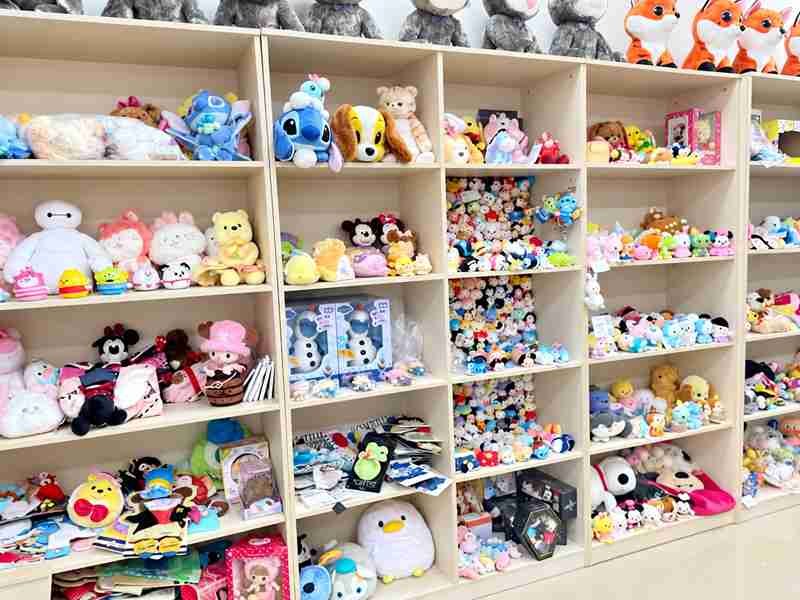
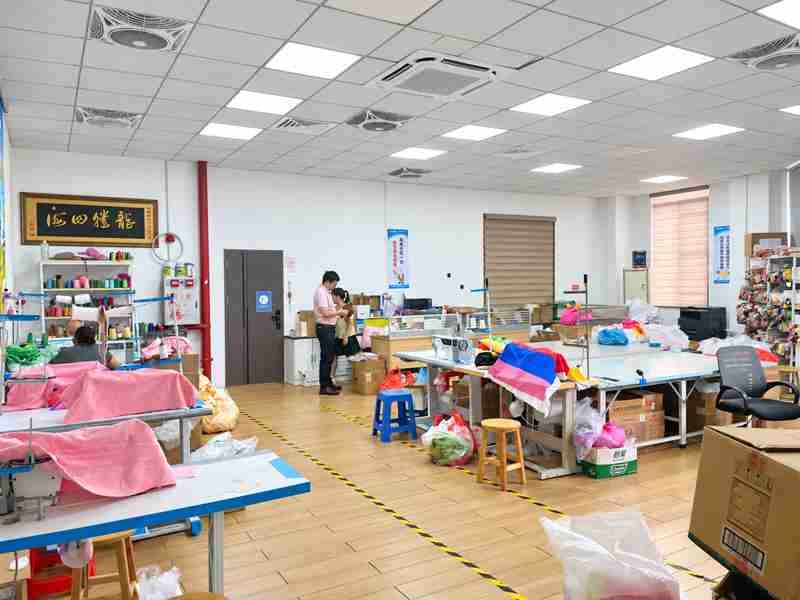
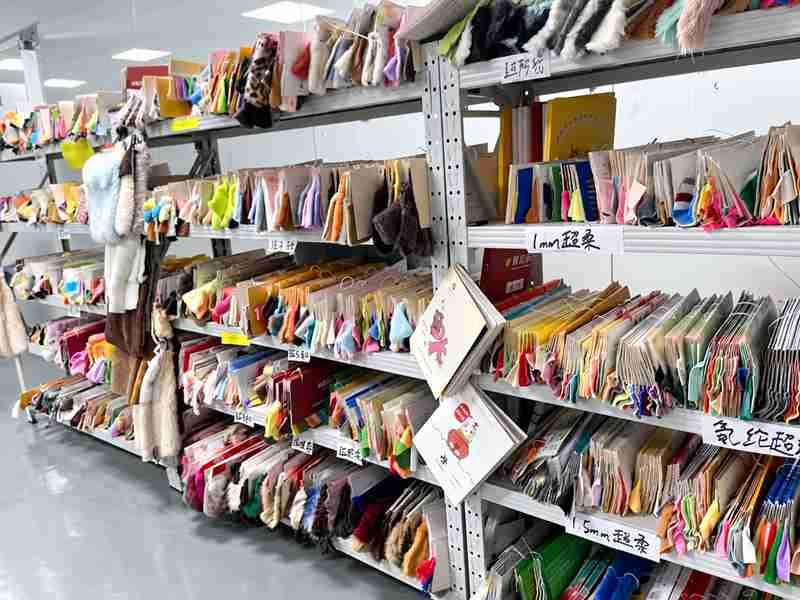
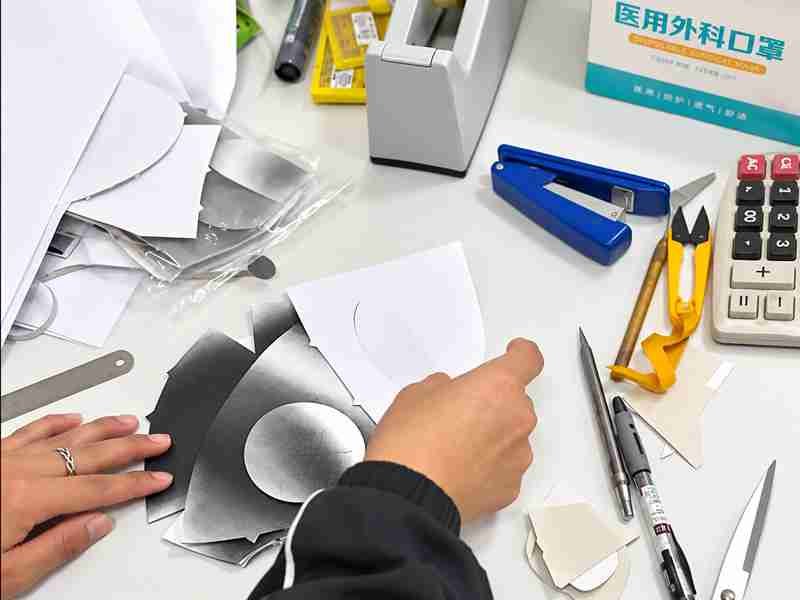
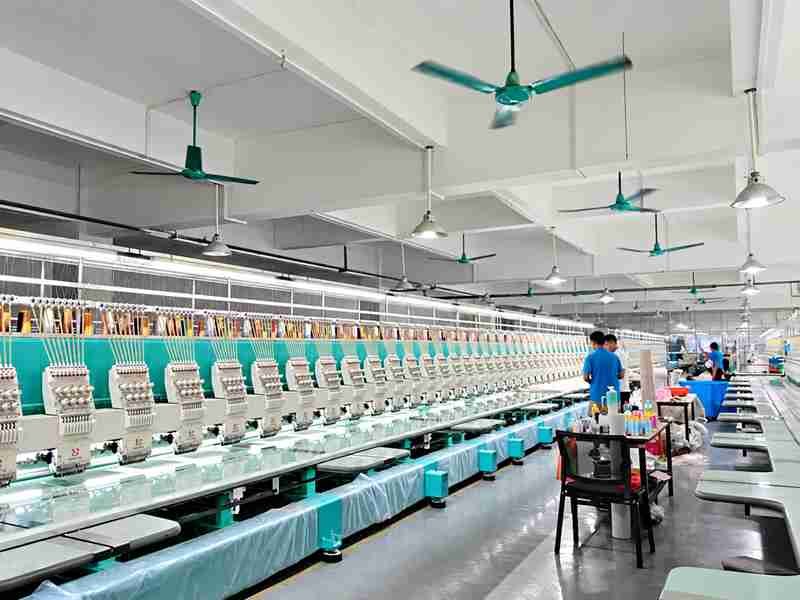
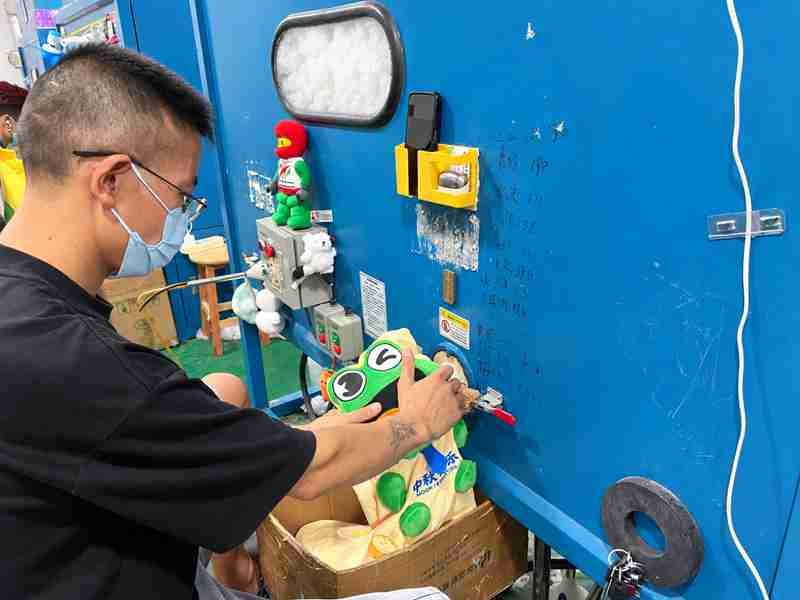
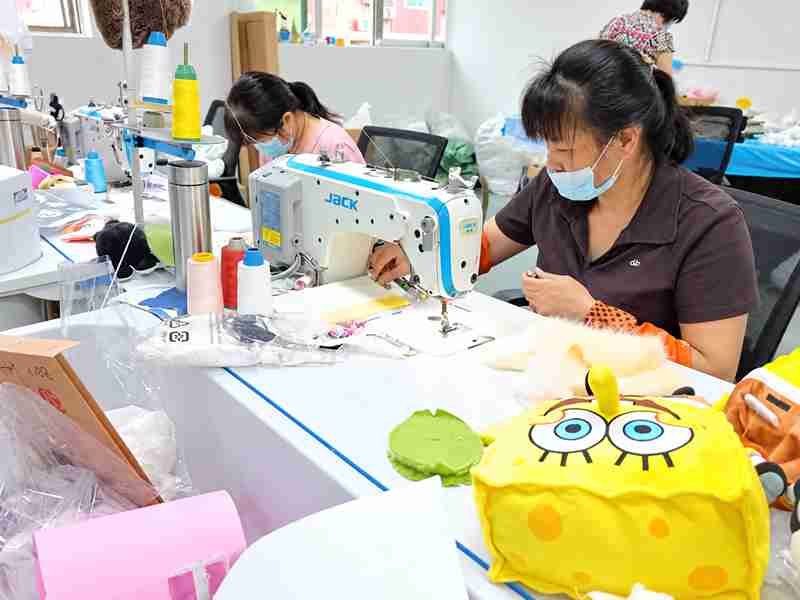
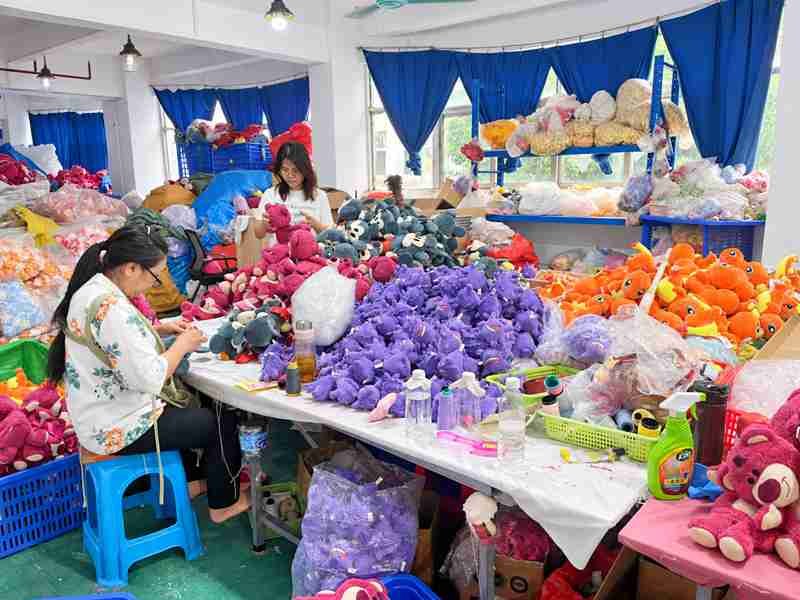
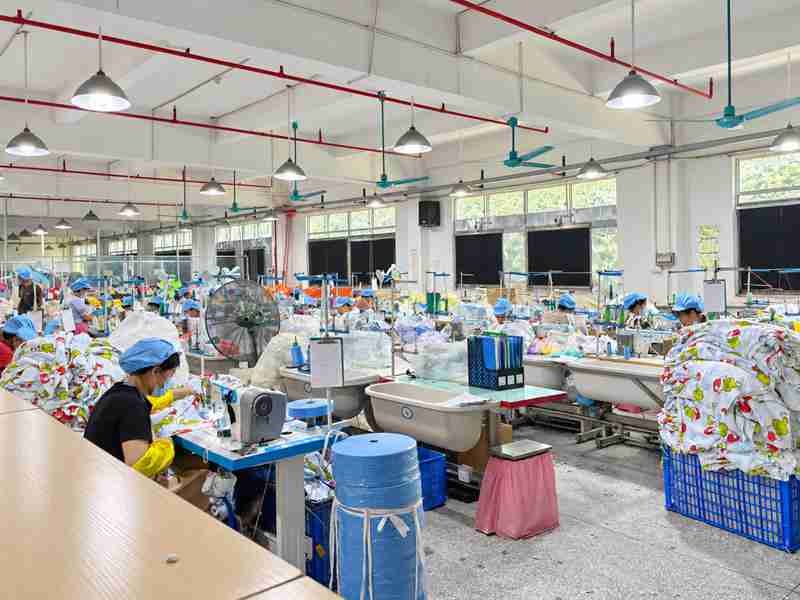
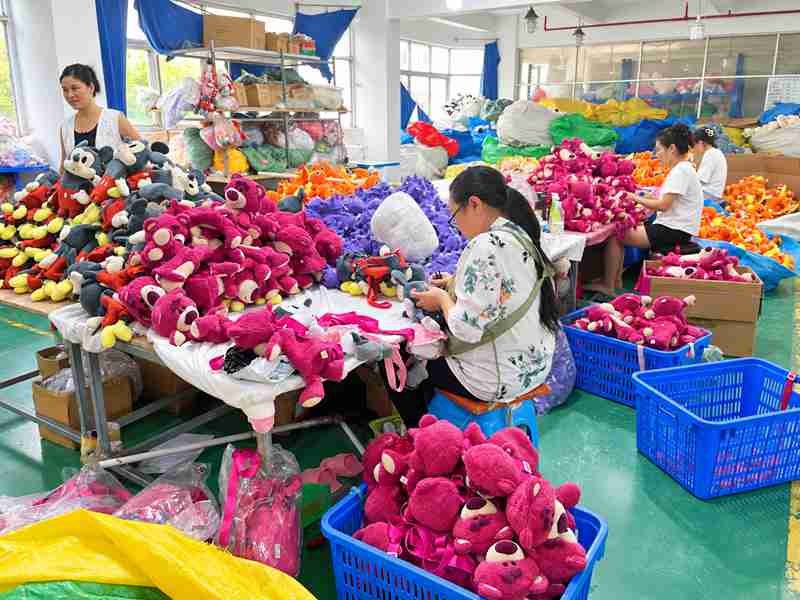
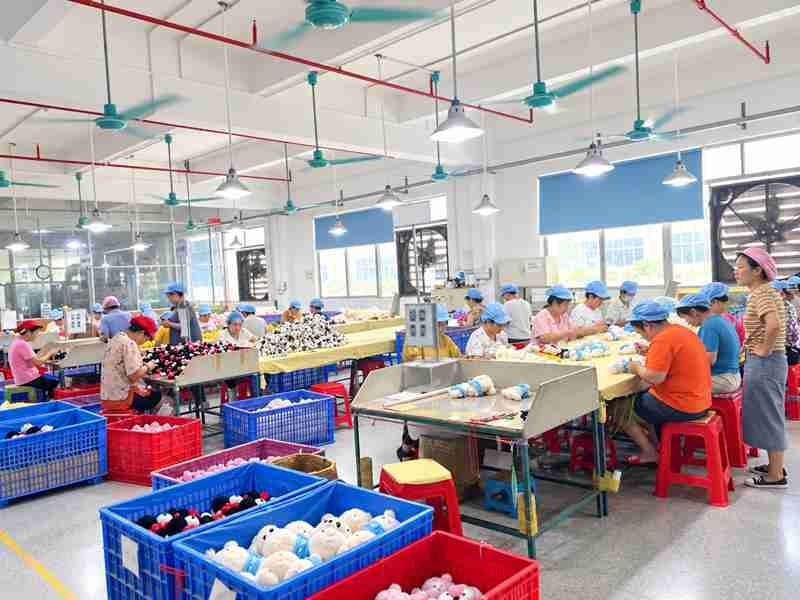
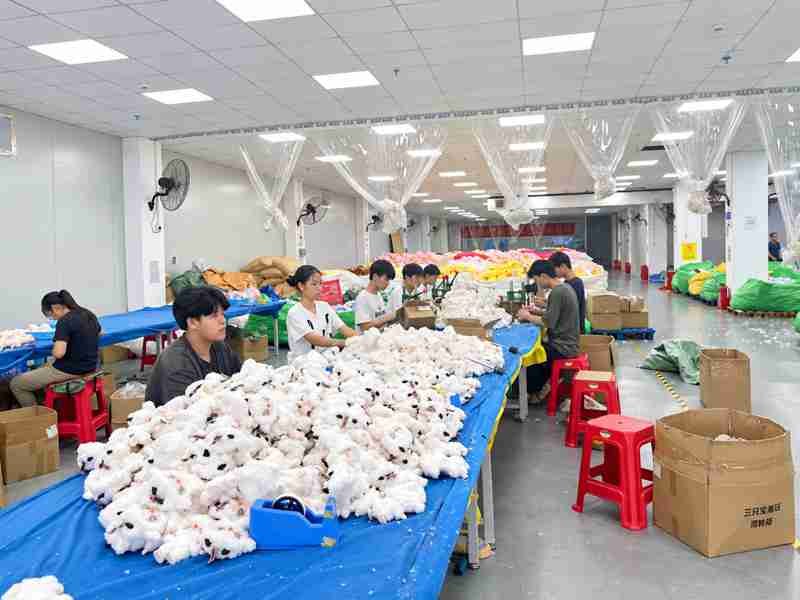
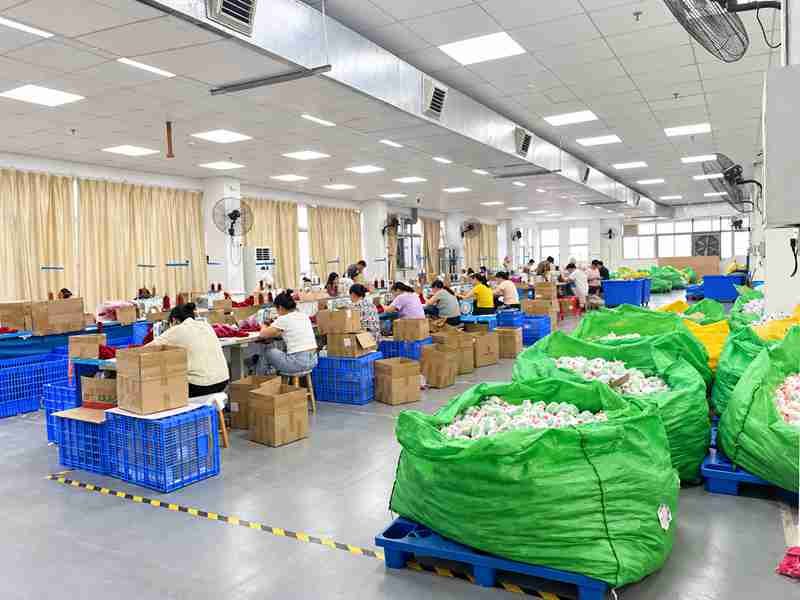
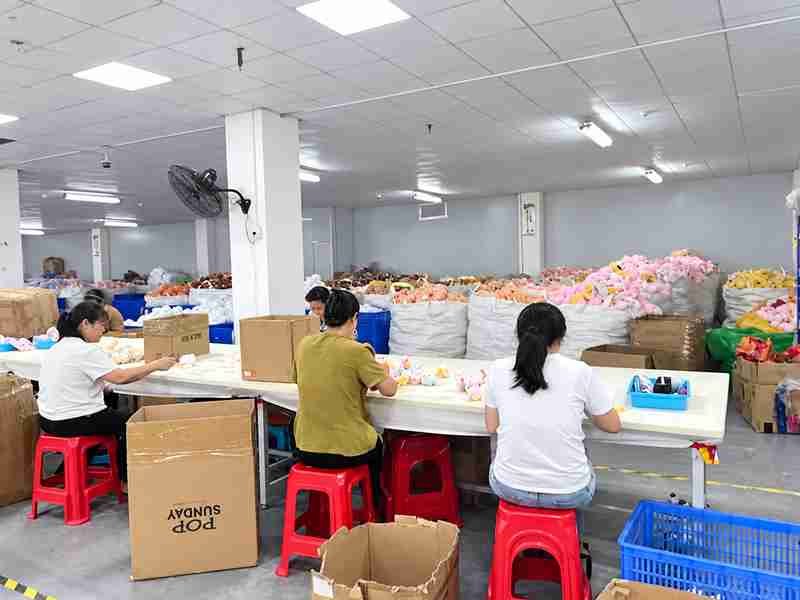
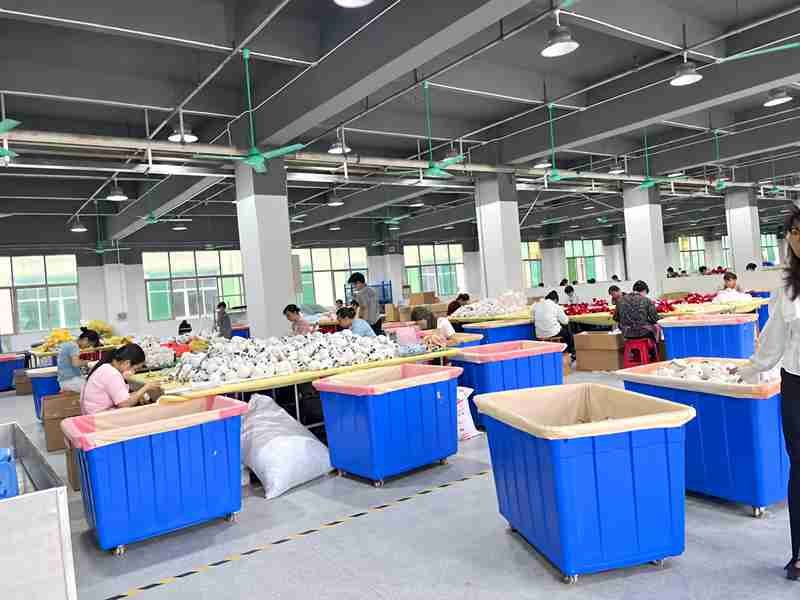
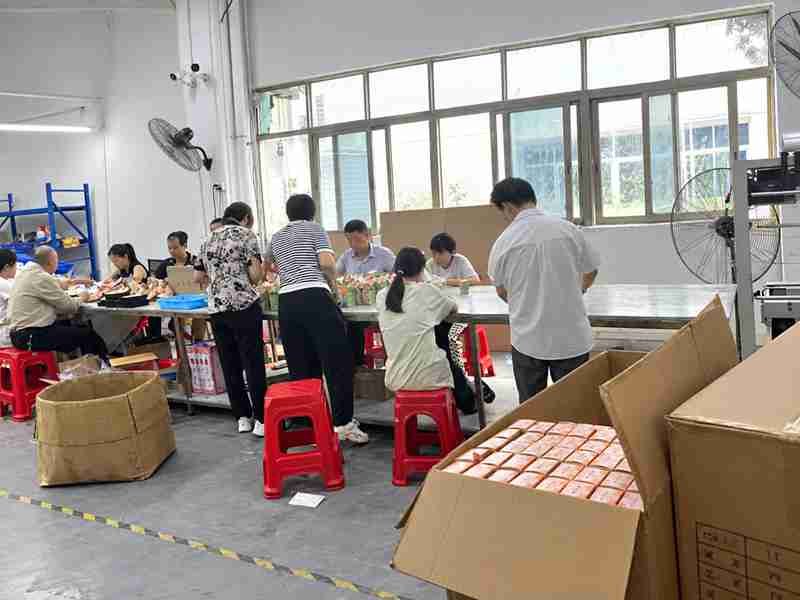
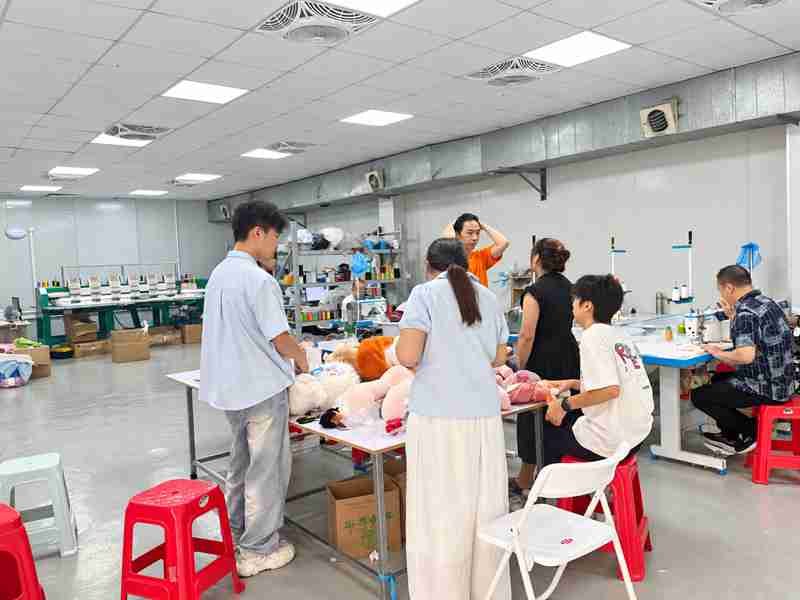
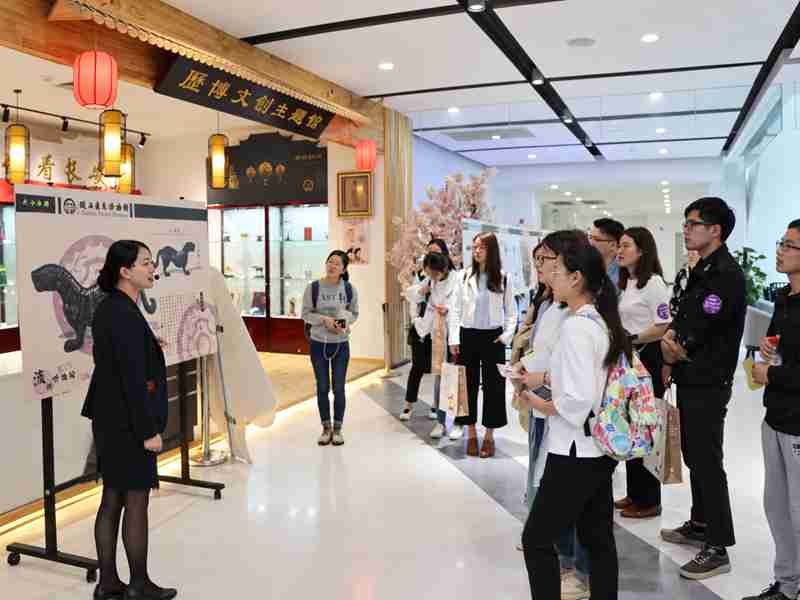
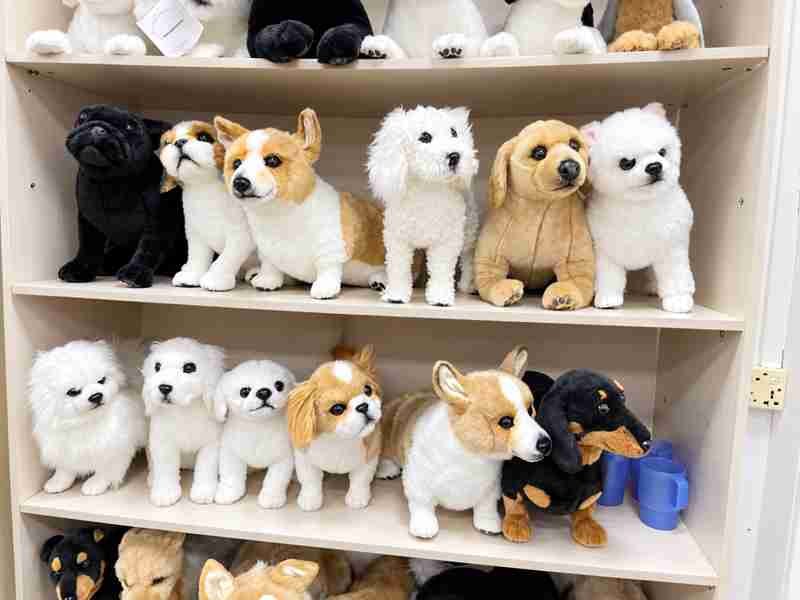
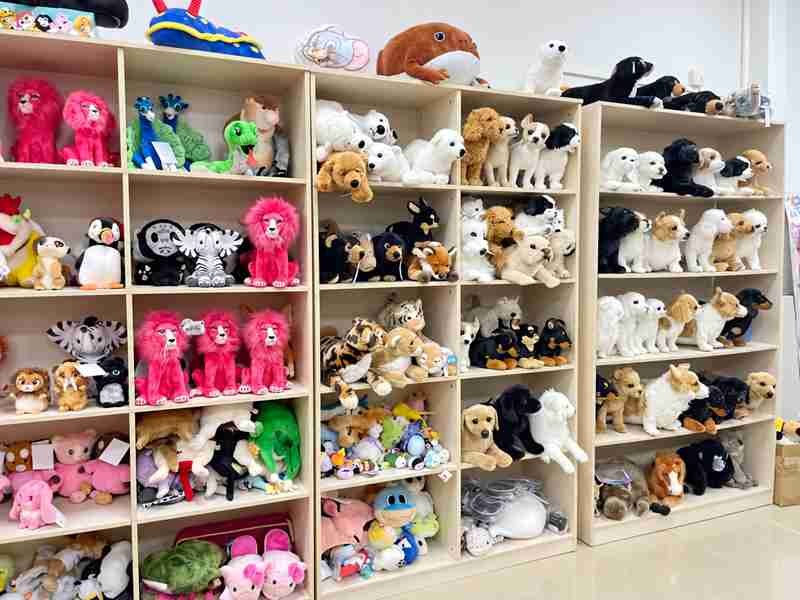
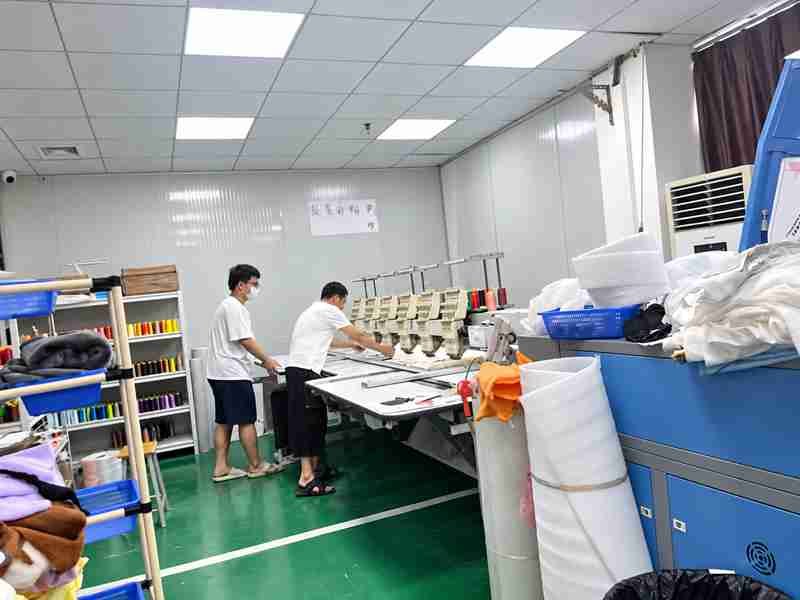
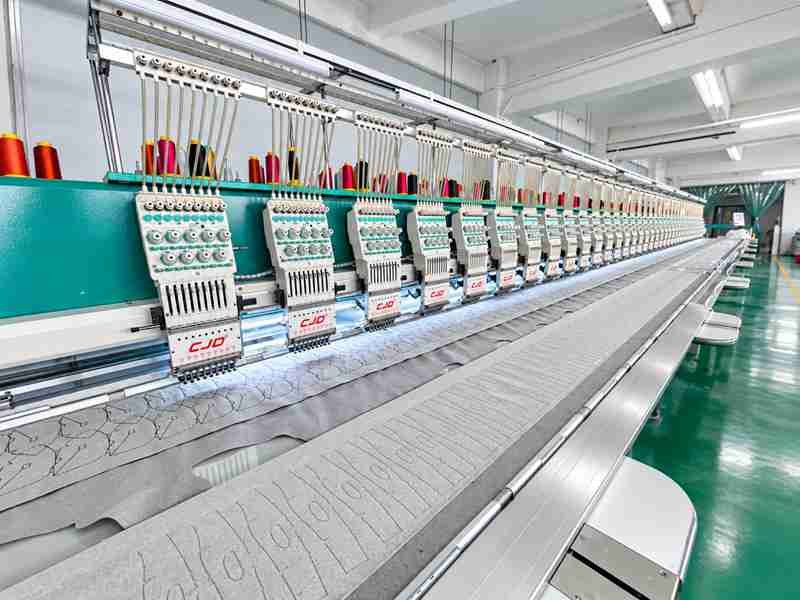
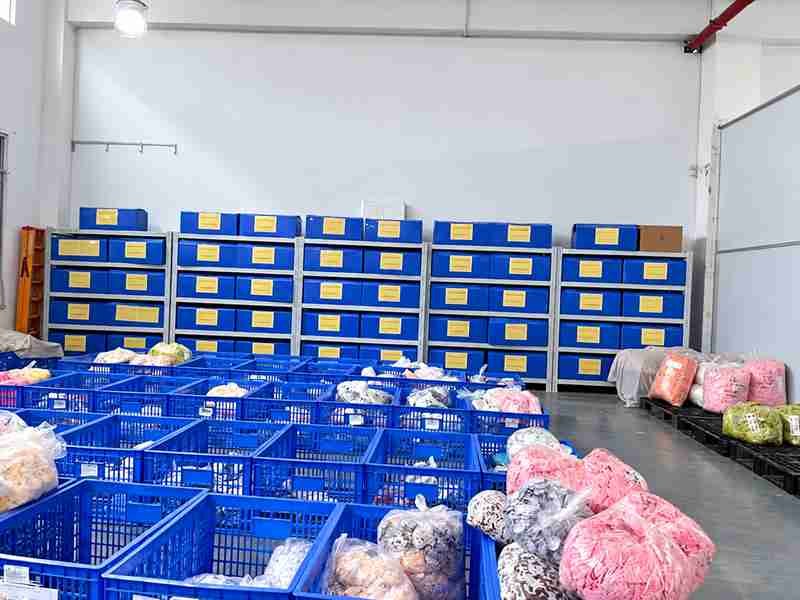
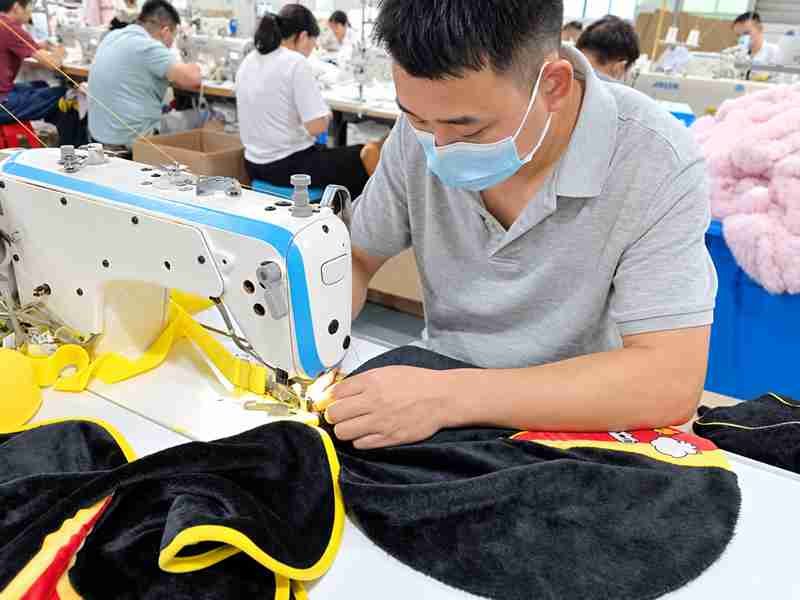
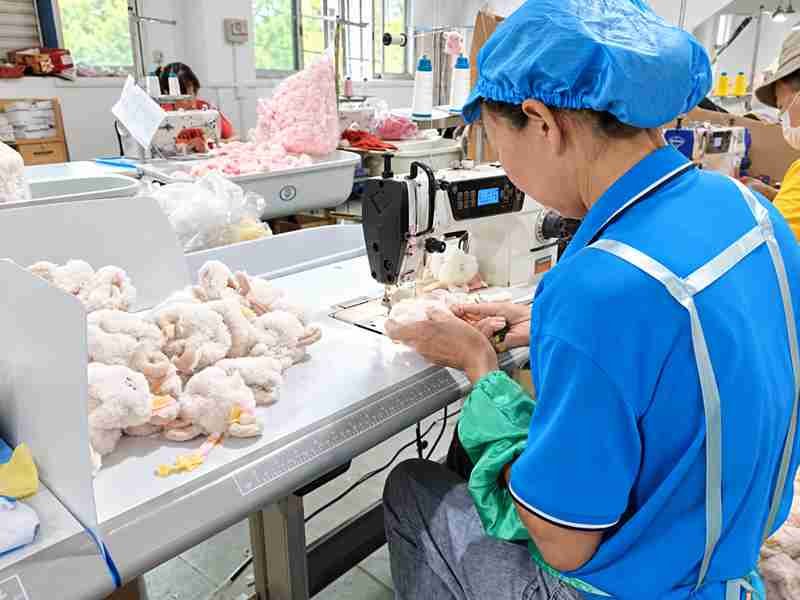
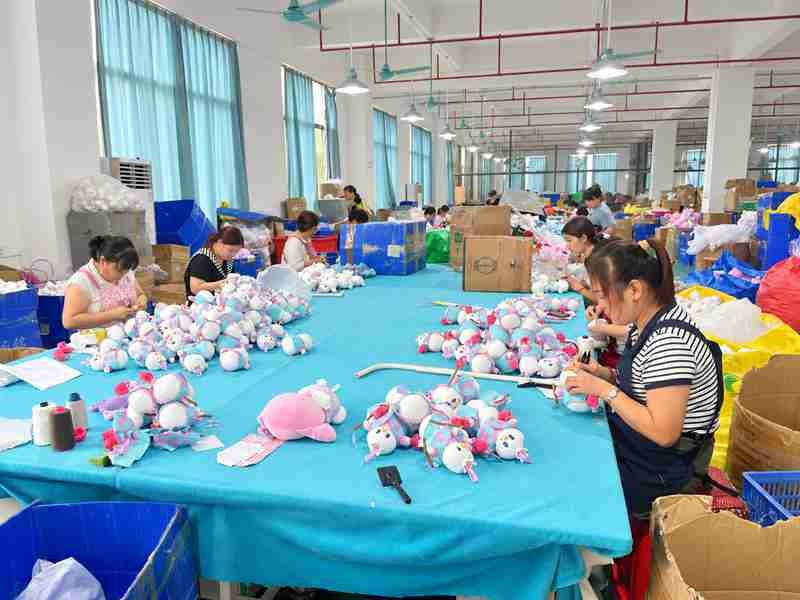
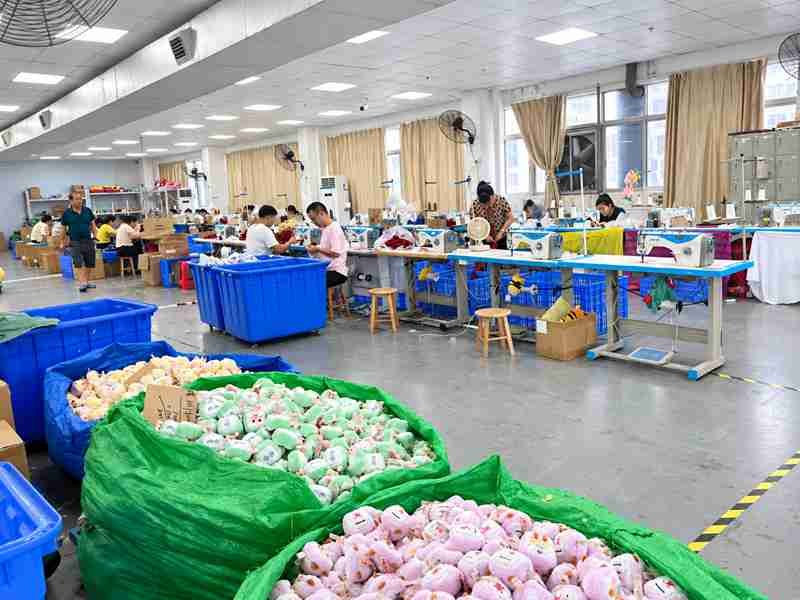
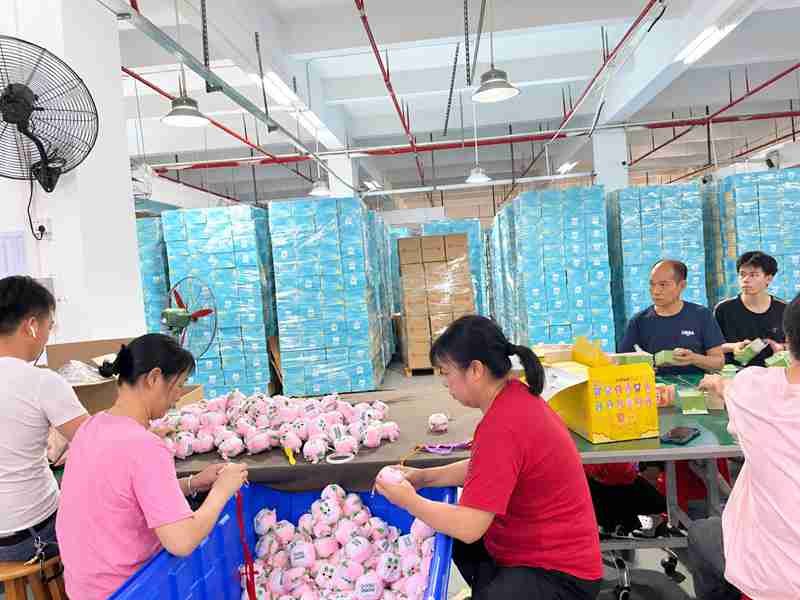
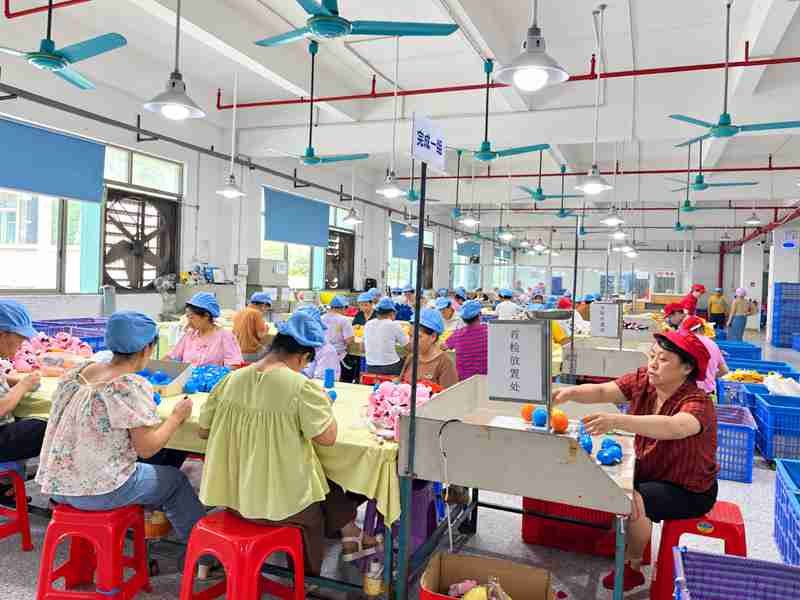
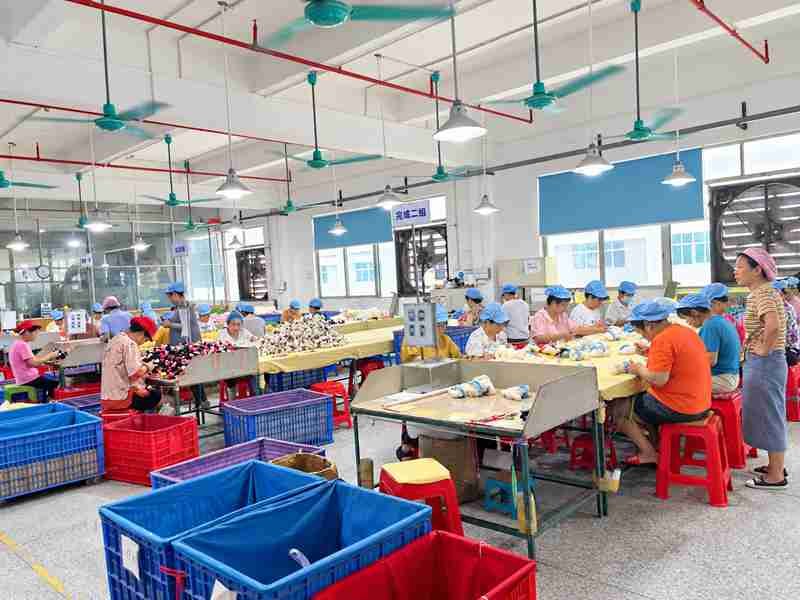
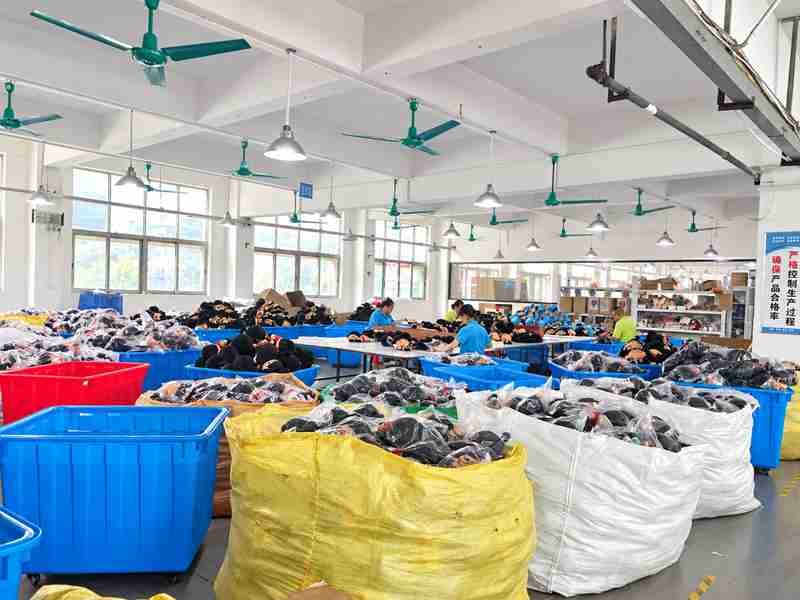
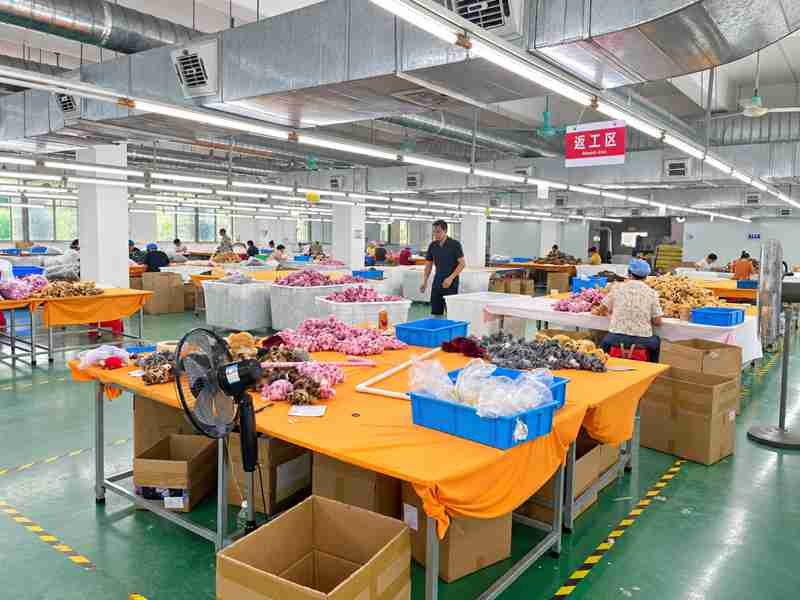
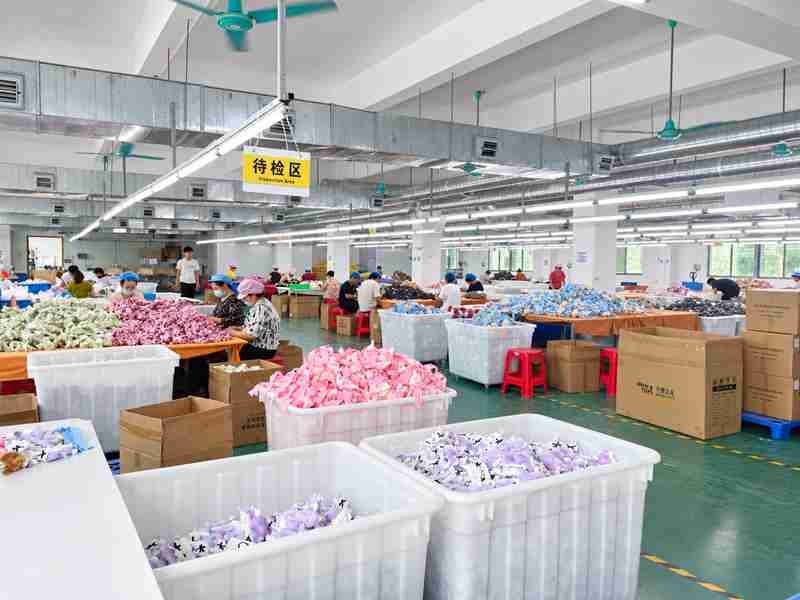
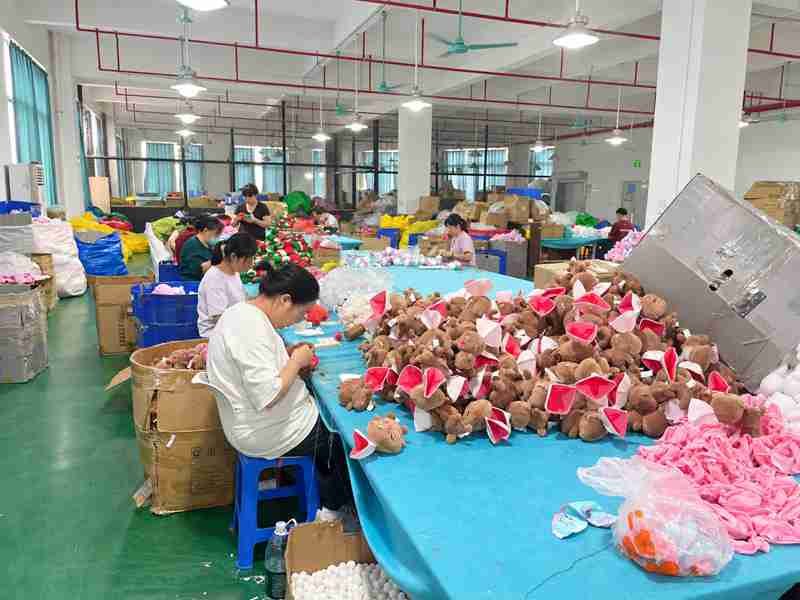
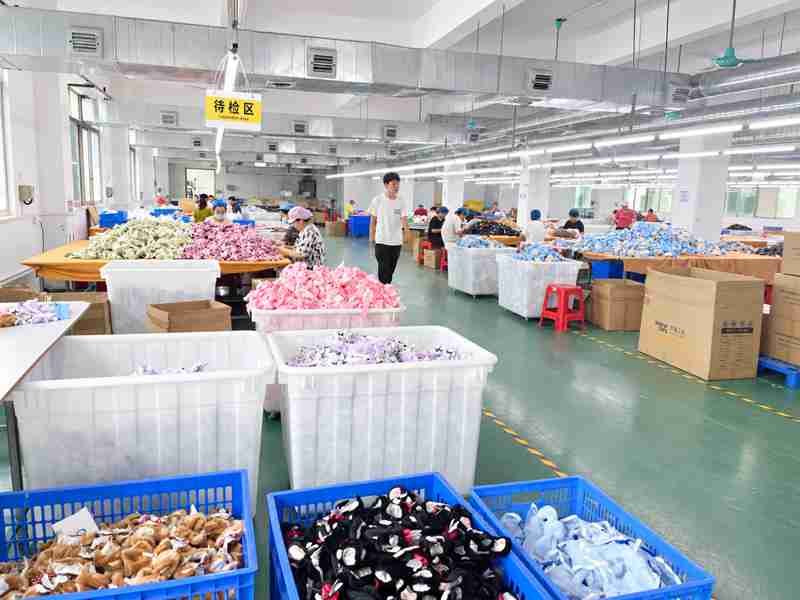
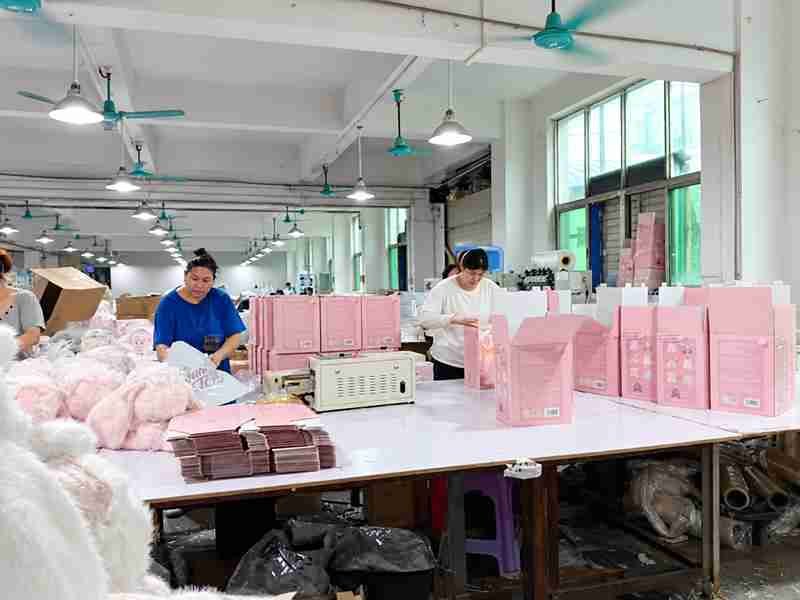
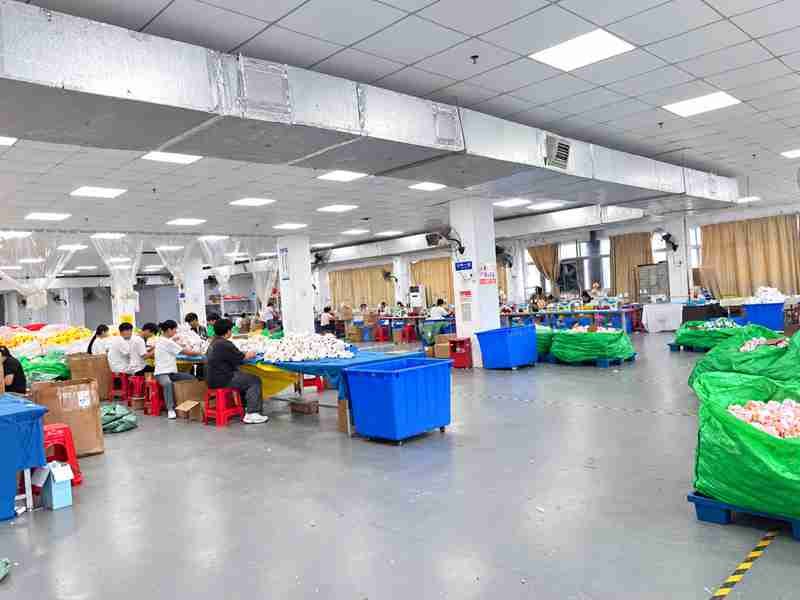
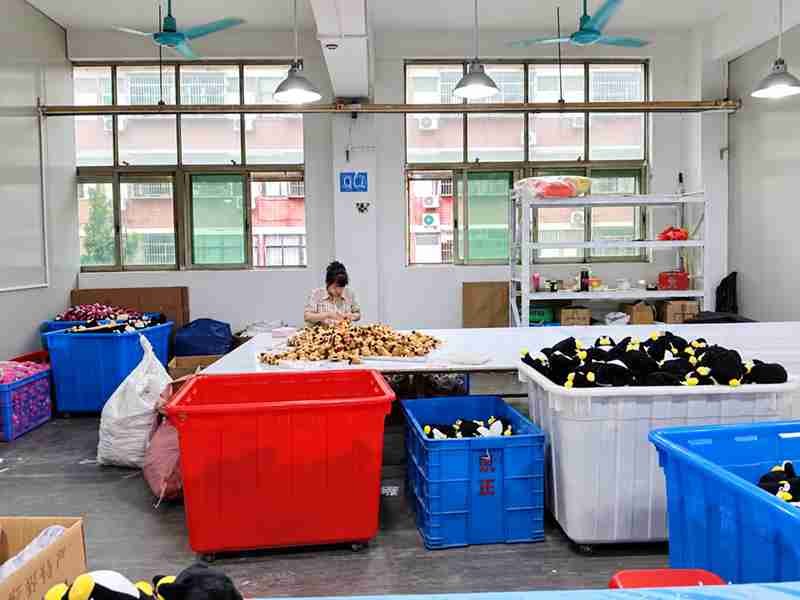
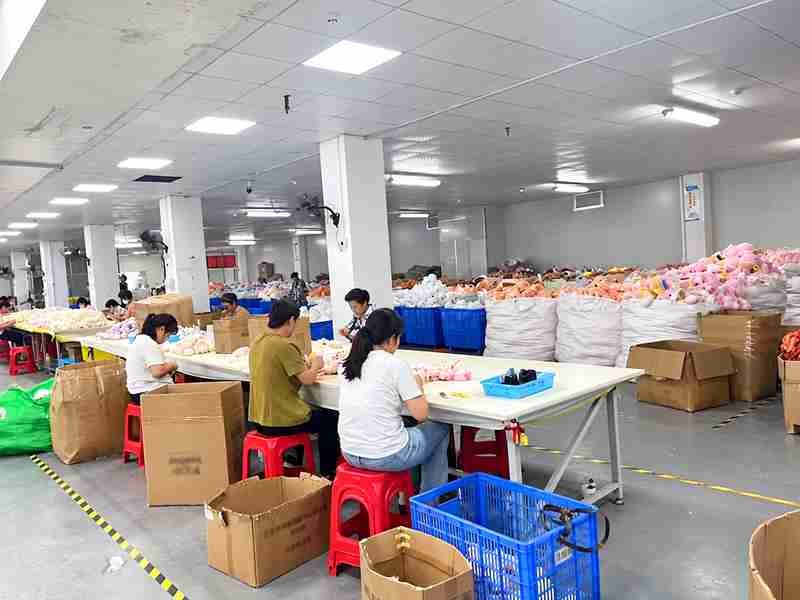
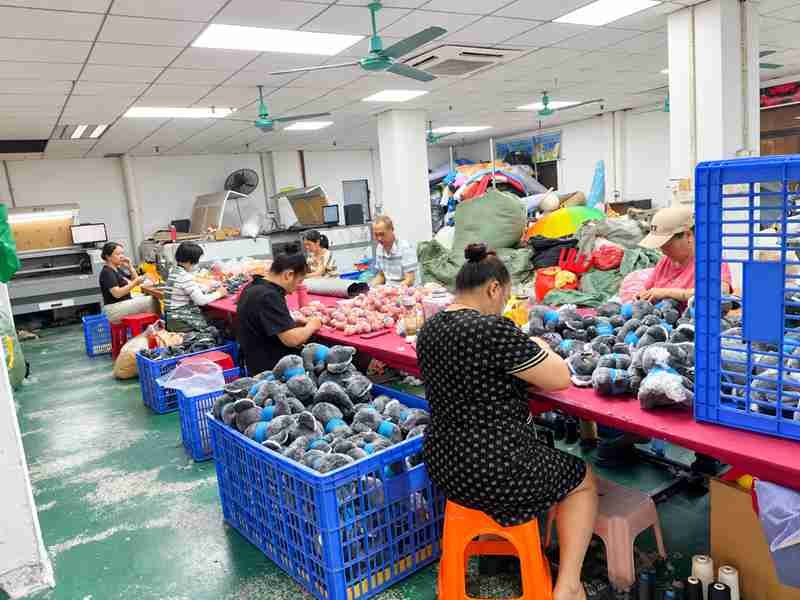
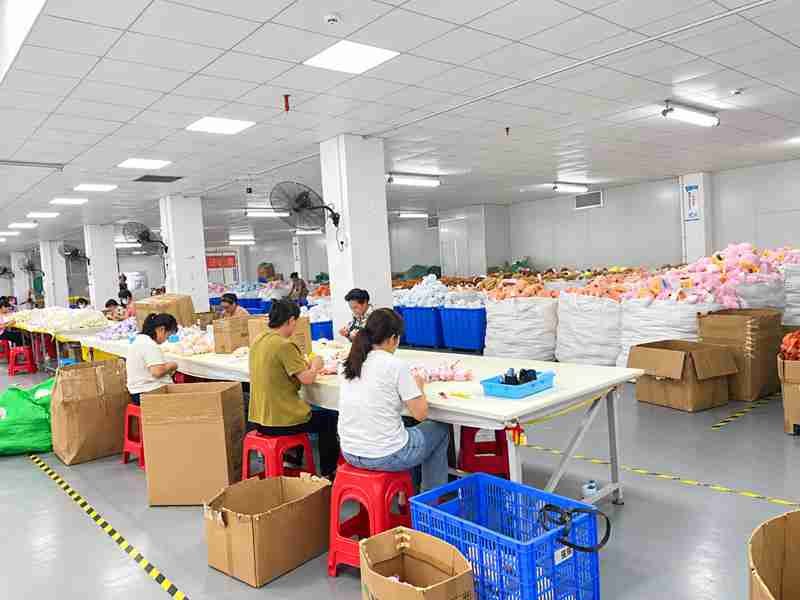
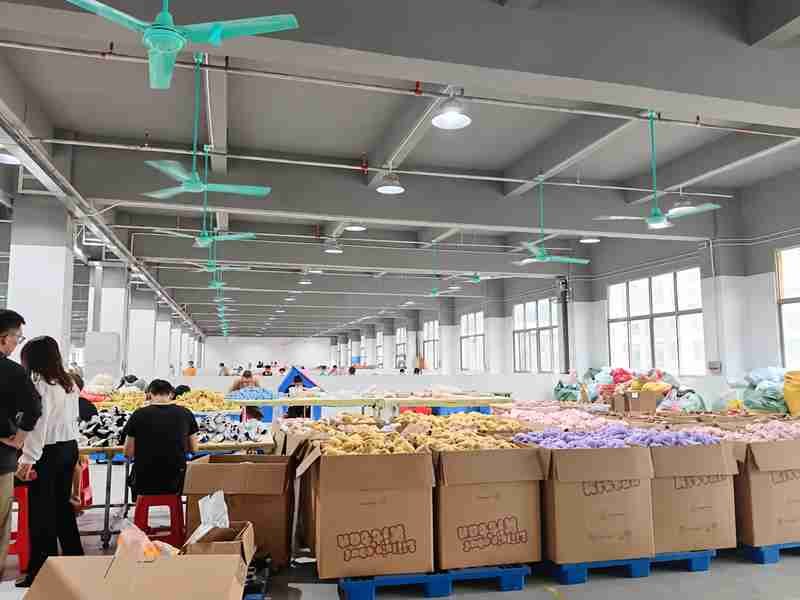
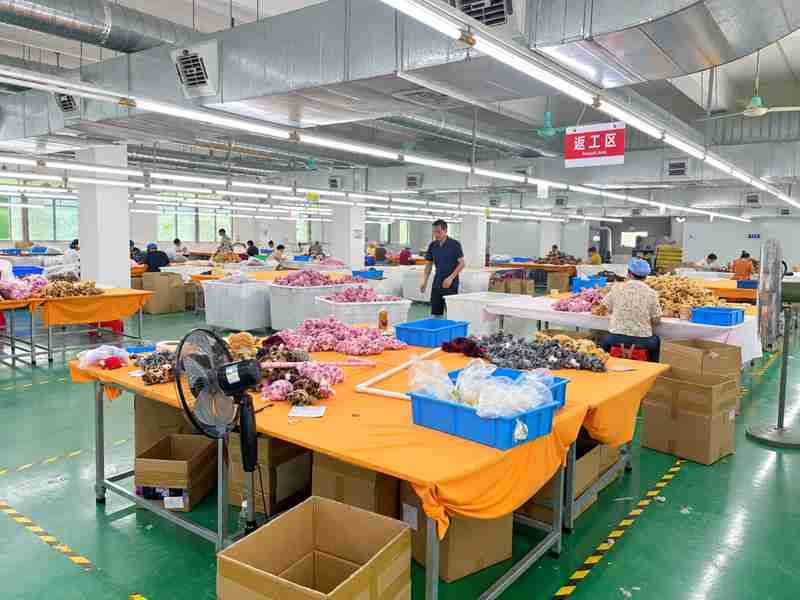
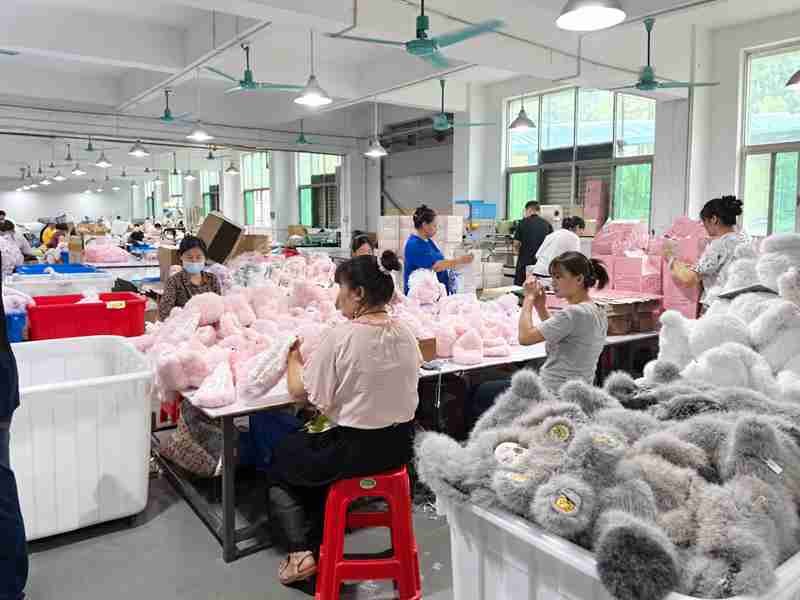
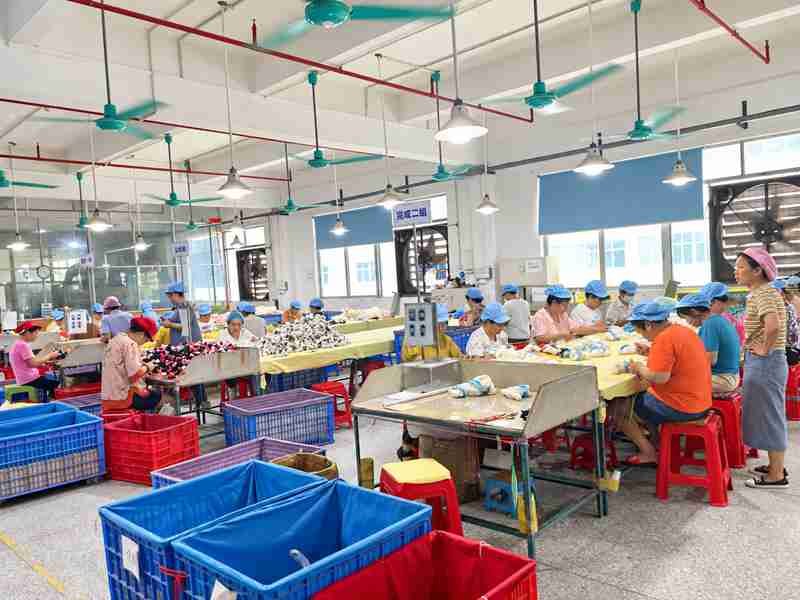
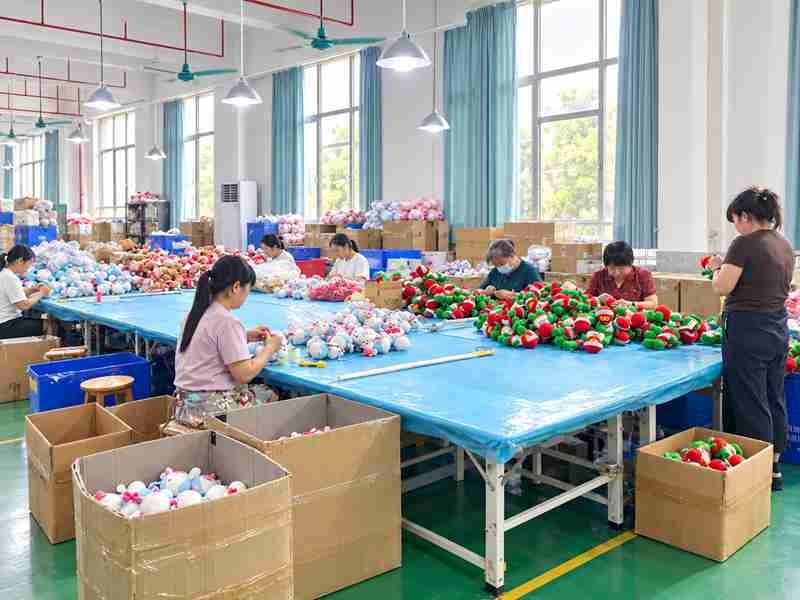
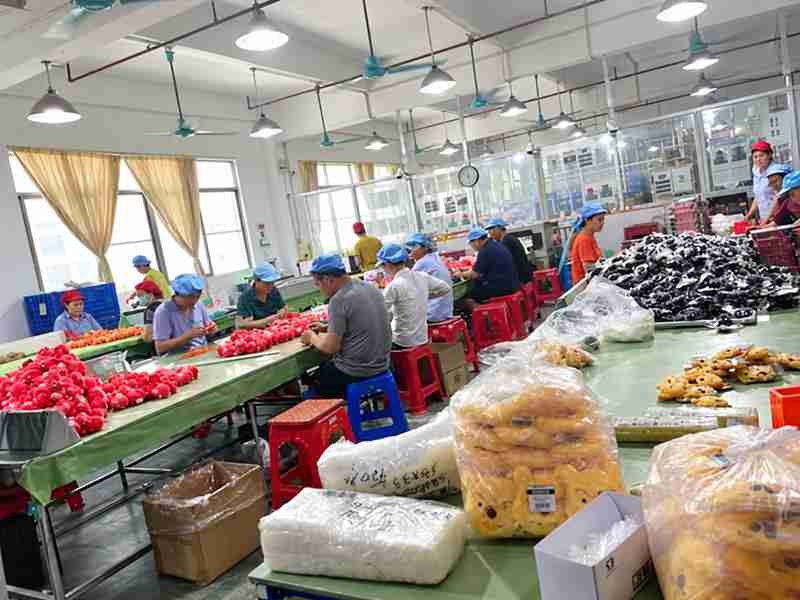
From Prototype to Production: Our Real Plush Factory Show
At Ewintoys, every plush project follows a structured development and production process, from initial design review and pattern making to sampling, mass production, quality inspection, and final delivery. Our real factory images provide a transparent view of how ideas are transformed into high-quality plush products through professional craftsmanship, engineering control, and careful production management.












Version Control Keeps Every Sample and File Aligned
A numbered sample is useful only when its pattern, materials, artwork, comments, approval status, and production authority can be traced to the same project revision.
Revision Code | Meaning | Typical Status | Production Authority |
P0 / Prototype | Structural exploration | Major changes still possible | No |
V1 | First formal development sample | Complete review begins | No |
V2 / V3 / V4 | Controlled revision | Each version closes defined comments | No |
FA | Final Approval Candidate | Major comments closed, full approval pending or received | No direct bulk release |
G1 / Golden | Final approved physical reference | Bound to frozen BOM and released files | Physical master reference |
PP1 | Pre-production validation | Production-intended materials and processes verified | Pass can trigger bulk release |
R1 / Reorder | Controlled reorder revision | Prior Golden inherited with documented delta | After reorder review |
Avoid using labels such as final, latest, final-new, or latest2 as the only version identifier. Pattern files, BOMs, artwork, embroidery programs, photos, approval records, and physical samples should remain traceable to Project ID and Sample Revision.
Review Character Fidelity on the Physical Sample
Compare the Character From Several Angles
A character can look convincing from the front and still feel wrong from the side or back. Ewin can review front, 45-degree, side, back, and intended sitting or standing views where volume and pose matter.
Multi-angle comparison helps expose a head that is too flat, excessive muzzle projection, uneven ear depth, misplaced tail, weak hair volume, distorted clothing, or a body shape that loses the intended silhouette away from the main marketing angle. The review should use the same reference views across revisions so changes can be judged consistently.
Scale also matters. Mini plush cannot always preserve the same line thickness, accessory size, or panel count used by a larger product. Character identity may need controlled simplification rather than mechanical scaling.
Physical fidelity is therefore evaluated as a three-dimensional product, not as a flat artwork exercise.
Treat the Face as a High-Sensitivity Approval Area
Eyes, brows, mouth, muzzle, cheek marks, hairline, and other facial elements often carry more recognition than many larger body details. Small shifts in placement or surrounding shape can change expression even when the embroidery program itself is technically correct.
Facial review should connect decoration with the final sewn and stuffed head. Pattern curvature, fabric stretch, filling pressure, pile height, seam take-up, and accessory weight can all change the apparent location of the same feature. A panel that looks correct before assembly may look too wide, too high, or unbalanced after filling.
Comments should describe visible corrections in a measurable way where possible: move, resize, widen, narrow, rotate, or change a defined distance. Broad comments such as face feels off are useful as a diagnosis trigger, but the revision needs an executable engineering response.
The approved face should remain the visual anchor through later sample versions.
Check Material, Color, Clothing, and Accessories as Part of Fidelity
Character accuracy is not only geometry. Pile length can make a head look larger. Gloss can change perceived color. A stiff garment can alter posture. A heavy prop can pull an arm downward. A molded part can create pressure around the surrounding fabric.
Sample review should therefore compare material, color, texture, clothing fit, hair, accessories, decoration, and body volume together. If one change improves one area but damages another, the revision should resolve the trade-off before approval.
For series products, the review also considers consistency across characters. Shared materials, eye styles, logo scale, packaging format, or quality standards may need common references while each SKU keeps its own character-specific features.
Fidelity approval becomes stronger when the physical product is judged as a complete system rather than a collection of separately approved parts.
Certificates, Compliance & Quality Assurance
Ewintoys follows structured quality and compliance practices for custom plush production. We hold relevant certifications and support additional testing, inspection, and compliance documentation based on specific product requirements and destination markets, helping brands meet different international standards with confidence.
























Sample Quality Review Happens Before Client Approval
Internal inspection checks the current sample against project references so external review focuses on decisions instead of avoidable execution mistakes.
| Review Gate | What Is Checked | Typical Problem Caught |
| File / Revision | Correct Project ID, sample version, pattern, artwork, comment list | Old or mixed revision used |
| Character Fidelity | Silhouette, face, proportion, pose, signature features | Product does not resemble approved direction |
| Dimensions | Key measurements and ratio relationships | Size or proportion drift |
| Fabric / Color | Material identity, pile, handfeel, shade, nap | Wrong fabric, shade, or direction |
| Decoration | Embroidery / print size, color, position, clarity | Misaligned eyes, wrong logo, puckering |
| Sewing / Structure | Seam quality, symmetry, reinforcement, assembly | Twisted shape, weak seam, poor fit |
| Filling / Shape | Weight, firmness, distribution, balance, contour | Hollow zones, hard lumps, unstable pose |
| Accessories | Correct part, position, fixing, orientation, function | Loose, wrong, or mispositioned component |
| Finishing | Trimming, shaping, cleaning, clothing, visible workmanship | Avoidable cosmetic defects |
| Packaging | Fit, compression, protection, label position | Shape damage or incorrect pack-out |
Sample Timing Follows Complexity and Material Readiness
Standard Plush
Character IP Plush
Complex Functional Plush
Apply for Qualified Free Sample Support in Six Steps
Step 1 - Submit Project
Step 2 - Feasibility Review
Step 3 - Support Review
Step 4 - Confirm Scope
Step 5 - Build and Review
Step 6 - Revise or Advance
Comments are converted into a controlled revision, or an approved sample moves toward Golden Sample, BOM freeze, PP, and production readiness. Free support is therefore a qualification route into manufacturing, not an unlimited sample program.
Golden Sample and BOM Freeze Lock the Approved Product
Separate Client Approval From Golden Sample Freeze
A client can approve a sample visually without the project being ready for bulk production. Ewin should treat Client Approval, Golden Sample Freeze, BOM Freeze, and Production Release as separate control events so each decision has a clear meaning.
The Golden Sample is the approved physical representation of the final product. It should correspond to the current pattern, materials, decoration, filling, accessories, labels, and packaging rather than simply being the best-looking sample produced during development. Project ID, SKU, Golden revision, approval date, source sample revision, pattern revision, BOM revision, artwork revision, target market, and sample status can all be connected to the physical reference.
Customer Golden, Factory Golden, and QC Reference samples should come from the same approved version where those references are required. Controlled storage prevents a Golden Sample from being modified or casually reused after freeze.
A later change should create a new controlled revision instead of silently altering the existing Golden.
Freeze the BOM Only After Approval and Supply Feasibility Align
The BOM should become progressively more controlled through development. Concept and Prototype stages may use candidate materials. V1 and Revision stages can use controlled alternatives with recorded changes. Final approval moves the project toward a freeze candidate, but the BOM should not become truly frozen until approved requirements and supply feasibility are both confirmed.
Frozen information can include fabric identity, composition, GSM, pile or thickness, color, thread, lining, trims, accessories, filling, labels, packaging, and relevant supplier specifications. Artwork and embroidery or print programs also need final versions. Measurements, filling references, component locations, and packaging requirements should point to the same approved SKU.
After freeze, informal substitutions create risk. A material or component change can affect appearance, sewing, cost, testing, lead time, balance, or packaging. Changes therefore need review before a new revision enters production.
BOM freeze turns the approved sample from an isolated object into a controlled product definition.
Bind Golden, Pattern, Artwork, and QC to One Product Revision
The strongest sample approval system does not ask production to copy whatever looks similar to the Golden. The factory also receives a released pattern, current decoration files, measurements, filling references, accessory specifications, labels, packaging requirements, and quality checkpoints.
Released patterns define the geometry used for cutting and sewing. Final artwork and embroidery or print programs define the approved decoration. Filling references control handfeel and shape. Accessory specifications define the correct part, position, and fixing method. Packaging specifications control the commercial configuration that leaves the factory.
QC needs access to the same Golden or QC Reference used by manufacturing, not a photograph of an older sample. The sample, files, and inspection criteria should all trace to one Project ID and revision.
When those references align, production has a reproducible target instead of a visual approximation.
Transfer the Approved Sample Into Repeatable Bulk Production
Build a Production Release Package From the Approved Development
Before bulk release, manufacturing needs more than a shipment of one approved plush. A controlled release package can connect the Factory Golden, QC Reference, frozen BOM, released pattern list, final artwork and decoration programs, measurement specification, filling references, accessory locations and fixing methods, labels, packaging specifications, approval evidence, and relevant quality or testing instructions.
Each item closes a different source of interpretation. The Golden shows the physical result. The BOM tells purchasing what to buy. The pattern tells cutting and sewing which geometry to use. Artwork files control visual decoration. Filling information protects shape and handfeel. Accessory specifications prevent wrong parts or positions. Packaging files protect the final retail or shipping configuration.
Production and quality teams review readiness before the project is released. A missing or conflicting reference should be resolved before quantity increases.
Use PP to Verify That Production Conditions Reproduce the Frozen Definition
PP is the bridge between the controlled development result and normal bulk output. The purpose is not to create another attractive sample; it is to confirm that intended bulk materials, processes, labels, packaging, and line conditions can reproduce the approved product.
Review can focus on whether the correct released pattern is being used, production fabric matches the approved material, embroidery or print programs are final, filling can be standardized, key dimensions are achievable, accessories are installed correctly, and packaging works under real pack-out conditions.
If PP reveals a problem requiring a frozen change, the project should return through change control. The factory should not quietly replace a fabric, move a component, or alter construction simply because the adjustment appears small.
A passed PP provides confidence that the manufacturing route is ready to scale while remaining tied to the same approved revision.
Keep the Golden and Data Alive Through Bulk and Reorders
Bulk consistency depends on using the approved references throughout manufacturing. IQC checks incoming materials and components. IPQC checks cutting, decoration, sewing, assembly, filling, and finishing. FQC compares finished products with the Golden and defined CTQs. OQC verifies final product, packaging, SKU, barcode, carton, and release requirements before shipment.
Reorders should begin from the previous Golden and frozen data, followed by a delta review. Material lot, supplier route, artwork, label, packaging, quantity, market, or compliance requirements may have changed since the last run. The team should identify those differences instead of rebuilding product knowledge from memory or old email attachments.
A strong sampling system therefore continues beyond sample approval. It gives production and future reorders a stable source of truth for what the product is supposed to be.
Frequently Asked Questions
Ewin can begin from sketches, artwork, character sheets, 3D renders, reference photos, existing samples, or technical packages. Size, quantity, market, and sample purpose help define the route.
A Prototype explores structure and feasibility. V1 is the first more complete product version using target materials, decoration, filling, accessories, and construction closely enough for formal review.
Revision count depends on input quality, character complexity, material readiness, approval layers, and change scope. Ewin uses numbered versions and defined comments rather than promising one fixed revision count.