A Trusted China Plush Partner for Global Brands !

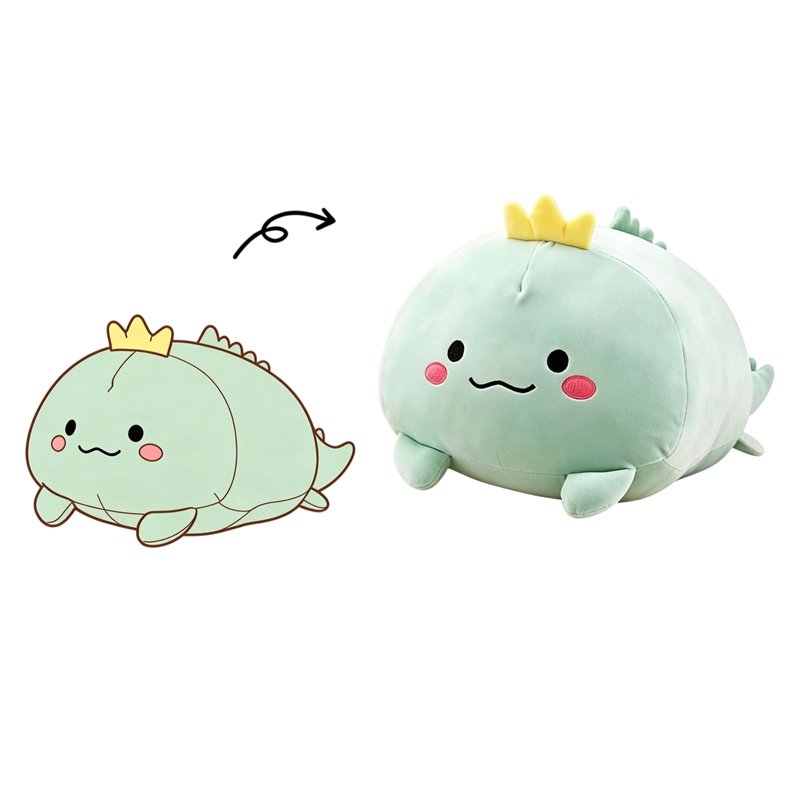
Plush Toy Embroidery & Printing for Precise Character Details

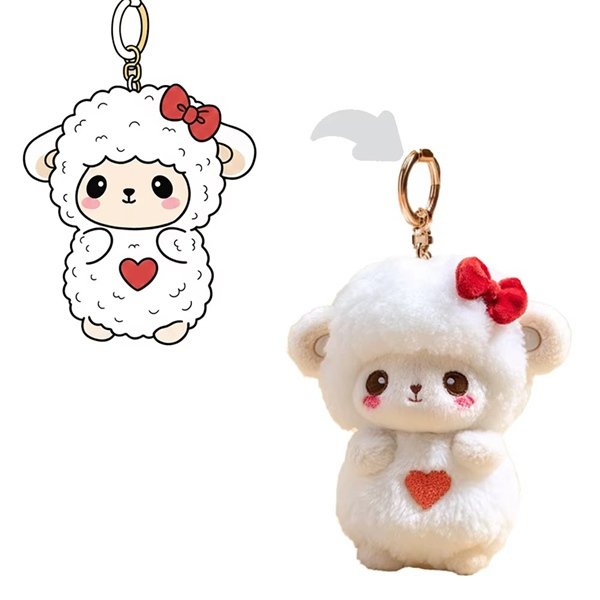
Turn facial features, logos and graphic artwork into clear, repeatable plush details. Ewin Toys helps brands select suitable decoration methods based on fabric type, pile height, artwork complexity and desired finish, reducing distortion and placement variation in bulk production.

35+ Embroidery & Printing Team | Embroidered Eyes & Facial Details | Logo & Graphic Decoration | Thread & Color Matching | Artwork Position Control | Bulk Production Consistency
Why Decoration Changes the Finished Character

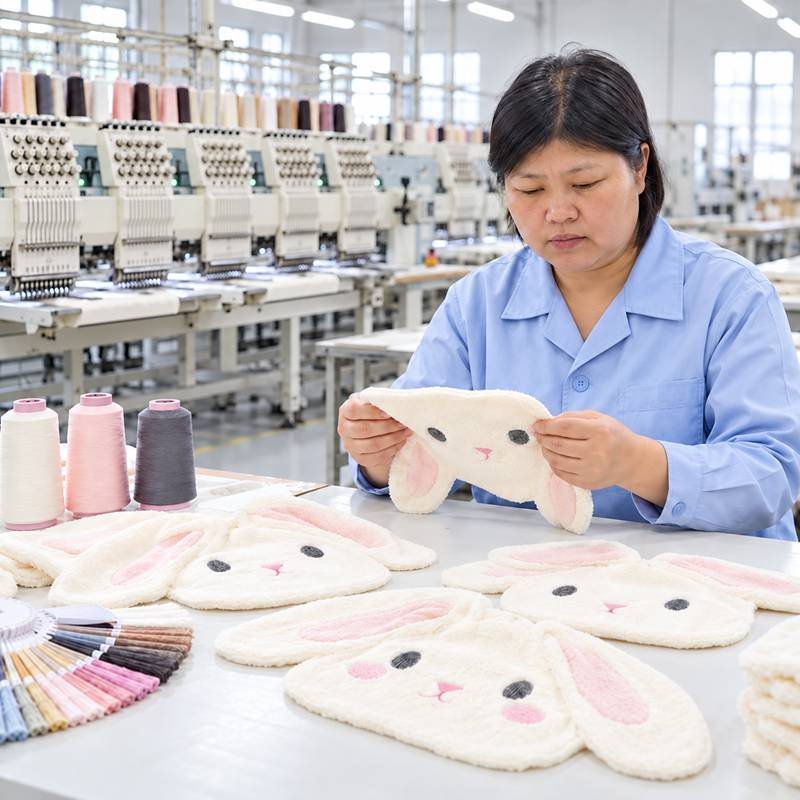
Small changes in eye position, line width, color, or graphic scale can alter character identity and brand recognition after sewing and stuffing.

Facial Expression

Eyes, brows, mouths, blush, and facial markings carry a large share of character recognition. Position must be evaluated on the real panel and final three-dimensional form, not only on flat artwork or a digital mockup.

Character Fidelity

Decoration has to survive pile height, fabric stretch, seam allowance, stuffing expansion, and curved surfaces. A visually accurate file can still look wrong if the chosen process cannot hold the intended edge, line, or proportion.

Brand Recognition

Logos, type, icons, badges, and garment graphics need controlled color, final size, placement, and durability. A decoration route should preserve brand appearance without creating unnecessary hardness, cracking, edge lift, or visual distortion.

Bulk Consistency

Approved decoration needs more than a reference image. Program versions, print files, thread or ink standards, material identity, placement marks, first-piece approval, and retained references keep repeated production aligned with the approved result.

From Artwork File to Production-Ready Decoration

A usable decoration standard connects the approved artwork with material, process, position, color, production file, and physical approval evidence.

Convert Artwork Into Controlled Production Data

Artwork should enter production as more than a JPG, PDF, or visual reference. Ewin Toys converts the approved visual detail into a defined decoration record that production and inspection teams can use consistently.

Key references can include Artwork ID, approved version, final dimensions in millimeters, placement from centerlines or pattern marks, thread or print color reference, base material, backing or stabilizer, selected process, and approval evidence. Facial embroidery may also need left-right spacing and distance from seam lines. Garment graphics may need scaling, print orientation, and panel identification.

A controlled file structure becomes especially important after several revision rounds. V1, V2, and Approved must remain distinguishable so an earlier eye shape, logo size, or garment graphic does not return during bulk production.

Artwork control turns visual approval into a manufacturing instruction instead of a memory-based reference.

Select Process Around Material and Visual Result

The same graphic can produce very different results through embroidery, screen printing, digital printing, heat transfer, sublimation, or appliqué. Process selection starts with the finished appearance and the real substrate.

Short-pile fabrics generally support finer embroidery and clearer print edges. Long-pile surfaces can hide thread, blur printed lines, or change visual scale. Stretch fabrics may pucker under dense embroidery. Heat-sensitive synthetic surfaces can change gloss under transfer pressure. Dark base colors can restrict some printing routes.

The selected method should also match quantity, number of colors, handfeel target, durability requirement, and later sewing route. A facial feature close to a curved seam needs different planning from a flat garment graphic. A large solid logo may suit screen printing, while a complex gradient may fit digital or sublimation on a compatible material.

The objective is not to force one decoration technology onto every design.

Approve the Real Material and Real Position

Decoration approval should happen on the material and construction route intended for production whenever appearance can change. A good file on the wrong fabric proves little.

During sampling, Ewin reviews final size, color, edge definition, thread or ink behavior, backing, fabric distortion, placement, pile interference, and the relationship between decoration and nearby seam lines. For character faces, the panel should be evaluated against the full head after sewing and stuffing because three-dimensional volume can alter the apparent position.

For printing, the production substrate matters because base color, surface texture, stretch, and finishing can shift the result. For embroidery, stabilizer, hooping, density, thread tension, and pile control can change both appearance and handfeel.

Approved physical samples and decoration records then become the reference for bulk release.

Embroidery Routes for Character and Brand Detail
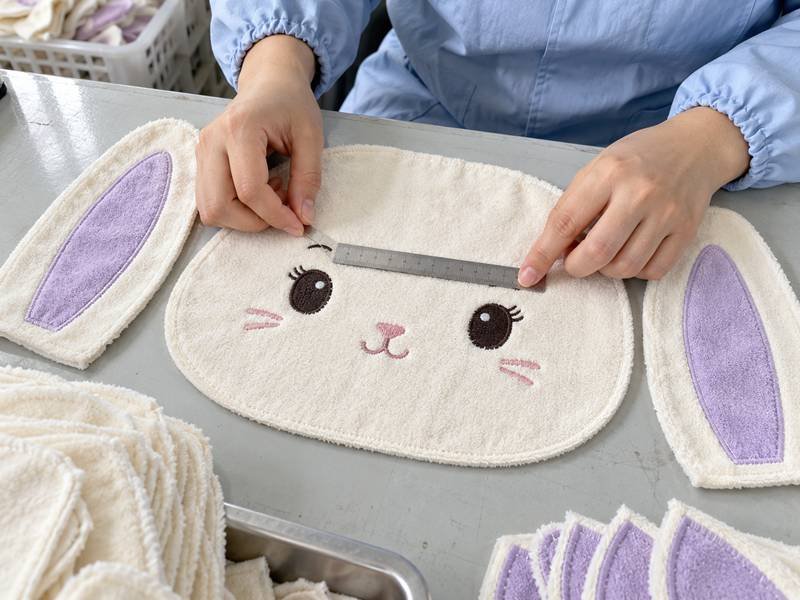
Embroidery is selected around feature size, pile, stretch, handfeel, and required visual precision rather than treated as one standard stitch program.

Facial Embroidery

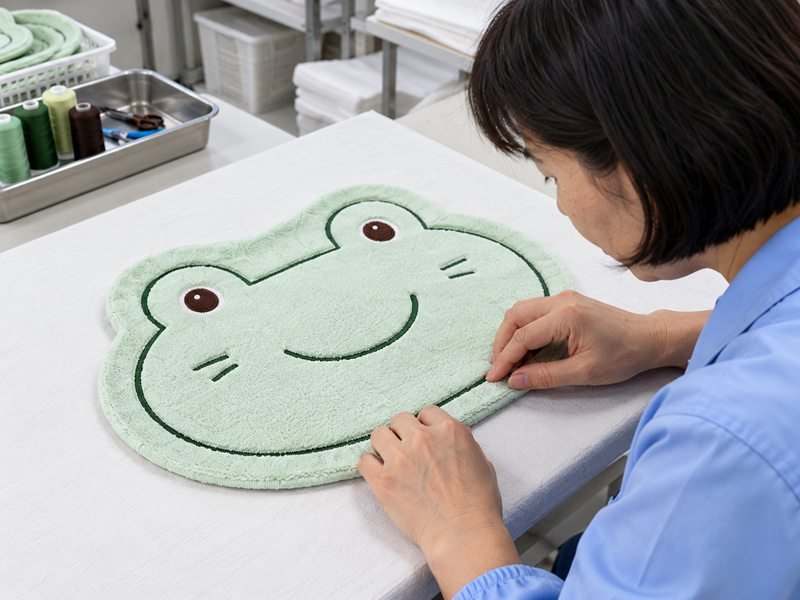
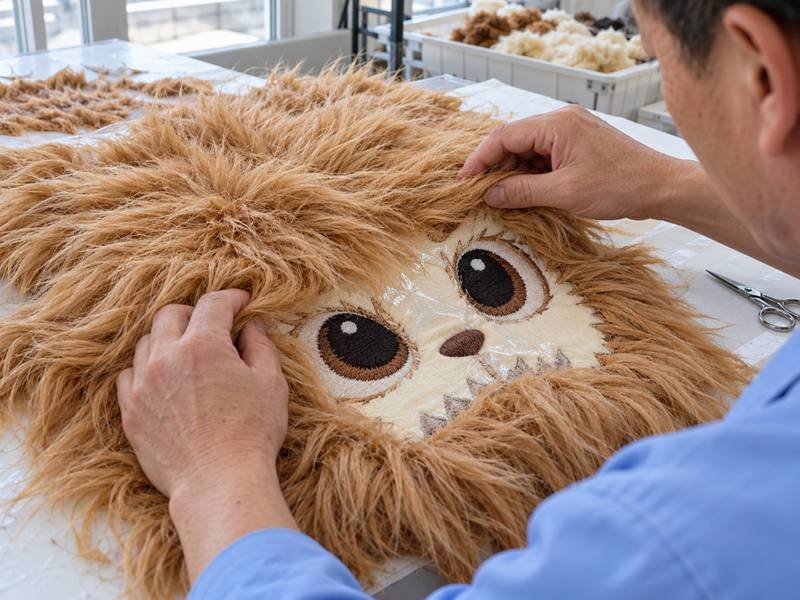
Eyes, mouths, brows, lashes, and small facial lines need controlled geometry and placement. Pattern marks, first-piece comparison, thread color, density, and left-right symmetry help protect expression when repeated across a production run.

Outline Embroidery

Character outlines, scars, whiskers, symbols, and contour lines can add identity without a large solid stitch area. Line thickness, curve smoothness, stitch direction, and pile behavior determine whether the detail remains visible and clean.
Ewin toys 1-2 Logo Embroidery qc

Logo Embroidery

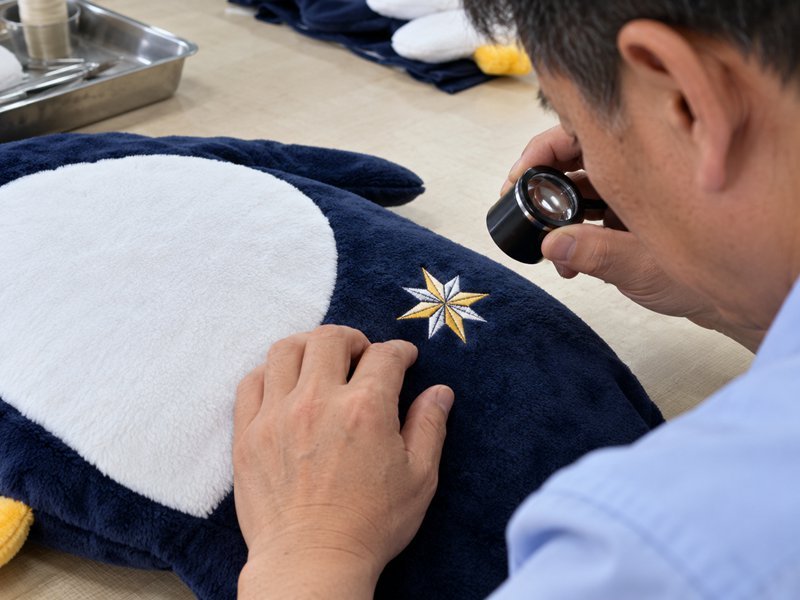
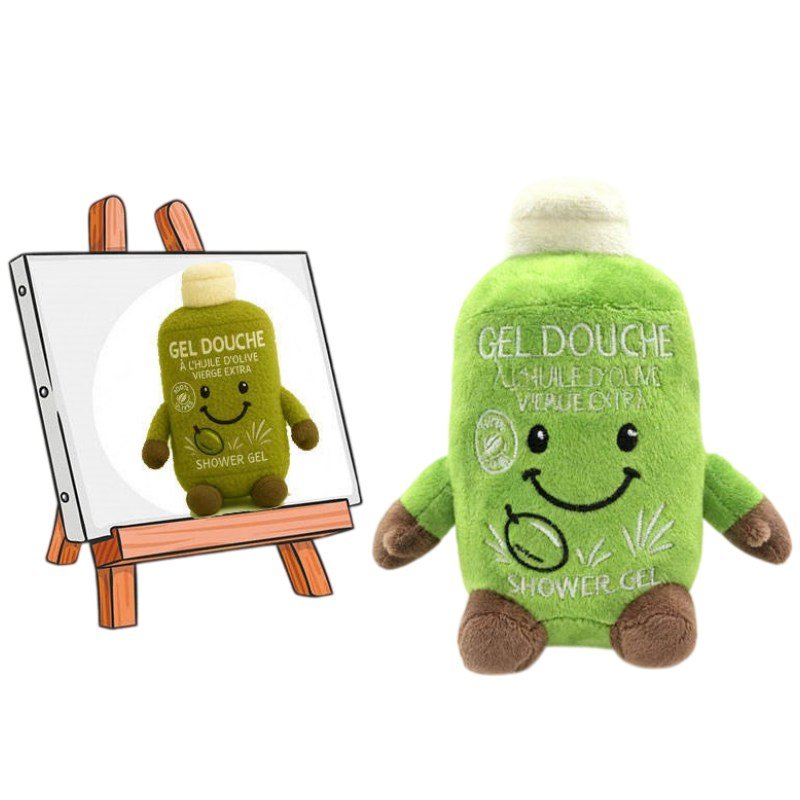
Logos and lettering need enough stitch width to remain readable without becoming unnecessarily hard. Final size, thread code, base fabric, small text limits, edge clarity, and nearby seams should be checked before the program is released.

Small-Part Embroidery

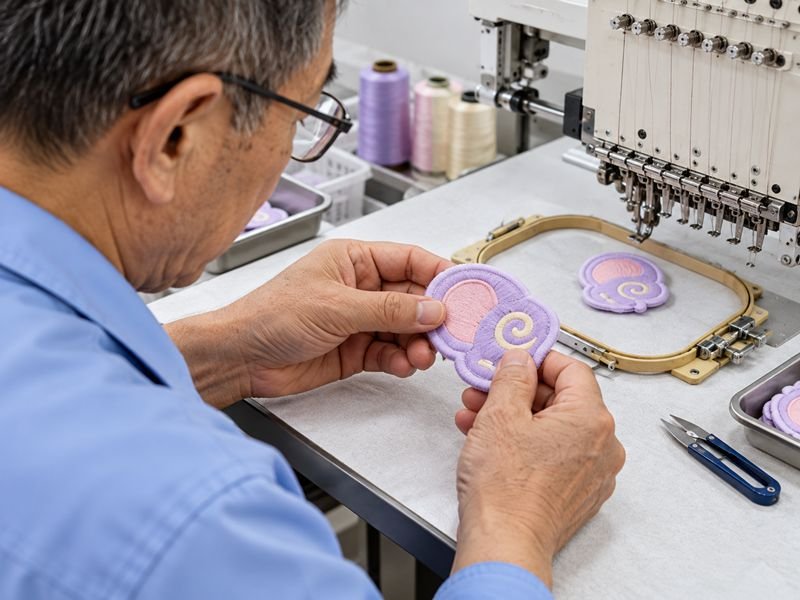
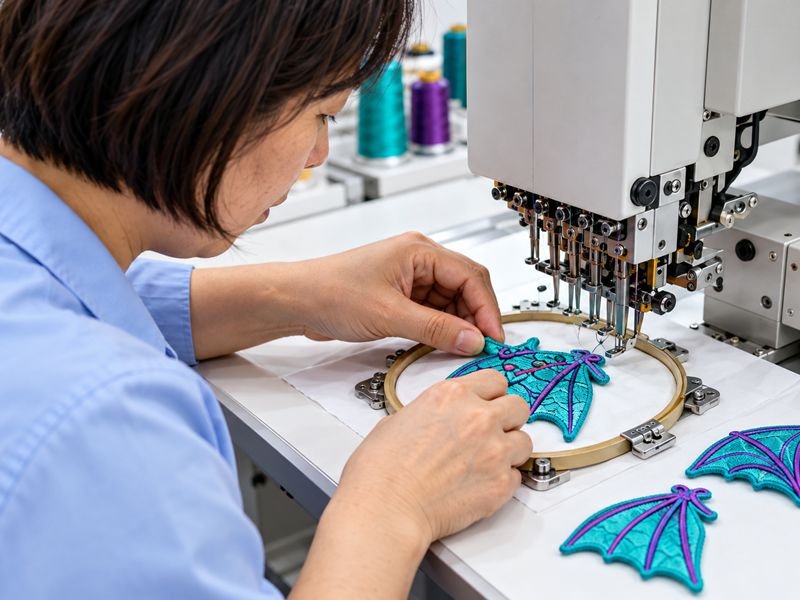
Mini plush, keychains, ears, feet, clothing pieces, and small patches leave little room for hooping and error. Small-part machines or specialist fixtures can support work where a full-size embroidery route is impractical.

Multi-Color Embroidery

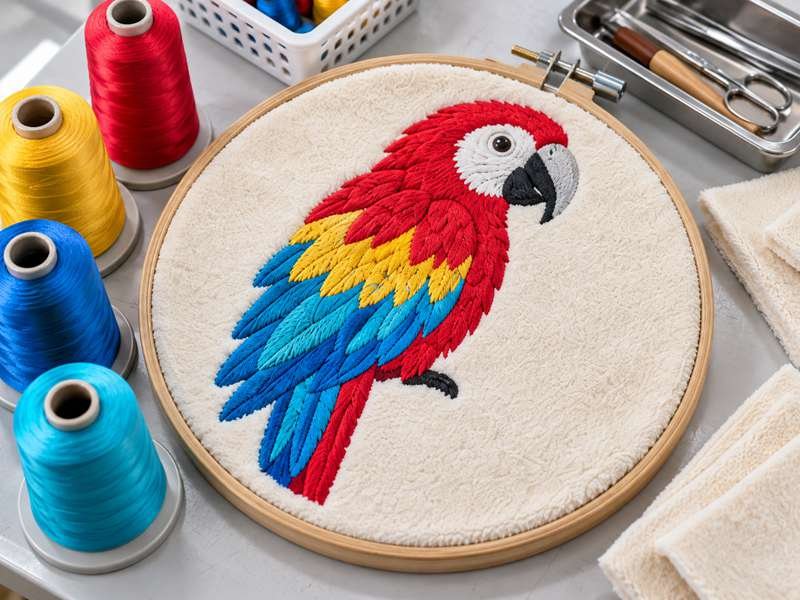
Complex motifs may use several thread colors and repeated color changes. Program order, thread coding, tension, trim points, registration, and retained samples help prevent color swaps or small position drift across multiple heads or batches.

High-Pile Embroidery

Long pile can bury stitches and soften edges. Water-soluble topping, pile compression, trimming, appliqué bases, larger feature scale, or a separate short-pile panel may be needed to keep important facial or brand details visible.

Printing Methods Matched to Plush Construction
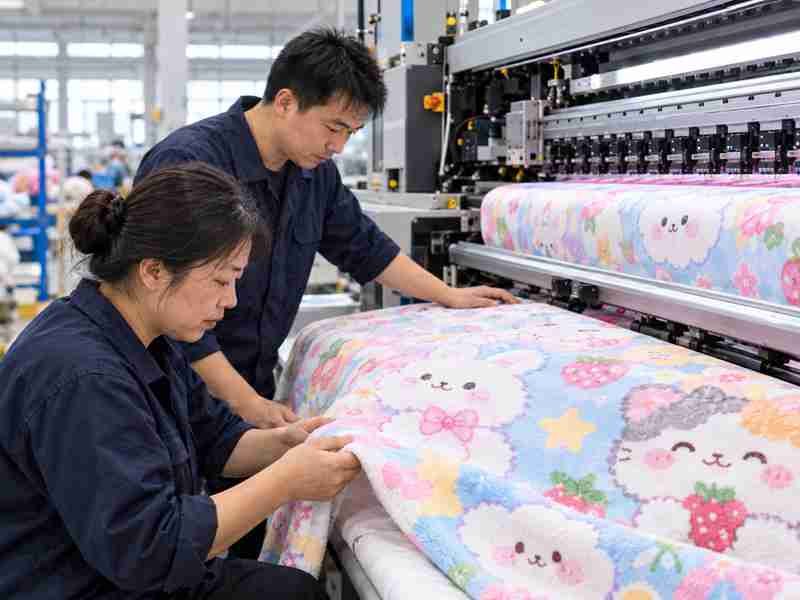
Printing method depends on substrate, graphic complexity, quantity, color system, handfeel, durability, and how the printed panel enters later cutting and sewing.
Ewintoys 08-03 Digital Printing Logo And Decoration 2

Digital Printing

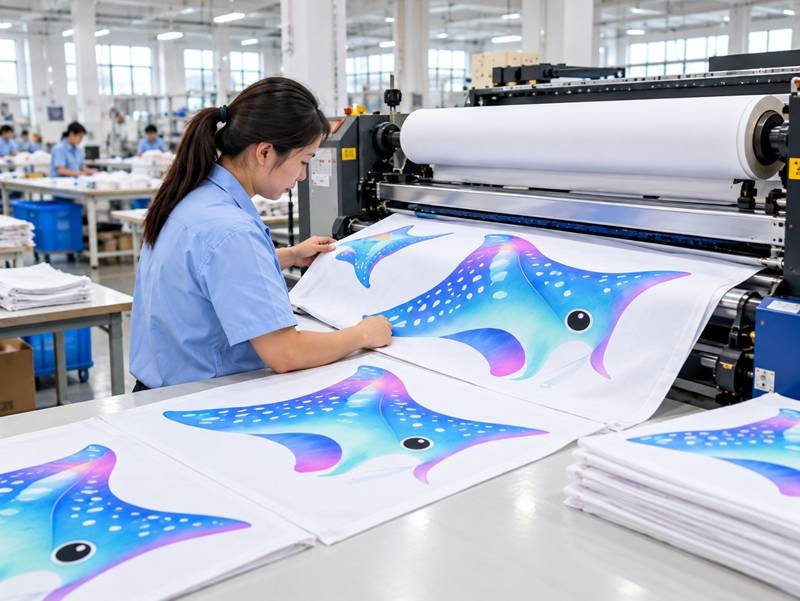
Digital printing supports gradients, complex multi-color graphics, textures, and flexible artwork variation. Production should use the intended base material and controlled color settings because substrate color, surface, and equipment can change the printed result.
Ewin toys Screen Printing 0203

Screen Printing

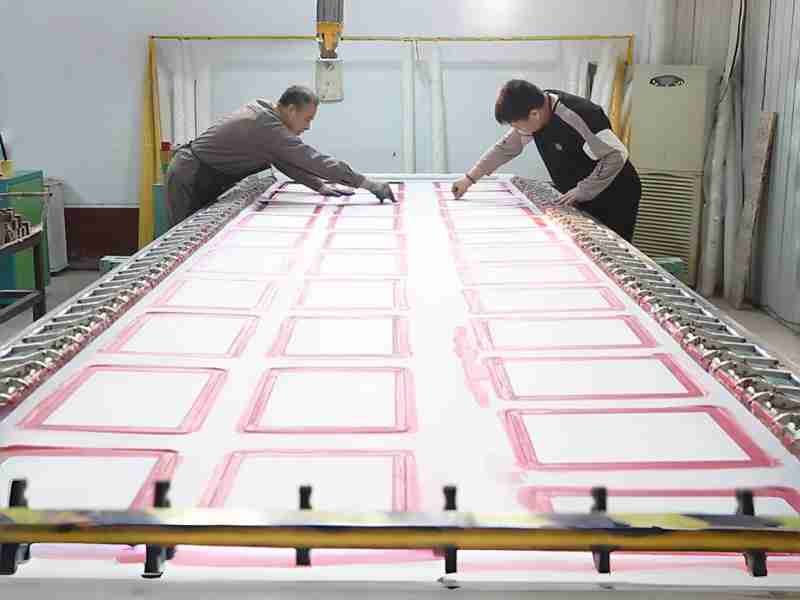
Screen printing suits solid colors, logos, garment graphics, and repeat production on compatible smooth surfaces. Color saturation and unit efficiency can be strong, while multi-color registration, ink thickness, curing, and surface handfeel need controlled setup.
06-4 Ewin toys Heat Transfer

Heat Transfer

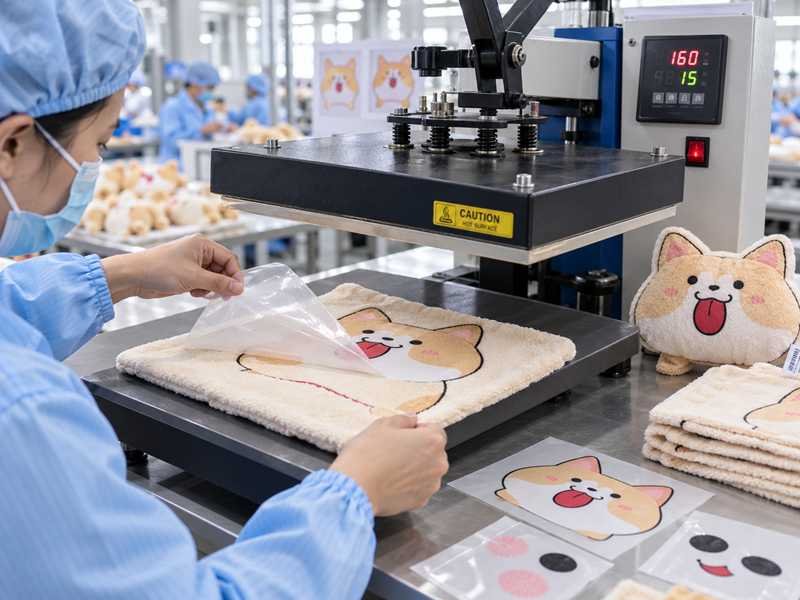
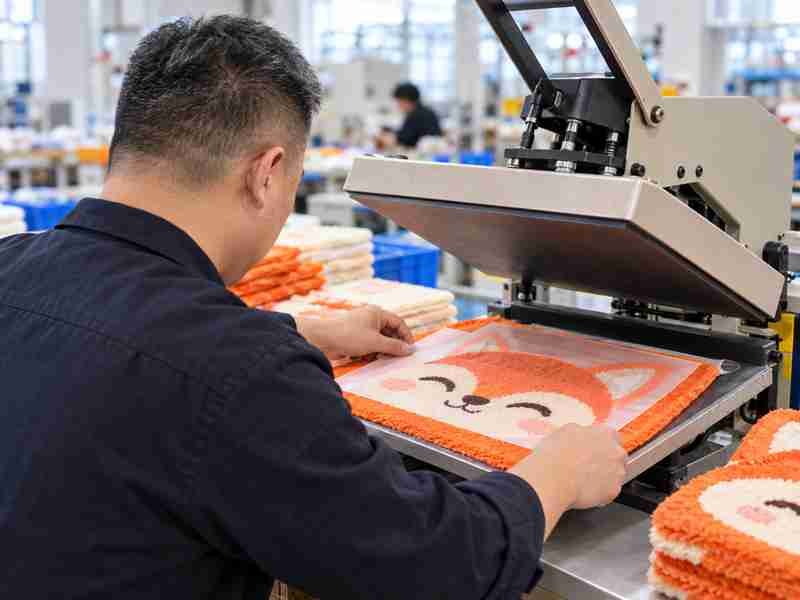
Heat transfer works well for clear logos, lettering, and garment graphics on compatible flat materials. Temperature, time, pressure, film handfeel, gloss change, folding behavior, and heat sensitivity should be reviewed before release.

Sublimation Printing

Sublimation works best on white or light polyester-rich materials and can produce detailed full-color graphics with little added surface thickness. Base color, pile height, shrinkage, print direction, and later cutting registration still require control.
Ewintoys 08-04 Heat Transfer DTF Logo And Decoration.

DTF Transfer

DTF can support detailed multi-color graphics on selected clothing and accessory fabrics. The transfer layer must suit the required flexibility and touch, especially where the panel will bend, fold, stretch, or sit against a soft plush surface.

Combined Printing

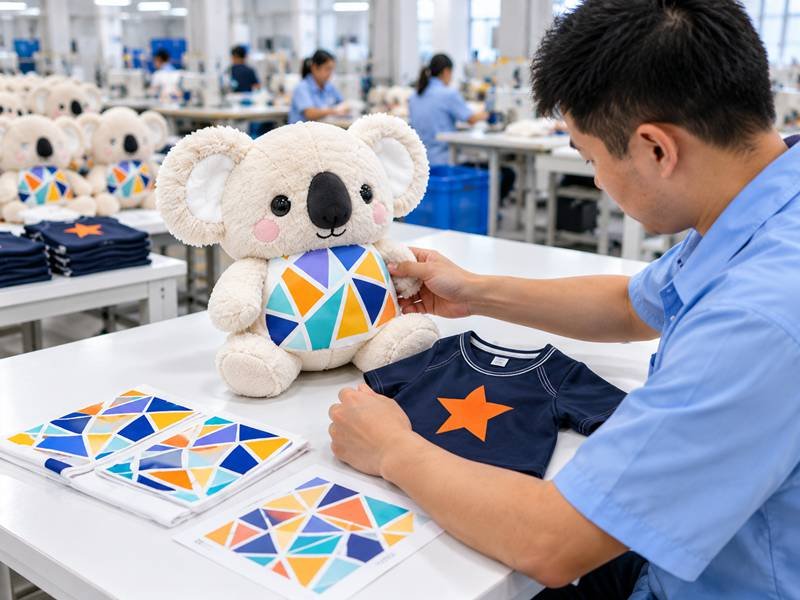
Complex merchandise may use screen print for solid brand colors, digital or sublimation for detailed imagery, and transfer for selected garments. Dividing graphics by substrate and function often gives a cleaner result than forcing one process everywhere.

Compare Decoration Methods Before Final Approval

Choose the route by appearance, material compatibility, handfeel, durability, production volume, and the risk created by the finished product structure.

MethodBest UseMaterial FitMain AdvantageMain RiskKey Approval Point
EmbroideryEyes, mouths, logos, line artShort pile, Velboa, Minky, Felt, CanvasDurable, dimensional, premiumPuckering, hardness, buried stitchesDensity, position, thread color, backing
Screen PrintingSolid graphics, logos, garmentsSmooth short pile, Cotton, Canvas, Fleece, selected PUStrong spot color, efficient at scaleRegistration, thick ink, poor edge on high pileInk system, cure, color, handfeel
Digital PrintingGradients, multi-color art, texturesCompatible short pile, Polyester, Tricot, FleeceComplex artwork, flexible variationColor shift, substrate dependenceProduction substrate, color standard, scale
Heat Transfer / DTFLogos, text, clothing graphicsJersey, Cotton, Fleece, smooth syntheticsClear detail, flexible artwork setupFilm feel, cracking, heat effectTemperature, pressure, flex, surface change
SublimationFull color and all-over graphicsWhite or light polyester-rich fabricLight handfeel, detailed colorDark base limits, long-pile distortionColor, shrinkage, print-to-cut alignment
AppliquéLarge shapes, eye whites, material contrastBroad soft-goods rangeLayered texture, works around pileEdge lift, bulk, curved-surface wrinklingMaterial, edge treatment, placement
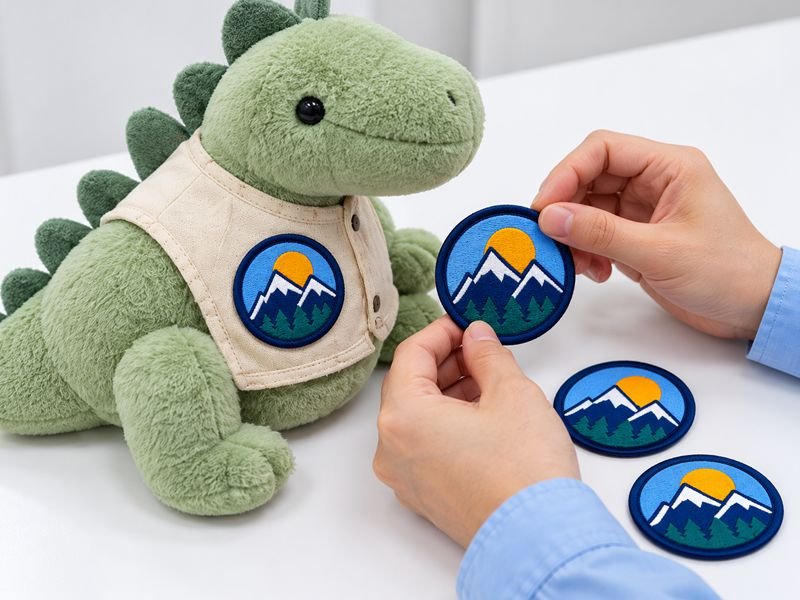
PatchBadges, identity marks, collectible labelsGarments, Felt, Canvas, short-pile areasIndependent versioning, strong identityHard edge, lift, attachment riskFixing method, edge finish, position

Materials Change Embroidery and Printing Results
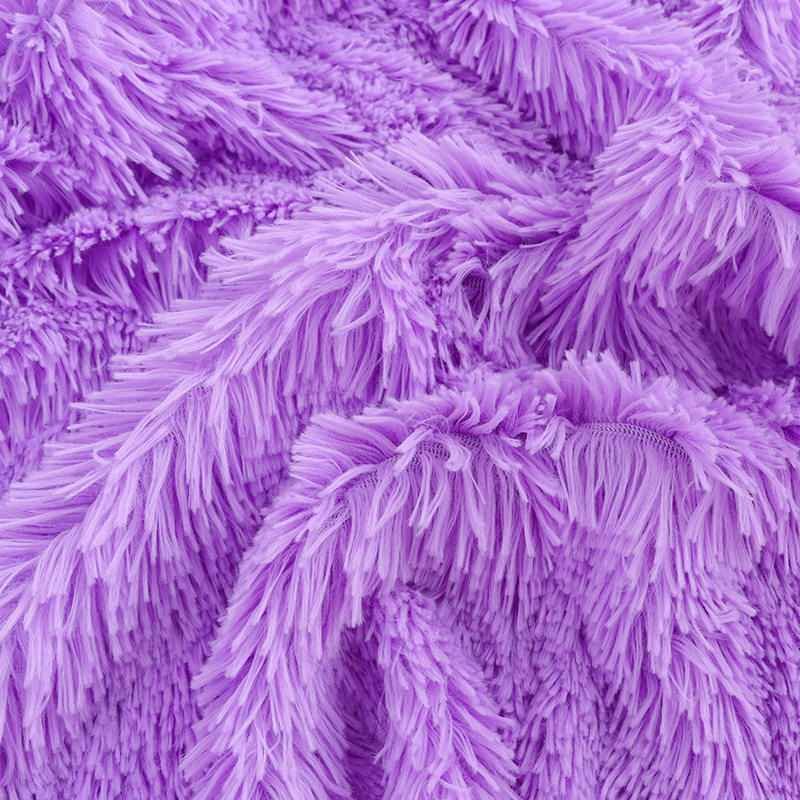
Decoration should be tested on the intended substrate because pile, stretch, backing, heat sensitivity, texture, and base color all influence the finished appearance.
Ewin toys Minky material (3)

Minky

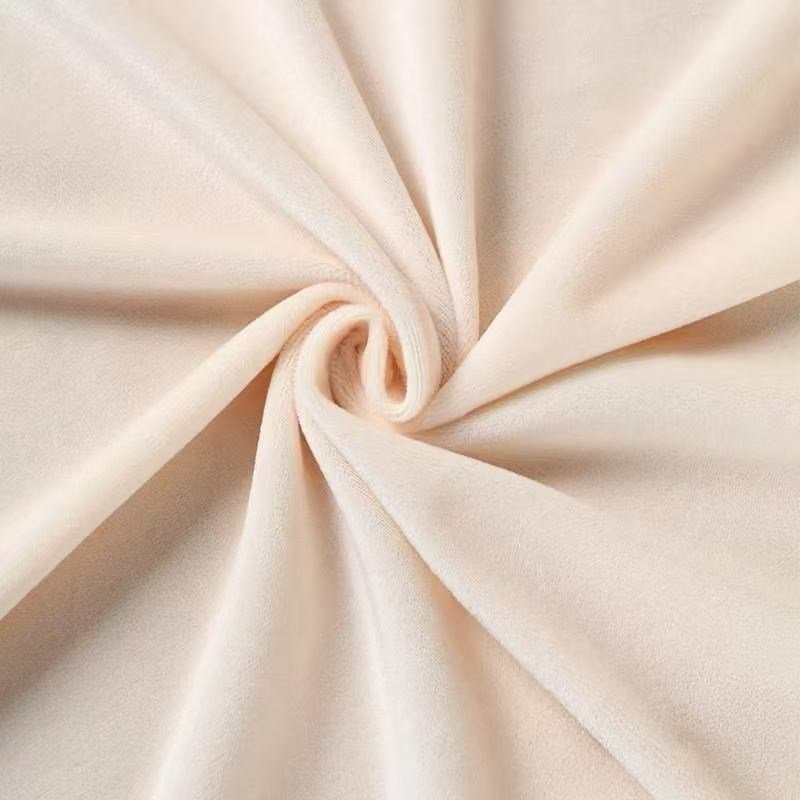
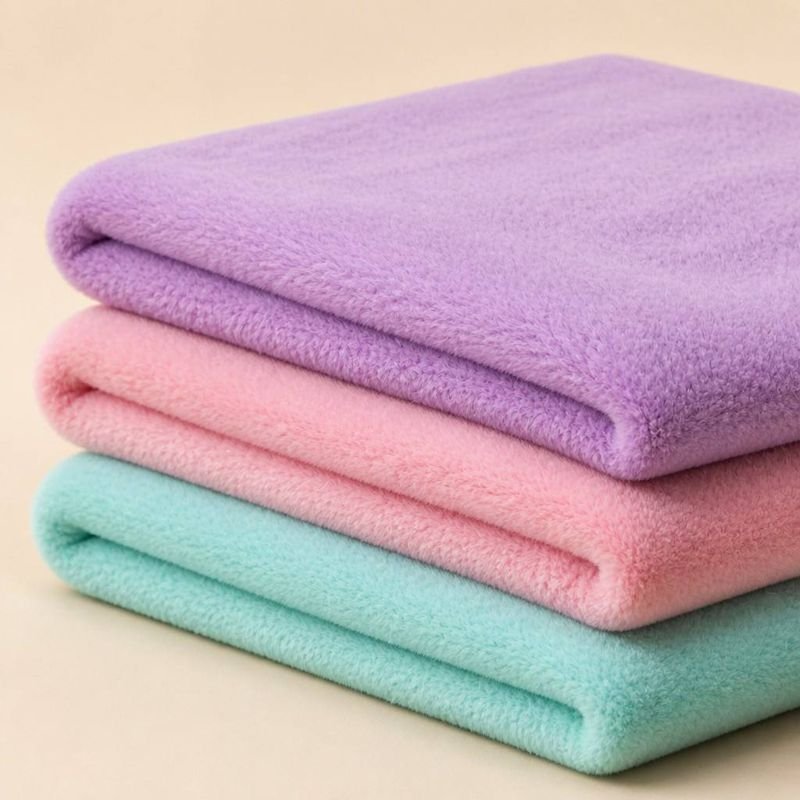
Short-pile Minky can support detailed embroidery and several print routes. Stretch and softness require controlled backing, density, and hoop tension so faces stay smooth instead of becoming puckered or visibly compressed around dense stitched areas.
Ewin toys Super Soft Plush material (3)

Super Soft Plush

Fine short-pile super-soft fabrics can show character details clearly and are often suitable for face-focused embroidery. Dense stitching can create visible compression or a hard patch, so program density should match the fabric weight and stretch.
Printed Velboa Fabric Material 13

Velboa

Velboa gives a relatively smooth short surface for facial embroidery, logos, screen print, digital print, and transfer. Thin constructions may show backing or seam effects more easily, so decoration and later sewing need to be reviewed together.
Ewin toys Faux Fur material (2)

Faux Fur

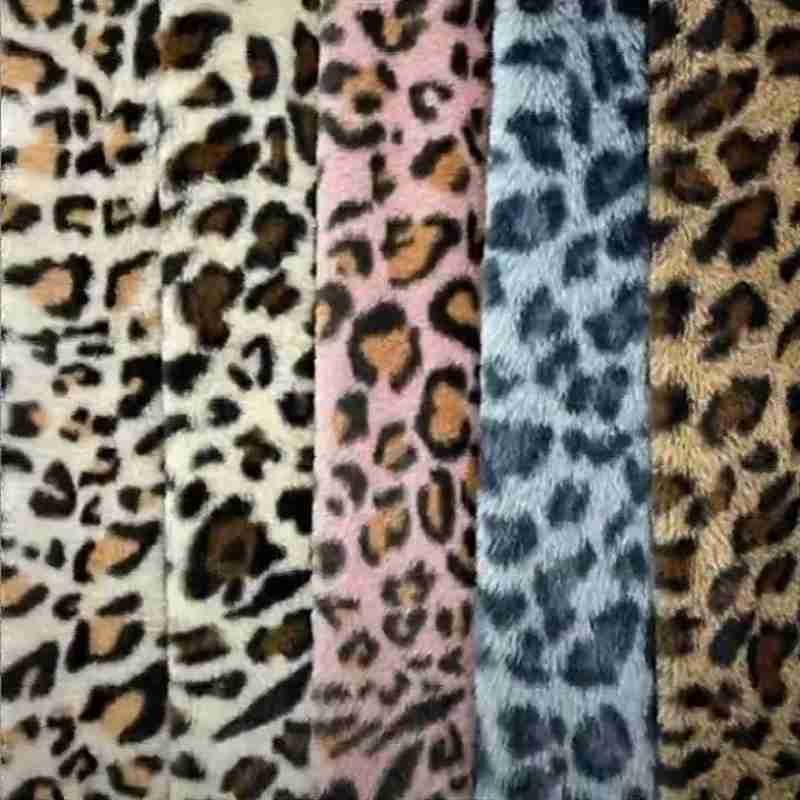
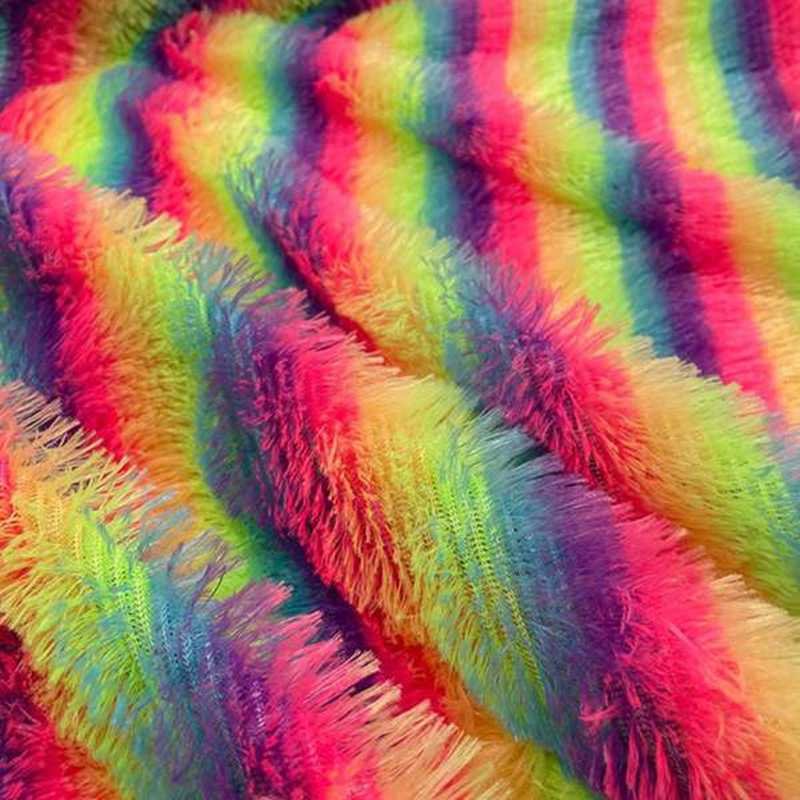
Longer pile can bury stitches and blur printed edges. Important graphics may require larger scale, trimming, pile compression, appliqué, or a separate low-pile panel rather than direct decoration over a deep moving surface.
Ewin toys Structural Materials Felt material

Felt

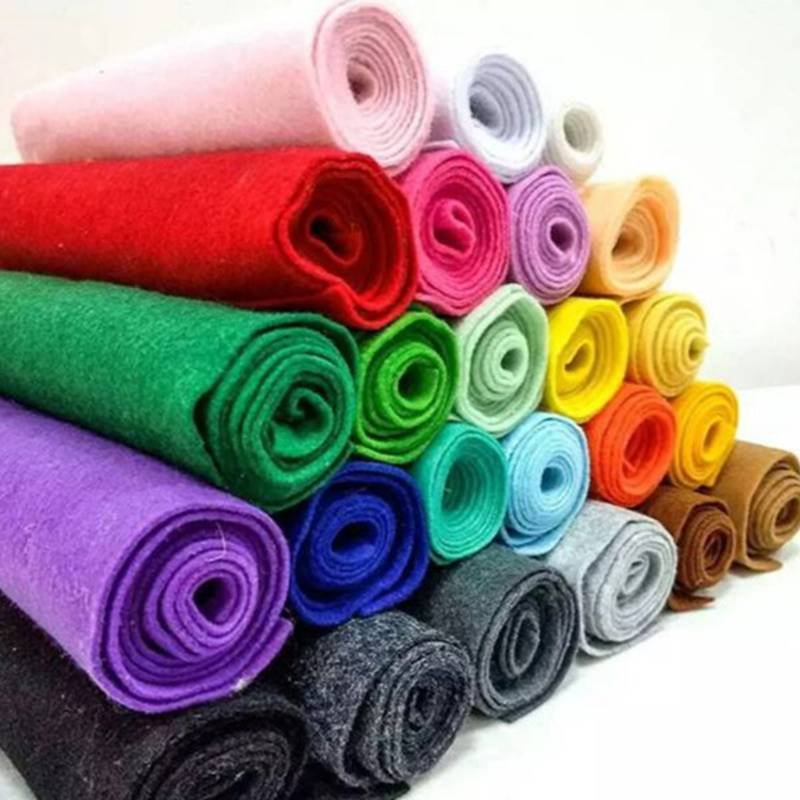
Felt supports embroidery, appliqué, patches, laser-cut details, and small decorative components. Clean edges and limited stretch make it useful for graphic shapes, but thickness buildup and exposed edges should be evaluated on the final product.
Ewin toys Fleece material (3)

Fleece

Fleece works well for clothing, accessories, patches, print, and embroidery. Surface nap and stretch still influence line clarity and hooping, while dense graphics should be checked for stiffness where the finished item needs to remain soft.
PU Surface​ fabric material 15

PU and Synthetic Panels

Selected PU or coated synthetic panels can carry printed or transferred branding, but coating chemistry and heat response vary. Surface gloss, adhesion, cracking, temperature sensitivity, and later flexing should be checked before production approval.
Jersey Knit​ fabric material 02

Jersey and Cotton

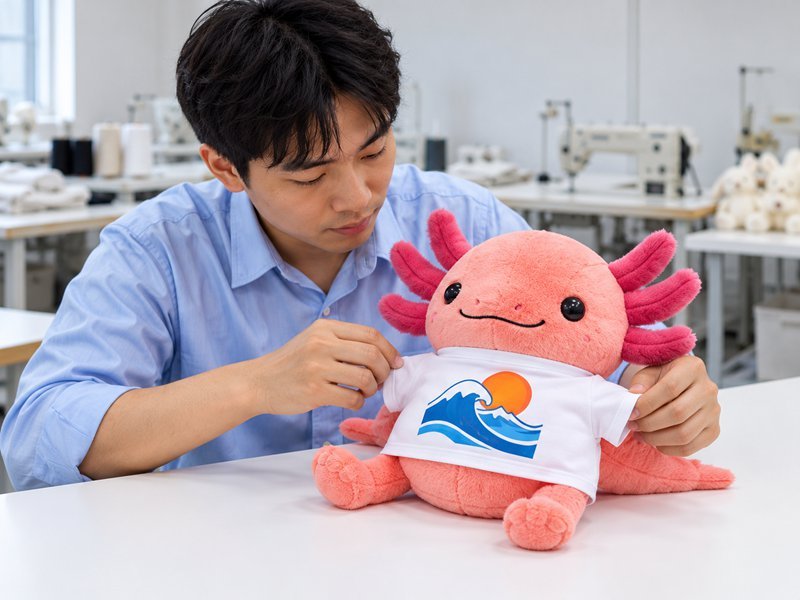
Clothing fabrics provide a flatter base for screen printing, digital routes, DTF, heat transfer, and embroidery. Stretch jersey needs particular attention to stabilizer, tension, and distortion because a graphic can change shape after the garment is worn on the plush.

Product Types Need Different Decoration Priorities
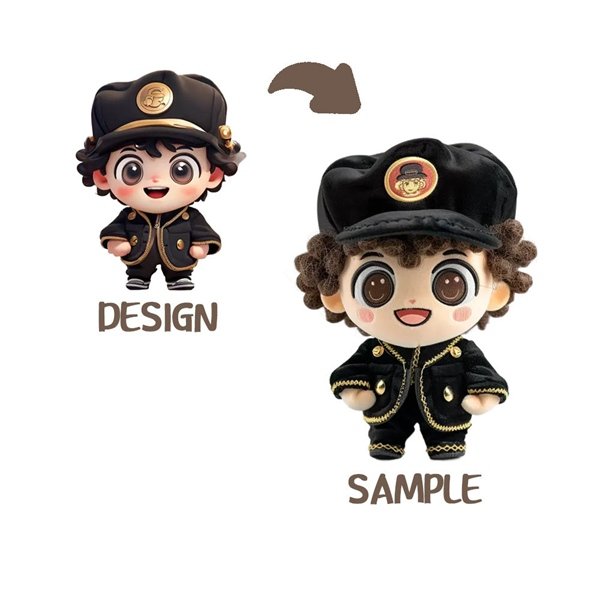
Character scale, use, SKU count, fabric, and selling format change which embroidery or printing controls deserve the highest attention.
Ewin toys Character IP Plush

Character IP Plush

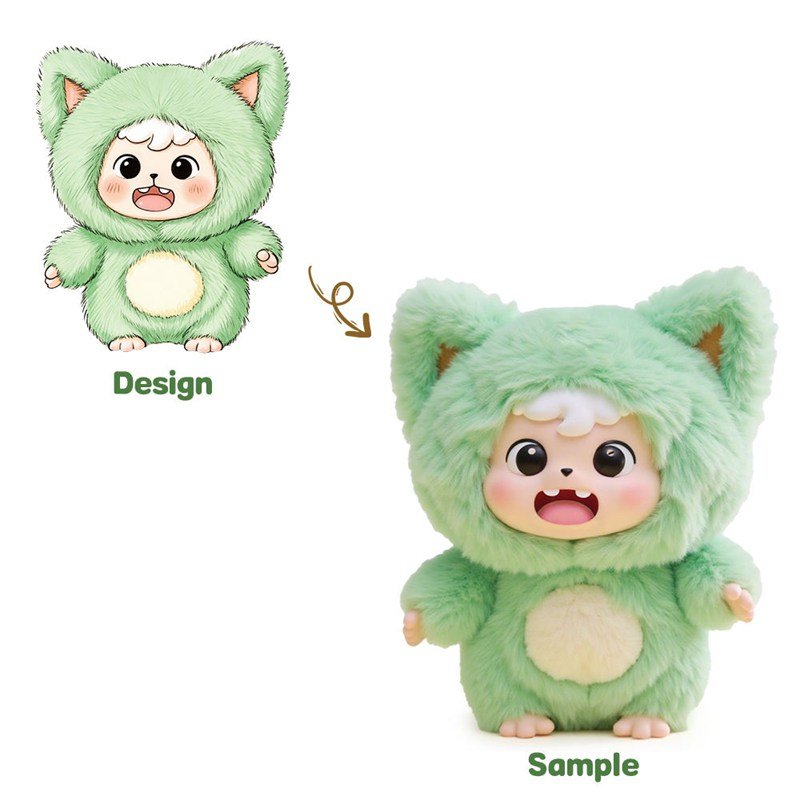
Facial position, eye spacing, mouth shape, signature marks, and approved colors usually carry the highest visual sensitivity. Decoration should be linked to pattern references so facial features remain aligned after sewing and stuffing.

Mascot Plush

Mascots often combine face embroidery with chest logos, uniforms, number graphics, or brand colors. Logo readability and garment decoration need to stay consistent without overwhelming the softer character features or creating hard areas.

Collectible Plush

Collectible designs may combine embroidery, appliqué, patches, specialty fabric, PVC, or silicone. Series consistency matters, so decoration versions, color standards, and visual detail should remain aligned across several characters in one collection.
Ewin toys Mini & Blind Box Plush​

Mini Blind Box

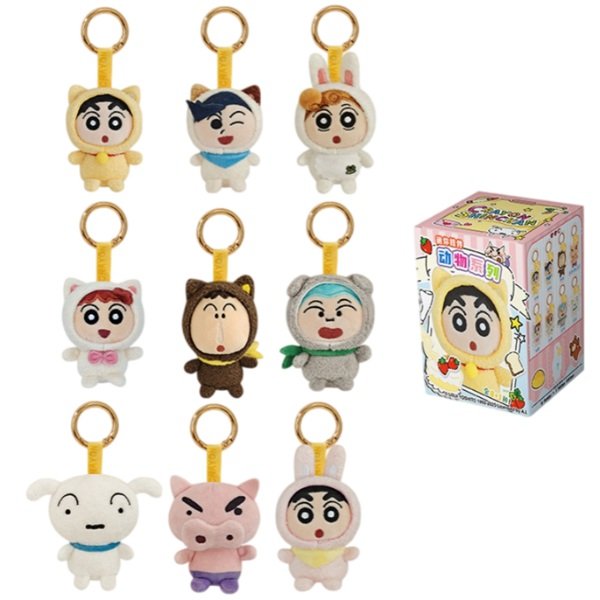
Mini plush commonly sits around 5-12 cm, leaving little space for small eyes, mouths, symbols, and garment details. Decoration often needs simplification so the important identity remains readable without dense stitching or oversized print.
Ewin toys Plush Keychains

Keychains and Charms

Small hanging products need compact facial and brand decoration that survives handling. Edge clarity, attachment proximity, hardware contact, small-panel positioning, and abrasion around bags or keys can influence the chosen process.

Corporate Promotional Plush

Corporate merchandise may prioritize logo clarity, campaign color, short text, uniforms, event graphics, and repeated brand consistency. Process choice should balance appearance, quantity, handfeel, cost, and the intended distribution environment.
Ewin toys Anime Gaming Plush (5)

Anime Gaming Plush

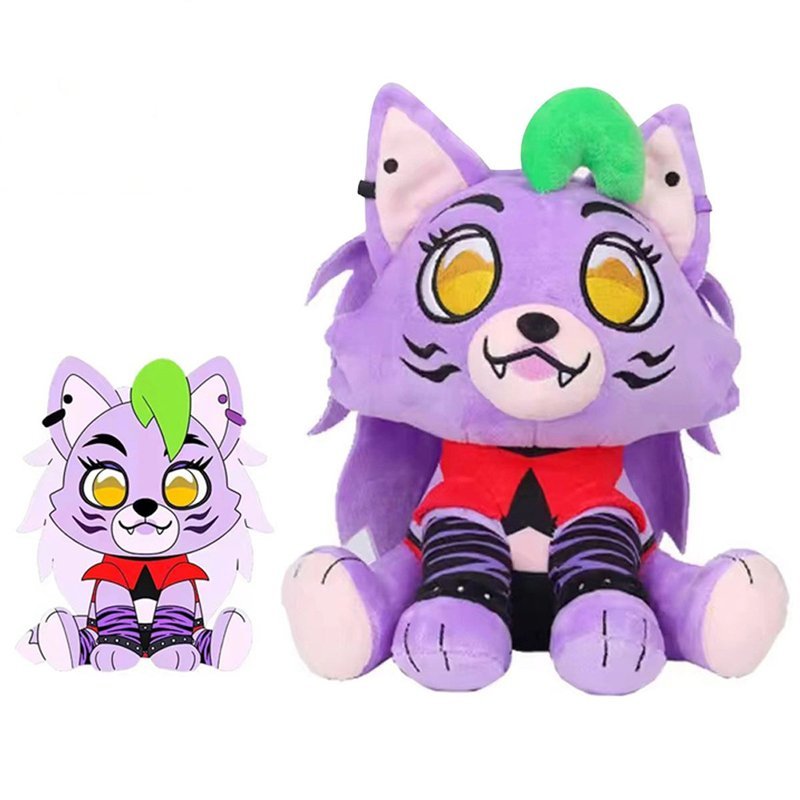
Anime and gaming characters often rely on precise eyes, brows, mouth lines, hair markings, uniforms, and complex color blocking. Mixed decoration can allocate each visual detail to the method that best preserves character identity.
Ewin toys Lifestyle Plush

Lifestyle Plush Merchandise

Plush pillows, pouches, bags, hats, and apparel can provide larger graphic areas than character bodies. Decoration should still respect fabric stretch, load-bearing seams, zippers, wear zones, wash expectations, and folding during packing.

Engineer Character Faces Around Three-Dimensional Form

Face decoration should be approved together with pattern shape, seam lines, pile, stuffing, and final expression instead of being treated as flat artwork.

Position Eyes Against the Finished Head Geometry

Eye position is usually one of the most sensitive character controls. A placement that looks correct on a flat panel can appear too high, too close, or uneven after the head is sewn and stuffed.

Ewin uses pattern centerlines, notches, position references, and approved physical samples to connect embroidery coordinates with the actual head geometry. Left-right spacing and distance from nearby seams should be checked on the sewn form rather than judged only from the embroidery frame.

The relationship with pile also matters. Short pile keeps eye edges visible, while long pile can reduce perceived eye size or cover fine lashes. In those cases, larger scale, pile compression, trimming, appliqué bases, or a low-pile facial panel may produce a cleaner result.

Approval should focus on the expression seen on the finished plush, not the technical success of the embroidery alone.

Choose Mouth, Brow, and Line Detail by Scale

Mouths, brows, whiskers, scars, nose lines, and small character marks need enough stitch or print width to remain clear after production. Very fine artwork often needs engineering adjustment rather than literal reproduction at any size.

For small plush, embroidery can preserve narrow linear details more reliably than a complex print on a moving pile surface. Larger color blocks may suit appliqué or printing. Long pile can hide thin lines, so the face may need a shortened-pile zone or separate panel.

Line direction and density also affect fabric behavior. Dense curves can draw soft fabric inward and create puckering around the feature. Backing and stitch strategy should hold the shape without producing an unnecessary hard spot.

Final decisions should be made against the character reference, actual product size, fabric, and approved sample so visual simplification protects identity instead of losing it.

Separate Gradient and Texture From High-Pile Areas

Blush, shadows, gradients, freckles, printed skin effects, or complex facial textures need a compatible surface. Smooth short-pile polyester can support selected digital or sublimation routes, while deep pile can break the graphic into moving fibers and destroy the intended edge.

Where a gradient is important, Ewin can review whether the visual should sit on a printed low-pile panel, garment, appliqué, or another controlled surface. A design should not depend on a high-resolution print method if the base material cannot display the detail once brushed or handled.

Testing also needs the production substrate and final color, because a tinted base can shift a printed face. Sample approval should compare the result under normal viewing distance and after sewing, stuffing, and shaping.

A cleaner process choice usually gives better character fidelity than forcing the original artwork onto an unsuitable surface.

Build Logos and Garment Graphics for Real Use
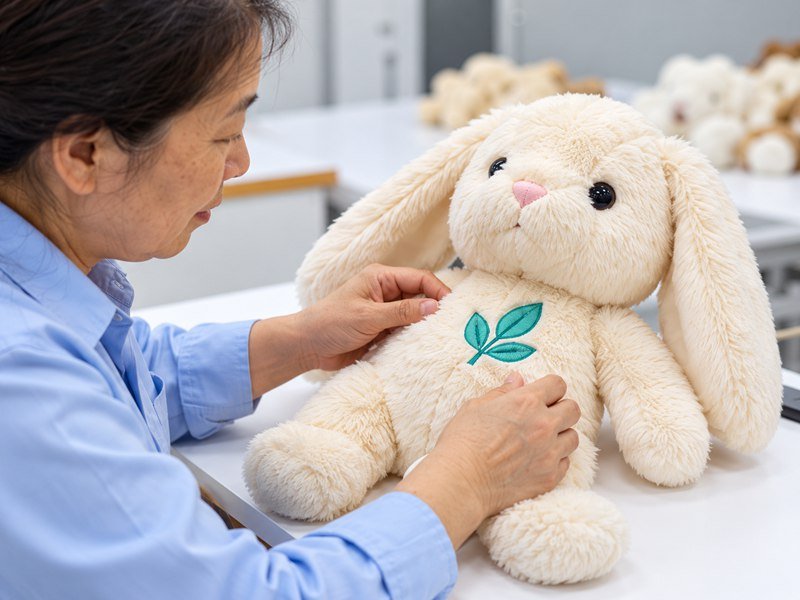
Brand decoration needs to remain clear after sewing, dressing, handling, packing, and repeated use without creating unnecessary stiffness or surface damage.

Chest and Body Logos

Chest marks may be embroidered, printed, appliquéd, or built into a separate panel. Process choice depends on size, pile, stretch, brand color, seam position, and how much surface hardness is acceptable on the finished plush.
Clothing And Badges

Patches and Badges

Pre-made patches can simplify repeated brand or collection marks and support cleaner version management. Edge finish, thickness, attachment method, placement, and stiffness should suit the garment or plush area receiving the patch.

Clothing Graphics

Garments provide flatter print surfaces but can stretch after dressing. Screen print, digital, transfer, DTF, or embroidery should be reviewed on the final garment pattern so artwork scale remains correct after sewing and fitting.

Copyright Marking

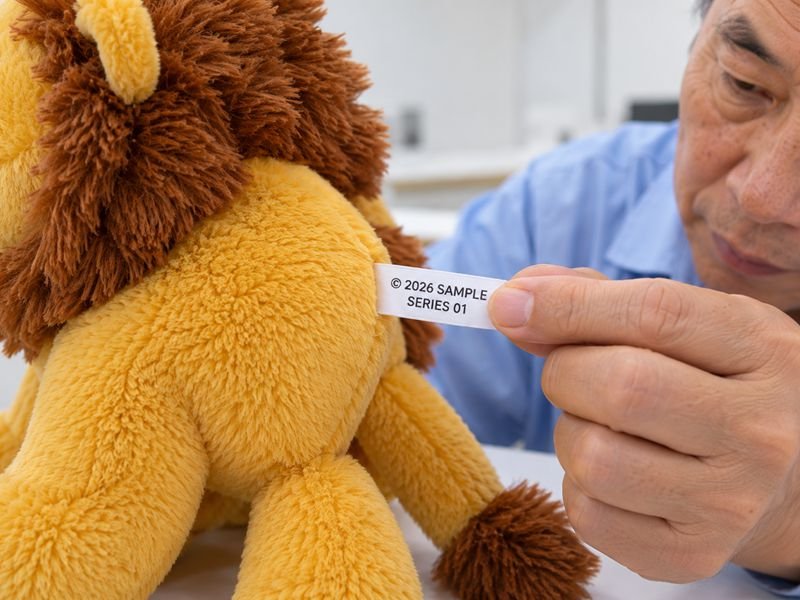
Copyright lines and series information may fit woven labels, hangtags, garment labels, or packaging better than direct body decoration. Placement should keep required identity information durable without adding avoidable hard points to the plush surface.

Applique Shapes

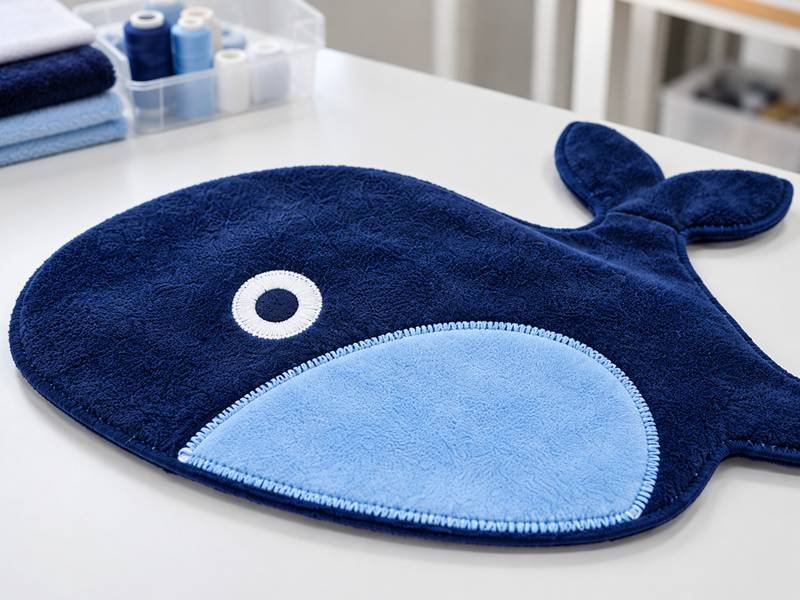
Applique can create eye whites, belly panels, symbols, stripes, or large color blocks without dense stitching across the whole area. Cut accuracy, edge treatment, alignment, seam distance, and curved-surface behavior need approval.

Multi-Surface Branding

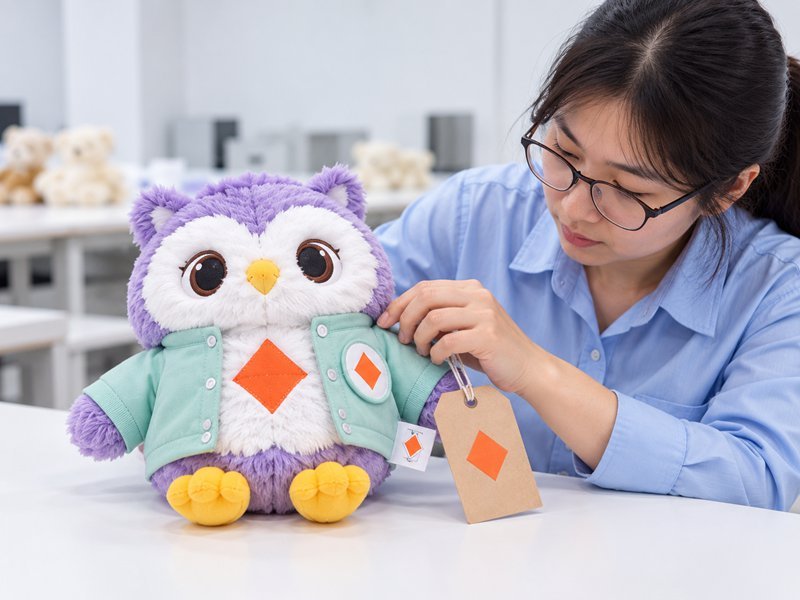
One product can use facial embroidery, printed clothing, a woven label, and a patch together. A decoration map helps keep each brand element tied to the correct material, production file, assembly stage, and inspection reference. 

Control Color, Size, Position, and Visual Alignment

Decoration consistency depends on measurable production references that connect the approved artwork to the correct material and panel every time.

Artwork Revision

Every embroidery program and print file should point to an approved artwork revision. Old eye shapes, logos, colors, or garment graphics should be removed from active production references when a new version is released.

Final Size

Artwork should be defined by actual finished dimensions, not canvas scale. Width, height, line thickness, and critical spacing need real production measurements, especially for mini plush, logos, and face details.

Placement Reference

Position can be measured from pattern centerlines, notches, seam lines, or defined landmarks. A repeatable coordinate is more reliable than instructions such as “slightly higher” or “move left a little.”

Thread and Ink Color

Thread codes, Pantone references, approved print standards, or physical color samples help keep color decisions visible to development and production. Mixed decoration may require physical comparison rather than assuming different processes match numerically.

Left-Right Symmetry

Paired eyes, brows, cheek marks, shoe graphics, sleeves, and other mirrored details should be checked against shared references. Small position differences can become obvious once a face or costume gains three-dimensional form.

Seam Clearance

Decoration close to a seam can distort after sewing or disappear inside seam allowance. Placement should account for curve, seam take-up, stretch, and later stuffing so the visible result remains where intended.

Keep Approved Decoration Stable Through Bulk Production

The approved sample becomes repeatable only when decoration files, colors, material, positioning, first-piece review, and in-process checks remain linked to one revision.

Lock the Approved Decoration References Before Release

Production release should confirm the final artwork, embroidery program or print file, base material, color reference, final size, placement, backing or stabilizer, and approved physical result all point to the same revision.

For embroidery, saving only an artwork image is not enough because stitch direction, density, underlay, trim points, thread sequence, and machine program affect the output. For printing, the production file, scale, substrate, color standard, cure route, and placement method need the same level of control.

Multi-SKU programs require particular discipline because several characters may share similar eyes, logos, clothing, or graphics. File names should not be the only identification method. SKU, Artwork ID, version, and decorated panel should remain visible through production staging.

A locked decoration package reduces the chance that an obsolete file enters bulk production after the sample team has already moved on to a later version.

Approve First Pieces on the Production Route

A first-piece review verifies that the production machine, material, setup, operator, positioning method, and released program are producing the intended result before volume output begins.

For embroidery, first-piece checks may cover final size, eye spacing, thread color, density, puckering, pile coverage, backing, and edge definition. For printing, checks may cover color, scale, registration, position, surface handfeel, curing, and material reaction.

The decorated panel should also be evaluated against later sewing requirements. A graphic that passes visually but sits too close to a seam may become distorted after assembly. Facial panels may need comparison after sewing and stuffing where placement sensitivity is high.

If the first piece does not match the approved reference, the process should be corrected before quantity accumulates. Early verification is more useful than sorting a large batch after decoration is already complete.

Retain Batch Evidence for Reorders and Multi-SKU Programs

Long orders and repeat programs can introduce differences in thread batches, ink systems, fabric lots, print settings, or machine conditions. Retained samples and production records help identify which standard was used for a given SKU and batch.

Useful records can include artwork revision, program or print file ID, thread or color reference, base material lot, first-piece approval, production date, machine or line reference, inspection results, and any approved change. If a supplier material or color route changes, the decoration result should be reviewed again rather than assumed to remain identical.

Reorders benefit from archived data, but archived data should not be copied blindly. Material shade, pile, stretch, garment pattern, or product dimensions may have changed since the previous run.

Controlled continuity protects the approved appearance while still allowing justified updates to be evaluated and documented.

Quality Gates for Embroidery and Printing

Control GateWhat Is CheckedTypical RiskProduction Reference
Decoration InputArtwork or program revision, thread or print color, base material, panel identityWrong file, wrong color, wrong materialReleased artwork, BOM, material ID
First-Piece EmbroiderySize, placement, spacing, density, thread, puckering, pile coverageFace distortion, hard patch, buried stitchesApproved sample, program revision
First-Piece PrintingColor, scale, registration, position, surface effect, cureShifted color, blurred edge, poor registrationApproved print standard, artwork revision
IPQC EmbroideryHead-to-head consistency, thread tension, trims, symmetry, visible defectsMachine-head variation, loose thread, repeat driftLocked program, first-piece standard
IPQC PrintingRegistration, ink or transfer condition, cure, contamination, batch consistencyPeeling, migration, color drift, incomplete cureProcess setting, retained print sample
Sewing HandoverDecoration-to-pattern alignment, seam clearance, correct panelGraphic pulled into seam, wrong left-right panelReleased pattern, decorated panel ID
FQCCharacter fidelity, logo appearance, garment graphic, finished positionDecoration passes flat inspection but looks wrong after assemblyGolden Sample, QC reference
Batch ReviewSKU, artwork version, material lot, decoration file, retained sampleMixed versions across a collection or reorderProduction and change records

Verify Decoration Durability Before Mass Production

Durability checks should match the decoration route, material, use, and channel rather than relying on one generic promise for every plush product.

Embroidery Stability

Dense or poorly supported embroidery can pucker soft fabric, distort stretch panels, or create a hard zone. Sample review should confirm backing, stitch structure, tension, edge quality, and the finished surface after sewing and stuffing.

Print Curing

Screen and selected digital print systems need adequate cure or fixation. Under-cured graphics can rub, migrate, stain adjacent materials, or change during packing. Cure conditions should follow the chosen ink and substrate route.

Colorfastness Review

Deep colors, garments, printed panels, and mixed light-dark materials may need colorfastness or migration review appropriate to the project. Testing should use the real material and decoration system, not a generic fabric assumption.

Abrasion and Rubbing

Bag charms, accessories, clothing, and exposed logos can receive more surface contact than a display plush. Rub or abrasion review helps identify weak print edges, transfer lift, thread wear, or color movement before release.

Heat Process Effect

Heat transfer and related processes can change pile, coating, gloss, texture, or fabric dimension. Temperature, pressure, dwell time, and protective layers should be validated so decoration does not damage the underlying material.

Fold and Flex

Garments and soft panels bend during use and packing. Transfers, thick prints, patches, and dense embroidery should be checked for cracking, edge lift, stiffness, or deformation when the decorated area folds repeatedly.

Prevent Common Decoration Failures Before They Scale

Known embroidery and printing failures are easier to contain when the cause is linked to material, program, placement, process settings, and production version.

Misaligned Eyes

Small position errors can change expression. Common causes include weak panel references, incorrect hooping, pattern changes, or wrong program versions. Centerlines, pattern marks, first-piece approval, and finished-head comparison help protect the approved face.

Puckered Face

High stitch density, insufficient stabilizer, fabric stretch, or excessive tension can pull a soft facial panel inward. Density and backing should be engineered for the substrate instead of increasing stitches simply to look more solid.

Buried Thread

Long pile can cover fine embroidery and reduce perceived feature size. Topping, trimming, pile compression, appliqué, larger scale, or a short-pile panel can improve visibility without forcing a dense program into unsuitable fur.

Blurred Print Edges

Deep pile, uneven texture, ink spread, transfer pressure, or unsuitable artwork scale can soften edges. Flat compatible areas, adjusted graphic size, process selection, and real-material sampling help preserve readable shapes.

Color Shift

Material base color, fiber, finishing, ink, thread lot, print settings, or equipment can move the visible color away from the approved standard. Physical approval and retained color references are more reliable than screen appearance alone.

Registration Error

Multi-color screen printing, panel prints, and graphics that must align with cutting marks can drift if positioning is weak. Registration marks, fixtures, visual references, and in-process checks keep layers and panel geometry connected.

Cracking or Peeling

Transfer films or printed layers can fail when material flexibility, heat settings, cure, adhesion, or folding demand is mismatched. Approval should include the expected bend and handling conditions of the finished product.

Seam Conflict

Artwork placed too close to seam allowance can be pulled, hidden, or distorted during sewing. Decoration placement should be reviewed against the released pattern so the final visible feature survives assembly in the intended position.

Production Equipment Supports Different Decoration Routes
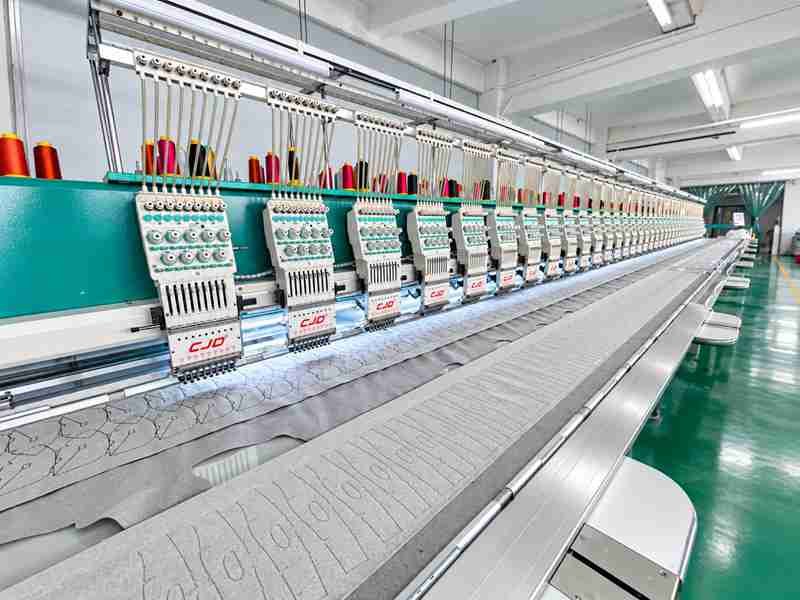
Equipment matters when it solves a specific repeatability, size, speed, positioning, or material problem within the approved decoration process.
13 Ewintoys Real Factory Airy Embroidery Factory Floor

Multi-Head Embroidery

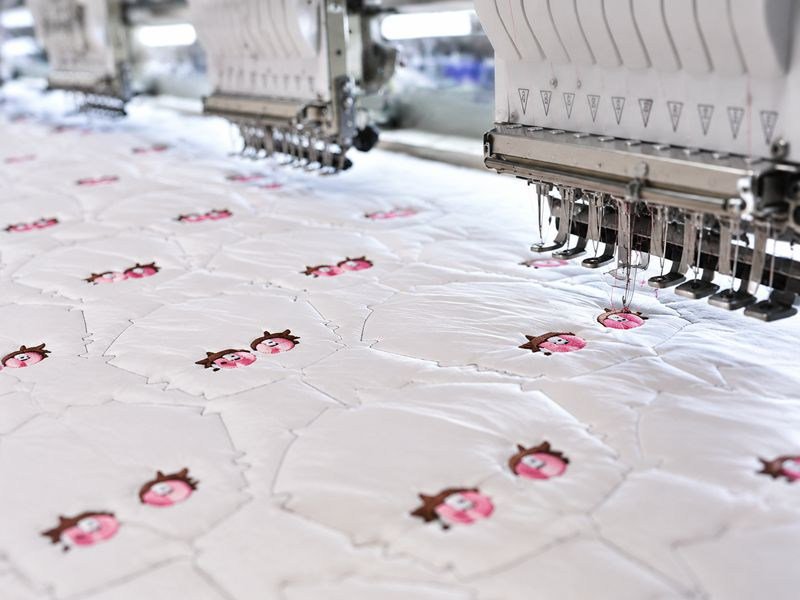
Ewin’s equipment records include 8 Tajima multi-head computerized embroidery machines for repeated faces, logos, and motifs. Multi-head output supports production scale while first-piece and in-process checks keep individual heads aligned with the approved program.

Small-Part Embroidery

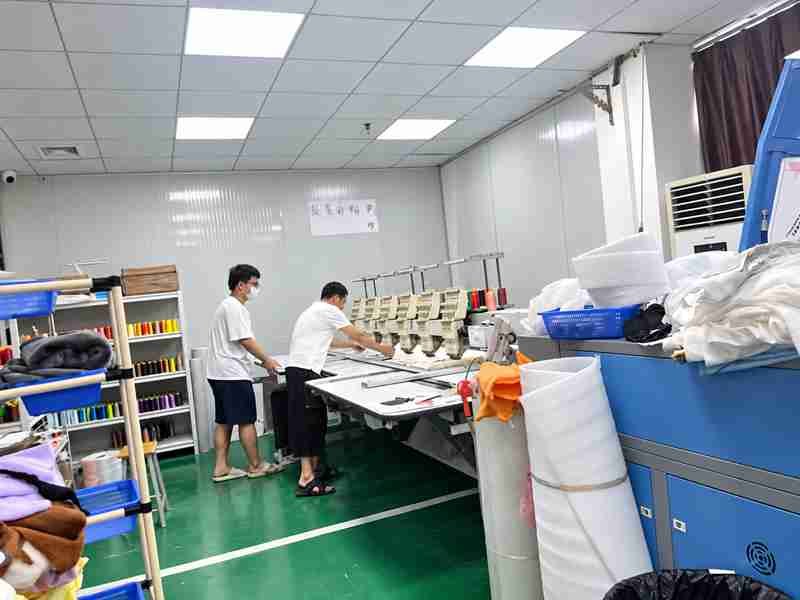
Five Tajima machines are listed for small or irregular embroidery work. Small panels, mini plush parts, patches, clothing pieces, and difficult geometry may benefit when standard large-frame handling would make placement less stable.

High-Speed Embroidery

The equipment base includes 16 Barudan high-speed computerized embroidery machines used for detailed and repeated production. Speed is useful only when thread tension, program version, color sequence, and appearance remain controlled through the run.

Embroidery Engineering

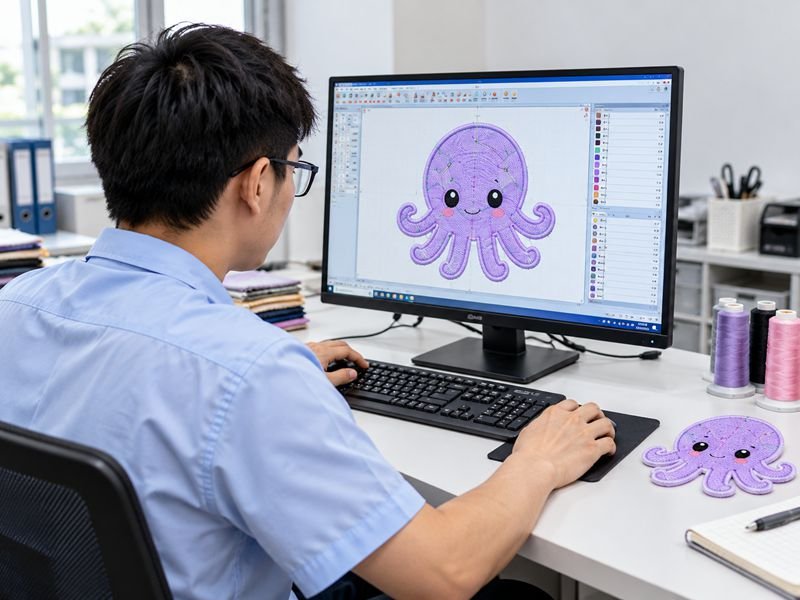
Eight Wilcom EmbroideryStudio systems support digitizing and stitch-program engineering. Program development can address stitch direction, density, underlay, trims, color sequence, and the way the final program interacts with a specific plush material.
Ewin toys 6-5 Heat Transfer Presses

Heat Transfer Presses

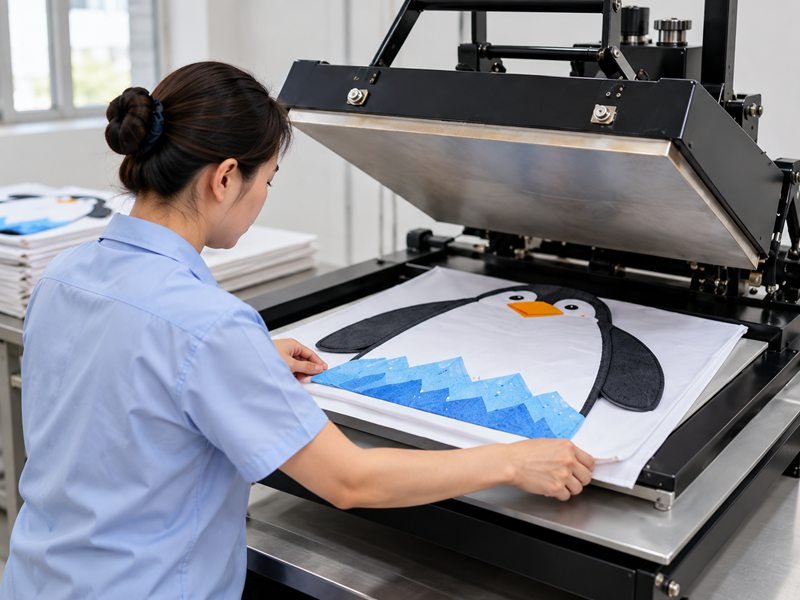
Eight heat-transfer presses are listed in the equipment base for compatible logos, graphics, and garment decoration. Temperature, time, pressure, protective layers, and substrate response remain part of approval rather than relying on the press alone.

Print Positioning Systems

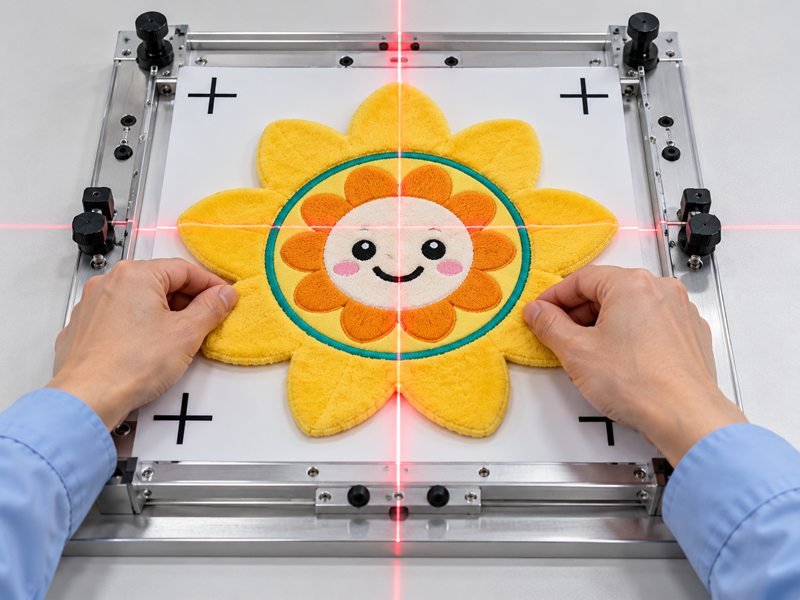
Digital, screen, heat-press, laser-positioning, and appliqué-positioning resources support different graphic routes. Positioning tools are most valuable when they connect artwork, panel geometry, repeat setup, and the inspection reference used in production.

Programs We Support Across Brand and Product Teams

Different organizations focus on different visual risks, so decoration control is aligned with approval structure, product complexity, SKU count, and repeat-order needs.

Global Brand Teams

Brand programs need logo, color, artwork, and product appearance to remain stable across seasons and reorders. Controlled files, physical approval standards, and batch records help prevent gradual visual drift as production repeats.

IP Licensing Teams

Licensed characters depend on approved faces, colors, costumes, and signature marks. Decoration versions, placement controls, confidentiality, and revision discipline help protect the approved character from unreviewed visual changes during bulk production.

Toy Collectible Companies

Collectible programs often combine premium fabrics, embroidery, appliqué, patches, garment detail, and mixed materials. Series-level color and decoration references help several characters feel intentionally related rather than independently manufactured.

Entertainment Gaming Teams

Games, films, animation, and entertainment programs may include many characters and launch dates. Clear Artwork IDs, program versions, facial controls, garment graphics, and SKU identification help keep complex collections organized.

Retail Private Label

Retail and private-label programs often combine brand marks, care labels, packaging graphics, testing, and replenishment. Decoration needs to stay aligned with the exact SKU and approved retail version rather than being treated as an isolated factory step.

Corporate Merchandise

Corporate merchandise may prioritize company logos, campaign colors, event dates, uniforms, and gift presentation. Decoration planning can compare embroidery, print, patch, or garment routes against quantity, appearance, softness, schedule, and cost.

Fashion Lifestyle Programs

Fashion-led plush, bag charms, pouches, apparel, and accessories use decoration across fabrics with different wear and flex behavior. Graphic method, garment construction, hardware contact, and packing conditions should be considered together.

Multi-SKU Programs

Large collections may contain similar eyes, clothing, logos, and print files across many SKUs. Artwork IDs, version control, material staging, first-piece approval, and retained samples reduce cross-SKU mix-ups during production and reorder.

Embroidery & Printing Frequently Asked Questions

Short-pile Minky, Velboa, super-soft plush, Felt, and similar stable surfaces usually support clearer detail. Stretch, pile height, backing, density, and final feature size still need product-specific validation.

Yes. Facial embroidery can be developed around final size, eye spacing, mouth and brow geometry, thread color, pile, stabilizer, pattern references, and approved finished-head appearance.

Yes, but fine stitches may disappear. Topping, trimming, pile compression, appliqué bases, larger feature scale, or a separate short-pile facial panel may produce a cleaner result.

Digital printing or sublimation can suit complex gradients on compatible materials. Final choice depends on substrate, base color, pile, quantity, print area, handfeel, and required production durability.

Ewin can reference pattern centerlines, notches, coordinates, final spacing, and the Golden Sample, then verify first pieces before bulk embroidery and review appearance again on the assembled head.

Thread codes, Pantone targets, approved print samples, material identity, and retained physical references can be linked to the decoration version so production compares against a defined standard.

Yes, on compatible materials and designs. Full-pattern routes may use digital or sublimation processes, with color, repeat, shrinkage, pile direction, and print-to-cut alignment reviewed before release.

Stitch density, backing, hoop tension, fabric stretch, underlay, and program structure are adjusted together. The result is checked on the intended material rather than solved by simply reducing or adding stitches.

Yes, with controlled SKU, Artwork ID, version, material, color, and production references. Line staging and first-piece approval help keep similar graphics from being mixed across characters.
Send Your Artwork for Decoration Review
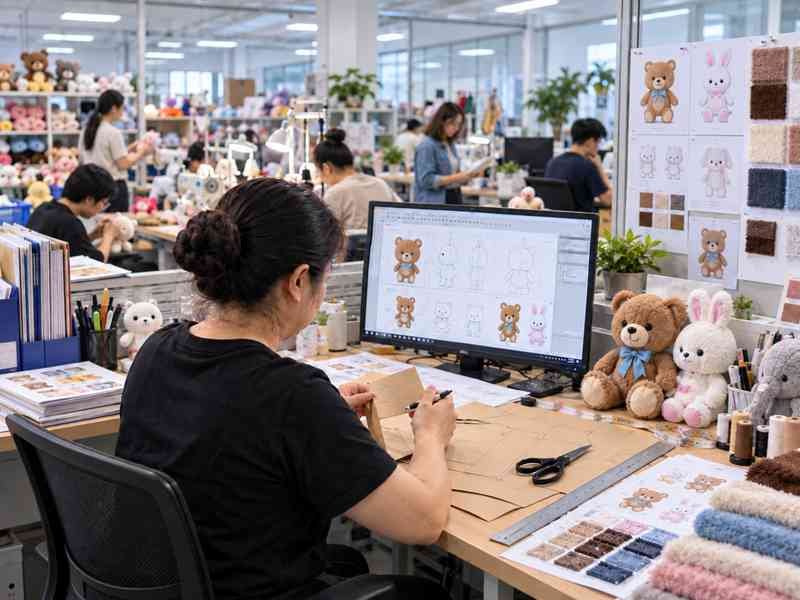
Share the files and product details needed to review embroidery, printing, material compatibility, color, placement, durability, and production fit before the decoration route is finalized. Useful inputs include character artwork, logo files, product size, decoration size, intended position, fabric or material reference, number of colors, SKU count, quantity by SKU, target market, approved Pantone or thread references, garment files, current samples, and launch timing. If an existing sample has misaligned eyes, puckering, buried stitches, blurred print edges, cracking, color shift, or seam conflicts, include close-up photos. Ewin Toys can compare the visual requirement with the available process routes and identify what should be sampled, adjusted, measured, or locked before bulk production.

Start Your Custom Plush Project

We will contact you within 24 Hours, please pay attention to the email with the suffix“@ewintoys.com”. 

# Confidential project? NDA requirements can be discussed before sensitive files are shared.