End-to-End Plush Services for Brand & Retail Programs
Simplify custom plush sourcing with one coordinated partner from early product definition to final shipment. Ewin Toys helps brands reduce supplier handoffs, shorten decision cycles and keep development, production and delivery requirements aligned throughout the project.
60+ Product Development Team | Pattern Engineering & Prototyping | OEM & ODM Manufacturing | 100+ Quality Personnel | Compliance Support | Retail & E-commerce Packaging | Multi-SKU Management | Global Delivery Coordination
Start With the Project Stage You Already Have
Idea / Early Concept
Artwork / Character Files
Approved Sample / Tech Pack
Existing Product / Supplier
Choose the Cooperation Model That Fits the Product
The right service model depends on input maturity, product responsibility, approval status, and how much development work remains before production.
| Cooperation Model | Typical Starting Point | Ewin Responsibility | Typical Outcome |
|---|---|---|---|
| Custom Development | Artwork, reference, partial specification | Close missing size, structure, material, decoration, pattern, filling, accessory, and sampling decisions | Defined prototype route |
| ODM Development | Concept, IP, character direction, early artwork | Participate in product definition, engineering, materials, prototypes, cost, packaging, and manufacturing route | Production-ready product definition |
| OEM Manufacturing | Approved sample, Tech Pack, Golden Sample, controlled specification | DFM, sourcing, production preparation, QC, packaging, manufacturing, delivery | Controlled bulk production |
| Supplier Transfer | Existing product and current supplier reference | Rebuild controlled specifications, identify risk, validate materials, sample, QC, packaging, and production route | Approved second source or replacement source |
| Private Label | Defined product direction needing brand execution | Branding, labels, logo process, packaging, barcode, channel preparation, production | Brand-ready commercial product |
| Program Manufacturing | Multi-SKU collection, launch plan, forecast, repeat program | SKU/version coordination, production waves, packaging, quality, shipment, reorder support | Ongoing program supply |
Trusted by Global Brands and IP Owners
Trusted by brands, IP owners, and creative teams worldwide. Ewintoys helps transform original ideas and characters into high-quality plush products through professional development, manufacturing, and quality control.



























Services for Different Brand and Program Teams
Global Consumer Brands
IP Owners & Licensees
Toy & Collectible Brands
Game & Entertainment Teams
Retail & Private Label
DTC & E-commerce Brands
Technology & AI Teams
Enterprise Programs
Support Different Plush Products With the Right Services
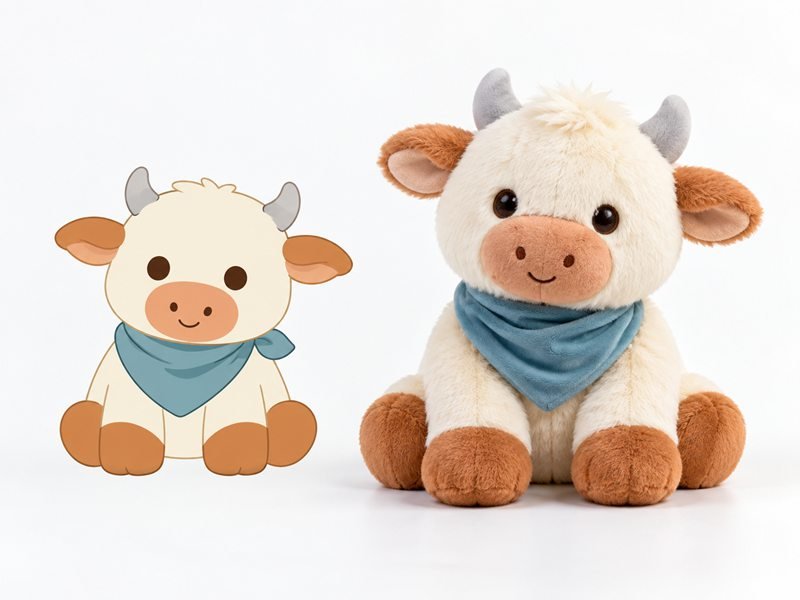
Character & IP Plush
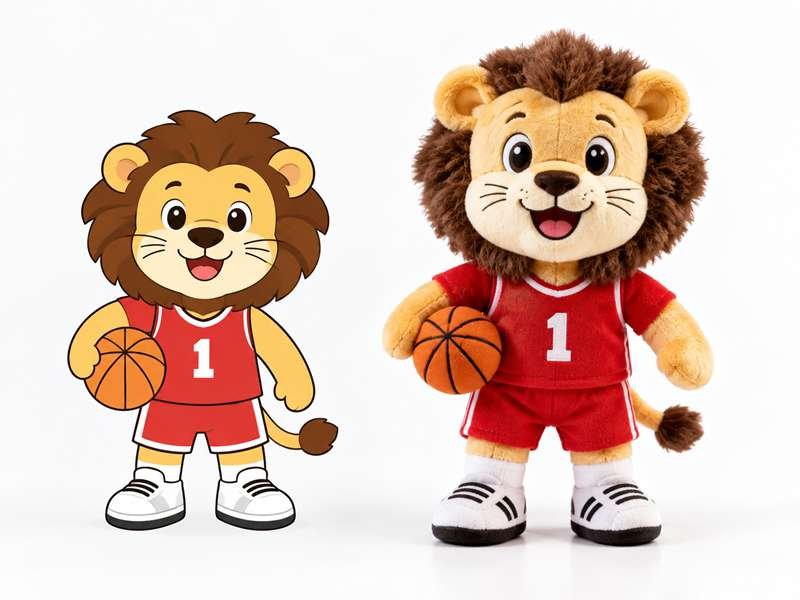
Mascot Plush
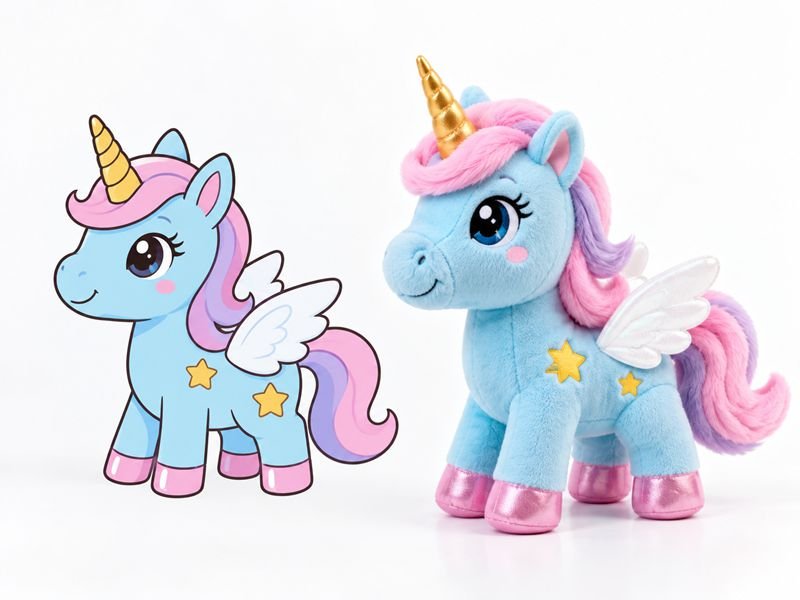
Collectible Plush
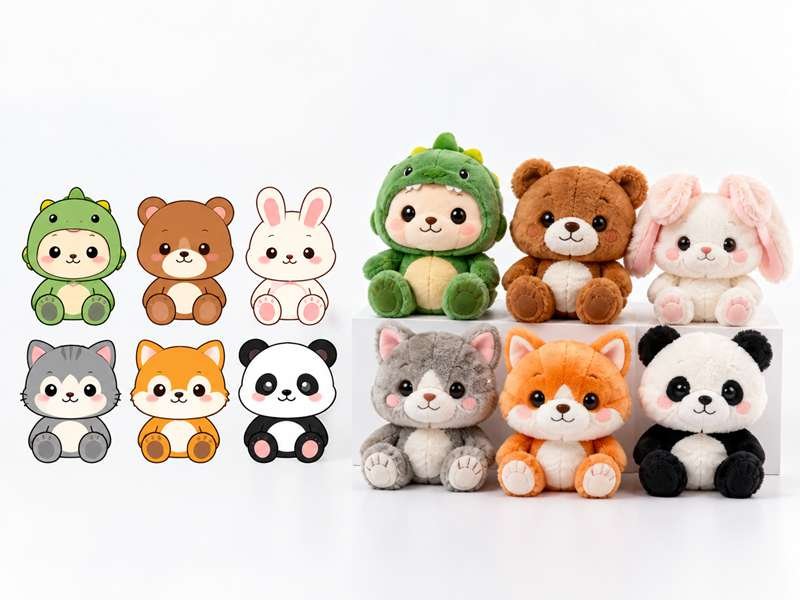
Blind Box & Mini Plush
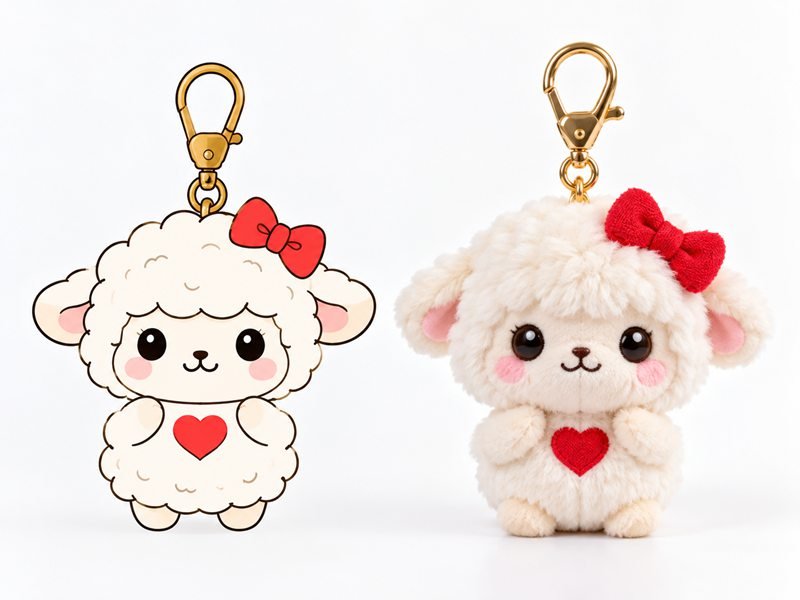
Keychains & Bag Charms
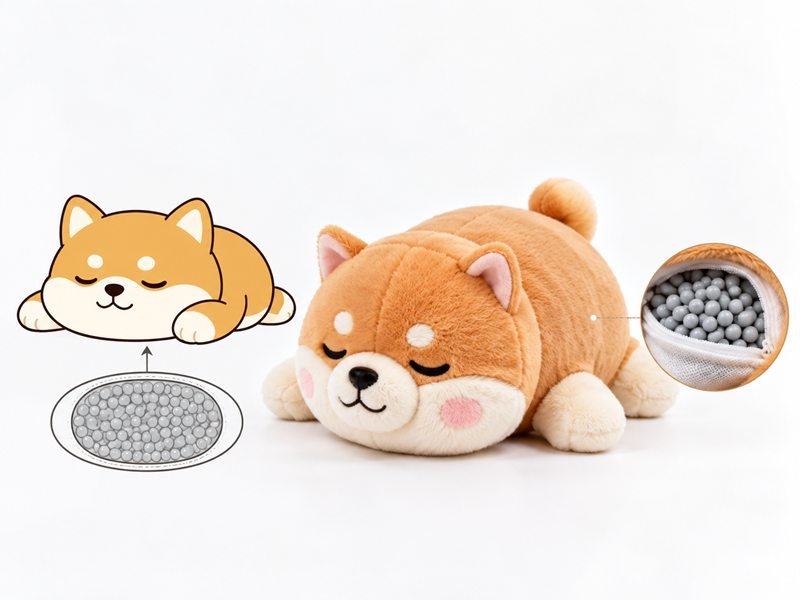
Weighted Plush
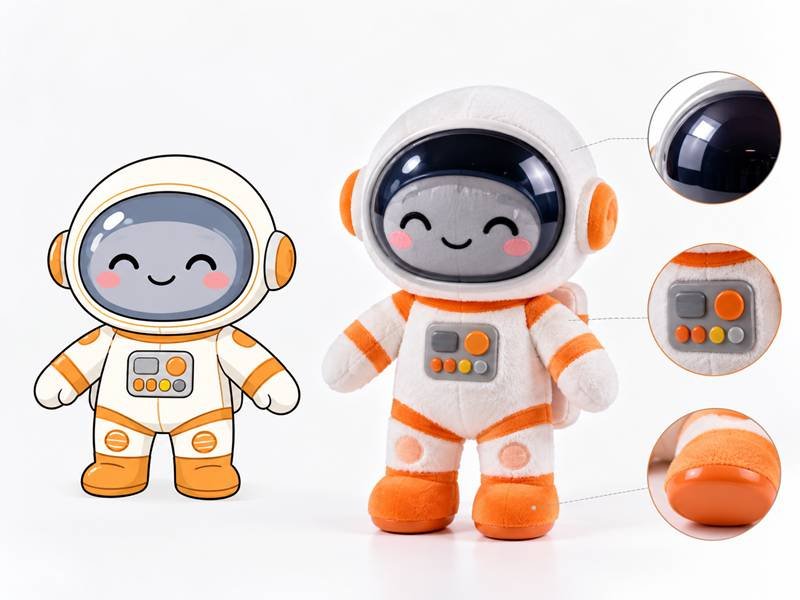
Hybrid Soft-Hard Plush
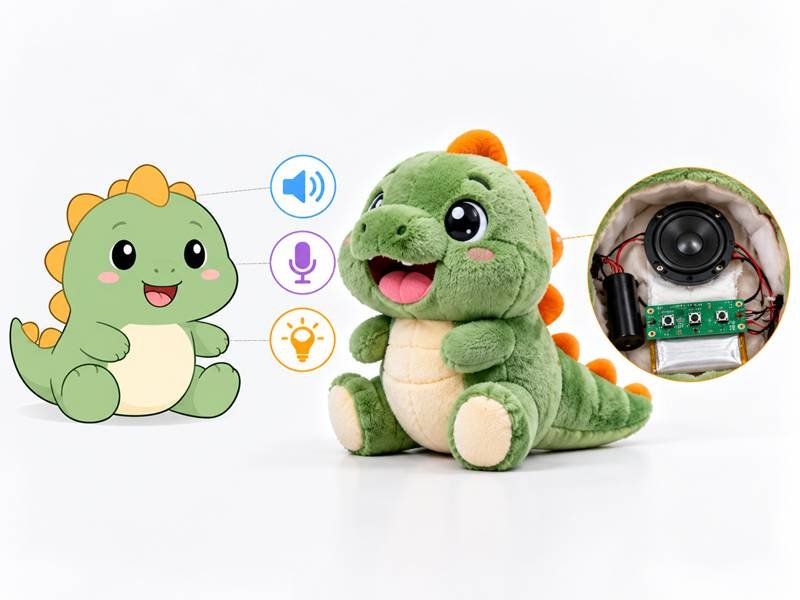
Electronic & AI Plush
Turn Creative Inputs Into a Defined Plush Product
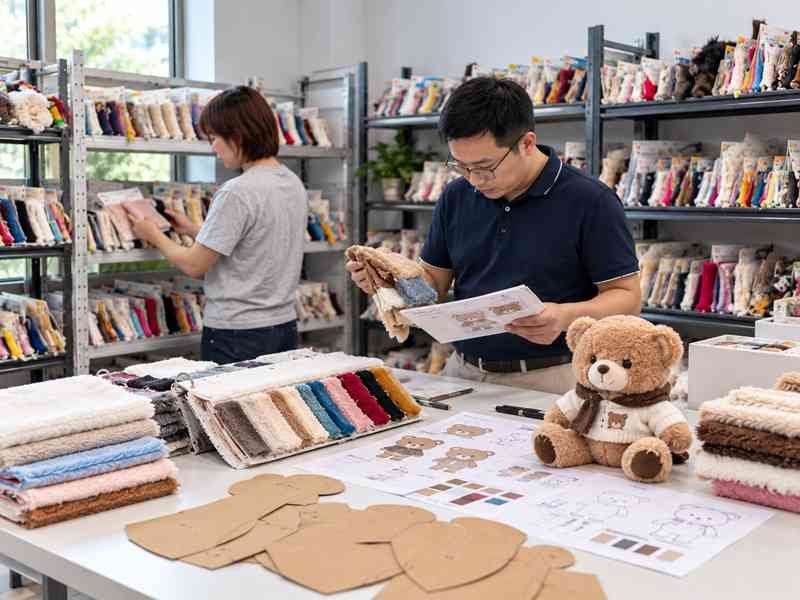
Review the Creative Reference Before Building the Product
Ewin can begin from a sketch, 2D artwork, character sheet, 3D render, reference product, physical sample, or written brief. The first review separates fixed visual requirements from open manufacturing decisions. Product purpose, finished size, pose, silhouette, expression, clothing, signature details, target market, channel, quantity, packaging, and functional needs are identified before detailed engineering begins. Conflicting references are resolved by naming one controlling source rather than combining different versions into a single sample. The review also identifies missing side or back information, unclear proportions, unsupported poses, material assumptions, and features that could become difficult at the intended scale. A clear product definition makes later pattern, fabric, decoration, and sample discussions more precise because every revision can be judged against the same intended product rather than a changing creative interpretation.
Convert Character Identity Into Measurable Product Decisions
Character fidelity depends on more than tracing artwork onto fabric. Ewin translates visual priorities into proportion, body depth, head-to-body relationship, eye spacing, mouth position, ear angle, limb length, hair zones, costume fit, embroidery placement, and material boundaries that can be reviewed on a physical product. The same artwork may need different engineering at 8 cm, 20 cm, or 40 cm because detail visibility, seam bulk, fabric pile, filling volume, and accessory scale change with finished size. Product-definition service identifies which details must remain exact, which details can be simplified for manufacturing, and which decisions require brand approval before pattern work continues. The goal is to preserve the character language while producing a specification that can survive sampling, manufacturing, inspection, packaging, and future reorders.
Build Commercial Requirements Into the Product Before Sampling
A visually attractive plush can still fail as a commercial product if cost, packaging, compliance, channel, or delivery needs arrive too late. Ewin can review target quantity, SKU structure, sales channel, market, age grade where applicable, intended retail position, logo requirements, packaging format, functional components, and launch timing alongside the creative direction. Those inputs influence size, fabric, embroidery density, accessory construction, filling, structural complexity, component sourcing, and packaging cube before the first full prototype is treated as fixed. Early commercial review does not reduce creativity; it identifies where engineering choices have downstream consequences. When product design, manufacturing route, and channel requirements are considered together, the prototype becomes a step toward production rather than an isolated display sample that must be redesigned later.
Engineer Patterns and Structure for Repeatable Manufacturing
Build Three-Dimensional Shape From Two-Dimensional References
Plush pattern work defines how flat fabric panels become volume after sewing and filling. Ewin reviews silhouette, body depth, face projection, muzzle shape, limbs, ears, tails, clothing, hair construction, and the way different materials stretch or recover. A visually correct front view can still fail if side depth, hidden geometry, seam position, or internal support is undefined. Pattern engineering therefore balances appearance with sewing access, turning, embroidery placement, stuffing behavior, accessory installation, and final shaping. Ewin’s development resources include 20+ senior pattern masters supporting complex shape development, character fidelity, structural optimization, supplier-transfer work, and difficult soft-goods construction. Pattern decisions are refined through physical samples so geometry is proven in fabric rather than assumed from artwork alone.
Use DFM to Remove Production Risk Before Scale-Up
DFM review looks for construction choices that may work once in a sample room but become unstable or inefficient in repeated production. Ewin can review narrow sewing access, excessive panel count, fragile appendages, concentrated hardware loads, difficult turning, seam bulk, long-pile interference, embroidery near seams, stuffing restrictions, molded-part interfaces, and functional-module cavities. The objective is not to simplify every product. It is to protect the details that define the design while removing avoidable failure points that would create rework, quality drift, or unnecessary cost at scale. Proposed engineering changes should remain visible to the brand and return to the controlled pattern, BOM, artwork, or specification after approval. A manufacturable product is one where the approved visual result and the production method support each other.
Connect Pattern Revision With the Approved Sample
A pattern should never become an invisible file separated from the sample it created. During revision, Ewin can link sample comments with affected panels, measurements, seam positions, material zones, decoration placement, filling behavior, and accessory interfaces. If a face is too flat, an ear angle is wrong, a body leans, or a costume twists after stuffing, the correction should identify whether pattern geometry, seam position, filling, material stretch, or assembly method is responsible. Once approval is reached, the released pattern must correspond to the same Golden Sample, artwork, material definition, and production revision used by manufacturing. That linkage reduces the risk of an older pattern returning during bulk production or reorder work and makes later changes easier to trace, review, and approve.
Select Fabrics and Filling Around the Finished Product
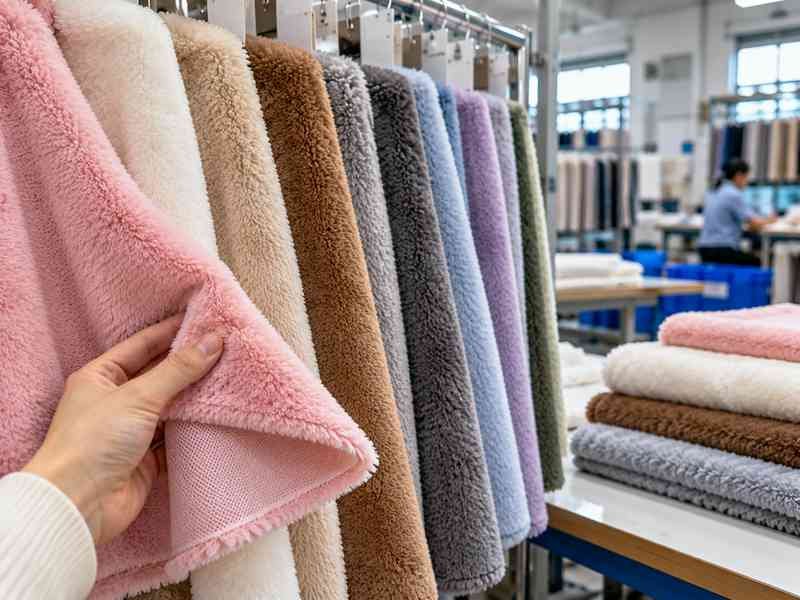
Minky & Velboa
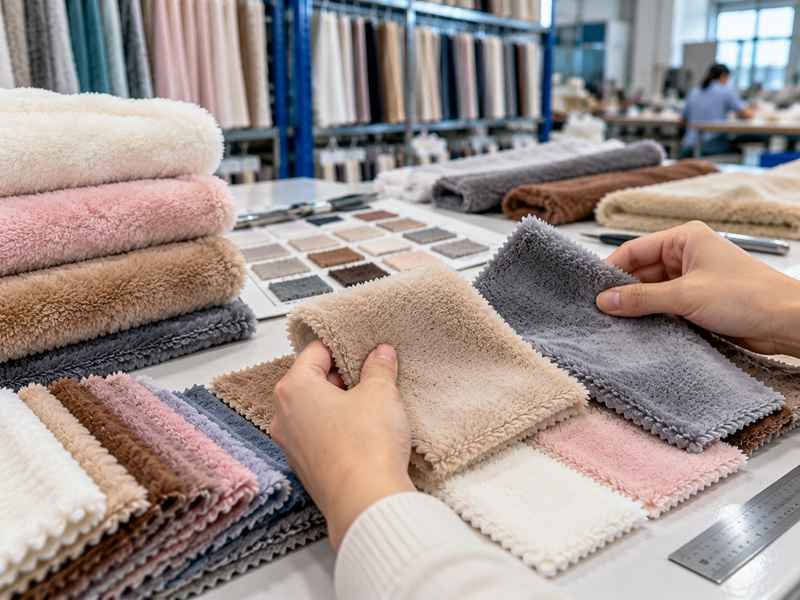
Short Plush & PV Plush
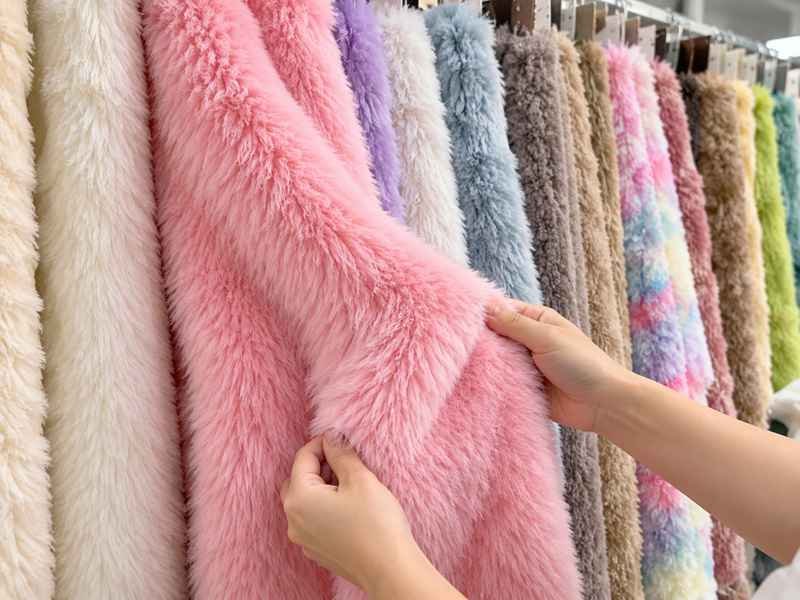
Faux Fur & Rabbit-Style Plush
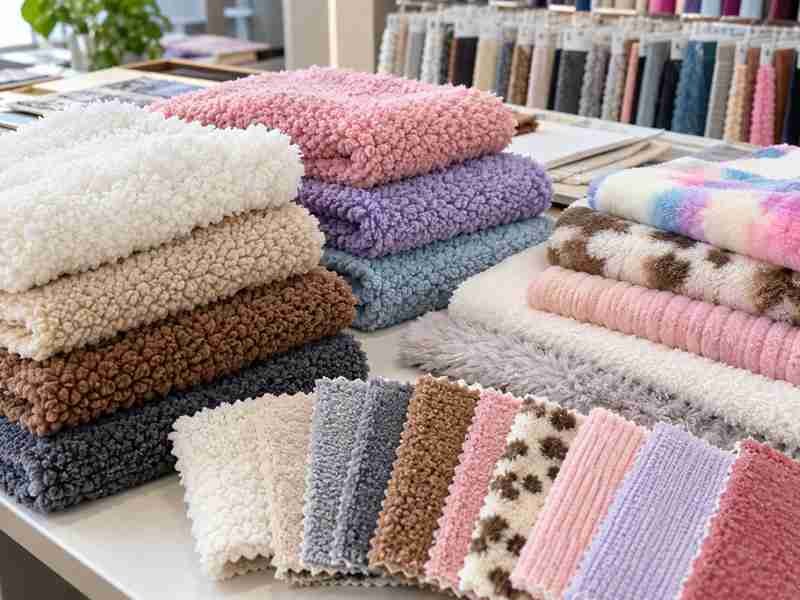
Sherpa, Fleece & Specialty Fabrics
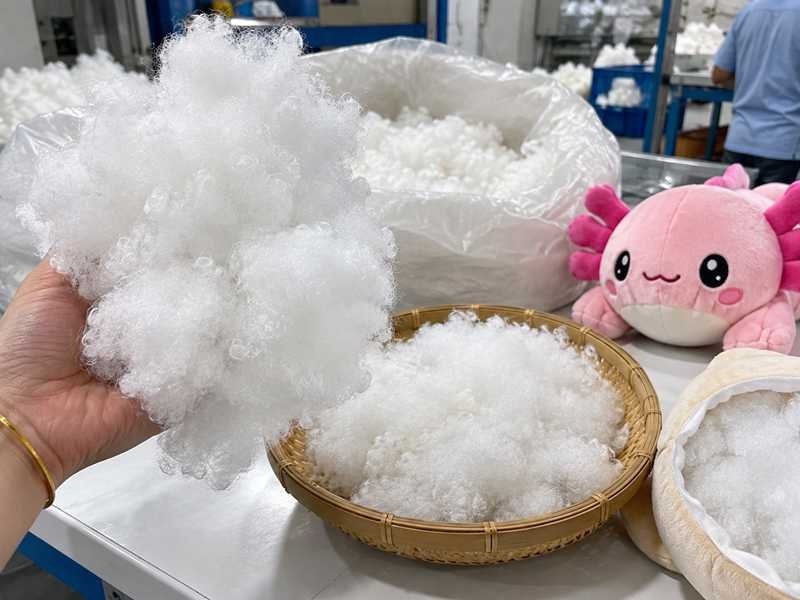
Polyester Fiber Filling
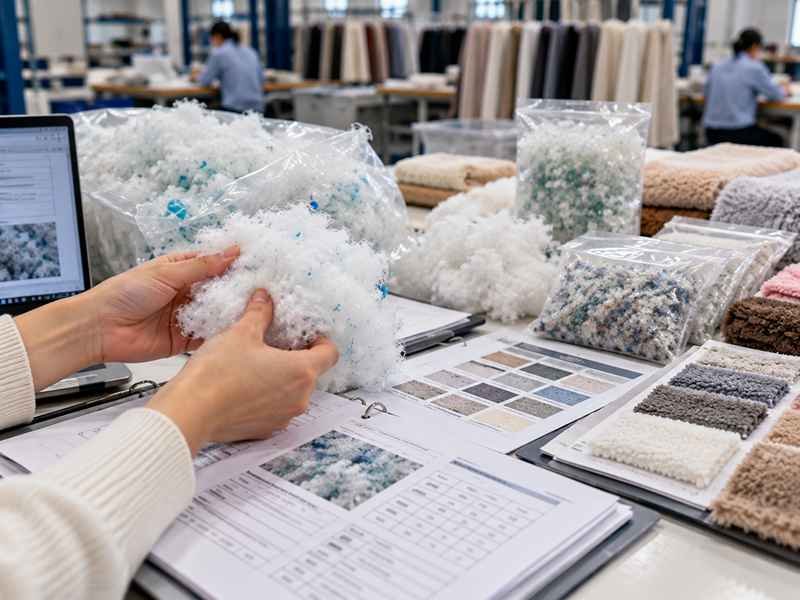
Recycled Polyester Direction
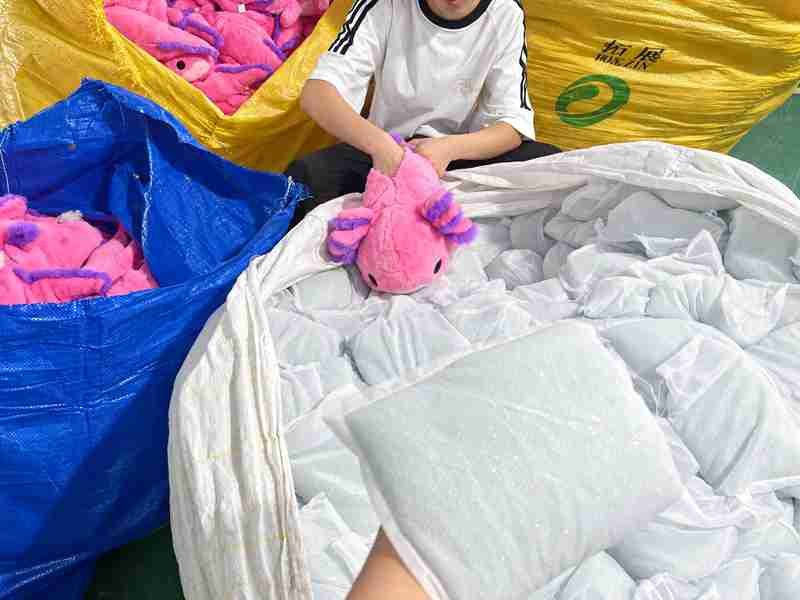
Weighted Filling Systems
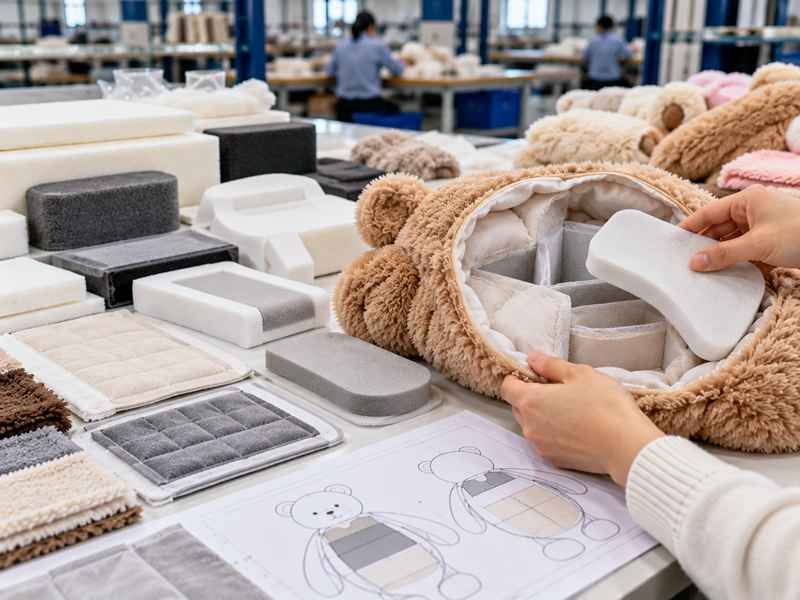
Structural Inserts & Zoned Filling
Control Trims, Decoration, and Logo Execution

Sewing & Embroidery Thread
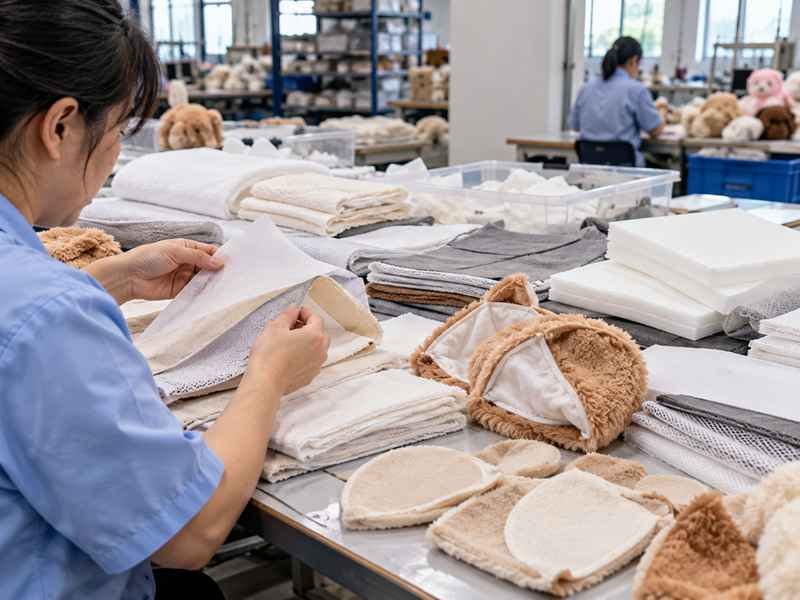
Linings & Reinforcement
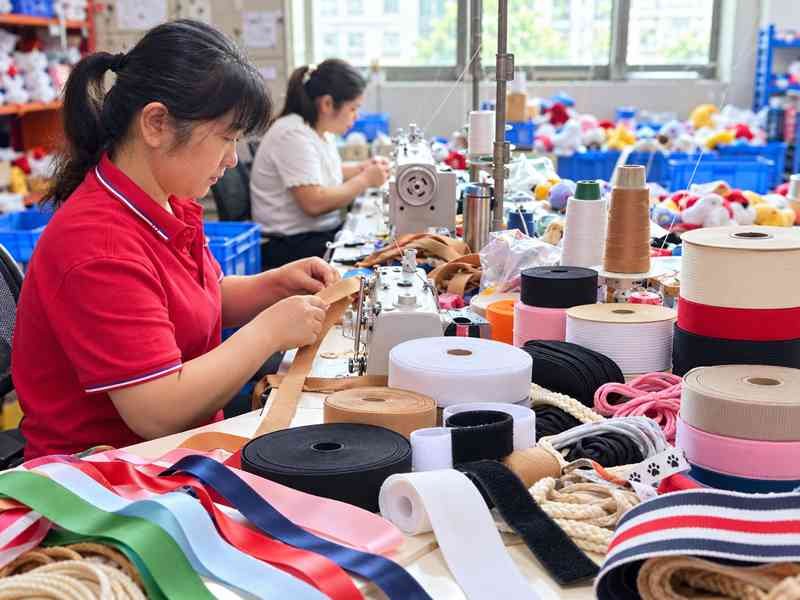
Webbing, Elastic & Closures
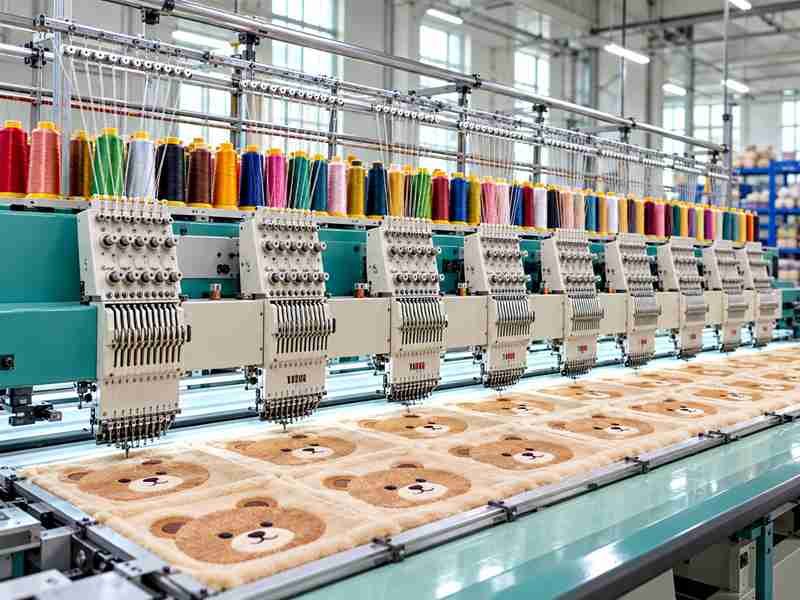
Embroidery
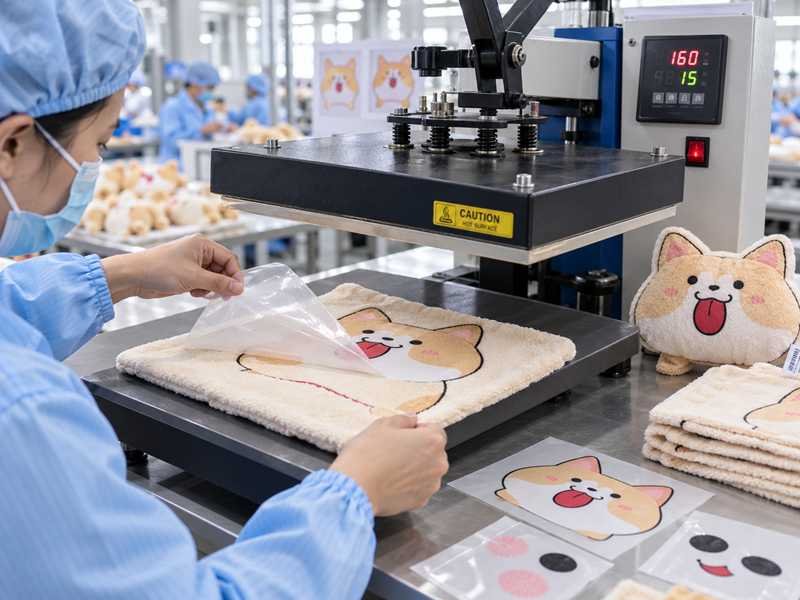
Printing & Heat Transfer
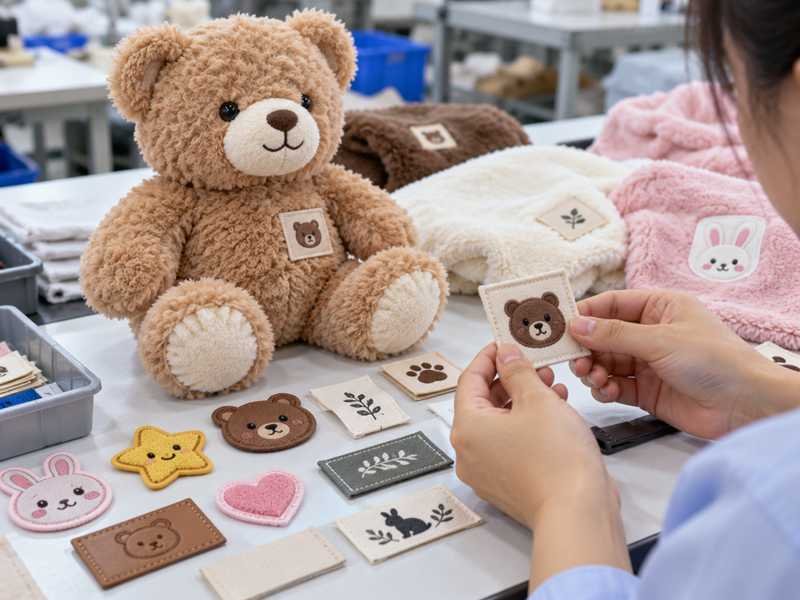
Applique, Patches & Brand Marks
Integrate Accessories and Components Into the Product
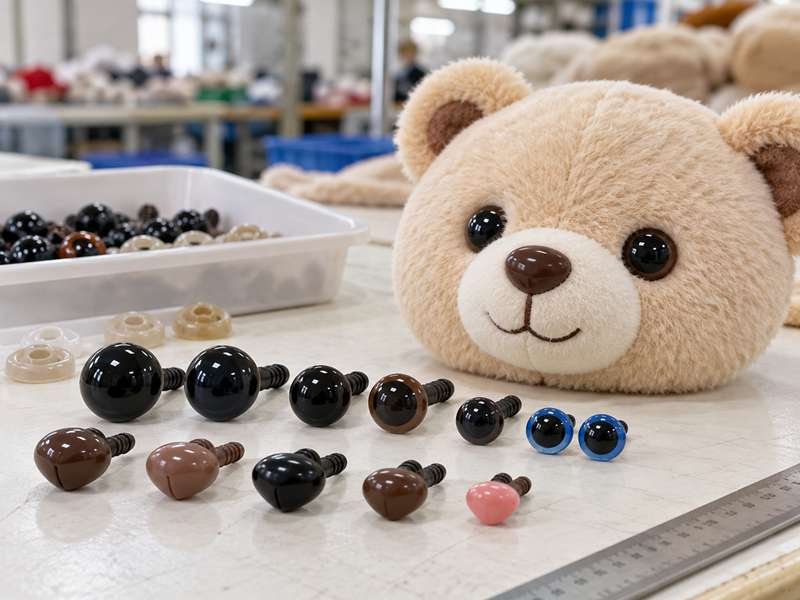
Plastic Eyes & Noses
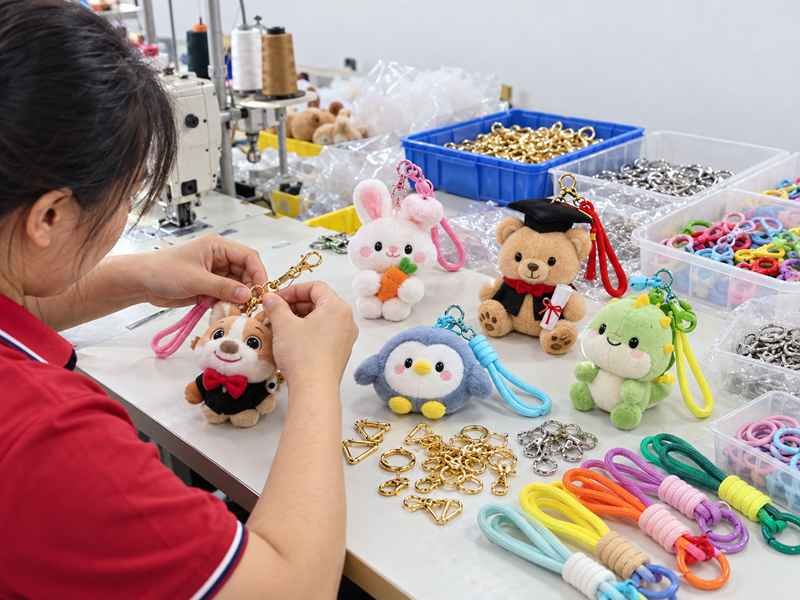
Key Rings & Split Rings
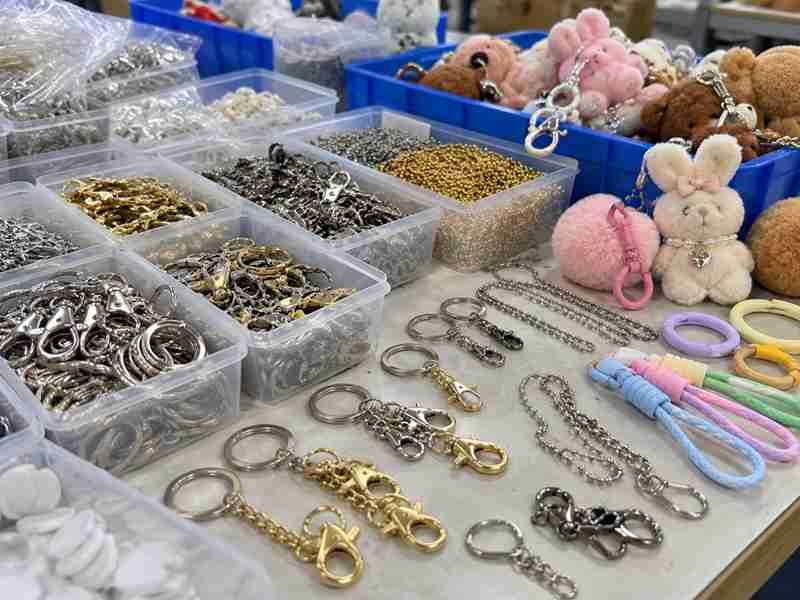
Ball Chains & Clasps
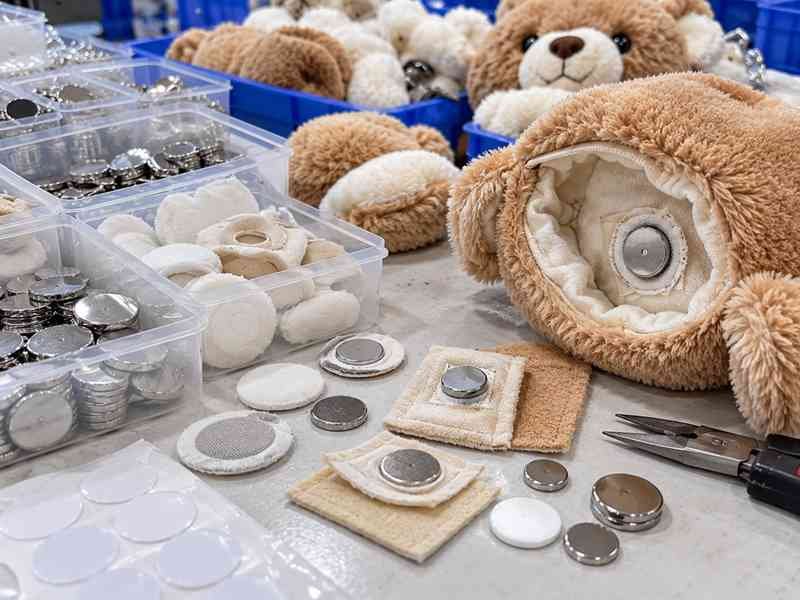
Magnets
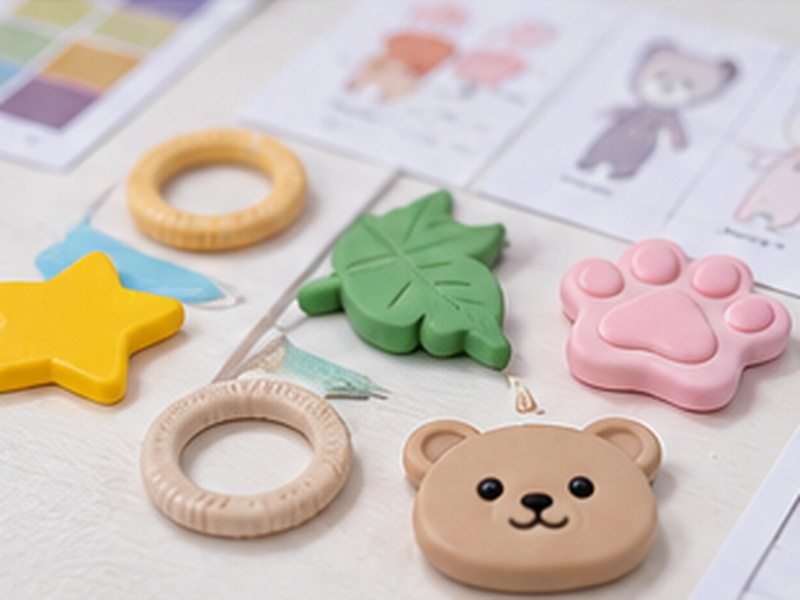
PVC Components
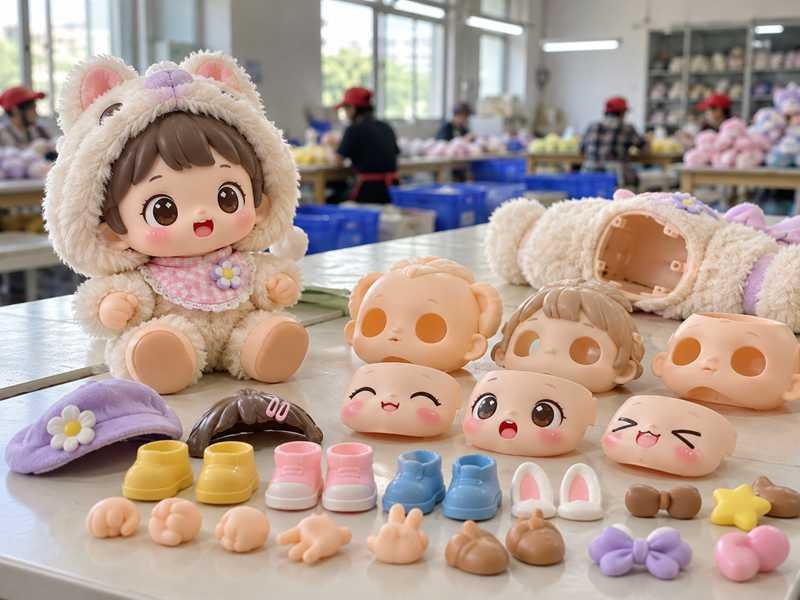
Silicone & Molded Parts
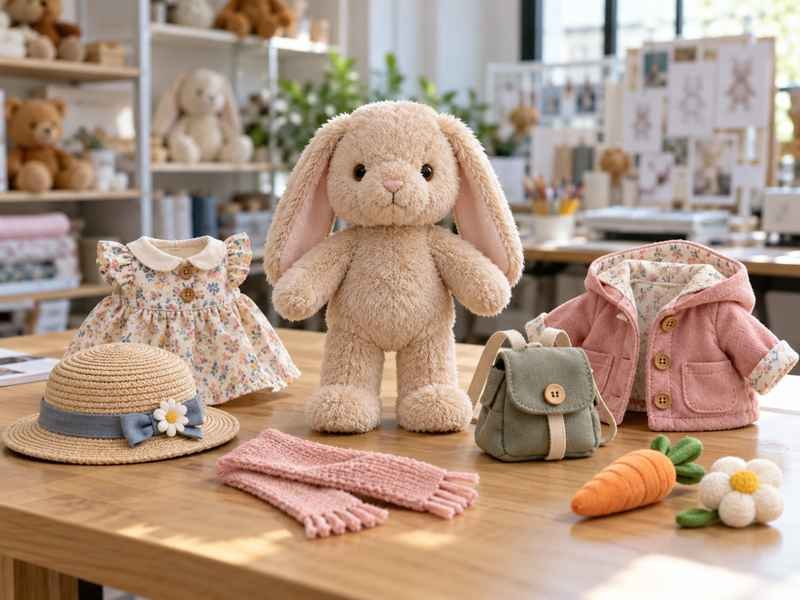
Removable Clothing & Props
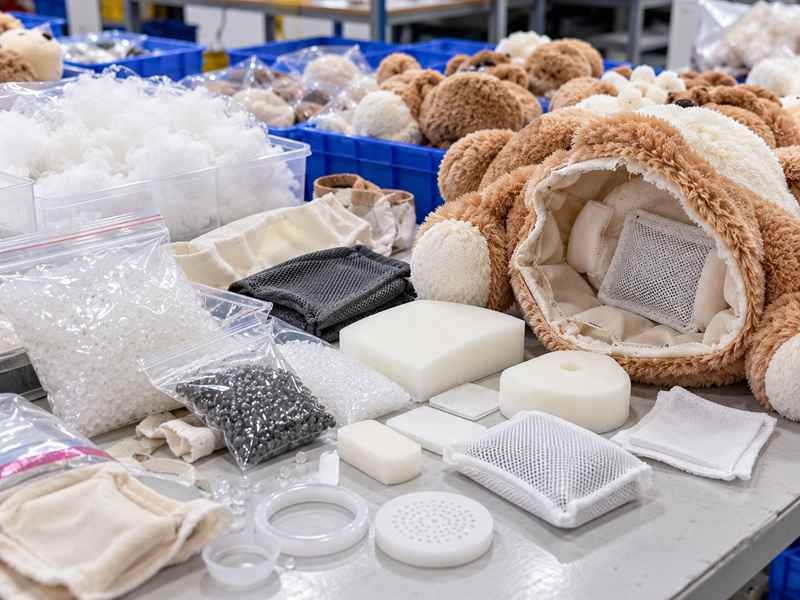
Structural & Internal Components
Integrate Functional Modules Into Plush Construction
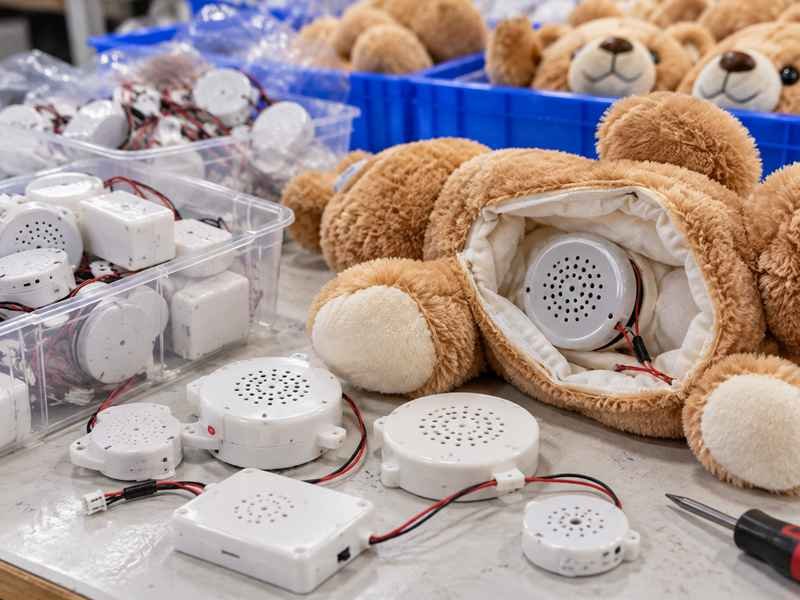
Sound Playback
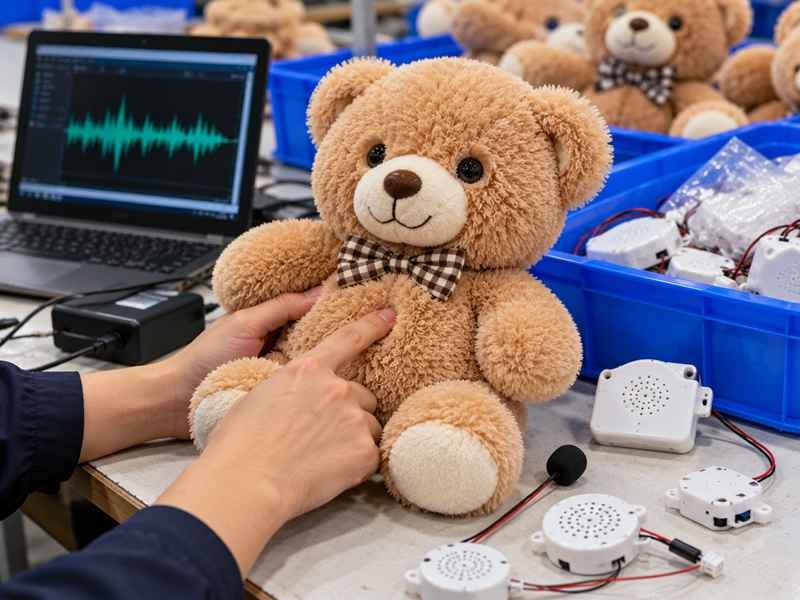
Recording & Voice
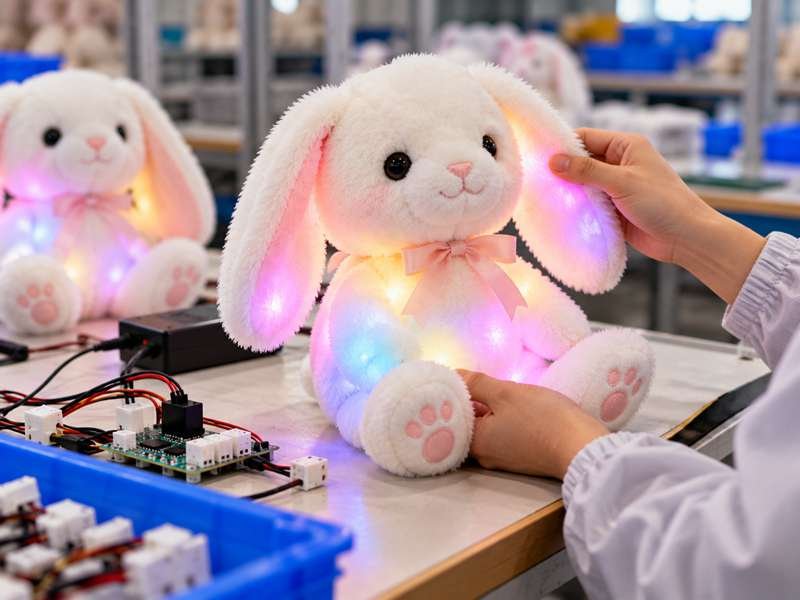
LED Lighting
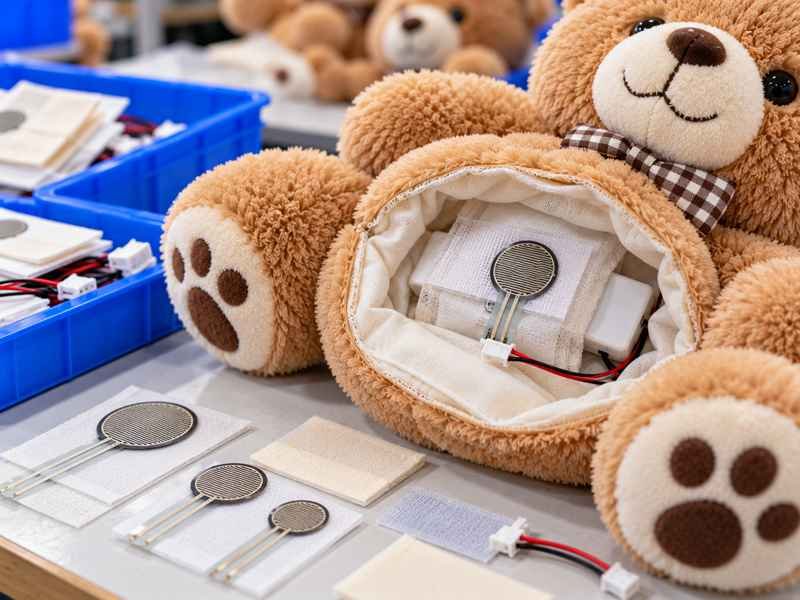
Touch & Pressure Sensors
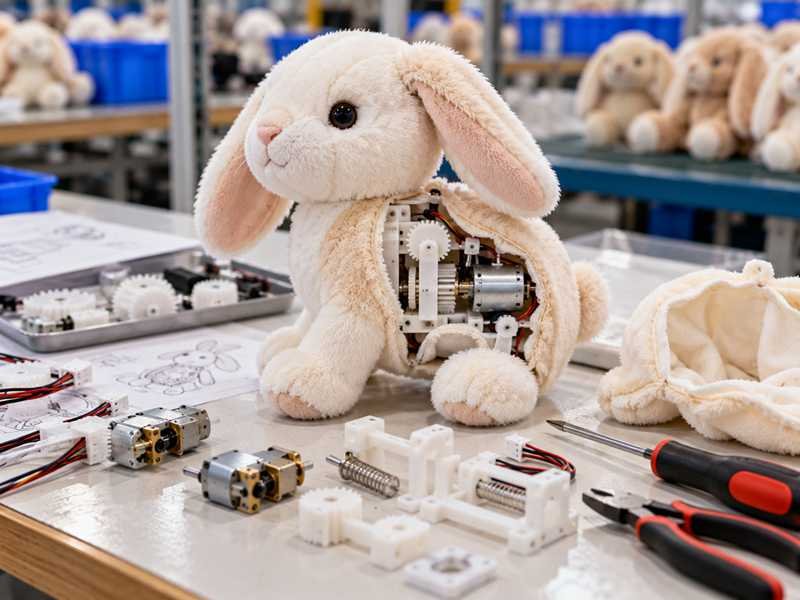
Motion & Motor Modules
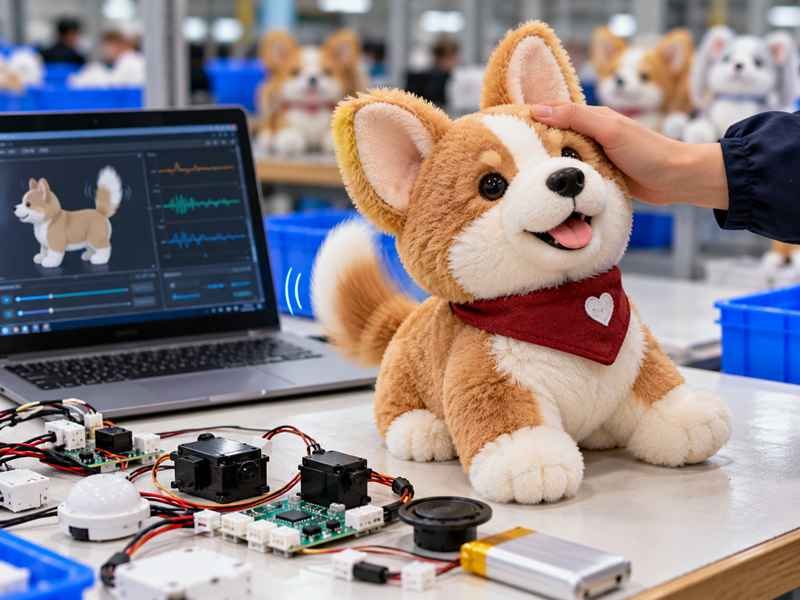
Smart & AI Module Integration
Use Sampling to Close Product Risk Before Production
V1 Establishes the First Complete Physical Product
Revision Rounds Turn Comments Into Controlled Changes
PP and Golden References Prepare the Manufacturing Handoff
Certificates, Compliance & Quality Assurance
Ewintoys follows structured quality and compliance practices for custom plush production. We hold relevant certifications and support additional testing, inspection, and compliance documentation based on specific product requirements and destination markets, helping brands meet different international standards with confidence.
























Freeze the References Needed for Production Release
Before bulk work begins, Ewin connects physical approval with controlled files so purchasing, manufacturing, QC, packaging, and reorders follow the same product definition.
| Controlled Reference | Production Purpose | Key Question Before Release |
|---|---|---|
| Golden Sample | Physical appearance and handfeel reference | Does production match the approved product? |
| Frozen BOM | Current materials and components | Are material, supplier, and component identities current? |
| Released Pattern | Production geometry and panel structure | Is the approved pattern revision being cut? |
| Artwork Revision | Embroidery, print, labels, decoration | Is the current approved artwork in use? |
| Material IDs | Fabric, trim, filling route | Are approved colors, pile, thickness, and source routes defined? |
| Part IDs | Eyes, hardware, magnets, molded parts, modules | Is the correct component mapped to the correct SKU? |
| Filling Specification | Weight, zones, firmness, weighted inserts | Does filling reproduce approved shape and balance? |
| Packaging Specification | Unit pack, label, barcode, carton | Is the correct commercial version assigned? |
| Testing Status | Market and revision evidence | Does evidence cover the released product version? |
| QC Plan | Inspection and release requirements | Are CTQs and acceptance references ready for production? |
Move Approved Products Into Controlled Mass Production
Release Materials and Processes From Current References
Execute Cutting, Decoration, Sewing, Stuffing, and Finishing as One Route
Keep SKU and Revision Identity Visible Through Production
Multi-SKU programs create additional risk because similar fabrics, embroidery files, clothing, accessories, labels, packaging, and carton marks can be confused across items. Ewin can keep SKU codes, sample revision, BOM information, artwork, components, production status, packaging version, barcode, and shipment identity separated at item level. Shared materials can still be planned efficiently, but shared inputs should not erase product-specific approvals. If a late change affects one SKU, the project team can identify which records, samples, production steps, test status, or packaging files require review before release. The same logic supports future reorders by preserving which version was actually manufactured. Production service becomes more reliable when the factory can answer not only “what are we making?” but also “which approved version of which SKU are we making now?”
Build Quality Control Around the Approved Product
IQC Protects the Inputs Before Production Begins
IPQC and FQC Protect Shape, Construction, and Function During Production
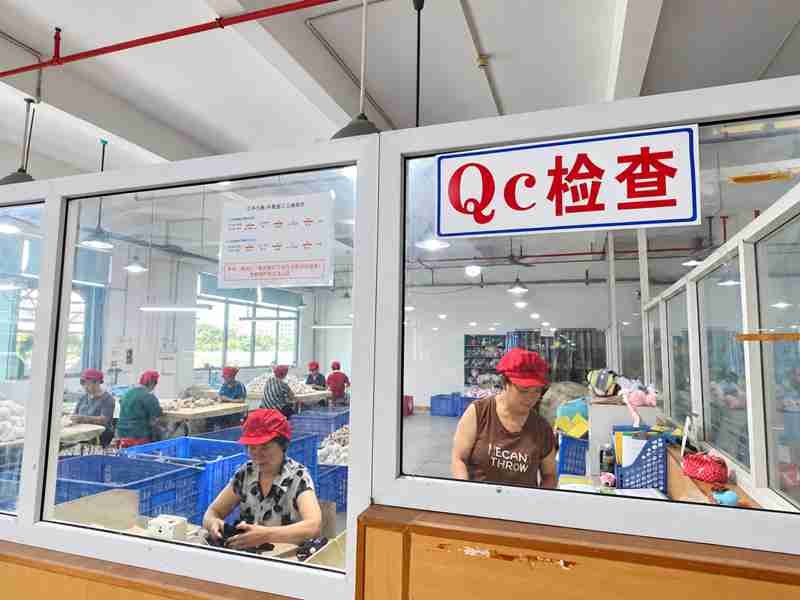
OQC, Traceability, and CAPA Support Shipment Release and Repeat Learning
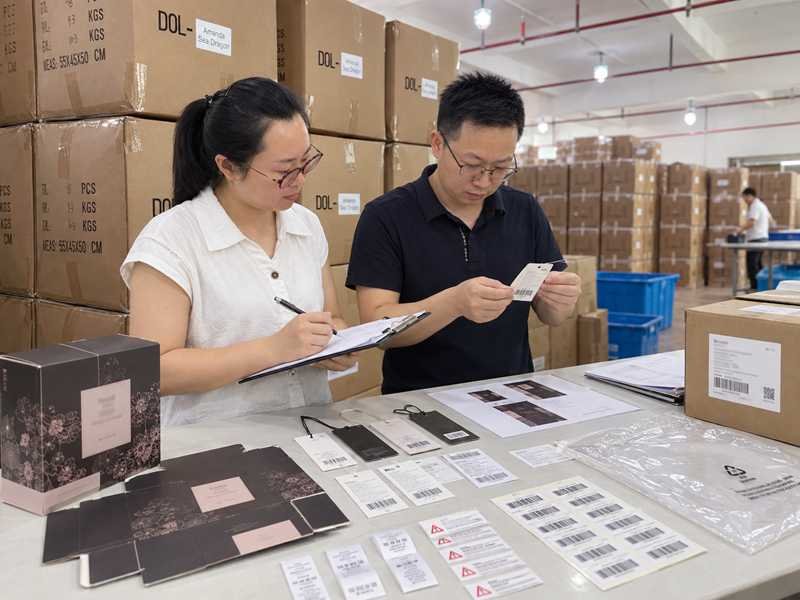
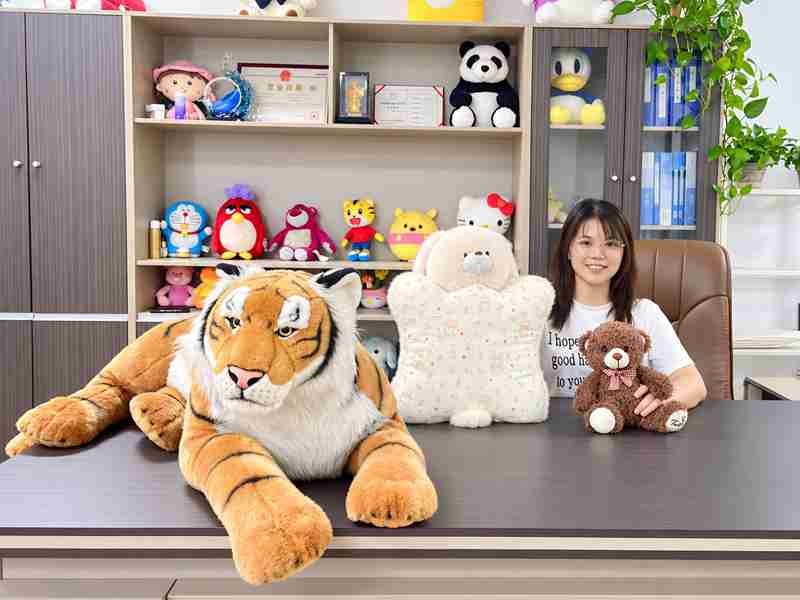
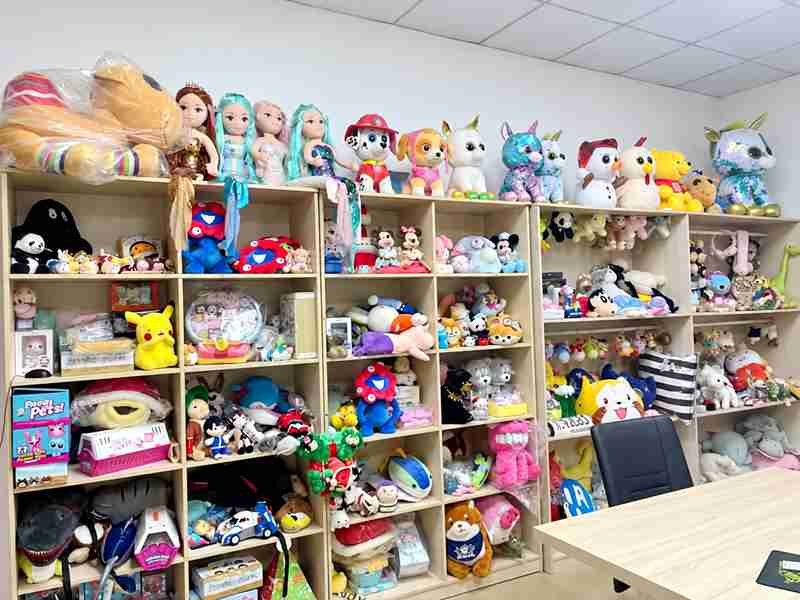
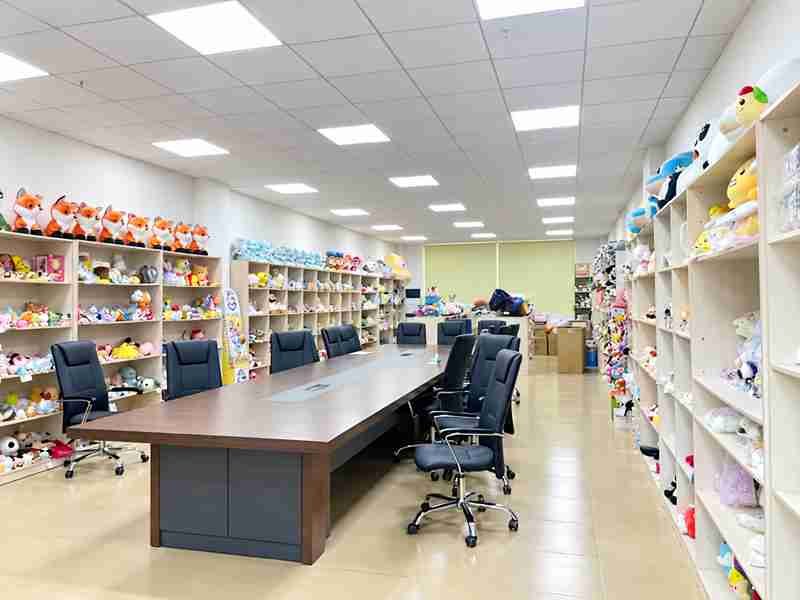
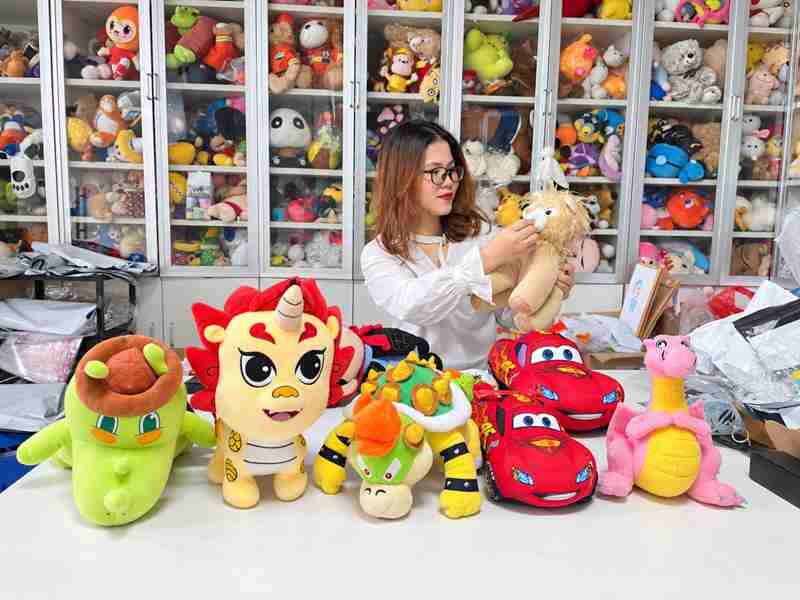
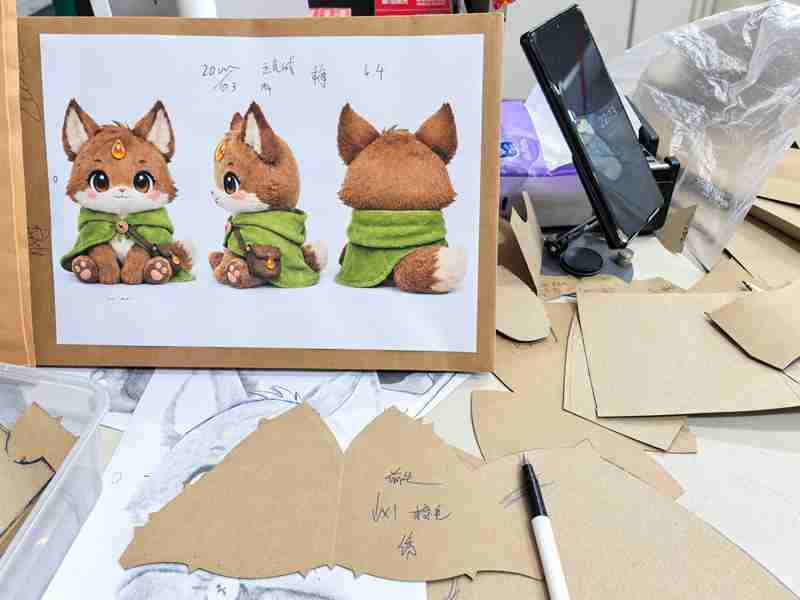
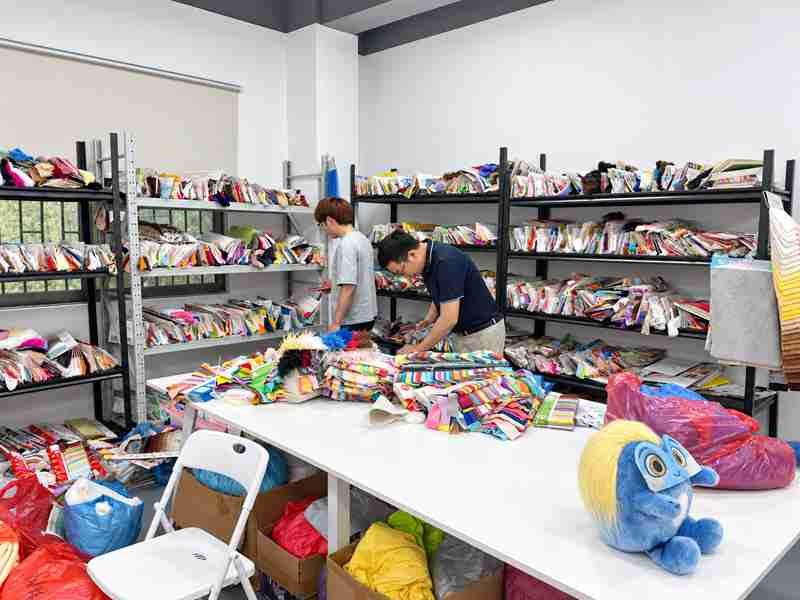
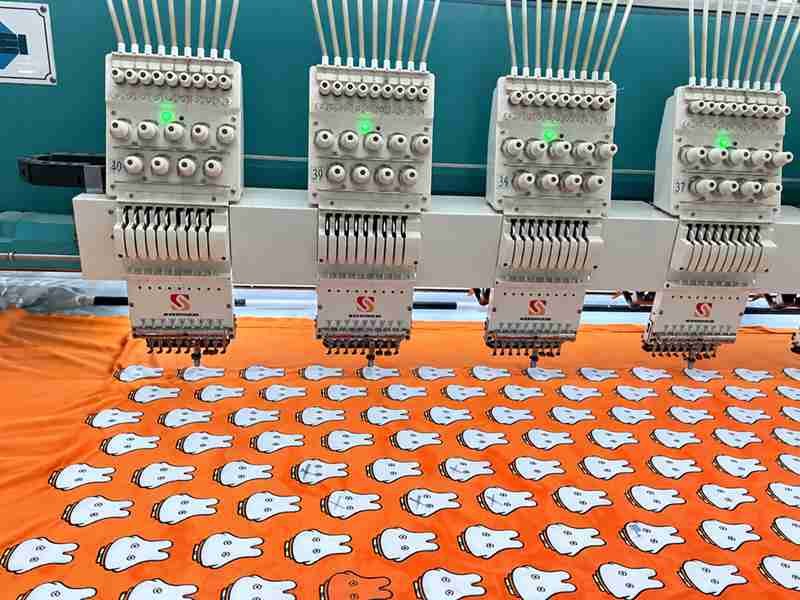
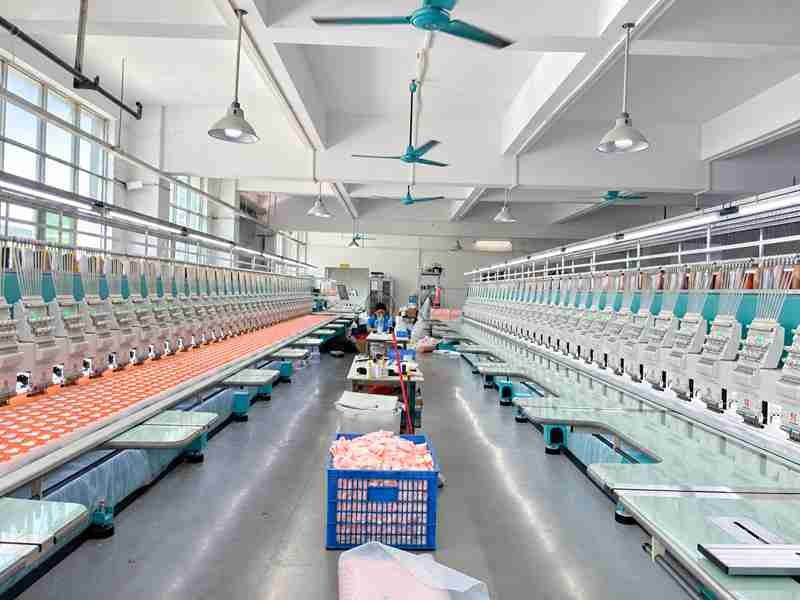
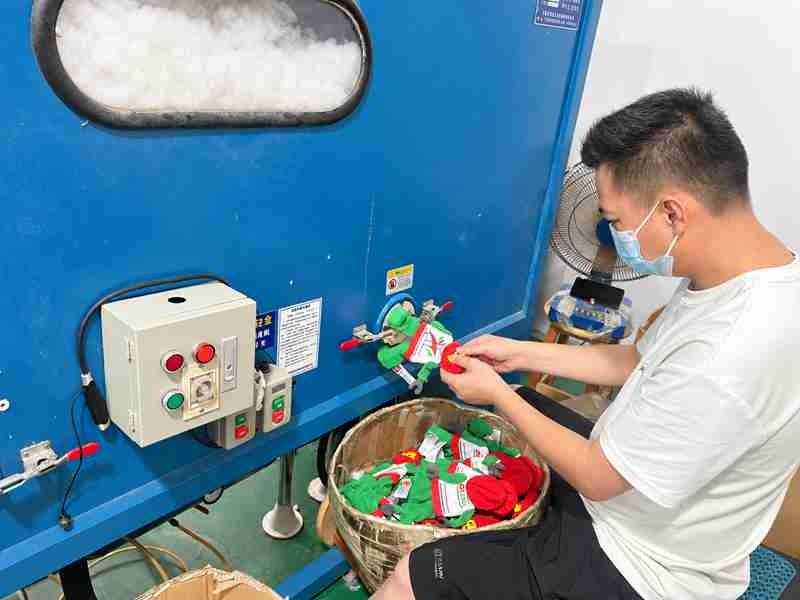
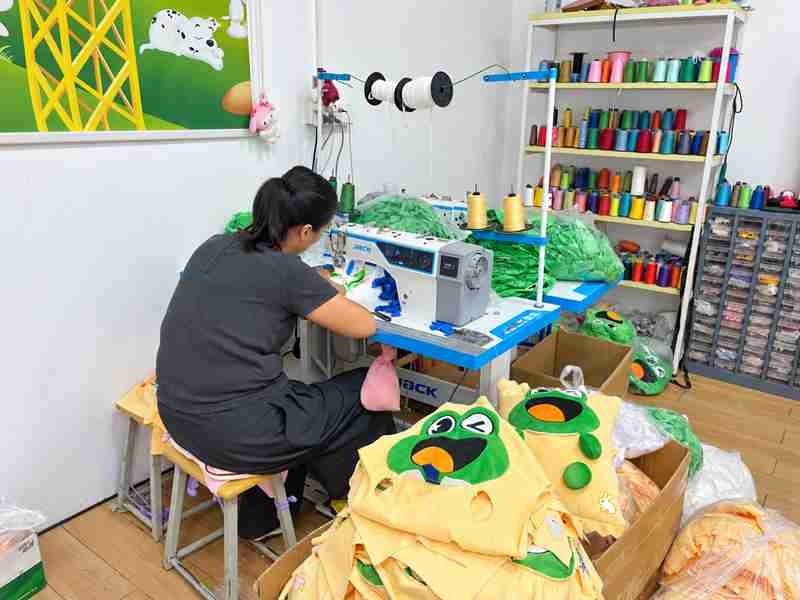
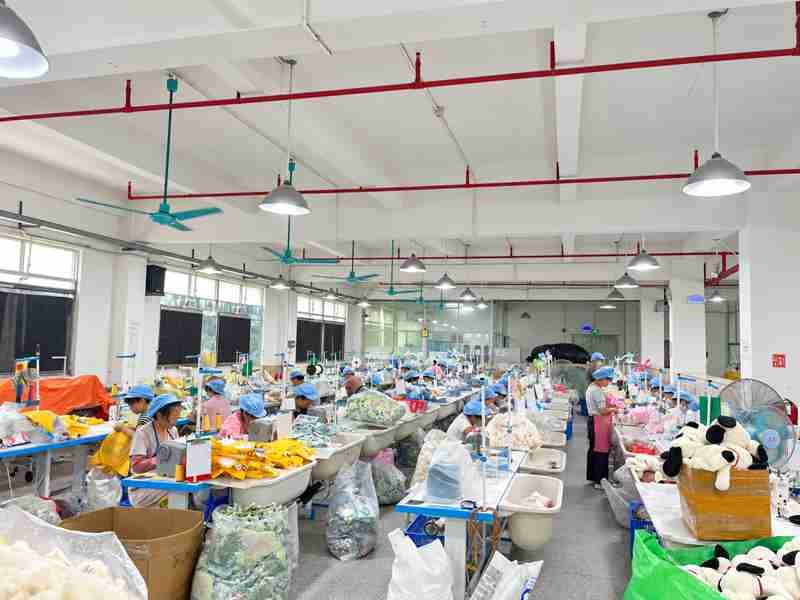
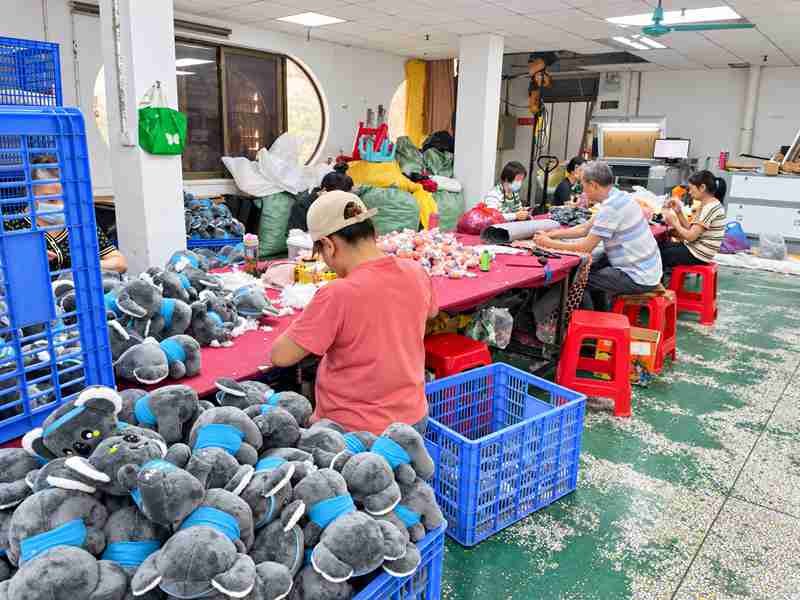
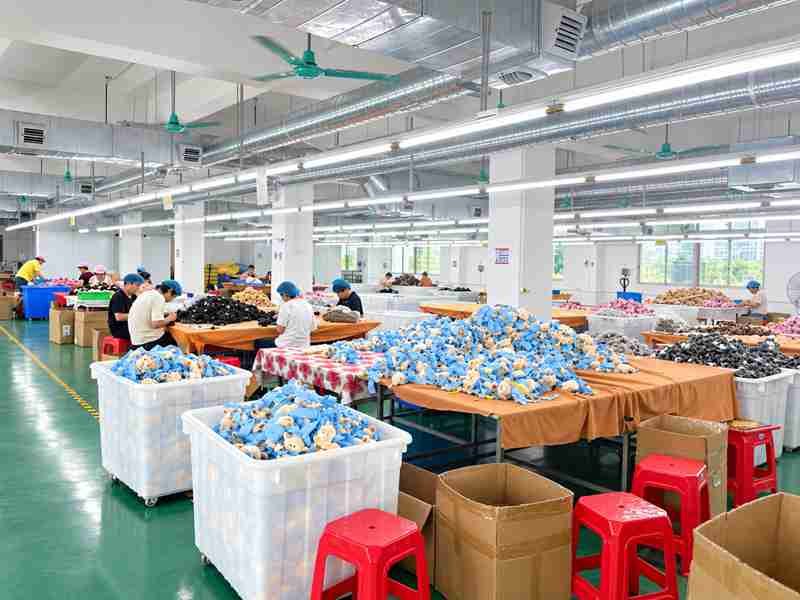
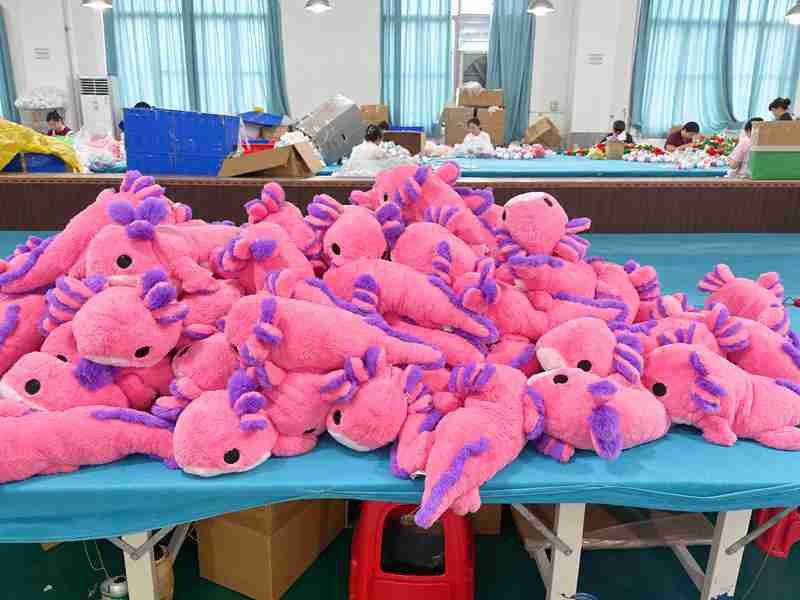
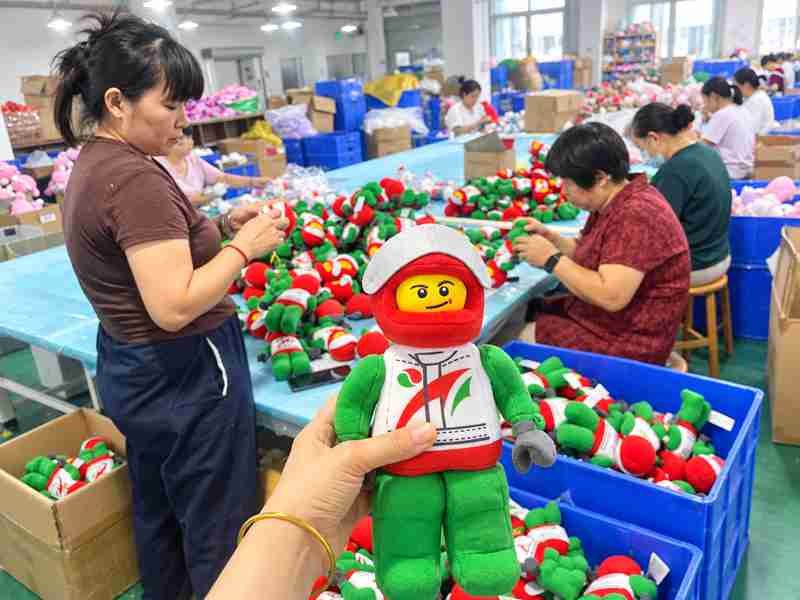
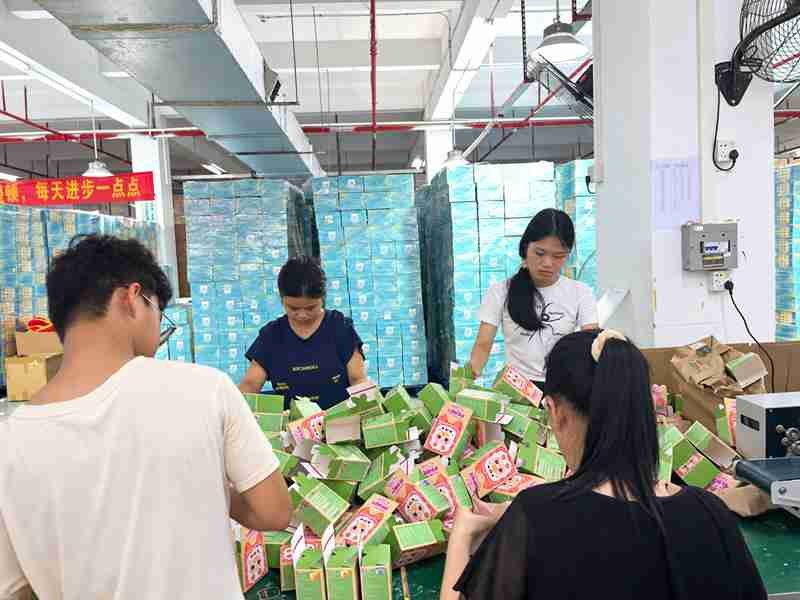
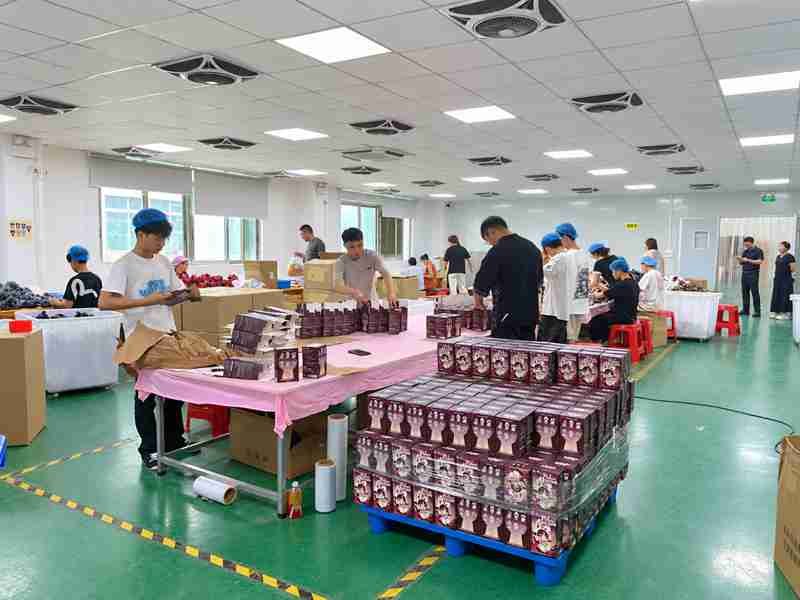
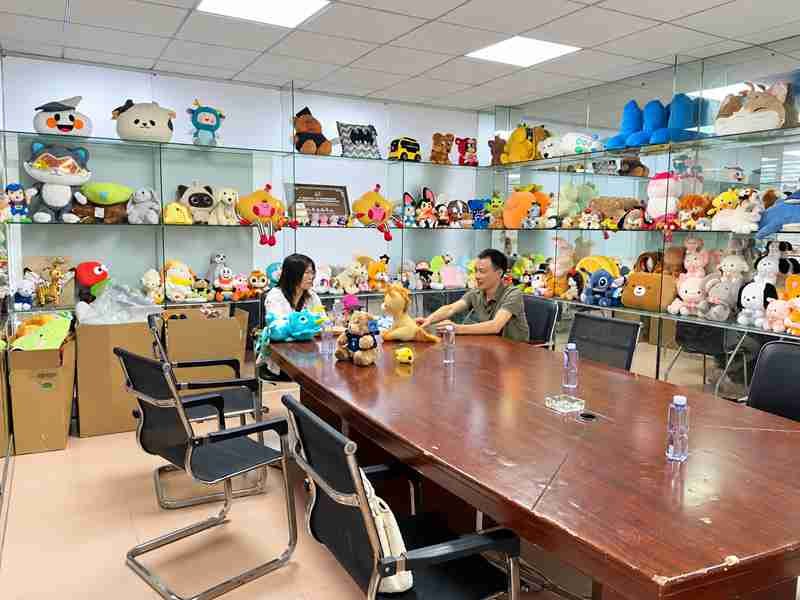
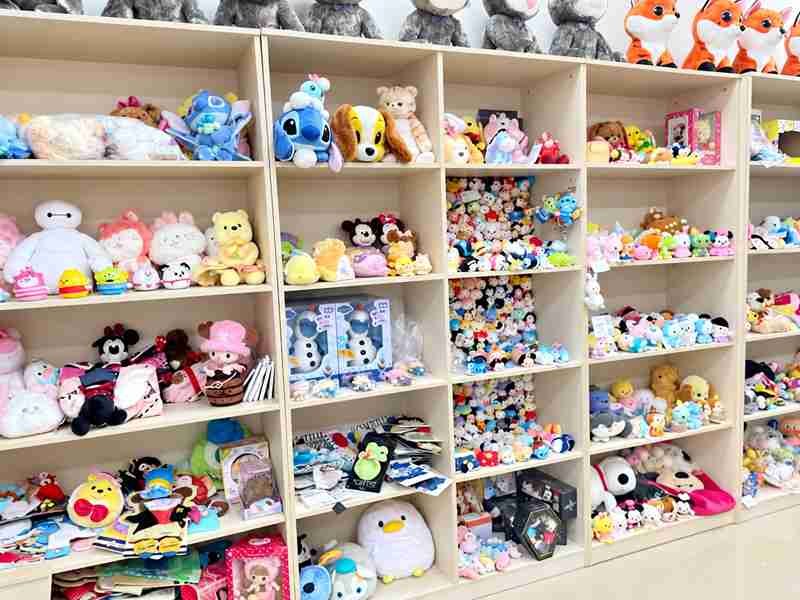
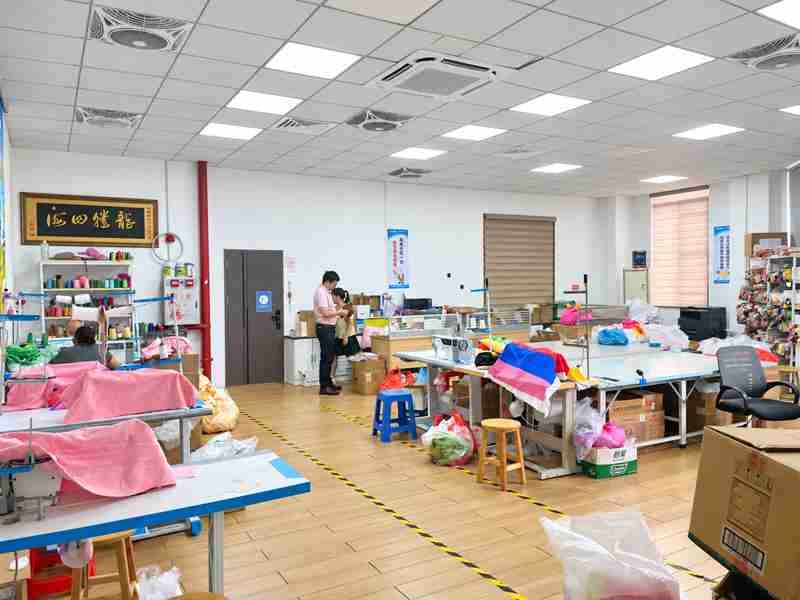
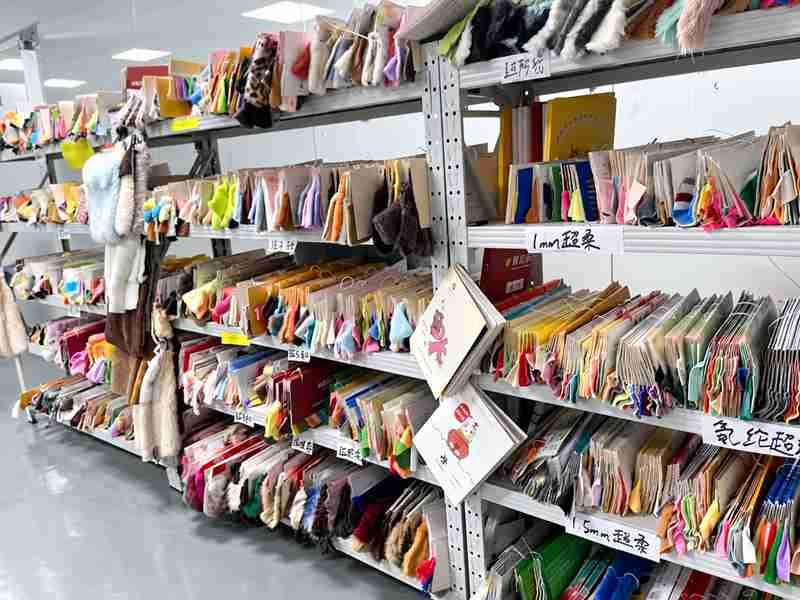
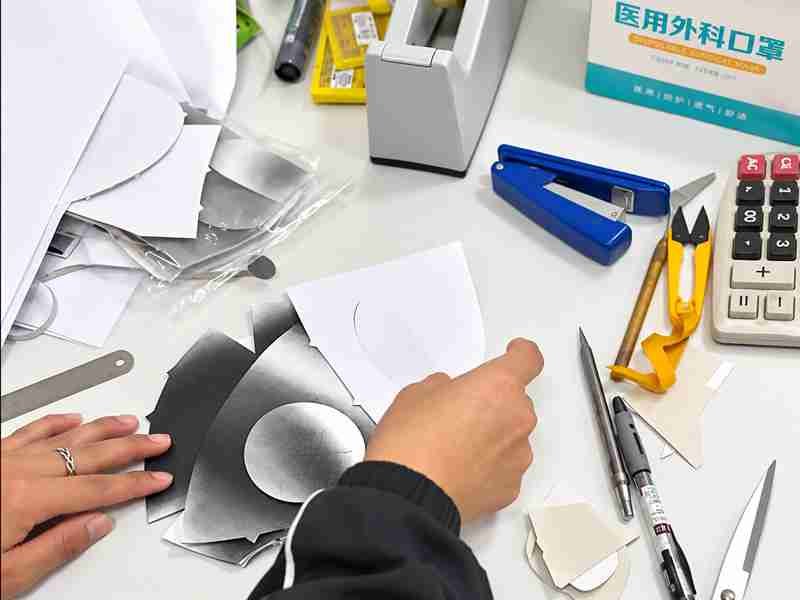
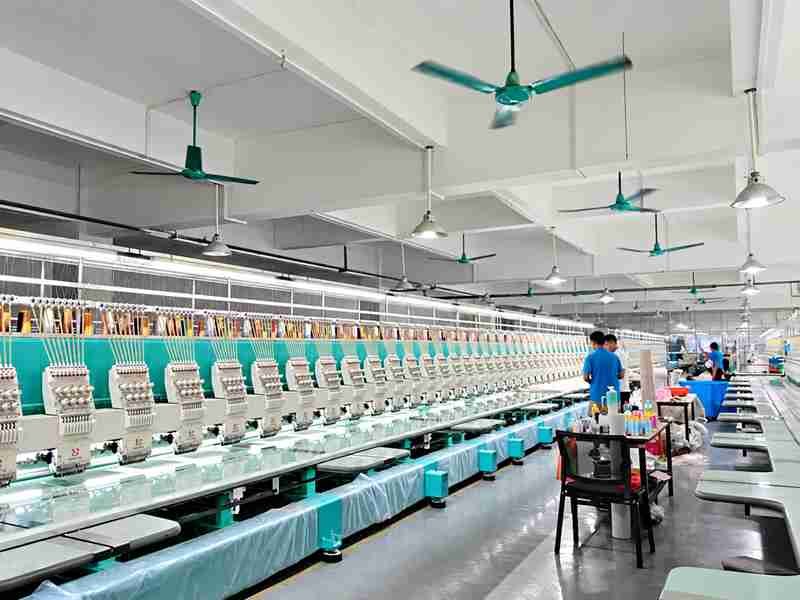
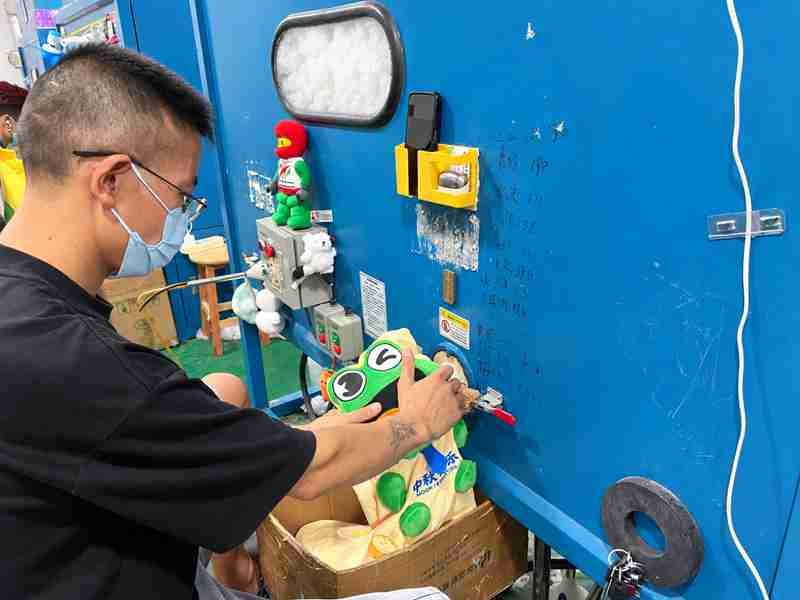
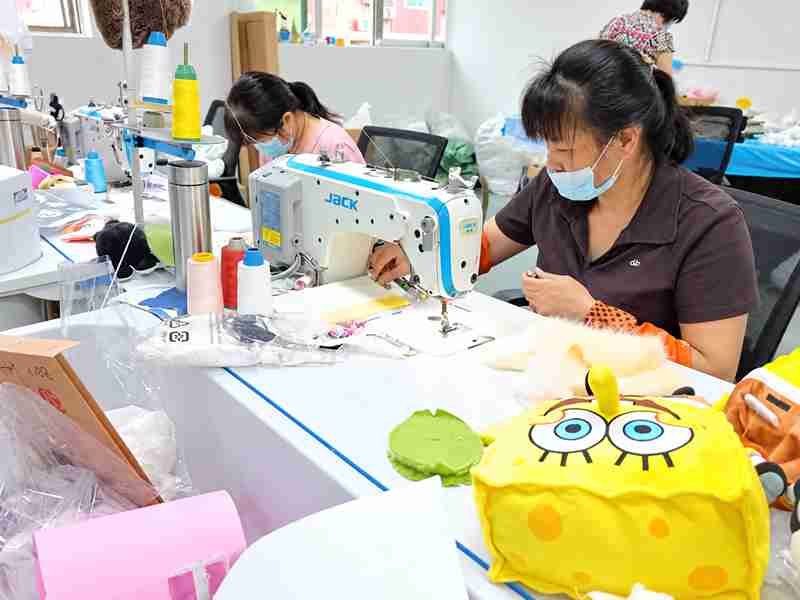
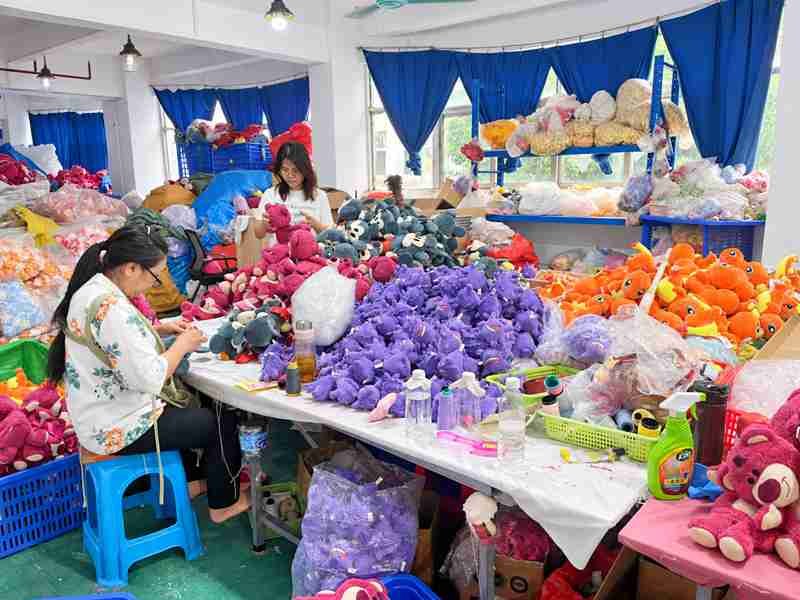
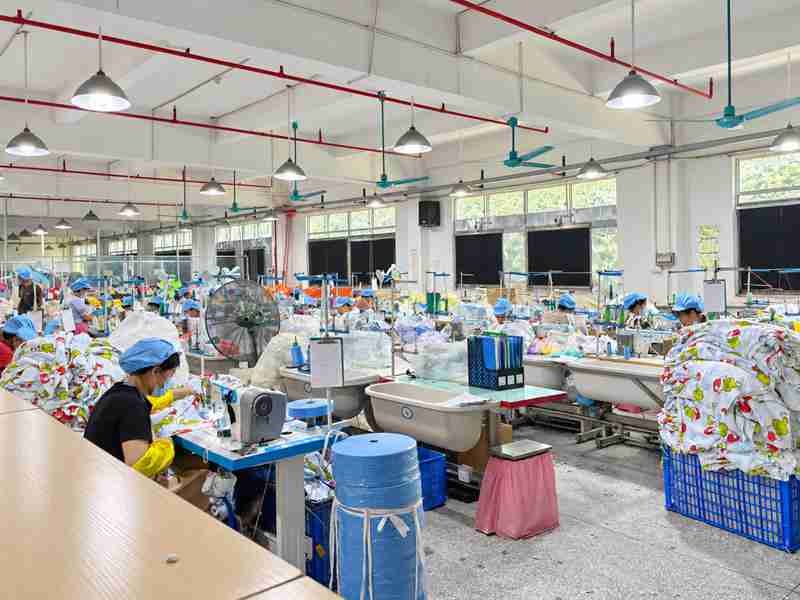
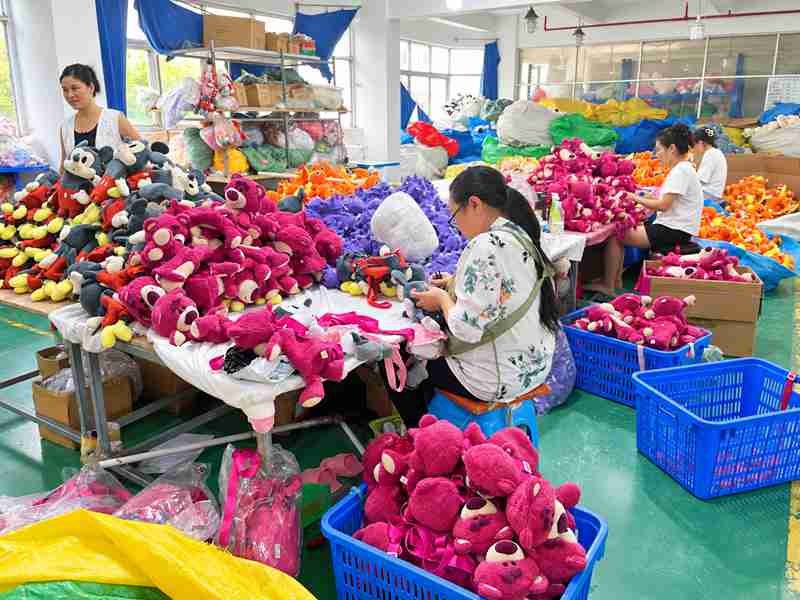
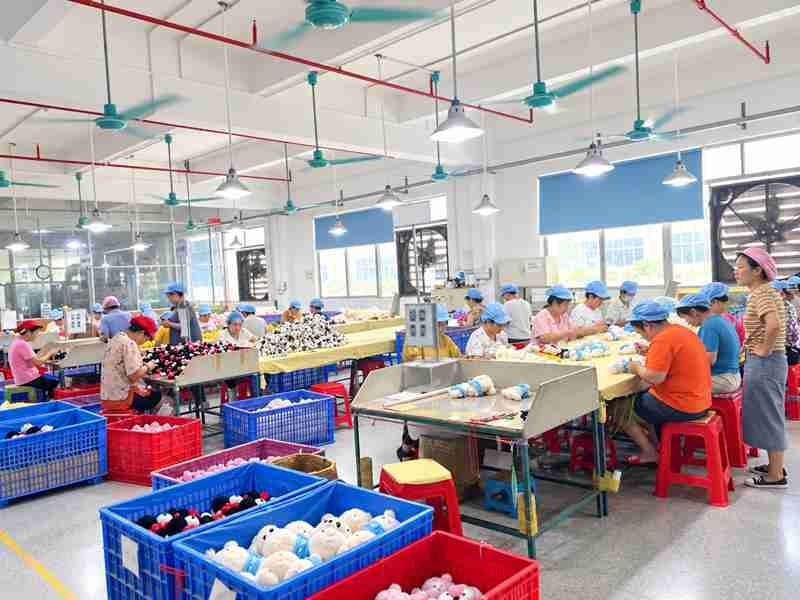
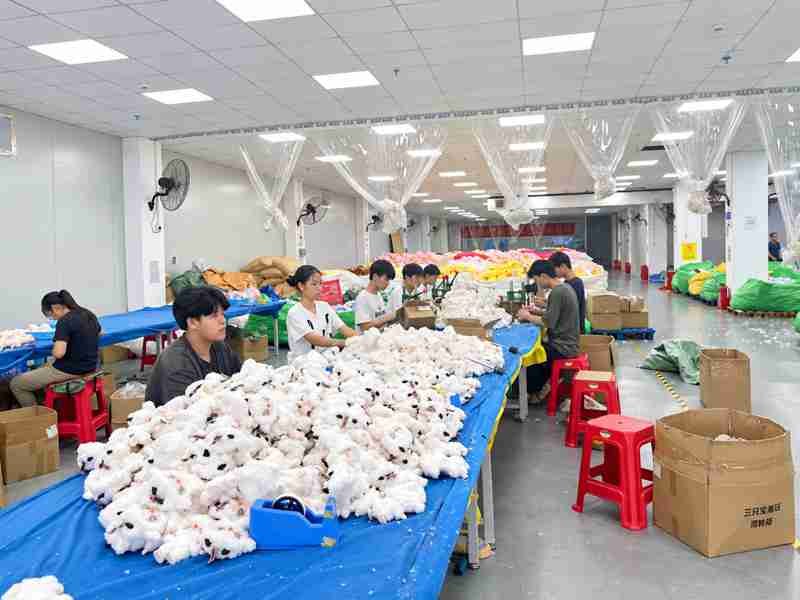
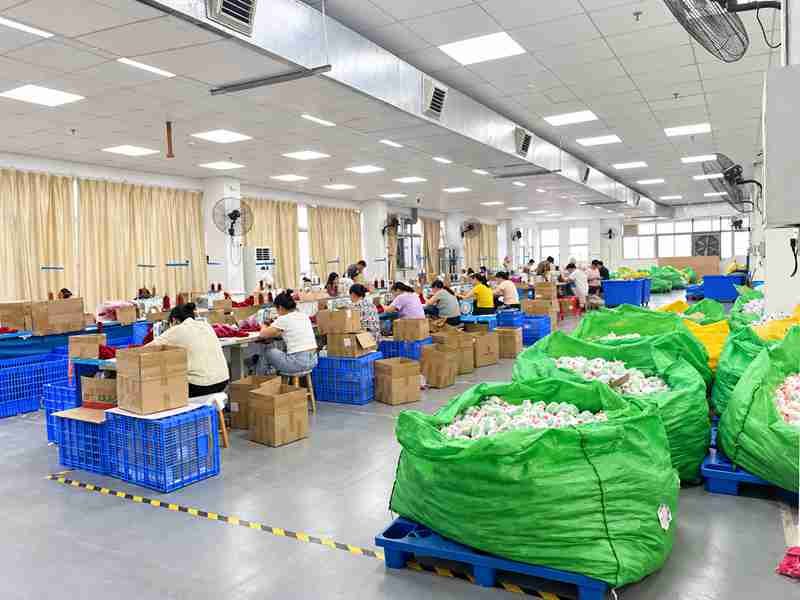
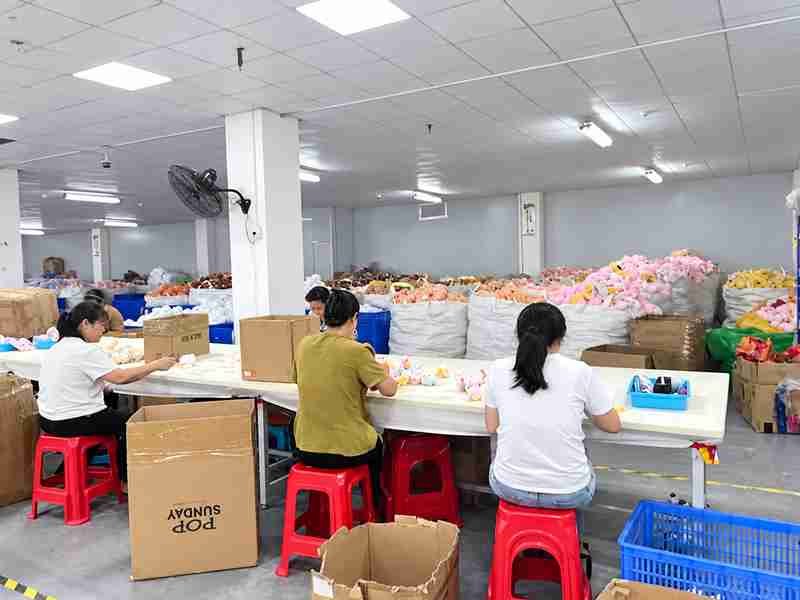
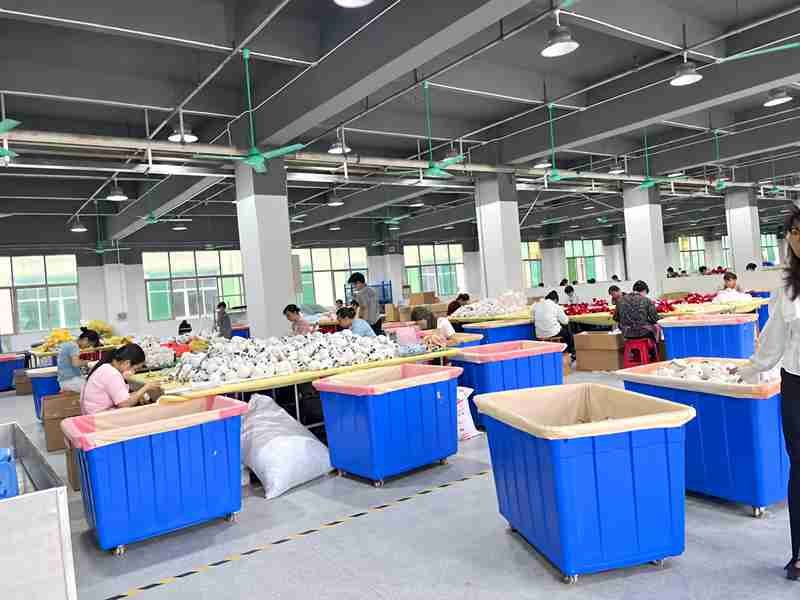
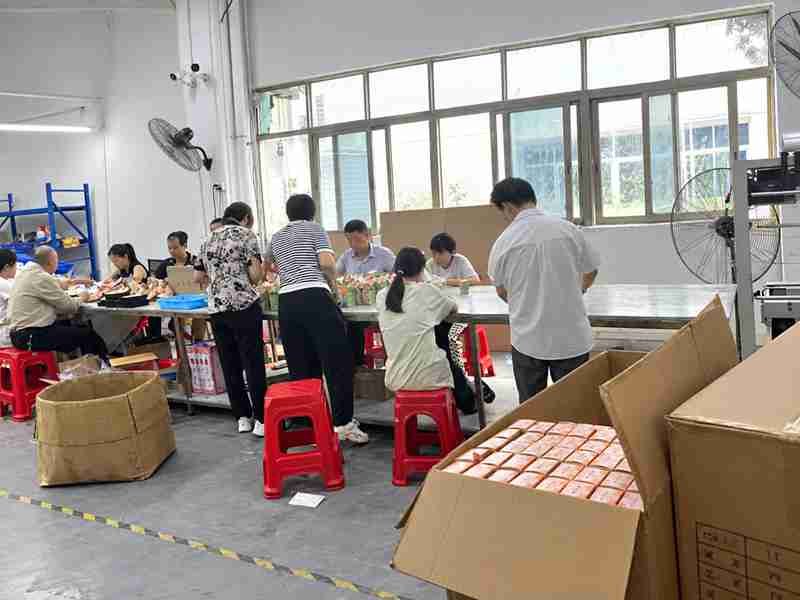
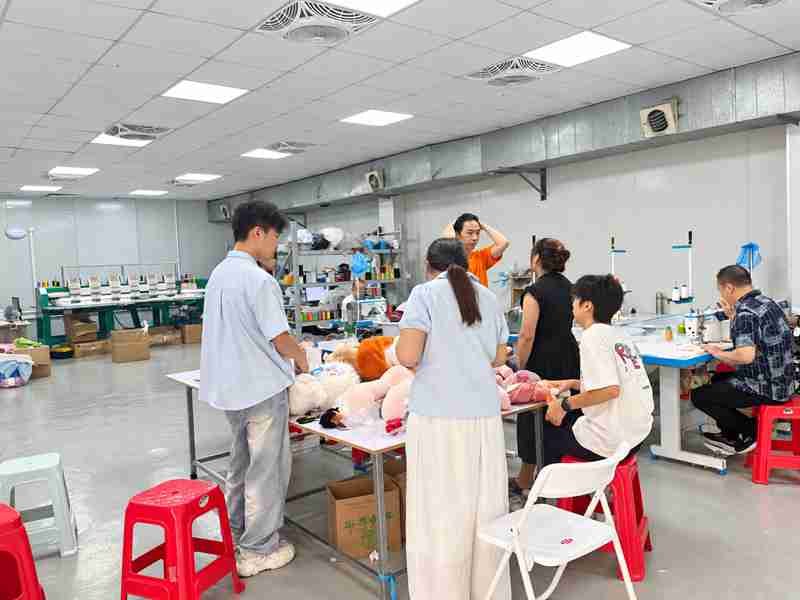
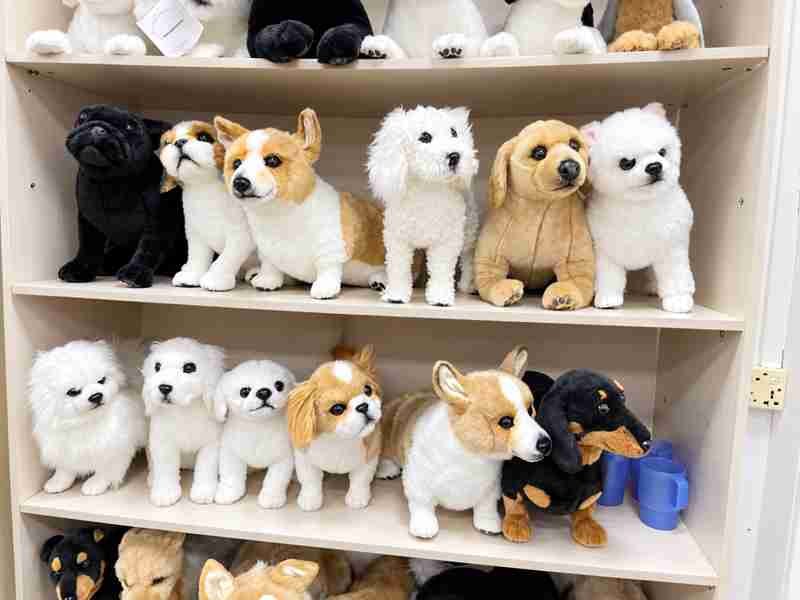
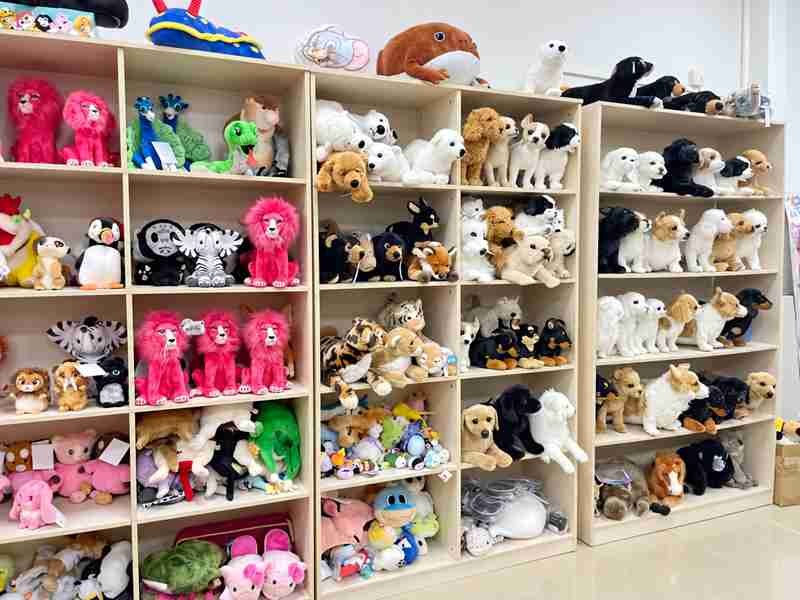
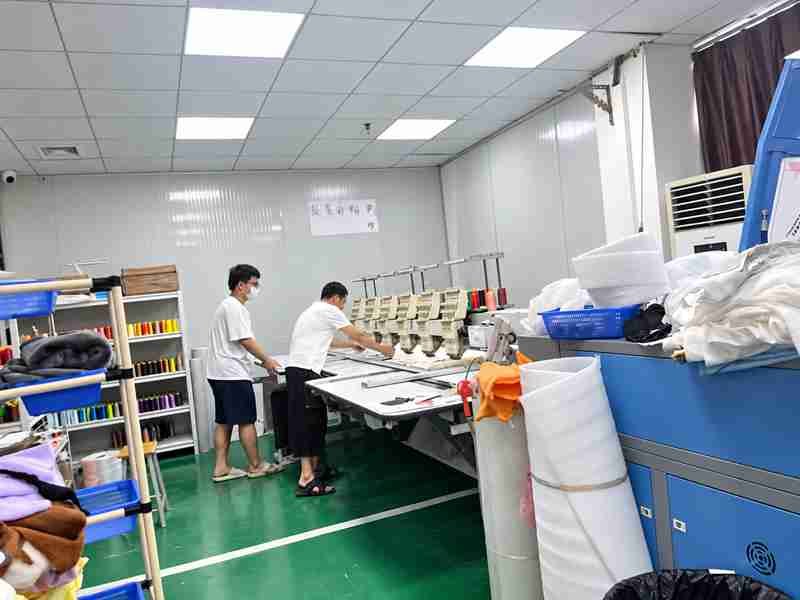
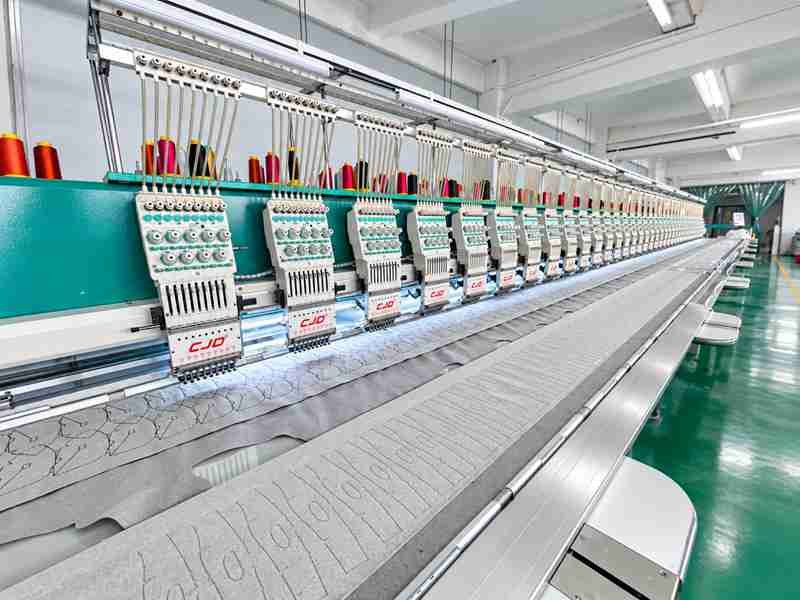
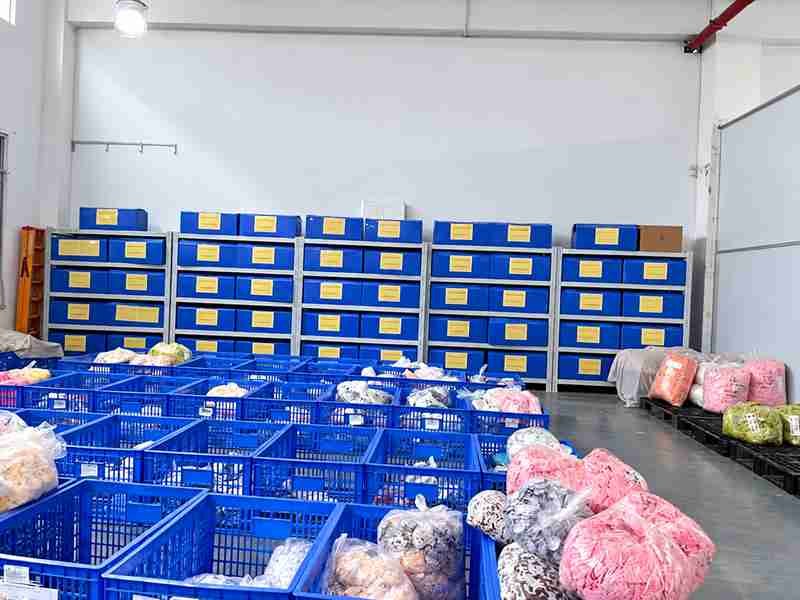
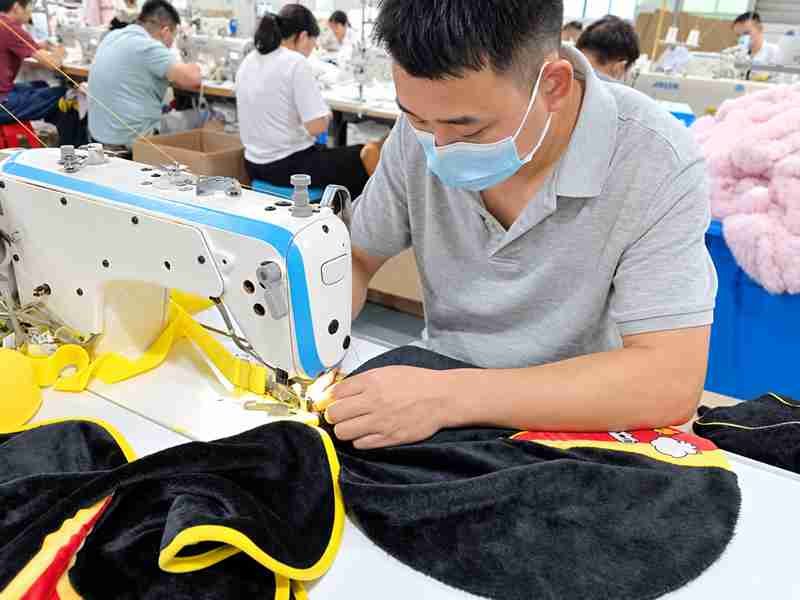
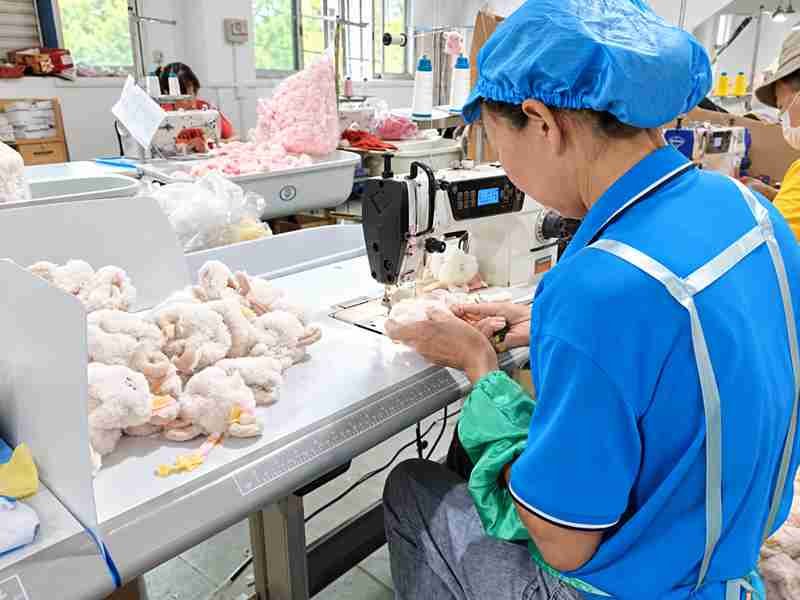
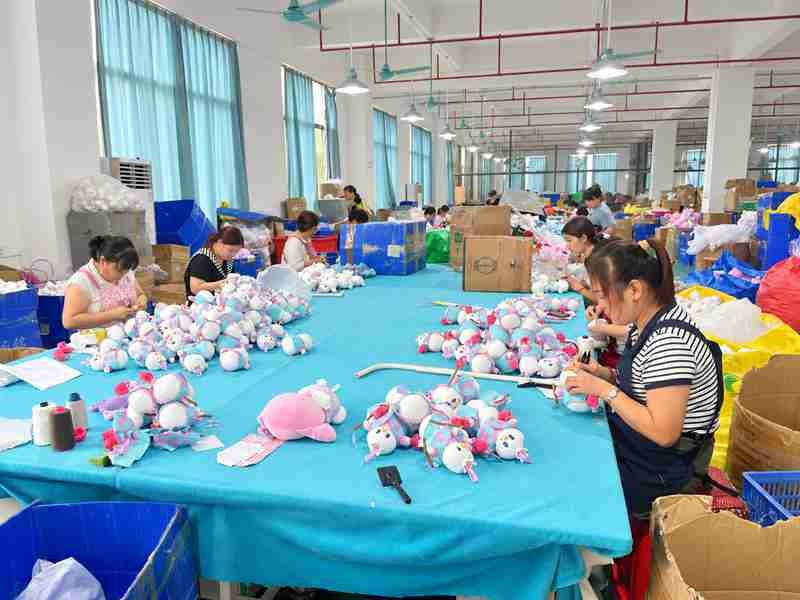
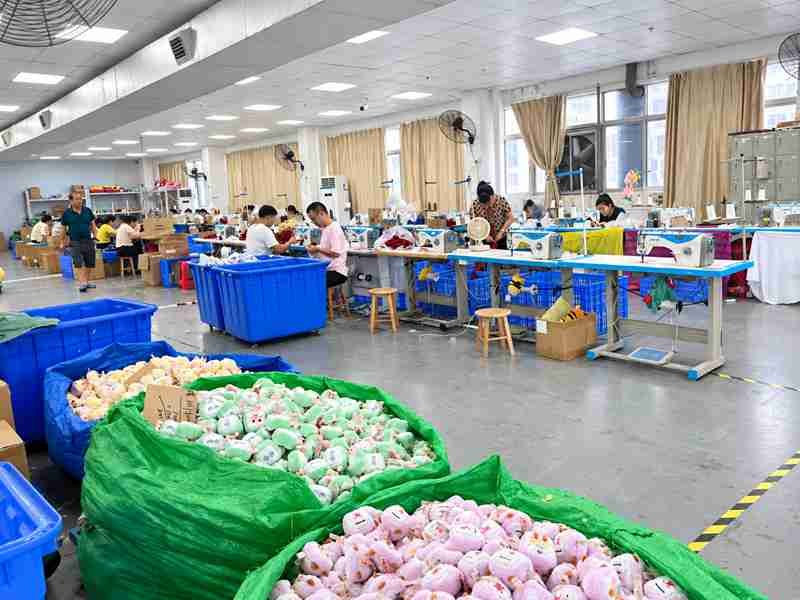
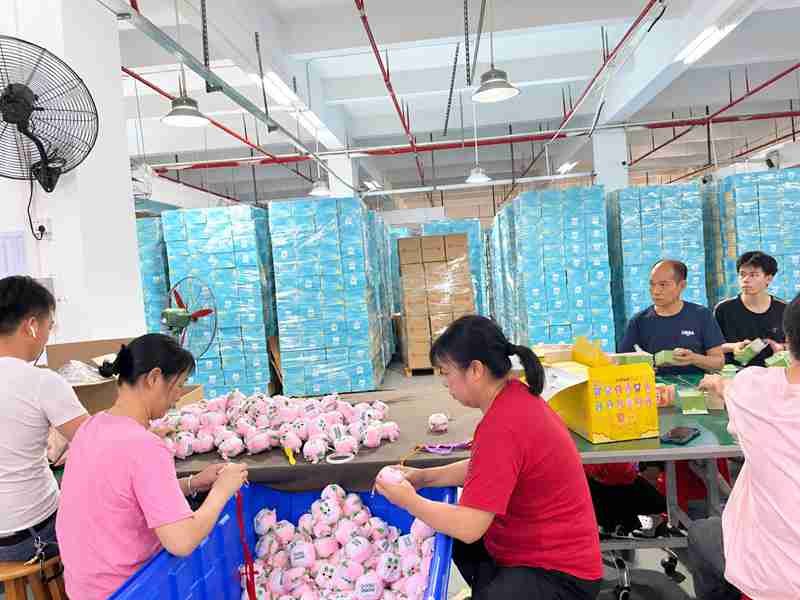
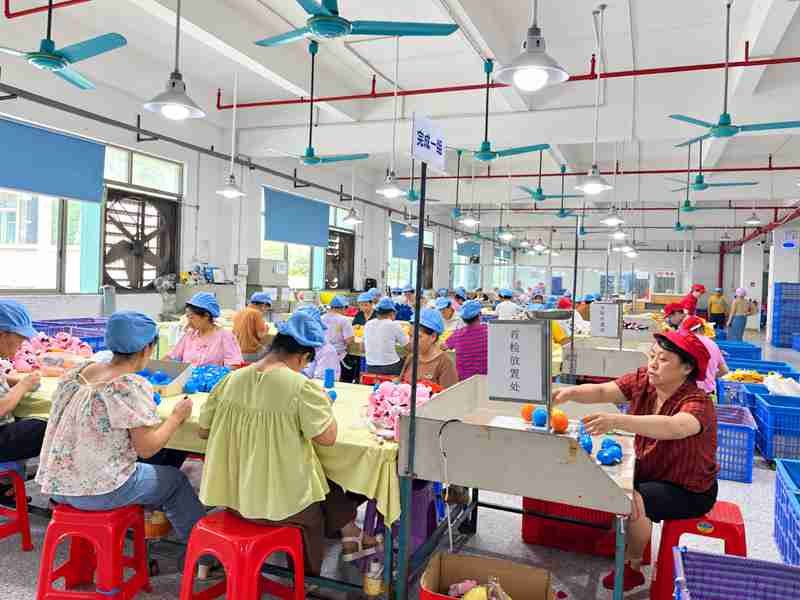
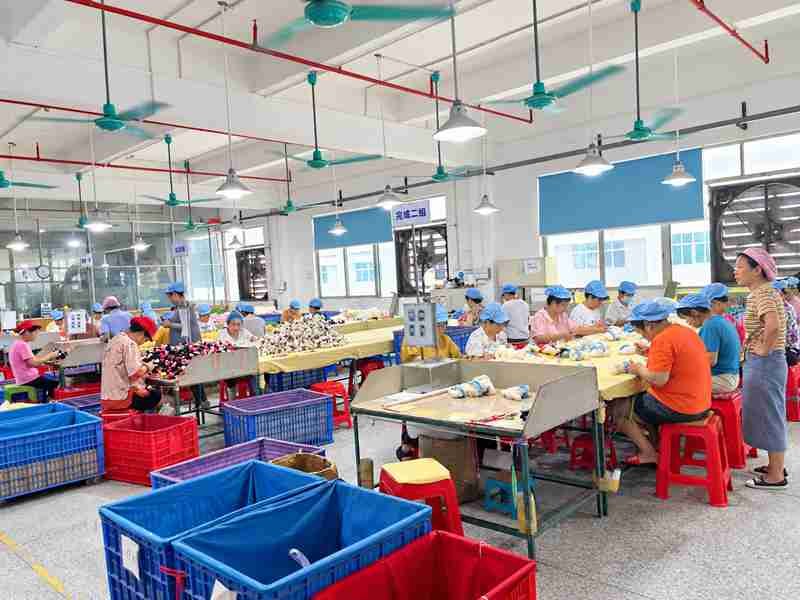
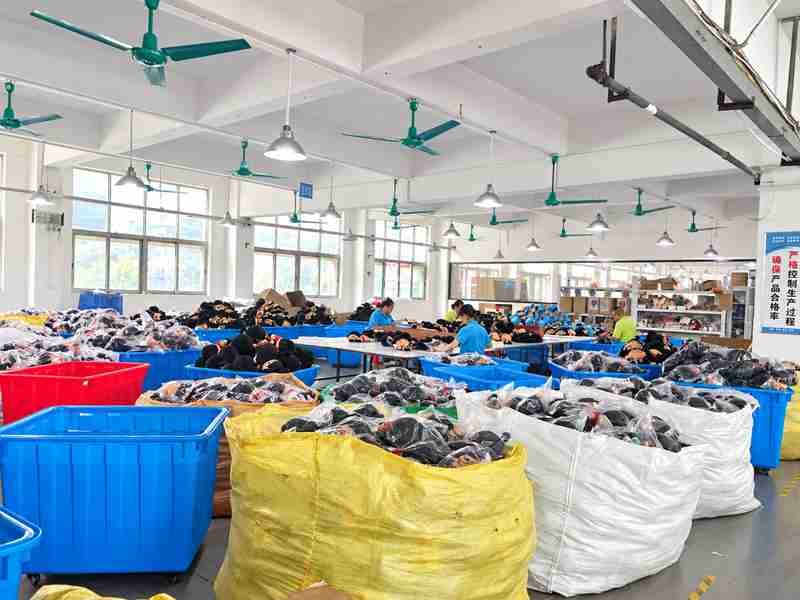
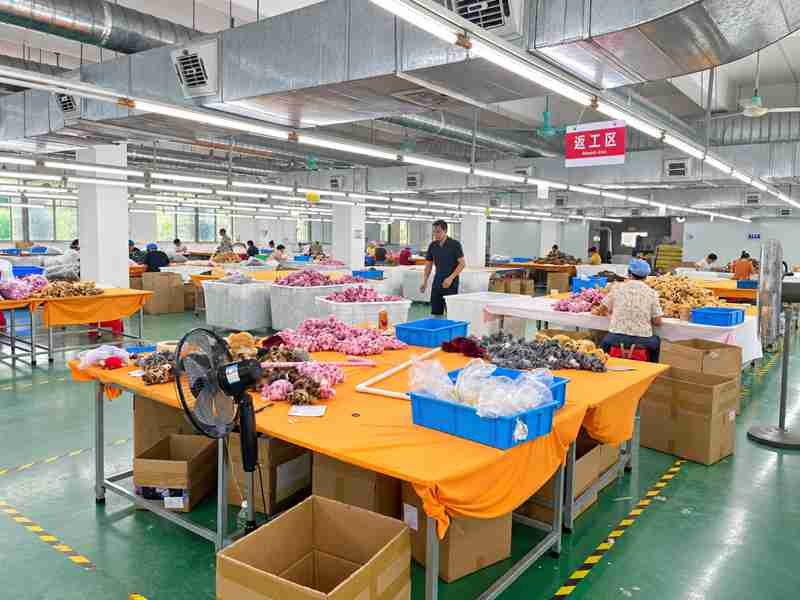
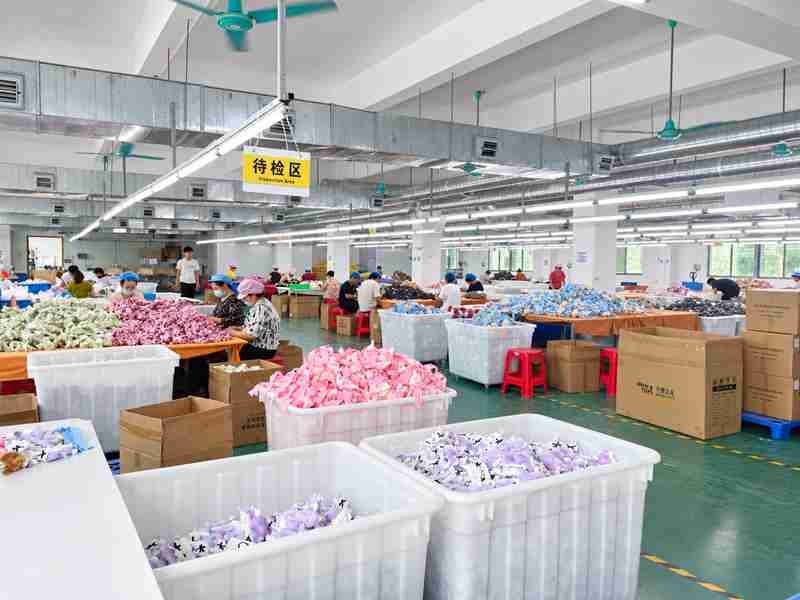
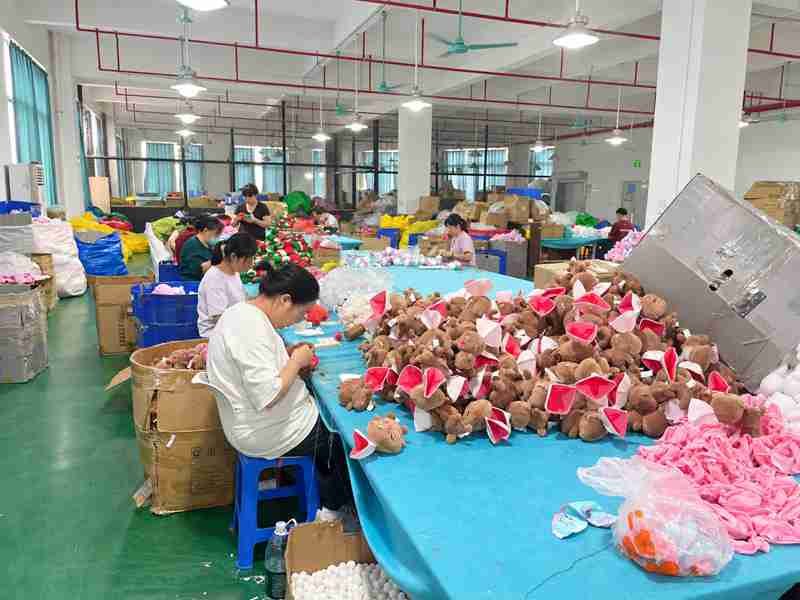
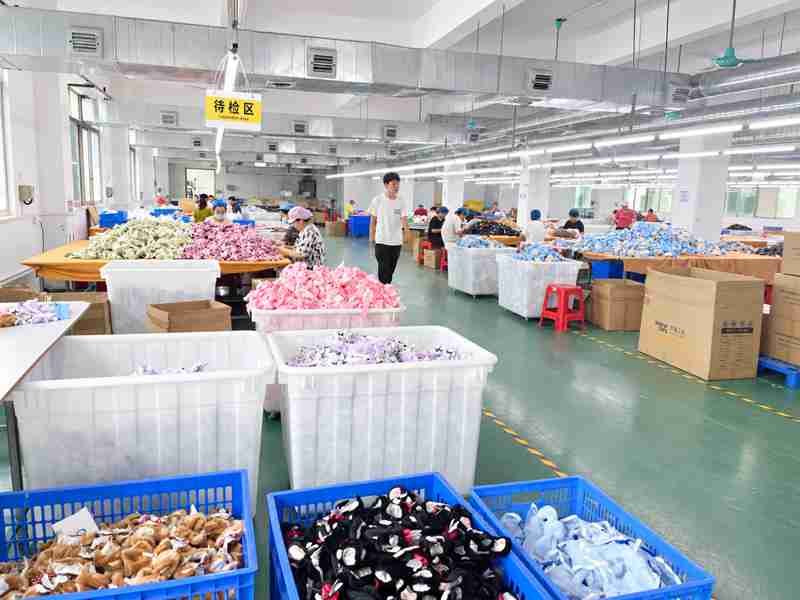
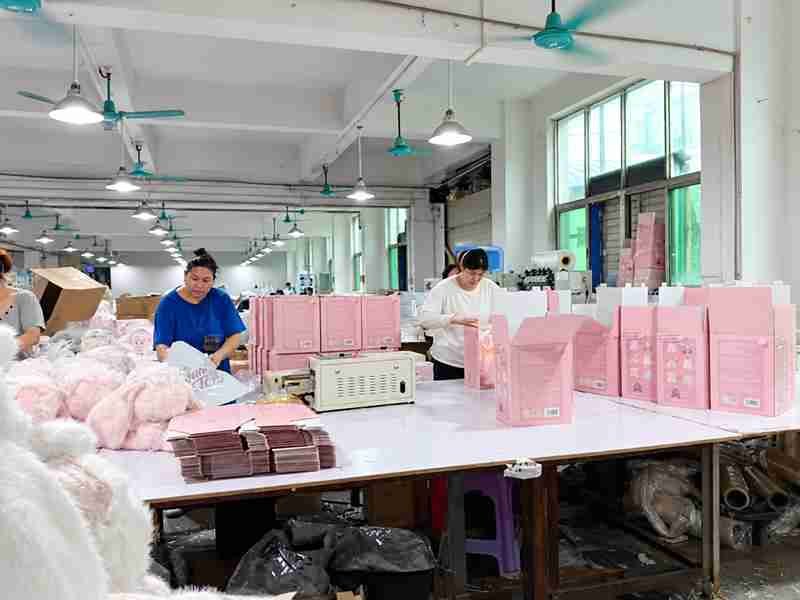
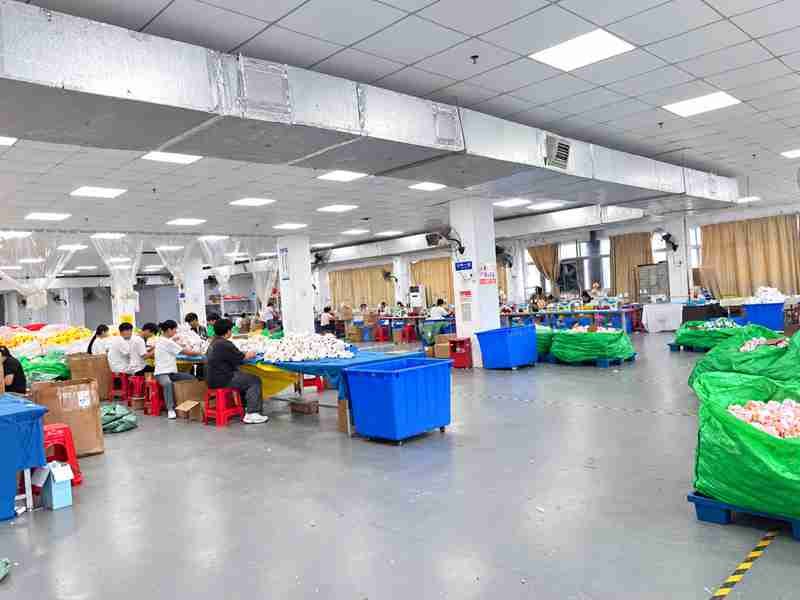
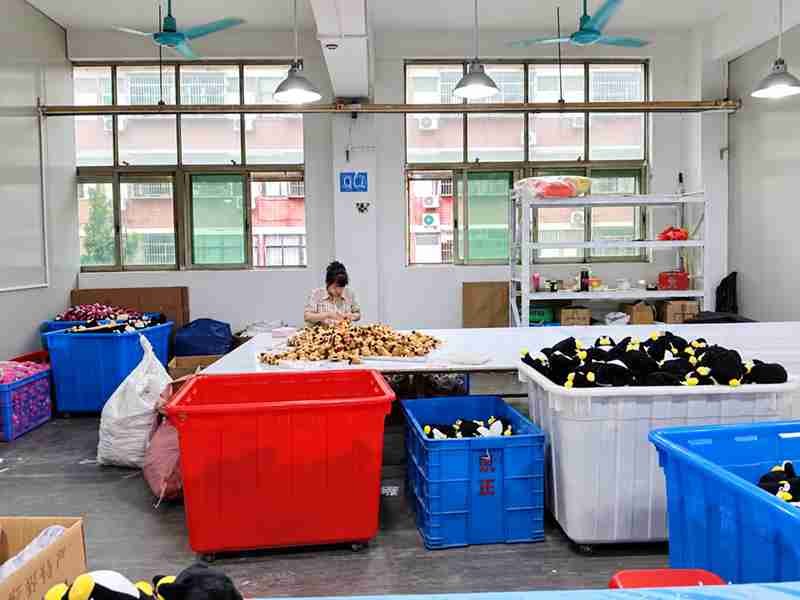
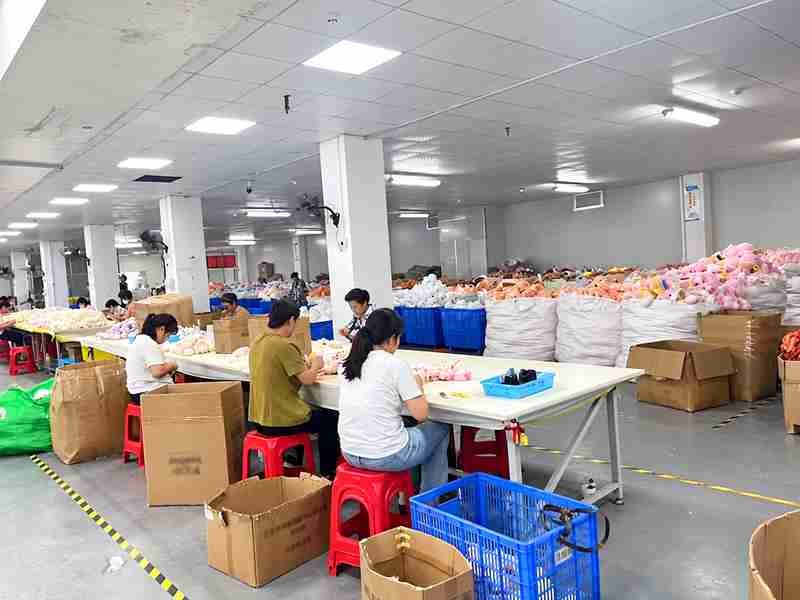
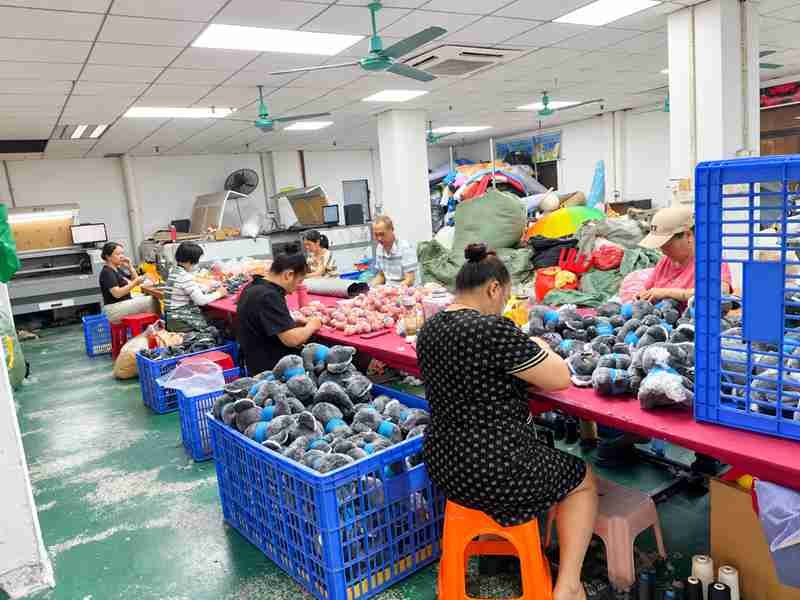
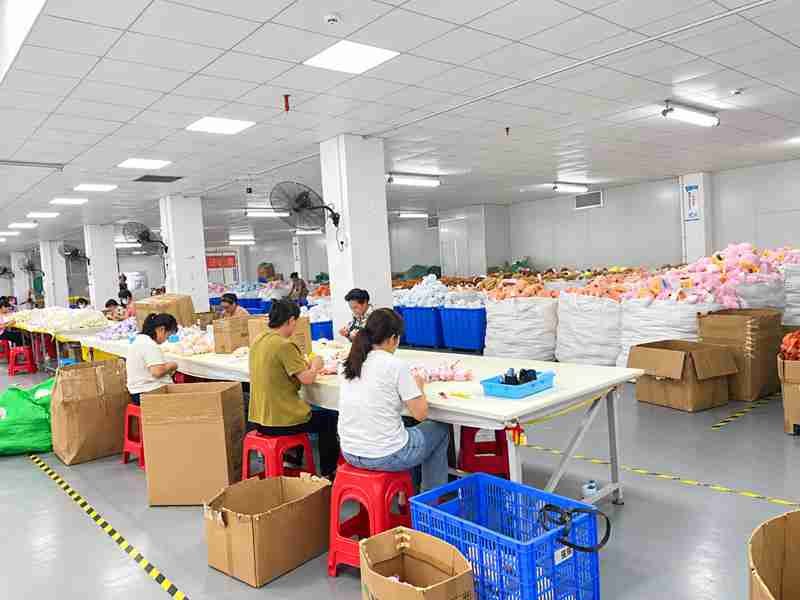
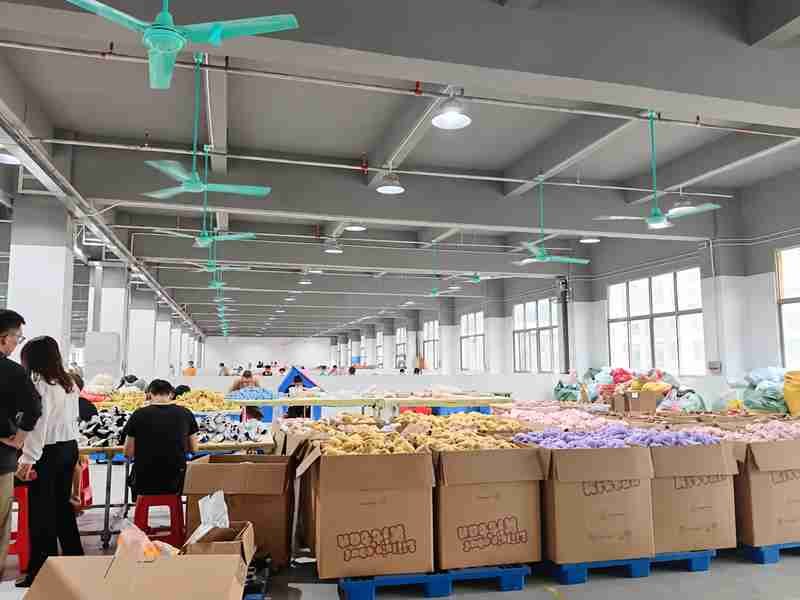
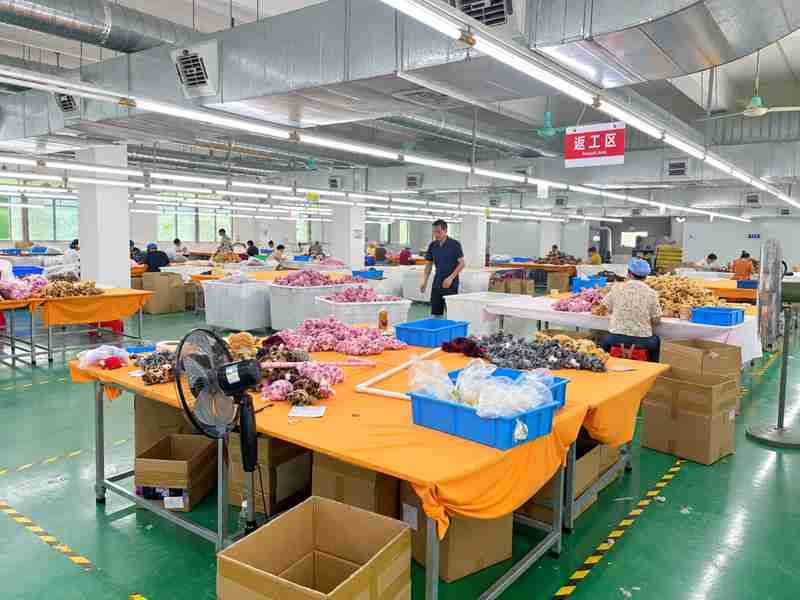
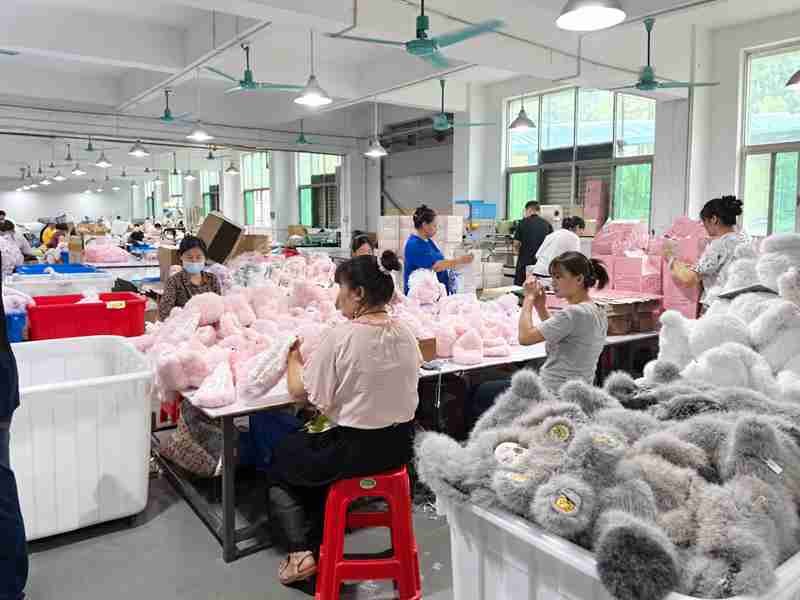
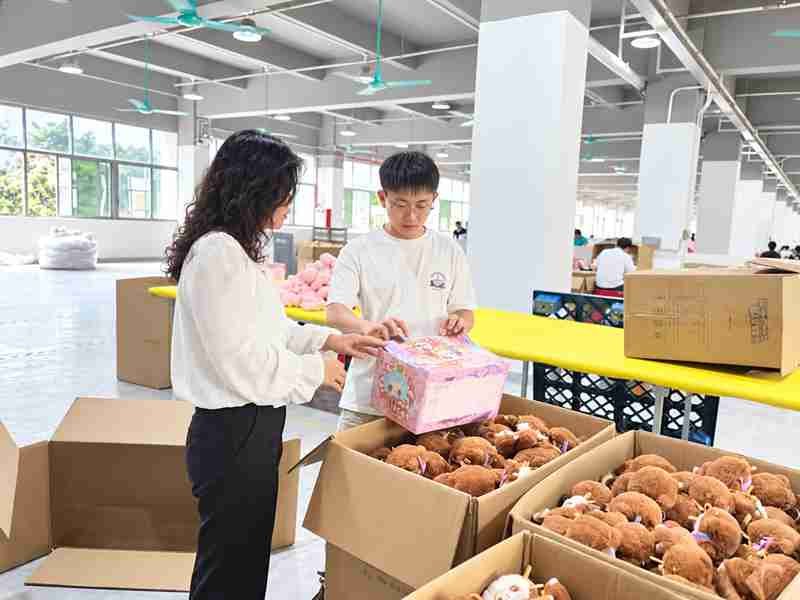
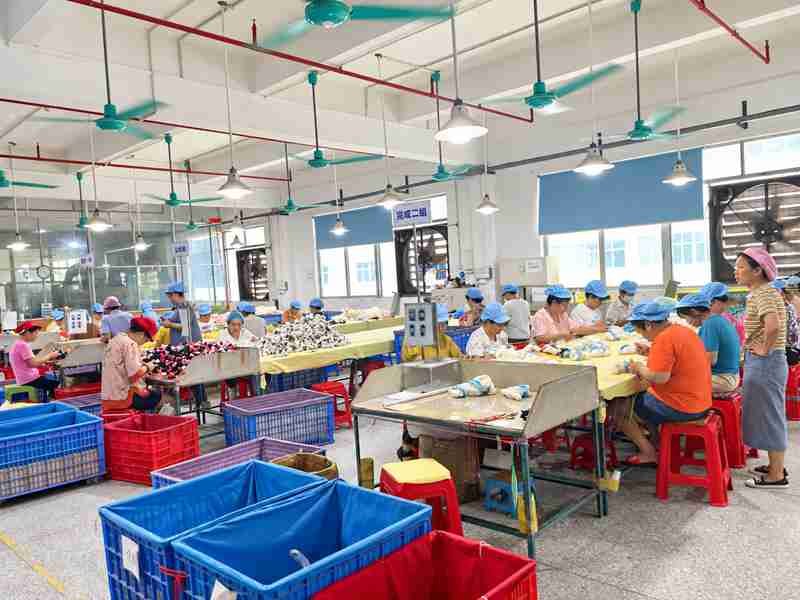
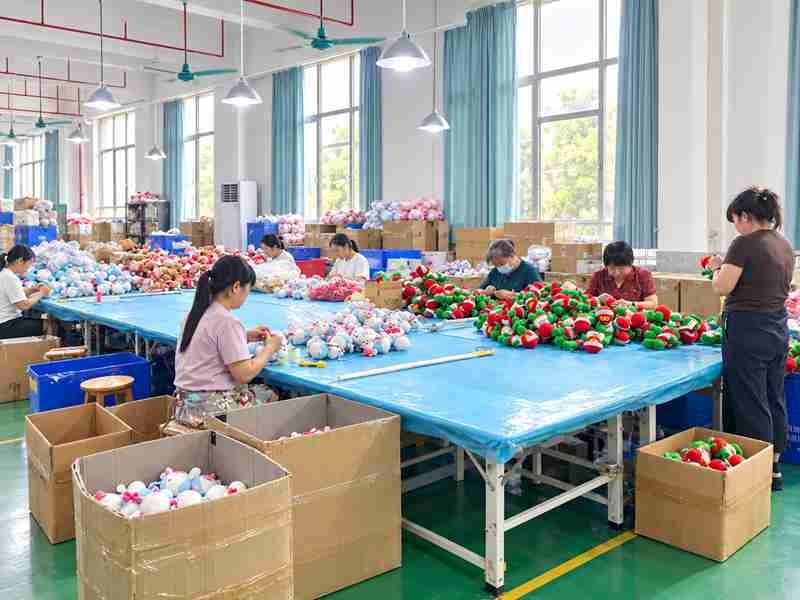
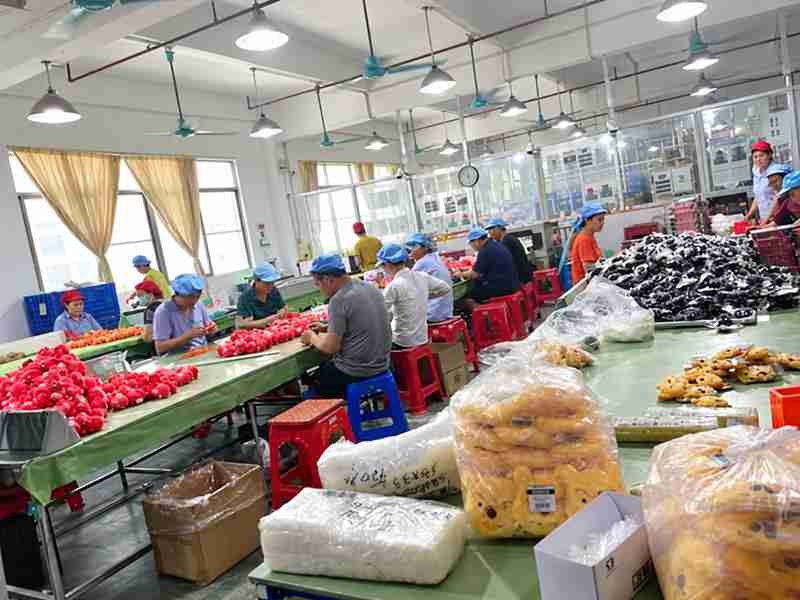
From Prototype to Production: Our Real Plush Factory Show
At Ewintoys, every plush project follows a structured development and production process, from initial design review and pattern making to sampling, mass production, quality inspection, and final delivery. Our real factory images provide a transparent view of how ideas are transformed into high-quality plush products through professional craftsmanship, engineering control, and careful production management.












Plan Testing and Compliance Around the Finished Product
Define the Compliance Route From Market and Product Risk
Prepare Samples and Documentation for Third-Party Testing
Keep Compliance Evidence Connected to Change Control
Build Branding and Packaging Into the Product Release
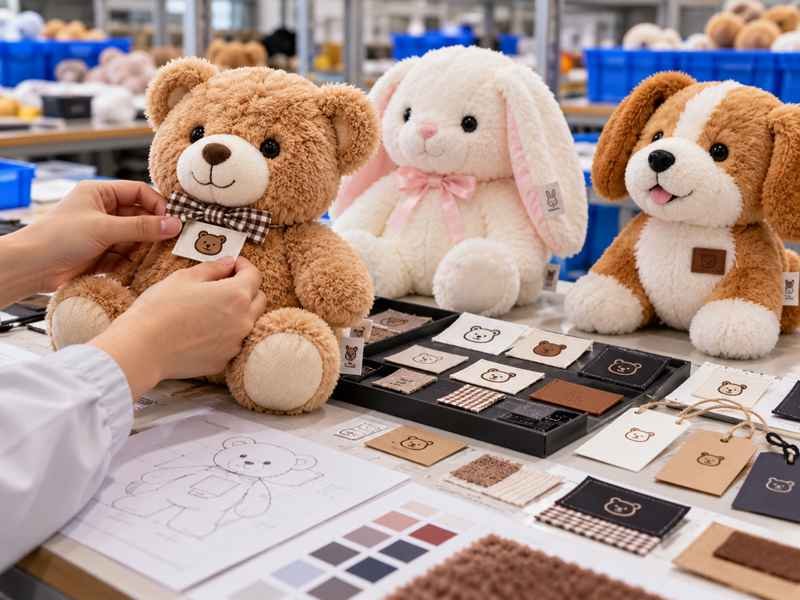
Apply Logos and Brand Marks With the Right Process
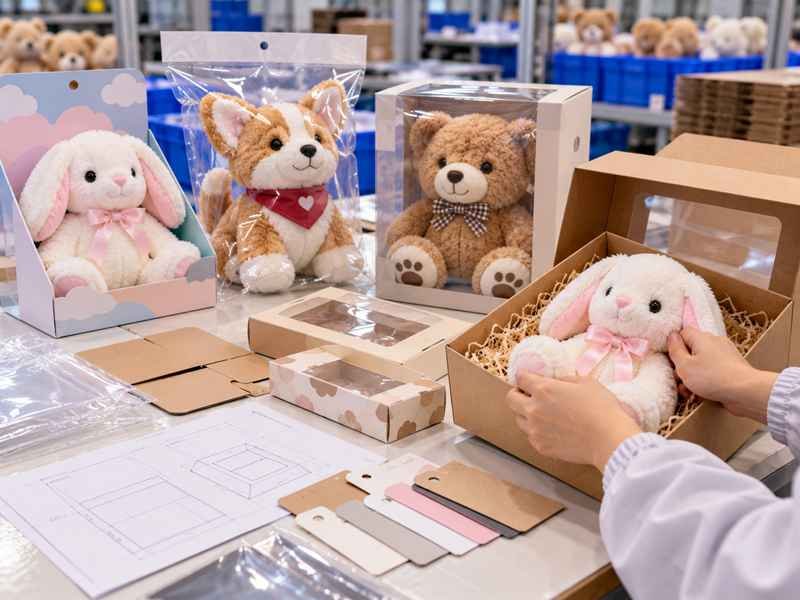
Develop Unit Packaging Around Channel and Product Behavior