A Trusted China Plush Partner for Global Brands !

Private Label Plush Toys Built for Retail-Ready Programs

Develop plush products that carry your brand from product concept through shelf-ready execution. Ewin Toys helps retailers and private-label teams align product design, specifications, packaging and repeat-order requirements before bulk production, reducing rework across future collections.

60+ Product Development Team | MOQ Evaluated from 500 pcs/style | Custom Labels & Hangtags | Retail Packaging & Barcodes | Multi-SKU Program Support | 100+ Quality Personnel | Repeat-Order Standardization

Private Label Means Building a Brand-Owned Product System

A strong private label program connects product design, brand identity, retail preparation and repeatable supply instead of stopping at a sewn-in logo.

Product Ownership

Your brand should control the product direction, not simply select a stock toy. Shape, size, fabric, color, face treatment, accessories, filling, function and packaging can be defined around the intended market position. Product decisions are recorded during development so the approved version can move into manufacturing without losing the features that make the line recognizably yours.

Brand Identity

Branding can sit across several touchpoints: embroidery, woven labels, care labels, hangtags, story cards, color language and packaging. The goal is consistency from the plush itself to the unboxing or shelf experience. Brand marks should be planned together with construction and labeling requirements so visual details do not create avoidable sewing, safety or compliance problems later.

Retail Readiness

A private label plush is not finished when sewing ends. Unit packaging, barcode placement, SKU identification, carton marking, display method and channel-specific prep can affect whether the product reaches shelves or fulfillment centers smoothly. Retail planning should therefore start while the product and packaging are still being approved, not after mass production has already been completed.

Supply Continuity

A useful private label program should support more than one purchase order. Approved materials, sample versions, BOM information, packaging specifications and SKU records create a reference for reorders, color extensions and new sizes. Keeping those controls organized reduces the risk of a later batch drifting in hand feel, color, decoration position, labeling or pack-out.

Private Label Plush Products for Different Brand Strategies
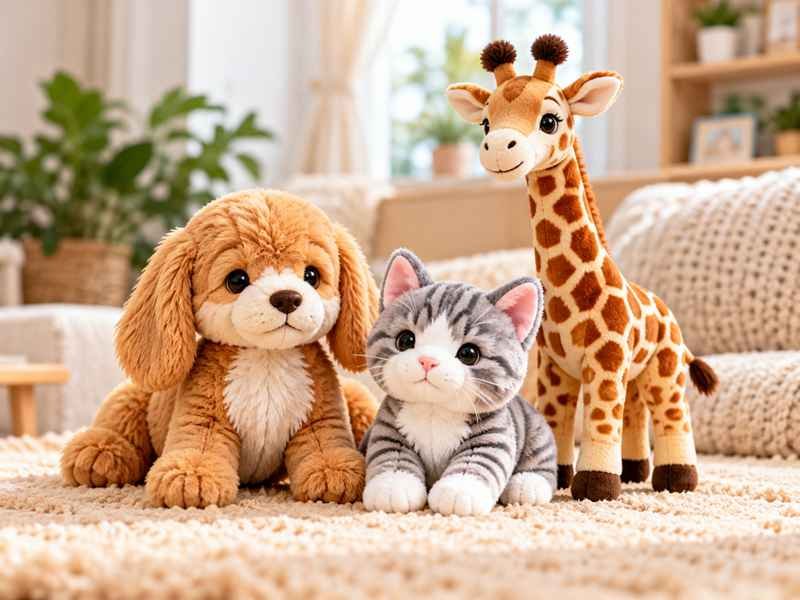
Choose the product family around selling channel, price position, target audience and merchandising role rather than forcing every idea into one plush format.
Ewintoys 02-03 Stuffed Animals

Stuffed Animals

A versatile core line for retail, gifting and brand collections. Common commercial sizes often sit around 10-40 cm, with larger display or hugging formats available when packaging and freight are planned accordingly.
Ewintoys 02-01 Character Plush

Character Plush

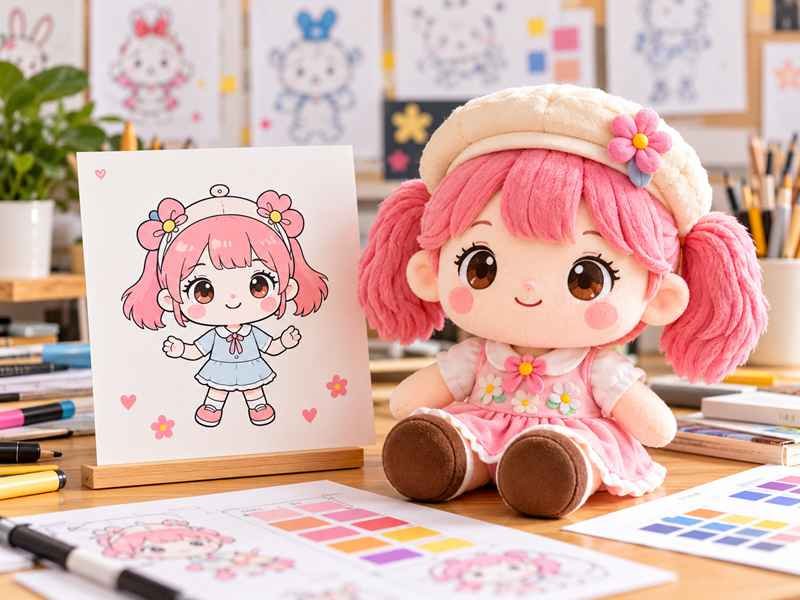
Turn original characters, mascots or owned visual assets into production-ready plush. Face shape, eye spacing, silhouette, clothing and color blocks should be treated as brand-critical features during sample approval.
02-02 Mascot Plush Mustard Lightning Bolt Mascot Plush-4

Mascot Plush

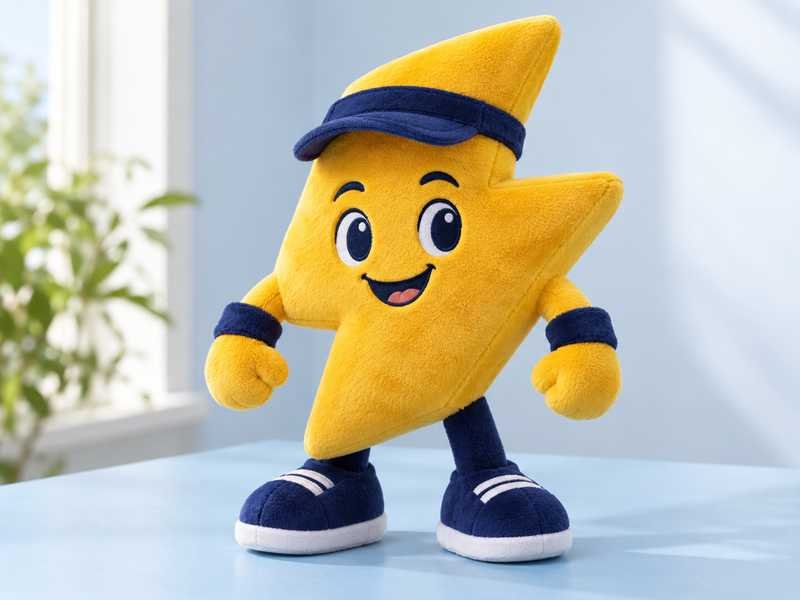
Suitable for corporate brands, sports programs, schools, events and retail merchandise. A mascot can expand from a standard hero size into mini versions, keychains, gift sets or seasonal editions.
Ewintoys 02-03 Collectible Plush

Collectible Plush

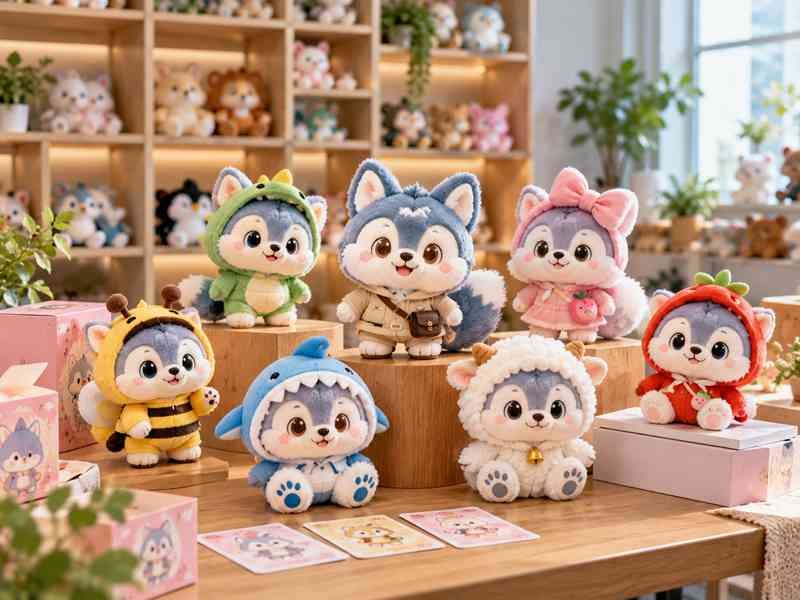
Designed for stronger material feel, fine facial work, series consistency and elevated packaging. Collectible programs often benefit from shared size, fabric and packaging rules across several characters or editions.
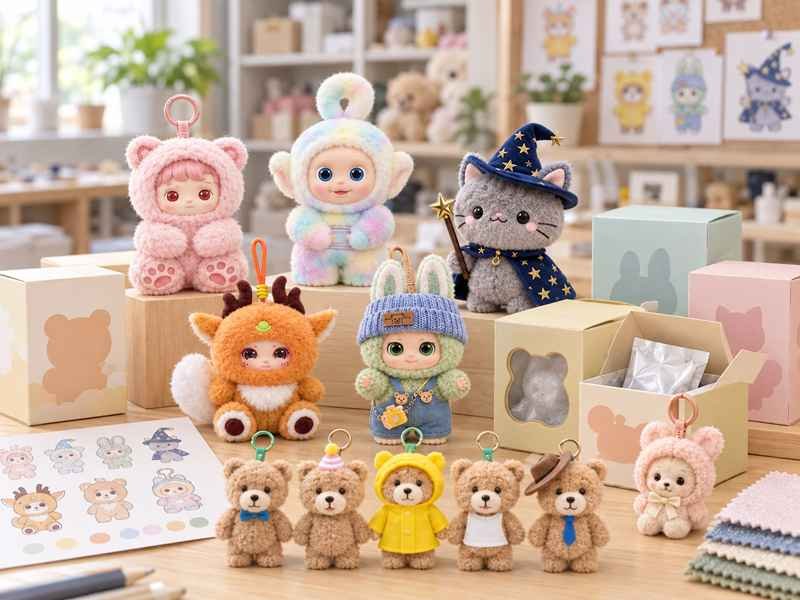
Ewintoys 02-04 Blind Box & Mini Plush

Blind Box Plush

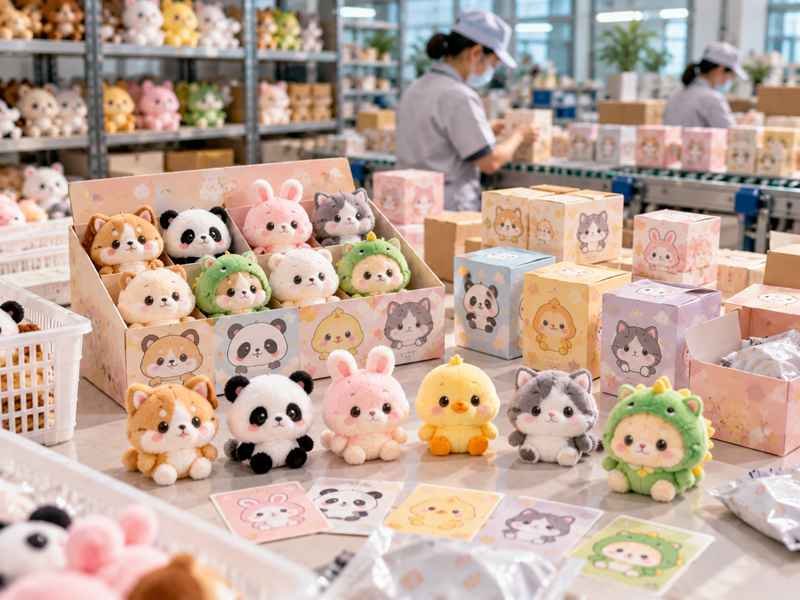
Small-format series where facial readability, hidden-edition control, pack-out accuracy and box design matter as much as sewing. SKU planning should be settled before packaging quantities are committed.
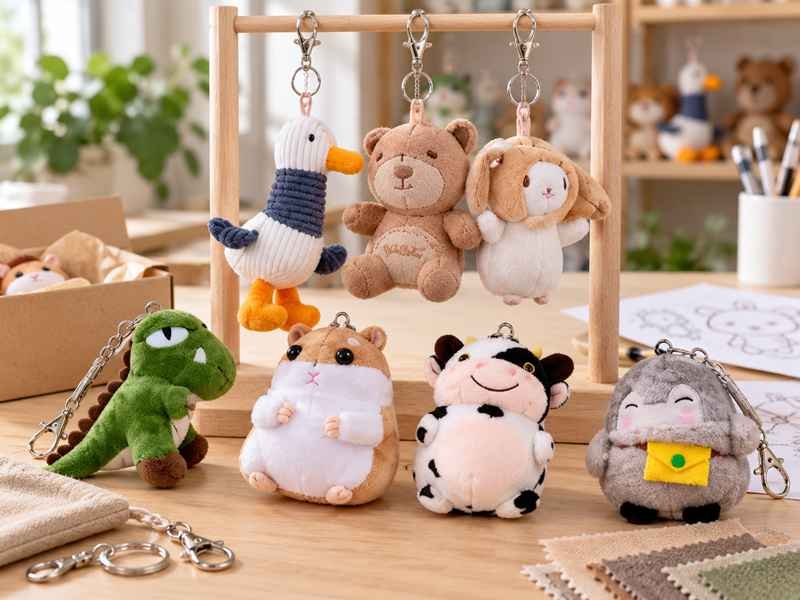
02-2 Ewin toys Plush Keychains

Plush Keychains

Common sizes are about 6-15 cm. Small scale increases the importance of simplified facial details, secure attachment points, hardware selection and packaging that protects the product without overwhelming it.
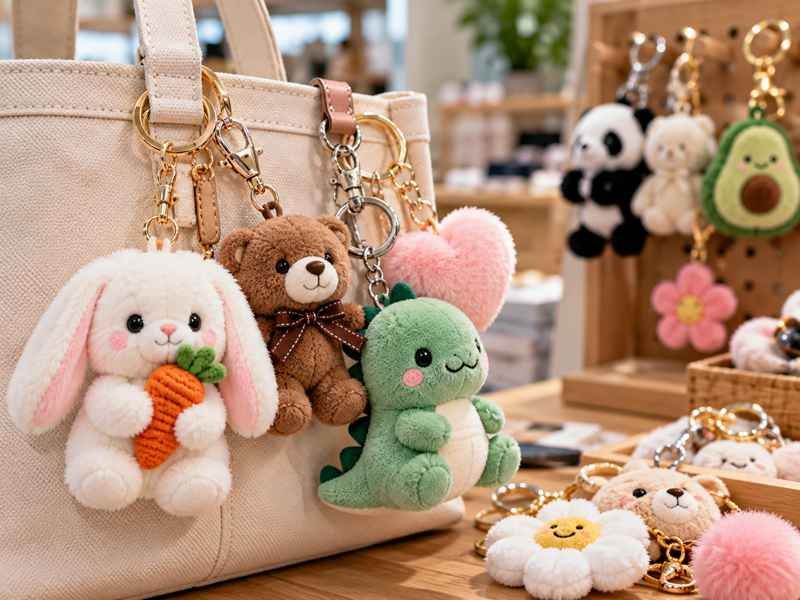
Ewintoys 02-04 Keychains & Bag Charms

Plush Bag Charms

Typically around 7-18 cm, combining plush construction with decorative hardware. Premium fabric, plating, logo details and gift-ready presentation can position a bag charm as fashion merchandise instead of a simple accessory.
02-3 Ewin toys Mini & Blind Box Plush

Mini Plush

Useful for checkout, gift-with-purchase, bundles, capsule collections and lower-ticket entry items. Small formats need careful pattern simplification so eyes, mouth, ears and logo details remain readable after sewing and stuffing.
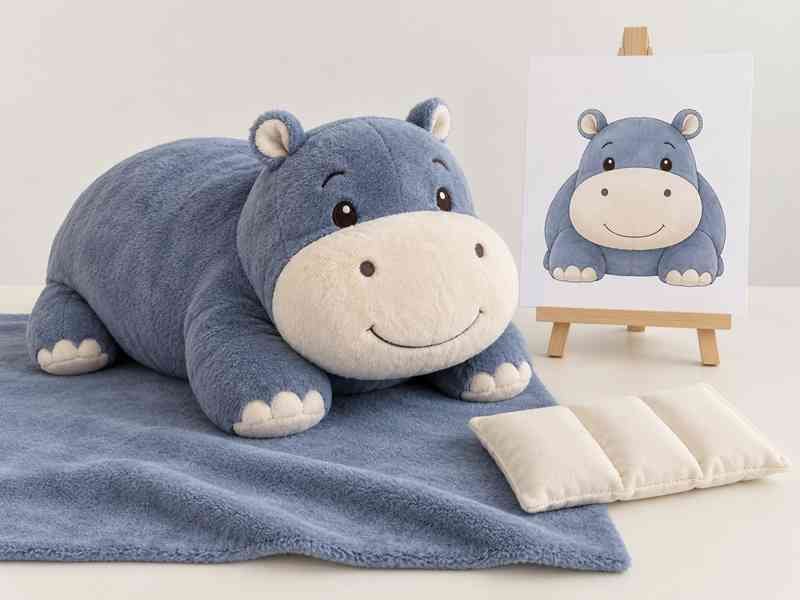
Ewintoys 01-06 Weighted Plush Material Priorities Slate blue hippo plush product mockup-7

Weighted Plush

Weight distribution, internal containment, seam strength and hand feel must be developed together. The target use, age grade and market should be established before the weighting structure and material specification are frozen.
Ewin toys 1-1 Baby & Toddler Plush

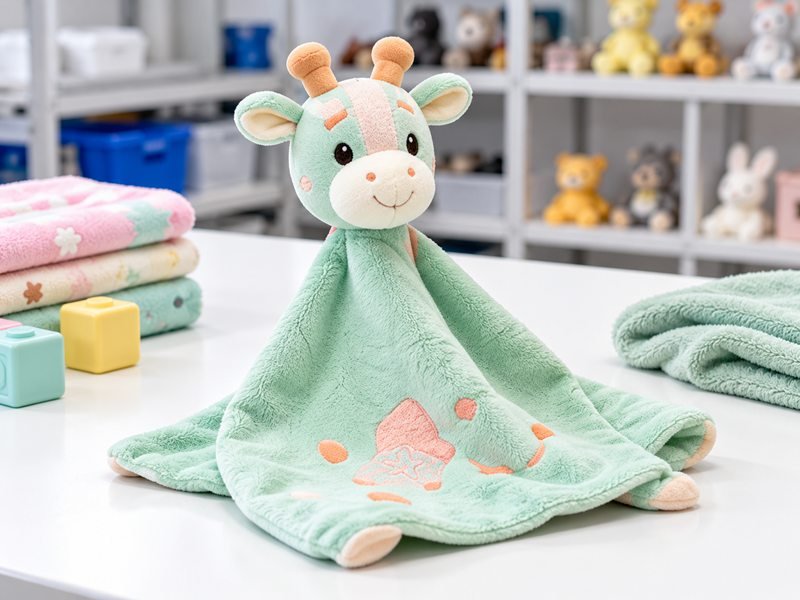
Baby Plush

Softness alone is not enough. Materials, attachments, embroidery, age grading, labeling and target-market safety requirements should be considered early, especially where removable or hard components would create unnecessary risk.
Ewintoys 04-04 Plush Pillows

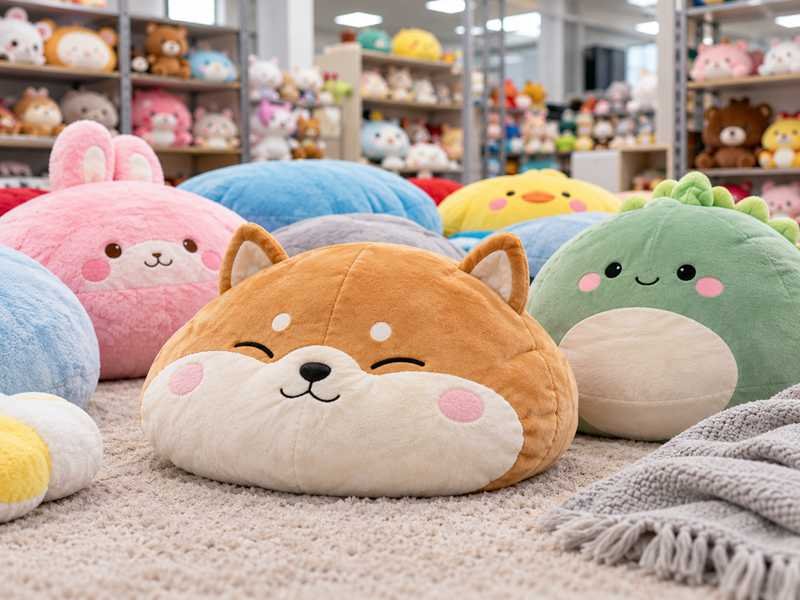
Plush Pillows

Common formats can range roughly from 30-70 cm. Character head pillows, cushions and shaped pillows require control of fill distribution, compression recovery, seam shape and packaging volume.
32-8Ewin toysLifestyle Plush Merchandise

Plush Merchandise

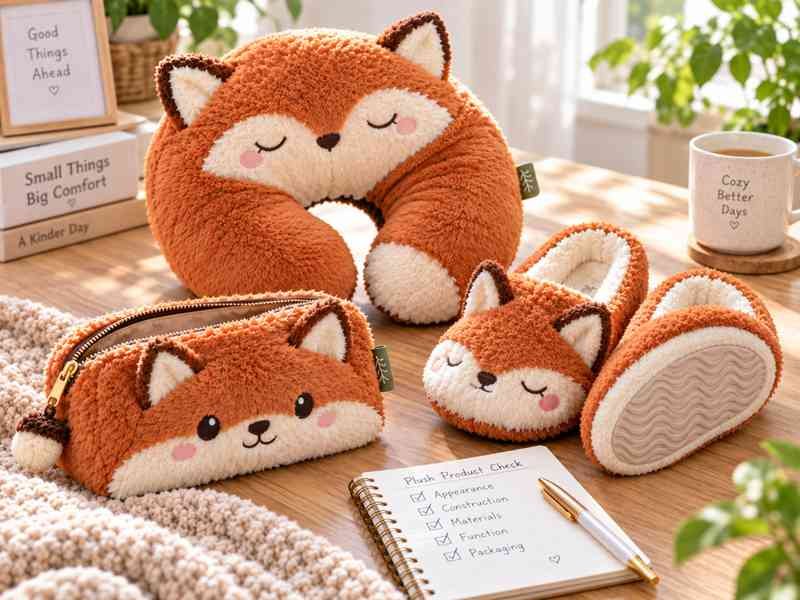
Extend a private label line into pouches, bags, blankets, slippers, hats or related soft goods. Each format adds its own functional requirements such as zippers, straps, lining, sizing or load-bearing construction.

Private Label Programs for Different Commercial Teams

Private label development changes with channel, assortment plan, approval structure and replenishment model, so the working method should match the organization behind the brand.

Retail Chains

Retail programs often require defined cost targets, barcodes, packaging rules, carton data, compliance documentation and on-shelf dates. Product development should therefore connect early with merchandising, sourcing, quality and logistics requirements rather than treating packaging and delivery as final-stage tasks.

Private Label Brands

Brand-owned product lines need differentiation without losing commercial discipline. Ewin can work from concepts, references or existing products, then align size, fabric, decoration, packaging and quantity with the intended retail position. The goal is a product line that feels proprietary while remaining repeatable in production and reorderable later.

DTC and Shopify Brands

Direct-to-consumer brands often need a hero product first, followed by colors, sizes, bundles or seasonal versions. Development should protect visual appeal for product photography while also controlling packaging volume, unit economics and repeat production. A shared material and construction platform can make later line extensions faster to organize.

Marketplace Sellers

Marketplace programs place extra pressure on unit packaging, barcode accuracy, dimensional efficiency, review risk and replenishment. Product and packaging choices should be evaluated together, especially where compression, deformation or oversized packaging could increase fulfillment cost or create a poor opening experience.

Gift and Lifestyle Brands

Gift-focused lines usually compete through softness, presentation, color, seasonal relevance and packaging. Plush can be developed as standalone gifts or as coordinated sets with pillows, charms, pouches or lifestyle items. Shared brand language across product and packaging helps the range look intentional instead of assembled from unrelated stock items.

Merchandise Agencies

Agencies often handle several briefs, brands or SKU groups at the same time. Clear artwork files, version records, sample status, quotations, packaging data and approval notes reduce repeated translation between creative teams and manufacturing. Structured project documentation becomes especially important when launch dates and client approvals overlap.

Define the Product Position Before Choosing Materials

Start with the role the product must play in the assortment, then match specification, finish and packaging to the intended commercial level.

Value-Engineered Retail Line

Keep the visual identity clear while controlling material variety, embroidery complexity, handwork and packaging cost. The product still needs a recognizable silhouette, suitable hand feel and stable construction, but secondary details can be simplified where they do not materially change the brand impression or selling proposition.

Core Brand Line

Balance product feel, visual detail, packaging and manufacturing efficiency for regular retail or direct sales. Core ranges often benefit from repeatable fabrics, standard hardware, controlled color libraries and shared packaging structures, making it easier to add new characters, sizes or colors without rebuilding every specification from zero.

Premium Statement Line

Use higher-impact fabric combinations, finer embroidery, special accessories, clothing, collector presentation or more complex forms where the retail position supports the added work. Premium development should still protect manufacturability: every extra detail needs a clear role in the visible product experience rather than complexity for its own sake.

From Brand Idea to a Production-Ready Plush Product

Bring the materials you already have; Ewin organizes missing decisions before sampling so development starts from a usable brief rather than assumptions.

Start With the Materials You Already Have

A private label project can begin with an idea, moodboard, AI concept, single-view artwork, character sheet, reference product, technical pack or physical sample. Each input requires a different level of clarification. A single image may need side and back assumptions; a physical reference can be measured for structure and hand feel; a technical pack can move directly into manufacturability review. Early review should identify the product role, target size, intended market, preferred appearance, critical brand features and any elements that may be difficult to reproduce consistently in soft construction. The aim is not to force every brief into the same process. It is to determine what information is already fixed, what still needs approval and what must be tested through the first prototype.

Turn Brand Direction Into a Production Brief

Before pattern work starts, the team should align on the intended consumer, sales channel, target retail position, expected quantity, launch timing and packaging direction. Those commercial inputs affect engineering choices. A low-volume collector release can justify different materials and packaging from a high-volume retail mascot. A 12 cm keychain needs different facial simplification from a 30 cm display plush. Brand colors, logos, labels, accessories, age grade and target market should enter the brief early enough to influence construction. Ewin then translates the agreed direction into pattern, material, decoration, filling, component and packaging decisions that can be sampled and reviewed rather than left as vague brand language.

Freeze an Approved Production Standard

A good-looking sample is only useful when the approved details can be reproduced. Before bulk release, the agreed version should be connected to its pattern, BOM, material references, colors, embroidery or print files, filling requirements, labels, accessories and packaging specification. Changes after approval need to be visible and controlled rather than handled through scattered messages. For a series, shared standards such as size family, face language, material platform and packaging format can reduce variation across SKUs. The approved sample becomes the visual reference, while the supporting specification gives production and quality teams measurable instructions for repeating it at scale.

Materials and Details Shape Both Brand Feel and Cost
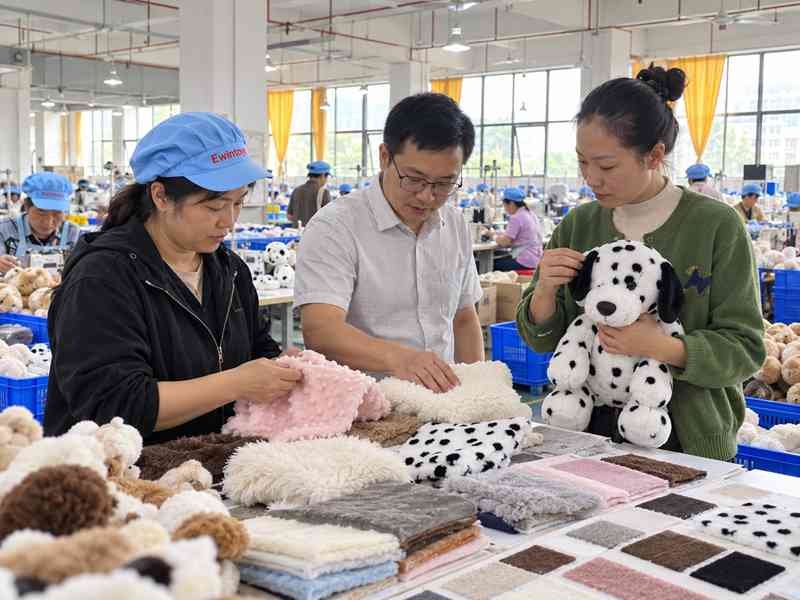
Fabric, decoration, components and filling should be chosen as one system because every choice affects appearance, hand feel, MOQ and repeatability.

Fabric and Surface

Minky, velboa, short plush, faux fur, sherpa, fleece, velvet and printed fabrics create very different visual and tactile results. Pile height, stretch, nap direction, GSM and color availability also affect pattern behavior, embroidery visibility and material purchasing. Selection should follow the intended product area, target feel and production requirement rather than a fabric name alone.

Embroidery and Printing

Eyes, mouths, logos, patterns and surface artwork can be created through embroidery, printing, applique or combined methods. Fine detail must remain readable at the actual product size. Long pile can cover embroidery, dense stitching can distort soft fabric, and large printed areas may behave differently after sewing, so decoration should be validated on the selected material.

Components and Accessories

Clothing, ribbons, hardware, zippers, buttons, plastic parts, PVC details and decorative attachments can strengthen brand identity, but they also introduce sourcing, assembly and safety variables. Attachment method, durability, small-part risk, color finish and packaging protection should be evaluated before the accessory becomes part of the approved design.
Ewintoys 03-04 Filling and Hand Feel

Filling and Hand Feel

Filling is part of product shape, not a final commodity step. Weight, density and distribution influence face volume, sitting stability, softness, center of gravity and shipping recovery. Weighted or structured products may require internal containment or support, while soft gift plush may prioritize squeezability and a lighter hand feel.

Put Your Brand Into Every Product Touchpoint
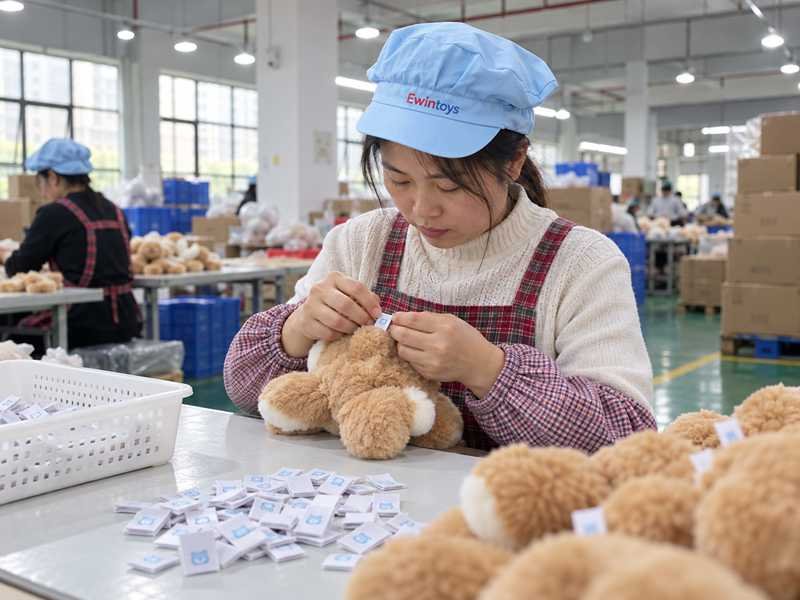
Brand identity can be built into the plush, labels, story elements and retail presentation instead of relying on one logo placement.

Woven Brand Labels

Use a woven label for a clean, durable brand mark on the product. Size, fold type, placement and seam position should be approved with the plush construction so the label sits consistently across production.

Care and Compliance Labels

Printed labels can carry fiber content, care instructions, origin information and other required text as applicable. Final wording and placement should reflect the destination market, product category and approved compliance information.

Embroidered Logos

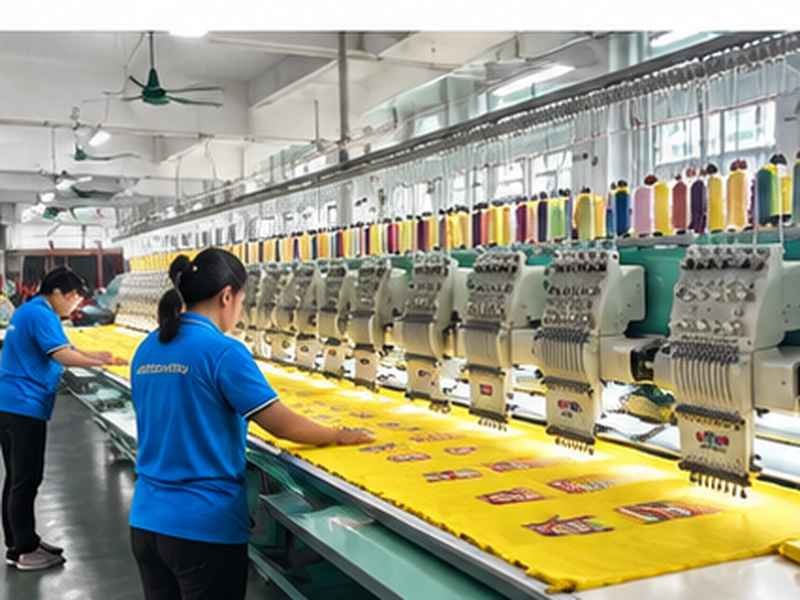
Embroidery can integrate a logo directly into the product body, clothing or accessory. Stitch density, thread color, fabric pile and logo scale should be tested so the mark remains legible without pulling or distorting the surface.
Ewintoys 04-04 Hangtags and Story Cards

Hangtags and Story Cards

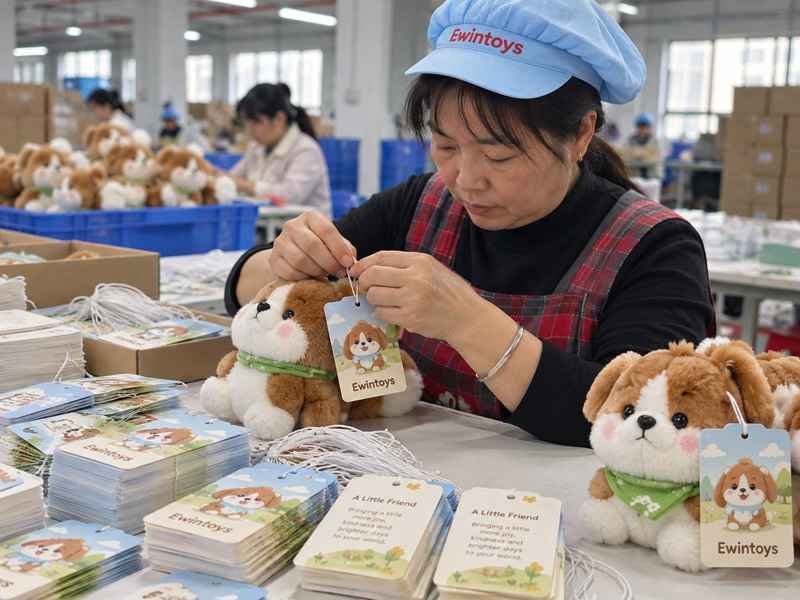
Hangtags can carry product names, brand stories, character information, care guidance or campaign messaging. They also create a useful retail touchpoint for barcodes, price labels and series identification when the structure is planned early.

Branded Packaging

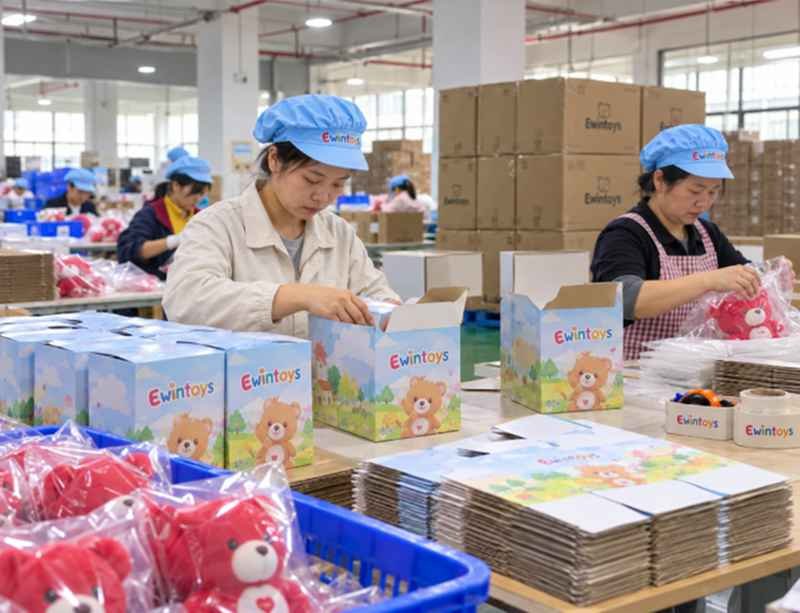
Bags, sleeves, boxes, gift sets, collector boxes or display-ready formats can extend the brand experience beyond the plush itself. Packaging should protect shape while staying realistic for freight, storage and channel handling.

Barcode and SKU Labels

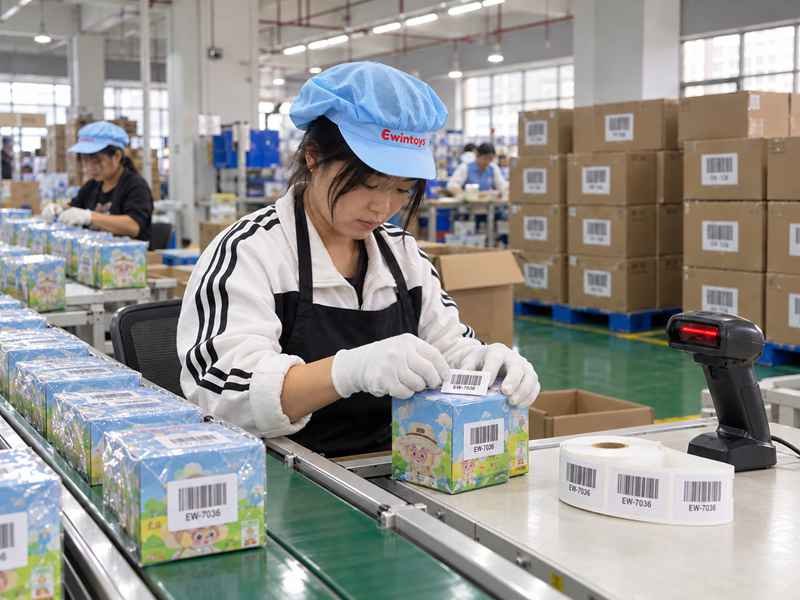
Retail and fulfillment systems depend on accurate SKU and barcode control. Label location, scan visibility, variant identification and carton matching should be connected to the approved pack-out standard, especially for multi-SKU orders.

Match Private Label Packaging to the Sales Channel

Packaging should protect the plush, carry the right information and fit the handling rules of the channel receiving the finished SKU.

Sales ChannelTypical Unit PackagingLabel / Identification FocusMain Planning Concern
Retail StorePolybag, belly band, hangtag, open or closed retail boxUPC/EAN, SKU, price or retailer labels as requiredShelf presentation, scanability, carton quantity, store handling
DTC / ShopifyBranded mail-ready inner pack, box, pouch or protective bagBrand label, SKU, order identificationUnboxing, product recovery after shipping, packaging volume
Amazon / MarketplaceUnit-ready bag or box based on marketplace requirementsMarketplace barcode plus product identification as applicablePrep rules, barcode visibility, compression risk, fulfillment dimensions
Gift / LifestyleGift box, pouch, sleeve, card or coordinated set packagingBrand story, product name, SKUPresentation, protection, gifting experience, freight efficiency
Collectible / Blind BoxPrinted collector box, blind box, display carton or series packSeries SKU, edition, barcode, variant controlPack-out accuracy, box finish, hidden-edition control, display consistency

Approve the Product Before Bulk Production Begins

Sampling should convert brand direction into a controlled production reference, not simply produce one attractive prototype for presentation.

Review the Sample Around Clear Approval Points

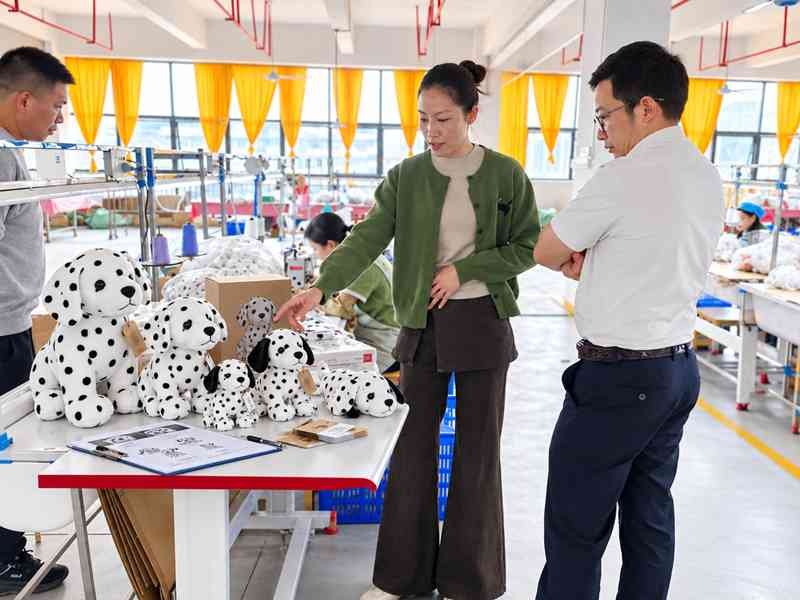
The first prototype should be reviewed against agreed product priorities instead of general comments such as “make it cuter” or “make it more premium.” Useful approval points include silhouette, head-body ratio, face shape, eye spacing, color, pile direction, embroidery placement, clothing fit, accessory position, filling feel and overall size. Revision comments should be tied to a version so everyone knows which sample is current. Packaging can be developed alongside the product where the box, hangtag or compression method affects shape or presentation. Sample timing depends on complexity, material availability and revision rounds, so launch planning should allow room for decisions rather than assuming every project follows one fixed calendar.

Lock the Golden Sample and Supporting Specifications

Once the final version is approved, the production reference should be supported by more than photographs. Pattern version, BOM, fabric and color references, embroidery or print files, filling requirements, accessories, label positions and packaging data need to match the approved sample. A pre-production or production-release review can confirm whether any supplier, material, test or pack-out detail changed during commercialization. For multi-SKU programs, each version should be clearly identified so one character, color or packaging format is not accidentally produced from another SKU’s files. That discipline protects the transition from sample room quality to repeatable bulk output.

Plan MOQ by SKU, Material and Packaging Reality

Planning AreaWhat Can Change the Effective MOQRecommended Planning Approach
Base ProductSize, pattern complexity, sewing time and production setupUse about 500 pieces per style as an early commercial reference for standard custom plush, then confirm after specification review
Fabric / ColorStock availability, custom dye, pile type, GSM and color matchingShare fabrics or approved colors across SKUs where the brand allows it
AccessoriesCustom hardware, molded parts, special trims or clothingStandardize common components before creating many low-volume variants
PackagingPrinted bag, gift box, blind box, insert, display cartonCheck packaging supplier minimums before final SKU quantities are locked
SKU SplitNumber of characters, colors, sizes and market versionsCompare total program volume with per-SKU quantities; 3,000 units in one SKU is not the same supply plan as six SKUs of 500
Testing / MarketAge grade, destination market and retailer requirementsDefine market requirements early so testing and labeling do not force late material or packaging changes

Certificates, Compliance & Quality Assurance

Ewintoys follows structured quality and compliance practices for custom plush production. We hold relevant certifications and support additional testing, inspection, and compliance documentation based on specific product requirements and destination markets, helping brands meet different international standards with confidence.


Engineer Cost Without Removing the Brand Value

Use the target product role to decide where premium detail matters and where structure, materials or packaging can be simplified without weakening identity.

Premium Specification

Protect high-visibility details such as signature fabric, fine face embroidery, custom clothing, special accessories or collector packaging when those elements drive perceived value. Cost review should focus on hidden complexity first: unnecessary internal pieces, low-value handwork, excessive packaging volume or components that add procurement risk without improving the visible product.

Standard Commercial Specification

Balance visual quality, repeatable materials and efficient manufacturing for a core retail line. Shared fabric platforms, controlled embroidery, standardized hardware, consistent filling and reusable packaging structures can support a branded look while keeping the product easier to quote, source, produce and reorder across multiple SKUs or seasons.

Cost-Optimized Specification

Reduce cost through deliberate trade-offs rather than indiscriminate downgrading. Options can include simplifying low-priority panels, reducing decorative stitch density, replacing difficult accessories, adjusting size, sharing materials across variants or changing packaging construction. Brand-critical silhouette, color, face and logo elements should remain protected unless the brand team explicitly approves a change.

Control Bulk Production Against the Approved Standard

Quality control should keep materials, construction, appearance and pack-out aligned with the approved product as production moves through each manufacturing stage.

Control the Inputs Before Production Starts

Bulk consistency begins before sewing. Incoming fabrics, colors, labels, trims, accessories and packaging components should be checked against the released specification and approved references. Pattern and artwork versions need clear identification so old files do not enter cutting, embroidery or printing. Key product characteristics can be defined for inspection, such as overall dimensions, face placement, embroidery coordinates, filling weight, accessory location and label position. Where a material lot changes, visual or hand-feel comparison against the approved reference can identify drift before thousands of units are assembled. A controlled start reduces the cost of finding a version or color problem after finished goods have already accumulated.

Inspect the Product Through Production and Pack-Out

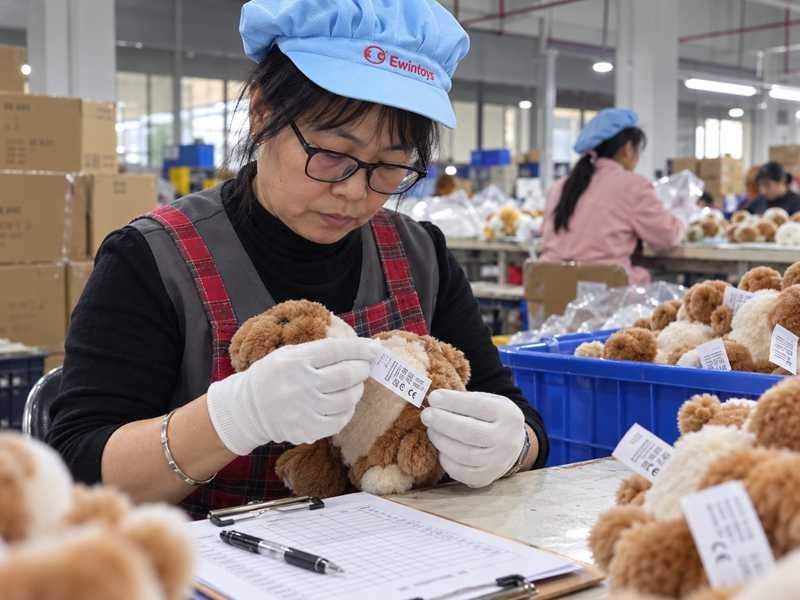
Inspection should follow the real failure points of the product. In-process checks can catch sewing shape, embroidery position, seam quality, filling distribution, accessory attachment and assembly issues before final finishing. Finished-product inspection then reviews appearance, measurements, workmanship, labels and packaging against the approved standard. Needle or metal detection, pull checks, functional checks or other controls should be used where the product design and target requirements call for them. Pack-out verification is equally important for private label programs because a correct plush in the wrong bag, barcode, carton or SKU configuration can still create a costly retail or fulfillment failure.

Build Target-Market Requirements Into Product Development Early

Safety, labeling and documentation should be considered while materials and structure are still flexible, not added after the final sample has been frozen.

Target Market First

Start with where the product will be sold. United States, European, United Kingdom, Canadian, Australian or other markets can carry different requirements depending on product type and age grade. Market selection should be part of the initial brief because it can influence materials, construction, labeling and testing plans.

Age Grade and Components

A product intended for young children needs different risk decisions from an adult collectible. Small parts, hard components, cords, accessible fillings, batteries, attachments and decorative accessories should be reviewed before the design is frozen. Eliminating unnecessary risk through design is usually more efficient than correcting it after testing.

Labels and Packaging

Care, origin, age, warning, fiber, importer or other information may be needed depending on the destination and product. Packaging artwork should therefore use approved data rather than placeholders carried over from an earlier market or SKU. Multi-market programs benefit from a clear label and packaging matrix.

Testing and Documentation

Testing should be defined for the actual product and target market. Ewin can coordinate product preparation, internal quality checks and third-party testing support as required, while any claim that a specific product passes a named standard should be tied to the relevant test report and approved product version.

Scale a Private Label Line Beyond the First Order

Build the first SKU so later reorders, extensions and seasonal versions can reuse approved standards instead of restarting development from zero.

Launch Batch

Treat the first production run as the beginning of a product platform. Final sample, BOM, packaging, labels, barcode data and quality references should be archived together so the next order begins from a known approved baseline rather than reconstructed messages and old attachments.

Reorder Control

Before a repeat order, confirm whether fabric lots, colors, accessories, packaging, legal text or market requirements changed. Comparing the reorder against the approved baseline helps identify differences early and protects visual consistency across sales seasons or replenishment batches.

Color and Size Expansion

A successful hero product can expand into new colors or dimensions without abandoning the original brand language. Shared face details, fabric families, labels and packaging structures can reduce development work, while size-specific pattern and filling changes still need proper sampling and approval.

Multi-SKU Series

Character families, animal collections or themed ranges need shared standards for proportion, materials, face language, packaging and identification. A program-level SKU tracker, sample status, BOM control and pack-out matrix reduce the chance of mixing versions when several products move through development together.

Seasonal and Channel Editions

Holiday colors, retailer exclusives, gift sets or channel-specific packaging can extend a proven product without rebuilding the core construction. Separate version names, packaging artwork and quantity plans help keep limited editions distinct from the evergreen SKU during production and reorders.

One Development and Manufacturing System for Private Label Programs

Ewin connects product development, manufacturing, quality and program controls so brand decisions can remain visible from the first sample through repeat production.

Product Development Center

A 60+ person Plush Product Development Center supports concept review, character interpretation, pattern development, material selection, sample making and production specification. The value is not simply more designers; it is having product development close enough to manufacturing to resolve feasibility before details become expensive bulk-production problems.

Integrated Manufacturing Scale

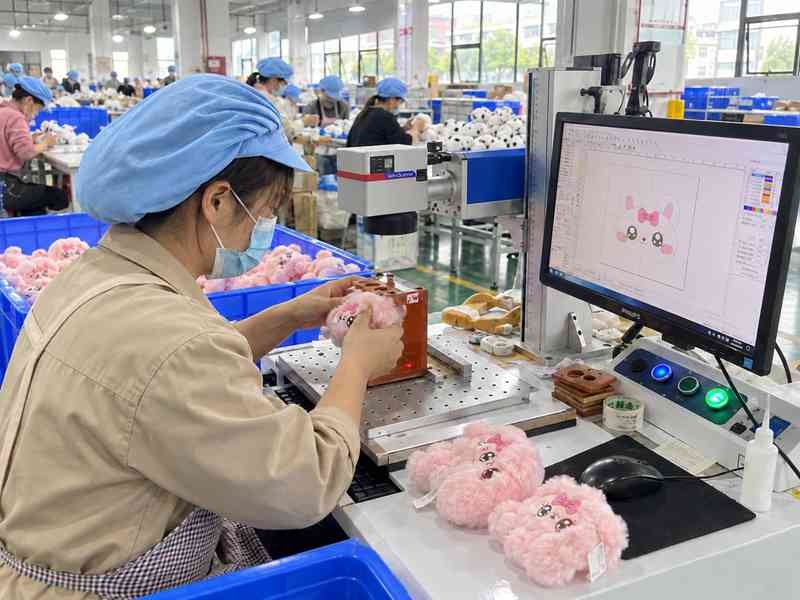
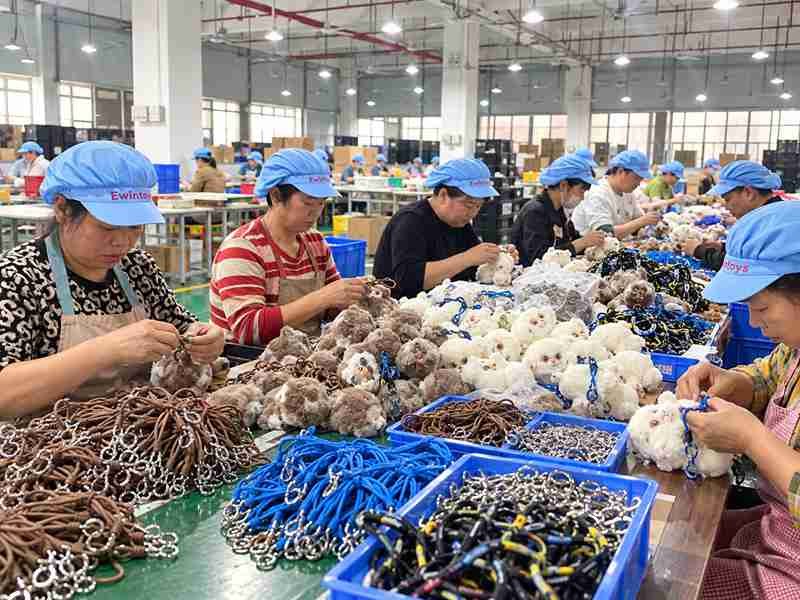
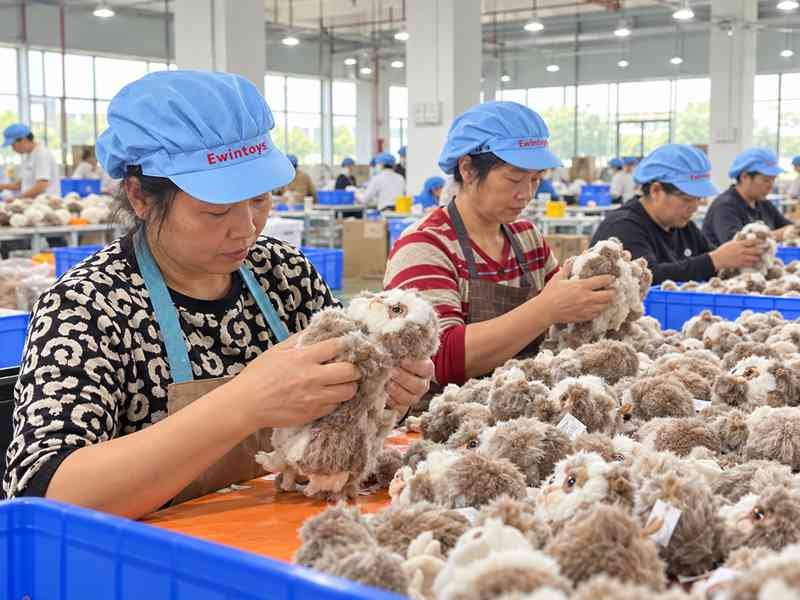
Ewin operates within a 95,000+ m2 manufacturing system supported by 1,900+ people across development and production functions. Cutting, embroidery or printing, sewing, stuffing, assembly, finishing, quality, packaging and warehouse activities can be coordinated as one commercial program instead of treated as disconnected supplier steps.

Quality and Version Control

Approved samples, pattern versions, BOM data, material references, inspection points and packaging specifications create a shared baseline for production. The same discipline becomes more valuable as the range grows, because multiple characters, colors, labels and packaging versions increase the cost of a small file or pack-out mistake.

Program and Reorder Support

Private label growth often means more SKUs, more channels and more frequent replenishment rather than one larger order. Ewin can structure project information around sample status, approved versions, packaging, barcodes, production progress and reorder references so each expansion starts from an organized product history rather than from zero.

Private Label Plush Toys Frequently Asked Questions

Yes. A project can begin from an idea, moodboard, artwork, reference image or sample. Ewin first clarifies size, market, product role, quantity, brand details and missing structural information before sampling.

Yes. Development can cover product shape, pattern, fabrics, decoration, filling, labels, accessories and packaging. The scope depends on how complete your existing concept or technical information is.

Effective MOQ can change with fabric availability, custom colors, accessories, printed packaging and SKU splits. About 500 pieces per style can serve as an early reference for standard custom plush projects.

Yes. Woven labels, printed care labels, hangtags, story cards and barcode labels can be developed around your brand and approved product, subject to applicable labeling and market requirements.

Yes. Packaging can include bags, sleeves, gift boxes, collector boxes, blind boxes, inserts and display formats. Final construction should consider protection, presentation, freight volume and destination-channel requirements.

Approval should cover shape, materials, colors, decoration, filling, labels, accessories and packaging. The approved sample is then linked with pattern, BOM and production specifications before bulk release.

Yes. Multi-SKU programs can share materials, packaging structures or brand standards while keeping separate patterns, versions and barcode data. Per-SKU quantities still need to fit material, packaging and production constraints.

Reorders should be checked against the approved sample, BOM, material references, packaging and version records. Any fabric, color, accessory or labeling change is reviewed before the repeat order is released.

Send the product type, reference or artwork, target size, quantity per SKU, destination market, packaging preference, target launch date and any important cost or retail-position requirement.
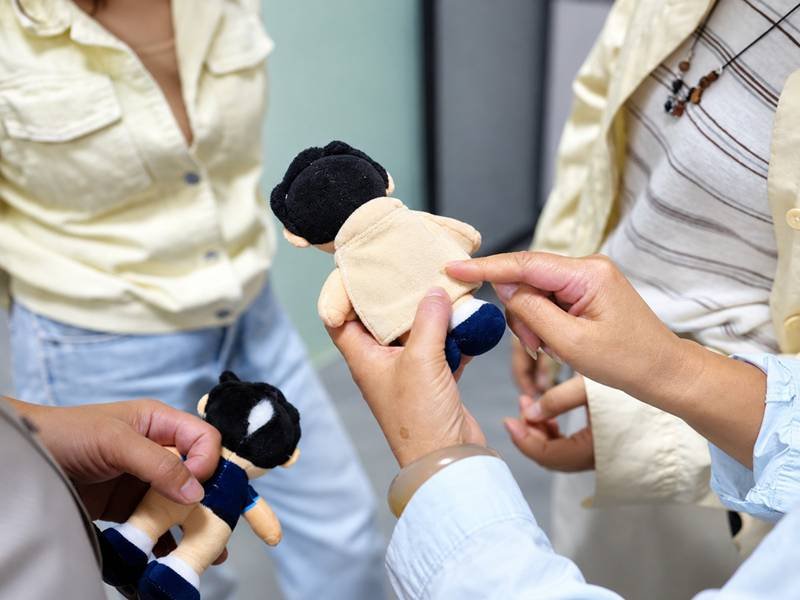
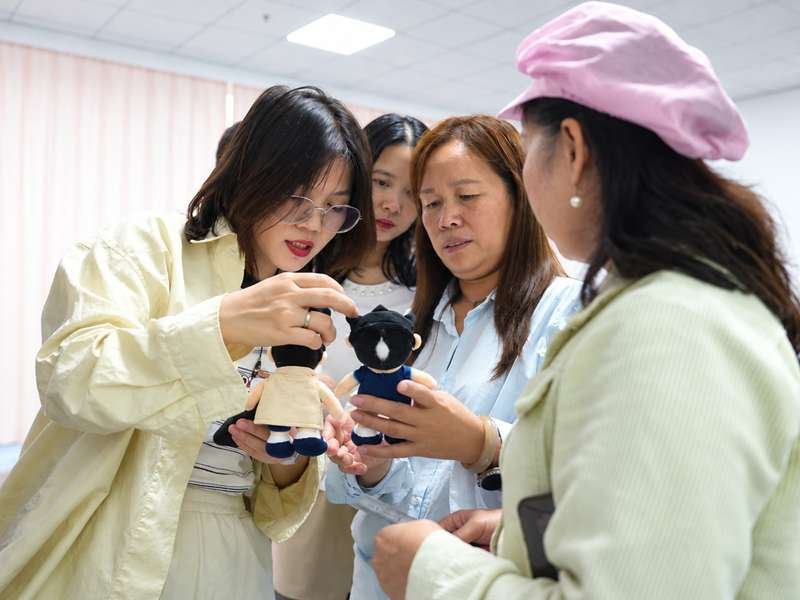
Start Your Private Label Plush Program With a Clear Brief

Share your product idea, artwork, character sheet, reference sample or existing technical pack together with the target size, quantity per SKU, sales market, intended channel, packaging direction and launch date. If a target retail price or cost position is already defined, include it so material, structure and packaging options can be evaluated against the commercial goal from the beginning. Ewin can then review the development path, identify missing decisions, flag likely MOQ or supply constraints, and prepare the project for sampling, quotation and production planning without forcing you to finalize every technical detail before the first review.

Start Your Custom Plush Project

We will contact you within 24 Hours, please pay attention to the email with the suffix“@ewintoys.com”. 

# Confidential project? NDA requirements can be discussed before sensitive files are shared.