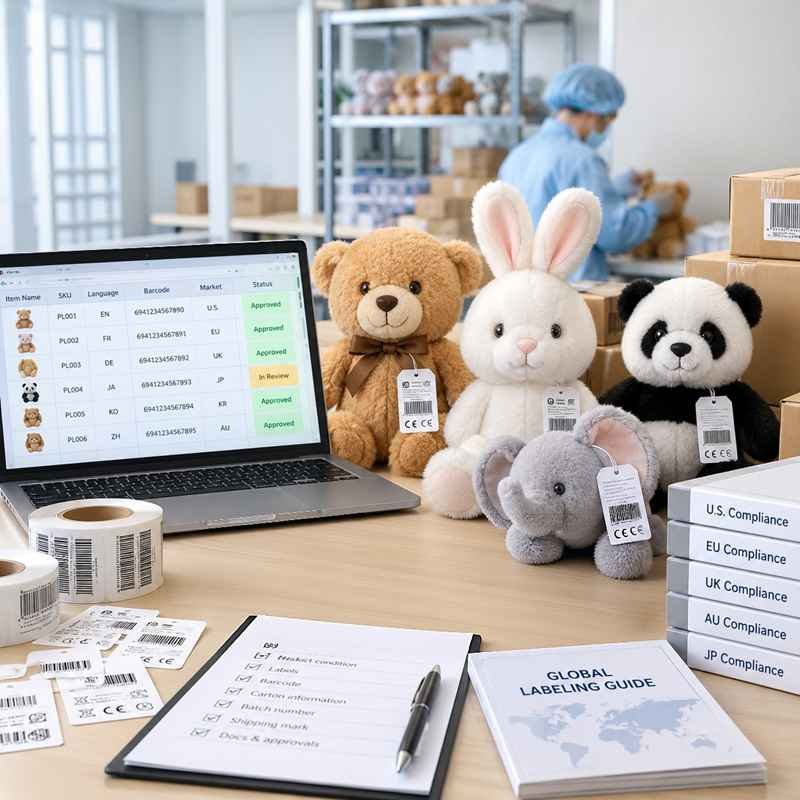
Global Delivery Support for Custom Plush Orders
Move finished plush products from factory to market with clearer shipping choices, better handoff control and fewer delivery surprises. Ewin Toys helps buyers coordinate shipment planning around order volume, destination, packaging and launch timing, so logistics decisions support both cost and delivery priorities.
30+ Warehouse & Logistics Team | Express / Air / Sea Options | Export Packing & Carton Marking | Multi-Destination Coordination | Shipment Documentation Support | Delivery Planning by Order & Market

Plush Products We Prepare for Global Delivery

Character & Mascot Plush
- Delivery focus: recovery, apparel protection, carton cube.
- Best for: brands, IP owners, teams, venues, and retail programs.

Mini & Blind Box Plush
- Delivery focus: assortment, barcode, series carton control.
- Best for: blind bags, collectible drops, and high-SKU launches.
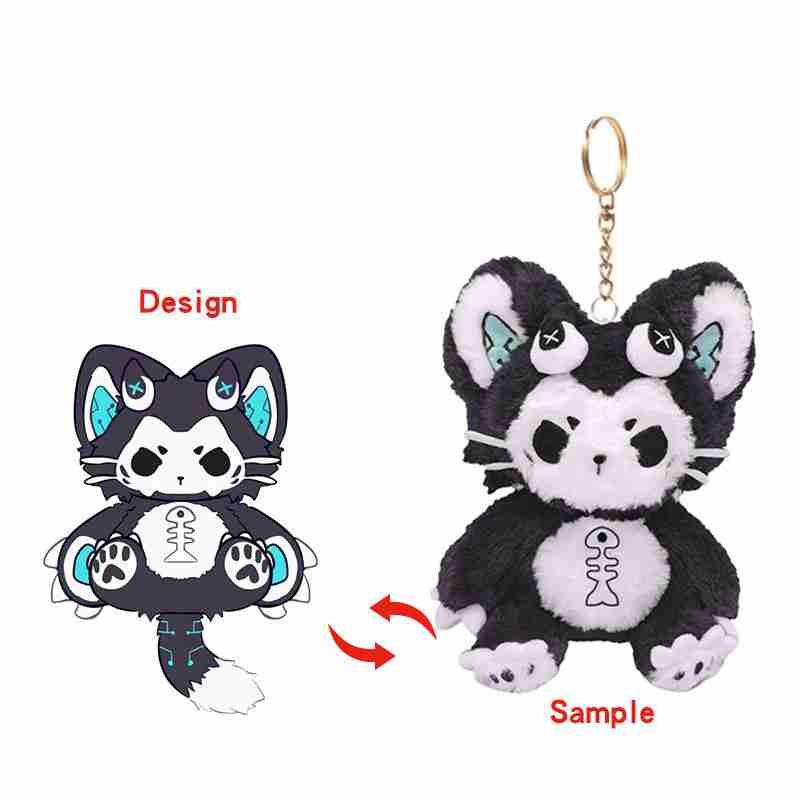
Plush Keychains & Pendants
- Delivery focus: SKU sorting, hardware isolation, compact pack-out.
- Best for: IP, gifting, fashion accessories, and collectible programs.
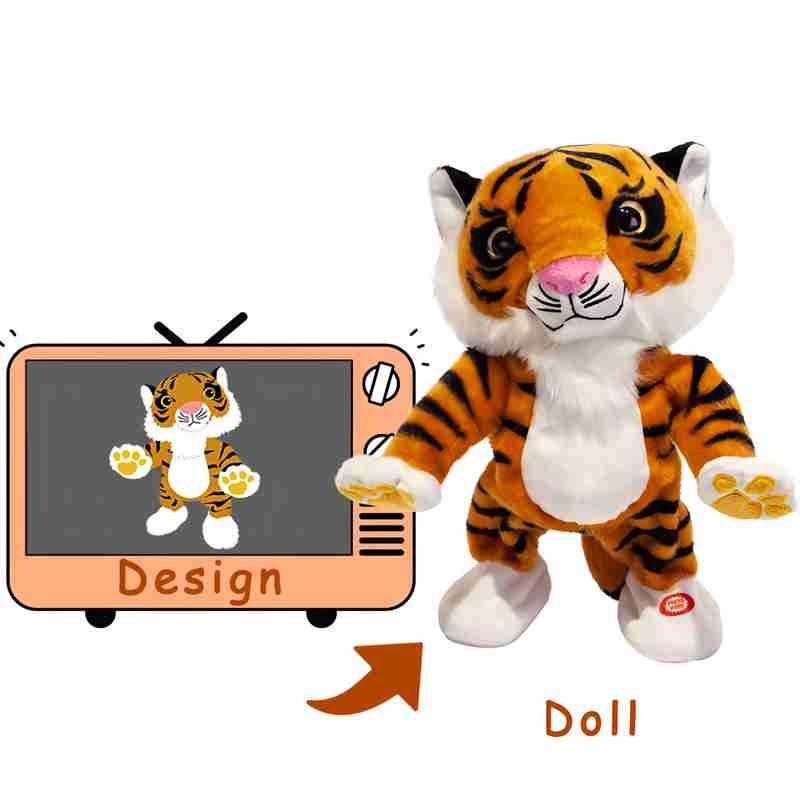
Collectible Designer Plush
- Delivery focus: presentation, version control, damage prevention.
- Best for: art toys, premium collaborations, and limited releases.

Large Plush & Cushions
- Delivery focus: compression, CBM, shape recovery.
- Best for: oversized characters, cushions, gifts, and display products.

Electronic & Interactive Plush
- Delivery focus: module protection, pack structure, route review.
- Best for: sound, light, interactive, and AI-enabled plush programs.
Delivery Support for Different Commercial Programs
Global Brands & IP Owners
Launch windows, approved character versions, confidentiality, and multiple destinations can matter as much as freight cost. Ewin can connect the approved SKU and packaging version to shipment timing so the correct character edition reaches the correct market or warehouse.
- Priority: launch control, version accuracy, multi-market delivery.
- Useful inputs: launch plan, destination list, SKU schedule.
Toy & Collectible Brands
Collections often involve several characters, limited drops, premium packaging, and synchronized release dates. Ewin can coordinate SKU readiness, pack-out, consolidation, or split shipment so a delayed item does not automatically force the entire collection into the same logistics decision.
- Priority: collection timing, packaging condition, SKU readiness.
- Useful inputs: series plan, drop date, packaging matrix.
Retailers & Private Label
Retail programs need on-shelf timing, case packs, barcode and label accuracy, carton marks, routing instructions, and the correct distribution-center destination. Delivery planning should start from the retailer guide and required arrival window rather than only a factory-ready date.
- Priority: DC requirements, on-shelf date, carton accuracy.
- Useful inputs: routing guide, set date, destination DC.
Amazon & E-Commerce Brands
E-commerce programs often combine unit packaging, barcode control, compression recovery, warehouse allocation, and replenishment. Ewin can prepare shipment-ready cartons around the current seller or warehouse requirements while keeping product presentation and scanability under factory control before handoff.
- Priority: unit condition, warehouse data, replenishment speed.
- Useful inputs: marketplace, SKU mapping, shipment plan.
Enterprise Multi-SKU Programs
Large programs can involve 30, 50, or 100 SKUs with different readiness dates, packaging versions, destinations, and launch waves. Ewin can use SKU-level status and shipment planning to decide what should consolidate, what should split, and what must wait for approval.
- Priority: program visibility, consolidation, destination control.
- Useful inputs: SKU matrix, forecast, launch waves.
Merchandise & Promotional Programs
Campaign, event, corporate, sports, or promotional projects are often date-driven. When the event cannot move, delivery planning should identify the minimum quantity required for the deadline, the remaining quantity, packaging route, and whether urgent partial shipment is commercially sensible.
- Priority: event deadline, priority quantity, pack-out readiness.
- Useful inputs: event date, delivery location, required quantity.
Choose Transport Mode Around the Real Delivery Need
| Transport Mode | Typical Transit Time | Best Fit | Main Advantage | Main Limitation | Typical Plush Use |
|---|---|---|---|---|---|
| Express | 3–7 days | Samples, replacements, very small urgent quantities | Fast door-to-door handling and strong tracking | High cost for bulky shipments | Samples, missing units, urgent launch support |
| Air Freight | 5–12 days | Launch-critical or replenishment quantities | Faster than ocean routes for larger urgent volume | Higher cost and strong volumetric-weight impact | Urgent bulk portion, stockout recovery, launch support |
| Sea Freight | 20–45 days | Regular bulk and bulky plush | Usually better unit economics for large cube | Longer transit and schedule variability | Main production orders, large plush, regular replenishment |
| Rail | 12–25 days | Supported Eurasian lanes | Useful middle ground between air and sea on some routes | Route and service coverage are limited | Selected Europe-bound programs where available |
Transit times are typical estimates only and vary by origin, destination, customs clearance, seasonal capacity, routing, and final-mile delivery.
Plush Delivery Cost Starts With Product Cube
Control Carton Volume Before Freight Is Quoted
A plush product can occupy far more shipping space than its actual weight suggests. Finished dimensions, stuffing firmness, ears, tails, clothing, accessories, and unit packaging all influence how many sellable units fit safely into one master carton. A freight discussion is more useful after the team understands the actual packed cube, not only the piece weight.
Product structure: A 20 cm standard plush and a similarly priced collectible with clothing, long pile, and rigid accessories can create very different carton efficiency.
Pack-out decision: Units per carton should protect appearance, labels, and accessories instead of forcing the highest possible count.
Freight basis: Final carton dimensions, gross weight, carton count, and CBM should be updated from physical pack-out before booking data is treated as final.
Use Compression Only When Recovery Is Acceptable
Compression can reduce occupied volume for suitable plush, but savings are only useful when the product can recover close to the approved visual standard after opening. Faces, ears, limbs, long pile, garments, printed areas, hard components, and electronic modules can react differently to pressure and storage time.
Recovery review: Test the intended product, bag, compression direction, storage assumption, and opening method rather than using one compression setting across every SKU.
Commercial trade-off: A standard plush may support more compression than a premium collectible or gift SKU whose opening condition is part of the product value.
Shipping impact: Once compression changes the unit dimensions, recalculate units per carton, carton dimensions, weight, and CBM before confirming the logistics plan.
Engineer the Carton Around Handling and Destination
Master-carton engineering should balance product protection, warehouse handling, loading efficiency, labeling, case-pack requirements, and destination rules. The best carton is not always the smallest; it is the carton that moves the approved units through the agreed route without creating avoidable damage, relabeling, or receiving problems.
Carton data: Confirm actual dimensions, gross and net weight, units per carton, assortment ratio, carton numbering, and marks after physical packing.
Destination fit: Retail DC, Amazon warehouse, distributor, and brand warehouse requirements can change case pack or label needs.
Evidence: Where required, pre-shipment photos or video can record carton condition, marks, packed quantity, and handoff readiness before pickup.
Understand Incoterms Before Comparing Delivery Quotations
Transport mode describes how goods move; Incoterms define cost, risk, delivery point, and import or export responsibility under the commercial agreement.
| Trade Term | Core Responsibility Logic | Where It Fits | What Must Be Confirmed |
|---|---|---|---|
| EXW | Ewin makes the goods available at the agreed place; the purchaser controls most onward transport and formalities. | Companies with established China sourcing or freight-forwarder systems. | Named place, pickup timing, handoff documents, local loading expectations. |
| FOB | For applicable sea shipments, Ewin completes the agreed seller-side responsibilities until delivery on board at the named port under the contract. | Regular ocean freight where the purchaser controls main carriage. | Named port, booking coordination, cut-off, documents, container or forwarder details. |
| DDP-type Arrangement | A broader delivered arrangement can be evaluated where the supported lane, destination, importer responsibilities, duties, taxes, and service scope are clear. | Programs seeking a more integrated destination solution. | Exact destination, supported lane, commercial scope, import responsibility, quotation assumptions. |
Plan Delivery Before Production Reaches the Warehouse
Channel Brief
Packaging Design
Label & Barcode
Pack Sample
Freeze the Version
Mass Pack-Out
PSI & Release
Delivery Handoff
Consolidate Multiple SKUs Without Losing Delivery Control
SKU Readiness Board
- Avoid treating one finished SKU as proof the whole order is ready.
- Use the status board to plan consolidation or release waves.
Consolidation Cut-Off
- Set the decision point before the shipment becomes urgent.
- Recalculate when a delayed SKU affects launch-critical items.
Warehouse Staging
- Separate staging zones by shipment identity.
- Reconcile carton count before booking or pickup.
Final Consolidated Data
- Use actual pack-out data for the shipment summary.
- Keep destination and label versions tied to the same release.
Split Shipments When Waiting Costs More Than Shipping
Urgent Partial Shipment
- Identify priority SKU and quantity first.
- Keep the later balance under its own shipment record.
Split by SKU
- Separate ready and delayed SKUs clearly.
- Avoid reusing one packing list across different release waves.
Split by Destination
- Build the allocation matrix before carton labeling.
- Recheck destination data after any quantity change.
Air + Sea Hybrid
- Compare urgency against the cost of expediting everything.
- Keep both shipment legs linked to the same project and SKU plan.
Delivery Requirements Change With the Final Destination
Retail Distribution Centers
- Key inputs: routing guide, DC, case pack, set date.
- Main risk: correct product arriving with the wrong receiving configuration.
Amazon & E-Commerce Warehouses
- Key inputs: marketplace, SKU mapping, shipment plan.
- Main risk: label, recovery, or warehouse-allocation errors.
Brand Warehouses
- Key inputs: warehouse address, PO, receiving window.
- Main risk: internal stock errors caused by mixed cartons or versions.
Distributor Warehouses
- Key inputs: distributor, country, assortment, Incoterm.
- Main risk: one master configuration being used for different market needs.
Event & Promotional Sites
- Key inputs: event date, location, priority quantity.
- Main risk: product readiness after the event date has passed.
Multi-Country Programs
- Key inputs: country matrix, quantities, launch waves.
- Main risk: cross-market label, document, or carton mix-up.
Verify Shipment Readiness Before Logistics Handover
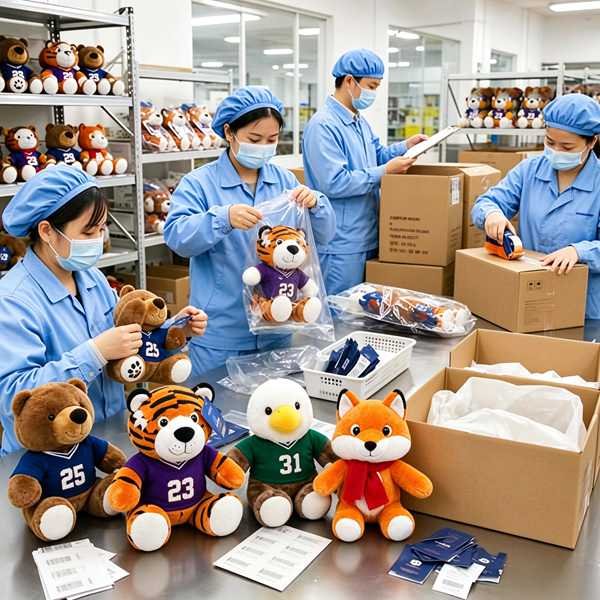
Quantity Check
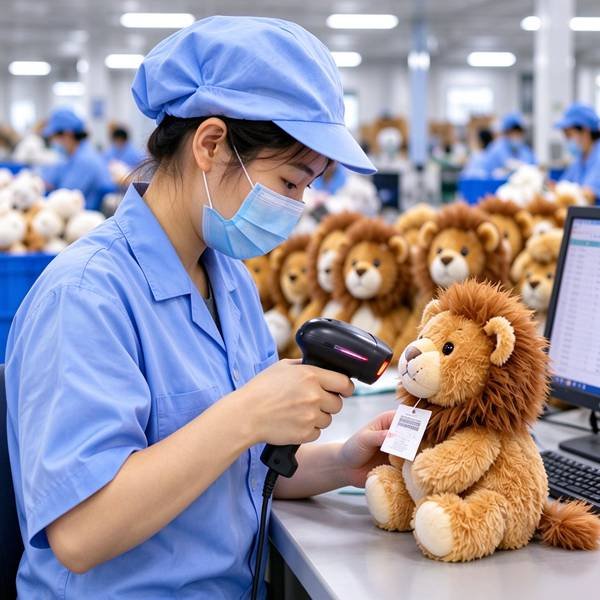
Barcode & Labels
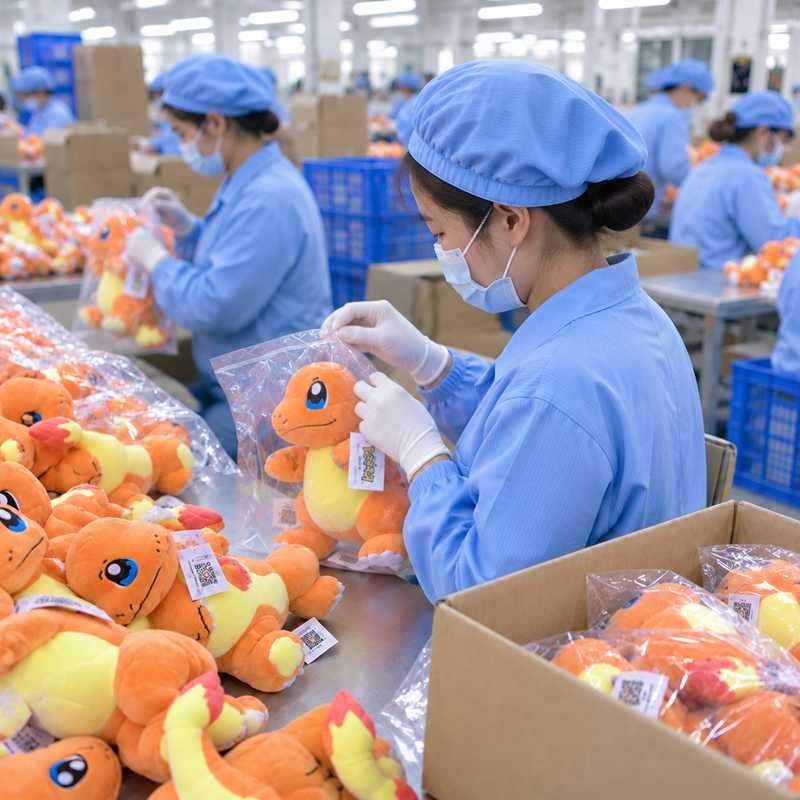
Packaging Version

Dimensions & Weight

Final Inspection Status
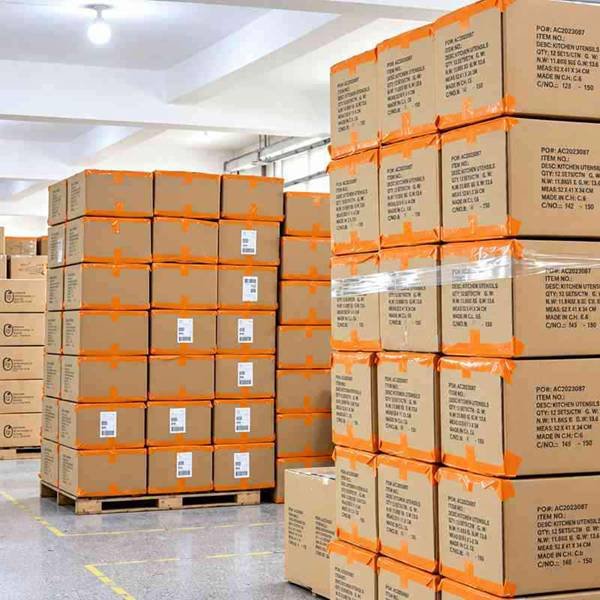
Carton Count
Shipment Data Must Match the Physical Goods
Good logistics data should describe the cartons actually leaving the warehouse, not an old estimate or a previous shipment configuration.
| Delivery Data | Must Match | Why It Matters |
|---|---|---|
| SKU / Product ID | Current approved product revision | Prevents wrong product or version from entering the shipment. |
| Quantity | Actual packed units | Keeps PO, packing list, warehouse receiving, and invoice quantities aligned. |
| Packaging Version | Current approved pack | Avoids old labels, boxes, warnings, or inserts entering a new market or channel. |
| Units per Carton | Physical pack-out | Supports carton count, warehouse handling, and accurate shipment planning. |
| Carton Count | Actual finished cartons | Needed for booking, pickup, packing list, and receiving reconciliation. |
| Carton Dimensions | Physical measurement | Drives CBM and can materially affect freight cost for plush. |
| Gross / Net Weight | Physical result | Supports logistics documents and transport planning. |
| Barcode / Label | Correct SKU and channel | Prevents receiving or scanning errors. |
| Shipping Mark | PO / destination / shipment | Keeps cartons identifiable during staging and handoff. |
| Destination | Actual receiving point | Prevents cross-warehouse or cross-country shipment errors. |
| Incoterm | Current quotation / contract | Clarifies cost, risk, and delivery responsibility. |
| Ready-to-Ship Date | Factory release status | Should not be confused with final arrival or on-shelf date. |
Keep Delivery Visible When the Plan Changes
Production Readiness
- Tie logistics planning to actual SKU readiness.
- Flag launch-critical delays early.
Packaging & QC Status
- Separate production complete from ready-to-ship.
- Show unresolved gates before pickup is scheduled.
Logistics Handoff
- Record the actual handoff point.
- Match booking data to released cartons.
Exception Escalation
- Decide before the cut-off becomes irreversible.
- Document the revised SKU, quantity, and destination plan.
Build Replenishment Into the Delivery Plan
Reorder Delta Review
Before a repeat shipment, compare product version, BOM, packaging, labels, carton configuration, destination, Incoterm, and any prior delivery or quality issue with the new release. Reuse proven information, but do not assume the previous shipment is still current.
- Confirm what changed before booking.
- Carry forward approved corrections and CAPA where relevant.
3 / 6 / 12-Month Forecast
Rolling 3-, 6-, or 12-month visibility can help Ewin review materials, production capacity, packaging availability, and likely shipment windows earlier. Forecast quantities remain separate from committed purchase orders but give supply-chain teams more time to plan around peaks.
- Share launch waves and replenishment priorities.
- Use forecast visibility for earlier material and capacity planning.
Peak & Launch Planning
Seasonal campaigns, movie or game releases, retail set dates, and promotional events can create fixed commercial deadlines. Work backward from the launch or arrival need to define production, QC, packaging, shipment cut-off, and fallback partial-shipment decisions.
- Separate target arrival from factory ready date.
- Predefine the minimum quantity needed to protect the launch.
Global Delivery Frequently Asked Questions
Ewin can evaluate express, air, sea, and selected rail options by destination, volume, urgency, product type, and commercial terms. The final route is confirmed for the actual project and lane.
Share Your Global Delivery Plan With Ewin
Send the information needed to connect the finished plush program to the right shipment route. Include your company, business email, product type, approximate size, SKU count, quantity by SKU, packaging type, sales channel, destination country, warehouse or port, target ship date, target arrival or launch date, preferred transport mode, and Incoterm when available. If your order includes several SKUs, destinations, launch waves, retailer requirements, or Amazon warehouses, upload the routing guide, shipment brief, SKU matrix, or current logistics instructions. Ewin can then review carton cube, consolidation, split-shipment options, pre-shipment checks, shipment data, commercial responsibility, and the most suitable project handoff before the delivery plan is finalized.