
Video Center — See Ewin Toys in Action
Explore real development, sampling and manufacturing workflows before starting your project. Ewin Toys’ video center gives buyers a clearer view of how plush products move from concept and pattern development to sewing, stuffing, QC, packaging and shipment.
95,000+ m² Manufacturing System | 60+ Product Development Team | Factory & Process Videos | Sample Development | Sewing & Assembly | QC & Testing | Packaging & Shipping
Choose What You Want to Verify by Video
Factory & Infrastructure
Product Development
Manufacturing Process
Quality Control
Packaging & Shipping
Production Visibility
Walk Through the Ewin Plush Manufacturing System
Follow the Physical Flow From Material to Shipment
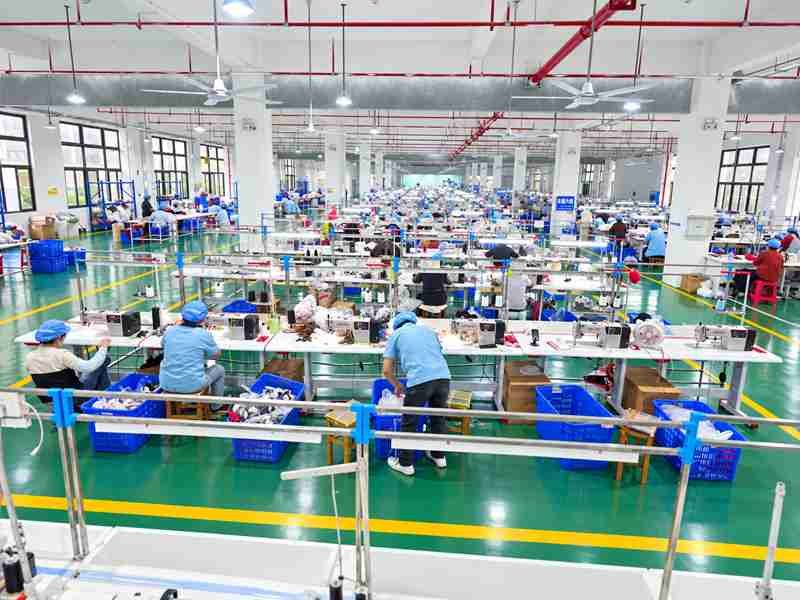
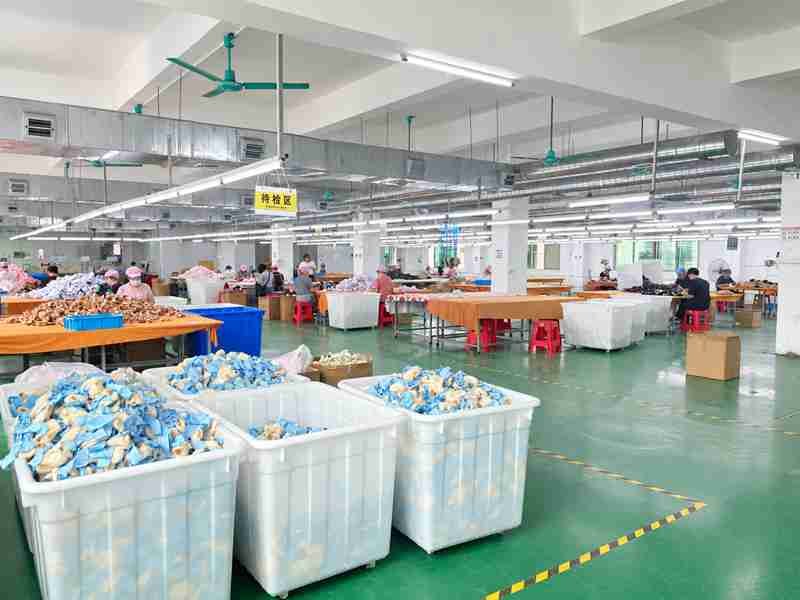
A useful factory tour should follow the order in which a commercial plush project physically moves rather than jumping between attractive scenes. Start with incoming materials and warehouse handling, then move through the Plush Product Development Center, cutting, embroidery or printing, sewing, stuffing, hand assembly, finishing, final inspection, packaging and finished-goods preparation. Ewin operates a 95,000+ m2 integrated manufacturing system supported by 1,900+ people, so the tour should help viewers understand how multiple functions fit into one operating environment rather than using scale figures as decoration. Look for transitions between departments: how cut pieces reach sewing, how embroidered panels are identified, how stuffed products move into finishing, and how approved goods enter packaging. The value of the tour is not cinematic presentation. It is giving sourcing, product and quality teams a clearer view of the manufacturing path their own program may follow.
Follow the Information Flow Behind the Physical Work
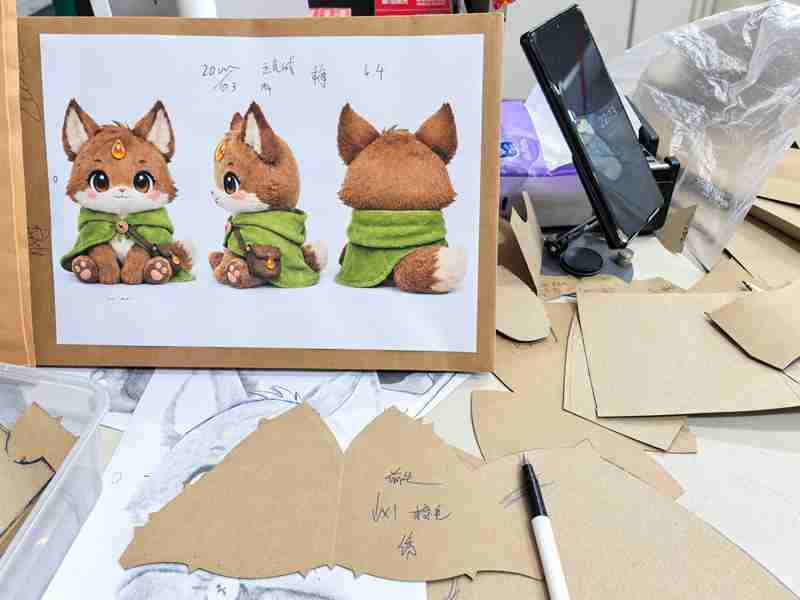
A factory can have machines and still struggle with complex custom programs if the approved information does not travel with the product. Alongside the physical tour, Ewin’s Video Center should show how a project moves from requirements into pattern, BOM, sample versions, Golden Sample, production instruction, QC reference, packaging and shipment status. A pattern table, sample identification card, embroidery file reference or pack-out specification can be more useful than another wide shot of a sewing line because it shows how production knows which version to make. For multi-SKU programs, viewers should also look for visible identity control: separate SKU references, packaging versions and clear handoffs between development, production and quality. The combined physical and information flows explain how an approved idea becomes repeatable output. They also help your team decide which area requires a deeper live video review before sampling or supplier approval.
See Plush Product Development Before Mass Production Starts
Artwork Review
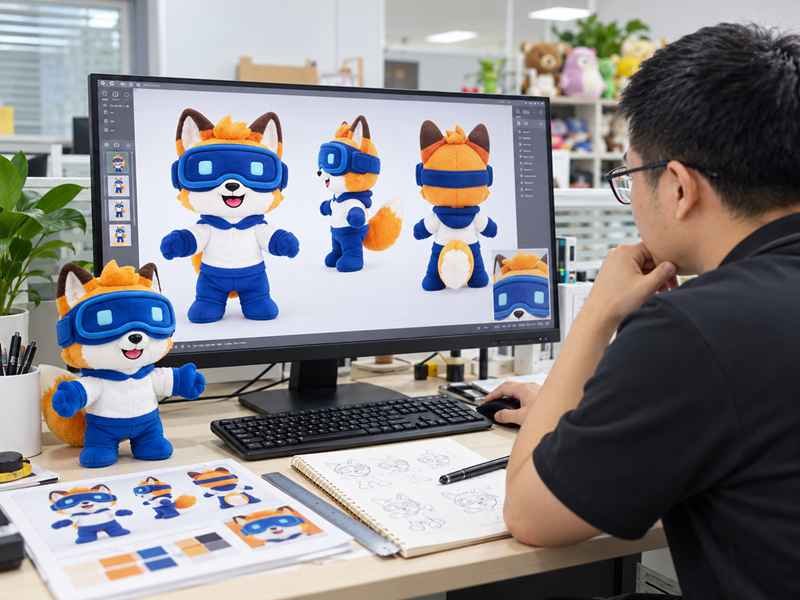
See how sketches, character sheets, 3D renders, AI concepts, references or existing samples are translated into a project brief. The review should identify target size, pose, visual priorities, market and unresolved details before pattern work begins, reducing avoidable assumptions in the first prototype. A useful recording can also show which source file is authoritative when references disagree, keeping later revisions tied to a defined starting point.
Pattern Engineering
Prototype Making
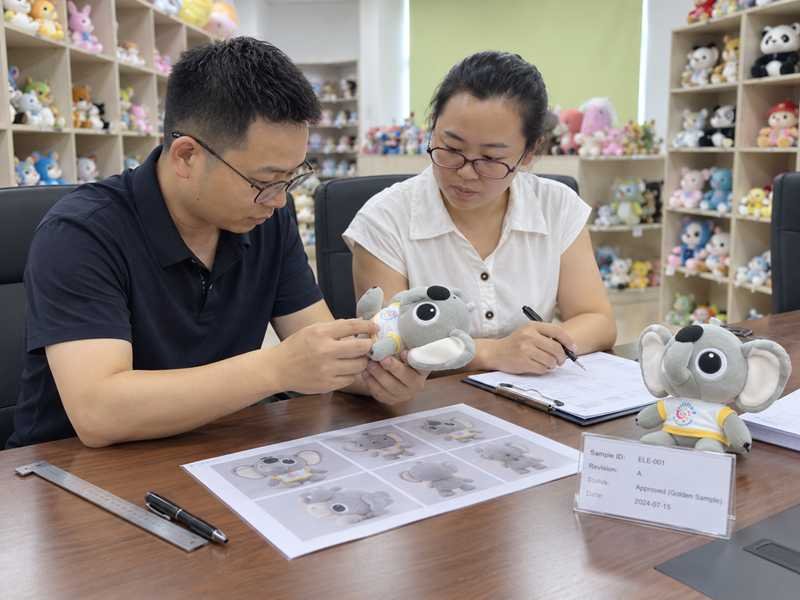
Revision & Golden Sample
Watch Videos for the Plush Product You Are Developing

Custom Plush Toys
Character Plush
Mascot Plush
Collectible Plush
Blind Box Plush
Stuffed Animals
Plush Keychains
Plush Bag Charms
Weighted Plush
Baby Plush
Interactive Plush
Plush Merchandise
Watch the Evidence Most Relevant to Your Project Team
IP & Licensing Teams
Toy & Collectible Brands
Retail & Private Label
Game & Entertainment
DTC & E-commerce Brands
Sourcing & QA Teams
See How Materials Become Controlled Cut Components
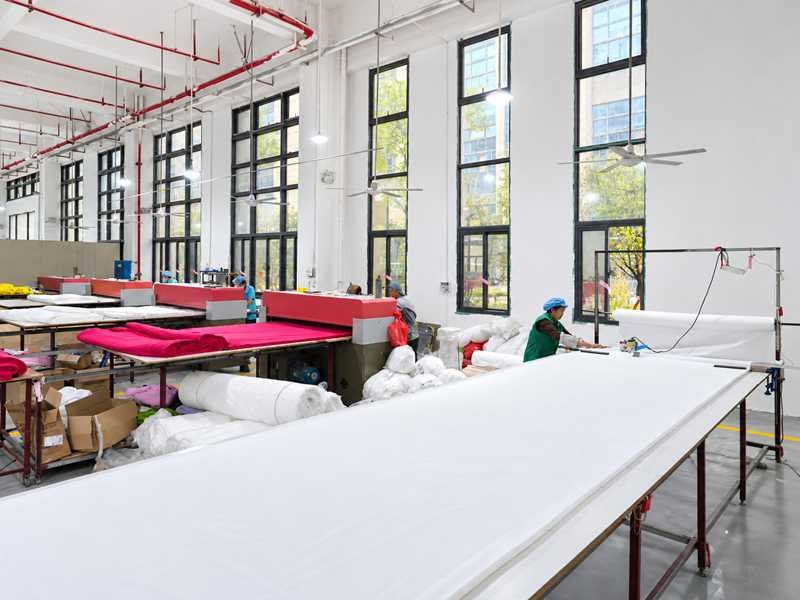
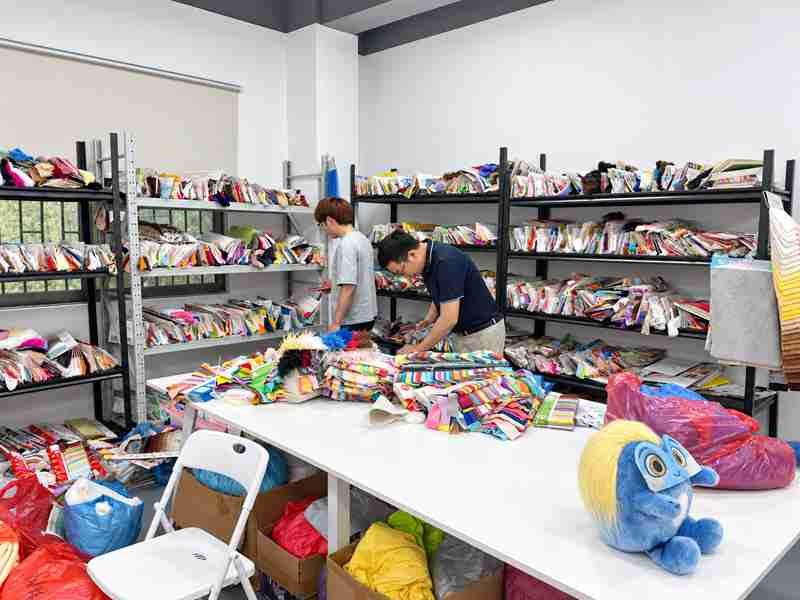
Fabric Preparation
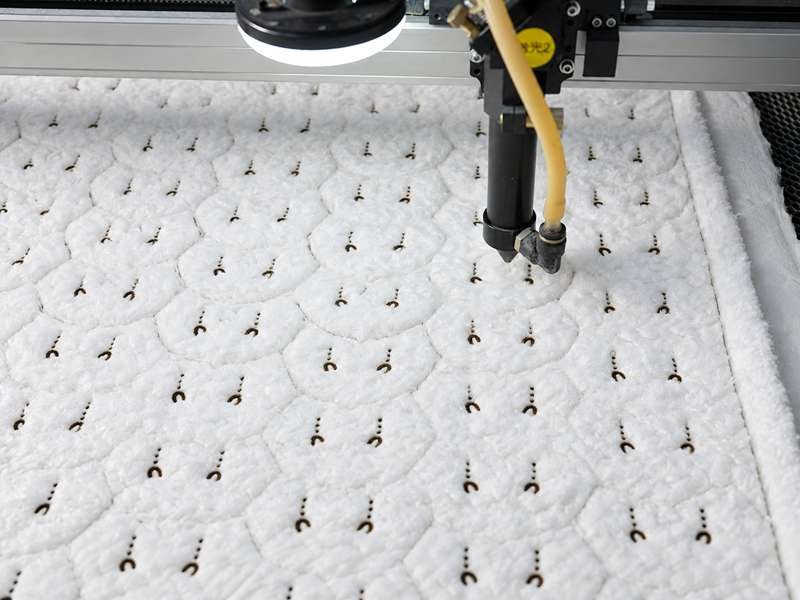
Pattern Layout
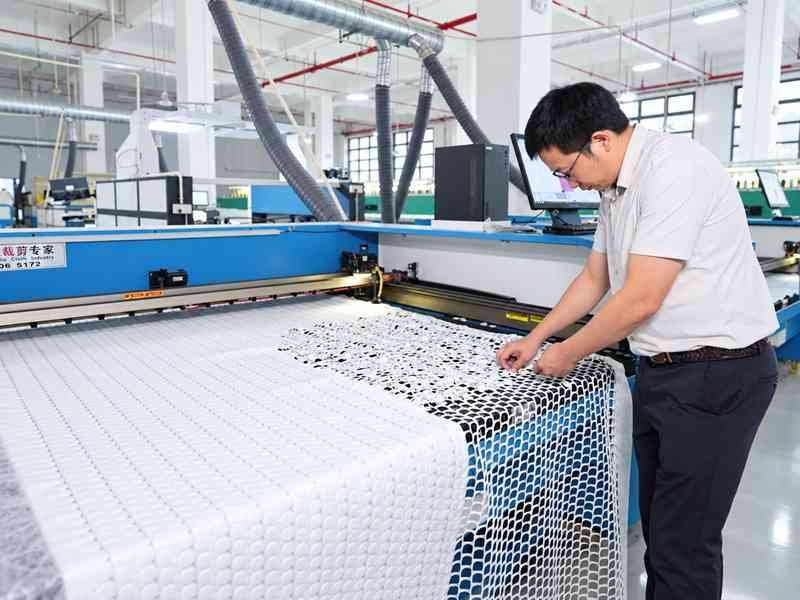
Cutting Process
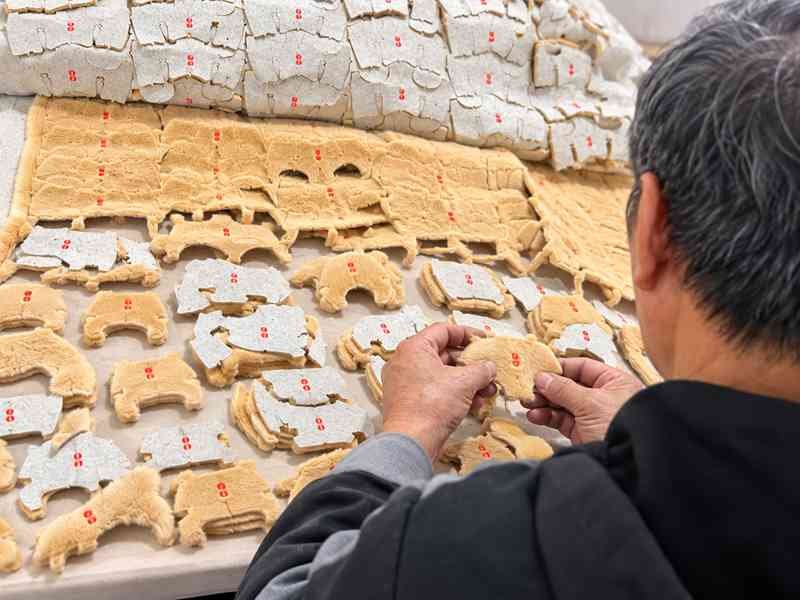
Piece Identification
Watch Embroidery Printing and Sewing Build the Character
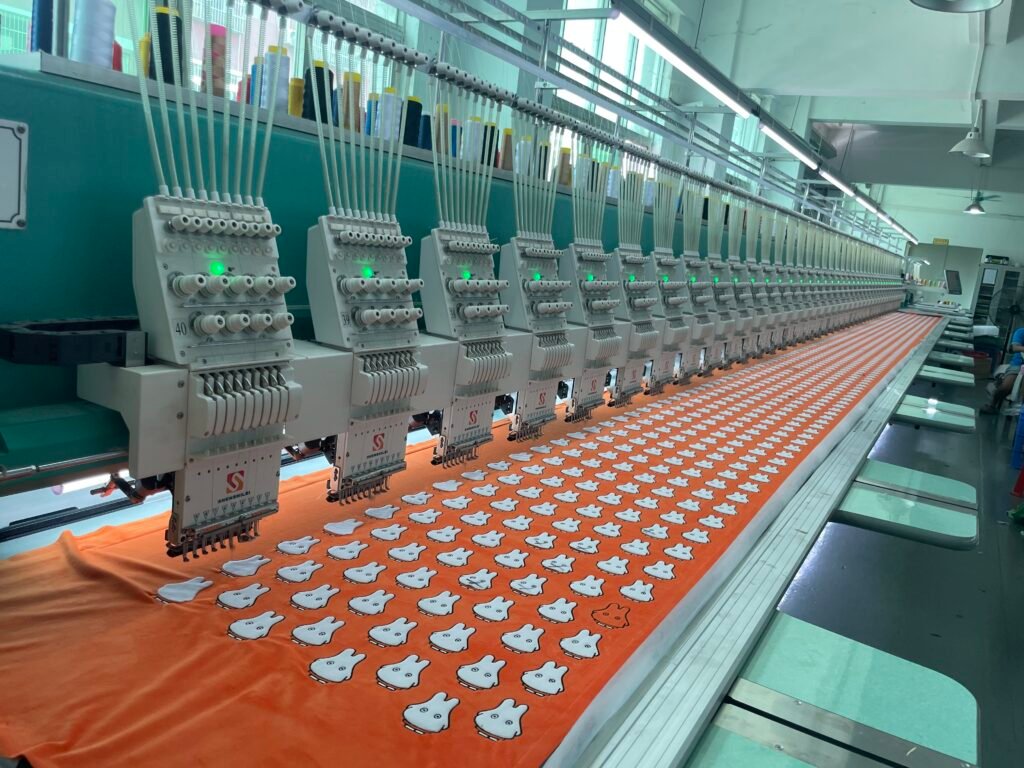
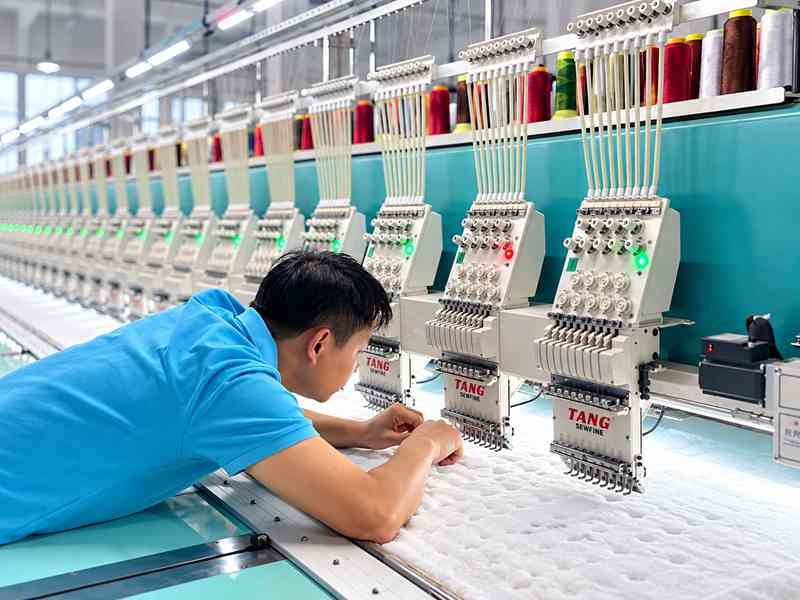
Embroidery Setup
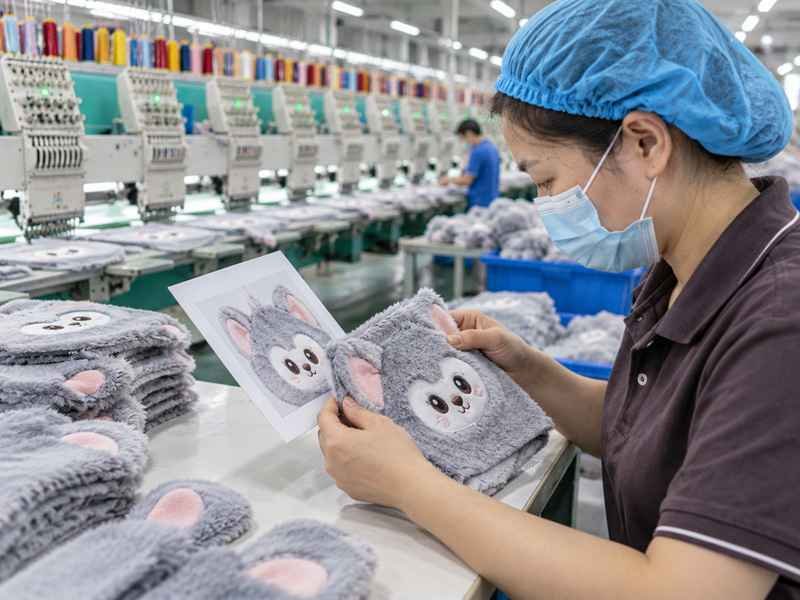
Face Embroidery
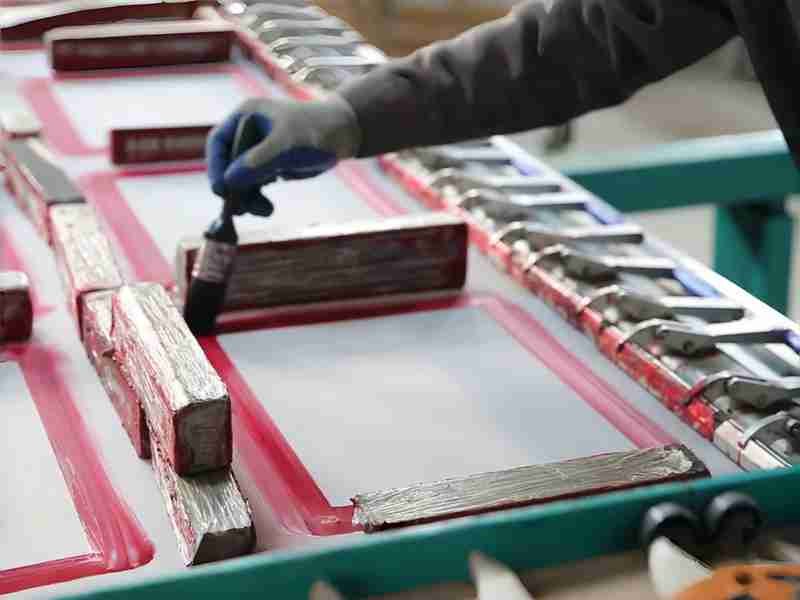
Printing & Applique
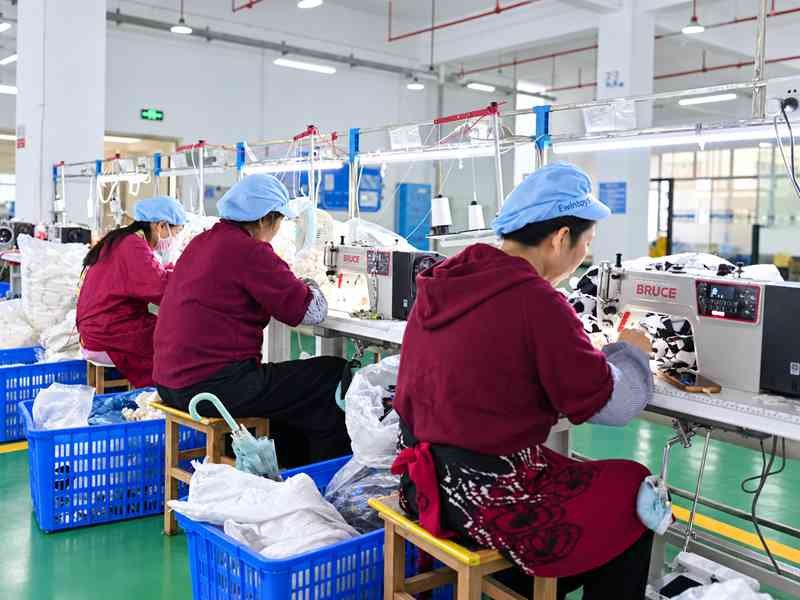
Panel Sewing
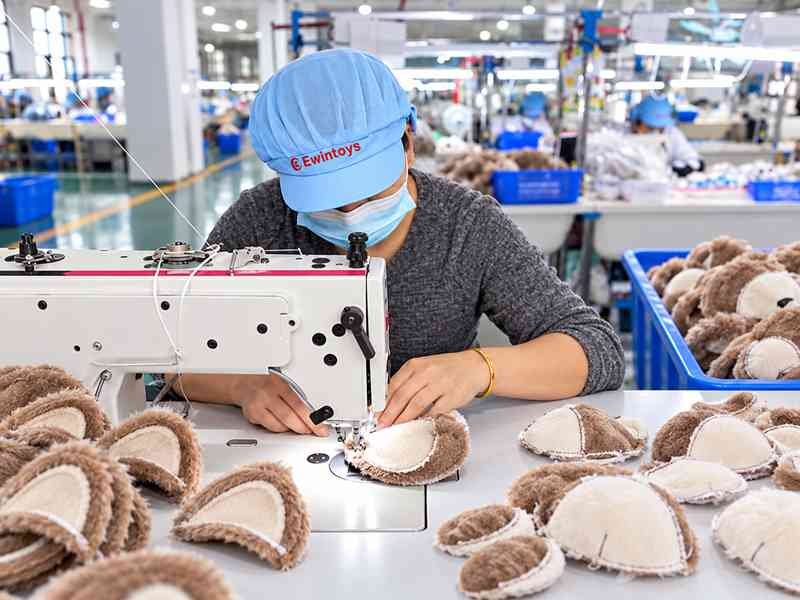
Complex Curves
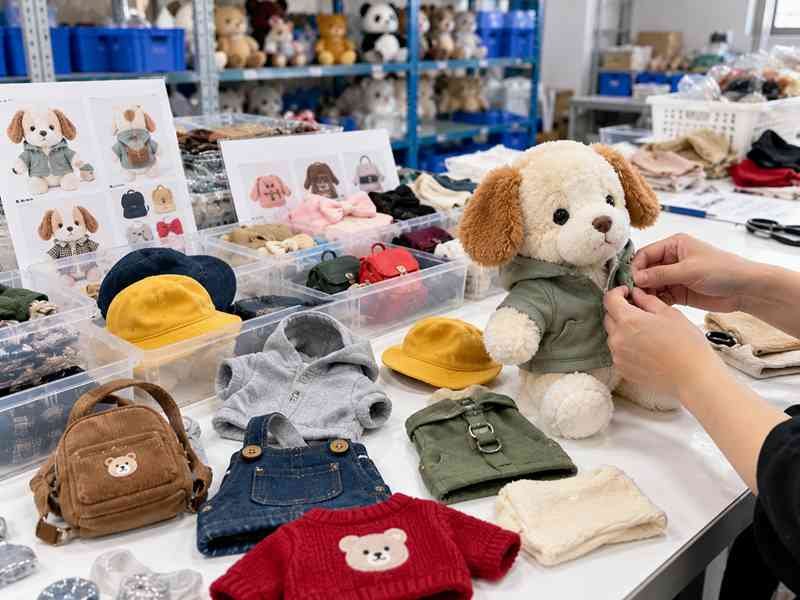
Clothing & Accessories
See Stuffing Assembly and Finishing Shape the Final Product
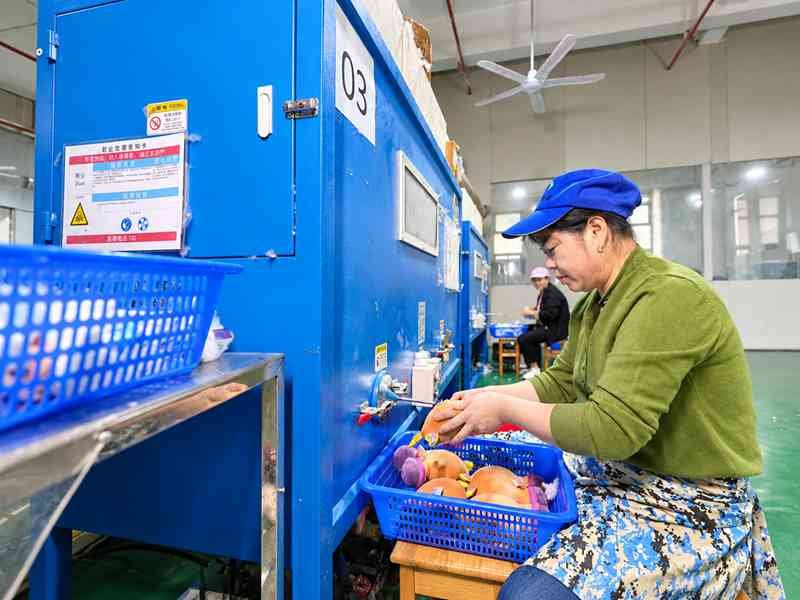
Stuffing Process
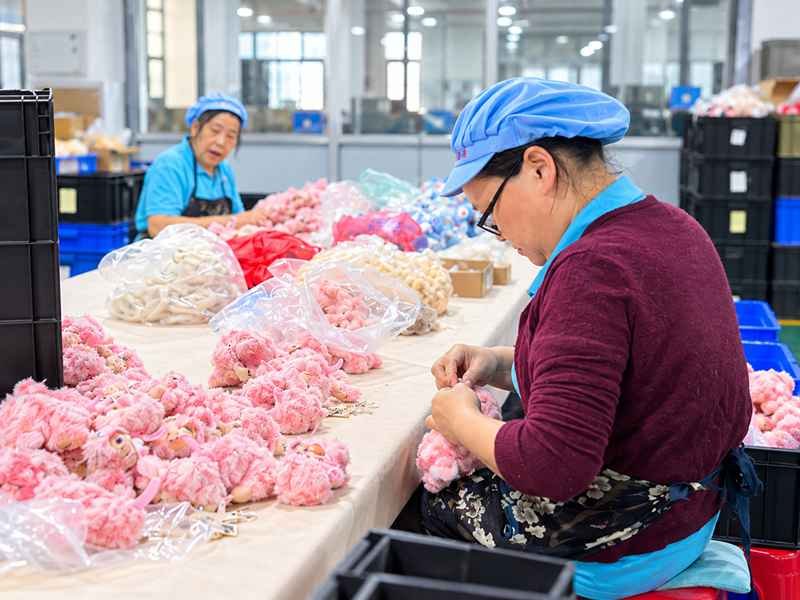
Fill Weight Control
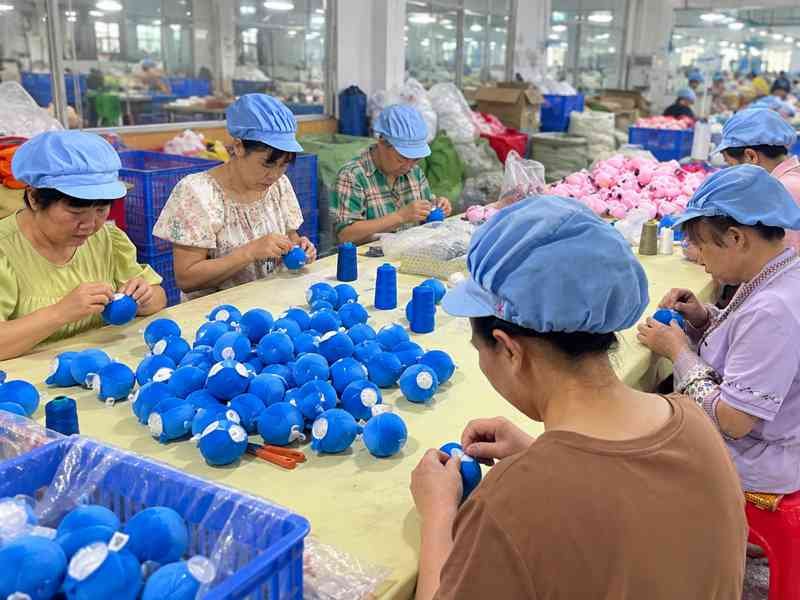
Closing & Seams
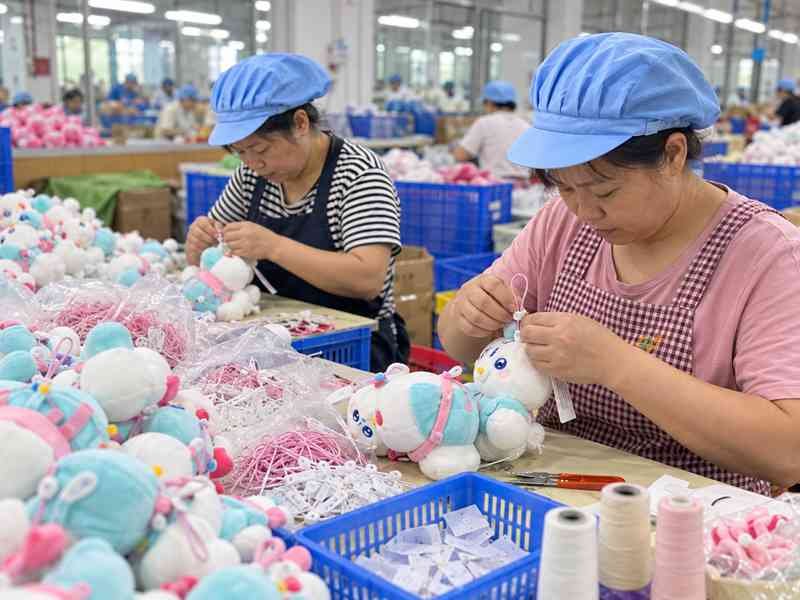
Accessory Assembly
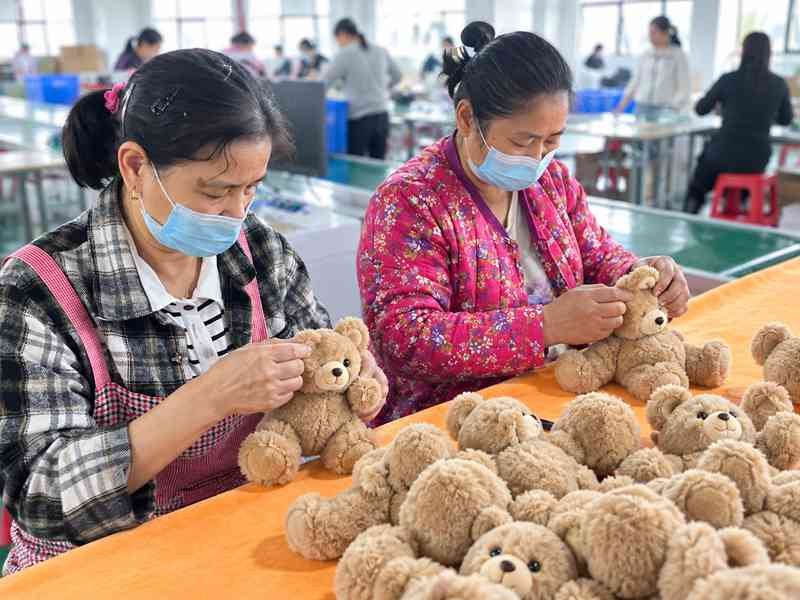
Shaping
Final Finishing
See Quality Checks at the Stages Where Risk Appears
Incoming Material Check
In-Process Inspection
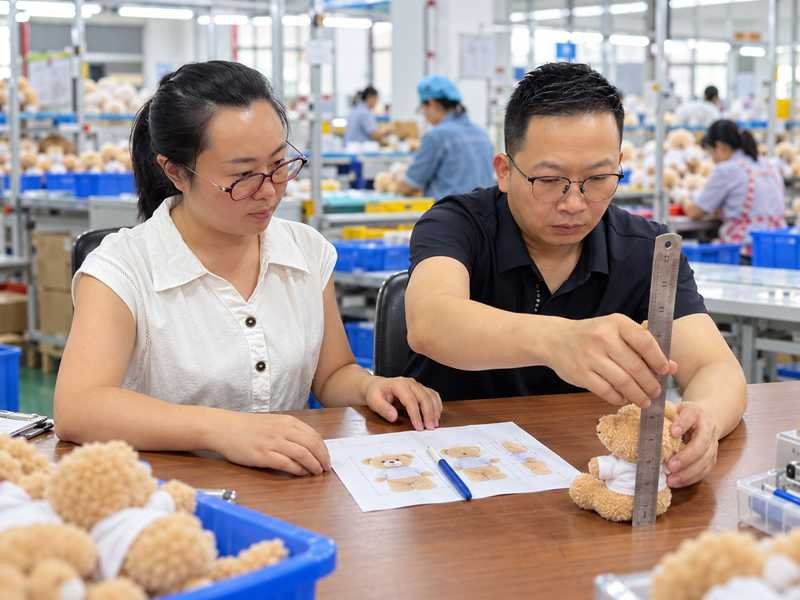
Measurement Check
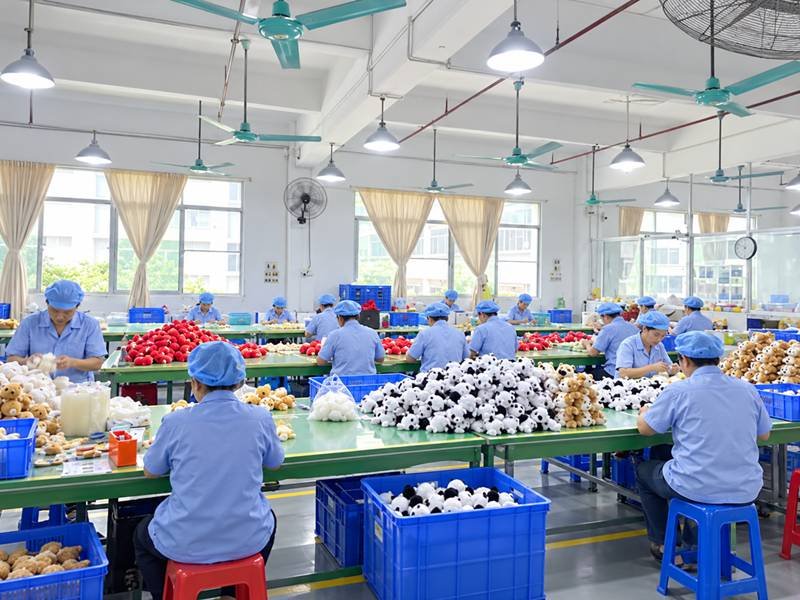
Attachment Check
See accessories or relevant components reviewed for location and attachment security. Depending on the design and market, the project may require additional physical or third-party checks; the video should demonstrate the manufacturing control without implying a test result it does not document. For multi-component products, footage can also show orientation and assembly reference points so repeated placement remains consistent across finished units.

Needle & Metal Control
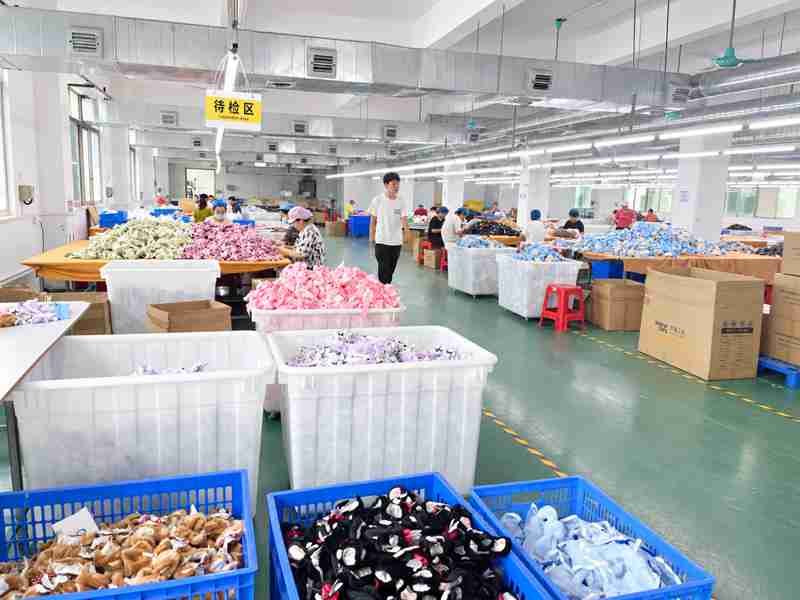
Final Inspection
Watch Packaging Barcode and Shipment Preparation in Sequence
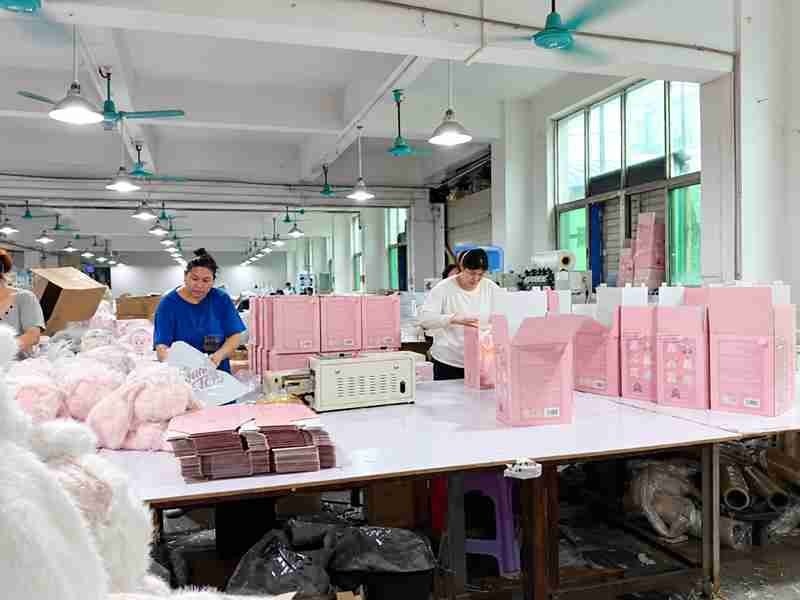
Unit Packaging
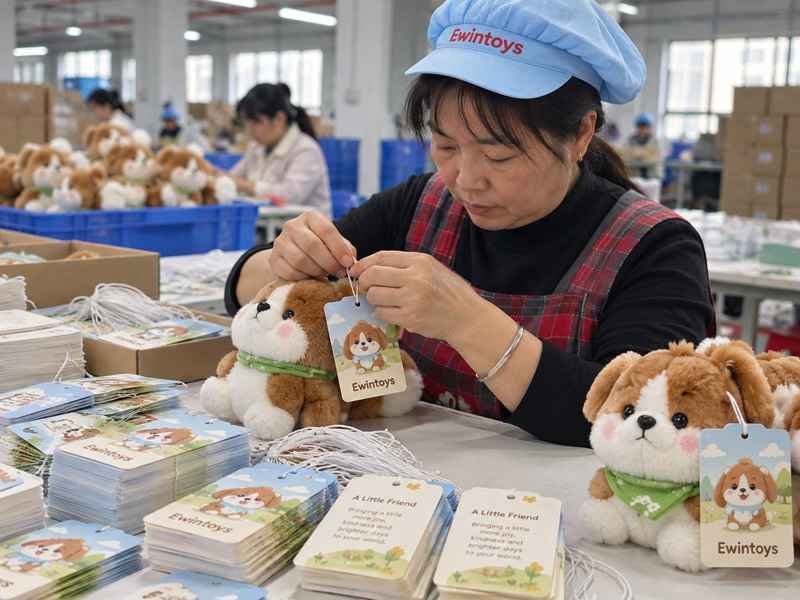
Hangtags & Labels
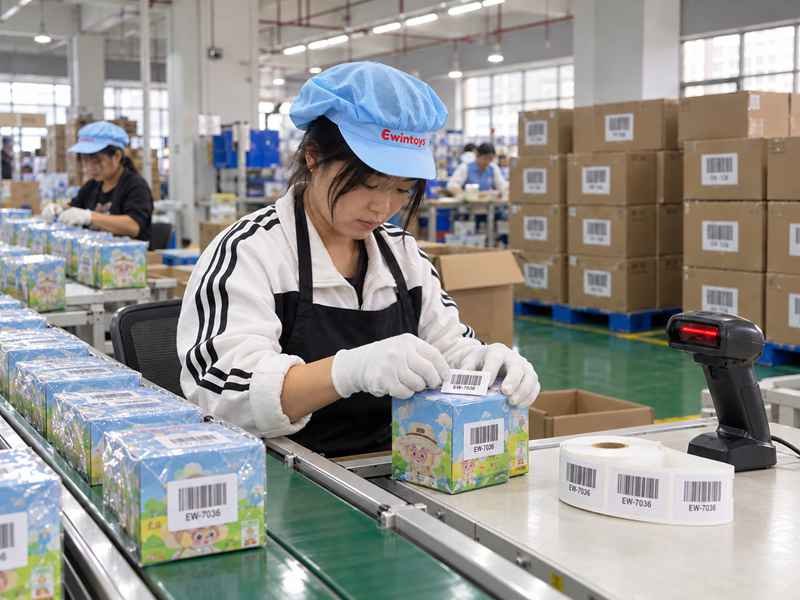
Barcode Scan
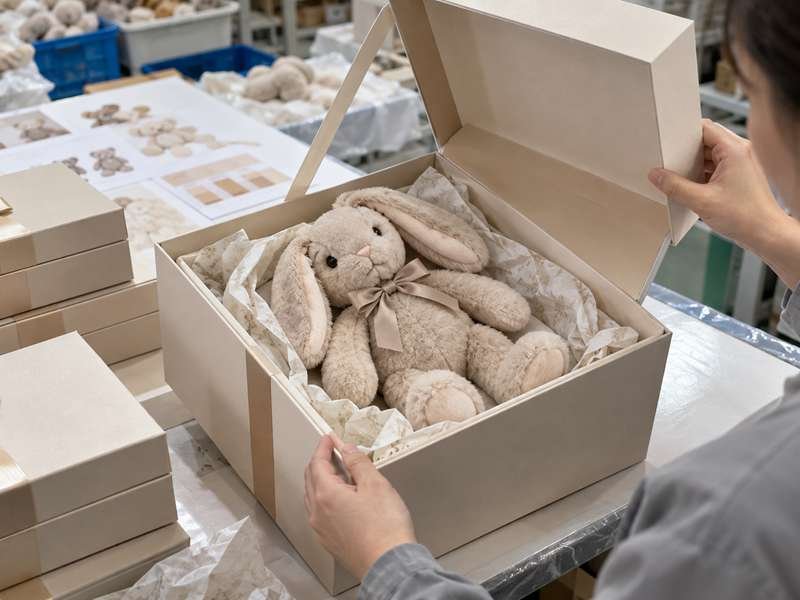
Retail Packaging
Watch gift boxes, collector packs, blind boxes, display formats or other retail presentation assembled around the actual plush. Pack samples are especially useful when fit, recovery and visual orientation affect shelf presentation, storage or the opening experience.
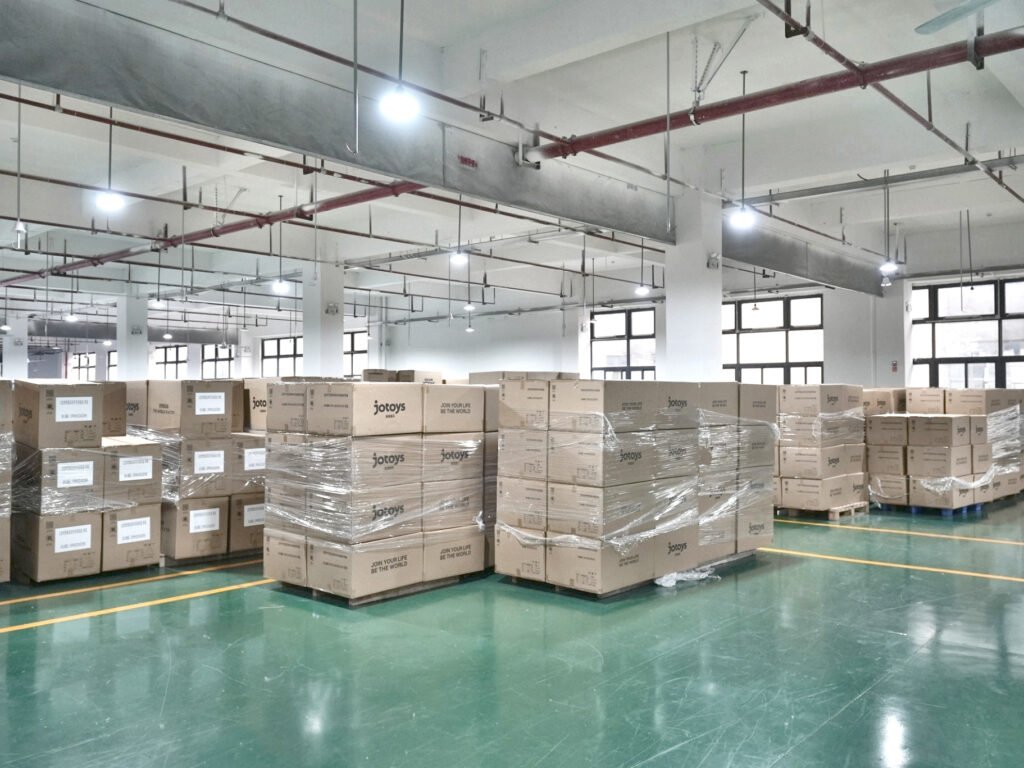
Master Carton Pack-out
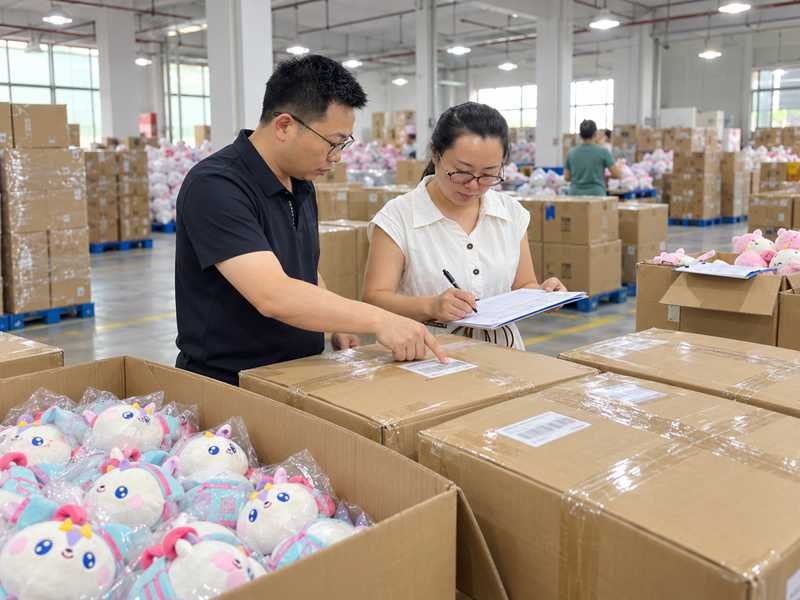
Pre-shipment Check
Follow Artwork to Sample Through Real Revision Stages
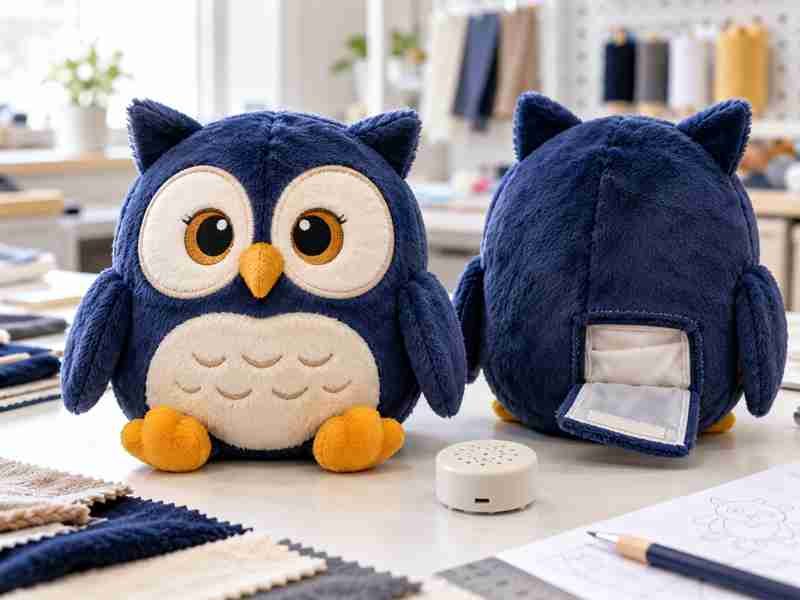
The strongest development videos show consecutive versions from one design, making the engineering change visible rather than presenting unrelated before-and-after images.
Character Fidelity Story
Start with the approved artwork, then show the first sample, revision notes and final reference from the same design. The useful story explains which silhouette, proportion, face or material changes improved recognition rather than claiming a numerical fidelity score without a defined method. Each stage should keep the same Design ID or clear project identity so viewers can tell the changes belong to one continuous revision chain rather than unrelated samples.
Mascot Translation Story
Show how a flat brand mascot becomes a stable three-dimensional plush while keeping logo, color and signature features recognizable. Include the decisions that changed pose, proportion or decoration so the finished result can be understood as engineered translation rather than simple tracing. The story can also show where soft construction required controlled interpretation, such as adjusting limb position, logo scale or fabric choice while preserving the approved brand identity.
Mini Plush Reduction
Show what happens when a larger character is reduced into a keychain or mini format. Small sizes often require fewer panels, simplified embroidery and adjusted proportions so the face remains readable while the product stays manufacturable and strong enough for attached hardware. A useful comparison should explain which features were protected, which were simplified and how the hardware or packaging changed the final engineering priorities.
Collectible Series Story
Compare several characters through a shared series standard for size, face language, material feel and packaging. The video should also show controlled exceptions, proving the goal is family consistency without making every character structurally identical. Include side-by-side samples or reference boards where possible so differences in scale, embroidery style, materials and accessories can be judged as part of one coordinated collection rather than separate projects.
See How an Approved Sample Becomes a Bulk Standard
Link the Approved Sample to the Production Release
Compare First Production and Finished Goods Against the Reference
Once production begins, video can focus on checkpoints where drift is easiest to detect. First-piece or early-run review can compare silhouette, face placement, dimensions, filling and accessories with the Golden reference before output accumulates. Later footage can show in-process inspection, finishing and final goods beside the approved sample, followed by the correct unit packaging and carton configuration. For complex programs, the most useful view is not a wide shot of many finished toys; it is a close comparison of the features that were defined as critical during approval. When a difference appears, the relevant record should identify the affected SKU, version or material lot so corrective action does not rely on guesswork. Video therefore supports production visibility, while formal release, inspection and traceability records remain the controlled evidence behind sample-to-bulk consistency.
Use Live Video When Recorded Footage Is Not Enough
Video Factory Tour
Video Sample Review
Live Production Review
Pre-shipment Video
Featured Manufacturing Videos to Start With
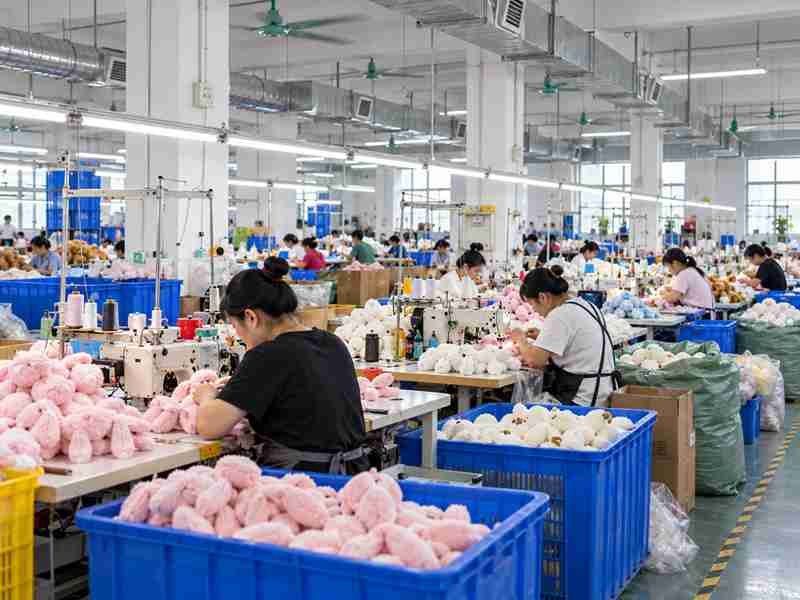
Full Factory Tour
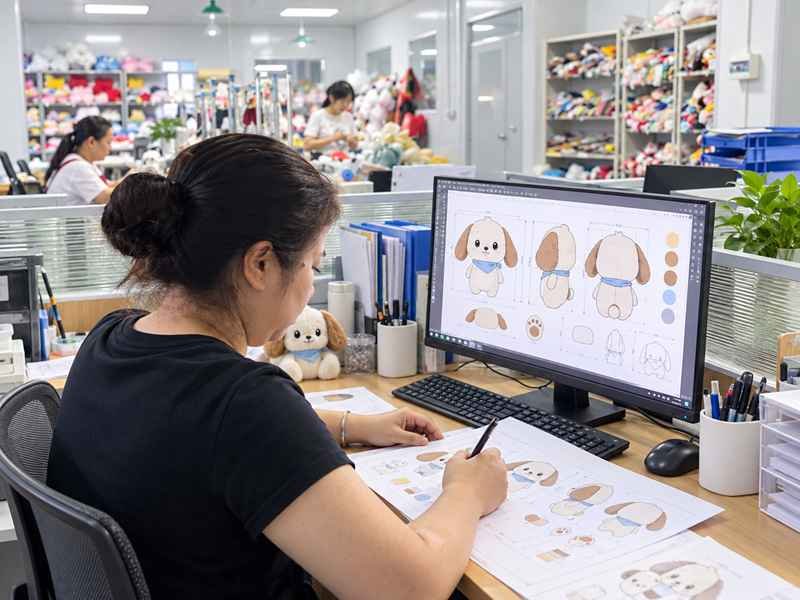
Artwork to Prototype
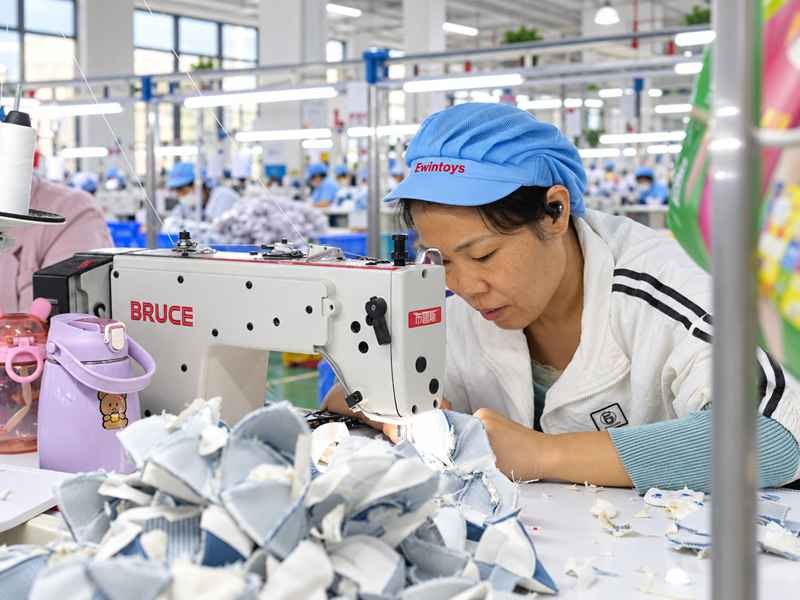
Character Sewing
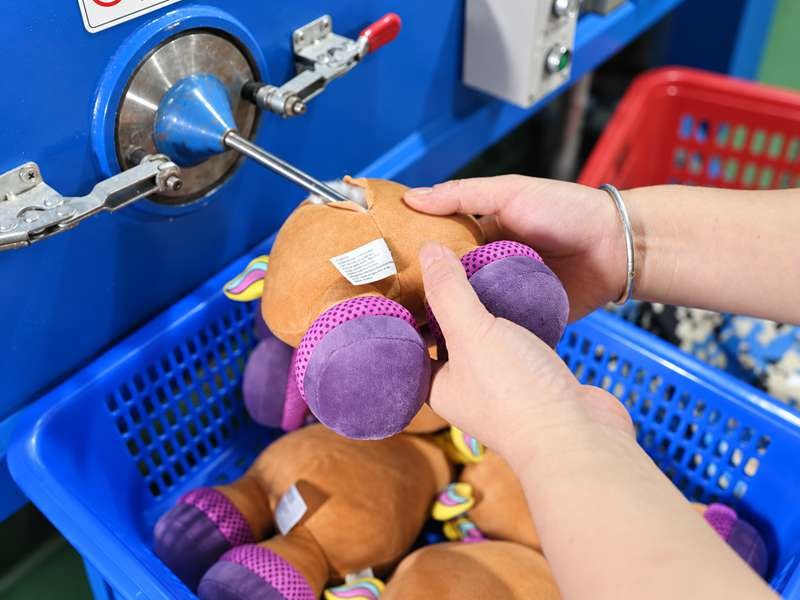
Stuffing and Shaping
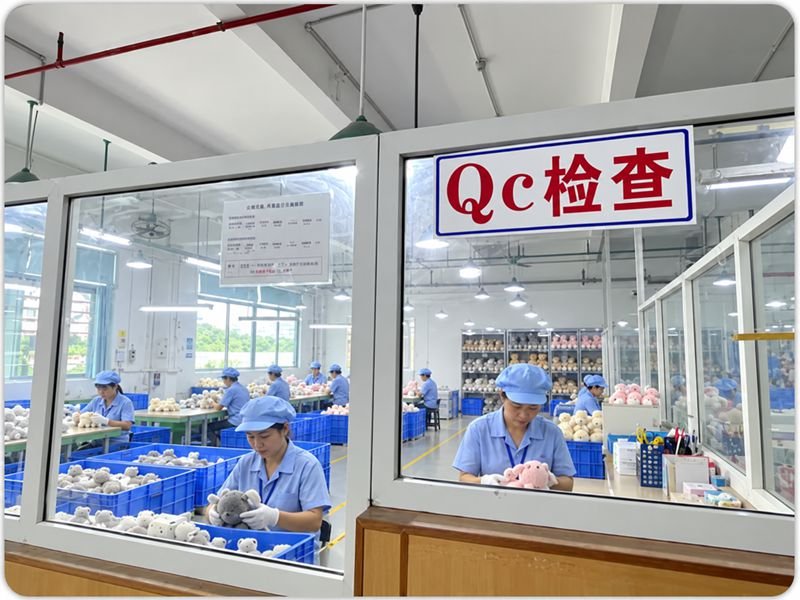
QC and Golden Reference
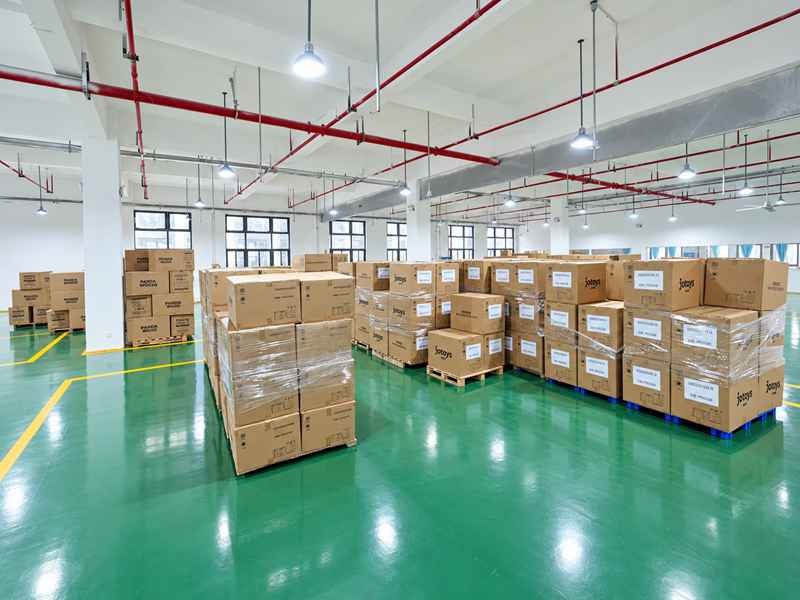
Packaging and Shipment
Frequently Asked Questions
Yes. A live factory tour can focus on development, manufacturing, QC, packaging or warehouse areas relevant to your project. Share the capabilities your team wants to verify before scheduling.
Yes. Video sample review can support proportion, materials, accessories, hand feel and revision discussion. Make sure everyone is referencing the same identified sample version during the session.
Project-specific visibility can cover agreed stages such as materials, cutting, embroidery, sewing, stuffing, QC or packaging. The available review depends on current production status and project arrangements.
Only when publication rights allow it. Unreleased IP, client logos, order information, screens or documents should be hidden, anonymized or kept internal when public permission has not been granted.
No. A QC video can show a control process. Claims that a specific SKU passes a named standard require the matching product, version and applicable test documentation.
Yes, where agreed for the project. The review can focus on selected finished units, packaging, carton marks or inspection points while formal release remains tied to the applicable records.
Yes. Tell Ewin which product, process or risk you need to understand. A focused clip or live review is more useful than unrelated footage when evaluating a specific manufacturing decision.
Usually not by themselves. Video is strong visual evidence, but supplier qualification may also require company information, project records, quality documents, audit materials or other evidence appropriate to your internal process.
Public footage should use approved, anonymized or non-client material unless publication permission exists. Sensitive project videos can remain restricted and be used only for the intended project review.

Need to See More Before Starting Your Plush Project?
Tell Ewin what you are developing and what your team needs to verify. Share the product type, artwork or reference, target size, quantity by SKU, target market and current project stage, then select the area you want to see: factory capability, sample development, a manufacturing process, quality control, packaging or pre-shipment preparation. If the request relates to an active or confidential program, include the required access or NDA conditions before sensitive assets are shown. Ewin can then route the discussion toward a recorded process, live video review, sample assessment, supplier verification or formal project brief instead of sending a generic factory clip.