ODM Plush Development for Brands & New Product Programs
Turn early-stage ideas into production-ready plush products with stronger control over design, structure and manufacturability. Ewin Toys supports brands that need more than factory execution—helping shape the product before production begins.
60+ Product Development Team | 20+ Senior Pattern Specialists | Concept / Artwork / 3D Input | Pattern Engineering | Material & Structure Development | 5–7 Working Day Standard Sample Planning | Prototype-to-Production Transfer

Choose the Right Development Route Before Sampling
The best project route depends on how much of the product has already been defined before Ewin receives the brief.
| Project Route | Typical Starting Point | Ewin Responsibility | Best Fit |
| OEM Manufacturing | Approved sample, Tech Pack, Golden Sample, controlled specification | DFM review, sourcing, manufacturing setup, QC, packaging, delivery | Mature products ready for production preparation |
| Custom Development | Artwork, reference sample, partial specification | Close missing size, structure, material, decoration, pattern, and sampling decisions | Products needing limited engineering support |
| ODM Development | Concept, IP, character direction, early artwork, functional idea | Participate in product definition, pattern, materials, samples, cost, packaging, and manufacturing route | Programs needing deeper development input |
| Supplier Transfer | Existing product and current supplier reference | Rebuild controlled specifications, identify risks, validate sample and production route | Second-source and continuity programs |
Start ODM Development With the Information You Already Have
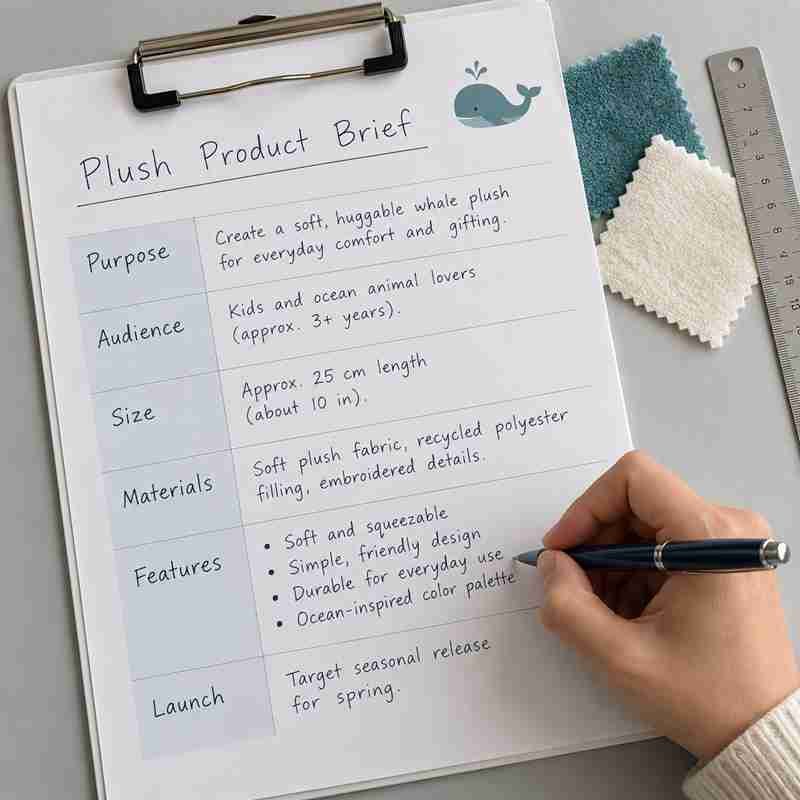
Written Product Brief
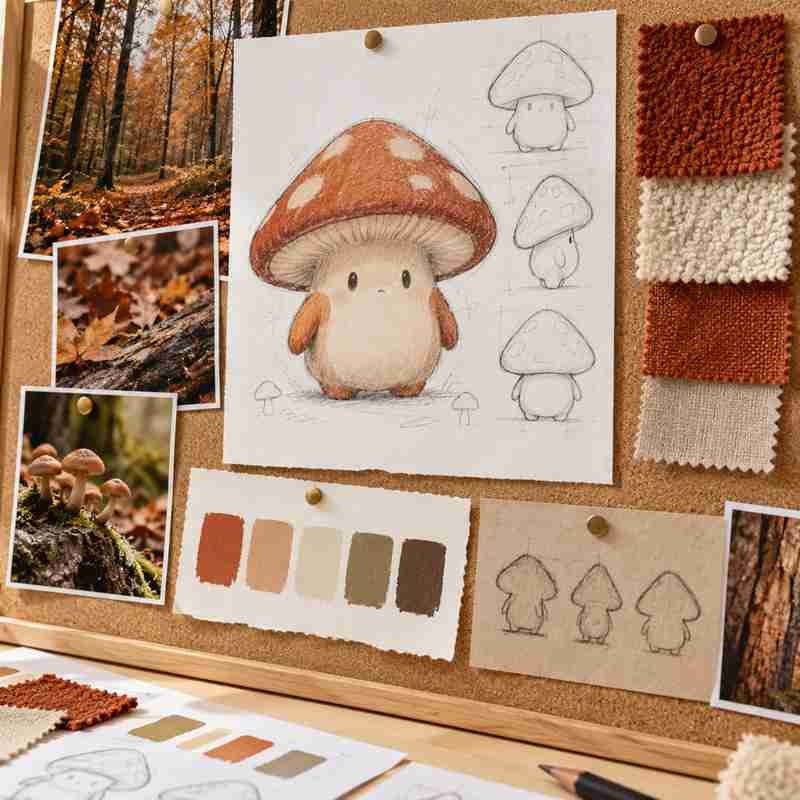
Moodboard References

Hand Sketch
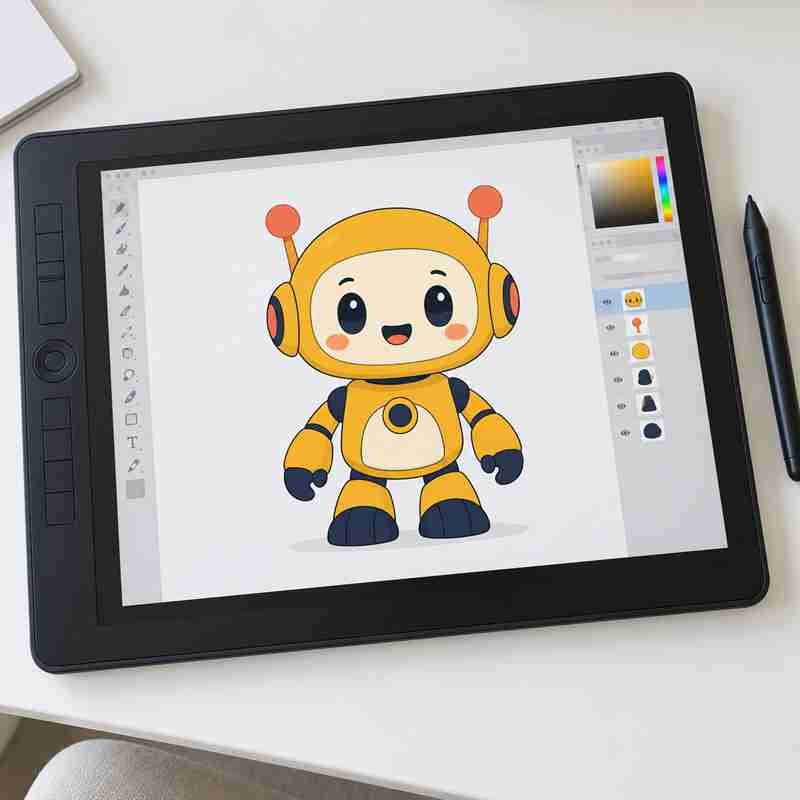
2D Character Artwork
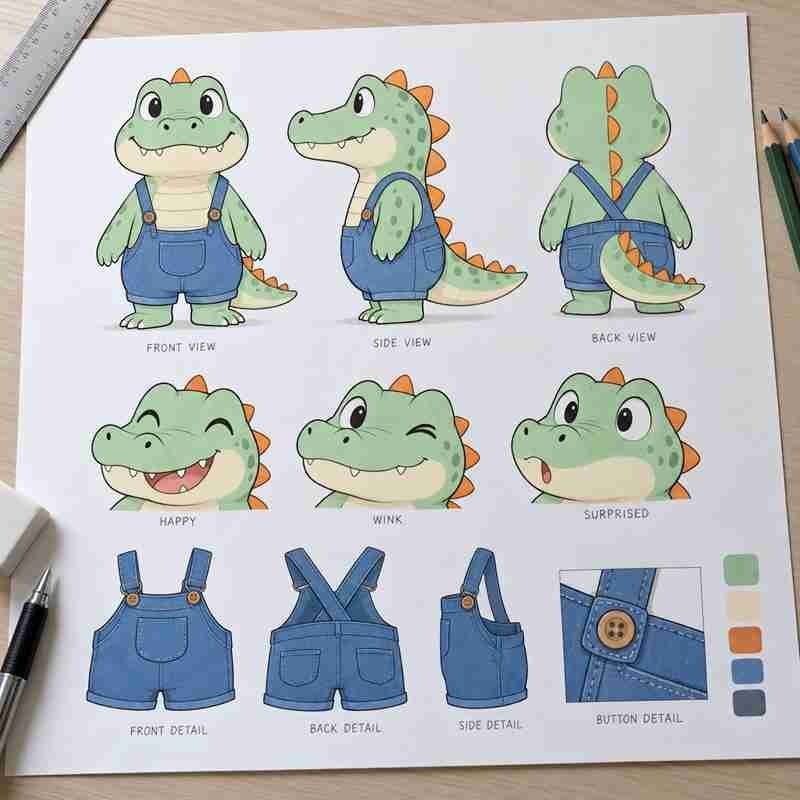
Character Sheet
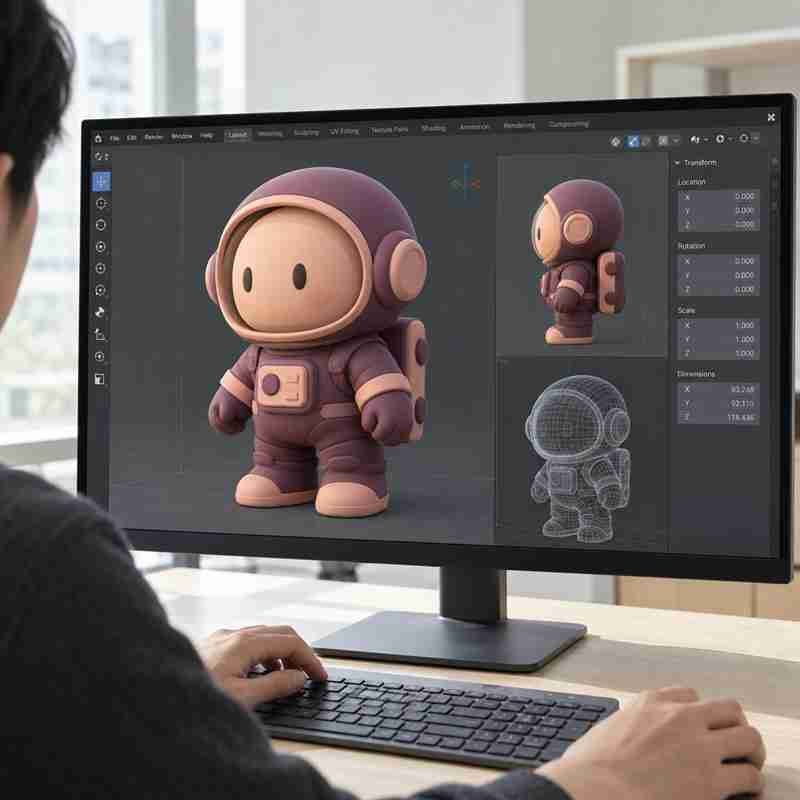
3D Render or Model
Move From Product Idea to Controlled Manufacturing Definition
Define the Product Before Detailed Engineering Begins
Ewin starts by clarifying what the product must achieve commercially and visually. The review can cover intended use, target market, age grade where relevant, sales channel, target size, quantity range, SKU count, launch timing, target cost direction, packaging expectation, and the character or brand features that cannot change.
A single concept can lead to very different products. A 9 cm bag charm, 22 cm collectible, 40 cm mascot, weighted sitting plush, and interactive character may share the same artwork but require different proportions, materials, internal structures, accessories, packaging, and cost models. The development brief therefore converts creative intent into product decisions before the team spends time refining details that may not survive the final format.
The first objective is not a beautiful sample. It is a clear product direction that design, pattern, material, sample, compliance, packaging, and manufacturing teams can all understand.
Build the Engineering Route Around the Approved Direction
Once the product direction is clear, Ewin translates it into technical work. Character geometry becomes proportion landmarks, panel strategy, seam logic, openings, filling zones, material maps, decoration positions, accessory locations, and functional interfaces. Fabrics and components are reviewed on the real product rather than selected from a catalog in isolation.
The engineering route should also expose cost and production risks early. Extra pattern panels may improve shape but increase cutting and sewing complexity. Long pile may improve character texture but hide small embroidery. A removable garment may add play or display value while increasing fit tolerance, components, packing labor, and SKU risk. A molded part may sharpen detail but introduce tooling, weight, surface protection, and attachment requirements.
ODM is strongest when those trade-offs are visible before the product definition becomes expensive to change.
Validate the Definition Through Samples and Release Data
Physical sampling challenges assumptions that look correct on screen. Fabric stretch can widen a face, filling can change proportions, gravity can affect a standing pose, hardware can pull a seam, and an electronic module can alter body thickness. Prototype, V1, revision, testing, PP, and Golden stages are used for different decisions rather than treated as interchangeable samples.
Once the product is approved, Ewin links the physical result to the Frozen BOM, released pattern, current decoration files, measurement references, filling notes, component specifications, labels, packaging, and QC requirements. Production should reproduce one controlled definition instead of relying on memory of the sample room.
That handoff is what separates ODM product development from a one-off prototype service: the approved idea becomes a repeatable manufacturing instruction.
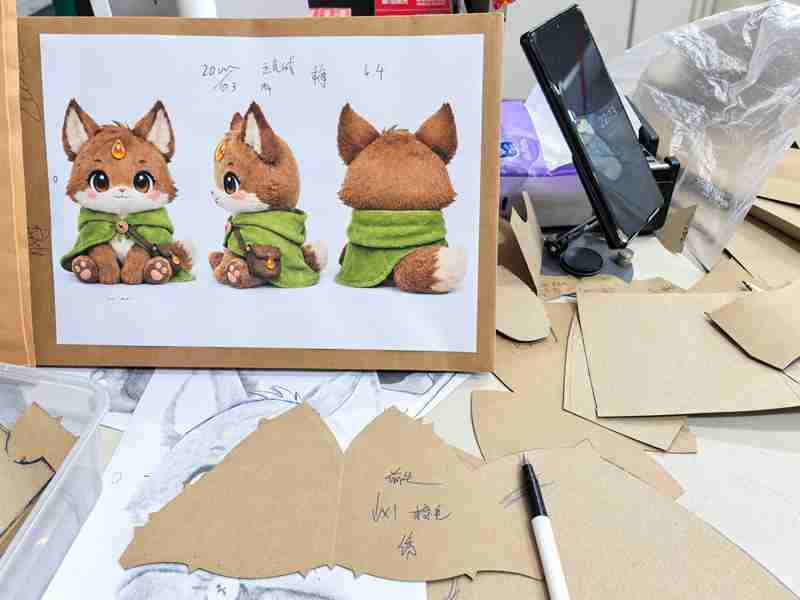
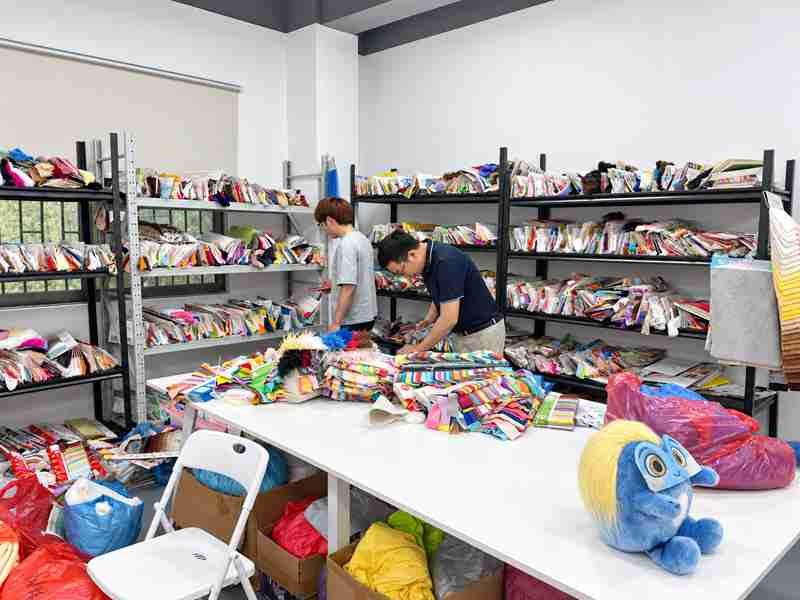
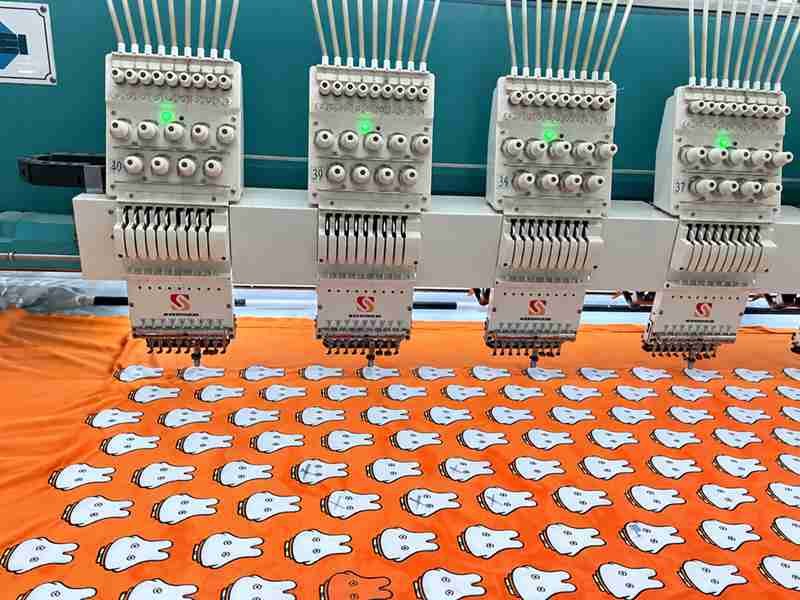
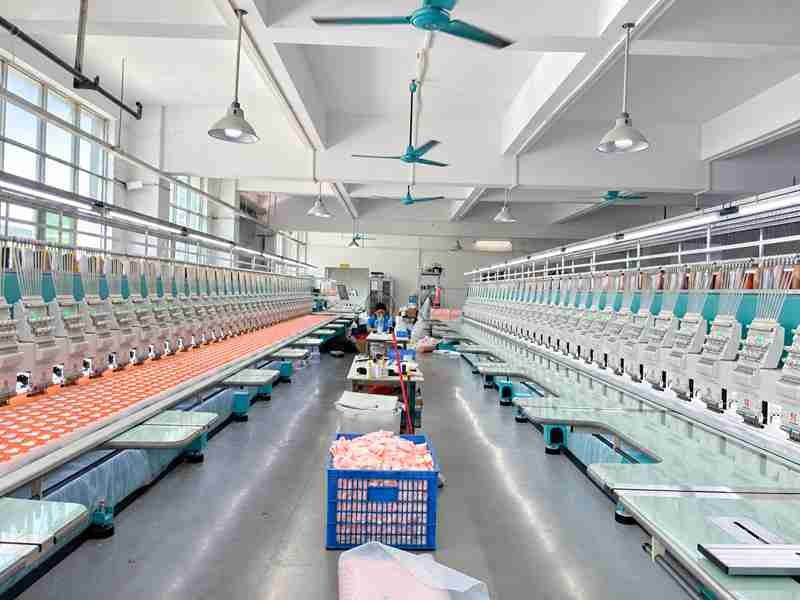
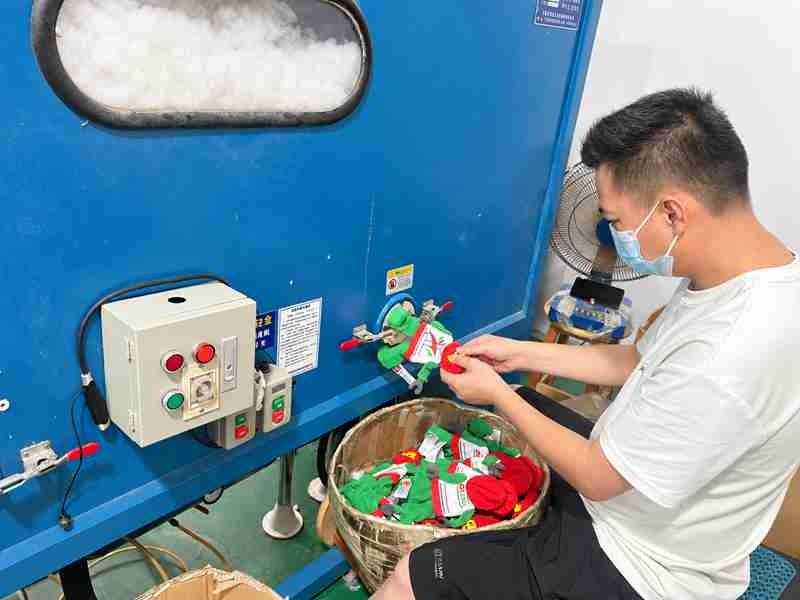
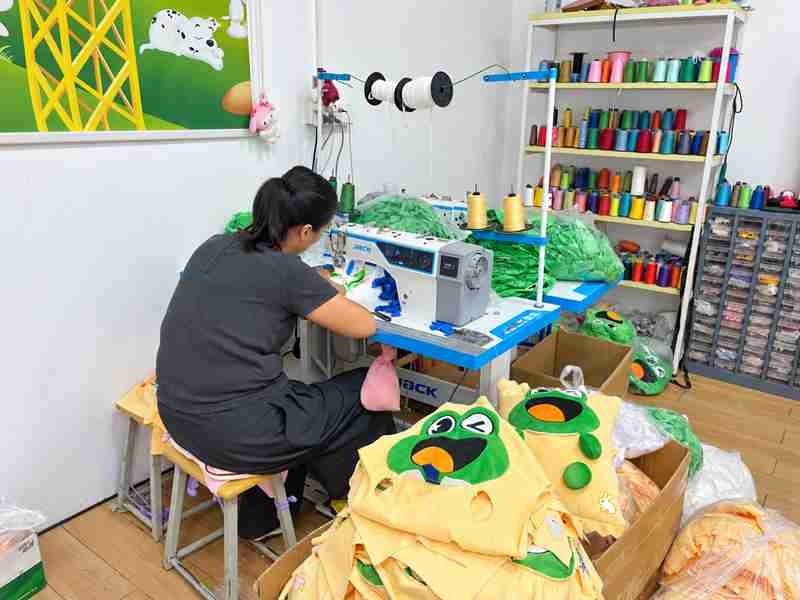
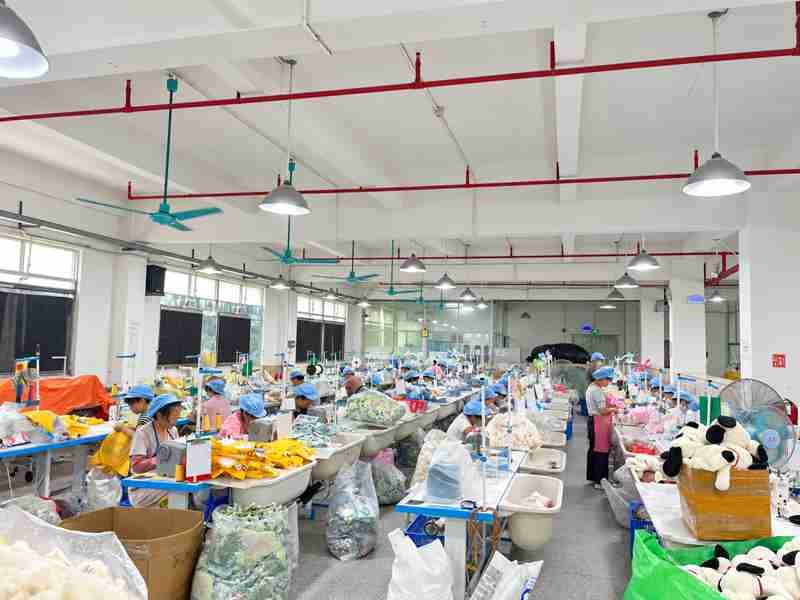
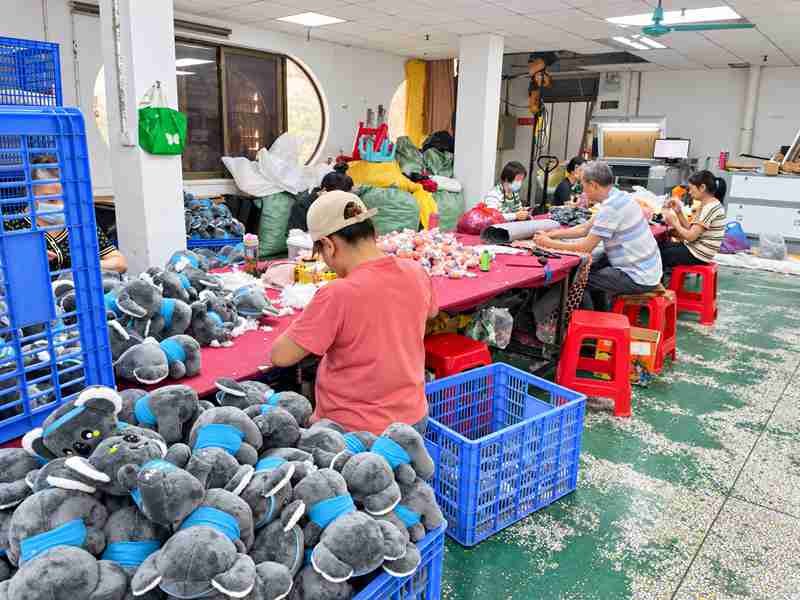
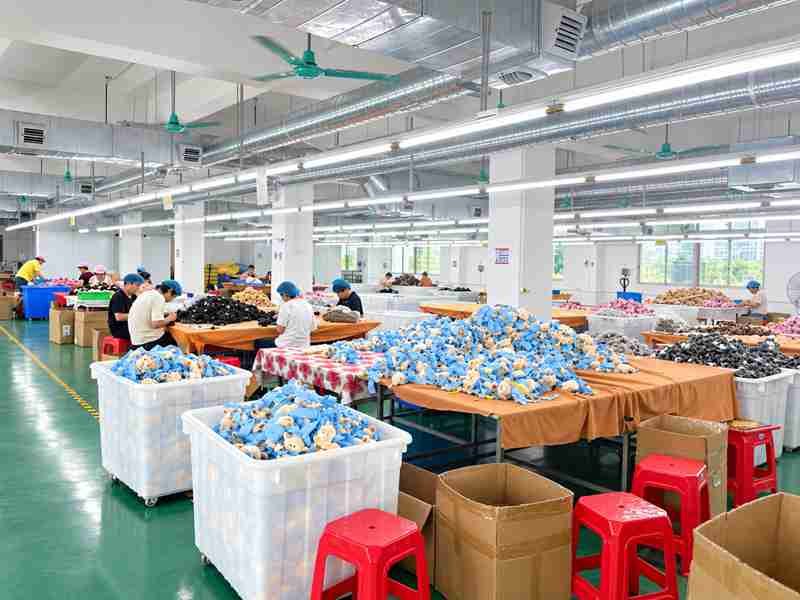
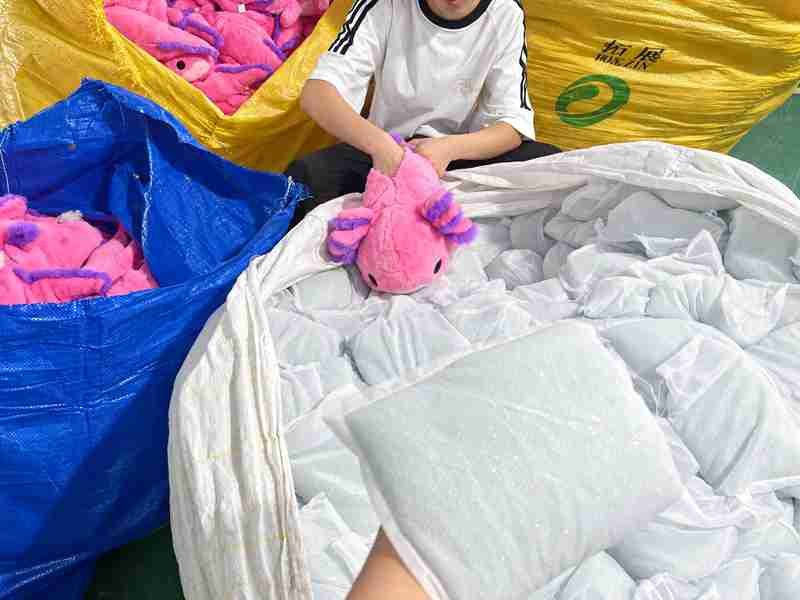
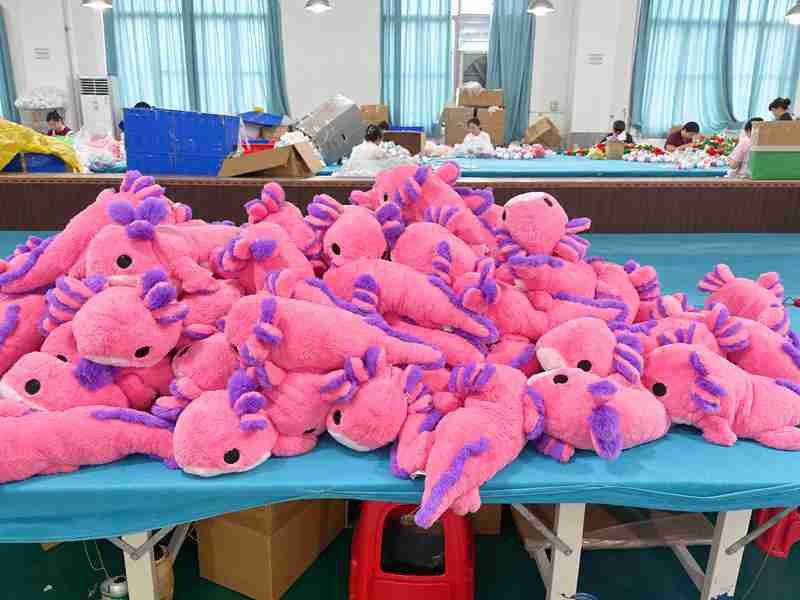
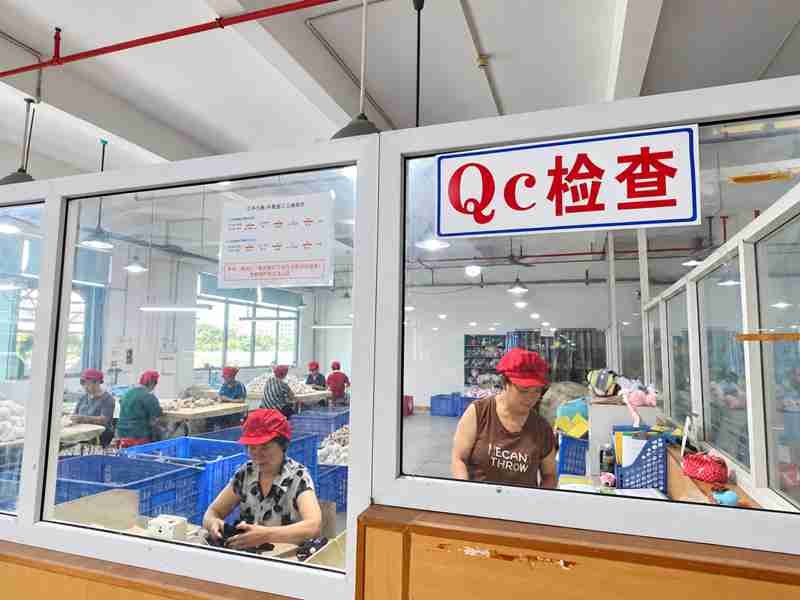
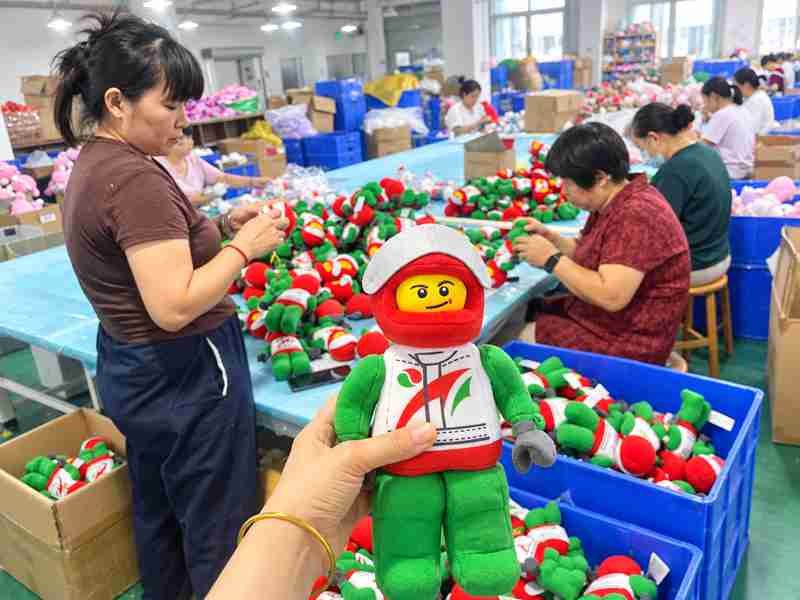
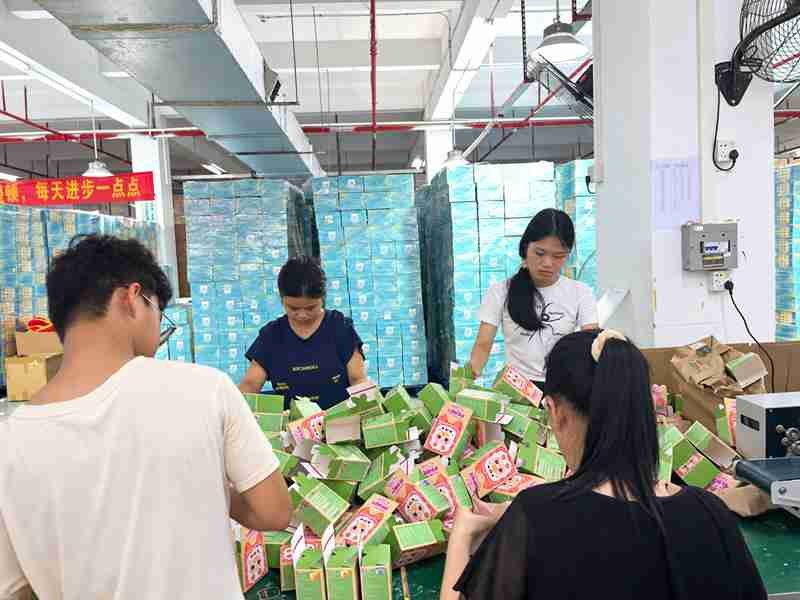
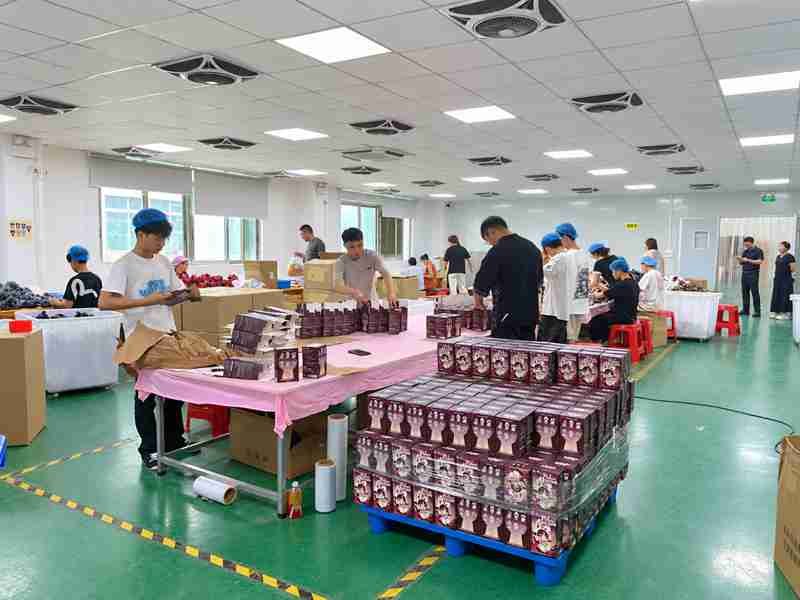
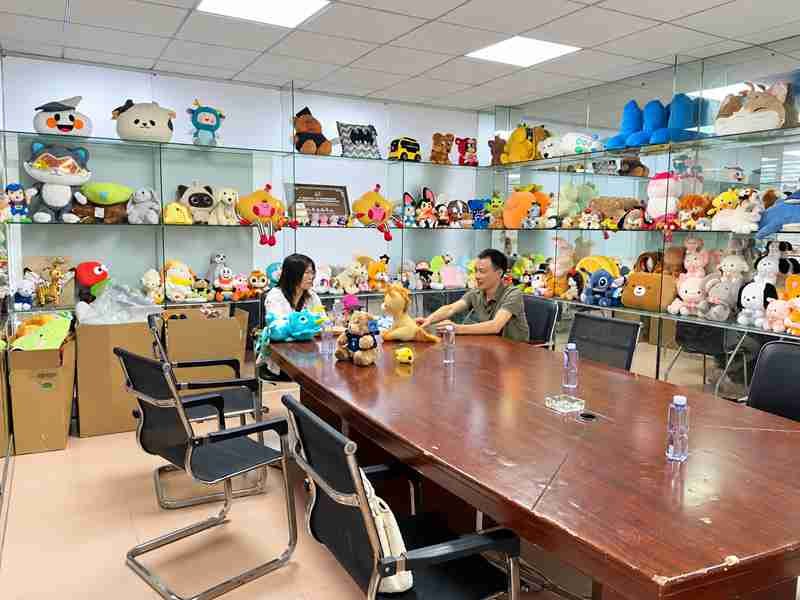
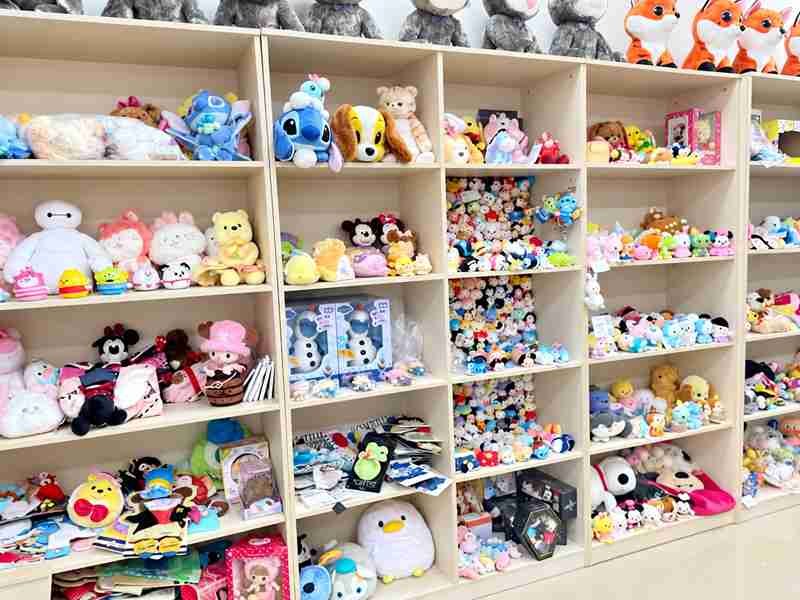
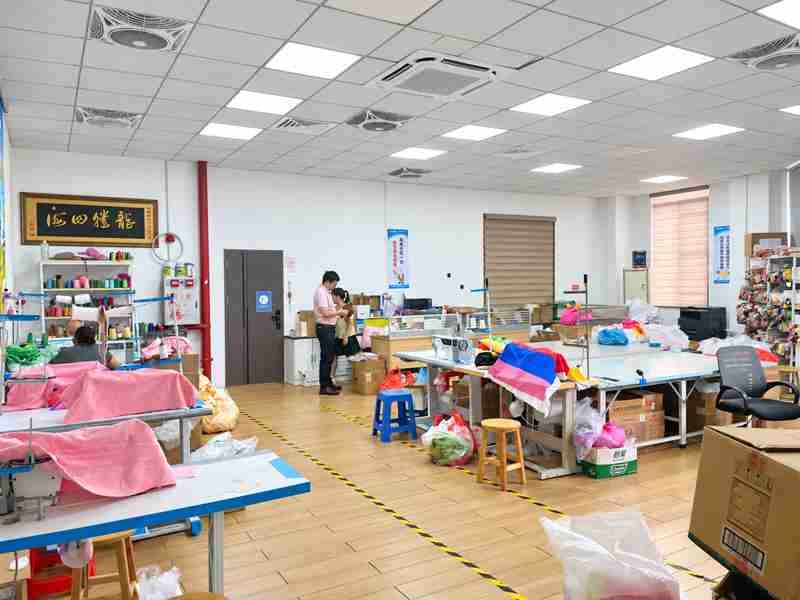
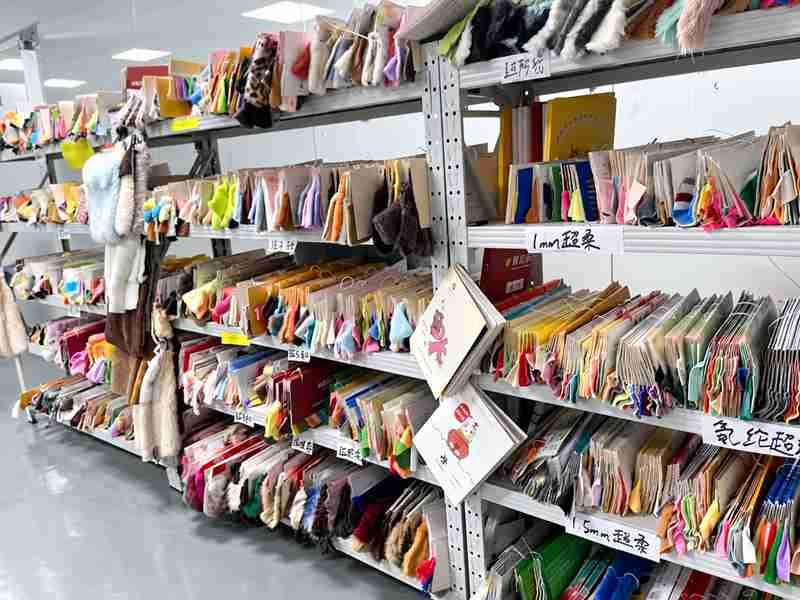
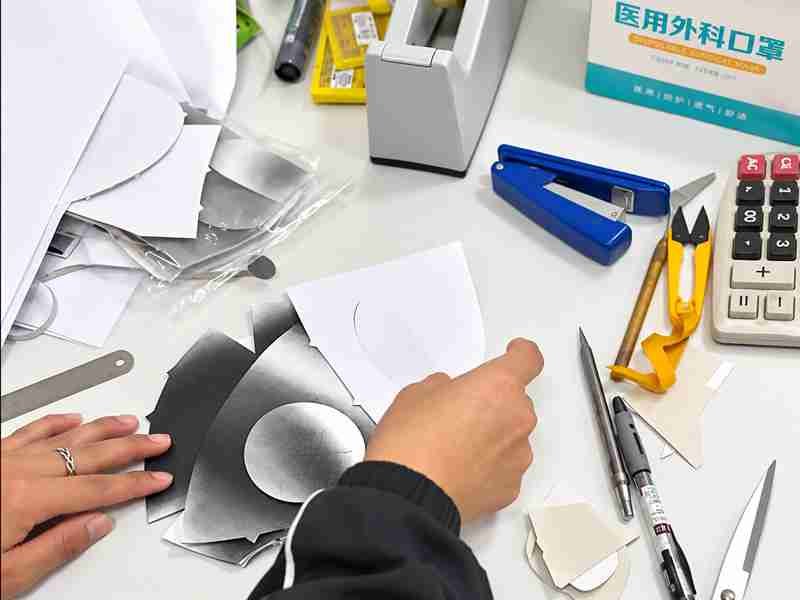
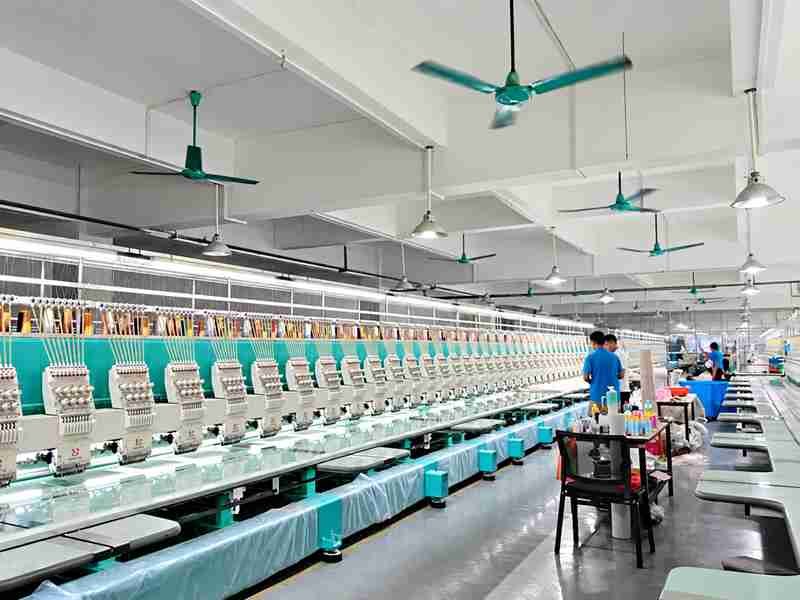
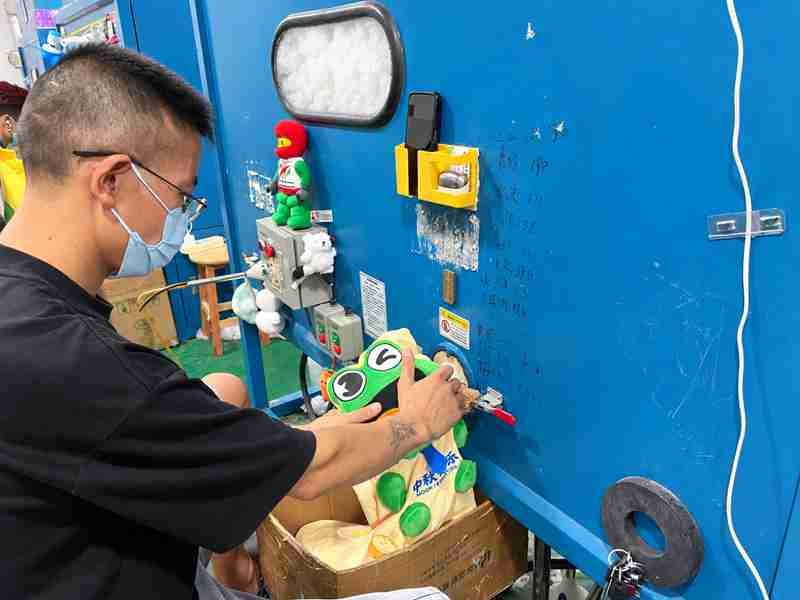
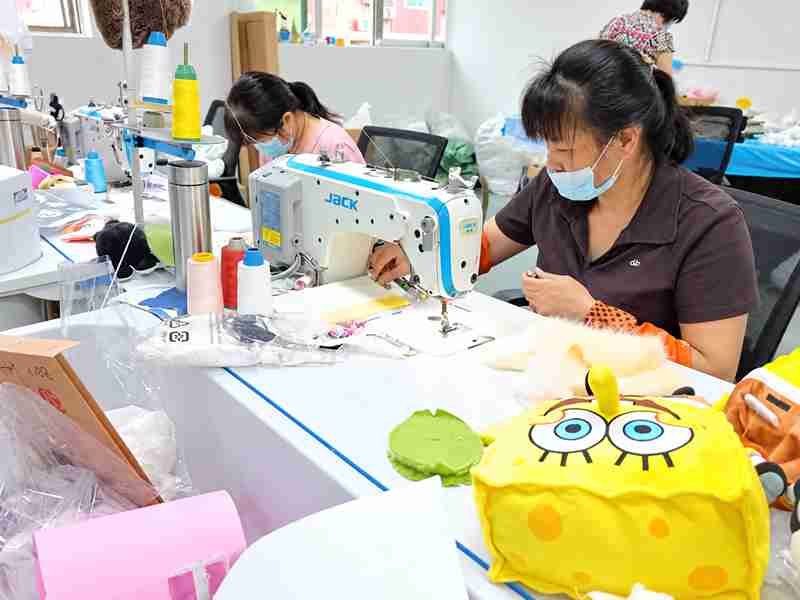
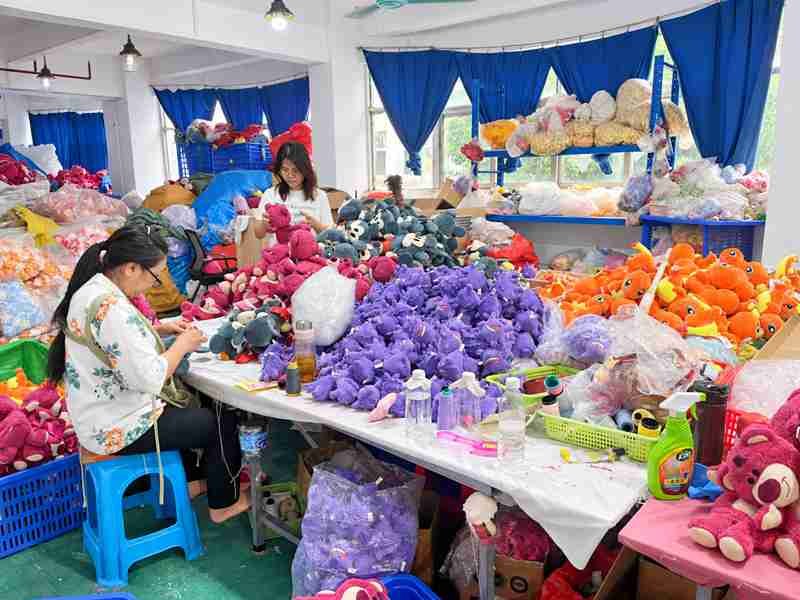
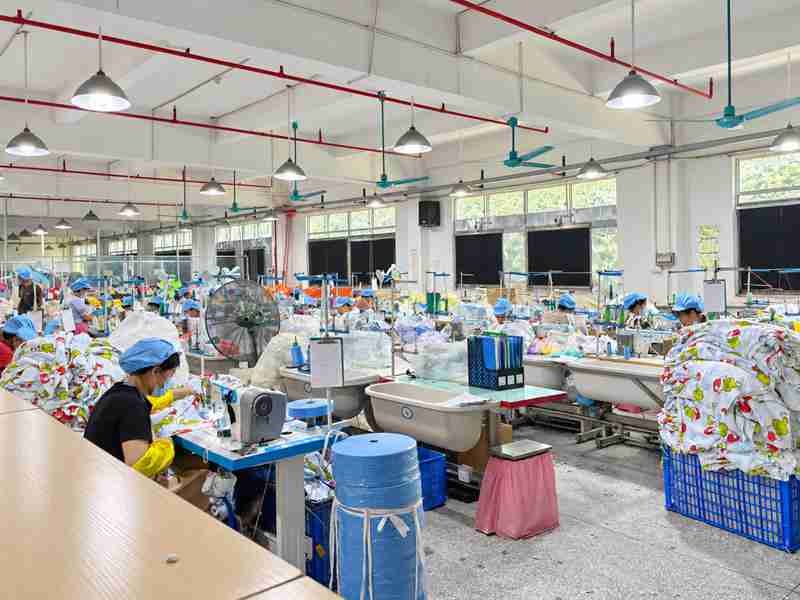
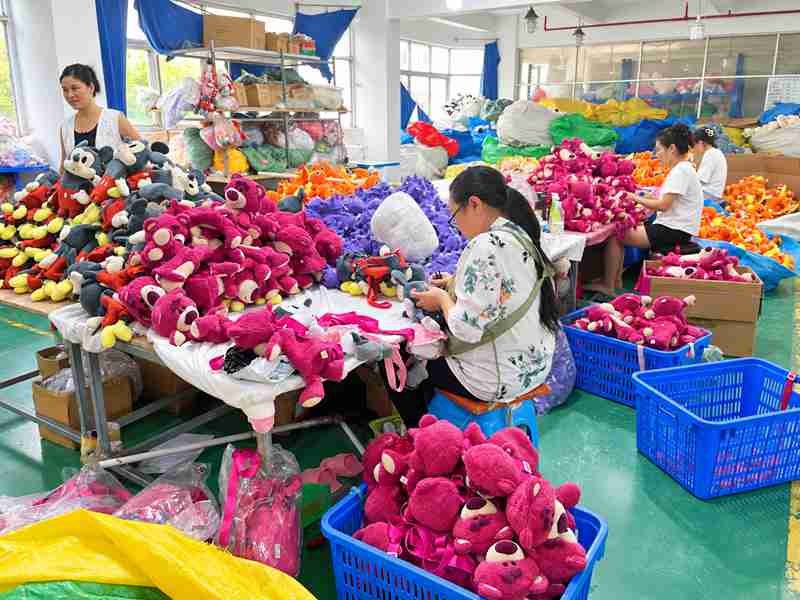
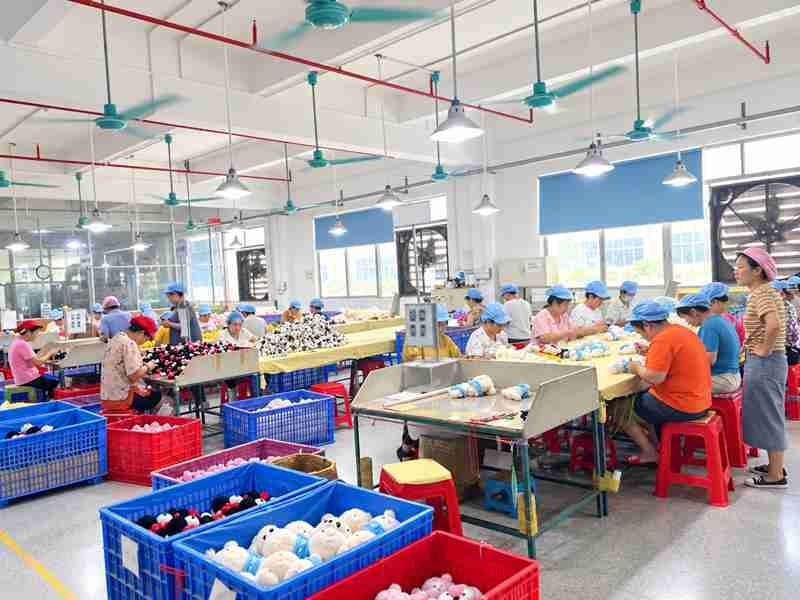
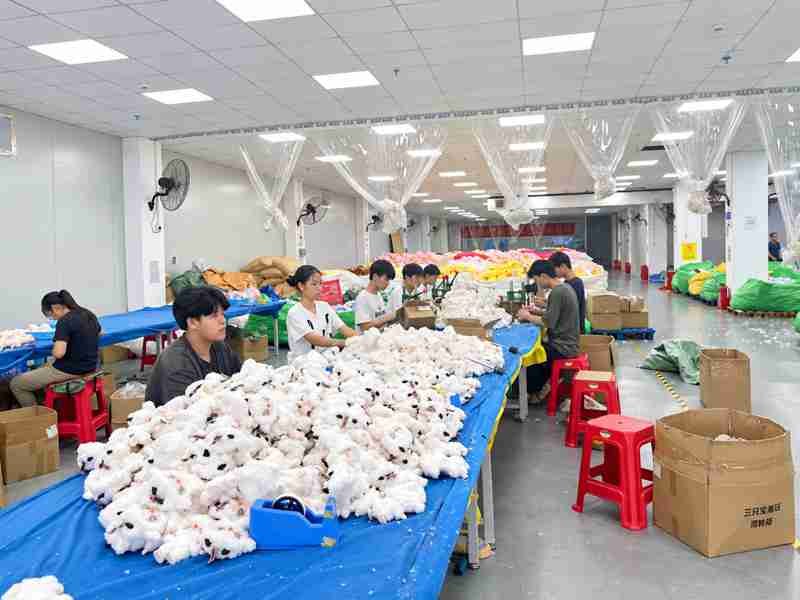
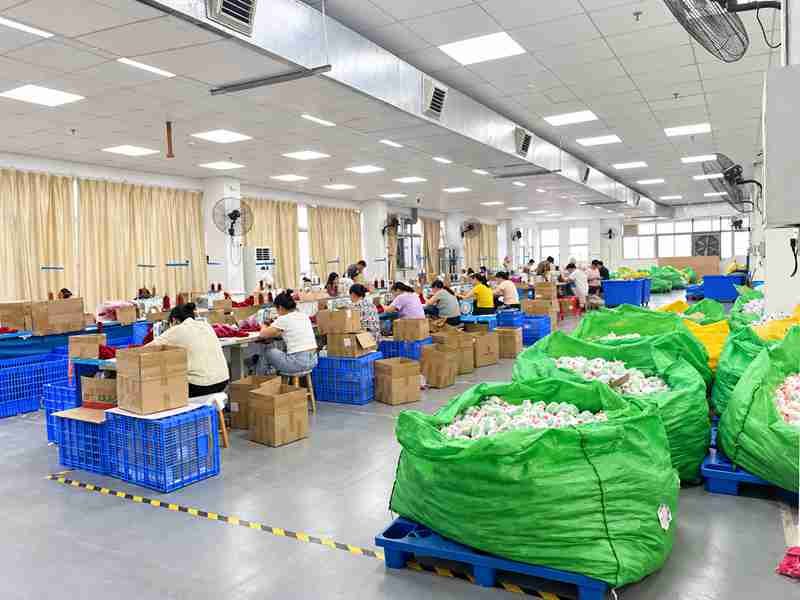
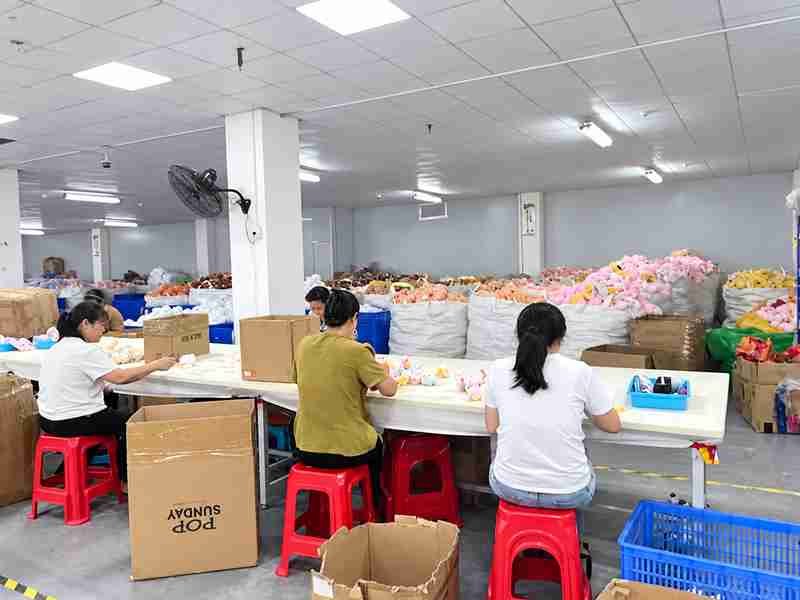
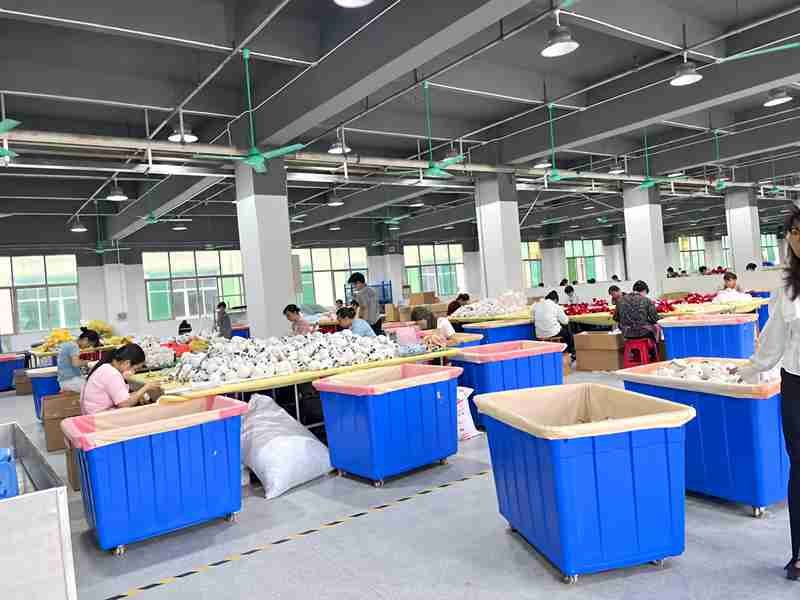
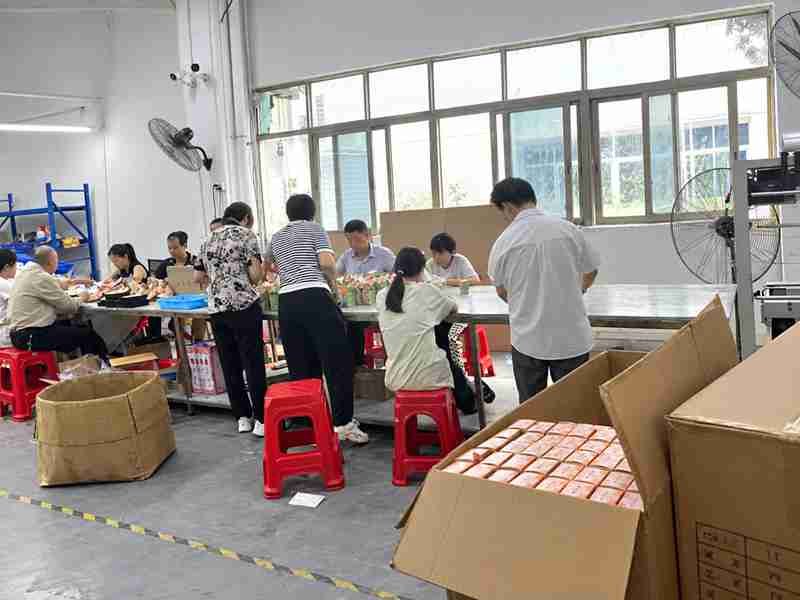
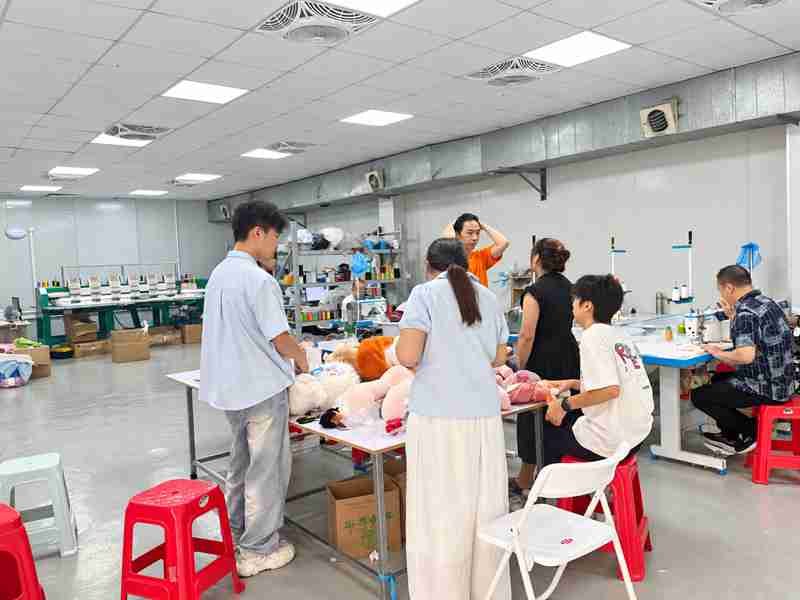
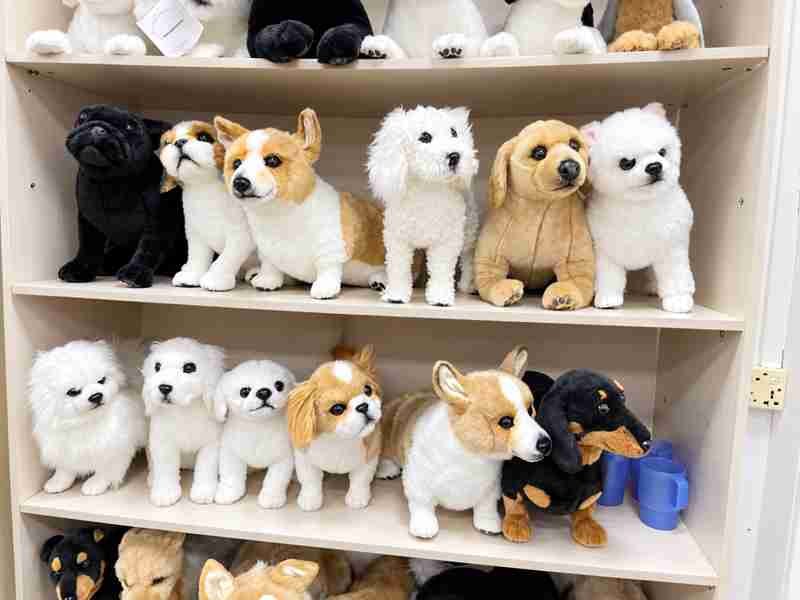
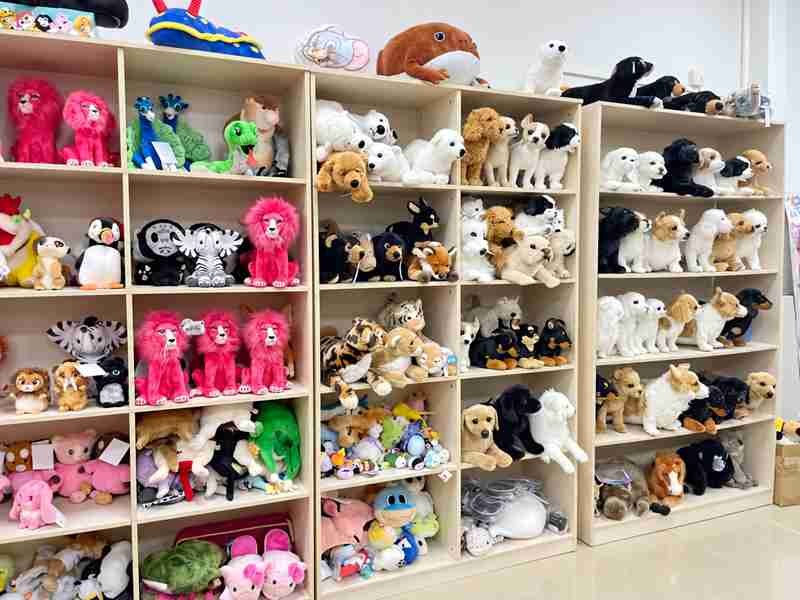
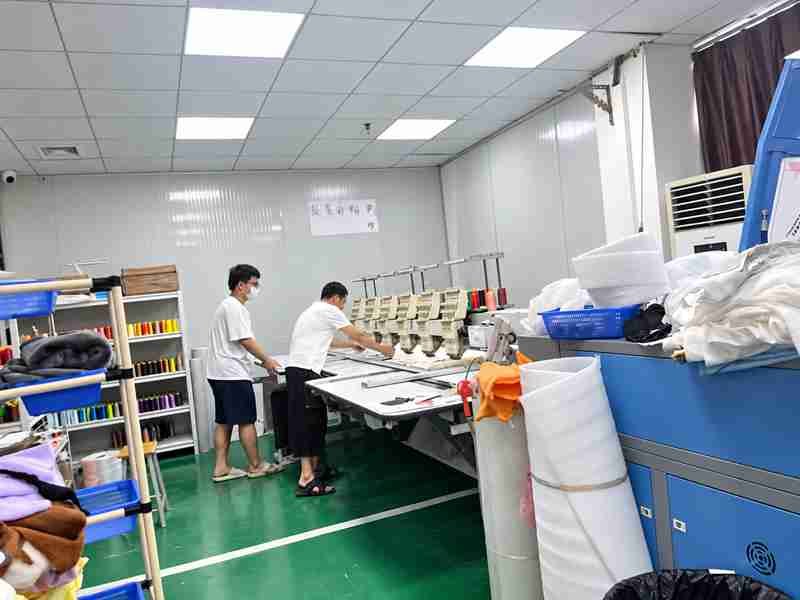
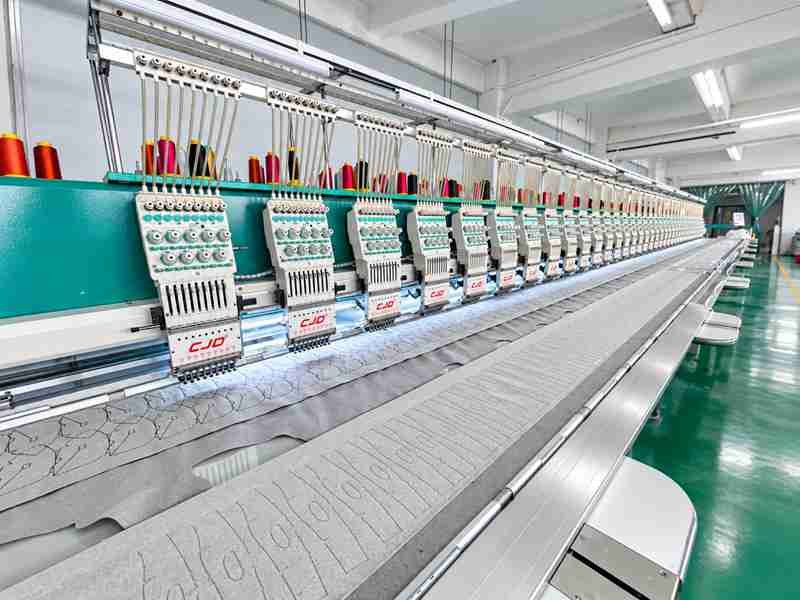
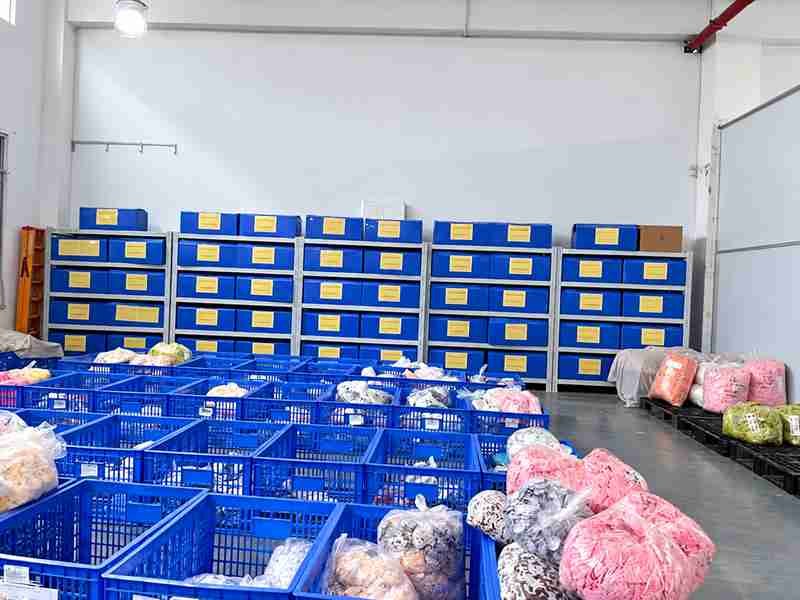
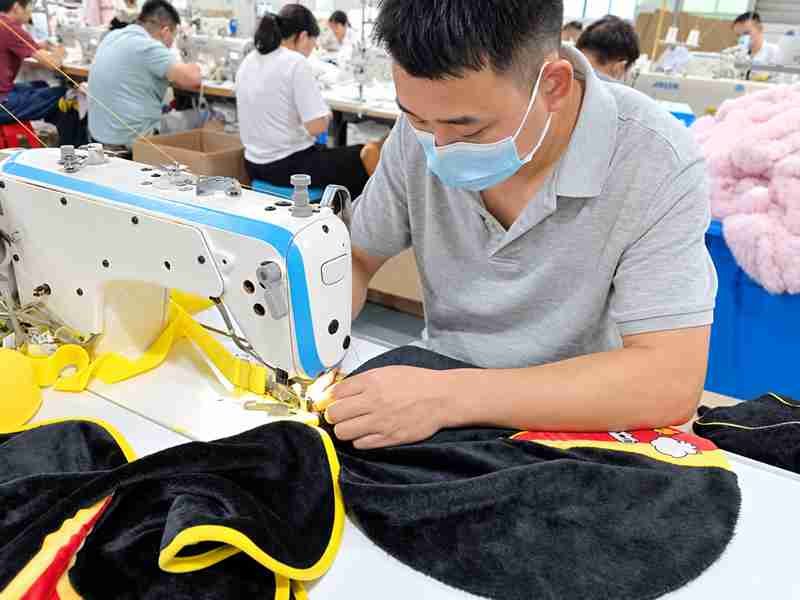
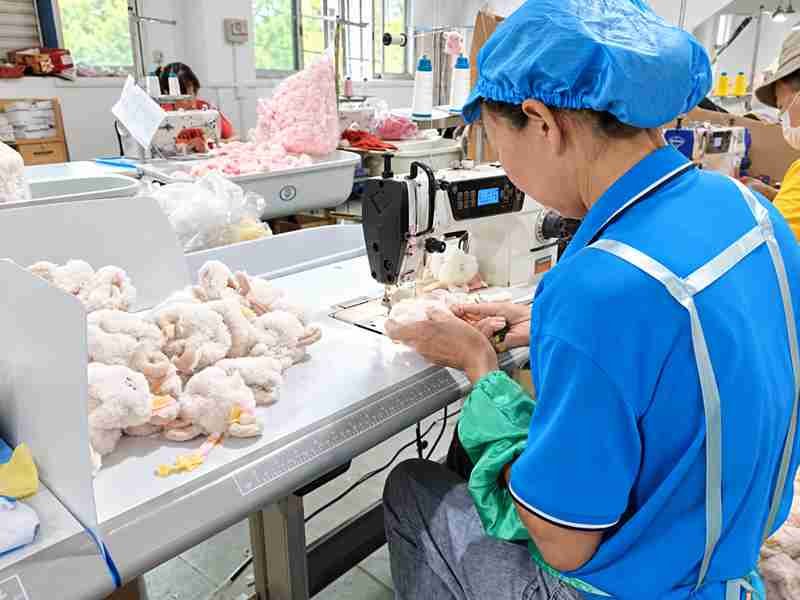
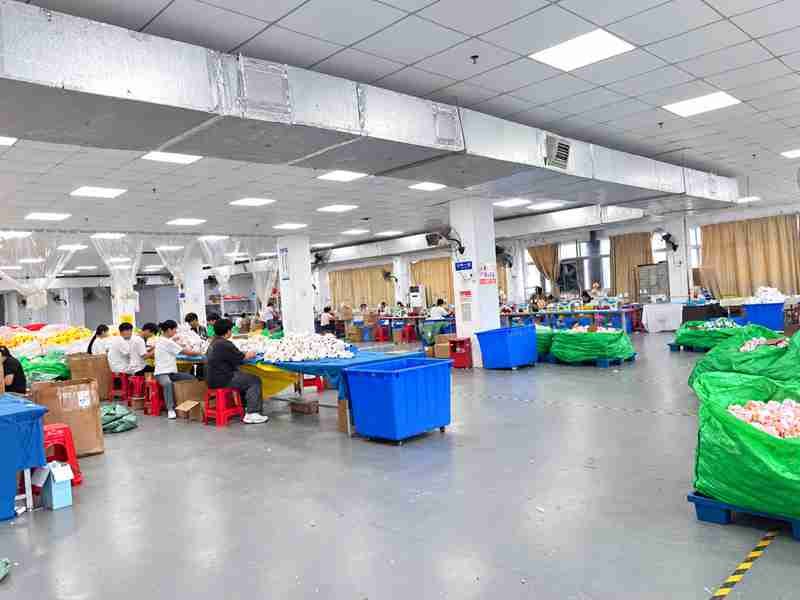
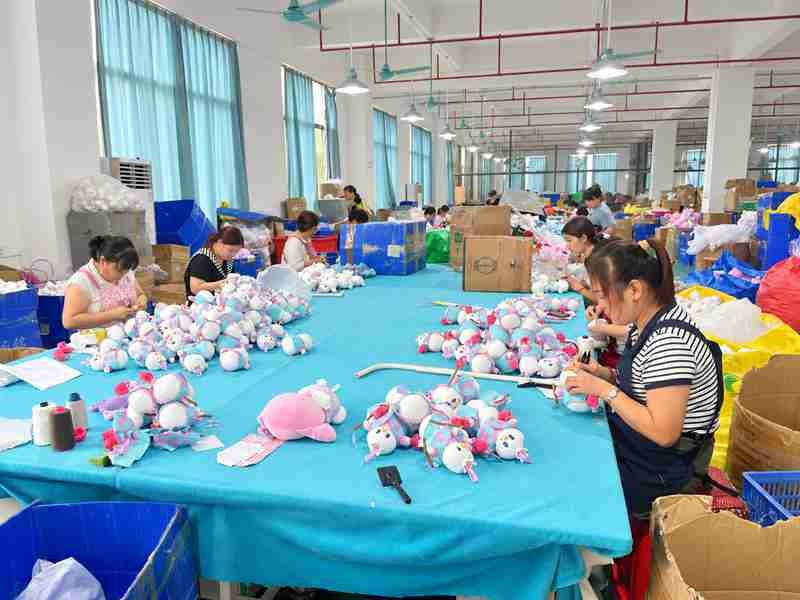
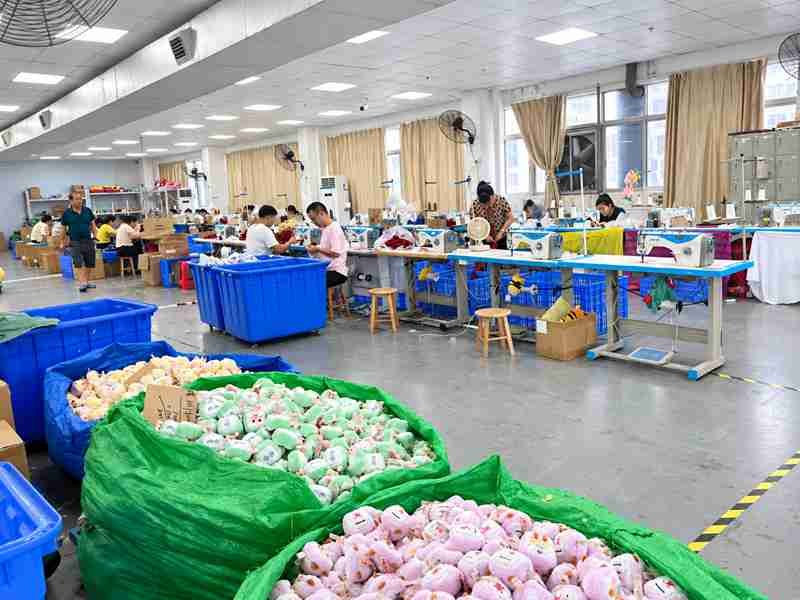
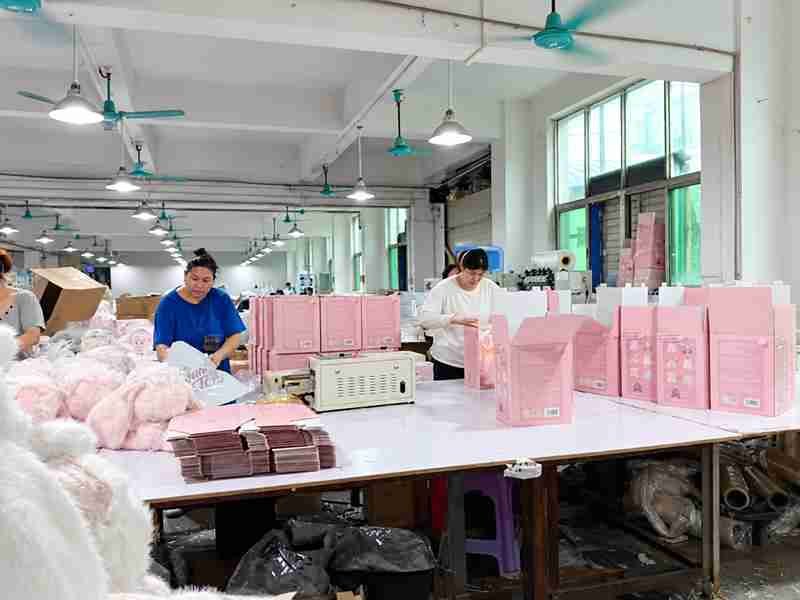
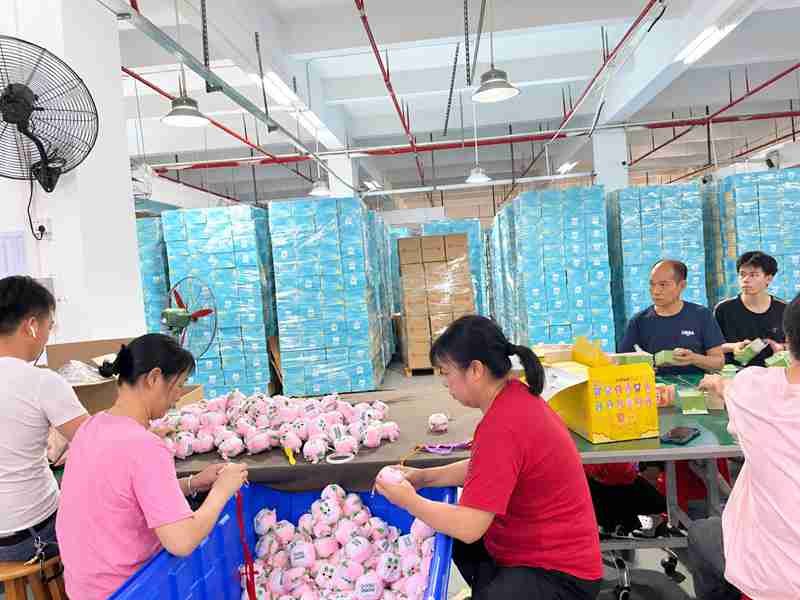
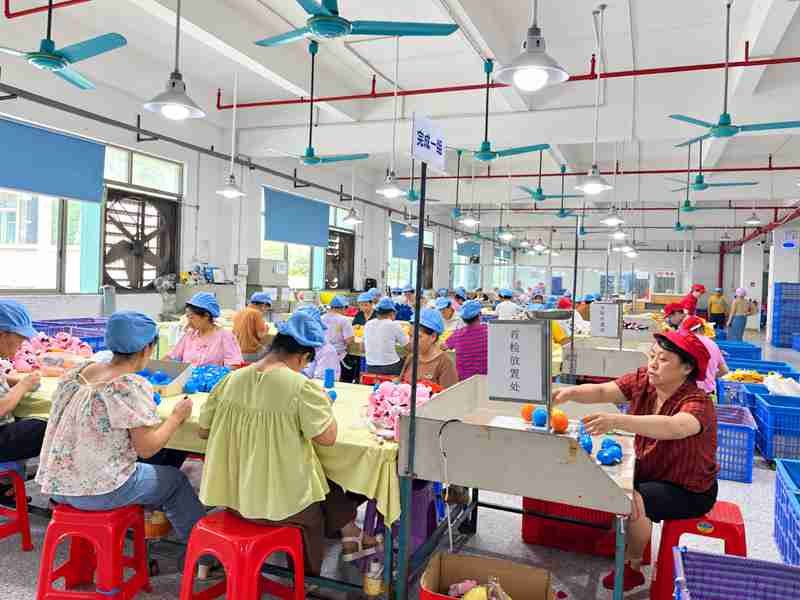
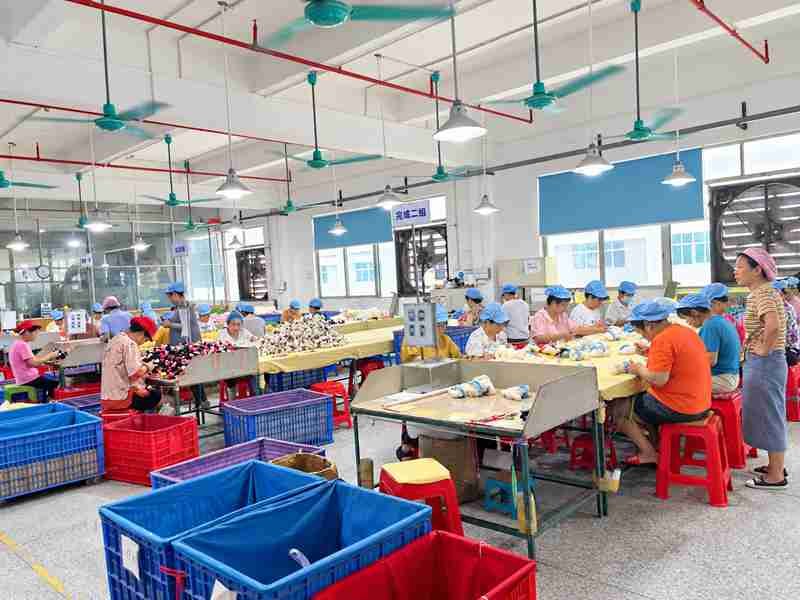
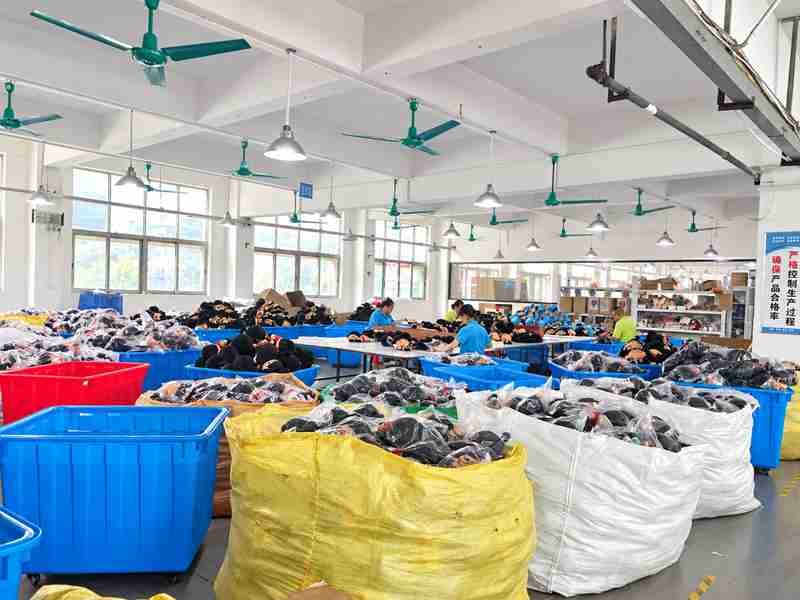
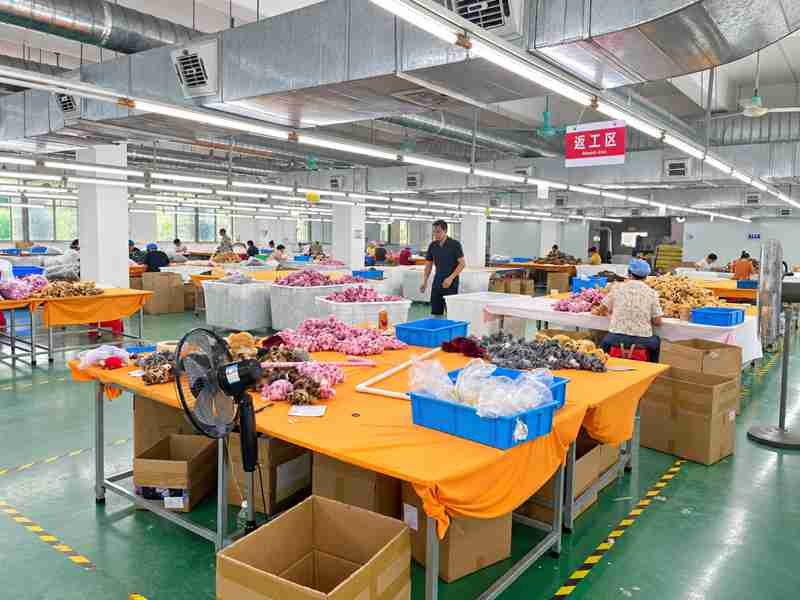
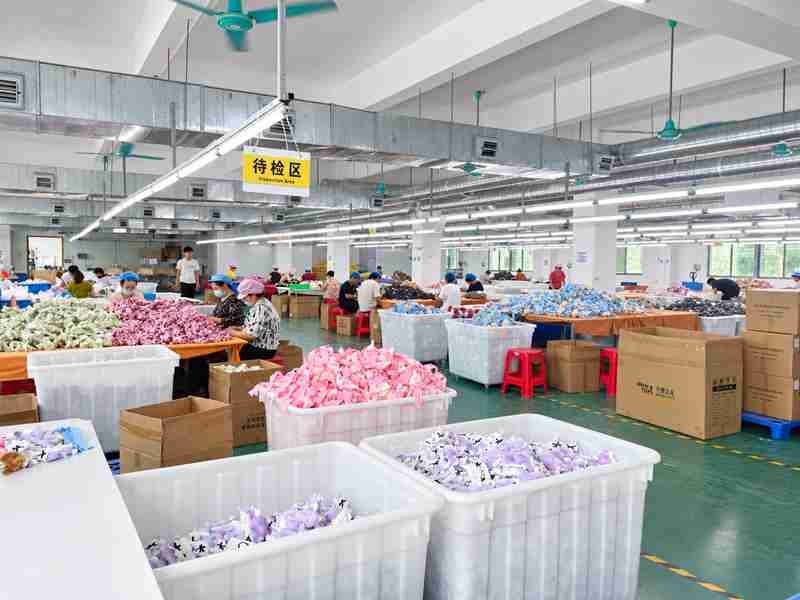
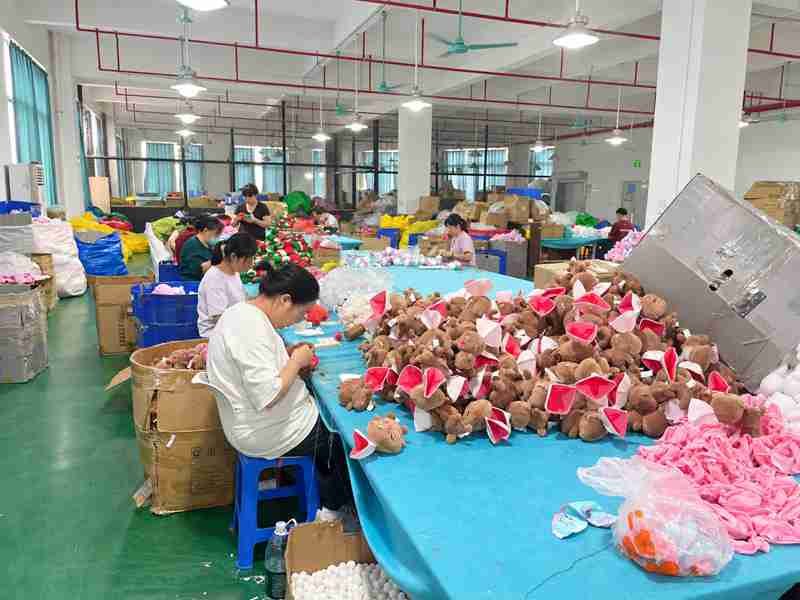
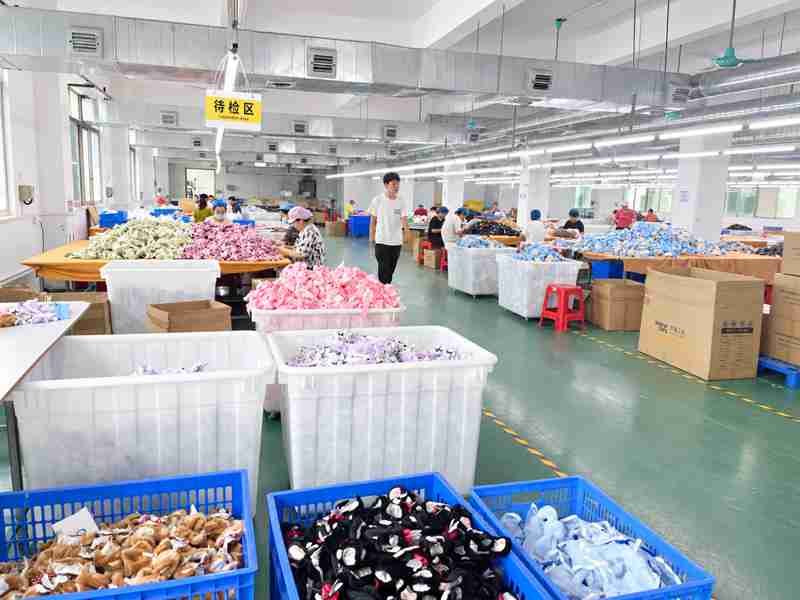
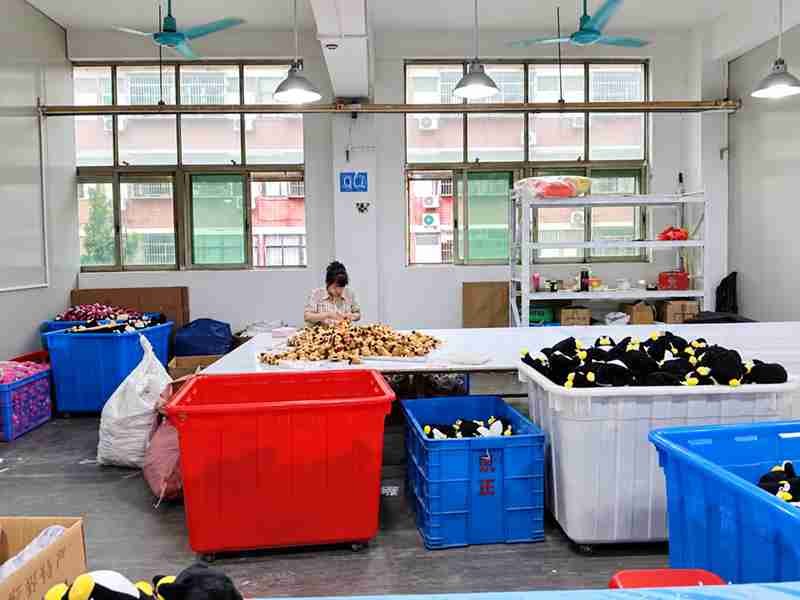
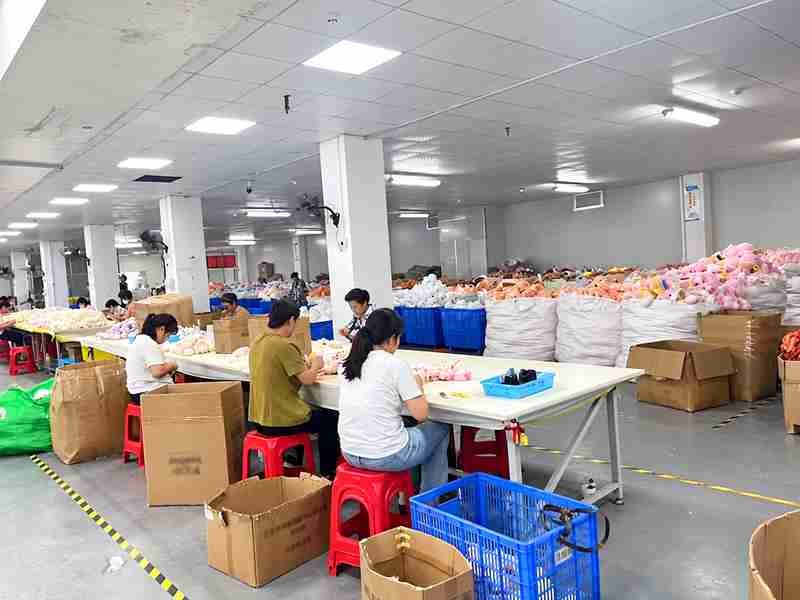
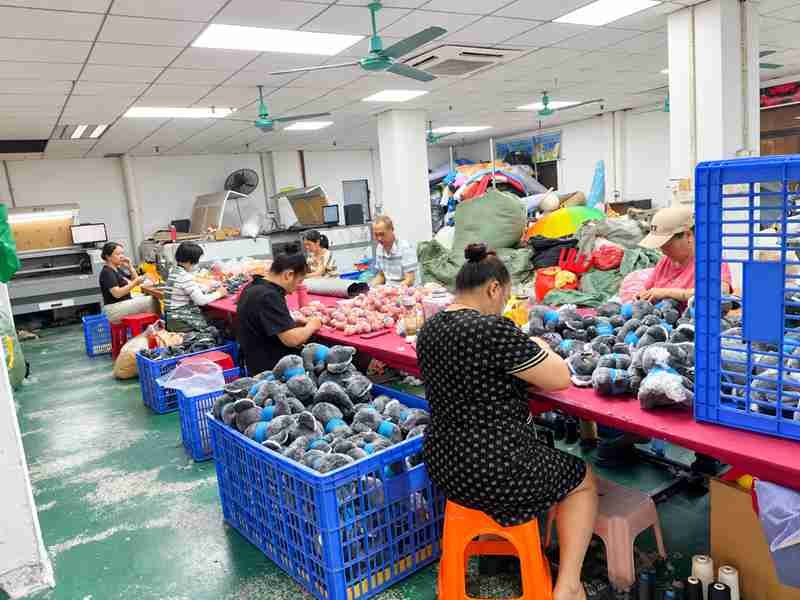
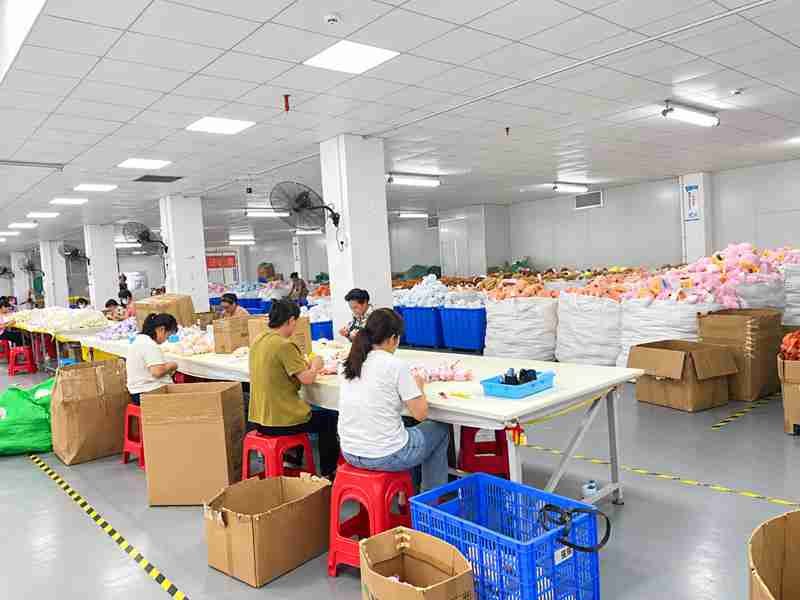
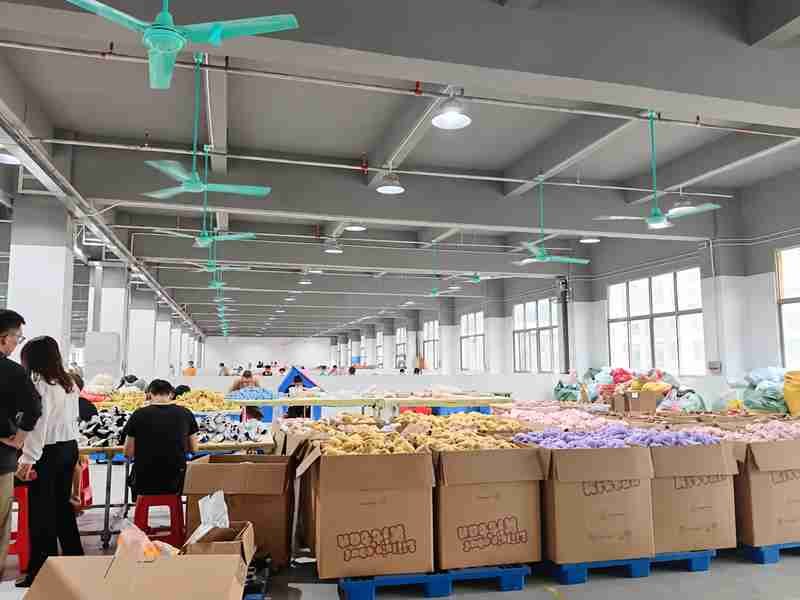
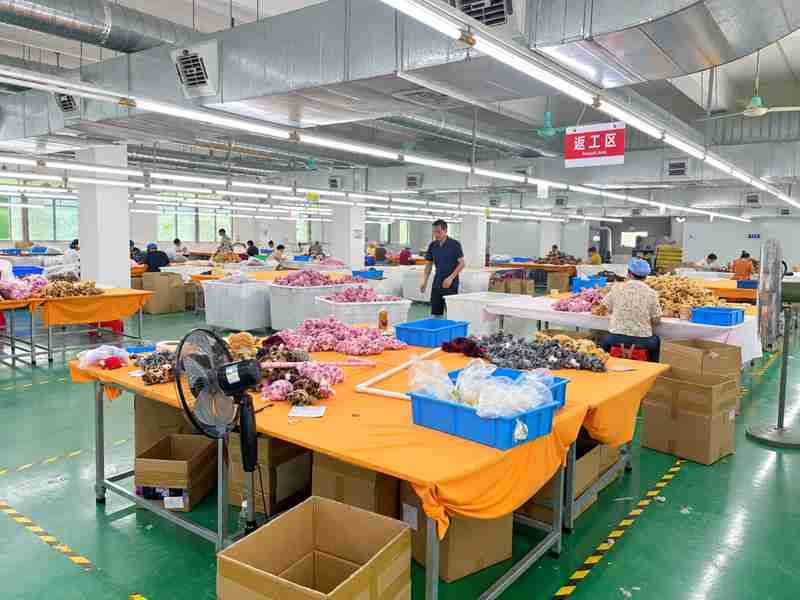
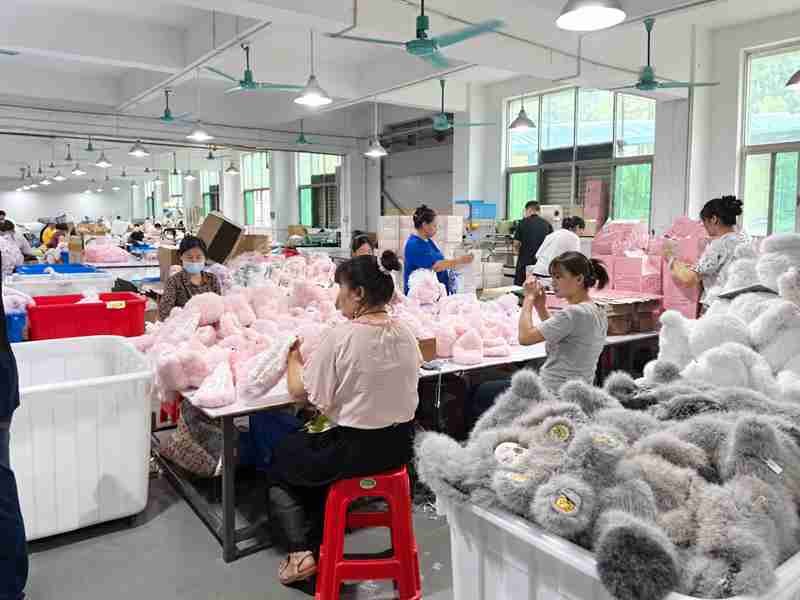
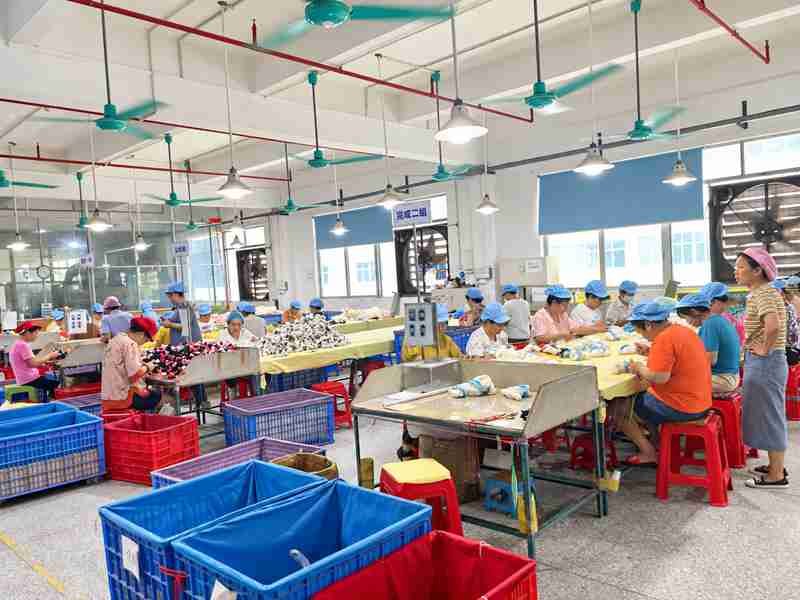
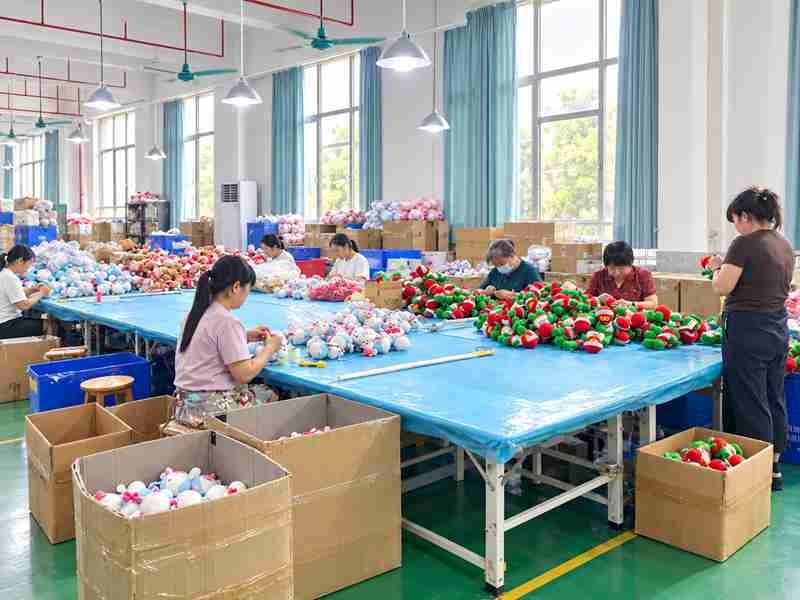
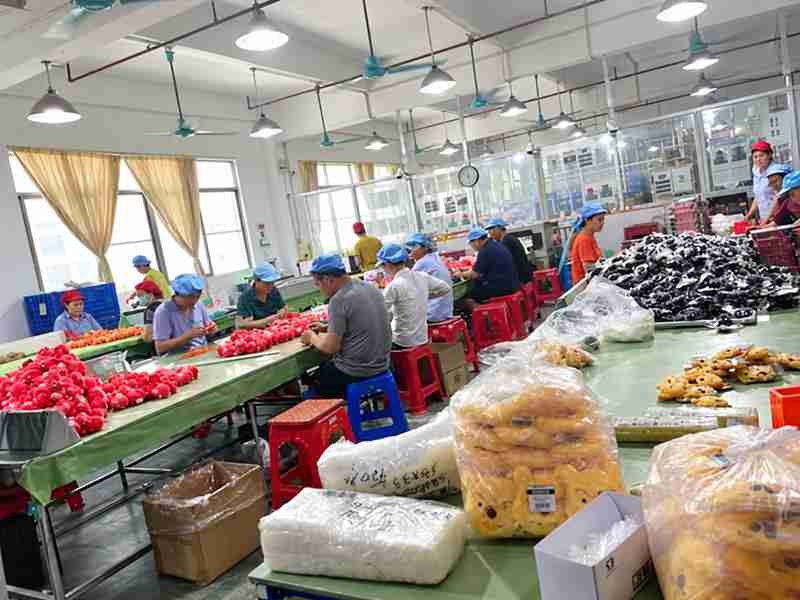
From Prototype to Production: Our Real Plush Factory Show
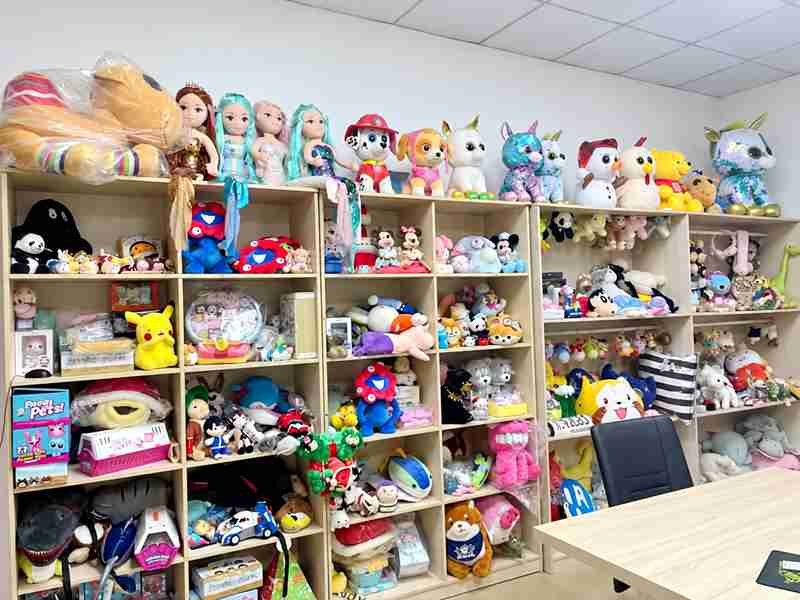
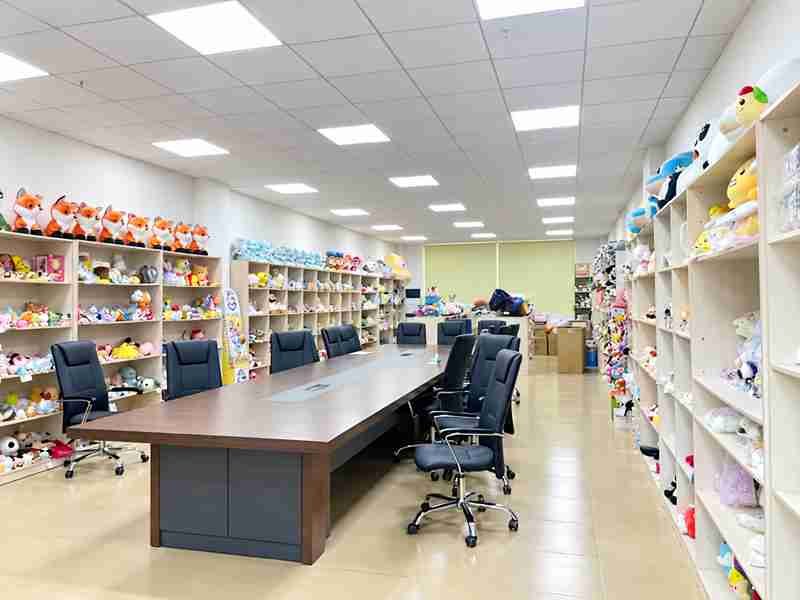
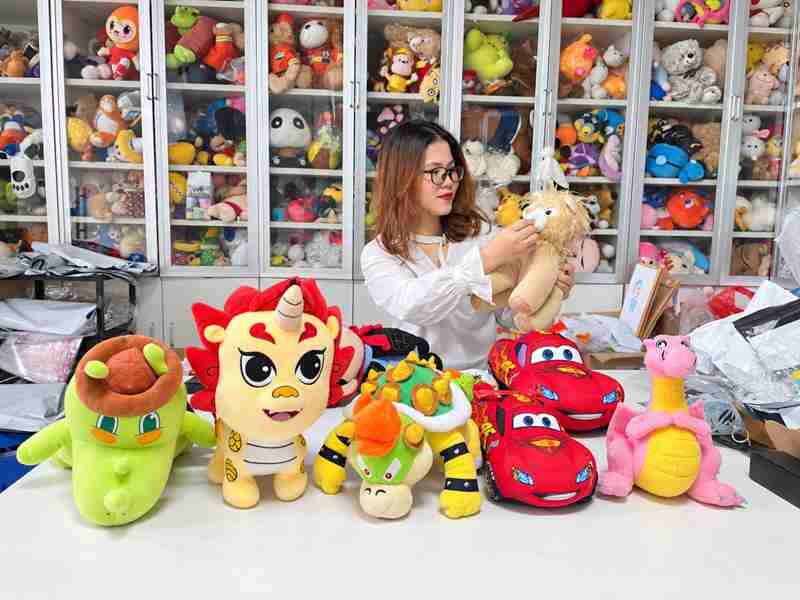
At Ewintoys, every plush project follows a structured development and production process, from initial design review and pattern making to sampling, mass production, quality inspection, and final delivery. Our real factory images provide a transparent view of how ideas are transformed into high-quality plush products through professional craftsmanship, engineering control, and careful production management.














Design Definition Turns Creative Intent Into Product Decisions
Define the Visual Product
Character recognition usually depends on a small number of strong relationships: silhouette, head-to-body ratio, face shape, eye spacing, ear angle, hair mass, expression, clothing, accessory scale, and signature color. Ewin identifies which features are non-negotiable before soft materials, seams, filling, and gravity begin changing the appearance.
The review should correct large visual relationships before fine detail. A slightly wrong head width can make perfectly embroidered eyes look incorrect. A weak silhouette can make detailed clothing feel off-brand. For licensed or mature IP, a locked reference set prevents different renders, screenshots, packaging art, or marketing images from giving conflicting instructions.
ODM design therefore does not mean freely redesigning the character. It means translating approved creative intent into a product form that still feels like the intended character after it becomes three-dimensional, soft, sewn, filled, handled, and packed.
Define the Commercial Product
A character only becomes a product after format decisions are made. Ewin reviews target size, pose, use, handfeel, functional requirement, market, channel, packaging direction, quantity, SKU plan, and cost position together because each choice affects the others.
Small plush may need simplified hair, larger embroidery features, shorter pile, or fewer clothing layers. Larger display plush may need stronger internal support, revised filling zones, and different packaging. A collectible gift-box program can justify details that a compact e-commerce item cannot. A bag charm needs a hanging orientation, reinforced hardware, and a product size that works with the intended fashion use.
Commercial definition prevents a common problem: approving an attractive concept before anyone checks whether the size, structure, pack, channel, and target cost can support it.
Define the Engineering Product
The engineering definition converts visual and commercial decisions into information that later teams can use: target dimensions, proportion relationships, material zones, pattern requirements, decoration methods, accessories, filling, reinforcement, functional cavities, label locations, packaging levels, and Critical-to-Quality features.
Not every point needs a numerical tolerance. Character handfeel, pile direction, expression, and overall shape can still rely on controlled physical references. Important features should, however, become specific enough that pattern makers, sample makers, sourcing teams, production operators, and QC staff are not forced to reinterpret the concept independently.
The result is a plush-ready product definition that can move forward into pattern engineering and prototype development without losing the decisions already approved by the brand or IP team.
Develop Different Plush Products Around Different Constraints
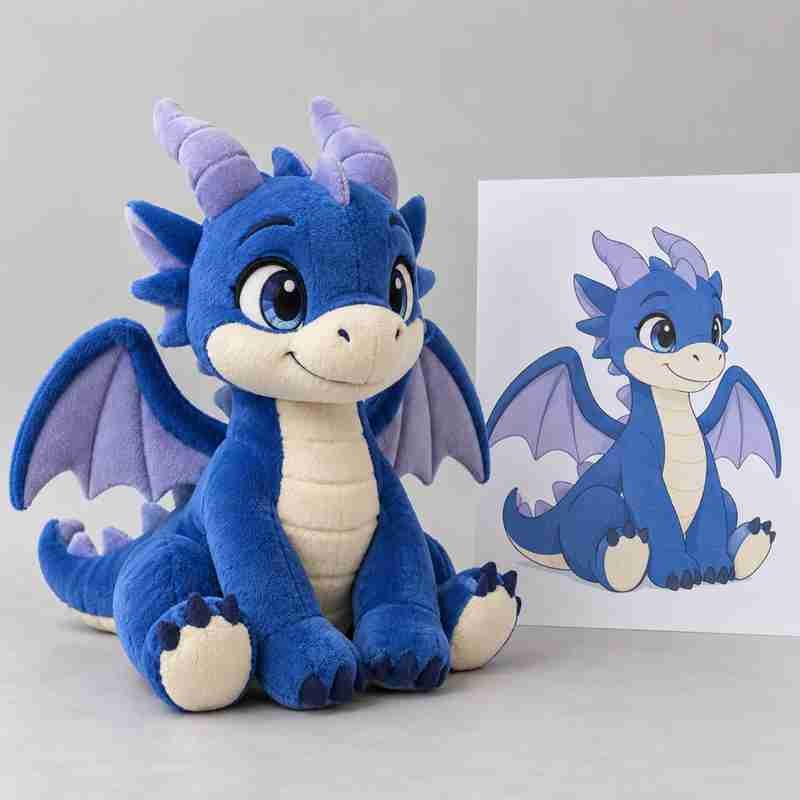
Character IP Plush

Mascot Plush

Collectible Plush
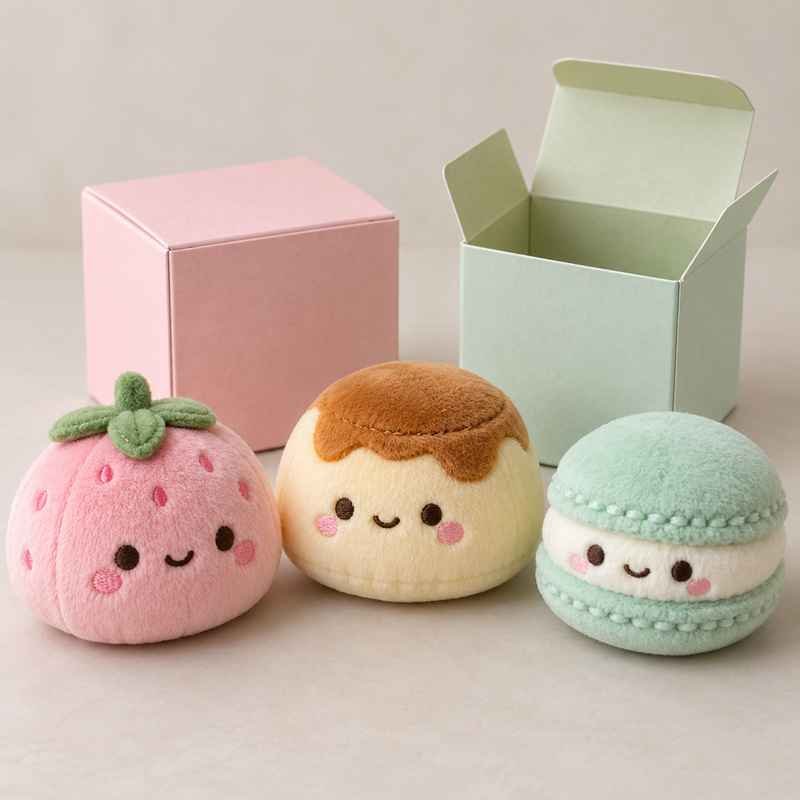
Blind Box Plush
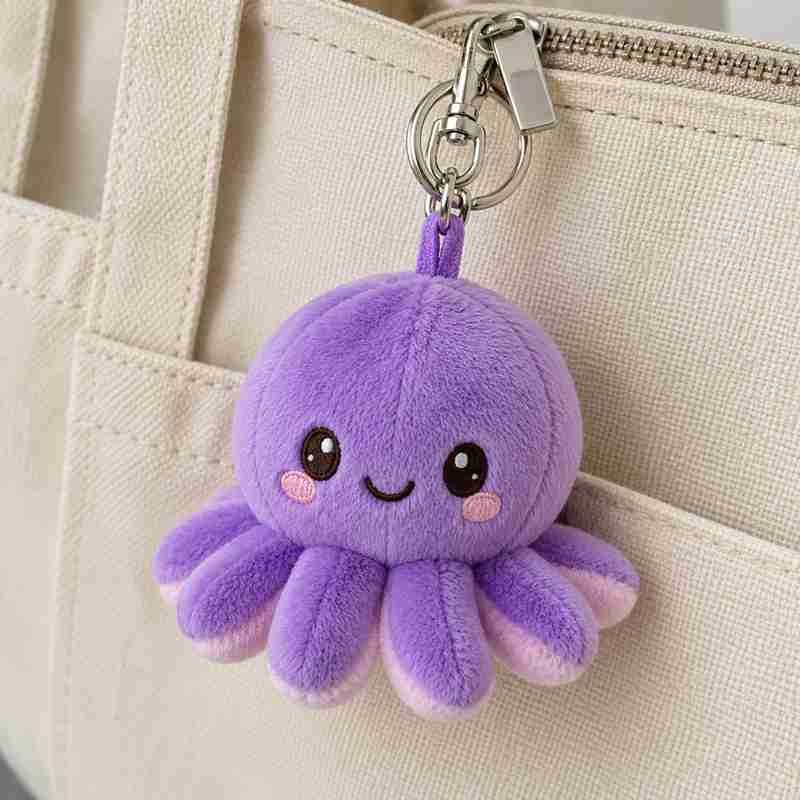
Plush Keychains

Weighted Plush
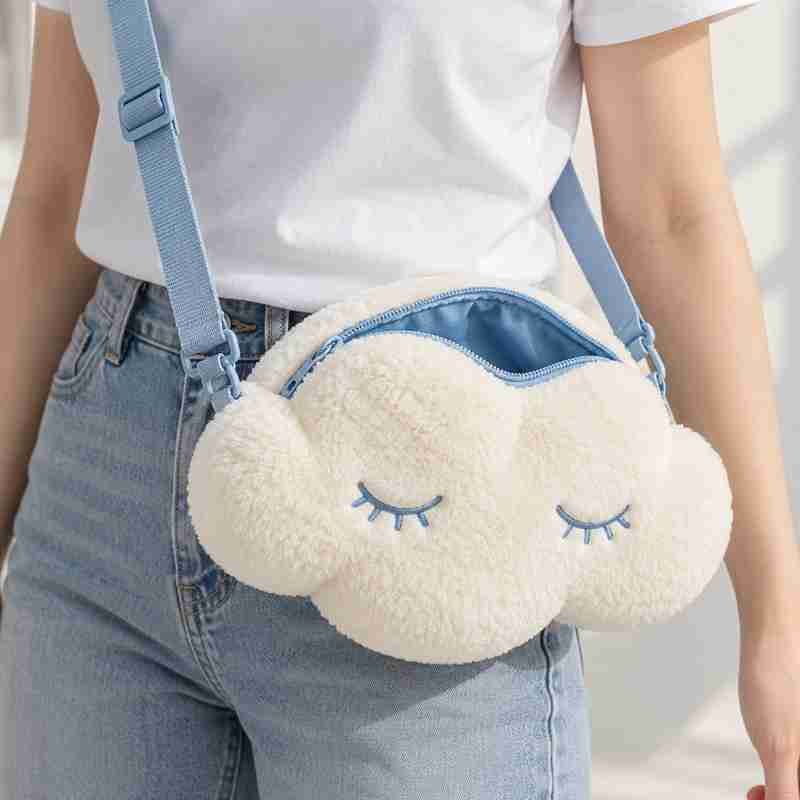
Lifestyle Plush
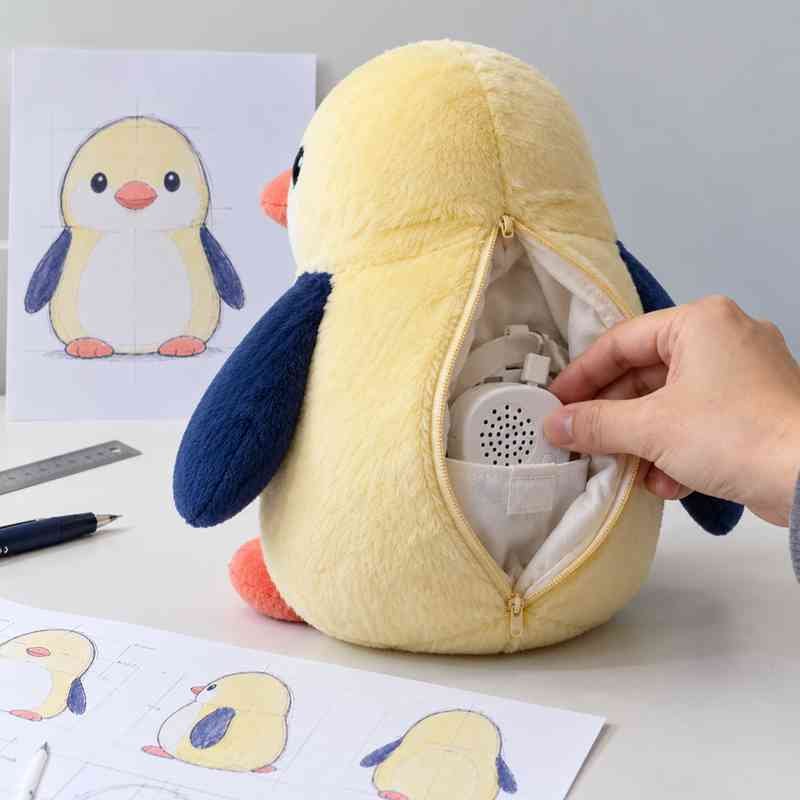
Electronic AI Plush
ODM Support for Different Commercial Product Teams
Global Brand Teams
IP Owners
Licensing Teams
Toy Collectible Brands
Game Animation Studios
Retail Private Label
Technology AI Teams
Multi-SKU Programs
Trusted by Global Brands and IP Owners
Trusted by brands, IP owners, and creative teams worldwide. Ewintoys helps transform original ideas and characters into high-quality plush products through professional development, manufacturing, and quality control.


























Size, Structure, and Pattern Define the Physical Product
Choose Size Around Detail, Function, and Commercial Use
Finished size controls more than appearance. It determines how much facial detail can be embroidered, how small a sewn limb can become, how thick hardware feels relative to the body, whether clothing can be removable, how large an internal module cavity can be, and how the product packs into its retail or e-commerce unit.
Typical custom plush can range from about 8 cm to 100+ cm, while many character, gift, collectible, and e-commerce programs sit around 10-40 cm. Mini and blind-box products often need more aggressive simplification because seam allowance, pile height, thread width, hardware thickness, and turning access do not shrink at the same rate as the artwork.
Ewin reviews size as a product-engineering decision rather than a late quotation field. The chosen scale should preserve the features people recognize while supporting the intended function, cost, packaging, and manufacturing method.
Define Structure Before Surface Decoration Is Finalized
Sitting, standing, lying, hanging, weighted, wearable, and interactive products need different body geometry and internal support. A standing plush may need wider feet, stronger leg structure, a different center of gravity, or an internal support strategy. A weighted sitting product needs internal containment and a stable base. An electronic plush needs enough body volume for cavity, padding, access, and module positioning.
Structure also changes how clothing and accessories behave. A heavy prop can pull an arm downward. A long tail can shift balance. A hat can change head volume and ear position. A zipper or service opening can dictate seam routes and panel access.
ODM development should resolve those structural relationships before finishing details make change expensive. The visible design and hidden architecture must support the same product behavior.
Translate the Approved Form Into Pattern Engineering
Pattern engineering converts the three-dimensional target into two-dimensional panels that can be cut, decorated, sewn, turned, filled, assembled, and inspected repeatedly. Pattern makers define panel shapes, curves, gussets, darts, seam allowance, notches, mirror relationships, nap direction, openings, decoration marks, and accessory locations.
The goal is not to trace the outer artwork. Soft volume is created through controlled differences in edge length, seam position, panel curvature, material stretch, and filling. Extra panels can improve shape fidelity but also add cutting, sewing, matching, tolerance, and cost.
Ewin’s 20+ senior pattern masters support difficult character geometry, supplier-transfer work, high-fidelity IP, soft-hard interfaces, and revisions where the sample must improve without losing production repeatability.
Fabric Choices Change Shape, Handfeel, and Detail

Minky
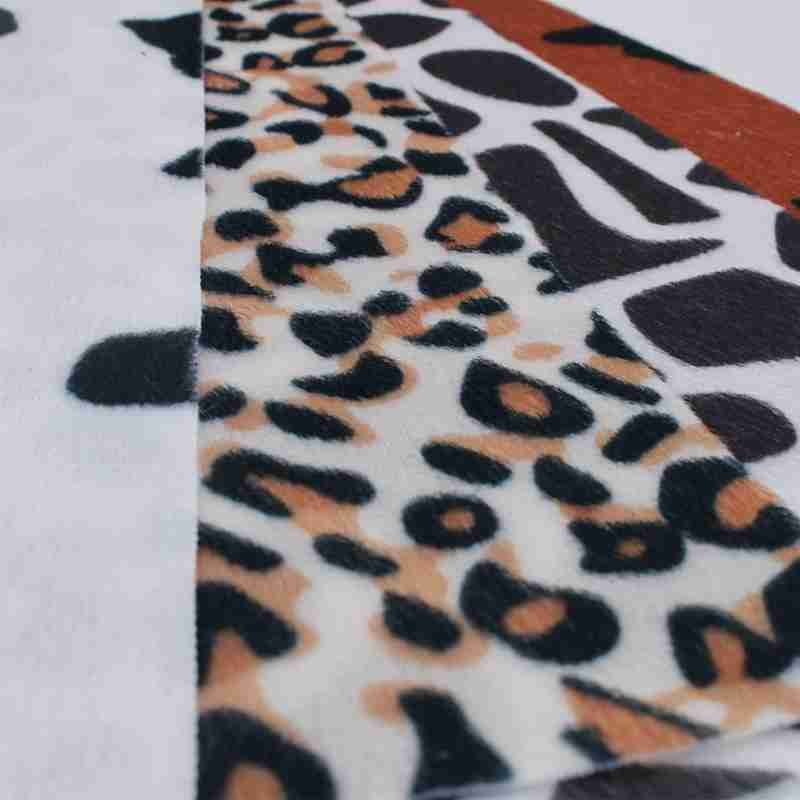
Velboa
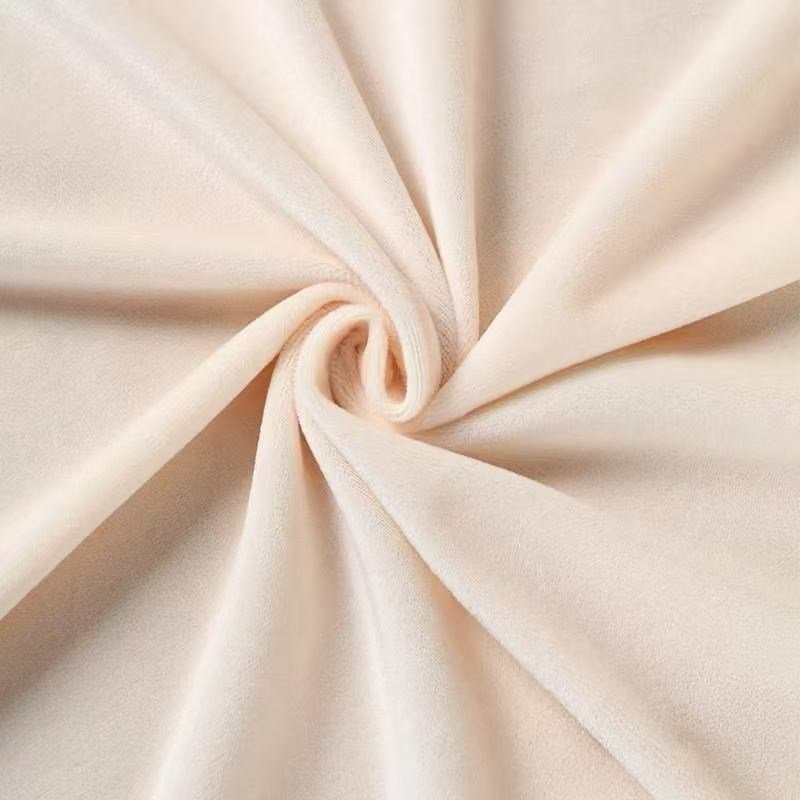
Super Soft Plush
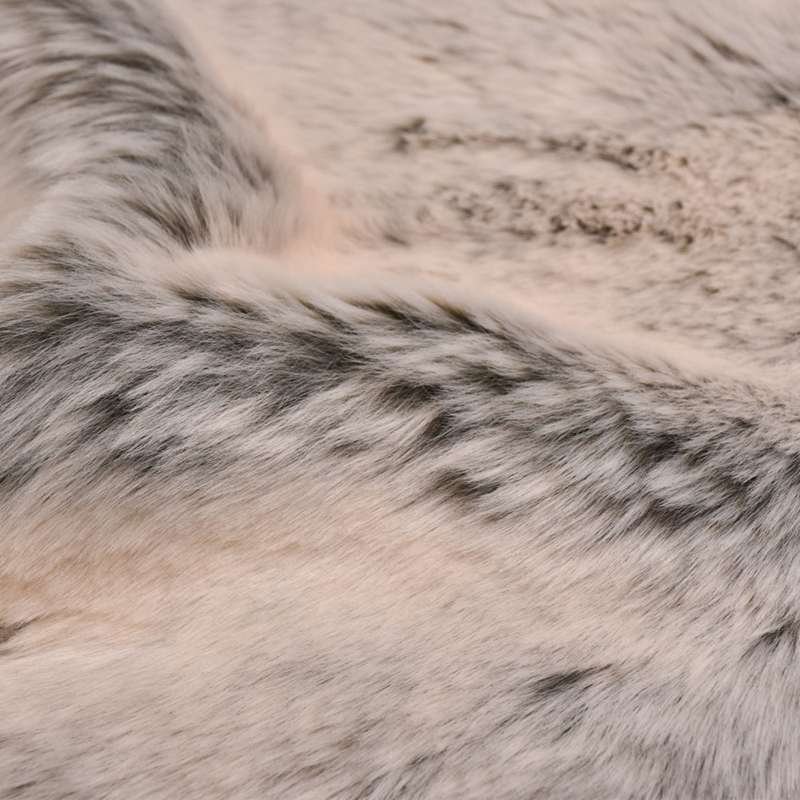
Faux Fur
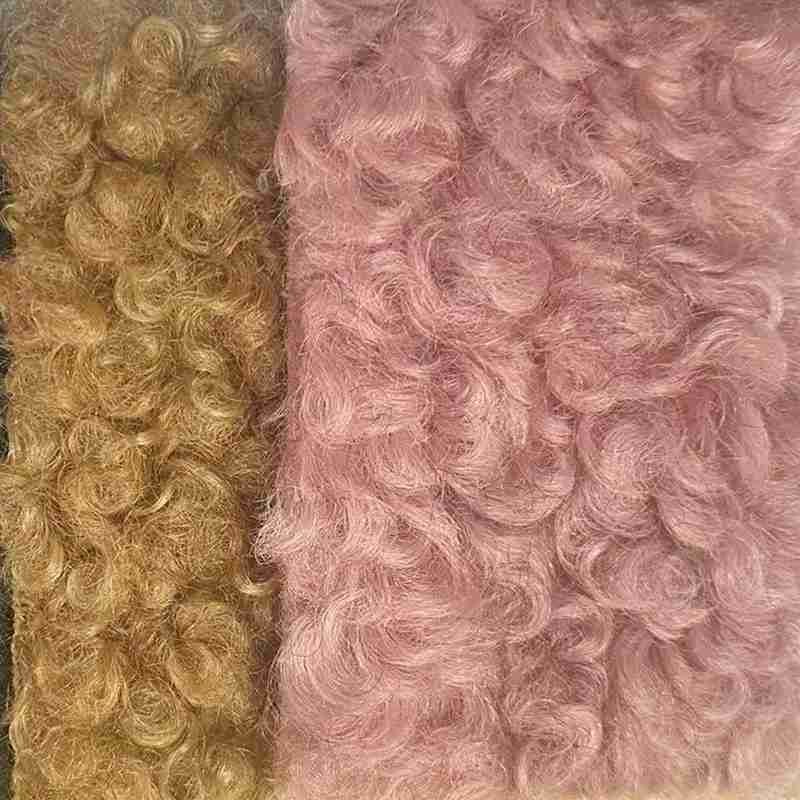
Sherpa
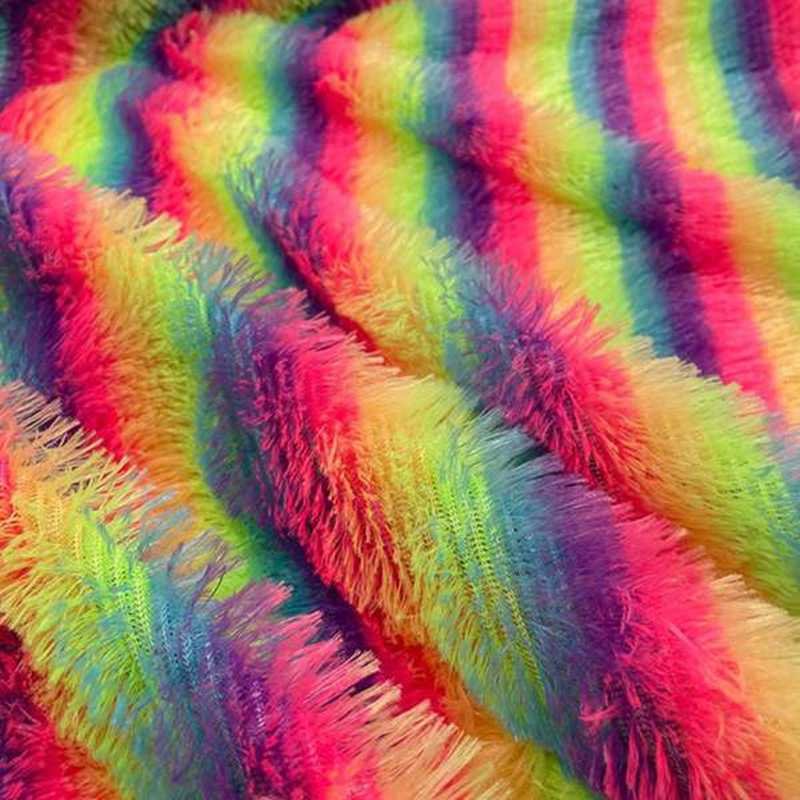
Fleece
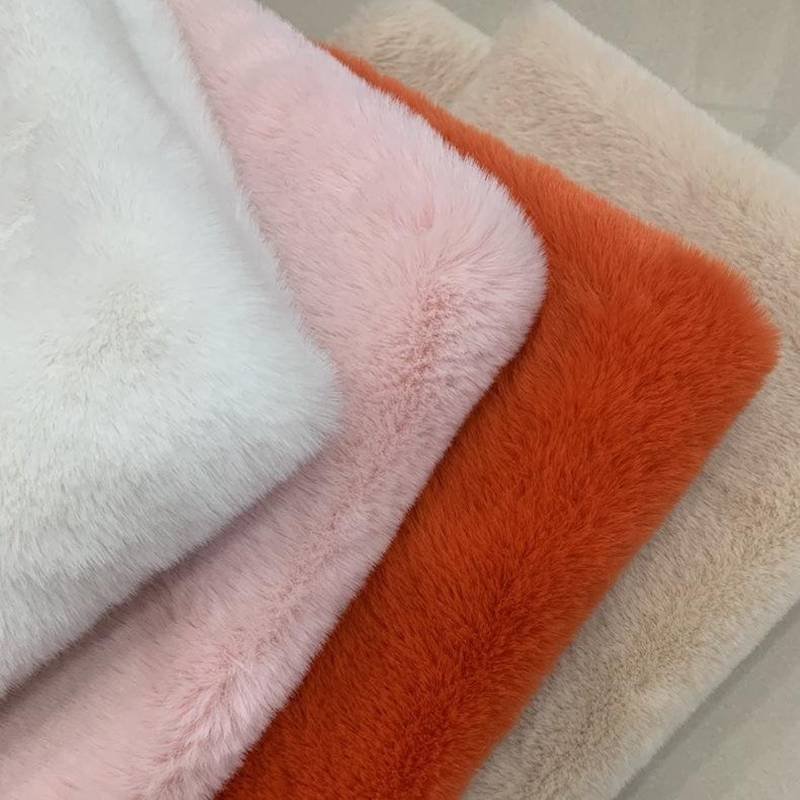
Stretch Fabric

Specialty Material
Trims Should Enter Development Before the Pattern Is Frozen
Sewing Thread
Linings
Webbing
Elastic
Hook and Loop
Zippers
Accessories Need Controlled Interfaces With the Soft Product
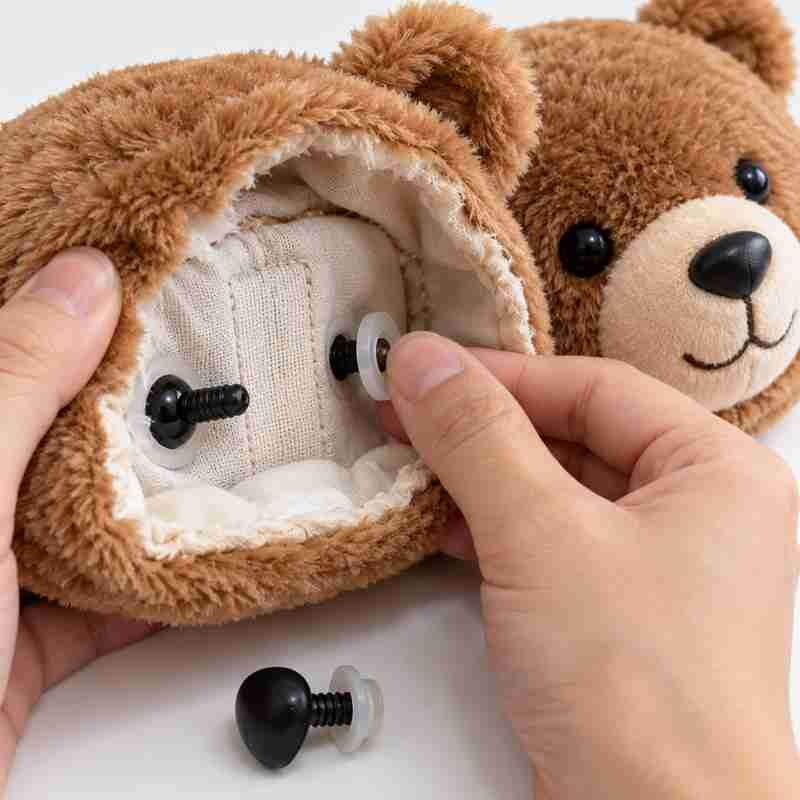
Plastic Eyes Noses
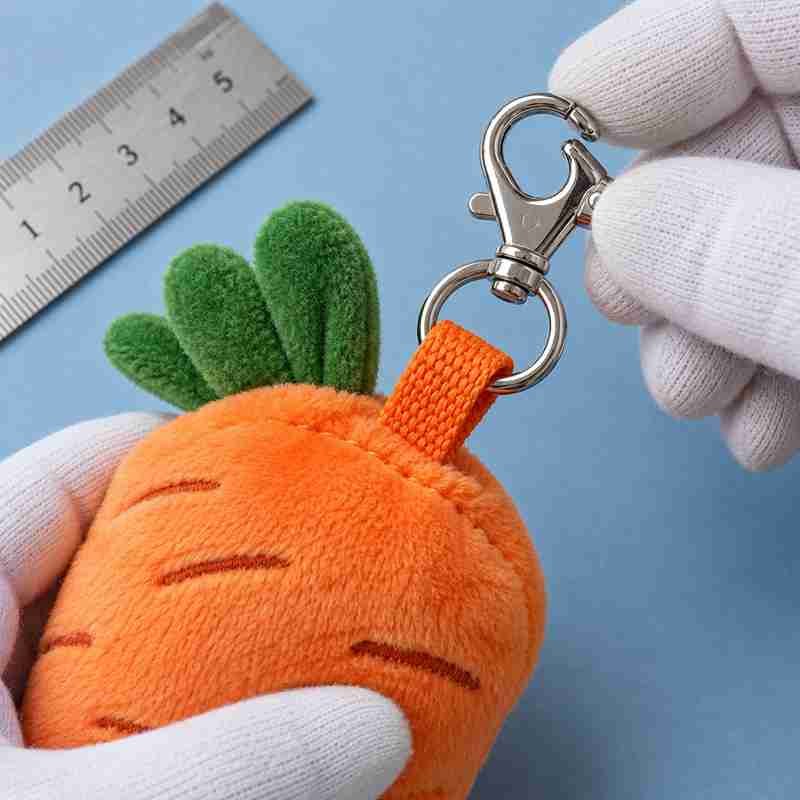
Metal Hardware
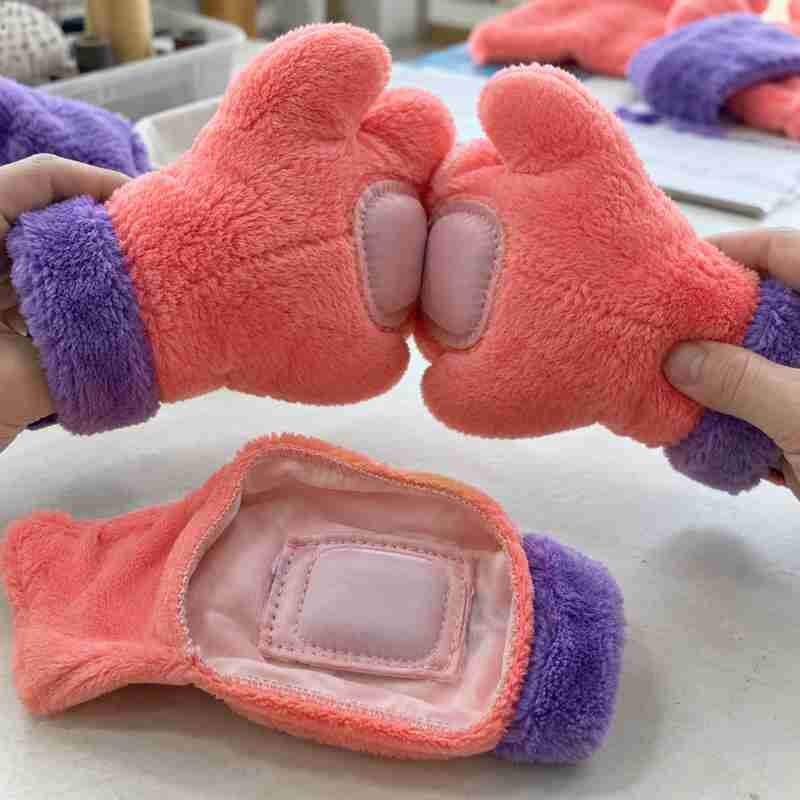
Magnets
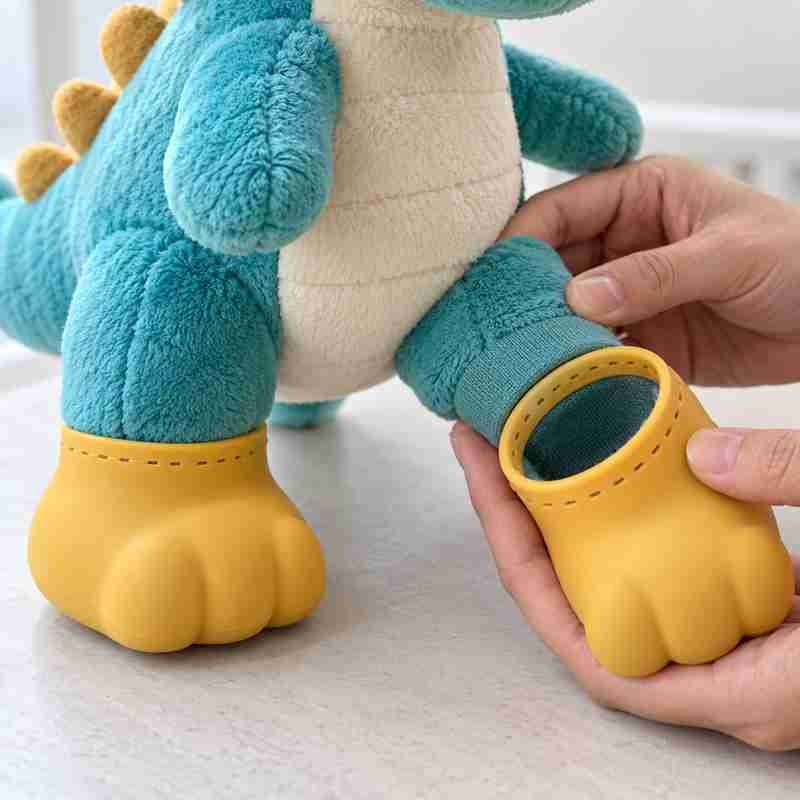
PVC Silicone Parts
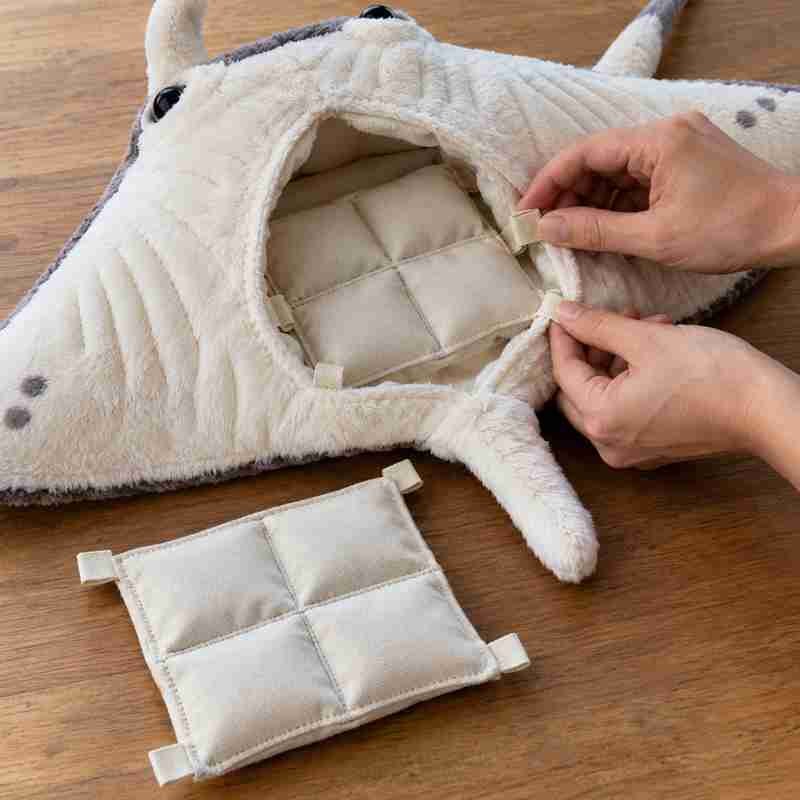
Weighted Inserts
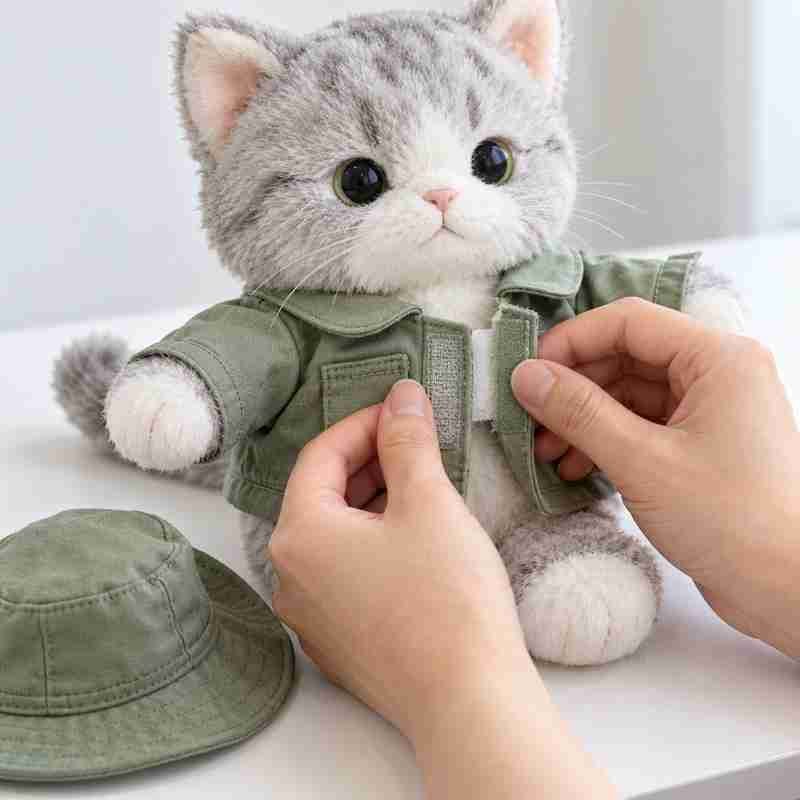
Clothing Accessories
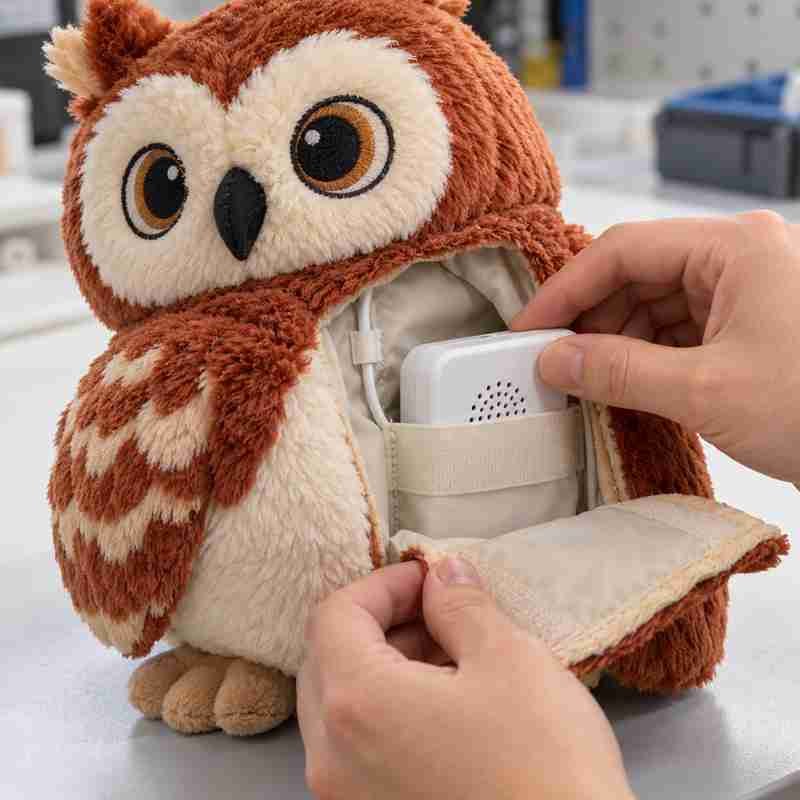
Electronic Modules
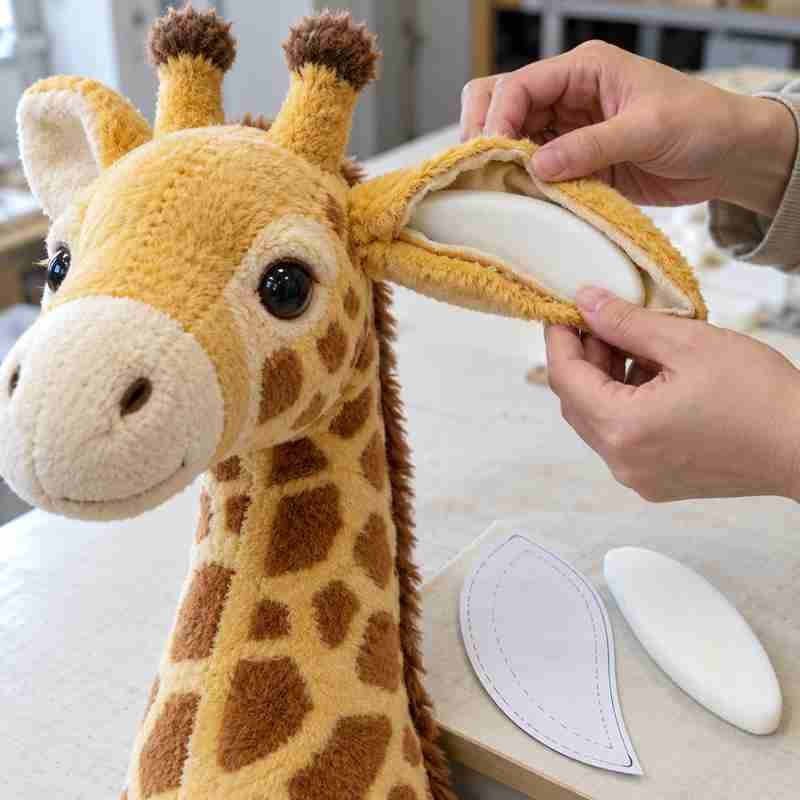
Internal Supports
AI and Functional Plush Need Clear Responsibility Boundaries
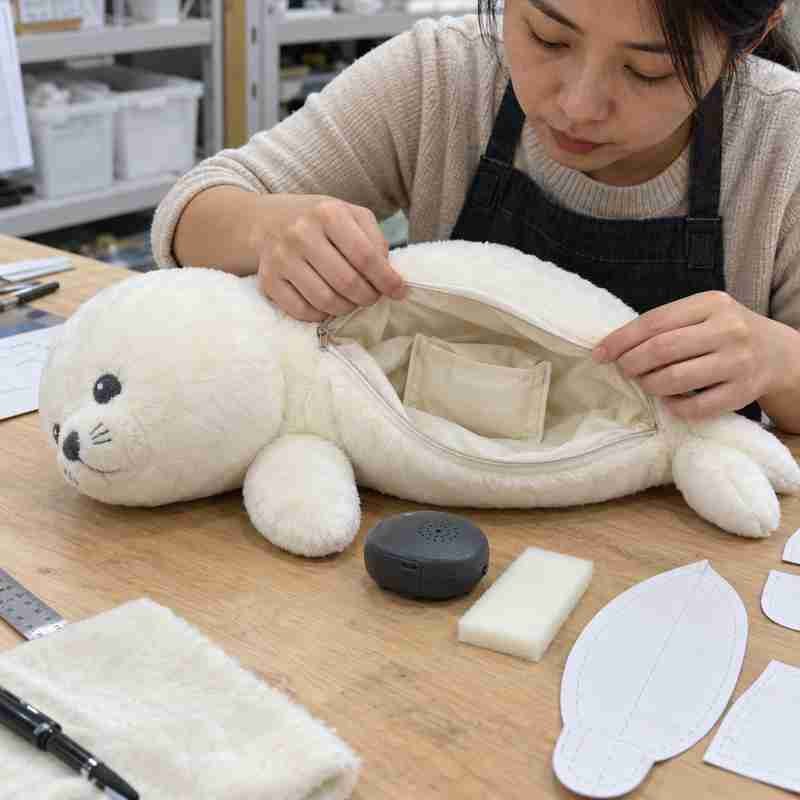
Engineer the Plush Shell Around the Functional Architecture
Ewin can develop the physical plush product around functions such as sound, light, recording, touch, sensors, magnets, speakers, microphones, buttons, or other approved modules. Soft-goods work can include cavity geometry, access openings, padding, module position, speaker or microphone openings, cable routes, retention, garment or shell clearance, and product balance.
The module should not simply be inserted after the plush sample is finished. Body thickness, head or torso volume, seam routes, filling zones, and pattern openings may need to change so the technology sits securely without creating obvious hard points or distorting the character. Service access can also affect zippers, hook-and-loop, battery-compartment interfaces, or removable covers.
Physical interaction should be proven through an engineering sample before the exterior product is treated as final.
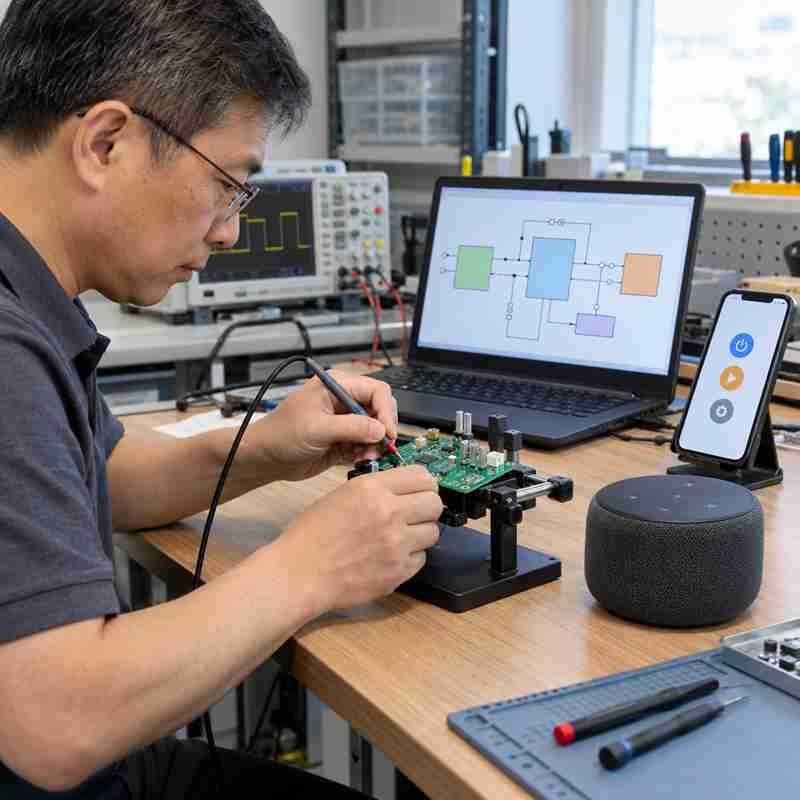
Keep Electronics, Firmware, App, and Cloud Ownership Explicit
Ewin’s core role is plush product development and manufacturing. Electronics, firmware, applications, AI models, wireless systems, or cloud services can remain with the brand or an approved specialist technology partner. Responsibility should be defined in the project brief instead of being implied by the phrase “AI plush.”
A technology partner may specify PCB dimensions, battery system, speaker, microphone, sensor, wireless module, firmware behavior, or software interface. Ewin then translates the approved hardware envelope into soft-goods structure, protection, access, and assembly. Revision synchronization is critical: a module dimension change can require a new cavity, opening, padding, pattern, or packaging review.
Clear ownership prevents gaps where each team assumes another party is validating the same function or requirement.
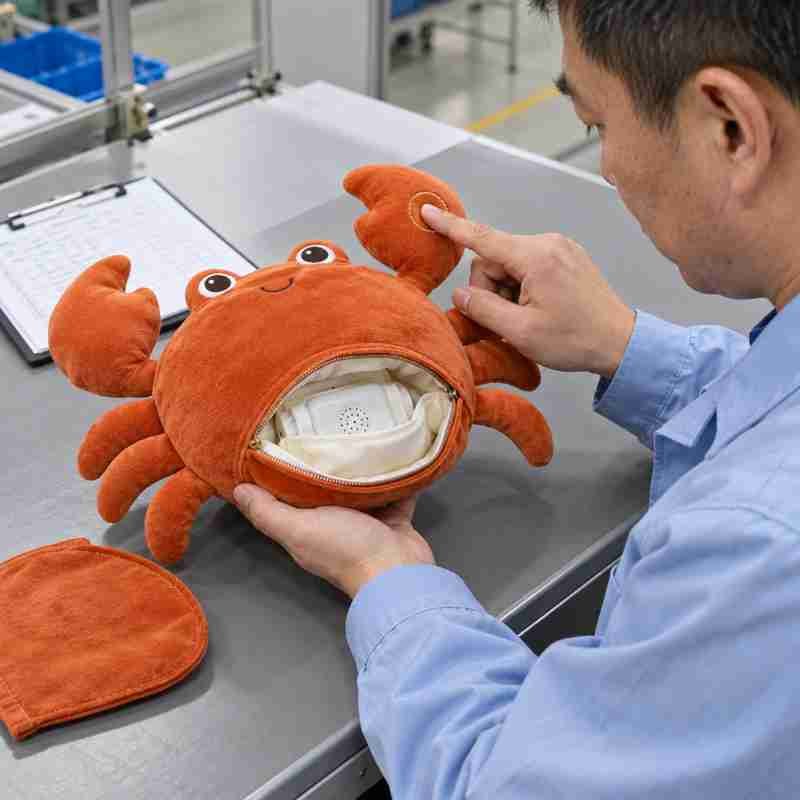
Validate the Combined Product Before Scalable Assembly
A working module is not enough. The combined plush product must also be assembleable, inspectable, safe for the intended use, and consistent across production. Ewin can review module fit, retention, orientation, cable protection, button or sensor access, sound or light opening alignment, hard-point isolation, closing sequence, and physical function checks.
Functional products can also introduce additional compliance questions around electronics, batteries, magnets, hard parts, small components, or wireless functions depending on market and age grade. The responsible technical and compliance parties should define the required verification route before final production release.
Once approved, the module revision, cavity, installation method, assembly instructions, QC points, and packaging protection should remain linked to the same SKU version.
Decoration Should Be Selected Around Material and Scale
Embroidery
Screen Printing
Digital Printing
Heat Transfer DTF
Applique
Patch Woven Label
Make Cost and DFM Trade-Offs Visible Early
Every premium feature affects development work, tooling, labor, material usage, packing, inspection, or production risk somewhere in the program.
| Desired Feature | Development Effect | Manufacturing / Commercial Trade-Off |
|---|---|---|
| More Pattern Panels | Better curvature and shape control | More cutting, sewing, matching, tolerance, and inspection |
| Long Pile Fabric | Richer hair or animal texture | Harder facial detail, grooming, nap control, and packing recovery |
| Dense Embroidery | Fine visual detail | More stitch time, backing, surface hardness, and placement sensitivity |
| Removable Clothing | Play or display value | More components, fit tolerance, assembly, packaging, and inspection |
| Molded PVC Part | Precise hard detail | Tooling, weight, attachment, chemical/mechanical review, pack protection |
| Magnetic Interaction | Repositionable hands or accessories | Polarity, retention, spacing, internal pockets, safety review |
| Electronic Module | Sound, light, sensing, or interaction | Cavity, wiring, access, partner coordination, compliance, QC |
| Gift / Collector Box | Stronger presentation | Higher packaging cost, cube, insert design, pack-out labor |
| Mini Size | Compact retail format | Detail simplification, harder sewing access, size-specific redesign |
| Multi-SKU Series | Strong collection value | More files, sampling, sourcing, separation, packaging, and version control |
Certificates, Compliance & Quality Assurance
Ewintoys follows structured quality and compliance practices for custom plush production. We hold relevant certifications and support additional testing, inspection, and compliance documentation based on specific product requirements and destination markets, helping brands meet different international standards with confidence.
























Sample Development Turns Assumptions Into Physical Evidence
Use Prototype and V1 for Different Decisions
A Prototype is useful when structure, volume, balance, module fit, pose, or another difficult feature is still uncertain. It can be made to answer a narrow engineering question before the full product is committed.
V1 is the first formal complete development sample. It should represent the intended product closely enough to review silhouette, proportion, face, target materials, decoration, filling, clothing, accessories, handfeel, and function. Ewin reviews physical samples from several angles rather than relying on one front photograph.
Timing depends on pattern complexity, material readiness, custom color, decoration, component availability, tooling, functional integration, testing, and the amount of definition already supplied. Ewin should confirm the sample route after reviewing the real project instead of promising one universal development time for every plush.
Convert Comments Into Controlled Revision Rounds
Revision comments should identify the feature, desired change, and reference relationship. “Move the eyes 3 mm lower” or “reduce head width while keeping ear spacing” is more actionable than “make it cuter.” Connected effects should also be reviewed because one change can move several other approved details.
Ewin keeps sample revisions distinguishable by Project ID, SKU, sample type, revision, date, and approval status. Pattern, artwork, material, decoration, accessory, or filling changes should remain linked to the same revision chain rather than being hidden inside files named “final-new” or “latest2.”
A productive revision round closes defined questions. The objective is not unlimited redesign; it is to move from uncertainty toward a clear approval candidate with fewer unresolved visual, structural, material, cost, or compliance risks.
Freeze Golden Sample and Production Data Separately
Customer approval, Golden Sample freeze, BOM freeze, and production release are related but separate gates. A sample can look acceptable while a material source, component specification, packaging file, test route, or production instruction is still unresolved.
The Golden Sample provides the controlled physical reference. The Frozen BOM records approved materials and components. The released pattern defines sewing geometry. Artwork and decoration files control faces, logos, and graphics. Measurement points, filling notes, accessory specifications, labels, packaging, and QC criteria complete the production definition.
PP can be used to verify the product under intended production conditions before bulk release where the program requires it. Production should begin from the controlled release package rather than from memory of the development room.
Build Compliance Into Development Before Product Freeze
Review Product Risks While Design Can Still Change
Compliance planning should begin before the final sample is locked. Product category, age grade, intended use, target market, small parts, cords, hard components, magnets, weighted inserts, access openings, and removable accessories can all influence how the product should be designed and verified.
An early risk review can prevent avoidable late changes. A decorative accessory may need stronger retention. A cord may need redesign. A hard component may require a different edge or backing. A weighted insert may need double containment. An electronic cavity may need more padding or a different access route.
Testing is most useful when it verifies a defined product rather than discovering fundamental design problems after materials, packaging, and tooling have already been committed.
Keep Test Evidence Linked to the Final Product Version
Material, mechanical, chemical, flammability, magnet, electronic, labeling, and other requirements depend on the target market and complete product configuration. Ewin can support internal verification and coordinate third-party testing where applicable, while formal claims remain tied to the tested model, scope, report, and current revision.
The test sample should correspond as closely as possible to intended production fabrics, filling, thread, decoration, plastic or PVC parts, hardware, magnets, modules, construction, and packaging. A later supplier, color, accessory, pattern, or label change should enter an impact review before previous evidence is reused.
ODM development benefits from this discipline because compliance becomes another product input, not a certificate-search exercise after the design is complete.
Carry Safety-Critical Decisions Into Production Controls
A passed development sample only creates value if bulk production preserves the construction represented by the approved product. Safety-critical attachment methods, internal bags, hardware fixing, magnet pockets, electronic cavities, seams, labels, and packaging should remain connected to released instructions and quality checkpoints.
IQC can protect approved materials and components before use. IPQC can monitor defect-source processes such as cutting, decoration, sewing, stuffing, assembly, and packaging. FQC and OQC can verify finished product, packaging, labels, and shipment release against controlled references.
The objective is a traceable product definition from development through production, not a test report that sits separately from the factory instructions used to make the goods.
Packaging Development Should Follow the Product and Channel
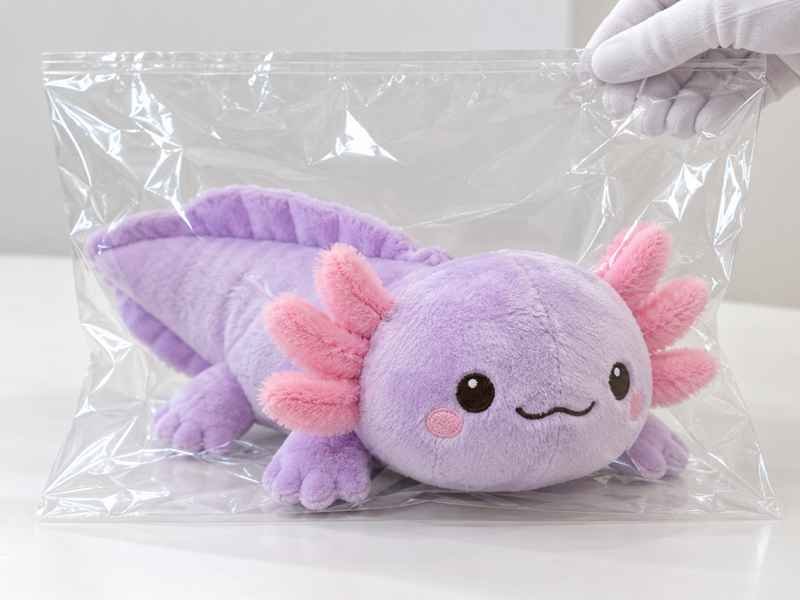
Polybag
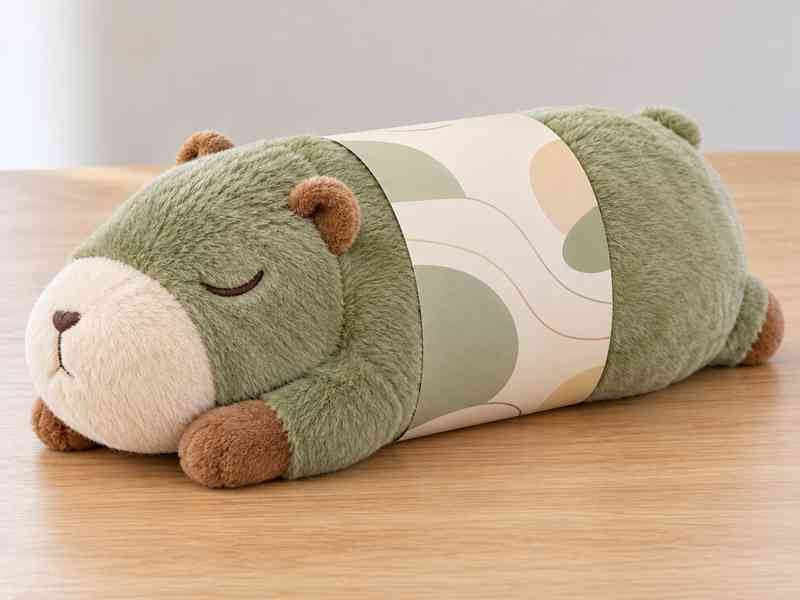
Belly Band
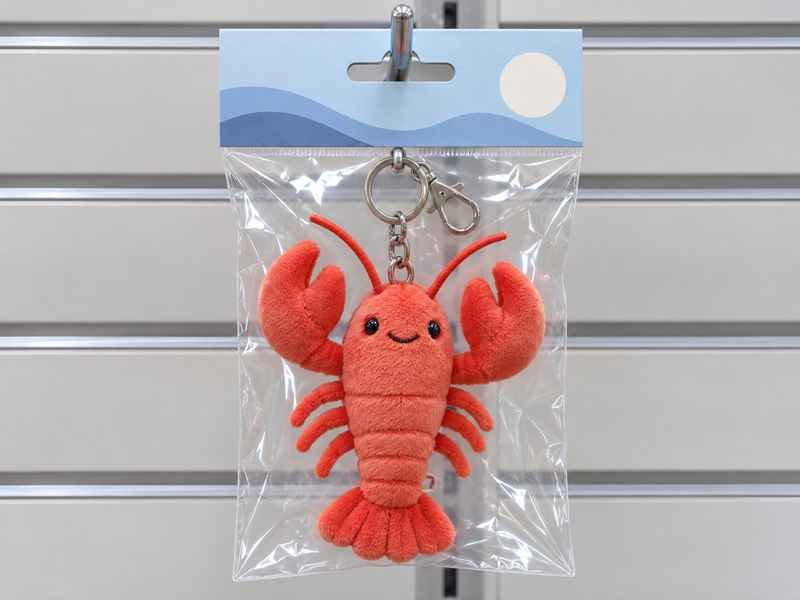
Header Card
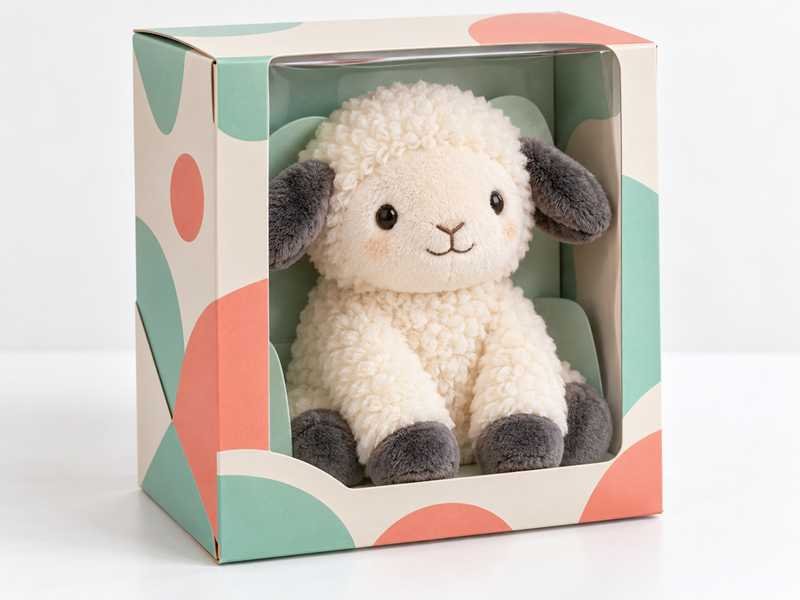
Color Box
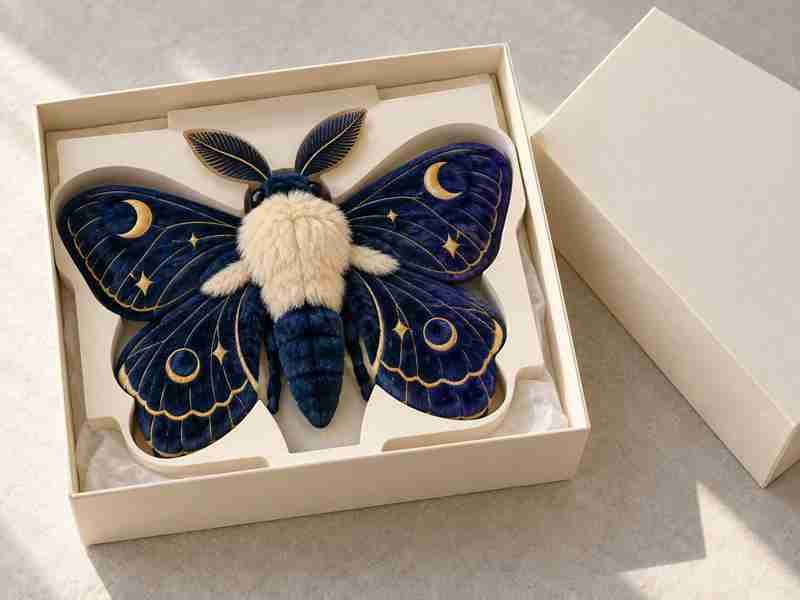
Gift Box
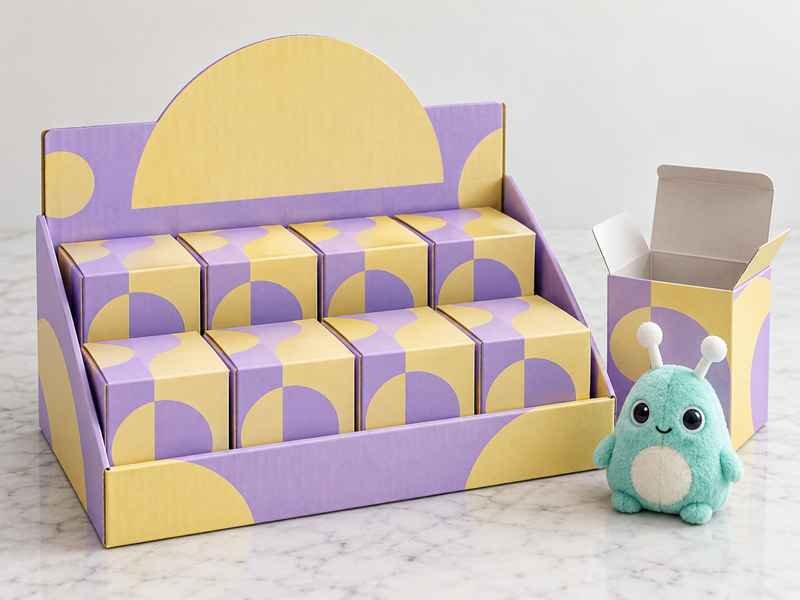
Blind Box PDQ
Multi-SKU ODM Needs Shared Rules and Separate Product Identity
Define Family-Level Rules Before Every SKU Develops Independently
A character family can share eye style, head-body relationship, material language, filling feel, logo position, packaging structure, hardware system, inspection method, or other standards. Defining those rules early creates a coherent collection and reduces unnecessary reinvention.
Ewin can establish common references at program level while leaving room for character-specific hair, colors, clothing, accessories, poses, decoration, and structure. Shared material choices can improve sourcing efficiency, but a common fabric should only be standardized when it supports every affected SKU.
Family rules are especially useful for blind-box, collectible, seasonal, licensing, and multi-size programs where several products must look intentionally related on shelf without becoming copies of one another.
Keep Every SKU's Development Chain Individually Traceable
Similar-looking products create a high risk of cross-SKU mistakes. Eye files, embroidery programs, clothing pieces, hair panels, accessories, labels, packaging, and barcodes can be exchanged accidentally if naming and revision control are weak.
Each SKU should retain its own Product ID, design reference, pattern revision, BOM, artwork, sample version, component list, packaging version, barcode data, development status, quality status, and final Golden reference. Shared inputs should be linked deliberately rather than copied informally between folders.
Side-by-side sample reviews help reveal differences in eye scale, body width, filling firmness, material sheen, accessory proportion, or costume alignment that may be hard to notice when each SKU is approved alone.
Plan Launch Waves Without Mixing Development and Release Status
Large programs do not need every SKU to reach Golden Sample on the same day. Priority characters, retailer windows, material readiness, packaging, compliance, and marketing launches can justify phased development and production.
Ewin can separate concept, sampling, approval, production preparation, and shipment status by SKU so completed products move forward without implying that the entire collection is ready. Shared materials or packaging can still be coordinated where timing allows.
This visibility becomes more valuable as the program grows from 8 SKUs to 30, 50, or more because the number of possible file, material, packaging, and release combinations increases quickly.
ODM Should Finish in Controlled Mass Production
Release Production From Golden Sample and Controlled Files
ODM does not end when a sample looks correct. Before bulk release, the production package should connect the Golden Sample with the Frozen BOM, released pattern, current artwork and decoration files, measurements, filling references, accessories, labels, packaging, QC criteria, and any required test or approval evidence.
Material substitutions should be reviewed before use. Pattern or artwork changes should carry a new revision. Similar SKUs should remain individually identifiable. PP or first-off verification can be used where the program requires additional confirmation under intended production conditions.
This release discipline allows the factory to reproduce the approved product rather than asking each downstream team to infer what the development team intended.
Scale Through Controlled Manufacturing Gates
Bulk manufacturing can move through material receiving, cutting, embroidery or printing, sewing, stuffing, hand assembly, shaping, finishing, quality inspection, packaging, warehousing, and shipment preparation. Each process uses the references relevant to the risk it creates.
Cutting checks released pattern and nap direction. Decoration checks artwork revision and placement. Sewing checks panel matching and seam structure. Stuffing checks weight, distribution, handfeel, and shape. Assembly checks the correct component, fixing, polarity, module revision, or accessory position. Packaging checks product-to-pack identity, labels, barcodes, assortment, and carton data.
Ewin’s 95,000+ m² manufacturing system and 1,900+ workforce support the transition from development into bulk without separating the approved product definition from factory execution.
Preserve the Product Definition Through Reorders
Repeat orders should begin with the last approved Golden Sample, BOM, pattern, artwork, component list, packaging, quality references, and project history. A delta review then identifies what changed in quantity, material source, color, component, target market, packaging, destination, or commercial requirement.
Stable information can be reused without rebuilding the product from photographs. Changed information should be approved before release. Rolling 3-, 6-, or 12-month forecasts can also support material, capacity, packaging, and replenishment planning for ongoing programs without replacing a committed purchase order.
Long-term ODM value comes from preserving product knowledge so each reorder improves continuity rather than restarting development from an uncertain baseline.
Frequently Asked Questions
ODM means Ewin participates in defining product size, structure, materials, pattern, decoration, components, samples, cost, packaging, and manufacturing route when the starting specification is incomplete.