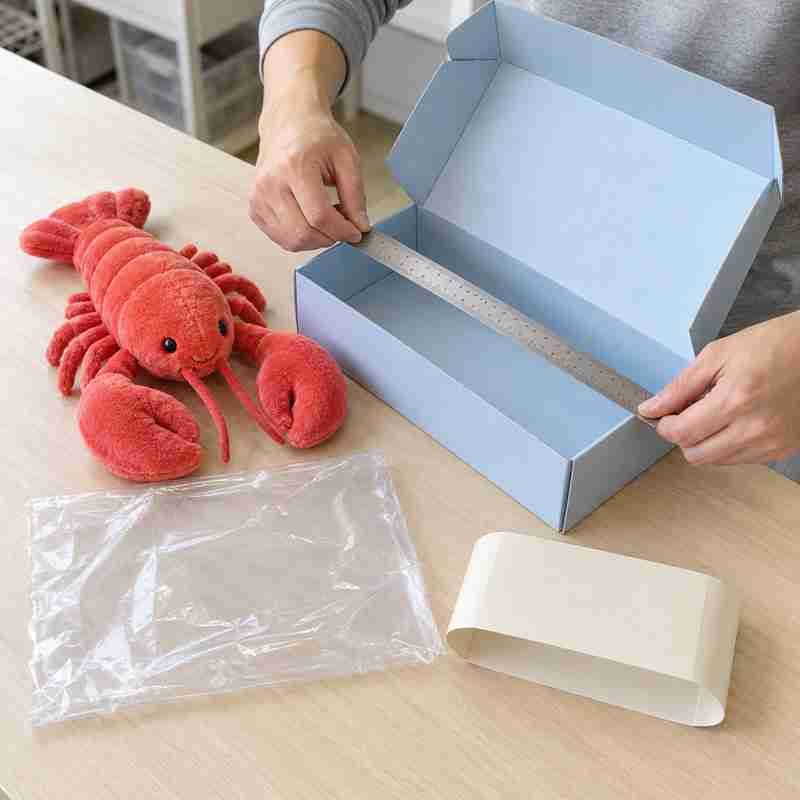
Plush Packaging Built for Protection, Presentation & Delivery
Turn packaging into part of the product experience—not just a shipping step. Ewin Toys helps brands balance plush shape protection, shelf presentation, logistics efficiency and channel requirements, reducing repacking, transit damage and unnecessary carton volume.
150+ Packaging Team | Polybag / Gift Box / Window Box / Blind Box | PDQ & Display Packaging | Barcode & FNSKU Support | Compression Packing | Carton Optimization | Retail & E-commerce Ready

Packaging Is Part of the Plush Product
Protect the Product
Prepare the Channel
Retail shelves, e-commerce fulfillment, blind-box displays, gift programs, and promotional distribution use different pack structures. Channel requirements influence unit packs, labels, barcode position, display orientation, case pack, carton marks, and shipment handling.
Control Landed Cost
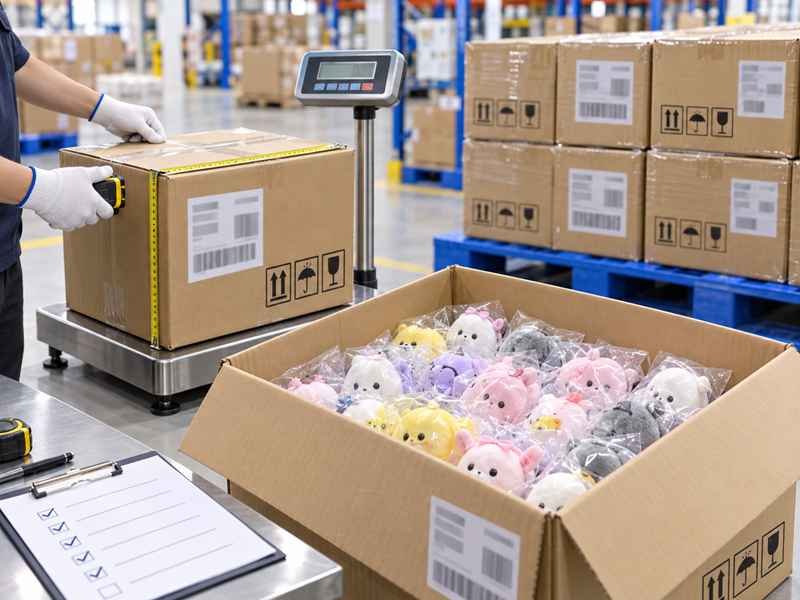
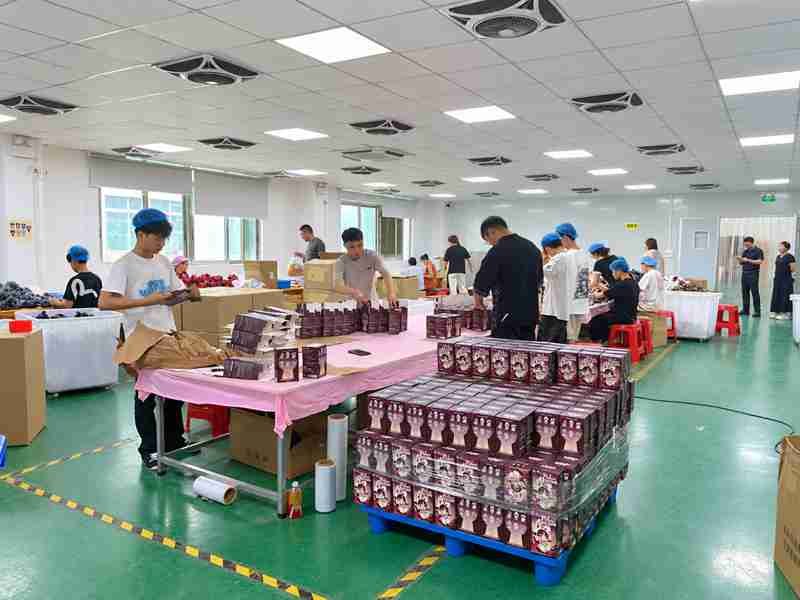
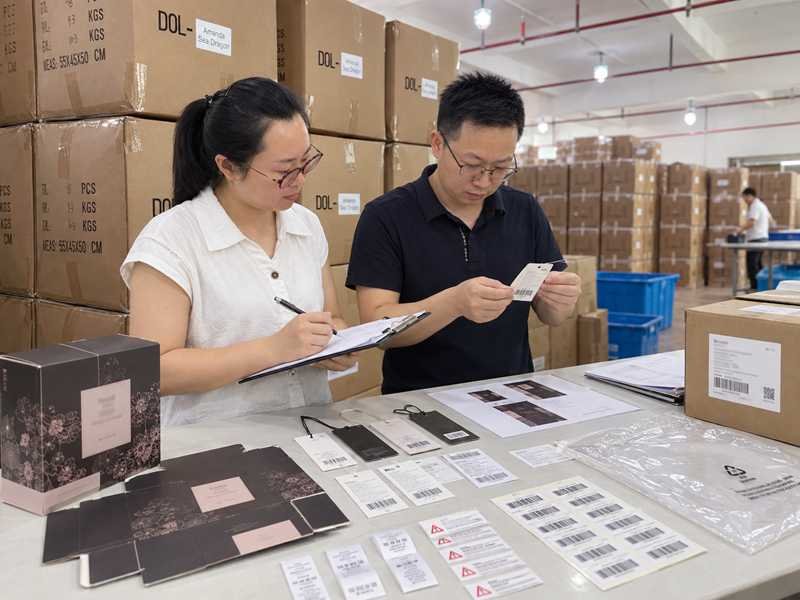
Separate Unit, Display, and Shipping Packaging
Unit Packaging
Display Packaging
Master Carton
Trusted by Global Brands and IP Owners
Trusted by brands, IP owners, and creative teams worldwide. Ewintoys helps transform original ideas and characters into high-quality plush products through professional development, manufacturing, and quality control.



























Develop Packaging From Channel Brief to Pack-Out
Start With the Sales Channel and Product Constraints
Packaging development begins with the product and commercial destination. Ewin reviews SKU, finished size, product shape, age grade where relevant, hard or electronic components, accessories, target market, retailer or marketplace, launch timing, destination, and expected distribution route.
A collectible sold in a gift box has different priorities from a keychain shipped in a small e-commerce unit pack. A large plush may benefit from compression, while a long-pile character with a rigid accessory may need more recovery space. Blind-box programs add assortment, series coding, display cartons, and hidden-edition controls. Retail programs may bring routing guides, case-pack rules, label locations, and distribution-center requirements.
The first output should be a clear packaging route rather than an isolated box drawing. Product shape, unit pack, display pack, barcode data, master carton, and shipping plan need to work as one system.
Build and Validate the Packaging Sample With the Plush
Structural size and artwork should be checked on the actual finished product. A dieline can look correct on screen while a physical pack bends an ear, hides a logo, presses clothing, scratches a molded part, or leaves too much movement around the product.
Ewin can use a structural or white sample to confirm fit before committing to final printed packaging. Printed samples can then review graphics, legal copy, barcode position, opening sequence, product visibility, display direction, accessory retention, and pack-out sequence. Compression routes require an additional recovery review because reduced carton cube has little value if the product arrives with flattened facial volume, damaged long pile, or displaced accessories.
Pack sample approval should identify the packaging version and SKU. When artwork, product dimensions, accessory placement, or channel requirements change, the affected pack should be reviewed again instead of assuming the previous fit remains valid.
Freeze the Approved Version Before Mass Pack-Out
Once packaging is approved, the product, label, barcode, unit pack, display configuration, and master-carton data should be tied to the current SKU revision. Version control matters most on collections where similar products use different codes, artwork, labels, or assortment ratios.
Mass pack-out follows the approved specification: hangtags and labels are applied, products enter the correct unit pack, barcodes are scan-checked where required, PDQ or inner quantities are controlled, and master cartons receive the correct case pack and shipping marks. Pre-shipment review can verify quantity, packaging version, carton count, actual carton dimensions and weight, barcode readability, and final inspection status before release.
A packaging system is complete when the warehouse can identify what is inside every unit and carton without reopening finished goods or interpreting old email instructions.
Choose Packaging by Product, Channel, and Protection
Polybag
Compression Pack
Belly Band
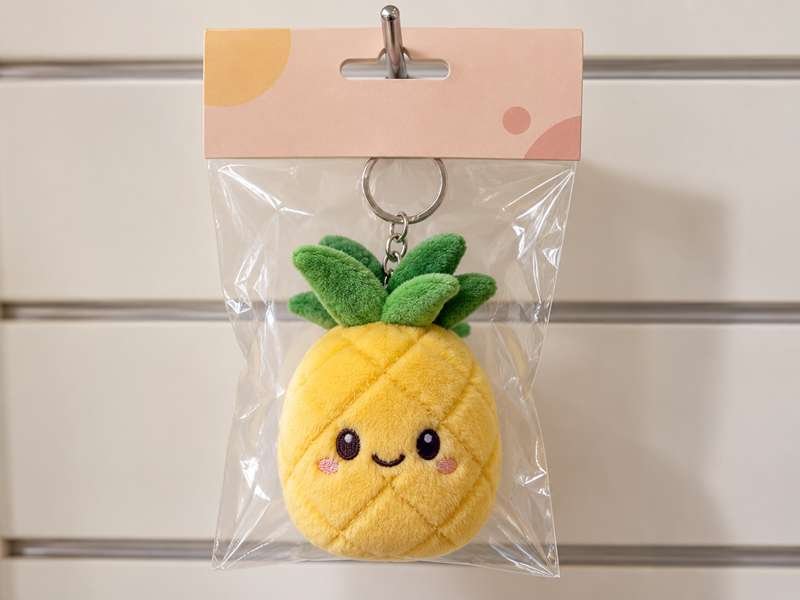
Header Card
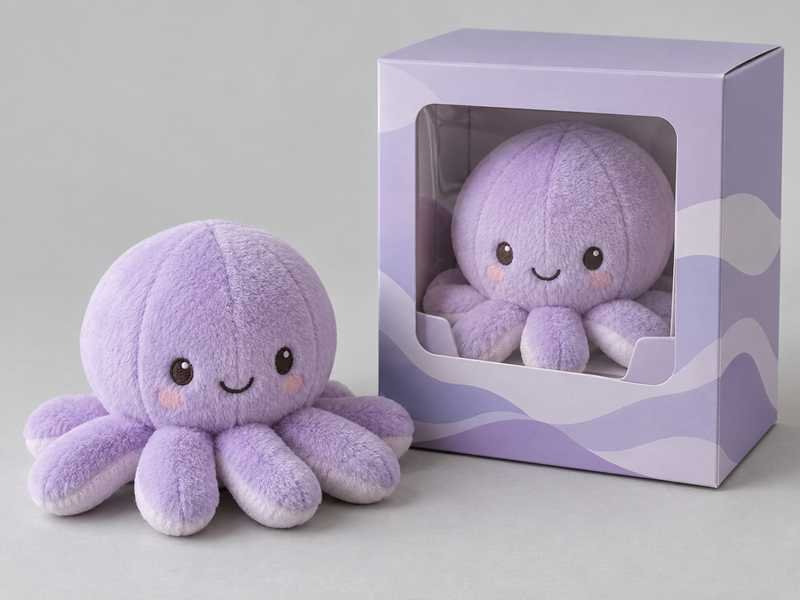
Color Box
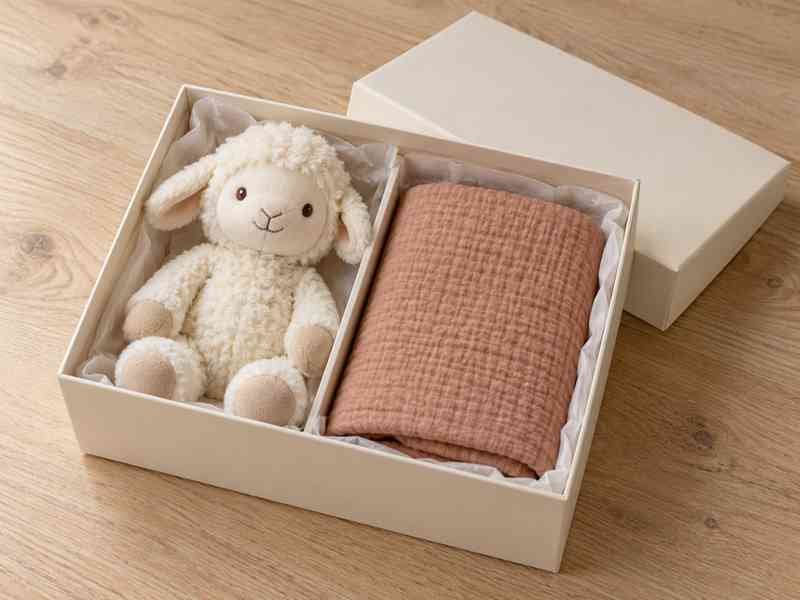
Gift Box
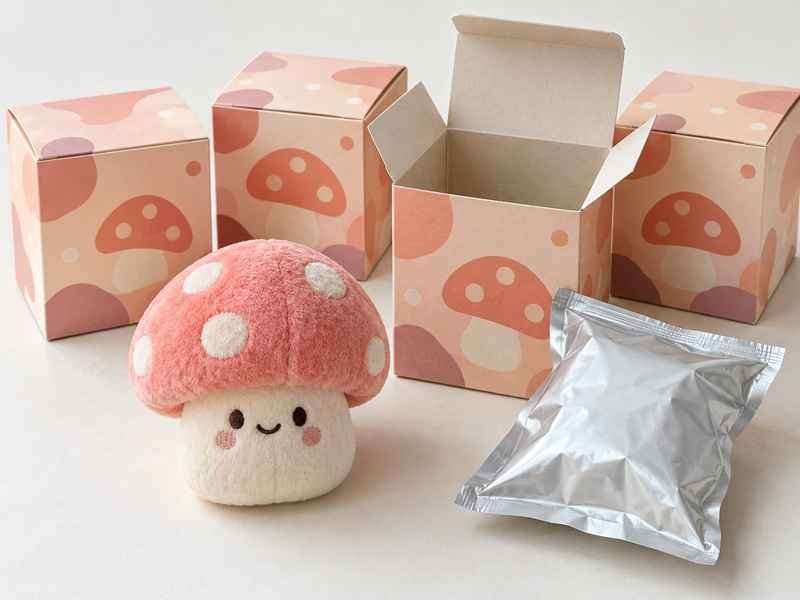
Blind Box
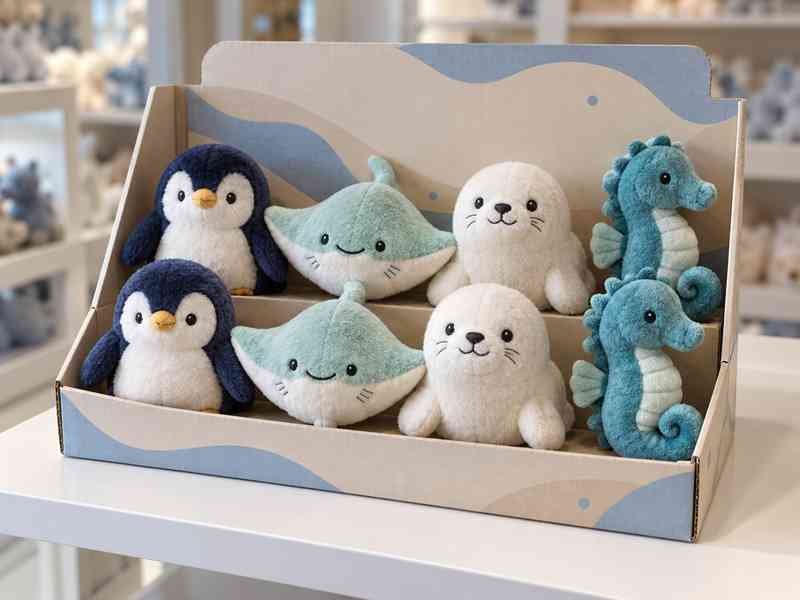
Display PDQ
Packaging Changes With the Plush Product Type
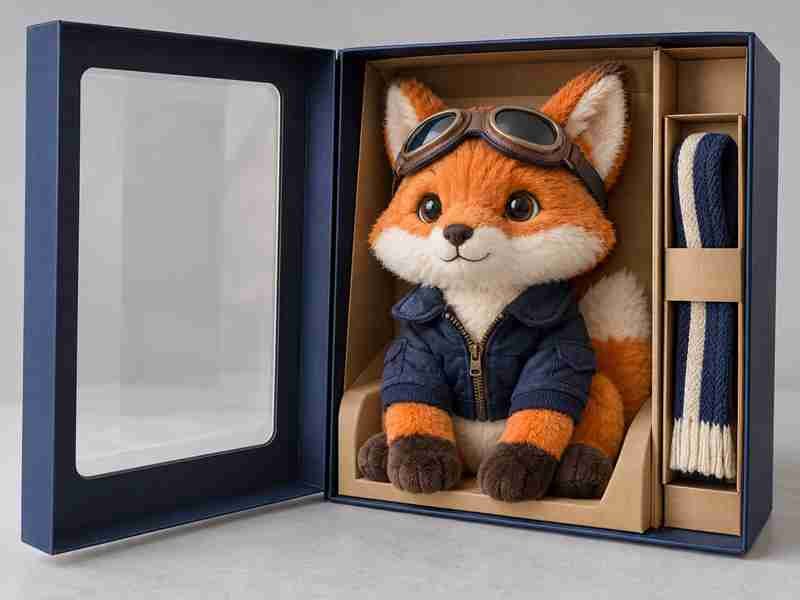
Character IP Plush

Collectible Plush
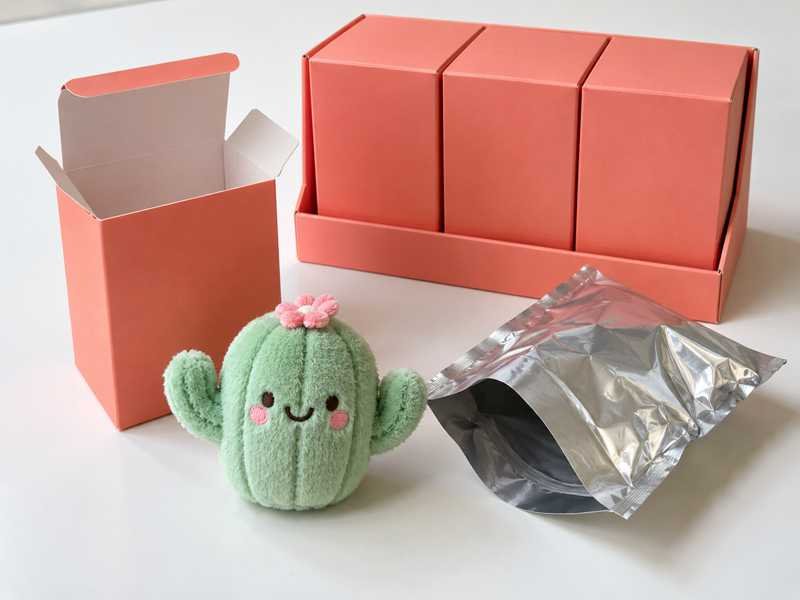
Blind Box Plush
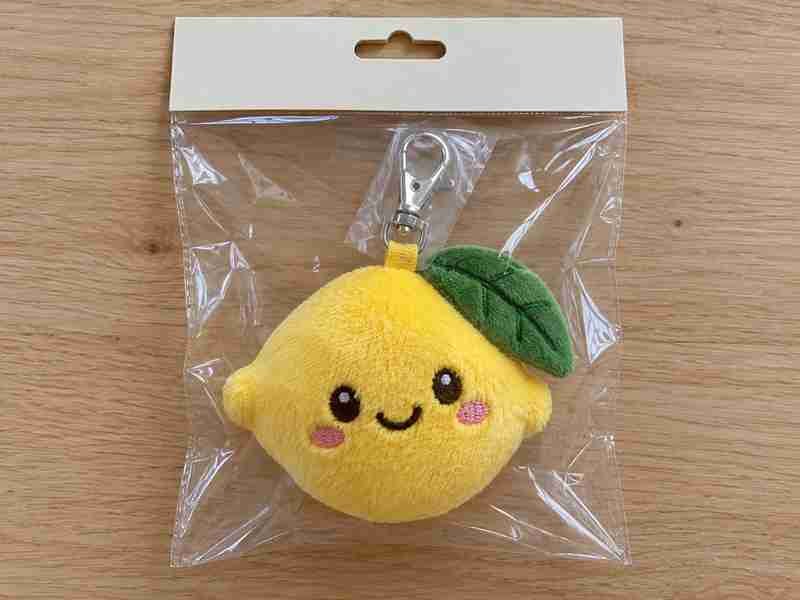
Mini Keychain Plush
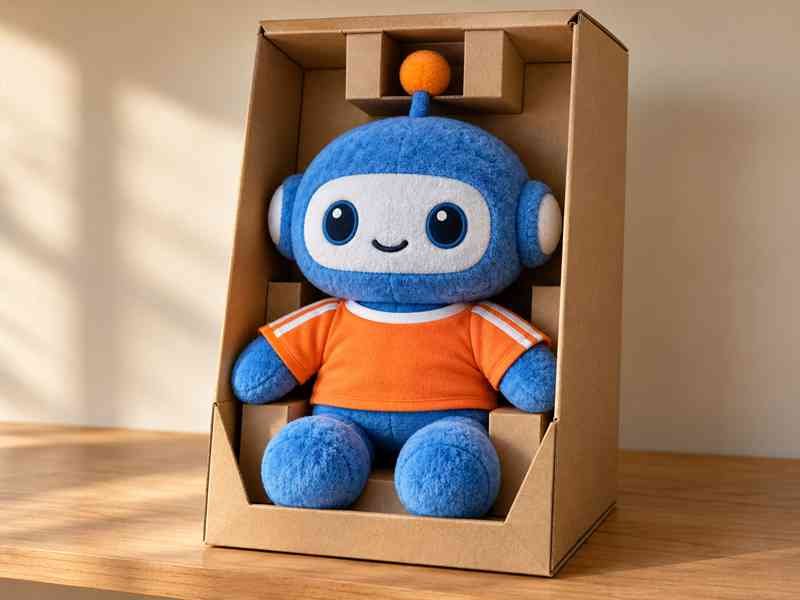
Mascot Plush
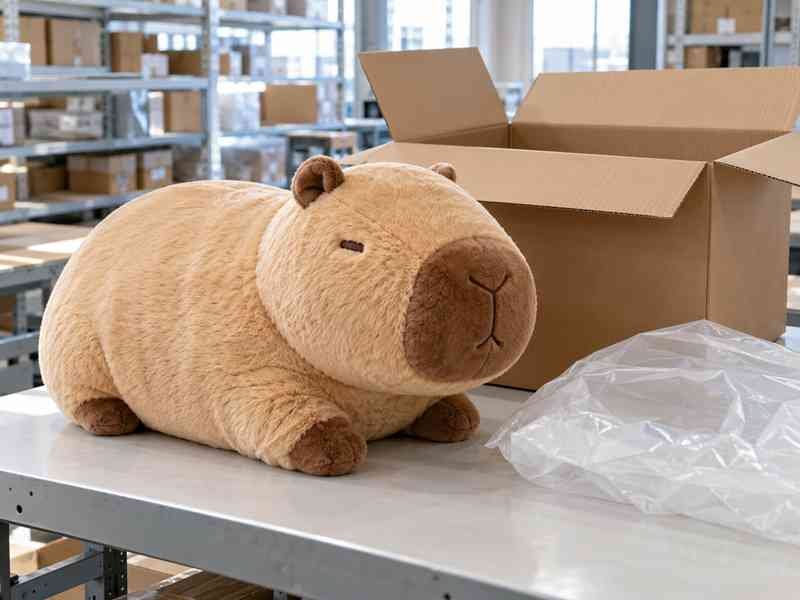
Large Plush
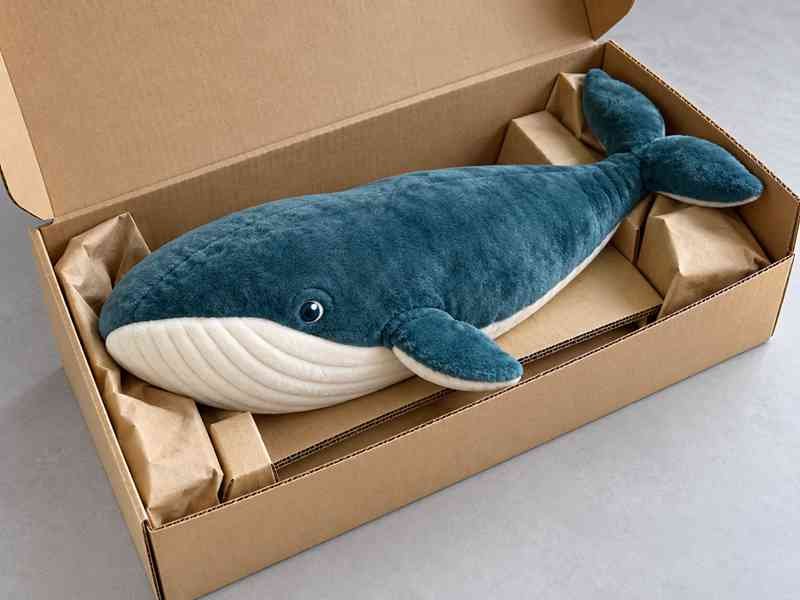
Weighted Plush
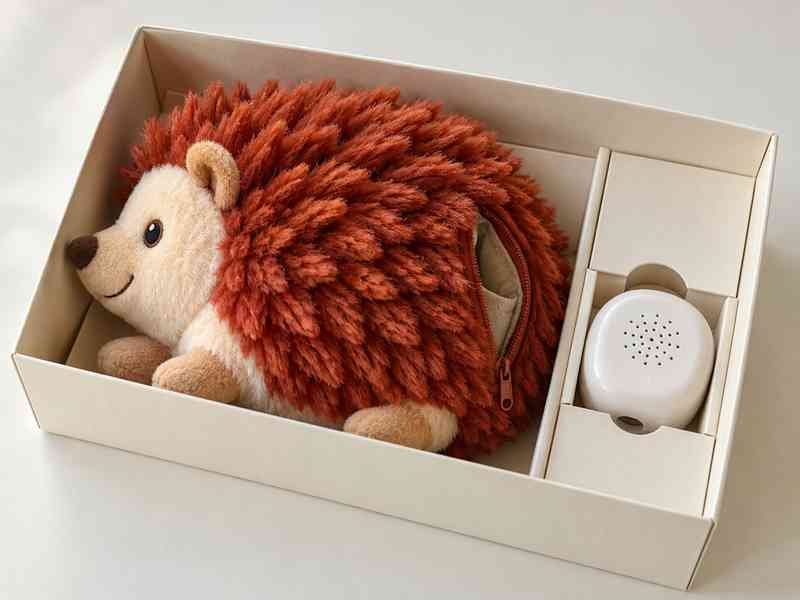
Functional Plush
Packaging Programs Serve Different Commercial Teams
Global Brand Teams
IP Licensing Teams
Toy Collectible Brands
Retail Chains
E-commerce Brands
Entertainment Programs
Multi-SKU Programs
Second-Source Programs
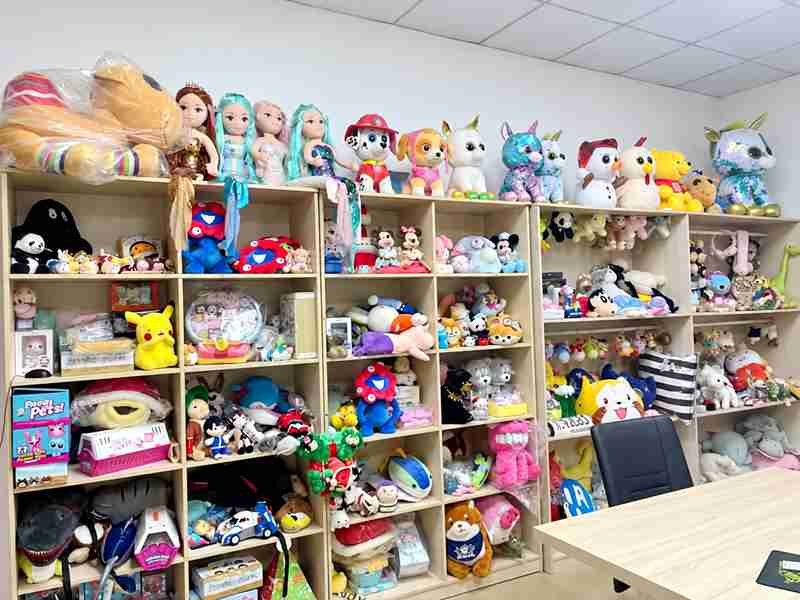
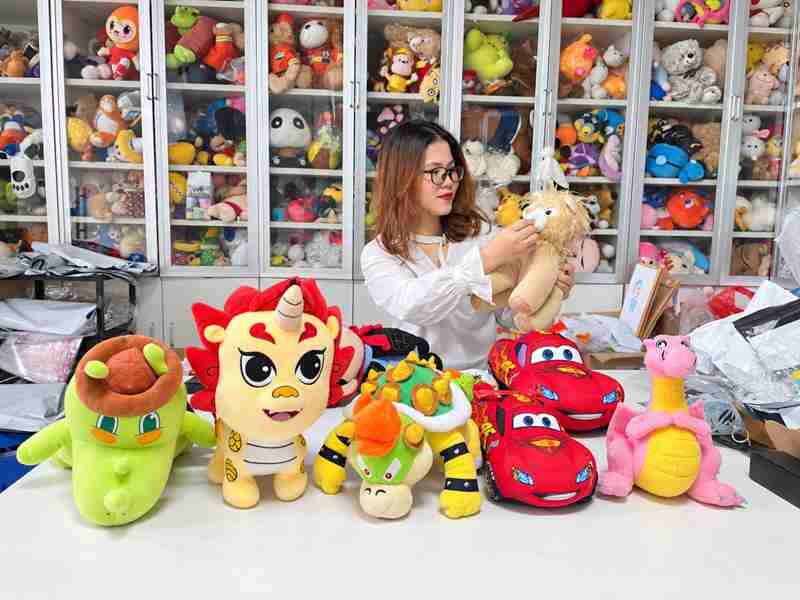
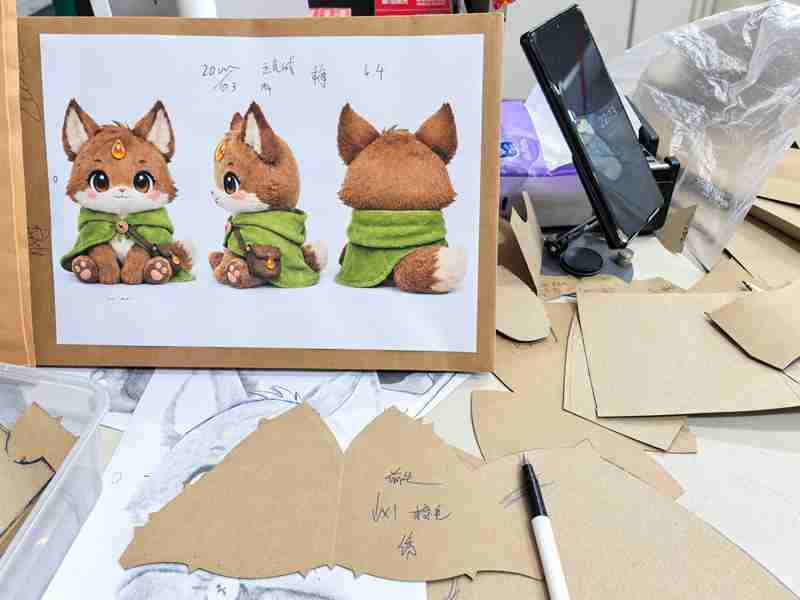
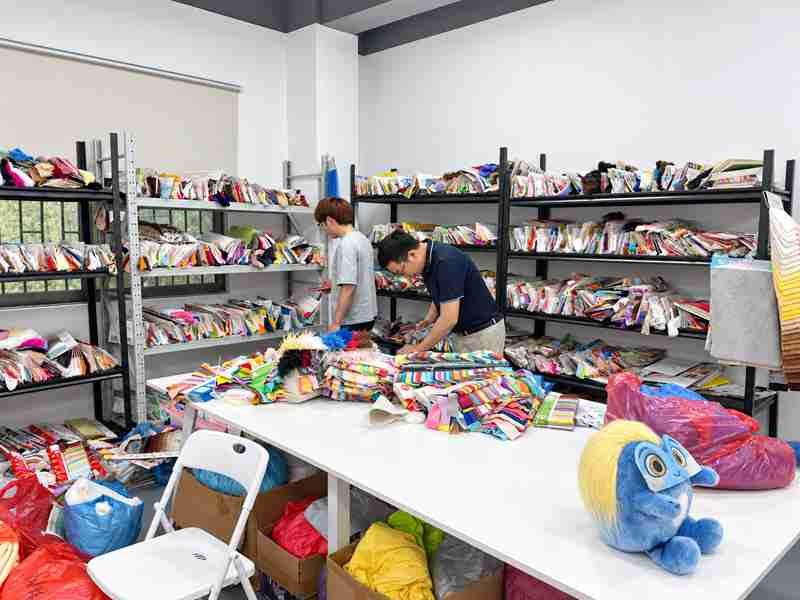
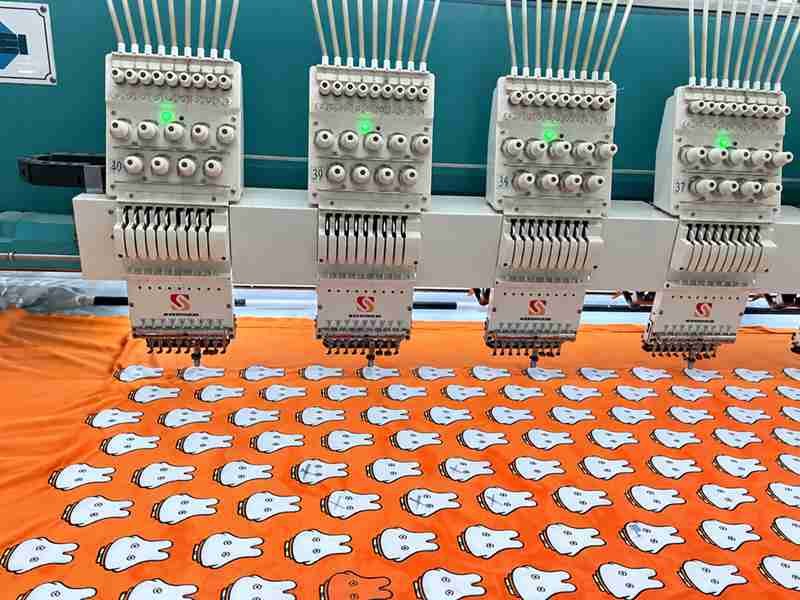
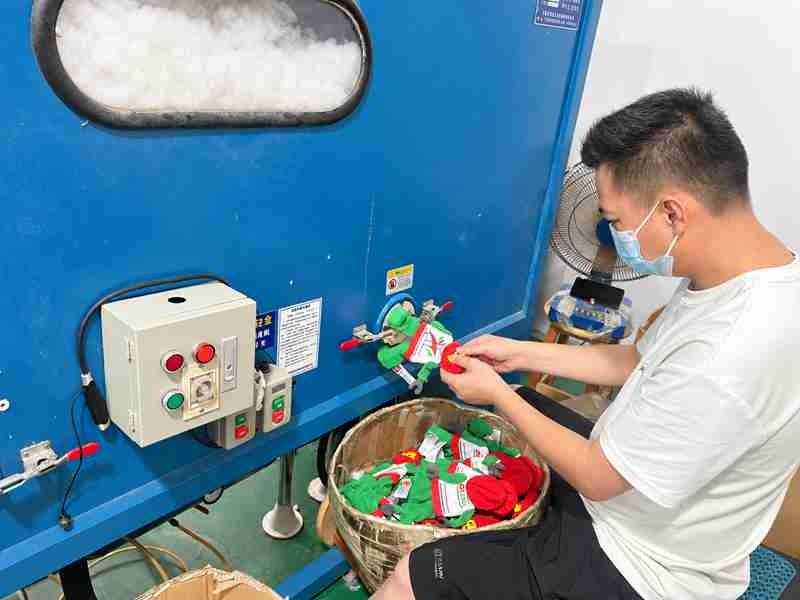
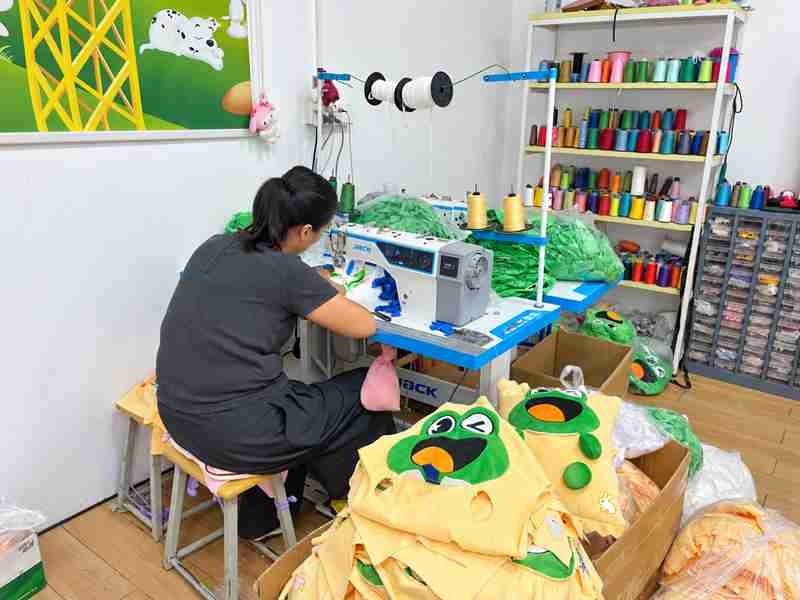
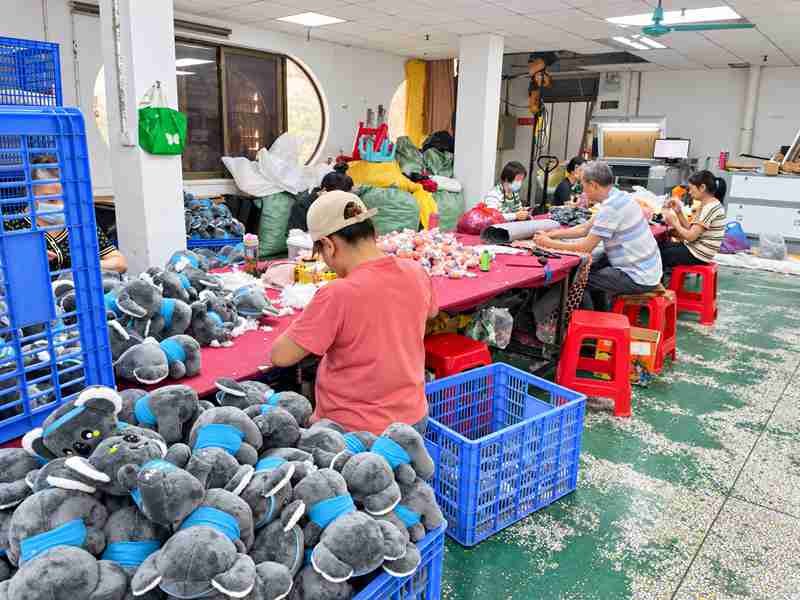
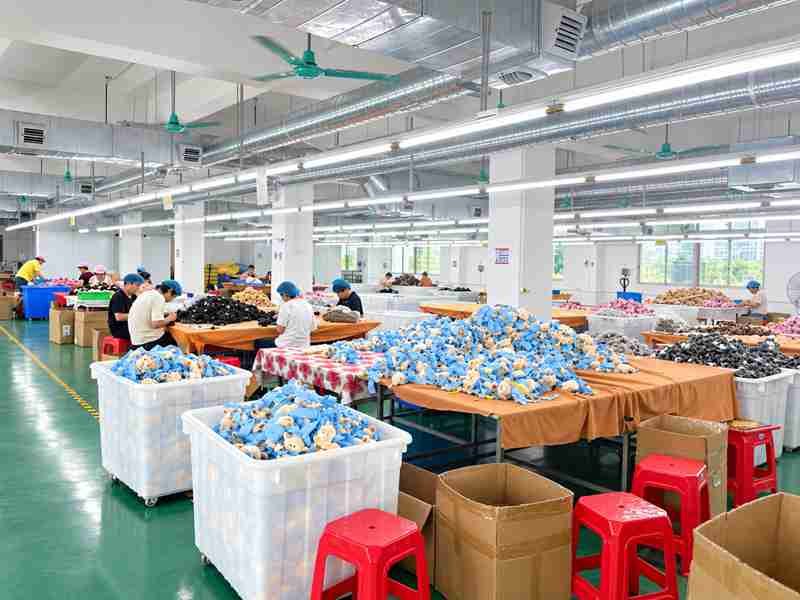
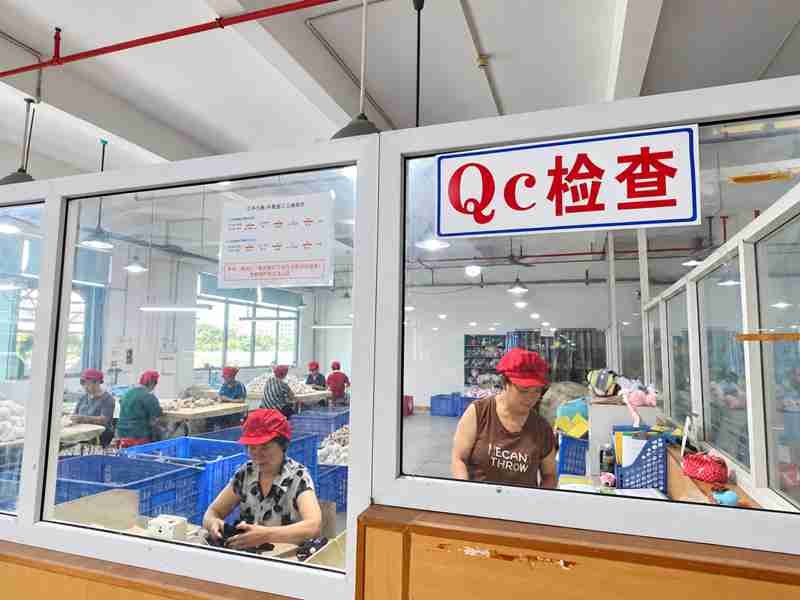
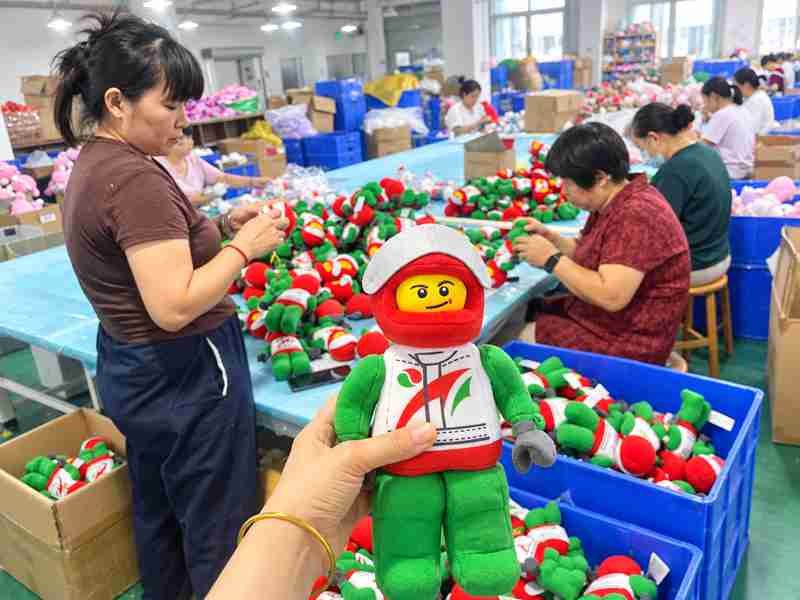
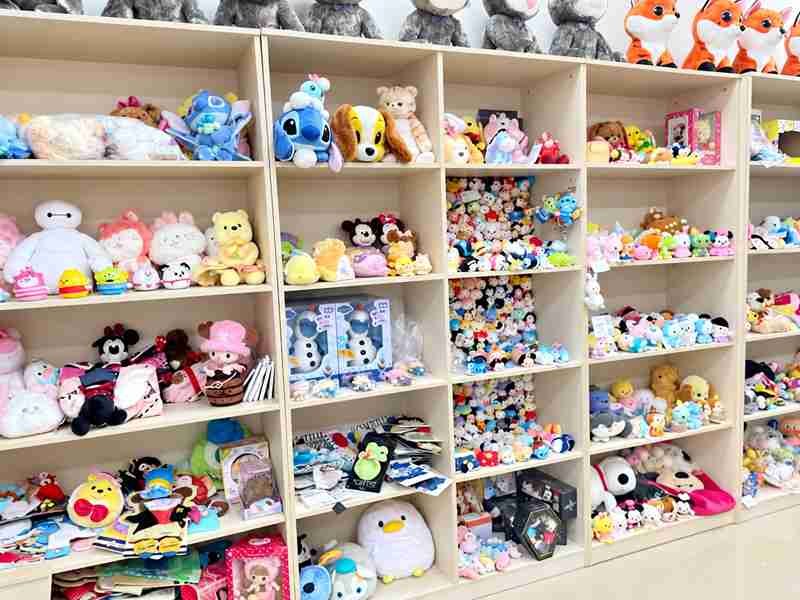
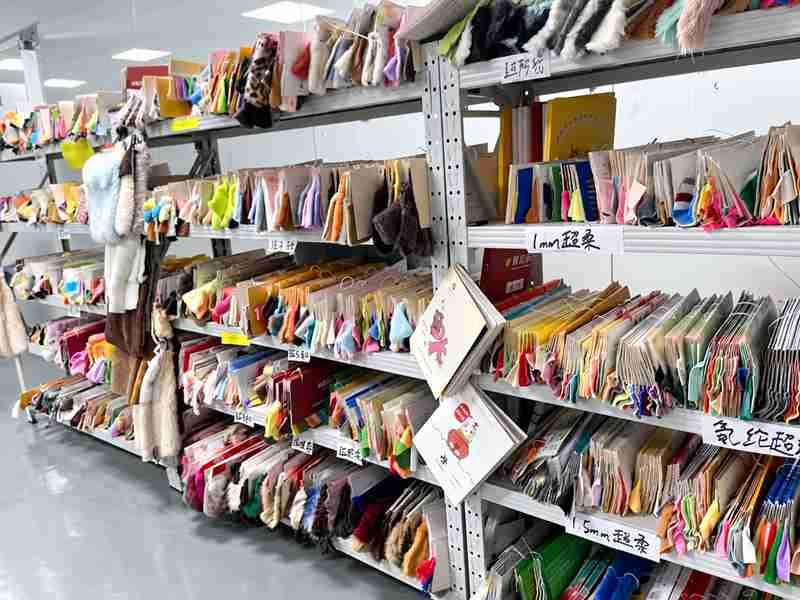
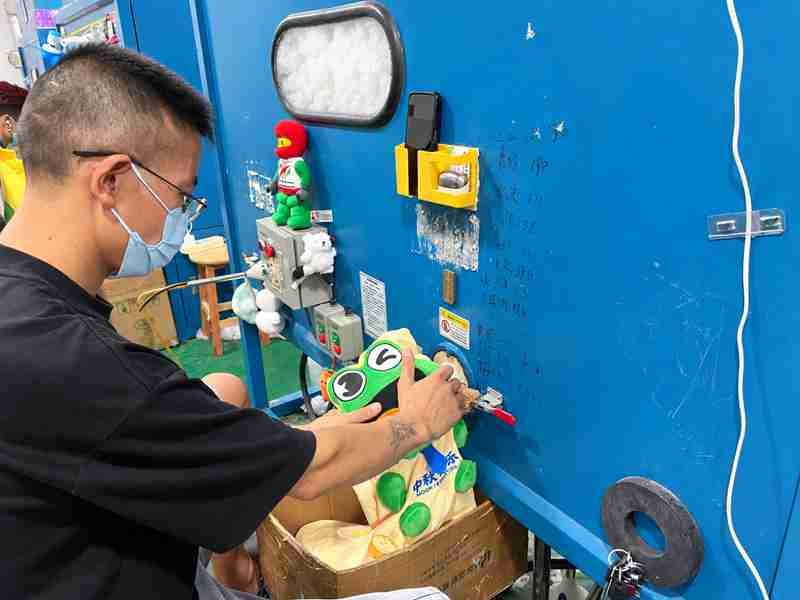
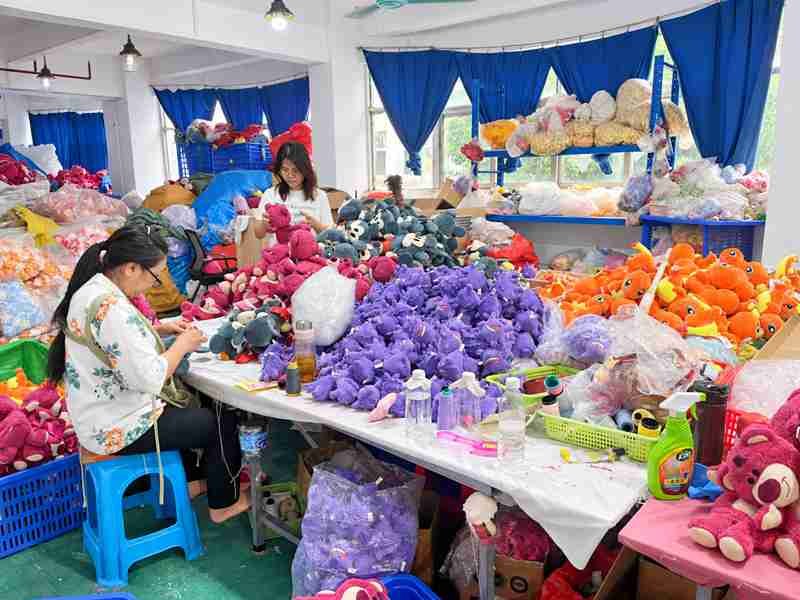
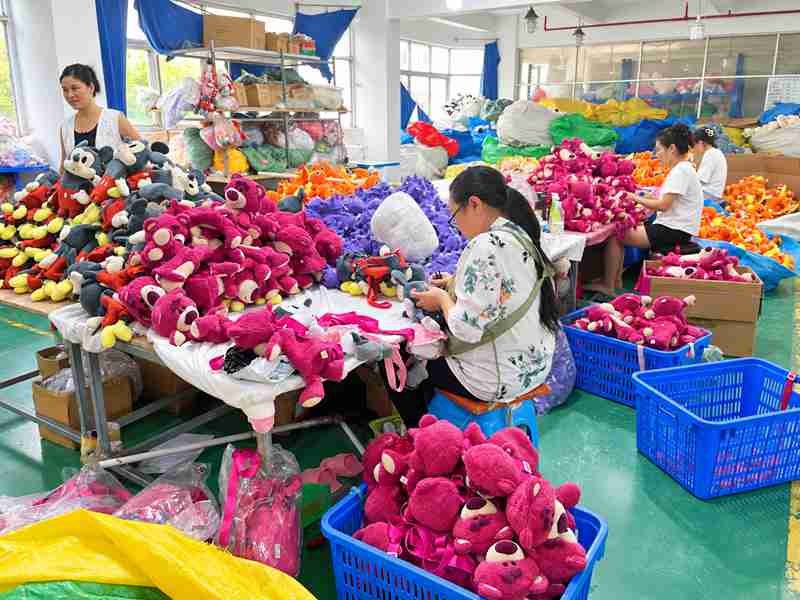
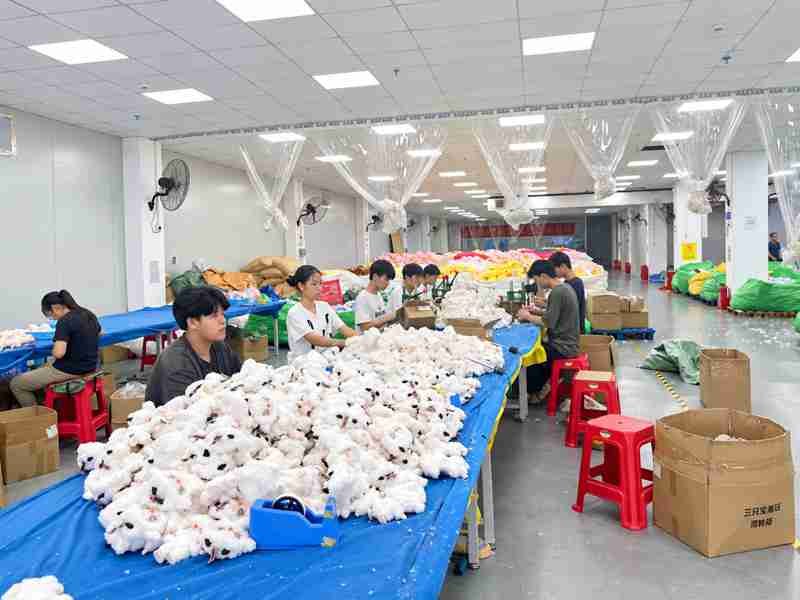
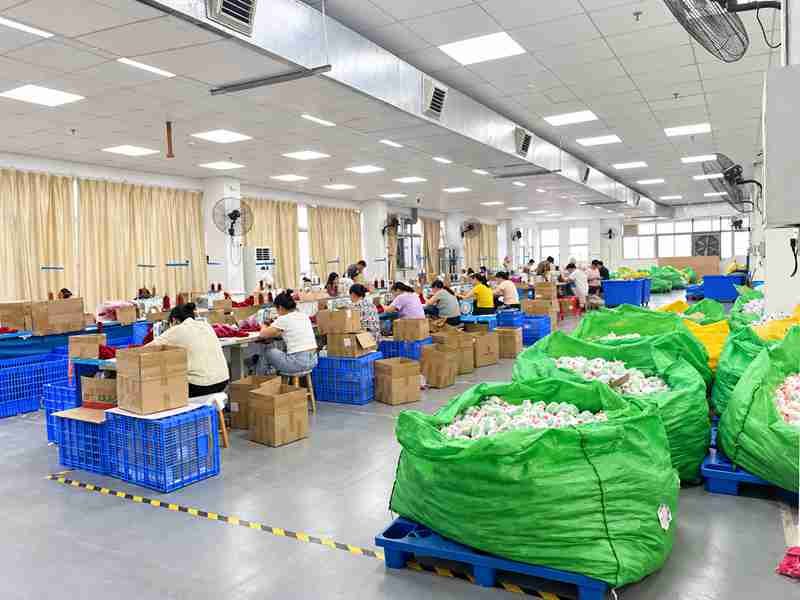
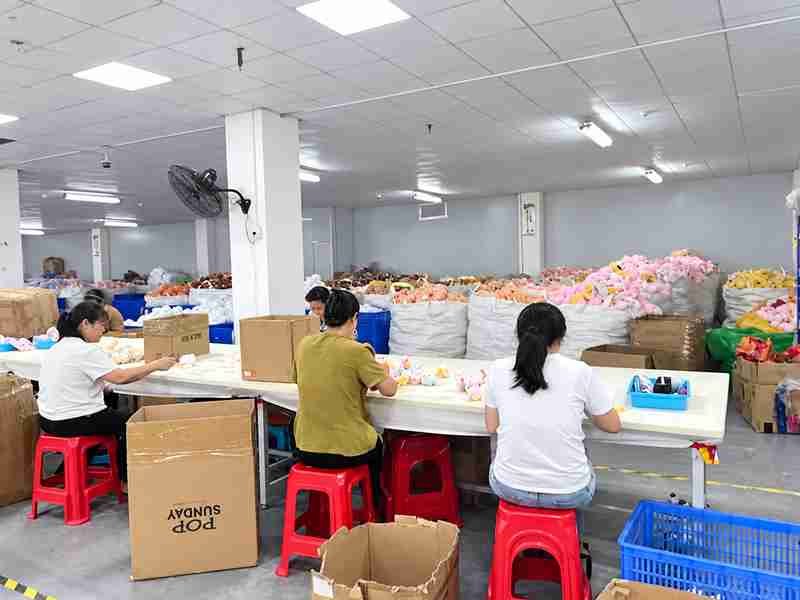
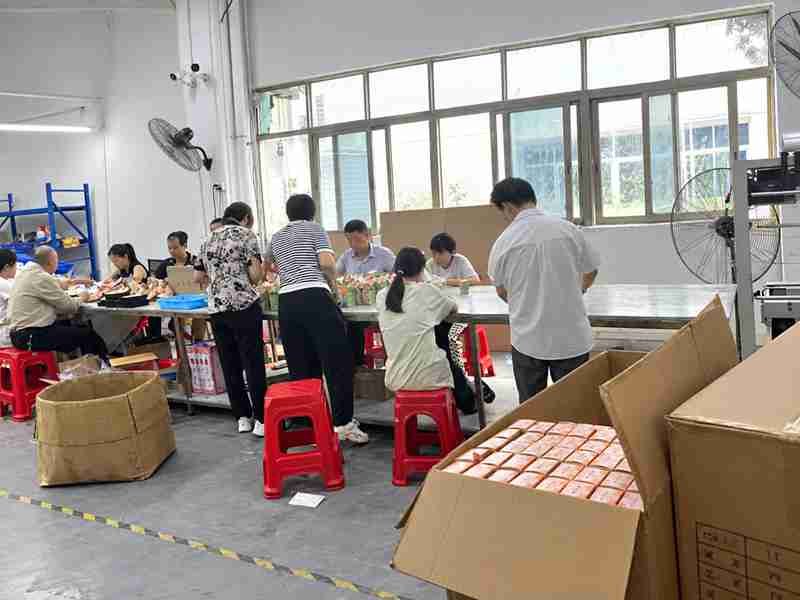
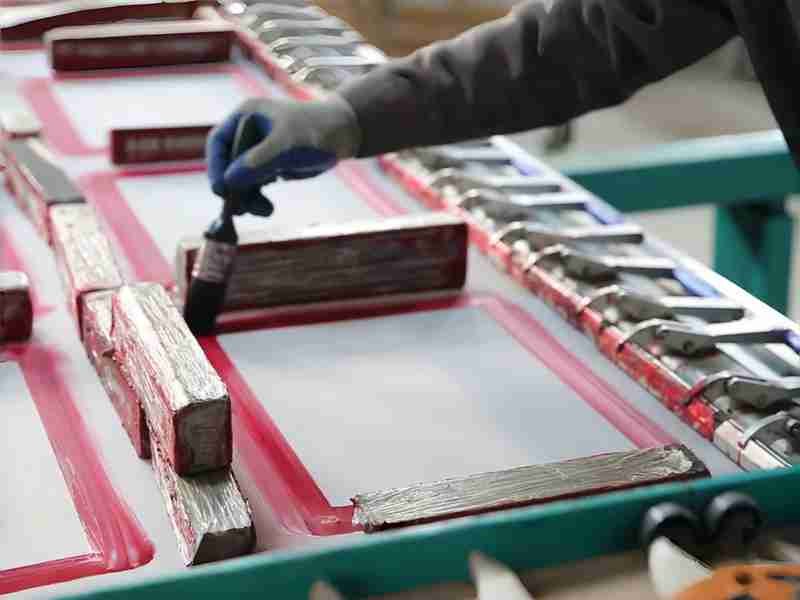
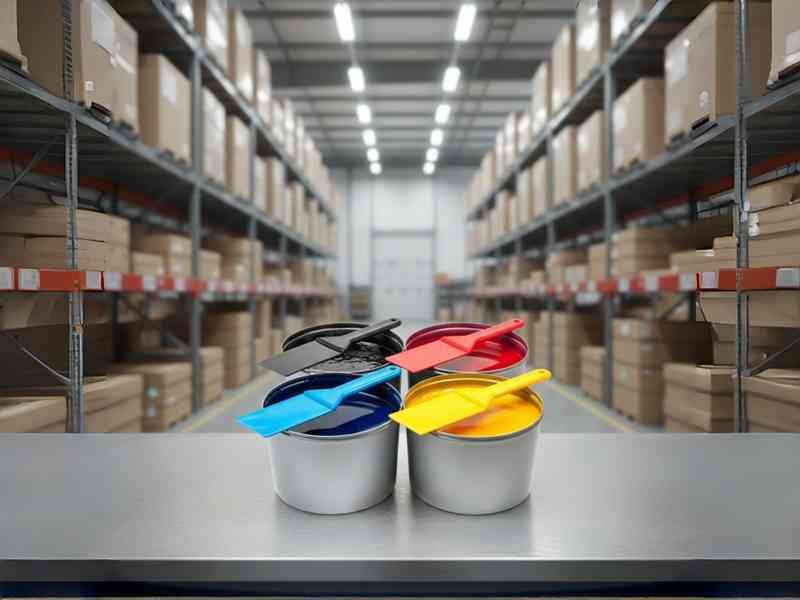
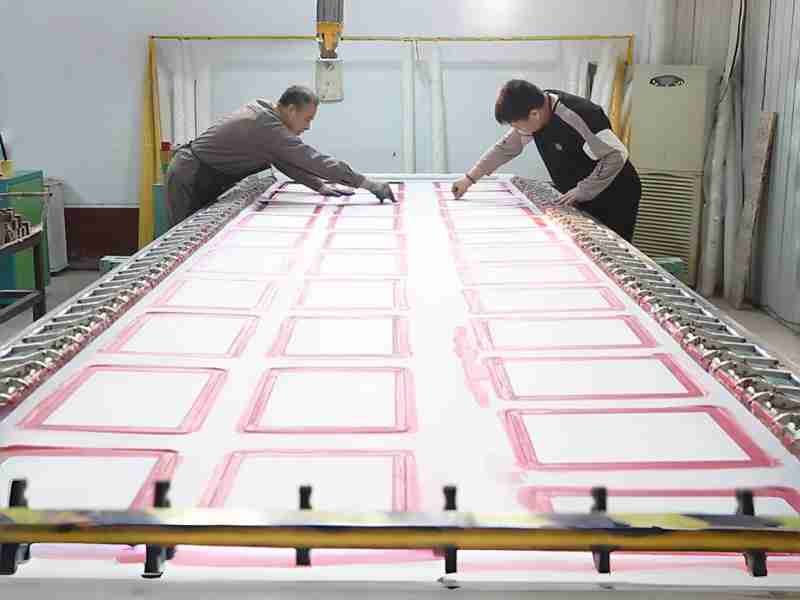
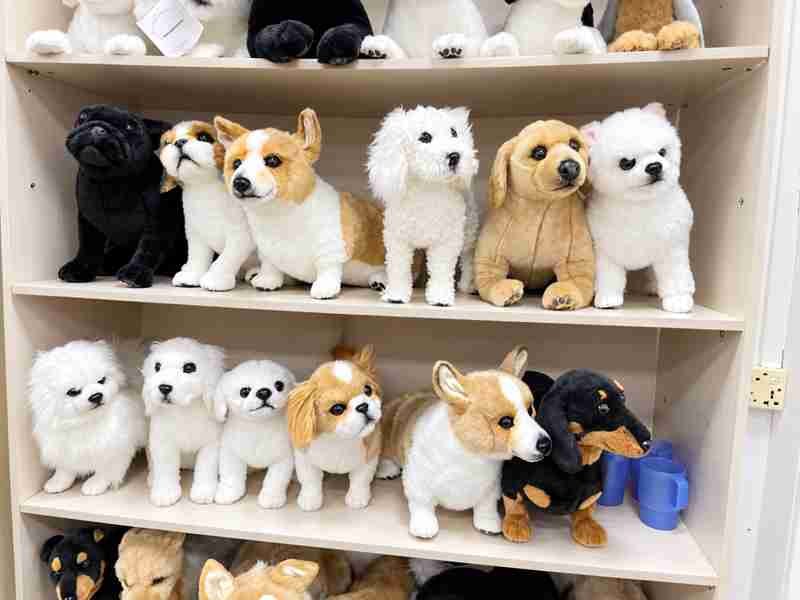
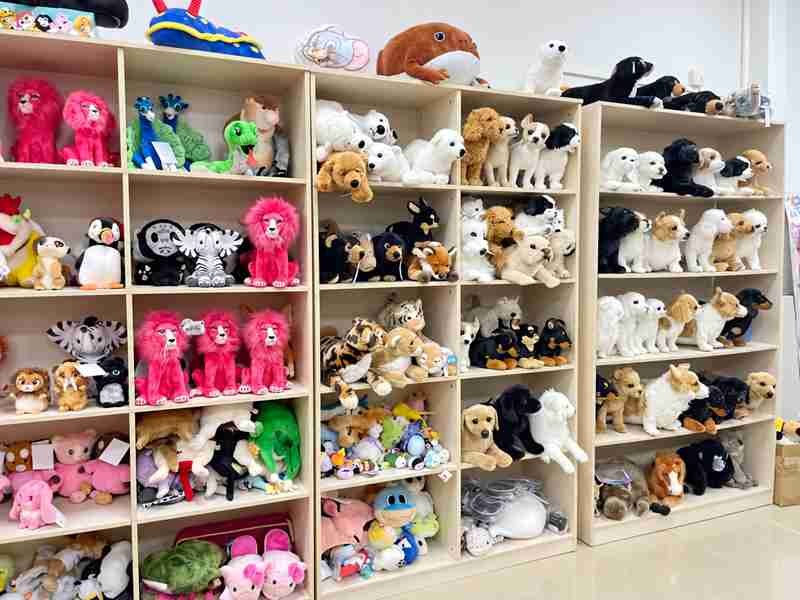
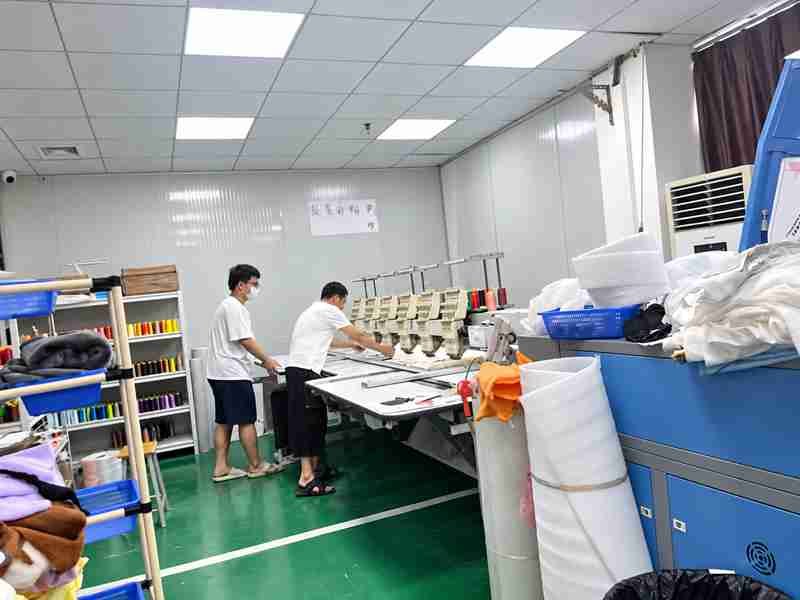
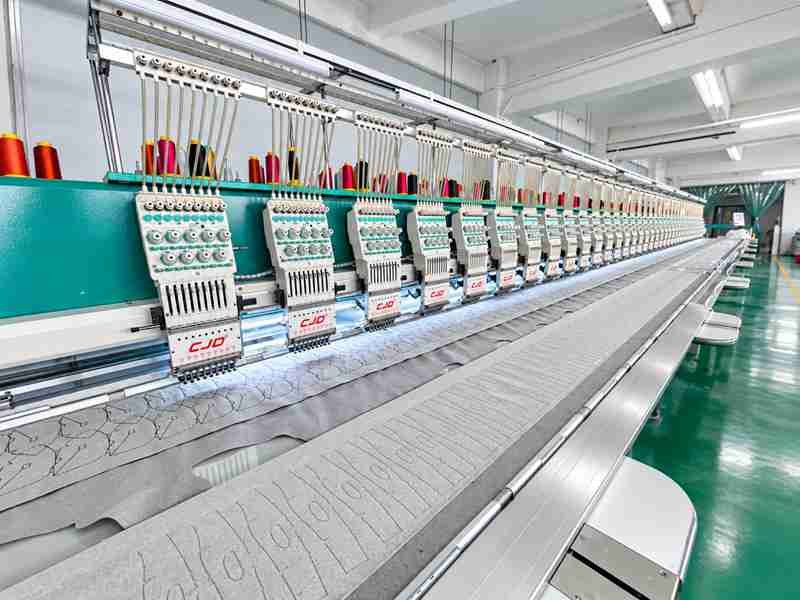
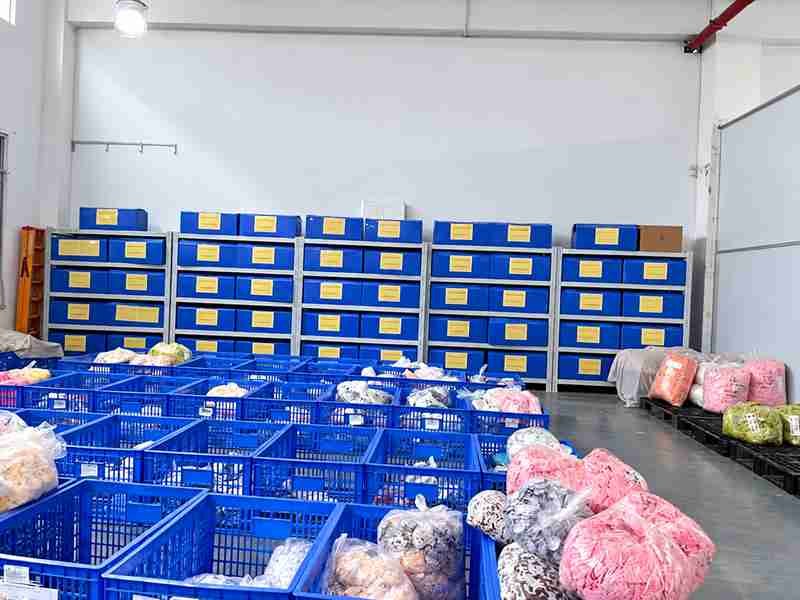
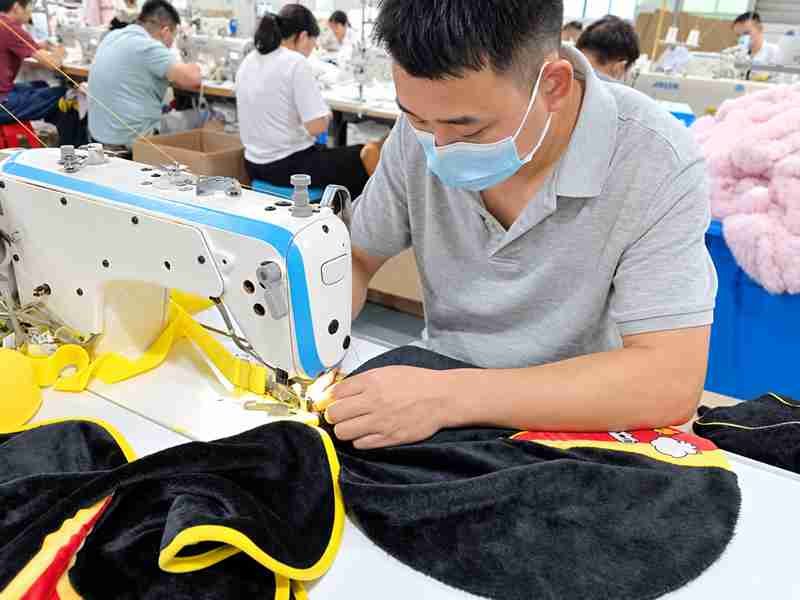
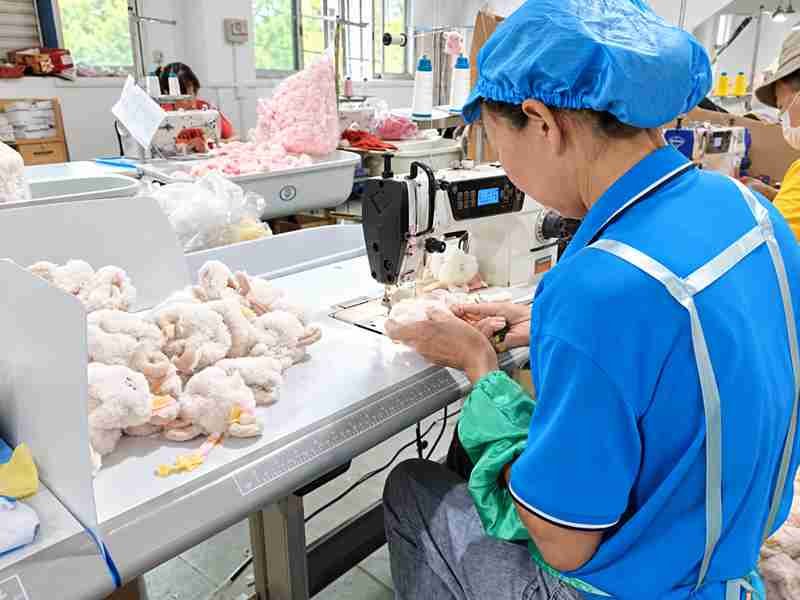
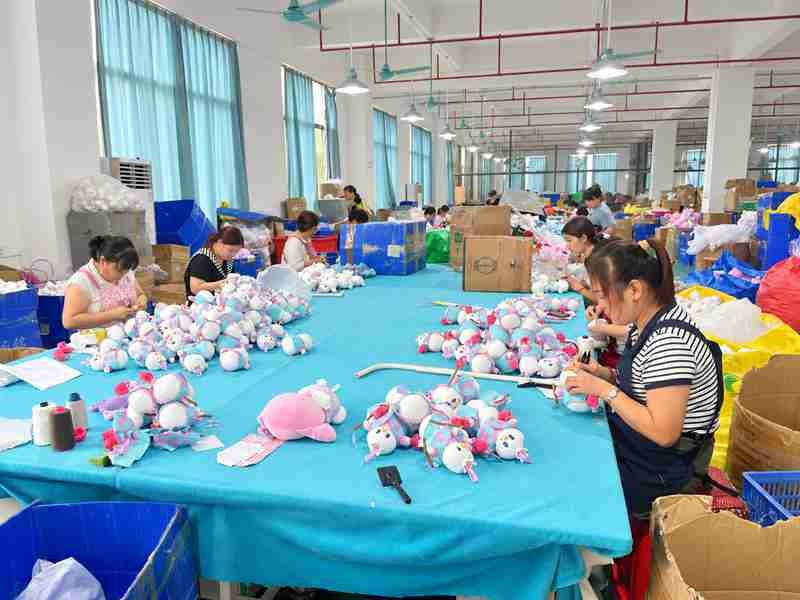
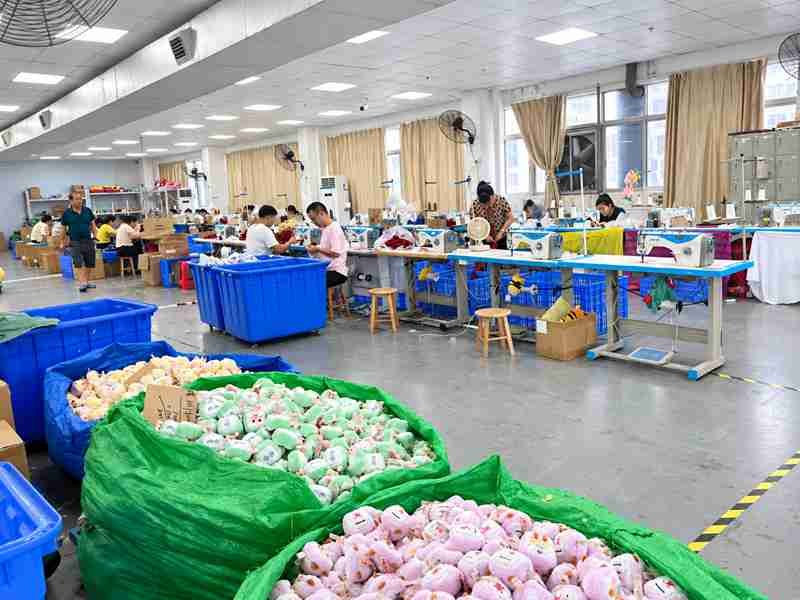
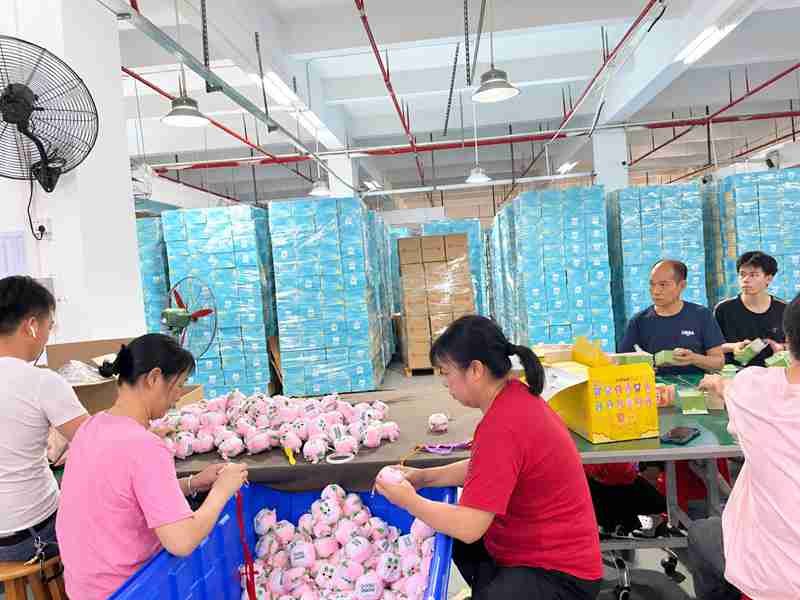
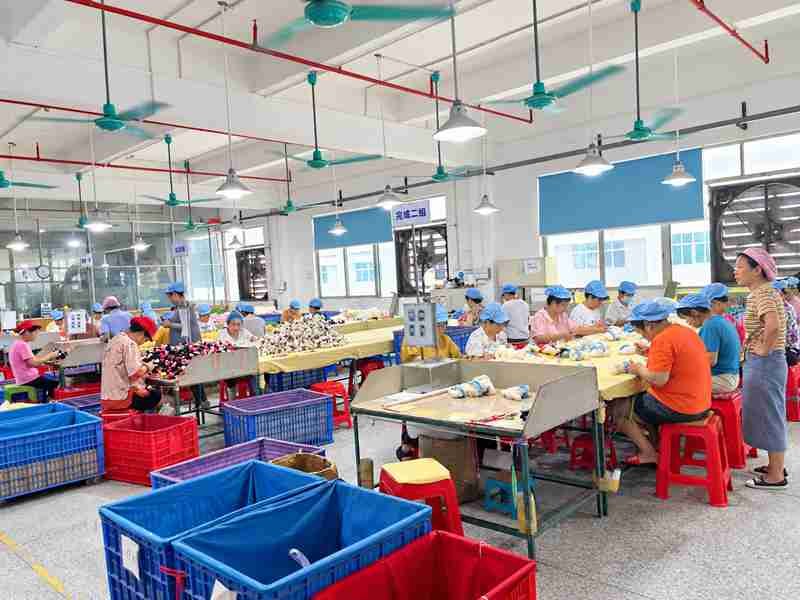
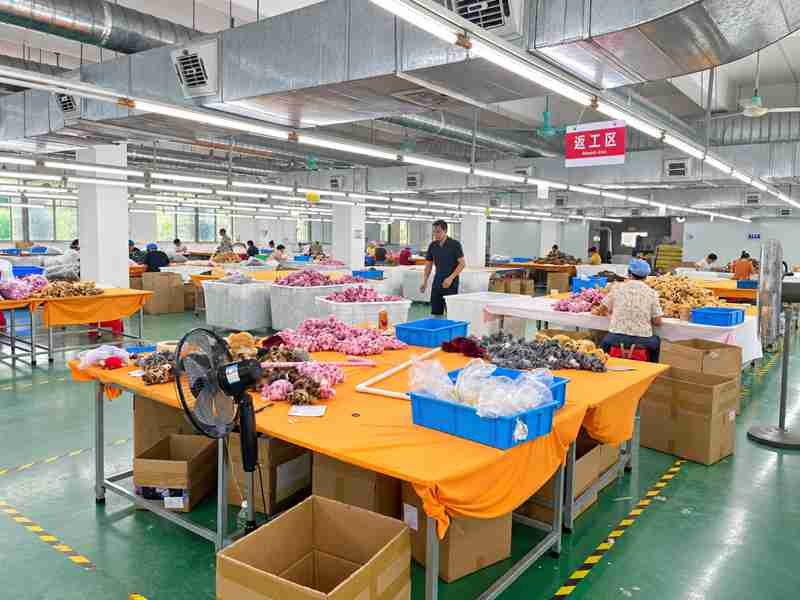
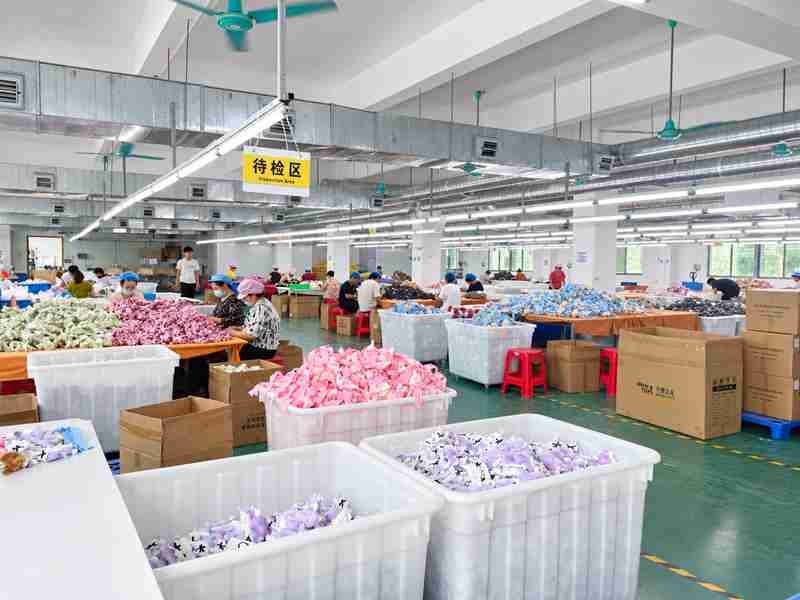
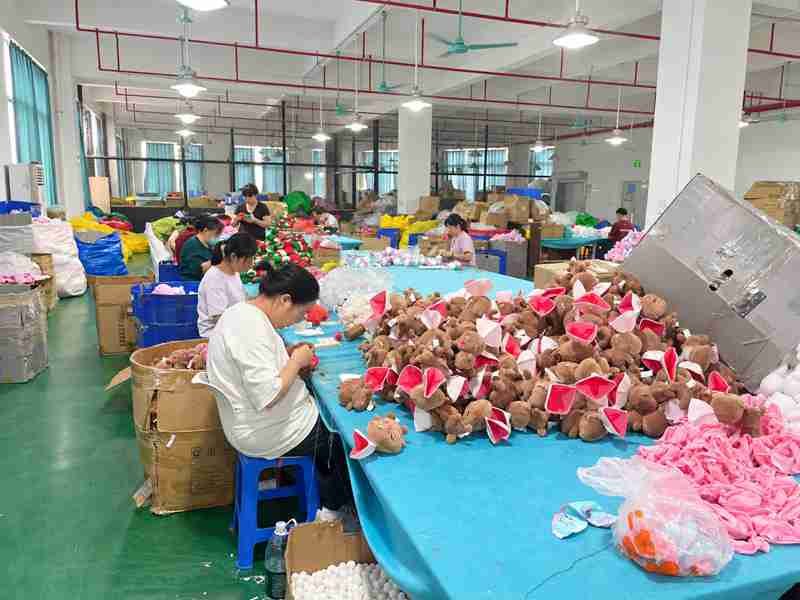
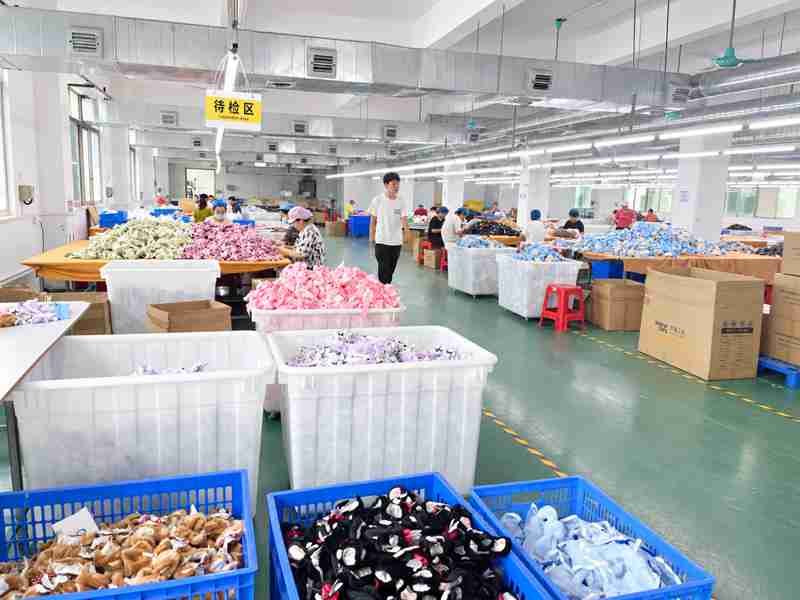
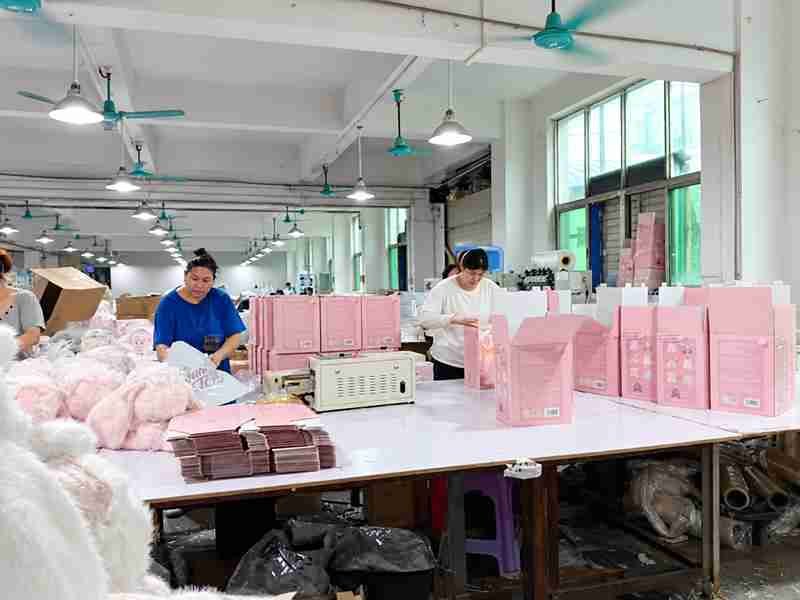
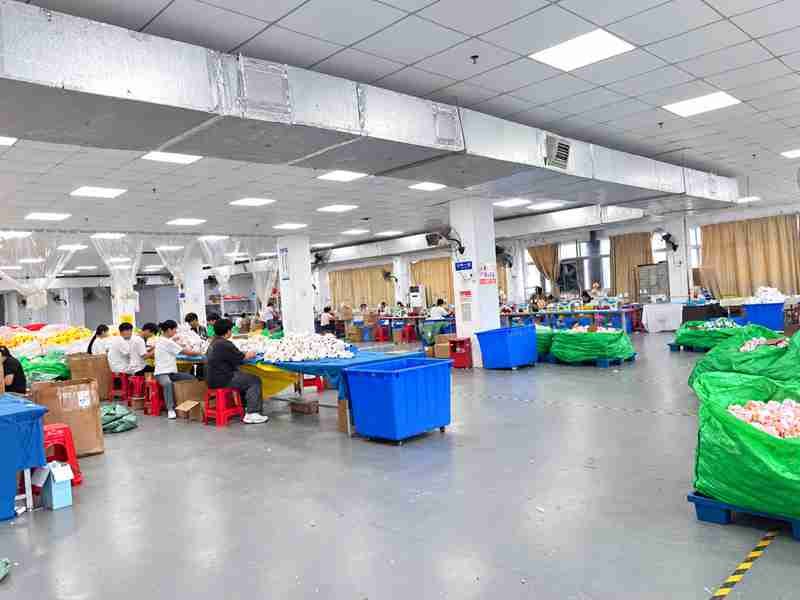
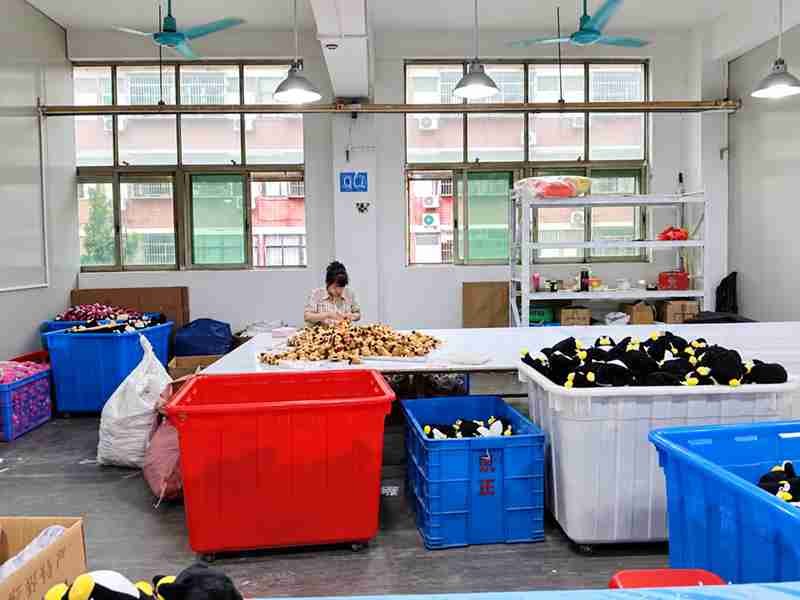
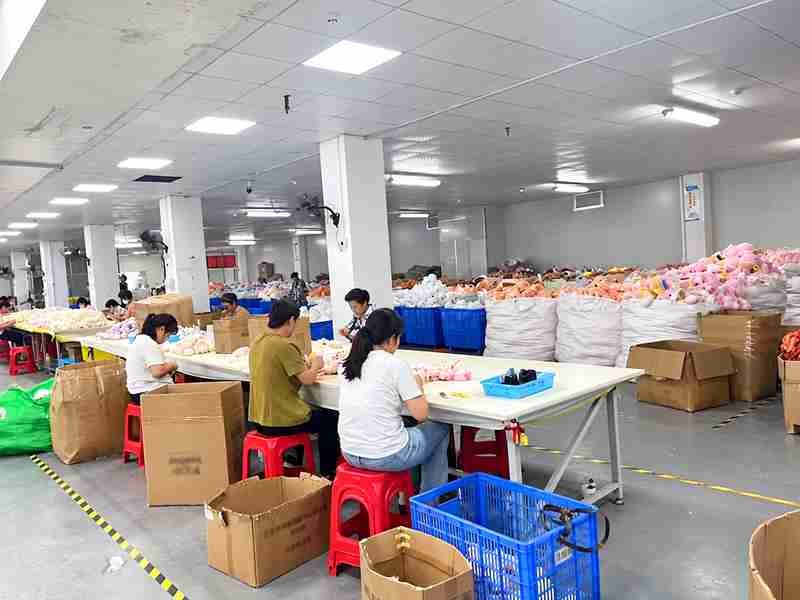
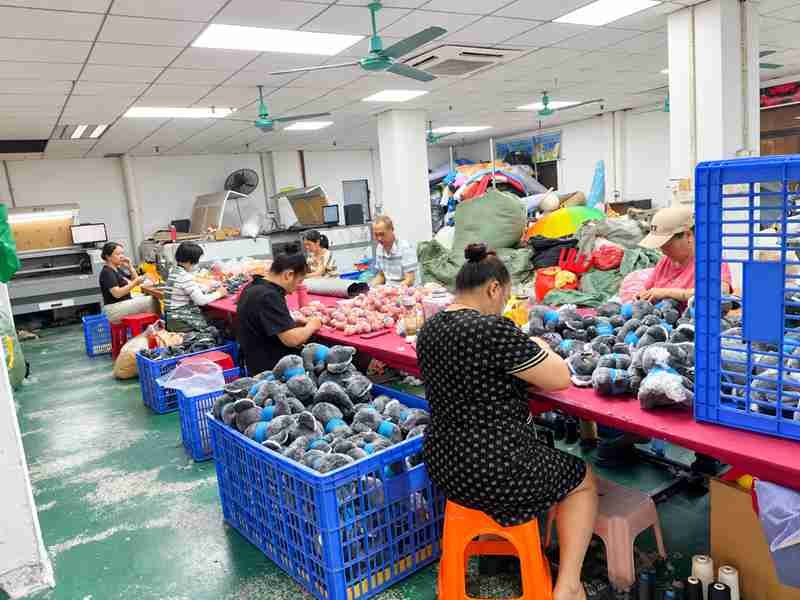
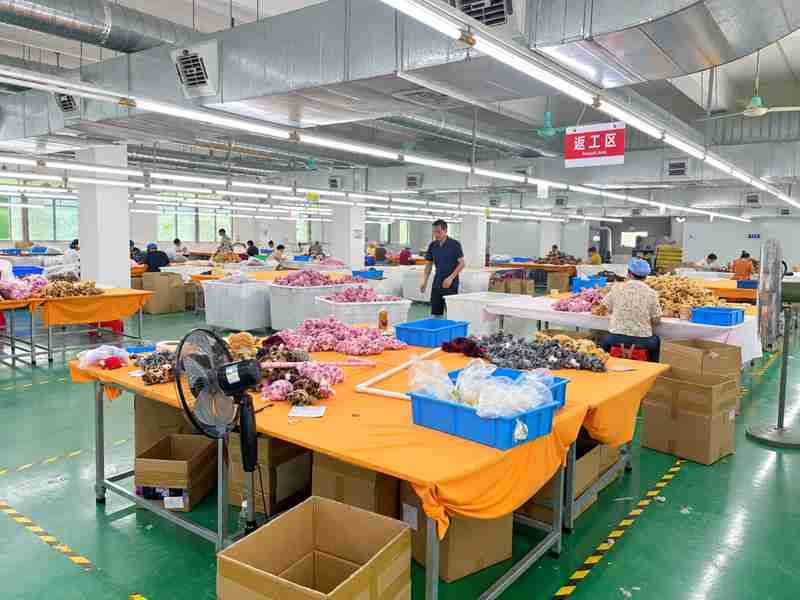
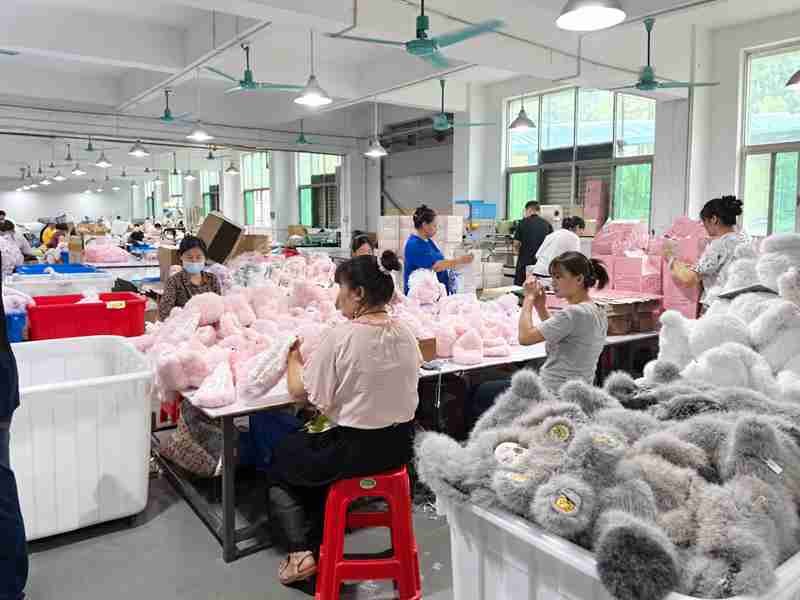
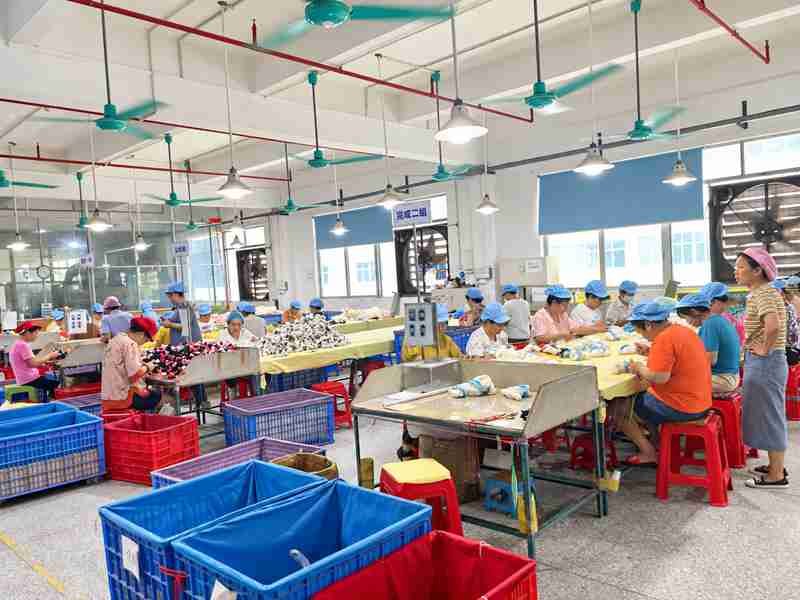
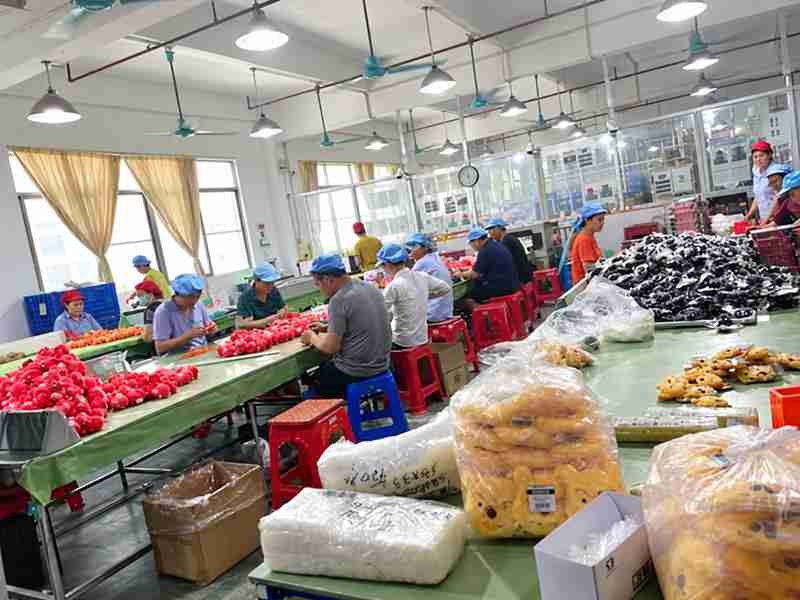
From Prototype to Production: Our Real Plush Factory Show
At Ewintoys, every plush project follows a structured development and production process, from initial design review and pattern making to sampling, mass production, quality inspection, and final delivery. Our real factory images provide a transparent view of how ideas are transformed into high-quality plush products through professional craftsmanship, engineering control, and careful production management.



































Retail-Ready Packaging Connects Product to Store Operations
Control the Consumer Unit and Approved Information
Retail-ready execution starts with the correct SKU in the correct consumer pack. Hangtags, wash labels, warnings, copyright copy, country or origin-related text where required, and customer-approved UPC or EAN data should match the current product and packaging revision.
Ewin’s role is execution against the approved retailer, brand, or market specification. Barcode ownership and GS1 registration remain with the appropriate brand or data owner; Ewin can print, apply, and scan-check customer-approved barcode data. Label placement should also be reviewed physically because a readable code on a flat artwork file may become folded, curved, hidden, or damaged after final packing.
Consumer information should not be treated as a loose pile of labels added at the end. Label type, artwork revision, attachment position, language, barcode data, and product SKU belong in the packaging specification before mass pack-out begins.
Design Display Packaging Around Store Handling
Display packaging should help store staff receive, open, identify, place, and replenish the product with minimal confusion. PDQ and display boxes can be reviewed for opening direction, tear lines, fold sequence, face orientation, product retention, assortment ratio, label visibility, and shelf stability.
A display should arrive protected by the master carton, then convert into a usable presentation without damaging graphics or requiring unnecessary repacking. For character collections, the front-facing angle matters because hair, ears, accessories, or belly bands can hide the next unit or make the display appear uneven.
Assortment control is equally important. If one PDQ contains several characters, the approved ratio should be linked to carton count and SKU records. A visually attractive display loses value if stores receive the wrong mix or cannot distinguish replenishment SKUs.
Release Cartons With the Same Retail Data
Retail readiness continues beyond the shelf pack. The master carton should carry the approved case pack, carton number, PO or shipment reference where required, SKU or assortment identity, shipping marks, destination information, and packed weight or dimensions used for shipping records.
Before release, packaging checks can verify unit pack, display pack, barcode readability, carton count, carton marks, final inspection status, and packing-list consistency. Third-party inspection requirements can be included when the project calls for them.
The goal is not to claim that one generic packing method satisfies every retailer. Ewin follows the current project specification and controls execution at SKU level. That boundary matters because routing guides, label formats, case-pack rules, and distribution requirements can differ by retailer, market, and program.
E-Commerce Packaging Needs Fulfillment-Level Control
Unit Protection
FNSKU GTIN Labels
Scan Check
Compression Options
Master Carton Pack-Out
Returns Handling
Control Labels and Barcodes by SKU
Label and barcode execution should follow the approved data owner, artwork revision, product SKU, packaging level, and scan requirement.
| Item | Typical Data Owner | Ewin Packaging Role | Key Control |
|---|---|---|---|
| Hangtag | Brand / IP owner | Produce or apply approved tag | Correct SKU, artwork, attachment |
| Wash Label | Brand / market requirement | Produce or sew approved version | Language, copy, placement |
| Warning Label | Brand / project requirement | Apply approved copy | Correct version and visibility |
| UPC | Brand / GS1 account holder | Print, apply, scan-check approved data | SKU match and scanability |
| EAN | Brand / GS1 account holder | Print, apply, scan-check approved data | SKU match and scanability |
| FNSKU | Seller / marketplace account | Print or apply supplied code, scan-check | Listing/SKU match |
| Retailer Label | Retailer / brand | Execute supplied requirement | Position, format, revision |
| Copyright Label | IP / brand | Apply approved legal artwork | Rights copy and version |
| Carton Mark | Project / logistics team | Print or apply approved mark | PO, SKU, carton, destination |
Blind Box and PDQ Need Series-Level Engineering
Build the Unit, Assortment, and Display as One System
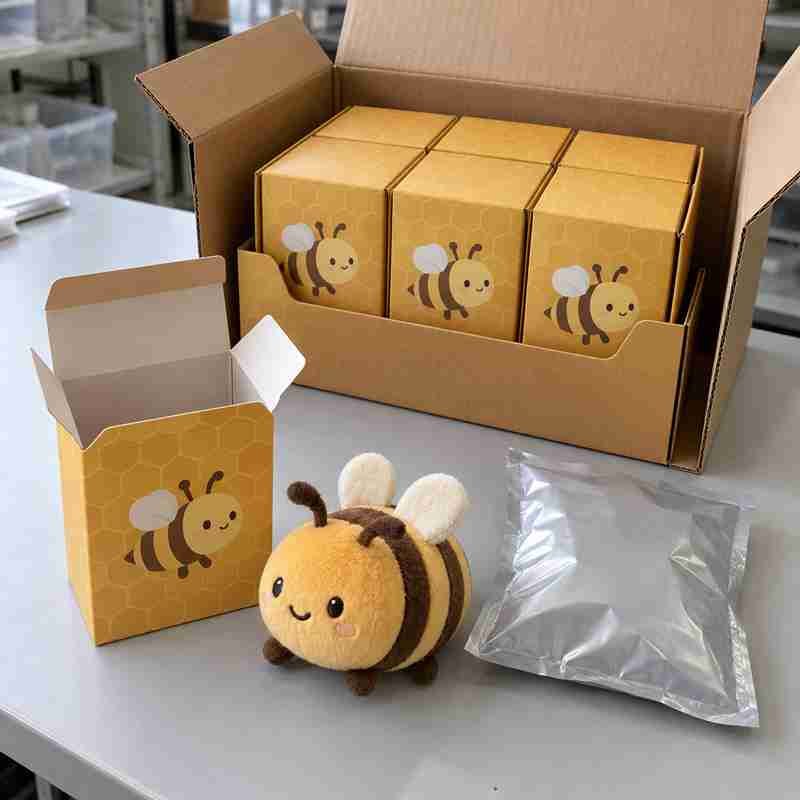
Blind-box packaging begins with the individual plush and its internal protection, then expands outward to the unit box, inner arrangement, display carton, assortment plan, and master carton. A change to character size, accessory thickness, or packaging insert can affect every outer level.
Series artwork also creates version pressure. Character names, numbers, hidden-edition logic, legal copy, barcode data, and display graphics should be controlled by revision instead of being changed independently. Inner bags or protective sleeves may be needed to hide the product, protect surfaces, or keep small accessories together.
The packaging plan should define how each unit is identified inside factory records even when the consumer cannot see the character. Production, QC, and packing teams need an internal SKU system that remains separate from the concealed retail experience.
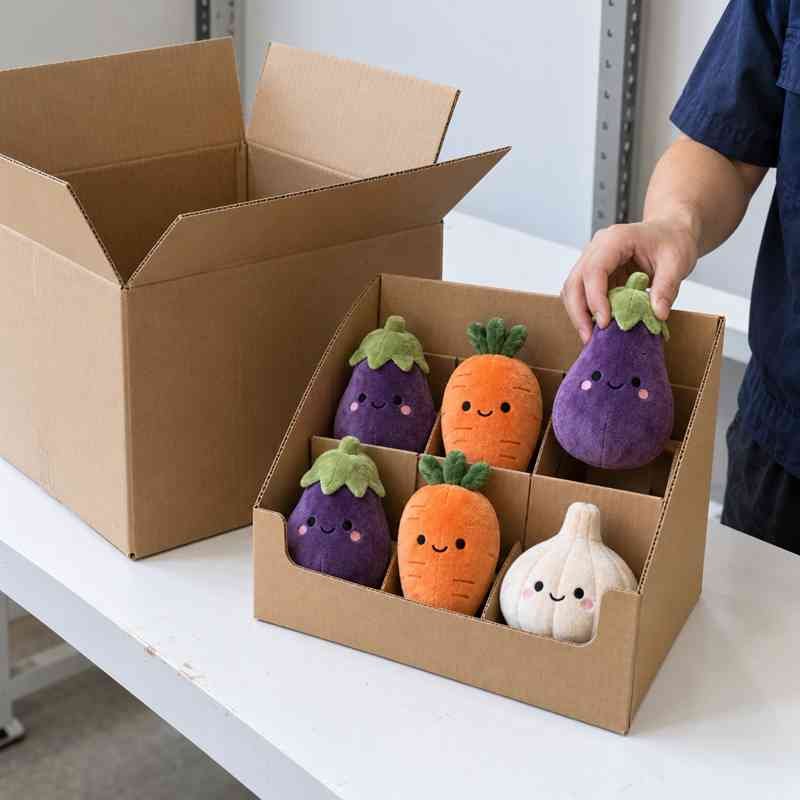
Test the PDQ for Store Opening and Shelf Stability
A PDQ should reduce store labor, not create another repacking job. Physical review can check whether the master carton opens cleanly, whether the display remains intact, and whether products face the consumer in the intended direction.
Shelf simulation helps reveal problems that artwork cannot show: front units falling forward, tall ears blocking graphics, accessories catching the display edge, heavy plush leaning into neighboring units, or a display becoming unstable after several pieces are removed. Replenishment should also remain easy for staff who only see SKU names and barcode labels.
For mixed-character displays, assortment ratio and carton count should be recorded together. The display sample is therefore both a presentation test and a logistics test.

Keep Hidden Editions and Mixed SKUs Traceable
A concealed product still needs full factory traceability. Internal SKU codes, bag or box identifiers, pack-out records, assortment matrices, carton records, and QC status should allow the project team to identify what was packed without opening consumer units after release.
Hidden-edition programs may need an agreed control method around production quantity, insertion, internal identification, and who has access to the information. Public packaging graphics should never be the only source for factory control.
When several display versions or markets share similar artwork, packaging revision and barcode control become even more important. A series can look visually consistent while carrying different language, code, retailer, or destination requirements that must remain separated through final shipment.
Compression Must Protect Product Recovery
Decide Which Products Can Be Compressed Safely
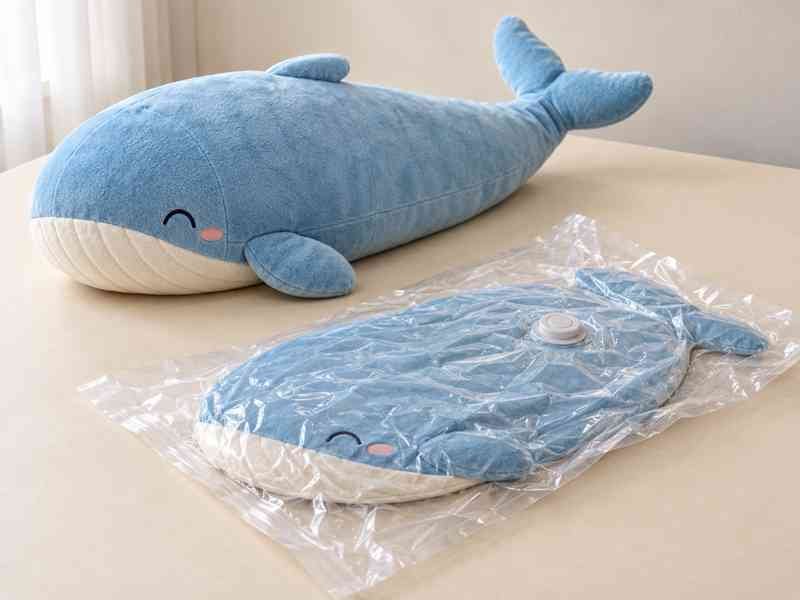
Compression suitability depends on construction. Standard soft-bodied plush with resilient filling may tolerate controlled compression better than products with rigid accessories, electronic modules, molded faces, stiff internal supports, delicate costumes, long pile, structured hair, or display-sensitive shapes.
The review should start with the exact SKU rather than a general claim that plush can be vacuum packed. Ears, muzzles, tails, hats, wings, glasses, metal hardware, and removable accessories may require protective positioning before air is removed. Weighted products can create concentrated pressure. Long-pile products can recover volume but still need brushing or reshaping before presentation.
Packaging decisions should also consider how long units may remain compressed and what happens after opening. The best route balances transport cube with a recovery condition acceptable for the intended channel.
Validate Recovery on the Packed Product
A useful compression trial records the product condition before packing, pack method, orientation, amount of compression, packed dimensions, storage condition where relevant, and appearance after release. The review can focus on facial volume, body contour, pile direction, clothing, accessories, seams, and handfeel.
Recovery should be judged after the product has had a reasonable chance to regain shape, not immediately after the bag opens. Some items may need manual fluffing, brushing, or light reshaping. If retail or DTC presentation depends on a product looking ready straight from the pack, required recovery work becomes part of the commercial decision.
Photographs before packing, compressed, opened, and recovered provide stronger evidence than a statement such as “vacuum packing is safe.”
Use Cube Savings Only After Recovery Is Accepted
Once recovery is acceptable, carton configuration can compare compressed and non-compressed options. The useful numbers are not only unit-pack dimensions; the project also needs pieces per carton, carton dimensions, gross weight, handling limits, and the shipping or storage route where the change creates value.
A tighter pack can reduce carton count while adding bag cost, equipment steps, recovery instructions, or extra consumer handling. Premium gift programs may reject the trade-off even when freight improves. E-commerce programs may accept a compact unit if the opening experience remains reasonable.
Ewin treats compression as one packaging route among several, not as a default cost-saving promise. Final selection follows product behavior, channel expectation, and approved pack sample.
Carton Engineering Turns Packs Into Shipment Units
Case Pack
Carton Dimensions
Net Gross Weight
Carton Protection
Shipping Marks
Pallet Warehouse ID
Where palletization is used, pallet labels, stretch wrapping, SKU grouping, lot identity, and warehouse status should keep finished cartons traceable without obscuring required carton information or mixing release status.
Packaging Samples Need Product-Fit Approval
Prove Structure Before Final Print Commitment
Packaging can begin with a structural or white sample when size, opening route, inserts, window position, PDQ conversion, or product orientation still needs validation. Using the real plush prevents decisions based only on nominal dimensions.
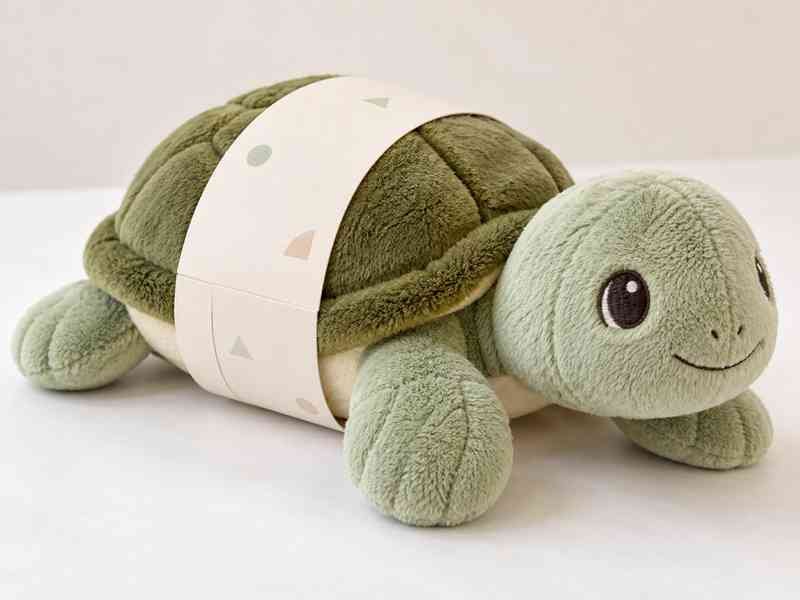
Fit review should check clearance around the head, ears, hair, clothing, accessories, keychain hardware, hard parts, and any feature that can be bent or scratched. The product should not rattle excessively or require damaging force to insert or remove. For belly bands and header cards, tension and attachment should hold the product without creating dents or twisting the presentation.
A structure that fails at white-sample stage can be corrected before print plates, final materials, or larger packaging quantities create avoidable cost. Structural approval therefore comes before visual enthusiasm.
Review Printed Pack, Labels, and Barcode Together
The printed sample adds artwork, legal copy, warnings, hangtags, wash labels, retailer labels, UPC/EAN/FNSKU data where applicable, and final brand presentation. All visible information should use the current approved revision.
Barcode position should be checked on the assembled package, not only the flat artwork. Curves, folds, windows, seams, glossy surfaces, or overlapping labels can reduce scan reliability. Display packs should also be reviewed from the consumer angle because the product face, logo, and pack graphics may compete for the same visible space.
When several markets or retailers use similar packaging, version identification must remain clear. A pack sample should state which SKU, market, artwork, barcode set, and packaging revision were approved.
Freeze Packaging Only After Pack-Out Review
Final approval should cover the unit package and the outer packing route. A color box may be approved individually yet fail when twelve boxes are placed in a carton with inadequate clearance. A PDQ may look good on a table yet lean or crush when packed into its master carton.
Pack-out review can confirm units per carton, assortment ratio, carton dimensions, gross weight, product orientation, carton marks, label visibility, and whether protective materials are sufficient. Compression routes also need approved recovery evidence before freeze.
The frozen packaging specification should then link unit pack, labels, barcode data, display pack, master carton, and current SKU revision. Future substitutions or artwork changes should enter change control rather than being made directly on the packing line.
Multi-SKU Packaging Needs a Control Matrix
Similar products, labels, artwork versions, barcodes, and cartons should be controlled by data rather than operator memory.
| Control Field | What Must Stay Linked | Risk Prevented |
| SKU / Variant | Product identity and packaging record | Wrong product in correct-looking pack |
| Packaging Revision | Current dieline and artwork | Obsolete packaging enters pack-out |
| Hangtag / Label Rev | Correct copy and language | Wrong tag or market information |
| Barcode Data | UPC/EAN/FNSKU or retailer code | Scan failure or SKU mismatch |
| Unit Pack Type | Bag, band, box, blind box, gift box | Wrong packaging route |
| Display / PDQ | Display version and assortment | Incorrect shelf mix |
| Case Pack | Units per inner/master carton | Quantity and receiving errors |
| Assortment Ratio | SKU mix by carton/display | Missing or overpacked characters |
| Carton Mark | PO, SKU, carton, destination | Warehouse identification failure |
| Release Status | QC and packaging approval | Unreleased goods packed or shipped |
Certificates, Compliance & Quality Assurance
Ewintoys follows structured quality and compliance practices for custom plush production. We hold relevant certifications and support additional testing, inspection, and compliance documentation based on specific product requirements and destination markets, helping brands meet different international standards with confidence.
























Packaging Quality Checks Continue Through Shipment Release
| Packaging Gate | Main Check | Typical Failure Prevented |
| SKU Identity | Product, variant, packaging, label data match | SKU mix-up |
| Unit Pack | Correct pack, fit, closure, product orientation | Damage or wrong presentation |
| Label Check | Hangtag, wash label, warning, copyright version | Obsolete or missing information |
| Barcode Check | Correct code, placement, print, scan result | Warehouse or retail scan failure |
| Accessory Check | Included parts secured and complete | Missing or loose accessories |
| Display Check | PDQ/display orientation and assortment | Poor shelf presentation |
| Carton Check | Case pack, carton count, dimensions, weight | Receiving and freight errors |
| Carton Mark | PO, SKU, destination, carton number | Warehouse misidentification |
| Final Inspection | Product and packaging release status | Unapproved goods shipped |
| Document Check | Packing list and shipment data match pack-out | Record-to-goods mismatch |
Packaging Materials Should Protect More With Less Waste
Right-Sized Packaging
Paper-Based Inserts
Recycled-Content Paper
Reduced Void Space
Reusable Packaging
Material Documentation
Paper grade, film type, thickness, print finish, coating, adhesive, insert, and supplier route should be recorded when they affect quality or a sustainability claim. Project-specific documentation is stronger than generic “eco-friendly” language.
Plush Packaging Frequently Asked Questions
The right route depends on product size, shape, pile, accessories, sales channel, display needs, barcode requirements, carton cube, and desired presentation. Ewin reviews the complete pack system before recommendation.
Yes, suitable products can be evaluated for compression. Approval should consider facial recovery, pile, filling, clothing, accessories, hard components, packing duration, consumer presentation, and carton configuration.
Not every plush reacts the same way. Ewin uses product-specific recovery review to check shape, pile, accessories, and presentation before compression is approved as a production packaging route.
Yes. Box development can cover structure, size, windows, inserts, artwork, labels, barcode position, product fit, master-carton configuration, and a physical packaging sample before bulk printing.
Yes. Blind-box programs can include unit boxes, inner protection, series artwork, SKU control, assortment, display cartons, PDQ, case packs, and master-carton planning around the plush collection.
Ewin should not be treated as the GS1 code owner. Ewin can print, apply, and scan-check customer-approved UPC or EAN data against the correct SKU and packaging version.
Yes, when the seller supplies the approved marketplace data and placement requirement. Ewin can print or apply the provided code and include scan checks within the agreed pack-out process.
Unit packaging is the consumer or fulfillment pack. Display or inner packaging organizes presentation or case groups. A master carton is the transport unit used for shipment, warehousing, and receiving.
Yes. Structural samples, printed samples, product-fit checks, barcode review, compression recovery, display simulation, and carton pack-out can be used before packaging specifications are frozen for production.
Send product size, quantity, SKU count, sales channel, target market, packaging preference, barcode type, retailer guide if available, launch date, destination, current artwork, and any existing packaging files.