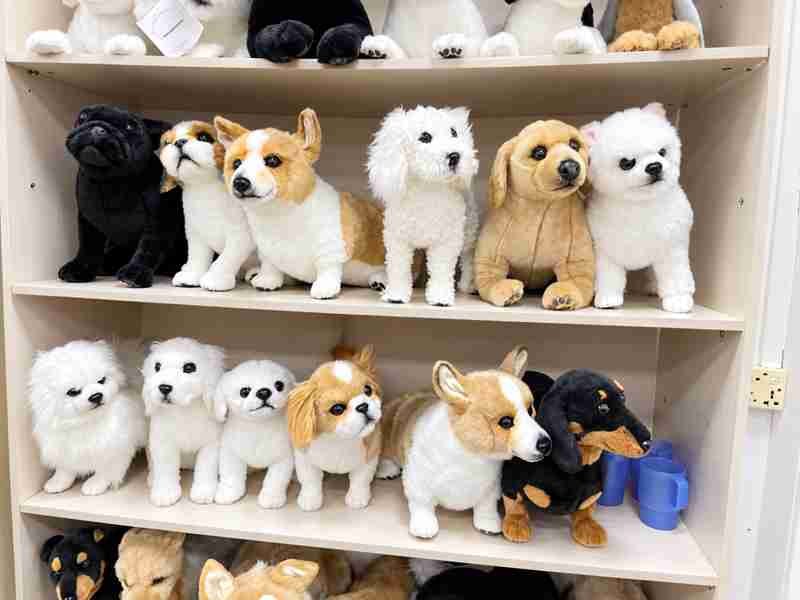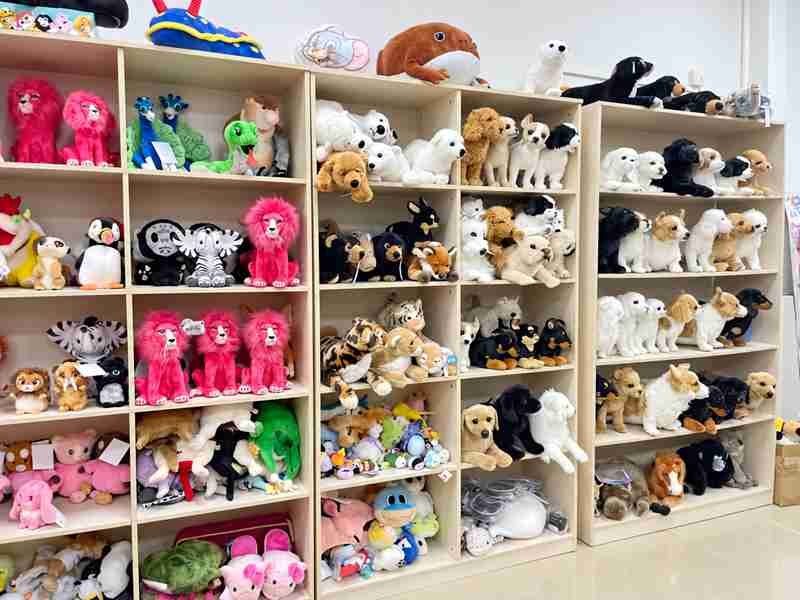
A Trusted China Plush Partner for Global Brands !

Custom Educational Plush Manufacturer for Learning & Play Programs

Ewin Toys develops educational plush that combine soft construction with clear learning functions for preschool, classroom, museum and branded programs. With 20+ years of plush manufacturing experience, our team helps translate concepts such as letters, numbers, anatomy, emotions and sensory activities into durable, engaging products designed for repeated hands-on use.

60+ Development Specialists | Removable Learning Components | Tactile & Sensory Features | Embroidery & Appliqué Details | Age-Appropriate Structure Planning

Why Educational Plush Needs More Than Soft Toy Production

Educational use changes how a plush product should be defined, engineered, tested and prepared for repeated handling or retail programs.

Learning Purpose

Letters, numbers, emotions, science facts, stories or routines need a clear physical expression. Shape, graphics, removable pieces and interaction should support the intended learning action instead of becoming decorative features. Record the decision in the development brief before pattern, material and component choices are finalized for sampling.

Age And Use

A classroom item, toddler learning toy, museum gift and talking companion do not share the same risk profile. Intended age and use affect size, detachable parts, closures, hard components, cleaning and testing decisions. Record the decision in the development brief before pattern, material and component choices are finalized for sampling.

Interaction Structure

Pockets, tabs, textures, sound modules, mirrors, fasteners and learning pieces add seams, attachment points and internal space requirements. Product structure should be solved before decoration and packaging are frozen. Record the decision in the development brief before pattern, material and component choices are finalized for sampling.

Repeat Handling

Educational products may be handled repeatedly in classrooms, homes, libraries or activity programs. Seam strength, attachment methods, surface readability, filling balance and cleaning guidance should reflect the expected use cycle. Record the decision in the development brief before pattern, material and component choices are finalized for sampling.

Educational Plush Programs We Can Develop For

Different organizations need different development priorities, from content accuracy and classroom durability to retail presentation, IP control and interactive functions.

Educational Toy Brands

Learning-led toy ranges often need repeatable character families, clear graphics, age planning and several SKU variations. Development should connect educational goals with size, materials, decoration, packaging and commercial scale. Program planning should also state quantity, target market, launch timing and packaging route before the first sample begins.

Publishers And Story Brands

Book characters and story companions depend on recognizable proportions, expressions and colors. Story cards, book bundles or audio functions can be developed around the same approved character definition. Program planning should also state quantity, target market, launch timing and packaging route before the first sample begins.

Schools And Learning Programs

Classroom mascots, behavior tools and activity plush need durable construction, easy identification and sensible cleaning guidance. Program timing may also need to match semesters, events or back-to-school windows. Program planning should also state quantity, target market, launch timing and packaging route before the first sample begins.

Museums And Cultural Programs

Educational merchandise may translate animals, artifacts, science topics or historical content into friendly products. Accuracy of key identifying features should be balanced with softness, gift-shop presentation and child-friendly construction. Program planning should also state quantity, target market, launch timing and packaging route before the first sample begins.

Retail And Private Label

Retail programs need more than a finished plush. Unit packaging, labels, barcodes, carton planning, target market requirements and replenishment consistency should be considered before bulk release. Program planning should also state quantity, target market, launch timing and packaging route before the first sample begins.

EdTech And Interactive Teams

Talking, sound, sensor or AI concepts require space planning for modules, buttons, openings, sound paths, batteries and service access. Soft-product engineering should stay synchronized with electronics and software responsibilities. Program planning should also state quantity, target market, launch timing and packaging route before the first sample begins.

Educational Plush Formats For Different Learning Goals

Select the product format after defining the learning action, age group, interaction level, sales channel and expected handling environment.

Book Character Plush

Turn illustrated story characters into soft companions with controlled face proportions, colors, clothing and recognizable details. Suitable for book bundles, literacy programs, author merchandise and recurring character series. Final size, intended age and pack format should be reviewed before the first pattern and material combination are released.

Alphabet Learning Plush

Letters can become individual plush pieces, character forms or a coordinated set. Size, font legibility, color coding, seam allowances and set packaging should be designed together. Final size, intended age and pack format should be reviewed before the first pattern and material combination are released.

Number Learning Plush

Number sets can support counting, sequencing and early math activities. Embroidery, applique or printed graphics should remain readable after stuffing and repeated handling. Final size, intended age and pack format should be reviewed before the first pattern and material combination are released.

Shape And Color Plush

Circles, triangles, cubes and color-coded forms work well for early recognition programs. Pattern accuracy, edge softness, fill consistency and visual separation matter more than decorative complexity. Final size, intended age and pack format should be reviewed before the first pattern and material combination are released.

Emotion Learning Plush

A character family can represent feelings through expressions, colors, icons or removable cues. Facial consistency and SKU control are important when several emotions must read as one coordinated system. Final size, intended age and pack format should be reviewed before the first pattern and material combination are released.

Sensory Learning Plush

Multi-texture surfaces, ribbons, crinkle zones, mirrors, pockets or tactile panels can add sensory input. Each element needs a defined attachment method, age review and durability expectation. Final size, intended age and pack format should be reviewed before the first pattern and material combination are released.

STEM Character Plush

Science, technology, engineering and math themes can use mascots, molecules, planets, organs, robots or concept characters. Product design should preserve the identifying features that carry the learning message. Final size, intended age and pack format should be reviewed before the first pattern and material combination are released.

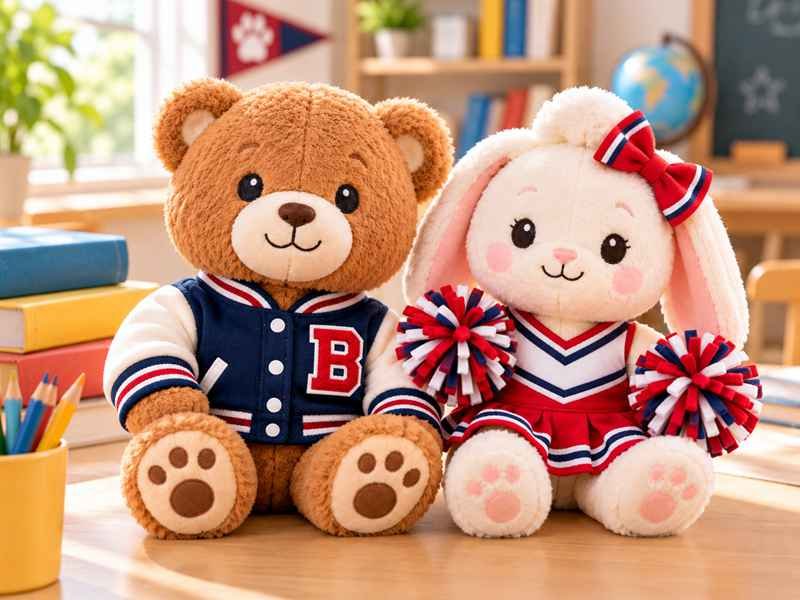
School Mascot Plush

School and campus programs often need accurate colors, logos and recognizable mascot details. Sizes can be planned for classroom use, school stores, events, graduation gifts or alumni merchandise. Final size, intended age and pack format should be reviewed before the first pattern and material combination are released.

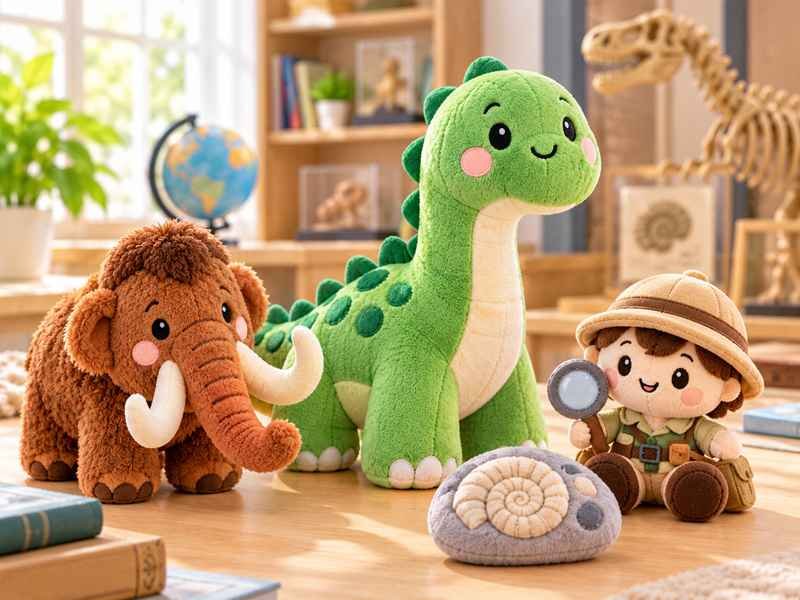
Museum Educational Plush

Artifacts, animals, historical figures or science exhibits can become educational merchandise. Key factual identifiers should be protected while proportions are softened enough for plush construction and gift-shop appeal. Final size, intended age and pack format should be reviewed before the first pattern and material combination are released.

Language Talking Plush

Pre-recorded words, phrases or stories can be integrated with a sound module and trigger. Speaker position, sound opening, battery access, cleaning route and age requirements need early review. Final size, intended age and pack format should be reviewed before the first pattern and material combination are released.
Talking Plush

Activity Learning Plush

Pockets, matching pieces, fasteners, simple dressing tasks or sequencing elements can create hands-on activities. Small elements, repeated pulling and storage of loose pieces require structure and safety planning. Final size, intended age and pack format should be reviewed before the first pattern and material combination are released.

AI Educational Plush

AI voice or storytelling concepts can combine a soft shell with a defined electronics cavity and service route. Plush engineering covers fit, access, mounting, sound paths, comfort and manufacturability while technology partners handle software and core electronics. Final size, intended age and pack format should be reviewed before the first pattern and material combination are released.

Match The Learning Goal To The Product Structure

A strong concept becomes easier to manufacture when the learning action is translated into visible, touchable and repeatable product features.

Learning GoalSuitable FormatPhysical ExpressionEngineering FocusDefine Before Sampling
Letter or number recognitionSet plush / character plushEmbroidery, applique, printed graphicsReadability, edge shape, color consistencyAge, set count, target size
Emotion and social learningCharacter familyExpressions, color cues, icons, pocketsFace consistency, SKU control, attachmentEmotion system, classroom use
Sensory explorationMulti-texture plushFabric zones, tabs, crinkle, mirrorAttachment strength, surface choice, cleaningAge, sensory purpose, washable areas
Storytelling and literacyCharacter / talking plushCharacter fidelity, story card, audioSpeaker path, trigger, content pairingStory source, audio ownership, market
STEM or science educationObject / character plushRecognizable scientific featuresProportion, structural clarity, labelingMust-keep identifiers, age, size
Classroom routine or behaviorMascot / activity plushPockets, cues, removable learning piecesDurability, storage, repeat handlingUse frequency, loose pieces, program date

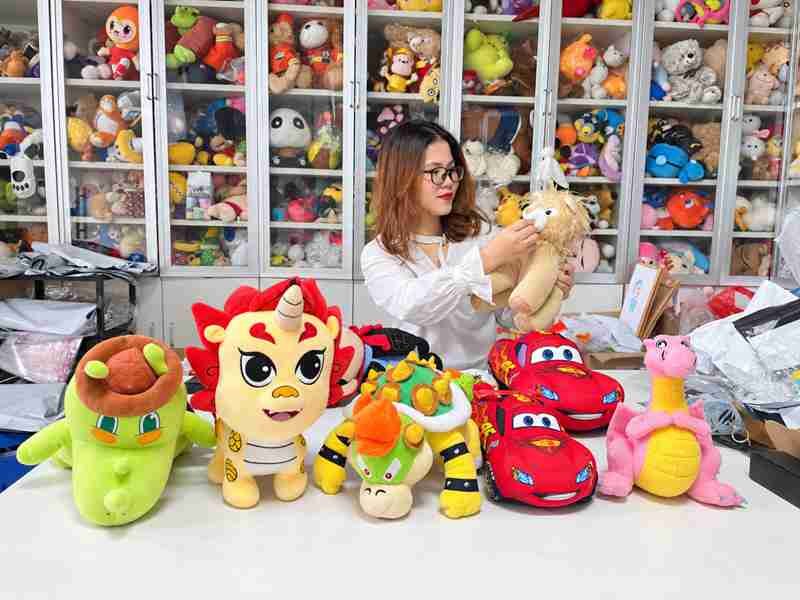
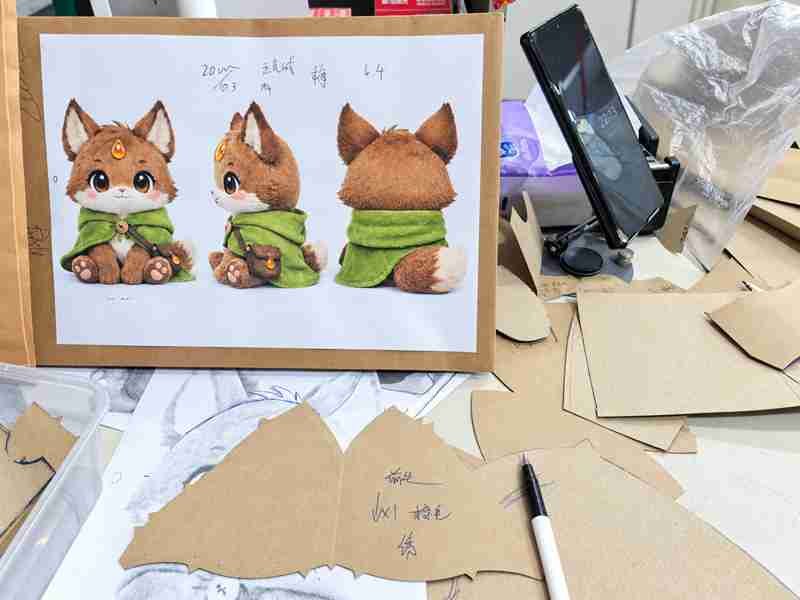
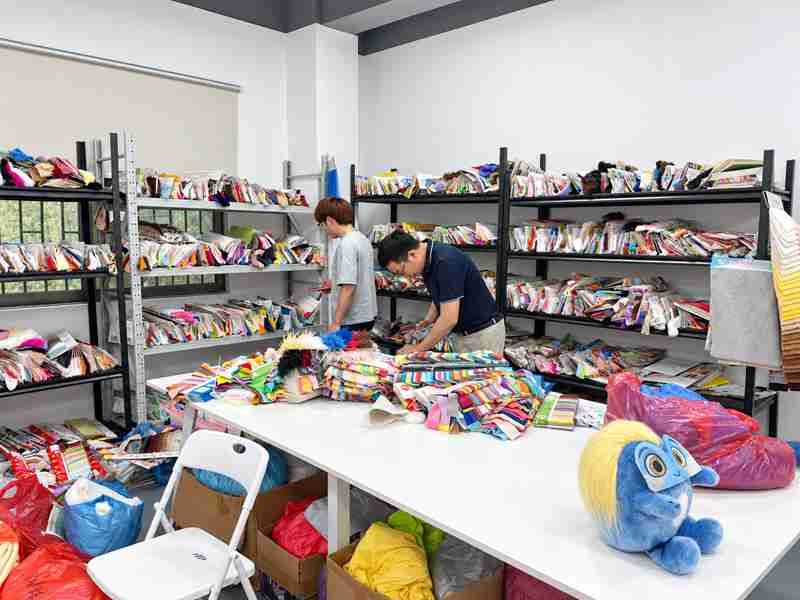
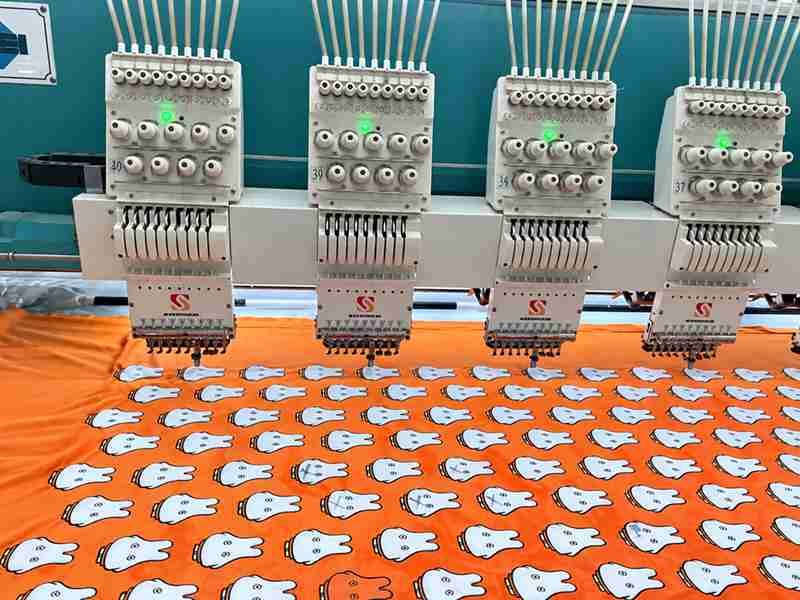
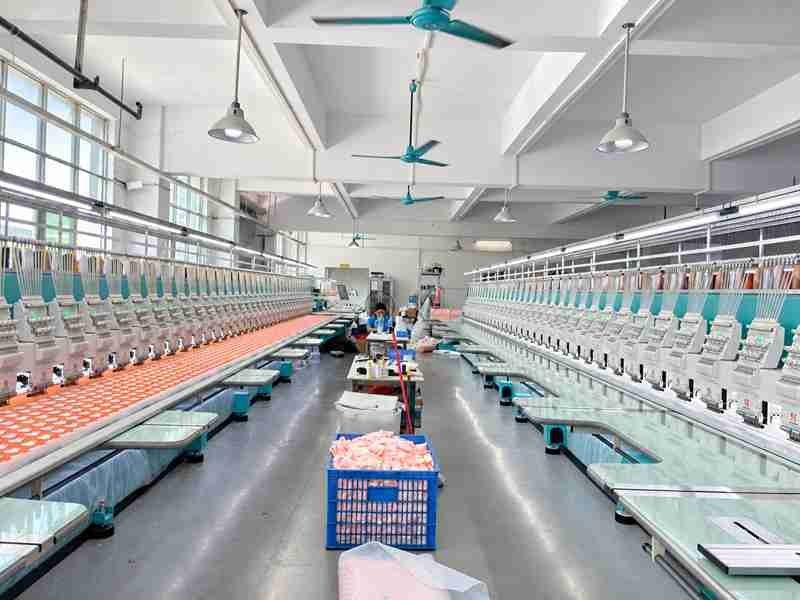
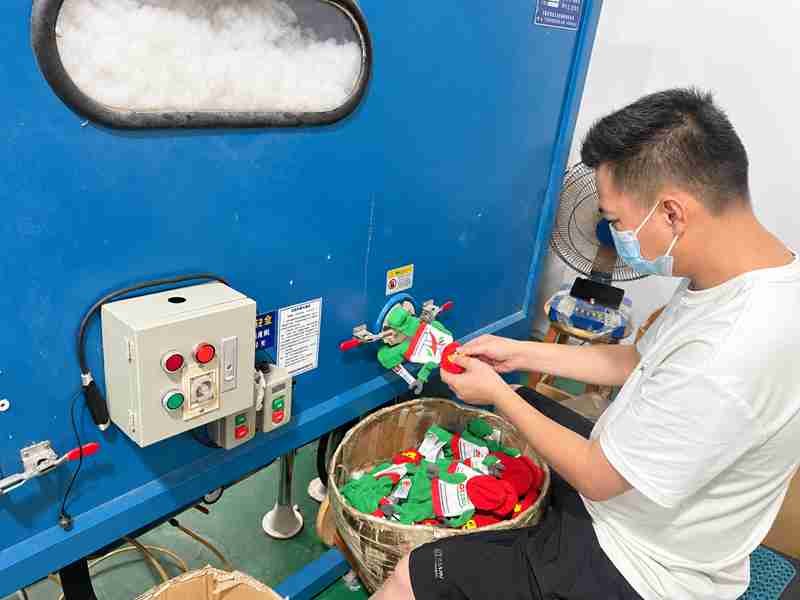
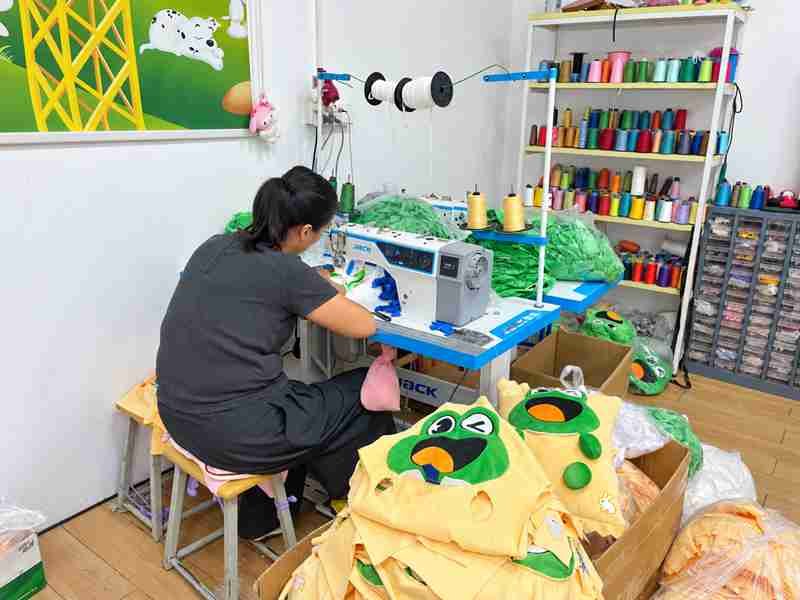
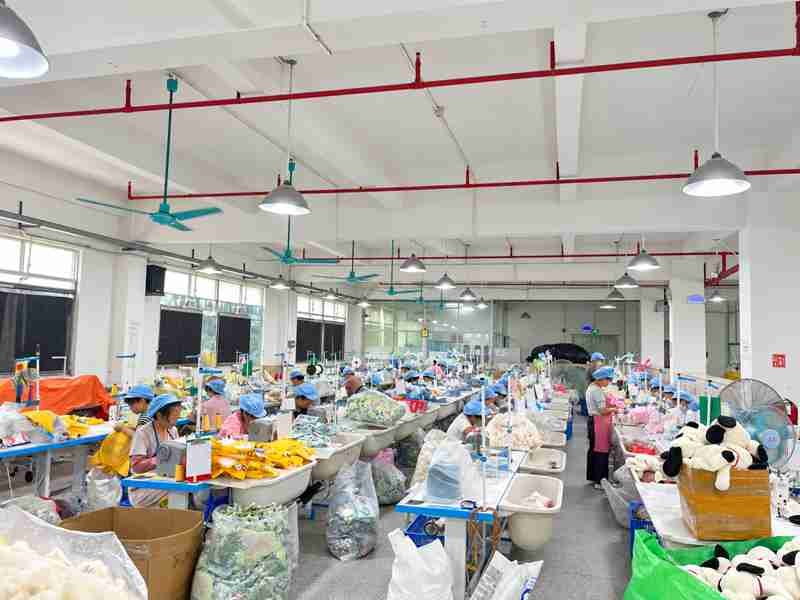
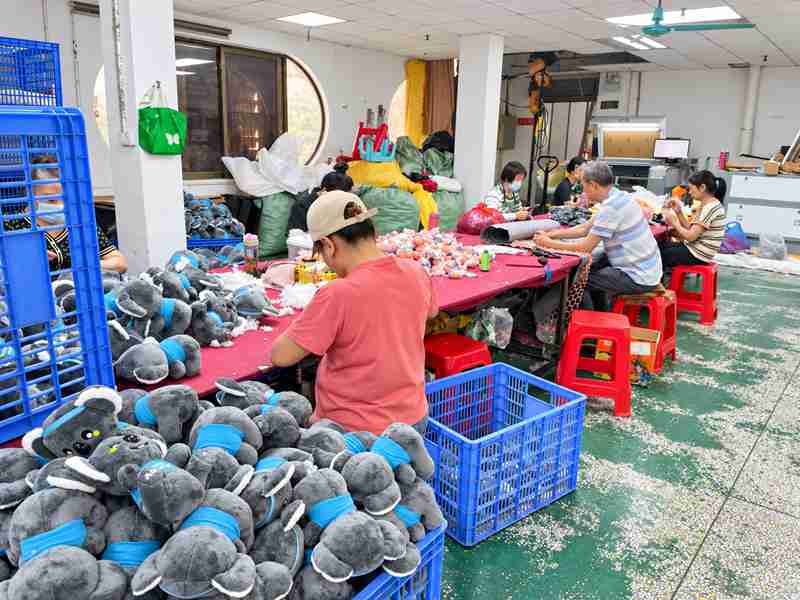
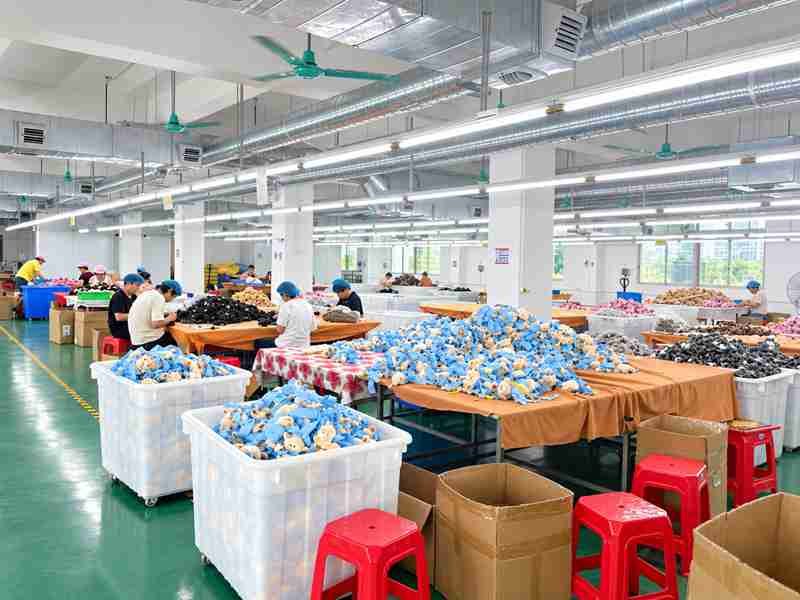
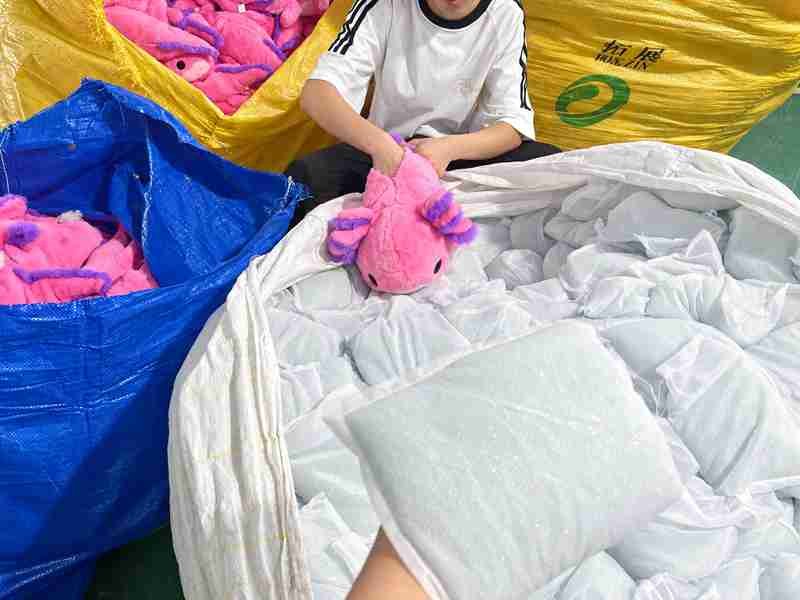
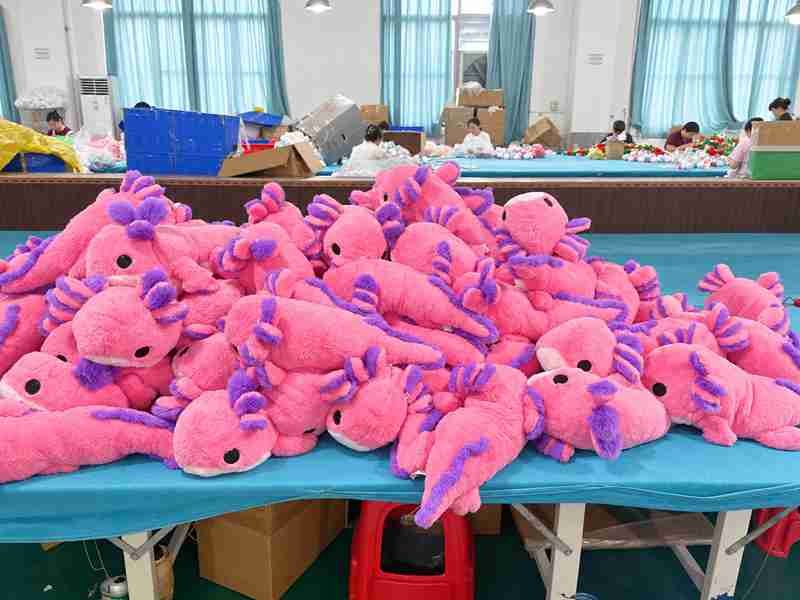
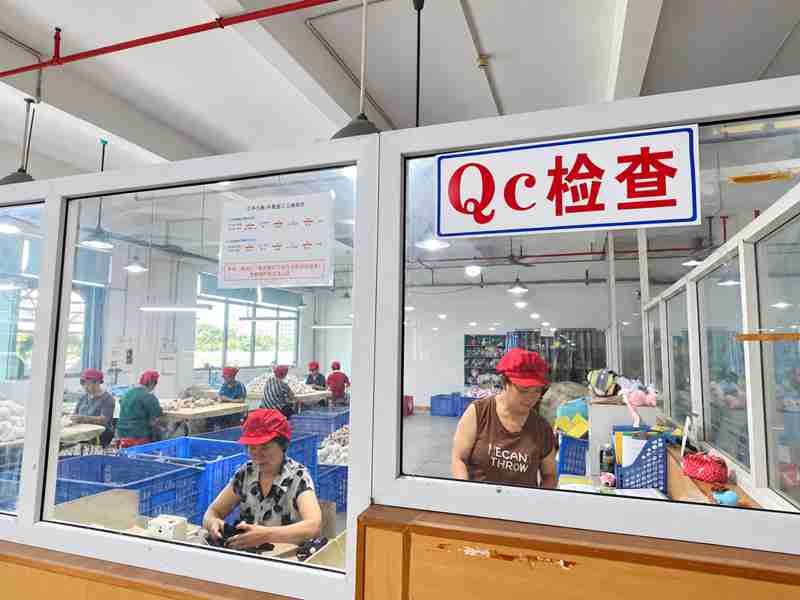
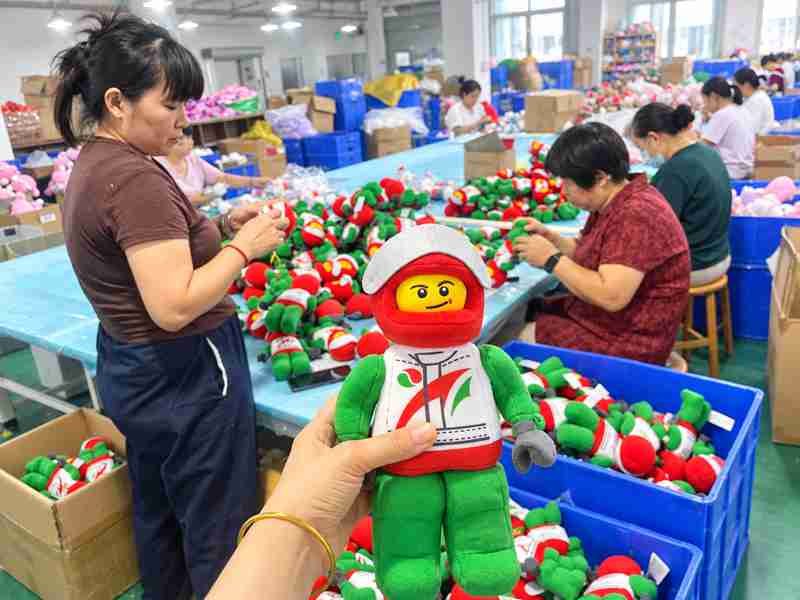
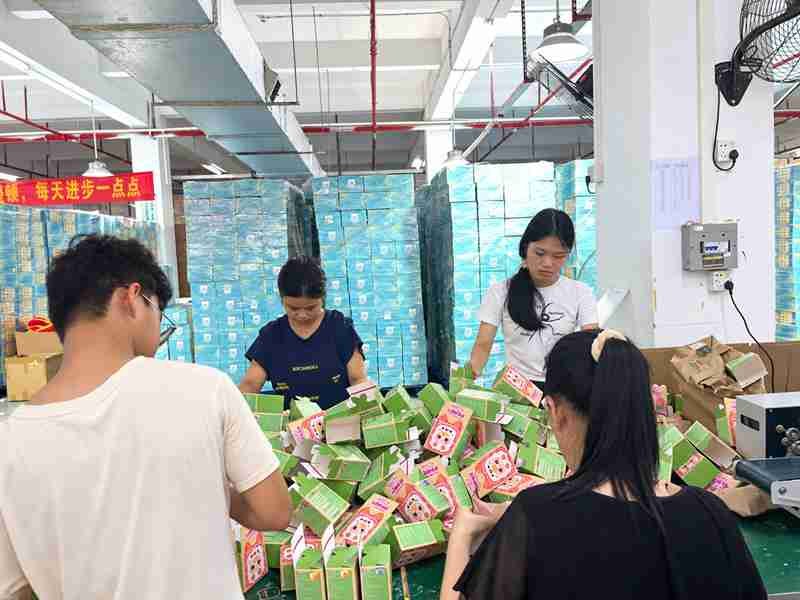
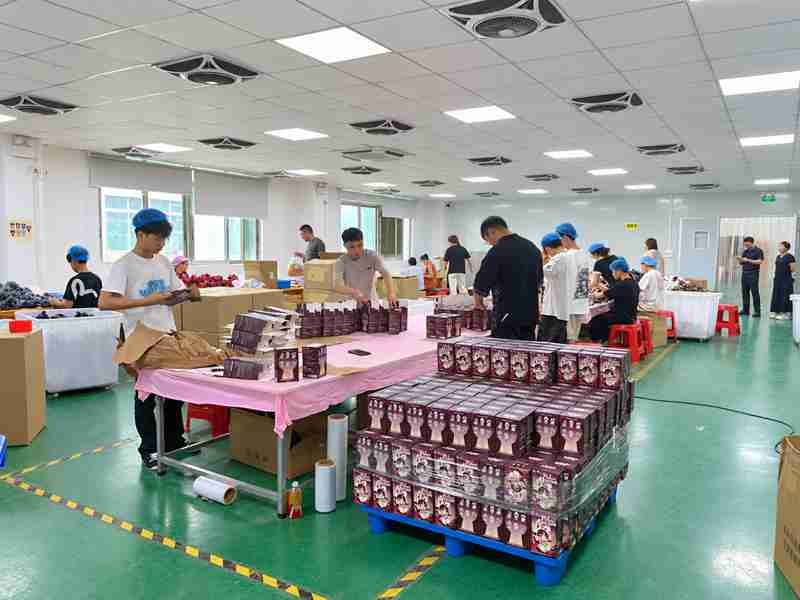
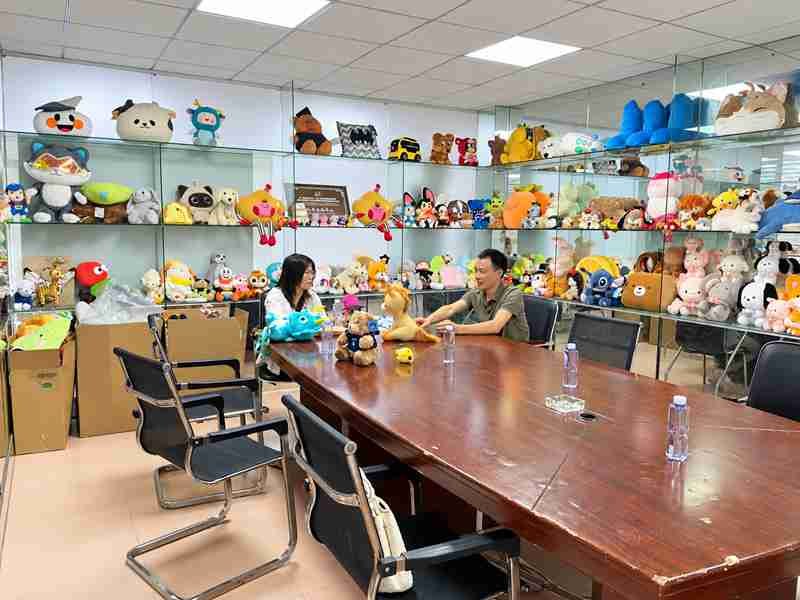
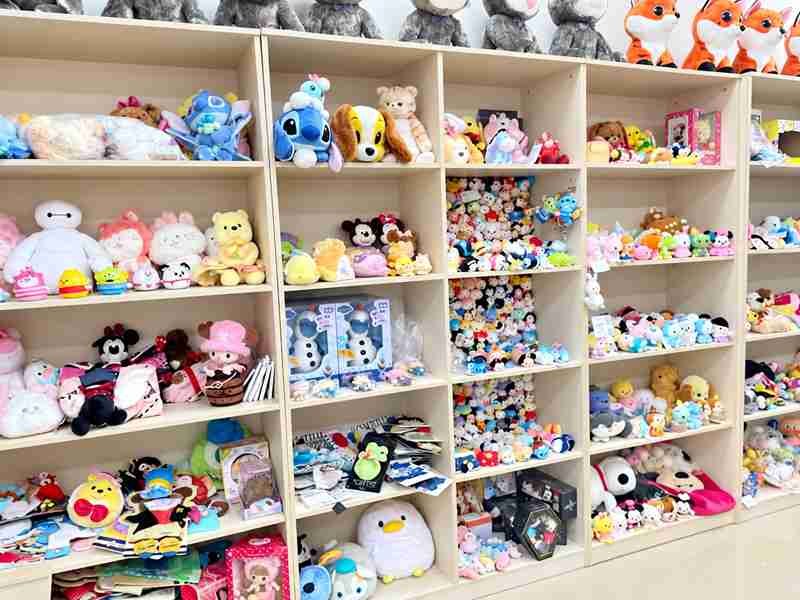
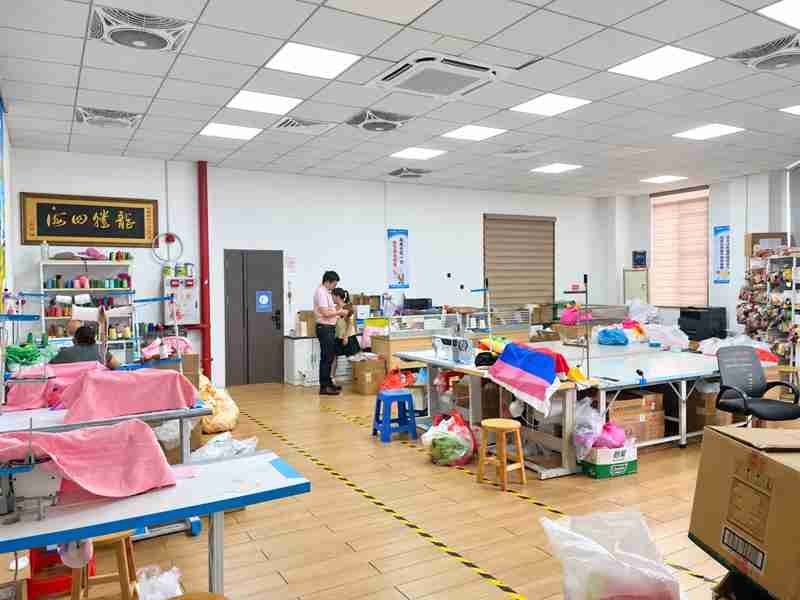
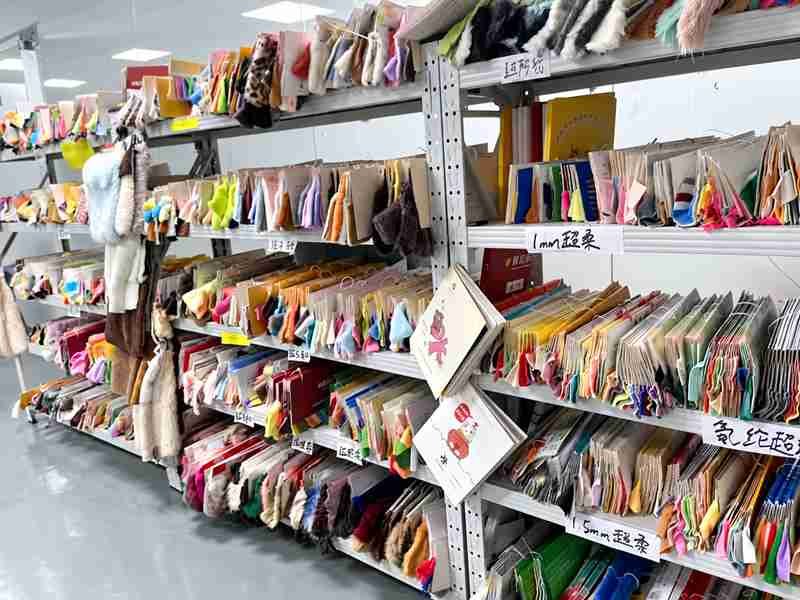
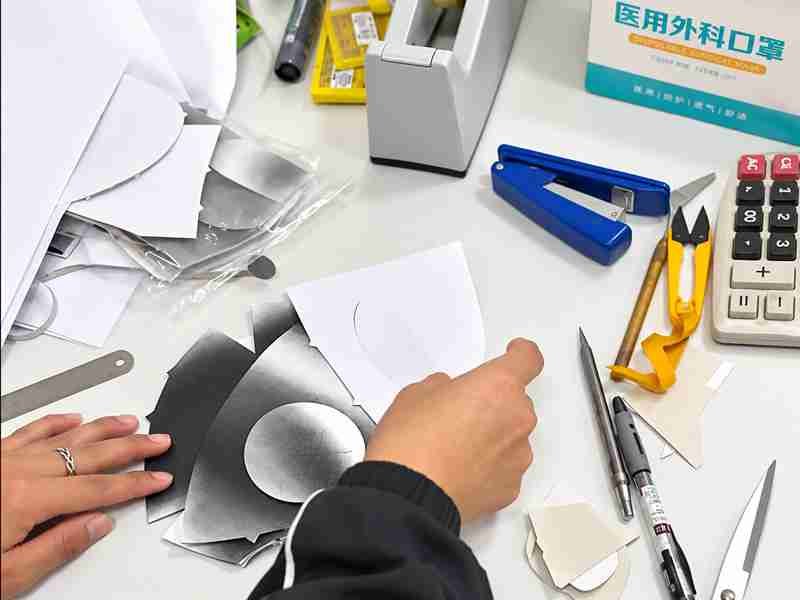
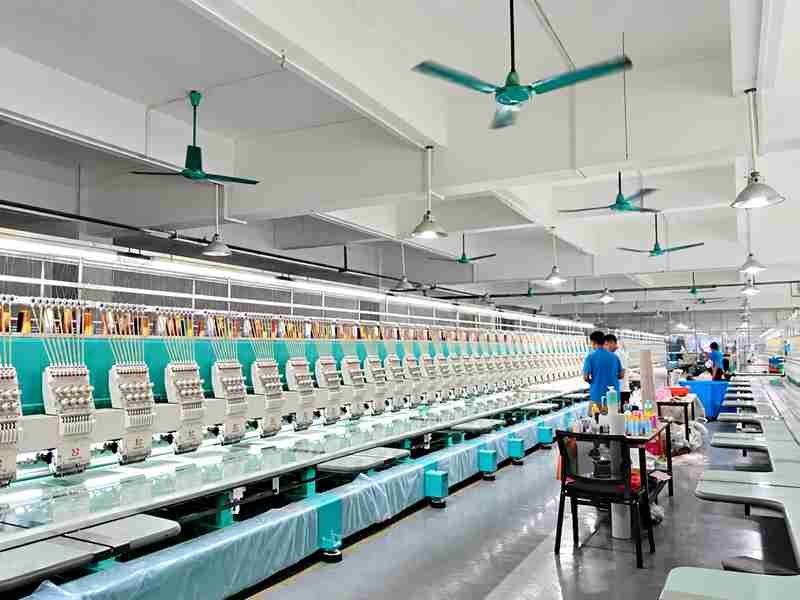
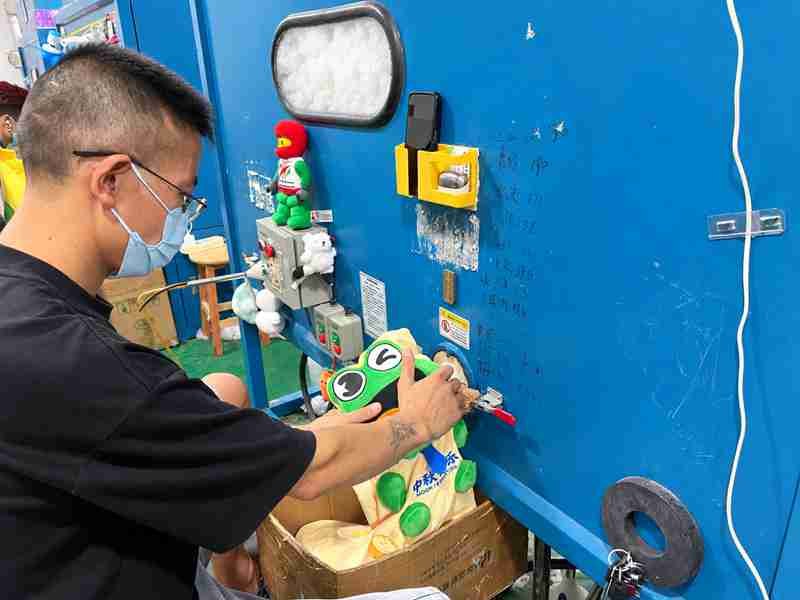
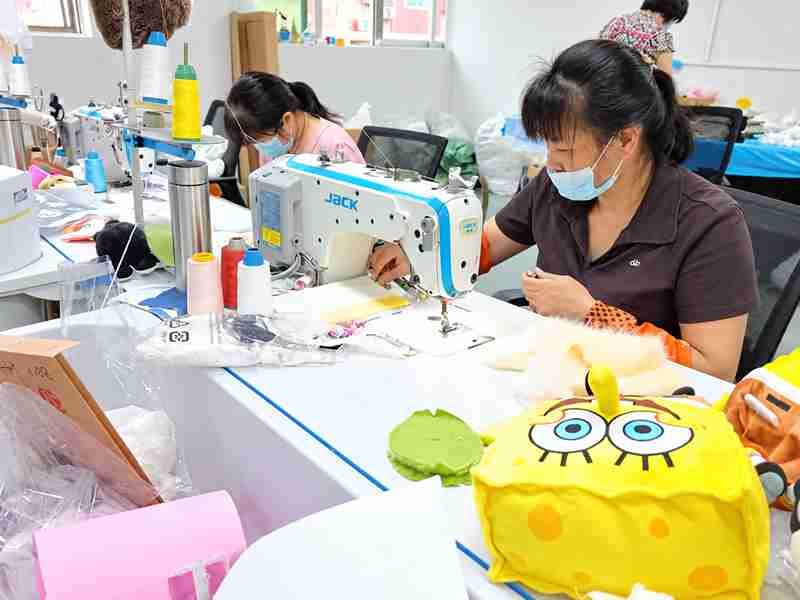
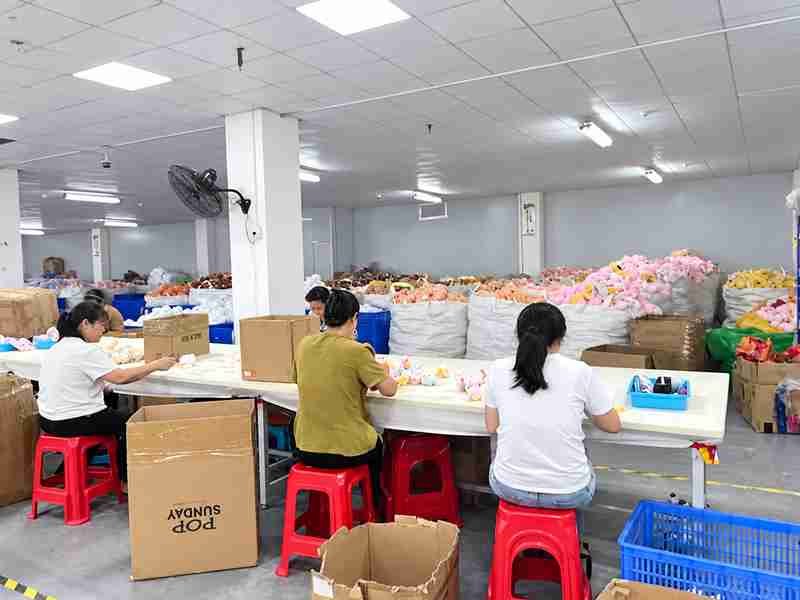
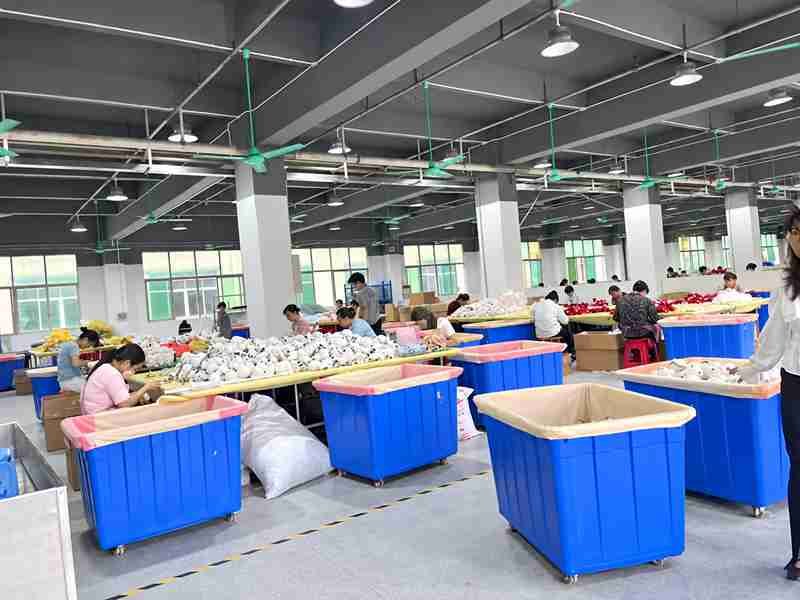
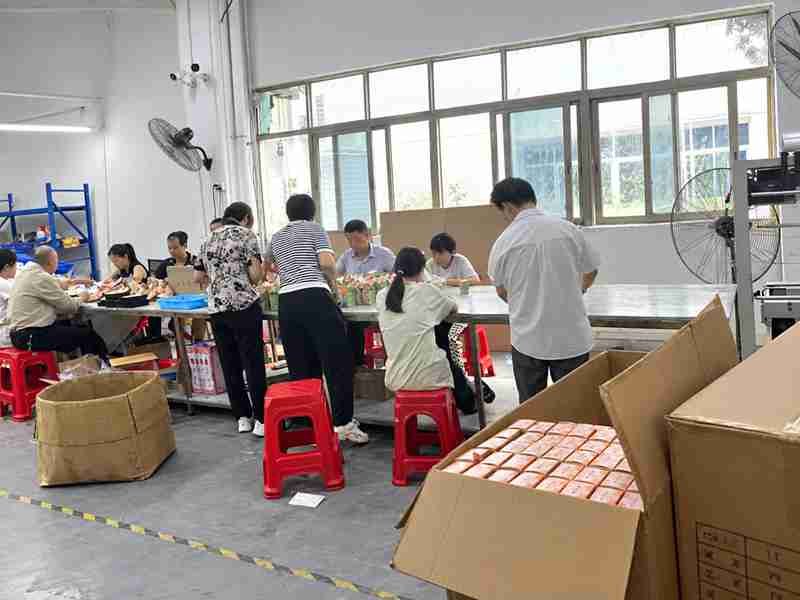
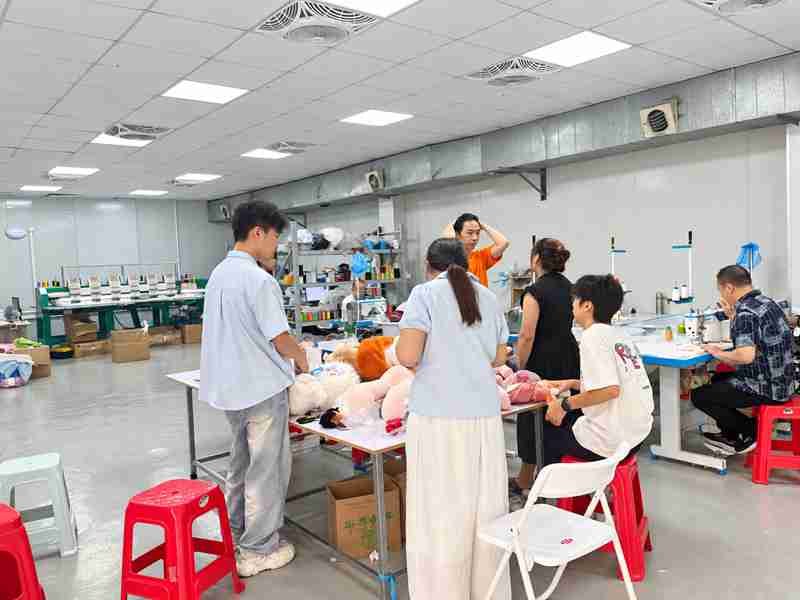
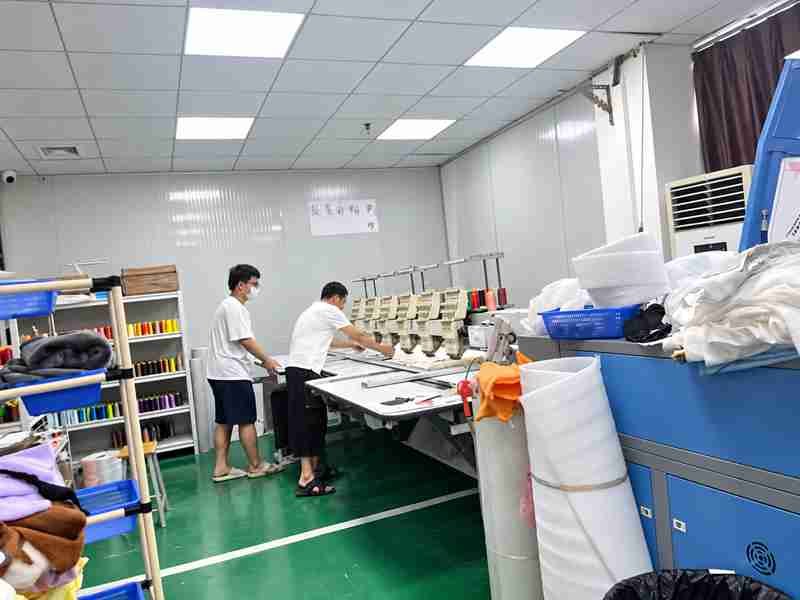
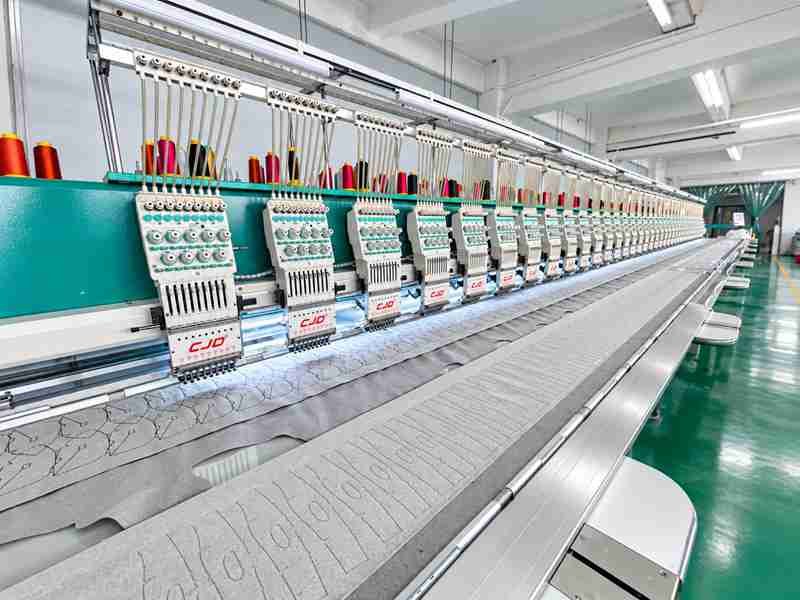
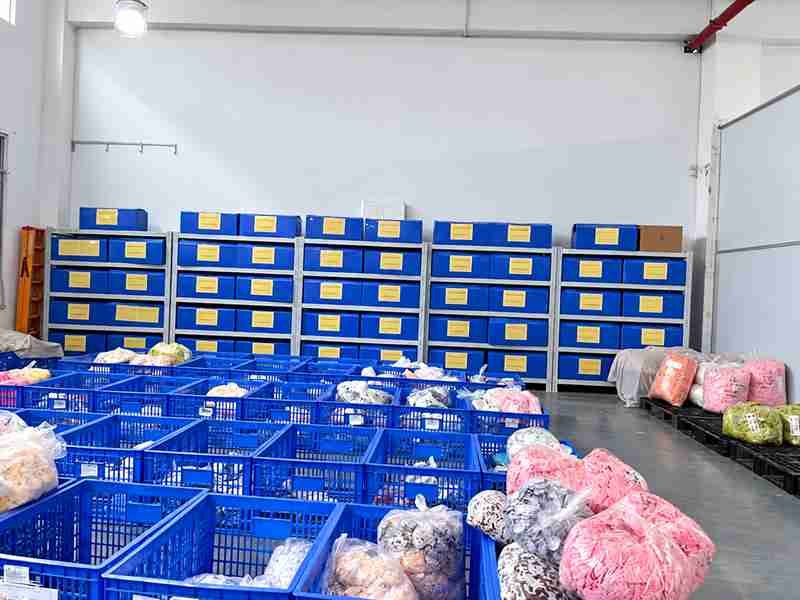
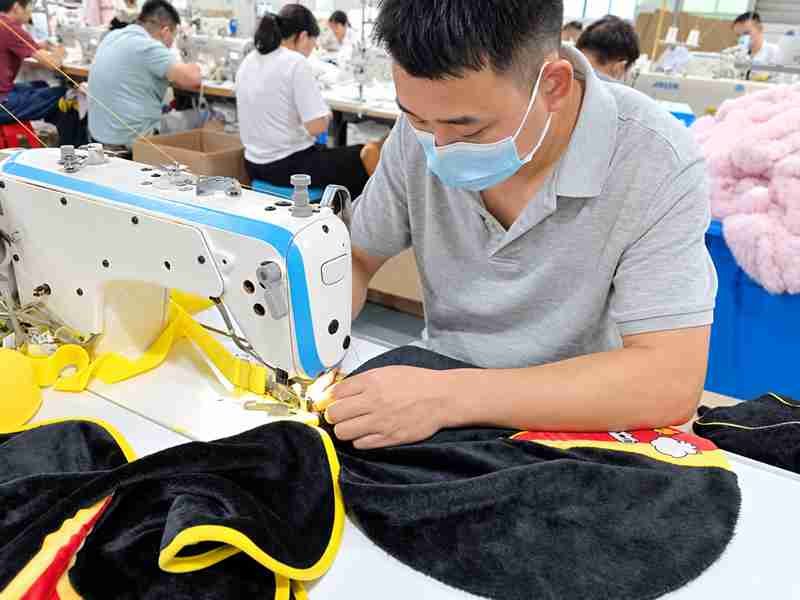
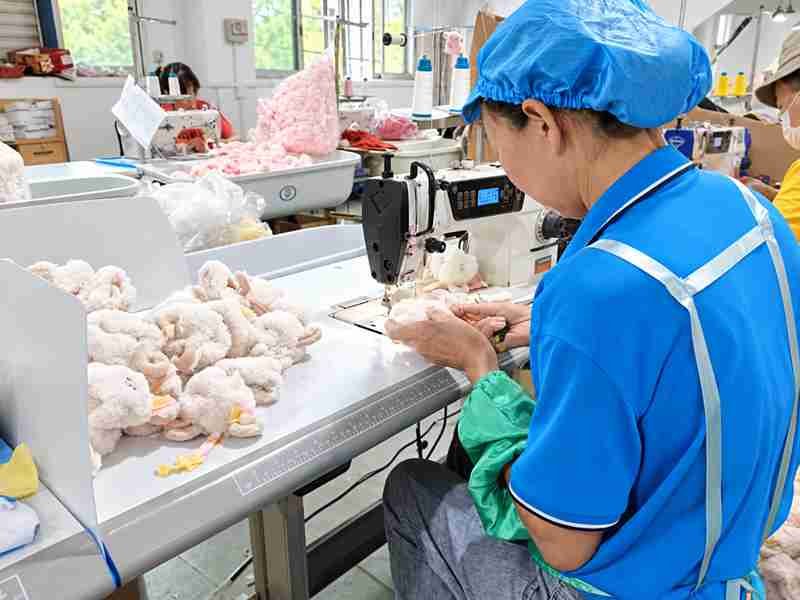
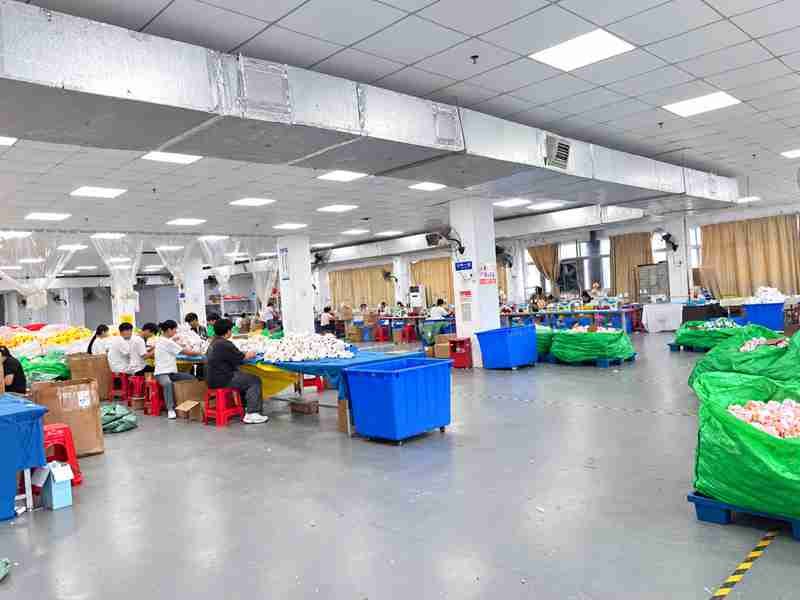
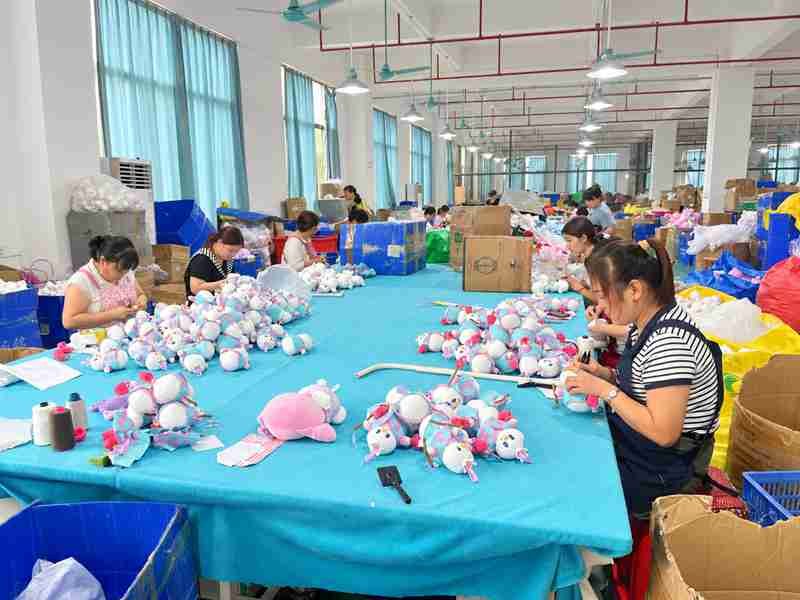
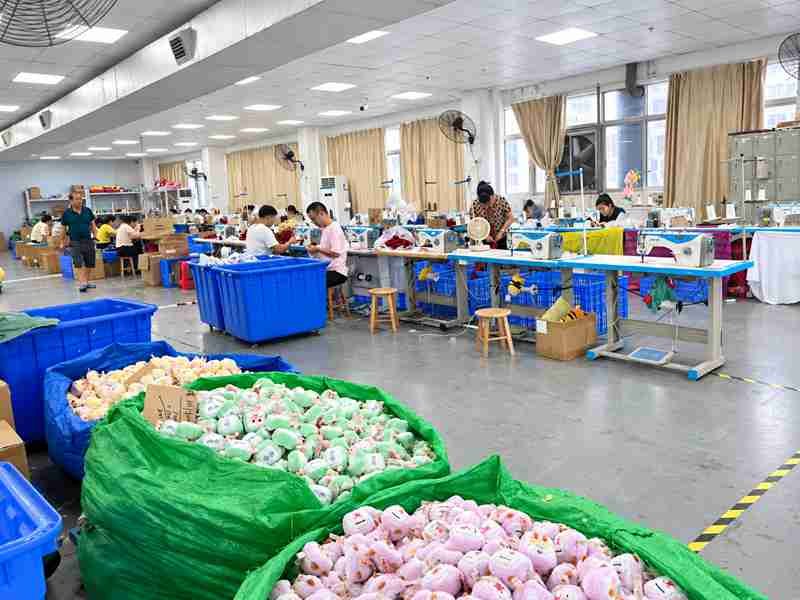
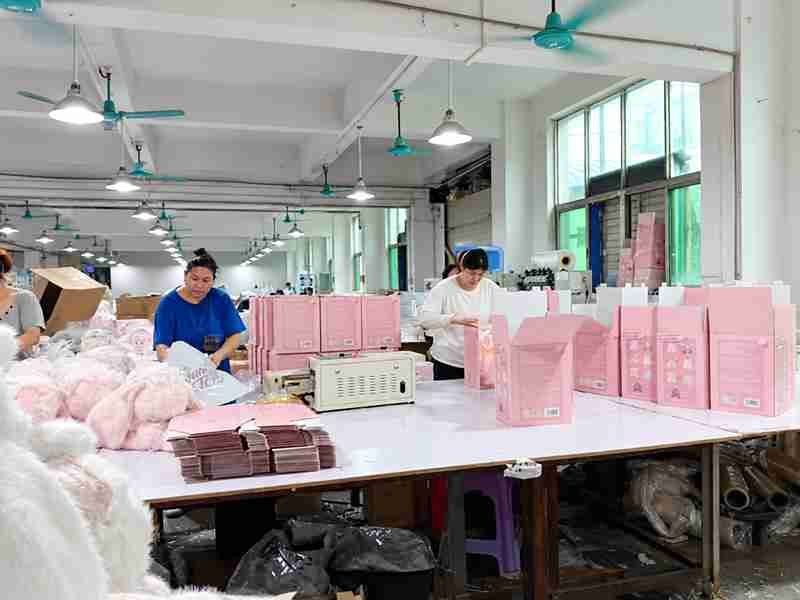
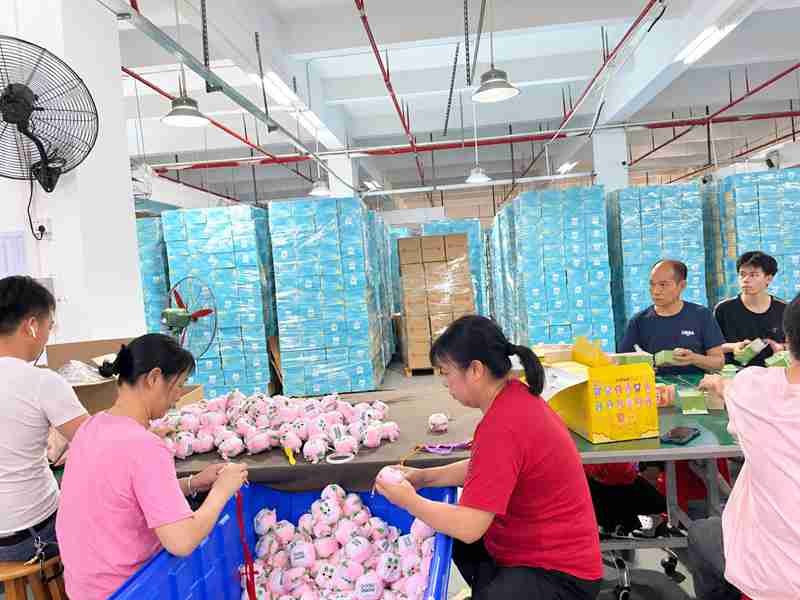
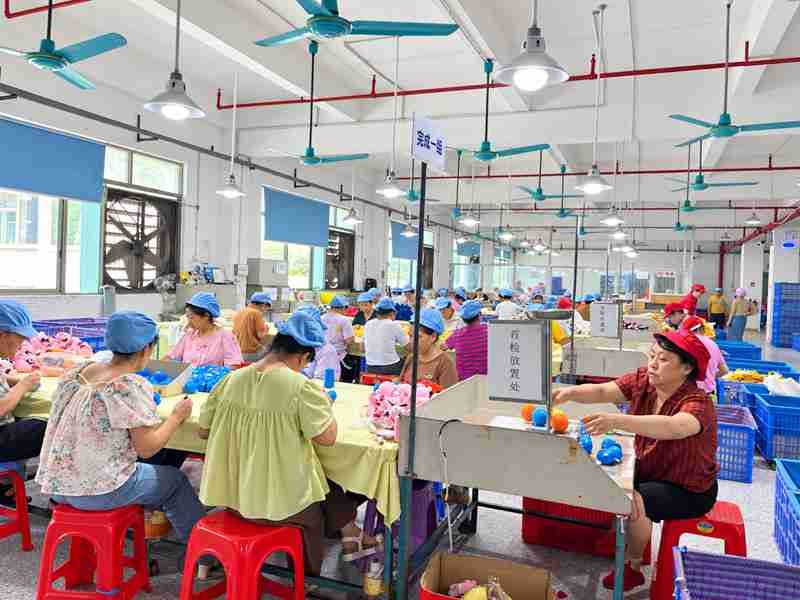
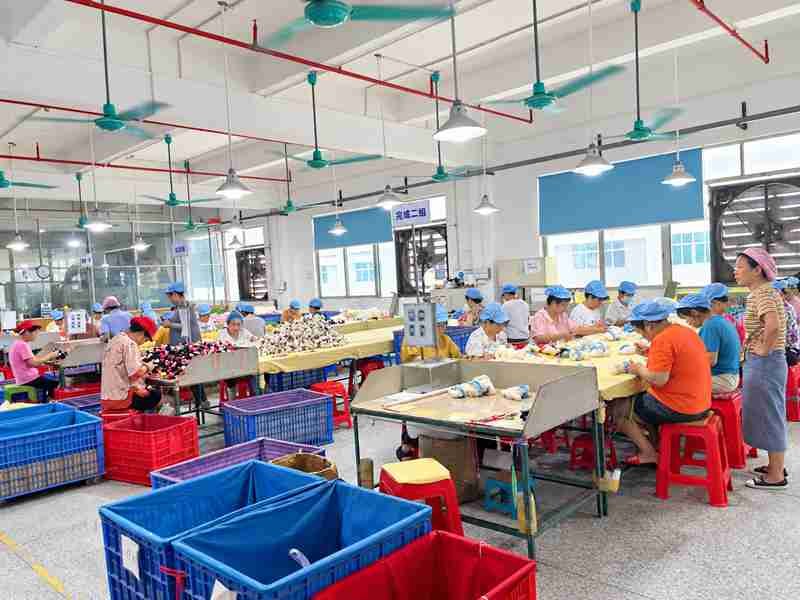
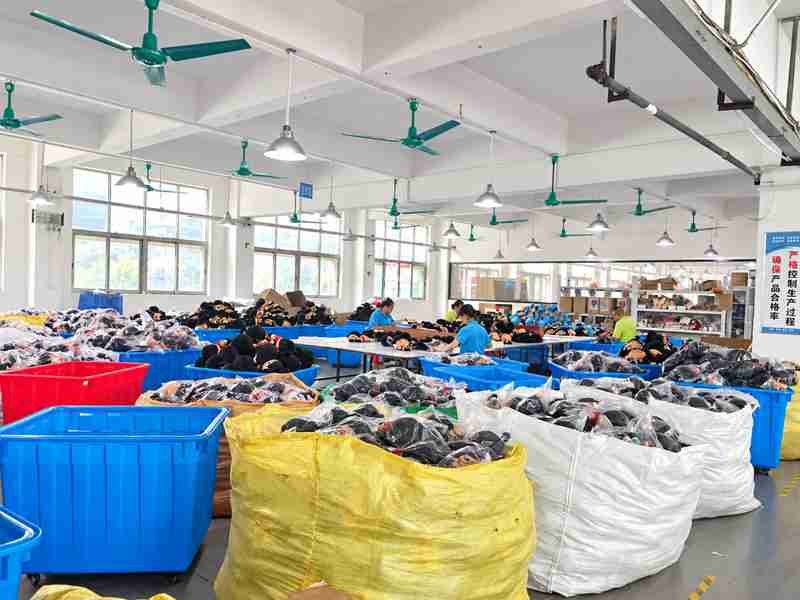
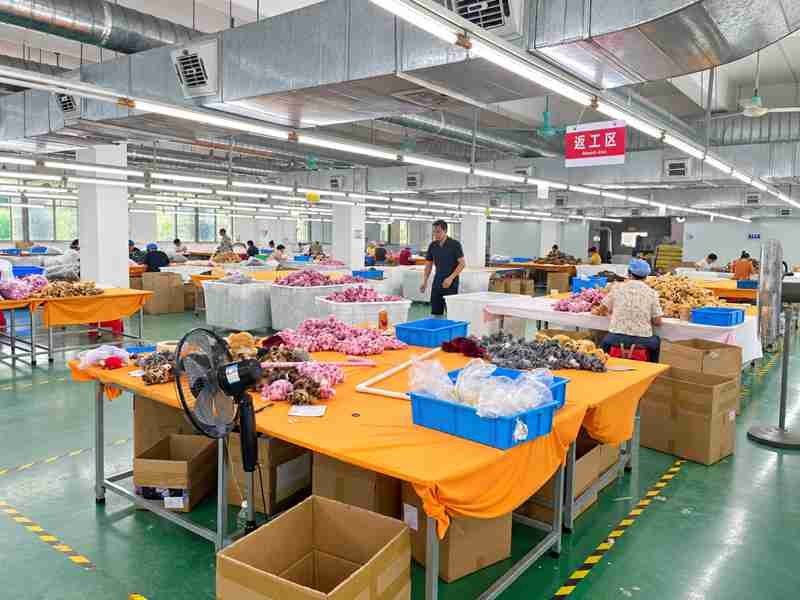
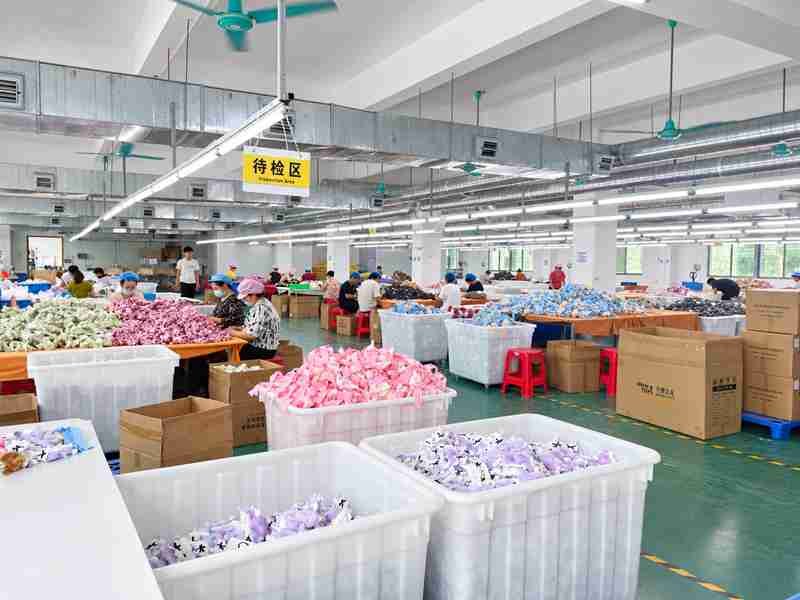
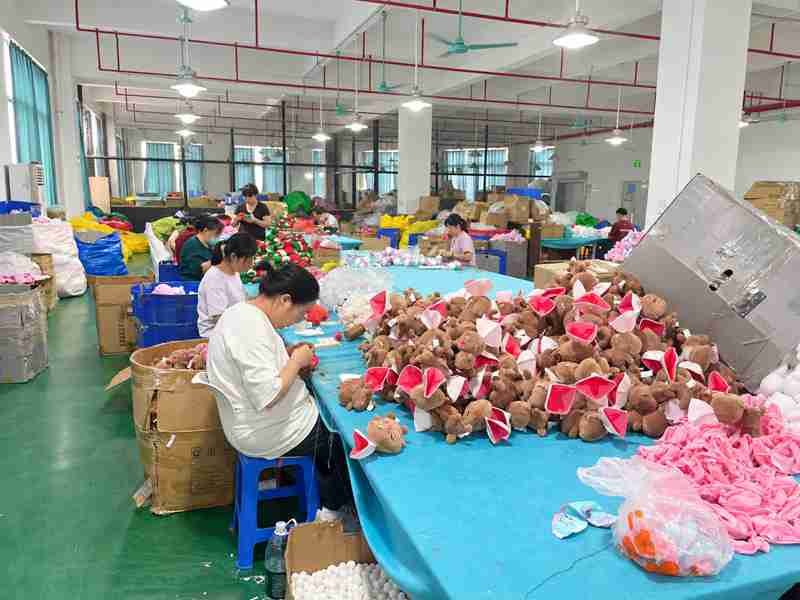
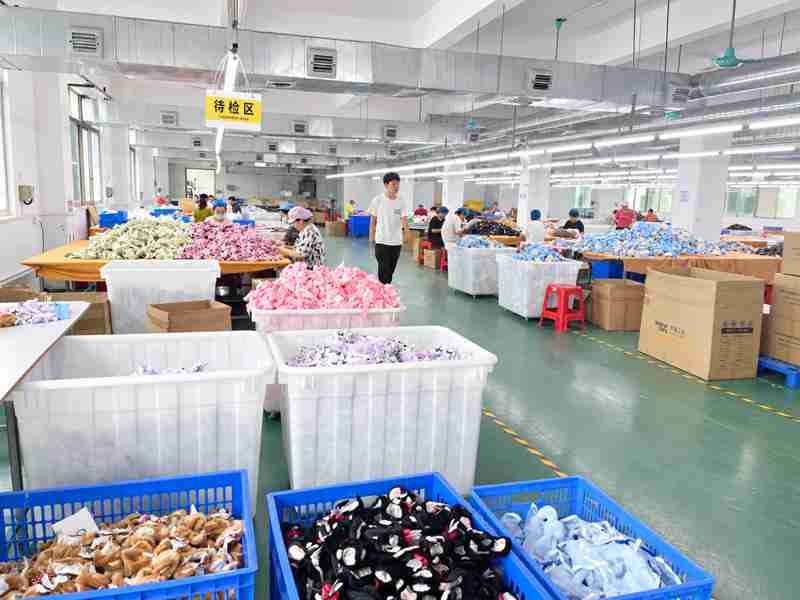
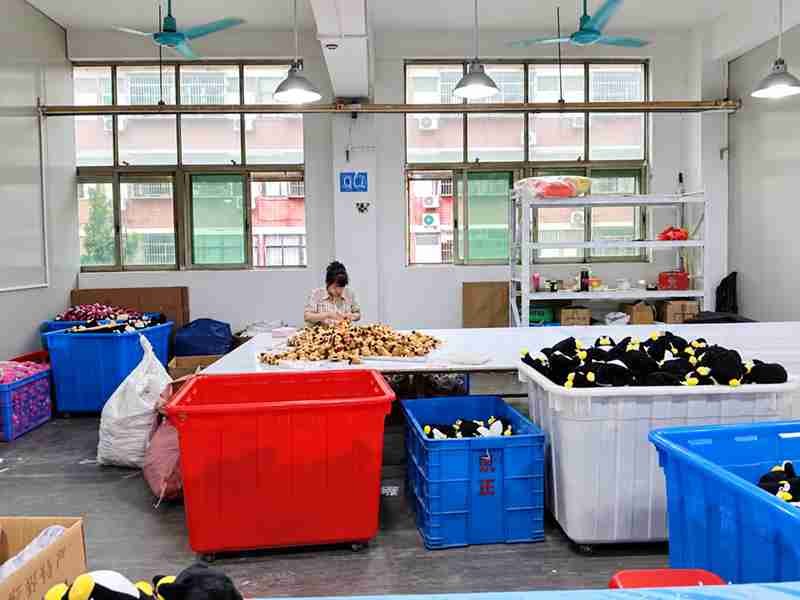
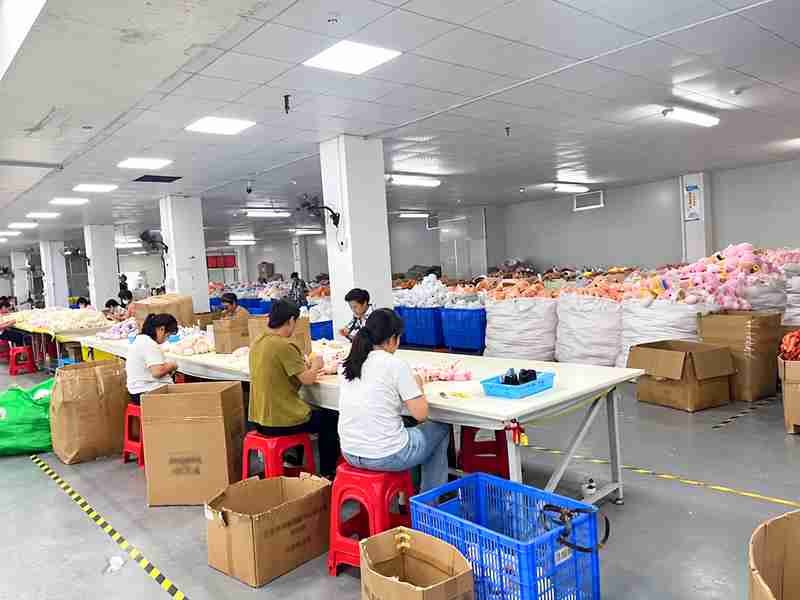
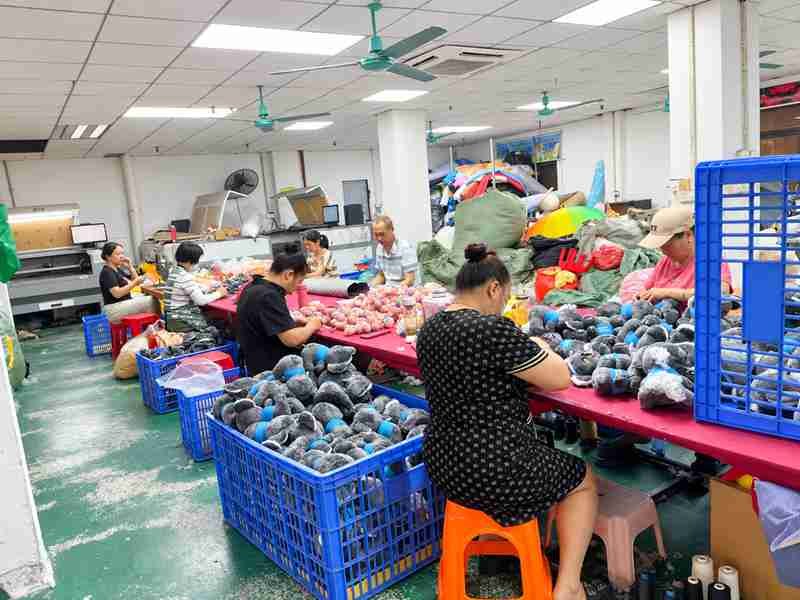
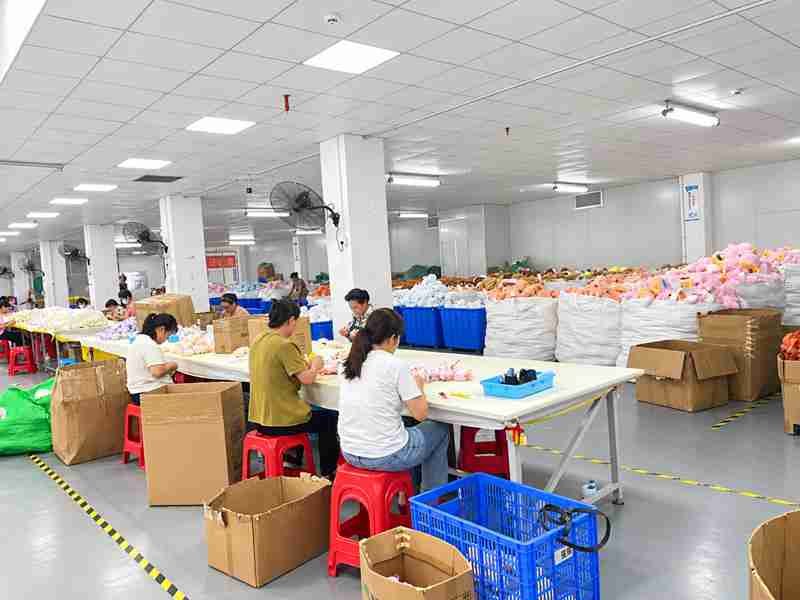
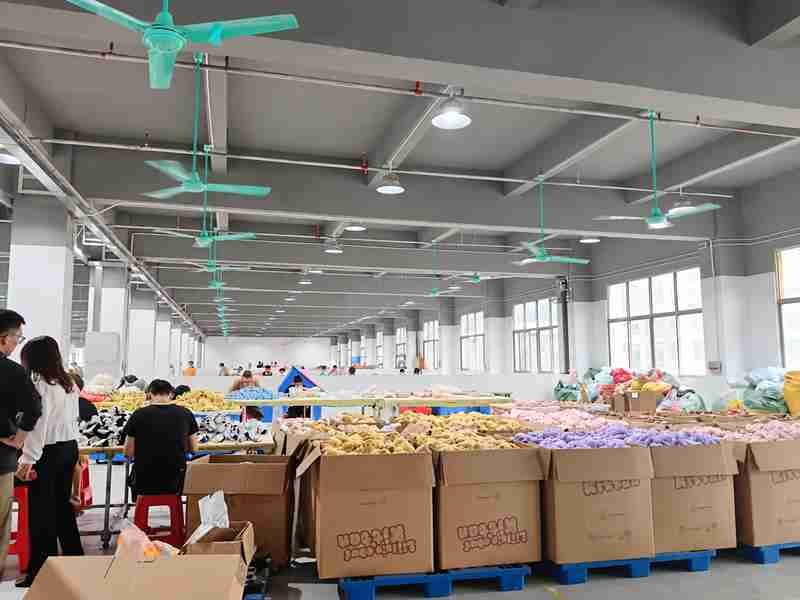
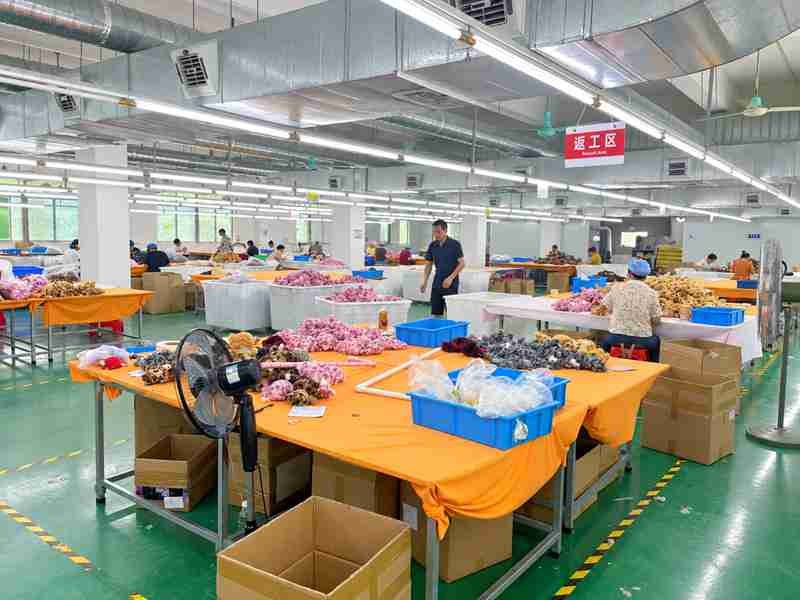
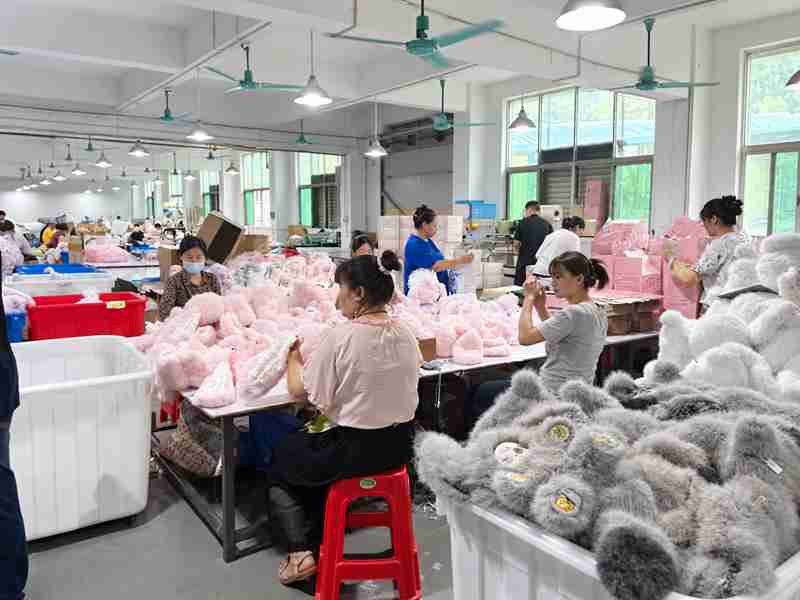
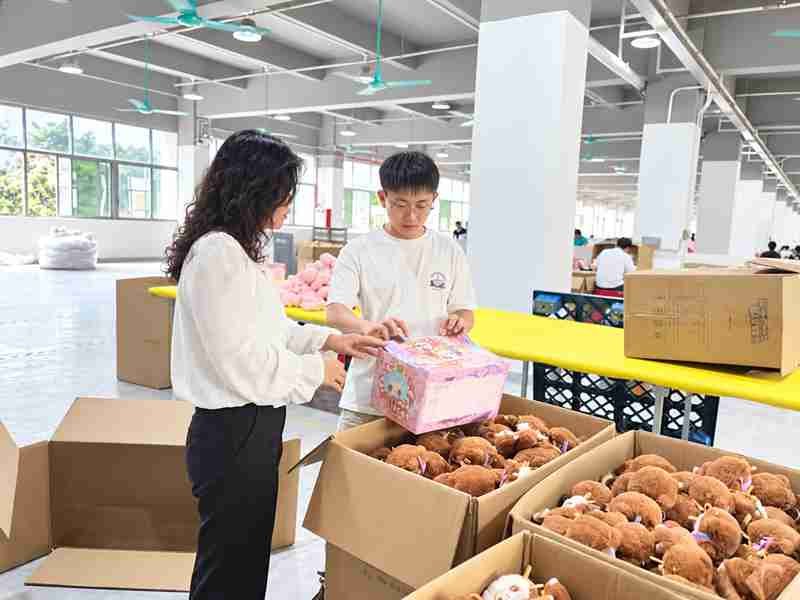
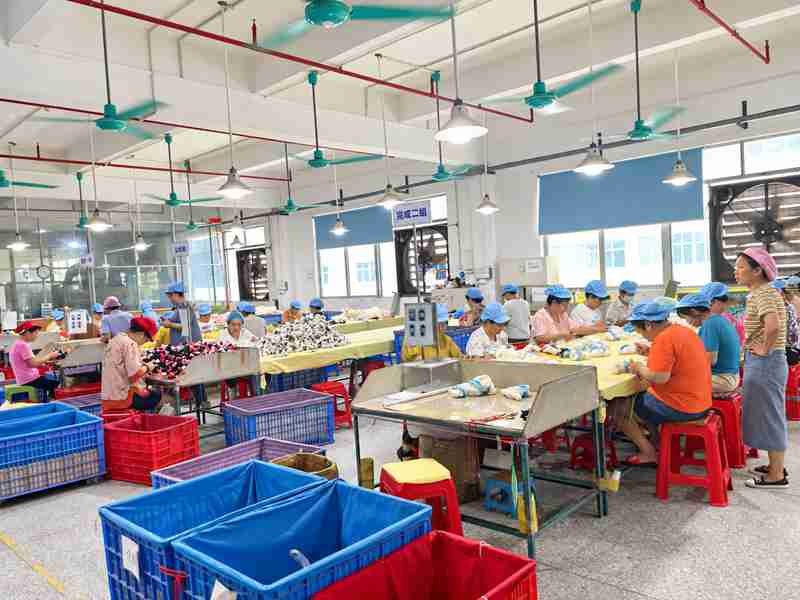
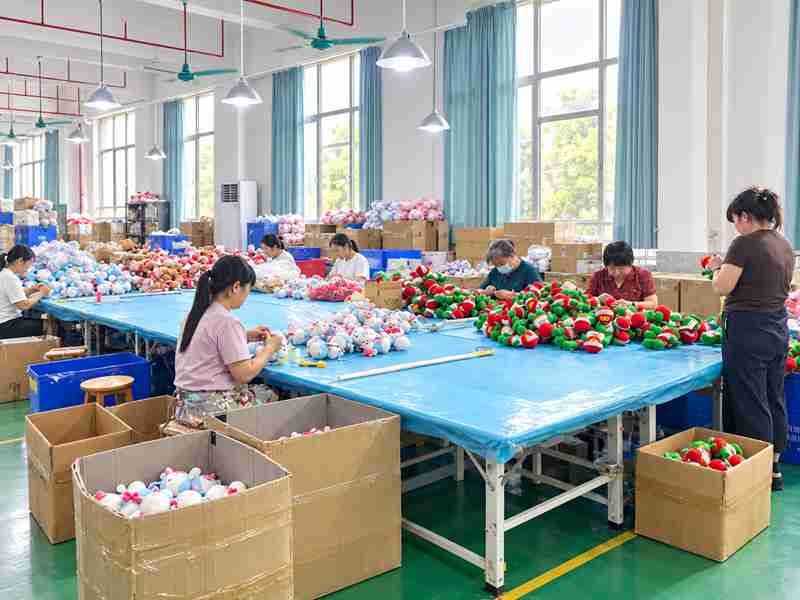
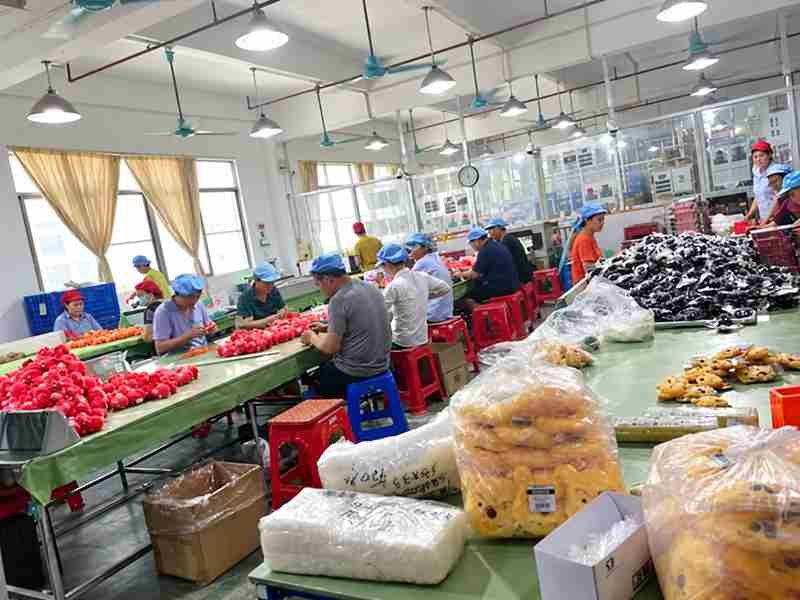
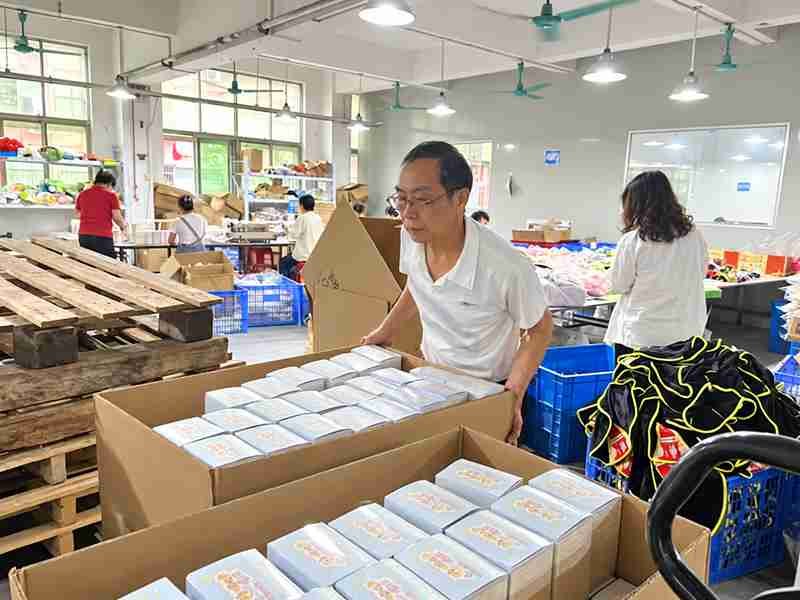
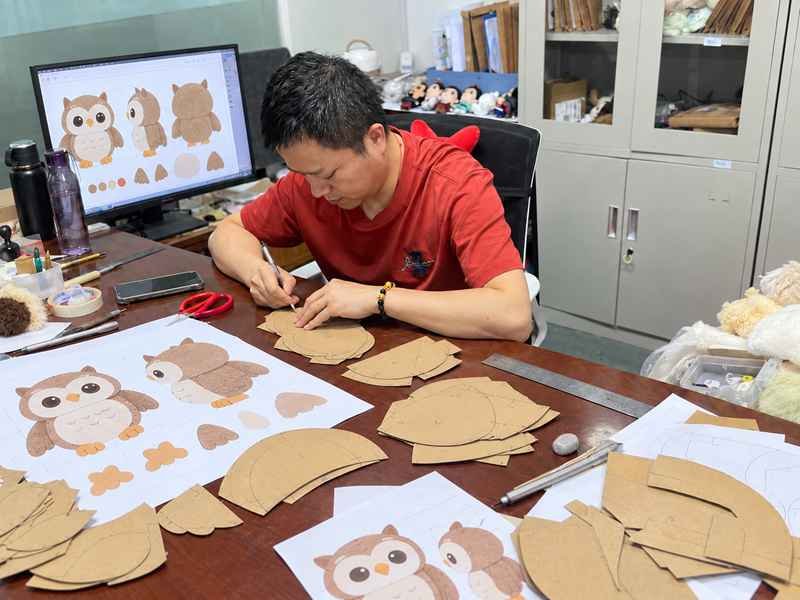
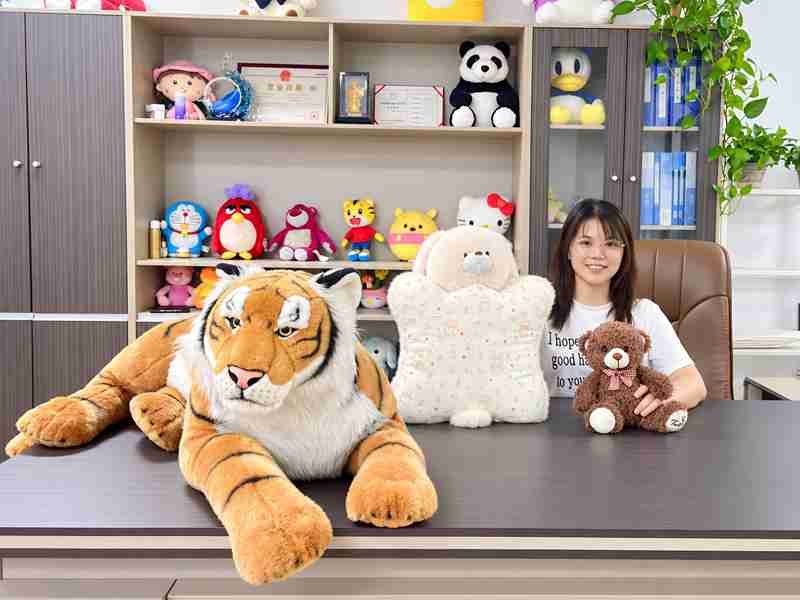
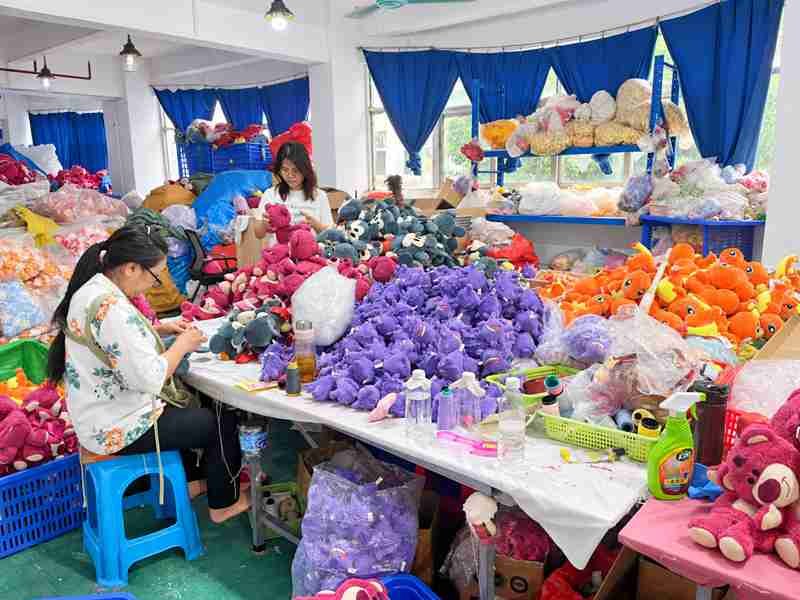
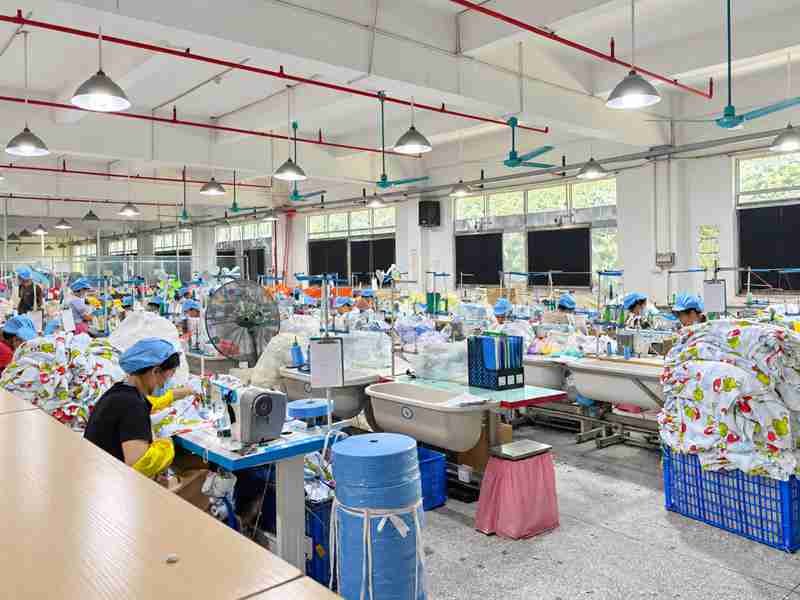
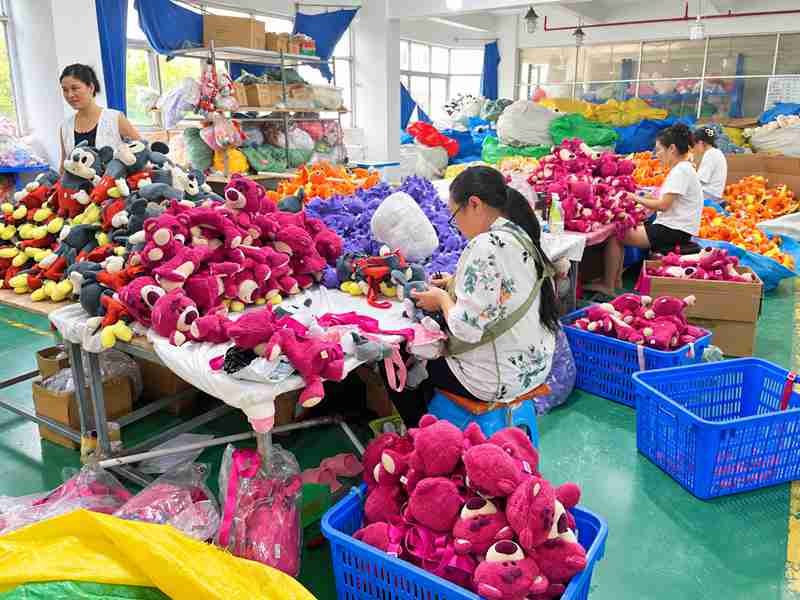
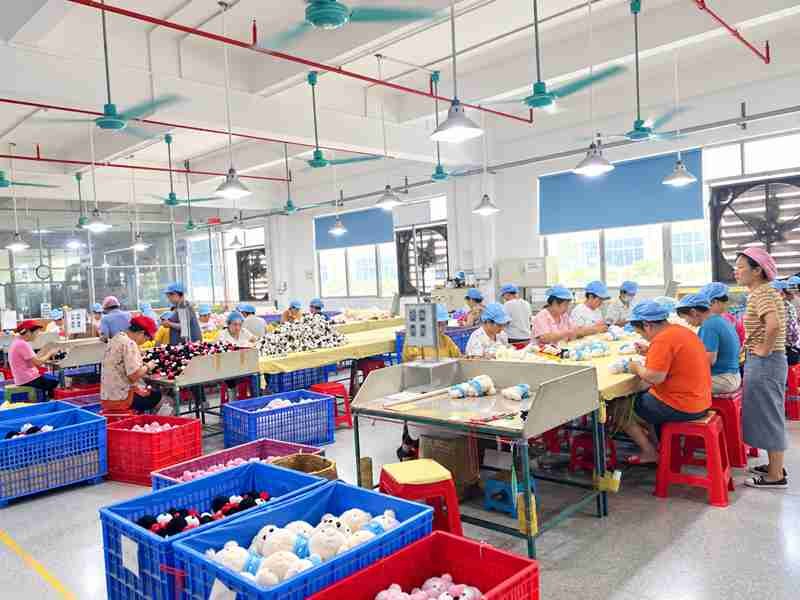
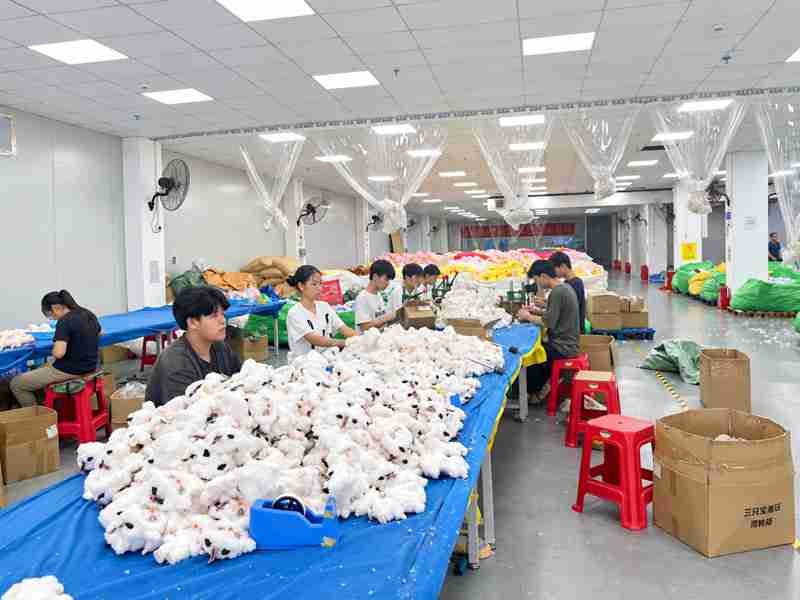
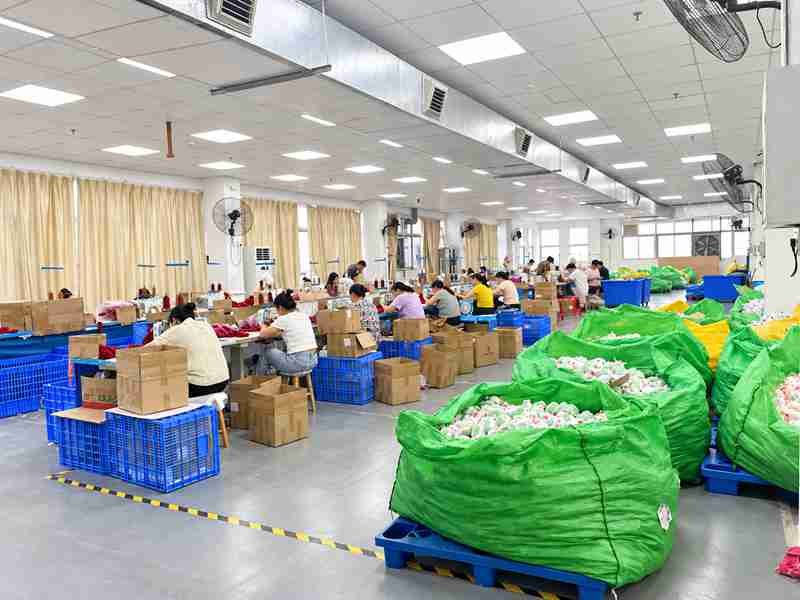
From Prototype to Production: Our Real Plush Factory Show

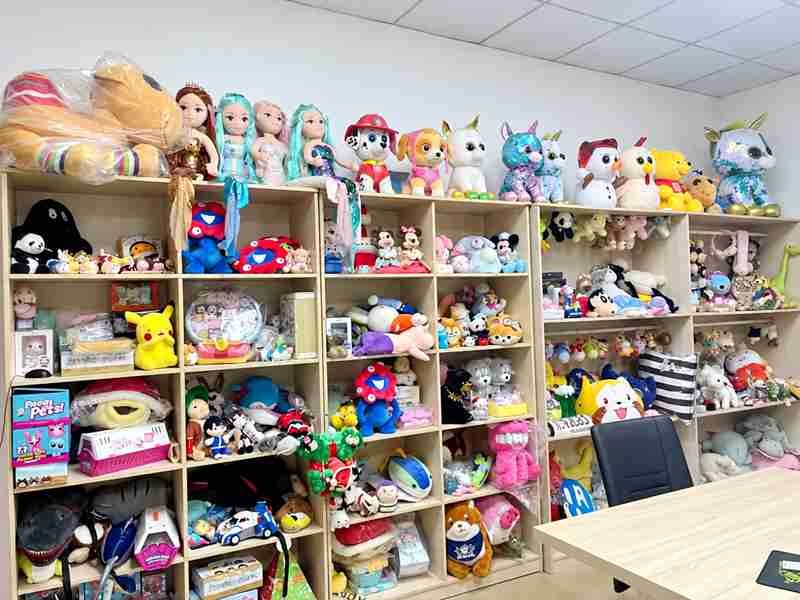
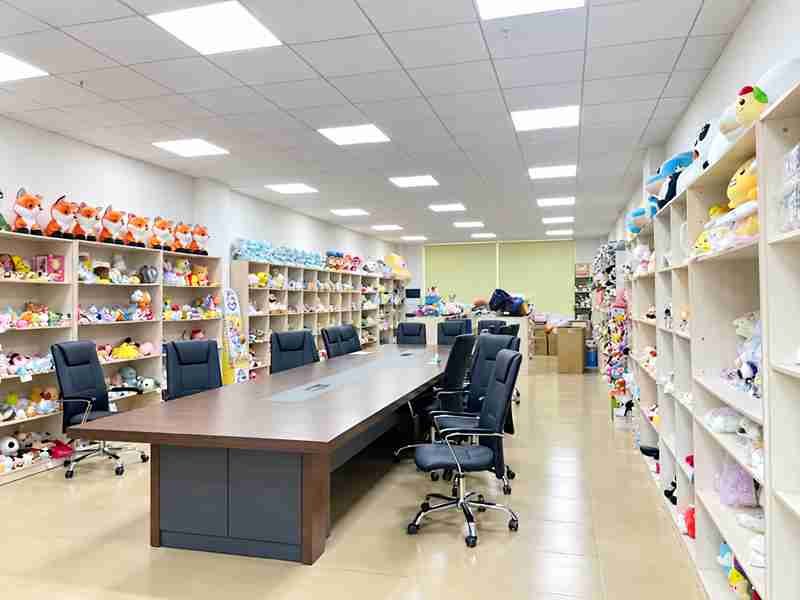
At Ewintoys, every plush project follows a structured development and production process, from initial design review and pattern making to sampling, mass production, quality inspection, and final delivery. Our real factory images provide a transparent view of how ideas are transformed into high-quality plush products through professional craftsmanship, engineering control, and careful production management.

What To Send Before Educational Plush Development Starts

Clear inputs reduce unnecessary sampling rounds and help the development team evaluate structure, materials, safety, cost and timing from the beginning.

Learning Objective

Explain what the product should help a child see, feel, remember, repeat or interact with. A short sentence is enough to guide the first engineering discussion. Incomplete inputs can still be reviewed, but key assumptions should be confirmed before the first prototype is released for approval.

Age And Market

Share intended age and selling market early. Age, accessibility and product function influence small-part risk, labels, materials, component choices and the testing route. Incomplete inputs can still be reviewed, but key assumptions should be confirmed before the first prototype is released for approval.

Artwork Or Reference

Send sketches, book art, character sheets, 3D renders, AI concepts, photos or a physical reference. Mark the features that cannot change during plush translation. Incomplete inputs can still be reviewed, but key assumptions should be confirmed before the first prototype is released for approval.

Size And Use

Give target height or length plus the intended use: handheld learning, classroom display, hugging, activity set, book bundle or retail gift. Size changes detail visibility and cost. Incomplete inputs can still be reviewed, but key assumptions should be confirmed before the first prototype is released for approval.

Function Details

List any sound, light, pocket, zipper, hook-and-loop, mirror, removable piece, sensor or electronics requirement. Early function definition prevents late pattern and cavity changes. Incomplete inputs can still be reviewed, but key assumptions should be confirmed before the first prototype is released for approval.
Quantity And Timing

Share quantity by SKU, launch or arrival target, packaging channel and destination. Material MOQ, custom components, testing and production planning can then be reviewed against the schedule. Incomplete inputs can still be reviewed, but key assumptions should be confirmed before the first prototype is released for approval.

Turn Educational Content Into Clear Product Features

Development works best when every learning idea is translated into a specific visual, tactile, structural or interactive feature.

Start With The Learning Action, Not Decoration

A plush concept should first answer what the user is expected to do. A counting product may need separate pieces or clear number graphics. An emotion tool may need a controlled face family. A storytelling character may need a recognizable silhouette, story card or sound function. A sensory product may need deliberate texture contrast rather than random fabric variety. Ewin can turn the brief into a product definition covering use, age, target size, product format, key educational features, material direction and development route. Features that carry the learning purpose are marked as must-keep items before pattern work begins, so later cost or manufacturing decisions do not accidentally remove the part that gives the product educational value. When several learning cues appear on one item, priority should be explicit: the feature carrying the teaching task comes first, then visual styling, then optional decoration. A short decision hierarchy prevents later revisions from protecting the wrong detail.

Protect Readability While Making The Product Manufacturable

Artwork does not transfer directly onto a stuffed three-dimensional form. Stuffing rounds surfaces, seams interrupt graphics, pile can cover small embroidery, and soft curves can change the way letters or expressions are read. Important graphics should be positioned after the pattern volume is understood. Large symbols may work with applique or printing, while small facial details may need embroidery and controlled pile height. Repeated elements across a set should use common size, color and placement references. The goal is not to reproduce every two-dimensional line. The goal is to preserve the teaching cue, recognition point and brand character while removing details that create unnecessary assembly risk or visual inconsistency in bulk production. For sets, the same logic should be repeated across all SKUs. Shared landmarks, color standards and graphic sizes make the family easier to approve and easier to reproduce without each style drifting into a different visual language.

Pattern Making And Structure Engineering For Educational Use

Pattern engineering determines shape, balance, openings, attachment zones and how educational features survive stuffing, handling and repeat production.

Build The Shape Around Use, Pose And Interaction

Pattern development defines panel count, seam position, curvature, volume, openings and filling paths. A classroom mascot may need a stable sitting base. A shape-learning set may need flatter faces and consistent edges. A plush with a pocket or removable card needs opening dimensions that stay usable after stuffing. A talking product needs a controlled cavity and sound path. Ewin develops the pattern around the intended function instead of adding features after the body is already fixed. Critical dimensions, face landmarks and interaction zones are reviewed during sample revisions so the product remains recognizable, comfortable to handle and realistic to reproduce across production batches. The first pattern review should also consider how the item will be packed and handled. Long ears, thin shapes, projecting pieces and flat learning surfaces can deform if the internal volume and carton pressure are ignored during development.
Functional Modules

Reinforce Functional Zones Without Making The Plush Hard

Educational features often create local stress. Hook-and-loop pieces are pulled repeatedly. Tabs and ribbons are grabbed. Zippers, pockets and module openings concentrate force around seams. Thin foam, interlining, additional fabric layers, enclosed support sheets or reinforced stitch lines may be used only where needed. Internal support should stay inside the functional zone so the rest of the product retains the intended softness. Any hard, detachable or electronic component also needs a defined containment and access method. Structure, material, attachment and age requirements should be reviewed together before the sample is frozen, because changing one of them later can affect pattern, testing, cost and lead time. Where cleaning or servicing matters, access should be designed deliberately rather than cut into the finished sample later. Opening length, closure method, seam allowance and the path used to remove or reinstall any internal part should be tested during sampling.

Choose Materials By Learning Function And Surface Performance

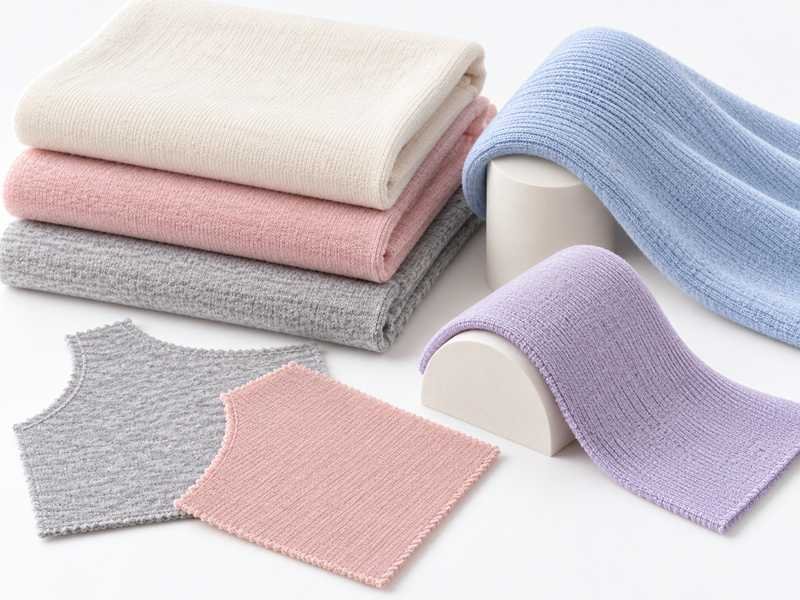
Material selection should balance softness, graphic clarity, sensory contrast, durability, decoration compatibility, supply conditions and the intended age and market.
Short-Pile Soft Plush

Short-Pile Soft Plush

A strong option for faces, bodies and graphic-heavy designs. Short pile keeps embroidery and printed details visible while providing a soft hand feel and relatively stable shaping. Approve the actual swatch or sample material because color, stretch, pile direction and hand feel can vary between constructions and batches.

Minky-Type Fabric

Smooth, soft surfaces work well for baby and educational character products. Stretch and pile direction should be checked because both can change face shape and embroidery placement. Approve the actual swatch or sample material because color, stretch, pile direction and hand feel can vary between constructions and batches.
Velboa And Velour

Useful where a flatter surface or cleaner printed detail is needed. Fabric weight, stretch and surface direction should match the structure and expected handling level. Approve the actual swatch or sample material because color, stretch, pile direction and hand feel can vary between constructions and batches.

Faux Fur

Longer pile can create animal or sensory contrast, but may hide eyes, letters and seams. Trimming zones, fur direction and cleaning expectations should be planned during sampling. Approve the actual swatch or sample material because color, stretch, pile direction and hand feel can vary between constructions and batches.

Fleece

Fleece can provide a warm, stable hand feel with low pile interference. It suits simple shapes, clothing, panels and some classroom products where readable surface details matter. Approve the actual swatch or sample material because color, stretch, pile direction and hand feel can vary between constructions and batches.

Jersey And Stretch Fabrics

Stretch materials can support clothing, flexible surfaces and selected tactile zones. Pattern allowance and decoration must account for distortion under tension and stuffing pressure. Approve the actual swatch or sample material because color, stretch, pile direction and hand feel can vary between constructions and batches.

Printed Plush Fabrics

Custom printed surfaces can carry maps, patterns, diagrams or branded graphics. Print scale, seam placement, color tolerance and fabric texture should be approved on the actual material. Approve the actual swatch or sample material because color, stretch, pile direction and hand feel can vary between constructions and batches.

Contrast Sensory Fabrics

Corduroy-like textures, sherpa, mesh, satin or other approved surfaces can create tactile variation. Each fabric should have a defined purpose, location and compatibility with the target age and cleaning method. Approve the actual swatch or sample material because color, stretch, pile direction and hand feel can vary between constructions and batches.

Logo, Learning Graphics And Decoration Methods

Choose each decoration method by readability, softness, durability, fabric compatibility, attachment risk, production repeatability and the visual importance of the detail.

Embroidery

Best for durable eyes, mouths, logos, numbers, words and simple symbols. Needle count, density, pile height and panel stretch affect cost, surface flatness and readability. Approve the decoration on final fabric because surface texture, pile, stretch and stuffing pressure can change alignment, sharpness and finished appearance.

Applique

Fabric pieces create bold color blocks, shapes and layered learning graphics. Edge stitching, panel thickness and accurate positioning are important when several pieces must align. Approve the decoration on final fabric because surface texture, pile, stretch and stuffing pressure can change alignment, sharpness and finished appearance.

Screen Printing

Suitable for simple, repeated graphics with controlled colors. Surface texture and fabric stretch should be checked so letters, icons and brand marks remain clean. Approve the decoration on final fabric because surface texture, pile, stretch and stuffing pressure can change alignment, sharpness and finished appearance.

Digital Printing

Useful for gradients, detailed illustrations and multi-color educational graphics. Print definition should be approved on the final fabric because pile and texture change visual sharpness. Approve the decoration on final fabric because surface texture, pile, stretch and stuffing pressure can change alignment, sharpness and finished appearance.

Heat Transfer

Can support detailed graphics on compatible surfaces and garments. Temperature, adhesion, flexibility and wash behavior should be reviewed against the chosen fabric and use conditions. Approve the decoration on final fabric because surface texture, pile, stretch and stuffing pressure can change alignment, sharpness and finished appearance.

Woven Labels

Good for brand identity, short instructions or coded set identification. Label size, fold type, edge softness, sewing position and age requirements should be confirmed before production. Approve the decoration on final fabric because surface texture, pile, stretch and stuffing pressure can change alignment, sharpness and finished appearance.

Embroidered Patches

Patches can carry school marks, icons or learning categories while adding a defined visual layer. Patch edges, backing and sewing route should not create uncomfortable hard zones. Approve the decoration on final fabric because surface texture, pile, stretch and stuffing pressure can change alignment, sharpness and finished appearance.

PVC Or Silicone Details

Soft molded details can add tactile or dimensional features where appropriate. Tooling, attachment, accessible-part requirements, color control and target-age review make them a separate engineering decision. Approve the decoration on final fabric because surface texture, pile, stretch and stuffing pressure can change alignment, sharpness and finished appearance.

Supporting Materials For Activity And Sensory Structures

Secondary materials often decide whether an educational feature works smoothly, stays attached and remains comfortable after repeated handling.

Interlining Layers

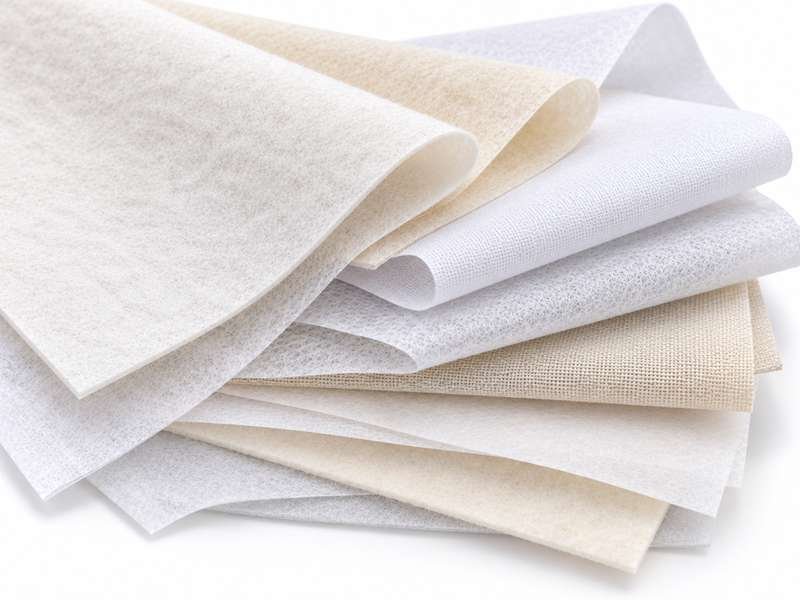
Interlining can stabilize embroidery zones, openings, clothing panels and elastic fabrics. It should reinforce only the required area without making the whole plush stiff or showing through the surface. The selected supporting material should appear on the approved sample and frozen BOM so later production uses the same thickness, position and sewing method.

Hook And Loop

Useful for matching tasks, removable learning pieces and dressing activities. Loop softness, hook exposure, edge sewing and repeated pull strength should suit the intended age and handling frequency. The selected supporting material should appear on the approved sample and frozen BOM so later production uses the same thickness, position and sewing method.

Ribbons And Fabric Tabs

Tabs can add tactile cues, color coding or attachment points. Width, length, fold direction and seam capture need control because narrow loose elements receive repeated pulling. The selected supporting material should appear on the approved sample and frozen BOM so later production uses the same thickness, position and sewing method.

Mesh And Pocket Linings

Mesh or lining fabrics can organize pockets and storage areas without overbuilding the plush. Opening size, edge finish and visibility of stored learning pieces should be checked on the sample. The selected supporting material should appear on the approved sample and frozen BOM so later production uses the same thickness, position and sewing method.

Foam And Soft Support

Thin foam can help ears, shapes, panels or costume details hold form. Thickness and edge treatment should support the visual goal without creating a hard or uncomfortable feel. The selected supporting material should appear on the approved sample and frozen BOM so later production uses the same thickness, position and sewing method.

Elastic And Binding

Elastic, binding tape and reinforced edge materials can support openings, removable covers or activity features. Stretch recovery, stitch method and exposed edges should be approved under repeated use. The selected supporting material should appear on the approved sample and frozen BOM so later production uses the same thickness, position and sewing method.

Interactive, Talking And AI Educational Plush Options

Functional plush needs clear responsibility boundaries so soft-product structure, electronics, safety review and production versions stay synchronized throughout development.
Sound And Voice Modules

Pre-recorded words, songs or stories can be integrated into a controlled internal cavity. Module dimensions, speaker opening, button location, battery route, removability and test method should be frozen with the plush structure. The complete assembly should be reviewed on the final sample, with component version, location, access method, wiring or fastening details and the applicable functional check recorded before production release.

Pressure And Button Triggers

A trigger should be easy to find without creating a hard pressure point. Pocket design, local padding, wire routing and repeated activation need review before the body pattern is released. The complete assembly should be reviewed on the final sample, with component version, location, access method, wiring or fastening details and the applicable functional check recorded before production release.
Detachable Learning Pieces

Letters, shapes, cards or accessories may attach with hook-and-loop, snaps, pockets or other suitable methods. Loose-part size, storage, repeated pulling, attachment strength and intended age should be considered together. The complete assembly should be reviewed on the final sample, with component version, location, access method, wiring or fastening details and the applicable functional check recorded before production release.

AI And Connected Concepts

Ewin can engineer the soft shell, module cavity, mounting, sound path, access opening, wash strategy and production interface. Technology partners remain responsible for PCB, connectivity, firmware, applications, cloud services and core AI functions. The complete assembly should be reviewed on the final sample, with component version, location, access method, wiring or fastening details and the applicable functional check recorded before production release.

Prototype, Revision And Sample Approval Process

Sampling should close decisions in sequence, not create endless visual revisions without clear approval points or production records.

First Prototype Tests The Product Definition

The first physical sample checks proportion, pattern volume, pose, interaction zones, material behavior and the main educational features. Standard concepts with simple structures may be managed around 5-7 working days internally. Character-level designs with more panels, clothing or detailed embroidery are commonly managed around 7-12 working days. Complex functional products with sound, electronics, long-pile shaping or special structures may require around 10-20 working days. Timing depends on material availability, custom colors, components and sample scope. The first sample is not automatically a production reference. It is a controlled development version used to identify what must change before approval. For educational sets, sample review should compare every SKU against the same family rules: overall proportion, symbol size, color references, surface feel and packaging fit. A shared review sheet makes approval faster when several designs are developed together.

Revision Records Keep Every Change Traceable

Feedback should be converted into specific actions: face proportion, material, color, embroidery, seam, filling, accessory, opening, packaging or function. Revision impact is checked against pattern, BOM, cost, lead time and compliance. Minor to major revisions may require roughly 2-10 working days depending on the change. Version names such as V1, V2, Final and Golden keep the development team, sourcing, production and quality teams aligned on the current product. Old samples and obsolete files should never become informal references after a newer version is approved. A revision should close a known comment rather than create an unrelated redesign. When one change creates a new effect – for example a fabric change altering embroidery or a larger pocket changing body balance – the secondary impact should be recorded before the next version is approved.

Golden Sample And PP Connect Development To Bulk

Once appearance, structure, materials, components and key functions are approved, the project should move from visual approval into controlled production data. Golden Sample, frozen BOM, released pattern, current artwork, packaging specification and defined quality checkpoints create the technical baseline. A pre-production sample may be used when final production materials, labels, packaging or process conditions need confirmation before full release. Any later change to material, component, decoration or packaging should be reviewed for impact and re-approved when necessary. The goal is simple: the approved educational product should be the product the production line is instructed to reproduce. Production instructions should also identify which details are visual CTQs and which are functional CTQs. For educational products, symbol readability, opening size, removable-piece fit and trigger position can be as important as character appearance.

Plan Age, Function And Compliance Before Structure Freeze

Age, accessible parts and product function should enter development early so materials, attachments, labels and test samples represent the intended product.

Product ConfigurationEarly DecisionsMain Risk FocusCompliance Planning Direction
Soft character plushAge, market, fabric, embroidery, labelsSeams, filling, small parts, flammability, colorfastnessReview current toy requirements for the target market and intended age
Sensory plush with tabs or texturesAge, material zones, tab dimensions, cleaningPull strength, exposed edges, material suitabilityInclude every accessible material and attachment in the project review
Plush with removable learning piecesAge, piece size, storage method, fastenerSmall parts, detachment, repeated pullingDefine intended age and use before deciding detachable construction
Plush with plastic or molded partsMaterial, attachment, accessible coating, ageSharp points/edges, pull, chemistry, phthalates where applicableMap accessible hard parts to the current market test plan
Sound or electronic plushModule, battery access, wiring, openings, ageAccess, impact, heat, electrical function, small partsToy-safety review may be combined with applicable electrical requirements
US children’s programAge grade, product type, accessible components, importer routeASTM F963 scope, CPSIA/CPSC obligations, labeling and recordsTesting and CPC responsibility should be confirmed for the specific product and responsible US party
EU market programAge, function, materials, accessible parts, labelsMechanical, physical, chemical and function-specific requirementsConfirm current applicable EU toy-safety and chemical requirements for the final SKU

Certificates, Compliance & Quality Assurance

Ewintoys follows structured quality and compliance practices for custom plush production. We hold relevant certifications and support additional testing, inspection, and compliance documentation based on specific product requirements and destination markets, helping brands meet different international standards with confidence.


Quality Control Built Around Educational Product Risks

Quality planning should protect the learning feature, approved appearance, attachment strength, filling balance, packaging and traceability from materials through final release.

Incoming Material Control

Fabric, components and packaging should be checked against approved specifications before production. Color, material identity, visible defects and batch status are important for educational sets where several SKUs must match. Define the inspection point, reference and acceptable result in the project QC plan so production and final inspection use the same standard.

First-Piece Verification

First pieces from critical processes help confirm pattern version, embroidery position, print scale, attachment method and assembly sequence before defects are repeated across a production lot. Define the inspection point, reference and acceptable result in the project QC plan so production and final inspection use the same standard.

In-Process Inspection

Sewing, assembly, filling and functional steps should be checked where defects are created. Early correction is more reliable than sorting large quantities after finishing. Define the inspection point, reference and acceptable result in the project QC plan so production and final inspection use the same standard.

Attachment And Seam Checks

Tabs, pockets, handles, fasteners, accessories and stress seams need product-specific checks. Pull or torque methods are selected according to construction and target requirements, not as a generic marketing claim. Define the inspection point, reference and acceptable result in the project QC plan so production and final inspection use the same standard.

Filling And Measurement

Filling weight, local distribution, shape, balance and key dimensions affect both learning readability and appearance. Controlled references help keep character faces, shapes and matching sets consistent. Define the inspection point, reference and acceptable result in the project QC plan so production and final inspection use the same standard.

Final Release And Traceability

Final appearance, packaging, labels, quantity and defined QC points are reviewed before shipment. Needle or foreign-material control follows the appropriate route for the product construction and included components. Define the inspection point, reference and acceptable result in the project QC plan so production and final inspection use the same standard.

Production Details That Protect Approved Educational Features

Bulk production should reproduce the approved product definition through controlled materials, released patterns, process settings and project-specific quality checkpoints.

Cutting And Decoration Start From Released Versions

Fabric spreading and cutting need the current pattern, correct pile direction, color batch and material identification. Educational graphics add another layer of control because a small position shift can change readability. Embroidery and printing should use the current program or artwork, approved thread or ink colors and defined placement references. Long-pile surfaces may require trimming or lower-detail zones around letters, faces or symbols. Materials that do not match the approved BOM should be held for review instead of substituted informally. Early version discipline prevents a visually acceptable sample from becoming a different bulk product after sourcing or cutting changes. If a series shares one body or packaging platform, common files should be controlled once while SKU-specific embroidery, colors, labels and accessories remain separately identified. That reduces setup complexity without blurring the identity of each style.

Sewing, Assembly And Stuffing Control Function And Feel

Sewing determines seam strength, symmetry, openings and the location of activity features. Repeated-pull areas such as tabs, pockets and fasteners may need reinforcement or additional process checks. Functional modules, soft supports and removable pieces require defined assembly instructions so orientation and access remain consistent. Stuffing should control total weight, local density, shape, balance and cavity clearance rather than simply fill the body. Overfilling can distort letters, embroidery and openings; underfilling can reduce shape recognition. Shaping and finishing then restore the approved silhouette, face, fur direction and activity zones before final inspection. For activity products, assembly order matters. A pocket, fastener or module fitted too early may block sewing access; fitted too late, it may damage the finished surface. The approved work sequence should therefore be part of the production definition.

Production Release Connects Golden Sample, BOM And QC

Bulk should start from a released technical package, not from a photo in a message thread. Golden Sample, frozen BOM, released pattern, current artwork, component specifications, packaging version and quality requirements form the production baseline. For multi-SKU programs, each style needs clear identity so materials, labels, barcodes and packaging cannot be mixed. Production scale is reviewed against quantity, SKU count, special processes and the required date. Ewin’s 95,000+ m2 manufacturing system and 1,900+ manufacturing and support personnel provide the operating base, while actual capacity and timing are confirmed against the current project mix and production plan. Scale is useful only when product identity remains controlled. Multi-SKU schedules should therefore connect each style to its sample version, BOM, packaging and QC reference instead of relying on color nicknames or informal descriptions on the production floor.

MOQ, Sample Time And Production Planning References

DecisionPlanning ReferenceWhat Changes It
MOQAround 500 pcs per style is a common commercial evaluation starting point, not a universal promise.Fabric dyeing, custom components, packaging print minimums, electronics, tooling and quantity split across SKUs.
Standard sampleAbout 5-7 working days as an internal complexity benchmark.Material availability, pattern simplicity, embroidery/printing and whether functional parts are included.
Character-level sampleAbout 7-12 working days as an internal complexity benchmark.Multiple panels, clothing, detailed embroidery, custom colors, accessories and fidelity revisions.
Complex functional sampleAbout 10-20 working days as an internal complexity benchmark.Electronics, sound, special structures, custom components, external processes and validation needs.
RevisionAbout 2-10 working days depending on change scope.Pattern changes, new material, component replacement, new artwork or function rework.
Bulk productionScheduled after Golden/BOM, packaging, testing inputs and production release are ready.Quantity, SKU count, labor content, special processes, material lead time, capacity window and rework risk.
DeliveryQuoted by destination and transport mode after packaging volume is known.Carton volume, destination, courier/air/sea route, customs and required arrival date.


Packaging Options For Learning, Retail And Gift Programs

Packaging should protect the product, organize learning pieces, communicate the concept and fit the intended retail, education or e-commerce channel.
Polybag Hangtag

Polybag And Hangtag

A simple route for many soft educational products. Bag size should avoid crushing the face or activity features, while hangtags can carry brand, story, age or basic product information. Pack approval should use the final product shape and accessories so compression, rubbing, missing parts and presentation problems are found before bulk packing.

Belly Band

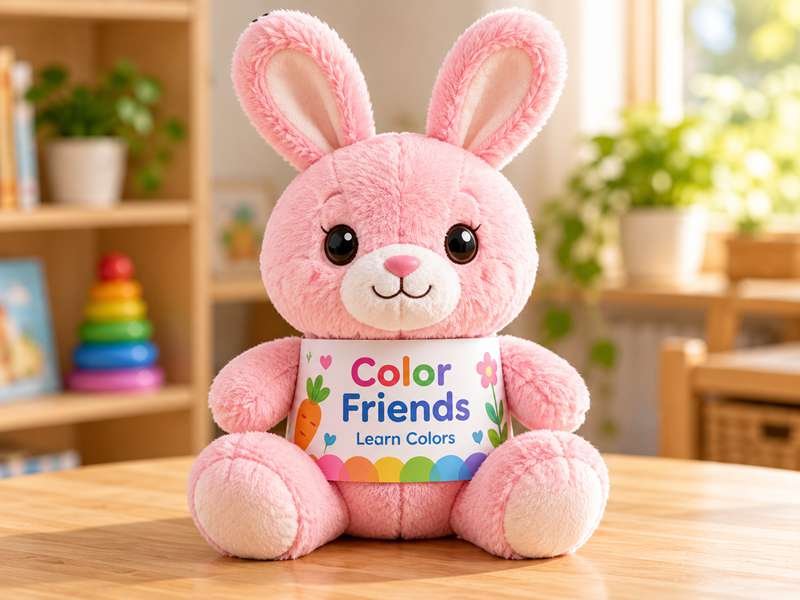
Paper bands can present a plush without fully hiding the surface. They work well for character names, learning themes and shelf presentation when the structure can remain visible. Pack approval should use the final product shape and accessories so compression, rubbing, missing parts and presentation problems are found before bulk packing.

Story Or Activity Card

Cards can connect a physical plush with a story, learning prompt, museum fact or classroom activity. Card size, language versions and pack position should be defined with the product. Pack approval should use the final product shape and accessories so compression, rubbing, missing parts and presentation problems are found before bulk packing.

Color Or Gift Box

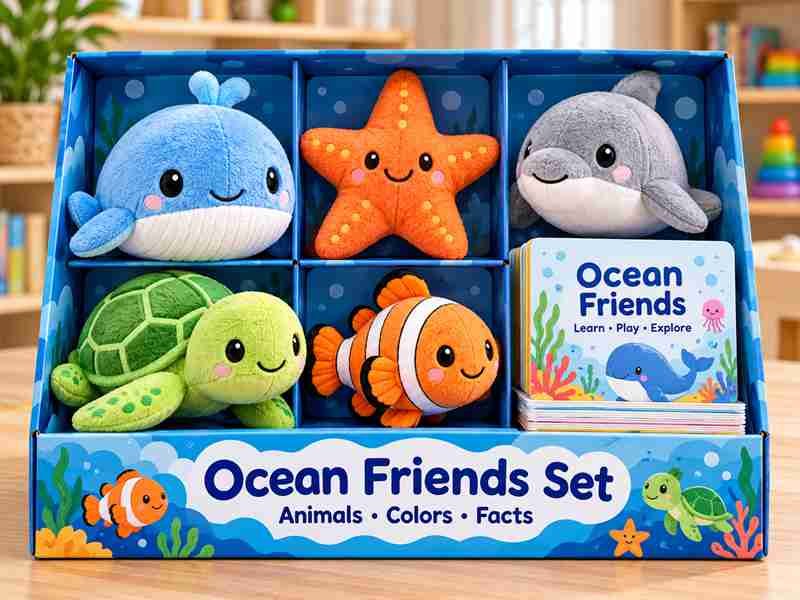
Boxes support premium presentation, sets and book-plus-plush programs. Window position, internal restraint and clearance should protect ears, accessories, graphics and module triggers during transport. Pack approval should use the final product shape and accessories so compression, rubbing, missing parts and presentation problems are found before bulk packing.

Set Packaging

Alphabet, number, emotion or activity sets may need trays, pouches, compartments or labeled positions. Pack structure should prevent missing pieces and make counting or replenishment easier. Pack approval should use the final product shape and accessories so compression, rubbing, missing parts and presentation problems are found before bulk packing.

Retail And E-Commerce Cartons

Unit pack, barcode, label version, inner quantity and master carton need SKU-level control. Shipping compression should be balanced against shape recovery and the protection of protruding educational features. Pack approval should use the final product shape and accessories so compression, rubbing, missing parts and presentation problems are found before bulk packing.

Educational Plush Program Scenarios

United States Emotion Learning Character Set - 4,800 pcs

Representative scenario, not published client history. An early-learning brand plans four 22 cm emotion characters for preschool and classroom use, 1,200 pcs per design. The brief includes four facial expressions, color-coded belly icons, embroidered labels and a teacher activity card. Development begins by locking age, market, must-keep expression landmarks and set packaging. Pattern work uses a shared body platform to improve series consistency while each face and icon remains SKU-specific. V1 review focuses on expression readability and sitting balance; V2 adjusts eye position, mouth curve and filling around the face. Golden samples, BOMs and card artwork are frozen by SKU before production. Final planning includes attachment checks, seam and filling controls, US market testing coordination and one master-carton system for the complete four-character set. The main lesson is to define the emotion system before artwork is treated as decoration. A shared body can improve consistency, but expression landmarks and icon placement still need separate controlled references for each SKU.

United Kingdom Story Character And Audio Plush - 2,400 pcs

Representative scenario, not published client history. A children’s publishing program plans a 28 cm story character with a removable sound module, 2,400 pcs for a book-and-plush launch. The artwork has a distinctive head shape, striped clothing and a soft tail. Engineering first separates character fidelity from the audio structure: head and face are developed as normal character-plush geometry, while the body receives a defined module cavity, speaker path and service opening. Sample review checks voice clarity, button location, comfort against the body and safe module containment. The publisher supplies approved audio content and language files; the technology partner controls electronics while Ewin controls the plush interface and assembly. Packaging uses a color box with a book-facing window, internal clearance around the tail and a labeled instruction insert. The main lesson is to freeze the mechanical interface between plush and electronics early. Changing module size or button position after pattern approval can force a new cavity, new seams and another safety or function review.

Germany Museum Science Collection - 6,000 pcs

Representative scenario, not published client history. A museum retail program plans three science-themed plush items at 2,000 pcs each: a planet character, a cell-inspired soft model and a small educational mascot. The challenge is balancing recognizable scientific identifiers with friendly plush proportions. Development starts with a feature map marking which colors, rings, organelle shapes and symbols must remain accurate. Material selection uses shorter pile around printed or embroidered information zones and softer contrast fabric for tactile interest. Shared packaging dimensions simplify store handling, while each SKU receives a separate story card and barcode. Sample revisions focus on graphic readability, shape stability and color matching across different fabric types. Before production release, each SKU receives its own Golden Sample, BOM, current artwork, packaging version and quality checkpoints to prevent cross-SKU mix-ups during assembly and packing. The main lesson is to separate scientific must-keep identifiers from styling freedom. Once those landmarks are agreed, softness, color treatment and packaging can be optimized without losing the educational meaning.

Frequently Asked Questions About Custom Educational Plush

Around 500 pcs per style is a common commercial evaluation starting point. Effective MOQ changes with custom fabric, printed packaging, electronics, tooling and how total quantity is divided across SKUs.

Simple structures may fit a 5-7 working day internal benchmark. Character-level designs are commonly 7-12 working days, while complex functional samples may require 10-20 working days.

Yes. Development can begin from sketches, 2D artwork, character sheets, 3D renders, AI concepts, reference products or physical samples, followed by feasibility, pattern and sample review.

Yes. Multi-SKU programs can share body platforms, materials or packaging where appropriate, while each design keeps its own sample version, BOM, artwork, labels, barcode and quality reference.

Yes, with clear technical boundaries. Ewin handles the soft shell, cavity, mounting, sound path, access and production interface; technology partners handle core electronics, firmware, applications and cloud functions.

Intended age, target market, accessible components and function should be reviewed before structure freeze. Testing and documentation are then planned around the actual SKU, materials, attachments and final configuration.

Bulk release should reference the approved Golden Sample, frozen BOM, released pattern, current artwork, packaging version and defined QC points instead of relying on photos or informal instructions.

Yes. Packaging can include polybags, belly bands, story cards, activity cards, color boxes, set packaging, barcodes and master cartons, depending on the sales and learning program.
Send Your Educational Plush Project Brief

Send Your Educational Plush Project Brief

A useful first review does not require a finished tech pack. Share the learning purpose, artwork or reference and the commercial target, and Ewin can identify the main development questions before sampling. For faster evaluation, include the information below so structure, materials, sample route, market requirements and production feasibility can be considered together. Early review also helps identify whether the concept needs a standard character route, a sensory structure, a removable activity system or a functional electronics interface.
  • Learning goal and intended age
  • Artwork, character sheet, sketch or reference sample
  • Target size and quantity by SKU
  • Sound, sensory, removable or interactive features
  • Target market and required launch or arrival date
  • Packaging or retail-channel requirements

Start Your Custom Plush Project

We will contact you within 24 Hours, please pay attention to the email with the suffix“@ewintoys.com”. 

# Confidential project? NDA requirements can be discussed before sensitive files are shared.