Custom Plush Doll Manufacturer for Brands & Character Collections
Ewin Toys develops custom plush dolls from original artwork, fashion concepts and licensed characters into production-ready products with controlled body proportions, expressive faces, hairstyles, garments and accessories. With 20+ years of plush manufacturing experience, our team supports pattern engineering, sample refinement and consistent mass production for collectible, retail and promotional programs.
60+ Development Specialists | Face & Hair Detail Control | Custom Outfit Engineering | Accessory Attachment Solutions | Multi-SKU Collection Consistency

Plush Doll Programs Built Around Different Commercial Priorities
IP & Licensing Teams
Collectible Toy Brands
Retail & Merchandising
Game & Entertainment
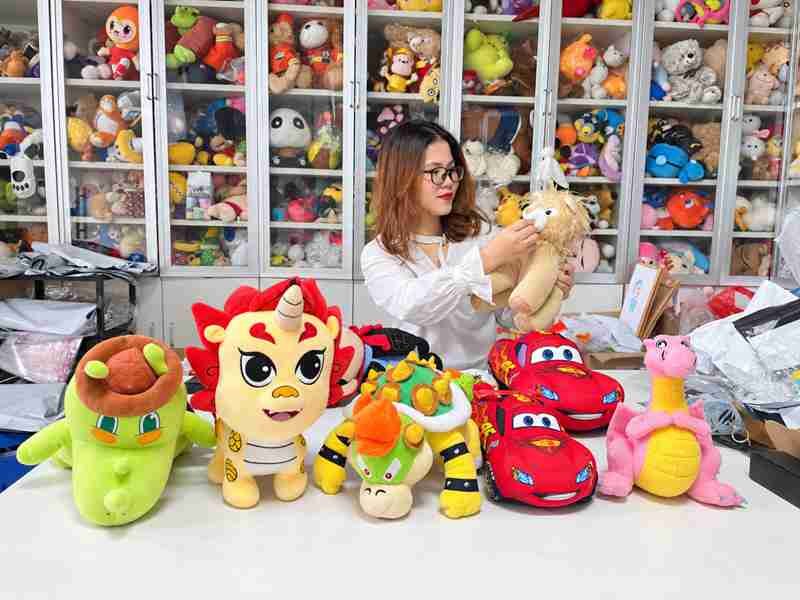
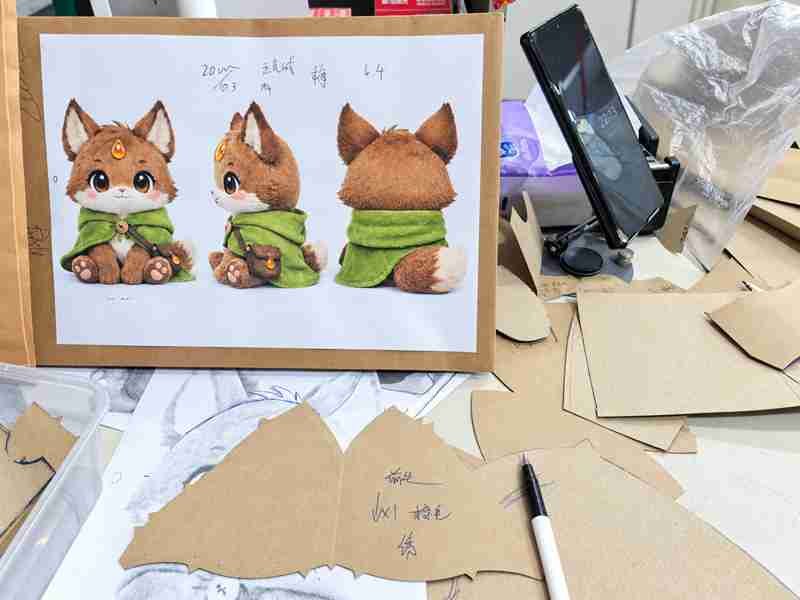
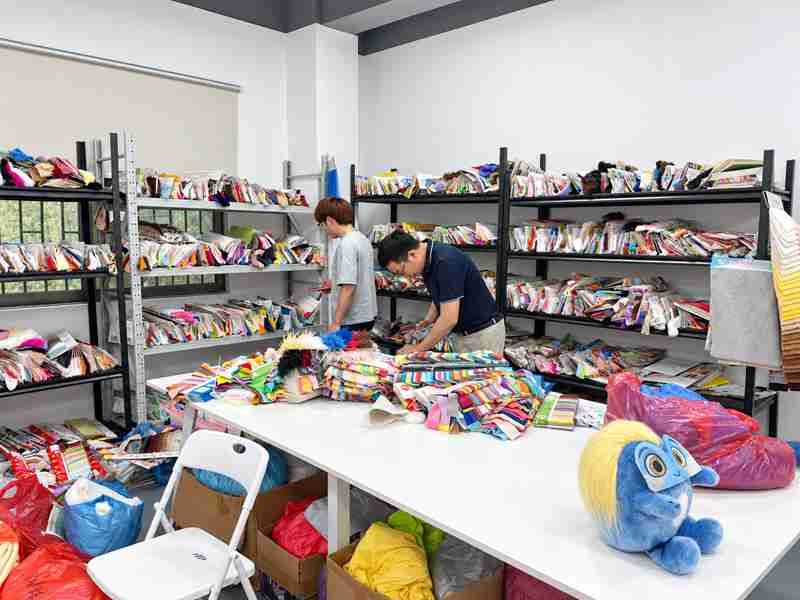
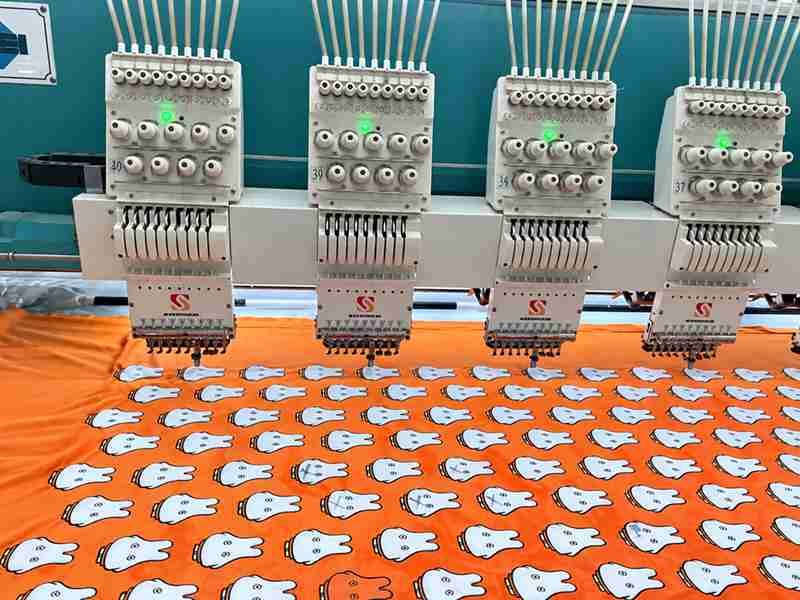
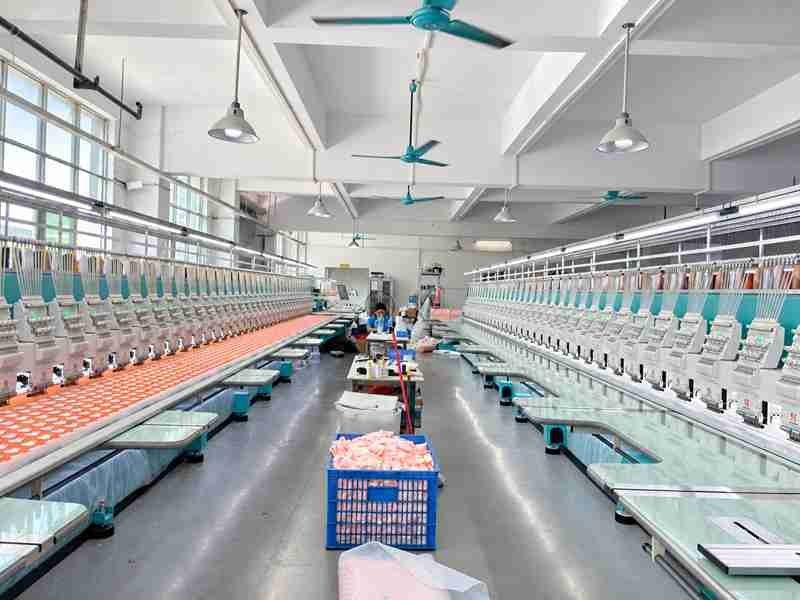
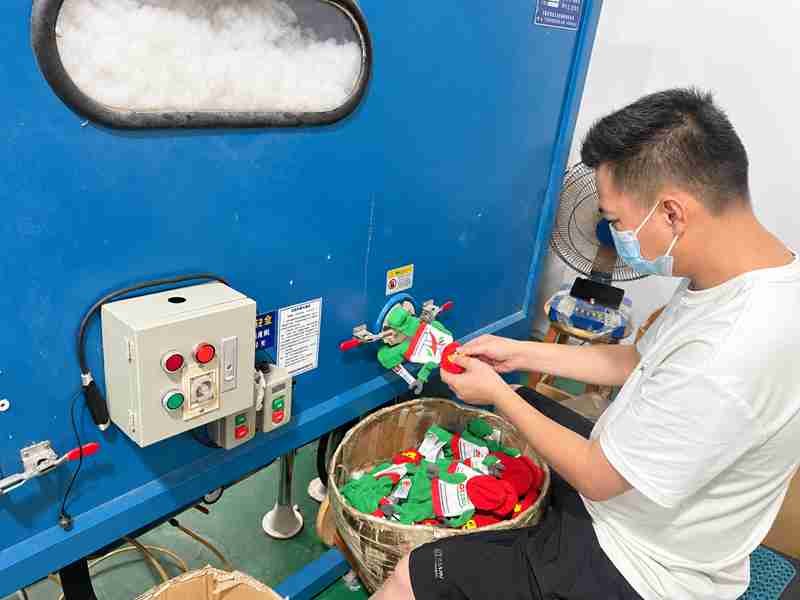
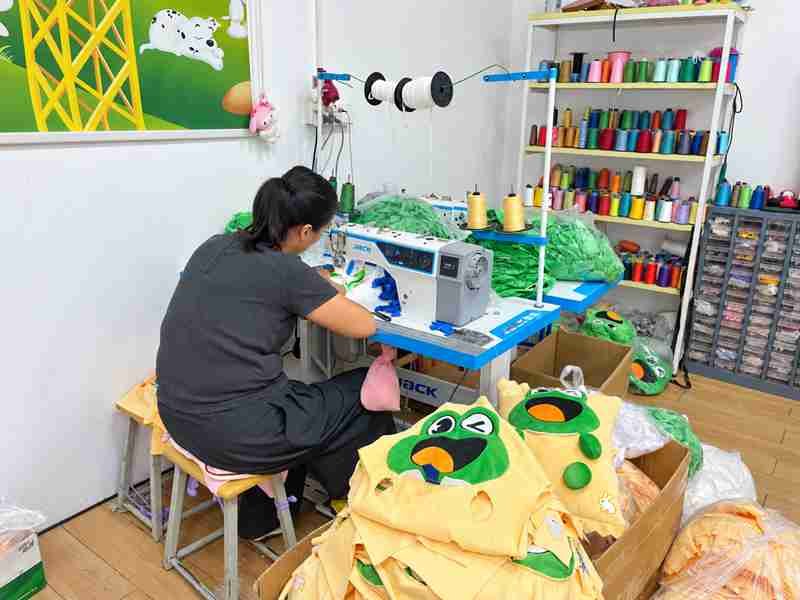
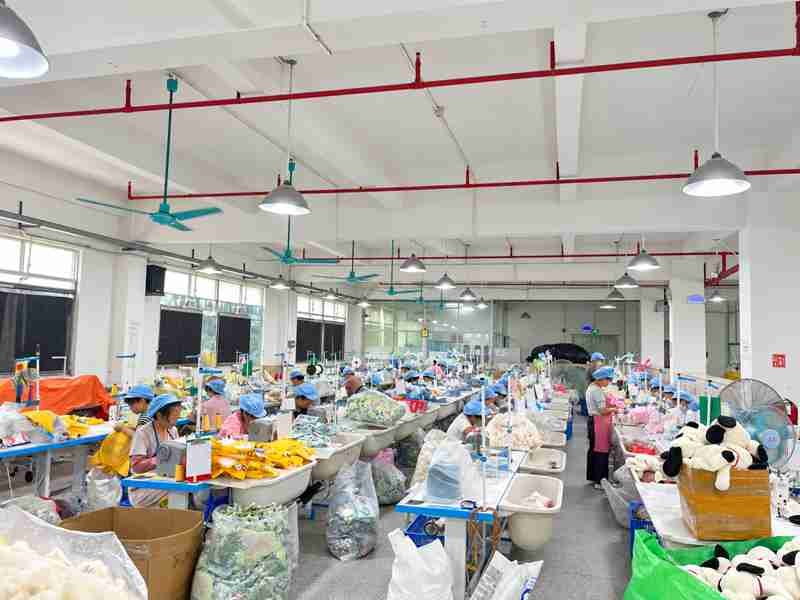
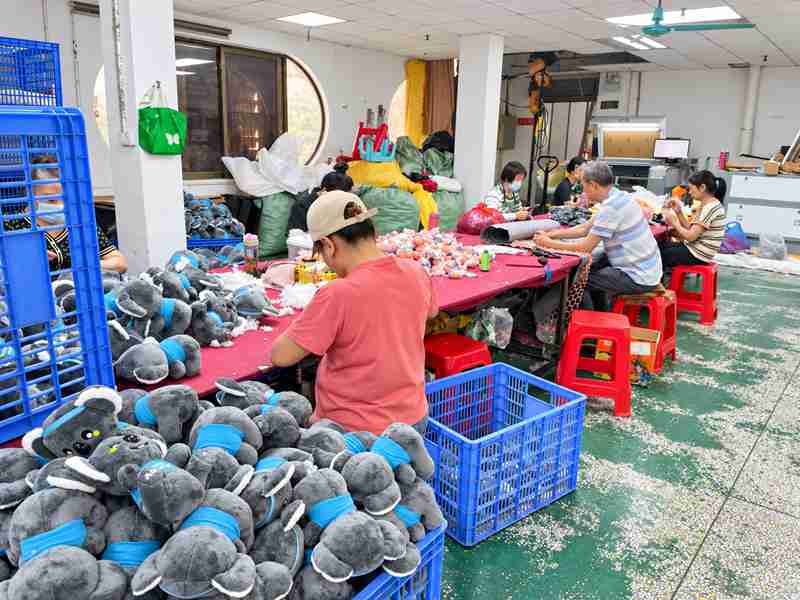
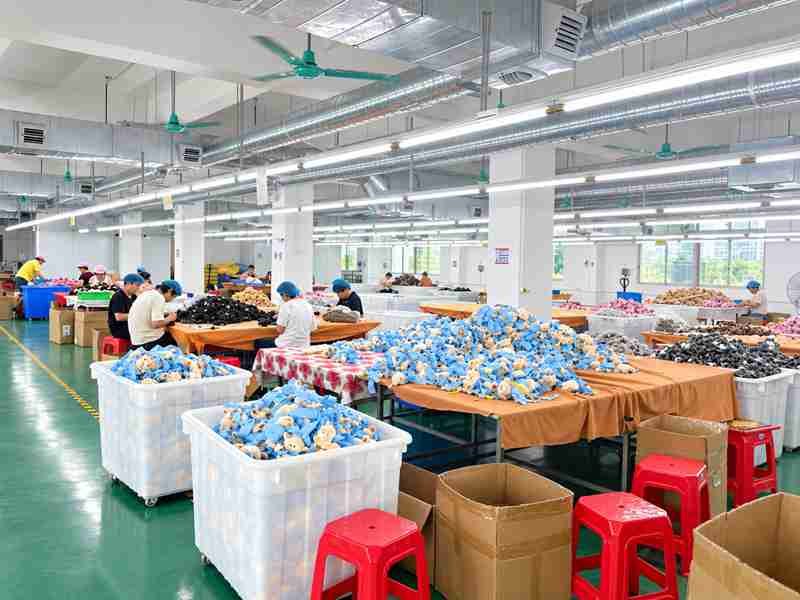
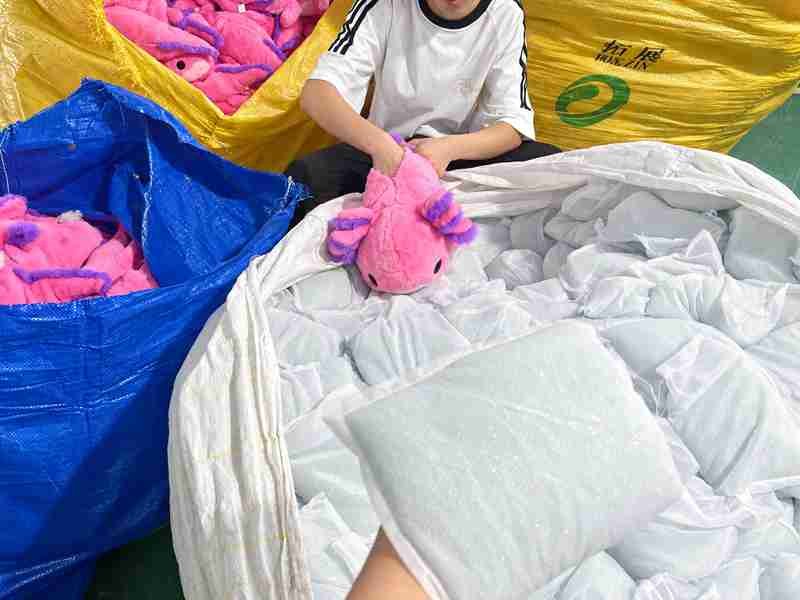
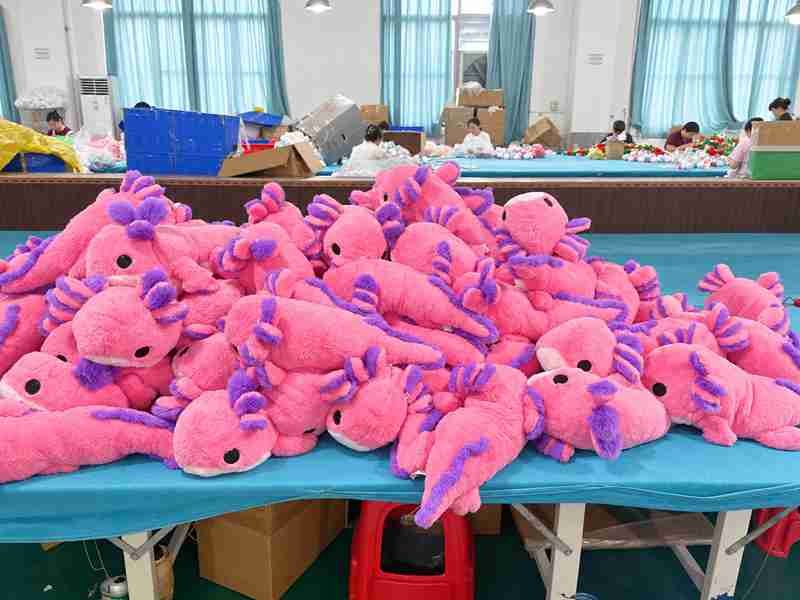
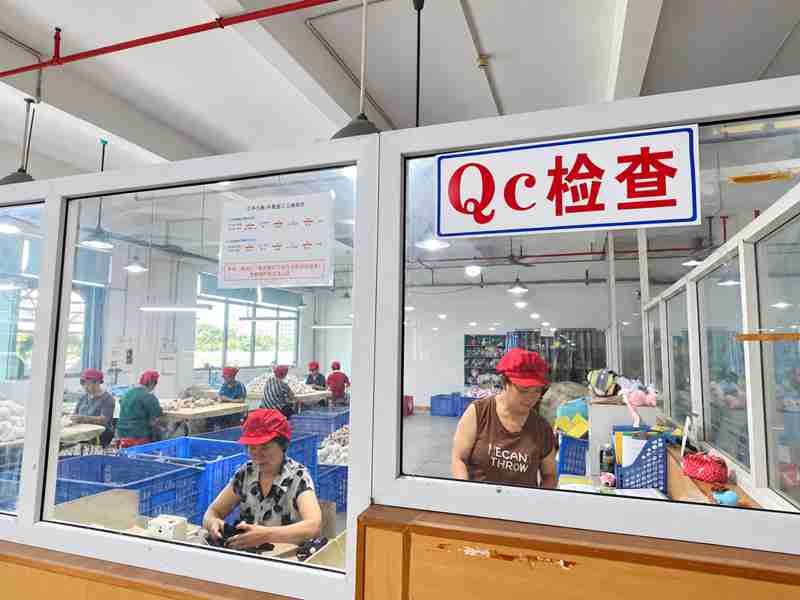
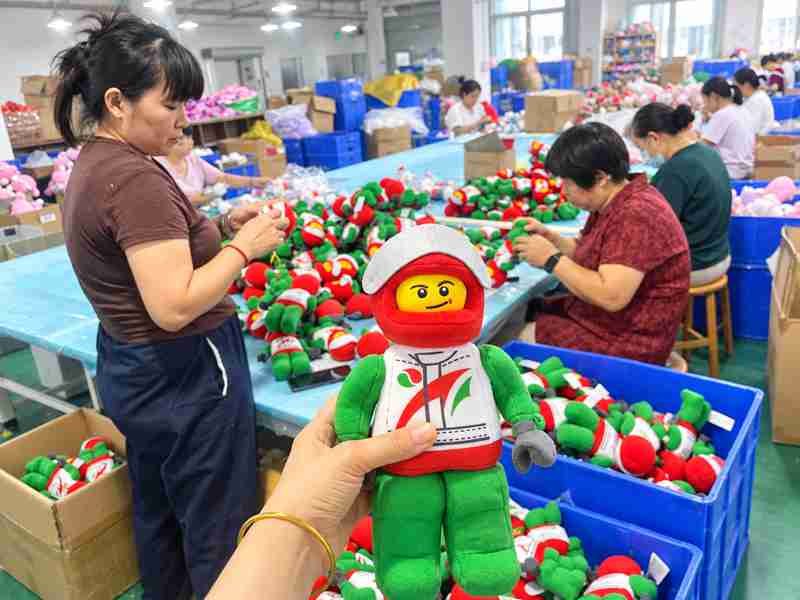
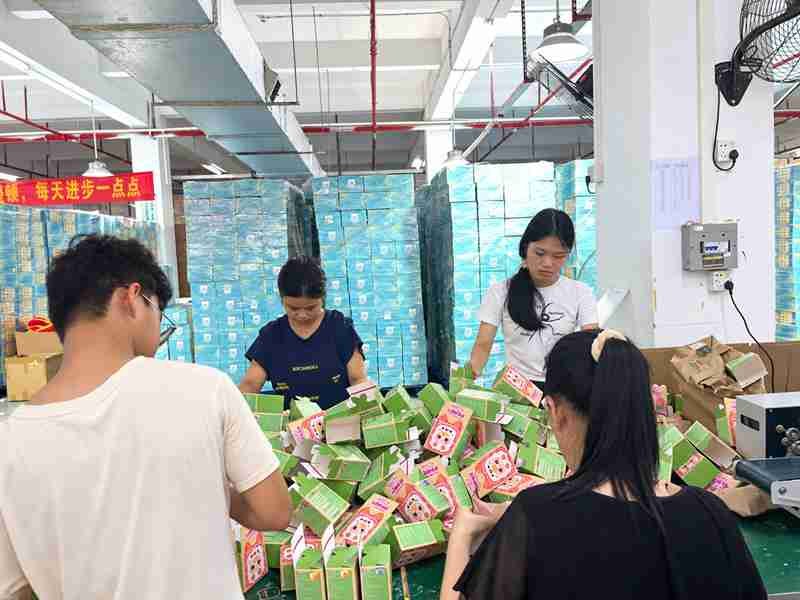
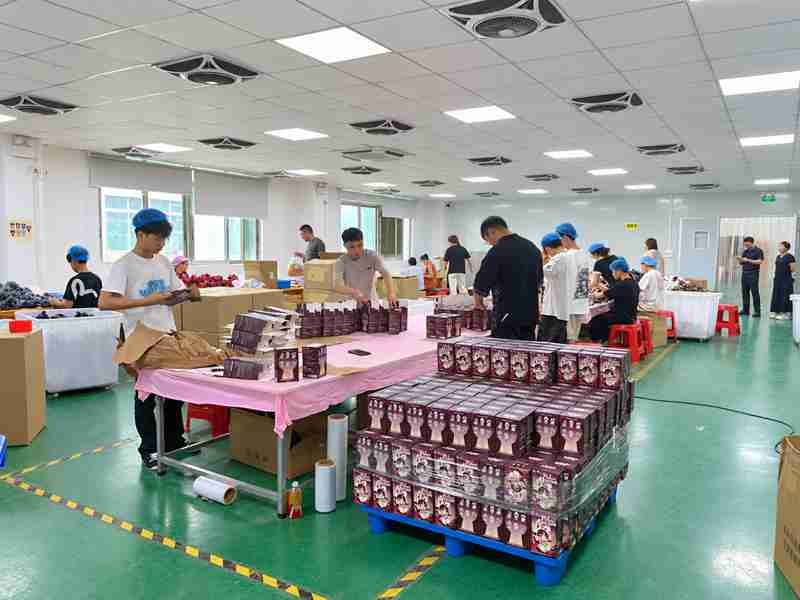
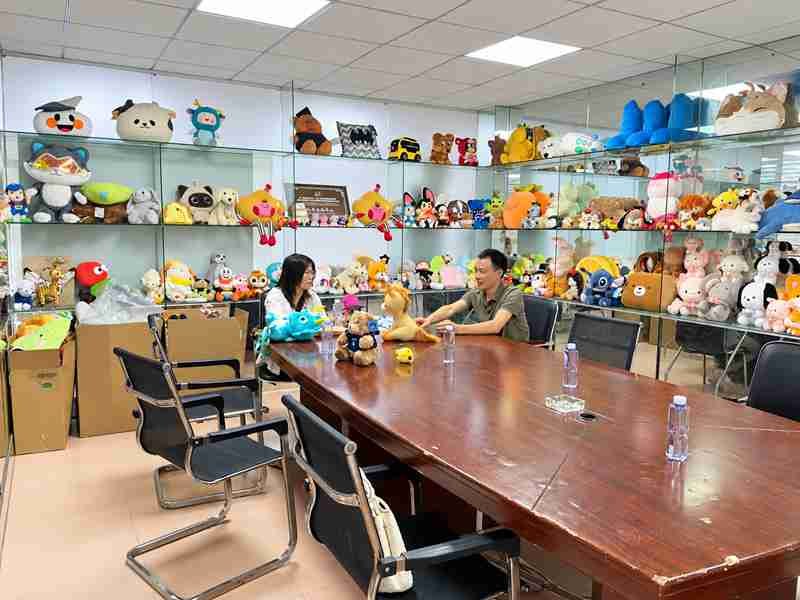
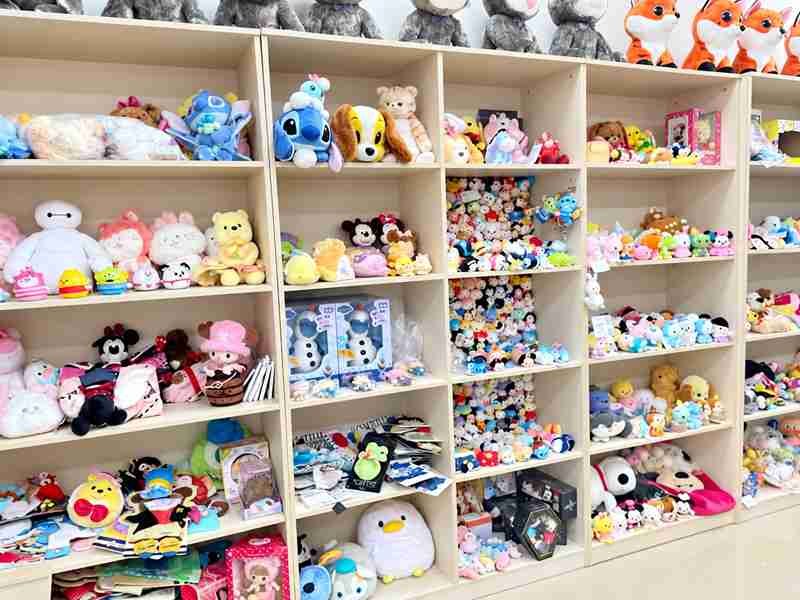
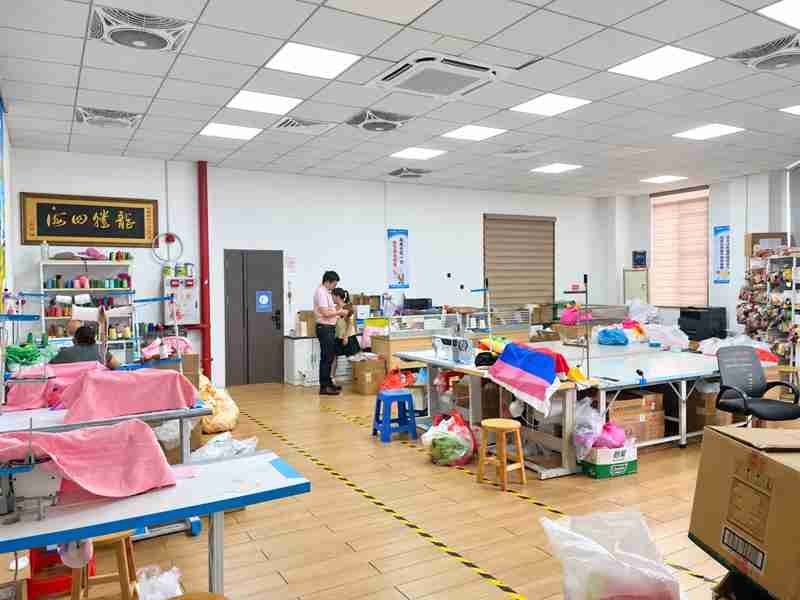
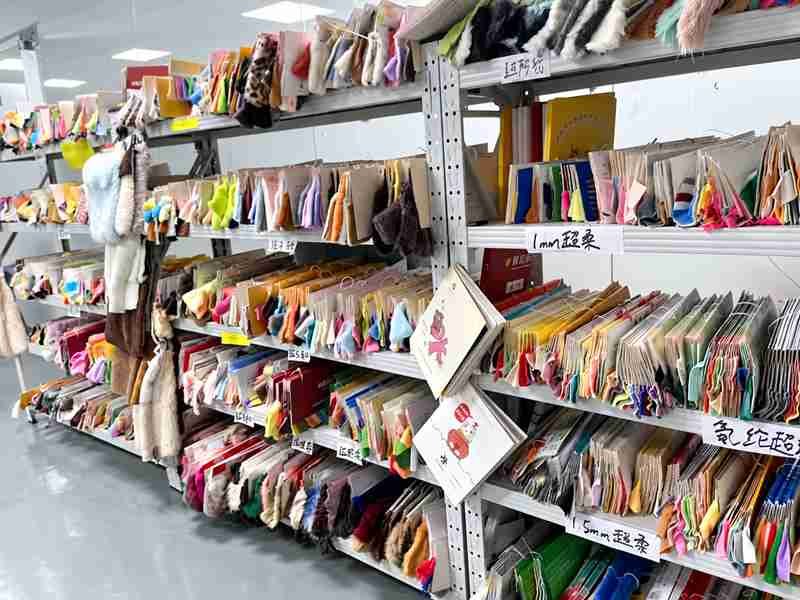
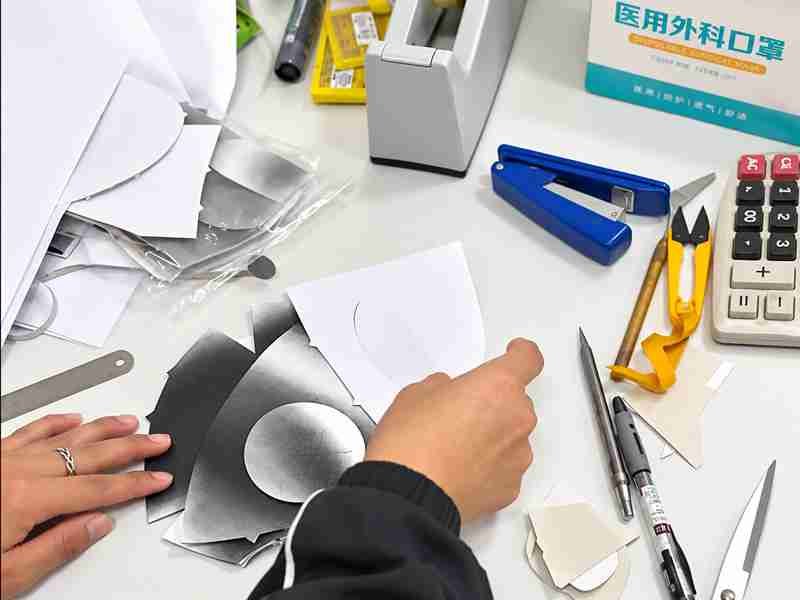
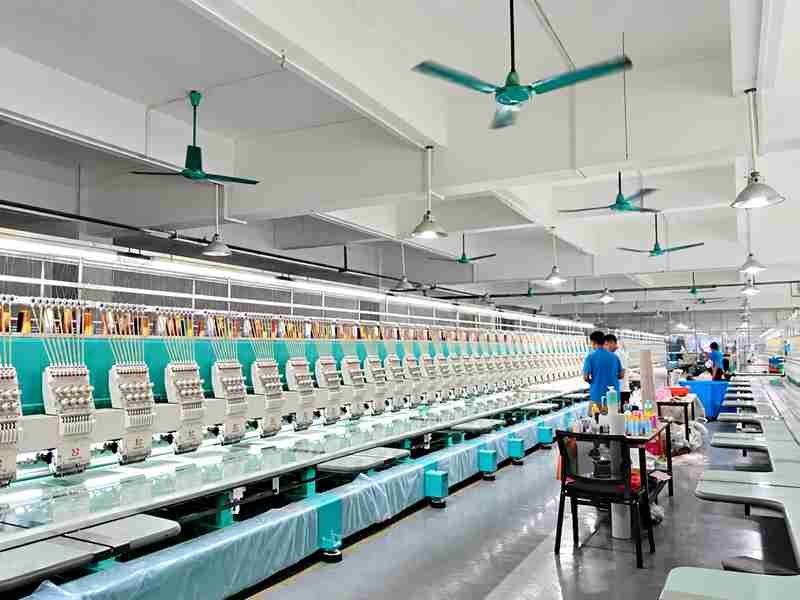
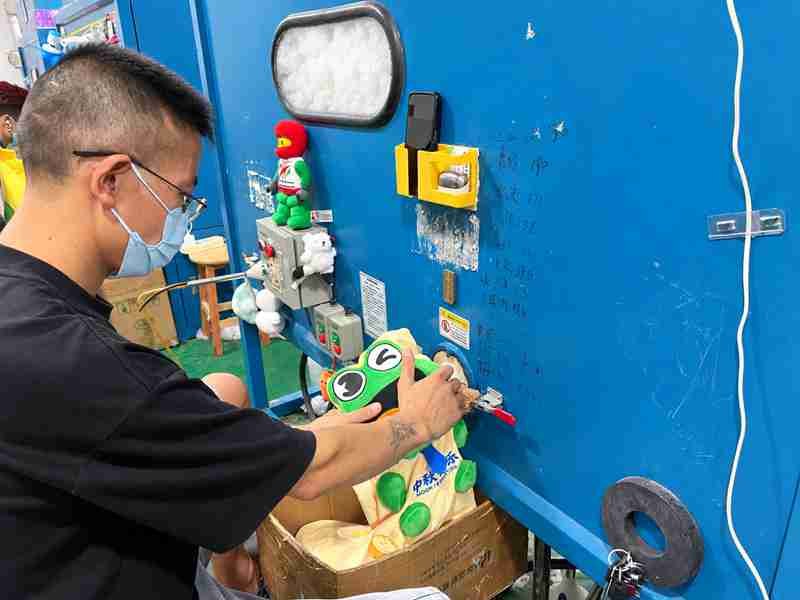
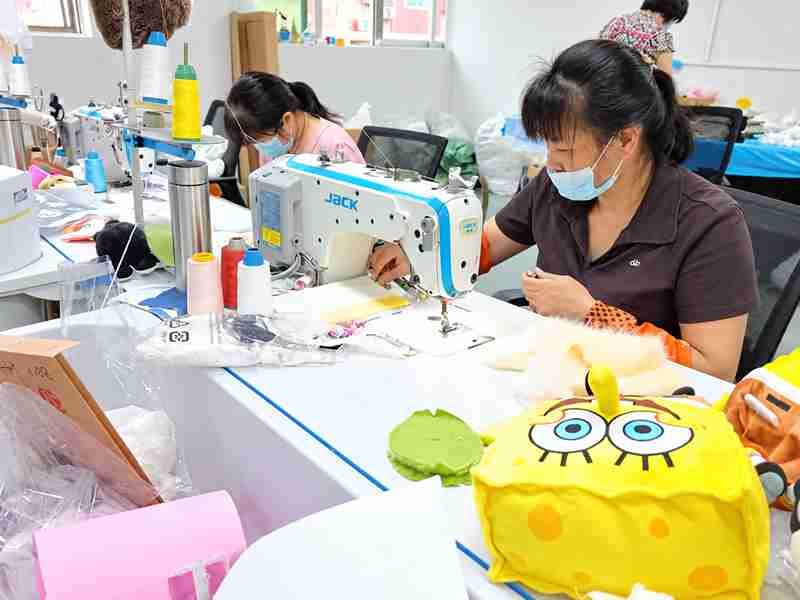
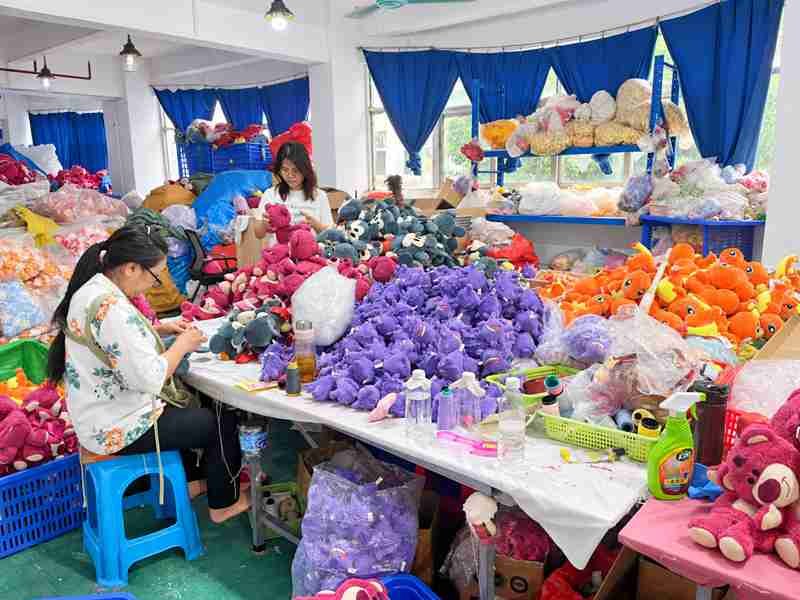
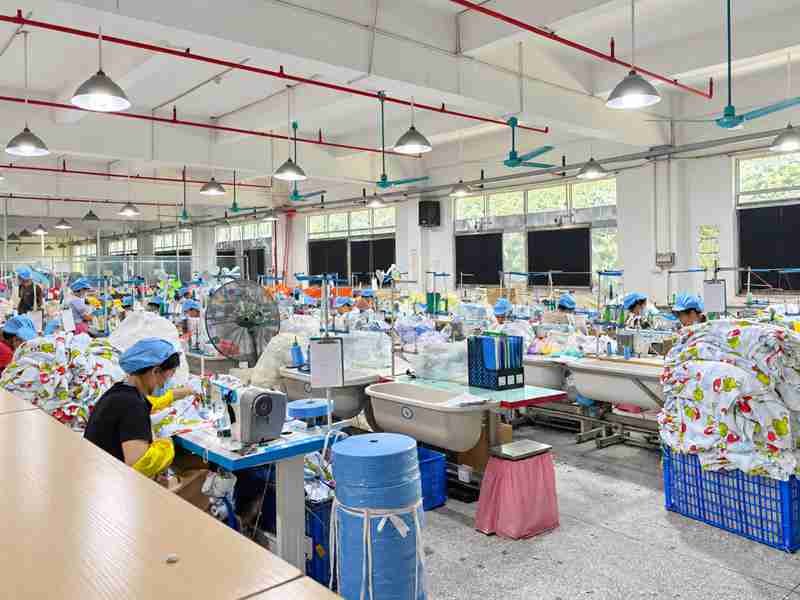
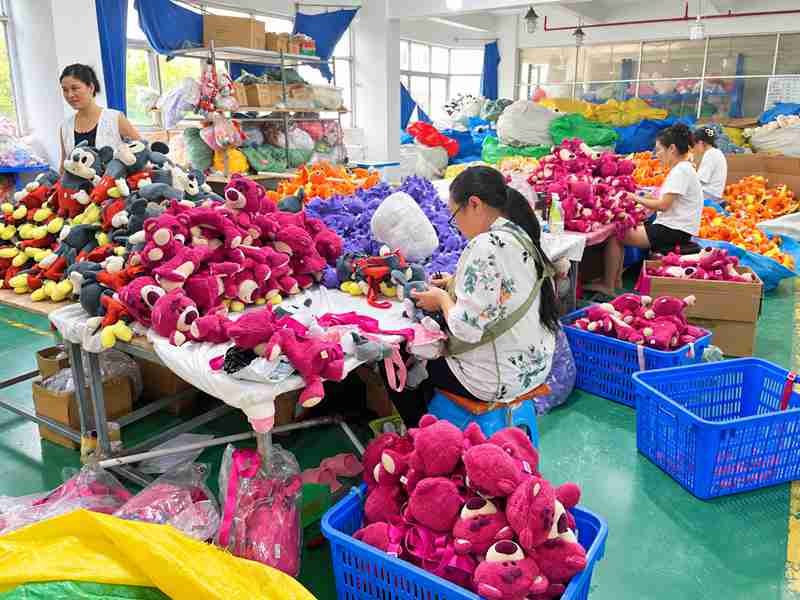
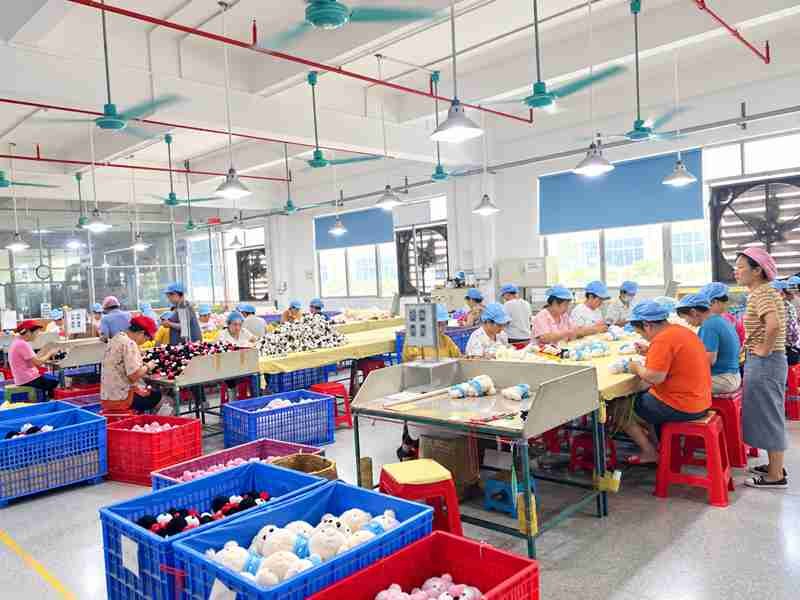
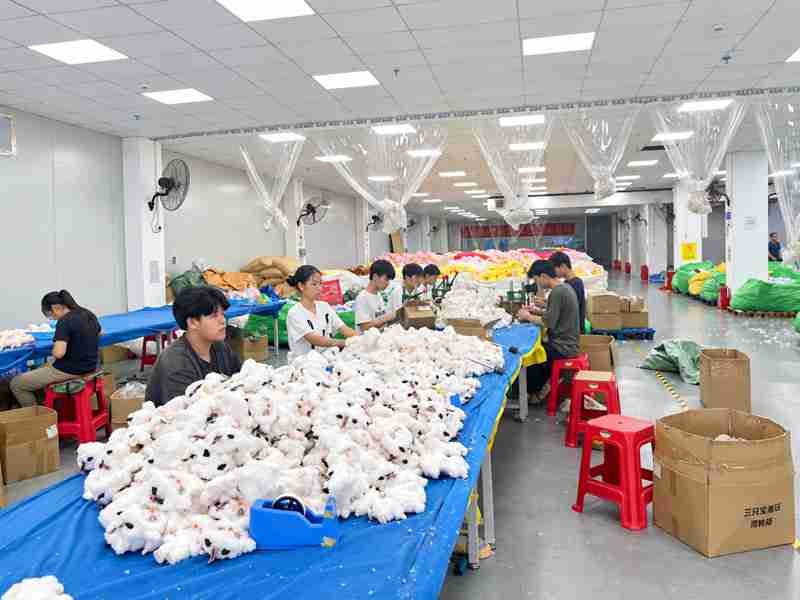
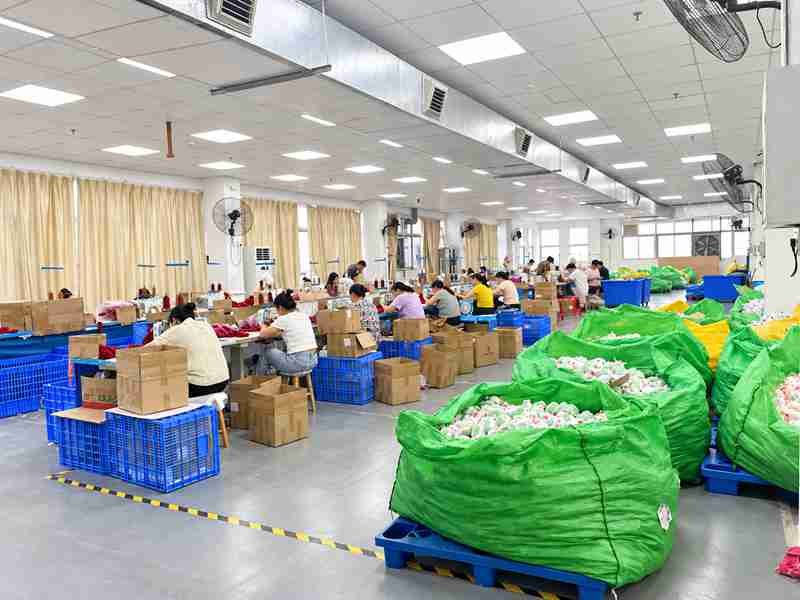
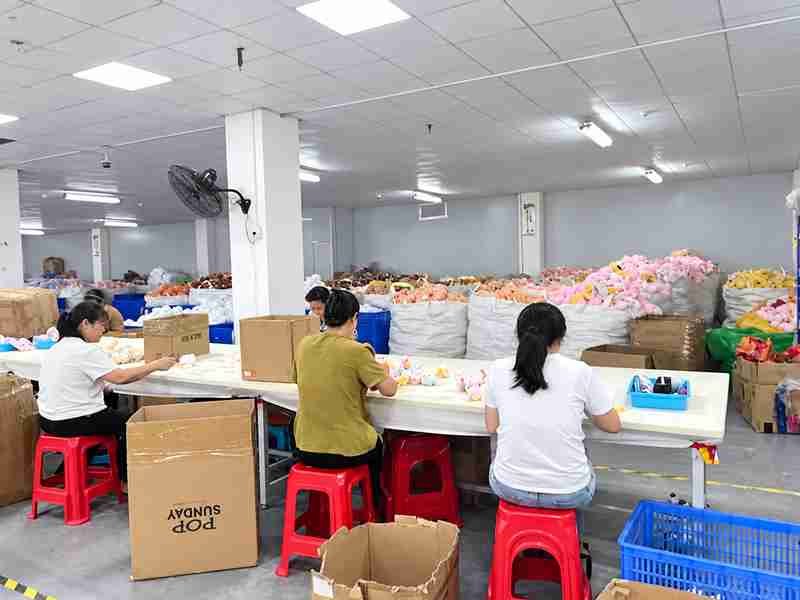
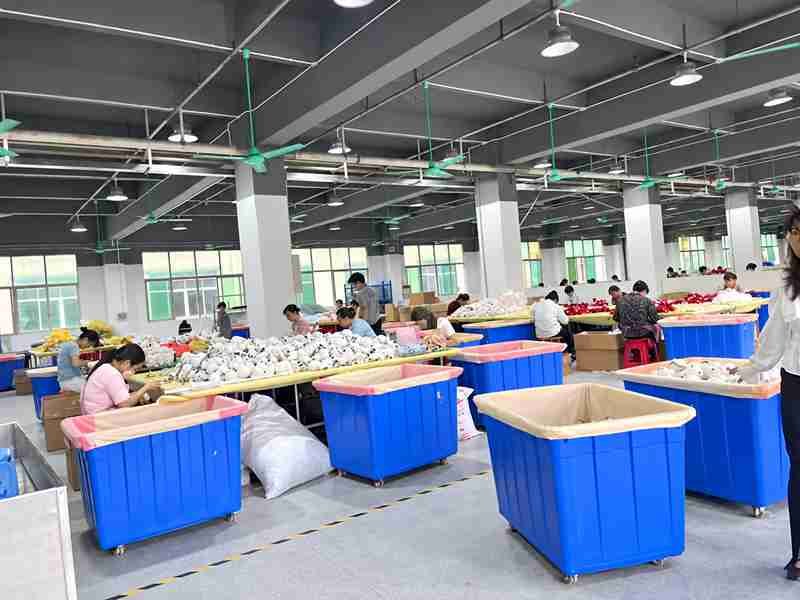
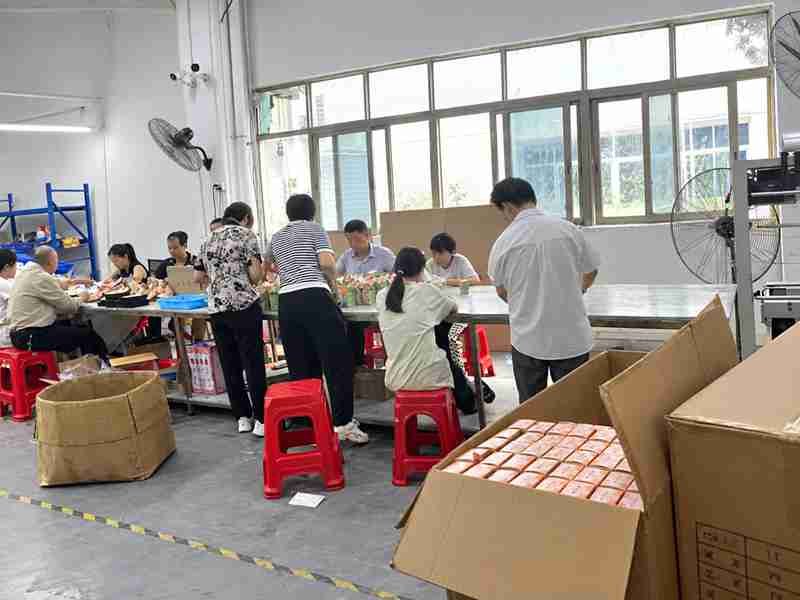
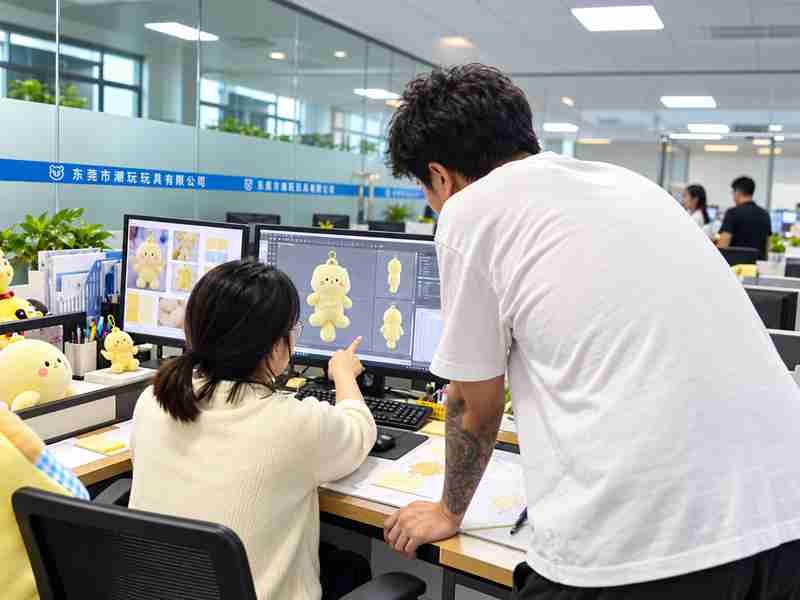
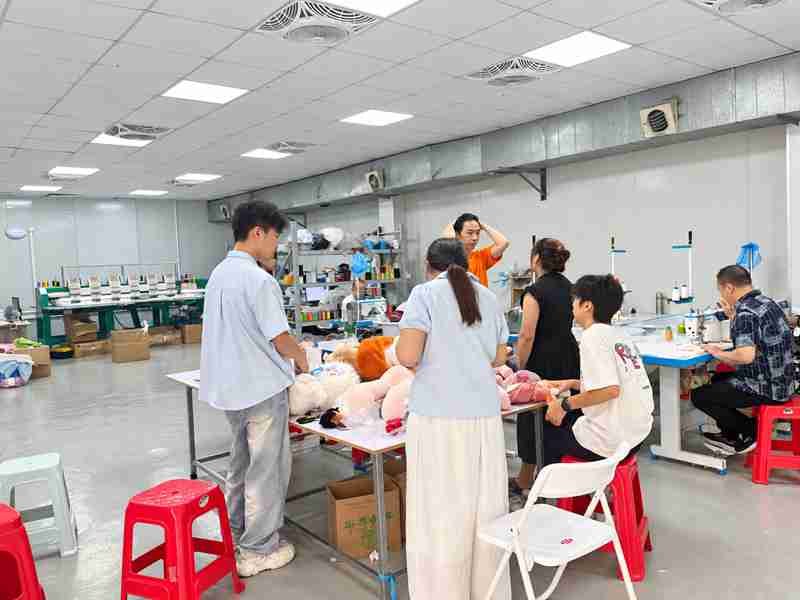
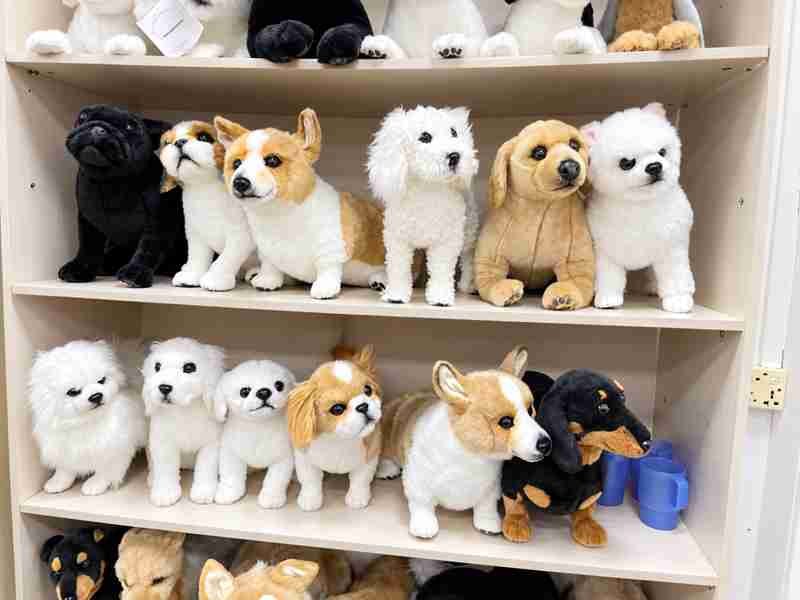
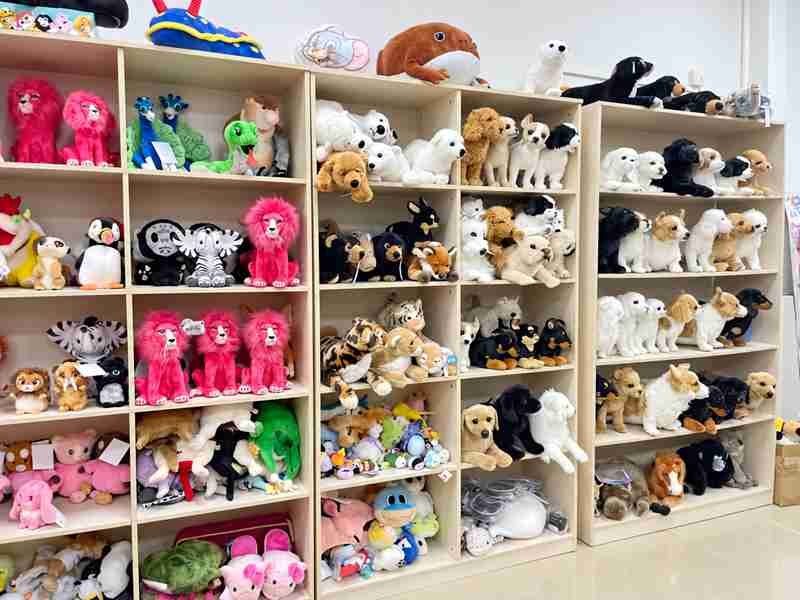
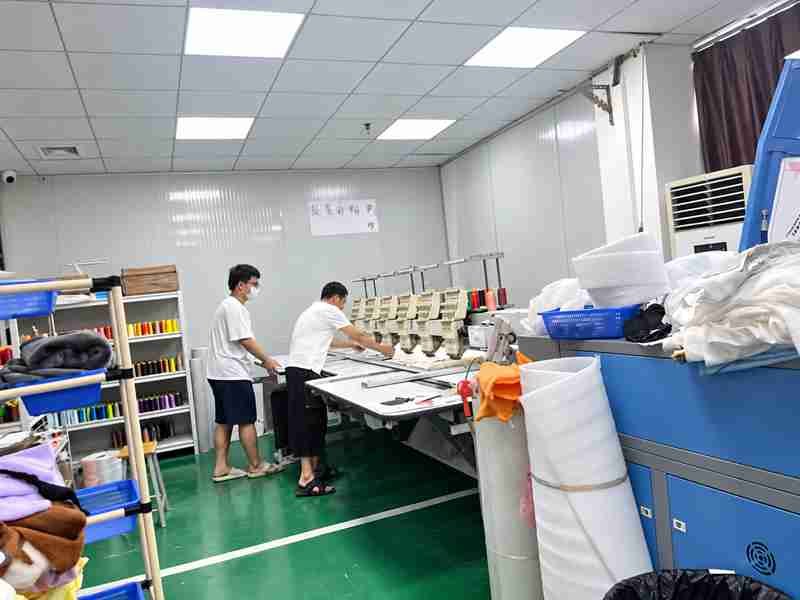
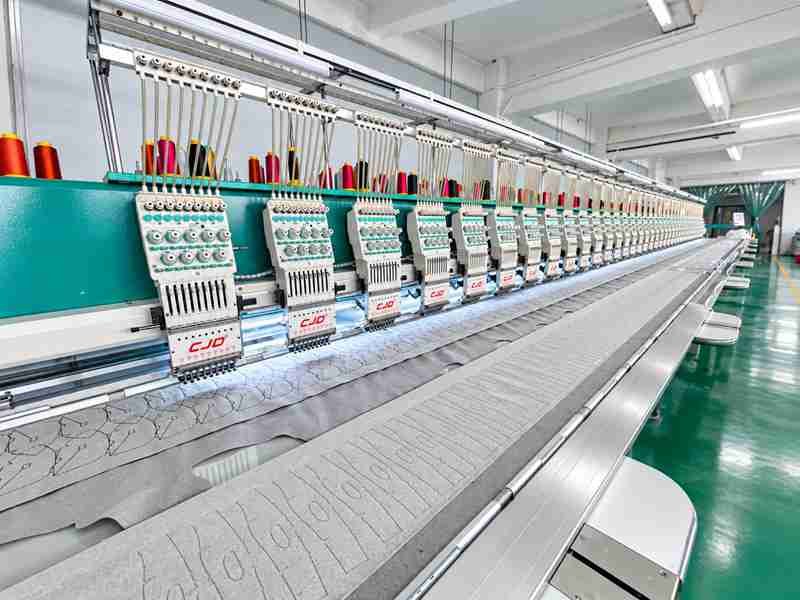
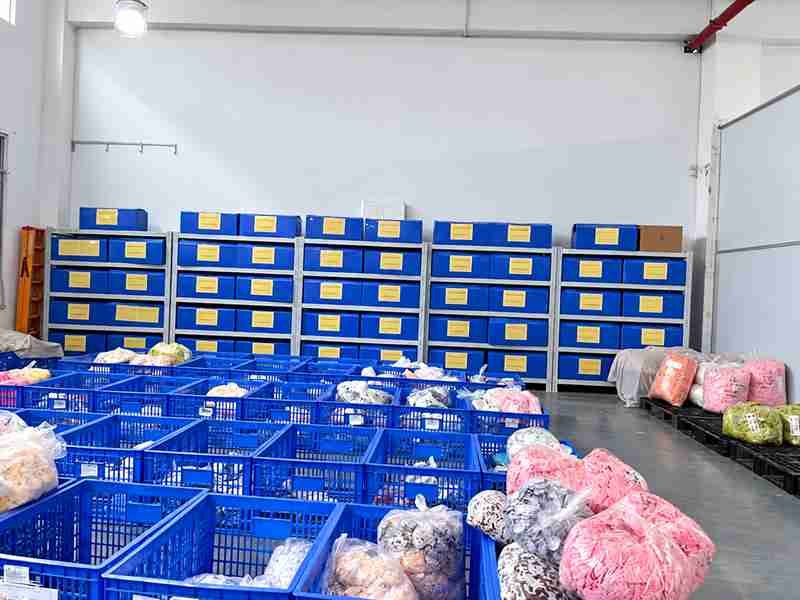
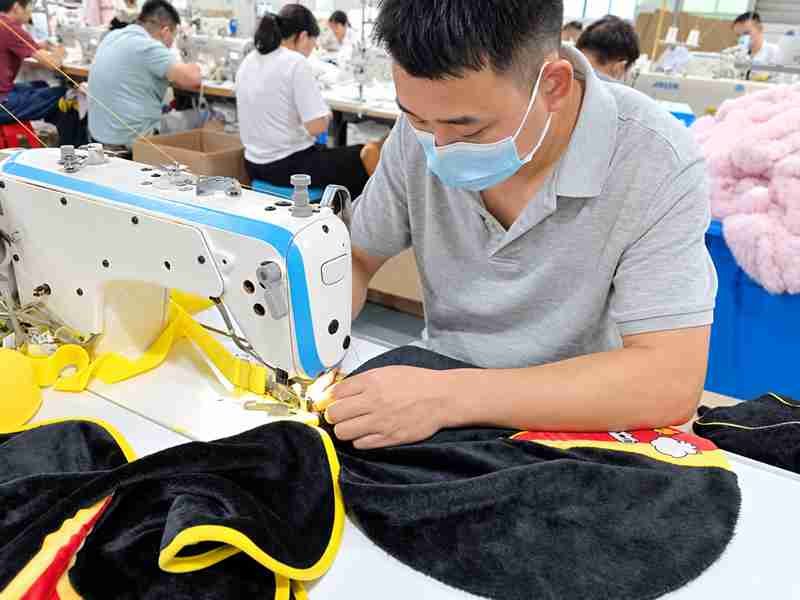
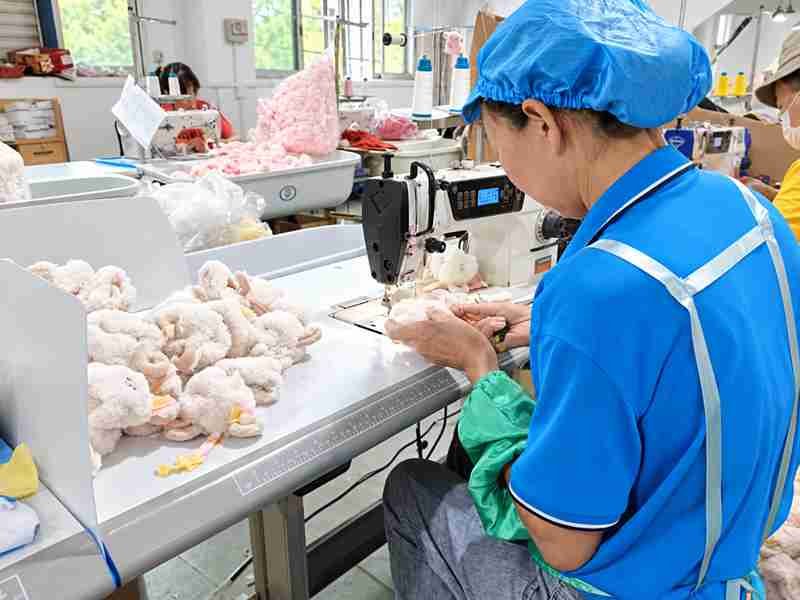
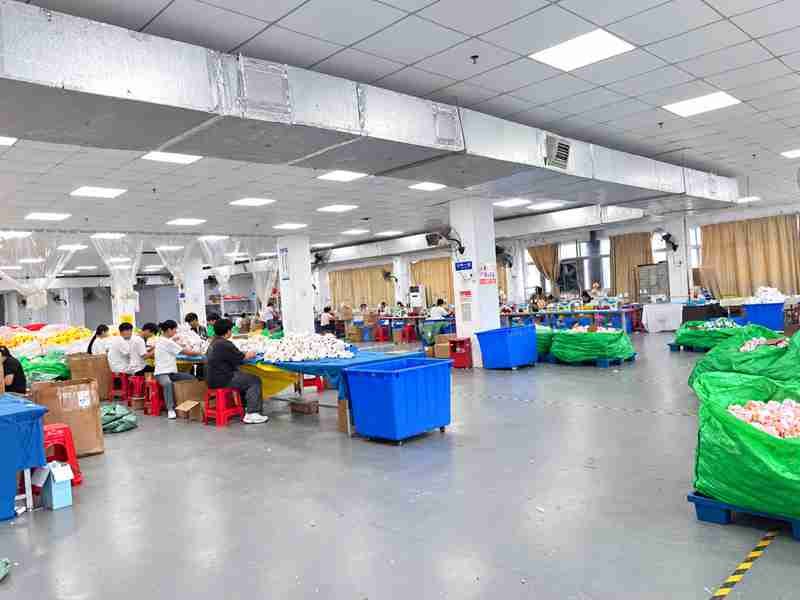
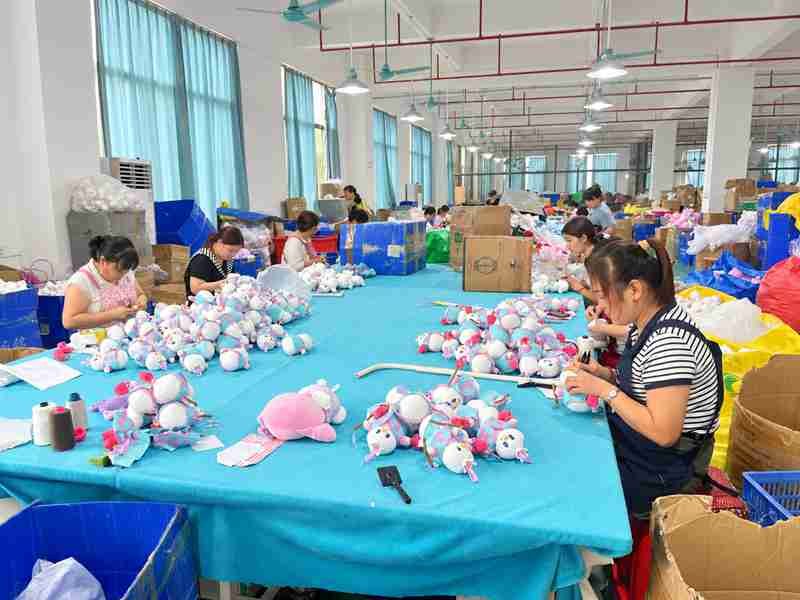
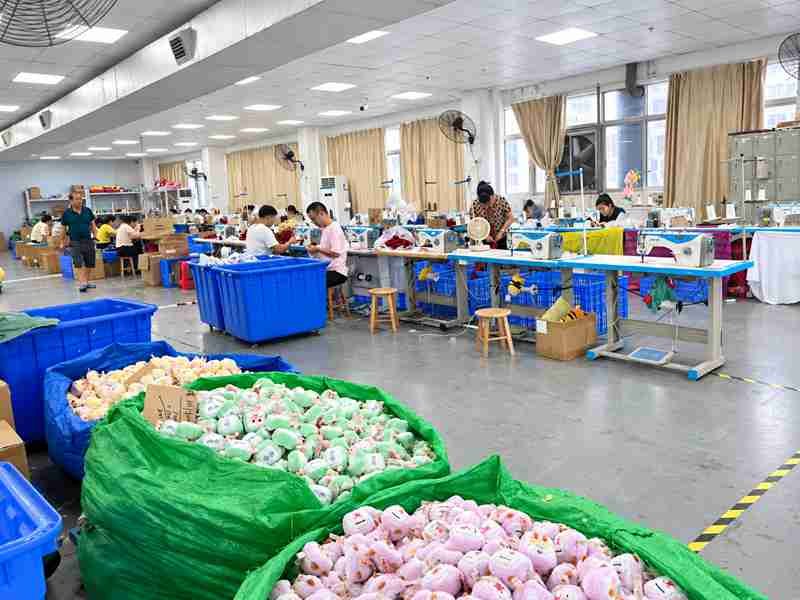
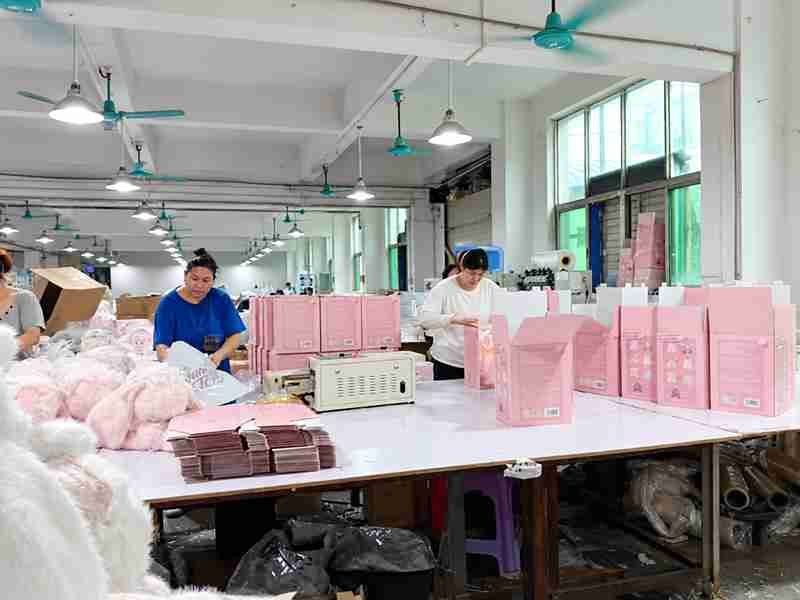
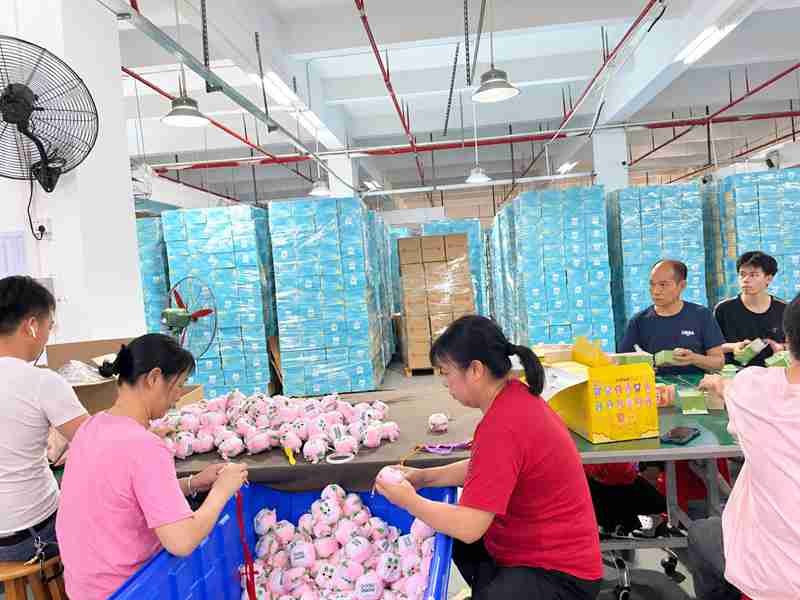
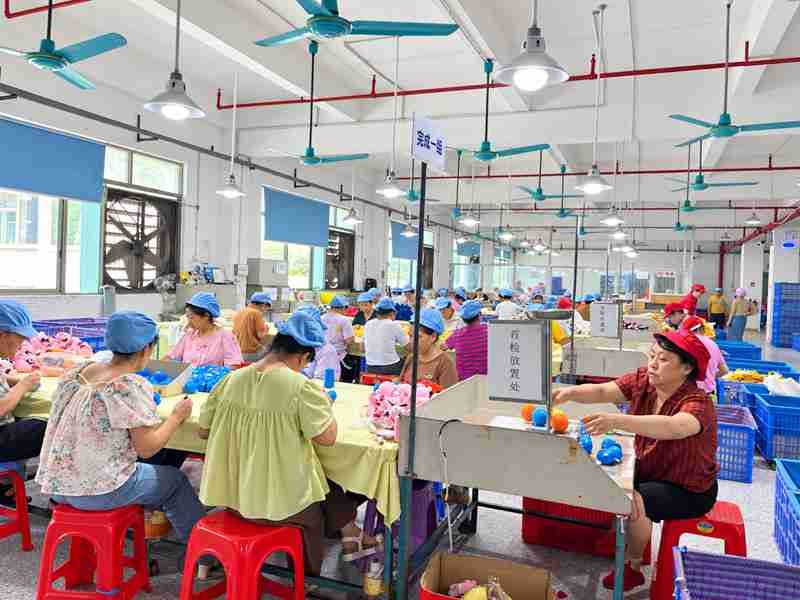
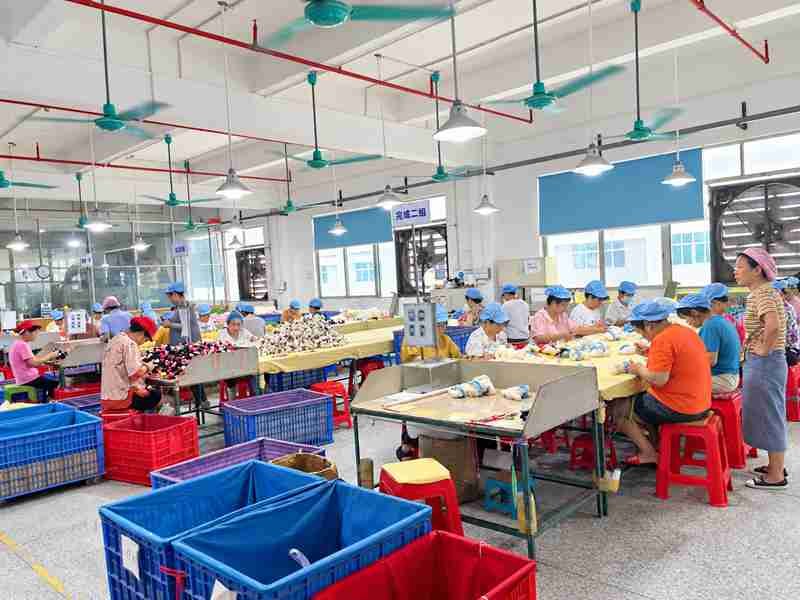
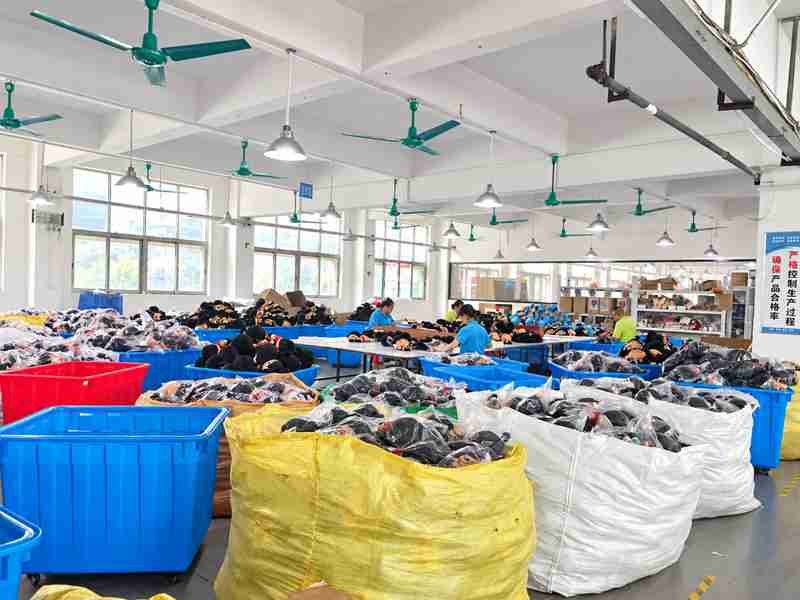
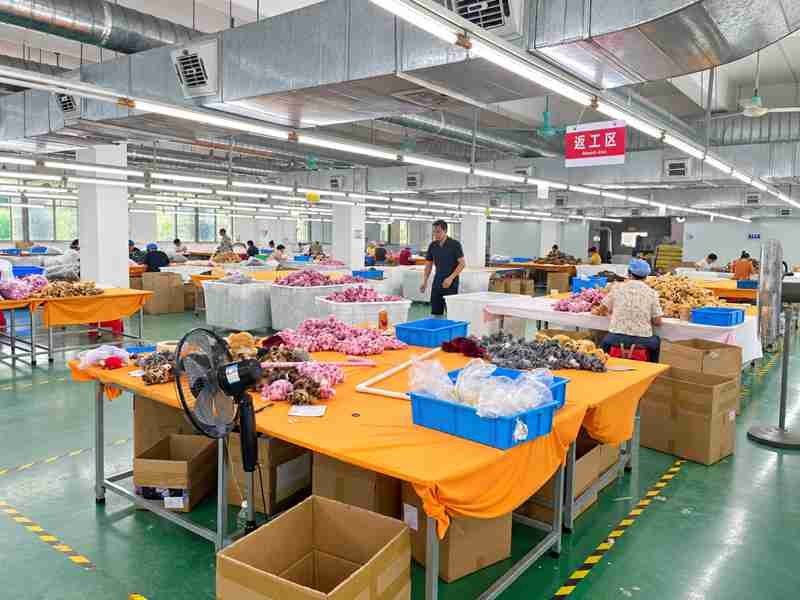
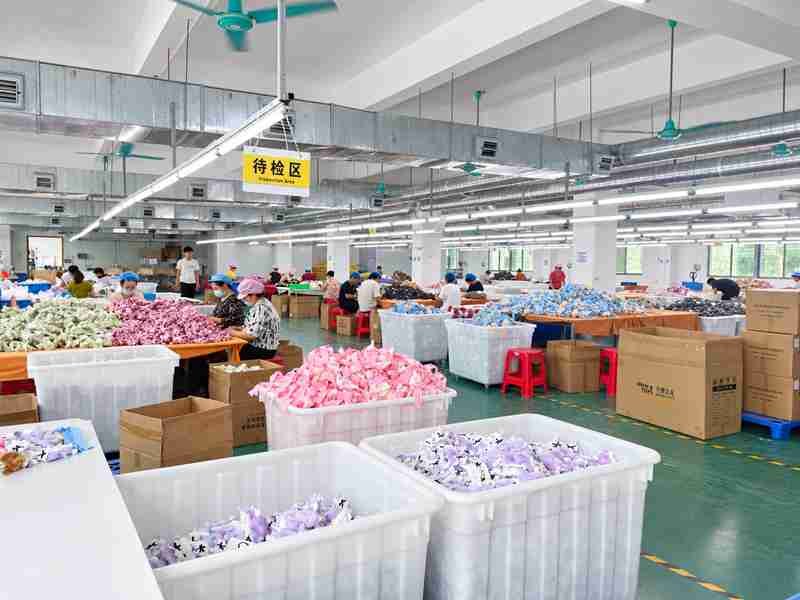
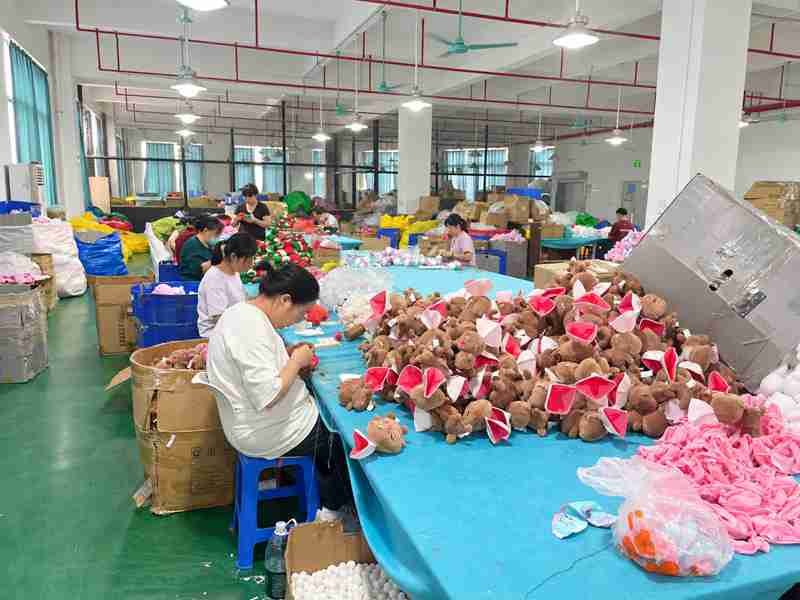
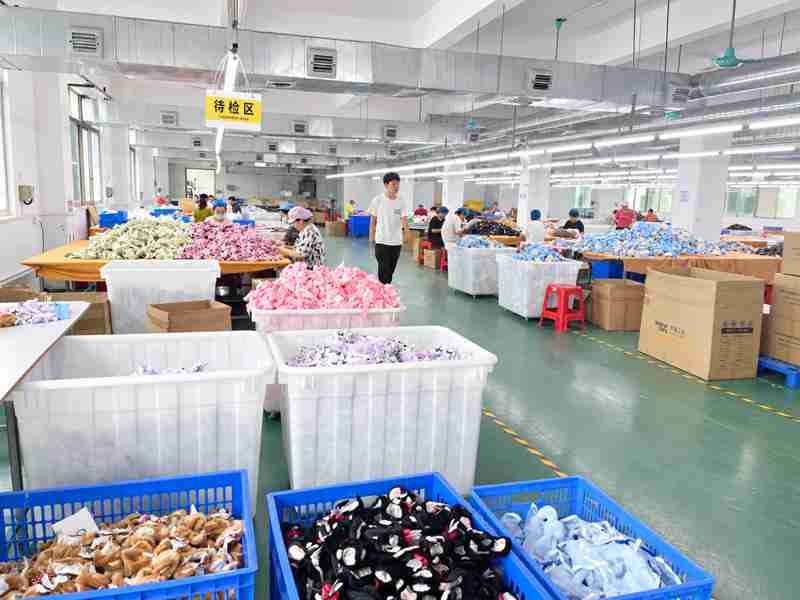
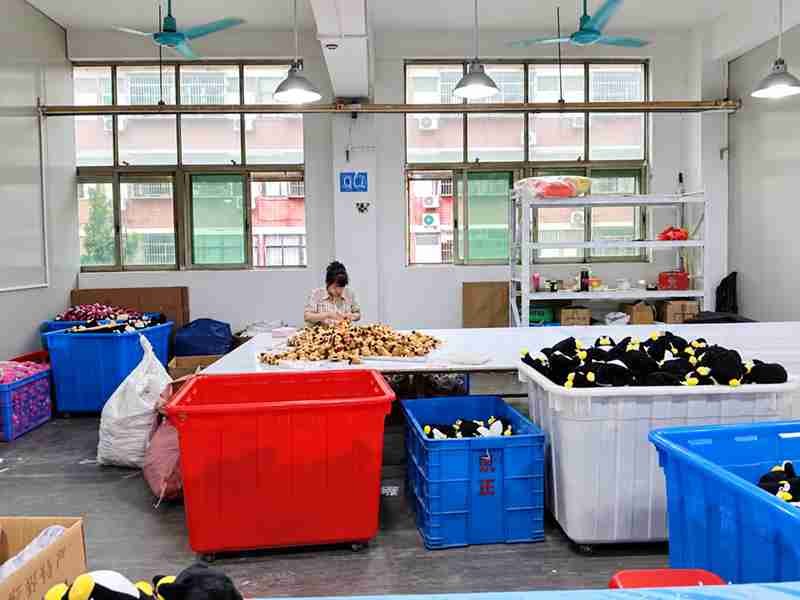
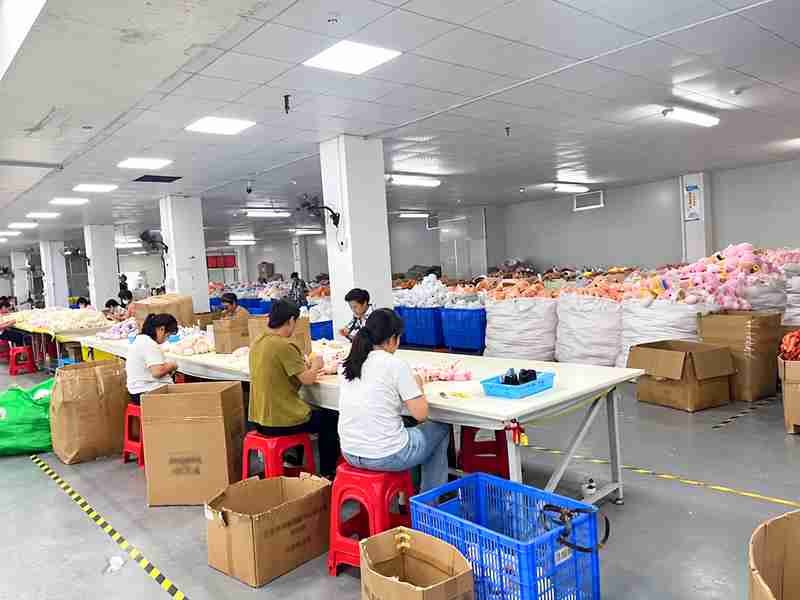
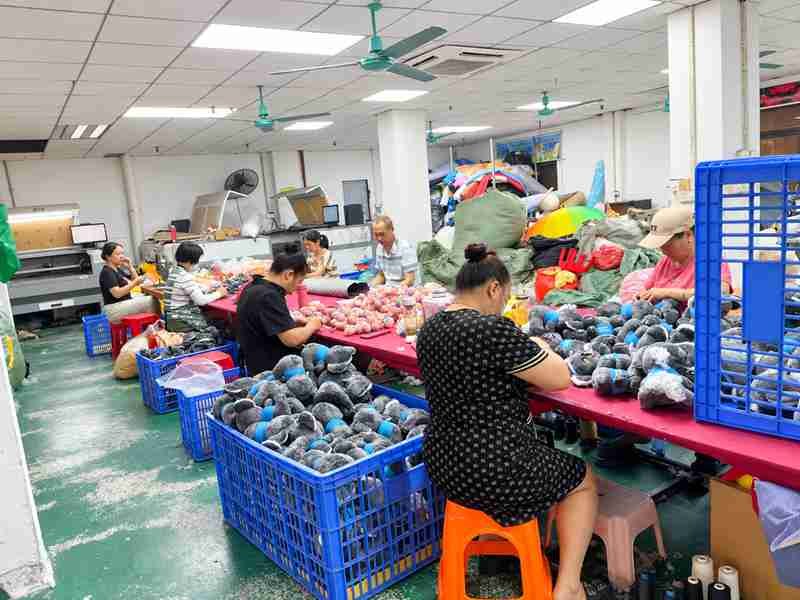
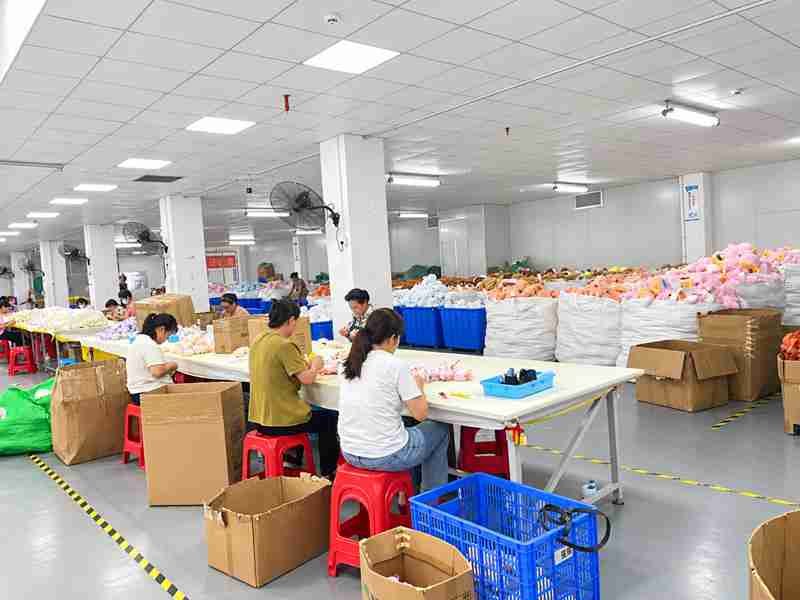
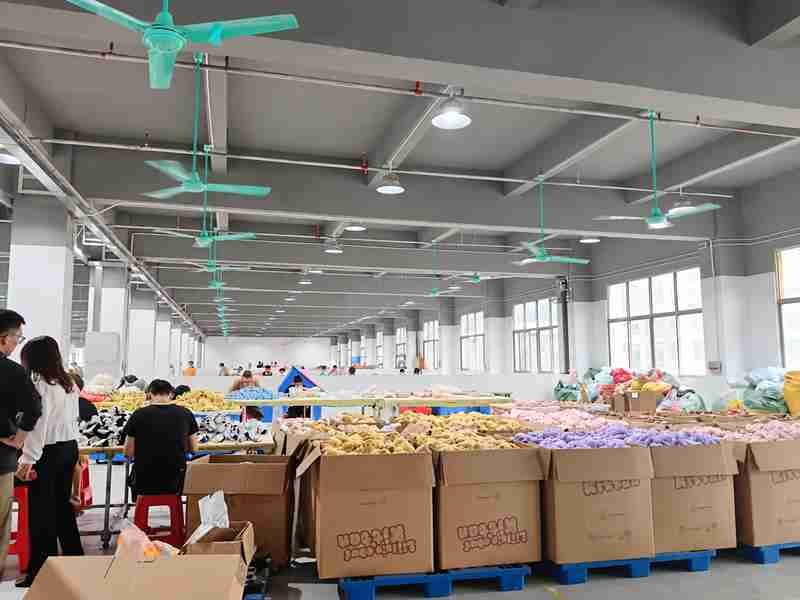
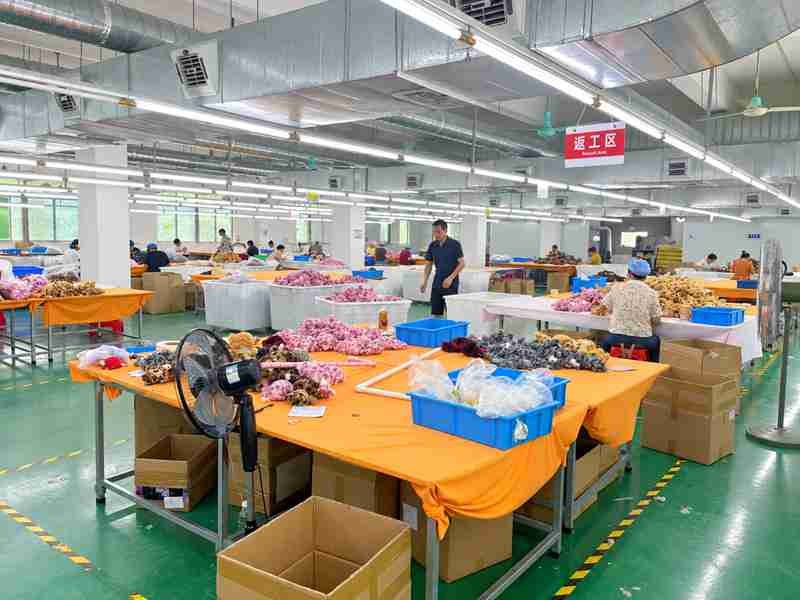
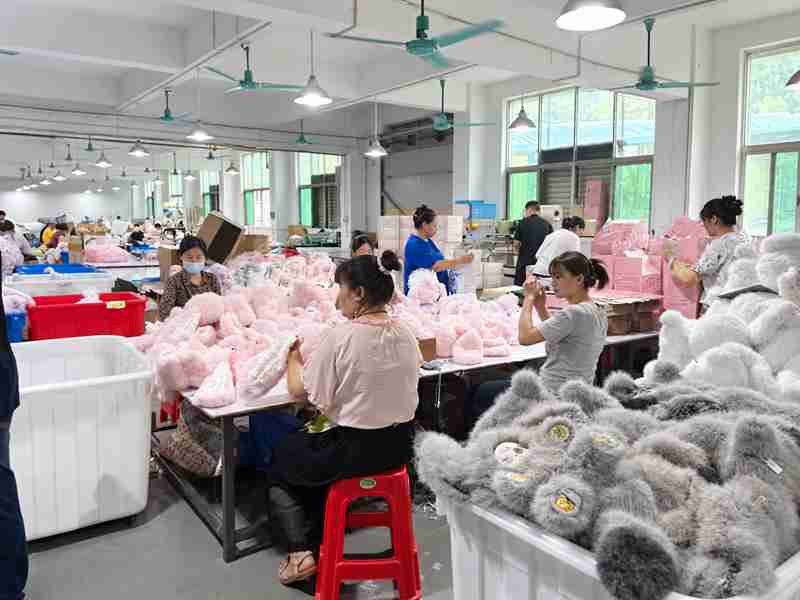
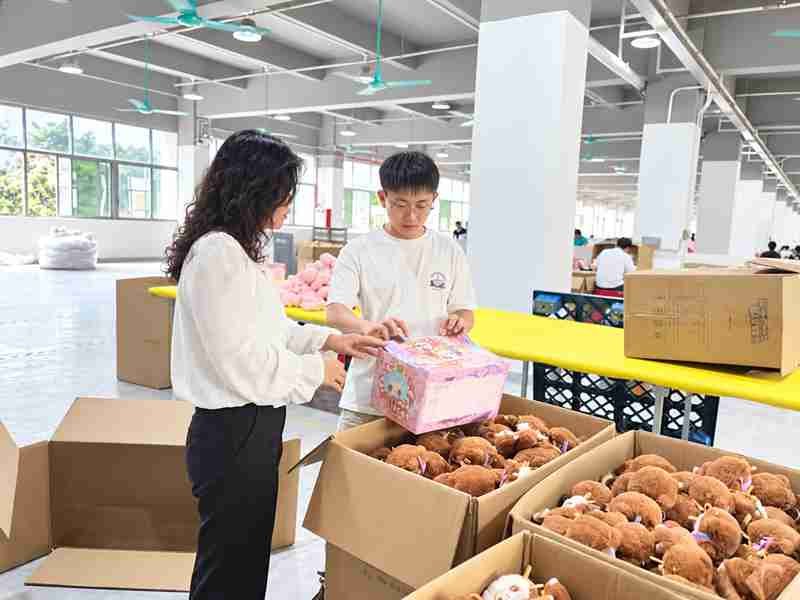
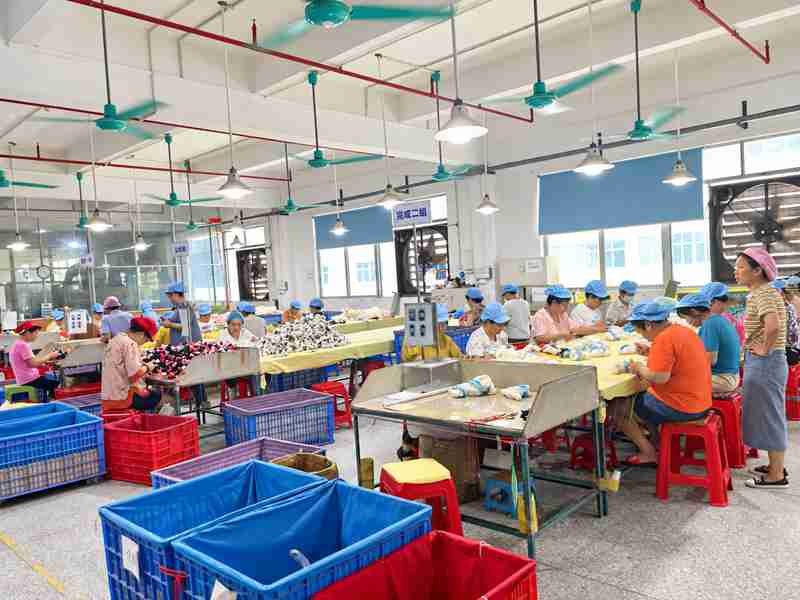
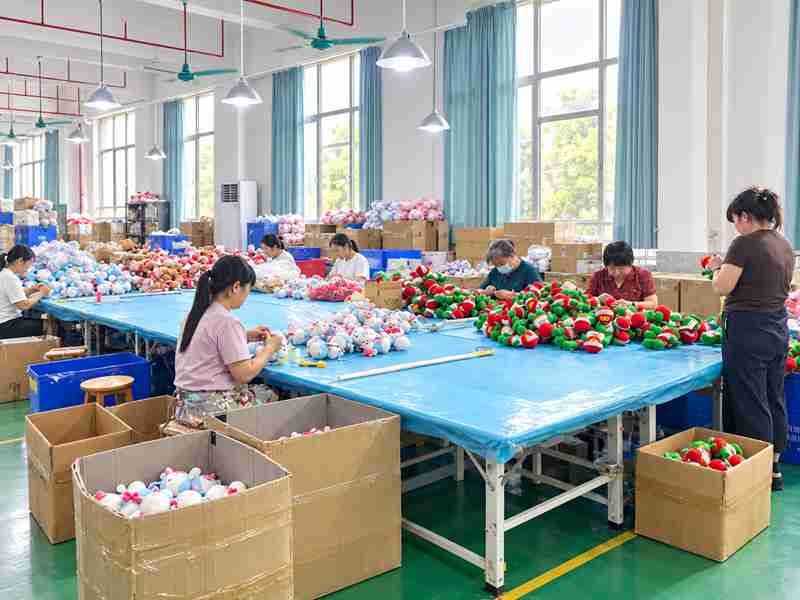
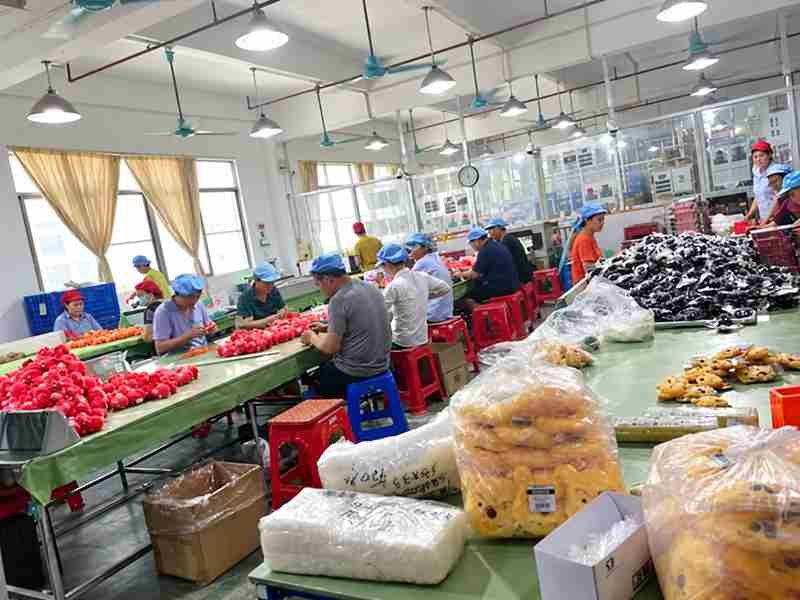
From Prototype to Production: Our Real Plush Factory Show
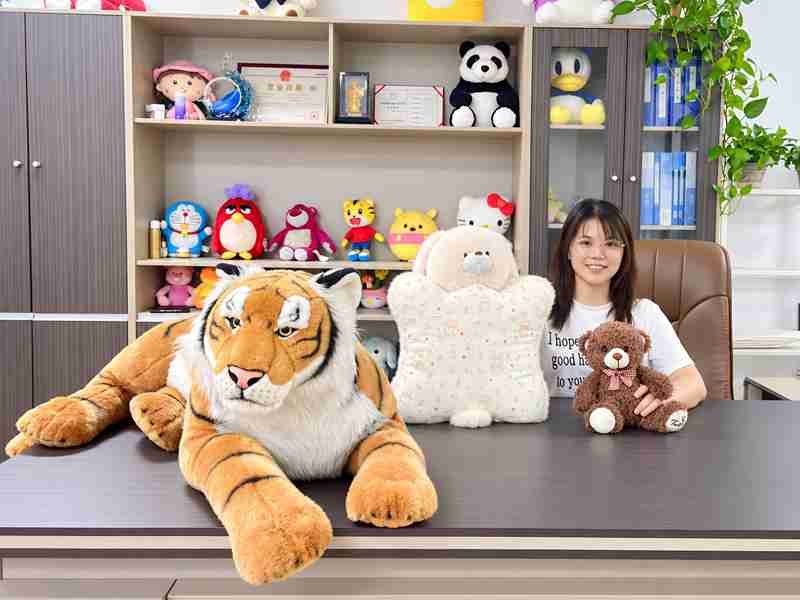
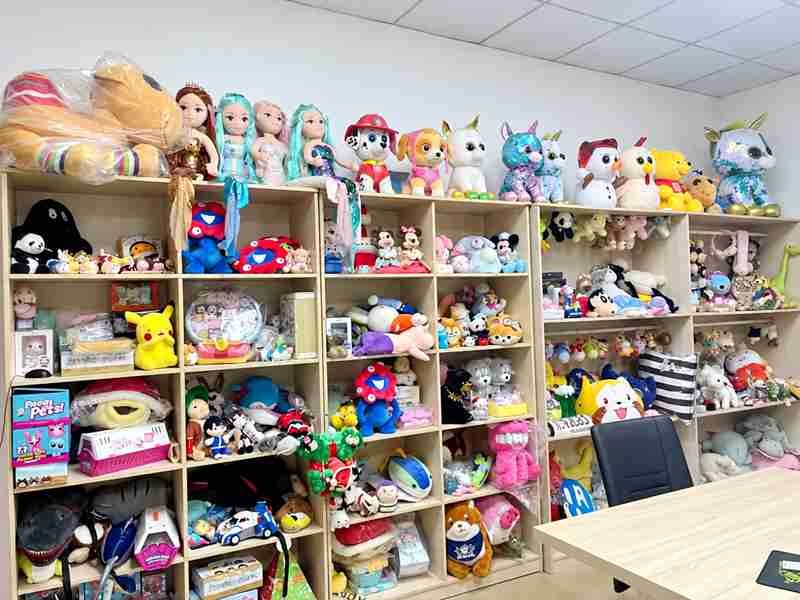
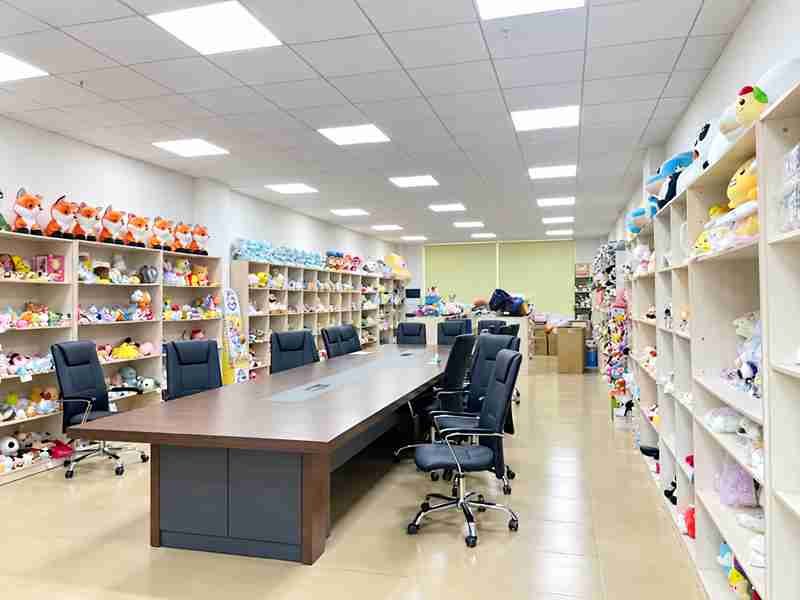
At Ewintoys, every plush project follows a structured development and production process, from initial design review and pattern making to sampling, mass production, quality inspection, and final delivery. Our real factory images provide a transparent view of how ideas are transformed into high-quality plush products through professional craftsmanship, engineering control, and careful production management.











Custom Plush Doll Styles for Character and Retail Programs

Character Plush Doll
Cotton Doll
Anime Plush Doll
Game Character Doll
Chibi / SD Doll
Collectible Plush Doll
Fashion Outfit Doll
Removable Clothing Doll
Mini Plush Doll
Plush Doll Keychain
Human-Shaped Mascot Doll
Character Family Series
Four Engineering Risks Behind a Recognizable Plush Doll
Face Recognition
- Review front and side views together.
- Lock embroidery position to pattern references.
- Judge expression after final stuffing, not on flat panels.
Body Proportion
- Define key ratios before grading sizes.
- Check seated and standing silhouettes where applicable.
- Use measurable landmarks for revision comments.
Hair & Clothing
- Match fabric thickness to doll size.
- Simplify hidden construction before visible details.
- Confirm costume fit on the stuffed body.
Bulk Repeatability
- Freeze pattern, BOM and decoration files.
- Define critical measurements and filling references.
- Release bulk only from the approved production package.
Plush Doll Fidelity Engineering Matrix
| Doll Element | Typical Failure | Engineering Control | Approval Evidence |
|---|---|---|---|
| Face silhouette | Head reads too round, flat or generic | Panel curvature, seam line, stuffing distribution | Front/side sample comparison |
| Eye spacing | Expression changes even with correct eye artwork | Embroidery position, pattern landmarks, shrink/stretch | Face close-up against approved artwork |
| Head-body ratio | Doll loses the intended chibi, anime or human proportion | Reference dimensions and graded pattern ratios | Key-dimension check |
| Hair shape | Hair collapses or hides facial details | Pile, panel direction, layered construction, seam placement | Silhouette and side-view review |
| Clothing fit | Outfit looks bulky, loose or shifts during handling | Garment pattern, fabric thickness, opening and fastener | Dressed sample approval |
| Color blocking | Character identity weakens across material changes | Pantone target, material batch, print/embroidery thread | Material/color board + approved sample |
| Pose & balance | Doll cannot sit, stand or display as intended | Center of gravity, limb angle, filling distribution | Pose test with final filling |
| Small details | Accessories look oversized or become fragile | Scale simplification, attachment method, soft substitution | Prototype detail review |
| Series consistency | Related characters drift in eye style, body scale or finish | Master proportion rules, shared materials, version control | Character-family review |
Face and Head Patterns Protect Character Recognition
The face is controlled through pattern geometry, embroidery placement, pile direction and filling – not embroidery artwork alone.
Build the Face Before Decorating It
A plush doll face is built by the pattern before embroidery begins. Head panels create the forehead slope, cheek volume, chin depth and side profile; stuffing then changes those curves again. Ewin reviews facial construction from front, three-quarter and side views instead of approving only a flat embroidery file.
- Key controls include eye spacing, eye-to-mouth distance, embroidery scale, seam placement near the face, ear or hair-panel position, and the effect of pile direction on visible outlines.
- Short-pile surfaces generally support sharper facial embroidery; longer pile may require enlarged features, trimmed zones, applique foundations or separate facial panels.
- Revisions should identify measurable or visible causes. Make it cuter is converted into actions such as widening the eye spacing, reducing cheek width, lowering the mouth, reshaping the chin curve or adjusting stuffing around the temples. The approved face then becomes part of the Golden Sample and production reference.


Body Proportion and Pattern Engineering for Stable Silhouettes
Measured ratios and released patterns keep stylized bodies recognizable across sample revisions, size changes and mass production.
Translate Artwork Into Repeatable Volume
Body proportion determines whether a doll looks like the approved character after the head is attached. Ewin translates artwork into reference dimensions such as total height, seated height, head height, shoulder width, torso length, limb length and key circumference points. The goal is not to copy every 2D line literally, but to preserve the visual relationships that define the character.
Pattern engineering turns those ratios into fabric panels, seam allowances and volume. Curved panels create cheeks, hips, hands and shoes; dart placement can add shape without extra visible seams. Sitting dolls need stable hip and thigh geometry, while standing or display-oriented dolls require different balance decisions.
Before release, pattern revisions are linked to sample versions. Scaling to a second size is reviewed as a new engineering task because embroidery, seam bulk, accessory size and filling do not scale perfectly in the same ratio.
Hair and Clothing Engineering Without Excess Bulk
Layered hair, outfits and accessories need scale-aware construction so visual richness does not create unstable seams, poor fit or unnecessary handwork.
Preserve Visible Detail, Simplify Hidden Complexity
Hair and costume usually create the highest handwork load in character dolls. A successful design keeps the visible character language while simplifying hidden construction. Ewin maps hair into sewn plush panels, felt or applique layers, controlled pile zones, embroidery, or combined structures according to silhouette and size.
Clothing is developed on the stuffed body, not only from flat dimensions. Fabric thickness, stretch, seam allowance and closures affect collar height, sleeve volume, waist position and overall body proportion. Removable outfits need openings large enough for dressing while remaining clean in display. Fixed garments can use hidden anchoring to reduce shifting during transport.
Accessories are reviewed for scale, attachment strength, sharp edges, small-part risk and assembly time. When a decorative item is fragile or overly expensive, the design can be translated into embroidery, applique, soft molded parts or simplified sewn details without losing the visible identity.

Material Selection by Face, Hair, Clothing and Hand Feel
Material choice changes silhouette, embroidery clarity, costume fit, softness, MOQ and repeatability. Select by product area instead of fabric name alone.
Material | Best Doll Area | Reference Band | Main Benefit | Engineering Caution |
Crystal Super Soft | Body, face, kawaii character areas | Approx. 180-280 g/m2; 1-3 mm pile | Smooth, dense surface supports clean embroidery and soft hand feel | Control nap direction and dense embroidery pressure |
Velboa | Faces, bodies, printed or embroidered areas | Approx. 160-260 g/m2; 1-2.5 mm pile | Tight short pile keeps outlines and small details readable | Thin grades reveal seam and filling irregularities more easily |
PV Plush | Hair, furry costume zones, animal-style character parts | Approx. 250-450 g/m2; 5-20 mm pile | Adds visible texture and fuller silhouette | Longer pile can hide small embroidery and change perceived shape |
Long Pile Plush | Dramatic hair, monsters, premium character zones | Approx. 350-650 g/m2; 30-80 mm pile | Strong volume and expressive texture | Often needs larger facial features or separate short-pile detail zones |
Minky / Short Plush | Soft body areas and general character construction | Specification selected by hand feel and stretch target | Good softness with broad color and decoration options | Stretch and nap must be controlled around symmetrical face panels |
Fleece / Garment Knit | Clothing, scarves, hats, soft costume parts | Common fleece references: approx. 160-320 g/m2 | Stable apparel language and easy layering | Garment thickness must match doll scale to avoid bulky seams |
Tricot / Thin Lining | Inner garment layers, hidden structure, low-bulk areas | Lightweight, near-flat surface | Reduces seam bulk and supports layered clothing construction | Not intended to provide plush surface volume by itself |
Polyester Filling | Head, torso, limbs and shaped support zones | Weight and density set by approved sample | Controls hand feel, shape retention, balance and display posture | Overfilling distorts embroidery and seams; underfilling weakens silhouette |
Trims and Accessories Engineered for Scale and Attachment
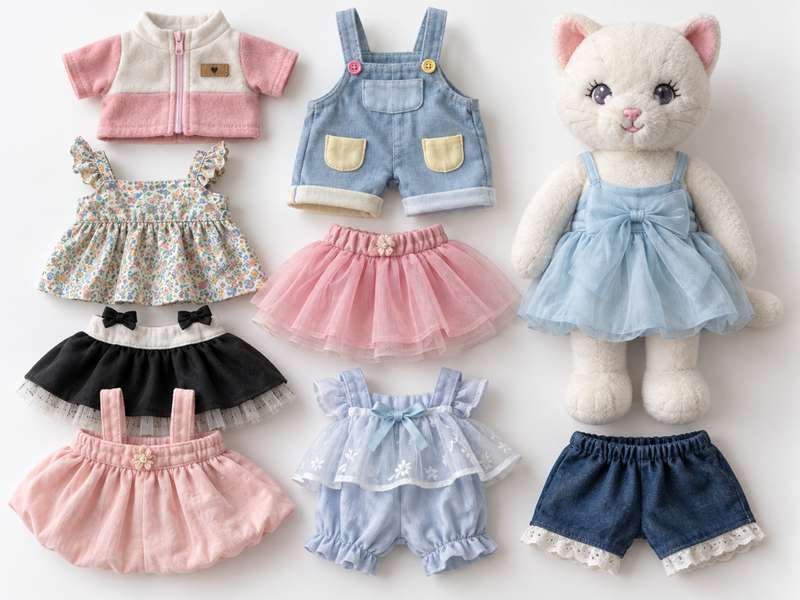
Removable Outfits

Webbing & Elastic
Useful for belts, suspenders, headbands and adjustable costume details. Width, stretch recovery and anchoring method should match doll scale. Elastic that is too strong can deform the body; weak anchoring can create detached-part or appearance issues.

Hook-and-Loop

Metal Hardware

Soft PVC Parts

Labels & Tags
Logo, Facial Detail and Decoration Methods
Embroidery
Applique
Screen Printing
Digital Printing
Heat Transfer
Woven Label Logo
PVC / Rubber Patch
Mixed Decoration
Start Development With the Files Already Available
Hand Sketch
2D Artwork
Character Sheet
3D Render
Reference Sample
AI Concept Image
Trusted by Global Brands and IP Owners
Trusted by brands, IP owners, and creative teams worldwide. Ewintoys helps transform original ideas and characters into high-quality plush products through professional development, manufacturing, and quality control.






























Development, Pattern Making and Sampling With Clear Approval Gates
Feasibility Review
- Identify high-risk facial or clothing details.
- Flag custom material or component needs.
- Define what must be confirmed before pattern cutting begins.
Pattern Development
- Build head and body geometry.
- Plan hair and garment interfaces.
- Record pattern revisions rather than modifying an untracked sample by hand.
V1 Prototype
- Check silhouette and head-body ratio.
- Review face placement and pose.
- Confirm whether materials and construction support the intended look.
Revision Sample
- Separate visual preference from measurable correction.
- Track version and affected files.
- Recheck cost or timing when the scope changes materially.
Golden Sample
- Confirm material, color and decoration.
- Align key dimensions and filling.
- Link the approved sample to the current BOM, pattern and artwork revisions.
PP & Release
- Verify production materials and pack format.
- Confirm QC checkpoints.
- Release bulk only when the active production package is synchronized.

Control the Handover From Approved Sample to Bulk
Golden Sample, BOM, pattern, artwork and QC references must move together when the project leaves the sample room.
Release One Controlled Production Definition
A production line should not manufacture from memory, a phone photo or an old sample. Ewin connects the approved doll to a released production package: Golden Sample, frozen BOM, released pattern, current embroidery or print files, key dimensions, filling reference, packaging specification and QC checkpoints.
Before bulk release, teams review whether materials match the approved color and hand feel, whether accessories use the correct revision, whether clothing still fits after production-material changes, and whether any testing or label requirement has changed. A material substitution or design revision is treated as a controlled change rather than a silent factory decision.
For multi-SKU collections, Design ID and sample version should remain linked to BOM, packaging, barcode, testing and production status. The same control structure supports reorders because the next run can start from the previous released definition and documented changes instead of rebuilding the product from memory.
Request Control Plan
Plush Doll Manufacturing From Release to Pack-Out
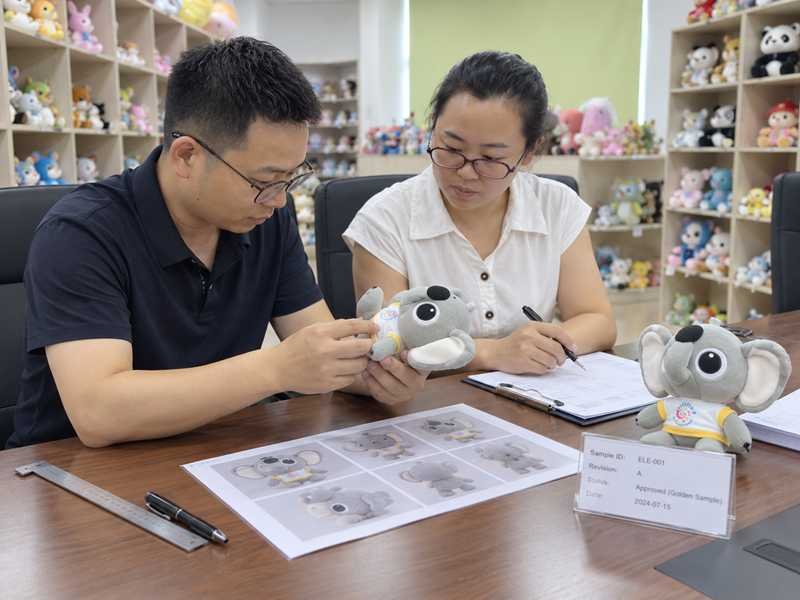
Production Release
Golden Sample, frozen BOM, released pattern, current artwork and packaging specifications are checked before bulk begins. Quantity, market, delivery window and material status are aligned so the factory starts from one current product definition. Obsolete revisions are removed from active production instructions before the first pieces are released.

Material Preparation
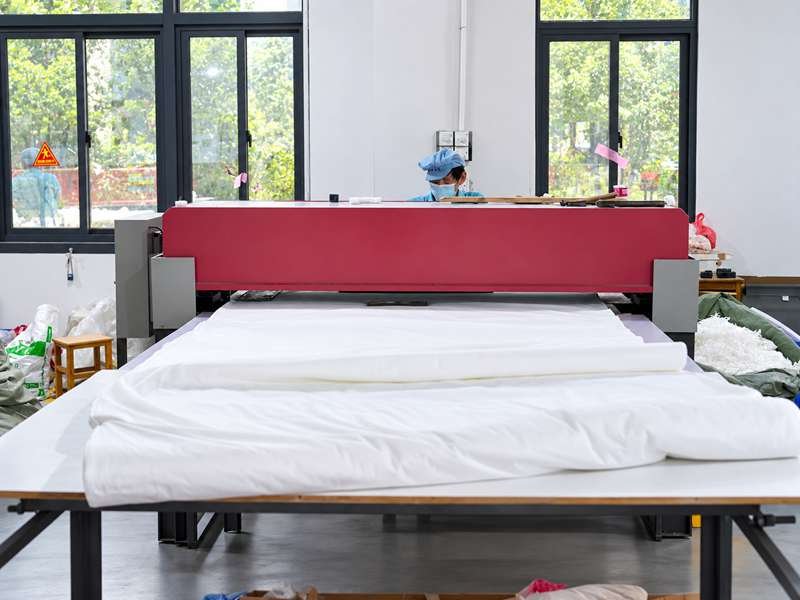
Cutting

Embroidery & Print
Sewing
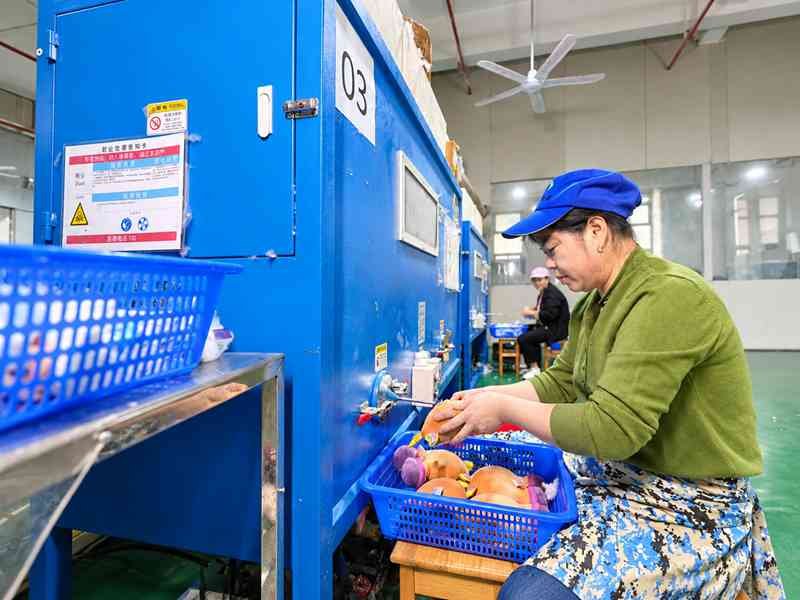
Stuffing & Shaping
Assembly & Finishing

Inspection & Pack-out
Quality Control Focused on Doll-Specific Failure Points
| Control Point | What Is Checked | Reference / Method | Risk Prevented |
|---|---|---|---|
| Face alignment | Eye, mouth, brow and logo placement against approved sample/artwork | Close-up visual check + position reference | Character expression drift |
| Dimensions & proportion | Overall height, head size, body landmarks, left/right symmetry | Defined measurement method and approved tolerance | Series inconsistency or wrong fit |
| Material & color | Fabric type, GSM/pile where specified, nap direction, shade and hand feel | BOM + approved material/color reference | Batch mismatch or face asymmetry |
| Workmanship | Seams, turning points, exposed thread, trapped pile, stains and shape finishing | In-process and final workmanship inspection | Visible defects and weak seams |
| Decoration | Embroidery density, print clarity, applique edge and placement | Approved decoration file + first-piece reference | Face or logo inconsistency |
| Filling & pose | Local fullness, weight distribution, head stability and sit/stand behavior | Golden Sample comparison + weight/shape reference | Collapsed silhouette or unstable pose |
| Clothing & accessories | Fit, orientation, closure, attachment and interaction with body shape | Assembly check + attachment review | Loose items, poor fit or shifted costume |
| Needle / foreign material | Route selected according to product construction and designed metal parts | Documented detection/control step | Metal contamination risk |
| Packaging & SKU | Correct pack, label, barcode, carton mark and quantity by SKU | Pack sample + scan/checklist where required | Retail or warehouse rejection |
| Traceability | Project ID, SKU, revision, material lot and inspection status | Batch records and controlled status tracking | Slow containment when an issue appears |
Inspection works best when the Golden Sample becomes measurable checkpoints for face, proportion, materials, filling, clothing, accessories and packaging.
Compliance and IP Controls Planned Before Mass Production
US Market Review
- Review small parts and accessible components.
- Confirm material and label information.
- Use the approved product version for third-party testing where required.
EU Market Review
- Define intended age and use.
- Review cords, accessories and materials early.
- Align test samples with the production BOM and current revision.
Change Control
- Reassess substitutions and new accessories.
- Check whether test representation remains valid.
- Keep report, SKU, revision and BOM relationships clear before production release.
IP Confidentiality
- Restrict artwork and sample access by project need.
- Control photography and version sharing.
- Keep approved files, samples and supplier information inside the agreed development workflow.
Packaging Options for Retail, Collectible and E-Commerce Programs

Polybag + Hangtag

Belly Band

Window Color Box
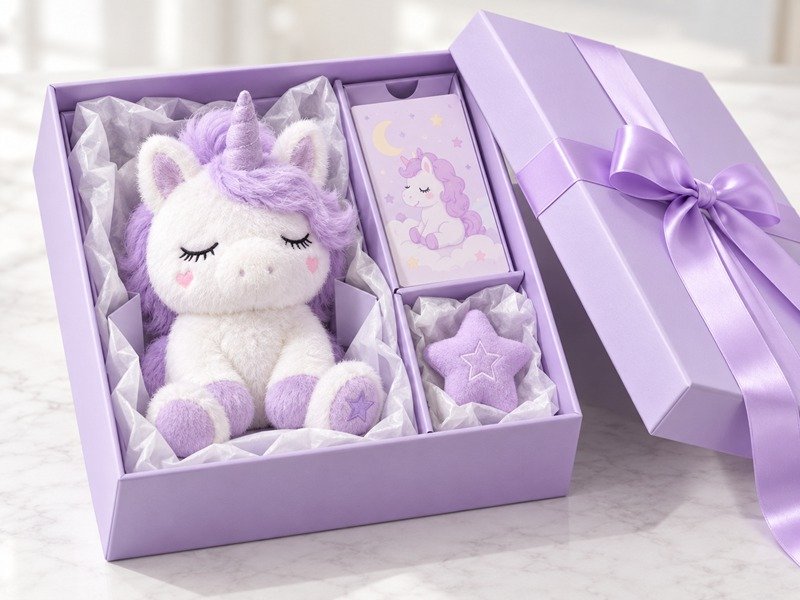
Gift Box

Blind Box Format
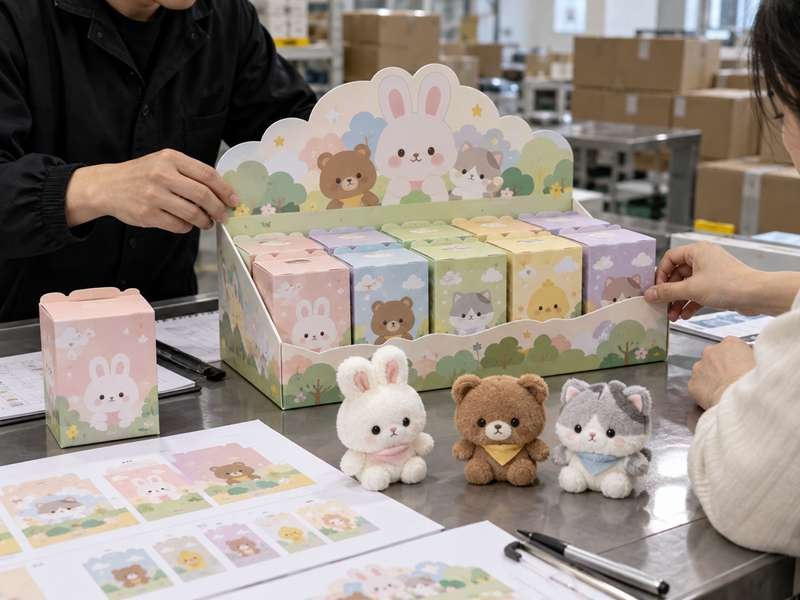
Retail Display Pack
MOQ, Cost and Timeline Decisions Before Production Commitment
MOQ by Structure
- Share quantity by style.
- Flag custom colors early.
- Review shared materials across a series.
Cost Drivers
- Protect character-defining details first.
- Compare lower-value hidden complexity separately.
- Use equivalent material or construction options when margin needs improvement.
Multi-SKU Planning
- Map quantity by SKU and color.
- Share common fabrics, trims and packaging dimensions where possible.
- Keep each SKU linked to its own version, BOM, barcode and production status.
Sample & Tooling
- Separate prototype, tooling and testing needs.
- Confirm what changes after revision.
- Requote when the approved specification changes materially.
Timeline Planning
- Share the target on-shelf date.
- Review long-lead materials early.
- Freeze critical approvals before production slots are committed.
Reorder & Scale-Up
- Reuse released pattern, BOM and Golden reference.
- Review any material or packaging delta before reorder.
- Use forecast and material pre-booking for larger seasonal or multi-SKU programs when appropriate.
Plush Doll Program Cases
United States Collectible Character Launch
Germany Retail Outfit Doll Series
Japan Game Character Collection
Frequently Asked Questions
Around 500 pcs per style is a common commercial evaluation starting point for standard projects. Actual MOQ depends on fabric, custom color, accessories, packaging, tooling and SKU allocation.
Timing is confirmed after requirement review. Character and IP dolls are commonly planned by complexity, with material availability, clothing, molded parts and revision scope affecting the first-sample schedule.
Yes. A front artwork image can start a feasibility review. Ewin will identify missing views, dimensions, hidden construction, material choices and approval priorities before pattern development.
Yes, where the design and age-grade requirements support it. Garment pattern, opening, closure, fabric thickness, seam bulk and fit are developed around the finished stuffed body.
Bulk is released from the approved Golden Sample, frozen BOM, released pattern and current decoration files, with QC references and controlled changes linked to the active production version.
Short-pile materials such as Velboa or Crystal Super Soft often support clearer embroidery. Final selection depends on hand feel, stretch, color, character style, cost and the surrounding hair or clothing design.
Ewin can plan materials, structure, labels and sample preparation around the target market and age grade, then support third-party testing based on the applicable project requirements.
Yes. Multi-SKU programs should use Design IDs, sample versions, BOMs, packaging, barcode, testing, production and shipment status controls so each character remains separated and traceable.


Send Your Plush Doll Project for Development Review
- Artwork or reference images, including front/side/back views when available
- Target size and preferred sitting, standing or display pose
- Quantity by style or SKU and expected launch or delivery window
- Target market, age grade and retailer or testing requirements
- Material, hand-feel, clothing, accessory and packaging preferences
- Target price range or current product specification when cost optimization is needed
- Any mandatory logo, barcode, care-label or confidentiality requirements
Certificates, Compliance & Quality Assurance
Ewintoys follows structured quality and compliance practices for custom plush production. We hold relevant certifications and support additional testing, inspection, and compliance documentation based on specific product requirements and destination markets, helping brands meet different international standards with confidence.