A Trusted China Plush Partner for Global Brands !

Custom Corporate Mascot Plush Manufacturing for Brand Identity

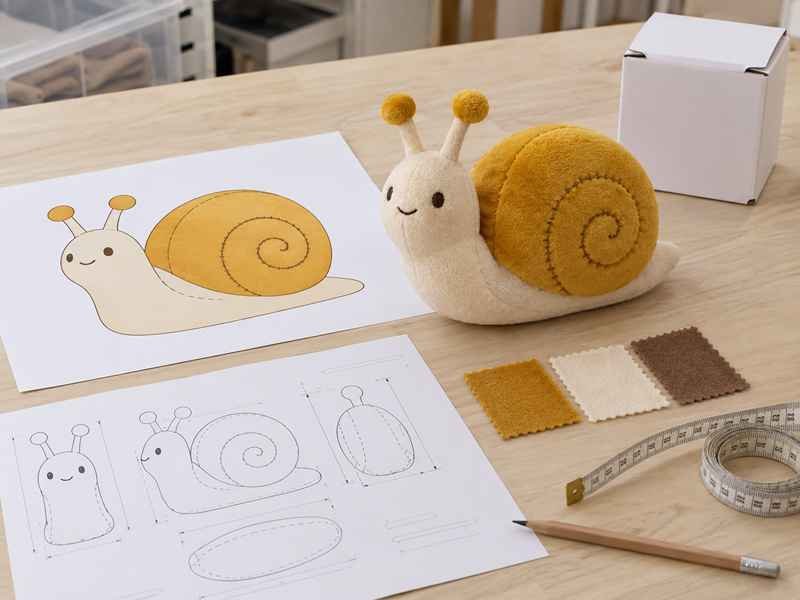
Ewin Toys transforms corporate mascots, brand characters and approved artwork into recognizable plush merchandise for promotional campaigns, employee gifts, events and retail collections. Our team translates signature proportions, facial expressions, brand colors, clothing and logo details into manufacturable patterns, helping preserve brand identity from prototype approval through consistent bulk production.
  • 60+ Product Development Specialists
  • 15–45 cm Common Size Range
  • MOQ Typically From 500 pcs/Style
  • Custom Logo Embroidery & Appliqué
  • Brand Color Matching
  • Golden Sample & BOM Control
  • Custom Corporate Gift Packaging
factroy

Corporate Teams We Support From Concept Through Delivery

Corporate mascot programs involve different departments, approval routes, and deadlines. Ewin aligns development details with the role responsible for the final outcome.

Brand Marketing Teams

Protecting mascot identity comes first. Brand teams need accurate colors, recognizable facial features, approved logo execution, and a final product that feels consistent with existing visual guidelines across campaigns, events, employee programs, and merchandise launches. Ewin translates those brand requirements into measurable product specifications before production.

Procurement Sourcing Teams

Procurement needs more than an attractive prototype. Quantity, material availability, accessory MOQ, packaging, testing, delivery timing, and repeat-order control all affect commercial feasibility. Ewin structures quotations around the approved specification so price comparisons stay tied to the same product definition rather than changing quality assumptions.

HR Employee Programs

Employee gifts often need dependable presentation, easy internal distribution, and a clear connection to company culture. Size, packaging, garment details, gift cards, and carton labeling can be planned around onboarding, anniversaries, recognition programs, internal events, or seasonal gifting without turning the mascot into a generic promotional item.

Event Promotion Teams

Trade shows, launches, conferences, openings, and campaign events are deadline-driven. Development milestones need to work backward from the required arrival date. Ewin reviews sample approval, material readiness, packaging, production release, inspection, and shipment planning together so the event date is treated as a project constraint from the beginning.

Retail Merchandise Teams

When a corporate mascot becomes a retail SKU, presentation and repeatability matter more. Product size, hangtags, barcodes, retail packaging, display condition, testing route, carton configuration, and reorder consistency need to be considered alongside character appearance. Ewin develops the plush as merchandise, not only as a giveaway.

Merchandise Agency Teams

Agencies often coordinate several end clients, versions, and deadlines at once. Clear artwork IDs, sample versions, quotation assumptions, packaging files, and approval records reduce handover mistakes. Ewin can work from structured briefs and keep mascot development, sampling, production, QC, and shipment information organized by project and SKU.

Corporate Mascot Plush Formats For Different Brand Programs

The same mascot can support different commercial roles. Product format should follow use, quantity, presentation, carrying method, budget, and distribution environment.
Standard Mascot Plush

Standard Mascot Plush

A core 3D plush version of the official mascot for general gifting, campaigns, retail, and long-term brand use. The format usually prioritizes recognizable proportions, stable sitting or standing presentation, durable decoration, and a specification that can be repeated across future orders.
Desk Display Mascot

Desk Display Mascot

A compact mascot designed to sit cleanly on desks, reception counters, shelves, or meeting-room displays. Lower center of gravity, clear front-facing expression, tidy clothing, and controlled filling matter more than extreme softness because the product needs to hold a presentable display pose.
Mini Giveaway Plush

Mini Giveaway Plush

Small-format plush for conferences, openings, roadshows, sampling campaigns, or high-volume internal distribution. Fine facial details must be simplified intelligently at reduced size, while hanging parts, narrow limbs, embroidered text, and small accessories are reviewed for readability, strength, and production repeatability.
Mascot Keychain

Mascot Keychain

A miniature mascot with metal or plastic attachment hardware for bags, keys, lanyards, or promotional sets. Total product weight includes the hardware. Reinforced attachment zones, hanging orientation, small-scale embroidery, compact filling, and packaging protection need approval before bulk release.
Premium Collectible Mascot

Premium Collectible Mascot

A higher-detail version for anniversary releases, VIP programs, premium merchandise, or limited brand collections. More complex materials, clothing layers, embroidered features, custom accessories, collector tags, and presentation packaging can be developed while maintaining one controlled character specification for production.
Employee Gift Mascot

Employee Gift Mascot

A company-culture product for onboarding, recognition, milestone celebrations, internal campaigns, or seasonal gifting. Packaging, message cards, garment branding, and easy carton distribution can be planned around the internal program while keeping the mascot visually consistent with external brand standards.
Client Gift Mascot

Client Gift Mascot

A polished mascot intended for partners, key accounts, conference guests, or VIP recipients. Material feel, logo finish, garment neatness, presentation box structure, and unboxing condition carry more weight because the plush represents the company directly in a relationship-building context.
Event Campaign Mascot

Event Campaign Mascot

A deadline-led mascot for exhibitions, product launches, conferences, openings, sports activations, or regional campaigns. Development starts from the required arrival date, then works backward through artwork approval, sampling, packaging, mass production, inspection, and shipment milestones to reduce late-stage compression.
Retail

Retail Merchandise Mascot

A mascot developed as a sellable product rather than a free item. Retail size, margin target, compliance route, barcode or label placement, shelf presentation, packaging, carton configuration, and reorder consistency become part of the development brief alongside character fidelity and product feel.
Seasonal Outfit Mascot

Seasonal Outfit Mascot

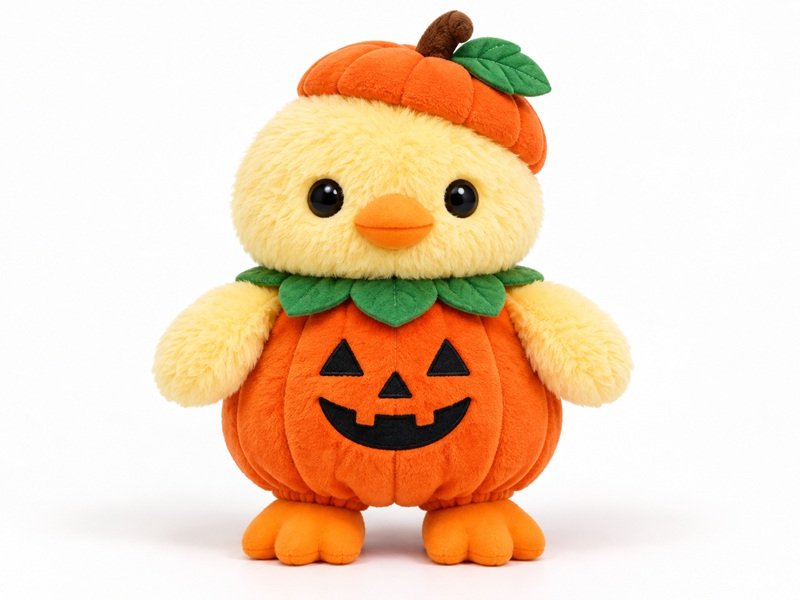
A core mascot body with holiday, anniversary, campaign, or region-specific clothing variations. Shared body patterns and materials can improve consistency, while each outfit still requires separate fit, decoration, accessory, color, packaging, and production checks before release.
Mascot Pillow

Mascot Pillow

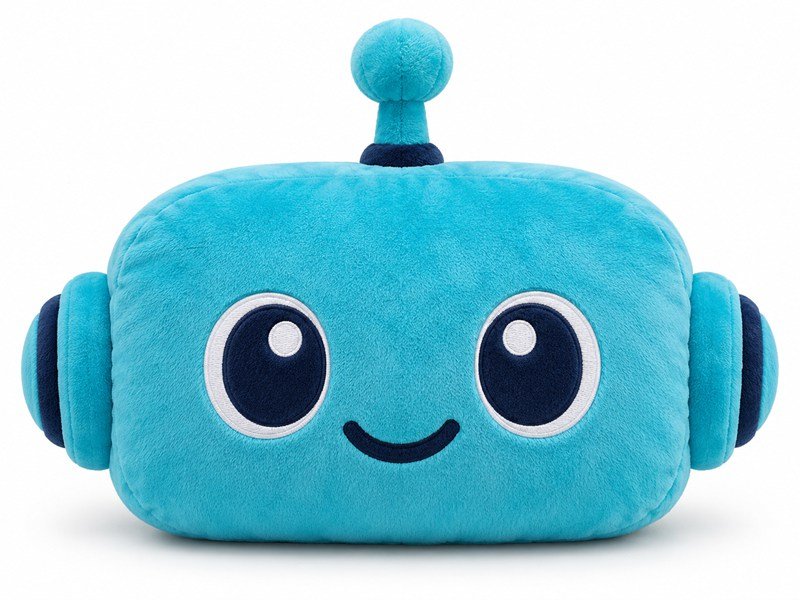
A softer, broader format using the mascot face, silhouette, or simplified body for office, hospitality, event, or lifestyle applications. Larger surfaces suit embroidery or print, while filling volume, compression packaging, seam strength, and shape recovery become more important than miniature character detailing.
Mascot Gift Set

Mascot Gift Set

A coordinated set combining the mascot with a card, branded box, accessory, keychain, garment, or campaign item. The pack-out plan must define every component, quantity, position, protection method, label, and carton count so assembly stays accurate during larger corporate distribution programs.

What Brands Should Verify Before Choosing A Mascot Manufacturer

Strong supplier selection protects mascot identity, campaign timing, and bulk consistency. Use the same evaluation points when comparing development and manufacturing proposals.

Evaluation FactorWhat To ConfirmWhy It MattersEwin Development Approach
Character FidelityFace shape, eye spacing, head-body ratio, signature detailsSmall proportion changes can make an approved mascot look unfamiliarCharacter analysis, pattern review, prototype revision, Golden Sample
Brand ColorFabric color, embroidery thread, printed areas, clothingBrand colors can shift across materials and lotsColor references, material approval, controlled BOM fields
Logo ExecutionSize, placement, technique, readabilityTiny or high-pile areas can distort logosEmbroidery, appliqué, print, patch, woven-label review
Sample ApprovalVersion ownership and decision historyInformal approvals create bulk disputesV1/revision/final control with approved reference
Bulk ConsistencyDimensions, face, filling, accessories, garmentsA good sample has little value if mass production driftsGolden Sample, BOM, current artwork, QC checkpoints
MOQ FitMaterial, color, accessory, packaging, SKU constraintsOne headline MOQ can hide the real limiting itemProject-dependent feasibility review
TimelineApproval, materials, production, testing, packaging, logisticsCorporate events often have fixed arrival datesBackward milestone planning from required receipt date
PackagingGift, event, retail, employee, VIP, e-commerce usePresentation and distribution method change pack designPackaging route matched to use and handling
ComplianceMarket, age grade, materials, components, labelsRequirements depend on the actual product and destinationCompliance planning after product definition

Trusted by Global Brands and IP Owners

Trusted by brands, IP owners, and creative teams worldwide. Ewintoys helps transform original ideas and characters into high-quality plush products through professional development, manufacturing, and quality control.

Start With The Brand Assets Already Available

Development can begin from polished character files or limited references. Better source information reduces interpretation, shortens review cycles, and protects the mascot’s approved identity.

Mascot Artwork Files

Front, side, back, three-view, character sheet, vector artwork, high-resolution images, or approved illustrations are useful starting points. Mark signature features that cannot change, including facial spacing, emblem placement, colors, clothing details, silhouette, and any proportions already controlled by internal brand guidelines.

Brand Guideline Files

Pantone references, logo usage rules, approved typefaces, color restrictions, emblem clear space, garment standards, and photography guides can prevent avoidable sample revisions. When a brand color appears across fabric, embroidery, print, plastic, and packaging, each material needs its own realistic approval method.

Physical References

Existing mascot costumes, older plush, prototypes, sculptures, figurines, or reference products can help communicate desired scale, hand feel, pose, softness, or material language. Ewin separates the useful reference attributes from the source item rather than copying unrelated construction choices that may not suit the new project.

Program Requirements

Quantity, target size, intended use, audience, destination market, required arrival date, packaging, retail needs, and shipping location directly affect development decisions. Sharing these inputs early helps prevent a technically attractive sample from becoming commercially unsuitable once cost, timing, testing, or packaging requirements are added. 

Character Fidelity Protects The Value Of Your Mascot

Corporate mascots are approved brand assets. Plush development must preserve recognition while converting flat artwork into sewn three-dimensional structure that can be reproduced consistently.

Face And Expression Need Controlled Geometry

A mascot can use the correct colors and still feel wrong when the face is misread. Head outline, cheek volume, eye spacing, eye angle, pupil direction, eyebrow position, muzzle depth, mouth curve, ear angle, and embroidery scale all influence recognition. Artwork should first be translated into key visual checkpoints rather than copied panel by panel. Pattern shape then creates the head volume; embroidery, appliqué, or printed features are positioned against the real sewn surface instead of a flat screen. Pile height also matters because longer fibers can hide small embroidery or soften sharp graphic edges. During sampling, front, side, and three-quarter views should be reviewed together. A correction that improves the front view can distort the side profile if the underlying pattern is not adjusted. The approved face should end as a controlled combination of pattern, embroidery files, material, filling level, and finishing method.

Proportion And Signature Features Drive Recognition

Corporate mascots often carry one or two unmistakable visual features: an oversized head, unusually short legs, a specific ear angle, branded shoes, a badge, a hat, a tail shape, or a costume silhouette. These features deserve priority before minor decorative details. Converting 2D artwork into plush requires deciding which shapes need true volume, which can remain flat, and which should be simplified for repeatable sewing. A narrow graphic arm may need more width to hold stuffing; a pointed shape may require softening for safety or manufacturing; a large head may need a wider sitting base to stay stable. Size also changes proportion choices. Ewin’s character-product knowledge uses roughly 10-45 cm as a mainstream range for character plush, with 6-15 cm common for collectible hanging formats and 18-30 cm common for core retail sizes. Final dimensions still depend on the mascot and application.

Color Costume And Surface Read As One Character

Corporate identity is rarely carried by the body alone. Uniforms, hats, ties, badges, footwear, hair, surface graphics, and branded accessories often contain the most recognizable company cues. Color matching therefore needs separate approval across plush fabric, woven clothing, embroidery thread, printed surfaces, labels, and packaging because one Pantone reference will appear differently on each substrate. Costume engineering should also control fit, seam placement, edge finish, layer thickness, and movement during packing. A perfectly matched shirt color is not useful if the garment rotates during shipment or hides the mascot’s body proportions. Material pile direction can create light-dark visual shifts, especially on faces and large panels. Sample review should judge the complete assembled character under normal viewing and packaging conditions, including front, side, and three-quarter presentation. Final approval should then freeze the material IDs, decoration files, clothing construction, accessory positions, color references, and visual references used for production. 

Pattern Size And Filling Determine The Final Silhouette

A recognizable mascot depends on structure, not decoration alone. Pattern engineering, scale, stuffing distribution, and balance decide whether the approved character holds its intended shape.

Pattern Engineering Builds Three-Dimensional Form

Pattern pieces control head curvature, muzzle projection, torso volume, limb angle, foot shape, costume fit, and seam direction. Too few panels can flatten a distinctive face or body; unnecessary panels add sewing complexity without improving recognition. Development should therefore start from the mascot’s major volumes and characteristic contours, then add only the panels needed to hold those shapes reliably. Seam allowances, notches, grain direction, pile direction, mirrored parts, and embroidery locations need to stay linked to the current pattern revision. A prototype may look correct because an experienced sample maker shapes it by hand, yet fail in mass production if the structure depends on individual skill rather than repeatable pattern geometry. Before production release, the approved pattern, artwork files, material specifications, stuffing reference, and assembly notes should describe how the form is created rather than relying on one physical sample alone.

Size Must Protect Detail And Program Economics

Custom plush can span roughly 8-100+ cm, while 10-40 cm is common across e-commerce, gift, and IP programs. Size should not be selected only by preference. Smaller formats reduce material and shipping volume but compress embroidery, clothing layers, text, accessories, and facial spacing. Larger formats improve detail readability but increase fabric consumption, filling, carton volume, and handling. Corporate programs also need to consider where the mascot will be used: desk display, employee gift, VIP presentation, trade-show giveaway, retail shelf, or large display. A logo that reads clearly at 25 cm may become too dense at 10 cm; a standing pose that works at 40 cm may need a different base or internal support at larger scale. Ewin can compare size options against detail retention, target use, packaging, quantity, shipping volume, and production complexity before the final sample is locked, helping prevent late redesign after commercial review.

Filling Controls Hand Feel Pose And Balance

Filling is a structural input, not a generic final step. Too much fiber can widen the face, shorten visible limbs, harden a soft mascot, distort embroidery, and create uneven pressure along seams. Too little filling can collapse cheeks, flatten the torso, weaken standing or sitting posture, and make clothing appear oversized. Different zones may need different density: the face can require controlled support for expression, the body can remain softer, feet or a sitting base may need more stability, and long ears or tails may need lighter filling. Weighted or supported constructions require separate internal containment rather than loose material. Sample approval should include hand feel, target weight when relevant, posture, recovery after compression, and the way the mascot looks after normal handling. Bulk QC can then use approved weight or filling references alongside visual inspection, with special attention to the face, sitting base, feet, and any zone where small density changes alter the approved silhouette.

Plush Fabrics Selected By Character Area And Detail

Material choice changes color, silhouette, hand feel, embroidery clarity, sewing behavior, and packing recovery. Ewin maps fabrics to specific mascot zones instead of using one material everywhere.
Minky

Minky

Minky commonly sits around 180-320 g/m2 with roughly 1.5-3 mm pile. Soft hand feel and short surface make it useful for faces and bodies where embroidery, clean color blocks, and gentle touch need to remain visually clear.
Velboa

Velboa

Velboa commonly sits around 160-260 g/m2 with roughly 1-2.5 mm pile. The dense short surface supports crisp character details, small-scale faces, smooth color areas, and embroidery. Lower pile can help preserve proportion on compact mascot formats.
Crystal Super Soft

Crystal Super Soft

Crystal super soft typically offers a fine 1-3 mm pile and smooth surface. It suits kawaii, mascot, gift, and face-focused designs where soft touch and bright presentation matter. Supplier naming varies, so approved samples and BOM specifications should control production.
PV And Faux Fur

PV And Faux Fur

Medium or long pile adds hair, fur, beard, mane, or textured costume effects. Higher pile creates strong visual volume but can hide seams and embroidery. Hair direction, trimming, panel orientation, and packaging recovery require approval before bulk production.
Fleece And Sherpa

Fleece And Sherpa

Coral fleece, polar fleece, Sherpa, and teddy textures create warmer, softer, or curled surfaces. They work well for selected bodies, seasonal clothing, hats, or animal-style mascots. Surface texture can reduce fine graphic clarity, so decoration method needs matching.
Clothing Fabrics

Clothing Fabrics

Uniforms may use jersey, twill, woven fabrics, stretch fabrics, felt, mesh, or other garment materials. Drape, thickness, colorfastness, print method, edge finish, and scale all affect how miniature clothing sits on the mascot and survives packing.

Trims And Auxiliary Materials Support Clean Brand Execution

Small materials often decide whether a corporate mascot looks finished or improvised. Each trim needs a defined function, location, color, construction method, and approval reference.
Embroidery Thread

Embroidery Thread

Thread color, sheen, thickness, density, and stitch direction affect eyes, mouths, badges, and logos. High-density embroidery on soft fabric can create stiffness or puckering, so stabilizer, stitch count, and artwork scale should be evaluated with the final fabric.
Felt And Appliqué

Felt And Appliqué

Felt and appliqué can create ears, badges, emblems, patches, hair pieces, costume details, or larger color blocks with less stitch density. Edge construction and attachment method matter, especially when the shape is exposed, layered, or close to small-part limits.
Interlining Support

Interlining Support

Interlining can stabilize embroidery zones, clothing, elastic fabrics, openings, and areas affected by filling pressure. The support should stay inside the intended zone without making the surrounding plush feel hard, showing through the surface, or creating unwanted edges.
Elastic And Webbing

Elastic And Webbing

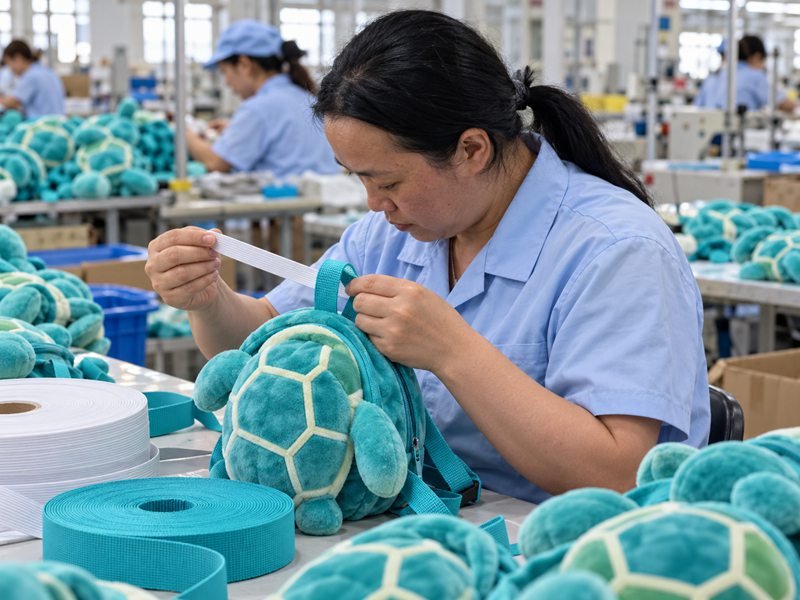
Elastic, webbing, cords, straps, and narrow tapes can secure garments, bags, badges, handles, or decorative parts. Width, recovery, color, seam anchoring, and exposed length need approval because small changes can alter fit, appearance, and attachment strength.
Hook And Loop

Hook And Loop

Hook-and-loop can support removable clothing, hidden closures, access points, or adjustable parts. Placement should avoid scratching exposed plush surfaces. Edge finishing, pull direction, repeated use, and closure strength should be reviewed when the feature is designed for interaction.
Labels And Tags

Labels And Tags

Woven labels, satin labels, printed care labels, brand tags, and compliance labels may serve different purposes. Size, folding method, seam position, print durability, legal text, barcode needs, and visual presentation should be controlled separately from decorative branding elements.

Logo Methods Chosen For Scale Fabric And Brand Detail

A corporate logo needs the right process for its size, line weight, location, and substrate. One technique should not be forced onto every mascot area.
Embroidery

Embroidery

Best for durable logos, text, facial elements, badges, and defined shapes on short-pile areas. Small lettering needs adequate height and spacing. Dense stitching can harden soft fabric, so stitch count, backing, thread color, and placement require sample approval.
Appliqué

Appliqué

Useful for larger logos, bold shapes, patches, badges, and multi-material color blocks. Appliqué reduces embroidery density and can add a textile look. Edge stitch, fabric choice, shrinkage, thickness, and alignment become part of the approved construction.
Screen Printing

Screen Printing

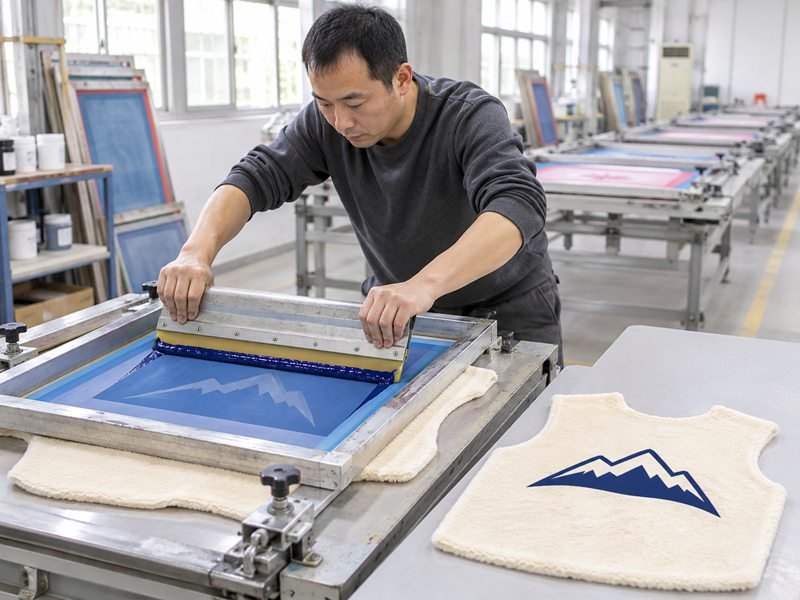
Suitable for flatter fabric zones, clothing, larger graphics, and repeated brand marks with controlled colors. Print adhesion, opacity, hand feel, stretch, and registration depend on the base material. High-pile plush usually needs another method for clean edges.
Digital Sublimation

Digital Sublimation

Useful for polyester fabrics, gradients, patterns, complex artwork, and all-over clothing graphics. The print becomes part of the textile surface, but color response varies by base fabric. Artwork scale, seam matching, and final cut position should be reviewed.
Heat Transfer

Heat Transfer

Works for selected garment panels, small graphics, names, or campaign marks where a smooth application area exists. Film thickness, edge feel, wash or abrasion behavior, stretch, and heat sensitivity of the surrounding material need to be checked during sampling.
Woven Patch Label

Woven Patch Label

Woven patches and labels can carry detailed brand marks on clothing, bags, uniforms, or gift sets. They are useful when embroidery directly on plush would lose clarity. Edge finish, attachment method, size, thread colors, and placement should be specified.

Accessories Add Recognition But Also Add Engineering Risk

Hats, glasses, shoes, badges, bags, and molded parts can define a mascot. Attachment, weight, safety, packaging, and repeatability need review before approval.

Hats And Headwear

Hats, caps, helmets, crowns, and headbands often dominate a mascot silhouette. Fit should be built around the final head pattern, not guessed from artwork. Brims, logos, interfacing, elastic, seams, and attachment points must hold position after packing.

Glasses And Eyewear

Glasses can use soft fabric, embroidery, felt, plastic, or other constructions depending on age grade and style. Frame thickness, eye alignment, attachment strength, pressure points, scratch risk, and packaging protection all influence the final engineering route.

Uniforms And Garments

Jackets, shirts, skirts, capes, ties, scarves, and uniforms need miniature garment patterning. Sleeve openings, closures, hems, logos, layer thickness, dye migration, and fit tolerance matter because a small garment shift can change the mascot’s approved proportions.

Shoes And Foot Details

Shoes may be plush, felt, PU, embroidered, or partly structured. Sole shape and filling affect standing balance, while dark materials can transfer color onto light legs. Attachment strength, pair symmetry, logo placement, and carton pressure require checking.

Bags Badges And Props

Mini bags, badges, books, tools, products, or campaign props can strengthen corporate storytelling. Each item needs a clear material, scale, attachment route, weight, orientation, and safety review. Loose accessories also change pack-out and counting requirements.

Plastic PVC Hardware

Plastic eyes, noses, molded badges, PVC parts, metal rings, magnets, or special hardware can add definition. Hard components may introduce tooling, higher MOQ, pull-strength, small-part, chemical, weight, and packaging considerations that should be resolved before cost approval.

Development Moves From Artwork To Controlled Production Reference

Sampling should convert brand approval into repeatable manufacturing information. Ewin connects character review, pattern making, materials, revisions, and Golden Sample release through one controlled sequence.

Technical Artwork Review

The mascot is broken into body volumes, visual priorities, decoration areas, clothing, accessories, likely materials, and manufacturing risks. Missing views or unclear details are identified before pattern work so assumptions do not quietly become part of the sample or later create unnecessary revision cycles.

Pattern Development

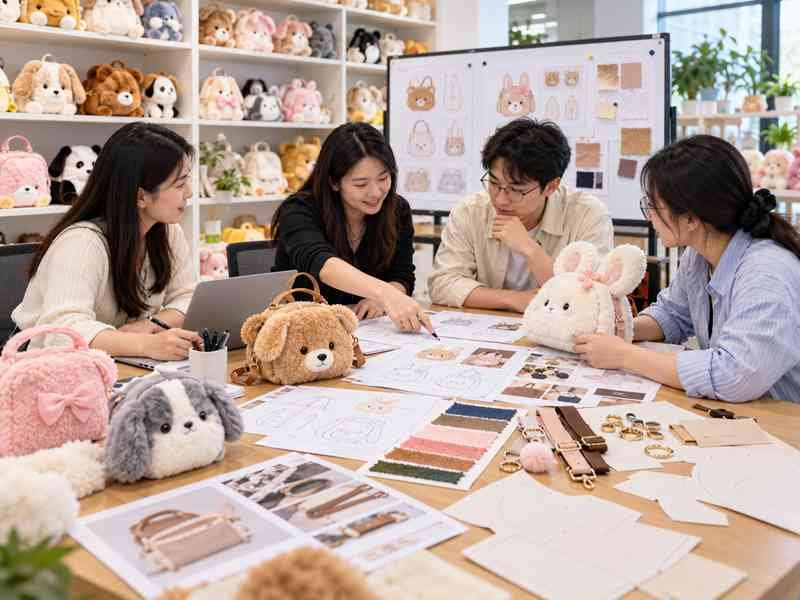
Pattern makers translate the approved silhouette into sewable panels with seam allowances, notches, grain and pile direction, embroidery positions, and assembly logic. Pattern revisions should follow sample decisions so old pieces do not return during later development, approval, pilot production, or repeat orders.

Material Decoration Approval

Fabric, color, embroidery, print, appliqué, thread, trims, clothing, and accessories are reviewed in the combinations used on the finished mascot. A material that looks correct alone can behave differently after embroidery, sewing, stuffing, packing pressure, or contact with dark garments.

V1 Prototype Review

The first complete prototype tests the 3D interpretation. Review focuses on character recognition, proportion, pose, face, fabric, garment fit, accessory position, hand feel, packaging behavior, and manufacturability. Feedback should be consolidated into one revision list before the next version begins.

Revision Final Sample

Pattern, embroidery, material, stuffing, garment, and accessory changes are checked together rather than as isolated fixes. Final approval should confirm the complete product under normal handling and packaging conditions, including visible differences introduced by compression, garment movement, or presentation.

Golden Sample Freeze

The approved Golden Sample works with the current BOM, pattern, artwork, decoration files, color references, filling notes, packaging specification, and revision record. Production release should follow this controlled set rather than verbal instructions, memory, an outdated sample, or an informal photo reference.

MOQ Cost And Timeline Depend On The Approved Configuration

Commercial feasibility comes from the full product definition. Quantity, material, decoration, accessories, packaging, testing, and deadline should be reviewed together before final quotation.

Cost Or Timing DriverWhat ChangesTypical Project EffectBetter Planning Move
QuantityOrder volume and fixed-cost allocationChanges unit economics and production setupQuote consistent quantity tiers on the same specification
SKU CountColors, outfits, sizes, character versionsSplits purchasing and production quantitiesShare materials, components, and packaging where appropriate
SizeFabric, filling, labor, carton volumeAffects unit cost and freight volumeProtect key details before simply reducing size
FabricStock vs custom color, GSM, pile, supplier MOQCan create material minimums and longer preparationReview stock alternatives and approved substitutions
Embroidery / PrintStitch count, area, colors, filesAdds machine time and can affect hand feelSimplify only non-critical detail, not mascot recognition
AccessoriesCustom hardware, molds, clothing, propsCan raise effective MOQ and assembly timeStandardize hidden structures while keeping visible identity
PackagingPolybag, tag, gift box, retail box, insertAdds print MOQ, assembly, volume, and approval stepsConfirm program use before packaging development
TestingMarket, age, materials, componentsAdds sample and document preparation dependenciesPlan testing route before mass production
DeadlineApproval, sourcing, production, logisticsLate changes compress every downstream stageWork backward from required arrival date

Commercial starting point: regular custom plush programs can use approximately 500 pcs per style for initial evaluation. Final MOQ remains project-dependent, especially when custom-dyed fabric, molded parts, specialized accessories, printed packaging, or multiple SKUs are involved.


Approved Mascot Specifications Must Survive Mass Production

Production is not a larger version of the sample room. Every approved visual and structural decision needs to become a controlled manufacturing input before repeated units are made.
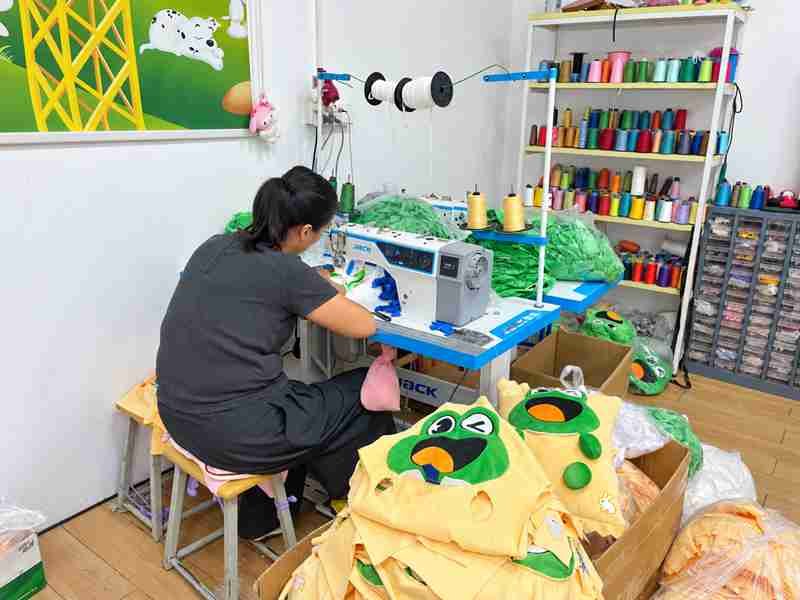
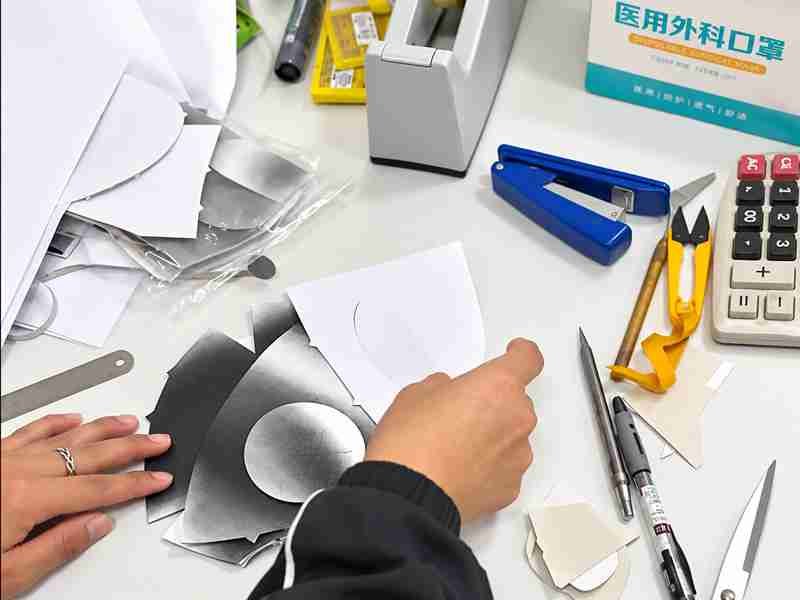
Cutting and Marking

Cutting Decoration And Sewing Need One Revision

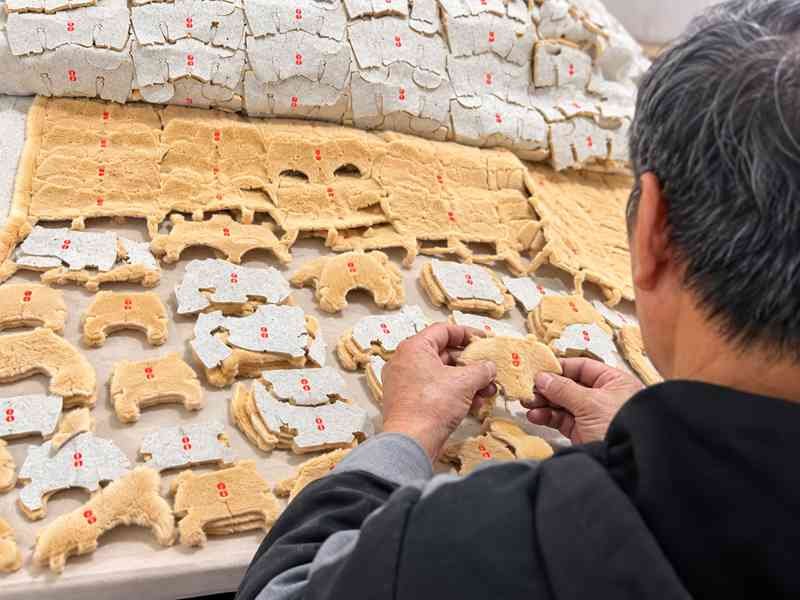
Bulk work should begin from the current released pattern, material specification, embroidery or print files, and approved artwork. Cutting must respect fabric direction, mirrored parts, color zones, and part identity. Decoration is completed against the correct panel before assembly, especially for eyes, mouths, logos, badges, and costume graphics where small placement changes alter the mascot’s expression. Sewing then converts those prepared panels into the approved geometry. Critical curves, face seams, ear angles, foot shape, garment openings, and attachment zones should be treated as controlled construction points rather than left to operator preference. Mixed revisions are a major risk in corporate mascot programs because an old embroidery file or pattern can look almost correct while still failing brand approval. Production documents therefore need clear version ownership, and first-piece review should confirm that the released files produce the same visual language as the Golden Sample before volume continues.
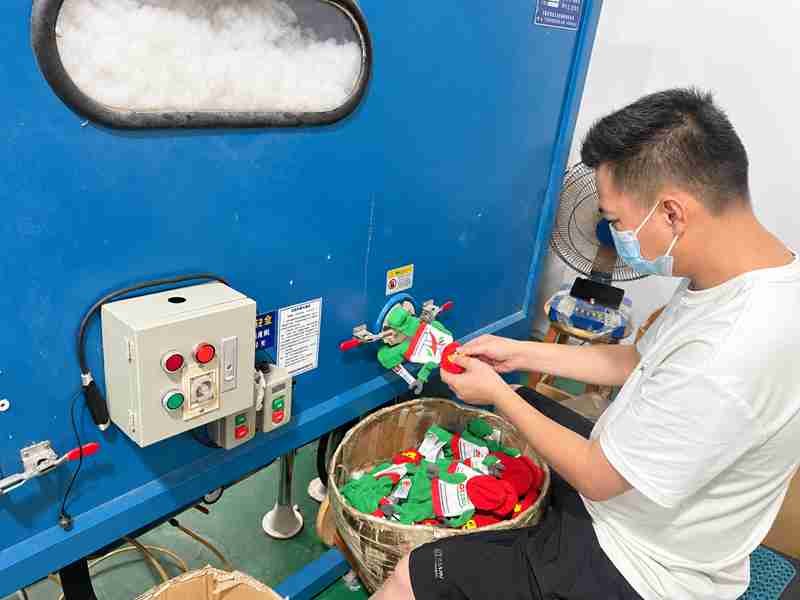
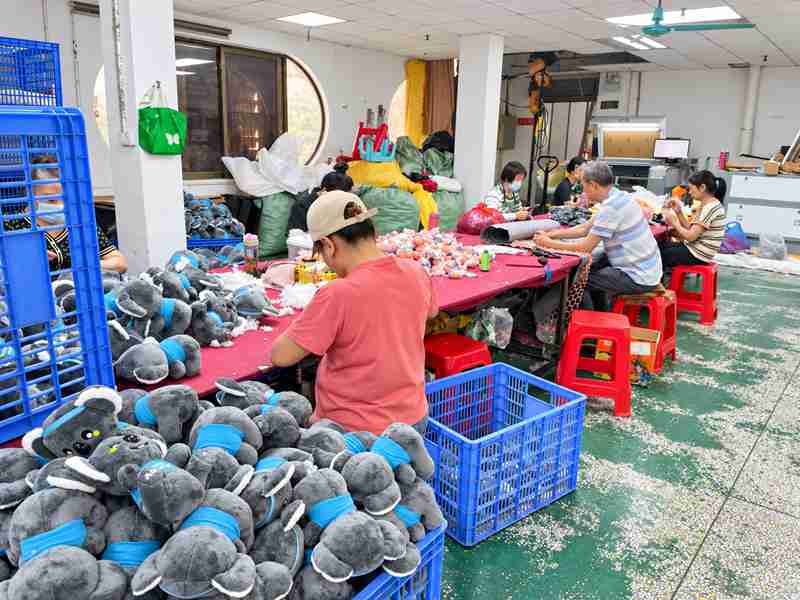
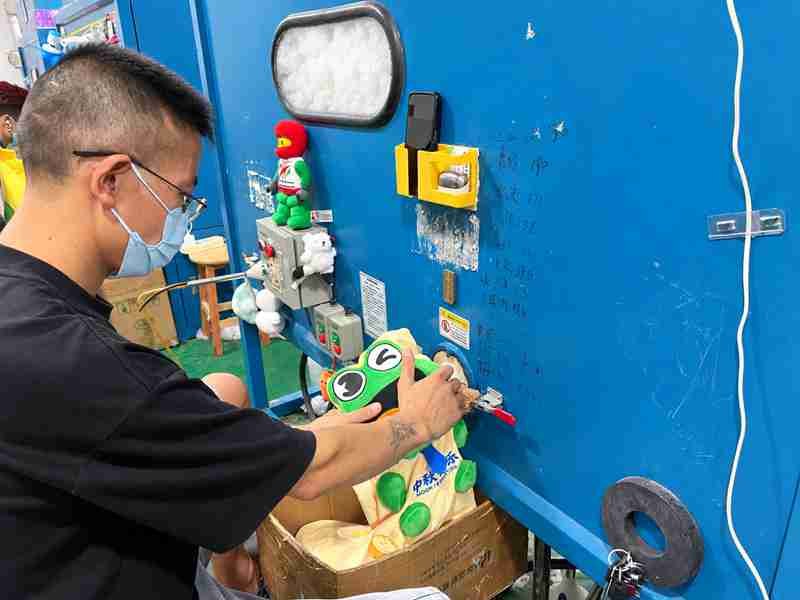
Stuffing

Stuffing Assembly And Finishing Create The Final Character

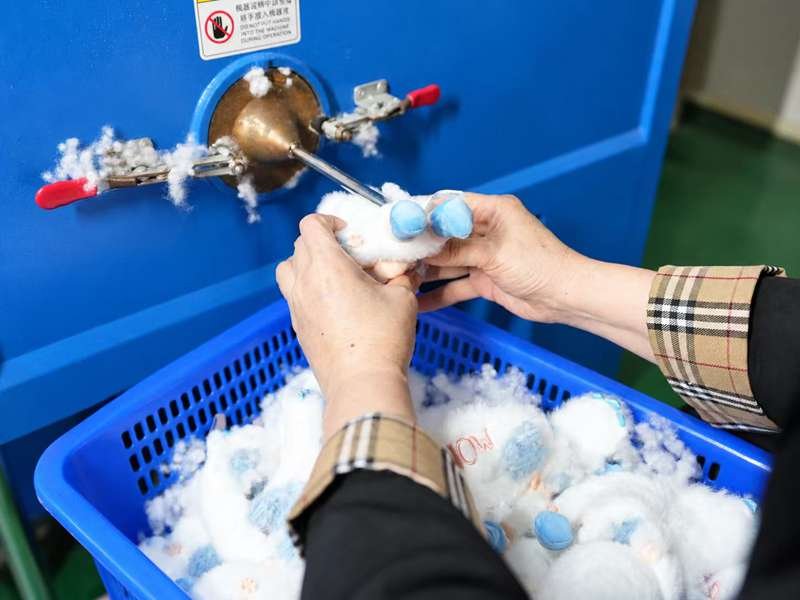
After sewing, filling level and placement determine face volume, torso width, sitting angle, limb thickness, and overall hand feel. Weighing references or zone-based filling notes can be used when the mascot depends on consistent density. Clothing, hats, badges, glasses, bags, hard parts, and other accessories are installed after or during assembly according to the approved route. Attachment direction matters: a hat that rotates five degrees or a badge placed slightly high can noticeably change a corporate character. Finishing includes closing seams, shaping, grooming pile, removing trapped fur, aligning garments, cleaning threads, and restoring the approved silhouette. Production staff should know which areas are visual CTQs rather than treating every seam equally. For high-recognition mascots, face symmetry, eye coordinates, head-body ratio, costume alignment, and signature accessory position deserve stronger in-process attention than hidden cosmetic points. The finishing standard should also define how much hand shaping, pile grooming, and garment adjustment is acceptable before final inspection.
Packaging

Packaging Is Part Of Production Release Not An Afterthought

The finished mascot should be checked in the actual packing condition because compression, garment movement, long ears, hats, props, and high-pile materials can shift during handling. Packaging specifications need the correct bag or box, insert, tag, label, barcode, card, accessory position, quantity per inner pack, master carton count, and orientation. Gift-box projects may require protective tissue, inner supports, or shaped inserts so the character arrives presentable without excessive manual reshaping. Event programs often prioritize easy counting and distribution, while retail programs may need shelf-facing presentation and barcode visibility. Carton dimensions and pack density also affect freight volume and compression pressure. A production release is therefore complete only when the approved product and approved packaging are treated as one deliverable with matching revision control. Packaging trials should also confirm that the mascot can be removed, presented, and distributed without unnecessary reshaping, crushed accessories, wrinkled garments, or hidden brand marks. 
Quality Control Protects Brand Consistency Across Every Unit

Quality checks should compare mass production with the approved mascot definition, not only look for general sewing defects. Corporate identity needs product-specific inspection points.

Incoming Material Control

Fabric lot, color, pile, clothing material, trims, thread, labels, and accessories should match approved specifications before use. Early lot control helps prevent large batches of off-color fabric, wrong hardware, or unsuitable garment material from moving into production and becoming expensive finished-goods problems.

In Process Control

Face embroidery, logo placement, panel matching, seam construction, accessory anchoring, garment assembly, and filling are checked while corrections remain manageable. First-piece and line checks can catch systematic drift before hundreds of units repeat the same eye position, badge angle, or silhouette problem.

Finished Product Control

Completed mascots are reviewed for appearance, key dimensions, face symmetry, stuffing, garment fit, loose threads, stains, accessory position, label accuracy, and comparison with the approved reference. Product-specific CTQs should receive more attention than hidden details that do not affect function or brand recognition.

Outgoing Pack Control

Final inspection also checks packing method, tags, cards, barcodes, gift-box condition, assortment, inner quantity, carton count, marks, and shipment presentation. A correct mascot in the wrong box or with the wrong program label can still cause a serious corporate launch or distribution failure.

Certificates, Compliance & Quality Assurance

Ewintoys follows structured quality and compliance practices for custom plush production. We hold relevant certifications and support additional testing, inspection, and compliance documentation based on specific product requirements and destination markets, helping brands meet different international standards with confidence.


Compliance Planning Follows Market Age And Product Construction

Corporate mascot plush may be a child-directed toy, adult collectible, employee gift, promotional item, or retail product. Compliance route should follow the actual intended use.

Planning AreaQuestions To DefineDevelopment Impact
Target MarketUnited States, EU, UK, or other destinationDetermines applicable regulations, documentation, and test planning
Intended UserChildren, family gifting, adult collectible, internal corporate useInfluences age grading, small-part review, labeling, and claim language
MaterialsPlush fabric, clothing, ink, thread, plastic, metal, coatingDetermines material documentation and relevant chemical review
Small PartsHard eyes, buttons, badges, accessories, detachable itemsChanges attachment design, pull testing, and age-related risk review
StructureSeams, cords, straps, magnets, battery or hard componentsAdds mechanical, functional, or product-specific safety considerations
DecorationEmbroidery, print, transfer, appliqué, patchesRequires compatible materials and durability suitable for the intended use
Labels PackagingProduct labels, warnings, origin, retail informationNeeds to align with market, age, channel, and final product definition
Test TimingDevelopment sample, final sample, production stageTesting should occur after the relevant materials and construction are sufficiently frozen

For U.S. child-directed toy programs, ASTM F963 and CPSIA planning may apply according to the product, age grade, materials, components, and distribution route. EU programs commonly require EN 71 planning where applicable. Final requirements should be confirmed for the specific SKU and market before testing.

Packaging Should Match How The Mascot Will Be Used

Corporate programs use packaging for protection, presentation, counting, retailing, and gifting. The right route depends on recipient, channel, handling, and brand experience.
Polybag Hangtag

Polybag Hangtag

Efficient for bulk distribution, event giveaways, internal programs, or projects where the mascot itself carries the presentation. Bag size should avoid excessive compression, while hangtag placement, barcode, warning text, and carton organization remain easy to inspect and count.
Belly Band Sleeve

Belly Band Sleeve

A paper band or sleeve can add brand story, campaign messaging, care information, or event graphics without enclosing the complete plush. Fit needs approval around the actual stuffed shape so the band remains visible and does not crush the mascot.
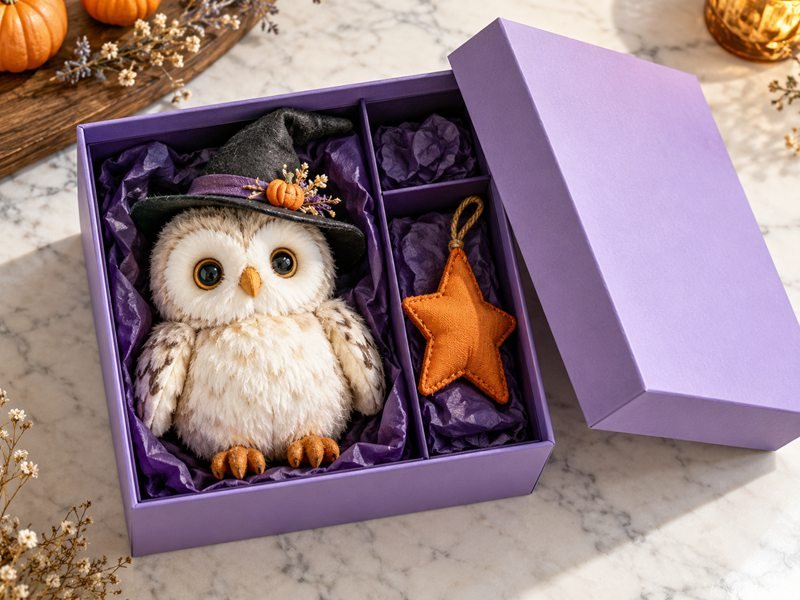
Gift Box

Gift Box

Suitable for employee milestones, VIP gifts, client programs, anniversaries, or premium corporate campaigns. Box dimensions, insert structure, opening direction, card placement, logo finish, and transport protection should be designed around the final mascot rather than estimated before sample approval.
Window Retail Box

Window Retail Box

Useful when the mascot is sold or displayed on shelf. Window size, product orientation, restraint method, barcode location, graphics, and carton protection should preserve the approved character while allowing clear front-facing presentation and efficient retail handling.
Campaign Gift Set

Campaign Gift Set

Combines the mascot with cards, accessories, merchandise, brochures, or other campaign items. A pack-out specification should define every component, location, sequence, quantity, protective material, and inspection point to prevent missing or mixed items during large-scale assembly.
Carton Distribution Pack

Carton Distribution Pack

Designed for conferences, regional offices, field teams, or multi-location distribution where counting and handling matter. Inner quantities, master carton count, marks, assortment, compression level, and opening method should support fast receiving without damaging the mascot or branded packaging.

Corporate Programs Need Milestone Version And Reorder Control

A mascot project may continue for years across campaigns, offices, regions, or seasons. Program discipline protects the approved character after the first order ships.

Launch Milestone Control

Start with the required arrival date, then work backward through artwork freeze, sample review, final approval, material readiness, packaging approval, production release, inspection, and shipping. Late design changes should be evaluated against the whole schedule rather than absorbed invisibly into production time.

SKU Version Control

Colorways, sizes, seasonal outfits, regional labels, gift packaging, and retail versions can create multiple valid SKUs. Each needs a clear design ID, sample status, BOM revision, packaging file, barcode where required, testing status, production quantity, and shipment identity to avoid cross-version mixing.

Forecast And Capacity Review

Larger campaigns and repeat programs benefit from visibility before the purchase order arrives. Quantity forecast, SKU mix, complexity, target date, material needs, and packaging should be reviewed together because capacity depends on process mix and readiness, not only a single headline factory-output number.

Reorder Consistency

A reorder should begin from the approved SKU baseline, then perform a delta review: what changed in artwork, materials, colors, labels, regulations, packaging, quantity, or destination? Repeating old assumptions without checking current conditions can introduce drift even when the mascot name remains unchanged. 

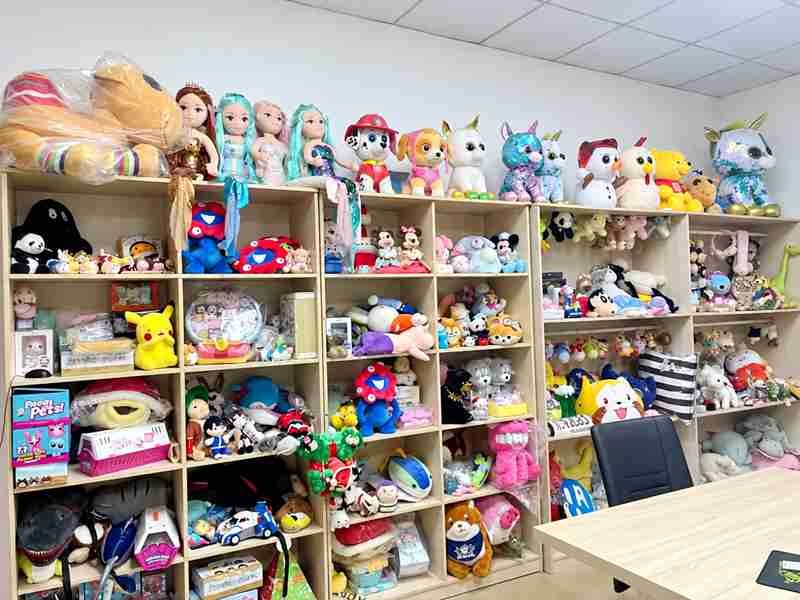
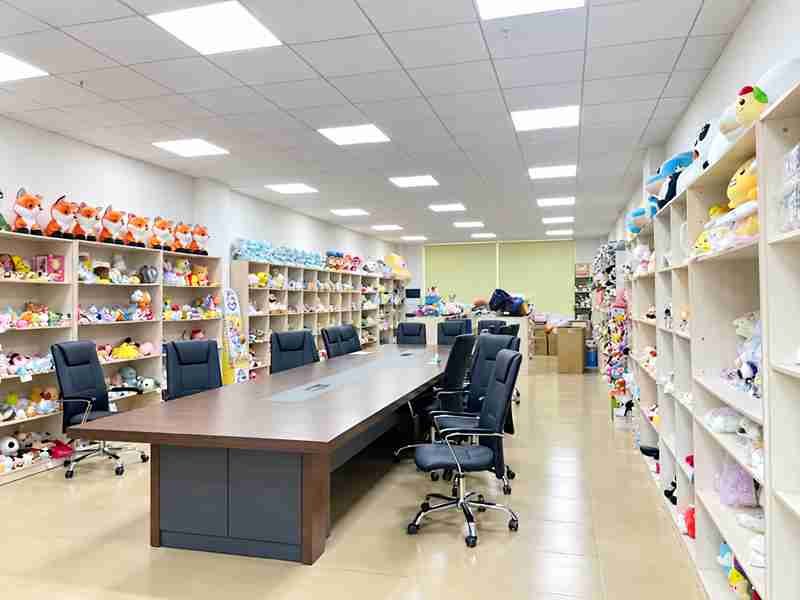
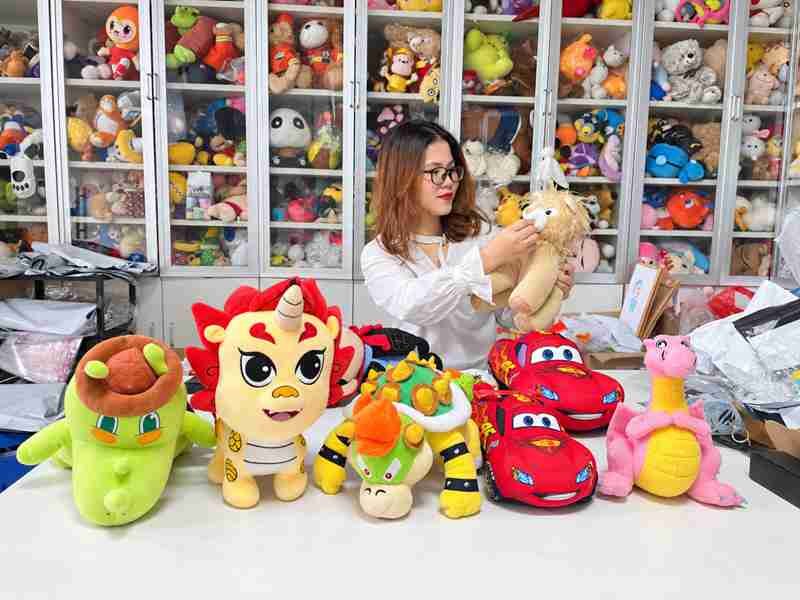
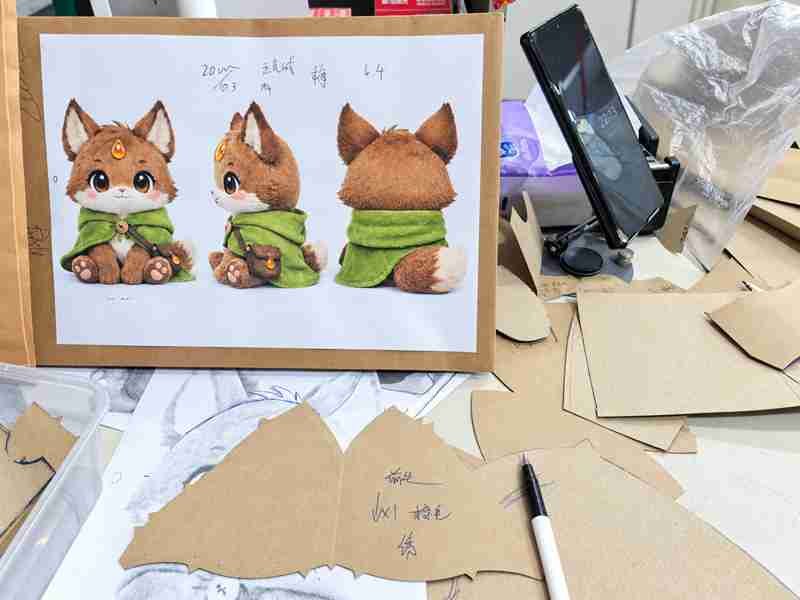
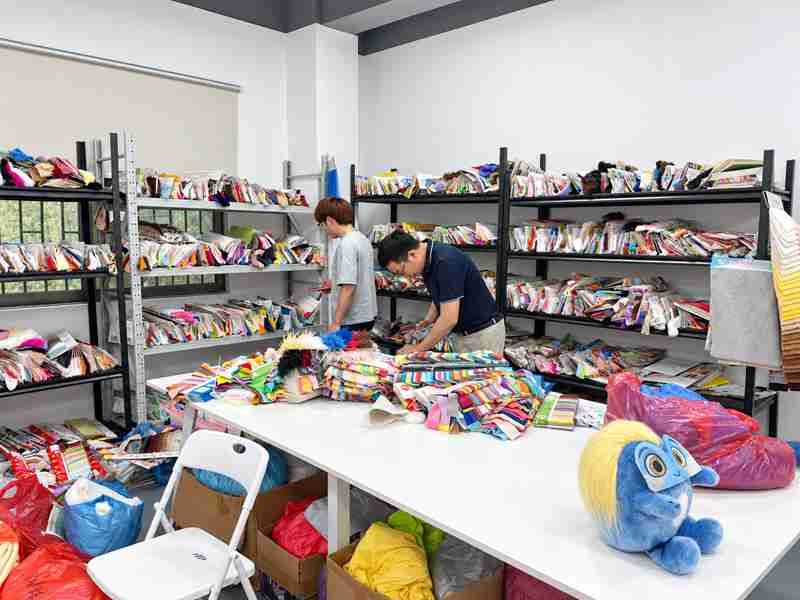
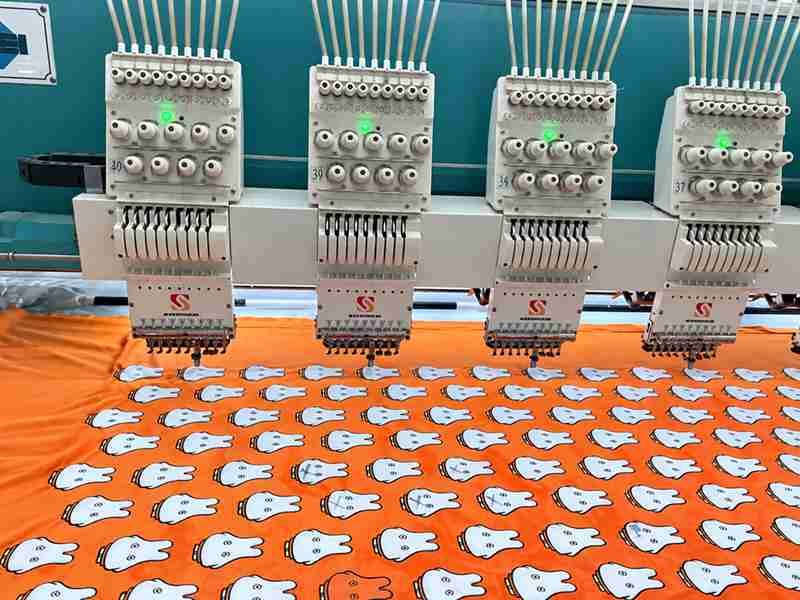
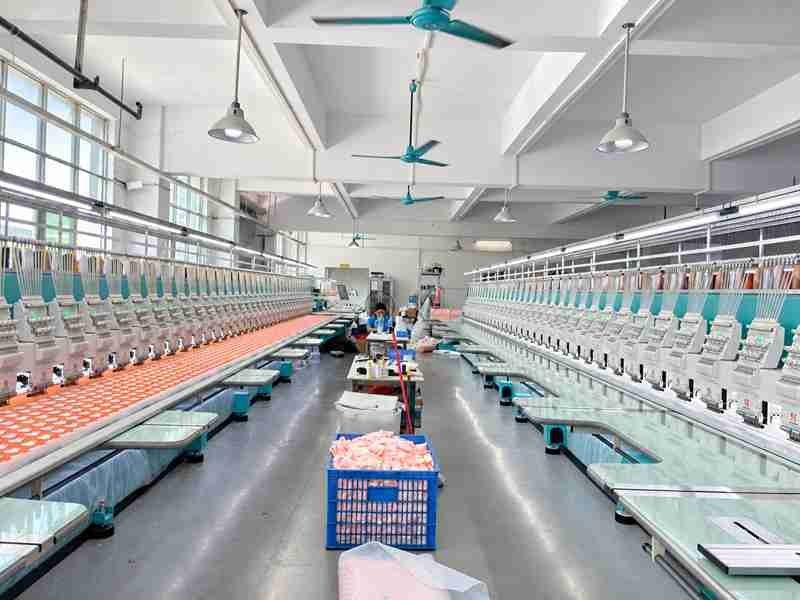
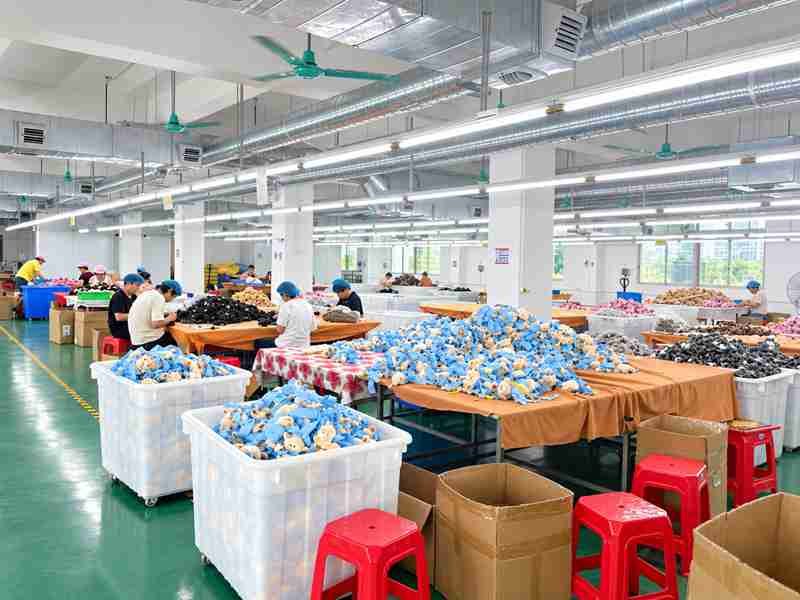
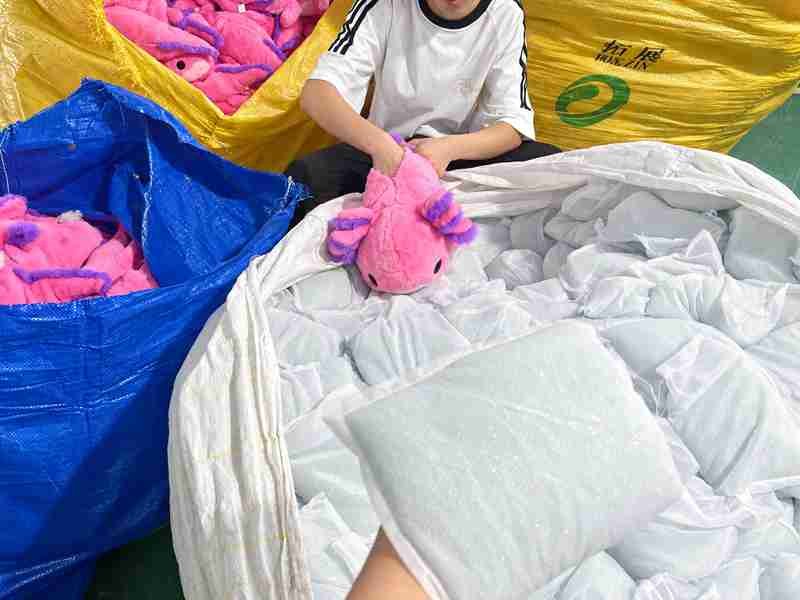
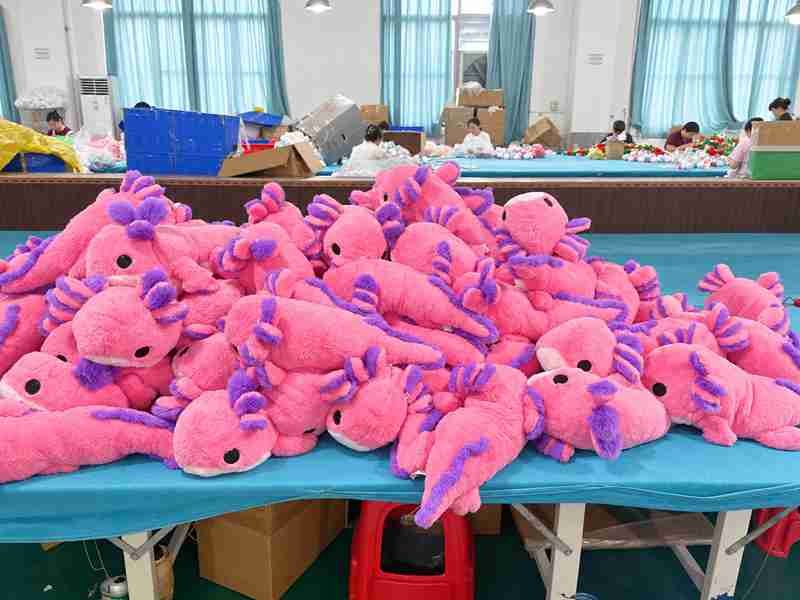
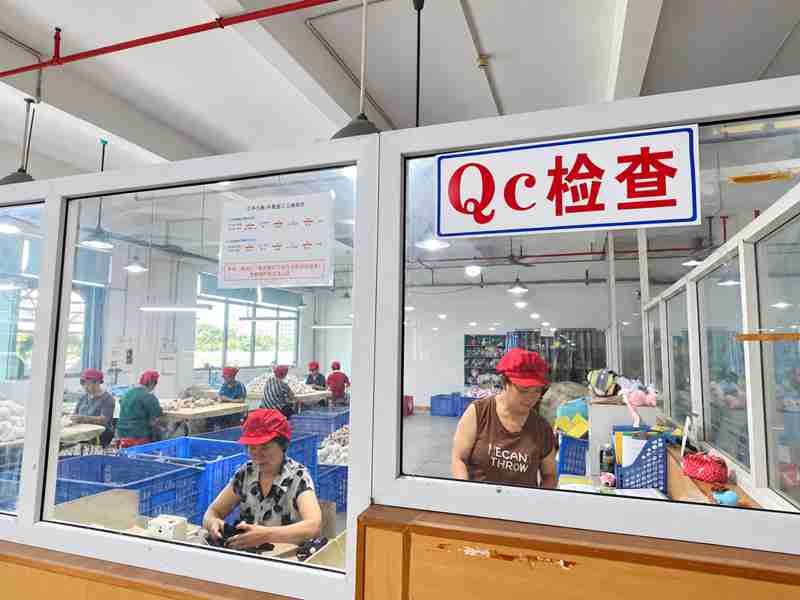
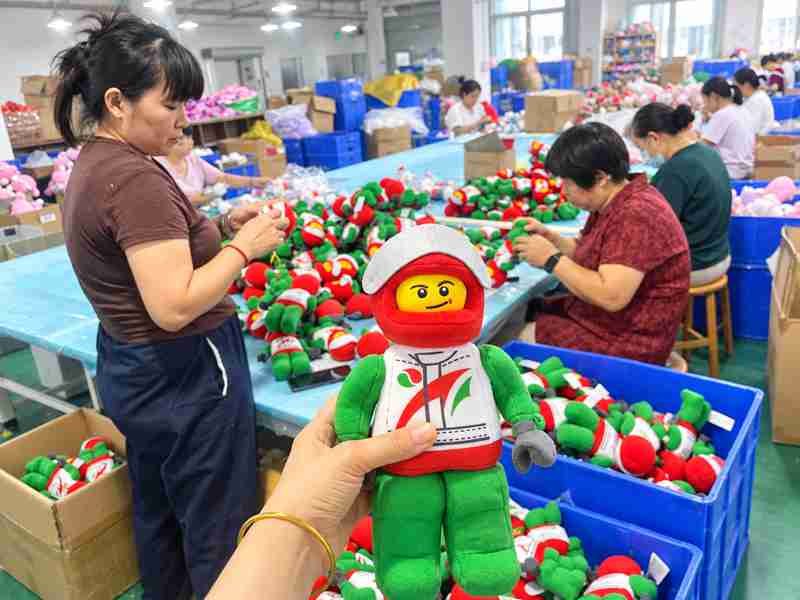
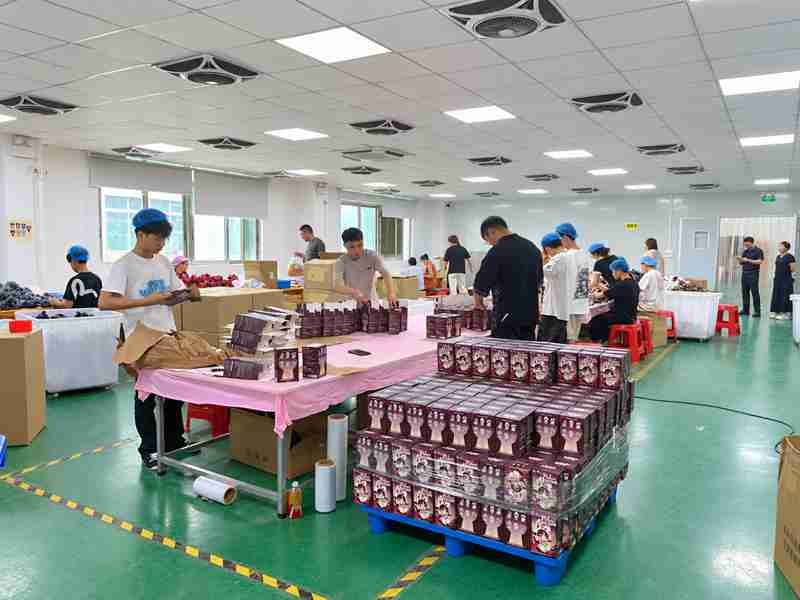
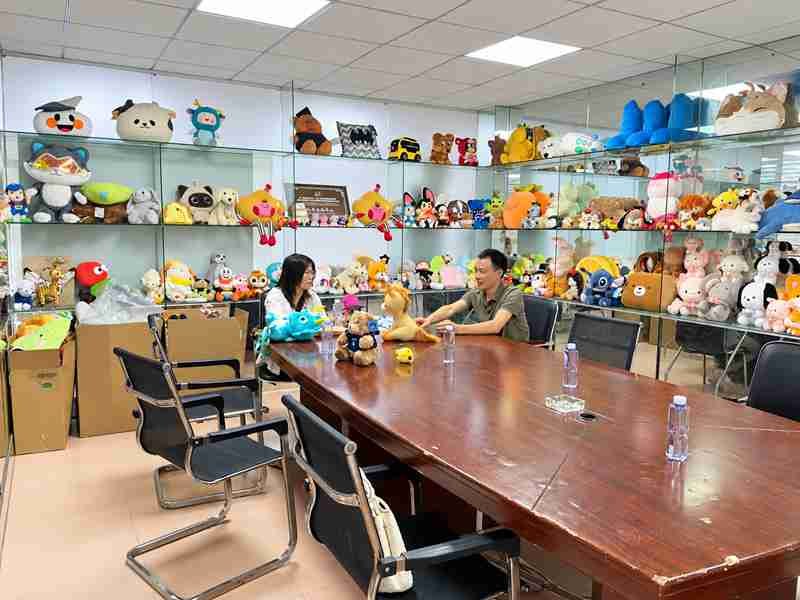
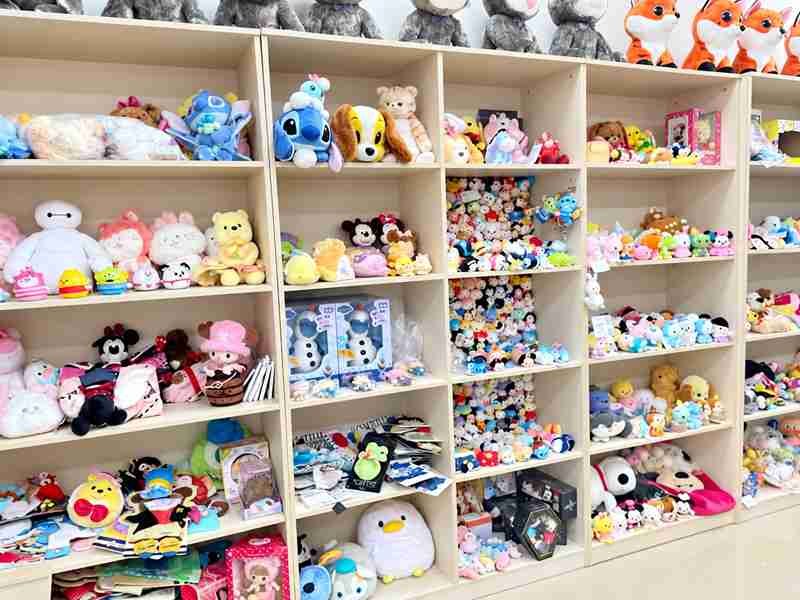
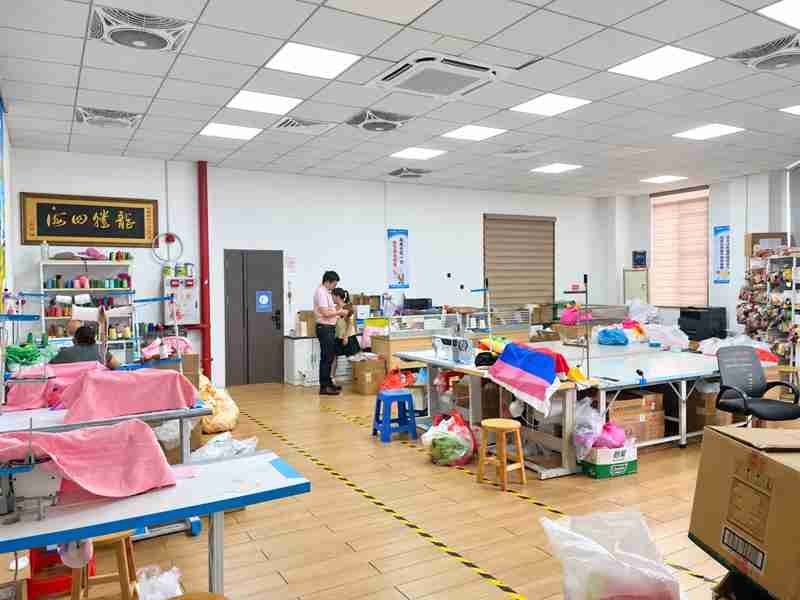
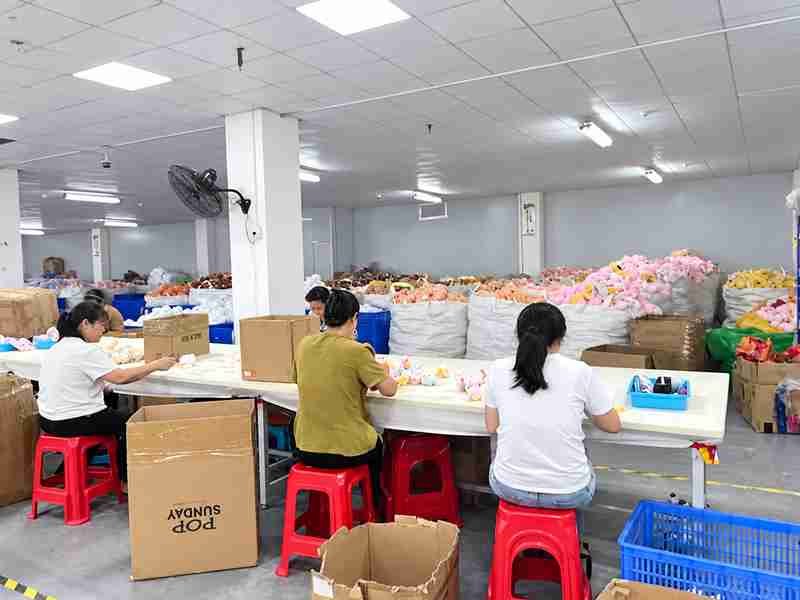
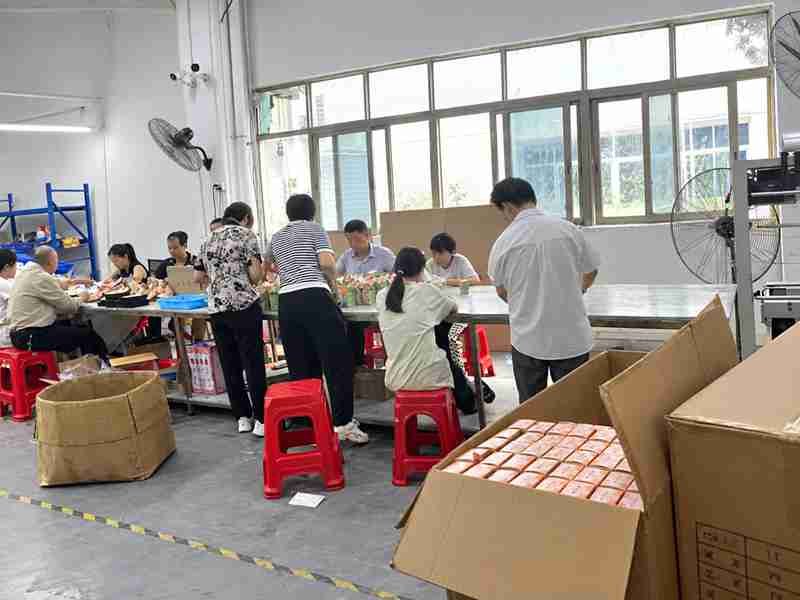
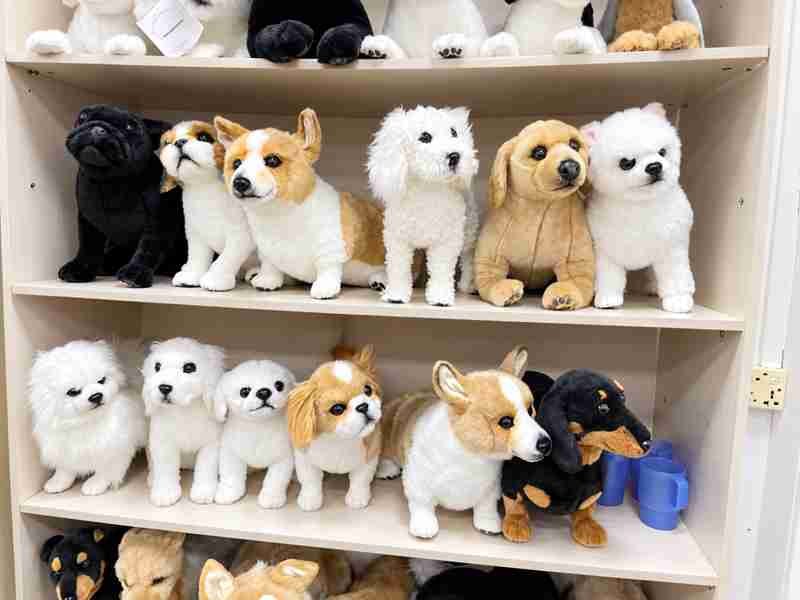
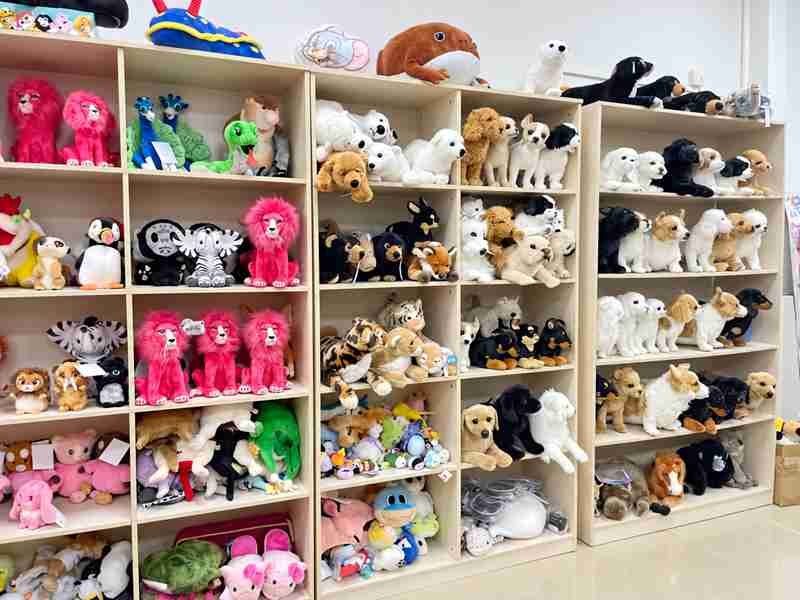
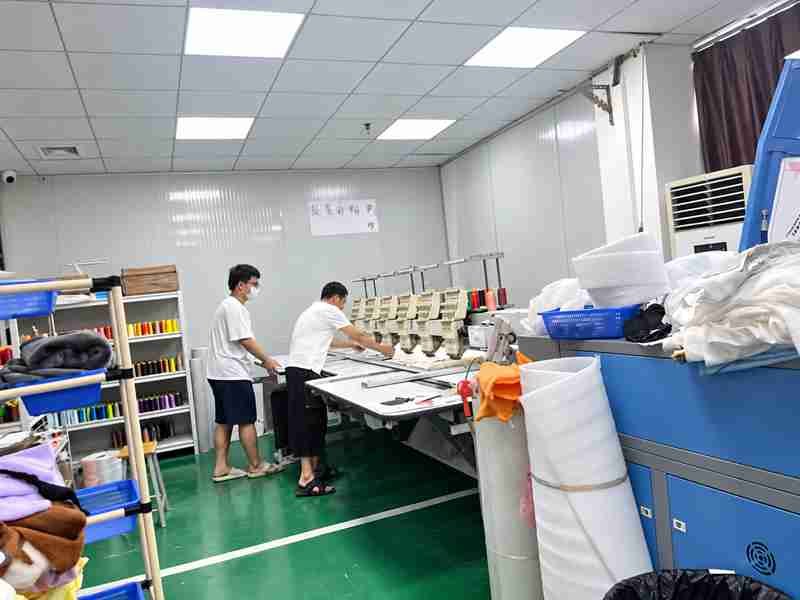
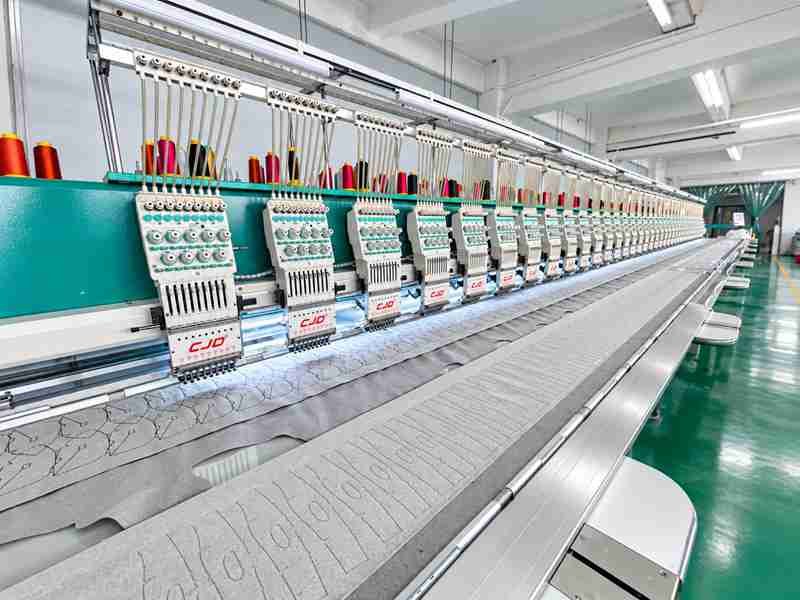
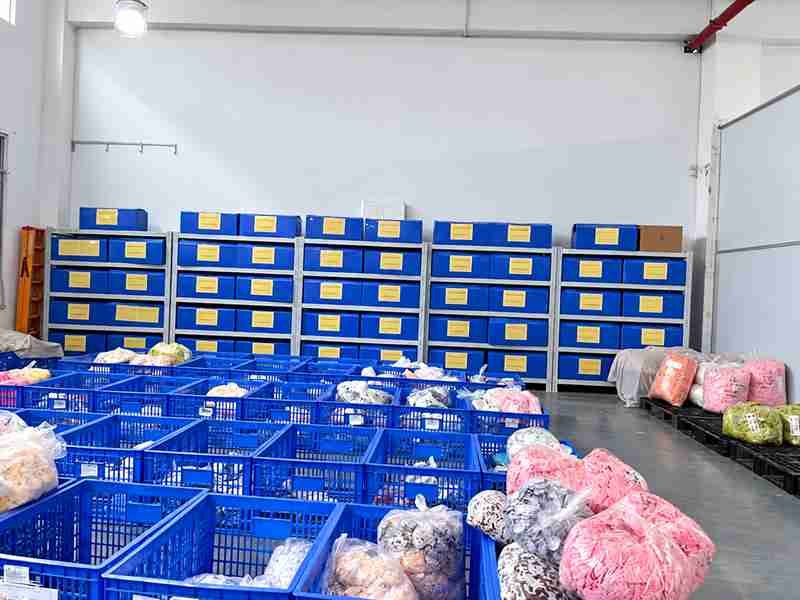
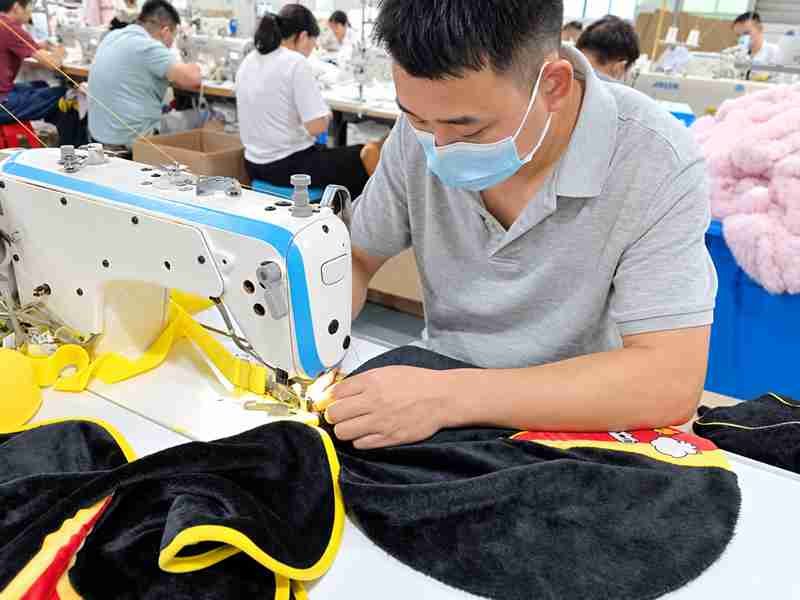
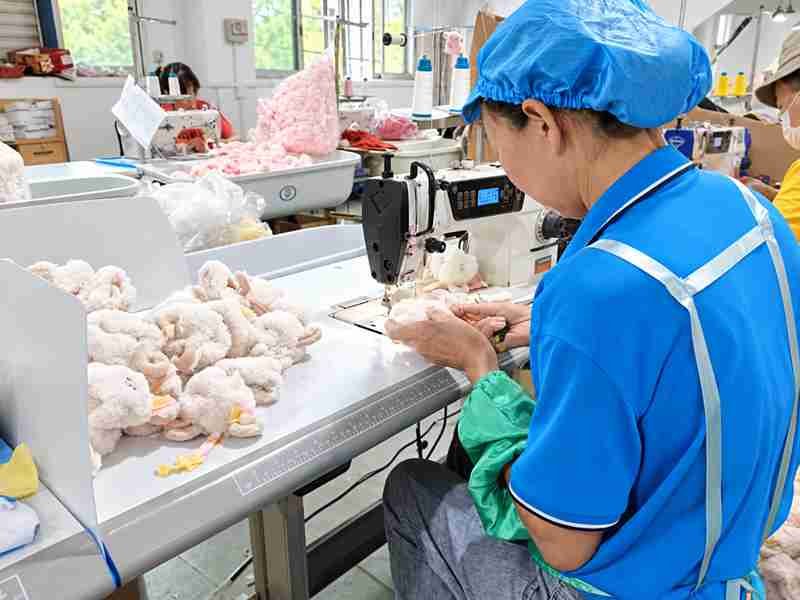
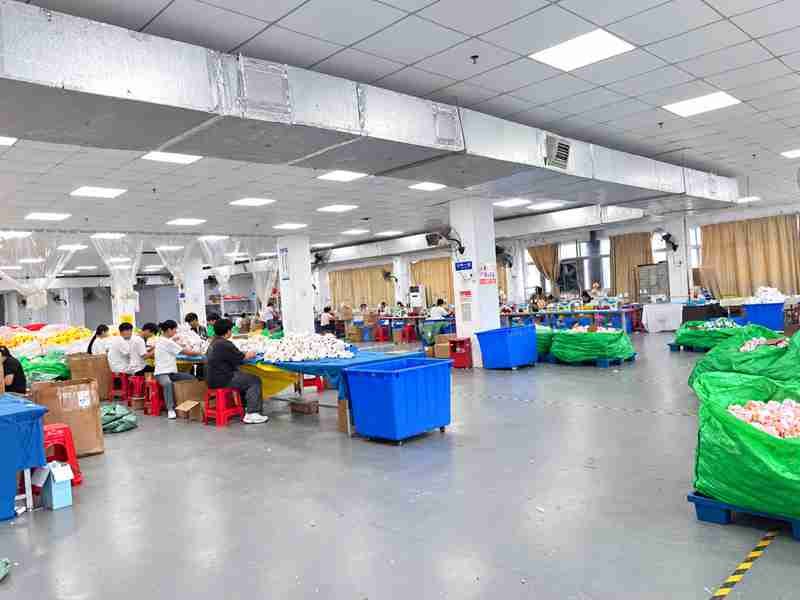
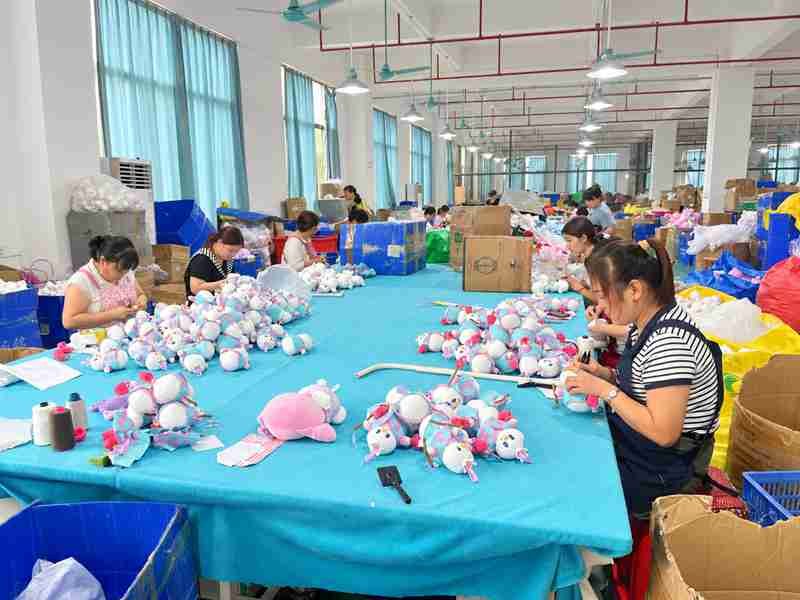
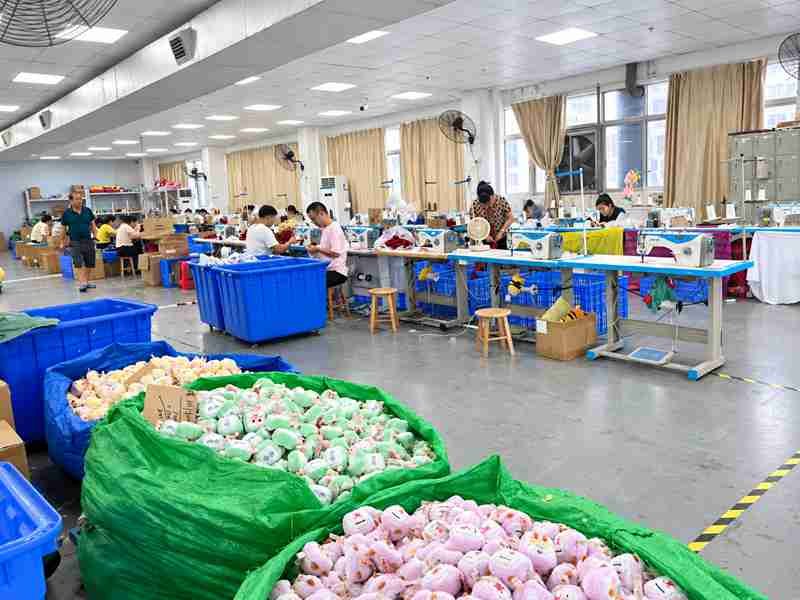
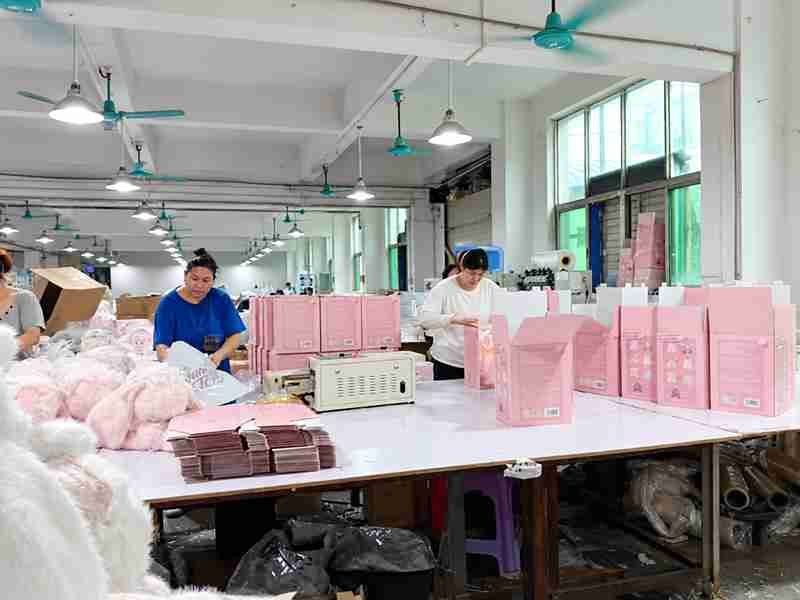
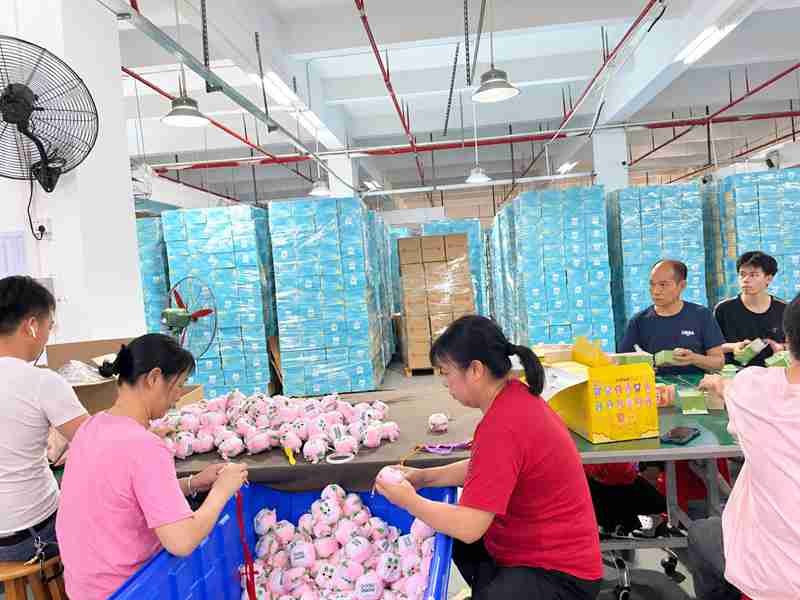
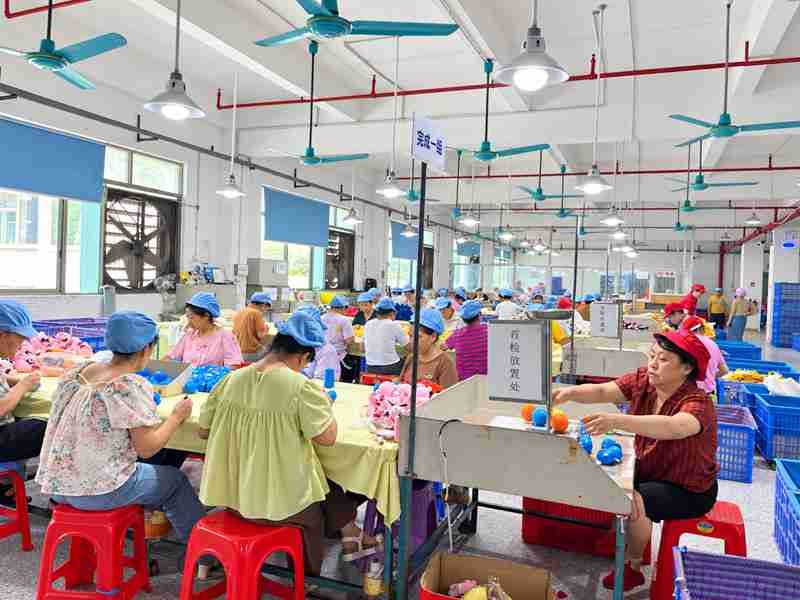
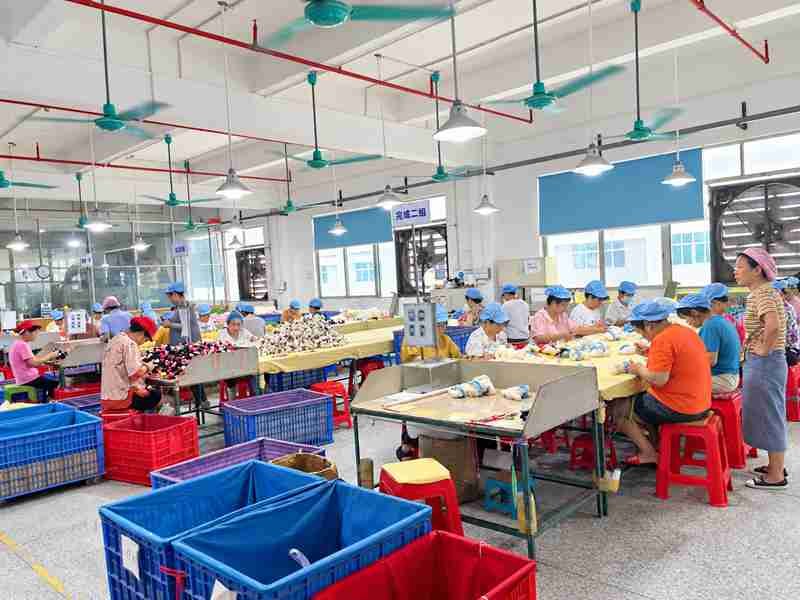
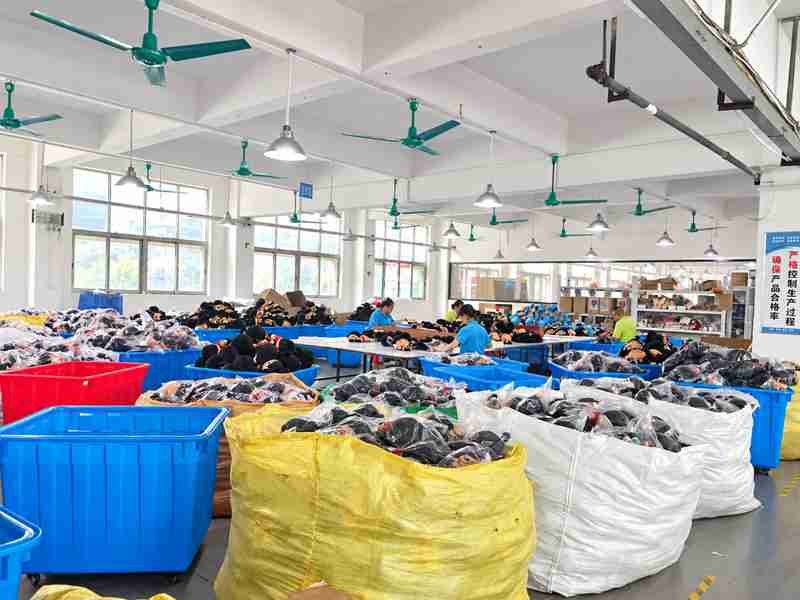
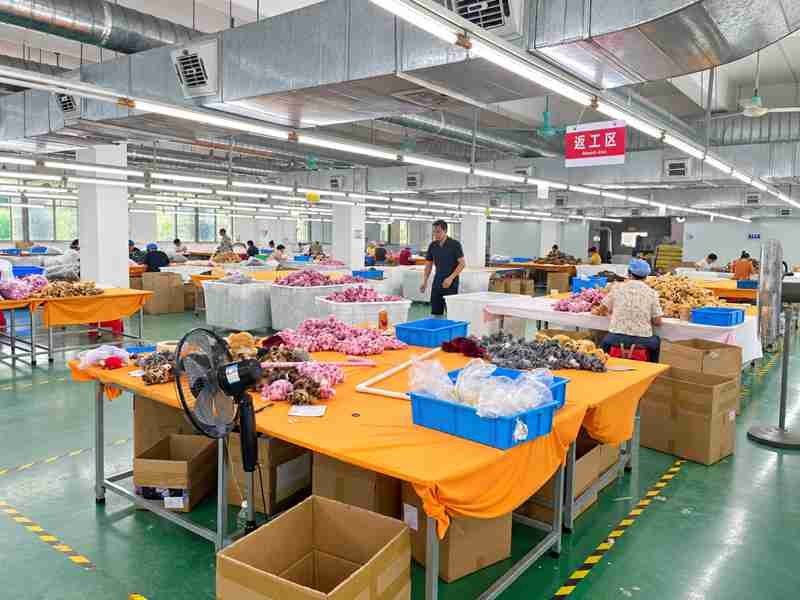
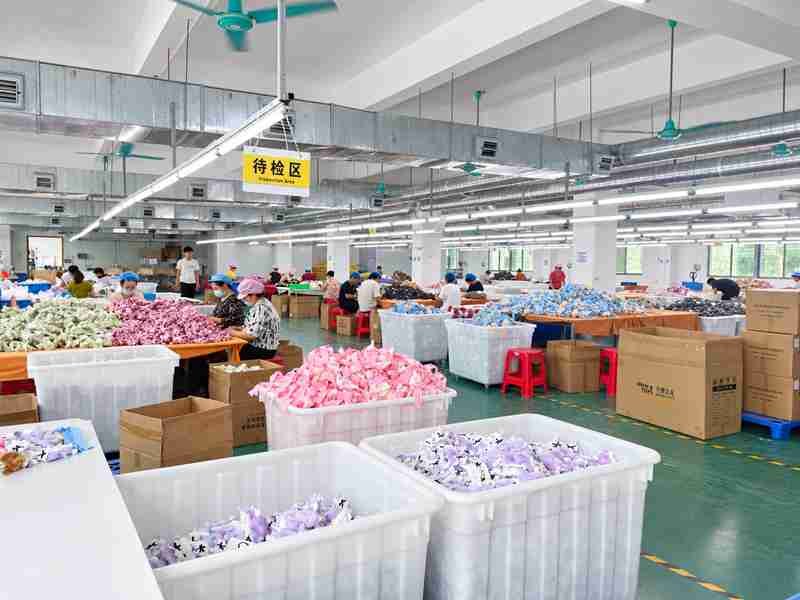
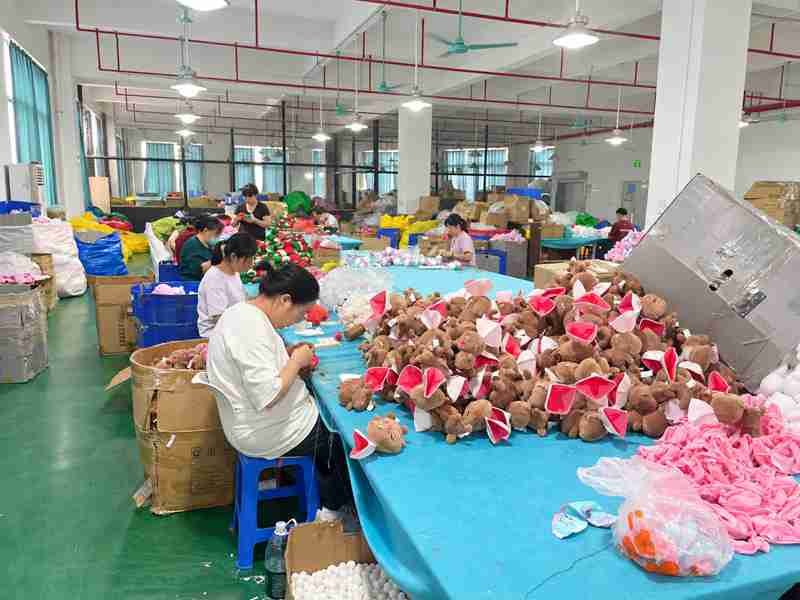
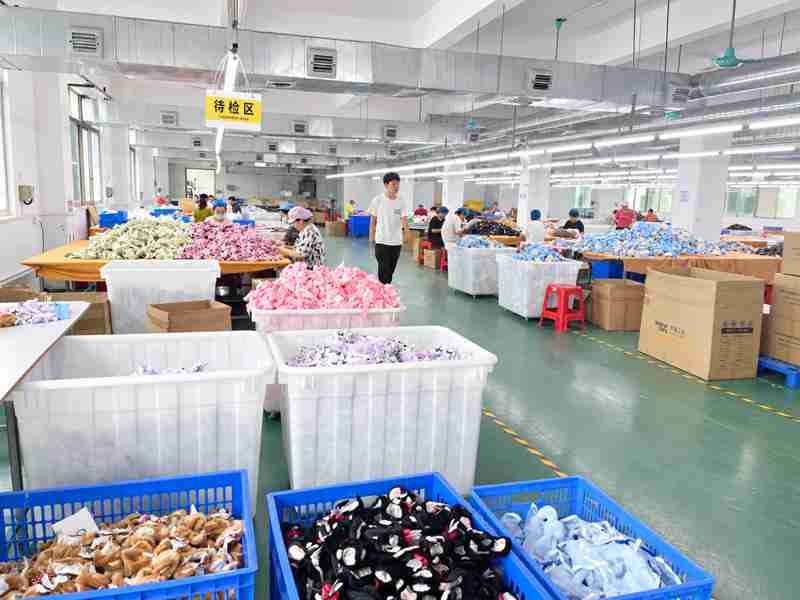
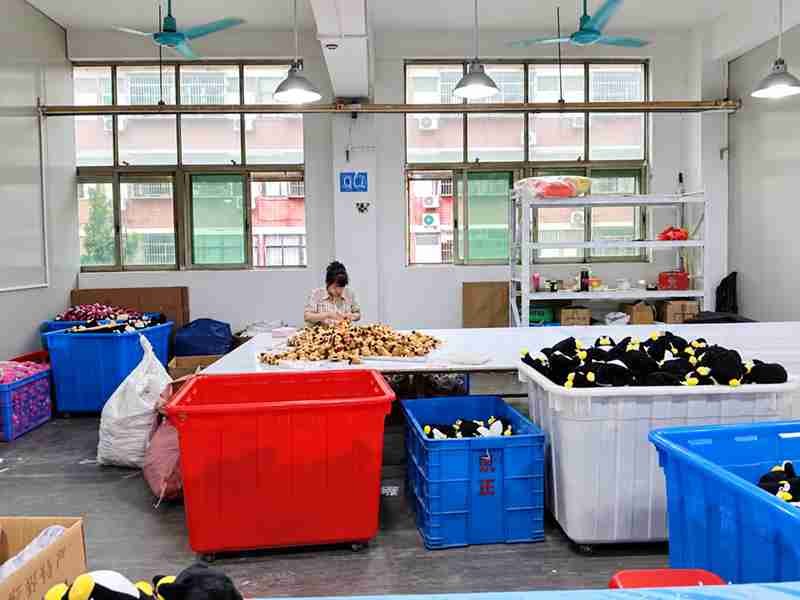
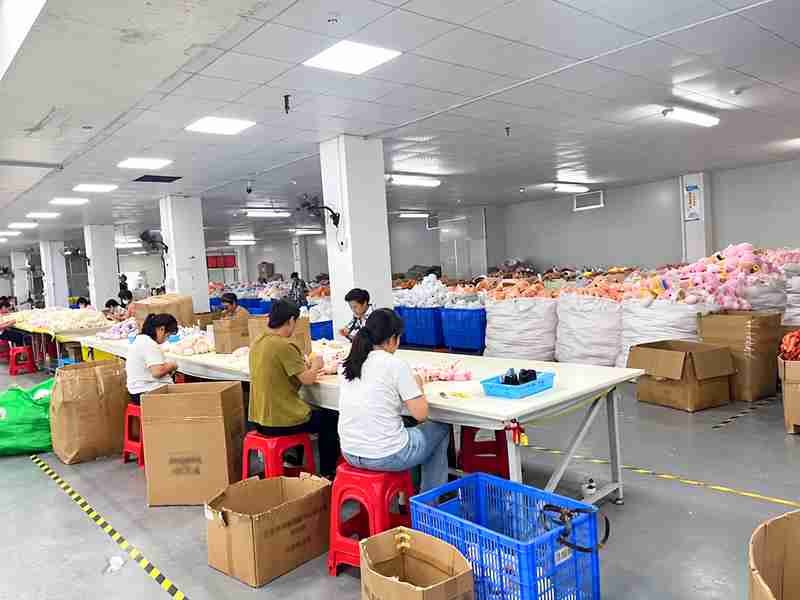
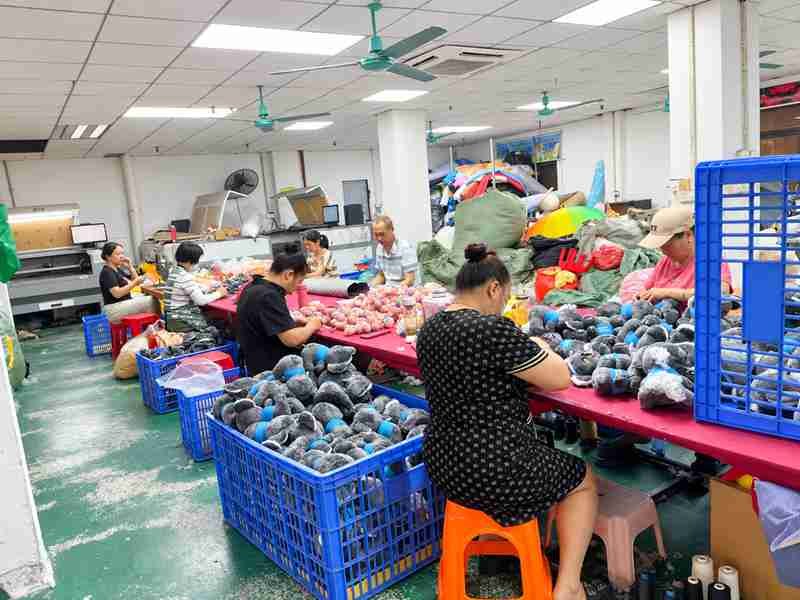
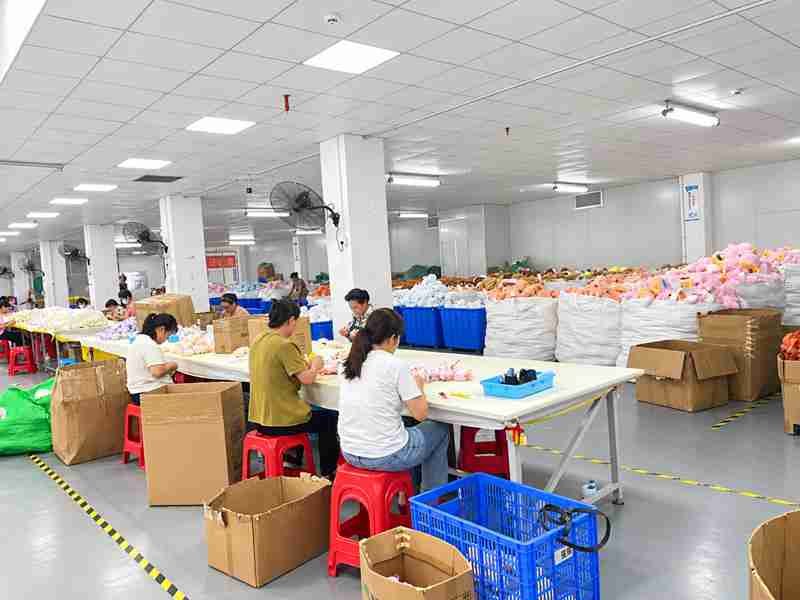
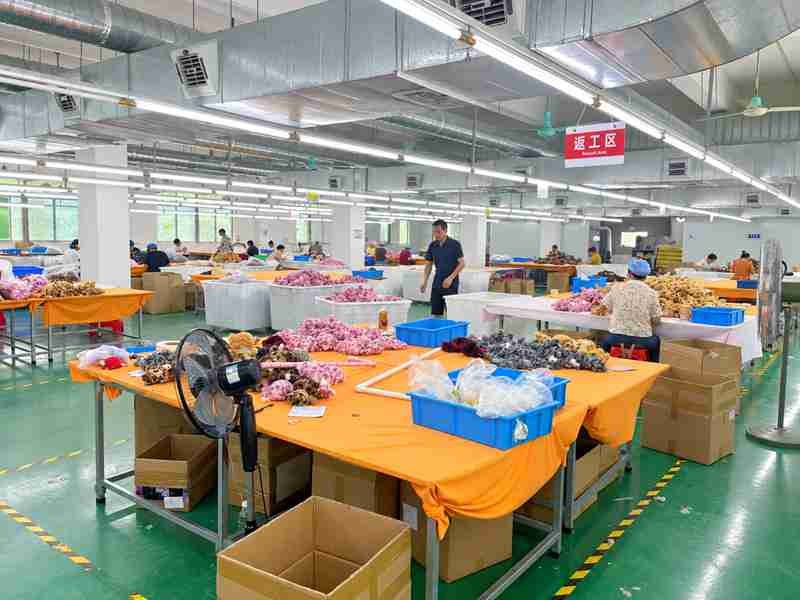
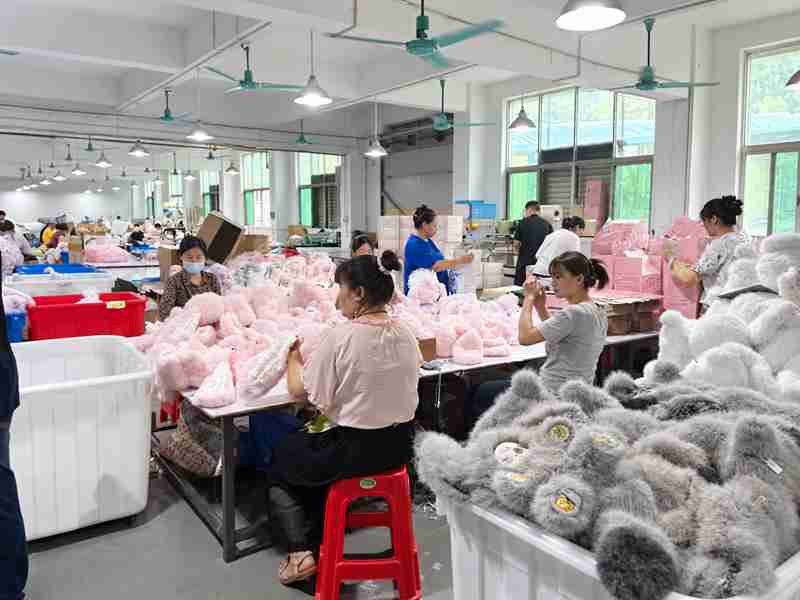
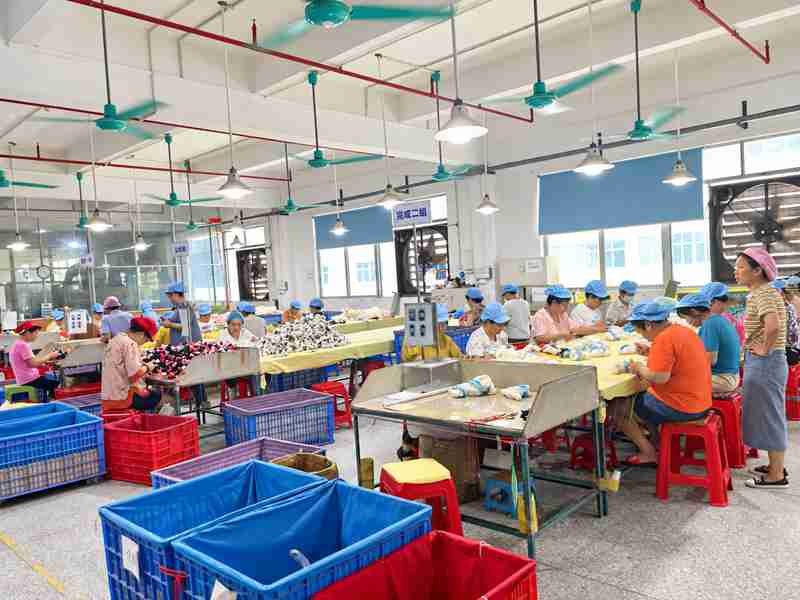
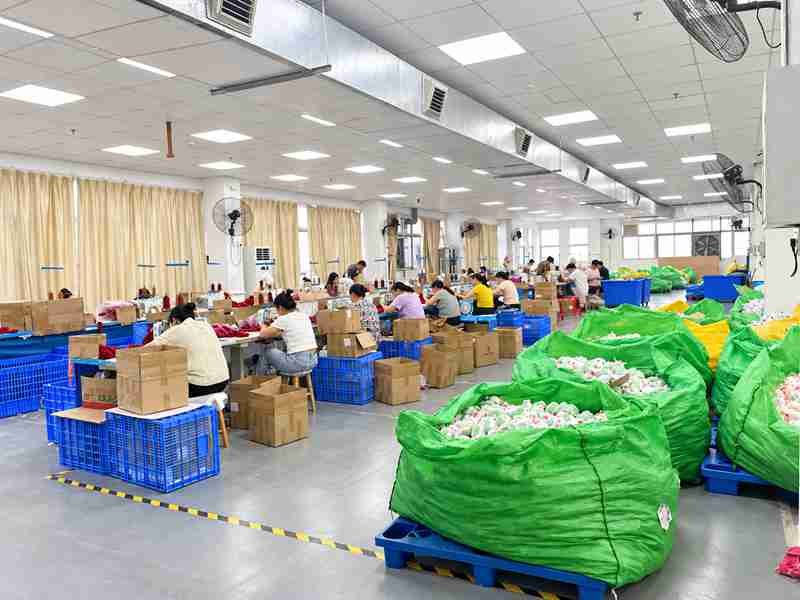
From Prototype to Production: Our Real Plush Factory Show

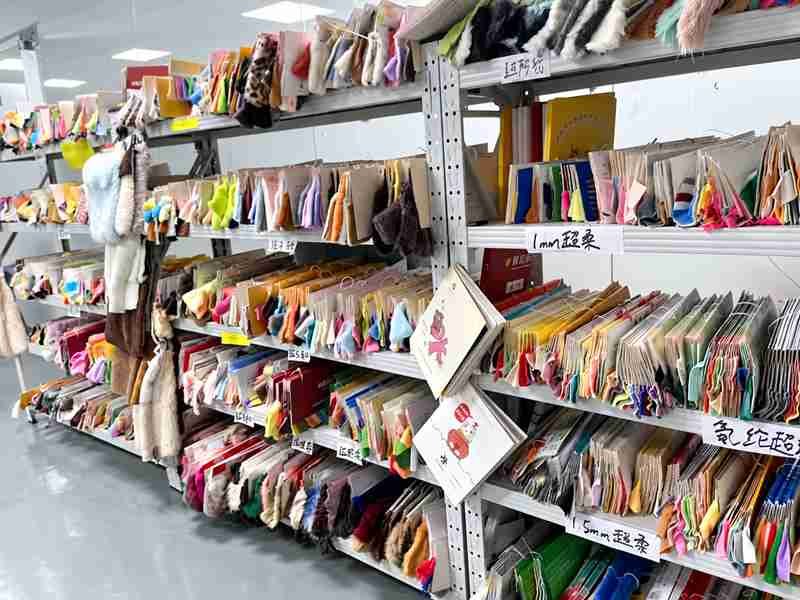
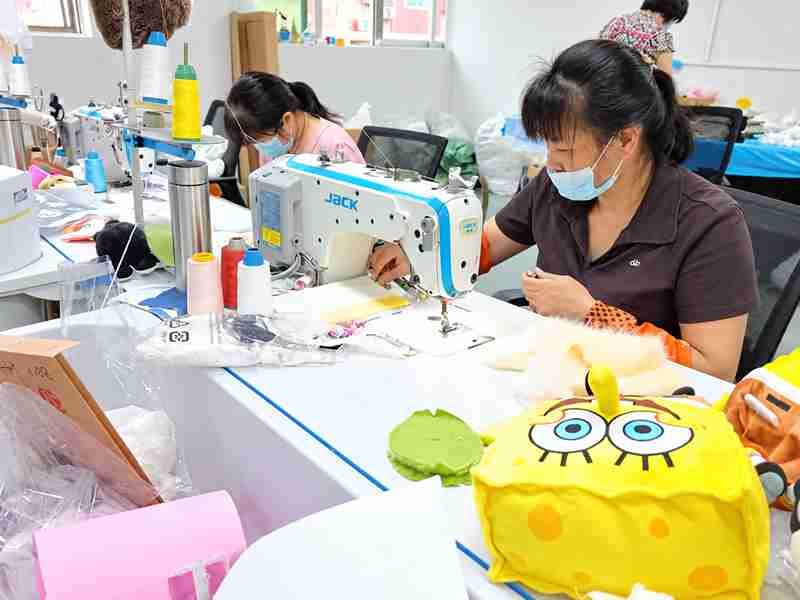
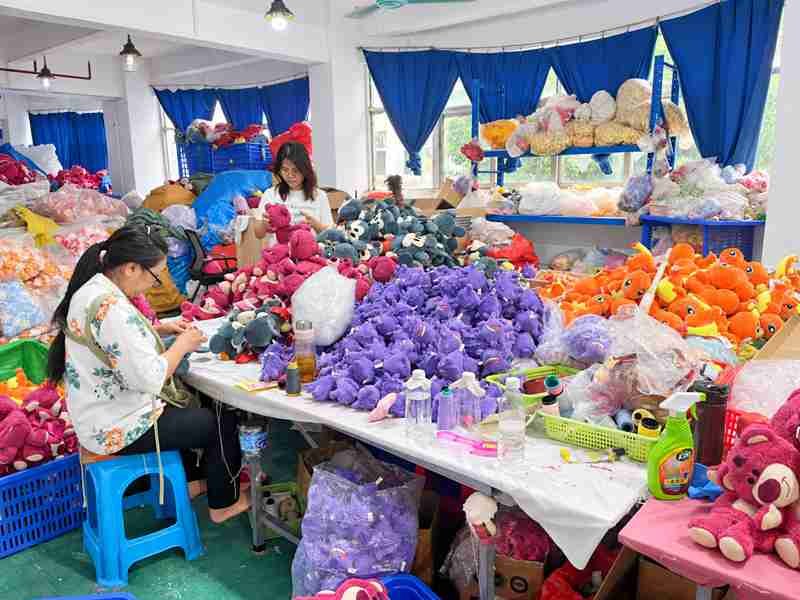
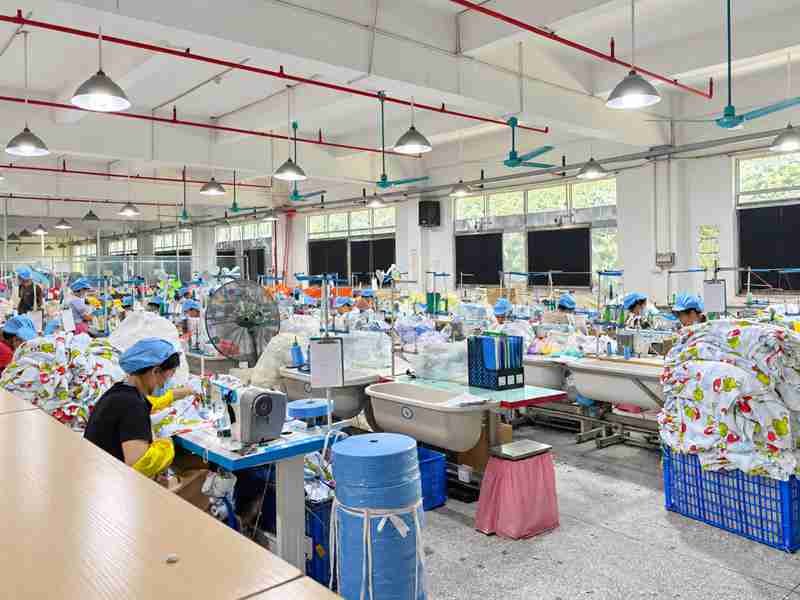
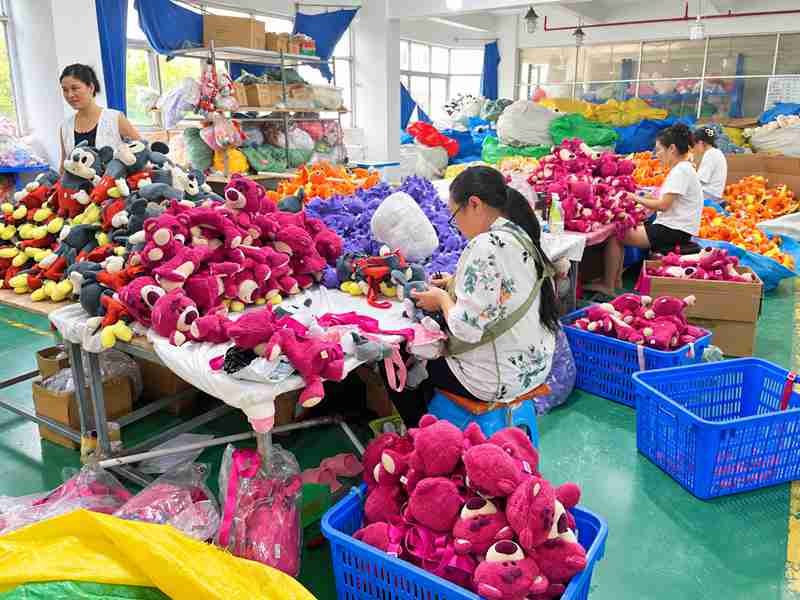
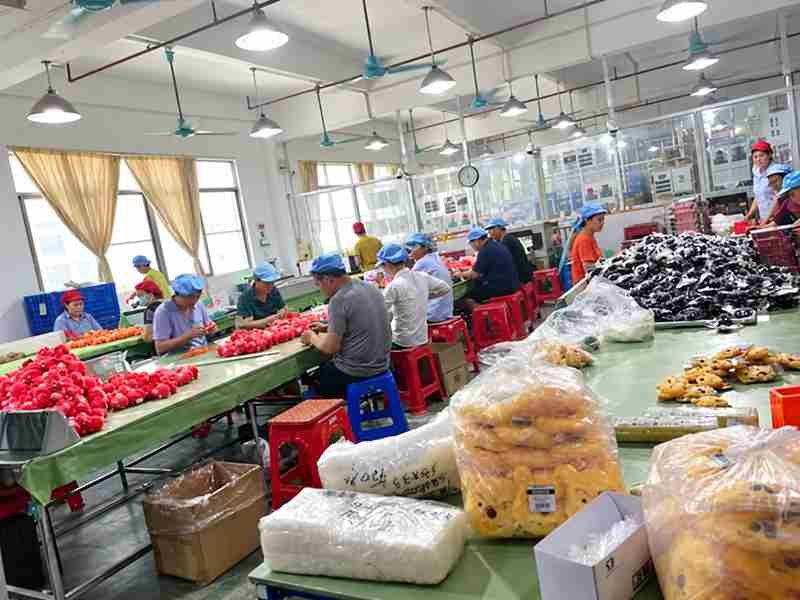
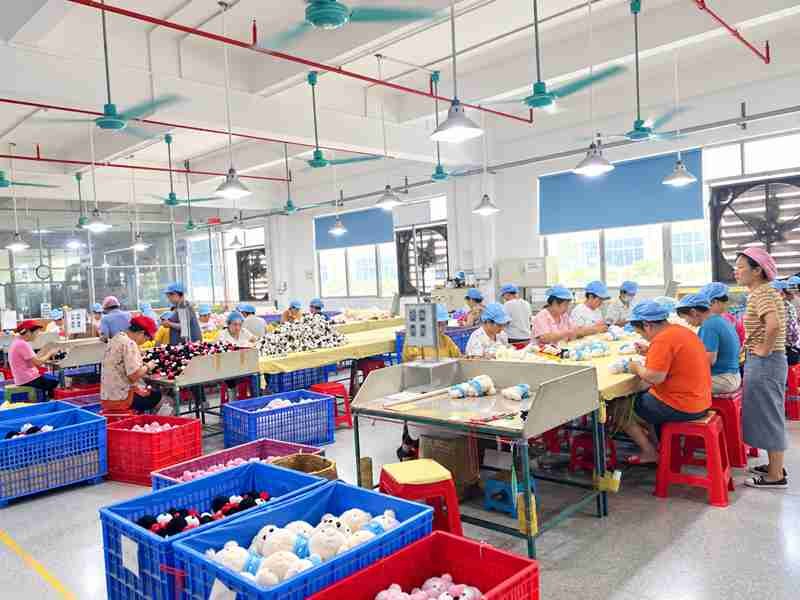
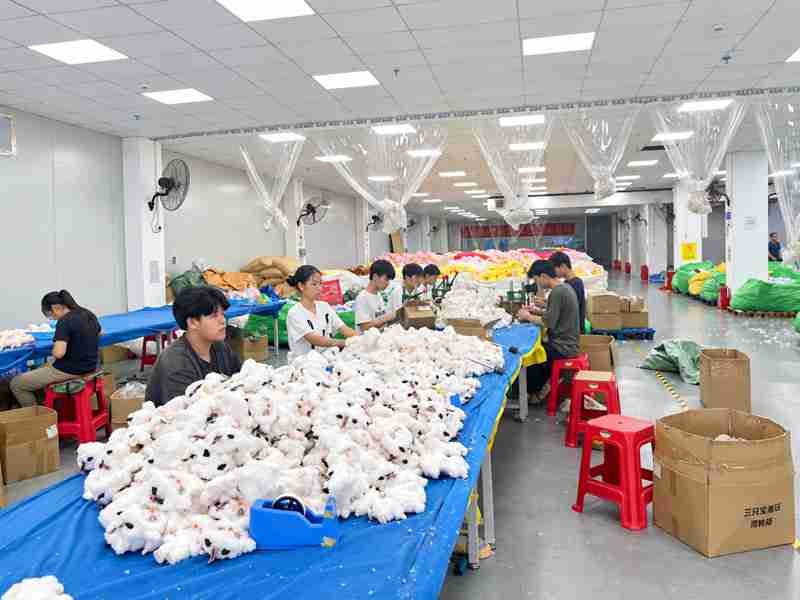
At Ewintoys, every plush project follows a structured development and production process, from initial design review and pattern making to sampling, mass production, quality inspection, and final delivery. Our real factory images provide a transparent view of how ideas are transformed into high-quality plush products through professional craftsmanship, engineering control, and careful production management.

Ewin Connects Character Development With Scalable Manufacturing Control

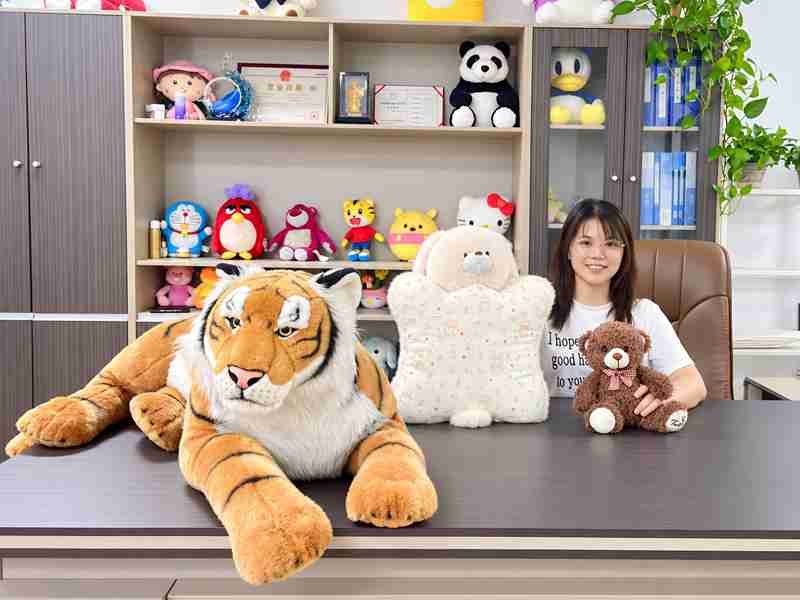
Corporate mascot work needs more than sewing capacity. Ewin combines development, manufacturing, quality, packaging, and project coordination around an approved product definition.

Development Infrastructure

A 60+ person Plush Product Development Center supports pattern making, sampling, materials, decoration, sample QC, and development documentation. Monthly sample-development capacity is stated at 1,700+ pieces across first samples, revisions, color or material versions, test samples, PP samples, and Golden Samples.

Manufacturing Infrastructure

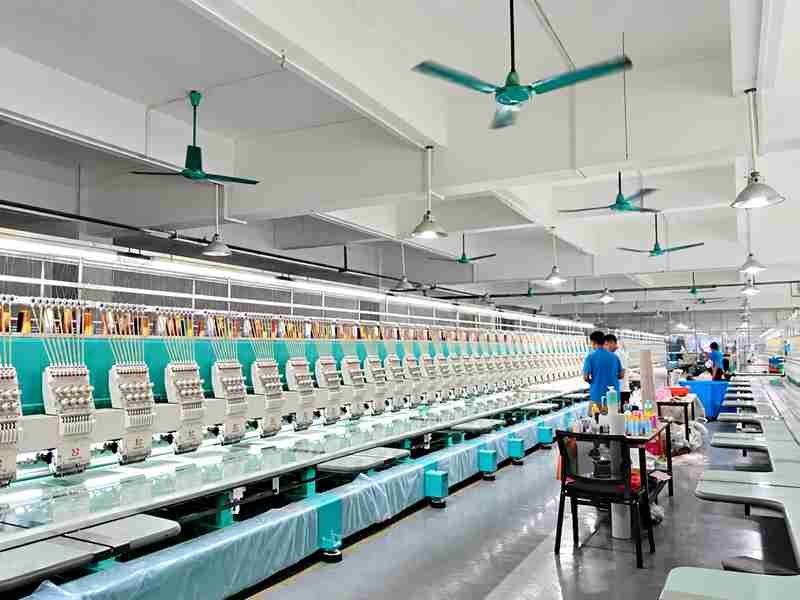
Ewin’s manufacturing system is documented at 95,000+ m2 with 1,900+ manufacturing and support personnel. Core processes cover cutting, embroidery and printing, sewing, stuffing, hand assembly, finishing, quality inspection, packaging, warehousing, and logistics under one coordinated manufacturing framework.

Controlled Sample To Bulk

Production should move from an approved Golden Sample, frozen BOM, released pattern, and current artwork or packaging files. The goal is not to recreate a sample from memory, but to transfer the approved character definition into repeatable materials, processes, checkpoints, and packing instructions.

Program Ready Delivery

Corporate campaigns can involve multi-SKU assortment, branded packaging, fixed launch dates, regional distribution, and later reorders. Ewin’s knowledge system connects product engineering with packaging, traceability, production visibility, program coordination, and controlled changes so the approved mascot remains recognizable across subsequent production cycles.

Corporate Mascot Program Scenarios

United States Consumer Brand - 3,000 Piece Employee Launch

A U.S. consumer brand plans 3,000 mascot plush pieces for employee onboarding and a national internal launch. The official artwork includes a branded jacket, embroidered chest mark, large head, short legs, and a fixed sitting pose. Development begins with character-keypoint review, jacket patterning, short-pile body fabric, embroidery scale, and color references. V1 reveals that the original jacket logo is too small for clean embroidery at the selected size, so the mark is enlarged slightly while staying inside brand guidelines. The final sample freezes the body pattern, garment construction, logo file, filling level, hangtag, and gift-message card. Production is packed in distribution-friendly inner quantities so regional offices can receive counted cartons without repacking. The program illustrates why internal gifting still needs brand fidelity, version control, packaging planning, and a defined arrival date, even when the plush is not intended for public retail sale.

Germany Industrial Group - 1,800 Piece Client Gift Program

A German industrial group uses a long-standing animal mascot for exhibitions and key-account gifts. An order scenario of 1,800 pieces includes a corporate-color scarf, embroidered emblem, and premium presentation box. The mascot artwork is simple, but the scarf color and face proportions carry most of the recognition. Development compares short-pile materials for a clean embroidered face, then creates a sitting pattern that keeps the scarf visible without covering the chest. A boxed sample is reviewed because the scarf shifts during transport when packed too loosely. The packaging insert is adjusted to hold the mascot upright, while the final Golden Sample, scarf color reference, embroidery file, and box specification are frozen together. The program shows how presentation packaging can change a plush project even when the core mascot construction is relatively straightforward, especially when the recipient experience is part of the corporate message.

UAE Hospitality Group - 5,000 Piece Multi-Use Mascot Program

A hospitality group in the UAE prepares 5,000 mascot plush pieces for hotel openings, family events, VIP gifts, and later retail consideration. One core mascot body is needed, but two packaging routes are planned: a simple branded bag for event distribution and a gift box for VIP use. Development therefore separates the product specification from the pack-out specification while keeping one approved character. The mascot includes a hat, embroidered face, woven uniform patch, and soft footwear. Sample review focuses on hat orientation, patch position, standing stability, and packing recovery. For production, the same Golden Sample and BOM control both packaging versions, while carton marks and inner quantities distinguish the distribution routes. The scenario demonstrates how a single corporate mascot can serve several programs when the product baseline, SKU identity, and packaging changes are controlled clearly across production, packing, and later repeat orders.

Corporate Mascot Plush Frequently Asked Questions

Yes. Development can begin from character sheets, 2D artwork, three-view drawings, high-resolution images, mascot costume photos, 3D renders, or a physical reference, depending on what is available.
Approximately 500 pieces per style can be used as an initial commercial evaluation point. Final MOQ depends on fabric, colors, accessories, printed packaging, tooling, and how quantities are split across SKUs.
Brand colors can be controlled through approved fabric, embroidery thread, print, garment, and packaging references. Exact visual response varies by material, so color approval should use the actual substrates used in production.
Often yes, but logo size and fabric pile affect readability. Embroidery, appliqué, print, heat transfer, woven labels, or patches can be compared during development to preserve the clearest approved result.
Feedback should be consolidated by version. Pattern, materials, embroidery, filling, clothing, and accessories are revised together, then the approved Golden Sample and current BOM become the controlled production reference.
Yes. Options can include polybags, hangtags, belly bands, gift boxes, window boxes, campaign sets, and distribution cartons. Packaging structure should be approved around the final mascot size and handling route.
Yes, on a project basis. Applicable requirements depend on target market, intended age, materials, hard components, labels, and product use. Testing plans should be confirmed after the relevant construction is defined.
Yes. Each size should be treated as an engineered version because embroidery scale, pattern proportions, accessory size, filling, packaging, and cost do not always scale linearly from one approved sample.
Send artwork or references, target size, quantity, use, market, required arrival date, packaging needs, and shipping destination. Brand guidelines, Pantone references, logo files, and existing samples also improve quotation accuracy.
Send

Send Your Corporate Mascot For Development Review

Share the information already available and Ewin can review the mascot as a manufacturable program rather than giving a price against an undefined concept.
Useful inputs include the approved character artwork, intended size, quantity, use, target market, required arrival date, packaging, and shipping destination. Brand guidelines or existing references can also be added when available.
  • Mascot artwork, three-view, photos, or physical reference
  • Target size and expected order quantity
  • Campaign, employee, event, gift, or retail use
  • Target market and intended audience
  • Required delivery date and packaging preference
  • Destination city or delivery address for freight planning

Start Your Custom Plush Project

We will contact you within 24 Hours, please pay attention to the email with the suffix“@ewintoys.com”. 

# Confidential project? NDA requirements can be discussed before sensitive files are shared.