A Trusted China Plush Partner for Global Brands !

Custom Plush Pillow Manufacturer for Brands & Lifestyle Collections

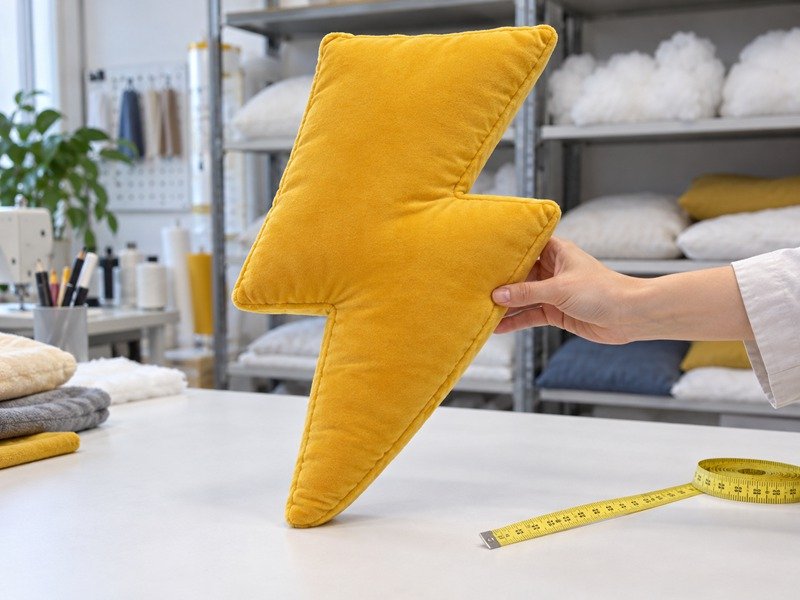
Ewin Toys develops custom plush pillows that balance visual appeal, soft handfeel and stable shape for retail, promotional and licensed programs. With 20+ years of plush manufacturing experience, our team supports custom silhouettes, fabric selection, embroidery, filling structure and production control to help brands create comfortable, display-ready plush pillows with consistent quality.

Common pillow size range: 30-70 cm; larger display formats are reviewed by structure.

60+ Development Specialists | Custom Shapes & Sizes | Filling Density Control | Embroidery & Appliqué Options | MOQ 500 pcs
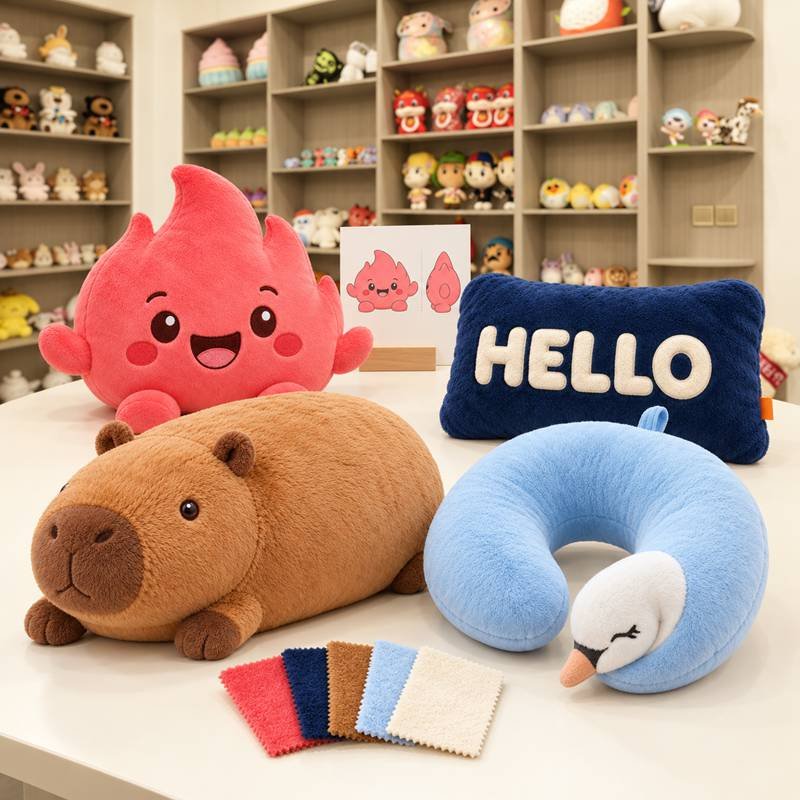
Why Plush Pillow Engineering Needs Different Decisions

Large soft surfaces magnify shape, filling, decoration and packaging decisions, so pillow development needs controls beyond ordinary plush construction.

Pillow Engineering Starts With Shape And Recovery

A plush pillow has fewer moving parts than a plush doll, but small construction choices become more visible across a large soft surface. Silhouette, finished thickness, seam curve, filling amount and fabric stretch work together. Too much filling can round a face or pull corners inward; too little can create hollow areas and a flat retail appearance. Long pile can soften hard edges but may hide embroidered details. Smooth short pile makes logos and facial artwork clearer, yet also exposes uneven seams. For character-shaped pillows, the pattern must convert 2D artwork into a stable front profile while preserving recognizable features after stuffing. For decorative or hugging formats, hand feel and recovery matter as much as visual fidelity. Ewin develops the sample around a defined size, side profile, material, filling reference and packaging route, so the approved appearance can be translated into production instructions rather than left as a visual guess.

Selling Use Changes The Product Definition

A decorative cushion, licensed character pillow, travel format and large hugging pillow may share similar fabrics, yet their specifications should not be identical. A retail character pillow usually needs a clean front silhouette, stable embroidery placement and packaging that protects the face. A hugging pillow puts more weight on softness, fill distribution and seam comfort. A promotional pillow may prioritize clear logo reproduction, predictable unit economics and compact packing. Home or hospitality programs may need removable covers, care labels or different textile requirements. The project brief therefore starts with where the product will be sold, who will use it, whether it is marketed as a toy or lifestyle item, the intended finished size, required hand feel, decoration method and pack-out. Those inputs guide pattern thickness, material choice, filling level, accessories, testing route and carton planning before sampling begins. Defining the selling use early also prevents later packaging or compliance changes from forcing a major structural revision.

Custom Plush Pillow Styles For Brand Programs

Choose the pillow architecture around artwork, merchandising use, hand feel and pack-out rather than forcing every concept into one standard shape.

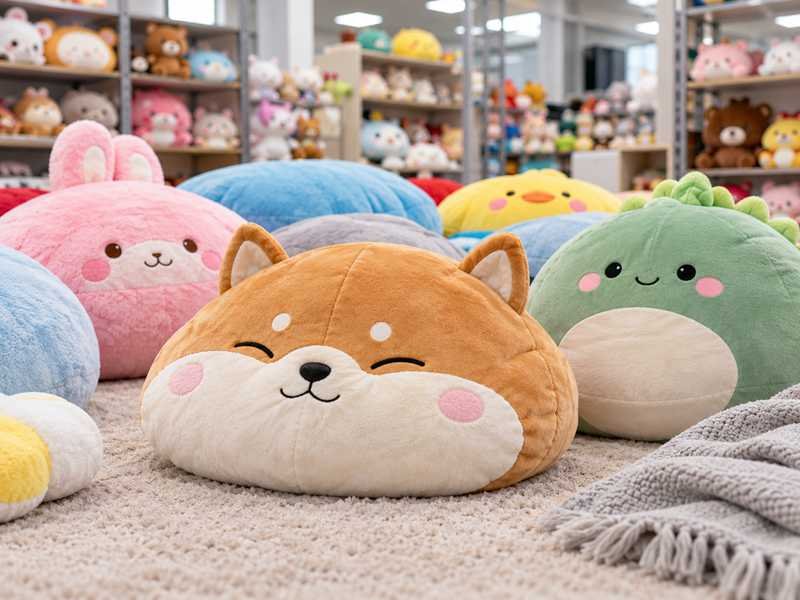
Character-Shaped Pillow

The outer silhouette follows a licensed or original character rather than a basic square. Pattern curves, face placement and filling distribution are developed together so the recognizable outline remains clear after stuffing, finishing and retail packing, with key outline points recorded for bulk inspection.
Mascot Pillow

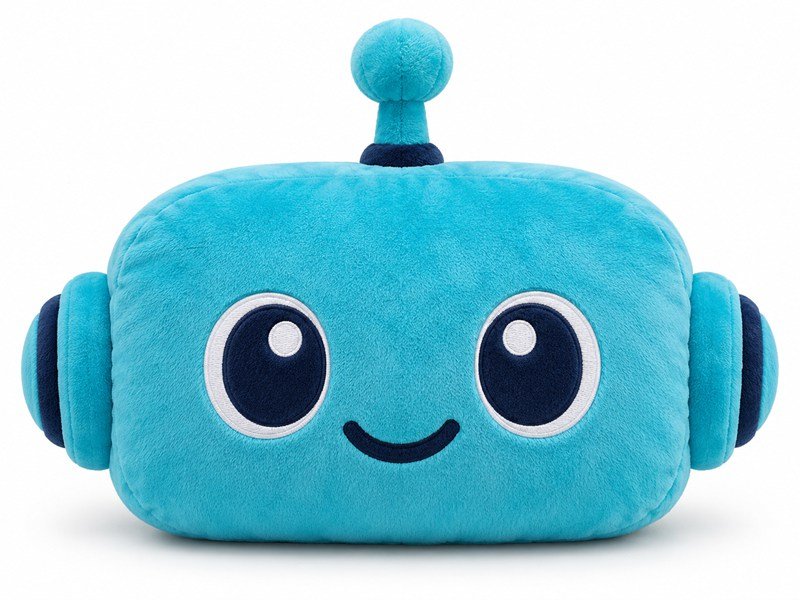
Mascot Head Pillow

A large head or face becomes the complete pillow form. Eye spacing, mouth position, ear angles and edge curvature need controlled coordinates because extra filling or seam movement can quickly change the mascot expression, so the approved face map becomes an inspection reference.

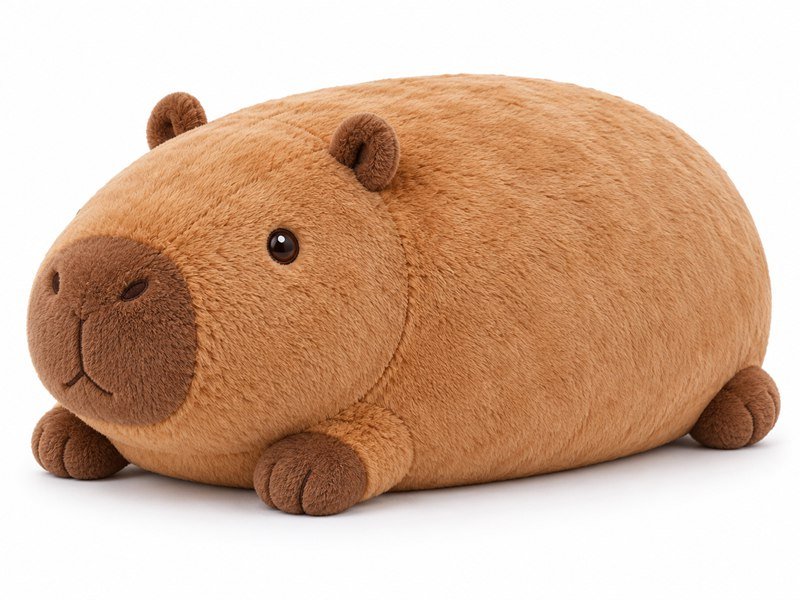
Animal Plush Pillow

Animal forms combine a broad cushion body with ears, tails, paws or raised facial parts. Material direction, appendage attachment and fill balance should keep the product soft while preventing uneven sides or collapsed details, while symmetry and appendage position need consistent references across production.

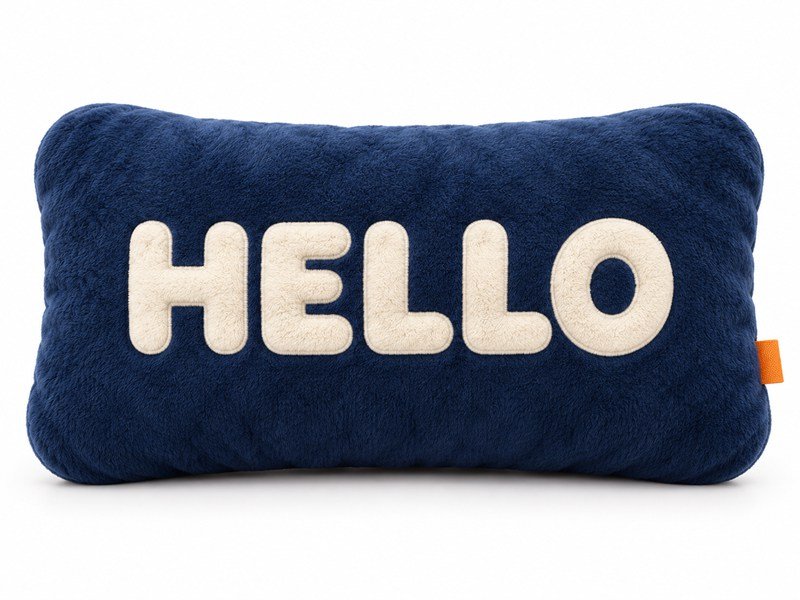
Logo Shape Cushion

The complete product follows a wordmark, emblem or graphic silhouette. Simple shapes can still distort when stuffed, so seam allowances, corner radii, embroidery or print placement and finished thickness are reviewed from the logo artwork, with corner shape and finished thickness checked on the physical sample.

Face Print Pillow

Printed or embroidered facial artwork sits on a relatively simple pillow body. Smooth surfaces improve graphic clarity, while fabric stretch and filling pressure must be considered so eyes, text and line art remain aligned after filling, and print or embroidery coordinates are linked to the released pattern.

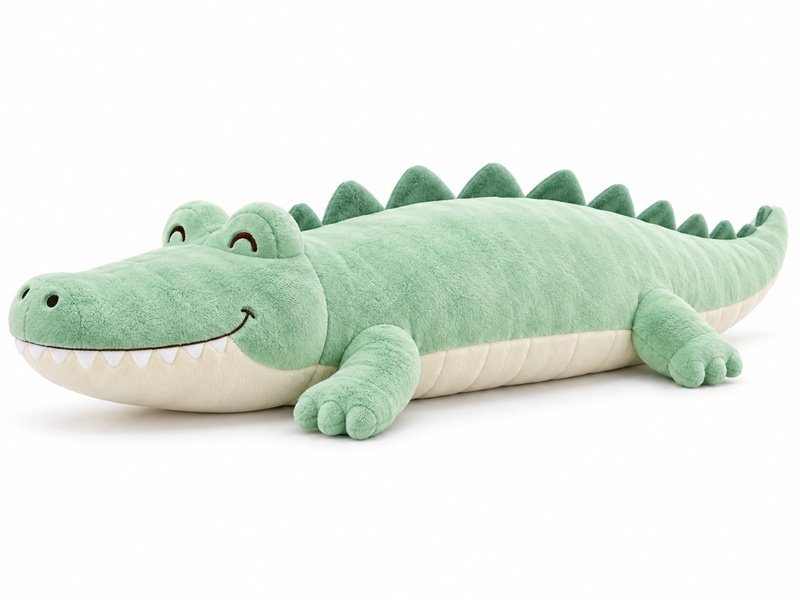
Hugging Body Pillow

Longer formats are designed around comfort, softness and even support. Panel length, seam position, fill distribution and recovery become more important as size increases, especially when the product will be compressed for international shipping, with recovery checked before the pack-out route is released.

Long Character Pillow

A full character or illustrated body is translated into an elongated soft form. Artwork scaling, edge shape, print registration and filling density need to stay balanced so the design does not look stretched or overly rounded, especially where long seams and large printed areas magnify small dimensional changes.

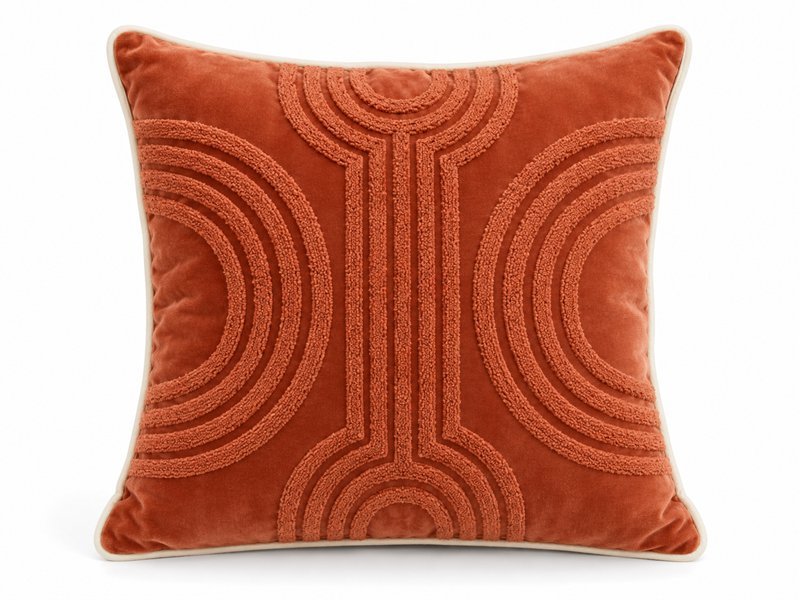
Decorative Accent Pillow

Home, gift and lifestyle collections often use cleaner shapes with premium textures, piping, labels or mixed materials. The development focus shifts toward hand feel, surface finish, color coordination, shape retention and presentation packaging, with seam location kept away from the most visible decorative surfaces.

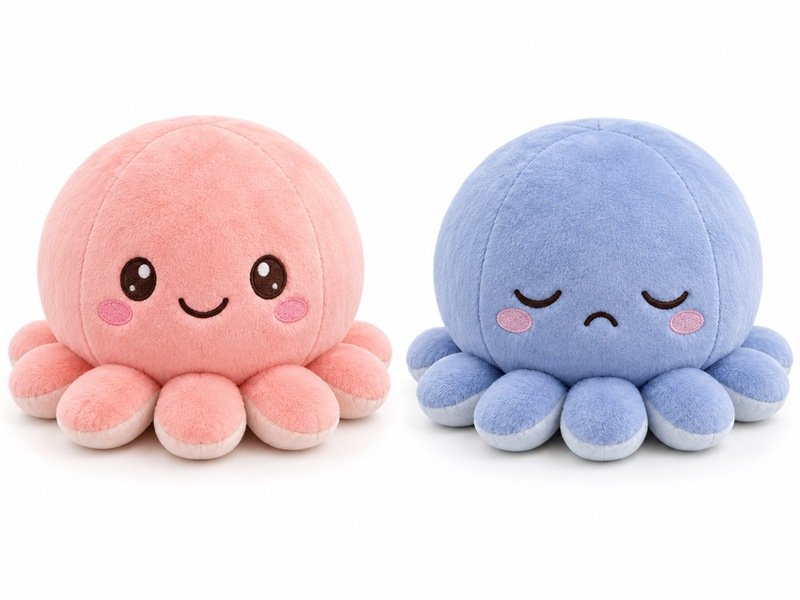
Reversible Plush Pillow

Two visual sides or two character expressions share one product. Front and back artwork, fabric stretch, seam alignment and internal filling must be planned together so both faces look centered and the perimeter remains symmetrical, and each side is checked against its own artwork revision before approval.

Promotional Brand Pillow

Campaign pillows turn logos, slogans or event graphics into soft merchandise. Decoration method, target price, pack volume and delivery milestone usually drive development, while brand colors and artwork proportions remain protected during cost optimization, while stock materials and shared packaging can support more efficient program economics.

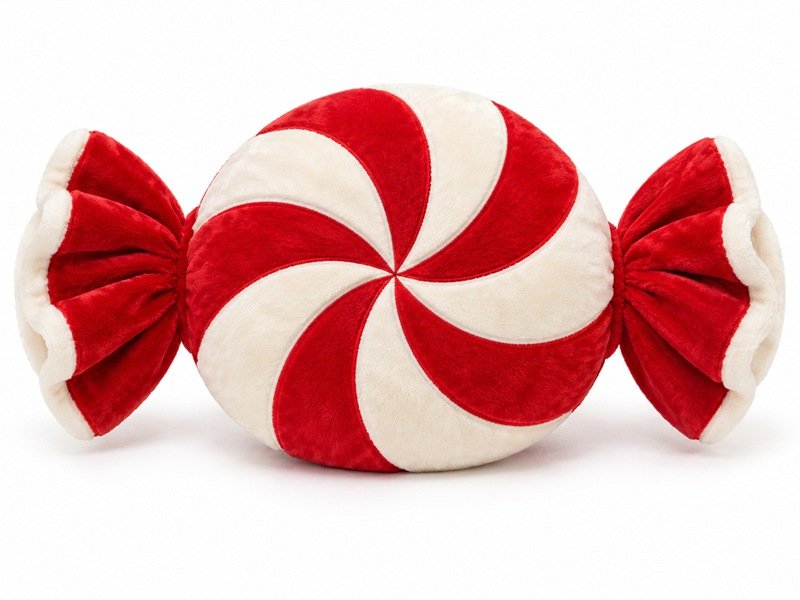
Seasonal Plush Pillow

Holiday, launch and limited-edition pillows often combine themed shapes, appliqué, embroidery or printed surfaces. Schedule planning should consider special-color materials, packaging print, approval rounds and the fixed in-market date before production slots are committed, reducing late changes when the launch date cannot move.

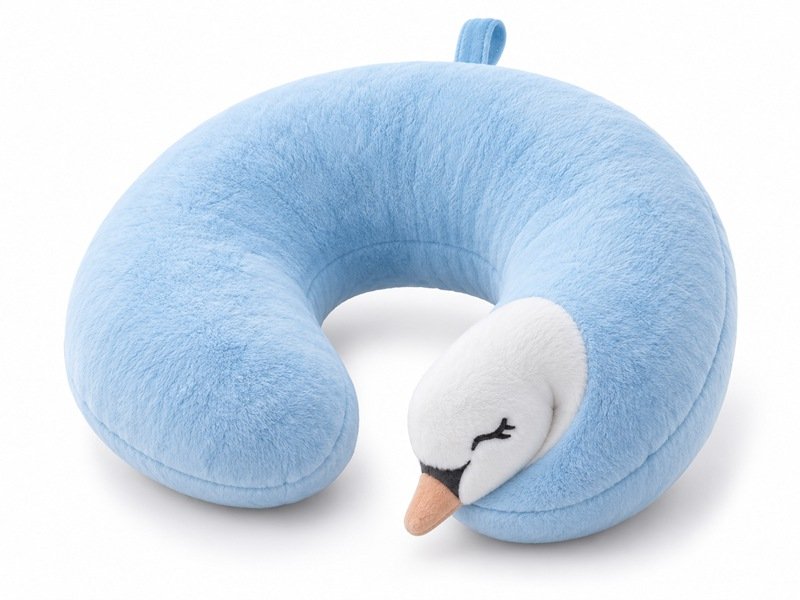
Travel Plush Pillow

Compact neck, lumbar or portable cushion formats require comfort and shape recovery as well as character styling. The opening, seam layout, fill firmness, washable components and carry or storage method should be reviewed during prototype development, especially when zippers, removable covers or carry features are included.

Plush Pillow Programs We Build Around Different Needs

Different sales channels change the engineering priorities, approval process, packaging route and information needed before a pillow project can be quoted accurately.

IP And Licensing Programs

Character recognition comes first. Artwork control, face proportions, approved colors, decoration files, confidentiality and sample version history should remain traceable from development through production, especially when several characters share one launch schedule, approval team and packaging system.

Toy And Collectible Brands

Product teams usually compare fidelity, material feel, sampling discipline and sample-to-bulk consistency together. Pillow programs can sit beside plush toys, collectibles or keychains, so shared colors, labels and packaging language often matter across the range, making version and color control important for repeat seasons.

Retail Private Label

Retail programs typically add packaging, barcode, labeling, carton, testing and delivery requirements to the product specification. Cost, shelf presentation and pack volume are reviewed early because large pillows can create a disproportionate freight and storage impact.

Lifestyle And Home Brands

Texture, comfort, shape retention, care information and visual styling carry more weight than toy-like detailing. Programs may use removable covers, coordinated materials or premium surface finishes, requiring closer alignment between textile specifications and final merchandising presentation, care expectations and repeat-order color consistency.

Gift And Promotion Programs

A fixed event date, clear logo reproduction and controlled unit economics often lead the brief. Efficient shapes, stock-material routes, repeatable decoration and compact packaging can protect the campaign budget without weakening the brand elements that need to stay visible at event distance or in photography.

Hospitality And Destination Retail

Hotels, resorts, museums and travel retail may need location-specific characters, animals or branded cushions in gift-ready formats. Story labels, replenishment consistency, easy handling and retail presentation can influence size, surface details, packaging and reorder planning, particularly when several location-specific designs share one core material platform.

Shape And Structure Engineering Protects The Final Silhouette
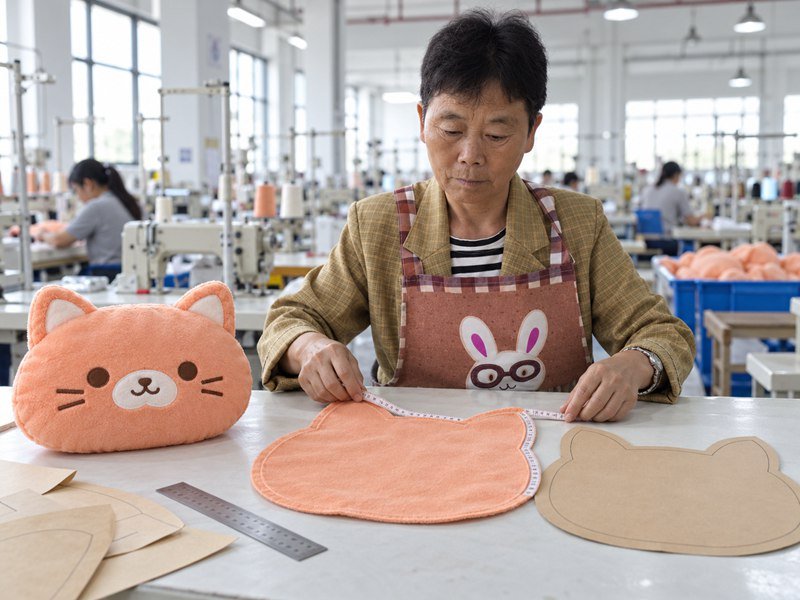
Pillow shape is created by pattern geometry, seam position, material behavior and controlled filling, not by the front artwork alone.
Silhouette

Start With Silhouette Before Surface Decoration
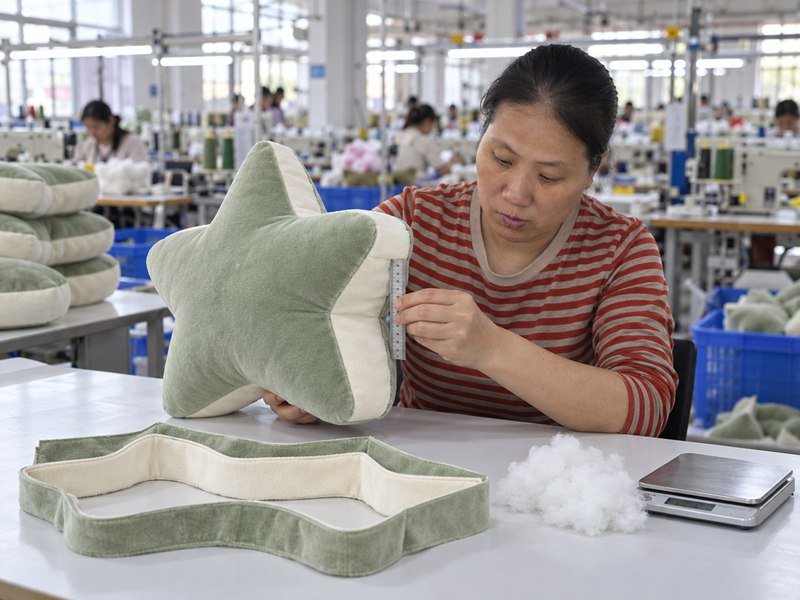
For a character pillow, the first engineering question is not which embroidery thread to use; it is whether the outer contour still reads correctly when the product becomes three-dimensional. Ears, cheeks, hair points, logo corners and narrow extensions may look sharp in artwork but become rounded after seam allowance and filling pressure are added. Ewin first separates the design into recognition-critical edges and details that can be handled by embroidery, appliqué or printing. The pattern then establishes panel count, seam route, curvature and finished thickness. Where a pointed feature is too narrow to fill consistently, the structure can be widened, flattened, appliquéd or converted into a separate fabric component. This order of decisions helps preserve the visual identity without creating fragile, inconsistent corners that look good only on a single handmade prototype. Key silhouette points can then be measured so revision discussion stays focused on the features that matter most.

Thickness Seams And Filling Must Work Together

A pillow can match the front drawing and still fail because its side profile is too thick, too thin or uneven. Finished thickness affects face proportions, edge definition, carton volume and hand feel. Straight side gussets create a different result from front-and-back panels that meet directly at the perimeter. Stretchy fabrics can expand under filling and make a nominally identical pattern look larger or rounder than expected. During sampling, the development team checks finished width, height and thickness together with fill weight and local distribution. Corners, narrow limbs and raised features may need guided filling or separate zones. The approved version should therefore record not only exterior dimensions but also filling reference, seam construction and material specification. These controls reduce the common gap between a visually approved sample and bulk pieces that gradually become softer, fuller or less defined. A side-profile reference helps teams judge whether bulk pieces drift from the approved thickness.

Choose Pillow Size Around Use And Shipping

Ewin commonly develops plush pillows in the 30-70 cm range, with larger formats reviewed against structure, fill volume and logistics.

Finished SizeTypical Program FitEngineering FocusPackaging Impact
30-40 cmCharacter heads, decorative cushions, gift programsFine facial details, edge definition, logo clarityUsually easier to keep retail pack compact
40-50 cmMainstream character, mascot and lifestyle pillowsBalance softness with recognizable silhouette and stable thicknessCarton volume begins to influence landed cost more strongly
50-70 cmHugging pillows, body formats, statement merchandiseEven filling, seam comfort, recovery and large-area print alignmentCompression strategy should be validated before bulk packing
70+ cmDisplay, oversized retail or special promotional formatsPanel strength, fill volume, handling and structural supportCarton, dimensional weight and storage planning become major cost drivers

Fabric Choices For Shape Hand Feel And Decoration
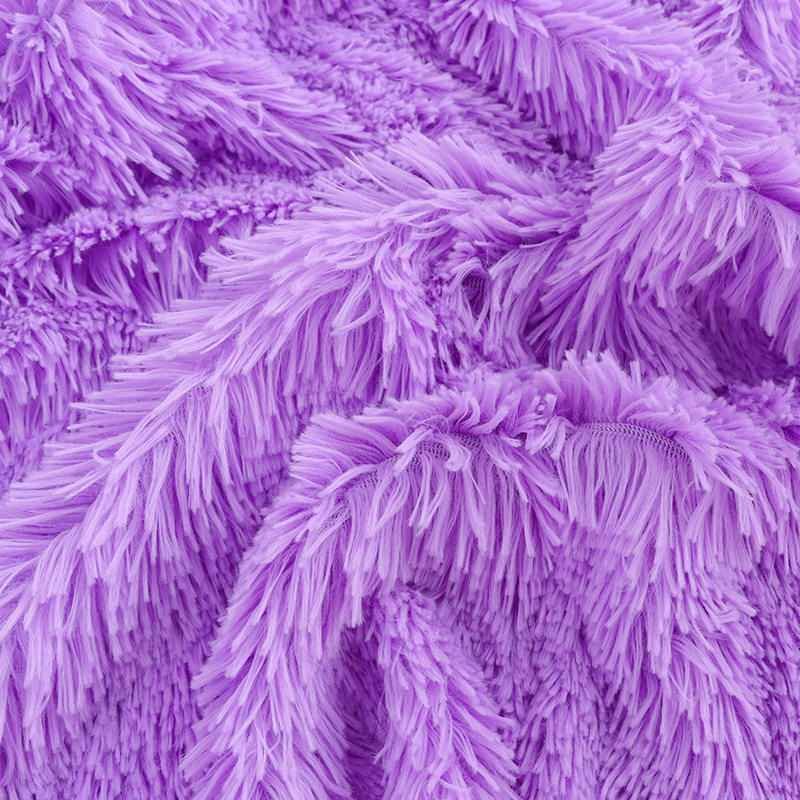
Select fabric by silhouette, pile height, stretch, decoration method, hand feel and pack recovery; trade names alone are not enough.
Ewin toys Minky material (3)

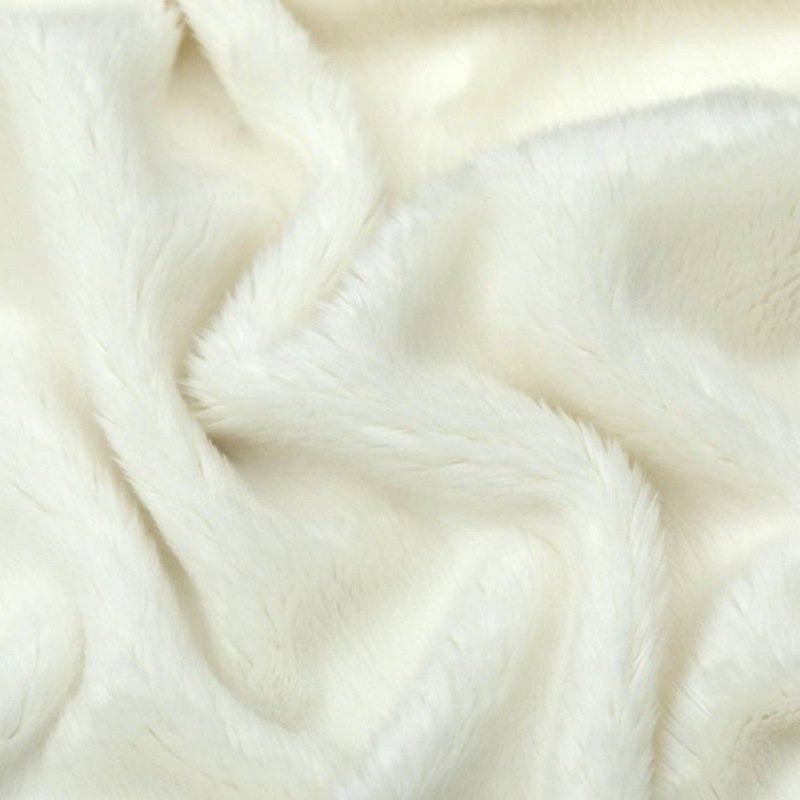
Minky

A soft knitted short-pile route suited to character faces, hugging pillows and touch-led programs. Typical pile is around 2.5-3 mm, giving a clean surface without feeling flat. Stretch and nap direction still need pattern control. It works well with embroidery and many printed polyester routes when color, GSM and approved physical swatches are locked in the BOM.
Ewin toys Velboa material (3)

Velboa

A compact surface with roughly 1-2.5 mm pile and common reference weights around 160-260 g/m2. Velboa keeps seams, facial embroidery and printed graphics visually sharp. Lower stretch can help preserve pillow outline. Thin specifications reveal sewing or filling irregularities more easily, so the selected construction should be approved with actual fill level and finished thickness.

Crystal Super Soft

Fine, smooth short pile commonly referenced around 180-280 g/m2 and 1-3 mm pile. It suits kawaii characters, mascots and soft gift pillows where both touch and clear decoration matter. Printing and embroidery compatibility are strong, but dense embroidery can create a hard patch. Define the material by physical sample, GSM, pile and BOM code rather than trade name alone.

Rabbit Fur Style

A premium, very soft surface with longer pile that can create a richer lifestyle or collectible feel. Reference pile ranges can extend around 10-40 mm. Small facial details may sink into the surface, so short-pile appliqué zones, larger embroidery or separate face panels can work better. Compression recovery and batch hand feel should be checked before final packaging is frozen.

Fleece

Polyester fleece provides a soft, warm surface with relatively stable structure and strong printing compatibility. Reference constructions often sit around 160-320 g/m2 with a short raised surface. It is useful for printed graphics, reversible concepts and functional pillows. The visual language is less glossy than classic plush, so it fits flat graphic artwork and lifestyle programs particularly well.
Ewin toys 3-4 Faux Fur Guide material

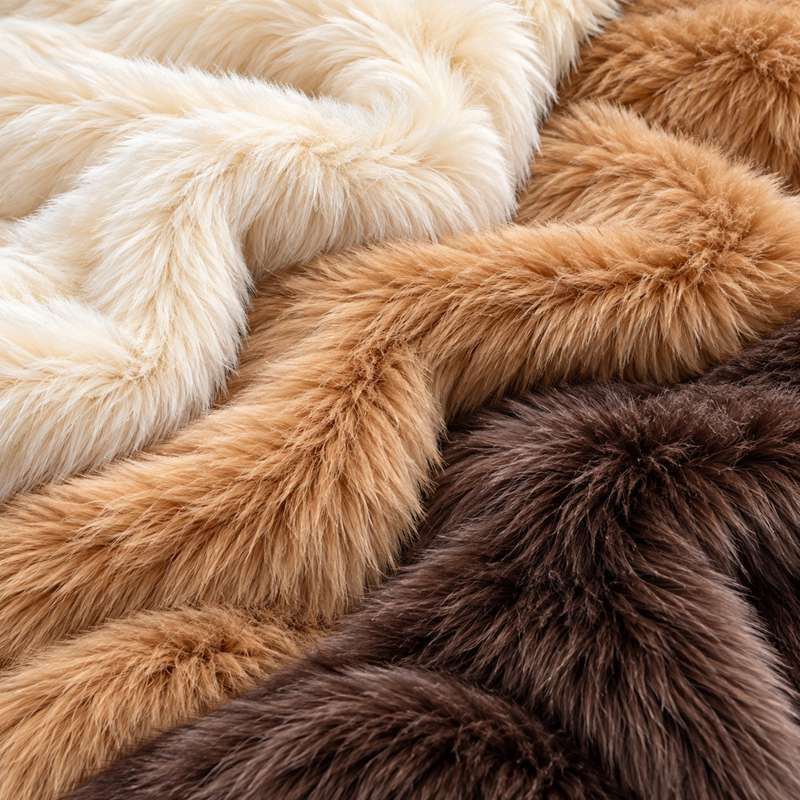
Faux Fur

Longer faux fur creates dramatic texture for animal, monster and premium decorative pillows. Reference structures can reach 20-80 mm pile and 300-600 g/m2. Hair direction must be marked on cutting patterns, while detailed printing and small embroidery are usually poor fits. The main controls are nap direction, seam hair trapping, shedding, batch length and packaging compression.

Tricot

A thin, smooth surface with very low pile, commonly around 70-180 g/m2. Fine lines, printed artwork and inner construction layers remain clear, making tricot useful for graphic panels, linings and selected low-bulk pillow structures. Because it offers less surface cushioning, seam allowances and filling texture need tighter control if tricot is used on exposed areas.

rPET Plush

Recycled-polyester plush can support sustainability-led retail programs when the material source and certification scope are properly documented. Available structures range from short pile to faux-fur styles, so appearance depends on the selected construction rather than the recycled claim alone. Ewin treats source records, lot traceability, decoration compatibility and approved hand feel as part of the material definition.

Filling Strategy Controls Firmness Shape And Recovery
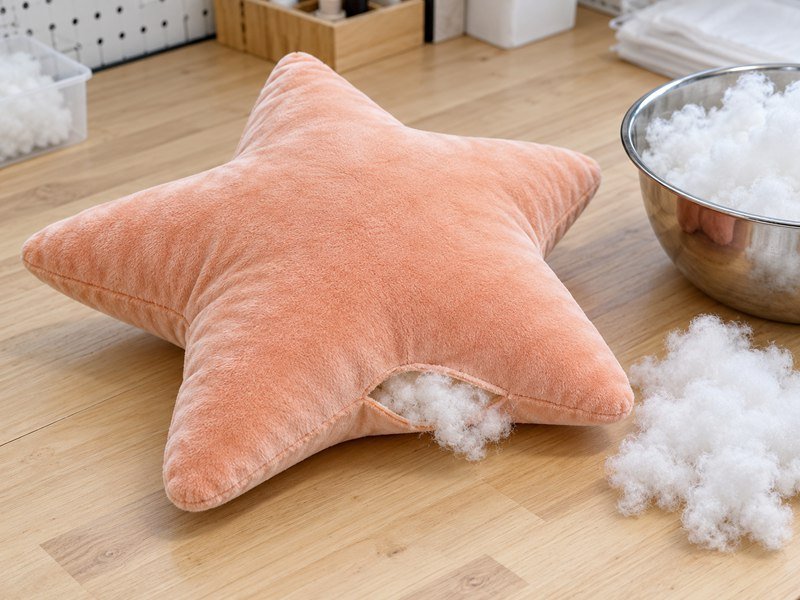
Filling is a measurable part of the product definition: weight, distribution, density and internal construction all change appearance and comfort.

Polyester Fiberfill

Loose polyester fiberfill is the most flexible route for shaped pillows because fill can be distributed into ears, corners and irregular outlines. The approved sample should establish total fill weight, local fullness and hand feel. Bulk control then checks weight and distribution rather than relying on an operator’s visual judgment alone. Periodic weight checks help keep softness consistent across production lots.

Soft Loft Fill

A lower-density, high-loft filling strategy creates a squeezable, relaxed hand feel for hugging and lifestyle pillows. The trade-off is weaker edge definition and greater sensitivity to compression. Sampling should confirm whether facial artwork, narrow corners and the side profile still look correct after repeated squeezing and pack-out recovery. The approved sample should still define minimum visual fullness.

Firm Shape Fill

Higher fill density can hold logo edges, character cheeks and structured silhouettes more clearly. Too much pressure, however, can distort printed graphics, embroidery spacing or seam curves. The correct level is approved through the physical sample, then converted into fill-weight and shape references for the production team. Overfill is especially visible along seams and printed face areas.

Preformed Pillow Core

A separate pillow insert or preformed core can give more repeatable thickness and may support removable-cover programs. It adds another material and sizing interface, so cover shrinkage, zipper opening, inner-core dimensions and finished firmness need joint approval. Packaging method should also match how quickly the insert recovers after compression. The insert needs its own size and material reference.

Sectioned Filling Zones

Large or irregular pillows can use internal zones to keep fill from migrating away from important areas. Separate chambers or controlled fill sections help maintain head, body or corner volume. The structure adds sewing work, so it is best reserved for designs where consistent profile or support justifies the added complexity. Chamber seams and fill openings belong in the released pattern.

Weighted Insert Review

Weighted or functional inserts require a separate structural and safety review rather than simple loose filling. Insert location, enclosure strength, weight distribution, intended age, care method and target-market requirements must be defined before sampling. Ewin can review the soft-goods structure and integration route after the insert specification is clear. Closure strength and care instructions are defined before approval.

Logo And Surface Decoration Methods For Plush Pillows

Choose decoration by fabric surface, detail size, hand feel and artwork complexity; the same logo can require a different method on each material.

Embroidery

Best for eyes, mouths, logos, text and line art on short-pile fabrics. Thread color, density, backing, stitch file and final coordinates should be approved. High density can harden the surface; long pile may need film, pile control or a larger graphic.

Appliqué

Layered fabric pieces add color blocks, facial shapes and dimensional graphics without filling the entire area with stitches. Edge width, base-fabric stretch and stitch method affect flatness. Appliqué works especially well when long-pile surfaces need a clean short-pile detail zone.

Screen Printing

Useful for strong solid colors, logos and repeated graphics on smooth short-pile or fleece surfaces. Ink system, screen count, curing and hand feel need approval. High pile can blur edges, while thick ink can make a soft pillow feel noticeably stiffer.

Digital Printing

A strong route for gradients, full-color character art and multi-SKU graphics. The actual production base fabric should be sampled because nap, background color and stretch change visual output. Color profile, scale and panel registration need to remain tied to the approved artwork revision.

Heat Transfer

Suitable for logos, text and smaller graphics on compatible smooth surfaces. Temperature, pressure and dwell time must not flatten or glaze the plush face. Film hand feel and fold durability should be reviewed on the actual fabric before the method is released for production.

Sublimation

Works well on suitable polyester white-base materials for all-over or complex printed artwork. Color remains integrated with the textile rather than sitting as a thick surface layer. Pattern placement, shrinkage and cut-panel registration become important when graphics must align with seams or character features.

Woven Brand Label

A woven side label adds a durable brand element without changing the main plush surface. Label dimensions, fold type, edge softness, placement and legal information should be set before sewing. For child-oriented products, label construction and accessibility are reviewed with the target-market requirements.

Embroidered Patch

A separate embroidered patch can protect fine branding from long pile or difficult base fabrics. Patch edge, backing, attachment method and thickness determine comfort and durability. It is useful for badges, emblems and defined graphic zones where direct embroidery would sink into the plush surface.

Trims Linings And Functional Accessories Need Early Review

Small components can change sewing, comfort, testing and pack-out, so they should be included in the product definition before final sampling.

Zippers And Removable Covers

Removable-cover programs need an opening large enough for the inner insert without leaving a hard edge in the normal use area. Zipper gauge, puller, guard, seam reinforcement and wash route should be defined before the pattern is approved.

Inner Lining

A secondary lining can contain filling, support printed outer fabrics or create a removable-cover construction. Lining weight, shrinkage and seam relationship matter because an undersized inner shell can make the finished pillow feel harder or distort the outer profile.

Piping And Edge Trim

Piping sharpens a decorative perimeter and can reinforce a simple cushion outline. Cord size, fabric cover, corner radius and seam bulk should be sampled carefully; thick piping can fight against character-shaped curves or create an unwanted firm edge.

Care And Brand Labels

Woven, printed and care labels need approved text, fold type, location and size. Label placement should not sit directly under a face or high-contact area. Market, age and retail requirements determine which information belongs on the product and packaging.

Hang Loops And Handles

Retail hanging loops, small carry handles or display tabs should connect into a reinforced seam rather than only the outer plush layer. Load direction, loop length, material, stitch reinforcement and packaging position are reviewed according to the actual merchandising use.

Inner Pouches And Inserts

Functional pouches, scent bags, weighted packs or other internal elements require a defined enclosure and access rule. The component should not migrate, create a hard pressure point or interfere with fill distribution. Removability and target-market safety are reviewed case by case.

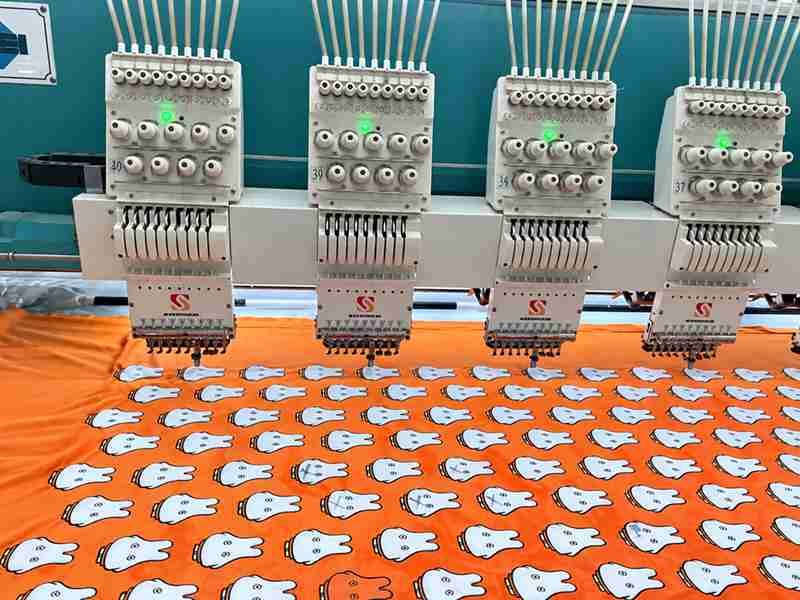
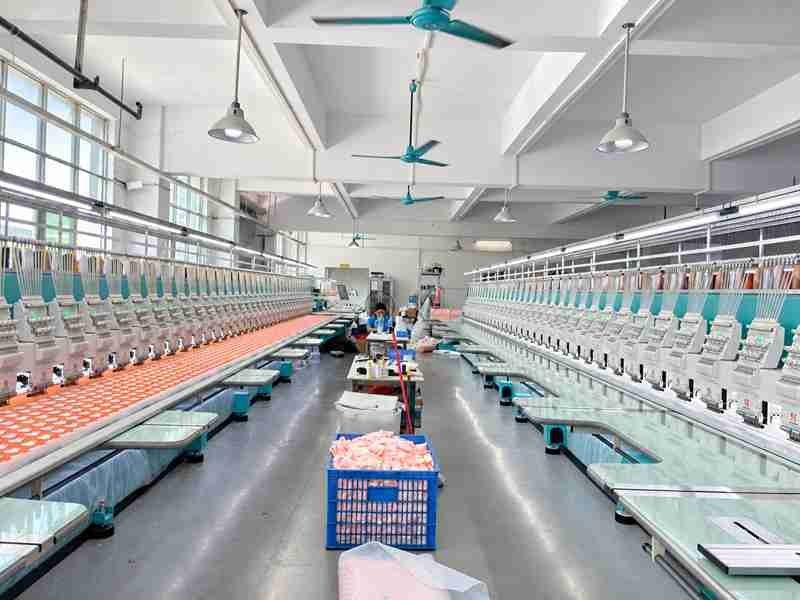
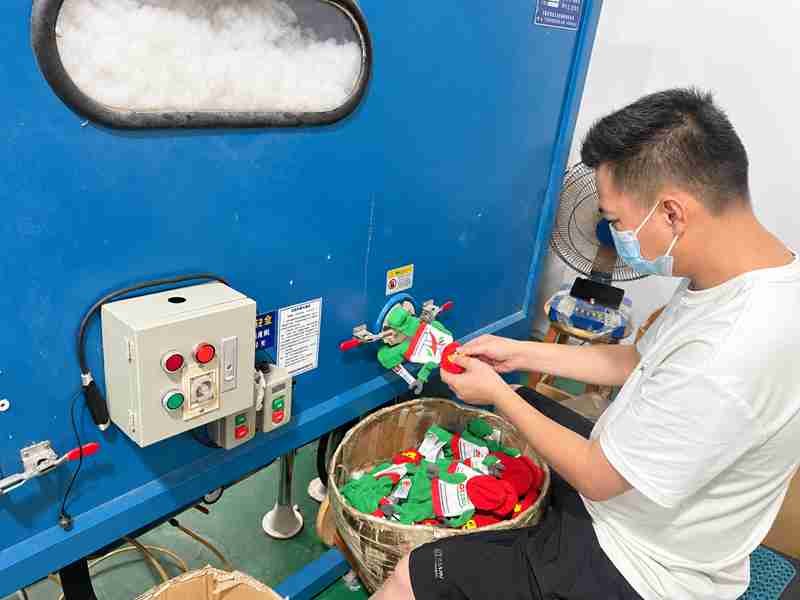
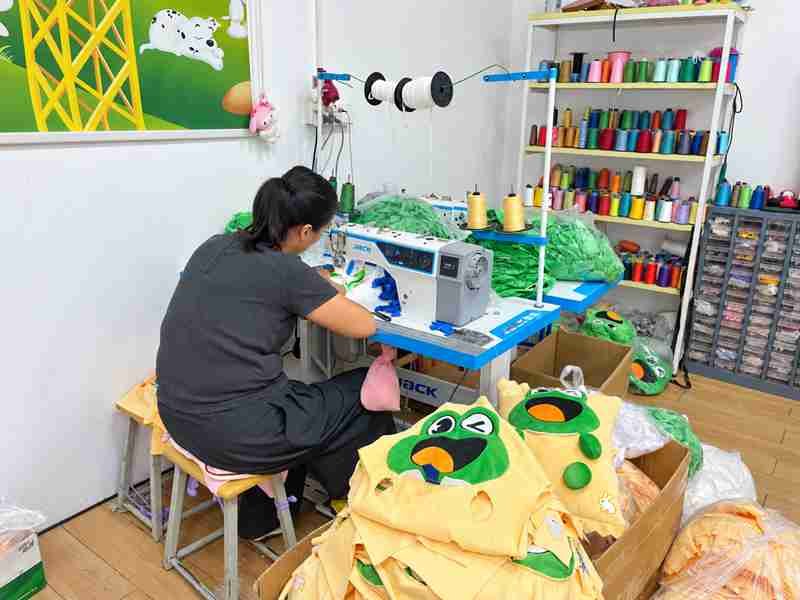
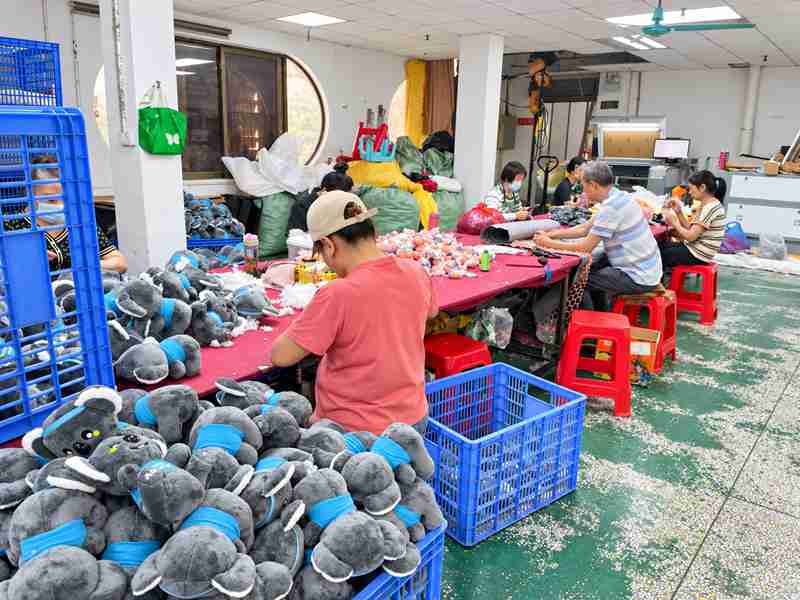
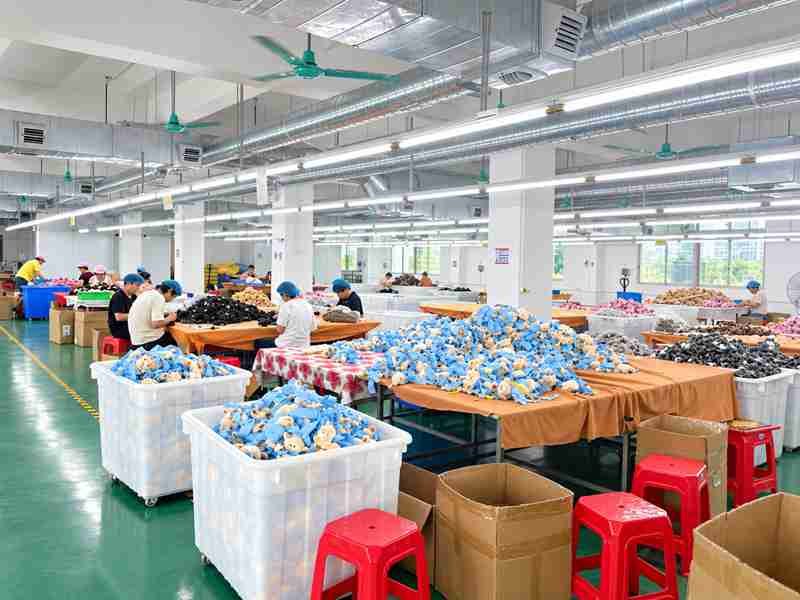
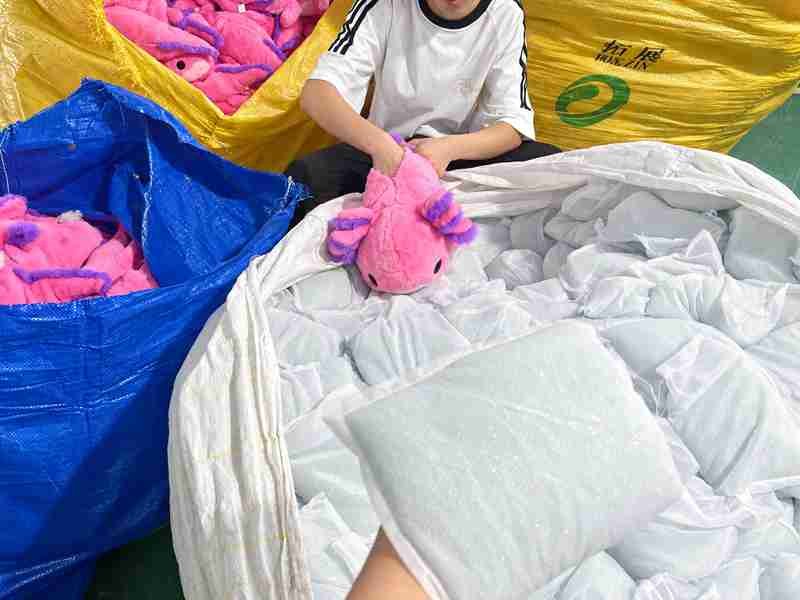
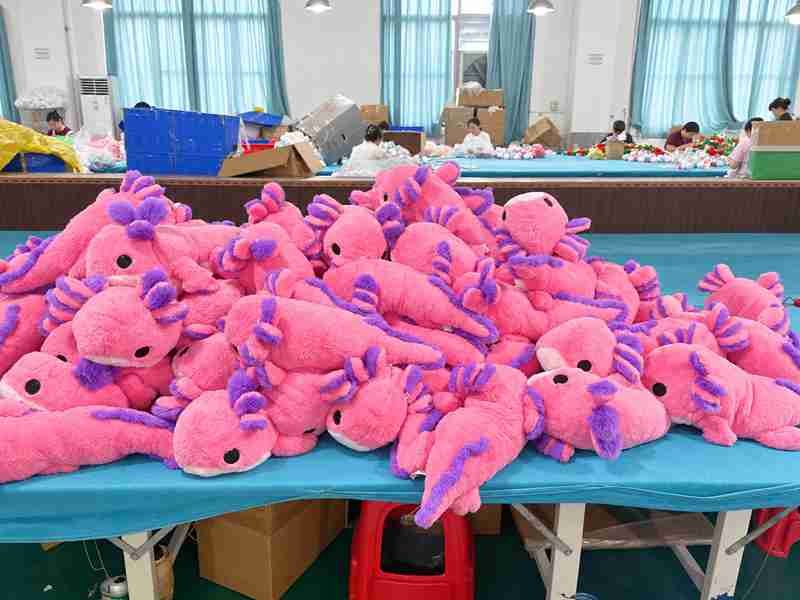
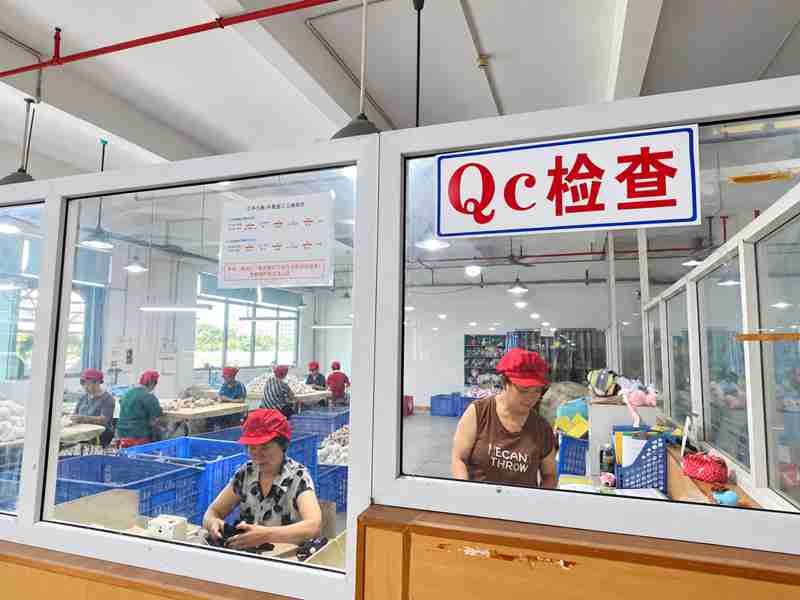
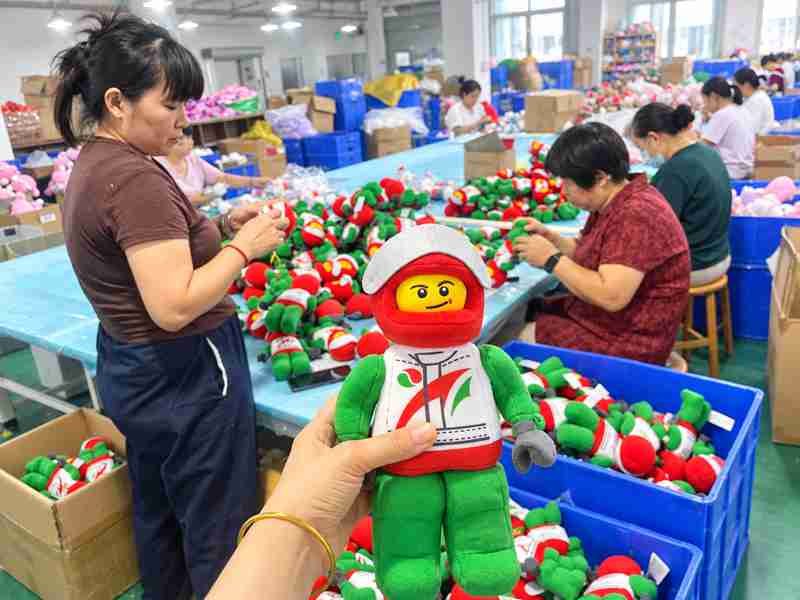
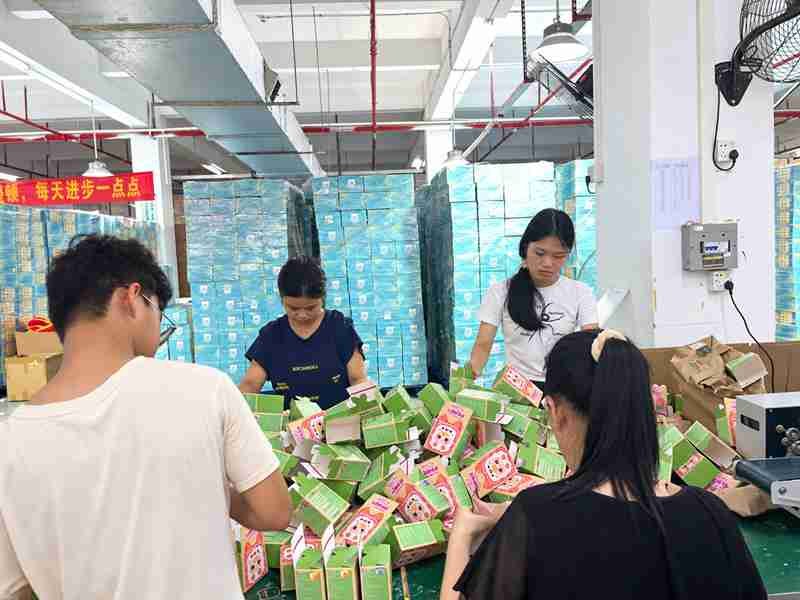
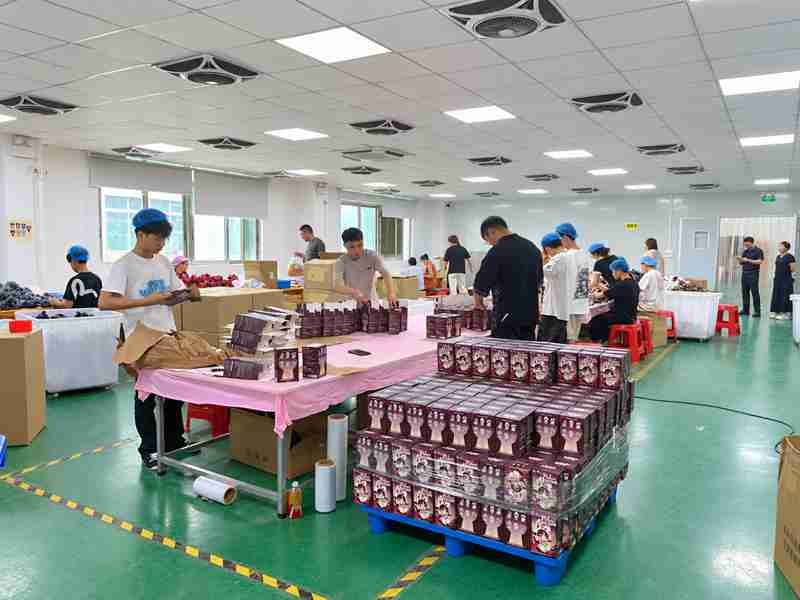
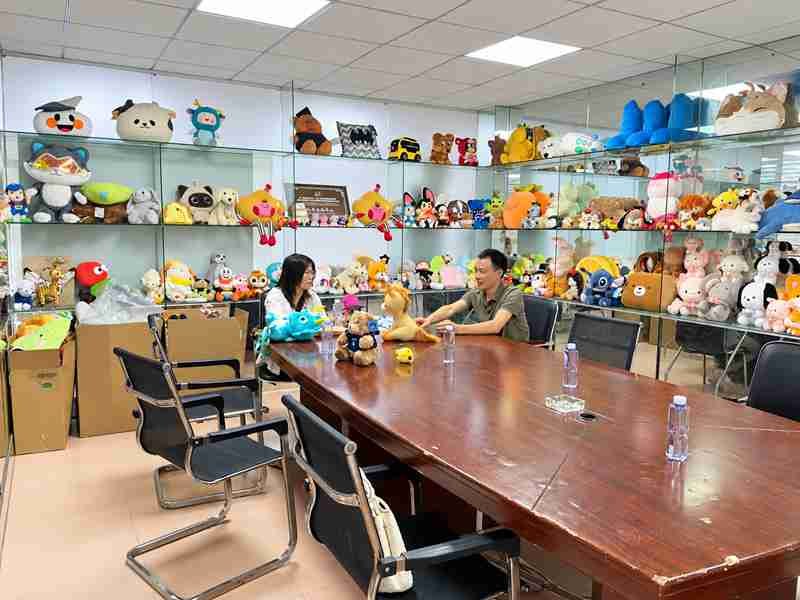
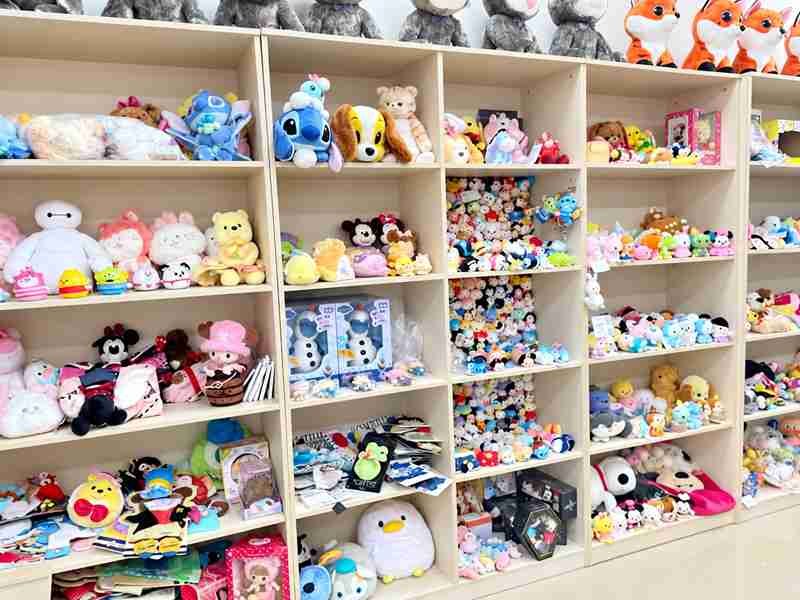
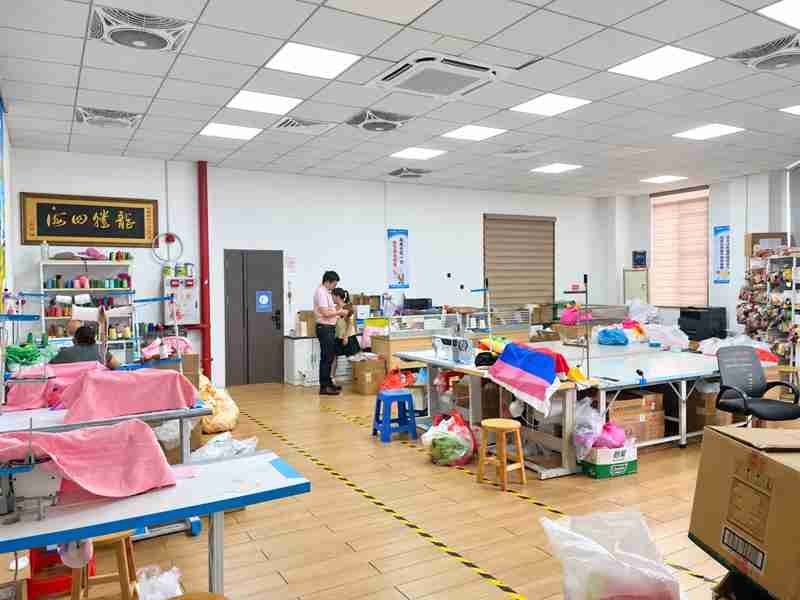
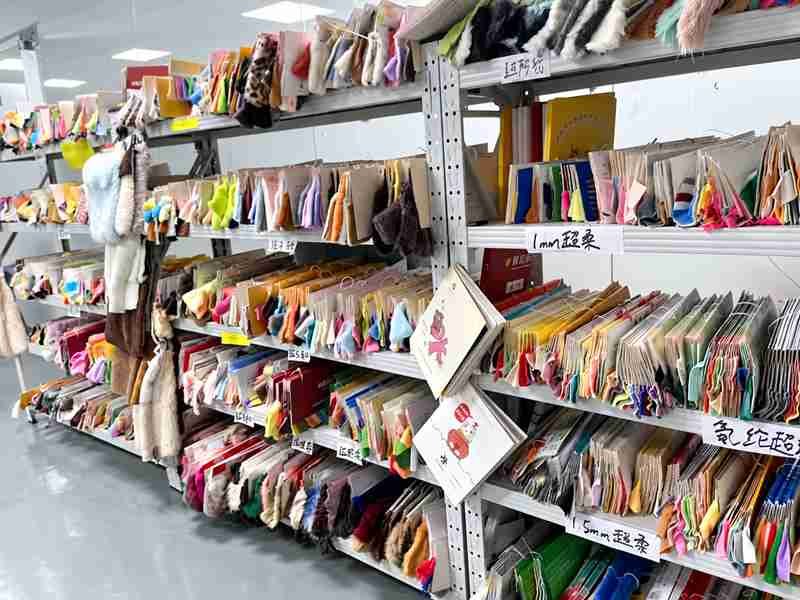
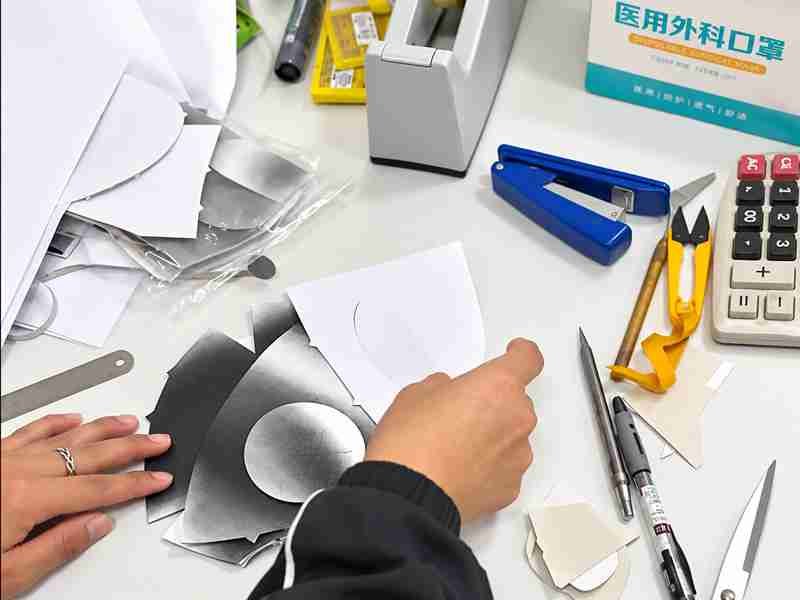
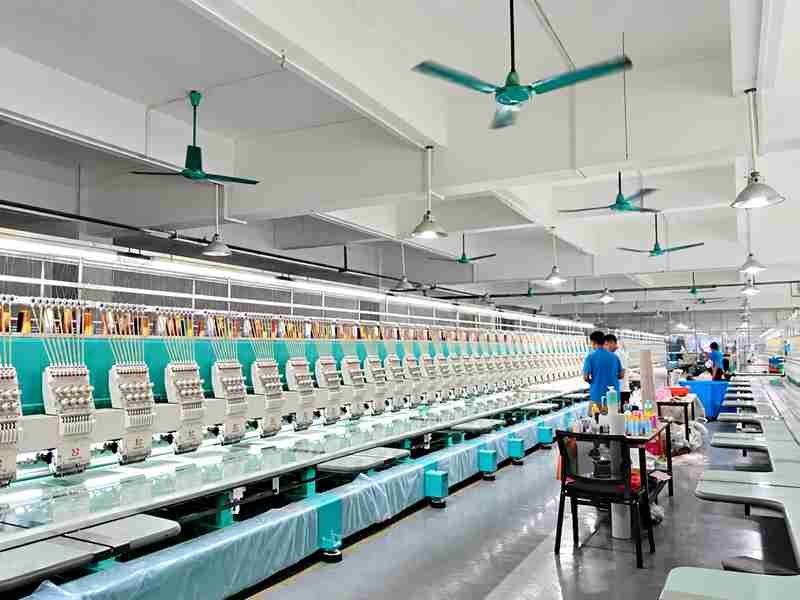
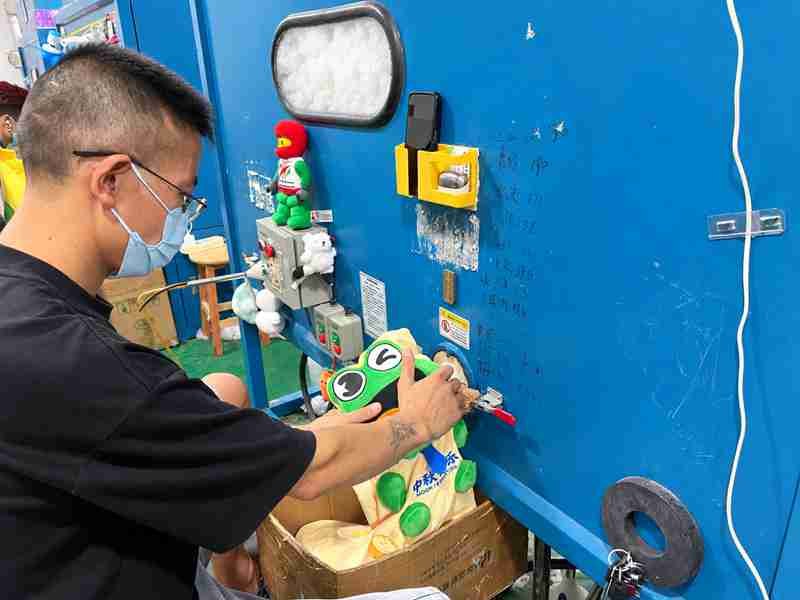
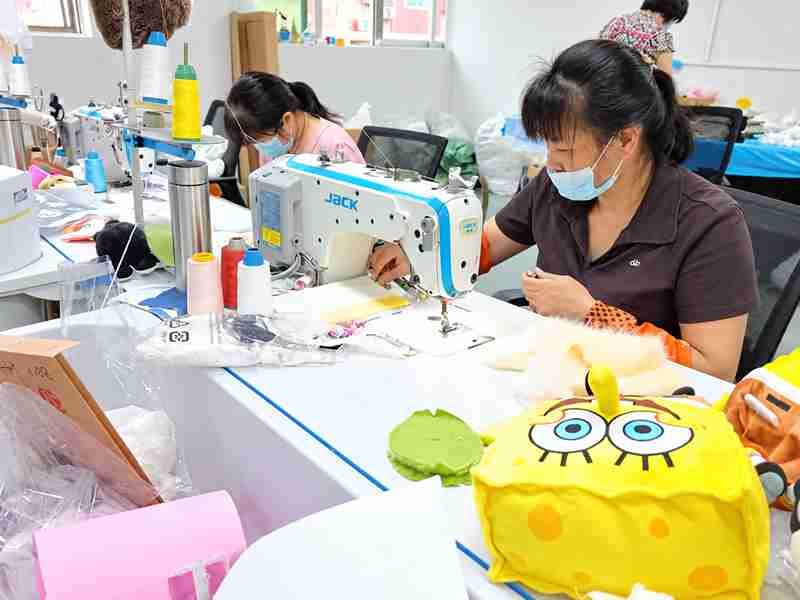
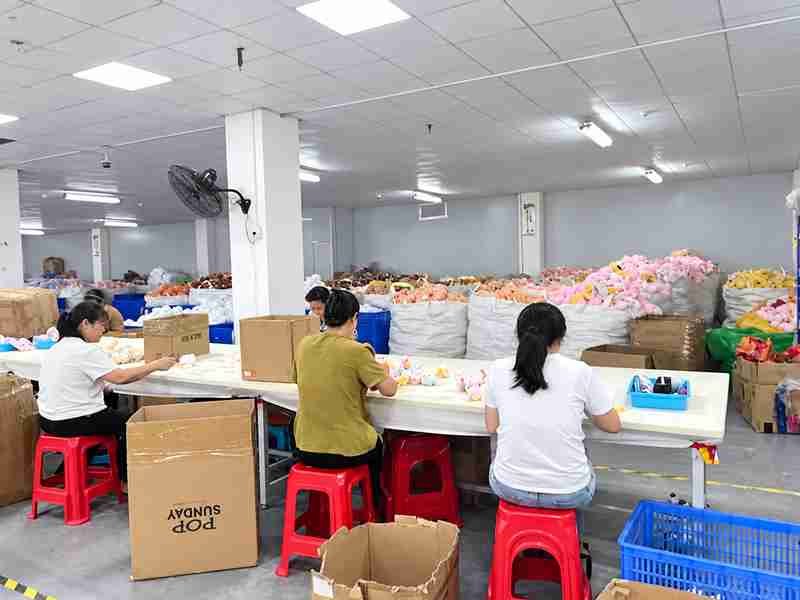
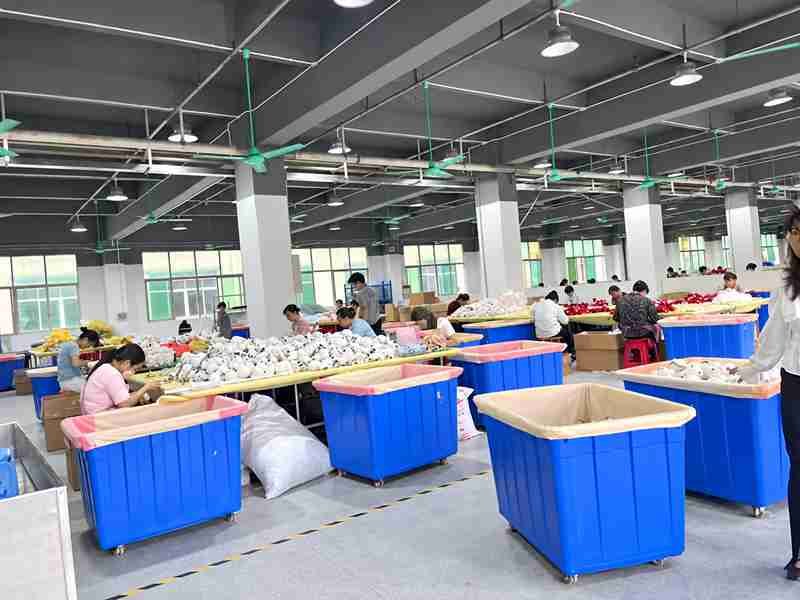
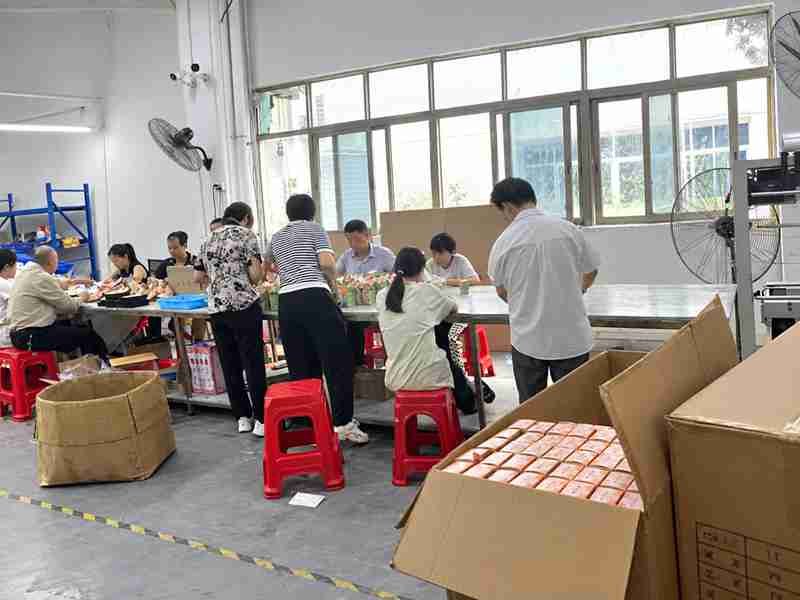
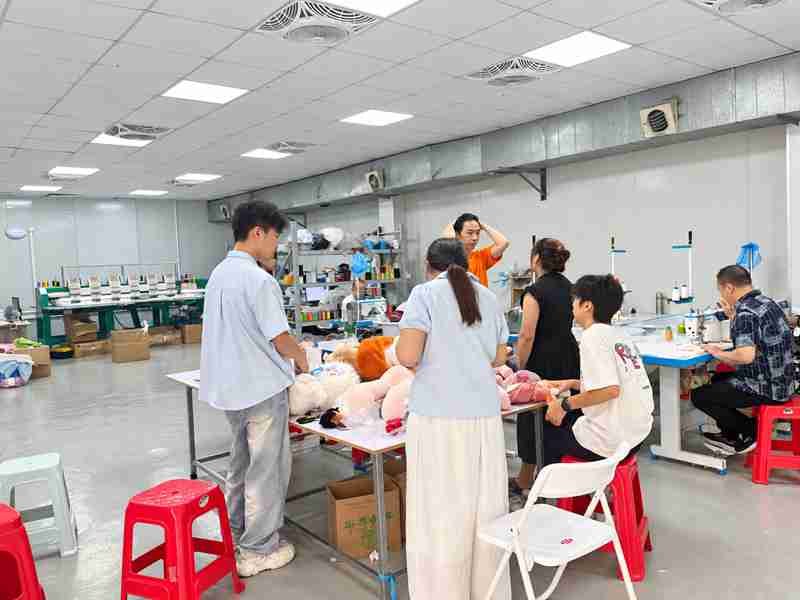
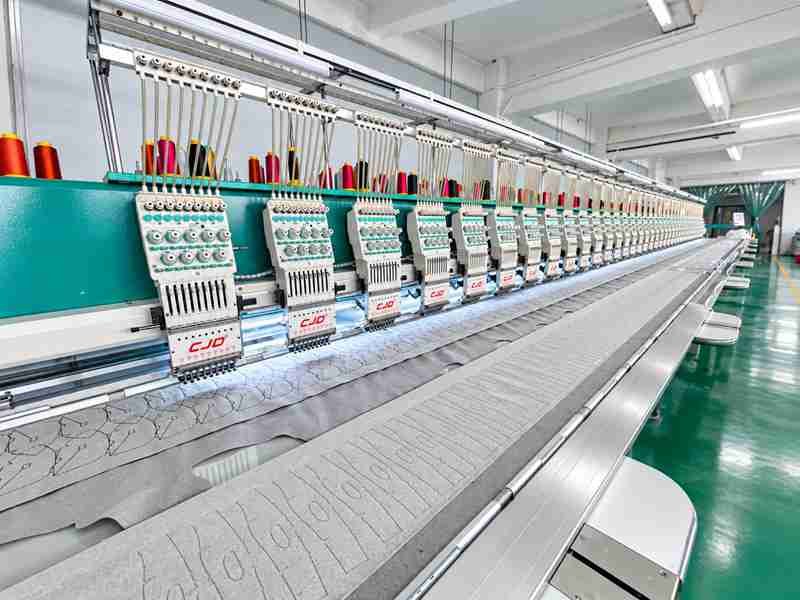
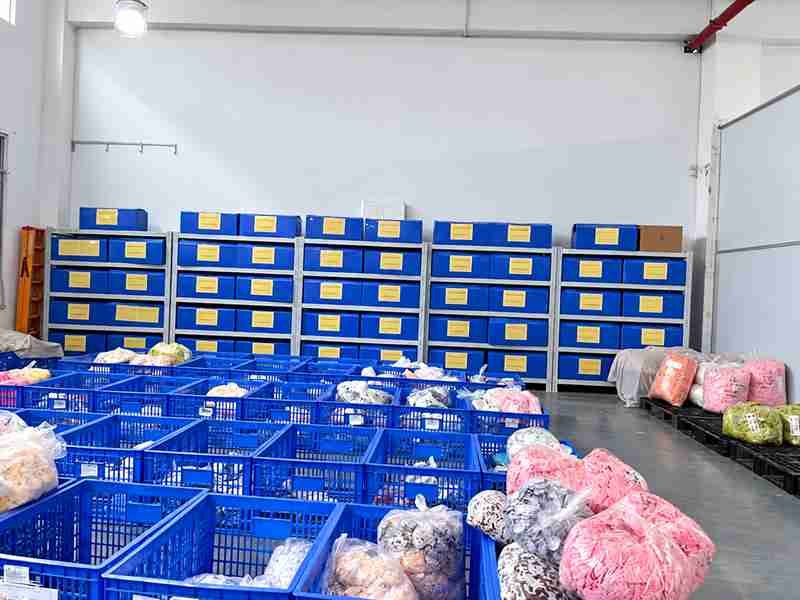
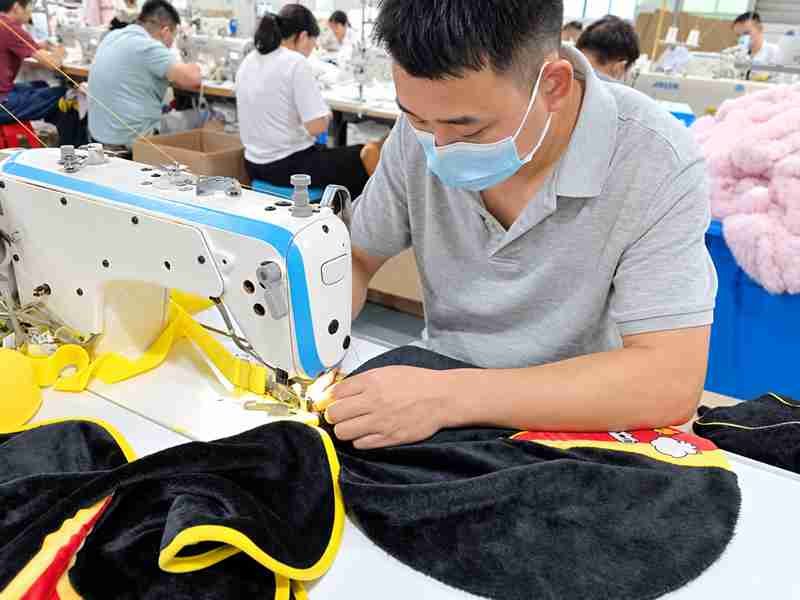
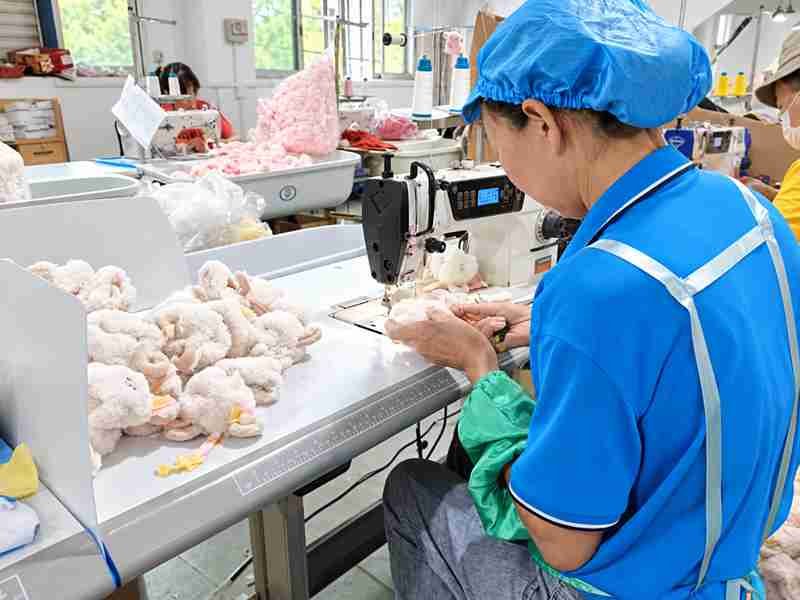
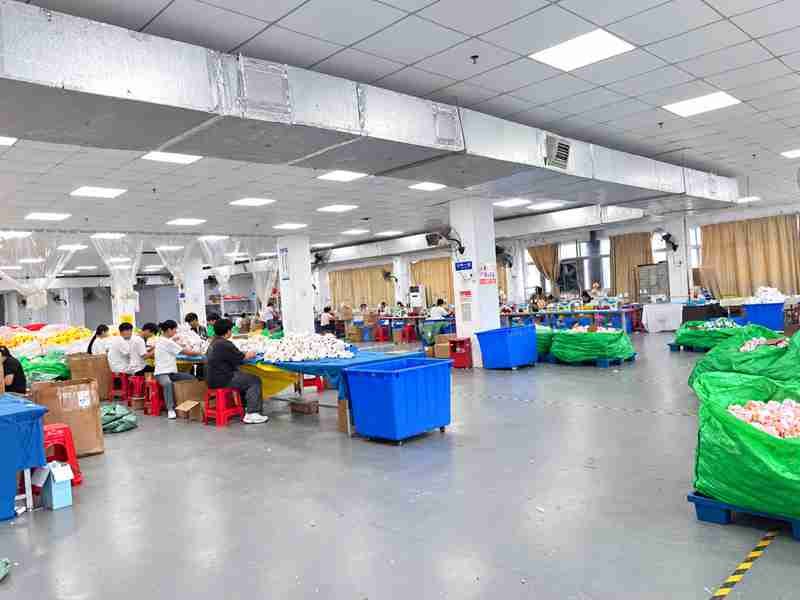
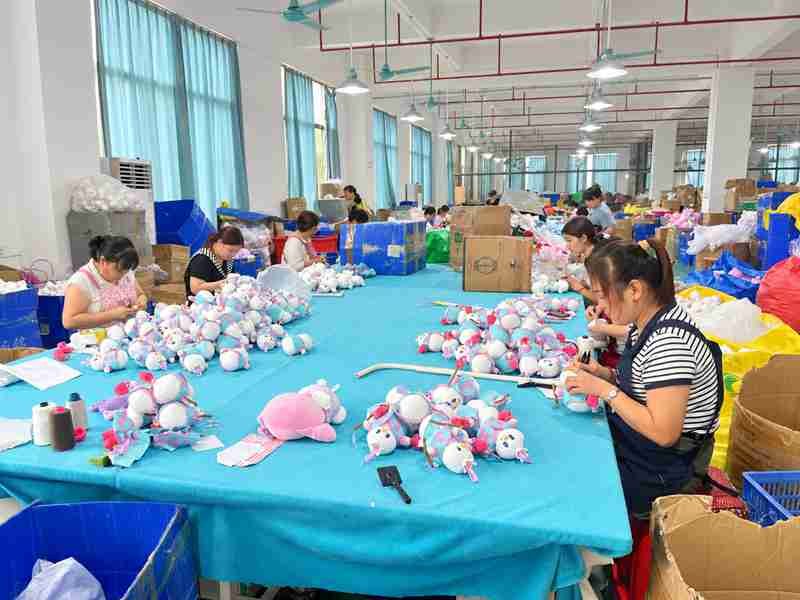
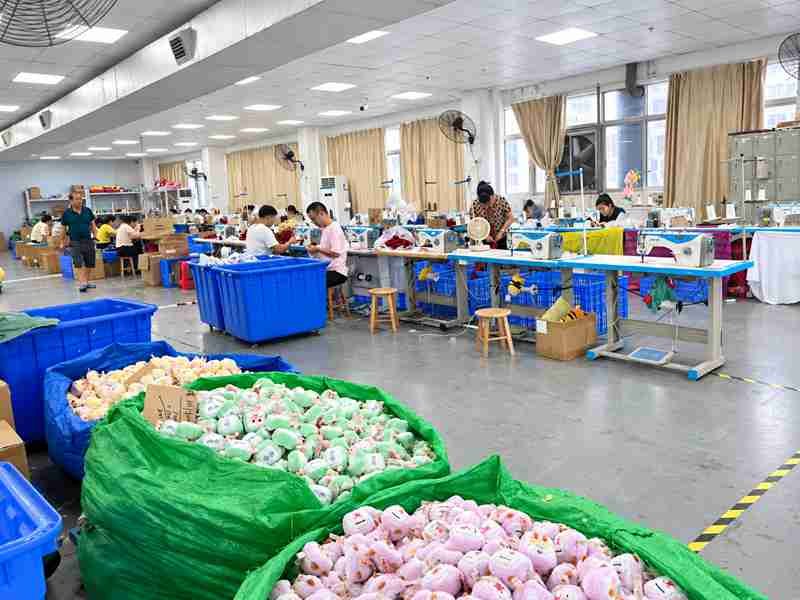
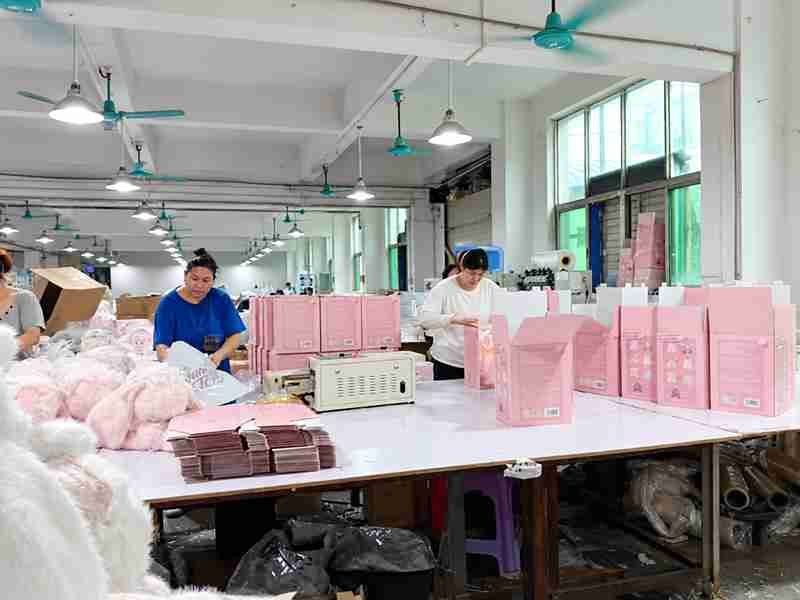
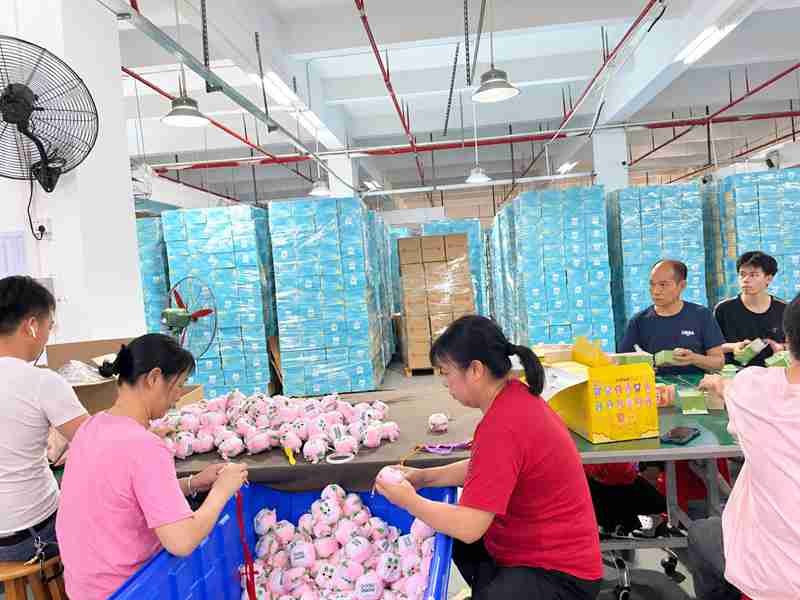
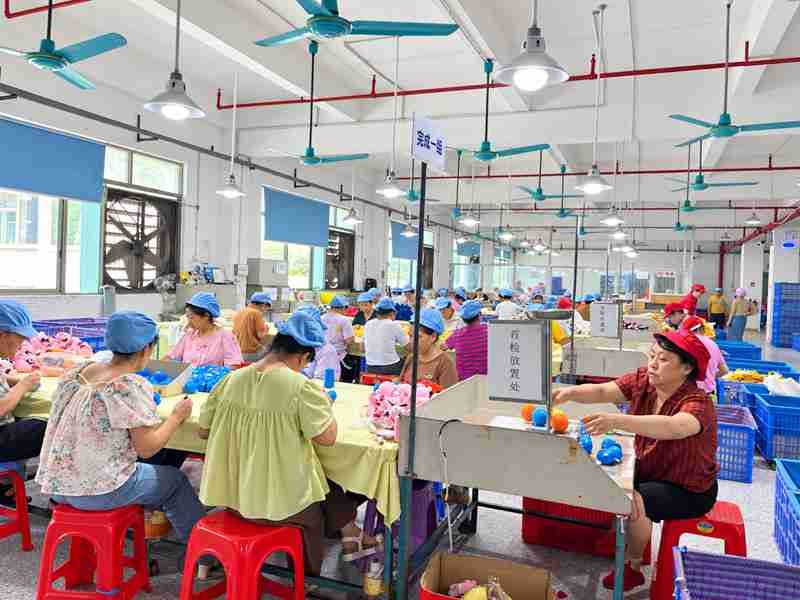
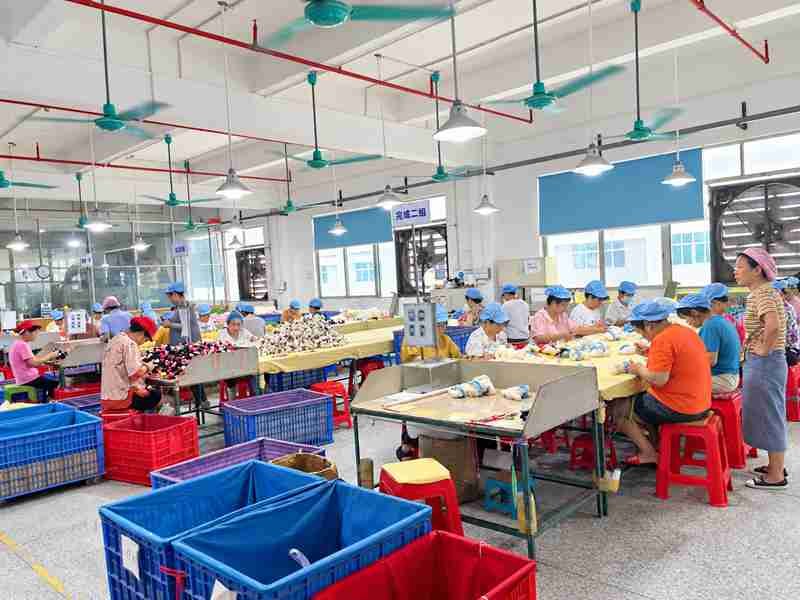
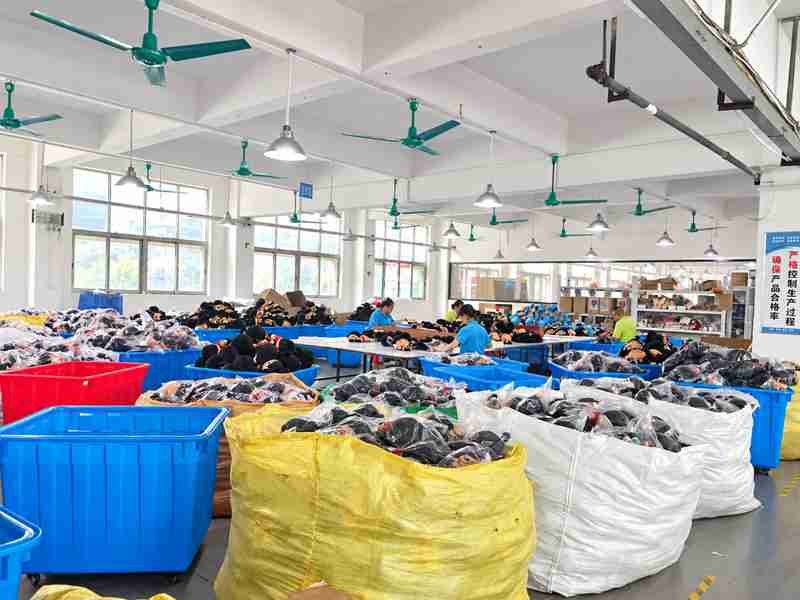
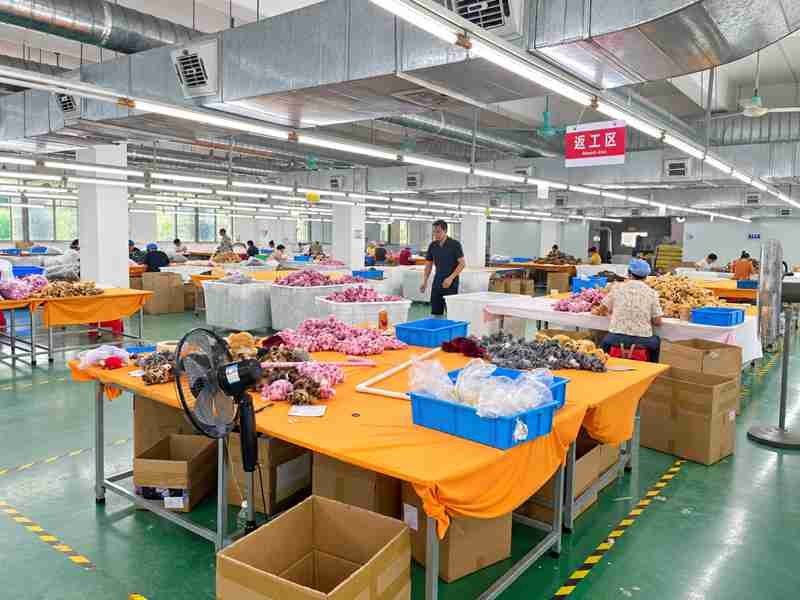
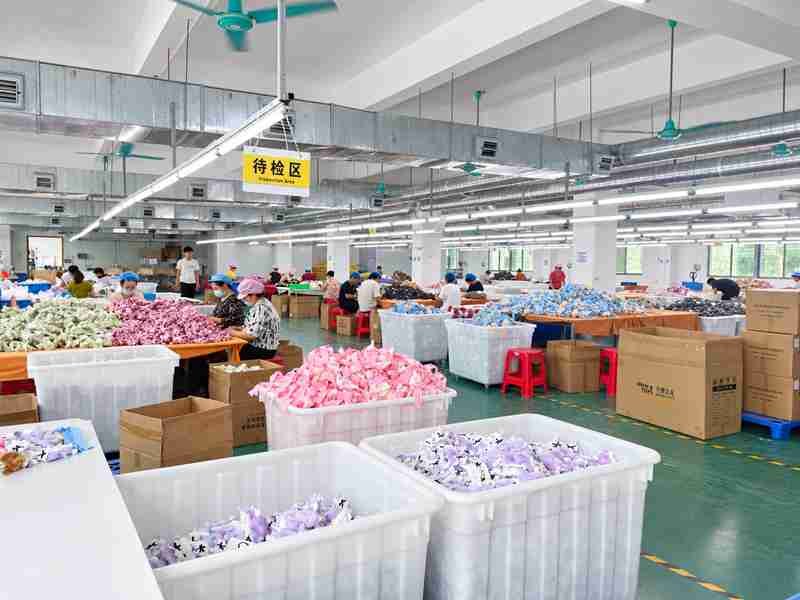
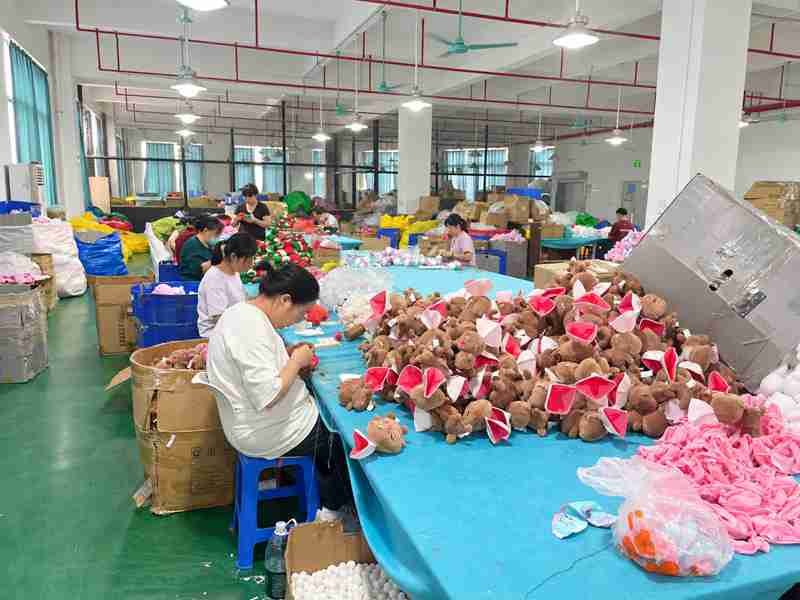
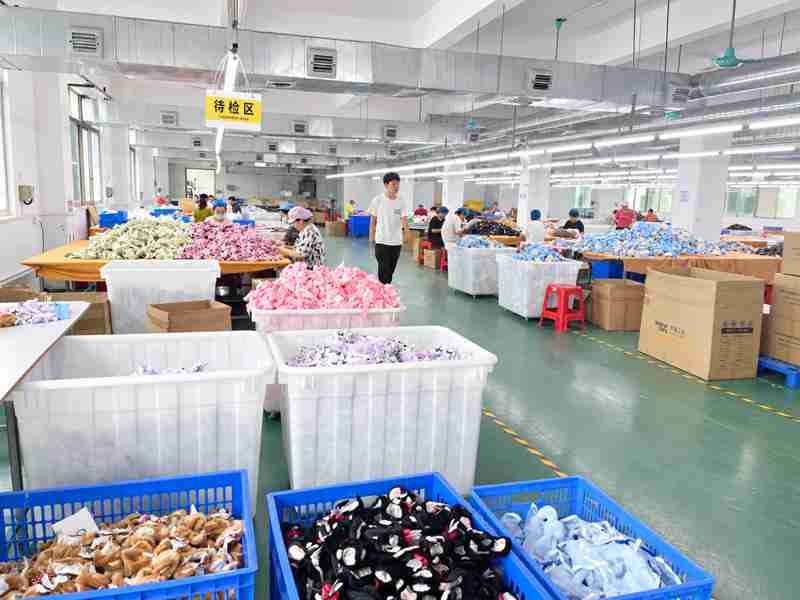
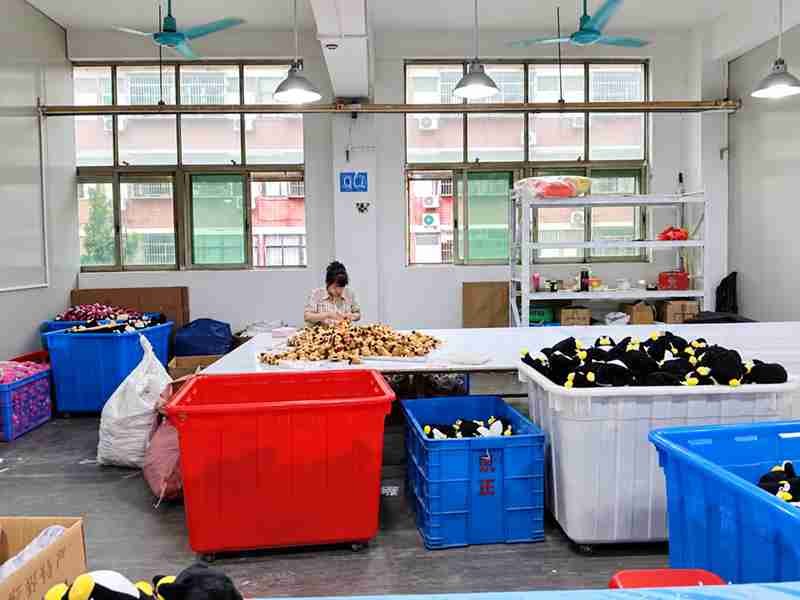
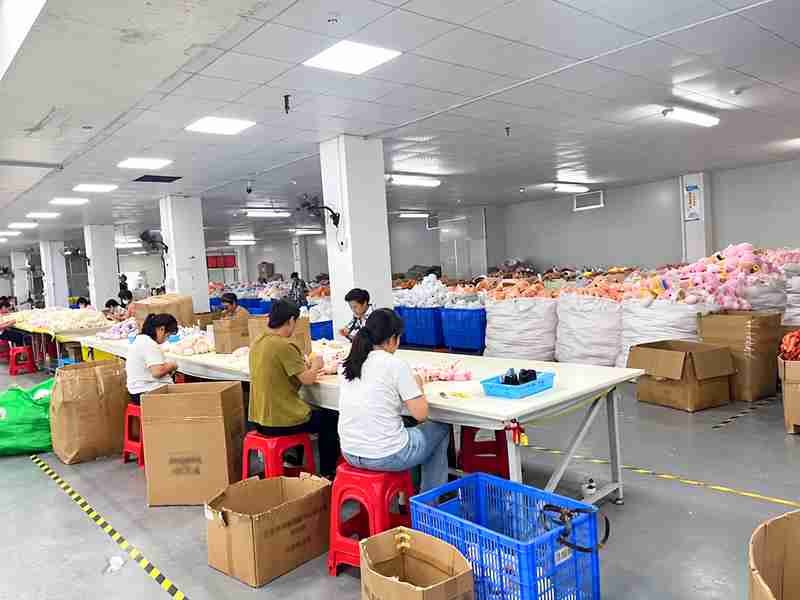
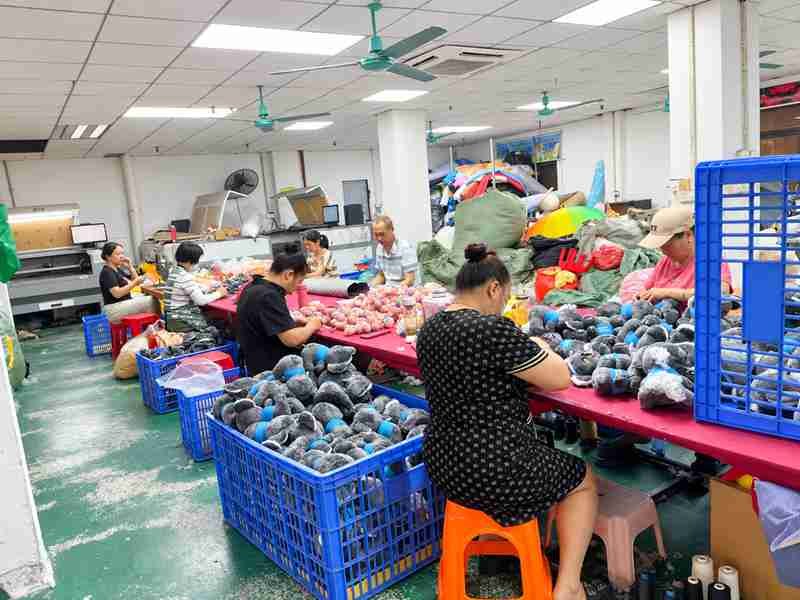
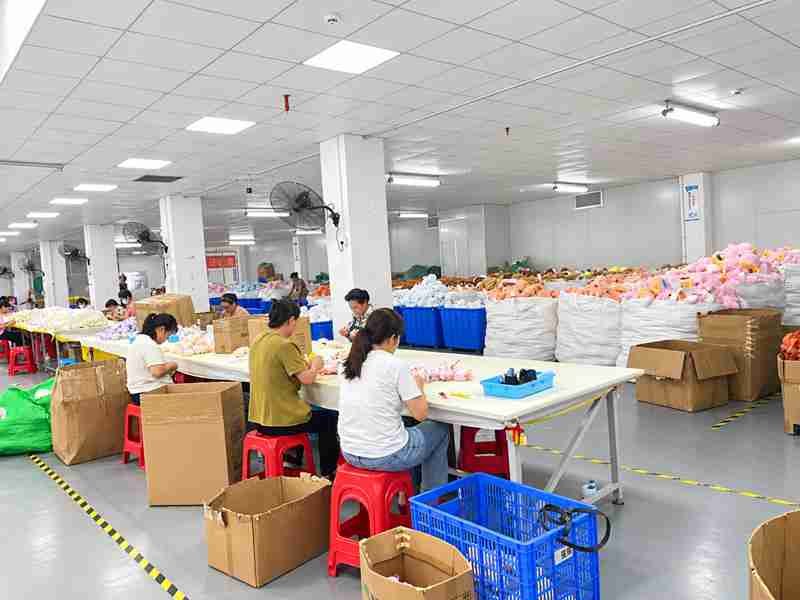
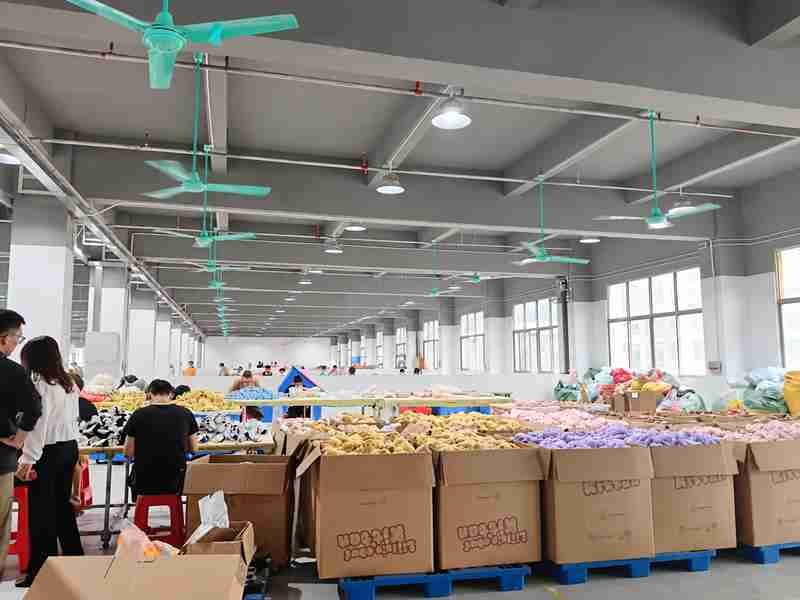
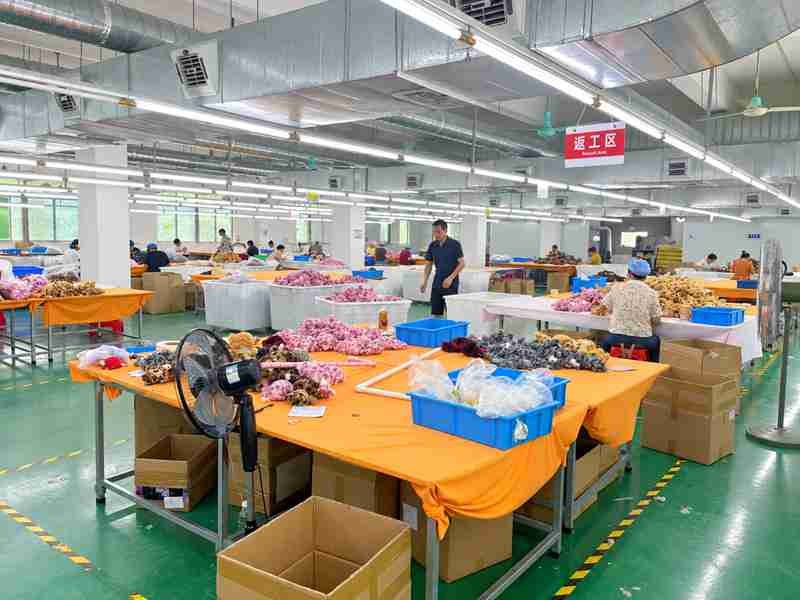
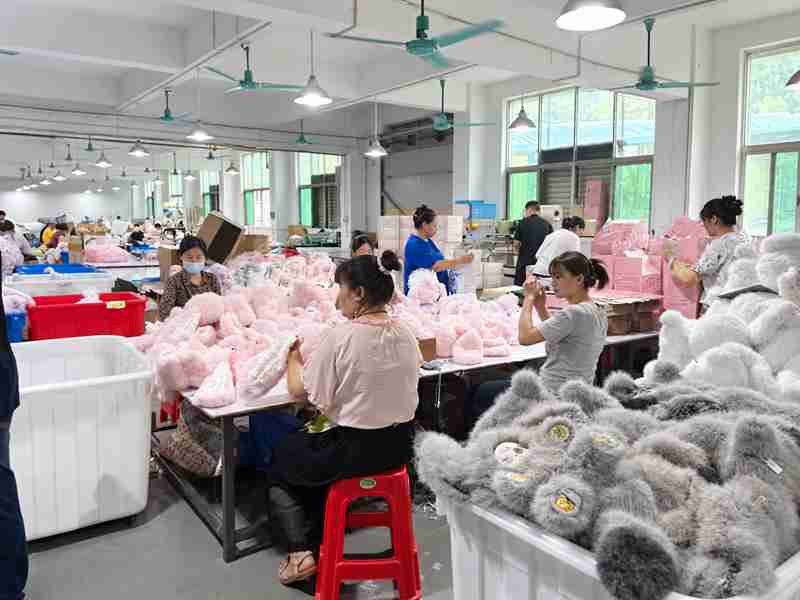
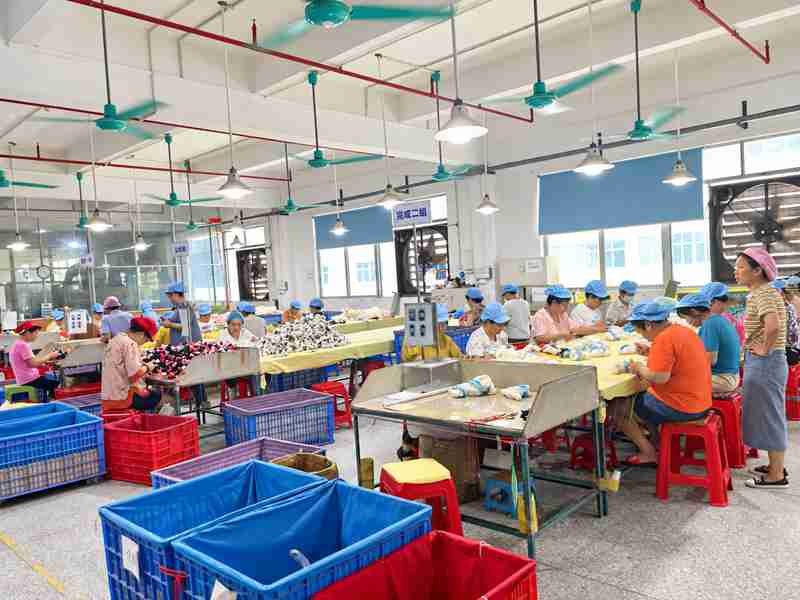
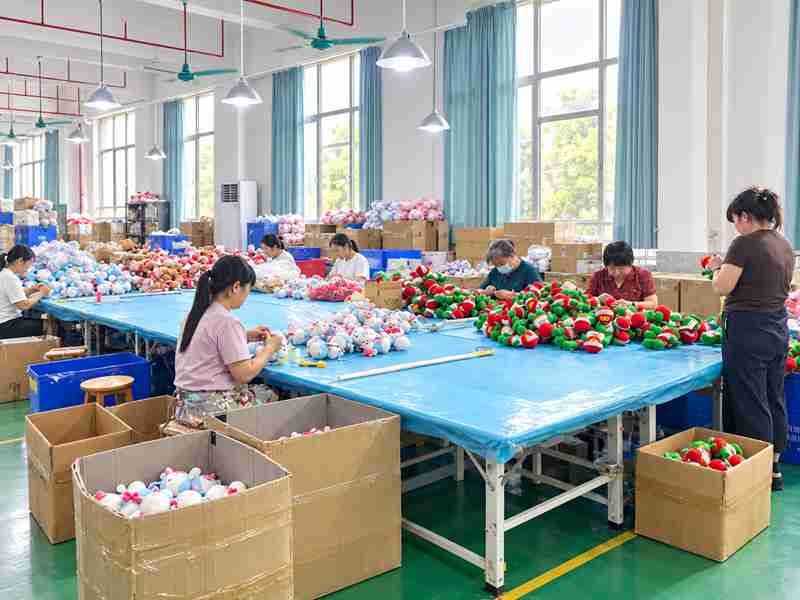
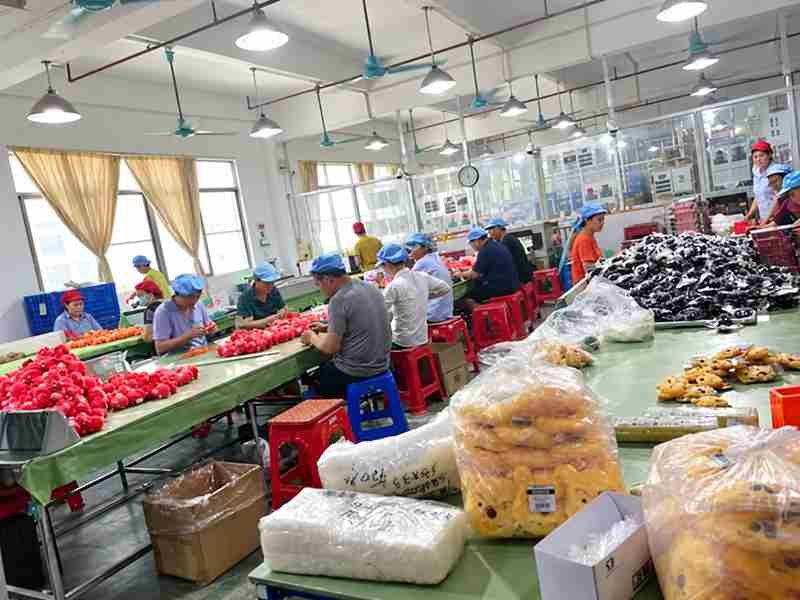
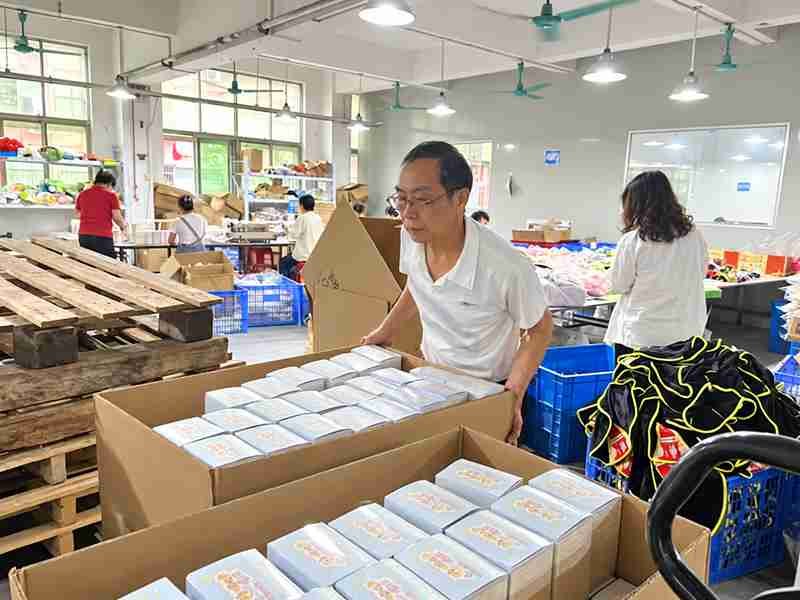
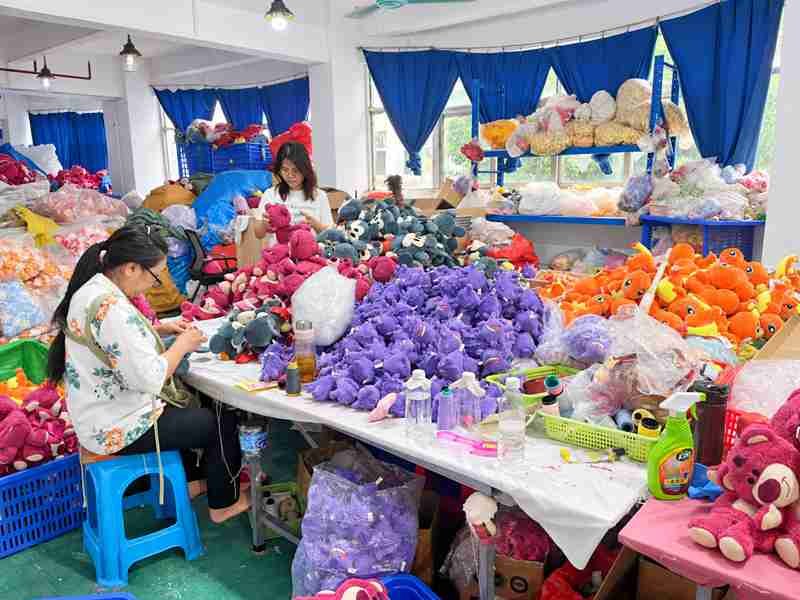
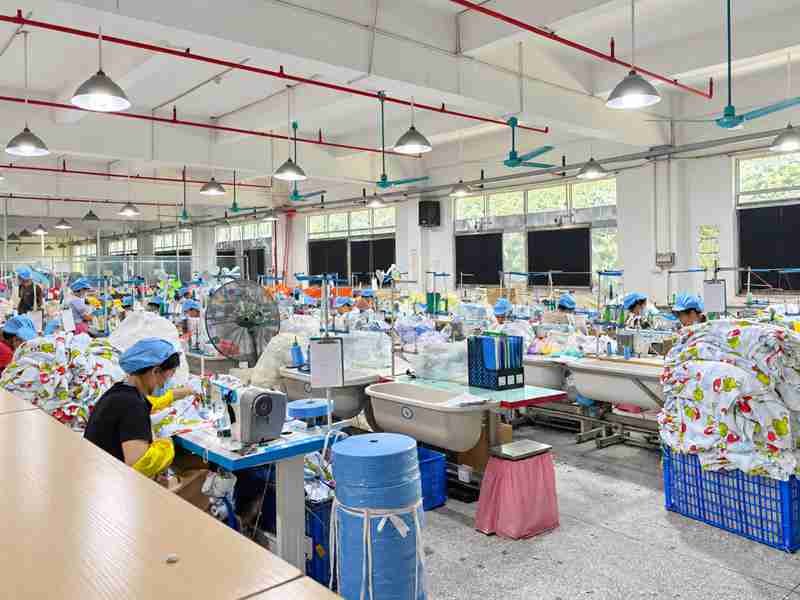
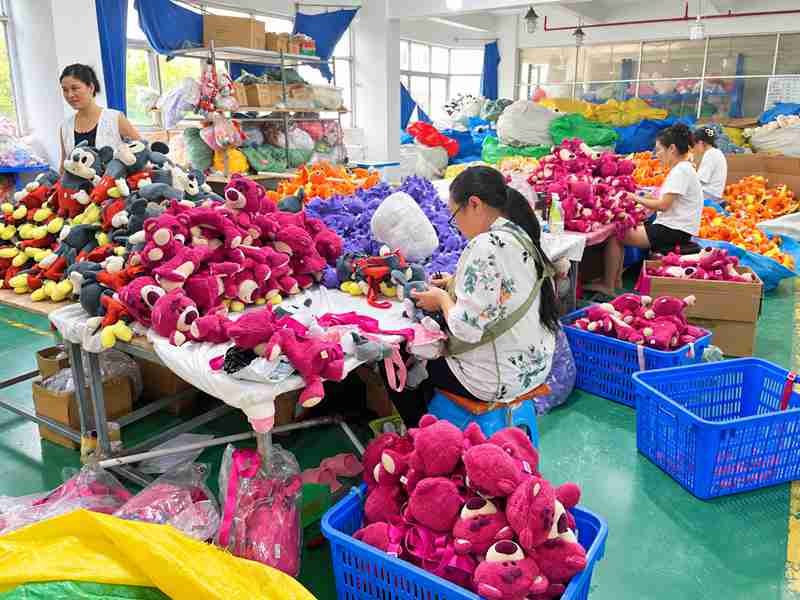
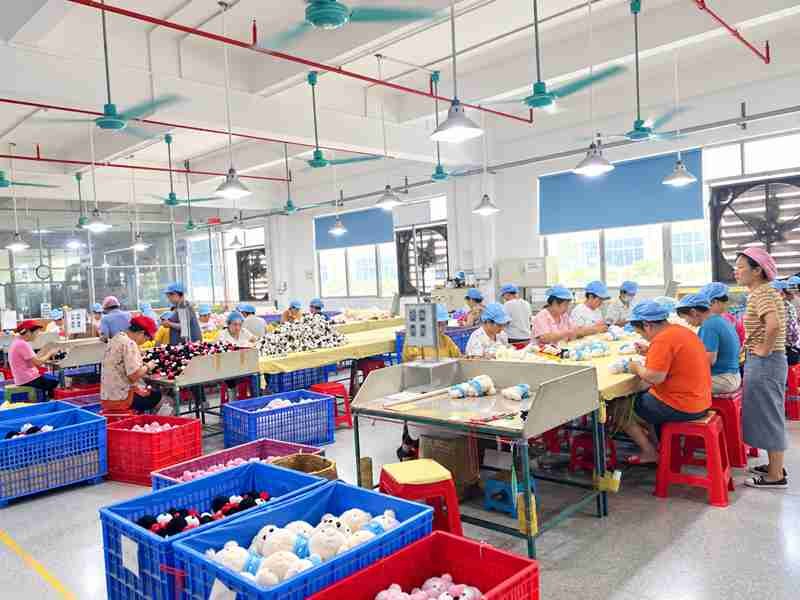
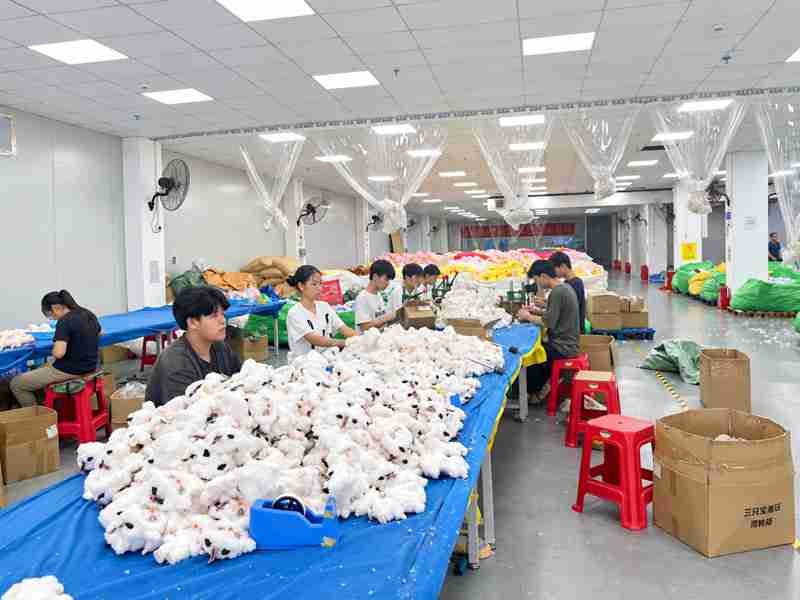
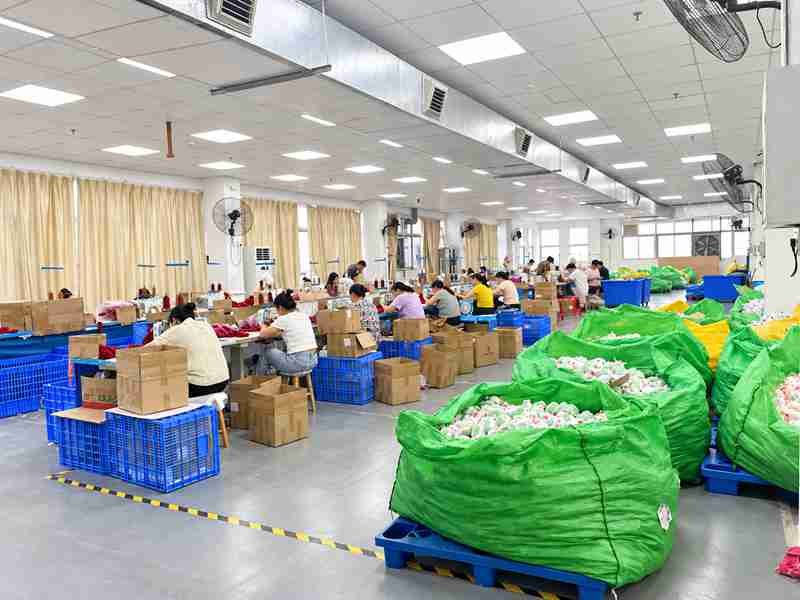
From Prototype to Production: Our Real Plush Factory Show

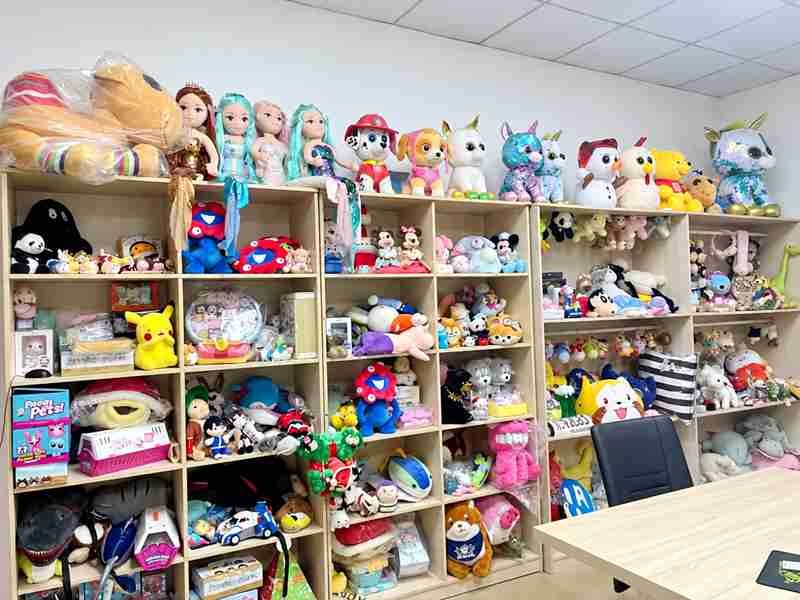
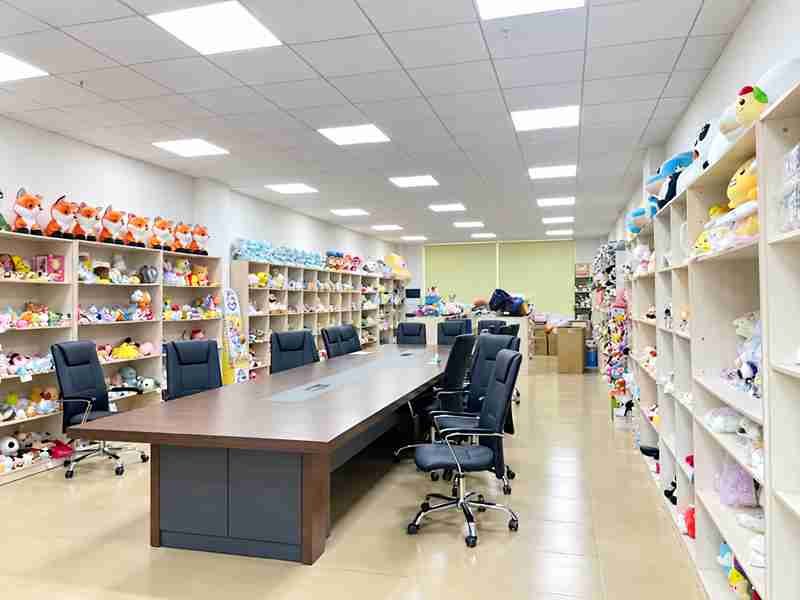
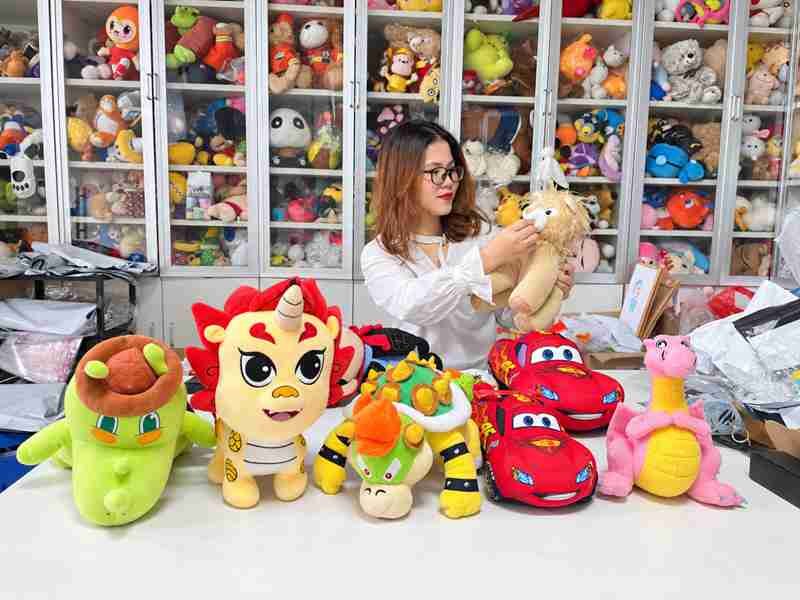
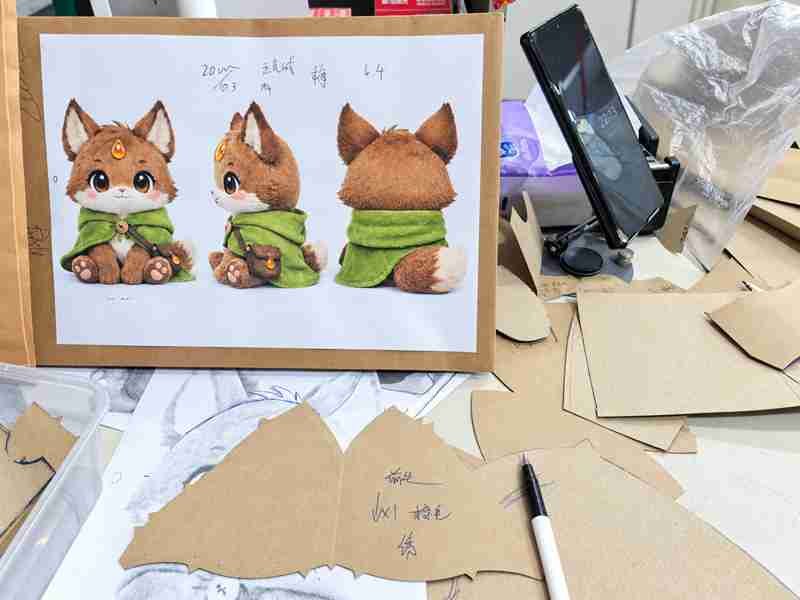
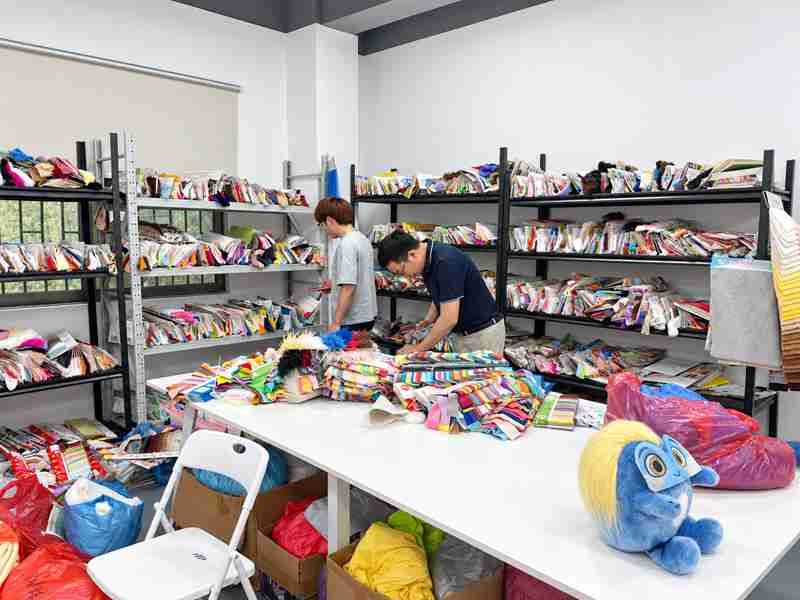
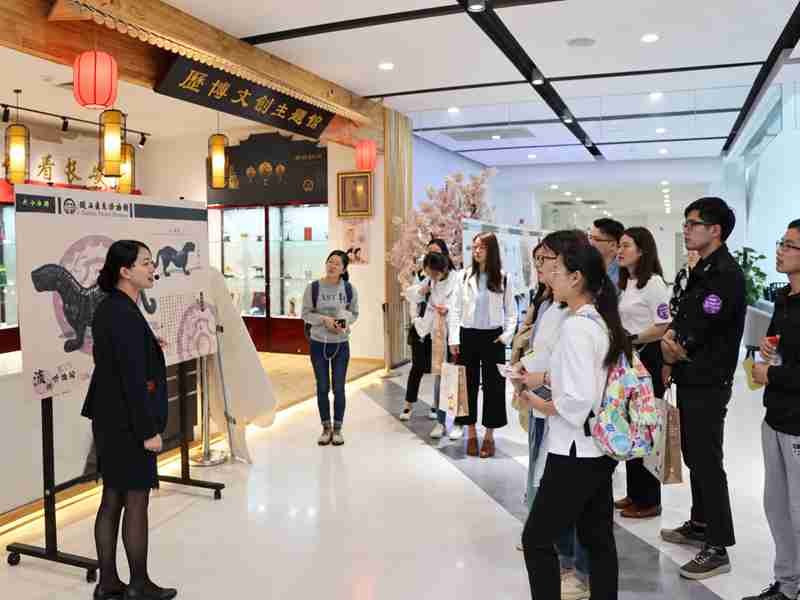
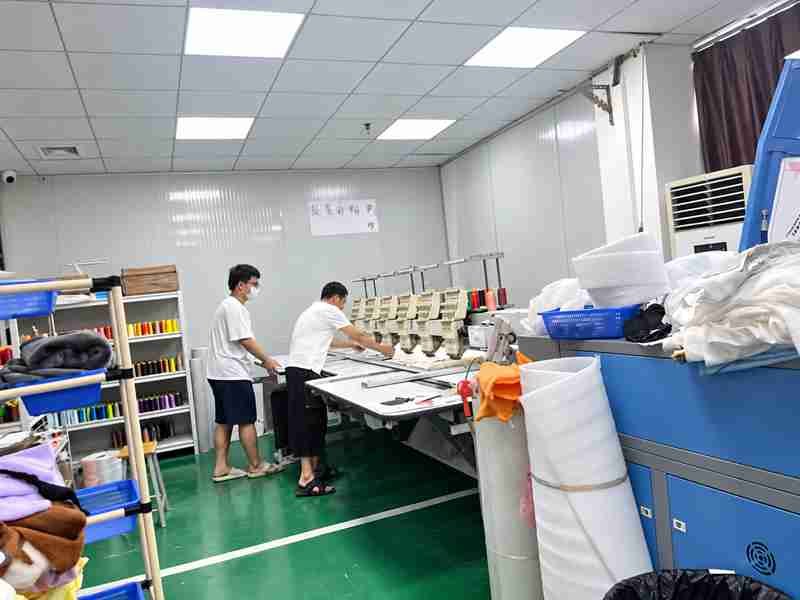
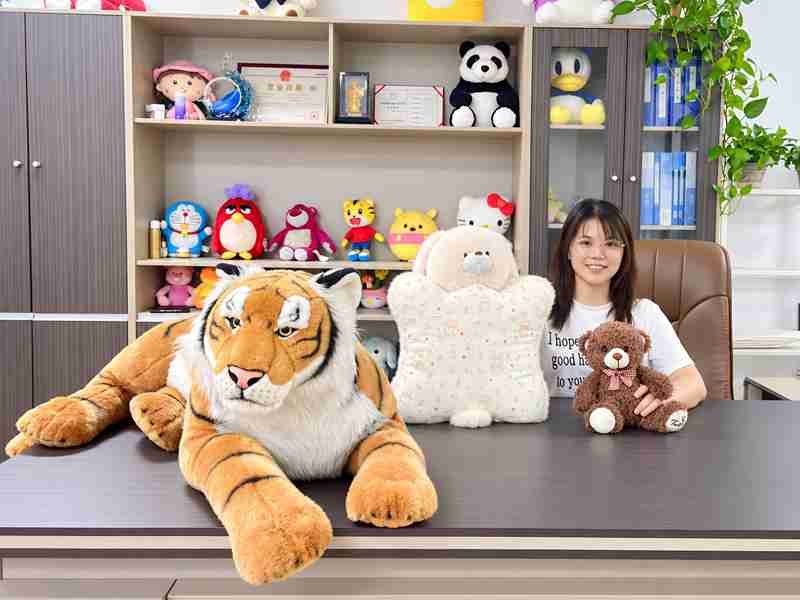
At Ewintoys, every plush project follows a structured development and production process, from initial design review and pattern making to sampling, mass production, quality inspection, and final delivery. Our real factory images provide a transparent view of how ideas are transformed into high-quality plush products through professional craftsmanship, engineering control, and careful production management.

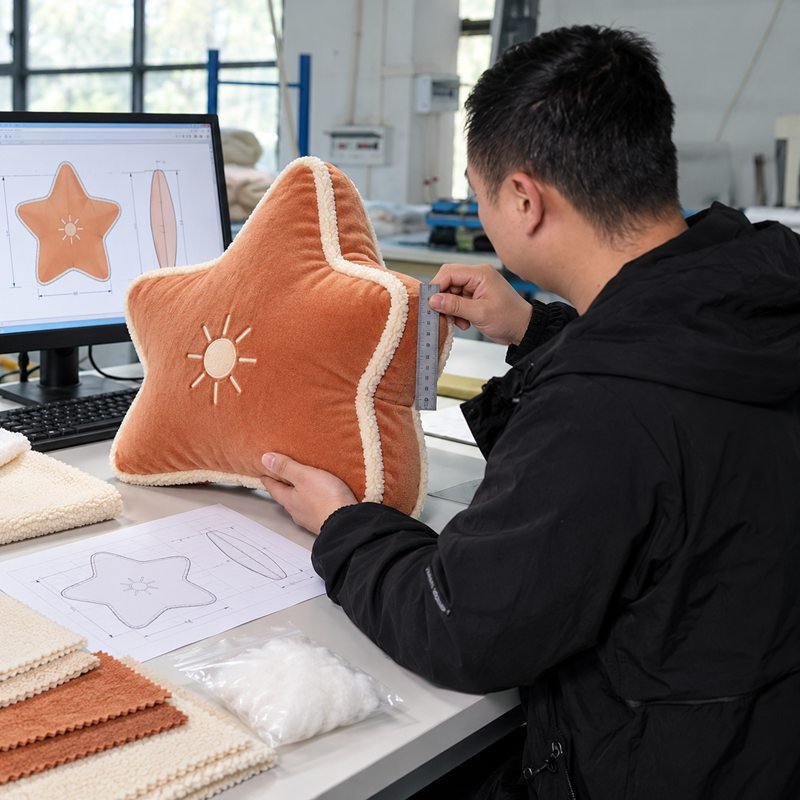
From Artwork To A Manufacturable Pillow Pattern

Development starts from the files already available and converts visual intent into controlled dimensions, panels, materials and production references.

Start With The Design Files Already Available

A complete technical pack is helpful but not required to begin. Ewin can review hand sketches, 2D artwork, character sheets, 3D renders, AI-generated concepts, reference products or physical samples. The first task is to separate design intent from missing manufacturing information. We identify the intended finished size, front and side appearance, critical brand features, surface graphics, hand feel, market, quantity, packaging and launch timing. When artwork contains narrow points, long hair shapes, tiny text or large printed areas, the development team flags which details are likely to change once seam allowance, fabric stretch and filling are introduced. A development brief then converts the creative input into measurable decisions rather than silently letting the sample maker interpret the design. That gives the pattern team a clear target and makes later feedback easier to classify as shape, proportion, material, decoration, filling or packaging changes. A single locked reference keeps internal teams aligned during first sampling.

Pattern Engineering Builds The Final Three-Dimensional Shape

Pattern making determines how flat textile panels become the finished pillow volume. For a simple square cushion, panel geometry may be straightforward; character silhouettes, curves and narrow extensions need much more control. The pattern maker sets seam lines, curves, notches, grain or nap direction, panel symmetry and any gusset or side-wall structure. Fabric stretch is considered because the same pattern can produce different dimensions in Minky, Velboa, fleece or a long-pile textile. Decoration files are then positioned relative to actual seam and cut references so eyes, logos and printed graphics do not drift when panels are sewn and filled. During revision, pattern changes should be versioned rather than overwritten. Once the approved sample is reached, the released pattern becomes part of the production package together with the BOM, artwork, filling reference and QC points. Revision naming keeps every pattern change connected to the matching decoration and BOM version.

DFM Review Prevents A Beautiful Sample From Failing In Bulk

A handmade prototype can tolerate operations that are too slow, fragile or variable for larger production. Design-for-manufacturing review checks whether seams are accessible, narrow corners can be turned cleanly, decoration can be positioned with repeatable references, long pile can be sewn without excessive trapped hair, and filling can be distributed consistently. It also examines whether a proposed accessory or packaging method introduces a new failure point. Where possible, complexity is reduced without changing recognition-critical features: unnecessary panels can be combined, very narrow points widened, decoration moved to a more stable surface, or a difficult three-dimensional detail converted to appliqué. The goal is not to simplify the product until it looks generic. The goal is to protect the features the brand cares about while creating a construction that operators, equipment and QC teams can reproduce consistently after the Golden Sample is frozen. Remaining risks should be documented directly in the released production instructions.

Sampling Turns Design Decisions Into Production References

A strong sample process separates shape, material, decoration and production approval so revisions converge instead of becoming endless visual changes.

First Prototype Verify Shape Before Small Details

The first prototype should answer the largest questions first: overall silhouette, finished size, thickness, face or logo position, material behavior and intended hand feel. Perfecting thread shades before the pillow shape is correct wastes development time. Ewin uses the initial sample to compare the physical product against the artwork or reference, then marks visible gaps in proportion, edge curvature, filling, surface detail and construction. Standard, low-complexity plush prototypes are internally planned around 5-7 working days when key materials are available; character/IP structures are commonly managed around 7-12 working days. These are planning windows rather than unconditional promises. Timing starts after requirements are clear enough to execute, and it changes when custom-dyed fabrics, special accessories, printing trials or missing artwork are still open. Photo review can accelerate discussion, but hand feel, fill level and pack recovery may still require a physical sample before full approval.

Revision Rounds Convert Comments Into Controlled Changes

Feedback works best when every comment becomes an executable instruction. Instead of a note such as ‘make the face cuter,’ the project team converts the request into changes to eye spacing, cheek curve, embroidery scale, seam line, thickness, material or fill level. Each change is assigned to a target revision so the pattern, BOM, decoration file and physical sample stay synchronized. Small local modifications may be completed faster than major restructuring; internal revision planning typically spans about 2-10 working days depending on whether new pattern work, material changes or new decoration files are required. Photos and videos can support remote review, but production should not release from an informal photo approval when physical structure, hand feel or packaging still needs confirmation. A revision log keeps every comment connected to the pattern, artwork or BOM item it changes, with ownership and verification recorded before closure.

Golden Sample And BOM Freeze Create The Bulk Baseline

Once appearance, structure, material, filling, decoration and packaging are approved, the project moves from development language into controlled production language. The approved version is designated as the Golden Sample or final reference, while the BOM records fabric identification, colors, decoration files, trims, filling reference, labels and pack-out. The released pattern and current artwork revisions are tied to the same product definition. For programs that need a production-readiness check, a PP sample or pilot step can verify the final route before full release. Bulk production should then work from the frozen package, not from a sample photo, an old email attachment or a previous revision stored on someone’s desktop. Version discipline helps prevent a good sample from turning into inconsistent bulk goods. The frozen references give QC, sourcing and production teams one common baseline, simplify repeat-order comparison and make later change reviews easier to document.

Controlled Manufacturing Keeps Pillow Bulk Close To Approval

Production starts only after the current product definition is released, then each process controls the variables most likely to change shape or appearance.

Material Preparation And Incoming Control

The bulk route begins with the frozen BOM, current purchase requirements and approved material references. Fabric is checked by material identity, color lot, hand feel, surface condition and relevant specification before cutting. Nap direction matters for Minky, Velboa and longer-pile textiles because panels cut in opposite directions can look like different colors under retail lighting. Printed materials need the correct artwork revision and color reference. Fill material, labels, zippers, piping and packaging components are separated by SKU to reduce mix-ups. For color-sensitive programs, incoming lots are compared against the approved standard rather than accepted from a supplier name alone. This material-ready stage prevents production teams from discovering late that a substitution changes hand feel, decoration result, seam behavior or compliance inputs after cutting has already begun. Material lot identification also supports later investigation if a visible color, hand-feel or recovery difference appears during final inspection.

Cutting Decoration And Sewing Follow Released References

Cutting uses the released pattern, marker and nap direction so panels stay consistent across the order. Embroidery or printing is tied to the current artwork revision, with location references taken from the pattern rather than measured casually from a raw fabric edge. Sewing then converts the controlled panels into the pillow shell. Curved outlines, narrow points, appliqué edges, zipper openings and reinforced accessory seams are treated as separate operation risks. Complex silhouettes may need process breakdowns or templates so different operators produce the same edge profile. Long-pile fabrics require attention to trapped hair and seam cleanup; smooth short pile makes stitch-line variation more visible. In-process checks focus on panel identity, orientation, seam route, decoration location and construction before filling makes correction more difficult. Early process checks save rework because a misplaced embroidery program or reversed nap direction is far harder to correct after sewing and stuffing.

Filling Closing And Shape Finishing Define The Final Hand Feel

Stuffing is not a simple ‘fill until full’ operation. The approved sample establishes a target hand feel, finished thickness and local fullness. Bulk control uses fill weight and distribution references so corners, cheeks, ears and long body areas do not vary by operator preference. After filling, the opening is closed, seams are checked, and the product is shaped to the approved outline. Surface finishing removes trapped pile, loose threads and visible distortion. For character pillows, final shaping is particularly important because the face can look wider or narrower depending on fill placement. For larger hugging pillows, the team also checks whether fill migrates or forms lumps during handling. The goal is a repeatable profile that can survive packing, transit and normal recovery without relying on last-minute manual reshaping. Periodic comparison with the Golden Sample helps operators distinguish intended softness from gradual underfill or overfill drift.
Production Release Packing And Traceability Close The Loop

Ewin’s manufacturing logic connects the approved Golden Sample, frozen BOM, released pattern, final artwork and QC or packaging specification before bulk release. During production, SKU and version references remain linked to inspection and pack-out so a change does not move forward informally. Final pieces pass appearance, measurement, filling and packaging checks before carton closure. Large pillows may require a compression or recovery validation step because a carton-efficient pack can still be unacceptable if ears, corners or printed surfaces do not recover well. Retail programs add barcode, label and carton requirements to the release package. For repeat orders, the current version should be compared with the last approved order so obsolete artwork, packaging or material assumptions are not copied simply because they were used previously. Version review is especially important when brand artwork, care labels, barcodes or packaging claims change between seasons or regional retail programs.

Quality Control Points Specific To Plush Pillows

Large soft surfaces make variation easy to see, so inspection combines measurement, fill control, decoration position, seam quality and pack recovery.

Control PointWhat Is CheckedWhy It Matters
Finished dimensionsWidth, height and thickness against approved toleranceKeeps retail presentation, inserts and carton planning consistent
Silhouette and symmetryOuter contour, ears, corners, front/back balanceProtects character recognition and prevents visibly uneven bulk pieces
Filling controlFill weight, distribution, firmness and hollow areasControls hand feel, thickness and shape retention
Seam qualityStitch integrity, seam route, puckering and opening closureReduces burst seams, distorted curves and uncomfortable hard spots
Decoration placementEmbroidery, print or appliqué coordinates and scalePrevents face, logo or text from drifting between pieces
Fabric and colorMaterial ID, lot, nap direction, surface condition and color referenceReduces shade, texture and directional appearance differences
Trims and labelsZippers, piping, labels, loops and internal componentsConfirms correct SKU components and secure assembly
Needle and process controlNeedle management and detection according to project routeSupports foreign-object risk control for sewn soft goods
Packaging recoveryPack method, compression level, deformation and recoveryPrevents freight optimization from damaging the approved shape
Final sample-to-bulk reviewBulk appearance against Golden Sample and released specificationProvides a common visual and engineering reference for release decisions

Packaging Options Balance Presentation Protection And Freight

Pillow packaging must protect the approved shape while controlling carton volume, retail handling and labeling requirements across the chosen sales channel.

Standard Polybag

A clear protective bag suits many wholesale or secondary-pack programs. Bag size should not force sharp folds into the pillow. Suffocation warnings, sealing method and label position are selected according to market, product classification and the final packaging requirement.
Compression Bag

Compression can reduce carton volume for larger pillows, but the recovery result must be approved. Fill type, pile, ears, piping, printed surfaces and internal inserts influence how aggressively the product can be compressed without creating lasting deformation.

Paper Belly Band

A belly band keeps the soft product visible while adding branding, barcode, story content or care information. Band width and tension should hold the pillow without crushing the center. Print finish and adhesive-free construction can support a clean lifestyle presentation.

Retail Color Box

Boxes add shelf communication and protection for higher-value programs. Window size, internal clearance, pillow orientation and barcode placement should be planned from the approved product dimensions. Oversized boxes can quickly increase dimensional freight and warehouse volume, so carton planning should begin before the product shape is frozen.

Gift Box

Premium collaborations may use rigid or folding gift boxes, tissue, story cards or inner supports. The pack should protect raised details without turning packaging into an unnecessary cost center. Prototype pack-out is recommended before large pillow orders are cartonized.

Master Carton Planning

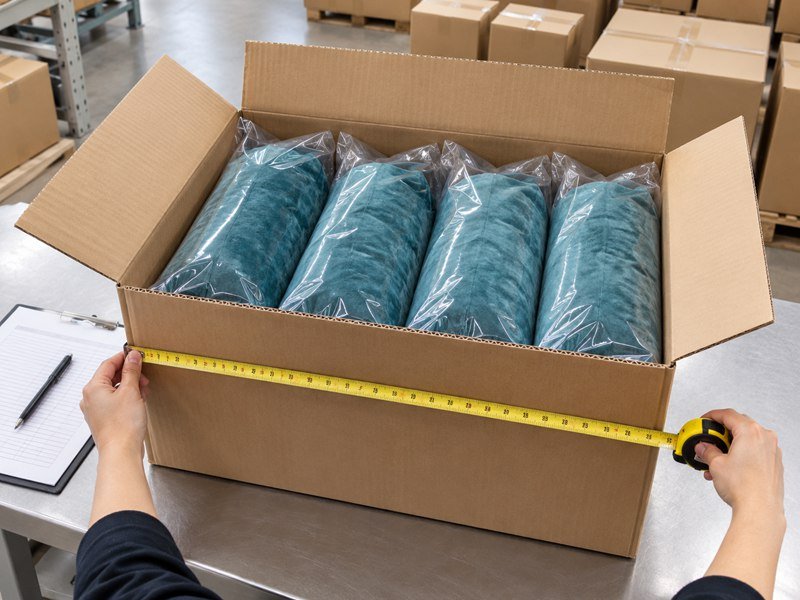
Unit pack, carton dimensions, pieces per carton, compression level, barcode and handling marks are finalized together. For plush pillows, carton cube can influence landed cost as strongly as unit manufacturing, so pack-out decisions should be made before production completion.

Certificates, Compliance & Quality Assurance

Ewintoys follows structured quality and compliance practices for custom plush production. We hold relevant certifications and support additional testing, inspection, and compliance documentation based on specific product requirements and destination markets, helping brands meet different international standards with confidence.

Compliance Planning Starts With Market Age And Use

Testing cannot be selected from the product name alone; intended use, age grade, materials, components, labels and target market define the route.

Classify The Product Before Selecting The Test Route

A character-shaped pillow may be marketed as a children’s toy, a decorative lifestyle product, a licensed collectible or a soft home item. The regulatory path can therefore change even when two products look similar. Ewin begins compliance planning by recording the target market, intended age, use scenario, materials, accessories, removable parts, labels, packaging and any retailer manual. The engineering team can then identify design risks early, such as small detachable elements, hard zippers, long cords, accessible inserts or decoration systems that require additional review. Internal physical or process checks support development, while chemical or regulatory testing can be arranged with qualified third-party laboratories when the project requires it. The important control is version mapping: the sample sent for testing should match the material, construction and accessory definition intended for production. Compliance inputs should appear in the project brief early enough to influence design, material and component choices rather than becoming a final shipping check.

United States Programs Need Product-Specific Review

For products that fall within U.S. toy or children’s product requirements, the project may need to consider ASTM F963, CPSIA-related requirements, applicable lead or phthalate rules, third-party testing and Children’s Product Certificate documentation based on the final product category and age grade. A pillow sold only as adult home décor may follow a different route. Ewin therefore avoids using a blanket ‘all products are certified’ statement. Instead, the development brief identifies the target market and intended user before the test plan is frozen. Material substitutions, new accessories or a changed age claim can trigger a new review because compliance attaches to the specific product version rather than the factory name alone. Retailer-specific manuals, warning labels, tracking information and packaging rules should also be included before mass-production release. Test reports and certificates should be stored with the relevant product revision so later material or construction changes can trigger an informed re-review.
European And Multi-Market Programs Need Separate Inputs

For EU programs marketed as toys, EN 71 and the applicable toy-safety regulatory framework may form part of the test and documentation route, while REACH-related chemical restrictions can also affect materials and components. Other markets have their own requirements, so one test report should not automatically be treated as universal coverage. Ewin’s project approach is to connect market, age grade, product risks, materials, components, label content and packaging before testing. Where several countries share one SKU, the compliance file should record which requirements are common and which labels or tests are market-specific. If a brand supplies a retailer vendor manual, it should be reviewed alongside the legal requirements rather than after the packaging is already printed. Final compliance claims should always remain tied to the tested version and its supporting documents. Multi-market programs benefit from a simple compliance matrix that separates shared construction requirements from market-specific labels, warnings or documentation.

MOQ Cost And Lead Time Depend On Product Definition

Commercial evaluation often begins around 500 pcs/style, while effective quantity, price and timing move with materials, SKUs, decoration, packaging and testing.

Project DriverMOQ EffectCost EffectTiming Effect
Pillow size and fill volumeUsually limited more by production economics than material aloneMore fabric, fill and carton cube increase unit and landed costLarger formats require more filling, handling and pack-out validation
Stock vs custom fabricStock colors can support a lower starting quantity; custom dye may set a higher material minimumSpecial pile, GSM or color increases material commitmentCustom dye or special texture can add material lead time
Decoration methodComplex print or embroidery setup can influence economic quantityStitch count, color count, print coverage and registration add costArtwork approval and trial runs add development steps
SKU and color countSplitting one order across many designs reduces volume per SKUMore versions increase setup, sorting and packaging managementMulti-SKU approvals can extend the critical path
Accessories and removable partsCustom zippers, inserts or hardware may carry separate supplier MOQsAdditional components and assembly add material and laborLong-lead accessories can become the schedule bottleneck
Packaging routePrinted boxes or custom inserts often have their own minimumsRetail packs can add significant unit and dimensional costPackaging artwork, sampling and print production add milestones
Market and testingTesting does not always change production MOQ, but it can influence pilot quantity and sample needsLab, documentation and market-specific labels add project costTesting should be scheduled before bulk release, not after completion
Launch dateA fixed launch does not lower MOQ by itselfRush changes can increase material, labor or freight costTimeline is reviewed against approvals, materials, production slot and destination

Plush Pillow Program Examples

United States Character Merchandise Program - 3,200 Pieces

A U.S. entertainment merchandise program planned a 45 cm character-shaped pillow for specialty retail. The input package contained approved front artwork, brand colors and a launch window, but no finished side profile or filling specification. Development first corrected the silhouette around the ears and cheek area, then converted the face into embroidery coordinates tied to the released pattern. Crystal super soft was reviewed for the main body because the short pile preserved facial details while maintaining a soft hand feel. The prototype process focused on thickness and fill distribution before thread-color fine tuning. Retail packaging used a branded belly band with barcode information, avoiding a bulky box. The final production package connected Golden Sample, BOM, released pattern, embroidery file, filling reference and pack-out so the 3,200-piece run could be inspected against one consistent baseline. The same reference package also supported reorder discussion because any future artwork or material change could be compared against a known approved version.

Germany Lifestyle Retail Collection - 4,500 Pieces Across Three SKUs

A German lifestyle retailer evaluated three coordinated plush pillows at 1,500 pieces per design, using one shared material family and different printed graphics. The commercial challenge was keeping the collection visually consistent without creating unnecessary material and packaging minimums for each SKU. Development standardized the finished thickness and core fabric, then separated artwork, color and label references by design. Digital printing trials were completed on the intended bulk base fabric so scale, color and panel registration could be approved before cutting. A shared retail pack format reduced packaging variation while SKU barcodes remained separate. Compression was reviewed because carton volume had a major freight impact at the planned 40-50 cm sizes. The program structure demonstrates how shared materials and pack architecture can improve multi-SKU efficiency without mixing artwork or version control. It also keeps color and packaging changes visible when the collection is repeated in a later season.

Australia Destination Gift Program - 2,400 Pieces

An Australian destination-gift concept used a 55 cm animal hugging pillow with a soft long-pile body, embroidered facial features and a story label. The main risks were facial details disappearing into the pile, uneven filling across the long body and excessive compression flattening the ears. The development route created a shorter-pile face zone for clearer embroidery while retaining the softer outer texture on the body. Fill distribution was reviewed by section so the center stayed supportive without making the edges too hard. Packaging trials compared a standard loose bag with controlled compression, and the pack-out was selected around recovery rather than carton reduction alone. The 2,400-piece representative program illustrates how material zoning, filling reference and packaging recovery can be treated as one engineering problem instead of three separate purchasing decisions. The same method is useful whenever a large soft product must balance premium hand feel with carton efficiency and reliable shape recovery.

Frequently Asked Questions About Custom Plush Pilows

Commercial evaluation commonly starts around 500 pieces per style. Effective MOQ changes with custom fabric, printed packaging, accessories, SKU split and production setup, so final quantity is reviewed against the actual specification.

Plush pillow projects commonly fall around 30-70 cm. Smaller or larger formats are possible after structure, fill volume, packaging and shipping are reviewed against the intended use.

Standard prototypes are internally planned around 5-7 working days and character/IP structures around 7-12 days when key inputs and materials are ready. Complex structures can require longer development.
Yes. Projects can begin from sketches, 2D artwork, character sheets, 3D renders, AI concepts, reference products or physical samples. Development converts those inputs into pattern, material, filling and manufacturing specifications.

Smooth short-pile polyester, Velboa, fleece and selected Minky routes often support clearer printing. The best choice depends on print method, color, stretch, pile direction, hand feel and required edge definition.

Some structures can be compressed, but recovery must be validated. Long pile, piping, raised details, internal inserts and very firm filling can react differently, so pack-out is approved before bulk shipment.
Bulk release is tied to the approved Golden Sample, frozen BOM, released pattern, current decoration files, filling reference and packaging specification, with process and final QC checking the same product definition.
Yes. The project team can review target market, age grade, materials, components, labels and test inputs, then coordinate applicable internal checks and qualified third-party testing without making blanket pass guarantees.

Share artwork or reference images, finished size, quantity and SKU count, target market, preferred hand feel, decoration method, packaging needs and required delivery timing. These inputs improve feasibility and cost accuracy.
Send

Send Your Plush Pillow Brief For Engineering Review

Send Ewin Toys the information already available; a finished tech pack is not required for the first review. Our team can use artwork, character sheets, logo files, reference products or physical samples to define the development route. The more clearly size, quantity, market and merchandising use are stated, the faster we can identify pattern, material, filling, decoration, packaging and testing decisions that need to be closed before sampling. For an initial review, include:
  • Artwork, sketch or reference photos
  • Finished size and preferred thickness
  • Quantity, SKU count and target market
  • Material, hand-feel or filling preference
  • Logo, print or embroidery requirements
  • Packaging format and required delivery timing

Start Your Custom Plush Project

We will contact you within 24 Hours, please pay attention to the email with the suffix“@ewintoys.com”. 

# Confidential project? NDA requirements can be discussed before sensitive files are shared.