
Custom Vinyl Face Plush Manufacturer for Hybrid Character Collectibles
Ewin Toys helps brands develop vinyl-face plush that combine sculpted character definition with soft, comfortable plush bodies. With 20+ years of plush manufacturing experience, our team supports character interpretation, face-to-body structure planning, prototype refinement and controlled production for collectible, licensed and retail programs.
60+ Development Specialists | Vinyl Face & Plush Body Integration | Face Attachment Engineering | Color & Expression Control | Hybrid Structure Development

Built for Brands Managing Character, Collectible, and Retail Programs
IP And Licensing Teams
Toy And Collectible Brands
Game And Animation Merchandising
Retail And Private Label Programs
Designer And Kidult Brands
Multi-SKU Program Teams
Vinyl Face Plush Styles for Different Character Programs


Classic Vinyl Face Doll
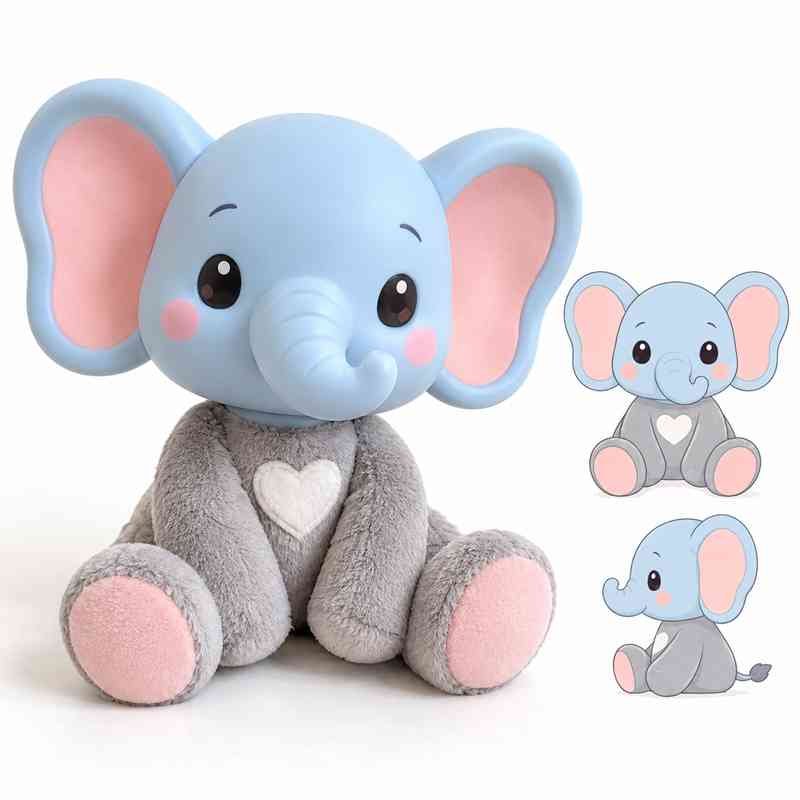
Full Vinyl Head Plush
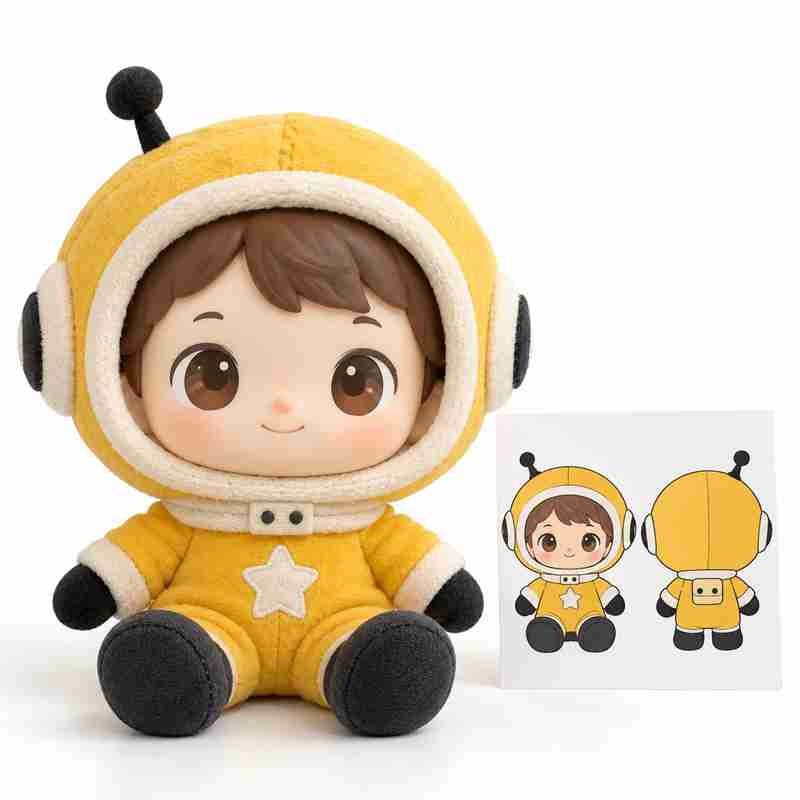
Chibi Character Plush

Anime Character Hybrid
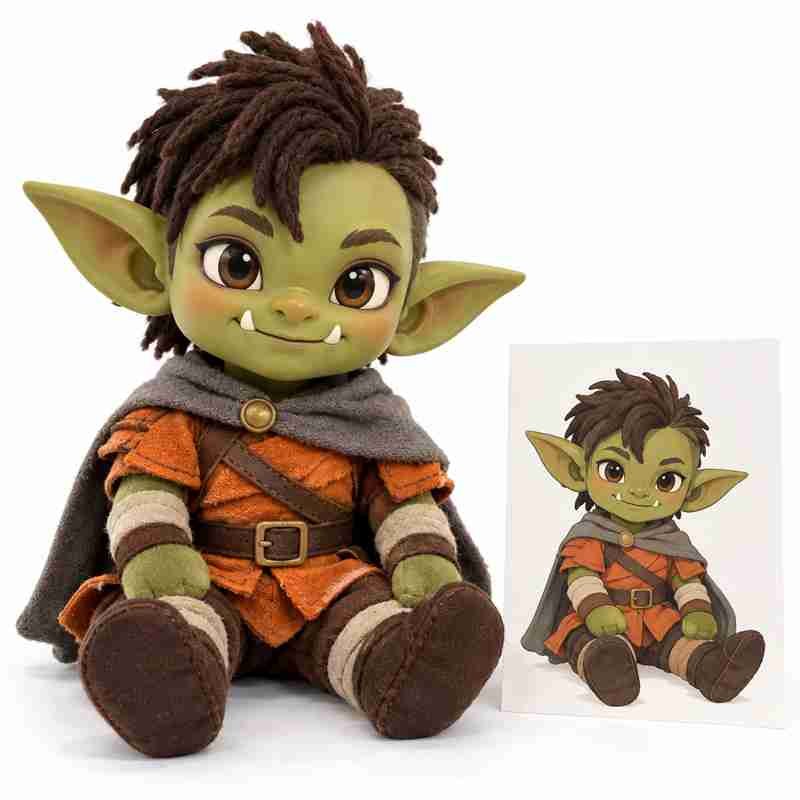
Game Character Plush
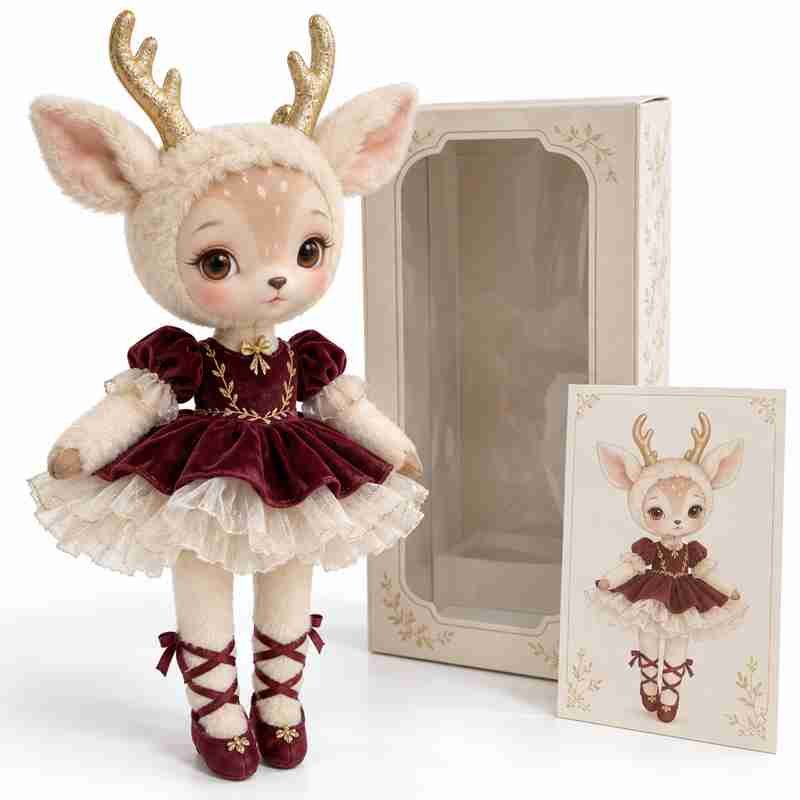
Collectible Vinyl Plush
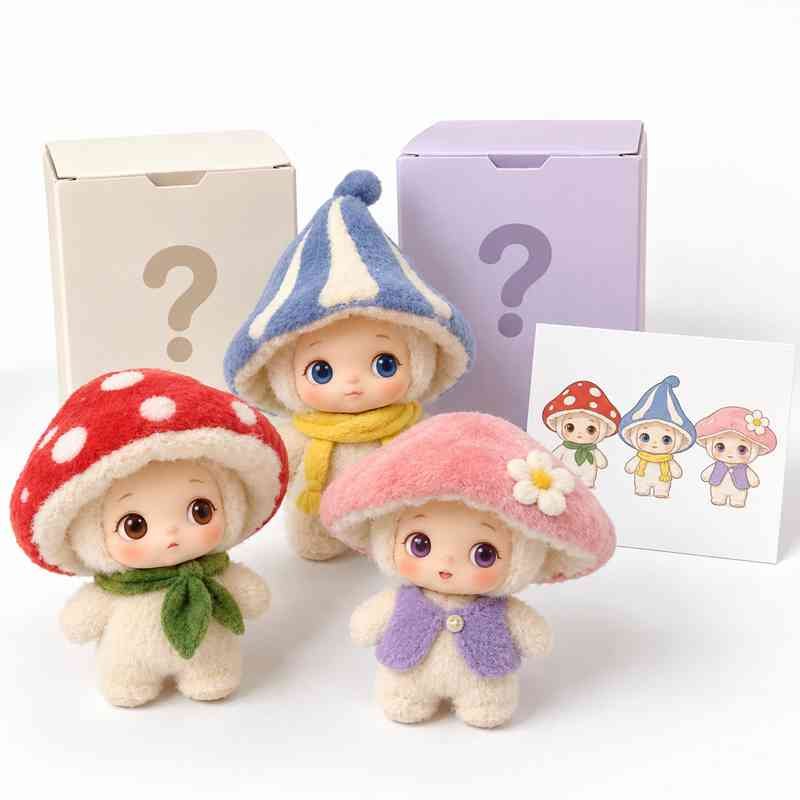
Blind Box Vinyl Plush

Designer Art Plush
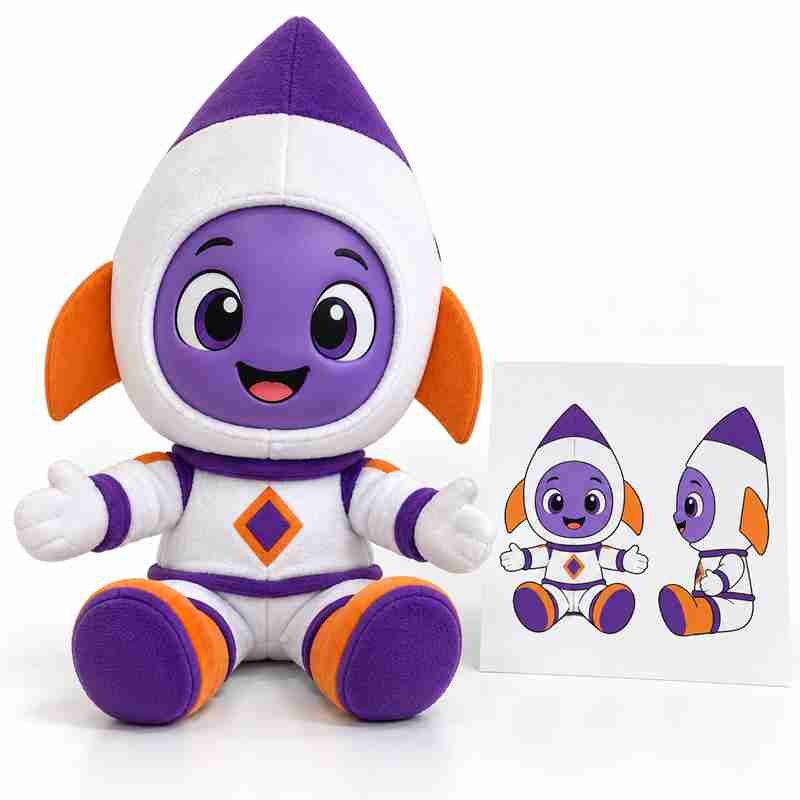
Mascot Vinyl Plush
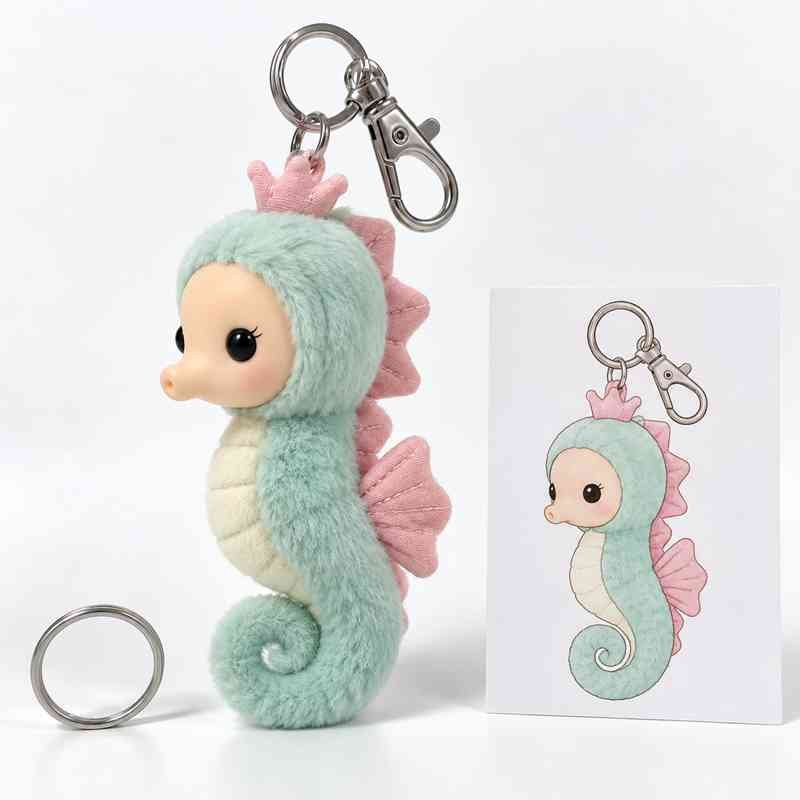
Vinyl Face Pendant
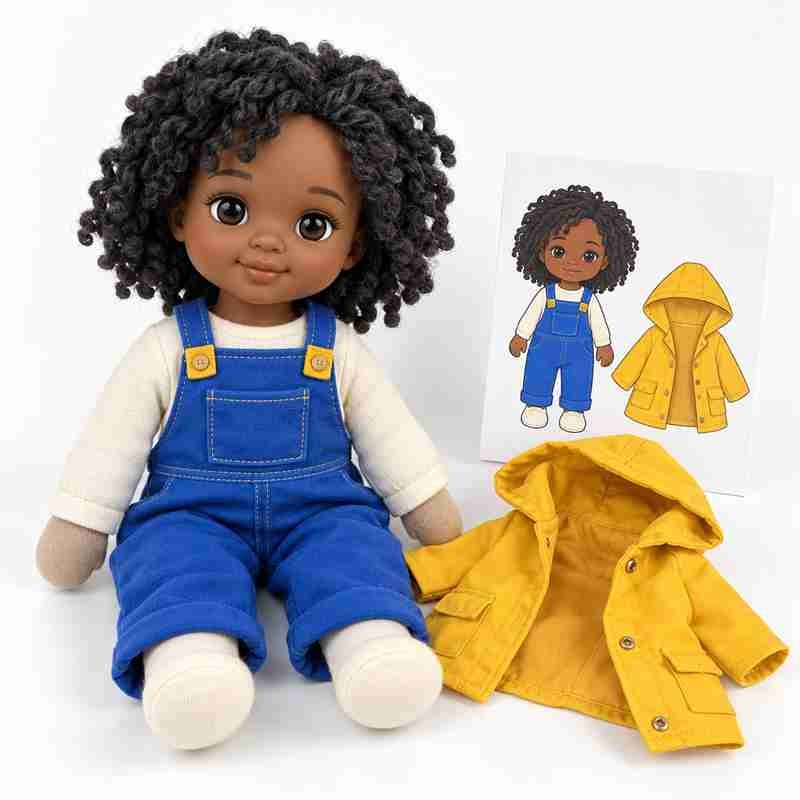
Costumed Vinyl Doll

Licensed Retail Series
Choose the Right Face Construction Before Tooling Starts
| Construction Route | Best For | Facial Definition | Tooling Impact | Softness | Key Engineering Focus | Commercial Effect |
| All-Plush Face | Soft toys, baby-style characters, simple expressions | Low to medium | Usually no face mold | Highest | Pattern, embroidery, pile, stuffing | Lower tooling pressure; material and sewing MOQ still apply |
| Vinyl Face + Plush Head/Body | Collectibles, anime, game, mascot, designer characters | High | Custom face tooling usually required | Soft body with firm face area | Face geometry, flange/retention, edge coverage, alignment | Tooling and face component minimums affect effective MOQ |
| Full Vinyl Head + Plush Body | Highly sculpted character heads, premium collectibles | Very high | Larger or more complex tooling | Soft body, firm head | Neck support, weight, joint/attachment, packaging protection | Higher tooling, finish, assembly, and freight sensitivity |
Turn Character Artwork Into Controlled Molded Face Geometry
Extract Character DNA Before Sculpting the Face
A front-view illustration can hide the decisions that control how a face reads in three dimensions. Development starts by identifying non-negotiable recognition points: face width and height, eye spacing, eye angle, brow position, nose and mouth volume, cheek shape, forehead curve, chin, side profile, and the visual relationship between face and hair. A character sheet or three-view drawing gives stronger information because thickness, side contour, and back-of-head assumptions become easier to define.
For stylized IP, not every line on artwork should become a raised or recessed molded feature. Some lines work better as pad print, screen print, paint, textile overlay, embroidery, or hair coverage. Separating sculpted geometry from surface graphics keeps the face cleaner and makes later revisions easier to control.
Keep Facial Fidelity Connected to Manufacturing Reality
Sculpt quality alone does not guarantee a successful plush product. Face angle must work with head thickness, neck position, plush pattern, filling pressure, hair or hood coverage, and the final viewing angle on shelf. A face that looks correct as a standalone 3D model can feel too flat, too heavy, or incorrectly positioned after sewing and stuffing.
Development therefore checks the face together with the soft head and body. Sensitive dimensions become measurable references for sample revision rather than subjective comments such as “make it cuter.” Once approved, the face geometry, artwork files, colors, component orientation, soft pattern, and assembly position should point to the same revision before production tooling and bulk integration continue.
Engineer the Soft-Hard Interface Before Mass Assembly
Define How the Molded Face Is Retained
A vinyl face should not be treated as a decorative piece attached after the plush head is finished. The soft pattern needs a defined receiving area, while the molded component needs a compatible retention feature such as a flange, slot, covered edge, internal support zone, insert, or another approved structure. The selected method depends on face size, wall geometry, product age grade, plush thickness, assembly access, and the amount of force the finished product may experience.
Development should also consider how operators position the part during assembly. A structure that relies on visual guessing can create left-right variation, uneven edge coverage, or inconsistent face angle. Clear locator geometry, stitching references, internal supports, fixtures, or controlled assembly marks help move the connection from a craft operation toward a repeatable production step.
Control Tension, Alignment, and Edge Coverage Together
Soft fabric stretches; molded parts do not. Excess textile tension can distort head shape or pull the face off angle, while insufficient tension can create gaps, wrinkles, exposed edges, or loose appearance. Stuffing pressure also changes the contact between the shell, fabric, and internal support. Face position therefore needs to be checked after sewing and after final filling, not only before stuffing.
Critical checkpoints can include left-right center alignment, vertical angle, exposed-edge condition, gap size, surrounding fabric tension, head symmetry, retention security, and final expression. When the interface is approved, the soft pattern, face component revision, filling reference, and assembly instructions should be frozen together so later material substitution or pattern changes do not quietly alter the fit.
Material Choices That Support Face Definition and Soft Structure
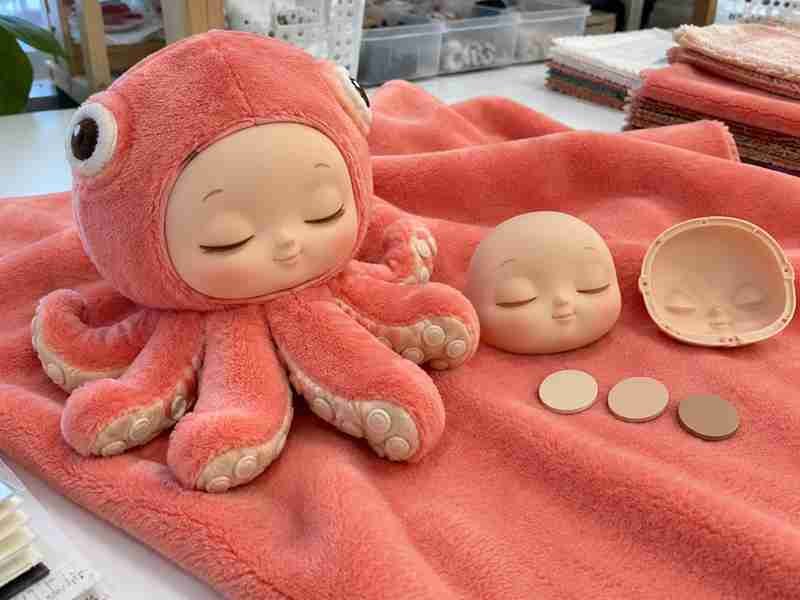
Molded Face Material
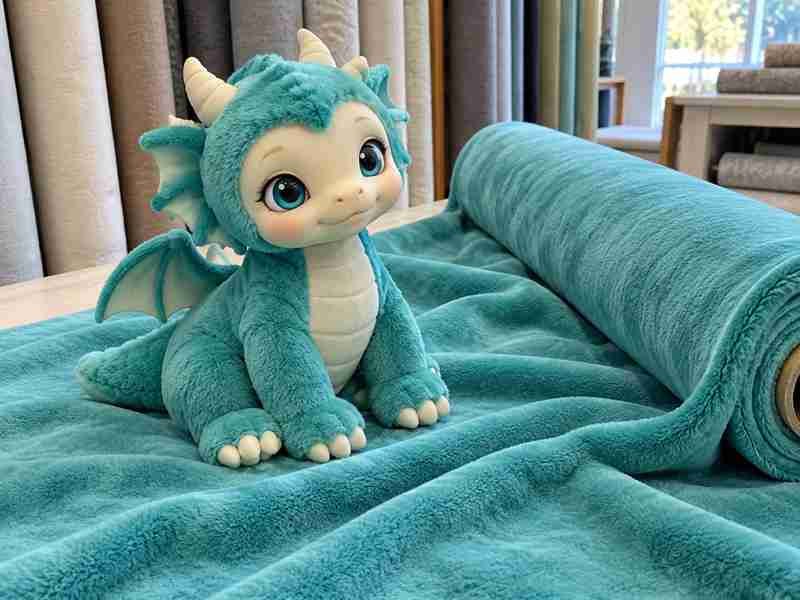
Short-Pile Minky

Velboa And Short Plush
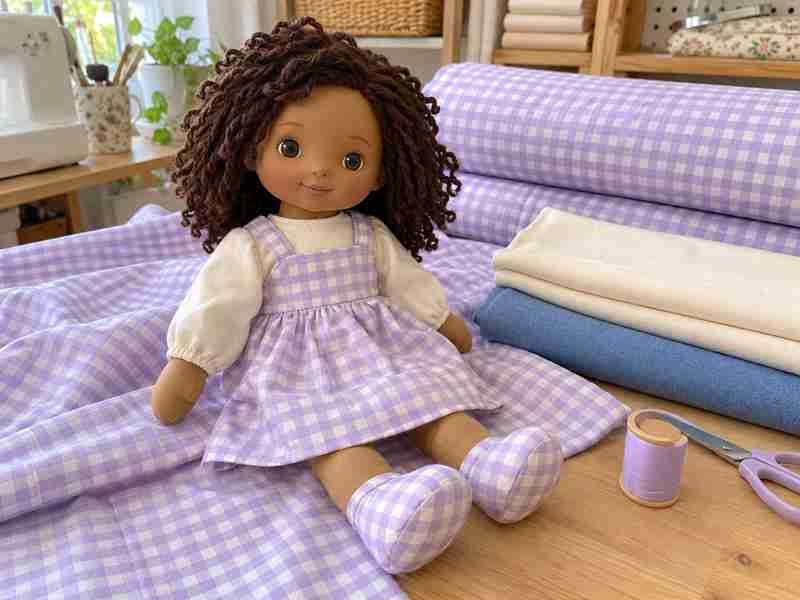
Clothing Fabrics
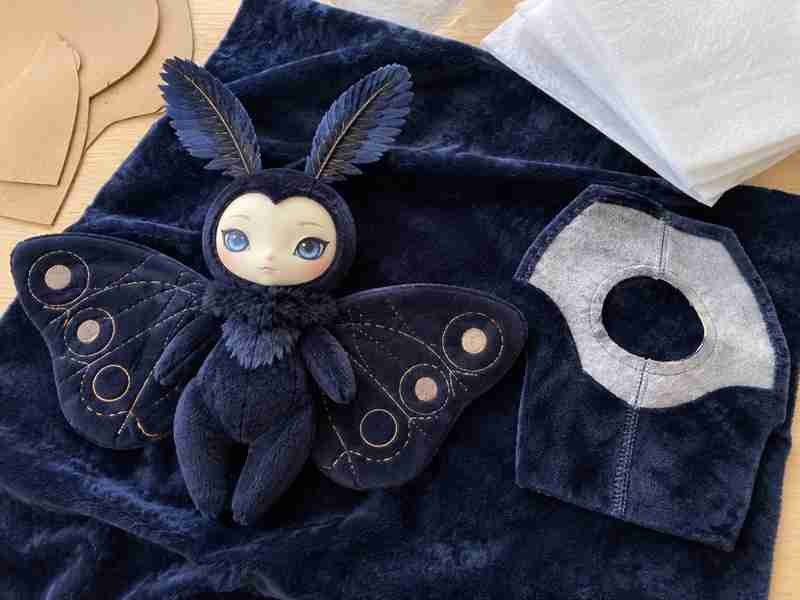
Structural Backing Materials

Filling And Support
Components and Accessories Must Work as One Product System

Molded Face Shell
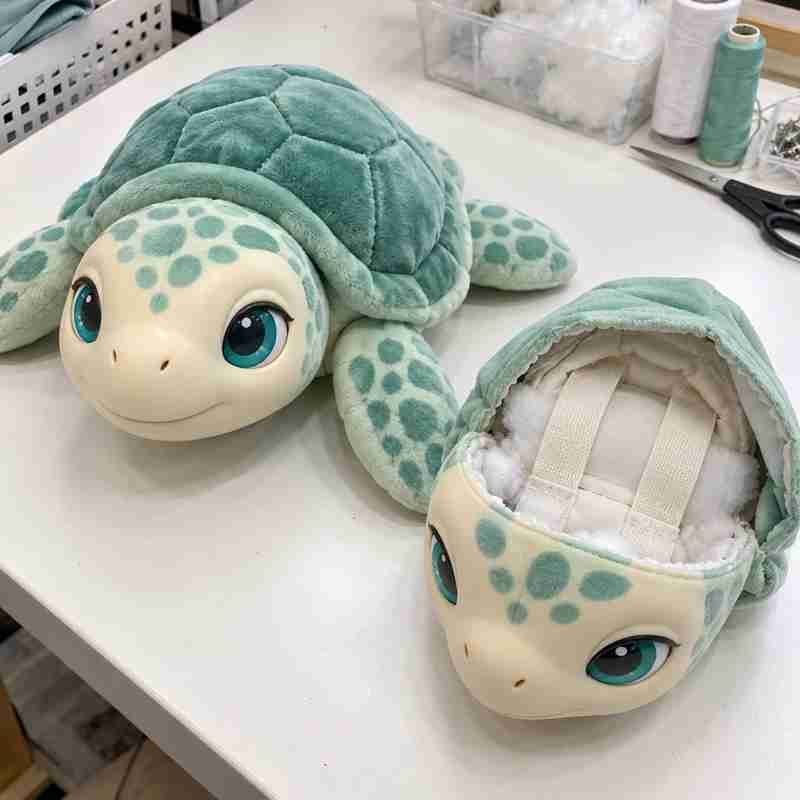
Internal Retention Insert

Reinforcement Layers

Hair And Headpieces

Costume Accessories

Hanging Hardware
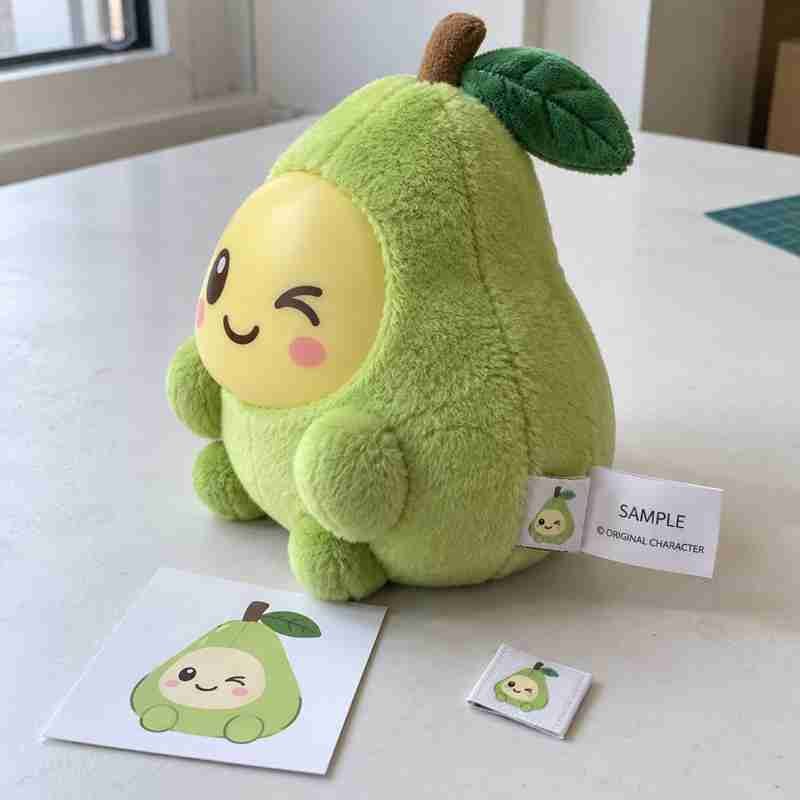
Labels And Copyright Marks
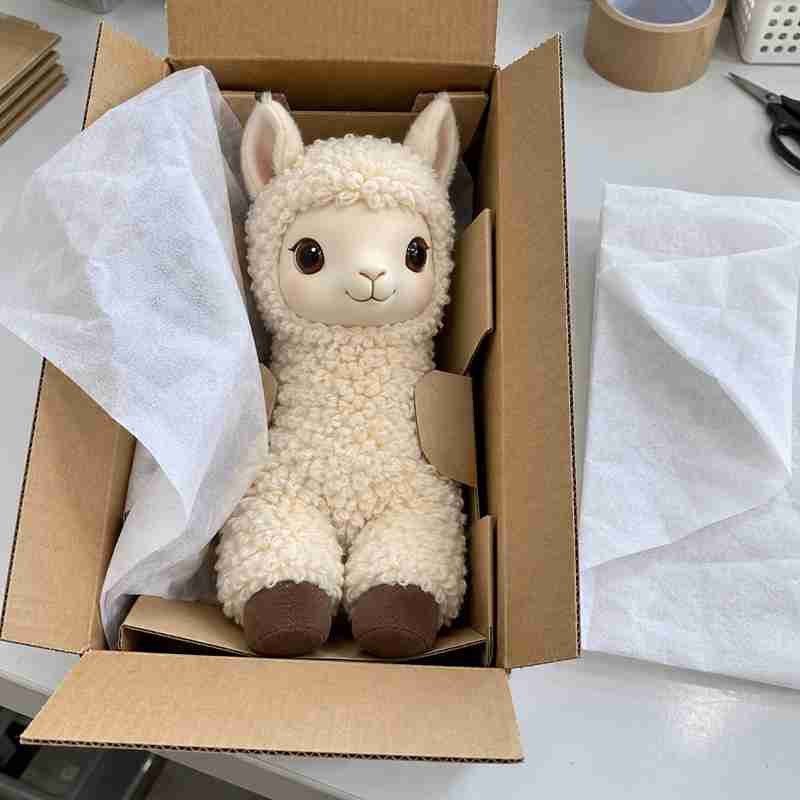
Protective Face Contact Parts
Branding and Decoration Across Vinyl and Textile Areas
Embroidery
Screen Printing
Digital Or Transfer Print
Pad Printing
Spray And Painted Finish
Woven Labels And Hangtags
Development, Pattern Making, and Tooling Must Advance Together
Start With the Strongest Design Input Available
Development can begin from a sketch, 2D artwork, character sheet, three-view drawing, 3D render, reference product, or physical sample. Three-view or 3D inputs reduce assumptions around side profile, head depth, face angle, and back-of-head structure. When only front artwork exists, the development team identifies missing dimensions and proposes a manufacturable interpretation rather than quietly guessing critical geometry.
For licensing work, mark which visual features are locked by brand approval and which areas may be adapted for manufacturing. That distinction prevents engineering changes from being mistaken for unauthorized character redesign.
Before tooling, the project brief should define intended size, quantity range, number of SKUs, target market, age grade, retail position, face finish, costume needs, packaging route, and target launch timing. These inputs influence face scale, mold approach, material route, attachment method, testing, and commercial feasibility. Early clarity is usually cheaper than correcting a finished mold.
Build the Plush Pattern Around the Final Face Interface
Pattern engineering must account for the face opening, seam allowance, head depth, surrounding fabric stretch, internal support, hair or hood position, neck angle, and final stuffing pressure. Pattern makers may need several shape trials before the textile head holds the intended silhouette around the rigid component.
A physical fit review should use the intended face revision whenever possible. Pattern approval against a temporary shell can be useful for shape work, but final release should confirm the production component because wall thickness, edge geometry, and retention features affect the textile opening.
Key pattern references should not remain only in a maker’s memory. Released panels, seam notes, notches, orientation marks, opening dimensions, reinforcement locations, filling access, and assembly sequence should be controlled by revision. When face geometry changes, the soft pattern must be reviewed again because even a small component change can alter edge coverage, expression, or head balance.
Use Tooling DFM to Reduce Expensive Rework
Tooling review should confirm draft or release needs, wall structure, retention geometry, surface artwork zones, paint or print access, assembly orientation, and the way the molded part will be inspected and protected. A hand sample or 3D-printed reference can be useful before final tooling when geometry is uncertain, but the production mold still needs its own trial and integration review.
Tooling decisions should also consider how the component will be held during printing, painting, inspection, and assembly. Accessible reference points and repeatable orientation reduce fixture complexity and make visual defects easier to identify consistently.
Mold trial results should be assessed together with the textile sample. Fit, color, finish, edge quality, alignment, surface defects, and assembly behavior all matter. Production tooling is only one part of the final product system; approval should happen after the molded part works correctly with the intended plush structure.
Sampling Stages That Reduce Expensive Changes Before Production
Feasibility Review
Shape And Pattern Prototype
Molded Face Trial
Integration Sample V1
Controlled Revision
Golden And PP Release
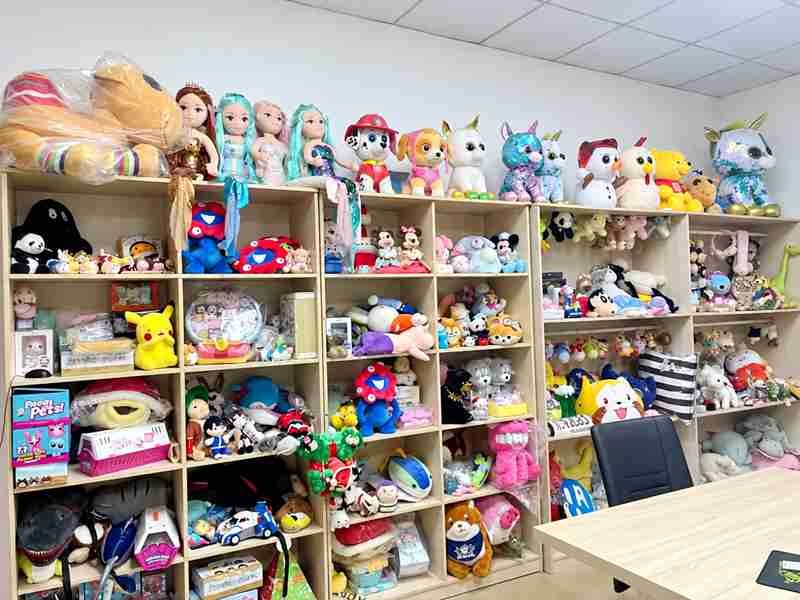
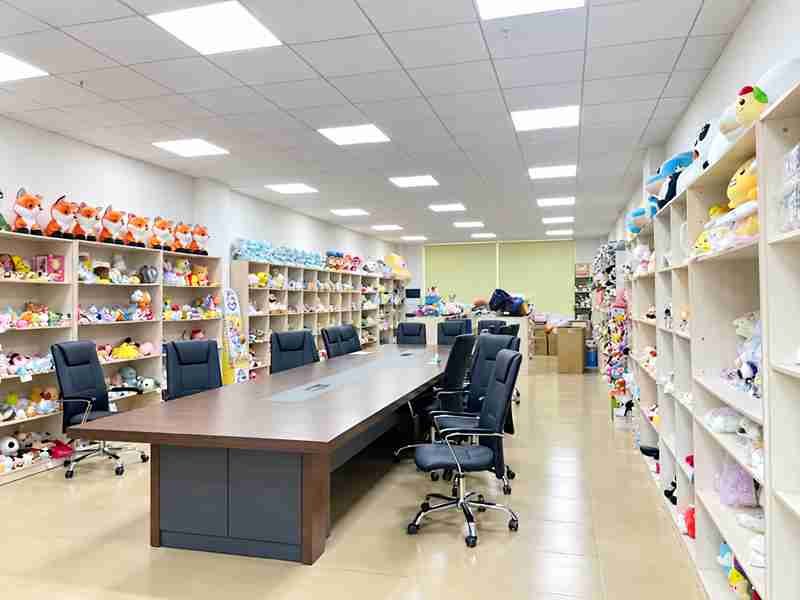
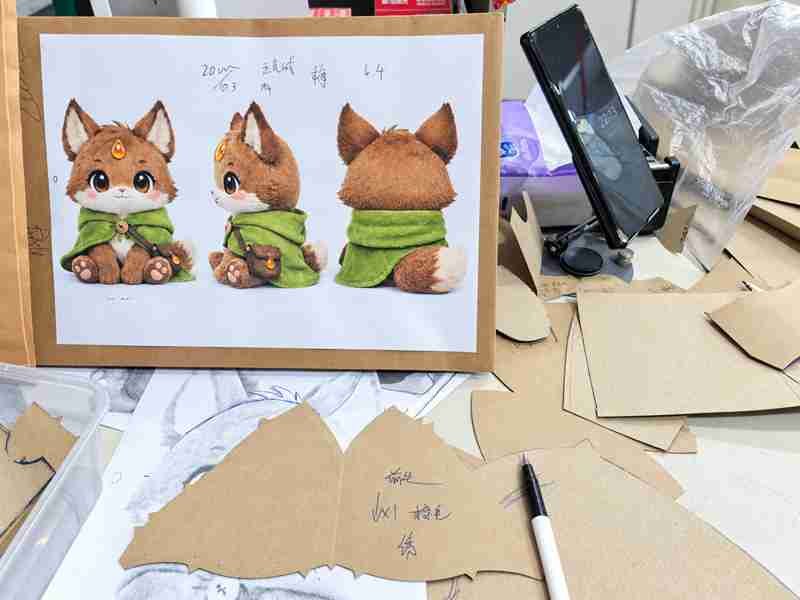
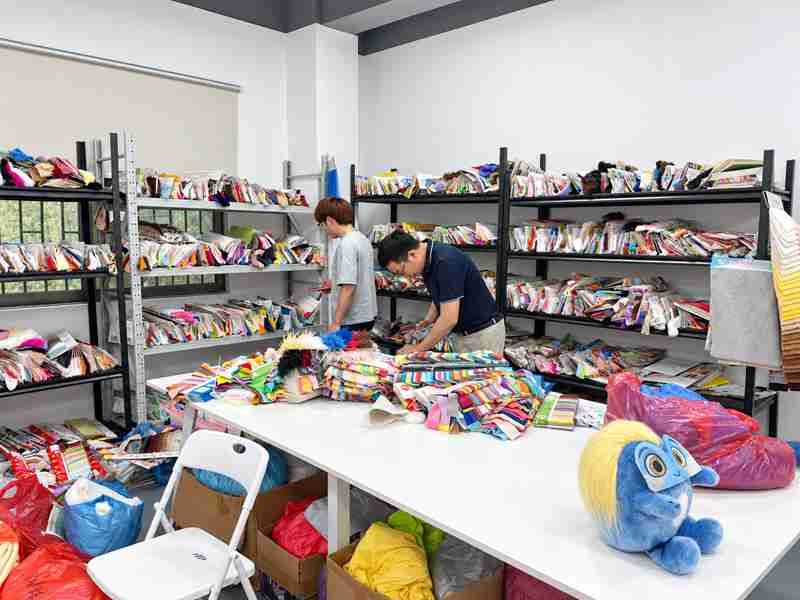
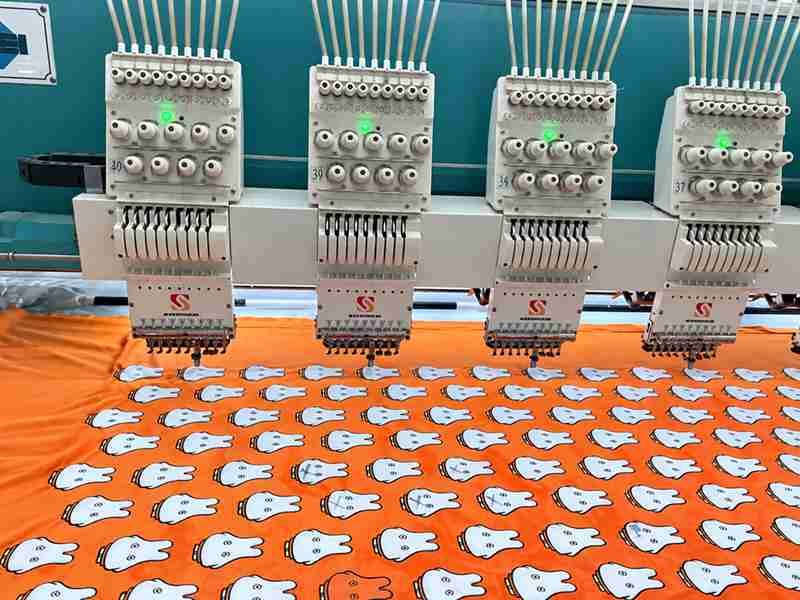
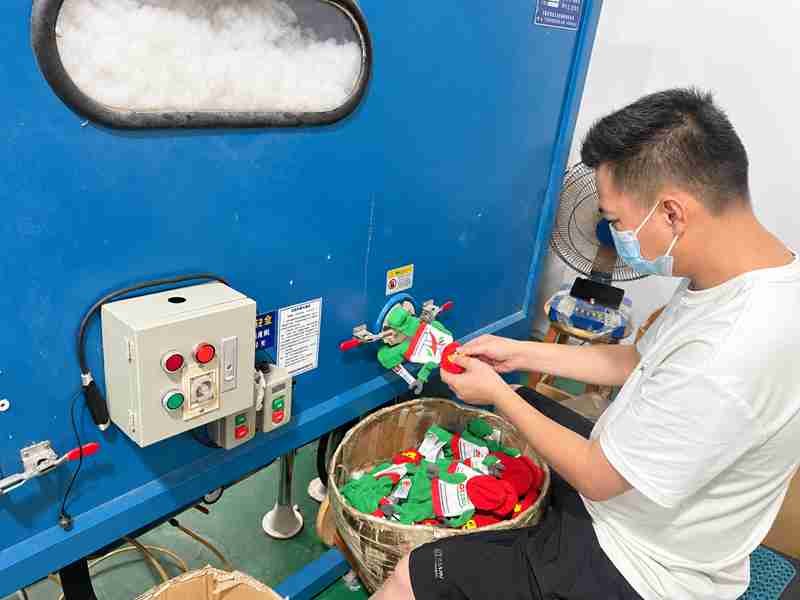
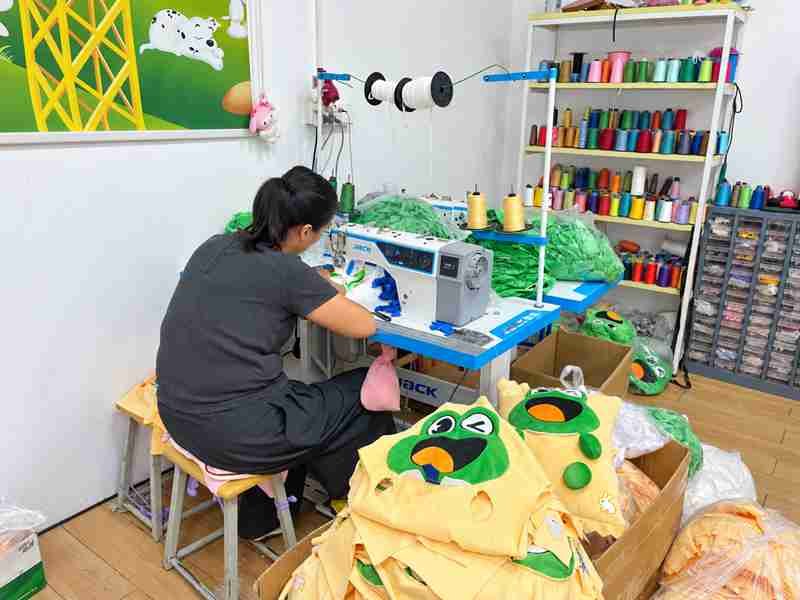
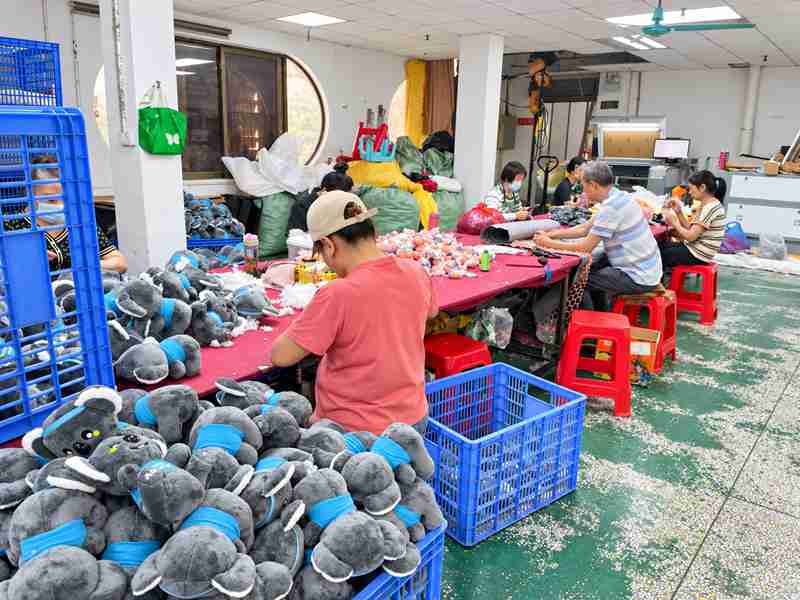
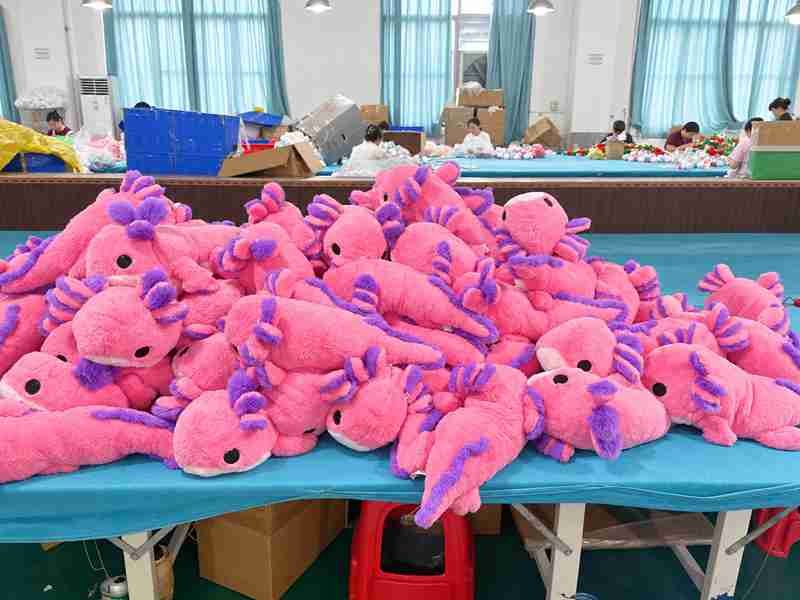
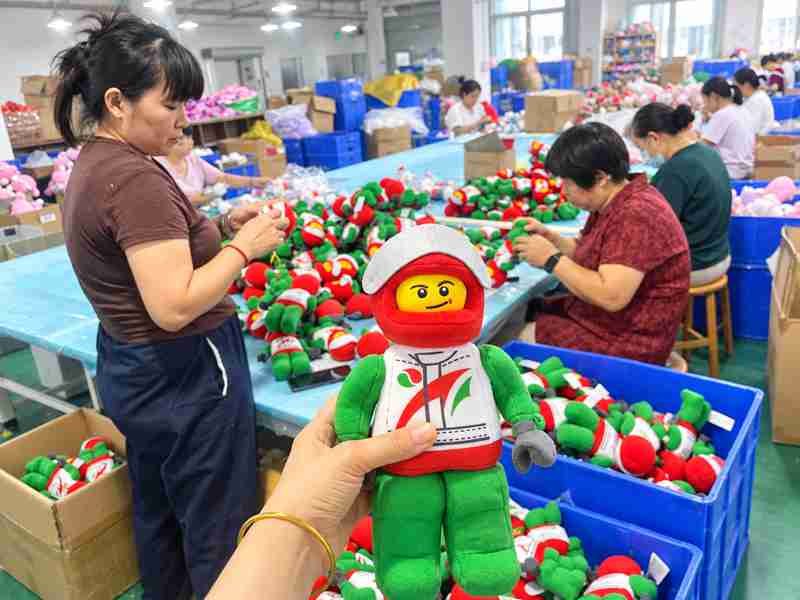
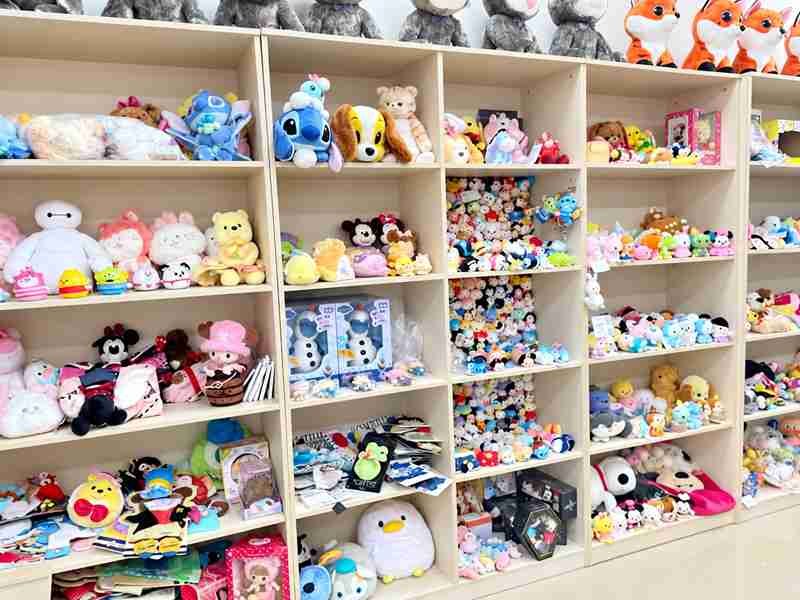
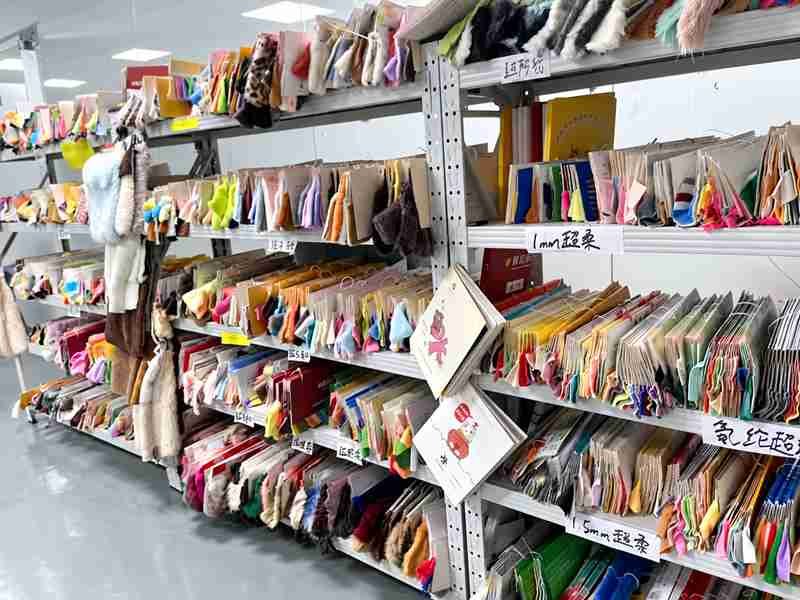
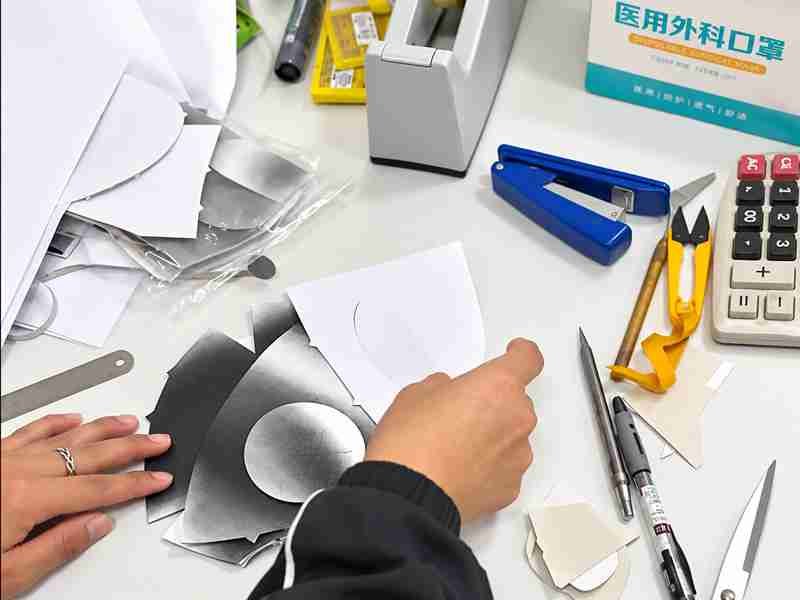
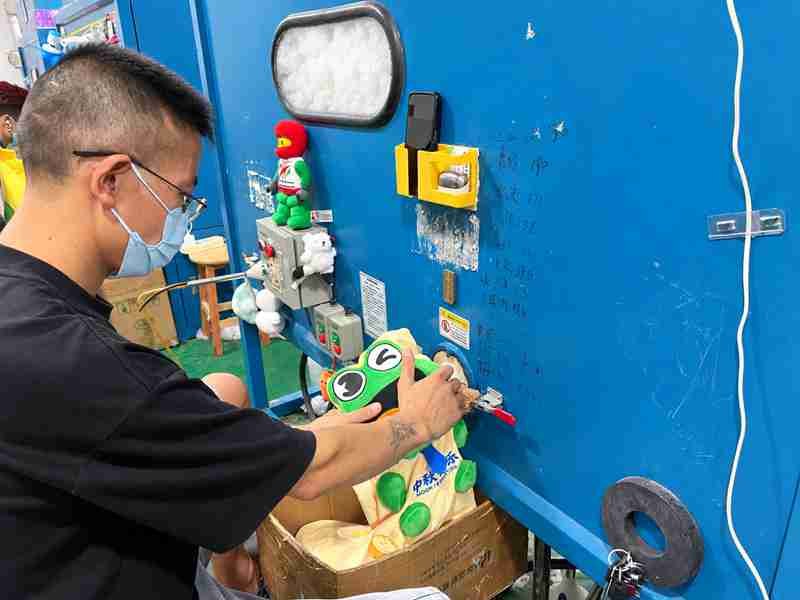
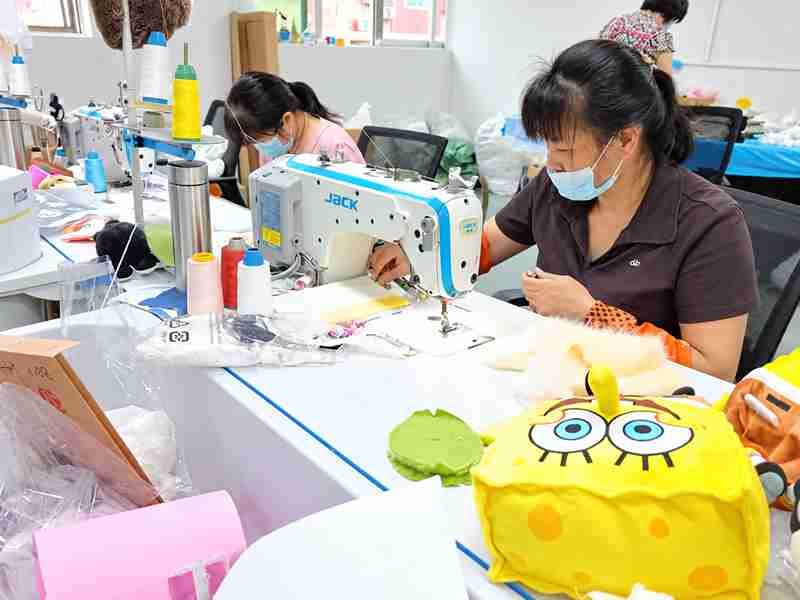
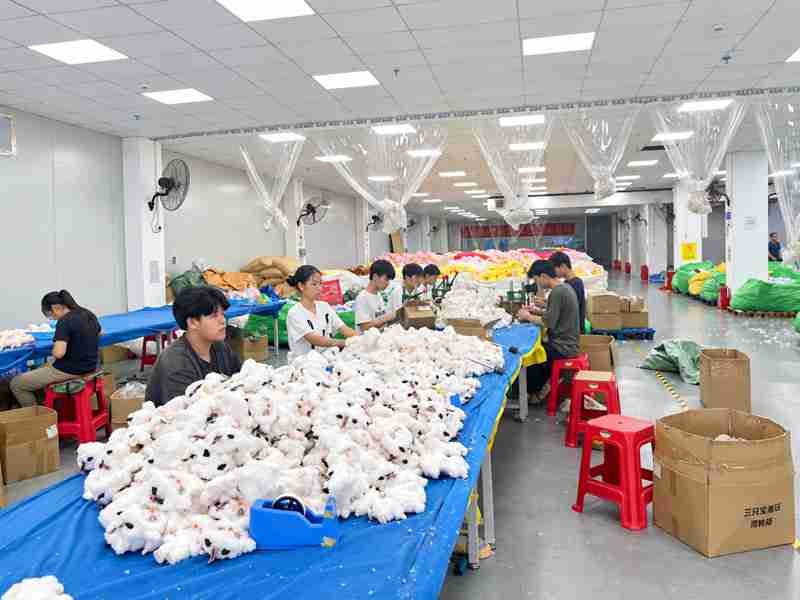
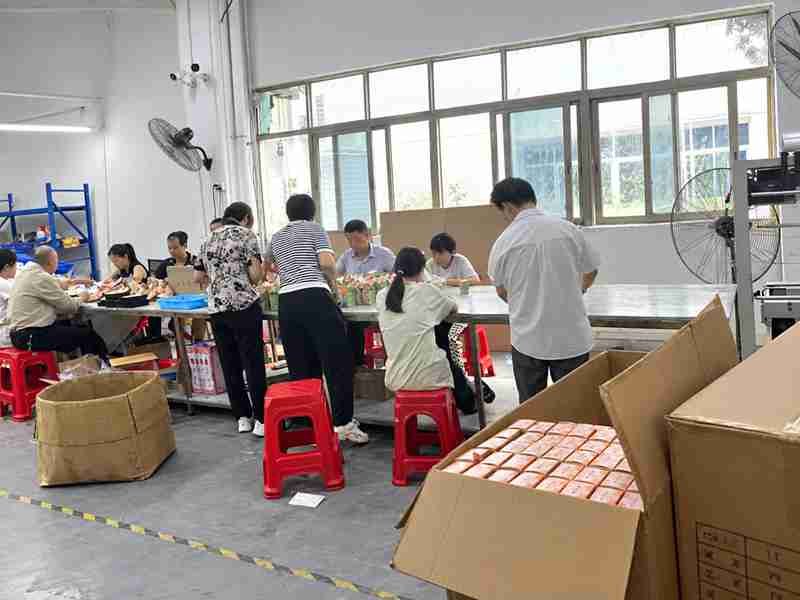
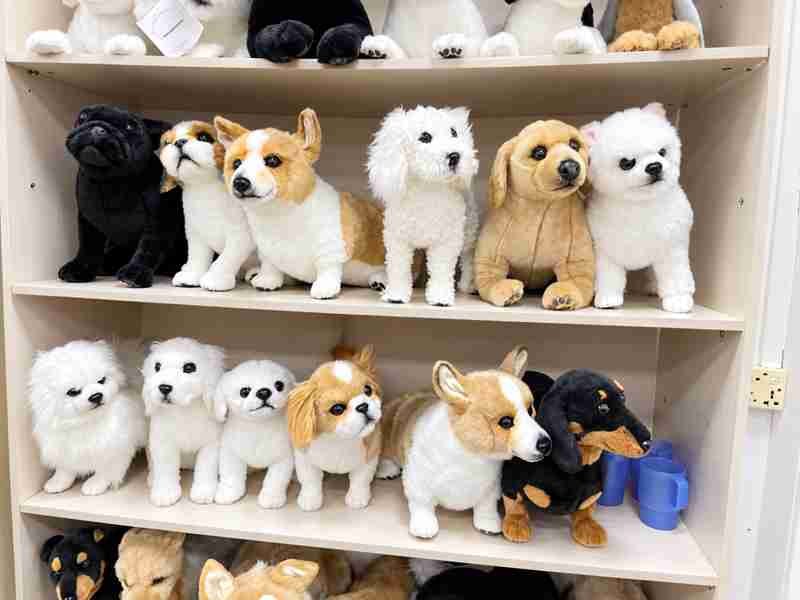
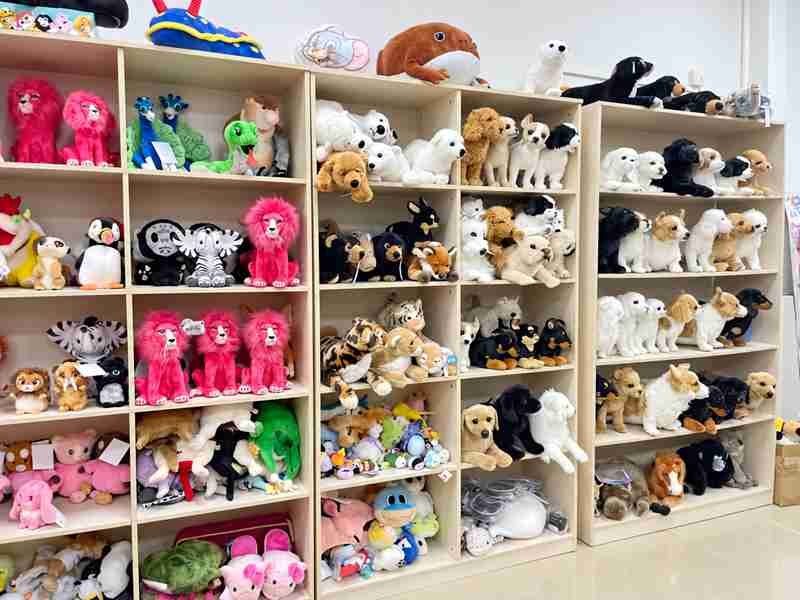
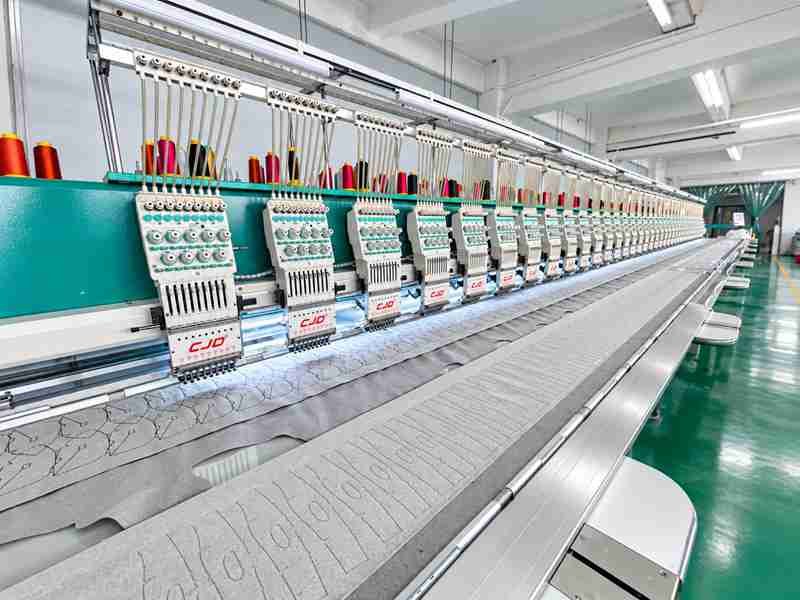
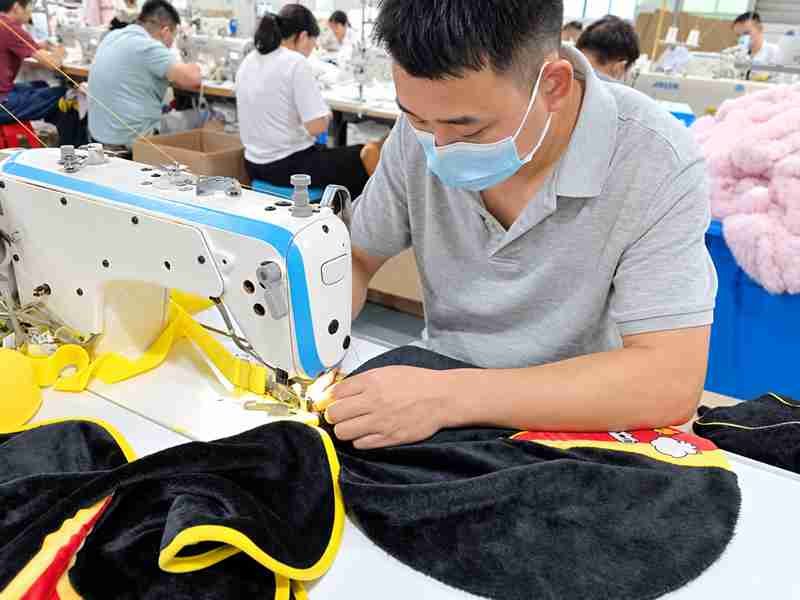
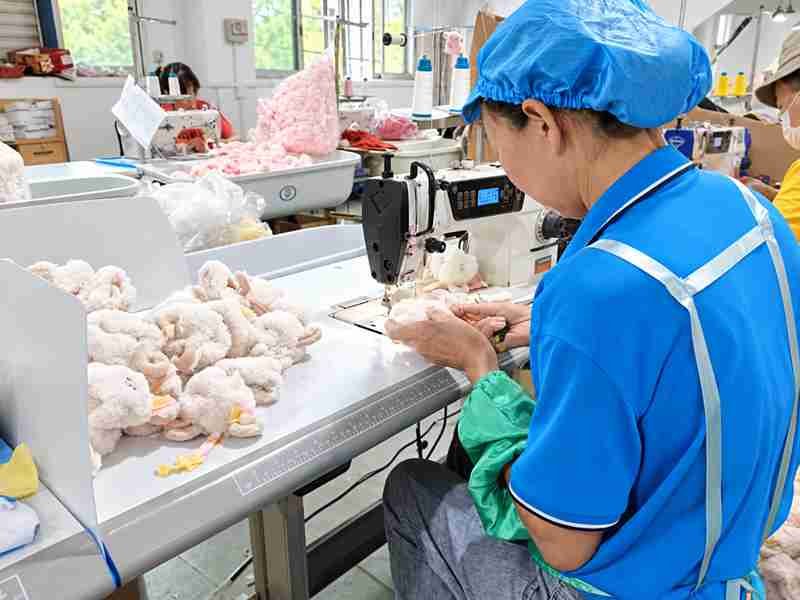
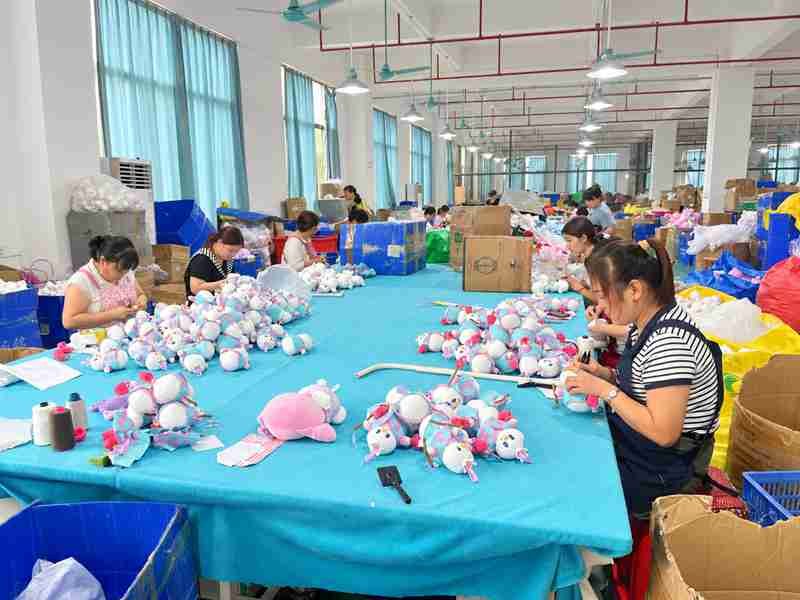
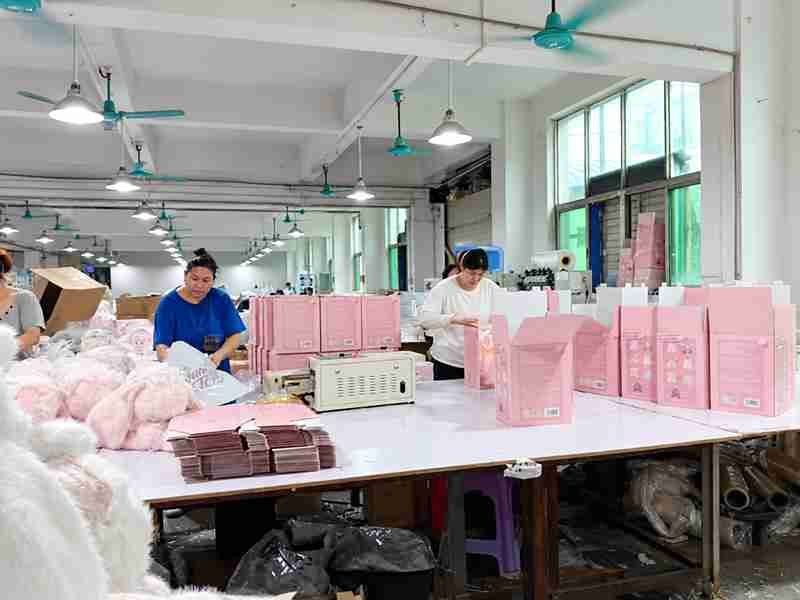
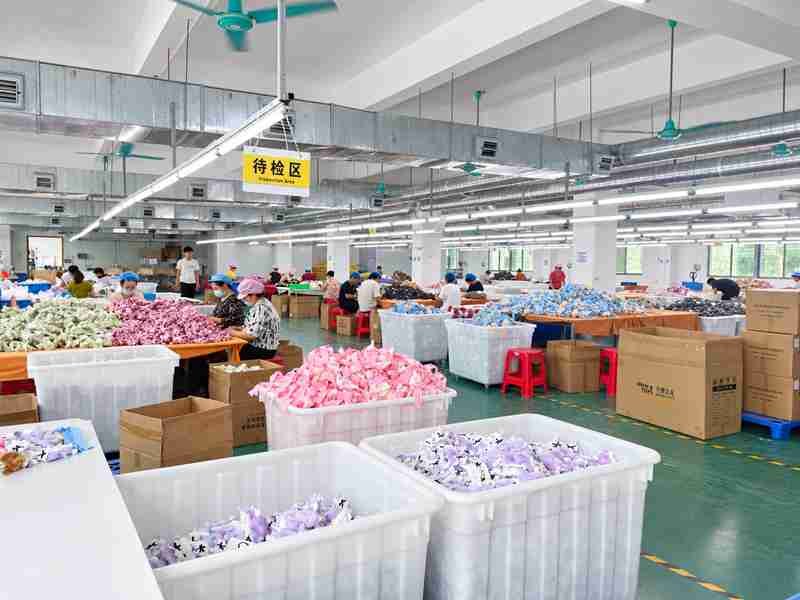
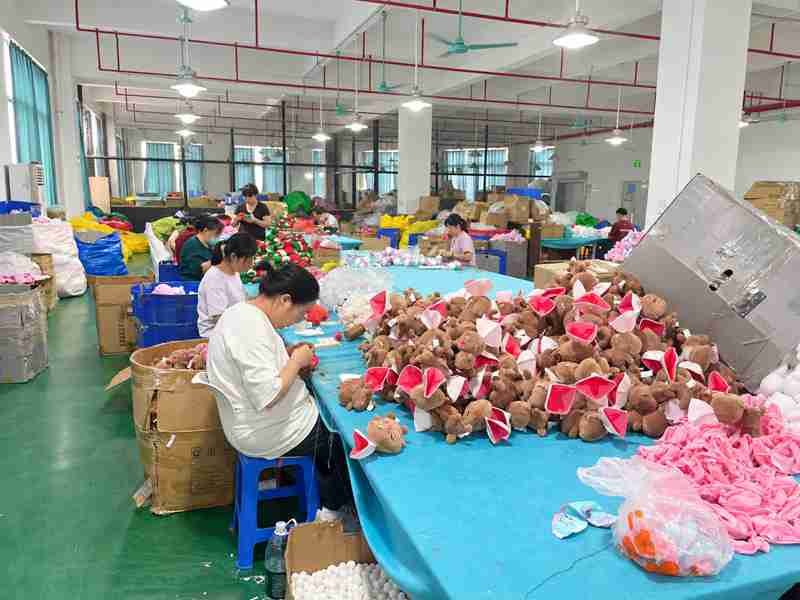
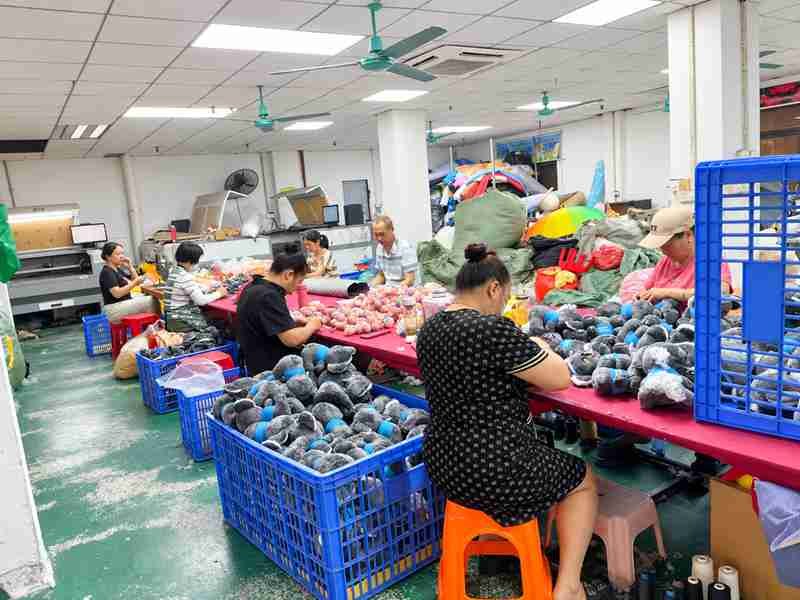
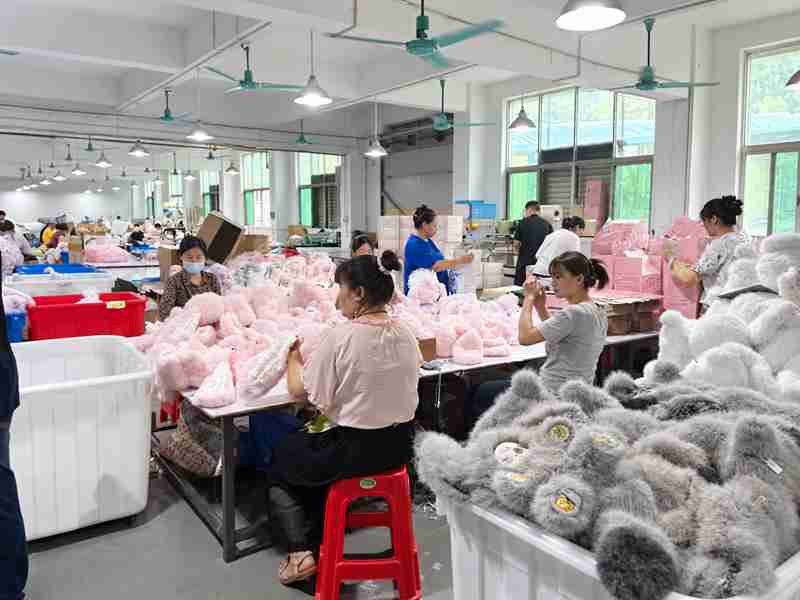
From Prototype to Production: Our Real Plush Factory Show
At Ewintoys, every plush project follows a structured development and production process, from initial design review and pattern making to sampling, mass production, quality inspection, and final delivery. Our real factory images provide a transparent view of how ideas are transformed into high-quality plush products through professional craftsmanship, engineering control, and careful production management.



















































What Changes Tooling Cost, MOQ, and Project Timing
| Cost Or Timing Driver | What Changes | Impact on the Program |
|---|---|---|
| Face Tooling | Face size, geometry, mold structure, number of unique faces | More unique molds increase development investment and approval work |
| Surface Finish | Molded color, spray, pad print, multiple paint masks, special effects | More finish steps increase fixtures, handling, inspection, and appearance risk |
| Quantity Per SKU | Total units and how volume is split across characters | Around 500 pcs/style can be a review starting point; mold and component minimums may require more |
| Plush Construction | Pattern complexity, fabric grade, pile, costume, accessories | More panels and handwork raise sewing time and consistency demands |
| Integration | Retention structure, reinforcement, assembly access, fixture needs | Complex interfaces increase assembly time and process-control needs |
| Packaging | Polybag, protective film, tray, color box, blind box, collector box | Higher protection and presentation raise unit cost, carton volume, and pack-out time |
| Compliance | Target market, age grade, material/component risk, retailer requirements | Testing scope and documentation can change sample sequence and production release timing |
| SKU Count | Face tools, colors, costumes, labels, packaging, barcodes | More SKUs increase approval, BOM, sorting, packaging, and version-control workload |
Production Control Starts From Released Product Definitions
Release Current Files Before Materials Move Into Production
Production should work from the approved product definition: Golden Sample, frozen BOM, released pattern, current face component revision, decoration files, measurements, filling reference, accessories, labels, packaging, and any project-specific QC requirements. Informal comments, “latest” phone photos, or mixed sample versions create avoidable errors when hard and soft components meet on the line.
For a multi-SKU range, the release package should identify shared and unique items clearly. Shared fabrics or components can simplify purchasing, but only when the exact color, finish, supplier route, and applicable character list are controlled.
Incoming materials and molded components should be checked against released specifications before they enter assembly. Color, face surface, textile lot, labels, accessories, and packaging can each affect appearance or compliance. A substitution that seems minor can change face fit, friction, stiffness, color balance, or test representation, so changes need a controlled review rather than silent replacement.
Run Hard and Soft Routes Toward One Assembly Standard
The textile route can include cutting, embroidery or printing, sewing, garment preparation, filling, internal support, and pre-assembly checks. Molded face components follow their approved tooling, color, finishing, artwork, and component-inspection route. The two streams should meet only when current revisions match the same SKU definition.
Before full output, a controlled pilot or first-off review can verify the actual production route. It is easier to correct fixture position, filling pressure, sewing marks, or component handling at that stage than after hundreds of units have passed through assembly.
Assembly needs repeatable position references. Fixtures, marks, notches, controlled openings, reinforcement zones, or approved work instructions can reduce drift in face angle and left-right placement. After integration, final filling and shaping must not distort the face interface. Operators should compare critical appearance points against the approved sample rather than relying on generic workmanship standards alone.
Finish, Inspect, Pack, and Trace the Released SKU
Final operations cover thread trimming, grooming, garment adjustment, surface cleaning, face-finish protection, measurement, appearance checks, attachment checks, labeling, packaging, and carton identification. Hybrid products require extra care because textile recovery and molded-surface protection can conflict: overly tight packing may flatten the body, while loose packing may allow face-to-face abrasion.
Inspection results should be tied to the current SKU and revision, especially when several characters share similar bodies or cartons. Clear identification reduces packing mix-ups and gives quality teams a stronger starting point if a field issue, retailer question, or reorder comparison appears later.
SKU identity, revision, component lot where required, packaging version, and production records should remain traceable enough to investigate issues or support later reorders. Reorder consistency improves when the approved product is defined by files and records, not only by an old physical sample.
Eight Quality Risks to Control Before Bulk Shipment
Face Cracking
Sharp Or Rough Edges
Paint Or Print Damage
Loose Face Attachment

Face Misalignment
Hard-Soft Color Mismatch
Interface Distortion
Packaging Abrasion
Compliance Planning Must Follow Market, Age, and Construction
United States Projects Need Product-Specific Review
For U.S. children’s plush projects, testing and documentation can be planned against applicable ASTM F963 and CPSIA requirements, together with relevant mechanical, physical, chemical, labeling, and small-parts considerations. Molded faces can add risk areas that deserve early review, including sharp points or edges, detachable parts, coatings or printed surfaces, and material chemistry.
When a product includes coatings, printed facial features, metal hardware, or detachable accessories, the test plan may need more than a standard plush checklist. Reviewing those inputs before the final sample helps avoid a situation where a visually approved design later requires structural or material changes for testing.
Ewin can support project test planning and third-party testing coordination based on the final product and target market. CPC documentation depends on the applicable product, test scope, reports, and responsible party; a factory-wide statement should not replace SKU-specific evidence. Testing samples should represent the released materials, face component, finish, accessories, and relevant production revision whenever the result is intended to support bulk release.
EU Programs Need Material and Construction Traceability
EU projects may require review against applicable EN 71 requirements together with relevant chemical, labeling, documentation, and market obligations. Mechanical risks around molded parts, pull-off behavior, seams, small components, edges, and packaging should be identified before testing so late redesign is less likely.
For programs sold across several EU countries, packaging and instruction language, importer or responsible-party information, and retailer documentation may also need coordination. Those commercial details should be gathered early enough to influence packaging artwork and final compliance files rather than being added after production has started.
Material and component traceability matters because a passed sample only represents the configuration actually tested. Changing face material, paint system, textile, accessory, or other controlled input can affect the relevance of previous evidence. For licensed or retail programs, retailer-specific restricted-substance requirements may also sit above baseline legal requirements, so test planning should be connected to the brand’s target market and product specification from the start.
Certificates, Compliance & Quality Assurance
Ewintoys follows structured quality and compliance practices for custom plush production. We hold relevant certifications and support additional testing, inspection, and compliance documentation based on specific product requirements and destination markets, helping brands meet different international standards with confidence.
























Packaging Options That Protect Molded Faces and Retail Presentation
Protective Face Film
Soft Barrier Wrap
Molded Or Pulp Tray
Color Box
Blind Box System
Collector Box
Keep Multi-SKU Character Collections Under One Launch Plan
SKU-Level Product Control
Series Consistency
Approval And Launch Tracking
Reorder And Scale-Up
Vinyl Face Plush Program Scenarios
United States Collectible Launch
United Kingdom Licensed Range
Japan Designer Series
Why Ewin Fits Complex Vinyl and Plush Development
Hybrid programs need strong plush engineering, disciplined development records, coordinated component integration, and enough manufacturing infrastructure to move from prototype into repeatable production.
Development Before Production
Ewin operates a 60+ person Plush Product Development Center covering pattern, sample making, materials, hand assembly, sample QC, and project documentation. The team can start from sketches, 2D artwork, character sheets, three-view drawings, 3D renders, or physical references and convert them into controlled development outputs. For hybrid products, the value is in coordinating those disciplines around one character definition rather than treating face tooling and plush sampling as unrelated tasks.
Scalable Plush Manufacturing
Ewin’s manufacturing system covers 95,000+ m² with 1,900+ manufacturing and support personnel. Core plush production includes cutting, embroidery and printing, sewing, stuffing, hand assembly, finishing, quality inspection, packaging, warehousing, and logistics, giving hybrid projects a strong soft-product manufacturing base. That infrastructure supports the textile side of a hybrid program from approved development into larger production quantities, while project controls keep molded components synchronized with the soft product.
Version-Controlled Release
A good integrated sample is not enough by itself. Ewin’s project framework connects sample revisions, Golden Sample, BOM freeze, released pattern, current artwork, packaging specification, and production controls so bulk teams work from the approved product definition rather than informal visual references. The same discipline is useful for licensed collections because artwork, face finish, labels, packaging, and market-specific requirements can all change during development and need traceable release status.
One Project Window
Face component development, plush engineering, decoration, packaging, testing support, production planning, QC, and shipping decisions can create many handoffs. Ewin’s project organization gives the program one coordination window while specialist teams work on their own controlled responsibilities and approval gates. Clear responsibility boundaries also make issues easier to escalate, since the project team can identify whether a change belongs to design, component, textile, QC, packaging, or compliance review.
Trusted by Global Brands and IP Owners
Trusted by brands, IP owners, and creative teams worldwide. Ewintoys helps transform original ideas and characters into high-quality plush products through professional development, manufacturing, and quality control.































Send the Information Needed for a Faster Feasibility Review
Character Files
Target Size
Quantity And SKUs
Market And Age Grade
Finish And Packaging
Launch Timing
Frequently Asked Questions About Vinyl Face Plush Manufacturing
Character sheets, three-view drawings, 3D files, renders, reference products, and clear size information are ideal. Front artwork alone can work, but side-profile and depth decisions require additional development review.
No. Vinyl face plush normally uses a molded facial shell integrated into a soft textile head, while a full vinyl head replaces most or all of the soft head structure.
Around 500 pcs/style can be used as a commercial review starting point. Effective MOQ may rise with custom tooling, molded-part minimums, finish complexity, packaging, or low quantity per SKU.
Tooling ownership, storage, maintenance, reuse, and exclusivity should be confirmed in the commercial agreement before tooling starts. The exact arrangement depends on the project and approved terms.
Often yes when body proportions, neck structure, head volume, costume, and interface geometry are compatible. Shared platforms can simplify development, but every face and SKU still needs fit and appearance approval.
Use physical color references, approved molded samples, fabric swatches, and integrated samples. Hard and soft materials reflect light differently, so visual approval should consider the finished product rather than color codes alone.
Yes, depending on component material, geometry, and artwork. Pad printing, screen printing, spray color, painted areas, or other approved finishing routes can be evaluated during component development and sample approval.
Test scope depends on market, age grade, materials, component design, and use. Mechanical, physical, chemical, pull, impact, sharp-edge, small-parts, and other applicable requirements may need review.

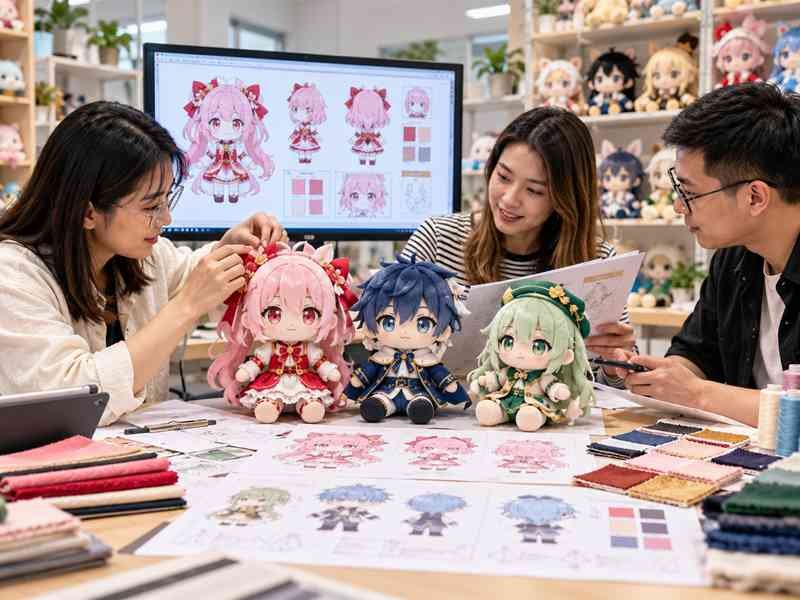
Start Your Vinyl Face Plush Project With Ewin
- Character artwork, three-view drawings, 3D files, or physical reference
- Finished size and quantity per SKU
- Target market, age grade, sales channel, and launch timing
- Face finish, textile feel, accessories, logo, and packaging preferences