
Custom Electronic Plush Manufacturer for Interactive Toy Programs
Ewin Toys helps brands develop electronic plush by engineering the soft-goods structure around functional modules without compromising appearance, comfort or assembly reliability. With 20+ years of plush manufacturing experience, our team supports enclosure planning, internal routing, prototype validation and repeatable production for interactive plush concepts.
60+ Development Specialists | Sound / LED / Recording / Touch Sensor Integration | Module Cavity Engineering | Battery Pocket Design | Internal Wiring & Fixation Planning

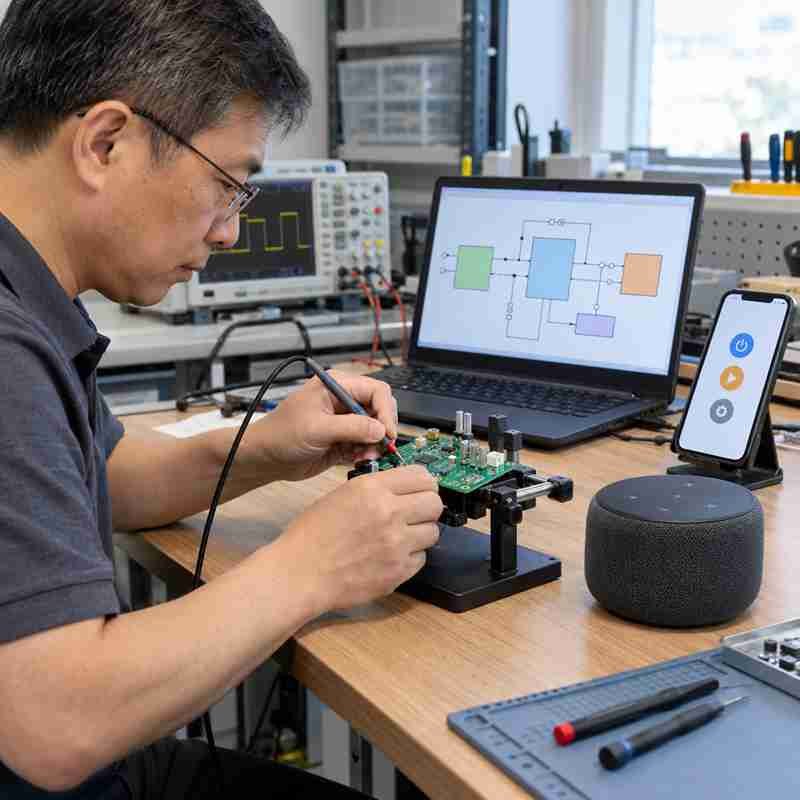
Electronic Plush Is a Soft-Goods Engineering Project
Electronic plush works only when the fabric body, internal module, power source, trigger method and safety requirements are designed as one product rather than assembled as separate parts.
Build the Function Around the Plush Structure
A sound box or LED board can be easy to purchase, yet difficult to integrate well. The module needs a stable cavity, predictable orientation, enough clearance for wiring, suitable access for batteries or charging, and a position that does not create an uncomfortable hard point. Speaker openings need an acoustic path that is not blocked by dense stuffing or long pile. Touch areas and buttons need to remain easy to locate after sewing, filling and final shaping. Motion mechanisms need reinforcement, balance and enough internal space to move without pulling the outer shell out of shape.
Ewin Toys develops electronic plush through six connected decisions: input, control, output, power, plush structure, and safety.
- Input may be a push switch, touch area, pressure point, microphone or sensor.
- Control may use an IC, PCB or other module supplied by the program.
- Output can include sound, light, vibration or movement.
- Power may come from replaceable batteries, rechargeable batteries or another approved solution.
The soft structure then has to hold every component in the correct position while maintaining the intended character silhouette, hand feel and assembly route.
The electronic specification should be defined before the pattern is frozen. Send the module dimensions, speaker or microphone location, battery type, trigger method, access requirements, target age and destination market with the artwork. The development team can then reserve cavity space, reinforcement, openings, stitching zones and filling boundaries around the actual hardware instead of trying to force electronics into a finished plush pattern.
Electronic Plush Formats for Branded Product Programs

Sound Plush
Talking Plush
Recording Plush
Light-Up Plush
Touch-Activated Plush
Sensor Plush
Motion Plush
Walking Plush
Vibration Plush
Interactive Character Plush
Educational Electronic Plush
Removable-Module Plush
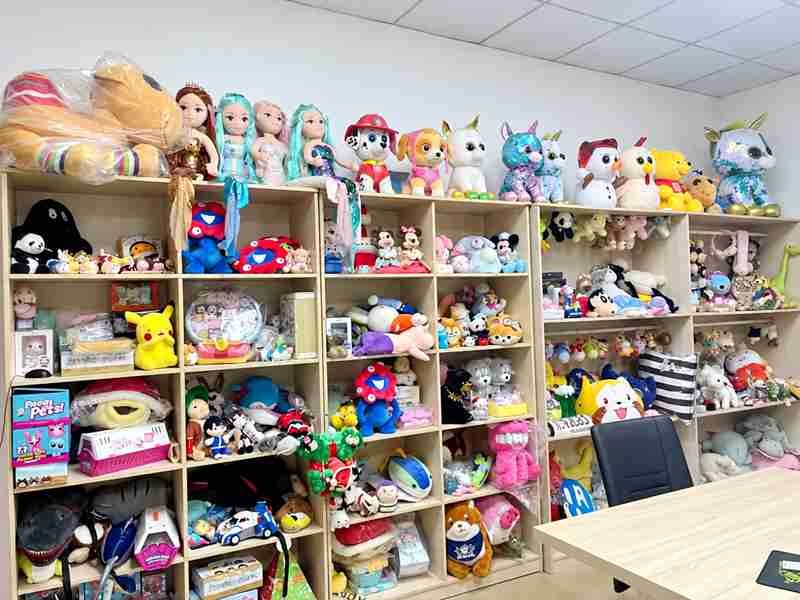
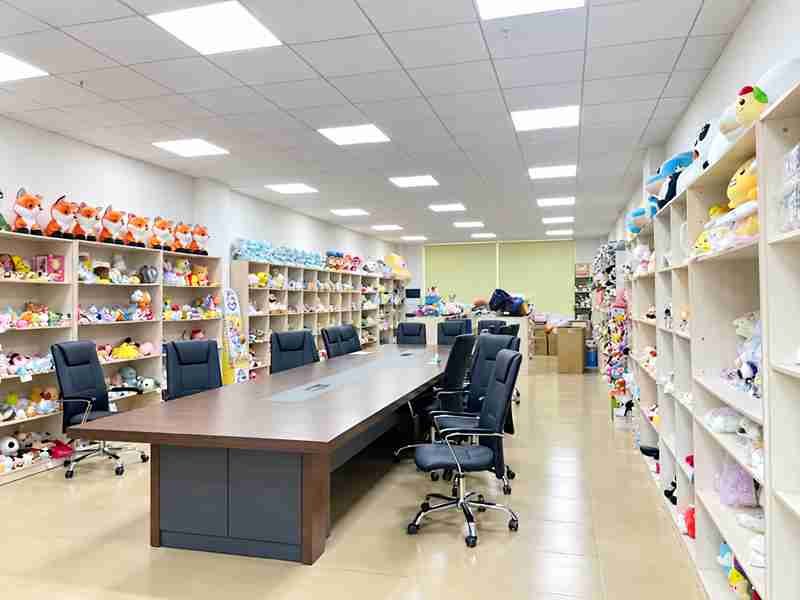
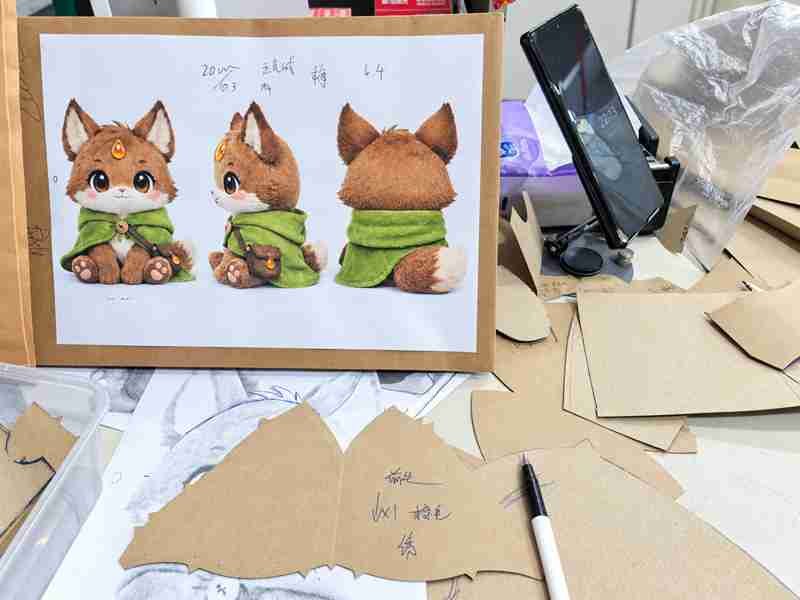
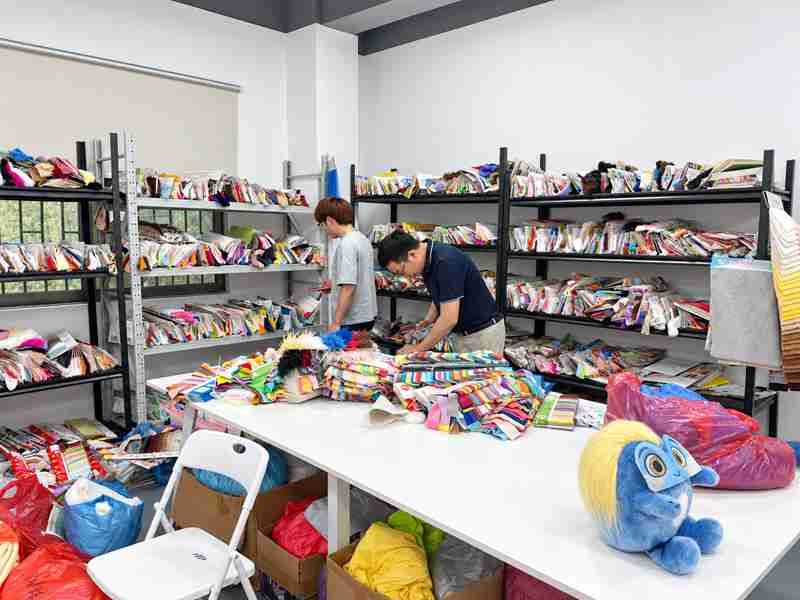
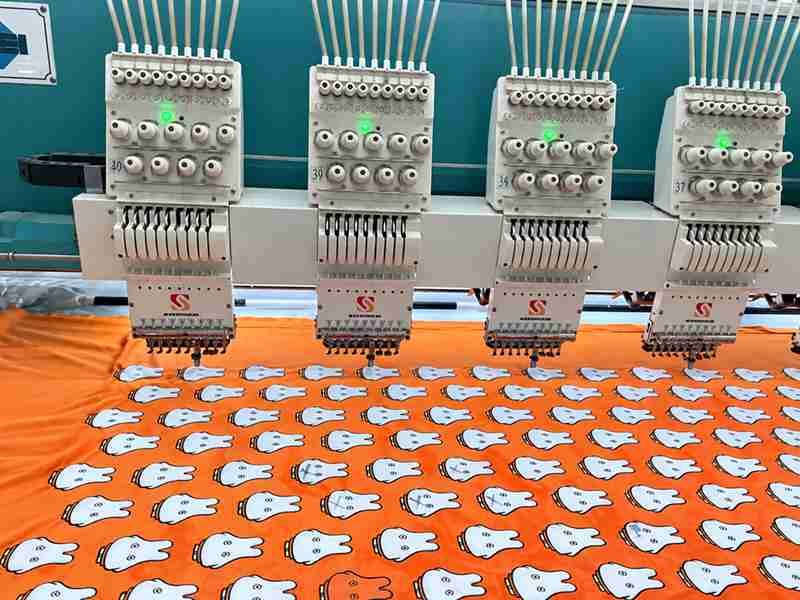
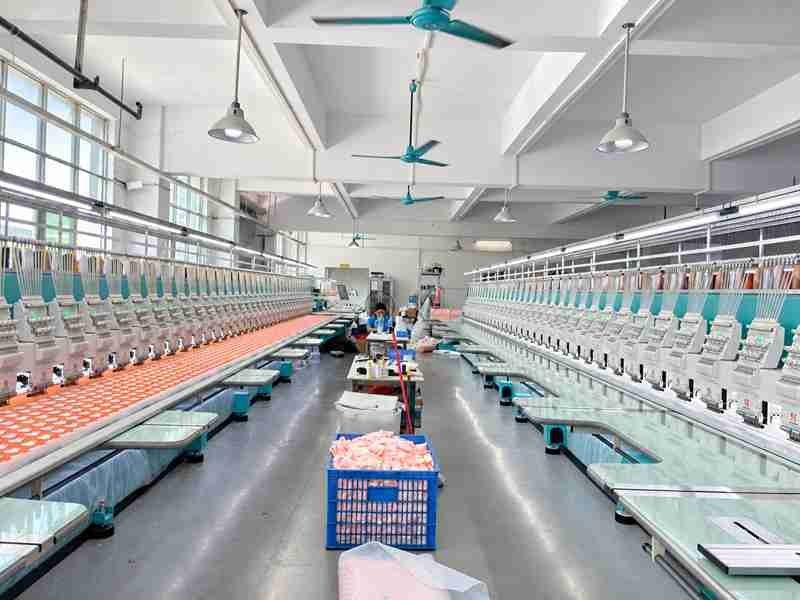
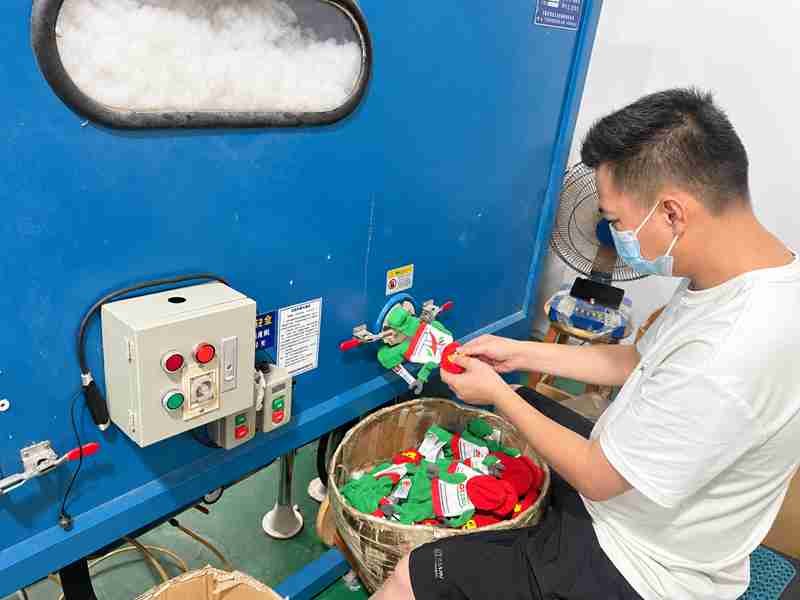
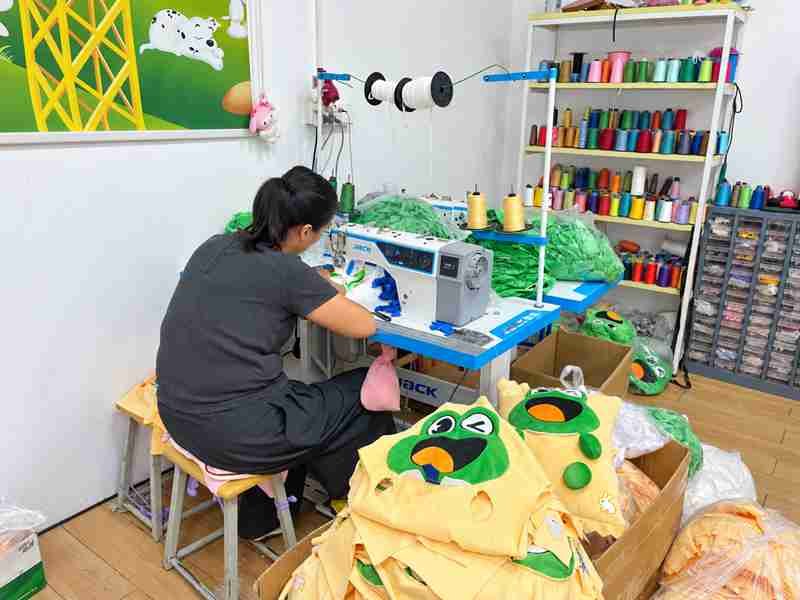
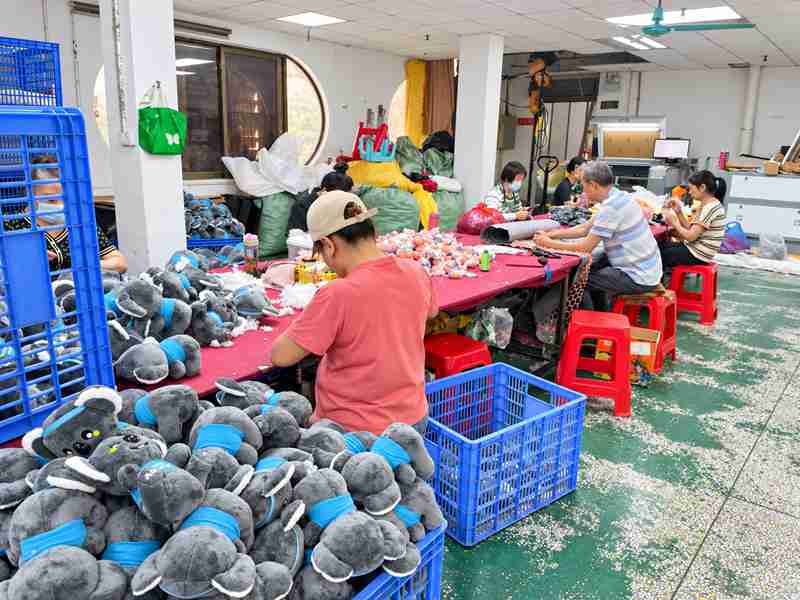
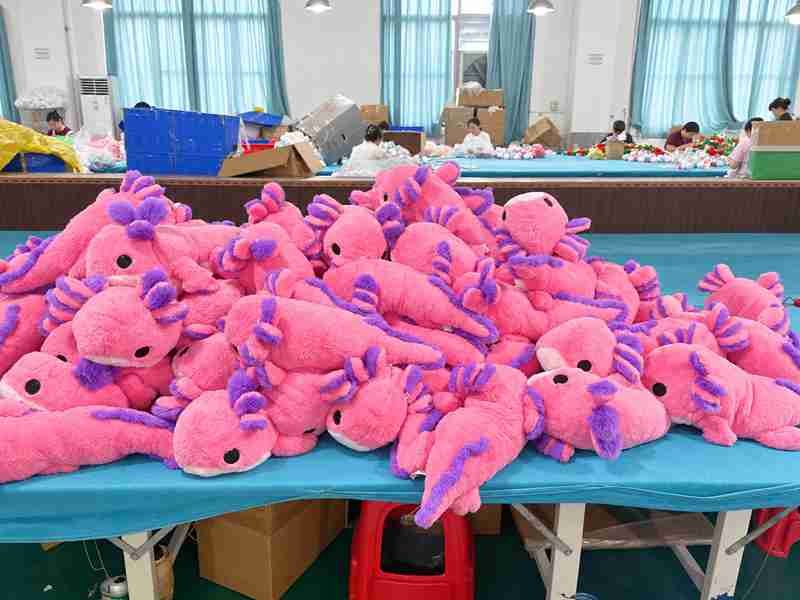
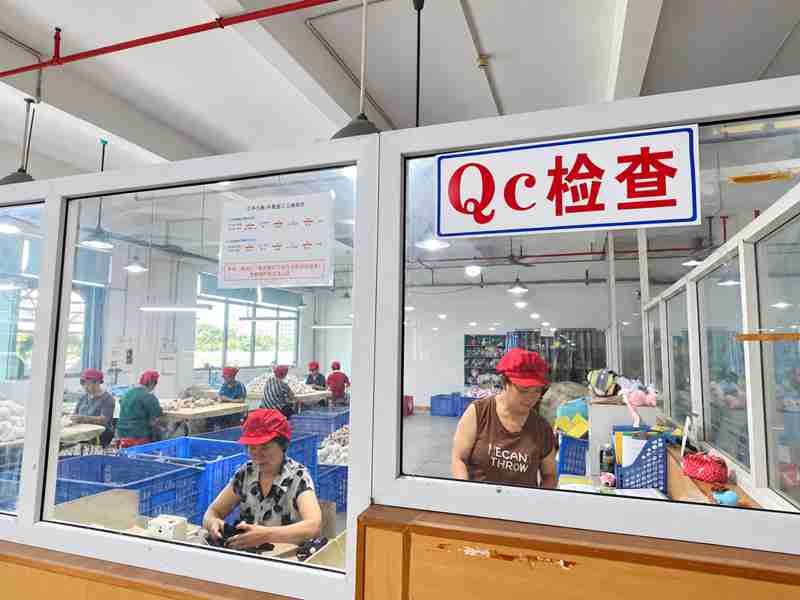
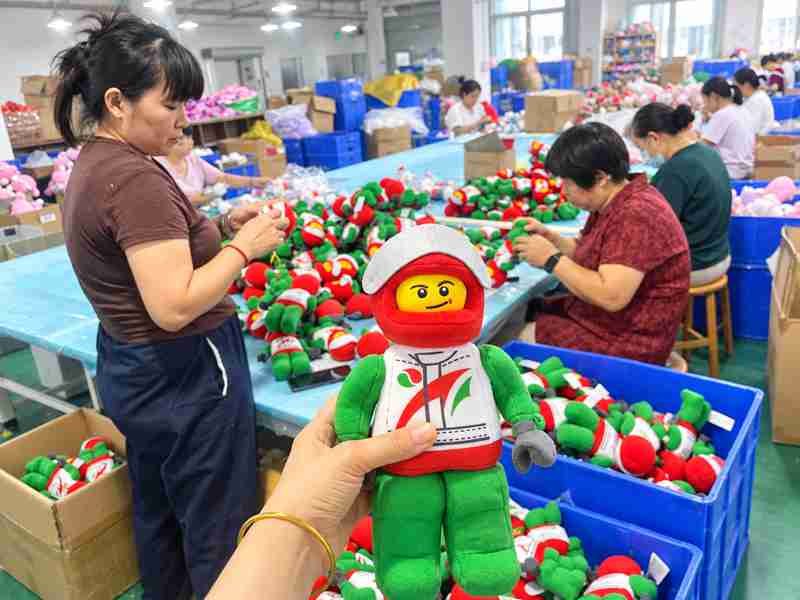
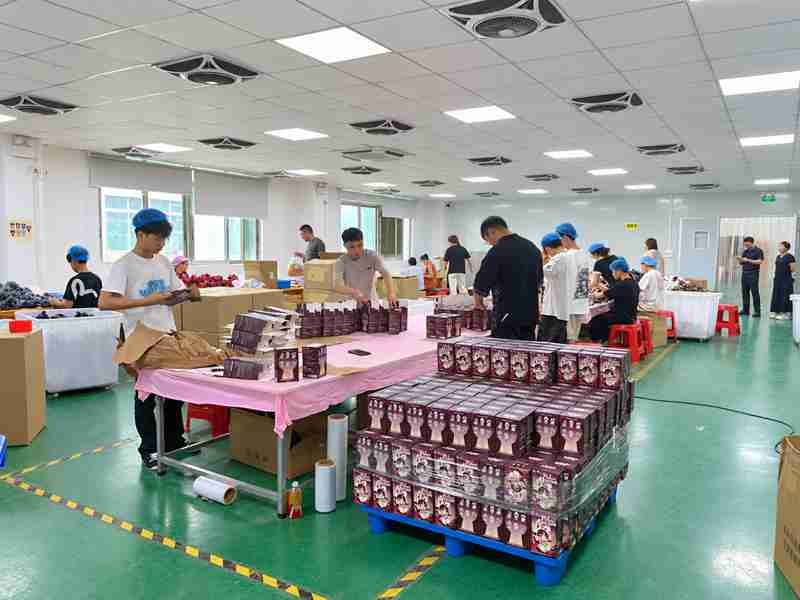
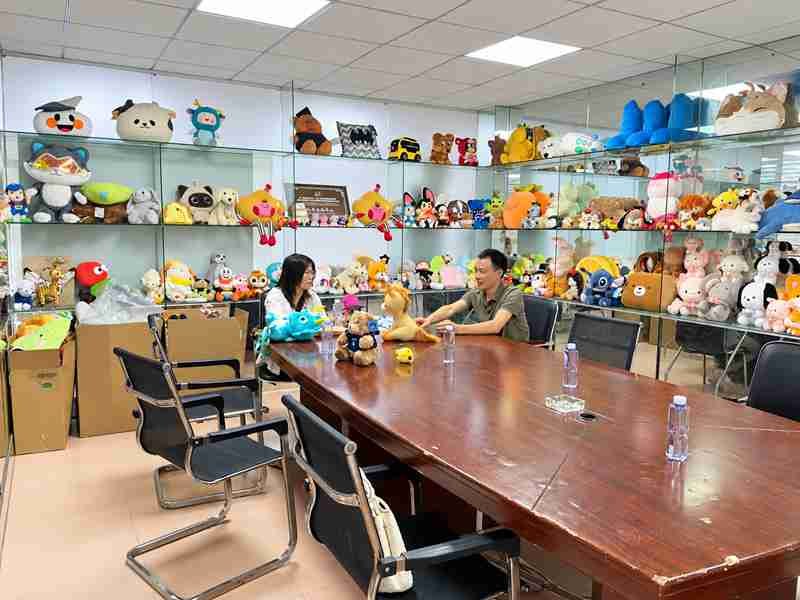
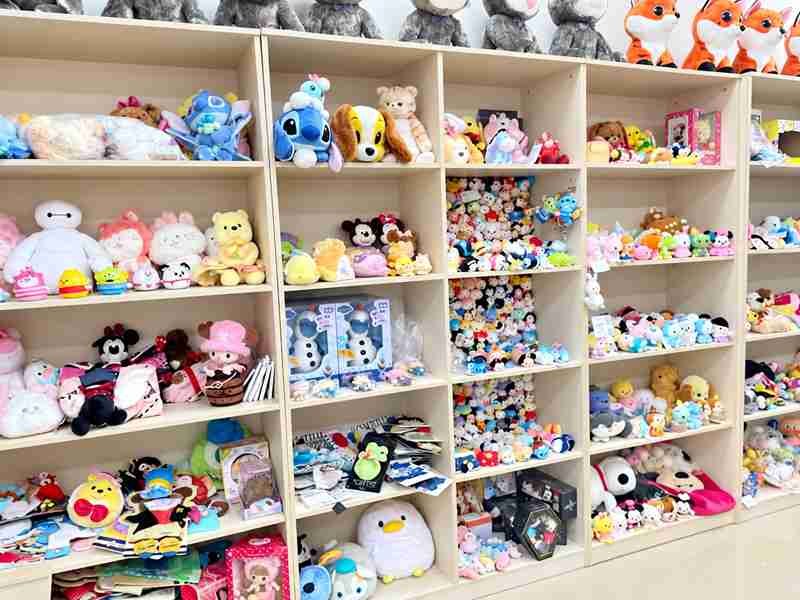
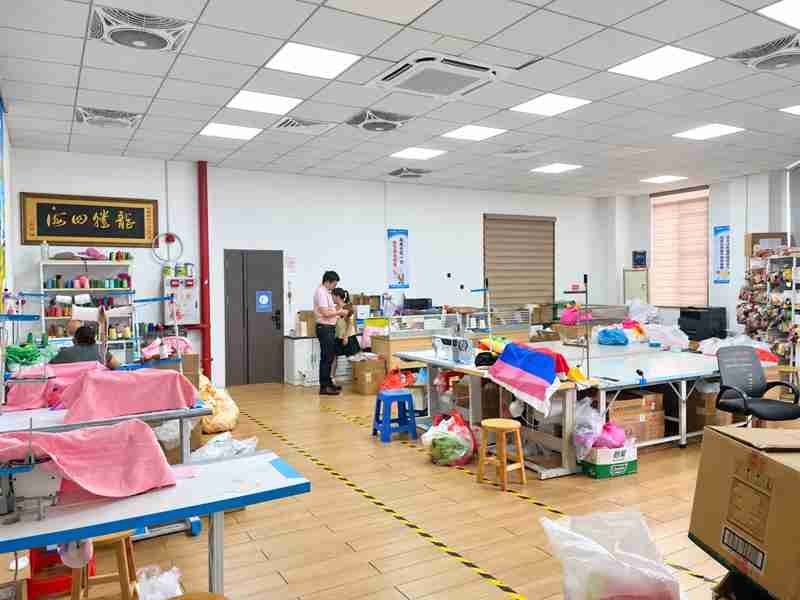
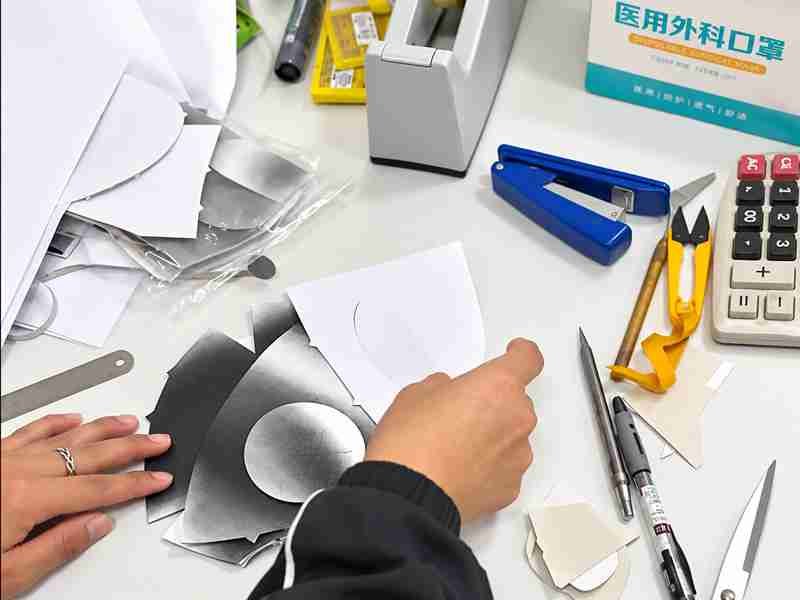
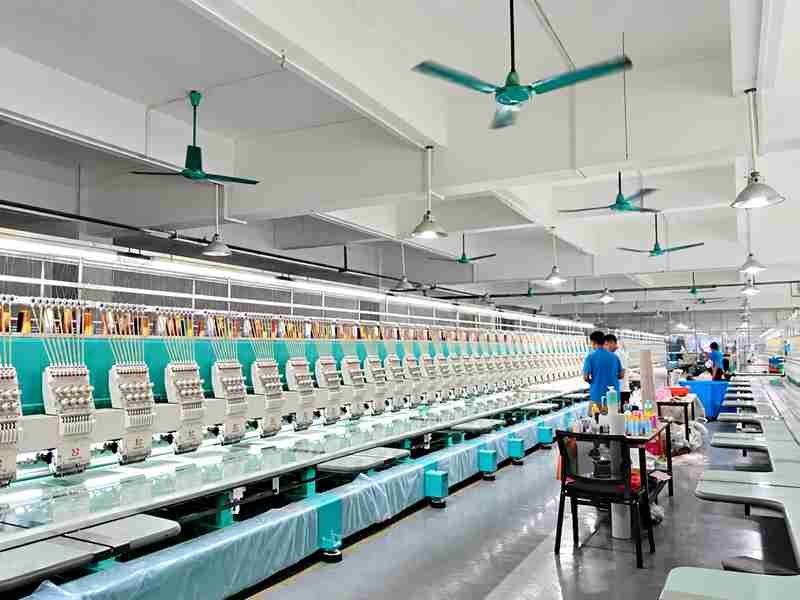
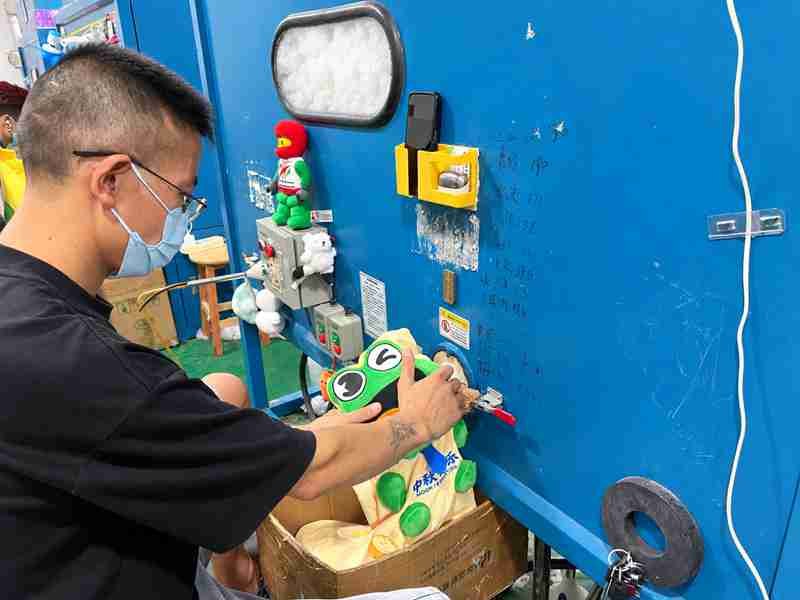
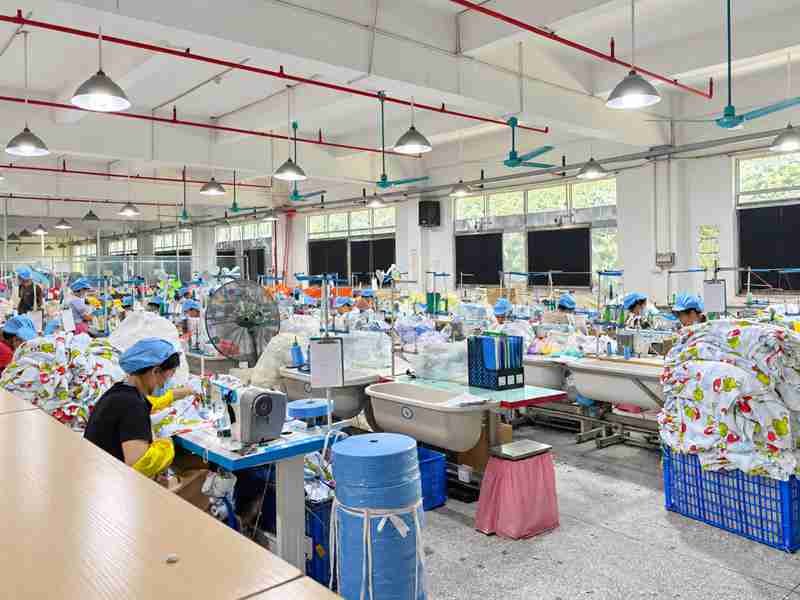
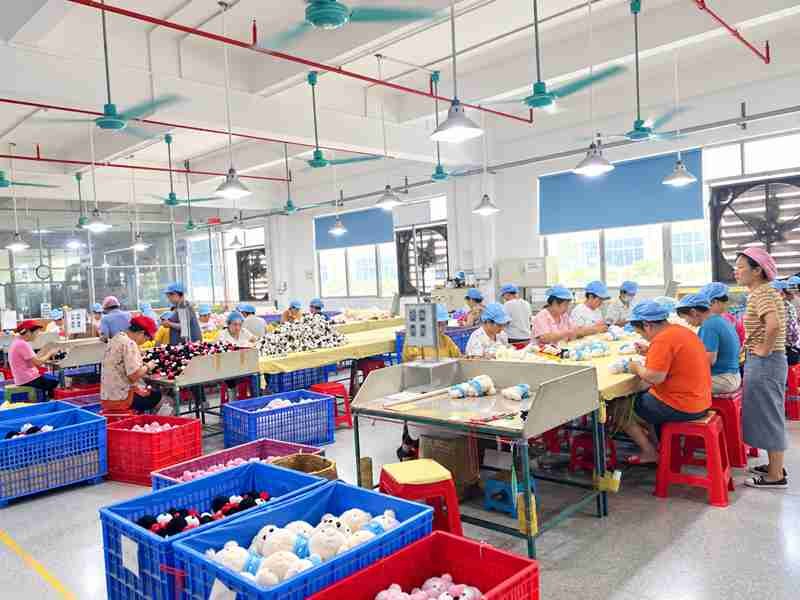
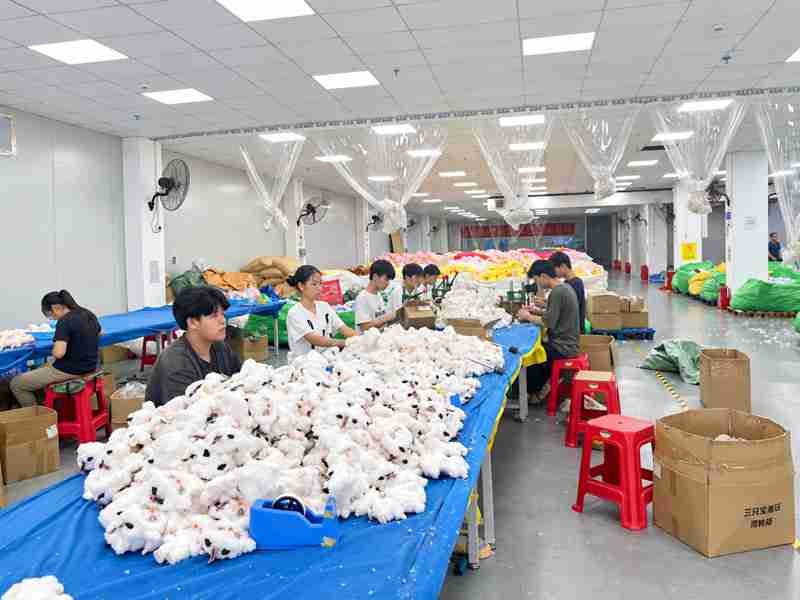
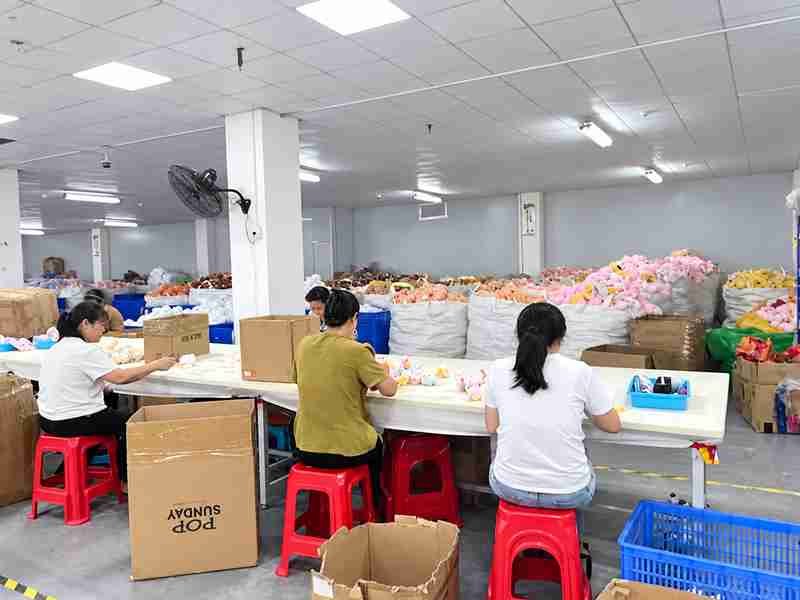
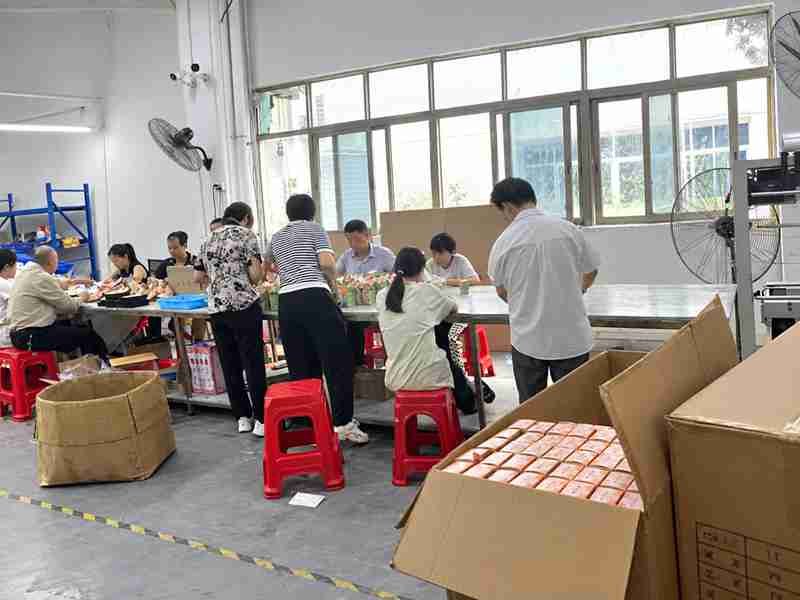
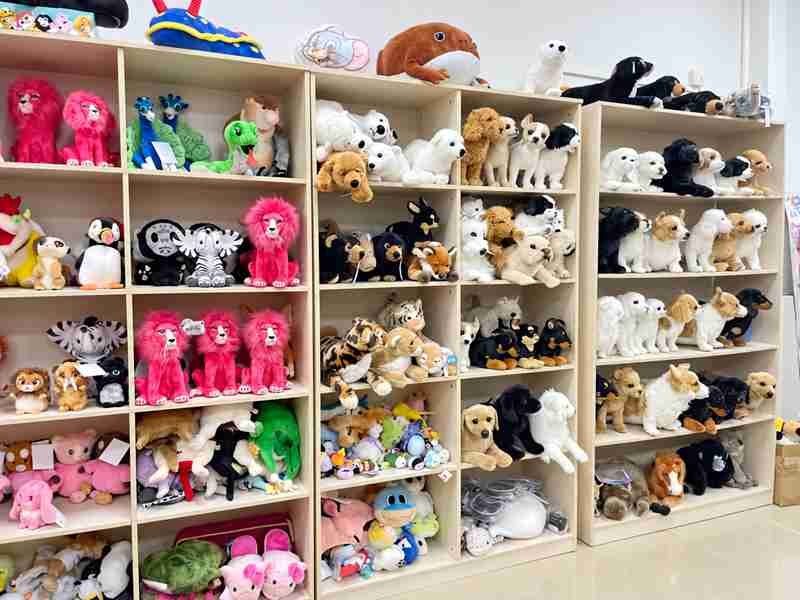
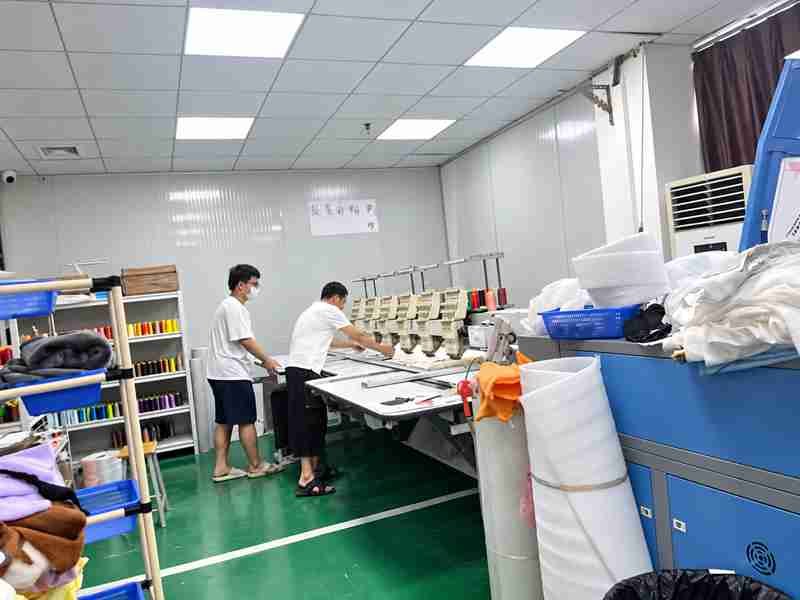
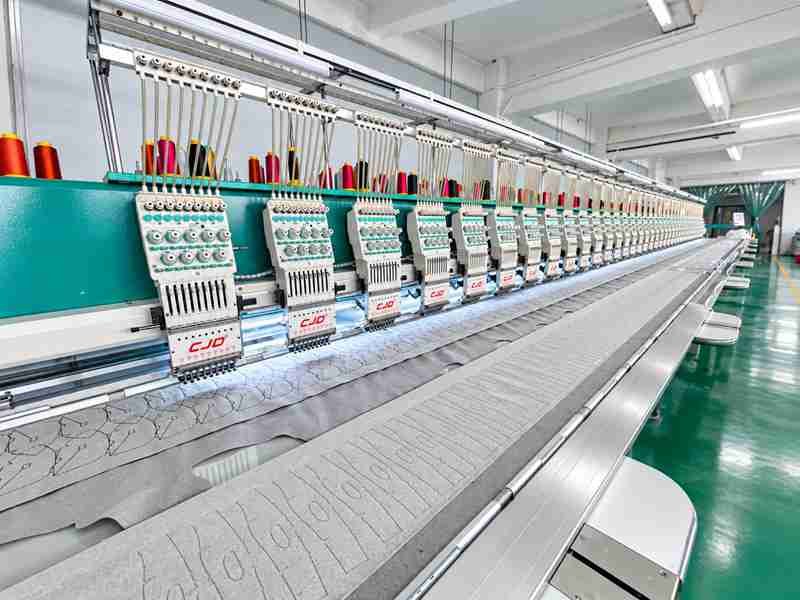
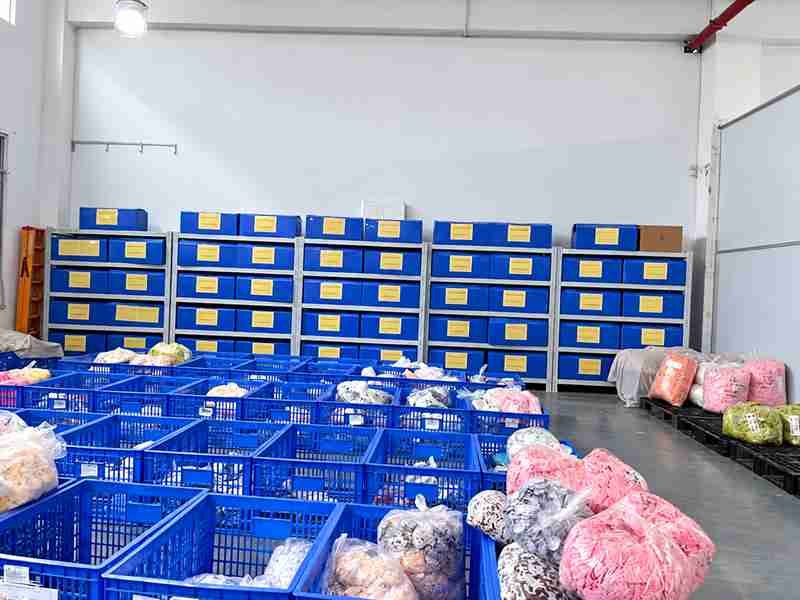
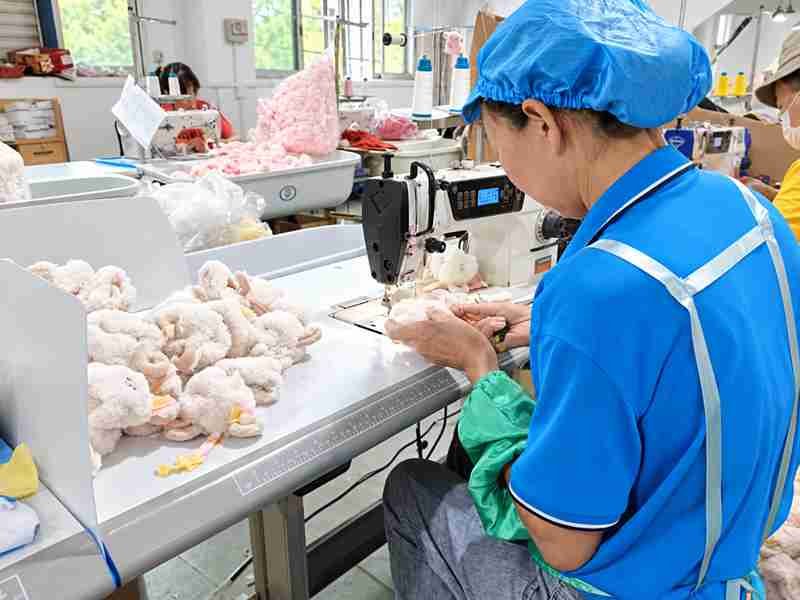
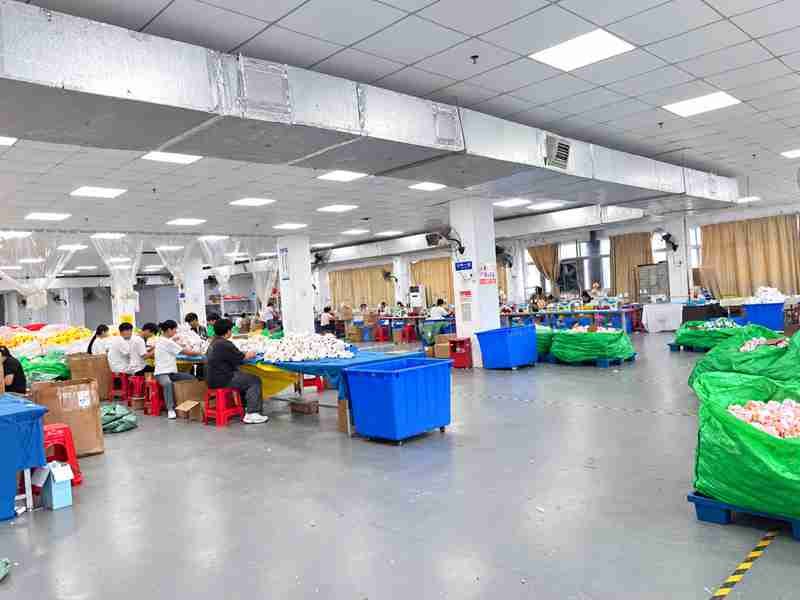
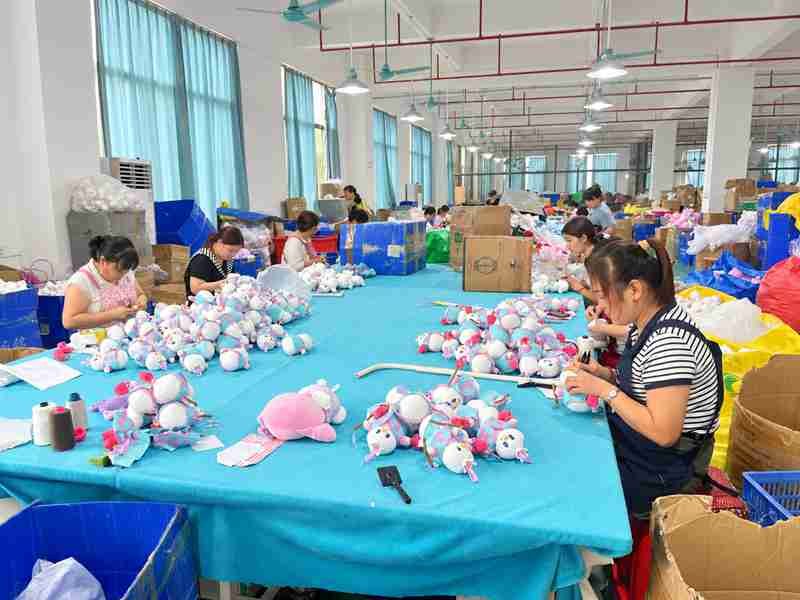
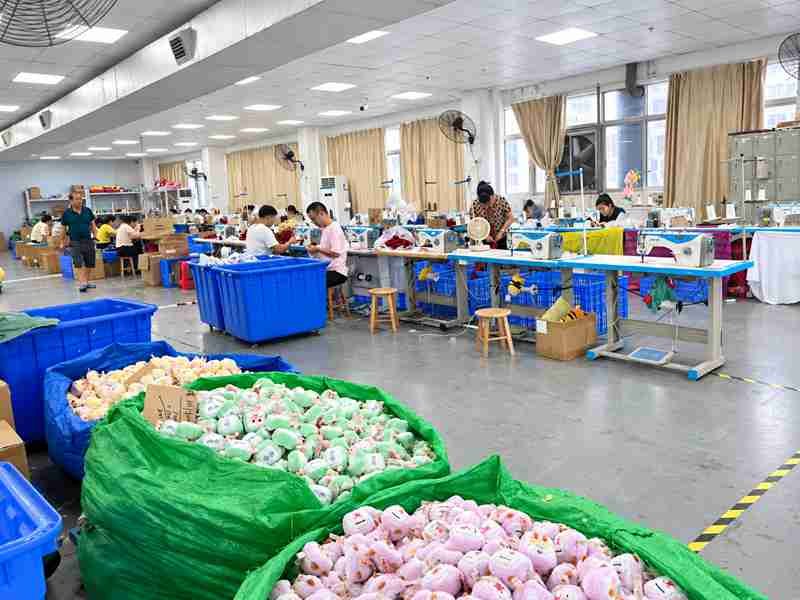
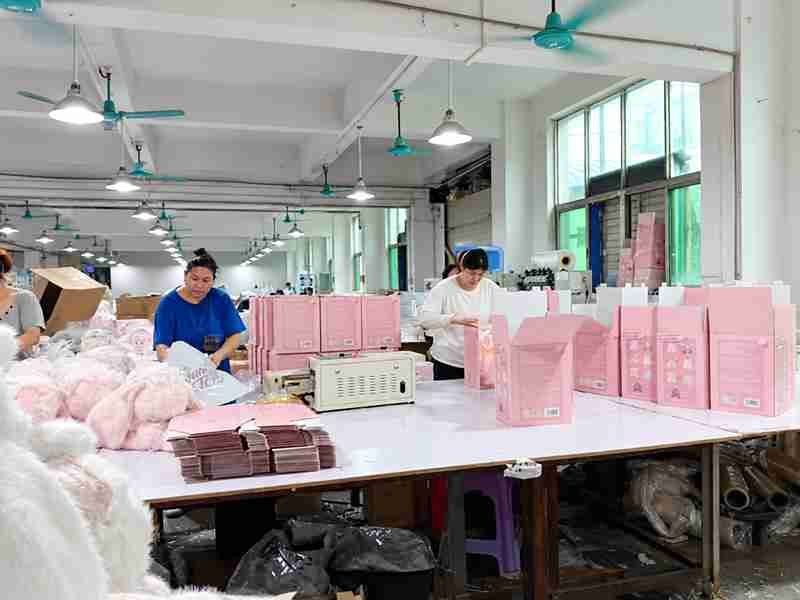
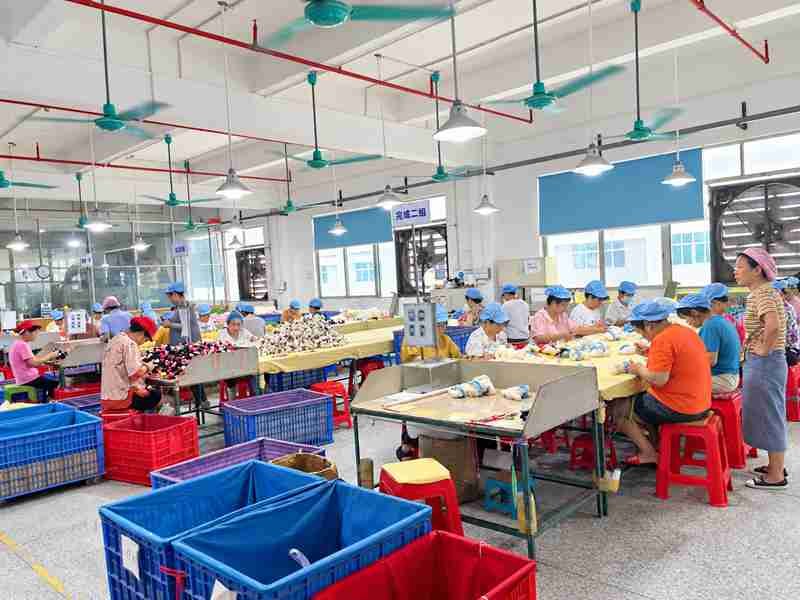
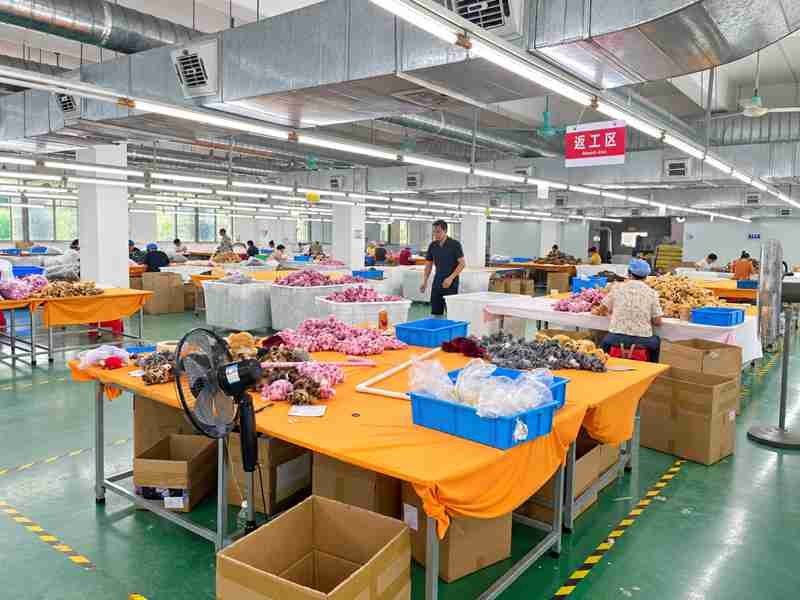
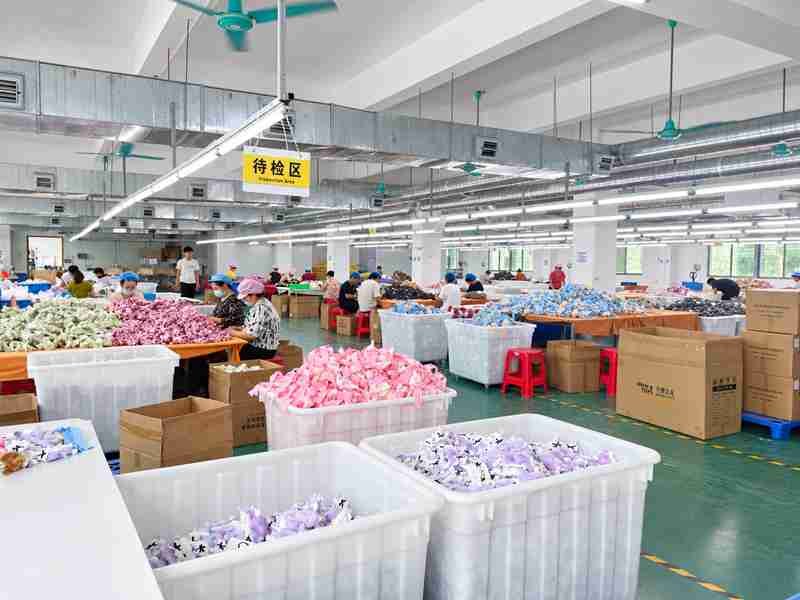
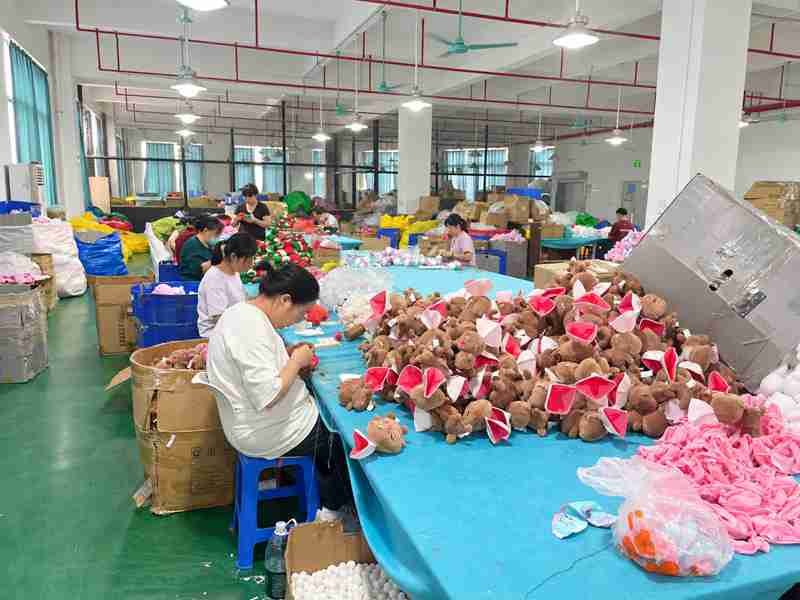
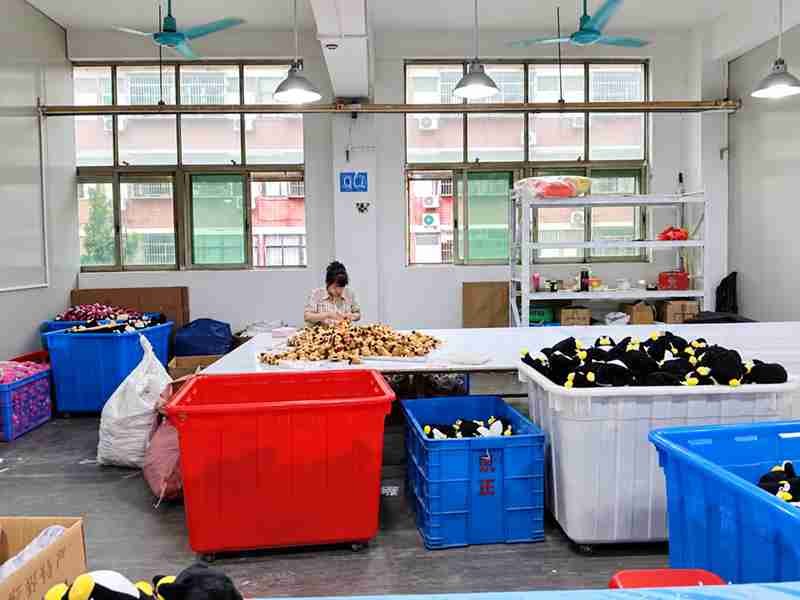
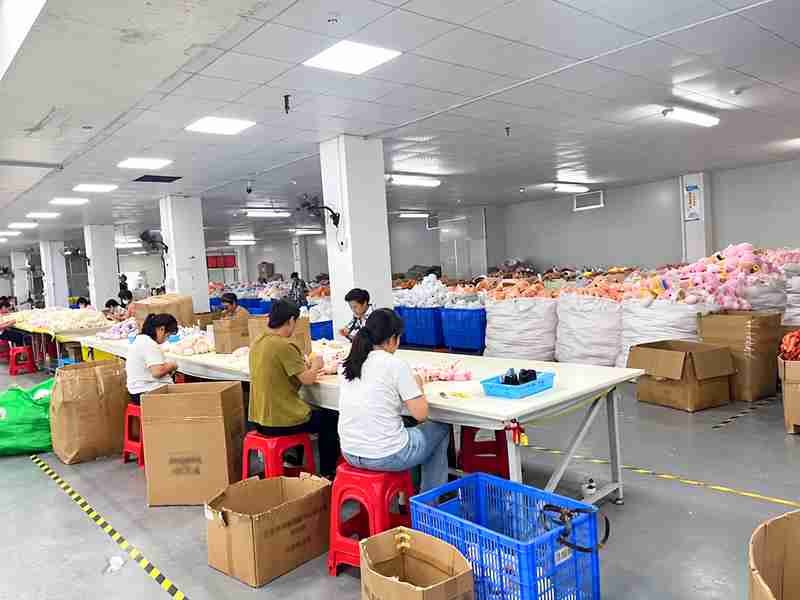
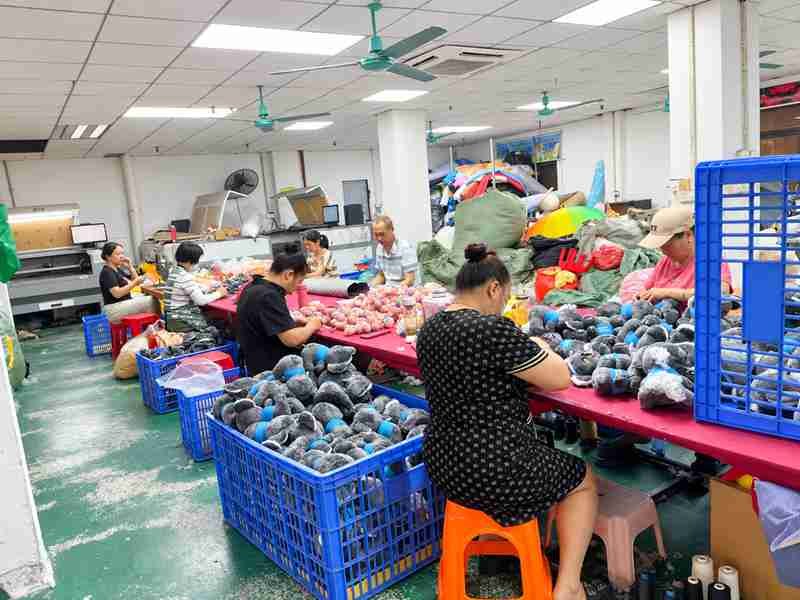
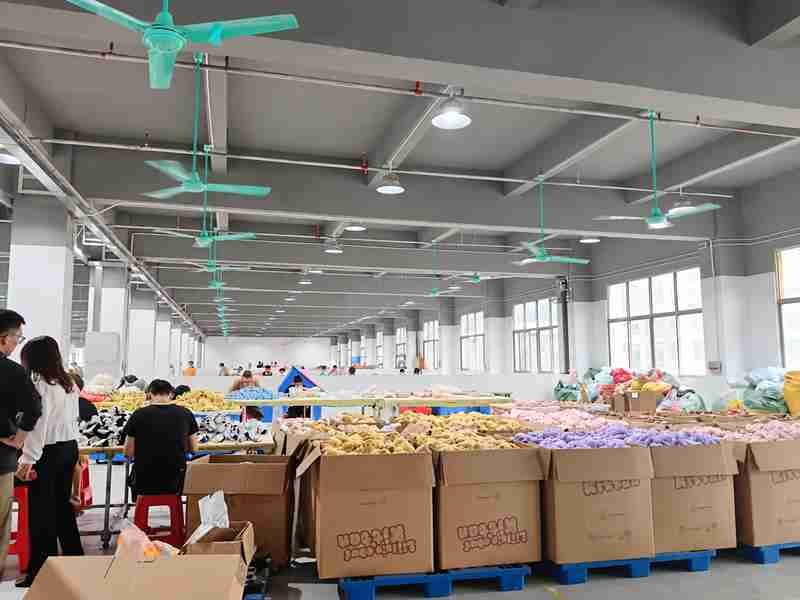
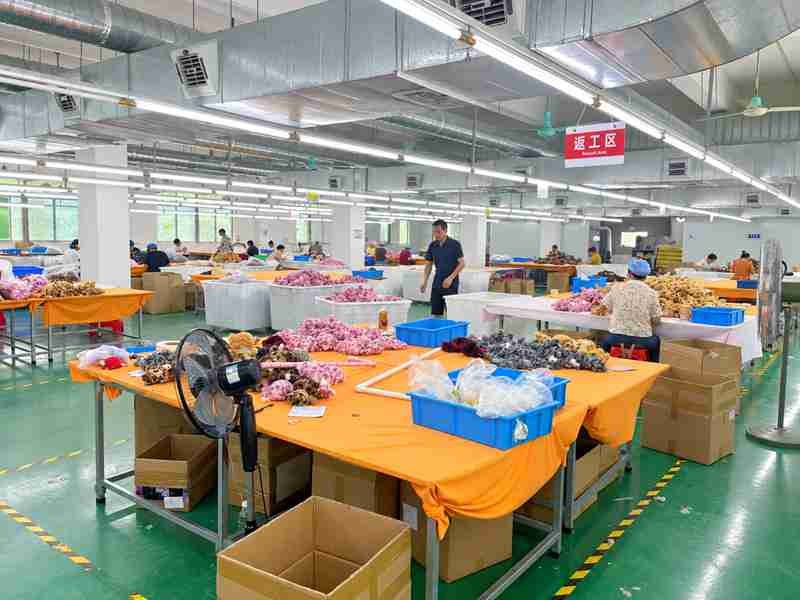
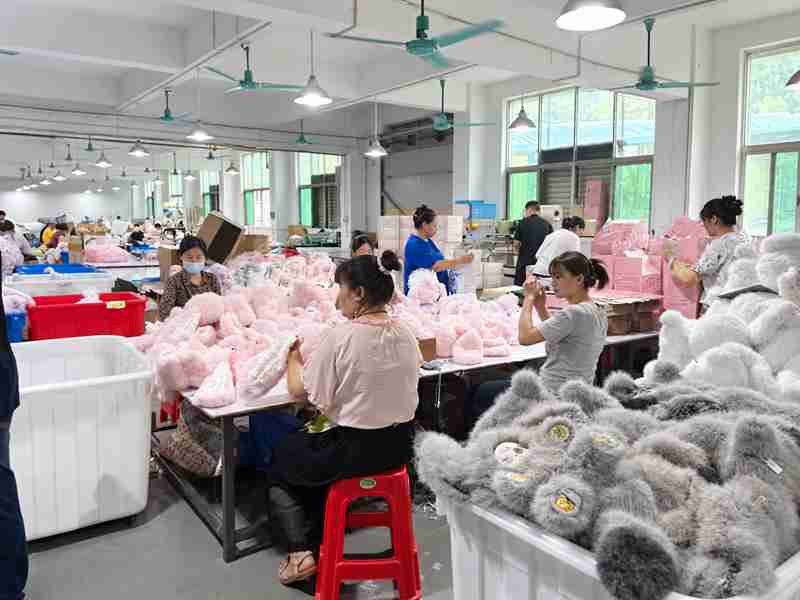
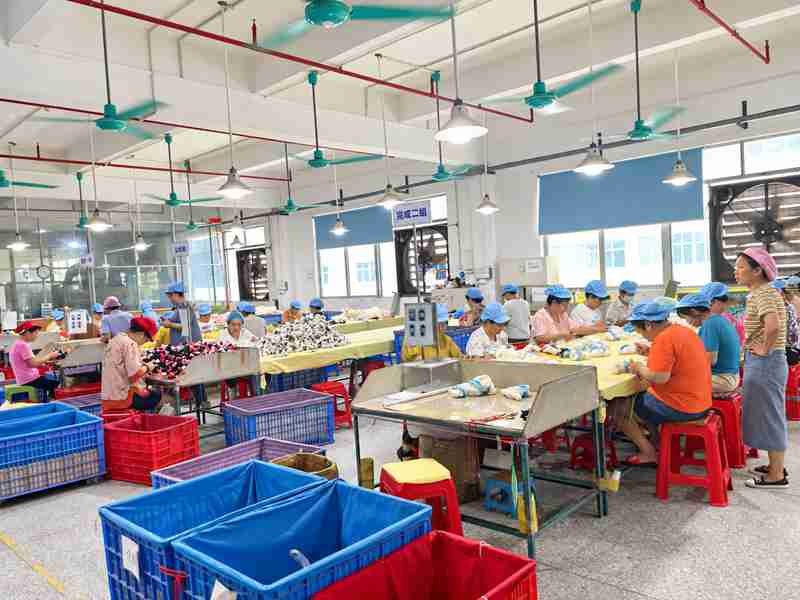
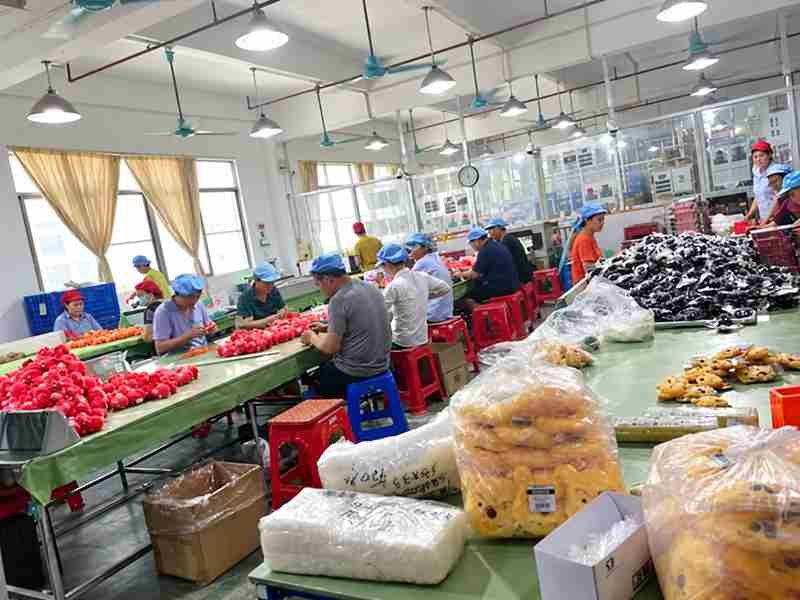
From Prototype to Production: Our Real Plush Factory Show
At Ewintoys, every plush project follows a structured development and production process, from initial design review and pattern making to sampling, mass production, quality inspection, and final delivery. Our real factory images provide a transparent view of how ideas are transformed into high-quality plush products through professional craftsmanship, engineering control, and careful production management.


































Programs We Support Require Different Engineering Priorities
Toy & Character Brands
IP & Licensing Programs
Entertainment & Game Companies
Retail & Private Label
Educational Product Brands
Smart Toy Companies
Match Each Function to the Correct Plush Structure
| Function | Key Structure Decisions | What We Check During Development |
|---|---|---|
| Pre-recorded sound | Speaker cavity, sound opening, trigger position, battery access | Volume, clarity, hard-point feel, module movement |
| Talking / multi-audio | Controller space, speaker output, language/SKU identification | Playback sequence, file version, output consistency |
| Recording | Microphone zone, record button, playback control, access | Voice pickup, control reach, module security |
| LED / light | LED location, diffuser, translucent area, wire path | Light uniformity, heat, alignment, seam interference |
| Touch / pressure | Sensor area, fabric thickness, padding level | Activation force, false triggers, location consistency |
| Motion / motor | Mechanical clearance, reinforcement, balance, shell freedom | Movement range, seam load, noise, hard contact points |
| Battery / charging | Compartment location, screw or closure, port opening | Access, retention, user safety, assembly repeatability |
| Removable module | Pocket, zipper/closure, retention and orientation | Removal route, secure fit, washing instructions |
Internal Structure Protects Comfort, Function and Repeatability
Module Cavity, Fixation and Soft Isolation
A reliable electronic plush starts with an internal envelope, not with a finished shell. Module length, width, height, switch position, speaker face, connector direction and battery access are mapped before the cavity is patterned. The cavity can use fabric pockets, reinforced panels, controlled padding, hook-and-loop, zipper access or another approved retention method depending on whether the electronics are permanent or removable. The purpose is not to make the inside complicated; the purpose is to stop the module from rotating, drifting toward a seam or creating a visible bulge after stuffing.
Padding around hard parts needs controlled thickness. Too little isolation creates an uncomfortable hard point. Too much padding can block sound, reduce sensor response or make switches difficult to reach. Filling boundaries are therefore treated as part of the structure. For larger or heavier modules, the body may require load distribution so the character does not lean, twist or collapse around the electronic weight.
Assembly access also matters. Production operators need a repeatable route to insert, orient, connect and close the module without damaging wiring or changing the body shape. Access openings should be sized for the actual component, not an estimated box. During sampling, Ewin reviews cavity fit, seam clearance, stuffing flow, module orientation and access before the pattern and BOM are released for bulk preparation.
Sound Paths, Ports, Wiring and Battery Access
Speaker performance depends on what sits between the speaker and the outside air. Dense filling, foam, thick backing or long pile can reduce volume and clarity. The design may need a controlled sound zone, reduced stuffing in a defined area, a concealed opening or a fabric choice that allows enough acoustic transmission without making the product look mechanical. Microphones and sensors have similar concerns: their working area should not be buried under unpredictable layers.
Wire routing should avoid high-stress seams, sharp turns, moving mechanisms and areas likely to be squeezed repeatedly. Slack needs to be controlled so wires do not migrate into the needle path during closure or create lumps after shaping. Where connectors are used, orientation should support assembly and service without allowing them to loosen inside the body.
Battery access is planned around age grade, module design and intended maintenance. Replaceable batteries may require a secured compartment and clear instructions; rechargeable formats may need a charging opening that remains aligned after sewing and filling. Removable electronics can improve washability, but the pocket, closure and retention method need their own safety review. The finished sample is checked as a complete system: exterior appearance, hand feel, access, function, closure security and the way the structure behaves after repeated handling.
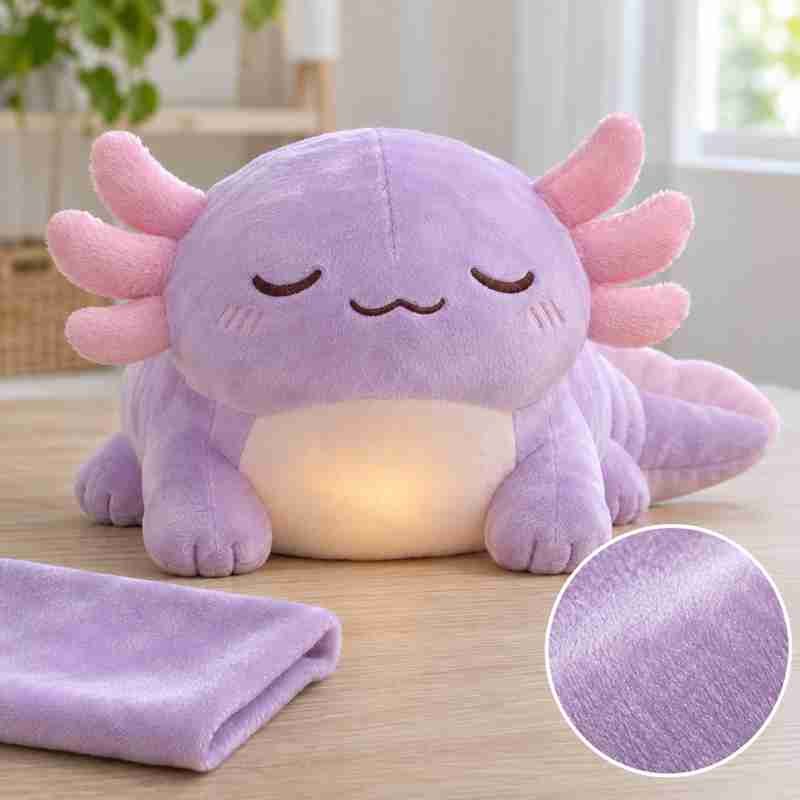
Fabrics Selected Around Electronics and Character Appearance
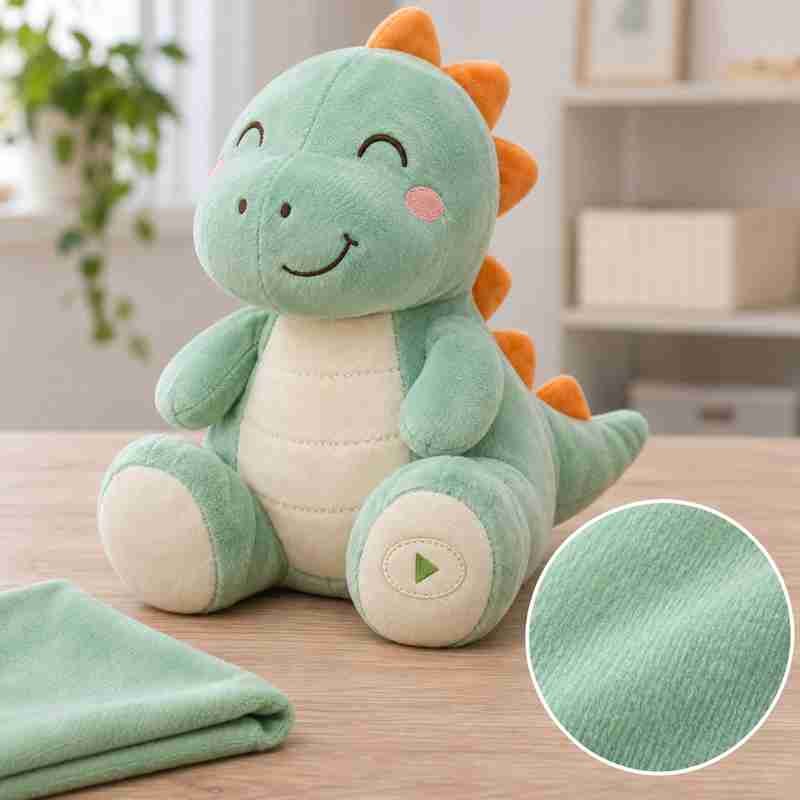
Short-Pile Minky
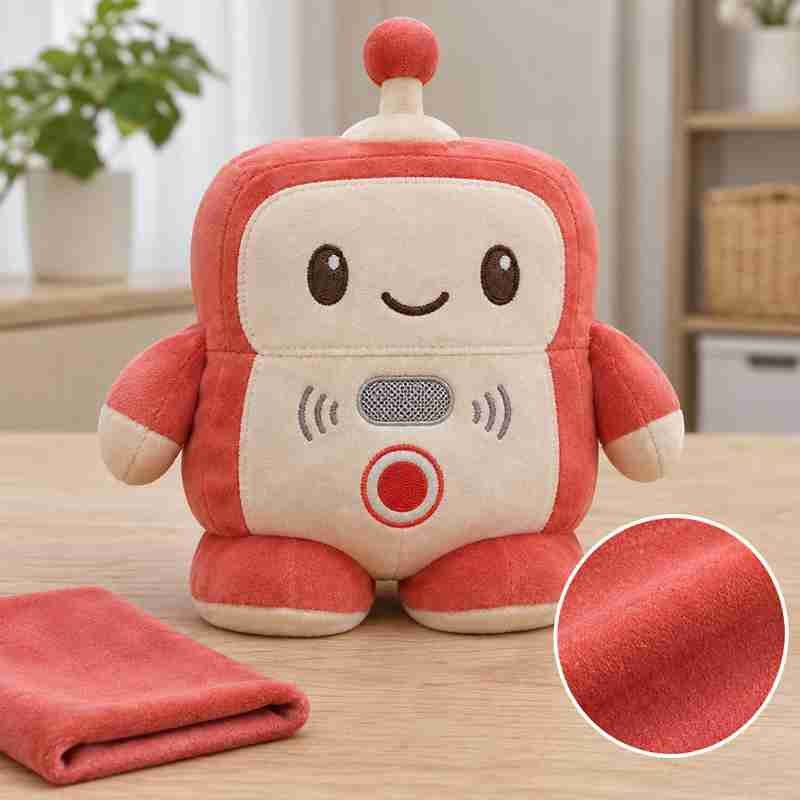
Velboa
Crystal Super Soft

PV Plush
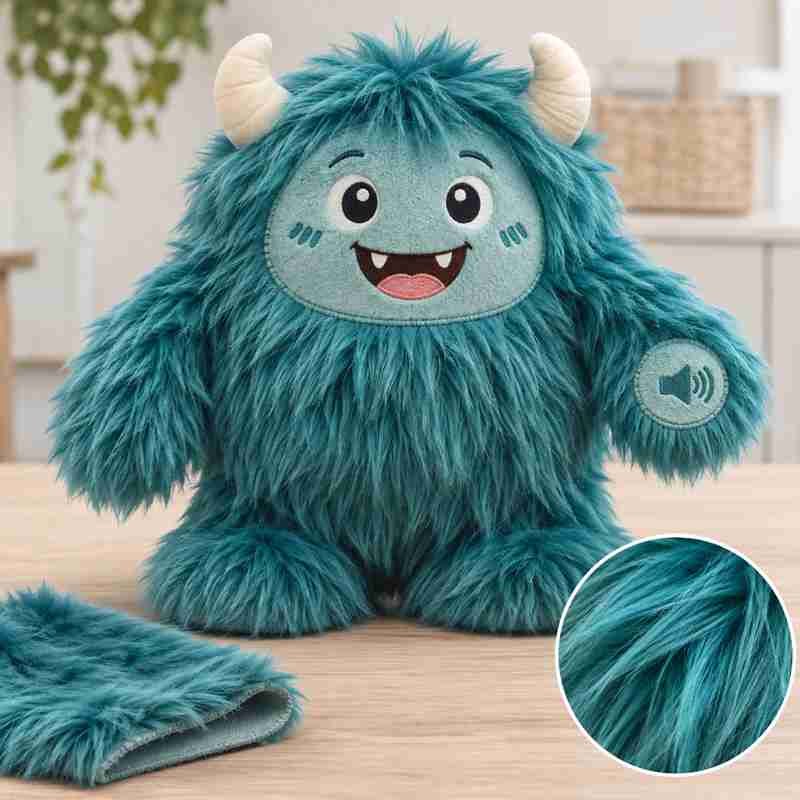
Faux Fur

Fleece
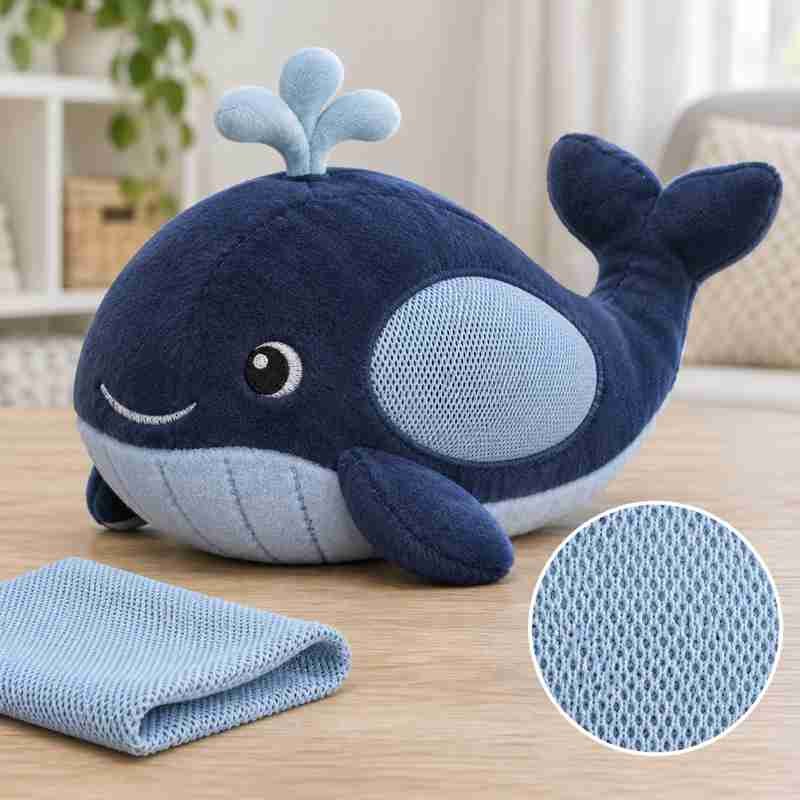
Acoustic or Mesh Zones
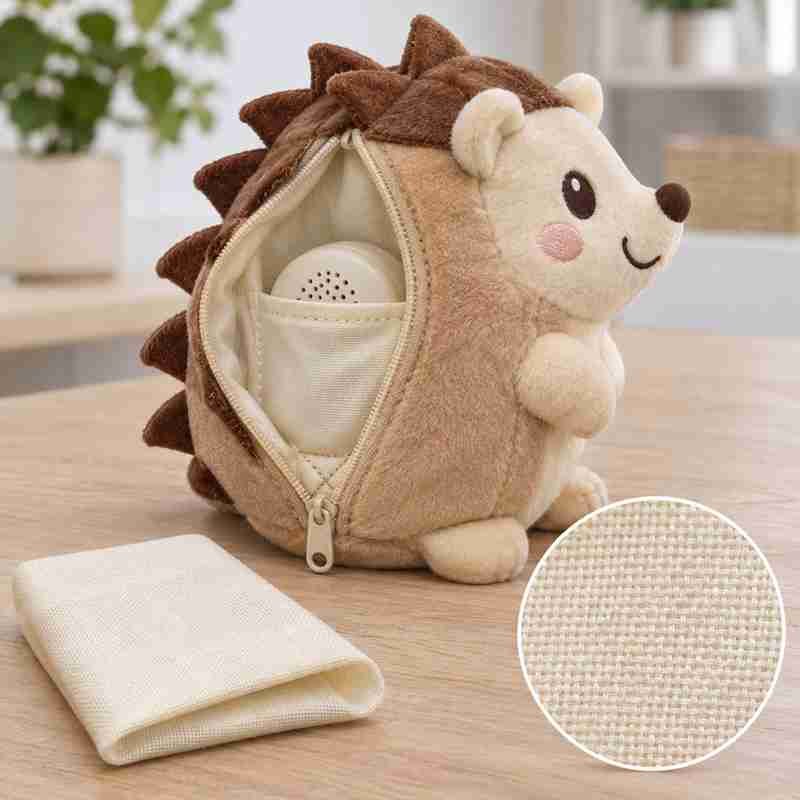
Lining & Reinforcement Fabric
Auxiliary Materials Control Stability Behind the Outer Fabric
Foam & Soft Isolation
Nonwoven Support
Webbing & Anchor Tabs
Hook-and-Loop Closures
Zippers & Access Openings
Cable Sleeves & Insulation
Electronic Components Need Defined Interfaces Before Sampling
PCB or Control Module
Speaker
Microphone
Battery Compartment
Push Switch
LED Assembly
Sensor Module
Motor or Motion Unit
Charging Port or Connector
Branding Methods Must Work With Functional Areas
Embroidery
Appliqué
Screen Printing
Heat Transfer
Woven or Printed Labels
PVC or TPU Badges
Trusted by Global Brands and IP Owners
Trusted by brands, IP owners, and creative teams worldwide. Ewintoys helps transform original ideas and characters into high-quality plush products through professional development, manufacturing, and quality control.































Development Starts With Hardware and Artwork Together
Define the Electronic Brief Before Pattern Cutting
A useful development brief goes beyond “make it talk” or “add lights.” Ewin needs the interaction logic, electronic module dimensions, speaker or microphone position, battery type, button or sensor method, access requirement, intended age, target market, quantity by SKU and expected launch window. Artwork can be a hand sketch, 2D character sheet, three-view drawing, 3D render or physical reference. For an existing electronic module, mechanical drawings and a physical sample are especially valuable because connector direction, protrusions and true tolerances are often difficult to judge from a product photo.
The development team then converts the brief into a product definition. Character geometry and visible proportions are reviewed alongside the hidden hardware envelope. Areas that must remain soft, areas that can accept reinforcement, likely access openings, acoustic zones and trigger positions are identified before paper patterns are finalized. Material decisions are made with the electronics in mind: long pile may hide controls, stretch fabric may move an opening, dense filling may block sound, and thick embroidery may change how a touch zone behaves.
For functional or electronic projects, first-version sample planning commonly falls around 10–20 working days after key inputs are complete, but complexity, module availability, custom materials and revision scope can extend the schedule. Timing is counted from an executable requirement set, not from the first inquiry email.
Pattern Engineering Builds the Soft Mechanical Interface
Pattern making controls more than the outside shape. Seam position, panel curvature, grain or nap direction, seam allowance, access opening, reinforcement and cavity placement determine whether the electronic unit can be assembled consistently. A module that fits one hand-made prototype but requires operators to stretch the opening, compress the board or reroute wires differently every time is not ready for scale.
Ewin develops the pattern around both appearance and assembly. The outer panels protect the approved silhouette and face. Internal panels create the module pocket, battery access, isolation and fixation. Filling paths are considered so operators can build softness around the hardware without covering sound or sensing zones. For moving plush, pattern and internal support also manage balance and clearance. For removable modules, the opening must allow intended removal without creating an oversized gap or loose component path.
The pattern is revised when hardware changes. A new battery box, wider PCB, different switch, thicker speaker or moved charging port can affect cavity dimensions, seam locations and reinforcement. Those changes should be treated as engineering revisions, not informal production notes. Released patterns, component drawings and BOM references remain linked so the sample that receives approval can be reproduced with the same structural logic in bulk.
Prototype, Revision and Golden Sample Close the Loop
The first functional prototype verifies five things together: character appearance, module fit, user interaction, comfort and manufacturability. Photos or video can show overall shape and operation, but physical review may still be needed for hand feel, button force, sound clarity, access and safety details. Feedback is converted into measurable changes such as moving the switch 8 mm, reducing filling around the speaker zone, widening an access opening, changing reinforcement or updating the module pocket orientation.
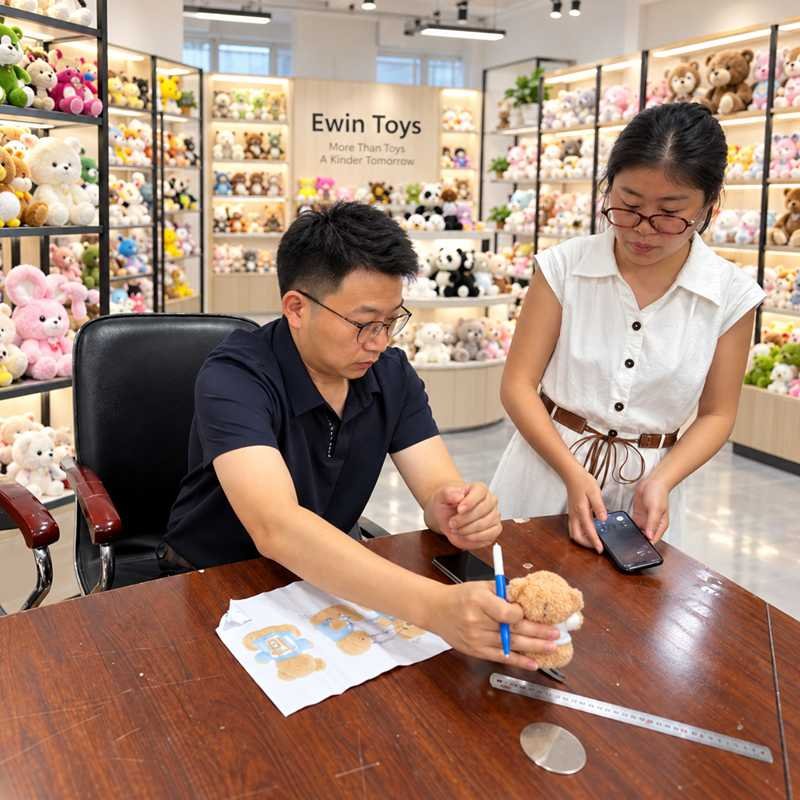
Each revision should record what changed in pattern, materials, color, process, dimensions, electronics, cost, lead time or testing impact. Major changes receive a new sample revision rather than being buried in chat messages. When the approved product definition is stable, the Golden Sample, current pattern, BOM, artwork, electronic module identity, packaging version and QC requirements become the reference set for production readiness.
Pilot or pre-production review can be used when the design is complex, the function is new, the program has multiple SKUs or the cost of a bulk mismatch is high. The goal is not to add bureaucracy; it is to prove that a good prototype can be repeated with production materials, operators, assembly sequence and inspection methods before the order is fully scaled.
Version Control Keeps Electronics and Plush in Sync
One approved sample is not enough when the PCB, audio, battery, pattern and packaging can all change independently. Bulk release needs one current definition.
| Control Object | What Must Be Locked | Change That Triggers Review | Production Reference |
|---|---|---|---|
| Character artwork | Shape, colors, expression, decoration positions | New pose, face detail, color or logo | Approved artwork revision |
| Pattern | Outer panels, cavity, openings, reinforcement | Module size, access, mechanism or shape change | Released pattern revision |
| Plush BOM | Fabric, filling, trims, closures, reinforcement | Material substitution or specification change | Frozen plush BOM |
| Electronic module | Module ID, dimensions, connectors, function | PCB, speaker, battery, switch, sensor or motor change | Released module specification |
| Audio / language | File set, sequence, language/SKU mapping | New recording, script or language version | Approved content list |
| Packaging | Box, warning, try-me, barcode, inserts | Retailer, battery, label or channel change | Approved packaging revision |
| QC plan | CTQs, function checks, access and inspection method | Safety, function or construction change | Current SKU QC plan |
DFM Turns a Working Sample Into Repeatable Production
Build a Repeatable Manufacturing Route
Production begins from a released definition rather than a visual sample alone. Fabric and trims are received and checked against the approved specification. Cutting prepares outer panels, internal pockets and reinforcement pieces with the correct direction and identification. Embroidery, printing or appliqué is completed before sewing when required. Structural sewing creates the body and internal access features while keeping designated openings available for module installation.
Electronic modules are identified against the released part or SKU before assembly. Where project responsibility requires incoming function checks, units are verified before they become hidden inside the body. Operators follow a defined orientation for speaker, battery, switch, sensor, motor or connector placement. Retention points, cable routing and isolation are built consistently rather than decided individually at the workstation. Filling is controlled around the electronic cavity so the product achieves the approved hand feel without blocking output or moving the hardware.
Closure and shaping follow after module positioning is confirmed. A functional check should occur at the stage where an issue can still be corrected without destroying finished packaging. Final appearance, function, access and labeling are then verified before packing. The production route may change for a sound plush, moving plush or removable-module plush, but the principle stays the same: every hidden interface needs a defined operation, check point and reference.
Scale by Controlling Variation, Not by Copying Faster
Electronic plush adds variation sources that standard plush does not have. The same body can contain different language modules, battery versions or functional configurations. A series can also share one character shell while changing sound files, lights or accessories. SKU identification therefore needs to stay visible from component preparation through final packing so correct modules do not become mixed during assembly.
Tolerances matter. A switch positioned a few millimeters away from the approved location can feel weak after filling. A speaker rotated toward dense stuffing can sound quieter. A charging port can become difficult to reach when an opening shifts during sewing. DFM reduces those risks by defining locating seams, templates, fixtures, pocket dimensions, reinforcement, filling weight or zones, and check methods where needed.
Capacity planning also considers the actual process load. An order with simple pre-recorded sound modules uses a different route from a motion plush with mechanical assembly and multiple functional checks. SKU count, handwork, module supply, testing, packaging and launch date are reviewed together. Ewin supports prototype-to-pilot-to-scale development so the manufacturing route can be learned and corrected before larger production volumes amplify small engineering mistakes.
Certificates, Compliance & Quality Assurance
Ewintoys follows structured quality and compliance practices for custom plush production. We hold relevant certifications and support additional testing, inspection, and compliance documentation based on specific product requirements and destination markets, helping brands meet different international standards with confidence.























Functional Quality Control Goes Beyond Plush Appearance
Incoming Material Control
Module Identity Check
Structure & Position Check
Wiring & Fixation Check
Functional Verification
Battery & Access Check
Appearance & Mechanical Safety
OQC & Traceability

Compliance Is Defined by Market, Age and Electronics
Electronic plush safety cannot be reduced to one certificate. Market, intended age, battery, component access, electronics and product use determine the applicable design and test route.
Plan Compliance Before the Structure Is Frozen
For the United States, toy programs may involve ASTM F963 and CPSIA requirements depending on product classification, intended age and the specific materials or components used. European projects may involve EN 71 requirements, and electronic toy functions can introduce electrical safety considerations such as EN IEC 62115 where applicable. Other destinations have their own current rules, labeling requirements and documentation paths. The exact standard set, edition and test scope should be confirmed for the released SKU and market rather than copied from another product.
Compliance decisions start during development. A battery compartment, removable module, motor, metal part, cord, magnet, hard accessory or charging interface can change the risk review. Material and decoration choices affect chemical and mechanical testing. Age grade influences small-parts, abuse and access considerations. Packaging and labels may need battery information, warnings, operating instructions or legal copy. Any critical component change after approval should trigger a compliance impact review before production continues.
Ewin can support internal physical and workmanship checks and coordinate third-party testing according to the program requirements. Chemical and regulatory testing can be handled through qualified third-party laboratories when required. Public claims should stay tied to the actual tested SKU, version and report; a report for one construction is not treated as blanket certification for every electronic plush product.
Packaging Should Protect the Function and Selling Experience
Protective Polybag
Try-Me Color Box
Window Gift Box
Display Box or PDQ
E-Commerce Packaging
Multi-SKU Retail Pack
MOQ, Cost and Timing Depend on the Functional System
| Commercial Factor | How It Changes the Project | Planning Guidance |
|---|---|---|
| Starting MOQ | Fabric, electronic module, battery, printed packaging and setup each have their own minimums | Custom plush programs often start around 500 pcs/style as a commercial reference, but electronics can move the effective MOQ |
| Module type | Standard sound modules are simpler than custom PCB, sensors, motion or rechargeable systems | Share the exact module or required function before asking for a firm price |
| Number of SKUs | Languages, characters, colors and functions split material and module quantities | Consolidate shared materials and components where possible |
| Sample time | Structure, electronics, custom materials and revision depth affect development | Functional first-version planning is commonly around 10–20 working days after executable inputs are ready |
| Material lead time | Stock fabric is faster than custom dye, special pile or custom reinforcement | Lock material direction early when launch timing is fixed |
| Testing | Market, age grade and product construction determine test scope and sample needs | Confirm target market before final BOM and packaging approval |
| Packaging | Try-me boxes, displays and printed gift boxes add development and print setup | Approve packaging with the final electronic configuration |
| Bulk schedule | Quantity, process load, module readiness, SKU mix, approvals and capacity window all matter | Build the production plan after Golden Sample, BOM and critical components are ready |
Electronic Plush Program Scenarios
United States Educational Talking Plush
Germany Light-Up Comfort Character
Australia Motion-and-Sound Mascot
Manufacturing Depth for Electronic Plush Programs

60+ Product Development Center

95,000+ m2 Manufacturing System

1,900+ Manufacturing & Support Personnel
Golden Sample to Bulk Control
Plush Frequently Asked Questions
Yes. Send the physical module or mechanical drawing with dimensions, speaker/microphone direction, battery information, connectors, controls and access requirements. Ewin can develop the soft-goods structure, cavity, pattern, reinforcement, assembly route and plush manufacturing specification around the released hardware envelope.
Ewin’s core responsibility is plush appearance, pattern, structure, cavity, module installation, safety-related soft-goods design, assembly and scalable manufacturing. PCB, firmware, wireless, APP, cloud or AI functions can be supplied by the brand or coordinated with a technology partner according to project responsibility.
Around 500 pcs/style can be used as an initial commercial reference for many custom plush programs. The effective MOQ may be higher when the module supplier, custom battery solution, special fabric, molded part, printed packaging, multiple languages or testing requirements introduce larger minimum quantities.
Complex or functional first-version samples are commonly planned around 10–20 working days after key artwork, module and product inputs are ready. Custom materials, mechanical development, missing hardware, major revisions or added test requirements can extend the timeline. A project schedule is confirmed after technical review.
Yes, if the function and safety plan allow it. The structure may use a controlled pocket, zipper or other closure with defined retention and orientation. The removal route, user instructions, exposed parts and age grade must be reviewed before the washable structure is approved.
Speaker direction, fabric, pile height, foam, filling density and cavity position all affect output. Ewin can create a controlled acoustic zone, reduce stuffing locally or adjust the structure so the speaker is not buried behind dense material. Final clarity is checked in the fully assembled sample.
Ewin supports electronic plush formats including sound, multi-audio talking, recording, light, touch, sensors, vibration and motion through project-based integration. The exact electronic solution may come from the brand, an approved component supplier or a technology partner, while Ewin engineers the soft structure and manufacturing route.
Send artwork or reference images, target size, quantity by SKU, electronic function, available module dimensions, battery or charging method, intended age, destination market, packaging direction and requested launch timing. If hardware already exists, module drawings or a physical sample improve quotation and feasibility accuracy.
Ewin can review target market, age grade, materials, accessories, electronics, labeling and construction before testing, then support relevant internal checks and third-party laboratory coordination. Exact ASTM F963, CPSIA, EN 71, EN IEC 62115 or other requirements are confirmed against the current SKU and market.
Module identity, language or function version should remain linked to the SKU, BOM and production record. Incoming identification, assembly controls, functional checks, packaging mapping and final inspection help reduce mix-ups, especially when multiple characters, languages or electronic variants share similar plush shells.

Send Your Electronic Plush Project for Engineering Review
- Character artwork, three-view drawing, 3D render or physical reference
- Target size and quantity by SKU
- Required function: sound, talking, recording, light, sensor, motion or combined interaction
- Module drawing or dimensions for PCB, speaker, battery, switch, sensor, motor or charging port
- Intended age and destination market
- Packaging direction and retail or e-commerce channel
- Target launch or required delivery window
- Existing sample, module or specification if replacing another supplier