
Custom Blind Box Plush Manufacturer for Collectible Character Series
Ewin Toys helps brands and IP owners develop blind box plush collections with controlled character proportions, consistent series styling and production-ready small-scale details. With 20+ years of plush manufacturing experience, our team supports artwork interpretation, pattern development, sampling and coordinated mass production for multi-character collectible programs.
60+ Development Specialists | Multi-SKU Series Development | Small-Scale Detail Control | Blind Packaging Support | Assortment & Variant Coordination

Blind Box Programs Ewin Toys Is Built For
Collectible Toy Brands
IP And Entertainment
Retail And Private Label
Game And Anime Merchandise
Trusted by Global Brands and IP Owners
Trusted by brands, IP owners, and creative teams worldwide. Ewintoys helps transform original ideas and characters into high-quality plush products through professional development, manufacturing, and quality control.

























Blind Box Plush Styles For Collection Development
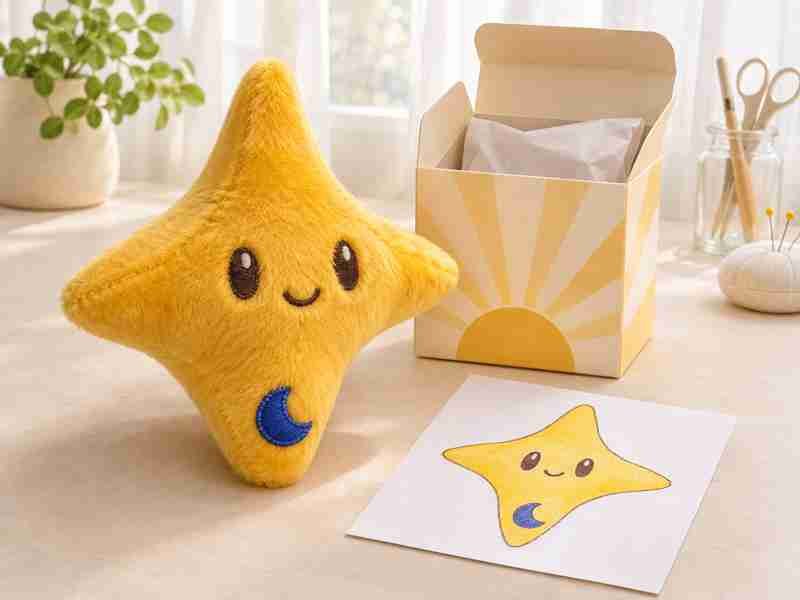
Mini Character Plush

Animal Blind Box Plush

Plush Dolls

Plush Keychains

Bag Charm Plush

Costume Character Plush

Sitting Collectibles
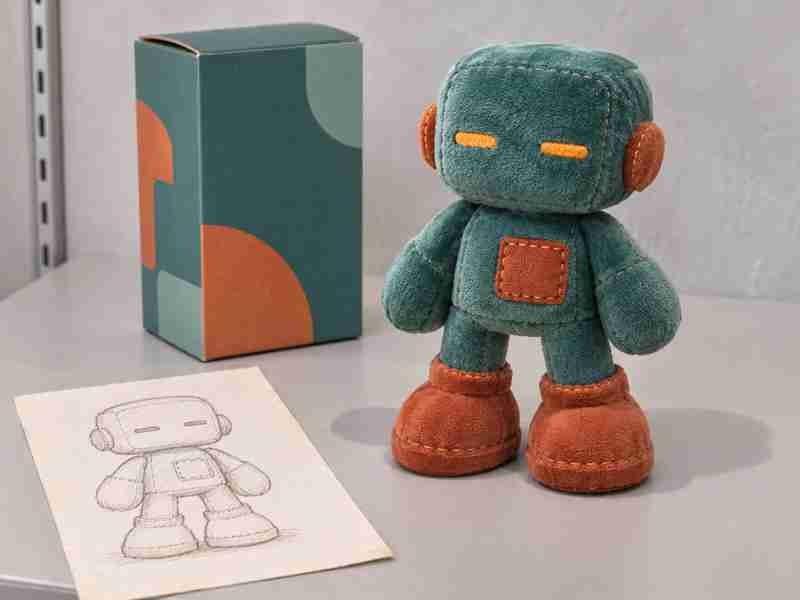
Standing Collectibles

Hidden Edition Plush
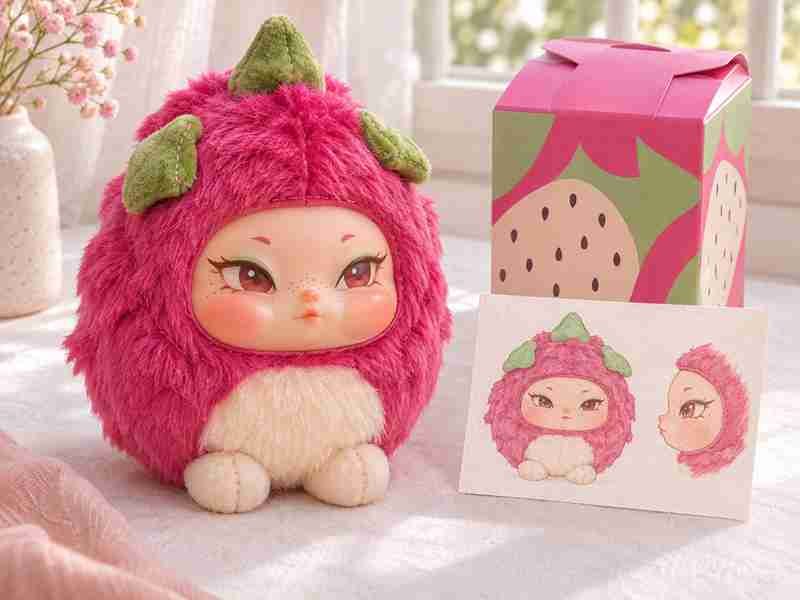
Vinyl Face Plush
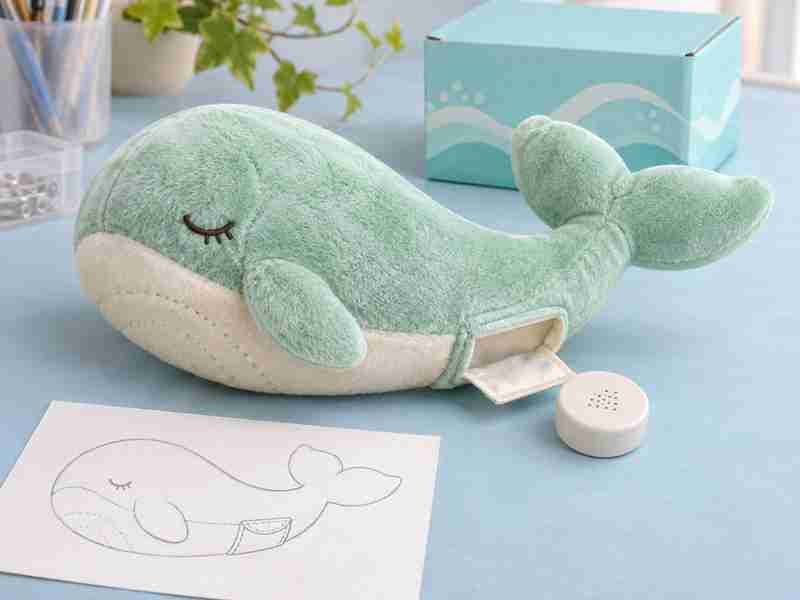
Sound Feature Plush

Seasonal Blind Box Plush
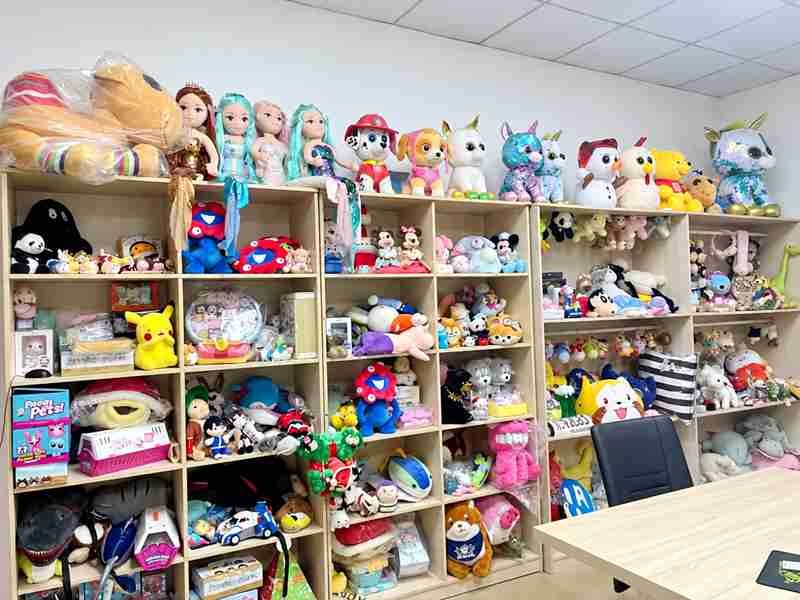
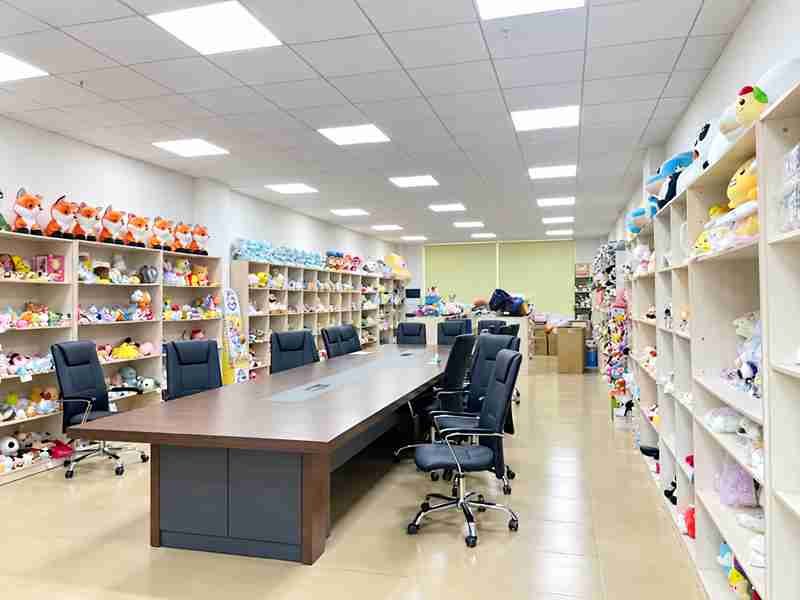
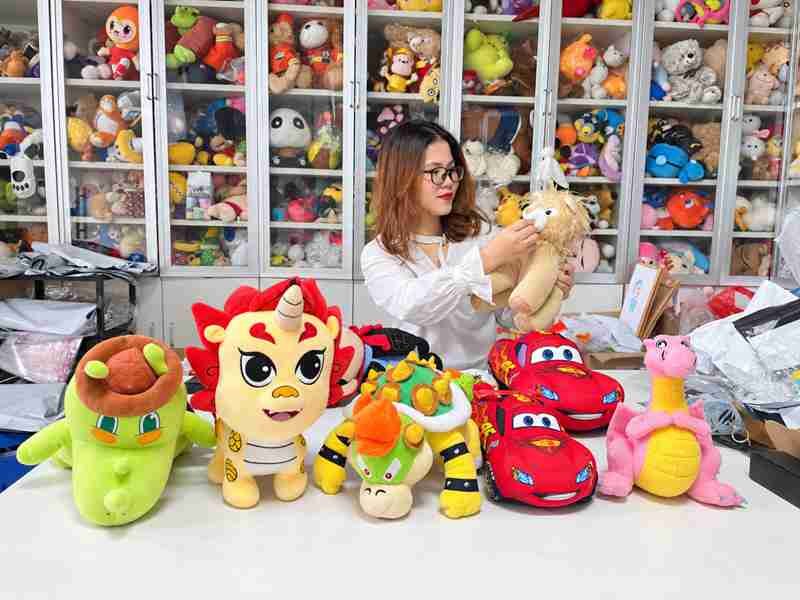
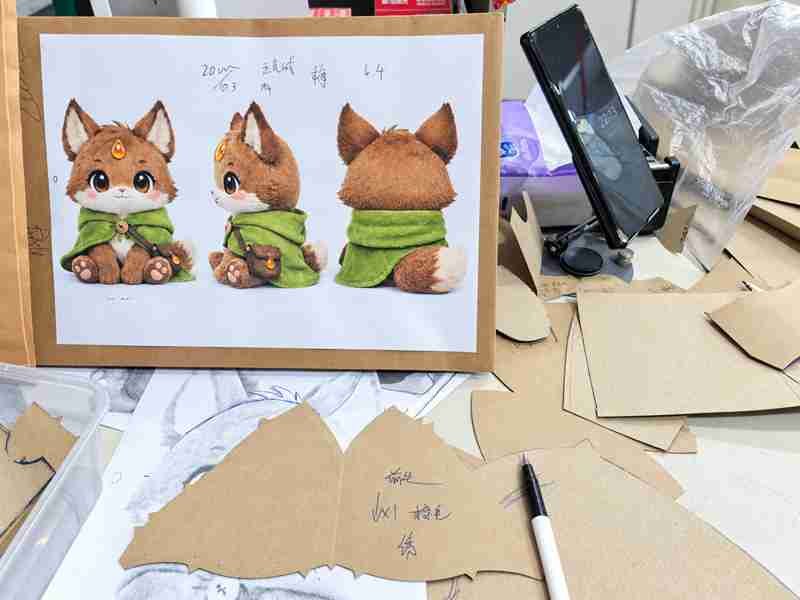
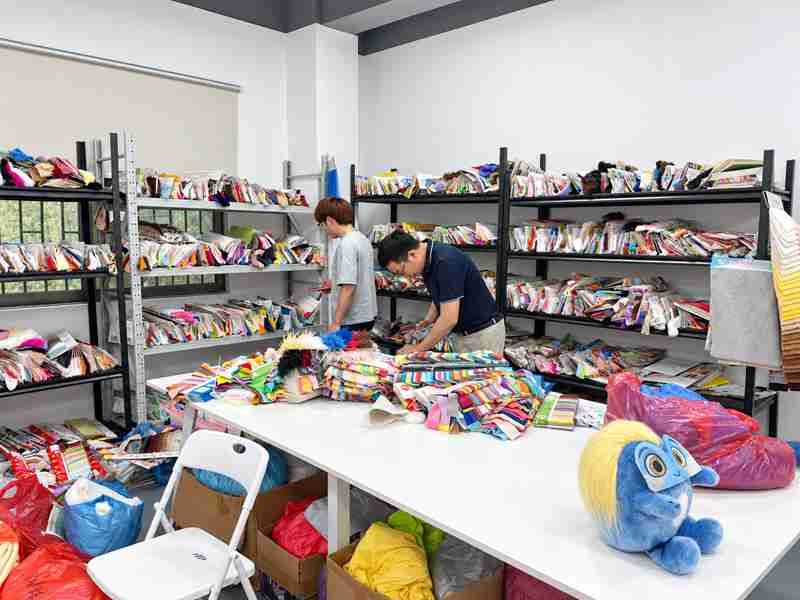
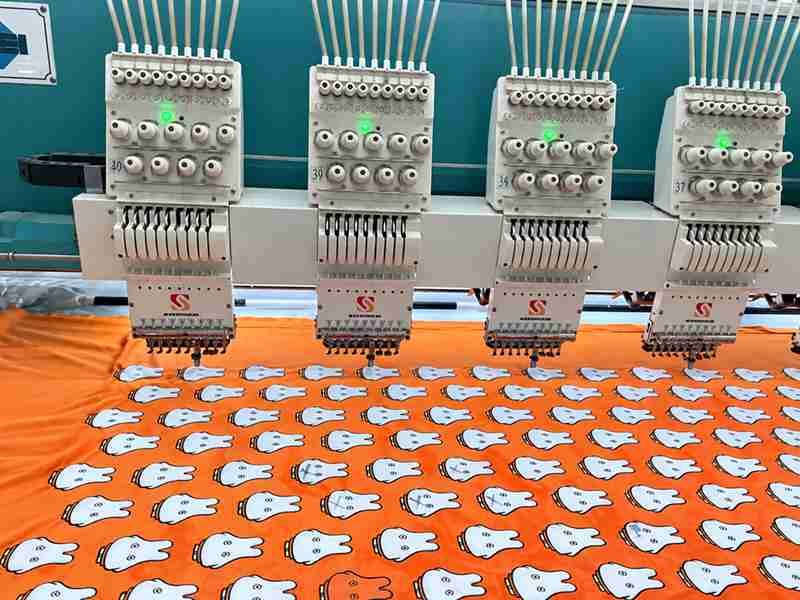
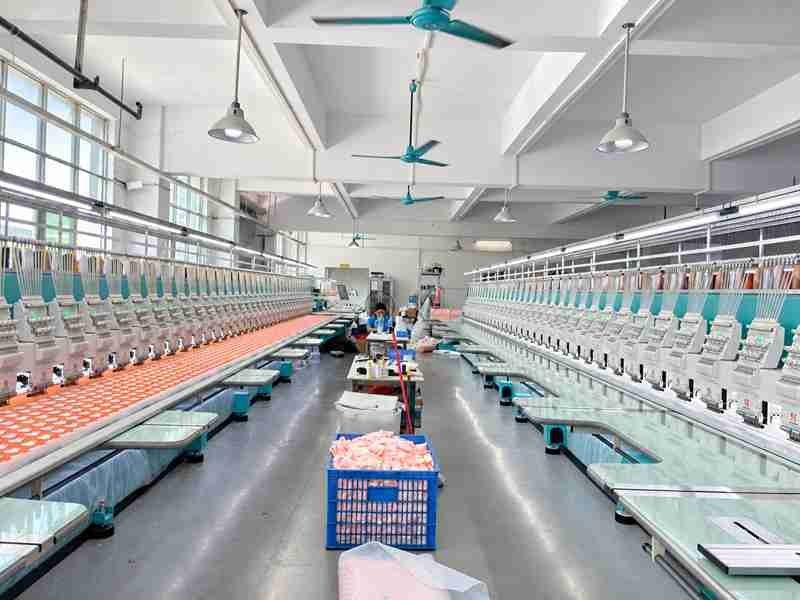
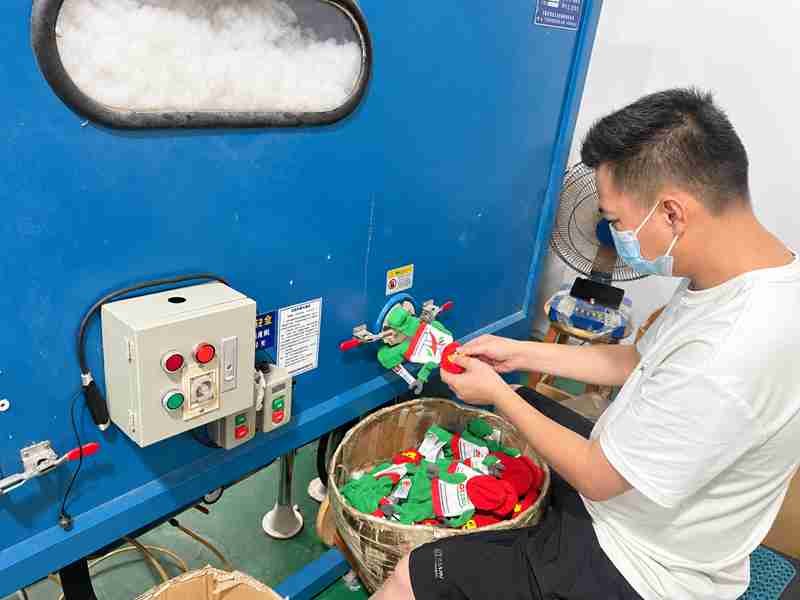
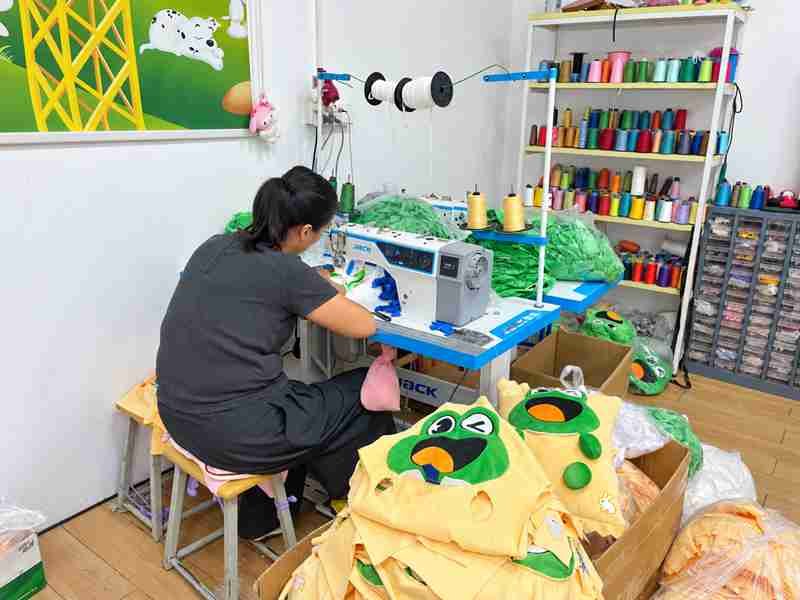
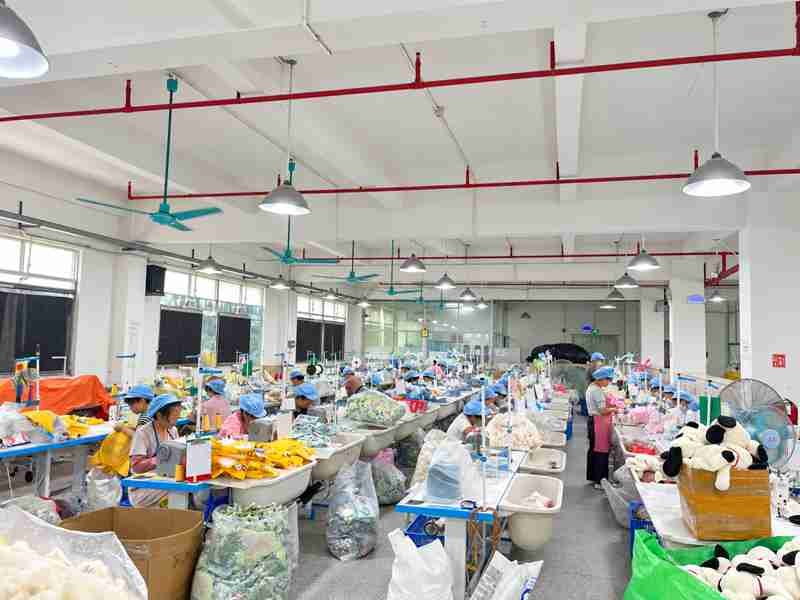
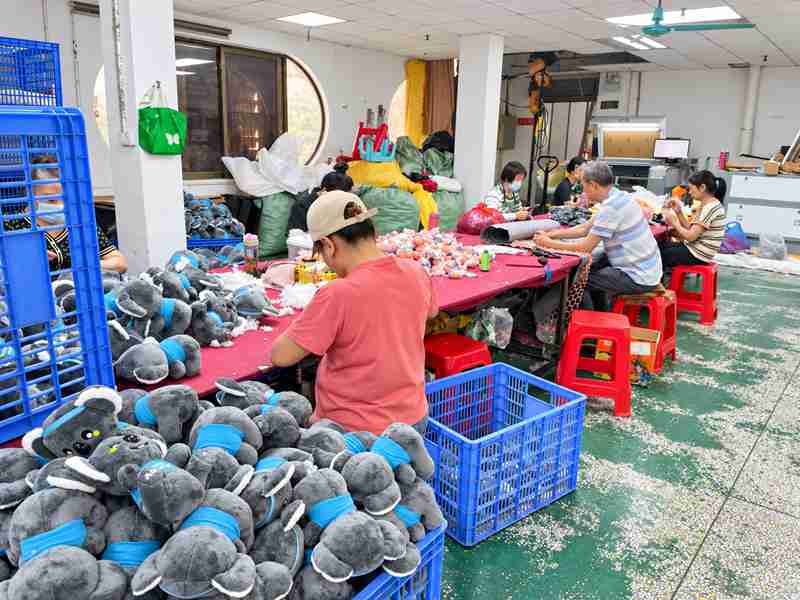
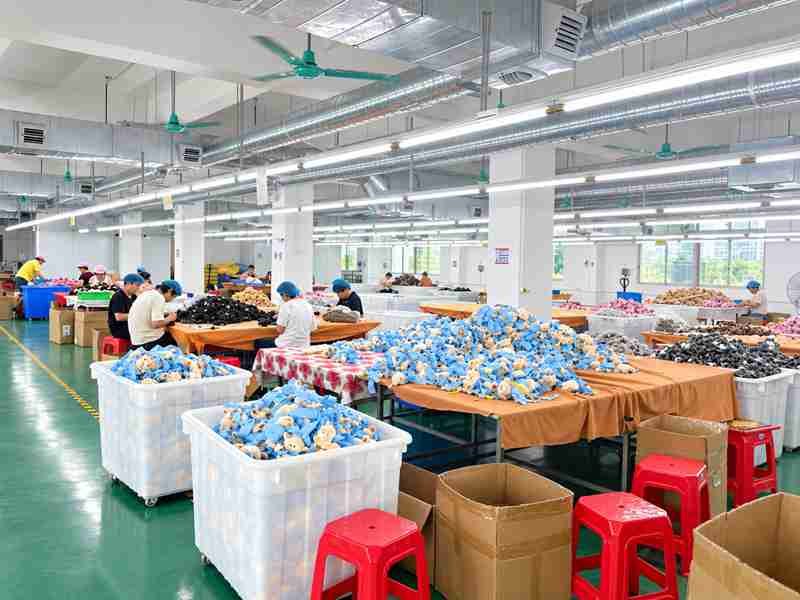
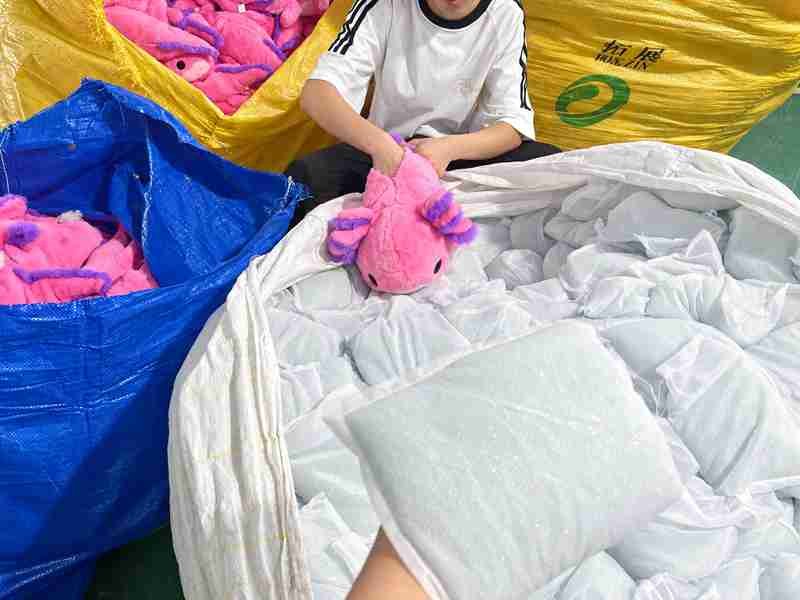
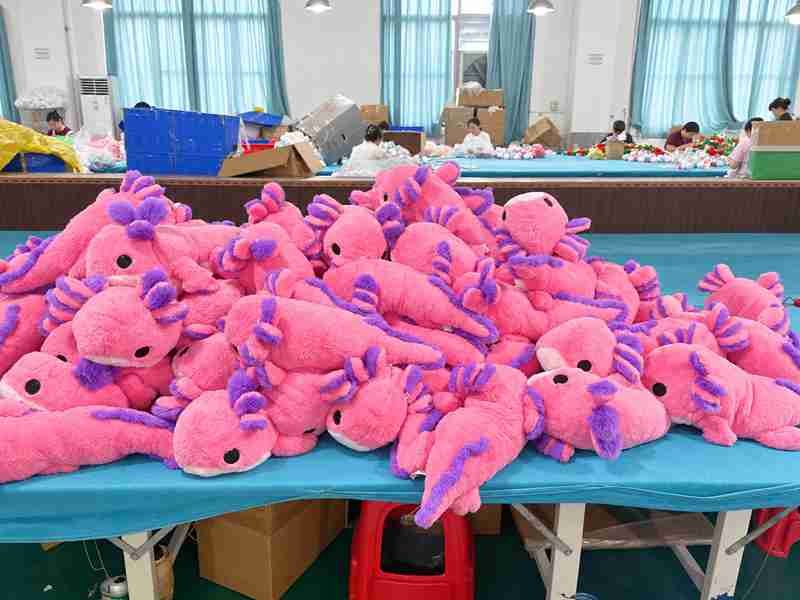
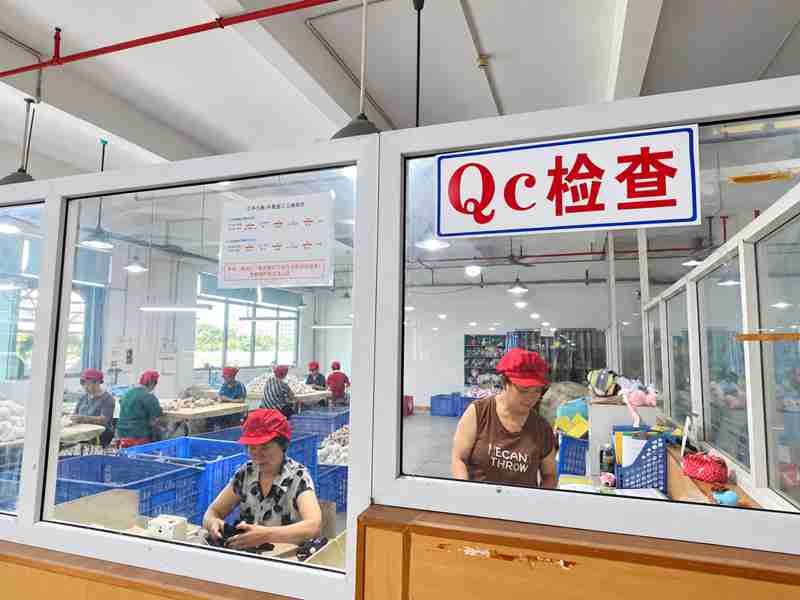
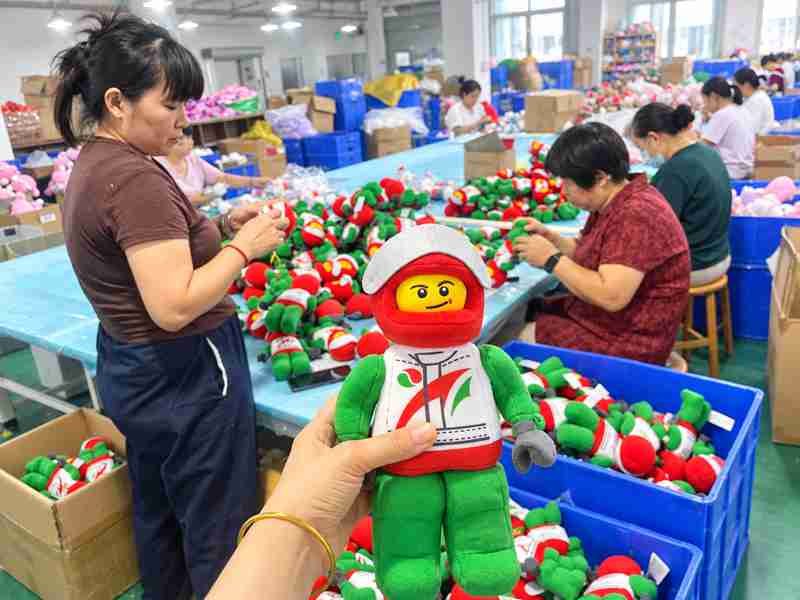
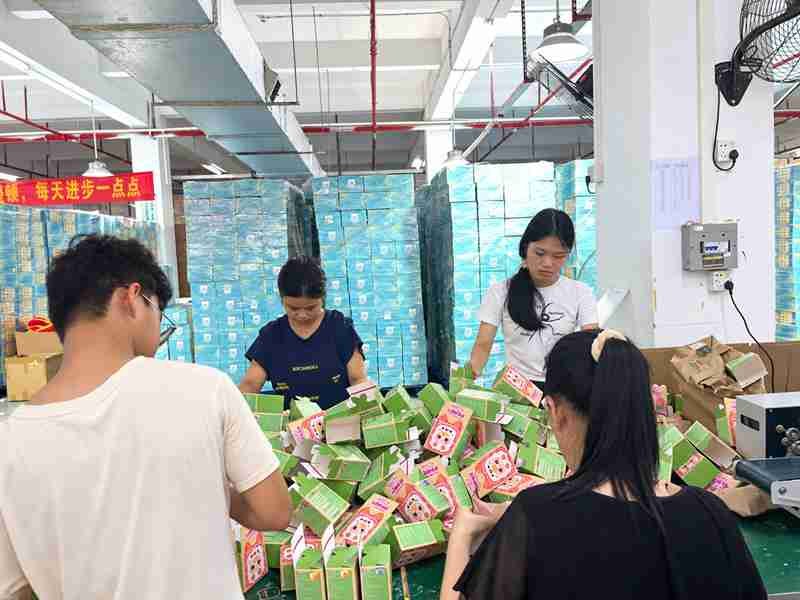
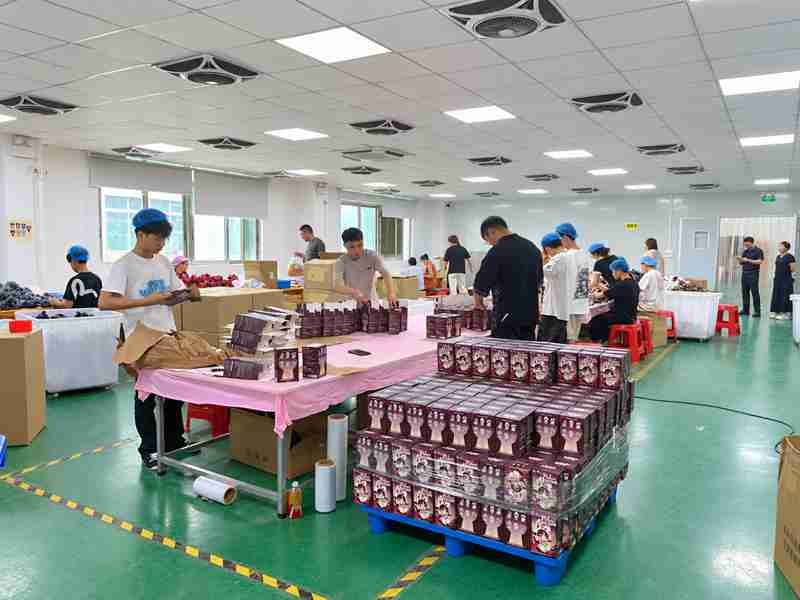
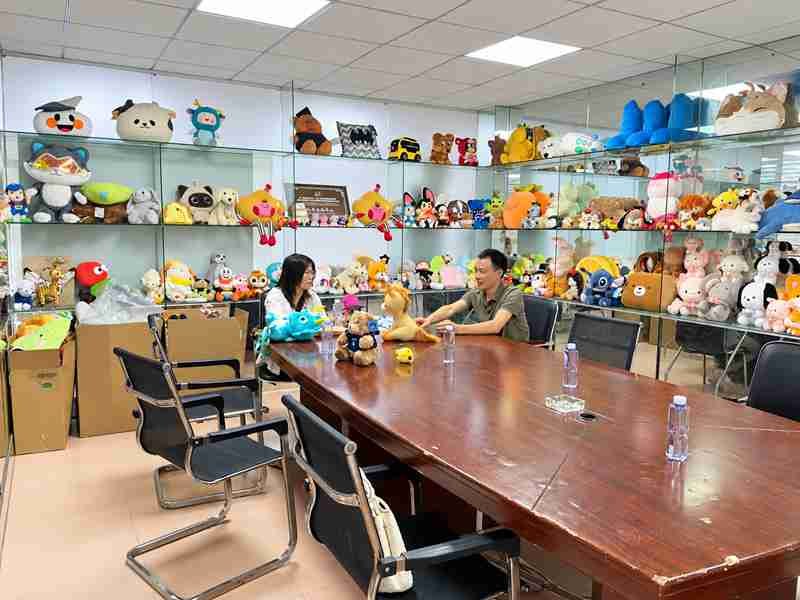
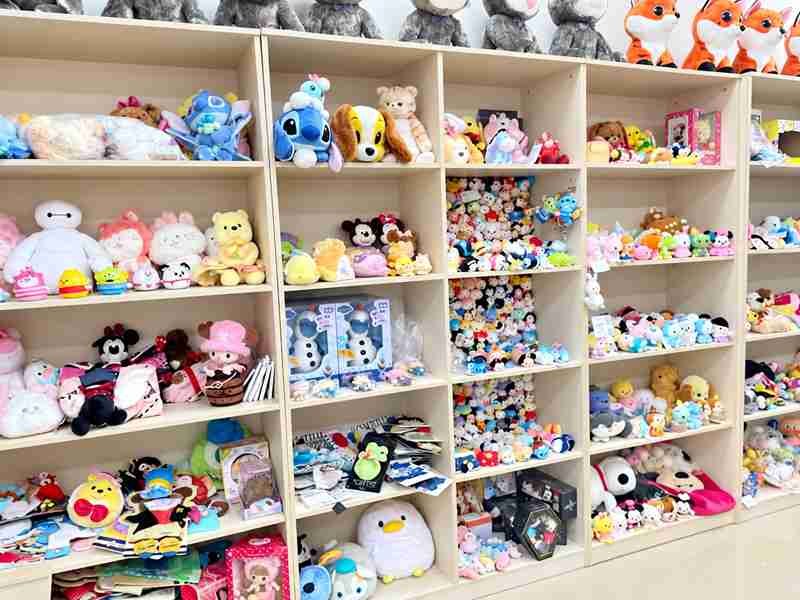
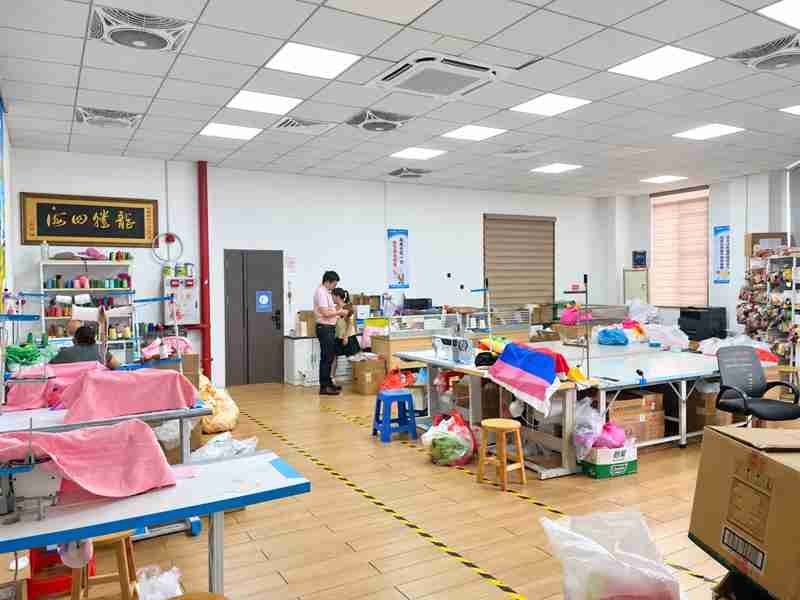
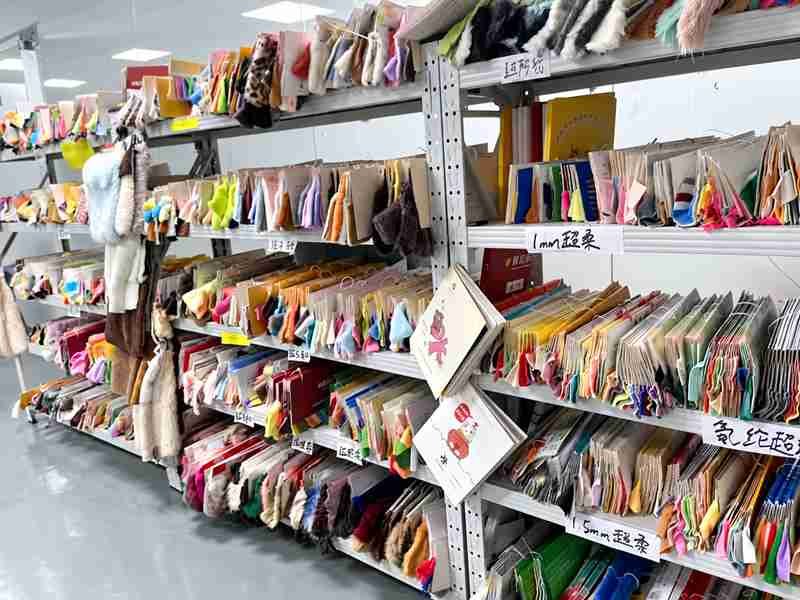
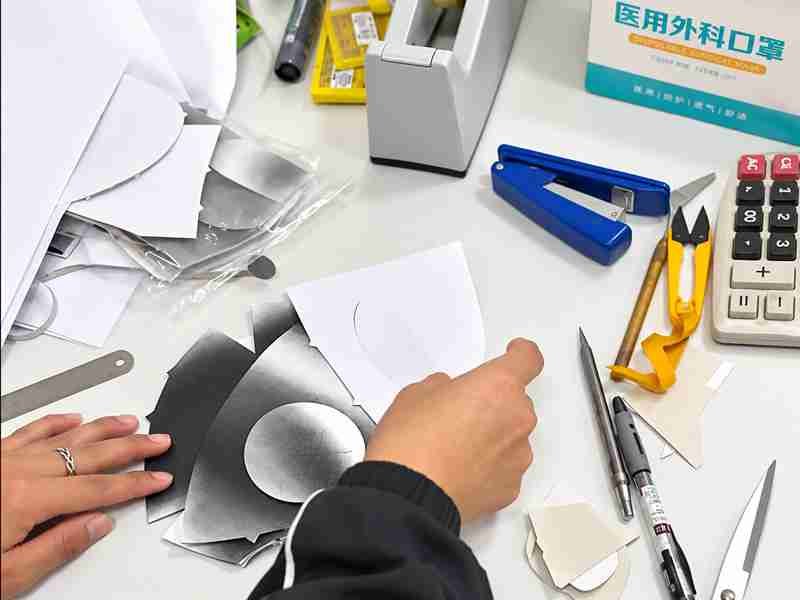
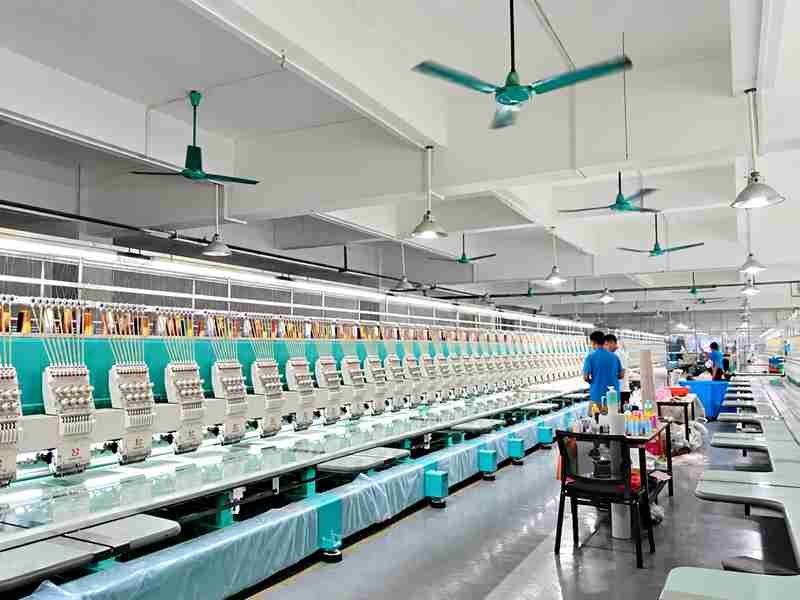
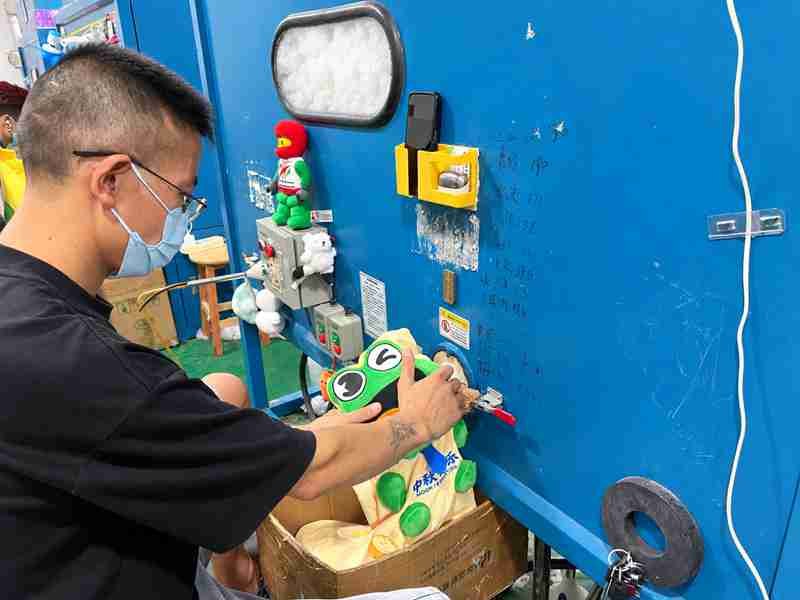
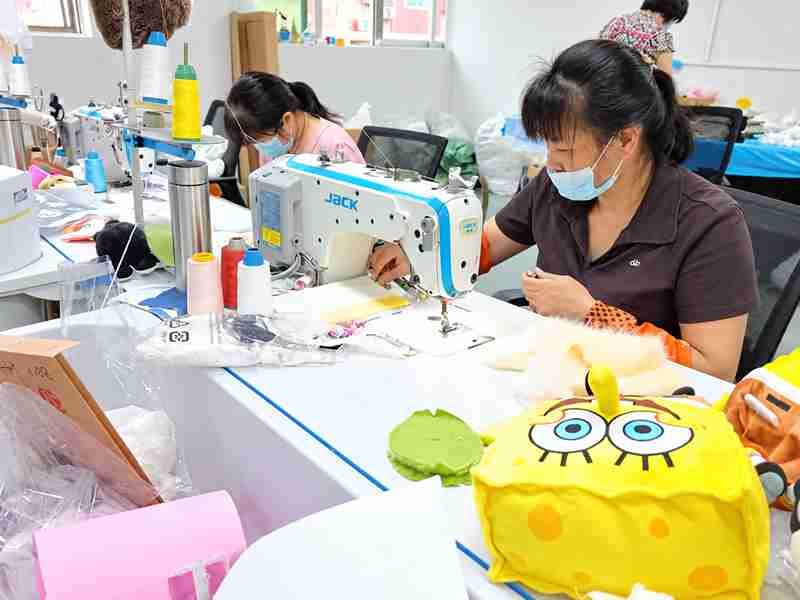
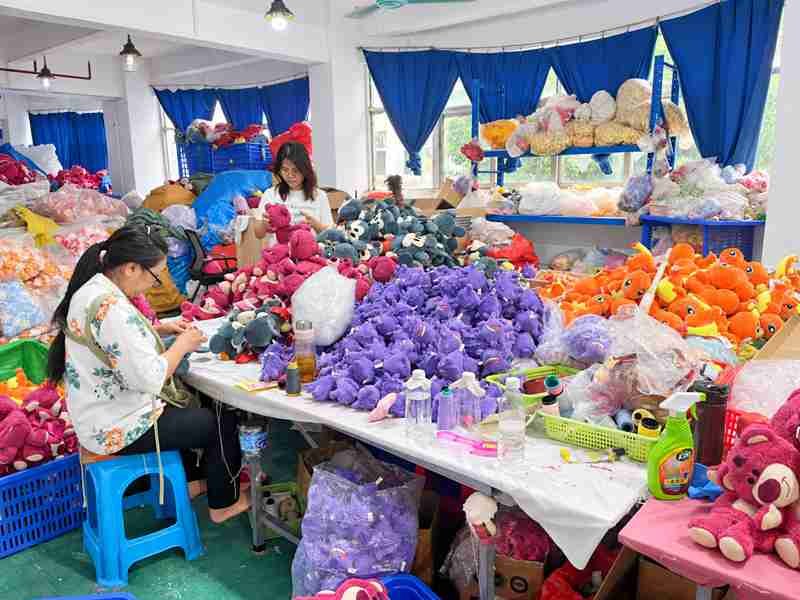
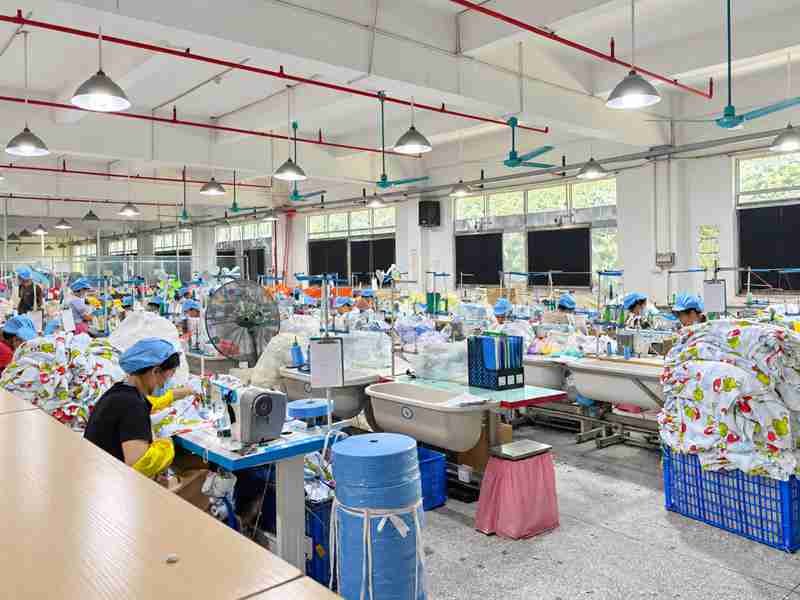
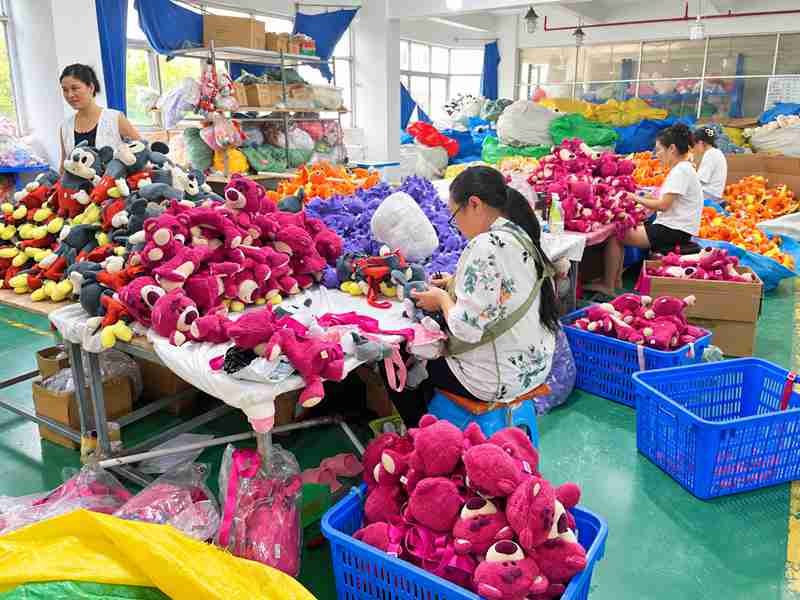
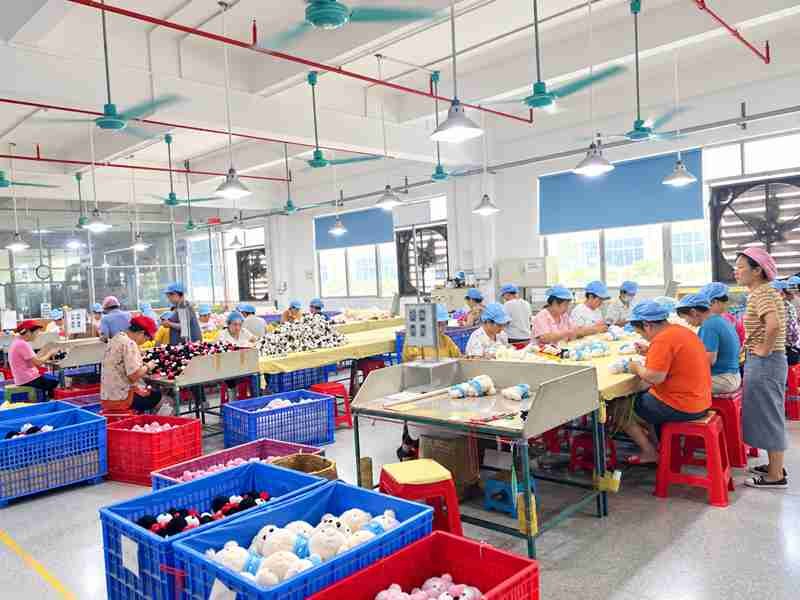
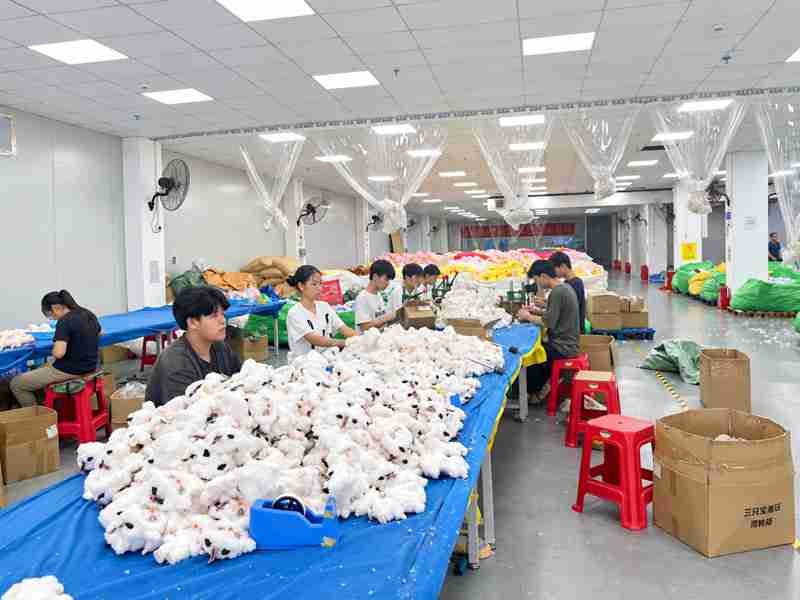
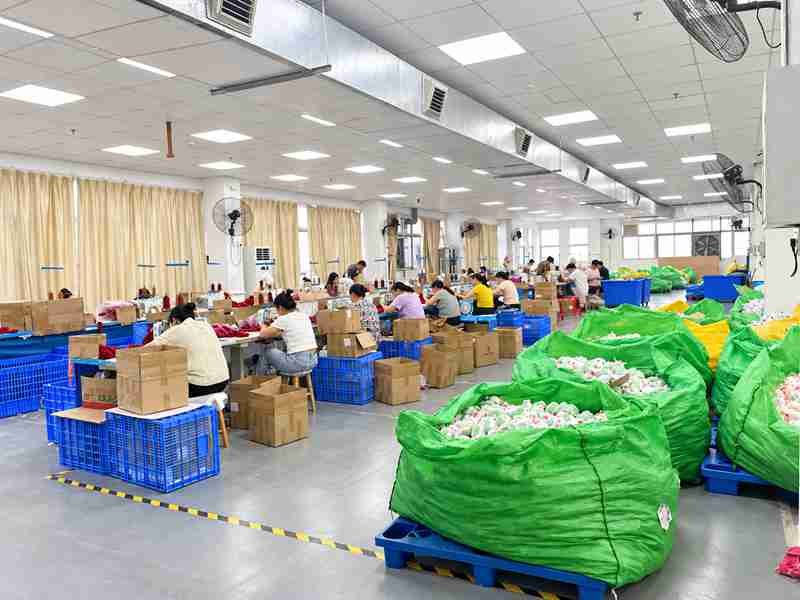
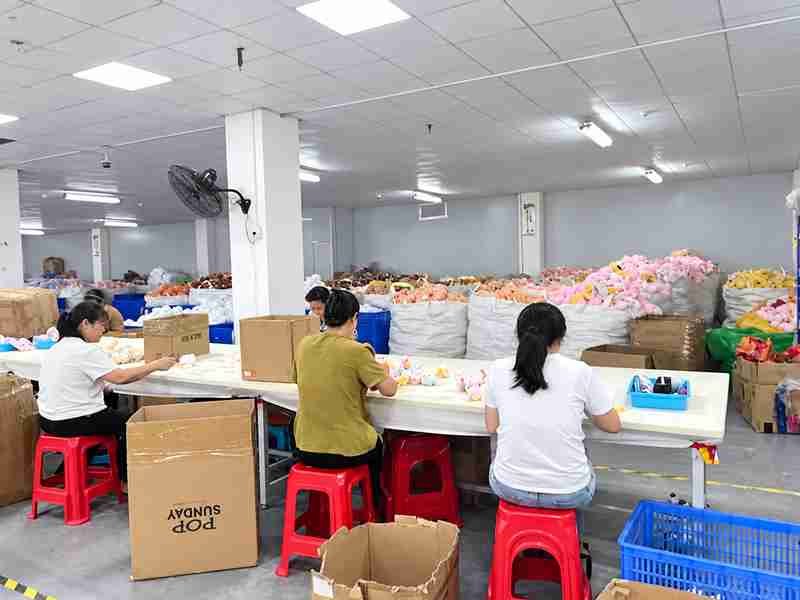
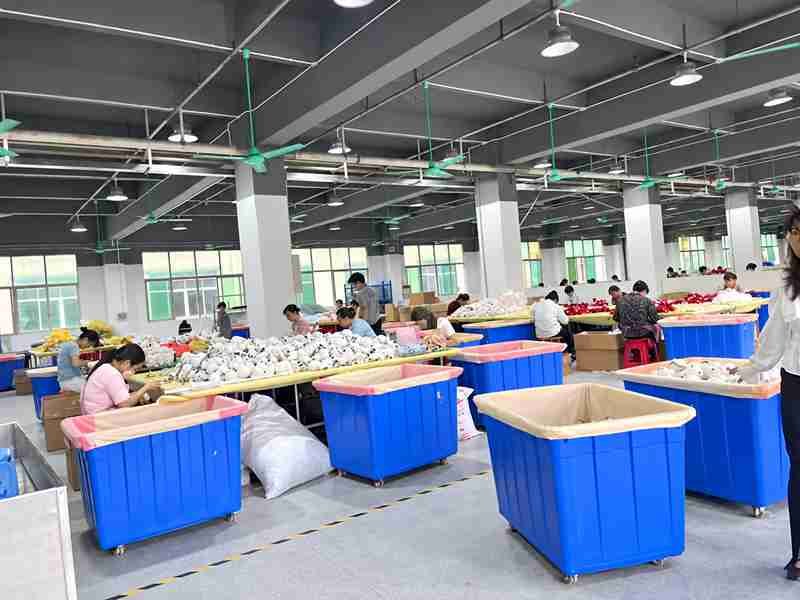
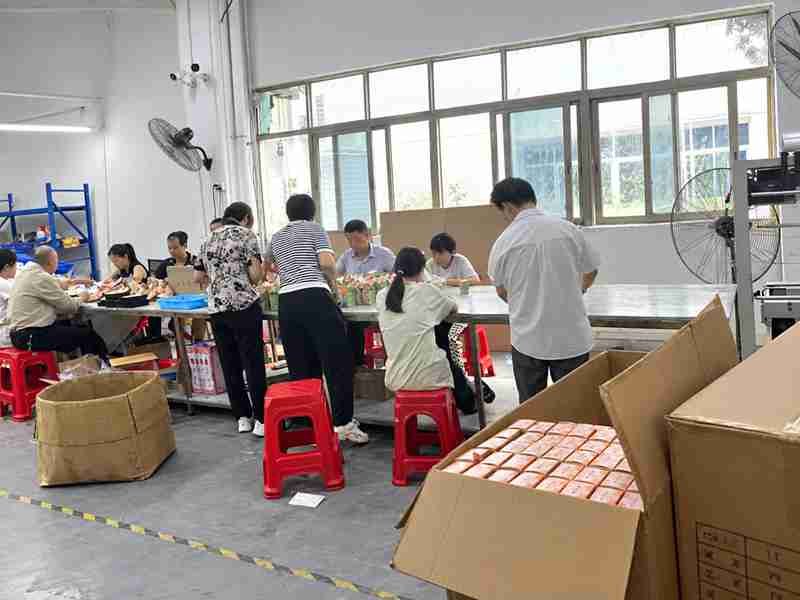
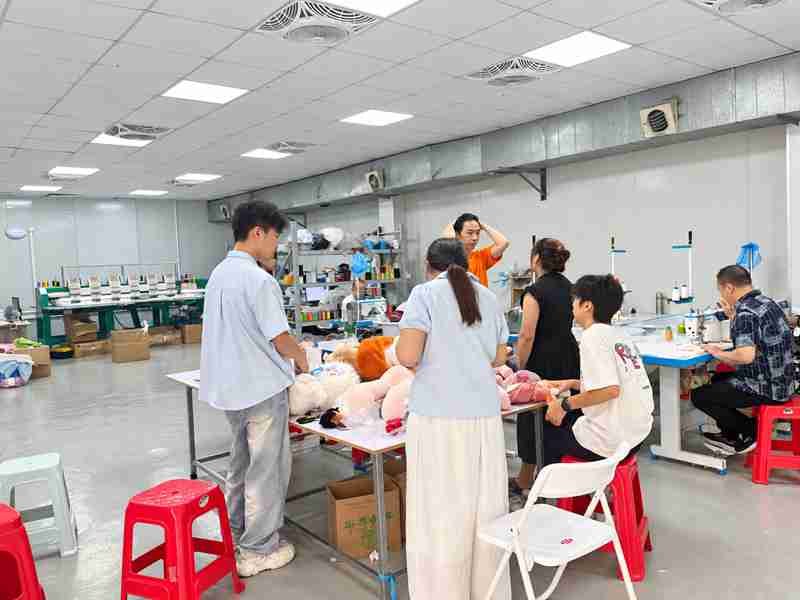
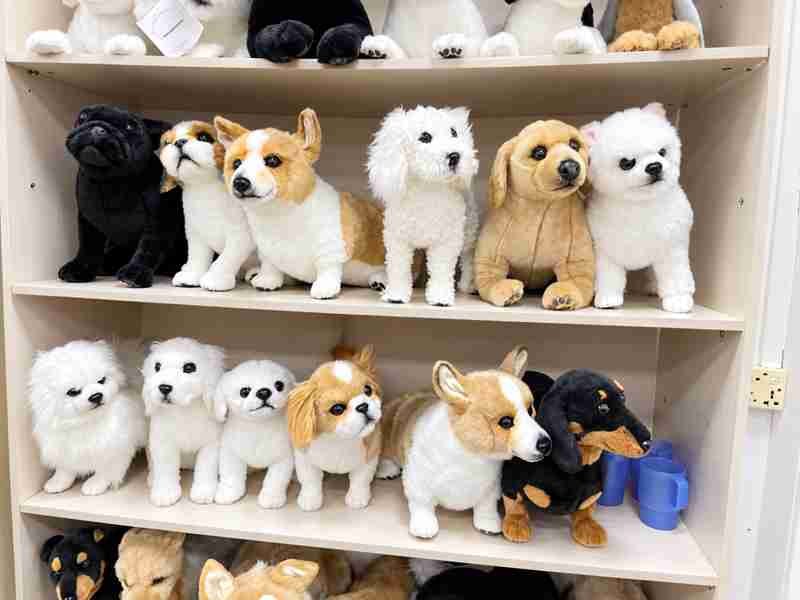
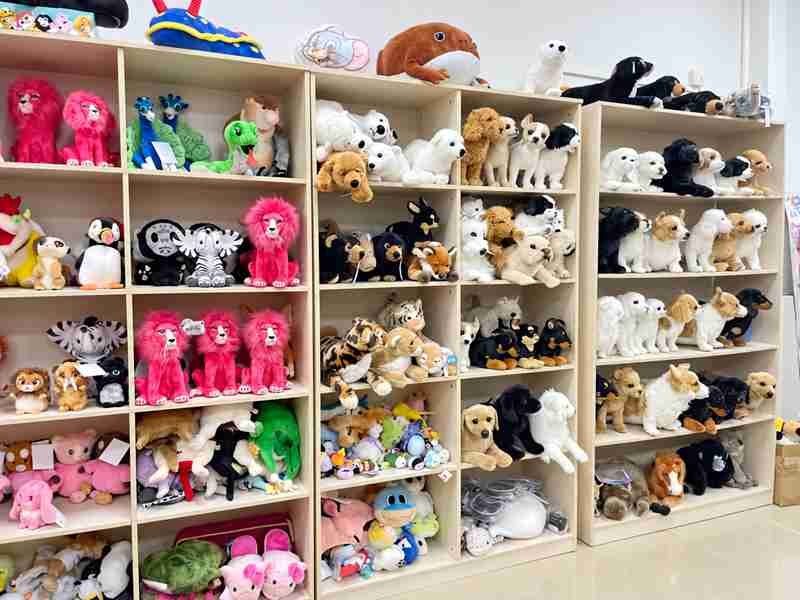
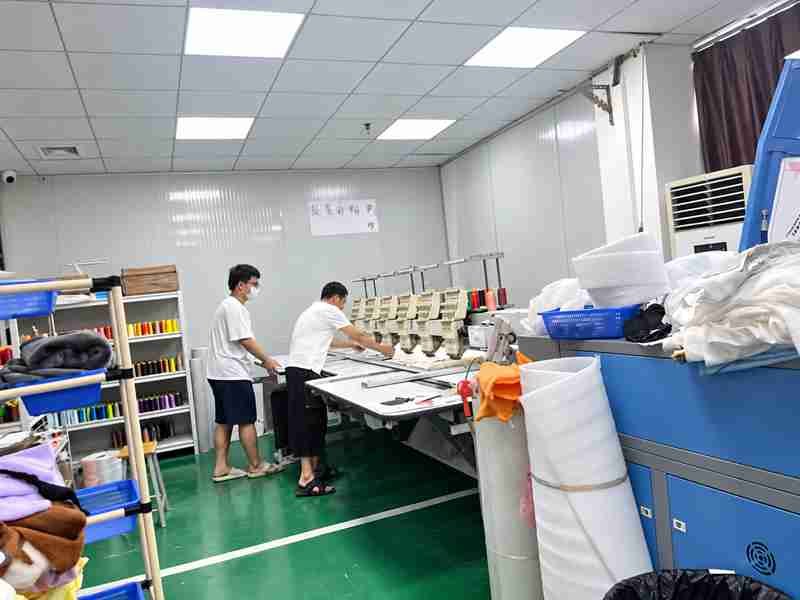
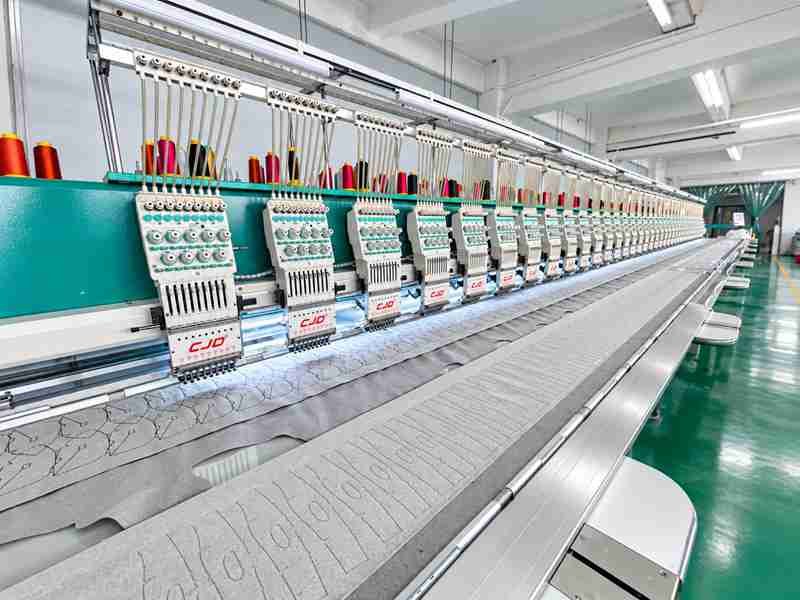
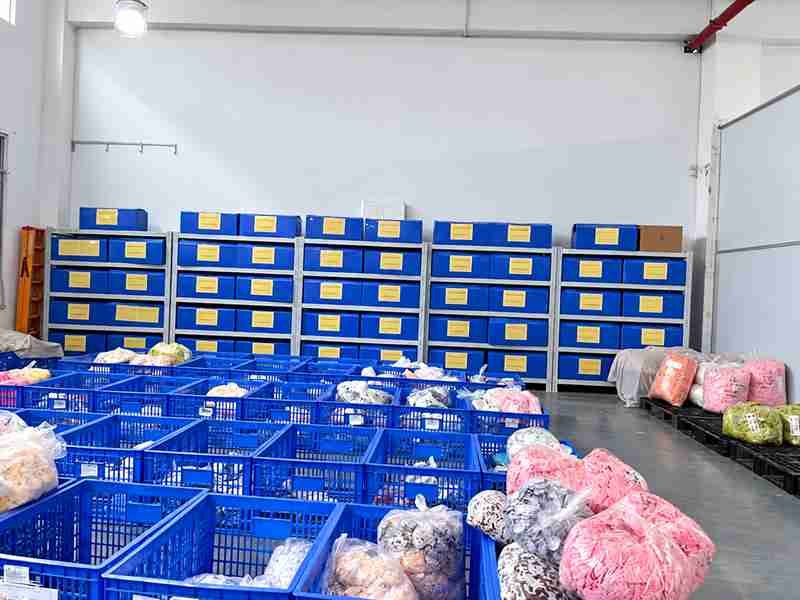
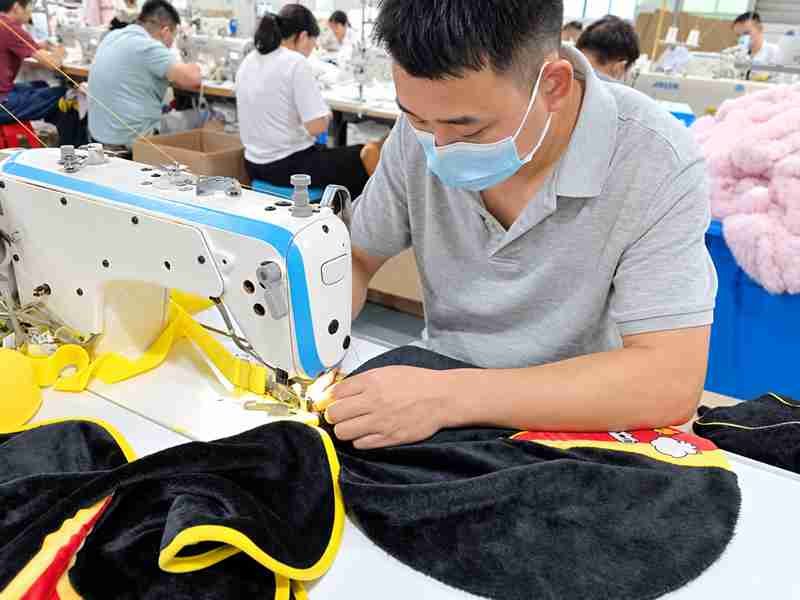
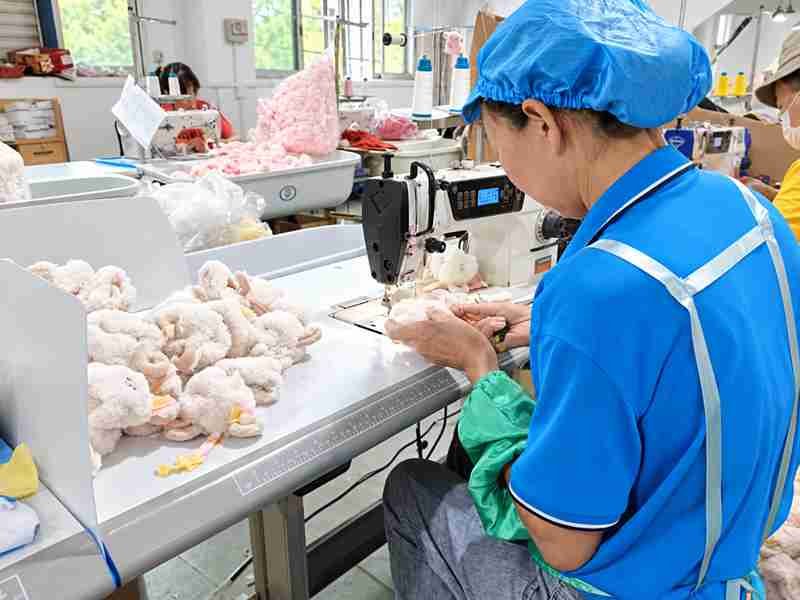
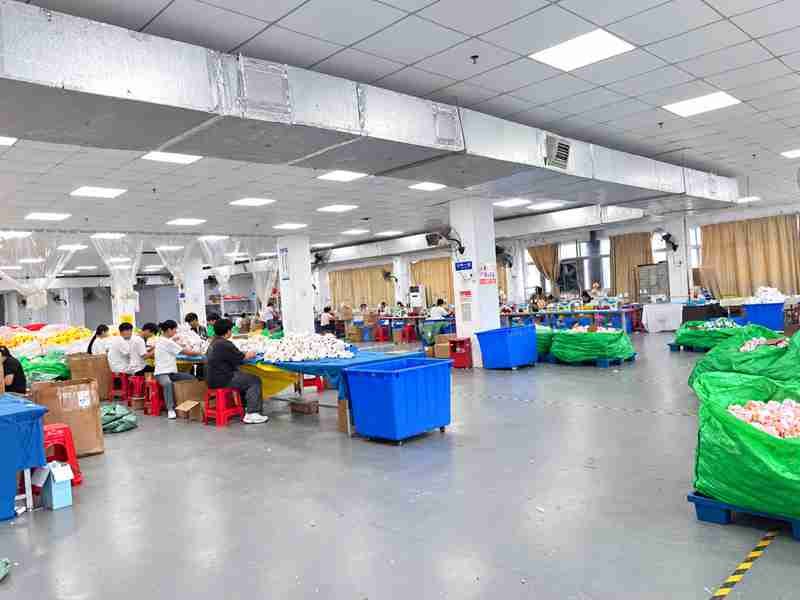
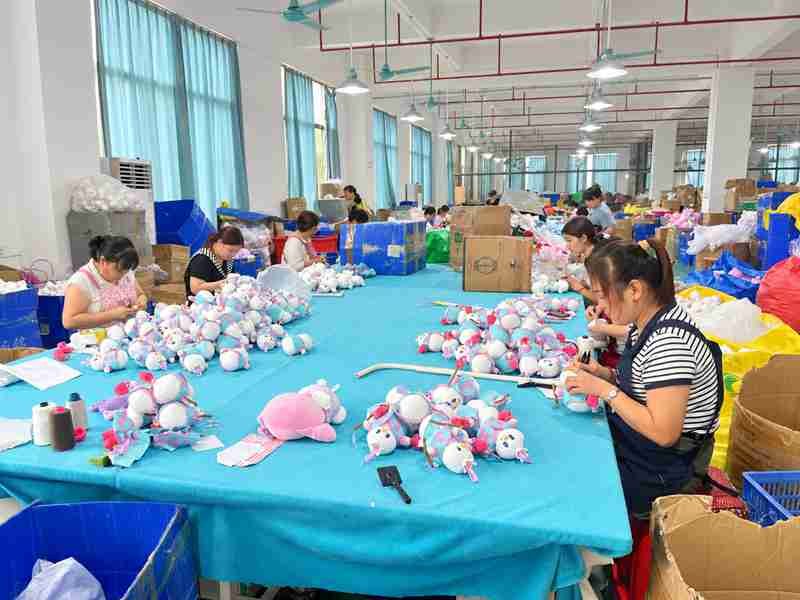
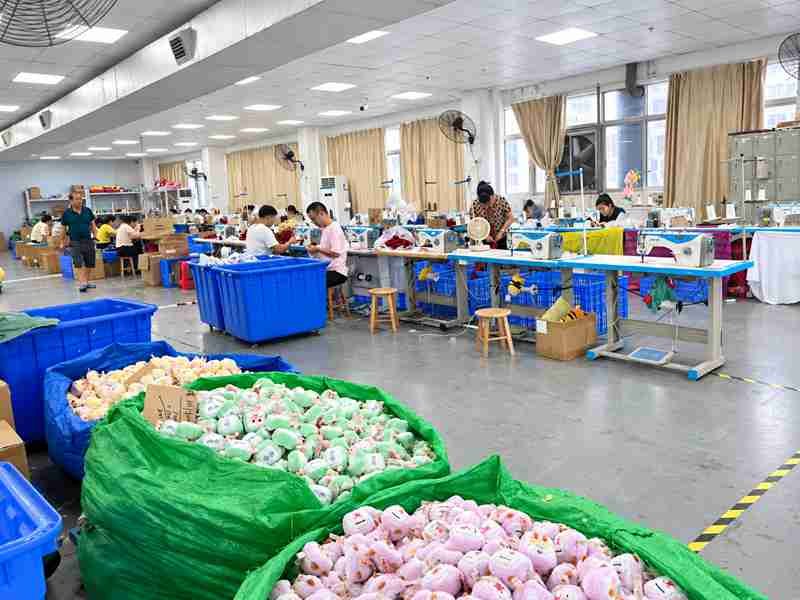
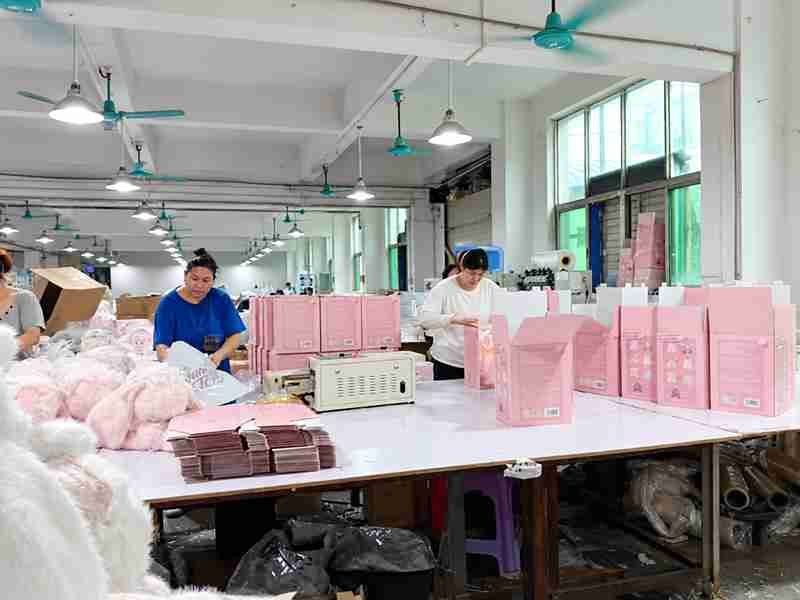
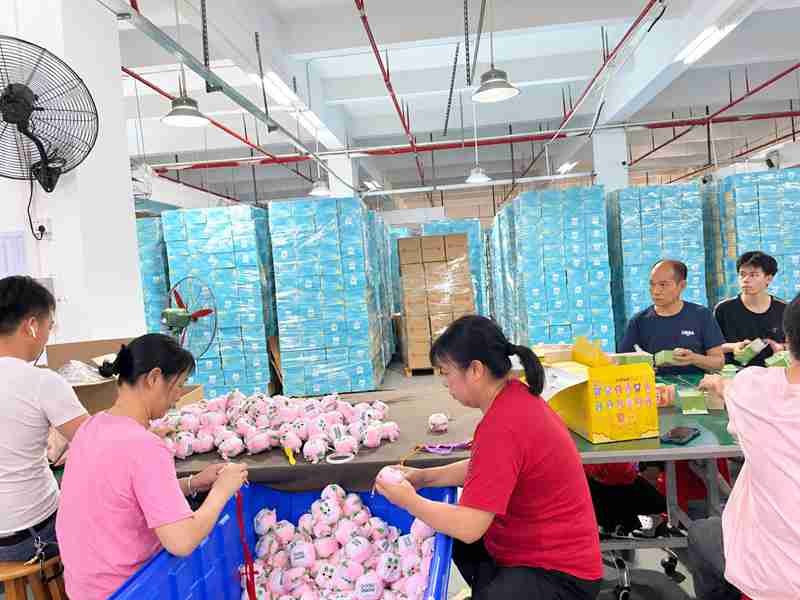
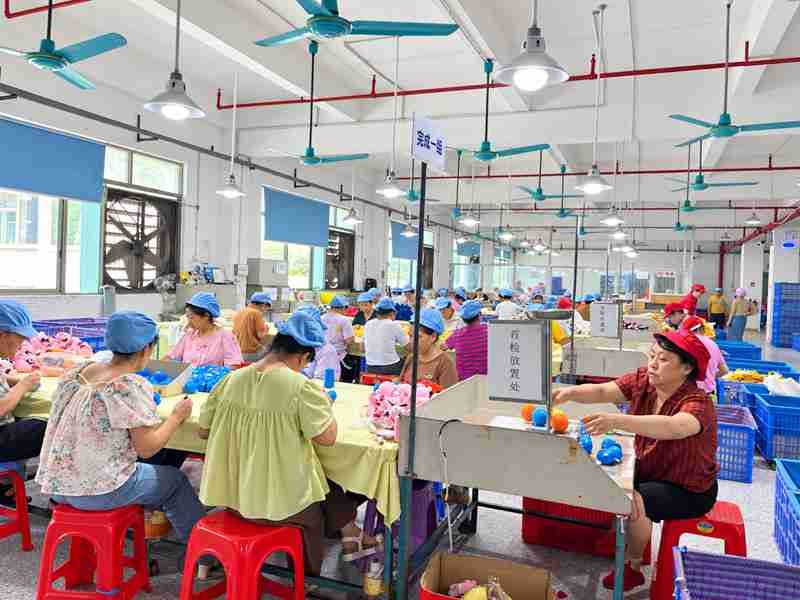
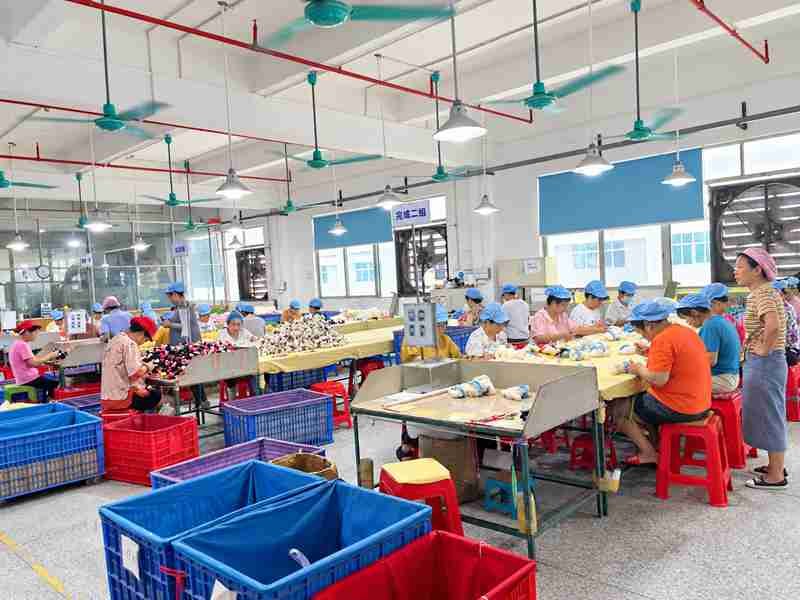
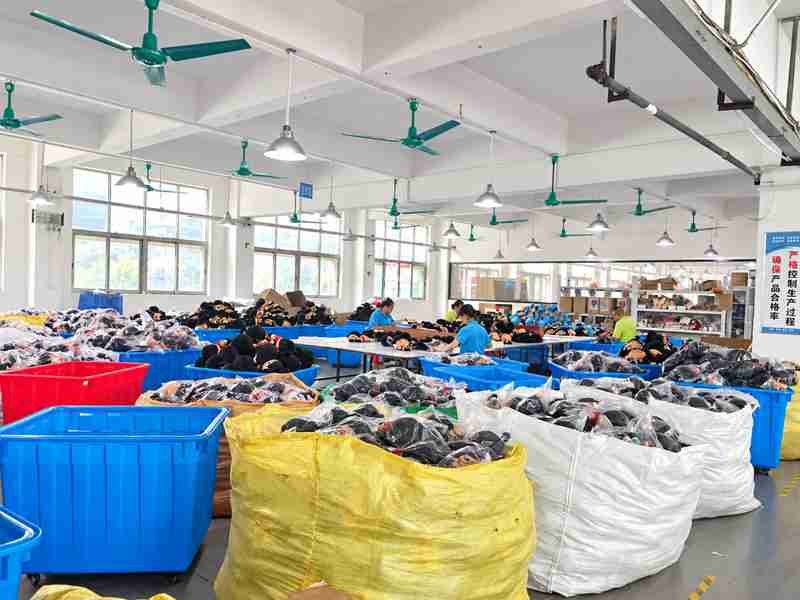
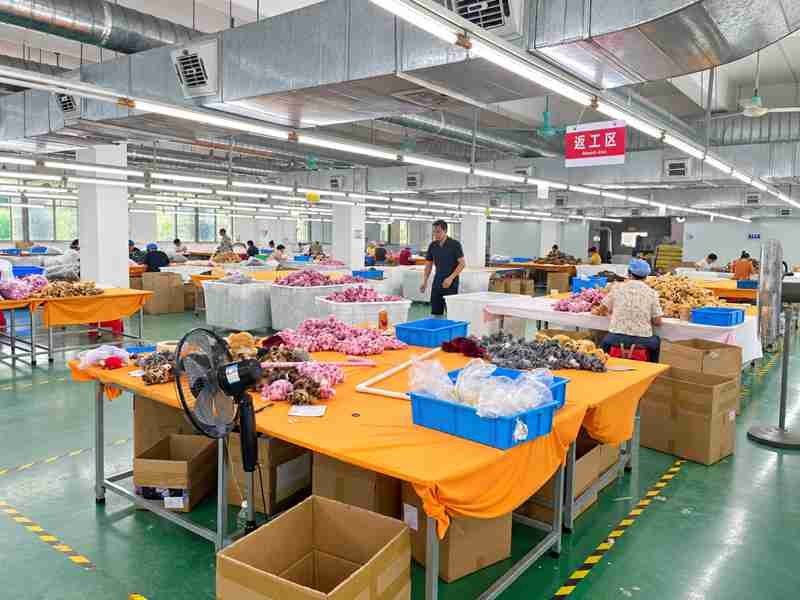
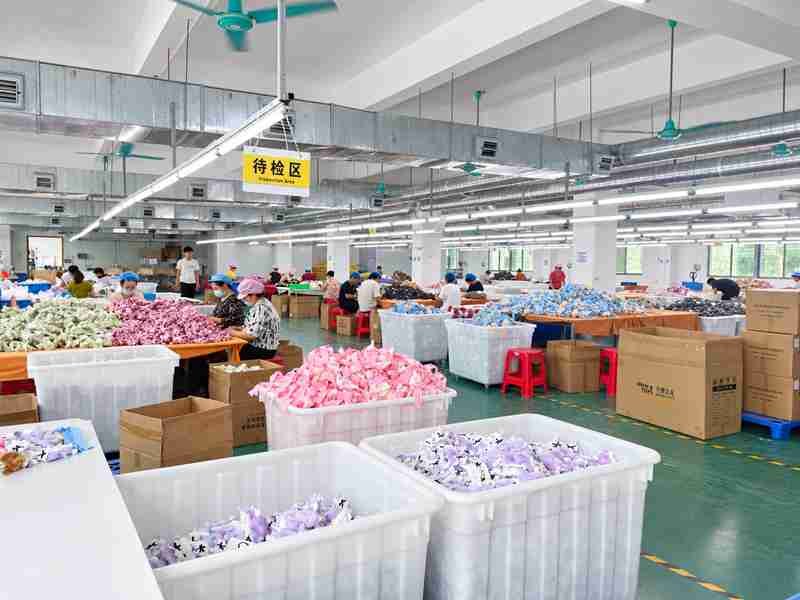
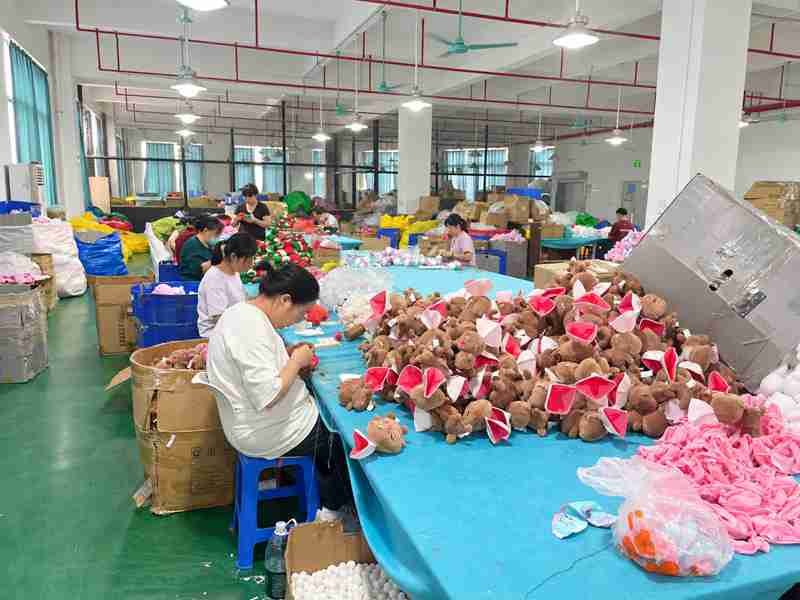
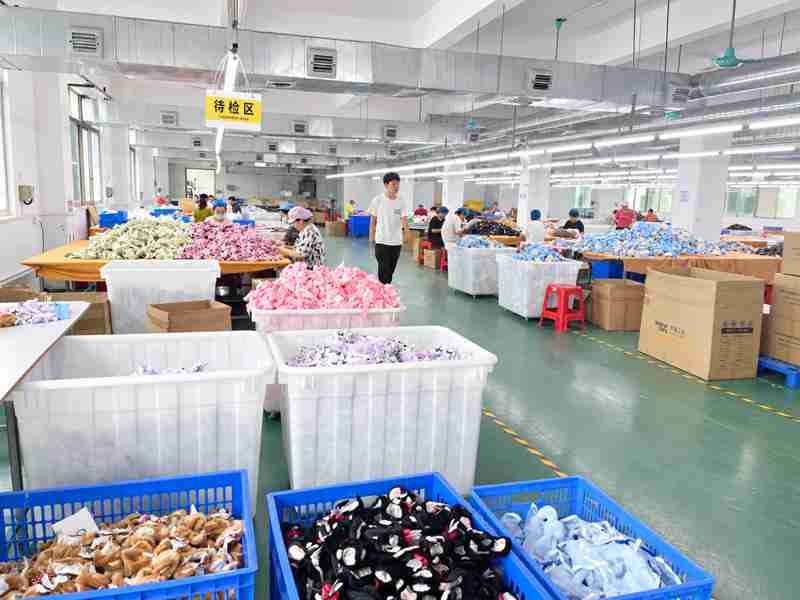
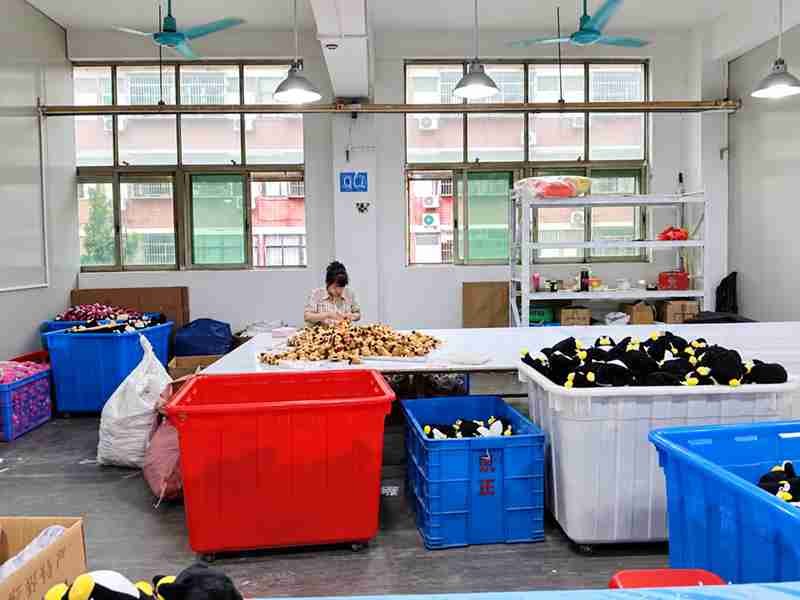
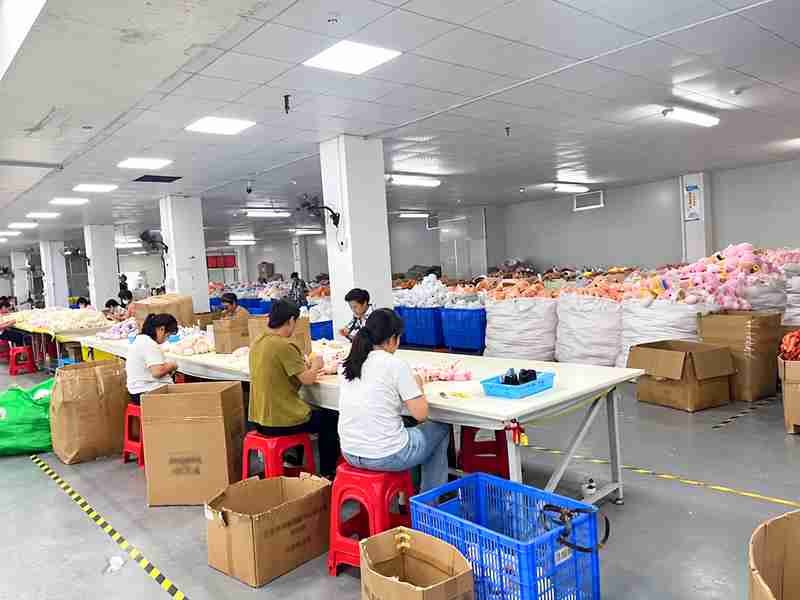
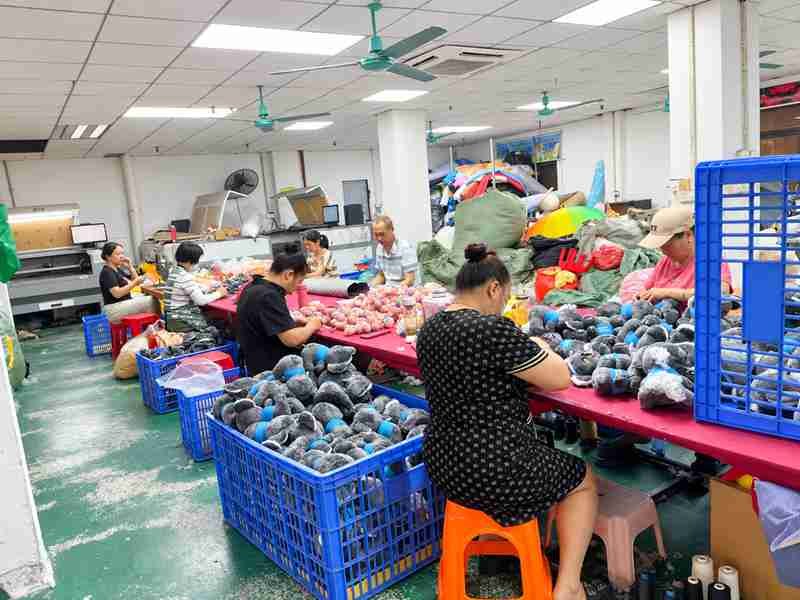
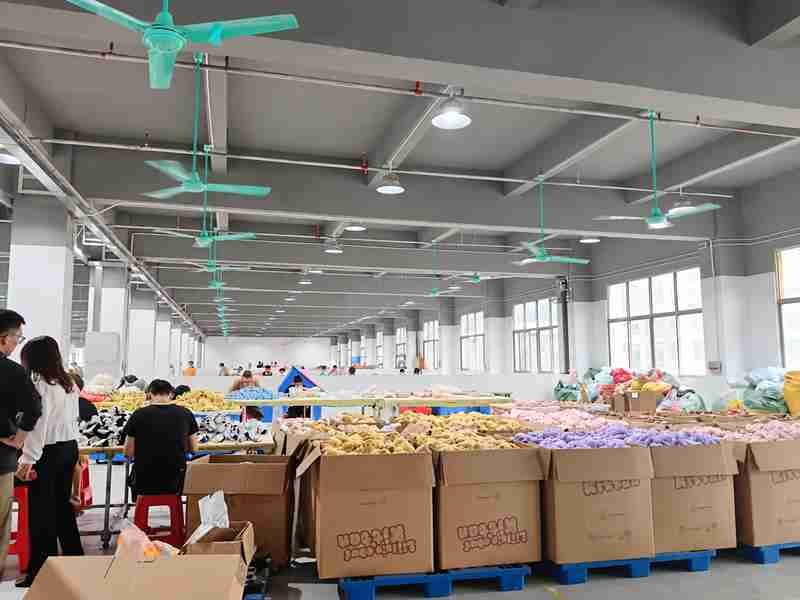
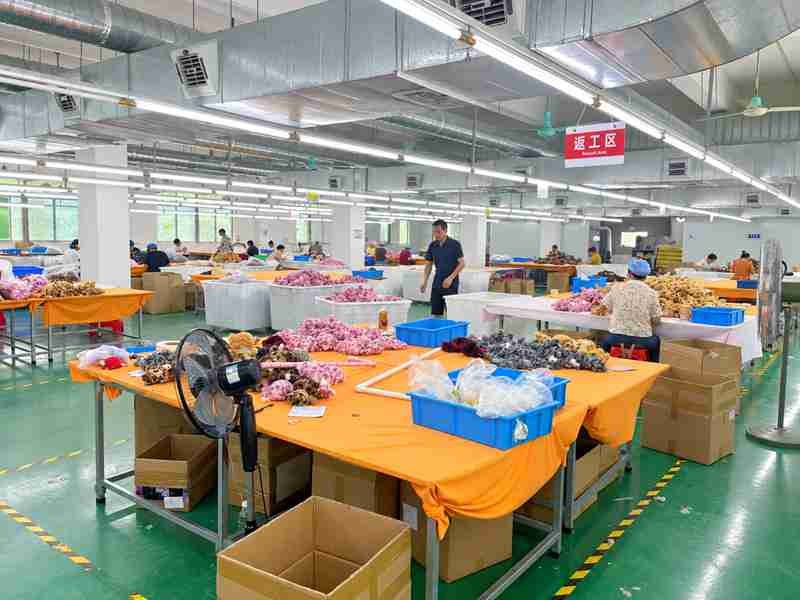
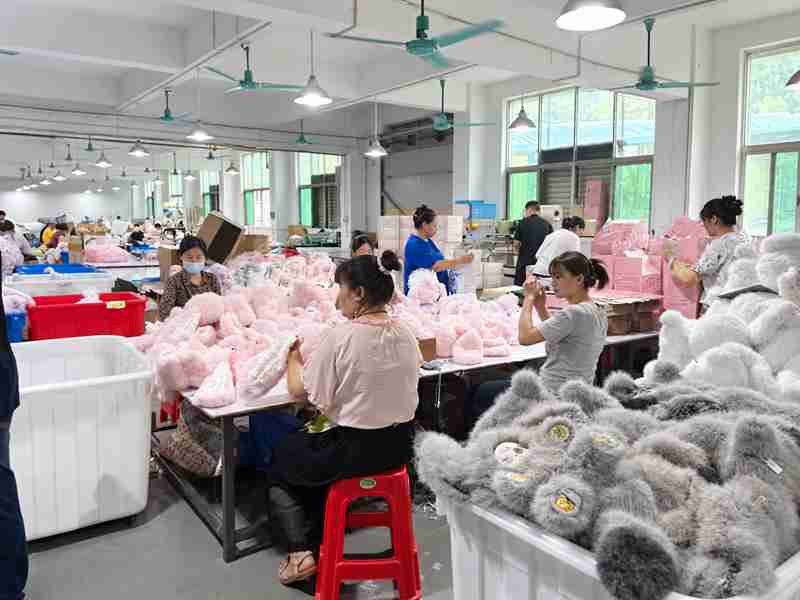
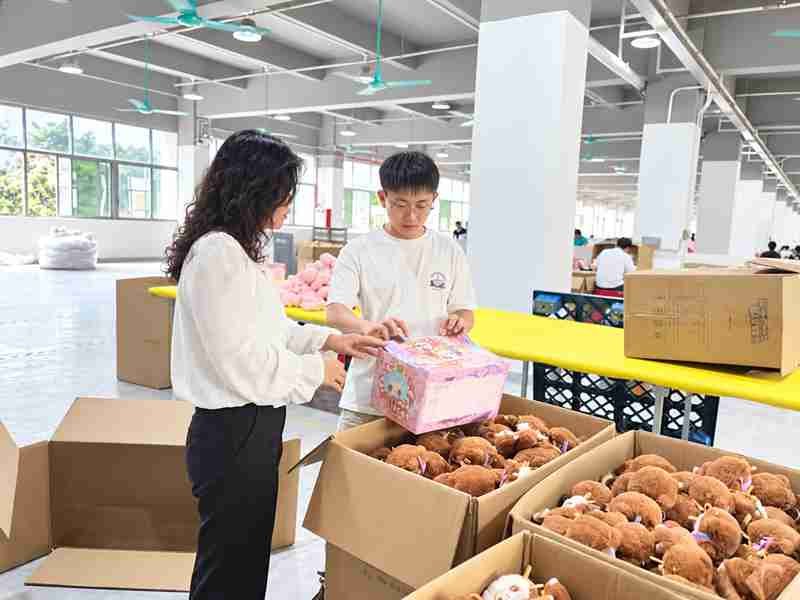
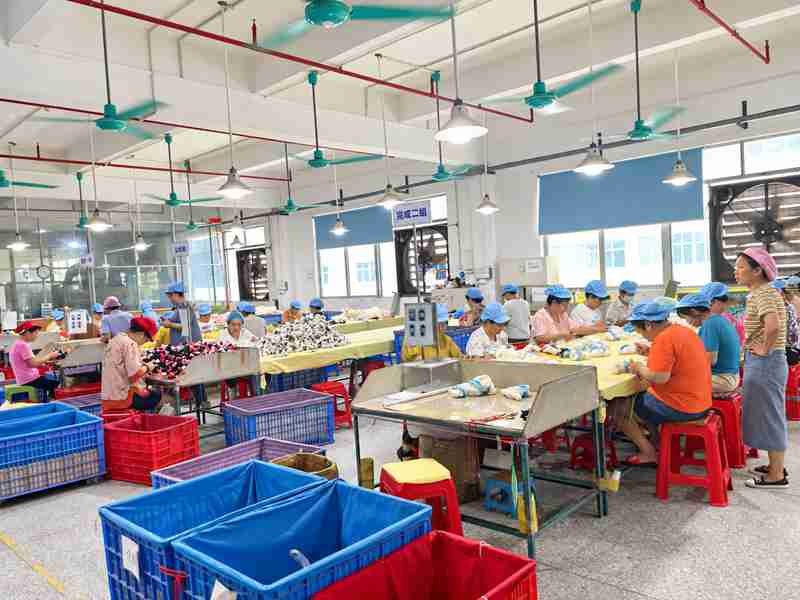
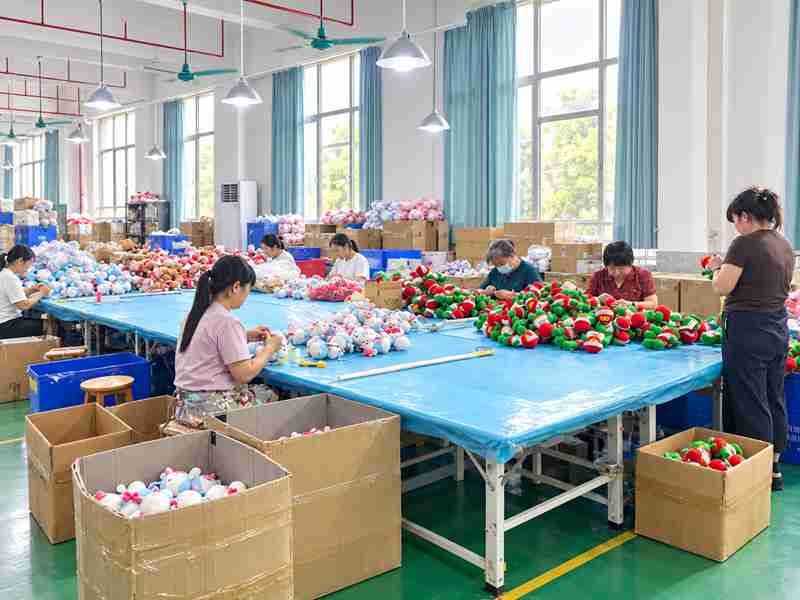
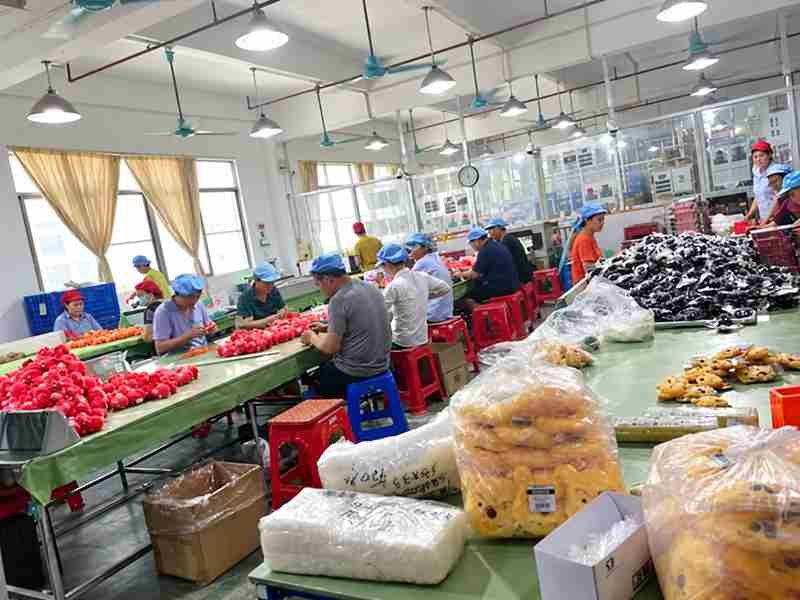
From Prototype to Production: Our Real Plush Factory Show
At Ewintoys, every plush project follows a structured development and production process, from initial design review and pattern making to sampling, mass production, quality inspection, and final delivery. Our real factory images provide a transparent view of how ideas are transformed into high-quality plush products through professional craftsmanship, engineering control, and careful production management.

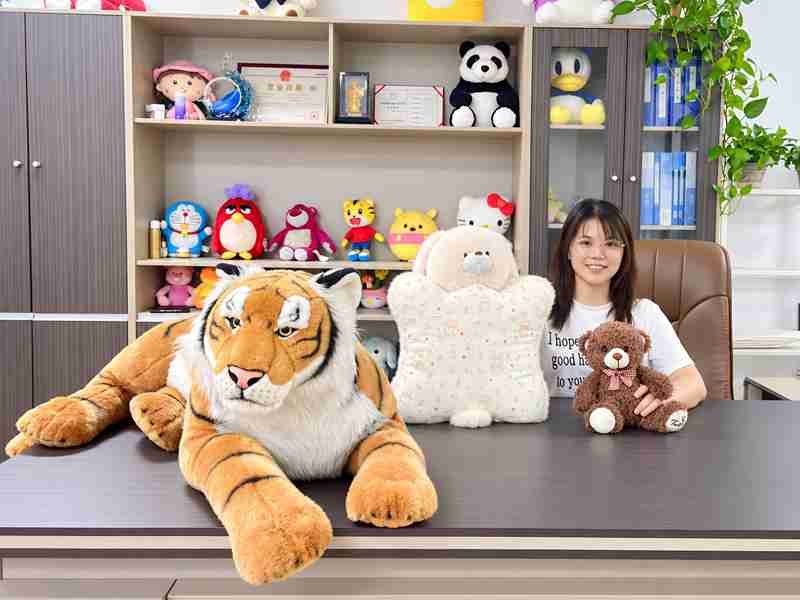












Build One Collection Instead Of Separate Plush SKUs
Establish The Collection Architecture Before Sampling Starts
A series should begin with a master definition covering target height, base footprint, head-to-body ratio, sitting or standing logic, face language, common materials, accessory scale, and packaging envelope. Shared rules create a stable reference when Character A, B, C, and later editions are developed by different sample makers or produced at different times.
- Shared platform: identify body, limb, ear, or base patterns that can be reused without weakening recognition.
- Character exceptions: record face, hair, clothing, markings, props, and special materials separately.
- Packaging envelope: set the usable internal box space before oversized ears, hats, or accessories create last-minute changes.
- Series language: keep eye size, embroidery style, material handfeel, stitching approach, and stuffing firmness visually related.
- Development order: approve the most representative or structurally difficult characters early so shared decisions are tested before they spread across the full lineup.
- Cost discipline: reuse common materials and construction only where they do not weaken the character; savings should come from shared logic, not forced sameness.
Control Series Consistency Through A Master Specification
Once the collection direction is accepted, Ewin can connect each SKU to a controlled design ID, sample revision, BOM, pattern version, decoration file, packaging artwork, barcode, and production status. The goal is not to make every character identical; the goal is to keep shared decisions shared and character-specific decisions clearly separated.
For later seasons or reorders, a series master reference helps identify what must remain unchanged and what can evolve. A new colorway may only require material and packaging updates, while a new character may require fresh pattern development. Clear change boundaries reduce accidental drift, obsolete artwork use, and mismatched packaging during multi-SKU production. A master specification also gives sourcing, QC, packaging, and replenishment teams the same reference when a collection is repeated months later. If a material becomes unavailable, the replacement can be reviewed against the shared collection standard before one SKU quietly changes handfeel or color. For hidden editions, rarity decisions can be documented separately from the public-facing packaging so internal control stays strong without revealing the surprise mechanism.
Character Engineering Protects Recognition At Small Scale
Face Shape Control
Eye And Feature Spacing
Head Body Proportion
Hair And Fur Direction
Pose And Balance
Signature Details
Fabric and Material Options for Custom Blind Box Plush Collections

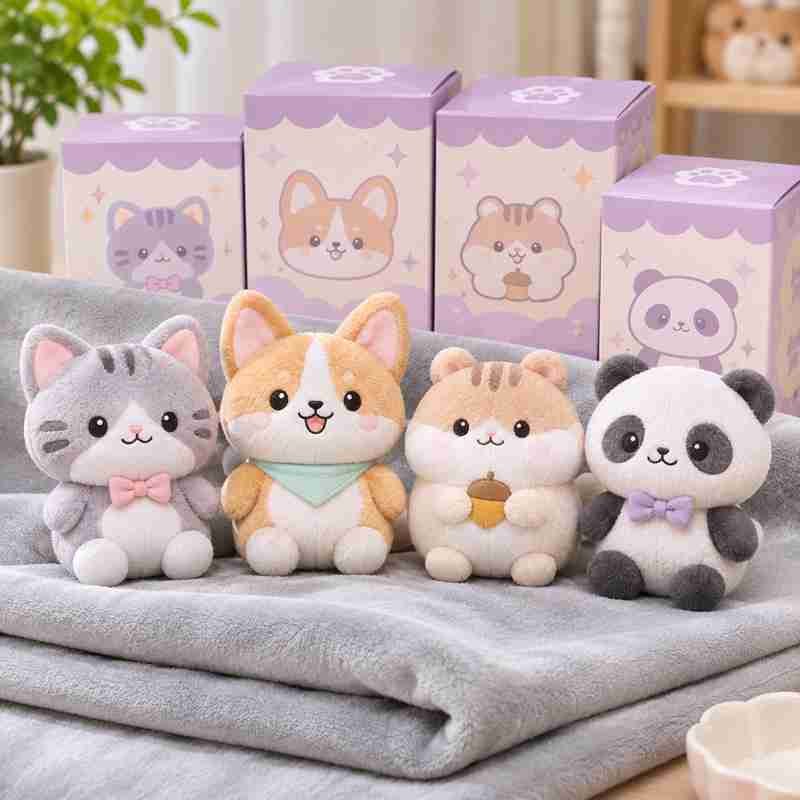
Short Pile Minky

Crystal Super Soft
Velboa

Rabbit Fur

Faux Fur
Felt

Printed Fabric

Specialty Textures
Fillings And Auxiliary Materials Shape The Final Result

Polyester Fiberfill
High Resilience Fiber
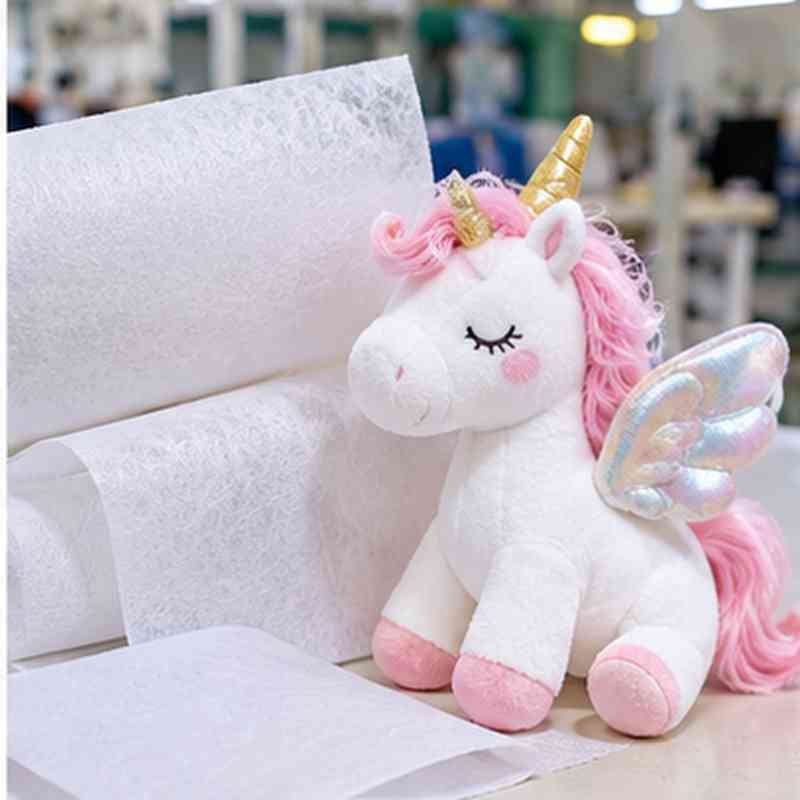
Inner Reinforcement Fabric
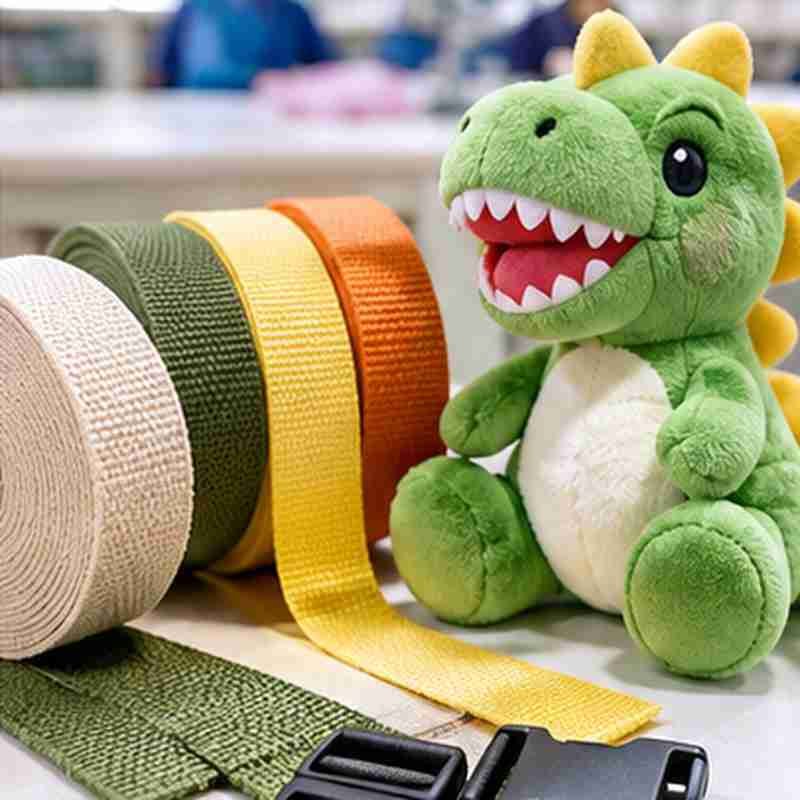
Woven Tape
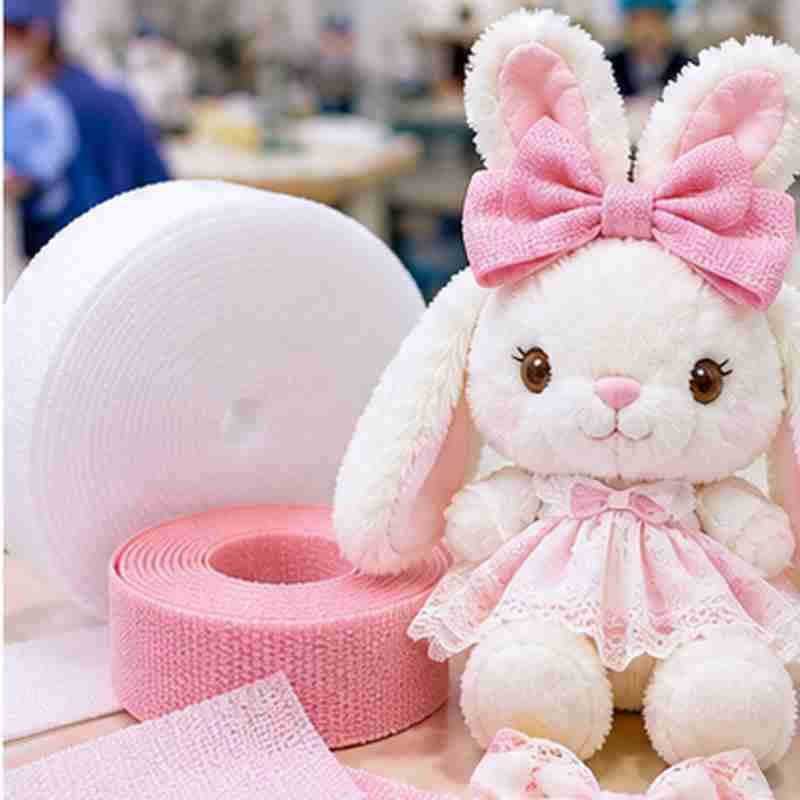
Hook And Loop
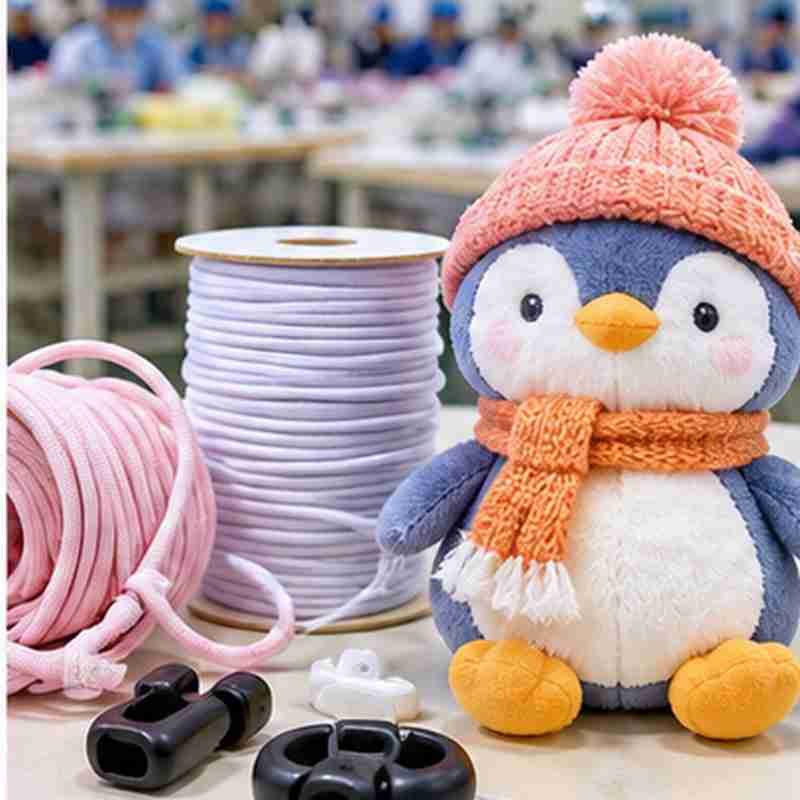
Elastic And Cord
Accessories And Components Need Early Engineering Decisions

Key Rings
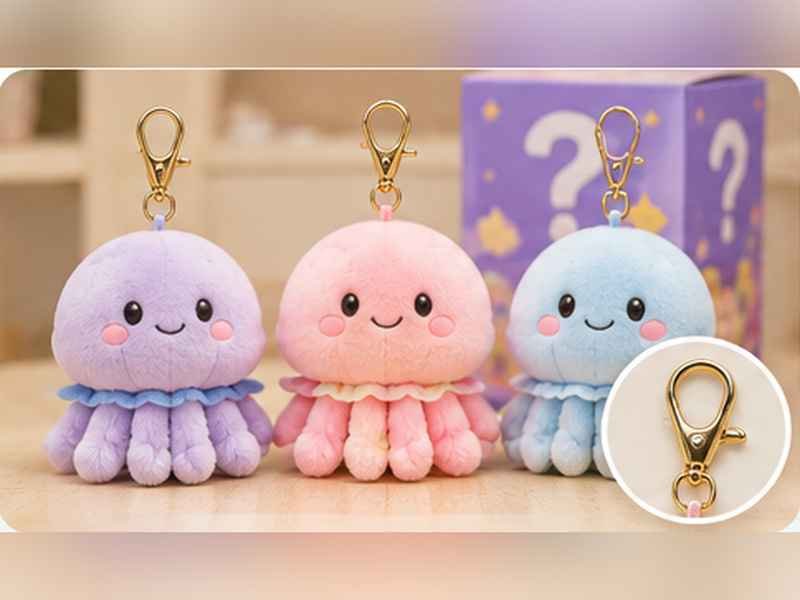
Lobster Clasps

Ball Chains

PVC Components
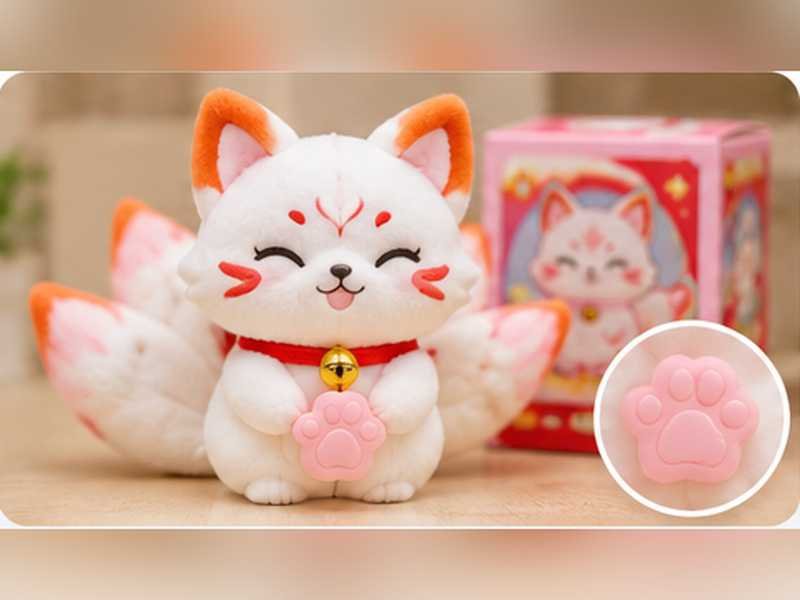
Silicone Parts

Magnets And Modules
Logo And Decoration Methods For Small Plush Details
Embroidery
Appliqué
Screen Printing
Digital Printing
Heat Transfer
Woven Labels
Rubber Logo Patches
Mixed Decoration
Pattern Making And Sampling Turn Artwork Into Production
Pattern Engineering Converts 2D Artwork Into Sewable Volume
Character sheets, 3D renders, sketches, or reference samples do not provide production-ready panels. Pattern engineers interpret front, side, and back volume, divide the form into sewable surfaces, place seams where they support the silhouette, and consider fabric thickness, pile direction, stuffing pressure, turning openings, embroidery position, and assembly order.
Small blind-box characters need extra discipline because a few millimeters can change facial expression or make a limb impossible to turn cleanly. Shared body platforms are useful only when character recognition remains strong. Pattern codes should identify common panels and character-specific panels separately so cutting and revision work stay controlled across the series. Seam allowance, notch marks, grain or pile direction, embroidery reference points, and turning openings should travel with the released pattern rather than live only in a sample maker’s memory. When several characters share a body platform, any change to that platform should be reviewed for every linked SKU before the new version is released.
Prototype Review Converts Visual Feedback Into Engineering Changes
The first prototype tests whether the proposed pattern actually creates the intended character after sewing and stuffing. Review should cover face width, eye spacing, muzzle projection, head depth, body volume, limb angle, sitting height, accessory scale, handfeel, and packaging fit. Comments such as “make the face wider” need to become measurable pattern or stuffing changes rather than informal visual requests.
Revision records should identify what changed, which sample version carries the change, and whether BOM, embroidery, decoration, or packaging files are also affected. Multiple SKUs can move in parallel, but approvals should remain SKU-specific so one late character does not silently overwrite the status of others. Photos and videos can support remote review, but physical approval criteria should still be tied to the current sample version, material choice, and dimensional reference. If a revision affects a shared base pattern, the impact should be checked across the collection; if it affects only one face or accessory, the change should remain local to that SKU.
Golden Sample And BOM Freeze Create The Bulk Reference
Final approval should lock the product definition used for production. The approved Golden Sample provides the physical visual and handfeel reference, while the frozen BOM identifies fabric, color, filling, thread, components, labels, packaging, and other controlled inputs. Released patterns and current decoration files complete the manufacturing reference.
Production should not depend on the last image shared in a chat thread. When a material, color, accessory, embroidery file, packaging version, or pattern changes after approval, the revision should be formally updated. For blind-box programs, the same discipline extends to hidden editions, assortment ratios, barcode data, and pack-out instructions. Pre-production or PP samples can be used when the program needs a final confirmation under production materials and packaging conditions. Once the release gate is passed, purchasing, cutting, sewing, finishing, QC, and packaging should all work from the same current references. Reorders then begin with a change check instead of assuming the original material, color, packaging, or market requirement is unchanged.
Multi-SKU Sample And Approval Control
Each character needs its own approval history while shared collection decisions remain synchronized across pattern, material, packaging, testing, and production files.
| Stage | Main Review | Controlled Output | Why It Matters |
|---|---|---|---|
| Series Brief | SKU count, size, pose, collection language, regular/hidden logic | Series master direction | Prevents isolated character decisions from breaking collection consistency |
| Pattern V1 | Shape, seam layout, common vs unique panels | Pattern revision | Establishes manufacturable structure before detail polishing |
| Material Review | Fabric, pile, color, filling, accessory options | Material selection record | Keeps common materials aligned across SKUs |
| Prototype V1 | Proportion, expression, pose, handfeel, accessory scale | First physical sample | Shows how artwork reads after sewing and stuffing |
| Revision | Character-specific corrections and cross-SKU consistency | Revision log | Separates approved changes from informal comments |
| Golden Sample | Final appearance, handfeel, size, construction | Approved physical reference | Creates the visual and structural bulk standard |
| BOM Freeze | Materials, trims, components, decoration, labels, packaging | Frozen BOM | Gives purchasing, production, and QC one controlled specification |
| Production Release | Golden, BOM, pattern, artwork, packaging, QC readiness | Released production package | Prevents outdated versions from entering bulk production |
MOQ And Cost Depend On The Whole Collection
A blind-box quote becomes meaningful only when SKU count, quantity split, materials, decoration, packaging, tooling, testing, and delivery assumptions are defined together.
| Cost Or MOQ Driver | What Changes | Useful Decision Before Quotation |
|---|---|---|
| Quantity Per SKU | Setup and fixed development cost are spread across fewer or more units | Share total quantity and quantity by style, not only total pieces |
| SKU Count | More patterns, samples, decoration files, BOMs, pack versions, and inspections | Separate common platforms from character-specific work |
| Fabric And Color | Custom dyeing, specialty textures, or low-volume colors may create material minimums | Reuse common body fabrics where visual identity allows |
| Embroidery And Decoration | Stitch density, appliqué, printing, handwork, and registration add process time | Protect signature details and simplify low-value micro-details |
| Components | PVC, silicone, metal, magnets, and electronics may require tooling or supplier minimums | Confirm essential components before sample approval |
| Blind Packaging | Inner bags, color boxes, cards, displays, and print plates create packaging economics | Finalize box structure and assortment plan early |
| Hidden Editions | Rare materials, alternate components, and low allocation can increase complexity | Decide whether rarity comes from color, decoration, accessory, or structure |
| Compliance And Testing | Scope changes with market, age grade, materials, and components | Freeze target markets before final sample submission |
| Delivery Terms | Carton cube, destination, split shipment, air/sea/express choice affect landed cost | Share destination and launch date for a comparable quotation |
Multi-SKU Production Needs Controlled Manufacturing Handoffs
Material And Cutting Control Keep SKUs Separated
Production begins from approved material codes, color references, BOMs, released patterns, and quantity plans. Common fabrics can be allocated across several characters, while character-specific materials, hidden-edition parts, and special colors remain identified by SKU. Cutting bundles should keep panel sets traceable so similar-looking ears, faces, garments, or accessories are not mixed during line handling.
Decoration files also need version matching before cutting or sewing moves forward. Embroidery, printed panels, appliqué, patches, and labels must correspond to the released character version. Material substitution should not be made casually when a shared fabric affects the look of an entire collection. Any necessary change should be reviewed for appearance, cost, schedule, and compliance impact before release. Cutting quantities should also reflect assortment plans and expected process loss so one difficult SKU does not become the late item that holds the entire collection. For long-pile or directional fabrics, marker planning and pile direction should be consistent with the approved sample because reversing direction can change both color appearance and character silhouette.
Sewing Stuffing And Assembly Reproduce The Approved Shape
Sewing sequence, seam allowance, turning openings, attachment reinforcement, and operator handling all influence small collectible shapes. Stuffing weight and distribution should follow the approved reference because face shape, sitting height, limb angle, and balance can shift even when the fabric and pattern are correct.
Accessories, keychain hardware, PVC parts, clothing, or electronic modules should be assembled against SKU-specific instructions. In-process checks are most useful near operations where defects originate: feature placement after decoration, seam quality after sewing, attachment security after assembly, and shape after stuffing. Early detection is cheaper than sorting finished blind-box goods after packing. Small characters benefit from controlled turning and shaping because seam bulk can distort narrow limbs, ears, or facial curves. Filling can be weighed or otherwise standardized where shape depends strongly on density. If several SKUs share operators or production lines, visual references should make the differences obvious enough to prevent similar parts from being exchanged during hand assembly.
Pack-Out Connects The Product Version To The Retail Version
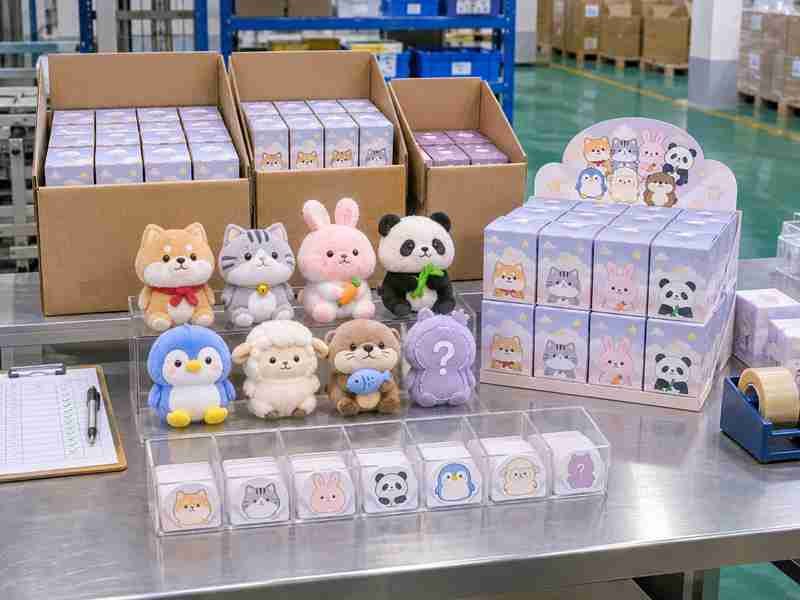
Final pack-out should link the finished plush to the correct inner bag, character card, blind box, barcode, display carton, and master-carton instruction. Regular and hidden editions can require different internal identifiers while keeping outer packaging visually indistinguishable. Assortment ratios should be controlled through documented counting and pack-out instructions rather than memory.
Before shipment release, quantity, packaging version, carton marks, barcode scanability, carton count, actual dimensions and weight, and final inspection status can be checked against the approved program. Large collection launches may also use split or consolidated shipment plans when different SKUs finish on different schedules. Pack-out should not begin until the relationship among SKU, inner packaging, retail box, barcode, and carton plan is clear. Sampling the final packed unit before full pack-out helps confirm orientation, product recovery, accessory movement, card fit, and box closure. For replenishment orders, carton and assortment instructions should be reviewed against the current retail plan rather than copied automatically from a previous season.
Certificates, Compliance & Quality Assurance
Ewintoys follows structured quality and compliance practices for custom plush production. We hold relevant certifications and support additional testing, inspection, and compliance documentation based on specific product requirements and destination markets, helping brands meet different international standards with confidence.




















Quality Control Focuses On Sample-To-Bulk Consistency
Incoming Material Control
In-Process Feature Control
Shape And Weight Control
Attachment Security
SKU Pack-Out Control
Final Release And Traceability
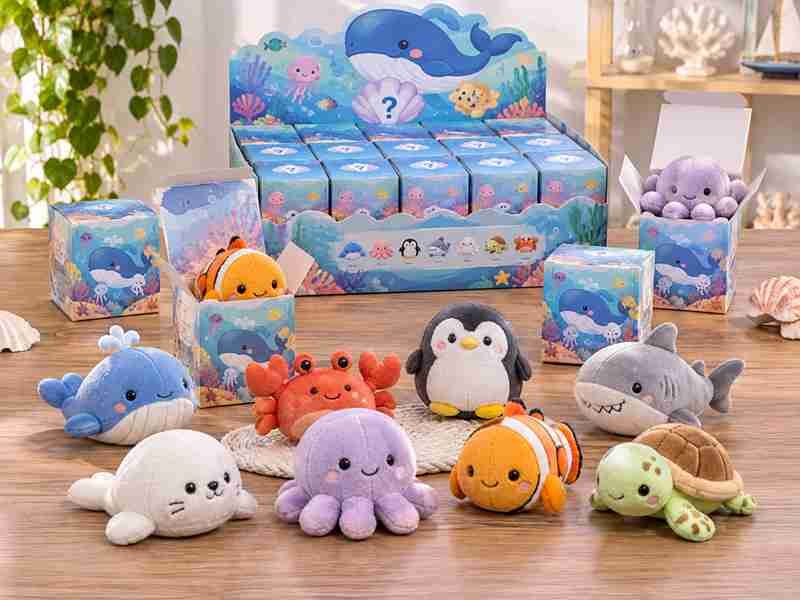
Blind Box Packaging Must Protect Surprise And Retail Accuracy

Opaque Inner Bags
Printed Blind Boxes

Character Cards

Display Boxes

Barcode And Labels
Assortment Control
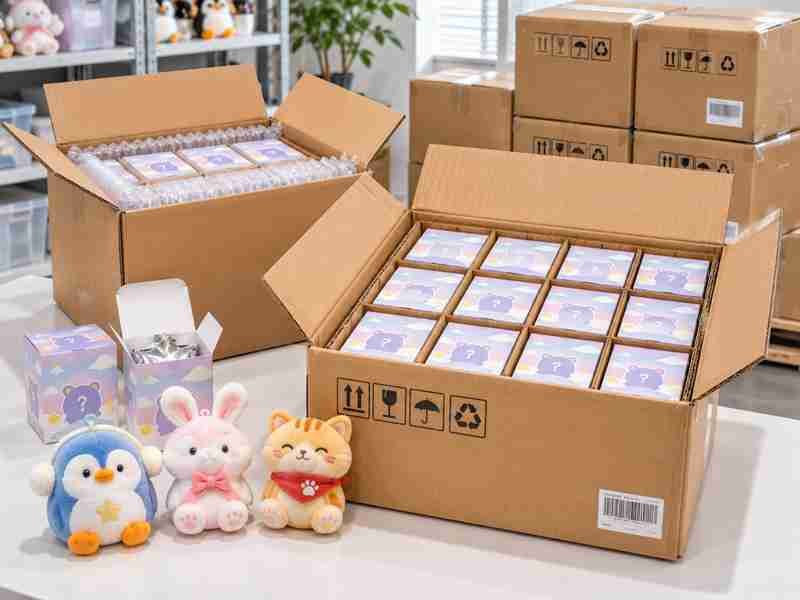
Master Cartons
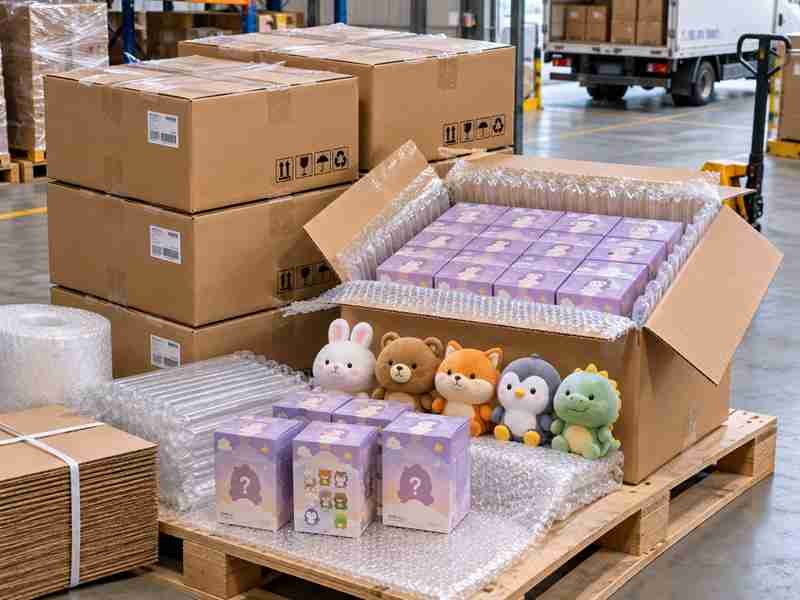
Shipping Configuration
Compliance Planning Starts Before The Design Is Frozen
Target market, age grade, materials, accessories, labels, packaging, and test planning should be reviewed before mass production rather than after goods are finished.
| Market | Common Review Direction | Ewin Support Boundary |
|---|---|---|
| United States | ASTM F963 and applicable CPSIA requirements; small parts, lead/phthalates where applicable, labeling and tracking information | Product-specific test scope can be coordinated with qualified third-party laboratories; no blanket pass guarantee is made |
| European Union | EN 71 framework and applicable chemical, labeling, age, and product requirements | Final sample, materials, accessories, age grade, and market are reviewed before arranging relevant testing |
| United Kingdom | Applicable UK toy-safety, labeling, documentation, and market requirements | Testing and document preparation are planned around the final product version and responsible-party requirements |
| Canada | Applicable Canadian toy-safety, bilingual labeling, material, small-part, and product requirements | Market requirements can be reviewed with packaging and final sample details before third-party testing is arranged |
| Australia / New Zealand | Applicable toy-safety, age, material, small-part, and labeling requirements | Scope is matched to product type, target age, construction, and sales channel rather than copied from another market |
| Japan / Korea | Local toy-safety, labeling, material, and channel requirements vary by product and age | Product files and sample configuration can be prepared for project-specific testing and local-market review |
Protect Unreleased IP And Hidden Editions During Development
Project-Coded Access
Controlled Sample Handling
Restricted Digital Files
No Unapproved Display
Blind Box Plush Program Cases
United States Collectible Lifestyle Brand - 20,000 Pieces
A U.S. collectible lifestyle brand planned an eight-character 10 cm plush series, with 2,500 pieces per character and one character receiving an alternate rare colorway inside the program. Development began by setting a shared sitting height, base footprint, eye language, short-pile body material, and blind-box envelope. Character-specific ears, head shapes, embroidery, and small costume parts were developed on separate pattern revisions. Packaging work linked each SKU to its inner bag, character card, retail box, barcode, display configuration, and carton plan. Final release was organized around approved samples, frozen BOMs, released patterns, packaging versions, and SKU-level pack-out instructions. Quality checkpoints concentrated on face placement, sitting height, color consistency, stuffing weight, and correct character-to-box matching. The production plan separated common body materials from character-specific bundles and treated the rare colorway as a controlled internal variant. For replenishment, the same collection master dimensions and packaging envelope could be reused while artwork and quantity allocation were reviewed again for the next drop.
Japan Game Merchandise Program - 10,800 Pieces
Germany Designer Toy Collection - 12,000 Pieces
A Germany-based designer-toy distributor planned six stylized animal characters at 2,000 pieces per SKU for specialty retail. The collection mixed smooth short plush with selected long-pile accents and one premium hidden-edition accessory. Early work focused on keeping the head-to-body ratio, sitting footprint, stuffing firmness, and box dimensions consistent while preserving different ears, tails, markings, and expressions. Material decisions were reviewed against embroidery visibility and color repeatability. The pack-out plan used opaque inner bags, printed boxes, series cards, display cartons, and internal hidden-edition identification. Production control separated common materials from character-specific bundles and maintained SKU-level inspection and shipment records. The hidden edition was differentiated through accessory and embroidery treatment rather than a completely new body structure, keeping tooling and sewing complexity under control. Packaging samples were reviewed for product recovery and box closure before mass pack-out. Final checks emphasized collection-wide silhouette, material handfeel, barcode and card accuracy, display-carton configuration, and correct quantity by style so the distributor could receive a retail-ready assortment rather than six unrelated finished products.
Why Ewin Toys Fits Multi-SKU Collection Programs

Integrated Manufacturing Base

Scalable Workforce System
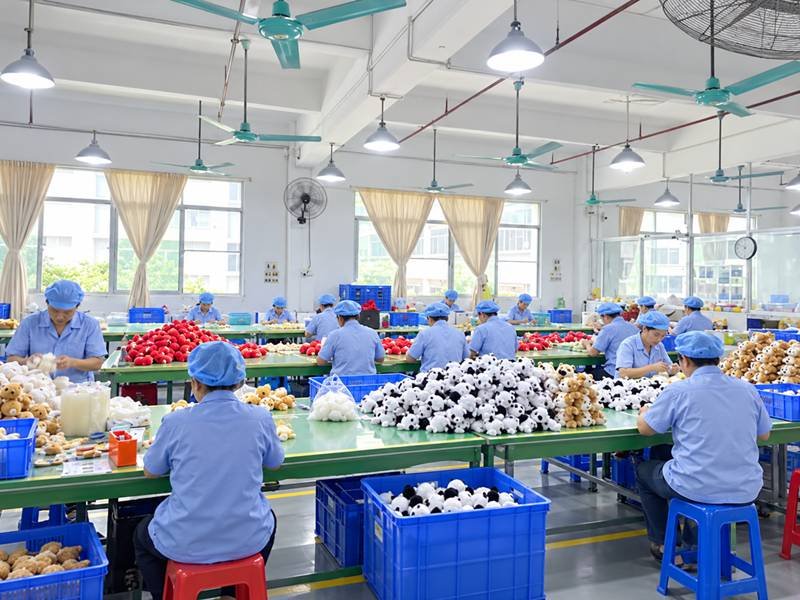
Development To Production Control

Packaging And Retail Coordination
Frequently Asked Questions
A common range is 6-15 cm. Final size should preserve character details, fit the planned box, control weight, and maintain comparable volume across the collection.
Standard custom plush programs can begin around 500 pcs/style for commercial evaluation. Specialty materials, molded parts, packaging print runs, or low-volume hidden variants can increase effective MOQ.
Yes. Shared size, materials, face language, packaging envelope, and body platforms can be reviewed together while each character keeps its own pattern, sample, BOM, and approval record.
Yes. Hidden editions can use alternate colors, fabrics, embroidery, accessories, or components. Internal identification and pack-out controls should preserve rarity without revealing the edition through outer packaging.
Yes. Inner bags, color boxes, character cards, display packaging, barcode application, labels, master cartons, and assortment plans can be developed around the approved plush and sales channel.
Bulk release should use the approved Golden Sample, frozen BOM, released pattern, current decoration files, QC references, and packaging versions rather than informal visual references or outdated attachments.
Sensitive programs can use NDA support, project-coded access, restricted files, sample controls, limited photography, and no public display without approval, subject to the agreed project confidentiality process.
Ewin can coordinate product-specific third-party testing based on market, age grade, materials, accessories, and final sample. ASTM F963, CPSIA, and EN 71 scope is reviewed as applicable.
Send artwork or character sheets, SKU count, target size, quantity per style, regular or hidden variants, materials or handfeel, packaging, target market, destination, and launch date.
Yes. Reorders benefit from controlled Golden Samples, BOMs, patterns, packaging files, color references, and change checks so new seasons can preserve core collection language while introducing approved updates.


Send Your Blind Box Plush Collection Brief
- Character artwork or reference files
- Number of SKUs and hidden variants
- Target size and pose
- Quantity per SKU
- Preferred materials, handfeel, or components
- Blind-box, card, display, and barcode requirements
- Target market and age grade
- Delivery destination and launch date