
Custom Character Plush Manufacturer for Brands & Licensed IP
Ewin Toys transforms original characters, mascots and licensed artwork into production-ready plush while preserving recognizable proportions, expressions, colors and signature design details. With 20+ years of plush manufacturing experience, our team supports character interpretation, pattern engineering, sampling and controlled mass production for retail, promotional and collectible programs.
60+ Development Specialists | Character Proportion Control | Facial Embroidery & Appliqué | Costume & Accessory Engineering | Multi-SKU Series Consistency

Character Programs Built for Serious Product Development
IP And Licensing Teams
- Best for licensed characters and established IP.
- Focus on approval discipline and protected assets.
Toy And Collectible Brands
- Suitable for standard, premium and limited editions.
- Supports collection-level version control.
Game And Animation Studios
- Useful for game launches and animation merchandise.
- Converts digital geometry into soft construction.
Retail And Merchandise Programs
- Retail, e-commerce, blind-box and promotional channels.
- Packaging and SKU data stay linked to product versions.
DTC And Creator Brands
- Suitable for original characters and growing collections.
- Development can begin before a full tech pack exists.
Enterprise Multi-SKU Programs
- Designed for structured collections and repeat programs.
- Supports one project window across multiple functions.
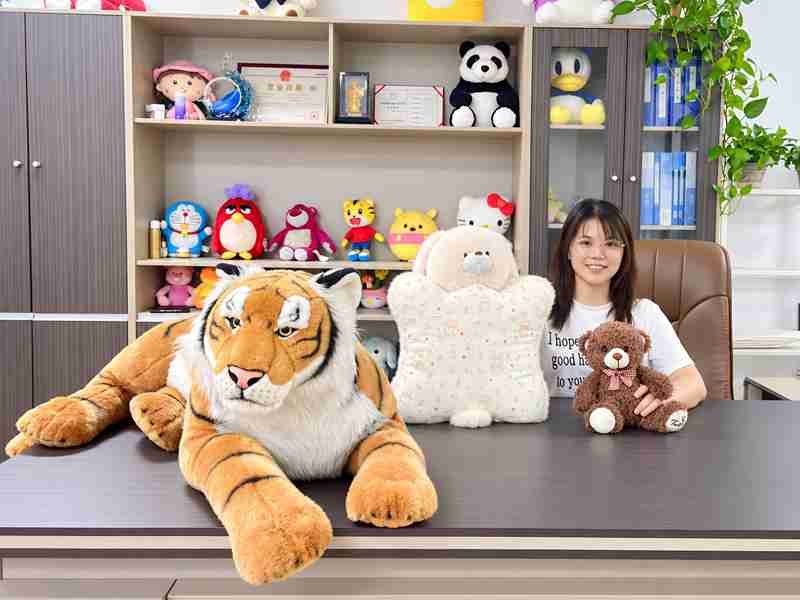
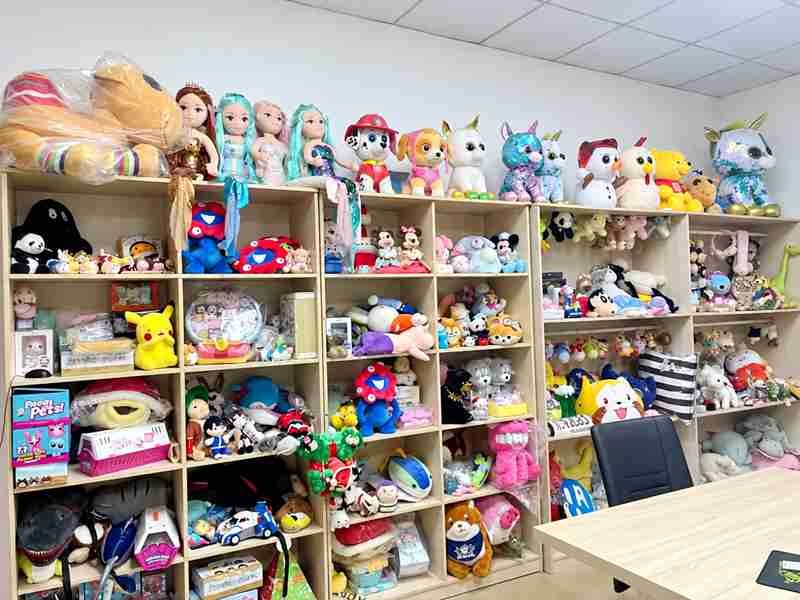
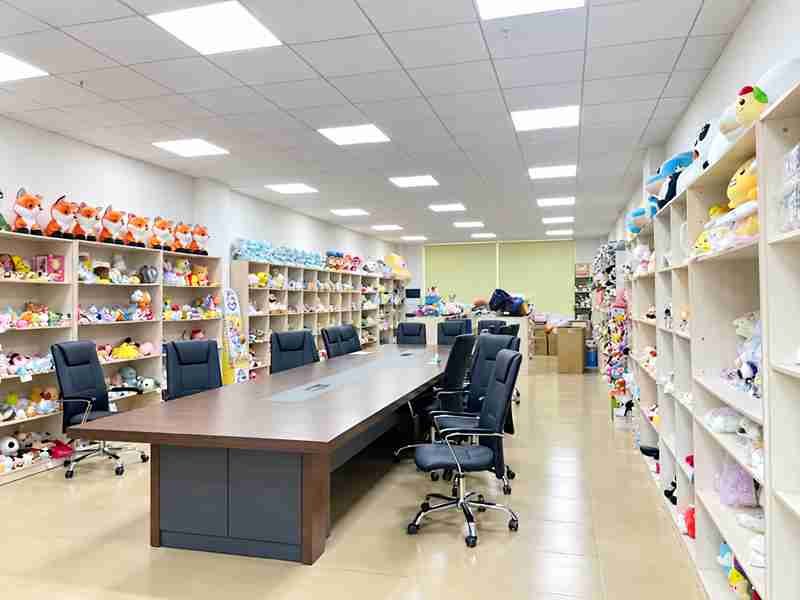
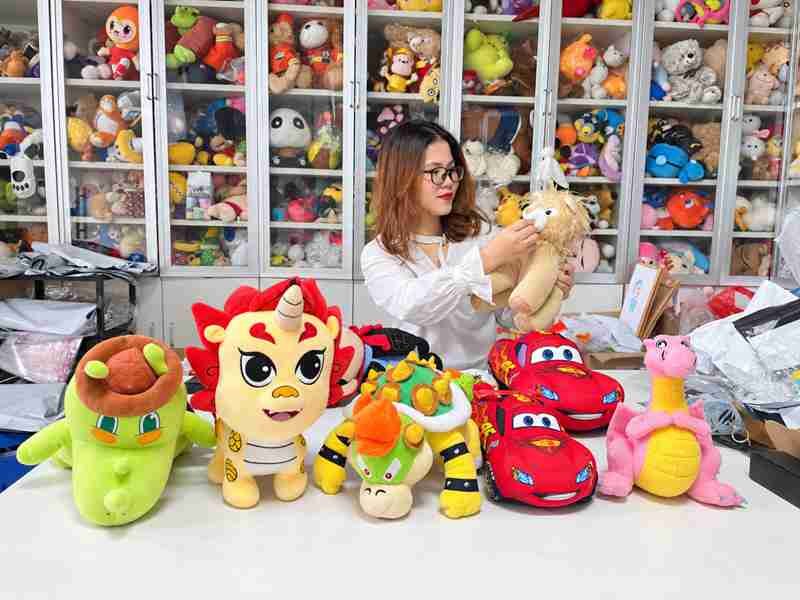
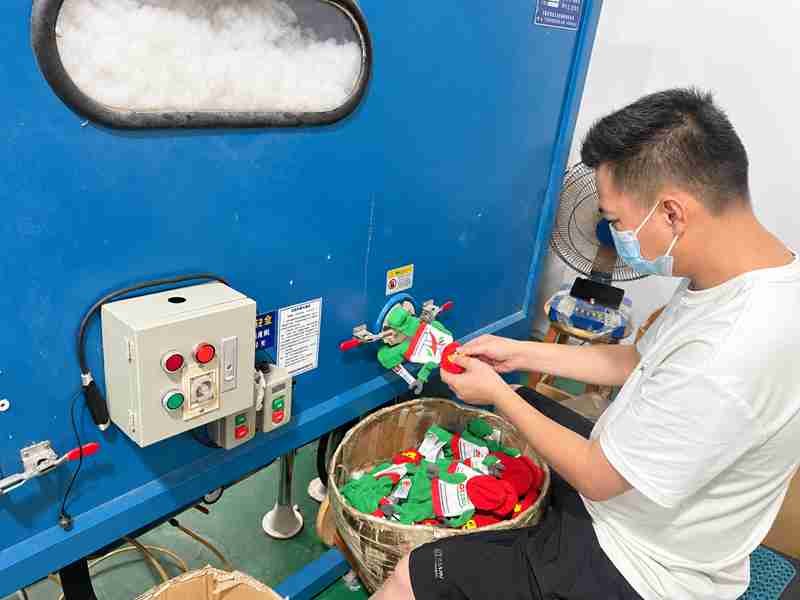
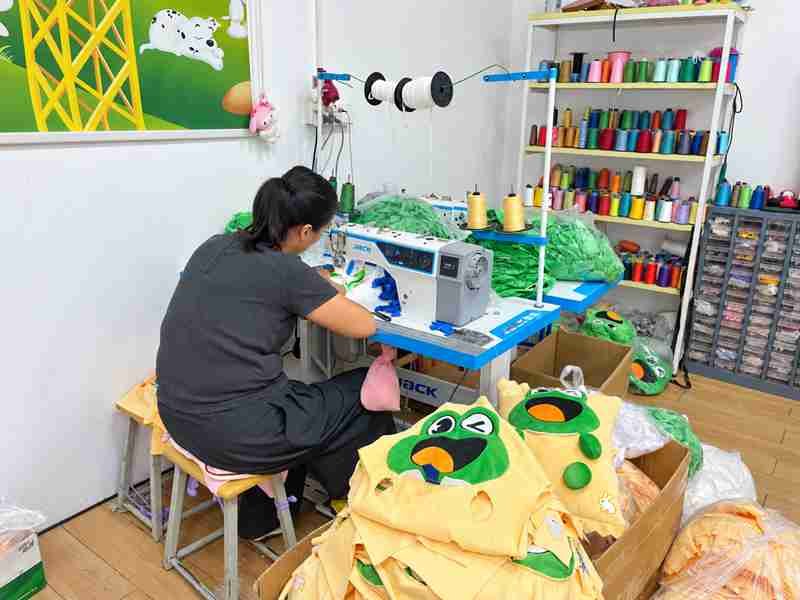
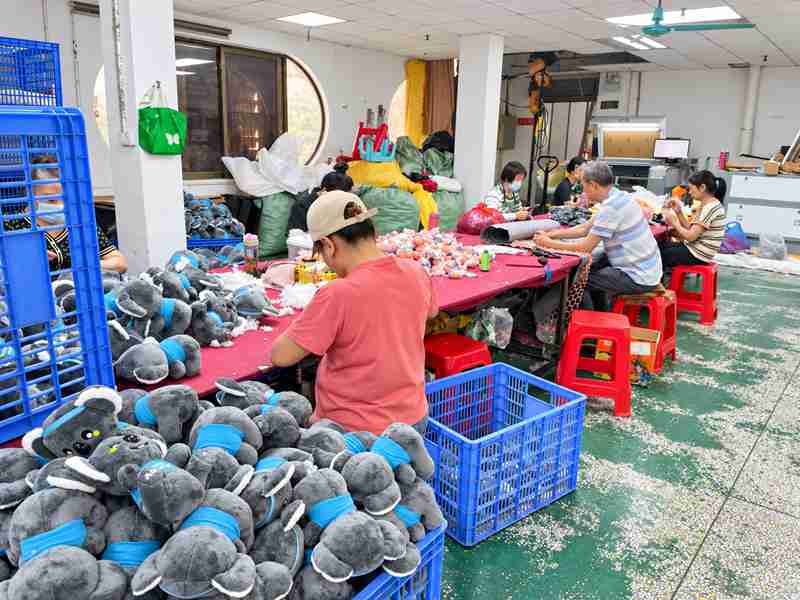
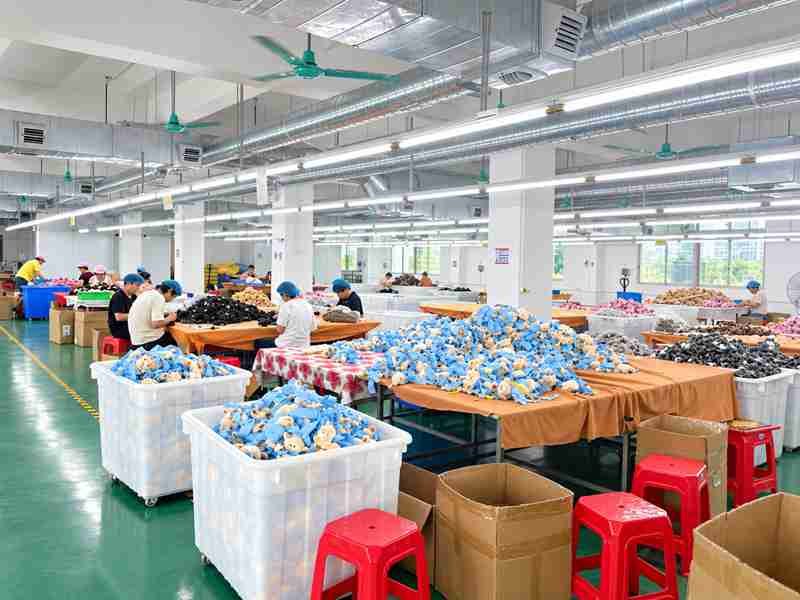
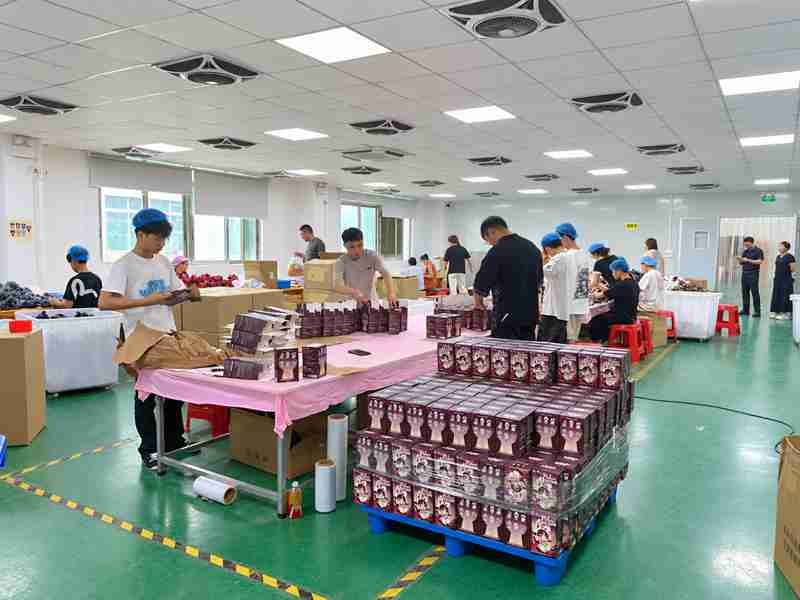
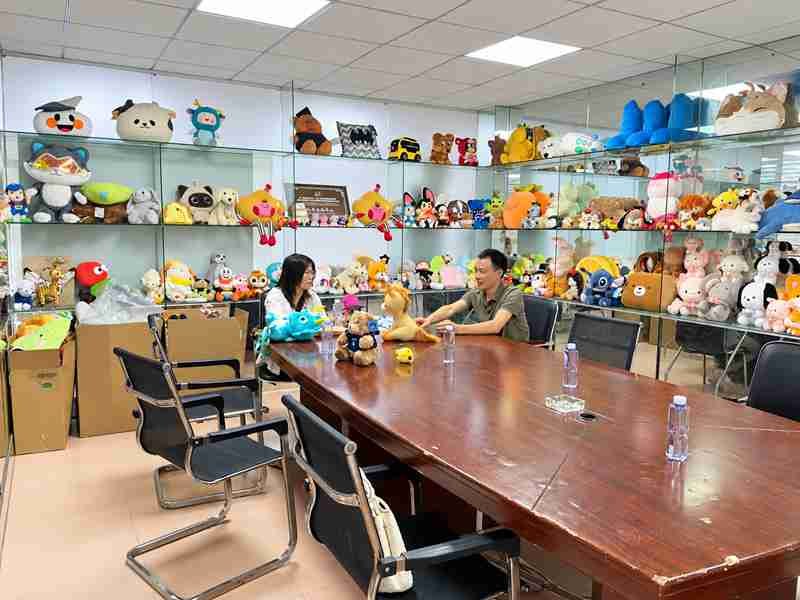
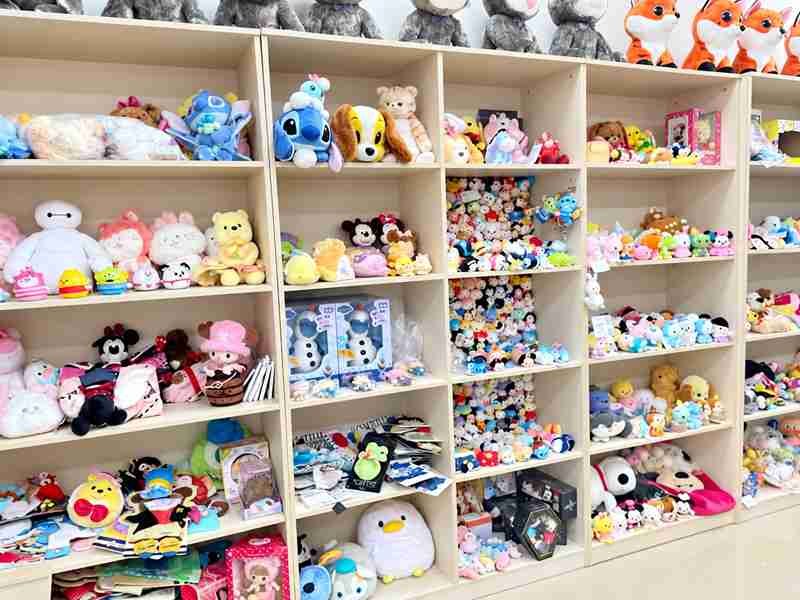
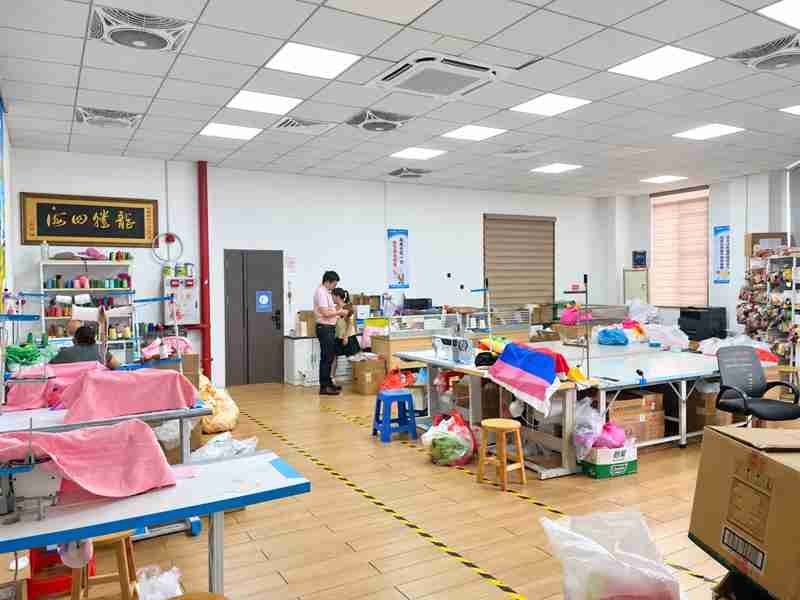
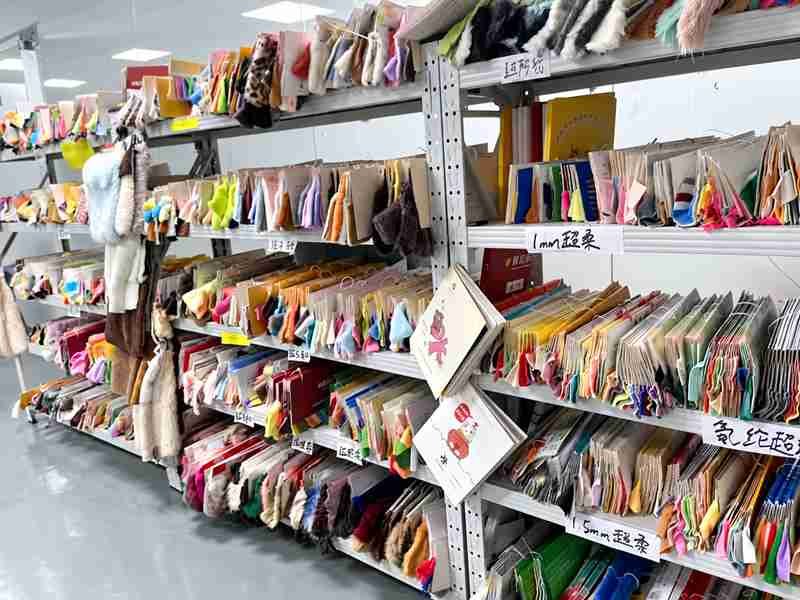
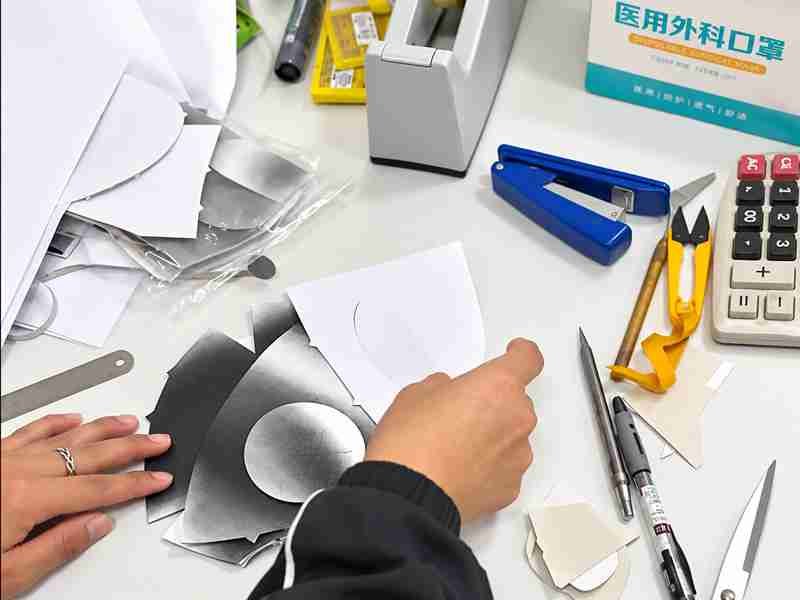
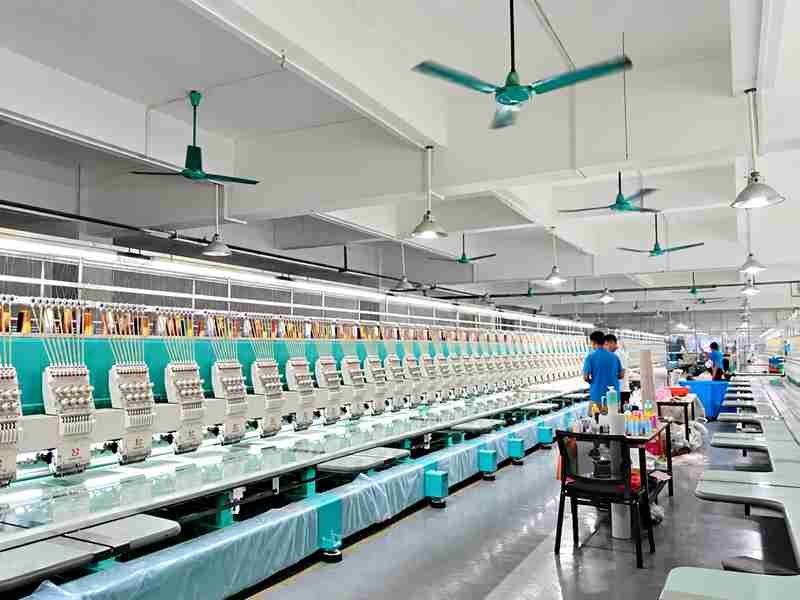
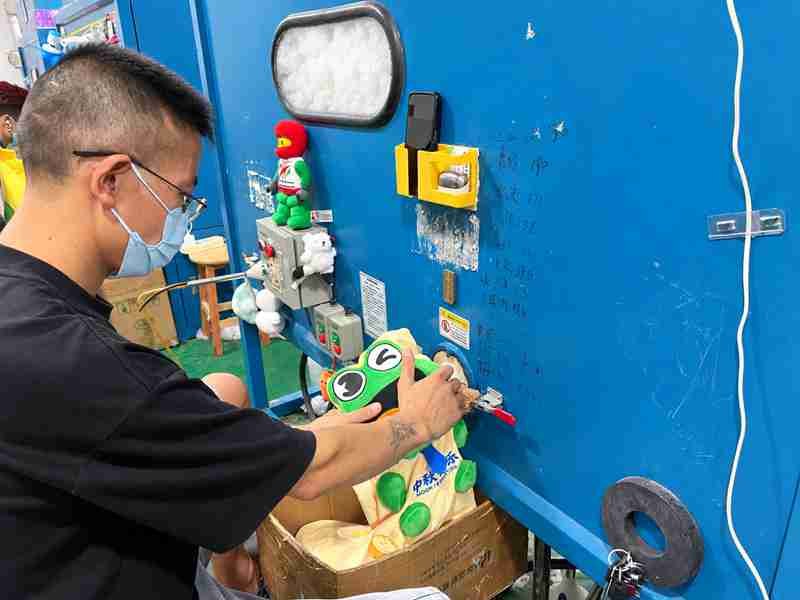
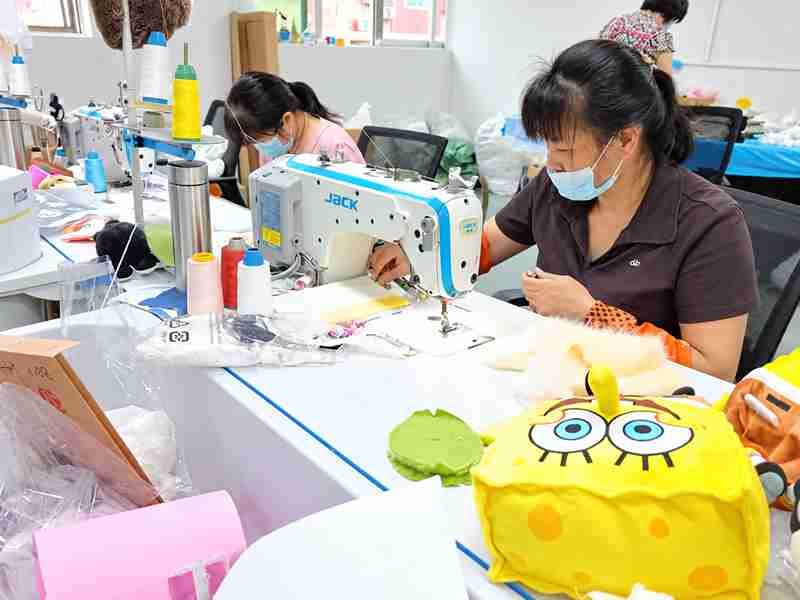
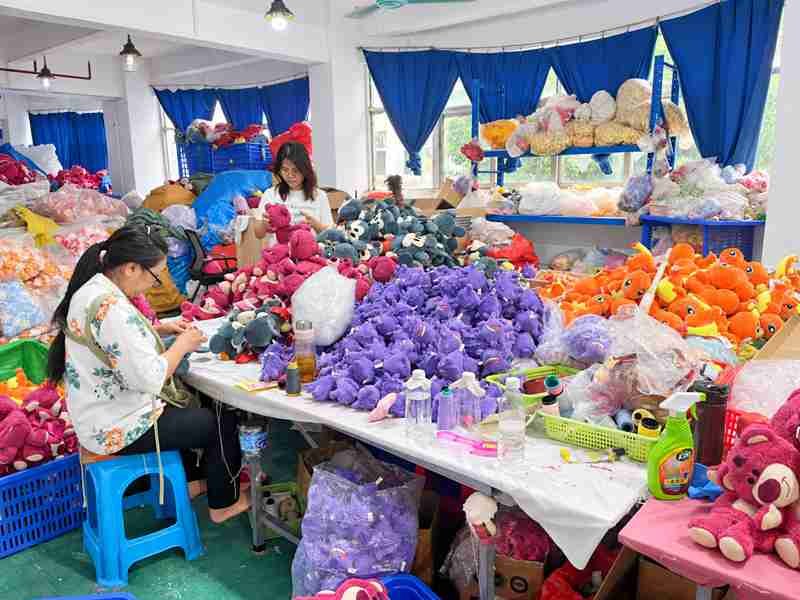
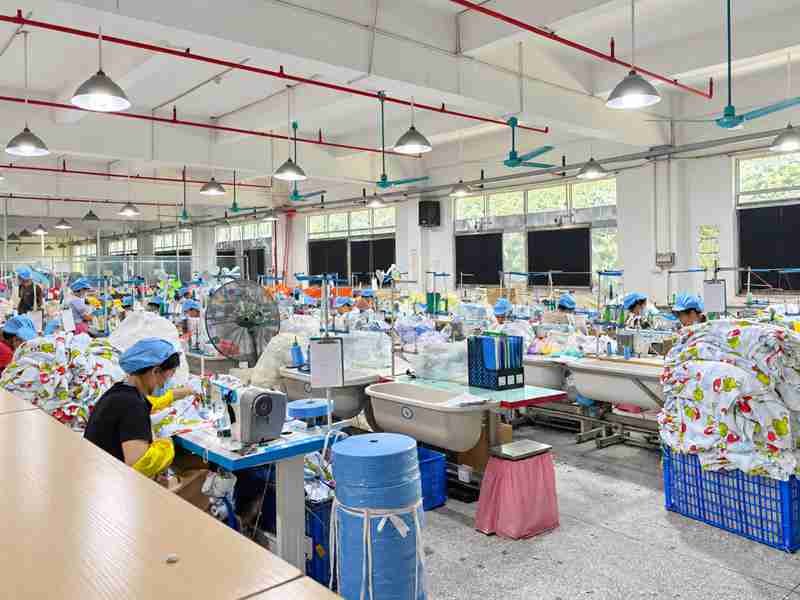
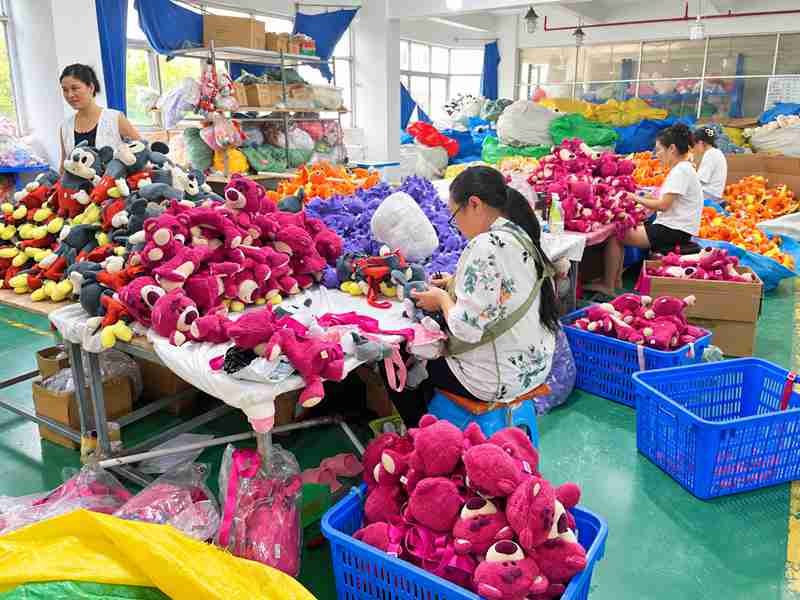
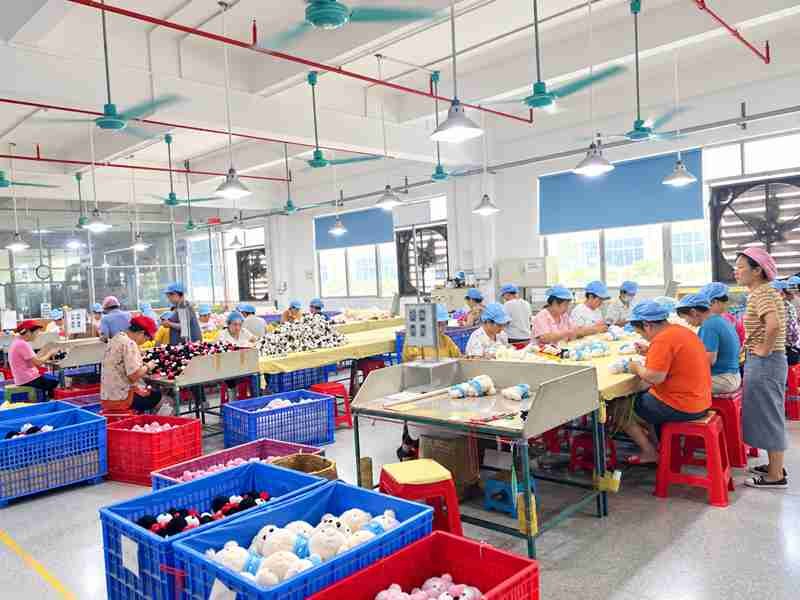
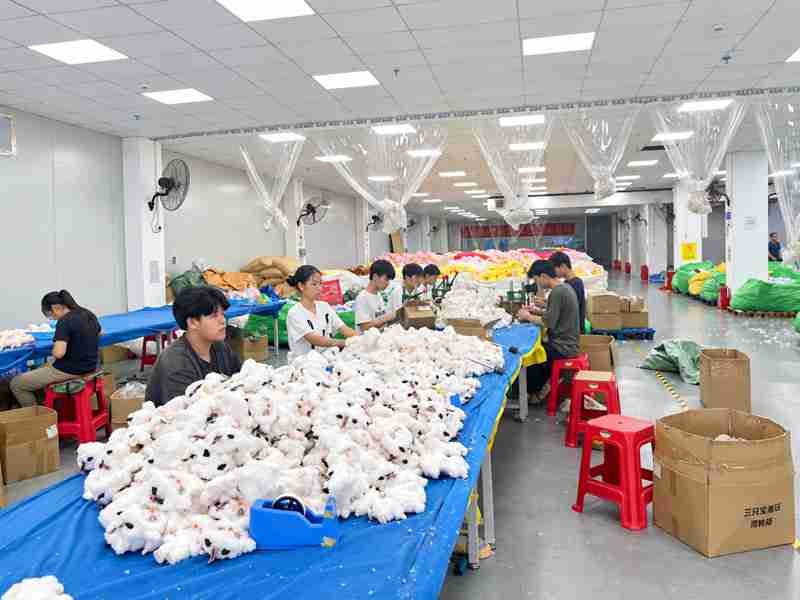
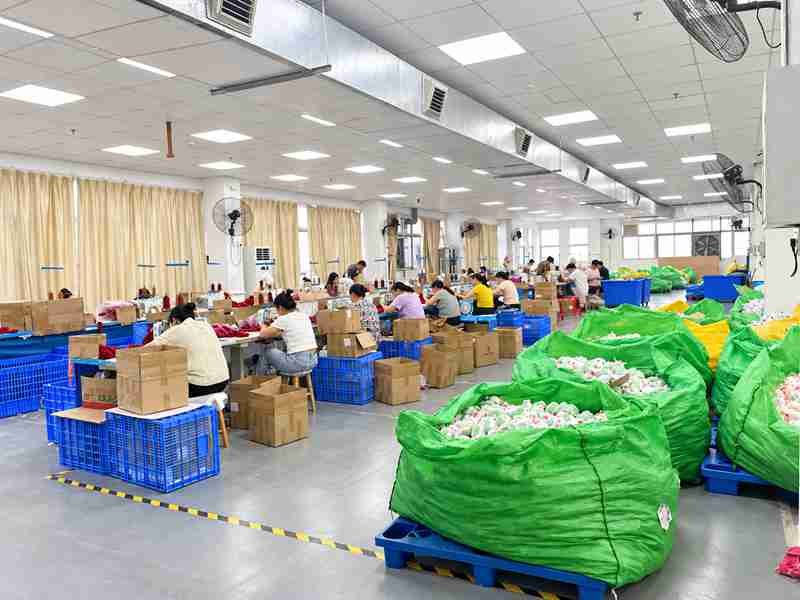
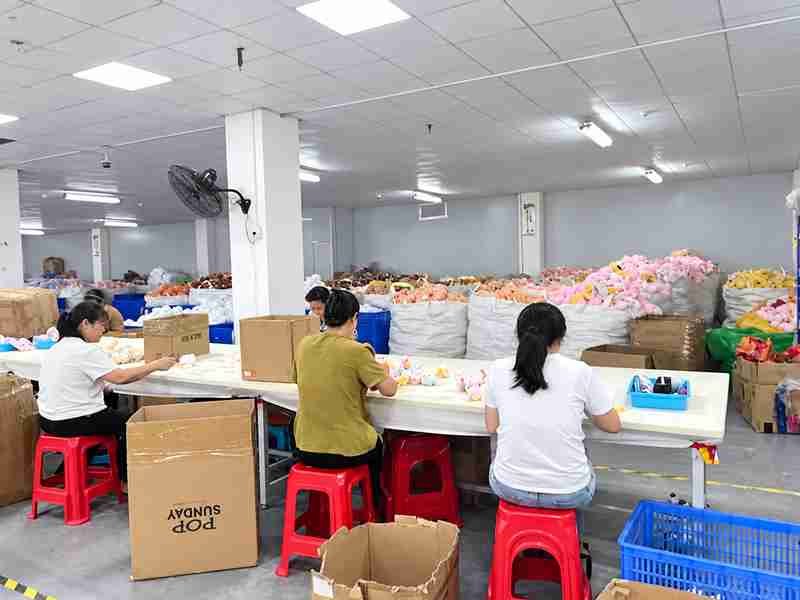
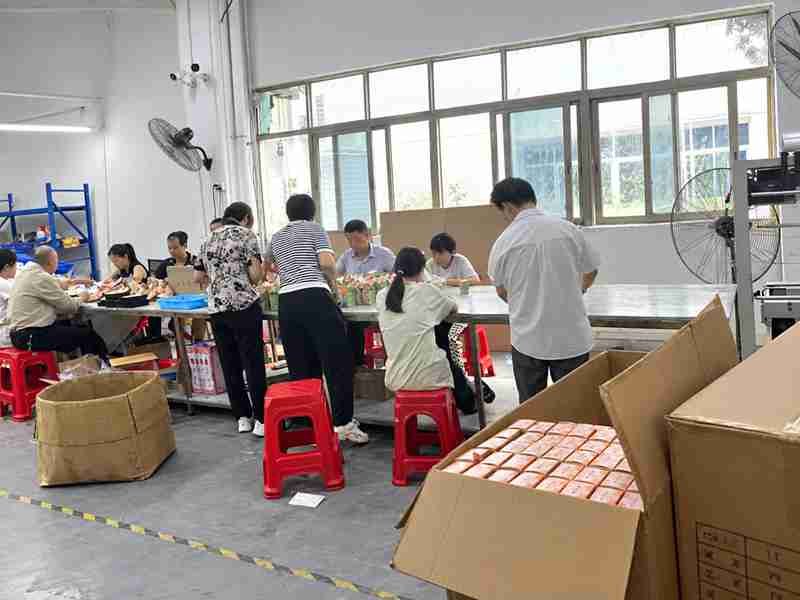
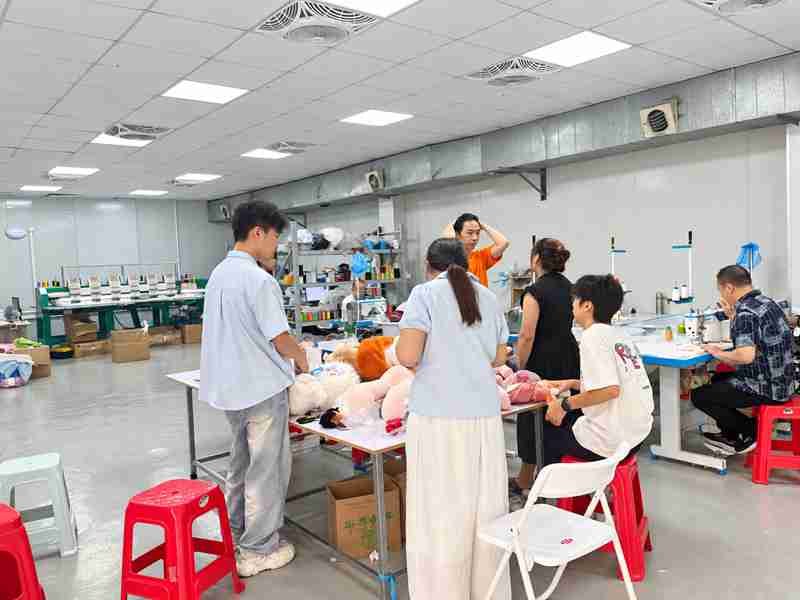
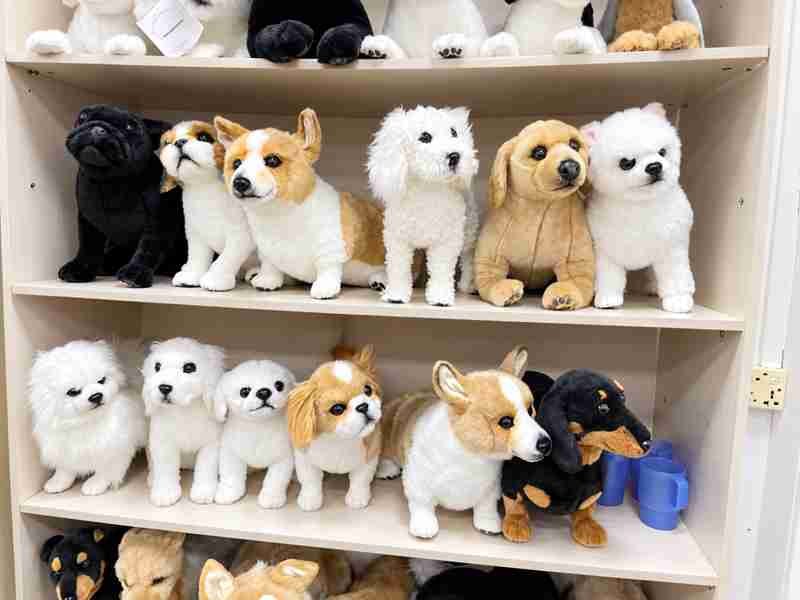
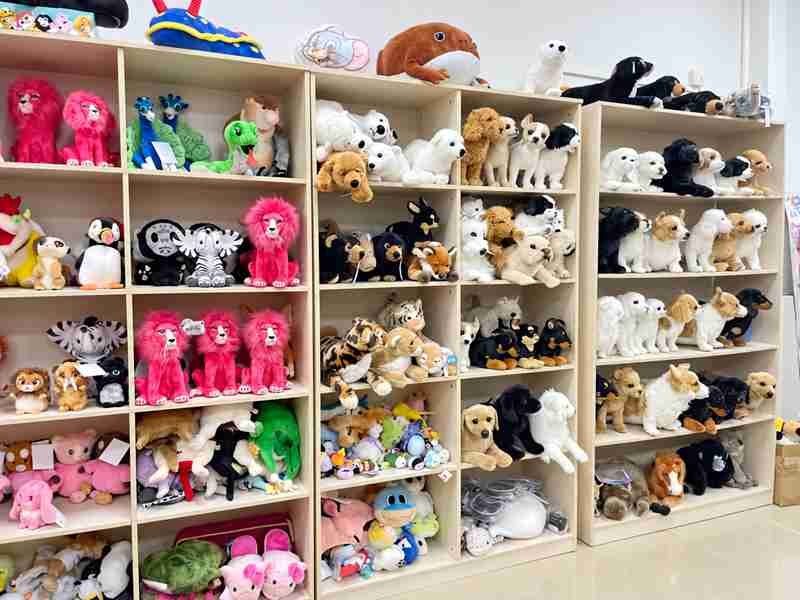
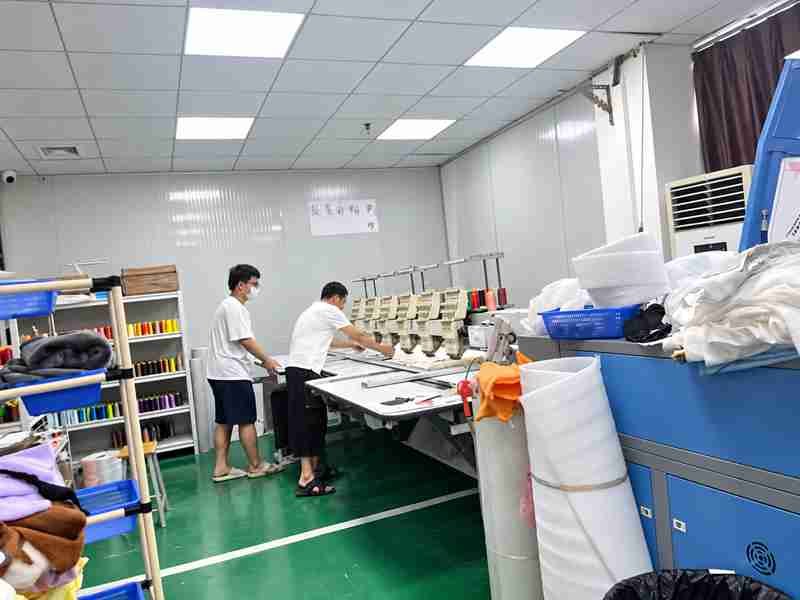
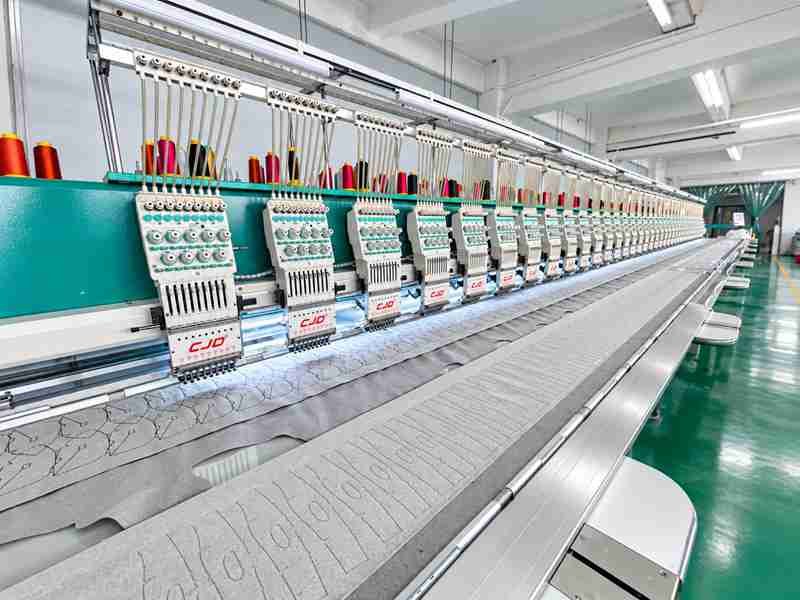
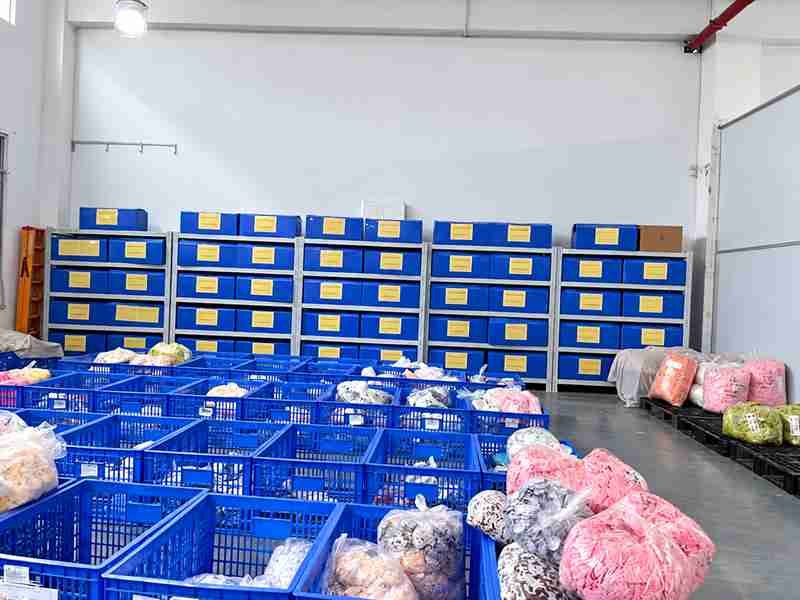
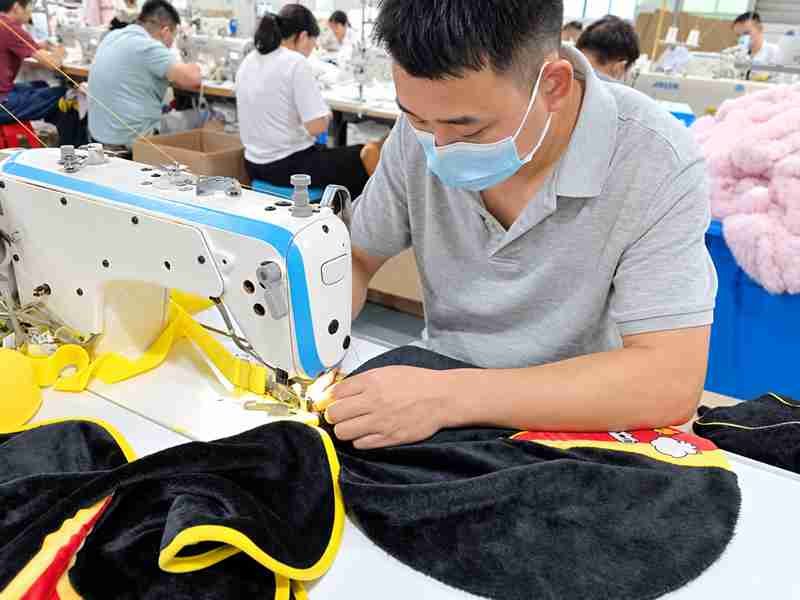
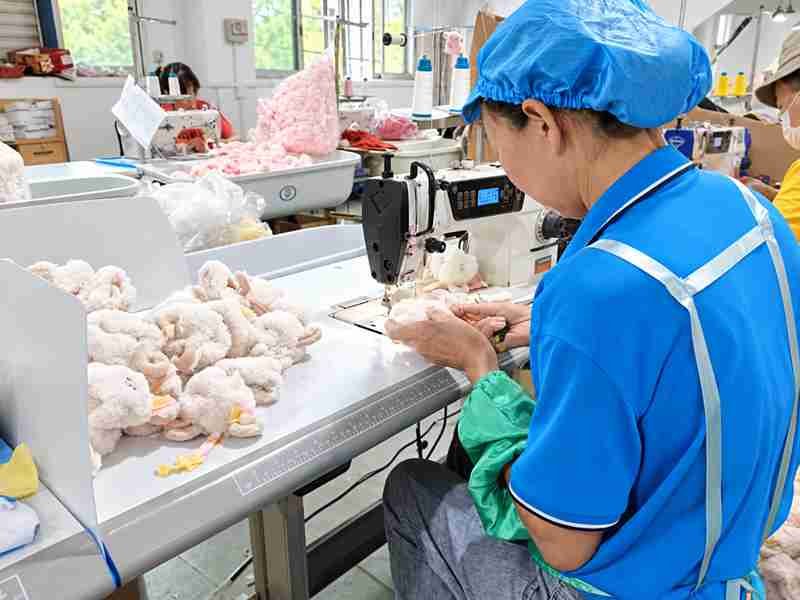
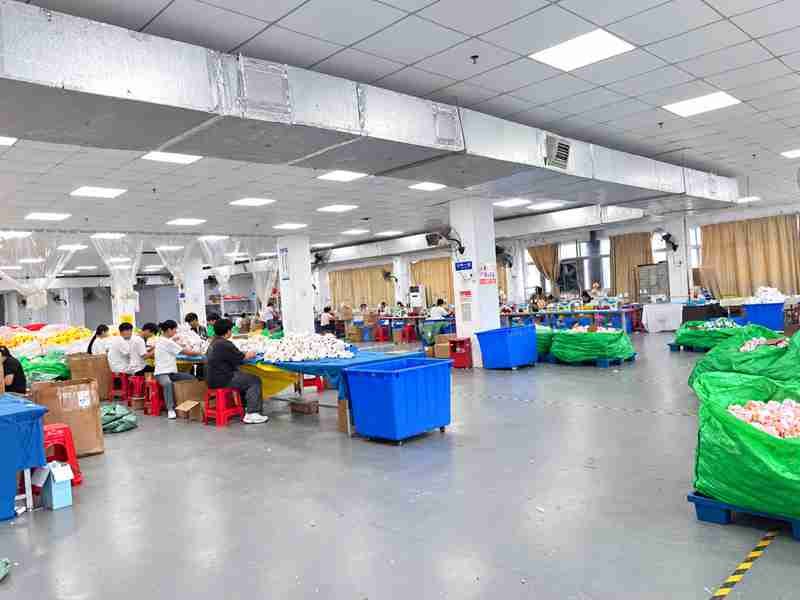
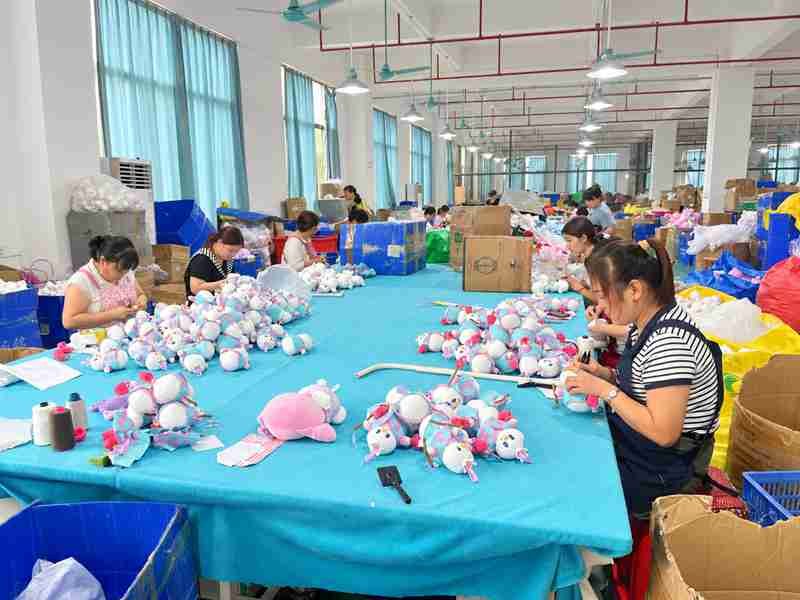
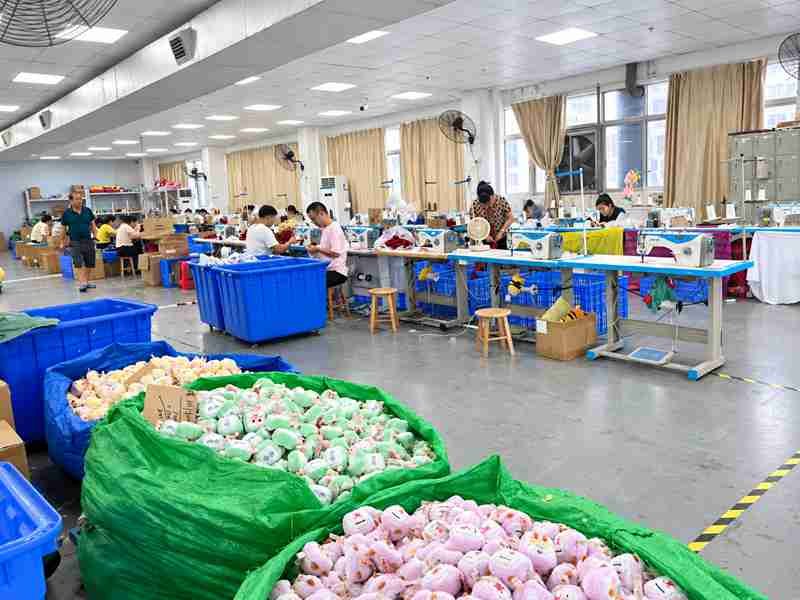
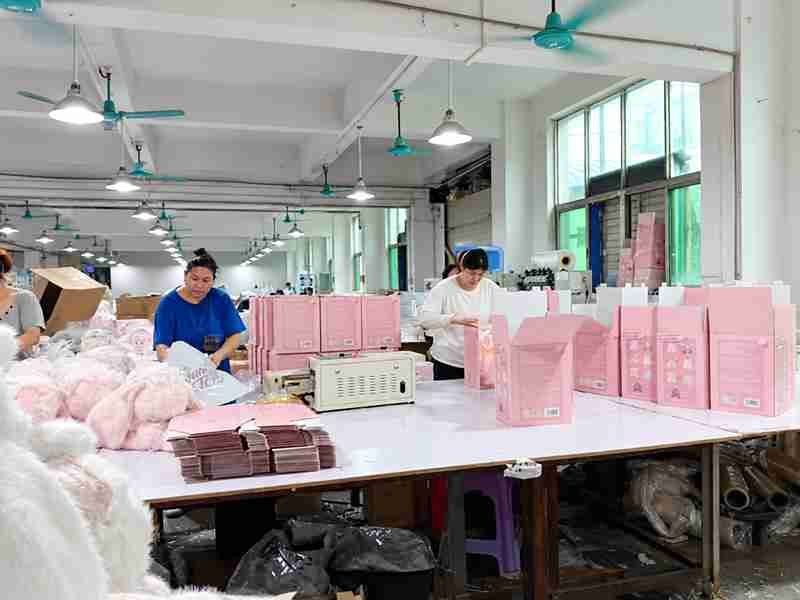
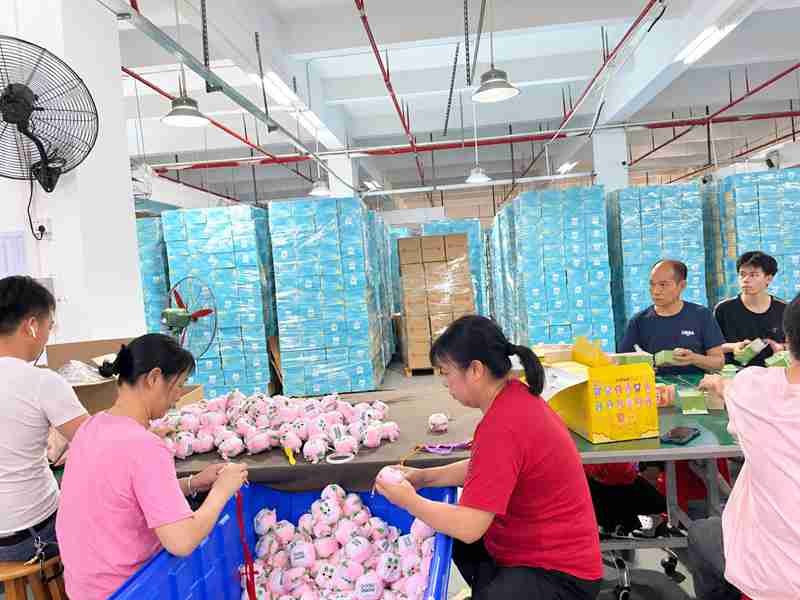
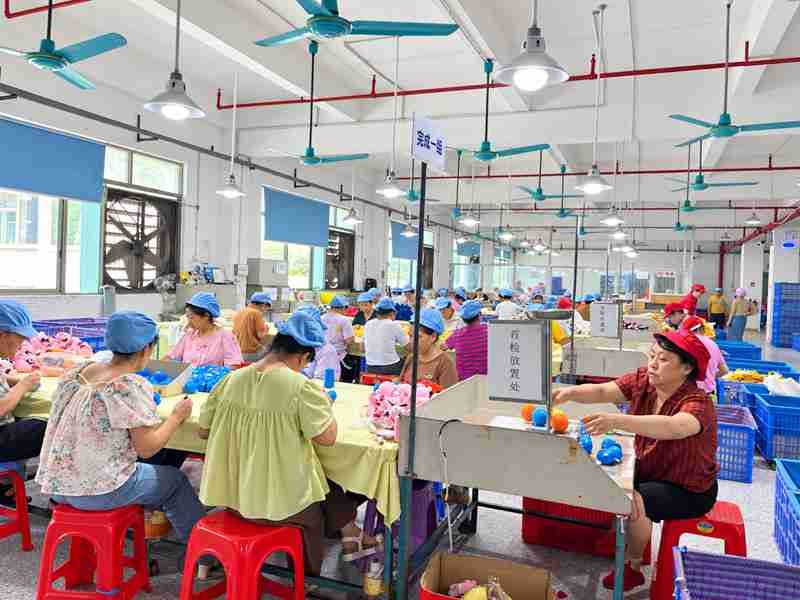
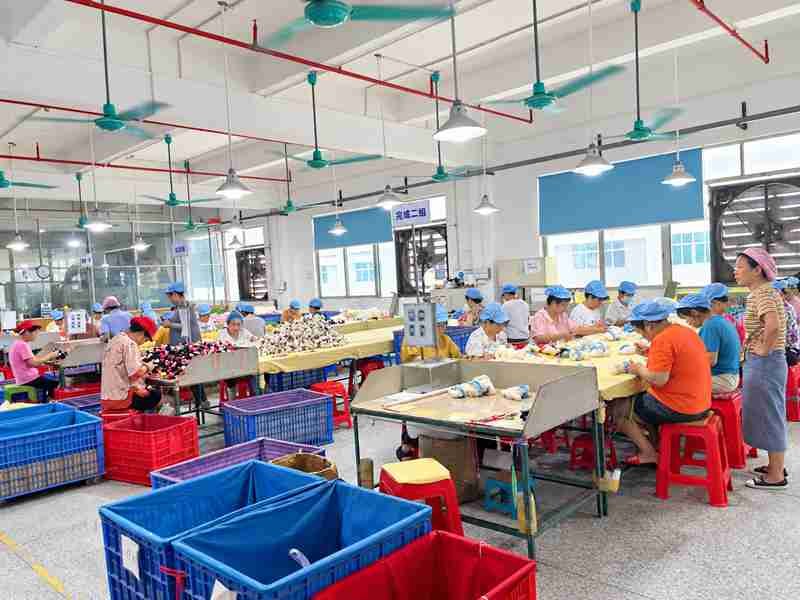
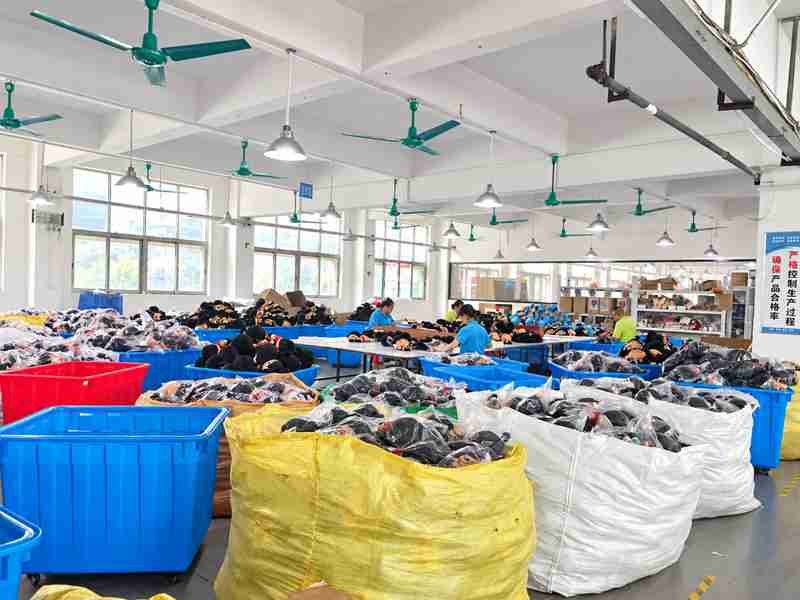
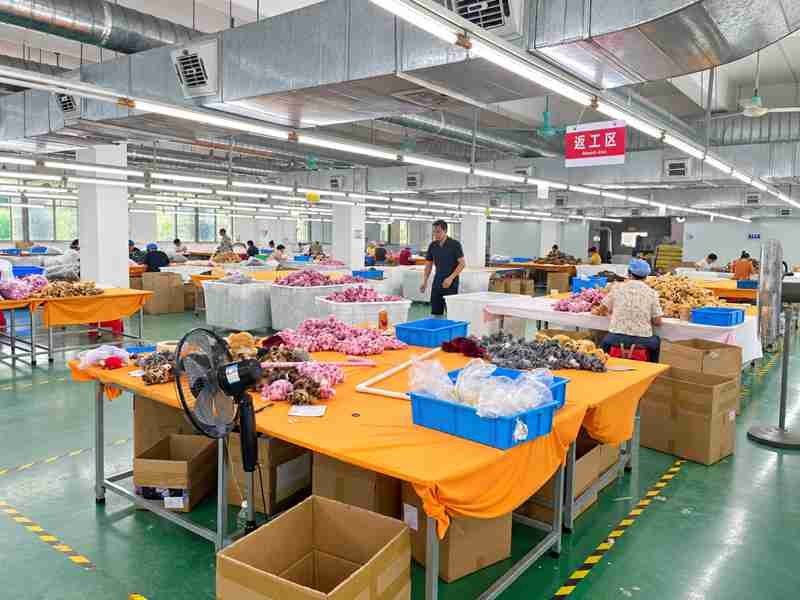
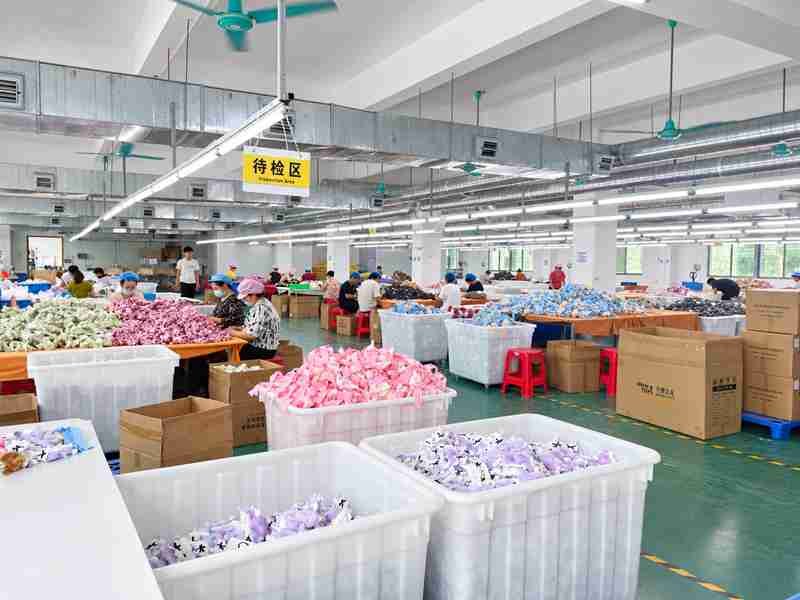
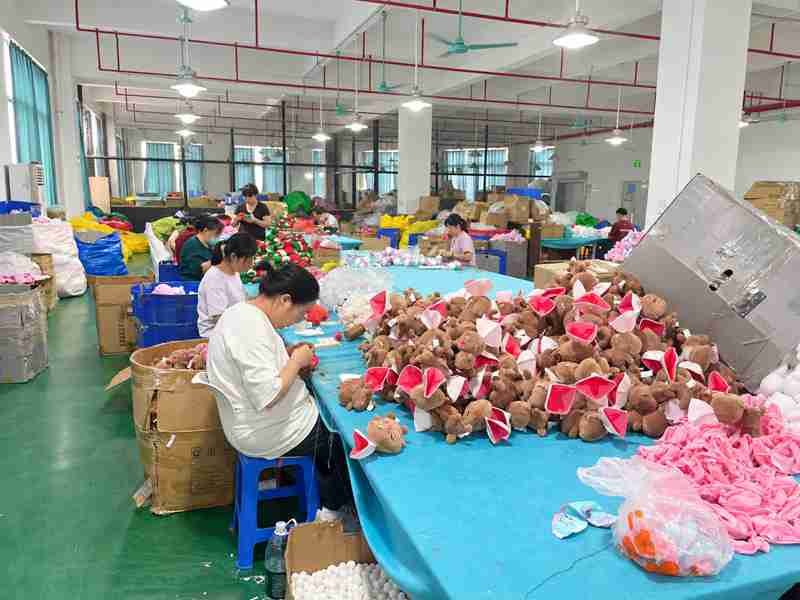
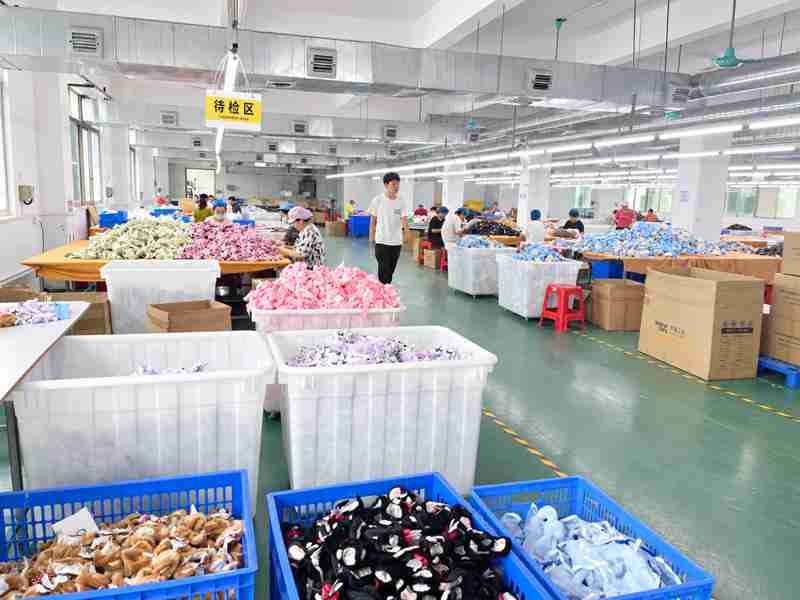
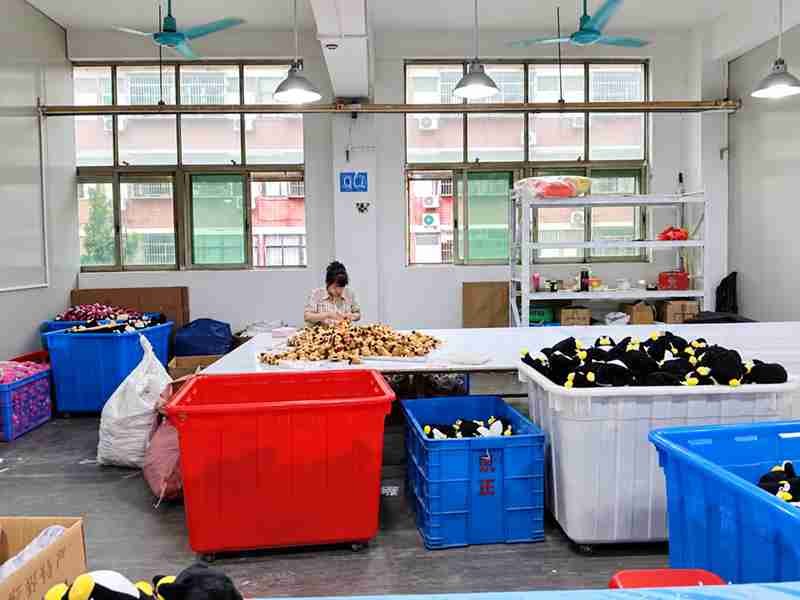
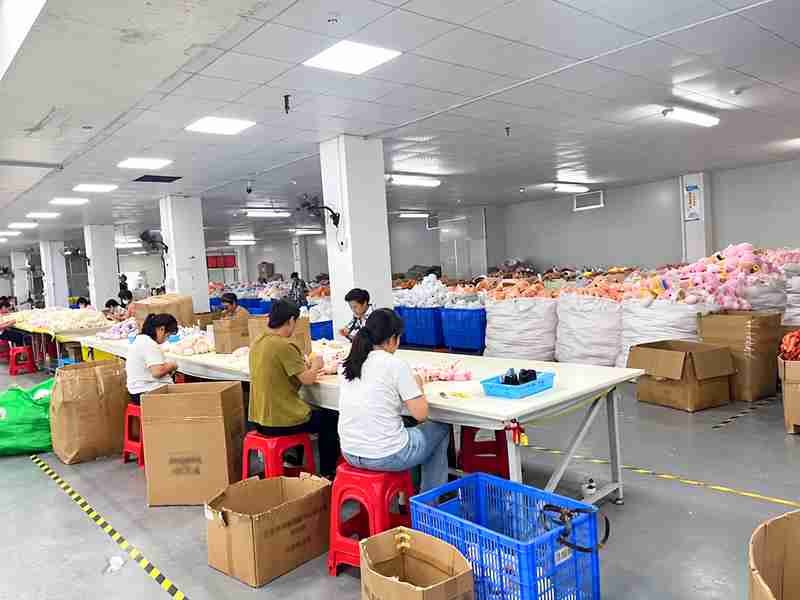
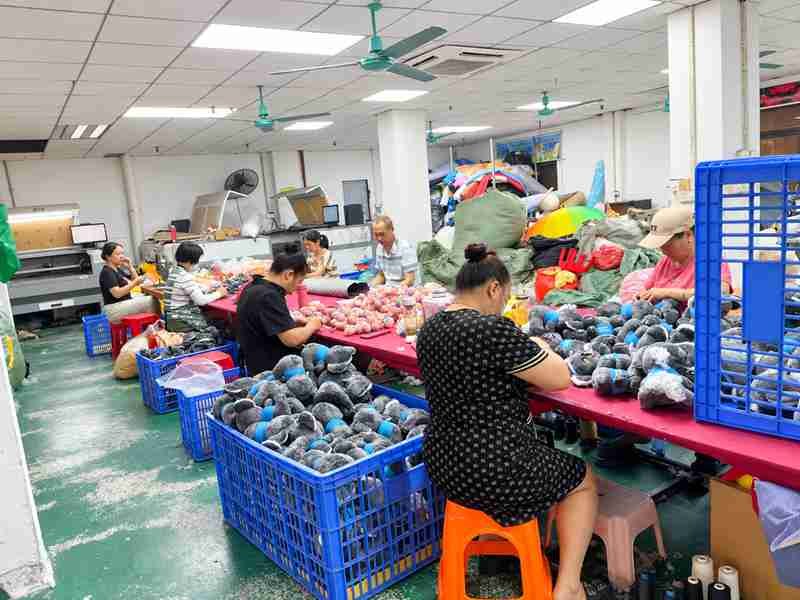
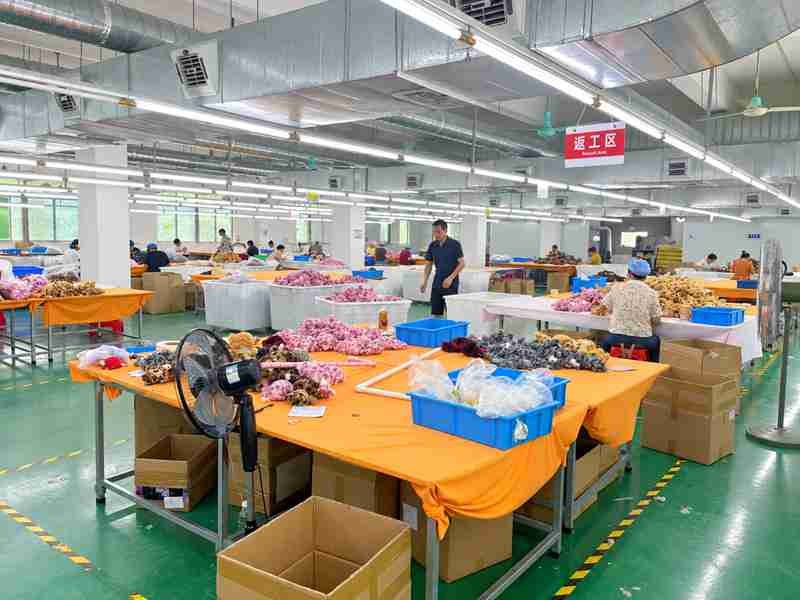
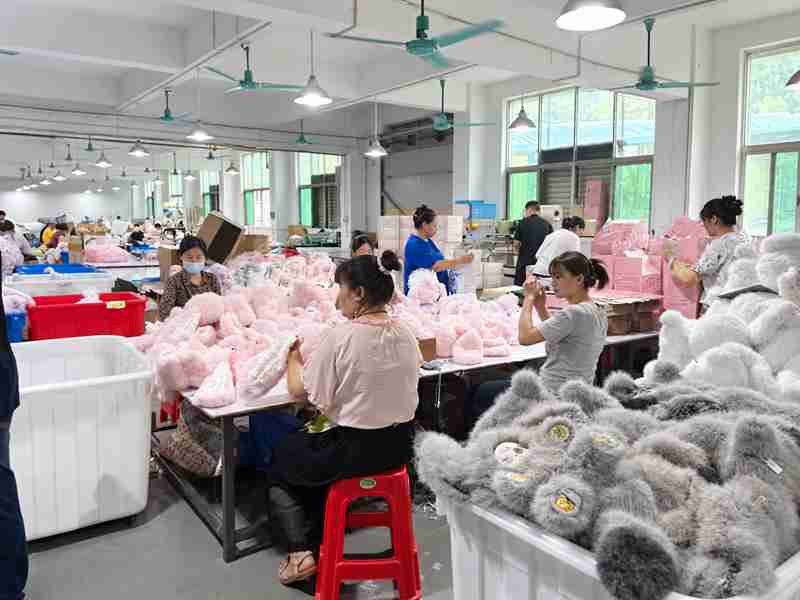
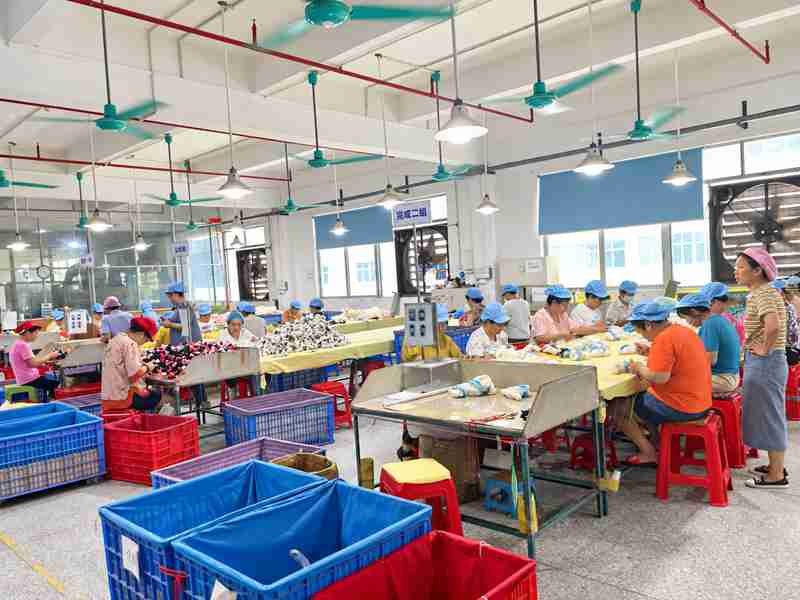
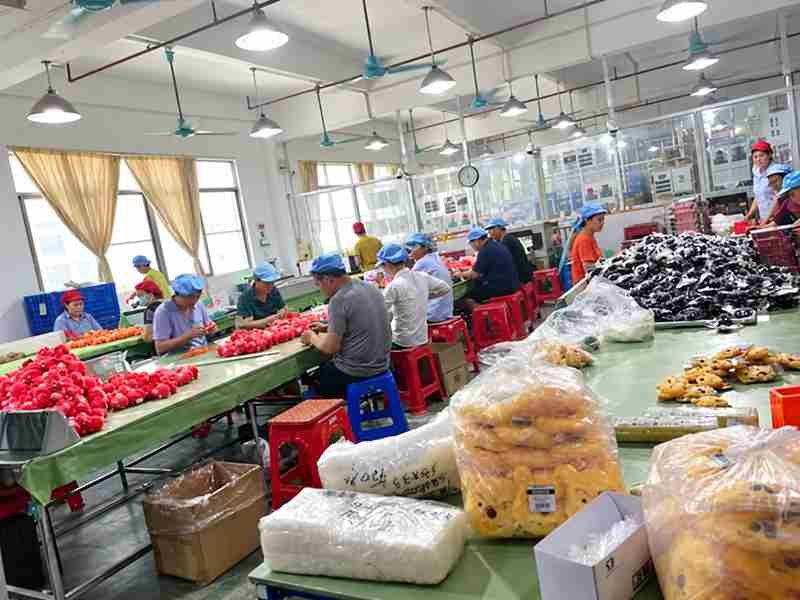
From Prototype to Production: Our Real Plush Factory Show
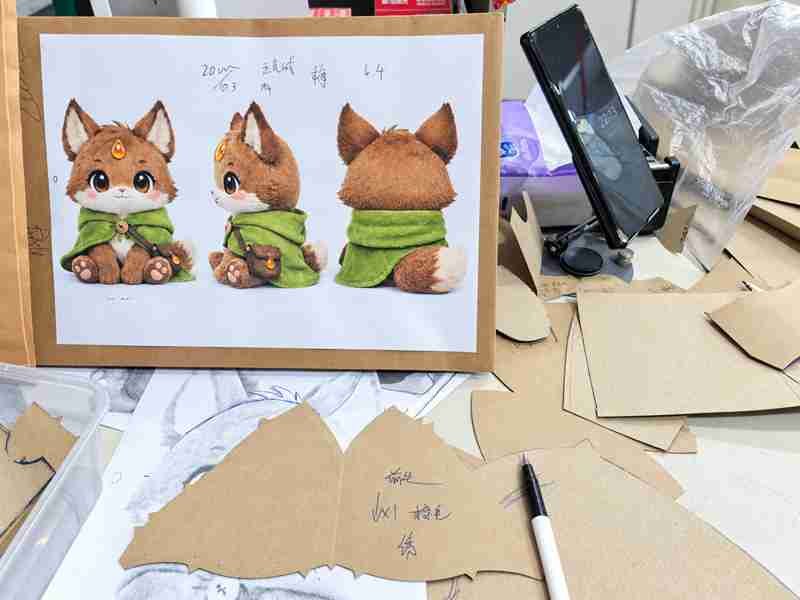
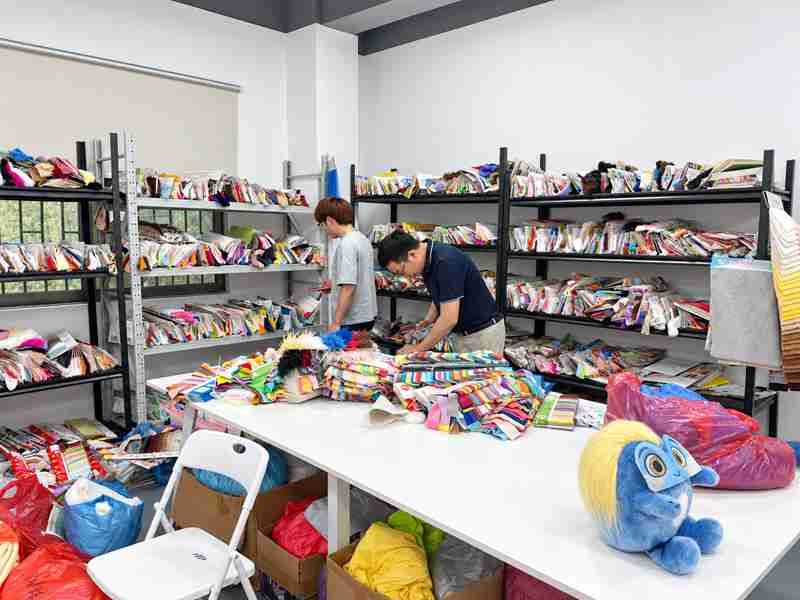
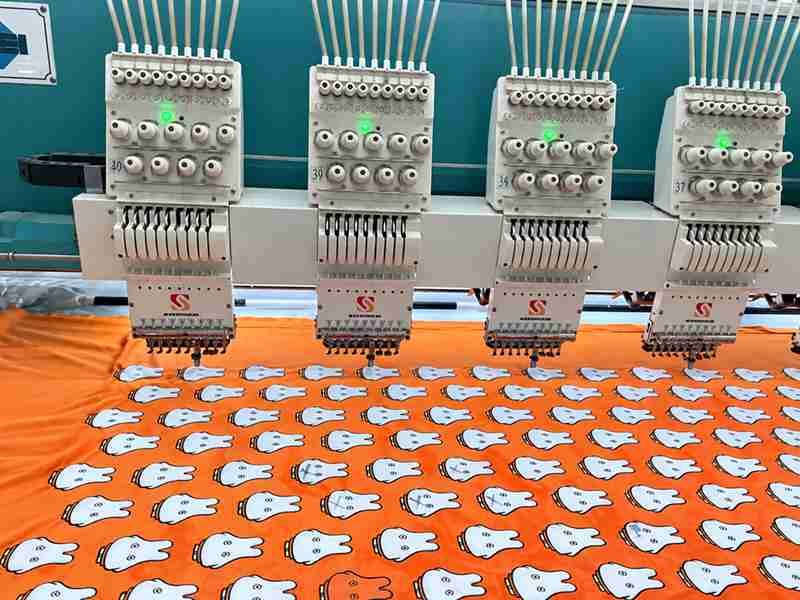
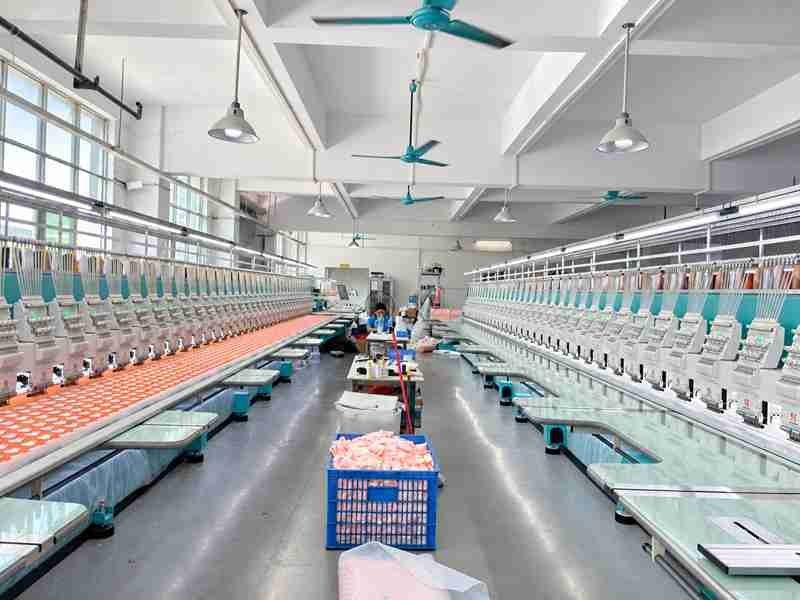
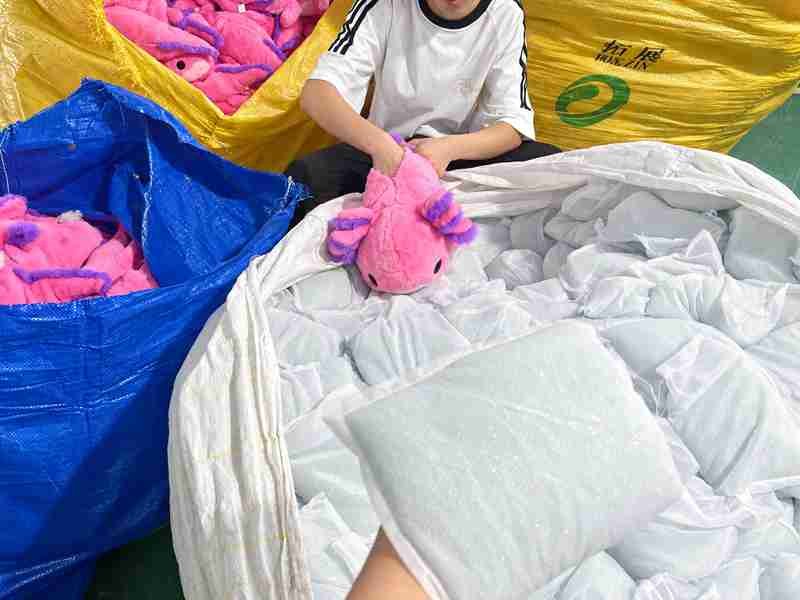
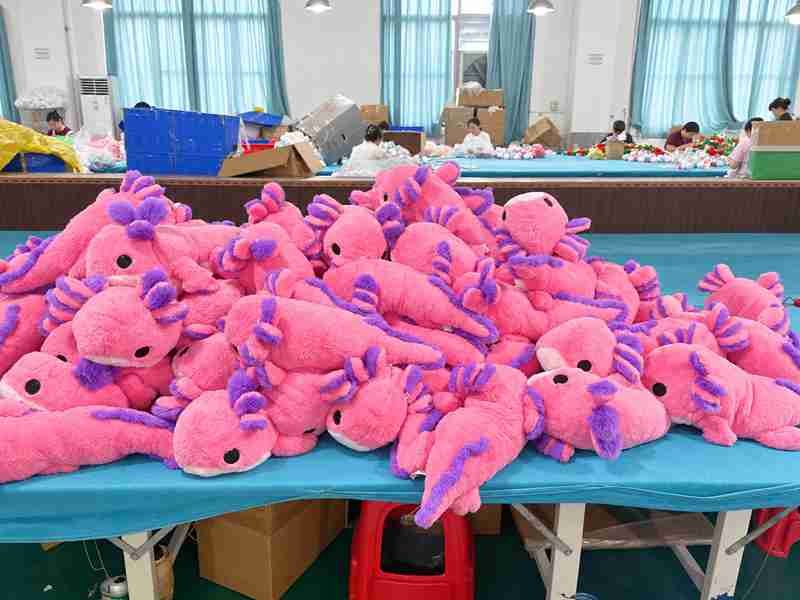
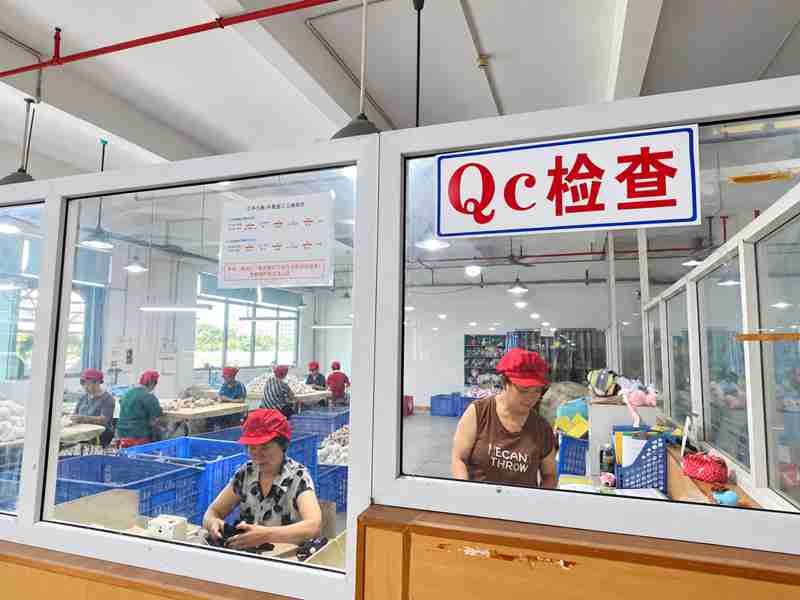
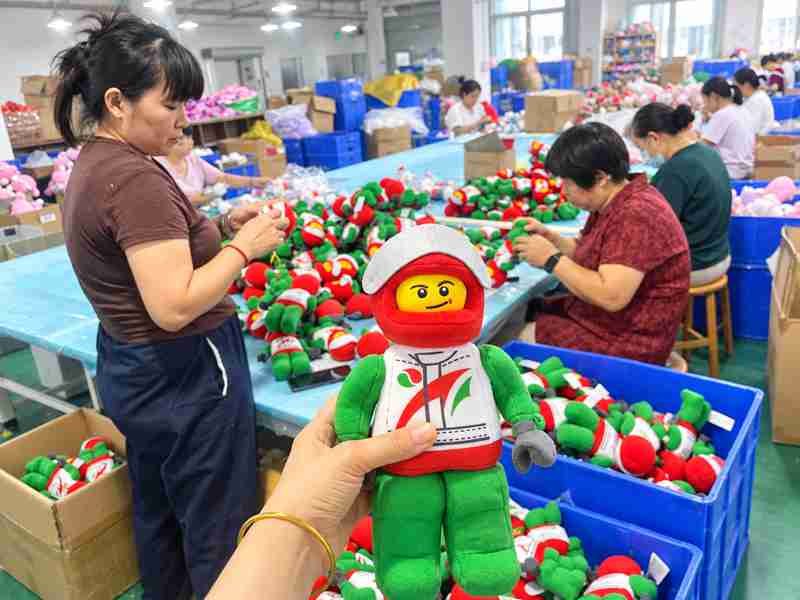
At Ewintoys, every plush project follows a structured development and production process, from initial design review and pattern making to sampling, mass production, quality inspection, and final delivery. Our real factory images provide a transparent view of how ideas are transformed into high-quality plush products through professional craftsmanship, engineering control, and careful production management.



















Start With the Character Files Already Available
Idea Or Written Brief
- Define use, audience and product position.
- Establish silhouette and character priorities first.
AI Or Concept Image
- Clarify missing side and back information.
- Separate visual effects from sewable structures.
Character Artwork
- Suitable for original IP and licensed programs.
- Strong starting point for fidelity review.
Physical Reference Sample
- Useful for supplier replacement and reorders.
- Supports gap review before redevelopment.
Tech Pack Ready
- Best for mature brand specifications.
- Faster decisions when critical data is already controlled.
Character Plush Formats for Different Commercial Programs

Licensed Character Plush
Mascot Plush
Collectible Plush
Chibi Character Plush
Anime Character Plush
Game Character Plush
Mini Character Plush
Plush Keychain
Plush Pendant
Bag Charm Plush
Character Plush Pillow
Interactive Character Plush
Four Risks That Change Character Recognition in Plush
Face And Head Drift
- Protect recognition points before cost optimization.
- Use measurable references for repeat production.
Material Changes Silhouette
- Match pile to feature size.
- Record direction and material identity in the BOM.
Flat Art Hides Volume
- Build front, side and back relationships.
- Review pose before cutting the first prototype.
Samples Can Drift In Bulk
A strong prototype is not enough when the released pattern, embroidery file, material lot, stuffing target or accessory position changes later. Bulk consistency requires a controlled Golden Sample, frozen BOM, current artwork, released pattern and production QC references that point to the same approved version.
- Freeze the right version before production.
- Control changes instead of relying on memory.
Character Fidelity Review Before Pattern Release
A fidelity review turns subjective comments such as “make it look more like the artwork” into specific engineering checkpoints that can be approved and repeated.
| Review Area | What Ewin Checks | Why It Changes Recognition | Production Control |
|---|---|---|---|
| Head Shape | Front width, height, side depth, crown and jaw curve | Head silhouette is often the fastest recognition cue | Released pattern + Golden Sample |
| Eye Position | Spacing, height, angle, size and embroidery placement | Small shifts can change mood and age impression | Decoration file + position reference |
| Muzzle / Nose | Width, projection, centerline and connection to face | Controls species, expression and side profile | Pattern + stuffing reference |
| Ears / Horns | Root point, angle, thickness and symmetry | Changes the outer silhouette immediately | Pattern marks + assembly position |
| Body Ratio | Head-to-body, limb length, torso depth and foot size | Determines chibi, realistic or collectible language | Measurement specification |
| Color Blocks | Boundary shape, material tone and lot | Brand colors and graphic blocks define identity | Approved swatch + BOM |
| Hair / Fur Direction | Nap, pile length, trimming and parting | Alters contour, highlights and visibility of details | Cutting direction + finishing reference |
| Clothing / Props | Fit, scale, angle and attachment method | Signature items often carry IP recognition | Accessory spec + assembly control |
From Character Concept to Golden Sample Freeze
Define Character DNA Before Pattern Work Begins
Artwork review should first identify what cannot be lost: head silhouette, eye spacing, ear angle, hair shape, body proportion, signature colors, clothing outline and iconic accessories. Those points form a fidelity-critical list used throughout development. The same review also identifies details that may be simplified without changing recognition, such as hidden seams, internal structure or very small graphic elements. For incomplete concepts, side depth, back construction and pose logic are clarified before a pattern is treated as an approved interpretation. This separation matters commercially: development time and cost can be concentrated on features visible to fans, licensing teams and retail shoppers instead of over-engineering areas with little recognition value. Once priorities are clear, size, target use, market, age grade and packaging constraints can be introduced without allowing commercial requirements to quietly damage the character.
Convert Artwork Into Pattern, Structure And BOM Inputs
Pattern engineering divides the character into sewable surfaces with seam allowances, turning openings, grain or nap directions and assembly relationships. Volume is not copied from digital geometry; it is interpreted through panel curvature, fabric stretch, stuffing pressure and the ability to sew and turn small components. Material choices are matched to body, face, hair, clothing and accessory zones, while embroidery, applique, print or hard components are assigned where they reproduce details more reliably than sewn fabric. The early BOM should identify material route, color, decoration file, component note and filling reference rather than using vague names such as “soft fabric.” A manufacturable structure is therefore created before bulk price is treated as final, reducing the risk of a low initial quote that changes after the prototype exposes hidden complexity.
Prototype, Revise And Freeze the Approved Product
The first prototype tests whether paper or digital decisions produce the intended character after sewing, turning, stuffing and finishing. Review comments should identify measurable causes – head too narrow, eyes too high, muzzle too flat, limbs too thin, clothing too loose – instead of relying only on general reactions. Each approved change updates the relevant pattern, artwork or BOM reference. The final approved physical sample then becomes the visual benchmark for production, but it should not stand alone. Golden Sample status works best when linked to the frozen BOM, released pattern, current decoration files, filling target, accessory notes and packaging version. Production release from a controlled set of references makes later replenishment and multi-SKU management more reliable than a workflow where teams simply “copy the sample” from memory.
Pattern and Structure Engineering Protect Character Shape
Face And Head Patterns Carry Recognition
Body Proportion, Pose And Balance Need Their Own Controls
Small Features Must Survive Manufacturing Scale
Fabric Choices That Change Character Appearance and Cost
Minky
- Best for soft, rounded characters.
- Approve hand feel, stretch and nap physically.
Velboa
- Strong for clean facial detail.
- Stock fabric lead planning is often shorter than custom dyeing.
Crystal Super Soft
- Soft hand feel with crisp decoration.
- Define by physical sample, GSM, pile and BOM ID.
Short-Pile Plush
- Versatile body and face material.
- Control lot, density, color and nap direction.

Faux Fur
- Strong visual texture for premium designs.
- Avoid tiny embroidery directly into deep pile.
Polar Fleece
- Useful for apparel-like components.
- Compatible with embroidery and many print routes.
Rabbit Fur Style
- Premium touch for collector programs.
- Review compression recovery and lot consistency.
Velvet And Stretch Plush
- Choose for premium sheen or complex curvature.
- Control nap and stretch direction in pattern cutting.
Decoration and Logo Methods for Character Detail
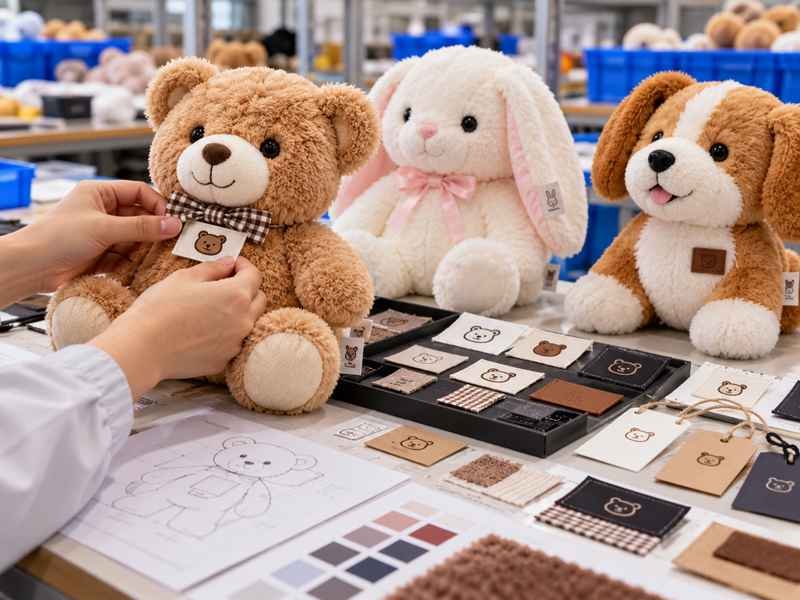
Embroidery
- Crisp, repeatable character faces.
- Strong for small branded marks.
Applique
- Efficient for large graphic areas.
- Useful when embroidery would become too rigid.
Screen Printing
- Good for bold, limited-color graphics.
- Review ink feel and edge definition on the chosen fabric.
Digital Printing
- Useful for complex color artwork.
- Best when fine color transitions matter.
Heat Transfer
- Useful on clothing and flat textile panels.
- Validate adhesion before bulk production.
Woven Labels
- Strong for brand identity and legal copy.
- Works well on seams, clothing and soft accessories.
Rubber Or PVC Patch
- Adds dimensional branding.
- Treat as a component, not only decoration.
Mixed Technique Detail
- Keeps cost focused on visible character DNA.
- Supports a cleaner premium/standard trade-off.
Trims, Accessories and Components Need Engineering Control

Labels And Soft Trims
- Link every trim to BOM and artwork version.
- Approve color and placement before production.

Plastic Eyes And Noses
- Useful for dimensional animal characters.
- Pull strength and component identity require control.

Metal Hardware
- Essential for wearable or hanging merchandise.
- Inspect attachment and finish by lot.

PVC And Silicone Parts
- Useful for hybrid collectible designs.
- Freeze dimensions and interface before final sampling.

Electronic Modules
- Coordinate module geometry before pattern freeze.
- Review access and battery-related requirements by project.

Filling And Weighting
- Weight-controlled filling improves repeatability.
- Internal filling changes may affect testing and shipping weight.
Prototype Reviews Should Control Revisions, Not Just Appearance
Build V1 to Expose Engineering Questions Early
Revise With One Current Pattern, Artwork And BOM Direction
Freeze Golden Sample Only After Production Inputs Agree
Production Turns the Approved Character Into Repeatable Units
Cutting Protects Pattern Shape and Fabric Direction
Decoration and Sewing Reproduce Expression and Structure
Stuffing, Closing and Shaping Restore the Golden Silhouette
Packing and Release Keep Product, SKU and Version Together
A correct plush can still fail at launch through wrong labels, mixed SKUs, unscannable barcodes or packaging that deforms the face. After final inspection, pack-out should use the approved packaging version, hangtag or wash label, warning copy, barcode data and case-pack instruction for the correct SKU. Blind-box and assortment programs need extra control over series identity and pack ratios. Master-carton checks include quantity, marks, dimensions, weight and product protection. Pre-shipment review can include packaging version, barcode scanability, carton count, actual dimensions/weight and final inspection status. When a program uses consolidated or split shipment, warehouse staging should preserve SKU traceability so a scheduling solution does not create packing or destination errors.
Certificates, Compliance & Quality Assurance
Ewintoys follows structured quality and compliance practices for custom plush production. We hold relevant certifications and support additional testing, inspection, and compliance documentation based on specific product requirements and destination markets, helping brands meet different international standards with confidence.






















Quality Control for Character Fidelity and Bulk Consistency
| Stage | Main Controls | Character-Specific Focus | Typical Record / Reference |
|---|---|---|---|
| IQC | Material ID, GSM/pile, color lot, components, labels and packaging | Hand feel, nap, face fabric, accessory identity | BOM, approved swatch, lot record |
| Cutting | Pattern revision, direction, bundle identity, quantity | Head/face panels, symmetry and pile direction | Released pattern, cutting bundle |
| Decoration | Artwork file, color, position, stitch/print quality | Eyes, mouth, emblem, costume graphics | Decoration file, Golden reference |
| Sewing / IPQC | Seam allowance, assembly, reinforcement, panel match | Head contour, ears, limbs, clothing alignment | Process spec, Golden Sample |
| Stuffing | Filling type, weight, distribution and firmness | Muzzle projection, head width, sitting balance | Filling reference / weight target |
| Finishing | Closing, trimming, brushing, shaping, symmetry | Hair line, ears, facial symmetry, silhouette | Golden Sample visual reference |
| Physical Checks | Pull/torque, small parts, seam/tensile, sharp point/edge as applicable | Attachment security and hard-part risk | Project QC/test plan |
| Needle Control | Controlled needle process, detection and abnormal isolation | Metal contamination prevention | Needle/metal detection record |
| FQC / OQC | Appearance, size, function, SKU, packaging and barcode | Character fidelity plus correct retail version | Inspection record, packaging spec |
Compliance and IP Controls Should Start Before Production
United States Programs
- Review target age and small-parts risks early.
- Specific pass claims require the matching laboratory report and version.
European Union Programs
- Do not treat every EN 71 part as automatically applicable.
- Link material and test evidence to the final product version.
Other Target Markets
Canada, the UK, Australia, New Zealand, Japan, Korea and other destinations use their own product-safety and labeling frameworks. Ewin can help organize product information and third-party testing around the destination, age group and product configuration. Internal physical/process checks support development, while formal regulatory conclusions should rely on the applicable recognized test evidence.
- Define destination before finalizing labels and testing.
- Review electronics, magnets, hard parts or special functions separately.
Confidential IP Programs
Confidentiality should cover more than signing an NDA. Artwork access, sample photography, project naming, supplier information, stored files and restricted prototype handling can be managed within the development workflow. Licensed projects should also avoid unauthorized overruns or public use of protected characters. Publication of brand names, images or test results requires explicit permission and evidence appropriate to the claim.
- Control access by project role.
- Keep current approval and version records traceable.
MOQ, Cost and Timing Depend on Product Decisions
| Driver | Commercial Effect | Engineering Review |
|---|---|---|
| Quantity / SKU Split | Regular custom plush often uses about 500 pcs/style as an early review starting point; splitting volume across many SKUs can raise effective MOQ | Look for shared material, shared body or staged production options |
| Product Size | Larger size increases fabric, filling, carton cube and freight; very small size increases precision and labor per unit | Compare recognition at 10-40 cm common character-plush sizes before scaling |
| Fabric Route | Stock materials can be more flexible; custom dye or specialty fur may carry 300-500 kg/color or higher material thresholds | Approve fabric before freezing price and schedule |
| Decoration | Dense embroidery, multi-position print, applique and layered work increase programming and labor | Protect high-value face/logo detail; simplify low-value hidden detail first |
| Accessories | Custom PVC, silicone, plastic, metal or electronic parts can add tooling, component MOQ and inspection requirements | Confirm component interface before final sample |
| Packaging | Printed boxes, blind boxes, PDQ and retailer packs can create independent print/tooling MOQ | Quote unit pack, display pack and master carton separately |
| Testing | Scope depends on market, age, materials and final construction | Define target market before test sample submission |
| Revision / Approval | More design changes extend development and can affect downstream material or tooling decisions | Freeze one current version before bulk release |
| Launch Date | Capacity review depends on SKU mix, complexity, material readiness and approval status | Build milestones backward from launch and destination |
Packaging Options for Retail, E-Commerce and Collections
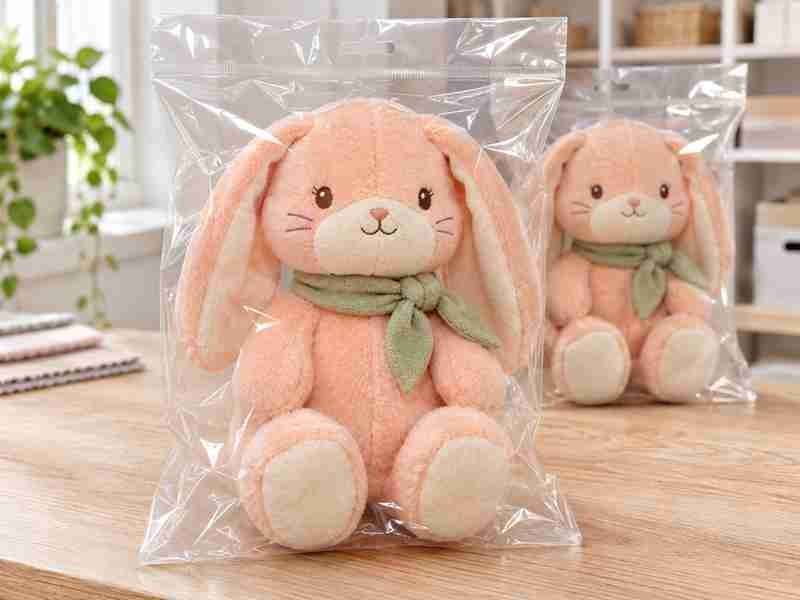
Polybag Packaging

Belly Band

Color Box
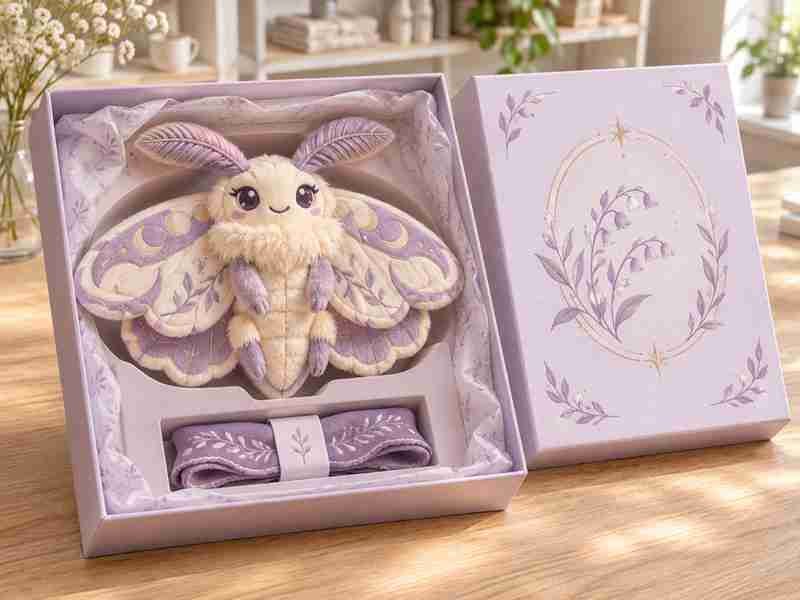
Gift Box

Blind Box

PDQ Display
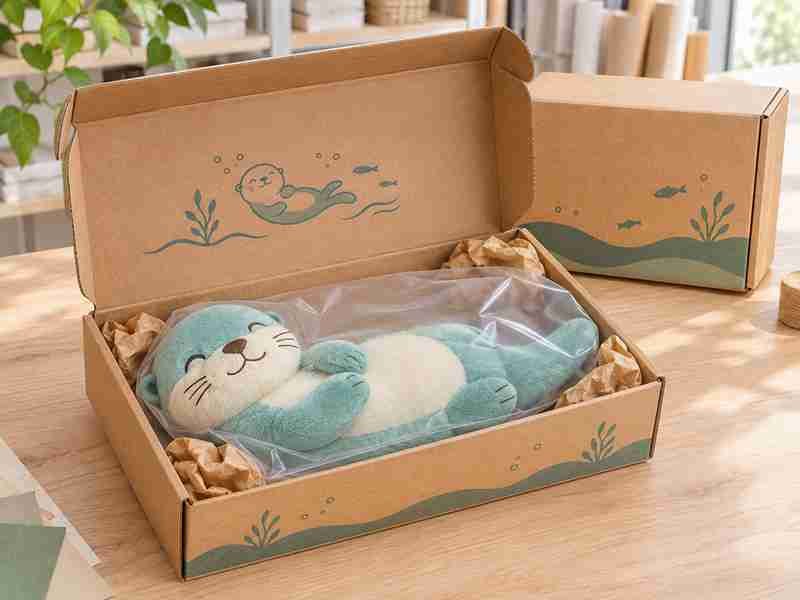
E-Commerce Pack
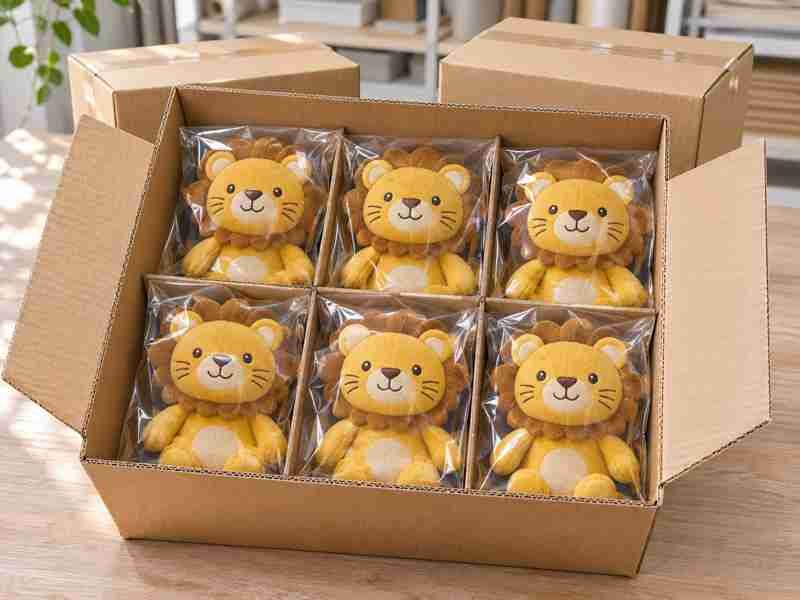
Master Carton Pack-Out
Final cartons control units per case, assortment, carton dimensions, weight, marks and transport protection. Multi-SKU programs should map pack version, barcode and carton identity to each SKU before consolidated or split shipment is released.
Development Scale Backed by Manufacturing and Project Control
60+ Development Center
- Strong fit for IP, collectible and multi-SKU programs.
- Supports inputs from sketch through physical reference.
1,700+ Sample Throughput
- Useful for parallel development programs.
- Supports staged approval across multiple SKUs.
95,000+ m2 System
- One manufacturing route from cutting to pack-out.
- Capacity is reviewed against SKU mix and process complexity.
1,900+ Manufacturing Personnel
- Scalable execution with specialist operations.
- Suitable for long-term, multi-stage programs.
Trusted by Global Brands and IP Owners
Trusted by brands, IP owners, and creative teams worldwide. Ewintoys helps transform original ideas and characters into high-quality plush products through professional development, manufacturing, and quality control.
























Character Plush Program Scenarios
United States Licensed Character Collection - 3,600 Pieces
European Collectible Brand Series - 5,000 Pieces
Japan Game Merchandise Program - 8,400 Pieces
Frequently Asked Questions
Yes. A single image can start development, but side depth, back details, pose, hidden attachments and accessory construction need review before pattern work is treated as final.
Yes. AI artwork can provide visual direction. Ewin reviews proportion conflicts, impossible details, missing views and material interpretation before converting the concept into a manufacturable plush structure.
Around 500 pcs/style is a common early commercial review starting point. Effective MOQ can change with custom-dyed fabric, accessories, packaging, tooling, electronics and SKU split.
Many IP and merchandise projects fall around 10-40 cm. Ewin’s wider custom plush system covers roughly 8-100+ cm, with structure, detail and shipping impact reviewed by size.
Bulk release should reference the approved Golden Sample, frozen BOM, released pattern, current decoration files, filling target and packaging version, supported by IQC, IPQC, FQC and OQC controls.
Confidential programs can use NDA and controlled access to artwork, samples, photography and project files. Specific confidentiality requirements should be agreed before sensitive assets are distributed.
Ewin can support third-party testing coordination based on target market, age grade, materials, components and final construction. Specific pass claims must be tied to the matching product version and report.
Yes, when engineering permits. Shared materials or body platforms can improve efficiency, while each character keeps independent face, accessory, color, BOM, packaging and approval references where needed.
Embroidery suits many small, crisp marks; applique suits larger textile blocks; printing supports complex graphics; woven or rubber/PVC labels suit selected branding needs. Fabric and target age affect the decision.
Yes. Polybag, belly band, color box, gift box, blind box, display packaging, PDQ and master-carton pack-out can be reviewed around product structure, channel and shipping needs.

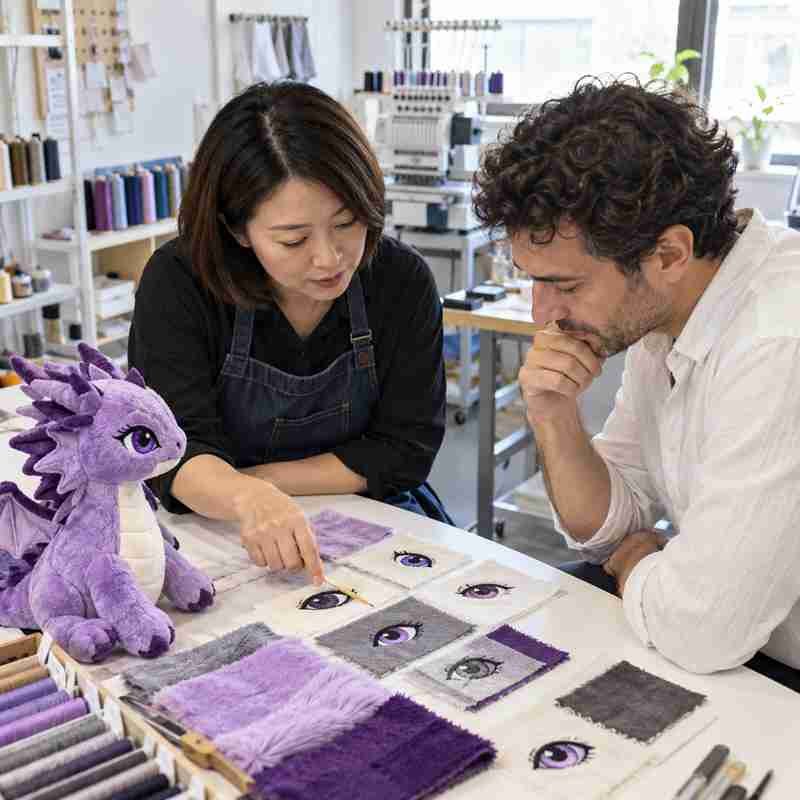
Send Your Character Files for a Manufacturing Review
- Character artwork or reference photos
- Target size and pose
- Estimated quantity and number of SKUs
- Target market and age group
- Selling channel or use scenario
- Required packaging, labels or accessories
- Target launch or delivery date