
Custom Anime Plush Manufacturer for Licensed & Original Characters
Ewin Toys turns anime artwork, game characters and original IP into production-ready plush with controlled proportions, expressive facial embroidery, recognizable hairstyles and detailed costume structures. With 20+ years of plush manufacturing experience, our team supports character interpretation, pattern engineering, sampling and repeatable mass production for collectible and retail programs.
60+ Development Specialists | MOQ 500 pcs | 5-7 Days Sampling | Facial Embroidery Control | Complex Costume & Hair Engineering
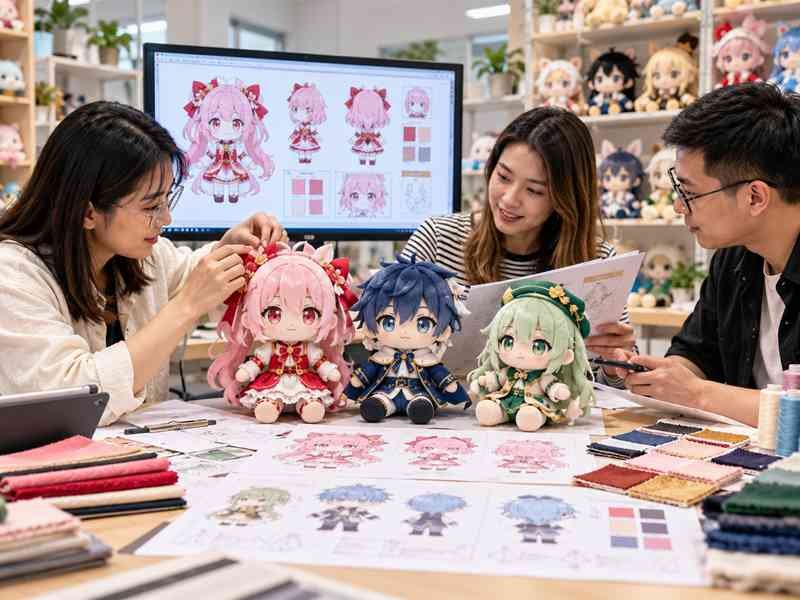
Built for Character-Led Merchandise Programs
Anime and Animation IP
Game and VTuber Teams
Licensed Merchandise Programs
Collectible and Retail Brands
Why Anime Plush Needs Character Engineering
Exaggerated Proportions
Graphic Anime Eyes
Layered Hair Silhouettes
Costume Construction
Signature Colors
Props and Accessories
Anime Plush Formats for Different Programs

Chibi Character Plush
Human Character Plush
Game Character Plush
VTuber Plush
Kawaii Mascot Plush
Creature Character Plush
Mecha-Inspired Soft Plush
Mini Character Plush
Anime Plush Keychains
Dress-Up Plush Dolls
Plush With Signature Props
Blind-Box Mini Plush
Start With the Design Files Already Available
Use Existing Artwork Without Rebuilding the Brief
Character projects often arrive with different levels of preparation. One team may have a full style guide with front, side and back views; another may have one approved illustration, a 3D render, an existing figure or a physical sample. Ewin Toys can use those materials as the starting point instead of requiring every project to be redrawn into the same format before technical review begins.
Useful starting inputs include character sheets, 2D artwork, turnaround views, 3D renders, color references, costume references, existing plush photos, physical samples and packaging direction. The development team first identifies what is already controlled and what is still ambiguous. A front-only illustration, for example, may show face, costume and hair clearly but leave back hair, side depth, hand shape and tail construction undefined. Those gaps should be listed before pattern work rather than guessed on the sewing floor.
For licensed or pre-launch characters, the current approved artwork revision should be identified at intake. File names, design IDs and approval status matter because several visually similar versions can circulate during a launch. Starting from the correct reference reduces later rework and makes revision comments easier to trace. It also gives sourcing, design and production teams one reference for later cost, packaging and quality decisions.
Add Only the Missing Manufacturing Decisions
After the available references are reviewed, the next step is not to add paperwork for its own sake. The missing decisions should be converted into a short development brief: target size, intended pose, product use, age grade, target market, quantity band, required accessories, packaging direction and launch timing. Those fields influence pattern, materials, component choices, testing and cost, so they should be resolved before the final sample is frozen.
Character-specific decisions are then separated from commercial decisions. Character-specific items include head/body ratio, face key points, hair construction, costume layers, embroidery artwork, color references and signature props. Commercial items include SKU count, order quantity, packaging, barcode requirements, testing needs and shipment plan. Keeping the two groups visible helps teams protect essential character DNA while still finding cost or schedule efficiencies elsewhere.
When information is still missing, Ewin Toys can propose controlled options rather than making silent assumptions. A complex printed garment, for example, might be compared with appliqué or integrated body panels. A small rigid-looking prop might be translated into a soft stuffed accessory. Each option should explain what changes visually, what changes in production and what needs approval before the next sample version. The result is a focused development route instead of a long specification filled with fields that do not affect the character.
Anime Character Fidelity Review Before Sampling
Recognition comes from a small set of character-defining features. Ewin Toys reviews those features before and during prototyping so revisions target the variables that matter most.
| Review Point | What Ewin Checks | Why It Matters |
|---|---|---|
| Head silhouette | Width, height, cheek curve, chin and top shape | The head is usually the strongest recognition anchor. |
| Head/body ratio | Relative visual mass and pose | Anime proportions can feel wrong even when individual parts are accurate. |
| Eye size | Width, height and visible area | Changes expression and perceived age. |
| Eye spacing | Distance from center line and between eyes | Small placement shifts can alter the entire face. |
| Eye artwork | Highlights, lashes, iris direction and embroidery/print route | Preserves expression and graphic style. |
| Mouth and brows | Angle, position and scale | Controls mood without adding unnecessary complexity. |
| Hair outline | Front bangs, side locks, spikes and back volume | Hair often defines the character before costume details are noticed. |
| Signature colors | Fabric, thread, print and component references | Keeps the character family visually coherent. |
| Costume geometry | Collar, sleeves, skirt, jacket, footwear and trim | Prevents clothing from distorting body proportion. |
| Character marks | Symbols, scars, patches, emblems and special details | Protects high-recognition details from being simplified away. |
| Props and accessories | Size, position, attachment and material | Balances recognition with durability and safety. |
| Multi-angle consistency | Front, side and back reading | Prevents a sample from looking correct only in the hero view. |
From 2D Artwork to Stable 3D Plush
Build Volume Before Cutting Final Patterns
Two-dimensional art can hide depth decisions that become unavoidable in plush. A face shown only from the front does not define how far the muzzle projects, how thick the head is, where the jaw turns into the neck or how the back hair occupies space. Before final pattern release, the development team needs a clear 3D interpretation of the main volumes and how they connect.
Scale changes the engineering route. An 8-12 cm mini character has limited room for seam allowances, multi-layer embroidery and separate costume parts, so essential details may need to be enlarged or simplified. A 20-35 cm display plush can support more layered hair, tailored clothing and accessories, but added detail also increases handwork and the number of production controls. Size should therefore be chosen around the character, channel and packaging rather than by enlarging or shrinking one master pattern without review.
Pose also affects the pattern. A seated figure needs stable base geometry and controlled leg placement. A standing character may need different feet, internal support or balance decisions. Ewin Toys treats pose, proportion, silhouette and stuffing as one engineering problem so the approved look can survive handling and mass production. Before pattern release, the intended display angle and packaging posture should also be checked because a character designed to sit upright may be distorted if the pack forces a different position.
Convert Approved Geometry Into Sewing Logic
Once the main volumes are approved, the character must be divided into panels that can be cut, decorated, sewn and filled consistently. Seam placement should follow both appearance and manufacturing logic. A seam across a high-recognition facial area may distort embroidery or create a visible ridge, while a hidden seam may make stuffing or final shaping difficult. Pattern engineering decides where those compromises belong.
Panel curvature, seam allowance, fabric stretch and pile direction all influence final volume. Two fabrics cut from the same paper pattern may not finish at the same size because stretch, thickness and pile behave differently during sewing and stuffing. For hair and clothing, pattern logic also determines whether a detail lies flat, projects outward or maintains a clean edge.
Released patterns should stay linked to the approved artwork, embroidery files and BOM. When a revision changes head width, eye position or hair shape, the affected files need to move together. Production should not receive a new pattern with an old embroidery file or a new costume graphic paired with an outdated body version. Before release, file names, revision numbers and approval status should be checked as a set, especially when several characters share similar body platforms or packaging structures. Controlled revision linkage is a major part of stable character manufacturing. A released production package should make it obvious which pattern, embroidery file, material references and packaging artwork belong together, reducing the risk of old files returning during bulk production or reorders.
Engineer Face, Hair, Costume and Signature Props
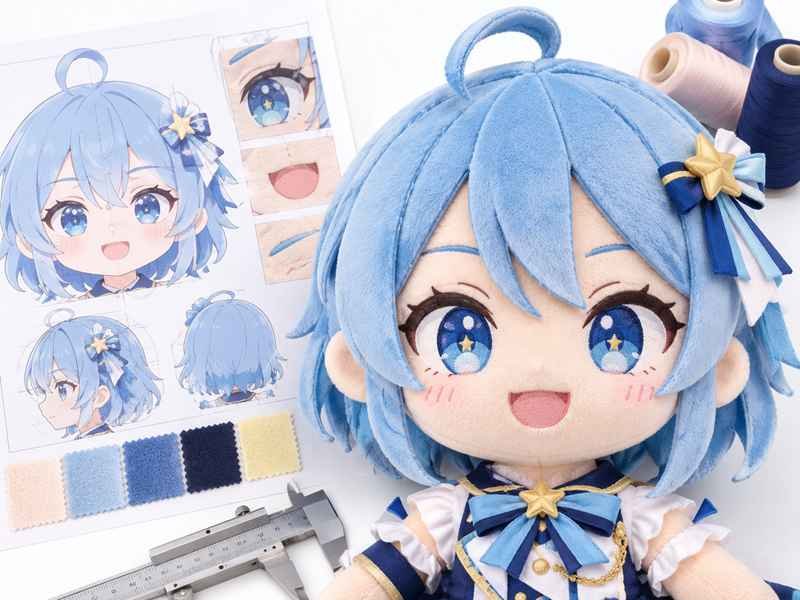
Face and Eyes
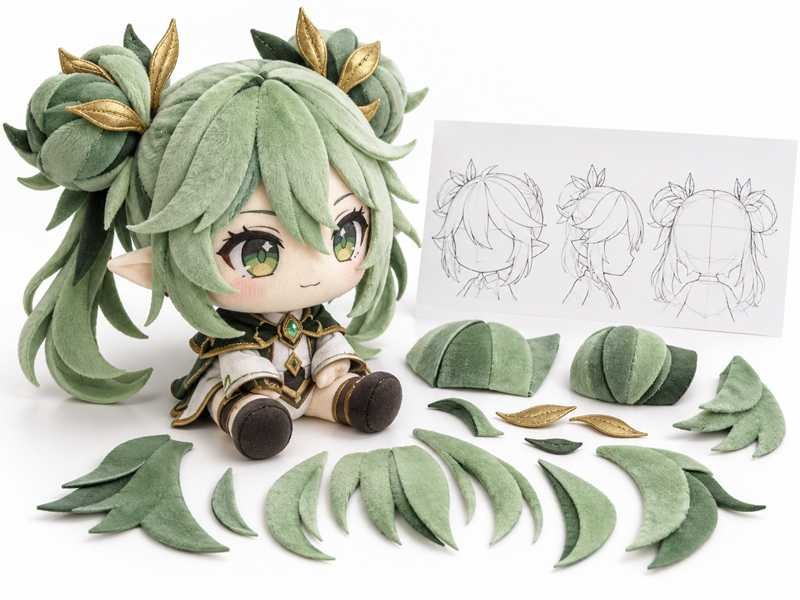
Hair and Head Shape
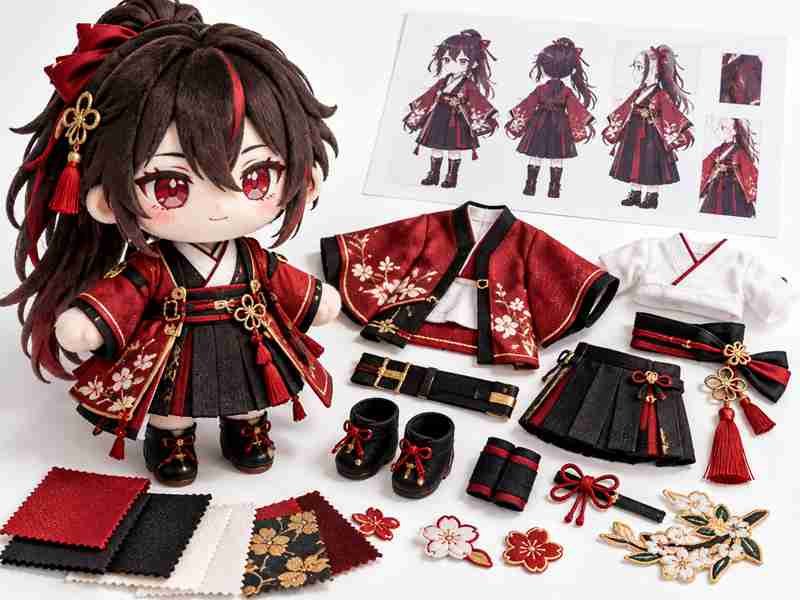
Costume and Clothing

Props and Accessories
Choose Materials by Character Area and Detail
One fabric rarely serves every part of an anime plush well. Material selection should protect face clarity, hair silhouette, handfeel, printability and production stability by area.
| Material Direction | Best-Fit Areas | Key Advantages | Main Watchpoints |
|---|---|---|---|
| Minky / soft short pile | Body, head, limbs | Soft handfeel, clean color fields, broad character use | Stretch and pile direction can affect shape. |
| Crystal super-soft / similar short plush | Face, body, mascot forms | Smooth surface and good embroidery visibility | Batch handfeel and shade should be approved. |
| Velboa / short plush | Face, compact bodies, structured shapes | Stable surface, clear printed or embroidered details | Less fluffy than longer-pile options. |
| Faux fur | Animal ears, tails, creature areas, hair effects | Strong texture and premium visual depth | Long pile can hide seams and small embroidery. |
| Polar fleece | Clothing, scarves, hats, flat details | Stable, easy to sew, broad color use | Surface language is more textile-like than plush-like. |
| Tricot / smooth knit | Fine printed details, lining, lightweight accents | Thin surface keeps graphics readable | Limited plush volume on its own. |
| Felt-like sheet material | Hair tips, flat props, emblems, structural accents | Holds graphic edges and flat geometry | Edge durability and stiffness need review. |
| PU / specialty textile | Belts, boots, costume accents, visual contrast | Adds surface contrast and costume realism | Coating durability, folding and compliance depend on the material specification. |
Auxiliary Materials and Components That Protect the Design
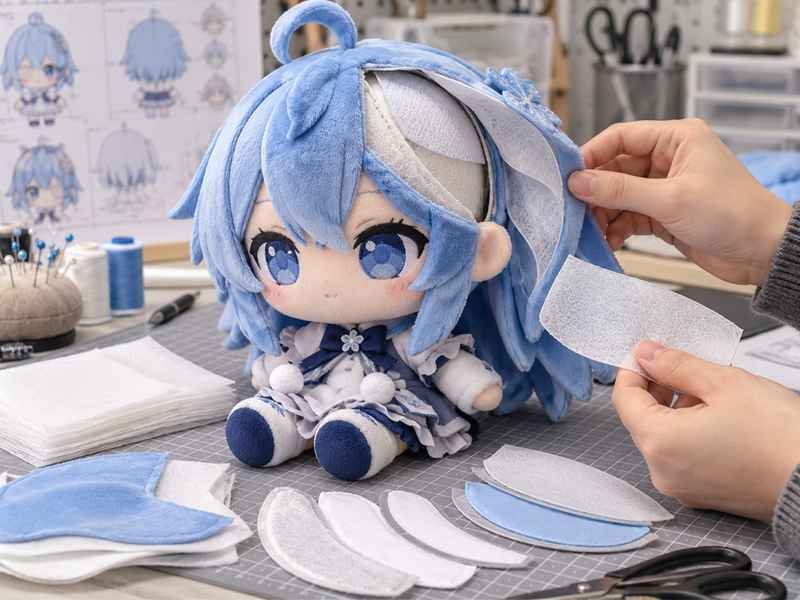
Stabilizers and Interlinings

Filling Systems

Sewing and Embroidery Threads

Closures and Openings
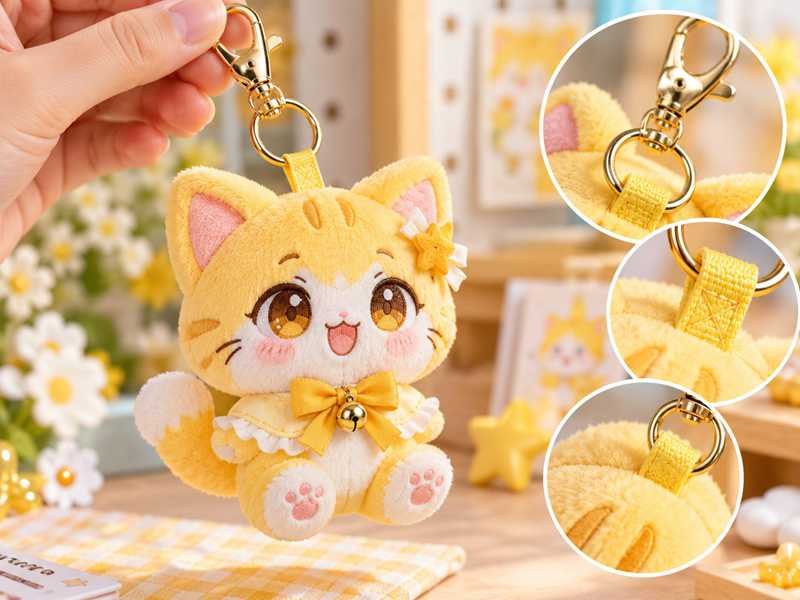
Keychain Hardware

Plastic and PVC Parts

Internal Support Pieces
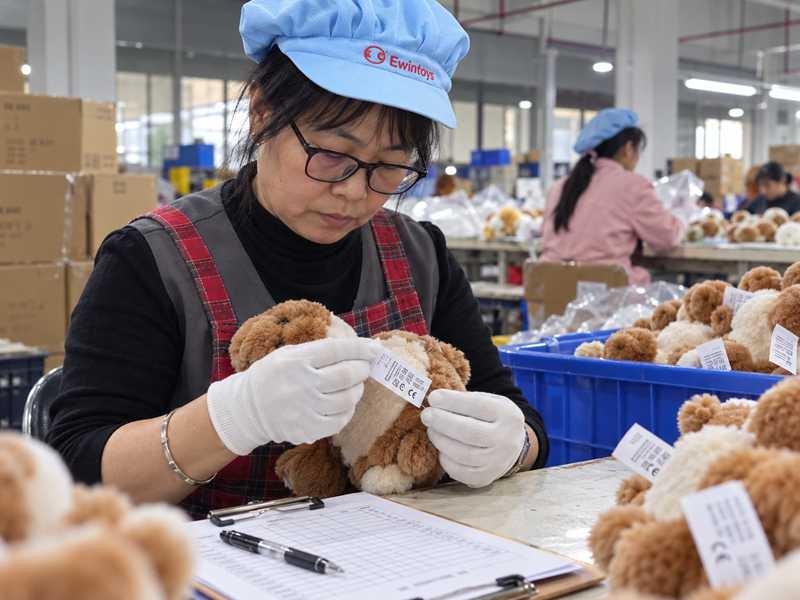
Labels and Identification
Logo and Character Decoration Methods
Embroidery
Appliqué
Screen Printing
Heat Transfer
Sublimation and Digital Print
Woven Brand Labels
Printed Labels
Molded or Rubber Badges
Pattern Development, Prototyping and Revision Control
Pattern Development Starts With Character Priorities
The prototype review should therefore separate geometry from decoration. Head width, cheek curve, body ratio, sitting balance and hair volume can be evaluated before spending time refining every embroidery stitch. When geometry is wrong, decorating it more precisely does not solve the underlying problem. When geometry is right, face artwork, costume details and accessories can be tuned against a stable base.
Ewin Toys operates a 60+ person Plush Product Development Center supporting pattern, prototype, material and engineering work across custom plush programs. The value of that structure is cross-functional review: pattern changes can be considered together with embroidery, material, sewing and production implications instead of being isolated as a sample-room decision. Early checks can also isolate one risk at a time through material swatches, embroidery trials, component mockups or partial pattern tests when a full prototype is not yet necessary.
Prototype Revisions Must Change the Right Variable
Revision comments should identify the variable causing the problem. A face that looks too young may come from eye size, eye spacing, head width, cheek curve or mouth position. A hair shape that collapses may need pattern geometry, support material, seam placement or stuffing changes. A costume that feels bulky may need fewer layers rather than a smaller body. Clear root-cause thinking reduces circular revisions.
Each sample version should use an identifiable revision and approved comment set. When V1 becomes V2, the affected pattern, embroidery artwork, BOM item or component drawing should be updated together. Visual photos or videos can support review, but they should not replace the final controlled sample when handfeel, volume, accessory strength or packaging fit still need physical confirmation.
The development endpoint is not “the sample looks good.” Production readiness requires an approved Golden Sample or equivalent approved reference, frozen BOM, released pattern, current decoration artwork and packaging specification. Those records give production and QC one current definition to follow and make later reorders easier to compare through a controlled delta review. If a reorder changes only one element, such as packaging artwork or a fabric color, the unchanged approved structure can remain locked while the affected item is reviewed separately.
Production Details That Keep Anime Characters Consistent
Release Production From a Frozen Product Definition
Control High-Variation Steps Before Final Inspection
Sewing, stuffing and hand finishing create much of the three-dimensional appearance, which makes them high-variation stages. Seam alignment affects symmetry; stuffing changes head volume and body posture; grooming changes long-pile surfaces; accessory placement affects the character silhouette. In-process checks should therefore target the points most likely to drift instead of waiting for final inspection to discover systemic variation. Anime faces need special attention because a small shift is visually amplified. Eye embroidery may be correct on the cut panel but appear uneven after curved panels are sewn and stuffed. Hair pieces can twist during assembly. Clothing can pull one shoulder higher than the other. Process controls should compare work against the approved reference at the stage where correction is still efficient. Ewin’s integrated manufacturing base covers cutting, embroidery and printing, sewing, stuffing, hand assembly, finishing, quality inspection, packaging, warehousing and logistics. Capacity is planned by product construction, SKU mix, decoration load and delivery window rather than by one headline piece count. Complex character programs can therefore be reviewed around their actual bottlenecks before scale-up. If embroidery, hand assembly, a custom component or a special packaging operation becomes the limiting step, planning can focus resources there instead of assuming every production stage carries the same capacity.
Anime Plush Quality Control From Material to Pack-Out
Quality control should protect the approved character definition, not only screen finished units. Anime-specific checkpoints connect incoming materials, decoration, assembly, appearance and packaging to the current SKU revision.
| Control Point | Main Checks | Anime-Specific Risk Controlled |
|---|---|---|
| Incoming materials | Fabric shade, handfeel, pile, accessories, packaging lots | Wrong color or texture changes character identity. |
| Embroidery / print | Artwork revision, position, thread/print color, clarity | Eyes, symbols and costume graphics drift from approval. |
| Cutting | Pattern revision, grain/pile direction, panel identity | Hair and body panels finish with different shape or visual color. |
| Sewing | Seam alignment, symmetry, construction order | Face, limbs and costume become visibly skewed. |
| Face assembly | Eye spacing, mouth position, cheek/head balance | Small placement errors change expression. |
| Hair and props | Orientation, layer order, attachment security | Character silhouette or signature items become inconsistent. |
| Stuffing / shaping | Volume, firmness, pose, size and balance | Approved proportions change after filling. |
| Needle / foreign material control | Defined controls and records appropriate to product route | Prevents avoidable manufacturing contamination risk. |
| Final appearance | Golden Sample comparison, workmanship, cleanliness | Bulk units drift from the approved visual reference. |
| Packaging / barcode | SKU, label, artwork, pack orientation, scan checks | Correct plush enters the wrong packaging or SKU. |
| Traceability / CAPA | Project, SKU, revision, lot, defect and corrective record | Repeated defects cannot be isolated or prevented on reorders. |
Protect Original, Licensed and Pre-Launch Character IP
Original and Licensed Rights
Restricted Pre-Launch Assets
Controlled External Processing
Compliance Planning Starts Before the Final Sample
Market and Age Grade
Materials and Components
Third-Party Test Coordination
Changes and Compliance Files
Packaging for Anime Retail, Collectibles and Multi-SKU Launches

Protective Polybag

Compression Packaging

Hangtags and Labels

Header Cards

Window or Color Boxes

Blind-Box Packaging

PDQ and Display Packs

Master Carton and Barcode
What Shapes MOQ, Cost and Project Timing
SKU Count
Size and Structure
Fabric and Decoration
Accessories and Handwork
Packaging and Compliance
Approval and Launch Timing
Why Ewin Fits Complex Anime and IP Programs
60+ Development Center
Integrated Manufacturing System
Controlled Scale-Up
One Project Window
Three Anime Plush Program Scenarios
U.S. Collectible Character Launch
German Game Merchandise Collection
Australian VTuber Merch Drop
Certificates, Compliance & Quality Assurance
Ewintoys follows structured quality and compliance practices for custom plush production. We hold relevant certifications and support additional testing, inspection, and compliance documentation based on specific product requirements and destination markets, helping brands meet different international standards with confidence.























Frequently Asked Questions
Yes. Projects can begin from 2D artwork, character sheets, turnaround views, 3D renders, reference products or physical samples. Ewin reviews which dimensions and construction decisions are already clear, then identifies missing side depth, back details, pose, materials, accessories or packaging inputs before pattern development begins.
You should have the rights or authorization required for the character and merchandise program. Original IP owners can provide their own assets; licensed programs may also need authorization records, style guides and approval instructions. Ewin can work within the project’s confidentiality and approval process but does not create rights for third-party characters.
Recognition is controlled through specific features rather than a general “high similarity” promise. Review focuses on head silhouette, head/body ratio, eye size and spacing, hair outline, signature colors, costume geometry, character marks, props and multi-angle appearance. Prototype comments are then connected to the pattern, decoration, material or assembly variable causing the difference.
Yes. Multi-SKU programs can be organized by design ID, sample revision, BOM, packaging, barcode, testing, production and shipment status. Shared body platforms, materials or packaging can be considered where the character designs allow them, but each SKU still keeps its own approved artwork, sample reference and controlled differences.
Short-pile or smooth materials are often preferred when small embroidery or printed facial details must remain clear. Minky, crystal super-soft style fabrics, velboa and other short-pile textiles can be evaluated according to handfeel, stretch, pile direction and decoration method. Final selection should be approved on the actual sample rather than by fabric name alone.
Yes. Anime characters often benefit from area-based material selection. Hair may use layered textile panels, short plush, felt-like material or other suitable structures, while clothing can use fleece, printed textiles, appliqué or separate garment fabrics. The combination should preserve silhouette and color while remaining repeatable in sewing and assembly.
Bulk production should be released from the approved Golden Sample, frozen BOM, released pattern, current decoration artwork, packaging revision and QC references. When one of those inputs changes, the affected product definition should be reviewed before production continues. The aim is to prevent outdated sample or artwork versions from returning during bulk or reorder production.
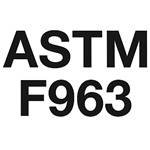
Ewin can support project-based third-party testing coordination according to the product, target market and age grade. U.S. projects may involve applicable ASTM F963 and CPSIA requirements; EU projects may involve EN 71, REACH and other applicable rules. The final test scope should be confirmed against the current product configuration and market requirements.
Send the character files, target size, quantity per SKU, number of characters, target market, packaging direction and required arrival or launch timing. Also note removable clothing, props, keychain hardware, molded parts or other special features. Those inputs allow a more meaningful review of cost drivers, sourcing constraints and production complexity.
No. MOQ is shaped by fabric sourcing, custom colors, accessories, packaging, SKU count, production setup and quantity per design. A simple character using common materials can have a different starting point from a multi-SKU collection with custom components and retail packaging. Ewin reviews the product definition before confirming a suitable production route.


Send Your Anime Plush Project for Review
- Character artwork, character sheet, 3D render or reference sample photos.
- Target size and intended pose, such as sitting, standing, keychain or display plush.
- Quantity per SKU and the number of characters or variants in the collection.
- Target country or sales market, plus intended age grade where known.
- Required packaging, labels, barcodes, props, removable clothing or special components.
- Target launch, ship or arrival timing, especially for licensed releases or retail set dates.