Plush Keychain Product Development for Compact Character Merchandise
- 60+ Development Specialists
- 8–12 cm Planning Range
- Reinforced Hanging Points
- Hardware-to-Weight Matching
- Small-Scale Face & Costume Optimization

Small Plush Keychains Need Full Product Engineering
Small Size Changes Every Detail
A strong development review starts by ranking the character features that create recognition: silhouette, face shape, eye spacing, signature color blocks, hair or ear profile, clothing cues, and one or two iconic accessories. Secondary details can then be simplified, converted to embroidery or applique, or removed when they do not survive the target size. The result should still read clearly from arm’s length, inside retail packaging, and while hanging from a bag or keyring. Before the first pattern is cut, the team can mark each feature as preserve, simplify, convert, or remove. Preserve covers identity-defining elements; simplify reduces panel count or line detail; convert changes a difficult feature into embroidery, applique, print, felt, or a fixed fabric layer; remove applies only where the detail adds little recognition and creates disproportionate risk. That simple decision record helps prevent late-stage arguments over why a miniature version cannot carry every detail of a larger plush or digital render.
Hanging Use Adds Structural Loads
A plush keychain is handled differently from a shelf plush. The top loop, webbing, chain, split ring, or lobster clasp becomes a load-bearing part of the product. Its location changes the hanging angle; its weight changes balance; repeated pulling changes the stress on nearby seams. A secure attachment therefore needs to be planned with the pattern and internal seam structure, not added after the plush body is finished.
Development should check the finished orientation with the selected hardware installed. A character that looks correct when placed on a table may rotate sideways when suspended. Heavy metal fittings can pull a small head backward, while an attachment point too far forward can make the face tilt down. Reinforcement, loop length, hardware weight, stuffing density, and center of gravity should be approved together before production specifications are frozen. The review should also consider how the charm is clipped, removed, packed, and handled repeatedly. A loop that survives a straight pull may still twist the top seam when the clasp rotates. A long chain can swing into the face and mark embroidery during transport. A plated clasp can scratch faux fur or printed surfaces if it is not isolated in packaging. Treating use, structure, and pack-out as one system closes these problems before the first production lot.
Development Support For Brand And IP Programs
IP And Licensing Teams
Toy And Collectible Brands
Fashion And Lifestyle Brands
Retail Merchandise Programs
Plush Keychain Styles We Can Develop

Full-Body Character Keychain

Character Head Keychain

Animal Plush Keychain

Mascot Plush Keychain

Mini Doll Keychain

Plush Pendant

Plush Bag Charm
Flat 2D Plush Charm

Rounded Chibi Charm

Costume Character Charm

Plush Pouch Charm

Plush Hybrid Charm
Start With The Design Files Already Available
Hand Sketch
2D Artwork
Character Sheet
Three-View Drawing
3D Render
Physical Reference
Protect Character Recognition At Mini Scale
Build A Recognition Priority Before Pattern Work
Start with the silhouette and face because small products are often seen from a distance, inside packaging, or while moving on a bag. Check the head outline, ear or hair profile, face width, eye spacing, mouth position, signature color blocks, and one or two accessories that make the character unmistakable. These become protected features during simplification.
Secondary details should be evaluated by scale. A tiny stitched pocket, narrow belt, layered cuff, miniature printed word, or complex shoe panel may add little recognition while creating disproportionate assembly work or distortion. Such elements can be merged, enlarged, moved, converted to embroidery, represented with applique, or removed with approval. The aim is not simplification for its own sake; it is to spend limited surface area on the details that carry identity. For example, a game character may need a specific fringe shape and eye angle more than four tiny jacket seams. A mascot may need a recognizable muzzle and logo color more than separate fingers. A fashion charm may need material contrast and hardware finish more than a fully articulated pose. These trade-offs should be agreed before sampling so revisions improve fidelity instead of repeatedly restoring details that were never stable at the chosen size.
Review The Face As A Connected System
Eyes, nose, mouth, muzzle, hairline, cheek volume, and surrounding seams should be reviewed together. Moving one element can change how the entire expression reads. Dense embroidery may pull thin fabric, long pile may cover eye edges, and overfilling can spread the eye distance or round a face that should remain flat. A face should therefore be approved with final fabric, backing, embroidery file, stuffing level, and pattern revision rather than from embroidery artwork alone.
For character families, repeatable reference points are useful: eye-to-eye distance, eye height relative to head height, muzzle width, ear angle, and major color boundaries. These checkpoints do not replace visual approval; they support it. The final standard remains the approved sample and released specification, which together provide the reference for mass production. During review, photographs are useful for communication, but they should not replace the physical and dimensional reference because camera angle, lens distortion, lighting, and fur direction can change how the face appears. Critical corrections should be written against a sample version, such as moving eyes inward, reducing cheek volume, lowering a hairline, shortening pile around the face, or reducing embroidery density. Clear versioned corrections make the next sample more efficient and make later bulk inspection far less subjective.
Choose Size By Detail, Use And Hardware
Keychain size should be selected around recognition, construction, carrying weight, hardware, and packaging rather than a single universal dimension. Pendant formats commonly sit around 5-15 cm, while bag charms often use 7-18 cm.
| Development Factor | 5-8 cm Mini | 9-12 cm Standard | 13-18 cm Larger Charm |
| Face detail space | Very limited; simplify aggressively | Good for clear embroidery and simple hair | More room for layered features |
| Limb construction | Often simplified or applique | Short stuffed limbs usually workable | More natural limb proportion possible |
| Clothing | Best as fixed/simple layers | Limited garments and trims | Better for jackets, skirts, hats |
| Hardware impact | High relative to plush weight | Moderate | Lower relative impact, but total weight rises |
| Hanging balance | Very sensitive to loop position | Easier to tune | Must check chain length and swing |
| Packaging | Small card/bag efficient | Flexible retail options | More volume and hardware protection needed |
| Best fit | Blind bag, phone, key use | Character keychains, collectibles | Fashion bag charms, premium merchandise |
Fabric Choices For Clear Miniature Details

Minky

Short Plush

Velboa

Faux Fur

Fleece

Velvet And Specialty Fabric
Trims And Auxiliary Materials Need Defined Roles
Woven Labels
Printed Labels
Felt Details
Interlining And Backing
Elastic And Cord
Thread And Embroidery Backing
Logo And Decoration Methods For Small Areas
Embroidery
Applique
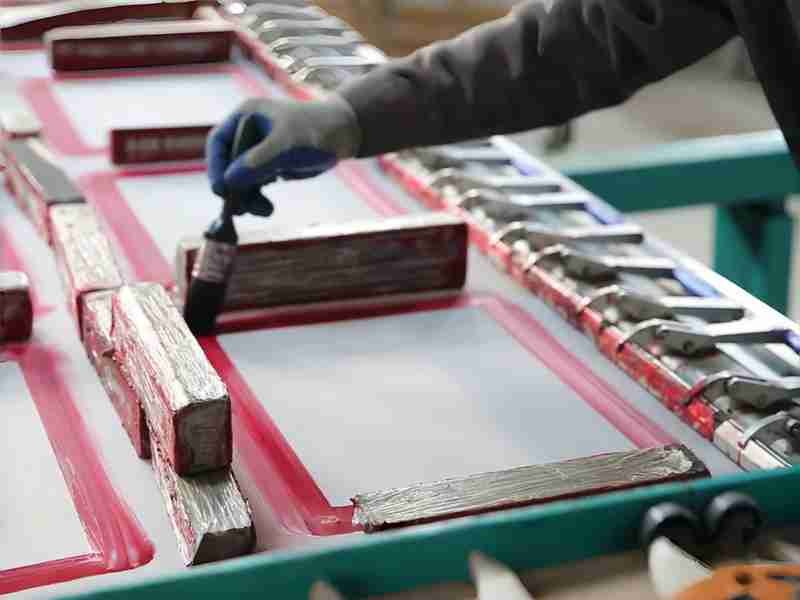
Screen Printing

Digital Printing

Heat Transfer
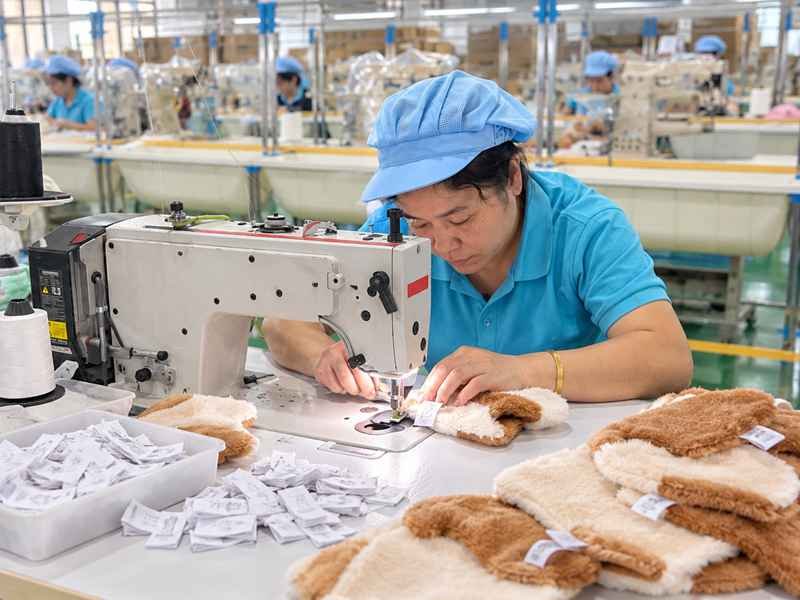
Woven Or Printed Brand Tag
Hardware And Accessories Must Hang Correctly
Split Ring
Lobster Clasp
Ball Chain
Carabiner
Fabric Loop
Custom Strap Or Chain
Pattern, Structure, Filling And Balance Work Together

Pattern Engineering Controls Miniature Shape
Small panels leave less room for sewing variation. Curves, seam allowance, gussets, darts, muzzle pieces, ear bases, and limb openings all need enough space to be cut, sewn, turned, and filled reliably. Reducing a large pattern by percentage alone can make openings too narrow, create bulky seam intersections, or change the visual proportion because seam allowance does not shrink in the same way as the overall silhouette.
Pattern development should therefore rebuild critical areas around the target size. A face may need fewer panels to avoid seam crowding. Tiny hands or feet may be represented with embroidery, applique, or a simplified stuffed shape. Ears can use felt, foam, interlining, or controlled stuffing depending on the desired edge. Every structural choice should protect the intended look while remaining repeatable for production sewing. Pattern review should also consider the production sequence: which panel receives embroidery first, where labels or loops are inserted, how the body will be turned, where filling enters, and which opening is closed last. A technically correct shape can still be inefficient if the sewing order forces operators to handle tiny parts in an unstable sequence. Designing the route together with the pattern reduces rework and makes critical seams easier to inspect before they are hidden inside the finished charm.
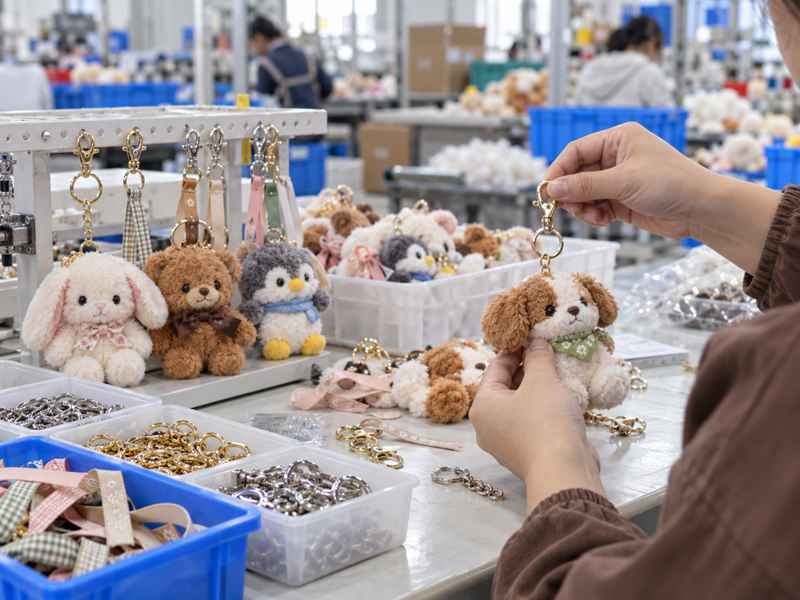
Filling And Balance Finish The Engineering
Stuffing is not only a softness choice. Filling weight changes head width, cheek volume, body firmness, embroidery spread, limb position, and the way the charm hangs. Overfilling can distort a small face or force seams open; underfilling can make the character collapse around hardware. Narrow appendages may need staged filling, while flat areas may need lighter fill so the silhouette remains controlled.
Balance should be checked only after all final components are installed: metal hardware, labels, clothing, accessories, and any internal support. The attachment point, loop length, stuffing distribution, and center of gravity determine whether the character faces forward, tilts down, spins sideways, or sits at an unintended angle. Final approval should include both a tabletop view and a hanging view so the product performs correctly in its real use condition. A useful check is to photograph the sample from the front, side, and hanging position with final hardware, then compare it with the intended retail image or merchandising use. If a charm must face outward on a handbag, the loop position and clasp rotation should support that orientation. If it is mainly a keychain, compactness and resistance to repeated movement may matter more. Filling and balance should follow the actual use case rather than a generic softness target.
From Artwork To An Approved Plush Keychain
Requirement Review
Feasibility Review
Pattern Development
First Prototype
Revision And Review
Final Approval
Approve More Than The Visual Appearance
| A production-ready sample should close visual, structural, material, hardware, packaging, and control decisions. Use the checklist below before treating a sample as final. | |||||||||||||||||||||||||||||||||||||||
|
Freeze The Product Before Bulk Release
Golden Sample And Frozen BOM Create One Reference
The Golden Sample represents the approved physical result, while the BOM defines what the product is made from. For a plush keychain, the BOM should identify outer fabrics, color standards, embroidery or print references, backing, thread, filling, labels, loops, rings or clasps, clothing, accessories, packaging, and any special process notes. The released pattern and current decoration files need to match the same sample revision.
This prevents a common failure: one department follows the final sample while another department uses an older embroidery file, material color, or packaging artwork. Product ID, sample version, BOM revision, and packaging revision should stay connected. Any approved change after freeze should be reviewed for its effect on appearance, cost, testing, packaging, and delivery rather than being treated as an informal production adjustment. This is especially important for multi-SKU collections where characters may share body patterns, hardware, or packaging dimensions while keeping different colors and embroidery. Shared components can improve purchasing efficiency, but only when the shared specification is clearly identified. A seemingly small change to one common clasp, loop material, or backing card can otherwise affect several SKUs at once. Before release, the team should confirm which items are common, which are character-specific, and which are still pending approval. Keeping that boundary visible makes quotation, material ordering, sample control, and later reorders much easier to manage because a change can be traced to the exact SKUs it affects.
DFM Review Confirms The Design Can Be Repeated
A beautiful hand-made sample still needs to survive production conditions. DFM review checks whether tiny panels, seam intersections, embroidery placement, stuffing, hardware installation, clothing, handwork, and inspection points can be reproduced with acceptable control. Difficult operations may need templates, fixtures, revised seam logic, simplified construction, or clearer work instructions before scale-up.
For keychains, the most sensitive areas often include face positioning, narrow limbs, small accessories, top-loop reinforcement, final hanging angle, metal-to-fabric contact, and filling weight. Production release should occur from the approved Golden Sample, frozen BOM, released pattern, current artwork and packaging revisions, and defined QC references – not from an informal photo or an outdated sample on a worktable. A short pilot or pre-production review can be useful when the design has difficult hardware, dense embroidery, many hand-applied details, or several SKUs sharing one launch date. The aim is to verify the manufacturing route, inspection points, packing method, and version control under conditions closer to bulk production. Issues found here are cheaper to correct than after a full production run has already been assembled. The review can also identify where a fixture, embroidery placement guide, stuffing reference, hardware installation template, or extra in-process checkpoint will reduce variation. DFM should leave production with clearer instructions and fewer judgment calls, not simply a statement that the sample has been approved.
Production Details That Protect Small Products
Controlled Cutting
Decoration Before Assembly
Small-Part Sewing
Attachment Installation
Filling And Shaping
Final Pack-Out
Keychain Quality Control Focuses On High-Risk Details
Face And Embroidery Position
Seam And Shape Consistency
Attachment Pull Control
Filling And Weight Reference
Needle And Foreign Material Control
Packaging And Final Appearance
Certificates, Compliance & Quality Assurance
Ewintoys follows structured quality and compliance practices for custom plush production. We hold relevant certifications and support additional testing, inspection, and compliance documentation based on specific product requirements and destination markets, helping brands meet different international standards with confidence.























Compliance Planning Starts Before Mass Production
United States Programs
European Union Programs
Collectible And Accessory Positioning
Calling an item a collectible, fashion charm, or accessory does not automatically remove all safety or market obligations. Intended age, marketing claims, foreseeable use, hardware, small parts, materials, and sales channel still matter. Product positioning should be defined early so labeling, testing, and component decisions are not based on assumptions that change late in development.
Evidence Follows The Exact SKU
Compliance statements should match the actual product, revision, material set, target market, and report scope. A previous product report does not automatically cover a new keychain with different hardware, fabric, coating, or small components. Development teams should preserve sample ID, BOM, component specifications, and test-sample traceability so the tested configuration can be connected to production release.
Packaging Options For Keychains And Bag Charms

Polybag With Label

Hangtag Packaging

Backing Card
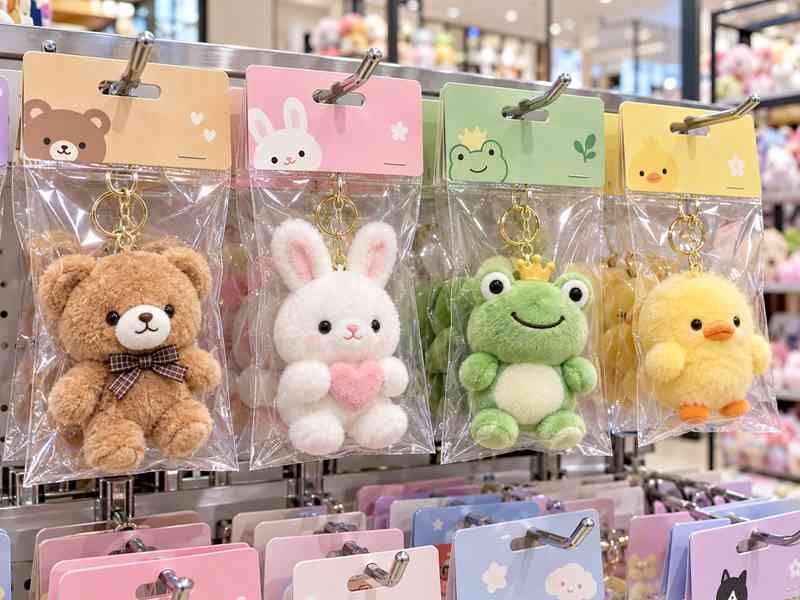
Header Card
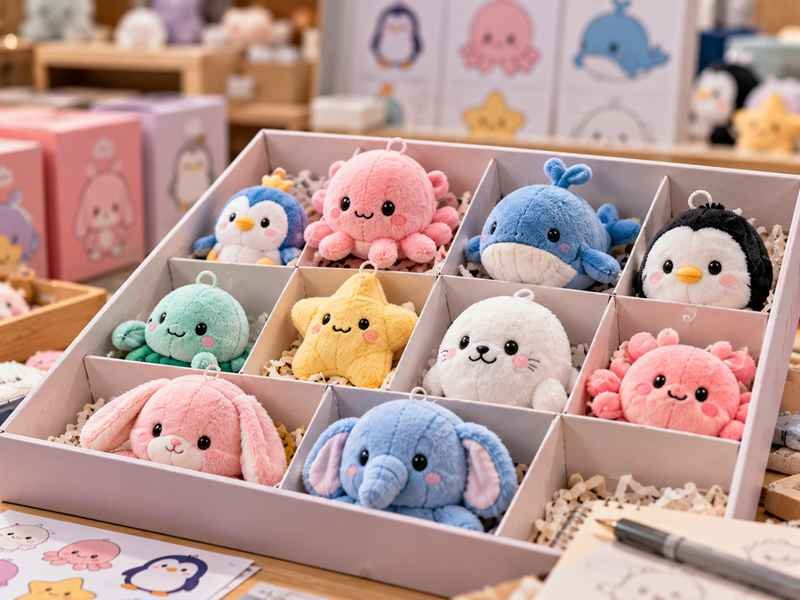
Blind Bag

Color Box Or Gift Box
Plan MOQ, Cost And Timeline Around The Design
| Planning Item | Typical Development Reference | Main Variables |
|---|---|---|
| Pendant / keychain size | Commonly 5-15 cm | Character detail, limbs, clothing, hardware |
| Bag charm size | Commonly 7-18 cm | Fashion scale, weight, chain length, packaging |
| Commercial starting point | Around 500 pcs/SKU for regular evaluation | Fabric, hardware, custom color, packaging, SKU split |
| Character-IP first sample | Commonly 7-12 working days after executable inputs | Complexity, material availability, custom parts, revision scope |
| Revision window | Often 2-10 working days depending on change scope | Pattern rework, material change, embroidery, accessories |
| Fabric sourcing | Stock fabric can be faster; custom dyeing can add supplier lead time | Color, GSM, pile, supplier MOQ, approval |
| Unit cost | Built from material + process + quantity + SKU + QC/compliance + packaging | Pattern count, embroidery, handwork, hardware, pack-out |
| Bulk timeline | Reviewed after sample approval and material/packaging readiness | Quantity, SKU mix, process load, forecast, launch date |
Plush Keychain Development Programs
US Collectible Character Series
UK Lifestyle Bag Charm Program
Japan-Style Game Merchandise Drop
Start With A Clear Development Brief
- Artwork or physical reference, plus target size and SKU count
- Estimated quantity per SKU, target market, and intended age/use
- Hardware, logo or decoration method, and packaging preference
- Target launch or receipt date, plus any handfeel or price-point reference