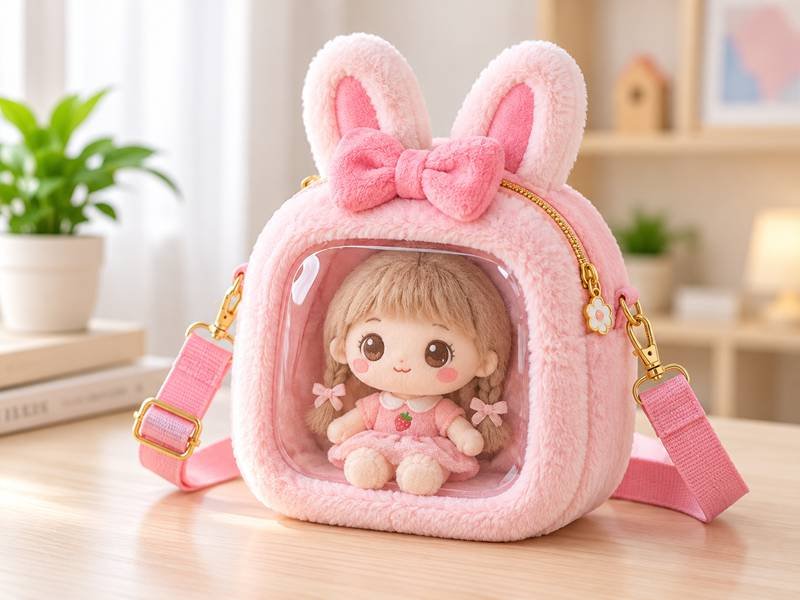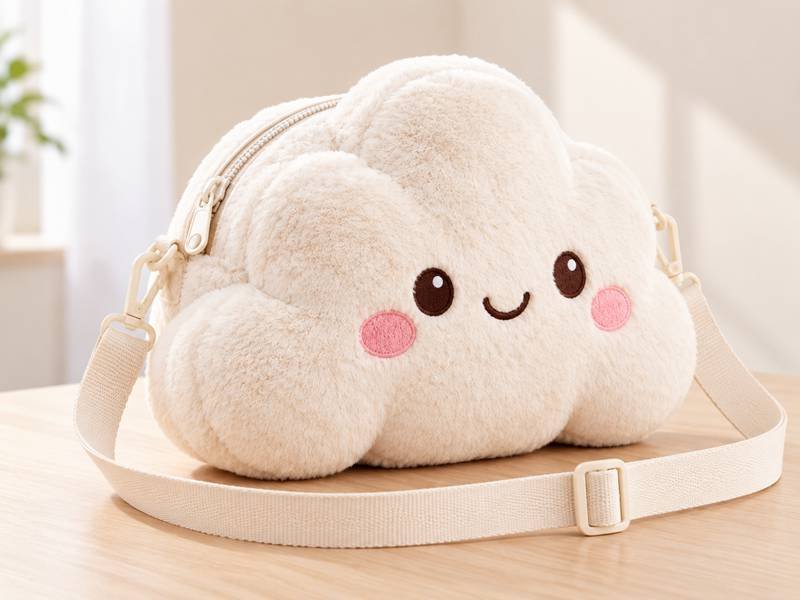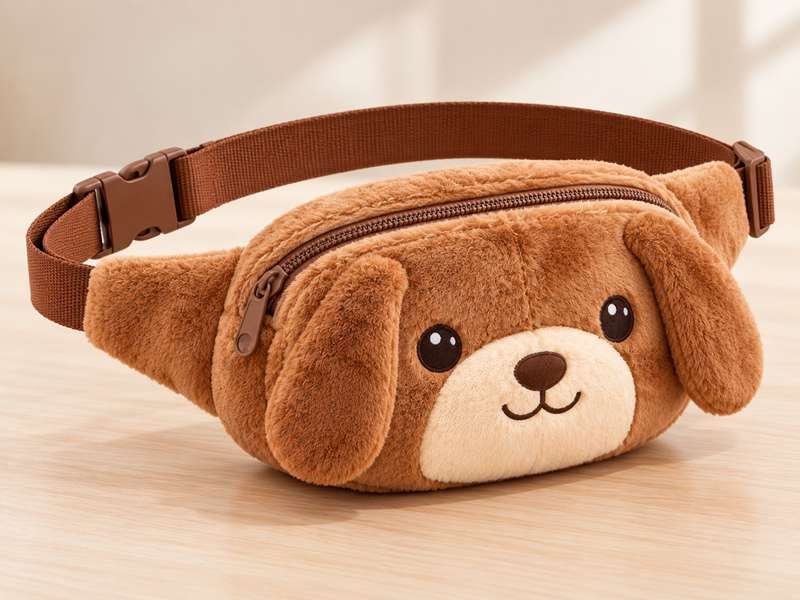
A Trusted China Plush Partner for Global Brands !

Custom Plush Bag Manufacturer for Character & Lifestyle Collections

Ewin Toys develops custom plush bags that combine soft character styling with functional bag construction for retail, licensed and promotional collections. With 20+ years of plush manufacturing experience, our team supports shape development, fabric selection, pattern engineering and production control to help brands create attractive bags that remain comfortable, usable and consistent in bulk production.

60+ Development Specialists | Backpack, Tote & Crossbody Formats | Reinforced Strap Attachments | Zipper, Lining & Pocket Integration | Custom Character Shapes

A Plush Bag Must Work Beyond Its Soft Appearance

A successful plush bag balances character recognition, carrying function, and repeatable construction, with structural decisions made before visual approval is closed. Clear inputs reduce revision and sourcing risk.

Character Form

Head shape, ears, limbs, facial placement, pile direction, and decorative details still define recognition. Pattern changes made for storage space or openings must preserve the silhouette and the character features people notice first. Approval should cover both the front-facing character read and the actual wearing or carrying experience.

Bag Function

Openings, lining, straps, handles, pockets, zippers, buckles, and hardware need usable positions and enough structural support. A soft outer shell should not cause poor access, weak attachment points, or awkward carrying balance. Functional choices made late often force visible pattern changes, so structure belongs in the first review.

Production Repeatability

Prototype details must become measurable production instructions. Released patterns, material references, component specifications, stitch construction, reinforcement points, and approved packaging give production and QC a common standard for every reorder. A clear released specification also helps purchasing, sewing, inspection, and reorders use the same reference.

Built For Brands With Different Plush Bag Priorities

Product priorities change with approval structure, retail channel, launch timing, brand positioning, and the role each plush bag plays inside a collection.

IP And Licensing

Character recognition, approval records, confidential artwork, revision control, and series consistency usually carry more weight than adding unnecessary features. Development should protect signature shapes while documenting each approved change clearly. A useful supplier discussion should translate those priorities into measurable sample and production checkpoints.

Toy And Collectible

Character detail, handfeel, stitching, branded trims, display impact, and repeatable series quality matter across multiple SKUs. Bag function should support the design without making the product feel like a generic backpack. Early alignment also keeps artwork approval, component sourcing, packaging, and launch milestones from moving separately.

Lifestyle And Fashion

Material texture, hardware finish, strap proportion, lining quality, logo placement, and styling matter alongside carrying function. Hardware weight and attachment structure should be reviewed early so soft shapes do not distort. Commercial decisions become easier when the product team can see which details are brand-critical and which remain flexible.

Retail And Private Label

Shelf readiness, barcode accuracy, labeling, packaging dimensions, carton planning, inspection criteria, and reorder consistency become central. Product definitions should remain stable when colors, sizes, or assortments expand. Retail teams also need packaging and data accuracy to remain consistent when assortment size grows.

Merchandise Programs

Campaign dates, IP approvals, quantity splits, colorways, pack-out, and delivery milestones can make a simple-looking bag operationally complex. Early component and packaging decisions reduce late changes near launch. Programs with fixed event dates benefit from component and approval milestones being visible before mass production.

E-commerce Brands

Visual detail, unpacking condition, parcel efficiency, review risk, replenishment speed, and clear variant control deserve attention. Packaging should protect shape without adding unnecessary volume or recovery problems after delivery. Variant planning works best when replenishment, packaging volume, and review risk are considered before finalizing each SKU.

Custom Plush Bag Styles For Branded Product Programs

Choose the bag format by wearing method, storage need, character shape, target age, retail channel, and the amount of functional hardware required.

Character Backpack

A full character face or body becomes the bag identity. Common development sizes often sit around 22–38 cm, with zipper placement and storage depth engineered around the head, ears, limbs, or costume details. Pocket count, lining, and strap construction can be adjusted around the intended use.

Animal Plush Backpack

Animal silhouettes work well for children, gifts, and lifestyle ranges. Ear, tail, muzzle, paw, and back-panel construction should remain soft while shoulder straps and the opening receive stable reinforcement. Hardware scale and strap proportion should match the overall silhouette rather than look added afterward.

Kids Plush Backpack

Compact storage, lightweight straps, easy opening, soft edges, and age-appropriate components matter. Common dimensions often fall around 20–32 cm, then change with target age, capacity, and retail packaging. A small format needs tighter control of seam bulk, component size, and decoration readability.

Mini Plush Backpack

Mini formats emphasize style and character rather than capacity. Small zipper openings, narrow seam allowances, short straps, and detailed embroidery need early review because reduced scale leaves less room for correction. Compact formats also benefit from lighter hardware so the body does not collapse or twist.

Crossbody Plush Bag

Crossbody designs need controlled strap length, attachment direction, opening position, and body balance. Character features should still face forward naturally when the bag is worn rather than twisting toward the side. Opening width and internal depth should be confirmed before decorative parts occupy key seam areas.

Shoulder Plush Bag

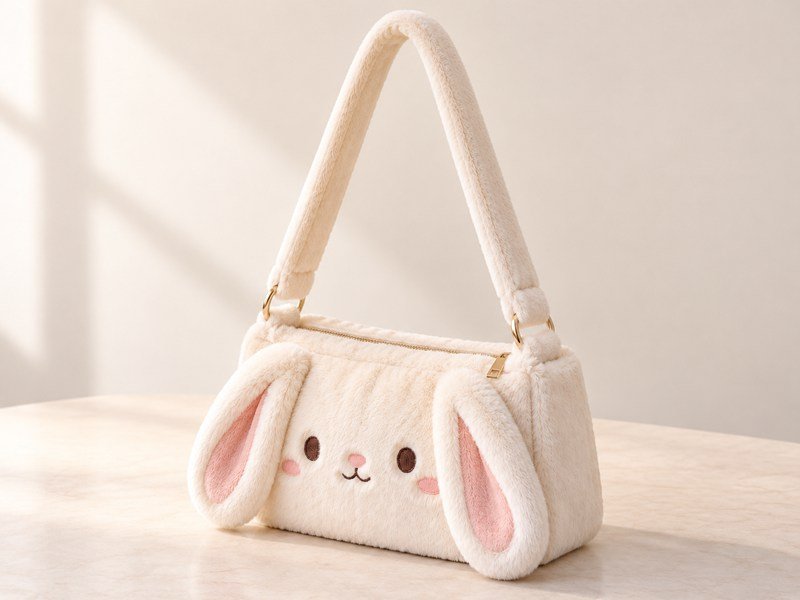
Soft shoulder bags often combine plush texture with a cleaner fashion profile. Handle or strap anchoring, top opening, lining, and shape support should be developed together to avoid sagging after use. Wear testing should confirm the strap length and balance with a realistic packed weight.

Plush Tote Bag

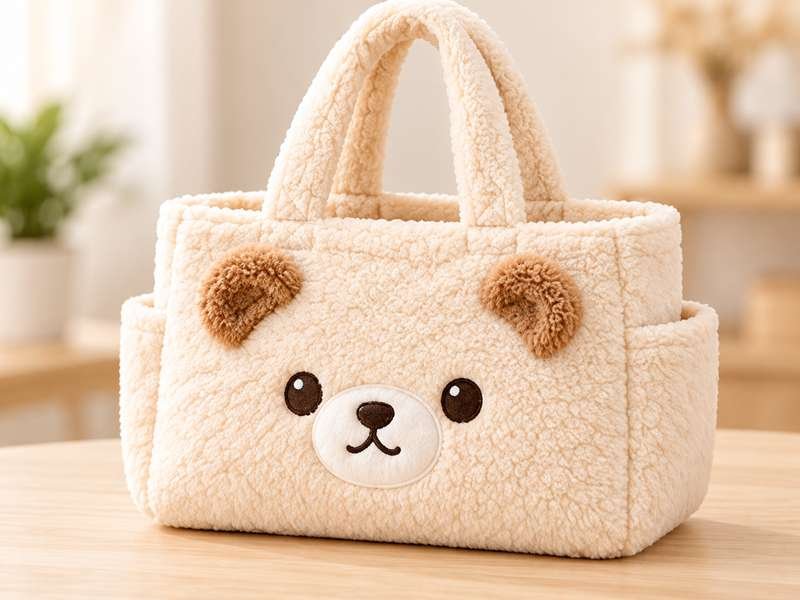
Totes require a larger usable opening and stronger handle zones than decorative character pouches. Character panels, applique, embroidery, or 3D ears can add identity without interfering with handle load paths. Handle reinforcement and bottom structure matter more as usable volume and carried weight increase.

Plush Handbag

Handbag formats may use shorter handles, more structured silhouettes, lining, metal hardware, and premium trims. Extra component weight should be balanced against fabric stretch and the intended softness of the shell. Premium versions may add structured lining, custom hardware, protective feet, or branded interior details.

Coin Purse

Small coin purses often range around 8–15 cm. Fine facial embroidery, miniature zipper curves, seam bulk, and puller size become more sensitive because a few millimeters can change appearance or usability. Small zippers and curved openings should be sampled before artwork placement is treated as final.

Cosmetic Pouch

A pouch needs usable internal volume, an accessible zipper, clean lining, and a stable base while plush material provides texture. Printed lining, woven labels, and brand patches can support a more premium retail position. Internal finish can be upgraded with printed lining, pockets, binding, and a woven brand label.

Drawstring Plush Bag

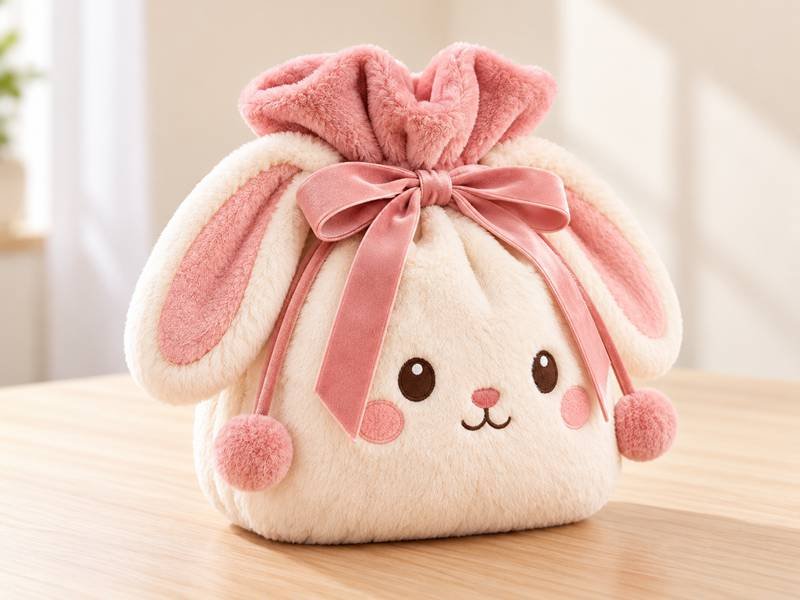
Drawstring structures need smooth cord movement, reinforced channels, stopper selection, and enough fabric strength around the opening. Character ears or decorative parts should not interfere with repeated opening and closing. Cord diameter, stopper size, and channel construction should be scaled to the overall bag dimensions.

Doll Bag

Mini bags designed for dolls or collectible figures need proportionally small seams, hardware, straps, and closures. Scale control is critical because oversized findings can overwhelm the design even when construction is technically correct. Miniature accessories often require custom sizing so hardware does not dominate the collectible figure.

3D Shaped Bag

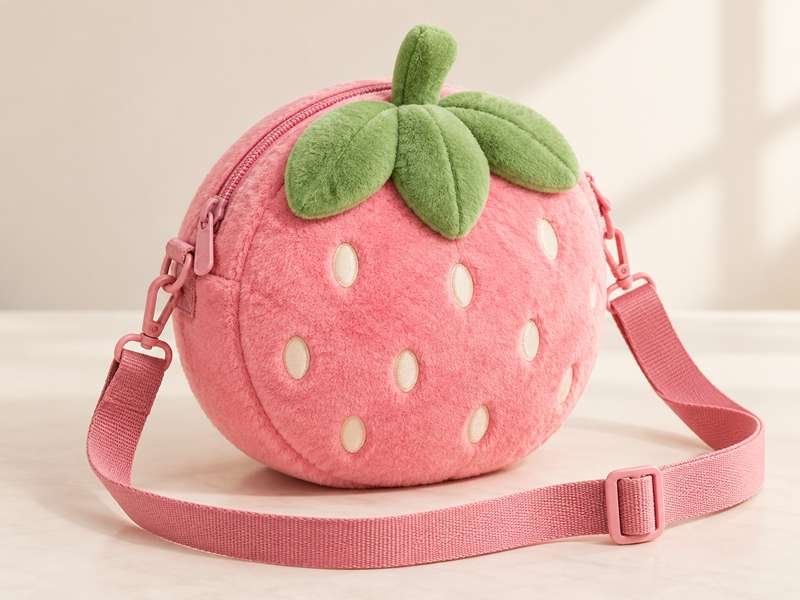
Clouds, food, mascots, icons, and irregular character silhouettes can become dimensional bags. Pattern engineering must create storage volume without flattening the front view or producing unstable corners and distorted curves. Irregular silhouettes need careful gusset design so the storage cavity remains useful and easy to sew.

Waist Plush Bag

Waist and belt bags need body-side comfort, buckle placement, strap adjustment, opening access, and controlled thickness. Plush surfaces can soften the look while webbing and reinforcement carry the actual functional load. Body-side panels may use lower-pile material to improve comfort and reduce friction during wear.

Gift Plush Pouch

Gift pouches combine low-complexity storage with high visual impact. They suit cosmetics, accessories, event merchandise, and seasonal sets where logo treatment, drawcords, lining, and presentation packaging can carry strong brand value. Packaging can turn a simple pouch into a stronger seasonal or collaboration presentation.

Start With The Design Files Already Available

A complete tech pack is useful, but development can begin from much earlier material when the missing decisions are identified clearly.

Turn Early Creative Input Into A Development Brief

Ewin Toys can begin review from a hand sketch, 2D artwork, character sheet, AI-generated concept, 3D render, reference product, or physical sample. The first job is not to force incomplete artwork into production. The first job is to separate what is already defined from what still needs an engineering decision.

For a plush bag, the development brief should lock the intended wearing method, approximate outside dimensions, usable storage need, opening position, target market, age or audience, quantity, target launch date, and the character details that cannot be lost. Side and back views are especially useful because bag depth, strap anchoring, gussets, zipper curves, and the relationship between decorative parts and openings are difficult to judge from one front image.

When references are incomplete, the development team can identify questions for the next round rather than silently inventing hidden construction. A front-facing character may need a back panel, lining shape, internal support, top opening, strap anchor, bottom structure, or hardware position that does not exist in the artwork. Recording those decisions before pattern release reduces repeated sampling, prevents conflicting comments, and gives cost and component sourcing a clearer basis. A short component map can also separate standard items from parts needing custom color, molding, printing, or special sourcing. That distinction improves quotation accuracy and helps the project team see which choices can move quickly and which need earlier approval.

Engineer Character Identity And Bag Function Together

Each visible feature changes a functional decision somewhere else, so appearance and carrying structure should be reviewed in the same development cycle.

Character or design needBag function to protectEngineering decisionProduction control
Large character head or faceMain storage openingPlace zipper without cutting through key facial relationshipsReleased zipper curve, seam allowance, and opening length
Ears, horns, hair, or limbsAccess and carryingKeep decorative parts clear of zipper, strap, and handle movementAttachment position, stuffing level, and reinforcement method
Long-pile or faux fur surfaceReliable zipper movementPrevent pile from catching in teeth or slider pathPile clearance, trimming zone, seam turn, and QC check
Shoulder or crossbody strapLoad carryingMove stress into reinforced structure instead of plush surface onlyWebbing path, backing patch, seam construction, and load review
Irregular 3D body shapeUsable internal volumeCreate depth without flattening the front silhouetteGusset, lining pattern, base panel, and support layer
Metal hardware or logo plateStable appearanceControl added weight and avoid local distortionBacking material, placement tolerance, and installation method
Multiple color or character SKUsSeries consistencyKeep shared function while preserving each character identitySKU matrix, common components, separate artwork, and version control

Bag Structure Decisions That Protect Use And Appearance

Storage, openings, carrying points, lining, support, and dimensional details should be defined before a prototype is treated as visually complete. Clear inputs reduce revision and sourcing risk.

Main Body Volume

Front, back, side, and gusset panels determine how much the bag can hold and whether the outside silhouette stays recognizable. Volume should be defined before decorative parts force an awkward internal shape. Capacity can be checked with a simple fill test using the objects the product is meant to carry.

Opening Position

Top, back, side, or hidden openings each affect access and appearance differently. Zipper placement should protect important facial areas while remaining wide enough for the intended use. Opening geometry should also be reviewed with the lining installed because internal layers can reduce usable access.

Inner Lining

Lining hides internal seams, stabilizes the inside, supports pockets, and improves finish. Its pattern must follow the outer geometry closely enough to avoid loose folds or tension. Pocket seams and labels should avoid creating hard ridges that can be felt through the soft outer shell.

Strap Anchoring

Shoulder straps, crossbody straps, and handles create concentrated stress. Reinforcement needs to spread load through stronger fabric or webbing paths instead of relying on soft plush alone. For heavier programs, multiple stitch lines or a hidden structural path may be needed around the anchor zone.

Bottom Support

A base panel, interlining, foam, or controlled seam geometry can improve standing shape and storage. The right solution depends on softness goals, weight, and packaging recovery. Sampling should compare the unsupported and supported version so stiffness is added only where it earns a clear function.

Pocket Construction

Internal or external pockets require usable openings, lining integration, edge finish, and placement compatible with character artwork. Small pouches may use a simpler single-compartment structure. Pocket depth, opening direction, and internal binding should be confirmed with a realistic fill test before approval.

Shape Support

Foam, EVA, interlining, felt, or layered fabric can hold selected zones without making the whole product rigid. Support should protect form where needed and preserve plush handfeel elsewhere. Support materials should stop short of high-flex zones so the bag still moves naturally when worn.

Decorative 3D Parts

Ears, tails, paws, wings, hair, and accessories add character value but also add seam bulk, snag risk, and packaging pressure. Attachment method should match both appearance and expected use. Packing trials should confirm long parts recover after folding, compression, and carton pressure.

Select Plush Materials By Area, Detail And Function

Material choice should protect handfeel and character identity without creating avoidable problems around openings, reinforcement, decoration, or repeated handling.
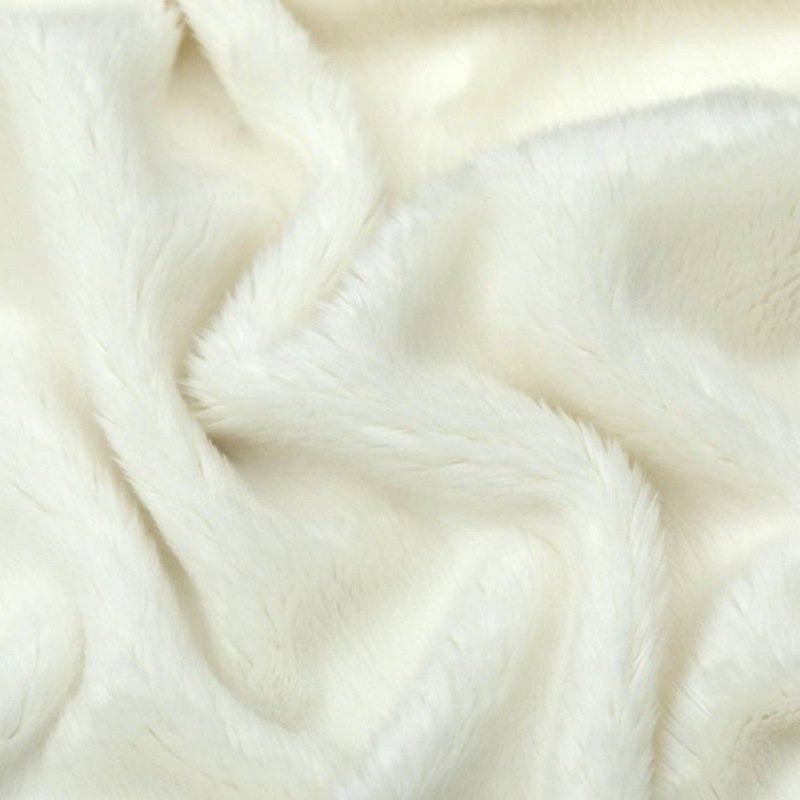
Ewin toy 2-4 Short-Pile Plush material fabric

Short-Pile Plush

A strong base choice for faces, logos, compact character shapes, and clean embroidery. Short pile keeps seam lines and small features readable while reducing interference near zippers and hardware. Use it where clean edge definition matters more than a dramatic furry texture.
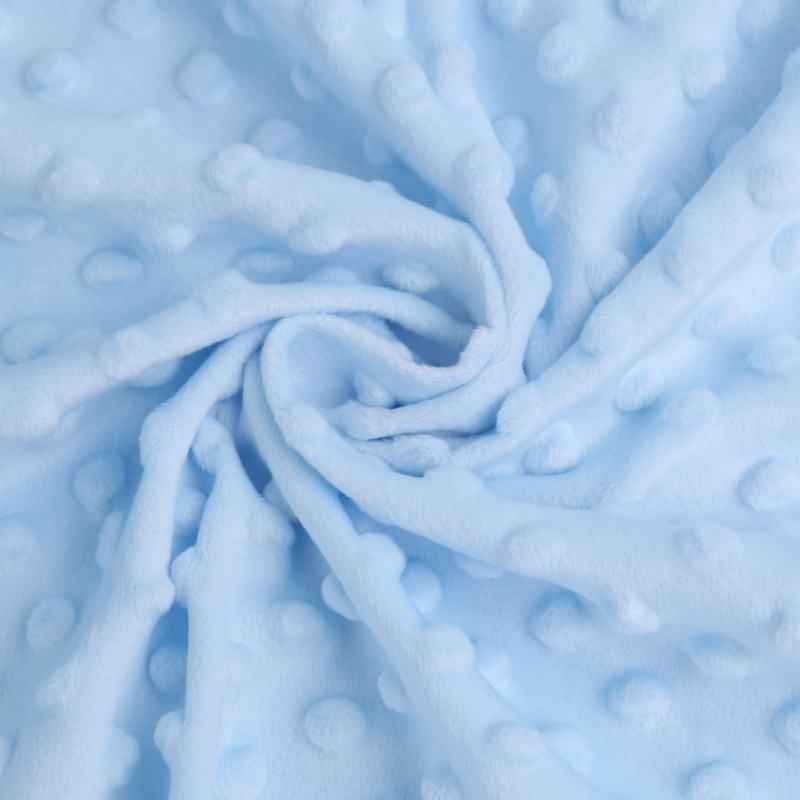
Ewin toys 15-2 Minky Fabric 02

Minky

Soft, smooth minky works well on premium-feel character surfaces and simple silhouettes. Stretch direction, pile direction, embroidery density, and backing need review when the fabric also sits near load-bearing seams. A backing layer can stabilize embroidery and help selected seams resist stretch during assembly.
Ewin toys Velboa material (3)

Velboa

Velboa offers a short, even surface and clean printed or embroidered presentation. It suits areas needing sharper shape definition, easier cleaning, and less visual interference around small decorative details. Its even pile also makes color and panel alignment easier to evaluate during sampling.
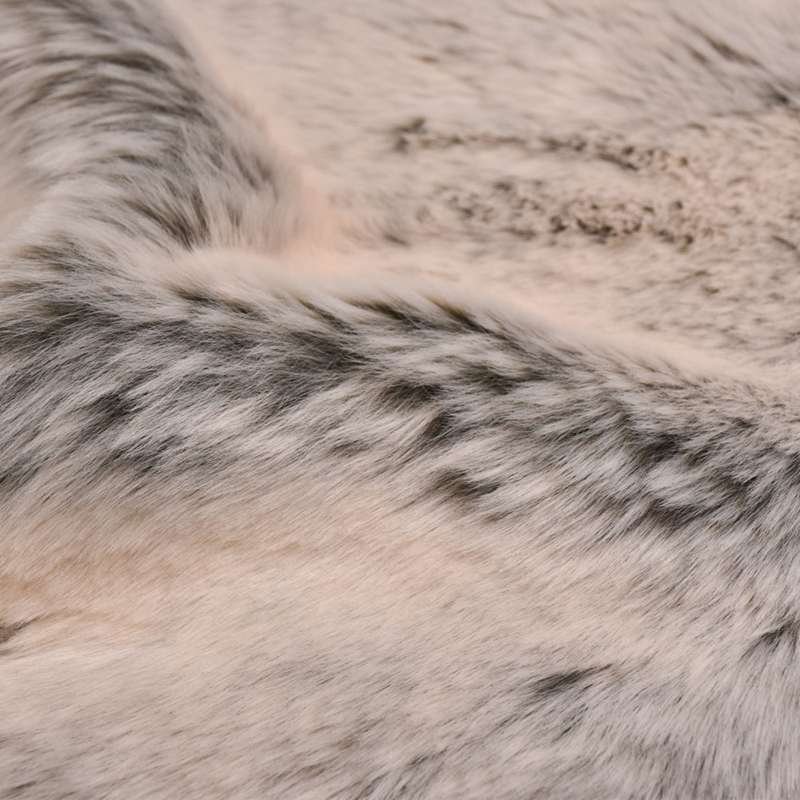
Faux Fur

Faux Fur

Longer fur adds strong visual texture for animals, fashion pieces, and statement bags. Zipper clearance, seam visibility, pile direction, trimming, and packing recovery become more important than with short-pile materials. Long pile may need local trimming around zipper paths, logos, hardware, and precision seam joins.

Sherpa

Sherpa gives a warm, tactile, lifestyle feel and can suit totes, pouches, winter collections, or animal themes. Edge finish and logo visibility should be reviewed because the looped texture can hide fine detail. A larger patch or woven label can often read more clearly than fine embroidery on this surface.

Fleece

Fleece is lightweight, soft, and useful for selected panels, linings, or simplified concepts. It can reduce bulk compared with long pile, but visual positioning should match the intended premium level. It is also useful where a lighter inner layer reduces bulk in small or folded constructions.
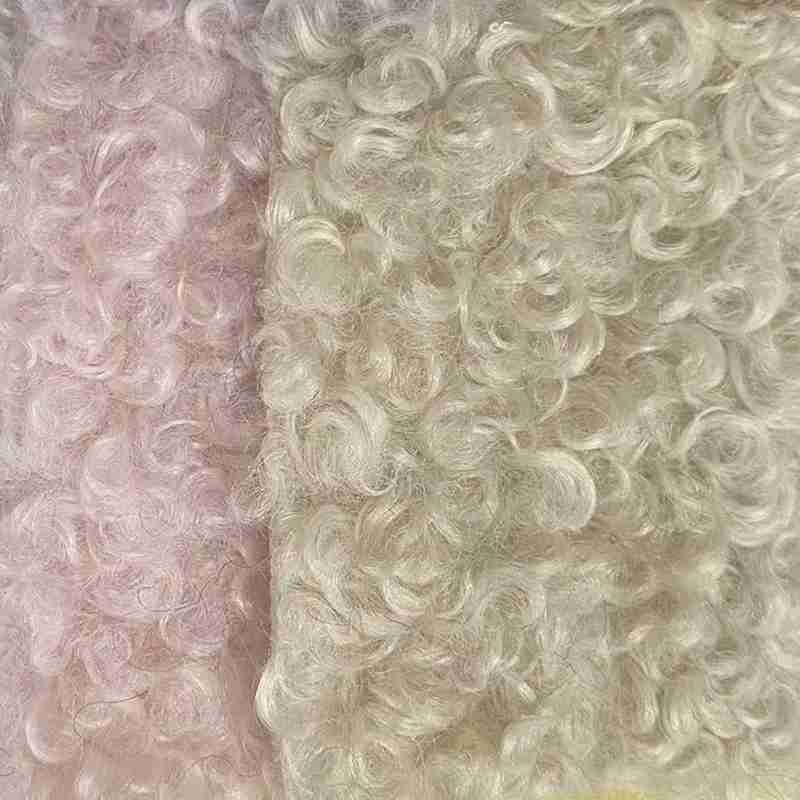
Sherpa

Teddy Or Boucle

Teddy textures create a fashion-oriented, cozy surface for neutral-tone lifestyle ranges. Dense texture can soften printed or embroidered detail, so labels, patches, or simpler logo methods may work better. Sampling should confirm the texture does not obscure hardware, labels, or the intended silhouette.
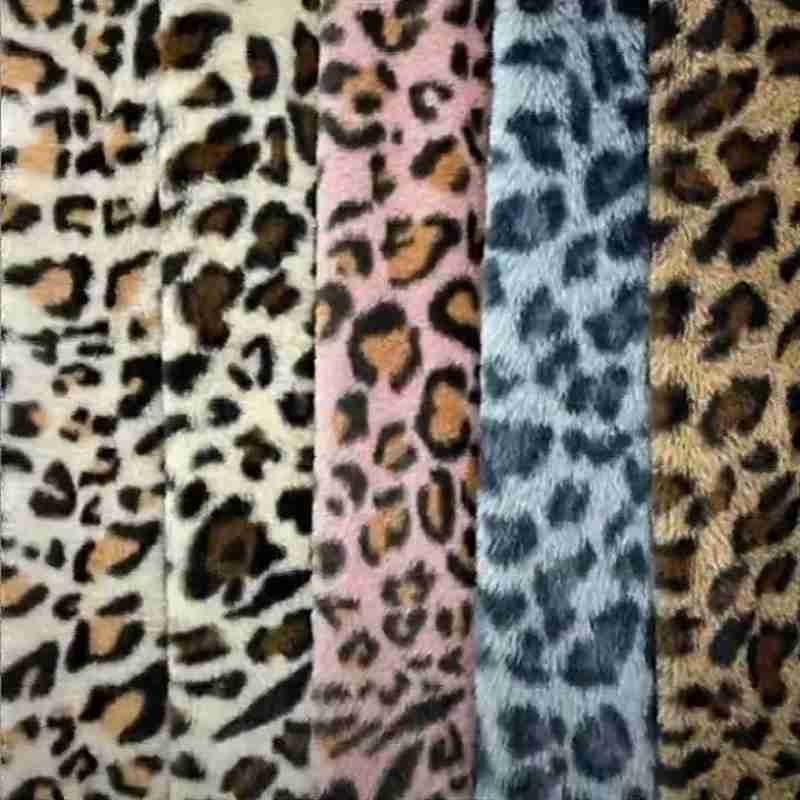
Printed Velboa Fabric Material 13

Printed Accent Fabric

Printed woven or knit fabric can appear on lining, clothing details, gussets, pockets, or mixed-material panels. Artwork scale, color control, abrasion, and seam alignment should be checked during sample approval. Print approval should be made on the production fabric because base texture can shift perceived color and sharpness.

Lining And Reinforcement Materials Carry The Hidden Work

The soft outside gets attention, while hidden materials determine how openings, straps, pockets, hardware, and shape support behave after repeated use. Clear inputs reduce revision and sourcing risk.

Woven Lining

A woven lining creates a cleaner interior, supports pockets, and reduces direct abrasion on plush seams. Weight and handfeel should match the bag size instead of making a small pouch unnecessarily stiff. Color, abrasion, print, and cleaning expectations can also be matched to the retail position and intended use.

Interlining

Interlining can stabilize selected panels, zipper areas, logo zones, and openings. Placement matters more than blanket stiffness; reinforcing only the necessary areas usually keeps the product softer and lighter. Small reinforcement pieces can be mapped directly on the pattern so production does not guess their final location.

Webbing

Polyester or nylon webbing carries strap and handle loads more reliably than plush fabric alone. Width, thickness, weave, color, and edge feel should match both function and visual positioning. For visible straps, printing, jacquard weaving, or branded stitching can add identity without weakening the load path.

Foam And EVA

Thin foam or EVA can help bases, backs, and selected walls hold shape. Density and thickness should be sampled carefully because too much support can make a plush bag feel rigid. A thin trial is often enough to compare shape retention before committing to a stiffer construction.

Binding Materials

Binding can finish internal seams, openings, or selected edges cleanly. Material thickness, stretch, and color should suit the seam stack so bulk does not interfere with closing or lining fit. Binding width should cover the seam consistently without adding a hard ridge inside the bag.

Reinforcement Patches

Hidden backing patches spread stress around handles, straps, D-rings, buckles, and hardware. Size and placement should follow the real load path, not simply sit under the visible attachment point. Approval should define the backing shape and stitch coverage, not only the visible hardware position.

Zippers, Straps, Buckles And Hardware Need Their Own Specification

Functional components affect appearance, strength, safety, cost, MOQ, and lead time, so each item should be approved by type, size, finish, and installation method.

Coil Zipper

Flexible coil zippers suit curved plush openings and soft structures. Tape width, tooth size, slider movement, pile clearance, and sewing path should be matched to the product. A production reference should include supplier, size, color, and approved puller combination.

Molded Zipper

Molded teeth provide a stronger visual presence and can suit larger backpacks or outdoor-inspired styling. Curves are less forgiving, so opening geometry needs review before pattern freeze. It works best on straighter openings where tooth stiffness will not fight the panel curve.

Custom Puller

PVC, silicone, metal, fabric, or character-shaped zipper pullers add branding. Weight, sharp edges, size, plating, and attachment durability should be checked together with the slider. Prototype review should confirm the puller clears nearby ears, fur, embroidery, and packaging inserts.

Adjustable Strap

Crossbody and backpack straps often need sliders for fit adjustment. Strap width, total length, slider size, webbing thickness, and sewing return length all affect comfort and strength. Fit can be verified with a simple minimum and maximum wearing-length check on the final bag.

Carry Handle

Short handles need reinforcement beneath the visible seam. Handle drop, grip width, padding, and position should keep the bag balanced without covering character features. A balanced handle should stay centered when the bag is filled to a realistic use weight.

D-Ring

D-rings connect removable straps or decorative attachments. Metal size, thickness, finish, backing structure, and orientation should be selected so the ring sits cleanly under load. Rounded edges and protective packing reduce fabric marking and hardware scratches before sale.

Swivel Hook

Swivel hooks reduce strap twisting and work well on removable crossbody designs. Hook opening, finish, rotation, edge smoothness, and matched D-ring size need component approval. The hook should rotate freely without opening accidentally under normal strap movement.

Buckle

Side-release or decorative buckles can support backpack, waist bag, and strap systems. Material, load direction, opening force, child-use considerations, and webbing compatibility matter. Webbing should feed cleanly through the buckle without folding, slipping, or creating sharp contact points.

Strap Adjuster

Tri-glides and rectangular adjusters control strap length. The internal width should fit the webbing closely enough to hold adjustment without creating excessive friction or slippage. A matched adjuster prevents slow strap creep after the final length has been set.

Snap Closure

Metal or plastic snaps offer a compact closure for flaps and small pouches. Backing layers, opening force, sharp-edge control, and fabric compression should be reviewed during sampling. Repeated opening should not loosen the snap backing or leave visible compression around the installation point.

Magnetic Closure

Magnets can create a clean hidden close but require careful market, age, and product-use review. Magnet security, shielding layers, fabric thickness, and component access need controlled construction. If magnets are used, retention and accessibility need to remain controlled through the final construction.

Logo Hardware

Metal plates, charms, chains, rivet-style trims, and branded hardware can raise perceived value. Plating, scratch protection, weight, edge finish, and reinforcement should be specified before bulk. Protective tissue, sleeves, or film can separate finished metal from plush during packing and transport.

Logo And Decoration Methods Should Match The Surface

Branding works best when the method suits pile height, seam location, panel stiffness, required detail, handling frequency, and the desired retail position.

Embroidery

Best for durable logos, faces, lettering, and character details. Stitch density, thread color, pile height, backing, and location need review so embroidery remains readable without puckering soft panels. A strike-off or embroidery sample can confirm thread coverage and edge quality before the complete bag is sewn.

Applique

Layered fabric shapes create larger graphic areas with less stitch density than full embroidery. Edge stitch, fabric fray, thickness, and seam placement should match the bag surface. Applique is especially useful for bold color blocks, large emblems, ears, patches, and layered character features.

Screen Printing

Suitable for flatter areas and bold graphics. Ink coverage, fabric texture, curing, and rubbing performance should be checked on the selected material. Print placement must protect key artwork from seam allowances, panel joins, and high-flex zones. A strike-off confirms color and edge quality before sewing.

Heat Transfer

Heat transfer works well for logos, labels, and detailed artwork on compatible fabrics. Heat sensitivity, bonding, surface texture, and flexing area should be tested before approval. A bonding check can confirm adhesion after packing and normal handling, especially near folds, openings, or curved panels.

Digital Printing

Digital printing supports detailed patterns and gradients on compatible textile panels. Color profile, artwork scale, fabric base color, seam matching, and repeat consistency need sample approval. Sampling on production material also helps catch unexpected color shift caused by texture or fabric tone.

Woven Label

Woven labels provide crisp small text and branding with low visual bulk. Fold type, edge finish, placement, label size, and seam insertion should fit the product rather than interrupt the character. Care content, country information, or size coding can be separated from the main visible brand label when needed.

Rubber Or PVC Patch

Soft rubber and PVC patches can create raised branding, icons, or character details. Mold cost, color count, edge feel, attachment method, and market-use requirements influence feasibility. Attachment can be sewing, heat, or another approved method depending on patch material and final application.

Metal Logo Plate

Metal badges create a premium fashion signal. Plate weight, plating, backing, corner radius, attachment legs or stitching holes, and scratch protection all need approval. A hidden backing plate or reinforcement layer can prevent a heavy badge from pulling the plush surface inward.

Branded Zipper Pull

A branded puller turns a functional part into a visible identity point. Shape, hand feel, weight, logo readability, finish, and attachment loop should be reviewed with the zipper system. Using the same approved puller across several SKUs can also simplify purchasing without reducing visible brand identity.

Development, Pattern Making And Sampling Stay In One Controlled Loop

A plush bag becomes production-ready only after visual, structural, component, and functional decisions are recorded together instead of approved in separate conversations.

Convert Artwork Into Pattern, BOM And A Functional Prototype

Pattern development begins by translating the outside silhouette into manufacturable panels while creating enough internal volume for the intended use. Front artwork alone rarely defines the back panel, gusset depth, zipper route, lining, strap anchor, pocket, base support, or component backing. Those missing surfaces should be resolved before the sample is judged only by appearance.

Material and component review runs alongside pattern work. Plush pile can change seam bulk and visual proportions; lining changes internal fit; zipper tape changes opening construction; hardware adds weight; webbing changes load paths. Early prototypes therefore need one shared review covering shape, face or logo placement, opening access, carrying balance, lining fit, hardware position, reinforcement, and pack-out behavior.

Version control matters after every revision. Comments should be translated into measurable actions: move the eye 4 mm, shorten the ear, widen the opening, shift the D-ring, reduce filling, change webbing width, or revise the lining seam. Once the approved version is reached, the Golden Sample, current pattern, approved artwork, component references, and BOM should agree before production release. Complex functional samples are managed by complexity and material readiness rather than one universal external promise. A sample review sheet can keep visual comments beside functional comments so the next revision closes both sets of issues at once. Photos, measurements, component codes, and revision IDs are especially useful when several team members approve different parts of the product.

Review Revisions In The Order That Prevents Rework

Large structural issues should close before decorative micro-adjustments. A useful sequence is silhouette and capacity first, then opening and strap structure, then face or logo relationships, then material and handfeel, then component finish, then small decorative details. Correcting a zipper route after embroidery is finalized can force new panels and waste a sample cycle.

For multi-SKU programs, shared elements should be identified early. The same zipper, webbing, lining, buckle, or packaging platform can sometimes support several characters while outer patterns and artwork remain unique. Shared components can simplify purchasing and reduce version risk, but only when the common part does not weaken character identity or create a poor functional fit.

Approval should also specify what is being approved. A photo approval may confirm appearance but not zipper operation or lining construction. A shipped sample may confirm function but still require a final component color reference. Recording approval status by item gives production, purchasing, QC, and packaging teams the same source of truth and reduces the chance of mixing a visual approval with an outdated BOM. When a revision changes a structural item such as strap anchoring, zipper length, gusset depth, or support material, related cost and packaging assumptions should be reviewed at the same time. A small pattern change can alter material yield, sewing time, carton thickness, or test scope.

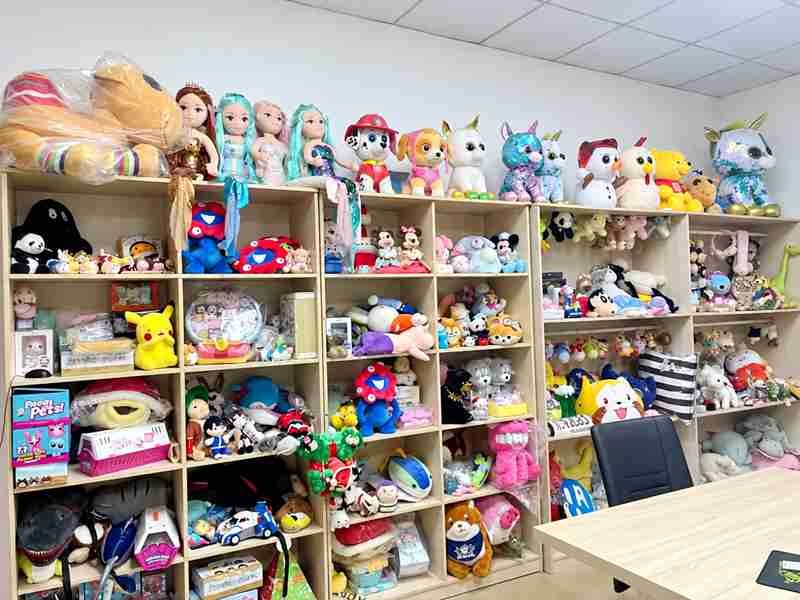
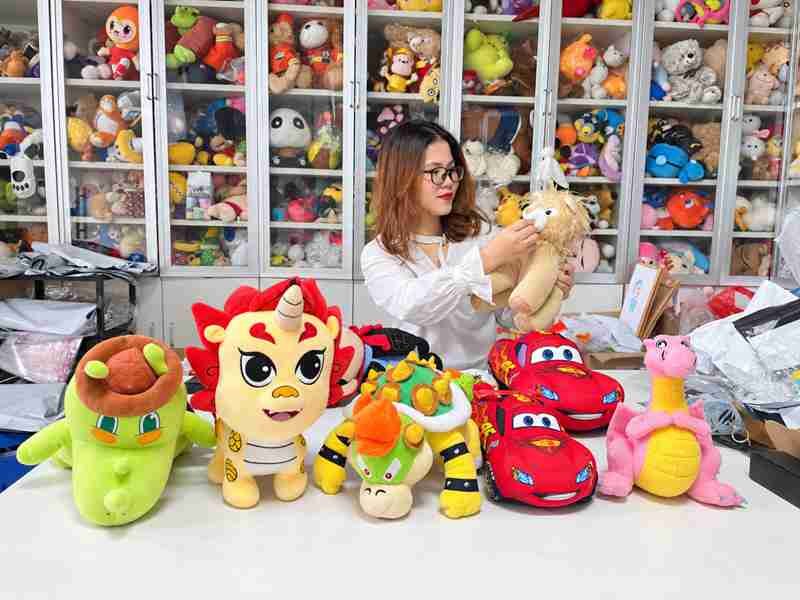
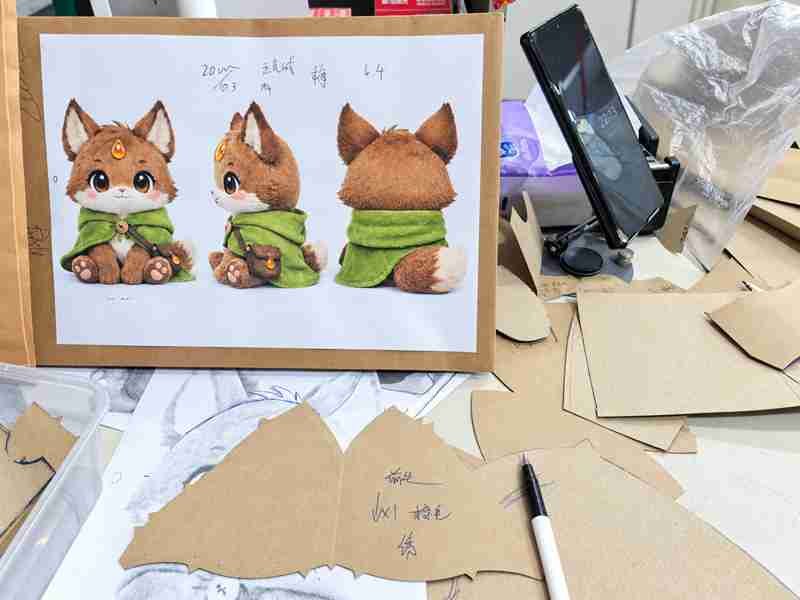
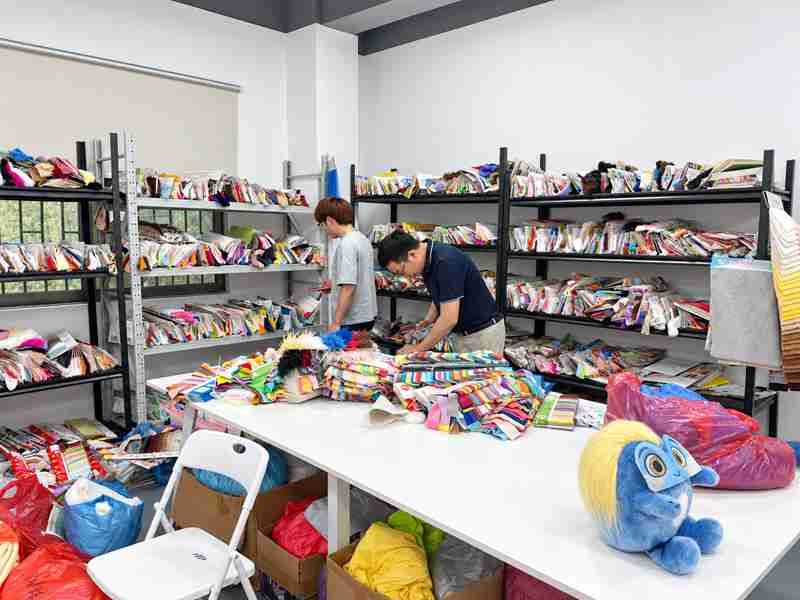
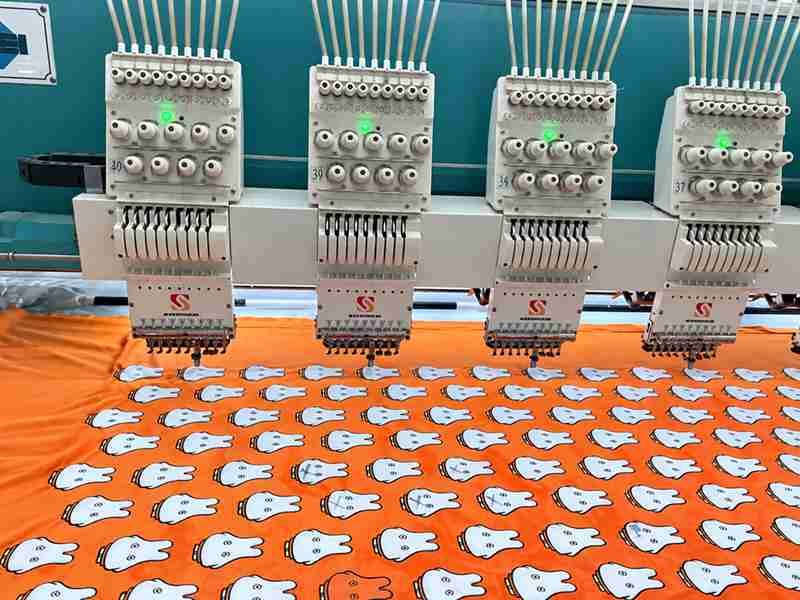
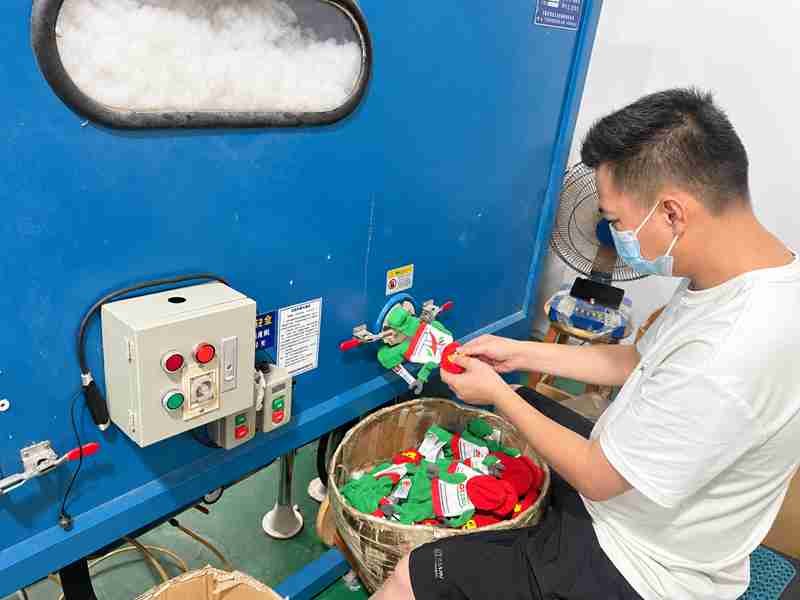
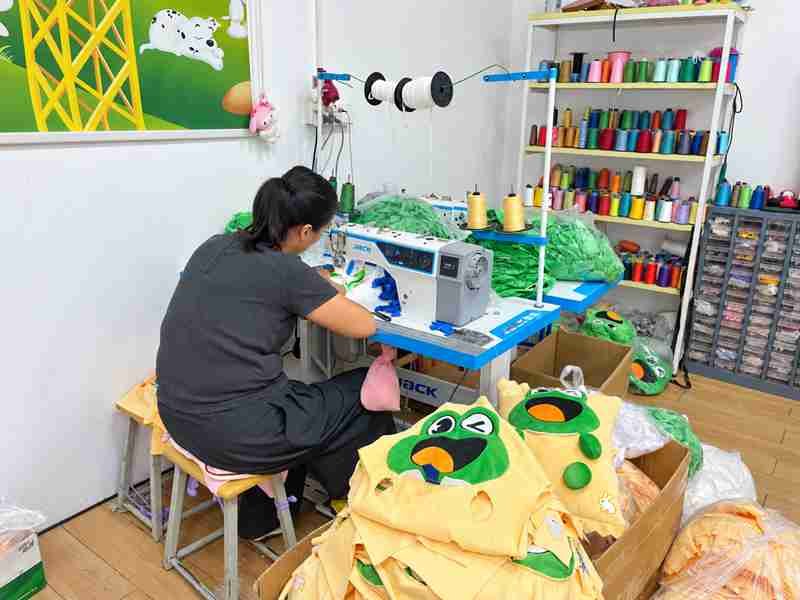
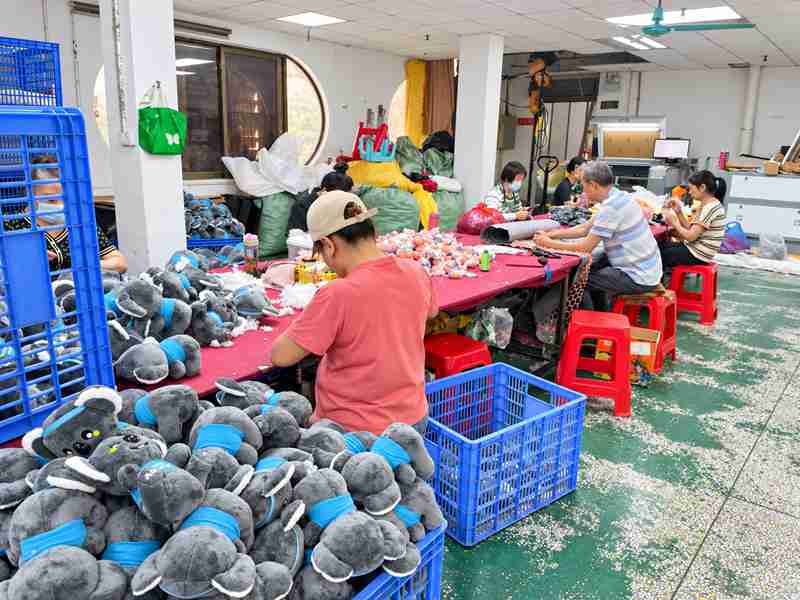
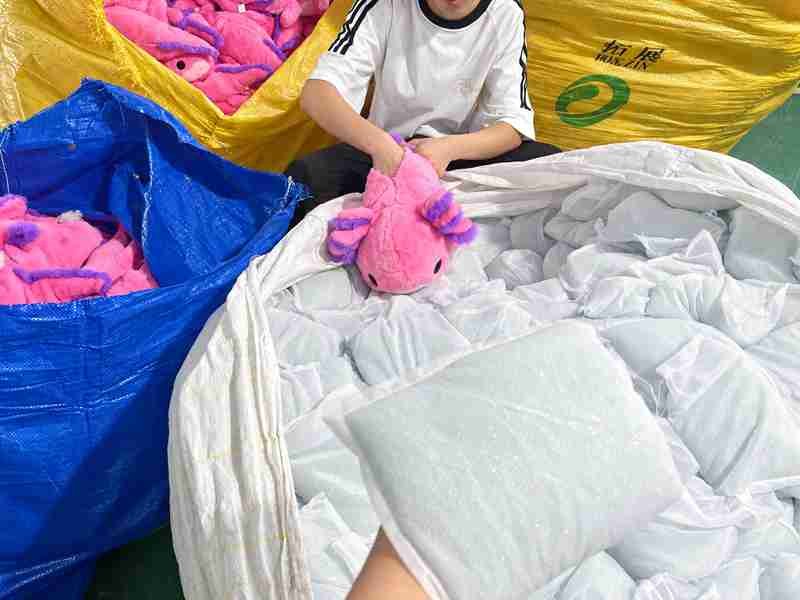
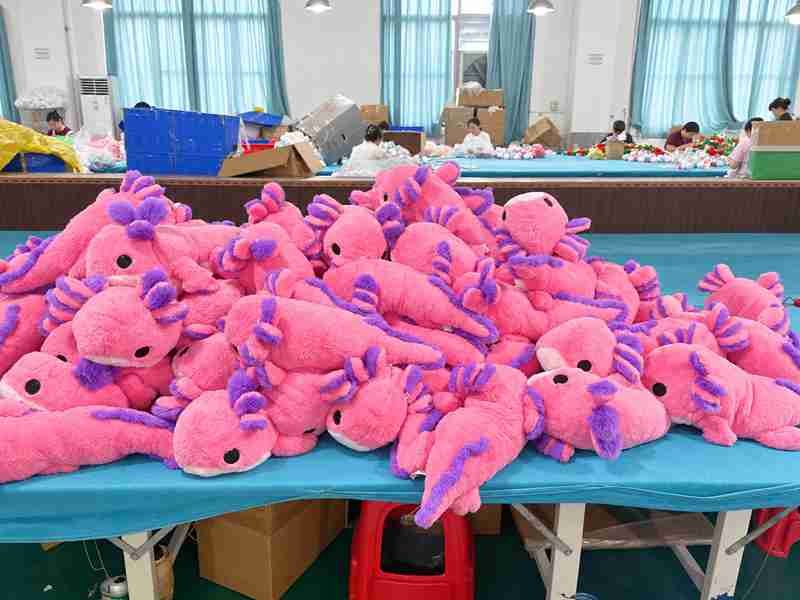
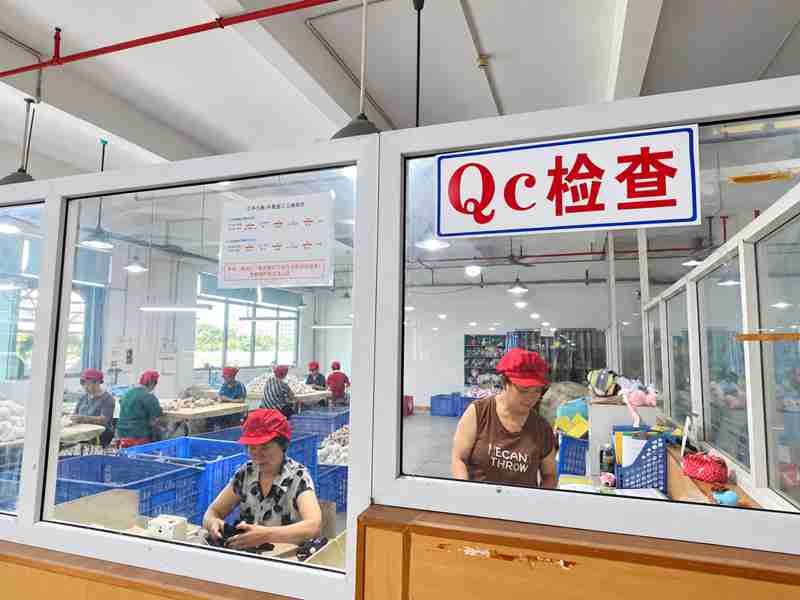
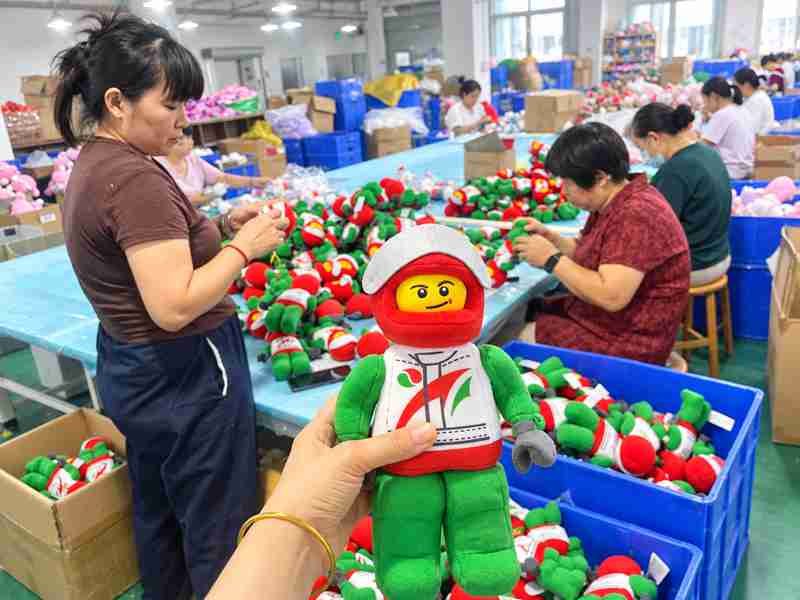
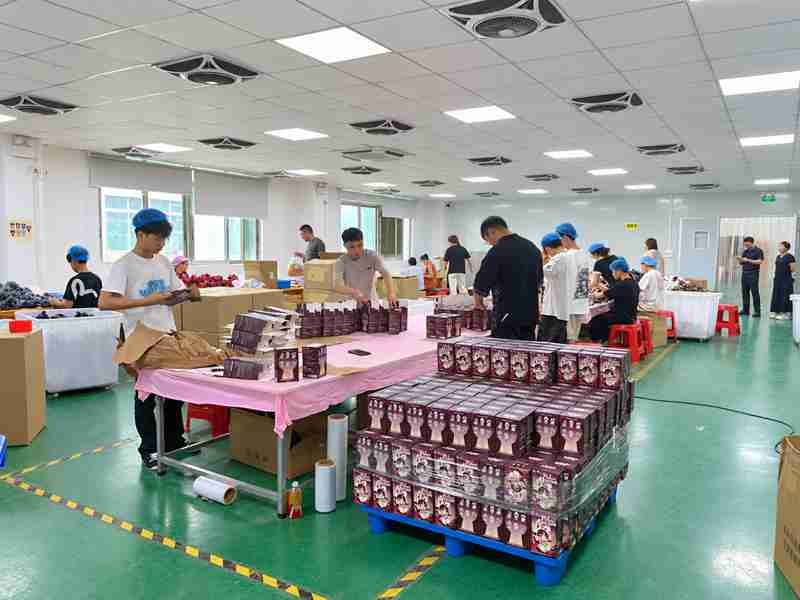
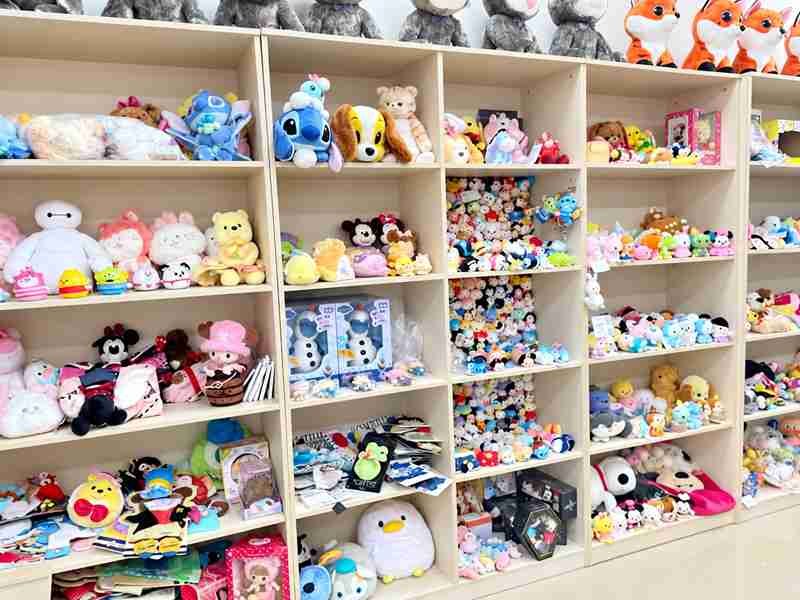
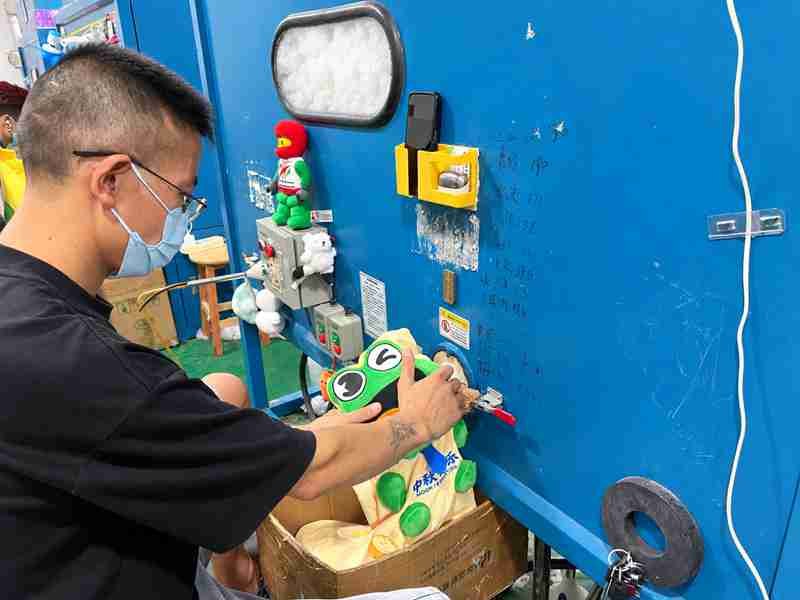
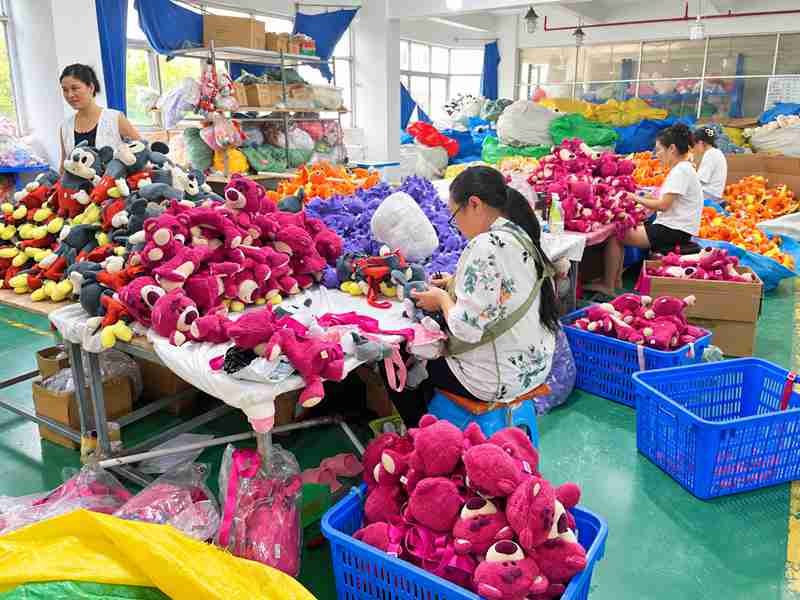
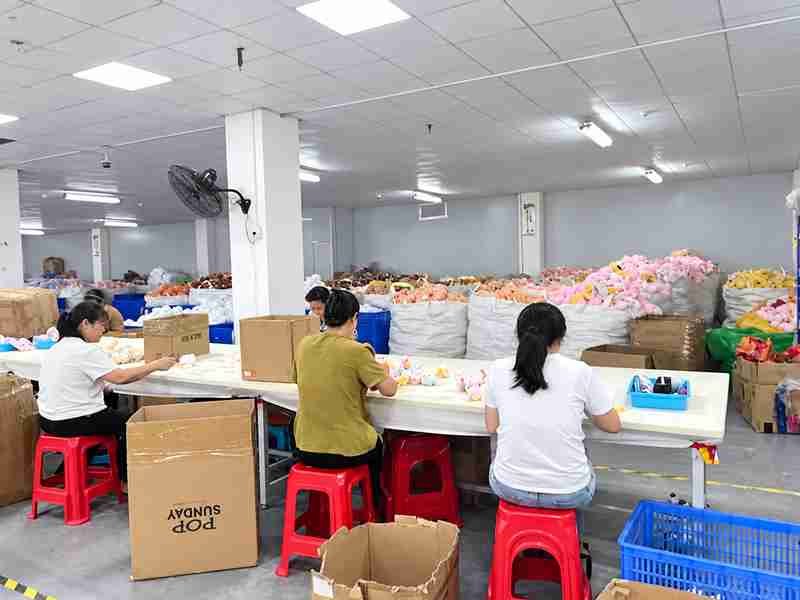
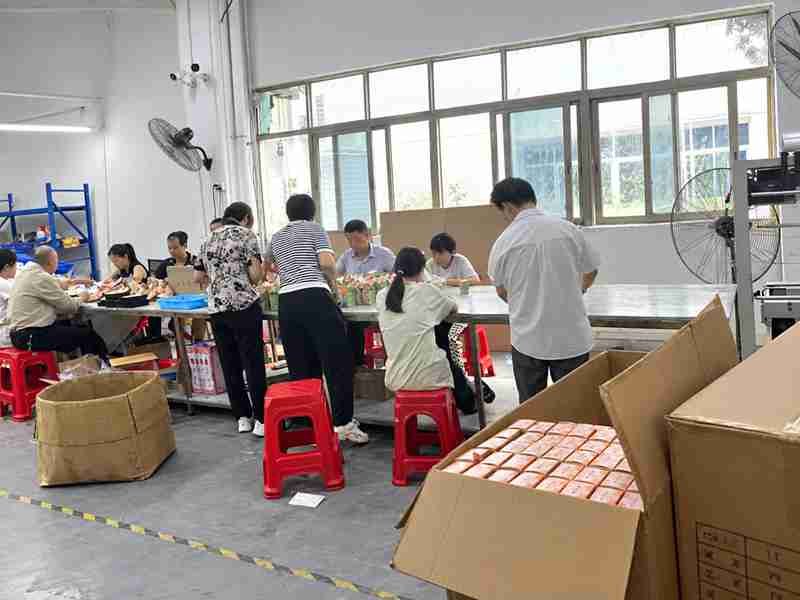
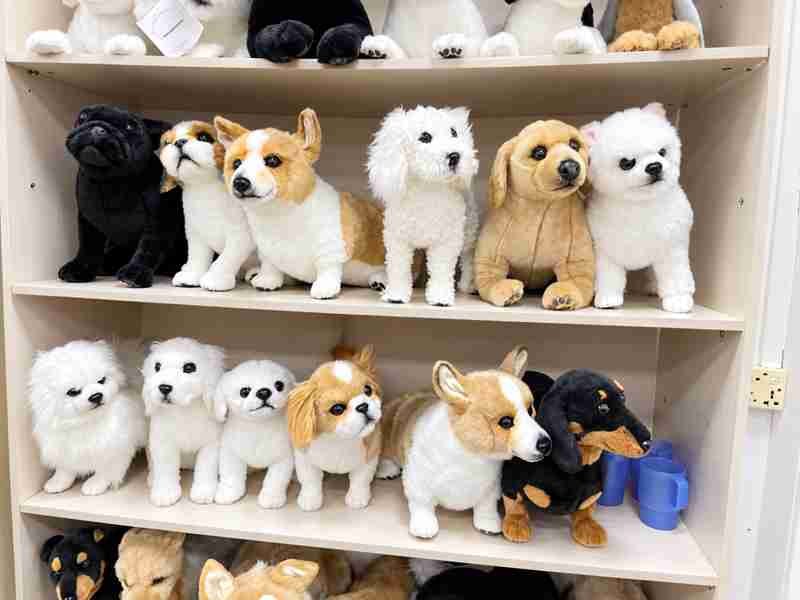
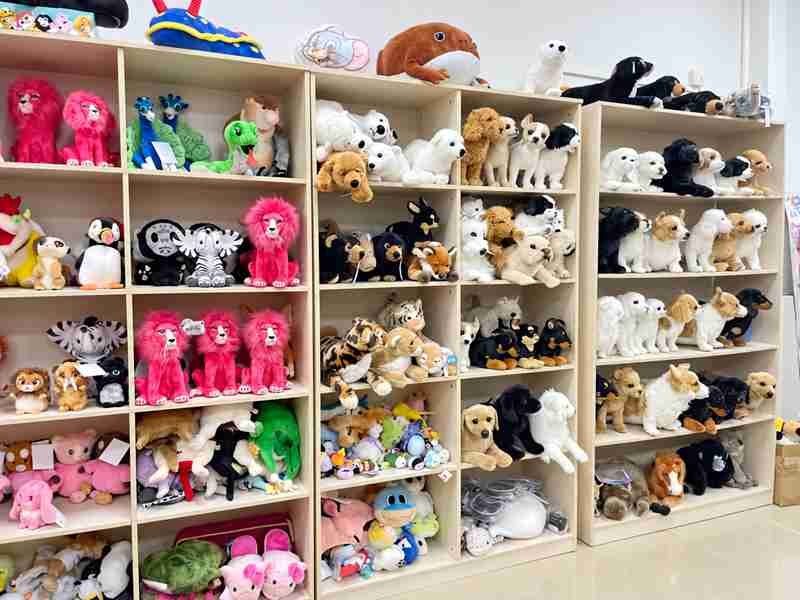
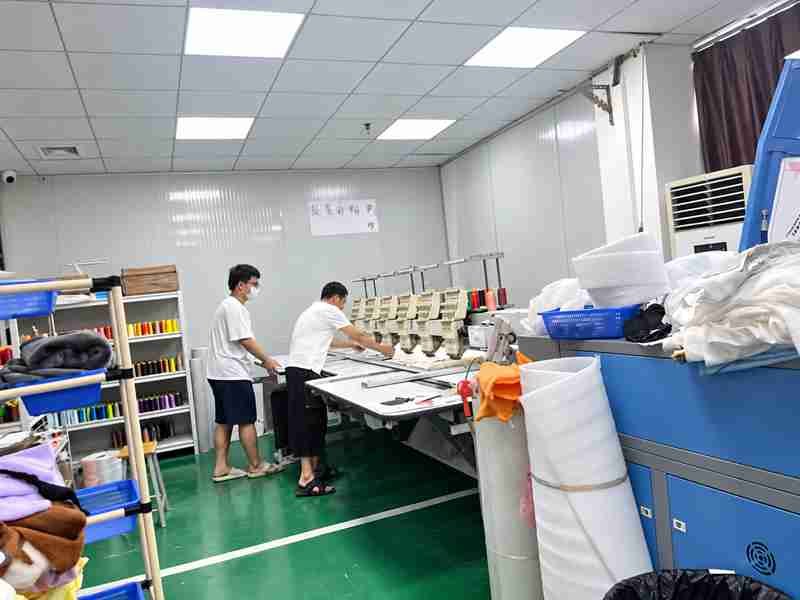
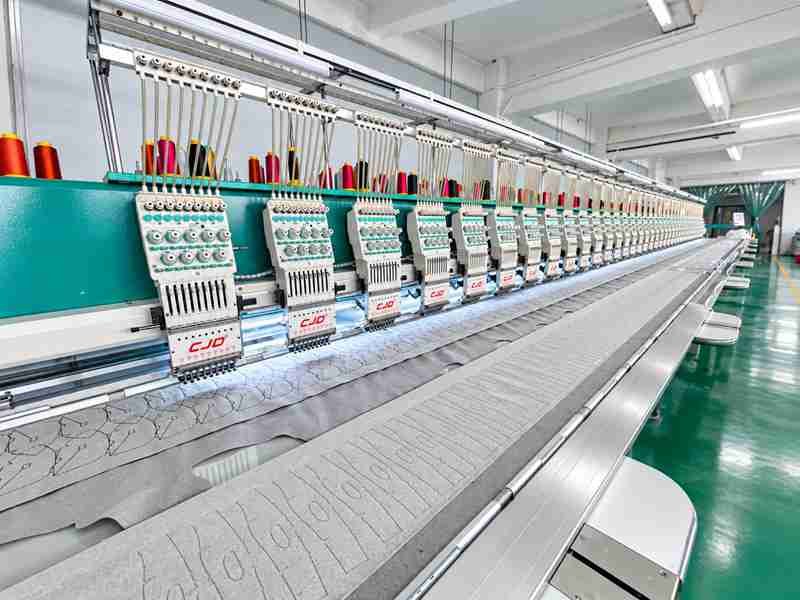
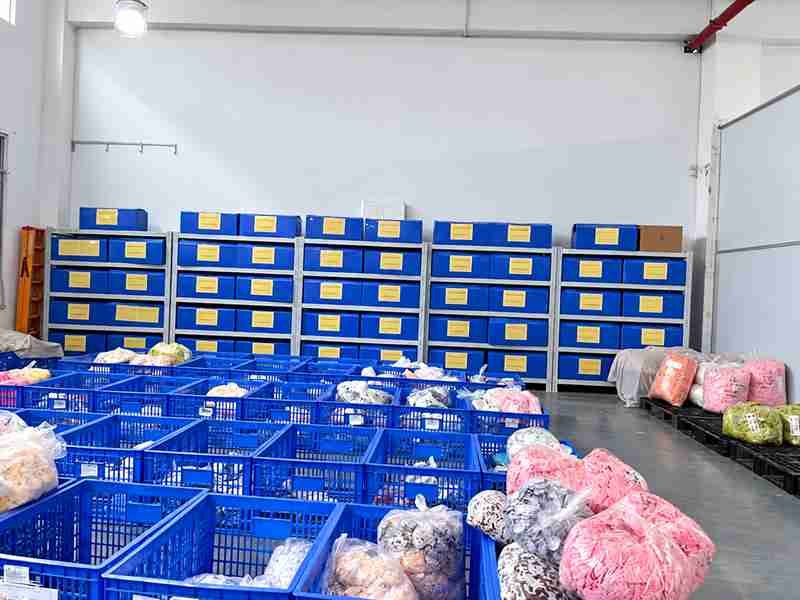
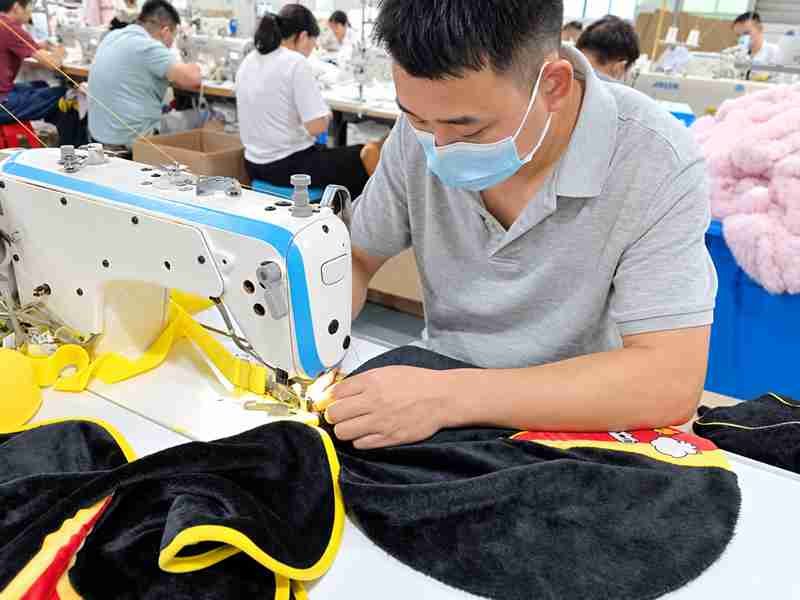
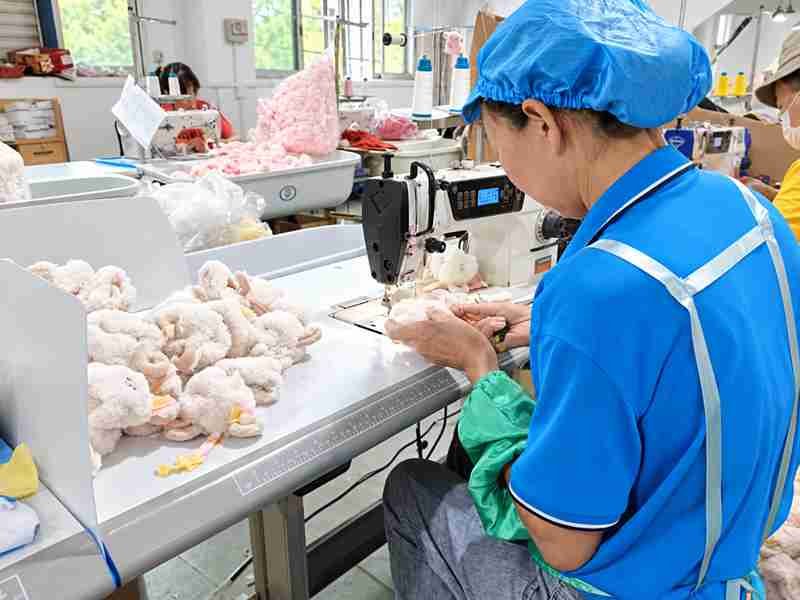
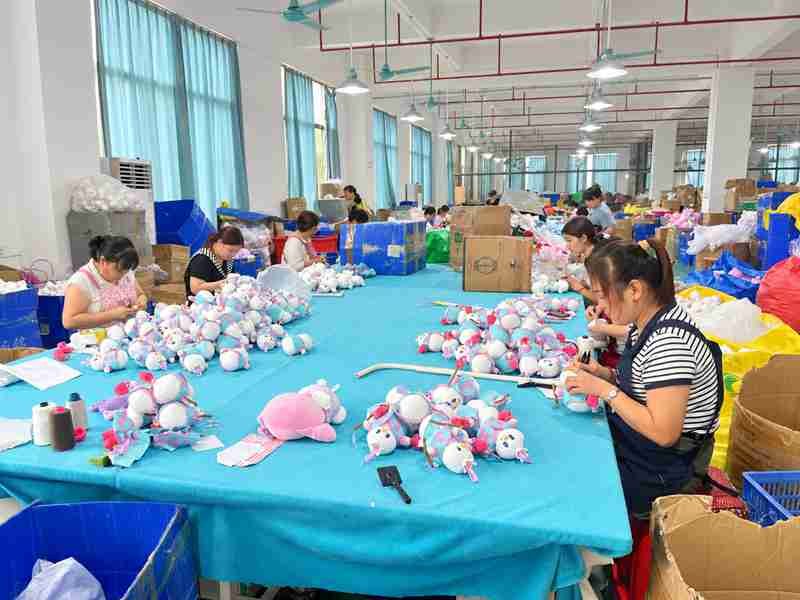
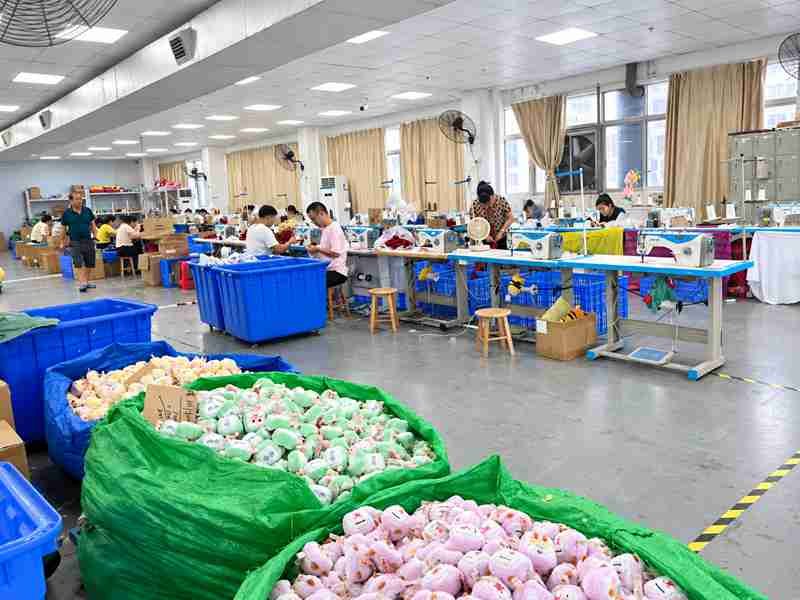
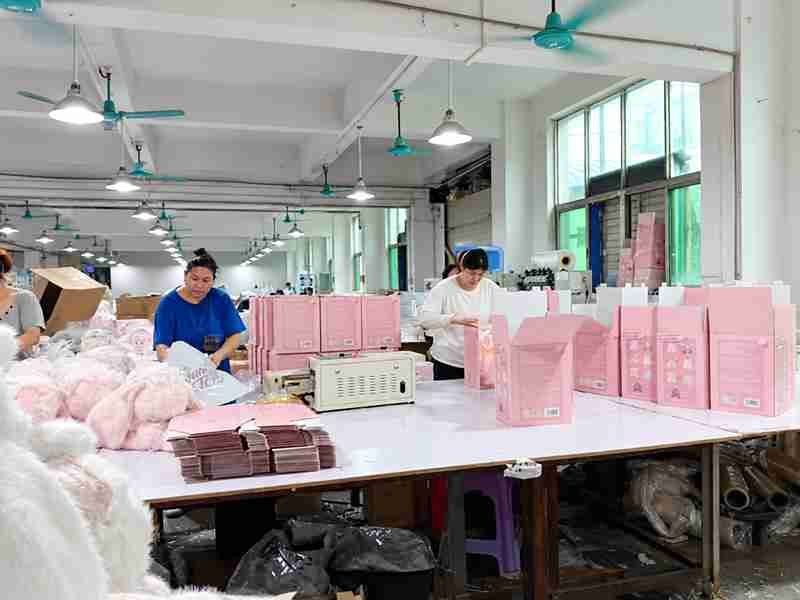
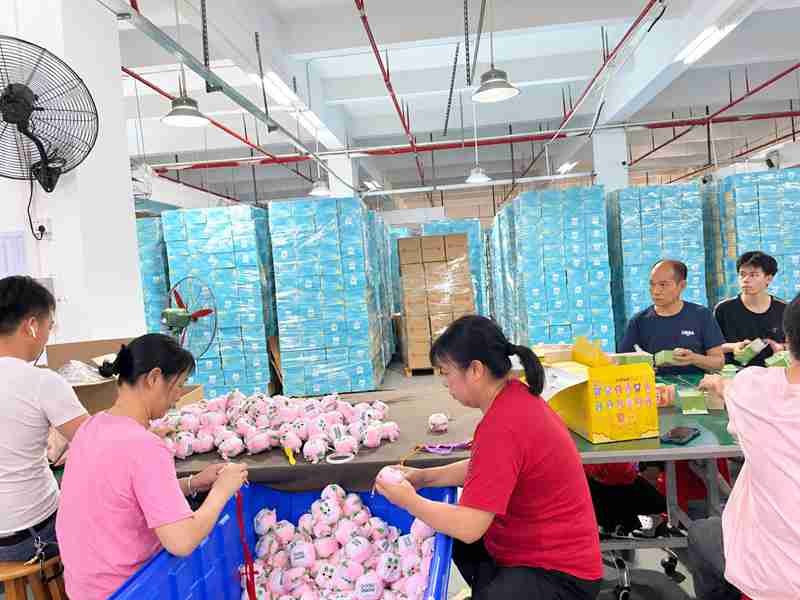
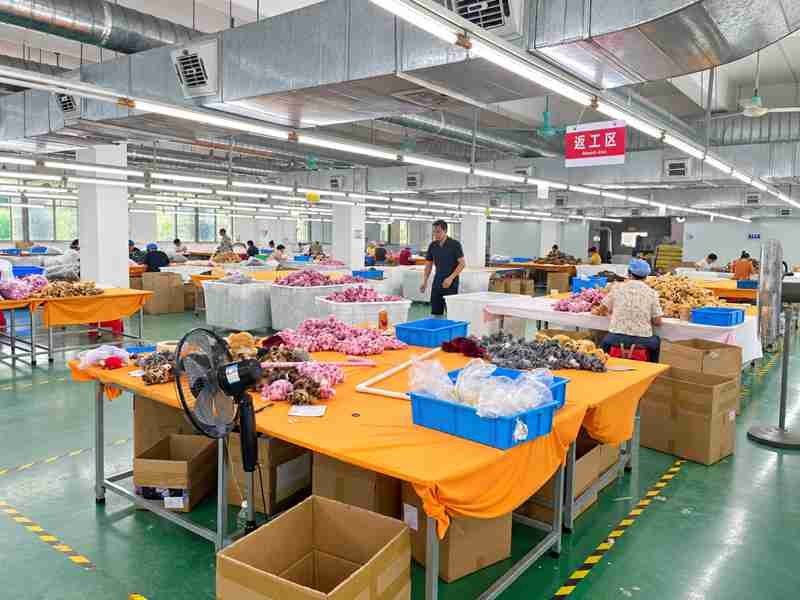
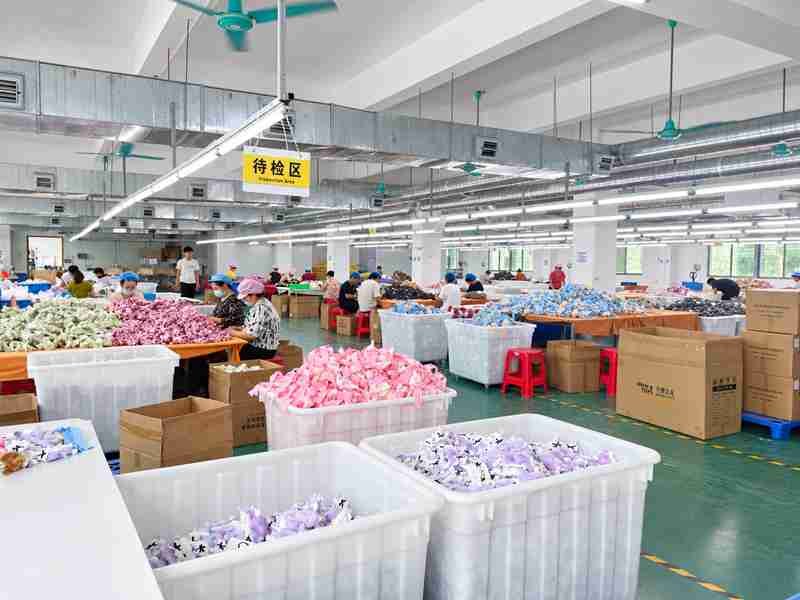
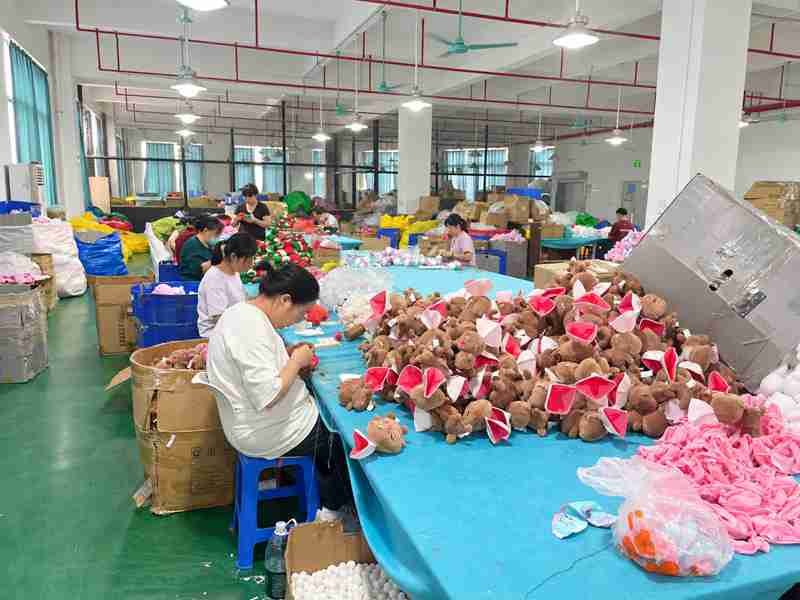
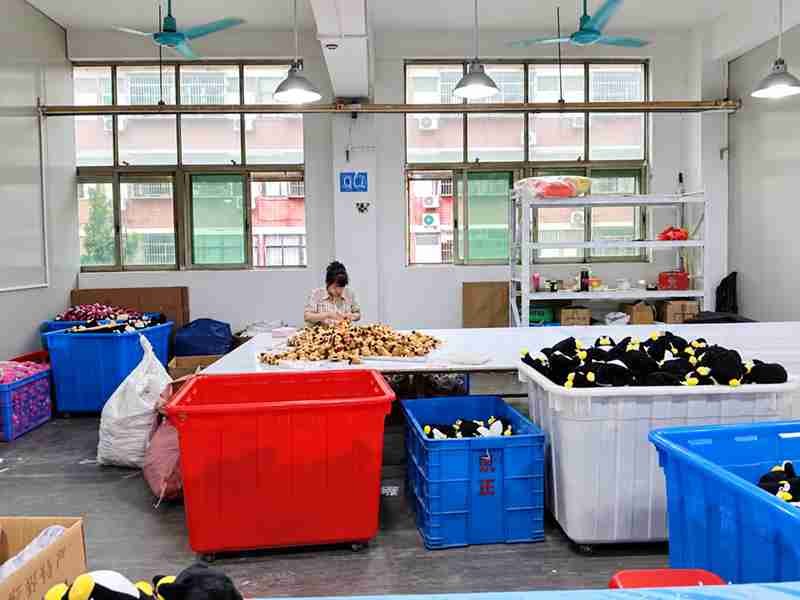
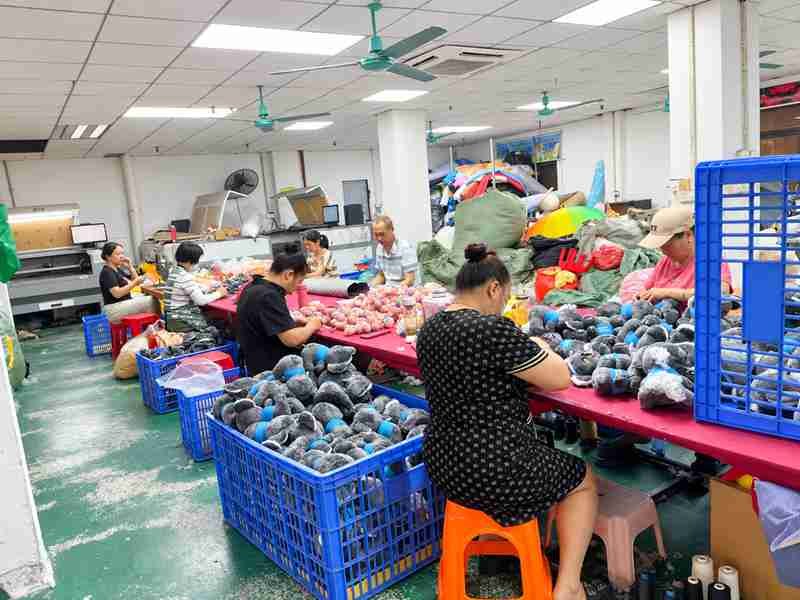
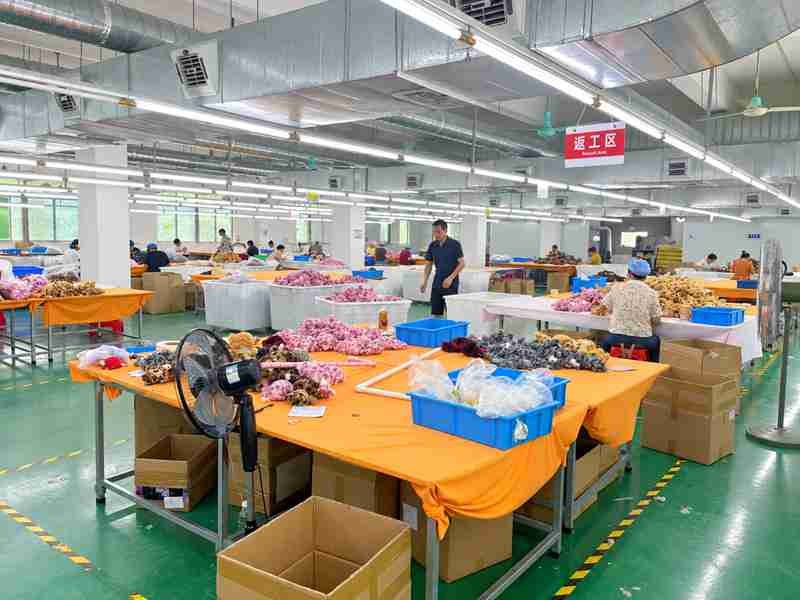
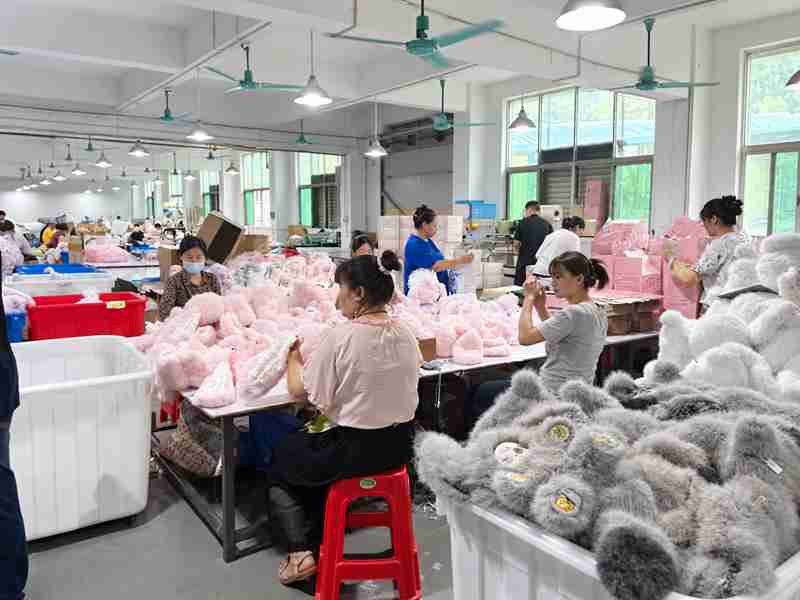
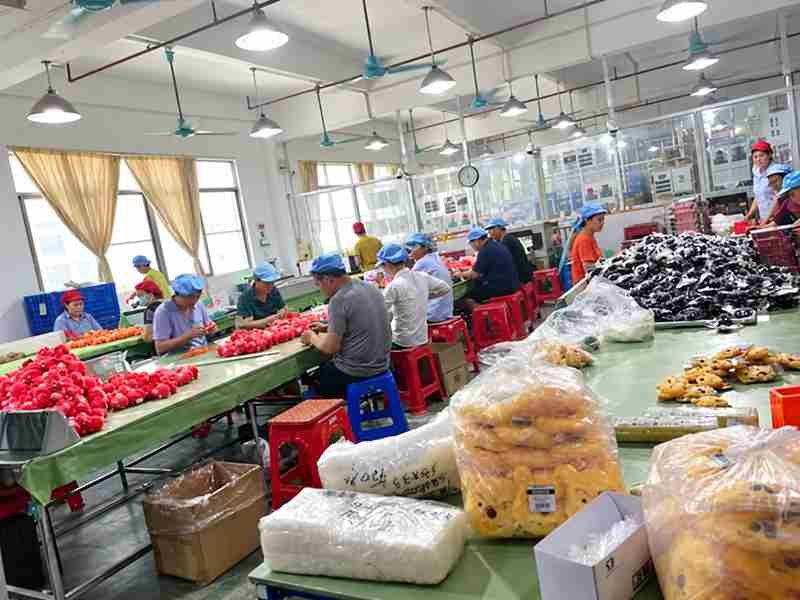
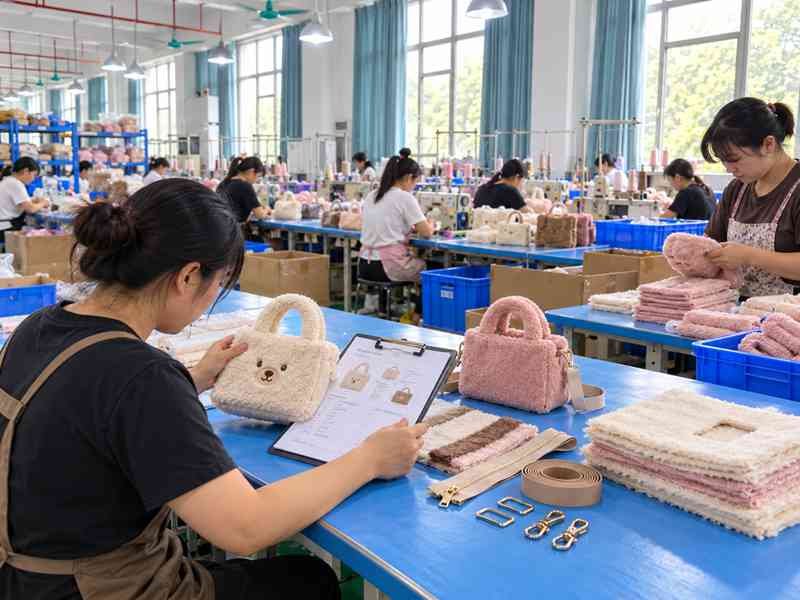
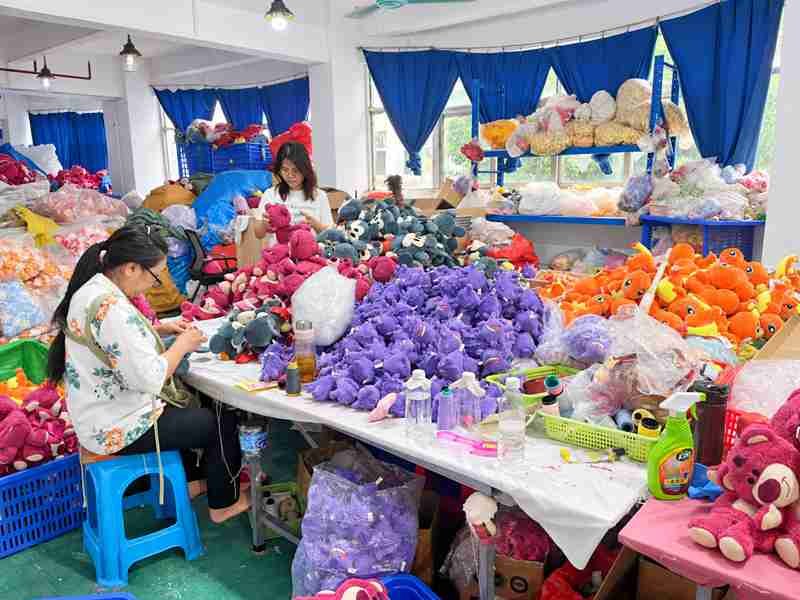
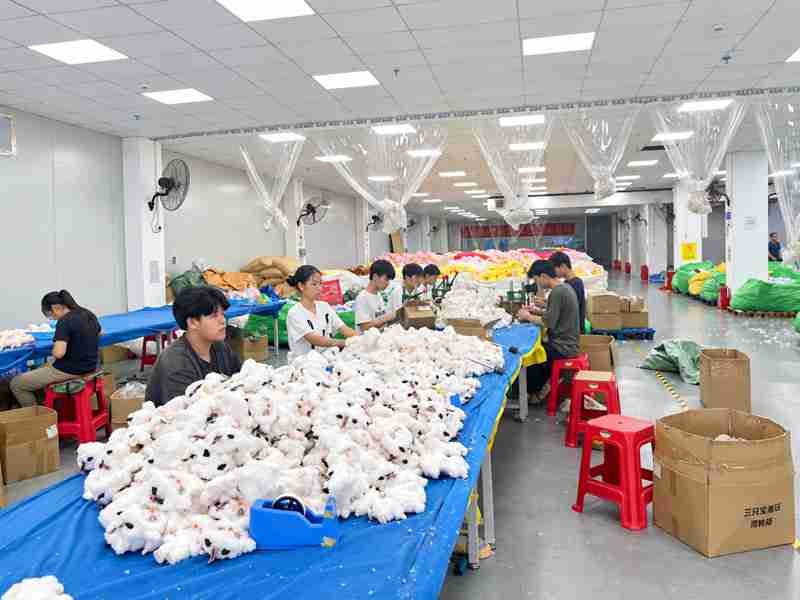
From Prototype to Production: Our Real Plush Factory Show

At Ewintoys, every plush project follows a structured development and production process, from initial design review and pattern making to sampling, mass production, quality inspection, and final delivery. Our real factory images provide a transparent view of how ideas are transformed into high-quality plush products through professional craftsmanship, engineering control, and careful production management.


Functional Checks Catch Problems Before Bulk Production

Appearance alone cannot approve a working bag; openings, load points, lining, hardware, balance, shape support, and pack-out behavior need deliberate review.

Check areaWhat is reviewedTypical failure prevented
Zipper operationOpening length, curve, slider travel, pile clearance, end stopsSnagging, short opening, uneven zipper, trapped fur
Strap attachmentAnchor position, webbing path, seam construction, backingTearing, local distortion, strap pull-out
Handle balanceHandle spacing, center of gravity, filled-bag orientationTilting, twisting, character face turning away
Lining fitPattern match, seam allowance, pocket position, attachment pointsLoose lining, tension, exposed raw seams
Hardware installationOrientation, backing, edge finish, plating protectionRotation, scratches, fabric damage, loose components
Shape supportBase, foam, interlining, filling, panel geometryCollapse, excessive stiffness, poor recovery
Decorative partsEar, tail, limb, applique, badge and accessory positionInterference with opening, snagging, inconsistent appearance
Pack-out recoveryCompression, folding, carton pressure, reshaping methodPermanent deformation after shipping or storage

Plush Bag MOQ And Cost Come From The Product Definition

Cost or MOQ driverWhy it mattersUseful decision before quote
Outer plush materialStock status, custom color, pile, GSM, and minimum purchase affect cost and availabilityConfirm body areas, handfeel, color reference, and acceptable alternatives
Lining and reinforcementExtra layers add material and sewing steps but protect functionDefine lining coverage, pockets, support zones, and desired softness
Zipper and hardwareStandard components are easier to source; custom colors, molds, plating, or branded parts can raise MOQChoose standard vs custom component strategy early
Straps and webbingWidth, length, padding, printing, woven logo, and hardware change both cost and load constructionConfirm wearing method and adjustable length range
DecorationEmbroidery stitch count, applique layers, printing area, patches, and metal logos change labor and setupRank must-keep brand details before optimization
Pattern complexityMore curved panels, 3D parts, pockets, and separate lining pieces increase sewing timeSimplify hidden construction before sacrificing visible identity
SKU splitMany colors or characters divide material and component purchases across smaller runsIdentify shared materials and shared hardware where suitable
PackagingRetail box, display unit, inserts, barcode labels, and assortment work add cost and MOQ constraintsLock channel, pack style, carton logic, and labeling inputs
TimingLate artwork, custom components, testing, or fixed launch dates can remove sourcing optionsShare launch milestone before sample and component approval

Release Bulk Production From The Approved Product Definition

The safest transition to production uses an approved reference, current patterns, frozen materials and components, and clear change control.

Golden Sample And BOM Keep The Factory On The Approved Version

Bulk production should not start from an informal image, an old sample, or a message saying “same as last time.” The approved bag needs a controlled definition: Golden Sample, current outer and lining patterns, approved embroidery or print files, material and color references, zipper and hardware specifications, webbing dimensions, reinforcement details, labels, and packaging requirements.

Production release also needs clarity around what can change. A material substitution, zipper supplier change, hardware plating change, lining replacement, or packaging revision can affect appearance, cost, function, testing, or lead time. Those changes should be reviewed before use rather than accepted on the line because a visually similar option is available.

For repeat orders, the previous approved version provides a strong starting point, but reorders still benefit from a delta review. Material lots, supplier changes, updated regulations, packaging data, or earlier quality findings may require action. Using the same product ID and revision logic across sample, production, QC, packaging, and shipment makes it easier to keep multiple SKUs aligned as a collection grows. A pre-production review can confirm material readiness, component versions, first-piece construction, inspection checkpoints, and pack-out references before the full quantity accelerates. That handoff gives production a clear release condition and gives sourcing teams a visible point for approving any final exception. For multi-SKU programs, the same release review can verify shared components, separate artwork, label versions, and carton rules so one approved style does not accidentally overwrite another.

Production Details Protect Both Character Shape And Bag Function

Ewin’s 95,000+ m2, 1,900+ workforce manufacturing system carries approved visual and functional specifications through cutting, decoration, sewing, assembly, QC, packaging, warehousing, and logistics.

Material Receiving

Outer plush, lining, webbing, reinforcement, zippers, and hardware should be checked against approved references before cutting. Early separation of wrong color, width, finish, or material prevents downstream rework. Lot identity and color references should remain traceable when several materials or SKUs are running together.

Pattern Cutting

Outer shells, gussets, lining, pockets, reinforcement, and decorative panels need controlled pattern versions. Directional pile and printed areas may require specific cutting orientation to preserve appearance. Cutting markers should also protect mirrored pieces, grain direction, and pile direction on left and right sides.

Embroidery And Print

Logos, faces, graphics, and labels should run from approved artwork and placement references. Distortion is easier to prevent before panels are assembled than to correct on a finished bag. First-piece approval can catch a shifted graphic before a full batch of cut panels enters sewing.

Lining Preparation

Pockets, labels, openings, binding, and reinforcement can be prepared as subassemblies before final bag closing. Clean preparation helps internal features align with the outer structure. Subassemblies can be checked early for pocket direction, zipper access, label orientation, and finished dimensions.

Zipper Preparation

Zipper length, slider direction, puller, tape color, stops, and opening geometry should match the released sample. Curved openings need consistent sewing and pile clearance. A first sewn opening can confirm the zipper curve before all units move through the same operation.

Strap Reinforcement

Webbing returns, backing patches, box or multi-line stitching, and hidden support should follow the approved load path. Decorative plush seams should not carry functional load by themselves. Critical anchors benefit from an in-line check because reinforcement becomes difficult to see after closing the shell.

Main Sewing

Outer panels, lining, gussets, pockets, and structural seams are assembled in a controlled sequence. Seam bulk and access to small curves matter on highly dimensional character bags. Work instructions should identify difficult turn points and seam sequences where bulky plush layers can shift.

Hardware Assembly

D-rings, hooks, buckles, snaps, logo plates, and pullers are installed by orientation and backing method. Surface protection helps avoid scratches before final packing. A component tray or SKU separation method can reduce mixed finishes and wrong hardware on multi-style production.

Finishing And Pack-Out

Loose fibers, trapped pile, thread ends, shape, zipper movement, labels, accessories, and packaging condition are checked before carton packing. Recovery instructions can be added when shape needs post-pack adjustment. Final shaping should use the approved silhouette and packing method rather than relying on individual operator preference.

Certificates, Compliance & Quality Assurance

Ewintoys follows structured quality and compliance practices for custom plush production. We hold relevant certifications and support additional testing, inspection, and compliance documentation based on specific product requirements and destination markets, helping brands meet different international standards with confidence.

Plush Bag Quality Control Must Cover More Than Stitching

Function, visual identity, interior finish, component installation, pack-out, and version accuracy need defined checks from incoming materials through final shipment. Clear inputs reduce revision and sourcing risk.

Appearance Reference

Compare silhouette, face, embroidery, pile direction, color, decorative parts, and overall finish against the approved reference. Visual review should use the current SKU and revision, not memory. Approved photographs can support the physical reference, but the physical sample remains stronger for shape and handfeel comparison.

Dimensional Check

Check overall height, width, depth, strap length, opening, pocket, and selected component positions. The tolerance plan should focus on dimensions affecting fit, carrying, or character recognition. A measurement list should stay short enough to be usable while still protecting the dimensions that affect function and fit.

Zipper Function

Open and close the zipper through its full travel, watching for trapped pile, tight curves, misaligned teeth, loose ends, and insufficient access. Function should remain consistent after packing. A smooth sample zipper can still fail in bulk if pile control and sewing position are not checked during production.

Strap And Handle

Inspect attachment position, stitch construction, backing, webbing condition, and symmetry. Defined load-related checks can be added according to bag type, use, and market requirements. Checks should use a defined method and acceptance condition suited to the intended use rather than an arbitrary force claim.

Lining And Interior

Check lining fit, pocket position, seam finish, labels, loose threads, exposed raw edges, and internal cleanliness. Interior construction should remain neat even on irregular 3D shapes. Pocket depth and opening position should also be confirmed where the interior is part of the selling feature.

Hardware Check

Confirm component type, finish, orientation, sharp-edge condition, movement, attachment security, and surface protection. Mixed hardware versions should be prevented through SKU and component control. Decorative chains and logo plates need the same orientation check because wrong installation is immediately visible at retail.

Needle Control

Needle and foreign-material controls should follow the product construction and any metal or magnetic components present. Records and exception handling matter more than a generic “needle checked” statement. Projects using intentional metal parts may need an adapted foreign-material route so legitimate hardware is not confused with contamination.
Pack-Out Check

Verify hangtags, labels, barcode data, inserts, protective layers, unit pack, assortment, and carton marks before shipment. Multi-SKU programs need clear separation to prevent packing mix-ups. Barcode and carton data should come from the approved packaging source instead of being retyped on the packing line.

Defect Closure

Repeated or critical problems should be held, traced, corrected, and verified before release. Reworked pieces need the affected inspection steps again instead of returning directly to finished inventory. Corrective action should update the relevant work instruction, sample reference, or inspection point so the same issue is less likely to repeat.
Compliance Planning Starts Before The Final Sample

Market, age, product use, materials, detachable components, labels, and retail requirements should shape the compliance route before final approval and mass production.

Define Market And Use

Start with destination market, intended age, selling channel, and whether the item is positioned as a toy, children’s bag, collectible merchandise, or lifestyle accessory. Those inputs shape the risk review and test plan. A children’s backpack can create different obligations from an adult collectible pouch even when both use the same plush fabric. Retailer manuals may also add labeling, packaging, or restricted-substance requirements beyond a general market standard.

Review Product Risks

Small parts, detachable hardware, magnets, sharp points, cord or strap construction, flammability, chemical requirements, labeling, and age grading can change with design. Risk should be reviewed before final sample freeze. The review should map each risk to a design action, material record, construction control, label, or test input. Components such as magnets, long cords, hard accessories, and detachable decorations deserve especially clear responsibility before approval.

Plan Relevant Testing

ASTM F963, CPSIA, EN 71, retailer manuals, or other requirements may apply depending on market and classification. Specific test scope should be confirmed against the final material, component, age, and product definition. For U.S. programs, ASTM F963 and CPSIA may be relevant where the product is classified as a children’s toy; EU programs may involve EN 71 and related chemical or labeling requirements. Final applicability depends on the actual product and market.

Keep Evidence Specific

Internal physical checks can support development, while third-party laboratories may be used for regulated chemical or formal compliance work. A statement that a specific product passed a standard requires the matching report and scope. Reports should identify the tested item, revision, material or component scope, laboratory, and date. A generic certificate logo is not enough to prove a finished SKU meets a specific requirement, especially after material or component changes.

Packaging Should Prepare The Bag For Its Selling Channel

Unit protection, presentation, barcode data, assortment, carton planning, and recovery after transport should be treated as part of the product definition.

Polybag Pack

A clear or printed polybag keeps unit packing simple and can suit e-commerce, wholesale, or inner protection. Bag dimensions and recovery needs should determine whether folding or light compression is acceptable. Vent holes, warnings, sealing method, and material thickness can be reviewed when the product or market requires them.

Hangtag Set

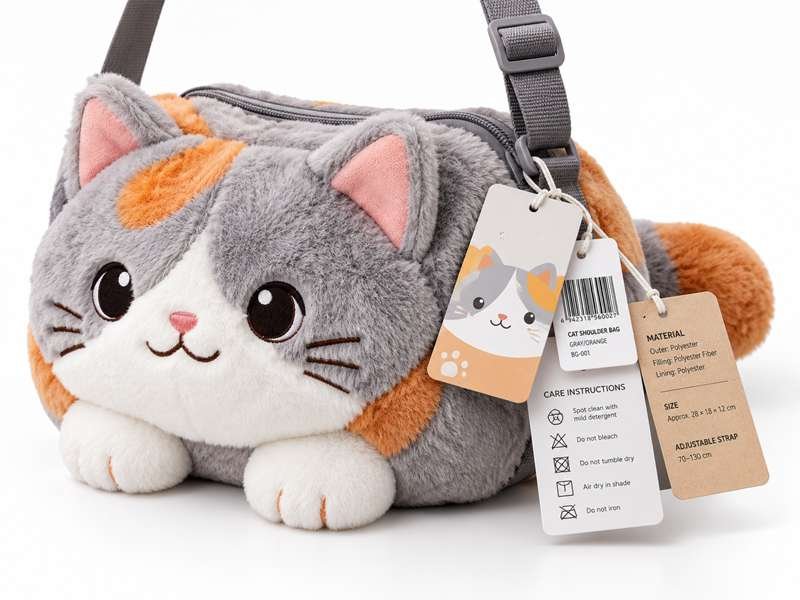
Brand story, barcode, product data, care, warnings, and retail information can be carried on hangtags. Attachment position should not damage plush surfaces or interfere with the zipper and straps. A pre-production label proof helps protect approved wording, logo size, print color, hole position, and barcode readability.

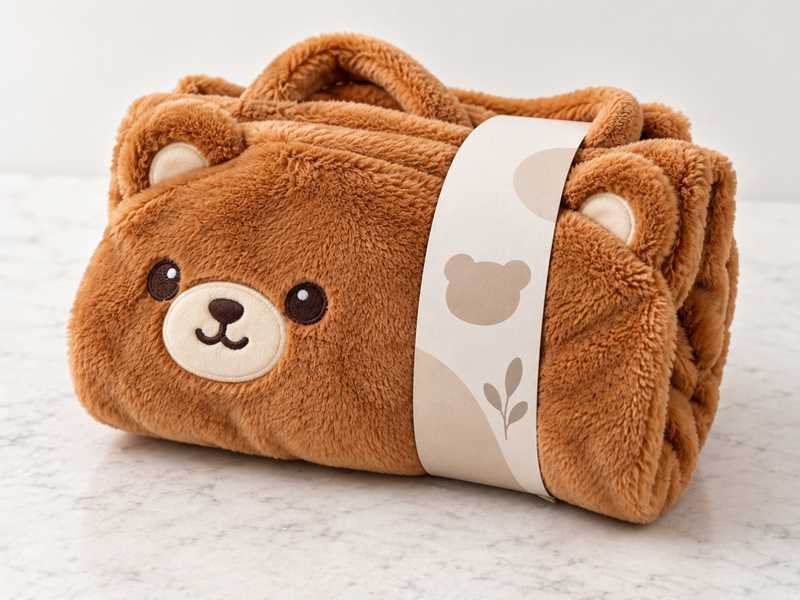
Belly Band

Paper bands work well on selected totes, pouches, and soft lifestyle products where the product remains visible. Band tension should hold presentation without flattening plush texture. It is most suitable when the band does not block key character artwork or important regulatory and retail information.

Gift Box

Gift boxes add presentation and protection for premium programs. Window size, insert structure, strap positioning, hardware protection, and pack orientation should be sampled with the final product. Carton drop, box crush, and pack-out trials can be added when the channel or product value justifies extra verification.

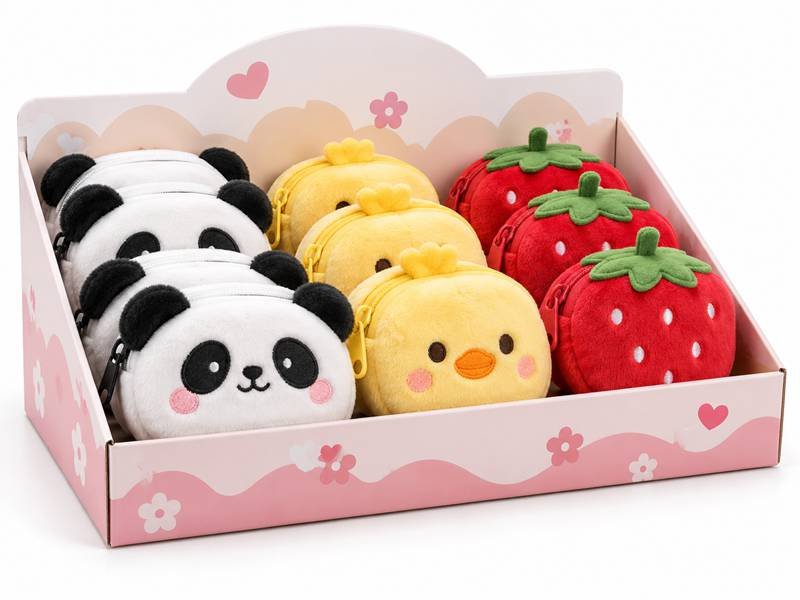
Display Box

Open-front or window display boxes help character bags present clearly at retail. Internal fixing should hold shape without creating permanent dents or stressing decorative parts. Display orientation should keep the face, logo, and key hardware visible without forcing straps into permanent creases.

PDQ Display

Counter or shelf-ready display units can support smaller pouches and mini bags. Assortment map, SKU quantity, barcode visibility, carton fit, and store handling requirements should be defined. Retailer-specific dimensions and assortment rules should be confirmed before tooling or printed display production.

Barcode And Labels

UPC, EAN, GTIN-related data, FNSKU, or retailer labels are normally supplied or approved by the brand. Ewin can apply, position, and scan-verify the approved data within the packaging workflow. A scan check at sample approval and pre-shipment can catch print, placement, or data errors before goods reach the warehouse.

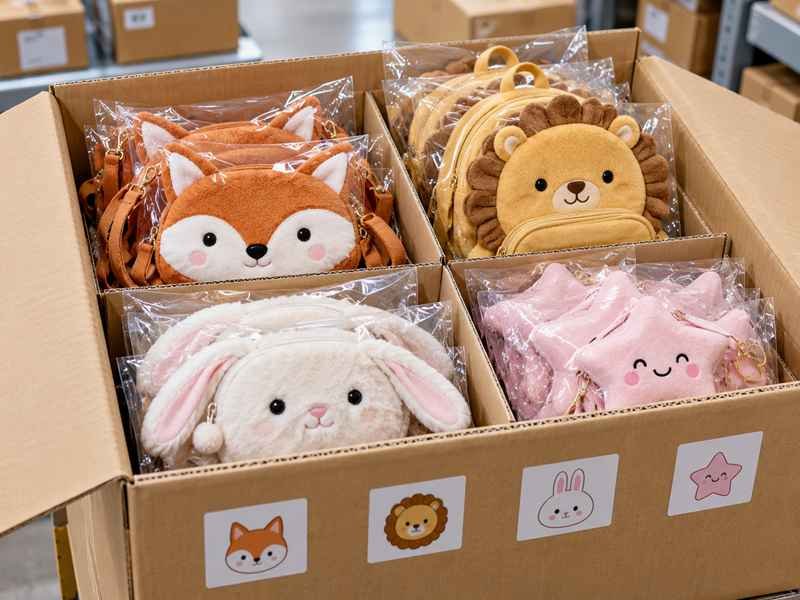
Multi-SKU Cartons

Character, color, and size variants need clear carton assortment, SKU identification, packing counts, destination marks, and separation. A packaging matrix reduces mix-ups when several versions ship together. Carton labels and pack lists should use the same SKU naming and revision logic used by production and inspection.

Program Scenarios For Larger Plush Bag Orders

U.S. Collectible Brand

Illustrative program scenario, not a disclosed client claim. A U.S. collectible brand plans 3,200 character backpacks across two designs for a seasonal drop. Development begins from approved character sheets and a target 28 cm format. Ewin reviews face proportions, zipper placement, lining, padded straps, custom pullers, and carton recovery. V1 focuses on silhouette and usable opening; V2 closes embroidery and strap position; the final reference locks outer materials, lining, hardware, pattern, and pack-out. Shared black webbing and zipper components reduce unnecessary SKU fragmentation while artwork and outer patterns remain character-specific.

UK Lifestyle Retailer

Illustrative program scenario, not a disclosed client claim. A UK lifestyle retailer plans 2,400 plush crossbody bags in three colorways for stores and online sales. The brief prioritizes soft handfeel, clean metal hardware, adjustable straps, internal pocketing, and compact retail packaging. Development compares two outer fabrics, then uses one shared lining and hardware platform across the range. Strap anchor backing is revised after the first prototype so load moves into reinforced panels instead of the plush surface. Final pack-out includes hangtags, approved barcode labels, protective hardware wrapping, and SKU-separated cartons for store allocation.

Japan Entertainment Merchandise

Illustrative program scenario, not a disclosed client claim. A Japan-focused entertainment merchandise program plans 4,800 mini plush pouches across four characters. Each design uses the same zipper family and lining construction but different outer patterns, ears, embroidery, and color references. Small scale makes facial placement, seam bulk, and puller size especially sensitive, so the first sample round concentrates on millimeter-level face relationships and opening access. A shared component platform simplifies purchasing while a SKU matrix tracks pattern revision, embroidery file, zipper color, label, packaging artwork, and carton assortment through final release.

Frequently Asked Questions

Yes. A front artwork can start feasibility review, but side depth, back construction, opening, lining, straps, hardware, and hidden reinforcement still need to be defined before pattern and quote are reliable.

Commercial review commonly starts around 500 pcs per SKU. Actual MOQ depends on outer fabric, lining, custom colors, zipper and hardware sourcing, packaging, SKU split, and production setup.

Timing depends on pattern complexity, material availability, custom hardware, printing or embroidery, and revision scope. Complex functional prototypes are internally managed by complexity rather than one fixed external promise.

Yes. Multi-SKU programs can share lining, zipper, webbing, hardware, or packaging platforms where suitable, while each character keeps its own pattern, artwork, color references, labels, and approval status.

Yes, custom PVC, silicone, metal, fabric, or branded pullers and logo hardware can be reviewed. Mold, plating, finish, weight, attachment, MOQ, lead time, and target-market requirements affect feasibility.

Bulk release should use the approved Golden Sample, current patterns, BOM, artwork files, material references, component specifications, labels, and packaging requirements. Changes are reviewed before production instead of substituted informally.

Ewin can review target market, age, materials, small parts, hardware, labeling, and intended use, then coordinate an appropriate testing path. A specific compliance claim requires the matching product report and scope.

Yes. Unit bags, hangtags, gift boxes, display packaging, approved barcode labels, inserts, protective layers, assortment plans, and cartons can be integrated into the packaging specification for the program.

Send artwork or reference photos, target dimensions, quantity by SKU, market, desired bag type, material or handfeel preference, logo method, packaging idea, launch date, and any required hardware or functional features.


Send

Send Your Plush Bag Project For A Development Review

A useful first review does not require a finished tech pack. Send the design information already available, and Ewin Toys can identify the missing product decisions before pattern, sampling, and quotation move forward. The more clearly the bag function and launch conditions are defined, the easier it becomes to compare materials, components, structure, cost, MOQ, packaging, and timeline on the same basis.
  • Artwork, character sheet, AI concept, reference photos, or physical sample
  • Target L × W × H, bag type, carrying method, and required storage
  • Quantity by SKU or color, target market, and intended age or audience
  • Preferred plush handfeel, lining, zipper, straps, hardware, and logo method
  • Packaging direction, retail requirements, target launch date, and delivery destination

Start Your Custom Plush Project

We will contact you within 24 Hours, please pay attention to the email with the suffix“@ewintoys.com”. 

# Confidential project? NDA requirements can be discussed before sensitive files are shared.