
Custom Stuffed Animal Manufacturer for Brands & Retail Programs
Bring original animal concepts, mascots and branded characters into production with carefully developed shapes, expressions, fabrics and filling structures. With 20+ years of plush manufacturing experience, Ewin Toys supports stuffed animal projects from artwork review and pattern development through sample approval and consistent mass production for retail and promotional programs.
MOQ 500 pcs | 5-7 Days Sampling | 60+ Development Specialists | Custom Fabrics & Filling | ASTM F963 / CPSIA / EN 71 Compliance
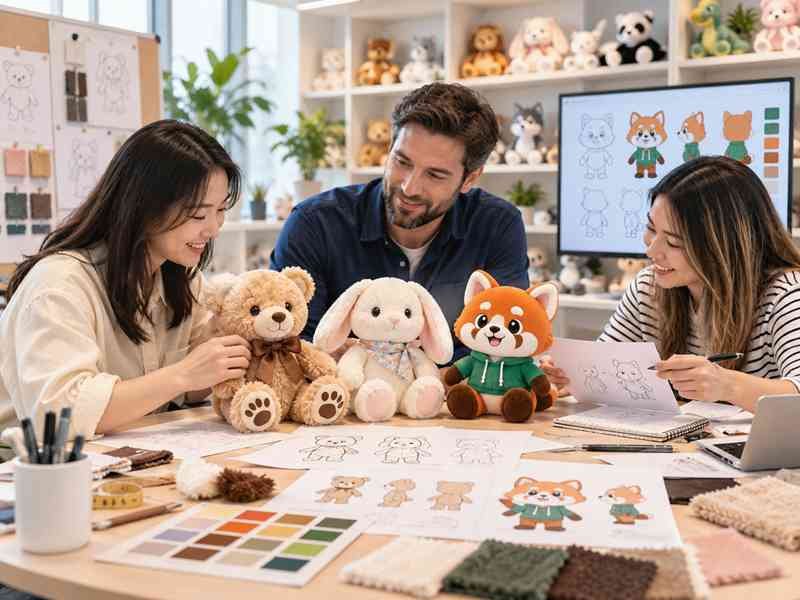
Stuffed Animal Programs Built Around Commercial Brand Needs
Toy And Collectible Brands
IP And Licensing Programs
Retail And Private Label
Zoo And Destination Retail
Custom Stuffed Animal Styles For Different Retail Programs

Realistic Animal Plush
Pet-Inspired Plush
Zoo Animal Plush
Farm Animal Plush
Sea Animal Plush
Forest And Wildlife Plush
Dinosaur Animal Plush
Bird And Avian Plush
Cartoon Animal Plush
Baby Animal Plush
Weighted Animal Plush
Seasonal Animal Plush
Match Animal Design Decisions Before Pattern Development Starts
A strong sample begins with the right engineering choices. Species, pose, fur and face construction should be decided together because one choice often changes several downstream processes.
| Animal Direction | Pose Priority | Recommended Surface Approach | Face / Feature Direction | Main Manufacturing Risk | Typical Program Fit |
|---|---|---|---|---|---|
| Realistic dog or cat | Sitting / standing | Short or medium faux fur, controlled pile | 3D muzzle, embroidery or secured eye/nose | Breed proportion, pile hiding details | Pet, lifestyle, gift retail |
| Long-fur animal | Sitting / four-leg | Directional long pile, trimming plan | Visible eye and nose zone | Hair trapped in seams, uneven grooming | Premium retail, wildlife |
| Zoo species | Species-specific | Mixed short/long pile, color zoning | Species landmarks | Horn, trunk, mane or ear distortion | Zoo, museum, education |
| Farm animal | Sitting / standing | Sherpa, velboa, short plush | Simple muzzle and hoof cues | Leg symmetry, texture mismatch | Gift, children, farm retail |
| Marine animal | Flat / curved body | Smooth short pile or printed plush | Embroidered mouth and eyes | Fin alignment, body curve | Aquarium, education, retail |
| Cartoon animal | Any stylized pose | Minky, velboa, mixed fabrics | Embroidery and appliqué | Face coordinates, head-body ratio | IP, DTC, collectible |
| Baby animal | Seated / hugging | Soft low-pile material | Embroidered facial features | Overstuffing, age-grade detail choice | Nursery, children, gifting |
| Dinosaur | Standing / crouching | Short plush with soft extensions | Embroidery, felt, stuffed spikes | Tail/head balance, small extensions | Toy, museum, educational |
| Bird | Perched / rounded body | Short pile, printed or layered details | Beak and eye treatment | Feet/beak repeatability | Zoo, museum, education |
| Weighted animal | Sitting / lying | Soft outer plush + inner weight system | Soft facial construction | Weight migration, seam load | Wellness, specialty retail |
| Seasonal animal | Core pose + accessory | Stable base fabric + clothing | Standard face with themed trim | Accessory assembly, launch deadline | Holiday, promotion, retail |
| Multi-animal collection | Shared size family | Shared fabric platform where suitable | Separate species face controls | Version mix, color and SKU confusion | Brand collections, large programs |
Start Development With Inputs The Sample Team Can Use
Build The First Review Around The References Already Available
Convert Creative Direction Into A Controlled Manufacturing Definition
Pattern Engineering Protects Animal Shape During Mass Production
Engineer Species Proportion, Pose And Balance Before Decoration
Animal recognition starts with volume. A dog with the wrong muzzle projection, a horse with a short neck, a rabbit with ears set too low or a dolphin with a thick tail can look incorrect even when colors and embroidery are accurate. Pattern engineering therefore begins by dividing the animal into controllable three-dimensional forms. Head panels define cheek width and forehead curve. Muzzle pieces create projection and mouth angle. Body panels establish chest, belly and back depth. Limb geometry affects sitting, standing or lying posture. Ear, tail, horn, fin and wing patterns must hold their intended direction after turning and stuffing. Pose also changes filling strategy. A sitting animal needs a stable base and balanced hip volume. A standing four-leg animal needs leg symmetry and center-of-gravity control. A flat marine animal may need smoother stuffing distribution across wide panels. Long-pile species add another variable because fur flow can visually change body shape. Pattern arrows, mirror-piece control and trimming zones should therefore be considered before bulk cutting. Decoration comes later because the correct eye or nose cannot rescue a distorted three-dimensional silhouette. Pattern review should also consider the final size because a feature that works at 35 cm may become difficult to sew or read clearly at 15 cm. Small feet, narrow muzzles and layered ears may need simplified geometry, while larger formats can support more internal shaping. These decisions protect both species recognition and production repeatability.
Release Patterns Only After Manufacturability Risks Are Closed
A sample pattern can sometimes rely on hand correction by an experienced sample maker. Bulk production cannot depend on hidden adjustments that only one person understands. Before pattern release, seam access, turning openings, curve difficulty, panel matching, embroidery placement, pile direction, accessory installation and filling sequence should be reviewed for repeatability. Small facial panels may need simplification so they can be sewn without twisting. Deep concave curves may require seam relocation. Long tails may need a different turning or filling method. Dense embroidery near a seam can stiffen fabric and alter the final curve. When a change affects shape, pattern revision should be linked to the current sample and BOM version. Ewin uses the approved sample as a physical reference, but production also needs the released pattern and current specification to prevent informal substitutions. The result should be a stuffed animal whose main CTQ points – face shape, eye position, ear angle, body proportion, color blocks and posture – can be inspected consistently rather than judged only by general appearance. Before release, sample-room corrections should be translated into formal pattern or process instructions wherever they affect repeatability. A hand-trimmed face, manually twisted tail or one-off stuffing adjustment is not a stable production method unless the same result can be defined, trained and checked across the bulk run.
Select Fabrics By Animal Area, Pile And Decoration Needs
Fabric choice affects recognition, hand feel, sewing behavior, embroidery clarity, color consistency and purchasing conditions. Selection should follow the animal area and intended finish.
| Material Direction | Best Used For | Key Visual / Hand-Feel Effect | Decoration Compatibility | Engineering Notes | Procurement Effect |
| Minky / super-soft short pile | Body, face, baby-style animals | Smooth, soft, clean color surface | Embroidery, appliqué, selected printing | Good for visible facial details; stretch must be controlled | Common colors are easier to source than custom-dyed shades |
| Velboa / short plush | Body, muzzle, structured areas | Short, even pile with clear shape | Embroidery, printing, appliqué | Useful where precise seams and markings matter | Stable option for many standard programs |
| Faux fur | Realistic coat, mane, tail | Natural hair movement and depth | Embroidery only in controlled low-hair zones | Requires pile direction, trimming and seam-hair release | Long pile and special colors can raise material MOQ |
| Sherpa / curly fleece | Sheep, lamb, textured animal bodies | Curled, wool-like texture | Appliqué, selective embroidery | Surface texture can hide fine stitching | Texture and color availability should be checked early |
| Printed plush | Spotted, striped or patterned animals | Repeats markings without many color panels | Printing-led; embroidery can add face detail | Print alignment and repeat scale affect pattern placement | Printing setup and minimum material runs affect quantity planning |
| Stretch plush / knit | Rounded or elastic forms | Smooth curves and flexible volume | Embroidery requires stabilization | Spreading tension and recovery must be controlled | Material lot behavior should be approved before bulk cutting |
| Felt / fleece details | Ears, claws, spikes, small flat parts | Crisp low-bulk shapes | Embroidery, appliqué, layered construction | Useful for soft structural details without hard molded parts | Low unit cost but many small parts increase assembly labor |
| PU / soft synthetic accent | Nose, paw pad, collar or local trim | Contrast surface and cleaner edge | Printing or embossed effects as applicable | Fold, cracking and edge handling require review | Custom color or finish can create separate supplier MOQ |
Choose Components That Support Appearance, Safety And Assembly

Eyes

Noses And Muzzles
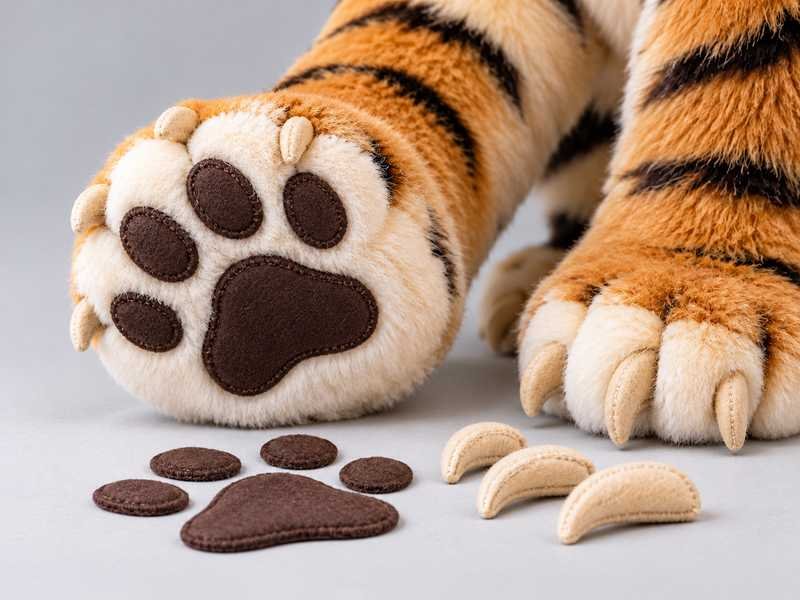
Paw Pads And Claws

Ears Horns And Tails

Internal Support And Weight

Labels Fasteners And Accessories
Brand Decoration Should Follow Fabric And Product Structure
Embroidery
Appliqué
Screen Printing
Digital And Transfer Printing
Woven And Sewn Labels
Branded Clothing And Accessories
Control Sample Revisions Before Releasing Stuffed Animals To Bulk
Move From V1 To Approval With Visible Revision Control
The first complete prototype is a translation of the current project definition, not a promise that every visual detail is already final. Ewin reviews proportion, species recognition, pose, face placement, fur direction, material behavior, accessories and stuffing together because these variables interact. A wider muzzle may change nose placement. A longer pile may hide embroidery. More stuffing can alter eye distance and body length. Revision comments should therefore be written as specific actions: adjust ear angle, reduce belly depth, raise eye position, change pile direction, shorten tail, modify embroidery size or replace a hard component. When a major revision affects construction, the related pattern, BOM or artwork file should be updated instead of relying on photos or verbal notes. Standard projects with readily available materials can move faster than long-pile, printed, multi-accessory or functional designs, so sample timing should be confirmed after complexity and material availability are reviewed. The goal is controlled convergence: each round should close identified issues and reduce uncertainty before final approval. Photo and video review can speed communication between shipments, but dimensional or tactile decisions should still be tied to the current physical sample when required. When comments concern several areas at once, the team should separate cosmetic changes from pattern, material and structural changes so one revision does not accidentally reopen an already approved feature.
Freeze The Approved Definition Before Production Release
Understand MOQ And Cost Before Locking The Final Specification
A stuffed animal quotation depends on the approved product definition. Ewin reviews quantity together with fabric, structure, decoration, filling, packaging and SKU complexity instead of using one universal price rule.
| Cost / MOQ Driver | What Changes The Cost | What Can Be Optimized | What Should Not Be Reduced Blindly |
|---|---|---|---|
| Order quantity | Material buying, setup, fixed cost allocation, line efficiency | Consolidate common materials or similar SKUs | Required quality and safety controls |
| Effective MOQ | Fabric color, custom print, molded parts, packaging, SKU split | Share fabrics, hardware or packaging formats across a series | Unique species identity or approved artwork |
| Size | Fabric area, filling weight, carton volume | Review proportion or pack-out efficiency | Critical silhouette and intended use |
| Fur and fabric | Grade, pile height, color, direction limits, supplier MOQ | Compare equivalent surface options | Approved feel, key texture and visible color |
| Panel count | Cutting, matching, sewing time, error risk | Remove non-visible or non-essential panel complexity | Panels needed for muzzle, body curve and species shape |
| Color zoning | Multiple fabrics, small cutting batches, matching | Use print or appliqué where suitable | Important markings required for recognition |
| Face treatment | Embroidery, appliqué, molded eye/nose, trimming | Simplify non-critical detail density | Eye position, expression and secure attachment |
| Filling | Weight, density, local support, weighted inserts | Tune non-critical zones and packing recovery | Shape stability and approved hand feel |
| Accessories | Clothing, collars, metal, molded parts, removable items | Reduce hidden layers or combine functions | Required branding, function or safe fixation |
| Packaging | Polybag, display box, gift box, insert, carton density | Improve box size and carton utilization | Product protection and channel requirements |
| Multi-SKU mix | Number of animals, colors, sizes, packaging versions | Build SKU families around shared materials | Version separation and SKU-level control |
| Compliance scope | Market, age grade, materials, components, retailer rules | Plan test grouping where technically acceptable | Applicable mandatory requirements |
Manufacturing Control Must Preserve Shape From Cutting To Packing
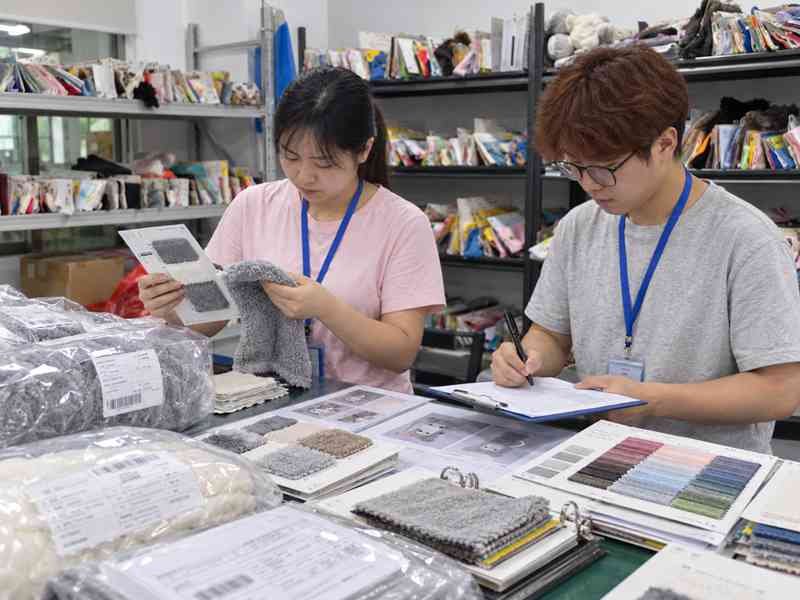
Material Inspection And Spreading
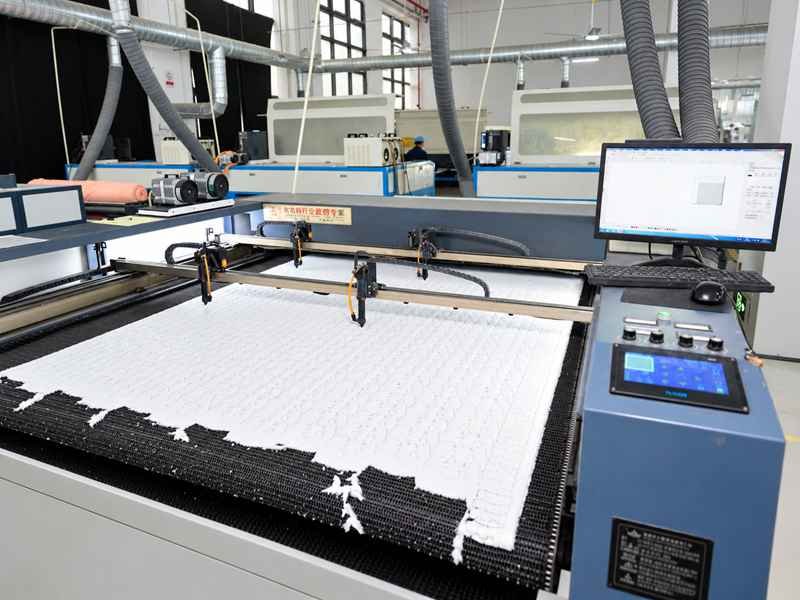
Cutting And Panel Control
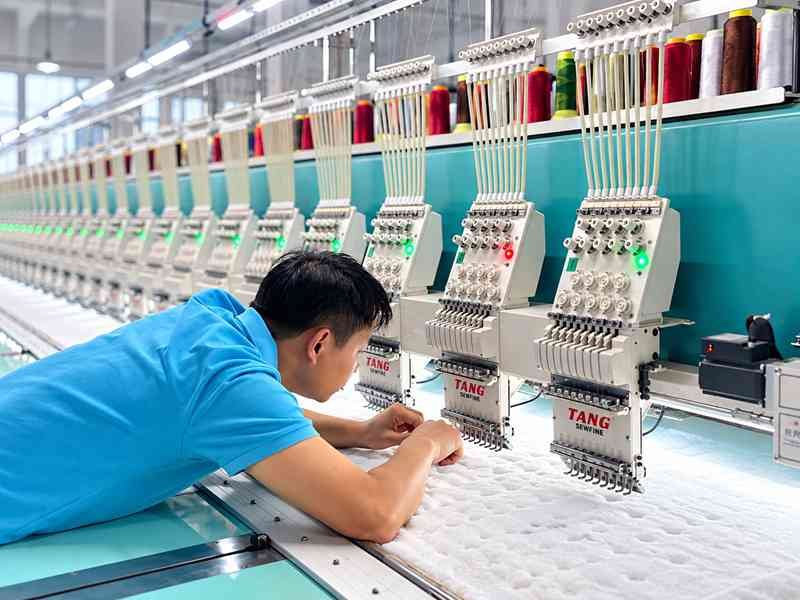
Embroidery And Printing
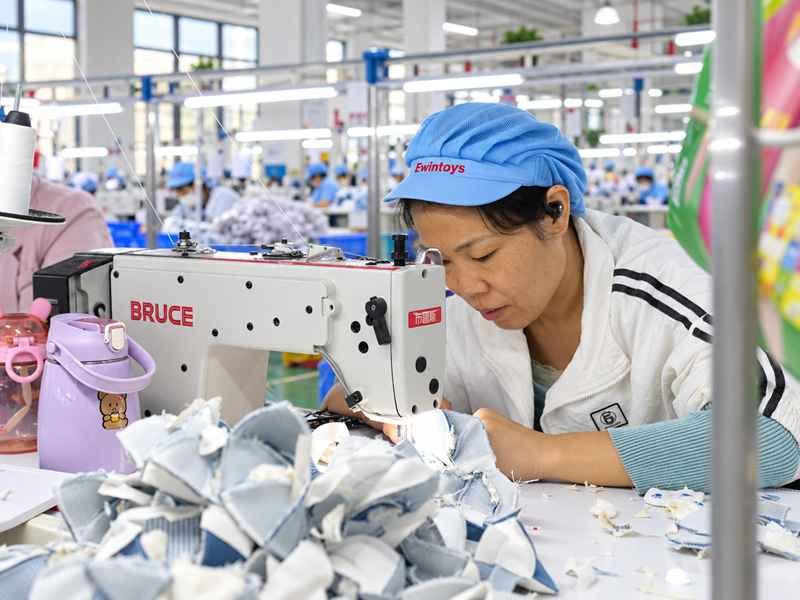
Sewing And Assembly
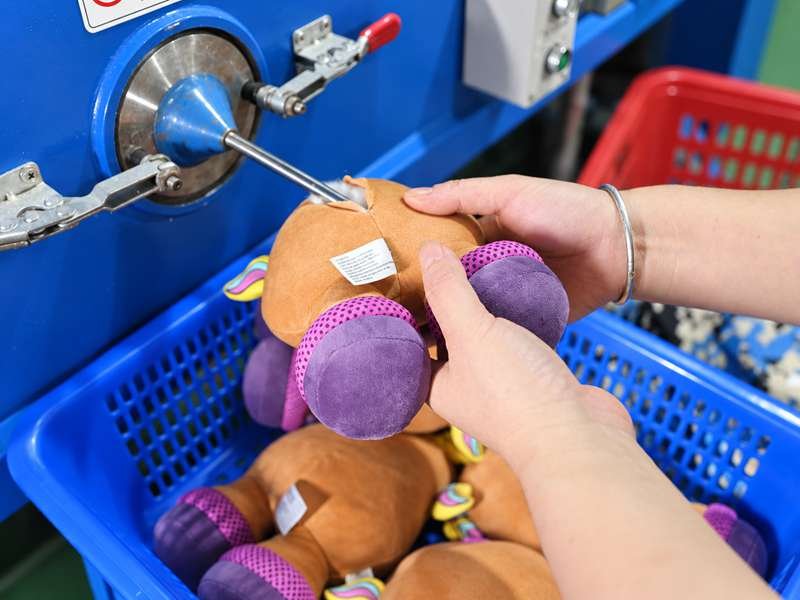
Stuffing And Weight Control
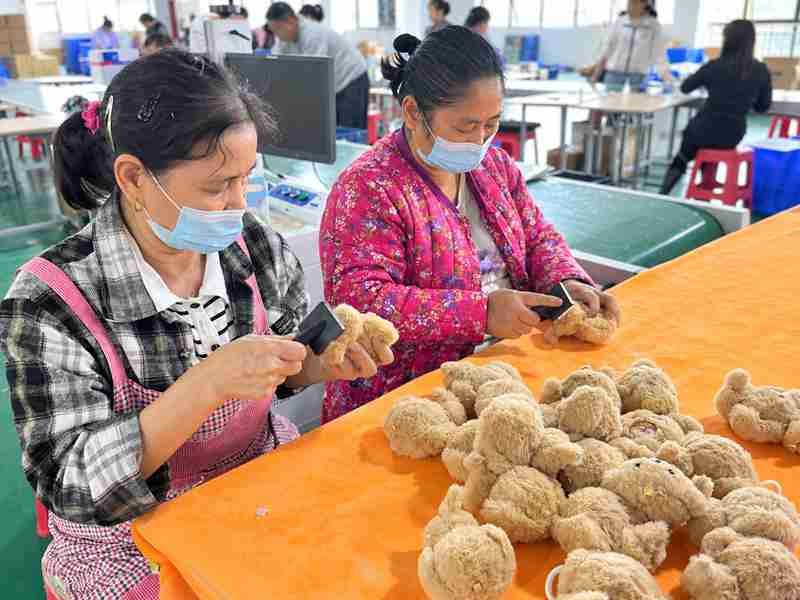
Shaping Grooming And Finishing

Accessory And Closure Check
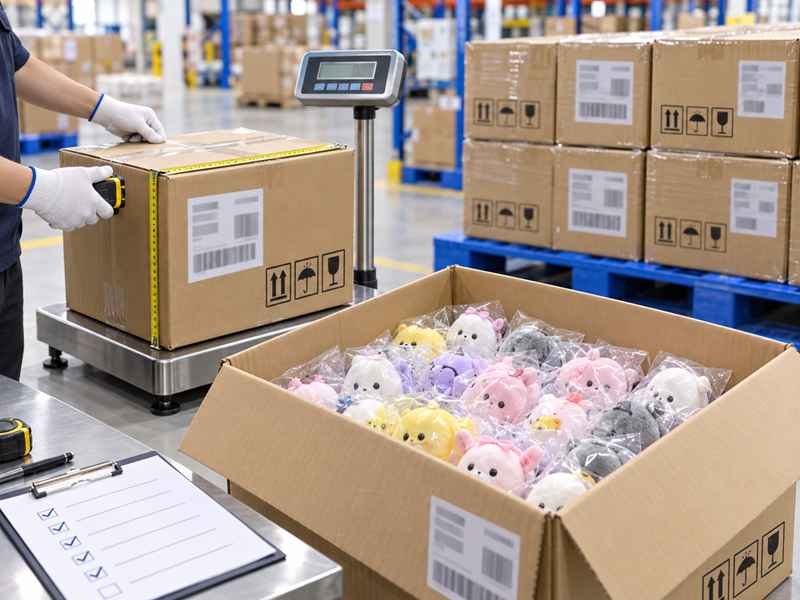
Packing And Release
Certificates, Compliance & Quality Assurance
Ewintoys follows structured quality and compliance practices for custom plush production. We hold relevant certifications and support additional testing, inspection, and compliance documentation based on specific product requirements and destination markets, helping brands meet different international standards with confidence.





















Quality Control Should Focus On Animal-Specific Failure Modes
Material Lot And Color Control
Symmetry And Measurement Control
Pile Direction And Seam Finish
Attachment And Seam Strength
Filling Shape And Weight
Needle Detection And Final Release
Plan Compliance Around Market, Age Grade And Final Construction
Define Market And Age First
United States Programs
European Market Programs
Small Parts And Attachments
Materials And Flammability Inputs
Labels Reports And Third-Party Testing
Packaging Should Protect Fur, Shape And Retail Presentation
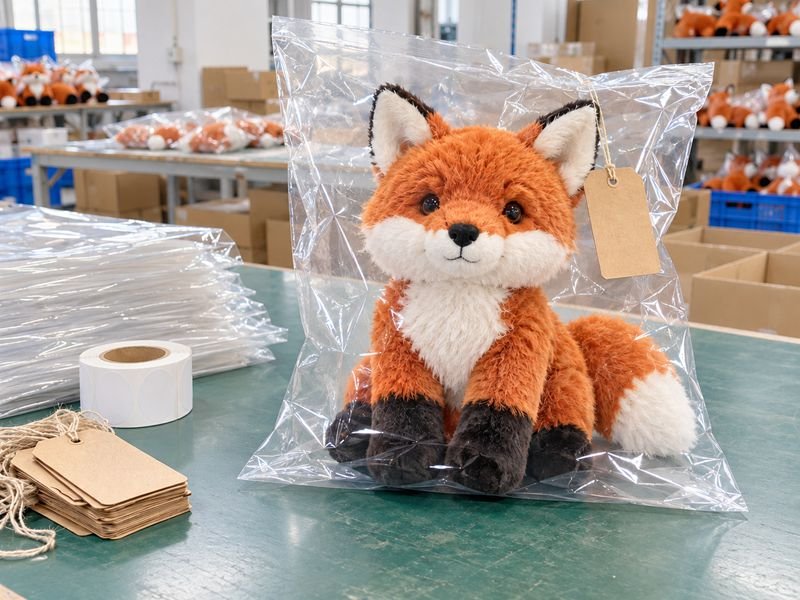
Polybag And Hangtag
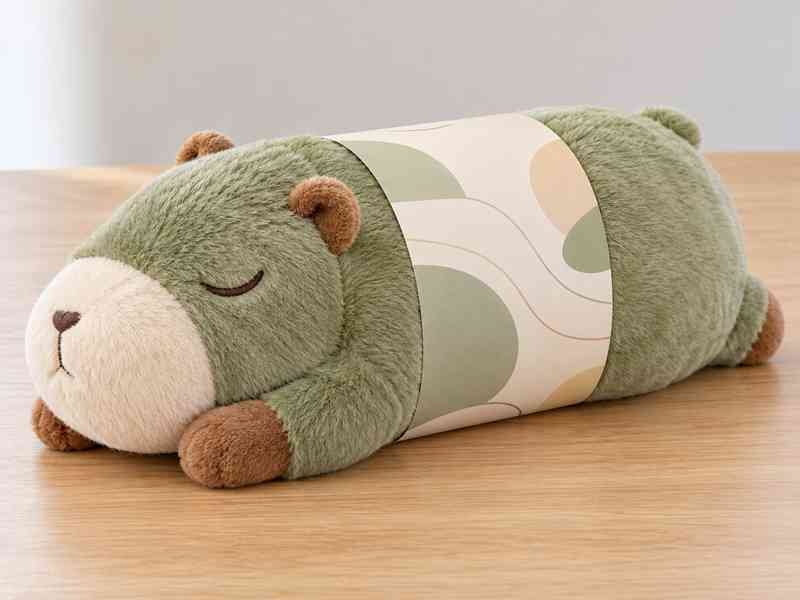
Belly Band

Open Display Pack

Window Box
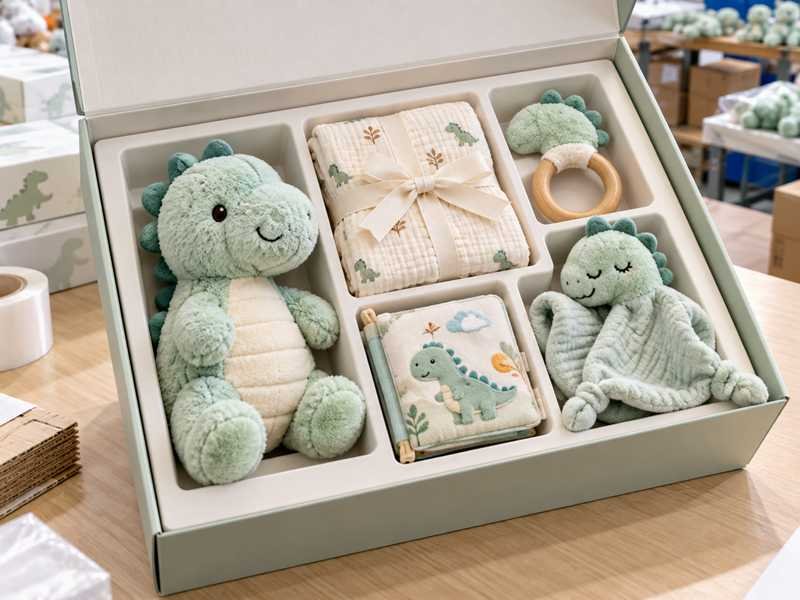
Gift And Story Box

E-Commerce And Master Carton
Multi-Animal Collections Need Program-Level Control Beyond Single SKUs
Build A Shared SKU Architecture
Share Materials Where It Helps
Control Versions Packaging And Barcodes
Plan Forecasts Reorders And Shipments
Ewin Toys Combines Development Evidence With Manufacturing Control
Product Development Center
Integrated Manufacturing Base
Sampling And Version Control
Quality Packaging And Delivery Control
Stuffed Animal Program Examples For Project Planning
United States Zoo Retail Collection
Germany Pet Lifestyle Program
Australia Educational Animal Range
Frequently Asked Questions
You can send artwork, sketches, animal photos, character sheets, 3D renders, reference products or a physical sample. Helpful project details include target size, quantity, market, age group, packaging direction and required delivery timing. A complete technical drawing is useful but not required for the first feasibility review.
Many standard custom plush projects can begin commercial assessment around 500 pcs per style. Effective MOQ can change when long-pile fabric, custom dyeing, printing, molded parts, special packaging or many small SKUs create separate supplier minimums. Collection planning can sometimes improve efficiency by sharing suitable materials or packaging across several animals.
Sampling time depends on pattern complexity, material availability, custom colors, printing, accessories and revision scope. A simple short-pile animal can move faster than a realistic long-fur animal with several color zones or special components. Ewin confirms the working timeline after the development inputs and required materials are reviewed.
Yes, photo references can be used as development inputs. Realistic results depend on enough views to understand head, muzzle, body depth, limbs, ears and tail. The sample team then interprets those features into pattern pieces, materials, pile direction, color zoning and trimming. A physical plush still requires engineering choices rather than literal photo copying.
Both textile and hard-component routes are possible depending on style, age grade and project requirements. Embroidery reduces detachable parts and gives accurate placement. Plastic or safety eyes and molded noses can add depth and realism. Part size, backing system, fixation, surrounding fabric and target-market review should be confirmed on the final construction.
Bulk release should use more than a reference photo. Ewin connects the approved Golden Sample with the frozen BOM, released pattern, current embroidery or print files, measurements, filling reference, accessory specification and packaging instructions. QC then uses the same CTQ points to review material, process, finished appearance and final pack-out.
Ewin can support test planning and third-party laboratory coordination according to the final product, intended age and destination. US and EU programs can involve different standards, labels and documentation. Testing should be performed on the representative final configuration, and any pass statement should remain tied to the specific product version and report.
Yes. Multi-animal collections can share suitable fabrics, labels, packaging dimensions or hardware while keeping separate patterns, artwork, BOMs and approvals for each SKU. A common project architecture helps manage versions, barcodes, packaging and production status without treating visually different animals as one undifferentiated product.
Cost engineering can compare material grade, panel complexity, embroidery density, filling, handwork, accessories and packaging. The aim is to keep the features that drive species recognition, hand feel and brand value while removing cost from details that add little visible value. Any change should be validated through the sample before the bulk specification is frozen.
Please provide the animal reference or artwork, finished size, expected quantity per style, target market, age group if applicable, preferred materials or hand feel, decoration and accessory requirements, packaging direction, delivery location and target timing. A clearer brief allows the team to quote against a defined construction instead of making assumptions that may change later.

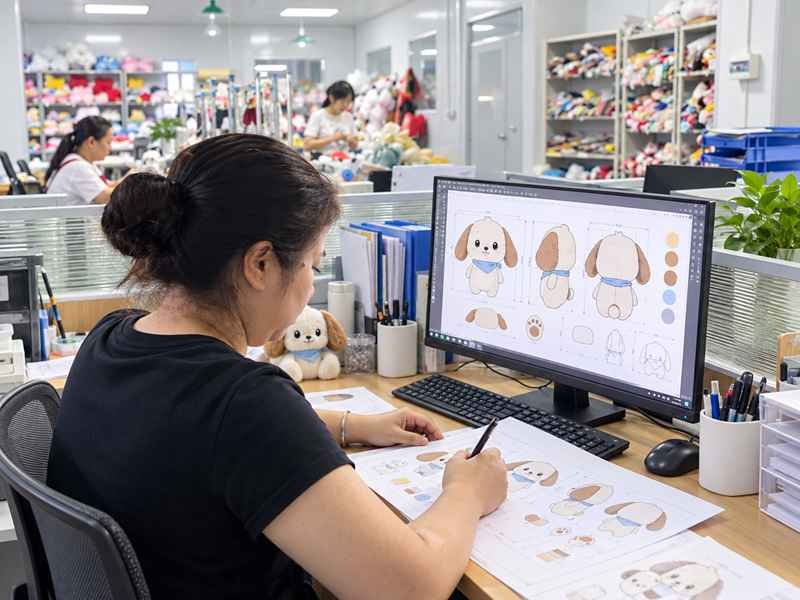
Send Your Stuffed Animal Project For Engineering Review
Send the information already available, even if the design is not yet a complete manufacturing specification. Ewin can review the animal form, pose, size, fur direction, face construction, materials, decoration, accessories, packaging and target-market inputs before the quotation is finalized. A stronger starting brief helps the development team identify risks early, compare material or cost options and build a sample path that can later connect to Golden Sample, BOM Freeze and bulk production control. If several animal styles belong to one launch, send the complete SKU list at the beginning so shared materials, common packaging and separate approval points can be reviewed together.
Please include:
- Artwork, animal photos, 3D render or reference sample
- Finished size or preferred size range
- Quantity per style and number of SKUs
- Target market and intended age group
- Preferred fur, hand feel or visual direction
- Logo, label, clothing or accessory requirements
- Packaging and sales channel
- Delivery location and target date