Dropshipping Support for Custom Plush Brands
Reduce inventory handling and simplify fulfillment with a more flexible shipping setup. Ewin Toys can support project-based dropshipping and multi-address delivery for suitable plush programs, helping brands connect production, packing and shipment planning more efficiently.
150+ Packaging Team | 30+ Warehouse & Logistics Team | SKU Sorting | Individual Packing | Multi-Address Shipping | E-commerce Order Preparation | Flexible Fulfillment Planning

Dropshipping Is Different From Bulk Delivery
Bulk Delivery
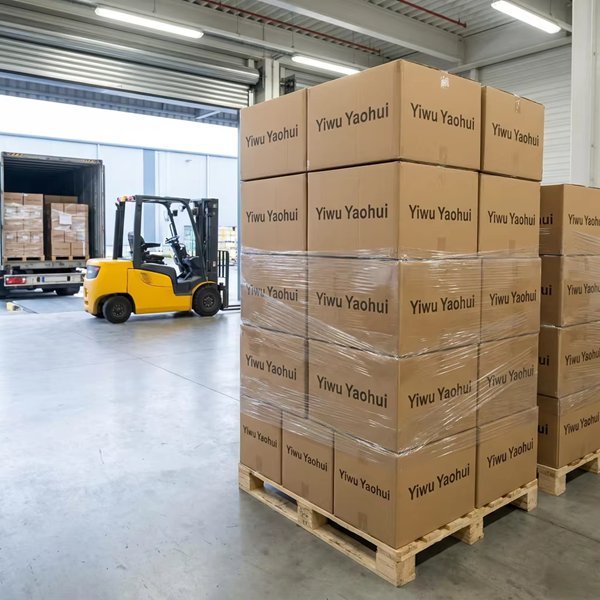
Bulk delivery moves approved cartons to a brand warehouse, distributor, retailer DC, marketplace warehouse, or appointed 3PL. The main controls are carton quantity, marks, SKU allocation, documents, destination, Incoterm, and shipment release.
Marketplace Fulfillment
Marketplace preparation converts each plush into a fulfillment-ready unit before bulk inbound. Packaging, seller-supplied FNSKU or GTIN data, scan checks, master-carton pack-out, warehouse allocation, and shipment labels belong to the marketplace workflow.
Dropshipping Fulfillment
Choose the Fulfillment Route Before Building the Workflow
Factory to Consumer
Factory to 3PL
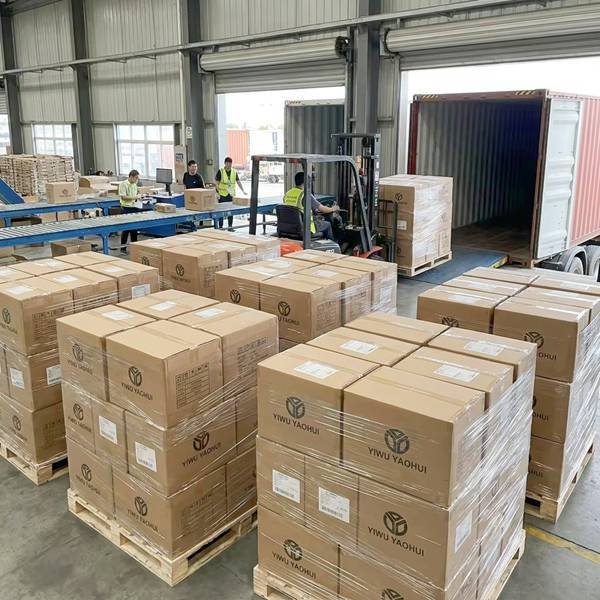
Ewin can manufacture, QC, package, identify, and prepare inventory for an appointed 3PL. SKU labels, carton identity, case pack, destination allocation, packing lists, and receiving requirements can be coordinated so the 3PL receives a controlled product definition ready for downstream fulfillment.
Factory to Marketplace
Build Fulfillment From Approved Product to Replenishment
Create Approved Inventory Before Order Fulfillment Begins
Fulfillment quality starts before stock enters a warehouse. Ewin develops and manufactures the plush against the current approved product definition, including Golden Sample, BOM, artwork, materials, accessories, filling, labels, packaging, and QC requirements. Finished goods should enter inventory only after the correct SKU and packaging revision are released.
For e-commerce programs, unit packaging can be designed around single-unit handling, barcode readability, abrasion protection, hardware isolation, compression recovery where suitable, and the intended opening experience. If different SKUs use similar characters or packaging, identity needs to be visible through codes and records rather than operator memory.
The receiving record should establish which product revision, batch, packaging version, quantity, and storage route entered inventory. When direct-to-consumer fulfillment is included, stock status also needs a clear distinction between available, allocated, held, damaged, or otherwise non-shippable units.
Convert Each Order Into a Controlled Pick-Pack-Ship Task
Order-level fulfillment requires more than shipping a carton. The incoming order needs a unique identity tied to the correct SKU, quantity, packaging instruction, destination, shipping service, and any approved insert or bundle component.
The order-transfer method should be confirmed during program setup. Depending on the operating model, information may come through an agreed system integration, platform export, CSV, structured order file, or another controlled method. Ewin should not promise a specific API or Shopify connection unless the technical route has been tested for the program.
Picking should use SKU and storage identity. Packing should verify the unit, quantity, insert, packaging condition, shipping label, and destination before release. A final order check reduces wrong-SKU, duplicate-label, missing-accessory, and address-assignment errors.
Close the Loop With Tracking, Exceptions, and Replenishment
A dropshipping program becomes useful when shipment status and inventory status remain visible after dispatch. The agreed workflow should define how tracking numbers are captured, how shipped orders are reported, and how inventory is reduced or reconciled.
Exception ownership also needs to be clear before launch. Lost parcels, failed delivery, damaged units, wrong-address orders, wrong SKUs, missing accessories, returns, and reshipments can involve the factory, carrier, 3PL, brand, marketplace, or consumer-service team. A written responsibility matrix prevents each case from being negotiated after it occurs.
The final loop is replenishment. Ewin can use approved product files and reorder references to move proven SKUs back through material planning, production, QC, packaging, and restocking without rebuilding the product from old email attachments.
Inventory Control Starts With SKU and Revision Identity
Stock should show not only how many units exist, but which product version, batch, packaging, and release status can actually be fulfilled.
| Inventory Field | Fulfillment Purpose | Main Risk Controlled |
|---|---|---|
| SKU / Variant | Identifies the exact sellable product | Wrong character, size, or color |
| Product Revision | Links stock to current approved definition | Old version shipped after update |
| Production Batch | Connects stock to manufacturing records | Quality issue cannot be traced |
| Packaging Revision | Identifies current unit pack and labels | Obsolete packaging or legal copy |
| Barcode Data | Supports scan and system identity | SKU mismatch or unreadable code |
| Storage Location | Directs the picker to the correct stock | Manual search and cross-SKU pick |
| Available Stock | Units eligible for new orders | Overselling held or allocated stock |
| Allocated Stock | Units already assigned to orders | Double allocation |
| Hold / Damaged Stock | Units blocked from fulfillment | Nonconforming product shipped |
| Replenishment Status | Shows incoming production or restock | Stockout without a production plan |
Dropshipping Needs Change With the Plush Product
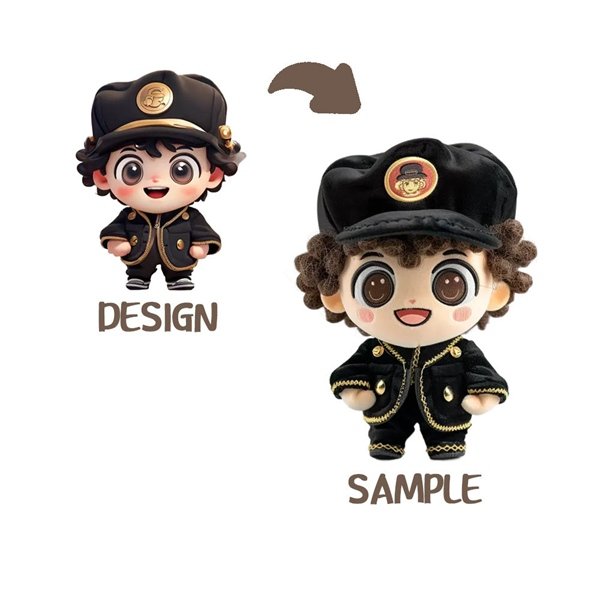
Character IP Plush
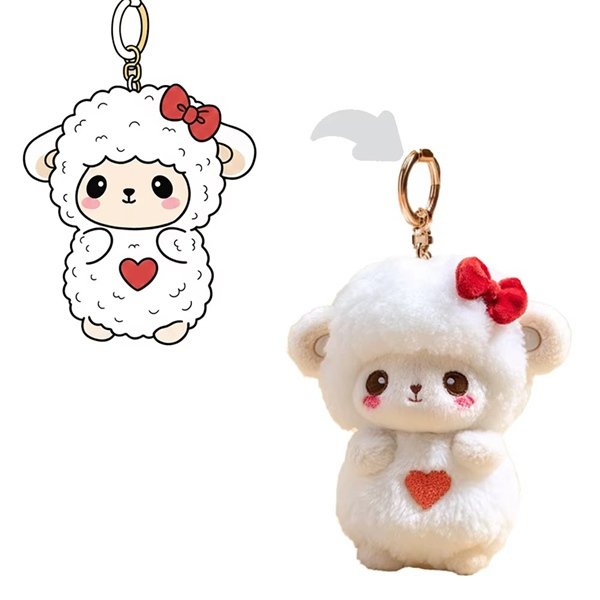
Plush Keychains
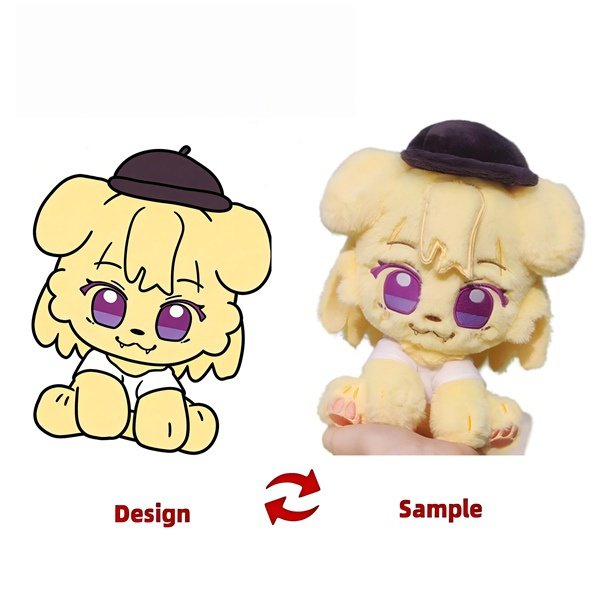
Collectible Plush
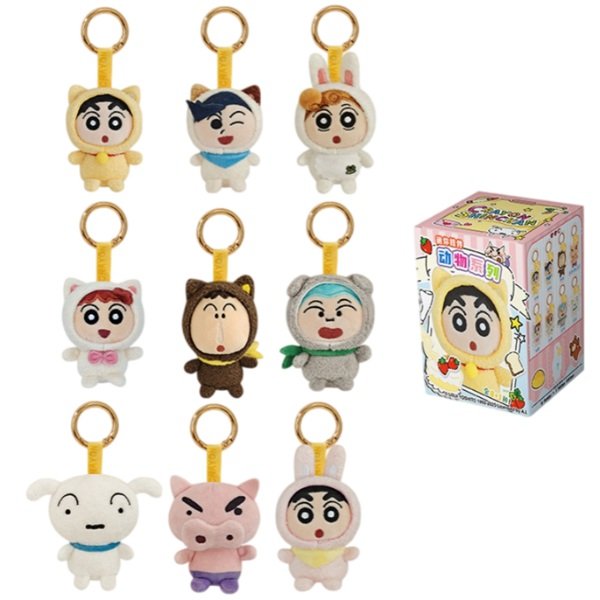
Mini Blind Box Plush
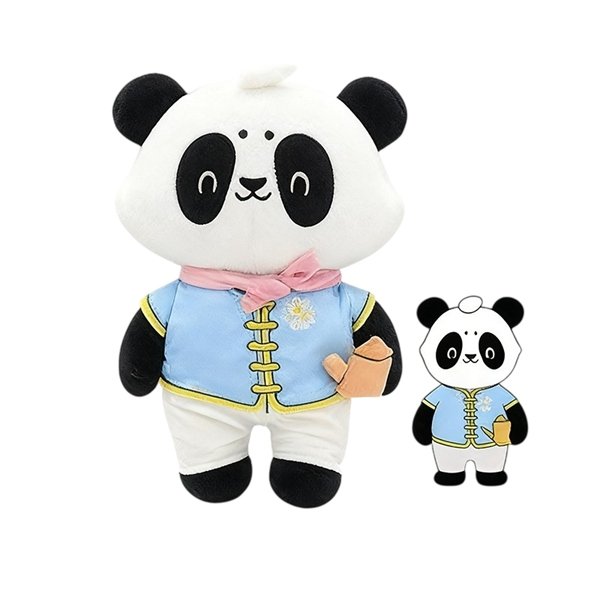
Weighted Plush
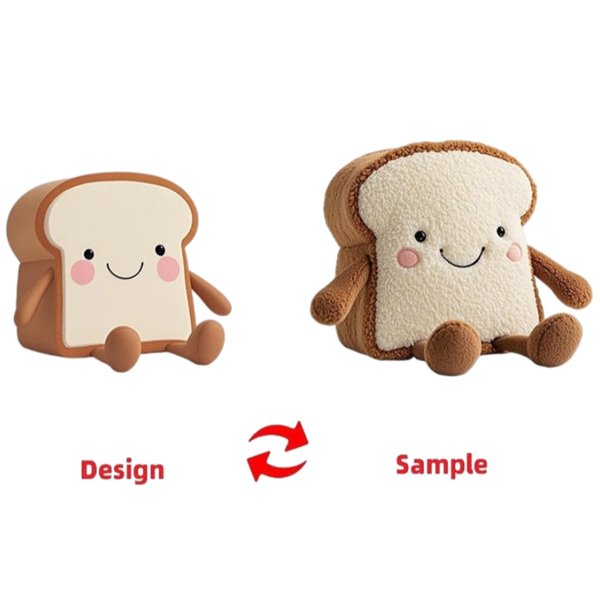
Lifestyle Plush
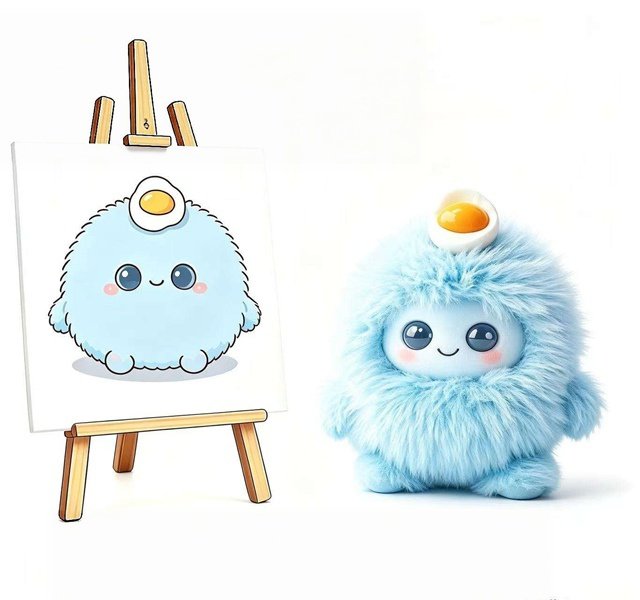
Electronic Functional Plush
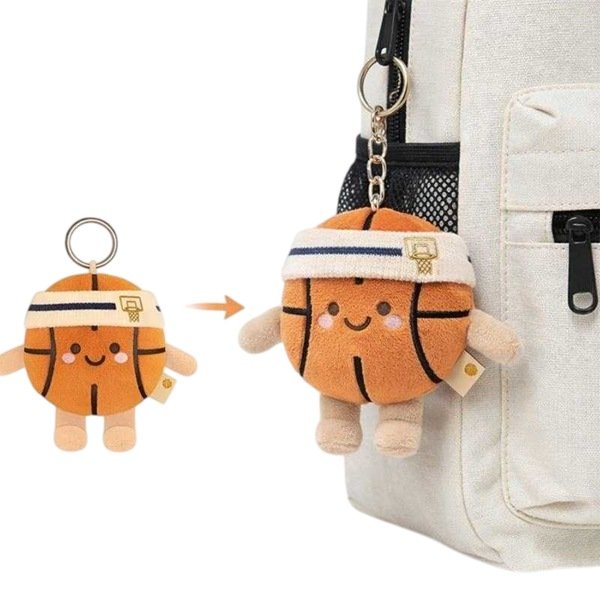
Plush Bag Charms
Trusted by Global Brands and IP Owners
Trusted by brands, IP owners, and creative teams worldwide. Ewintoys helps transform original ideas and characters into high-quality plush products through professional development, manufacturing, and quality control.
























Fulfillment Programs Fit Established Commercial Teams
Established DTC Brands
IP Licensing Programs
Toy Collectible Brands
Creator Merchandise
Game Entertainment Brands
Subscription Gift Programs
Marketplace Brands
Multi-SKU E-Commerce
Unit Packaging Must Survive Individual Parcel Handling
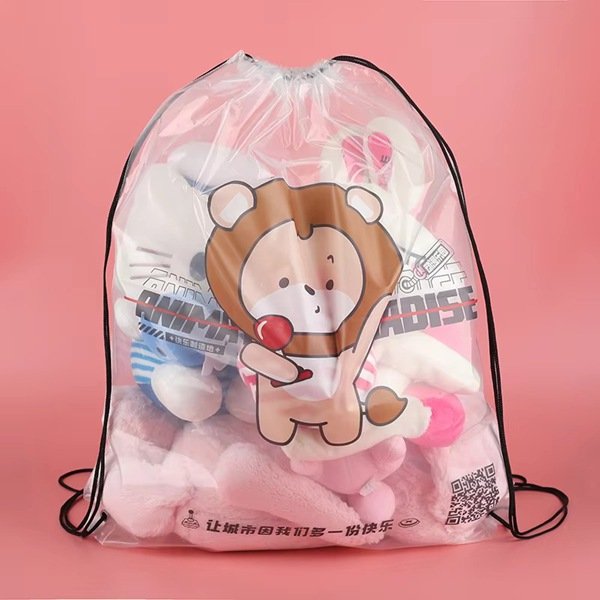
Polybag Mailer
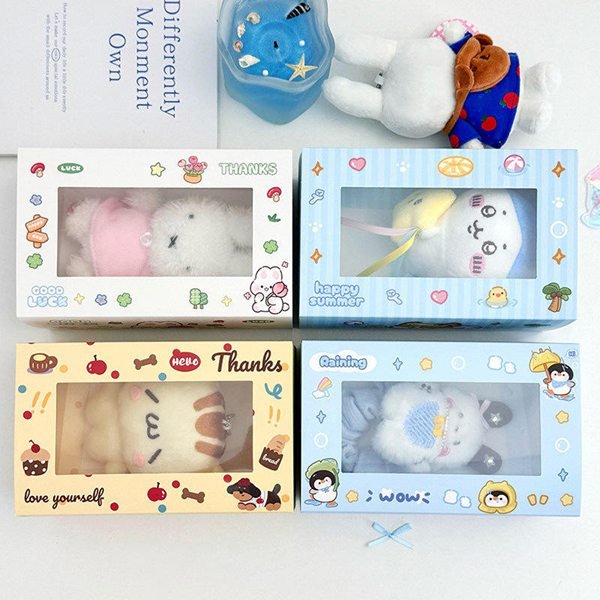
Protective Box
A carton or mailer box can protect premium products, rigid accessories, electronics, long ears, or detailed clothing. Box size should prevent crushing without adding excessive dimensional weight to every order.
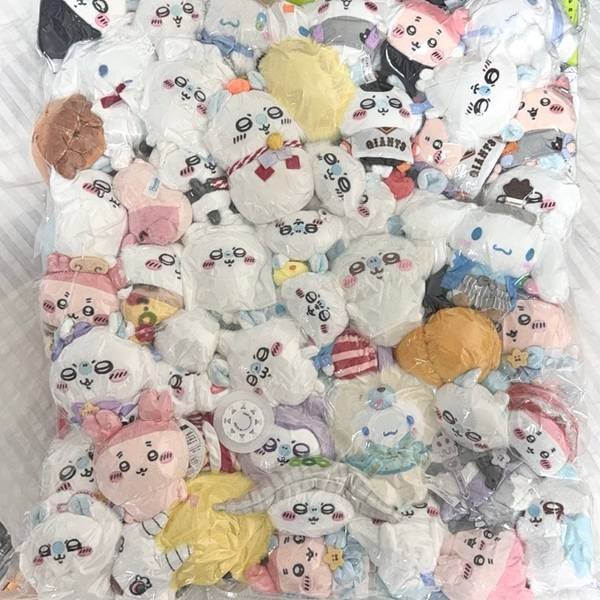
Compression Pack
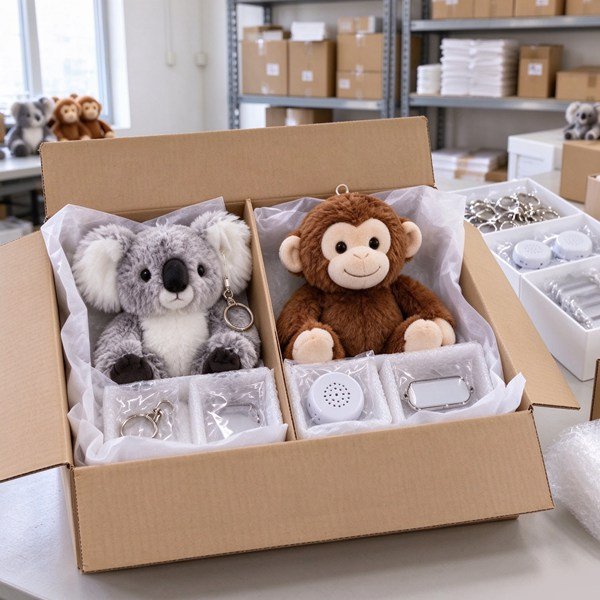
Hardware Protection

Branded Inserts
Thank-you cards, campaign inserts, care information, or approved promotional material can be included when the exact item, revision, quantity, and order rule are defined. Inserts should not depend on informal packing-line memory.
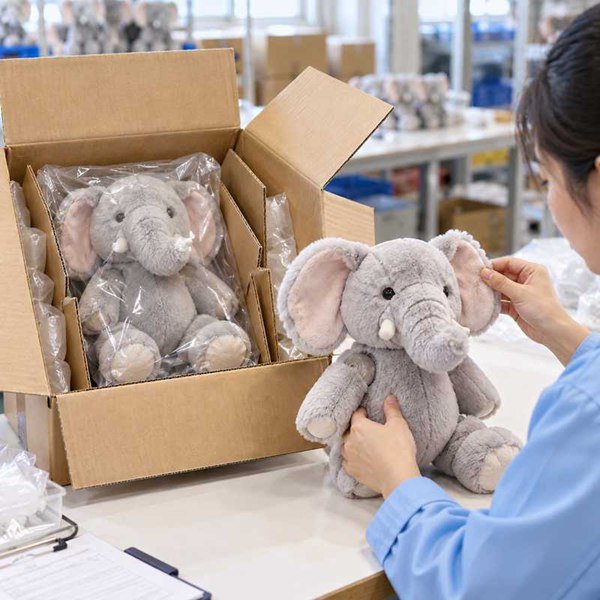
Neutral Outer Pack
Some brands prefer the consumer parcel to hide factory or product details. Neutral outer packaging can be reviewed around shipping labels, customs information, damage protection, and the presentation expected when the parcel is opened.
Order Accuracy Depends on Controlled Pick and Pack
Pick the SKU From an Identified Storage Location
A character face is not a reliable picking system. Similar plush can differ by size, color, accessory, packaging, market, or revision while looking nearly identical from several meters away.
Where direct order fulfillment is included, the storage method should link each location to a defined SKU and current release status. The picker should work from an order identity rather than a handwritten product description. Barcode or internal code scanning can be used when the approved operating setup supports it.
Held, damaged, obsolete, or inspection-pending inventory should remain physically or systemically blocked from normal picking. If a reorder introduces a new packaging or product revision, old and new stock need a clear transition plan.
The goal is simple: an order should be fulfilled from product identity, not visual guessing.
Pack the Order Against the Approved Fulfillment Rule
Packing rules should define what belongs in the parcel. A standard order may contain one plush. A bundle can include two characters, an accessory, a branded insert, or a gift pack. Blind-box programs may require random selection rules, while character-specific listings require exact SKU selection.
The packer should verify quantity, unit-pack condition, accessories, inserts, order-specific branding, shipping label, destination, and any market or carrier requirement. Plush faces, ears, long pile, clothing, hard parts, and hardware should be positioned so normal parcel handling does not create avoidable deformation or abrasion.
If order customization is offered, the exact supported options should be defined before launch. Ewin should not imply unlimited one-off personalization unless production and fulfillment are set up for it.
Perform a Final Order Check Before Parcel Release
The last check should compare the packed parcel with the actual order record rather than relying on the person who packed it. Key fields can include Order ID, SKU, quantity, bundle components, shipping label, destination, parcel count, and pack condition.
A final scan or documented cross-check is particularly useful for multi-SKU programs where packaging and characters look similar. Label duplication, wrong destination assignment, missing inserts, or one incorrect accessory can turn a qualified product into a failed order.
The exact release method can be set during program setup according to order volume, system capability, carrier workflow, and the agreed evidence required by the brand.
Keep Product, Order, and Shipping Data Connected
Every identifier has a different owner and purpose, so the fulfillment program should map them instead of treating all codes as interchangeable.
| Data Field | Typical Owner | Ewin Fulfillment Role | Control Point |
| Internal SKU | Brand / project | Map to product, stock, pack, and order | Correct variant identity |
| UPC / EAN / GTIN | Brand / GS1 account holder | Print, apply, or scan-check approved data | Product-code accuracy |
| FNSKU | Seller / marketplace account | Apply seller-approved label where required | Listing and inventory mapping |
| ASIN / Listing ID | Seller / marketplace | Use as supplied for shipment mapping | Marketplace identity |
| Order ID | Brand / store / platform | Receive through agreed order-data route | One order, one fulfillment record |
| Batch / Lot ID | Manufacturing / quality | Link fulfilled stock to production records | Traceability |
| Shipping Label | Carrier / shipping workflow | Apply approved parcel label when in scope | Correct destination |
| Tracking Number | Carrier / shipping workflow | Capture and return through agreed process | Shipment visibility |
| Return Reference | Brand / 3PL / service route | Use when returns handling is in scope | Exception traceability |
Parcel Delivery Must Be Confirmed by Lane
Select the Shipping Route Around the Finished Parcel
A dropshipping quotation should use the real packed dimensions and weight rather than the plush alone. Large soft products can become expensive because carriers charge dimensional weight, while weighted plush or gift boxes may reach physical-weight thresholds quickly.
Ewin can review parcel routes with the appointed logistics provider or supported carrier channel based on destination, urgency, product type, and service level. Express, parcel, postal, or regional routes may have different tracking, size, battery, address, customs, and remote-area limitations.
No generic website promise should state that every SKU can be shipped to every consumer address. The supported country list, carrier route, product restrictions, parcel format, and commercial responsibility need to be confirmed for the actual program.
Define Duties, Taxes, and Import Responsibility Before Launch
A parcel can leave the factory correctly and still create a poor consumer experience if duties, taxes, importer responsibility, customs information, or delivery terms are unclear.
For international direct shipments, the program setup should define who supplies the commercial data, who carries import responsibility, whether duties are prepaid or collected from the recipient, and how the carrier route treats the destination market. DDP-type arrangements may be discussed on a project basis where the lane and responsible parties support them, but they should not be presented as an automatic worldwide service.
Product compliance remains separate from parcel delivery. A logistics route does not replace toy safety, labeling, market, or documentation obligations for the destination country.
Keep Multi-Destination Orders Separated Until Carrier Handoff
One e-commerce program can serve several countries, marketplace warehouses, regional 3PLs, or consumer markets. Destination becomes another controlled field connected to the SKU and shipping service.
Where bulk replenishment and direct parcels operate at the same time, inventory allocation should prevent stock intended for one market or warehouse from being picked for another route. Label language, warnings, barcode, packaging, tax treatment, or product version may also differ by destination.
The shipment record should preserve Order ID or shipment reference, SKU, parcel count, carrier, tracking, destination, and dispatch status. That structure makes delivery questions easier to investigate after the parcel leaves the factory.
Tracking and Order Status Need a Defined Handoff
Order Received
Pick Status
Pack Status
Shipped Status
Tracking Return
Inventory Update
Certificates, Compliance & Quality Assurance
Ewintoys follows structured quality and compliance practices for custom plush production. We hold relevant certifications and support additional testing, inspection, and compliance documentation based on specific product requirements and destination markets, helping brands meet different international standards with confidence.
























Returns and Exceptions Need Rules Before the First Order
Separate Delivery Exceptions From Product Exceptions
A failed order can come from several different sources. The carrier may lose or delay a parcel. The address may be incomplete. The wrong shipping service may be selected. The product may arrive damaged by packaging, or the consumer may receive the wrong SKU or a missing accessory.
The program should classify those issues because the evidence and responsible party differ. Carrier exceptions may need tracking events, delivery scans, photographs, or a carrier claim. Product issues may need Order ID, SKU, batch, parcel photos, package condition, and product images.
Ewin can support investigation where factory, packaging, batch, or shipment records are relevant. The exact replacement, refund, reshipment, or claim authority should remain with the agreed commercial process rather than being improvised by the packing team.
Define Where Returns Go and What Happens After Receipt
Returns do not automatically belong at the manufacturing site. A brand may route them to a local 3PL, regional warehouse, marketplace return center, service partner, or another approved location. Factory return can be reviewed only when the shipping lane, import implications, receiving process, and commercial value make sense.
The return workflow should define whether units are inspected, restocked, quarantined, reworked, destroyed, or held for investigation. Opened plush, damaged packaging, missing accessories, hygiene concerns, electronic modules, or market-specific labels may prevent resale even when the product looks acceptable.
If Ewin does not operate the consumer-return location for a program, the website should state that returns follow the agreed brand or 3PL route instead of claiming full global returns management.
Use Exception Data to Improve Packaging and Replenishment
Fulfillment problems are valuable only when they feed back into the operating system. Repeated crushed faces may indicate unit-pack pressure. Hardware scratches may require isolation. Wrong-SKU orders can reveal weak storage identity. High failed-delivery rates can point to address or carrier problems rather than manufacturing.
Ewin can connect relevant exception evidence to packaging, QC, SKU control, and future production reviews when the data is shared. If one batch or packaging revision is involved, traceability can help isolate the affected stock.
The objective is not to promise zero exceptions. It is to make recurring failures visible enough to change the product, package, operating rule, or shipping route before the same issue repeats.
Replenishment Is Where a Manufacturer Adds More Value
Use Forecast Visibility Without Confusing It With a Purchase Order
A rolling 3-, 6-, or 12-month forecast can help Ewin review likely material, production, packaging, and capacity needs before demand becomes urgent. Forecast visibility is especially useful when a program has several characters with different sales velocity.
The forecast should remain separate from committed orders. It can guide material readiness, packaging planning, production-window discussion, and risk review without creating an unintended inventory commitment. Peak periods, promotional drops, licensing launches, and seasonal demand should be identified early.
For dropshipping programs, the useful input is not only monthly sales. SKU mix matters. One character may sell three times faster than the rest of the collection, so replenishment should follow actual demand by SKU rather than equal quantities across the range.
Reorder From the Last Approved Product Definition
Replenishment should begin with the last approved Golden Sample, BOM, pattern, artwork, packaging, barcode, and quality references. Before production is released, Ewin can run a delta review against the new order.
The review asks whether material source, color, accessory, decoration, warning, packaging, marketplace data, destination, or product construction changed. Proven information can be reused when still valid, while changed elements receive approval instead of pulling an old file back into production automatically.
This discipline matters when online products sell for several seasons. A product can look unchanged to the consumer while its label, packaging, barcode, fabric source, or marketplace route has evolved behind the scenes.
Restock the Fulfillment Route With the Correct SKU and Version
New production should enter the same controlled inventory structure as the previous release. SKU, product revision, packaging revision, batch, barcode, quantity, destination, and stock status need to remain visible.
Where inventory is held at a 3PL or marketplace warehouse, restocking becomes a bulk shipment with its own receiving and allocation rules. Where approved direct-to-consumer inventory is held closer to production, restock timing should account for production lead time, QC, pack-out, and the operating stock target.
The goal is not unlimited stock. It is enough visibility to manufacture the right SKU before sales demand creates an avoidable stockout or emergency freight decision.
Traceability Connects Fulfillment Back to Manufacturing
Link the Sellable SKU to Its Production History
Ewin’s traceability logic can connect Project or PO, Product ID, SKU, revision, fabric lot, accessory lot, filling or weight lot where relevant, production team or date, QC records, packaging batch, inspector, carton, and shipment.
For e-commerce fulfillment, the order record can sit on top of that manufacturing chain when the operating system captures the relationship. A consumer complaint about a wrong accessory or seam failure can then be investigated against a specific SKU and production batch instead of treating every unit in inventory as identical.
The exact order-to-batch linkage depends on the fulfillment setup and should be confirmed during program design.
Keep Held and Nonconforming Inventory Out of Normal Fulfillment
Quality status should affect whether stock can be picked. Units under inspection, rework, damage review, return evaluation, or batch containment should not remain mixed with available stock.
If an issue is discovered after production, traceability can help identify which SKU, batch, material lot, packaging batch, or shipment may be affected. That information supports a proportionate containment decision instead of blocking unrelated inventory without evidence.
Where a 3PL controls downstream stock, the same SKU and batch identity should be carried into the handoff so the brand can isolate affected units outside the factory if needed.
Use Packaging and Shipment Identity as Part of Quality Release
A qualified plush can still fail commercially through the wrong label, wrong barcode, wrong insert, wrong destination, or damaged unit packaging. Fulfillment quality therefore extends beyond seam and appearance inspection.
Before inventory release, checks can cover the current packaging version, barcode readability, accessory completeness, pack condition, carton or storage identity, and the shipment or fulfillment status required for the program.
The most useful evidence shows the chain: approved product, QC status, packaging identity, stock identity, and final shipment record. That structure is more valuable than a generic “100% inspected” claim with no traceable product scope.
Frequently Asked Questions
Send Your Fulfillment Program for Review