
Free Plush Sample Support for Qualified Projects
Evaluate character accuracy, materials and construction before committing to bulk production. Ewin Toys helps qualified buyers reduce early development risk by offering sample fee support based on project scope and order plan, so key product decisions can be confirmed before mass production.
Up to 3 Sample Revisions | 5–7 Working Day Standard Sample Planning | Sample Fee Waiver for Qualified Orders | Material & Color Confirmation | Pre-Production Approval
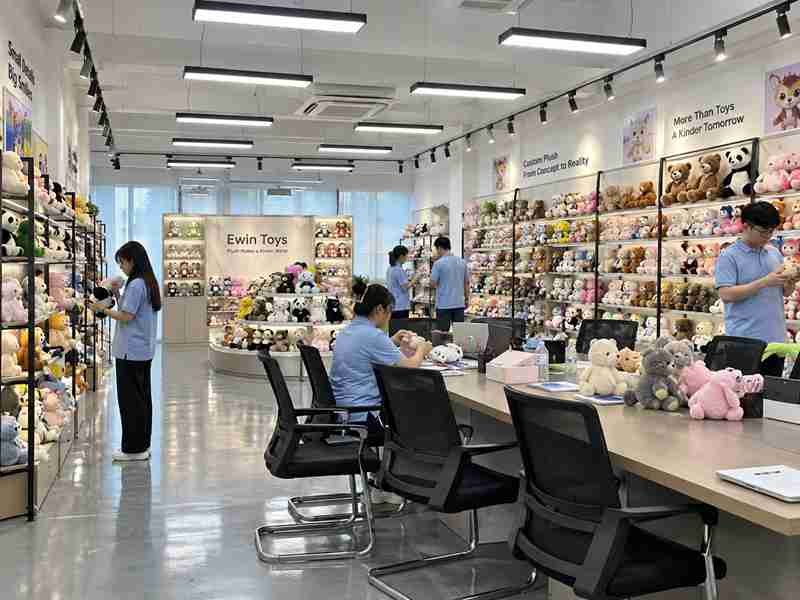
Use the Sample to Reduce Production Risk
A useful sample should answer important manufacturing questions before materials, approvals, packaging, and production quantities become expensive to change.
Validate the Design
Validate the Materials
Validate the Factory
Free Sample Support Uses Clear Commercial Routes
The support model is confirmed before pattern work begins so development cost, responsibilities, exclusions, and possible production credits are understood from the start.
Qualified Sample Support
- Best fit: defined products with real manufacturing intent.
- Scope: confirmed in writing before work starts.
- Boundary: support is not an unlimited redesign program.
Bulk Order Credit
- Credit terms follow the approved commercial agreement.
- The approach keeps development work accountable.
- It can reduce supplier-evaluation cost when the project proceeds.
No-Charge Remake
- Manufacturing error is separated from a new design request.
- Revision records show what was agreed.
- Scope changes after approval remain new development work.
Separate Project Costs
- Non-recurring costs are identified before commitment.
- Testing route is tied to market and product configuration.
- Special development is quoted transparently.
Projects Most Likely to Qualify for Sample Support
Eligibility reflects whether the sample can meaningfully evaluate a real manufacturing program, not whether someone simply wants a free custom plush item.
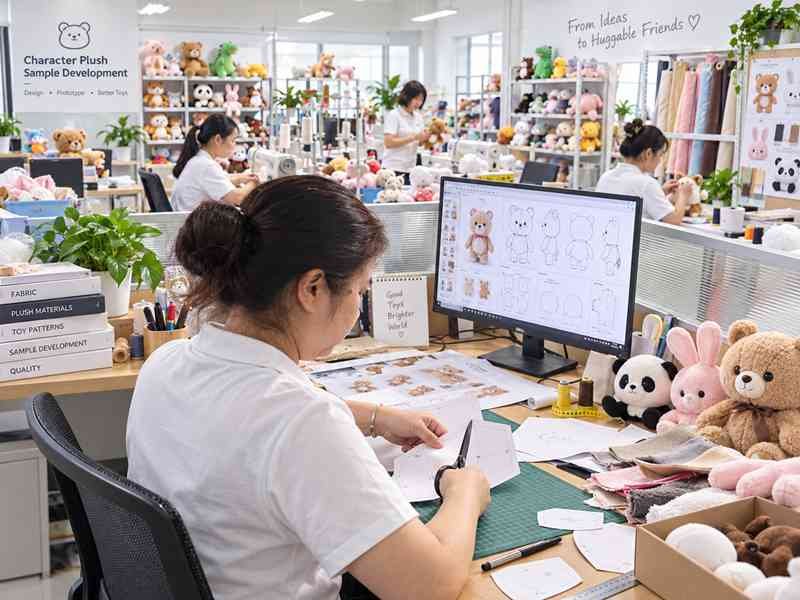
Clear Product Direction

Real Manufacturing Intent
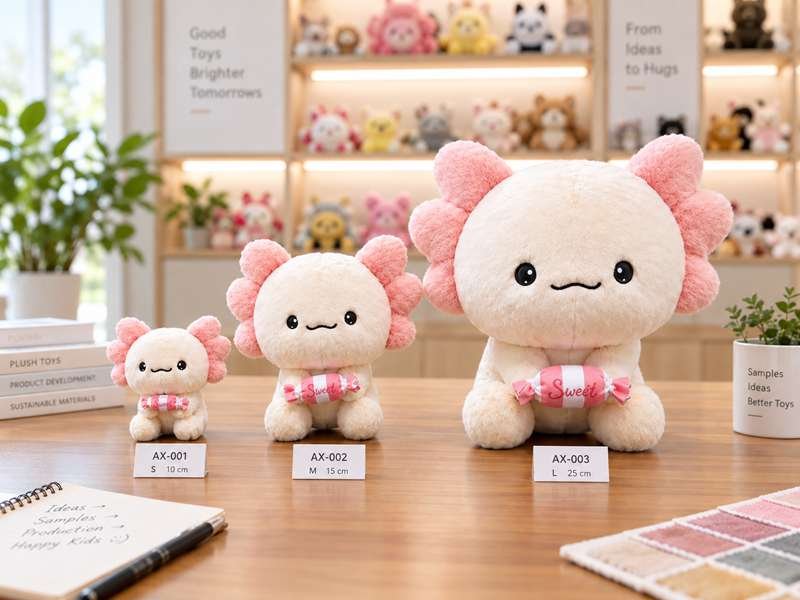
Defined Quantity SKUs

Verifiable Company Project
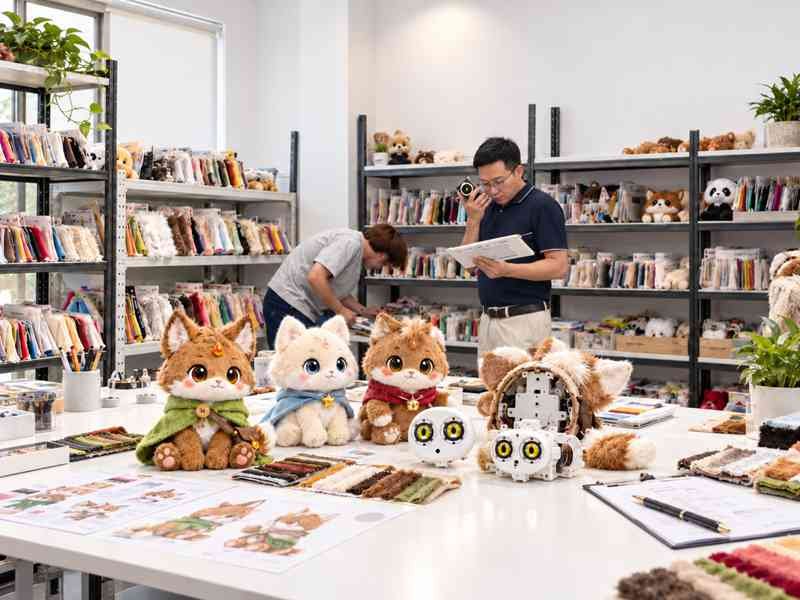
Commercial Development Fit
Strategic Program Potential
Some Projects Need a Different Commercial Route
Projects outside the qualified sample program can still be reviewed, but the development work may require normal sampling, engineering, tooling, or testing terms.
Personal One-Off Requests
Undefined Concepts
Unauthorized IP
Heavy Tooling Projects
Repeated Speculation
Testing-Led Programs
Follow a Clear Free Sample Application Process
A sample request moves through project review, scope confirmation, development, internal inspection, and approval before it can become a manufacturing reference.
Submit Project Information Before Sample Approval
Start with the information Ewin needs to understand the manufacturing program: company details, artwork or reference files, target product type, approximate size, estimated quantity, SKU count, target market, channel, launch timing, and current project stage.
The first review determines whether the request is clear enough for feasibility assessment. A 20 cm character with one fabric and embroidered eyes requires a different development route from a 12 cm blind-box series with six SKUs, clothing, molded accessories, and retail packaging. Complexity, not just unit count, affects sample effort.
If the project is confidential, NDA requirements can be raised before sensitive files are transferred. If an existing supplier is involved, defect photos, BOM information, measurements, packaging files, or current samples can help Ewin understand what the new sample must improve or validate.
Submitting usable information first prevents a “free sample” request from becoming an undefined design exercise.
Review Feasibility and Sample Support Eligibility
Ewin reviews whether the product can be manufactured, what development work is needed, and which sample-support route fits the project. The review can cover character complexity, pattern difficulty, material availability, decoration, accessories, tooling, functional components, target market, packaging, and likely production program.
At this stage, Ewin can identify whether the project fits qualified free sample support, should begin with a normal sample fee that may later be credited, or requires separate tooling or testing costs. No work should start under an assumed “free” condition before the scope is confirmed.
The review also identifies missing inputs. A side view may be needed to resolve a character head. A special fabric may require sourcing. A magnet or electronic module may need a supplier specification. A custom box may need dimensions after the product shape is stabilized.
Clear eligibility protects both sides from changing commercial expectations later.
Confirm Scope Before Pattern and Material Work Starts
Before sample construction, the agreed sample objective should be written clearly. The team should know which product version is being developed, what the sample is expected to prove, which materials or processes are included, which items are provisional, and what is excluded.
Scope can cover target size, character priorities, fabric route, decoration, key accessories, filling, simple packaging review, revision expectations, shipping responsibility, and any tooling or laboratory work that needs separate approval. If the sample is intended to evaluate a second-source supplier, the required comparison points should also be identified.
Once scope is confirmed, pattern makers and sample staff can work toward a defined result instead of repeatedly interpreting changing instructions. The commercial route and technical route are therefore linked before labor and materials are consumed.
A clear scope also makes later revision responsibility easier to determine.
Develop, Inspect, Review, and Move Toward Production
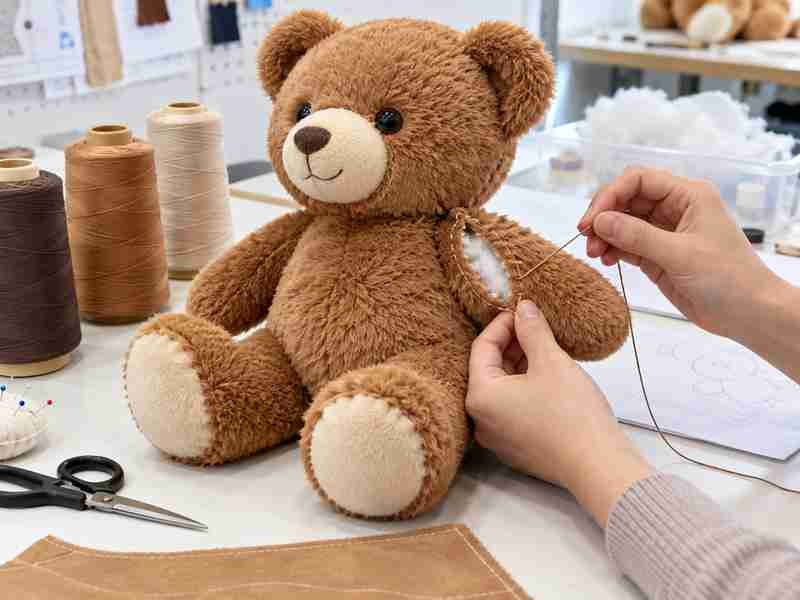
Pattern development, material selection, sample sewing, decoration, filling, accessories, finishing, and internal QC are carried out against the agreed objectives. The sample is checked internally before shipment so obvious workmanship errors or missing components are not left for the client to discover.
Review comments should be converted into specific changes. Minor corrections can stay local; major changes to size, structure, material, function, or previously approved design direction may create a new development scope. When the sample reaches approval, it can move toward Golden Sample, BOM freeze, released pattern, final artwork, packaging specification, and production-readiness review.
The free-sample decision is therefore the first commercial gate, not the final goal. The value comes from using the sample to confirm whether Ewin should become the production partner for the program.
Trusted by Global Brands and IP Owners
Trusted by brands, IP owners, and creative teams worldwide. Ewintoys helps transform original ideas and characters into high-quality plush products through professional development, manufacturing, and quality control.






Understand What Sample Development Can Include
Sample development combines engineering and physical manufacturing; included work and separately reviewed items should be confirmed before the project starts.
| Development Item | Normally Reviewed in Sample Scope | May Need Separate Review |
|---|---|---|
| Pattern Development | Pattern creation or reconstruction for the agreed prototype | Major redesign after direction changes |
| Standard Fabrics | Available fabrics, colors, handfeel, pile, and basic fit | Custom dyeing, exclusive fabric, special minimums |
| Embroidery / Printing | Agreed facial details, logo, or graphic trial | Unusual process development, extensive artwork changes |
| Standard Trims | Thread, lining, webbing, elastic, hook-and-loop, zipper | Proprietary or custom-developed trim |
| Standard Accessories | Available eyes, noses, hardware, rings, clasps | Custom molds, proprietary hardware, special plating |
| Filling | Standard fiber, weight, shape, handfeel review | Complex weighted systems or special inserts |
| Sample Sewing | Construction of the agreed sample version | Major structural redevelopment outside agreed scope |
| Basic Packaging Review | Fit, compression, simple bag or existing pack check | Custom printed structure, tooling, extensive box prototypes |
| Sample Revision | Agreed correction and review scope | Major changes to size, material, function, artwork, or direction |
| External Testing | Testing plan and representative-sample discussion | Third-party laboratory fees and extra test samples |
| Freight | Shipping route confirmed before dispatch | International express or special courier charges |
Send Enough Information for a Useful Sample Review
Better project inputs reduce assumptions, improve feasibility decisions, and help Ewin decide the right sample route before physical development begins.
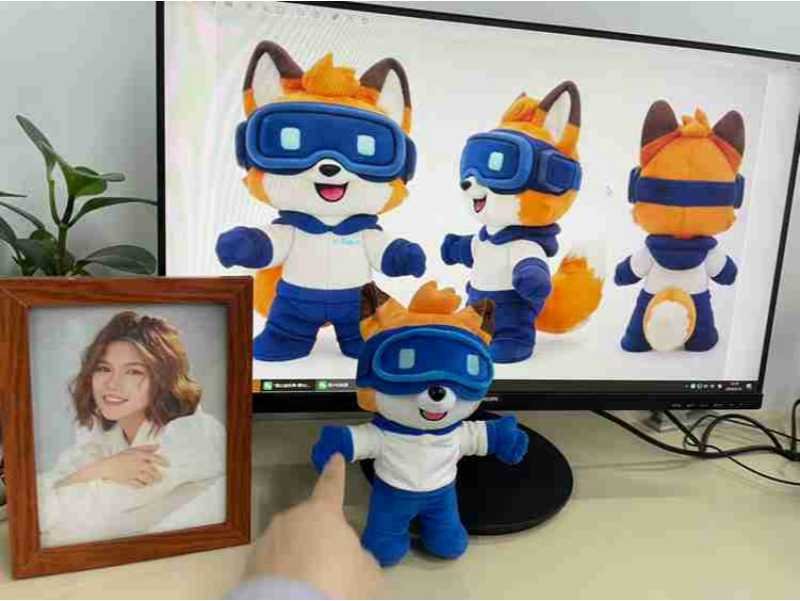
Artwork Character Sheet
3D Render
Existing Sample

Target Size
Quantity SKU Plan
Market Launch Plan
Plush Product Types Available for Sample Evaluation
Each product format uses the sample to validate different risks, from facial fidelity and mini construction to weighted structures, hardware, modules, and retail packaging.
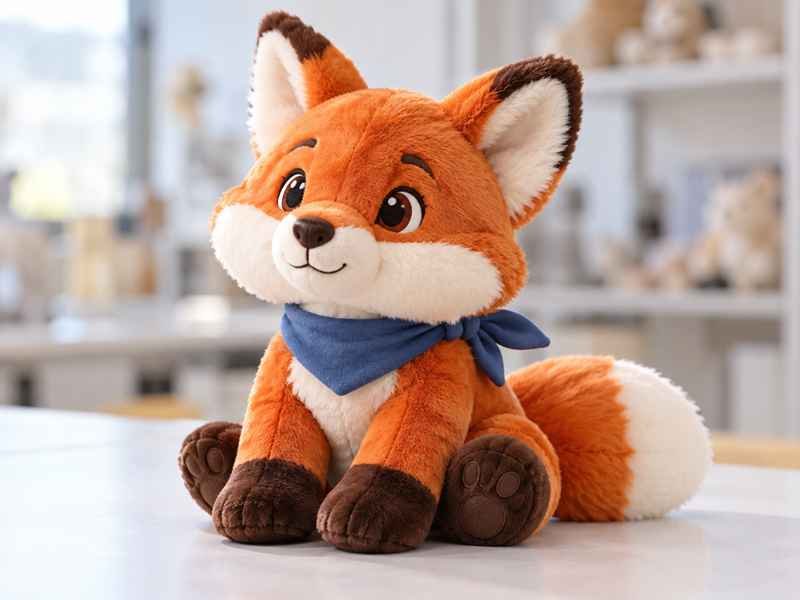
Character IP Plush
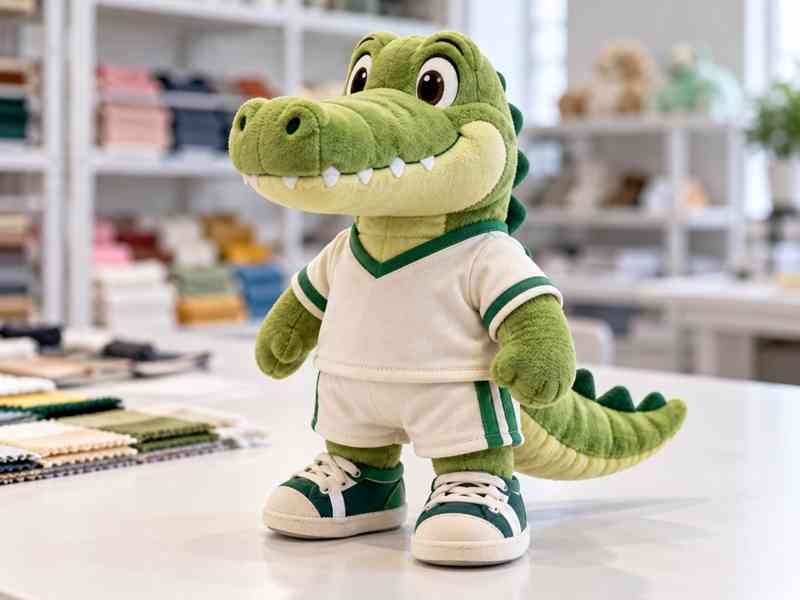
Mascot Plush
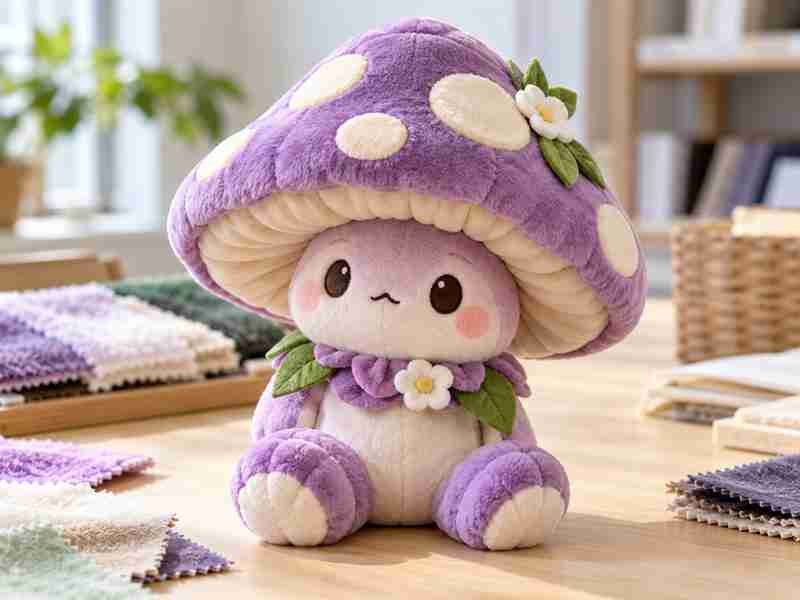
Collectible Plush
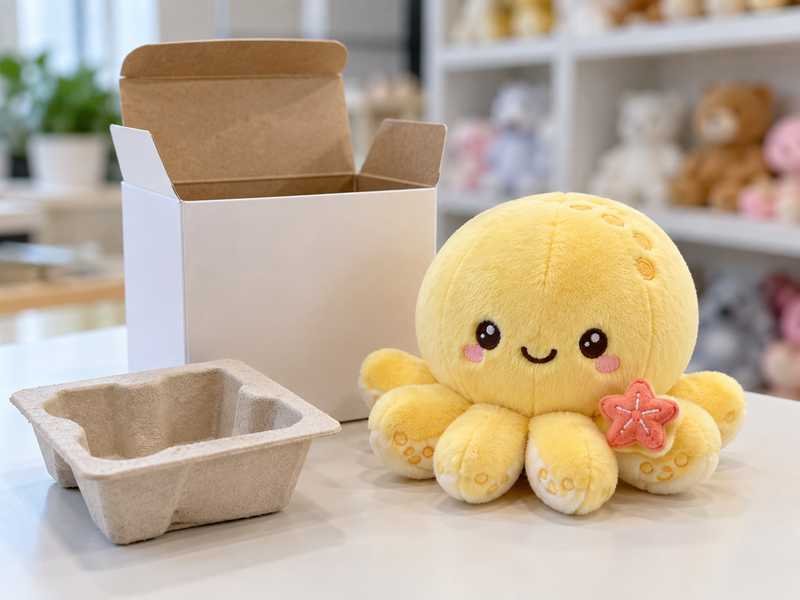
Blind Box Plush
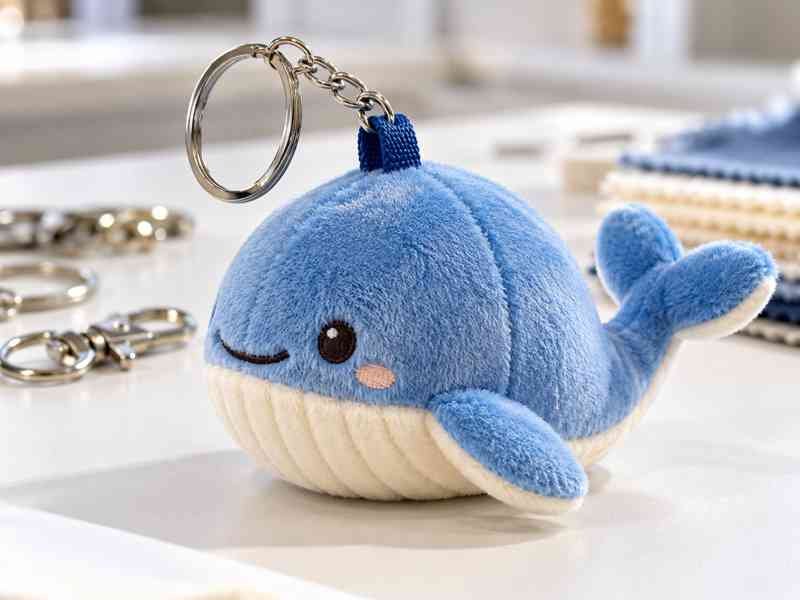
Plush Keychains

Weighted Plush
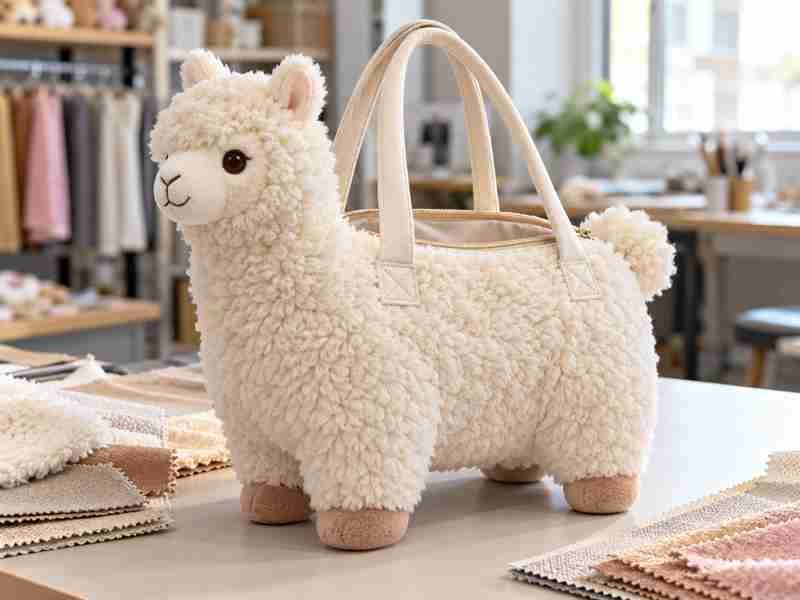
Lifestyle Plush
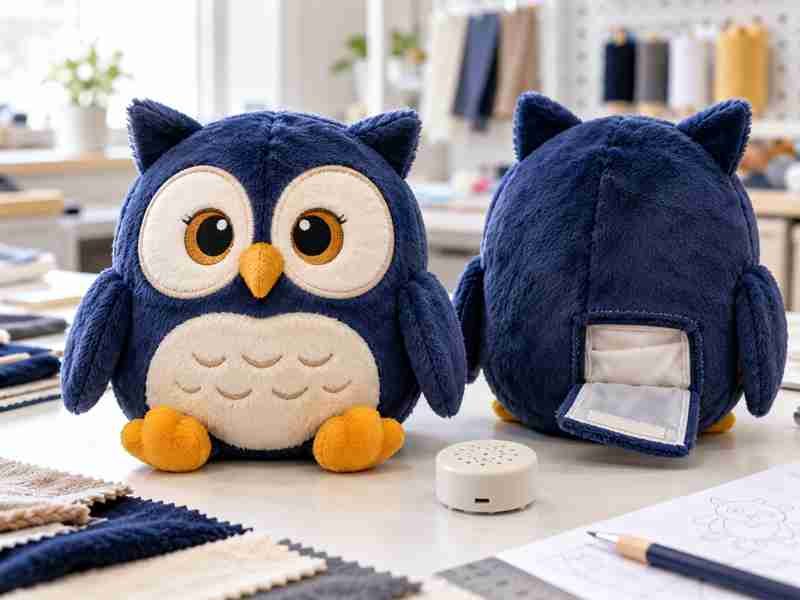
Electronic Functional Plush
Sample Support for Commercial Product Teams
The program is designed around companies using samples to qualify manufacturing, close development questions, or reduce risk before a larger production commitment.
Global Brand Teams
IP Owners
Licensing Companies
Toy Brands
Collectible Brands
Game Animation Studios
Retail Programs
Second Source Programs
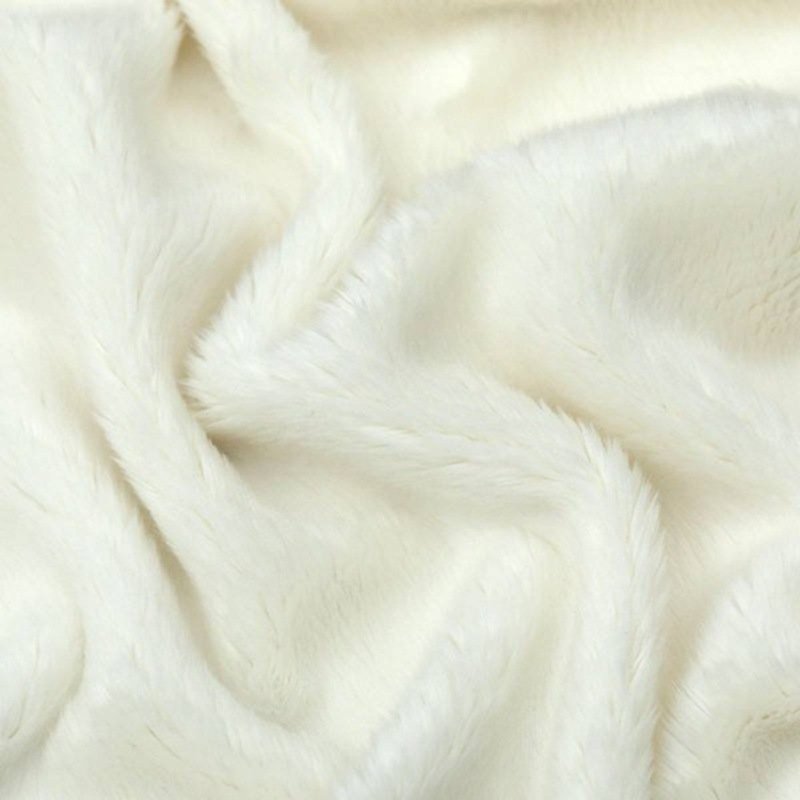
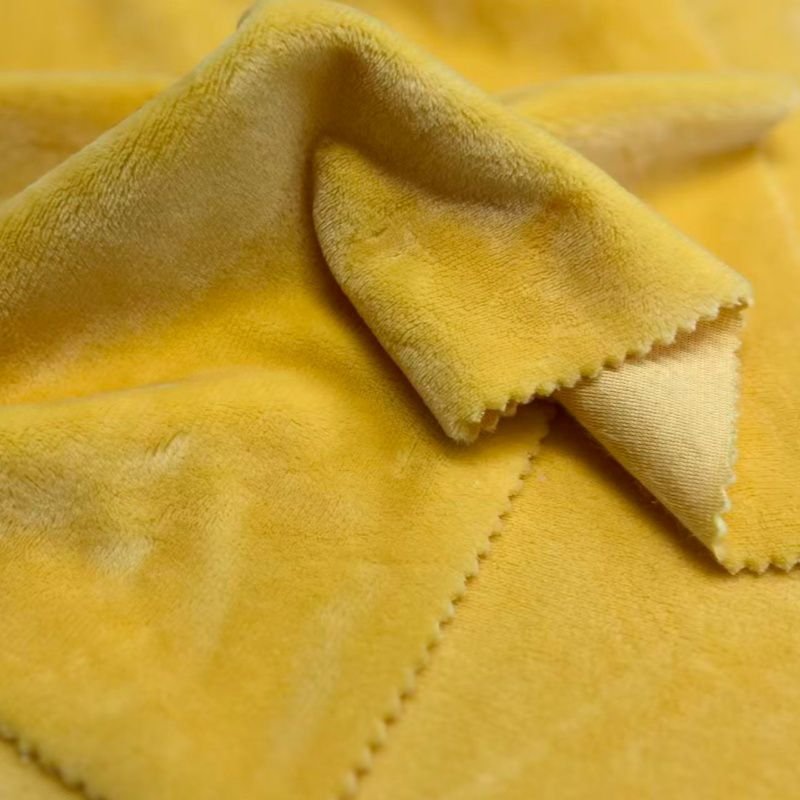
Fabric Sampling Shows More Than a Loose Swatch
A material should be judged on the finished product because pile, stretch, color, decoration, stuffing, seams, and shaping change how the fabric performs. CTA: Review Fabric Sample
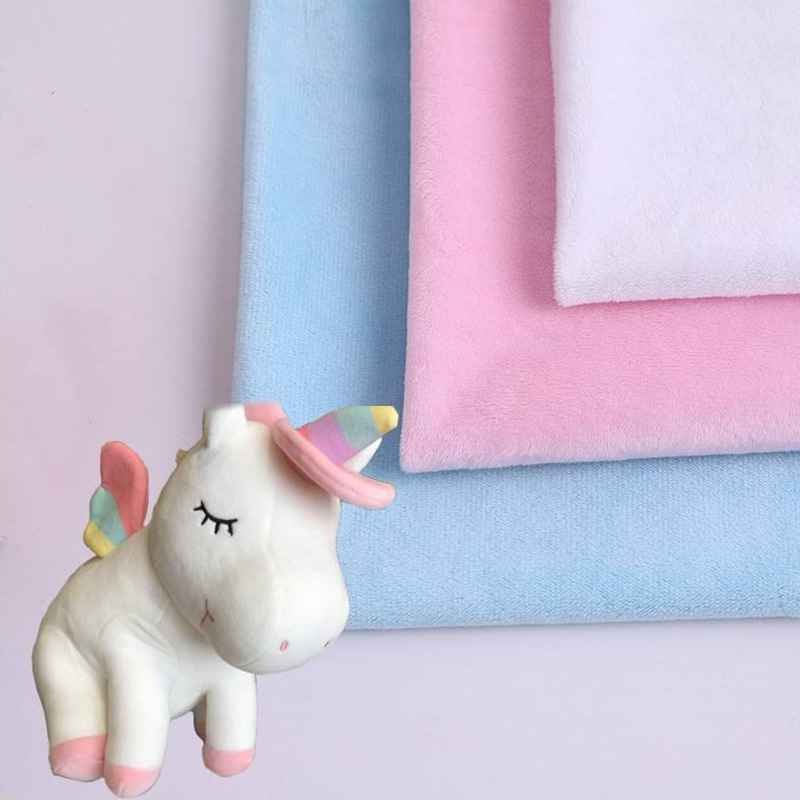
Minky
Velboa
Super Soft Plush
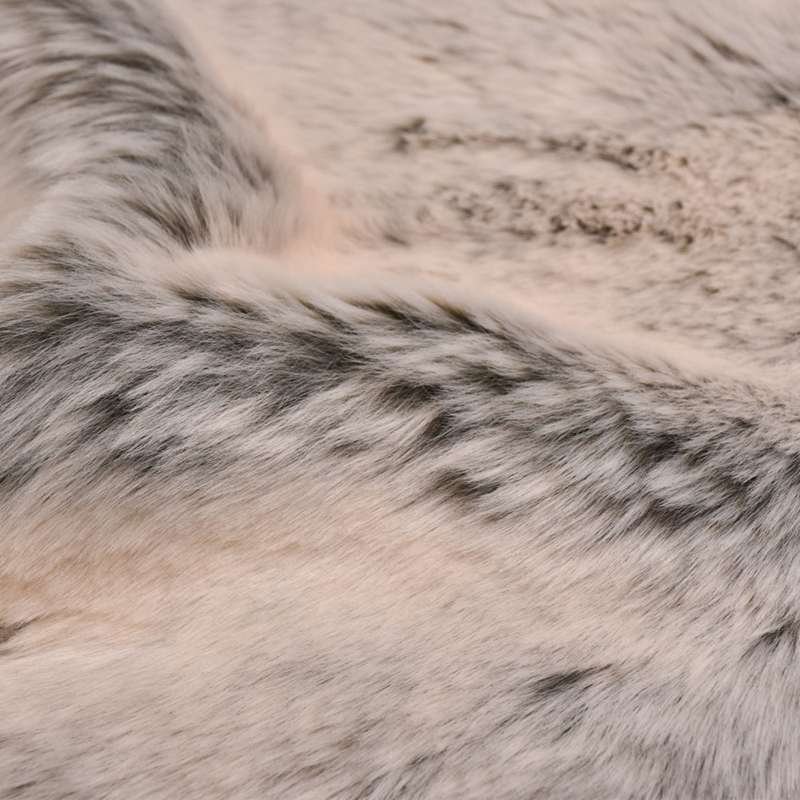
Faux Fur
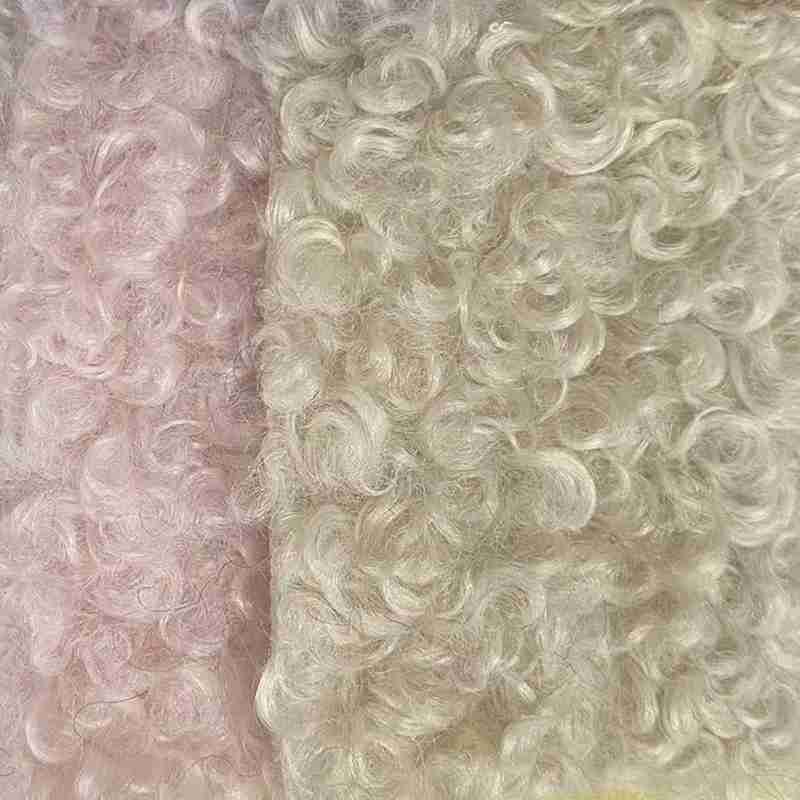
Sherpa

Fleece

Stretch Fabric

Specialty Surface
Trims Are Checked Inside the Actual Sample Construction
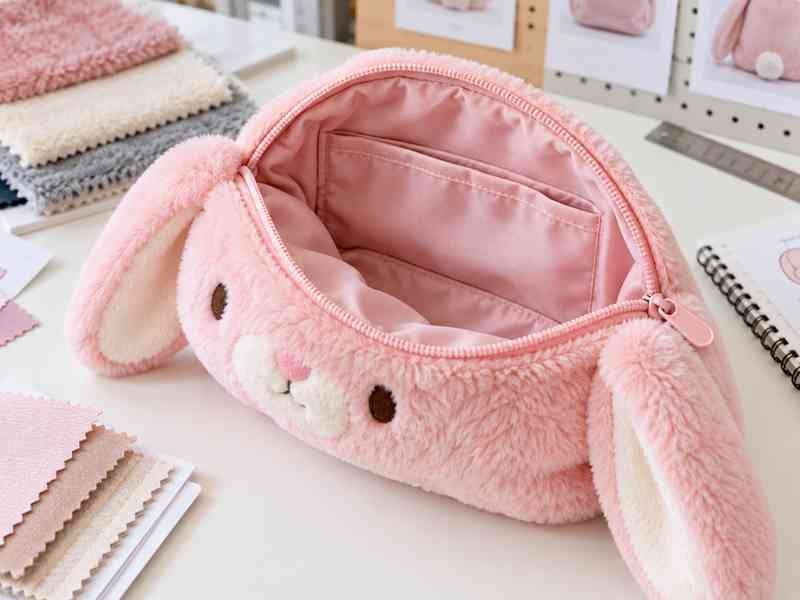
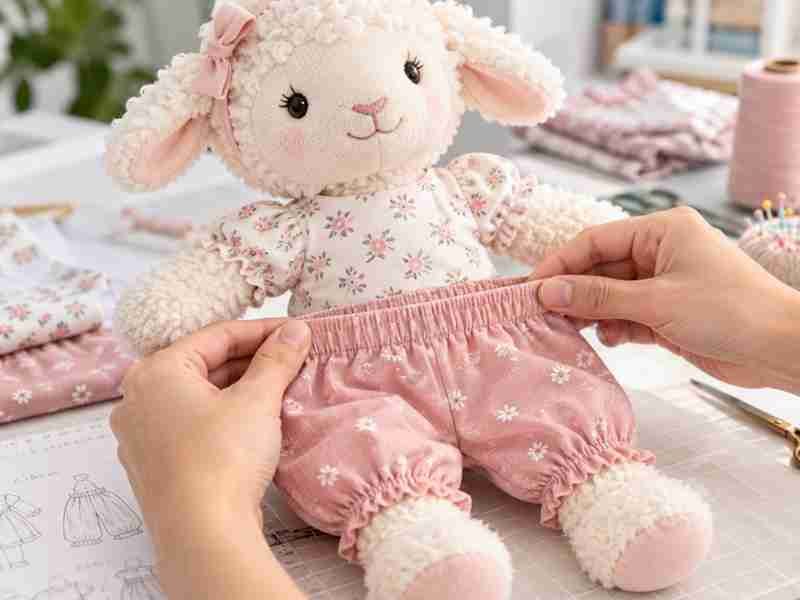
Threads, linings, webbing, elastic, closures, and zippers may be visually minor, but they influence seam strength, fit, durability, assembly, and use.
Sewing Thread
Linings
Webbing
Elastic
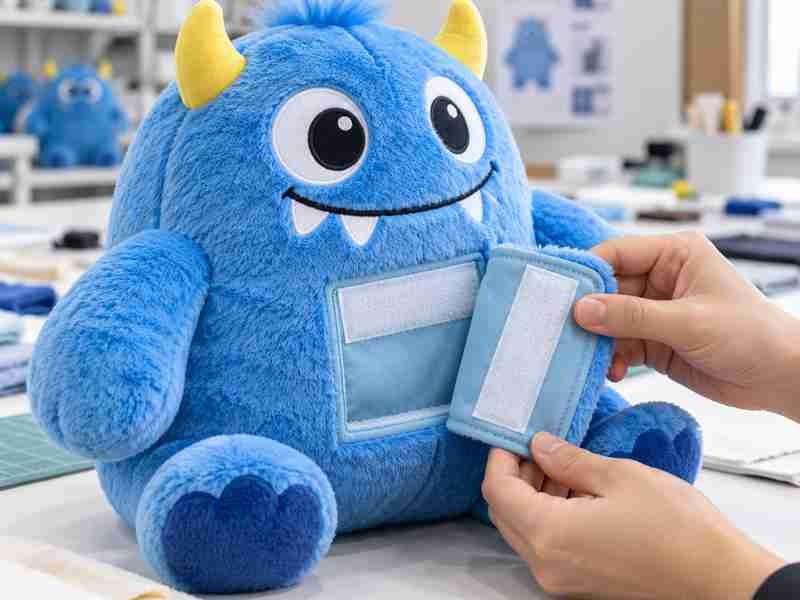
Hook and Loop
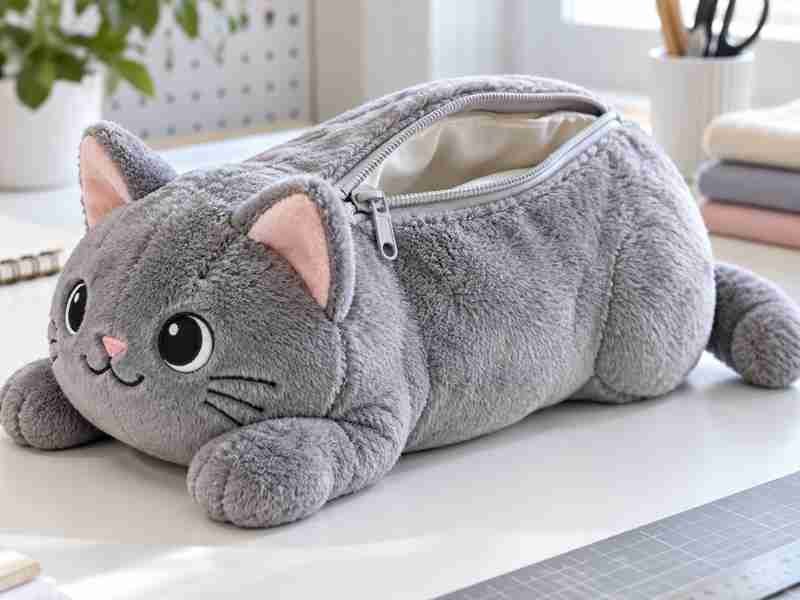
Zippers
Accessories Must Prove Their Fit and Fixing Method
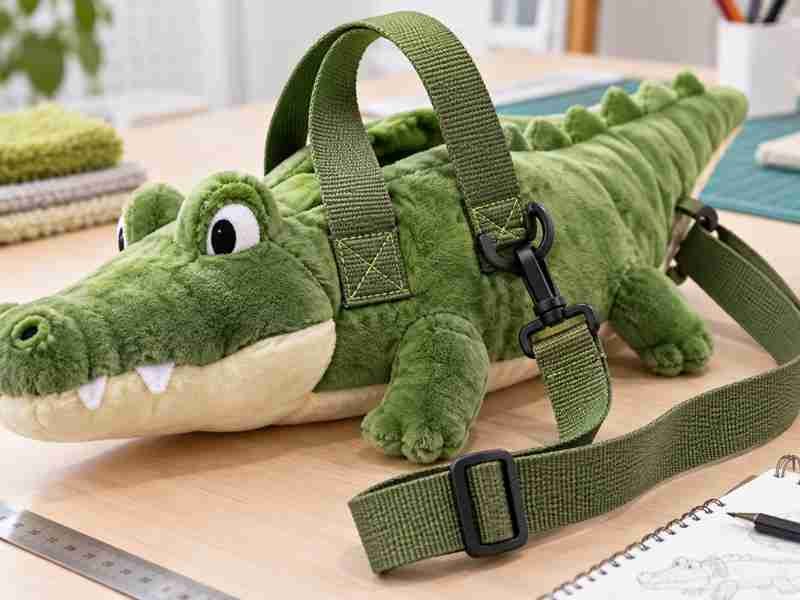
The sample should show how each accessory looks, attaches, carries load, affects balance, and interacts with soft materials before bulk components are committed.
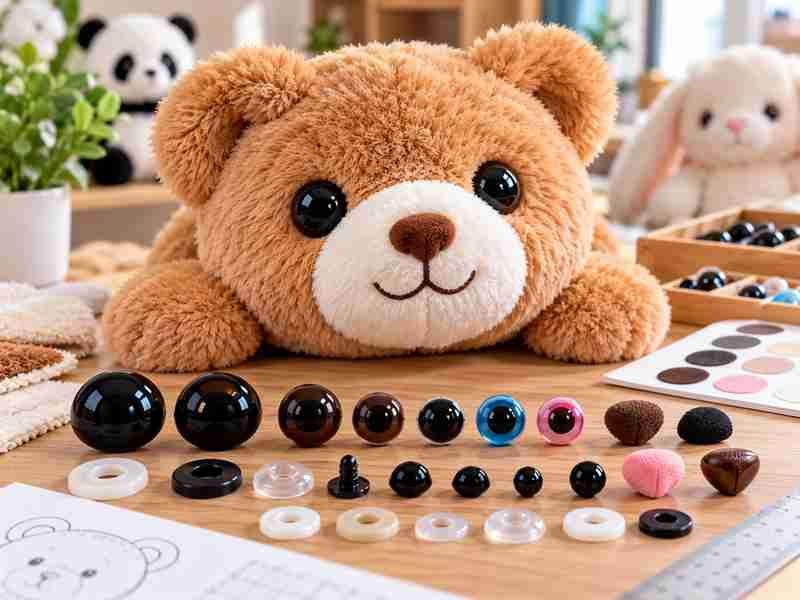
Plastic Eyes Noses
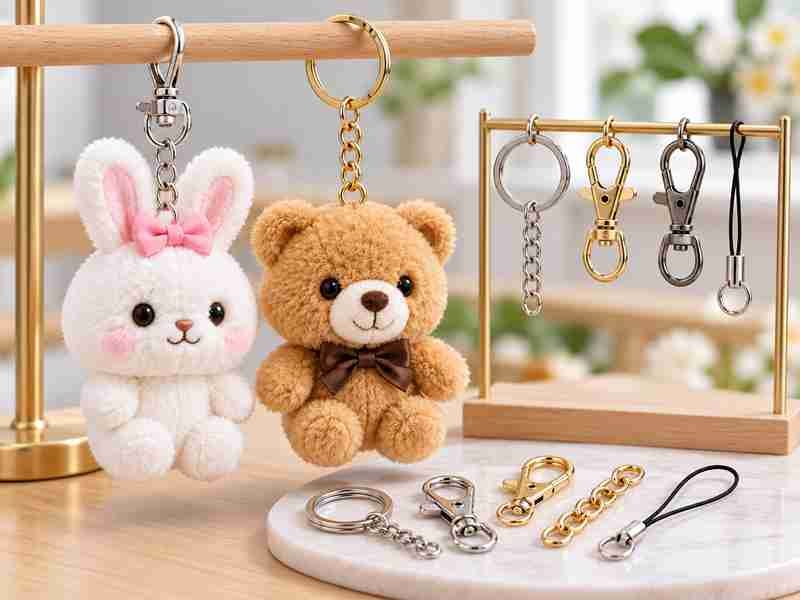
Keychain Hardware
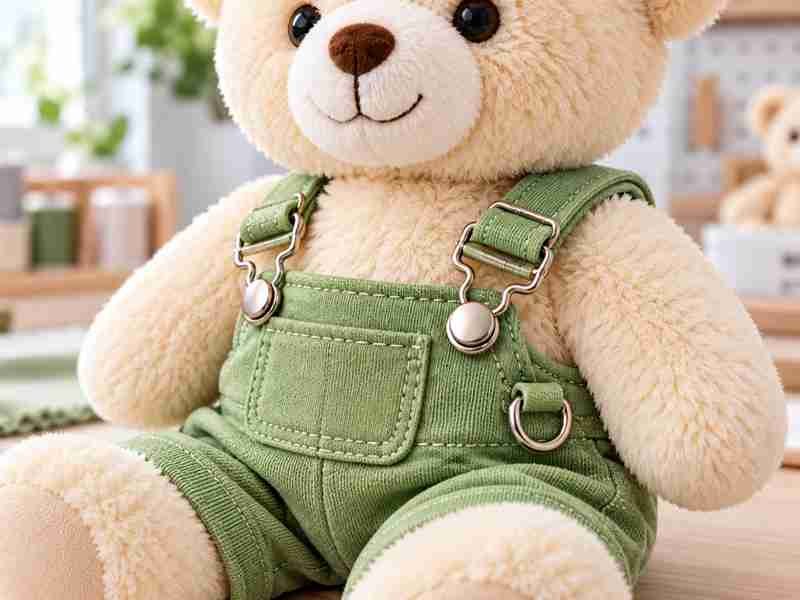
Metal Hardware
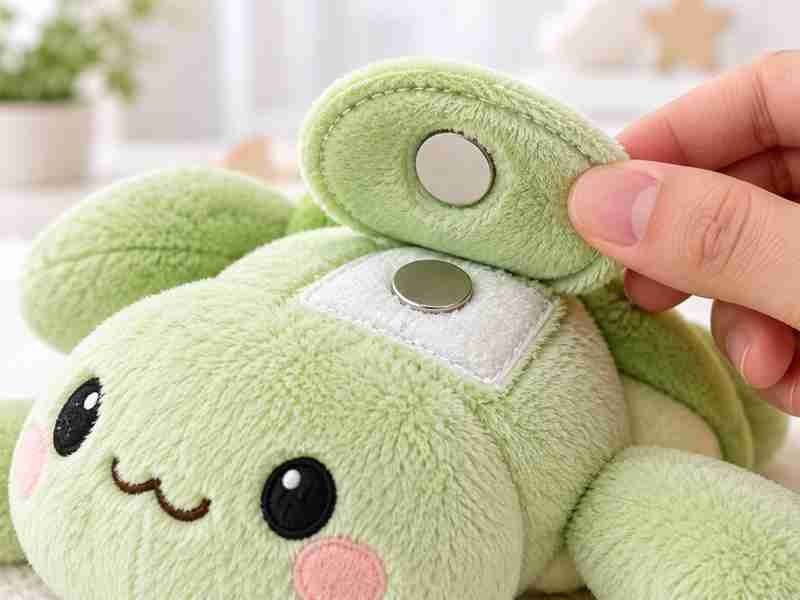
Magnets
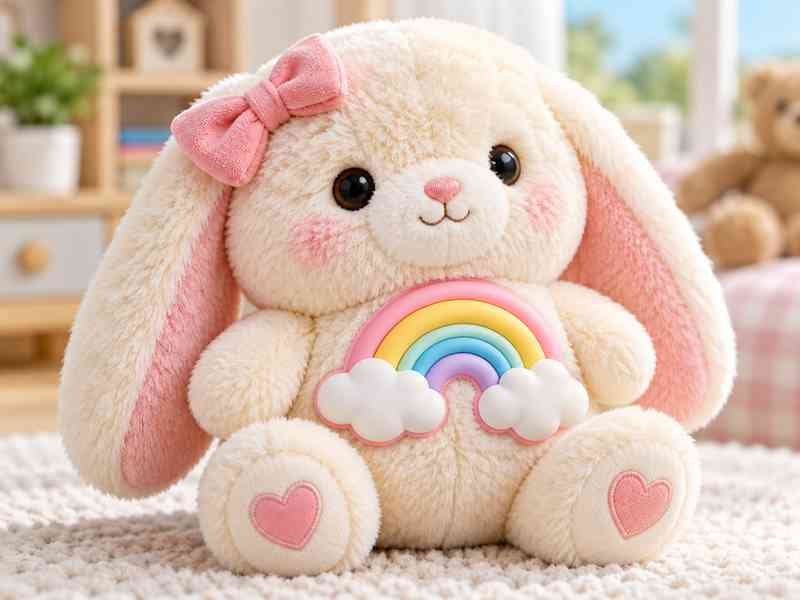
PVC Silicone Parts
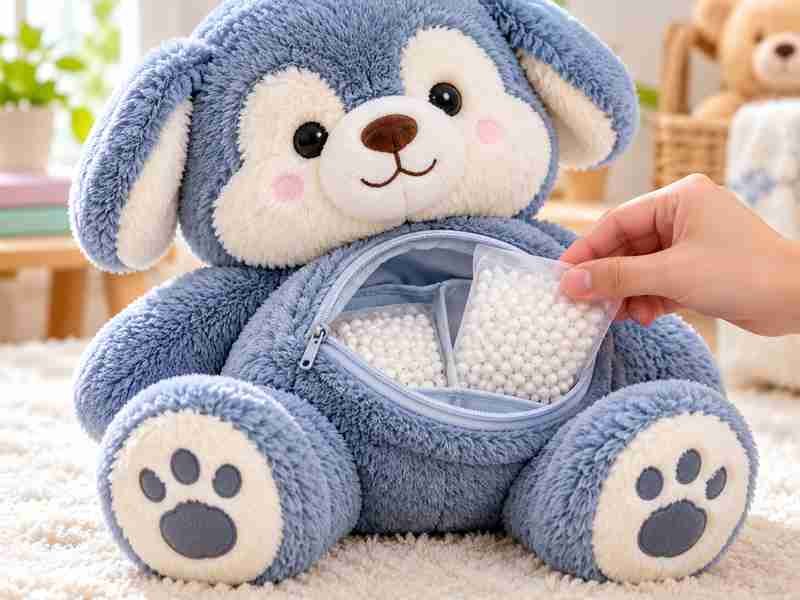
Weighted Inserts
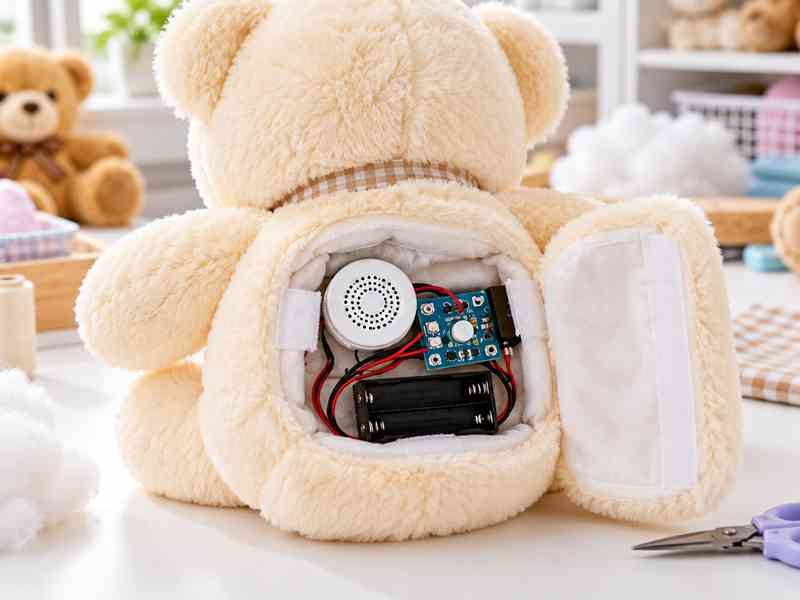
Electronic Modules
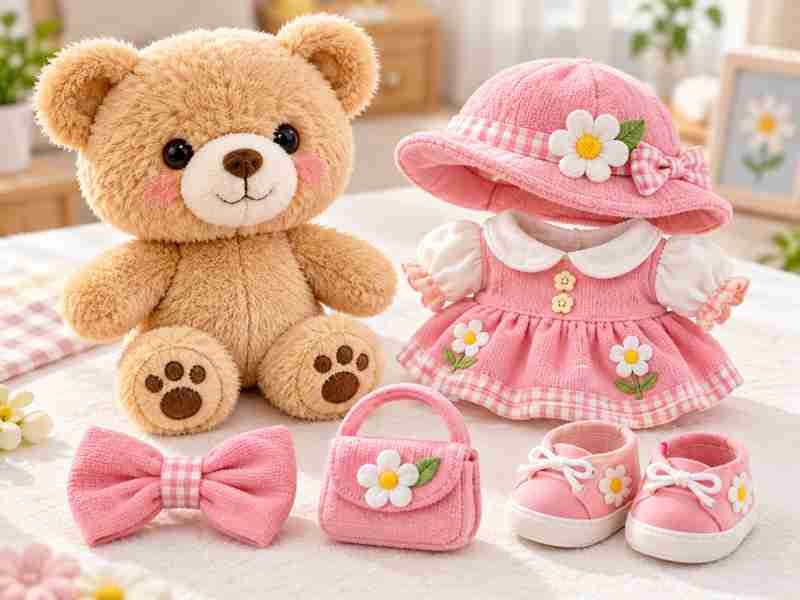
Removable Accessories
Logo and Decoration Samples Confirm the Real Surface Result
Decoration should be approved on the intended fabric and finished construction because pile, stretch, seams, filling, and heat can change the visible result.
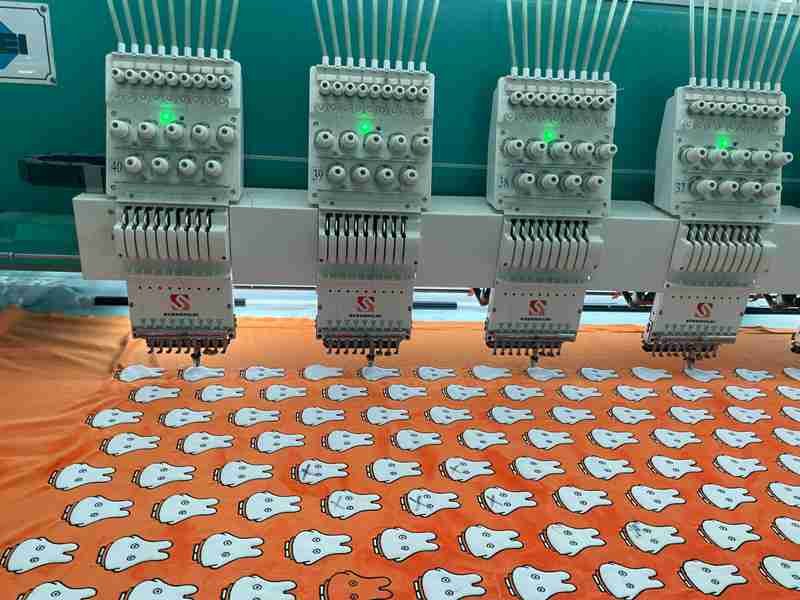
Embroidery
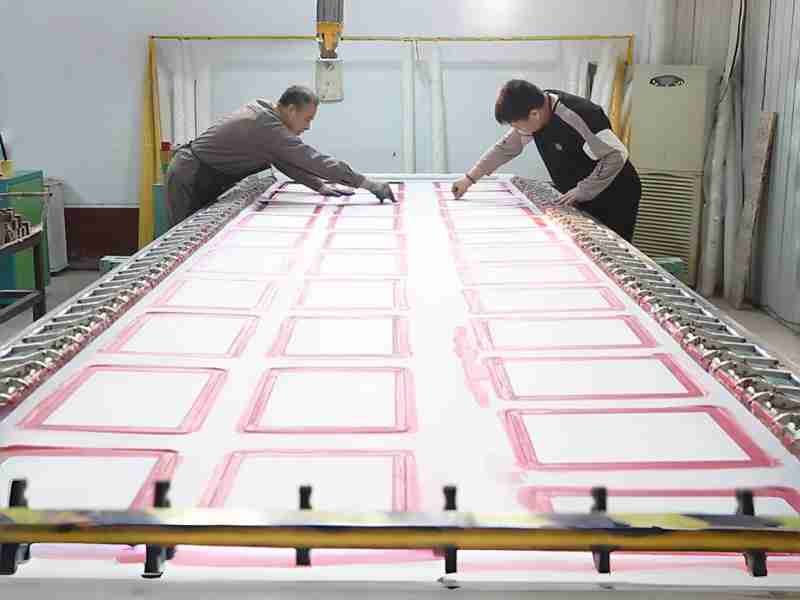
Screen Printing
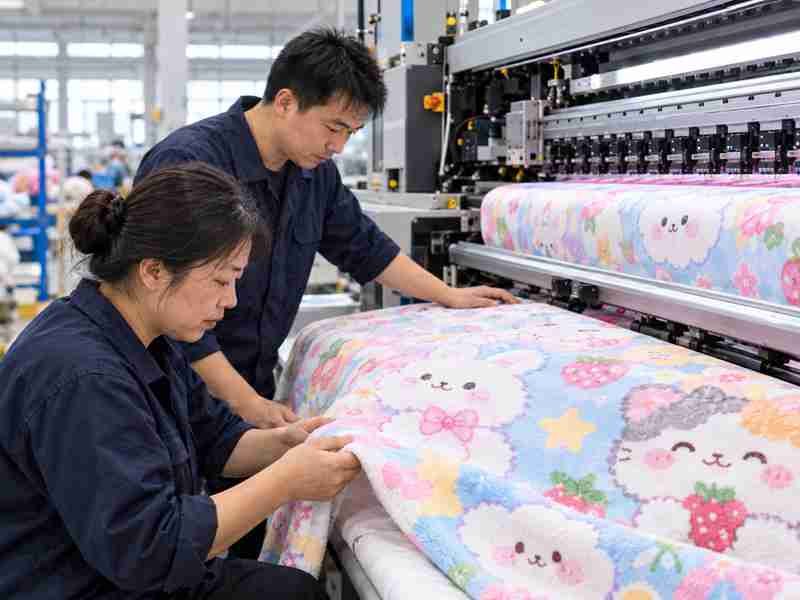
Digital Printing
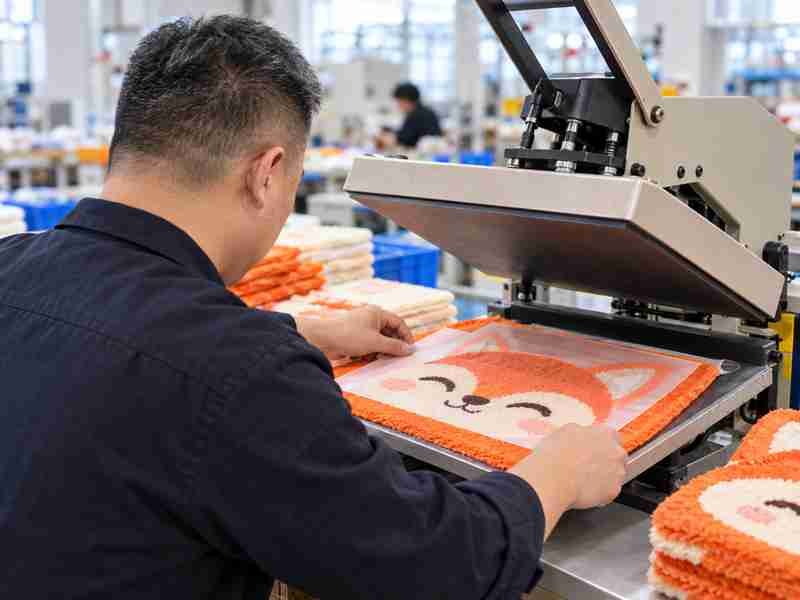
Heat Transfer DTF
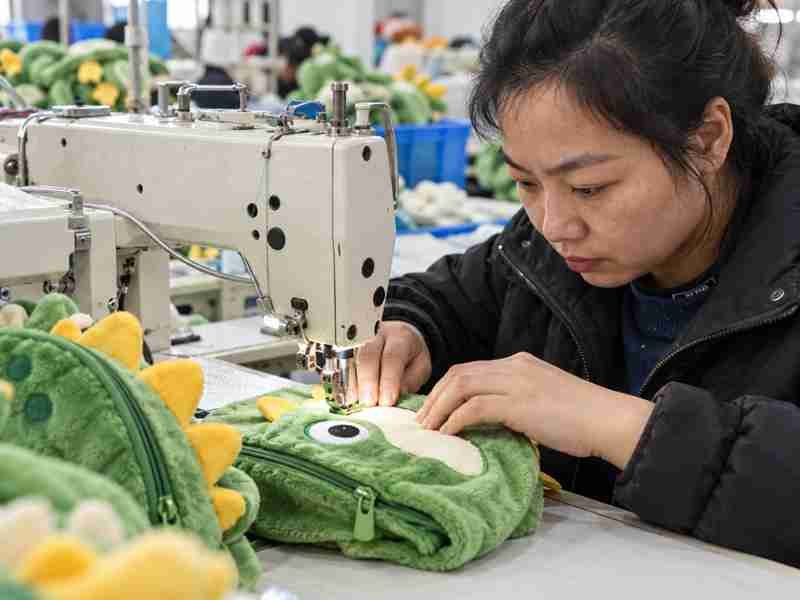
Applique
Applique samples check cut accuracy, edge treatment, alignment, stitch route, bulk, and behavior on curved surfaces. It can be useful where long pile would hide direct embroidery or printing.
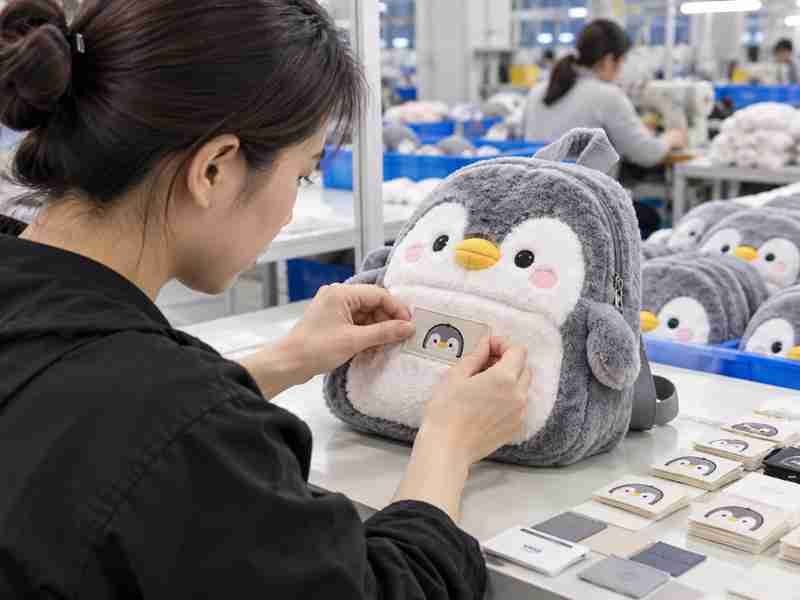
Patches Labels
Packaging Samples Should Test the Finished Product
Packaging is reviewed against product shape, compression, protection, presentation, labeling, barcode needs, and channel requirements rather than treated as decoration added after approval.
Polybag Packing
Printed Bag
Belly Band
Color Box
Gift Box
Blind Box Display
Sample Stages Close Different Manufacturing Questions
Prototype, V1, revision, testing, PP, and Golden samples should be identified separately because each stage answers a different approval question.
Prototype and V1 Establish the Product Direction
A Prototype is used to explore concept, three-dimensional structure, silhouette, pose, balance, and basic manufacturability. Temporary materials or simplified details may be acceptable when the sample’s purpose is clearly recorded and the temporary choices are not mistaken for final production requirements.
V1 is the first formal attempt to translate the agreed product into a more complete physical version. Target fabrics, main colors, decoration, filling, primary accessories, and intended structure should be close enough for meaningful review. Internal QC should compare the sample with the current artwork and development objectives before shipment.
Neither stage automatically authorizes bulk production. Their value is to expose problems while the product remains open for correction. If the project receives free sample support, the same technical discipline still applies; “free” does not turn a prototype into an uncontrolled promotional item.
Revision and Testing Samples Validate Specific Changes
A Revision Sample should be driven by a clear comment list. Changes can cover proportions, measurements, pattern geometry, fabric, color, embroidery, print, filling, accessories, clothing, function, packaging, or other agreed points. Already approved areas should remain stable unless the revision creates a linked effect.
A Testing Sample serves a different purpose. It should represent the relevant final structure and BOM closely enough for the intended internal or third-party test. If a test requires a different material, attachment, component, or construction, the relationship to the final product must remain traceable.
Revision scope also defines commercial responsibility. Correcting an Ewin manufacturing error is different from changing the approved product direction. A request to enlarge the product, replace materials, add electronics, or introduce a new accessory can create new development work even if the earlier sample was supported without charge.
PP and Golden Prepare the Product for Production
The Golden Sample is the final approved physical reference for appearance, proportion, handfeel, filling, clothing, decoration, component placement, finishing, and presentation. It should be identified by Project ID, SKU, revision, approval status, pattern revision, frozen BOM, and current artwork.
A PP Sample verifies whether the frozen product can be reproduced using intended bulk materials, processes, labels, packaging, and production conditions. If PP reveals a problem requiring a design or material change, the change should return through controlled approval instead of being silently corrected on the production line.
Bulk release happens when the physical reference and production data describe the same product. The sample program therefore ends with manufacturing readiness, not merely with approval of one attractive plush.
Sample Timing Depends on Project Complexity
Ewin confirms timing after requirements, material readiness, and development scope are clear because one advertised number cannot represent every custom plush project.
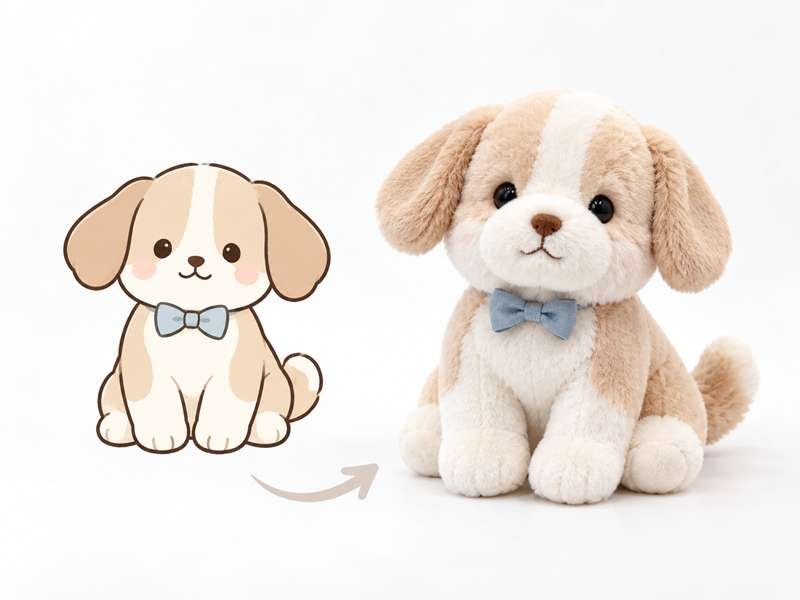
Standard Plush
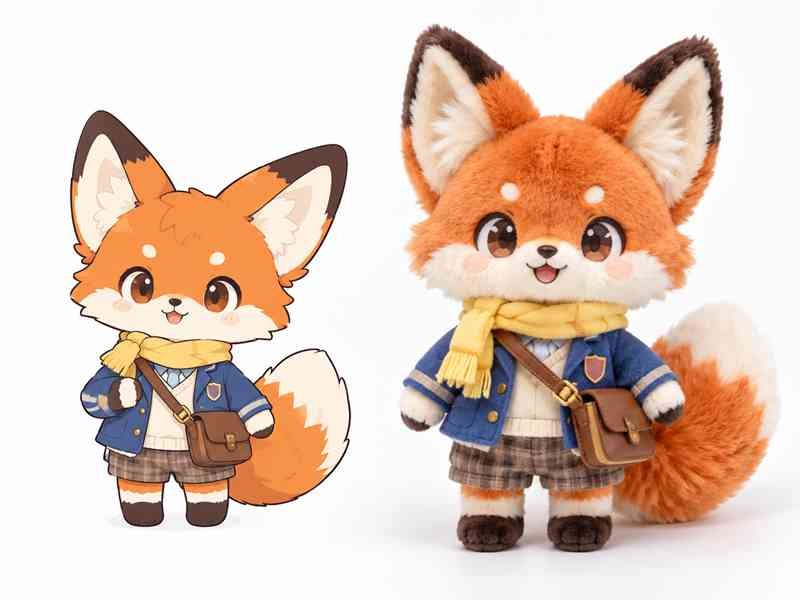
Character IP Plush
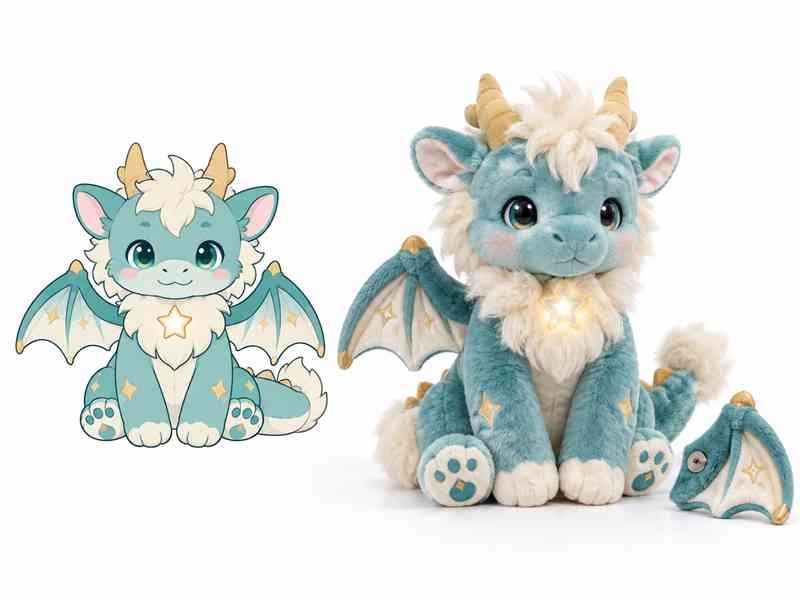
Complex Functional Plush
Sample Quality Is Reviewed Before External Approval
A qualified sample should be checked against the current project definition so external review focuses on meaningful decisions instead of avoidable workmanship mistakes.
| Review Gate | What Ewin Checks | Typical Problem Caught |
|---|---|---|
| File / Revision | Correct artwork, sample ID, pattern, material and comment version | Old file or wrong revision used |
| Character Fidelity | Silhouette, face, proportion, pose, signature details | Product looks unlike the intended character |
| Fabric / Color | Material identity, pile, handfeel, color, visible condition | Wrong fabric, shade, pile direction |
| Decoration | Embroidery or print size, color, position, clarity | Misaligned eyes, wrong logo, puckering |
| Sewing / Structure | Seam quality, symmetry, reinforcement, assembly | Twisted shape, weak seam, poor fit |
| Filling / Shape | Weight, firmness, distribution, balance, contour | Hollow areas, hard lumps, unstable pose |
| Accessories | Correct part, position, fixing, orientation, function | Loose hardware, wrong component |
| Finished Appearance | Trimming, cleaning, shaping, clothing, overall workmanship | Obvious defects sent for approval |
| Packaging Review | Fit, compression, product protection, label position | Box interference, shape damage, wrong pack |
Approved Samples Must Become Controlled Bulk Production
The sample creates real commercial value when its approved decisions are transferred into Golden Sample, controlled specifications, production files, QC references, and repeatable manufacturing.
Move From an Approved Sample to a Controlled Product Definition
A sample marked “approved” still cannot tell production everything it needs to know. Ewin converts approval into a controlled product definition where the physical sample is linked to Project ID, SKU, revision, pattern, materials, decoration files, measurements, filling, accessories, labels, packaging, and quality requirements.
Comments are closed before freeze. A material or component should not be changed silently after approval because a substitution can alter color, handfeel, sewing, testing, balance, cost, or packaging. If a justified change is required, the affected files and sample status should move together.
The Golden Sample becomes the physical reference, while the BOM and released files define details that cannot be seen from the outside. This combination protects the product from becoming “whatever looks close to the sample” once production begins.
Sample approval therefore becomes a manufacturing system, not a photograph stored in an email thread.
Release Production From Golden, BOM, Pattern, and Current Files
Before bulk production, the manufacturing team should receive the Factory Golden or QC Reference, frozen BOM, released pattern, final embroidery or print files, measurement specification, filling references, accessory fixing details, label and packaging specifications, approval evidence, and relevant quality or testing instructions.
IQC then checks incoming materials and components against the approved specification. IPQC checks cutting, decoration, sewing, assembly, filling, and finishing during production. FQC compares finished products with the Golden reference. OQC confirms final SKU, packaging, barcode, carton, appearance, and shipment release requirements.
If a free sample was used to qualify Ewin, the commercial question is ultimately whether the approved product can survive this transfer into production. The strongest sample program ends with a repeatable manufacturing definition and a clear route for later reorders.
Frequently Asked Questions
No. Free sample support is conditional and confirmed after project review. Some projects receive approved support; others use normal development fees with possible production-order credit under agreed commercial terms.
Projects with clear inputs, genuine manufacturing intent, verifiable company information, defined production potential, and commercially suitable development scope are stronger candidates. No single order quantity automatically guarantees approval.
Not automatically. International express freight and special courier requirements are reviewed separately. Shipping responsibility, carrier method, account use, and sample destination should be confirmed before dispatch.
Not automatically. Plastic or silicone molds, dedicated fixtures, electronic housings, proprietary hardware, and other non-recurring tooling are reviewed separately because cost depends on the final structure.
Normally no. External testing depends on market, age grade, materials, structure, electronics, and client protocols. Laboratory route, sample quantity, timing, and cost should be confirmed separately.
Yes, where approved commercial conditions are met. Part or all of an agreed development fee may be credited toward bulk production based on the project and final commercial agreement.
Revision scope is agreed by project rather than promised as unlimited. Minor corrections and Ewin-responsibility remakes differ from major changes to size, material, structure, function, or approved direction.
When a clear manufacturing error falls within Ewin’s agreed responsibility, the priority is to correct and remake the affected sample without charging again for the same agreed requirement.
Timing depends on complexity, materials, custom colors, components, decoration, tooling, testing needs, and revision scope. Ewin confirms the development window after requirements are complete enough for execution.
Yes. Existing samples, BOMs, measurements, packaging files, and defect photos are useful for supplier transfer, second-source qualification, cost review, quality correction, resizing, or controlled redevelopment.

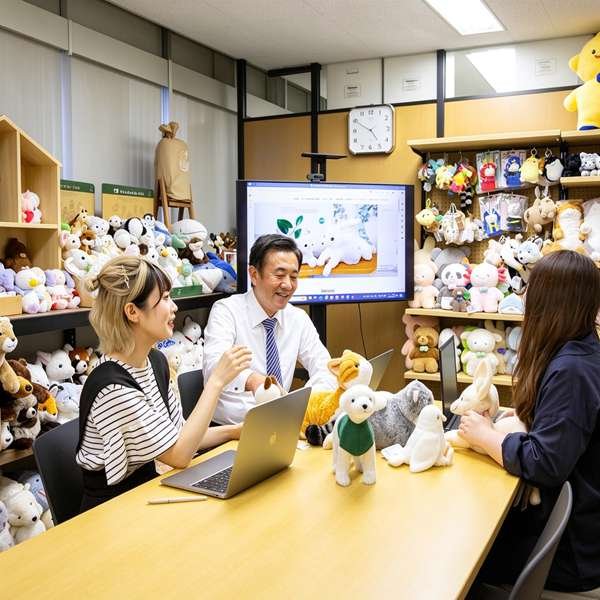
Apply for a Qualified Free Sample Review
Use the form to show Ewin the manufacturing program behind the sample request. Share your company, business email, product type, artwork or reference, approximate finished size, expected quantity, SKU count, target market, sales channel, launch timing, and current project stage. Upload a character sheet, 3D render, existing-sample photos, BOM, specification, or packaging file when available. If another supplier is already involved, explain the quality, cost, capacity, communication, or delivery issue the new sample should test. Ewin can review feasibility, development complexity, sample-support eligibility, possible production credit, tooling or testing requirements, and the next approval step before sample work begins.
- Company
- Business Email
- Company Website
- Product Type
- Artwork / Reference
- Finished Size
- Estimated Quantity
- SKU Count
- Target Market
- Sales Channel
- Target Launch Date
- Current Project Stage
- Main Project Requirement
- File Upload