
Plush Design Service for Brands & IP Projects
Turn early-stage ideas into production-ready plush designs with less trial and error. Ewin Toys helps brands refine character proportions, product structure and manufacturability before sampling, making development clearer from the first concept onward.
60+ Product Development Team | 20+ Senior Pattern Specialists | Artwork / Sketch / 3D / AI Concept Support | Character Proportion Development | Pattern Engineering | Material & Construction Planning | Production-Ready Design Output
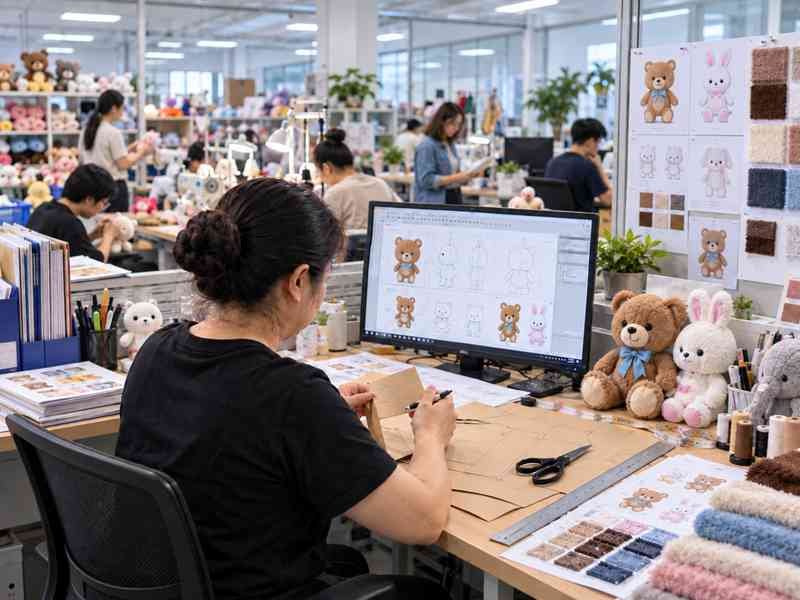
Plush Design Means More Than Drawing a Cute Character
A strong plush design defines the visual identity, product form, and engineering direction before pattern cutting and physical sampling begin.
Define the Character
Silhouette, proportion, face, expression, pose, hair, clothing, color boundaries, and signature features determine recognition. Ewin identifies which visual relationships should remain fixed before soft materials, seams, filling, and gravity begin changing the appearance.
Define the Product
A character becomes a product only after size, pose, handfeel, fabric direction, decoration, accessories, function, and channel needs are clear enough for engineering. Design decisions should support how the plush will actually be used and sold.
Prepare for Engineering
The approved visual direction must be usable by pattern, sample, material, decoration, quality, and production teams. Design review therefore converts subjective preferences into clearer dimensions, relationships, zones, references, and decisions that can move into physical development.
Start With the Design Information You Already Have
Ewin can enter at different design stages, so early concepts do not need the same file package as mature character programs.
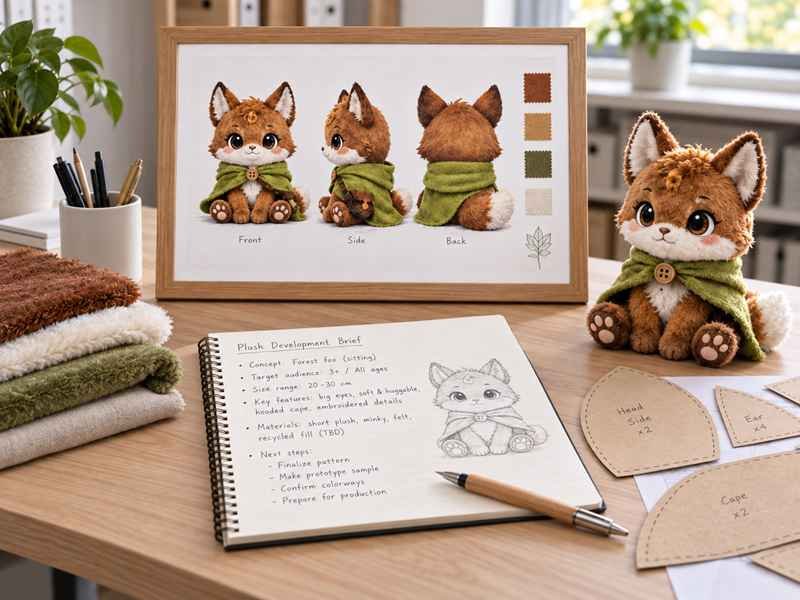
Written Idea Moodboard
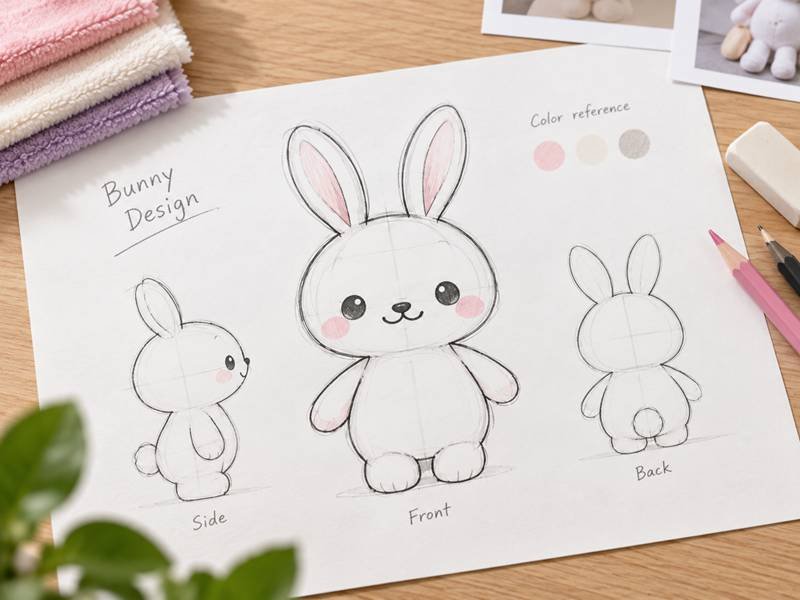
Hand Sketch

2D Artwork
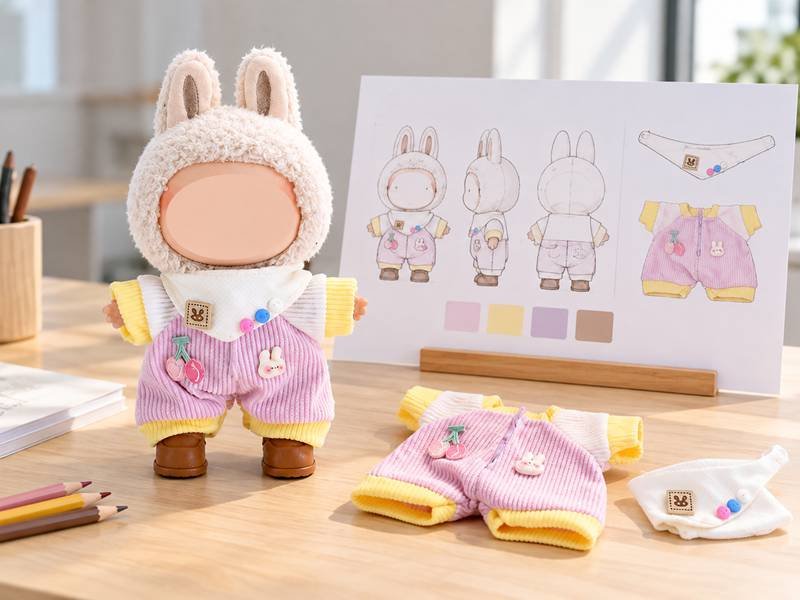
Character Sheet
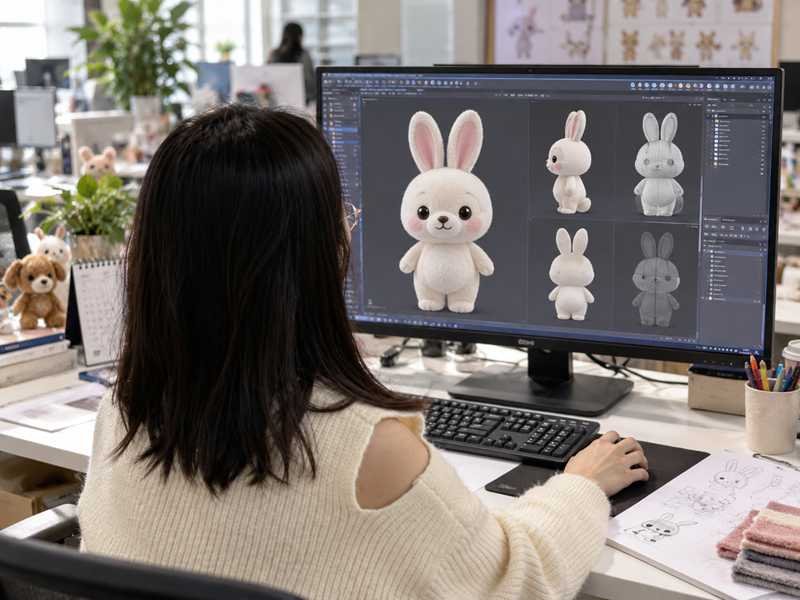
3D Render
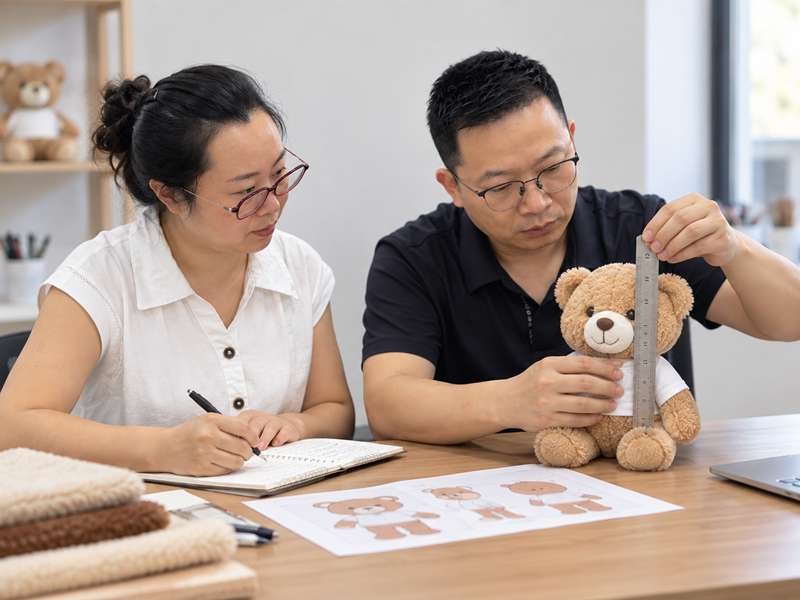
Existing Product
Move From Creative Direction to Plush-Ready Design Definition
Design review should close the most important visual and product decisions before pattern development turns them into sewing geometry.
Clarify the Concept and Lock the Reference Set
Design work starts by establishing what the product is supposed to become. Ewin reviews the available references, intended use, target size, quantity range, SKU plan, target market, sales channel, launch timing, and the features that cannot change.
A character program often contains several sources: key art, marketing renders, in-game models, screenshots, expression sheets, packaging graphics, and earlier samples. Those sources can conflict. One image may show wider eye spacing while a perspective render appears narrower. Hair or accessories may change between versions. Reference locking creates one agreed baseline before anyone judges whether a plush looks correct.
The review also separates design decisions from engineering freedom. Face shape, logo placement, signature color, costume identity, or ear silhouette may be fixed. Hidden seams, internal support, filling distribution, and assembly order may remain open for engineering.
A clear baseline prevents later revisions from becoming arguments over which reference was intended.
Translate Visual DNA Into Product Decisions
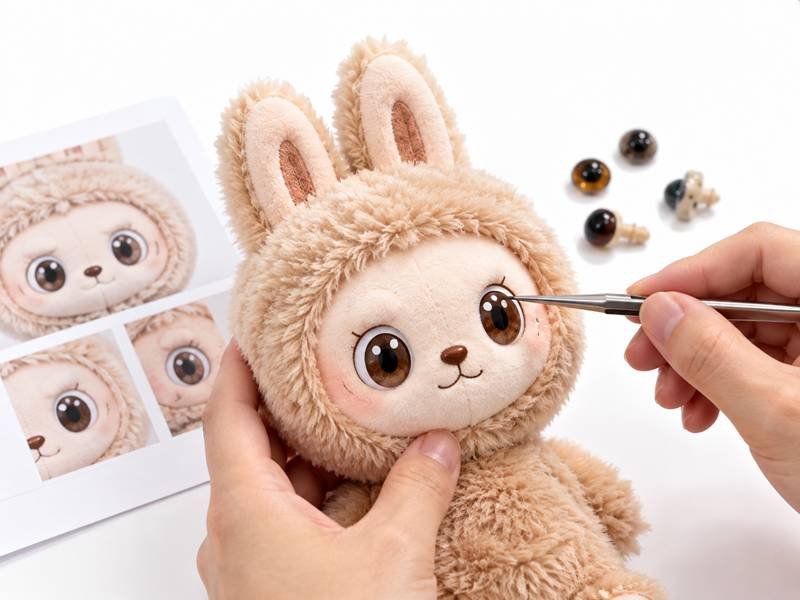
Once the reference is stable, Ewin identifies the relationships that make the design recognizable. Head-to-body ratio, face width, eye spacing, muzzle depth, ear angle, limb length, hair mass, costume proportion, accessory scale, and pose are reviewed before small surface details receive too much attention.
Product size changes the design. A small keychain cannot preserve every line from a large character drawing. Fine embroidery, narrow hair tips, tiny fingers, layered clothing, or small props may need simplification so the important visual message remains readable. Material direction is also part of the design because pile height, stretch, sheen, texture, and nap can change perceived proportion.
The output is not merely a prettier drawing. It is a plush-ready design definition that tells later engineering teams which proportions, surfaces, materials, and features need protection and which can be adapted for manufacturing.
Hand the Approved Direction Into Pattern and Sampling
Visual approval is only the end of the design-definition stage. The next step is to turn the approved direction into pattern geometry, seam placement, material specifications, decoration files, accessory fixing, filling references, and a physical sample.
Ewin links the design handoff to pattern and prototype work so important visual decisions are not reinterpreted from memory. Pattern makers receive proportion and landmark references. Decoration teams receive controlled positions and artwork. Sample makers work from the current design and pattern revision. When V1 reveals that fabric stretch, stuffing, gravity, or assembly changes the appearance, feedback returns through a controlled revision instead of becoming an undocumented hand adjustment.
A strong design service therefore ends with a direction that can survive physical sampling. The design becomes useful when engineering can measure it, sample teams can build it, and later production can reproduce it.
Lock the Visual DNA Before Small Details
Character recognition usually depends on a few strong visual relationships, so those relationships should be identified before fine decoration is optimized.
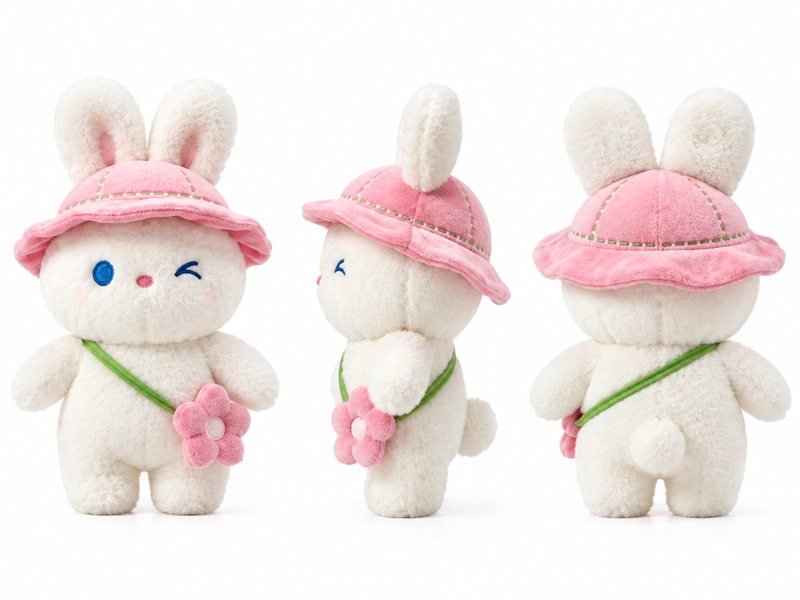
Silhouette
The outer shape should remain recognizable without relying on surface graphics. Head mass, ears, hair, limbs, tail, clothing, and accessories all contribute to the silhouette that people notice first.
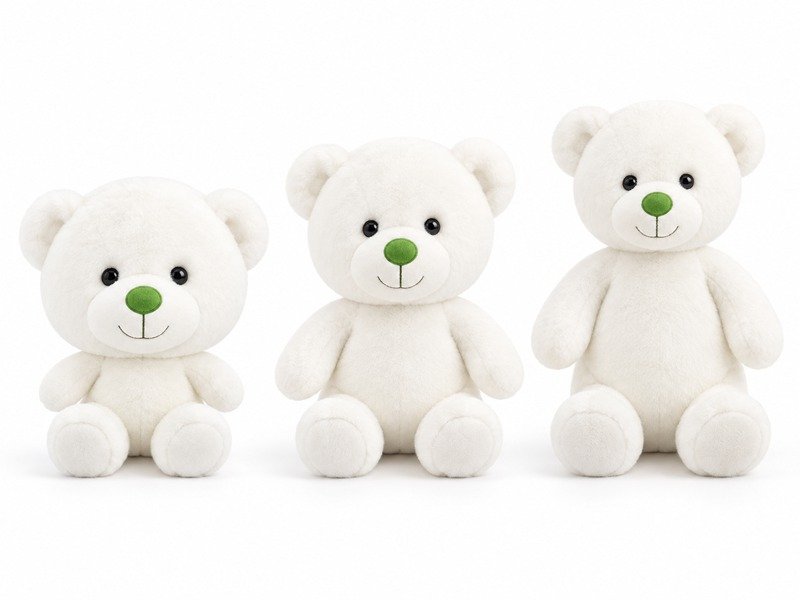
Head Body Ratio

Face Shape
Eye Placement
Ears Hair Horns
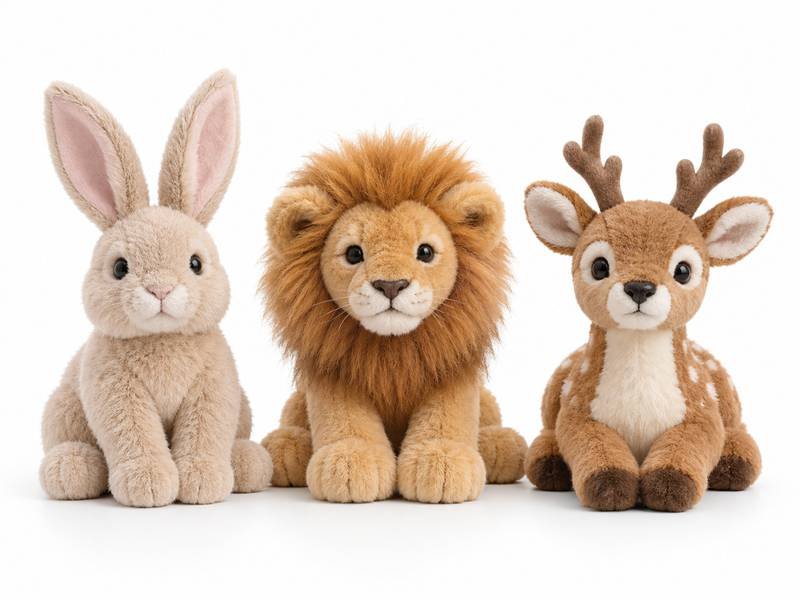
Ears, hair, horns, antennae, and other projecting forms often carry strong identity. Their angle, thickness, layering, support, and material need design decisions that still work after sewing and filling.
Expression
Clothing
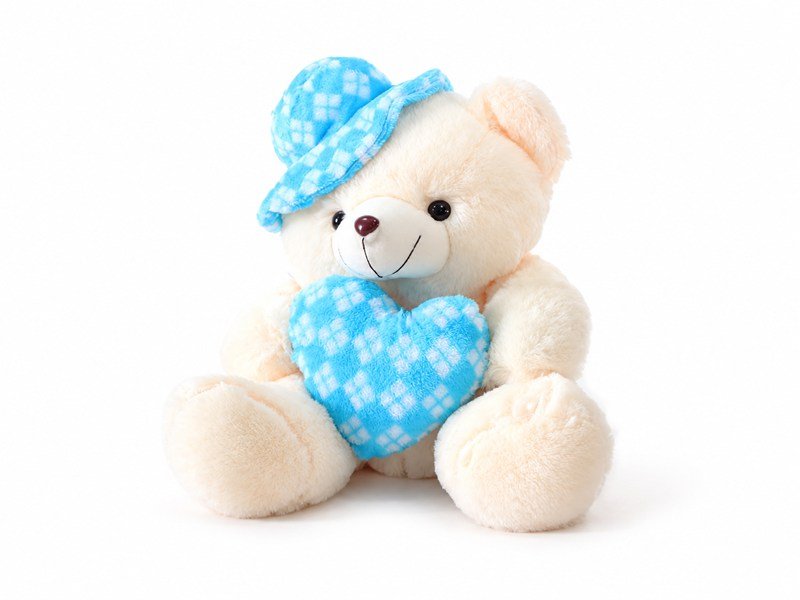
Signature Feature
Design Size, Proportion, and Pose Before Fine Decoration
Size and posture change what can be shown, sewn, filled, balanced, and repeated in production.
Choose Size Around the Detail the Product Must Keep
Finished size should be selected with character readability and manufacturing limits in mind. A 6-12 cm keychain version has far less room for facial embroidery, layered hair, clothing seams, small props, and attachment points than a larger plush.
Ewin reviews which features must remain visible at the target size and which can be simplified, enlarged, combined, or converted to another process. Tiny fingers may become a mitten-shaped hand. Narrow hair strands may become layered fabric groups. A miniature printed logo may need embroidery, woven labeling, or removal if it cannot remain readable.
Size also affects commercial decisions such as material usage, decoration cost, accessory scale, packaging, and carton cube. Selecting size early prevents a mature visual design from being forced into a physical scale that cannot support the intended detail.
The strongest size choice preserves the character while remaining suitable for the product role.
Stabilize Proportion Before Refining Surface Details
Large geometry should be corrected before the team spends time perfecting small embroidery or surface decoration. Ewin reviews head width and height, head-to-body ratio, torso volume, limb length, ear size, tail length, accessory scale, and other relationships that define the character.
Proportion comments are easier to control when they are expressed as relationships rather than vague language. Eye spacing can be compared with face width. Ear height can relate to head height. Arm length can relate to torso length. A sitting height can be compared with total height.
Those relationships become especially useful when the same character later appears in several sizes or product formats. They help the design team preserve the intended personality even when patterns, seam allowances, materials, and accessories must change.
Once the major geometry is stable, fine expression and surface detail can be refined without repeatedly rebuilding the entire product.
Engineer the Pose as Part of the Design
Sitting, standing, lying, hanging, hugging, or display poses create different demands on body geometry, filling, center of gravity, support, clothing, and accessories. A pose should therefore be chosen as part of the product definition rather than left to the sample room.
Standing plush may need wider feet, stronger leg structure, internal support, or a different head-body balance than the artwork suggests. Sitting characters need stable base geometry, hip and thigh volume, and enough lower-body support to avoid leaning backward. Keychains need a hanging orientation that keeps the face visible. Heavy props or long tails can shift balance.
Ewin reviews the intended viewing angle and use condition together with the visual design. The result should look intentional in the real product position, not only in a front illustration.
Design Different Plush Products Around Different Constraints
Each product category needs a different balance of character fidelity, function, size, materials, components, and production repeatability.
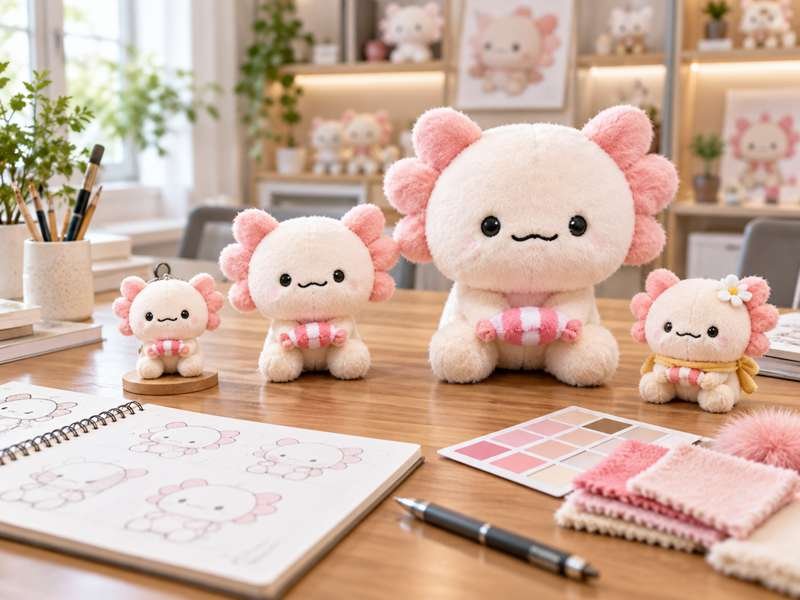
Character IP Plush
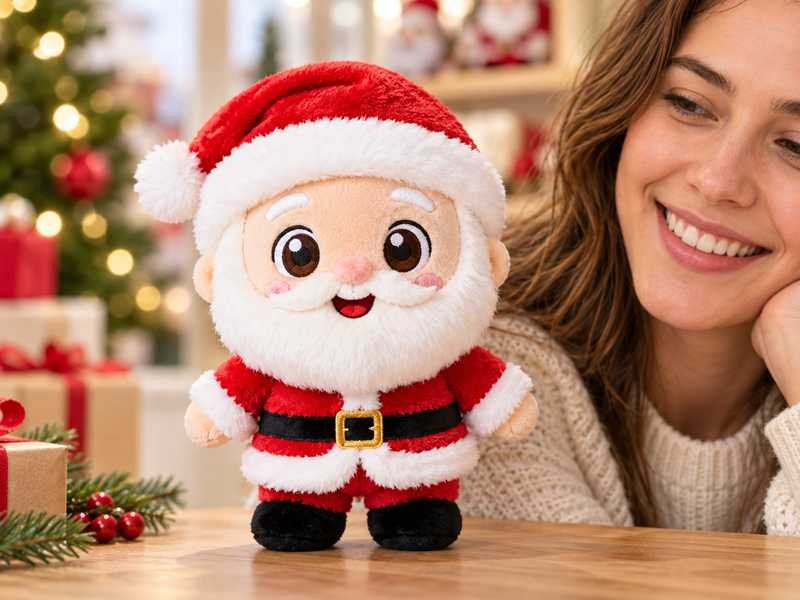
Mascot Plush
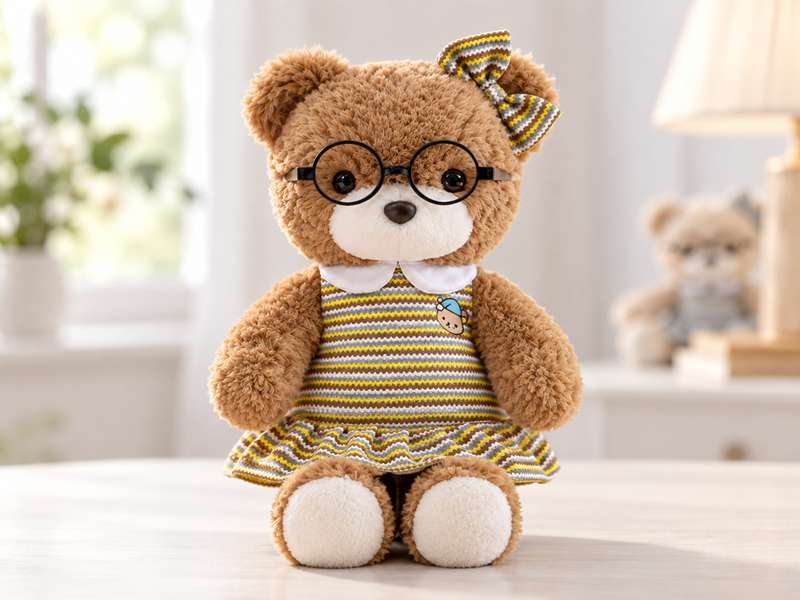
Collectible Plush
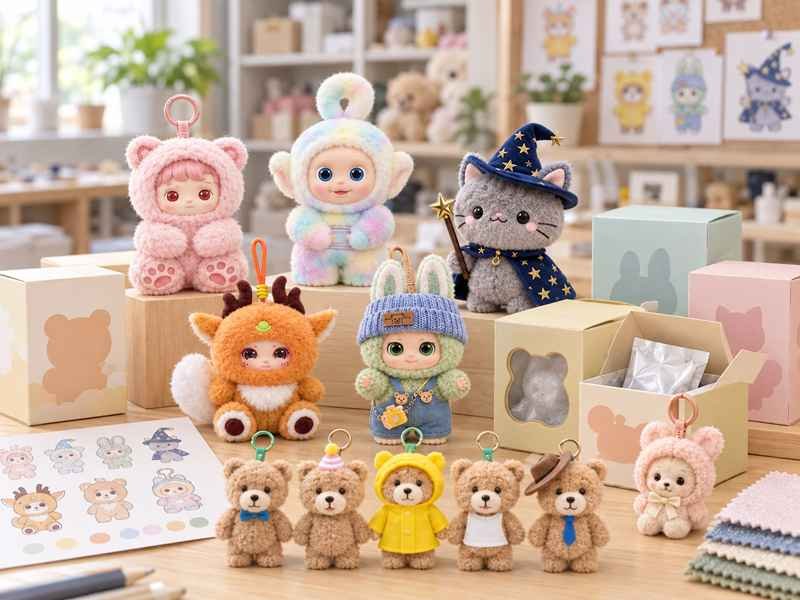
Blind Box Plush
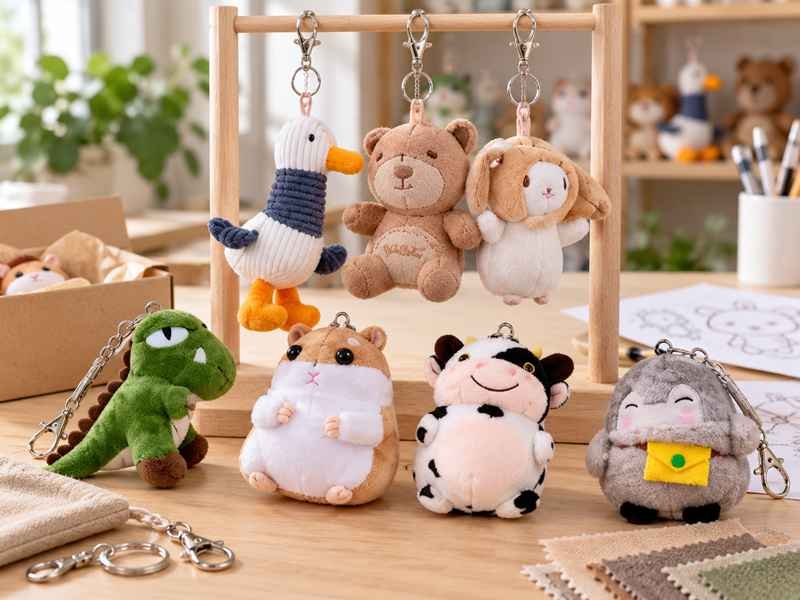
Plush Keychains
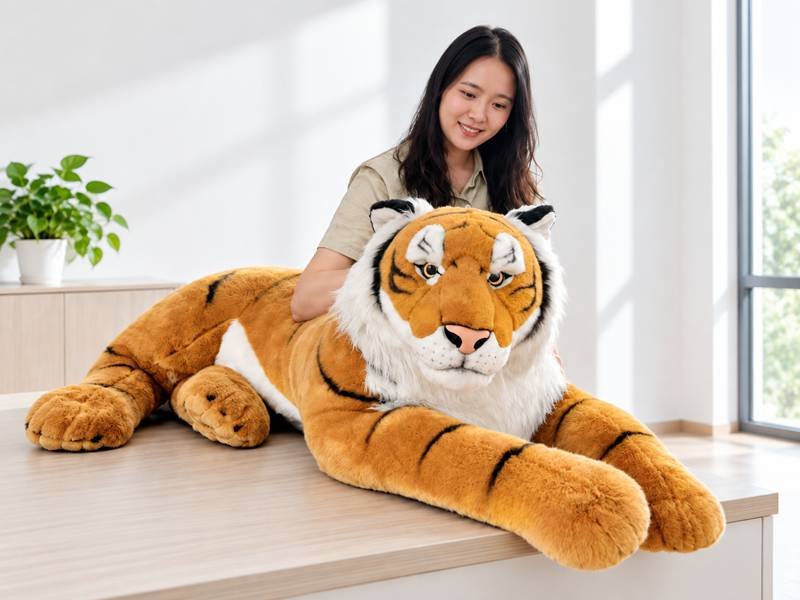
Weighted Plush
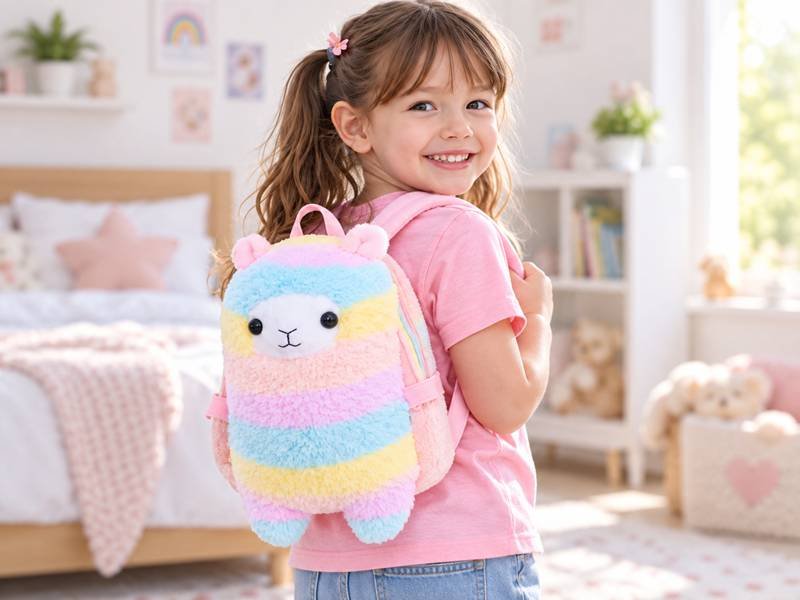
Lifestyle Plush

Electronic AI Plush
Design Support for Brand and Character Teams
Different organizations enter plush design with different assets, approval structures, launch pressures, and definitions of success.
Global Brand Teams
IP Owners
Licensing Teams
Toy Brands
Collectible Brands
Game Animation Studios
Retail Private Label
Multi-SKU Programs
Fabric and Color Are Part of Character Design
Pile, stretch, texture, sheen, thickness, nap, and color can change perceived proportion, expression, detail visibility, and handfeel.
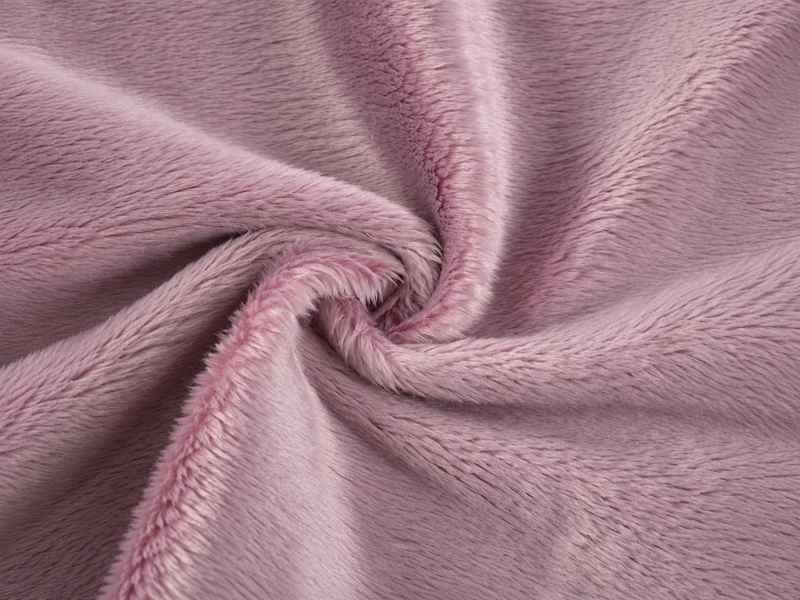
Short Pile
Minky, Velboa, and similar short-pile materials keep facial embroidery and small color boundaries visible. They suit designs where clean expression and controlled surface detail matter more than a furry silhouette.
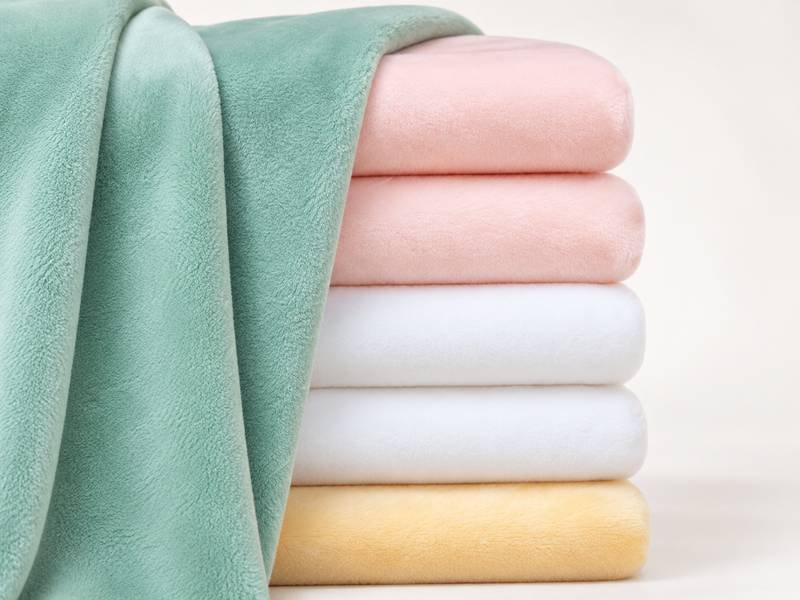
Super Soft Plush
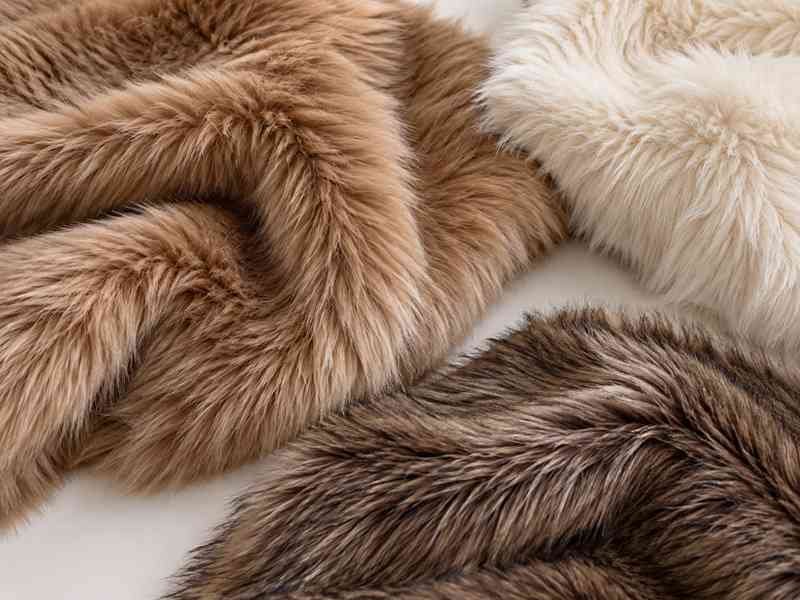
Faux Fur
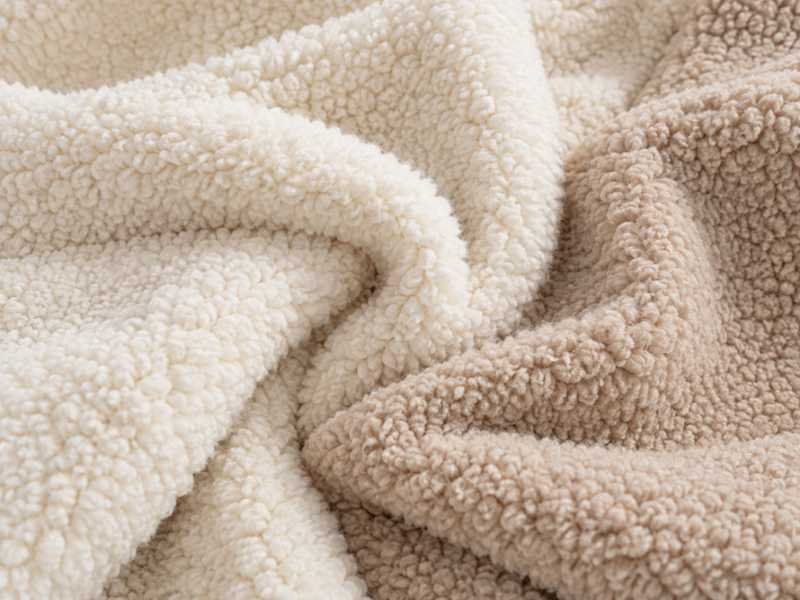
Sherpa Texture
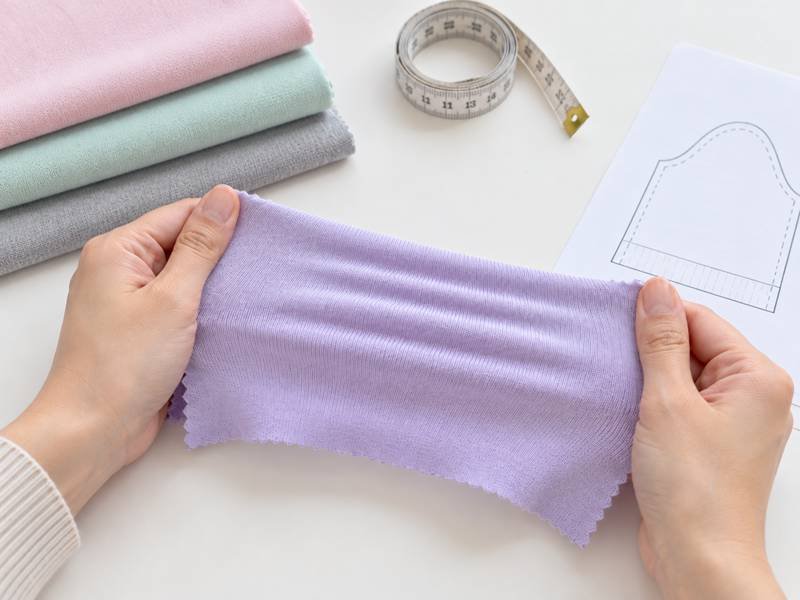
Stretch Fabrics
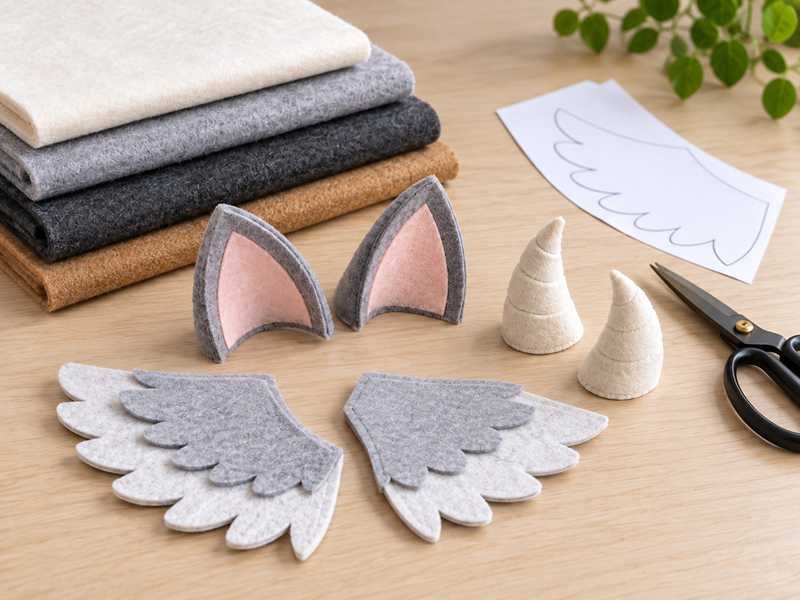
Felt Structural Fabrics
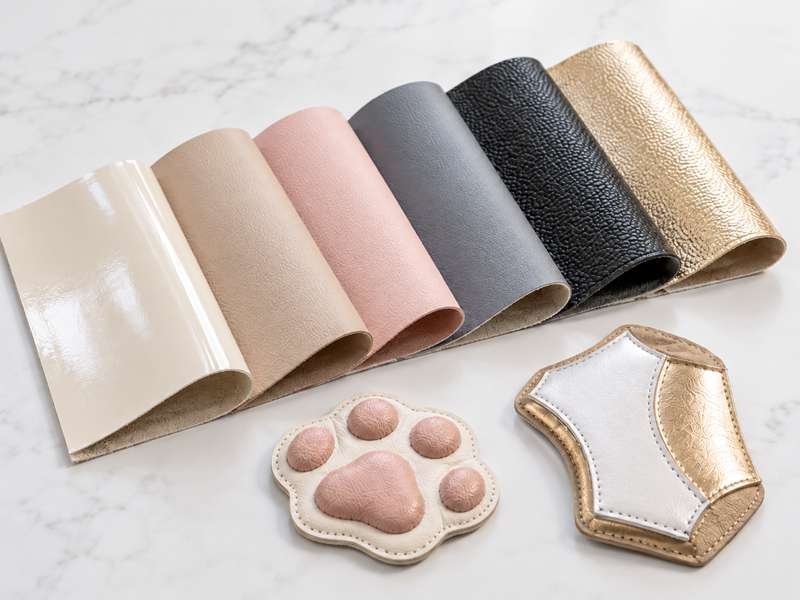
PU Specialty Surfaces
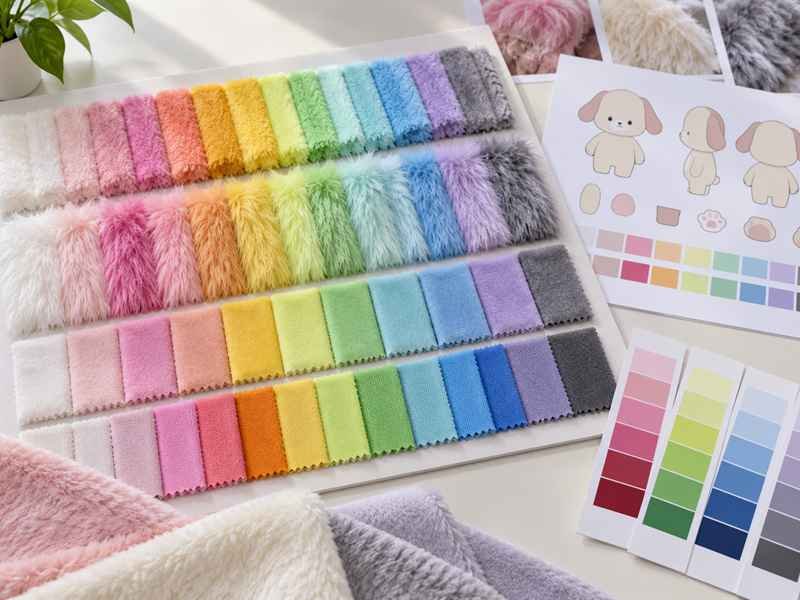
Color Mapping
Main body, face, hair, clothing, accessories, and accent colors should follow an agreed map rather than isolated swatches. Material sheen and pile can change perceived color, so approval needs the intended substrate whenever possible.
Face, Logo, and Decoration Need Design-Level Decisions
Decoration methods should be chosen around material, scale, placement, softness, readability, and the role each detail plays in character recognition.
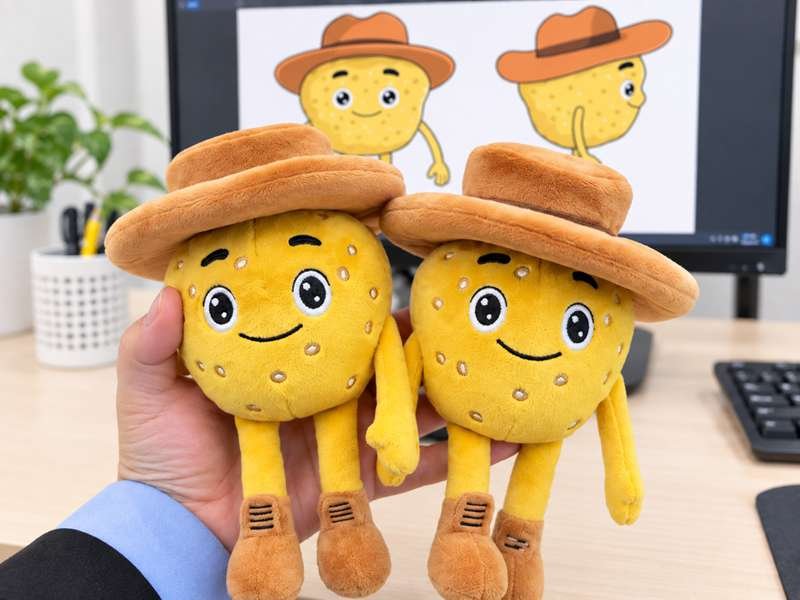
Embroidered Face
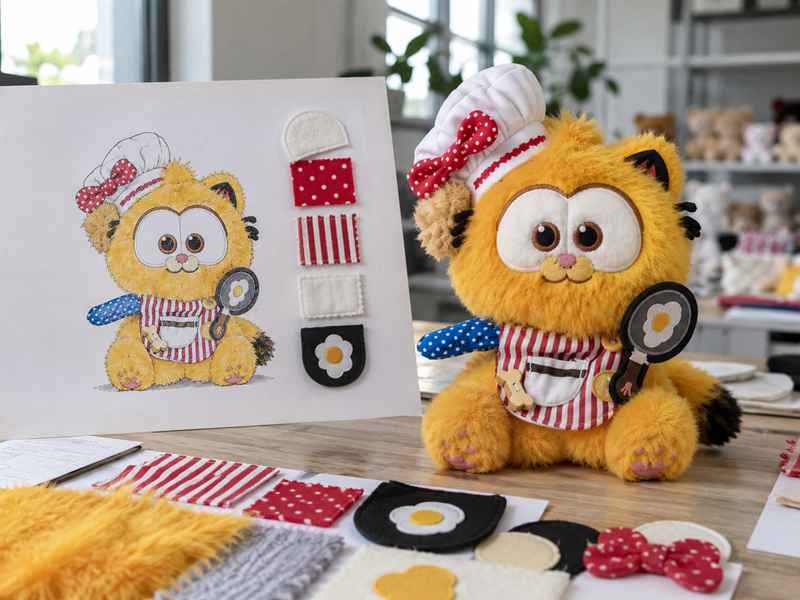
Applique
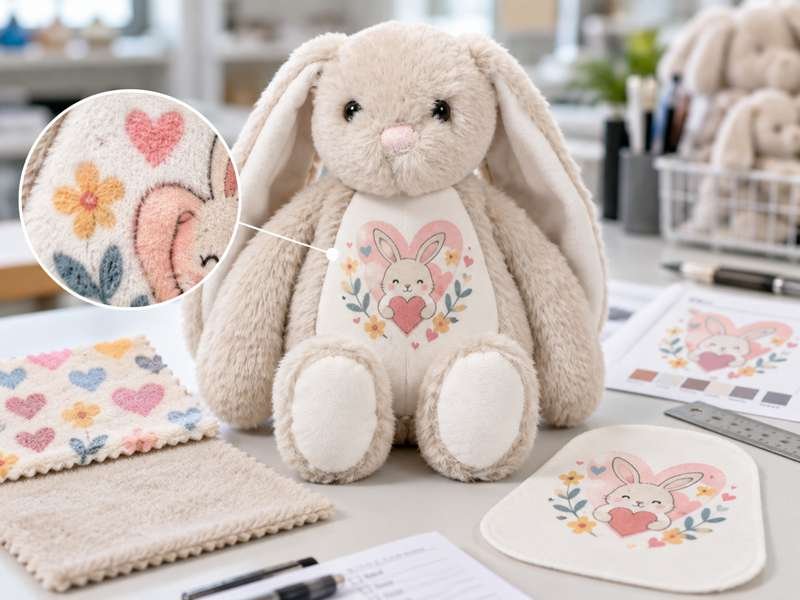
Printed Detail
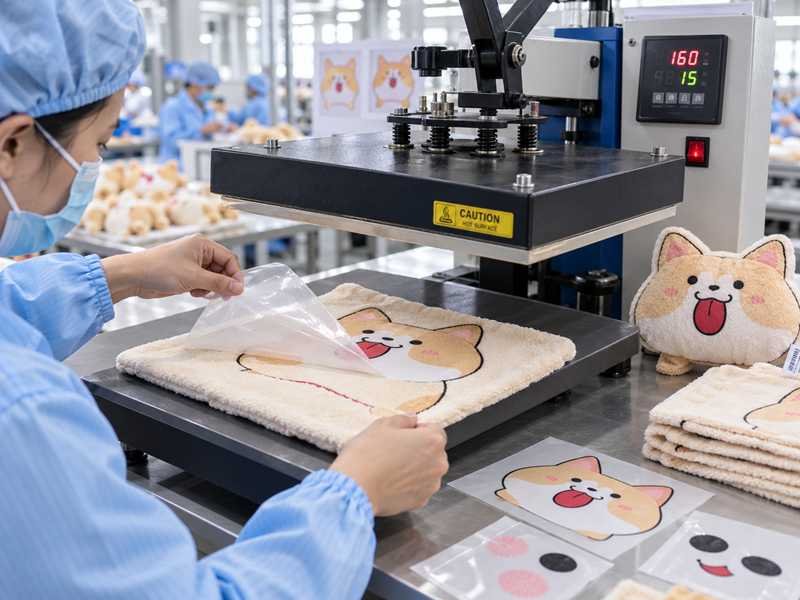
Heat Transfer
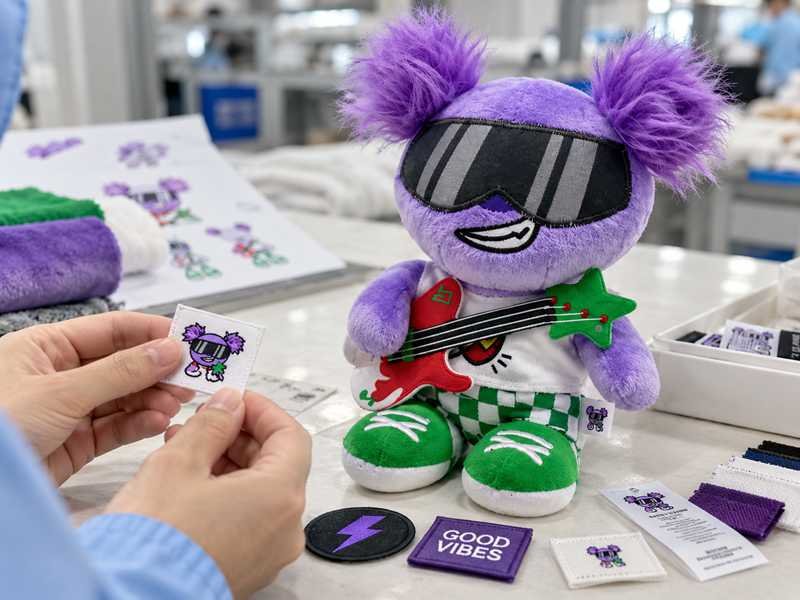
Patch Label
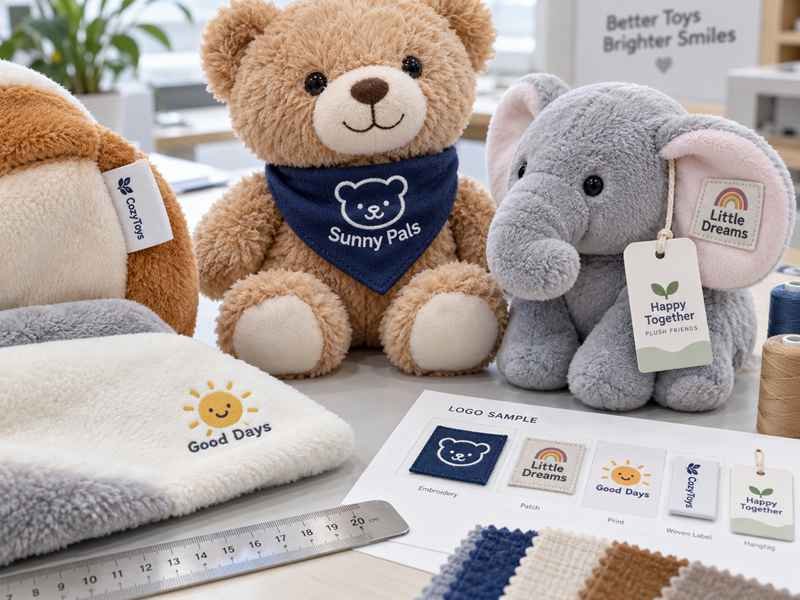
Brand Logo
Clothing and Accessories Must Belong to the Product Design
Garments, props, hardware, molded parts, magnets, and modules change silhouette, balance, assembly, use, and packaging.
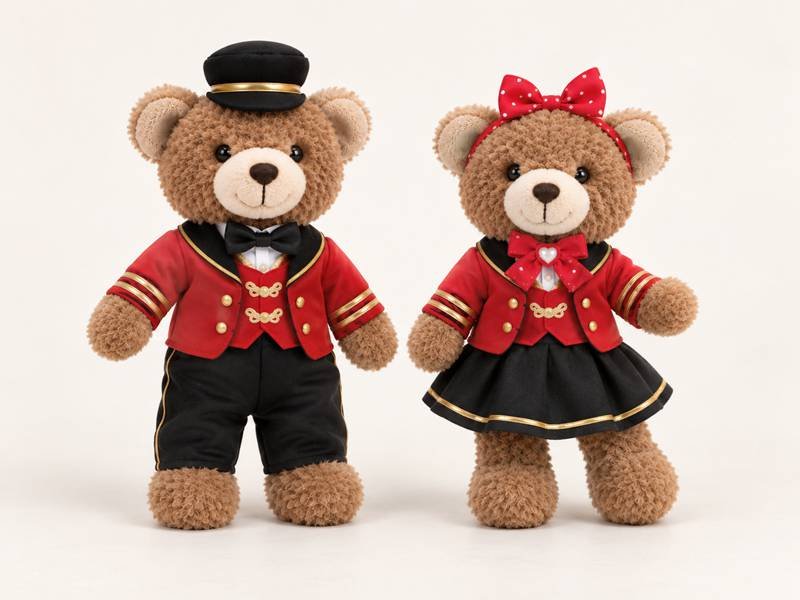
Fixed Clothing
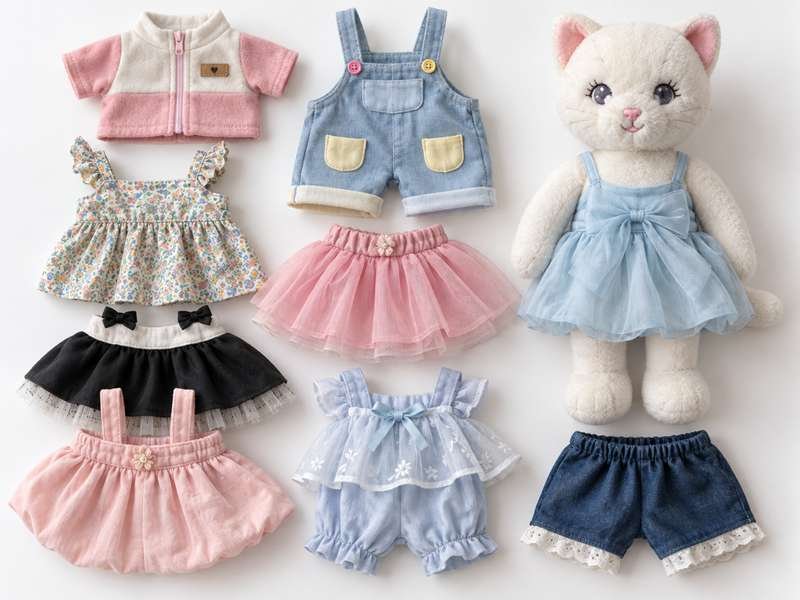
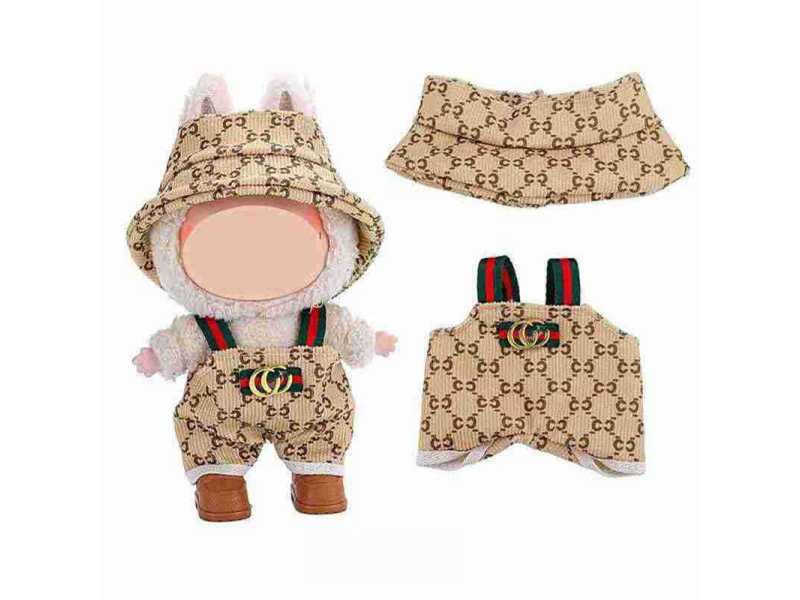
Removable Clothing
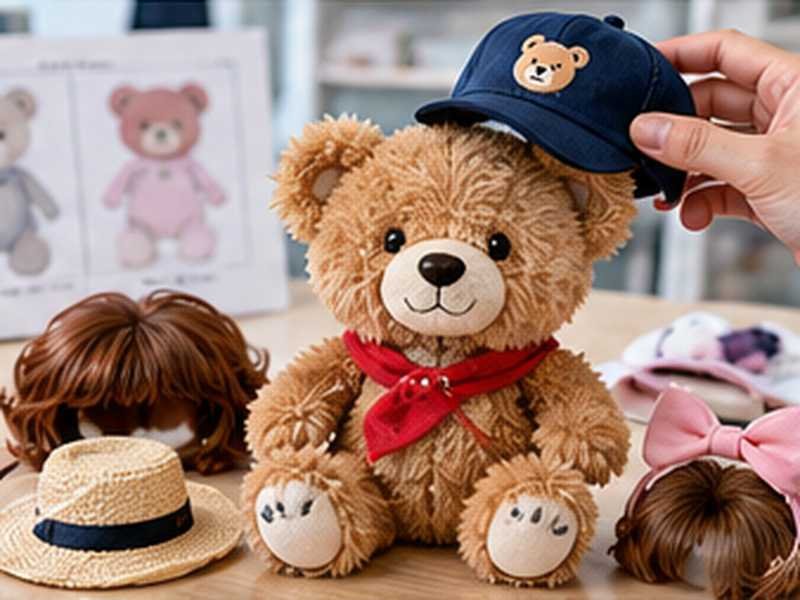
Hats Hair
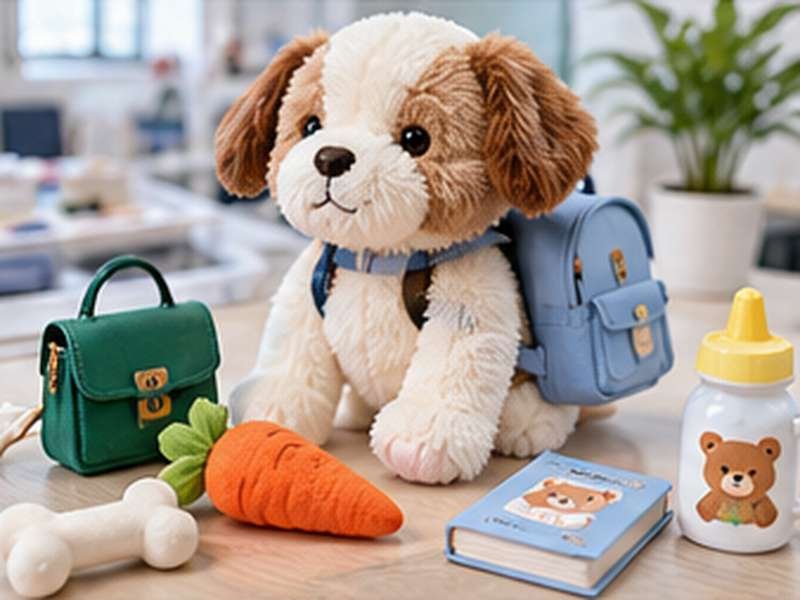
Bags Props
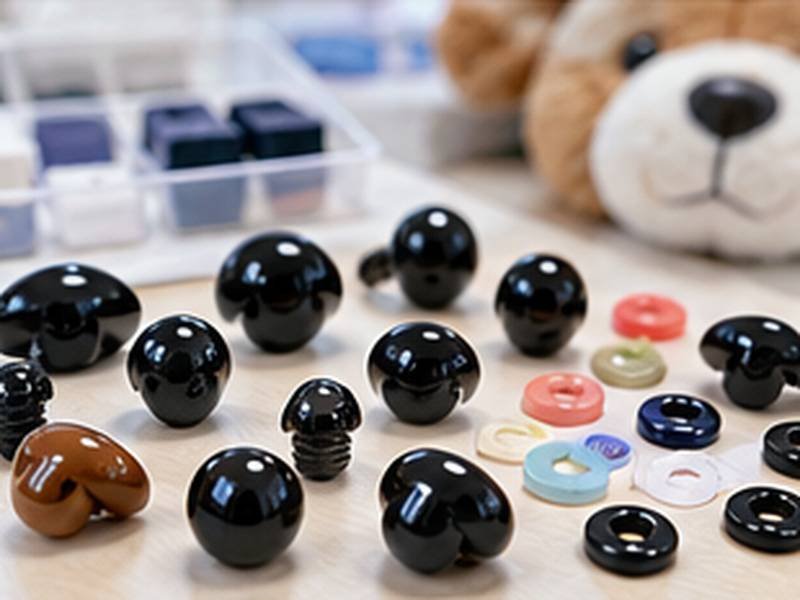
Plastic Parts
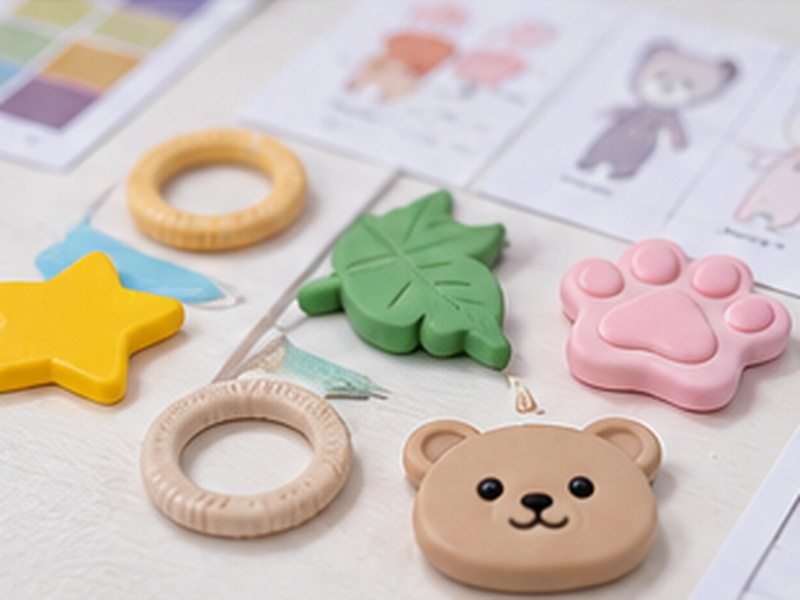
PVC Silicone
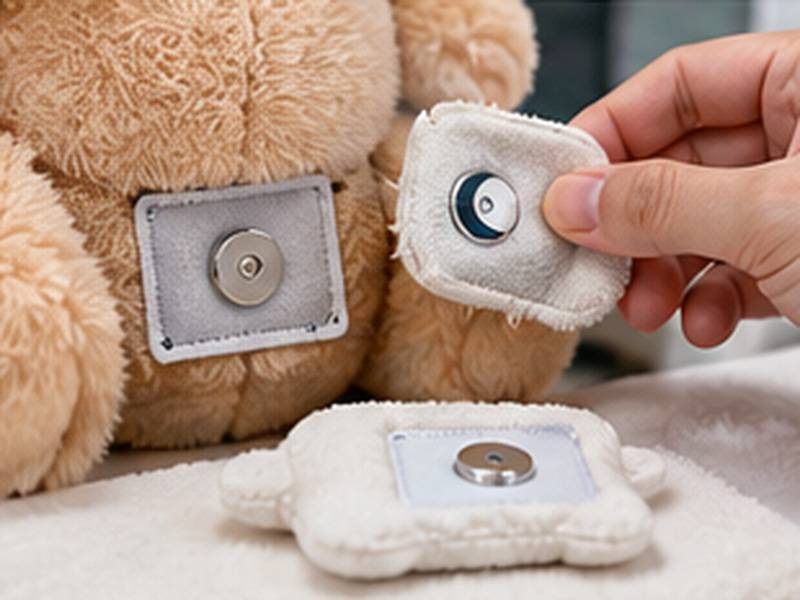
Magnets
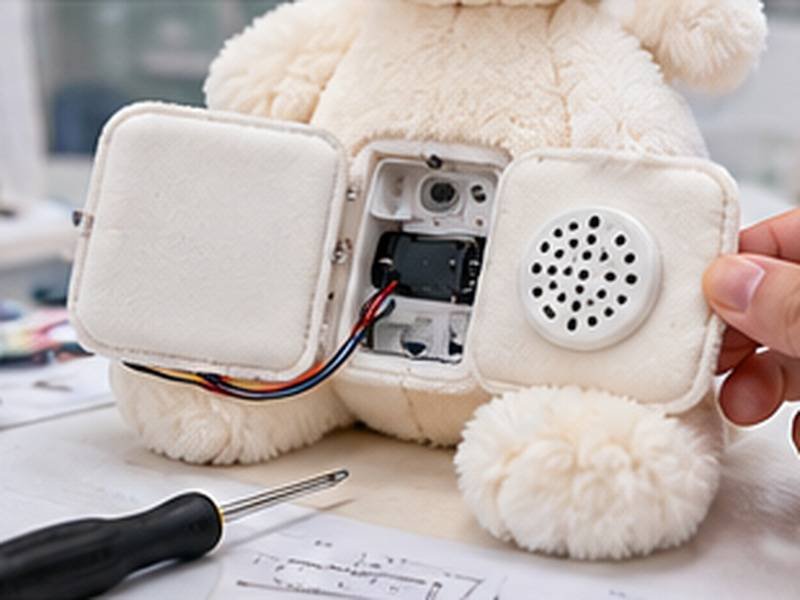
Electronic Modules
Design for Manufacturing Without Losing Character Identity
The strongest plush design protects the visible character while removing hidden complexity that does not improve the final product.
Design Features That Can Actually Be Sewn
Illustrations can contain needle-thin horns, floating hair, sharp corners, tiny fingers, narrow straps, layered texture, or impossible interior intersections. Those shapes may be visually clear on screen but difficult to cut, turn, sew, fill, or finish consistently in fabric.
Ewin reviews the smallest sewable shapes, curve access, panel thickness, seam placement, turning openings, material stretch, hair construction, and attachment logic before the visual direction is treated as production-ready. Where a literal interpretation is unstable, a plush-friendly alternative can preserve the same recognition through broader shapes, layered panels, embroidery, applique, or a more robust attachment.
The purpose is not to simplify every detail. Important character DNA should remain visible. The redesign work should focus on details whose manufacturing difficulty is high but whose contribution to recognition is low.
A sewable design shortens later revision loops because basic construction problems are solved before sampling.
Design Features Production Can Repeat Reliably
A sample maker can sometimes create an impressive one-off product through slow hand shaping, repeated adjustment, temporary support, or highly individual craftsmanship. A commercial design needs a path that many trained operators can repeat against the same pattern and reference.
Ewin checks whether the intended shape depends on uncontrolled hand sculpting, fragile trim, excessive hidden handwork, difficult-to-align decoration, unsupported accessories, or materials that behave unpredictably. Repeatability improves when critical features are defined by pattern geometry, clear material specifications, controlled decoration positions, filling references, and attachment methods rather than personal judgment.
Multi-SKU programs add another layer. Shared design rules should be standardized where possible, while character-specific files stay separate. The goal is consistent family language without forcing every character into one identical construction.
Design becomes scalable when the product can move from sample room to line without being visually reinvented.
Design Features Quality Teams Can Inspect
Important visual requirements should eventually become reviewable references. A note such as “make the face cuter” cannot guide production QC. Eye spacing, head width, ear angle, logo position, key colors, accessory orientation, filling shape, and other critical details should be expressed through dimensions, relationships, approved samples, artwork, color standards, or Critical-to-Quality references.
Ewin identifies which design features deserve stronger control because they carry recognition, function, or risk. Those features can then follow the product into Golden Sample, measurement specifications, material records, decoration files, accessory specifications, and QC plans.
Not every design element needs a numerical tolerance. Handfeel, character spirit, pile direction, and overall appearance may still rely on approved physical references. The objective is to give production and quality teams enough information to distinguish an acceptable variation from a design drift.
A design that can be inspected is easier to reproduce across batches and reorders.
Design Trade-Offs Should Be Visible Before Sampling
Each design choice affects fidelity, cost, manufacturing complexity, sample risk, or channel performance, so important trade-offs should be discussed early.
| Design Goal | Typical Design Decision | Manufacturing Effect | Review Question |
| Higher Character Fidelity | More shaped panels or layered details | More cutting, sewing, alignment, and inspection | Does the visible gain justify added complexity? |
| Softer Handfeel | Softer or stretchier fabric | Volume and embroidery position may shift | Does softness change the approved silhouette? |
| Fine Facial Detail | Dense embroidery or smaller lines | Pile and curvature can reduce readability | Is the detail still clear at finished size? |
| Standing Pose | Wider feet or added support | Shape and internal structure may change | Can the pose remain stable in production? |
| Premium Hair | Layered fabric or long pile | More assembly, trimming, and shaping | Which hair features carry the character identity? |
| Removable Clothing | Closures, elastic, extra fit tolerance | More components and handling | Is removability commercially necessary? |
| Molded Accessory | PVC, silicone, or plastic part | Tooling, weight, fixing, and packaging | Can a soft process achieve the same visual value? |
| Smaller Product | Simplified details and adjusted proportions | Requires redesign, not direct reduction | Which details must survive at the new scale? |
Multi-Size Characters Need Design Adaptation
One character can keep the same visual DNA across sizes only when each version respects the real limits of material, decoration, pattern, and assembly.
Establish a Master Character Reference
A representative size can establish the strongest combination of silhouette, proportion, face, material, color, pose, clothing, and accessory scale before the product family expands. The master reference should define relationships rather than become a file that is simply enlarged or reduced.
Ewin can use the master version to identify the character features that must remain stable across later sizes. Head-body ratio, eye relationship, ear angle, color mapping, hair language, costume proportions, and signature accessories become shared design rules.
A master reference is especially useful when one program includes a 6-12 cm keychain, a standard sitting plush, and a larger display version. Those products may share the same character identity while using very different construction.
The design objective is consistent recognition, not mathematical sameness.
Redesign Details for Each Physical Scale
Seam allowance, pile height, embroidery width, hardware thickness, thread size, turning openings, garment layers, and accessory strength do not shrink or enlarge at the same rate as the character drawing.
Small versions may need wider eyes, simplified hair, fewer clothing layers, larger embroidery features, shorter pile, or a different attachment. Large versions may need stronger internal support, larger filling zones, more controlled body shaping, or revised packaging. A detail that looks elegant at 30 cm may disappear at 8 cm or become too heavy at 60 cm.
Ewin reviews each target size as its own product while protecting shared visual relationships. Pattern and sample work then verifies whether the redesign still reads as the same character.
This avoids a common failure: technically correct scaling that produces visually wrong products.
Keep the Family Consistent Through Separate Approvals
Each size should receive its own pattern, decoration placement, material confirmation, sample revision, and approval status when construction changes. Shared visual standards do not remove the need for SKU-level control.
Ewin can compare multi-size samples side by side to check whether eyes, ears, hair, body volume, accessories, and pose still feel related. Differences caused by scale should look intentional instead of accidental. Packaging should also be reviewed separately because unit size, carton cube, display format, and compression route can change.
Once approved, each size should connect to its own Golden Sample or controlled reference while remaining part of one character family.
Series consistency comes from shared design rules plus size-specific engineering, not one pattern enlarged and reduced mechanically.
Multi-SKU Design Needs Shared Rules and Separate Identity
Character families should feel related on shelf while every SKU keeps its own recognizable face, color, costume, accessory, and approved files.

Define Shared Design Language Across the Collection
A multi-character collection benefits from shared rules for eye style, head-body relationship, material family, embroidery language, pose category, logo placement, handfeel, and packaging presentation. Those common decisions make the collection feel intentional.
Ewin can help separate family-level rules from character-level features. Shared fabric may simplify sourcing and improve consistency, while individual hair, color, clothing, or accessories preserve personality. The same approach works for seasonal variants, colorways, blind-box series, and multi-size programs.
Design standards should remain visible to every team. A family reference can record the common visual language, while each SKU retains its own design ID, artwork, pattern, sample, BOM, and approval status.
Standardizing the right features reduces unnecessary complexity without flattening the character differences that make a collection desirable.

Protect Character-Specific Features From Cross-SKU Drift
Similar characters create a version-control risk. One eye file, hair panel, accessory color, or costume pattern can be accidentally reused on another SKU if naming and approvals are weak.
Ewin keeps character-specific differences identifiable through artwork versions, sample revisions, pattern files, decoration programs, materials, accessories, and packaging. Review comments should state which SKU changes and whether the correction also applies to the family standard.
Side-by-side sample reviews are useful because they reveal inconsistent eye scale, body width, material sheen, filling firmness, accessory proportion, or costume alignment that may not be obvious when each item is reviewed alone.
A collection succeeds when every character looks intentionally related but never interchangeable.

Plan the Design Around Launch Waves and Reorders
Large collections do not always need every SKU to reach the same development stage on the same day. Priority characters, launch waves, retailer requirements, material readiness, and packaging can influence the sequence.
Ewin can organize shared design decisions early so later SKUs reuse proven standards without copying outdated files. A material or eye style approved for the first wave can become a family reference when appropriate, while new accessories, structures, or scale changes still receive their own validation.
Reorders also benefit from the same discipline. The prior Golden, artwork, BOM, packaging, and design references become the baseline for a delta review instead of rebuilding the product from old email attachments.
Design service therefore supports not only the first sample but the long-term consistency of a merchandise family.
Approved Design Must Hand Off Cleanly to Pattern Engineering
Pattern teams need clear geometry, material zones, landmarks, decoration locations, and functional requirements before they can build repeatable three-dimensional volume.
Convert Visual Relationships Into Pattern Landmarks
The design handoff should identify the relationships that matter most: face centerline, eye height and spacing, head width, muzzle depth, ear angle, body width, limb length, tail position, clothing boundaries, accessory scale, and other recognizable landmarks.
Pattern makers then convert those relationships into panel shapes, darts, gussets, seam routes, turning openings, and usable sewing access. The job is not to trace the artwork outline. Flat fabric must create three-dimensional volume after sewing and stuffing, so panel geometry often needs controlled reinterpretation.
Material behavior is carried into the handoff as well. Stretch, pile direction, thickness, backing, and handfeel can change the pattern response. A long-pile face zone may need different visual treatment from a short-pile one even when the underlying geometry is similar.
A precise design handoff gives pattern development a clear target instead of forcing pattern makers to make creative decisions that should already have been approved.
Map Decoration and Accessories Before Pattern Release
Embroidery, print, applique, patches, eyes, noses, magnets, hardware, props, and electronic interfaces all need position references that match the current pattern geometry. A visual placement on artwork can shift after curved panels are sewn and stuffed.
Ewin reviews decoration zones and accessory locations with seam allowance, curvature, pile, backing space, reinforcement, and assembly access in mind. Face embroidery deserves particular care because a few millimeters of movement can change expression after the head gains volume.
If a pattern revision changes a panel boundary, curve, or overall size, the decoration and accessory marks should be reviewed again instead of being carried forward automatically. The current design, pattern, and artwork versions need to describe the same product.
The result is a pattern package that supports the approved visual direction rather than silently creating a new one.
Use the First Physical Sample to Challenge the Design Assumptions
Pattern engineering can reveal problems that are invisible in the creative stage. A hair shape may be difficult to turn, a small limb may collapse, a seam may cross a high-visibility face area, or an accessory may interfere with stuffing and closing.
Those findings should return to design review when they affect visible features. Ewin can compare alternatives by asking which change preserves the most character value with the least production risk. A slightly wider limb, different seam route, simplified hair tip, or revised accessory angle may create a more reliable product without changing the identity.
Once the updated direction is approved, the pattern revision and related design files move forward together.
The handoff works best as a controlled loop between design and engineering, not a one-way transfer of artwork.
Physical Samples Prove Whether the Design Really Works
Fabric, seams, filling, gravity, decoration, and components reveal design problems that cannot be settled on screen alone.
Use Prototype and V1 to Test the Product Direction
A Prototype is useful when basic structure, pose, balance, volume, or a difficult feature is still uncertain. It can answer whether the design direction works physically before every surface detail or final material is committed.
V1 is a more complete interpretation of the intended product. Target fabrics, main colors, decoration, filling approach, accessories, clothing, and structure should be represented closely enough for a serious design review. Ewin checks the physical sample from front, 45-degree, side, back, and intended use positions rather than judging one marketing angle.
The most valuable V1 comments identify the largest visual errors first. Head shape, proportion, face relation, silhouette, pose, and material effect should stabilize before small embroidery or finishing details receive excessive attention.
Sampling turns a visual design into evidence.
Convert Review Comments Into Controlled Design Revisions
Useful comments describe the feature, desired change, and relationship to the approved reference. “Move the eyes 3 mm lower,” “reduce head width,” or “increase ear angle” is more actionable than “make it cuter.”
A change can affect connected areas. Narrowing the head may alter eye spacing, ear position, embroidery mapping, filling, hair, and clothing. Changing from long pile to short pile may improve facial clarity but change perceived volume. Ewin reviews those linked effects so one correction does not accidentally break another approved feature.
Revision samples should remain identifiable by Project ID, SKU, sample type, revision, date, and approval status. Old versions are kept for comparison instead of being overwritten by files named “final-new” or “latest.”
The goal is not endless refinement. Each round should close defined design questions and move the product toward one controlled approval candidate.
Freeze the Visual Result Through Golden and Production References
A design becomes a manufacturing reference only after the approved physical product is linked to the current pattern, materials, decoration files, measurements, filling, accessories, labels, packaging, and quality references.
The Golden Sample represents the physical result. It shows the approved silhouette, face, material feel, clothing, accessory placement, filling, finishing, and overall character. The supporting data defines hidden information the sample cannot communicate by itself.
If a late change affects appearance, material, decoration, or component position, the design status and production records should change together. Silent line-side interpretation is not an acceptable substitute for approval.
Connecting design approval with Golden Sample and controlled files gives production a clear answer to one important question: which version are we supposed to reproduce?
Design Revisions Need One Visible Approval Chain
Design, sample, pattern, material, and decoration versions should move together so old decisions cannot re-enter the project unnoticed.
| Design Stage | Main Purpose | Typical Review | Production Status |
| Concept | Clarify direction | Product role, visual tone, key features | Not for production |
| Reference Lock | Set approved source | Character assets, priorities, conflicts | Not for production |
| Design Definition | Define plush direction | Size, proportion, pose, material, decoration | Not for production |
| Prototype | Test structure | Volume, balance, difficult features | Not for production |
| V1 | First full product | Fidelity, materials, decoration, accessories | Not for production |
| Revision V2/V3 | Close comments | Changed points plus linked effects | Not for production |
| Approval Candidate | Confirm final direction | Full visual and technical review | Awaiting freeze |
| Golden Sample | Physical approved reference | Appearance, materials, workmanship | Controlled reference |
| Production Release | Transfer approved definition | Pattern, BOM, artwork, QC, packaging | Ready after release gates |
Design Evidence and IP Control Build Trust
Artwork to Design
Proportion Map
Head-body ratio, face centerline, eye relationship, ear angle, limb length, and accessory scale can be shown through anonymized overlays or measurement maps that explain the decisions behind character fidelity.
Material Board
Revision Chain
Golden Reference
NDA File Control
Unreleased character art, 3D assets, tech packs, packaging, and launch information can require NDA, restricted access, project codes, controlled sample handling, and limited supplier disclosure. Public use depends on explicit permission.
Frequently Asked Questions
Yes. A sketch can begin concept clarification and character review. Ewin identifies fixed visual features, missing views, target size, pose, materials, and questions that should be resolved before pattern work.
Yes. One front view can start design review, but side depth, back geometry, pose, material zones, hidden structure, and accessories may need definition before the product becomes sampling-ready.
Yes. Written ideas and moodboards can support an early development brief. Ewin can help define the plush product direction, while full original character illustration or IP creation should be confirmed separately.
No. Character sheets reduce assumptions, especially for licensed programs, but development can start from sketches, artwork, 3D renders, reference products, or physical samples depending on project maturity.
Yes. Ewin translates digital volume, proportion, pose, materials, and surface details into soft-product decisions before pattern engineering and physical sampling establish the manufacturable form.
Size depends on product use, character detail, material, decoration, accessories, packaging, and cost. Small versions often require simplified features rather than direct mathematical scaling.
Yes. Existing samples can support supplier transfer, fidelity correction, resizing, cost review, or quality improvement. Ewin first defines what must remain unchanged and what problem should be corrected.
Pattern engineering is the next controlled stage. Design establishes proportion, pose, materials, decoration, and landmarks; pattern work converts the approved direction into panels, seams, openings, and sewing logic.
Approved design direction feeds pattern and sample development. Prototype or V1 then verifies silhouette, proportion, materials, decoration, accessories, handfeel, pose, and other decisions in a real physical product.
Sensitive projects can use NDA, project codes, restricted access, version control, controlled sample handling, limited supplier disclosure, and publication restrictions based on the agreed confidentiality requirements.

Send Your Plush Design for Review
Share the creative material you already have rather than waiting for a perfect technical package. Useful inputs include a written idea, moodboard, sketch, 2D artwork, character sheet, front-side-back views, 3D render, reference product, existing sample, target size, quantity range, SKU count, target market, sales channel, material preference, accessories, packaging direction, launch date, and the visual features that must not change. Ewin Toys can review character priorities, proportion, pose, material direction, decoration, accessory integration, manufacturability, multi-size needs, and the handoff into pattern engineering and sampling, then identify the design decisions that should be confirmed before physical development begins.