
Amazon FBA Service for Custom Plush Brands
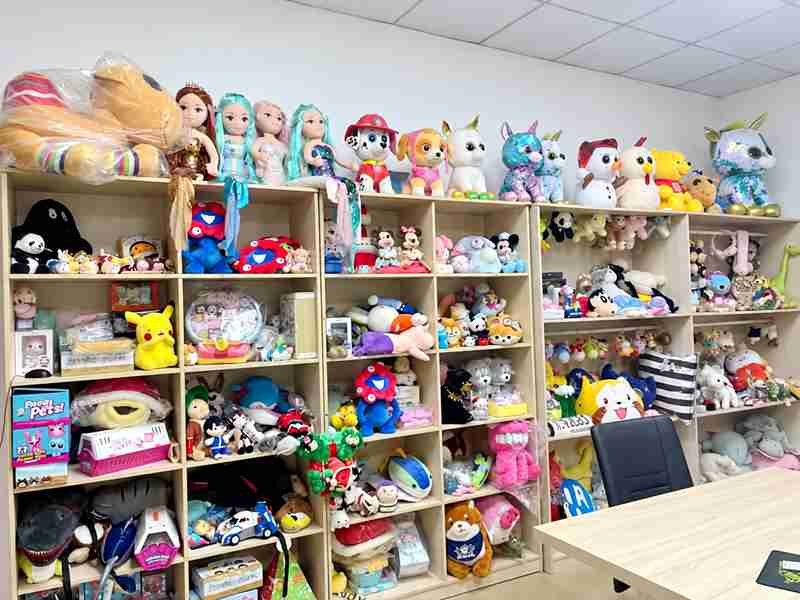
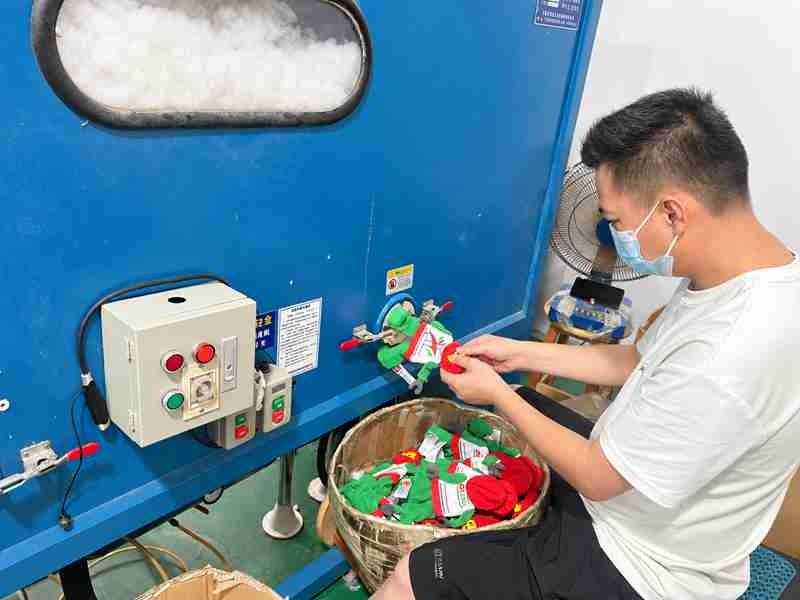
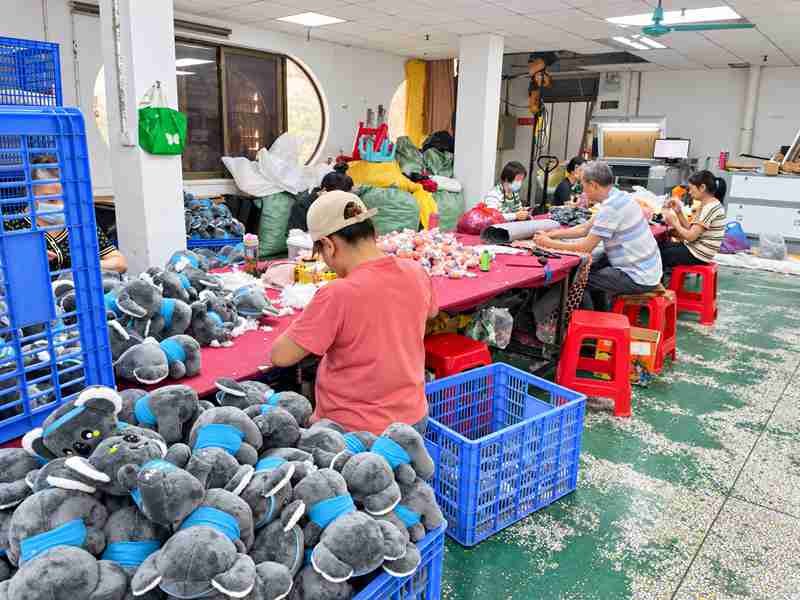
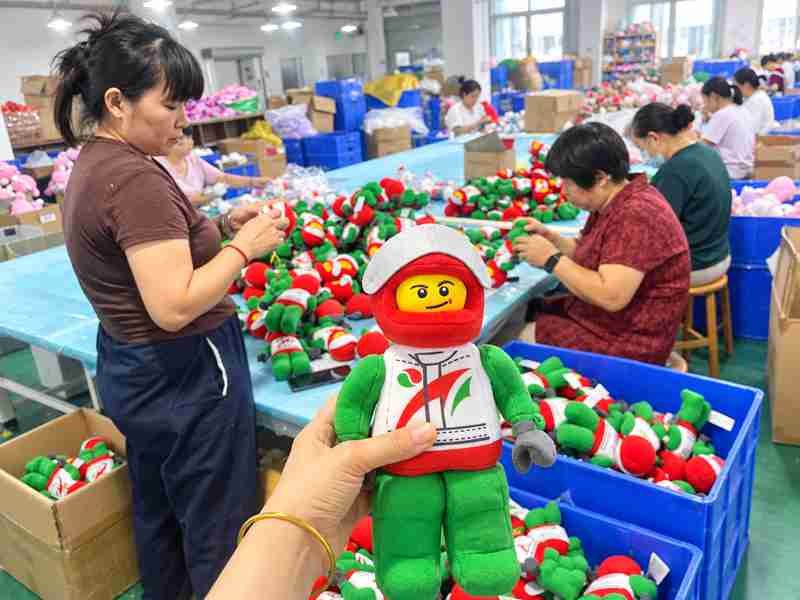
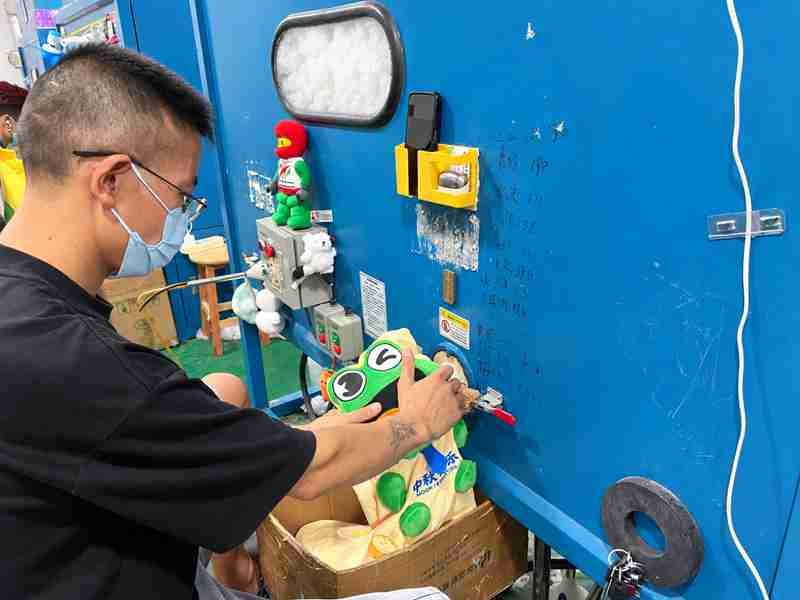
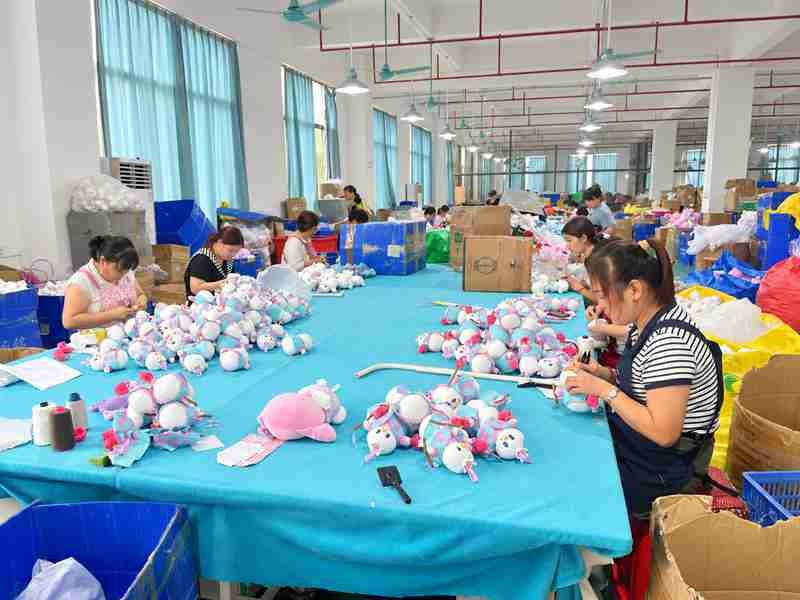
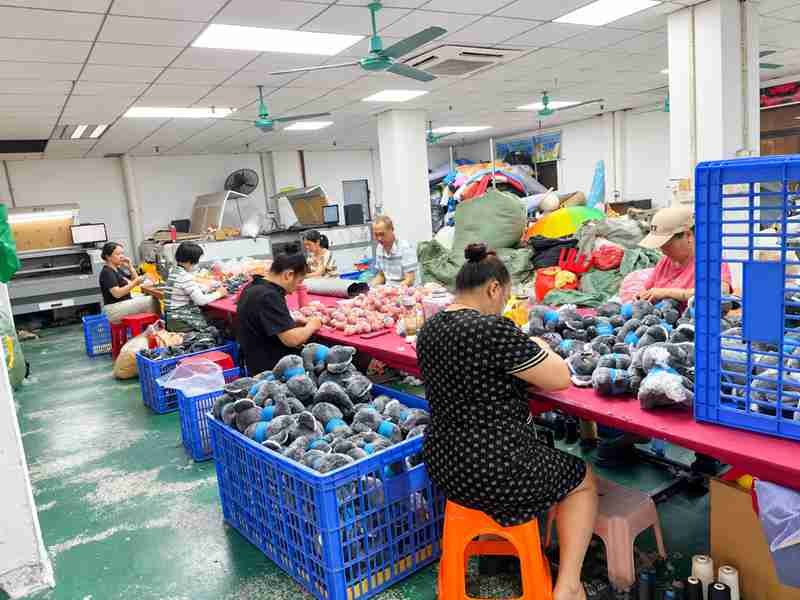
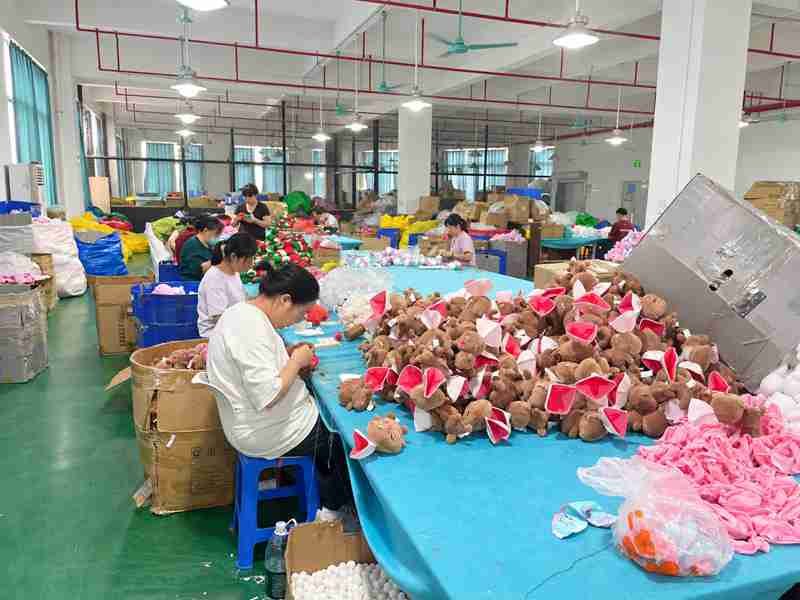
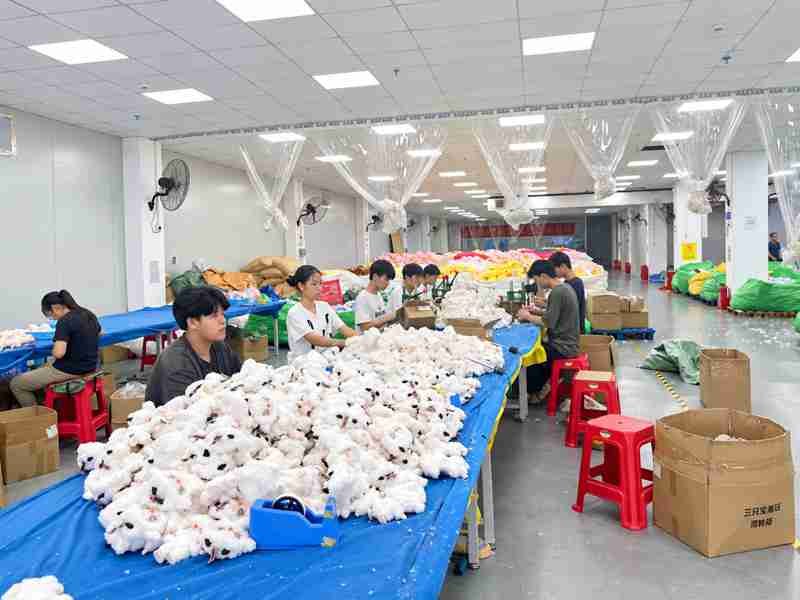
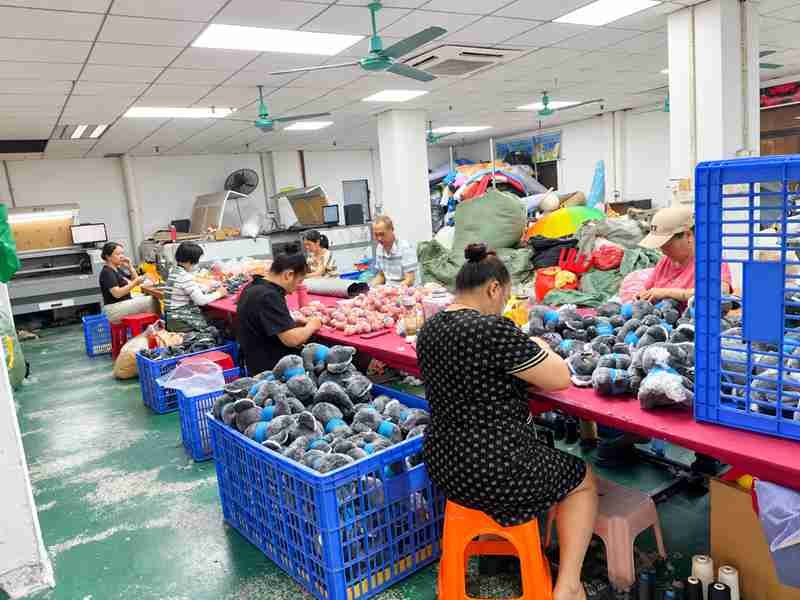
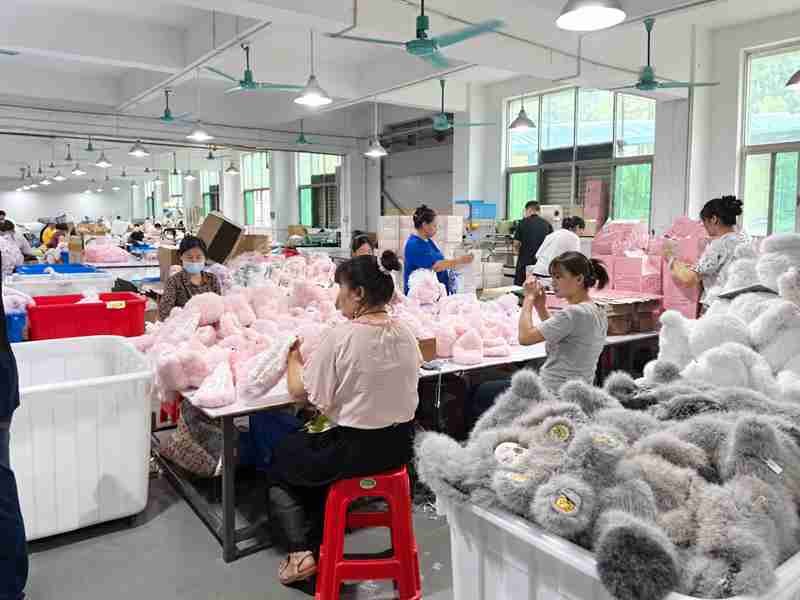
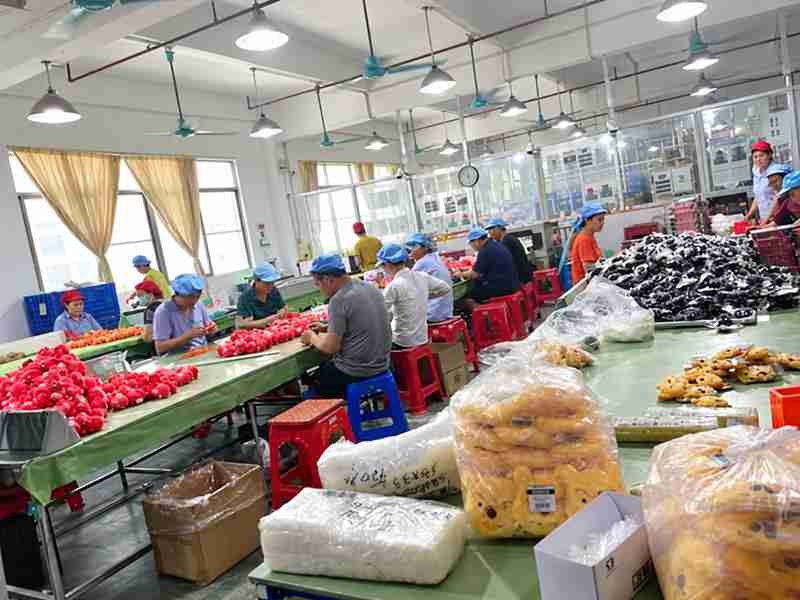
Move custom plush orders from production to Amazon fulfillment with fewer handoffs, clearer shipment preparation and better control over multi-SKU programs. Ewin Toys integrates production, 150+ packaging personnel and export coordination to help brands prepare inventory for Amazon selling workflows before goods leave the factory.
FNSKU Application Support | Retail-Ready Polybagging | Carton Size & Weight Control | SKU Separation | Master Carton Identification | FBA Warehouse Shipment Coordination

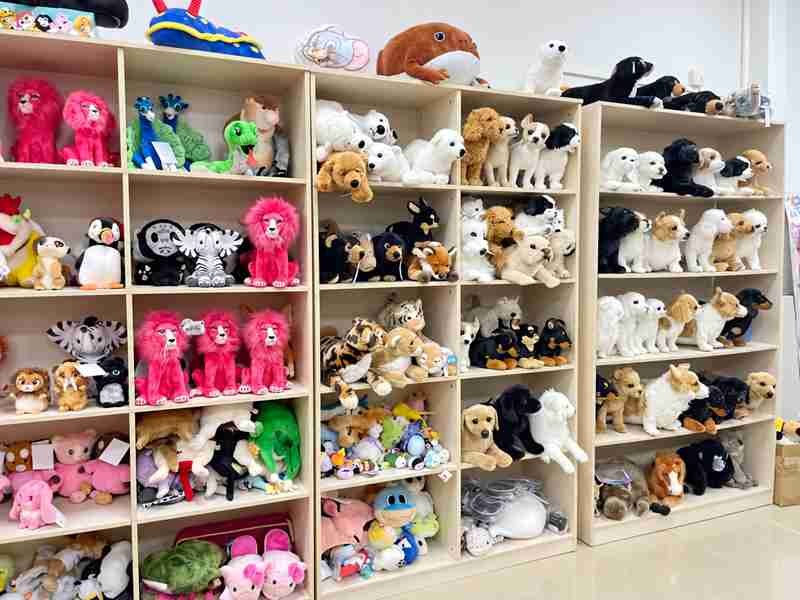
Custom Plush Products We Prepare for Amazon FBA
Different plush formats create different packaging, barcode, carton, recovery, and replenishment needs, so FBA planning should begin with the actual product.
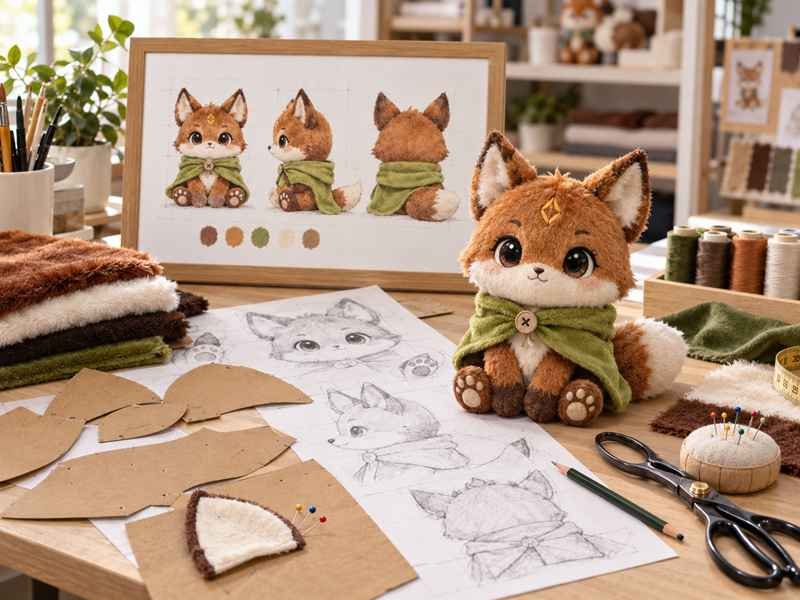
Character Plush
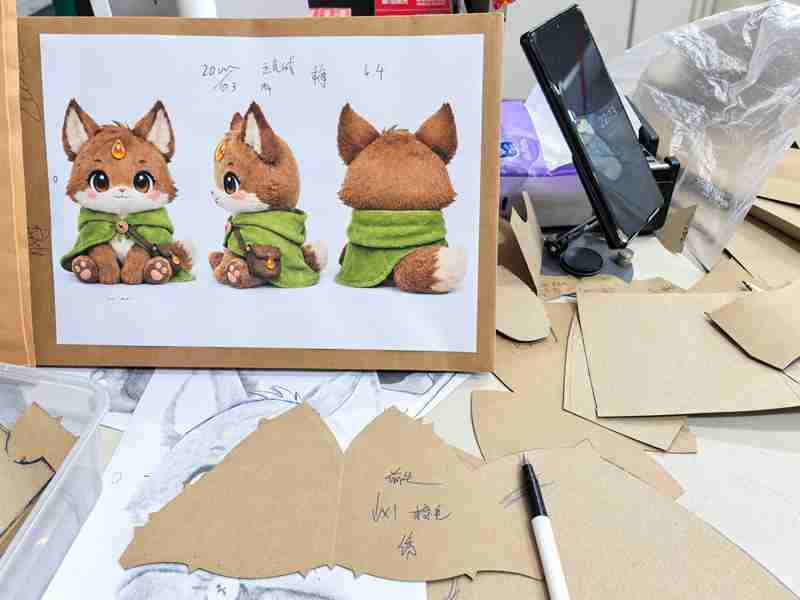
Custom character plush can be developed from artwork, 3D files, concepts, or reference samples. E-commerce, gift, and IP programs most commonly fall around 10-40 cm, while the broader custom range can extend from about 8 cm to 100+ cm.
- FBA focus: unit protection, appearance recovery, label position.
- Best for: branded characters, animals, mascots, and private-label collections.
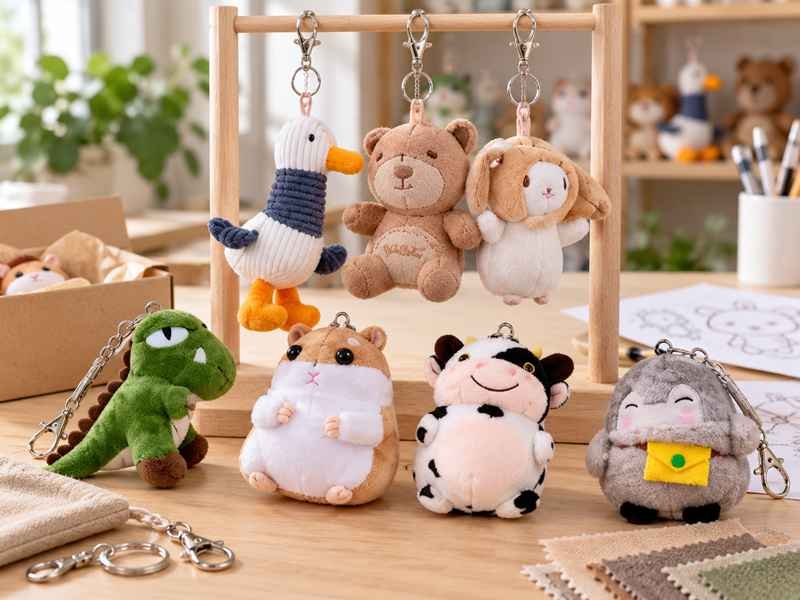
Plush Keychains
- FBA focus: accessory retention, hardware isolation, small-unit labeling.
- Best for: IP, gifts, retail, and DTC accessory programs.
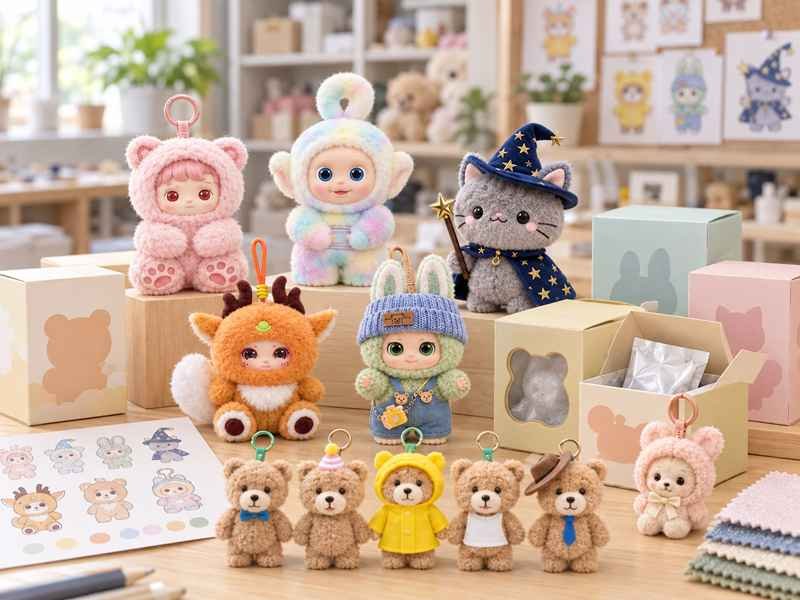
Mini & Blind Box Plush
- FBA focus: multi-SKU accuracy, series packaging, barcode control.
- Best for: collectible series, blind bags, and high-SKU programs.

Designer Collectibles
Designer and collectible plush commonly sit around 10-40 cm, with 20-30 cm often giving enough space for detailed shape, material, clothing, or mixed-component expression. Packaging can carry significant perceived value, so compression is not always the best route.
- FBA focus: detail protection, collector presentation, version control.
- Best for: art toys, limited drops, and premium collectible brands.
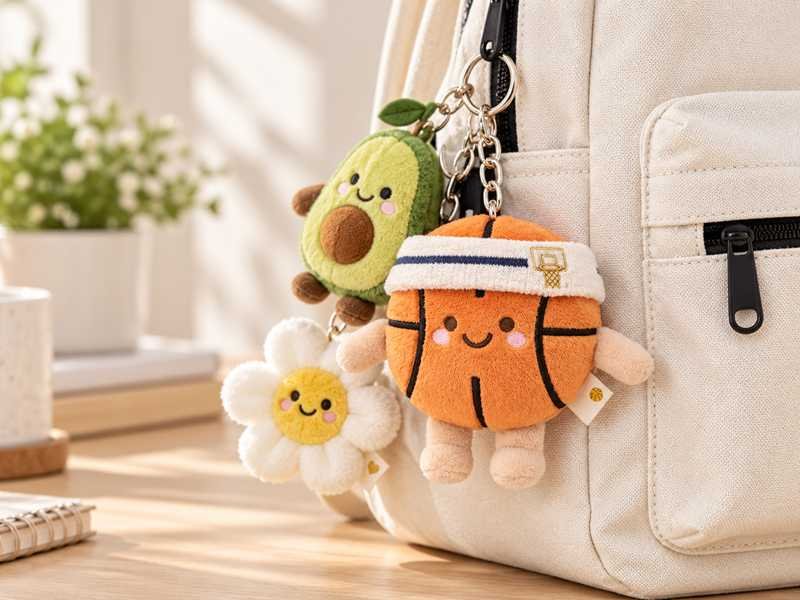
Plush Bag Charms
Plush bag charms are typically around 7-18 cm and place more emphasis on fashion styling, metal hardware, hanging direction, and surface finish. They can ship efficiently, but metal components should be isolated so they do not scratch the plush or packaging.
- FBA focus: hardware protection, clean presentation, compact unit packs.
- Best for: fashion, lifestyle, IP, and collectible accessory programs.
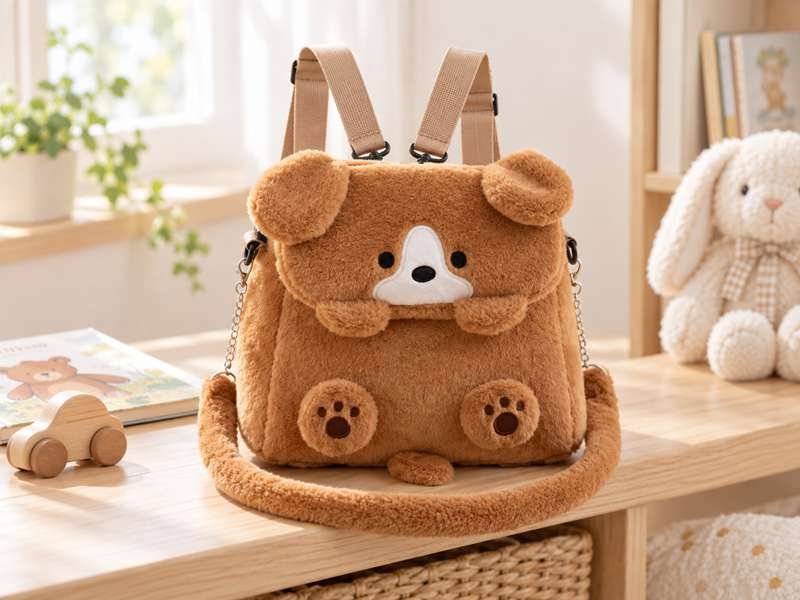
Plush Backpacks
Mini and children’s plush backpacks are commonly around 20-35 cm high, depending on capacity. Their FBA pack needs to protect the character shape while controlling straps, zippers, lining, hardware, and carton volume.
- FBA focus: strap containment, zipper protection, pack dimensions.
- Best for: IP merchandise, children’s products, and lifestyle collections.
What Ewin Can Prepare for Amazon FBA
Amazon preparation starts at the factory, where product identity, unit packaging, labels, cartons, and shipment information must remain aligned before release.
Unit Packaging
- Match packaging to the approved SKU.
- Confirm current marketplace requirements before production release.
FNSKU / GTIN Labels
- Link label data to SKU and packaging version.
- Reconfirm changed codes before reorder release.
Barcode Scan Checks
- Keep a flat, readable scan area.
- Verify the code after final packaging, not only on loose labels.
Compression Options
- Run product-specific recovery checks.
- Do not use one compression ratio for every plush construction.
Master Carton Pack-Out
- Control carton quantity and SKU allocation.
- Keep shipping labels tied to the correct shipment and destination.
Pre-Shipment Verification
- Verify shipment data against physical cartons.
- Keep photos or records where the project requires them.






































































Seller Inputs and Ewin Factory Execution
Amazon shipment data should come from the seller’s current account and shipment plan; Ewin converts approved information into controlled factory execution.
| Seller / Brand Provides | Ewin Executes |
| Amazon marketplace and selling country | Reviews packaging and labeling execution against the stated marketplace and current project requirements. |
| Product SKU and ASIN mapping | Keeps the correct product version tied to the correct SKU during packing and shipment preparation. |
| FNSKU / GTIN / approved barcode data | Prints, applies, and scan-checks supplied data on the correct unit packaging. |
| Current unit-packaging requirements | Prepares the approved polybag, compression pack, box, insert, warning, or label configuration. |
| Shipment plan | Allocates finished units and cartons according to the current shipment structure rather than an old order. |
| Box labels / shipment labels | Applies shipment-specific labels to the correct cartons after allocation is confirmed. |
| Warehouse / destination information | Segregates cartons by destination when one order has multiple shipments or receiving points. |
| Target ship date | Aligns packaging, final inspection, and shipment-readiness work with the production schedule. |
| Incoterm and delivery instruction | Coordinates the agreed factory-to-destination responsibility within the approved quotation and shipment plan. |
| Updated account or shipment changes | Rechecks affected labels, cartons, quantities, and destination data before final release. |
Keep SKU, ASIN and FNSKU Identity Aligned
SKU Mapping
- Use one controlled identity for each SKU.
- Recheck mappings when listings or packaging change.
Label Version Control
- Remove obsolete label files from execution.
- Link the approved label version to the current SKU.
Final-Pack Scan Check
- Scan in the final packaged condition.
- Correct print or placement before carton pack-out.
SKU Changeover Control
- Separate old and new SKU materials.
- Confirm first packed units after each changeover.




























Packaging Must Protect Product and Review Performance
FBA preparation should protect the plush during handling while preserving a clean opening experience that matches the approved product presentation.
Protect the Product
- Match protection to the plush structure.
- Check accessories and removable parts before sealing.
Keep Presentation Clean
- Inspect visible surfaces before sealing.
- Keep inserts and accessories orderly inside the pack.
Control Accessories
- Confirm included items by SKU.
- Protect hard parts from scratching the plush.
Place Labels Safely
- Reserve a clear label area.
- Avoid placement that damages the product or display surface.
Compression Packaging Needs Recovery Validation Before Release
Compression can improve carton utilization for bulky plush, but the decision should be based on recovery, appearance, scanability, and actual product construction.
Reduce Volume Without Losing Product Shape
Compression is useful only when the finished plush can recover close to the approved condition after opening. Face shape, ears, wings, long pile, clothing, embroidery, printed areas, hard components, and internal modules should be reviewed before compression becomes a production standard.
Product structure: Softer standard plush may tolerate more compression than collectible, dressed, long-pile, electronic, or hybrid products.
Consumer condition: The unit should not arrive permanently flattened, twisted, dirty, or visibly below the approved presentation.
Commercial decision: Use the carton and freight benefit only when the recovery result remains acceptable for the SKU and sales position.
Validate Recovery in the Intended Pack
A compression trial should use the actual product, intended bag, compression direction, storage assumption, and opening method. Recovery is checked against the approved reference rather than judged only by how small the packed unit becomes.
Recovery points: Review face, silhouette, pile, limbs, clothing, accessories, printed details, and areas that can bend or crease.
High-risk features: Molded pieces, electronics, rigid inserts, delicate clothing, or decorative attachments may require lighter compression or a different pack route.
Approval record: Once accepted, the compression method should enter the packaging specification so future production and reorders do not use a stronger unapproved setting.
Protect Barcode and Pack Data
Compression can create wrinkles or curved surfaces that make labels difficult to scan. The layout should reserve a stable area for FNSKU, GTIN, warning, or other approved labels and keep them readable after compression and recovery.
Scan zone: Apply labels where the packed surface remains reasonably flat and visible.
Version control: If the compression bag or packing direction changes, recheck label position and scanability instead of assuming the old setup still works.
Carton data: A new compression method can change units per carton, carton dimensions, gross weight, and shipment data, so pack-out information should be updated from the physical result.
























Move From Shipment Plan to Verified Master Cartons
The safest route is to build cartons from current shipment data, then verify physical pack-out before labels and release records are finalized.
Receive Shipment Plan
Confirm SKU Allocation
Pack Sellable Units
Build Actual Cartons
Apply Box Labels
Verify Release
Control Multi-SKU and Multi-Shipment FBA Programs
Larger Amazon programs need one source of truth connecting product, packaging, label, carton, destination, and release status at SKU level.
| Control Object | What Must Stay Aligned |
| Product SKU | Correct approved product, size, color, accessories, and current revision. |
| ASIN Mapping | Seller-confirmed relationship between the sellable product and listing. |
| FNSKU / GTIN | Correct approved code applied to the correct sellable unit. |
| Unit Packaging | Correct bag, box, insert, warning, and label version for the SKU. |
| Packaging Artwork | Current approved artwork linked to the correct SKU and BOM or specification. |
| Units per Carton | Actual pack-out quantity based on the finished packaged unit. |
| Carton Dimensions / Weight | Physical measurements from the current packing configuration. |
| Shipment Label | Correct label for the assigned shipment and destination. |
| Warehouse / Destination | Correct receiving location when one PO is split across several shipments. |
| Quantity Allocation | Correct SKU quantity assigned to each shipment without over- or under-packing. |
| QC Release | Correct SKU and packaging version approved before shipment. |
| Reorder Version | Current product, label, packaging, and shipment data rechecked before repeat production. |
Use a Release Checklist Before FBA Shipment Handover
An Amazon-ready unit is not finished until identity, packaging, recovery, cartons, shipment data, and inspection status all agree.
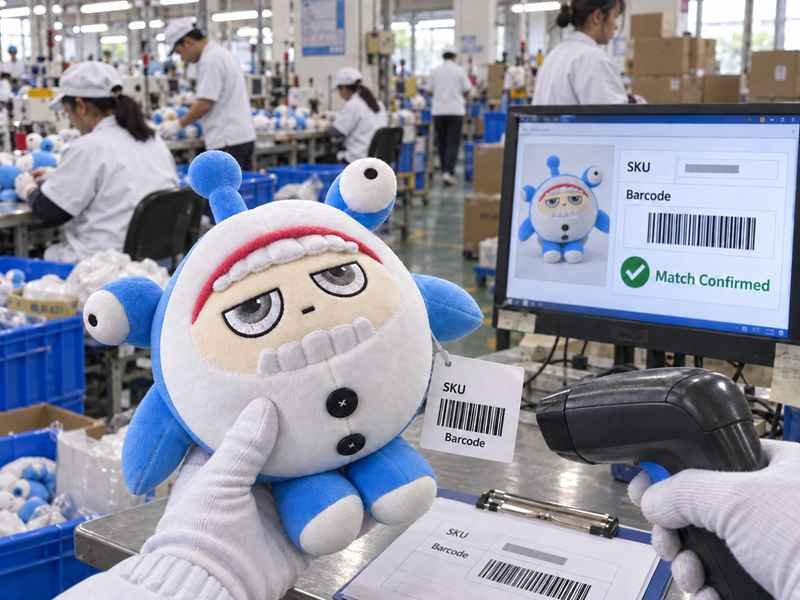
SKU & Barcode

Unit Packaging
Check the approved bag, box, warning, label position, accessory retention, sealing, and pack cleanliness against current marketplace and project requirements.
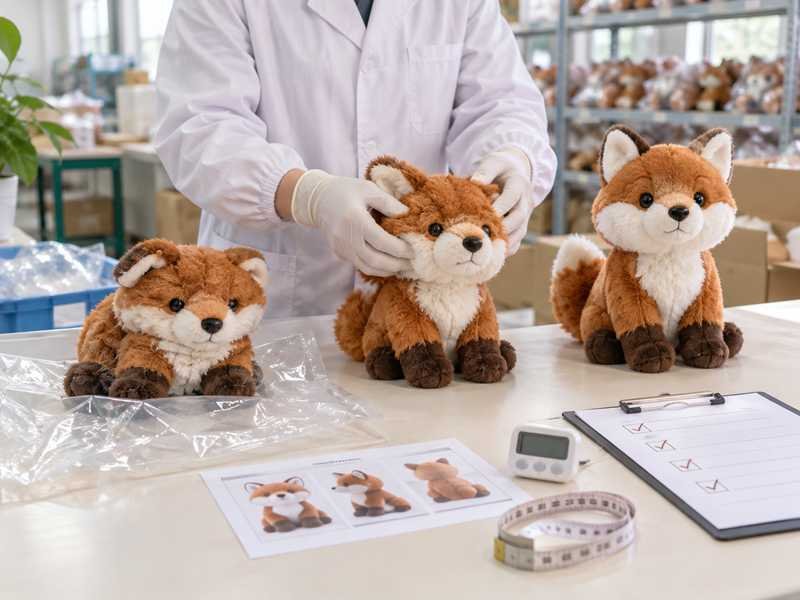
Product Recovery
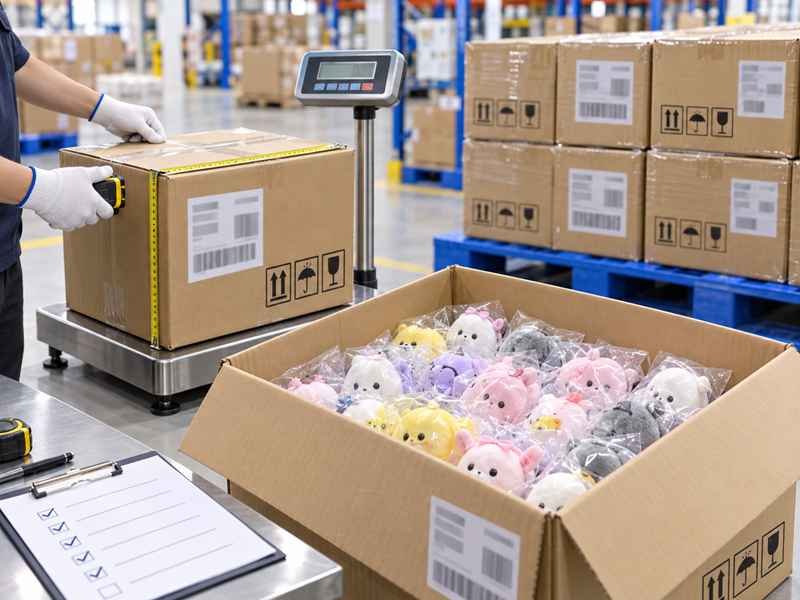
Master Carton
Verify units per carton, carton dimensions, gross weight, carton count, shipping marks, and box labels from the actual packed configuration.

Shipment Segregation

QC & Evidence
Amazon Prep and Product Compliance Are Different
FBA packaging execution and toy-market compliance solve different risks; both may apply to the same plush SKU before shipment.
Marketplace / FBA Execution
- Use current seller-provided data.
- Reconfirm dynamic requirements before shipment release.
Product / Market Compliance
- Define market and age grade early.
- Keep testing and FBA execution as separate controlled requirements.
Plan Replenishment Before the First FBA Shipment Sells Out
Repeat Amazon orders become faster and safer when approved product, packaging, barcode, and forecast information remain reusable without skipping required checks.
Reorder Version Check
- Run a delta review before release.
- Confirm the current SKU and packaging versions.
Forecast Planning
- Share peak periods and expected SKU demand.
- Separate forecast visibility from committed orders.
Scale After Validation
- Scale the approved definition, not a memory of the last order.
- Recheck capacity and shipment requirements for each release.
Frequently Asked Questions
Yes. Ewin develops and manufactures multiple plush formats and can prepare approved units with seller-supplied barcode data, packaging, carton pack-out, compression options, and pre-shipment checks.
No. FNSKU, GTIN, ASIN, and related listing data should come from the seller or brand account. Ewin can print, apply, and verify approved information during factory execution.
Yes. Seller-approved FNSKU labels can be printed and applied to the correct SKU and packaging version, followed by scan checks in the final packaged condition where required.
Yes. Final-pack scan checks are useful because wrinkles, curved surfaces, transparent bags, label placement, or compression can affect readability even when the loose printed label looks correct.
Yes, when the product passes a suitable recovery review. Face shape, pile, clothing, printed areas, rigid parts, electronics, label stability, and opening condition should be evaluated first.
Ewin can coordinate SKU-level product versions, packaging, approved barcode data, carton allocation, shipment labels, and destination records so multi-SKU programs remain separated during packing and release.
Potentially. Shipment structure, warehouse destinations, box labels, quantities, Incoterm, and supported shipping route must be reviewed per project. Multi-destination cartons require controlled segregation before release.
No. FBA preparation handles marketplace and shipment execution. Product compliance depends on market, age grade, materials, construction, labeling, testing, and applicable documentation and must be reviewed separately.
Direct shipment can be evaluated by destination, shipment plan, Incoterm, importer responsibility, and supported shipping lane. It should not be treated as an automatic worldwide service for every project.
Send marketplace, product type, SKU and ASIN mapping, FNSKU or GTIN data, quantity by SKU, unit-pack requirements, shipment plan, destination, target ship date, and current packaging instructions.
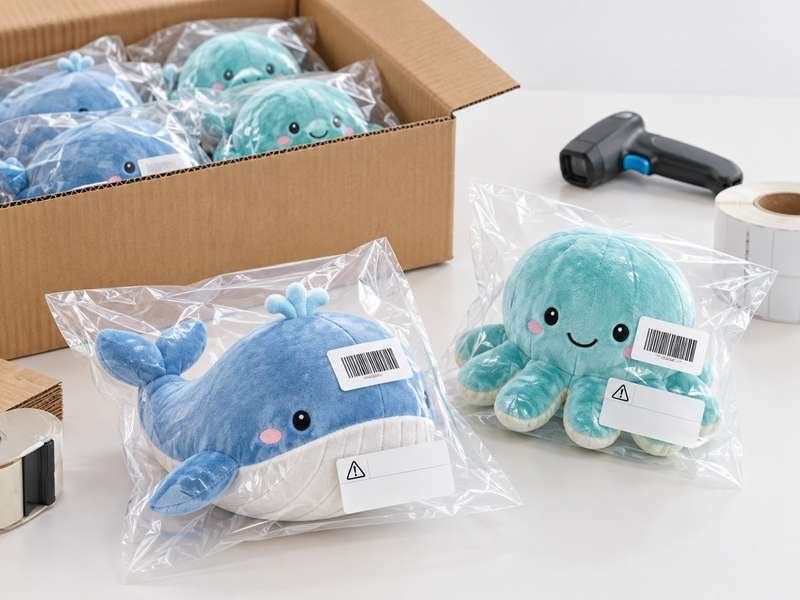

Send Your Amazon FBA Requirements for Review
Share the product and FBA information needed to prepare the correct sellable unit and shipment. Include your company, business email, Amazon marketplace, product type, finished size, SKU and ASIN mapping, FNSKU or GTIN status, quantity by SKU, unit-pack requirement, compression preference, shipment plan, warehouse or destination, target ship date, and Incoterm when available. Upload artwork, current label files, packaging instructions, shipment or box-label documents, or approved product specifications so Ewin can work from the correct version. If the program includes several products, ASINs, warehouses, or replenishment waves, explain the allocation structure. Ewin can then review product development, FBA packaging execution, barcode control, compression recovery, carton pack-out, shipment segregation, QC release, and the appropriate delivery route.