
Plush Stuffing & Finishing for Consistent Shape & Handfeel
Achieve the approved softness, weight distribution and final silhouette across bulk production. Ewin Toys controls filling density, shaping and finishing as connected processes, helping reduce uneven stuffing, deformation and appearance variation before packing.
60+ Stuffing & Shaping Team | Fiber Preparation | Weight-Controlled Filling | Zone-Specific Density Control | Shape Recovery Adjustment | Seam Closing | Surface Grooming & Trimming | Final Appearance Check
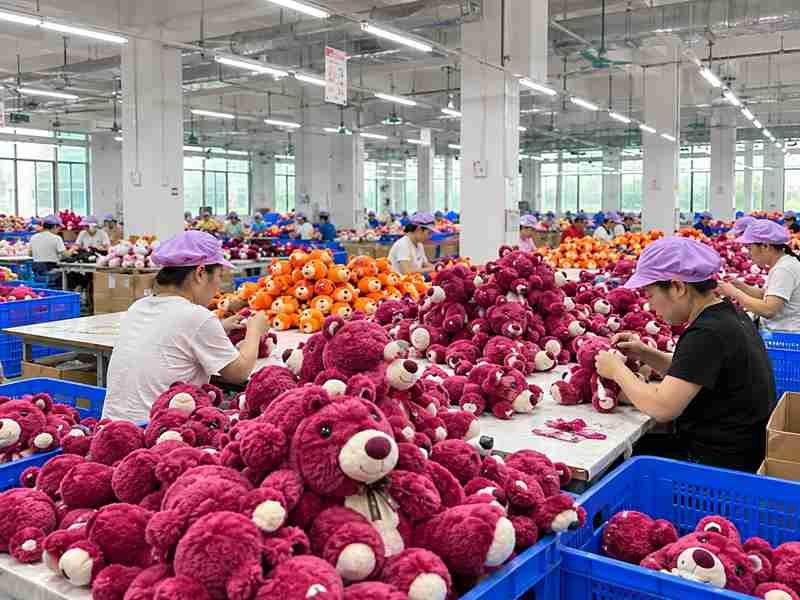
Why Filling Changes the Finished Plush
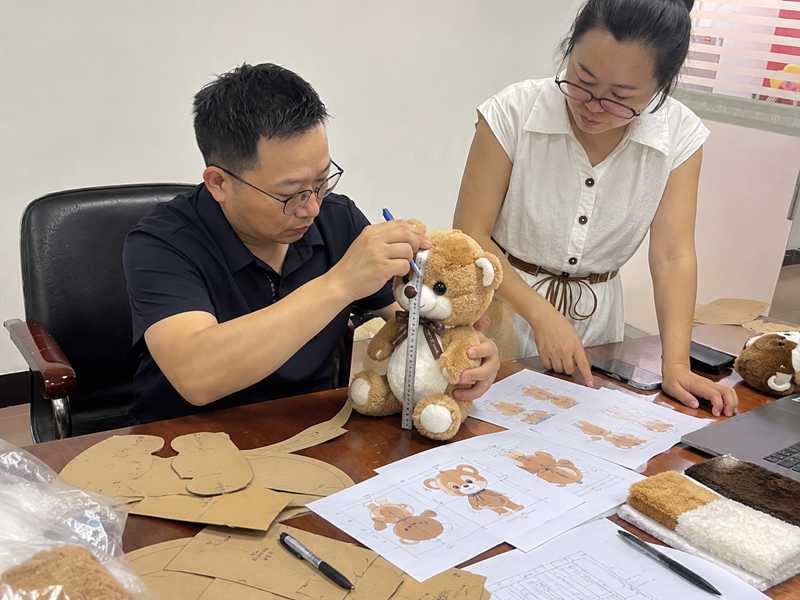
Shape and Proportion
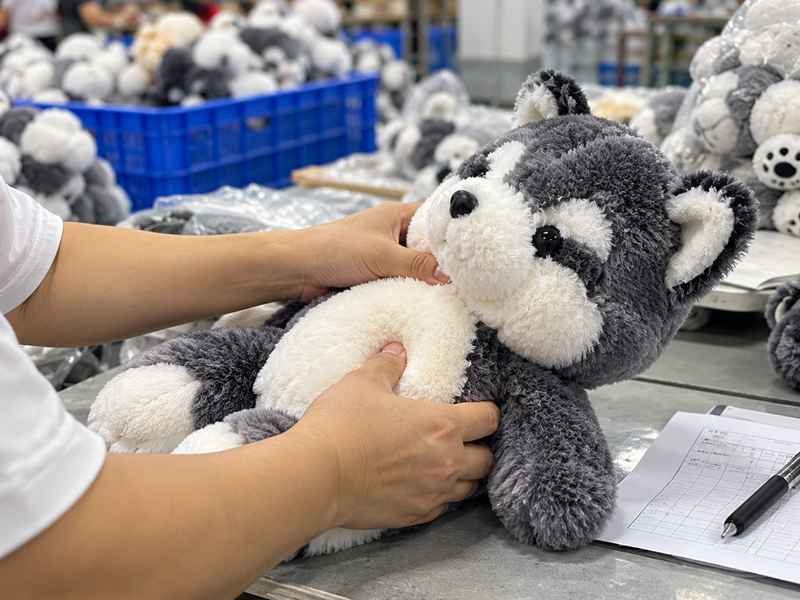
Handfeel and Firmness
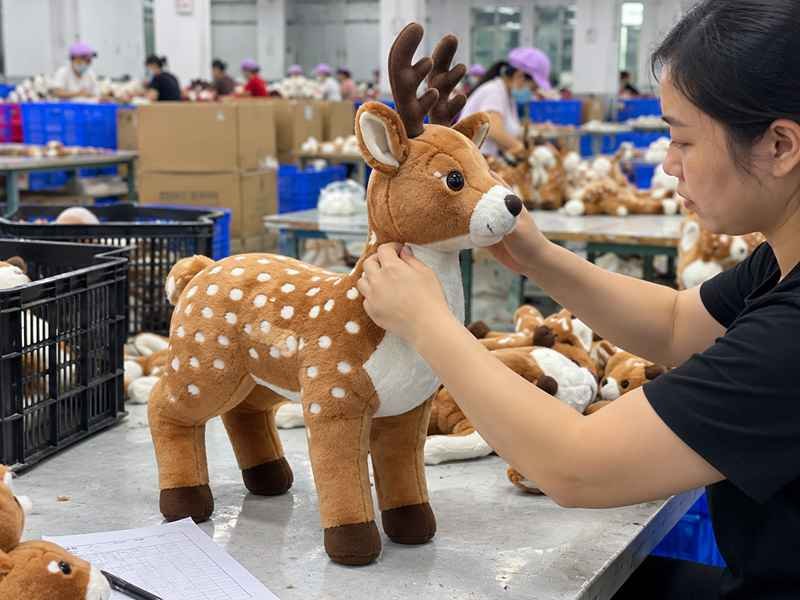
Posture and Balance
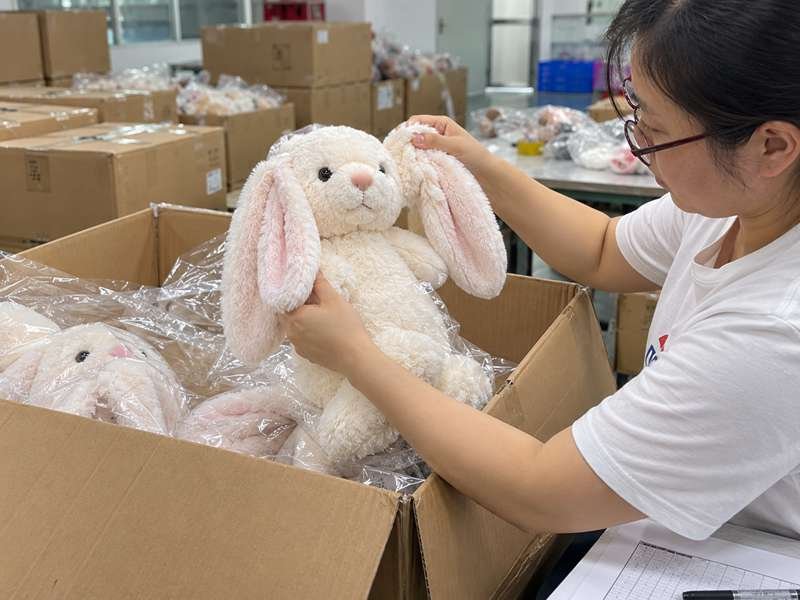
Recovery After Packing
Compression can change fiber loft, long pile, facial volume, ears, wings, and posture. Filling and finishing plans should be checked with the proposed packing method so the product can recover to an acceptable shape after storage, shipment, and opening.
From Sewn Shell to Finished Plush
Start With a Released Filling Specification
Stuffing should begin from a defined product version, not from an operator’s memory of how a previous sample felt. Ewin links the filling route to the Golden Sample, current BOM, released pattern, filling material, internal components, and relevant quality points before the first production pieces are approved.
The specification can identify whole-product filling weight, critical zone references, firmness expectations, weighted insert location, support inserts, no-fill areas around electronics, and any product feature that changes balance or shape. Face, head, body, left and right limbs, tail, feet, and weighted compartments can carry different requirements when the design needs them.
Material changes also matter. A different fiber loft, fabric stretch, cavity volume, or internal component can change the amount of filling required to reach the same approved result. Filling references therefore belong to the current SKU and revision rather than becoming a universal factory setting.
Fill by Zone, Not Only by Total Weight
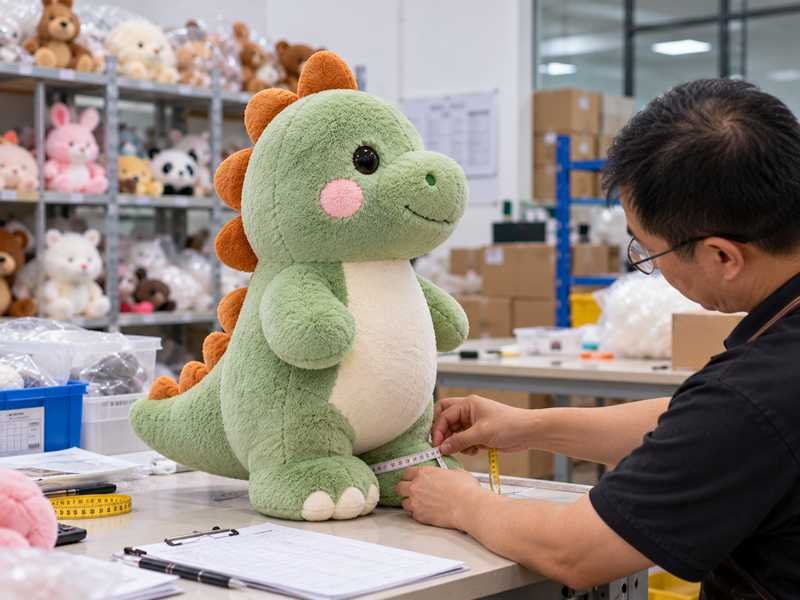
A correct total weight does not guarantee a correct plush. Two pieces can weigh the same while one has an overfilled head and hollow body, or one leg is firmer than the other. Zone filling gives the production team a clearer way to protect shape, symmetry, handfeel, and posture.
Ewin can define high, medium, and low fill areas, or use measurable weight references where product sensitivity justifies them. Mini parts may need tool-assisted positioning so fiber reaches narrow corners. Character heads may require more controlled density around the muzzle, forehead, cheeks, or ears. Plush pillows need even distribution across a broad cavity, while standing products may need denser feet and legs.
The first pieces are weighed and compared with the Golden Sample before the route is released. IPQC then checks for hollow areas, hard lumps, left-right imbalance, distorted faces, and internal components that have shifted during filling.
Finish the Shape Before Final Inspection
Stuffing creates manufacturing volume; finishing turns that volume into the approved visual form. Closing, steam shaping, brushing, trimming, local pressing, and manual forming can all change the final appearance after the fiber is already inside the shell.
Before closing, the team confirms filling and internal components are complete. After closing, visible thread, trapped fur, local hard points, opening distortion, and seam appearance are checked. Long-pile products may need brushing to release fur trapped along seams. Character faces, ears, hair, clothing, or collectible details may need controlled hand shaping to restore the approved silhouette.
The product then moves through Fill/Finish inspection against the Golden Sample for weight, handfeel, contour, posture, symmetry, surface condition, and relevant functional points. The objective is not to make every piece look hand-adjusted; it is to make finishing steps repeatable enough that bulk pieces arrive at the same visual standard.
Filling Materials Chosen for Product Performance
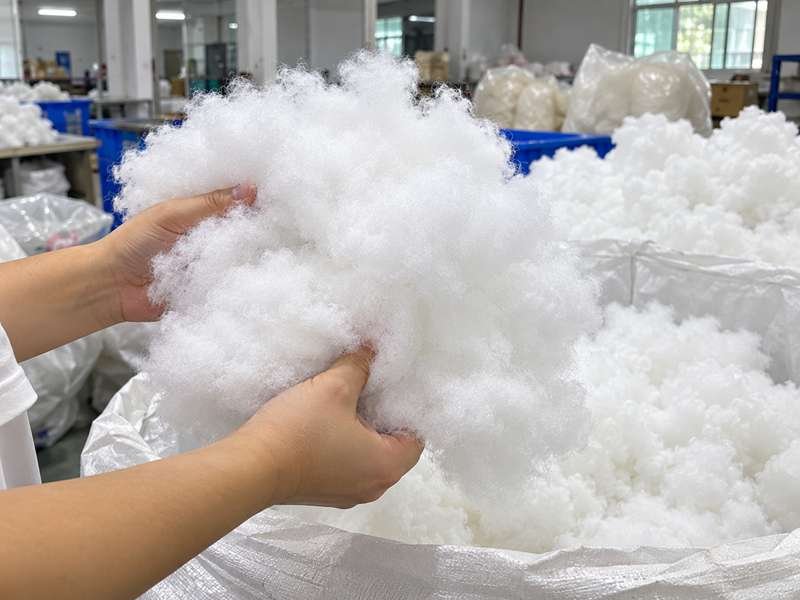
Polyester Fiber Fill
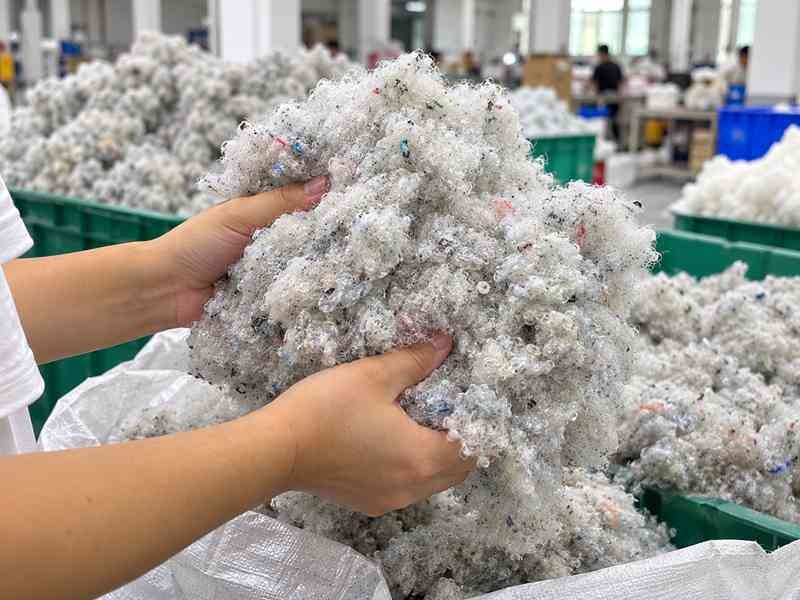
Recycled Polyester Fill

Weighted Beads
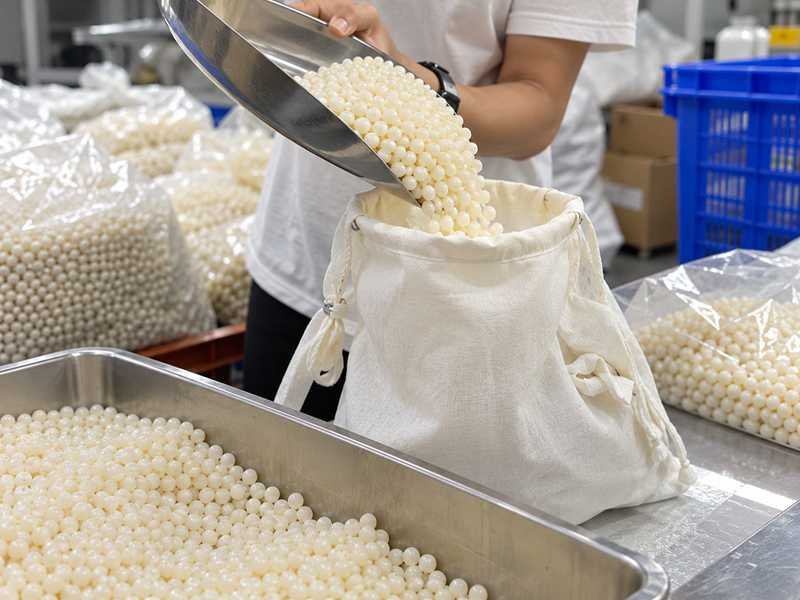
Bean Filling
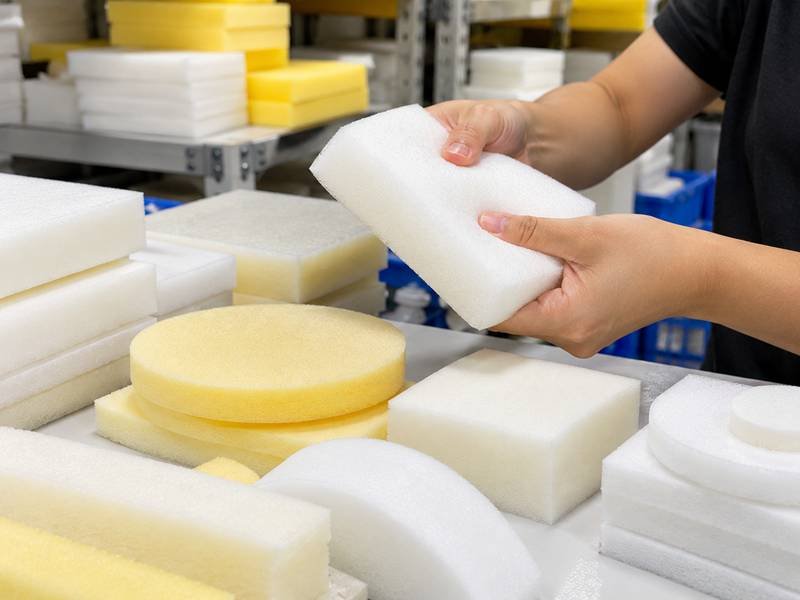
Foam Inserts
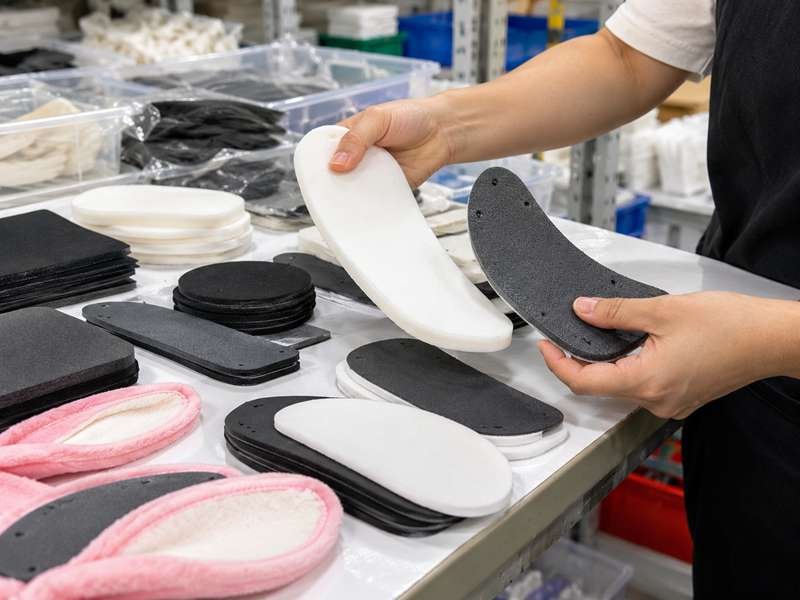
EVA Structural Pads
Filling Variables We Control in Production
Total Fill Weight
Zone Weight
Filling Density
Firmness
Softness
Distribution
Shape Retention
Center of Gravity
Standing and sitting performance depends on base shape, foot volume, head weight, accessories, and weighted inserts. Large-head characters need early balance checks because small weight shifts can cause forward or backward leaning.
Filling Strategies for Different Plush Product Types
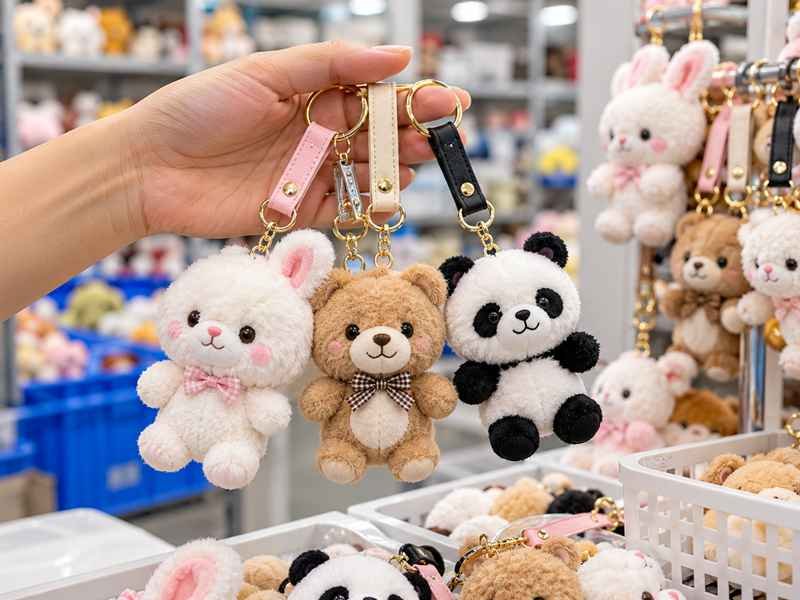
Mini Plush and Keychains

Standard Character Plush
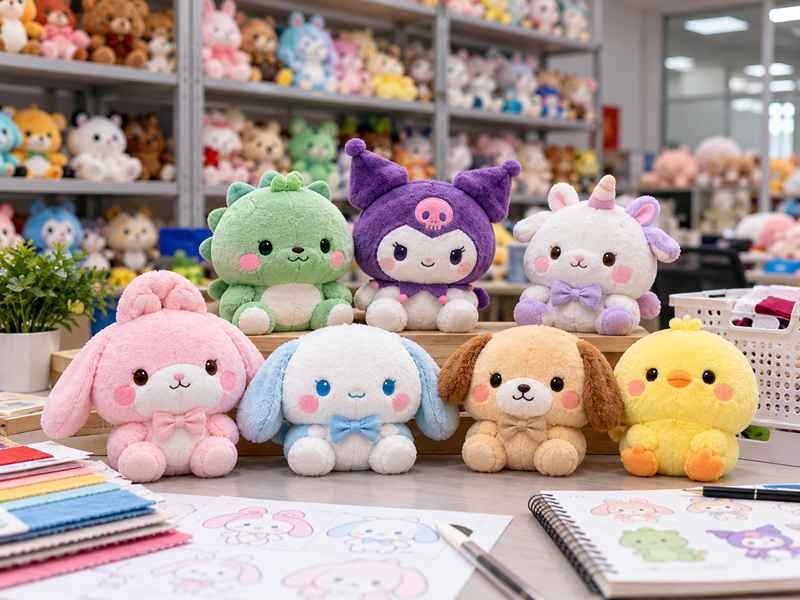
Collectible Plush
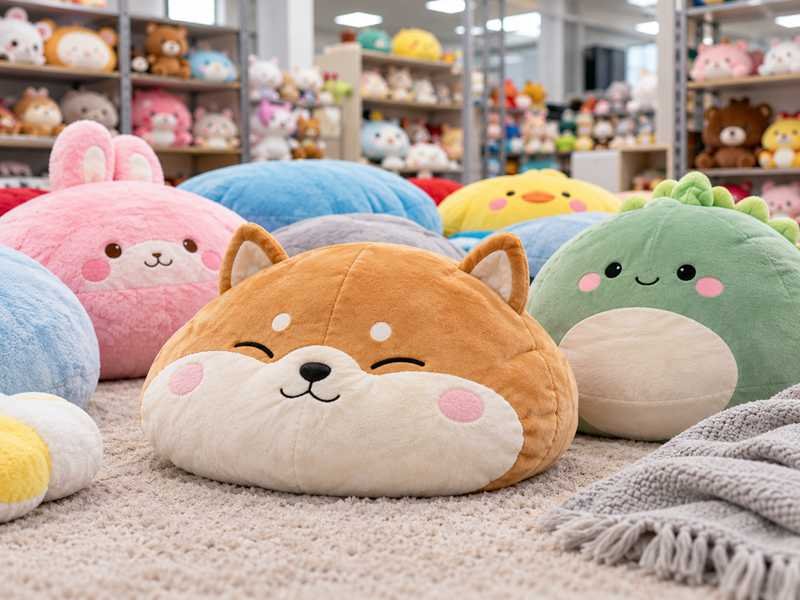
Plush Pillows
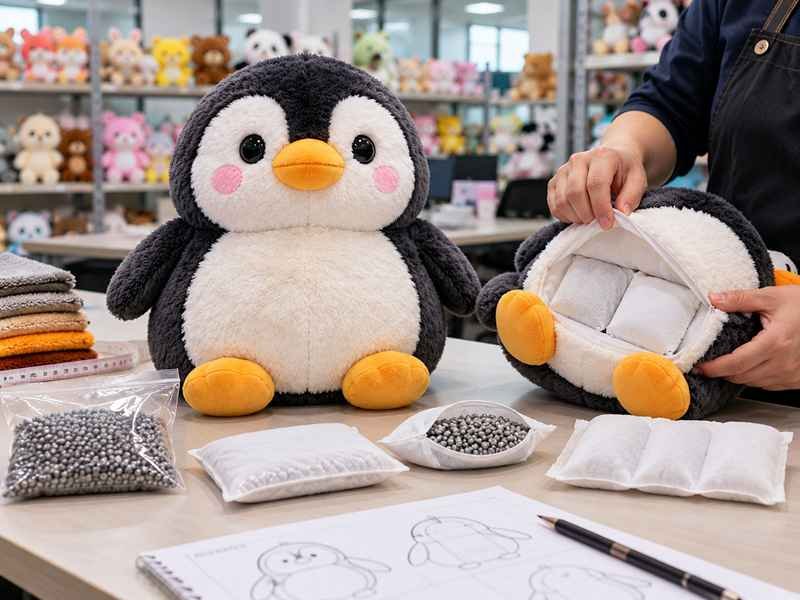
Weighted Plush
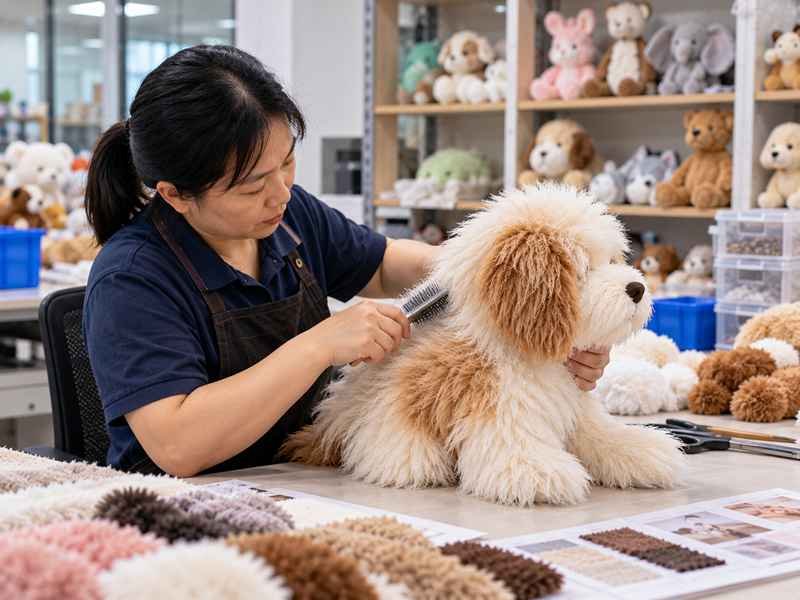
Long-Pile Animals
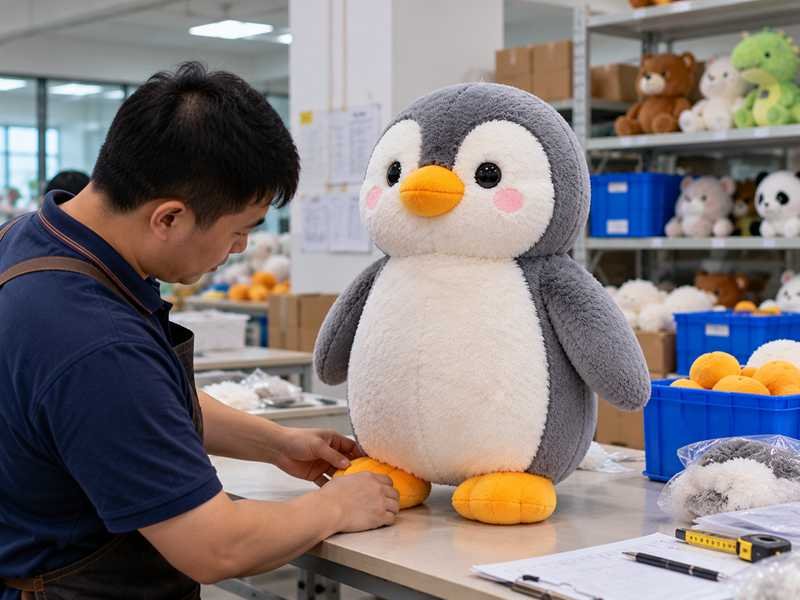
Standing Mascots
Electronic or AI Plush
Engineer Weighted Filling as a Controlled Structure
Build the Weight Into an Inner Bag or Compartment
Weighted beads and bean-style particles should be contained in a dedicated internal structure before they enter the plush body. The bag material, seam, closure, shape, and dimensions are selected around particle size, intended weight, position, and the stress created during handling.
An inner bag can be single-chambered or divided into compartments when movement needs to be restricted. Double-layer or higher-strength constructions may be considered where product weight or use conditions create more seam load. Position marks help operators place the bag in the same location across production.
The bag should also fit the surrounding cavity. An oversized insert can create a hard plate through the outer fabric, while an undersized bag may move excessively. A suitable design gives the required weight without turning the plush into a rigid object or creating a concentrated edge under the surface.
Control Position, Weight, and Center of Gravity
Weighted material changes more than the scale reading. Moving the same bag a few centimeters can alter how a character sits, whether a head falls forward, whether a body leans, and where the user feels the mass when holding the product.
Ewin can combine total product weight with insert weight, position reference, orientation, and surrounding fiber distribution. Bottom weighting can improve sitting stability, but it should not compensate for a fundamentally unstable pattern or poorly shaped base. Standing products may need a broader structural review involving foot shape, leg density, support inserts, and head weight.
First-piece checks are especially important for large-head, seated, sensory, and multi-compartment products. The production team should confirm balance and tactile result before many units are filled, because late corrections often require reopening the product and disturbing the finishing standard.
Verify Containment Before Closing the Product
Before the final opening is closed, weighted bags should be checked for correct SKU, target mass, seam condition, position, orientation, and fixation. The surrounding shell also needs enough room for fiber so the insert does not create a visible hard ridge.
Pull, seam, or related structural checks may be used where the project risk requires them. The important point is to verify the internal assembly while it is still accessible. Once closing and finishing are complete, a hidden bag can be difficult to inspect without damaging the product.
Production records can link the weighted component to the current BOM, SKU, revision, lot, or manufacturing batch where traceability is required. If a weight, bag construction, particle type, or position changes, the product should be rechecked because the change may affect handfeel, seam load, center of gravity, or the final approved pose.
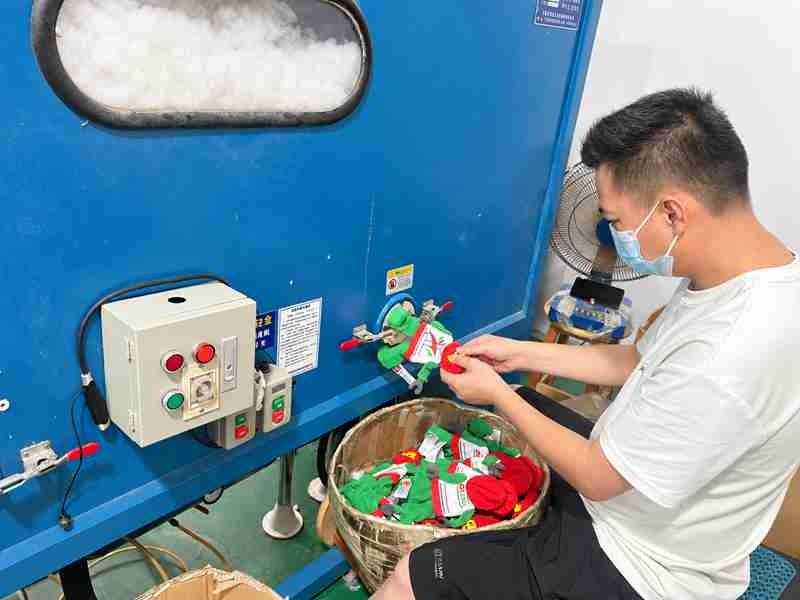
Stuffing Equipment Supports Repeatable Bulk Output
Automatic Stuffing
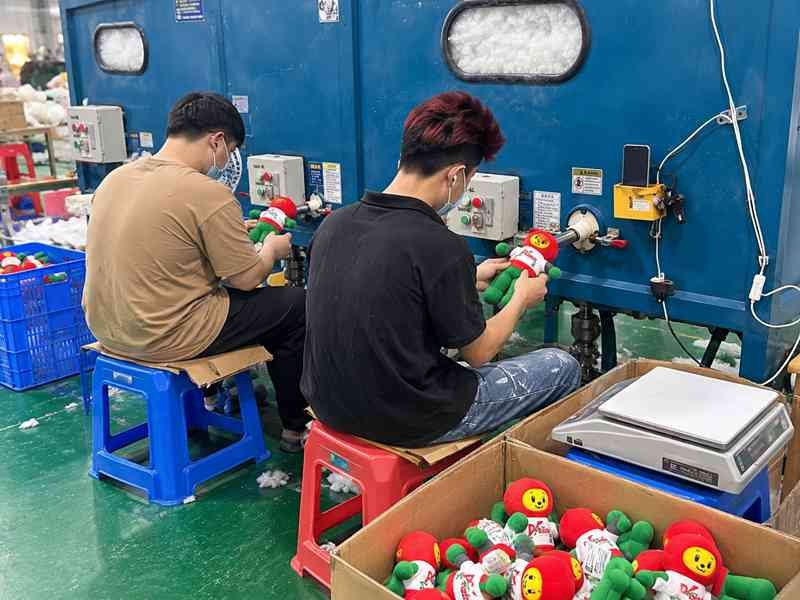
Dual-Head Stuffing
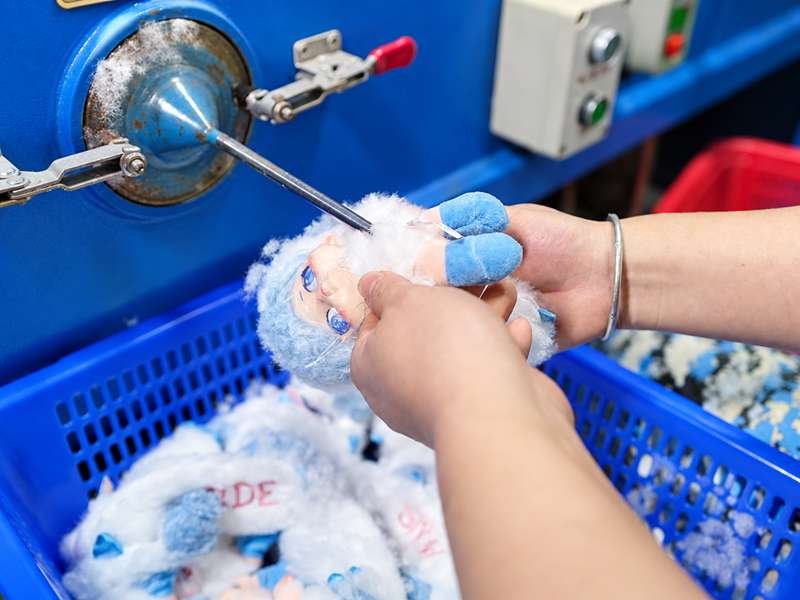
Quantitative Filling

Central Fiber Feeding
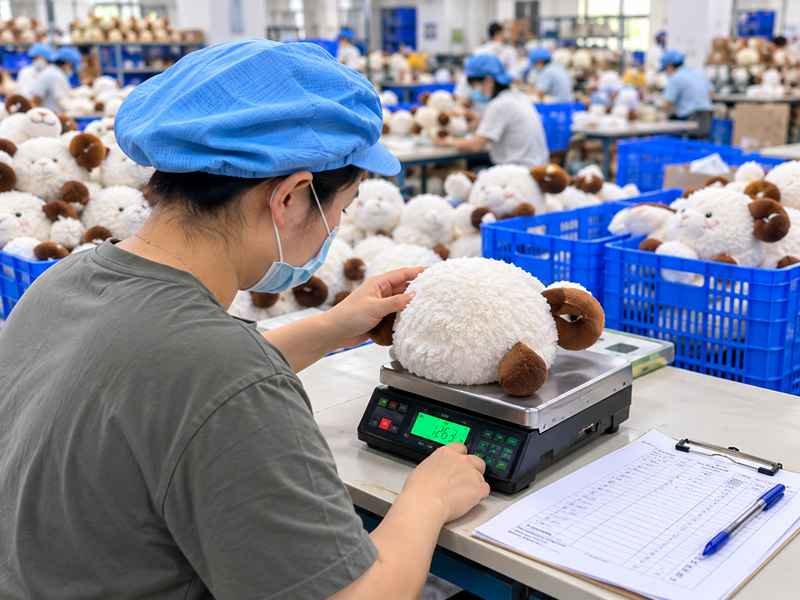
Precision Weighing
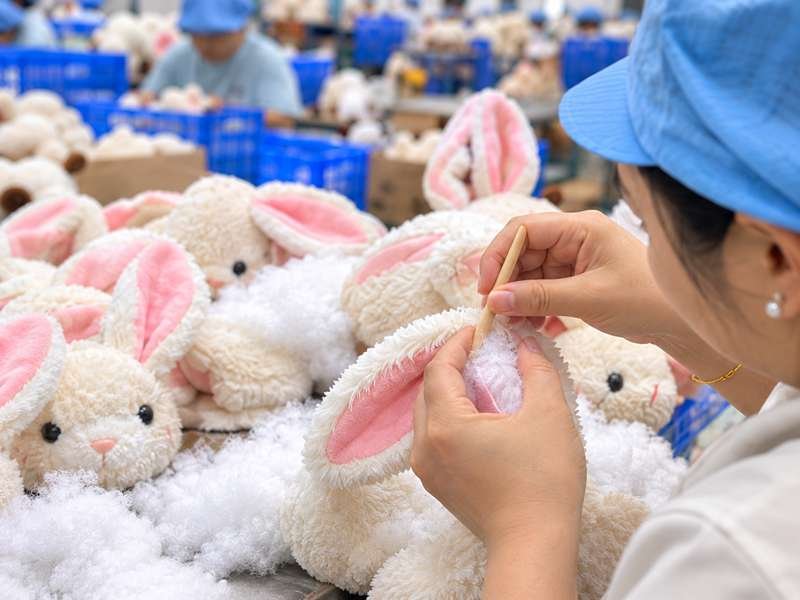
Specialist Hand Filling
Closing Protects Shape, Strength, and Final Appearance
Confirm the Product Before Closing
Closing begins with a simple rule: do not seal a product that still contains an unresolved internal problem. The team confirms filling weight, local distribution, weighted bags, foam or EVA inserts, electronic components, internal supports, loose fiber, and any item that will become inaccessible after the opening is sewn.
The opening itself should also be ready for a clean finish. Overfilled products can place excessive tension on the closing seam, while underfilled products may collapse around the opening. Long pile needs fur moved away from the stitch path so hair is not trapped inside the seam. Internal bags or modules should not sit directly against the closing line unless the structure was designed for it.
A pre-closing check reduces destructive rework later. Reopening a finished collectible or long-pile character can damage fabric, alter filling distribution, and make the repaired area more visible than the original defect.
Match the Closing Method to the Location
Closing method, thread, needle, stitch spacing, seam allowance, and reinforcement should reflect where the opening sits and how the product will be handled. A hidden body opening, a high-stress weighted compartment, and a premium display seam do not carry the same requirements.
Where appearance is critical, the closing route may prioritize reduced seam visibility while still meeting strength needs. Longer pile can help hide stitches, but it also increases the risk of trapped hair. Short-pile or smooth materials expose irregular spacing more clearly and may require tighter visual control.
The seam should not create a hard ridge, pucker the shell, or pull the finished contour away from the Golden Sample. High-stress areas may need structural reinforcement instead of simply adding more surface stitches after a weakness appears.
Inspect the Closing Before Shaping
A closing defect is easier to correct before brushing, trimming, dressing, or packaging. Inspection looks for exposed thread, missed stitches, open gaps, uneven tension, trapped pile, local hardness, distorted opening shape, and visible repair marks.
For weighted, structural, or module-ready products, the closing check can also confirm that the internal component has not shifted while the opening was handled. A product may pass the scale check yet still fail if a bag has migrated, a module presses against the surface, or one side becomes visibly fuller.
After the seam is accepted, finishing restores the surrounding pile and contour. The closing area should visually blend into the product instead of becoming the first place a brand or end user notices when turning the plush in hand.
Shaping and Finishing Restore the Approved Character
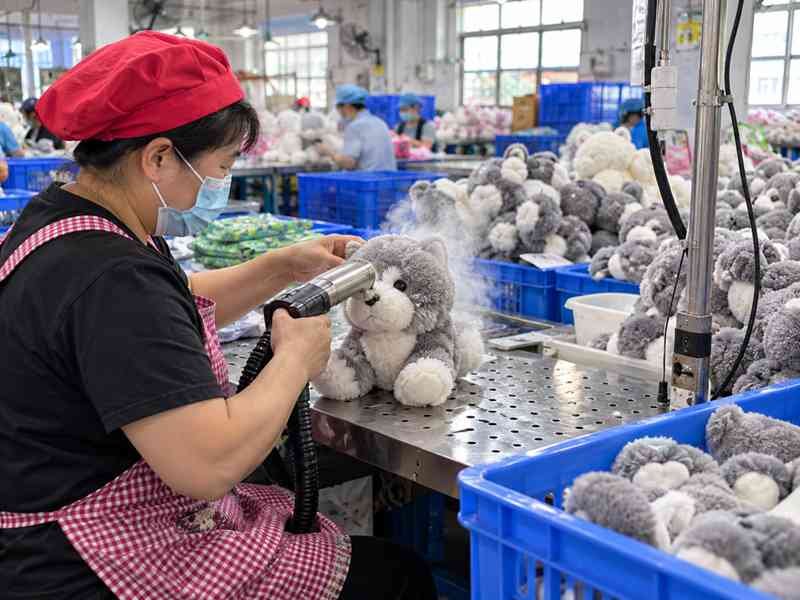
Steam Shaping
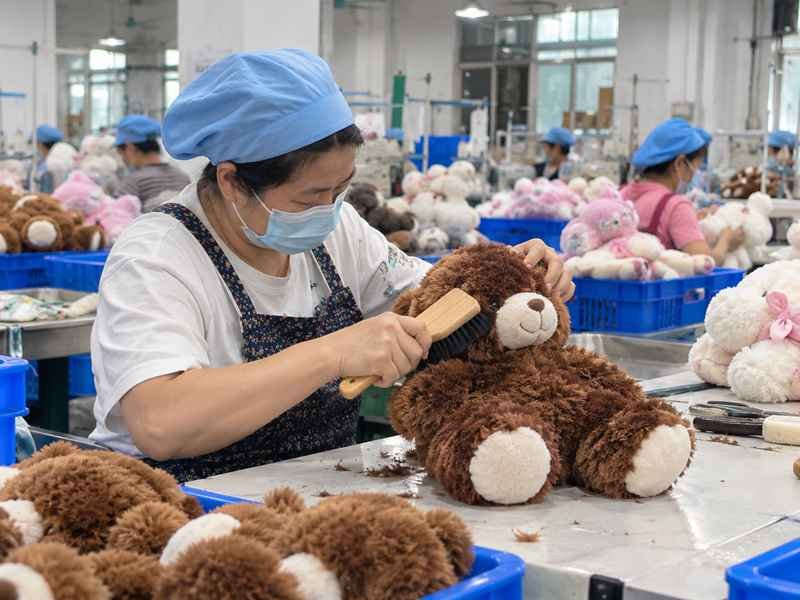
Brushing and Pile Release
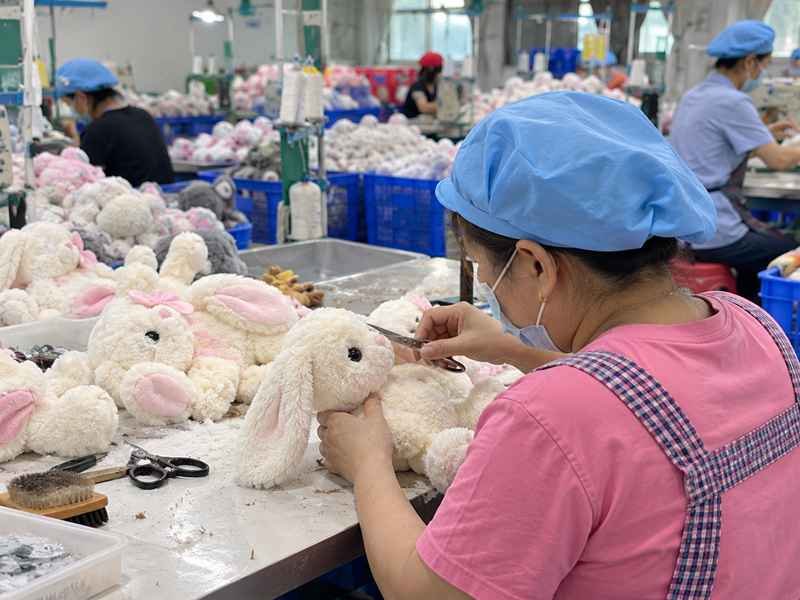
Trimming and Grooming
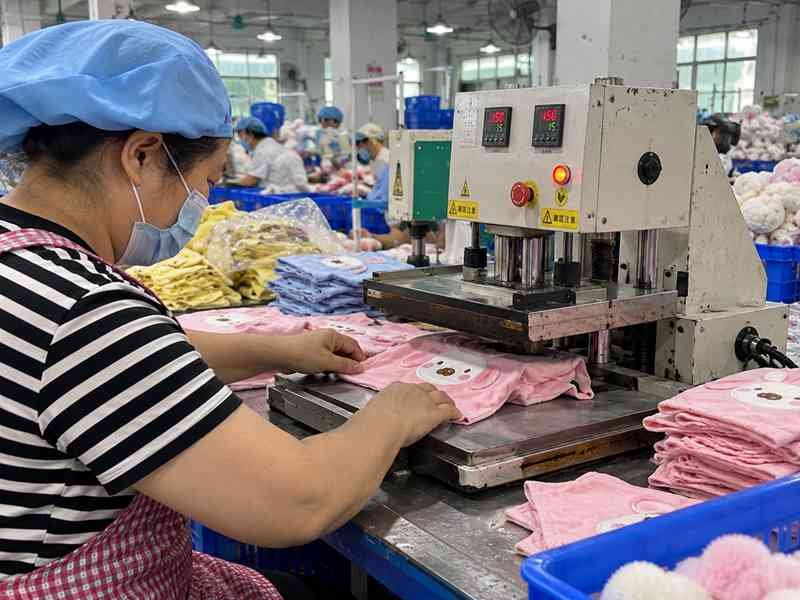
Local Pressing
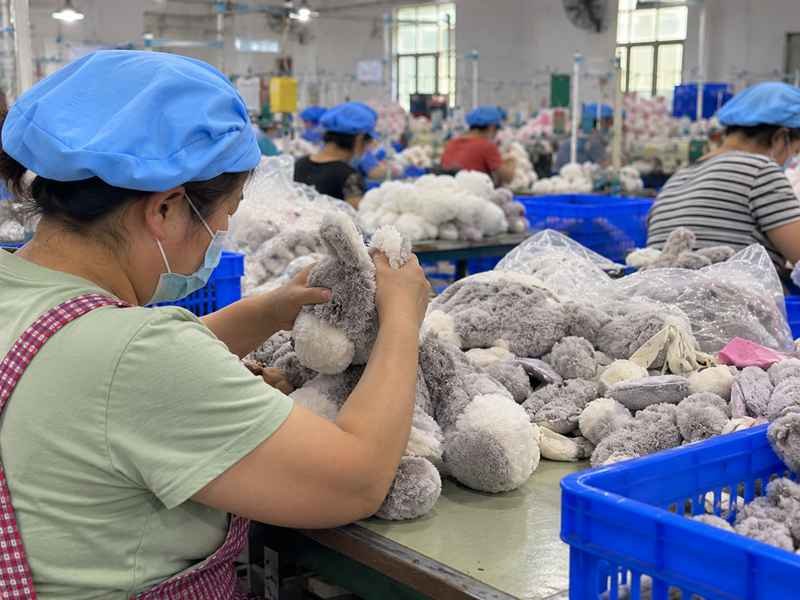
Manual Forming
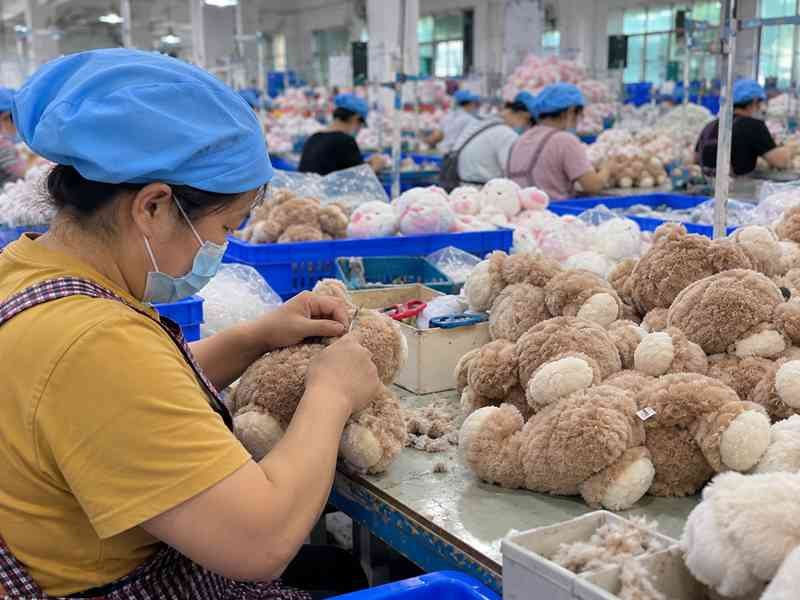
Surface Cleaning
Keep Golden Sample Handfeel Reproducible in Bulk
Convert the Golden Sample Into Filling References
Convert the Golden Sample Into Filling References
The Golden Sample shows what the finished product should look and feel like, but production needs more than a visual comparison. Ewin can translate the approved result into whole-product filling weight, critical zone references, material type, weighted insert details, support components, closing method, and finishing notes.
Not every SKU needs the same level of measurement. A simple pillow may mainly need total weight, even distribution, and recovery checks. A complex IP character may need separate head, body, limb, tail, or bottom-weight references because small shifts change expression or posture. A weighted product may need both fiber and insert weights.
The reference stays linked to the current BOM and product revision. If fabric elasticity, fiber specification, pattern volume, accessory weight, or internal structure changes, the existing filling target may no longer produce the approved result and should be reviewed before bulk output continues.
Approve the First Filled Pieces Before Scale-Up
First-piece approval checks whether the released filling route produces the intended shape before a large batch is processed. The team can compare net filling weight, zone distribution, head and body proportions, left-right symmetry, handfeel, posture, weighted insert position, closing quality, and surface finish against the Golden Sample.
Shape-sensitive areas deserve priority. A character face can change when the muzzle, forehead, or cheeks receive different density. A sitting figure can lean when bottom weight shifts. A long-pile animal can look oversized when the shell is overfilled and the fur opens away from the body.
If the first pieces do not match, correction should happen at the material amount, distribution method, workstation instruction, or finishing standard before the line accelerates. The objective is to correct the process, not to rely on final inspectors to reshape hundreds of completed pieces.
Control Changes Between Production and Reorders
Repeat orders often start with proven data, but proven data only remains useful when changes are visible. Fiber supplier, loft, recycled-content route, fabric GSM or stretch, pattern volume, internal component weight, packaging compression, or even a new accessory can alter the filling result.
Ewin can review the difference between the previous approved build and the new order before reusing the old reference. Small material-lot changes may only need incoming and first-piece verification, while a change from standard fiber to weighted beads, or from a low-stretch shell to a high-stretch fabric, can require a new structural or filling sample.
Production records should identify the SKU, revision, filling material, relevant lot, inspection result, and approved change where required. Reorder consistency comes from reusing controlled information and checking what changed, not from assuming every future batch behaves exactly like the last one.
Certificates, Compliance & Quality Assurance
Ewintoys follows structured quality and compliance practices for custom plush production. We hold relevant certifications and support additional testing, inspection, and compliance documentation based on specific product requirements and destination markets, helping brands meet different international standards with confidence.
























Quality Gates for Stuffing and Finishing
Fill and finish inspection checks measurable weight together with handfeel, contour, balance, surface condition, closing quality, and recovery.
| Control Gate | What Is Checked | Typical Failure | Main Reference |
|---|---|---|---|
| Filling Material Check | Correct material, supplier route, batch condition, cleanliness | Wrong fiber, mixed batch, poor loft | Frozen BOM, approved material |
| First-Piece Fill | Total weight, zone distribution, shape, handfeel | Wrong filling target repeated in bulk | Golden Sample, Filling Reference |
| IPQC – Filling | Hollow zones, hard lumps, symmetry, component position | Uneven density, distorted face, shifted insert | Process instruction, zone reference |
| Weighted Insert Check | Bag integrity, weight, position, fixation | Leakage, migration, wrong center of gravity | BOM, insert specification |
| Closing Check | Stitch, opening, seam appearance, trapped fur, hard points | Open seam, visible repair, deformed opening | Closing standard, Golden Sample |
| IPQC – Shaping | Head, face, ears, limbs, posture, pile, trimming | Poor silhouette, asymmetry, surface defects | Golden Sample, finishing standard |
| FQC | Overall fidelity, dimensions, weight, handfeel, function | Sample-to-bulk drift | Approved specification |
| Packaging Recovery | Shape after proposed compression or pack-out | Flattened face, collapsed pile, unstable pose | Approved packaging trial |
Prevent Common Filling and Finishing Failures
Hollow Areas
Hard Lumps
Overstuffed Faces
Left-Right Imbalance
Weight Bag Migration
Internal Hard Points
Poor Surface Finish
Compression Deformation
Sustainable Filling Still Needs Product Control
Recycled Filling Performance
Batch and Lot Control
Evidence-Matched Claims
Golden Sample Verification
Who Uses Controlled Stuffing and Finishing Programs
Global Brand Teams
IP and Licensing Teams
Toy and Collectible Companies
Retail and Private Label
Entertainment and Gaming
Multi-SKU Programs
Sustainability Programs
Weighted Product Programs
Check Packaging Compression Against Product Recovery
Set Compression Around Product Risk
Bulky plush can sometimes use compression or vacuum-assisted packing to improve carton utilization, but the target should be controlled recovery rather than maximum compression. Face shape, ears, wings, pile, clothing, embroidery, hard parts, foam, weighted bags, and electronics all change how much pressure a product can tolerate.
A soft pillow may recover easily while a collectible face with structured ears may not. Long-pile fabric can remain flattened until brushed. A weighted bag can shift if the product is compressed in the wrong orientation. Hard modules can create pressure marks against surrounding fabric.
Packing trials should use the intended unit pack, orientation, carton configuration, and realistic storage assumptions. A route becomes a production standard only after the product can be opened, restored where required, and compared with the approved appearance without unacceptable permanent deformation.
Evaluate Recovery After Opening
Recovery should be checked after the product leaves the proposed packaging, not only immediately after compression. Ewin’s filling knowledge base recommends reviewing the recovered appearance after about 24 hours where compression risk is relevant, together with brushing or normal restoration steps used for the product.
The review can focus on face volume, head profile, ears, limbs, sitting or standing posture, pile loft, clothing, internal hard points, and any area that carries foam or structural support. A product may regain total volume yet still fail because one ear stays bent or the face remains flattened.
If recovery is not acceptable, the solution may involve lower compression, different orientation, more protective space, a filling adjustment, revised support, or a different pack format. Shipping efficiency should never depend on permanent damage being fixed after delivery.
Lock the Approved Pack-Out With the SKU
Once a packaging route passes recovery review, the approved orientation, compression method, unit pack, carton quantity, opening guidance, and any restoration step should remain linked to the SKU. Packaging changes can affect the filling result even when the product itself has not changed.
Multi-SKU programs need extra discipline because different characters may not tolerate the same compression. Large heads, long ears, structured wings, weighted bottoms, electronic modules, and premium clothing can all require different packing limits. One universal carton rule may create avoidable deformation on the most sensitive item.
Reorders should confirm whether pack materials, carton count, compression level, storage period, or shipping route changed. The goal is simple: the product leaving the carton should still look and feel like the product that was approved before production.
Evidence Behind a Controlled Filling Process
Filling Specification
Weight and Zone Checks
Weighted Insert Records
Golden Sample Comparison
Fill and Finish IPQC
Recovery Verification
Stuffing & Finishing Frequently Asked Questions
Ewin can use whole-product filling references together with zone weights, first-piece approval, Golden Sample comparison, and IPQC checks for handfeel, shape, symmetry, posture, and local distribution.
Yes. Heads, bodies, limbs, tails, feet, and weighted zones can use different targets where the approved shape, softness, pose, or center of gravity requires separate control.
Common routes include polyester fiber, recycled polyester filling, weighted beads, bean-style particles, foam inserts, and EVA structural pads, selected according to the product’s shape, feel, weight, and support needs.
Yes, where the required handfeel and appearance can be maintained. Loft, firmness, color, visible impurities, recovery, batch behavior, supplier route, and applicable evidence should be reviewed before approval.
Production uses controlled distribution, zone references, specialist hand filling for narrow areas, first-piece comparison, and IPQC checks so a correct total weight does not hide poor local filling.
Weighted beads or particles are placed inside dedicated bags or compartments. Bag construction, closure, target weight, position, fixation, surrounding fiber, and center of gravity are checked before final closing.
Face consistency comes from the released shell, controlled head and muzzle filling, Golden Sample comparison, symmetry checks, and shaping standards rather than relying only on whole-product filling weight.
Softness is managed through fiber loft, quantity, cavity volume, fabric stretch, even distribution, and approved handfeel. Reducing fill alone can create hollow areas instead of a better soft-touch result.
Where compression is used, Ewin can compare the opened product after the planned recovery period, including about 24 hours when relevant, then review face, pile, posture, ears, and structural areas.
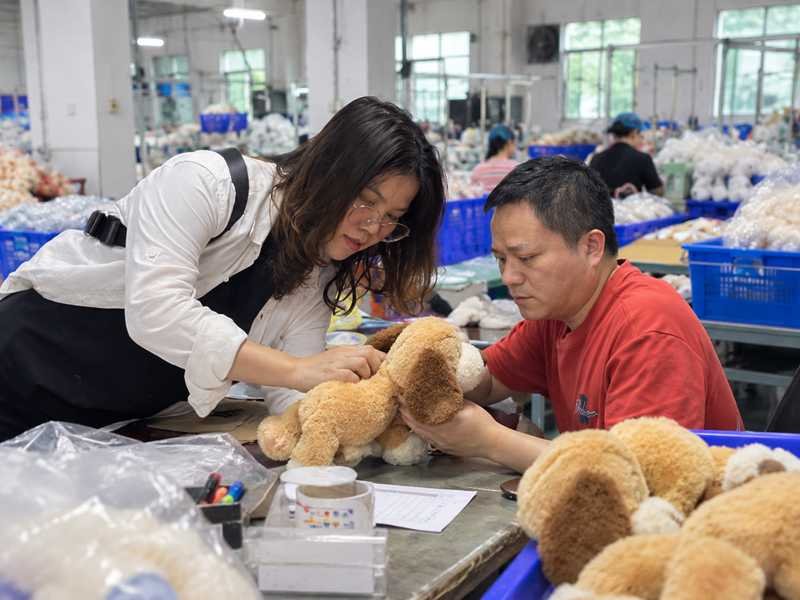
Send Your Plush for Filling and Finishing Review
Share the product information needed to review filling material, weight distribution, handfeel, weighted inserts, closing, shaping, finishing, and packaging recovery before bulk production is finalized. Useful inputs include artwork or character sheets, current or approved sample photos, product size, target product weight, preferred softness, SKU count, quantity, recycled-material requirements, weighted or bean-fill requirements, foam or structural inserts, electronic components, target market, packaging method, and launch timing. If a current product has hollow areas, hard lumps, poor posture, uneven faces, weak closing, or compression damage, include photos of the problem. Ewin can then identify the filling and finishing controls that should be resolved before production release.