
Sustainability Built Into Plush Product Decisions
Reduce material waste, avoid unnecessary packaging and make sustainability choices earlier in development. Ewin Toys helps brands evaluate product structure, material use and packaging efficiency together, so environmental goals can be balanced with durability, appearance, cost and production feasibility.
60+ Product Development Team | Recycled Material Options | Material Utilization Review | Packaging Right-Sizing | Durable Construction Planning | Lower-Impact Packaging Options | Project-Specific Compliance Support
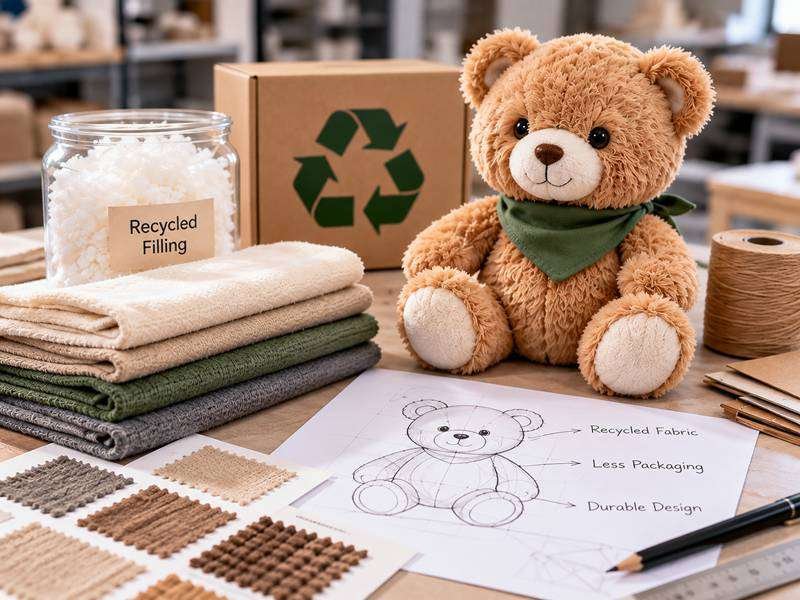
Where Sustainability Decisions Enter a Plush Program
Outer Materials
- Compare fabric structure with the visual areas that matter most.
- Approve the chosen specification before bulk material purchasing.
Filling & Components
- Set filling references by product area where needed.
- Keep material and batch information connected to the approved product.
Packaging Choices
- Review unit pack and master carton together.
- Match packaging choices to the sales channel and destination.
Documentation & Claims
- Keep claims limited to supported scope.
- Do not extend one document across unrelated products or materials.
Material Options for Sustainability-Focused Plush Development

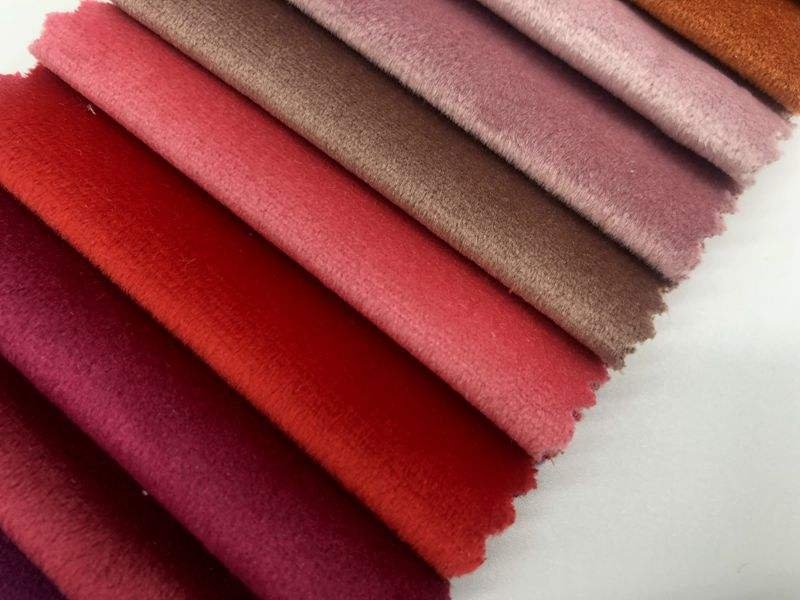
rPET Plush Fabrics
- Typical planning reference: about 20-40 days for custom material sourcing.
- Confirm color, handfeel, pile, decoration, and document scope before approval.

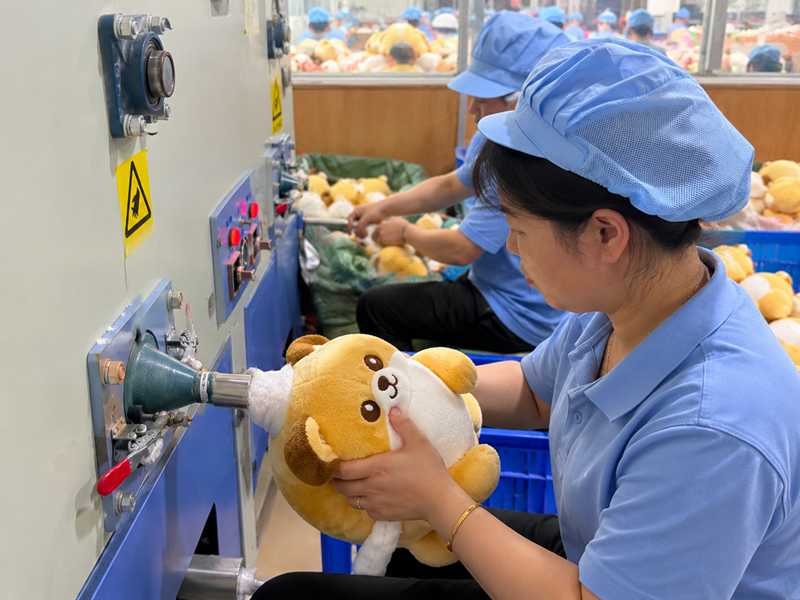
Recycled Filling
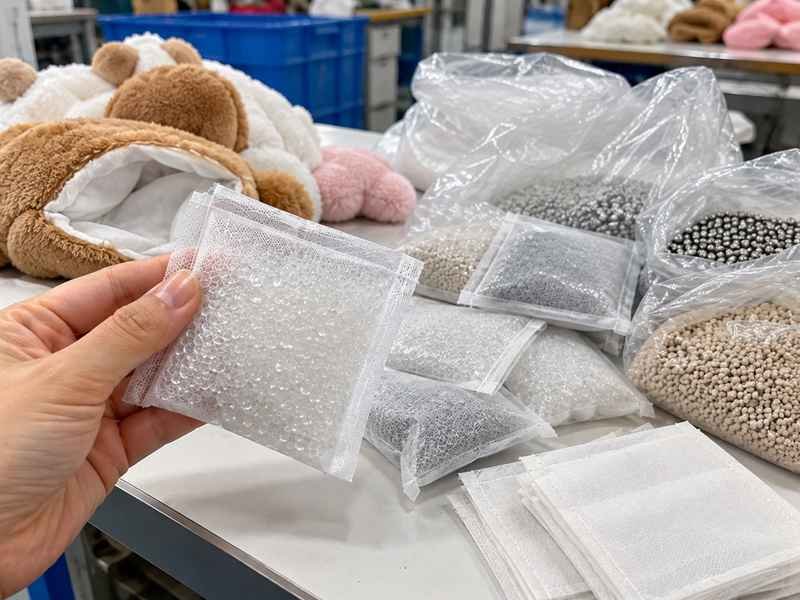
Recycled polyester filling can be evaluated for plush bodies, pillows, and related products where the required handfeel and appearance can be maintained. Batch loft, color, visible impurities, firmness, recovery, and filling distribution need closer control than a simple material-name approval.
- Tie filling type and distribution to the approved sample.
- Retain material statements, supplier batch information, and project-specific evidence.

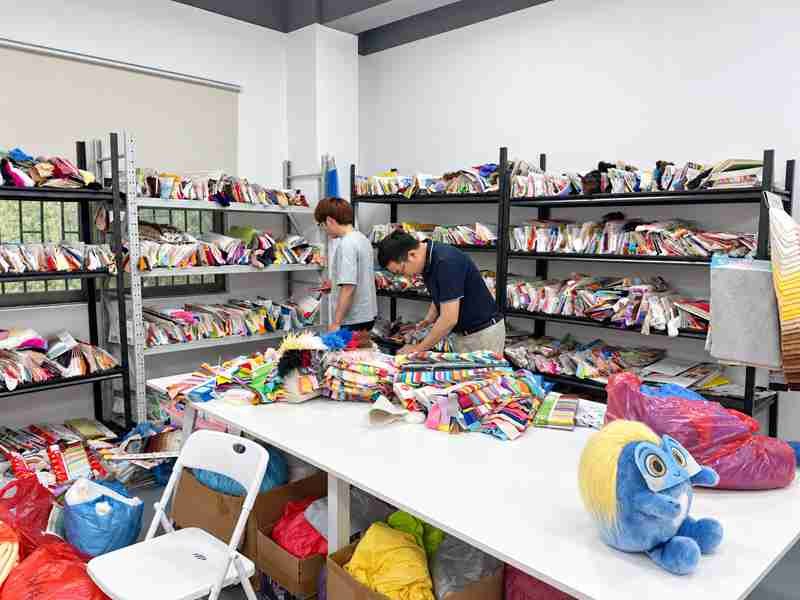
Material Simplification
- Protect character, safety, function, and retail requirements first.
- Document approved simplifications so later production does not reintroduce removed elements.
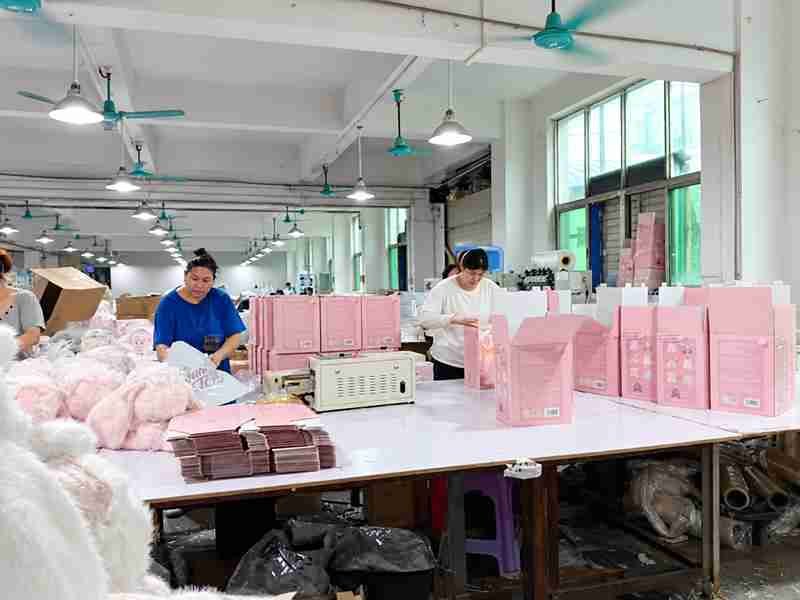
Packaging Materials
- Define each packaging component in the approved specification.
- Verify any recycled, certified, or material-source claim before printing it on pack.
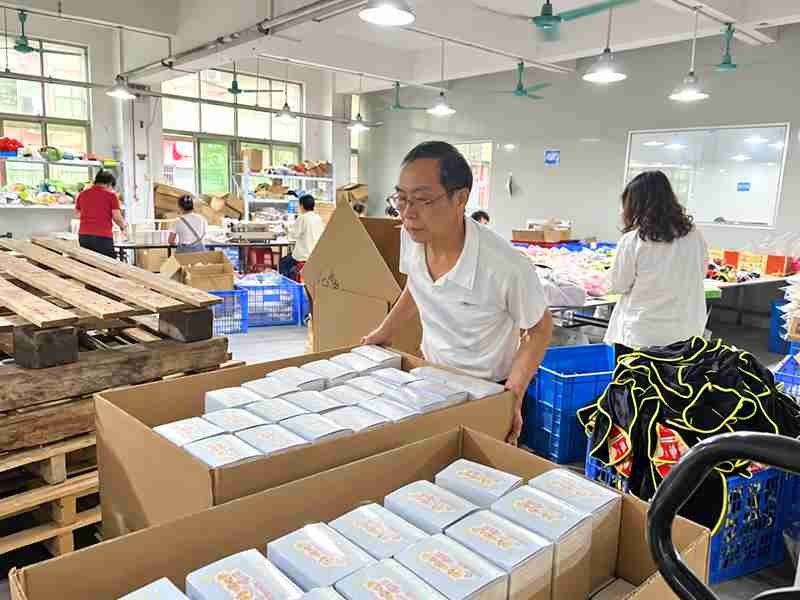
Compression & Cartons
- Test product recovery from the proposed packing method.
- Confirm carton quantity, pack orientation, storage time, and opening condition before release.
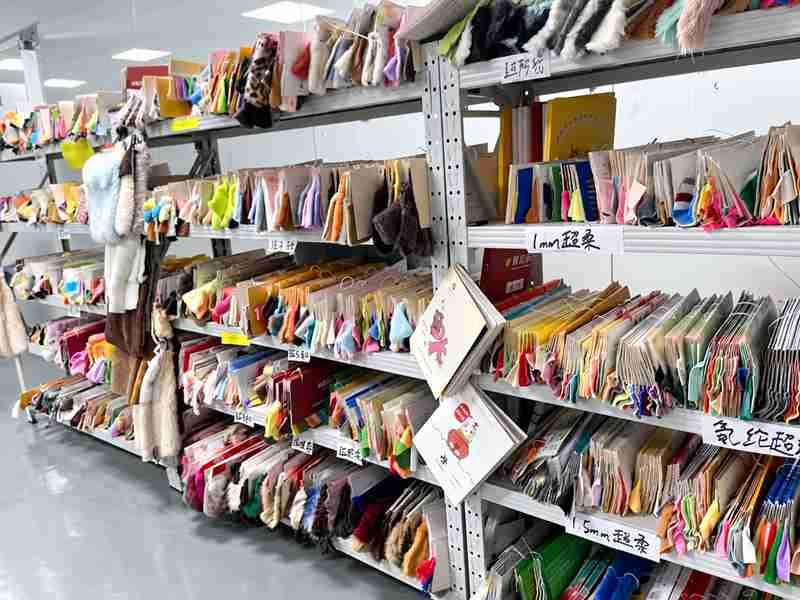
Material Traceability
A sustainability-oriented material is only useful commercially when the approved specification can be found again during purchasing, production, and reorder. Ewin can keep material ID, supplier route, color, specification, approval sample, batch information, BOM position, and supporting document references connected at project level.
- Trace the approved material, not only the marketing name.
- Recheck substitutions before they enter production.
Compare Recycled Material Trade-Offs Before Approval
Recycled routes can affect product appearance, commercial conditions, and documentation, so compare the real trade-offs before the material is locked.
| Decision Area | Standard Route | Recycled Route | What Must Be Verified |
| Appearance | Established options across common plush fabrics | Depends on fiber, backing, pile and finishing | Approve physical swatch or prototype against the character reference |
| Handfeel | Known from existing approved specification | Can vary by recycled fiber and finishing route | Compare touch, drape, softness and recovery in sample form |
| Color | Stock or custom color route | Brand colors and pale shades may need additional development | Use approved color reference and production material sample |
| MOQ | Often more flexible with stocked materials | Custom recycled routes may have higher supplier minimums | Confirm supplier MOQ before promising project quantity economics |
| Lead Time | Depends on stock and dyeing route | Custom sourcing can take longer; rPET references often plan about 20-40 days | Confirm availability before sample and launch schedule are fixed |
| Decoration | Driven by pile, backing and process | Still driven by pile, backing and process | Validate embroidery, print, appliqué or accessory compatibility |
| Filling | Conventional polyester route | Recycled polyester can be considered | Check loft, firmness, color, impurities, distribution and batch consistency |
| Documentation | Standard material specification | May require source, declaration, certificate scope and batch records | Define the exact public claim before collecting evidence |
From Material Requirement to Approved Project Claim
Define Requirement
Source Material
Verify Documents
Prototype & Approve
Freeze the BOM
Control Production
Engineer Packaging and Logistics With the Product
Right-Size Packaging Around Product and Channel
Packaging should start from the finished product, channel, display requirement, barcode and label needs, handling route, and destination. A smaller pack is not automatically better if it creates deformation, scuffing, moisture exposure, or repacking.
Product fit: Define the minimum protection needed for face shape, pile, accessories, clothing, printed areas, and hard components.
Channel fit: Retail display, e-commerce fulfillment, blind-box programs, promotional distribution, and direct shipment can require different unit-pack structures.
Specification control: Lock unit pack, labels, inserts, carton quantity, barcode position, and pack-out instructions with the approved SKU. Material-reduction decisions should remain visible in the packaging specification rather than depend on informal factory practice.
Evaluate Compression Against Recovery and Product Risk
Plush products are often freight-volume sensitive, so compression can improve carton utilization when the product can recover safely. The engineering target is not maximum compression; it is an acceptable packed volume with controlled recovery to the approved appearance.
Recovery review: Check face shape, ears, wings, long pile, clothing, appliqué, print, and stuffing after the proposed packing duration.
Hard-part protection: Electronics, molded components, buttons, battery areas, or structural inserts may need separation or limited compression.
Approval basis: Confirm packing direction, recovery steps, carton configuration, storage assumptions, and opening condition before treating compression as a production standard. A successful trial should become part of the pack-out reference.
Plan Cartons and Shipments Around the Program
Carton and shipment planning should consider SKU mix, assortment ratio, pack orientation, destination, launch timing, split-shipment needs, and warehouse handling. Sustainability goals are better served by controlled logistics decisions than by unsupported transport-savings claims.
Carton utilization: Compare product orientation, protective needs, and case quantity before locking the master carton.
Program consolidation: Multi-SKU projects can review whether shipment waves or consolidated loads fit launch and inventory requirements without creating version or barcode errors.
Claim discipline: Do not publish carbon, fuel, tree, water, or plastic-savings figures unless a defined calculation method and supporting dataset exist. Operational improvements can still be documented without converting them into unverified environmental percentages.
Sustainable Materials Still Need Production Control
Material Approval
- Use physical swatches or product samples where appearance can change.
- Keep approved material details available for production and reorder.
Batch Control
- Record lot or batch information where the project requires it.
- Escalate substitutions instead of silently replacing the approved route.
Golden Reference
- Link the physical reference to current BOM and artwork versions.
- Use the approved product as the production and QC comparison basis.
Quality Verification
- Verify seam, attachment, filling, color, appearance, and packaging as applicable.
- Keep quality findings tied to SKU, lot, and production version.
Certificates, Compliance & Quality Assurance
Ewintoys follows structured quality and compliance practices for custom plush production. We hold relevant certifications and support additional testing, inspection, and compliance documentation based on specific product requirements and destination markets, helping brands meet different international standards with confidence.
























Match Every Sustainability Claim to Evidence
Claims should be no broader than the material, supplier, SKU, facility, document scope, version, and validity that can actually be verified.
| Proposed Claim | Evidence Needed | Publishing Boundary |
|---|---|---|
| Recycled outer fabric | Material specification + supplier/source evidence + approved sample + project scope | Do not convert a supplier material statement into a blanket claim for every Ewin product. |
| Recycled polyester filling | Material record + supplier route + batch information where required + approved filling reference | Keep loft, firmness, appearance, and batch behavior under the same product-control process. |
| Certified material claim | Current certificate or declaration + issuer + entity/supplier + material scope + validity + project linkage | Use only when the certificate actually covers the material and claim being published. |
| Packaging source claim | Applicable packaging specification + supplier evidence + certification/source scope where required | Printing a claim on packaging should follow evidence review before artwork freeze. |
| SKU sustainability claim | Applicable SKU BOM + approved material + supporting evidence + production version | Avoid applying one SKU claim to other colors, materials, or variants without matching evidence. |
| Factory sustainability credential | Legal entity + facility + issuer + certificate number + scope + validity + publication approval | Do not publish generic certification logos unless Ewin-specific evidence is verified and current. |
| Environmental savings figure | Defined calculation method + baseline + period + source dataset + review owner | Do not publish carbon, water, plastic, fuel, or waste percentages without a reproducible evidence base. |
Sustainability Requirements Change With the Program
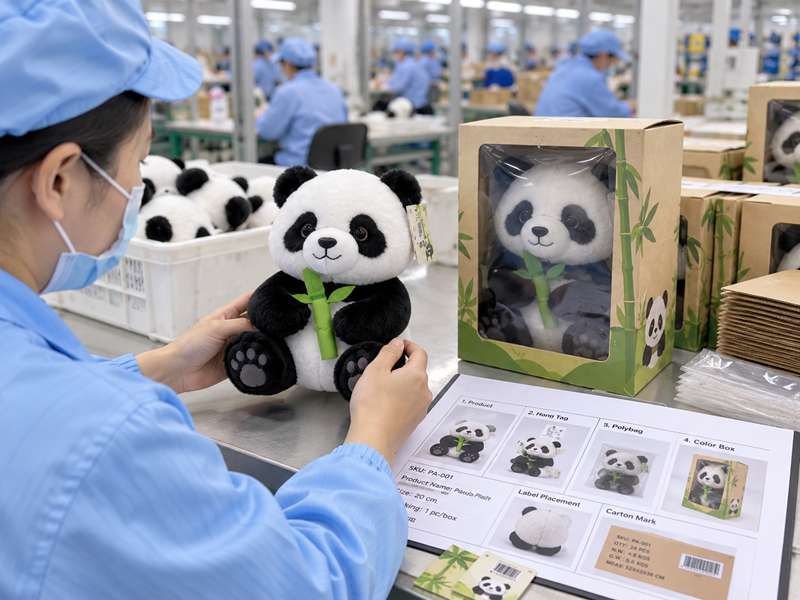
Retail Programs
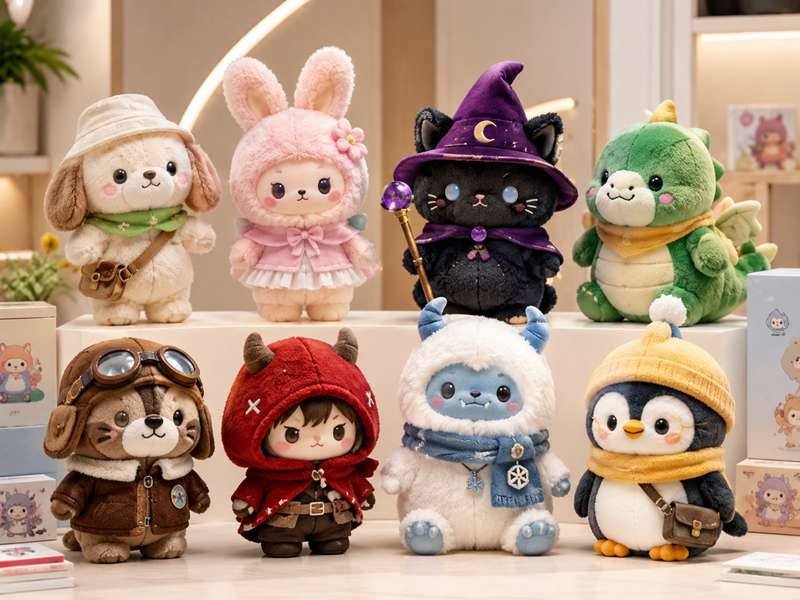
IP Collections
Licensed and character programs need recycled-material changes to preserve color, pile, embroidery clarity, silhouette, and approved handfeel. Sustainability choices should enter the same character-approval route as any other material change rather than being treated as a separate marketing decision.
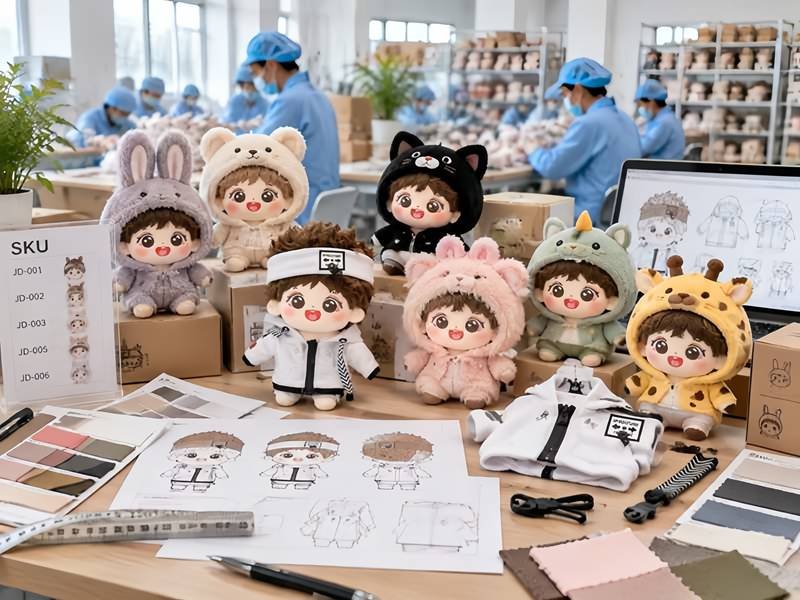
Multi-SKU Collections

Corporate Merchandise
Corporate merchandise may begin with a brand sustainability brief, event date, material preference, logo requirement, packaging target, and distribution plan. Ewin can review whether the requested material and pack route fit appearance, quantity, schedule, documentation, and delivery needs.
Frequently Asked Questions
Yes. rPET and other recycled-content routes can be reviewed against appearance, handfeel, pile, color, decoration, MOQ, lead time, supplier availability, and the documentation required for the project.
Yes, where product requirements allow. Recycled polyester filling should be checked for loft, firmness, visible impurities, color, recovery, distribution, batch behavior, and consistency with the approved sample.
It can. Handfeel depends on fiber, pile, backing, finishing, density, and product construction. A physical swatch or prototype should confirm the finished result before bulk material is approved.
It can. Custom rPET supply often has higher minimums and longer sourcing than stock materials. Project planning should confirm color, specification, supplier MOQ, availability, and delivery timing before approval.
Often, but color should be developed and approved against the specific fabric construction. Light shades, exact brand colors, pile direction, and finishing can affect visual consistency across sample and bulk.
Claims should be tied to the approved material, supplier route, applicable declaration or certificate, scope, batch information where required, BOM reference, SKU, and production version rather than a blanket statement.
Yes. Approved material IDs, specifications, supplier routes, colors, supporting document references, filling requirements, packaging components, and claim notes can be recorded so production follows the same approved definition.
Yes. Unit packaging, inserts, labels, cartons, display needs, product protection, barcode requirements, and logistics can be reviewed together to remove unnecessary complexity without creating damage or channel problems.
Yes, when recovery and product risk are validated. Face shape, pile, ears, clothing, print, accessories, electronics, storage time, carton configuration, and opening condition should be tested before release.

Send Your Sustainability Requirement for Review
Share the product and sustainability requirement you need Ewin to review, including product type, approximate size, SKU count, quantity by SKU, target market, launch date, and packaging expectations. Identify whether the requirement concerns recycled outer fabric, recycled filling, packaging materials, material documentation, certification scope, or a brand-specific sourcing policy. Upload artwork, a material brief, retailer manual, existing specification, approved sample photos, packaging files, or supplier documentation when available. If a specific certification or recycled-content claim must appear on the product or packaging, state the required wording and evidence standard before material sourcing begins. Ewin can then review material feasibility, commercial constraints, sampling needs, documentation, production control, and the correct next project step.